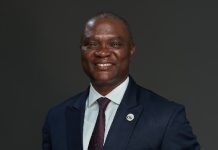
Within the past two decades, one of the most remarkable advances in modern medicine has been the rise of cancer immunotherapy, which offers more precise and potentially curative treatment for many patients. Unlike conventional therapies such as chemotherapy or radiation, immunotherapy stimulates the body’s own defence mechanisms to identify and eliminate cancer cells. Prominent among the scientists driving this revolution is Nigerian-born Professor Adekunle Odunsi, whose pioneering work in ovarian cancer immunotherapy has made him a global authority in contemporary cancer research.
Through decades of meticulous investigation, clinical innovation and institutional leadership, Odunsi has contributed to some of the pivotal breakthroughs in understanding how the immune system interacts with cancer. He has notably led the development of antigen-specific vaccine therapy and “next-generation” adoptive T-cell immunotherapies to prolong remission rates in women with ovarian cancer.
The renowned gynaecologic oncologist currently holds one of the most influential positions in modern oncology as director of the University of Chicago Medicine Comprehensive Cancer Centre (UCCCC), which treats more than 7,500 new cancer patients annually. Quite significantly, he is only the second Black director in the more than fifty-year history of the elite cancer research and treatment centre.
Odunsi is also the AbbVie Foundation distinguished service professor of Cancer Immunology, as well as dean for Oncology in the Biological Sciences Division of UCCCC. From these vantage positions, he oversees the centre’s research, clinical care, education and community missions. His reviews and publications are widely cited in oncology and immunotherapy across the globe.
Foundations of excellence
Born in Nigeria in the early 1960s, Prof. Odunsi’s journey into cancer research and immunotherapy began during his medical training at the then University of Ife (now Obafemi Awolowo University, Ile-Ife). An elective course in immunology left a life-changing impression on him. “I was struck by the idea that our own immune cells could tell what belonged and what didn’t,” he recalls.
After obtaining his medical degree in 1984, he proceeded to the United Kingdom, where he completed his clinical training in Obstetrics and Gynaecology at the Rosie Maternity Hospital and Addenbrooke’s Hospital, University of Cambridge. This qualified him as a Member (and later Fellow) of the Royal College of Obstetricians and Gynaecologists (FRCOG).
He subsequently earned his doctorate in Immunogenetics at the Imperial Cancer Research Fund Laboratories, MRC Weatherall Institute of Molecular Medicine, John Radcliffe Hospital, Oxford. This laid the groundwork for his later expertise in tumour immunology and immunotherapy.
After completing his UK training, Odunsi moved to the United States to pursue American board certification. He undertook a full four-year residency in Obstetrics and Gynaecology at Yale University School of Medicine / Yale New Haven Hospital in New Haven, Connecticut. He then completed a specialised fellowship in Gynaecologic Oncology at Roswell Park Comprehensive Cancer Centre in Buffalo, New York.
He joined the Roswell Park faculty in 2001 and built much of his early career in tumour immunology and immunotherapy there. While overseeing major scientific programmes, he served as head of the Department of Gynaecologic Oncology, the M. Steven Piver professor of gynaecologic oncology, and executive director of the Centre for Immunotherapy at the Buffalo cancer centre before moving to the University of Chicago in 2021.
Finding a new way to fight cancer
From the time he began working with patients suffering from gynaecologic cancers, Odunsi became deeply troubled by a pattern he repeatedly observed in ovarian cancer: treatment would appear successful, only for the disease to return months later, often more aggressive than before.
This experience forced him to confront the limitations of conventional therapies. Surgery and chemotherapy could remove visible tumours, but they often failed to eliminate microscopic disease. The question that began to occupy his mind was whether the immune system could be trained to recognise cancer cells as abnormal and destroy them before relapse occurred.
This question led him into immunotherapy. He was, however, confronted with an initial challenge. Since cancer cells originate from the body’s own tissues, they often escape immune detection. Undeterred, Odunsi continued his work until he eventually made a major breakthrough through the study of tumour antigens (molecular markers that allow immune cells to distinguish abnormal tissue from healthy cells.) Working with collaborators, he helped identify a particularly important antigen known as NY-ESO-1, a protein expressed in many cancers but absent from most normal tissues.
This discovery proved crucial because NY-ESO-1 is largely confined to malignant cells, making it a suitable target for immunotherapy with minimal risk of damaging healthy organs. Odunsi’s team began developing vaccines designed to stimulate the immune system to recognise this antigen in ovarian cancer patients. Early trials showed that such vaccines could generate measurable immune responses and, in some cases, prolong remission.
Their investigations further showed that antigen expression could be controlled by DNA methylation, a chemical process that regulates gene activity. By using drugs that reverse this process, the researchers were able to restore antigen expression in cancer cells, making them visible once again to immune attack. This insight opened new possibilities for combination therapies designed to strengthen the effectiveness of immunotherapy.
Engineering advanced immune responses
Another challenge encountered by Odunsi was the limited lifespan of engineered immune cells. In adoptive T-cell therapy, immune cells are modified in the laboratory to recognise cancer and then returned to the patient’s body. While promising, these cells often disappear within weeks, reducing the durability of the response.
Odunsi’s research group developed innovative strategies to address this problem. One approach involved programming stem-like cells capable of producing a continuous supply of tumour-targeting T cells after infusion. These cells were also engineered to resist the suppressive signals released by tumours, allowing them to function in the hostile environment surrounding cancer tissue.
His team has also explored the biology of tissue-resident immune cells – cells that remain at the site of disease rather than circulating through the body. By identifying the mechanisms that allow these cells to stay within the tumour micro-environment, the researchers have laid the groundwork for therapies in which engineered immune cells can maintain a sustained presence where they are needed most.
Making history at UCCCC
In March 2021, Odunsi made history by becoming only the second Black director of a National Cancer Institute-designated cancer centre – the University of Chicago Medicine Comprehensive Cancer Centre. His mandate, according to Prof. Kenneth Polonsky, then executive vice-president for Biology and Medicine at the University of Chicago and president of the UChicago Medicine health system, was to take UCCCC “to the next level of excellence among the elite cancer programmes in the country.”
True to that mandate, under Odunsi’s leadership, the institution has embarked on an ambitious programme to expand both research and patient care. A major project currently being implemented is the construction of a large cancer pavilion designed to bring together clinicians, scientists and patients in a single integrated environment. The facility is intended to support advanced diagnostics, personalised therapies, clinical trials and long-term survivorship programmes, reflecting a modern understanding of cancer as a disease that affects every aspect of life.
Alongside his administrative role, Odunsi continues to translate laboratory findings into multi-institutional immunotherapy trials, including those under the Roswell Park–University of Chicago Specialised Programme of Research Excellence (SPORE) in Ovarian Cancer, where he serves as principal investigator or co-principal investigator. His pioneering research continues to influence clinical practice, trial design and the broader field of cancer immunotherapy.
Honours, awards and international recognition
Professor Odunsi’s work in cancer immunology has attracted wide international recognition, not only for its scientific originality but also for its impact on patient care. Over the course of his career, he has received numerous honours that place him among the leading physician-scientists of the contemporary era.
One of the most significant milestones came in 2018, when he was elected to the National Academy of Medicine in the United States, one of the highest honours in global healthcare. He was recognised for identifying key mechanisms of immune suppression within the ovarian tumour micro-environment and for leading multi-institutional clinical trials that applied innovative immunotherapy strategies developed through his research.
His pioneering work in ovarian cancer immunotherapy also earned him the Rosalind Franklin Prize for Excellence in Ovarian Cancer Research, awarded by the Ovarian Cancer Research Alliance qin 2019. The award acknowledged his role in developing immune-based treatments and in expanding knowledge of how tumours evade immune attack.
Odunsi also holds several important professional fellowships that reflect his standing as both a clinician and an academic specialist in gynaecologic oncology. He is a Fellow of the Royal College of Obstetricians and Gynaecologists, the American College of Obstetricians and Gynaecologists, and the African Academy of Sciences.