Kidney disease is preventable in many cases and manageable when detected early. For healthcare providers, kidney care must be integrated into daily practice: reviewing prescriptions carefully, educating patients consistently, and advocating preventive care.
Small lifestyle decisions today (less salt, better hydration, controlled blood pressure) can determine whether your kidneys serve you for a lifetime.
Functions of the kidney
Understanding the kidney’s role is essential for preventing disease and improving long-term health outcomes. Each kidney contains about one million nephrons. Nephrons are the functional filtration units responsible for maintaining internal balance (homeostasis). The kidneys perform several life-sustaining functions:
- Filtration and waste removal: The kidneys filter approximately 180 litters of blood daily, removing metabolic waste products such as urea, creatinine, uric acid, and drug metabolites. These wastes are excreted in urine.
- Fluid and electrolyte balance: They regulate sodium, potassium, calcium, phosphate, and water levels in the body. Even slight imbalances, particularly in potassium, can lead to life-threatening cardiac arrhythmias.
- Blood pressure regulation: Through the renin-angiotensin-aldosterone system (RAAS), the kidneys regulate blood pressure. Poor kidney function can both cause and worsen hypertension.
- Acid–base balance: The kidneys maintain normal blood pH by excreting hydrogen ions and reabsorbing bicarbonate. When kidney function declines, metabolic acidosis can develop.
- Hormonal Functions: The kidneys produce:
Erythropoietin (EPO) – stimulates red blood cell production
Renin – regulates blood pressure
Calcitriol (active vitamin D) – supports calcium absorption and bone health
When kidney disease develops, patients may experience anaemia, bone disease, and uncontrolled hypertension due to reduced hormone production.
Some common kidney diseases
- Chronic kidney disease (CKD): This is a progressive decline in kidney function lasting more than three months. The most common causes are: Hypertension, Diabetes mellitus, Glomerulonephritis, Polycystic kidney disease
CKD is staged based on estimated glomerular filtration rate (eGFR). Early stages are often asymptomatic, making screening critical.
- Acute kidney injury (AKI): This is a sudden decline in kidney function, often triggered by: Severe dehydration, Sepsis, Drug toxicity (e.g., NSAIDs, aminoglycosides, contrast agents) and Obstructive uropathy. Prompt identification can prevent permanent damage.
- Nephrotic and nephritic syndromes: These conditions arise from glomerular damage. Nephrotic syndrome is characterised by heavy proteinuria, edema, and hypoalbuminemia. Nephritic syndrome presents with haematuria, hypertension, and reduced urine output.
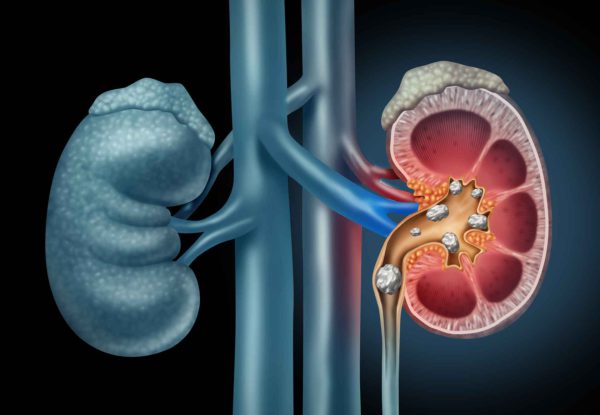
- Kidney stones: Formed from crystallised minerals such as calcium oxalate, kidney stones can cause severe flank pain and urinary obstruction.
- End-stage renal disease (ESRD): When kidney function declines to less than 15 per cent of normal capacity, patients require dialysis or kidney transplantation to survive.
Risk Factors that threaten kidney health include:
Uncontrolled hypertension
Poorly managed diabetes
Obesity
Smoking
Excessive salt intake
Chronic use of nephrotoxic drugs
Family history of kidney disease.
In many African settings, late presentation is common due to limited screening and low awareness.
How to care for the kidneys
- Control blood pressure and blood sugar: Maintaining target BP (<130/80 mmHg for many patients with chronic kidney disease) and optimal glycaemic control significantly reduces the risk of progression.
- Stay hydrated: Adequate water intake supports kidney filtration and helps prevent kidney stones. However, fluid intake should be individualised in patients with heart failure or advanced chronic kidney disease.
- Use medications responsibly: Avoid indiscriminate use of NSAIDs and herbal remedies. Many over-the-counter and traditional products can cause kidney damage.
- Reduce salt intake: High sodium intake contributes to hypertension and fluid retention. WHO recommends less than 5g of salt per day.
- Maintain a healthy weight: Obesity increases risk of diabetes and hypertension, which are both major drivers of CKD.
- Avoid smoking: Smoking accelerates kidney function decline and increases cardiovascular risk.
- Screen regularly: At-risk individuals should have:
Serum creatinine and eGFR
Urinalysis for proteinuria
Blood pressure monitoring
Note: Early detection dramatically improves outcomes.
Role of healthcare providers
In Nigeria, community pharmacies are often the first and most accessible healthcare touchpoints.
Medication review and renal dosing: Pharmacists should routinely assess renal function where possible and recommend appropriate dose adjustments.
- Patient counselling: Clear counselling should include:
Avoiding excessive NSAID use
Adhering strictly to antihypertensive and antidiabetic medications
Recognising warning signs (reduced urine output, swelling, frothy urine, persistent fatigue)
Encouraging routine screening
Lifestyle education: Pharmacists can reinforce advice on salt reduction, hydration, weight management, and smoking cessation.
Early referral: When red flags are identified, like persistent proteinuria, rising creatinine, uncontrolled BP, prompt referral to a physician or nephrologist is essential.
Advocacy and awareness: Healthcare providers can participate in community outreach programs, especially around initiatives such as World Kidney Day, to drive early detection campaigns.
The clinical impact of kidney disease
Kidney disease, quite often, amplifies cardiovascular risk. Patients with CKD are more likely to die from cardiovascular complications than from kidney failure itself.
Additionally, impaired renal function alters drug pharmacokinetics. Reduced clearance can lead to drug accumulation and toxicity. Medications such as metformin, certain antibiotics, anticoagulants, and opioids require dose adjustments based on renal function.
For pharmacists and prescribers, calculating creatinine clearance or eGFR before dispensing certain medications is critical to patient safety. If you have hypertension or diabetes, you are automatically at higher risk; regular kidney checks should not be optional. Also, seek medical advice if you notice:
Persistent swelling of feet or face
Foamy urine
Blood in urine
Fatigue or weakness
Changes in urination pattern.
By Pharm. (Dr) Onyinye Bridget Chiekwe, PharmD, MScPH, ABMP
pharmbree25@gmail.com