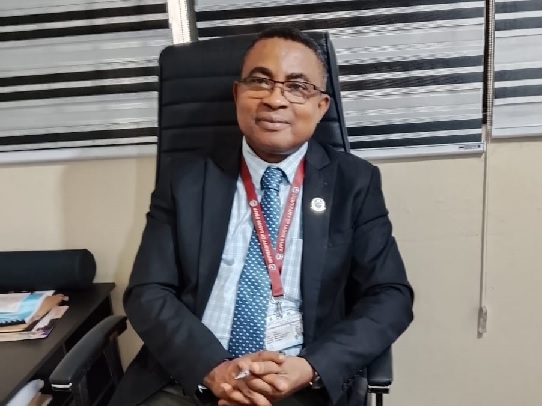
Poor remuneration, inadequate opportunities for continuing professional development and the migration of practitioners are threatening the capacity of Nigeria’s physiotherapy workforce to meet the country’s growing healthcare needs, the President of the Association of Clinical and Academic Physiotherapists of Nigeria (ACAPN), Professor U.A.C. Okafor, has warned.
Okafor, a professor of Ergonomics and Musculoskeletal Physiotherapy at the University of Lagos, said Nigerian physiotherapists were not adequately compensated despite the physically demanding and hazardous nature of their work.
Speaking in an exclusive interview with Pharmanewsonline, he said physiotherapists routinely work in close physical contact with patients, including those recovering from stroke, obesity, neurological disorders and severe musculoskeletal conditions, exposing them to considerable physical and occupational risks. According to him, the welfare packages and hazard allowances available to many physiotherapists do not adequately reflect the demands and risks associated with their profession.
He identified the migration of physiotherapists to countries offering better remuneration, working conditions and career opportunities as another major challenge confronting the profession. “As more professionals leave, those who remain face heavier workloads, placing additional strain on the healthcare system,” he said.
Okafor also expressed concern over limited access to continuing professional development, particularly among physiotherapists working in government institutions. He said many practitioners lacked institutional sponsorship to attend conferences, workshops and specialised training programmes, making it difficult for them to keep pace with developments in their profession. He said ACAPN was responding through advocacy, public awareness and initiatives designed to strengthen research, mentorship and professional development.
The ACAPN president, however, said the profession had recorded important progress, including the approval of the Doctor of Physiotherapy (DPT) programme by the National Universities Commission in 2018. According to him, the development has raised the profile of physiotherapy, encouraged more universities to establish training programmes and gradually expanded the country’s physiotherapy workforce.
Okafor argued that strengthening physiotherapy was particularly important as Nigeria grapples with an increasing burden of non-communicable diseases, musculoskeletal disorders and neurological conditions. He said physiotherapists were central to the prevention, treatment and rehabilitation of patients suffering from these conditions, adding that their contribution extended beyond the traditional perception of physiotherapy as treatment for back pain and sports injuries.
He identified poor posture associated with the widespread use of smartphones, laptops and tablets as an emerging public health concern. According to him, prolonged use of digital devices in awkward positions is contributing to neck pain, back pain, shoulder discomfort and joint problems, while excessive smartphone use is increasingly associated with repetitive strain injuries such as “texting thumb”.
He urged Nigerians to pay greater attention to workplace and digital ergonomics, including appropriate seating, desk height, computer-screen positioning and driving posture, saying simple adjustments could prevent years of pain and disability. Okafor also stressed the need for greater integration of physiotherapy into multidisciplinary healthcare.
He noted that physiotherapists work alongside doctors, pharmacists, nurses and other healthcare professionals in managing patients, particularly those requiring rehabilitation after stroke, neurological disorders, respiratory illnesses and developmental conditions. He said the COVID-19 pandemic helped to broaden public understanding of the profession, particularly its role in respiratory rehabilitation.
The pandemic, he explained, also accelerated the profession’s adoption of technology. ACAPN moved its conferences and professional engagements online during the period, while physiotherapists increasingly adopted tele-rehabilitation to monitor patients remotely, supervise home exercise programmes and provide virtual guidance. Although physiotherapy remained fundamentally a hands-on profession, he said technology could complement conventional treatment by improving access and continuity of care.
Okafor called for stronger government policies to support physiotherapy education, research and professional practice. He advocated increased investment in training, research funding, continuing professional development and better remuneration for practitioners. He also called for sustained public awareness campaigns to help Nigerians understand the breadth of physiotherapy practice, noting that the profession now covers areas including cardiopulmonary, neurological, paediatric, women’s health, orthopaedic, sports and ergonomics physiotherapy.
He said greater recognition of physiotherapy would improve access to rehabilitation services and contribute to a healthier and more resilient healthcare system. “Ultimately, investing in physiotherapy is an investment in healthier communities, improved quality of life and a more resilient healthcare system,” he said.