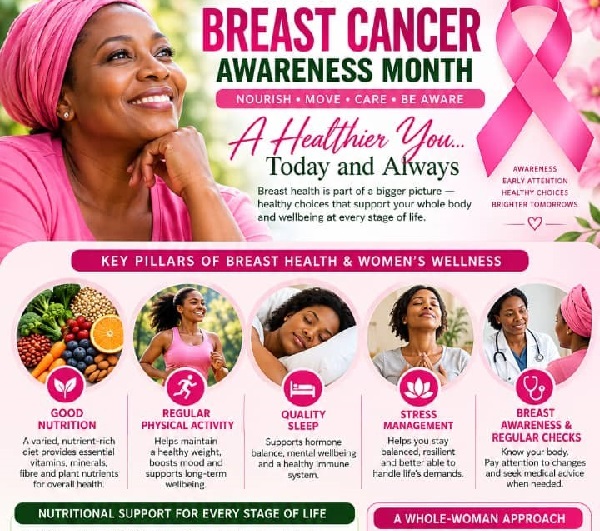
Breast Cancer Awareness Month provides an opportunity to move beyond awareness of the disease and encourage women to take a more comprehensive approach to their health. Breast cancer prevention and treatment require evidence-based medical care. However, nutrition, physical activity, healthy body weight, adequate sleep and other lifestyle practices also contribute to overall well-being. For women living with or beyond breast cancer, these factors can form an important part of supportive care and survivorship.
It is important, however, to distinguish supporting nutritional and immune function from treating cancer.
Nutrition and normal immune function
The immune system is an intricate network requiring adequate energy, protein, vitamins, minerals and other nutrients for normal physiological function. Poor nutritional status can compromise general health and may be particularly concerning during periods of illness or cancer treatment.
A varied diet therefore remains the foundation of nutritional wellness. Important dietary components include:
Protein: Eggs, fish, poultry, beans, lentils, nuts and seeds provide protein needed for maintenance of muscle and body tissues.
Vitamin C: Found in citrus fruits, peppers, tomatoes and many vegetables and fruits, vitamin C contributes to normal immune function and antioxidant protection.
Vitamin D: Important for bone health, calcium metabolism and normal immune function. Sources include sunlight exposure, selected foods and appropriately indicated supplementation.
Zinc: Found in meat, seafood, eggs, beans, nuts and seeds, zinc contributes to normal immune function and numerous metabolic processes.
Selenium: Found in seafood, eggs, meat, grains and nuts, selenium contributes to normal immune function and protection of cells from oxidative stress.
Folate and other B vitamins: Legumes, vegetables, eggs, whole grains and other foods provide B vitamins involved in normal energy metabolism, cell division and physiological processes.
These nutrients should primarily come from a varied diet. Where dietary intake is inadequate or deficiency is identified, supplementation may have a legitimate role under appropriate professional guidance.
The role of quality nutritional supplements
Quality nutritional supplements can complement a balanced diet by providing selected nutrients and naturally derived nutritional ingredients.
This can be particularly relevant to women whose dietary intake is limited by busy lifestyles, changing nutritional requirements or difficulty achieving dietary variety.
However, supplementation should be individualised. Women undergoing chemotherapy, radiotherapy, endocrine therapy or other cancer treatment should discuss supplements with their oncology team.
Some concentrated supplements, particularly high-dose antioxidant products, may interact with certain treatments.
The responsible wellness position is therefore simple: supplements complement nutrition; they do not replace oncology care.
Lifestyle is part of the prescription for wellness
Nutrition works best when combined with healthy lifestyle practices. Regular physical activity is particularly important. Evidence in breast-cancer survivors associates physical activity with better overall and breast-cancer-specific survival. Exercise can also contribute to physical functioning, sleep, mood and quality of life.
Depending on an individual’s health status and treatment, activities may include walking, swimming, dancing, cycling, resistance exercises or other enjoyable forms of movement.
Maintaining a healthy weight, avoiding tobacco, limiting alcohol, getting adequate sleep and managing chronic stress are additional components of a comprehensive wellness strategy.
A whole-woman approach
Breast health should never be isolated from the health of the whole woman. A practical wellness framework includes:]
Eating a diverse, nutrient-rich diet
Adequate protein and hydration
Regular physical activity
Maintaining appropriate body weight
Adequate sleep and recovery
Stress management and social connection
Avoiding tobacco and limiting alcohol
Appropriate nutritional supplementation where indicated
Regular medical care and recommended breast screening
For women diagnosed with breast cancer, nutritional needs may change during treatment. Some women may require additional calories or protein, while others may need help managing treatment-related eating difficulties. Individual assessment by an oncology team and qualified dietitian can therefore be valuable.
References
- National Cancer Institute. Diets, Supplements, and Cancer. NCI.
- American Cancer Society. Nutrition and Physical Activity Guideline for Cancer Survivors. ACS.
- National Cancer Institute. Breast Cancer Prevention. NCI.
Mrs Chima Ejimofor is the lead partner of Infinite Health Consult, and is available for the purchase of Forever Living products, health talks and wellness seminars. She is based in Lagos, Nigeria. Telephone/WhatsApp: 07033179632, email: infinitehealthconsult@gmail.com