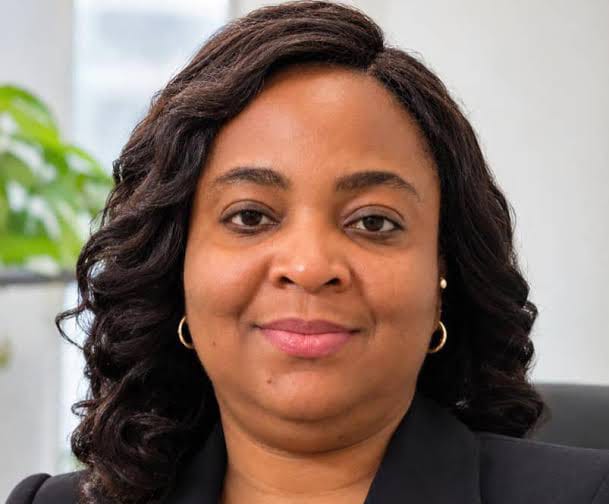
A Professor of Clinical Pharmacy and Pharmacy Management at the University of Nigeria, Nsukka, Nneka Uchenna Igboeli, has urged hospital administrators to track the often-overlooked costs of poor medication management. She warned that medication errors and unresolved drug-therapy problems can impose costs on healthcare institutions that extend well beyond the immediate clinical incident.
She said poor medication management can contribute to preventable patient harm, delays in treatment, prolonged hospital stays, readmissions, medicine wastage and higher costs for patients and healthcare institutions. These challenges, she noted, are systemic and have implications for patient safety, hospital finances and operational efficiency.
Igboeli made the call while addressing pharmacists across Nigeria at a webinar organised by the Clinical Pharmacists Association of Nigeria (CPAN) on Tuesday, 17 November 2026.
Speaking on the topic, “The Hidden Cost of Poor Medication Management: How Clinical Pharmacists Use Quality Tools to Drive Patient Safety, Efficiency and Hospital Performance,” she emphasised the need for practising clinical pharmacists to provide measurable evidence of their contributions to hospital management and healthcare delivery.
Pharmacy practice, a source of hospital data
Igboeli said routine pharmacy activities generate valuable information that hospital administrators can use to identify weaknesses in medication-use systems.
Medication reconciliation, prescription review, drug-therapy assessment, adverse-event monitoring and documentation of clinical interventions, she explained, can help reveal gaps in medication management and areas requiring improvement.
She recommended the use of established quality-improvement tools, including process mapping, root-cause analysis, Failure Mode and Effects Analysis (FMEA), Pareto analysis, Plan-Do-Study-Act (PDSA) cycles and performance dashboards.
Used together, these tools can help hospitals identify recurring problems, test corrective measures and monitor whether improvements are sustained over time, she said.
“If healthcare workers are afraid of being blamed or punished, many mistakes and near misses will go unreported. We need to create an environment where staff can speak up freely when something goes wrong, so that hospitals can learn from these experiences, correct weaknesses and prevent similar mistakes from happening again,” she said.
Research focus on medication-use quality
Igboeli’s research has examined how the quality of medication use affects patient safety, treatment outcomes and healthcare performance. Her work has addressed medication-related challenges in kidney disease, diabetes, hypertension and epilepsy, with particular attention to prescribing quality and the role of structured pharmaceutical-care interventions in patient care.
In 2014, she and her collaborators investigated the effects of additional pharmaceutical-care interventions, compared with usual care, on clinical outcomes among people with type 2 diabetes in Nigeria.
In 2017, she co-authored a study evaluating drug-therapy problems among renal patients in Nigerian tertiary hospitals. The following year, she and her colleagues assessed the quality of prescription orders at a tertiary healthcare facility in south-eastern Nigeria. In 2020, she examined adherence to essential hypertension-treatment guidelines in a Nigerian tertiary hospital, addressing the translation of evidence-based recommendations into routine clinical practice.
Igboeli and her collaborators, in 2024 investigated the effect of pharmaceutical-care services on the tolerability of antiepileptic medicines among people living with epilepsy. Taken together, these studies address medication safety, prescribing practices, adherence to treatment guidelines and the contribution of pharmacists to patient care.
Demonstrating the value of pharmacists’ contributions
Igboeli urged pharmacists to go beyond counting the number of interventions they make and demonstrate the outcomes of those interventions. She recommended linking pharmaceutical-care activities to indicators such as medication discrepancies, preventable adverse events, treatment delays, patient outcomes, workflow efficiency, hospital utilisation and avoidable expenditure.
“We cannot depend only on incidents that people report to know where things are going wrong. Sometimes, the evidence of a medication error is hidden in a patient’s medical records. For example, when a patient suddenly needs an emergency medicine to reverse the effect of another drug, it should prompt us to investigate what happened. Pharmacists can use these warning signs to uncover problems that might otherwise go unnoticed,” she said.
She said hospitals that include pharmacists in multidisciplinary quality-improvement teams may be better positioned to identify failures in medication-use systems, implement corrective measures and sustain improvements in patient care.
Academic and professional experience
At the University of Nigeria, Nsukka, Igboeli has taught clinical pharmacy, therapeutics, pharmaceutical care, research methods, public-health pharmacy and pharmacy management. She has also supervised undergraduate and postgraduate research.
She served as the inaugural chair of the Departmental Ethics Committee, which oversees the scientific and ethical review of departmental research. She is a Fellow of the West African Postgraduate College of Pharmacists and has contributed to postgraduate residency training and the development of infectious-disease pharmacy residency and preceptor resources.