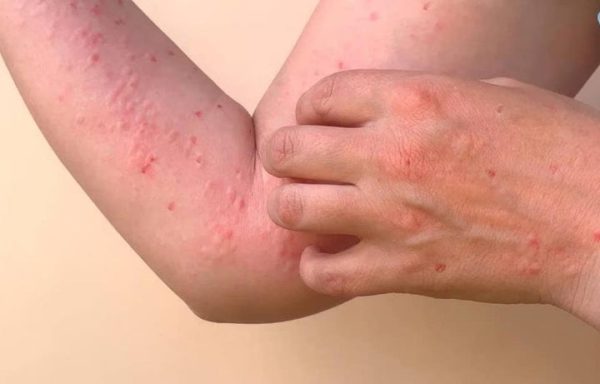
Chikungunya is a viral disease transmitted primarily through the bite of infected mosquitoes. It is characterised by sudden fever, severe joint pain, headache, muscle pain, rash, and fatigue. Although rarely fatal, the disease can cause significant discomfort and disability, especially due to persistent joint pain that may last for months or even years. Chikungunya has emerged as a major public health concern in many tropical and subtropical regions of the world. It spreads exclusively through the bites of infected Aedes mosquitoes, the same mosquitoes that transmit dengue and Zika.
The term “chikungunya” originates from the Kimakonde language spoken in parts of Tanzania and Mozambique. It means “to become contorted” or “that which bends up,” describing the stooped posture adopted by sufferers because of intense joint pain. The disease was first officially identified during an outbreak in southern Tanzania in 1952. Researchers isolated the causative virus and named it the Chikungunya virus. Following its discovery, outbreaks were reported across Africa and Asia, where the virus became endemic in several countries.
For many decades, Chikungunya remained largely confined to Africa and Asia. However, globalisation, increased international travel, urbanisation, and the widespread distribution of mosquito vectors facilitated its spread to new regions. Major outbreaks occurred in the Indian Ocean islands between 2004 and 2006, affecting millions of people. Subsequently, cases were reported in Europe and the Americas. In 2013, local transmission was confirmed in the Caribbean, marking the virus’s significant expansion into the Western Hemisphere. Today, Chikungunya continues to pose a health challenge in many countries.
Cause and transmission
The disease is caused by the Chikungunya virus (CHIKV), an RNA virus belonging to the genus Alphavirus in the family Togaviridae. The virus is transmitted mainly through the bites of infected female Aedes aegypti and Aedes albopictus mosquitoes. These mosquitoes are also responsible for transmitting other viral diseases such as dengue fever and Zika virus infection. When a mosquito bites an infected person, it acquires the virus and can subsequently transmit it to healthy individuals through later bites.
Several factors contribute to the spread of Chikungunya. Environmental conditions such as heavy rainfall, poor drainage systems, and stagnant water provide ideal breeding sites for mosquitoes. Rapid urbanisation, overcrowded settlements, inadequate sanitation, and climate change have also enhanced mosquito proliferation. Increased global travel allows infected individuals to carry the virus across borders, facilitating outbreaks in new regions where competent mosquito vectors exist.
Symptoms and diagnosis
The symptoms of Chikungunya usually appear between three and seven days after an infected mosquito bite. The most common symptom is a sudden high fever accompanied by severe joint pain, particularly in the hands, wrists, ankles, and feet. Other symptoms include headache, muscle pain, nausea, fatigue, and skin rash. While most patients recover within a week, some experience chronic joint pain that may persist for months or years, significantly affecting their quality of life. Infants, older adults, and individuals with underlying medical conditions may experience more severe complications.
Diagnosis of Chikungunya is often based on clinical symptoms and a history of exposure to mosquito-infested areas. Laboratory tests such as reverse transcription polymerase chain reaction (RT-PCR), viral culture, and serological tests are used to confirm infection. Because its symptoms resemble those of dengue and Zika infections, accurate laboratory diagnosis is essential for proper management and surveillance.
Treatment and prevention
Currently, there is no specific antiviral treatment for Chikungunya. Management focuses on relieving symptoms and supporting recovery. Patients are advised to rest, drink plenty of fluids, and use medications such as paracetamol to reduce fever and pain. Non-steroidal anti-inflammatory drugs (NSAIDs) may be prescribed after dengue has been ruled out. In cases of prolonged joint pain, physiotherapy and rehabilitation may help improve mobility and reduce discomfort.
Prevention remains the most effective strategy for controlling Chikungunya. Efforts focus on reducing mosquito populations and minimising human exposure to mosquito bites. Individuals can protect themselves by using insect repellents, wearing long-sleeved clothing, sleeping under mosquito nets, and installing window screens. Communities can eliminate mosquito breeding sites by removing stagnant water from containers, tires, flower pots, and gutters. Public health campaigns and vector control programs play a crucial role in preventing outbreaks.
In conclusion, Chikungunya is a mosquito-borne viral disease with a history spanning more than seven decades. Although it is rarely fatal, its debilitating symptoms, particularly persistent joint pain, can significantly affect individuals and communities. Understanding its causes, transmission patterns, and preventive measures is essential for effective control. As global environmental and social changes continue to influence disease spread, strengthened surveillance, public awareness, and mosquito control efforts remain vital in reducing the burden of Chikungunya worldwide.