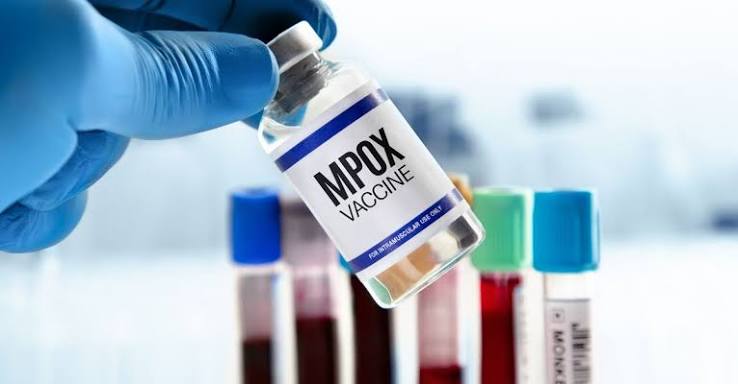
A global stockpile of Mpox vaccines has been launched to ensure countries can access vaccines quickly when responding to outbreaks.
The initiative, launched on 27 August, is expected to begin operations later in September and to provide countries with access to vaccines regardless of their ability to pay.
The stockpile was approved by the Board of Gavi, the Vaccine Alliance, in 2025 and is funded by Gavi. It will be coordinated by the International Coordinating Group (ICG) on Vaccine Provision, with the International Federation of Red Cross and Red Crescent Societies (IFRC), Médecins Sans Frontières (MSF), UNICEF and the World Health Organisation (WHO) as partners.
The initiative builds on the Access and Allocation Mechanism established in 2024 during the previous Mpox Public Health Emergency of International Concern (PHEIC).
According to Gavi CEO, Dr Sania Nishtar, the stockpile was created partly in response to the unequal access to mpox vaccines experienced by lower-income countries during the 2022 outbreak.
“During the 2022 Mpox outbreak, lower-income countries were left behind when it came to access to vaccines and it was clear that a mechanism was needed to ensure this global public good could be accessed by those who need it most,” Nishtar said.
She added that every country should be able to access the stockpile, regardless of its ability to pay, noting that Gavi had previously supported the global response to the 2024 Mpox emergency through its First Response Fund.
Nishtar stated that the organisation hopes the stockpile will help make the world safer from the threat of Mpox.
Also speaking on the initiative, Secretary General and CEO of the IFRC, Jagan Chapagain, described access to vaccines as essential to controlling the disease.“Access to vaccines – for all who need them – is vital,” Chapagain said.
He said the global coordination mechanism would help ensure that vaccines reach communities at the greatest risk when and where they are needed.
Mpox continues to cause outbreaks globally, with about two-thirds of reported cases occurring in the African Region. Between 1 January 2022 and 31 July 2026, 145 countries and territories reported 190,683 confirmed cases and 529 deaths.
Mpox is a viral disease that spreads mainly through close physical contact, while animal-to-human transmission continues to occur in parts of Africa.
The disease can become severe, especially among children and people with weakened immune systems. Vaccination can help reduce transmission, prevent severe illness and support faster control of outbreaks.