The declaration of a fresh Ebola virus outbreak in Central Africa as a Public Health Emergency of International Concern is a call to action that must be taken seriously. The alert, issued by the World Health Organisation at the close of the 79th World Health Assembly, held from 18 to 23 May in Geneva, signals that the world is once again confronting a disease that has repeatedly exposed the fragility of public health systems and the limits of coordinated international response.
The current outbreak, centred in the Democratic Republic of the Congo and extending into Uganda, involves the Bundibugyo strain of the Ebola virus, for which neither an approved vaccine nor a targeted therapeutic regimen currently exists. That fact alone materially raises the stakes. WHO Director-General, Tedros Adhanom Ghebreyesus, has noted that the simultaneous emergence of Ebola alongside other infectious threats indicates a persistent structural vulnerability to rapidly spreading diseases, an observation that is particularly significant for Africa, where health systems remain uneven in capacity, reach and resilience.
The lessons of the 2014 to 2016 West African epidemic must not be forgotten. That outbreak, the deadliest since Ebola was first identified in 1976, infected over 28,000 people and claimed more than 11,000 lives across Guinea, Sierra Leone and Liberia. Beyond the mortality figures lay the compounded burdens of fractured economies, overwhelmed health systems, and communities left grappling with grief and stigma. Nigeria recorded between 19 and 20 confirmed cases and seven deaths during that period before achieving a containment that earned international recognition. That precedent must now be actively built upon, not merely cited.
Present indicators are a cause for serious concern. Reports from the DRC point to hundreds of suspected infections and a rising death toll, while Uganda has confirmed both cases and fatalities. In a region known for porous borders, dense population movement and limited surveillance infrastructure, outbreaks of this nature rarely remain geographically confined. What begins as a localised health emergency can assume regional and global dimensions with a speed that outpaces unprepared response systems.
In Nigeria, the activation of emergency preparedness protocols by the Nigeria Centre for Disease Control and Prevention and the heightening of surveillance measures by the Federal Ministry of Health are steps in the right direction. The NCDC’s Director-General, Jide Idris, has rightly identified the risk of importation as significant, citing increased cross-border travel and ongoing transmission in affected regions as primary drivers. These assessments must translate without delay into operational action across every relevant agency and institution. Official advisories are necessary; they are not, by themselves, adequate.
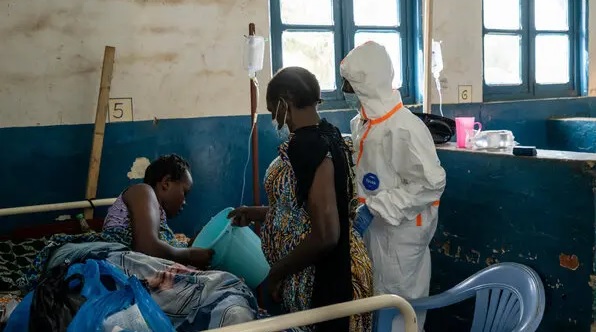
Border screening at airports, seaports and land crossings must be reinforced and consistently applied. Diagnostic laboratories must be properly equipped for rapid detection and confirmation. Public communication strategies must be intensified to counter the misinformation that has complicated previous outbreak responses and eroded the community trust upon which effective containment depends. Healthcare workers, who constitute the first and most critical line of defence, must receive continuous training, sufficient protective equipment and the institutional support necessary to fulfil their duties safely and effectively. These are not aspirational standards; they are operational requirements.
The role of professional bodies in this effort equally deserves explicit recognition. The Pharmaceutical Society of Nigeria has issued a timely alert to pharmacists nationwide, urging heightened vigilance across community and institutional settings. As widely accessible healthcare providers, pharmacists occupy a strategic position in early detection, patient education and referral. Their systematic integration into national surveillance frameworks could prove decisive in identifying potential cases before they escalate.
The imperative to depoliticise outbreak response must also be stated without ambiguity. Infectious diseases observe no national boundaries, and treating public health emergencies as matters of sovereign sensitivity rather than collective responsibility has historically proven costly. Transparent reporting, rapid data sharing and coordinated surveillance must form the non-negotiable foundation of Africa’s response architecture. Sustained collaboration between national governments, the Africa Centres for Disease Control and Prevention and global partners is not optional; it is indispensable.
The resurgence of Ebola is an unambiguous reminder that infectious diseases remain among the most serious threats to public health security on this continent and beyond. The difference between effective containment and a widening catastrophe will be determined by how decisively and cohesively governments, institutions, professional bodies and communities act in the period immediately ahead. The time for that action is now.