As men grow older, their bodies go through changes that are easy to notice, such as grey hair, stiff joints, and declining energy levels. But, perhaps the most common health concern of ageing men is prostate health.
Many men avoid talking about prostate health because of embarrassment, fear, or the belief that urinary problems are simply part of getting older. Unfortunately, these assumptions can delay medical attention until symptoms become more serious. The truth is that while prostate changes are common with age, they should never be ignored.
Understanding the prostate
The prostate is a small gland found only in men. Located just below the bladder, it surrounds part of the urethra, the tube through which urine leaves the body. Its primary role is to produce fluid that nourishes and transports sperm.
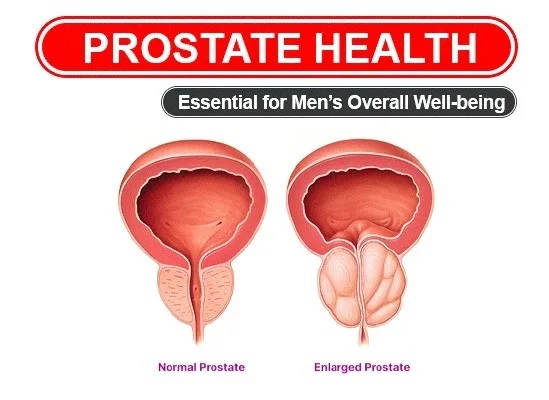
In younger men, the prostate is about the size of a walnut. As men age, however, it often becomes larger. This enlargement is not always a sign of cancer. In fact, many older men develop a condition known as benign prostatic hyperplasia (BPH), which is a non-cancerous enlargement of the prostate.
As the gland enlarges, it can press against the urethra, making it more difficult for urine to pass freely.
Identifying the warning signs
Many men dismiss the early symptoms of prostate problems because they develop gradually. Waking several times during the night to urinate, taking longer to empty the bladder, or experiencing a weak urine stream may be accepted as part of ageing.
Other warning signs include difficulty starting urination, a sudden urge to urinate, dribbling after urination, or the feeling that the bladder has not emptied.
These symptoms do not necessarily mean a man has prostate cancer. They may result from an enlarged prostate or another urinary condition. However, they do mean that medical evaluation is necessary.
Blood in the urine or semen, persistent pain in the lower back, hips, or pelvis, or unexplained weight loss should never be ignored, as these symptoms require prompt medical attention.
Prostate enlargement vs prostate cancer
One of the greatest sources of confusion is the belief that every prostate problem is cancer. This is not true.
Benign enlargement of the prostate becomes increasingly common with age and affects millions of men worldwide. While it can significantly affect quality of life, it is not cancer and does not automatically develop into cancer.
Prostate cancer, however, is one of the most common cancers affecting men. According to global cancer statistics, its risk increases significantly after the age of 50, although some men with a strong family history may be at risk earlier. The encouraging news is that when detected early, treatment is often more successful and outcomes are considerably better.
Importance of regular screening
One reason prostate cancer continues to claim lives is that it may produce no symptoms in its early stages. A man may feel completely healthy while the disease is developing silently.
This makes regular medical check-ups particularly important, especially for men over 50 and those with a father or brother who has had prostate cancer.
Doctors may recommend a prostate-specific antigen (PSA) blood test, a digital rectal examination, or both, depending on a person’s age, medical history, and level of risk. These tests do not provide all the answers on their own, but they help identify men who require further evaluation.
Screening should always involve a discussion between a man and his healthcare provider so that decisions are based on individual risk and overall health.
Habits that enhance prostate health
While age and family history cannot be changed, some lifestyle habits may help support prostate and overall health.
A balanced diet rich in fruits, vegetables, legumes, and whole grains contributes to general well-being. Foods high in saturated fats and heavily processed meats should be eaten in moderation. Maintaining a healthy weight and engaging in regular physical activity also reduce the risk of many chronic diseases, including some cancers.
Good control of conditions such as diabetes and hypertension is equally important, as these illnesses often occur alongside prostate problems in older adults.
Perhaps most importantly, men should not ignore changes in their urinary habits. Seeking medical advice early can prevent unnecessary complications and improve quality of life.