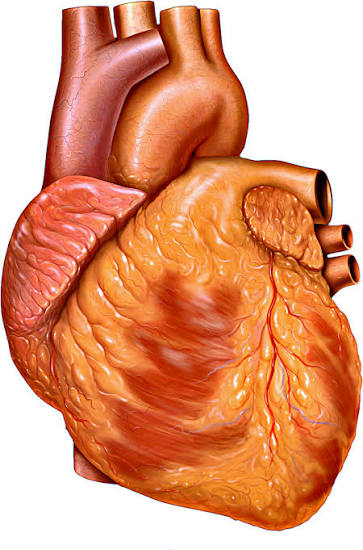
Forty is often rightly described as a milestone, but it is also a crucial point at which to take a closer look at the heart. By this age, years of diet, physical activity, stress, sleep, blood pressure and other influences have begun to leave their mark on the cardiovascular system.
The heart does not suddenly become vulnerable at 40, but the cumulative effect of earlier choices can become increasingly important. What happens in the next few decades may depend, in part, on what attention is paid to cardiovascular health now.
This is critical because cardiovascular disease remains the leading cause of death worldwide. The World Health Organisation estimates that 19.8 million people died from cardiovascular diseases in 2022, representing about 32 per cent of all deaths globally. More than three-quarters of these deaths occurred in low- and middle-income countries.
For anyone approaching middle age, therefore, looking after the heart should not be postponed until retirement.
What changes with age?
As we grow older, the heart and blood vessels undergo gradual changes. Arteries can become less flexible, making it harder for them to expand and contract as efficiently as they did when we were younger. The heart may also become less able to respond quickly to physical demands.
These changes are part of normal ageing and do not necessarily mean that a person has heart disease. The greater concern is what happens when normal ageing is combined with years of high blood pressure, high cholesterol, diabetes, smoking, physical inactivity or an unhealthy diet. In other words, a 50-year-old person may have an older cardiovascular system than another person of the same age because of accumulated risk factors.
Blood pressure deserves attention
Among the threats to the ageing heart, high blood pressure is particularly important because it can remain unnoticed for years.
WHO estimates that 1.4 billion adults aged 30 to 79 worldwide had hypertension in 2024. Yet about 44 per cent of people with the condition were unaware that they had it. The Nigerian situation is particularly grim. WHO data put the age-standardised prevalence of hypertension among Nigerians aged 30 to 79 at about 36 per cent in 2019. A 2026 systematic review and meta-analysis involving more than 49,000 Nigerian adults estimated a pooled prevalence of 34.2 per cent, although the researchers noted considerable variation between studies.
Persistent high blood pressure places extra strain on the heart and damages blood vessels. Over time, it can contribute to heart failure, stroke, kidney disease and other complications.
The years begin to count
Cardiovascular health is determined over the life course. The habits that may seem harmless in one’s 20s and 30s can become more significant when repeated for decades. For example, smoking, physical inactivity, excess salt, an unhealthy diet, poor sleep and uncontrolled blood pressure or blood sugar can gradually increase cardiovascular risk. This is why the years after 40 are a useful time to become more deliberate about heart health, rather than waiting for symptoms.
The American Heart Association’s Life’s Essential 8 brings these considerations together: eating well, being physically active, avoiding nicotine, maintaining a healthy weight, controlling cholesterol, managing blood sugar, controlling blood pressure and getting adequate sleep.
Protecting the heart for the years ahead
This is not to say 40 is a deadline. It is better viewed as an opportunity to take stock. Regular blood pressure checks and appropriate assessment of cholesterol and blood glucose can reveal problems before they become obvious.
Physical activity, a balanced diet and adequate sleep also support cardiovascular health. Adults are generally advised to aim for seven to nine hours of sleep each night, and sleep is now recognised as one of the American Heart Association’s eight key measures of cardiovascular health.
For people already living with hypertension, diabetes or high cholesterol, proper treatment and adherence to prescribed medicines are equally important.
The heart does not just age. It bears the history of years of habits, illnesses, exposures and care. Growing older may be inevitable, but much of the damage that makes cardiovascular ageing dangerous is preventable or manageable. The earlier that work begins, the more healthy years the heart may have ahead.