Home Blog Page 72

No Kid Gloves for Deviating Manufacturers – Adeyeye Warns

0
Adeyeye
Director General, NAFDAC, Prof. Mojisola Adeyeye

Director General, National Agency for Food and Drug Administration and Control (NAFDAC) Prof. Mojisola Adeyeye, has issued a warning to all unscrupulous persons or manufacturers, operating under the guise of convergence and cooperation, to engage in clandestine practices that violate extant regulations, that they would not be treated with kid gloves.

Adeyeye made the call at the India-Nigeria Pharmaceutical and Health Industry Forum, organised in Lagos, at the weekend, with the aim of providing concrete steps towards birthing, actualising, and strengthening mutual benefits for pharmaceutical business in both countries.

As a ML3 agency, she said “NAFDAC is strongly averse to unethical practices and would not fail to protect public health through enforcement of appropriate sanctions when and where the need arises.”

She also noted that the agency has called for collaboration between Nigerian and Indian pharmaceutical sectors to make medicines that are secure, effective, inexpensive, and of good quality available.

She pointed out that the forecast for the pharmaceutical industry in Nigeria and India, the population changes, and related health measurements give a shared starting point for a powerful collaboration between the two countries.

Adeyeye declared without a doubt that the signs mentioned are grounds for why the regulatory environment between the two countries must be explored for the benefit of the people.

“There is a strong correlation in economic indices in both countries, which places them on the list of World Bank’s emerging markets, thus creating objective evidence and the need for mutuality and strong bilateral cooperation.

“It is impossible for any nation, no matter how wealthy, to meet all its required medications, but that Universal Health Coverage, linked to the Sustainable Development Goals, must still be accomplished.

“One mechanism for meeting essential drug need is a proposition for mutually beneficial cooperation among regulatory agencies,” Adeyeye noted in a statement signed by the Resident Media Consultant to NAFDAC, Sayo Akintola, in Lagos, on Monday.

According to her, Nigeria was a huge beneficiary of this during the last global pandemic, when a substantial quantity of COVID-19 vaccines was obtained from Serum Institute India. She said this was made possible through active intervening role of the India National Regulatory Authority NRA (The Central Drugs Standard Control Organisation (CDSCO).

As a responsible national regulatory agency, Adeyeye said NAFDAC would continue to forge meaningful alliance within the confines of its mandate, relevant legislations, and in line with global best practices.


Nigeria Equipped to Handle Marburg Outbreak, Says NCDC DG

0
Lassa Fever Cases Rise To 1,067 - NCDC - Cliq NG
Director General of the NCDC, Dr Ifedayo Adetifa

The Nigeria Centre for Disease Control and Prevention (NCDC) has affirmed that Nigeria has the capacity – technical, human (health workforce) and diagnostic – required to respond effectively in the event of a Marburg virus disease (MVD) outbreak.

Director General of the NCDC, Dr Ifedayo Adetifa, disclosed this in a press release on Tuesday, following the announcement of the Marburg virus outbreak in Equatorial Guinea on 13 February 2023.

MVD is a viral haemorrhagic fever (VHF) caused by a virus from the same family as the Ebola virus disease. The primary route of transmission is from fruit bats to humans. Human-to-human transmission is possible through contact with the body fluids of an infected person.

Lab tests were conducted on samples taken from individuals who had fever, tiredness, vomit with blood in it, and diarrhoea in two areas of Kie Ntem province in the western part of the country, due to the nine deaths recorded. As of now, one positive case, nine deaths, and 16 cases of MVD have been reported in Equatorial Guinea.

There are currently no cases of Marburg virus disease in Nigeria; NCDC confirmed, while relevant ministries, departments, agencies, and partners have taken proactive measures to mitigate the risk of cross-border importation.

“Nigeria has taken action against viral haemorrhagic fever epidemics, such as the Ebola Outbreak in 2014, and has gradually built up its readiness and response abilities. Currently, we have the capability to test for MVD at the National Reference Laboratory (NRL) in Abuja and the University of Lagos Teaching Hospital laboratory Centre for Human and Zoonotic Virology (CHAZVY).

“In order to increase diagnostic capability, other laboratories in cities that are considered major points of entry will be established. Additionally, if necessary, other laboratories will be created. A response system is operational, which includes trained rapid response teams and an effective infection prevention and control programme to limit the risk of spread, if a single imported case is discovered,” he stated.

In order to inform Nigeria’s preparedness for the recent outbreak in Equatorial Guinea, the multi-sectoral National Emerging Viral Haemorrhagic Disease Technical Working Group (NEVHD TWG), which is led by NCDC, conducted a dynamic risk assessment. The NEVHD TWG is responsible for coordinating the national response to all VHFs across pillars including surveillance, laboratory, case management, and risk communication.

Based on available data, the overall risk of importation of the Marburg virus and the impact on the health of Nigerians has been assessed as “MODERATE” and several measures have been taken to strengthen preparedness for the MVD in Nigeria, according to Adetifa. Some of the measures put in place are: “Activation of NCDC Incident Coordination Centre (ICC) to alert mode; Development of an emergency incident action plan for MVD and review of case definitions for MVD”.

Presently, the NCDC recommends that Nigerian residents and citizens should avoid all but essential travels to Equatorial Guinea. People who have recently traveled to or through Equatorial Guinea should call 6232 or their State Ministry of Health hotline immediately for assessment and testing instead of going to any medical facility if they experience symptoms like fever, muscle pain, sore throat, diarrhoea, weakness, vomiting, stomach pain, or unexplained bleeding or bruising.


Undernutrition in Mothers Rising Harply, UNICEF Says

0

The number of pregnant women and nursing mothers suffering from undernutrition has increased by 25 percent since 2020 in 12 countries at the epicenter of the world food crisis, the UN children’s agency warned Monday, stressing the impact it is having on children’s health.

The UNICEF report, based on data analysis of women in nearly every country in the world, estimates that more than one billion women and adolescent girls suffer from undernutrition — which leaves them underweight and of short stature — and from a deficiency in essential micronutrients as well as from anemia.

Most of them are in the world’s poorest regions, with South Asia and sub-Saharan Africa constituting 68 percent of women and adolescent girls who are underweight and 60 percent of those suffering from anemia.

These nutritional deficiencies have an impact not just on the well-being of the women but also affect their children, said UNICEF, noting that “poor nutrition is passed down through generations.”

Malnutrition increases the risk of neonatal death, but can also “impair fetal development, with lifelong consequences for children’s nutrition, growth, learning and future earning capacity.”

“Globally, 51 million children under two years are stunted. We estimate that about half of these children become stunted during pregnancy and the first six months of life when a child is fully dependent on the mother for nutrition,” the UNICEF report said.

It estimates that between 2020 and 2022, the number of pregnant or breastfeeding women suffering from acute malnutrition increased by 25 percent, from 5.5 to 6.9 million, in 12 countries deemed to be in food crisis — Afghanistan, Burkina Faso, Ethiopia, Kenya, Mali, Niger, Nigeria, Somalia, Sudan, South Sudan, Chad and Yemen.

“Without urgent action from the international community, the consequences could last for generations to come,” said UNICEF chief executive Catherine Russell in a statement.

“To prevent undernutrition in children, we must also address malnutrition in adolescent girls and women,” she said.

UNICEF called for priority to be given to women and girls in terms of access to nutritious food, and to implement mandatory measures to “expand large-scale food fortification of routinely consumed foods such as flour, cooking oil and salt to help reduce micronutrient deficiencies and anemia in girls and women.”

(AFP)

AHAIC2023: Africa CDC, experts call for adequate investment in public health

0
Stakeholders at the ongoing Africa Health Agenda International Conference (AHAIC2023) in Kigali , Rwanda, have stressed the need for adequate investment in public health as a key component in combating diseases in the continent.
According to them, the ultimate goal is to improve the health and wellbeing of the African people as envisaged in Agenda 2063 – The Africa We Want.
The News Agency of Nigeria (NAN) reports that the AHAIC 2023 is jointly convened by Amref Health Africa, Ministry of Health Rwanda, African Union and Africa Centres for Disease Control and Prevention (Africa CDC).
It brings together Africa’s top thought leaders, political figures, innovators, researchers, policy makers, health workers and community mobilisers for dialogue and action aimed at mainstreaming climate discourse into health policy conversations, and vice versa.

The gathering holding from March 5 to March 8 has as its theme: ‘Resilient Health Systems for Africa: Re-envisioning the Future Now.

Dr Ahmed Ouma, the acting Director, Africa CDC, said: “The experience we’ve had through the COVID-19 pandemic and recent outbreaks such as Mpox, Ebola, cholera etc., is a direct consequence of inadequate investment in public health.

Dr Ahmed Ouma, the acting Director, Africa CDC

“In the health workforce, in pandemic preparedness and response machinery, and in the actual health system itself.

“We are living through the consequences of a failure to adequately invest and prioritise public health needs in Africa.

“This is the very impetus for Africa CDC’s New Public Health Order guided by principles of local ownership, leadership, equity, innovation, and self-reliance.’’

He noted the need for every sector to be strengthened as failure posed strain on the health sector, which is the “ultimate’’ burden bearer.

“Every sector that fails, it becomes a health problem.

“Any interruption in a supply chain for both health and non-health products results in negative health consequences.

“Our health systems cannot be effective if we do not acknowledge and prepare for risks and pressures outside the health system itself.

“That is why we are currently responding to the growing cholera outbreak in multiple countries because other sectors are facing challenges that are now translating into health problems.

“We must work across sectors to reduce such hits on the health system.’’

According to him, it is also important to incorporate a One Health Approach in how we strategise for and manage our disease prevention and control efforts in the continent.

He said that as part of efforts to achieve these, the Africa CDC, was supporting Ministries of Health and National Public Health Institutes (NPHIs) to build capacity, while simultaneously improving coordination for the prevention and control of priority zoonotic diseases across other integral parts of the health sector.

“ We are also supporting our countries to establish and operationalise Public Health Emergency Operations Centres (PHEOCs), as championed by his Excellency President Hakainde Hichilema of Zambia.

“ PHEOCs should be the central coordinating hubs for disease surveillance and response coordination across Africa,’’ Ouma said.

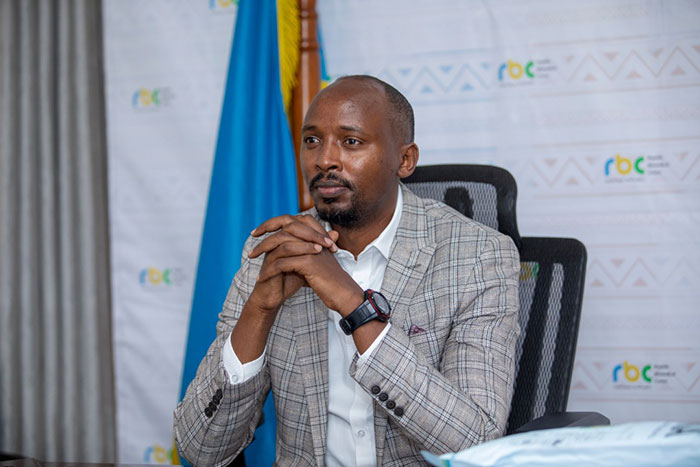
Former RBC boss appointed Minister of Health - Bwiza.com
Minister of Health, Rwanda, Dr Sabin Nsanzimana

“It is high time that our African nations enhance their capacity for epidemiological surveillance system by adopting the “One Health” approach and other cross sector and cross border cooperation.

“Build research capacity at the human-animal-ecosystem interface; train and retain competent Human Resource for health to deal with NCDs, emerging and re-emerging diseases and other public health traits which include Antimicrobial resistance and climate change.’’

Dr Githinji Gitahi, the Global Chief Executive Officer of Amref Health Africa, noted that at present, Africa and its people were at a critical crossroad tackling four frictions.

Dr. Githinji Gitahi has been appointed as a Commissioner for COVID-19 response in Africa - HapaKenya
Dr. Githinji Gitahi

“I call these the 4 Cs: COVID19 and public health threats, Climate Change, Conflict in Africa and elsewhere as well as Cost of living.

“While the burden of COVID-19 has lessened, recent outbreaks of other diseases such as Ebola, Marburg, and cholera demonstrate that our health security is always at risk.

“In the face of these complex and compounding crises, previous hard fought progress is at risk – the systems we have worked hard to build threaten to fall apart.

“But seeing you all here, full of energy and enthusiasm tells me we are not without hope!

“We are all here because you believe in the power of the African people to shape their own future. Not only that a better future for Africa, but a better future for everyone because we are all as vulnerable as our weakest link.

Gitahi, a former co-chair of the UHC2030, urged everyone to come together as ‘One Africa, One Economy for Health’ to forge collective commitment to the journey of building a shared vision.

“One that reimagines our health systems to meet the needs of communities under the current threats of Climate, COVID19, Conflict and Cost of living,’’ he said. (NAN)

NDLEA Apprehends Businessman with 9.40kg of Heroin

0

The National Drug Law Enforcement Agency (NDLEA) has arrested Mr Kingsley Celestino, a businessman, at the Murtala Muhammed International Airport, Ikeja, Lagos, for being in possession of 9.40 kilograms of heroin, which was hidden in the false bottoms of his two bags.

This information was disclosed in a press statement on Sunday, 5 March, 2023 by Femi Babafemi, director, Media & Advocacy NDLEA Headquarters, Abuja.

Celestino, a 49-year-old native of Nnewi South Local Government Area of Anambra State, who was travelling to India on Qatar Airline flight, was apprehended at Terminal 2 of the MMIA. He was having a Guinean international passport.

The initial inquiry revealed that the accused often flies to India on business class flights. He stated that he is involved in trading garments between Nigeria and India. It was then discovered that he acquired a Guinean passport from Guinea Bissau, which is where his mother is originally from.

Similarly, a shipment of nine packets of methamphetamine disguised as local black soap, Dudu Osun, and bound for Europe was also confiscated by NDLEA operatives from the Directorate of Operations and General Investigation, DOGI, assigned to courier companies in Lagos.

According to Babafemi, a drum containing 270kg of methylene chloride and no less than 778,190 tablets of prescription opioids, including tramadol, were seized from a suspect named Eric Pepe Yohanna, 33, on Monday, 27 February in Jalingo, Taraba state as a result of reliable intelligence. A daylong tricycle used in the distribution of the illegal narcotics was also taken from him.

He further disclosed that in Adamawa State, the house of a wanted notorious drug dealer, Mamudu Njobdi at Sebore, Gyalla road Dougada ward, Mubi was raided in the early hours of Saturday 4 March, where he was arrested and drug exhibits recovered. The 31-year-old suspect was earlier arrested on Wednesday 22 February at his drug joint in Kolere water board but mobilised thugs to attack NDLEA officers and in the process escaped with exhibits.


Experts Dismiss Viral Fake SMS on P-Alaxin, Flay Perpetrators

0
  • As Greenlife Holds Brand Awareness Programme

Pharm. (Dr) Wifred Uche Okolie, marketing manager, Greenlife Pharmaceutical, demonstrating how take tablets of P-Alaxin at the programme.

Experts in the healthcare sector, including Dr Arinola Joda of the Department of Clinical Pharmacy and Biopharmacy, Lagos University Teaching Hospital (LUTH), Dr Samuel Okerinde, a community health enthusiast and immediate past president, Association of Resident Doctors, LUTH; Dr Bowale Abimbola, CMD, Infectious Disease Hospital, Yaba, Lagos, and Pharm. Lawrence Ekhator, chairman of the Association of Community Pharmacists of Nigeria (ACPN), Lagos State, have dismissed a viral false claim making the rounds that the use of a popular anti-malaria drug ‘P-Alaxin’ was responsible for the death of an individual as well as causes kidney disease.

The healthcare professionals who spoke at the ‘Brand Awareness for Improved Therapy’ programme organised by Greenlife Pharmaceuticals Limited, at the Civic Centre, Victoria Island, Lagos,  noted that the claim is a false alarm targeted at demarketing the product and should be ignored in its entirety.

While speaking at the programme which had in attendance, prominent healthcare practitioners, Dr Joda noted that P-Alaxin is a good anti-malaria brand, known for convenient dosing and very effective as people don’t come down with malaria easily after using it because it gives post-treatment benefit up to over 60 days, and it is very affordable for the end users.

A cross-section of the Panelists in a group photograph with the management staff of Greenlife Pharmaceutical Limited.

According to the university don, the information being spread about the product that it is causing kidney disease is false and erroneous, adding that people should discard the false information whenever they get it as it is not only erroneous, but it is fake in its entirety. “In any instance of the adverse effect that people may experience with any pharma product, they should endeavour to approach the pharmacovigilance unit of NAFDAC to report, so that legitimate claim can be analysed”.

Joda also noted that people should not be too quick to forward a viral message. “I call it ‘fast fingers syndrome’, so people should desist from broadcasting a message they are yet to verify so that by the time the truth is established, they can feel happy for not sharing it”, she advised.

Also speaking in the same vein, Pharm. Ekhator, frowned at the perpetrators of the fake message, stressing that P-Alaxin has been approved by NAFDAC for malaria treatment in Nigeria, and has remained a trusted brand that he has been used and recommended by professionals over the years. “A lot of my clients have attested to the fact that the product is a positive and good brand that helps in the treatment of acute malaria in the country.

“Although things like this are not new to us in the country and it cannot be stopped because there are people out there that obviously thrive on disinformation, the only thing is for the brand to continually make sure that anything affecting their brand is adequately curtailed immediately it’s put out there”, he advised.

In his presentation titled “Current Challenges in the Treatment of Malaria”, Dr Okerinde defined malaria as an acute febrile illness caused by plasmodium parasites, adding that the protozoan is transmitted to human primarily through the bites of infected female Anopheles mosquitoes.

Malaria is a major global public health issue, the community health specialist said, that is responsible for significant morbidity and mortality in areas where it is endemic, adding that about half of the world’s population is at risk of malaria. “According to the 2021 World Malaria Report, Nigeria had the highest number of global malaria cases 27 per cent of global malaria cases and the highest number of deaths, 32 per cent of global malaria deaths in 2020. The country accounted for an estimated 55.2 per cent of malaria cases in West Africa in 2020. In Nigeria, 97 per cent of the population is at risk”, he asserted.

Speaking on things to be considered before buying an anti-malaria brand, he noted that the brand’s reputation overtime, the formulation, the source where the brand can be accessed, the authenticity of the brand as approved by the government and relevant agencies like NAFDAC, and expiry date should be the focus, adding that the hoax about P-Alaxin should be disregarded as the brand remains one of the safest and most efficacious ACTs from clinical evidence.

While speaking, the duo of Dr Abimbola, who was represented by Dr Tope Oguniyan, and Mrs Opeyemi Aniponle, a digital strategist, and managing partner, FeuilleBlanche Limited, noted that the negative effect of the viral message cannot be over-emphasised, adding that the best option is to nip it in the bud.

Speaking on ‘Danger of Fake News in the Pharmaceutical Industry, Pharm. (Dr) Wilfred Uche Okolie, marketing manager, Greenlife Pharmaceutical Limited, noted that the P-Alaxin hoax was first released in 2019 with a test message from an unknown and faceless source aiming to rubbish the efficacy and efficiency of the brand, adding that the message has continued to come back every year with a renewed effort to malign the brand.

He added that one of the objectives of the brand awareness programme was to address the misinformation among the experts and put it to rest, noting that the company has done a lot to disabuse the minds of people about the fake message and has also requested that anybody who might have fell victim of the product should come out so that the issue can be addressed, but no one has come out physically.

He stated that in October 2022, Daily Trust did a fact-check story on the fake message and published an article which noted that “The claim was false. Findings show the drug is approved by the National Agency for Food and Drug Administration Control (NAFDAC) and there is no information on the major media platforms in the country that indicated that the drug has been responsible for the death of those who use it”.

He however noted that P-Alaxin is a synergistic fixed-dose combination of an artemisinin derivative, dihydroartemisinin (DHA) and a bisquinoline compound, piperaquine phosphate (PQP), for the treatment of uncomplicated plasmodium falciparum malaria in adults, children, and infants of 6 months and above either weighing 5 kg or more, and treatment of uncomplicated malaria due to other plasmodium species, when chloroquine cannot be used, as well as completion and continuation treatment following parenteral therapy for severe malaria.

He further noted that malaria kills millions of humans every year, and there is an increasing number of resistant cases to antimalarials including some ACTs, adding that It is the responsibility of all well-meaning healthcare professionals to protect the integrity of the few ACTs that are still effective, adding that P-Alaxin being one of the safest and most efficacious ACTs from clinical evidence should be protected by all.

Devastating Heavy Rainfall Leaves Hundreds Homeless in Ekiti State

0

Many homeless as rainstorm destroys houses in Ekiti

Hundreds of Ikole Ekiti residents have been rendered homeless, following the heavy downpour on Friday evening, which lasted for two hours and caused the destruction of over 105 buildings, according to reports

Images made available to Pharmanewsonline depicted the destruction of certain electrical facilities in the town, leading to a complete loss of power for the citizens.

Upon visiting the stricken region on Saturday, Governor Biodun Oyebanji expressed his condolence to the inhabitants and promised them that the state would provide assistance to those who had been hurt.

At an on-site evaluation of the destruction caused to the town, Chief (Mrs) Monisade Afuye, who represented Oyebanji, lamented the havoc wrecked by the natural phenomenon.

Her Royal Highness Ogunbiyi Tinuade Adebayo, the Regent of the town, Hon. Adeoye Aribasoye, the lawmaker representing Ikole Constituency 2, and Hon. Michael Ogungbemi, the Chairman of Ajoni Local Council Development Area, accompanied the Deputy Governor as he toured the affected areas.

In a statement by the Special Assistant Media to the Deputy Governor, Victor Ogunje, the Governor expressed delight that no life was lost during the stormy rainfall.

“On behalf of his Excellency, Governor Biodun Oyebanji, I sympathise with you on the destruction caused by rainstorm to many residential buildings and electricity poles in this town, which we believe must have affected the wellbeing of the victims.

“Information at our disposal and on- the- spot assessment revealed that roofs of scores of residential buildings and electricity facilities were destroyed during the stormy rainfall, thereby rendering many homeless and helpless.

“We sympathise with the victims at these trying times and plead for calmness, in the sense that natural disaster of this nature is one occurrence that is difficult to control. But with personal precautions and right efforts, its effects can be minimised,” he said.

Oyo Shuts Illegal Dumpsite

0

DENR shuts down Sta. Ana-run dumpsite in San Fernando | Politiko Central Luzon

The Oyo State Government says it has shut down an illegal dumpsite being operated by Sumal Foods Ltd., in Oluyole Estate, Ibadan.

Mrs. Aderonke Adedayo, the Chairman, State Waste Management Task Force, decided to take the action after a visit to the dumpsite in Ibadan.

Adedayo said that the state government discovered the illegal dumpsite created by the manufacturing company, Sumal Foods Ltd. in Oluyole Estate.

She said that the illegal dumpsite was detrimental to the health of residents in the area.

Adedayo, who visited the dumpsite with other members of the task force and management team of Mottainai Recycling, said the dumpsite was filled with industrial and commercial wastes.

“The dumpsite has domestic wastes, commercial wastes, and all sorts of things smelling on the land,” she said.

Adedayo said necessary legal actions would be taken against the manufacturing company, adding that government would serve an abatement notice on the erring company.

Also, Mr. Adekola Ayoade, a member of the task force, said that the offending company had contravened the land acquisition laws of Oyo State.

Ayoade said that the right of the company on the usage of the land would be revoked by the Ministry of Lands and Housing.

Commenting, the Managing Director, Mottainai Recycling, Mr. Adey Adewuyi, enjoined the residents and manufacturing companies to embrace Oyo State Government’s waste management policies for a healthy environment.

(NAN)

NGO Drums Support for Children with Birth Defects

0
Birth Defects > Fact Sheets > Yale Medicine
Photo credit – Yale Medicine

Maternal Adolescent and Reproductive Child Healthcare (MARCH Initiative), an NGO, has called on government to implement policies that support health and nutritional needs of children with anomalies in the country.

Mrs Olubunmi Aiyedun, the Founder of MARCH Initiative, made this appeal on Saturday in Abuja in commemoration of the 2023 World Defect Day.

She spoke at the final validation symposium training manual on orofacial cleft community care and support.

The News Agency of Nigeria (NAN) reports that the World Defect Day is commemorated annually on March 3, to raise awareness on the impact of birth defect worldwide, reduce stigma and increase opportunities for prevention and care.

Aiyedun said the day was significant as more than seven million new born babies recorded every year in Nigeria had a proportion of those with birth defects.

“That is why we need data, the government, partners and grassroot organisations, need to sit and produce quality data and policies that can drive interventions in Nigeria.


“The government own the people so they have the primary responsibility to make policies, because when we have policies that recognise children with birth defects, there can be interventions.

“We need budgets and policies that ensures the protection, promotion and support of every new born Nigerian child with birth defect and ensuring training institutions like the universities integrate curriculum that address birth defect.

“Essential care like nutrition, immunisation is very important, they have right to such quality of care, because if they are not healthy, they cannot do surgery for those who require it,” she said.

Ayiedun said the world had recognised the contribution of congenital anomalies, the indices, health figures, hence the reason March 3rd was set aside globally to create awareness.

“Recognising that we have new born who may not be like other children, but have the right to be cared for and loved, to be celebrated and to be helped.”

Aiyedun listed some of the common birth defects as cleft lip and cleft palate where a child’s mouth did not form completely, the roof of the mouth is open instead of seal.

“Spina bifida is also a defect where there is an opening or slit that allow part of the spinal cord to protrude out causing paralysis of the lower limbs.

“There are cases where the intestine or internal organs of the abdomen are out or the skull did not form and the brain is exposed such is not compatible with life and needs support,’’ Aiyedun said.

On prevention, she advised women of child bearing age to maintain a healthy life style, reduce intake of alcohol and smoking cigarette.

She however added that fortification, supplementation and intake of folic acid could reduce the incidence of defects by 70 per cent, as well as avoiding early marriage and late marriage, among others.

Dr Lilian Ekwem, Chief Paediatrician, Wuse District Hospital, Abuja, said the purpose of the workshop was to get people from different health professional backgrounds address challenges associated with children born with defects.

Ekwem said that the babies and their families suffered, adding that their suffering affect the community and the nation at large, as it took away from its ultimate productivity.

“They suffer discrimination, neglect, abuse, so the objective of the workshop is to highlight these challenges and teach health workers how to care for such babies especially at the grassroots level.

“They experience problems with feeding, malnutrition, loss of weight which can affect their immunity, some of them die while some are abandoned due to difficulty in managing them.

“Also the psychological impact on the parents and the children especially when other children don’t want to play with them, they discriminate and stigmatise them hence the need for enlightenment at the communities,” Ekwem said.

Ms Victoria Azodoh, Assistant Chief Scientific Officer, NPHCDA, said the day was a unique one, set aside to celebrate special group of children who were often neglected in the society.

“The NPHCDA especially at the community health services department, engage and collaborate with well-meaning individuals, we carry out missions to do specialised operations for children with defects.

“We also support organisations and provide technical support in many areas,’’ Azodoh said.

Ms Pauline Adah, a participant and representative of USAID on Advancing Nutrition, said the day was to emphasis on the need for inclusion, as the life, health and nutrition of every Nigerian child was very important.

“The USAID project on advancing nutrition has the mandate to improve the status of nutrition for the Nigeria child and we are happy to collaborate with MARCH Initiative.

“What we do is to ensure and support the Federal Ministry of health to review the Maternal Infant and Young Child Nutrition (MIYCN) strategy, policy and the training manuals alongside other stakeholders.

“We help promote the inclusion of children with defects in the community, practice on maternal and young infant feeding.”

She urged parents of children with defects to see their children as gifts from God, seek medical help and embrace them with love and support.

Adah further called on communities to expunge entirely stigma, accept the children and not exclude them from interventions when necessary.

Maj. Mohammed Hamji, Commanding Officer, Guards Brigade Medical Centre, a representative of the Nigeria Army, said the day was significant in the world of medicine.

Hamji said the day was crucial for individuals with birth defects, their families, communities and the nation at large, saying birth defect is a discriminatory congenital birth condition.

He urged families at rural communities, especially in the Northern part of the country, to seek medical attention for their children with defects, while appreciating March Initiative for their advocacy and support to the children.

NAN reports that the workshop was organised by MARCH Initiative, in collaboration with the NPHCDA and USAID on Advancing Nutrition, among other partners. (NAN) (www.nannews.com)

Turbo-Charging your Career Beyond 2023

0
Pharmaceutical Marketing: Basic Concepts and Principles (2)
Pharm. Tunde Oyeniran

The wheel of 2023 is already running and we are in the third month. It is still appropriate to continue to look into making the most of our career.

Last time, we had these highlights:

  • You should be in the driver’s seat as far as managing and running your career is concerned.
  • Though growing your career requires patience, it doesn’t mean passive ‘waiting’ and “doing  nothing”
  • You need to develop a career development plan
  • There are three elements of a basic career development plan: The currents state/situation, the ideal future and the journey plan

We also listed strategies and tactics you can employ. Let’s examine some of these in detail:

  • Know yourself:

You probably already know the abilities, skills, capabilities and competences required for success now and in the next eight to ten years. You need a frank analysis and assessment of what you possess now and how you measure, compared to what you need on your way and when you get there. A good framework is SWOT analysis with respect to yourself and the requirement of the target role(s) in the pharma industry. Do this regularly, especially after each of your milestones and not later than one year, to uncover the gaps and double down on your areas of weakness.

  • Keep a record of your achievements:

As you progress through your career and start meeting your goals, it would be a useful idea to keep a record of all your achievements. Keeping a record of your achievements can be a handy way to stay focused on your goals as you have a clear idea of what goals have been achieved and which ones are next. This will be useful to you, if and when you present to your  boss as they will clearly see what you have achieved and will likely be impressed by your commitment and determination. Although the record of your achievements should be comprehensive, it doesn’t necessarily need to be complex. Something as simple as an excel spreadsheet will be more than enough to keep track.

  • Build and invest in your personal career capacity and competence:

Nobody owes you your career, and not many people are overly concerned about your progress – except maybe your mentor or your immediate family. Even then, you are the most impacted, and should take responsibility for making it a reality.

First, focus on mastery. This is described as comprehensive knowledge or skill in a particular subject or activity, achieved by seeking a better version of yourself and aspiring to be as good, or better than the best in the field or role. It requires adopting a continuous self-development and improvement philosophy.

Mastery, according to Robert Greene, can be thought of as the unique way each of us can fully actualise our potential for greatness and enjoy a fulfilling life. It means everyday learning, attending relevant courses (free and paid for, online and offline), getting necessary degrees and certification, etc.

Second, look at your inventory of skills and abilities from perspective of economics—supply and demand: What are your skills? How valuable are those skills to employers? How rare are those skills in the workforce? Focus on skills that are both valuable, rare and in high demand. For the pharma industry, these understanding drugs and how they work, body systems, knowledge of big-segment and emerging diseases, pharmaceutical product knowledge,  drug systems, pharmaceutical marketing/branding, personal selling skills, relationship marketing, etc. These, by the way, are just the hard skills. Soft skills, such as communication and leadership, are in high demand too but increasingly in short supply.

This cannot be left for your company to do for you. Be prepared to invest in yourself.

  • Get your motivation from inside

In the long run, external motivation won’t be enough to keep you going. You are the best person, from the inside of you, that can provide the necessary motivation for the achievement of your objectives. You get help from your focus on mastery, your intermediate objectives and the final prize. This way, you will not be distracted by your environment, your boss, your company and its policies, inadequate resources, or other inconveniences.

  • Create a visible personal brand of value

Though it may make you uncomfortable if you are hearing it for the first time, I have something you need to bear in mind: you are not employed for things you will benefit from the company but for your contribution towards value creation for the company.

So, a critical way to grow and keep growing is to be been seen to create value for the firm, continuously and continually. Make suggestions, take initiatives, and support your boss and other executives to achieve their mandate, even if it may be outside your expected role.


You can also do any of these:

  • Set and surpass higher-than-expected productivity targets.
  • Push new products harder than the rest.
  • Sell short-dated/difficult product(s) better than other MSRs.
  • Find new ways to make existing sales/marketing processes more efficient.
  • Become the go-to person for something – product knowledge, recruitment of KOL, online/social media marketing, or industry/competitor news and information.
  • Generate ideas every time on how the corporate plans, direction, and  policies will work well or better.
  • Volunteer for assignments outside your typical responsibilities.

Each of these examples offers a way for you to differentiate yourself and demonstrate your value. When the time comes to apply for a promotion, either internally or externally, you’ll stand above the rest of the competition.

By the way, an intrinsic part of your brand is the way you dress, how you talk and what you talk about in the work environment. Poor dressing, bad attitude, lousy talk, too much talking, constantly leading opposition to company ideas, directives and policies, etc. will only hurt your career progression.

Tunde Oyeniran, B Pharm. MBA, a Sales/Marketing Strategist, Selling/Sales Management Trainer and Personal Sales Coach is the Lead Consultant, Ekini White Tulip Consulting Limited, Lagos; and President, The Society for Pharmaceutical Sales and Marketing of Nigeria. 

We deliver Training, Recruitment and Field Force Management Solutions .Feedback Channels: 080-2960-6103 (SMS/WhatsApp) /ekiniwhitetuliptraining@gmail.com or check out https://fb.me/EkiniWhiteTulipConsulting 

You Motivate or Demotivate Yourself

0
Brian Tracy- endorsed speaker and training consultant
George O. Emetuche

“The more you believe in yourself, the more you win.”

– The selling champion.

The new year has gradually taken off. It’s ideal to set clear goals this year and work hard to achieve them. Be positive in all you do.

Learn from the agama lizard

Let us learn from the agama lizard that fell from the iroko tree. The lizard fell from the tree, looked left and right and nodded its head in approval and celebration because it believed in the concept of: “If you don’t celebrate yourself, nobody will!”

It’s not easy to fall down from the mighty iroko tree, hence the celebration by the agama. Celebrate your wins this year; no matter how small or big. Motivate yourself. Inspire your world. Keep being positive.

We just need to develop the right mindset before setting out. This mindset positions us to do the right things at all times. You have what it takes within to achieve your goals; just believe and work it.


The sculpture determines the shape

The artist who molds an artwork determines the shape of the work. This is where creativity comes in. The artist molds and creates beautiful piece that will standout anywhere.

You are like a sculptor who has the ability to mold what he or she desires. You can create the world you want. You have an enormous ability within. No one can stop you, not even your environment. Believe that 2023 is your best year so far. You need to motivate yourself every day. You need to inspire your world. Nobody will do this for you.


Conquer the inner you!

Conquer your environment! Where you are coming from does not really matter. What matters is where you at the moment, and where you are headed. Sit at the driver’s seat and take charge.


Stay on the driver’s seat

As a salesman, entrepreneur, or professional, you must decide to stay in charge. No matter what the projections say about 2023; no matter what the economic outlook is communicating; you must still choose to be positive. Yes, be positive and keep doing your best. This mindset is what gets the results, not the other way.

Self-doubt leads to failure. The person who demotivates himself is setting himself up to fail. You have what it takes to achieve your goals this 2023. The pencil is in your hands to write your script. Tell a beautiful story about you. Do what you do with passion and determination in order to succeed.  Wake up every day and say: Yes I can!  Do what you love and what makes you happy. Be passionate about your job or business because that’s where the blessings will come from.


Passion and determination are priceless

Don’t be driven by money; rather, be consumed by passion to make a difference. Lionel Messi once said, “Money is not a motivating factor. Money doesn’t thrill me or make me play better because there are benefits to being wealthy. I’m just happy with a ball at my feet. Motivation comes from playing the game I love. If I wasn’t paid to be a professional footballer, I would willingly play for nothing.” This is the mindset that leads to greatness.

You must love yourself and what you do. This brings out your best. Glow and bring sunshine everywhere you go. Be happy with your job and celebrate yourself. If you are at the wrong job or business, then it’s time to get a new one.

When you love what you do, you give it your best and it’s your best that guarantees your way to the top. If you don’t celebrate yourself, nobody will. Remember the agama lizard. When you are happy with yourself, your environment will be happy with you. Let it be a duty you owe yourself that you inspire yourself daily.

Experts agree that happiness is our own choice. It’s only you who can make yourself happy. Aristotle puts it this way “Happiness depends upon ourselves.” The happy you is activated from within.  This is why I like the agama lizard! The agama understands these life’s lessons.


Negativity leads to failure

Bring along sunshine anywhere you go. You can’t give happiness if you have not created happiness within you. Happiness lives within.

Start-ups, emerging leaders, and professionals need to pay particular attention to this: Don’t let any form of disappointment affect you negatively; this is a duty. Personal motivation ignites the fire in you for great performance, no matter what you see and how tough it seems; always inspire yourself.

Nobody is under obligation to do this for you; you are the one who will be celebrated when you succeed and not any other; so keep doing your best and inspire yourself always!

Remember that smart hard work pays. Win from within. Keep moving forward. Move from good to better, then to best.

Get your PVC. This is your duty to your country. Do your part for a better Nigeria. Vote wisely.

Swimming: Trusted Therapy for Stroke Patients, Others

0

Personal swimming lessons,classes & instructors in Ikoyi,Victoria Island, Lekki Lagos

Swimming is one of the ancient sports that is globally enjoyed and appreciated. More than that, it is an activity that comes with many health benefits, one of which is accelerated recovery for stroke patients. Experts have particularly emphasised that swimming is a good sport that physicians and other caregivers should recommend for stroke patients for better recovery.

According to the American National Stroke Association and the American National Swimming Foundation (NSPF), swimming is the most effective exercise for post-stroke patients due to its low-impact. A study published in the Journal of Alternative and Complementary Medicine examined two groups of stroke patients that were receiving therapy and found that water exercise was more potent in stroke recovery process.

The study, carried out by seven researchers, was titled, “Effect of Underwater Exercise on Lower-Extremity Function and Quality of Life in Post-Stroke Patients: A Pilot Controlled Clinical Trial”. The researchers conducted the study at a research facility attached to a rehabilitation hospital, to ascertain whether repeated swimming (underwater exercise) enhances the therapeutic effect of conventional therapy for post-stroke patients.

About 120 consecutive post-stroke inpatients were used as case study in the research. Patients were assigned to an experimental group and a control group. Patients in the experimental group received both repeated underwater exercise (swimming) and conventional rehabilitation therapy. While the second group received only conventional therapy.

At the end of the study, greater improvement was recorded for the patients that swam; that is, those who received both repeated underwater exercise (swimming) and conventional rehabilitation therapy. It was on this basis that the researchers recommended both conventional therapy and swimming (repeated underwater exercise) for post-stroke patients.

Further findings

Another study, which examined stroke survivors, whose walking had been affected by some level of paralysis, found out that patients who swim (under water exercise) experienced an increase in leg strength and balance, as well as improvements in gait and overall quality of life. The findings were presented to Florida Gulf Coast University.

While speaking on the benefit of swimming to stroke patients’ recovery, Dr Jackie Nagle Zera, Ph.D., an assistant professor in the Department of Exercise Science and Sports Studies, John Carroll University, Ohio, said, “People who have had a stroke will have a hard time with mobility in one side of the body. The buoyancy factor of water allows them a more comfortable place to start; it reduces the risk of falling.

“One positive benefit for cardio patients participating in water exercise (swimming) is the increase in hydrostatic pressure when the body is in water, which helps blood to flow back up to the heart more easily. This, in turn, reduces the amount of stress and strain put on the heart, allowing patients to make physical gains without risking cardiovascular complications.”

Additionally, a study published in the American Journal of Physical Medicine & Rehabilitation, examined how stroke patients’ cardiorespiratory systems responded to exercise stress tests, both on land and water treadmills. The researchers found out that the aquatic treadmill exercise yielded better results, showing its potential for effective aerobic training in this population.

Yet another study which investigated the cardiorespiratory responses of patients with sub-acute stroke to exercise stress tests, with aquatic and land treadmills, discovered that water exercise elicited significantly better peak cardiorespiratory responses than land exercise. The result of the study, which had the title “Peak Cardiorespiratory Responses of Patients with Sub-acute Stroke During Land and Aquatic Treadmill Exercise” was also published in the American National Library of Medicine.

Additional benefits

Experts have equally affirmed that swimming will not just improve stroke recovery process; it can also be a key to preventing the condition. Studies have shown that regular aerobic activity improves cardiovascular health; hence using a swim spa for daily exercise is a perfect way to stay fit. “Swimming can help keep your weight under control, lower your blood pressure and cholesterol levels, and keep your relaxed”, a swim spa director said.

But swimming is not just for those preventing or recovering from stroke; it actually has benefits for everyone. Dr Jabeen Begum, in a review, said swimming is one of the aerobic exercises that get the heart pumping. “During aerobic exercise, your blood pumps quickly throughout your body and your lungs take in more oxygen and one of the most important benefits of aerobic exercise is that it can increase your life expectancy,” Begum said.

In view of these immense benefits, experts have recommended that swimming should be a part of everyone’s daily routine. Caregivers for stroke recovery patients should also start taking their patients to swimming since it has been established that swimming will enhance their recovery process.

Experts have also advised those who want to start swimming to let go of their fear. Alan Fang, a professional swimmer and a resource person with wikihow, said a lot of people put off learning how to swim because they are afraid.

However, while advising amateur swimmers and those who want to learn swimming, Fang said: “Don’t swim alone. Always go for swimming with one other person who is a strong swimmer, if not several other people. An area with a lifeguard is usually the best place to swim.

“Don’t learn swimming in moving water. If you’re learning to swim in an ocean or river, you will need to be more aware of the motion of the water. If you must learn to swim this way, try to make sure you’re with someone who knows what he or she is doing.

“Use proper safety gear, until you have enough water experience and are reasonably comfortable in the water.”

Why PSN Should Honour Pharmacists Excelling in Other Fields – Akhimien

1
PSN
Pharm.(Shihan) Victor Akhimien

Pharm.(Shihan) Victor Akhimien is a multi-talented pharmacist who has traversed different career terrains, aside from running a community pharmacy. An accomplished pianist, painter, martial artist and life coach, he believes the pharmacy leadership in Nigeria should honour pharmacists who are making the profession proud with outstanding achievements in other fields. In this exclusive chat with Pharmanews, he shares the story of his versatility and how he has managed to succeed, despite the odds. Exerpts:

Background

I am Pharmacist (Shihan) Victor Akhimien, aka Vicamen. I have a seventh degree black belt in karate. I studied Pharmacy as a first degree at the University of Benin, with special interest in Clinical Pharmacy. I did my master’s degree at the Lagos State University. I also did some top management courses at the Lagos Business School.

I am a very wide reader across different subjects like marketing and sales, business development, fitness, self-defence and music.


Roots of versatility

I grew up in the ghettos of Ajegunle, where we were managing ourselves. We were seven children, living in two rooms.

I had a very humble beginning. My father rode a Volkswagen Beetle and worked with the Ibrus. Growing up was not easy but we were able to cope. Incidentally, my father also trained the former PSN President, Pharm. (Sir) Anthony Akhimien.

The versatility which I am known for today actually started from those little beginnings. I joined the choir while in Primary 3 and joined taekwondo training in secondary school. Those things built my interest in believing in myself.

When my father lost his job towards the end of my secondary school days, my mother started petty trading while all of us started looking inwards for survival. It was under my mother that I learnt how to sew cloth. I am a fashionista today.

Due to the difficulties we faced as a result of my father’s loss of job, I resorted to the creative use of my talents to make ends meet. I took my fine art seriously and eventually became a good painter, making portraits for people and getting paid.

My father did not like the idea but I found a way to hide and do the painting. He believed that art would distract me but unknown to him, the comprehension abilities of children are not always the same. Some learn faster through writing, while others prefer drawing. I was so good at Fine Arts that I had A1 in WAEC final exams.


Life in the university

While in the university, I joined the Anglican Church and became a choirmaster. I built the choir from a seven-member choir to a 180-member one.

I did portraits for people and got paid, while also working as a cartoonist for various media organisations, including The Sun, Prime People and Vintage People. I also did some cartoon jobs for Sir Ifeanyi Atueyi in two of his books.

At the University of Benin, the then dean of the pharmacy faculty, Professor Hugbo, called me to his office and warned me not to fail any course, knowing that I was almost everywhere on campus, doing karate, painting, playing keyboard and drawing cartoons. He marvelled that I could combine all these things with my academics.

When the results were released, he was one of the most shocked persons when he discovered that I came out in flying colours. He was so happy about it that he gave me a special recommendation letter, popularly known as “TO WHOM IT MAY CONCERN”. I still have that letter to date.


Career exploits

I strongly believe that the more unique your field of interest is, the better it is for you. During my NYSC, I worked with Nigeria Airways and lived in their quarters. But life in that place was very boring for me.

I later got a job as a pianist at Omega Bank. My job was to play piano in the banking hall to entertain customers. I also played piano for other churches like TREM.

After my service year, I got a job at Mopson Pharmaceuticals, as sales representative. I also worked at Fidson Pharmaceuticals, where my talent was recognised as I always played the piano during the company’s morning devotion. I was later transferred to Maiduguri where I opened a new market for them.

From Fidson, I also worked in a couple of pharmaceutical companies, before I joined Globacom. When I met Dr Mike Adenuga, he was happy to see me because of the diversity of my skills, as indicated in my CV.

I always tell young people that their CVs should not just be about educational qualifications alone. It should include skills and capabilities. The more interesting your CV is, the more employers want to talk with you. Most employers are looking for skills and leadership ability.

I was in Globacom for seven years. Within those seven years, I became acting director, Sales. From Globacom, I went to Airtel, where I became head, Corporate Sales. I was elevated to Regional Business head. After Airtel, I joined Next Generation Business Solutions, where I am now. I am partnering with them to see how we can bring business solutions to Nigeria.

I also have my own business, Vicamen Group. The group consists of a pharmacy, a sales force consult, a telecoms consult, a fitness centre, and an acting academy (Vicamen Foundation), where I partner with others to help talents grow and Vicamen Academy, where I teach martial arts. I have received support from many organisations, like Alpha Pharmacy.


Playing the mentor role

I was recently invited to deliver a talk to students of a secondary school as part of the school management’s yearly programme for their students. As a pharmacist, they would have been expecting me to focus on how to be a pharmacist but when I came on stage, I taught them how to be a pharmacist, how to be an artist, how to be a musician and how to be a sportsman. I also taught them how to be an entrepreneur. They were so happy with my presentations.

While many of them responded to my question on what they wanted to be, by mentioning careers like acting, dancing and sports, their headmaster interjected by telling them to mention better careers. It was at that juncture that I changed that impression that some careers are not good enough.

There is no bad or less important career. What matters most is what one can make out of any career through hard work and dedication and, most importantly, through the tutelage of a good master. Great masters are not found in the classroom but on the field.


Charge to PSN

Ambassadors of  pharmaceutical practice in other fields should be honoured by the PSN. I am the only pharmacist in Nigeria that is a grandmaster in martial arts. Professor Usifoh was my lecturer in University of Benin. I believe that the PSN should recognise pharmacists like us who are doing well in other fields. I believe that honouring us will encourage a lot of pharmacists like me who are hiding to come out.

I expect that, by now, pharmaceutical companies should engage me for consultancy in sales and telecoms because of my vast knowledge in those areas. Sales is 20 per cent knowledge and 80 per cent attitude. Attitude is not taught in the classroom. If the PSN can recognise what I do, it will open the way for a new breed of pharmacists.

One of the guys that played at my concert is a pharmacist. He was shocked to discover that I am also a pharmacist. Funke Akindele is a lawyer who is doing great things in the movie industry and is now a gubernatorial candidate. We should encourage our own. The shortcut to leadership is pharmacists who are grounded in all ramifications.

CDC Cautions on Shigella Bacterial Infections

0

The Centre for Disease Control and Prevention is warning of an increase in cases of Shigella, a bacterial illness that causes inflammatory diarrhea.

The new strain of the stomach bug, which causes the diarrheal illness shigellosis, is deemed a “severe public health danger” by the CDC.

Shigella, which is highly infectious, spreads when infected fecal matter enters the mouth or the nose, including through sexual activity or because of poor hand-washing after diaper changes, unsanitary food handling or swimming in contaminated water. The infection is typically seen in young children.

The CDC convened a conference call on Tuesday with the Colorado Department of Public Health and Environment and the United Kingdom’s Health Security Agency to warn clinicians about the emergence of a strain of the bacterium that is resistant to all commonly prescribed antibiotics.

“We do not have all the answers today. The agency could make no official recommendations for antibiotic alternatives,” Dr Louise Francois Watkins, a medical officer at the CDC’s National Centre  for Emerging and Zoonotic Infectious Diseases said on call.

Data shows that the sickness is spreading in especially among homosexual and bisexual males, reportedly through sexual interaction, both in the United States and internationally.

During the CDC meeting, officers from the U.K. health agency reported they had analysed all but four of 185 cases of the infection in Britain since late 2021. Half required antibiotic treatment. The Shigella samples retained susceptibility to four antibiotics: carbapenems, chloramphenicol, fosfomycin and temocillin.

Eighty-seven percent of the cases were in men presumed to have sex with men.

“Shigella is a really important and serious pathogen. It can cause really severe diarrhea, sometimes bloody diarrhea, cramps and abdominal pain,” Dr Stephanie Cohen, the section director for HIV and STI prevention at the San Francisco Public Health Department said.

Shigellosis normally resolves on its own. In more fragile individuals, however, doctors may give antibiotics to expedite healing or prevent problems.

The infection can cause long-term and serious sickness, with around 6,400 people in the United States requiring hospitalisation each year.

Death from shigellosis is rare, although it is more likely among people who are immunocompromised, such as by untreated HIV or chemotherapy for cancer.


1.5bn People Live with Hearing Loss – WHO

0

Hearing Resources - School of Medicine Columbia | University of South Carolina

The World Health Organisation says an estimated 1.5 billion people globally live with hearing loss.

The WHO Regional Director for Africa, Dr Matshidiso Moeti, made this known in her message to mark the 2023 World Hearing Day with theme: “Ear and hearing care for all! Let’s make it a reality”.

She also said that the number could rise to over 2.5 billion by 2030.

The News Agency of Nugeria (NAN) reports that the World Hearing Day is held on March  3 each year to raise awareness on how to prevent deafness and hearing loss as well as promote ear and hearing care across the world.

Moeti said that the burden of ear and hearing problems reflects significant inequalities disproportionately impacting on the marginalised populations across the globe.

She said in Africa, an estimated 135 million people are battling with ear and hearing problems as medical conditions, saying the number has been on the increase.

Moeti said that at the current rate, it was likely that by the year 2050  about  338 million people would be affected by visual  and hearing problems in Africa.

The WHO official said the day was an opportunity to raise awareness on the  preventive measures as well as  promote ear and hearing care worldwide.

She explained that It was a favourable day to reiterate the message on preventing and addressing common ear and hearing problems as nearly 30 billion dollars were being lost due to the collective failure to address the problem in the African Region.

According to her, more than 60 per cent of the common ear diseases and hearing loss can be detected and often managed at the primary level of medical  care.

“We acknowledge recent efforts made by the relevant bodies  towards  addressing  hearing and visual problems”

“The ongoing support to Kenya to establish a Center of Excellence for Eye Health Clinic, Eye Health and Oral Health is a welcome step.

”Also, with our support, countries are developing and implementing national strategies for ear health,” she said.

According to her, in 2022, Kenya, Malawi, and Guinea launched and started to implement national ear and hearing care strategies.

She said that there was also a regional analysis on ear and hearing care, including country profiles for all Member States.

Moeti said that two modules on ear and hearing care management for primary health care workers were developed, adding that it would be integrated into the WHO PEN packages.

“Here are the most burning issues affecting patients: Many people with hearing loss do not know how and where to find help or do not have access to the needed services.

“This greatly impacts on the lives of those affected, their families, and their communities.

“Also, the excessive burden of these conditions is also due to the limited number of ear, nose and throat specialists and audiologists available in the countries

“In most places, access to ear and hearing care continues to be limited to highly specialised centers and clinics.

“Integrating ear and hearing care into primary care services is possible through training and capacity building to address the challenges”.

She said  WHO had recently launched a primary ear and hearing care training manual intended to inform doctors, nurses, and other health workers to achieve universal coverage.

She called on  governments to prioritise ear and hearing care health programmes as part of their universal healthcare agenda and increase political and financial commitment.

She further advocated for increase newborn hearing screening services, stressing that effective accessibility of hearing aid technology, are critical starting points.

Moeti urged hearing and the visually impaired individuals suffering to learn more about their conditions and seek care when needed, including attending hearing screening services.

According to Moeti, the World Report on Hearing has been developed in response to the World Health Assembly resolution, adopted in 2017 as a means of providing guidance for Member States to integrate ear and hearing care into their national health plans. (NAN) (www.nannews.ng)

GAVI: Pate’s Appointment Brings Global Technological Visibility to Nigeria – Acholonu

0
Dr Muhammad Ali Pate

A Nigerian and U. S. patent holder, Dr Kenny Acholonu, has commended  Dr Muhammad Ali Pate on his elevation as the Head of the Global Alliance for Vaccines and Immunisation (Gavi), noting that it brings “global technological visibility” to Nigeria.

Acholonu is the Chief Innovation Officer of Micronutrient Laboratories Limited, producing micronutrient powder for retail and industrial application.

The News Agency of Nigeria (NAN) reports that Pate has been appointed as Gavi’s next CEO, due to succeed Dr Seth Berkley in August 2023.

Berkley is leaving after 12 years at the helm of the vaccine alliance.

Pate emerged as CEO following a rigorous two-year search involving 344 candidates.

Gavi is an international organisation created in year 2000 to improve access to new and underused vaccines for children living in the world’s poorest countries.

Part of its mission is to save lives and protect people’s health by increasing equitable and sustainable use of vaccines.

It has helped vaccinate no fewer than 981 million children in the world’s poorest country, thereby preventing more than 16.2 million future deaths.

Gavi  had said: “Dr Pate was selected from a field of extremely talented and experienced fellow candidates. In the highly competitive process, candidates were tested on all aspects of the role.

“In unanimously recommending him to the Board, both the Search Committee and Governance Committee noted Dr Pate’s achievements as Minister of State for Health in Nigeria in 2011–2013.

“During which time he led a flagship initiative to revive routine immunisation and primary health care, chaired a presidential taskforce to eradicate polio and introduced new vaccines into the country.’’

Acholonu, in a congratulatory letter on Thursday, said:  “The news of your elevation as the CEO of GAVI gives us much joy as well-deserved recognition.

“Your intellect, hard work and focus on human capital development are highly desirable and exceptional.

“Undoubtedly, you have given Nigeria and Africa global health science visibility.

“We thank the good Lord for this elevation and pray that you will use your position to encourage all practitioners in the health ecosystem for an improved African human development index.

“Especially in the subsectors of preventive nutrition, indigenous manufacturing technologies and other sustainable health initiatives. May your kind increase.”

Micronutrient Laboratories Limited manufactures and markets Cognito® micronutrient powder, a one-serve blend of essential nutrients and vitamins that states and individuals are deploying to fight micronutrient deficiency and  malnutrition. (NAN) www.nannews.ng

Obesity in Pregnancy Could Alter Placenta Function, Study Finds

0
Obesity in pregnancy tied to cerebral palsy risk in kids | CBC News
Obesity in pregnancy | Photo credit: CBC News

Maternal obesity has a greater impact on the formation of the placenta, than gestational diabetes mellitus, GDM- a condition characterised by poor glucose control in pregnancy, a new study has found.

The finding, which was revealed in a study, published in The Journal of Physiology, advances knowledge of the processes driving unfavorable pregnancy outcomes and the ensuing increased risk of unfavourable neonatal and child health. The discovery of specific placental alterations may pave the way for the creation of future medicines or screening procedures that are specifically directed at the placenta and may enhance maternal and fetal health, especially in low- and middle-income nations.

The study, which was carried out by South African and English scientists in collaboration, is the first to look at the effects of maternal obesity and GDM at the same time and to be conducted in a nation with a low-middle income, where obesity and GDM during pregnancy have a significant negative impact on both health and the economy. Past research have only been conducted in high-income nations and have only looked into obesity and GDM separately.

Globally, the prevalence of obesity and GDM—the occurrence of impaired glucose control during pregnancy—is rising. Both have been connected to a number of maternal and fetal issues, including a greater risk of fetal mortality, stillbirth, infant death, and low birth weight in the baby. The cause of these problems is unknown.

The capacity of the placenta to distribute nutrients between the mother and developing child was discovered to be lessened by maternal obesity than by gestational diabetes mellitus (GDM). Inflammation indicators and placental hormone synthesis are both impacted by GDM and obesity, indicating that the placenta is really behaving improperly.

71 women of mixed or black ancestry were examined in the research. 52 of them were obese, and 38 of them had GDM. In order to assess the impact of obesity and GDM on this group of pregnant women, the researchers performed the study utilising clinical profiling, in-depth structural examination and molecular analysis of the placenta, and biochemical measures of maternal and newborn cord blood.

Lead author Professor Amanda Sferruzzi-Perri of the University of Cambridge said, “For the first time we have looked at the effects of both obesity and GDM on the placenta in black and mixed-ancestry woman, who are an understudied group, and what effect that these conditions might have on them and their children. It was important to discover that obesity has more of an influence than GDM on pregnancy outcomes for both the mother and the child”.

The study’s main disadvantage is the limited sample size of just 71 women, which made it impossible to ascertain the effect of the fetus’ gender on these placental alterations. Women who would be classified as overweight were also included in the non-obese category of women. The influence of the fetus’ gender will be investigated in additional studies on obese, overweight, and lean mothers with and without GDM. In order to predict pregnancy outcomes and the long-term health of the fetus, researchers are interested in examining the interactions between obesity, GDM, and therapies such the blood glucose-lowering medicine metformin.

Lead co-author Professor Mushi Matjila of the University of Cape Town said, “South Africa is burdened by a quadruple disease burden of communicable and non-communicable disease, along with high maternal and child morbidity and mortality, and deaths related to violence and injuries. Additionally, we have one of the highest rates of female obesity globally, which undoubtedly fuels the non-communicable disease burden and contributes to maternal, neonatal and child morbidity.

As obesity and GDM often coexist, the study highlights the importance of obesity over GDM in modulating placental structure and function, and begins to piece together how these placental changes may explain observed complications (e.g., intrauterine death and stillbirths) and increased future non-communicable disease risk for both mother and baby.”

My Daughter was Electrocuted – Mother of Chrisland Student Speaks

0


Mother of 12-year-old Chrisland student breaks into uncontrollably tears as her daughter Whitney finally laid to rest after being electrocuted (Video) | Intel Region

Blessing Adeniran, mother of the 12-year-old Chrisland girl, Whitney, has recently unveiled a heartbreaking tragedy concerning her daughter’s passing.

The unfortunate news was made known through an Instagram live video, released by Mrs Adeniran on Wednesday.

Whitney, a student of the Chrisland School, died in a sudden accident during the school’s inter-house sports event amongst her peers. Although the exact cause of her death was initially shrouded in mystery, the mother has now revealed that the autopsy results concluded her daughter died of electrocution.

In the video, Adeniran vividly described how Omodesola her daughter was butchered just because Chrisland kept protecting their reputation.

She said: “The autopsy result is out and Desola was electrocuted. My daughter died of electrocution. I have been subjected to trauma for the past two weeks. Tomorrow will make it three weeks my baby died. The school made me thinks I was crazy. They started pushing the narrative of she was sick; she was sickly. They sent letters and publications out.

“People insulted me and my family. My child was electrocuted to death. I told the school I don’t want trouble. All I want is answers. They came to my house and knelt down.

“I begged, I pleaded, I said Mrs Amao, please I don’t know how autopsy is being done but I have browsed it and the image is scary. Please my daughter is already dead, don’t make me put her through that, they will butcher her. I beg you in the name of God, you are a mother, help me investigate and find out what happened.

“She said she doesn’t know. They refused to investigate.

“My daughter was butchered for autopsy. She was opened up. They took part of her kidney, liver, stomach contents, blood, brain, bone marrow. Omodesola was butchered just because Chrisland kept protecting their reputation”.

As of now, Whitney’s death has sparked a wave of shock and outrage across the nation, as members of the church and public alike have come together in search of justice. The Chrisland School, have recently come under intense scrutiny from the public and condemned the negligence of the school in failing to detect and address potential safety issues that may have caused this tragedy.

Meanwhile, the school management in a statement, had said that the deceased slumped in “public view and not under any hidden circumstances,” adding that she was rushed to the nearest medical facility for first aid.

While the nation awaits further developments to the story, the Adeniran’s family is mourning.

Watch Mrs Adeniran’s video below:


China Says ‘Lab Leak’ Claims Hurt US Credibility

0

Beijing accused Washington on Wednesday of harming its own credibility after a top United States intelligence official said his agency believed the pandemic “most likely” caused by a laboratory incident in Wuhan, China.

FBI Director Christopher Wray told Fox News on Tuesday that the Bureau has now assessed the source of COVID-19 was “most likely a potential lab incident in Wuhan.”

Chinese officials have angrily denied the claim, calling it a smear campaign against Beijing.

“The United States once again stirs up the laboratory leak theory, which will not discredit China, which will further lower its own credibility,” foreign ministry spokesperson Mao Ning told a regular briefing on Wednesday.

Wray’s comments come after a report earlier this week said the US Department of Energy had determined that a leak from a Chinese lab was the most likely cause of the Covid-19 outbreak.

The department’s findings are significant because it works with a network of national laboratories, including some that do advanced biological research.

But other agencies within the US intelligence community believe the virus emerged naturally in the world.

In Tuesday’s interview, Wray also accused the Chinese government of trying to stall US efforts to investigate the causes of the pandemic.

“The Chinese government… has been doing its best to try to thwart and obfuscate the work here, the work that we’re doing, the work that our US government and close foreign partners are doing,” Wray said.

“And that’s unfortunate for everybody.”

At Wednesday’s press briefing, Mao reiterated a longstanding and unsubstantiated Chinese claim that the virus could have escaped from the US military research lab at Fort Detrick, Maryland.

“The US should respect science and facts, cooperate with the World Health Organization as soon as possible, invite international experts to conduct traceability research in its country, and share research results with the international community,” she said.

The scientific community sees it as crucial to determine the origins of the pandemic in order to better fight or even prevent the next one.

(AFP)

Ogun Launches Free Health Insurance for Pregnant Women

0

The Ogun State Health Insurance Agency on Wednesday inaugurated its free health insurance scheme for pregnant women in the state known as “Ibid’ero”

The Executive Secretary of the agency, Dr. Afolabi Dosunmu, said during the launch in Abeokuta that the scheme was initiated by the state government to tackle maternal mortality.

Dosunmu said that pregnant women in the state would be enrolled in the scheme to enjoy free access to healthcare.

According to him, some of the benefits of the scheme include six weeks of post-natal care, free Caesarian Section, and intensive care.

He added that “we cover them from the point where they know they’re pregnant till six weeks after delivery.”

On the enrollment modality, Dosunmu said “the scheme targets the poorest of the poor; it has created a social register compiled by the Ministry of Budget and Planning.

“The agency will ensure that only pregnant women who registered with the State Operations Coordinating Unit benefit from the scheme.”

Dosunmu, who said that the women would be given stipends at the end of their pregnancies, urged pregnant women across the 20 local government areas of the state to register.

He said “the overall aim is to ensure that poor pregnant women get skilled birth attendants to attend to them during pregnancy.

“The women and their babies will survive and maternal mortality rate will reduce and stipends given to encourage them.

“The target is to register as many pregnant women as possible.”

(NAN)

No Human-to-Human Bird Flu Transmission Found in Cambodia —Officials

0


No Human-to-Human Bird Flu Transmission Found in Cambodia —Officials
Affected birds with flu

Cambodian health authorities have said there was no human-to-human transmission of bird flu in the case of a father and daughter who caught the virus.

The 11-year-old girl died last Wednesday and her father tested positive two days later, prompting the World Health Organisation to voice concern about possible transmission between humans.

One of the worst global outbreaks of avian influenza has been raging since late 2021, with tens of thousands of poultry culled, wild birds dying in large numbers, and infections among some mammals rising.

Cambodia’s Communicable Disease Control Department said late Tuesday that the 49-year-old father, who had no symptoms, had recovered and been discharged from hospital.

“An investigation shows that both of them contracted (the virus) from birds in the village. No transmission between father and daughter has been found,” the CDC said.

Humans rarely contract bird flu, but when they do, it is usually from direct contact with infected birds.

Over the past two decades, there have been nearly 900 confirmed H5N1 cases in humans and more than 450 deaths, according to the WHO.

(AFP)


NAFDAC Vaccine Lab to Be Ready in Six Months, Says DG

0
Prof. Mojisola Adeyeye

As part of preparations for the production of vaccines in Nigeria, the Director General, National Agency for Food and Drug Administration and Control (NAFDAC) Prof. Mojisola Adeyeye, has stated that the agency’s vaccine laboratory will be ready in the next six months. This, she said, will boost the medicine security of the nation, as well as fortify the country against any eventualities, including disease outbreaks.

Adeyeye, who made the disclosure at the recent hybrid stakeholders meeting on pharmaceutical traceability, organised by NAFDAC in Lagos, revealed that the agency’s vaccine laboratory is about 70 per cent complete.

Recalling how the nation’s healthcare system went through a difficult time during COVID-19, the NAFDAC boss stressed that having narrowly escaped the onslaught of the viral infection, the production of local vaccines and medicines must be a priority for any reasonable nation.

According to her, the pandemic has shown that “if you don’t have your own, you have to depend on others”, adding that “NAFDAC is the only agency in sub-Saharan Africa that has its own in-house biologics and vaccine laboratory. We have a lot going for us as a country. We just have to get our acts together and start producing.

While revealing that the COFAX facilities targeted supplying vaccine to only 20 per cent of Nigeria’s population in their vaccine distribution to low-income countries during COVID-19, Adeyeye said: “We didn’t even get to that level because of the low prevalence. But you can imagine if we had very high prevalence. And you never know what is around the corner. Whether it’s a pandemic or an epidemic, we need to manufacture our own vaccines.”

She further revealed that the agency had been taking some significant steps towards the achievement of the vaccine production milestone. According to her, NAFDAC had been going through a lot of transformation, from laboratory to registration to job evaluation and research. She also said that staff of the agency had gone on two rounds of training in South Korea, with the support of the World Health Organisation (WHO).

Adeyeye equally averred that, sequel to the recognition given to Nigeria in February 2022 as one of the six countries that can manufacture vaccines, the Federal Government has entered into a Public Private Partnership arrangement with Biovaccines Nigeria Limited (BVNL). She added that one or two other private companies had also indicated serious interests to manufacture vaccines in Nigeria.

The NAFDAC DG however noted that to prevent any anomalies in the production chain when vaccine production eventually commences in the country, manufacturers must know their chain, stressing that this will enhance easy detection of middlemen who might want to creep into the chain surreptitiously.

‘‘You must know your distributors, the wholesalers, retailers. It is when you know your chain that you can guarantee the quality. It will be easier to follow through and it will be easier to identify anybody that is trying to infiltrate that chain or infiltrate your trade”, she warned.

Adeyeye also mentioned other efforts of NAFDAC in standardising local medicine manufacturing in the country, such as the ML3 which was achieved four years ago. She disclosed that the agency is approaching ML4 approval from the World Health Organisation, noting that this will help to launch locally made medicines into the global pharmaceutical market.

She further revealed that, while it took Ghana 13 years to get ML3, it took Nigeria only four years to attain the prestigious status, adding that achieving ML4 will significantly help the country’s manufacturing industry to grow.

In her words: “It will also help importers that are migrating from importation of pharmaceutical products to local manufacturing. It will help in terms of trade.

‘’We are going to strengthen our operations and be more effective. We are going to get ML4. We are going to get marked for World Listed Authority, apart from ML4.”

Also speaking at the meeting, Chairman of the Pharmaceutical Manufacturers Group of Manufacturers Association of Nigeria (PMG-MAN) Dr Fidelis Ayebae, assured NAFDAC of the group’s unalloyed support in the agency’s efforts to attain the WHO Maturity Level 4 status and launch Nigeria into the league of vaccines and Active Pharmaceutical Ingredients (APIs) producers in the world.

Ayebae, who is also the Chief Executive Officer, Fidson Healthcare Plc, vowed to mobilise other chief executive officers of pharmaceutical companies in the country towards collaborating with NAFADC to make its oversight responsibility over the industry more effective and help the industry to grow.

He added that PMG-MAN would form a technical committee with NAFDAC that would work with the agency to ensure that the industry attains greater heights.

‘’Let me assure you that if there is one body in foods and drugs and other related chemicals which are under your purview that wants you to succeed more than anything else, it is PMG-MAN,” he said.

Uphold Professionalism in Elections, Marwa Urges Officers

0

Chairman/Chief Executive Officer of the National Drug Law Enforcement Agency, NDLEA, Brig. Gen. Mohamed Buba Marwa (Retd) has urged officers, men and women of the anti-narcotics body to maintain a good and professional conduct during the forthcoming governorship election which is to hold 11 March, 2023.

This was disclosed in a statement signed by Director, Media & Advocacy, NDLEA, Femi Babafemi.

Gen. Marwa further expressed his satisfaction with the professional behaviour of the NDLEA personnel deployed throughout the nation, their working synergy with other security agencies, and most importantly, their efforts to ensure that the electoral process was free from the influence of illicit substances. He said this in his response to the preliminary reports compiled across all of the areas, states, and zonal commands of the agency.

“I have no doubt in my mind that your recent offensive operations leading to massive seizures of illicit drugs and the arrests of their criminal merchants across the country significantly contributed to the absence of free flow of psychoactive substances on our streets and communities during this critical time, especially with the recent destruction of over 400 tons of skunk warehoused in deep forests in a state for distribution across the country shortly before the election.

“I’m also glad that you all were of good and professional conduct throughout this period, and will urge you to maintain this during the next round of election on 11th March”, the NDLEA boss stated.

The agency, a participant in the Inter-Consultative Committee on Election Security (ICCES), had almost 10,000 personnel on ground during the Saturday election, and its national headquarters in Abuja had a Situation Room for round-the-clock poll monitoring through field reports from officers and men dispersed across the country.

In order to ensure that the 11 March governorship and state assembly elections worldwide are free from the impact of illicit substances, he instructed them to be watchful and step up their offensive activity across the nation between now and the next election.

Psychiatrist Links Happiness to Good Mental Health

0

A former President of the Association of Psychiatrists of Nigeria, Prof. Taiwo Sheikh, has urged Nigerians to embrace happiness to enhance their optimal mental well-being.

Sheikh, of the Psychiatric Department, College of Medical Sciences, Ahmadu Bello University, Zaria, made the call in an interview with the News Agency of Nigeria on Tuesday in Lagos.

He urged people to always share their thoughts with positive-minded people to boost their happiness and mental health.

The medical expert said that engaging in positive activities that give happiness while avoiding anger would help in promoting optimal mental well-being and prevent depression.

According to him, there is huge nexus between happiness and mental well-being.

He said that anger would produce ‘a physiological crash’, adding that the angrier one got, the more depressed one would become.

Sheikh said, ”Anger elevates blood pressure, increases the threat of stroke, heart diseases, cancer, depression, anxiety, and generally depresses the immune system.”

The psychiatrist, who noted that there could be no physical health without mental health, advised people to get themselves surrounded by positive-minded people in the interest of their mental well-being.

”Constantly surrounding yourself with positive people will help manage stress/depression. Buying expensive clothes or jewellery will not bring permanent happiness.

”If one is in a happy state, it means less trouble, stress, and better well-being. If one is unhappy, there will be depression, suicidal thoughts, anxiety, and stress disorder,” he said.

According to him, depression is a significant problem that affects some youths and makes them become drug addicts.

”Drug addiction is being experienced due to the poor state of mental health and seeking temporary pleasure and satisfaction,” he said.

The psychiatrist also said that being happy had serious impacts on one’s level of productivity, adding that happiness could also impact relationships.

”We need to create time for relaxation and look beyond the economic situation of the country. We should also be positive in every bad situation,” he said. 

(NAN)

Daily Walking Could Prevent One in 10 Early Deaths —Study

0

One in 10 early deaths could be prevented if everyone engaged in a small amount of daily exercise such as a brisk 11-minute walk, a large study said on Wednesday.

Physical activity is known to reduce the risk of heart disease, cancer, and other leading causes of death, but exactly how much is needed to have an impact has been unclear.

So an international team of researchers pooled together the results of 196 previous studies which included more than 30 million people to create one of the largest reviews conducted on the subject.

They calculated that around one in six early deaths would have been prevented if everyone in the studies had at least 150 minutes a week of moderate-intensity physical activity, which is the level recommended by Britain’s National Health Service.

But even half that amount — 75 minutes a week, or less than 11 minutes a day — could prevent one in 10 of those deaths, according to the meta-analysis published in the British Journal of Sports Medicine.

That included a 17-percent reduction of heart disease and a seven-percent fall in cancer.

For a person who engages in little to no physical activity, 11 minutes a day led to a 23-percent lower risk of early death.

Soren Brage, an expert on the epidemiology of physical activity at Britain’s Cambridge University and a co-author of the study, told AFP that it was “exceptionally good news”.

“All you need to do is find a little bit more than 10 minutes every day,” he said.

“And you don’t have to go to the gym to do these types of activities, it’s part of daily life,” he added.

He suggested people try getting off at an earlier bus stop on the way to work — or cycling home.

“It’s very flexible,” he said.

Because it takes years to assess how exercise affects the risk of such diseases, many of the studies were carried out more than a decade ago, Brage said.

This means that the activity reported by the study participants was likely less accurate than what can be achieved by newer technologies such as fitness trackers, Brage said, acknowledging this was a limitation of the study.

Cardiovascular diseases such as heart attack and stroke killed 17.9 million people globally in 2019, while cancer accounted for nearly 10 million deaths the following year, according to the World Health Organisation.

(AFP)

Death Toll in Equatorial Guinea Marburg Outbreak Rises to 11

0

Two more people in Equatorial Guinea have died of Marburg haemorrhagic fever, a cousin of the Ebola virus, bringing the toll of fatalities to 11, the authorities say.

“Two days ago, the monitoring system recorded eight notifications, including the deaths of two people with symptoms of the disease,” Health Minister Mitoha Ondo’o Ayekaba said in a statement issued late Tuesday.

Work is underway “to strengthen the assessment of the spread of the epidemic,” said the statement, read on national television.

“Forty-eight contact cases have been documented, four of whom have developed symptoms, and three who have been quarantined in hospital,” it added.

The Marburg virus is a rare but highly dangerous pathogen that causes severe fever, often accompanied by bleeding and organ failure.

It is part of the so-called filovirus family that also includes the Ebola virus, which has wreaked havoc in several previous outbreaks in Africa.

The central African state announced on February 13 that nine people had died from Marburg between January 7 and February 7.

The UN’s World Health Organisation held an emergency session the following day.

The national authorities have declared a health alert in the remote northeastern province of Kie-Ntem province and in the neighbouring district of Mongomo, which are located on the border with Cameroon and Gabon.

Measures include a lockdown plan implemented in collaboration with the WHO.

In their statement of February 13, the authorities had reported only three cases of infection in addition to the fatalities – individuals who were being isolated with “mild symptoms” in the hospital.

The natural host of the Marburg virus is the African fruit bat, which carries the virus but does not fall sick from it.

But the animals can pass the virus to primates in close proximity, including humans, and human-to-human transmission then occurs through contact with blood or other bodily fluids.

Fatality rates in confirmed cases have ranged from 24 percent to 88 percent in previous outbreaks, depending on the virus strain and case management, according to the WHO.

There are currently no approved vaccines or antiviral treatments.

Potential treatments, including blood products, immune therapies, and drug therapies, as well as early candidate vaccines, are being evaluated, the WHO says.

(AFP)

NGO Screens 80,198 Persons for Cancers in Six Years

0

The Lift Above Poverty Organisation (LAPO), a Non-Governmental Organisation (NGO), says it screened 88,198 persons for different types of cancers between 2016 and 2022.

Dr Honestus Obadiora, the Executive Director of LAPO, said this during the organisation’s Annual Media Forum in Benin on Monday.

Obadiora said the screening was done under the LAPO Community Campaign for Cancer Control (LAPO -C4) programme in selected states of the country.

He said, “between January 2016 and December 2022, LAPO-C4 project created awareness about cancer in target communities and sensitised 3,368,142 community members against cancer” .

“About 86,198 of the beneficiaries were screened and referred for further screening and treatment in government-approved health facilities.”

He attributed the problems militating against cancer control in Nigeria to inadequate awareness and poor access to screening services.

The executive director, however, said that almost 102,000 new cases of cancer occur annually in Nigeria with more than 60 per cent in women due to breast and cervical cancer.

Obadiora advised women to regularly check their health status as breast and cervical cancers posed a serious threat to their lives.

According to him, with early detection, more than 80 per cent of cancer cases are preventable, while 40 per cent of the disease can be eradicated by lifestyle changes. (NAN) (www.nannews.ng)

NAFDAC Warns Public on Contaminated Ophthalmic Ointment in Circulation

0

The National Agency for Food and Drug Administration and Control (NAFDAC) has alerted the public to batches of a contaminated ophthalmic ointment, with the generic name, tetracycline hydrochloride ophthalmic ointment USP 1%.

Tetracycline Hydrochloride Ophthalmic Ointment USP 1%, is an ophthalmic antibiotic produced by Navi Mumbai-based Galentic Pharma (India) Pvt Ltd. It was red-flagged by the World Health Organisation (WHO) for various quality issues.

In a statement signed by the management of NAFDAC, it was noted that the affected batches still have a valid shelf life, while members of the public in possession of the product have been advised to discontinue sale or use and submit stock to the nearest NAFDAC office.

Tetracycline Hydrochloride Ophthalmic Ointment USP 1% is indicated for use in bacterial blepharitis (red, swollen, irritated, and itchy eyelids), bacterial conjunctivitis (eye discharge, redness, and itching), bacterial keratitis (inflammation of the cornea), and trachoma (caused by Chlamydia trachomatis). It is also given as a treatment for infants and older children and is also indicated as a preventive measure for infants.

The problematic product batches have not yet been linked to any confirmed adverse events, though, the statement indicated. When using tetracycline eye ointment regularly, redness and swelling of the eyes are normal side effects. There is currently no evidence to suggest that the quality problems detected in the product could result in adverse effects that are not specified on the product label.

The concerned batches were distributed to at least 55 countries, according to WHO, and the manufacturer has started a voluntary recall for a number of batches. More batches might be included in the voluntary recall, the maker has said. The product made by Galentic Pharma is also available under different labeling because there are numerous marketing authorisation holders for the product.

Random samples of the available stock were visually examined by five multinational product procurers, who found a variety of quality problems with the product batches. The problems that each procurer reported were not all the same and changed from batch to batch.

“Some of these problems include phase separation, black spots, brown splotches on the inner foil layer of the tube, and the presence of particles with varying colours, sizes, and shapes on the nozzle, in the cap, and in the ointment inside each tube”, the agency revealed.

The impacted eye ointment is provided in large quantities and as a part of several medical kits by United Nations organistions and international non-governmental organisations that provide humanitarian aid.


PCN Extends Ultimatum Issued to Sabon Gari Open Drug Market Dealers 

0

-Kano NAPPMED supports regulatory activities 

-Group kicks against enforcement 

PCN Extends Ultimatum Issued to Sabon Gari Open Drug Market Dealers 
A dealer in the open drug market.

The Pharmacy Council of Nigeria (PCN) has extended the two-week ultimatum issued to patent medicine dealers at the Sabon Gari open drug market, Kano, to relocate to the newly commissioned Coordinated Wholesale Centre (CWC) in Kano State, to two weeks after the gubernatorial elections in March.

Registrar, PCN, Pharm. Babashehu Ahmed, had on 20 February 2023, given a directive to all open drug medicine dealers under the aegis of National Association of Patent and Proprietary Medicines (NAPPMED) to quit the Sabon Gari drug market in two weeks and relocate to the CWC also known as Kano Economic City, for enforcement of regulatory standard on the distribution and sales of drugs in the country.

In a telephone interview with Pharmanewsonline on Tuesday, Ahmed disclosed that the prevailing insecurity in the country and electioneering process necessitated an extention of the ultimatum till two weeks after the gubernatorial elections, while urging concerned dealers to take advantage of the window period to do the needful.

Meanwhile, a splinter group involved in the sale of drugs in the Sabon Gari open drug market, called “Igbo Medicine Dealers Association” has challenged an alleged ‘forceful relocation of its members’ at the Federal High Court in Kano, where it obtained an interim injunction restraining the agency from enforcing it’s planned regulatory action.

According to the group’s legal counsel, Barrister Abdulazeez Adam Muhammad, members of the group claimed that the PCN is forcing them against their wish to occupy the CWC at exorbitant prices; also that the place has been sold to other individuals and not exclusively for the NAPPMED members as is being said.

However, the Kano State NAPPMED President, Hussaini Labaran, has disowned medicine dealers protesting the relocation of the open drug market, saying they are not his members, but members of a non-indigenous ethnic group.

In a telephone interview with Pharmanewsonline on Tuesday, he said “Those kicking against the relocation of the Sabon Gari open drug market are not our members. They are members of a splinter group called “Igbo Medicine Dealers Association”, they have nothing to do with us.

“Anybody who says he is not aware of the planned enforcement prior to this time is lying, because we had a meeting with the former PCN Registrar, Dr NAE Mohammed, when he came to Kano to brief us on the plan of the government to relocate the market, and we all agreed and embraced it.

“Somewhere along the line, argument on the location where the CWC was sited came up, as some non-indigenes of Kano objected to relocating to the centre, claiming that the location is too remote from their residential areas. They also cited the issue of security at the centre”.

Labaran further disclosed that after several petitions written against the regulatory action of the PCN by the non-indigenous group, the Kano State Government assured protection of all operators in the centre, but insisted that the venue cannot be changed due to the nature of heavy trucks that supply drugs to the dealers.

He further hinted on reasons the group members didn’t want to relocate to the new centre, noting that some of them sell drugs not registered by NAFDAC, and as such, don’t want to be regulated. Again, he said the non-indigenes complained about the price of the shops, whereas they were notified initially in 2017 on acquisition of the shops but they declined until inflation had affected it.

Reacting to the legal injunction, the PCN Registrar, stated the position of the agency as enshrined in the PCN Act 2022, Section 4 (b) which clearly states that the PCN shall regulate the standard of Pharmacy practice and business in Nigeria.

According to him: “It is very clear that combined provisions of the Pharmacy Council of Nigeria (Establishment) Act, 2022 and Regulations thereof, Poison and Pharmacy Act Cap 535, National Drug Policy, 2021 and National Drug Distribution Guidelines, prohibit sales of drugs in any unregistered premises, that is, premises not duly registered by the Pharmacy Council of Nigeria. 

” It is pertinent to state that government as the custodian of public health demands citizens involved in sales of medicines within the value chain to be law abiding and protect health of the citizens. In essence, such players in the sector must ensure that the citizens access effective, safe and quality medicines offered for sale in premises duly inspected, approved and licenced by the Pharmacy Council of Nigeria and such medicines must be duly registered by National Agency for Food and Drugs Administration and Control (NAFDAC)”.


Sanwo-Olu Inaugurates Maternal Centre, Couples Clinic in Orile Agege

0

Mrs Ibijoke Sanwo-olu, the Wife of the Lagos State Governor has inaugurated a 30-bed Maternal Maternity Centre and a Couples Clinic at the Orile Agege General Hospital (OAGH) to further enhance antenatal care and child delivery in the state.

Speaking during the inauguration, Sanwo-olu said the facilities were in line with the THEMES agenda of the current government to provide affordable and quality healthcare for all in the state.

“This is another effort put in place by the Babajide Sanwo-olu government to further raise the standard of services rendered in all government owned hospital in Lagos.

“I was also in Orile Agege last week to commission a primary healthcare centre to increase the accessibility of health services for the people.

“Mr governor will do more to further uplift healthcare in the state if reelected back to his position,” she said.

Sanwo-olu commended the management and staff of the hospital for rendering selfless service.

Speaking earlier, Dr Sola Pitan, the Medical Director of OAGH, said the hospital has been upgraded with modern facilities, more beds and the obstetrics high dependency unit.

Pitan said the couple clinic was launched to educate pregnant women and their husbands on some of the challenges of pregnancy and what they need to know during delivery.

“The Sanwo-olu administration has done a great job by upgrading our maternal centre and ante natal clinic.

“This development will enable us attend to more pregnant women in Orile Agege for seamless process during and after their delivery.

“The couples clinic will help to address some of the psychological challenges that comes with pregnancy and how their spouses can be of help during the period,” he said. (NAN) (Nannews.ng)

US Agency Says COVID-19 Likely Emerged from China Laboratory

0

China on Monday rejected claims that the COVID-19 pandemic arose from a leak at one of its laboratories, following media reports that the US Department of Energy has determined that was the most likely cause of the outbreak.

The conclusion – noted in a classified report by Director of National Intelligence Avril Haines’s office, The Wall Street Journal reported – marks a shift by the Energy Department, which had previously said it was undecided on how the virus emerged.

People who read the classified report were quoted in the Journal and The New York Times as saying the department made its judgement with “low confidence,” highlighting how different agencies remain divided over the origins of COVID-19 and the pandemic that swept the globe in early 2020.

The conclusion, reportedly the result of new intelligence, is nevertheless significant because the department works with a network of national laboratories, including some that do advanced biological research.

The department now joins the Federal Bureau of Investigation in believing that the pandemic, which has left nearly seven million people dead, was the result of a mishap in a Chinese laboratory.

Beijing again denied the claim, with a foreign ministry spokesperson telling people to “stop stirring up claims about laboratory leaks, stop smearing China, and stop politicising the origin-tracing issue.”

“A laboratory leak wasn’t found to be possible by authoritative scientific conclusions drawn by joint experts from China and the (World Health Organisation),” Mao Ning said at a press conference.

The WHO said it had not received any information about the Energy Department’s findings and was continuing to examine “all available scientific evidence,” spokesperson Tarik Jasarevic told AFP on Monday.

“We call on China and the scientific community to undertake necessary studies” for determining the virus’ origin, he added. “Until we have more evidence, all hypothesis are still on the table.”

The White House maintained Sunday that American intelligence remained divided on the issue.

Four US intelligence agencies believe Covid occurred through natural transmission, while two others remain undecided, the Journal reported.

White House National Security Advisor Jake Sullivan emphasised a “variety of views” on the matter remain.

“Right now, there is not a definitive answer that has emerged from the intelligence community on this question,” he told CNN Sunday.

In mid-February, the WHO pledged to do everything possible “until we get the answer” on Covid’s origins, denying a report suggesting the agency had abandoned its investigation.

The scientific community sees it as crucial to determine the origins of the pandemic to better fight or even prevent the next one.

Combating Cervical Cancer in Nigerian Women and Girls

0

Titilayo Akande, a 45-year-old mother of three, was diagnosed with cervical cancer in 2015. Despite having come with no initial symptoms, the tumour had begun to grow. Fortunately, however, it had not spread to other organs when it was diagnosed and the treatment commenced. Though scared of the treatment, Akande determined to go through, and successfully survived it.

Cervical cancer develops in a woman’s cervix – the entrance to the uterus from the vagina. Experts affirm that almost all cervical cancer cases (99 per cent) are linked to infection with high-risk human papillomaviruses (HPV), an extremely common virus transmitted through sexual contact. Although most infections with HPV resolve spontaneously and cause no symptoms, persistent infection can cause cervical cancer in women.

According to the World Health Organisation, cervical cancer is the fourth most common cancer among women globally, with an estimated 604,000 new cases and 342,000 deaths in 2020. About 90 per cent of the new cases and deaths worldwide in 2020 occurred in low- and middle-income countries.

It has also been established that women living with HIV are six times more likely to develop cervical cancer, compared to women without HIV.

Unforgettable experience

For Akande, who is now a survivor, she was not living with HIV, and surprisingly she had seemed well all along, until she started bleeding within her menstrual cycle and also experiencing fatigue and other ailments. This led her in search of a gynaecologist. Thankfully, it was diagnosed that her cancer was still in stage two, and therefore treatable.

She shared her story thus: “Three months before my retirement, I started bleeding between menstrual cycles. I attributed it to being stressed, since I was getting ready to wrap up a 20-year career. At the time, I had not seen a gynaecologist in three years. Why? Well, my gynaecologist had retired, and I didn’t look for a new one. I didn’t feel the dire need to find one since I felt fine. I had no symptoms whatsoever. I had been married for 10 years and I was in a monogamous relationship. However, the progressive bleeding, fatigue, and bloating pushed me to go see a doctor.

“I went to a new gynaecologist, who took a biopsy, which came back inconclusive. She told me she needed to refer me to a gynaecologic oncologist. When I went to the oncologist, he took another biopsy and those results revealed I had cervical cancer, stage IIB.

“My doctor decided to treat me with a combination of radiation, chemotherapy, and brachytherapy (internal radiation). The journey was tough. At times I wanted to give up, but my husband and family kept me going. I consider myself one of the lucky ones because after treatments, my tumour disappeared and there weren’t any visible cancerous cells. After nine months, I was cancer-free.”

Burden of cervical cancer in Nigeria

Nigerian researchers have identified cervical cancer as the second most common cancer (after breast cancer) among Nigeria’s female population, with 12,000 cases diagnosed annually and 8000 annual deaths. This translates to 33 new cases and 22 deaths from the disease daily.

In an interview with Professor Oliver C. Ezechi, director of research and consultant obstetrician and gynaecologist, Nigerian Institute of Medical Research (NIMR), he asserted that over 36 million Nigerian women above age 15 are at risk of coming down with cervical cancer. He further noted that increase in vaccination of young girls, screening of women and awareness creation about the disease will go a long way in stemming the spread.

Early detection vital in combating cervical cancer

In stemming morbidity and mortality from cervical cancer, medical experts including Prof. Ezechi; Prof. Juliet Iwelunmor of the College for Public Health and Social Justice, Saint Louis University Missouri USA; Professor Joseph D. Tucker, of the University of North Carolina Chapel Hill, USA; and Dr Ucheoma Nwaozuru, Wake Forest University School Medicine, recently flagged off a cervical cancer prevention project in Nigeria, tagged ACCESS–HPV.

Ezechi averred that cervical cancer is one of the most preventable and successfully treatable forms of cancer, if detected early and managed effectively.

“Like many cancers, the earlier cervical cancer is detected, the higher the chances of survival,” he said.

Addressing challenge of access to HPV vaccination

The consultant obstetrician and gynaecologist, however, attributed the high prevalence of the disease in Nigeria and the resultant number of deaths among women to poor access to effective and adequate treatment services.

“The inequity in access to service has been attributed to compelling healthcare priorities, insufficient financial resources, weak health systems, and limited numbers of trained service providers”, he observed.

To bridge the gap in vaccination for HPV, which is only available in private facilities, Ezechi said his team’s research project, “Actions for Collaborative Community Engaged Strategies for HPV (ACCESS-HPV)” aims to support the Nigerian national cancer prevention and control programme, towards achieving its drive to join other nations of the world to eliminate cervical cancer by 2030.

In explaining the research methodology, Prof. Iwelunmor explained that the team will explore the bond between mothers and daughters to drive home the message of the importance of HPV vaccination, to improve the uptake of the vaccine.

She added: “We will develop new vaccination campaigns for young girls and HPV self-collection campaigns for mothers, using crowdsourcing open calls and participatory learning communities.

“We will also determine the effectiveness of a final campaign on the uptake of HPV vaccination among girls (ages nine to 14) and HPV self-collection among mothers (ages 30 to 49) using a stepped wedge randomised control trials.”

Need for multi-sectoral approach

Pharmanews interaction with other stakeholders shows that there is need for multi-sectoral approach to change women and girls’ dispositions towards the uptake of HPV vaccine and screening. While some cited religion as a barrier, others noted the need to enlighten teachers and school management on the importance of HPV vaccination for girls and cervical cancer screening for women.

Mrs Mutiat Adepoju, a pharmacist with the Lagos State Primary Healthcare Board, and an executive of a Muslim organisation, NASFAT, expressed Islam’s view on HPV vaccination, saying it is acceptable, provided it is for saving lives.

“Islam holds that anything that prolongs your life and prevents death is good. So, cervical cancer screening and HPV vaccine are good steps in preventing mortality from cervical cancer in our women and girls. Islam is not against girls receiving the HPV vaccine,” she affirmed.

For women, she identified regular screening as the best option, because there may not be any sign at the onset.

For the Vice-Principal, Reagan Memorial Baptist Girls Secondary School, Yaba, Mrs Ruth Okey, there is need for increased advocacy on HPV vaccination for girls, as most women and girls are oblivious of it.

She said, “I’m aware of other cancers, but only got to know about this when Rotary Club members came to our school to seek our indulgence on the HPV vaccination for girls against cervical cancer.

“We have been trying to enlighten parents on the importance of the vaccine and why they should allow their girls take it .We have already sent consent forms to parents to fill for their daughters. When we get enough consent forms, then we will invite Rotary Club members for the exercise.”

A student of Reagan Memorial Baptist Girls School, Sharon Iwuamadi, also revealed that she had been ignorant about the disease and the required vaccination, until a group of scientists invited some of the girls for enlightenment. She, however, added that even though she is better informed now, she cannot take the vaccine without her parents’ consent.


NDLEA Seizes Europe-bound Opioids, Meth

0


The National Drug Law Enforcement Agency (NDLEA) has recently arrested. Obazee Timothy Eguagie, a Toronto bound traveler, at the Lagos Airport with varying amounts of opioids.

The agency, through a statement recently signed by its Director, Media & Advocacy, Femi Babafemi, said the intercepted shipment included a total of 22,840 tramadol 225 mg tablets; 1000 tramadol 200 mg tablets; 2,300 tramadol 100 mg capsules and 60 Rohypnol1 mg tablets.

According to Babafemi, the NDLEA agents working at the airport’s NAHCO import shed also seized eight boxes of shoes from Los Angeles, USA, with 37 packets of cannabis concealed in the shoes.

He said “A careful inspection of the cargo revealed that a total of 37 packets of cannabis with a gross weight of 20.10 kilos were concealed by the shoes. A freight agent employed to clear the illegal consignment, in the person of a 63-year-old Balogun Akinlabi Abideen, has already been detained”.

Similarly, Babafemi revealed that another suspect, Onyebi Benjamin Chimaobi, a frequent traveler to Cameroon, Ethiopia, and Uganda, was arrested at the Iba, Ojo neighborhood in Lagos in connection with the discovery of a 19.70kg stash of cocaine abandoned on an Ethiopian Airlines flight that had landed at the Lagos Airport on Thursday, 9 February.

The package, according to Chimaobi, was provided to him in a black backpack bag on the plane in Addis Ababa, but he failed to disembark with it upon arrival in Lagos, thus sent to Addis Ababa, Ethiopia, for Chimaobi to pick up.

To unravel particulars of the traveler that brought the shipment to Nigeria, the agency deployed pertinent intelligence and investigative tools, leading to the eventual revelation of Chimaobi and his location at Victory Estate, Iba, where he was apprehended.

Commending the officers and men of MMIA, DOGI, Plateau, Sokoto, Kaduna and Kwara Commands of the agency for the arrests and seizures, Chairman/Chief Executive Officer of NDLEA, Brig. Gen. Mohamed Buba Marwa (Retd) noted that their efforts and those of their compatriots across the country have in no small measure reduced access to and availability of illicit substances in Nigerian communities, as he charged them to remain vigilant at all times.

Confidentiality in Healthcare

0
  • By Pharm. Stephen Daniel Davou 

The quotes, “Health is wealth” and “a healthy nation is a wealthy nation” have become universal that many users do not know that their origins were the American philosopher, Ralph Waldo Emerson, and Nduka, respectively.

These two great statements I can describe to be Siamese twins, as a look at the health indices and economic values of nations have solidified the assertion. “Health” is defined as a state of wellness of an individual. An individual is comprised of the body and the mind, and any or both of these components could become faulty, and would need care to restore it to a good state.

Goal 3 of the United Nations Sustainable Development Goals (SDGs) desires health and well-being for all. Based on this desire – and even before it – healthy citizens are encouraged to maintain their states of health, while sick citizens need healthcare. Indeed, responsible governments see healthcare as a right of their citizens.

Government at all levels – local, state, and federal – provide healthcare to citizens with the Primary Healthcare Centres, Secondary Health Facilities, or Tertiary Healthcare Centres. Private individuals and organisations, including religious bodies and other non-governmental organisations, also provide humanitarian social service at different levels.

Healthcare has been defined as the preservation of mental and physical health by preventing or treating illness through services offered by the health profession.4&5 In other words, healthcare is offered by professionals and the care could be in either preventive or curative, or both.


Approaches to healthcare

There are many approaches to healthcare, summarised as traditional and orthodox. In either of the approaches, there is always a provider and a recipient (client or beneficiary). Other parties that have emerged in healthcare include the regulator, patient relations, third-party-payer (for people on insurance), and patient groups.

In modern orthodox healthcare provision, no single professional can claim sole responsibility for successes or failures. Services are offered by teams, and a team of healthcare providers could be made of technicians, doctors, medical laboratory scientists, journalists, medical records officers, drivers, sanitary officers, pharmacists, dieticians, medical imaging scientists, security personnel, and so on.

The number and types of professionals in any team depend on many factors, such as category of health facility, types of services offered in the facility, specialisation(s) of the team, etc.

Some organisations have moved on to integrate traditional and orthodox medical practices. Typical examples of integrated healthcare providers are Alexandria Hospital (a government-owned health facility) and Radcliffe Hospital (a private health facility), all in Singapore.

Some other examples of integrations in healthcare are informal referrals from the Jos University Teaching Hospital (a government-owned tertiary healthcare facility and orthodox practitioner) on the Jos Plateau to Dantoros House (a private healthcare facility and traditional bone-setter) in Vom Plateau state.

Reverend Dachung, a traditional bone-setter sent his clients to get drugs, especially analgesics, bandages, antibiotics, antioxidants and haematinics from Dachny Pharmacy and store. There are many more examples of integrations of the traditional and orthodox healthcare practices in nearly all communities.


Necessity of information-sharing

For effective healthcare delivery, information is shared at least between the provider and the recipient – and in some cases with any or some of the other parties. This information needs to be treated with every sense of respect and care, in order to protect the privacy of the client and for confidence to be built amongst parties, especially the recipient and the provider. Any leakage or passage of information to the wrong party could jeopardise the process of healthcare, and might invite legal action, or even heads to roll, as witnessed during the outbreak of COVID-19 on the Plateau.

Many tools are employed in management and/or provision of healthcare.7-10 The list of tools is endless, as every organisation or community has different tools for same or different forms of healthcare. The tools employed in the  provision of healthcare range from simple devices as pens, files/folders, papers and books, to stethoscopes and sphygmomanometers, to cars and lorries, helicopters/airplanes/jets, computers, CT scan machines, x-ray machines, MRI machines, drugs and other medical consumables, as well as to nonphysical tools as counselling, confidentiality, teaching, teamwork, etc.,. For the purpose of this work, kindly permit me to propose that the tools can simply be grouped as palpable and impalpable tools.


Place of confidentiality

Confidentiality is as an impalpable tool, and has been defined as the state of being kept secret or private. This can raise many other questions in healthcare delivery, as another quote says, “There is no secret between two persons.”

One may ask, should there be secrets in healthcare? Celine Dion brought another concept, “If walls could talk.”11 Looking at all the listed quotes and concepts it becomes difficult to pin-point who and where confidence is broken in healthcare, due to leakage of information.

Information collected for the purpose of use in healthcare needs to be a secret between the giver and the user(s) of the information. Some of the pieces of information in healthcare are not given, and may even be unknown to the client/patient; but the information generated/discovered in the course of providing healthcare services must be held in confidence. For instance, evidences of pregnancies, rapes, HIV status, etc. of clients MUST be held in confidence.


Vital considerations

It must be noted that confidentiality in healthcare is complex, as receivers of information may have collected such information for the use of another or other persons in the “team”; hence the information must be revealed or disclosed, or shared with others. For instance, a folder may need to be marked “reacts to sulphonamides” for all other members in a healthcare team to know that the client being attended to should in no way be administered any sulphonamide-containing medication.

It is common knowledge that some clients infected with the Human Immunodeficiency Virus (HIV) got stigmatised when their statuses were disclosed to persons that had little or no knowledge of the disease. Some of such patients get depressed and their health status deteriorates, even when the HIV disease has not developed into the Acquired Immune Deficiency Syndrome (AIDS).

The duty to maintain confidentiality of patient information is not explicit; instead, it is implied by the nature of the relationship.12 For example, a receptionist or medical records officer collects information from a client for use of many others in the team, who may or may not meet with the recipient later in the course of service provision. Also, a pharmacist may need to share the information of a client with other pharmacies to enable him or her get medications for his or her client from any of the pharmacies. However, irrespective of who gets access to a client’s information, there must be confidentiality.

We need to also note that the client/recipient of healthcare has a right to access his or her information, when the need arises. This beneficiary of the information that needs to be treated with every confidence also has the right to disclose/share the information to whoever he or she wants. In this scenario it becomes difficult to employ confidentiality in healthcare.

Where then is the place of “freedom of expression,” as enshrined in the Nigerian Constitution?13&14 This question can be a subject of another discussion.

Conclusion

There are diverse ways in which information can/must be shared in healthcare. However, whatever the reason for sharing information, confidentiality is a watchword to protect the client(s). The simple nature of information sharing through the internet has made sharing and leakage of information simple; hence the concept of confidentiality in healthcare can be revisited to accommodate the invention of Internet.

(davoustephen@yahoo.com , 08036819758, WhatsApp: 08170925112)


References:

https://www.imf.org

https://www.who.int

https://africannewspage.net

https://lawexplores.com

Advanced English Dictionary Offline

Oxford Advanced Learners Dictionary, New 8th Edition

Editorial: A Healthy Nation is a Wealthy Nation, African Newspage

Guidelines For Donations of Medicines And Health Care Equipment In Nigeria

Federal Republic of Nigeria Essential Drugs List, Fourth Revision 2003

Nigeria Supply Chain Policy for Pharmaceuticals and Other Healthcare Products, February 2016

Nigeria Centre For Disease Control Participants’ Manual For Logistics And Supply Chain Management

Celine Dion – If Walls Could Talk from the Album All the Way … A Decade of Song, 1999

1999 Constitution of the Federal Republic of Nigeria And Fundamental Rights(Enforcement Procedure) Rules With Amendments 2011

Freedom of Information Act 2011, Laws of the Federation of Nigeria

WHO Using Syria Sanctions Pause To Ship In Health Supplies

0

The World Health Organization said Wednesday it was taking advantage of a post-earthquake pause in sanctions to move badly needed health supplies and equipment into war-torn Syria.

The WHO said it was capitalising on the chance brought about by the suspending of sanctions to carry out some rapid procurement and revitalise Syria’s shattered health services.

The UN health agency called on Syria’s warring factions to see the earthquake as an opportunity to end the civil war for good.

The massive 7.8-magnitude tremor on February 6 has killed more than 42,000 people in Turkey and more than 3,600 in Syria, while the WHO said more than 125,000 have been injured.

Damascus has been hit by more than a decade of economic sanctions, and while they were not designed to impede aid, they were blamed by some for the slow arrival of assistance after the quake.

The United States has since temporarily lifted some sanctions, hoping to ensure that aid moves as quickly as possible to those affected.

“WHO is moving very rapidly right now, together with our partners, to take advantage of this pause in the sanctions,” Richard Brennan, the WHO’s Eastern Mediterranean regional emergency director, told a press conference.

“We have already started ordering equipment and supplies and we are working with UN partners on a collective approach to take advantage of the pause,” he said from Gaziantep in southern Turkey, having returned from northern Syria.

Medicines, vaccines, X-ray machines and surgical tools were needed, he added.

“We will be moving very rapidly to do the procurement, capitalising on this important opportunity that we have.”

Four planes filled with supplies have flown into Syria since the earthquake.

The Syrian conflict started in 2011 with President Bashar al-Assad’s brutal repression of peaceful protests, and escalated to pull in multiple foreign powers and global jihadists.

Nearly half a million people have been killed, and the conflict has forced around half of Syria’s pre-war population from their homes.

WHO chief Tedros Adhanom Ghebreyesus called on the warring factions to use the earthquake as a chance to come together and resolve the civil war.

“Warring parties now should use this earthquake as an opportunity to talk to each other and bring a political solution,” he said.

“The Syrians actually believe that the earthquake is a lesser evil. It’s another evil but a lesser evil compared to the 12 years of conflict, but not only that: the displacement, the economic meltdown.

“Anybody can see through what kind of hell the Syrian people are passing.”

He said seven hospitals and 145 health facilities in Syria have been damaged, many in the northwest.

In Turkey, at least 15 hospitals had been damaged, with many health facilities also affected.

“WHO calls on the global community to support the response and provide hope to those who are grieving, traumatised and fearful about the future,” Tedros said.

(AFP)

Adejoke Ayoola: Illustrious Nurse Administrator, Educator and Advocate

0
Adejoke Ayoola - Dean of School of Health - Calvin University | LinkedIn
Adejoke Ayoola – Dean of School of Health – Calvin University

Shortly after receiving a landmark donation of 15 million dollars from an anonymous alumnus towards the establishment of its School of Health in 2021, the management of Calvin University in Grand Rapids, Michigan, USA, set in motion the processes that would bring the vision to reality. Paramount among the considerations was the need to “search for a dean with vision, passion, experience, and expertise to lead the school.”

That search was significant for two reasons. One, Calvin University, which had been in existence for 145 years, had built a reputation for itself as a first-rate liberal arts institution, with students from 47 US states, 49 countries, and four Canadian provinces. Two, it was the first time in its history that the institution would have a School of Health and the management understand the multifaceted implications of getting it right from the beginning.

As the search intensified for a capable administrator, one name that stood out among the list of “high calibre candidates” reviewed by the search committee (which included Provost Noah Toly and others in the upper echelons of the school’s management) was that of Prof. Adejoke Bolanle Ayoola. According to Prof. Toly, “Prof. Ayoola not only met but also clearly excelled in the critical leadership requirements established by the committee.” Accordingly, she was named the founding dean of the School of Health, with effect from 1 July 2022.

Indeed, the choice of Ayoola could not have been easier for the search committee.  Aside from being renowned throughout Michigan for her life-changing public health initiatives, she had also established herself as one of the top-ranking nursing professors and administrators in the US and the world at large.

Just a year before her historic appointment as dean, she had emerged as one of three nursing professors in the state of Michigan and among just 230 distinguished nurse leaders around the world to be inducted as Fellows by the American Academy of Nursing (AAN). According to the AAN, the recognition was for her extraordinary contributions towards improving healthcare around the world. “Induction into the Academy is a significant milestone in a nurse leader’s career in which their accomplishments are honoured by their colleagues within the profession,” it said.

Made for impact

Interestingly, despite the novelty of the School of Health initiative for Calvin University and her high-stakes position as the founding dean, Ayoola was neither daunted nor fazed by her appointment. Rather, she expressed the readiness of one who had prepared and waited all her life for such a grand opportunity. According to her, “I love creatively designing new programmes in collaboration with people and in response to identified needs. The idea of serving as a founding dean of the School of Health is exciting because it will provide me with opportunities to work with stakeholders to shape the School of Health’s programmes.”

Ayoola’s infectious confidence sprang from five factors – her unparalleled passion as a healthcare practitioner; her transformational vision as a consummate educator and administrator; her depth of knowledge and expertise as a prolific researcher; her records of success in launching and executing health programmes that continue to improve the quality of lives of women and girls; as well as her unwavering faith in God.

Records from Calvin University show that from the time she joined the institution’s nursing department in 2007, Ayoola has demonstrated uncommon commitment towards improving the reproductive health of women. “Reproductive health problems are not just problems for developing nations, they are right here in Grand Rapids,” she once said.

Subsequently, in 2008, she helped to start a discussion on women’s health between Calvin’s nursing department and women in three Grand Rapids neighbourhoods (Baxter/Madison, Creston/Belknap, and Burton Heights). She started by asking the women what they believed they were in need of and how Calvin could help partner to meet those needs.

One of the concerns raised by the women was unintended pregnancy. In response, in 2012, Ayoola created the popular Preconception Reproductive Knowledge Promotion programme (PREKNOP). Funded by the Robert Wood Johnson Foundation, the initiative allowed Calvin nursing students, under the supervision of Calvin faculty and staff, to teach women about the many aspects of reproductive health.

Following the success of PREKNOP, women in Grand Rapids desired for their daughters to be taught the same things. This led Ayoola to, in 2016, establish the annual HEALTH Camp (Health, Education, and Leadership Training for a Hopeful Future), an interdisciplinary camp with the goal of promoting a culture of health among young girls. According to Calvin University, “Ayoola has made a big investment in Grand Rapids neighbourhoods, working alongside her colleagues and students to equip and empower women to make better choices for their own health and the health of their families. And she’s also placed a premium on investing in her students, which has yielded great returns.”

Beyond Grand Rapids and Michigan, Ayoola has also been helping communities across the United States and the world to design PREKNOP and HEALTH camp programmes that are relevant to their cultural contexts. Moreover, in recognition of her expertise in maternal health research and innovative designs of community-based interventions, she has started collaborative projects in African countries, including in her home country of Nigeria.

Background to success

Ayoola’s passion for healthcare and women’s health, in particular, started from her early years in Nigeria.  “I’ve seen a lot of women go through tough times,” she said, as she reflected on growing up in Nigeria. “And I think of Christ, He’s come to give us life, so what can I do myself being a woman, and what can we do to improve women’s health? Those are questions that got everything started for me.”

These questions inspired Ayoola to study Nursing at Obafemi Awolowo University, Ile-Ife, graduating in 1991. Thereafter, she served as nurse tutor (graduate assistant) Department of Nursing, Obafemi Awolowo University, Ile-Ife (1994 -1998). Obtaining her master’s degree in Nursing from same OAU, Ile-Ife, in 1998, Ayoola proceeded to serve as programme officer, Women Health Promotion Project, Ile-Ife (1998 –1999); programme officer, Action Health Incorporation, Lagos (1999 –2000); senior nurse tutor, Post-Basic Nursing School, National Ear Care Centre, Lagos (2000 – 2003).

After earning her PhD at Michigan State University, East Lansing, Michigan, USA, in 2007, Ayoola served as assistant professor, Department of Nursing, Calvin College, Grand Rapids, Michigan, USA; associate professor, Department of Nursing, Calvin College, Grand Rapids, Michigan, USA, before being made a full professor in August 2020.

Awards and recognitions

Ayoola has earned several awards and recognitions for her numerous accomplishments as health practitioner, educator and administrator. Aside from being inducted into the 2020 Class of Fellows of the American Academy of Nursing, she also won the Excellence in Nursing Research Award, by the Sigma Theta Tau International Nursing Society (Kappa Epsilon Chapter) in 2009;   the Distinguished Alumni Award, by Obafemi Awolowo University College of Health Sciences, Ife-Ife, Osun State, in 2012;  the New Investigator Award, by the Midwest Nursing Research Society (MNRS) Women’s Health & Transitions in Childbearing Research Sections, in 2013; the Faculty Lectureship Award, by Calvin College, 2013 Academic Year; the Nurse Faculty Scholar Award, by Robert Woods Johnson Foundation, 2012-2015; the Carnegie Foundation African Diaspora Fellowship, in 2017; and the Mid-Career Investigator Award, by the Midwest Nursing Research Society (MNRS), in 2019.

Dr Monica Eimunjeze is our Personality for February

0

Dr Monica Hemben Eimunjeze (@DrMonicaE) / Twitter

Dr Monica Eimunjeze was a former acting director general of the National Agency for Food and Drug Administration and Control (NAFDAC). She currently serves as the director of registration & regulatory affairs for the agency.

A pharmacist of high repute, Eimunjeze graduated from Ahmadu Bello University (ABU), Zaria, with a bachelor’s degree in Pharmacy in 1986. She proceeded to obtain  a Master of Science (MSc) in Biotechnology, Innovation and Regulatory Science, from Purdue University, and thereafter a doctorate in Pharmacy from Mercer University, Georgia, USA.

Prior to her current position, she served as the technical assistant to the director-general of NAFDAC and as the director, drug evaluation and research.

Eimunjeze has coordinated several national and international programmes to support and strengthen regulatory capacity within NAFDAC, as well as working on several projects to institute regulatory reforms.

She has a varied experience in the pharmaceutical sector, spanning different areas of practice. Her industrial exposure with GlaxoSmithKline from 1989 to 1996 saw her holding several positions, including medical representative, quality manager and regulatory affairs manager.

She has attended several courses, workshops and conferences in Quality Management Systems (QMS), Clinical Trial Regulation, Good Manufacturing Practice (GMP), Biotechnology and Regulatory Affairs.

Eimunjeze currently serves as a member of the Expert Scientific Advisory Committee (ESAC) Medicines for Malaria Ventures (MMV). She is a member of the Task Team for the creation of the African Medicines Agency (AMA) and is NAFDAC representative at the United States Pharmacopoeia, as convention observer.

She also serves as focal person for the Economic Community of West African States Medicines Regulatory Harmonisation (ECOWAS MRH) for NAFDAC and is the focal person for Dossier Assessment in the Collaborative Procedure for Registration of WHO–Prequalified Pharmaceutical Products.

Dr Eimunjeze is a Fellow of the Pharmaceutical Society of Nigeria (FPSND) and is married with children.

Climate Change and Infectious Diseases

0
Photo Credit – Max-Planck-Gesellschaft

The interconnectedness between climate change and the escalation of infectious diseases remains one of the serious issues baffling scientists, especially those in the medical sciences. This is the main reason the World Health Organisation, other international agencies and forward-thinking nations of the world are concerned about the quality and urgency of human response to emerging climate and environmental realities that pose threats to the socio-economic and health outcomes of populations across the world.

Many infectious diseases thrive in areas were nature unleashes its fury on the environment. The last flood disaster that ravaged Nigerian communities is a typical example. According to UNICEF, that development led to the death of 600 persons and the displacement of 1.3 million others. Diseases like cholera, viral diseases (especially water-borne infections, such as diarrheal diseases), hepatitis A and E, air-borne infections and vector-borne diseases (such as yellow fever, west Nile fever (WNF) and dengue fever) usually rear their ugly heads in flooded environments. These diseases usually take a huge financial toll on communities where they are prevalent and sometimes lead to the overstretching of medical facilities.

While they destroy livelihoods like crop farming, mining, fishing and other forms of animal husbandry, thereby leading to food shortage and food insecurity in the long run, it is also important to note that flood disasters could also affect primary healthcare facilities, thereby making the dispensation of medical care difficult or impossible. Moreover, when people with different medical histories and cultural as well as religious backgrounds are forced by unforeseen circumstances to live together in IDP camps, there would definitely be more risks of disease transmission.

There are also risks of sexual exploitation and violence, as has been witnessed in many IDP camps in Nigeria, where the availability of basic necessities like food are usually rationed or limited. This leads to the sexual exploitation of the vulnerable, especially children and young adults who may not necessarily understand the implications of their actions in the face of hunger, poverty and hopelessness. They could end up contracting various types of sexually-transmitted infections which could damage their reproductive systems and affect their fertility in future.

The problem of global warming is another issue that most nations of the world are worried about, bearing in mind its tendency to cause not only the displacement of humans but that of animals from one habitat to another. It is important to note here that when animals are displaced from their natural habitats, they form new ones by encroaching on territories where they struggle to adapt. In the course of their adaptation to the new environment, they can transmit diseases to either human or animal populations. Also, as the earth becomes troubled by rising temperatures, diseases like Ebola, Lassa, Rift Valley fever, and Monkeypox will increase, along with the risk of international transmission.

Consequently, all over the world, proactive governments find innovative ways to tackle the problem of climate change. One of such ways is the establishment of ecological funds by the Nigerian government to ensure that all the necessary palliatives are put in place to check the excesses of nature. This special fund was established in 1981 through the Federation Account Act 1981, on the recommendation of the Okigbo Commission. Decree 36 of 1984 and 106 of 1992 as well as the allocation of Federation Account modification order of 2002 subsequently modified the act. The Fund which originally constituted 1 per cent of the Federation Account was reviewed to 2 per cent in 1992, and later 1 per cent of the derivation allocation was added, thus bringing the total percentage to 3 per cent.

Unfortunately, while the cardinal objective of this Fund, as conceived by government, was to have a pool of fund that would be principally devoted to the funding of ecological projects towards containing the rise of serious ecological problems nationwide, many state governments in Nigeria have mismanaged it. In fact, a former governor was sent to jail on account of his mismanagement of ecological funds to the tune of N1.2b, while others are engulfed with litigations at various stages.

Governments in sub-Saharan Africa must begin to think differently. Rather than convert funds meant for the development of infrastructure in their communities to personal use, they should emulate their counterparts in developed countries of the world where there are very stringent punishments for those who abuse the power bestowed on them by their office through different categories of sleaze. It can be argued that the 2022 flood disaster in Nigeria and its attendant socio-economic and health outcomes could have been averted, if the ecological funds had been put into proper use.

Patients Bill of Rights: FCCPC Tasks Abuja Teaching Hospital on Implementation

0

The Federal Competition and Consumer Protection Commission (FCCPC), has charged the University of Abuja Teaching Hospital, Gwagwalada on effective domestication of the Patients Bill of Rights (PBoR).

The Executive Vice Chairman of FCCPC, Mr Babatunde Irukera, said this when he visited the hospital in Gwagwalada on Wednesday.

Irukera commended the management of the hospital for their efforts toward ensuring the domestication of the rights in the facility.

He urged the management of the hospital to ensure that patients were treated with fairness, especially during their traumatic times.

Irukera said the Commission would hold the hospital responsible and accountable for every complaint raised by patients.

The executive vice chairman appealed to the management of the hospital to ensure that the implementation of the PBoR trickled down to all staff in the facility.

“What we have come here to do is to congratulate you because you said that the hospital has already domesticated the 12 PBoR.

“We demand more from you and for every complaint from patients, we will come after you.

“Your work tolerates very minimal margin of error.

“It is important that this domestication goes round to both the security men and cleaners in the hospital,” he said.

Prof. Bissallah Ekele, the Chief Medical Director of the hospital, said they had already domesticated the 12 PBoR in the institution through their dealings with patients.

Ekele, represented by Dr Bob Ukonu, the Chairman, Medical Advisory Committee of the hospital, said the hospital had transformed over the years to ensure effective service delivery to patients.

According to him, we have moved from a 350 bedded hospital to 550 bedded hospital.

“We have made sure that things are put in place in the hospital and patients are attended to well,” he said.

The News Agency of Nigeria (NAN) reports that the PBoR was inaugurated in 2018 by Vice President Yemi Osinbajo to tackle healthcare impediments. (NAN)(www.nannews.ng)

Cash Crunch: UBTH Patients Stranded Over Inability to Pay for Services

0

Some patients receiving medical care at the University of Benin Teaching Hospital (UBTH), on Wednesday, expressed displeasure over their inability to pay for medical services due to cash crunch.

The patients told the News Agency of Nigeria (NAN) in Benin they had no cash to pay for their bills including hospital cards, drugs and medical examinations.

They said the cashless system was frustrating. but prayed that the situation got better to prevent patients dying from preventable causes.

Mrs Sarah Idemudia, an elderly patient, told NAN that she had been waiting for more than two hours at the hospital’s Point of Sales (POS) payment point to pay for her medication.

She said, “I have been here at the General Practice Clinic (GPC), I have seen a doctor, and he prescribed some medications for me. But I have no cash to pay for the medication.

“I tried using the hospital’s PoS machine to pay, but it is not going through. I am stranded and do not know what to do.

“I even called my daughter to transfer money to the hospital’s account, but she said it wasn’t going through,” she lamented.

According to a member of staff of the hospital who spoke on the condition of anonymity, I brought my son to access medical care. I tried using cashless means of payment, but it is not going through.

“I don’t have cash to buy the drugs prescribed, but I have money in my bank account to pay for the drugs. I pray that the transaction works before the end of closing hours. ”

NAN observed that the payment point at the GPC section of the hospital had PoS machines, but some transactions, especially those involving First Bank, were not going through.

The PoS machines at the payment points at both the hospital’s Accident and Emergency Ward and Consultant Out Patients Department had no network to carry out transactions as of the time of filling this report.

NAN also reports that some patients without cash to pay for medical services were seen waiting patiently for the cashless payment options to work.

Reacting to the situation, Head of Public Relations, UBTH, Mr Joshua Uwaila, said the hospital was ready to provide care to patients.

Uwaila said that the hospital had made cashless options available for patients to pay for services, noting that poor network was a concern.

He urged them to be patient, saying, “we pray that the situation gets better soon.”

NAN reports that the cash crunch situation in the country is not only affecting the buying and selling of goods, it is also affecting access to medical services.

Some PoS operators charged as high as N1,500 per N5,000 withdrawal as against the N100 charged per N5,000 before the introduction of the new Naira notes. (NAN) (www.nannews.ng)

145,000 Baby Formula Cans Recalled Over Bacterial Contamination

0
ProSobee Simply Plant-Based Infant Formula

The Food and Drug Administration and the manufacturer of a non-dairy baby formula recently announced a recall due to concerns that up to 145,000 cans may have been contaminated with bacteria.

Reckitt, best known for its Lysol disinfectant and Air Wick air fresheners, voluntarily recalled two lots of 12.9-ounce cans of Enfamil ProSobee Simply Plant-Based Infant Food, citing “an abundance of caution.”

The company announced In a statement that the recall was initiated due to “a risk of cross-contamination with Cronobacter sakazakii.”

According to the Centres for Disease Control and Prevention, Cronobacter sakazakii is a germ that exists naturally in the environment and can live in starches, powdered milk, herbal teas, and powdered infant formula. While infections in infants are more common than those in adults, getting sick from Cronobacter.

All of the supplied goods, according to Reckitt, “went through rigorous testing and tested negative for the bacterium.”

According to officials, the 12.9-ounce formula cans in question were produced in August and September and sent to retailers all over the United States, including Guam and Puerto Rico.

The officials said the targeted cans bear an expiration date of 1 March of this year and the Universal Product Code 300871214415.

“No illnesses or adverse events have been reported,” the company’s statement read. “We are committed to the highest level of quality and safety and it is for this reason that we have taken this extraordinary measure.”

Reckitt said that the possible contamination “was linked to a material from a third party” and that it has “taken all appropriate corrective actions, including no longer sourcing this material from the supplier.”


Global Wildlife Contaminated by ‘Forever Chemicals’ —Report

0
A pangolin – Photo credit: NatGeo

From pandas to sea lions to tigers, hundreds of wildlife species across the globe are contaminated by potentially harmful “forever chemicals”, according to a review of hundreds of peer-reviewed studies.

Over 300 wildlife species showed traces of the nearly indestructible synthetic chemicals, according to a report from the Environmental Working Group’s (EWG) PFAS Project Lab.

The mapping of over 125 peer-reviewed scientific studies is the first global scoping of the problem in wildlife, the authors said.

An in-depth investigation in Europe, where more data is available than in other parts of the world, on Thursday revealed so-called perfluoroalkyl and poly-fluoroalkyl substances (PFAS) in 17,000 sites across the continent.

More than 2,000 are classified as hazardous to human health.

“No matter the country or continent, if species are tested for PFAS contamination, these harmful chemicals show up,” said the EWG.

The report estimated that PFAS places a burden of tens of millions of euros on European health systems each year.

Blank spots on the global map — notably in Africa and South America — are likely due to a lack of data, according to the report.

Non-degradable repellent PFAS, also known as “forever chemicals”, were introduced in the 1940s. The best known is the Teflon used for non-stick cookware.

Persistent chemical pollution is present in air, water, and soil, and has been shown to pose health risks — including cancer — to humans.

The European survey was the result of a months-long investigation by 18 European newsrooms collectively called “The Forever Pollution Project.”

– ‘Planetary boundaries’ –

Their analysis concluded that Europe is far more contaminated by PFAS than previously understood and that it will cost tens of billions of euros (dollars) to rid nature of these hazardous chemicals.

“They don’t degrade in the environment and are very mobile, so they can be detected in water, air, rain, otters and cod, boiled eggs, and human beings,” the researchers said.

Their investigation found 20 producers of PFAS in Europe and 232 industrial manufacturers — predominantly in Germany — where PFAS turned up in plastics, pesticides, and water-proof textiles.

The map also reveals over 2,100 “hotspots” where the concentration of PSAS reached more than 100 nanograms per litre of water — the health hazard threshold for human health.

Some “forever chemicals” are known to cause cancer and reproductive problems, but little is known about their combined effect.

A study published Wednesday in Environmental Health Perspectives found that exposure to multiple PFAS found in the environment can lead to developmental disorders, cardiovascular disease, and many types of cancer.

“Most people carry a mixture of the chemicals in their blood,” the study noted.

PFAS emissions are not regulated at the US- or EU-wide level, but the European investigation uncovered an “extensive lobbying process to water down the proposed EU-wide bans”.

Last year a peer-reviewed study found that widespread concentration of synthetic chemical pollutants has already spilled deep into the danger zone.

(AFP)

African Leaders Restate Commitment to Achieving Global Nutrition Goals

0

Heads of African Union member states have called for more commitment and accountability in Africa’s effort to achieve continental and global goals for nutrition.

The leaders in a statement issued on the African Development Bank Group website on Thursday made the call ahead of the 2025 World Health Assembly Nutrition target deadline.

The members spoke in a nutrition-themed side event during the 36th Ordinary Session of the Assembly of the AU, co-organised by the Kingdom of Lesotho, the AU Commission and AfDB.

The News Agency of Nigeria reports that the meeting was organised under the Bank’s African Leaders for Nutrition initiative and the Food and Agriculture Organisation of the United Nations.

The event’s had as its theme: “Progress and Achievements in Addressing Malnutrition in Africa: Accountability for results in achieving continental and global targets for nutrition’’.

The event was also centred on finding long-lasting measures to curb malnutrition and food security in the continent.

Prime Minister of the Kingdom of Lesotho, Samuel Matekane, speaking on behalf of King Letsie III of Lesotho Kingdom, said it was unacceptable for the continent to stay silent and indifferent.

“Especially at a time when 60 per cent of our continent’s population (799 million people) is affected by moderate or severe food insecurity, making Africa the highest level globally.

“This means one-third of the world’s undernourished, or 282 million people, live in Africa,” he said.

The King, an African Leader for Nutrition, encouraged attendees via a pre-recorded message to meet nutrition goals established by the World Health Assembly and Malabo targets.

He said this would help reduce malnutrition and stunting by 2025, adding that he had a strong conviction that the continent’s nutrition targets would be achieved.

“If we can accelerate investments and improve the coordination of efforts, Africa will advance nutrition and improve food security outcomes.

“The event serves as a wake-up call for African nations to strengthen political will toward achieving continental nutrition targets.

“And their willingness to invest in tackling imminent challenges contributing to malnutrition and food insecurity which have intensified across the AU Member States,’’ he said.

The Commissioner for Health, Humanitarian Affairs and Social Development at the AU Commission, Minata Cessouma, presented the progress report based on the Continental Nutrition Accountability Scorecard.

According to Cessouma, the scorecard is a data-based advocacy tool that gives an overview of how African leaders deliver main nutrition indicators.

Cote d’Ivoire’s Vice- President, Tiemoko Kone summarised the activities held during the AU Year of Nutrition 2022 and the Abidjan declaration.

According to Kone, this calls for accelerated investment, implementation and coordination to improve nutrition and food security in Africa.

Dr. Qu Dongyu, Director-General of the UN Food and Agriculture Organisation, said, “it is now more crucial than ever to support vulnerable communities with multiple innovative solutions.

“It is important to help them build their resilience and transform agri-food systems to deliver better nutrition.

Meanwhile, the AfDB President Akinwumi Adesina, said that its Multi-Sectoral Action Plan offered solutions to Africa’s malnutrition challenges.

Represented by Dr. Beth Dunford, Vice-President for Agriculture, Human and Social Development in the AfDB, Adesina said the plan was catalysing nutrition-smart investment across bank operations.

He said this has resulted in the bank re-locating 2.8 billion dollars of investment in its portfolio to be nutrition-smart.

“I believe that nutrition is a central pillar for Africa’s development.

“The plan’s goal is to see a 40 per cent reduction in stunting due to chronic under-nutrition by 2025.

“While AfDB has made significant progress in the re-allocation of resources, there’s a need to translate these funding re-allocations into stunting reductions on the ground,” he said.

(NAN)

Implement Approved Circulars on Pharmacy Consultancy, Others, Urgently, AHAPN Tells Govt

0

-Says non-implementation fuelling brain drain

Pharm. Olabode Ogunjemiyo

For the massive brain drain in the country, especially among pharmacists to be curbed, the Federal Government has been charged on the urgent implementation of all circulars on Pharmacy consultancy, new entry point and new call duty allowances for pharmacists with Pharm.D.

The Association of Hospital and Administrative Pharmacists of Nigeria (AHAPN) National, gave the charge to government in a statement made available to pharmanewsonline, as it decried the restriction of headship of the health sector to physicians alone, contrary to practices in advanced countries like UK, US, Canada, Australia, and others.

The statement which was signed by the National Chairman, AHAPN, Pharm. Olabode Ogunjemiyo, also condemned all sorts of discriminations against pharmacists in public hospitals, in terms of poor remuneration, refusal of pharmacists to participate in ward rounds, denial of call rooms, non-advancement or promotion to CONHESS 15, short-changing of pharmacists working in medical centres of universities, polytechnics,and pathetic, unfavourable working conditions of pharmacists.

Ogunjemiyo recalled how the PSN has recorded the emigration of over 5000 pharmacists within a period of five years, all in the bid to escape from the gross discrimination and humiliation being meted out to them in the country. He said unless the situation is arrested outrightly, any further delay may degenerate into an unimaginable crisis.

He said “The Federal Government since 2020, circularised and gazetted the immediate implementation of Pharmacy consultant cadre in all its institutions. This was a follow-up of the approval granted by the National Council of Establishment (NCE) the official body empowered to do such, in 2020. However, it is sad to note that the Federal Ministry of Health and some other forces have withstood its implementation.

“It is counterproductive for the Federal Ministry of Health and Chief Executives of Nigerian public hospitals to oppose the implementation of pharmacy consultancy in defiance of the specific directives of the Federal Government headed by His Excellency President Mohammed Buhari.

“The Federal Ministry of Health and the Chief Medical Directors/ Medical Directors should be directed to immediately implement all the circulars approved by the government. The pharmacists with West African Post-graduate College of Pharmacists should be immediately appointed as contained in the circular and PharmD holders properly placed with the new call duty allowance.

“The headship of the health sector should be thrown open to both physicians and non-physicians who have the extra administrative skills, training and knowledge. This will ensure equity, neutrality and prevent the undue bias and politics being played by the physicians to favour only their colleagues”.

Concerning the various discriminations against pharmacists, the AHAPN National Chairman has further recommended different means of resolving them amiably as a stop gap to brain drain and a peaceful coexistence in the health sector. He proposed a review of the CONHESS salary scale the same way the physician’s CONMESS is reviewed.

He has also called for the approval of pharmacists to access patients’ medical records and involvement of pharmacists in ward rounds, noting that pharmacists in the hospital setting need this direct access to patients’ health data to enable them provide effective and continuous pharmaceutical care.

Revamping of Drug Revolving Fund Scheme, was another suggestion put forward by Ogunjemiyo in resolving the imbroglio in the health sector, as he argues that provision of necessary logistics to enable pharmacists practice the compounding of drugs in hospitals as well as unencumbered implementation of the drug revolving fund scheme is in line with the approved policy.

According to him “The relevant agencies should treat the pharmacists working in medical centres of universities, polytechnics, monotechnics and colleges of education like those working in the government hospitals. They should also enjoy the same salary structure of CONHESS as their counterparts in government hospitals”.


Lagos ACPN Seeks Full Implementation of PCN Act

0

…Holds 2022 AGM, Re-Elects Officers

Pharm. Lawrence Ekhator, chairman, ACPN, Lagos Chapter, (middle), flanked by the Vice Chairman, Pharm. Paul Owolabi, and Secretary, Pharm. Charles Oyeniyi.

Rising from its 2022 Annual General Meeting (AGM) which held, Wednesday at the indoor hall of the Pharmacy Villa, Ogudu, Lagos State Chapter of the Association of Community Pharmacists of Nigeria (ACPN) has called for the full implementation of the Pharmacy Council of Nigeria (PCN) Law to enable the regulatory arm of the council, Pharmaceutical Inspection Committee (PIC) discharge its duty effectively.

Speaking at the AGM, the Chairman of the Association, Pharm. Lawrence Ekhator, commended President Muhammadu Buhari for signing the PCN Act of 2022, but called for full implementation of the law with regard to the Pharmaceutical Inspection Committee, PIC, which is responsible for regulating pharmacy practices in Nigeria, especially community pharmacy practices.

He said the law strengthens PIC to regulate hospital pharmacy practice both in private and public areas, for good pharmaceutical practice in Nigeria. “The law empowers PIC to prevent unregistered pharmacies from practising. It also allows PIC to regulate anywhere drugs are stored in Nigeria. If implemented, the value chain of drug distribution will be safer.

“The healthcare budget in Nigeria is yet to attain the WHO recommendation of 15 per cent. A good healthcare system with a good drug distribution system is paramount for healthy citizens. We are appealing to the new government, coming 29 May, 2023, to make sure that the health budget receives the statutory mandate of 15 per cent so that Nigerians can be healthy and contribute their own quota towards nation building”, he stated.

A cross-section of the Lagos ACPN members at the AGM

The ACPN boss also appealed to the Federal Government to intervene in the exorbitant amount of money demanded by the National Agency for Food and Drug Administration and Control (NAFDAC) to carry out their statutory mandate of destroying expired drugs.

According to him, for NAFDAC to demand money to destroy the drugs after they had already lost money through expiration would amount to double jeopardy.

Lawrence, who appealed to NAFDAC to revisit its position, said failure to do so may encourage sharp practices that can put the lives of Nigerians at risk.

“We decided to voluntarily bring out these expired drugs to be destroyed by NAFDAC as professionals.” There are so many other outlets in open drug markets that do not carry out this exercise. But in a situation where we try to do the right thing and we are slammed with heavy fines for doing the right thing, is not acceptable to us.

“We are calling on NAFDAC and the Ministry of Health to look into this issue and ensure that community pharmacists get their expired drugs destroyed seamlessly. NAFDAC should mop up expired products so that dubious people will not go ahead to revalidate the expired products and push it back into society because if there are difficulties in the destruction of these expired drugs, we are by extension endangering the lives of Nigerians”, he explained.

Also speaking, the Chairman of the Pharmaceutical Society of Nigeria, Lagos State Branch, Pharm. Iyiola Gbolagade, admonished the government to desist from choosing doctors as favourites among the healthcare professionals, saying the delivery of healthcare services cannot be championed by only one professional group.

“Our expectation is that a good administrator should be allowed to oversee the affairs of the health sector at the federal and state levels. What is killing healthcare delivery in Nigeria is the mistake of entrusting health sacred affairs into the hands of doctors. For example, the Director General of WHO is not a medical doctor, he is a biologist”, he noted.

In her contribution, Chairman, Healthcare Providers Association of Nigeria, Lagos State branch, Pharm. (Mrs) Abiola Paul-Ozieh, said that the forex scarcity is affecting the pharmacists’ operation in Nigeria as the cost of drugs keeps rising on a daily basis.

She bemoaned the situation where some products are not presently available in the country because the pharma companies have not been able to bring them in. Also, the current business environment is eroding our capital on a daily basis, which is likely going to make access to certain drugs difficult, she lamented.

She regretted that the country is not making efforts to be drug self-sufficient in terms of local production, with “almost 70 per cent of the drugs we use in Nigeria are imported, which does not make sense for medicine security in Nigeria”.

The petrochemical industry, she said, must be working to enable manufacturing of active pharmaceutical ingredients. The issue of chaotic drug distribution has not been properly addressed, which continues to encourage fake drugs to thrive, she further stated.

According to her: “Regulators need to wake up, it is not enough to make policies; it must be backed with action. How long are we going to be on the implementation of National Drug Distribution Guidelines? Kano has proven that what the government wants to do in terms of a coordinated wholesale centre is possible”.

The high point of the programme was the re-election of the executive members of the association for the next one year.


5 Health Benefits of Sweet Potatoes

0
Sweet potatoes – Photo credit: Eni Best

Sweet potatoes are a nutritional powerhouse, and for good reason. Once labelled as just another starchy carbohydrate, foods like sweet potatoes are now widely recognised as an important part of any diet. But what makes them such a “superfood”?

The U.S. Food and Drug Administration (FDA) have identified sweet potatoes as one of the top sources of important vitamins and minerals. They are high in Vitamin A, which is important for healthy vision, and have high levels of Vitamin C, which helps to build a strong immune system.

Perhaps the best thing about sweet potatoes is their versatility. They can be baked, boiled, mashed, spiraled, roasted, or even used in a smoothie. Sweet potatoes can be added to soups, salads, side dishes, and even desserts. This makes sweet potatoes an easy and delicious way to add a nutritious punch to any meal.

Here is a breakdown of the five health benefits of sweet potatoes:

A Nigerian Nutritionist, Dr Kemi Awofeso, has highlighted five outstanding health benefits of sweet potatoes. Sweet potatoes are surprisingly nutritious and are an excellent source of essential vitamins and minerals. Considering the high nutritional value of sweet potatoes, it is a wise health choice for anyone wishing to improve their overall well-being.

The first health benefit of sweet potatoes is their high beta-carotene levels. Beta-carotene is an antioxidant which helps protect the body from harmful free radicals. Sweet potatoes are one of the few vegetables that contain high levels of this antioxidant. In addition, the beta-carotene found in sweet potatoes can be converted into Vitamin A in the body, which is required for healthy vision, skin, and other cellular functions.

The second health benefit of sweet potatoes highlighted by Doctor Awofeso is their low glycemic index. The glycemic index is a measure of how quickly a food affects the blood sugar levels. Sweet potatoes have a low glycemic index, which means they don’t cause a rapid spike in blood sugar levels, helping to maintain energy levels and prevent extreme hunger.

The third health benefit is the high fiber content of sweet potatoes. Fiber is essential for keeping the digestive system functioning properly. Sweet potatoes are an excellent source of dietary fiber, which helps to keep the digestive system healthy and can reduce the risk of various health conditions such as type 2 diabetes, obesity and heart disease.

The fourth benefit is the abundance of essential vitamins and minerals that sweet potatoes provide. Sweet potatoes contain numerous vitamins and minerals such as Vitamin C, Vitamin E, Magnesium, Potassium, and Calcium. These vitamins and minerals are essential for healthy bodily functions and play a role in maintaining overall health.

The fifth and final health benefit of sweet potatoes is the positive effects that they have on the immune system. Sweet potatoes contain high levels of Vitamin C, which is an essential nutrient for a strong and healthy immune system. Vitamin C can help to reduce inflammation and protect the body from illness and disease.

In conclusion, sweet potatoes offer a variety of health benefits. Dr Awofeso has listed the five most important health benefits of sweet potatoes, including their high beta-carotene levels, low glycemic index, high fiber content, abundance of essential vitamins and minerals, and positive effects on the immune system. With all these health benefits, it is no wonder that sweet potatoes are a wise choice for anyone wishing to improve their overall well-being.

Nigerian Healthcare Excellence Awards 2023: Nomination Ends May 23

3


Nigerian Healthcare Excellence Awards 2023: Nominate Pharmanews, Others
NHEA 9th Edition banner

The countdown to the 9th Edition of the Nigerian Healthcare Excellence Awards (NHEA) 2023 has begun with the commencement of nomination for outstanding organisations and personalities, who have made exceptional contributions to the healthcare sector.

Pharmanews, Nigeria’s leading health journal, joined the competition seven years ago, and has emerged winner of the print media category for five years consecutively. For this year, we are still seeking nomination for the same award- Healthcare Media Excellence Award-Print.

In a statement made available to Pharmanewsonline, signed by the NHEA Director of Marketing, Communication & Strategy, Moses Braimah, organisers of the event expressed  their  expectation to see a 30 per cent rise in nominations for this year’s awards, due to increasing local and foreign investments in Nigeria’s healthcare sector and the growing acceptance of the award by various stakeholders.

“The healthcare industry in Nigeria has been witnessing significant investments from both local and international investors, which has led to the adoption of new trends, market leadership, and inspirational performances. NHEA is committed to recognising and celebrating outstanding performances, new business models, and other notable achievements in the healthcare sector. With the increased interest and investment in the industry, we can expect to see some exceptional nominees at this year’s award ceremony”, Braimah remarked.

He highlighted the awards up for grabs in this 9th edition to include: “The Lifetime Achievement Award; Outstanding Healthcare Financial Institution of the Year; State Government Health Insurance of the Year; Healthcare Media Excellence Award-Print;  PharmAccess SafeCare Outstanding Facility of the Year’ Most Outstanding Oncology Centre of the Year; Biomedical Engineering Service Company of the Year and Technology-Driven Pharmaceutical Distributor of the Year among others.

The management of Pharmanews Ltd. is therefore using this medium to seek nomination from her loyal readers and advertisers for the category of “Healthcare Media Excellence Award-Print. 

According to the NHEA Project Director, Dr Wale Alabi, the theme for NHEA 2023 is “Investing in Strengthening Our Health Systems”. The theme focuses on strengthening health systems, which is essential to improve the health and well-being of Nigerians, and support the creation of an affordable, accessible, and sustainable national health system that follows the principles of universality, equity, and sustainability.

He said nomination for the awards commenced on 1 February, 2023 and will end at midnight on 23 May, 2023. The public can make nominations for corporate or individual categories on the award website, www.nigeriahealthawards.com.ng. While voting will commence after the nomination period, and the award ceremony will take place on Friday, 23 June, 2023, at the Convention Centre, Eko Hotel & Suites, Victoria Island, Lagos.

Click the link below and use the following information to fill your nomination form for Pharmanews Ltd:

http://nigeriahealthcareawards.com.ng/online-nomination-form/

Name: Pharmanews Limited
Telephone Number: 08057235128
Mobile no: 08134835525
Designation: Healthcare Publisher
Postal Address: 8, Akinwunmi Street Mende, Maryland
Email: Pharmanews@yahoo.com
Website: www.pharmanewsonline.com
PLEASE NOTE: Nomination closes at midnight on 23 May, 2023


Female Genital Mutilation Attracts Five-Year Jail Term, Activist Warns

0

A Gender and Development Specialist, Mrs. Jane Agbakwuru-Nzenwa, has warned Osun residents against engaging in female genital mutilation.

She said the existing legislation that criminalises it in the state, adding that anyone caught engaging in it risk going to jail.

Agbakwuru-Nzenwa said this on Tuesday at a community dialogue to commemorate the International Day of Zero Tolerance on FGM in the state.

The News Agency of Nigeria reports that the dialogue was organised in Osogbo by the Value Female Network (a non-government organisation), in partnership with the United Nations Population Fund and Osun Government.

She said that Female Genital Mutilation had been criminalised by a law of the state House of Assembly with the provision for a fine of half-a-million naira plus four to five years imprisonment.

She further said that the fine was compensation for an affected Female Genital Mutilation victim.

Agbakwuru-Nzenwa said that parents that subject their children to FGM and those that encourage or force others to perform FGM on their children (like grandparents) are also guilty of committing a crime under the law.

She further said that hospitals that help parents to perform Female Genital Mutilation on their children would equally be prosecuted and shut down, adding that the medicalisation of FGM was also illegal.

Mrs. Aduke Obelawo, the Osun state Lead for Inter African Committee on the Elimination of FGM, delivered a lecture on the negative impacts of FGM on women at the event.

Obelawo appealed to the participants to be champions of FGM eradication in the state.

A nurse, Seun Salami, listed the consequences of FGM to include excessive bleeding by victims, infection (with HIV/AIDS and others), low sex drive, prolonged birth labour, and in some cases death, among others.

Mr. Ademola Adebisi, the Executive Director of Value Re-orientation for Community Enhancement, advised men and young men to be vanguards of the FGM campaign.

Adebisi said that men as the custodians of culture had the power to put an end to FGM.

He urged them to be committed to ending the practice, adding that the resultant effect would bounce back on the men who would marry the circumcised females if the practice continued.

The Gender Desk Officer, Osun Ministry of Woman and Children Affairs, in an address of welcome, said Osun used to have the highest prevalence of FGM in Nigeria.

Adewale said that through continuous and aggressive campaigns (in collaboration with partners), the state moved from 76.6 per cent in 2013, to 49.6 per cent in 2018.

She said the state was targeting zero cases of FGM by 2030

She said that the community dialogue was a strategy to bring the locals on board so that they could help preach and spread the gospel of ending FGM in the state.

(NAN)

Don Warns Against Taking Drugs with Alcohol

0
Photo credit: Alcohol Rehab Guide

Prof. Rotimi Olusanya of the Department of Biochemistry, University of Ilorin, on Wednesday, cautioned Nigerians against the practice of concurrent intake of drugs with alcohol.

Olusanya gave the warning while delivering a paper at the 228th Inaugural Lecture of the university, entitled: “Modulating the Mediators of Life Processes: The Strategic Place of Enzymes in Health and Wellness”.

He explained that antibiotics medication and alcohol could be a dangerous mix, which might increase the risk of unsafe side effects.

The Biochemist, who teaches in the Faculty of Life Sciences, however, recommended the increased, regular and general consumption of ewedu (Corchorus olitorius leaves) because of its potent blood sugar modulatory and immune-boosting activities.

The don pointed out that Nigeria’s common indigenous fresh vegetables, fruits, and nuts were very rich in antioxidants, short peptides, and micronutrients.

According to him, studies have shown that they are good modulators of relevant enzymes with the potential to prevent and protect against diseases like diabetes, hypertension, and ulcer.

Olusanya, whose studies span through the search for antihypertensive, diarrhoea, antimalarial, antiulcer, and antidiabetic medications, explained that understanding the structures and functions of enzymes was important for drug design and target prediction.

He explained that the pharmaceutical, food, beverage, detergent, and biofuel industries have reaped the advantages of enzyme catalysis in commercial-scale applications.

The don further explained that other industries, such as natural gas conversion and fine chemical production have more recently considered their use.

While highlighting the significance of Biochemistry in all life sciences, Olusanya appealed to the government to adequately fund and equip laboratories and classrooms in Nigerian universities with state-of-the-art equipment.

He added that the classrooms should also be equipped with facilities that would enhance teaching, training, and research.

Olusanya also advised the pharmaceutical, food, and drinks industries in Nigeria to fund research as part of their corporate social responsibilities.

He encouraged researchers to embark on more collaborative research efforts with the industries as well as clinical and representative studies.

According to him, collaborative efforts will ensure most of the research outputs are not left to gather dust on the shelves but are developed into beneficial products.

(NAN)

How Management of Alternative Therapies Advances Pharmacists’ Roles – Ikeme

0
Dr Anthony C. Ikeme

Dr Anthony C. Ikeme is the immediate past president, Nigerian Association of Pharmacists and Pharmaceutical Scientists in the Americas (NAPPSA). He is also the founder, Clintriad Nigeria Ltd. An international resource person and member of the board of the Association for Good Clinical Practices in Nigeria (AGCPN), Ikeme has served in leadership capacities for various AGCPN transformational initiatives, including being chair of AGCPN-NAFDAC clinical Trial Capacity Building Workshop Taskforce (2010), co-chair of the AGCPN-NAFDAC Clinical Trial Technical Working Group (CTWG), and the programme coordinator of the All-Africa Clinical Trial Summit.

In this exclusive interview with TEMITOPE OBAYENDO, Ikeme challenges pharmacists, especially those in community practice, to leverage the opportunities in natural medicines and nutritional supplements to expand the scope of their professional services to patients. He also outlines the achievements and setbacks of his tenure at NAPPSA. Excerpts below:

Congratulations on your successful tenure as president of NAPPSA. I will start by asking why you vied for the post.

Thank you for that question. My interest in the presidency of NAPPSA evolved from my observations while in the service of the association. I was introduced to NAPPSA by Dr Echeazu Ogu, one Sunday evening, at a social event in Wilmington, Delaware, exactly four days to the 2007 Inaugural NAPPSA Conference in Houston. He spoke so glowingly of the NAPPSA vision that I knew I had to attend and see this new association for myself, and I am very glad I did. I was so impressed with what I saw that I embraced everything NAPPSA and threw myself into the service of the association.

In the course of my service, I served as the programme chair, secretary of the NAPPSA Implementation Committee, secretary of Abuja Healthcare Summit Planning Committee, member of the NAPPSA Board, member of the NAPPSA Foundation Board and others. Over the course of my involvement in these endeavours, I kept feeling that NAPPSA could be more. I saw growth and transformational opportunities in all aspects of NAPPSA activities. Where many saw a mere professional association, I saw a platform that can be deployed for transformational initiatives.

So, here we were, a talented and highly accomplished group of professionals, living in one of the greatest democracies in the world, where there is a reasonable expectation that rule of law will be respected, where competence and talent is rewarded. What is stopping us from being the best we can be? What is stopping us from deploying our collective energy and talent to change our world? Nothing! Our only limits are the ones we impose on ourselves.

I saw clearly in my head how NAPPSA could serve as the catalyst, the trigger point for the transformation of the Nigerian pharmaceutical sector, Nigeria and Africa as a whole. But it was difficult to convey this understanding in my head and the passion in my heart to someone else who did not see what I saw. That was when I made the decision that it was best to practically demonstrate what I believed by serving in the capacity of NAPPSA president.

During your campaign for the presidency and during your inauguration, you listed some objectives you intended to focus on during your tenure. What would you consider as your major achievements during your presidency?

Another great question. Because of how my decision to aspire to NAPPSA presidency evolved, I came prepared with a clear vision and purpose. If there was one singular thing that formed the organisational principle for the success of my tenure, then it was the establishment of the NAPPSA 10-Year Growth Strategy Plan. Everything else flowed from it

You see, a fundamental thought that repeatedly rang in my mind throughout my years of service in NAPPSA, is the saying that if you fail to plan, then you have planned to fail. I was determined that our collective learnings and history over the many years of NAPPSA existence should be used as a basis to re-imagine the future of the association in a way that sharpens our focus and builds on our areas of strength.  This was why I proposed a strategy plan.

I was very encouraged that all cadres of NAPPSA leadership at the time (including all the NAPPSA founding members, all past presidents, executive committee and NAPPSA Board members), as well as the entire NAPPSA membership embraced the vision. It was the successful establishment of that plan and the success in its early implementation that made many to consider my tenure as the beginning of what they call NAPPSA 2.0.

So what is the NAPPSA 10-Year Strategy Plan? Simply put, it is a deliberate and measurable process for driving and tracking NAPPSA’s growth in all facets of her business for the 10-year period: 2020-2030. The 10-year plan brings the future into the present, so that we can do something about it now. It helps us to simplify decisions, get everyone on the same page and ensure that our activities are aligned to our priorities. The roadmap it creates ensures that we increase our organisational footprint and maximise our impact as a professional organisation here in the USA, back home in Nigeria and around the world.

First focus in the implementation of the plan was finding the financial resources. And so, I partnered with my good friend and partner in generating ideas for NAPPSA progress, Emmanuel Ezirim who is the chair of NAPPSA B2B and the current president-elect. We hit the road on B-2-B Roadshows across the country, leading to the acceleration of growth in the membership of our B2B Network and a steep increase in the B2B revenues to NAPPSA.

The progress we made with both the B-2-B and the 5K Run fundraiser gave us confidence to launch the NAPPSA Endowment Fund, which today is well on its way to the first $1M dollar mark. We also successfully established the NAPPSA official journal, American Journal of Pharmacotherapy and Pharmaceutical Sciences (AJPPS). We are now poised to commence efforts to acquire the NAPPSA House, which will host our NAPPSA Research Institute.

Overall, our 10-Year Strategy Plan is inclusive, ensures commitment to quality, provides incentives for consistent delivery, allows for NAPPSA’s sustainability, has milestones along the way to measure the impact of our progress, and has an inbuilt dynamism to allow for continual improvements as we make progress.

Outside of the strategy plan, other notable accomplishments worth mentioning include the launch of our Young Professional Campus Outreach, to reach out to Nigerian pharmacy and pharmaceutical science students in the USA, to provide early career guidance that would inform their curriculum and internship choices as they plan their future.  We launched the Young Professional Hangout Series to provide a platform for addressing real life issues and teaching those soft life skills that underpin life success and advancement to leadership positions. We established the NAPPSA Pharmaceutical Science Focus Group, designed to create programmes and projects that appeal to pharmaceutical scientists.

On the main issue that defined my tenure, the COVID-19 pandemic, NAPPSA took a front row seat. We participated in the discussion and dissemination of scientific clarity about COVID-19 through press statements, letters to Congress, government agencies, and via collaborative inter-organisational initiatives. We also stepped up to support the Nigerian healthcare community through our donation of COVID-19 diagnostics and PPE to the National Centre for Disease Control (NCDC). We successfully established NAPPSA 5K Walk/Run for both fundraising and to draw attention to healthy living.

While other organisations cancelled their annual conferences in 2020, we innovated. We hosted NAPPSA’s first ever technology-driven virtual scientific conference. We established the NAPPSA-ANPA-NANNNA Interprofessional Healthcare Webinar Series. We established the NAPPSA official news magazine: NAPPSA Digest.

It was indeed a very productive two years that have opened new doors and new possibilities for our great organisation. I am committed to continuing to contribute to build on all areas of our progress.

Nutrition and natural medicines are key aspects of healthcare gaining ground in most climes across the globe. In your own opinion, how can pharmacists leverage these areas to expand their services?

The starting point in evaluating the pharmacist’s role in every situation is to remind ourselves of their fundamental responsibility, namely to ensure the safe and appropriate use of medicines and to contribute to public health in general. Discussion about integrating nutrition and natural medicines into the pharmacists’ scope of practice and as a legitimate extension of their established roles in pharmaceutical care should be viewed through that lens.

This conversation is not new. It has been an ongoing conversation for many years, and I urge pharmacists to open their eyes to the opportunity it presents. Pharmacists have always clamoured for greater recognition for their indispensable contribution to public health in community settings where they are often the only accessible healthcare professional to the local population. That recognition comes with pharmacists taking up every opportunity to demonstrate value to the patients they see. Assuming responsibility for managing their alternative medicines use is a clear demonstration of value.

From my viewpoint, the key practice responsibilities that can be adopted by community pharmacists in relation to natural medicine, include: acknowledging and documenting patients use of these alternative medicines and supplements; being knowledgeable about the evidence-base of nutritional supplements and natural medicines consumed by their patients; ensuring appropriate and safe use of these supplements and medicines; reporting adverse reactions associated with their use; provide patient education; and being active in interprofessional communications surrounding use of supplements and natural medicines.

Given the widespread global utilisation of nutritional supplements and natural medicines, it is unarguably an international public health issue that deserves pharmacists’ involvement in its management.

Besides, Good Pharmacy Practice dictates that pharmacists should take steps to update their knowledge and skills about complementary and alternative therapies. Nutritional supplements and natural medicines fall into this category of pharmaceutical products. Pharmacists should, therefore, lead in educating their patients on the safe use and implications of alternative supplements and medicines, and especially point out any risk that maybe associated with their use.

What is your view on the employment of non-pharmacists as attendants in community pharmacies in Nigeria?

I personally think it is very necessary. Community pharmacists face a challenge striking a balance between their professional responsibilities to their patients and the non-pharmacists’ tasks necessary for the operational success of the pharmacy business. Tasks like managing the till, managing inventory, interacting with customers and answering non-pharmacist question are necessary for the smooth operation of a community pharmacy, but do not require the education and training of a pharmacist.

For the pharmacy profession to continue to grow, pharmacists need to use non-pharmacist attendant as extenders. As these attendants begin to take on more of the non-pharmacists duties, pharmacists are able to increase the time spent with patients. This model is already used successfully in the USA and should be embraced by Nigerian community pharmacists as well.