Home Blog Page 73

Four Ways to Accelerate Business Performance in 2023

0
HubCare’s Vision is to Democratise Healthcare for Africans- Kareem
Pharm. Sesan Kareem

Every serious-minded business leader and organisation must, by now, be working towards making 2023 a more profitable business year for their company than the previous year. Below are four areas you can focus on to guarantee maximum return on investment and better business performance.

Goal-setting

The first step toward business growth is to set organisational goals and align resources to achieve these goals. One common goal-setting strategy business leaders use is setting SMART goals. They set Specific, Measurable, Achievable, Relevant and Time-bound goals for teams, divisions and the entire company.

However, a new approach towards setting organisational goals is setting FAST goals. Organisations like Google and IBM set Frequently-discussed, Ambitious, Specific and Transparent goals with their employees. The fact that the goals are frequently discussed helps organisations to monitor progress, learning and the resources used in actualising the goals.

Setting ambitious goals helps these organisations to be innovative, challenge the status quo and improve their culture to achieve their targets. Setting goals that are transparent helps everyone in the company to be aware of each team, unit or division’s performance and create a level-playing ground and good competition among team members.

Marketing and sales

Whenever I am facilitating a sales training or workshop, I often remind sales and marketing professionals that the only aspect of business that brings money to the company is marketing and sales. Others take money from the business. Therefore, very successful organisations take sales performance and improvement serious.

As a business leader, you need to be strategic with marketing and sales. Using the Pareto principle to understand where 80 per cent of your sales – in terms of products and customers – come from, will help you to focus on the best products and customers that matter to your sales metric at the end of the year.

Having a continuous learning and development programme for your sales force throughout the year will also be helpful. Looking at new strategic products or offerings to improve sales performance could also be helpful.

If there is one thing you want to focus more on as a business leader in this 2022, it should be your company sales growth. By the way, remember that sales success is 20 per cent strategies and 80 per cent psychology.

Peak performance

For your company to achieve or surpass your 2022 business goals and sales performance, you need peak performance and maximum productivity from every member of your team. Therefore, it is important to create the right enabling environment, tools and motivation for your team members to excel and for your company to succeed.

If you need to hire new talents, strengthen your Human Resources department, or create new incentives that will drive better performance across the company, take action. You should also find creative ways to retain exceptional talents in your organisation.

Health and wellness

A healthy workforce is a productive workforce. A happy, energetic and relaxed employee is a great asset to a company, the customer and the industry. More than anything else, business leaders must invest in the wellbeing of their employees. With the amount of stress arising from the COVID-19 pandemic, many people in the workplace are already anxious or overwhelmed with the events of 2021. Stress management and wellness programmes for all cadres of the company will enhance personnel engagement and well-being.

At SK Institute, our business performance programme 2023 will help your business and team members set FAST goals, improve sales performance, and enhance productivity and the general well-being of your staff.


ACTION PLAN: Set FAST goals with your team members. Be creative in improving sales and business performance. Invest in the health and well-being of your staff.

AFFIRMATION: I make 2023 my best year as a business leader. I am blessed and highly favoured.


Sesan Kareem is the principal consultant SK Institute, www.sesankareem.com.ng, and founder of HubCare, www.hubcarehealth.com

How to Address Children’s Mental Health Issues

0
Addressing Children’s Mental Health – Photo credit: Today’s Parent

Raising children can be one of the most rewarding experiences in life, but when it comes to understanding children’s mental health, it can also be one of the most difficult. The World Health Organisation estimates that around 20 per cent of children between the ages of 3 and 17 have some forms of mental health problem, with depression, anxiety and ADHD being the most common. This can create a myriad of issues for parents and caregivers, including but not limited to difficulty in communication, inappropriate behaviour, and a lack of motivation or enjoyment in activities.

However, understanding children’s mental health does not have to be intimidating or overwhelming. By taking the time to listen to children, understanding their feelings and providing a safe environment for them to share their emotions, parents and caregivers can help provide support during difficult times. This can be supplemented by offering understanding and encouragement, and providing appropriate resources to help them cope with mental health issues.

It can be difficult to talk to children about mental health, but it is vital parts of helping our children develop into confident and resilient young adults. By understanding their mental health and taking the time to provide emotional support and resources, parents and caregivers can help to create an environment where children feel safe, heard, and loved.

Signs of Mental Health Issues in Children

Mental health issues in children are becoming increasingly prevalent in Nigeria. As such, understanding the signs of these issues is vitally important in providing support and promoting healthy mental development. According to Dr Fatima Akilu, a psychologist and director of the Neem Foundation, there are several tell-tale signs of mental health issues in children that can be identified if parents and guidance pay attention.

One of the main signs of mental health issues in children is behavioral changes. Akilu states that sudden changes in behavior, such as aggression, isolation or loss of interest in activities, can be indicators of mental health issues. Other changes such as a drop in academic performance or an overwhelming fear of particular situations can also be signs of mental health issues.

Some physical signs can also be indicators of mental health issues in children. Dr Akilu suggests that if a child presents with recurring physical symptoms such as headaches, stomachaches or fatigue that cannot be explained by medical means, it may be a sign of mental health issues. In addition, the sudden onset of sleeping or eating difficulties can also be a sign of mental issues, as can changes in weight or appetite.

Difficulties with emotions can also be tell-tale signs of mental health issues in children. Akilu suggests that sudden outbursts of anger, feelings of depression or feelings of guilt or worthlessness can all be signs of mental health issues. Such emotions may also be accompanied by changes in attention, concentration or memory, as well as difficulties in forming relationships.

Finally, it is important to be aware of verbal signs of mental health issues in children. According to Akilu, statements such as “I feel worthless and out of control” or “I don’t know if I can go on” can be indicative of mental health issues. If a child appears to be struggling to express himself verbally, this can also be a possible sign of mental health issues and should be discussed with a qualified professional.

In conclusion, it is important to be aware of the signs and symptoms of mental health issues in children, in order to provide the support they need. Dr Akilu, suggests that behavioral changes, physical symptoms, emotional difficulties and verbal signs can all be indicators of mental health issues in children, and that it is important to take them seriously and seek advice from a qualified professional.

Strategies for talking to Kids about Mental Health

Mental health is an important topic that affects all individuals, especially children. Parents and guardians must take the initiative to talk to their children about mental health to ensure their wellbeing. The International Medical Corps (IMC) an organisation based in California and London, which provides aid to those in need, offers strategies to help adults effectively talk to kids about mental health.

The first step In the IMC’s strategy is to remain casual and conversational. Most adults understand that kids have short attention spans and often require conversations to be short and to the point. Additionally, it is important to speak to kids at their level and in terms that they can easily understand. Making the conversation too technical can be counter-productive and may yield negative results. Additionally, reducing the amount of jargons used during conversations can increase the likelihood of a child positively responding to messages that are being shared.

The second step in the IMC’s strategy is to use a non-judgmental tone, while speaking with children. Language should be positive and the conversation should remain solution-oriented. Moreover, it is important to remain patient and to respect the child’s opinion. No matter how challenging the conversation is, adults should take the time to listen and allow the kid to express their feelings.

The third step In the IMC’s strategy is to prevent kids from feeling isolated. Every child deals with mental health issues differently, but no one should ever feel alone with those feelings. Adults should communicate openly and make sure the child knows that their feelings are valid, and that help is available. Furthermore, it is important to discuss issues outside of mental health and to encourage hobbies or activities that can help kids express themselves.

The fourth step in the IMC’s strategy is to ensure that the conversations about mental health are as powerful as possible. Adults should bring up issues that matter to the child, such as feelings of sadness, stress, anger, or fear. Additionally, adults can help the child feel empowered by acknowledging their feelings and helping the child find ways to cope with the emotions they are experiencing.

The fifth step In the IMC’s strategy is to reinforce the importance of mental health. Children should be educated on the significance of mental health and why it is important to discuss. Adults should emphasize the value of open dialogue and the benefit that it has for the individual, family, and community. It is also essential to teach kids healthy coping mechanisms and positive problem solving skills.

Finally, the sixth step in the IMC’s strategy is to provide resources for the child. Mental health can be a complex issue and it is important to make sure that the child has access to professional help. In some cases, therapy or counseling may be necessary to help the child address issues.


Severe Mpox Identified in Advanced HIV Cases, Study Says

0

Researchers said on Tuesday that they have identified a particularly severe form of mpox in people with advanced HIV which had a death rate of 15 per cent among patients with AIDS.

Mpox, previously known as monkeypox, has long been endemic in several African countries but started spreading across the world last May, overwhelmingly affecting men who have sex with men.

More than 85,800 mpox cases, including 93 deaths, have since been reported across 110 countries, according to the World Health Organization.

Between 38-50 per cent of global mpox patients were also living with HIV, according to a new study published in the Lancet journal.

For the study, an international team of clinicians looked at 382 people with both HIV and mpox from 19 countries. That number included 27 people who died of the disease — more than a quarter of the total toll during the global outbreak.

The clinicians identified a particularly extreme form of the disease, which they called “fulminant mpox”, that affected people with advanced HIV or AIDS. Symptoms include massive, necrotising lesions on the skin, genitals, and sometimes even lungs.

The worst lesions and other symptoms were often seen in the patients with the lowest count of a type of white blood cell called CD4 cells.

HIV destroys CD4 cells, which are used as an indicator of the health of a patient’s immune system.

A healthy person without HIV should have a CD4 count above 500 cells per cubic millimetre of blood.

People are diagnosed with AIDS when their CD4 count drops below 200, according to the US Centers for Disease Control and Prevention.

The severe form of mpox resulted in the death of 15 per cent of patients with a CD4 count below 200, which included all 27 fatalities, the study said, stressing that the sample size was small.

– ‘Significant threat’ –

People using antiretroviral therapy for their HIV often have a higher CD4 count than 200, suggesting that people most at risk of this severe form of mpox were unlikely to be receiving treatment.

The study’s first author, Oriol Mitja of Spain’s Germans Trias i Pujol University Hospital, said in a statement that health authorities should prioritise mpox vaccines for “people living with HIV, particularly in countries with low levels of diagnosis or without universal free access to antiretroviral treatment”.

The researchers also called for this severe form of mpox to be added to the list of “AIDS-defining conditions” maintained by international public health agencies, which helps doctors identify which infections could be most dangerous for people living with HIV.

Matthew Hodson, executive director of UK-based charity NAM Aidsmap, said the study showed that despite a drop-off in mpox numbers across much of the globe, the disease remains a “significant threat” for people with advanced HIV.

(AFP) 

Sexual Reproductive Health Ambassador Seeks Increased Access to Services, Education

0

Ms Ayomide Ajibola, an ambassador of Life Planning for Adolescents and Youths (LPAY), has urged young adults to take advantage of sexual reproductive health information and services.

Ayomide, in an interview with the News Agency of Nigeria (NAN) said that LPAY served as a link for adolescents and youths to gain easy access to sexual reproductive health services.

She said that the LPAY education was based on how to access self services on life skills in Primary Health Care Center (PHC) across Lagos State.

She said that LPAY ambassadors acted as linkage to adolescents where they could access services and options available to them.

According to her, these include contraceptives, condoms, pills, injectables and implants for their age.

The LPAY ambassador said that it was pertinent for parents and guardians to play active roles in making sure that their young adults had an active health system and life saving skills.

She appealed to parents to work and cooperate with LPAY ambassadors, especially when working with their young adults.

Ayomide stated that adolescents and youths could access services in PHCs in Lagos and some organisations like Action Health Incorporated.

She noted that The Challenge Initiative (TCI), an NGO, was behind building the capacity of LPAY ambassadors.

The capacity includes youth engagement, voice and accountability for adolescents as well as youth sexual reproductive health programmes.

TCI also provides platform for the integration of LPAY into structures of the State such as the technical working group, advocacy groups, amongst others.

NAN reports that TCI promotes sustainability and local ownership while demonstrating the feasibility of long-term investment in reproductive health.

TCI also provides platform for the integration of LPAY into structures of the State such as the technical working group, advocacy groups, etc.

Managed by the Johns Hopkins Center for Communication Programs (CCP), TCI’s Nigeria hub accelerates the scale up of the Nigerian Urban Reproductive Health Initiative (NURHI) approaches.

It also provides guidance to self-selected states, local government areas (LGAs) and partners willing to invest in family planning. (NAN) (www.nannews.ng)

Natural Medicine Agency Commissions Research Lab, Gets ISO Certification 

0


Natural Medicine Agency Commissions Research Lab, Gets ISO Certification 
Minister for Science, Technology and Innovation, Dr Olorunnimbe Mamora, cutting the tape to unveil the laboratory; flanked by Minister of State for Science, Technology and Innovation, Chief Henry Ikoh, 2nd from left; DG NNMDA, Dr Sam Etatuvie, 3rd from left; Chairman, Governing Board, NNMDA, Pharm. (Hon.) Victor Terah Patrick, 2nd from right; and Pharm.(Hajia) Zainab Sheriff, left, at the event.

Herbal medicines production in Nigeria is about to receive a boost with the commissioning of the Nigeria Natural  Medicine Development Agency (NNMDA) Research Laboratory Complex and the attainment of ISO Certification by the agency on Monday. This will facilitate global best practices among Nigerian Traditional Medicine Practitioners (TMPs) as well as enhance empirical data generation for academic and industrial research in the field of natural medicine, says Minister for Science, Technology and Innovation, Dr Olorunnimbe Mamora.

Mamora, who was the Chairman of the occasion, disclosed that the laboratory has been designed with state- of-the-art equipment to support research and development, improve the export potential of drug raw materials, active pharmaceutical ingredients, herbal medicines and also support the general quality health infrastructures of Nigeria.

He recalled how the NNMDA Laboratory Project commenced in 2017, with the aim of resolving the barrage of health challenges bedevilling most nations of the world including Nigeria, and expressed satisfaction with the completion of the laboratory with ISO17025-2017 Certification on critical foods and drugs’ product line qualification.

The minister, who recently joined the league of septuagenarians, mentioned other critical purposes the research lab will serve including “development of ethno medicines/herbal medicines and products; assurance of the quality and standardisation of developed herbal medicines and products.

“Generation of the needed scientific data to show the potentials of every developed herbal medicines/products brought to the laboratory for evaluation; a platform for collaborative research from different institutions interested in ethnomedicine; and a place for the evaluation of herbal medicines/products imported into the country”.

He attributed the construction of the lab as one of the blessings bestowed on the nation by COVID-19, as challenges encountered during the pandemic were pointers to the development of research laboratories in the country. Identifying diagnosis as a major problem during the pandemic, he however noted that it has been surmounted with several molecular laboratories presently established in the country.

COVID-19 pandemic was a blessing in disguise, he said, because from four molecular laboratories before COVID-19, “as of today, Nigeria now has over 120 new laboratories and that’s one of the positive things that came out of COVID-19 pandemic”.

Also speaking at the event, Chairman, Governing Board, NNMDA, Pharm. (Hon.) Victor Terah Patrick, corroborated the views of Dr Mamora on the need to harness indigenous medicines to the benefits of Nigerians. He urged the staff of the agency on adequate maintenance of the facility for sustainability and efficiency.

He said: “We must leverage global recognition and return to the use of natural medicine. Let us harness its use to prevent, manage and treat diseases and enhance health/wellness thus promoting the activities of the agency as well as generate interest and stimulate investment in natural/traditional medicine, which is our pride and heritage.

DG NNMDA, Dr Sam Etatuvie, receiving the ISO Certification plaque, from the DG of NiNAS, Celestine O. Okanya, at the event.

“I call on the entire staff of the agency to ensure that this General Laboratory Complex is well maintained, and deployed to serve the interest of the public. I believe this complex will improve the agency’s internally generated revenue and enhance its visibility”.

He also commended the Director General of the agency, Pharm. Sam Etatuvie, for his visionary efforts in repositioning the agency on the cutting edge of natural medicine frontiers and enhancing global best practices in the field of natural medicine.

Appreciating all guests at the epoch-making event, the NNMDA boss, expressed his profound delight in seeing his dream for the institution come true with the commissioning of the research laboratory. With the ISO 17025-2017 Certification, he stated that natural medicine practice in the country can now compete favourably with those in the global landscape.

The DG has also sent a patronage invitation to all practitioners in Nigeria to seize the opportunity of a standardised research laboratory in refining their local products to be viable both in local and internationally markets.

“The vision of this laboratory has been on my mind since 2017, so I thank God for bringing it to fruition today. The attainment of ISO Certification is a big leap for natural medicine development agency in the country. I know  many labs in our country, but to successfully complete and commission such a standardised laboratory is not a common feat. I think it is a very big achievement for the agency.

“We want to encourage all natural medicine producers, all pharma manufacturers, to start to patronise the lab. We have well-trained consultants working in the lab. So you can conduct any type of laboratory test to provide data for the safety or efficacy of whatever medical or traditional therapy, useful for our people.

“Like the minister said, this is a very virgin land that this country must pay attention to. A lot of research  has been done from the universities to other research institutes, but we need verification. If you claim that this is possible, we need a laboratory to gather the data that will convince the clinicians to be able to say yes, I’m confident that this product found the results the manufacturer claims it has got”, he enthused.

Affirming the potency of herbal medicines in treating chronic conditions, the Managing Director, Alpha Pharmacy and Stores, Pharm. (Sir) Ike Onyechi, narrated how he was able to use personally formulated herbal preparation to successfully treat his enlarged prostate to the amazement of his medical doctor, who had earlier diagnosed him of Benign Prostatic Hypertrophy (BPH).


I’ll Sustain Fight Against Cancer, Women Issues—Zainab Bagudu

0
Wife of Kebbi Governor, Dr Zainab Bagudu

The Wife of Kebbi Governor, Dr Zainab Bagudu has vowed to sustain the fight against the menace of cancer even after leaving office in the next few weeks.

Bagudu, who is also the Chairperson of the Medicaid Cancer Foundation disclosed this in Abuja at an interactive session with Journalists on her stewardship from 2015 to date.

According to her, ”the cancer epidemic will keep on recurring. It will keep on increasing and more needs to be done to tame it.

”There is also an imbalance in the required interventions and adequate funding. Cancer should be seen as an emergency.

”I will sustain my ongoing grassroots mobilisation to create the needed awareness in the above direction.”

Bagudu further said an immediate action was desired by the government and all the stakeholders to stem the tide of the disease, saying, ” a stitch in time, they say, saves nine.”

She promised to work with government, CSOs and all the critical stakeholders to increase funding to the cancer fight, as well as shore up preventive measures.

Bagudu added: ‘It is a very big problem in Nigeria as the country is not doing enough considering the population of the country.

”Strong partnerships are very important in this direction just as grassroots mobilisation is also very crucial.

”Kebbi state has done a lot. We have a cancer control plan and the indigent cancer fund.

”There is also the health insurance scheme especially at the PHC level and we must do more to [provide more actions.”

She also expressed gratitude to her husband and all the stakeholders for the passage of the child and women rights laws in the state.

She listed them as : VAPP law, Child Rights and GBV Acts, saying that the action of the state government led by her husband, Sen. Abubakar Bagudu was commendable.

Bagudu also stressed the need for the people especially the victims and parents of victims of rape to always speak out and report such cases.

”The people should take the right action and get the right evidence. Sensitisation should also be sustained,” she urged.(NAN)(www.nannews.ng)

Lagos Needs 10% of Residents to Donate Blood – NGO

0

The Programme Director, Timilehin Leukemia Foundation, Mrs. Oluwadamilola Oyedunle, on Monday, said Lagos State needed about 10 per cent of its residents as blood donors to save lives.

She made the call in an interview with the News Agency of Nigeria on the sidelines of the Valentine’s Day Blood Donation Drive held at Textile Labour House, Acme Road, Ogba.

She said having a such percentage of blood donors in the state would ensure adequate blood in the banks.

According to her, Lagos has yet to attain a minimum of 10 per cent of its citizens for blood donations for a densely populated state.

Oyedunle added that “the goal is to have blood banks in each local government where five to 10 people will walk into health facilities and donate blood.

“We are looking forward to a point where patients who need blood can get into any facility around Lagos and get it without stress.”

The programme director also said that the TLF as an organisation had saved many lives through its intervention programmes.

She said “one of the things we find joy in is saving lives through encouraging voluntary blood donation; this is more paramount and noble than making money.

“We are trying to get more sponsors for our programmes; we need more corporate sponsors to help the health sector.”

The convener of the Valentine’s Day Blood Donation Drive, Mrs. Janet Oyedele, described the exercise as fruitful, saying

it would go a long way in saving the lives of patients in need of blood.

She commended the blood donors for their efforts, adding that the act is noble.

NAN reports that the Valentine’s Day Blood Donation Drive was supported by Fidson Pharmaceutical Ltd and the

Lagos State Blood Transfusion Department.

(NAN)

Eliminate Industrial TFAs, Reduce Sodium, NAFDAC Charges Manufacturers

0

– Says compliance mandatory for curbing cardiovascular diseases burden

L-R: Former CMD, LUTH, Prof. Akin Osibogun; Director, NCD, FMOH, Dr Alayo Sopekan; Chair, NAS Sectional Committee on Medical Sciences, Dr Sonny Folorunso Kuku and Executive Director, Nigerian Heart Foundation, Dr Kingsley K. Akinroye, at the symposium.

For the high mortality rate of cardiovascular diseases in Nigeria to be reduced to the barest minimum, the National Agency for Food and Drug Administration and Control (NAFDAC) has mandated all manufacturers of foods and beverages in the country to comply with its regulation on the elimination of industrially produced trans fatty acids (TFAs) and reduction of sodium from foods and beverages produced in the country. The agency says this will ultimately help in reducing the incidences of stroke, heart attack, and other heart diseases.

NAFDAC Director General, Prof. Moji Adeyeye, noted that deaths from coronary heart diseases in Nigeria reached 53,836 or 2.82 per cent of total deaths, and is responsible for the greatest proportion of the total mortality from non-communicable diseases (NCDs). She added that nearly 70 per cent of deaths that occur globally every year are due to NCDs, while cardiovascular diseases account for half of the deaths from NCDs.

With TFAs and sodium levels implicated in the surge of cardiovascular diseases locally and globally, Adeyeye averred that it is incumbent on local producers of foods and beverages to comply with the agency’s regulation, as it is in alignment with World Health Organisation (WHO)’s recommendations. According to WHO, total saturated fats, trans fat and cholesterol intakes should be less than 10 per cent and 1 per cent of total energy intake, which translates to less than 20 gram per day and 2.2 gram per day, respectively.

Adeyeye, who made the disclosure at a stakeholders’ meeting in Lagos with the theme “lipid and cardiovascular health”, organised by the Nigerian Heart Foundation (NHF), emphasised that the regulation is also one of the health targets of the United Nations Sustainable Development Goals (SDGs 3, 4).

According to the NAFDAC boss, who was represented at the symposium by her Special Assistant, Dr Gbenga Fajemirokun,  “Cardiovascular disease is the leading cause of death globally, and efforts at controlling this scourge has led to the development of several regulations, amongst which are the Fats and Oils Regulation; Pre-packaged Food (Labelling) Regulations; Food Fortification with Vitamin A Regulation, and Nutrition and Health Claims Regulations. Efforts at collaboration among stakeholders, which is one of the latest forums, was predicated on the elimination of industrially produced TFAs and reduction of sodium in Nigeria for supply chain.

“Sodium reduction and elimination of industrially produced TFAs will contribute to the creation of an enabling food environment, which promotes healthy diets and help achieve the global nutrition and diet-related NCD target endorsed by the World Health Assembly (WHA) and committed to at the second International Conference on Nutrition and the Decade of Action on Nutrition (2016-2-25).”

She added: “The role of NAFDAC is in regulating and controlling the manufacture, importation, exportation, advertisement, distribution, sale and use of foods, drugs and other regulated products in a way that positively impacts on cardiovascular health.

“Food manufacturers may come to the assistance of consumers wishing to avoid the health threats from saturated and trans fats by reducing the saturated and trans fats in some of their standards,” she said.

Adeyeye also advised the consuming public to modify their eating habit, by cutting out saturated fat, increasing omega-3 fatty acids and monosaturated fats, and eating more fruits and vegetables, saying this can make a big difference in their health and well-being.

“Replacing both saturated and trans fats with monounsaturated and polyunsaturated fats may be the most effective global strategy in preventing cardiovascular disease,” she said.

Adeyeye further stated that substituting saturated and trans fats with monounsaturated and polyunsaturated fats lowers blood cholesterol and pressure, prevents blood clots and protects against irregular heartbeats.

Also speaking at the event, Dr Femi Mobolaji-Lawal, chairman, Executive Council, NHF, reiterated the views of the NAFDAC DG, saying what people eat have a direct link with their heart health. He said this explains the reason behind NHF’s front-of-pack label, which encourages transparency, adding that it is essential for stakeholders to follow regulations and good production practice.

Mobolaji-Lawal urged consumers to embrace heart-healthy oils and fats in replacement of saturated and trans fats, while also enjoining regulators and government to invest in monitoring and surveillance mechanisms, while improving laboratory capacity and scaling up to meet regional, national, and international standards.

Speaking on the view of NHF on lipid and cardiovascular health in 2023, the Executive Director of the Foundation, Dr Kingsley K. Akinroye, reiterated its recommendation for a limit of no more than 1 per cent of the total trans-fat content of cooking oils and of the total content in all other foods, stating that the report has been submitted to the Minister of Health.

Akinroye who is also a consultant cardiologist further disclosed that the World Heart Federation (WHF), the parent international body of NHF, recently released the criteria on foods containing palm oil derivatives/ Saturated Fatty Acids (SAFAs) in line with Codex and recommended SAFA maximum limit of 30mg/100 of total fat in foods.

The Codex Alimentarius is a collection of internationally recognised standards, codes of practice, guidelines, and other recommendations published by the Food and Agriculture Organisation (FAO) and WHO of the United Nations relating to food, food production, food labeling, and food safety.

He stated that all country members of WHF, including Nigeria are expected to comply with the recommendations, while revealing that  since inception of the NHF Front of Pack Labelling in 2003, in collaboration with NAFDAC, the NGO has adopted the upper limit of SAFA as 36g/100g of total fat acceptable to all products permitted to carry NHF Heart Mark Logo.

The heart specialist particularly emphasised the new stand of NHF on SAFAs, saying that the organisation has now made a position statement to adopt the acceptable level of SAFAs of 30g/100g of total fat from June 30, 2024 for all food products to carry the NHF Heart Mark Logo, and total trans fat of zero (0.00) limit for certification or recertification. 


Our Vision is to Build Capacity, Ensure Sustainability – MD, Sygen Pharma

0


Our Vision is to Build Capacity, Ensure Sustainability – MD, Sygen Pharma
Mr Charles Ogunwuyi

Sygen Pharmaceutical is a new entrant into the Nigerian pharmaceutical space. Established in 2019, after a successful acquisition of the assets and brands of Nigerian-German Chemicals Plc, the company is promising a world-class outlook in terms of personnel and product offering. In this exclusive interview with PATRICK IWELUNMOR, the CEO, Mr Charles Ogunwuyi, a multi-sectoral experienced business transformation and general management professional, shares his views and ideas on how Sygen hopes to make a difference in the Nigerian pharma landscape. Excerpts: 

As the CEO of Sygen Pharma, can you tell us more about the company?

The company was established in March 2019 with the primary purpose of contributing towards build Nigeria’s capability in the pharmaceutical space. There is a huge drug manufacturing capability gap not only in Nigeria but in Africa as a whole when compared to other emerging markets or even continents. We decided not to come into market like most traditional new entrants who are typically import focused. We have entered the market with a social purpose-perspective. With that purpose in mind, we were committed to look for a manufacturing asset to acquire. The right opportunity came about in December of 2019 when we acquired the physical and brand assets of Nigerian-German Chemicals Plc. Though NGC is still operating under receivership, Sygen Pharmaceutical Ltd is an independent entity and not related to NGC in anyway.

In a nutshell, kindly state the vision driving the operations of Sygen in Nigeria.

As mentioned earlier, we envisage a Nigeria with world class drug manufacturing capabilities and adequate capacity to support the region. Our goal is to contribute our quota towards the collective vision of building up the local manufacturing capacity of the pharmaceutical industry in Nigeria. The manufacturing capability that Nigeria has today is very low compared to its population and the sector is heavily import-driven. We could have stuck to status-quo and just import contract manufactured drugs but we know that for the growth and development of the nation and the industry, we had to think differently. We cannot continue to depend on the US, the UK, China, or India for all of our drug manufacturing needs, but have to drive for self-sustenance at some point and take control of our own destiny as nation.

As you are not a medical professional in terms of training or career, how did you get into this industry?

I have always been entrepreneurial from a young age and as I got into the corporate world, always had a passion for working in industries or businesses that would have a positive impact on the economy. I see the health care sector as a space where one could make the right kind of societal impact.  I believe my interest in the health care sector was probably piqued when I was very young and would go to work with my father who worked at LUTH and subsequently in my university days when I would intern at Pfizer every summer during the holidays. My background and work experiences over the past 25+ years is quite varied and has successfully covered multiple sectors across various continents. Putting it simply, I will characterize it as general management professional with an interesting blend of business transformation, commercial operations and investment management.  I have worked in the automotive sector with Ford Motor Company in the US, Europe and South-East Asia.  I have also worked in the FMCG industry with Diageo PLC and in the Telecommunications sector with Etisalat. More recently, I was in the private equity industry with Coronation Capital. Establishing Sygen Pharma, which is derived from “science for generations” is the social impact and legacy phase of my career and I am looking forward to leveraging my past experiences towards contributing our own quota to the development of our country.

How do you hope to make a strong statement in the highly competitive Nigerian pharma market?

Our mission is to develop and create access to high quality medicines that yield successful outcomes and improve the quality of life of patients in the communities that we operate in. This is what guides us daily. We are unrelenting on our quest to develop and manufacture high quality medicines towards helping people to live healthy lives and to thrive as a community. The quality of our medicine will definitely set us apart and the impact of our contribution towards enabling a healthy population which is critical for the development and growth our economy will be well noted.

Does Sygen Pharma specialize in any niche, in terms of its product offerings?

There is no niche as such but our priority therapy areas are in pain management, maternal and child health, pulmonary, chronic diseases such as hypertension and diabetes which have become prevalent in our environment. We are also gradually expanding our anti-infective portfolio. We have a couple of anti-infective products and we hope to expand in that area as well. We hope to ensure that people are thriving and that we are preventing them from diseases. Our product portfolio includes well-known medicines including Daga, Abidec, Glanil, NGC Expectorant, NGC Children, Broncholyte, Valgin, Tabalon, Metronidazole, and Colipan.

Most Nigerian pharmaceutical companies depend on contract manufacturing. What do you think is militating against such companies’ plans to set up their own factories?

We have a very challenging manufacturing environment in Nigeria and we still have a long way to go in making it easy to do business in our environment. There have been some good policies and incentives in this area by government but the government must take a much broader and wholistic approach to the issue of developing local capability. It must also have the right resolve to follow through in implementing the right kind of broad reforms that will catalyze the development of our own drug manufacturing capabilities.  Power is still a major issue as well as access to the right kind of funding for the build out of a greenfield plant. You also have the cost of funding your working capital to the operate such a venture. The government has some great initiatives. Through our bank we were able access one of the initiatives of the bank of industry (BOI) program. The BOI have consistently assisted quite a number of organisations in the manufacturing industry. In addition, with the assistance of our bank, we were able to leverage the healthcare intervention fund of the CBN. These loans have gone a long way in helping to upgrade our manufacturing equipment as well improve our manufacturing capacity and bring up our operation to global standards.

Every Nigerian pharma manufacturing company claims to be serving the public good by ensuring the availability of quality medicines, even in the face of obvious challenges such as the dependence on India and China for raw materials. How do you think stakeholders can rethink this dependence and seek homegrown solutions?

To reiterate, the problem can be solved with the right policy framework and incentives for the creation of an enabling drug manufacturing value chain environment. There are no major gains in local manufacturing of raw materials unless it is done at a large scale, at the moment most of economic benefit comes from the manufacture of the final branded product. Until we have a concerted effort by the government and industry to try and look at capability gaps within the drug manufacturing value chain and put in place this kind of policies that will encourage raw material manufacturing, things will remain the way they are.

We must look at the drug manufacturing value chain holistically, starting with the Active Pharmaceutical Ingredients (APIs). The most transformational lever from broadening access to affordable drugs for Nigeria and Africa is the manufacture of the APIs. We need some local manufacturing incentives in this area. Another important step will be greater collaboration between organizations in the value chain, as this will help develop our local manufacturing industry and keep products more affordable for the patients.

What are your sincere projections for the Nigerian pharmaceutical industry in 2023?

Growth-wise, the industry has done well even in the last year, despite the challenging atmosphere. I think the industry will not shrink despite the macro challenge facing the Nigerian economy. I see single digit growth in the short-term. This is because people will continue to buy drugs whenever they fall ill regardless of the tough economic situation. Those of us who are a part of the Manufacturers’ Association of Nigeria (MAN) will face challenges because of the rising input costs as well as other associated expenses of operating a business and maintaining machinery in Nigeria today. Nevertheless, despite any obstacle, Sygen is here to stay because we are committed to ensuring healthier lives for our communities.

Can you share a word for Nigerian pharmaceutical companies that are grappling with high operational costs coupled with unabating inflationary trends?

At Sygen, we are always looking at creative ways to manage cost and make the drugs affordable for our patients. We are doing this by consistently squeezing out the inefficiencies in our own system. We are new and are learning from those who came before us and those who came after. As an organisation in the healthcare sector, you have to find that intersection between profit and purpose.  You have to believe that you can do well by doing good. Nigerians should look forward to seeing a differentiated company in Sygen pharma. We are building a healthcare organisation for generations to come.


Naira Scarcity and Worsening Citizens’ Health

0

On 26 October 2022, Nigerians received news from the Governor of the Central Bank of Nigeria (CBN), Godwin Emefiele, that the Federal Government had concluded plans to redesign the N200, N500 and N1000 notes. The goal, according to him, was to correct certain anomalies in the circulation of money in the country.

With the new naira notes launched on 15 December, 2022, the CBN assured that both the old and the new currencies would remain in circulation till 31 January, 2023, when the old notes would cease to be legal tender. Emefiele also enlightened Nigerians on the expected benefits of the exercise, which was last conducted 20 years ago. These, he said, included enhancing economic growth, by reducing inflation; strengthening macroeconomic parameters; collapsing Illegal economic activities; and stabilising exchange rates.

Sadly, while the motives for the redesigning initiative might have been laudable, events have since turned the policy to a nightmare for many Nigerians, with virtually all the banks in the country claiming to be in short supply of the new notes. Even after the extension of the expiration date of the old notes was shifted to 10 February, 2023, Nigerian did not fare any better, as the new notes remained scarce, and consequently disrupting business activities across the country.

As a measure to ease the hardship, the Supreme Court temporarily granted an ex parte order directing that the new naira notes and the old ones should continue to be used as legal tender until 15 February, 2023. This, again, did not achieve much in alleviating the suffering of the citizenry, leading the apex court to extend the ex parte to 22 February. President Muhammadu Buhari has also directed the CBN to reintroduce the old N200 notes into circulation to ease the implementation of the policy.

A major dimension of the crises and controversies surrounding the new cash policy that should be of concern to the government and other stakeholders in the health sector is the negative impact on the health of Nigerians. The widespread hardship foisted on Nigerians by both the unavailability of the new notes and the endless wrangling over the validity of the old notes continues to be a threat to our national psyche and wellbeing. As the Pharmaceutical Society of Nigeria (PSN) recently noted, when the naira redesign impasse is added to the unduly long week of prevailing fuel scarcity, “then it becomes all too obvious that these forces are conspiring to further reduce the unacceptable life expectancy of the Nigerian citizen put at 53.”

People suffering from non-communicable diseases (NCDs) such as high blood pressure, diabetes and depression are particularly at a greater risk here. Corroborating this concern, Dr Anthony Omololu, former chairman, Association of General and Private Medical Practitioners of Nigeria (AGPMPN), recently warned of a surge in the incidence of non-communicable diseases and mental disorder, with the current level of hardship and trepidation in the country.  Indeed, Nigerians have begun to witness increased manifestations of symptoms of acute mental health disorder, with viral videos showing men and women stripping themselves naked in banking halls out of frustration.

Aside from NCDs and mental disorder, many Nigerians are increasingly grappling with malnutrition and undernutrition, with many families unable to access funds to buy the food they need. Prior to this time, the United Nations World Food Programme (WFP) had estimated that nearly 6 million children aged 0-59 months in northwest and northeast Nigeria are likely suffering and expected to suffer from acute malnutrition from May 2022 to April 2023. With the ongoing monetary crisis, there is the inevitable reality that more children and adults will be subjected to the harsh consequences of malnutrition and undernutrition.

The case of the man, who recently slumped and died in a commercial bank in Agbor, Delta State, readily comes to mind here. While the exact cause of death was not made known, it is arguable that whatever underlying ailment he had must have been exacerbated by the lengthy time he spent queueing in the bank to get money. There are many other similar cases that go unreported daily.

From all indications, the current situation in Nigeria is surely not in favour of the health of the Nigerian masses. We therefore call on the Federal Government and the CBN to further review the current cash policy in such a way as to mitigate suffering and reduce the chances of physical, psychological and emotional breakdown among the populace.

Moreover, as the PSN has rightly suggested, all government hospitals should be compelled to initiate treatments, especially in the Accident and Emergency Units and In-Patients department while acceptable payment modalities are being sorted.

Divine Illumination

0
I Test My Brain to be sure it’s still fine — Atueyi, 80-Year-Old Pharmacist
Pharm.(Sir) Ifeanyi Atueyi

Children of God can learn how they can be led by the Holy Spirit, instead of being directed by their circumstances, their senses or even by other people. One cannot claim to be a child of God if he is not led by the Holy Spirit. Romans 8:14 says, “For as many as are led by the Spirit of God, they are the sons of God.”

When you are led by the Spirit of God, you follow God’s plan for your life, instead of following your own plan or the plan of your counsellors, peers, guardians or even parents. In order to obey God, you have to learn to be led by the Holy Spirit. You must surrender yourself to be led. Psalm 32:8, 9 (NKJV) says, “I will instruct you and teach you in the way you should go; I will guide you with my eye. Do not be like the horse or like the mule, which have no understanding, which must be harnessed with bit and bridle, else they will not come near you.”  If you don’t understand what the Lord is saying to your spirit, you’ll have some difficulty in following His plan and purpose for your life. But happy is he who follows the leading of the Holy Spirit.

We must understand that God contacts us, relates and deals with us through our spirit. God is a Spirit and man is also a spirit being. John 4:24 (NKJV) says, “God is   Spirit, and those who worship Him must worship in spirit and truth.”  God is not a physical being and so does not respond to the call of the flesh. He is not a mind and so does not respond to the call of the mind – intellect and emotions. He deals with us through our spirit.

Man is a spirit, he has a soul (mind, will and emotions) and he lives in a body. He is a triune being. 1 Thessalonians 5:23 (NKJV) says, “Now may the God of peace Himself sanctify you completely; and may your whole spirit, soul, and body be preserved blameless at the coming of our Lord Jesus Christ.”

It is the spirit man or the inward man of a believer that hears what the Spirit of God is saying. Romans 8:16 (NKJV) says, “The Spirit Himself bears witness with our spirit that we are children of God.” You cannot feel the presence of God because feeling is a function of the flesh, and the unregenerate mind cannot receive from God. That is why Romans 2:2 (NKJV) says, “And do not be conformed to this world, but be transformed by the renewing of your mind, that you may prove what is good and acceptable and perfect will of God.”

The Holy Spirit guides us through our spirit to direct us to God’s will for our lives. He dwells in our spirit and communicates with us through the spirit and not through the mind or body. It is only through the Holy Spirit’s guidance that we can fulfil God’s plan and purpose for our lives.

We are individually responsible for discerning the Lord’s leading for ourselves. We do not need or depend on our pastors, counsellors, guardians, teachers, parents, or friends to discern God’s leading and plan for our lives. When you depend on yourself to understand God’s will for your life, you’re  spiritually powerful.  However, many spiritually weak Christians depend on other people for their guidance and leading. They do not exercise their rights and privileges as children of God. These third parties can be relevant only in confirming what the Holy Spirit has already revealed to you.

Christians who do not exercise the power of the Holy Spirit are spiritually weak. Holy Spirit is a gift of God to His children and one may decide not to use the gift at all, or use it partially. For instance, many years ago when I attended a conference in Dallas, USA, a very good friend gave me some gifts which included a shaving set. I kept that shaving set for many years   without using it until I gave it out to another person.

The Holy Spirit is our Helper, Comforter, Teacher and Guide, but if you don’t ask for His services, He will remain dormant. He will not impose Himself on you.  I have often engaged the Holy Spirit as my business consultant, instead of paying so-called experts.  One thing is obvious. No one can do for you what the Holy Spirit should do for you.

Naira Scarcity: Healthcare in Poor State — NMA, PSN

0
New Naira Notes

The Nigeria Medical Association and Pharmaceutical Society of Nigeria say the new naira policy has worsened the healthcare situation in the country as people find it difficult to access services and drugs due to naira scarcity.

The Kwara NMA Chairman, Dr. Ola Ahmed, said this during an interview with newsmen in Ilorin, adding that some patients may die due to the unavailability of cash to pay for healthcare services in hospitals.

He said “patients are in a dire situation as they are unable to buy the required drugs to stay alive.

“A patient that is critically sick and cannot access money to pay for drugs is a terrible combination.

“While the money transfer platforms are not easy to make as services tend not to work, some people use the opportunity to dupe people by sending fake transfer alerts, ” he lamented.

Ahmed, however, said that the Kwara NMA would visit the management of the University of Ilorin Teaching Hospital and the Kwara State Hospital Management Board to discuss how best to tackle the situation to save lives.

According to him, the association will also visit both government and private hospitals to find ways to tackle the situation.

On her part, Munirat Bello, the Secretary of the Kwara PSN, said pharmacists have been trying to be humanitarian in the face of the challenge by giving drugs on credit.

She added that “patients who received drugs on credit can refund when they are able to.

“But the risk is that some people don’t come back to pay. However, we will continue to engage with customers and patients to save lives”.

(NAN)

Regions in US, China Most at Risk for Climate Damage —Report

0
Photo credit -NASA

Major industrial and economic centres in China and the United States are among the most vulnerable regions in the world to the increasingly destructive power of climate change-driven weather extremes, according to a comprehensive analysis Monday.

The new findings underscore the urgent need for governments to focus on decarbonisation and adaptation measures such as flood-proofing — and show the economic fallout from climate change could be grave and widespread.

Nine of the top 10 most at-risk regions are in China, with two of the country’s largest sub-national economies — Jiangsu and Shandong — leading the global ranking by The Cross Dependency Initiative (XDI).

After China, the US has the most high-risk states. Florida, number 10 in global rankings, is the US state most in jeopardy, followed by California and Texas.

China, India and the United States make up over half the states and provinces in the top 100.

“We get an extremely strong signal from countries like China, from the US and India, and we see essentially the engine rooms of the global economy where there is a lot of built infrastructure,” Karl Mallon, head of science and innovation at XDI, said at a briefing.

The analysis found that both inland and coastal flooding pose the greatest risks to physical infrastructure. The report also examined the dangers of extreme heat, forest fires, soil movement, extreme wind and freeze thaw.

The analysis covers over 2,600 territories globally, modelling damage from 1990 to 2050 based on a “pessimistic” scenario of global warming of three degrees Celsius by the end of the century outlined by the UN’s Intergovernmental Panel on Climate Change.

– Capital flight? –

The researchers say it is the most comprehensive data crunch of its kind and hope it will inform future climate and economic policy.

It could also impact investment decisions as companies reassess financial risks based on climate change-related exposure in vulnerable areas.

“Folks who are looking to build a factory, establish a supply chain that involves those states and provinces are going to think twice about where they are,” said Mallon.

He said there could be “at best, a risk pricing into those areas, at worst, maybe a capital flight as those investors seek to try and find safer havens.”

Other economic hubs in the top 100 include Beijing, Buenos Aires, Ho Chi Minh City, Jakarta, Mumbai, Sao Paulo and Taiwan.

Australia, Belgium, Canada, Germany and Italy also have states and provinces in the top 100.

In Europe, Germany’s Lower Saxony region is most at risk, while Italy’s Veneto region — home to the lagoon city of Venice — is ranked number four in Europe.

Southeast Asia sees the steepest escalation in damage from 1990 to 2050, according to the modelling.

XDI said it released the analysis in response to requests from investors.

“Since extensive built infrastructure generally overlaps with high levels of economic activity and capital value, it is imperative that the physical risk of climate change is appropriately understood and priced”, XDI CEO Rohan Hamden said in a press release.

(AFP)

EFCC Recovers N900m for NHIS

0

The Economic and Financial Crimes Commission (EFCC) has recovered an additional sum of nine hundred million Naira for the National Health Insurance Scheme (NHIS).

The spokesman for the commission, Mr Wilson Uwujaren, made the disclosure in a statement on Saturday.

He alleged that the sum was part of money which some deposit money banks fraudulently withheld since 2015 and refused to remit into the Treasury Single Account for NHIS.

According to him, the recovered sum was released to NHIS on Feb. 8.

He noted that the commission, had on Feb. 10, 2022, released to the NHIS, N1.5 billion recovered from the banks.

The commission had also on Aug. 5, 2022, released N1.4 billion to the scheme.

The Executive Secretary of NHIS, Prof. Muhammad Nasir Sambo, had on July 29, 2021, praised EFCC for assisting NHIS in the recovery of funds trapped in commercial banks. (NAN)(www.nannews ng

Osinbajo Inaugurates 100-Bed Maternal, Child Hospital in Ogun

0

Vice-President Yemi Osinbajo, on Saturday officially inaugurated a 100-bed Mother and Child Hospital in Iperu-Remo, Ogun state.

The project is a collaboration between the Ogun Government and the Office of the Senior Special Assistant to the President on Sustainable Development Goals.

In his speech, the vice president ascribed the development of the project which was made possible through the Sustainable Development Goals to the commitment of the President Muhammad Buhari-led administration.

Osinbajo added that the hospital was a testament to the commitment of the incumbent at the Federal level to the healthcare of women and children in Ogun and the country as a whole.

He further disclosed that the project was linked to the Sustainable Development Goal number 3.

He noted that the event symbolised the tremendous progress that had been made in achieving the Sustainable Development Goals in promoting the health and welfare of all the people of the country.

The vice president added that the hospital remained an investment for the future.

“This center is directly linked to the achievement of the SDG 3 for quality health and well-being for all as well as other cross-cutting SDGs.

“This hospital is indeed an investment for the future, a testament to the women and children all over our state.

“This 100-bed Mother and Child center is equipped with the state-of-the-art facilities which include two operating centers, recovery rooms, private and general wards, scanning rooms, consultation rooms and laboratories.

“Other facilities include an ultra scan machine and a vacuum extraction delivery set,” he said.

Osinbajo disclosed that an already completed 250-Bed Mother and Child Hospital in Ikenne and a 24- classroom in Ikenne Community High School would soon be commissioned for the use of the people of the local government and the state as a whole.

He also disclosed that the Federal Government had taken some few steps to improve the quality of life of the citizens of the country.

He added that the FG had equally increased access to education, promoted sustainable agriculture and improved infrastructure across the country.

Osinbajo, however, noted that no young person should go through the frustration of joblessness anywhere in the country, hence, a skill acquisition center with a place for the development of human development had been provided.

In his remarks, Gov. Dapo Abiodun commended President Buhari for adopting the Sustainable Development Goal and allowing the state to be a beneficiary of the project.

Abiodun added that the project would further help to reduce maternal and child mortality.

“We have a programme under the Ministry of Health that is called ‘Ibidero’, and that is the programme that allows our indigent women to come to a facility like this and give birth having enrolled in our healthcare programme, you will now give birth without having to pay anything.

In her remarks, the Senior Special Assistant to the President on Sustainable Development Goals, Mrs Adejoke Adefulure, commended Abiodun for his support and cooperation in the collective desire of the Federal Government to implement the Sustainable Development Goal.

Adefulure noted that the Federal Government was committed to prioritising key interventions with multiplier effects on multi dimension poverty such as basic health care, skill acquisition and entrepreneurship center. (NAN) (www.nannews.ng)

Cash Scarcity: Prioritise Patients Survival, PSN Urges Govt Hospitals

0
Professor Cyril Usifoh

Towards preventing a colossal loss of patients’ lives, especially among accident and emergency victims, the Pharmaceutical Society of Nigeria (PSN) has appealed to the management of government hospitals to prioritise stability of such patients while acceptable payment system are being sorted.

The PSN President, Professor Cyril Usifoh, in a statement made available to Pharmanewsonline, observed with dismay that the ongoing naira crisis could further reduce the unacceptable life expectancy in the country, pegged at 53, if all hands are not on desk to check the ugly scenario.

He has also craved the indulgence of the Federal and State Governments to the need to rectify the misnomer in the Social Health Insurance operational modalities, towards ensuring that all endeavours are inclined on the path of lawful pillars in the plan of action.

The number-one pharmacist in Nigeria, however decried the actions of the judiciary and other government functionaries, which aligned with the conspiracy of frustrating the common man as most of the courts in the land have stopped collecting old naira notes from people gearing to file processes in court registries, in spite of Supreme Court ex parte order.

According to Usifoh: “As it stands today, the economy appears to be grinding to a halt with the full potentials of a meteoric rise in cases of morbidity and mortality because disease progression remains a major risk factor in a population where the less privileged who relies on out of pocket expenses to access healthcare is denied access to cash.

“This certainly makes a huge quantum of Nigerians vulnerable to death if this unhealthy scenario remains unchecked.

“All government hospitals should be compelled to initiate treatments especially in the Accident and Emergency Units and In-Patients department while acceptable payment modalities are being sorted.

“This unfortunate development forces the PSN to once again call on the FG and State Governments to see a need to review the operational modalities of Social Health Insurance in our country particularly to ensure that all endeavours are inclined on the path of lawful pillars in the plan of action”.

Prof. Usifoh has also charged the Central Bank of Nigeria, CBN to come up with a specific position to guide the banks in view of the Supreme Court’s declaration on the naira design on Wednesday February 8, 2023; noting that

this will go a long way in diffusing tension as well as restore credibility in the banking system at a time that most banks are no longer opened to the public for day to day banking operations and transactions.

He further recommended that banks should be mandated to upgrade their IT infrastructure, and leverage modern technology (Cloud and 5G) which are available already in Nigeria, in order to relieve citizens of financial transactions imbroglio.

The PSN President did not fail to appeal to his colleagues in the community to expand their compassionate relations with patients, being the first points of call for healthcare services in the community. He particularly urged them to empathise with clients, and if the worst case scenario means collecting the old naira notes, they should collect them, since the CBN can still credit their accounts after depositing with them.

He said: “The PSN wishes to direct community pharmacies which are the first points to seek healthcare globally to work out ways to sustain services within the ambits of existing payment framework.

“In instances where the last resort borders on collection of the old naira notes, we enjoin Pharmacy practitioners to collect such since we are assured the Apex bank will accept the old notes and credit our account balances.

“The PSN assures consumers of health that pharmacists shall continue to stand with them as we continue to facilitate the manufacturing of essential drugs in the factories and making them available at accessible Pharmacies at affordable prices in line with the tenets of the National Drug Policy”.


COVID-19 Infection Gives Similar Immunity to Vaccination —Study

0

The protection against COVID-19 from being previously infected lasts at least as long as that offered by vaccination, one of the largest studies conducted on the subject said on Friday.

Ten months after getting COVID-19, people still had an 88 percent lower risk of reinfection, hospitalisation and death, according to the study published in the Lancet journal.

That makes this natural immunity “at least as durable, if not more so” than two doses of Pfizer or Moderna’s vaccines, the study said.

The authors nevertheless stressed that their findings should not discourage vaccination, which remains the safest way to get immunity.

The study, led by the US-based Institute for Health Metrics and Evaluation (IHME), said it was the most comprehensive analysis on how long protection lasts for the different forms of immunity.

The researchers reviewed 65 studies from 19 countries up to September 2022, meaning some covered the period when Omicron swept across the world.

Omicron proved to be more contagious than previous strains, but less severe.

People with natural immunity from a pre-Omicron variant saw their protection against reinfection wear off much more quickly for the early Omicron strains, dropping to 36 per cent after 10 months, the study said.

“Vaccines continue to be important for everyone in order to protect high-risk populations such as those who are over 60 years of age and those with comorbidities,” study co-author Caroline Stein of the IHME said in a statement.

The study also gives a more accurate picture of what Covid might look like in the future, as more vaccinated people are reinfected, acquiring “hybrid immunity”.

“In the long run, most infections will occur in people with strong protection against severe disease because of previous infection, vaccination, or both,” said Cheryl Cohen, an epidemiologist at South Africa’s National Institute for Communicable Diseases.

“These results suggest that, similar to other human coronaviruses, there might be a low seasonal hospitalisation burden” associated with Covid, Cohen said in a Lancet commentary.

(AFP)

Stakeholders Advocate Free Maternal Health, Family Planning Services

0
Stakeholders in the health sector have appealed to incoming political leaders to prioritise maternal health and family planning services for the benefit of the common man.
The stakeholders made the appeal at a one-day meeting organised by the Association of Nigeria Health Journalists (ANHEJ) on Thursday in Abuja.
The theme of summit is “Raising Voices for More Funding for Family Planning and Free Maternal Health Services by Incoming Political Leaders”.
Prof. Oladapo Ladipo, President of Association of Reproductive and Family Health (ARFH), urged journalists to champion the cause of changing the narrative through their reportage to make government to prioritise the health sector.
He said that, “health is a basic human right, when health is absent, wisdom cannot manifest itself, making health a priority will go a long way to reduce challenges.
“Provision of enough fund for the health sector is paramount; women are about 50 per cent of the country’s population; no woman should die in the process of giving birth.”
Dr Ejike Orji, the Chairman, Management Committee, Association for the Advancement of Family Planning (AAFP), who spoke on “Dangers of Not Funding Family Planning in Nigeria”, called for increased funding of the health sector.
He said there should be a policy thrust to reverse the trend, adding that family planning issues should be a concern for every patriotic Nigerian.
According to him, poor funding can lead to maternal death. He urged government to employ more midwives and send them to rural health facilities, and also mobilise women to embrace family planning.
Orji called for good remuneration for midwives to get their commitment to work, adding that the Family Planning 2030 commitment to set aside one per cent of health budget must be made priority at all government levels.
Mrs Moji Makanjuola, the Executive Director, International Society of Media in Public Health (ISMPH), urged journalists to form alliance with health actors to keep pushing for change in the sector
Makanjuola, who was represented by Mrs Folu Duke, the Director of Administration, ISMPH, said journalists are the gatekeepers and the conscience of the people who continue to push for change. (NAN)(www.nannews.ng)

All You Need to know about Blood Donation

0
Celebrating National Blood Donor Month | The Daily Checkup
Photo credit – The Daily Checkup

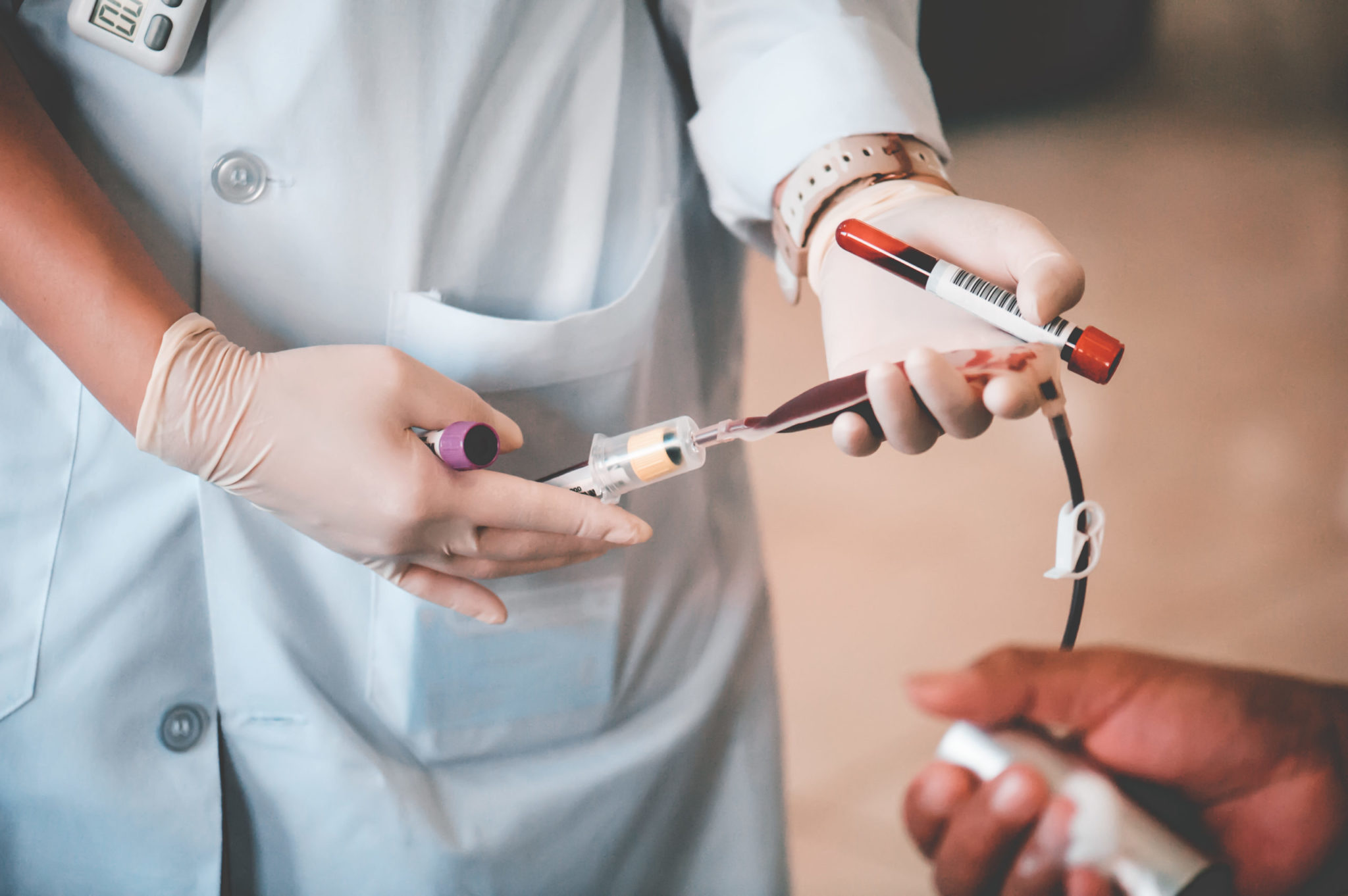
Blood donation is an act of donating part of one’s own blood voluntarily to a blood bank, hospital, non-governmental organisation, or other medical facility. It is a gesture of humanity that has a multitude of benefits not just for recipients, but for donors too.

Blood donation is a life-saving act and is essential in saving the lives of those who experience unexpected and life-threatening bleeding episodes as a result of surgery, accident or illness. Every day, thousands of people all around the world rely on donated blood to survive. As such, blood donation is one of the most powerful ways of giving back to the community, since it is donating the most precious gift of all—the gift of life.

When a person donates blood, they go through a process called screening. This includes checking your blood pressure, temperature, and pulse, as well as checking for any signs of an infectious disease. Once the donor has been screened, the blood is tested for various components such as the number of red blood cells and white blood cells. After the blood has been tested, it is ready to be used.

Types of Blood Donations

The World Health Organisation (WHO) recognises that having access to safe and sufficient blood is essential to providing effective health services in all countries. For this reason, the WHO has classified several types of blood donations according to the collection and usage of blood components.

Whole blood donation is the most common type of blood donation and involves the donation of a single unit of blood that is separated into several different components. The components can then be stored and used separately. Each unit of donated whole blood can yield up to three or four different components, such as red blood cells, platelets, plasma, and fresh frozen plasma, which may be used for different medical purposes. For example, red blood cells may be used for transfusions for patients with anemia, platelets for those with leukemia or other blood cancers, and plasma for trauma victims.

Additionally, WHO recognises two specialised types of blood donations: directed donation and autologous donation.

Directed donation, also known as designated donation, is when a donor specifically requests to donate blood to an individual patient in need. It is often used in emergencies when a patient’s family and friends or other community members are unable to donate.

Autologous donation is when a donor donates blood for their own medical procedure. This type of donation is often used prior to elective surgeries and other medical procedures to ensure that the patient receives blood of a known type and quality.

Finally, WHO recognises that the need for regular blood donation helps to maintain a reliable and safe blood supply. This type of donation usually involves voluntary non-remunerated donation of blood where donors are not compensated for giving blood, but are instead motivated by altruism. These campaigns can be organised at hospitals, blood donation centres, or through community-based programmes.

Who Can Donate Blood?

An haematologist who works at the Lagoon Hospitals, Dr Olatomi A. Bamigboye, said the most important criteria for being eligible to donate blood is being in good health. A member of the West African College of Physicians, Bamigboye said the donor must be between the ages of 18 and 65 and weigh at least 50kg. Additionally, the donor must not have a history of any medical condition or contagious disease.

To further ensure the safety of the blood donation process, the donor must provide blood tests to prove that they are not having any infectious or transmissible diseases, such as HIV or Syphilis. Those who have recently traveled to certain countries or regions may also need to be tested for additional diseases before they are able to donate.

Furthermore, Dr Bamigboye explains that blood donation must always be done at a professional medical centre under the direct guidance of a trained nurse or doctor. Donors should also be well informed of any risks associated with the procedure, and follow all the instructions provided by the medical staff.

She also added that donors must not be taking certain medications, such as steroids, anticoagulants, or any drugs that can decrease the quality or quantity of their blood. These medications are known to increase the risk of adverse reactions and make the donated blood unsuitable for use.

Finally, donors must have donated blood no more than three times in a year, and must have not donated more than a gallon of blood in their lifetime. Donating more than this can lead to a range of health problems and make the donated blood unsuitable for use.

These criteria ensure that the guidelines and rules regarding blood donation established by the Nigerian National Blood Transfusion Services Authority, which encompasses the safety and quality of the donated blood in the country are followed. They are essential to the success of any blood donation programme, and Nigerian haematologists take them very seriously.

Who Cannot Donate Blood?

Dr Bamigboye also stated that there are certain individuals who are ineligible to donate blood.

Those who are ineligible to donate blood are typically those with any type of infectious disease, whether it be HIV/AIDS, hepatitis, or syphilis. Pregnant women, children under the age of 18, and those who have a recent medical history involving medications can also be deemed ineligible to donate.

Other general health issues, such as high blood pressure, diabetes, and obesity can also disqualify one from donating blood.

In addition to this, those who engage in certain activities, such as intravenous drug use, smoking, and alcohol use, can also be ineligible to give blood. Furthermore, any individuals who have a recent history of tattooing or body piercing may also be ineligible to donate, as these activities increase risk of infection.

According to the haematologist, individuals should ensure that they are in good health and know their HIV status before they can donate blood. Aside from being ineligible to donate, those who suffer from certain chronic illnesses may also be required to refrain from certain activities or endure certain treatments before they can give blood. Being aware of the health requirements prior to donating is essential in maintaining the safety of both the donors and the receivers.

Conclusion

Blood donation is an important service and those who are willing and eligible to donate should be celebrated and encouraged to do so.

Following specific instructions given by the blood specialist, those who are looking to donate blood should exercise caution in ensuring that they meet all of the eligibility requirements before doing so. This will help to ensure that blood donors and recipients alike have a safe and successful blood donation experience.


COVID-19 Survivor Offers Respite in “Work in Progress”

0

Mr Sam Enudi, a New York based Nigerian, says his book “Work in Progress” provided a multidimensional approach to solving everyday life struggles.

Enudi told the News Agency of Nigeria (NAN) in an interview in Yenagoa, that his interest in seeking a way out of troubles and life challenges culminated into writing the book.

He said the intention was to offer solution to the numerous challenges faced by humanity in the quest for survival across multiple health scenarios especially the COVID-19 pandemic.

Enudi, a Social Crusader from Delta, holds a degree in Psychology and Business Administration.

He said that the book was available on Amazon’s book platform ‘Kindle’ on Feb. 15.

According to him, it covers different aspects of human struggles such as mental health, social expectations, and financial disparity.

“This book extensively discusses self-growth and development in the context of physical, emotional, financial, and mental struggles and provides a viable panacea to overcoming them.

“Work in Progress is a thought-provoking lone hope in the struggle for peaceful human existence, guiding the reader towards a fulfilled lifestyle through minor attitude adjustments.

“I witnessed the massive loss of human lives and its attendant challenges during the pandemic.

“As one of the survivors, I was motivated to come up with an encouraging and healing outlook on life to enable the society to find strength in life challenges.

“The book will help people work on their self-development and self-growth for a self-healing journey,” Enudi said. (NAN) (www.nannews.ng)

Suspected Meningitis Outbreak Kills 38 in Jigawa

0

Meningitis Outbreak Kills 65 Residents In Jigawa | Sahara Reporters

No fewer than 38 persons have died of suspected Cerebrospinal Meningitis (CSM) in Jigawa, an official, have confirmed.

Dr Salisu Muazu, the Permanent Secretary, Ministry of Health, told newsmen in Dutse on Thursday that the state recorded a total of 398 suspected cases  between October 2022 to date.

Muazu said the disease was detected in 56 political wards across seven local government areas of the state that boarder Niger Republic.

He said the outbreak was initially from the neighbouring Niger Republic, and later spread to the border communities in the state, through trans border activities.

The permanent secretary listed the affected areas to include Babura, Maigatari, Suletankarkar, Birniwa, Gumel, Gwiwa and Yankwashi.

“This is in spite of the fact that last year, we conducted immunisation against this disease across the state.

“But after getting the report of the outbreak, we took the samples for test in the laboratory, and we discovered it was a strange disease.

“It is not a normal CSM disease that we commonly know which is the type A, this one, we discovered that it is bacteria, known as type B.

“And immediately after results were obtained, the state government, through the ministry, swung into action, by offering free treatment, control and prevention measures in the affected areas,” he said

Muazu further stated that the ministry had established an isolation centre at Gumel General Hospital, to which affected persons are being referred to for treatment and observation.

He, however, stressed that the situation had been brought under control, as cases are being sporadically recorded.

“As of now, we record only one to two cases per day. In fact there are some days that passed without recording a single case, as the last was recorded on Saturday,” he said.

The permanent secretary commended the UNICEF, WHO and NCDC for thier support to the ministry in tackling the outbreak. (NAN) (www.nannews.ng)

Study Shows Possibility of Male Birth Control Pill

0
Male Birth Control Pill
Male Birth Control Pill – Photo credit: Gettyimages

Researchers in a recent study believe they have found a means to produce a non-hormonal contraceptive pill for males, which works by blocking an enzyme essential for a sperm’s capacity to swim.

According to the findings published in the journal Nature Communications, inhibiting this enzyme in lab mice with an experimental chemical effectively prevented conception.

“The effect started within 30 minutes after dosing and the mice were completely infertile for the subsequent two hours. By the following day, the mice were completely normal. The compound did not adversely affect the mice in any way, and their sexual behavior and ejaculate were completely normal” said co–senior researcher, Lonny Levin, a professor of pharmacology at Weill Cornell Medicine in New York City.

Such a strategy “would be a major accomplishment for the profession” if it could be demonstrated to be effective in people, according to Christopher Lindsey, programme officer at the U.S. National Institute for Child Health and Human Development, which assisted in funding the study.

Lindsey said “The benefit of this is that unlike a hormonal approach where you’d have to take that drug for days, weeks, sometimes months, this would work similar to Viagra. You would only have to take it maybe a short time back before engaging in sexual activity”.

In the United States, about half of pregnancies are unplanned, and the percentage is much higher among teens, according to the study’s data. This medication could completely change family planning.

Levin and his associates looked into the possible effects of the experimental medication on a collection of lab mice to see whether a brief suppression of the enzyme might prevent conception. The substance was made particularly to inhibit soluble adenylyl cyclase.

Although activity levels of the male and female mice were as predicted, researchers reported that no pregnancies were seen. After then, the female mice’s sperm was unable to be revived.

The compound wore off three hours later, and males recovered their fertility.

The drug used in the mice was a “tool compound”—a chemical used in the laboratory to investigate whether this approach would work, Levin said. Further work needs to be done to find the right enzyme blocker for humans.

“We don’t consider it sufficiently advanced for taking into humans. Our current studies are focused on getting improved versions which are suitable for taking into clinical trials, which we hope can begin in the next two to three years,” Levin said of the compound.

But the researchers say this study proves the concept—an on-demand pill for male contraception is possible.


Somolu General Hospital Sues for Peaceful Environ during Elections

0
Somolu General Hospital

The Somolu General Hospital Management has organised a stakeholders’ meeting with community leaders within the Somolu Local Government Area of the state as part of measures to ensure peaceful and successful elections in Lagos State.

In attendance at the meeting  were market leaders, clergymen, law enforcement agents and management staff of the hospital including Head, Admin and HR, Mr Solomon Soyebo; Deputy MD, Dr Alloysius Inofomoh; Apex Nurse, Mrs Funmi Taiwo and Service Delivery Director, Dr (Mrs) Mogbonjubola Otuseso.

Speaking at the meeting, Dr Saliu Oseni, medical director and CEO of the hospital, urged everyone present to guarantee a peaceful environment during the elections,  while safeguarding people and property in their area because everyone would be affected by the results.

In order to sustain  the peace in the neighbourhood, Dr Oseni pleaded with the DPO Onipanu Police Station, CSP Kehiende Oladeji, and his staff to be more watchful and vigilant in the coming days to prevent uprisings of any kind. In order to ensure a peaceful coexistence and understanding within the Somolu Community and the state as a whole in advance of the elections, he emphasised that all hands must be on deck.

The sanctity of life, property, and economic prosperity are crucial to the advancement and development of any civilisation, he continued, thus the necessity to abstain from violence cannot be overemphasised.

According to him, “In order to function as a conducive health hub, a twin waiting area was constructed to serve customers, especially pregnant women; a dietitian had been engaged to provide patients with adequate nutrition advice for healthy living; Electronic Medical Records (EMR) installed for easy access to full medical records; expansion of operating theatre and the building of a new ward to expand admission facility during treatment at the hospital among others”.

In response, the Iya-loja of Somolu market, Chief (Mrs) Modupe Olufojude, spoke on behalf of the other participants. She stated that as a mother and a leader in the community, she would continue to advise the youngsters to uphold the law and diligently carry out their civic responsibilities.


Take Care of your Heart, CMD Urges Nigerians

0

The Chief Medical Director, Federal Teaching Hospital, Ido-Ekiti Prof. Adekunle Ajayi, has advised Nigerians to take care of their heart while it is still functioning properly.

He gave the advice while delivering an inaugural lecture titled “Low Risk, Not risk”: The Travails of a Lifetime Pump Fighting Fate” on Wednesday at Ekiti State University in Ado-Ekiti.

The professor of Cardiology said some major risk factors can easily damage the human heart and cause untimely death.

He stated that smoking cigarettes, marijuana, high blood pressure, serum lipids, diabetes mellitus, obesity, unhealthy diets, physical inactivity, and metabolic syndrome are capable of causing cardiovascular disease.

Ajayi explained that smoking is associated with an increased risk for coronary heart disease in adulthood, but smoking has a higher risk of the disease in women than men.

He described hypertension as one of the strongest risk factors capable of causing cardiovascular diseases such as coronary disease, left ventricular hypertrophy and valvular heart disease and stroke.

The professor said that for an individual to lower his or her cardiovascular risk, the individual must quit smoking immediately, while individuals should choose a healthy food diet, among other measures.

He added that “low risk is never no risk, I want individuals and Nigerians to take responsibility for a healthy heart, while stakeholders in the health system must upgrade their supportive involvement to reduce morbidity and mortality arising from cardiovascular diseases.

“For Nigerians to lower their cardiovascular risk, smokers should quit smoking and for those who are yet to start, they must not start.

“I want to advise individuals to eat healthy foods with a balanced diet always to curb any forms of heart disease.

“Another way to keep the heart healthy and free from disease is to be physically active; government should provide safe sidewalks or initiate weekly keep fit exercise to promote physical activities.

“An individual must reduce Body Mass Index to less than 25kg, while blood pressure should be lower to less than 140/90mmHg a and maintain blood cholesterol of less than 5mmol/l or 190mg/dl.”

He said that if Nigerians could adhere strictly to the prescribed measures, it would reduce the mortality arising from cardiovascular diseases in the country.

(NAN)

Adeleke Inaugurates Free Healthcare for 18,000 Indigents

0
Gov. Ademola Adeleke of Osun

Gov. Ademola Adeleke of Osun, on Wednesday, inaugurated free medical and surgical outreach for 18,000 indigents in the state, to mark his 100 days in office.

Adeleke, while inaugurating the medical outreach tagged: “Imole free medical and surgical outreach, organised by Osun State University Teaching Hospital, in Iwo town, reiterated his commitment to quality healthcare delivery in the state.

The governor said that 18,000 indigents spread across the nine federal constituencies in the state would benefit from the first phase of the exercise.

Adeleke, who expressed readiness to develop the state and make it better than he met it, assured that his administration would develop all the healthcare centres in the state with a view to ensuring healthy living.

He said that his administration would focus on the welfare of the masses, especially health care delivery, road rehabilitation, construction and infrastructural development.

The governor, who decried the failing health condition of some aged people in the state, said that the free medical and health services would be a routine exercise for their sake.

In his remarks, the Oluwo of Iwo, Oba Adewale Akanbi, commended the governor for the free medical outreach.

Oba Akanbi said the free medical outreach would give hope to the sick, who had lost hope for better health care due to lack of money.

Also, the Chief Medical Director of the hospital, Prof. Peter Olaitan, said the essence of the medical outreach was to cater for the medical needs of the downtrodden in the state.

Olaitan said that proper arrangements had been made for adequate care of all the patients.

He said that medical personnel were drawn from the teaching hospital and other neighboring teaching hospitals, especially the Obafemi Awolowo University Teaching Hospital, Ile-Ife for the exercise. (NAN)(www.nannews.ng)

LSMH Urges Caregivers on Prioritising their Health Needs

0

Healthcare professionals in Lagos State have been urged to prioritise their own health needs, while providing healthcare services to residents.

Dr Olusegun Ogboye, permanent secretary, Lagos State Ministry of Health,(LSMH) stated this at the Y2023 Continuing Medical Education (CME) programme, organised by the ministry for health workers and allied staff.

He noted that the improvement of healthcare delivery quality and the enhancement of effective service delivery in the health sector are direct results of the mental, physical, and overall wellbeing of health workers.

Speaking at the opening ceremony of a five-day CME programme held at the Lagos Chamber of Commerce and Industry, CBD, Alausa, Ogboye admonished medical professionals to take good care of their own health in addition to providing professional care to their patients. He added that maintaining good health and well-being will significantly improve the much-desired efficient and effective service delivery in the state health sector.

He said: “This five-day capacity building workshop themed: ‘Improving Quality of Healthcare Delivery’ is targeted at encouraging healthcare workers to prioritise their health needs as well as educate them on trending health issues that will enhance their productivity during the discharge of their duties.

“This capacity building exercise or workshop is in line with the direction that the Lagos State government wants to go in the development of its workforce. The main objective is to build the capacity of our health workers, especially around trending topics such as issues around epidemics, writing proper reports, proper programmes planning amongst others”.

Ogboye affirmed that the state government will continuously increase the capacity of its health workforce through regular training programmes to improve the quality of healthcare delivery in the state while noting that the Governor Babajide Sanwo-Olu administration in Lagos State remains committed to enhancing the well-being of its workforce.

In order to achieve Universal Health Coverage and carry out the T.H.E.M.E.S. development objective of the current government, he said, the state government would not waver in implementing policies and plans.

The Permanent Secretary thanked the trainers and organisers of the training and urged everyone to take advantage of the lessons learned and put them into practice in their daily lives and in the performance of their duties. He assured everyone that this would be extremely beneficial to healthcare professionals and the industry as a whole.

Earlier, Dr Funmilayo Shokunbi, director of Medical Administration, Training, and Programmes, reaffirmed that the capacity development is intended to address the health requirements of caregivers themselves so that they can carry out their responsibilities as effectively as possible.

“We are going to address the health needs of the caregivers themselves. We are going to ensure that they are also loaded with knowledge and information that will make them perform at their optimal level. We are also ensuring that we put topics that will make them relax. And all these are to ensure that they are happy with their work. When you’re happy, you are more productive”, she said.

Dr Gbonjubola Abiri, consultant psychiatric, who was a facilitator at the workshop, explained that healthcare workers must always pay attention to their health and be able to know when they are not feeling healthy so that they can seek help as soon as possible.


Anambra, UNICEF Offer Free Healthcare to Nursing Mothers, Children

0

The Anambra State Government in partnership with United Nations Children’s Fund will, starting from March 1, offer free medical services for nursing mothers and children affected by the 2022 flood.

Anambra Commissioner for Health, Dr. Afam Obidike, disclosed this on Tuesday in Awka, at a training for healthcare workers on integrated primary healthcare service delivery with a focus on sexual and reproductive health.

Obidike said that the free medical services for the nursing mothers would take place in 10 Local Government Areas affected by the flood.

He said the LGAs included Ayamelum, Awka North, Ekwusigo, Ogbaru, Anambra East, Anambra West, Orumba North, Orumba South, Onitsha North, and Ihiala.

“The Ministry of Health in collaboration with UNICEF has put in place all necessary health materials to commence free medical healthcare services for nursing mothers affected by the flood.

“This programme is targeted mostly at nursing mothers who were pregnant during the 2022 flooding.

“A total of 560 healthcare workers are being trained to carry out the medical outreach slated to commence on March 1,” he said.

The Commissioner said the training would assist health workers to improve their practical skills required for advanced care required for neo-natal emergency resuscitation methods and stimulation to breathe.

While appreciating Governor Chukwuma Soludo for investing in the project to improve maternal and infant health in the state, Obidike urged the affected mothers to access healthcare services at their LGAs free of charge.

Also speaking, Dr. Uju Okoye, Reproductive Health Coordinator, Anambra, said that the health outreach was to ameliorate the worries of the affected nursing mothers and their children.

Okoye said that UNICEF had procured all the essential drugs including mama kits also known as delivery kits for free humanitarian services.

According to her, the state government is committed to ensuring that those affected by the flood, especially nursing mothers and their children, regain a quality standard of life.

In her lecture, Dr. Obinna Ajaegbu, a Paediatrician, from the Nnamdi Azikiwe University Teaching Hospital, Nnewi, told the health workers to stress more about six months of exclusive breastfeeding to prevent childhood diseases.

He also tutored them on the assessment of newborns, physical examination, temperature monitoring, weight control, and how identifying abnormal situations and danger signs during postnatal care. 

(NAN)

WHO Holds Emergency Meeting on Equatorial Guinea Marburg Outbreak

0

The World Health Organiation said it would hold an emergency meeting on Tuesday after at least nine people in Equatorial Guinea died from Marburg haemorrhagic fever, a cousin of the Ebola virus.

The WHO “will convene an urgent meeting of the Marburg virus vaccine consortium (MARVAC)” at 3 pm (1400 GMT), the UN health agency said.

MARVAC includes representatives from the field of vaccine research and development, working to develop vaccines against the Marburg virus.

The Marburg virus is a highly dangerous pathogen that causes severe fever, often accompanied by bleeding and organ failure.

It is part of the so-called filovirus family that also includes the Ebola virus, which has wreaked havoc in several previous outbreaks in Africa.

There are currently no vaccines or antiviral treatments approved to treat Marburg, but potential treatments, including blood products, immune therapies and drug therapies, as well as early candidate vaccines, are being evaluated, WHO said.

Tuesday’s announcement came after Equatorial Guinea’s health minister, Mitoha Ondo’o Ayekaba, said late Monday that nine people had died in the country’s first outbreak of the disease.

He said a health alert had been declared in Kie-Ntem province and in the neighbouring district of Mongomo, with a “lockdown plan implemented” after consulting with the WHO.

The lockdown is affecting 4,325 people in Kie-Ntem, he said.

The government announced last week that it was investigating the cause of suspected cases of hemorrhagic fever in a densely forested eastern region near the borders of Gabon and Cameroon on Africa’s central western coast.

But it said only three people had shown “light symptoms”.

The nine deaths occurred between January 7 and February 7, the minister added, with testing still to be carried out on a “suspicious” death in a hospital on February 10.

The WHO said in a statement Monday that in addition to the nine deaths, 16 other people in Kie-Ntem had shown suspect symptoms including fever and vomiting blood.

The natural host of the Marburg virus is the African fruit bat, which carries the virus but does not fall sick from it.

But the animals can pass the virus to primates in close proximity, including humans, and human-to-human transmission then occurs through contact with blood or other bodily fluids.

Fatality rates in confirmed cases have ranged from 24 percent to 88 percent in previous outbreaks, depending on the virus strain and case management, according to the WHO.

(AFP)

UBTH Conducts First Open Heart Surgery

0

The Chief Medical Director (CMD) of University of Benin Teaching Hospital (UBTH), Prof. Darlington Obaseki, says the hospital conducted its first open heart surgery in January 2023.

Obaseki said this on Tuesday in Benin at the 50 per cent subsidised specialised surgeries’ inauguration as part of activities for the 50th anniversary of the hospital holding in May.

The CMD said the medical bill of one of the three patients for the open heart surgery was subsided by the Deputy Governor of Edo, Mr Phillip Shaibu.

He commended the deputy governor for being a pillar of support to UBTH and for also supporting the 50 per cent subsidised specialised surgeries.

Obaseki said the 50 per cent subsidy on speculised procedures such as Endoscopic and Laparoscopic surgeries, Colonoscopy, Optical Coherence Tomography (OCT) among others would be done till the end of February.

”We started since the beginning of this month. As of today, we have 115 patients for surgeries, anybody screened and certified free to undergo surgery would benefit from the programme,” he said.

The CMD said that although Nigeria could take care of its citizens’ health needs, medical tourism situation was responsible for citizens’ inability to place value on what it had.

”We need to advertise ourselves because the general society don’t seem to reckon on the medical professionals in Nigeria, we are up to the task, not until we travel,” he said.

According to him, the country is losing so much money to medical tourism when there are qualified medical personnel in Nigeria.

”There is a new report on the health market in Nigeria commissioned by Pharmaset Foundation which indicated that Nigeria is losing huge money to medical tourism.

”As at 2021, the value of the medical tourism market, the amount of Money Nigerians spend going to seek healthcare abroad is 1.9 billion dollars annually’’.

”Every month, 9,000 Nigerians seek medical care outside Nigeria and majority of them go to India.

”The question is why do they go out to seek for care? Some of the things they go out for are the things we are doing here.”

He said that Nigerians must learn to contribute cheerfully to the health sector, adding that a true philanthropist was the one who contributed to the health needs of his people.

Also speaking, the deputy governor, Shaibu commended the CMD for breaking new grounds in the health sector and for making the hospital a centre of excellence.

He said that the state government had always leveraged on the facilities, expertise of the personnel and technological advancements of the hospital to drive health reform in the state.

The News Agency of Nigeria (NAN) reports that Shaibu also called on Nigerians to show love by contributing their quota to the development of the health sector.

Mr Lucky Adubi, one of the patients, who benefitted from the subsidised specialised surgeries, commended the hospital for making him to see the light at the end of the tunnel.

He sought for sustainability of the subsidised surgeries so as to give succour to the poor. (NAN) (www.nannews.ng)

Take Action against Impostors, LSTMB Urges Residents

0

African Traditional Medicine: Lagos to sanction unlicensed practitioners - Vanguard News

The Lagos State Traditional Medicine Board (LSTMB) has reissued its appeal to the public to report any instance of unethical behaviour on the part of traditional medicine practitioners in the state, adding that the agency will safeguard the identity of whistle-blowers.

This was recently revealed by the Board’s Registrar, Olorunkemi Kadiku, during an appearance on Radio Lagos 107.5FM’s “Je N Wi Temi” programme to better educate listeners on the agency’s efforts to standardise the activities of practitioners of traditional medicine in the state.

According to Kadiku, the cosmopolitan nature of Lagos and the enormous number of practitioners in various communities throughout Lagos State make it impossible for the agency’s officials to have up-to-date knowledge about some people who are practicing traditional medicine without the necessary education and certification.

In order to take the appropriate action, he advised members of the public to report such impostors by calling the agency. He did this by revealing that the Board has a stringent code of conduct that all practitioners of traditional medicine in Lagos State must adhere to.

He said, “The Governor of Lagos State, Mr Babajide Sanwo-Olu through his representative, the Commissioner for Health, Professor Akin Abayomi, unveiled this Code of Conduct last year during the Traditional Medicine Day for the use of all traditional medicine practitioners and the agency had even gone a step further to translate the code of conduct to indigenous Yoruba language for better understanding of our members.

“My appeal to members of the public is that they must show interest in the way and manner in which traditional medicine practitioners within their neighbourhood carry out their activities, they should inquire from them if they are registered with LSMTB”.

The registrar also disclosed that the agency had further stepped up its enforcement efforts with the help of a monitoring taskforce to help it respond quickly to complaints from informants and to make sure that everyone in all corners of the state complies with the established rules and regulations governing the practice of traditional medicine in Lagos.

He emphasised that members of the public who are unable to visit the LSTMB office at 7, King George V road, directly across from Onikan General Hospital, can get in touch with the organisation by calling 08069158670 or by using its social media pages to ask questions or report suspicious activities involving traditional medicine in their communities.

NDLEA Nabs General Overseer, Student over Meth, Shunk Trafficking

0
Church General Overseer, Theology Student Arrested over Dubai-bound Meth, Skunk – THISDAYLIVE
Church General Overseer, Theology Student Arrested over Dubai-bound Meth, Skunk – Photo credit: NDLEA

The Founder and General Overseer of the Seraphic and Sabbath Assembly in Lagos, High Priest Azuka Kenrick Nnodu, a student at the Emmanuel College of Theology in Samanta, Ibadan, Udezuka Udoka, and their freight agent, Oyoyo Mary Obasi, have all been detained by agents of the National Drug Law Enforcement Agency (NDLEA) for attempting to export methamphetamine and skunk consignments.

Following the arrest of two suspects, Oyoyo Mary Obasi and Udoka recently at the Lagos airport in connection with the seizure of 283 parcels of skunk weighing 14.90 kilograms and 204 grams of methamphetamine hidden in four 25-liter kegs of palm oil intended for export to Dubai, the General Overseer Nnodu was detained on Saturday, 11 February, 2023.

Nnodu, and his son, Chisom Obi, who is currently at large, were named in Obasi’s declaration as the individuals who gave her the consignments for export after she was forced to sign a confidentiality agreement and offer a chicken sacrifice in the church while the general overseer prayed for the success of the transaction.

When Obasi revealed how she was hired by her church’s GO, she claimed that the clergyman and his son threatened her to accept the position after they realised she knew their trade secrets. Obasi also claimed that High Priest Nnodu constantly referred to illegal drugs in their phone text messages as “Ice” and “Bible,” which are street names for methamphetamine and cannabis, respectively. Udoka, a theology student, was recommended to Obasi since she was new to the illegal business and needed help. He said he was given N2 million for the task and was forced to take it because he needed the money for his study.

Another attempt by Monday Innocent Nnamaru, a Dubai returnee, to send a consignment of skunk and tramadol 225mg to the UAE was also unsuccessful as a result of his arrest at the Trade Fair complex in Lagos’ Ojo neighbourhood, the agency revealed.  On February 7th, he had gone there with his friend Nwanana Emmanuel Ikechukwu to take the cargo to a freight company to process it for export.

According to the statement from the NDLEA, “Another attempt to send a consignment of skunk and tramadol 225mg to the UAE by a Dubai-returnee, Nnamani Monday Innocent was also frustrated following his arrest at Trade Fair complex in Ojo area of Lagos, where he had gone in company of his friend Nwanana Emmanuel Ikechukwu with the cargo to a freight company to process the consignment for export on Tuesday 7 February.”

Reacting to the efforts of his men, Chairman/Chief Executive Officer of NDLEA Brig Gen Mohamed Buba Marwa (Retd) praised the officers, men and women of the MMIA, Cross River, Kano, and Lagos commands for their dedication and professionalism towards ridding Nigeria of the menace of illicit drugs in response to the arrests and seizures of the previous week.

He said that all NDLEA personnel across the nation are being urged to continue relentlessly in pursuing the corporate objective of the agency,  as they will continue to target any individual or organisation engaged in the illicit trade without showing favour or fear.


Rotary Club Donates Birthing Kits, Wheelchairs, Others to Maitama Hospital

0

The Rotary Club of Abuja, Maitama District 9125, on Monday, donated
birthing kits to 100 pregnant women at the Maitama District Hospital, Abuja.

The club also donated two wheelchairs, one stretcher, medical consumables and renovated the accident/ emergency unit, as well as the matrons’ and nurses’ compound of the hospital.

The President, Rotary Club of Abuja, Maitama, Mr Yusuf Alli, said the donation is aimed at complementing government’s efforts in providing quality healthcare services to Nigerians.

He said “what we only do is to complement what the government does in any country or environment.

`In our case this year, we chose to renovate accident and emergency unit of this hospital.

“Drawing from the lessons of COVID-19 and what is happening in Turkey and Syria now, we don’t need a soothsayer to tell us that emergency unit is a fighter component of hospital service.

“We have also given birthing kits to pregnant women to assist them in safe delivery, so this is a token contribution to maternal care in the country.”

Mr Goddy Nnadi, the Governor, District 9125, said that the medical outreach is part of the club’s committment to fulfilling its humanitarian services to mankind.

Nnadi, who commended the rotary club for the numerous humanitarian projects, called on other clubs to focus more on projects that touches human lives.

He said “this is in line with our seven areas of focus and one of them is child and maternal health and the other one is disease prevention and care.

“These are part of the programmes that Rotary Club at the international level had built to fit into the realms of maternal and girl-child, as well as disease prevention and care.

“These are multiple projects in one.”

Dr Igbinovia Imuentiyan, the Chief Medical Director of Maitama District Hospital, Abuja, thanked the club for the donation, adding that the gesture would boost heathcare services.

He said “it is my great pleasure to say that this district in Maitama has made this hospital a place they always remember and they try to share love to patients.

“We are deeply indebted to you and we remain eternally grateful.”(NAN)(www.nannews.ng)

Stakeholders Advocate Condom Use for Prevention of STI’s, Unwanted Pregnancy

0

In commemoration of 2023 International Condom Day, stakeholders have called for the correct and consistent use of condoms for the prevention of sexually transmitted infections (STI’s) and unwanted pregnancy.

The call was made on Monday, in Abuja, in commemoration of the 2023 International Condom Day (ICD) Organised by AIDS HealthCare Foundation (AHF), in collaboration with various key stakeholders.

The stakeholders among which are NACA, UNFPA, Education as a Vaccine, Association of Positive Youths (APYIN), Society for Family Health, among others.

News Agency of Nigeria (NAN) reports that ICD which is celebrated annually on Feb. 13, in conjunction with Valentine’s Day has its 2023 theme “Always in Fashion”.

Dr. Echey Ijezie, AHF Nigeria Country Program Director said ICD was celebrated every year to ensure awareness was raised about the use and importance of condoms in view to reducing STI’s and unwanted pregnancies around the world.

Ijezie said the day was focused on a lot of creativity among adolescents and young people to raise awareness, demystifying stigma and misinformation on condom use.

“AHF have been commemorating ICD since 2009 and this is our 14th year.

“Over the years condoms have played a significant role in reducing STI’s and unwanted pregnancies and it has contributed significantly in no small measure in reducing these infections and the reduction of unwanted pregnancies.

“So it’s a message we propagate, it’s a message we teach and it’s a message we want everyone to use,’’ he said.

Dr Einne Okey-Uchendu, Assistant Director NACA, said ICD was set aside to create awareness on correct and consistent use of condoms among young people who cannot abstain from sexual activities to protect themselves.

“NACA implements programmes on comprehensive effective condom programming, we provide condom awareness on different activities especially for young and unmarried people because there is a high rate of HIV infection among young people.

“We are also using the social media platforms so they have information on condom programmes like where to get condoms and how to use them correctly.

“Tomorrow is Valentine ’s Day and a lot of people try to show love by having sex, my message to everyone is love wisely, engage in safe sex and protect yourself by using condoms correctly,’’ she added.

Ms Oluwkemi Gbadamosi, Director for advocacy and Marketing for Africa Bureau AHF, said ICD was an innovative way of promoting safer sex awareness and the importance of condom use.

Gbadamosi said condoms still remained critical and the only prevention tool for STI’s and unwanted pregnancy adding that people should not be ashamed or afraid to use them.

“ ICD is strategically positioned on Feb.13, the day before Valentine’s Day.

“This is because we know that on valentine day there is a lot of conversation around expressing love in different forms which includes sexual activities.

“At AHF, we say regardless of how you choose to express yourself, with your loved ones, it is important to remember that the act of protecting yourself is an expression of love,’’ she said.

Speaking on awareness on condoms use, Gbadamosi mentioned that a condom culture survey conducted recently by AHF showed that Nigerians perception on condoms use was highly influenced by culture and religion.

“We still have high rate of infections particularly among young peoples, a lot of misconceptions about the use, were some people feel when they use condoms they do not enjoy sex, but that is wrong.

“People still have pleasurable sex, even with the use of condoms, also some people believe if a woman ask for condom , it means she is promiscuous , not realising that she is protecting herself and her partner.

She, however, called for the need to educate pharmacies, supermarkets and chemist shops in rural communities on encouraging people to freely purchase condoms and not feel judged.

Mr Edoko Philips Programme Assistant, Education as a Vaccine, said the Day was set aside to engage young people in a fun and lively way, to ensure the message of practicing safe sex was promoted.

“Young people have a way to show love which can easily translate to having sex. So the day is for people to understand safe sex, how to use condoms and how to access the commodity.

“Statistics released in 2022 of state of the world population report by UNFPA, stated that over 2.5million teenage pregnancies were recorded which means young people are engaging in sexual intercourse.

“As much as we preach abstinence, from the statistics, it is difficult for them to abstain and we will not sit back and allow young people to lose their lives.

“Whereby they have unintended pregnancies that can lead to unsafe abortion and contacting HIV and STI’s.

He further encouraged young people to abstain from sexual activities hence practice safe sex by using condoms if they can’t.

Joy Oboyi Girls Act AHF Nigeria, said there was a need to make available appropriate messaging for all young person’s raging from teenagers and those transitioning to become adults.

“We have to pass out information that cut across abstinence, saying yes to sex when ready, and teaching comprehensive sexuality education.

“This is important because when young persons are faced with the problem of `a guy is asking me out and i do not know what to do’?

“Communication skills become important so they can make informed decisions and are able to negotiate safe sex with their partners,’’ Oboyi said. (NAN)(www.nannews.ng)

Child Protection: Lagos Engages Parents on Physical, Sexual Abuses

0
UNICEF

The Lagos State Government on Saturday engaged 400 parents and caregivers from Education District 2 on the protection of children against physical, mental and sexual abuses.

The engagement, held in Ikeja, was organised by the Lagos State Domestic and Sexual Violence Agency (DSVA), in collaboration with the Office of Education Quality Assurance (OEQA).

At the event, tagged: Parents Association Conference on Child Safeguarding, Executive Secretary, DSVA, Mrs Titilola Vivour-Adeniyi said it had become expedient to protect children from abuse that could spiral into violence.

Vivour-Adeniyi, represented by the Head, Psychology Department, DSVA, Dr. Olive Oluwagbemileke, said that the conference was designed to enlighten parents on the process of reporting cases of violence and abuses on children.

She said that it was to show the parents how to prevent violence in forms of domestic and sexual acts, and the process that could be adopted to raise their children to become more responsible in the society.

Vivour-Adeniyi said that punishment had not been an effective tool to correcting wrong behaviour of children, rather than discipline, stressing the need to explore other milder ways of reprimanding children for wrong doings.

According to her, when parents are frustrated about a child’s wrong behaviour, they want the child to suffer for that, and this leads to violence in the society and illicit rebellious and aggressive behaviour from the child.

The Director-General, OEQA, Mrs Abiola Seriki-Ayeni, also said that the whole essence of the meeting was to review activities of the multi-agencies involved in the protection of child rights in the state.

Seriki-Ayeni, who was represented by the Director, Monitoring and Investigation, OEQA, Mr Kamardeen Akodu, said that the office monitored schools and investigated cases relating to children within school levels that were below tertiary school – primary and secondary schools, both in private and public.

”Any case of abuse involving children of school age, we work with DSVA, Youth and Social Development Police, Ministry of Justice, Health and other agencies to ensure the case is adequately investigated.

”We are also concerned about the protection of remaining children in that school. If one child has been abused, we concentrate on the school to see what the management of the school has to protect other children and we engage the school management to ensure that such act does not happen again.

”Where the school is found responsible for exposing the children to insecurity and we notice that the level of exposure is so high, such that children are not safe in that school, we can shut that school, while we guide the school to do the right thing,” she said.

Seriki-Ayeni said that the state ensures that academic activities do not stop, while investigation and closure of such school takes place.

In her presentation, the State Coordinator, Child Protection Network, Mrs Aderonke Oyelakin, said that there was the need for collaborative effort to instill good values into the children.

Oyelakin said that parents should be enlightened on ways to curb all forms of violence against children in Lagos State.

She said that DSVA organised the event to enlighten them on the signs to watch out for and ways to prevent their children from any form of abuse.

Oyelakin said that abuse could come in form of neglect, exploitation, sexual, physical or emotional, hence, it was imperative for parents to know the laws of the land.

She said they should know, particularly, those that had to do with Child Right and what government had put in place to protect the children at all levels.

”Parents should be able to educate their children with the basic information about their body parts. Don’t hide anything from them.

”There must be zero tolerance against any form of abuse on children and we must be ready to fight the perpetrators of this dastardly act, and collectively, we have to fight it out of our society,” she said.

Oyelakin urged parents to be intentional and be friends with their children, especially during the day, as well as observe what goes around them, in order to secure a better future for them.

Also, the Chairman, Parents Forum Education District II, Mr Abdul-Wasiu Jenrade, commended the initiative by DSVA to bring parents together and shed more light on the need to ensure optimal protection of children.

”Whatever happens to our children is the cause of the parents, the conference is an eye opener for everyone to take congnisance of the fact that we must key into this noble reservoir of knowledge to further safeguard our children,” Jenrade said.

He acknowledged that the state government had put adequate measures in place and everyone must be able to use the various platforms to escalate matters of any form of abuse on the children. (NAN)(www.nannews.ng)

Red Cross Lagos Seeks 2,000 Pints of Blood in 2023

0
Red Cross Lagos

The Nigerian Red Cross Society (NRCS), Lagos State Branch, has embarked on a blood drive as part of the organisation’s efforts to raise 2,000 pints of blood in 2023.

The NRCS Lagos branch Secretary, Mr Olakunle Lasisi, told the News Agency of Nigeria (NAN) during a blood donation drive on Saturday in Lagos that about three lives could be saved from every pint of blood donated.

The event was organised by NRCS, Lagos Branch Youth Wing and NYSC CDS, in collaboration with Aspira Nigeria Ltd and the Lagos State Blood Transfusion Service (LSBTS).

The event was tagged, ‘Valentine Fiesta and Voluntary Blood Donation Drive’ with the theme: Give Blood, Save Lives.

Lasisi said the Red Cross chose to raise blood because it was a humanitarian act targeted at supporting the unknown and less privileged in the society.

He said the branch had an average of four drives annually with the objective of ensuring there was enough blood in the blood banks.

He said the blood drives were held during the Valentine season; May, to celebrate Red Cross Day; in August, at the annual Youth Camp and another in December.

Lasisi said the branch partnered with the LSBTS because it had sophisticated equipment and management in ensuring that the blood donations were successful.

“We promised in the past to give as much as 1,000 pints of blood but we’ve superseded it.

“This year we’re looking at getting 2,000 pints of blood and we can do more because we’ve adopted a new strategy we’re going to use,” he said.

Lasisi said the branch would work with foundations, non-governmental and corporate organisations that indicated interest to achieve its objectives.

He urged more corporate organisations to partner with the Red Cross, to ensure that more lives were saved through voluntary blood donation.

The Commandant of Red Cross, NYSC CDS, Oluwafikemi Adebayo, told NAN that the corps members and non-members of NRCS decided to voluntarily donate blood as part of their service to humanity.

“We want to help save as many lives as possible, particularly this period when there are lots of accidents,” she said. (NAN) (www.nannews.ng)

Why People Don’t Keep New Year Resolutions

0
Understanding people the “write” way (2)
Dipo MacJob (DrWrite)

In the last edition, I did mention that we shall be expatiating on parenting the write way; that is, seeing how graphology can be leveraged in understanding children. We will be delving into this later this year. My apologies for the inconveniences.

For this edition, let me start by wishing you special blessings of the season. It is a new year and it has to be a new you. However, as much as I desire that everyone experiences newness this new year, the bitter reality is that a lot of people will still struggle with detaching themselves from the past year in order to fully enjoy all that the new year has to offer.

There is something a lot of people do not understand about the human body. It is that it has a language it responds to. If this language is not well communicated to it, there is no progress. Until that “software” is upgraded, you can only do so much.

At the beginning of every new year or should I say close to the end of the exiting year, people create resolutions – something they truly desire to do or achieve in the new year; a new habit they want to form or drop. However, few days or weeks into the new year, they drop along the line.

What could be the reason? It is not so much because they do not desire a change; the real problem is that they are not communicating the change they desire to their bodies in the way and manner that allows the body to cooperate with them. The body human body is so powerful that not even the spirit can function adequately without the “agreement” of the human body.

The body and our subconscious mind are one and the same. The conscious mind is different from these two in operation but functionally they are all located within the human body. The reason many struggle to meet up with the demands of the resolution is that the information was received by the conscious mind but the memo, as it were, is yet to get to the subconscious and until that is done or achieved, the body doesn’t align with the conscious by default. So, in your thoughts, you want to exercise more regularly but this desire hasn’t registered strong enough in your subsconcious mind, so much so that your body can easily move in the direction of the required activity or assignment.

You may ask , how does the information, instruction, command or “memo” get to the subconscious, which in turn impacts on the body? Several techniques are used, which are typical of body language. Two of such are repetitions and affirmations. When you consistently say something so much so that your awareness of the repeated statement becomes so high, your body easily agrees with you to operationalise whatever it is. It is a powerful principle that helps many who are known to be consistent at making changes and impacts.

This year, if you must blast those targets and goals you have set for yourself , you need to really understand the language of the body, otherwise you would end up running through 2023 the same way you did 2022.

What are you willing to do differently this year? How do you intend to do it? My suggestion to you is to begin with strong affirmations of those well-written plans and goals. Make positive declarations. Say what you want to see to stupor. The more you do, the more your body gets the communication and becomes convinced to align with your desires.

An understanding of body language is very key for everyone in every sphere of life. Thus, this year, we are going to focus a lot on the importance of body language and the various areas of use.

If your sales team have a bit of understanding of how to leverage, then meeting and exceeding sales numbers would not be a problem at all. Till we meet in the next edition, always remember that “every body talks”.


MacJob O.E (@dipomacjob)

diptoy20m@yahoo.com

07062456737 (Text)

A New Way to Manage Stress

0
How to Overcome Work Stress: The Best Tips From Our Instructors
Photo credit – University of Arizona News

It is common to hear people say things like, “I can’t wait for 2022 to end with all its stress and trouble”, or “2022 was so stressful! 2023, please be kind”. Comments like these give one the impression that all our stress ends when the year ends. But experience has also shown that this is anything but true. Our stress does not disappear just because the year is ending. What we can change, however, is our response to activities and feelings so that we can limit stress, and what we can control is our reaction to stress.

How do we educate or counsel patients who complain about mental and emotional stress? How do we advise them and how do we deal with stress ourselves?

First, What is Stress?

The World Health Organisation (WHO) defines stress as “any change that causes physical, emotional or psychological strain; it is the body’s response to anything that requires attention or action”. Since this is the case, it stands to reason that everyone will experience a degree of stress at some point in their lives. However, not everyone reacts to stress the same way.

Most times, mental or emotional stress occurs because of past activities that we can’t get over or future activities that we fear or are uncertain of. These are normal, causing momentary physical, emotional or psychological strains. However, it becomes a problem if we get “hooked” by these thoughts and can’t move on. When these thoughts hook us, we become trapped by them and get pulled away from our values and sense of purpose.

One clear feature when hooked by these thoughts or feelings is that you become disengaged, distracted and unfocused. In this state, it becomes difficult to enjoy activities, and you feel a general sense of dissatisfaction. Unhooking involves refocusing and making a conscious effort to engage in what you are doing. However, it is not always easy to just “engage”, and when it becomes difficult to, we must learn to “ground ourselves”

So, How Do You Stay Grounded?

The first step is to identify when feelings, thoughts or activities have taken hold, and then, recognise the need to unhook and ground yourself. There are many useful grounding exercises, which include:

  • Take ten slow breaths. Focus your attention on each breath.
  • Stretch
  • Stamp your feet and notice the sensation and sound as you connect with the ground
  • Put on a piece of instrumental music. Give it all of your attention.
  • Sip a cup of cold water

And so on. You can learn more about grounding exercises.

The next step is to refocus; to be in tune with your physical environment. Pay attention to sights, sounds and people around you and focus on them. Touch and feel objects like the chair you are sitting on or the pen in your hand, and listen more closely to what people around you are saying.

Stress is inevitable; it is what you do when stressed that matters. There is always the tendency to let unproductive thoughts and feelings cause you to lose your sense of self or purpose. In many cases, we are just too weak to fight these feelings; sometimes, we wallow in them by isolating ourselves, avoiding people or indulging in unsafe behaviour like alcoholism or drug addiction.

Grounding and unhooking exercises help manage stress better. Identify and name these feelings, then proceed to ground yourself and unhook from them.


Physician, heal thyself – Take a closer look inward in 2023

As a healthcare provider, you are invested in the health of others, keeping track and monitoring their numbers (blood pressure, blood sugar, etc.), but who is tracking yours? How are you prioritising your health? Maybe the question should be: Are you prioritising your physical, mental and emotional health?

Dear healthcare provider, your health matters too. Never be too busy to get help when you need to.

Happy New Year!

Reference

Doing what matters in times of stress: An illustrated guide. Geneva: World Health Organisation; 2020. Licence: CC BY-NC-SA 3.0 IGO.

Increase in Non-Communicable Diseases Looms with Cash Scarcity, Experts Warn

0
Photo credit – Culture Intelligence

Healthcare experts including physician and pharmacists have expressed concerns over the implementation of the new monetary policy in Nigeria with limited cash in circulation, saying it is taking negative toll on citizens’ health, with increased symptoms of mental distress, malnutrition, high blood pressure, diabetes, and other ailments seen among patients. They predicted that more and more Nigerians will come down with these conditions if the situation is not urgently addressed.

The practitioners also observed a sharp decrease in purchase of medications from retail pharmacies, stating that this is another pointer to the looming escalation of morbidity and mortality in the country, as abstinence from routine medicines for hypertensive patients and diabetics could lead to deteriorating health conditions and premature death.

The Chief Medical Director, St Raphael Hospital Ltd, Dr Anthony Omololu, in an exclusive interview with Pharmanewsonline, narrated the pain points of patients in the prevailing economic situation in the country, saying Nigerians are subjected to untold hardship with direct implication on their health which could become worse, except the Federal Government demonstrates a strong political will to remedy the situation.

According to him” Already people are displaying symptoms of mental health disorder as seen in many banks, where citizens who couldn’t get cash strip themselves naked out of frustration and perplexity. We are going to see more of this if the situation is not reversed.

“Aside this, a lot of diabetes patients are having financial challenge in meeting up with their daily medical routines, it’s getting worse now as they are finding it pretty difficult to get cash to purchase their drugs.

“Definitely the situation will lead to hunger, as there is limited currency in circulation, and everyone can’t have access to the new notes easily, thus, families and children are starved of food, and this will of course lead to malnutrition”.

Harrowing experience of patients in the community

Pharmacist Abiola Paul-Ozieh, founder, HiRock Pharmacy, also revealed the implication of the prevalent cash swap and fuel scarcity on community health services, as clients are most times stranded due to lack of naira notes to do out-of-pockets healthcare purchase. She averred that not even the provision of mobile transaction could bring respite to clients as telecommunication companies have joined the conspiracy to frustrate patients with network failure.

She described the scenario in the community as patients are experiencing pains, untold hardship and a precarious condition in the neighborhood and the country at large. The citizens’ purchasing power has reduced; there is confusion, agitations, protests and ill-will.

Paul-Ozieh further said since the commencement of this implementation, patients have been pushed to the wall, as they had nothing to fall back to, except to plead with the pharmacist for credit sales. And even some request cash from pharmacists by transferring excess money for transaction made, in order for the community caregiver to return balance in cash.

“The prevailing cash scarcity is affecting consumers of medicines and health commodities adversely. In the first instance because many patients and consumers procure their medications from out- of- pockets spending the scarcity of cash has impinged negatively on their purchasing power and habits.

“A couple of times you see patients walk in to complain of lack of cash, inability to withdraw from ATMs, POS and frustrated by inability to make transfers using their phones. Some demand outright sale on credits because they live in the neighborhood, while some will opt for reducing the quantities procured to come back later to complete their prescribed medications.

“In the community too, we have since seen some residents requesting payments from the Pharmacy operators: they make a purchase and ask to transfer more than the value of their purchase so that they can have cash to go use to procure food items or for transportation.

“Though the use of mobile transfers and POS machines appears to be desirable alternatives for payment, it is regrettable that our telecom network services are also unleashing untold hardship on intending clients and patients in community settings”, she lamented.

Sharp decrease in sales of medicines and patients’ health

Pharm. Ismail Kola Sunmonu, founder, Caratiyah Pharmacy, also attested to the decrease in purchase power of patients, which has directly impacted on retail pharmacies sales with 30 percent reduction in sales of medications.

While his pharmacy is not exempted from the reduction in sales, he is rather more concerned about the condition of the patients who have abstained from their routine medication due to lack of cash, asking what they would resort to for the main time.

“Some of us who have latched on to electronic transactions before now are running smoothly, but at reduced patronage, because what is the percentage of our clients who are cashless complaint?

“The question is what does this affected 30 percent of patients resort to for their medications as they have seized to purchase their drugs?

“The implication is that some may resort to abstinence from medications, which would aggravate their conditions, while others may go for herbal concoctions, which has no standard measurement. So it is sure that patients’ health is being affected. Something must be done urgently to resolve the situation; else this may lead to increase in morbidity and mortality”, asserted.

Panacea to the problem

In forestalling the impending morbidity and mortality, Dr Omolola appealed to Nigerians to be more empathetic with one another by offering assistance to their neighbours where necessary.  He also urged the upper class citizens to sympathise with the downtrodden by coming to their aid with cash and kind.

The physician then implored the government to show a strong political will to resolve the condition.

“First of all, we need to appeal to Nigerians to be more empathetic with ourselves, of course government has its role to play, but one on one, and we need to find means of helping one another. People need to have godly fear in relating with their neighbours and colleagues.

“Finally, government must demonstrate a strong political will to remedy the situation. The Federal Government must liase with the CBN to resolve the bottlenecks  around cash dispensing in order for everyone to have at least some cash to assist their daily operations”, he suggested.

For Paul-Ozieh, it is high time government woke up to work towards medicines availability, accessibility and affordability in collaboration with the pharmaceutical sector industrial players. “Indigenous production of Active Pharmaceutical Ingredients (API) is key to our becoming self- reliant in local production of our drug needs”.


UNILAG PANS President Visits Pharmanews, Seeks Support

0
PANS
Pharm.(Sir) Ifeanyi Atueyi, managing director, Pharmanews Ltd and Opeyemi Salami, president, UNILAG PANS, during his visit to Pharmanews Ltd.

Towards the commencement of the Annual UNILAG PANS Week, the President of the Pharmaceutical Association of Nigerian Students (PANS), University of Lagos (UNILAG) Chapter, Opeyemi Salami, has paid a courtesy visit to the Managing Director, Pharmanews Limited, Sir Ifeanyi Atueyi, to intimate him with the programmes for the week as well as seek financial support for the success of the event.

Salami, during the visit, which took place at the company’s corporate head office in Lagos, briefed Sir Atueyi on the achievements of his administration as well as their upcoming PANS Week.

He recalled their discussion on 30 March, 2022, when the UNILAG PANS Executives visited Sir Atueyi, at the commencement of his tenure, and the Pharmanews publisher’s statement on the necessity of presenting a proposal to him ahead of their PANS Week.

He said: “We visited you in March 2022 in preparation for our PANS Week which didn’t hold due to the ASUU strike, where you asked us to prepare a proposal when we are ready. Now, as our patron, we feel the need to let you know of our upcoming activities and also list the various achievements of this present administration.

“So far, we have been able to construct the first ever emblem with a fountain in the Faculty of Pharmacy, which is yet to be launched. Also, our Dean took 3rd position in the 2022 Dean of the Year competition; we now have a Mentor-Mentee Programme for 200 and 300 level Pharmacy students; and for our Sports Week, we have established “Pharma-Lympics” with the goal of getting everybody fit.

“Unto our Annual PANS Week, which is the flagship of our administration, the theme for this year is: ‘Pharma Evolution: Finding Relevance as a 21st Century Pharmacist beyond the Lecture Room’. For this, we plan to invite people from different sectors of Pharmacy to come and speak to Pharmacy students for five days.”

Highlighting the details of the event, the PANS President said: “Day one is going to be the Pharmacy awareness rally; Day two is for quiz and debate competition; Day three is for the symposium where justice would be given to the theme of this year’s PANS Week; Day four is our lecturer appreciation day; Day five is the traditional day; Day six day is for community health outreach; and the last thing for the week is our Face of Pharmacy.”

In his response, the Pharmanews boss attested to being a strong supporter of PANS from inception, because the first friends Pharmanews Journal made were Pharmacy students, when it began in 1979.

“For this year PANS Week, we shall see areas of interest specific to Pharmanews that we can participate in. First, we shall be giving publicity to your activities and then we shall identify one or two areas that we can support financially.

In her contribution, the Online Editor, Pharmanews,  Mrs Temitope Obayendo, appreciated the PANS President for the visit and further advised him on adequate preparation  for the week- long activity, in order to prevent any disappointment  from invited guests and also from their own end.


Six UNICAL Students Slump in Exam Hall

0
University of Calabar

The University of Calabar (UNICAL) recently experienced a shocking incident on Thursday, 9 February 2023, when no fewer than six students passed out at an examination venue.
The students, according to the viral video on Instagram, were all 100-level Medical Science students, who were writing a Chemistry Examination. It was stated that the students were attempting to get into the overcrowded hall when the incident occurred.

“At least six students passed out today while we were taking the chemistry exam. The crowd was too much, and people were literally falling on themselves,” a student who witnessed the incident said.

Due to the overcrowding nature of the hall, the students struggled to gain access to the exam hall, resulting in some of them fainting due to the intense pressure. The students were immediately rushed to the hospital and it is fortunate that none of them was seriously injured.

The occurrence has generated many questions from members of the public, as some have queried why the school management would allow such development? They also questioned other safety measures the institution has put in place to prevent a reoccurrence of such scenario?

Stakeholders have also reacted to the development saying the unfortunate incident at the University of Calabar is a stark reminder of the need for educational institutions to take urgent steps to reduce overcrowding in their examination venues. It is essential for the university to ensure the safety and well-being of its students by providing a comfortable and secure environment for them to study and write their exams. Only then can the students of UNICAL be assured of a safe learning experience.

Female Genital Mutilation, an Evil Act – FIDA

0

The International Federation of Women Lawyers (FIDA) Nigeria, Lagos Branch, has condemned Female Genital Mutilation (FGM), describing it as an evil act.

Mrs Chinwe Efobi, Chairperson, FIDA, made the assertion on Thursday in Lagos at an event to mark the International Day of Zero Tolerance for FGM.

The News Agency of Nigeria (NAN) reports that the International Day of Zero Tolerance for FGM is observed on Feb. 6 every year.

According to Efobi, the day provides an opportunity for all stakeholders involved in ending FGM to celebrate achievements, advocate for abandonment of the practice and raise awareness.

She said it was in this vein that FIDA Lagos joins the world to commemorate the Day which had the 2023 theme as: “Partnership with Men and Boys to Transform Social and Gender Norms to End FGM”.

She explained that FGM referred to all procedures involving partial or total removal of the female external genitalia or other injury to the female genital organs for non-medical reasons.

She said it was most often carried out on young girls between infancy and age 15, and usually referred to as circumcision.

“From statistics available, globally, more than 200 million women and girls have been mutilated.

“In Nigeria alone, more than 20 million women and girls have been mutilated and this figure represents 10 per cent of the global total.

“What this figure means in essence is that one out of every 10 mutilated girls or women in the world is a Nigerian,” she said.

Efobi said that there were so many reasons why FGM was practiced in Nigeria, some of which are culturally inclined, patriarchal system or religious/cultural obligation.

She said it was sad to note that a number of countries still engage in the practice of FGM in spite the fact that some of the perpetrators are aware of the adverse effects on the lives of the victims.

She said that FGM affects young girls more than older women and the psychological effects could impact the lives of a young girl throughout her life.

She said,  “FIDA Nigeria, Lagos branch, calls on all stakeholders to raise more awareness in the fight against FGM, and we must not relent in our efforts to raise our voices.

“We must take this campaign to families and communities still practicing this evil act.

“We also call on all government agencies saddled with enforcement responsibilities to take the issue of FGM more seriously.

“To curb the spread of this practice, more perpetrators need to be prosecuted and punished speedily to help achieve a sane and safe environment for women and girls to live in a society free of FGM,” she said.

The News Agency of Nigeria (NAN) reports that among the NGOs and CSOs speaking against FGM with FIDA are Medical Women Association of Nigeria (MWAN), Child Protection Network (CPN) and Bimbo Odukoya Foundation.(NAN) (www.nannews.ng)

ICD: Foundation Partners NACA, UNFPA on Prevention of STIs, HIV

0

AIDS Healthcare Foundation (AHF), an NGO partnered National Agency for the Control of AIDS (NACA) and UN Population Fund (UNFPA) to promote use of condom in preventing Sexually Transmitted Infections (STIs) and HIV.

The partnership is part of advocacy ahead of the 2023 International Condom Day (ICD), annually celebrated on Feb. 13, in conjunction with St. Valentine’s Day on Feb. 14.

The 2023 celebration, which has “Always in Fashion’’ as its theme, is to remind the public about the efficacy of condom as veritable means of preventing STIs, HIV and unplanned pregnancies.

Information about the advocacy is in a statement issued on Thursday in Abuja by Mr Steve Aborisade, the Advocacy and Marketing Manager of AHF Nigeria.

He quoted Terri Ford, the AHF Chief, Global Advocacy and Policy, as saying “condom use has significantly impacted the global HIV and AIDS response.

“The use of condom has averted an estimated 117 million new HIV infections since 1990 in sub-Saharan Africa, Asia and the Pacific.’’

Ford also said that millions of people globally were still without access to condom due to many reasons across various parts of the world, adding however that “AHF has put condom and STIs prevention its top global priorities.’’

The global advocacy chief said the foundation had intensified efforts to get condoms to people throughout the 45 country teams where it is operating, and has planned an in-person and virtual commemorative ICD events.

“AHF Nigeria, in collaboration with NACA and UNFPA Nigeria will host a Twitter-Space and panel discussion where a creative competition on safe sex will be adjudged.

Dr Echey Ijezie, the foundation’s Country Programme Director, said knowledge about HIV and STIs prevention among adolescents is generally low, and stressed the need for increased enlightenment.

Dr Gambo Aliyu, the Director-General of NACA, also stressed the need for preventive measures to check new cases and called for strengthened age and context-specific programming for youths.

Established by AHF, a non-profit organisation founded in the 1980s, ICD was a response to the AIDS epidemic, and first introduced in 2009 as a way to help people remember the importance of practicing safe sex.

(NAN)(www.nannews.ng)

Minister Takes Free Medical Outreach to Hard-to-Reach Communities in Kogi

0

The FCT Minister of State, Dr Ramatu Aliyu, has extended the integrated free medical outreach to the vulnerable groups in hard-to-reach communities in the three senatorial districts of Kogi State.

Aliyu was quoted to have disclosed this in a statement signed by his Special Assisatant on Media, Mr Austine Elemue on Thursday in Abuja.

The minister, while inaugurating the programme in Lokoja, explained that it was part of efforts toward the provision of quality primary healthcare to the vulnerable groups in the state.

The minister reiterated her commitment towards the provision of good quality, high impact Primary Health Care (PHC) services to women and children.

The News Agency of Nigeria (NAN) reports that the free integrated medical outreach has been the flagship programme of Nigerians Unite for Tinubu/Shettima Mandate and targeted at the vulnerables in rural communities.

Aliyu noted that the healthcare delivery was one of the key programmes of President Muhammadu Buhari led administration to provide citizens, particularly women and children, high impact Primary Health Care (PHC) services, as a gateway to achieving the Universal Health Coverage.

He said, “The country in general, and Kogi State in particular, has witnessed significant improvements in infrastructural upgrades and healthcare service delivery in this current dispensation.

“I can assure you that a Tinubu led administration will implement, expand and improve upon the structures that have been delivered, in line with the continuity agenda of the All Progressives Congress (APC) led government.”

The minister explained that the two key strategies in the delivery of Primary Health Care (PHC) scheme were the facility based and the mobile/outreach approaches.

She stressed that overtime, emphasis had been on facility-based services which could give about 40 per cent coverage of those in need, while the remaining 60 per cent could be achieved through focused integrated outreach services.

“Accordingly, the flag off today of this medical outreach programme, which is powered by the support group, Nigerians Unite for Tinubu/Shettima is expected to, among other benefits, strengthen immunisation and PHC service outputs through integration, particularly in the underserved, low performing communities of the State.

“I want to assure all of you that the Tinubu/Shettima’s Renewed Hope 2023 Action Plan for a better Nigeria will deliver on its mandate, based on their promises and commitment to serve Nigeria.

“It is no longer news that they have done it before and we are sure that by the grace of Allah, they can do it again and again,” Aliyu said.

She said that it was a common knowledge that none of the other presidential candidates could move Nigeria forward better than Bola Tinubu when it comes to track records of service delivery.

Aliyu, therefore, appealed to royal fathers, religious and traditional leaders, stakeholders and other well-meaning Nigerians to support and elect Bola Tinubu as the next President come Feb. 25.

Responding, one of the beneficiaries of the free integrated medical outreach, Malam Muhammad Abdullahi, commended the group, Nigerians Unite for Tinubu/Shettima Mandate for the intervention.

Abdullahi stressed that the move would go along way to assist the less privileged in the society.

“I came here for eye screening, and I am happy with what I saw on ground. Let me commend this initiative of Nigerians Unite for Tinubu/Shettima, gears toward assisting the vulnerable group in the society.

“I say this because there are many people in both rural and urban communities who cannot afford the least healthcare in view of the present economic realities. But, this intervention will go along way to assist,” he said.

The areas of interventions include health education and promotion; treatment of common illnesses; vaccination of under-five years old children; pregnant women and distribution of family planning commodities.

Others include screening for non-communicable diseases, such as hypertension, diabetes, routine eye screening and screening for malnutrition, referral services, amongst others. (NAN)(www.nanews.ng)

Cholera Outbreak: 10 African Countries Report 26,000 Cases, 660 Deaths

0
Health workers preparing to see patients suffering with cholera at Bwaila Hospital

A new report by the World Health Organisation, WHO has revealed that an estimated 26,000 cases and 660 deaths have been reported as of 29 January 2023 in ten African countries facing outbreaks since the beginning of the year.

WHO Regional Director for Africa, Dr Matshidiso Moeti, disclosed this in a press conference Thursday,  led by Dr Patrick Otim, health emergency officer, Acute Events Management Unit.

Cholera is an acute, extremely virulent infection that can spread rapidly and dehydration resulting in high morbidity and mortality. However, the disease is easily treatable. Most people can be treated successfully through prompt administration of oral rehydration solution or intravenous fluids.

According to Moeti, Malawi, which is experiencing its worst cholera outbreak in two decades, has seen the majority of the new cases and fatalities. Mozambique and Zambia, two of Malawi’s neighbours, have both recently recorded cases. In East Africa, Ethiopia, Kenya, and Somalia are battling breakouts in the midst of a severe and protracted drought that has left millions of people in desperate need of aid. Nigeria, the Democratic Republic of the Congo, Burundi, Cameroon, and Cameroon have all recorded cases.

“We are witnessing a worrying scenario where conflict and extreme climatic events are worsening the triggers of cholera and increasing its toll on lives. It’s critical for African countries to scale up readiness to quickly detect cases and mount comprehensive and timely response. “We are supporting governments to bolster key control measures to halt these outbreaks as quickly as possible,” said Moeti.

The increase in cholera outbreaks globally has put a huge strain on the availability of vaccines, prompting the International Coordinating Group on Vaccine Provision to temporarily suspend the standard two-dose vaccination regimen in cholera outbreak response campaigns, using instead a single-dose approach. A further surge in cholera outbreak risks is deepening the shortage.

“Every death due to cholera is preventable. This disease is much a health challenge as it is a development one. As such investments in better sanitation and access to safe water formidably complement the public health initiatives to sustainably control and end cholera,” she stated.

Moeti noted that enhanced Health Effective control relies on implementing comprehensive measures including enhanced epidemiological and laboratory surveillance to detect, confirm and quickly respond to outbreaks, improving access to treatment, vaccines, safe water and basic sanitation as well as effecting behavioural change and better hygiene practices among communities.

WHO is working with countries to ramp up disease surveillance, prevention and treatment measures, community engagement, as well as multi-sectoral coordination with partners and agencies to improve sanitation and provide safe water. The agency has deployed 65 experts to five African countries, including 40 to Malawi. In addition, she disclosed that WHO has also disbursed US$ 6 million to kick-start emergency cholera response in Kenya, Malawi and Mozambique.

So far this year, around 3.3 million cholera vaccine doses have been delivered to the Democratic Republic of the Congo, Kenya and Mozambique—which is to take delivery in the coming days—through the International Coordinating Group on Vaccine Provision. This initiative aims to manage emergency supplies of vaccines and is a partnership of the International Federation of the Red Cross and Red Crescent Societies, Médecins sans Frontières United Nations Children’s Fund and WHO.


US-Based Medical Doctor Sues Central Bank of Nigeria

0

A Nigerian-born medical doctor, residing in the United States, Dr Oludare Marindoti, recently filed a lawsuit at a Federal High Court in Akure, Ondo State, Nigeria, compelling the Central Bank of Nigeria (CBN) to extend the 10 February, 2023 deadline for the expiration of the old naira notes by six months.

The suit filed by Dr Marindoti, who is also founder, Social Rehabilitation Grace and Supportive Initiative (SRG) seeks to protect the interests of many Nigerians who are affected by the phasing out of the old naira notes. The lawsuit seeks an interim injunction which restrains the Central Bank of Nigeria from enforcing the 10 February, 2023 deadline for the cessation of the old naira notes.

In addition, the applicant wants a temporary restraining order to prevent the respondent from establishing a deadline for old N200, N500, and N1000 notes because they claim that doing so violates the Central Bank of Nigeria Act 2007 while the motion on notice is being heard and decided.

The six months’ extension requested by the medical practitioner should provide sufficient time Nigerians to adequately adjust according to them.

The old naira notes have been in circulation for over two decades and are used by the majority of Nigerians, however, they are gradually being phased out. This decision to stop using the notes is expected to usher in economic reform and spur economic growth. However, this transition period is not going to be without challenges, particularly for those who rely heavily on them such as the rural poor and SMEs.

The suit by the Dr Marindoti reflects the plight of ordinary Nigerians and its success will undoubtedly propel economic development and reforms in Nigeria. It is hoped that the court will take into consideration the broader implications of the phase-out of the old naira notes and grant SRG founders’ request. It is only through the collective effort of all stakeholders that a more equitable and just economic system can be achieved.


NCDC Inaugurates First-Ever Zonal Reference Laboratory

0
NCDC Director General, Ifedayo Adetifa

The Nigeria Centre for Disease Control and Prevention says it has inaugurated its first-ever Zonal Reference Laboratory in Ado-Ekiti, the Ekiti capital.

The information is in a statement signed by the NCDC Director-General, Dr. Ifedayo Adetifa, on Wednesday in Abuja.

He stated that the laboratory was built in collaboration with the Ekiti Government, with funding from the World Bank’s Pandemic Emergency Financing facility through the Nigeria COVID-19 Preparedness and Response Project.

He added that the project was aimed at strengthening the country’s diagnostic capacity.

Adetifa said the agency was mandated by law to develop a network of highly specialised reference laboratories across the nation to contribute to national health security.

The NCDC boss said the establishment of the laboratory was aligned with the country’s obligations under the International Health Regulations -(IHR) 2005, and recommendations from the 2017 Joint External Evaluation (JEE).

He added that “the NCDC’s implementation of its tiered laboratory network is intended to establish an effective network of testing laboratories for diseases of public health importance.

“The ZRLs will bring services closer to states, facilitate sample transportation, reduce turnaround time for testing and release of results, and contribute to resilience in emergency and preparedness efforts at the subnational level.” 

Adetifa also said that the newly inaugurated Ekiti ZRL would strengthen diagnosis and surveillance of infectious diseases, with particular focus on the six states in the South-West, namely Ekiti, Ondo, Oyo, Osun, Lagos and Ogun, and the whole of southern Nigeria.

He further said that the laboratory is equipped to diagnose priority diseases as part of the Centre’s Integrated Disease Surveillance and Response (IDSR) system.

“The laboratory will be the primary hub for timely and accurate diagnosis of epidemic and epidemic-prone diseases constituting public health threats in the South-west,” he said.

The NCDC boss said the centre had successfully designated and commenced the establishment of more Zonal Reference Laboratories across the six geopolitical zones, which were at various stages of completion.

“This is part of efforts to take forward lessons learnt from the global COVID-19 pandemic and its impact on the country”, he said.

Adetifa said the laboratories, when completed, would contribute to outbreak preparedness and response and provide a wider geographic diagnostic coverage.

He said the laboratories would also support the implementation of quality management systems, including national and international accreditation of laboratories in NCDC’s network.

(NAN)

WHO Urges Vigilance but No Alarm Over Bird Flu

0
Poultry Bird Flu

The World Health Organisation called on Wednesday for vigilance after the recent detection of bird flu in mammals but tried to calm fears that large-scale human outbreaks could be looming.

“The recent spillover to mammals needs to be monitored closely,” the UN health agency’s chief Tedros Adhanom Ghebreyesus told reporters, stressing that “for the moment, WHO assesses the risk to humans as low”.

Since late 2021, Europe has been gripped by its worst-ever outbreak of bird flu, with North and South America also experiencing severe outbreaks.

This has led to the culling of tens of millions of domestic poultry worldwide, many with the H5N1 strain of the virus. The global outbreak is also responsible for the deaths of tens of thousands of wild birds.

The recent detection of the disease in a number of mammals, including foxes, otters, minks, sea lions, and even grizzly bears, has sparked growing concern that humans could be more at risk.

Tedros noted that since the virus first emerged in 1996, “We have only seen rare and non-sustained transmission of H5N1 to and between humans.”

But, he cautioned, “We cannot assume that will remain the case, and we must prepare for any change in the status quo.”

Tedros called on countries to “strengthen surveillance in settings where humans, farmed or wild animals interact.”

“WHO is also continuing to engage with manufacturers to make sure that if needed, supplies of vaccines and antivirals would be available for global use,” he said.

– ‘Stay one step ahead’ –

Over the last two decades, there have been 868 confirmed H5N1 cases in humans with 457 deaths, according to the WHO. There were four confirmed human cases and one death last year.

Last month, Ecuador reported South America’s first case of the A(H5) bird flu virus in a human — a nine-year-old girl who was in contact with backyard poultry.

The girl’s condition was “improving,” WHO emergencies director Michael Ryan told reporters, adding that so far, there was no indication that other people had been infected.

That reflects the usual pattern when people are infected, explained Sylvie Briand, WHO epidemic and pandemic preparedness and prevention director.

“The transmission from animals to humans is rare, and when it infects humans, further transmission between humans is not easy, because the virus is not well-adapted to the human population,” she said.

But, she warned, “We need to be vigilant to make sure that spread in animals is contained.”

“The more the virus circulates in animals, the higher is the risk for humans as well,” she said, adding that this was “because the virus circulating in animals can evolve to forms that are more transmissible.”

Ryan agreed that intense spread among small mammals “creates the chance that this virus can evolve”.

But, he stressed, “Our job is to stay one step ahead.

“Protecting humans isn’t only about managing viruses in humans. It’s about managing viruses in the animal kingdom and especially at that animal-human interface,” he said, urging concerted action.

“Risks can be reduced,” he said. “People should not be alarmed.”

(AFP)

Any Pharmacist Surcharging Clients with POS Unprofessional, Says Oladigbolu

0
A customer collecting naira notes from a POS operator.

The National Chairman, Association of Community Pharmacists of Nigeria (ACPN) Pharm. Wale Oladigbolu, has described any pharmacist capitalising on the current economic situation in the country to be surcharging clients with Point of Sales (POS) as unprofessional and could be disciplined by the professional body.

This comes as pharmanewsonline gathered that some pharmacists in the community have joined the band wagon of POS operators who are taking advantage of the prevailing cash scarcity to extort helpless masses.

Prior to the introduction of the new naira notes, pharmanewsonline reports that POS operators have been charging marginal commissions  on cash withdrawal, but since the introduction of the new notes, especially as the expiration of the old notes approach,  accessing new notes has been a tug of war, with surging commissions from POS operators.

Speaking in an exclusive interview with some clients of retail pharmacies who prefer anonymity, they said pharmacies in their neighbourhood are now running POS service with same charges others are collecting. According to one of them “the pharmacy close to my house has been the one giving me cash, although he still collects same commission, but since I don’t have another option, I just collect it like that”.

The number-one community pharmacist in the country however condemned this  act, saying it is service against humanity and any pharmacist who indulges in this stands a chance of being disciplined as it is an unethical practice.

Oladigbolu said “Any pharmacist that engages in that is not being professional, because even though you say money management is not part of our practice, but helping the community is in our heart and that is what we love to do every time.

“I don’t think any thorough professional pharmacist will take advantage of the situation like this.

“Just yesterday, we were analysing the situation and some community pharmacists just voluntarily said they are helping their community, which they are not charging high commission like POS and other businesses are charging.

“After surcharging them, it is the same customers that you are still expecting to patronise you, so how would they evaluate your practice, when you take advantage of them with scarcity of naira? Then that means when they are sick, you have ample opportunity of extorting them more”.

Also reacting to the development, Secretary of the Pharmaceutical Society of Nigeria (PSN) Lagos State Chapter, Pharm. Ismail Kola Sunmonu, toed the same path with Oladigbolu by frowning at the act, as he urged his colleagues to be ethically minded, cashless economy or not.

According to him, pharmacists should desist from engaging in unethical practices like overcharging customers with POS as it is demeaning for the profession, rather, they should seek means of uplifting the status of pharmacists in the community, by rendering charitable services to alleviate the sufferings of their clients.

“Our colleagues should desist from doing POS business, uphold the ethics of the profession, give succour to the distressed and empathise with patients”, he urged.


Lagos Plans to Tackle Drug Abuse with Entertainment

0

The Lagos State Commissioner for Tourism, Arts and Culture, Uzamat Akinbile-Yussuf, has said the government will be using entertainment to sensitise the youths against the illicit use of drugs in the state.

Speaking during a press briefing at the state secretariat, Akinbile-Yussuf said the state would also be using an inter-ministerial approach comprising the ministry of tourism, arts and culture, ministry of youth and social development, and the ministry of health to drive the agenda.

She explained that the government would be implementing a project tagged Acada, adding that the project would aim to inculcate the people in the entertainment industry to speak against illicit drugs and their usage.

Akinbile-Yussuf said, “Not long ago, one of our prominent drummers, Ara, held a meeting with us and went to Mr governor along with the Ministry of Youth and Social Development to discuss this very pathetic story of our young people being into different kinds of drugs and how they can use the entertainment platform that promotes it in the past to speak against it.

“In the past, I was the Commissioner for Youth and Social Development and we wanted to start a project called Acada before I left. The project was about finding a way to inculcate the people in the entertainment industry to speak against illicit drugs and their usage.

“We are looking at partnering with the ministry of youth to come together with the ministry of tourism and entertainment, to have that Acada project because the issue has eaten deep down into the minds of the youths and children of less than 10 years, smoking different kinds of drugs and it is something that we need to look into.

“We would also be involving the ministry of health; we need to know where they are getting these drugs, so we can make it so difficult for them to access the drugs, and do different kinds of rehabilitation and civic engagements to make the public start speaking against it. So, it is going to be an inter-ministerial project for us in the state.”

FG, NGOs Seek Inclusion of Males to End Female Genital Mutilation

0

The Federal Government in collaboration with some NGOs on Monday in Abuja sought the inclusion of males to transform social and gender norms to end Female Genital Mutilation (FGM).

Several NGOs, Civil Society Organisations, law enforcement agencies, religious and traditional leaders also pledged their commitment to end FGM and ensure perpetrators were prosecuted.

They made this known at the 2023 International Day of Zero Tolerance for FGM.

The forum was organised by the Federal Ministries of Health, Women Affairs and Justice under the USAID Momentum Safe Surgery in Family Planning and Obstetrics (MSSFPO) project.

Addressing the forum, Minister of Health, Dr Osagie Ehanire, described FGM as human rights violation, which had no health benefits, but led to severe bleeding, deaths, infection, and complications at childbirth.

Ehanire lamented that FGM was still prevalent nationwide, hence the need to include males in the fight to eliminate it to enable Nigeria to meet the Social Development Goals global target of ending it by 2030.

He lamented also that some people still consult health workers to carry out FGM, urging the public to report such persons to law enforcement agencies for arrest and prosecution.

“They don’t come to health facilities where you can catch them and sack the health personnel involved.

“They have people in communities who conduct the FGM. Some people know them, but they don’t lodge reports.

“These are the ones you need to blame and because you don’t report, the Minister of Justice or the police cannot arrest them.

“If you are tolerating the practice by keeping quiet, you take the blame and not the police,” he said.

In her remarks, Minister of Women Affairs, Mrs Pauline Tallen, lamented that Nigeria ranked third in Africa in FGM after Egypt and Ethiopia.

Tallen noted that in spite of laws and policies prohibiting FGM, some cultures still regarded it as the way to go, hence the need for more enlightenment.

“These laws carry maximum penalties for perpetrators, which is why we must carry along the Ministries of Justice, Information, Education, Youths and Sports at all levels, if we must succeed,” she said.

The minister added that there was also the need for collaboration with traditional, religious and community leaders as well as the entertainment industry and the media to curb the practice.

“I appeal to the Federal Ministry of Health and to all well-meaning Nigerians to support girls and women suffering from FGM complications and from all other forms of violence and abuse against women,” she said.

Also addressing the forum, Dr Kabiru Attah, MSSFPO Project Manager in Nigeria, said it was working closely with health workers to ensure the stoppage of FGM.

He said the 2023 theme: “Partnering with men and boys to transform social and gender norms to FGM’’ was a clarion call for all to be involved in ending FGM before 2030.

“The theme idea is to bring boys and men on board because this FGM is basically a cultural practice and the men are the custodians of cultures.

“We need to work closely with traditional and religious leaders, and with young boys, who will become men in the future to ensure that we are in partnership to end FGM by 2030,” he stressed.

In another contribution, Ms Uller Mueller, UNFPA Country Representative in Nigeria stressed the need to support women empowerment, gender equality and the rights of women and children.

“We remain committed to end FGM through our transformative goals. We implore governments at all levels to show action behind the commitment.

“One of the key priorities of UNFPA is to end FGM. We must stop the cut. We have to find a way; we must stand together and speak with one voice,” Mueller charged. (NAN)(www.nannews.ng)