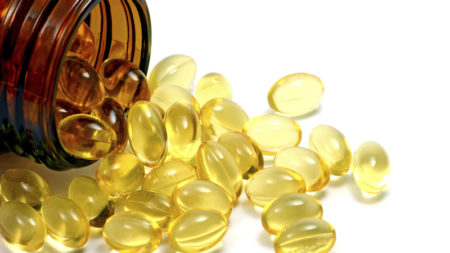
In recent years, supplements have become a familiar part of daily life for many elderly people. They are advertised everywhere, from multivitamins to herbal mixtures and imported capsules. And the promise is often better health, more strength, and protection against illness.
For some, these products offer support, especially where diet may seem uncertain or incomplete. Yet the growing reliance on supplements raises an important question. Are they truly necessary, or are they being used to replace something more fundamental?
Food as primary nourishment
For most people, nutrition is best obtained from food. A balanced diet provides not only vitamins and minerals, but also fibre, protein, and other elements that work together in ways supplements cannot fully replicate.
Our local foods, when properly prepared, can meet many of the body’s needs. Whole grains, beans, vegetables, fruits and fish contribute to a diet that supports strength and overall health. Leafy soups, in particular, can provide valuable nutrients when prepared with a variety of ingredients.
As the body ages, it may require more careful attention to diet rather than less. Appetite may reduce, but nutritional needs often remain the same or even increase in certain areas. This makes the quality of food especially important.
When supplements may be useful
This is not to say that supplements have no place. In some situations, they can be helpful. A doctor may recommend them where there is a confirmed deficiency, or where certain health conditions affect the body’s ability to absorb nutrients.
For example, older adults who have limited sun exposure may require vitamin D. Those with specific medical conditions or dietary restrictions may also benefit from targeted supplementation. In such cases, supplements serve a clear and supportive purpose.
The concern arises when supplements are taken without proper guidance. Self-prescription is common, often influenced by advertising, word of mouth, or the belief that more is better. This can lead to unnecessary intake or, in some cases, harmful effects.
Risks of over-reliance
Taking supplements without medical advice can create problems. Some vitamins and minerals, when taken in excess, can affect the body negatively. Others may interact with prescribed medications, reducing their effectiveness or causing side effects.
There is also the risk of false reassurance. Relying on tablets or tonics may give the impression that nutritional needs are being met, while underlying dietary gaps remain unaddressed. Over time, this can weaken rather than support overall health.
In addition, not all products on the market meet reliable standards. Quality can vary, and in some cases, products may not contain what they claim. This makes careful selection and professional guidance even more important.
Finding the right balance
The aim should not be to choose between food and supplements, but to understand their proper roles. Food should remain the foundation of nutrition. Supplements, where necessary, should support rather than replace a balanced diet.
Simple dietary improvements can go a long way. Including a variety of foods, increasing intake of fruits and vegetables, and ensuring adequate protein can help meet most nutritional needs. Even modest changes, when maintained over time, can have lasting benefits.
For older adults, it is also helpful to have regular medical check-ups. These can identify any deficiencies early and guide appropriate treatment. Rather than relying on general supplements, care can then be tailored to individual needs.
In all, while supplements may seem convenient, they are not a substitute for good nutrition. The body responds best to what it has always relied on, which is real, balanced food.