The song was immensely popular when it was released. It injected a surge of excitement into the entertainment scene, and no party felt complete without it. Its appeal transcended generations — not just the Gen Z crowd but also older men and women who caught the buzz of the moment. I salute the ingenuity of Harrysong, the man who brought such flair and verve to the music industry.
Beyond its catchy rhythm, however, the phrase now stands as a poignant metaphor for Nigeria under President Bola Ahmed Tinubu — a country that has danced through the dissonance of radical economic reform and now yearns for harmony and relief.
‘Reggae’ is music born of lamentation, rebellion, activism, emancipation, sobriety, disruption, and change. Blues, by contrast, evokes an atmosphere of freshness, renewal, healing, joy, and comfort. It is played to bring warmth, intimacy, and the soothing sense of well-being.
President Tinubu’s administration has been marked by sweeping reforms aimed at overhauling Nigeria’s fragile economy. Yet, these reforms have come at a steep cost, leaving many Nigerians reeling. As the president begins his third year in office, it is vital to acknowledge the hardship faced by citizens and urge him to take measures that will bring genuine relief.
Reggae of reforms
Since assuming office in May 2023, it has been a loud ‘reggae’ of reforms. The administration launched an ambitious economic restructuring agenda, including:
Removal of fuel subsidy
Currency deregulation
Adjustment of electricity tariffs
Review of the tax code
Rationalisation of the public sector
These policies, though arguably sound in the long term, have upended the daily lives of Nigerians and inflicted untold hardship. Fuel prices surged by over 300 per cent, bringing with them a sharp rise in transportation costs and everyday services (such as grinding pepper) reliant on energy. The Naira plummeted from N460/$ to over N1,500/$, and the cost of essentials — medicines, food, basic items — soared beyond the reach of the average citizen. By February 2024, food inflation had reached a staggering 37.92 per cent.
The country is in turmoil. As expected, the Nigerian Labour Congress and the Trade Union Congress have launched protests, called for wage hikes, and demanded poverty-reduction measures.
According to the World Bank, over 24 million additional Nigerians have fallen into poverty in the past 18 months. Many are now caught in a cycle of despair, forced to ‘dance’ to the administration’s ‘reggae’ reforms with contrived smiles, a grim echo of Fela Anikulapo’s ‘suffering and smiling’.
Glimmers of hope
Admittedly, there are signs of potential progress — glimmers of light at the end of the tunnel. The Dangote refinery has begun reducing import dependency, although petrol still sells for N880–N900 per litre. If Nigeria’s long-dormant refineries can be revived effectively and without controversy, the country could save an estimated $10 billion annually and ensure a stable domestic fuel supply.
After initial turbulence, the Central Bank of Nigeria’s restructured foreign exchange policies and increased inflows from international partners have begun to stabilise the Naira. From a low of N1,800/$ in February, it now trades at around N1,450–N1,500/$. Oil production has rebounded to 1.55 million barrels per day, and investor confidence appears to be rising. Food inflation has eased somewhat (23.51 per cent as of February 2025), though basic staples like rice remain unaffordable for many.
Despite implementation challenges, the Renewed Hope Conditional Cash Transfer Programme has expanded to over 10 million households, delivering biometric-linked payments of N25,000 per month. A digital welfare wallet system, piloted with Wema Bank and fintech partners, is now being rolled out nationally. However, this initiative currently covers only around 4 million individuals — a far cry from the 24 million reportedly plunged into poverty.
Reforms in tax and customs are aimed at expanding the tax base, reducing multiple taxation, and easing compliance for MSMEs, but it remains to be seen how these will translate into poverty alleviation. On the issue of minimum wage, we hear that tripartite negotiations are at an advanced stage and that workers may soon receive improved remuneration — but, for now, it remains an expectation, not a reality.
Time for the blues
As President Tinubu enters his third year in office, the nation finds itself at a critical stress point. How much longer can the people continue dancing to the music of hardship? The phrase “after the reggae, play the blues” is not just a lyrical hook — it is a national plea. It signifies the need for reprieve after turbulence, empathy after austerity, and inclusion after reform. We call on the president to prioritise the welfare of ordinary Nigerians and adopt a more humane, people-centred approach to governance.
It is time for healing, renewal, and comfort. It is time to play the blues. While some of the reforms are beginning to yield results, their benefits have yet to be felt by most citizens. The president must now shift focus to the welfare economy. The following steps are crucial:
Fast-track the wage review and implement it retroactively
Cut the cost of governance and reduce elite spending
Expand investment in agriculture and food logistics to curb inflation
Ensure full and fair distribution of refinery outputs to reduce pump prices
Hold regular public briefings to explain reform milestones and expected benefits
We agreed that the ‘reggae’ phase of Nigeria’s recovery was necessary — loud, painful, and chaotic. But it must now give way to the ‘blues’ — a tempo marked by empathy, social justice, and economic inclusion.
This metaphor speaks not just to the president, but to the nation: after upheaval must come harmony. After pain, renewal. After reform, relief. The rhythm must now change.
Dear President Bola Ahmed Tinubu, after the reggae — play the blues.
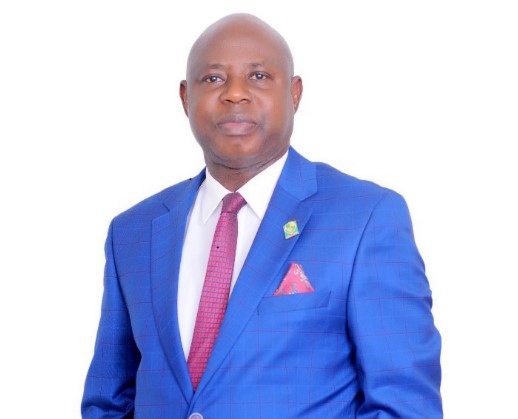
Pharm. (Dr) Lolu Ojo, a consultant pharmacist, writes from Lagos.