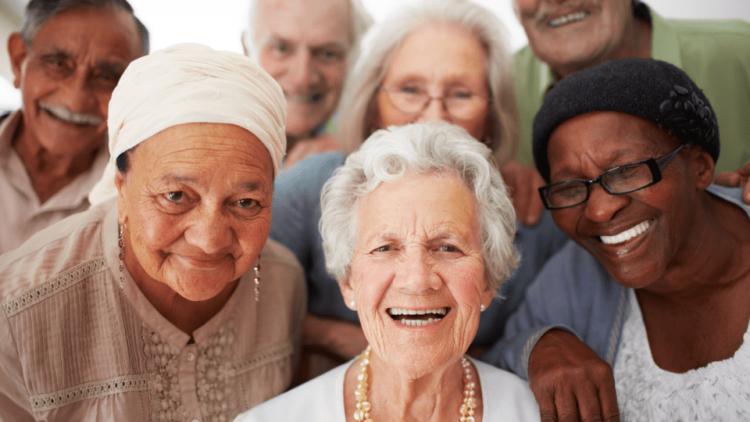
Growing older is one of the few experiences common to all humanity. Yet, despite its inevitability, ageing is often perceived and discussed as if it were a disease. Many actually expect a combination of grey hair, slower movement, forgetfulness and chronic illness as unavoidable consequences of reaching a certain age.
But ageing is more complicated than that. A 70-year-old who walks every morning, remains socially active and manages a chronic condition well may be considerably more independent than a much younger person living with severe illness. Two people born in the same year can therefore have very different experiences of ageing. So, the question is not simply how old we are, but how well we are ageing.=
More than a number
Chronological age is the easiest way to measure ageing. It tells us how many years have passed since birth, but it hardly tells us about the condition of the individual.
Scientists increasingly distinguish between chronological age and biological age. Biological age refers broadly to the condition of the body and the extent to which its cells, tissues and organs have undergone age-related changes. Genetics, diet, physical activity, sleep, stress, environmental exposure and disease can all influence this process.
There is also functional age, which considers what a person is actually able to do. Can the individual climb a flight of stairs, prepare a meal, manage personal hygiene, remember important appointments and move around without assistance?
These distinctions matter because ageing does not occur at the same pace in everyone.
When the body begins to change
Ageing involves gradual changes throughout the body. Muscle mass and strength tend to decline, bones may become less dense, the cardiovascular system becomes less flexible, vision and hearing can deteriorate, and the immune system becomes less responsive.
At the cellular level, researchers have identified several processes associated with ageing, including the accumulation of cellular damage, changes in mitochondrial function, genomic instability and the build-up of senescent cells.
Some of these changes are natural. Others are accelerated by smoking, excessive alcohol consumption, physical inactivity, poor nutrition, obesity, uncontrolled hypertension, diabetes and prolonged exposure to environmental hazards.
This is why healthy ageing cannot be reduced to cosmetic concerns about wrinkles or grey hair. It is fundamentally about preserving the body’s and mind’s capacity to function.
Ageing is not the same as disease
As mentioned earlier, one of the most common misconceptions about growing older is that illness and disability are inevitable. Undoubtedly, older people are more likely to develop chronic conditions such as hypertension, cardiovascular disease, diabetes, arthritis, osteoporosis and dementia. However, growing older does not mean that every older person will develop these conditions, nor does it mean that existing conditions must automatically result in dependence.
Prevention and early intervention remain important throughout life. Regular physical activity, a nutritious diet, adequate sleep, social engagement, appropriate medical care and responsible use of medicines can influence how people experience later life.
The distinction is especially important in healthcare. If every symptom in an older person is dismissed as “just old age”, treatable conditions may go unnoticed.
The goal should be healthspan
Perhaps the most useful way to think about longevity is through the concept of healthspan, the period of life spent in good health and with reasonable physical and mental function.
Living to 90 is desirable, but living to 90 while remaining mobile, mentally engaged and socially connected offers a very different experience from spending the final decades with severe disability and dependence.
Growing old, therefore, is not simply about adding years to life. It is about what happens to the person bearing those numbers, and what can be done to preserve that person’s health, dignity and independence along the way.