Afrihealth Development Foundation International has announced plans to host the Lagos AfriHealth Expo 2026, described as Nigeria’s biggest indigenous health expo, aimed at driving innovation, collaboration and investment in the healthcare sector. The two-day event is scheduled to hold from May 20 to 21, 2026, at the Welcome Centre Hotel, Lagos, beginning from 9am daily.
According to the organisers, the expo will bring together healthcare leaders, policymakers, digital health technology innovators, investors, wellness and fitness experts, students, and more than 1,000 stakeholders from across Nigeria and beyond..
The foundation said the event would provide a platform for networking, learning, showcasing innovations and exploring opportunities capable of transforming Nigeria’s healthcare landscape and reducing medical tourism.
Partnership, sponsorship and exhibition opportunities have also been opened to interested organisations and individuals, while attendance for participants remains free.
Interested participants and exhibitors can obtain further information through: +2349160007785.
The National Agency for Food and Drug Administration and Control (NAFDAC) has cleared Food & Food Integrated Company Limited, producers of BON Bread, of any wrongdoing following allegations on social media that one of its bread products remained without mold for over two months.
The agency said its investigation showed that the manufacturer complied with approved safety and quality standards, adding that the preservative used in the bread was within internationally accepted limits.
The controversy began on 13 April, 2026, after an internet blogger alleged that a loaf of bread supplied to her for sale had stayed for more than two months without showing signs of spoilage. Although the complainant did not identify the brand involved, Food & Food Integrated Company Limited claimed the bread in question was its product and denied the allegation.
In a statement signed by the Director-General of NAFDAC, Prof. Christianah M. Adeyeye, the agency said it immediately launched an investigation to provide the public with “evidence-based scientific proof” on the matter.
As part of the probe, the Greater FCT Directorate of the agency conducted an investigative inspection of the company’s bakery facility in Abuja on 20 April, 2026. Bread samples and condiments were obtained from the production facility, while additional samples were purchased from the open market for laboratory analysis.
According to NAFDAC, findings from the investigation revealed that the company, which commenced operations in 2006, had undergone several product licence renewals without penalties or product recalls.
Laboratory analysis further showed that calcium propionate was used as a preservative in the bread and that the quantity used complied with standards specified in the Codex Alimentarius, the globally recognised food safety code.
“The bread samples analysed did not contain objectionable substances, including bromate and non-nutritive sweeteners,” the agency stated.
NAFDAC explained that bread manufacturers are permitted to adopt preservation practices capable of extending shelf life, provided such practices conform with global safety standards.
The agency therefore declared that the company was not in violation of any of its regulations.
NAFDAC also urged members of the public to channel complaints about regulated products through its offices and official electronic platforms, including its recently launched call centre, rather than resorting to social media.
According to the agency, this would ensure that complaints are “discreetly and thoroughly investigated.”
Malnutrition is a common but rarely discussed challenge among elderly people because it does not always seem obvious. Many people still eat every day but their bodies do not get the nourishment they need. This is what makes it easy to overlook. There are no clear warning signs at first, only small changes that can pass without notice.
In many Nigerian homes, older adults eat what everyone else eats. Meals are shared, and nothing seems out of place. But, in reality, ageing changes the body in ways that are not always visible. Appetite may reduce, taste may become less sharp, and the body may not absorb nutrients as well as it once did. Over time, what used to be enough is no longer sufficient.
Why it happens
Several factors come together to cause malnutrition in later life. One is income. After retirement, many older adults have less money to spend on food. Choices are influenced by cost, and this often means relying on cheaper, filling foods that lack balance.
Health conditions also play a role. Illnesses such as diabetes, hypertension, and arthritis can affect what a person eats and how the body uses nutrients. Some medications reduce appetite or interfere with digestion. Dental problems can make chewing difficult, leading people to avoid certain foods altogether.
There are social factors as well. Loneliness can reduce the desire to eat. Food, when eaten alone, can feel like a task rather than a pleasure. Long-standing habit also matters. People tend to stick to what they have always eaten, even when their needs have changed.
Signs to watch for
The signs of malnutrition are often subtle. A person may begin to lose weight without trying. Clothes may become looser. There may be frequent tiredness or weakness. Some people fall ill more often or take longer to recover.
Eating habits may also change. A person who once enjoyed meals may begin to skip them or eat very little. In some cases, there is a clear loss of interest in food. These signs are easy to overlook, especially when they are seen as a normal part of ageing.
Simple ways to improve nutrition
Improving nutrition in older adults does not require expensive foods or drastic changes. Small steps can make a real difference.
Protein is especially important in later life. It helps maintain muscle strength and supports the body’s ability to recover from illness. Affordable sources include beans, lentils, eggs, fish, and soy products. Adding these to daily meals can help improve overall health.
Fruits and vegetables should also be included as much as possible. They provide vitamins and minerals that support the immune system. Traditional soups made with leafy greens can be a good and practical option.
Meal patterns can be adjusted to suit changing appetites. Smaller meals taken more often during the day may be easier than three large meals. For those with chewing difficulties, softer foods can make eating more comfortable.
Hydration is another key factor. Older adults may not feel thirsty even when their bodies need water. Drinking fluids regularly, even in small amounts, helps support digestion and overall well-being.
Role of family and caregivers
Family members and caregivers are often the first to notice changes. Paying attention to eating habits, weight, and energy levels can help identify problems early. Simple actions, such as asking about meals or checking what is being eaten, can make a difference.
Eating together can also help. Shared meals encourage better eating and restore some enjoyment to the process. In many cases, it is not just the food that matters, but the setting in which it is eaten.
Support may also involve helping with food preparation or ensuring that nutritious options are available at home. These small efforts can improve both physical health and emotional well-being.
Nigeria’s continued dependence on imported medicines poses serious economic and healthcare risks, the Managing Director of Plough Events Limited, Joseph Chukwu, has said.
Speaking during the recently concluded Nigeria Pharma Health Expo 2026 held at the Balmoral Hall of Sheraton Lagos Hotel from 12 to 13 May, Chukwu warned that Nigeria’s heavy reliance on imported pharmaceutical products continues to weaken the naira, expose the country to supply chain disruptions and increase vulnerability during global health emergencies.
According to him, nearly 70 per cent of medicines consumed in the country are imported, a development he described as unsustainable for a nation seeking a resilient healthcare system and stronger economic independence.
Chukwu explained that the Nigeria Pharma Health Expo was conceived as a platform to promote indigenous pharmaceutical and healthcare brands while stimulating practical conversations around the challenges limiting local production. He identified poor infrastructure, high energy costs, limited access to financing, logistics difficulties and regulatory bottlenecks as some of the major obstacles confronting local manufacturers.
According to him, the event was intentionally designed to move discussions beyond complaints towards practical solutions capable of strengthening Nigeria’s production capacity and competitiveness within the African market, particularly under the African Continental Free Trade Area framework. He added that more than 65 per cent of exhibitors at the expo were Nigerian companies, reflecting the organisers’ deliberate effort to spotlight local capacity and innovation.
The Plough Events boss also said the expo distinguishes itself from many healthcare exhibitions in Nigeria because of its strong Nigeria-centric focus. While acknowledging the importance of international partnerships, he stressed that indigenous companies must not be overshadowed within their own market.
He noted that many Nigerian pharmaceutical manufacturers, healthcare entrepreneurs and innovators continue to perform impressively despite difficult operating conditions but often lack the visibility and support necessary for growth. Beyond commercial exhibitions, Chukwu said the platform was also designed to encourage policy conversations capable of improving the operating environment for local healthcare businesses and advancing broader national goals around economic self-reliance, healthcare sustainability and industrial development.
Speaking further on Nigeria’s drive for self-sufficiency in local drug manufacturing, Chukwu said government, private investors, regulators, academia and supply chain experts all have critical roles to play in strengthening the sector. He noted that lessons from the COVID-19 pandemic exposed the dangers of overdependence on imported medicines during global emergencies and reinforced the need for stronger domestic production capacity.
He revealed that the expo partnered with the Africa Centre of Excellence in Supply Chain Management to facilitate discussions around major supply chain challenges, including distribution inefficiencies, storage limitations, transportation problems and raw material sourcing. According to him, improvements in these areas, alongside stronger policy consistency and better infrastructure, would significantly improve the competitiveness of Nigerian pharmaceutical companies.
On participation at the expo, Chukwu described the response from local pharmaceutical companies as highly encouraging, noting that many firms embraced the platform because they recognised the importance of an exhibition dedicated to indigenous brands. He disclosed that several companies unable to participate fully this year had already indicated interest in subsequent editions, which he said reflects growing confidence in the vision behind the event.
He also stressed the importance of stronger collaboration among regulators, manufacturers, professional associations and policymakers, revealing that the organisers engaged the Pharmaceutical Society of Nigeria during the planning process, although logistical constraints limited fuller participation this year.
Addressing the growing brain drain in the health sector, Chukwu described the migration of highly skilled professionals abroad as a major national challenge with serious long-term implications for healthcare delivery, education and economic growth. He said many doctors, pharmacists, nurses and researchers continue to leave Nigeria in search of better remuneration, stronger institutions and improved working conditions overseas, adding that government must create an environment that encourages professionals to remain in the country.
He advocated improved infrastructure, clearer career growth opportunities and stronger institutional support, while also proposing a form of foreign tax framework through which countries benefiting from Nigerian talent could contribute towards Nigeria’s human capital development. He further urged the Federal Government to expand health insurance coverage nationwide, arguing that Nigeria can no longer sustain a healthcare system heavily dependent on out-of-pocket payments.
According to him, healthcare should be treated not as a privilege for a few citizens but as a strategic national investment essential for productivity, economic stability and national development.
As the global community prepares ahead of World Hypertension Day, an annual event observed every year on 17 May, some Nigerians who have hypertension have decried the high cost of treatment and shared their experiences and challenges in managing the condition.
With the 2026 commemoration themed: “Controlling Hypertension Together: Check your Blood Pressure Regularly, Defeat the Silent Killer,” the individuals, who, highlighted difficulties in accessing healthcare and adhering to treatment, spoke with the News Agency of Nigeria (NAN) in Lagos
Mr Benjamin Iwu, a 41-year-old teacher, said he was diagnosed with hypertension six years ago and had struggled to cope with the financial burden of purchasing medication.
“The stress from my teaching work increases my blood pressure, and I struggle to buy my drugs because I do not have enough money.
“Regardless of my busy schedule, I still find time to rest because resting helps to reduce my blood pressure,” he said.
Also speaking, Mrs Stella Machukwu, an accountant, said her condition was not constant, adding that it comes and goes.
Machukwu said she usually rested whenever she was stressed and was not on antihypertensive medication.
A fashion designer, Mrs Belynda Emerulam, attributed the rise in her blood pressure to the nature of her work, noting that adequate rest and medication had helped her manage the condition.
“My doctor asked me to cut down on the number of clothes I sew in a day and rest whenever I feel dizzy or overwhelmed.
“Many people do not want to accept that they are hypertensive. They should stop living in self-denial, go for regular check-ups and take your medications regularly,” she said.
Some herbal medicine sellers also claimed that herbal remedies could effectively treat hypertension.
One of the sellers at Ikotun Market, identified simply as Iya Aro, said patients usually got better results when they prepared the herbs themselves.
Another herbal seller, Iya Mustapha, said the severity of the condition determined the type of treatment and the cost involved.
According to her, the least amount charged for treatment is N10,000.
However, an expert cautioned the public against purchasing drugs from unlicensed sources, including local concoctions, warning that such practices could worsen health conditions and lead to dangerous complications.
Meanwhile, a pharmacist, Mrs Elizabeth Okpala, advised that medicines should be obtained only from registered pharmacies and licensed healthcare facilities.
She said there were different classes of antihypertensive drugs and that side effects varied depending on the medication prescribed.
Okpala, owner of Richprest Pharmacy, said dizziness was a common side effect associated with many antihypertensive drugs, although it rarely occurred.
She added that erectile dysfunction was one of the most common side effects experienced by male patients.
“Pharmacists play important roles in promoting patient education and self-management of hypertension through medical outreaches and radio programmes.
“Health management is a continuous process, and pharmacists undergo continuous education programmes to stay updated on new discoveries in hypertension management.
“About 80 to 90 per cent of hypertension cases are not cured but managed to enable patients live quality lives,” she said.
Towels are among the most frequently used items in the home, yet they are often overlooked when people think about hygiene. We use them after bathing, in the kitchen, for babies, during cleaning, and for many other everyday tasks. Constantly, they come into close contact with our skin, hands, faces, and surroundings.
Because towels are used so often, the way we care for them can affect our health more than many realise. A clean, soft, well-maintained towel supports hygiene and comfort. A dirty or poorly handled one can become a breeding ground for germs, odours, and skin irritation.
I once received a towel as a gift. It was made of quality cotton and did not bleed colour after washing, unlike some cheaper alternatives. That small experience was a reminder that towels differ in quality, fabric, and finishing. But beyond quality, the real issue is how we use and maintain them.
Why towel hygiene matters
Many people neglect towel care, especially when their towels are dark in colour. Because stains or dirt are less visible, they assume the towel is still clean. Even bright-coloured towels are sometimes used for too long before washing, then scrubbed harshly with bleach to restore their appearance.
Yet towels absorb moisture, dead skin cells, sweat, body oils, and dust. When left unwashed, they create an environment conducive to the growth of bacteria and fungi. A towel may look clean and still be unhygienic.
This is why health experts often advise regular laundering of bath towels. Towels that remain damp for long periods can harbour microorganisms that may contribute to unpleasant smells, acne flare-ups, rashes, or skin irritation.
Avoiding cross-contamination
One towel should not serve every purpose. Bath towels should not be used for cleaning furniture, wiping floors, or drying hands in the kitchen. Likewise, towels used for household cleaning should never return to personal use.
Mixing towels meant for different purposes can spread germs from one surface to another. In homes where several people live together, sharing towels also increases the risk of transferring skin infections or other contaminants.
Face towels deserve special attention. Because the face is delicate and often prone to acne or irritation, a dirty face towel can worsen skin problems. These towels should be changed and washed frequently.
Baby towels also require extra care. Infants have more sensitive skin, so their towels should be kept separate and washed thoroughly with mild detergent and clean water.
Proper care of towels
Towels should be washed regularly, dried properly, and stored in a clean, dry place. After use, hanging a towel in a well-ventilated area helps it dry faster and reduces microbial growth. Sun-drying can also help freshen towels naturally.
Use moderate amounts of detergent, as excess soap may remain in the fibres and make towels stiff or irritating to sensitive skin. White vinegar can sometimes help remove lingering odours and restore softness.
New towels should also be washed before first use. This helps remove lint, dust, and any residues from manufacturing or packaging.
Where appropriate, warm or hot water can improve cleaning, especially for heavily used towels, though care labels should always be followed.
Choosing and replacing towels
Cotton towels are widely preferred because cotton is naturally absorbent, breathable, and comfortable against the skin. Good towels should dry well, feel soft, and maintain their quality after repeated washing.
A towel that has lost its softness, no longer absorbs properly, or retains odour even after a thorough wash has reached the end of its useful life and should be replaced. Holding onto it out of habit or economy is a false saving.
In hospitals and clinical settings, the stakes are considerably higher. Patients whose immune systems are already under strain are far more vulnerable to secondary infections, and towels in such environments are in contact with a range of pathogens that would not ordinarily be found in a domestic setting.
The Committee of Chief Medical Directors and Medical Directors of Federal Tertiary Hospitals in Nigeria has expressed concern over rising cases of violence against healthcare workers across the country.
Chairman of the committee, Prof. Saad Ahmed, raised the concern in a statement issued on Wednesday in Abuja following reports of assaults, harassment and intimidation of medical personnel nationwide.
Ahmed, who is also the Medical Director of the Federal Medical Centre, Abuja, described the development as disturbing and capable of further weakening Nigeria’s already strained healthcare system.
He said healthcare workers continued to sacrifice daily to save lives in spite of difficult conditions, heavy workloads and emotionally demanding situations across hospitals nationwide.
“Healthcare workers dedicate their lives daily to saving lives and providing care to patients under challenging and stressful conditions, often with overwhelming workloads,” he said.
According to him, medical personnel deserve respect, protection and understanding while performing their duties rather than being exposed to threats, attacks and intimidation in hospitals.
Ahmed warned that violence against health workers could negatively affect patient care, staff morale and overall efficiency of healthcare delivery across the country’s health system.
He said that such attacks also posed serious physical and psychological consequences for already overburdened healthcare professionals working under significant pressure in hospitals nationwide.
The chairman said hostile working conditions could discourage professionals, worsen burnout and further deepen workforce retention challenges facing Nigeria’s healthcare sector currently.
“Violence against healthcare workers not only affects the physical and psychological wellbeing of medical personnel, but also negatively impacts patient care, staff morale and healthcare delivery,” he said.
Ahmed called on governments, hospital managements, security agencies, labour unions, community leaders and the public to collectively address the growing menace in healthcare facilities nationwide.
He emphasised the need for stronger institutional policies, improved hospital security systems, public sensitisation and strict enforcement of laws against perpetrators of violence in hospitals.
The chairman also appealed to patients and relatives to remain calm and cooperative during emergencies, noting that medical situations could often be emotionally difficult for families involved.
According to him, patience, understanding and effective communication between healthcare workers and patients’ families are essential for better healthcare outcomes during emergencies across hospitals.
Ahmed reaffirmed the commitment of federal tertiary hospitals to continue providing quality healthcare services in spite of prevailing challenges confronting Nigeria’s healthcare system nationwide.
He added that safer and more supportive working environments remained essential for healthcare professionals to effectively discharge their duties across hospitals throughout the country.
“Protecting healthcare professionals is not only necessary for the wellbeing of medical personnel, but also essential for strengthening the country’s healthcare system,” he said.
Ahmed added that ensuring the safety of healthcare workers would ultimately guarantee Nigerians continued access to timely and quality medical care across the country.(NAN)
A baby suffering from malnutrition; Image Source; File
Médecins Sans Frontières, also known as Doctors Without Borders, has raised concerns over the growing rate of malnutrition in Nigeria, revealing that it treated 444,723 malnourished children across the country in 2025.
The Country Representative, Ahmed Aldikhari, raised the concerns on Wednesday in Abuja during the unveiling of the organisation’s Nigeria Activity Report for 2025.
Aldikhari said 353,989 children with severe acute malnutrition were treated through MSF-supported outpatient programmes, while 90,723 children requiring specialised care were admitted into stabilisation centres nationwide.
According to him, the figures represent a 20 per cent increase in severe acute malnutrition cases treated and a 15 per cent rise in admissions compared to 2024.
He said MSF teams had observed a steady rise in malnutrition cases across northern Nigeria since 2022, with 2025 marking the peak of the crisis so far.
“Malnutrition is not only about lack of food.
“It is closely linked to preventable diseases such as measles, diphtheria, meningitis and malaria, which weaken children further and push them into severe malnutrition,” he said.
Aldikhari identified conflict, insecurity, inflation, displacement, flooding and drought as factors limiting access to healthcare services and adequate food supplies across affected communities.
He said MSF provided inpatient and outpatient care, Ready-to-Use Therapeutic Food, vaccination campaigns and nutrition interventions using locally available nutrient-rich foods such as Tom Brown.
Speaking on government response, Aldikhari said MSF was collaborating with key ministries and engaging the Presidency to ensure the malnutrition crisis received sustained national attention.
“Last year, we had the biggest conference for combating malnutrition in the Northwest, where we also had commitments from governors to ensure action is taken.
“We are beginning to see some action, but these actions are still not enough,” he said.
He also warned of a widening global funding gap caused by donor withdrawal, emphasising that governments and communities must strengthen food systems and healthcare delivery mechanisms.
On disease outbreaks, the Medical Activity Manager, Shafa’atu Abdulkadir, said MSF treated 38,753 children for measles and 6,123 for diphtheria nationwide in 2025.
She added that 985 patients were treated for meningitis, while 341,239 people received treatment for malaria across MSF-supported facilities in the country.
According to Abdulkadir, MSF also supported vaccination of more than 300,000 children against measles, meningitis and diphtheria through nationwide immunisation campaigns.
She said Nigeria continued to face seasonal outbreaks of cholera, Lassa fever, meningitis, measles, diphtheria and typhoid fever, especially during the rainy season annually.
Abdulkadir emphasised that many disease outbreaks remained preventable through vaccination, timely diagnosis, safe water access and early treatment interventions in vulnerable communities.
The Medical Coordinator, Louis Vala, said Nigeria remained among countries with the highest maternal and newborn mortality rates globally in spite of existing interventions.
According to him, MSF assisted 33,590 deliveries, conducted 119,469 antenatal consultations and carried out 224 Vesico-Vaginal Fistula surgeries during the reporting period.
Vala said access to emergency obstetric and newborn care remained limited in many rural and conflict-affected communities because of insecurity, cost and overstretched healthcare facilities.
A few months ago, I watched a patient in our Lagos centre spend 40 minutes explaining her sickle cell history to a new clinician. Dates, crises, medications, complications — the kind of history that never quite fits the form, and always gets partially lost. Afterwards, she told me, almost apologetically, “I’m used to starting over.”
That moment has stayed with me, because it is not primarily a technology problem. It is a leadership problem. And it is one that AI is beginning to force us to confront.
We are in a strange period in health sector leadership. The tools have arrived faster than our thinking about them. Across Nigeria and the rest of Africa, health institutions are running on WhatsApp groups, handwritten drug registers, and muscle memory built over decades. Meanwhile, the same continent is absorbing AI health tools designed elsewhere, for patients elsewhere, in health systems structured nothing like ours. The question facing every health leader right now is not “should we adopt AI?” That debate is over. The question is who gets to shape how.
I run a speciality pharmacy and a coordinated care platform. We built Afiya, an AI health companion that currently supports over 15,000 users across 31 countries in more than 50 languages. I did not build it because AI is fashionable. I built it because our patients — people living with sickle cell disease, diabetes, hepatitis C, cancer — needed continuity of care between clinic visits that no human workforce could affordably provide at scale. Afiya doesn’t replace our pharmacists. It extends them. That distinction matters more than it sounds.
The loudest AI debate in healthcare right now centres on replacement: will AI replace doctors, pharmacists, nurses? I find this framing almost useless in the Nigerian context. We don’t have enough pharmacists, doctors and nurses. We don’t have enough diagnostics. We don’t have enough data infrastructure to power the AI systems being sold to us. Before we debate replacement, we need to talk about what we are building on.
This is where leadership comes in — and where most health sector leaders are falling short. Leadership in the age of AI is not about acquiring the technology. Any organisation with a credit card can do that. It is about three things that are considerably harder.
The first is knowing what problem you actually have. AI amplifies whatever capacity you point it at. If you point it at a broken referral pathway, you get a faster broken referral pathway. If you deploy a chatbot on top of a supply chain that cannot guarantee stock, you get patients who arrive having been told their medication is available, only to find it is not. I have seen this. Real leaders do the hard diagnostic work before the deployment decision.
The second is building institutional honesty. One of the more uncomfortable things AI does in health settings is generate data — about outcomes, about adherence, about where patients drop off, about which interventions actually work. In a culture where health administrators are accustomed to managing up with good news, this can feel threatening. But leadership means sitting with the numbers, even the unflattering ones, and building the capacity to act on them. At HubPharm, we track adherence rates, programme completion, and patient-reported outcomes not because funders ask for them, but because we cannot improve what we do not measure honestly.
The third — and most important — is deciding what AI must never be allowed to replace. This is the ethical core of AI leadership in healthcare, and it is underdiscussed. The patient who spent forty minutes re-telling her history needed someone to remember her, not just her records. She needed continuity of the relationship. There are moments in clinical care — breaking difficult news, navigating a patient’s refusal of treatment, supporting a family through a terminal diagnosis — that require a human being fully present. If AI leadership fails anywhere, it will fail here: in organisations where efficiency pressures quietly push human judgment out of the spaces it needs to stay.
The pharmacists and clinicians who will be most valuable in the next decade are not those who resist AI, but those who understand its limits at least as well as its capabilities. They will know when to trust the algorithm and when to override it. They will have cultivated the kind of trust with patients that no interface can replicate. They will read the room that the machine cannot read.
I went back to that patient a week later with her full history loaded into our care management system. She did not need to start over. She looked at me with an expression I have not forgotten.
That is what this is for. Not the efficiency. Not the investor deck. That moment.
Leadership in the age of AI means keeping that in view, especially when the technology makes it easy to forget.
Sesan Kareem is the founder and president of HubPharm Africa, a speciality pharmacy and coordinated care platform based in Lagos. He writes on health access, health systems, and the business of chronic care.
The second edition of the Women of Grace Wellness Programme of The Synagogue, Church of All Nations commenced on Wednesday, 13 May, 2026, at the church’s Faith Resort, with participants receiving practical medical guidance on healthy living, disease prevention and personal wellbeing.
According to one of the coordinators of the Women of Grace Group, Mrs Joy Opute, the initiative is primarily designed to sensitise participants on the importance of healthy living through routine health checks, including blood pressure and blood sugar monitoring. She explained that while the church remains a place where faith and healing are emphasised, participants are also encouraged not to neglect medical care, stressing the balance between spirituality and healthcare with the belief that “doctors treat, but God heals.”
The three-day programme, which runs until Friday, 15 May, brought together healthcare professionals and participants for interactive sessions focused on nutrition, kidney health, osteoarthritis management and preventive healthcare. The event also featured question-and-answer sessions as well as a drama presentation centred on healthy living.
The wellness initiative reflects the growing emphasis on holistic care under the leadership of Pastor Evelyn Joshua, who took the helm of The Synagogue, Church of All Nations following the passing of Prophet T.B. Joshua in 2021. Since assuming leadership, she has continued to expand programmes focused on humanitarian outreach, spiritual growth and community wellbeing.
Speaking during one of the sessions, Pharmaceutical Technologist Afolabi Amos, a member of the NeoLife Group that supplied medications for the event, underscored the importance of prioritising health above material possessions, describing good health as the true foundation of a meaningful life.
“Without health, there is nothing anyone can do,” he said. “Material things without health are meaningless. Health is the greatest wealth.”
Defining health as a state of complete physical, mental and social wellbeing, he added that financial wellbeing also plays an important role in sustaining healthy living. Drawing references from the biblical account of creation in Genesis, he noted that God instructed humanity to feed on fresh fruits and vegetables, stressing that healthy nutrition remains central to human wellbeing.
According to him, three essential factors are necessary for maintaining sound health: exercise, adequate rest and a balanced diet.
“You are as healthy as your cells because the cells are the foundation of life,” he stated. “We need more fresh fruits and vegetables to maintain a robust immune system. You can eat yourself to an early grave and you can also eat yourself to healthy living and old age.”
Participants were also educated on kidney health by Nurse Garba Nonye of The SCOAN Medical Department, who explained the vital role of the kidneys in detoxification and waste removal within the body.
“The kidney is like an inbuilt filter meant for detoxification and eradication of waste,” she explained.
She identified diabetes, high blood pressure, smoking, alcohol abuse, urinary tract infections and excessive consumption of unprescribed medications, particularly pain relievers, as some of the major causes of kidney failure.
Garba urged participants to embrace routine medical checkups to monitor kidney function and detect complications early. She further highlighted symptoms associated with kidney failure, including tiredness, itching, dry skin, swelling of the upper and lower limbs and a metallic taste in the mouth.
On preventive measures, she advised participants to drink enough water, avoid smoking, reduce alcohol intake and properly manage conditions such as hypertension and diabetes.
“We should take very good care of our kidneys to prevent them from malfunctioning,” she cautioned.
Another major presentation focused on osteoarthritis, with Nurse Deborah Adebomi, of The SCOAN Medical Department describing the condition as one of the leading causes of disability among elderly people.
She explained that osteoarthritis occurs when the protective synovial fluid around the joints diminishes, causing bones to rub painfully against each other. According to her, the condition may arise from genetic factors and can affect people of different age groups, although women are generally more susceptible.
“Osteoarthritis is the degeneration of the joints,” she said. “When the synovial fluid is no longer there, the bones begin to crack against each other and that is what causes osteoarthritis.”
Adebomi encouraged participants to maintain a healthy body weight, engage in moderate exercise and adopt balanced diets as preventive measures against the condition. She also warned against rigorous physical activity during treatment or management of osteoarthritis and advised sufferers to seek guidance from qualified healthcare professionals.
Following the health presentations, participants underwent medical screenings and check-ups conducted by healthcare professionals, with many also receiving medications tailored to their various diagnoses. The outreach segment emerged as one of the major highlights of the event, reinforcing the programme’s focus on preventive healthcare, early intervention and accessible medical support.
Beyond the medical presentations, the opening day of the programme reflected a broader commitment to wellness education, preventive healthcare and community engagement. The interactive atmosphere created opportunities for participants to ask health-related questions and receive professional advice tailored to everyday realities.
The drama presentation on healthy living added a creative dimension to the programme, reinforcing messages about nutrition, self-care and healthy lifestyle choices in a relatable and engaging manner.
As the Women of Grace Wellness Programme continues over the coming days, organisers are expected to sustain conversations among participants about physical wellbeing, disease prevention, and healthier living practices.
The World Health Organisation (WHO) on Tuesday said countries must not leave people stranded at sea when they possess the capacity to manage health risks safely under international health regulations responsibly.
WHO Director-General Tedros Ghebreyesus said this during an online media conference on hantavirus, reflecting on developments 10 days after the organisation was first informed about the unfolding health emergency.
Ghebreyesus said WHO requested assistance from Ulisses Silva when the ship approached Cabo Verde, leading to the evacuation of three passengers who developed symptoms associated with the virus.
He explained that WHO assessed the situation had exceeded Cabo Verde’s capacity to manage the complete disembarkation and repatriation of all passengers aboard the vessel safely and within the required health standards.
“Last Monday, WHO wrote to Prime Minister Pedro Sánchez asking if Spain would accept the ship and manage the disembarkation, with support from the world body.
“The European Union shared the same assessment, and the Prime Minister received the same request from the EU.
“He responded immediately in the affirmative,” Ghebreyesus added.
According to him, Spain and WHO worked closely under Spain’s leadership alongside the Netherlands government and the ship’s operator to coordinate the evacuation and disembarkation operation carried out successfully in two days.
The WHO chief thanked Pedro Sánchez for fulfilling Spain’s legal obligations under international law while also demonstrating solidarity, compassion and kindness toward passengers stranded aboard the ship for weeks.
“The operation was declared successful: all passengers have disembarked and left Tenerife, and MV Hondius is now on its way to the Netherlands,” Ghebreyesus said.
“Almost 150 people from 23 countries were on the ship for weeks in a frightening situation, with some passengers facing mental breakdown. WHO stressed they deserved dignity and compassion.
“WHO rejected calls to contain passengers on the ship for the full quarantine period, describing the proposal as inhumane, unnecessary and even cruel,” Ghebreyesus said.
Ghebreyesus said all suspected and confirmed cases had been isolated and managed under strict medical supervision, significantly minimising the risk of further transmission among passengers, crew members and affected communities globally.
He said there was currently no indication of a larger outbreak, although additional infections remained possible because of the virus’ long incubation period and emerging reports involving suspected Andes virus symptoms.
“WHO recommends active monitoring at a quarantine facility or at home for 42 days from the last exposure on May 10, which runs 12 until June.
“Anyone who becomes symptomatic should be isolated and treated immediately,” Ghebreyesus said, emphasising the importance of swift medical intervention and continued monitoring to prevent further transmission of the virus internationally.
Ghebreyesus said WHO would continue collaborating with experts and affected countries through the International Health Regulations, insisting that solidarity remained the strongest protection against infectious diseases that disregarded national borders worldwide.
Pharmacy education in Nigeria continues to evolve, but student engagement within professional associations remains a growing concern across several institutions. In this exclusive interview, the president of the Pharmaceutical Association of Nigeria Students (PANS), Igbinedion University Okada (IUO), Joseph Eseoghene Otirhue, speaks on the challenges of sustaining active student participation, strengthening academic and professional development, and repositioning the association for greater impact within and beyond the university. He also outlines efforts to build stronger collaboration, improve visibility, and ensure that every student feels carried along in association activities. Excerpts:
Tell us briefly about your academic background.
My academic journey has been shaped by consistent learning, discipline, and increasing interest in both the academic and professional dimensions of Pharmacy. Over time, I have also developed leadership experience through student engagement and association activities within the faculty.
As the current president of PANS-IUO, what vision are you bringing to the association?
My vision is simple: a PANS that works for every student. Not just active on paper, but visible in impact. I am focused on building a system where academic excellence, professional exposure, and student welfare move together. I want every PANSite to feel represented, informed, and empowered, whether they are outspoken or not.
What would you say are the biggest challenges pharmacy students face today, particularly in IUO?
One major challenge is the gap between academic learning and practical exposure. Students are learning a lot, but not always seeing how it connects to real-world pharmacy practice. Another major issue is low student engagement, as many students feel disconnected from PANS activities. In addition, academic pressure and financial strain continue to affect student welfare and participation.
How is your administration working to improve academic and professional development for pharmacy students?
We are taking a more structured approach by organising targeted tutorials, revision sessions, and exam preparation support. On the professional side, we are introducing career talks, engaging industry pharmacists, and exposing students early to different pharmacy pathways, including clinical, industrial, regulatory, and entrepreneurial practice.
Student engagement is often a concern. What strategies are you using to actively involve members in PANS activities?
We are deliberately shifting from passive programmes to more interactive engagement. This includes peer-led sessions, academic competitions, small group discussions, and practical workshops. We are also improving communication so that students are always aware of activities and feel more included in decision-making and participation.
In what ways is PANS IUO collaborating with other health-related associations or external bodies?
We are building stronger relationships with other health-related associations, such as medicine, nursing, and medical laboratory science to encourage interprofessional learning. We are also strengthening ties with alumni and practising pharmacists to create mentorship opportunities, professional exposure, and networking platforms for students.
With the evolving healthcare space, how are you preparing students for future opportunities in the pharmacy profession?
The healthcare space is changing rapidly, so we are exposing students to emerging areas such as digital health, pharmaceutical innovation, and global career opportunities. The focus is no longer just on passing examinations, but on developing adaptable skills that will remain relevant across different sectors of pharmacy practice.
What legacy do you hope to leave behind at the end of your tenure as PANS President?
I want to leave behind a PANS that is structured, student-centred, and sustainable. A system that continues to function effectively even after leadership transitions. If the next administration can build on what we have started without difficulty, then I believe we would have achieved something meaningful.
What advice would you give to pharmacy students aspiring to take up leadership roles?
Don’t chase positions; build capacity first. Leadership in PANS is service, not status. Learn to listen more, stay consistent, and deliver on even small responsibilities. That is how trust is built. When the opportunity comes, step forward with confidence; you are more prepared than you think.
Impetigo is a common and highly contagious skin infection that affects people of all ages, but it is most frequently seen in young children. It is usually mild, yet it can spread quickly if not properly managed. The condition is caused by bacteria that infect the outer layers of the skin, leading to sores, blisters, and crusting. Although it is not usually dangerous, it can be uncomfortable, distressing, and socially disruptive, especially in schools and crowded living conditions.
The history of impetigo goes back many centuries. Ancient medical writings described skin conditions that closely resemble what we now call impetigo, although the causes were not understood at the time. Before the development of modern medicine, skin infections were often linked to poor hygiene or “bad air”. It was only in the 19th and early 20th centuries, with the rise of bacteriology, that doctors began to identify specific bacteria responsible for many infections.
Causes and transmission
Impetigo is mainly caused by two types of bacteria: Staphylococcus aureus and Streptococcus pyogenes. These organisms are commonly found on the skin or in the nose without causing harm. However, when there is a break in the skin, even a small one such as a scratch, insect bite, or eczema flare-up, the bacteria can enter and multiply. This leads to infection. There are two main forms of impetigo. The more common form is non-bullous impetigo, which begins as small red sores that burst and leave behind a yellowish-brown crust. The other form is bullous impetigo, which causes larger fluid-filled blisters that can rupture and leave raw skin underneath.
The condition spreads very easily. Direct contact with an infected person is the most common route, but it can also spread through shared towels, clothing, bedding, or toys. Children are particularly vulnerable because they often play closely together and may not yet have strong habits of personal hygiene. Warm and humid climates can also encourage bacterial growth, making outbreaks more common in certain environments. In some cases, impetigo can develop after other skin conditions, such as eczema, which weakens the skin barrier.
Symptoms and diagnosis
Symptoms of impetigo usually begin with red spots or sores that may be itchy or slightly painful. These sores quickly burst and form a characteristic honey-coloured crust. In some cases, nearby lymph nodes may become swollen as the body responds to infection. Fever is uncommon, but mild discomfort can occur. Although the infection is usually localised, scratching can spread it to other parts of the body.
Diagnosis is often made through simple clinical examination by a healthcare professional. In most cases, no special tests are needed. However, if the infection is severe, recurrent, or not responding to treatment, a swab may be taken to identify the specific bacteria involved. This can help guide antibiotic choice, especially in areas where resistant strains of bacteria are present.
Treatment and prevention
Treatment of impetigo depends on the severity of the infection. For mild cases, topical antibiotic creams or ointments are often sufficient. These are applied directly to the affected skin after gentle cleaning. More widespread or persistent infections may require oral antibiotics. It is important to complete the full course of treatment even if the skin appears to improve early, as stopping too soon can allow the infection to return. Keeping the skin clean and avoiding scratching are also essential parts of recovery.
Good hygiene plays a central role in both treatment and prevention. Regular handwashing, keeping fingernails short, and avoiding sharing personal items can significantly reduce the spread of infection. In households where one person is infected, careful cleaning of surfaces and laundry is important. Children with impetigo are usually advised to stay away from school or nursery until they are no longer contagious, which is typically after starting treatment and once the sores have begun to heal.
Although impetigo is generally mild, complications can occasionally occur if it is not treated properly. In rare cases, the infection can spread deeper into the skin, causing a condition known as cellulitis. Very rarely, certain strains of streptococcal bacteria can lead to kidney inflammation, known as post-streptococcal glomerulonephritis. These complications are uncommon in places with good access to healthcare, but they highlight the importance of early treatment.
In conclusion, improved hygiene practices, wider access to effective antibiotics, and growing public awareness have significantly improved the management and outcome of impetigo over time. These advances mean that most cases can now be treated quickly and without complications when properly identified. Nevertheless, impetigo remains a common condition across the world, particularly in overcrowded communities, schools, and areas where access to healthcare and basic sanitation is limited. In such environments, the infection continues to spread easily from person to person, often leading to repeated outbreaks. This highlights that medical treatment alone is not enough to fully control the disease.
Nigeria’s healthcare system is facing increasing pressure as the migration of frontline health workers, especially doctors and nurses, continues to rise, leaving hospitals understaffed and patients struggling to access quality medical care nationwide.
Popularly referred to as the “Japa syndrome,” the migration of healthcare professionals to countries including the United Kingdom, Canada, the United States and Saudi Arabia has raised concern among experts, government officials and citizens.
Some medical practitioners, in interviews with the News Agency of Nigeria (NAN) on Monday in Abuja, said poor salaries, inadequate working conditions, insecurity and limited career opportunities remain major reasons many healthcare professionals are leaving the country.
A medical doctor at General Hospital Suleja, Dr Mercy Agu, described the situation as alarming, noting that hospitals were becoming overwhelmed as experienced personnel continued leaving the country for opportunities abroad.
“Many hospitals are overwhelmed because experienced personnel are leaving almost every month.
“Doctors now attend to more patients than they should, and this affects service delivery,” Agu said.
According to her, some healthcare workers spend long hours on duty with little motivation, while the rising cost of living and poor welfare conditions have made survival increasingly difficult for many professionals.
Another physician, Dr Grace Okafor, said the migration trend had placed enormous pressure on the few remaining healthcare workers, leading to exhaustion, stress and increasing cases of burnout across medical departments nationwide.
“We are exhausted. In some departments, there are only a handful of doctors handling duties meant for many people. Burnout is becoming common,” Okafor said while expressing concern over worsening workforce shortages.
A Nigerian doctor currently practising in the United Kingdom, Dr Munir Abdulazeez, said leaving Nigeria was difficult, but poor working conditions and limited opportunities made the decision unavoidable for many healthcare professionals.
“I loved serving in Nigeria, but the environment was discouraging. Better pay, access to modern equipment, and career advancement opportunities influenced my decision,” Abdulazeez said while reflecting on his relocation abroad.
Similarly, a nurse who recently relocated to Canada, Mrs Rauda Bello, said many healthcare workers leave the country in search of dignity, stability and improved welfare conditions lacking within Nigeria’s healthcare system.
“In Nigeria, healthcare workers often work under stressful conditions without adequate support. Abroad, there is respect for the profession and better welfare packages,” Bello said.
Health analysts warned that the continued migration of skilled professionals could worsen Nigeria’s fragile healthcare system, particularly in rural communities where access to qualified medical personnel and essential healthcare services remained severely limited.
Public health experts emphasised the need for policies encouraging healthcare workers to remain in Nigeria, while strengthening training institutions, improving welfare packages and creating better working conditions across the country’s healthcare sector. (NAN)
Women experience significant hormonal changes throughout life—from reproductive years to perimenopause and menopause. These transitions can influence metabolism, mood, sleep quality, bone density, cardiovascular health, and overall vitality. While pharmaceutical hormone therapies may be necessary in some clinical situations, many women benefit from nutritional strategies that support natural hormonal balance and physiological resilience.
Organic nutritional supplementation, particularly that derived from plant-based compounds, essential micronutrients, and adaptogenic botanicals, can provide valuable support during these hormonal transitions. By nourishing endocrine pathways and reducing systemic inflammation, these nutrients help maintain balance and long-term wellness.
Understanding hormonal changes in women
Female hormonal health is largely regulated by the complex interaction between estrogen, progesterone, and other endocrine signals. As women approach midlife, fluctuations in these hormones may lead to symptoms such as:
Fatigue
Mood swings
Sleep disturbances
Reduced bone density
Weight gain or metabolic changes
Reduced skin elasticity
Nutritional deficiencies can amplify these symptoms. Supporting hormonal health through targeted nutrients can help stabilise endocrine function and promote smoother transitions during hormonal shifts.
Key nutritional components for hormonal balance
Plant phytoestrogens and hormone modulation
Phytoestrogens are plant-derived compounds that gently interact with estrogen receptors in the body. Found in certain botanicals and seeds, these compounds can help moderate the effects of declining estrogen levels during perimenopause and menopause.
Rather than replacing hormones, phytoestrogens help balance hormonal signalling, which may support mood stability, reduce hot flashes, and promote cardiovascular health.
Additionally, plant sterols and phytonutrients contribute to improved circulation and cellular protection, both of which are important for hormonal equilibrium.
Essential fatty acids for hormonal and cardiovascular health
Omega-3 fatty acids are essential components of hormone production and cellular signalling. These healthy fats support anti-inflammatory pathways and contribute to cardiovascular protection, which becomes increasingly important during menopause when estrogen levels decline.
Adequate intake of omega-3 fatty acids may help:
Reduce inflammatory responses
Support brain health and emotional balance
Improve skin hydration and elasticity
Promote heart health
Because the body cannot produce omega-3 fatty acids on its own, supplementation from high-quality sources can be beneficial.
Calcium, magnesium, and vitamin D for bone strength
Bone density naturally declines as estrogen levels decrease with age. Calcium and vitamin D play crucial roles in maintaining skeletal strength, while magnesium supports bone mineralisation and muscle relaxation.
These nutrients collectively support:
Bone density maintenance
Reduced risk of osteoporosis
Muscle relaxation and sleep quality
Healthy nerve function
Ensuring adequate intake of these micronutrients is essential for long-term musculoskeletal health.
Antioxidants for skin and cellular protection
Hormonal changes can influence skin health, leading to dryness, loss of elasticity, and increased sensitivity. Antioxidants such as vitamins C and E, along with plant polyphenols, help protect cells from oxidative stress and support collagen formation.
Antioxidant-rich nutritional supplements may contribute to:
Improved skin hydration
Enhanced collagen synthesis
Reduced oxidative damage
Overall cellular longevity
Adaptogenic botanicals for emotional and hormonal stability
Adaptogenic plant extracts help regulate the body’s response to stress, which often intensifies during hormonal transitions. These botanicals support the hypothalamic-pituitary-adrenal (HPA) axis and may improve mood balance, energy levels, and resilience.
By reducing the physiological impact of stress, adaptogens indirectly support hormonal stability and emotional well-being.
Integrating nutritional support with lifestyle practices
Nutritional supplementation is most effective when combined with supportive lifestyle habits, including:
Regular physical activity
Adequate sleep
Balanced whole-food nutrition
Stress management techniques
Hydration and digestive health
Together, these practices create a strong foundation for hormonal wellness and overall vitality.
Conclusion
Women’s hormonal health is influenced by a complex interplay of endocrine signals, nutrition, and lifestyle factors.
Organic nutritional supplements containing phytoestrogens, omega-3 fatty acids, essential minerals, antioxidants, and adaptogenic botanicals provide valuable support for maintaining hormonal balance and promoting healthy aging.
By nourishing the body’s natural regulatory systems rather than overriding them, these nutritional strategies empower women to navigate hormonal transitions with greater resilience, vitality, and long-term wellness.
References
Messina, M. (2014). Soy foods, isoflavones, and the health of postmenopausal women. American Journal of Clinical Nutrition.
Calder, P. C. (2015). Marine omega-3 fatty acids and inflammatory processes. Biochimica et Biophysica Acta.
Weaver, C. M., et al. (2016). Calcium and vitamin D requirements for bone health. Nutrients.
Mrs Chima Ejimofor is the lead partner of Infinite Health Consult, and is available for the purchase of Forever Living Products, health talks and wellness seminars. She is based in Lagos, Nigeria. Telephone/WhatsApp: 07033179632, email: infinitehealthconsult@gmail.com. Online Store: https://thealoeveraco.shop/a4irOWig
Vaccination banner. Image Source; World Health Organisation
The crisis of zero-dose, or children who have not received even their first dose of vaccination, is becoming an epidemic within Nigeria. By early 2026, the nation was projected to have 2.2 million zero-dose children, mostly located in the northern parts of the country as well as in border communities in the southwest.
Globally, there are an estimated 18.2 million zero-dose children, nearly a seventh of all children, who contribute to almost half of the deaths from vaccine-preventable diseases.
Factors like poor logistics, insufficient vaccine supply, security issues, poverty, lack of maternal education, fragile health systems, traditional beliefs and vaccine hesitancy have contributed to the surge in zero-dose children. The Federal Government of Nigeria’s introduction of measures like the Zero-Dose Immunisation Recovery Plan (2023-2028) and the Zero-Dose Reduction Plan (ZDROP) has had little impact, as millions remain unreached.
How Saida lost her baby to zero-dose.
Saida, a petty trader from the Itire axis in Lagos, lost her 22-month-old baby, Toheeb, due to a zero-dose infection. Saida had decided against routine immunisation for Toheeb from birth as a result of anti-vaccination doctrines she was exposed to early in life in her community. As Toheeb started to exhibit symptoms like a high fever, cough and a running nose, Saida merely attributed it to a common cold and didn’t take it seriously.
When her baby’s health deteriorated by the day and family members urged her to take him to a doctor, Saida, influenced by a cultural belief that administering an injection to a child with a fever could cause disability or even death, opted for local treatment. This proved detrimental as the baby developed respiratory complications and ultimately passed away.
“I never knew that a minor fever could take away my baby,” Saida sobbed uncontrollably as she narrated her story to our correspondent. “It began as a mild illness, and I thought I could cure him with the local herbs my mother had given me, but it turned out to be a terrible situation for my family.”
This tragic experience taught Saida the importance of routine immunisation to protect her children. She said: “It was a very harsh way for me to learn that immunisation does not kill but saves babies’ lives. My second baby was given the BCG, Oral Polio Vaccine, and Hepatitis B (HepB) birth dose as soon as she was born, and my third child as well.”
For every generation, vaccines work – WHO
The World Health Organisation (WHO) established World Immunisation Week in the last week of April in 2012, to bridge the knowledge gap and raise awareness about the significance of routine vaccination, especially among mothers like Saida and other stakeholders with anti-vaccination views.
The immunisation week is a testament to the fact that vaccines have been used for generations to safely and effectively protect people from life-threatening illnesses. In its statement for the 2026 celebration, themed “For every generation, vaccines work,” the WHO emphasised the critical role of immunisation in saving the lives of both children and adults.
“Vaccines have been a powerful tool in public health for decades; over the last 50 years, they have saved over 150 million lives not by accident but because ordinary people made the decision to protect themselves, their children, and one another,” the statement said. “That translates to six lives saved every minute, every day, for five decades.
Those choices have resulted in a 40 per cent reduction in infant mortality and protected tens of millions of children from lifelong disabilities. More children than ever before are living to see their first birthday, grow up, fall in love, have families, and grow old.”
Other objectives of World Immunisation Week, according to the WHO, include enhancing public understanding of the science behind vaccine safety and effectiveness, enabling individuals, families, and communities to make informed vaccination choices.
It also seeks to reinforce trust by promoting transparency, accountability, and ongoing innovation in immunisation, and to highlight the collective responsibility to protect future generations through continued investment, research, and equitable vaccine access.
Numbers, not statistics, but real children – UNICEF
Wafaa Saeed, the UNICEF country representative for Nigeria, stated that the 2.2 million unvaccinated children in Nigeria are not just statistics but individuals struggling for survival due to a lack of vaccination. He explained that these children primarily live in remote, border, or difficult-to-reach areas where logistical constraints prevent the provision of immunisation services.
Saeed stressed that the enormous routine immunisation gap in the country is not a failure of science. He validated the safety and effectiveness of vaccines in combating infectious diseases and noted that the issues at hand are the long-term problems related to access, equity, and service reach that require political will and strong partnerships to chart a successful vaccination course.
“This burden is not a failure of science. Vaccines work. Rather, it reflects enduring challenges related to equity, access, and service reach, and this is why political leadership and strong partnerships are really possible. Reaching zero-dose children here sends a strong national signal, equity is not optional; it is foundational to sustainable development and stability,” he said.
Saeed made these remarks at the unveiling of the Republic of Korea and UNICEF’s investment in routine immunisation in the Badagary Local Government Area of Lagos State.
He also noted that UNICEF is working with the Nigerian Government, utilising global knowledge, extensive operational capacity, and trust within communities to turn national commitments into tangible results.
Aside from children with no immunisation at all, there is another group of children who receive delayed immunisation, which exposes them to the serious dangers of infectious diseases even after eventually receiving the shots. While some mothers miss their babies’ immunisation appointments due to various commitments, UNICEF reports that some families or caregivers believe that delayed vaccination may be safer.
The international children’s agency, in its latest findings, warns against delayed immunisation, maintaining that postponing vaccines offers no protection for children, and urges mothers to desist from the practice.
“If vaccines are delayed, children aren’t protected from disease when they need protection the most. Because their immune systems are still at their earliest stages of development, babies and children are less protected against viruses and other diseases than healthy adults.
“This is why the vast majority of all deaths from diseases like whooping cough and measles occur among children and babies. The best protection against complications and death from these diseases is vaccines. Waiting to vaccinate a baby or child against these diseases puts them at increased risk of becoming severely ill, or even dying, if and when they are exposed.”
In an interview with the CEO of Preventive Health Nigeria Advocacy Operations Ltd., Pharm. Adekola Wojuola acknowledged the existence of barriers to vaccination but assured that they are not insurmountable. For mothers like Saida, who are deprived of the benefits of routine immunisation due to cultural hesitancy and low levels of education, he advised that continuous awareness campaigns by the Federal Government, the National Primary Health Care Development Agency (NPHCDA), and other stakeholders would help address the situation.
Wojuola, who is also the Convenor of Vaccines Virtual Summit and Immunisation Walk 2026, stressed the need for the government to provide logistics for supplying hard-to-reach rural communities with vaccines and storage equipment for their preservation. This, he said, would encourage residents of border communities to improve vaccine uptake, knowing that the barrier of distance had been removed.
“There are many challenges confronting Nigeria as regards immunisation. The challenges are real but not insurmountable,” he asserted.
“Nigeria, with an annual birth cohort of 8 million, has an immunisation coverage of less than 70 per cent. The foundation of every successful endeavour is knowledge. Fundamentally, the awareness level of the populace has to be raised with respect to vaccine-preventable diseases, as well as the value that vaccines offer.
“When a mother knows how beneficial vaccines are, she will scale every hurdle to get her child vaccinated with life-saving vaccines. We must get to the level where mothers, especially, are empowered enough to generate demand for vaccines for their children, rather than the situation where supply is far ahead of demand, as we currently have it,” he recommended.
One of the 17 Americans being repatriated from a hantavirus-struck luxury cruise ship has tested mildly positive for the Andes strain of the virus, while a second has mild symptoms, the U.S. health authority says on Sunday.
All the U.S. citizens are being airlifted to the United States, and the two passengers with symptoms are travelling in the plane’s biocontainment units, HHS added. The second symptomatic passenger has not yet been confirmed as having the virus.
Hantaviruses are a group of viruses that are usually spread by rodents, but in rare cases can be transmitted person to person. Health authorities have said the risk of the virus spreading is low.
Eight people no longer on the MV Hondius, opens new tab have fallen ill, according to a World Health Organisation update from Friday, with six of them confirmed to have contracted the virus, opens new tab.
A Dutch couple and a German national have died.
The Andes strain of hantavirus, identified in the ship’s outbreak, can cause severe lung illness that can be fatal in up to 50 per cent of cases, according to the WHO.
The U.S. State Department’s airlift will transport passengers to the ASPR Regional Emerging Special Pathogen Treatment Centre (RESPTC) at the University of Nebraska Medical Centre in Omaha, Nebraska, and the passenger with mild symptoms will be taken to a second RESPTC, the HHS said.
On arrival at the facilities, each individual will undergo clinical assessment and receive care based on their condition, HHS added.
Spain and France have evacuated, opens new tab their citizens from the MV Hondius, which is anchored near Tenerife, the largest of the Canary Islands, officials said. Australia, Canada, the Netherlands, Turkey, the UK and Ireland are also flying home nationals who were on the ship.
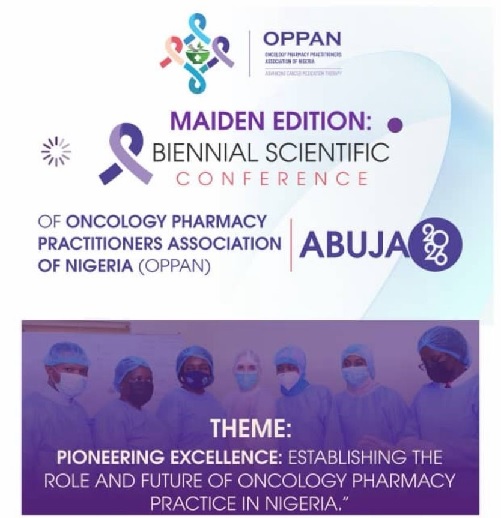
The Oncology Pharmacy Practitioners Association of Nigeria (OPPAN) has received a major boost ahead of its National Scientific Conference with the announcement that renowned pharmacist and healthcare leader, Ahmed I. Yakasai, will serve as the chairman of the occasion and Book Chief Launcher at the unveiling of the “OPPAN Harmonised Oncology Pharmacy Practice Manual.” The event is scheduled to hold on Tuesday, 12 May, 2026, at Newton Park Hotel, Abuja.
In a statement released ahead of the conference, Pharm. Yakasai, popularly known as “Kachallan Kano,” expressed deep appreciation for the honour bestowed on him by the association. He described the invitation as both a privilege and a reflection of the growing importance of oncology pharmacy practice in Nigeria’s healthcare system.
The Chairman of the Board of Trustees of OPPAN commended the association for what he called a remarkable milestone toward strengthening oncology pharmacy practice and improving cancer care delivery across the country. According to him, the unveiling of the harmonised practice manual represents a significant step toward standardising oncology pharmacy services and enhancing professional competence among practitioners.
Yakasai further noted that cancer management requires a multidisciplinary approach, with oncology pharmacists playing a critical role in ensuring safe, effective, and patient-centered care. He praised OPPAN for its commitment to advancing professional standards, capacity building, and research aimed at improving outcomes for cancer patients in Nigeria.
The National Scientific Conference is expected to attract healthcare professionals, policymakers, academics, and stakeholders from across the country to deliberate on emerging trends and innovations in oncology pharmacy practice. The unveiling of the “OPPAN Harmonised Oncology Pharmacy Practice Manual” is anticipated to serve as a landmark achievement in Nigeria’s efforts to strengthen cancer care services and pharmaceutical practice standards.
Stakeholders, health experts and persons living with lupus have demanded stronger awareness, improved diagnosis, financial assistance and better healthcare services for Nigerians battling the chronic autoimmune disease across communities nationwide.
They made the call on Sunday in Abuja during activities commemorating the 2026 World Lupus Day themed “Make Lupus Visible Together,” organised by the Gift Lupus Foundation with healthcare advocates.
World Lupus Day, observed annually every May 10, raises awareness about lupus, its effects and the challenges confronting patients globally, including delayed diagnosis, treatment difficulties, discrimination, emotional trauma and rising healthcare expenses.
Lupus patient Vivian Martins-Atojoko described her experience with the disease as painful and unpredictable, explaining she initially suffered unexplained body pains, swollen joints and sensitivity to cold before receiving a proper diagnosis eventually.
Martins-Atojoko said she was initially treated for rheumatoid arthritis before doctors later confirmed lupus after years of persistent symptoms, worsening health conditions and repeated hospital visits without lasting medical solutions.
She recounted suffering miscarriages and stillbirths, while doctors warned pregnancy could worsen her condition because of medications required for treatment, further compounding the emotional and physical burden associated with lupus management.
“Life with lupus is unpredictable. One minute I am okay and smiling, the next minute I may start feeling very sick with inflammation, kidney problems or severe pain,” Martins-Atojoko said.
She identified the high cost of medications, laboratory investigations and specialist consultations as major challenges affecting lupus patients, forcing many individuals to skip medications regularly because of severe financial difficulties nationwide.
Martins-Atojoko urged the government and health insurance providers to establish dedicated lupus clinics and expand insurance coverage to include medications, laboratory investigations, and specialist care services for patients nationwide in public hospitals.
Another lupus patient, Nanna Gambo-Yilme, said her symptoms began after the COVID-19 lockdown, starting with breathing difficulties and sudden weakness affecting one side of her body before eventually seeking medical intervention.
Gambo-Yilme said many hospitals lacked adequate knowledge about autoimmune diseases, adding she was advised to seek treatment abroad after unsuccessful consultations locally, but remained unable to afford the enormous medical expenses involved.
National President of the Association of Public Health Physicians of Nigeria, Dr Terfa Kene, described lupus as an autoimmune disease where the body’s immune system attacks its own tissues and organs internally.
According to Kene, lupus can affect the kidneys, heart, lungs, skin and joints, making diagnosis and treatment difficult because symptoms frequently resemble those associated with several other diseases and health conditions globally.
“The immune system that is supposed to fight infections now attacks the individual’s own cells.
“That is the simplest explanation of lupus,” Kene said while addressing participants during the programme.
Kene explained that treatment often involved suppressing the immune system with medications that could also expose patients to infections, vitamin D deficiency, and additional health complications, requiring regular monitoring by medical specialists.
He said awareness of lupus remained low among healthcare workers and the public, adding that available data on the disease in Nigeria remained inadequate for effective planning, intervention and improved healthcare policy implementation.
“It is reported that about 58 per cent of people have little or no information about lupus, and many Nigerians still do not understand what the disease is,” Kene said.
Kene emphasised the need for increased public education, improved medical research and stronger healthcare systems capable of supporting early diagnosis, effective treatment and long-term care services for lupus patients across Nigeria.
Founder of Gift Lupus Foundation, Mrs Lovette Ononuga, said she established the organisation in 2019 after losing her sister to lupus complications following years of delayed diagnosis and inadequate medical attention received previously.
Ononuga said her sister lived with lupus for 18 years but remained undiagnosed for 15 years because doctors repeatedly failed to correctly identify the condition despite recurring symptoms and severe persistent pains.
“One day she would present with heart problems, another day with lesions or swollen joints, but she was always in pain and constantly fatigued,” Ononuga said while recounting her sister’s prolonged medical struggles.
Ononuga said her sister was eventually diagnosed at a lupus clinic in London, but years of undiagnosed lupus had already caused severe kidney damage that eventually resulted in her death from complications later.
“The disease is incurable, but if detected early, it can be managed and patients can live normal lives,” Ononuga said while advocating stronger awareness campaigns and earlier diagnosis for lupus patients.
She identified poor awareness, delayed diagnosis, inadequate support systems and high treatment costs, patient survival and access to quality healthcare services across Nigeria as major gaps affecting lupus management nationwide.
“I want to see a Nigeria where lupus patients have a chance, where stigma is reduced and where people living with lupus are properly supported by government, hospitals, family and society,” Ononuga said.
-Why the future of pharmaceutical business in Nigeria is bright
Few industries sit at the intersection of health security, economic development, and national sovereignty as powerfully as the pharmaceutical industry. The COVID-19 pandemic exposed a critical global reality: nations that cannot produce their own medicines are vulnerable. When supply chains break down or global demand surges, countries that depend on imports struggle to protect their populations.
For Nigeria, this reality presents both a warning and an opportunity. With a population exceeding 220 million people, Nigeria is the largest pharmaceutical market in Africa by population size. Yet the country still relies heavily on imported medicines. At the same time, growing healthcare demand, expanding private sector investment, and policy reforms are creating conditions for a major transformation of the pharmaceutical industry.
The question is no longer whether Nigeria’s pharmaceutical sector will grow. The real question is how quickly the country can convert its enormous market potential into industrial capacity.
Current pharmaceutical landscape
Nigeria’s pharmaceutical market is estimated to be worth between $2 billion and $4 billion, making it one of the largest in sub-Saharan Africa. However, the industry faces a major structural imbalance. Local pharmaceutical manufacturers supply only 30–40 per cent of the medicines consumed in the country, while approximately 70 per cent of medicines are imported.
Nigeria currently has more than 150 registered pharmaceutical manufacturers, producing a wide range of generic medicines including tablets, capsules, syrups, injectables, and infusions.
Leading companies in the sector include:
Fidson Healthcare
Emzor Pharmaceutical Industry
May & Baker Nigeria
Neimeth International Pharmaceuticals
Yet even these manufacturers rely heavily on imported raw materials such as active pharmaceutical ingredients (APIs), excipients, and packaging materials.
Most of these inputs are sourced from overseas markets, particularly from India and China. As a result, fluctuations in foreign exchange rates significantly affect the cost of medicines in Nigeria.
Additional indicators of market potential
Several key statistics highlight the scale of Nigeria’s pharmaceutical opportunity.
Nigeria’s population exceeds 220 million people, the largest in Africa.
The country records over $10 billion in annual healthcare expenditure.
More than 4,500 community pharmacies operate across the country.
There are over 200,000 patent medicine vendors supplying medicines nationwide.
Nigeria’s pharmaceutical market is projected to grow at 7–9 percent annually.
These indicators confirm that demand for medicines will continue to rise significantly.
Lessons from India’s pharma industry
To understand Nigeria’s potential future, it is useful to examine the experience of India. Today India is widely described as “the pharmacy of the world.” The country’s pharmaceutical industry is valued at approximately $50 billion and is projected to grow to $120–130 billion by 2030.
India now:
Supplies 20 per cent of the world’s generic medicines
Exports pharmaceuticals worth more than $27 billion annually
Provides medicines to over 200 countries
Major global companies from India include:
Sun Pharmaceutical Industries
Cipla
Dr. Reddy’s Laboratories
Lupin Limited
India’s pharmaceutical ecosystem includes more than 3,000 pharmaceutical companies and over 10,000 manufacturing facilities.
Yet in the 1970s, India faced a situation very similar to Nigeria today, heavy reliance on imported medicines and limited domestic manufacturing capacity.
Strategic policy reforms and strong investment transformed India’s pharmaceutical industry into a global powerhouse.
This comparison highlights a crucial point. Nigeria is where India was several decades ago. With the right policies and investments, Nigeria could follow a similar growth trajectory.
Strategic opportunities in the Nigerian pharmaceutical sector
Nigeria’s pharmaceutical ecosystem presents several high-value investment opportunities.
Active pharmaceutical ingredient manufacturing
Nigeria imports most APIs used in drug manufacturing. Developing local API production capacity could reduce import dependence and create a multi-billion-dollar industrial sector.
Vaccine manufacturing
Africa imports over 95 per cent of its vaccines. Establishing vaccine manufacturing facilities in Nigeria would strengthen health security and create new export opportunities.
Diagnostics manufacturing
Rapid diagnostic testing is one of the fastest-growing segments of healthcare. Nigeria could become a regional hub for the production of diagnostic kits for malaria, HIV, tuberculosis, and other diseases.
Pharmaceutical logistics and distribution
Efficient medicine distribution remains a major challenge in Nigeria. Investments in temperature-controlled logistics, pharmaceutical warehouses, and digital supply chain systems could transform the sector.
Digital pharmacy and telemedicine
The growth of digital technology is reshaping healthcare delivery. Online pharmacy platforms, electronic prescriptions, and telemedicine services could expand access to medicines while improving efficiency.
Collaborative field force operations
Sales and medical promotion represent one of the largest expenses for pharmaceutical companies. Shared field-force models and contract sales organizations could reduce costs while improving nationwide coverage.
Regulatory affairs and industry collaboration
Navigating regulatory processes requires significant expertise. Industry collaboration in regulatory intelligence, pharmacovigilance systems, and policy advocacy could improve efficiency and strengthen compliance with agencies such as National Agency for Food and Drug Administration and Control.
Technology and the future of pharmaceutical business
Technology will play a central role in shaping the next phase of pharmaceutical development.
Artificial intelligence is already accelerating drug discovery and optimising supply chains globally. Digital health platforms are enabling remote consultations, electronic prescriptions, and online medicine delivery. Companies that integrate technology into their operations will gain significant competitive advantages in the future healthcare economy.
The strategic imperative
Nigeria’s pharmaceutical industry is approaching a pivotal moment. Rising healthcare demand, expanding private investment, and increasing policy support are creating the conditions for industrial transformation.
If Nigeria successfully strengthens local manufacturing, develops API capacity, and encourages industry collaboration, the country could evolve into a pharmaceutical manufacturing hub for West Africa and the African continent.
The opportunity is immense. The future of pharmaceutical business in Nigeria will belong to those who build early, collaborate strategically, and invest boldly in manufacturing, technology, and innovation.
Nigeria does not merely have the potential to import medicines. It has the potential to manufacture them, export them, and become Africa’s pharmacy.
When the Oregon State Board of Nursing (OSBN) was established in 1911, women in Oregon had only just won the right to vote, and the idea that a Nigerian-born Black woman might one day lead the institution would have been inconceivable to its founders. Fast forward 115 years, and that is precisely what has happened. Dr Olanike Towobola, a registered nurse who grew up in Lagos, was elected board president earlier this year, becoming the first Black woman to hold the position in the institution’s entire history.
Towobola’s election is significant not only for its symbolic value but also for what it represents in practical terms. The OSBN is the statutory body responsible for regulating nursing practice in the state of Oregon, overseeing more than 70,000 nurses and nursing assistants. It sets standards for education and practice, issues licences, enforces discipline, and ultimately safeguards public health.
To be entrusted with the leadership of such a prestigious institution is evidence of a professional journey defined by intellectual excellence, clinical expertise, and a sustained commitment to the advancement of nursing practice. More significantly, the election places Towobola at the centre of decisions that govern how care is delivered across an entire health system.
Beyond the boardroom, Towobola remains dedicated to clinical practice. She works as a registered nurse at a Veterans Affairs facility in Corvallis, Oregon, bringing more than a decade of experience spanning medical-surgical units, emergency departments, and critical care settings.
A deep-seated passion for care
As noted earlier, Towobola was raised in Lagos, where her early interest in healthcare was formed. According to her, “From childhood, I have always had the passion to be involved in the healthcare industry.” Like many who eventually pursue careers in nursing, her motivation was driven by the desire to offer care, reassurance, and presence when people are most vulnerable.
In 2009, she moved to the United States, settling in Baltimore, Maryland, to pursue higher education. She enrolled at Morgan State University, one of America’s historically Black universities. The transition proved to be a turning point, placing her within a system that offered both opportunity and structure. It was there that her early inclination towards healthcare became a defined professional path.
Towobola’s first encounter with medical-surgical nursing at university also proved decisive. “From my first nursing class, I was 100 per cent sure I wanted to be a medical-surgical nurse,” she said. “The opportunity to care for patients and their families as a whole was a rewarding goal to look forward to. Medical-surgical nursing doesn’t only focus on a specific disease process or a specific injury; we look at the patient as a whole.”
Moreover, her university years were devoted not only to academic achievement but also to active participation in student and honours programmes, an early indication of her inclination towards leadership and service. She graduated in 2014 with a Bachelor of Science in Nursing.
Career exploits and excellence
After graduating, Towobola began her nursing career in clinical settings, also completing a brief period of military service before relocating to Lebanon, Oregon. There, she joined the team at a critical access hospital, the kind of rural facility that serves as a lifeline for communities far from major medical centres and demands a particularly versatile and resilient kind of nurse.
Over the course of more than ten years, she has built a clinical career spanning several key areas of nursing practice. She accumulated experience across medical-surgical wards, emergency medicine, and critical care; environments that require not only technical precision but emotional intelligence and the capacity to make rapid, high-stakes decisions.
Medical-surgical nursing, in particular, has remained central to her professional identity. It is a field that requires a comprehensive approach to patient care, taking into account not only the immediate clinical problem but also the broader context of a patient’s health, family, and daily life. This holistic perspective epitomises her approach to practice, emphasising careful assessment, clear communication, and continuity of care.
Her work has also extended beyond direct patient care. As a clinical development specialist, she has been involved in training and mentoring other nurses, helping to strengthen practice through education and the application of research findings. This dual focus on individual patients and the wider system of care reflects a thoughtful understanding of how healthcare functions at different levels.
Expanding capacity for greater impact
Recognising the evolving demands of modern healthcare, Towobola later returned to academic study alongside her clinical responsibilities. In 2020, she was awarded a Doctor of Nursing Practice (DNP) degree from Capella University, with a specialisation in medical-surgical nursing.
The DNP is designed to equip nurses with advanced skills in clinical leadership, evidence-based practice, and healthcare improvement. For Towobola, it represented a deliberate effort to align practice with research, ensuring that her work at the bedside would be informed by the best available evidence. “I have always felt the need to do more in this field,” she explained, “which led to me pursuing my doctorate degree in nursing.”
Her professional certifications further buttress this commitment. She was certified as a Certified Medical-Surgical Registered Nurse (CMSRN) by the Academy of Medical-Surgical Nurses and the Medical-Surgical Nursing Certification Board in November 2021, a credential that signals specialist-level mastery in one of nursing’s most demanding disciplines.
In July 2023, she was awarded board certification in Nursing Professional Development (NPD-BC) by the American Nurses Credentialing Centre, a credential that recognises excellence in the education and professional growth of nurses.
Transition to regulatory leadership
Towobola’s transition into regulatory work began in February 2024, when she was appointed to the Oregon State Board of Nursing to represent non-supervisory registered nurses engaged in frontline care. Such appointments are made by the state governor and confirmed by the Senate, reflecting a high level of institutional trust.
The board’s mandate is broad and critical, guided by the protection of public safety. However, for more than a century, it had not elected a Black woman to its highest office. Within this context, Towobola’s election reflects not only professional competence but also the confidence of her peers in her ability to guide deliberations and decisions at the highest level.
As president, she chairs meetings and guides decisions on licence renewals, scope-of-practice considerations, disciplinary matters, and continuing education requirements. These responsibilities come at a time when healthcare systems are under strain, facing workforce shortages, shifting care models, and the complexities of a globally mobile workforce. Her leadership, therefore, is exercised within a demanding and evolving environment, where regulatory decisions must balance flexibility with accountability.
Ultimately, Towobola’s historic rise is most remarkable because of the path it took. She did not arrive in Oregon at the top. She built her way there through rural hospitals, professional associations, board meetings, and academic study, accumulating trust and expertise over more than a decade of work. Simply put, the presidency did not come to her; she grew towards it.
“Being a nurse has brought nothing but joy,” she enthuses. “I have been able to impact other people and be there during their time of need.” For the 70,000 nurses and nursing assistants now practising under the framework she helps govern, that sentiment remains one of the strongest proofs that duty, not prestige, is the basis of her leadership.
L-R: Pharm.(Dr) Titilayo Onedo, planning committee chairman, ALPs 17th Biennial National Conference, Coal City, 2026; Pharm. (Mrs) Scholastica Lan, national chairman; Pharm.(Mrs) Ngozi Eboh, national financial secretary, and Pharm.(Mrs) Regina M. Chichi-Agir, national treasurer; at the pre-conference press briefing on Friday.
The National Association of Lady Pharmacists (ALPs) has decried the gross shortage of healthcare infrastructure in most public hospitals across the country, warning that the situation has contributed to preventable deaths and rising morbidity among patients.
The association noted that the disparity in healthcare infrastructure remains one of the major differences between private and public health facilities, as citizens often receive better care in private hospitals than in government-owned institutions. The group therefore called on government at all levels to prioritise the upgrading of public healthcare facilities nationwide.
ALPs National Chairman, Pharm. (Mrs) Scholastica Lan, made the remarks at the weekend during a press briefing heralding the association’s 17th Biennial Annual Conference scheduled to hold in Enugu State from Monday, 11 May to Saturday, 16 May, 2026.
The conference themed, “Women, and Resilience: Sustaining Health and Wellness in Challenging Times,” will examine the numerous challenges confronting women globally and the urgent need for them to build resilience and capacity.
She attributed the increasing migration of healthcare workers to poor working conditions and inadequate infrastructure, saying the situation has created a huge gap in the nation’s healthcare workforce. She urged government to improve healthcare facilities to ensure better patient outcomes and address the growing “Japa” syndrome among health professionals.
A cross-section of associational leaders at the press briefing.
“You have the people to work for you, but they don’t have the tools to work with. There’s no miracle healthcare personnel can perform when there are no equipment,” she stated.
The experienced healthcare practitioner, who cited several media reports on inadequate hospital equipment as well as her personal experience in a major teaching hospital in the country, urged the Federal Government to make deliberate investments in healthcare delivery to improve life expectancy in Nigeria.
“If you look at private hospitals, why do people get healed easily and quickly? It is because there is investment in infrastructure. Such well-equipped private hospitals are located in different parts of the country. For instance, our vice-president, during late President Buhari’s tenure, had a knee cap surgery there and recovered easily. The question is: how many citizens can afford that? Government needs to step up the quality of care in public hospitals,” she said.
Lan maintained that Nigeria has highly trained healthcare professionals, including oncology pharmacists, critical care pharmacists, nephrology pharmacists and other specialists, but lamented that many are unable to function optimally due to poor infrastructure and lack of equipment.
Speaking further on the conference themed, Lan said, “Challenges are enormous, and our health and well-being are threatened. We need the capacity, capability, understanding and the right mental state to handle life.”
She added that there is a need for women to build mental strength and acquire relevant knowledge that would help them safeguard their wellness, support those around them, and better serve society in their professional capacities.
The Conference Planning Committee Chairman, Pharm. (Dr) Titilayo Onedo, further explained that the conference theme reflects the realities faced by women globally, especially women in healthcare who constantly balance personal responsibilities with the demands of delivering quality care.
According to her, the committee deliberately selected experienced resource persons capable of addressing both the main theme and sub-themes with practical insight and relevance.
Key discussions at the conference, she disclosed, will focus on harnessing Artificial Intelligence in healthcare delivery, wealth creation and sustainability, as well as the mental and emotional well-being of women in healthcare.
She stressed the importance of embracing digital transformation to ensure that women pharmacists are not left behind in the evolving healthcare landscape. Attention, she added, will also be given to burnout and distress arising from workforce shortages and the growing “Japa” trend affecting the nation’s healthcare system.
Onedo explained that the conference is designed to go beyond dialogue by promoting practical solutions capable of positively impacting healthcare practice.
She added that renowned professionals, thought leaders and stakeholders in healthcare delivery would lead discussions aimed at fostering collaboration, networking and the practical application of knowledge gained during the conference.
As the briefing wound up, other association leaders present at the event, including Pharm. (Dr) Kingsley Ekwunife, representing National AHAPN; Pharm. (Mrs) Yewande Olorunsola, Lagos ALPs chairman; Pharm. (Dr) Rosemary Nikoro; Prof. Cecilia Ogah; Pharm. (Dr) Modupe Ologunagba; and Pharm. (Mrs) Modupe Alli, among others, wished the association a successful conference and encouraged members yet to register to do so.
In my opinion, for a disease as silent and harmful as hypertension is, we don’t talk about it LOUD enough. Even though hypertension is one of the leading causes of death globally, it often goes unnoticed until serious damage has already occurred. This paradox of high prevalence but late diagnosis makes hypertension a public health emergency, particularly in low- and middle-income countries where access to routine screening and care may be limited.
Hypertension, commonly known as high blood pressure, occurs when the force of blood against the artery walls remains consistently elevated. According to the World Health Organisation (WHO), it is a major risk factor for cardiovascular diseases like heart attack and stroke, contributing significantly to global morbidity and mortality.
Epidemiology
Hypertension is one of the most prevalent non-communicable diseases globally, affecting an estimated 1.28 billion adults aged 30–79 years, with nearly two-thirds living in low- and middle-income countries. Despite its widespread occurrence, hypertension awareness, management, and control rates remain suboptimal. The global burden of hypertension continues to rise, driven by population growth, aging, urbanisation, and lifestyle changes such as unhealthy diets, physical inactivity, and increased exposure to stress.
Africa has one of the highest prevalence rates globally, with earlier onset and more severe complications compared to high-income countries. Rapid urbanisation, dietary transitions (especially increased salt and processed food intake), and limited access to routine screening and healthcare services contribute to this trend. Additionally, late diagnosis and poor adherence to treatment often result in higher rates of stroke, heart failure, and kidney disease.
Risk factors and symptoms
Hypertension is influenced by a combination of modifiable and non-modifiable factors:
Non-modifiable factors include age (65 years and above), genetics/family history, ethnicity (black adults).
Modifiable factors include high salt intake, sedentary lifestyle, obesity, excessive alcohol consumption, smoking, chronic stress. Addressing modifiable risk factors is key to prevention and control.
Most people with hypertension experience no symptoms at all. However, when symptoms do occur, they may include headaches, dizziness, blurred vision, chest pain, shortness of breath. These symptoms often appear late, when blood pressure levels are dangerously high or complications have begun. This is why routine blood pressure checks are critical.
Hypertensive crisis: Medical emergency requiring urgent care (≥180 / ≥120 mmHg)
Each stage has increasing cardiovascular risk and determines management strategies, from lifestyle modification to pharmacologic therapy.
Hypertensive urgency vs emergency
Hypertensive Urgency: BP ≥180/110 mmHg, no evidence of organ damage, requires prompt but not immediate hospitalisation.
Hypertensive Emergency: BP ≥180/120 mmHg, accompanied by organ damage (brain, heart, kidneys), requires immediate medical intervention.
Symptoms of emergency may include chest pain, confusion, severe headache, or vision changes. Without treatment, this can be life-threatening.
Complications of hypertension
Hypertension does not damage the body overnight; it gradually injures blood vessels and vital organs over time. The harm lies in its cumulative effect, where persistently elevated blood pressure weakens arterial walls, reduces blood flow, and triggers a cascade of life-threatening complications.
These complications are the reason hypertension remains one of the leading contributors to global disease burden.
Cardiovascular complications
The heart is one of the primary organs affected by hypertension.
Coronary artery disease (CAD): High blood pressure accelerates atherosclerosis (narrowing of arteries), reducing blood supply to the heart and increasing the risk of angina and heart attacks.
Left ventricular hypertrophy (LVH): The heart muscle thickens as it works harder to pump against elevated pressure. While initially compensatory, this eventually leads to reduced efficiency and heart failure.
Heart failure: Over time, the heart becomes too weak or stiff to pump blood effectively, resulting in symptoms such as fatigue, shortness of breath, and fluid retention.
Cerebrovascular complications
Hypertension is a major risk factor for brain-related conditions:
Stroke: Both ischaemic (blocked artery) and hemorrhagic (ruptured vessel) strokes are strongly linked to high blood pressure.
Transient ischemic attacks (TIAs): Often called “mini-strokes,” these are warning signs of a potential major stroke.
Vascular dementia: Chronic reduced blood flow to the brain can impair cognitive function, leading to memory loss and reduced mental capacity.
Renal (kidney) damage
The kidneys rely on a network of delicate blood vessels to filter waste from the blood.
Chronic Kidney Disease (CKD): Hypertension damages these vessels, reducing kidney function over time.
End-Stage Renal Disease (ESRD): Severe, prolonged damage may require dialysis or kidney transplantation.
There is also a bidirectional relationship; kidney disease can worsen hypertension, creating a vicious cycle.
Ocular (eye) complications
The small blood vessels in the eyes are particularly vulnerable:
Hypertensive retinopathy: Damage to retinal vessels can cause blurred vision, bleeding, or even permanent vision loss.
Optic neuropathy: Reduced blood supply to the optic nerve may lead to irreversible blindness in severe cases.
Peripheral artery disease (PAD)
Hypertension contributes to narrowing of arteries in the limbs:
Reduced blood flow to the legs can cause pain during walking (claudication).
In severe cases, it can lead to non-healing wounds and increase the risk of amputation.
Aneurysms
Persistent high pressure weakens arterial walls, leading to abnormal bulging known as aneurysms:
These can occur in major vessels like the aorta.
A rupture can result in catastrophic internal bleeding and sudden death
Metabolic and systemic impact
Hypertension often coexists with other conditions such as diabetes and obesity, forming part of metabolic syndrome. This combination significantly amplifies the risk of cardiovascular events and organ damage.
Prevention and control: Lifestyle modifications lead to significant results
Hypertension is largely preventable and manageable. Key preventive measures include:
Reducing salt intake
Eating a balanced diet rich in fruits and vegetables
Regular physical activity
Maintaining a healthy weight
Limiting alcohol consumption
Avoiding tobacco use
Managing stress
Even small lifestyle changes can significantly reduce blood pressure and overall cardiovascular risk
By Pharm. (Dr) Onyinye Bridget Chiekwe, PharmD, MScPH, ABMP
The 5th Annual Clinical Nutrition Conference of the West African Society for Parenteral and Enteral Nutrition (WASPEN) is set to hold from 22 to 25 of June, 2026, at the Federal Medical Centre Asaba, Delta State, bringing together healthcare professionals, nutrition experts, policymakers, and researchers committed to advancing clinical nutrition practice in Nigeria and across West Africa.
The conference, themed “Sustainable Clinical Nutrition Services: Ensuring Access, Safety, and Collaboration,” will focus on strengthening resilient nutrition systems capable of delivering safe, accessible, and evidence-based nutrition care despite prevailing healthcare challenges.
In an exclusive interview with Pharmanewsonline, the Founder and President, WASPEN, Dr Teresa Isichei Pounds, said the event would provide a platform for knowledge sharing, policy discussions, and practical training aimed at improving patient outcomes through nutrition intervention.
With the Executive Governor of Delta State, Rt. Hon. Sheriff Francis Orohwedor Oborevwori, as special guest of honour, who will be declaring the conference opened, the organisers said the annual gathering has become one of the region’s premier scientific meetings dedicated to clinical nutrition, attracting physicians, pharmacists, nurses, dietitians, laboratory scientists, public health experts, and other healthcare stakeholders involved in nutrition support and patient care.
The Coordinating Minister of Health & Social Welfare Special, Prof. Muhammad Ali Pate, will also be a guest of honour, at the strategic nutrition conference, where key areas of discussion will include sustainable nutrition support in resource-limited settings, patient safety and quality assurance in enteral and parenteral nutrition, multi-disciplinary collaboration in clinical nutrition care, as well as nutrition policy and advocacy across West Africa.
One of the highlights of the conference will be a presentation on “Integrating Clinical Nutrition into HIV Programmes in Resource-Limited Settings” by Dr Zandraetta Tims-Cook from Atlanta, United States. The session is expected to examine practical approaches to embedding nutrition care into HIV management programmes in developing countries.
The scientific session will also feature an international presentation on “Severe Enteroperitoneal Tuberculosis and Mucosal Immunity” by Dr Mario Ferreyra. Other dignitaries expected at the conference include Obi Professor Epiphany Azinge, among other notable healthcare leaders and scholars.
Delivering the keynote address on “Building Sustainable Clinical Nutrition Services in Nigeria: Guidelines, Collaboration, and a Call to Action” will be Mrs Ladidi Bako-Aiyegbusi, former director of nutrition, Federal Ministry of Health.
Another major presentation titled, “Championing Hospital Nutrition Care: A Vision for Delta State and Nigeria” are Pharm. (Chief) Paul Osogbe Enebeli, chairman of the occasion, and Dr Joseph Onojaeme.
As part of activities lined up for the conference, participants will engage in intensive pre-conference workshops scheduled for June 22, focusing on practical skills in clinical nutrition. The workshops are designed to deepen participants’ competencies in enteral and parenteral nutrition support, paediatric nutrition assessment, nutrition screening, and quality assurance in clinical nutrition practice.
Organisers said the Enteral and Parenteral Nutrition Support workshop would expose participants to practical approaches in calculating macro and micronutrient requirements, selecting appropriate formulas, and managing access routes for adult and paediatric patients.
Another session on Paediatric Nutrition Assessment will train participants on growth monitoring, malnutrition screening, and development of nutrition care plans for children and infants.
The conference will also feature sessions on nutrition screening and assessment, aimed at equipping healthcare professionals with tools for early identification of malnutrition and effective documentation of nutrition risks.
Additionally, participants will receive training on quality assurance protocols, clinical outcome monitoring, and patient safety measures in nutrition therapy delivery, further reinforcing the conference’s commitment to advancing sustainable clinical nutrition services in Nigeria and the West African region.
IPMIN officials and Dr Ohakwe Chioma, founder/executive director, Bethesda Home & School of the Blind, flanked by beneficiaries and members of the institution during the presentation of N6.4 million to sponsor visually impaired students to the Nigerian Law School.
As part of efforts to support inclusive education and empower persons with disabilities, the Indian Pharmaceutical Manufacturers and Importers in Nigeria (IPMIN) has donated N6.4 million to sponsor two visually impaired students of Bethesda Home and School for the Blind to the Nigerian Law School, Abuja.
IPMIN announced the donation during a visit to the institution on Friday, 17 April. The visit was led by its President, who is also the managing director of Jawa International, Chief Varkey Verghese. He was accompanied by key members of the association, including the General Secretary, Mr Venket Subramanian, and the Treasurer, Mr Virendra Jain.
Addressing the students and management of the school, Verghese said the group was committed to supporting the aspirations of visually impaired persons and ensuring that financial constraints do not hinder their educational advancement.
The IPMIN president said, “We have come here to greet you and to inform you that, by God’s grace, we have been able to sponsor two students to the Law School in Abuja. We will continue to support you and do our best to keep this institution moving forward.”
He added that the total cost of sponsoring the two students stood at N6.4 million, with each student requiring N3.2 million to cover tuition and associated expenses at the Law School.
The two visually impaired beneficiaries of IPMIN’s N6.4 million sponsorship to the Nigerian Law School, during a presentation at the donation event.
In a brief chat with Pharmanews, Verghese explained that members of IPMIN collectively contributed the funds to ensure the students could proceed with their professional legal training. He added that the beneficiaries had already secured admission and commenced their studies in Abuja.
Highlighting his long-standing relationship with the institution, the Jawa MD noted that he has supported the school consistently for over a decade through donations of food items, educational materials and advocacy, and will continue to do so.
He further commended the talents and resilience of the students, particularly their skills in crafts such as beadwork and handbag production, which he said deserve wider patronage.
In a separate interview with Pharmanews, the founder of Bethesda Home and School for the Blind, Rev. Dr Chioma Ohakwe, expressed profound gratitude to IPMIN for the gesture, describing the donation as a life-changing intervention for the beneficiaries.
She said, “I am so happy because I never expected such a great gift. This is a dream come true. These students have completed their law degrees, and now, through this support, they are in Law school. By this time next year, they will become barristers.”
Ohakwe noted that the gesture would have a lasting impact not only on the students but also on future generations, adding that it reinforces the importance of supporting persons with disabilities to achieve their full potential.
She also called on the public to show greater compassion and support for the less privileged, stressing that disability should not be a barrier to achieving one’s dreams.
“No one prays to have a disability. Those who are privileged should always remember to support others so that their dreams will not die,” she said.
The Federal Government has commended the West African Health Organisation (WAHO) and the Economic Community of West African States (ECOWAS) for their commitment to strengthening regional health security across member states.
Minister of State for Health and Social Welfare, Dr Iziaq Salako, gave the commendation at the Technical Advisory Council meeting of the ECOWAS Regional Centre for Surveillance and Disease Control (RCSDC) in Abuja.
Salako was represented by Dr Ovuoraye John, director of health planning, Research and Statistics in the ministry.
He said West Africa continued to face complex and evolving health challenges, including emerging and re-emerging infectious diseases requiring coordinated regional responses.
Salako said those threats highlighted the need for stronger surveillance systems, improved data sharing, and cross-border collaboration, emphasising that no country could effectively address such challenges in isolation.
According to him, the establishment of the RCSDC reflects a shared commitment to building resilient and well-coordinated regional health security architecture among ECOWAS member states.
Salako said the council provided a platform for technical cooperation, policy harmonisation and operational coordination, aimed at strengthening disease surveillance and response systems across the sub-region.
He reaffirmed Nigeria’s commitment to RCSDC objectives, saying the country would continue to support initiatives that enhanced early warning systems and emergency preparedness capacity in West Africa.
Acting Director of ECOWAS Early Warning Directorate, Dr Constance Onwuka, said the council’s expertise remained vital in navigating the region’s increasingly complex risk environment.
She said recent outbreaks had shown that health crises were regional threats with socio-economic and security implications, not isolated national events.
“The lessons of recent outbreaks have reinforced a critical truth: health crises are not isolated events, they are regional threats with far-reaching socio-economic and security implications,” she said.
Onwuka emphasised the need to integrate early warning systems with public health surveillance to improve detection and response to disease outbreaks across the region.
She also called for stronger data integration among member states, saying timely and accurate information was essential for effective disease prevention and control.
“The council must continue to break institutional silos and ensure that epidemiological intelligence feeds directly into regional early warning frameworks,” she said.
Onwuka urged a whole-of-system approach involving health, security, humanitarian and governance sectors to improve preparedness and coordinated response.
She further called for investment in community-level resilience, noting that communities remained the first line of disease detection and response.
Earlier, RCSDC Executive Director, Dr Mamadu Diarrassouba, said the council provided technical and scientific guidance to ensure excellence in regional health security operations.
He said the three-day meeting would review the 2025 annual report, regional epidemiological situation, strategic plans, funding opportunities, antimicrobial resistance efforts and revival of the ECOWAS AMR Technical Working Group.(NAN)
A cross-section of board members for EWAH, and some past award recipients of EWAH in a group photograph with Dr Bisi Bright and Senator Dr Daisy Danjuma (middle), at the launching of the Alumni Body, held in Lagos.
Stakeholders in Nigeria’s health sector have renewed calls for increased inclusion of women in leadership and decision-making roles, as the Extraordinary Women Advancing Healthcare (EWAH), a programme of The Commonwealth Institute Programme (TCI), formally launched its alumni network in Lagos.
The launch, held recently at The Wheatbaker Hotel, Ikoyi, Lagos brought together women previously honoured under the EWAH Awards platform, forming a collaborative body aimed at sustaining impact, strengthening partnerships and advancing healthcare outcomes within and beyond Nigeria.
Speaking at the event, the Regional Representative for EWAH Awards Africa and Chief Executive Officer of LiveWell Initiative, Pharm. Bisi Bright, said the alumni platform was created to ensure continuity beyond the awards and to foster long-term collaboration among honourees.
According to her, the EWAH programme, a Commonwealth-backed initiative, recognises women who have made transformational contributions to healthcare and seeks to amplify their voices and impact across systems.
“We are bringing together 20 women of substance who have been recognised over two award cycles to form a platform where they can continue to advance healthcare,” she said.
Bright noted that while women constitute over 70 per cent of the global healthcare workforce, they remain underrepresented at top leadership and boardroom levels, stressing the need for deliberate efforts to close the gap.
L-R, Dr Bisi Bright decorating one of the former recipients of the EWAH award, Pharm. Nkechi Ukaiwe, at the launching of the Alumni Body, held in Lagos.
“We want to see more women at the table where decisions are made, more women on boards, and more visibility for the critical roles women play across the healthcare system,” she added.
She further disclosed that the initiative is expanding across Africa, with plans to establish similar platforms in Ghana, Zimbabwe, Mauritius and Egypt, enabling cross-border collaboration among women healthcare leaders.
Also speaking, Dr Favour Adeola Ilori, who represented the Permanent Secretary of the Lagos State Health Management Agency, Dr Emmanuella Zamba, described the EWAH initiative as a valuable platform for networking and knowledge exchange among women in diverse areas of healthcare.
She acknowledged that although progress has been made in recognising women’s contributions, more work remains to be done.
In her remarks, Pharm. Nkechi Ukaiwe said the EWAH platform reflects the wide spectrum of women’s impact across healthcare, from grassroots service delivery to global pharmaceutical leadership.
Ukaiwe, who is the director of operation at the Pharma Symbiosis noted that bringing together professionals from different levels of the health system under one platform is essential for sustaining collaboration, mentorship and long-term system improvement.
Earlier organisers noted that over its two editions, the EWAH Awards have honoured 20 women whose contributions cut across healthcare delivery, policy, academia, advocacy, industry leadership and community development.
The honourees include Dr Zainab Shinkafi Bagudu, Prof Elisabeta Smaranda Olarinde, Prof Folasade Ogunsola, Pharm. Mrs Nkechi Ukaiwe, Mrs Cima Sholotan, and Dr Adaeze Oreh.
Others are Pharm. Folasade Lawal, Chief (Mrs) Christiana Adeyemi, and Mrs Ajiya Agwom Agyer.
Also honoured in the two editions are Dr Stella Okoli, Dr Hadiza Sabuwa Balarabe, Mrs Fola Laoye, Dr Ajoritsedere Awosika, Dr Temitope Ilori, Pharm. Zainab Ujudud Shariff, Dr Emmanuella Zamba, Mrs Nkeiruka Obi, Mrs Lois Auta, and Mrs Edidiong Okon Asanga.
Earlier, organisers disclosed that the third edition of the EWAH Awards is scheduled to hold on 21 June, 2026, at The Wheatbaker Hotel, where another set of 10 women will be honoured for their contributions to advancing healthcare.
A member of the board officers of EWAH, Dr Victory Emmanuel, said the awards remain focused on recognising impact across all levels, noting that inclusion, equity and diversity remain central to the selection process.
“We do not just recognise those at the top; we also celebrate those at the grassroots who are making meaningful impact in their communities. The goal is to motivate more women to do more within the healthcare system,” she said.
Eminent pharmacists and healthcare professionals have continued to shower encomiums on Pharm. Judith Ngozi Udeh following the unveiling of JunGlobal Healthcare Solutions Limited, describing the initiative as a strategic response to growing healthcare market access and institutional engagement needs within Nigeria’s pharmaceutical sector.
The commendations were contained in separate statements made available to Pharmanewsonline shortly after Udeh concluded her five-year tenure at Geneith Pharmaceuticals Limited, where she served as Principal Manager (Marketing) and Head of Hospital and Institutional Business.
In one of the statements, Pharm. Faith Ufot Robinson, principal pharmacist at the University of Uyo Teaching Hospital (UUTH) and secretary of the Association of Hospital and Administrative Pharmacists of Nigeria (AHAPN), Akwa Ibom State Chapter, described Udeh as a “trailblazing pharmaceutical enthusiast and ultimate strategist” whose contributions have continued to resonate within the profession.
Robinson, who is also secretary of the Pharmaceutical Society of Nigeria (PSN), Akwa Ibom State, and vice chairman of AHAPN UUTH Chapter, noted that the launch of JunGlobal Healthcare Solutions reflects Udeh’s commitment to bridging the gap between healthcare innovation and market success while supporting organisations seeking to expand within the Nigerian and African healthcare markets.
Also speaking, Pharm. Chinenye Georgina Okonkwo, chief pharmacist at the Enugu State University Teaching Hospital (ESUT) and former chairman of AHAPN, Enugu Chapter, recalled Udeh’s unwavering support for professional and association-based initiatives.
According to her, Udeh played a major role in supporting the association’s programmes, including its first drug exhibition in Enugu, through financial contributions and strategic backing.
“She was our most formidable ally and her support was never halfway. It is rare to find individuals who invest themselves so completely in a cause, but Pharm Judith Ngozi Udeh is that rare exception. She puts her full strength behind every initiative we launched and her hands were visible in every victory we claimed; her impact on our association isn’t just measured in figures, but in the incredible legacy of service she helped us build,” Okonkwo stated.
Speaking in the same vein in a statement published on Alltrending Online Drug and Health Information Channel, Pharm. Itoro Edet Obobg described Udeh as a forward-thinking pharmacist and healthcare strategist whose career has focused on improving access to quality medicines and strengthening healthcare systems.
With over 18 years of experience spanning pharmaceutical marketing, clinical research and healthcare development, Udeh has built a reputation for advancing access to quality medicines across Nigeria. At Geneith Pharmaceuticals, she pioneered the Hospital and Institutional Business (HIB) Unit, a framework that strengthened partnerships with hospitals and healthcare providers while helping bridge gaps between pharmaceutical supply and clinical demand.
In 2026, she launched JunGlobal Healthcare Solutions with a focus on enhancing healthcare market access across Africa, a move observers say reflects growing demand for integrated and data-driven approaches to pharmaceutical commercialisation, healthcare access and systems strengthening on the continent.
“Beyond corporate roles, she is known for championing patient-centred care through initiatives such as the Empathy in Healthcare Dialogue Movement and youth-focused health advocacy programmes like the Geneith Health Competition (GHC). In this regard, Judith Udeh stands out as a pharmacist who has moved beyond traditional practice into shaping systems—linking medicine, markets, and people for better health outcomes,” He said.
Speaking on the vision behind the consultancy, Udeh said JunGlobal Healthcare Solutions was established to bridge critical gaps in healthcare market access, institutional engagement and sustainable healthcare delivery.
“JunGlobal was established to bridge the gap between healthcare innovation and market success. Our focus is to ensure that regulatory approval translates into real access, institutional adoption, and sustainable growth,” she said.
The Lead Researcher, Cardiovascular Research Unit, University of Abuja, Prof. Dike Ojji, has described high intake of salts as main driver of high blood pressure, a disease that leads to cardiovascular diseases.
Ojji said this on Wednesday at a news conference, organised by the Coalition for Healthy Food Advocacy and the National Sugar-Sweeting Beverages Tax Coalition in Abuja.
According to him, hypertension is the number one risk factor that affects over 20-30 per cent of Nigerians. It can lead to stroke, heart failure, heart attack, chronic kidney disease and other cardiovascular diseases.
“One of the factors that is causing the burden of hypertension is high intake of salts. Our food is becoming very salty because we are depending so much on processed food, which contains a lot of salt in most locations.
“Because they have to be salted to be preserved. That’s one thing that happens with processed food. In the research we carried out with other institutions through what we call the Nigerian Student Study.”
Ojji, the cardiovascular researcher revealed that the Nigerian Student Study comprised researchers from the University of Abuja, Washington University in St. Louis in the U.S., Northwestern University in Chicago, George Institute, University of New South Wales in Australia.
“We found out that on the average, Nigerians are consuming, that is daily, each person about 3.8 grammes of sodium, which is far above what is recommended by the World Health Organisation (WHO).
“The WHO recommends about 2 grammes, and we are consuming 3.8, which is about twice that.
“So, this is one of the main drivers of high blood pressure. Other drivers include sedentary lifestyles and obesity. And obesity also is related to what we eat.
“The more calories you take, the greater the tendency to add weight. And most of these calories come from ultra-processed food, like sodas.
“The major causes of cardiovascular diseases in Nigeria, are obesity and diabetes mellitus. You cannot separate both of them.
According to Ojji, diabetes and obesity are two closely linked risk factors that drive cardiovascular diseases in Nigeria. It is said that about 5.8 per cent of Nigerians are living with diabetes mellitus.
“Many of these calories are from ultra-processed foods, such as sugary sodas. We call it salt drink. In the U.S. they call it sodas,” the medical expert said.
According to him, energy drinks have become the delight of some people now, especially the young ones.
The convenience meals, like frozen pizza, instant noodles, and processed meals, like nuggets, sausages, and hot dogs which were, before this, an alien to us but with westernisation, they are coming in a lot of fast food joints now.
“This makes it possible for people to easily eat these foods, which are really ultra-processed foods. The other major cause of cardiovascular diseases is high cholesterol in the blood. Many times we call it dyslipidaemia.
“The dyslipidaemia is equivalent to high fat cholesterol. And it’s a major contributor to heart attack in our environment, or what we call ischemic heart disease, and also stroke.”
Ojji said elevated cholesterol levels cause injury to the walls of the blood vessels that supply the brain and the heart, leading to narrowing through what they called arteriosclerosis.
“So, the blood vessels become narrow, and eventually get blocked. And when they get blocked, the portion of the brain or the heart they’re supplying will die off.
“That’s where a person can have a stroke, or have a heart attack,” he said.
According to him, a major cause of high cholesterol is consumption of ultra-processed foods.
“These foods often contain what we call industrial trans fats, and additives that injure the walls, and then make it faster for the blood vessels to get blocked, narrowed, and get blocked.”
The cardiovascular researcher said for Nigeria to make advancements in prevention of cardiovascular diseases, it needs structural policies that would protect the people from excessive salt which drives high blood pressure, trans fats, and ultra-processed foods.
Also speaking, Dr Jerome Mafeni, technical advisor, Network for Health Equity and Development (NHED), said the coalition opposed to the fortification of the ultra-processed foods.
Mafeni said,”For the simple truth that when you fortify ultra-processed products, it will lead to over-consumption of those products.
“This is because by fortifying these, you are indirectly or even directly telling people consume more of this to get the macro-nutrients.
“We are also saying that when we fortify ultra-processed food, they cannot and will never replace the nutritional value of wholesome organic foods.
“Ultra-processed food lacks the natural fibre, the antioxidants, protective compounds that are inherent and are found in our diet.” (NAN)
A pharmacist is not a police officer or a soldier, yet in today’s world, they can quietly support efforts to prevent terrorism, especially where health and safety are concerned. Their role is not dramatic or forceful. It is careful, observant, and rooted in everyday work. When properly guided and supported, pharmacists can become part of a wider safety network that helps detect and reduce risks before they grow into serious threats.
At its core, this idea sits within Public Health, which is concerned with protecting the health of whole populations rather than just treating individual patients. Terrorism, particularly when it involves chemicals or biological agents, is not only a security issue but also a public health problem. This is where pharmacists can make a meaningful contribution.
Pharmacists are often the first point of contact in the healthcare system. People visit pharmacies more easily and more frequently than they visit hospitals. This places pharmacists in a unique position to notice patterns. For example, if several people come in with similar unusual symptoms within a short period, a pharmacist may be among the first to recognise that something is not quite right. In the case of Bioterrorism, early signs can look like common illnesses. A sudden cluster of such cases, however, might point to something more serious.
Beyond symptoms, pharmacists also manage medicines and chemicals, some of which could be misused. Certain drugs or chemical substances have legitimate medical purposes but can also be used in harmful ways if they fall into the wrong hands. A trained pharmacist can notice unusual behaviour, such as repeated attempts to buy restricted items, requests for large or unnecessary quantities, or prescriptions that do not seem appropriate. These signs, while not proof of wrongdoing, can raise concern and prompt further checks through proper channels.
There is also the issue of record-keeping. Pharmacies hold valuable information about medicine use within a community. When handled responsibly, this information can help identify trends. For instance, a sudden increase in demand for a specific antidote or emergency medication might suggest exposure to a harmful substance. If such information is shared in line with privacy rules, it can support broader safety efforts without putting individual patients at risk.
International organisations such as the World Health Organisation (WHO) encourage the involvement of healthcare professionals in strengthening health security. This includes ensuring that medicines are not diverted for harmful purposes and that systems are in place to respond quickly to emergencies. Pharmacists are central to this because they sit at the point where medicines meet the public.
In cities like Lagos, the pharmacist’s role becomes even more important due to the strong relationship between pharmacies and local communities. Many people feel comfortable speaking openly with their pharmacist. They may share concerns, ask informal questions, or describe symptoms they would not yet take to a doctor. This trust creates an opportunity for pharmacists to notice worrying signs, whether these relate to health issues or unusual behaviours within the community.
Pharmacists also play a key role in emergency preparedness. If there is a chemical spill, disease outbreak, or other public health emergency, they are responsible for ensuring that the right medicines are available and used correctly. They may help distribute vaccines, provide advice on preventive treatment, and guide patients on how to protect themselves. In such situations, coordination with national bodies like the Nigeria Centre for Disease Control (NCDC) is essential.
However, it is important to be clear about limits. Pharmacists are not trained intelligence officers, and they should not act as such. Their primary duty is to care for patients and uphold professional ethics. Any role they play in security must respect patient confidentiality and legal boundaries. If pharmacists are seen as informants rather than trusted healthcare providers, this could damage public confidence and discourage people from seeking care.
For this reason, any involvement in counter-terrorism efforts should be structured and transparent. Pharmacists need proper training to recognise warning signs without jumping to conclusions. They also need clear guidance on how to report concerns safely and responsibly. This should be done through established systems, not informal or secret arrangements.
In simple terms, a pharmacist contributes to counter-terrorism by being attentive, responsible, and connected to wider systems of care and safety. They notice patterns, protect the medicine supply, and support early response to potential threats. Their strength lies not in direct action, but in awareness and prevention.
When these everyday actions are combined across many pharmacies and linked with public health and security agencies, they form a quiet but powerful line of defence. It is not about turning pharmacists into agents in the traditional sense. It is about recognising that safety often begins with small observations, careful judgement, and the steady work of professionals who understand both medicine and the communities they serve.
The Nursing and Midwifery Council of Nigeria (NMCN) has called for stronger policy support, funding and awareness to promote and regulate private nursing practice in the country.
Dr Emmanuel Udontre, director of nursing dducation made the call at the closing of NMCN Leaders Conference held in Abuja.
Udontre said gaps between nursing theory and clinical practice continued to undermine service quality, citing deficiencies in knowledge, skills, professional values and organisational structures.
He stressed the need to adopt digital health solutions, including e-learning, tele-nursing and artificial intelligence, to meet the demands of a rapidly evolving healthcare environment.
According to him, existing collaboration among stakeholders is yet to be fully optimised to achieve integrated, efficient and patient-centred healthcare delivery. He also underscored the need to strengthen safety and security in healthcare environments to protect workers and ensure uninterrupted service delivery. Udontre noted that inadequate translation of research findings into clinical practice remained a challenge, limiting improvements in healthcare outcomes.
“The Federal and State Governments, in collaboration with regulatory bodies, should implement the Clinical Partnership/Collaborative model and strengthen linkages between academic institutions and clinical settings to bridge the theory–practice gap.
Government, regulatory bodies and educational institutions should ensure nursing education is competency-based, evidence-driven, technology-enabled and aligned with global best practices.
“Healthcare institutions, regulatory agencies and professional bodies should strengthen interprofessional collaboration, teamwork and enforce standardised, criteria-based quality care.
“Government, financial institutions and professional bodies should provide policy support, funding and awareness to promote and regulate private nursing practice,” he said.
He added that regulatory bodies and healthcare institutions should reinforce professional standards, accreditation, ethical practice, communication and documentation, while promoting professional indemnity insurance.
Udontre further called for strengthened national programmes, stakeholder collaboration, healthcare worker protection and strategic partnerships to improve healthcare delivery outcomes.
He said the conference brought together nursing leaders, academics, policymakers and practitioners from across the federation and beyond to deliberate on key issues affecting the profession.
The conference had as its theme: “Nursing Education, Research and Practice for Excellent Health Care Delivery in Nigeria: The Position of Nursing Leaders.”
According to him, the forum provided an opportunity for critical reflection on the state of nursing and the role of leadership in advancing the profession. (NAN)
The Lagos State Branch of the Association of Community Pharmacists of Nigeria (ACPN) has urged the federal and Lagos State governments to take urgent action against the proliferation of fake, unwholesome, and substandard drugs in Nigeria’s healthcare system.
The call was made by the Chairman of ACPN Lagos, Pharm. Tolulope Ajayi, during the association’s Annual General Meeting (AGM), held at the 10 Degrees Events Centre, Oregun, Lagos.
Ajayi expressed deep concern over the current state of drug distribution in Lagos and across the country. He highlighted that the Federal Task Force for counterfeit and substandard drugs, which has been approved by the Federal Ministry of Health, is yet to be inaugurated in Lagos State, despite many other states having activated the body.
“The time to act is now,” Ajayi emphasised. “This task force is critical to complement the efforts of NAFDAC and the Pharmacy Council of Nigeria (PCN) in ensuring that medicines circulating in our communities are genuine and safe. The integrity of our drug distribution system directly impacts the quality of healthcare outcomes and the nation’s progress toward Universal Health Coverage.”
Ajayi also stressed the urgent need for the establishment of a Drug Management Agency managed by pharmacists, noting that such an agency would provide oversight and professional management of Nigeria’s medicine supply chain.
He singled out the need for the Pharmacy Council of Nigeria (PCN) to expedite the construction of the Lagos Coordinated Wholesale Centre (CWC) with set timelines, noting that it represents the best available alternative to the chaotic open drug markets where medicines are currently exposed to weather elements and handled unethically. “While construction is ongoing, it is imperative that the project be completed promptly to ensure safe and ethical pharmaceutical practice in Lagos,” he said.
The ACPN Lagos chairman further criticised what he described as preferential treatment of certain professionals within the health sector, calling instead for a patient-centered approach to healthcare delivery. He argued that a stronger focus on patient care, supported by adequate manpower and facilities at all levels of specialization and critical care, is essential to achieving universal health coverage and improving Nigeria’s global healthcare ranking.
Ajayi also used the AGM platform to highlight the achievements of ACPN Lagos under his administration, including the acquisition of a permanent site at Ketu-Alapere, development of a robust digital platform for member engagement, and efforts to strengthen capacity building through continuing education, certifications, and mapping of all community pharmacy facilities in the state.
“Lagos ACPN is committed to driving change and supporting regulators and policymakers to sanitise our drug distribution system,” Ajayi concluded. “We are men of honor, and we will continue to advocate for safe, ethical, and professional pharmacy practice across Lagos and Nigeria.”
The AGM also re-elected the state executives, reaffirming their mandate to lead ACPN Lagos in achieving its objectives of growth, advocacy, and professional excellence.
L-R: Prof. Elvin Geng of Washington University in St. Louis School of Medicine; Prof. Juliet Iwelunmor of the Washington University in St. Louis School of Medicine; Dr Folakemi Animashaun, chief executive officer of the Lagos State AIDS Control Agency; Prof. Joseph Tucker of the University of North Carolina (UNC) Chapel Hill, at the programme.
For the vision of an AIDS-free generation to become a reality in Africa in the near future, young people must play a central role in leading campaigns with innovative ideas backed by evidence-based research on prevention that can better appeal to youths living with HIV/AIDS, experts have said.
The experts, including Director-General of the National Agency for the Control of AIDS (NACA), Dr Temitope Ilori; Prof. Juliet Iwelunmor of the Washington University in St. Louis School of Medicine; Prof. Joseph Tucker of the University of North Carolina (UNC) Chapel Hill; Prof. Elvin Geng of Washington University in St. Louis School of Medicine; Dr Folakemi Animashaun, chief executive officer of the Lagos State AIDS Control Agency; and Prof. Oliver Ezechi of the Nigeria Institute of Medical Research (NIMR), among others, converged at the Marriott Hotel, Ikeja, for the Inspire/PATCH-In programme to chart a roadmap for strengthening youth engagement in the fight against HIV/AIDS in Africa.
According to data from UNICEF, Sub-Saharan Africa is home to more than 26 per cent of all children living with HIV globally, while four in every 10 new HIV infections among children occur in the region. This comes amid concerns over a spike in HIV spread among adolescents following funding cuts by some international agencies.
In an interview, Lead Researcher, Prof. Iwelunmor, shared the views of members of the Youth Advisory Board of Inspire, stressing the need to involve young people in every decision-making process aimed at preventing the spread of HIV/AIDS—from ideation and screening to implementation and policy formulation—to ensure wider acceptability among youths.
“We want to avoid a situation where research or interventions are developed in isolation without young people giving their input, because they can’t do it alone and they do need researchers,” she said.
She further underscored the importance of amplifying youths’ voices in HIV/AIDS interventions, noting that: “They can’t be voiceless and they should be given the platform to share their own lived experience in terms of what would work best for them.
And so this meeting is an opportunity to hear from all key stakeholders, to hear from young people, to hear from researchers, to hear from policy makers in terms of how we can all come together to ensure that that dream of an AIDS-free generation is possible, is attainable, and we can all lead the way with young people guidance.”
Prof. Iwelunmor also decried the low level of awareness surrounding HIV interventions such as self-testing and youth-friendly services, including access to Pre-Exposure Prophylaxis (PrEP) and lenacapavir.
Being a relatively new intervention, she noted that youths’ access to lenacapavir remains limited, creating a situation where many young people feel excluded from shaping dialogue, policy discussions, and research on how to make the drug more accessible.
“And so what we’re really saying here is, especially now that we have the policy makers committed to wanting to end this, we are basically, as young people in particular, advocating that we do this with them. Don’t do it for them, but do it with them, showing us how it can be done to ensure we’re getting to girls, we’re getting all youth involved to ensure that that dream of an AIDS-free generation is attainable, not just in Nigeria, but across Africa,” she added.
Also speaking at the event, NACA Director-General, Dr. Ilori, explained that the programme aligns with the agency’s longstanding advocacy of “catching them young.”
She said the agency adopted the strategy of engaging young people early after observing a spike in HIV cases, particularly among youths, following cuts in U.S. funding support.
For a programme centred on youths, bringing them together as active participants in promoting HIV prevention is a welcome development, she noted.
“It’s a good initiative that will enable the youths to give their voice to AIDS. They will be able to plan with researchers so they will be able to get the direction that will be more useful for them to see to the prevention of HIV and AIDS, not only in Nigeria, but across Africa as well as across the nation,” she said.
Dr Elvin Geng of Washington University in St. Louis described the event as a collaborative initiative across several African countries aimed at improving HIV prevention and treatment among young people.
He said the initiative seeks to understand why youths are disproportionately affected by HIV, citing factors such as limited control over their lives, relationship pressures, lack of awareness, and competing priorities during a rapidly changing phase of life.
Rather than attributing infections to carelessness, he said the programme recognises these challenges as part of normal youth development.
It also acknowledges that young people themselves possess valuable insights into solving these problems. By involving them directly through peer support, social media engagement, and youth-led initiatives, the programme aims to design more effective and relatable interventions.
A key development highlighted at the event is lenacapavir, a new injectable HIV prevention drug that offers protection for up to six months.
He said ongoing efforts are focused on increasing awareness, accessibility, and acceptance of such innovations through peer influence and community-based strategies to reduce HIV infection rates and improve health outcomes among young people.
Dr. Folakemi Animashaun, Chief Executive Officer of the Lagos State AIDS Control Agency, emphasised that young people must remain central to the HIV/AIDS response, as they account for a significant proportion of people living with HIV.
Rather than describing the situation as a rise in new infections, she clarified that the real concern is the continued prevalence of HIV within this age group.
Addressing intervention efforts, she disclosed that the agency engages youths across universities, polytechnics, technical institutions, and secondary schools through targeted outreach and education programmes.
She added that Lagos State also supports people living with HIV through partnerships with networks and organisations, providing services such as capacity building, empowerment, and direct engagement.
Notably, she revealed that the Lagos State Government has approved the procurement of antiretroviral drugs, which are expected to be rolled out in 2026.
On prevention, she urged the public to adopt safe practices, including condom use and regular HIV testing.
She noted that HIV symptoms may resemble common illnesses such as fever, cough, or rashes, stressing that knowing one’s HIV status through testing at health facilities remains essential.
Question: What are the legal implications when nurses or doctors sell medical products privately within a hospital setting? Can such conduct expose them or the hospital to liability under Nigerian law?
Case scenario
A patient in a private hospital in Lagos is advised by a nurse to buy certain medications directly from her instead of the hospital pharmacy. The nurse claims the drugs are effective and cheaper. The patient complies but later develops complications linked to poor-quality or improperly stored medication.
It is discovered that the drugs were not sourced through the hospital’s approved system. The patient threatens legal action against both the nurse and the hospital.
Legal perspective
Under Nigerian law, healthcare professionals must comply with strict ethical and regulatory standards. Private sale of drugs within a hospital raises serious concerns:
Breach of professional ethics – Selling drugs directly to patients creates a conflict of interest and undermines trust.
Unauthorised distribution – Nurses and doctors are generally not licensed to sell medicines independently within a hospital. Such actions bypass approved pharmacy systems.
Hospital liability – Hospitals may be held liable for staff actions occurring within their premises, especially where supervision or enforcement is weak.
Regulatory breach – Such practices may violate standards set by National Agency for Food and Drug Administration and Control and relevant professional bodies.
Negligence – If harm occurs due to substandard or improperly handled drugs, both the practitioner and possibly the hospital may face liability.
Private sale of medical products within a hospital environment is therefore highly risky and may expose all parties involved to disciplinary and legal consequences.
Determining liability
Courts and regulatory bodies will typically consider:
Scope of employment: Whether the staff acted within or outside their official duties
Hospital policies: Existence and enforcement of rules prohibiting private sales
Source and quality of products: Whether the drugs were properly sourced and stored
Patient reliance: Whether the patient relied on professional advice in making the purchase
Causation and harm: Whether the product directly caused injury or complications
Liability is more likely where the conduct involved the misuse of a professional position or deviation from standard hospital procedures.
Defences available to healthcare providers and hospitals
Act outside scope of employment: The hospital may argue the staff acted independently and without authorisation.
Established policies: Proof that the hospital has clear rules prohibiting private drug sales.
Lack of knowledge: The hospital was unaware of the conduct and took reasonable steps to prevent it.
Due diligence: The practitioner may argue the product was safe and sourced in good faith (though this is often a weak defence in such cases).
Absence of causation: No direct link between the product sold and the patient’s harm.
Practical advice
Enforce strict “no private sale” policies
Ensure all drugs are dispensed through the pharmacy
Train staff on ethical and regulatory obligations
Monitor compliance within the facility
Educate patients to use only approved channels
Closing insight
Private sale of drugs within hospitals exposes both healthcare workers and institutions to significant legal risk. Nigerian law expects strict adherence to professional standards and approved systems. Strong internal controls and ethical discipline are essential to protect patients and avoid liability.
Every time you allow stress and anxiety to take over your state of mind, you put your body into a fight-or-flight mode, where it begins to react as though it is under attack. Scientists have said that if you remain in a stressed and anxious state for too long, your body may begin to release hormones that can increase your heart rate, while your breathing rate may also rise. This can lead to high blood pressure and cause your muscles to become tense.
On the other hand, if you are able to make your mind and body feel more relaxed, your body will begin to produce beneficial hormones that can support your health and promote a healthier body, free from illness and disease.
This is why it is important to consider ways to keep your body and mind consistently in a relaxed state, free from unnecessary tension and stress. One of the major factors that influences your state of mind is your focus. If you can learn to shift your attention away from unpleasant circumstances around you and fix your mind on more empowering possibilities, such as new goals and fresh perspectives, you can help keep your mind in a calmer state.
For instance, what is your daily routine? What do you focus your mind on each day? How has your mind been trained over the years to respond to circumstances? You can retrain your mind to look for the good in every situation. Below are four natural ways to help your body feel more relaxed and less tense.
Diet
You would not put the wrong fuel into your car, and the same applies to your body. What you feed your body also feeds your mind, so be sure to eat healthy meals and drink plenty of water.
Exercise
Even mild exercise, such as walking, has been shown to help with depression and anxiety by releasing endorphins that improve mood.
Sleep
Getting enough sleep allows the body and mind to recover and repair themselves. It is vital for memory, brain function, hormone regulation, and overall well-being.
Sunlight
Like exercise, getting enough sunlight has been shown to reduce depression by helping the body release serotonin, often called the “happiness chemical”, which increases feelings of well-being.
Controlling your emotions
If you learn to place your mind in a healthy state, you can help place your body in a healthy state too. Your state of mind can positively or negatively affect your health. You can control your state of mind by choosing how you respond to the world around you. You can be deliberate in choosing a healthy lifestyle by first choosing a healthy state of mind.
One way to cultivate a healthy state of mind is to learn to control your emotions. Emotions are powerful forces within the mind; they can be either positive or negative. If negative emotions are left unchecked, they can contribute to poor health.
It is important to monitor your emotions and learn to recognise them early before they become overwhelming and begin to affect your body. Examples of negative emotions include fear, sadness, anger, hatred, and jealousy.
Below are some steps you can take to bring your emotions under control and take better charge of your health. The first step is to identify your feelings and understand how you are feeling. Your feelings can be useful indicators of the direction your life is heading.
Make it a habit to take stock of your emotions. Ask yourself: How am I feeling right now? How have I been feeling lately? These questions can help you identify your emotional state. Being able to recognise what you feel is already a major step towards emotional control.
Next, ask yourself: Why am I feeling this way? For instance, if you discover that you are worried or fearful, ask why. This can help you identify the source of your anxiety. It may stem from an event in the past, an anticipated event in the future, or an ongoing situation in your life.
Once you identify the source of your worry or fear, the next step is to seek solutions promptly. Are there things you have left undone? You may need to take action and begin addressing them. Is the source of the worry within your control? Is it something you can improve by taking practical steps?
Identify the steps you need to take, then make up your mind to take them. One wise step I often advise people to take is to ask God for direction. You can turn to God in prayer and ask Him to show you how best to handle the situation. For with God, all things are possible.
As the wise man said in the book of Proverbs: “Lean not on your own understanding; in all your ways acknowledge Him, and He will direct your paths” (Proverbs 3:5-6). If you commit the situation you are facing to God in prayer, He can show you a way through it.
Segun Lufadeju is the author of three books focused on developing a healthy mind and discovering your true identity. He holds seminars on his most recent book, THE NEW IDENTITY, where he explores the subject of identity and how it shapes outcomes in every sphere of life. He is also the host of Thirty-Five Plus, an outreach programme for people above the age of thirty-five. He can be reached, and his books ordered, via +234-703-2168-649 or by email: printstrats@gmail.com.
On 25 April, the world marked World Malaria Day 2026 under the theme, “Driven to End Malaria: Now We Can. Now We Must.” For Nigeria, this message deserves to be treated as more than a yearly observance. It should be read as a clear national challenge. The time for hesitant, piecemeal responses has passed. What is needed now is a determined and sustained effort, pursued with discipline, seriousness and continuity.
Nigeria remains the country most affected by malaria in the world. It accounts for roughly one in every four global cases and nearly one in three deaths. Each year, this translates into more than 68 million infections and close to 200,000 deaths. Malaria is responsible for around 30 per cent of hospital admissions and continues to weaken household finances, disrupt education, reduce productivity and place pressure on already stretched health facilities. No country seeking growth and stability can afford to treat such a burden as routine.
The economic consequences are substantial. The Coordinating Minister of Health and Social Welfare, Ali Pate, has estimated that malaria costs Nigeria about $1.1 billion annually. The human cost is even more devastating. “In 2022, over 180,000 Nigerian children under the age of five lost their lives to malaria,” Pate lamented. Such figures should stir the conscience of the nation. They demand more than sympathy; they require decisive policy attention.
There is, however, a window of opportunity that Nigeria must not waste. Scientific progress has changed the equation. Advances in science have strengthened the fight against malaria. Vaccines are now being introduced, treatments are more effective, and mosquito-control tools continue to improve. The World Health Organisation has said that ending malaria within our lifetime is now a realistic possibility. However, progress depends on whether nations can convert medical advances into functioning systems that reach those most at risk.
This is where the government must confront a stark truth. Our difficulty has often not been the absence of plans, but the weakness of execution. Millions of insecticide-treated nets have been supplied, yet actual usage remains uneven. Government and its partners must look beyond quantities delivered and insist on measurable outcomes. Behavioural change campaigns should no longer be treated as an afterthought. They must be planned with the same care given to procurement and logistics. Community leaders, religious bodies, and trusted local voices should be deliberately enlisted to reinforce preventive habits and prompt treatment-seeking behaviour.
Encouragingly, initiatives such as the Geneith Health Competition point in the right direction by placing young people at the centre of the response. The Managing Director of CEOAFRICA, Cletus Iloabanafor, has rightly drawn attention to Nigeria’s disproportionate burden, while, alongside Emmanuel Umenwa, founder and CEO of Geneith Pharmaceuticals Limited, calling on youth to serve as “Ambassadors of War Against Malaria.” That call should not end as rhetoric. The government should formally integrate youth-led advocacy into national malaria strategies, fund it, and hold it accountable for measurable results.
At the highest level, the First Lady, Oluremi Tinubu, has also stressed the need for stronger prevention and wider access. “Let us strengthen prevention efforts, support life-saving interventions, and ensure that every community, especially the most vulnerable, has access to the materials needed to prevent and treat malaria,” she recently said. Her emphasis is well placed. Yet access must be dependable, not occasional. Supplies must reach communities promptly, primary healthcare centres must remain functional, and health workers must be equipped to diagnose and treat cases without delay.
Funding is where commitment is most clearly tested. Nigeria cannot continue to rely heavily on external donors. The federal government should include malaria funding within the national budget and ensure the timely release of funds. States, too, must move from passive recipients to active financiers of health programmes. The private sector should be incentivised to invest, not only through corporate social responsibility, but through structured partnerships that support local manufacturing of nets, medicines, and diagnostics.
While investment in research and innovation remains germane, there is also a need for stronger accountability. Data must guide decisions, and performance must be measured transparently. Programmes that do not deliver results should be restructured or discontinued. Universities and research institutes must be funded to develop simpler diagnostics and new treatments, while local production of malaria tools is expanded to cut imports and stabilise supply. Traditional medicine should also be scientifically studied to identify effective compounds.
Meanwhile, emerging threats such as drug and insecticide resistance, as well as invasive mosquito species, require constant vigilance. Nigeria must not wait for these challenges to escalate before responding. Surveillance systems should be strengthened, and contingency plans must be in place to protect recent gains.
L-R: Mr Lawson Uchenna Ekweagu of Uchecare Pharmaceutical Chemist, Akure; Mr Anthony Ogbuagu of Ogbuagu Pharmaceutical Chemist, Onitsha; Rep of Mr Dimudu Mathew of Dimatts Pharmacy Ltd., Onitsha; Alh. Adam Ahmed Muhammed of Kuka Medical, Kano; and Mr Onyebuchi Achebe of Softland Pharmacy Nig. Ltd, Onitsha, Ranbaxy’s Top 5 distributors of the year.
As part of efforts to strengthen partnerships and drive business growth, Ranbaxy Nigeria Limited (a Sun Pharma company) has recognised no fewer than 40 distributors across the country for their outstanding performance in 2025.
The recognition took place at the company’s annual partners’ reward forum, where top-performing distributors were honoured with awards across various categories in acknowledgement of their contributions to the company’s distribution network and market expansion.
Among the leading awardees were Softland Pharmaceutical, Onitsha; Kuka Medicals, Kano; Ogbuagu Pharmaceutical Company Limited; and Dimatts Pharma, Onitsha, alongside several others who distinguished themselves in sales performance and market reach during the year under review.
The awards, presented in the form of plaques, were handed to the top category of winners by Ranbaxy’s Regional Head, Mr Indranil Sen, who commended the distributors for their dedication and resilience in a competitive pharmaceutical market.
Also speaking at the event, the company’s Country Head (Sales and Marketing), Dr Ekwe Onyeaboh, said the initiative was in fulfilment of Ranbaxy’s promise to reward excellence among its partners.
He noted that the company had, at the beginning of 2025, pledged to recognise distributors who met or exceeded their sales targets, adding that the awards demonstrate the company’s commitment to integrity and quality in its operations.
According to him, “Ranbaxy is known for integrity and quality, and this recognition is part of our effort to appreciate those who have aligned with our values and delivered exceptional results.”
Onyeaboh further highlighted the company’s global footprint, describing it as a reputable international pharmaceutical firm with extensive human and infrastructural capacity.
“Sun Pharma is a global company with over 2,000 world-class scientists and more than 45 manufacturing facilities worldwide. It has a workforce of over 43,000 people drawn from more than 50 nationalities, reflecting its global presence and diversity,” he said.
He added that the company operates as a vertically integrated organisation with a strong presence in multiple markets, enabling it to maintain high standards in production and distribution.
Focusing on Nigeria, Onyeaboh reiterated the company’s commitment to local manufacturing, noting that Ranbaxy operates a factory in Magboro, Ogun State. He encouraged distributors to take advantage of opportunities to visit the facility and gain first-hand insight into the company’s production processes and quality assurance standards.
“In Nigeria, we have our factory in Magboro, and I encourage our partners to visit and see what Ranbaxy has put in place. This will further strengthen your confidence in our products and operations,” he said.
Beyond recognising past performance, the forum also provided an avenue for the company to outline its strategic direction for 2026, particularly in areas relating to sales, credit and operational policies.
Onyeaboh explained that the company would continue to refine its sales and credit frameworks, as well as its secondary implementation, economic and financial policies, to ensure better alignment with market realities and to support distributors in achieving greater success.
He emphasised that clear policy guidelines would not only enhance transparency in business dealings but also enable distributors to better understand the company’s expectations and opportunities for growth.
“Waste no more time arguing what a good man should be. Be one.”
— Marcus Aurelius
“The Lord sees not as man sees; for man looks at the outward appearance, but the Lord looks at the heart.” — 1 Samuel 16:7 (AMP)
The substance beneath the surface
In an age driven by visibility, branding, and public perception, reputation has become a form of currency. Many invest enormous effort in managing how they are seen—curating appearances, shaping narratives, and guarding impressions. Yet reputation is fragile. It is shaped by opinion, rumour, and circumstance, and it can rise or fall without warning.
Character, however, is formed quietly. It is revealed not in moments of applause, but in decisions made when no one is watching. Marcus Aurelius understood that virtue is not a matter of debate but of discipline. Scripture affirms this truth unequivocally, reminding us that while people assess what is visible, God evaluates the heart.
“A good name is more desirable than great riches; and favour is better than silver and gold.” — Proverbs 22:1 (AMP)
The cost of living for approval
When reputation becomes the primary goal, compromise soon follows. Leaders begin to choose what is popular over what is right, convenience over conviction, and silence over truth. Over time, this erodes trust—not only with others, but within oneself.
Scripture consistently warns against living for human approval, urging leaders to anchor their actions in conscience rather than applause. Work done merely to be seen may attract attention, but it rarely sustains credibility.
“Whatever you do, do it enthusiastically and wholeheartedly, as something done for the Lord and not for men.” — Colossians 3:23 (AMP)
Character as the foundation of leadership
Leadership built on reputation alone is unstable. When pressure arrives—as it inevitably does—only character holds firm. Decisions rooted in values endure scrutiny, while decisions driven by image collapse under the weight of it.
Character shapes judgment, guides restraint, and anchors courage. It is the unseen infrastructure upon which trust, authority, and lasting influence are built.
Marcus Aurelius did not call for moral exhibitionism, but for moral consistency. Scripture names this integrity. When character is aligned with conscience, reputation becomes secondary—and often follows naturally.
“Let integrity and uprightness protect me, for I wait [expectantly] for You.”
— Psalm 25:21 (AMP)
Leadership that endures is not crafted for appearance, but formed through disciplined virtue.
Adversity is the greatest teacher
“The impediment to action advances action. What stands in the way becomes the way.” — Marcus Aurelius
“Before I was afflicted, I went astray, but now I keep Your word.” — Psalm 119:67 (AMP)
Adversity is rarely welcomed, yet it remains one of life’s most effective instructors. Comfort teaches little; difficulty teaches deeply. Many of the most enduring lessons of leadership, character, and wisdom are learned not in seasons of ease but in moments of strain and disruption.
Marcus Aurelius recognised that obstacles are not interruptions to growth but instruments of it. Scripture affirms this perspective, revealing that hardship often reorders priorities, sharpens discernment, and draws the heart back to what truly matters.
Growth hidden in resistance
The instinctive response to adversity is resistance, complaint, withdrawal, or blame. Yet Scripture invites a different posture: endurance with reflection. Trials are not designed to break us, but to reveal and refine us.
“Consider it nothing but joy, my brothers and sisters, whenever you fall into various trials, knowing that the testing of your faith produces endurance.” — James 1:2–3 (AMP)
Adversity exposes weaknesses not to humiliate, but to strengthen. What comfort conceals, difficulty clarifies.
Strength formed under pressure
Leadership depth is often forged under pressure. Those who have faced loss develop empathy. Those who have failed acquire humility. Those who have endured hardship gain resilience that cannot be learned in classrooms or manuals.
The Apostle Paul understood this progression clearly, describing suffering not as meaningless pain, but as a process that produces maturity.
“We also rejoice in our sufferings, knowing that suffering produces perseverance; and perseverance, proven character.” — Romans 5:3–4 (AMP)
Adversity shapes leaders who are steady rather than superficial, grounded rather than fragile. Marcus Aurelius did not glorify suffering; he redeemed it. Scripture does the same. Adversity, when met with faith and discipline, becomes a forge rather than a firestorm.
“And we know [with great confidence] that God [who is deeply concerned about us] causes all things to work together for good.”
— Romans 8:28 (AMP)
When adversity is allowed to teach rather than embitter, it becomes one of life’s greatest allies.
Anger and resentment poison only you
“How much more grievous are the consequences of anger than the causes of it?” — Marcus Aurelius
“For the anger of man does not achieve the righteousness of God.”— James 1:20 (AMP)
The hidden cost of unresolved anger
Anger often disguises itself as strength, conviction, or justified outrage. Yet when left unresolved, it quietly corrodes judgment, distorts perception, and drains emotional energy. Marcus Aurelius observed that anger harms the one who harbours it far more than its intended target.
Scripture confirms this reality. Human anger, however justified it may feel, rarely produces wisdom, clarity, or righteousness. Instead, it clouds discernment and weakens moral authority.
Resentment as a silent captivity
Resentment is anger that has overstayed its welcome. It keeps past offences alive, replaying them over and over in the mind. While the offender may have moved on, the resentful person remains imprisoned by memory and emotion.
Scripture addresses this captivity directly, calling forgiveness not an act of denial, but an act of release.
“Forgive and let go, and you will be forgiven.” — Luke 6:37 (AMP)
Forgiveness does not excuse wrongdoing; it restores freedom to the wounded heart.
The discipline of emotional release
Emotional maturity is not the absence of anger, but the discipline of addressing it promptly and wisely. Scripture encourages timely resolution rather than emotional suppression.
“Be angry [at sin—at immorality, at injustice, at ungodly behaviour], yet do not sin; do not let the sun set on your anger.” — Ephesians 4:26 (AMP)
Leaders who fail to manage anger lose credibility and relational trust. Those who master it gain stability, influence, and respect.
Conclusion: Choosing freedom over fire
Marcus Aurelius taught restraint as wisdom. Scripture names it righteousness. Anger may feel justified, but it is rarely productive. Left unchecked, it burns bridges long before it solves problems.
“Let all bitterness and wrath and anger and clamour and slander be put away from you, along with every kind of malice.” — Ephesians 4:31 (AMP)
Freedom begins when anger ends, and peace follows when resentment is released.
Reflection questions
Are there areas of your life or leadership where you are protecting reputation at the expense of character?
What lesson might your current difficulty be shaping in you?
Is there unresolved anger or resentment you are carrying that is quietly draining your peace?
Action points
This month:
Choose one decision where integrity—not appearance—will guide your action, even if no one notices.
Instead of resisting a challenge, intentionally reflect on what strength, insight, or character trait it may be forming.
Take one intentional step toward emotional release—through forgiveness, honest conversation, or prayerful reflection.
A Robotic Urological Surgeon, Prof. Kingsley Ekwueme, has clarified that no amount of sexual activity or dietary supplements could prevent the development of prostate cancer.
Ekwueme, CEO/medical director of The Prostate Clinic (TPC), debunked the myth during the first anniversary celebration of TPC in Lagos on Sunday.
He emphasised that the disease was a “silent killer”, with a lot of misinformation among which was the belief that regular sex or specific herbal mixtures prevented the disease.
“No amount of sex, unfortunately, can stop you from prostate cancer. Yes, even male gigolos will develop prostate cancer.
“So, it doesn’t help. I think that Nigerians need to know this because of the misinformation that is on social media.
“There is no known cause of prostate cancer. What we have are established risk factors: age, being black, and family history.
“Every other claim is speculation.’’
Ekwueme outlined three established risk factors for prostate cancer, with age being the primary one.
According to him, prostate cancer is not seen in adolescents or young adults, noting the risk rises significantly with age.
He disclosed that by age 30, prostate enlargement already begins, confirmed by autopsy studies — examination of 30-year-old males shows the enlargement process has started.
For the second risk factor, he cited ethnicity, adding that being Black is a known risk factor for prostate cancer.
Additionally, Ekwueme said Black men who develop the disease are more likely to present with an aggressive form.
“So, you are more likely to die of prostate cancer as a black man compared to other ethnicities.”
According to Ekwueme, family history is the third established risk factor for prostate cancer.
“If you have a first-degree relative with prostate cancer, your father, your brother, or uncle, these are first-line, you are significantly at increased risk of developing prostate cancer.
“If you have prostate cancer in your family, you are more likely to develop prostate cancer seven years before the normal population.”
Explaining, he said: “The peak age for prostate cancer is between 60 and 65.
“If you have a family history, you are going to develop prostate cancer early in your 50s. Seven years before the normal population will develop it.
“Therefore, if you have a family history of prostate cancer, you must begin to do your blood test, PSA, from the age of 45, so that you can catch it early.”
He also asserted that no diet would prevent someone from coming down with prostate cancer.
“Nothing that you will eat can prevent you from prostate cancer.
“I’ve had people come to the prostate clinic to see me, and they’ve been taking sour salt, drinking pots and pots of tomatoes.
“So, there is no dietary relationship that is confirmed. Millions of pounds have been spent on research to find preventive diets. All failed. So don’t waste your time.’’
Nevertheless, Ekwueme said that diet was very good for the body and one’s health.
“Diet is good for your body, for your normal cardiovascular health.
“You can diet for that, but don’t say you’re doing it because you’re preventing prostate cancer.
“That is false information.’’
Ekwueme said there was a crisis of late detection of the disease in Nigeria, and developed nations, which remained a primary concern for health officials.
According to him, while only 12.5 per cent of men in the UK present with incurable prostate cancer, the figure is reversed in Nigeria, where over 80 per cent of patients arrive when treatment options are severely limited.
He noted that The Prostate Clinic, which had treated 100 patients in its first year, aimed to bridge the gap in world-class urological care locally.
He noted that fear, silence, and misinformation were driving over 80 per cent of Nigerian men to present with late-stage prostate cancer, often when treatment options were already limited
“Men often waste critical time on unproven “mixtures” only to present to hospitals when the cancer is already incurable,’’
Ekwueme advised men in Nigeria not to wait for symptoms before going for testing.
He reminded men that while they may fear losing their erections, they should be far more afraid of losing their lives to a disease that is treatable if caught in time.
– As FG tackles fake drugs online with new e-pharmacy regulations
The Registrar, Pharmacy Council of Nigeria (PCN), Pharm. Babashehu Ahmed
Online drug sales without the official Pharmacy Council of Nigeria (PCN) logo will no longer be permitted, the Registrar, Pharm. Ibrahim Babashehu Ahmed, has declared. This follows the recent launch of the Electronic Pharmacy (e-Pharmacy) Regulations 2026 by the Federal Government to curb the spread of fake and substandard medicines on digital platforms.
The initiative, developed by the PCN, is designed to establish a safe, accessible and fully regulated national e-pharmacy ecosystem that leverages digital technology to improve health outcomes. Formulated in collaboration with the Nigerian Communications Commission and the Nigerian Data Protection Commission, the guidelines apply to all stakeholders in the e-pharmacy space, including operators, licensed pharmacists, healthcare providers, regulators and consumers.
Pharmanews reports that, prior to the introduction of these regulations, social media platforms had been inundated with misleading advertisements for substandard and falsified medicines, often accompanied by unverified therapeutic claims. These deceptive promotions have led unsuspecting users to purchase ineffective treatments without relief.
A publication by PubMed Central corroborates this trend, noting that the proliferation of online pharmacies and social media vendors has worsened the situation, with an estimated 72.68 per cent of pharmacists identifying online drug sales as a major challenge in combating fake medicines. The study also links substandard antimalarial drugs to an estimated 12,300 deaths annually.
Speaking at the launch in Abuja, the Coordinating Minister of Health and Social Welfare, Professor Muhammad Ali Pate, described the initiative as a milestone for Nigeria’s health sector. He noted that it aligns pharmacy practice with global standards and advances digitalisation in pursuit of Universal Health Coverage.
Pate said the regulations would improve access to medicines, particularly in remote areas, support treatment adherence through digital tools, and enhance health data capture.
“E-pharmacy directly advances Universal Health Coverage while strengthening our health system,” he said.
He added that the regulations provide a comprehensive framework covering registration and licensing, prescription management, medicines supply and quality assurance, data privacy and security, monitoring and compliance, as well as consumer protection.
In an exclusive interview, the PCN Registrar, Pharm. Ibrahim Babashehu Ahmed, described the regulations as a game changer, stressing that any online platform without authorisation from the Council and without the official PCN logo cannot sell or advertise medicines.
On access, he said the regulations create a structured legal pathway for Nigerians, including those in rural and underserved communities, to obtain genuine medicines through licensed digital platforms at any time.
“This is transformative for a country of our size and geographic diversity,” he said.
Addressing the issue of fake and substandard medicines, particularly rampant social media advertising, he reiterated that only licensed and verified e-pharmacy platforms will be authorised to operate and will be identifiable by the official PCN logo.
The registrar, whose tenure was recently renewed by the coordinating minister of health, disclosed that the Council is working with relevant agencies, including the Nigerian Communications Commission and the Nigerian Data Protection Commission, to tackle the digital dimension of the problem.
“Let me be clear: those who use social media to advertise and sell fake, substandard or falsified medicines are operating illegally, and the PCN, in collaboration with sister agencies, will pursue them vigorously,” he said.
Highlighting achievements during his first tenure, he listed the passage of the PCN (Establishment) Act 2022, its assent by former President Muhammadu Buhari, the ISO 9001:2015 recertification valid from January 2025 to January 2028, and the launch of the e-Pharmacy Regulations 2026.
He noted that his second tenure will focus on full implementation of the regulations, operationalisation of the National Electronic Pharmacy Platform, and licensing of compliant operators.
He also pledged to deepen inspection and enforcement nationwide and strengthen pharmacy education to produce globally competitive professionals.
Ahmed further stated that implementation of the National Drug Distribution Guidelines (NDDG) through Coordinated Wholesale Centres (CWCs) would be closely monitored, alongside strengthened collaboration with stakeholders, including development partners, technology companies and law enforcement agencies.
Calling for compliance, Prof. Pate urged e-pharmacy operators and technology companies to adhere strictly to the new guidelines, warning that the era of operating in a regulatory grey area is over.
“The licensing process is open, and the requirements are clear,” he said.
He warned that those exploiting digital platforms to distribute substandard or falsified medicines would face strict consequences.
“Nigeria’s regulatory institutions are alert, equipped and resolute in their duty to protect citizens,” he added.
The minister noted that the regulations will enhance transparency, strengthen traceability in medicine distribution, enable evidence-based monitoring, and support innovation and investment in the pharmaceutical sector.
Reflecting on past challenges, Ahmed acknowledged issues such as insecurity, the country’s size and diversity, the rapid growth of informal drug markets, resistance to change and resource constraints.
Despite these, he expressed confidence in overcoming them through stronger inter-agency collaboration, increased use of technology and sustained stakeholder engagement.
He outlined his long-term vision as a Nigeria where all citizens have access to safe, effective and affordable medicines dispensed by competent and ethical professionals.
“To achieve this, we must continue to build trust – between the public and the profession, regulators and operators, and Nigeria and the global pharmaceutical community,” he said.
“Professional excellence is not a destination but a continuous journey, and we remain committed to advancing it with integrity and dedication,” he added.
How you answer this question determines, to a large extent, your prospects and success in your professional endeavours. It affects how your subordinates, colleagues and superiors perceive and value you. It also influences your fulfilment at work and your sense of self-worth.
A story is told of three bricklayers. When asked, “What are you doing?”, the first replied, “Laying bricks.” The second answered, “I am earning my daily wage.” But the third said, “I am building the world’s greatest cathedral.” Clearly, the first two lacked vision and a deeper regard for their work. They were missing that inner drive which inspires excellence and leads to lasting success.
Many employees think like those first two bricklayers, and that is precisely why they stagnate. They do not envision growth, nor do they see themselves becoming experts, specialists or consultants in their fields.
The way you think about your job reveals much about your readiness for greater responsibility. Some workers detach themselves emotionally and even psychologically from their organisation. They speak of “them” rather than “us” when referring to their workplace, betraying a lack of belonging.
If, however, you regard your work as important, you invest it with energy and enthusiasm, and in doing so, open yourself to greater opportunities. As the Bible reminds us, “As he thinketh in his heart, so is he” (Proverbs 23:7). Your thoughts dictate your direction. Think weakness, and you drift towards mediocrity. Think purpose, and you begin to act with intent.
In difficult economic times, organisations may reduce staff strength, but they are careful to retain those who demonstrate commitment and value. Such individuals care about the organisation’s welfare, offer constructive ideas, and contribute meaningfully to growth. They are not sources of problems; they are part of the solution.
By contrast, those with a negative attitude show little commitment. They arrive late, leave early, and look for opportunities to idle away time, whether in idle chatter or on social media. Absenteeism becomes habitual, often justified with excuses.
The influence of attitude extends beyond the individual. Leaders, in particular, set the tone. I once knew of a company where the general manager grossly abused organisational resources. Beyond financial impropriety, he diverted company property for personal use and deployed staff for private errands during office hours. He was feared, but not respected.
Inevitably, his conduct filtered through the organisation. Some employees became dishonest, falsifying receipts, pilfering materials, and colluding with security personnel. Misconduct became normalised. Unsurprisingly, the company collapsed.
People often mirror leadership. Where those at the helm lack integrity, it is unrealistic to expect discipline and accountability from subordinates.
If you truly believe your work is important, then your presentation should reflect it. Appearance affects not only how others perceive you, but also how you perceive yourself. First impressions matter, and they tend to linger. As the saying goes, you are often addressed the way you are dressed. Your comportment, too, speaks volumes.
I recall an appointment with a company manager I had never met in person, though we had spoken on the telephone. Upon arrival, I was asked to wait at the gate. Shortly afterwards, a modestly dressed man of small stature approached and welcomed me. I assumed he had been sent to escort me.
We walked through the reception, past the secretary’s office, and into an executive office. He took his seat and gestured for me to sit. Only then did I realise that he was the manager I had come to meet. He had personally come to receive me, which was a gesture of respect, but his appearance misled me.
Unfortunately, that meeting did not yield the expected outcome. My initial response lacked the warmth and attentiveness such a moment deserved. The experience left me with a lasting lesson in perception, presentation, and interpersonal sensitivity.
The Lagos State Branch of the Association of Community Pharmacists of Nigeria (ACPN) has urged the federal and Lagos State governments to take urgent action against the proliferation of fake, unwholesome, and substandard drugs in Nigeria’s healthcare system.
The call was made by the Chairman of ACPN Lagos, Pharm. Tolulope Ajayi, during the association’s Annual General Meeting (AGM), held at the 10 Degrees Events Centre, Oregun, Lagos.
Ajayi expressed deep concern over the current state of drug distribution in Lagos and across the country. He highlighted that the Federal Task Force for counterfeit and substandard drugs, which has been approved by the Federal Ministry of Health, is yet to be inaugurated in Lagos State, despite many other states having activated the body.
“The time to act is now,” Ajayi emphasised. “This task force is critical to complement the efforts of NAFDAC and the Pharmacy Council of Nigeria (PCN) in ensuring that medicines circulating in our communities are genuine and safe. The integrity of our drug distribution system directly impacts the quality of healthcare outcomes and the nation’s progress toward Universal Health Coverage.”
Ajayi also stressed the urgent need for the establishment of a Drug Management Agency managed by pharmacists, noting that such an agency would provide oversight and professional management of Nigeria’s medicine supply chain.
He singled out the need for the Pharmacy Council of Nigeria (PCN) to expedite the construction of the Lagos Coordinated Wholesale Centre (CWC) with set timelines, noting that it represents the best available alternative to the chaotic open drug markets where medicines are currently exposed to weather elements and handled unethically. “While construction is ongoing, it is imperative that the project be completed promptly to ensure safe and ethical pharmaceutical practice in Lagos,” he said.
The ACPN Lagos chairman further criticised what he described as preferential treatment of certain professionals within the health sector, calling instead for a patient-centered approach to healthcare delivery. He argued that a stronger focus on patient care, supported by adequate manpower and facilities at all levels of specialization and critical care, is essential to achieving universal health coverage and improving Nigeria’s global healthcare ranking.
Ajayi also used the AGM platform to highlight the achievements of ACPN Lagos under his administration, including the acquisition of a permanent site at Ketu-Alapere, development of a robust digital platform for member engagement, and efforts to strengthen capacity building through continuing education, certifications, and mapping of all community pharmacy facilities in the state.
“Lagos ACPN is committed to driving change and supporting regulators and policymakers to sanitise our drug distribution system,” Ajayi concluded. “We are men of honor, and we will continue to advocate for safe, ethical, and professional pharmacy practice across Lagos and Nigeria.”
The AGM also re-elected the state executives, reaffirming their mandate to lead ACPN Lagos in achieving its objectives of growth, advocacy, and professional excellence.
Restorative sleep is foundational to immune strength, metabolic balance, hormonal regulation, and cognitive clarity. Yet sleep disturbances are increasingly common due to stress, irregular schedules, digital exposure, and nutritional deficiencies. While pharmaceutical sleep aids may offer temporary relief, they often do not address the underlying physiological imbalances contributing to poor sleep quality.
Organic nutritional supplementation offers a supportive, non-pharmaceutical strategy to enhance natural sleep rhythms, calm the nervous system, and promote restorative rest.
The physiology of sleep
Sleep is regulated by the circadian rhythm and influenced by neurotransmitters such as serotonin and melatonin.
The hypothalamic-pituitary-adrenal (HPA) axis also plays a role; elevated evening cortisol can interfere with the body’s ability to transition into restful sleep.
Nutrient depletion—particularly of magnesium, B vitamins, antioxidants, and amino acids—may disrupt neurotransmitter production and impair sleep cycles.
Restoring these nutrients through high-quality, plant-based supplementation can improve sleep onset, depth, and continuity.
Key nutritional components for sleep support
Magnesium and nervous system regulation
Magnesium is essential for muscle relaxation and nervous system balance. It supports gamma-aminobutyric acid (GABA), a calming neurotransmitter that reduces neural excitability. Low magnesium levels are associated with restlessness, nighttime muscle tension, and difficulty falling asleep.
Organic magnesium-rich supplements help:
Promote relaxation
Reduce nighttime awakenings
Support deeper, more restorative sleep
Unlike sedative medications, magnesium supports natural relaxation pathways without dependency.
B Vitamins and melatonin pathways
B vitamins—especially B6—play a role in converting tryptophan into serotonin and subsequently melatonin. These neurotransmitters regulate mood and sleep-wake cycles.
Balanced B-complex supplementation supports:
Healthy circadian rhythm signalling
Mood stabilisation
Improved sleep latency
When paired with magnesium, B vitamins enhance nervous system equilibrium and energy regulation during the day, indirectly improving nighttime rest.
Botanical adaptogens and cortisol modulation
Chronic stress is one of the leading disruptors of sleep. Elevated evening cortisol interferes with melatonin release. Adaptogenic botanicals derived from roots and herbs help normalise stress hormone output.
Plant-based adaptogens work by:
Supporting HPA-axis regulation
Reducing perceived stress
Promoting emotional calm
By moderating stress responses during the day, these botanicals allow the body to transition more effectively into sleep at night.
Aloe-derived hydration and digestive support
Sleep quality is closely linked to digestive comfort.
Indigestion, bloating, and poor nutrient absorption can impair rest. Aloe-derived nutritional supplements support gut integrity, hydration, and nutrient assimilation.
Enhanced digestion ensures the body receives adequate micronutrients necessary for neurotransmitter synthesis and muscle relaxation. Proper hydration also prevents nighttime cramps and discomfort.
Antioxidants and cellular recovery
Deep sleep is when cellular repair occurs. Antioxidant-rich formulations help reduce oxidative stress accumulated during waking hours. Vitamins C and E, along with plant polyphenols, support tissue recovery and immune regulation during sleep cycles.
Reducing systemic inflammation may contribute to improved sleep continuity and overall restfulness.
Why choose organic nutritional support over pharmaceutical sedatives?
Organic nutritional supplements aim to support natural physiology, not override it. They do not force sedation; instead, they:
Replenish depleted nutrients
Support neurotransmitter balance
Enhance stress adaptation
Promote sustainable sleep regulation
This approach aligns with long-term wellness rather than short-term symptom suppression.
Integrative sleep hygiene practices
For optimal results, nutritional support should be combined with:
Consistent sleep-wake schedules
Reduced evening screen exposure
Mindfulness or breathing exercises
Moderate daytime physical activity
Balanced evening meals
When lifestyle and nutrition work together, sleep quality improves naturally and sustainably.
Conclusion
Restorative sleep is not a luxury but a biological necessity.
Organic nutritional supplementation—particularly magnesium, B vitamins, adaptogenic botanicals, aloe-derived digestive support, and antioxidants—provides a gentle, physiologically aligned strategy for improving sleep quality.
By nourishing the nervous system and supporting hormonal balance, individuals can experience deeper rest, enhanced recovery, and improved daytime vitality—without reliance on pharmaceutical sleep aids.
References
Abbasi, B., et al. (2012). The effect of magnesium supplementation on primary insomnia. Journal of Research in Medical Sciences.
Panossian, A., & Wikman, G. (2010). Effects of adaptogens on stress-related disorders. Pharmaceuticals.
Peuhkuri, K., et al. (2012). Diet promotes sleep duration and quality. Nutrition Research.
Mrs Chima Ejimofor is the lead partner of Infinite Health Consult, and is available for the purchase of Forever Living products, health talks and wellness seminars. She is based in Lagos, Nigeria. Telephone/WhatsApp: 07033179632, email: infinitehealthconsult@gmail.com
In a renewed push for self-reliance in medicine, the Federal Government of Nigeria has outlined plans to raise local pharmaceutical production to 70 per cent by 2030, signalling a strategic shift to reduce import dependence and strengthen the country’s healthcare industry.
The Minister of State for Health and Social Welfare, Dr Iziak Adekunle Salako, disclosed this during the recent commissioning of a new pharmaceutical manufacturing facility by Sam Pharma in Ota, Ogun State. He described the development as part of a broader national strategy to unlock the healthcare value chain.
Salako said the government’s policy direction is focused on building strong domestic capacity for drug production as a critical pillar of healthcare access, economic development and national security.
According to him, Nigeria’s renewed focus on pharmaceutical manufacturing is driven by lessons from recent global health shocks, particularly the COVID-19 pandemic, which exposed vulnerabilities in global supply chains and triggered what he described as “pharmaceutical nationalism”.
He also pointed to disruptions in global health financing, including shifts in international aid for drug-dependent programmes, which have further underscored the need for domestic resilience.
“The importance of today’s event cannot be overemphasised, especially at this time of our national circumstances and renewed commitment to unlock the healthcare value chain, not just for economic reasons, but as a key enabler of medicine sovereignty,” he said.
“During the COVID-19 pandemic, the world experienced pharmaceutical nationalism, which severely threatened medical security in our country. More recently, we have also faced systemic changes in the global healthcare funding landscape, including restrictions on foreign aid for drug-dependent programmes.
“In the past, factors such as suboptimal prioritisation and a lack of political will prevented the system from harnessing the immense benefits of the pharmaceutical value chain. The Federal Government, under the leadership of President Tinubu, has now positioned the sector not only to meet the healthcare needs of our growing population but also to drive growth in related sectors.”
The minister noted that the government has introduced key interventions to reposition the sector, including the Presidential Initiative to Unlock the Healthcare Value Chain (PVAC) and the Presidential Executive Order for the Pharmaceutical and Allied Sectors.
He explained that PVAC is designed to strengthen coordination across institutions and accelerate value chain transformation, while the Executive Order provides direct incentives for local manufacturing of medicines, syringes, rapid diagnostic test kits and pharmaceutical inputs.
According to him, 87 local manufacturers are already benefiting from the policy, with incentives covering nearly 1,000 harmonised tariff lines, including pharmaceutical machinery, active pharmaceutical ingredients (APIs) and excipients.
Salako said the reforms are already yielding results, citing milestones such as Nigeria’s attainment of World Health Organisation (WHO) prequalification for two pharmaceutical products, the first in West and Central Africa, as well as the establishment of a world-class rapid diagnostic test manufacturing facility in sub-Saharan Africa.
He added that Nigeria is also moving towards the commencement of local active pharmaceutical ingredient production, describing it as a major step towards reducing dependence on imported raw materials.
Dr Salako further disclosed that Nigeria is scaling up production of ready-to-use therapeutic foods to address acute malnutrition among children as part of broader public health interventions.
On research and innovation, he said the Nigerian Institute for Pharmaceutical Research and Development (NIPRD) is establishing an API Capacity Building and Concept Production Centre, with support from Afreximbank, noting that the project is about 85 per cent complete.
He also announced Nigeria’s collaboration with the European Union and other partners under the Manufacturing and Access to Vaccines, Medicines and Health Technologies (MAV+) initiative, an €18 million programme launched in October 2025, to boost local capacity for vaccines, biologics, diagnostics and medical devices.
“Research and development is critical if we are to harness our rich phytomedicinal resources and deploy them effectively to address the health challenges of our people,” he said. “Africa is home to about 25 per cent of the world’s plant genetic resources, many of which have significant potential for drug development.”
He called for increased investment in phytomedicine and urged local manufacturers to collaborate with the government in developing plant-based medicines for mainstream healthcare use.
However, he cautioned that policy incentives must translate into tangible benefits for citizens.
“We must ensure that government waivers and exemptions result in pricing relief for the average Nigerian patient,” he said.
Dr Salako reaffirmed the government’s commitment to sustained reforms through regulatory improvements, tax incentives, investment mobilisation, ease of doing business and strengthened research funding.
He commended the National Agency for Food and Drug Administration and Control (NAFDAC) for maintaining World Health Organisation benchmarking standards and pledged continued support for regulatory strengthening.
He also called on local and international investors to take advantage of the policy momentum to invest in Nigeria’s pharmaceutical sector.
“History shows that Nigeria once played a significant role in global health through its vaccine manufacturing capacity. We must work together to restore that legacy, strengthen our health security, ensure a stable supply of affordable medicines, reduce reliance on imports and improve public health outcomes,” he said.