Home Blog Page 11

Preventive Health, Partners Lead Immunisation Walk, Push Vaccination Policy Shift

0


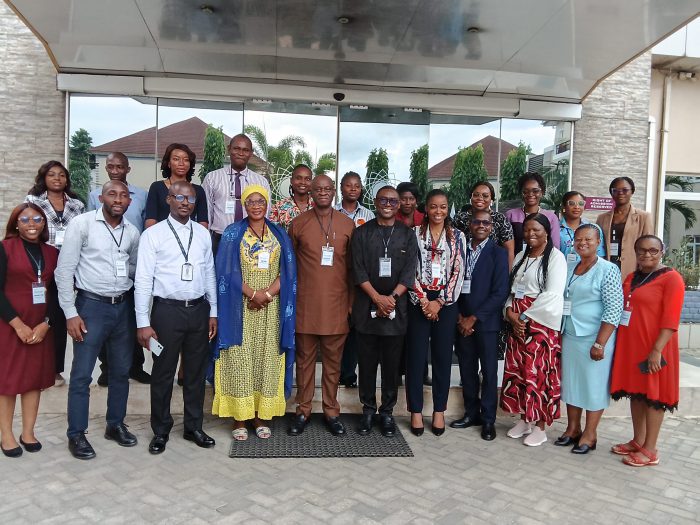
A cross-section of participants and organisers of the immunisation walk.

In a bid to deepen public awareness on the value of immunisation, Preventive Health Nigeria Advocacy Operations Ltd. in collaboration with Save the Children International  Nigeria, and Fidson Healthcare Plc, convened a two-day advocacy drive featuring an Immunisation Walk and the Vaccines Virtual Summit 2026. The initiative, held in Surulere, Lagos, sought to sensitise residents on the importance of vaccination for children and adults, while pushing for national policies that will boost vaccine uptake and rebuild public trust in the healthcare system.

The events formed part of activities marking World Immunisation Week 2026—an annual global campaign led by the World Health Organisation (WHO) from April 24 to 30 to promote the life-saving benefits of vaccines. With the theme, “For every generation, vaccines still work,” participants commenced the awareness walk from the Lagos University Teaching Hospital (LUTH), Idi-Araba, to the Ishaga axis, distributing educational materials and engaging community members on vaccine-preventable diseases.

At the summit, which convened leading health experts, policymakers and practitioners, stakeholders were unanimous in their position that Nigeria’s challenge is not vaccine availability, but vaccination uptake. They called for stronger collective action to drive acceptance, particularly in underserved regions.

Pharm. Adekola Wojuola, the convener of the walk and summit, noted that the walk was designed to “disabuse minds from misinformation and reinforce the importance of vaccination.” He added, “From the theme, it is clear that public trust in vaccines must be regained if the past gains of immunisation are not to be eroded. Our walk is to educate the public and improve awareness of vaccine-preventable diseases.”

Wojuola, who is also the CEO of Preventive Health Nigeria Advocacy Operations Ltd, attributed growing apathy to widespread misinformation, noting that the core objectives of this year’s campaign are to highlight the value of vaccines and rebuild confidence. According to him, “Mistrust is being fuelled by negative narratives on social media and comments from influential voices. Many adverse events attributed to vaccines are unfounded, and with people relying on unverified sources, credible organisations must provide balanced, accurate information through initiatives like this.”

Tomiwa Dire-Arimoro of Save the Children International Nigeria, emphasised that while government provision of vaccines, facilities and trained personnel is critical, it is not sufficient. He pointed to a significant awareness gap, noting that many Nigerians are still unaware of available vaccines, especially those required at birth. He stressed that sustained advocacy and sensitisation are key to improving uptake.

Experts also raised concerns about Nigeria’s immunisation indicators, noting that the country accounts for an estimated two million zero-dose children—about 15 per cent of the global burden—and that roughly 41 per cent of childhood deaths are linked to vaccine-preventable diseases.

Prof. Richard Adegbola highlighted gaps in coverage, stating, “None of our antigens is meeting WHO recommendations in terms of vaccination coverage. There is significant room for improvement—we can do much better.” He warned against complacency, adding, “Complacency can lead to resurgence, and this is no longer theoretical. It is already happening in some Western countries where diseases like measles had been nearly eliminated.”

To drive progress, speakers including Prof. Adegbola, Pharm. Rahman Kelani, Mrs. Maureen Uwechia and Dr Olakunle Oladehinde proposed key strategies such as digitalising immunisation data, integrating community pharmacies, strengthening community engagement and adopting proactive risk communication.

They advocated a transition from paper-based systems to real-time electronic medical records using ICD-10 standards, alongside automated recall systems to track missed vaccinations and improve coverage.

They also emphasised the need to shift from top-down messaging to participatory engagement by leveraging trusted community voices such as religious and traditional leaders, while ensuring healthcare professionals communicate both benefits and potential side effects transparently.

Earlier during the walk, Oluwatoyosi Wojuola, a director at Preventive Health Nigeria Advocacy Operations  Ltd, noted that vaccination has delivered measurable gains across generations, several decades down the line, especially among  those who benefited from routine immunisation. She cited milestones such as polio eradication and progress in tackling cervical cancer, while cautioning that misinformation continues to threaten these gains.

Similarly, Matilda Paul, a radiography student of the University of Lagos, observed that community-based outreach enables deeper engagement, noting that such initiatives encourage mothers to come out with their children for more meaningful interactions and better understanding of immunisation.

Collectively, stakeholders at the events underscored that bridging the gap between vaccine availability and acceptance remains critical to securing Nigeria’s public health future.


 

Udeh Exits Geneith, Launches JunGlobal to Expand Healthcare Market Access

0


A cross-section of Geneith’s staff at the farewell ceremony organised in Pharm. Judith Udeh’s honour at the Geneith Corporate head office in Lagos

Pharm. Judith Ngozi Udeh, principal manager (Marketing) and head of hospital and institutional business at Geneith Pharmaceuticals Limited, has concluded her five-year tenure at the company, as colleagues gathered to honour her at a surprise farewell ceremony organised in her honour.

The event, attended by members of the Sales and Marketing Department and other staff, celebrated her contributions to institutional market development and her broader impact on the organisation.

The ceremony was marked by emotional moments, heartfelt tributes, and the presentation of gifts, as colleagues expressed deep appreciation for her leadership, mentorship, and personal support over the years. Many speakers took turns to share accolades, reflecting both her professional excellence and the strong personal connections she built within the organisation.

Speaking at the event, Udeh said she enjoyed her work at Geneith which was focused on advancing institutional market access through the development and implementation of structured Hospital and Institutional Business (HIB) framework.

A cross-section of Geneith’s management staff at the farewell ceremony organised in Pharm. Judith Udeh’s honour at the Geneith Corporate head office in Lagos

She explained that the models created organised pathways for engagement with healthcare institutions by aligning pharmaceutical supply with procurement systems, clinical demand, and utilisation patterns, contributing to improved product visibility, stronger stakeholder relationships, enhanced supply chain coordination, and more structured portfolio management.

She noted that Nigeria’s pharmaceutical landscape operates within a complex ecosystem shaped by fragmented supply chains, evolving regulatory dynamics, and varying levels of institutional capacity, stressing the need for more integrated, systems-driven approaches.

“Institutional business frameworks are critical to improving healthcare access. They go beyond sales, they ensure that products align with real clinical needs, procurement systems, and healthcare realities,” she said.

In his remarks, Pharm. Simeon Okechukwu, assistant general manager (sales), described her as an exceptional negotiator and strategic thinker whose contributions significantly expanded institutional engagement for the company.

He recalled her role in facilitating key partnerships and Memoranda of Understanding at a time when business opportunities were limited, noting that her efforts opened new frontiers for growth.

Also speaking, the Head of Human Resources and Administration, Mrs Ada Cosmas, said Udeh demonstrated integrity and innovation throughout her time in the organisation, consistently transforming ideas into tangible results, while also highlighting her supportive and people-focused nature.

In a similar vein, Pharm. Abimbola Bowoto, assistant general manager (sales and marketing), commended her dedication, professionalism, and commitment to excellence, stating that she set a high standard within the organisation.

While acknowledging that her presence will be greatly missed, Mr Rex Abode, senior medical representative, expressed confidence that she is moving on to greater opportunities.

Following her exit, Udeh announced the launch of JunGlobal Healthcare Solutions Ltd, a healthcare, pharmaceutical, and business development consultancy, positioned to support organisations seeking to enter or scale within the Nigerian and African markets.

“JunGlobal was established to bridge the gap between healthcare innovation and market success. Our focus is to ensure that regulatory approval translates into real access, institutional adoption, and sustainable growth,” she said.


FG Strengthens Pharma Industry to Drive Medicine Security

0
L-R: NMEP-IMPACT Project, Pharm. Oluwatoyin Karimu; Mboma Iheanyi, representative of the Director-General, NIPRD, Dr. Obi Adigwe; Project Manager, NMEP-IMPACT Project; Okefu Oyale Okoko; Lead Consultant, Pharm. Desola Arowolo; Technical Adviser to DG NIPRD, Charles Balogun, and Consultant, Tolu Ayinde, at the Close-out of the technical support to Pharma Industry in Lagos on Thursday.

As part of efforts to boost the capacity of local manufacturers to compete in African and global markets, the Federal Government has provided technical support to four indigenous pharmaceutical companies, bringing them to the verge of achieving World Health Organisation (WHO) prequalification, a critical step toward medicine security.

The milestone was recorded under a special project led by the National Institute of Pharmaceutical Research and Development (NIPRD) in collaboration with the National Malaria Elimination Programme, with support from the World Bank. The programme, themed “Meeting to Consolidate Technical Support/Capacity Building to the Pharma Industry; Ensuring Medicine Quality – Advanced Insights into WHO Prequalification,” held Thursday, 30 April, at the Amber Residence, GRA, Ikeja, Lagos.

Speaking at the event, Director-General of NIPRD, Dr Obi P. Adigwe, described the outcome as “transformational,” noting that local manufacturers have moved from uncertainty to a firm commitment to meet WHO prequalification standards. Represented by Director Mboma Iheanyi, he lamented that for years, Nigeria’s pharmaceutical sector had been excluded from global procurement opportunities due to stringent WHO benchmarks, but expressed optimism that the tide is turning.

“Medicine security is not just a health metric; it is the bedrock of national sovereignty,” he said, stressing that reliance on imported medicines poses risks to equity, national security, and economic stability. He noted that the project aligns with the Federal Government’s broader drive to strengthen the health sector value chain.

Participants and facilitators at the programme.

Adigwe explained that the intervention followed a four-phase structure, from mindset reorientation to final implementation, aimed at strengthening local manufacturing capacity. According to him, technical understanding among participating companies improved significantly, rising from 33.3 per cent to 86.7 per cent, while 13 out of 19 critical gaps identified at baseline have been addressed.

He emphasised that the achievement goes beyond compliance, representing a deliberate alignment of technical systems to deliver measurable outcomes.

Also speaking, NIPRD Lead for the IMPACT Project, Mr Okefu Oyale Okoko, said the progress marks a turning point for Nigeria’s pharmaceutical sector. He explained that companies are at varying levels of readiness but are steadily advancing toward WHO prequalification.

According to him, attaining WHO certification for antimalarial medicines, yet to be achieved by any African manufacturer for such products, would be a landmark breakthrough. It would not only strengthen medicine security in Nigeria but also enable local firms to compete globally for supply contracts, positioning the country as a key player in Africa’s pharmaceutical landscape.

The project’s Lead Consultant, Pharm. Desola Arowolo, attributed the progress to a critical shift in mindset among participating companies. She noted that initial skepticism about achieving WHO prequalification gave way to confidence and commitment following technical support and gap analyses.

She explained that the process revealed that many companies were already implementing sound practices but needed to refine and align them with global standards. This culminated in the co-creation of Common Technical Document (CTD) dossiers for antimalarial medicines, a key requirement for WHO prequalification.

Arowolo said the gains extend beyond technical readiness, pointing to improved access to quality medicines, reduced dependence on imports, and increased opportunities for economic growth and job creation. However, she identified funding as a major challenge, noting that scaling up production and meeting global standards require substantial investment and sustained support.

While the project began with a larger number of companies, it concluded with a few that successfully completed this phase. Arowolo said future expansion would depend on the outcome of the project and stakeholder decisions.

With the current phase completed, the companies are expected to proceed independently toward full WHO prequalification, with expectations that several will ultimately succeed and compete effectively in the international market.

Representatives of the participating companies commended the Federal Government and NIPRD for the support, while calling for additional assistance, particularly funding, to upgrade facilities and meet global benchmarks.


Which of the following is an example of a CYP450 enzyme inducer?

8

PANS QUIZ
Which of the following is an example of a CYP450 enzyme inducer?

A. Ketoconazole

B. Rifampicin

C. Erythromycin

D. Cimetidine

Which phase of clinical trials primarily assesses drug efficacy and side effects?

A. Phase I

B. Phase II

C. Phase III

D. Phase IV

End Malaria in Nigeria, Don Tasks Govts

0

Prof. Wellington Oyibo, a professor of Medical Parasitology, College of Medicine, University of Lagos, has urged different states of the federation to develop the political will toward the elimination of malaria in Nigeria.

Oyibo, also a tropical disease specialist, gave the advice with journalists in commemoration of the World Malaria Day, celebrated annually on 25 April.

The 2026 theme: “Driven to End Malaria: Now We Can. Now We Must” highlights the urgency of using available tools, science, and partnerships to eliminate malaria.

Oyibo cited Lagos State as one that had been on the pathway to malaria elimination.

He explained that a study revealed that only about five per cent of Lagos population had malaria, with two other states of Anambra and Delta, which had about single digit of malaria presence.

Oyibo described the progress as a major milestone in public health, which other states of the federation should emulate for a holistic impact in the fight to end malaria across the country.

He emphasised that Lagos State was able to record such progress because the state had a very strong political will and commitment to curb malaria.

He added that the state government, which had been on the driver’s seat to malaria elimination, was ever financially ready to combat the disease.

According to him, Lagos State is not only facing malaria, but also other diseases that can affect human health as a result of the malaria disease/parasite.

The tropical disease specialist, therefore, urged other states of the Federation to emulate Lagos State and develop the political will needed to end malaria.

“Lagos State is on the driver’s seat to elimination of malaria.

“The state over the years has shown strong commitment and political will in the fight against malaria in terms of advocacy, resources, data, research and financial support.

“Of course, Lagos has shown very strong leadership, but they can’t do it alone.

“To end malaria in Nigeria, that sincerity of purpose must be there among different state governments of the country,” Oyibo told NAN.

Oyibo, however, urged the Lagos State Government to continue in its  efforts to end malaria, saying, “the process is dynamic, you can’t get success and then stay back, it has to be a continuous exercise”.

According to him, malaria is an old disease that has remained a major public health challenge, especially for  children and pregnant women, stressing that it is both preventable and treatable.

Oyibo said that simple preventive measures, including the use of insecticide-treated mosquito nets, environmental sanitation and timely medical care, could significantly reduce infection rates, particularly among children and pregnant women.

He also emphasised the need for citizens to refrain from the act of treating malaria on assumption, but to undergo proper tests to ascertain that a particular health condition was caused by malaria parasite before using malaria drugs.

“Malaria is a people’s disease.

“Treatment on assumption is not acceptable; if you feel that you have malaria, you must do a malaria test to confirm before undergoing treatment,” he said.

Oyibo, therefore, called for better collaboration, increased awareness, sustained investment and collective commitment, saying that only about 20/30 per cent of the population commitment would not make significant impact.

According to him, elimination of malaria requires sustained resources, investment in research, data and strong advocacy/awareness.

“The fight against malaria is a collective and shared responsibility of  all – the governments, citizens, healthcare providers and stakeholders.

“We must reinvest, reimagine, and reignite our commitment. If only about 20/ 30 per cent of the population are committed to the fight against malaria, there won’t be any significant impact.

“If we want to make progress, our action must be total,” Oyibo said.(NAN)


Lagos Lawmaker, Pharmacists Take Hepatitis Campaign to Communities

0


A cross-section of residents of Amuwo Odofin Community and its environs with Hon. Stella Foluke Osafile and Pharm. Obiageri Ikwu, at the community health outreach.

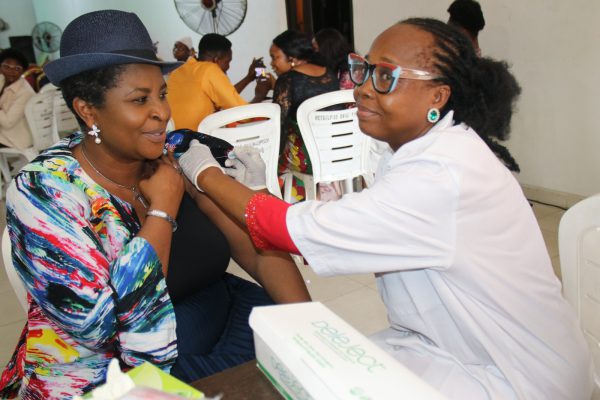
‎Not less than 100 residents of Amuwo Odofin and its environs in Lagos have benefited from free Hepatitis B screening and vaccination in a community health outreach led by Hon. Stella Foluke Osafile, a member of the Lagos State House of Assembly, in partnership with Lopez Pharmacy Limited.

‎The outreach, held in commemoration of World Immunisation Week which holds 24–30 April, brought together healthcare professionals, pharmacists and residents to strengthen awareness on hepatitis prevention and improve access to immunisation services at the grassroots.

‎Osafile said the initiative underscores the importance of preventive healthcare, stressing that government responsibility must go beyond policy formulation to ensuring citizens are actively protected from preventable diseases.

‎“Health is wealth. It takes just one illness to wipe out a person’s resources. That is why we must continue to prioritise preventive healthcare and ensure that our people are informed and protected,” she said.

‎She added that sustained advocacy and community engagement remain critical in reducing the burden of hepatitis and other preventable diseases.

‎Pharm. Obiageri Ikwu, chief executive officer of Lopez Pharmacy and national financial secretary of the Association of Community Pharmacists of Nigeria (ACPN), who led a health education session, said Hepatitis B remains a major public health concern in Nigeria, with many people unaware of their status due to low awareness and limited access to testing and vaccination.

‎She described the Hepatitis B vaccine as safe, effective and more affordable than long-term treatment, urging residents to complete the full three-dose schedule for maximum protection.

L-R: Hon. Stella Foluke Osafile, member, Lagos State House of Assembly and Pharm. Obiageri Ikwu, CEO, Lopez Pharmacy, at the community health outreach.

‎“Hepatitis is not a death sentence, but prevention is critical. People must move beyond testing alone to taking the vaccine, especially if they test negative,” she said.

‎Also speaking, Pharm. Toyin Bala-Bature highlighted the role of community pharmacists in bridging healthcare gaps through education, screening and vaccination services at the community level.

‎One beneficiary, Ambassador Ola Ijekpa, said the outreach improved her understanding of the disease and motivated her to take preventive action.

‎“I didn’t fully understand Hepatitis B before today. Now I know how it affects the body and how it can be prevented. I’m taking the vaccine for the first time, and I’m grateful,” she said.

‎The programme featured free testing and vaccination for eligible residents, with organisers saying it forms part of ongoing efforts to expand hepatitis immunisation and reduce its prevalence in communities.

A cross-section of residents of Amuwo Odofin Community and its environs with Hon. Stella Foluke Osafile and Pharm. Obiageri Ikwu, at the community health outreach.

L-R:Hon. Stella Foluke Osafile, member, Lagos State House of Assembly and Pharm. Obiageri Ikwu, CEO, Lopez Pharmacy, at the community health outreach.


LASHMA to Enforce Providers’ Compliance with Ilera Eko

0

L-R: Mrs Onatunde Morenike, chief education officer, representing the Permanent Secretary, Ministry of Basic and Secondary Education; Mrs Kemi Salau, deputy director, Student Support Service, Ministry of Tertiary Education representing the Permanent Secretary; Mr Olanrewaju Bajulaiye, permanent secretary, Ministry of Information and Strategy, Lagos State; Dr Emmanuella Zamba, permanent wecretary, Lagos State Health Management Agency (LASHMA) and Dr Lukman Salami, associate professor, Lagos State University (LASU) representing the Vice Chancellor at the LASHMA Y2026 Q1 Media parley, held on Monday at LCCI, Alausa, Ikeja.


The Lagos State Health Management Agency (LASHMA) says it is set to enforce compliance among healthcare providers with the State Social Health Insurance Scheme, also known as Ilera Eko.

The agency noted that the enforcement drive is part of its commitment to achieving Universal Health Coverage (UHC) in the state.

LASHMA Chief Executive Officer, Dr Emmanuella Zamba, disclosed this while addressing journalists at the 2026 First Quarter Media Parley held at the LCCI, Olowopopo, CBD, Alausa, Ikeja. She highlighted the agency’s achievements in the first quarter of the year, as well as planned activities for the months ahead.

Among the key milestones recorded during the period under review, Dr Zamba identified an increase in enrolment among public servants, driven by intensified enforcement efforts across Ministries, Departments, and Agencies (MDAs).

“Today, I am pleased to inform you that the agency has completed its first compliance assessment of MDAs. Agencies with public interface can now seamlessly verify residents’ enrolment status through their portals,” she said.

She also announced the completion of training for healthcare providers on the mandatory social health insurance scheme, noting that the next phase will focus on enforcing compliance.

“Healthcare providers have been trained in line with the Executive Order, and the next phase of enforcement will focus on provider compliance. While we have made significant progress, our commitment to achieving Universal Health Coverage (UHC) in Lagos State remains steadfast,” she added.

To cushion the impact of current economic realities on residents, Dr Zamba disclosed an innovation by the agency, the introduction of Ilera Eko EasyPay. This wallet-based payment platform enables residents to make incremental contributions toward their health insurance premiums.

She explained that the initiative is designed to reduce financial barriers and expand access, particularly for low- and middle-income earners, as well as those in the informal sector.

According to her, Ilera Eko EasyPay is an offshoot of the agency’s “Pay-Small-Small” initiative, aimed at making health insurance more affordable and accessible to all Lagos residents.

Dr Zamba further revealed that, within the first quarter, the agency trained 72 journalists in two batches, in collaboration with ISMPH, on social health insurance. She noted that the initiative underscores the critical role of health writers in amplifying the Ilera Eko message, while commending their professionalism and continued partnership.

In addition, as part of its commitment to youth engagement and sustainability, the agency collaborated with the education sector to organise the Ilera Eko Essay Competition across public schools. The competition attracted 731 entries, of which 500 met the required criteria and were assessed.

From the pool of entries, 12 outstanding winners emerged across four categories and were celebrated alongside their parents and teachers.

Zamba said the initiative reflects growing awareness among young people and reinforces the agency’s vision of nurturing a generation that values health insurance and personal well-being.

The winners were formally decorated as Ilera Eko Advocates at the media parley, in recognition of their role in promoting health insurance awareness and championing a culture of wellness among their peers and communities.

The LASHMA CEO urged the young champions to serve as ambassadors of Ilera Eko within their communities.


Victor Okon Wins PANSite of the Year 2026

0


Victor Edidiong Okon, a 500-level Pharmacy student of the University of Uyo (UNIUYO), has emerged winner of the 2026 PANSite of the Year Award after securing 4,435 votes in the keenly contested online poll, which closed on Tuesday, 28 April, 2026.

Okon triumphed over other finalists, including Ubaidullah Onoruoyiza Alhassan of Ahmadu Bello University (ABU), who garnered 2,204 votes; Olakulehin Adebusuyi of University of Ibadan (UI) with 336 votes; and Emmanuel Eromosele Eromosele of University of Benin (UNIBEN), who polled 263 votes.

In a congratulatory message, the Executive Director of Pharmanews Ltd, Dozie Ifeanyi Atueyi, commended Okon for his resilience and determination, noting that his victory reflects his ability to withstand the intensity of the competition.

Atueyi also urged other contestants to remain committed to advancing public health initiatives within their respective institutions, expressing optimism that they could emerge winners in future editions.

He added that details regarding the award presentation would be communicated to the winner in due course.

Past winners of the award include Yusuf Hassan Wada of Usmanu Danfodiyo University Sokoto; Izukanne Emembolu of Nnamdi Azikiwe University; Martin Chukwunonso Nwofia of Chukwuemeka Odumegwu Ojukwu University (COOU); Jennifer Ekuma of UNIUYO; Ahmed Olasunkanmi Ajilaran of University of Lagos (UNILAG); Jumbo Nengi of UNIUYO; and Sobur Shinaola Muhammad of University of Ilorin.


Which combination increases risk of serotonin syndrome?

10

PANS QUIZ

Which combination increases risk of serotonin syndrome?

A. Fluoxetine + Tramadol

B. Ibuprofen + Paracetamol

C. Amoxicillin + Clavulanate

D. Atenolol + Hydrochlorothiazide

Which antidote is used for acetaminophen overdose?

A. Naloxone

B. Atropine

C. N-acetylcysteine

D. Flumazenil

Human Papillomavirus: History, Management and Prevention

0


Human Papillomavirus: History, Management and Prevention
HPV illustration. Image Source: WebMD

Human Papillomavirus (HPV) is one of the most common viral infections worldwide, yet it remains poorly understood by many people. Over the years, medical research has improved knowledge about how it spreads, the diseases it causes, and how it can be prevented. Today, HPV is recognised not only as a widespread infection but also as a leading cause of several cancers, making it a serious public health issue.

The history of HPV goes back many centuries, long before scientists identified viruses. Doctors had observed genital warts and linked them to sexual activity, but the exact cause was unknown. It was only in the 20th century that researchers discovered these conditions were caused by a virus. A breakthrough came in the late 1970s and 1980s, when scientists identified different HPV types and their link to disease. The work of Harald zur Hausen, who showed that certain HPV types cause cervical cancer, changed medical understanding of cancer and earned him a Nobel Prize in 2008.=

Types, transmission and management

HPV is a group of more than 200 related viruses, divided into low-risk and high-risk types. Low-risk types, such as HPV 6 and 11, cause genital warts but do not lead to cancer. High-risk types, especially HPV 16 and 18, are responsible for cancers of the cervix, anus, throat, penis, vulva, and vagina. HPV spreads mainly through sexual contact and is one of the most common sexually transmitted infections. Most sexually active people will be infected at some point, often without symptoms, and in many cases the body clears the virus naturally.

Management of HPV depends on its effects on the body. In most cases, the immune system clears the infection within one or two years without treatment. However, persistent infection with high-risk types can cause abnormal cell changes that may develop into cancer over time. This makes early detection very important. The Pap smear has been a key tool in detecting abnormal cervical cells before they become cancerous, helping to reduce deaths from cervical cancer. More recently, HPV DNA testing has improved the ability to detect high-risk infections early.

Although there is no cure for HPV itself, its effects can be treated. Genital warts can be managed with creams, freezing, or minor surgery, though they may return. Precancerous changes can be treated early to prevent cancer from developing. When cancer occurs, treatment may involve surgery, radiotherapy, or chemotherapy, depending on the stage of the disease. Early detection greatly improves treatment outcomes.

Preventive measures

Prevention remains the most effective way to control HPV. The development of HPV vaccines is a breakthrough in modern medicine. Vaccines such as Gardasil and Cervarix protect against the most harmful HPV types, including those responsible for most cervical cancers and genital warts. These vaccines are most effective when given before exposure to the virus, which is why they are recommended for adolescents, though adults can also benefit.

Despite their proven effectiveness, HPV vaccines are not widely used in many regions, especially in low- and middle-income countries. Barriers include high cost, limited access, low awareness, and cultural misconceptions. Some people wrongly believe that vaccination encourages early sexual activity, which is not supported by evidence. Overcoming these challenges requires better public education, supportive policies, and stronger healthcare systems.

Other preventive measures also play a role. Safe sexual practices, including condom use, can reduce the risk of infection, although they do not offer full protection because HPV spreads through skin contact. Regular screening, especially for women, is essential for early detection of abnormal changes. Public health campaigns should continue to promote awareness, routine check-ups, and vaccination.

The burden of HPV is highest in countries with limited healthcare resources, where cervical cancer remains a leading cause of death among women. This highlights the need for improved access to vaccines, screening, and treatment services. Global efforts are ongoing to reduce and possibly eliminate cervical cancer as a public health problem, but this will require sustained commitment and investment.

Stronger collaboration between governments, healthcare providers, and communities is essential to expand vaccination coverage, improve screening programmes, and address misinformation. Investing in public health education will help people make informed decisions and reduce stigma, ultimately lowering infection rates and preventing avoidable deaths.

Pharm. (Mrs) Nnenna Emuche is our April Personality

0


Pharm. (Mrs) Nnenna Emuche

Pharm. (Mrs) Nnenna Emuche is the director of pharmacy services at the Abia State Ministry of Health, where she provides technical leadership in pharmaceutical care, policy formulation, and the regulation of pharmacy practice across the state.

Appointed in June 2025 as a statutory member of the Abia State Medicines and Commodities Management Agency (ASMCMA) Board by Governor Alex Otti, she oversees the procurement, distribution, and quality assurance of essential medicines across public health institutions in the state.

A passionate advocate for strong health systems, Emuche has been at the forefront of efforts to strengthen the state’s pharmaceutical supply chain, ensuring access to quality medicines and services. She supervises pharmaceutical activities across the state, ensuring adherence to professional standards and compliance with contract specifications in state health projects, with the ultimate goal of improving health outcomes and ensuring that quality healthcare reaches the grassroots.

An experienced pharmacy administrator, Emuche possesses the professional expertise required to provide strategic direction for the state’s Drug Management and Commodities Management Agency (DMCMA), with the aim of improving its institutional maturity and operational efficiency.

Emuche also serves as the primary liaison between the State Government and professional bodies such as the Pharmaceutical Society of Nigeria and the Pharmacy Council of Nigeria, ensuring effective professional representation for pharmacy practice in the state.

Currently, she supervises several initiatives aimed at repositioning drug distribution and healthcare delivery in Abia State. Central to these is the strengthening of the Abia State Medicines and Commodities Management Agency (ASMCMA), with a focus on centralising procurement and establishing a unified, quality-assured supply chain to eliminate fake and substandard medicines in public health facilities. She is also leading the Coordinated Wholesale Centre (CWC) Aba project, designed to transition open drug markets such as Ariaria into a regulated, world-class pharmaceutical hub.

In addition, Emuche is coordinating the pharmaceutical component of Project Ekwueme, a comprehensive revitalisation of 200 primary healthcare centres across the state, while also playing a direct role in workforce expansion through the recruitment of 771 healthcare workers, including a significant number of pharmacists. She has further overseen the deployment of personnel to the Abayi Specialist Hospital and Diagnostic Centre in Aba to strengthen specialist healthcare delivery.

Furthermore, she is contributing technical input to the Abia Medical City Project, a flagship programme of the state government designed to incorporate pharmaceutical production alongside advanced healthcare services, thereby enhancing the state’s capacity for integrated healthcare delivery.

Through her visionary leadership, professional expertise, and strong commitment to excellence, Pharm. (Mrs) Emuche continues to drive impactful reforms that are reshaping the pharmaceutical landscape and improving healthcare outcomes in Abia State.


COVID-19: Akwa Ibom Govt Heightens Surveillance 

0


The Akwa Ibom Government has activated heightened COVID-19 surveillance following the confirmation of a new outbreak in a neighbouring state. The Commissioner for Health, Dr Ekem Emmanuel, made this known in a statement in Uyo on Monday.

Emmanuel said that Gov. Umo Eno, has directed the ministry to activate heightened surveillance across all entry points, health facilities, and communities to forestall any outbreak.

“Disease surveillance officers and rapid response teams have been placed on red alert to detect and manage any suspected cases promptly.

“Residents are urged to remain vigilant and adhere strictly to public health guidelines.

“Citizens are also advised to observe preventive measures, including regular handwashing with soap and water or the use of alcohol-based sanitisers and wearing face masks in crowded or enclosed spaces.

“Citizens are also advised to avoid close contact with symptomatic individuals, refrain from handshakes and physical greetings and seek prompt medical attention if symptoms such as fever, cough, or difficulty in breathing occur,” he said.

The commissioner urged healthcare workers to maintain high index of suspicion and adhere strictly to infection prevention and control protocols.

He said that the ministry would strengthen collaboration with the Nigeria Centre for Disease Control (NCDC) and other relevant partners to ensure effective monitoring and coordinated response.

Emmanuel, however, reassured residents that the government was committed to safeguarding public health.

The commissioner urged the public to rely only on verified information from the Ministry of Health and avoid spreading unverified reports that might cause unnecessary panic.

Emmanuel said that an enquiry desk had been set up at the ministry, with designated helpline numbers available to assist members of the public.

NAN


Pharmacists Differ over FG’s Tariff Cuts on Pharmaceuticals, Machines

0


The recent reduction in import duties on 127 items by the Federal Government, including medical and surgical devices as well as manufacturing machines, which ordinarily should have received unanimous acceptance from pharmacists across all fields of practice, has instead created a divide between pharmacists in the manufacturing sector and those in retail practice.

Local manufacturers view the zero-duty policy on manufacturing machines as a welcome development, while retail pharmacists argue that maintaining a 20 per cent duty on antimalarials will not reduce prices and may worsen access.

The Minister of Finance and Coordinating Minister of the Economy, Wale Edun, announced through a circular dated 1 April, the approval of tariff reductions across 127 product lines. The changes include a 20 per cent import duty on antimalarials; zero duty on breathing apparatus and gas masks (down from 5 per cent); five per cent duty on modular surgical operating theatres (down from 20 per cent); and zero duty on agricultural and manufacturing machinery, including pharmaceutical equipment, among others.

However, stakeholders in the pharmaceutical industry remain divided over the policy, calling for a more structured framework and the inclusion of PMGMAN and a Presidential Committee made up of relevant professionals for effective implementation.

In an exclusive interview, the Managing Director of May & Baker Plc, Pharm. Patrick Ajah, commended the Federal Government for reviewing duties on pharmaceuticals, particularly manufacturing machinery, which he said will enhance production capacity and boost output among local manufacturers. However, he noted that any adjustment in tariffs on antimalarials, whether retaining the existing rate or introducing a new one, requires independent research and consultation with local industry players for effective implementation.

“For products like antimalarials, government needs to understand the consumption pattern. How many packs are consumed annually in the country? What is the production capacity of local manufacturers? These two must be aligned. You cannot ignore that,” he advised.

Further analysing the policy, Ajah noted that while zero duty on machinery can help expand production and may eventually lower costs, such effects may not be immediate. He also appreciated the earlier executive order granting zero duties on APIs and excipients, which he credited for helping stabilise prices.

“Many manufacturers would have increased prices by over 15 per cent if not for the earlier executive order. So maintaining current prices is already a form of impact,” he said.

The President of the Pharmaceutical Society of Nigeria (PSN), Pharm. Tanko Ayuba, also described the move as a welcome development but cautioned that proper implementation is critical to achieving its objectives.

He said that, under normal circumstances, reducing duties on drugs and pharmaceutical products should lead to lower prices and improved access to medicines and healthcare.

According to Ayuba, “Government must see the need for urgent intervention with a template akin to an all-purpose special vehicle that can help address fundamental issues relating to local manufacturing and drug pricing.”

In a separate interview, former Chairman of Lagos ACPN, Pharm. (Mrs) Abiola Paul-Ozieh, reiterated that the Federal Government’s objectives—protecting and stimulating local pharmaceutical manufacturing, as well as aligning with AfCFTA and ECOWAS CET 2022–2027—are commendable.

However, she noted that, as a malaria-endemic country with a high disease burden, maintaining a 20 per cent duty on antimalarials may not benefit consumers, as prices could remain high and unaffordable.

“As long as we cannot produce APIs locally, there will be an imbalance between inputs and outputs, with a risk of rising costs without adequate local substitution,” she said.

Paul-Ozieh, who is also Chairman of the Healthcare Providers Association of Nigeria (HCPAN), Lagos Chapter, added:

“We should note that malaria remains highly prevalent in Nigeria and continues to pose a major burden. Retaining a 20 per cent duty on antimalarials may increase prices for consumers, especially since over 50 per cent of these medicines are imported. This could reduce access due to affordability constraints and negatively impact health outcomes. We must also acknowledge our inability, as a nation, to produce Active Pharmaceutical Ingredients (APIs).”

The National Chairman of the Association of Community Pharmacists of Nigeria, Ambrose Ezeh, called for the creation of a Presidential Committee led by professionals to prevent misapplication of the policy and avoid confusion within the industry.

“This is both a technical and professional matter best handled by a Presidential Committee on an ad hoc basis, with clearly defined terms of reference within a specified timeline,” he said.

Given the country’s heavy reliance on foreign exchange for both APIs and finished pharmaceutical products, Paul-Ozieh urged the government to work towards self-reliance, not only in the production of finished drugs but also through deliberate support and initiatives to enable local API production.

She noted that once an enabling environment for API production is established, policies such as increasing tariffs on certain categories of finished products would become more beneficial to the country, manufacturers, and patients alike.


 Promote Child Rights, UNICEF Tasks Stakeholders

0


The United Nations Children’s Fund (UNICEF) has urged stakeholders to promote and protect child rights in Gombe, Bauchi and Adamawa.

Dr Nuzhat Rafique, UNICEF chief of field office, Bauchi, said this at a one-day stakeholders’ engagement, in Gombe.

She said child rights begin at birth, highlighting the importance of birth registration, breastfeeding, access to quality healthcare, proper nutrition and basic education.

According to Rafique, protection of children from all forms of harm is a fundamental right that parents must recognise.

She said children deserve care and respect, describing them as gifts from God and future leaders.

Rafique encouraged parents to utilise local varieties in processing baby feeds to address malnutrition, a major cause of child mortality.

Mrs Ladi Alabi, child protection specialist, UNICEF, said that child rights cover a wide range of issues, and urged stakeholders to fully understand and apply them into practice to prevent violence and sexual abuse against children.

“Increased awareness is crucial in preventing child rights violations. Participants must remain committed to reduce such cases,” she said.

Alhaji Idris Atiku, district head of Barunde-Kumo Community in Akko Local Government Area of the state, described the engagement as timely and relevant.

While commending the media for their role in awareness creation, Atiku pledged to step down the message to mobilise participation at the grassroots.(NAN).


Over Six Hours Daily Screen Time Harms Eyes, Experts Warn

0


Some medical experts have urged parents to limit the time children spend on screens to help prevent long-term eye problems as younger generation spend more time on phones and tablets.

The experts emphasised the need for parents to ensure their children practise healthy screen time habits.

A Consultant Ophthalmologist, Dr Olufunmilola Taiwo, said spending more than six hours daily on screens was unhealthy and should be properly managed.

Taiwo, who is the head of the Ophthalmology Department at Alimosho General Hospital, advised parents to adopt the 20-20-20 rule, also known as taking screen time in aliquots (time frame gaps within given time space).

She said: “Excessive screen time is not only a concern for children but also for adults.

“Spending more than six hours daily on screens can begin to affect eye health.

“If you must engage the screen for a prolonged period, don’t let it exceed 20 minutes, and then you take your face off the screen for 20 seconds.

” You can also throw your gaze 20 feet away, and if you don’t want to do that, you can do it for two hours, and take a walk for 20 minutes.”

She noted that if these practices were adopted, it would help prevent common issues such as eye strain, dry eyes, and computer vision syndrome, which were increasingly common with prolonged use of digital devices.

Corroborating, Dr Sheidu Nasiru, the head of Eye Clinic at the Orile Agege General Hospital, emphasised the need for parents to engage their children in outdoor activities to reduce screen time.

Nasiru, a Consultant Opthalmologist, said taking regular breaks from screens was important for maintaining healthy vision.

He, however, allayed fears that early exposure to screen devices would not lead to major eye problems such as glaucoma.

“Excessive screen use can lead to eye strain (fatigue) and short-sightedness because they engage in too much near work.

“Parents should ensure that their children spend more time outdoors, playing and relaxing their eyes, instead of using digital devices continuously,” he said. (NAN)


Lagos, RSSH Upgrade 11 Labs to Global Standards

0


A cross-section of participants and facilitators at the training.

The Lagos State Government, with the support of the global fund through the Resilient and Sustainable Systems for Health (RSSH) grant, has upgraded eleven laboratories towards international standards.

The initiative, spearheaded by the administration of Governor Babajide Sanwo-Olu, held at the Dover Hotel Lekki phase 1, from 13 to 17 April,  underscores  efforts of the state to strengthen its healthcare system with a renewed focus on improving the quality of medical laboratory services across the state.

The partnership is designed to address longstanding gaps in laboratory quality management while strengthening the overall health system to ensure resilience, sustainability, and improved service delivery.

As part of the intervention, eleven medical laboratories have been selected for a Quality Management System (QMS) scale-up programme, in addition to ten facilities already enrolled in the first cohort.

The selected facilities include Recovery Medical Diagnostics, Bimade Diagnostic Services, Sango Primary Health Care Centre, Palm Avenue PHC, Epe PHC, Iba PHC, Iga Idugaran PHC, Ibijoke Sanwo-Olu PHC, Orile Agege General Hospital, Ifako Ijaye General Hospital, and Alimosho General Hospital.

The programme targets measurable improvements in diagnostic accuracy, reliability, and turnaround time, with the aim of enabling participating laboratories to achieve at least a three-star rating under the World Health Organisation African Region’s Stepwise Laboratory Quality Improvement Process Towards Accreditation (SLIPTA) by December 2026.

To commence the process, a five-day residential foundation training was organised for laboratory professionals drawn from both public and private health facilities across the state.

To enhance service integration, laboratory focal persons from tuberculosis, HIV, and malaria programmes were also included in the training to strengthen diagnostic services across these priority disease areas.

Speaking at the opening ceremony, RSSH Team Lead, Oluwatosin Ijimakinwa, commended the Lagos State Government for its leadership in healthcare reform and acknowledged the contributions of key officials, including Akin Abayomi and Dayo Lajide.

Ijimakinwa urged participants to apply the knowledge gained during the training to improve laboratory practices in their facilities, noting that the success of the initiative depends largely on commitment at the facility level.

Also speaking, Abiodun Omoloja highlighted the diverse composition of participants and stressed the importance of implementing action plans developed during the training to accelerate the institutionalisation of quality management systems.

The RSSH Laboratory Focal Officer, Aliu Omoh, assured participants of continuous technical support, while technical sessions were facilitated by experts including Oyenuga Oyebanji, Olufunmilayo Ojo, and Blessing Osazee Airiagbobu, who provided practical guidance on quality systems and process improvement.

The event also featured the celebration of Biomedical Science Day 2026, highlighting the critical role of laboratory professionals in modern healthcare delivery and reinforcing Lagos State’s position as a leader in healthcare innovation in Nigeria.


Prostate Cancer: Expert Decries Low Awareness among Nigerians

0


A urologist, Dr Igbokwe Martin, says prostate cancer is more aggressive in black men, calling for more awareness of the disease. 

A medical expert, Dr Joshua Oluwayomi, has raised concerns over low awareness and poor screening uptake for prostate cancer among Nigerian men.

Oluwayomi, a medical officer at the University of Medical Sciences Teaching Hospital, Ondo State, raised the concern in an interview with the News Agency of Nigeria (NAN) in Abuja.

He described the situation as a growing but largely silent health crisis. He explained that prostate cancer occurs when cells in the prostate, a small gland in men that helps produce semen, begin to grow uncontrollably.

According to him, the disease does not have a single cause but is driven by multiple risk factors, with genetics playing a key role. “Age is the biggest factor, as the risk increases after 50 years and is more common in men over 65 years.

“If your father or brother had it, your risk is higher, and certain inherited gene changes can further increase that risk,” he said.

Oluwayomi noted the influence of hormones, particularly testosterone, adding that prolonged exposure may increase risk since the prostate grows under male hormones.

He also highlighted racial disparities, stating that prostate cancer is more common and often more aggressive in black men, a concern particularly relevant in Nigeria.

On lifestyle factors, he said high intake of red meat and fatty foods, low consumption of fruits and vegetables, as well as obesity and physical inactivity, may contribute to the risk.

He added that chronic inflammation or infections of the prostate may also play a role, although evidence is still evolving.

Addressing treatment, Oluwayomi said the disease is often curable when detected early.

“Yes, prostate cancer can be cured, especially if it is caught early. Treatment depends on how advanced it is at diagnosis.

“Early-stage (localised) cancer can often be treated successfully with surgery or radiotherapy.

“However, advanced stages may not always be fully curable, but they can be controlled for years using hormone therapy, chemotherapy and newer targeted treatments,” he said.

On prevention, he emphasised that while the disease cannot be completely avoided, the risk can be reduced.

“You cannot completely prevent prostate cancer, but you can take steps to lower your risk,” he said.

He recommended healthy lifestyle practices such as eating more fruits and vegetables, reducing red meat and fatty foods, maintaining a healthy weight, exercising regularly and avoiding smoking.

Oluwayomi also stressed the importance of screening, particularly for men at higher risk, noting that this should include the Prostate-Specific Antigen (PSA) blood test and Digital Rectal Examination.

Speaking on disease management, he said prostate cancer was generally manageable compared to many other cancers.

He noted that it usually grows slowly and, in some cases, doctors may adopt active surveillance rather than immediate treatment.

He explained that about one in eight men will develop prostate cancer in their lifetime, but only about one in 40 to 45 men die from it, indicating that many men live long lives after diagnosis.

Oluwayomi, however, warned that low awareness and poor screening habits remain major challenges.

“The message is clear: prostate cancer is highly treatable when caught early, but many lives are still being lost due to late detection,” he said.

He urged men, particularly those aged 40 and above, to prioritise regular health checks, stressing that early screening remains the most effective way to reduce deaths from the disease.(NAN)

Nigeria Spends $150m Annually on Vaccines, Says NPHCDA Boss

0


The Federal Government says it spends 150 million dollars annually on vaccine procurement .The Executive Director of the National Primary Health Care Development Agency (NPHCDA), Dr Muyi Aina, disclosed this on Tuesday in Abuja, during the agency’s first quarterly media conference for 2026.

Aina said funding for vaccines was sourced from federal government allocations and development partners, particularly Gavi, and the Vaccine Alliance.He said that donors were however declining in recent times.

”Countries are now expected to increase domestic financing as global donor resources continue to shrink,” he said.

He explained that vaccine financing covered procurement, outbreak-response, as well as logistics including syringes, waste management systems, incinerators, and cold chain equipment.

According to him, operational costs for nationwide immunisation delivery also form a significant part of government investment.

On malaria control, Aina said that Nigeria was expanding malaria vaccination to more states.

According to him, vaccine rollout has been expanded from Bayelsa and Kebbi, the two pilot states to include Bauchi, and Ondo based on readiness assessments.

He noted that the malaria vaccine required a four-dose schedule, which presented challenges in ensuring full compliance.

“What is unique about the malaria vaccine is that it requires four doses, and ensuring children return for all doses remains a key challenge,” he said.

He disclosed that Bayelsa recorded more than 68,000 doses administered, Kebbi 153,000, Bauchi 66,000, and Ondo over 7,000 doses.

He added that dropouts between doses have prompted the government to strengthen tracking and follow-up systems.

Providing updates on vaccine stock and utilisation, he said more than 600,000 doses were currently stored in the national cold chain system.

The executive director also revealed that in the area of coverage, a total of 984,559 children have received at least one dose in Kebbi and Bayelsa, while Ondo recorded more than 166,342 children and Bauchi 105,890.

“This brings the total number of children reached to almost 1.3 million,” he said.

He described vaccines as one of the safest and most cost-effective medical interventions available.

According to him, vaccines are much safer and much cheaper than most medicines people buy in stores or use for malaria treatment.

He explained that vaccines undergo rigorous testing and safety evaluation before approval, with benefits far outweighing potential risks.

“Vaccines are highly effective in preventing diseases such as measles. It success often leads to reduced visibility of such diseases in communities,” he emphasised.

He added that while all medical interventions, including food and medicines, may have side effects, vaccines remained among the most thoroughly tested and safest preventive tools.

He called for continued public trust in health workers and immunisation programmes, noting that the government was also investing in incentives and staffing to strengthen vaccine delivery.

He reiterated that vaccination programmes often go unnoticed in spite of heavy investment.

Aina further said that beyond immunisation, 48,372 women have accessed free maternal services nationwide, while more than 2,497 others have benefited from obstetric fistula repair services coordinated through federal facilities and the National Health Insurance Authority.

He described the programme as critical in restoring dignity and improving the quality of life for affected women.(NAN)

Cross River Reports Case of COVID-19, Begins Contact Tracing

0


The Government of Cross River has reported an occurrence of COVID-19 in the state on Tuesday Dr Henry Ayuk, the state’s Commissioner for Health, announced at a news conference in Calabar.

According to him, the first reported case of the outbreak involved a Chinese national who worked with Lafarge and flew into the country on 17 March, before taking ill.

The commissioner stated that the Chinese’s case became worse at the medical facility of his office and had to be taken to the University of Calabar Teaching Hospital (UCTH).

He explained that at UCTH, his samples were taken and all protocols followed; it was subsequently confirmed that he had symptoms of COVID-19.

“We are, however, happy to report that he is doing well,” the commissioner said.

Ayuk asserted that the Ministry of Health had, however, been repositioned by the current administration to handle and manage any situation, disease, or epidemic outbreaks.

According to him, unfortunately, there have been silent infections and clear cases from time to time.

“But we are determined that for every ailment, every disease or outbreak, if it is identified here in the state, there should be no alarm.

“The state will do well in terms of surveillance or containment of an outbreak. Whatever it is, we will do our best to contain it. So, there is no alarm.

“When this case was reported three or four days ago, we decided to be careful to confirm and ensure that the processes involved with identifying and confirming every case of COVID-19, are duly followed.

“The protocols have been followed and confirmed that a 53-year-old Chinese who works in Akamkpa Local Government Area of the state has COVID-19,” he said.

On her part, Dr Inyang Ekpenyong, State Epidemiologist, announced that in response to the case, the state emergency response unit had been activated.

She, however, noted that there was currently an ongoing contact tracing and line listing of those the Chinese may have been in contact with.

While noting the last confirmed case of COVID-19 in Cross River to be in 2022, the epidemiologist, however, feared that the Chinese may have contracted the virus here in Nigeria.

“The incubation period for this virus is usually between two and 14 days, but the Chinese flew into Nigeria from China on March 17 and started developing the symptoms on April 10.

“This is well beyond the 14-day incubation period. As I said, we are doing the line listing of those he may have come in contact with, as part of our containment efforts.

“We have also activated the emergency response centre and deployed rapid response teams to Akamkpa, where the victim works.

“There is no way we can stop this disease, but we can stop the disease outbreak.

“It will be wrong not to contain or manage it by ensuring that people do not die,” she stated.

Similarly, Dr Yewande Olatunde, the World Health Organisation (WHO) Coordinator in Cross River, stated that the disease was still around.

“We must explore all preventive measures to protect ourselves.” she stressed. (NAN)


Nestlé Nigeria, FG Partner on Dairy Skills Development Centre

0


Nestlé Nigeria, FG Partner on Dairy Skills Development Centre


Nestlé Nigeria Plc has entered into a strategic partnership with the Federal Ministry of Livestock Development to establish a Dairy Technical Skills Development Centre in Paikon Kore, Gwagwalada, in a move aimed at strengthening technical capacity and enhancing productivity within Nigeria’s dairy sector.

The agreement, formalised through the signing of a Memorandum of Understanding, underscores a shared commitment to improving milk quality and building a more resilient dairy value chain through structured skills development and targeted interventions.

The proposed centre will be situated at the Nestlé Dairy Demonstration Farm and is designed to build on the company’s ongoing Nestlé Livestock Development Project, reflecting a steady progression from pilot initiatives to full-scale implementation.

Industry observers note that the initiative represents a transition from earlier interventions, including the launch of the Demonstration Farm in 2025 and the signing of a Letter of Intent on World Milk Day 2025, towards a more structured and scalable framework for capacity development.

Through the collaboration, both parties aim to deliver comprehensive training programmes that will strengthen on-farm practices across milk production, processing, hygiene, and farm management, while also enhancing coordination within the dairy value chain.

Speaking at the signing ceremony, the Managing Director and Chief Executive Officer of Nestlé Nigeria Plc, Wassim Elhusseini, said the company’s long-standing efforts in the dairy sector have demonstrated a clear link between improved capability and better outcomes.

According to him, the partnership with the Federal Ministry of Livestock Development will expand the reach of Nestlé’s structured approach to building the technical skills required to boost productivity, improve quality, and support long-term sustainability in the sector.

Elhusseini further stated that the company’s investment in dairy development has consistently focused on creating shared value for communities while strengthening a resilient local supply base.

Since its inception in 2019, the Nestlé Livestock Development Project has recorded notable milestones, including the establishment of 83 dairy cooperatives, support for over 3,000 milk producers, and the aggregation of more than one million litres of raw milk, alongside extensive training and animal health interventions.

In his remarks, the Honourable Minister of Livestock Development, Mukhtar Idi Maiha, described the initiative as a practical step towards unlocking the potential of Nigeria’s dairy sector through improved technical capacity and stronger value chain systems.

He noted that the partnership aligns with the objectives of the National Dairy Policy under the National Development Plan and reaffirmed the Ministry’s commitment to creating an enabling environment that supports investment, drives productivity, and enhances food security and economic growth.

Both parties are expected to commence implementation following the signing of the MoU, including finalisation of the training framework, site preparation, and phased rollout of the programme, which is projected to provide a structured platform for developing critical mid-level technical skills across the dairy industry.


Experts Raise Concerns over AI Use in Mental Health, Call for Stronger Safeguards

0

More than 30 international experts in artificial intelligence, mental health, ethics, and public policy have raised fresh concerns over the growing use of generative AI tools for emotional support, warning of potential risks and calling for urgent global action.

The concerns were highlighted during an online workshop held recently by the Delft Digital Ethics Centre at the Delft University of Technology, the first World Health Organisation (WHO) Collaborating Centre on artificial intelligence for health governance, including ethics.

The event, which served as a pre-summit session for the India AI Impact Summit 2026, brought together researchers, policymakers, clinicians, and advocates to examine how rapidly advancing AI technologies are interacting with human mental health.

Director of WHO’s Department of Data, Digital Health, Analytics and AI, Alain Labrique, stressed the need for caution, noting that as AI increasingly engages with individuals during moments of emotional vulnerability, systems must be designed and governed with safety, accountability, and human wellbeing at their core.

A major concern raised at the workshop was the increasing reliance on generative AI tools, many of which were not originally designed or clinically tested for mental health purposes, for emotional support, particularly among young people. Experts warned that this trend could pose serious and largely unexamined risks.

WHO’s AI Lead, Sameer Pujari, described the situation as a critical turning point, noting that the rapid adoption of AI in daily life has far outpaced efforts to understand its impact on mental health. He called for coordinated action and increased investment from both public and private sectors to bridge this gap.

Reinforcing the need for a multidisciplinary approach, Kenneth Carswell of WHO’s Department of Noncommunicable Diseases and Mental Health emphasised that minimising risks while maximising benefits would require collaboration among affected communities, clinical and research experts, regulators, and policymakers. He added that ensuring users’ wellbeing must remain central as AI tools continue to evolve.

Participants at the workshop outlined key recommendations to guide the safe integration of AI into mental health contexts. They called for the recognition of generative AI as a public mental health concern requiring coordinated responses across governments, health systems, and industry, extending beyond tools specifically designed for mental health.

They also urged that mental health considerations be integrated into AI impact assessments and monitoring frameworks to better understand both short-term and long-term effects, including the risk of emotional dependence. Participants stressed the need for independent investment to properly evaluate these impacts.

In addition, experts recommended that AI tools used for mental health support should be co-designed with mental health professionals and individuals with lived experience, including young people. They emphasised that such tools must be evidence-based and tailored to cultural and contextual realities. The importance of consumer empowerment was also highlighted, alongside calls for clearer crisis referral frameworks and accountability systems, as noted by Caroline Figueroa.

The workshop also underscored the growing importance of WHO Collaborating Centres in advancing responsible AI governance in health. Through this mechanism, WHO leverages global academic expertise and convenes diverse stakeholders to generate evidence-based recommendations. Managing Director of the Delft Digital Ethics Centre, Stefan Buijsman, noted that collaboration across institutions, disciplines, and governments enhances the global impact of such efforts.

Looking ahead, WHO is establishing a global consortium of collaborating centres on AI for health, bringing together leading institutions across its six regions to support countries in adopting AI responsibly. A preliminary meeting of prospective members was held from 17 to 19 March at TU Delft, where participants agreed on shared priorities and initial collaboration frameworks.

WHO said the initiative aims to build a coordinated global infrastructure to ensure that the governance of AI in health is guided by evidence, ethical standards, and the diverse needs of populations worldwide.

Building the Modern Pharmaceutical Sales Manager in Nigeria (2)

0
Pharm. Tunde Oyeniran

In the first part of this piece, we examined the people and leadership imperatives required for high-performing pharmaceutical Sales Managers in Nigeria. We established that sustainable commercial success begins with intentional talent development, adaptive leadership, structured performance management, and strong stakeholder-relationship capability.

However, strong leadership alone does not automatically translate into revenue growth. The ultimate test of sales leadership is the ability to convert people capability into measurable commercial outcomes. In Nigeria’s pharmaceutical marketplace—where credit-driven distribution models, regional healthcare disparities, regulatory pressures, and supply-chain complexities persist—sales managers must combine leadership with strong commercial intelligence and disciplined operational execution.

This second part therefore focuses on the commercial, financial, strategic, and execution competencies required to transform sales leadership into sustainable business performance.

  1. Commercial and territory strategy development

While leadership motivates people, commercial strategy directs effort. Pharmaceutical selling in Nigeria has evolved from routine product promotion into structured market development that requires deliberate territory-level strategy.

Effective sales managers must continuously evaluate which therapeutic segments, product portfolios, customer categories, and geographical territories present the strongest growth opportunities. For instance, many Nigerian pharmaceutical companies have recently shifted stronger promotional investments towards chronic-disease management segments such as hypertension, diabetes, and cardiovascular therapy areas, due to increasing disease prevalence and long-term patient-retention potential.

Additionally, Nigeria’s healthcare delivery landscape varies significantly across regions. A strategy that performs effectively in Lagos or Abuja—where tertiary institutions and specialist practices dominate—may fail in secondary cities, where retail pharmacy and distributor-driven supply structures control access to patients.

Strong sales managers therefore design micro-market strategies, tailoring promotional focus based on prescription behaviour, healthcare-infrastructure maturity, and local economic realities. They guide representatives on prioritising high-value prescribers, identifying emerging healthcare facilities, and aligning promotional activities with measurable return on investment.

  1. Strong financial and business acumen

Part 1 emphasised coaching and leadership development as performance drivers. However, without commercial discipline, strong field activity may still fail to deliver organisational sustainability. This is particularly relevant in Nigeria’s pharmaceutical sector, where credit sales dominate distribution channels.

Sales managers must therefore understand the financial consequences of their commercial decisions. Revenue growth that ignores credit exposure often creates hidden financial instability. For example, supplying large product volumes to distributors primarily to meet monthly sales targets may improve short-term revenue reporting but could significantly increase debtor risk if repayment capacity is weak.

Sales managers must be comfortable analysing debtor-ageing reports, understanding distributor financing capacity, monitoring product-margin contribution, and evaluating promotional-investment return.

Equally important is building financial awareness among representatives. Field representatives must appreciate that every supply decision affects working capital, cash flow, and profitability. Representatives who understand these financial realities tend to prioritise quality customers and exercise greater commercial judgement.

Execution excellence and operational discipline

If leadership builds capability and strategy provides direction, execution determines results. Across Nigeria’s pharmaceutical sector, many well-designed marketing and sales initiatives fail not because of poor planning but because of weak field implementation.

Operational discipline requires sales managers to ensure consistent territory coverage, monitor implementation of promotional campaigns, track distributor stock movement, and enforce adherence to company Standard Operating Procedures and compliance expectations.

Consider a product-relaunch initiative targeting specialist hospitals. A strong sales manager will verify that promotional materials reach designated facilities, confirm representatives execute scheduled detailing visits, ensure distributors maintain adequate stock levels, and track early prescription-uptake indicators. Without such monitoring, promotional investment often fails to produce measurable commercial impact.

Regular field audits, distributor performance reviews, and structured sales meetings reinforce an accountability culture and improve execution consistency across geographically dispersed territories.

  1. Emerging competency: Digital and hybrid customer engagement

In Part 1, we highlighted evolving workforce expectations and generational shifts among sales teams. A similar transformation is occurring within customer-engagement models. While face-to-face interaction remains the dominant promotional approach in Nigeria, digital engagement is becoming increasingly relevant, particularly among urban-based healthcare professionals.

Sales managers must now guide representatives on effective integration of digital communication tools such as virtual-detailing platforms, professional messaging applications for scientific updates, and CRM-based customer-interaction tracking.

For example, following up a hospital detailing visit with structured digital communication containing clinical updates or product literature often reinforces recall and strengthens professional credibility. Additionally, digital engagement helps maintain customer contact during supply interruptions or logistical constraints.

Importantly, digital tools should complement—not replace—relationship-based field interaction, which remains critical within Nigeria’s trust-driven healthcare ecosystem.

Integrating leadership with commercial execution

The competencies discussed across both articles are interdependent rather than independent. Coaching builds skill. Leadership drives motivation. Performance management ensures accountability. Strategy provides direction. Financial awareness protects sustainability. Execution converts plans into revenue. Digital engagement enhances efficiency.

High-performing sales managers deliberately integrate these competencies into a unified commercial-leadership approach.

Conclusion

The expectations placed on pharmaceutical sales managers in Nigeria continue to expand significantly. They are no longer simply target drivers; they are talent developers, commercial strategists, financial stewards, operational coordinators, and customer-engagement architects.

Sales managers who consistently develop these combined competencies build resilient field teams capable of navigating Nigeria’s dynamic healthcare marketplace. More importantly, they create sustainable growth platforms that strengthen profitability, expand market presence, and improve long-term organisational competitiveness.

In my professional opinion, the pharmaceutical organisations that will dominate Nigeria’s future commercial healthcare landscape will not necessarily be those with the largest product portfolios, but those that deliberately invest in building strong sales leadership supported by a disciplined commercial-execution culture.

Tunde Oyeniran, B.Pharm., MBA, FSPMN, a Sales/Marketing Strategist, Selling/Sales Management Trainer, and Personal Sales Coach, is the Lead Consultant, Ekini White Tulip Consulting Limited (eWTC), Lagos. eWTC provides training, recruitment, online CME/medico-marketing, and field-force management solutions.

Feedback channels: 080-2960-6103 (SMS/WhatsApp)

ekiniwhitetuliptraining@gmail.com

https://fb.me/EkiniWhiteTulipConsulting

Bridging Gaps in Pharmacy Education Requires Digital Solutions, Modern Infrastructure – Vice President, PANS-IUO

0


David Anjolajesu Okunlaya

Pharmacy education in Nigeria continues to evolve in response to global changes in healthcare delivery, but students still face challenges ranging from limited infrastructure to inadequate access to modern learning tools. In this interview, Vice President of the Pharmaceutical Association of Nigeria Students (PANS), Igbinedion University, Okada Chapter, David Anjolajesu Okunlaya, speaks with Adebayo Oladejo on his journey into Pharmacy, student leadership experience, the need for digital innovation in training, and areas that require urgent attention in the profession. The student leader also shares his views on the future of pharmacy education and offers advice to younger colleagues on how to remain relevant in a rapidly changing healthcare environment. Excerpts:

Can you briefly tell us about your academic journey, your choice of Pharmacy as a career, and your current role as vice-president of PANS, IUO Chapter?

I have always had a strong interest in science, although Pharmacy was not the career I initially planned to pursue. As I learned more about the profession and the opportunities within it, I became increasingly interested. Pharmacy appealed to me because it combines science, healthcare and service to humanity.

My academic journey at Igbinedion University has been demanding but rewarding. Pharmacy education requires discipline, curiosity and a strong scientific foundation. Along the way, I developed an interest in leadership and student development, which motivated me to become actively involved in student affairs.

Currently, I serve as the vice president of the Pharmaceutical Association of Nigeria Students (PANS), Igbinedion University Chapter. In this role, I work with the executive team to promote student welfare, encourage academic excellence and implement initiatives aimed at improving the learning experience and professional development of pharmacy students.

From a student’s perspective, how would you assess the current state of pharmacy education in Nigeria?

Pharmacy education in Nigeria has improved over the years, especially with the gradual shift toward more clinically-oriented training. The curriculum provides a solid scientific base and prepares students for different areas of professional practice.

However, there are still areas that require improvement. In some institutions, limited infrastructure, outdated laboratory equipment and inadequate access to learning resources affect the quality of practical training. Strengthening these areas will help produce graduates who are better prepared for modern healthcare practice.

Another important aspect is the integration of technology into pharmacy education. As healthcare becomes increasingly driven by data, digital tools and artificial intelligence, students need more exposure to these developments during their training.

Overall, pharmacy education in Nigeria is progressing, and with sustained investment in infrastructure, research and practical training, it can produce professionals who are well equipped for the future.

You developed a digital resource hub for students. What inspired this initiative, and how beneficial will it be to pharmacy students?

The idea came from observing that useful academic information within the student community was often scattered and not easily accessible. Students sometimes had to rely on multiple sources just to obtain simple materials or updates.

To address this, I developed a digital platform that centralises important tools and resources frequently needed by pharmacy students. The resource hub contains lecture notes, past questions, a Pomodoro study timer, a unit converter and a market-day predictor for Okada town. It also provides updates on PANS activities and projects so students can easily stay informed.

The project aims to simplify access to academic resources, improve organisation and help students become more productive in their studies.

Your executive team also facilitated the installation of Starlink internet in the college. How important is digital access to modern pharmacy education?

Digital access is extremely important in modern pharmacy training. Many valuable academic resources today, including research journals, clinical guidelines, online courses and scientific databases, are available primarily online.

Providing reliable internet connectivity allows students to access global knowledge, learn new digital skills and stay updated on developments in pharmaceutical science and healthcare.

At a time when technology and artificial intelligence are transforming healthcare, improving digital access ensures that pharmacy students are not limited in their ability to learn, adapt and compete globally.

In your opinion, what are the major challenges currently facing pharmacy students in Nigeria?

One major challenge in some institutions is limited access to modern laboratories, research facilities and up-to-date learning materials, which are essential for effective practical training.

Another challenge is the gap between theoretical knowledge and real-world practice. Pharmacy requires the ability to apply knowledge in complex healthcare situations, so increased opportunities for internships, clerkships and industry exposure are necessary.

There is also a need to strengthen clinical reasoning and critical thinking skills during training. Pharmacists must be able to analyse patient information, evaluate therapy and make sound professional decisions.

In addition, many students need stronger mentorship and career guidance, as the profession now offers opportunities in clinical practice, industry, research, regulatory affairs, digital health and entrepreneurship.

What areas of the pharmacy profession require more attention from government, regulators and professional bodies?

One important area is the local manufacturing of pharmaceutical products and Active Pharmaceutical Ingredients (APIs). Nigeria still depends heavily on imports, and strengthening local production will improve medicine security and reduce dependence on foreign supply chains.

Another area is research and innovation in pharmaceutical sciences. Increased investment in research facilities, modern laboratories and university–industry collaboration will help drive drug development and technological advancement.

There is also a need to strengthen clinical pharmacy and patient-centred care, ensuring that pharmacists play a greater role in medication management, patient counselling and healthcare decision-making.

In addition, professional development and digital health integration should continue to receive attention so that pharmacists remain prepared for the rapidly changing healthcare environment.

What advice would you give to young pharmacy students who aspire to be innovative and impactful in the profession?

My advice is to go beyond studying just to pass examinations. Take time to understand the profession and explore the opportunities it offers.

Seek mentorship, remain curious and continue to develop new skills. The healthcare landscape is changing rapidly, and pharmacists who are willing to learn, adapt and solve problems will always remain relevant.

Above all, stay consistent. Growth in any profession requires discipline, patience and a commitment to continuous improvement.

Hydration and Age-Related Health Problems

0


Hydration illustration: Image source: Osmosis

Water seems so ordinary that it is easy to forget how essential it is to life. Yet as we grow older, maintaining proper hydration becomes increasingly important for preserving health, preventing complications, and supporting overall longevity. Many of the problems commonly associated with ageing, such as fatigue, dizziness, constipation, urinary infections, and even confusion, are often linked, directly or indirectly, to inadequate fluid intake.

Despite this, dehydration remains one of the most common and least recognised health risks among older adults. In clinical practice, it is not unusual to see elderly patients treated for symptoms that could have been prevented simply by better daily hydration. Understanding why this happens and how to prevent it is an important part of healthy ageing.

Vulnerability to dehydration

Ageing brings changes that make the body less efficient at maintaining fluid balance. One of the most important is the gradual reduction in the sensation of thirst. Elderly people may not feel thirsty even when their bodies need water, and as a result, they drink less than required.

Kidney function also changes with age, reducing the body’s ability to conserve water. At the same time, many older people take medications such as diuretics, antihypertensives, or laxatives, which can increase fluid loss. Chronic illnesses, including diabetes and heart disease, may further complicate fluid balance.

Lifestyle factors contribute as well. Some older adults deliberately reduce fluid intake because they are worried about frequent urination, especially at night. Others avoid drinking when they are outside the home, where access to toilets may be uncertain. In some cases, reduced mobility or forgetfulness makes it difficult to drink regularly throughout the day.

These small adjustments, repeated daily, can gradually lead to dehydration without the individual realising it.

Health problems of poor hydration

Inadequate fluid intake affects almost every system in the body. One of the earliest signs is fatigue. When the body lacks sufficient water, circulation becomes less efficient, and tissues receive less oxygen and nutrients. This can lead to weakness, dizziness, and reduced concentration.

Constipation is another common consequence. Adequate fluid is necessary for proper digestion, and without it, bowel movements become difficult and uncomfortable. Many older adults rely on laxatives without recognising that simple hydration may provide relief.

Urinary tract infections occur more frequently in those who do not drink enough water. Concentrated urine irritates the bladder and encourages bacterial growth. Similarly, kidney stones are more likely to form when fluid intake is low.

Dehydration can also affect mental function. Mild fluid deficiency may cause confusion, irritability, or poor memory, symptoms that are sometimes mistaken for normal ageing or early dementia. In more severe cases, dehydration can lead to low blood pressure, falls, and hospital admission.

For patients already living with chronic conditions, the risks are even greater. Poor hydration may worsen kidney disease, affect blood sugar control, and alter how medicines are absorbed and eliminated from the body. For pharmacists and other healthcare professionals, this is particularly important, as many drugs require adequate fluid intake to work safely and effectively.

Maintaining good hydration

Maintaining hydration does not require complicated rules, but it does require awareness and consistency. Older adults should not rely on thirst alone as a guide. Drinking small amounts of fluid regularly throughout the day is more effective than waiting until the body feels dry.

Water remains the best option, but other fluids can contribute, including milk, soups, and unsweetened beverages. In the Nigerian setting, light herbal drinks, fresh fruit, and watery foods such as oranges, watermelon, and vegetables can also help maintain fluid balance.

It is helpful to establish simple routines, such as drinking a glass of water with each meal, after taking medication, and at regular intervals during the day. Keeping water within easy reach, especially for those with limited mobility, can make a significant difference.

Concerns about nighttime urination can be managed by taking most fluids earlier in the day while reducing intake shortly before bedtime, rather than avoiding drinking altogether.

Healthcare professionals should also use every opportunity to remind older patients about the importance of hydration, particularly when dispensing medicines that increase fluid loss. Counselling on fluid intake should be considered part of routine care, not an afterthought.

NYSC Moves to Bolster Security, Denies Reports of Mandatory ‘Undertaking’

0


The Director-General of the National Youth Service Corps (NYSC), Brig.-Gen. Olakunle Nafiu, says the scheme is intensifying measures to safeguard corps members nationwide.

Nafiu disclosed this in an interview on Sunday in Abuja, while addressing concerns over security, kidnapping and welfare of corps members.

He described security as a national challenge, noting that NYSC operated within a broader system and relied on statutory security agencies for intelligence and protection.

“We are not a security agency, but we work closely with the police, military and intelligence community to ensure our corps members are safe,” he said.

According to him, the scheme maintains constant engagement with security agencies, especially during orientation exercises when large numbers of corps members are mobilised across the country.

He said security agencies were formally notified ahead of orientation programmes, with camps reinforced and personnel deployed to provide adequate protection.

Nafiu added that in some cases, corps members travelling to orientation camps were escorted by security operatives along designated routes to ensure safe passage.

“You may be interested to know that in some locations, corps members are escorted by troops because authorities are aware of their movement,” he said.

The director-general said the scheme also adopted preventive measures, including relocating orientation camps from areas considered vulnerable to security threats.

He said in 2025, NYSC relocated camps in Kwara and Kebbi states as part of proactive efforts to enhance safety.

“We do not deploy corps members to places where we do not have our own staff presence or where security reports are unfavourable,” he said.

Nafiu acknowledged public concerns over kidnapping incidents involving young Nigerians, including former corps members, saying such cases were often misunderstood.

He clarified that a widely reported kidnapping case involved an ex-corps member who had completed service more than two years before the incident.

“We verified from our records that the individual served between 2022 and 2023 and was no longer under the scheme at the time,” he said.

Nafiu said in spite of such clarifications, the scheme remained sensitive to public perception and the emotional toll on affected families.

He said NYSC continued to adopt proactive strategies to mitigate risks, including sustained sensitisation of corps members on personal security.

The director-general advised prospective corps members and corps members to adhere strictly to travel advisories, particularly avoiding night journeys across the country.

“They should break their journeys once it is 6 p.m. and pass the night at safe locations such as military formations, police stations or NYSC facilities,” he said.

Nafiu urged corps members to maintain regular communication with trusted family members while travelling, rather than sharing their movements on social media.

“They should update a trusted person regularly about their location for safety purposes, instead of exposing themselves online,” he said.

He also dismissed reports alleging that NYSC compelled corps members to sign undertakings absolving the scheme of responsibility for their safety.


Which organ is most commonly affected by acetaminophen toxicity?

9


PANS QUIZ
Which organ is most commonly affected by acetaminophen toxicity?

A. Kidney

B. Liver

C. Heart

D. Lungs


Which sterilization method is most suitable for heat-sensitive pharmaceutical products?

A. Autoclaving

B. Dry heat sterilization

C. Filtration

D. Incineration

AI Counterfeit Drug Detection: Africa’s Next Big Leap in Pharmaceutical Safety

0


HubCare’s Vision is to Democratise Healthcare for Africans- Kareem
Pharm. Sesan Kareem

One of the most dangerous threats to healthcare in Africa is not always disease—it is the medicine itself. Counterfeit and substandard drugs continue to infiltrate supply chains across the continent, silently undermining treatment outcomes, eroding trust in healthcare systems, and costing lives.

For years, pharmacists and regulators have fought this battle with limited tools: manual inspection, fragmented reporting systems, and reactive enforcement. While these efforts have made progress, they are no longer sufficient for the scale and sophistication of today’s counterfeit drug networks. The problem has evolved—and so must the solution.

Artificial Intelligence (AI) now presents Africa with an opportunity to leapfrog traditional systems and redefine pharmaceutical safety. The question is no longer whether we can detect counterfeit medicines—but how quickly we can scale intelligent systems that make detection proactive, accessible, and reliable.

The hidden cost of counterfeit medicines

Counterfeit medicines do more than fail to treat disease. They contribute to drug resistance, prolong illness, increase healthcare costs, and, in many cases, lead to preventable deaths. For chronic and specialty patients, the risks are even more severe. A cancer patient receiving a falsified oncology drug or a diabetic patient using ineffective insulin is not just experiencing treatment failure—they are losing critical time.

Beyond clinical outcomes, counterfeit drugs damage trust. Patients begin to question the authenticity of medicines, even when they are genuine. This erosion of confidence affects adherence, health-seeking behaviour, and ultimately, the credibility of the entire pharmaceutical ecosystem.

Why traditional detection methods are failing

Most counterfeit detection systems in Africa are reactive. They depend heavily on regulatory crackdowns, sporadic quality checks, and reports after harm has already occurred. Pharmacists often rely on visual cues—packaging, labelling, and supplier reputation—which counterfeiters are increasingly able to replicate with alarming precision. We also have mobile authentication solutions that have been introduced by some pharma companies

Supply chains are also fragmented, involving multiple intermediaries, informal markets, and cross-border movement. This complexity makes it difficult to trace medicines from manufacturer to patient, creating gaps that counterfeit products exploit.

In essence, we are trying to solve a 21st-century problem with 20th-century tools.

AI as a game-changer in drug safety

AI changes the equation by enabling real-time, scalable, and intelligent detection of counterfeit medicines.

With advances in computer vision, machine learning, and data analytics, AI systems can:

  • Analyse packaging patterns and detect subtle inconsistencies invisible to the human eye
  • Verify batch numbers and supply chain data instantly
  • Identify anomalies across large datasets of medicine distribution
  • Learn and improve continuously as new counterfeit patterns emerge

Imagine a pharmacist scanning a drug pack with a smartphone and receiving immediate verification of authenticity. Imagine a system that flags suspicious batches before they reach patients. This is not futuristic—it is achievable today.

At HubPharm Africa, we are actively building toward this reality through Afiya—our AI-powered platform designed not only to support adherence but also to enhance medicine safety. By integrating counterfeit detection into everyday pharmacy workflows, we can move from reactive detection to proactive prevention.

Embedding AI into pharmacy practice

For AI to truly transform pharmaceutical safety, it must be embedded into the daily operations of pharmacists and healthcare providers.

This means:

  • Integrating AI tools into dispensing workflows
  • Training pharmacists to use digital verification systems
  • Connecting pharmacies to centralised intelligence platforms
  • Encouraging real-time reporting and feedback loops

Pharmacists are the last line of defence before medicines reach patients. Empowering them with AI tools strengthens this role and elevates pharmacy practice from product dispensing to active quality assurance.

The role of policy and collaboration

Technology alone cannot solve the counterfeit drug problem. It must be supported by strong policy frameworks and multi-stakeholder collaboration.

  • Regulators such as NAFDAC and other national agencies must:
  • Support the adoption of AI-powered verification systems
  • Enable data sharing across supply chain stakeholders
  • Strengthen digital traceability standards
  • Encourage innovation through regulatory sandboxes

Pharmaceutical companies, distributors, and technology providers must also collaborate to build interoperable systems that ensure transparency across the supply chain.

Sesan Kareem is a licensed pharmacist, health systems strategist, and serial entrepreneur with over a decade of experience in pharmacy management, healthcare consulting, and organisational leadership. He previously served as regional sales manager at Pharmaplus and PA to the President of the Pharmaceutical Society of Nigeria, giving him deep insight into Nigeria’s pharmaceutical supply chain and regulatory landscape. Sesan is the Founder of HubPharm Africa and HubCare Health.

Bloom, LiveWell Seal Africa-Focused Health Partnership

0


L-R: Obianuju Nwabuzor, director, programmes delivery, Bloom Public Health; Professor Chimezie Anyakora, CEO, Bloom Public Health; Pharm. (Dr) Bisi Bright, CEO, LiveWell Initiative LW; and Tosin Adereni, programme officer, LiveWell Initiative LW, at the signing of the MoU.

Bloom Public Health and LiveWell Initiative have formalised a new partnership aimed at strengthening public health systems across Africa, following the signing of a strategic Memorandum of Understanding in Lagos.

Professor Chimezie Anyakora, Chief Executive Officer of Bloom Public Health, and Pharm. (Dr) Bisi Bright, CEO of Livewell Initiative, signed the Memorandum of Understanding on Thursday, 16 April, at the Wheatbaker Hotel in Lagos.

The partnership, formally known as the LiveWell Initiative–Bloom Joint Venture Partnership, is designed to deliver African-led solutions to some of the continent’s most pressing health challenges. Both organisations described the collaboration as a significant milestone in efforts to build resilient and self-sustaining health systems.

Under the agreement, the two institutions will collaborate across several priority areas, including health systems strengthening, public health capacity building and training, medicines access and supply chain optimisation, research and publications, as well as community health outreach and service delivery. The partnership also aims to support strategic expansion into other African markets.

Speaking at the signing, the leaders of both organisations emphasised the importance of leveraging local expertise and institutional partnerships to address systemic gaps in healthcare delivery. They noted that the joint venture would harness their combined networks and technical capacity to drive sustainable impact across the continent.

The initiative comes at a time when stakeholders across Africa are increasingly calling for homegrown approaches to healthcare development, particularly in areas such as pharmaceutical access, workforce training and community-based interventions.

With the agreement now in place, Bloom Public Health and LiveWell Initiative say they are poised to begin implementing programmes that will not only improve access to quality healthcare but also strengthen the foundations of public health systems across Africa.


Which of the following drugs requires therapeutic drug monitoring (TDM) due to a narrow therapeutic index?

4

PANS QUIZ
Which of the following drugs requires therapeutic drug monitoring (TDM) due to a narrow therapeutic index?

A. Paracetamol

B. Amoxicillin

C. Warfarin

D. Ibuprofen

Which excipient is primarily used as a disintegrant in tablet formulation?

A. Magnesium stearate

B. Lactose

C. Starch

D. Talc

Gov. Makinde, Other Dignitaries Hail Vanguard Pharmacy’s 13th Branch Unveiling

0


Gov. Makinde, Other Dignitaries Hail Vanguard Pharmacy’s 13th Branch Unveiling

Top government functionaries, traditional rulers and pharmacy professionals have lauded Vanguard Pharmacy Limited on the unveiling of its 13th branch in Ogbomosho, describing the development as a major boost to healthcare access and economic growth in the state.

Speaking at the grand opening of the new branch, held recently along the popular Ogbomosho–Ilorin Road, Governor Seyi Makinde, represented by the Secretary to the State Government, Prof Musibau Babatunde, said the establishment aligns with the state’s development agenda, which prioritises healthcare as a critical pillar.

According to him, “Healthcare is a major pillar in our roadmap for accelerated development,” noting that government’s role is to create an enabling environment for private sector participation. He added that Vanguard Pharmacy represents the kind of enterprise the state seeks to encourage, expressing optimism that the brand would expand beyond Nigeria to global cities.

Also lending his voice, the Soun of Ogbomosho, His Imperial Majesty, Ghandi Afolabi Olaodunni Olaloye Orumogege III, commended the founders for bringing quality healthcare services closer to the people, describing the project as a welcome development for the ancient city.

The revered monarch, who was represented by the Aree Ago of Ogbomosho, High Chief S.S. Otolorin, further commended the founders of Vanguard Pharmacy for meeting required standards, stressing that drug distribution is a professional undertaking that should not be treated as ordinary business.

In his remarks, the Grand Chief Imam of Ogbomosho, Imam Yunus Teliat Olushina Ayilara II, described the occasion as “a very joyous and memorable day” for the people, offering prayers for the continued growth of the company and its service to humanity.

Earlier in his welcome address, the Founder and Chief Executive Officer of Vanguard Pharmacy Limited, Pharm. Taofik Odukoya, described the new outlet as more than just a store, but “the unveiling of our 13th branch nationwide and eighth in Oyo State,” adding that the milestone reinforces the company’s vision to become a leading pharmaceutical and retail brand across Nigeria and beyond.

He disclosed that the organisation had created over 500 direct jobs and more than 1,000 indirect employment opportunities, assuring that the Ogbomosho branch would further stimulate economic activities in the area.

Odukoya further revealed plans to expand the brand, hinting that additional branches would be unveiled in the coming months. “The future is bright, and we are just getting started,” he stated.

While speaking with journalists, Pharm. Remi Oladigbolu emphasised the critical role of community pharmacies in improving healthcare delivery, noting that Vanguard’s presence in Ogbomosho would significantly reduce delays in accessing medications and enhance affordability through bulk purchasing advantages.

He, however, decried the shortage of community pharmacies across Nigeria, revealing that over 500 local government areas still lack a single pharmacy, and called for more investments in the sector.

Similarly, Pharm. (Col) Victor Ajanaku (Rtd), chairman, Pharmaceutical Society of Nigeria, Oyo State Branch, who was represented by Pharm. Bayo Gbadamosi, chairman, Association of Community Pharmacists of Nigeria, Oyo State, commended Vanguard Pharmacy for maintaining high professional and ethical standards, describing the expansion as a reflection of courage, vision and commitment to community health.

A family representative at the event traced the company’s journey from a modest kiosk to a fast-growing enterprise, noting that the success story is built on dedication, discipline and a clear sense of purpose.

The Co-founder of the company, Kawthar Odukoya, in her vote of thanks, expressed appreciation to government officials, traditional rulers, partners, staff and customers for their unwavering support, assuring that the company would continue to expand its footprint while delivering quality healthcare services.

Other dignitaries at the event include His Royal Majesty, Oba Rufai Adeleke Odumesi; Olori (Alh.) Folasade Odumesi; the Abese of Ogbomosho Land, Alhaji Kasali Oladipupo Yusuf; Pharm. Moses Adewole, Director of Pharmaceutical Services, Oyo State, represented by Pharm. Alayande Olugbenga; Alhaja Oyebola Akeem Odukoya, former Head of Service, Oyo State; and the Aale of Oke Ilerin, Ogbomosho, Oba Samuel Babatunde Amoo, among others.

NACA Rejects Unauthorised HIV Data Circulating Online

0
NACA Rejects Unauthorised HIV Data Circulating Online


The National Agency for the Control of AIDS (NACA) has expressed concern over the unauthorised circulation of a publication presenting state-by-state HIV figures for January to March 2026.

The agency said the publication was shared across social media platforms nationwide without official approval or verification.

Dr Temitope Ilori, director-general, NACA said in a statement on Wednesday in Abuja that the publication failed to follow established procedures for requesting, validating, and disseminating HIV-related data.

She said the document, therefore, remained unauthorised.

Ilori emphasised that HIV data could not be independently extracted and published without due process, noting that clearly defined protocols ensured proper analysis, contextualisation, and accurate communication to the public.

She warned that failure to adhere to those procedures could lead to misinterpretation and misuse of sensitive public health information, potentially undermining public confidence in national HIV response systems.

Ilori said that although the figures appeared sourced from the National Data Repository dashboard, they only reflected HIV positivity from routine health facility testing and did not represent the true burden of HIV.

According to her, HIV positivity alone is not a valid measure of HIV prevalence or incidence and cannot be used to determine or rank the burden of the disease across states.

“HIV positivity alone is not a valid measure of HIV prevalence or incidence and, as such, cannot be used to determine or rank the burden of HIV.

“Variations in such figures may be influenced by factors including population size, differences in the scale and intensity of testing programmes, as well as disparities in data reporting completeness and timeliness.

“Accordingly, any comparison or ranking of states based solely on these figures is misleading, inaccurate, and invalid,” she said.

She added that differences influenced such variations in population size, testing coverage, programme intensity, and inconsistencies in data reporting completeness and timeliness across health facilities nationwide.

The NACA boss, therefore, emphasised that any comparison or ranking of states based solely on those figures remained misleading, inaccurate, and invalid within accepted public health data interpretation standards.

She also reiterated that responsibility for generating, interpreting, and disseminating HIV data and related estimates rested strictly with authorised government health institutions with the required mandate and technical expertise.

“The responsibility for generating, interpreting, and disseminating HIV data and related estimates rests with authorised government health institutions with the requisite mandate and technical expertise.

“Members of the public, as well as organisations seeking HIV-related data, are advised to follow due process by submitting formal requests to the agency,” she added.

The agency, therefore, urged members of the public and organisations seeking HIV-related data to adhere strictly to due process by submitting formal requests through official channels for accurate information access. (NAN)


Setting and Achieving your Goals

0


Brian Tracy- endorsed speaker and training consultant
George O. Emetuche

“Setting goals is the first step in turning the invisible into the visible.”

— Tony Robbins

The simplest definition of a goal is the thing you want to achieve within a given time. Goals tell you what you are working on. They bring ideas to life. They create the world you desire.

As a sales professional, or a professional in any other endeavour, one of the foremost things you must learn is how to set and achieve your goals. This is where you learn how to attain or exceed your sales targets and other key performance indicators. Any individual or team that knows how to set and achieve goals will always be at the top.

When you achieve your goals, you excel

The team that scores more goals in a football match wins the game. Your duty as a player in a team is to ensure your side scores more goals that will enable it to win the game. The way it is in a football match is the way it is in life’s endeavours. The more goals you achieve in life, the more you succeed, and the happier you become. Go out and set goals. Go out and achieve them.

As a professional, you must have a goal or goals you are working on at any point in time. This is what makes the difference. As I write this, I have several goals and projects I am working on, and they all have timelines. These goals tell me what I want to achieve, and I am working hard to actualise them. You do not set a goal and go to sleep. You set a goal and go to work. When you achieve your goals, you excel.

Your goal must be smart

As the year becomes more demanding, it is important that we refresh our minds on this vital topic of goals, so that we keep our eyes on the ball.

George T. Doran, in the November 1981 issue of Management Review, posited that business goals were often too diffuse to have a meaningful impact. He explained that goals should not be amorphous and inarticulate, but measurable and clearly defined if an organisation wants to move forward. He therefore advocated the SMART acronym.

I will use SMART to explain how to achieve the goal of increasing customers by 50% in twelve months; that is, to increase customers from 1,000 to 1,500 in one year. This means that we must attract 500 new customers within one year. All the letters in SMART are important and should be applied when setting and achieving goals.

SMART means:

S – Specific

M            –             Measurable

A             –             Attainable

R – Relevant

T              –             Time-bound

Let us now apply the SMART acronym in our discussion.

Current number of customers: 1,000

Goal: To increase customers by 50 per cent, that is, to acquire 500 new customers in one year. This will bring the total number of customers to 1,500 if the goal is achieved.

Specific: The goal is specific because it clearly states that we want to acquire 50 per cent (500) new customers in one year. There is no ambiguity. It is clear and well defined. You should define your goals properly, because goals often fail when they are not clearly defined.

Measurable:  You must ensure that you have a way to measure your progress. For instance, to acquire 500 new customers in one year, you will divide 500 by 12 months to determine how many customers must be acquired each month. This gives approximately 41.7 customers per month. This becomes your monthly objective, which means breaking your goal into smaller parts. There must be key performance indicators to show whether you are making progress. This may include the number of customers to reach within a given period, the number of prospects to visit, and the number of new businesses to activate. This is how you ensure that you are on the right track. When you are not getting the desired results, review your approach and make adjustments. This principle applies to all endeavours.

Achievable: This means that your goal must be possible. It must be doable. While I encourage setting big goals that will challenge you to work harder, I discourage setting unrealistic goals. For example, increasing customers by 50 per cent in 12 months may be achievable if the right actions are taken, but increasing customers by 1,000 per cent in one day is not realistic, especially in personal selling. It is good to be ambitious and positive-minded, but it is also wise to remain logical in what you do. I do not believe in empty motivation that lacks substance.

Relevant: Your goal is relevant when it aligns with your vision, mission, and values. Any goal that does not align with the path you have defined for yourself should be discarded. The goals you set must relate to your purpose. As a guide, always check whether your goal is consistent with your vision, mission, and values. Once what I am doing at any moment is no longer in line with my purpose, I stop.

Time-bound: Your goals must have a clear timeframe. They must define when the task will begin and when it should be completed. If you set a goal without a deadline, you may be following a path designed to fail from the beginning. Setting a time limit creates the right mindset and motivation to guide you throughout the process. The time element acts as an important control in the SMART principle.

Reach us at The Selling Champion Consulting Limited for training for your sales teams and other professionals.

Buy SETTING AND ACHIEVING YOUR GOALS and other books by George O. Emetuche. Call: 07060559429

www.thesellingchampionconsulting.com

UNILAG Basic Clinical Sciences to Advance Precision Diagnostics, Therapeutics

0

.. Holds Inaugural Conference June 23-25

Left to right: ED, HBA and conference partner, Mr Abdulwasiu Busari; conference Co- Chair, Dr Olayemi Dawodu; College Deputy Provost, Prof. Daniel Odebiyi; College Provost, Prof. Ademola Oremosu; Faculty Dean, Prof. Fatimah Abdulkarerm; Conference Chair, Prof. Titi Adeyemi; another Co-Chair and Conference Media lead, Dr Lawal Bakare at the press conference on Wednesday


The Faculty of Basic Clinical Sciences, College of Medicine, University of Lagos (CMUL), is set to host its inaugural conference, with a strong focus on precision in diagnostics, therapeutics, and clinical insights, thereby advancing patient-centred care in Nigeria and across Africa.

The conference, with the theme “Precision in Practice: Integrating Diagnostics, Therapeutics, and Clinical Insights for Patient-Centred Care,” will hold from June 23 to 25, 2026, at the College of Medicine, UNILAG, Idi Araba, Mushin, Lagos State.

Speaking at a press conference ahead of the event, the Provost of the College, Professor Ademola Ayodele Oremosu, described the conference as a strategic milestone aimed at repositioning basic clinical sciences as a central driver of healthcare delivery, innovation, and improved patient outcomes.

He noted that the faculty, though less than a year old, represents a deliberate evolution to align medical training, research, and service delivery with the future needs of the health system.

He said “this conference will mark a significant milestone as we deliberately reposition basic medical sciences as a central driver for healthcare delivery, innovation, and patient outcomes”.

Oremosu emphasised that the theme of the conference reflects a commitment to bridging the gap between scientific discovery and clinical application, stressing that improved alignment between research, diagnostics, and treatment is critical to enhancing healthcare quality.

“We must change the statistics of healthcare delivery in Nigeria. This faculty stands at a pivotal point in helping to improve outcomes, including reducing mortality rates”, he added.

While highlighting the importance of the faculty, the provost pointed out that institutions of higher learning are primarily to generate new information, and that is research. According to him, the faculty of basic Clinical Sciences, in particular, consists of departments such as anatomic and molecular, pathology, clinical pathology, chemothology,  and microbiology, noting that the reason why it’s called basic clinical is that it’s the interface between what needs to be known about the patient and how the clinician will then use all the knowledge, all right, to treat the patient.

“So this faculty is very important in generating the necessary information that will lead to better health outcomes when the patient sees the clinician in the various clinics”, the provost said.

In her remarks, the Dean of the Faculty, Professor Fatimah Abdulkareem, described the conference as the faculty’s first major public demonstration of its vision to drive innovation, impactful research, and globally relevant medical education.

She noted that the faculty established about nine months ago is intentionally designed to connect science more directly with clinical practice and patient care.

She said “this Faculty is not new in spirit; it is a formal expression of work that has been built, refined, and sustained over the years. For decades, we have trained and empowered some of Nigeria’s finest medical professionals. What this new Faculty represents is clarity of purpose, a stronger identity, and a renewed commitment to excellence.

“This conference is our first major public demonstration of that vision. It is not just about presentations, but about creating a platform where ideas translate into action, partnerships are formed, and solutions emerge”, prof. Abdulkareem said.

She added that beyond scientific sessions, the conference would include community outreach initiatives and recognition of retired and senior academics who have contributed to the growth of the college.

Speaking on the theme of the conference, the Dean said “The theme, “Precision in Practice: Integrating Diagnostics, Therapeutics, and Clinical Insights for Patient-Centered Care,” speaks to the realities of healthcare today. It challenges us to move beyond silos and ensure that research, diagnostics, and clinical decision-making are better aligned in delivering quality care to patients.

“As a Faculty, we are deliberate about building a culture of excellence, collaboration, and relevance. This conference is part of that journey. It is not just about presentations, but about creating a platform where ideas can translate into action, partnerships can be formed, and solutions can emerge”.

Also speaking, the Conference Chairman, Professor Titi Adeyemo, said the event would feature plenary sessions, panel discussions, and multidisciplinary engagements aimed at fostering collaboration across the healthcare value chain.

She added that the conference would solve the problem of precision in diagnostics and therapeutics, and ultimately enhances precise diagnosis for better patient outcomes.

“Our theme reflects a deliberate shift from isolated efforts to a more coordinated system where diagnostics, treatment, and clinical expertise work seamlessly together to improve patient outcomes,” she said.

Adeyemo noted that the conference would also showcase innovations in medical training, including the application of artificial intelligence and machine learning, as well as integrated clinical training models.

She added that the conference would serve as a platform to engage stakeholders across sectors, including pharmaceuticals, finance, diagnostics, and digital health to collectively shape the future of healthcare delivery.

In his contribution, the Executive Director of Health Business Academy for Africa (HBA), Abdulwasiu Adeniyi Busari, who is the conference partner said the conference represents a shift toward more integrated and outcome-driven healthcare systems.

“The future of healthcare will not be shaped by clinical excellence alone, but by how well we connect science, systems, and strategy,” he said.

Busari noted that HBA’s partnership would ensure that the conference delivers measurable impact, adding that follow-up engagements such as training programmes and strategic collaborations would extend its outcomes beyond the event.


Pharma West Africa Ignites Call for Homegrown Medicines Revolution

0


Prince Julius Adelusi-Adeluyi, former minister of health, (6th from left), flanked by other dignitaries, cutting the tape to deciare the conference open.

In a determined push to achieve self-sufficiency in local pharmaceutical manufacturing, stakeholders from across the healthcare value chain, including industry leaders, regulators, policymakers, and development partners, are brainstorming at the 3rd Pharma West Africa Conference holding at the Landmark Event Centre in Lekki, Lagos. Discussions have centred on urgent, high-level strategies for strengthening pharmaceutical supply chains, scaling domestic production capacity, and reducing the region’s dependence on imported medicines, reinforcing a growing consensus that West Africa can no longer afford to outsource its healthcare security.

With the theme, “Pharmaceutical Supply Chain Strengthening for Self-Sufficiency in West Africa,” the conference has drawn a diverse coalition of voices committed to reshaping the region’s healthcare future. From government officials to private sector leaders, multilateral agencies, and regulatory authorities, participants are united by a shared recognition that access to quality, affordable medicines remains one of Africa’s most persistent and complex challenges, one that has been repeatedly exposed by global supply chain disruptions, currency volatility, and overreliance on imports.
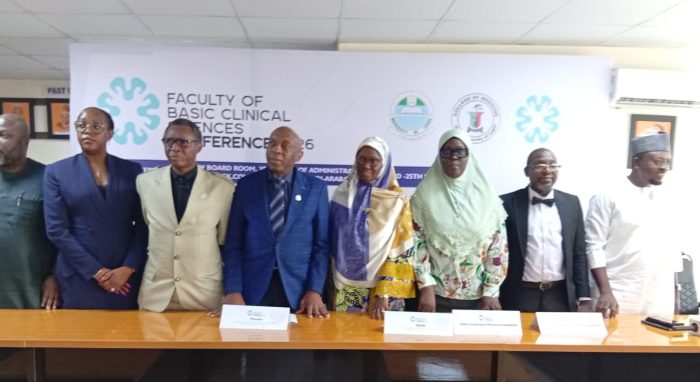
Chairman of Pharma West Africa, Pharm. Ahmed Yakasai, set the tone with a people-centred vision of the industry’s responsibility, framing the gathering not merely as a policy dialogue but as a moral and developmental imperative. “Pharma West Africa is about the mother who deserves the best healthcare. It is about the child who deserves a bright future through quality and affordable healthcare,” he said, drawing attention to the human consequences of systemic gaps in medicine access.

Pharm. Ahmed Yaakasai, chairman, Pharma West Africa, addressing participants at the conference.

Highlighting what distinguishes the conference, Yakasai pointed to the breadth and depth of participation. “What makes the conference outstanding is the diversity of voices—regulators, government, policymakers,” he noted, describing the platform as a rare convergence of actors with both the authority and capacity to drive meaningful reform. He challenged stakeholders to rise above routine engagements and commit to measurable outcomes. “Let us commit to innovation and digital transformation. Let us move beyond conversation to action and implementation. Let this event be remembered as a turning point,” he said, signalling a shift from rhetoric to results.

The call for a homegrown pharmaceutical revolution was echoed by Delese Mimi Darko, Director-General of the African Medicines Agency, who stressed that regulatory strength will be central to any meaningful transformation. According to her, Africa must build systems that not only enable production but also guarantee the safety, quality, and efficacy of medicines. “Africa must work to provide quality medicines for its patients through a strong regulatory function. Coordination of efforts in ensuring cutting-edge pharmaceutical production is important,” she said. She further noted that weak regulatory alignment across countries continues to hinder scale, limit competitiveness, and slow down the continent’s journey toward pharmaceutical independence.

Similarly, President of the Pharmaceutical Society of Nigeria, Pharm. Ibrahim Tanko Ayuba, reinforced the urgency of domestic production, describing it as both an economic and public health necessity. “We must produce our own medicines to be able to attain self-sufficiency in local pharmaceutical manufacturing,” he said, calling for stronger collaboration among governments, regulators, manufacturers, and financiers. He emphasized that building local capacity would not only improve access but also create jobs, stimulate industrial growth, and enhance the region’s resilience against global shocks.

From a regulatory standpoint, the Registrar of the Pharmacy Council of Nigeria, Pharm. Ibrahim Babashehu Ahmed, represented by Dr Amina Omar, director of Inspection, Monitoring and Quality Assurance, underscored the timeliness of the conference theme in light of current realities. “This year’s theme deeply resonates with the current needs of our region. We recognisae the pivotal role the pharmaceutical industry plays in healthcare across Africa,” she said, noting that strengthening regulatory oversight, ensuring compliance with quality standards, and supporting local manufacturers are critical steps toward achieving sustainable progress.

Beyond the speeches, a recurring theme across panel discussions and technical sessions has been the need to rethink the entire pharmaceutical value chain—from raw material sourcing and manufacturing to distribution, regulation, and last-mile delivery. Participants highlighted the importance of backward integration, investment in active pharmaceutical ingredient (API) production, and the deployment of digital technologies to improve transparency, traceability, and efficiency across the supply chain.

There is also growing recognition that no single country can achieve pharmaceutical self-sufficiency in isolation. Regional collaboration, harmonised regulations, pooled procurement mechanisms, and cross-border partnerships are increasingly being seen as essential components of a viable strategy. In this regard, the conference is serving as a platform not just for dialogue but for aligning national ambitions with regional frameworks that can deliver scale and sustainability.

As deliberations continue, a clear consensus is emerging: the path to medicine security in West Africa lies in coordinated action, sustained investment, policy consistency, and a willingness to embrace innovation. For many participants, the conference is more than another industry gathering—it is fast becoming a rallying point for a homegrown medicines revolution that could redefine healthcare access across the region.

If the commitments voiced in Lagos are matched with concrete policies, financing, and institutional support, stakeholders believe West Africa could significantly reduce its reliance on imported medicines, strengthen its healthcare systems, and position itself as a competitive force in the global pharmaceutical value chain. More importantly, it could mark the beginning of a new era—one in which access to quality medicines is no longer a privilege dependent on external supply, but a guaranteed outcome of a resilient, self-sustaining regional industry.


Anyakora Urges Shift to Pharma Hubs for Industry Revival

0


Professor Chimezie Anyakora (middle) speaking at the conference.

As industry leaders, policymakers and stakeholders converge in Lagos for the ongoing 3rd Pharma West Africa Conference, attention has turned to the future of pharmaceutical manufacturing in Africa. Professor Chimezie Anyakora, CEO of Bloom Public Health and a foremost thought leader in the Nigerian pharmaceutical manufacturing landscape, has called for the establishment of integrated pharmaceutical manufacturing hubs as a strategic pathway to reposition Nigeria and Africa within the global health supply chain.

Speaking during a keynote address on “Building Regional Manufacturing Hubs and Incentives for Local Production”, Anyakora introduced the concept of “Pharmacity,” a purpose-built pharmaceutical industrial estate designed to accommodate between 20 and 50 companies of varying sizes. He explained that the model is anchored on shared infrastructure and services, bringing together manufacturers, regulatory authorities, service providers, and technical support organisations within a coordinated ecosystem aimed at improving efficiency and lowering production costs.

According to him, such hubs would unify a wide spectrum of stakeholders, including pharmaceutical manufacturers across scales, packaging and support industries, regulatory and quality assurance bodies, utilities and infrastructure providers, warehousing and logistics operators, research and academic institutions, as well as financing partners and professional service firms. He noted that this integrated structure is critical for fostering innovation, ensuring compliance with quality standards, and supporting long-term industrial growth.

In a separate interview with Pharmanewso line on the sidelines of the conference, Anyakora provided further insight into the evolving pharmaceutical landscape, noting, “over the past two decades, Nigeria’s pharmaceutical industry has grown significantly in its readiness to tackle challenges, particularly those relating to local manufacturing capacity.” He observed that political will across Nigeria and other African countries is increasingly aligning with the need to close gaps in domestic production.

Referencing recent data shared by the Director-General of the National Agency for Food and Drug Administration and Control,(NAFDAC) he said Nigeria’s current balance of producing about half of its medicines while importing the rest signals gradual progress toward self-sufficiency. According to him, “achieving full local manufacturing capacity will depend on building the right workforce, strengthening government incentives, creating a supportive production ecosystem, and ensuring access to markets.”

Anyakora also linked persistent issues such as drug counterfeiting to weaknesses within the pharmaceutical supply chain, stressing that integrated manufacturing hubs could help close critical gaps, including inefficiencies in the movement of medicines from ports to distribution points across the country.

He further highlighted the role of Bloom Public Health in advancing Africa’s health sovereignty agenda, noting that the organisation has continued to champion self-sufficiency in pharmaceutical manufacturing across the continent. He cited recent engagements in Geneva, Switzerland, where Bloom expanded its global footprint, and in Lyon, France, where it participated in the One Health forum, as part of broader efforts to position Africa as an active contributor to global health innovation.

Anyakora stressed that the conversation around local pharmaceutical manufacturing has become urgent, given Africa’s continued reliance on imported medicines. He pointed out that recent global disruptions, including the COVID-19 pandemic, foreign exchange instability, and supply chain shortages, have exposed significant vulnerabilities in the continent’s healthcare systems. High production costs, he added, have also constrained the competitiveness of local manufacturers, leaving them at a disadvantage against imported products.

He argued that the African Continental Free Trade Area presents a unique opportunity for Nigeria to emerge as a regional manufacturing and export hub, but warned that this potential cannot be realised without a shift away from the current model of stand-alone factories. In his view, individual manufacturers are burdened by the full cost of land acquisition, utilities, waste management systems, laboratories, and compliance infrastructure, resulting in duplicated investments, high operating expenses, and reduced profit margins.

The proposed manufacturing hub model, he explained, addresses these inefficiencies by providing shared access to critical infrastructure such as power, water, waste management systems, warehousing, and logistics. It also enables the establishment of shared quality control and analytical laboratories, while creating opportunities for research, development, and innovation. Importantly, the hubs would facilitate compliance with Good Manufacturing Practices and improve access to regulators and technical service providers, while laying the groundwork for future local production of active pharmaceutical ingredients and excipients.

Anyakora outlined the broader strategic impact of such hubs, noting that they would significantly reduce dependence on imported medicines, improve the affordability of quality-assured drugs for Nigerians, and strengthen indigenous manufacturing capacity. He added that the model would generate employment, enhance public health security, and build resilience within the pharmaceutical supply chain, ultimately positioning Nigeria as a leading manufacturing hub in Africa.

To unlock these benefits, he called for a coordinated package of incentives to support local production. These include tax holidays and pioneer status for pharmaceutical investments, duty waivers on equipment and essential inputs, and preferential access to foreign exchange for raw materials such as APIs and excipients. He also advocated concessional financing, streamlined regulatory processes through a single-window system, and procurement policies that prioritise locally manufactured, quality-assured medicines.

In closing, Anyakora urged policymakers, industry stakeholders, and investors to move decisively from fragmented manufacturing structures to integrated hubs. He emphasised the need to align industrial policy with health security objectives and investment frameworks, while building ecosystems that seamlessly connect manufacturing, regulation, quality assurance, innovation, and trade.

His message was clear: without deliberate structural reforms and targeted incentives, Nigeria risks missing a pivotal opportunity to transform its pharmaceutical sector and secure its place in Africa’s evolving industrial landscape.


NHF Unveils Heart Mark Campaign to Combat Rising Heart Diseases

0


L-R: Ms Timi Edwin’s, founder, Crimson Bow Sickle cell initiative; Mrs Amaka Okwesilieze, Nutrition Society of Nigeria; Mr Keppy Epeyong, Nollywood actor,  Dr Kingsley Akinroye, executive director, Nigerian Heart Foundation; Mrs Ethel Chima-Nwogwugwu,  Diabetes and Limb salvage foundation; Mr Akin Jimoh, NCD Alliance, Dr Harjinder Modi Head Quality Assurance, Dufil (Power Oil), Mr Michael Uchunor,  Michael Francisca foundation for stroke survivors; Miss Esther Babatunde registered nurse and public health nurse.

The Nigerian Heart Foundation (NHF) will host a national summit to launch its Heart Mark Logo Campaign, a major initiative aimed at addressing the growing burden of cardiovascular diseases (CVDs) in Nigeria through the promotion of healthier dietary choices.

The summit is designed to deepen public understanding of heart diseases, widely recognised as a leading cause of death, and to promote simple, preventive lifestyle measures, particularly improved nutrition.

Speaking ahead of the summit, NHF Executive Director, Dr Kingsley Akinroye, said the initiative is a critical step toward empowering Nigerians to take control of their heart health.

“Cardiovascular diseases are on the rise in Nigeria, and unhealthy diets remain a major driver. The Heart Mark Logo provides a simple, reliable guide to help consumers make healthier food choices at a glance,” he said.

The NHF Heart Mark Food Labelling Programme, established in 2003 in partnership with the National Agency for Food and Drug Administration and Control (NAFDAC), has over the years supported consumers in identifying healthier food options.

Under the programme, only products that have received NAFDAC approval are further evaluated using scientifically defined nutritional criteria, including levels of cholesterol, saturated fats, trans fats, sodium, sugar, fibre, and potassium, before they are endorsed with the Heart Mark Logo.

Director-General of NAFDAC, Prof. Mojisola Adeyeye, described the collaboration as a strategic tool in advancing national public health goals.

“Our partnership with NHF underscores our shared commitment to reducing the burden of non-communicable diseases through improved food regulation, consumer education, and industry accountability,” she said.

She noted that the Memorandum of Understanding (MoU) signed between both organisations in August 2024 would further strengthen joint efforts in research, training, advocacy, and implementation of nutrition-focused interventions.

The NHF Heart Mark Programme aligns with global best practices, similar to initiatives implemented by heart foundations in countries such as South Africa, the United States, Finland, and New Zealand, where front-of-pack labelling systems guide consumers toward healthier food choices.

Currently covering eight food categories, including vegetable oils, milk, and packaged water—the programme also encourages food manufacturers to reformulate products and improve nutritional quality.

With Nigeria’s average daily salt intake estimated at 10 grams per person—double the recommended maximum of 5 grams, the initiative supports national targets to reduce salt consumption by 30 percent by 2030.

The summit comes at a time when non-communicable diseases, including diabetes and cancer, are rising rapidly, with unhealthy diets identified as a major shared risk factor. Other activities include advocacy visits to relevant Government Ministries/agencies and major Stakeholders in Food and Food Safety Industry.

In addition, NHF will embark on market sensitisation drives on the Heart Mark logo in Lagos and Abuja. NHF emphasised that the Heart Mark Logo is a practical tool for prevention, urging consumers to look out for the symbol when making food choices, while calling on food manufacturers to participate in the programme.

“This is not just a logo; it is a public health intervention designed to save lives. We urge all stakeholders—government, industry, and consumers, to support this initiative,” the NHF President, Professor Osaretin Odia added.

Stakeholders expected at the summit include policymakers, healthcare professionals, regulatory agencies, food industry operators, and consumer advocacy groups.


Why Underwear Hygiene Matters

0


There is this touching story about a young woman (let’s call her Rita). Her mother often advised her on the importance of wearing clean underwear, but she did not take it seriously, thinking that since underwear is hidden, it is not so important. She eventually learned the hard way.

One day, Rita attended an interview for a youth empowerment programme. She appeared neat and well-dressed, with clean clothes and a touch of perfume. However, she had paid little attention to her underwear. What she did not realise was that perfume can sometimes make bad odours stronger rather than hide them.

After the interview, she was discreetly called aside and informed that there was an offensive smell coming from her. Although the matter was handled politely, the experience left her embarrassed and unsettled. Despite her outward appearance, poor underwear hygiene undermined her overall presentation.

A common but costly habit

Rita’s experience illustrates a simple but often overlooked reality of life. A person may wear clean clothes, yet unclean underwear can undo everything. Underwear refers to garments worn directly against the skin beneath outer clothing, including items such as briefs, boxers, panties, bras, vests, camisoles, and slips. These garments play an important role in absorbing sweat and bodily secretions, reducing friction, maintaining comfort, and promoting modesty.

Because underwear is in direct contact with the body, it absorbs sweat and bodily secretions more readily than outer garments and can retain odour more strongly. Despite this, many people do not give it the attention it deserves. Some men, for instance, do not consider it necessary to change their underwear daily, assuming that it remains clean since it is not visible. This assumption overlooks the health implications associated with repeated use.

Similarly, some women wear underwear for extended periods without changing, even after bathing. Others may assume that only certain items require frequent changing, while neglecting others such as bras. These habits can lead to discomfort, irritation, and itching. In public settings, signs of unease may sometimes be linked to such hygiene practices. Over time, the build-up of moisture and bacteria increases the risk of infection.

Awareness is critical

Good hygiene habits are best developed from childhood. Children should be taught how to care for their underwear properly and how often it should be changed. Many young people lack this guidance, which can affect their habits later in life. Establishing simple routines, such as washing underwear daily rather than allowing it to accumulate, can help build lasting discipline. This responsibility should apply equally to both boys and girls, as hygiene education is often directed more towards girls while boys are overlooked.

Inadequate cleaning after using the toilet can also contribute to the problem. Residues of sweat, urine, or discharge may remain and accumulate in underwear, leading to unpleasant odour. Raising awareness about these issues is an important step towards encouraging better hygiene practices.

Care, comfort and health implications

Underwear hygiene is closely linked to overall health. Experts recommend that underwear should not be worn for more than 24 hours, as extended use allows bacteria to accumulate due to sweat and bodily secretions.

For women, poor hygiene may disrupt the natural vaginal environment and lead to conditions such as bacterial vaginosis. For both men and women, it may result in rashes, yeast infections, skin irritation, and, in some cases, reduced sperm quality.

Proper care is therefore essential. Underwear should be changed daily and immediately after activities such as exercise. It should be washed with mild soap to avoid irritation, as harsh detergents may leave residues that affect sensitive skin. Ironing after drying can also help reduce the presence of germs.

The choice of fabric is another factor to consider. Breathable materials such as cotton are generally recommended because they provide better comfort and absorb moisture effectively. Fabrics that trap heat and moisture can create conditions that encourage the growth of bacteria. Underwear should also be replaced regularly, usually every six months to one year, depending on its condition, as worn-out items may no longer provide adequate hygiene.

Ultimately, underwear hygiene is not only about appearance, but also about maintaining good health, preserving comfort, and sustaining confidence in everyday life.

Why You Should Take Care of your Kidneys

0

Kidney disease is preventable in many cases and manageable when detected early. For healthcare providers, kidney care must be integrated into daily practice: reviewing prescriptions carefully, educating patients consistently, and advocating preventive care.

Small lifestyle decisions today (less salt, better hydration, controlled blood pressure) can determine whether your kidneys serve you for a lifetime.

Functions of the kidney

Understanding the kidney’s role is essential for preventing disease and improving long-term health outcomes. Each kidney contains about one million nephrons. Nephrons are the functional filtration units responsible for maintaining internal balance (homeostasis). The kidneys perform several life-sustaining functions:

  1. Filtration and waste removal: The kidneys filter approximately 180 litters of blood daily, removing metabolic waste products such as urea, creatinine, uric acid, and drug metabolites. These wastes are excreted in urine.
  2. Fluid and electrolyte balance: They regulate sodium, potassium, calcium, phosphate, and water levels in the body. Even slight imbalances, particularly in potassium, can lead to life-threatening cardiac arrhythmias.
  3. Blood pressure regulation: Through the renin-angiotensin-aldosterone system (RAAS), the kidneys regulate blood pressure. Poor kidney function can both cause and worsen hypertension.
  4. Acid–base balance: The kidneys maintain normal blood pH by excreting hydrogen ions and reabsorbing bicarbonate. When kidney function declines, metabolic acidosis can develop.
  5. Hormonal Functions: The kidneys produce:

Erythropoietin (EPO) – stimulates red blood cell production

Renin – regulates blood pressure

Calcitriol (active vitamin D) – supports calcium absorption and bone health

When kidney disease develops, patients may experience anaemia, bone disease, and uncontrolled hypertension due to reduced hormone production.

Some common kidney diseases

  1. Chronic kidney disease (CKD): This is a progressive decline in kidney function lasting more than three months. The most common causes are: Hypertension, Diabetes mellitus, Glomerulonephritis, Polycystic kidney disease

CKD is staged based on estimated glomerular filtration rate (eGFR). Early stages are often asymptomatic, making screening critical.


  1. Acute kidney injury (AKI): This is a sudden decline in kidney function, often triggered by: Severe dehydration, Sepsis, Drug toxicity (e.g., NSAIDs, aminoglycosides, contrast agents) and Obstructive uropathy. Prompt identification can prevent permanent damage.
  2. Nephrotic and nephritic syndromes: These conditions arise from glomerular damage. Nephrotic syndrome is characterised by heavy proteinuria, edema, and hypoalbuminemia. Nephritic syndrome presents with haematuria, hypertension, and reduced urine output.
  3. Kidney stones: Formed from crystallised minerals such as calcium oxalate, kidney stones can cause severe flank pain and urinary obstruction.
  4. End-stage renal disease (ESRD): When kidney function declines to less than 15 per cent of normal capacity, patients require dialysis or kidney transplantation to survive.

Risk Factors that threaten kidney health include:

Uncontrolled hypertension

Poorly managed diabetes

Obesity

Smoking

Excessive salt intake

Chronic use of nephrotoxic drugs

Family history of kidney disease.

In many African settings, late presentation is common due to limited screening and low awareness.


How to care for the kidneys

  1. Control blood pressure and blood sugar: Maintaining target BP (<130/80 mmHg for many patients with chronic kidney disease) and optimal glycaemic control significantly reduces the risk of progression.
  2. Stay hydrated: Adequate water intake supports kidney filtration and helps prevent kidney stones. However, fluid intake should be individualised in patients with heart failure or advanced chronic kidney disease.
  3. Use medications responsibly: Avoid indiscriminate use of NSAIDs and herbal remedies. Many over-the-counter and traditional products can cause kidney damage.
  4. Reduce salt intake: High sodium intake contributes to hypertension and fluid retention. WHO recommends less than 5g of salt per day.
  5. Maintain a healthy weight: Obesity increases risk of diabetes and hypertension, which are both major drivers of CKD.
  6. Avoid smoking: Smoking accelerates kidney function decline and increases cardiovascular risk.
  7. Screen regularly: At-risk individuals should have:

Serum creatinine and eGFR

Urinalysis for proteinuria

Blood pressure monitoring

Note: Early detection dramatically improves outcomes.

Role of healthcare providers

In Nigeria, community pharmacies are often the first and most accessible healthcare touchpoints.

Medication review and renal dosing: Pharmacists should routinely assess renal function where possible and recommend appropriate dose adjustments.

  1. Patient counselling: Clear counselling should include:

Avoiding excessive NSAID use

Adhering strictly to antihypertensive and antidiabetic medications

Recognising warning signs (reduced urine output, swelling, frothy urine, persistent fatigue)

Encouraging routine screening

Lifestyle education: Pharmacists can reinforce advice on salt reduction, hydration, weight management, and smoking cessation.

Early referral: When red flags are identified, like persistent proteinuria, rising creatinine, uncontrolled BP, prompt referral to a physician or nephrologist is essential.

Advocacy and awareness: Healthcare providers can participate in community outreach programs, especially around initiatives such as World Kidney Day, to drive early detection campaigns.

The clinical impact of kidney disease

Kidney disease, quite often, amplifies cardiovascular risk. Patients with CKD are more likely to die from cardiovascular complications than from kidney failure itself.

Additionally, impaired renal function alters drug pharmacokinetics. Reduced clearance can lead to drug accumulation and toxicity. Medications such as metformin, certain antibiotics, anticoagulants, and opioids require dose adjustments based on renal function.

For pharmacists and prescribers, calculating creatinine clearance or eGFR before dispensing certain medications is critical to patient safety. If you have hypertension or diabetes, you are automatically at higher risk; regular kidney checks should not be optional. Also, seek medical advice if you notice:

Persistent swelling of feet or face

Foamy urine

Blood in urine

Fatigue or weakness

Changes in urination pattern.

By Pharm. (Dr) Onyinye Bridget Chiekwe, PharmD, MScPH, ABMP

pharmbree25@gmail.com

Nigeria Must Refocus Healthcare on Prevention, Diagnostics — Expert

0
Dr Olumuyiwa Olusanya


A healthcare management professional, Dr Olumuyiwa Olusanya, has called for an urgent shift in Nigeria’s healthcare system towards prioritising diagnostics and preventive care, warning that the current approach of treating illnesses only after they occur is inefficient and costly.

Olusanya, a member of the International Society for Pharmacoeconomics and Outcomes Research, made the call at a webinar recently organised by SYNLAB.

Speaking on the topic “Financing Beyond Treatment: Covering Prevention, Diagnostics and Continuity of Care,” he lamented that healthcare in Nigeria and across Africa has long been centred on treatment rather than early detection and prevention.

“For a long time, healthcare financing in Nigeria, and indeed Africa, has been synonymous with paying for treatment after people have fallen ill. Today, we must reimagine a system where we finance the full spectrum of care, from prevention to treatment,” he said.

Olusanya, who is the managing partner, founder and chief executive officer of Insignia Health, emphasised that diagnostics remain central to effective healthcare delivery. He cited the World Health Organisation (WHO), which estimates that about 65 per cent of all clinical decisions are based on diagnostic results.

“That means that, to practise evidence-based medicine effectively, significant investment must be made in diagnostics to determine the appropriate treatment for patients,” he said.

Despite this, he noted that diagnostics and preventive care are not adequately integrated into Nigeria’s healthcare system or financing structures.

“We need to ask ourselves whether prevention and diagnostics are embedded in our healthcare financing. That is critical. Most benefit packages, whether social or private, are heavily treatment-focused, with little emphasis on prevention,” he added.

The healthcare management expert explained that this gap often leads to late detection of diseases, significantly increasing the cost and complexity of treatment.

Highlighting the economics of early detection, he noted that conditions such as breast cancer, diabetes, hypertension, and cervical cancer become far more expensive to manage when diagnosed late.

“When you look at the data, you see how costs escalate to catastrophic levels without early detection. For breast cancer, costs can rise by as much as 8.5 times; diabetes, about six times; hypertension, five times; and cervical cancer, nearly ten times,” he said.

According to him, integrating preventive care and diagnostics into healthcare systems would not only improve health outcomes but also reduce the long-term financial burden on individuals and the healthcare system.

“We need to incorporate preventive health checks and diagnostic testing into healthcare financing packages, whether through private or social health insurance,” he said.

Olusanya further advocated mandatory screenings and structured diagnostic packages within health plans, including age- and gender-specific tests.

“One way to achieve this is to ensure that mandatory health screenings and diagnostic packages are built into insurance plans. Annual screenings and targeted diagnostics should form part of standard entitlements,” he added.

He also proposed that a portion of health insurance premiums be specifically allocated to diagnostics and prevention.

“We can ring-fence about 15 to 20 per cent of premiums to fund preventive care through diagnostics,” he said, adding that incentives could be introduced to encourage compliance.

“We can offer lower premiums for high screening compliance, encouraging people to undertake annual medical checks and manage their health risks proactively,” the expert said.

He stressed that diagnostic service providers also have a critical role to play in strengthening preventive care.

“Diagnostics providers must develop affordable screening packages in partnership with health schemes and expand access to testing at the community level,” he said.

Olusanya also highlighted the importance of continuity of care, noting that preventive efforts must extend beyond initial screening to include follow-up and monitoring.

“We must ensure post-treatment monitoring, diagnostic surveillance, and compliance tracking. This is particularly important for chronic conditions such as hypertension and diabetes,” he said.

He, however, observed that Nigeria’s broader healthcare financing system remains weak, with over 70 per cent of healthcare expenditure funded out-of-pocket and fewer than 10 per cent of Nigerians covered by any form of health insurance under the National Health Insurance Authority.

He added that fragmented financing across federal, state, and local levels further limits efficiency and the integration of preventive care.

“There is no uniformity. Funds are fragmented, and schemes operate in silos. This is not helping the system,” he said.

While acknowledging provisions in the National Health Insurance Act, Olusanya said enforcement remains weak and must be strengthened to expand coverage and integrate preventive services more effectively.

He reiterated that Nigeria must deliberately shift its focus towards diagnostics and prevention as part of broader healthcare reform.

“Prevention and diagnostics are not costs; they are investments. If we embed them properly into our healthcare system and financing models, we will reduce catastrophic health spending and improve outcomes for Nigerians,” he said.

Which functional group is most susceptible to hydrolysis in drug metabolism?

5

PANS QUIZ

Which functional group is most susceptible to hydrolysis in drug metabolism?

A. Alkane

B. Ester

C. Ether

D. Aromatic ring


According to the Biopharmaceutics Classification System (BCS), Class II drugs are:

A. High solubility, high permeability

B. Low solubility, high permeability

C. High solubility, low permeability

D. Low solubility, low permeability

FG, Ogun Commission Sam Pharma CGMP Factory, Promote Local Manufacturing

0
Ogun State Deputy Governor, Engr. Noimot Salako-Oyedele (middle) performing the ribbon cutting ceremony of the Sam Pharma factory commissioning in Ota on Wednesday. She is being flanked by the minister of state for health, Dr Iziak Salako-Oyedele (left), DG NAFDAC, Prof. Mojisola Adeyeye (right) and other top dignitaries

The Deputy Governor of Ogun State, Engineer Noimot Salako-Oyedele, on Wednesday, led the Federal Government delegation to commission a state-of-the-art Current Good Manufacturing Practice (CGMP) pharmaceutical factory built by Sam Pharmaceutical Limited in Ota, a move considered to have reaffirmed the commitment to strengthening local drug manufacturing and reducing dependence on imports.

Salako-Oyedele, who performed the ribbon-cutting ceremony described the project as a major milestone for industrial development, healthcare delivery and job creation in the state and boost to the Nigeria economy.

“This event is not just the commissioning of a pharmaceutical factory, but a celebration of innovation, industrial growth, job creation and healthcare advancement”, the deputy governor said.

She noted that the investment underscores Ogun State’s position as Nigeria’s industrial hub and a preferred destination for pharmaceutical and healthcare investments, adding that the government would continue to provide an enabling environment through improved infrastructure, favourable policies and strategic partnerships.

L-R: DG NAFDAC, Prof. Mojisola Adeyeye, Chairman Sam Pharma, Mr Amit Bhojwani; Ogun State Deputy Governor, Engr. Noimot Salako-Oyedele and the Minister of State for Health, Dr Iziaq Salako at the Sam Pharma factory launch in Ota.

The Deputy Governor added that the facility would boost access to quality medicines, create employment opportunities and stimulate economic activities within the Ota axis and beyond.

Also speaking, the Minister of State for Health and Social Welfare, Dr Iziak Adekunle Salako, said the project aligns with the Federal Government’s drive to expand domestic pharmaceutical production under President Bola Ahmed Tinubu.

He described the factory as a critical step toward achieving medicine security, noting that global disruptions, including the COVID-19 pandemic, had exposed the risks of over-reliance on imported drugs.

He said “the importance of today’s event cannot be overemphasised, especially at this time of our renewed commitment to unlock the healthcare value chain and ensure medicine sovereignty”.

According to him, government initiatives such as the Presidential Initiative to Unlock the Healthcare Value Chain PVAC and executive orders on the pharmaceutical sector are already incentivising local manufacturing, with dozens of companies benefiting from the policy support.

“Let me once again appreciate Sam Pharmaceutical and the Pharmaceutical Manufacturers Group of the Manufacturing Association of Nigeria, PMGMAN, for the collaboration and for rising up to the talent of Mr President to increase our local pharmaceutical production. Let us remember that the average Nigerian patient must be at the center of all the progress we make. We must therefore ensure that government waiver and exemptions translate into pricing relief for the people”, Dr Salako said.

Earlier in his opening remark, the Chairman of Sam Pharmaceutical, Mr Amit Bhojwani, said the new facility reflects the company’s commitment to quality, innovation and global standards. He noted that the CGMP plant has been built to the most rigorous international specifications, stressing that the company spared no expense because Nigerians deserve nothing but the best.

He disclosed that the plant has an installed capacity of over 400 million tablets, 50 million capsules, two million bottles and one million pouches monthly, describing it as the first phase of a broader expansion drive.

The Sam pharma chairman said “our new facility sets us amongst the highest tier of the pharmaceutical sector and positions us as a major manufacturer in the branded genetic space. With an installed capacity of over 400 million tablets, 50 million capsules, 2 million bottles, and 1 million pouches per month, let me be clear, this is only Phase 1 of our Otta project. Expansion lines are already well underway as we speak. We are not just growing, we are scaling at pace. Sam pharmaceutical is not just a corporate body, it truly is a family.

Bhojwani added that the company, which is celebrating 55 years of operations, is poised to scale up production and contribute significantly to Nigeria’s pharmaceutical manufacturing ecosystem, even as he commended the president Bola Tinubu led administration for supporting and pushing the healthcare segment through programs such as the Presidential Executive Order, and the PVAC initiative.

In her remark, the Director-General of the National Agency for Food and Drug Administration and Control (NAFDAC), Professor Mojisola Adeyeye, said ongoing reforms have improved standards and boosted confidence in locally manufactured medicines in Nigeria.

She noted that policies such as the “5+5” directive have encouraged a shift from importation to local production, leading to increased capacity utilisation and reduced dependence on foreign drugs.

“Without medicine security, you cannot have health security,” she said, adding that Nigeria is advancing towards higher global regulatory ratings that would enable locally produced medicines to compete internationally.

Also speaking at the event, the National Coordinator of the Presidential Initiative for Unlocking the Healthcare Value Chain, Abdu Mukhtar, said the commissioning reflects growing momentum in the sector, driven by deliberate policies and private sector investments.

He disclosed that several pharmaceutical manufacturing projects are underway nationwide, supported by funding initiatives, procurement reforms and incentives aimed at lowering costs and improving access.

Many practitioners and pharma Industry stakeholders who attended the event also commended the Sam Pharma for the feat. The Chairman of Fidson Healthcare Plc, Dr Fidelis Ayebae, said recent policy reforms have significantly expanded the pharma sector, with local production accounting for an increasing share of national demand.

Similarly, the President of the Pharmaceutical Society of Nigeria, Pharm. Tanko Ayuba, praised the company’s consistency and contributions to the industry, describing its 55-year journey as a testament to resilience and quality.

The Registrar of the Pharmacy Council of Nigeria, Pharm. Ibrahim Babashehu Ahmed, confirmed that the Sam pharma factory had been duly inspected, certified and licensed, noting that the company has maintained regulatory compliance over the years.

In his remarks, the Consul General of India in Lagos, Kannan Chokalingam, described the project as a symbol of deepening collaboration between India and Nigeria in pharmaceutical manufacturing, stating that India will continue to work with Nigeria to achieve a robust pharma industry.

Other notable personalities at the event are the Olota of ota, His Majesty, Oba Professor Adeyemi Abdukabir Obalanlege; the former Governor of Ekiti State, and former Minister of Industry, Trade and Investment, Otunba Adeniyi Adebayo, commissioners of health, Ogun and Oyo states, House of Representative member representing Ado-Odo/Ota Federal Constituency of Ogun State, Hon. Akinosi Olatunji Akanni; Chief Medical Directors (CMDs) of many hospitals and many other top dignitaries.


PCN Registrar, Ibrahim Ahmed, Secures Tenure Renewal

0


Pharm.Ibrahim Babashehu Ahmed

The Registrar and Chief Executive Officer of the Pharmacy Council of Nigeria (PCN), Pharm. Ibrahim Babashehu Ahmed, has received a renewal of his appointment, following approval by the Coordinating Minister of Health and Social Welfare, Muhammad Ali Pate.

The announcement was made on Friday, 10 April, 2026, during the launch of the Electronic Pharmacy (E-Pharmacy) Regulations 2026 at the conference room of the Federal Ministry of Health Nigeria in Abuja.

According to the Council, the renewal reflects the significant milestones and reforms recorded under Ahmed’s leadership since his initial appointment in 2022.

The PCN noted that his tenure has been marked by strides aimed at strengthening pharmaceutical regulation and advancing the practice of pharmacy in Nigeria.

The Council also expressed appreciation to President Bola Ahmed Tinubu and the Coordinating Minister for the confidence reposed in the registrar.

Congratulating Ahmed on his renewed mandate, the PCN described the development as well-deserved and expressed optimism that his second term would further consolidate ongoing reforms and drive greater achievements in the sector.

Ahmed will continue to lead the regulatory body responsible for overseeing pharmacy education, training, and practice in Nigeria.


Which drug is most likely to cause reflex tachycardia?

9

PANS QUIZ

Which drug is most likely to cause reflex tachycardia?

A. Propranolol
B. Phenylephrine
C. Atropine
D. Clonidine

Which antibiotic inhibits cell wall synthesis by binding to D-Ala-D-Ala termini?

A. Ciprofloxacin
B. Vancomycin
C. Azithromycin
D. Tetracycline

Kunle Odunsi: Physician-Scientist Leading the Immunotherapy Revolution against Cancer

0


Prof. Kunle Odunsi

Within the past two decades, one of the most remarkable advances in modern medicine has been the rise of cancer immunotherapy, which offers more precise and potentially curative treatment for many patients. Unlike conventional therapies such as chemotherapy or radiation, immunotherapy stimulates the body’s own defence mechanisms to identify and eliminate cancer cells. Prominent among the scientists driving this revolution is Nigerian-born Professor Adekunle Odunsi, whose pioneering work in ovarian cancer immunotherapy has made him a global authority in contemporary cancer research.

Through decades of meticulous investigation, clinical innovation and institutional leadership, Odunsi has contributed to some of the pivotal breakthroughs in understanding how the immune system interacts with cancer. He has notably  led the development of antigen-specific vaccine therapy and “next-generation” adoptive T-cell immunotherapies to prolong remission rates in women with ovarian cancer.

The renowned gynaecologic oncologist currently holds one of the most influential positions in modern oncology as director of the University of Chicago Medicine Comprehensive Cancer Centre (UCCCC), which treats more than 7,500 new cancer patients annually. Quite significantly, he is only the second Black director in the more than fifty-year history of the elite cancer research and treatment centre.

Odunsi is also the AbbVie Foundation distinguished service professor of Cancer Immunology, as well as dean for Oncology in the Biological Sciences Division of UCCCC. From these vantage positions, he oversees the centre’s research, clinical care, education and community missions. His reviews and publications are widely cited in oncology and immunotherapy across the globe.

Foundations of excellence

Born in Nigeria in the early 1960s, Prof. Odunsi’s journey into cancer research and immunotherapy began during his medical training at the then University of Ife (now Obafemi Awolowo University, Ile-Ife). An elective course in immunology left a life-changing impression on him.  “I was struck by the idea that our own immune cells could tell what belonged and what didn’t,” he recalls.

After obtaining his medical degree in 1984, he proceeded to the United Kingdom, where he completed his clinical training in Obstetrics and Gynaecology at the Rosie Maternity Hospital and Addenbrooke’s Hospital, University of Cambridge. This qualified him as a Member (and later Fellow) of the Royal College of Obstetricians and Gynaecologists (FRCOG).

He subsequently earned his doctorate in Immunogenetics at the Imperial Cancer Research Fund Laboratories, MRC Weatherall Institute of Molecular Medicine, John Radcliffe Hospital, Oxford. This laid the groundwork for his later expertise in tumour immunology and immunotherapy.

After completing his UK training, Odunsi moved to the United States to pursue American board certification. He undertook a full four-year residency in Obstetrics and Gynaecology at Yale University School of Medicine / Yale New Haven Hospital in New Haven, Connecticut. He then completed a specialised fellowship in Gynaecologic Oncology at Roswell Park Comprehensive Cancer Centre in Buffalo, New York.

He joined the Roswell Park faculty in 2001 and built much of his early career in tumour immunology and immunotherapy there. While overseeing major scientific programmes, he served as head of the Department of Gynaecologic Oncology, the M. Steven Piver professor of gynaecologic oncology, and executive director of the Centre for Immunotherapy at the Buffalo cancer centre before moving to the University of Chicago in 2021.

Finding a new way to fight cancer

From the time he began working with patients suffering from gynaecologic cancers, Odunsi became deeply troubled by a pattern he repeatedly observed in ovarian cancer: treatment would appear successful, only for the disease to return months later, often more aggressive than before.

This experience forced him to confront the limitations of conventional therapies. Surgery and chemotherapy could remove visible tumours, but they often failed to eliminate microscopic disease. The question that began to occupy his mind was whether the immune system could be trained to recognise cancer cells as abnormal and destroy them before relapse occurred.

This question led him into immunotherapy. He was, however, confronted with an initial challenge. Since cancer cells originate from the body’s own tissues, they often escape immune detection. Undeterred, Odunsi continued his work until he eventually made a major breakthrough through the study of tumour antigens (molecular markers that allow immune cells to distinguish abnormal tissue from healthy cells.) Working with collaborators, he helped identify a particularly important antigen known as NY-ESO-1, a protein expressed in many cancers but absent from most normal tissues.

This discovery proved crucial because NY-ESO-1 is largely confined to malignant cells, making it a suitable target for immunotherapy with minimal risk of damaging healthy organs. Odunsi’s team began developing vaccines designed to stimulate the immune system to recognise this antigen in ovarian cancer patients. Early trials showed that such vaccines could generate measurable immune responses and, in some cases, prolong remission.

Their investigations further showed that antigen expression could be controlled by DNA methylation, a chemical process that regulates gene activity. By using drugs that reverse this process, the researchers were able to restore antigen expression in cancer cells, making them visible once again to immune attack. This insight opened new possibilities for combination therapies designed to strengthen the effectiveness of immunotherapy.

Engineering advanced immune responses

Another challenge encountered by Odunsi was the limited lifespan of engineered immune cells. In adoptive T-cell therapy, immune cells are modified in the laboratory to recognise cancer and then returned to the patient’s body. While promising, these cells often disappear within weeks, reducing the durability of the response.

Odunsi’s research group developed innovative strategies to address this problem. One approach involved programming stem-like cells capable of producing a continuous supply of tumour-targeting T cells after infusion. These cells were also engineered to resist the suppressive signals released by tumours, allowing them to function in the hostile environment surrounding cancer tissue.

His team has also explored the biology of tissue-resident immune cells – cells that remain at the site of disease rather than circulating through the body. By identifying the mechanisms that allow these cells to stay within the tumour micro-environment, the researchers have laid the groundwork for therapies in which engineered immune cells can maintain a sustained presence where they are needed most.

Making history at UCCCC

In March 2021, Odunsi made history by becoming only the second Black director of a National Cancer Institute-designated cancer centre – the University of Chicago Medicine Comprehensive Cancer Centre. His mandate, according to Prof. Kenneth Polonsky, then executive vice-president for Biology and Medicine at the University of Chicago and president of the UChicago Medicine health system, was to take UCCCC “to the next level of excellence among the elite cancer programmes in the country.”

True to that mandate, under Odunsi’s leadership, the institution has embarked on an ambitious programme to expand both research and patient care. A major project currently being implemented is the construction of a large cancer pavilion designed to bring together clinicians, scientists and patients in a single integrated environment. The facility is intended to support advanced diagnostics, personalised therapies, clinical trials and long-term survivorship programmes, reflecting a modern understanding of cancer as a disease that affects every aspect of life.

Alongside his administrative role, Odunsi continues to translate laboratory findings into multi-institutional immunotherapy trials, including those under the Roswell Park–University of Chicago Specialised Programme of Research Excellence (SPORE) in Ovarian Cancer, where he serves as principal investigator or co-principal investigator. His pioneering research continues to influence clinical practice, trial design and the broader field of cancer immunotherapy.

Honours, awards and international recognition

Professor Odunsi’s work in cancer immunology has attracted wide international recognition, not only for its scientific originality but also for its impact on patient care. Over the course of his career, he has received numerous honours that place him among the leading physician-scientists of the contemporary era.

One of the most significant milestones came in 2018, when he was elected to the National Academy of Medicine in the United States, one of the highest honours in global healthcare. He was recognised for identifying key mechanisms of immune suppression within the ovarian tumour micro-environment and for leading multi-institutional clinical trials that applied innovative immunotherapy strategies developed through his research.

His pioneering work in ovarian cancer immunotherapy also earned him the Rosalind Franklin Prize for Excellence in Ovarian Cancer Research, awarded by the Ovarian Cancer Research Alliance qin 2019. The award acknowledged his role in developing immune-based treatments and in expanding knowledge of how tumours evade immune attack.

Odunsi also holds several important professional fellowships that reflect his standing as both a clinician and an academic specialist in gynaecologic oncology. He is a Fellow of the Royal College of Obstetricians and Gynaecologists, the American College of Obstetricians and Gynaecologists, and the African Academy of Sciences.

Japa Worsens Healthcare Crisis: One Pharmacist Per 15,000 Nigerians- AHAPN

0


Pharm. Oyim Elechi
Pharm. Oyim Elechi

With the current pharmacist-to-patient ratio in the country estimated at one pharmacist to about 15,000 people, Nigeria risks a progressive collapse of pharmaceutical care services unless urgent structural reforms are implemented, particularly in rural areas and public tertiary institutions, the Association of Hospital and Administrative Pharmacists of Nigeria (AHAPN) has warned.

The National Chairman of AHAPN, Pharm. Oyim Elechi, in an exclusive interview with Pharmanews, lamented the widening gap in healthcare services due to the mass emigration of practitioners, commonly referred to as “japa.” He warned that unless urgent steps are taken to reverse the trend, poor health indices and high mortality rates will remain defining features of the nation’s healthcare system.

While the World Health Organisation (WHO) recommends a ratio of one pharmacist to 2,000 people, he noted with concern that Nigeria’s current reality falls far short of this benchmark, with an estimated ratio of one pharmacist to between 10,000 and 15,000 people, a situation that continues to worsen due to migration.

According to him, the migration of pharmacists has reached a critical level, with direct implications for patient safety and service delivery. To reverse the trend, AHAPN, he said, has continued to advocate aggressive workforce expansion and equitable distribution policies.

He acknowledged that the crisis did not arise in isolation, identifying the major factors driving the mass emigration of pharmacists and other healthcare professionals, including poor remuneration, unconducive working environments, inadequate modern equipment, excessive workload, and discriminatory policies within the health system, among others.

He noted that patients ultimately bear the brunt of these structural deficiencies, leading to increased medication errors, inadequate patient counselling, and weakened pharmaceutical care services.

In a bid to address the situation, he proposed both short- and long-term strategies to correct the system’s anomalies.

For immediate intervention, he recommended improved welfare packages, advocacy for hazard and call-duty allowances, and a review of the CONHESS salary structure. He also called for workforce stabilisation through engagement with the government to lift embargoes on recruitment, emergency hiring in underserved facilities, task-shifting with appropriate safeguards, and temporary redistribution of responsibilities while maintaining quality standards.
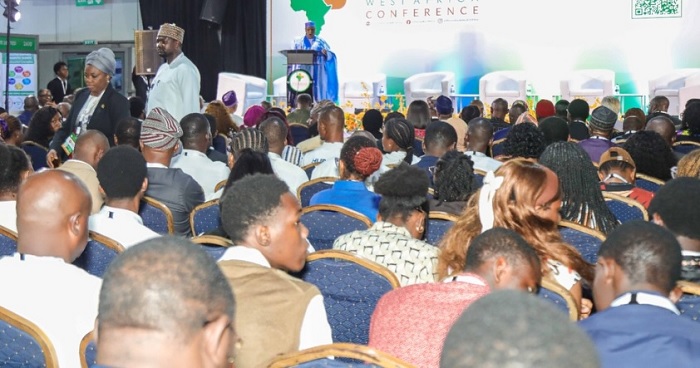
He further addressed the unresolved status of the consultant pharmacist cadre in many states, insisting that its full implementation is non-negotiable for improving pharmaceutical care outcomes. At the same time, advocacy efforts continue at both legislative and executive levels.

He identified major barriers to full implementation, including fiscal constraints, as many state governments are reluctant due to the perceived increase in wage bills.

Other factors slowing progress, he said, include policy inertia and bureaucracy, weak political will in some regions, inter-professional resistance, misconceptions about role overlap with other healthcare professionals, lack of a uniform implementation framework, and the absence of a binding national enforcement mechanism for states.

Asked about the association’s position on pharmacist consultant allowances and the four per cent call-duty allowance, he said negotiations are ongoing at various levels. However, the association has issued a 12- to 24-month ultimatum for a conclusive decision, stressing that these allowances are earned entitlements, not privileges, and are critical for motivation, retention, and recognition of clinical responsibilities.

With the Pharmacy Council of Nigeria’s transition to the PharmD as the entry-level qualification in the profession, Elechi described the change as a significant paradigm shift, with greater emphasis on clinical specialisation, patient-centred care, pharmacy subspecialties, and evidence-based research.

He assured that existing pharmacists will not be displaced but will be integrated through structured professional development pathways.

Addiction as a Public Health Crisis in Nigeria

0


Patrick Iwelunmor

I recently ran into a noisy scuffle on my way home from a social gathering. The weary voice of a woman struggling to retrieve an item concealed in a polythene bag from a young man caught my attention. I sensed her vulnerability immediately, and it became clear that the young, unkempt man was at the centre of the brouhaha.

“Uche, are you cursed?” she yelled at him, her eyes blazing with fury. Interestingly, he was the same young man I had encountered a couple of times wrapping Indian hemp in hidden corners of my community. I remember buying food for him on one occasion when he begged me for garri.

In an attempt to salvage the deteriorating situation, I asked the woman, who turned out to be his mother, to calm down and not struggle with him. As soon as she obliged, I asked the young man to hand over the bone of contention, and he did so immediately. It was a pressing iron. He had gone into their house, taken the item, and planned to sell it to feed himself. Uche’s mother became emotional as she told me, “He has been selling my properties to gratify his appetite for hard drugs.”

Uche countered his mother immediately, saying, “I want to eat. I have no money, so I thought I could sell the pressing iron to feed myself.” Luckily, the drama was unfolding almost opposite a food hawker stationed for those breaking their Ramadan fast. “Come with me. I will buy you some food,” I said as we walked to the stand. While he was eating, a popular member of our community, Star Boy (not real name), told me a sad story.

“Uche was doing well abroad before he was deported to Nigeria for reasons that are still unknown. He was always sending money and other valuables to his parents until the unfortunate happened. I think he suffered depression and, in trying to find solace, mixed with the wrong people who introduced him to drugs. Most times, he smokes all sorts of hard drugs – from kolorado to loud – from morning till evening without food. His case needs urgent attention because he is already exhibiting signs of mental instability.”

Star Boy’s account of Uche’s predicament struck a chord in my mind. It resonated with my suspicions from previous encounters. There were moments when I watched him talk to himself as he wandered around our community without a shirt, sometimes begging passersby for money.

From my personal observations, I soon realised that Uche is not the only one battling drug-induced mental breakdown. There are at least six others I later discovered facing the same problem. One of them is a bank worker who lost his job after a wrap of Indian hemp was found in his pocket.

The bigger problem is the presence of multiple street drug dealers in many communities like mine. This sad reality has made hard drugs easily accessible to youths. Some of these dealers include married women with stable families who still choose to destroy other families through drug distribution. In fact, there is a case of a wealthy family where the father, mother, and children are all involved in substance abuse. I have personally seen both father and son smoking together.

In fairness to the National Drug Law Enforcement Agency (NDLEA) and the Nigeria Police, they have raided my community several times. However, what I have observed is that these street drug dealers are often released and return to their nefarious activities. The story that usually follows is that they regain their freedom after parting with some sums of money. If this is true, then the integrity of both NDLEA and Nigeria Police personnel is at stake.

Compromising standards in enforcing laws against drug crimes should not be tolerated by governments at any level. Drug dealers pose a serious threat to social stability and security and should be punished accordingly. Many local crimes, such as theft, rape, and violent clashes, have been linked to drug abuse. This is why we must all lend our voices to the outcry against the emergence of narco-communities in Nigeria.

In Ikotun, where I reside, and in many other parts of Nigeria, the normalisation of drug abuse is not a good omen. It signals a collapse of values and responsible parenthood. It also reflects the level of moral decay in our society, where even law enforcement agents may enable drug offenders by looking the other way when money changes hands. While I hope Uche finds help, I use this medium to call on all stakeholders to think strategically in tackling this menace before more of our youths are lost.

PCN Reaffirms Commitment to Public Safety at Strategic Mid-Term Review

0


How to Start Up an Online Pharmacy in Nigeria
Pharmacists Council of Nigeria Logo

By Ifeoluwa D. Afolayan

The Pharmacy Council of Nigeria (PCN) has successfully concluded a four-day stakeholders’ engagement and mid-term review workshop for its 2024–2028 Strategic Plan. Held in Keffi from 24 to 27 March 2026, the event was organised in collaboration with the World Health Organisation (WHO) Nigeria and relevant partners.

The workshop served as a critical platform for reflection and collaboration, aimed at strengthening the regulation of pharmacy education and practice across the country. With a clear mandate to regulate pharmacy education, training, and practice, and to safeguard public health through quality pharmaceutical services, the PCN’s 2024-2028 Strategic Plan is not just an administrative roadmap – it is a national health transformation instrument.

The development of the current strategic plan was the result of an inclusive and consultative design process. It integrated insights and had multi-stakeholder consultations from technical working groups, professional bodies, development partners, and regulatory collaborators.

This collaborative spirit continued throughout the Keffi workshop, where participants reviewed progress made since the plan’s inception, identified implementation gaps, and proposed strategies to bolster the Council’s seven core goals: Education, Training, and Capacity Building; Registration and Licensing; Pharmacy Practice and Sustainable Healthcare Delivery; Quality Standards Determination; Inspection, Monitoring, Evaluation, and Enforcement; Communication and Stakeholders’ Engagement; Internally generated resources to support strategy.

A central theme of the workshop was the alignment of the PCN’s objectives with broader national and global health policies. Stakeholders reaffirmed their commitment to the Universal Health Coverage (UHC) goals and the Health Sector Renewal Initiative (HSRI), emphasising that a well-regulated pharmaceutical sector is essential for a healthy populace.

Present at the review meeting was the Chairperson, PCN Governing Council, Pharm (Hajiya) Wosilat Giwa, FPSN; PSN President, Pharm. Ayuba Tanko; Dr Tayo Hamzat, WHO Nigeria; Pharm James Yakubu, representing Director, Food and Drug Services; Prof. Lere Baale, the consultant; Pharm. Cyril Usifoh, immediate past president of PSN; partners as PSN Foundation, Society for Family Health; as well as PCN management and staff.

The PCN expressed its deep appreciation for the contributions of its partners, particularly the WHO. The Council noted that its commitment to transparent, evidence-driven decision-making remains unwavering as it enters the next phase of the plan’s implementation.

The outcomes of the mid-term review are expected to guide the Council’s activities through 2028. By focusing on institutional strengthening and multi-sectoral partnerships, the PCN aims to ensure that pharmaceutical services in Nigeria meet the highest international standards, ultimately enhancing the quality of life for all citizens.

WHO Urges African Govts to Boost Research, Innovation Funding

0


COVID-19 cases increased nearly 30% in two weeks, says WHO
World Health Organisation LOGO

The World Health Organisation (WHO) has called on African governments to significantly increase domestic investment in science, research and innovation as a critical pathway to achieving health security and sustainable development across the continent.

The global health body also urged international partners to scale up support for African-led scientific initiatives, promote equitable partnerships, and expand access to essential technologies and knowledge. It stressed that scientific progress must be inclusive, noting that breakthroughs that fail to reach vulnerable populations remain incomplete.

The WHO Regional Director for Africa, Mohamed Janabi, made the call in a statement marking World Health Day, themed “Together for health: Stand with science.” He emphasised that sustained investment in science has been central to the longer life expectancy, improved disease prevention and life-saving treatments recorded globally.

Janabi highlighted Africa’s growing contribution to global health innovation, citing landmark achievements such as the rapid development and deployment of Ebola vaccines in West and Central Africa, and advanced genomic sequencing efforts in South Africa that enabled early detection of new COVID-19 variants and informed global response strategies.

He further noted that the establishment of WHO-supported mRNA vaccine technology transfer hubs is positioning Africa to produce its own vaccines, underscoring the continent’s potential to drive both local and global health solutions.

“Through science, we are not only solving African problems but shaping global solutions,” he stated.

The Regional Director also pointed to significant gains recorded across the continent, including expanded immunisation coverage, improved maternal and child health outcomes, and the transformation of HIV into a manageable condition through widespread access to antiretroviral therapy.

Despite these advances, he warned that Africa continues to face a complex mix of persistent infectious diseases, emerging health threats, and fragile health systems. He stressed that addressing these challenges requires coordinated, cross-sectoral action anchored on the One Health approach, which integrates human, animal and environmental health systems.

According to him, notable progress has been made, with 46 countries developing National Action Plans for Health Security, while all Member States have established frameworks to combat antimicrobial resistance. Several countries have also strengthened integrated surveillance and response systems.

However, he identified critical gaps, including limited funding for research and innovation, uneven surveillance infrastructure, and weak early warning systems.

“Our shared challenge is clear: we must invest in innovation and ensure equitable access to its benefits,” Janabi said.

He outlined WHO’s vision for a new era of health in Africa, built on universal access to proven health interventions, resilient systems capable of responding to emerging threats, modernised workforce capacity supported by digital innovation, and stronger country ownership of health programmes.

Reiterating the urgency of collective action, WHO urged African governments to prioritise sustained investment in science and innovation, while calling on global partners to reinforce collaboration and support mechanisms that will enable Africa to fully harness its scientific potential.

The organisation maintained that strengthening research and innovation ecosystems across the continent is not only vital for Africa’s health security but also essential to advancing global health outcomes.


Nigeria Seeks Global Action on Medical Brain Drain

0


Nigeria has called for coordinated global action to address the growing migration of health professionals from developing countries to wealthier nations, warning that the trend is weakening already fragile healthcare systems and widening inequalities in the global health workforce.

The steady loss of trained medical personnel to advanced economies has become a major concern for many developing countries, which invest heavily in training health workers only to see them leave in search of better opportunities abroad. Experts say the imbalance continues to strain healthcare delivery in low- and middle-income nations, raising urgent questions about equity, sustainability, and shared responsibility in an increasingly interconnected world.

Against this backdrop, the Federal Government urged the international community to develop a structured global framework to manage the migration of health professionals and support healthcare systems in vulnerable countries.

The Minister of State for Health and Social Welfare, Iziaq Adekunle Salako, made the call while delivering a keynote address at the 2026 United Kingdom Global Health Summit, held at the Royal College of Physicians recently.

Speaking on the theme, “Shaping Tomorrow’s Health, Together,” Salako said the global health system is under increasing pressure from overlapping crises, including pandemics, economic instability, climate change, and acute workforce shortages. He stressed the need to move away from fragmented responses toward a more coordinated, data-driven approach anchored on what he described as “One Plan, One Budget, and One Conversation.”

Reflecting on lessons from the COVID-19 pandemic, the minister said the crisis exposed structural weaknesses in both developed and developing health systems, demonstrating that all countries remain vulnerable to global health emergencies.

Citing data from the World Health Organisation (WHO), Salako noted that Africa bears more than a quarter of the global disease burden but has less than three per cent of the world’s health workforce and under one per cent of global health expenditure.
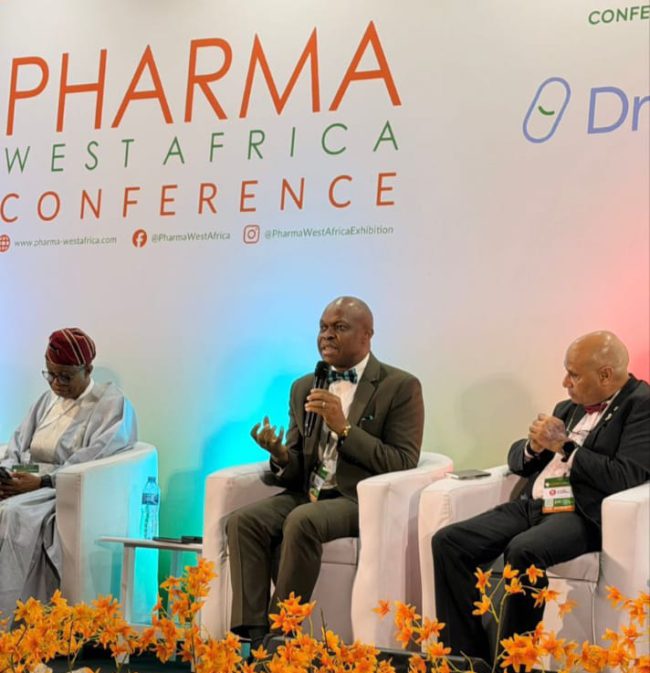
He said Nigeria is significantly affected by the workforce shortage, with only about four physicians per 10,000 people, far below the recommended minimum of ten per 10,000, raising concerns about the country’s ability to meet growing healthcare needs.
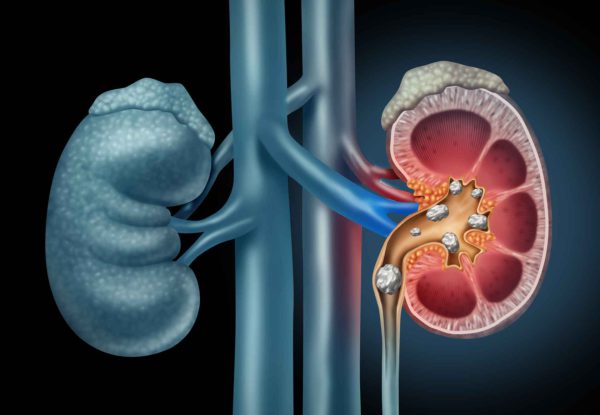
The minister also expressed concern over the increasing migration of Nigerian health professionals, particularly to countries such as the United Kingdom, describing the situation as a present emergency rather than a distant threat.

While acknowledging the right of health workers to seek better opportunities abroad, Salako said the continued exodus represents a substantial loss of public investment for source countries.

“Every doctor, every nurse, and every health worker who leaves Nigeria represents a significant flight of invested public resources,” he said.

He called for ethical recruitment practices and stronger international collaboration to ensure a more balanced global health workforce, proposing a new global compact on workforce mobility. According to him, such an arrangement should include structured bilateral agreements, compensation mechanisms for source countries, joint training programmes, and well-managed migration pathways.

Salako also urged increased investment in health financing, research, and innovation, stressing that strengthening healthcare systems in developing countries is essential for global health security.

“The next pandemic will not respect borders. Investing in Africa’s health systems is not just an act of goodwill; it is enlightened self-interest,” he said.

A drug has a half-life of 6 hours and follows first-order kinetics. If a patient takes a single 200 mg dose, how much drug remains after 24 hours?

9

PANS QUIZ

A drug has a half-life of 6 hours and follows first-order kinetics. If a patient takes a single 200 mg dose, how much drug remains after 24 hours?

A. 100 mg
B. 50 mg
C. 25 mg
D. 12.5 mg

Which of the following best describes a partial agonist?

A. Produces maximal response regardless of receptor occupancy
B. Produces submaximal response even at full receptor occupancy
C. Blocks receptor activity completely
D. Has no affinity but high efficacy