Home Blog Page 9

Henrietta Ukwu: Iconic physician, pharmaceutical leader and regulatory titan

0


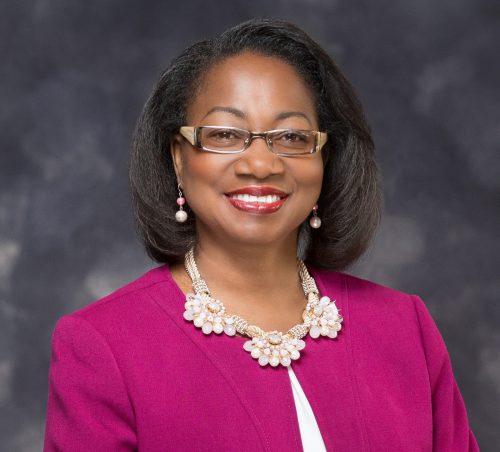
Henrietta Ukwu

Since 1899, Marquis Who’s Who in America has celebrated individuals and innovators ranked as the most accomplished in every significant field of endeavour. Among the 2026 honourees, the name of Prof. Henrietta Ngozi Ukwu stands out, not just because she is a Nigerian but because of the remarkable immensity and global impact of her contributions to healthcare. Her profile is distinguished by a career that has consistently influenced how critical medicines reach populations worldwide. From formulating regulatory frameworks to enabling access to therapies that have altered the course of major diseases, her work has touched millions of lives across continents, leaving an imprint that is both far-reaching and indelible.

An infectious diseases physician turned pharmaceutical executive, Ukwu has spent more than three decades working within the complex systems that govern drug development and approval. Over that period, she has led regulatory efforts that have culminated in more than 30 original product approvals worldwide. These include vaccines and therapies that have redefined treatment paradigms and expanded access to essential care across diverse populations.

Ukwu’s influence is perhaps most evident in her contributions to two defining health crises of recent history. At Merck, she played a pivotal role in advancing regulatory approval for Crixivan, a breakthrough HIV protease inhibitor that helped change HIV/AIDS from a terminal illness to a chronic, manageable condition. Years later, at Novavax, she again stood at the centre of a global emergency, guiding the regulatory strategy for a COVID-19 vaccine amid unprecedented scientific urgency and evolving regulatory expectations. In both instances, her work ensured that critical interventions moved efficiently through complex approval processes to reach patients worldwide.

Presently serving as executive vice president and chief regulatory officer at Novavax Inc., a biotechnology company headquartered in the United States, Ukwu continues to transform global health outcomes from a position of strategic influence. Her role involves not only overseeing regulatory and quality frameworks, but also fostering collaboration with international agencies to ensure that innovation is translated into safe, effective, and accessible treatments.

Laying the foundations

Prof. Ukwu was born and raised in Enugu State, Nigeria. A native of Amokwe, in the Udi Local Government Area, she attended Queen’s School, an elite all-girls school in Enugu, known for producing high-achieving women. She subsequently obtained her Bachelor of Medicine and Bachelor of Surgery from the University of Jos in 1982.

Soon after, she moved to the United States, where she completed an internal medicine internship at Meharry Medical College’s Hubbard Hospital in Nashville, followed by a residency at Baptist Hospital affiliated with the University of Tennessee. She later undertook a fellowship in infectious diseases at Vanderbilt University School of Medicine, completing her specialist training in 1991.

It was during this period that her interest in the pharmaceutical industry began to form. While clinical practice offered the opportunity to impact individual lives, she recognised that pharmaceutical medicine provided a platform for wider influence. “I believed the work we do has a broad and far-reaching impact on humanity,” she recalls. “This has borne out as true.”

Her decision to enter the pharmaceutical industry in 1992 would prove critical, setting the stage for a career defined by global reach and sustained impact.

Career excellence

Prior to her current role at Novavax, Ukwu held senior executive positions at Otsuka Pharmaceutical Companies, where she served as senior vice president and global head of regulatory affairs and global quality. In this capacity, she led efforts to ensure compliance excellence, inspection readiness, and effective engagement with global regulatory authorities.

Her earlier tenure at PPD as senior vice president and head of global regulatory affairs further strengthened her expertise in regulatory strategy across diverse product portfolios and geographical regions.

At Pfizer, where she served as vice president of global regulatory affairs from 2004 to 2010, she oversaw regulatory strategies spanning vaccines, biologics, and pharmaceuticals. Her work required navigating complex international frameworks while ensuring timely approvals for critical therapies.

However, it was at Merck, where she began her pharmaceutical career in 1992, that she laid the foundation for her lasting legacy. There, she led regulatory efforts for major products including Varivax, the chickenpox vaccine, and Crixivan, the HIV protease inhibitor. These early successes established her reputation as a leader capable of guiding high-impact therapies through demanding regulatory processes.

Across these roles, Ukwu has consistently demonstrated an ability to align scientific innovation with regulatory requirements, ensuring that promising therapies are translated into accessible treatments.

Thought leadership and mentorship

Beyond her executive roles, Prof. Ukwu has made significant contributions to the intellectual and professional development of regulatory science.

She is the author of the landmark textbook, Global Regulatory Systems: A Strategic Primer for Biopharmaceutical Product Development and Registration, which is widely regarded as the quintessential guidebook for professionals navigating global regulatory frameworks.

Her second book, ABCs of Leadership: Leadership Guiding Principles, demonstrates her commitment to cultivating effective leadership within and beyond the pharmaceutical industry. She has equally written numerous articles and spoken widely global regulatory systems, pharmaceutical development and health systems transformation.

Equally noteworthy is her role as a mentor. Over the years, she has guided numerous professionals who have gone on to occupy senior leadership positions within the industry. Her emphasis on developing others reflects a broader philosophy that leadership is most effective when it multiplies itself.

She has also contributed academically as a pioneer professor in Temple University’s Quality Assurance and Regulatory Affairs graduate programme, further extending her influence to the next generation of professionals.

Giving back to homeland

Despite her global career, Prof. Ukwu has maintained a strong connection to Nigeria. She has consistently sought opportunities to contribute to the development of the country’s healthcare system, offering insights through lectures, advisory roles, and public engagement. She was most recently the keynote speaker at the 29th Annual National Conference and Training Programme of the Association of Industrial Pharmacists of Nigeria (NAIP), held from 3 to 8 May, where she spoke on “Nigeria’s Pharmaceutical Industry as a Pillar of National Health, Wealth, and Security,”

Her commitment extends beyond professional contributions to tangible community development initiatives. She runs a monthly charity outreach programme dedicated to the poor and less privileged in her hometown and the environs. Through this initiative, she extends food, support, and encouragement to the underprivileged.

Also, in collaboration with her family, she has supported projects aimed at improving living conditions in her village, including the provision of a reliable water supply, road infrastructure, and solar lighting.

She has also expressed a desire to contribute more directly to Nigeria’s public health system in the future, bringing her extensive international experience to bear on local challenges.

Awards and recognitions

Prof. Ukwu’s illustrious career has been adorned with numerous prestigious awards and honours. In addition to her inclusion in Marquis Who’s Who in America (2026), she is a two-time recipient of the PharmaVoice 100 award, recognised first as an Inspirational Leader in 2011 and later as a Legacy Leader in 2023.

She was ranked in Top 100 Most Important Blacks in Technology in USA in 2006 and named Scientist of the Year by BEYA Stem Minorities in Research Science in 2010. She equally received the TOPRA award for inspirational leadership in 2012 and was named among the Top Blacks in Healthcare in the United States in 2019.

She is also a Fellow of both the American College of Physicians and the Regulatory Affairs Professionals Society, as well as being a pioneer professor of Temple University’s Quality Assurance/Regulatory Affairs graduate programme.

Mental health in marriage

0
Patrick Iwelunmor

It is often said that loneliness is hardest to bear when experienced beside another person. Few places reveal this more painfully than marriage. Behind many smiling anniversary photographs and carefully managed public appearances are couples silently carrying emotional burdens they no longer know how to explain. They share homes, routines, responsibilities and even beds, yet remain emotionally distant from one another. To outsiders, everything appears stable. Inside the relationship, however, something essential may already have faded.

As Mental Health Awareness Week 2026 drew attention to emotional wellbeing, anxiety and depression, there is a need to discuss one of the quieter sources of psychological distress: emotionally unhealthy marriages. Society still presents marriage as proof of fulfilment and stability. Married people are often viewed as settled and successful, while unmarried people are subtly made to feel incomplete. What receives far less attention is the reality that marriage itself can sometimes become a source of emotional suffering for both women and men.

This suffering does not always arrive through dramatic conflict or abuse. Sometimes it emerges quietly through emotional neglect, poor communication, silence and the gradual disappearance of intimacy. Couples begin to function more like co-managers of daily life than emotional companions. Conversations become practical rather than meaningful. Affection becomes irregular. Over time, two people may continue living together while slowly becoming strangers emotionally. The tragedy is that this emotional distance often develops gradually enough for both people to normalise it. What once felt temporary slowly becomes routine, until silence itself becomes the language of the relationship.

For many women, this emotional strain appears in the burden of constantly caring for others while neglecting themselves. Some feel responsible for holding the home together emotionally, even when they themselves feel unsupported and unseen. Men experience emotional distress differently but just as deeply. Many are raised to believe vulnerability is weakness, so instead of expressing emotional pain, they withdraw into silence, work or routine. Some begin spending longer hours away from home, not because of ambition, but because emotional disconnection at home becomes difficult to face.

One of the most troubling aspects of emotionally unhealthy marriages is that the suffering often survives behind stable appearances. Couples still attend social events together, smile for photographs and fulfil public expectations of married life. From the outside, the relationship appears intact. Internally, however, both partners may feel emotionally isolated. The marriage continues structurally, but the emotional bond weakens until habit, obligation or fear of judgement become the main forces holding it together.

Over time, this emotional neglect begins to affect mental health. Anxiety, emotional numbness, irritability, insomnia and depression can quietly develop within relationships where emotional needs remain unmet for years. Some people cope through overwork or emotional withdrawal. Others simply stop expecting happiness from the relationship altogether. Emotional pain that remains unspoken for too long often finds other ways to express itself, sometimes through anger, bitterness, exhaustion or complete emotional detachment.

Cultural expectations often worsen the problem. Women are frequently encouraged to endure emotional hardship in order to preserve the marriage, while men are expected to remain strong, provide financially and avoid emotional openness. As a result, many couples never develop honest conversations about loneliness, disappointment or emotional disconnection. They learn instead to perform stability while privately struggling.

It is important to acknowledge that not all marriages are unhealthy. Many relationships remain loving, emotionally supportive and deeply fulfilling. But meaningful conversations about mental health must also create room for people whose marital experiences are emotionally difficult and quietly painful. Toxicity in marriage is not always loud. Sometimes it appears through years of unresolved resentment, emotional neglect or constant feelings of invisibility. A person may remain married and still feel profoundly alone.

Mental health conversations, therefore, need to move beyond hospitals and therapy rooms into ordinary spaces like homes and relationships, where emotional suffering is often hidden behind routine smiles and carefully managed appearances. There is a difference between staying married and feeling emotionally connected within a marriage. There is also a difference between endurance and emotional well-being.

Illegal pharmacies operator gets 8 years imprisonment in Cross River

0


In a major victory for regulatory compliance and public safety, a Federal High Court sitting in Calabar has sentenced a medicine dealer, Isidora Ezea, alongside three accomplices, to eight years’ imprisonment each for operating unregistered pharmacy premises and illegally dispensing medications.

Ezea, a member of the National Association of Pharmaceutical Technologists and Pharmacy Technicians of Nigeria (NAPTTON) and others were found guilty in suit No. FHC/CA/76C/2025, instituted by the Federal Republic of Nigeria, following gross violations of established pharmacy laws.

Delivering her judgment recently, Justice Ijeoma Ojukwu convicted the defendants on five counts centred on running a pharmaceutical business without proper registration with the Pharmacy Council of Nigeria (PCN) and allowing unqualified personnel to dispense drugs to the public.

The court, however, discharged and acquitted the defendants on three separate counts involving the alleged unlawful unsealing of their premises.

The prosecution’s case revealed that inspectors from the PCN had previously sealed two retail outlets operated by the convicts during a routine enforcement and monitoring exercise. Despite the regulatory shutdown, evidence presented in court showed that business activities later resumed at the premises.

In her ruling, Justice Ojukwu noted that the prosecution failed to prove that the defendants maliciously broke the PCN seals. The court highlighted unchallenged evidence indicating that officers of the Nigeria Security and Civil Defence Corps (NSCDC) had authorized the reopening of the shops.

Because the prosecution did not contest this timeline, the judge ruled that the defendants could not be held criminally liable for following instructions given by law enforcement personnel.

Nonetheless, Justice Ojukwu maintained that the core infractions remained severe, as the pharmacies continued to dispense medications without valid licenses. She emphasized that strict compliance within the pharma sector is non-negotiable, describing the regulation of pharmacy practice as a critical pillar for protecting public health and safety.

“In the final analysis, and having considered the totality of the evidence presented in this case, it is my humble view, as inspired by the law and decisions of the appellate court, that the prosecution has established the offences in counts one to five, and I hereby find the defendants guilty as charged,” Justice Ojukwu ruled.

The convicts were absent during the court session. Consequently, the court ordered security agencies to track down and arrest the individuals to ensure they serve their prison terms or, alternatively, pay a fine of ₦11 million each.


Nutritional support for men’s vitality, prostate health, and metabolic strength

0
Ejimofo
Chima Ejimofor

Men’s health is increasingly challenged by modern lifestyle factors, including poor nutrition, chronic stress, sedentary habits, and environmental influences. These factors contribute to declining energy levels, reduced hormonal balance, increased cardiovascular risk, and prostate-related concerns.

While pharmaceutical treatments play a role in managing diagnosed conditions, there is growing interest in organic nutritional supplementation as a preventive and supportive approach. By providing essential nutrients and plant-based compounds, these supplements help maintain vitality, metabolic strength, and long-term wellness.

Understanding men’s health needs

Men’s physiological health is closely linked to testosterone balance, metabolic efficiency, cardiovascular integrity, and prostate function. As men age, natural hormonal shifts may lead to:

Reduced energy and stamina

Loss of muscle mass

Increased abdominal fat

Reduced libido

Prostate enlargement

Cardiovascular strain

Nutritional support can help address these changes by enhancing cellular function and supporting endocrine balance.

Key nutritional components for men’s vitality

  1. Plant sterols and prostate health

Plant sterols and phytochemicals play a significant role in supporting prostate function. Botanical extracts derived from plants such as saw palmetto and other phytonutrient-rich sources have been widely studied for their ability to support urinary flow and prostate comfort.

These compounds work by helping regulate hormonal activity within prostate tissue and reducing inflammation, contributing to improved urinary health and overall comfort.

  1. Zinc and selenium for hormonal balance

Zinc is a critical mineral for testosterone production and immune function. Adequate zinc levels are associated with improved reproductive health, enhanced immunity, and better wound healing.

Selenium, a powerful antioxidant mineral, supports cellular protection and prostate health by reducing oxidative stress. Together, these minerals contribute to maintaining hormonal balance and overall vitality.

  1. Essential fatty acids for heart and brain health

Omega-3 fatty acids are essential for cardiovascular function, reducing inflammation, and supporting brain health. These healthy fats help maintain healthy cholesterol levels, improve circulation, and support cognitive performance.

For men, cardiovascular health is especially important, as heart disease remains one of the leading health concerns globally. Nutritional support with omega-3 fatty acids helps protect vascular integrity and supports long-term heart function.

  1. Amino acids and protein for muscle and metabolic strength

Protein and amino acids are fundamental for maintaining muscle mass, supporting metabolism, and enhancing recovery. As men age, maintaining lean muscle becomes critical for metabolic health and energy balance.

Nutritional supplementation that provides bioavailable protein and amino acids supports:

Muscle repair and growth

Improved metabolism

Sustained energy levels

This contributes to overall strength, endurance, and physical performance.

  1. Antioxidants for cellular protection

Oxidative stress plays a significant role in ageing and chronic disease development. Antioxidants such as vitamins C and E, along with plant polyphenols, help neutralise free radicals and protect cells from damage.

This is particularly important for prostate health, cardiovascular function, and immune resilience.

The role of organic nutritional supplementation

Organic nutritional supplements provide a natural and supportive approach to men’s health. Unlike pharmaceutical interventions that target specific symptoms, these supplements work by:

Nourishing the body at the cellular level

Supporting hormonal balance

Enhancing metabolic efficiency

Reducing inflammation and oxidative stress

When combined with healthy lifestyle habits—such as regular exercise, balanced nutrition, and stress management—these supplements contribute to sustained vitality and long-term wellness.

References

Gacci, M., et al. (2012). Phytotherapy in benign prostatic hyperplasia. Urologia Internationalis.

Calder, P. C. (2015). Omega-3 fatty acids and cardiovascular health. Biochimica et Biophysica Acta.

Prasad, A. S. (2013). Zinc: Role in immunity and health. Advances in Nutrition.

Mrs Chima Ejimofor is the lead partner of Infinite Health Consult, and is available for the purchase of Forever Living products, health talks and wellness seminars. She is based in Lagos, Nigeria. Telephone/WhatsApp: 07033179632.

email: infinitehealthconsult@gmail.com

FG, Ogun commission Sam Pharma CGMP factory in Ota, harp on local drug manufacturing

0
FG, Ogun commission Sam Pharma CGMP factory in Ota, harp on local drug manufacturing
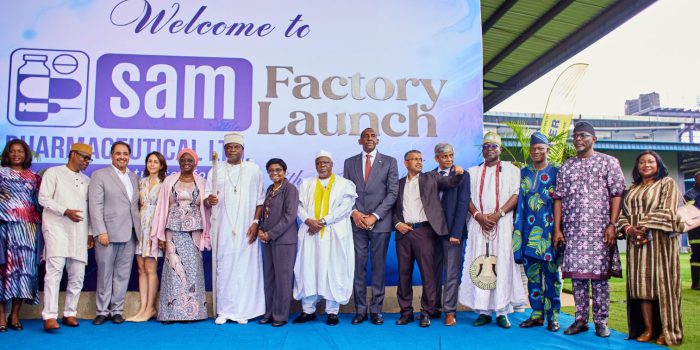
L-R: Chairman, Sam Pharma, Mr Amit Bhojwani; DG NAFDAC, Prof. Mojisola Adeyeye; Ogun State Deputy Governor, Engr. Noimot Salako-Oyedele; Minister of State for Health, Dr Iziak Salako and Ogun State Commissioner for Health, Dr Tomi Coker, at the Sam Pharma factory launch in Ota, Ogun State, recently.

In a move seen as reaffirming commitment to strengthening local drug manufacturing, the Deputy Governor of Ogun State, Engineer Noimot Salako-Oyedele, recently led a Federal Government delegation to commission a state-of-the-art Current Good Manufacturing Practice (CGMP) pharmaceutical factory built by Sam Pharmaceutical Limited in Ota.

Salako-Oyedele, who performed the ribbon-cutting ceremony, described the project as a major milestone for industrial development, healthcare delivery and job creation in the state, as well as a boost to the Nigerian economy.

“This event is not just the commissioning of a pharmaceutical factory, but a celebration of innovation, industrial growth, job creation and healthcare advancement,” the deputy governor said.

She noted that the investment underscores Ogun State’s position as Nigeria’s industrial hub and a preferred destination for pharmaceutical and healthcare investments, adding that the government would continue to provide an enabling environment through improved infrastructure, favourable policies and strategic partnerships.

FG, Ogun commission Sam Pharma CGMP factory in Ota, harp on local drug manufacturing
L-R: Ogun State Commissioner for Health, Dr. Tomi Coker; Minister of State for Health, Dr Iziaq Salako; Chairman, Sam Pharma, Mr Amit Bhojwani with his wife; Ogun State Deputy Governor, Engr. Noimot Salako-Oyedele; Olota of Ota, Oba (Prof.) Abdulkabir Adeyemi Obalanlege; DG NAFDAC, Prof. Mojisola Adeyeye; former President, Pharmaceutical Society of Nigeria, Pharm. Ibrahim Yakasai and other top dignitaries at the Sam factorty launch in Ota Ogun State, recently.

Salako-Oyedele added that the facility would boost access to quality medicines, create employment opportunities and stimulate economic activities within the Ota axis and beyond.

Also speaking, the Minister of State for Health and Social Welfare, Dr Iziak Adekunle Salako, said the project aligns with the Federal Government’s drive to expand domestic pharmaceutical production under President Bola Ahmed Tinubu.

He described the factory as a critical step towards achieving medicine security, noting that global disruptions, including the COVID-19 pandemic, had exposed the risks of over-reliance on imported drugs.

“The importance of today’s event cannot be overemphasised, especially at this time of our renewed commitment to unlock the healthcare value chain and ensure medicine sovereignty,” he said.

According to him, government initiatives such as the Presidential Initiative to Unlock the Healthcare Value Chain (PVAC) and executive orders on the pharmaceutical sector are already incentivising local manufacturing, with dozens of companies benefiting from the policy support.

“Let me once again appreciate Sam Pharmaceutical and the Pharmaceutical Manufacturers Group of the Manufacturers Association of Nigeria (PMG-MAN) for the collaboration and for rising to the challenge of Mr President to increase our local pharmaceutical production. Let us remember that the average Nigerian patient must be at the centre of all the progress we make. We must therefore ensure that government waivers and exemptions translate into pricing relief for the people,” Salako said.

Earlier, in his opening remarks, the Chairman of Sam Pharmaceutical, Mr Amit Bhojwani, said the new facility reflects the company’s commitment to quality, innovation and global standards. He noted that the CGMP plant has been built to the most rigorous international specifications, stressing that the company spared no expense because Nigerians deserve nothing but the best.

He disclosed that the plant has an installed capacity of over 400 million tablets, 50 million capsules, two million bottles and one million pouches monthly, describing it as the first phase of a broader expansion drive.

“Our new facility places us among the top tier of the pharmaceutical sector and positions us as a major manufacturer in the branded generic space. With an installed capacity of over 400 million tablets, 50 million capsules, two million bottles and one million pouches per month, this is only Phase 1 of our Ota project. Expansion lines are already well underway. We are not just growing; we are scaling at pace. Sam Pharmaceutical is not just a corporate body; it is truly a family,” Bhojwani said.

He added that the company, which is celebrating 55 years of operations, is poised to scale up production and contribute significantly to Nigeria’s pharmaceutical manufacturing ecosystem. He also commended the President Bola Tinubu-led administration for supporting the healthcare sector through programmes such as the Presidential Executive Order and the PVAC initiative.

In her remarks, the Director-General of the National Agency for Food and Drug Administration and Control (NAFDAC), Professor Mojisola Adeyeye, said ongoing reforms have improved standards and boosted confidence in locally manufactured medicines.

She noted that policies such as the “5+5” directive have encouraged a shift from importation to local production, leading to increased capacity utilisation and reduced dependence on foreign drugs.

“Without medicine security, you cannot have health security,” she said, adding that Nigeria is advancing towards higher global regulatory ratings that would enable locally produced medicines to compete internationally.

Also speaking, the National Coordinator of the Presidential Initiative for Unlocking the Healthcare Value Chain, Abdu Mukhtar, said the commissioning reflects growing momentum in the sector, driven by deliberate policies and private-sector investment.

He disclosed that several pharmaceutical manufacturing projects are underway nationwide, supported by funding initiatives, procurement reforms and incentives aimed at lowering costs and improving access.

Industry stakeholders who attended the event also commended Sam Pharmaceutical for the achievement. The Chairman of Fidson Healthcare Plc, Dr Fidelis Ayebae, said recent policy reforms have significantly expanded the pharmaceutical sector, with local production accounting for an increasing share of national demand.

Similarly, the President of the Pharmaceutical Society of Nigeria, Pharm. Ayuba Tanko, praised the company’s consistency and contributions to the industry, describing its 55-year journey as a testament to resilience and quality.

The Registrar of the Pharmacy Council of Nigeria, Pharm. Ibrahim Babashehu Ahmed, confirmed that the Sam Pharmaceutical factory had been duly inspected, certified and licensed, noting that the company has maintained regulatory compliance over the years.

In his remarks, the Consul General of India in Lagos, Kannan Chokalingam, described the project as a symbol of deepening collaboration between India and Nigeria in pharmaceutical manufacturing, stating that India will continue to work with Nigeria to achieve a robust pharmaceutical industry.

Other notable personalities at the event included the Olota of Ota, His Majesty Oba Professor Adeyemi Abdukabir Obalanlege; former Governor of Ekiti State and former Minister of Industry, Trade and Investment, Otunba Adeniyi Adebayo; Commissioners for Health from Ogun and Oyo States; a member of the House of Representatives representing Ado-Odo/Ota Federal Constituency, Hon. Akinosi Olatunji Akanni; Chief Medical Directors of several hospitals; and other dignitaries.

What is meant by a binding site?

9

PANS QUIZ

What is meant by a binding site?
a) The area of a macromolecular target that is occupied by a drug when it binds.
b) The portion of the drug to which a drug target binds.
c) The functional groups used by a drug in binding to a drug target.
d) The bonds involved in binding a drug to its target.

Which of the following functional groups is most likely to participate in a dipole-dipole interaction?
a) Aromatic ring
b) Ketone
c) Alcohol
d) Alkene

Why our pharma health expo is Nigeria-focused — MD, Plough Events

0


Joseph Chukwu

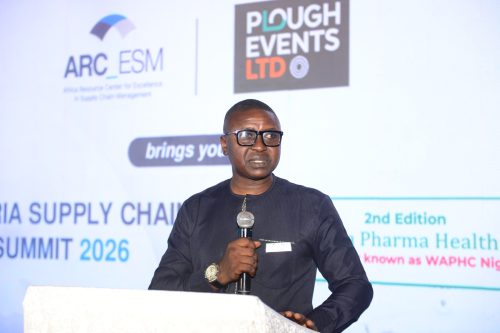
At the recently concluded Nigeria Pharma Health Expo 2026, held at the Balmoral Hall of Sheraton Lagos Hotel from 12 to 13 May, healthcare and pharmaceutical stakeholders from across Nigeria and beyond gathered to explore new opportunities for collaboration, innovation and industry growth. At the centre of the successful hosting of the high-level event was Joseph Chukwu, managing director of Plough Events Limited, a company recognised for organising impactful business-to-business events across various industries and countries. Armed with a background in Biochemistry and years of experience in corporate event management, Chukwu has built a reputation for creating strategic platforms that connect businesses, stimulate partnerships and drive conversations around industry advancement. In this exclusive interview, Patrick Iwelunmor reflects on the vision behind the Expo, the evolving future of healthcare exhibitions in Africa, and the role of collaborative engagement in strengthening Nigeria’s healthcare and pharmaceutical ecosystem. Excerpts:

You are the organiser of the Nigeria Pharma Health Expo. Tell us more about your organisation.

Plough Events Ltd is a Nigerian B2B events company established to promote Nigerian-owned businesses while linking them with global opportunities. Our core focus is on creating platforms that enable local enterprises to showcase their products, innovations and capacities to both local and international stakeholders. We believe Nigeria has enormous potential across different sectors, especially in healthcare and pharmaceuticals, but many indigenous companies still struggle with visibility, partnerships and market access.

Through strategic exhibitions, conferences and networking events, we aim to bridge that gap by connecting Nigerian businesses with investors, policymakers, manufacturers, distributors and development partners from across Africa and beyond. Our vision is not just to organise events, but to create ecosystems where businesses can grow, collaborate and compete favourably on the global stage. The Nigeria Pharma Health Expo is part of that broader mission to strengthen local industries and promote economic development through enterprise.

What gap is the Nigeria Pharma Health Expo trying to bridge?

Currently, close to 70 per cent of pharmaceutical products used in Nigeria are imported. This heavy dependence on imports places enormous pressure on the economy and weakens the value of the naira. It also exposes the country to supply chain disruptions and foreign exchange instability. The Nigeria Pharma Health Expo was created to help address this imbalance by promoting Nigerian pharmaceutical and healthcare brands and highlighting the major challenges that limit local production.

We want to create conversations that move beyond complaints to practical solutions. The idea is to bring manufacturers, regulators, policymakers, investors and other stakeholders to one table so that issues such as infrastructure, access to finance, energy costs, logistics and regulatory bottlenecks can be openly discussed. Our long-term goal is to help strengthen Nigeria’s production capacity to the point where local companies can not only meet domestic demand but also compete strongly within the African market, especially under the African Continental Free Trade Area framework.

That is why more than 65 per cent of our exhibitors are Nigerian brands. We intentionally designed the expo to shine a spotlight on indigenous capacity because we believe Nigerian companies deserve stronger visibility and support.

There are so many pharma and health expos today in Nigeria. What difference is the Nigeria Pharma Health Expo aiming to make in the saturated Nigerian market?

What makes our expo different is that it is deliberately Nigeria-centric. While many pharmaceutical and healthcare exhibitions in the country are heavily dominated by foreign companies, our focus is on promoting Nigerian businesses and indigenous innovation. We are not against international participation, because partnerships are important, but we strongly believe local companies must not be overshadowed in their own market.

Nigeria has brilliant pharmaceutical manufacturers, healthcare entrepreneurs, researchers and innovators who are doing impressive work despite difficult operating conditions. Unfortunately, many of them do not receive the kind of visibility they deserve. Our platform is therefore designed to give Nigerian companies a stronger voice and a more prominent place in industry conversations.

Beyond exhibitions, we are also focused on creating policy conversations that directly affect local players. We want discussions at the expo to translate into action that can improve the operating environment for Nigerian healthcare businesses. In that sense, the event is not just commercial; it is also developmental. We see it as part of a larger national conversation about economic self-reliance, healthcare sustainability and industrial growth.

What can you say about Nigeria’s drive for self-sufficiency in local drug manufacturing?

That is clearly the way to go, and I believe all stakeholders must be involved if Nigeria is serious about achieving meaningful self-sufficiency in local drug manufacturing. No single sector can solve the problem alone. Government, private investors, academia, manufacturers, regulators and supply chain experts all have important roles to play.

Nigeria cannot continue to rely so heavily on imported medicines if we truly want a resilient healthcare system. Local manufacturing is important not only for economic reasons but also for national health security. The COVID-19 pandemic showed many countries the dangers of overdependence on foreign supplies during global emergencies.

That is one of the reasons we partnered with the Africa Centre of Excellence in Supply Chain Management. Through that collaboration, we are creating opportunities to discuss some of the key challenges facing Nigeria’s medical supply chain, including distribution inefficiencies, storage limitations, transportation challenges and raw material sourcing. If we strengthen these systems, local manufacturers will be in a much better position to thrive.

We also need stronger policy consistency, better infrastructure and easier access to financing for manufacturers. Once these issues are addressed, Nigerian pharmaceutical companies can significantly increase production capacity and reduce the nation’s dependence on imports.

How would you rate the participation of Nigerian pharma companies in your expo this year?

The participation was excellent. We reached out to Nigerian pharmaceutical companies, and many of them responded positively because they understand the importance of having a platform dedicated to indigenous brands. Their presence and enthusiasm have been very encouraging for us as organisers.

What is even more exciting is that several companies that could not fully participate this year have already expressed interest in becoming more actively involved in subsequent editions. That shows there is growing confidence in the vision behind the expo.

We are particularly encouraged by the willingness of local companies to collaborate, network and engage in discussions around the future of the healthcare industry. It demonstrates that Nigerian businesses are ready to play a greater role in shaping the sector if given the right support and visibility.

Did you consult the PSN while planning this event, being the umbrella body for all Nigerian pharmacists?

Yes, we did communicate with the Pharmaceutical Society of Nigeria (PSN) during the planning process because we recognise the important role they play as the umbrella body for pharmacists in Nigeria. However, due to time constraints and some logistical challenges, we were unable to follow up adequately to secure their full participation at this year’s edition.

That said, we value the role of professional bodies, and we hope to build stronger engagement with them in future editions. The success of the healthcare and pharmaceutical industry depends greatly on collaboration among professional associations, regulators, manufacturers and event organisers. We believe the PSN and similar organisations remain critical stakeholders in the broader conversation about improving healthcare delivery and pharmaceutical practice in Nigeria.

If there’s one piece of advice you ever have to give to the Nigerian government concerning the health sector, what would it be?

My strongest advice would be for the government to intensify the coverage of health insurance across the country. Nigeria cannot sustainably fund healthcare through out-of-pocket payments. Too many citizens are still forced to pay directly for medical services, and this creates serious financial hardship for families, especially during emergencies or chronic illnesses.

Health insurance should become mandatory and accessible for every Nigerian, regardless of social class or location. A stronger insurance system would improve access to healthcare, reduce preventable deaths and encourage more people to seek medical attention early instead of waiting until conditions become severe.

Beyond benefiting patients, wider insurance coverage would also strengthen hospitals, pharmaceutical companies and healthcare providers because there would be a more structured financing system within the sector. Healthcare should not be treated as a privilege for a few people; it should be seen as a national investment. A healthy population is essential for economic productivity and national development.

Minister to practitioners: Grow Africa’s healthcare system through partnership

0


Dr Iziaq Salako

The Minister of State for Health and Social Welfare, Dr Iziaq Salako, has urged healthcare practitioners to prioritise Public-Private Partnership (PPP) as a viable approach to grow Africa’s healthcare system.

Salako made the appeal during the Healthcare Leadership Conference session at the World Health Expo organised by the Healthcare Federation of Nigeria (HFN) on Tuesday in Lagos.

The conference, themed: “Enabling Market Access and Investment Readiness to Drive Health System Transformation.”, also featured a three-day healthcare exhibition with exhibitors and companies across the African continent in attendance.

According to him, Public-Private Partnership (PPP) has remained a vital instrument to drive healthcare financing.

Highlighting some of the Federal Government’s efforts towards healthcare development, Salako called for stronger synergy among health players to boost healthcare delivery financing and standards.

He assured of the government’s commitment to continue the partnership, describing the event as one of Africa’s most impactful programmes.

“A sustainable and standard healthcare system requires a stronger public-private partnership.

“Africa has great expertise and resources that can be better harnessed through collaboration.

Regarding the level of Nigeria’s preparedness to prevent transmission of Ebola in the country, Salako said there was ongoing high-level surveillance at all entry points (borders) of the country.

Speaking, the Commissioner for Health, Lagos State, Prof. Akin Abayomi, said that the state government had embarked on the process of healthcare financial reform aimed at granting every Lagos resident access to quality healthcare.

Abayomi explained that the state’s health insurance scheme would not only reduce out-of-pocket healthcare financing and promote access to care but would also enhance investment in the sector and improve quality of life.

According to him, there are varieties of health insurance packages across both public and private healthcare facilities, saying that is a way of promoting synergy between the two sectors.

“The state government is now in the process of healthcare financial reform, where we are promoting the uptake of insurance by all our citizens, so that people have a safety guard in their pocket as sickness cannot be predicted.

“We are working with the regulators to make sure that these insurance packages are fair and standardised for the environment.

“And that will drive the whole issue around supply and demand of healthcare,” Abayomi said.

The Exhibition Manager, Daniel Green, said the expo brought together healthcare manufacturers, policymakers and international companies to deliberate and shape the healthcare market across the African continent.

According to him, there is a huge economic hub in Africa capable of expanding the healthcare market.

“There are a lot of international audiences in the exhibition with over 300 exhibitors, including China, India, Pakistan, Morocco, the USA, the United Kingdom, among others.

“I believe in the next three days, the exhibitors are going to see a lot of success from a very enthusiastic market coming here,” Green said.

The Keynote Speaker at the event, Prof. Aliko Ahmed, Special Regional Representative, West Africa RCC, underscored the need to improve the quality/standard of African products.

He urged African manufacturers to prioritise standards, describing quality as key to access to the market.

Earlier, the HFN President, Ms Njide Ndili, reiterated the need to strengthen the healthcare system through collaboration among stakeholders in the sector.

According to her, the exhibition aims to promote healthcare market consumables, equipment and services across Africa. (NAN)

Tackling the resurgence of Ebola in Africa

0


Tackling the resurgence of Ebola in Africa

The declaration of a fresh Ebola virus outbreak in Central Africa as a Public Health Emergency of International Concern is a call to action that must be taken seriously. The alert, issued by the World Health Organisation at the close of the 79th World Health Assembly, held from 18 to 23 May in Geneva, signals that the world is once again confronting a disease that has repeatedly exposed the fragility of public health systems and the limits of coordinated international response.

The current outbreak, centred in the Democratic Republic of the Congo and extending into Uganda, involves the Bundibugyo strain of the Ebola virus, for which neither an approved vaccine nor a targeted therapeutic regimen currently exists. That fact alone materially raises the stakes. WHO Director-General, Tedros Adhanom Ghebreyesus, has noted that the simultaneous emergence of Ebola alongside other infectious threats indicates a persistent structural vulnerability to rapidly spreading diseases, an observation that is particularly significant for Africa, where health systems remain uneven in capacity, reach and resilience.

The lessons of the 2014 to 2016 West African epidemic must not be forgotten. That outbreak, the deadliest since Ebola was first identified in 1976, infected over 28,000 people and claimed more than 11,000 lives across Guinea, Sierra Leone and Liberia. Beyond the mortality figures lay the compounded burdens of fractured economies, overwhelmed health systems, and communities left grappling with grief and stigma. Nigeria recorded between 19 and 20 confirmed cases and seven deaths during that period before achieving a containment that earned international recognition. That precedent must now be actively built upon, not merely cited.

Present indicators are a cause for serious concern. Reports from the DRC point to hundreds of suspected infections and a rising death toll, while Uganda has confirmed both cases and fatalities. In a region known for porous borders, dense population movement and limited surveillance infrastructure, outbreaks of this nature rarely remain geographically confined. What begins as a localised health emergency can assume regional and global dimensions with a speed that outpaces unprepared response systems.

In Nigeria, the activation of emergency preparedness protocols by the Nigeria Centre for Disease Control and Prevention and the heightening of surveillance measures by the Federal Ministry of Health are steps in the right direction. The NCDC’s Director-General, Jide Idris, has rightly identified the risk of importation as significant, citing increased cross-border travel and ongoing transmission in affected regions as primary drivers. These assessments must translate without delay into operational action across every relevant agency and institution. Official advisories are necessary; they are not, by themselves, adequate.

Border screening at airports, seaports and land crossings must be reinforced and consistently applied. Diagnostic laboratories must be properly equipped for rapid detection and confirmation. Public communication strategies must be intensified to counter the misinformation that has complicated previous outbreak responses and eroded the community trust upon which effective containment depends. Healthcare workers, who constitute the first and most critical line of defence, must receive continuous training, sufficient protective equipment and the institutional support necessary to fulfil their duties safely and effectively. These are not aspirational standards; they are operational requirements.

The role of professional bodies in this effort equally deserves explicit recognition. The Pharmaceutical Society of Nigeria has issued a timely alert to pharmacists nationwide, urging heightened vigilance across community and institutional settings. As widely accessible healthcare providers, pharmacists occupy a strategic position in early detection, patient education and referral. Their systematic integration into national surveillance frameworks could prove decisive in identifying potential cases before they escalate.

The imperative to depoliticise outbreak response must also be stated without ambiguity. Infectious diseases observe no national boundaries, and treating public health emergencies as matters of sovereign sensitivity rather than collective responsibility has historically proven costly. Transparent reporting, rapid data sharing and coordinated surveillance must form the non-negotiable foundation of Africa’s response architecture. Sustained collaboration between national governments, the Africa Centres for Disease Control and Prevention and global partners is not optional; it is indispensable.

The resurgence of Ebola is an unambiguous reminder that infectious diseases remain among the most serious threats to public health security on this continent and beyond. The difference between effective containment and a widening catastrophe will be determined by how decisively and cohesively governments, institutions, professional bodies and communities act in the period immediately ahead. The time for that action is now.

Hospital malnutrition requires urgent action, WASPEN tells FG

0

– Says 45% of patients are malnourished

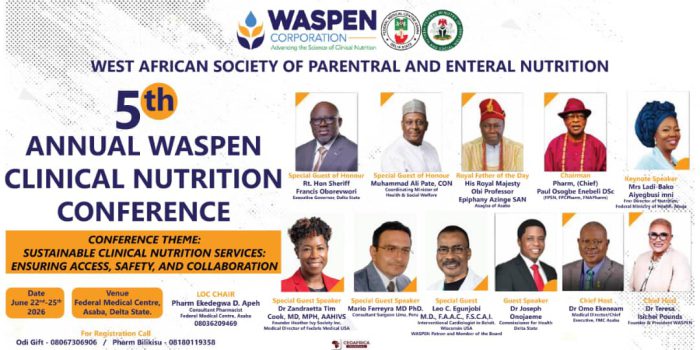
Conference banner

The West African Society of Parenteral and Enteral Nutrition (WASPEN) has raised serious concerns over the rising incidence of hospital malnutrition in Nigeria, describing it as a silent epidemic that requires urgent intervention by the Federal Government to avert a full-blown crisis.

The society revealed that between 30 and 45 per cent of patients admitted to tertiary hospitals in the country are already malnourished at admission. This figure reportedly rises to 71 per cent among patients in elderly wards in Enugu. It also cited Médecins Sans Frontières (MSF) data indicating that more than 800 children with severe malnutrition died in Katsina health facilities in 2024 alone due to inadequate screening and shortages of multidisciplinary nutrition teams.

Founder and President of WASPEN, Dr Teresa Isichei Pounds, disclosed this during a virtual press conference held to herald the society’s 5th Annual Conference, scheduled for June 22–25 at the Federal Medical Centre (FMC), Asaba, Delta State.

The conference, themed “Sustainable Clinical Nutrition Services: Ensuring Access, Safety, and Collaboration,” will focus on three key priorities: ensuring that every patient who requires nutrition support can access it regardless of location or economic status; promoting evidence-based nutrition interventions through standardized protocols and multidisciplinary oversight; and fostering collaboration among healthcare professionals, institutions, government agencies, researchers, and international partners to address malnutrition in a coordinated and effective manner.

Dr Pounds emphasized that malnutrition remains one of the most under-recognized threats to patient safety and recovery. According to her, it affects patients across all stages of life—from premature newborns in neonatal intensive care units to children battling severe illnesses and adults living with chronic diseases such as HIV, tuberculosis, cancer, and surgical conditions.

“Evidence shows that hospital malnutrition is associated with longer hospital stays, increased infections, delayed wound healing, higher treatment costs, and increased readmission and mortality rates,” she said.

She urged the Federal Government to accord hospital malnutrition the same level of attention currently given to community-based malnutrition interventions. She called for increased investment in nutrition screening programmes, specialized nutrition products, and multidisciplinary support systems within healthcare facilities.

According to her, many patients requiring advanced nutrition therapies, such as parenteral nutrition, are often unable to access treatment due to financial constraints and limited availability of resources.

“The government needs to recognise that hospital malnutrition has both clinical and economic consequences. We need the resources to identify these patients early and provide the necessary interventions that can save lives and reduce healthcare costs,” she said.

The clinician added that this year’s conference places special emphasis on neonatal and pediatric nutrition care, noting that these groups are among the most vulnerable patients in the healthcare system.

“Their survival and long-term development are deeply dependent on timely and appropriate nutrition support,” she stated.

The Chairman of the conference, Pharm. (Chief) Paul Enebeli, corroborated the points raised by the founder, noting that healthcare practitioners continue to witness the adverse impact of malnutrition on patient outcomes.

According to him, malnutrition slows recovery, prolongs hospital stays, worsens complications, and places significant financial pressure on both families and healthcare systems.

“What is often overlooked is that many of these outcomes are preventable,” he said.

He urged the government to adopt a preventive approach through timely nutrition screening, early intervention, and coordinated multidisciplinary care, stressing that such measures would help patients recover faster, respond better to treatment, and experience fewer complications.

“This is why clinical nutrition must be treated as an essential clinical service, not an optional support function,” he added.

The Chief Medical Director of FMC Asaba, Dr Ekeneam Omo, expressed the hospital’s delight at hosting the 2026 WASPEN Clinical Nutrition Conference, noting that the necessary facilities have been put in place for the event.

Dr Omo thanked WASPEN for choosing FMC Asaba as the host institution, describing the opportunity as significant for advancing clinical nutrition practice within the facility.

“We are excited to host this conference because of the immense benefits it will bring to our institution and the healthcare system. Preparations are already ongoing, and we are engaging the Delta State Government to ensure a successful event,” he stated.


Salt, hypertension and heart health

0


Salt Consumption, Major Cause of Hypertension in Africans, Says Cardiologist
Less salt consumption illustration. Image source: File

As we grow older, health concerns often become more visible. However, while changes in mobility, eyesight, or physical strength are easier to notice, some of the most serious threats to healthy ageing develop with little or no warning. High blood pressure is one of them.

Hypertension has become increasingly common among older Nigerians, and its effects can be devastating when left unmanaged. What makes the condition particularly dangerous is that many people feel perfectly well for years. Daily activities continue as normal, while the heart and blood vessels gradually come under increasing strain.

This is why hypertension is often described as a silent killer. In many cases, the first clear sign appears only after serious complications such as stroke, heart failure, kidney disease, or impaired vision have developed.

The salt factor

One of the major factors linked to high blood pressure is excessive salt consumption. This is not always obvious, because salt is deeply embedded in our everyday eating habits. It is found not only in table salt, but also in seasoning cubes, processed foods, preserved meats, snacks, and many prepared meals.

In many homes, richly seasoned food is often associated with satisfaction, hospitality, and care. Meals that contain less salt may initially seem lacking in flavour. Over time, however, the body becomes accustomed to high levels of sodium intake, often without people realising how much they consume daily.

As the body ages, this becomes more concerning. Excess salt encourages fluid retention, which increases pressure within the blood vessels and forces the heart to work harder. Since blood vessels naturally lose some flexibility with age, the long-term effect can place significant strain on the cardiovascular system.

Taking precautions

Protecting heart health does not require extreme diets or expensive lifestyle changes. In many cases, modest but consistent adjustments are enough to produce meaningful benefits.

Reducing the amount of salt and seasoning used during cooking is an important first step. Greater use of natural flavourings such as onions, garlic, ginger, scent leaves, curry, thyme, and other spices can help maintain taste without excessive sodium.

Cutting back on heavily processed foods also matters. Instant noodles, salty snacks, processed meats, and certain packaged foods often contain large amounts of hidden salt. Preparing meals with fresh ingredients allows for better control over what is consumed.

Fruits, vegetables, beans, and other fibre-rich foods support heart health and help maintain a healthier balance within the body. Adequate water intake is equally important, particularly for older adults who may not always feel thirsty even when the body requires hydration.

Beyond food and medication

Heart health is influenced by more than diet alone. Physical activity remains important well into later life. Simple activities such as walking, stretching, or light exercise can improve circulation and help manage blood pressure when done regularly.

Routine medical checks are also essential. Many people avoid checking their blood pressure because they feel healthy, but hypertension often develops without obvious symptoms. Early detection allows for better management and reduces the likelihood of severe complications later on.

Stress is another factor that deserves attention. Financial pressures, family responsibilities, isolation, and emotional strain can all affect blood pressure. Rest, meaningful relationships, spiritual life, and emotional support therefore remain important aspects of healthy ageing.

In all, many of the risks associated with cardiovascular illness can be reduced through awareness, moderation, and consistent care. Often, the most effective changes are also the simplest ones, including healthier food choices, regular movement, and timely medical attention.

Is it legal for hospitals to demand deposits before emergency treatment?

0


Dozie Ifeanyi Atueyi

Question: Can a hospital lawfully refuse or delay emergency treatment because a patient or family member has not paid a deposit? What legal risks do hospitals and healthcare professionals face under Nigerian law in such situations?

Case scenario

A man involved in a serious road accident is rushed to a private hospital in Abuja. Upon arrival, the hospital requests an upfront deposit before treatment begins. The patient’s relatives are unable to pay immediately.

As discussions continue, treatment is delayed. The patient’s condition worsens before emergency intervention begins. The family later alleges that the delay contributed to permanent complications and threatens legal action against the hospital.

Legal perspective

Under Nigerian law, emergency medical care occupies a special legal and ethical position. While hospitals are entitled to charge for services, the refusal or delay of emergency treatment due to inability to pay may expose healthcare providers and institutions to serious legal consequences.

Duty to provide emergency care – Healthcare providers are expected to render emergency medical assistance where life or serious health risks are involved.

National Health Act implications – The National Health Act prohibits refusal of emergency treatment for any reason, including inability to make advance payment.

Professional misconduct exposure – Doctors, nurses, and administrators who deny urgent care may face disciplinary proceedings.

Negligence and civil liability – Where delayed treatment leads to injury, disability, or death, hospitals may face negligence claims.

Human rights concerns – In severe cases, refusal of emergency care may raise constitutional and human rights issues relating to the right to life and dignity.

Hospitals must therefore balance financial realities with their legal obligation to preserve life during emergencies.

Determining liability

  • Nature of the emergency: Whether the patient required urgent or life-saving intervention.
  • Extent of delay: How long treatment was postponed because of payment issues.
  • Hospital policies: Whether procedures improperly prioritised payment over care.
  • Available personnel and facilities: Whether treatment could reasonably have started immediately.
  • Causation: Whether the delay contributed to the patient’s deterioration or harm.
  • Actions of staff: Whether emergency care was attempted despite administrative delays.

Liability becomes more likely where financial demands directly interfered with urgent medical treatment.

Defences available to hospitals and healthcare providers

No true emergency existed: The patient’s condition was not medically urgent.

Treatment was not refused: Emergency stabilisation was provided while payment discussions continued.

Lack of causation: The injury or death would likely have occurred regardless of any delay.

Insufficient capacity: The hospital lacked the facilities or specialists required for the emergency.

Compliance with professional standards: Staff acted reasonably and followed accepted medical protocols.

Practical advice

  • Establish clear emergency treatment protocols.
  • Avoid policies requiring payment before emergency stabilisation.
  • Train administrative staff on emergency care obligations.
  • Ensure rapid escalation procedures for critical cases.
  • Document emergency interventions and timelines carefully.
  • Separate emergency clinical decisions from billing processes where possible.

Closing insight

While hospitals are entitled to recover medical costs, Nigerian law places significant importance on preserving life during emergencies. Delaying urgent treatment because of inability to pay may expose hospitals and healthcare professionals to regulatory sanctions, negligence claims, and reputational damage. Strong emergency response systems and compliant policies are essential to protect both patients and healthcare institutions.

Experts Laud Vanguard Pharmacy Case Study Launch at LBS

0


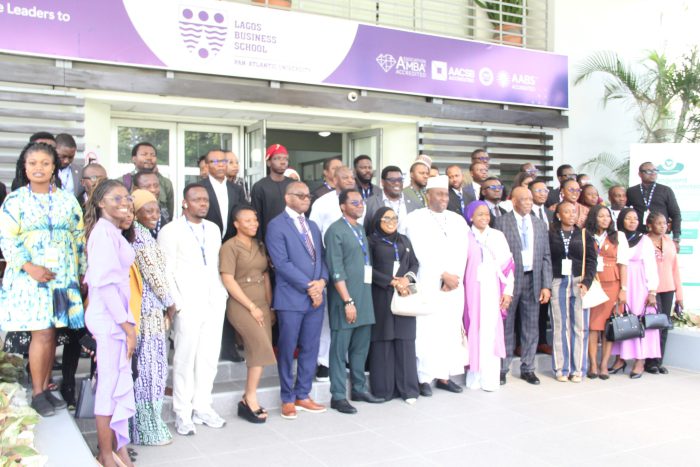
 A cross-section of participants and dignitaries at the unveiling of the Vanguard Pharmacy case study at the Lagos Business School, Ajah, Lagos.

Stakeholders in Nigeria’s healthcare, business and academic sectors have commended the unveiling of the Vanguard Pharmacy case study at the Lagos Business School (LBS), even as they warned that persistent trust deficits and fragmentation continue to undermine the country’s community pharmacy and broader healthcare system.

The event brought together academics, healthcare professionals, pharmaceutical leaders and industry stakeholders to examine the growth journey, operational model and strategic evolution of Vanguard Pharmacy as a case study for healthcare management and business education in Africa.

In his opening speech, the Dean of LBS, Prof Yinka David-West, who was represented by Prof. Okechukwu Amah, reaffirmed the institution’s commitment to developing Africa-centred case studies that reflect local realities and strengthen management education across the continent. He noted that the school deliberately prioritises Nigerian and African business stories in order to reduce over-reliance on foreign case materials.

Pharm. Taofik Odukoya

He commended Vanguard Pharmacy for allowing its operations, decisions and challenges to be documented transparently for academic study, noting that the willingness of organisations to share real-life business experiences strengthens knowledge creation.

Also delivering the opening remarks and official case presentation, Prof. Louis Nzegwu, professor of marketing at LBS, described the Vanguard Pharmacy story as one defined by vision, resilience, disciplined execution and strategic adaptation within a fragmented healthcare environment.

He said the case demonstrates that healthcare innovation is driven not only by technology, but also by trust, people-centred design and deep understanding of local market realities. According to him, the case raises critical strategic questions around expansion, capital allocation, digital transformation and long-term sustainability.

He added that the case is designed for MBA, entrepreneurship and healthcare management programmes, and will contribute significantly to global discussions on emerging market healthcare systems.

In his presentation, the Founder and Chief Executive Officer of Vanguard Pharmacy, Pharm. Taofik Odukoya, traced the company’s evolution from a 29.5-square-metre pharmacy outlet established in 2006 to a structured healthcare and retail ecosystem operating across multiple communities.

He explained that the business remained at a single location for about nine years before expansion began, stressing that its foundation was driven not only by commercial intent but by a mission to rebuild trust in Nigeria’s healthcare system. He noted that the sector is highly fragmented, with weak regulation, low public confidence, poor health literacy and inconsistent service standards.

Odukoya said Vanguard Pharmacy adopted a community-based, patient-centred model anchored on accessibility, continuity of care and professional consistency. He added that he and his wife, Pharm. Kawthar Odukoya, executive director, Vanguard Pharmacy, invested significantly in leadership development and executive education, including programmes at LBS, which strengthened the organisation’s growth trajectory.

He further explained that Vanguard Pharmacy operates an integrated “one-stop” model combining pharmacy services with grocery retail, vaccination, veterinary care and other health-related services within community settings, designed to improve access and bring healthcare closer to residents.

Odukoya disclosed that the company now records over two million customer visits annually, driven by trust, relationship-based care and service consistency, while identifying healthcare data as a key future opportunity for building a data-driven healthcare organisation.

He also highlighted sector challenges, including high out-of-pocket spending, weak insurance penetration, pharmacist migration and declining interest in community pharmacy practice among younger professionals.

Despite these issues, he maintained that community pharmacies remain a critical first point of care, stressing that trust continues to define patient choices. “When the system fails, Nigerians turn to the pharmacy or pharmacist they trust,” he said.

WHO Assembly: Anyakora Urges Bold Shift in Africa’s Healthcare Strategy

0


WHO Assembly: Anyakora Urges Bold Shift in Africa’s Healthcare Strategy
Professor Chimezie Anyakora


Professor Chimezie Anyakora, chief executive officer of Bloom Public Health, a respected public health thought leader and one of Nigeria’s leading advocates for healthcare self-sufficiency and local pharmaceutical manufacturing, has called on African governments to urgently prioritise investment in local healthcare systems. Speaking after participating in the 79th World Health Assembly (WHA) in Geneva, organised by the World Health Organisation (WHO), Anyakora said Africa can no longer afford to depend heavily on foreign aid and imported healthcare solutions.

The global health gathering, themed “Reshaping Global Health: A Shared Responsibility,” focused on pandemic preparedness, healthcare delivery during conflicts and crises, artificial intelligence in healthcare, misinformation and the global healthcare financing crisis, among others. According to Anyakora, one of the major lessons from the Assembly was the urgent need for Africa to take ownership of its healthcare future. “For too long, we have allowed the health of our population to be outsourced. With the new reality, things are changing fast, and Africans are beginning to take charge of their health,” he said.

The public health expert stressed the need for immediate investment in local production of therapeutics, diagnostics and vaccines to strengthen pandemic preparedness across the continent. “We need to have therapeutics, diagnostics and vaccines manufactured locally. We also need stronger systems capable of absorbing shocks associated with pandemics. The investments should start now, and governments need to support this,” he stated. He also urged African nations to continue strengthening healthcare systems despite insecurity and humanitarian crises affecting parts of the continent. “We cannot wait until there is an absence of crisis to wake up. Despite insecurity and instability, we have to do all we can,” he said.

Anyakora noted that Bloom Public Health has continued to advocate self-sufficiency in medicines, vaccines and diagnostics across Africa and currently operates in eight African countries. He added that the organisation is also supporting the West African Health Organisation (WAHO) in pandemic preparedness initiatives. On Artificial Intelligence, he described AI as a transformative tool capable of accelerating healthcare access, diagnostics and Universal Health Coverage across underserved African communities. “AI has come to stay. We have to see it as a tool to achieve much more. We are already in partnerships where AI is being utilised for radiology and other health interventions,” he said.

The professor also warned against the growing danger of misinformation and disinformation, particularly around vaccines. “Misinformation has done more harm than many epidemics. Vaccine misinformation remains a major challenge leading to deaths from preventable diseases,” he warned. Speaking on healthcare financing, Anyakora said African governments must begin to see healthcare as a strategic investment rather than rely heavily on donor support.

“We cannot continue to rely on foreign aid to solve key health problems. Health should be prioritised just like roads and bridges,” he stated.

He further emphasised the critical role of the private sector in ensuring sustainable healthcare delivery across Africa. “The private sector holds the key to sustainability in Africa’s healthcare. Health should be seen as a business; otherwise, it is not sustainable,” he explained.

Looking ahead, Anyakora said Africa must prepare for a future where donor funding becomes increasingly limited, making domestic resource mobilisation and cost-effective healthcare delivery more important than ever. “The era of free money is gradually going away. We have to be more innovative in deploying healthcare projects,” he added.

The 79th World Health Assembly (WHA79), held in Geneva from May 18 to 23, 2026, was attended by global health leaders. The attendees included delegations from all 194 WHO Member States, health ministers, ambassadors, representatives from non-governmental organisations, and global health experts. Key figures included WHO Director-General Dr Tedros Adhanom Ghebreyesus, WHA79 President Dr Víctor Elías Atallah Lajam, and guest speakers H.E. John Dramani Mahama (Ghana) and H.E. Elisabeth Baume‑Schneider (Switzerland). The assembly also featured vice-presidents representing Libya, Mali, Poland, Nepal, and Papua New Guinea, along with video addresses from global leaders like UN Secretary-General António Guterres.

Which organ is most commonly affected by acetaminophen toxicity?

8


PANS QUIZ
Which organ is most commonly affected by acetaminophen toxicity?

A. Kidney

B. Liver

C. Heart

D. Lungs


Which sterilization method is most suitable for heat-sensitive pharmaceutical products?

A. Autoclaving

B. Dry heat sterilization

C. Filtration

D. Incineration

Physician Advocates Local-Language Anti-Smoking Campaigns to Tackle Tobacco Use

0


Physician Advocates Local-Language Anti-Smoking Campaigns to Tackle Tobacco Use
A smoker in action. Image source: File


A senior medical practitioner, Dr Leo Odudu, says the government’s sponsorship of campaigns in local languages will help to tackle the tobacco menace in society.

Odudu, the medical director, Emel Hospital, FESTAC, Lagos, spoke with the News Agency of Nigeria (NAN) in Lagos on Friday.

He spoke ahead of the “World No Tobacco Day”, observed annually on May 31.

World No Tobacco Day was established in 1987 by the World Health Organisation to raise awareness about the dangers of tobacco use and to promote effective control measures.

The 2026 theme, “Unmasking the Appeal – Countering Nicotine and Tobacco Addiction”, focuses on exposing how tobacco and nicotine industries use flavoured products, digital marketing and lifestyle branding to attract young people and sustain addiction.

The campaign also highlights the need to protect vulnerable groups, particularly women, girls and youth, from targeted marketing and misleading “harm reduction” narratives.

Odudu said that the most significant challenges in tackling the tobacco menace were the lack of proper education of the public on the dangers of tobacco use and its addictive tendency.

He stated that the poor literacy level of the general population was being exploited.

“Statistics show that tobacco use in various forms is more common among the uneducated rural populace.

“This group have other factors like malnutrition and poor access to health care that compound the harmful effects of tobacco use.

“Government is only seeing the economic side and ignoring the health consequences.

“Inscribing on packets of cigarettes that smokers are likely to die young is not enough of a deterrent, as the heavy smokers don’t buy in packets,” he said.

Odudu noted that despite health physicians’ engagement in public campaigns to educate the public on the dangers of tobacco use, more efforts are needed to tackle the scourge.

He advocated for continuous education of the populace, economic enhancement of the citizens and engagement of institutions like churches, mosques, market women and social clubs in the campaign process.

According to Odudu, the government should also implement policies against tobacco use and abuse, and sponsor anti-tobacco campaigns in local languages.

He advised that the government should make it very strict to establish tobacco industries and that good border control restrictions should also be considered to prevent restricted substances from entering the country. (NAN)


FG Backs Local Pharma Firms for WHO Prequalification, Global Competitiveness

0


FG Backs Local Pharma Firms for WHO Prequalification, Global Competitiveness
L-R: Pharm. Oluwatoyin Karimu, team member, NMEP-IMPACT Project;  Mboma Iheanyi, representative of the Director-General, NIPRD, Dr Obi Adigwe; Okefu Oyale Okoko, project manager, NMEP-IMPACT; Pharm. Desola Arowolo, NIPRD lead consultant; Charles Balogun, technical adviser to DG NIPRD, and Tolu Ayinde, consultant to NIPRD, at the programme.

 

In a renewed effort to strengthen medicine security and position local manufacturers for competitiveness in African and global markets, the Federal Government has provided technical support to selected indigenous pharmaceutical companies, bringing them closer to attaining World Health Organisation (WHO) prequalification – a critical benchmark for international quality standards and access to wider markets.

The milestone was recorded under a special project led by the National Institute of Pharmaceutical Research and Development (NIPRD) in collaboration with the National Malaria Elimination Programme, with support from the World Bank. The programme, themed “Meeting to Consolidate Technical Support/Capacity Building to the Pharma Industry; Ensuring Medicine Quality – Advanced Insights into WHO Prequalification,” was held recently at the Amber Residence, GRA, Ikeja, Lagos.

Speaking at the event, the Director-General of NIPRD, Obi P. Adigwe, described the outcome as “transformational”, noting that local manufacturers have moved from uncertainty to a firm commitment to meet WHO prequalification standards. Represented by Director Mboma Iheanyi, Adigwe observed that for years Nigeria’s pharmaceutical sector had been excluded from global procurement opportunities due to stringent WHO benchmarks, but expressed optimism that the tide is turning.

“Medicine security is not just a health metric; it is the bedrock of national sovereignty,” he said, stressing that reliance on imported medicines poses risks to equity, national security and economic stability. He noted that the project aligns with the Federal Government’s broader drive to strengthen the health sector value chain.

Adigwe explained that the intervention followed a four-phase structure, from mindset reorientation to final implementation, aimed at strengthening local manufacturing capacity. According to him, technical understanding among participating companies improved significantly, rising from 33.3 per cent to 86.7 per cent, while 13 out of 19 critical gaps identified at baseline have been addressed.

He emphasised that the achievement goes beyond compliance, representing a deliberate alignment of technical systems to deliver measurable outcomes.

Also speaking, NIPRD Lead for the IMPACT Project, Mr Okefu Oyale Okoko, said the progress marks a turning point for Nigeria’s pharmaceutical sector. He explained that companies are at varying levels of readiness but are steadily advancing towards WHO prequalification.

According to him, attaining WHO certification for artemether/lumefantrine-based antimalarial medicines, which has yet to be achieved by any African manufacturer, would be a landmark breakthrough. It would not only strengthen medicine security in Nigeria but also enable local firms to compete globally for supply contracts, positioning the country as a key player in Africa’s pharmaceutical landscape.

The project’s Lead Consultant, Pharm. Desola Arowolo, attributed the progress to a critical shift in mindset among participating companies. She noted that initial scepticism about achieving WHO prequalification gave way to confidence and commitment following technical support and gap analyses.

She explained that the process revealed many companies were already implementing sound practices but needed to refine and align them with global standards. This culminated in the co-creation of Common Technical Document (CTD) dossiers for antimalarial medicines, a key requirement for WHO prequalification.

Arowolo said the gains extend beyond technical readiness, pointing to improved access to quality medicines, reduced dependence on imports, and increased opportunities for economic growth and job creation. However, she identified funding as a major challenge, noting that scaling up production and meeting global standards require substantial investment and sustained support.

While the project began with a larger number of companies, it concluded with a smaller group that successfully completed this phase. Arowolo said future expansion would depend on the outcome of the project and stakeholder decisions.

With the current phase completed, the companies are expected to proceed independently towards full WHO prequalification, with expectations that several will ultimately succeed and compete effectively in the international market.

Representatives of the participating companies, including Mecure, Drugfield Pharmaceuticals Ltd, Evans Baroque Ltd, and Neimeth International Pharmaceuticals Ltd, commended the Federal Government and NIPRD for their support and called for additional assistance, particularly funding, to upgrade facilities and meet global benchmarks.

Let God Lead You

0


Pharm. (Sir) Ifeanyi Atueyi (1939-2025)

In my hometown, when you visit someone and find him eating, it is taken as a sign that you hold him in kindly regard. He will, almost by instinct, invite you to join him, even if no provision was made for an extra guest. Whether you accept is beside the point; what matters is that you arrived at just the right moment to meet the meal.

Have you ever wondered how one arrives somewhere at precisely the right (or wrong) time? One person may walk into an accident and suffer the consequences, while another leaves the same spot moments before and is spared. The difference may be no more than a few minutes. Was the one who left earlier wiser or more intelligent? Hardly. It is a pattern woven into life itself.

The wise king, Solomon, reflected deeply on this and set it down in Ecclesiastes 9:11: “I have seen something else under the sun: The race is not to the swift or the battle to the strong, nor does food come to the wise or wealth to the brilliant or favour to the learned; but time and chance happen to them all.”

There is, I believe, an unseen Guide who orders our steps. The task before us is to listen and to act accordingly. At times, the prompting may appear unreasonable, even foolish, to our own judgement; yet it may be precisely what is required. In such moments, it is better to set aside our calculations and respond with the simplicity of trust.

Many of us make careful plans for business, often with the aid of the best consultants. Yet, however sound a plan may seem, its fulfilment lies beyond human foresight. As Proverbs 16:3 counsels, “Commit to the Lord whatever you do, and your plans will succeed.” Any plan we devise is, at best, a sketch – something to be submitted for completion. The same chapter reminds us in verse 9: “In his heart a man plans his course, but the Lord determines his steps.” The outcome rests with the One who sees the whole.

In 1979, when I began Pharmanews, I was eager to secure advertising support from the pharmaceutical industry to get the venture off the ground. Friends and colleagues offered encouragement and promised future assistance. A few placed initial adverts, but understandably, no company was willing to pay before the first edition appeared. Yet I needed funds to publish that very first issue. I had a vision, but no capital.

One afternoon, I recalled a signboard I had once noticed at Ilupeju, though I had never visited the company and knew no one there. Still, I felt compelled to go. I signed the visitor’s register, and my slip was sent to the managing director. To my surprise, I was invited in. The tall German gentleman received me with warmth, as though we were already acquainted, and asked how he might help.

I outlined my idea: a monthly, twelve-page A3 pharmaceutical newspaper to be distributed to pharmacists and doctors across the country. I showed him a mock-up, indicating spaces for advertisements. He listened attentively and grasped the vision at once. “How will you distribute it?” he asked. I explained my plan to wrap copies in brown paper and post them. He shook his head gently. “No. Use good white paper, and I will advertise on it.”

He then booked premium advertising spaces on the spot and asked me to send an invoice covering May to December, with payment in advance. He added that he would renew the arrangement each January for as long as he wished to continue. With a cheque covering eight months in hand, Pharmanews came to life.

As Proverbs 20:24 observes, “A man’s steps are directed by the Lord. How then can anyone understand his own way?” I still reflect on how I was led to a complete stranger at a critical moment, when neither friends nor relations could provide the needed support. What no bank would have granted as a loan came, unasked, through an unexpected channel.

I have come to believe that when God gives a commission, He also makes provision for it. He seeks out those to entrust with a task and equips them accordingly. The chosen person may not be the most gifted or accomplished by conventional standards, yet time and chance play their part. While people are drawn to outward qualities, He weighs the heart, discerning motives with a precision finer than gold on a scale.

AfriHealth Advocates Stronger Healthcare Business Model to Improve Service Delivery

0


AfriHealth Advocates Stronger Healthcare Business Model to Improve Service Delivery
Dr Chijioke Mbelu (middle),with some panel discussants at the Afrihealth Expo in Lagos recently,

The Director of Operations at AfriHealth Development Foundation, Dr C.J. Mbelu, has stressed that meaningful improvement in Nigeria’s healthcare system cannot be achieved without paying serious attention to the business aspect of healthcare.

Speaking at the AfriHealth Expo organised by the foundation in Lagos recently, with the theme “Healthcare Entrepreneur & Mentorship: Guiding the Next Generation of Health Innovators”, Dr Mbelu said healthcare delivery in Nigeria requires strategic planning, funding, innovation and proper business structures to survive and thrive.

According to him, the healthcare sector has evolved beyond simply setting up hospitals, laboratories or diagnostic centres, noting that healthcare providers must now embrace entrepreneurship, marketing, public relations and administrative management to remain sustainable.

“We can’t improve healthcare without discussing the business of healthcare. You cannot promote healthcare delivery in Nigeria without the business of healthcare”, Dr Mbelu said.

Dr Mbelu explained that many healthcare businesses in the country are shutting down because they were not properly structured, while many young doctors are leaving Nigeria due to lack of motivation and opportunities.

He said the AfriHealth Expo was created to showcase healthcare businesses and innovations already existing in Nigeria, adding that many Nigerians still travel abroad for medical procedures that are available locally.

He said: “You may have a hospital in Nigeria doing kidney transplant or IVF successfully, but many people do not know because such facilities are not properly promoted”.

The AfriHealth Expo organiser noted that the programme also seeks to rebuild public trust in Nigeria’s healthcare system through awareness, innovation and improved patient engagement.

Speaking on the challenges facing healthcare businesses in Nigeria, Dr Mbelu identified poor funding, low government commitment and lack of adequate health insurance as major obstacles. He argued that many Nigerians still see healthcare largely as humanitarian service rather than a critical sector that requires serious investment.

According to him, this mind-set has contributed to poor government funding for the sector, despite global recommendations for increased healthcare budgetary allocation. He said “People cannot continue paying for healthcare out of their pockets. Government must come in with funding, grants and support for healthcare providers”.

Mbelu also stressed the importance of expanding health insurance coverage, warning that many families become financially devastated when managing chronic illnesses such as cancer or kidney disease. “The only way many people realise they are poor is when a family member develops cancer or requires dialysis.”

He further lamented what he described as poor health-seeking behaviour among Nigerians, noting that many people often resort to spiritual solutions instead of seeking prompt medical attention, and according to him, this reactive approach to healthcare contributes to worsening health conditions and affects the growth of healthcare businesses.

He called on government, financial institutions and stakeholders to support healthcare professionals with loans, grants, modern equipment and policies that would strengthen the sector, stressing that improved funding and proper healthcare business structures remain essential to achieving quality healthcare delivery in Nigeria.


Lagos Media, CSOs Set to Bridge Maternal, Infant Care Gaps

0


Lagos Media, CSOs Set to Bridge Maternal, Infant Care Gaps
A cross-section of journalists and partners at the event,

In a shared commitment to lower Nigeria’s troubling maternal and infant mortality rates, health journalists and civil society organisations (CSOs) in Lagos State have solidified a unified front to demand systemic reforms and push for strict accountability within the health sector.

Operating under the newly formed Lagos State Unified Media Health Coalition, with the support of the International Society of Media in Public Health (ISMPH), the media professionals gathered for a crucial post-alignment meeting to harmonise their communication strategies. The coalition brings together major media blocks that previously operated independently, establishing a powerful, single voice for public health advocacy.

Speaking at the session, Vivian Ihechu, the Chairperson of the Lagos State Unified Media Health Coalition, explained that the group was born to dismantle existing professional silos. Inaugurated in February 2026, the body merges various health writers’ networks, independent media associations, and unaligned journalists under a single progressive banner.

“Instead of operating association by association, we have come together to move health reportage forward,” Ihechu stated. She emphasised that the primary mandate of the coalition is to ensure accurate, timely dissemination of lifesaving public health information while actively holding the government accountable to its healthcare promises.

Ihechu highlighted the indispensable role of media advocacy in influencing healthcare policies and tracking legislative promises. She noted that consistent journalistic scrutiny is the most reliable tool to pressure policymakers into honouring budgetary allocations and executing pledged infrastructure upgrades.

The coalition identified severe structural bottlenecks affecting maternal and newborn healthcare in Lagos, naming physical accessibility, inadequate equipping of facilities, and persistent understaffing as critical dangers. While the state government has expanded its network of Primary Health Centres (PHCs), many remote facilities fail to function optimally during obstetric emergencies.

The investigative findings of the coalition also spotlighted severe barriers regarding blood banking and healthcare financing. Expectant mothers face steep challenges with rigid blood-donation mandates during antenatal registration, forcing many to rely on commercial donors rather than voluntary structures.

Furthermore, financial exclusion remains rampant as a vast majority of vulnerable mothers lack health insurance. Despite the deployment of the state’s health insurance scheme, Ilera Eko, public awareness and enrollment rates remain low—a communication gap the coalition aims to aggressively bridge to protect families from catastrophic out-of-pocket spending.

Lending institutional backing to the media alliance, Solomon Dogo, the director of programmes for the International Society of Media and Public Health (ISMPH), praised the journalists for taking ownership of the initiative. He clarified that the coalition was entirely a media-led innovation rather than an external civil society creation.

Dogo stated that ISMPH’s expectations are strictly aligned with the coalition’s core mission to improve local health indices. “Our goal as partners is to see that no woman or child dies simply because the mother lacked the vital information on where to access treatment, routine immunisation, or emergency services,” he noted.

He disclosed further that the alliance would support efforts to bridge the gap between health services and public awareness, while also promoting accountability in the sector. Already, he noted that the government has invested in healthcare to a great extent, but mothers still lack information on access to these provisions, saying this is one of the major objectives of the group.

“We are here to support them and ensure that we provide whatever support they need. We are going to work together in the health sector to ensure that our women are not dying, our children are not dying, people are not dying because of lack of access,” Dogo added.

Adding to the call for community-level action, Kikelomo Oduyebo, the Lagos State coordinator for the Network of Reproductive Health Journalists Nigeria (NRHJN), described the media as an irreplaceable “agenda setter.” She urged mothers to prioritise orthodox maternal services at functional PHCs over local Traditional Birth Attendants (TBAs).

Oduyebo expressed deep concern over recent World Health Organisation (WHO) data revealing that 2.2 million Nigerian children remain completely unvaccinated, colloquially known as “zero-dose” children. She noted that international partners like Save the Children are actively tracking unprotected infants in high-burden local government areas like Alimosho and Ikorodu.

Sharing a perspective from her personal experience, Oduyebo revealed that she successfully completed the full five-year routine immunisation cycle for her own six-year-old daughter. She insisted that total compliance with immunisation schedules is the ultimate shield against preventable childhood killer diseases across the state.

Reinforcing the call for structural capacity, the President of the Lagos State Accountability Mechanism for Maternal, Newborn, Child, Adolescent Health and Nutrition (LASAM) and Health Editor of Vanguard Newspapers, Mr Sola Ogundipe, advocated for increased investment in health journalism.

He noted that reporters are constantly battling systemic hurdles, including sparse funding, digital misinformation, and strict barriers to public health data. Ogundipe emphasised that true empowerment for the press must look beyond financial aid to encompass specialised training, seamless data access, and modern reporting tools essential for impactful public enlightenment.

Concluding the session, Chioma Umeha, the chairman of the Lagos State Media Advocacy Working Group—registered with the CAC as the Society for Media Advocacy on Health, Nigeria (SOMAH)—reiterated the profound strength of the new synergy. She highlighted that the front merges four major bodies: SOMAH, the Health Writers’ Association of Nigeria (HEWAN), the Lagos State Accountability Mechanism for Maternal and Newborn Health (LASAM), and the NRHJN.

Umeha, concluded that pulling their distinct talents and past advocacy successes together creates an unprecedented force. Bolstered by historical support from organisations like Pathfinder International, this consolidated front is now fully equipped to alter the reproductive health trajectory of Lagos State.


Stakeholders Demand Immediate NDDG, Medipool Implementation to Curb Fake Drugs

0


Stakeholders Demand Immediate NDDG, Medipool Implementation to Curb Fake Drugs
Pharm. Ignatius Anukwu and Pharm. Ogheneochuko Omaruaye

Stakeholders in the pharmaceutical sector have identified the full implementation of the National Drug Distribution Guidelines (NDDG) and the strategic deployment of Medipool Nigeria as the most effective pathway to eliminating substandard and falsified medicines in Nigeria, and have called for immediate action.

The call was made during the 2026 edition of Pharma West Africa, held in Lagos recently, where the Pharmaceutical Wholesalers and Distributors Association of Nigeria (PWDAN) hosted a special conference session on the theme, “Strengthening the Pharma Supply Chain to Curb Substandard and Falsified Medicines.”

The Chairman of Pharma West Africa, Pharm. Ibrahim Yakasai, who was present at the session, noted that the persistent circulation of substandard and falsified medicines remains one of the most serious threats to public health, undermining treatment outcomes, eroding public confidence in healthcare systems and causing significant economic losses.

According to him, discussions at the session underscored the urgent need for stronger collaboration among regulators, manufacturers, distributors, healthcare professionals and policymakers to build a more resilient and transparent pharmaceutical supply chain.

Yakasai, a former president of the Pharmaceutical Society of Nigeria, said the NDDG and Medipool Nigeria represent practical and strategic interventions capable of transforming medicine distribution in the country if fully implemented. He stressed that a well-structured distribution system would not only curb the influx of fake medicines but also improve access to affordable, quality-assured drugs and stimulate local pharmaceutical manufacturing.

He added that Pharma West Africa would continue to serve as a platform for dialogue, innovation and partnerships aimed at strengthening healthcare systems and advancing pharmaceutical excellence across Nigeria and the wider African continent.

In his welcome address, Chairman of PWDAN, Pharm. Ogheneochuko Omaruaye, described substandard and falsified medicines as a major public health threat that undermines healthcare delivery, weakens economic stability and erodes public confidence in the health system, noting that the crisis remains widespread and deadly.

Citing data from the World Health Organisation, Omaruaye said at least one in every ten medicines circulating in low- and middle-income countries is either substandard or falsified, with global economic losses estimated at more than $30.5 billion annually. He added that a major review published in JAMA Network Open found an even higher average prevalence of 13.6 per cent, rising to 19.1 per cent for antimalarial medicines and 12.4 per cent for antibiotics. This, he noted, is even more troubling in Africa, where a 2024 systematic review estimated the prevalence of poor-quality medicines at 22.6 per cent.

“These are not just numbers. They represent treatment failures, avoidable deaths, and lives cut short. They represent mothers who cannot trust the medicines they give their children, families pushed into poverty by ineffective therapy, and communities losing faith in the health system meant to protect them,” he said.

Omaruaye added that Nigeria has not been spared, recalling that the National Agency for Food and Drug Administration and Control (NAFDAC) had previously estimated national prevalence at 16.7 per cent. He stressed that fake and substandard medicines contribute significantly to antimicrobial resistance, prolonged hospital stays, increased healthcare costs and preventable deaths. He warned that the withdrawal of major multinational pharmaceutical companies from Nigeria, alongside rising medicine prices, has worsened the problem by pushing consumers towards cheaper and often falsified alternatives.

“This is why today matters. This is why PWDAN matters,” he said.

While reaffirming PWDAN’s commitment to regulatory compliance, product traceability and structured distribution, he stressed that the association cannot tackle the challenge alone. He therefore called for urgent support in four key areas: policy support to eliminate unregulated distribution channels; technological support to expand authentication and digital monitoring systems; financial support to modernise warehouses and logistics infrastructure; and collaborative support to enhance information-sharing among manufacturers, regulators, distributors and healthcare providers.

“Strengthening the pharma supply chain is not only a technical exercise; it is a moral imperative. Every safe medicine delivered to a patient is an act of service. Every falsified medicine prevented is a life protected,” he said.

Speaking on the topic “NDDG – The Panacea to Combat Substandard and Falsified Medicines,” a former Chairman of the Nigerian Association of Industrial Pharmacists (NAIP), Pharm. Ifeanyi G. Anukwu, traced the origin of the NDDG to efforts to address the chaotic and uncoordinated drug distribution system that characterised Nigeria’s pharmaceutical market towards the end of the 20th century.

Anukwu, who is the chief operating officer of Alpha Pharmacy and Stores Limited, explained that the Presidential Committee on Pharmaceutical Sector Reform, established in 2003, developed the NDDG in 2010. The first revised edition was published in 2012 following a review in 2011, with the overarching goal of establishing a well-ordered drug distribution system in Nigeria.

According to him, the objectives include ensuring efficient and effective drug supply management in both the public and private sectors, guaranteeing that all medicines are safe, efficacious, affordable and of good quality, and expanding access to quality medicines at all levels of healthcare. He noted that the guidelines provide for the establishment of State Drug Distribution Centres (SDDCs), also known as Public Distribution Centres (PDCs) or Drug Management Agencies (DMAs), to be owned and supervised by state governments.

The private sector, he added, is expected to establish Mega Drug Distribution Centres (MDDCs), also referred to as Mega Wholesale Centres (MWCs), as well as Coordinated Wholesale Centres (CWCs), wholesale outlets and community pharmacies.

He listed the approved drug distribution channels under the NDDG as manufacturers and importers; SDDCs/PDCs/DMAs; MDDCs/MWCs; Coordinated Wholesale Centres; retail community pharmacies; public health facilities; primary healthcare centres; private hospitals; Patent and Proprietary Medicine Vendors (PPMVs); and consumers.

According to the former NAIP chairman, under the framework, manufacturers and importers must be registered with the Pharmacists Council of Nigeria (PCN), ensure all products are registered with NAFDAC, comply with good storage practices, and maintain proper transaction documentation for monitoring and tracking.

State Drug Distribution Centres, he added, are to be registered by PCN and directly supervised by the pharmaceutical services department of each state ministry of health. They are expected to follow the complete drug supply chain process, including selection, procurement, storage, distribution, transportation, documentation, tracking and recall.

On Mega Drug Distribution Centres, Anukwu said they are private-sector initiatives that must be registered by PCN and strategically located across states or geopolitical zones. Each centre is to be supervised by a superintendent pharmacist with at least ten years’ experience, while quality assurance and distribution managers must also be pharmacists.

Drug procurement at these centres, he explained, should be done directly from registered manufacturers and importers, based on consumption patterns and supported by quality assessment systems. Payments to suppliers are expected within 14 days, with all transactions fully documented.

Coordinated Wholesale Centres, according to him, are multiple wholesale outlets co-located within a comprehensive facility. They are permitted to supply community pharmacies, public and private health facilities, and PPMVs with approved products, but are prohibited from directly retailing to consumers or openly displaying medicines. Community pharmacies, he added, must be owned by registered pharmacists and licensed by PCN.

He further stated that public and private healthcare facilities are expected to have PCN-registered pharmacy departments staffed by pharmacists and to procure medicines only from authorised wholesalers or community pharmacies.

Anukwu stressed that the NDDG expressly prohibits medicine hawking in markets, motor parks, bus stops and kiosks, noting that non-compliance attracts sanctions under PCN and NAFDAC laws. He clarified the distinction between legislation and guidelines, explaining that while legislation is compulsory and rigid, guidelines provide specific, actionable direction and are more flexible and easier to update.

He also explained the mechanism of Medipool Nigeria, a government-endorsed group purchasing organisation (GPO) established in May 2025 to overhaul the country’s pharmaceutical supply chain. According to him, Medipool aggregates demand to reduce costs, improve medicine availability and support local manufacturing.

Structured as a public-private partnership and special purpose vehicle, Medipool is designed to strengthen health system resilience. Its key features include bulk purchasing to reduce costs and improve access, end-to-end procurement management from sourcing to last-mile delivery, support for local manufacturers, and collaboration with the Federal Ministry of Health and other partners.

Anukwu noted that the platform focuses on essential medicines, promotes transparency and accountability, and aligns with institutional frameworks such as the Basic Healthcare Provision Fund.

He said implementing the NDDG and Medipool would transform the drug distribution landscape and significantly curb the circulation of fake medicines. He also highlighted the strategic role of PWDAN within the distribution ecosystem, alongside manufacturers, wholesalers, community pharmacies, healthcare institutions, PPMVs, NAIP, the Association of Community Pharmacists of Nigeria (ACPN), and the National Association of Patent and Proprietary Medicine Dealers (NAPPMED).

To deepen collaboration, he proposed a NAIP–PWDAN Business Summit aimed at fostering a network of legitimate players, establishing a legal framework, designing payment and delivery systems, developing logistics and reverse logistics structures, engaging financial institutions, and building a digital framework for the sector.

Anukwu also presented a pilot proof-of-concept model involving manufacturers, financial institution partners, accredited PCN-registered retail players and distributors operating within a framework defined by exclusivity, accountability, transparency and full documentation.

The session also featured a panel discussion in which stakeholders reiterated that tackling substandard and falsified medicines requires a coordinated and disciplined distribution system anchored on regulatory compliance, technology, financing and strong collaboration.

The panellists maintained that with effective implementation of the NDDG and the operationalisation of Medipool Nigeria, the country can significantly reduce the circulation of fake medicines and restore confidence in the pharmaceutical supply chain.

2026 Nigeria Pharma Manufacturers Expo to Spotlight Push for Pharma Self-Sufficiency

0


2026 Nigeria Pharma Manufacturers Expo to Spotlight Push for Pharma Self-Sufficiency
R-L: Mr.Jacob Kuriam, DMD Jawal Pharma Nig; Pharm. Frank Muonemeh, executive secretary PMGMAN, Pharm. Patrick Ajah, MD/CEO May & Baker Plc, chairman of the NPME 2026.Pharm. Olusola Akande eexcutive director Drugfield Pharma Ltd; Pharm. Aakash Kothari MD SagarVitaceuticals Nig Ltd.

The stage is set for the 2026 Nigeria Pharma Manufacturers Expo (NPMN) as the Pharmaceutical Manufacturing Group of the Manufacturer Association of Nigeria (PMG-MAN) intensifies efforts to position the country as a leading hub for local drug manufacturing in Africa. The leadership of PMG-MAN says this year’s gathering will serve as a major platform to drive conversations around pharmaceutical self-sufficiency, regional competitiveness and investment in indigenous drug production.

Speaking during a press briefing in Lagos ahead of the event, the Managing Director of May & Baker Nigeria Plc and chairman of the Exhibition Planning Committee, Patrick Ajah, said the expo aligns with the vision of the Pharmaceutical Manufacturing Group of the Manufacturers’ Association of Nigeria (PMG-MAN) to achieve 70 per cent local production of medicines. Ajah noted that the annual exhibition has become a strategic platform for promoting Nigeria’s pharmaceutical manufacturing capacity while supporting the Federal Government’s efforts to reduce dependence on imported medicines.

According to him, the expo will prioritise indigenous pharmaceutical manufacturers and encourage partnerships capable of strengthening Nigeria’s healthcare value chain. “This expo is more than an exhibition; it is a statement of intent for the future of pharmaceutical manufacturing in Nigeria and Africa. Our goal is to create an ecosystem where local manufacturers can thrive and meet the healthcare needs of Nigerians sustainably,” he said.

Ajah explained that only foreign companies whose products and services directly support local manufacturing, including machinery, equipment and raw materials not currently produced in Nigeria, would participate in the exhibition. He added that the local pharmaceutical sector is already witnessing remarkable growth, with new manufacturing plants emerging across the country and increasing interest from companies seeking membership of PMG-MAN. “The momentum we are seeing today is evidence that Nigeria’s pharmaceutical industry is evolving positively. More investors are showing confidence in local manufacturing, and the expo will provide an opportunity to showcase these achievements to the world,” Ajah stated.

He further stressed that recent global supply chain disruptions and geopolitical tensions have underscored the urgent need for Nigeria to strengthen domestic pharmaceutical production. Ajah said PMG-MAN is championing a transition that would see Nigeria move from importing most of its medicines to producing at least 70 per cent locally, similar to pharmaceutical powerhouses such as India and China.

The Executive Secretary of PMG-MAN, Frank Muonemeh, announced that the 2026 Nigeria Pharma Manufacturers’ Expo will hold on 28 and 29 September at the Harbour Point Event Centre, Lagos.

Muonemeh disclosed that over 200 exhibiting companies and nearly 10,000 pharmaceutical, healthcare and trade professionals from across Africa are expected at the event, making it one of the continent’s largest pharmaceutical manufacturing gatherings. He revealed that the theme for this year’s edition is: “Regional Manufacturing: Advancing Africa’s Pharma and Life Science Sovereignty through Localisation.”

According to him, the expo will provide a robust platform for industry leaders, policymakers, investors and healthcare stakeholders to explore opportunities in regional manufacturing, innovation and the African Continental Free Trade Area (AfCFTA). He added that the Ministers of Health as well as Trade and Industry are expected to formally declare the exhibition open.

Industry stakeholders say the 2026 Nigeria Pharma Manufacturers Expo is expected to deepen collaboration across Africa’s pharmaceutical sector while accelerating Nigeria’s journey toward medicine security and healthcare independence.


Pharm. Abiola Akinwunmi is our May Personality

0


Pharm. Abiola Akinwunmi is a highly resourceful, strategically driven and results-oriented pharmaceutical marketing professional. whose career in Nigeria’s pharmaceutical industry reflects consistency, depth of experience and progressive leadership. He currently serves as head of Marketing at Daily-Need Industries Limited, where he is responsible for driving brand growth, market expansion and commercial execution across key therapeutic segments.

Akinwunmi, who hails from Abeokuta in Ogun State, is widely regarded as a disciplined and innovative professional with a strong grasp of both field-level pharmaceutical operations and high-level marketing strategy. His approach to industry engagement is anchored on structured execution, data-informed decision-making and sustainable brand development.

He obtained his Bachelor of Pharmacy degree from the University of Lagos in 2006, marking the beginning of a career built on strong academic foundation and professional discipline. Following his graduation, he undertook his internship training at the Lagos University Teaching Hospital (LUTH) between 2006 and 2007, where he gained practical exposure to clinical pharmacy practice and healthcare delivery systems. He proceeded for his National Youth Service Corps (NYSC) programme in Edo State between 2007 and 2008, further strengthening his early professional experience within Nigeria’s healthcare environment.

Over the past 17 years, Akinwunmi has built an impressive career trajectory across several reputable pharmaceutical companies, including Daily-Need Industries Limited, Bond Chemical Industries Limited, Agary Pharmaceutical Ltd, Nalis Pharmaceuticals Ltd, Seagreen Pharmaceuticals Ltd, Reckitt Benckiser and Zolon Healthcare Ltd.

In these organisations, he has consistently distinguished himself in roles spanning medical representation, sales management, product management and marketing leadership. He is widely respected for his ability to transform market insights into actionable strategies, optimise distribution performance and build strong, high-performing teams capable of delivering measurable commercial results.

Beyond his professional achievements, Akinwunmi is known for his commitment to continuous learning and innovation, having further strengthened his expertise through advanced studies including an MBA from the University of Wales and a master’s degree in Data Science Management from Rome Business School, Nigeria, which have enhanced his ability to integrate modern analytics with pharmaceutical marketing strategy.

Pharm. Abiola Akinwunmi is married and blessed with children, and he continues to balance a distinguished professional career with a grounded family life rooted in discipline, responsibility and enduring values.

The Inner Architecture of Leadership Series (4)

0

-Your obstacles are your opportunities.

Unlocking your transformative leadership potential
Prof. Lere Baale

“The impediment to action advances action. What stands in the way becomes the way.” — Marcus Aurelius

“My grace is sufficient for you [My lovingkindness and My mercy are more than enough—always available], for My power is being perfected and completed and shows itself most effectively in your weakness.” — 2 Corinthians 12:9 (AMP)

Obstacles are often interpreted as signals to stop, retreat, or complain. Resistance is seen as evidence that progress is blocked or that purpose has been misplaced. Yet history, leadership experience, and lived wisdom consistently show that resistance is rarely the enemy of growth. More often, it is its tutor.

Marcus Aurelius understood that progress does not occur despite difficulty, but through it. What appears to hinder action often refines intention, sharpens focus, and forces adaptation. Scripture affirms this reframing by revealing that limitation is not a disqualification, but a context in which strength is revealed.

When opposition clarifies purpose

Obstacles have a way of clarifying what truly matters. When the path is smooth, priorities remain untested. When resistance appears, motives are examined, and commitments are revealed. Leaders often discover the depth of their purpose not in ease, but in opposition.

Scripture repeatedly shows that what is intended for harm can be redirected for good. “You meant evil against me, but God meant it for good, to bring about this present result.” — Genesis 50:20 (AMP)

This perspective does not deny pain or injustice; it refuses to allow them to have the final word.

Growth under constraint

Constraints force creativity. Obstacles demand problem-solving, resilience, and humility. Leaders shaped by difficulty develop discernment that comfort never teaches. Over time, resistance becomes a refining process, stripping away excess and strengthening what remains.

Scripture affirms that endurance formed under pressure produces maturity rather than collapse. “But those who wait for the Lord [who expect, look for, and hope in Him] will gain new strength.” — Isaiah 40:31 (AMP)

Leadership formed without resistance is often impressive but fragile. Leadership shaped by obstacles is usually quieter—and far more durable.

Let resistance become instruction

Marcus Aurelius did not deny hardship; he reinterpreted it. Scripture confirms that adversity is often a tool rather than a threat. Obstacles that are resisted blindly can embitter, but barriers that are engaged thoughtfully can instruct and strengthen.

“And we know [with great confidence] that God [who is deeply concerned about us] causes all things to work together for good.” — Romans 8:28 (AMP)

When resistance is approached with faith, discipline, and reflection, what once blocked the way often becomes the way forward.

Simplicity brings freedom

“It is not the man who has too little, but the man who craves more, that is poor.” — Seneca

“Take care and be on your guard against all greed, for a man’s life does not consist in the abundance of possessions.” — Luke 12:15 (AMP)

Modern life often equates success with accumulation—more possessions, more commitments, more visibility, more pressure. Yet excess rarely produces freedom. Instead, it introduces complexity, distraction, and fatigue. Many people are not overwhelmed because life is difficult, but because life has become crowded.

Seneca recognised that craving, not scarcity, is the trustworthy source of poverty. Scripture reinforces this wisdom by warning that life’s meaning is not found in abundance, but in alignment with purpose.

The discipline of enough

Simplicity is not deprivation; it is discernment. It is the deliberate choice to focus on what truly matters and release what merely consumes attention and energy. Leaders who lack this discipline often confuse activity with progress.

“But godliness actually is a means of great gain when accompanied by contentment.” — 1 Timothy 6:6 (AMP). Contentment does not eliminate ambition; it refines it. It anchors desire to purpose rather than appetite.

Freedom through focus

When life is simplified, clarity emerges. Decisions become easier, priorities surface, and peace becomes attainable. Simplicity restores control over time and attention—two of leadership’s most valuable resources.

Scripture presents simplicity not as retreat from responsibility, but as freedom from distraction. “The Lord is my Shepherd; I will not want.” — Psalm 23:1 (AMP)

Choosing the essential

Simplicity is strength, not weakness. It allows leaders to carry responsibility without being crushed by it. By choosing the essential over the excessive, life becomes lighter, more transparent, and more intentional. Freedom often begins not by acquiring more, but by letting go.

Everyone is fighting their own battle

“Be tolerant with others and strict with yourself.” – — Marcus Aurelius

“Bear one another’s burdens, and thereby fulfil the law of Christ.” — Galatians 6:2 (AMP)

Every person carries struggles that are invisible to the outside world—private fears, silent disappointments, hidden pressures. Yet judgments are often made quickly, based on limited information and surface behaviour.

Marcus Aurelius urged restraint in judging others, recognising that discipline begins with the self. Scripture elevates this posture, calling leaders to empathy rooted in humility.

The danger of assumption

Assumptions are shortcuts that distort understanding. When leaders assume rather than inquire, relationships suffer, and trust erodes. Harsh conclusions often reveal impatience rather than insight.

“So then we pursue the things which make for peace and the building up of one another.” — Romans 14:19 (AMP). Leadership maturity is demonstrated not by how quickly one criticises, but by how thoughtfully one seeks understanding.

Compassion as leadership strength

Compassion does not excuse irresponsibility, nor does it ignore accountability. Instead, it creates space for growth, restoration, and honest dialogue. Leaders who recognise unseen battles foster loyalty, psychological safety, and resilience within their teams.

Scripture presents mercy not as softness, but as moral strength. “Blessed [content, sheltered by God’s promises] are the merciful.” — Matthew 5:7 (AMP)

Choosing understanding over judgment

Marcus Aurelius framed tolerance as wisdom. Scripture names it righteousness. When leaders choose understanding over assumption, they lead with credibility rather than control.

Empathy does not weaken authority; it humanises it.

Reflection questions

What obstacle in your life or leadership might be shaping you rather than stopping you?

What unnecessary complexity is currently draining your focus or peace?

Where might greater empathy change the way you interpret someone’s behaviour?

Action points

This month, identify one recurring obstacle and deliberately ask what skill, strength, or insight it may be developing in you.

This month, remove or simplify one commitment, possession, or habit that no longer serves your purpose.

This month, approach one complex interaction with curiosity rather than judgement.

By Prof.  ‘Lere Baale, FPSN, FPCPharm, FNAPharm, FNIM

(Business School Netherlands International)

Online Voting Opens for NHEA 2026

0

-As Award Process Enters Final Phase

Online voting for the 2026 edition of the Nigerian Healthcare Excellence Award (NHEA) has officially commenced following the completion of the first phase of jury assessments and shortlist selection.

Widely regarded as Nigeria’s most prestigious healthcare recognition platform, the NHEA celebrates excellence, innovation, leadership, and outstanding contributions across the country’s healthcare ecosystem.

Organisers said the 2026 edition features some of Nigeria’s leading healthcare institutions, pharmaceutical companies, HMOs, diagnostics providers, tertiary hospitals, biomedical technology firms, media organisations, and healthcare professionals who have demonstrated measurable impact within the sector.

Among nominees shortlisted for this year’s awards are the African Medical Centre of Excellence, Pharmanews Ltd,  Duchess International Hospital, Evercare Hospital, Lily Hospitals, Lagos State University Teaching Hospital, AXA Mansard Health, Leadway Health, Cerba Lancet Nigeria, GE Healthcare, Emzor Pharmaceutical Industries, Fidson Healthcare Plc and Drugstoc, among others.

Speaking on the commencement of voting, Moses Braimah, director of Marketing, Communication and Strategy for NHEA, described the 2026 edition as one of the most competitive in the history of the awards.

According to him, the quality of nominations received reflects the growing innovation, resilience, and transformation within Nigeria’s healthcare sector.

“NHEA 2026 is not just about recognising excellence; it is about celebrating institutions and individuals redefining healthcare delivery standards, expanding access, investing in quality systems, and contributing meaningfully to national health outcomes,” he said.

Braimah further disclosed that several shortlisted nominees are currently undergoing independent verification and assessment by the NHEA evaluation team to validate operational capacity, infrastructure, service quality, innovation, and sectoral impact.

Also speaking, Vivian Alikali, executive secretary of NHEA, urged healthcare stakeholders and members of the public to actively participate in the voting process.

She encouraged Nigerians to visit the official voting portal and vote for organisations and individuals across various categories, noting that public participation remains a key component of the awards.

Potential voters can access the voting portal via/https://nigeriahealthcareawards.com.ng/online-voting/

Participants are expected to register and authenticate their accounts through their registered email addresses before voting.

Online voting opened on May 20 and will close on June 19, 2026, while winners will be unveiled during the grand award ceremony scheduled for June 26, 2026, at Eko Hotel & Suites.

This year’s award categories span public and private healthcare delivery, health insurance, diagnostics and laboratory services, oncology and IVF services, biomedical technology, pharmaceutical manufacturing and distribution, healthcare media excellence, physiotherapy and rehabilitation, as well as healthcare innovation and quality improvement.

Often referred to as “the Oscars of Nigerian Healthcare,” the NHEA is organised by Global Health Project and Resources in collaboration with Anadach Group and other healthcare stakeholders committed to advancing healthcare excellence in Nigeria.


Children’s Day: Mixed Reactions Trail Children’s Inclusion in Key Decisions

0


As Nigeria marks the 2026 Children’s Day celebration, some residents in the Federal Capital Territory (FCT) have expressed diverse views on whether children should be actively involved in decision making processes affecting their lives, families and society.

The residents spoke in interviews with the News Agency of Nigeria (NAN) on Wednesday in Abuja.

While some residents said children deserved a voice in matters concerning their welfare and future, others insisted that major decisions should remain the responsibility of adults because of children’s limited experience and maturity.

Mr Fortune Effiong, a father, said that involving children in decision making helps them become more aware, assures them that their voices are heard and helps to prevent disputes.

According to him, children need to be carried along to avoid conflicts in the near future.

“For instance, regarding social media, especially copyright issues, parents sometimes post things about their children without their consent. When the child grows up, such actions could even lead to legal action,” he said.

“Things have changed and times have changed. We do not just want to accept it. It is no longer only parents making decisions; children can now make certain decisions as well,” he said.

Effiong noted that international conventions, including the United Nations Convention on the Rights of the Child, recognise children’s rights to participate in issues affecting their lives.

Similarly, Mrs Veronica Samuel, a civil servant, said that children should be part of decision making in the home depending on their ages, to show them how thoughtful and useful their ideas can be.

According to her, today’s children are smart, but their participation should be guided by adults to ensure balanced and responsible outcomes.

“If you do not know how to regulate their smartness, they might use it negatively.

“As a parent, when you want to decide to move, for instance, you call the children and ask: ‘What do you think about us moving to another state or outside the country?’ Then hear what they have to say.

“Whether or not it makes any difference, let them be part of it,” she said.

She added that involving children helps to build their sense of responsibility for the future.

In an adverse view, Mr Pius Andrew, a businessman, said that giving children too much influence in making decisions could weaken discipline and traditional family structures.

According to him, children often lack the maturity needed to make sound judgments.

“If children are allowed to decide everything, it may lead to disrespect and indiscipline.

“There are issues within life and the family that children cannot fully comprehend,” he said.

Andrew stressed that parents possess more life experience and are better positioned to make choices in the best interest of their children.

On her part, Mrs Edith Njoku, a mother of two, said that children should be allowed to contribute opinions according to their age and level of understanding.

According to her, although parents provide for their children, the children still have a say in decisions being made about them.

She noted that children want to participate in decisions concerning their future instead of having ideas imposed on them by their parents.

Njoku added that involving children in age-appropriate discussions could help reduce feelings of neglect and improve parent-child relationships.

Some other parents supported children’s input in after-school activities, family travels and adventure, household chores and cooking, noting that it develops critical thinking and an early sense of responsibility, trust and ownership.

In an ever-changing world where children are more aware of their rights, some residents said that involving children in certain family decisions creates a sense of value, validation and respect for their views.(NAN)


Ebola: ICAO Pushes Airlines on Tougher Safety Measures

0


WHO’s Ebola illustration

The International Civil Aviation Organisation (ICAO) has urged governments and flight operators to closely follow guidelines put in place following the COVID-19 pandemic.

ICAO made the call as a deadly Ebola strain continues to spread in the Democratic Republic of the Congo (DRC), with cases confirmed in neighbouring Uganda.

The outbreak of the Bundibugyo (BVD) strain is a major cause for concern in the DRC, where there have been more than 900 suspected cases and around 220 suspected deaths.

The UN aviation agency also urged governments and flight operators to closely follow guidelines put in place following the COVID-19 pandemic.

So far, there have been seven confirmed cases in Uganda.

The World Health Organisation (WHO) says that the outbreak, which it has declared a public health emergency of international concern, is spreading faster than health workers can contain it.

On Tuesday, the UN agency called on governments and aviation stakeholders to adhere strictly to WHO recommendations to mitigate any Ebola-related risks.

The COVID-19 pandemic caused massive disruption to air travel, prompting ICAO to establish new protocols for rapid, standardised information sharing among States, airlines, airports and health agencies.

Digital innovations such as electronic health declarations and contactless border processes have been integrated into ICAO’s recommendations to track and manage health risks more effectively.

ICAO is also coordinating with WHO and its Member States to provide measures to prevent the transmission of the disease through air travel.

These measures are also designed to protect the health of aviation personnel and passengers, reassure travellers and keep flight cancellations to a minimum.

Meanwhile, the WHO air travel guidance has said countries should not close borders or impose restrictions on travel and trade, and entry screening outside the affected region is not considered necessary for passengers returning from areas at risk.

Rather, it advises exit screening can be implemented in affected countries for all persons at international airports for unexplained illness associated with fever and consistent with other symptoms of potential BVD.

WHO also urged health authorities to ensure that confirmed cases and contacts of BVD are detected and isolated, and that such individuals do not undertake international travel unless it is part of an appropriate medical evacuation (NAN)


WAPCP, Dons Hail Wilson Erhun’s Mentorship Initiative, Legacy

0

–As Stakeholders Launch PHARMFORGE Initiative

WAPCP, Dons Hail Wilson Erhun’s Mentorship Initiative, Legacy
Prof. Wilson Erhun and his wife, Prof. (Mrs) Mercy Erhun (middle) flanked by members of the Clinical Pharmacy and Pharmacy Administration department

Stakeholders in the pharmaceutical sector, including academics, professional leaders and students, have underscored the importance of structured mentorship in raising competent, ethical and impact-driven pharmacists capable of strengthening healthcare systems across Africa.

The position was reinforced during a mentorship programme organised in honour of Prof. Wilson O. Erhun at the ACE Hall, Obafemi Awolowo University, where participants celebrated the veteran pharmacist’s enduring contributions to pharmacy education, leadership development and professional mentorship.

The event attracted senior academics, pharmacy leaders, students, professional associations and international guests, all of whom paid glowing tributes to Prof. Erhun’s decades-long influence in shaping pharmacy practice and human capacity development within and outside Nigeria.

Delivering the keynote address, Prof. Harshipa Tarpeh, president of the West African Postgraduate College of Pharmacists, stressed that mentorship remains one of the most strategic tools for building sustainable professional excellence and leadership succession in the healthcare sector.

WAPCP, Dons Hail Wilson Erhun’s Mentorship Initiative, Legacy
Prof. Wilson O. Erhun

Speaking on the theme, “Mentorship as Legacy: Raising Competent Result-Driven Pharmacists for Africa’s Future,” Tarpeh noted that the future of pharmacy practice would depend largely on the ability of professionals to deliberately nurture younger generations through guidance, accountability and value-based leadership.

According to him, pharmacists operating within the evolving healthcare environment must possess not only academic and clinical competence, but also adaptability, courage, ethical discipline, collaborative skills and a strong sense of responsibility to patients and society.

The WAPCP President also advocated a shift from isolated mentorship relationships to institutionalised mentoring structures capable of producing consistent leadership and continuity within the profession.

He described Prof. Erhun as a mentor whose impact extends beyond teaching, noting that several pharmacists across different generations have benefited from his guidance, encouragement and professional example.

Tarpeh however encouraged younger pharmacists and students to intentionally seek mentors and embrace continuous personal and professional development as part of their career journey.

The programme featured goodwill messages from distinguished personalities and organisations within the profession, including Prof. Julius Soyinka, Dean, School of Pharmacy, OAU, and representatives of the Association of Hospital and Administrative Pharmacists of Nigeria (AHAPN), the Pharmaceutical Association of Nigerian Students (PANS) and the National Fellowship of Christian Pharmacy Students.

Prof. Soyinka described Erhun as a disciplined scholar, visionary teacher and mentor whose contributions have continued to shape pharmacy administration, leadership training and academic excellence over the years.

International guests, Fred Eckel and Stephen Eckel from the United States, also delivered goodwill messages, where they commended Prof. Erhun’s unwavering Christian faith and his ability to combine spirituality, mentorship and professional service throughout his academic career.

A major highlight of the event was the unveiling of PHARMFORGE, a mentorship initiative introduced by Dr Ayodapo Oluwadare Jegede.

Explaining the vision behind the initiative, Jegede said PHARMFORGE was established to create a sustainable mentorship ecosystem that would connect mentors and mentees across various levels of pharmacy practice and education.

According to him, the initiative is designed to accommodate pharmacy students, intern pharmacists, early-career professionals, postgraduate researchers and international practitioners through a structured developmental process.

He disclosed that the programme would operate through five stages — Sign Up, Ignition, Core Forge, Capstone and Graduation — each aimed at strengthening mentorship engagement, project development, research collaboration, publication output and professional certification.

In his remarks, Prof. Erhun expressed appreciation to the leadership of WAPCP, professional colleagues, students, mentees and other stakeholders for the honour accorded him.

He described the recognition as deeply humbling and reflective of years of collective support, collaboration and sacrifice throughout his academic and professional journey.

Reflecting on his 47 years in service, including 21 years as a senior lecturer, the respected pharmacy scholar encouraged younger professionals to remain committed to integrity, excellence, lifelong learning and service to humanity.


Lagos Expands Quality Drug Access for Ilera-Eko Enrollees

0


Dr Emmanuella Zamba

In its efforts to  strengthen healthcare delivery and improve access to quality medicines dispensing for Ilera Eko and Eko Social Health Alliance (EKOSHA) enrollees, the Lagos State Government has reviewed the Drug Access Expansion (DAE) Programme.

The Permanent Secretary, Lagos State Health Management Agency (LASHMA), Dr Emmanuella Zamba, made this disclosure at the Drug Access Expansion (DAE) Programme Review held at the Lagos Chamber of Commerce and Industry (LCCI), Alausa, Ikeja.

She expressed the agency’s commitment to remain relevant in making healthcare delivery more accessible, efficient and seamless for residents.

Dr Zamba disclosed that LASHMA in April 2024, conceived the DAE programme following recurring complaints from enrolees regarding non-availability of prescribed medications and incomplete dispensing of drugs at healthcare facilities.

Dr Taiwo Filusi

She said the DAE programme is a strategic intervention aimed at improving access to essential medicines and ensuring that enrolees receive complete, timely and uninterrupted pharmaceutical care under the Ilera Eko health insurance programme.

The Permanent Secretary revealed that in order for LASHMA to obtain direct feedback on the experiences of the enrolees under the DAE programme and monitor its impact, the agency engaged an independent consultant six months after the commencement of the programme, conducted internal assessments and customer satisfaction surveys.

She pledged that the agency would not relent in introducing  strategies that would assist in improving healthcare outcomes and enhance patient satisfaction across the State.

Dr Zamba disclosed that Lagos State has continued to lead healthcare innovation and social health insurance implementation in Nigeria, adding that lessons from the Drug Access Expansion initiative could serve as a model for other States in the country.

While applauding providers’ support, diligence and efficiency, she said that  community pharmacies and healthcare facilities remain key stakeholders in the success of the programme because of their direct engagement with patients and understanding of operational realities. She solicited for more cooperation from the providers in order to  ensure the sustainability of the health insurance scheme and that Lagos State Government achieves Universal Health Coverage (UHC).

The Permanent Secretary implored community pharmacies to actively participate in the review meeting organised to critically assess the implementation of the programme and develop practical solutions to improve operational efficiency as well as ensure that enrolees have access to covered drugs without stress and paying out-of-pocket.

She opined that recommendations and practical insights from providers would play a critical role in redesigning the programme into a more effective, customers and providers-friendly model. She therefore assured providers that observations, suggestions and recommendations arising from the review meeting, would be carefully considered and integrated into the ongoing reforms by the agency aimed at strengthening the programme.

The Registrar, Pharmacy Council of Nigeria (PCN), Pharm. Babashehu Ahmed, commended LASHMA for its unwavering commitment towards strenghtening access to quality healthcare services and improving medicine availability for enrolees in Lagos State.

The Registrar, represented by the Director, PCN, Pharm. Dr Taiwo Filusi, applauded the  integration of community pharmacies under the Ilera Eko healthcare delivery system adding that the initiative, no doubt, would continue to  improve accessibility, convenience and efficiency in pharmaceutical service delivery across the State.

The Registrar noted that the review  offered stakeholders an opportunity to assess progress made under the programme, identify challenges, share lessons learned and develop practical strategies for improved implementation and sustainability. He  reaffirmed the Council’s support to initiatives that would promote quality pharmaceutical practice, regulatory compliance, patient safety, delivery of safe, effective and quality pharmaceutical services to the residents.

The Executive Secretary, Health Facility Monitoring and Accreditation Agency (HEFAMAA), Dr Victoria Egunjobi, also applauded LASHMA for integrating community pharmacies into the social health insurance scheme and sustaining efforts towards improving healthcare delivery. She added that partnerships and collaborations among stakeholders remain critical to ensuring access to quality healthcare services and safe medications for residents.

Egunjobi described the  meeting as a strategic platform to collectively evaluate the strengths and challenges of the programme. She expressed optimism that continued collaboration would further improve healthcare outcomes and patient satisfaction in Lagos State.
The Regional Manager, Southwest, Society for Family Health (SFH), Mrs Jennifer Ladokun, on behalf of the partners that sponsored the review meeting, commended LASHMA for expanding access to affordable healthcare services and strengthening health insurance coverage through partnerships.

She reaffirmed the commitment of SFH and ACIOE Foundation, to supporting Lagos State in achieving equitable healthcare access, stressing that collaborations among Government institutions, healthcare providers and development partners remain crucial to achieving improved health outcomes and advancing Universal Health Coverage.


NAS Inducts Emeje, 5 Others as New Fellows

0


NAS Inducts Emeje, 5 Others as New Fellows
Minister of Innovation, Science and Technology, Dr.Kingsley Udeh, SAN, and Prof. Martins Emeje.

In what has been described by peers as a well-deserved honour, the Director-General of the Nigerian Natural Medicines Development Agency (NNMDA), Professor Martins Emeje, has been formally inducted into the Fellowship of the Nigerian Academy of Science (NAS) along with five other distinguished scientists.

The induction ceremony took place at the NAS T.Y. Danjuma Science Museum & Library in the Wasa District of Abuja. It was held alongside a public lecture titled, “Redefining Cancer Care in the Era of Immunotherapy and Precision Oncology: Implications for Research, Treatment and Policy in Nigeria.”

The newly decorated Fellows are: Prof. Martins Emeje, Director-General, NNMDA, Prof. Omotayo Arotiba, Physical Chemistry, Prof. Festus Okoye, Natural Product Medicinal Chemistry, Prof. Emeka Oguzie, Physical Chemistry, Prof. Olufunmilayo Fawole, Epidemiology and Public Health and Prof. Olukemi Amodu, Genetics/Molecular Biology and Public Health. They were decorated as fellows at the NAS T.Y. Danjuma Science Museum & Library, Wasa District, Abuja, recently.

Prof. Emeje, who was recently appointed Co-Chair of the World Health Organisation’s (WHO) Strategic and Technical Advisory Group on Traditional, Complementary and Integrative Medicine (STAG-TM), described the Fellowship as both an honourable recognition of his global works and a challenge to do more for humanity.

NAS Inducts Emeje, 5 Others as New Fellows
NAS President, Professor Abubakar Sambo, Council members with the inductees, at the progrmame.

“Gaining admission into a nation’s academy is the most prestigious milestone that can happen to any scholar because it represents the highest level of scholarship,” Emeje stated. “It automatically opens the most important academic, experiential, and professional doors.”

He added that the collective expertise within the Academy is unmatched. “The academy is made up of scientists who have seen it all. The cumulative knowledge available in that group cannot be found anywhere else. This means the research activities I currently coordinate locally and internationally have just received a big boost; I now have access to the best minds in Nigeria.”

The NNMDA Director-General expressed his determination to leverage this elite network to drive national socioeconomic development.

“I can now easily call upon experts across different disciplines to join our national drive,” Emeje noted. “Furthermore, my work with the WHO requires extensive collaboration, partnerships, and consultation. This group will be a massive resource for us at the global level.”

The event’s keynote speaker, Professor Kunle Odunsi of the University of Chicago, addressed the critical gaps in cancer treatment. He highlighted recent breakthroughs in diagnostics and precision treatment that have drastically reduced cancer prevalence and improved survival rates in developed countries like the United States.

Contrasting these advancements with Nigeria’s high mortality rates, weak management infrastructure, and poor prevention strategies, Prof. Odunsi challenged domestic stakeholders to invest heavily in research and reform national healthcare policies to combat the cancer scourge.

Earlier in the programme, the President of NAS, Professor Abubakar Sambo, charged the newly inducted fellows to uphold the Academy’s core mandate of fostering a robust scientific culture in Nigeria.

“The new fellows are expected to promote scientific culture at the highest level in Nigeria and encourage the younger generation to pursue science and technology,” Sambo said. “They are also tasked with advising authorities to adopt science and technology projects, particularly within the education sector.”


Period Pride: Foundation Fights to Break Menstrual Silence and Stigma

0


Image Source: The Red Box Project

A non-governmental organisation (NGO), Kuro-Wari Global Foundation, has taken menstrual hygiene awareness to the Federal Government Science and Technical College, Garki, Abuja.

Its Founder, Meibaka Nyanabo, said the public awareness was part of activities to commemorate the 2026 Menstrual Hygiene Day, themed “Period Proud: Breaking Silence, Building Confidence”

Nyanabo added that the initiative aimed to break the silence and stigma surrounding menstruation while empowering girls with accurate reproductive health information, especially on the changes they experience during adolescence.

“Every May 28 is recognised globally as World Menstrual Hygiene Day, and we are here today to help these girls understand that periods are normal. It is a biological process, and they should confidently own it.

“We want them to understand what happens inside their bodies beyond just seeing blood and to know that every woman goes through this phase of life.

“There is no stigma, there is no shame. Menstruation is a normal phase of life,” she said.

The foundation’s founder urged girls to speak openly about reproductive health concerns and seek help whenever they notice unusual changes in their bodies.

“Some cultures make girls feel it is shameful to talk about menstruation, but we are encouraging them to be bold enough to seek counsel from parents, aunties or counsellors,” she said.

Nyanabo also advocated free sanitary pads for girls in schools, stressing that many young girls miss classes because they could not afford menstrual products.

“Nigeria is rich enough to make pads free. Girls do not ask to menstruate, it is a natural phase of life,” she said.

Beyond sanitary products, she called for access to clean water, soap and restroom facilities in public places.

“Public places should have water, soap and restrooms where women and girls can comfortably manage their periods,” she stated.

Nyanabo also called for greater empathy and support from men and boys, noting that hormonal and emotional changes during menstruation could affect women differently.

Nyanabo disclosed that over 40 female mentors were on the ground to engage the girls in discussions, adding that more than 550 girls would receive sanitary towels and soap to encourage proper menstrual hygiene practices.

Also speaking, Dr Ubiene Nyanabo, a facilitator, encouraged the girls to believe in themselves and embrace their uniqueness.

“My work today is to help them know who they are and then help them know that they are made and created for greatness. We are talking about the menstrual period, building confidence.

“If you know who you are and you know that you are created especially for a purpose as a woman, you embrace it gladly.”

The Project Coordinator of Kuro-Wari Global Foundation, Eno Bassey, said many young girls lacked adequate education about their bodies, making them vulnerable to fear, stigma and misinformation.

“So, we want to create a space for them to feel free to learn, to ask questions, and then to have good confidence. At the end of the day, each girl will know about her body.

“This awareness is critical because every girl needs to have an idea about how her body functions, how the hormones affect them psychologically, mentally, physically, and emotionally.

“So, creating this space and giving them this basic education helps them to build confidence and also helps them to express themselves.”

According to Bassey, addressing menstrual health requires collaboration among government agencies, healthcare professionals, NGOs and communities to ensure girls have access to education and sanitary products.

One of the beneficiaries, Peace David, a student from Federal Government Science and Technical College Garki, Abuja, commended the foundation for organising the programme, describing it as enlightening and impactful.

“Some girls have not really been enlightened on menstrual hygiene, so this programme is helping us understand how to take care of ourselves during our menstrual cycle,” she said.

She also appealed to the Federal Government and other organisations to provide free sanitary pads for girls in both boarding and day schools, especially vulnerable students. (NAN)

Cash Flow: The Lifeblood of Business

0


Brian Tracy- endorsed speaker and training consultant
George O. Emetuche

“Never take your eyes off the cash flow because it’s the lifeblood of business.”

— Richard Branson

In business, cash flow is king. Research shows that 82 per cent of failures in new businesses are due to cash flow management problems. I fully agree that cash flow is the lifeblood of any business. If there is no cash flow, there is no business.

Positive cash flow speaks to the financial health of a business. Negative cash flow may be acceptable on a few occasions – especially when it arises from investment in future growth, the purchase of major equipment, or strategic marketing campaigns. However, this should be temporary, as it becomes problematic when it persists. Maintaining a healthy cash flow is essential.

How to maintain a healthy cash flow

  1. Sell for cash

Selling for cash, in this context, means avoiding credit sales. As a training consultant, I once conducted a session for a multinational organisation when it introduced a no-credit sales policy. I was tasked with training the sales team on how to implement the policy in the field. Implementing such a policy is not easy, but it is achievable if you understand the model.

When you avoid credit sales, you maintain a healthier cash flow. Consider quick-service restaurants: they do not sell on credit; in fact, payment is made before the meal is served. While this model may not suit every business, it is effective where applicable.

About 20 years ago, when I was in charge of the business division in our group, we had interests in oil and gas marketing and other sectors. I recall how we made full payments to oil companies before receiving products. The oil and gas business is capital-intensive, so suppliers minimise risk by insisting on payment up front. In some cases, we waited days for payment confirmation before receiving products. This model gives suppliers full control and ensures strong cash flow management; they rarely run out of operating funds.

  1. Adhere to credit policy

During my time as national sales manager in a pharmaceutical company, we designated specific periods for collections. I introduced a policy requiring salespeople to settle outstanding obligations before receiving new stock. This helped maintain healthy cash flow within the organisation.

If you must sell on credit, ensure payments are received within the agreed timeframe. Strong internal control measures are essential to enforce this discipline.

  1. manage your outflow

Many years ago, as an area sales manager, I accompanied a sales representative on a payment drive. On a Monday, a customer said to me, “Oga Manager, we don’t pay on Mondays.” I paused, then asked whether he made purchases on Mondays. He laughed and replied, “Of course, we do.”

Some traders may not have formal training in financial management, yet they understand the intricacies of cash flow. Cash management is a core lesson in the Igbo Apprenticeship System. I have friends who went through the system, and their approach to money matters is remarkably disciplined. They are masters of cash flow; you only need the humility to learn from them.

  1. Forecast, anticipate and prepare

Plan for periods of shortage and seasonal fluctuations. As a business owner, maintain an emergency or contingency fund to handle unexpected situations. This could include preparing for anticipated price increases based on market intelligence.

The biblical account of Pharaoh and Joseph illustrates the importance of planning for lean periods. Maintaining a cash buffer enables businesses to navigate difficult times. As an entrepreneur, I recognise the importance of positive cash flow; cash is king at the negotiating table.

  1. Watch inventory and costs

Optimise inventory management. Avoid holding stock that cannot be quickly converted into cash when needed. The just-in-time approach can be helpful, as it ensures goods are received only when required for production or sales, thereby reducing waste.

Cost control is equally important. Regularly review your expenses and identify areas that require adjustment, especially those that negatively impact cash flow.

  1. Other people’s money (OPM)

I include this as the final point because I do not generally advocate it. As a principle, I prefer to avoid debt in business, although it took us time to adopt this approach where necessary.

In some cases, using other people’s money can support cash flow. For instance, negotiating credit terms – like 7, 14, 21 or 30 days – can ease immediate financial pressure. This approach allows businesses to plan better and allocate funds more efficiently. However, it must be applied with caution and discipline.

Conclusion

These recommendations are drawn from practical experience and are intended as guiding principles. Apply them where relevant, taking into account the unique nature of your business.

I recognise that every business has its peculiarities. So, do your best to maintain a healthy cash flow. When cash flow problems persist, businesses can quickly slip into crisis. Keep improving.

Accolades as Oyo PSN Unveils Nigeria’s First Five-Storey Pharmacy House

0

-As Olubadan, Omotosho, Others Celebrate Historic Project

The Olubadan of Ibadan Land, Oba (Sen.) Rashidi Adewolu Ladoja, (middle), flanked by Pharm. Babatunde Olayiwola, chairman, Commissioning Committee; Pharm. Ayuba Tanko Ibrahim, president, PSN; and Pharm. (Chief) Adebowale Omotosho, group chairman, Bond Chemical and Industries Limited, during the unveiling and commissioning of the PSN House in Ibadan.

Encomiums poured in for the Pharmaceutical Society of Nigeria (PSN), Oyo State Branch, following the unveiling and commissioning of the Asiwaju Adebowale Omotosho Pharmacy House, a landmark five-storey edifice described as the first of its kind among PSN branches in Nigeria.

The project, commissioned in Ibadan by the Olubadan of Ibadanland, Oba Rashidi Adewolu Ladoja, was celebrated by pharmacists and stakeholders as a major milestone in the history of the Pharmacy profession in Oyo State and Nigeria at large.

Speaking during the event, Chairman of PSN Oyo State, Pharm. (Col.) Victor Segun Ajanaku (Rtd), described the project as a historic achievement in the 99-year history of the society.

According to him, the building represents a long-term vision of institutional growth, unity, and self-sufficiency for pharmacists in the state.

“We aim to turn it into a centre of excellence in pharmacy administration,” he said.

Ajanaku explained that the facility would serve as the permanent secretariat and meeting point for pharmacists in the state, while some floors of the building would also be leased to generate revenue for the running of the society.

He appreciated members of the society, past leaders, and stakeholders who contributed to the successful completion of the project, particularly the Chairman of Bond Chemical Industries Limited, Pharm. (Asiwaju) Adebowale Omotosho, for his immense financial support.

Pharm. (Col.) Victor Segun Ajanaku (Rtd), chairman, Oyo State PSN

“We are grateful to our father in the profession, Asiwaju Adebowale Omotosho, whose contribution played a major role in bringing this project to reality,” he said.

In his remarks, former Chairman of PSN Oyo State, Pharm. Abiodun Ajibade, gave a historical account of the project, noting that the journey began in 2017 with the acquisition of land intended for the development of a Pharmacy House.

He recalled that despite several environmental and structural challenges encountered during the early stages of the project, members of the society remained committed to achieving the vision.

“We are gathered today to celebrate the first pharmacy house in Oyo State that belongs to pharmacists. One singular contribution from Asiwaju Omotosho made a major difference,” Ajibade said.

Commissioning the building, the Olubadan of Ibadanland, Oba Ladoja, commended the leadership of the society for the initiative and urged pharmacists to embrace collaboration with traditional medicine practitioners to promote indigenous healthcare development.

“There are useful elements that can be extracted from traditional remedies through research and collaboration,” the monarch said.

Also speaking, former National President of the Pharmaceutical Society of Nigeria, Pharm. Olumide Akintayo, described the project as a remarkable achievement worthy of celebration.

“Many professional bodies in this country do not have anything close to this. It is a great development for the pharmacy profession,” he said.

Akintayo also stressed the need for stronger government support for local pharmaceutical manufacturing, noting that the sector’s industrial growth largely depends on deliberate policies, infrastructure, and access to affordable funding.

On his part, the donor and namesake of the building, Pharm. (Asiwaju) Adebowale Omotosho, said supporting the project was his own way of giving back to a profession that contributed immensely to his success.

“Whatever I have achieved financially came from pharmacy. Giving back to the profession is not too much,” he said.

The event attracted pharmacists, traditional rulers, industry stakeholders, eminent Nigerians, PSN stakeholders from Lagos, Osun, Kwara and across the country, including Pharm.Tanko Ayuba, president, PSN and many others.


Ebola: Conflict Hampers Response in DRC as Cases Top 900

0


Ebola virus illustrated

Escalating violence and deep-seated community mistrust are severely disrupting containment efforts in the Democratic Republic of the Congo, where an expanding Ebola outbreak has now reached over 900 suspected cases and 101 laboratory-confirmed infections, says the World Health Organisation (WHO).

The WHO and regional health partners confirmed the surge following a recent scale-up in medical surveillance. However, international health officials warn that active combat in the epicentre is allowing the virus to outrun response teams.

The crisis is centred in Ituri Province, a region of nearly five million people where ongoing conflict has left one in four residents in need of humanitarian assistance and forced one in five to become internally displaced. The relentless violence is forcing both local populations and vital health workers to flee the area, severely impeding efforts to conduct contact tracing and identify infections early enough to provide supportive care.

Beyond the physical dangers of a war zone, responders are facing widespread fear and insecurity that have fueled deep mistrust within local communities. To counter this, the WHO and its Health Cluster partners are maintaining a presence in some of the hardest-to-reach and most insecure areas, pivoting to a strategy that addresses broader health crises alongside the viral outbreak.

To build the community trust critical for an effective Ebola response, medical teams are delivering a comprehensive package of essential healthcare services.

This includes routine immunisations, maternal and newborn care, treatment for severe acute malnutrition, mental health services, wound care, and support for survivors of sexual violence, alongside providing much-needed medical supplies to a population facing a wide range of deadly diseases.


Akwa Ibom PSN Lauds Judith Udeh’s Contributions to Healthcare, Pharmacy

0

The Akwa Ibom State Branch of the Pharmaceutical Society of Nigeria (PSN) has commended Pharm. Judith Ngozi Udeh for her immense contributions to healthcare development, pharmacy practice, and professional advancement in Nigeria.

The commendation was given by the state PSN Chairman, Pharm. Nsikak Effiong, as Pharm. Udeh steps out of Geneith Pharmaceuticals Limited after years of service in the pharmaceutical industry.

Effiong, who is also a Consultant Pharmacist at the University of Uyo Teaching Hospital, described Pharm. Udeh as a symbol of passion, excellence, and dedicated service within the healthcare sector.

According to him, her contributions during her time at Geneith Pharmaceuticals Limited significantly impacted hospital partnerships, healthcare accessibility, and pharmaceutical marketing across the country.

Pharm. Judith Udeh

He noted that Pharm. Udeh distinguished herself through the establishment of the Hospital and Institutional Business (HIB) Unit, an initiative he said strengthened collaboration between healthcare institutions and the pharmaceutical industry while improving access to quality medicines.

The PSN chairman further highlighted her over 18 years of experience in pharmaceutical marketing, healthcare development, and clinical research, describing her as a professional who consistently demonstrated innovation, leadership, and commitment to humanity.

He also praised her advocacy for patient-centred healthcare through initiatives such as the Empathy in Healthcare Dialogue Movement and youth-focused programmes promoting health awareness and professional development.

Effiong particularly acknowledged her support toward the successful hosting of the PSN National Conference Ibom 2024, where he served as Chairman of the Local Organising Committee (LOC).

He said her encouragement, goodwill, and professional support contributed immensely to the success of the conference hosted in Akwa Ibom State.

The PSN chairman further referenced the launch of JunGlobal Healthcare Solutions earlier this year, describing it as a reflection of her passion for improving healthcare market access and strengthening healthcare systems across Africa.

He wished Pharm. Udeh success and fulfilment as she begins a new chapter beyond Geneith Pharmaceuticals Limited.


NHEA 2026 Voting Opens: Support Pharmanews for Healthcare Media Excellence Award-Print

0


NHEA 2026 Voting Opens: Support Pharmanews for Healthcare Media Excellence Award-Print
NHEA 2026 Logo

We are delighted to announce that Pharmanews has once again earned a nomination for the prestigious Nigerian Healthcare Excellence Award (NHEA) in the Healthcare Media Excellence Award – Print category.

We sincerely appreciate our esteemed readers, partners, and supporters for your unwavering encouragement and participation during the nomination process.

Voting for the NHEA 2026 Awards has officially commenced and will run from 20 May, until midnight on Friday, 19 June 2026. We humbly seek your support and votes as we strive to emerge victorious among Nigeria’s leading healthcare media organisations.

Now in its 12th edition, the Nigerian Healthcare Excellence Award continues to honour individuals and institutions whose contributions have significantly advanced healthcare delivery and development in Nigeria.

This year’s event is themed: “Collaborating for Impact: Strengthening Health Systems through the SWAP Approach”

The award ceremony is scheduled to hold on 26 June 2026 at Eko Hotels & Suites, Victoria Island, Lagos.

To locate Pharmanews easily on the voting portal, kindly navigate to: Special Awards – Healthcare Media Excellence Award – Print

Your vote is highly valuable to us, and we encourage you to cast it within the limited voting period.

Please note that for your vote to count successfully, kindly follow the voting guidelines provided.

Click the link below to vote and support Pharmanews.

https://nigeriahealthcareawards.com.ng/online-voting/

STEPS TO VOTE

1. Register /create an account to get started.

2. Log in using your registered email address and password.

3. Under Special Awards, look for “Healthcare Media Excellence Award-Print”

4. Click Pharmanews

5. Click VOTE

6. After voting, you will see “Thank you for voting”.


Pharmanews to Hold Maiden Sir Ifeanyi Atueyi Memorial Lecture July 16

0


Pharmanews Ltd., has unveiled plans for the maiden Sir Ifeanyi Atueyi Memorial Lecture, slated for Thursday, 16 July, at the Old Great Hall, College of Medicine, University of Lagos, Idi-Araba, Lagos.

The memorial lecture, themed “Legacy Beyond Life: Leadership, Integrity, and the Power of Enduring Impact,” is conceived as a platform to honour the enduring ideals, visionary leadership, and ethical contributions of the late Sir Ifeanyi Atueyi, whose life and work left a profound imprint on the pharmaceutical and healthcare landscape in Nigeria.

The event is expected to convene distinguished personalities from the healthcare, pharmaceutical, academic, business, and public sectors to reflect on the enduring values of purposeful leadership, integrity in public and professional life, and the importance of building legacies that transcend individual existence.

The keynote address will be delivered by the President of the Nigeria Academy of Pharmacy (NAPharm), Prof. Lere Baale, a respected pharmacist, administrator, and thought leader whose contributions to healthcare leadership and pharmaceutical development continue to shape national discourse.

The lecture will be chaired by Prince Julius Adelusi-Adeluyi, one of Nigeria’s foremost healthcare statesmen and elder voices in the pharmaceutical sector.

The Executive Director, Pharmanews Ltd, Dozie Ifeanyi Atueyi,  noted that the memorial lecture seeks not only to preserve the memory of Sir Ifeanyi Atueyi, but also to inspire a new generation of leaders across sectors to embrace values of integrity, courage, excellence, and service to humanity.

According to the him, the event will provide an opportunity for robust reflection on leadership in contemporary Nigeria and the responsibilities of institutions and individuals in building sustainable national and professional legacies.

He said the public, healthcare professionals, academics, students, corporate leaders, and members of the pharmaceutical community are warmly invited to attend.


Female Corps Members Surpass Males in NYSC Mobilisation Since 2021-DG

0


Corps members in parade

The Director-General of the National Youth Service Corps (NYSC), Brig.-Gen. Olakunle Nafiu, says female participation in the scheme has consistently surpassed male mobilisation figures since 2021 nationwide.

Nafiu said this during News Agency of Nigeria (NAN) forum in Abuja, ahead of the scheme’s 53rd anniversary, describing it as a milestone in education and gender inclusion.

He said male graduates dominated mobilisation from the scheme’s establishment in 1973 until 2020 before the shift in 2021, when female participation began to exceed male figures annually.

“Since 2021, more females have consistently participated in the scheme than males,” he said, attributing the hange to progress in education and gender equality policies.

Nafiu said the development reflected sustained global and national efforts promoting girl-child education, women empowerment and improved access to higher education opportunities across Nigeria.

“It is not magic. The Millennium Development Goals and Sustainable Development Goals placed premium on girl-child education and gender equality,” he said.

He added that the increasing number of female graduates demonstrated improved educational access and attainment for women as well as the impact of long-term advocacy programmes nationwide.

According to him, policymakers and employers must prepare for demographic shifts that may significantly reshape workforce composition and social policy planning in coming years.

“There are always unintended consequences. When efforts are concentrated on accelerating growth in one area, that area may eventually overtake the other,” he said.

Nafiu said Nigeria was likely to witness a larger female workforce within the next 10 to 15 years due to the ongoing educational trend across institutions nationwide.

“In the next 10 to 15 years, we are likely to have a larger female workforce with increased request maternity leave and childcare-rela welfare said.

“In the next 10 to 15 years, we are likely to have a larger female workforce with creased requests for maternity leave and childcare-related welfare support,” he said.

He urged organisations and human resource systems to begin developing policies capable of addressing changing workforce realities and gender-related labour demands.

Speaking on the Nigerian Education Repository and Databank (NERD), Nafiu said it was designed to preserve academic records and strengthened documentation of graduates’ research outputs nationwide.

“It is a government policy that mandates graduates to upload their theses, projects and academic works into a databank for record and academic referencing purposes,” he said.

He explained that NYSC served as an implementation platform because most graduates pass through the scheme immediately after completing their academic programmes.

“Government knows that the next stop for most graduates is NYSC, so the scheme naturally becomes an enforcement tool for implementing the policy,” he said.

Nafiu said discussions were ongoing to integrate NERD processes digitally with NYSC operations to simplify compliance for prospective corps members nationwide.

According to him, stakeholders proposed seamless Application Programming Interface (API) integration between both systems to improve efficiency and reduce administrative challenges.

“Our goal is to make the process as seamless as possible for prospective corps members through proper digital integration,” he said.

“Our goal is to make the process as seamless as possible for prospective corps members through proper digital integration,” he said.

The D-G said NYSC would continue adapting to changing realities while sustaining its role in promoting national unity, youth development and social integration across Nigeria. (NAN)


AfriHealth Founder Urges Healthcare Business Reforms, Brain Drain Solutions

0
AfriHealth Founder Urges Healthcare Business Reforms, Brain Drain Solutions
Dr Chijioke Mbelu

Founder of the Afrihealth Development Foundation, Dr. Chijioke Mbelu, has called for urgent reforms in Nigeria’s healthcare business environment, warning that the country cannot improve healthcare delivery without addressing the economic and structural challenges crippling the sector.

Speaking with Pharmanews during the 2026 AfriHealth Expo held at the Welcome Centre, Lagos, between May 20 and 21, Mbelu said poor management, lack of trust, fake medical products, inadequate funding, and the collapse of healthcare businesses were undermining healthcare delivery across the country.

According to him, “We cannot improve healthcare delivery in Nigeria without talking about the business of healthcare. Businesses are going down, hospitals are not getting grants, distributors are not paid as at when due, hospitals are not being properly managed, and fake and substandard products are being imported into the country.”

The medical doctor stressed that healthcare entrepreneurship remained critical to the survival of Nigeria’s health sector, adding that trust between healthcare providers, businesses, and government institutions must be rebuilt.

“If people do not trust you, and providers do not trust government, there is no way we can go far. That lack of trust is one of the reasons people travel to China, Dubai, and India for services that can actually be procured here,” he said.

The AfriHealth Expo , which featured healthcare professionals, students, entrepreneurs, and industry stakeholders provided networking opportunities for stakeholders to address the visible gaps within the Nigerian healthcare vecosystem. Mbelu said the event focused on healthcare entrepreneurship and mentorship, with keynote speaker, Professor Modupe Odunsi sharing her experiences navigating Nigeria’s difficult healthcare business terrain.

He also linked the growing wave of medical brain drain in Nigeria to inadequate mentorship and limited awareness of opportunities within the country’s healthcare ecosystem.

“In healthcare entrepreneurship, mentorship is very important,” he said. “Young professionals need to learn from experienced people who have gone through challenges and succeeded. Many people rush abroad believing success only exists outside Nigeria, but there are opportunities here.”

The AfriHealth founder noted that opportunities in digital health, telemedicine, artificial intelligence, healthcare promotion, and other emerging sectors could help retain young professionals within the country.

“I am a qualified medical doctor, but I have also moved into healthcare promotion. Healthcare today is multidisciplinary. Running away from your country is not the solution,” he added.

While acknowledging the challenges facing the Nigerian healthcare sector, Mbelu urged healthcare professionals to remain optimistic and innovative.

“There is no place like home,” he said. “People should stay back, look inward, and see what they can do to excel here.”

Speaking on the growth of the AfriHealth Expo, Mbelu revealed that the initiative has run for 11 years in Port Harcourt and five years in Lagos. He admitted that awareness and participation in Lagos were still developing but expressed confidence that the conference would continue to gain wider acceptance among healthcare professionals.

“We are still trying to pull healthcare professionals out of their comfort zones to participate, but we believe that with time, Lagos will give us the desired attention and participation,” he said.


Salt Consumption, Major Cause of Hypertension in Africans, Says Cardiologist

0


Salt Consumption, Major Cause of Hypertension in Africans, Says Cardiologist
Less salt consumption


A Professor of Medicine and Consultant Cardiologist, S.A. Isezuo, has identified excessive  salt consumption, as a major contributor to  high blood pressure (HBP) among Africans, noting that studies suggest Black people excrete salt less efficiently than their white counterparts.

The cardiologist, who practises at the Usmanu Danfodiyo University Teaching Hospital, Sokoto, said that despite the availability of several antihypertensive drugs, identifying the most effective treatment approaches for Black populations remains an important consideration in hypertension management.

Isezuo explained that the relationship between salt intake and high blood pressure (HBP) is linked to a condition known as salt sensitivity, characterised by a rise in blood pressure following increased salt intake and a reduction when salt consumption is restricted.

According to him, salt sensitivity may contribute to salt and water retention, expansion of plasma volume and constriction of blood vessels in the kidneys, particularly among individuals with low potassium levels. He added that salt sensitivity is also associated with increased blood pressure and microalbuminuria, a condition involving the presence of small amounts of albumin in the urine.

The cardiologist noted that the genetic factors associated with hypertension among Black people are believed to have evolved partly through adaptation to hot climatic conditions, particularly among populations in sub-Saharan Africa.

Speaking in an exclusive interview with Pharmanewsonline, Isezuo warned that the global burden of hypertension could worsen without urgent intervention. He cited a projection by the World Health Organisation (WHO) that affected individuals with hypertension may surpass 1.5 billion by 2030.

He therefore urged Nigerians to reduce their salt consumption significantly as part of efforts to prevent the development of hypertension and improve blood pressure control among those already living with the condition.

Highlighting evidence-based approaches to hypertension management in Black populations, Isezuo recommended a low-salt version of the Dietary Approaches to Stop Hypertension (DASH) diet, alongside diuretics. He also identified combinations of diuretics and calcium channel blockers, or other appropriate medicines, including angiotensin-converting enzyme inhibitors (ACEIs), angiotensin receptor blockers (ARBs) and beta-blockers, as treatment options depending on the patient’s blood pressure and clinical circumstances.

He explained that combination therapy may be necessary when blood pressure is more than 15/10 mmHg above the treatment target, while selected patients may be managed with a diuretic or calcium channel blocker as monotherapy. He cautioned that ACEIs, ARBs and beta-blockers may be less effective than diuretics or calcium channel blockers when used alone in some Black patients.

“The pathogenesis of HBP in Blacks is multifactorial, involving interactions among obesity, salt sensitivity and activation of the renin-angiotensin-aldosterone system (RAAS), among other factors,” he said.

He added that understanding how these factors influence blood pressure would help guide the development of treatment protocols and future therapies. According to him, dietary changes, lifestyle modifications and measures to address barriers to blood pressure control should be incorporated into all treatment regimens.

Also speaking with Pharmanewsonline in a telephone interview, Dr Tricia Cookey-Gam Nwamaka, Deputy Director, Obstetrics and Gynaecology Department, University of Port Harcourt Teaching Hospital (UPTH), highlighted the role of pharmacists in hypertension management through pharmaceutical care, medication management and patient counselling.

She explained that the ultimate goal of pharmaceutical care is to optimise medication use and improve health outcomes by identifying and resolving actual or potential drug therapy problems, as well as preventing potential problems from developing into actual ones that could compromise treatment outcomes.

Defining hypertension as persistently elevated blood pressure, with systolic pressure of 140 mmHg or above and/or diastolic pressure of 90 mmHg or above in adults, Nwamaka urged pharmacists to provide appropriate counselling to patients, given that hypertension often requires long-term medication and sustained lifestyle management.

She said counselling should emphasise the potential damage uncontrolled blood pressure can cause to major organs, the importance of adhering to prescribed medication and the need to take medicines consistently at the recommended times. She added that diuretics are often taken in the morning to minimise frequent urination at night, although patients should follow their prescribed treatment instructions.

Nwamaka also cautioned against combining conventional medicines with herbal preparations without professional advice. She noted that ACE inhibitors may cause a persistent dry cough, while methyldopa may cause postural hypotension and requires careful consideration in patients with a history of depression. She added that some antihypertensive medicines may cause sexual side effects in men, underscoring the importance of individualised treatment and professional counselling.


NDLEA Arrests Nigeria-Mexico Drug Syndicate, Seizes N480bn Meth in Ogun

0


NDLEA

The National Drug Law Enforcement Agency (NDLEA) has dismantled a highly sophisticated multi-million-dollar Nigerian-Mexican methamphetamine production syndicate and arrested 10 suspects with N480billion worth of meth recovered.

Giving details of the major operational success at a media briefing on Wednesday in Abuja, the NDLEA Chairman, retired Brig.-Gen. Buba Marwa described the breakthrough as another crippling blow to transnational orgainsed crime.

Marwa said that the clinical, simultaneous operation, executed by elite operatives of the agency’s Special Operations Unit (SOU), led to the shutdown of an industrial-scale clandestine laboratory.

According to him, discovered in Nigeria and hidden in a remote forest in Ijebu area of Ogun was the largest multi-billion naira meth in history.

“The cartel’s kingpin was arrested with three Mexican technical experts and six other top local collaborators.”

He said that following months of painstaking and credible intelligence gathering, operatives of the agency’s SOU launched well-coordinated strikes across Ogun and Lagos States within 48 hours last week.

“Barely two weeks ago, we had announced the successful take-down of a high-profile Drug Trafficking Organisation (DTO).

“It was a complex multi-country operation involving the US Drug Enforcement Administration, the Swiss, French, and the Greek law enforcement agencies.

“Today, I am proud to announce that the NDLEA has struck another crippling blow to the heart of transnational organised crime.

“Through a clinical, simultaneous operation executed by the elite operatives of our SOU, we have successfully dismantled a sophisticated, transnational methamphetamine production syndicate run jointly by a Nigerian drug cartel and their Mexican counterparts.

“This network did not just traffic drugs. They were actively manufacturing industrial-scale quantities of highly lethal illicit substances right on our soil, threatening the national security and public health of Nigeria.

“After months of painstaking, credible intelligence, our operatives on May 16, launched a well-coordinated, simultaneous strikes in both Ogun and Lagos States,” he said.

Marwa said that the primary target was a remote farm located at Abidagba Forest, in Ijebu East Local Government Area of Ogun.

He said that the farm was being used as a massive, highly dangerous clandestine methamphetamine laboratory by the Anochili Innocent DTO.

“At the farm in the Ijebu forest, our operatives overran the clandestine laboratory in Ogun, securing the perimeter and catching the syndicates completely off-guard.

“At this laboratory, we apprehended seven key members of the cartel processing illicit substances. Most notably, the operation confirms our intelligence regarding the importation of foreign technical expertise by local cartels.

“Among those arrested are three Mexican nationals brought into the country specifically to cook this deadly substance, alongside four Nigerian collaborators,” he said.

Marwa also said that another tactical team closed in on the luxury residence of the cartel’s mastermind located at No. 8 Tafawa Balewa Street, Golf Estate, Lakowe, Lekki area of Lagos State.

He said that the drug baron was cornered and arrested, adding that a meticulous search of his premises led to the recovery of the international passports and mobile phones of the three arrested Mexican cooks, directly linking him to the importation and management of the foreign criminals.

Marwa further said that relentless follow-up operations on Monday, led NDLEA operatives to another property owned by the baron.

He said that another key member of the syndicate was arrested at the property located at House 70, Close 3, Mayfair Estate, Lakowe, Lekki, Lagos.

He said this was after investigators stormed the residence of another syndicate member, whose property served as the cartel’s strategic stash house.

“The arrest brings to 10 the total number of cartel members, including the baron, the three Mexican specialists, and six Nigerian collaborators, who are currently in NDLEA custody.

“I have directed the deployment of our specialised Chemical and Forensic Team to the clandestine laboratory to test, weigh, and secure the chemical components.

“The sheer volume of dangerous precursor chemicals, industrial solvents, and finished products recovered is staggering.

“The operation yielded a massive 2,419.48 Kilo Grammes (over 2.4 tons) of chemical materials, including highly toxic, volatile, and crystallised methamphetamine worth 362.9 million dollars in the international market.

“This translates to over N480billion. Imagine this humongous amount in the control of criminal elements!

“Also recovered from the cartel include a Toyota Tacoma vehicle used for operations at the clandestine meth laboratory, and a Toyota Highlander seized from the kingpin’s residence.

“To put this in perspective, the 2,419.48 kilogrammes of finished and liquid methamphetamine seized represents millions of street doses that would have flooded our local communities and international markets, causing untold destruction, psychosis, and violence,” the NDLEA chairman said.

The NDLEA boss noted that the dismantling of the Anochili Innocent DTO, coming directly on the heels of the Simon Amadi cartel takedown, sends an unequivocal, resounding message to drug barons.

According to him, this indicates that both locally and internationally, Nigeria is a hostile territory for their business.

He warned that the agency would continue to hunt them down wherever they were located.

“We are fully aware of the shifting tactics of these cartels, including the disturbing trend of hiring South American cartel specialists to set up production factories in our rural communities.

“Let it be known that no matter how deep into the bush you hide, no matter how secure your gated estate is, the NDLEA will hunt you down, disrupt your networks, and seize your ill-got wealth,” Marwa warned.

The NDLEA Chairman appreciated the support from international partners to keep Nigeria and the global community safe from the criminal activities of drug cartels.

He commended the extraordinary bravery, professionalism, and precision of the NDLEA SOU operatives and the Chemical and Forensic Team, saying “Nigeria owes you all a debt of gratitude”.

He urged Nigerians to remain vigilant, adding that the forest lab in Ogun was operating under the guise of a regular farm.

“Report any suspicious activities, strange chemical odours, or unusual movements in your localities. This war is for the soul of our nation, and we will not back down until we achieve a drug-free Nigeria,” he added. (NAN)


No Ebola Case in Nigeria, FG Assures, Boosts National Preparedness

0


Newly Discovered Ebola Virus May Not Cause Severe Disease in Humans
Ebola Virus


The Federal Government has reassured Nigerians that there is no confirmed case of Ebola Virus Disease in the country, while intensifying preparedness and surveillance measures nationwide.

The Coordinating Minister of Health and Social Welfare, Prof. Muhammad Pate, gave the assurance in a statement issued on Wednesday in Abuja by Mr Ado Bako, Assistant Director of Information and Public Relations.

Pate said the government had activated precautionary measures following recent Ebola outbreaks in parts of the Democratic Republic of Congo and Uganda to strengthen national health security.

He said surveillance systems had been reinforced across the country, while relevant agencies such as the Nigeria Centre for Disease Control and Prevention (NCDC) and Port Health Services were closely monitoring developments.

According to him, the ministry is also collaborating with the World Health Organisation and regional health authorities to ensure early detection and rapid response to any potential threat.

“While Nigeria currently has no confirmed case of Ebola Virus Disease, the Federal Government is taking all necessary proactive measures to strengthen national preparedness, surveillance and coordination mechanisms,” he said.

He added that ongoing measures included enhanced surveillance, improved monitoring activities nationwide and strengthened screening protocols at all points of entry into the country.

Pate also said health declaration procedures had been reinforced in collaboration with Port Health Services to reduce the risk of importation of the disease into Nigeria.

He said that coordination with state ministries of health and other stakeholders had been intensified to ensure effective response mechanisms across all levels of government.

According to him, laboratory preparedness and diagnostic capacity had also been strengthened to enable prompt detection and confirmation of suspected cases.

The minister said infection prevention and control measures were being reinforced in health facilities, while public awareness campaigns and community engagement activities had also been stepped up.

Pate urged Nigerians to remain calm, avoid panic, and refrain from spreading misinformation that could cause unnecessary fear among the public.

“Healthcare workers across the country have also been advised to maintain a high index of suspicion, adhere strictly to infection prevention and control protocols, promptly isolate suspected cases,” he said.

He added that they should report all suspected cases through established public health channels to ensure a swift response and containment.

Pate reaffirmed the Federal Government’s commitment to protecting public health through coordinated preparedness, surveillance and rapid response systems nationwide.

Ebola Virus Disease is a severe and often fatal illness transmitted through direct contact with infected bodily fluids. (NAN)

Kano Community Records Massive Turnout in Digital Birth Registration

0


Residents of Wasarde Birgima community, Joda ward of Gabasawa Local Government Area in Kano have recorded massive participation in the ongoing electronic birth registration exercise aimed at providing legal identity for children in hard-to-reach settlements.

The initiative, supported by the Government of the Netherlands and implemented through collaboration between the National Population Commission, National Identity Management Commission, ALGON and UNICEF, aims to improve access to electronic birth registration services in underserved communities.

Speaking during the exercise, Abba Hussaini , the focal person for Under-One Birth Registration, described the turnout as highly encouraging, noting that the programme targeted underserved and remote communities often left out of government documentation exercises.

According to him, more than 626 children were registered in the Wasarde Birgima community alone.

He appreciated UNICEF for supporting the initiative through technical assistance, training of personnel and provision of registration equipment that enhanced the smooth conduct of the exercise.

Hussaini commended residents for their participation and highlighted the crucial role of traditional leaders, who worked closely with religious and community stakeholders to mobilize families.

Also speaking, Bashir Aminu from the National Population Commission described the turnout as commendable, noting that the introduction of electronic registration has simplified the process by enabling instant issuance of birth certificates.

He explained that the digital registration system is helping to improve documentation and data management while ensuring that children receive certificates immediately after registration.

Hussaina Ahmad, who brought her eight-month-old daughter, Aisha, after missing the previous exercise in September 2025, said that she was only two weeks into motherhood then.

According to Hussaina, her husband, a commercial motorcycle operator, learned about the exercise from the village head and informed her.

“I don’t know my own birth date and I want my children to have an identity from the start.” she said.

She explained that the registration was essential for school enrollment and other future benefits.

“I didn’t attend school, and neither did my parents, but I want my child to go to school and become influential in the community. Every child deserves this,” she added.

Hussaina noted that she would return to her community to educate other parents about the importance of early registration, praising the organisations bringing the service closer to families.

Kaltume Ali of Unguwar Tsakiya who brought her four-month-old son, Musa, said community awareness campaigns helped her realise that children without birth certificates often face barriers to healthcare, education, social protection, and other opportunities.

“My husband first heard about the registration from the village head and encouraged me to enrol our child.”

Also participating was Asmau Sagir of Unguwar Yamma, who brought her seven-month-old son, Abdulrahman, said birth registration is to safeguard children’s identity and future.

She noted that digital registration helps families avoid challenges later, particularly with school enrollment and access to government services.(NAN)


Taraba Girls, Katsina Boys Win Milo Savannah Conference Titles

0


The race to the National Finals of the 26th Milo Basketball Championship has officially begun, following a thrilling conclusion to the Savannah Conference regional finals at the Sani Abacha Indoor Sports Hall in Kano.

In a showcase of grassroots athletic brilliance, Government Secondary School (GSS) Zing from Taraba State conquered the girls’ category, while the boys of Family Support Programme, Katsina, emerged victorious in a nail-biting encounter.

The girls’ final delivered a masterclass in offensive basketball as GSS Zing, Taraba, squared off against Government Girls College Unity School, Bauchi. Zing ultimately triumphed with a 53–43 scoreline, heavily propelled by a sensational, tournament-defining performance from Happy Sylvester. Sylvester single-handedly accounted for 38 of her team’s 53 points, rightfully earning the title of Most Valuable Player (MVP).

The boys’ finale offered even higher stakes and a razor-thin margin for error. The Family Support Programme team from Katsina went toe-to-toe with Government Secondary School Numan, Adamawa State, in a high-octane clash that kept fans on the edge of their seats. Katsina narrowly escaped with a 64–63 victory, thanks in large part to the heroics of tournament MVP Friday Emmanuel, who dropped 22 crucial points to seal the win.

Speaking at the opening ceremony, Mrs. Opeyemi Jaiyeola, Category Development Manager (delivering the address on behalf of Category Manager, Mr. Gilbert Tweneboah), reflected on the massive evolution of the championship.

“Since 1999, what started with fewer than 500 schools has grown into a national movement, now engaging over 12,000 schools annually,” Jaiyeola noted. “This growth is not by chance. It’s a result of dedication, consistency, and the belief that every child deserves the opportunity to discover their strength and reach their full potential.”

The high-profile event drew top-tier stakeholders from the sports and education sectors, including dignitaries from the Kano State Ministry of Education, the Ministry of Youth and Sports, media representatives, and Olympic Commission officials. Key basketball and school sports governing bodies, including the Nigeria School Sports Federation (NSSF), National Association of Institutional Sports (NCSF), and FIBA, were also in attendance to witness the next generation of hoop talent.

With the Savannah Conference champions decided, the tournament’s momentum now shifts to the Central Region Finals, scheduled to take place at the Indoor Sports Hall of the Mogadishu Barracks in Abuja.

Teams from the Central Region will battle it out for the coveted ticket to join the Savannah champions at the prestigious National Finals, set to take place in Lagos this July.


SKG Pharma Unveils 2 New Products, Rewards Partners at 2026 Conference

0


MD, SKG, Dr Okey Akpa (3rd left) with the three overall best trade partners with their award trophies.

SKG Pharma, one of Nigeria’s leading pharmaceutical manufacturing companies, has expanded its product portfolio with the launch of two new pain relief brands, Novadex and Novadex Night, while also recognising outstanding trade partners for their contributions to the company’s growth.

The product launch and awards ceremony took place during the company’s 2026 Partners’ Conference held in Lagos on Thursday, 14 May, 2026, with the theme: “Growth, Scaling Up and Sustainability in Business.”

Speaking at the event, Head of Marketing at SKG Pharma, Victoria Okon, described Novadex as a fast-acting pain relief product, while Novadex Night was specifically formulated for rapid relief of rheumatic and muscular pain. According to her, the product also has a calming effect that aids sleep without causing dependency.

With the launch of Novadex and Novadex Night and renewed commitments to partner development, SKG Pharma said it remains focused on strengthening its market presence while supporting the growth and sustainability of its distribution network across Nigeria.

MD, SKG, Dr Okey Akpa, being flanked by the company’s trade partners during the unveiling of the company news product, Novadex

In his welcome address, Managing Director and Chief Executive Officer of SKG Pharma, Dr Okey Akpa, said the event was organised primarily to express heartfelt appreciation to the company’s trade partners for their support over the years.

“We are here just to say thank you from our hearts,” Akpa said. “You have done so much for us, not just in the last 12 months, but over many years. We cannot thank you enough”.

He said SKG’s relationship with its distributors goes beyond ordinary business transactions, stressing that the company sees its partners as an integral part of its value chain. “We are different. Our relationship with you is unique and uncommon. It is forever together. We put relationships first and business follows. We are who we are because of who you are”, he stated.

Akpa noted that the company is committed to helping its partners grow because their success directly impacts SKG’s own performance. When you grow, we grow. That is why we work toward your growth through the products we present, the way we serve you and the support we provide”, he said.

He explained that the choice of the conference theme was informed by a shared desire to help partners strengthen and scale their businesses while ensuring long-term sustainability, noting that many of the company’s distributors are family-owned businesses that are gradually transitioning to second-generation leadership.

The SKG boss also highlighted the need for partners to remain proactive in responding to regulatory and market changes in the pharmaceutical sector. He disclosed that significant reforms are underway in Nigeria’s pharmaceutical distribution system and stressed the need for trade partners to prepare ahead.

“Drug distribution is changing. Facilities are being built across the country and we do not want our partners to be caught unaware. We want to work together and stay ahead of these changes”, he said.

Speaking in delivering the keynote address, Deputy Vice-Chancellor (Administration) of Pan-Atlantic University, Dr Peter Bamkole, challenged business owners to build structures that would enable their enterprises to thrive even in their absence.

Dr Bamkole, a renowned entrepreneurship expert and former Director of the Enterprise Development Centre of the university, said one of the key indicators of business maturity is the ability of a company to operate effectively without the owner’s constant supervision.

He emphasised that growth often comes with the fear of losing control, noting that well-designed systems and processes can help entrepreneurs expand while maintaining oversight. He said “When you are not in your office or shop for 30 days, what will happen? If your business cannot run without you, then you need to put proper structures in place. The best thing you can do is to build systems. Put structure in place so that everyone knows exactly what they are expected to do”.

Dr Bamkole advised participants to document standard operating procedures (SOPs) for procurement, inventory management, sales, credit administration and customer service and according to him, once procedures are clearly documented, businesses become more consistent, efficient and easier to scale.

He also stressed the importance of corporate governance, succession planning and delegating responsibilities to trusted individuals who share the owner’s values. “Whether you are there or not, anyone should be able to pick up the SOP manual and know what to do. You are not going to be in charge forever. Some people must take over and keep the business going”, Dr Bamkole said.

The entrepreneurship expert further encouraged business owners to build credibility and trustworthiness, noting that these qualities can improve access to credit and strategic partnerships. He said “For you to be creditworthy, you have to be trustworthy”.

The highlight of the event was the presentation of awards to outstanding distributors and partners in various categories, in recognition of their exceptional performance and contribution to the company’s growth.


New Conference to Bridge Health, Wellness and Education in Nigeria

0


Event banner

The maiden edition of the Integrated Health, Wellness & Education Conference will be held on 21 May, 2026, at the Radisson Blu Anchorage Hotel, Lagos, bringing together leading stakeholders from healthcare, education, pharmaceuticals and wellness sectors in a strategic dialogue aimed at strengthening national development through cross-sector collaboration.

Convened by Global Affairs Magazine, the conference is designed as a pioneering platform to bridge three critical pillars of society—health, wellness and education, each of which plays a defining role in human development, productivity and national progress.

With the theme “Bridging Health, Wellness and Education for Sustainable National Well-being” and the guiding tagline “Where Pharma Innovation, Wellness Practice, and Education Leadership Meet,” the event will address pressing challenges affecting young people and wider society, including academic stress, rising mental health concerns, health misinformation and lifestyle-related risks.

The conference seeks to deepen collaboration among pharmaceutical companies, wellness practitioners and educational institutions, with a view to building healthier, better-informed and more resilient communities. It will also spotlight health-related careers as vital drivers of national development, while drawing attention to workforce shortages in the health sector, worsened by migration and brain drain.

A distinguished line-up of speakers will headline the event. Chief Varkey Verghese, founder of Jawa Group Nigeria, will serve as chairman of the occasion, while Prof. Lere Baale, president of the Nigeria Academy of Pharmacy, will attend as guest of honour. Keynote addresses will be delivered by Hon. Jamiu Tolani Alli-Balogun, commissioner for basic and secondary education, and Prof. Akin Abayomi, commissioner for health, Lagos State; Njide Ndili, president of the Healthcare Federation of Nigeria, will also participate as a special guest.

The programme will feature a special lecture by Dr Samuel Kayode, MD/CEO of Dayspring Specialist Hospital, alongside mentorship sessions aimed at exposing secondary school students to diverse career opportunities in healthcare, particularly pharmacy and specialised medicine.

Additional highlights include an inter-school debate competition featuring selected secondary schools across Lagos State, as well as a fireside chat organised by the Pharmaceutical Association of Nigeria Students (PANS UNILAG). The session will bring together leading pharmaceutical professionals to discuss ethics, patient safety, product integrity and public trust in healthcare delivery.

The Integrated Health, Wellness & Education Conference is expected to serve as a transformative platform for fostering youth engagement, strengthening health awareness and advancing sustainable national development through meaningful collaboration across key sectors.

No Ebola Case in Nigeria, NCDC Confirms

0
NCDC Confirms 17 New cases of Lassa Fever in One Week
An Image of NCDC Logo


The Nigeria Centre for Disease Control and Prevention has assured the public that no confirmed cases of Ebola Virus Disease have been recorded within the country, moving swiftly to calm anxieties following a major international health declaration. The reassurance follows the World Health Organisation’s decision to designate a rapidly escalating Ebola outbreak in Central Africa as a Public Health Emergency of International Concern.

In a statement issued on Sunday, NCDC Director-General Jide Idris confirmed that the agency is closely monitoring the situation in the Democratic Republic of Congo and Uganda. The regional crisis is being driven by the rare Bundibugyo strain of the virus, a variant that health officials warn is particularly dangerous because, unlike the more common Zaire strain, it currently has no approved vaccines or targeted treatments.

The outbreak has already caused significant devastation in eastern DR Congo’s Ituri Province, where officials have logged eighty suspected deaths, eight laboratory-confirmed cases, and nearly two hundred and fifty suspected infections across the health zones of Bunia, Rwampara, and Mongbwalu. The virus has also demonstrated its capacity for cross-border transmission, with Uganda recently confirming two unrelated cases, including one fatality, involving individuals traveling from the DRC.

In response to the growing regional threat, authorities in both the DRC and Uganda have activated emergency countermeasures, including enhanced contact tracing, laboratory testing, and heightened surveillance. Recognising that increased travel and movement across African borders elevate the risk of importation, the NCDC has simultaneously intensified Nigeria’s own domestic preparedness efforts.

Dr. Idris stated that the NCDC is working in direct tandem with key stakeholders, including the Port Health Service under the Federal Ministry of Health and Social Welfare, to guarantee strict vigilance at all points of entry. The agency is currently reinforcing the national public health system by strengthening event-based surveillance, ensuring laboratory readiness, upgrading infection prevention protocols within healthcare facilities, and expanding community engagement campaigns nationwide.

Amid the heightened global alert, Nigerian health officials are urging citizens to remain calm and reject misinformation. The NCDC emphasised the importance of standard hygiene practices, advising the public to maintain frequent handwashing and strictly avoid contact with the bodily fluids of sick individuals, dead animals, or bushmeat from unknown sources.

Furthermore, the agency has instructed frontline healthcare workers across Nigeria to maintain a high index of suspicion. Medical personnel are advised to screen carefully for symptoms consistent with Ebola, particularly in patients with recent travel history to the affected Central African regions, while rigorously adhering to standard infection control measures. The NCDC concluded its directive by urging the public to immediately report any unusual illnesses to local health facilities and to rely exclusively on official channels for updates.


WHO Declares Ebola Outbreak in Congo, Uganda Global Health Emergency

0
Newly Discovered Ebola Virus May Not Cause Severe Disease in Humans


An Ebola outbreak in the Democratic Republic of Congo and Uganda has been declared a public health emergency of international concern by the World Health Organisation, after 80 deaths were attributed to the disease.

The WHO said the outbreak, caused by ‌the Bundibugyo virus, did not meet the criteria of a pandemic emergency but there was a high risk the disease could spread further to countries sharing land borders with the DRC.

On Sunday, the U.N. health agency said in a statement that 80 suspected deaths, eight laboratory-confirmed cases and 246 suspected cases had been reported as of Saturday in the DRC’s Ituri province across at least three health zones, including Bunia, Rwampara and Mongbwalu.

One case was confirmed in the eastern Congolese city of Goma, a statement by M23 rebels said.

At least six Americans in the DRC have been exposed to the Ebola virus, with three exposures deemed high risk, CBS News reported, citing unnamed sources with international aid organisations. STAT News said one American may have developed symptoms. ⁠Reuters could not immediately verify the reports.

STAT News, which also cited unnamed sources, said the U.S. government was trying to transport the individuals out of the country, possibly to a military base in Germany.

Satish Pillai, Ebola response incident manager at the U.S. Centers for Disease Control and Prevention, declined at a Sunday briefing to say whether any Americans were among those who had been infected but stressed to reporters that the risk to the U.S. remains low.

CDC officials told reporters the agency has activated its emergency response center for the outbreak and plans to send more people to its offices in the DRC and Uganda.

The U.S. Embassy in the DRC issued a health alert on Sunday reminding U.S. citizens that the State Department advises Americans not to travel to the Ituri province and that the U.S. government ​is “extremely limited in its ability to provide emergency services to U.S. citizens” in the area.

“Do not travel to this area for any reason,” the alert said.

The DRC health ​ministry had said on Friday that 80 people had died in the new outbreak in the eastern province.

The 17th outbreak in the country, where Ebola was first identified in 1976, could in fact be much ‌larger, given ⁠the high positivity rate of the initial samples and the increasing number of suspected cases being reported, the WHO said.

The outbreak is “extraordinary” as there are no approved Bundibugyo virus-specific therapeutics or vaccines, unlike for Ebola-Zaire strains, it said. All but one of the country’s previous outbreaks were caused by the Zaire strain.

The DRC-Uganda outbreak poses a public health risk to other countries, with some cases of an international spread already documented, the agency said, advising countries to activate their national disaster and emergency-management mechanisms and undertake cross-border screening and screening at main internal roads.

In Uganda’s capital, Kampala, two apparently ​unrelated laboratory-confirmed cases, including one death, were reported ​on Friday and Saturday, from people travelling ⁠from the DRC, the WHO said.

The WHO said on Sunday that a previously reported laboratory-confirmed case in Kinshasa, the DRC capital, had tested negative after secondary testing.

Those who have had contact with or cases of the Bundibugyo virus should not travel internationally, unless as part of a medical evacuation, the WHO said.

Reuters

HEWAN Warns Journalists, Nigerians on Rising Hypertension Crisis

0


The Health Writers Association of Nigeria (HEWAN) has urged journalists and Nigerians to prioritise regular blood pressure checks and embrace healthier lifestyles as cases of hypertension continue to rise across the country.

In a statement issued on Sunday to commemorate the 2026 World Hypertension Day, HEWAN described hypertension as a “silent killer” that is cutting short productive lives and worsening the burden of non-communicable diseases in Nigeria.

The association’s President, Vivian Ihechu, said journalists and media professionals remain among the most vulnerable groups because of the stressful nature of their work.

According to her, the demands of breaking news, tight deadlines, irregular working hours, prolonged sitting, and constant exposure to traumatic events have made hypertension an occupational hazard in many newsrooms.

“You cannot report the news if you become the news,” she said, urging media professionals to shift from reactive healthcare to active lifestyle control.

Ihechu noted that chronic sleep deprivation, dependence on fast food and processed snacks, as well as lack of physical activity, significantly increase the risk of high blood pressure among journalists.

She stressed the importance of healthy diets rich in vegetables, fruits, and lean proteins, noting that excessive salt intake, unhealthy fats, and processed foods contribute to cardiovascular diseases.

The HEWAN president also called on Nigerians to “know their numbers,” warning that hypertension often develops silently without symptoms until it results in stroke, kidney failure, or heart attacks.

She advised adults from the age of 18 to make blood pressure checks a routine part of their healthcare habits.

Beyond diet, Ihechu highlighted the importance of proper hydration and timely eating habits in maintaining stable blood pressure, warning that dehydration and late-night meals could worsen cardiovascular risks.

The association further called on governments at all levels to create environments that promote healthy living through the construction of walkways, public parks, and green spaces for exercise and recreation.

HEWAN also raised concerns over the rising cost of hypertensive medications, saying many Nigerians have abandoned treatment because of inflation and the high cost of drugs.

While commending the Federal Government for recent import duty waivers on pharmaceutical products, the association said the intervention had yet to significantly reduce the retail cost of essential hypertension medicines.

The statement was jointly signed by Ihechu and HEWAN Secretary, Temitope Obayendo.


Lagos AfriHealth Expo 2026 Holds May 20-21

0


Afrihealth Development Foundation International has announced plans to host the Lagos AfriHealth Expo 2026, described as Nigeria’s biggest indigenous health expo, aimed at driving innovation, collaboration and investment in the healthcare sector.
The two-day event is scheduled to hold from May 20 to 21, 2026, at the Welcome Centre Hotel, Lagos, beginning from 9am daily.

According to the organisers, the expo will bring together healthcare leaders, policymakers, digital health technology innovators, investors, wellness and fitness experts, students, and more than 1,000 stakeholders from across Nigeria and beyond..

The foundation said the event would provide a platform for networking, learning, showcasing innovations and exploring opportunities capable of transforming Nigeria’s healthcare landscape and reducing medical tourism.

Partnership, sponsorship and exhibition opportunities have also been opened to interested organisations and individuals, while attendance for participants remains free.

Interested participants and exhibitors can obtain further information through: +2349160007785.