The National Agency for Food and Drug Administration and Control (NAFDAC) has announced plans to introduce new regulations aimed at reducing excessive sodium levels in pre-packaged foods, as part of efforts to curb the rising burden of non-communicable diseases (NCDs) in Nigeria.
Director General of NAFDAC, Prof. Mojisola Adeyeye, disclosed this during a stakeholders’ engagement on the draft NAFDAC Reduction of Sodium in Pre-Packaged Foods Regulations 2026. She warned that high sodium consumption remains a major dietary risk factor linked to hypertension, cardiovascular diseases, and stroke—conditions increasingly prevalent both globally and in Nigeria.
Adeyeye noted that rapid urbanisation, changing dietary habits, and the growing consumption of processed foods have significantly increased sodium intake among Nigerians. She emphasized that the proposed regulations will establish maximum sodium limits for selected food categories, mandate clear labelling, and encourage manufacturers to reformulate products to healthier standards.
Citing global health guidance, she said the World Health Organization (WHO) continues to promote sodium reduction as a cost-effective strategy to prevent premature deaths from NCDs. “The reduction of sodium in our food supply is not merely a regulatory obligation—it is a national health priority,” she stated.
The NAFDAC boss stressed that the success of the initiative depends on multi-sectoral collaboration, particularly from the food industry, regulators, researchers, and public health advocates. She added that the agency’s goal is to create a healthier food environment without disrupting industry operations.
Also speaking, Director of Food Safety and Applied Nutrition (FSAN), Mrs. Eva Edwards, highlighted that NCDs remain a significant public health concern in Nigeria, with cardiovascular diseases accounting for a large share of morbidity and mortality.
She revealed that while the WHO recommends a daily sodium intake of less than 2 grams (equivalent to about 5 grams of salt), average consumption in Nigeria stands at approximately 10 grams per day—double the recommended limit.
Edwards explained that the draft regulations propose a phased sodium reduction strategy, beginning with a 15 per cent reduction target and progressing toward a 30 per cent reduction in line with WHO’s 2030 global target. The policy is designed to gradually guide the food industry toward healthier product formulations without compromising quality or consumer acceptance.
She further noted that pre-packaged foods now constitute a growing portion of daily diets, especially in urban areas, making them a key target for intervention.
The stakeholders’ meeting also featured contributions from public health partners, academia, and civil society organisations, all of whom underscored the urgency of addressing excessive sodium consumption.
NAFDAC stated that inputs from stakeholders will be incorporated into the draft before it is forwarded to the agency’s Governing Council, and subsequently reviewed by the Federal Ministry of Health and Social Welfare and the Ministry of Justice prior to gazetting.
The agency reiterated that the initiative forms part of broader national strategies to promote healthy diets and reduce the burden of preventable diseases across the country.
Adrenaline is the hormone released when your brain perceives excitement, danger, fear, or a potential threat. Also known as epinephrine, this hormone is released during periods of sudden or severe stress and is responsible for the energy surge behind the body’s “fight or flight” response.
Adrenaline supports the body in several ways during stressful situations. It causes the heart to pump faster and helps the airways dilate, allowing more oxygen to reach the muscles. It also constricts blood vessels to direct more blood towards the heart, lungs, and other vital organs. In addition, it enlarges the pupils, improving vision and perception, while boosting awareness, strength, and performance, and reducing the sensation of pain. The hormone also helps break down glucose into usable energy for the body and brain.
However, while it is essential to have adequate levels of adrenaline at the right times, its overproduction can lead to a range of health problems. Persistently high levels of adrenaline may increase the risk of anxiety, depression, weight gain, and heart disease.
When you experience acute stress without any physical need to react, your body may still release adrenaline. In such cases, it can lead to dizziness, light-headedness, or changes in vision. It may also cause irritability or restlessness. High levels of adrenaline in the absence of real danger can result in nervousness, difficulty sleeping, and even long-term damage to the heart.
Psychological stress, emotional strain, and anxiety disorders can also trigger the release of adrenaline unnecessarily. Prolonged exposure to adrenaline and other stress hormones can have widespread effects on the body. These may include digestive problems, cardiovascular disease, weight gain or loss, metabolic issues, headaches, high blood pressure, impaired memory and concentration, sleep disorders, anxiety, depression, heart palpitations, rapid heartbeat, and excessive sweating.
Even when there is no immediate threat, everyday situations such as loud noises, work pressures, or managing a demanding schedule can trigger stress responses. Non-physical stressors, including financial concerns, traffic, difficult meetings, and relationship challenges, can also elevate adrenaline levels. Over time, these physical responses can become uncomfortable and disruptive, affecting digestion, hormonal balance, sleep, and overall wellbeing.
Symptoms of an adrenaline rush may include a pounding heartbeat, rapid heart rate, fast or shallow breathing, increased sweating, heightened physical strength, dilated pupils (making surroundings appear unusually bright or unreal), shakiness, trembling in the limbs, dizziness, and feelings of nervousness.
In addition to real threats, individuals with certain mental health conditions may experience adrenaline surges. People with panic disorder, social anxiety disorder, or specific phobias, for instance, may experience adrenaline rushes when confronted with triggering situations.
Managing adrenaline and stress
You can manage chronic stress and reduce your body’s production of stress hormones, including adrenaline, by adopting the following practices:
Learn effective relaxation techniques
Engage in a relaxing hobby
Volunteer
Build and maintain friendships
Laugh regularly
Take care of your physical health
Make necessary lifestyle adjustments
Try aromatherapy
Practise self-care, including balanced nutrition and regular exercise
Limit caffeine and alcohol intake
Avoid electronic devices before bedtime
Precautions
Excessive or unnecessary adrenaline can lead to serious health complications. If you frequently experience adrenaline rushes without clear triggers, or struggle to manage stress, it is advisable to consult a healthcare professional.
It is also important to note that symptoms of an adrenaline surge may resemble those of serious conditions such as a heart attack. If you are unsure about your symptoms, seek urgent medical attention.
Oxytocin
Oxytocin is often referred to as the “love hormone”, “cuddle hormone”, or “bonding hormone”. As these names suggest, it plays a vital role in human connection, enhancing feelings of love, trust, contentment, and emotional security.
It is released during childbirth and breastfeeding and plays a crucial role in strengthening the bond between parents and their infants. Because of its positive effects on mood and relationships, oxytocin is grouped alongside other “feel-good” hormones such as serotonin and dopamine.
Below are some natural ways to boost oxytocin levels:
Music
Listening to or creating music can increase oxytocin levels. Music has been shown to improve mood, enhance focus, and boost motivation. It also promotes social bonding. A 2009 study found that patients recovering from open-heart surgery who listened to music had higher oxytocin levels and felt more relaxed than those who did not. Similarly, a 2003 study involving singers showed increased oxytocin levels after a singing lesson, with participants reporting greater energy and relaxation.
Massage
Research suggests that even a short massage can help increase oxytocin levels. A 2012 study involving 95 adults found that 15 minutes of massage promoted relaxation and boosted oxytocin. A 2015 study further indicated that oxytocin levels also rise in the person giving the massage. Many people report reduced pain, stress, and anxiety, along with improved mood and wellbeing after a massage. Notably, massage from a partner or loved one can be just as beneficial as professional therapy.
Love and affection
Expressing love and affection towards others can significantly increase oxytocin levels. Simple acts such as saying “I love you”, giving a hug, holding hands, or expressing appreciation can strengthen emotional bonds and promote the release of this hormone.
Friendship
Spending time with friends fosters positive emotions and strengthens social connections. Strong friendships provide emotional support, reduce feelings of loneliness, and enhance overall wellbeing. The more time you spend nurturing these relationships, the stronger the bonds become.
Meditation
Regular meditation can help reduce stress, improve mood, and increase compassion towards oneself and others. Practising loving-kindness meditation (focusing on people you care about and sending thoughts of goodwill)can stimulate oxytocin release and deepen emotional connections.
Segun Lufadeju is the author of three books focused on developing a healthy mind and discovering one’s true identity. He conducts seminars based on his most recent book, THE NEW IDENTITY, where he explores how identity shapes outcomes in various areas of life. He is also the host of Thirty-Five Plus, an outreach programme for individuals aged 35 and above. He can be contacted via +234-703-2168-649 or by email at printstrats@gmail.com.
The Registrar of the Pharmacy Council of Nigeria (PCN), Pharm. Ibrahim Babashehu Ahmed, has stressed that the Doctor of Pharmacy (PharmD) qualification is designed to enhance patient care and not to rival other healthcare professions.
Speaking during the oath-taking and induction ceremony of University of Ibadan’s 2024/2025 PharmD graduates at the Alumni Hall, Ahmed emphasised that the programme equips pharmacists to meet the evolving demands of modern healthcare.
“The PharmD programme is not about titles or competition with other healthcare providers. It is a global practice aimed at training pharmacists to focus on patient-centered care,” Ahmed stressed.
He noted that the programme addresses current healthcare challenges such as increased disease burden, rising patient expectations, and accountability within healthcare systems.
Ahmed explained that while the PharmD builds on the foundational knowledge of the Bachelor of Pharmacy (B.Pharm) programme, it equips graduates to provide more direct and impactful care to patients. He referenced programmes in other countries, where PharmD graduates have demonstrated enhanced clinical competencies while maintaining strong pharmaceutical expertise.
The registrar also addressed concerns about potential rivalry in the healthcare space, noting that pharmacists with a PharmD work collaboratively within healthcare teams. “Pharmacists are trained to complement other healthcare professionals, ensuring that patient outcomes are improved through team-based care,” he said.
Speaking to the challenges faced by pharmacy education in Nigeria, Ahmed acknowledged gaps in practical training, limited access to modern laboratories, and insufficient integration of technology and digital tools.
He explained that the PharmD curriculum was designed to bridge these gaps, emphasising clinical reasoning, patient counselling, and hands-on practice that aligns more closely with real-world healthcare delivery. “The programme ensures that graduates are not only knowledgeable but also prepared to translate that knowledge into effective patient care,” he said.
During the ceremony, Ahmed congratulated the University of Ibadan for producing its first set of 88 PharmD graduates. He described the occasion as historic, noting that these young professionals are now equipped to serve patients with competence and professionalism. He urged them to uphold high ethical standards, adhere to the Code of Professional Ethics, and embrace leadership and integrity in all their future practice.
The registrar also highlighted that this induction marks the beginning of the graduates’ one-year mandatory internship in PCN-accredited facilities, a crucial phase in developing practical skills under the supervision of approved preceptors. “This internship is not just a formality; it is the second phase of professional training that prepares pharmacists for real-world practice,” he said.
Ahmed reflected on the pride and fulfillment of witnessing the pioneer PharmD cohort, acknowledging the dedication of the students, the guidance of the faculty, and the vision of the University of Ibadan. He stressed that the graduates’ success is a demonstration of what rigorous training and mentorship can achieve in advancing pharmacy practice in Nigeria.
He however urged the new pharmacists to remain committed to patient care above all, cautioning against professional misconduct and emphasising the importance of continuous professional development to remain relevant in the dynamic healthcare landscape.
“The message is simple: go out and uphold the highest standards of practice and ethics. Let patient outcomes be your guiding principle, and be ambassadors of excellence and integrity in pharmacy practice,” Ahmed advised.
Voting has officially opened for the eighth edition of the Pharmanews PANSite of the Year Award—an online poll designed to celebrate outstanding Pharmacy students making meaningful impact in public health and community development.
Over the years, the award has spotlighted exceptional student leaders, with past winners including Yusuf Hassan Wada, from the Danfodiyo University, Sokoto; Izukanne Emembolu, of the Nnamdi Azikiwe University; Martin Chukwunonso Nwofia, of the Chukwuemeka Odumegbu Ojukwu University; Jennifer Ekuma, University of Uyo; Ahmed Olasunkanmi Ajilaran, of the University of Lagos; Sobur Shinaola Muhammad, from the University of Ilorin, and Jumbo Victor Nengi, of the University of Uyo .
Following a rigorous nomination process, four candidates were shortlisted for the poll.
Voting is now open, and the candidate with the most votes will emerge winner.
The winner will receive a cash prize and plaque, while the first and second runners-up will go home with consolation prizes.
National Association of Resident Doctors, NARD logo
The Nigerian Association of Resident Doctors (NARD) has suspended its indefinite nationwide strike.
NARD President, Mohammad Usman Suleiman, disclosed on Tuesday that the association’s National Executive Council (NEC), after an emergency meeting, directed all doctors to resume work by 8:00 a.m. on Wednesday.
He said the decision followed assurances from the Federal Government to reverse its earlier plan to halt the implementation of the Professional Allowance Table (PAT) from April 2026.
Suleiman, however, noted that the association has issued a fresh ultimatum to the government, giving it until 21 April, to fully meet its demands, failing which the doctors may be compelled to resume industrial action.
The strike action, the association said, was triggered by indications that the government plans to discontinue the allowance structure earlier agreed upon following the 2025 industrial action.
NARD noted that the revised PAT, which provides for improved call duty, shift, non-clinical and rural posting allowances, was initially scheduled for implementation in January 2026, but only took effect in February. The association, however, expressed concern over what it described as an attempt to truncate the process by April.
In a statement titled “FG Drags NARD to Another Avoidable Strike,” issued after its virtual Extraordinary National Executive Council (e-NEC) meeting held on 4 April, 2026, the Secretary-General, Dr Shuaibu Ibrahim, described the development as both unfortunate and avoidable.
He called on the Federal Government to immediately reverse the decision and ensure the full implementation of the PAT.
The association also demanded the payment of promotion arrears and outstanding salary arrears in affected centres, alongside the expeditious conclusion of the 2026 Medical Residency Training Fund (MRTF) process.
Additionally, NARD insisted on the immediate processing and payment of 19 months’ outstanding arrears of the Professional Allowance.
The recent induction of pioneer Doctor of Pharmacy (PharmD) graduates across leading Nigerian universities by the Pharmacy Council of Nigeria (PCN) is a defining moment in the long and necessary evolution of pharmacy practice in the country. With cohorts emerging from the University of Nigeria, Nsukka, the University of Ibadan, the University of Benin, and Gregory University, Uturu, the indication is that Nigeria is no longer on the margins of global pharmacy education reform. It is stepping deliberately into its centre.
For decades, pharmacy education in Nigeria, built around the Bachelor of Pharmacy degree, produced competent professionals who played essential roles in the production, supply, and distribution of medicines. However, the demands of modern healthcare have outgrown that model. Today’s patient presents with complex conditions, polypharmacy risks, and a healthcare environment that increasingly demands collaboration, precision, and accountability. The pharmacist can no longer remain at the periphery of care. The PharmD, therefore, is not a mere academic upgrade but a necessary repositioning of the profession.
The expanding accreditation of pharmacy faculties by the PCN further reflects a growing institutional ratification of this reality. So far, the Council has accredited more than 23 faculties for the PharmD programme, signalling that the transition is no longer experimental but systemic. By insisting on rigorous standards in curriculum design, faculty strength, and training infrastructure, the Council is setting the tone for a new professional order.
At the heart of this reform is a fundamental change in orientation. The PharmD model repositions the pharmacist within the healthcare ecosystem. It demands deeper clinical exposure, sharper diagnostic reasoning, and a sustained engagement with patient care. It also opens pathways into specialised practice, residency training, pharmacovigilance, health policy, and translational research. In doing so, it elevates the profession from a largely product-oriented discipline to one firmly rooted in patient-centred care.
Voices from both regulation and academia have rightly framed this transition as inevitable. The Registrar of PCN, Pharm. Ibrahim Babashehu Ahmed, has described the PharmD as a response to the evolving dynamics of healthcare delivery rather than a departure from foundational training or a mere status symbol. In the same vein, the Vice-Chancellor of the University of Ibadan, Prof. Kayode Adebowale, has challenged new graduates to transcend traditional roles and embrace their place as medication experts within multidisciplinary teams
There is also a broader strategic context. Across advanced health systems, clinical pharmacy has become indispensable. Countries such as the United States, United Kingdom, Canada, Australia, and Japan have long embedded pharmacists within patient care teams, with measurable gains in medication safety, treatment outcomes, and cost efficiency. Nigeria’s gradual alignment with this model is therefore both pragmatic and overdue.
However, it is essential to emphasise that the growing momentum must be matched with corresponding systemic changes. Educational reform cannot succeed in isolation. Many pharmacy faculties still face limitations in infrastructure, including access to modern laboratories, simulation centres, and structured clinical training platforms. Without sustained investment in these areas, the full benefits of the PharmD may not be realised.
Equally important is the need to create space within the healthcare system for these newly trained professionals. Expanding the role of clinical pharmacists requires clear policy direction, the establishment of residency programmes, and the integration of pharmacists into multidisciplinary care teams. Without these, there is a risk that the system will produce highly skilled graduates whose competencies are underutilised.
The issue of workforce retention also demands urgent attention. Nigeria continues to operate with a pharmacist-to-patient ratio that falls far below global recommendations. At the same time, many of its best-trained professionals are leaving for environments where their skills are better recognised and rewarded. If this trend persists, the gains of the PharmD reform may benefit other health systems more than Nigeria’s own.
For institutions yet to transition, the direction is now unmistakable. The early adopters, especially the University of Benin, have demonstrated that change is possible with commitment and regulatory alignment. What is required now is not hesitation, but resolve. Universities must invest, adapt, and innovate. Professional bodies must advocate more strongly for role expansion.
Most importantly, policymakers must recognise that strengthening pharmacy practice is not peripheral to health reform; it is central to it. The momentum is currently real and growing. What remains is the collective will to sustain it, deepen it, and ensure that its benefits are fully realised within Nigeria’s healthcare system.
Question: Can a pharmacist be held legally responsible if they dispense a substandard or counterfeit drug that was supplied to them by a licensed distributor? Does the pharmacist’s liability depend on knowledge, due diligence, or regulatory compliance?
Case scenario
A patient visits a pharmacy in Abuja to purchase an antibiotic prescribed for a serious infection. The pharmacist sources the drug from a licensed distributor. Unknown to both parties, the batch contains a substandard product with insufficient active ingredients. The patient’s condition worsens, leading to hospitalisation.
The patient’s family threatens legal action, claiming negligence on the part of the pharmacist for selling an ineffective medication. The pharmacist argues that the supplier was licensed, the product bore all required regulatory markings, and standard verification procedures were followed.
Legal perspective
Under Nigerian law, pharmacists are regulated by professional and statutory standards requiring that they dispense safe, effective medications. Liability in cases of substandard or counterfeit drugs supplied by a licensed distributor hinges on several considerations:
Professional duty of care: Pharmacists must act with reasonable care to ensure that dispensed medicines meet safety and quality standards.
Supplier verification: While licensed distributors are presumed trustworthy, pharmacists are expected to exercise due diligence, including verifying supplier credibility and batch documentation.
Regulatory compliance: Adherence to NAFDAC registration, labelling, and storage requirements is critical.
Knowledge and intent: Liability is more likely if the pharmacist knew or should have known the drug was substandard, or if there was gross negligence in verification.
Causation and harm: Courts will examine whether the substandard product directly caused harm and whether the pharmacist’s actions contributed to the outcome.
Pharmacists are not automatically liable for all defective medicines obtained from licensed suppliers. Liability generally arises if there is a failure to exercise professional judgment, due diligence, or adherence to regulatory requirements.
Determining liability
Factors courts consider include:
Due diligence: Verification of the supplier’s licence, product authenticity, and NAFDAC registration.
Record-keeping: Documentation of procurement, batch numbers, and storage conditions.
Professional standards: Compliance with pharmacy practice codes and national regulations.
Patient communication: Any warnings or advice given about potential risks.
Foreseeability of harm: Could the pharmacist reasonably have anticipated the risk?
Liability is more likely if the pharmacist failed to act with care or ignored warning signs, even when using licensed suppliers.
Defences available to pharmacists and healthcare providers
Good faith procurement: Product obtained from a licensed, NAFDAC-approved distributor.
Due diligence: Standard verification procedures followed.
Lack of knowledge: No reasonable way to detect substandard product before dispensing.
Regulatory compliance: All storage, labelling, and dispensing protocols met.
Absence of contributory negligence: Harm resulted solely from the product defect, not the pharmacist’s handling.
Practical advice
Source drugs exclusively from reputable, licensed distributors.
Maintain accurate records of supplier details, batch numbers, and delivery receipts.
Inspect packaging for regulatory markings, expiry dates, and tampering.
Educate pharmacy staff on identifying suspicious or counterfeit products.
Establish an internal reporting and recall protocol in case defective drugs are discovered.
Communicate transparently with patients if any concerns about quality arise.
Closing insight
Pharmacists are the final safeguard for patient safety in the drug supply chain. While liability for substandard or counterfeit drugs from licensed suppliers is not automatic, Nigerian law and professional codes require pharmacists to exercise vigilance, document procurement practices, and act in good faith. Diligence, verification, and clear patient communication remain the strongest protections against legal risk.
Resident doctors under the aegis of the Nigerian Association of Resident Doctors (NARD) have commenced a total and indefinite nationwide strike, effective midnight, Tuesday, 7 April, 2026, over the Federal Government’s alleged move to halt the implementation of the Professional Allowance Table (PAT).
The action, the association said, was precipitated by indications that the government plans to discontinue the allowance structure earlier agreed upon following the 2025 industrial action.
NARD noted that the revised PAT, which provides for improved call duty, shift, non-clinical and rural posting allowances, was initially scheduled for implementation in January 2026, but only took effect in February. The association, however, expressed concern over what it described as an attempt to truncate the process by April.
In a statement titled “FG Drags NARD to Another Avoidable Strike,” issued after its virtual Extraordinary National Executive Council (e-NEC) meeting held on April 4, 2026, the Secretary-General, Dr Shuaibu Ibrahim, described the development as both unfortunate and avoidable.
He called on the Federal Government to immediately reverse the decision and ensure the full implementation of the PAT.
The association also demanded the payment of promotion arrears and outstanding salary arrears in affected centres, alongside the expeditious conclusion of the 2026 Medical Residency Training Fund (MRTF) process.
Additionally, NARD insisted on the immediate processing and payment of 19 months’ outstanding arrears of the Professional Allowance.
Reaffirming its position, the association urged its members nationwide to remain resolute and united, stressing its commitment to pursuing the matter to a logical conclusion.
The Pharmaceutical Society of Nigeria (PSN), Lagos State Chapter, has called on President Bola Ahmed Tinubu to declare a state of emergency in the nation’s health sector, citing what it described as an increasingly troubling pattern of governance that systematically marginalises non-physician health professionals.
The state body of pharmacists noted that, particularly over the past 30 months, the trend has undermined the multidisciplinary framework essential for effective healthcare delivery and now threatens the stability of the entire health system.
The association also urged the president to convene an urgent Presidential Dialogue with key stakeholders, especially the PSN and the Joint Health Sector Unions (JOHESU), to address the growing concerns within the sector.
The pharmacists made the call during their recent Annual General Meeting (AGM), which also featured the election of new executives. Pharm. (Chief) Olaitan Ogunlade emerged as chairman, while Pharm. Oluwatosin Adeyemi was elected vice-chairman.
The outgoing Chairman, Pharm. Babayemi Oyekunle, strongly reiterated the need for a state of emergency in the health sector and a presidential dialogue, noting that such engagement is critical to correcting systemic distortions in healthcare governance.
He argued that the marginalisation of non-physicians has been perpetuated over the past decade, with policy decisions and administrative actions within the Federal Ministry of Health steadily diminishing the roles of other healthcare professionals in national health governance.
“Although the current Coordinating Minister of Health initially projected a reform agenda, developments over the past thirty months have instead reinforced concerns about a governance structure that is increasingly physician-centric.
“This approach weakens inter-professional collaboration, distorts healthcare governance, and undermines the contributions of other professionals whose expertise is indispensable to effective healthcare delivery,” he said.
The outgoing chairman highlighted key areas requiring urgent intervention, including unresolved welfare issues and the CONHESS adjustment; imbalanced representation in health sector governance; institutional and legislative bias; and non-professional dominance in regulatory frameworks.
In his acceptance speech, the newly elected chairman, Chief Ogunlade, expressed appreciation to members for the confidence reposed in him, pledging to sustain and build upon the achievements of the outgoing executive council.
Elected alongside him were Pharm. Temitope Oluwatoyin Akinboro, secretary; Pharm. Hadassah Mwuese Babalola, assistant secretary; Pharm. Kuti Olusegun, treasurer; Pharm. Abudu Ganiyu Adekoya, financial secretary; Pharm. Paul Olatunbosun Owolabi, publicity secretary; Pharm. Winifred Ogwu, social secretary; Pharm. Bukola Aminat Oseni, editor-in-chief; Pharm. (Major) M. A. Haruna, ex-officio member; and Pharm. Oyetunde Olugbenga Ajayi, ex-officio member.
The new chairman described his leadership as one that will be guided by a clear vision to strengthen the profession, empower members, and position pharmacists as indispensable pillars of healthcare delivery in Lagos State.
“I am committed to providing purposeful leadership anchored on transparency, accountability, and inclusiveness. By strengthening governance structures and ensuring the effective functioning of our EXCO and committees, we will foster unity across all arms of practice, including ACPN, AHAPN, NAPA, and ALPS, recognising that our collective strength lies in our diversity.
“Advocacy will remain central to our mission. We will actively defend and advance the role of pharmacists by engaging key stakeholders such as the Lagos State Ministry of Health and regulatory bodies, including the Pharmacists Council of Nigeria, the National Agency for Food and Drug Administration and Control, and the National Drug Law Enforcement Agency. We will take firm positions on policies that affect our profession and work collaboratively to combat quackery and unsafe drug practices,” he pledged.
Ogunlade also promised to prioritise members’ welfare, strengthen communication channels, and promote inclusiveness across all cadres and sectors. Through continuous professional development, leadership training, and strategic partnerships with academia and industry, he assured members would be equipped to thrive in an evolving healthcare landscape.
In advancing public health, he said the PSN Lagos Chapter would take a frontline role in statewide campaigns promoting rational drug use, vaccination, and drug abuse prevention.
Earlier at the AGM, Pharm. Oyekunle highlighted the achievements of his administration, including strengthening regulatory presence in Lagos State; preserving and protecting branch assets; sustaining professional advocacy; maintaining the leadership role of the Lagos Chapter within the PSN; and improving the outlook of the secretariat, among others.
Illustration of how tuberculosis is transmitted. Image source: CDC
The Federal Government of Nigeria has said it is stepping up efforts to close tuberculosis (TB) detection gaps, expand access to testing and treatment, and strengthen services for vulnerable populations.
Speaking at a recent pre-World TB Day briefing, the Coordinating Minister of Health and Social Welfare, Professor Muhammad Ali Pate, represented by the Director of Public Health, Charles Nzelu, reaffirmed the government’s commitment to expanding diagnostic access, strengthening domestic financing, and scaling up community-based interventions
Despite being preventable and treatable, TB continues to pose a major public health challenge globally. In Nigeria, the burden remains high, with the WHO Global TB Report estimating about 510,000 new cases annually, including 61,000 children. Health experts warn that a single untreated TB patient can infect between 12 and 15 people in a year, underscoring the urgency of early detection and treatment.
Data from 2025 show that 458,534 TB cases were reported nationwide, reflecting improved case detection. Of these, 57 per cent (262,058) were male, while 43 per cent (196,476) were female. Children aged 0–14 years accounted for 10 per cent (46,952) of all notified cases, with boys making up 56 per cent and girls 44 per cent, highlighting the need for stronger paediatric TB services.
Nigeria’s response is being driven by the Federal Ministry of Health and Social Welfare through the National Tuberculosis, Buruli Ulcer and Leprosy Control Programme, with support from WHO, the Global Fund, and other partners. Case detection has improved significantly over the years, rising from 106,533 reported cases in 2018 to over 458,000 in 2025, with more than 80 per cent of estimated cases now being identified.
Community screening, hotspot mapping, and awareness campaigns supported by WHO are playing a key role in reaching underserved populations, including women and children. A frontline health worker at a TB Directly Observed Therapy clinic in Nasarawa State, Margaret Ogbole, said more patients are now coming forward for testing and treatment, aided by improved availability of diagnostic kits and medicines.
However, significant gaps remain. An estimated 63,000 TB cases go undetected each year, sustaining transmission across communities. Other persistent challenges include multidrug-resistant TB, TB-HIV co-infection, stigma, and limited access to testing in hard-to-reach areas.
The economic burden of the disease is also considerable, with about 71 per cent of TB patients and their households facing catastrophic costs due to lost income and out-of-pocket expenses. With declining external funding, stakeholders have emphasised the need for increased domestic investment to sustain progress and ensure uninterrupted access to care.
Experts note that ending TB will require coordinated action beyond the health sector, including interventions in social protection, housing, labour, and education, backed by strong accountability mechanisms.
To improve access, WHO is supporting Nigeria to adopt new innovations that bring services closer to communities, including simplified sample collection methods and faster diagnostic tools. The organisation is also assisting the Federal Government in developing guidelines to accelerate the rollout of these technologies and strengthen the capacity of frontline health workers with support from the Global Fund.
In addition, efforts are underway to develop Nigeria’s National TB Strategic Plan for 2027–2031, aligning with global best practices. At the global level, WHO and its partners are advancing vaccine development through initiatives such as the TB Vaccine Accelerator Council, aimed at expanding access to new TB vaccines.
As Nigeria marks the 2026 World TB Day under the theme, “Yes, we can end TB: led by the Federal Ministry of Health and powered by communities,” health officials have called for sustained commitment to tackling the disease.
WHO’s Cluster Lead for Health Promotion, Disease Prevention and Control in Nigeria, Mya Ngon, said TB continues to claim lives largely due to delayed diagnosis and gaps in access to care, stressing the need to intensify efforts to find missing cases and expand equitable access to services.
Health authorities also urged individuals experiencing a persistent cough lasting two weeks or more to seek testing promptly, noting that early detection significantly improves treatment outcomes.
While progress has been recorded, stakeholders say sustained investment, strong government leadership, and continued collaboration with partners will be critical to detecting every case, completing treatment, and ending tuberculosis as a public health threat in Nigeria.
The theologian William Barclay once said, “There are two great days in a person’s life – the day we are born and the day we discover why.” Every human being is important to God. John 3:16 declares, “For God so loved the world that he gave his only begotten Son.
God designed you perfectly and deliberately for a unique task in His master plan. He has a divine purpose for your life, and it is life-changing when you discover that specific purpose. Your life begins to carry deeper meaning and fresh excitement. When you start to live according to that purpose, you find joy, fulfilment, and a deep sense of direction.
God has a purpose and a perfect plan that is always at work, even when you cannot see it. You are part of that plan. The good news is that God is equipping you, strengthening you, and preparing you for your divine destiny. Every day He is working on you, shaping you so that you can play your role in His eternal purpose on earth.
The primary and secondary schools you attended, the classmates you met, and the teachers who influenced you were all part of God’s design for your life. In one way or another, they affected you, just as you affected them, sometimes in ways that become clear only years later. Think also of the colleagues you worked with, the supervisors who encouraged you, and even the boss who delayed your promotion or favoured your junior. There was a purpose in those relationships, whether you understood it at the time or not.
Do you realise that, as a child of God, He has been working out His purpose for your life from the very beginning? He chose your parents through whom you came into the world. Perhaps your birth was unexpected. Perhaps circumstances surrounding it were complicated, or even painful. Yet the fact remains that you were born, and from God’s perspective it was never a mistake, because God does not make mistakes.
Consider the story of Jephthah. The Bible records that he was the son of a prostitute and was driven away from his family because of the shame surrounding his birth. Yet God had a plan for his life. In time, Jephthah became the man chosen to deliver the people of Gilead from the Ammonites. In spite of his background, he had a specific assignment, and God used him to fulfil it.
I have listened to many testimonies over the years, and it is always striking how stumbling blocks often become stepping stones that move people towards their destiny. What once looked like rejection later proves to be redirection. You may have your own testimony of such moments.
When I graduated in 1964, I began work with a pharmaceutical company where I expected to build my career. Unexpectedly, however, my boss and I disagreed over what seemed like minor issues. Leaving that company was embarrassing at the time, but it opened doors that would have remained closed if I had stayed. Looking back, I can see that in order to fulfil God’s purpose for my life, He allowed circumstances that forced me to move on.
Life is a process filled with purpose and meaning. It is a journey that must be lived thoughtfully and enjoyed along the way. Every choice you make leads somewhere. That is why you must ask God to guide you, even in decisions that appear small. Psalms 25:12 says, “What man is he that feareth the Lord? Him shall he teach in the way that he shall choose.”
You need to discover your life assignment. Spend time alone in reflection. Purpose is rarely discovered in constant noise and activity. Read the Bible. Read biographies of people who found their calling. Read books that challenge your thinking. Ask yourself honest questions about your goals, your dreams, your desires, and your strengths.
It is wise to write down your vision and your goals. Habakkuk 2:2 says, “Write the vision, and make it plain …” When you write, your thoughts become clearer. Identify your strengths carefully. What do you do naturally and well? What are you drawn to repeatedly? What gives you satisfaction when you do it? That may well be your passion.
You are most effective when what you do aligns with your passion and with the abilities God has given you. You are an original; therefore, do not try to become a copy of someone else. Most importantly, stay connected to God, the Source of your assignment.
The Registrar of the Pharmacy Council of Nigeria (PCN), Pharm. Ibrahim Babashehu Ahmed, has inducted 171 graduates of the Faculty of Pharmacy, University of Benin (UNIBEN), who completed their studies in the 2024/2025 academic session.
Speaking shortly before leading the graduands in the oath-taking ceremony, Ahmed charged them to uphold high ethical standards and embrace continuous professional development as they begin their careers. He described the induction as a critical requirement under the PCN Act for registration as pharmacists, noting that the graduates had only completed the first phase of their professional training.
“As you take the oath today and become inducted members of the pharmacy profession, I urge you to maintain high ethical standards and leadership qualities, and endeavour to be worthy professionals in the pursuit of excellence in the provision of quality pharmaceutical services,” he said.
The registrar stressed that the next phase of training, the mandatory one-year internship, must be undertaken in accredited centres. He urged the inductees to treat the internship programme with utmost seriousness, as it forms the foundation for future professional competence.
According to him, the internship will prepare the graduates for the Pre-registration Examination for Pharmacists, a qualifying assessment conducted twice yearly. “You are advised to take your internship training seriously, as the examination is based primarily on the experiences acquired during the training,” he said.
Ahmed also urged the graduands to familiarise themselves with the profession’s code of ethics, which outlines responsibilities to patients, colleagues, other healthcare professionals, employers, and the public.
He warned against professional misconduct, noting that the council would not hesitate to invoke disciplinary measures provided under the law.
“The council frowns on professional misconduct in its entirety. Refrain from any act of misconduct, as this will be treated with all the seriousness it deserves,” he added.
Highlighting career prospects, the registrar said Pharmacy offers diverse opportunities in industry, hospitals, community practice, academia, research, administration, and even non-traditional fields such as information technology and journalism.
He further emphasised the importance of lifelong learning in a rapidly evolving healthcare environment marked by technological advancement, emerging diseases, drug resistance, and increasingly complex treatment challenges.
Ahmed noted that the council’s Continuing Professional Development programme was designed to ensure pharmacists remain relevant and competent, in line with global best practices and directives of the Federal Ministry of Health.
He also cautioned against the “register-and-go syndrome,” urging the inductees to remain committed to professional excellence and integrity throughout their careers.
“As frontline health workers, you are expected to offer professional advice on drug use and collaborate with other healthcare professionals, especially during public health emergencies,” he said.
The registrar congratulated the graduates, commending their resilience and the support of their parents and guardians, and expressed optimism that they would contribute meaningfully to Nigeria’s healthcare system.
In his goodwill message, the Dean of the Faculty of Pharmacy, University of Benin, Prof. Ighodaro Igbe, charged the graduands to uphold integrity, compassion, and professionalism in their careers.
He described the induction ceremony as a formal declaration by PCN that the university had fulfilled its mandate in training the graduands, noting that it also signified their commitment to the ethics and responsibilities of the profession.
The dean said the faculty has sustained a strong reputation for producing competent pharmacists who have excelled in academia, hospital practice, industry, and public service, as he commended the 171 graduands, describing them as worthy in character and learning. He urged them to remain good ambassadors of the institution.
“As you go forth, let integrity guide your conduct, compassion define your service, and excellence distinguish your practice. Always remember that every medicine you handle represents trust from patients, colleagues, and society at large,” he said.
Igbe also advised them to remain humble in success and resilient in failure.
“When you succeed, do not let success get into your head, and when you fail, do not let failure get to your heart,” he added.
The dean acknowledged the support of the Vice-Chancellor, Prof. Edoba Omoregie, SAN, praising his leadership and commitment to academic excellence and research development. He referenced recent developments in the faculty, particularly the approval by the university senate for the establishment of the Institute of Herbal and Complementary Medicine, aimed at promoting research, capacity building, and specialised training in line with national health priorities.
He noted that the faculty has also sustained its leadership in pharmaceutical education as one of the pioneers of the Doctor of Pharmacy (PharmD) programme in Nigeria.
He urged the newly inducted pharmacists to make meaningful contributions to society and to uphold the values of the profession.
The Federal Government has renewed its push to improve oral healthcare delivery nationwide, unveiling an ambitious plan to reach no fewer than three million Nigerians with oral health education and services by 2026. The pledge was reiterated in Abuja during activities marking the 2026 World Oral Health Day, convened by the Federal Ministry of Health and Social Welfare and attended by a broad coalition of stakeholders, including health professionals, educators, development partners, and industry representatives.
Speaking at the event, the Minister of State for Health, Dr Adekunle Salako, represented by the Director of Hospital Services, Dr Abisola Adegoke, underscored the often-overlooked importance of oral health within the broader public health framework. He noted that untreated oral conditions continue to undermine children’s learning outcomes and reduce adult productivity, stressing that a healthy population is foundational to national development. According to him, ongoing government interventions are focused on integrating oral healthcare into primary health systems, widening access to affordable dental services, and promoting preventive practices at the grassroots level.
Salako explained that community health workers are being equipped to detect and refer severe oral conditions such as noma and cleft lip and palate, while school-based initiatives and community outreach programmes are being intensified to improve awareness and hygiene practices. In addition, a revised national oral health policy has been introduced to strengthen coordination around prevention, treatment, and public education.
The minister further highlighted strategic collaborations with global and local partners, including the World Health Organisation (WHO), Noma Aids Nigeria Initiative, and Médecins Sans Frontières, aimed at tackling neglected oral diseases and expanding service delivery. He also disclosed the signing of a memorandum of understanding with Colgate to support the training of community health extension workers and deepen oral health education in schools and communities.
Commending the Nigerian Dental Association, the Minister noted that its outreach efforts had reached over 2.4 million Nigerians across more than 20 states and the Federal Capital Territory in the past year. Building on this momentum, he said the government’s target is to scale up coverage to at least three million people by 2026.
He emphasised that improving oral health outcomes requires collective effort, calling on parents, teachers, and healthcare providers to champion simple preventive measures such as regular brushing with fluoride toothpaste, reduced sugar consumption, and routine dental check-ups.
In her remarks, the Permanent Secretary of the Ministry, Daju Kachollom, described World Oral Health Day as a vital platform for reinforcing the link between oral health and overall well-being. She observed that many oral conditions are preventable but frequently neglected until they become severe and expensive to treat, urging Nigerians to embrace early preventive habits.
Kachollom, who was represented at the event, stressed the importance of early education in shaping lifelong healthy behaviours and commended the role of teachers and parents in encouraging children’s participation. She also acknowledged the contributions of development partners, professional bodies, and private sector players, noting that sustained collaboration remains key to improving oral health outcomes nationwide.
Also speaking, the Permanent Secretary of the Ministry of Defence, Richard Pheelangwa, highlighted the broader quality-of-life implications of oral health, pointing out that common conditions such as tooth decay and gum disease are largely preventable. Represented by Dr Uchenna Ekwenube, he encouraged students to adopt good oral hygiene practices and serve as ambassadors of healthy living within their communities.
The event featured a range of activities, including health talks, live demonstrations on proper oral hygiene, and an oratorical contest involving eight secondary schools. Army Day Secondary School, Abuja, emerged winner of the competition, receiving a cash prize of N100,000, while Command Secondary School, Abuja, secured the first runner-up position with N80,000. The second runner-up received N50,000, with other participating schools awarded consolation prizes.
Four decades after his passing, the family of late Pharm. Solomon Adegboyega Afon, founder of Safco Chemist Limited, Benin, Edo State, has celebrated his enduring legacy in community pharmacy and pharmaceutical distribution, describing his life as one defined by vision, integrity, and service.
Established in 1976, Safco Chemist Limited was actively involved in retail, wholesale, and the distribution of pharmaceutical products, serving the healthcare needs of its host community at a time when structured drug supply systems were still developing in Nigeria
The company earned a reputation for reliability and professionalism under the leadership of its founder.
Pharm. Afon, a 1973 graduate of the then University of Ife, now Obafemi Awolowo University, Ile-Ife, was widely regarded by peers as a forward-thinking pharmacist committed to expanding access to quality medicines.
Following his death in 1986, Safco Chemist Limited continued operations under new management led by his son, Pharm. Adebayo Afon, a University of Benin Pharmacy graduate, sustaining its presence in the pharmaceutical space for nearly two decades before it was eventually liquidated in 2004.
Despite the company’s closure, the values and vision of its founder have continued to resonate through his children, who have remained active in the pharmaceutical sector.
Speaking on behalf of the family, Pharm. Bayo Afon, managing director/chief executive officer of Afonchies Pharmacy and Safco Mega Solutions, said their father’s legacy continues to shape their professional and personal pursuits.
“Our father built more than a business; he built a legacy anchored on service, discipline, and integrity,” he said. “Forty years after his passing, those values remain the foundation of everything we do.”
He explained that Afonchies Pharmacy, which he described as a direct offshoot of the defunct Safco Chemist Limited, was established to continue the vision of patient-centred care, while Safco Mega Solutions focuses on wholesale pharmaceutical distribution to meet growing healthcare demands.
“Though Safco Chemist is no longer in existence, its spirit lives on through what we are building today. We see ourselves as continuing a journey that started in 1976,” he added.
Industry observers, who doesn’t want his name in print note that the story of Safco Chemist Limited reflects both the growth and challenges of indigenous pharmaceutical enterprises in Nigeria, while underscoring the importance of legacy and continuity in the profession.
As family members, friends, and colleagues mark the 40th anniversary of his passing, Pharm. Solomon Adegboyega Afon is remembered not only as a pioneer in his field but as a man whose ideals continue to inspire a new generation of pharmacists.
Which of the following best describes zero-order kinetics?
A. Drug elimination is proportional to plasma concentration B. A constant amount of drug is eliminated per unit time C. Half-life remains constant regardless of dose D. Clearance increases with concentration
Which receptor type is directly linked to ion channel opening?
A. G-protein coupled receptors B. Nuclear receptors C. Ligand-gated ion channels D. Enzyme-linked receptors
Nestlé Nigeria Plc, in collaboration with the Federal Ministry of Water Resources and Sanitation and the Organised Private Sector in Water, Sanitation and Hygiene (OPS-WASH), has launched a National Water Quality Advocacy Handbook to promote safe water practices and protect public health.
The handbook was unveiled at the Annual Water Quality Conference held in Abuja, marking a key milestone in Nestlé Nigeria’s national water quality advocacy campaign.
Designed to simplify technical water safety concepts, the handbook provides practical guidance for households, communities, policymakers and industry stakeholders on safeguarding water quality. It outlines steps for identifying contamination risks, ensuring safe water handling and storage, adopting household treatment methods, and protecting water sources at the community level.
Speaking at the event, the Minister of Water Resources and Sanitation, Joseph Terlumun Utsev, emphasised the need for sustained awareness and education to improve water quality outcomes across the country. He noted that equipping individuals and communities with the right knowledge is critical to promoting safe practices and protecting public health.
Also speaking, Corporate Affairs and Sustainability Lead at Nestlé Nigeria Plc, Victoria Uwadoka, reiterated the company’s commitment to water stewardship, noting that access to safe water is essential for health, economic development and sustainable livelihoods.
She added that the initiative reflects Nestlé’s broader commitment to protecting shared water resources and improving access to safe water beyond its operations.
On his part, National Coordinator of OPS-WASH, Dr Nicholas Igwe, stressed the importance of multi-stakeholder collaboration in addressing water and sanitation challenges. He noted that the handbook would strengthen community awareness, support education efforts and help identify gaps requiring technical and financial intervention.
The organisers disclosed that the handbook would be distributed through digital platforms and physical channels, including government and community partners such as the Rural Water Supply and Sanitation Agencies (RUWASSA). A nationwide grassroots sensitisation campaign is also planned to drive adoption of safe water practices.
They urged stakeholders and communities to utilise the resource as part of efforts to make water safety a national priority.
The Nigerian Healthcare Excellence Award (NHEA) has announced the commencement of nominations for its 2026 edition, marking the 12th Year of its existence and reaffirming its commitment to improving standards in Nigeria’s healthcare sector.
Pharmanews- Nigeria’s leading health journal, has emerged winner seven times in the print category, following rigorous planning and strategic improvements. For 2026, the organisation seeks active nominations from our dear friends, readers, advertisers and the public.
The Chairman, NHEA Advisory Board, Dr Anthony Omolola, disclosed that the edition will feature four major award categories and over 30 sub-categories, attracting thousands of stakeholders from across the healthcare industry.
Dr Omolola, who spoke with Pharmanewsonline, through a statement emphasised that NHEA’s awards are the result of comprehensive research and meticulous evaluation by a team of eminent professionals, dedicated to recognising the innovation, quality, and excellence that shape Nigeria’s healthcare landscape. He added that the awards not only honour achievements but also inspire continuous improvement and elevate service standards among stakeholders.
The management of Pharmanews Ltd is using this opportunity to invite nominations from its loyal readers and advertisers for the Healthcare Media Excellence Award – Print category.
Nominations are open to the public and other healthcare stakeholders and can be submitted via the official website: www.nigeriahealthcareawards.com.ng. The deadline for submission is 2May, 2026.
The award ceremony is scheduled for 26 June, 2026, at The Convention Centre, Eko Hotel and Suites, Victoria Island.
Click the link below and use the following information to fill your nomination form for Pharmanews Ltd:
The Pharmaceutical Society of Nigeria (PSN) has cautioned against proposed amendments to pharmacy legislation, warning that such changes could weaken regulatory independence and pose serious risks to public health.
The warning was issued on Tuesday by PSN President, Pharm. Tanko Ayuba, during the opening of the 2026 PSN Colloquium held at the Banquet Hall in Yola.
Ayuba emphasised the need to sustain a strong and independent Pharmacists Council of Nigeria Governing Council, describing it as vital for effective professional oversight, enforcement of discipline, and safeguarding the quality and safety of pharmaceutical services nationwide.
He warned that the proposed legislative amendments could erode the autonomy of pharmacy practice, thereby exposing Nigerians to unsafe practices and the activities of unlicensed operators.
“Pharmacy remains the only health profession on the Exclusive Legislative List. Any interference in its regulation puts public health at risk,” he stated.
Providing historical context, Ayuba traced the regulation of pharmacy practice in Nigeria to as far back as 1878, noting that the existing Pharmacists Act of 1964 has sustained professional standards and autonomy for over six decades. According to him, altering this framework could trigger a surge in unregistered pharmaceutical outlets and compromise adherence to Good Pharmacy Practice (GPP).
The PSN President called on President Bola Ahmed Tinubu and the National Assembly to suspend action on the amendment bills, citing pending court cases on the matter.
“The rule of law must prevail. Public health and patient safety should not be jeopardised,” he added.
The society also lauded the Governor of Adamawa State, Ahmadu Umaru Fintiri, for advancing healthcare delivery in the state.
PSN highlighted key interventions by the administration, including the implementation of the Consolidated Health Salary Structure (CONHESS), creation of a pharmacy consultancy cadre within the civil service, and capacity-building programmes for pharmacy technicians.
Other notable projects include the establishment of a modern laboratory complex, development of health infrastructure across local government areas, a specialised infectious disease centre, upgraded surgical theatres, a dialysis facility providing free services, and enhanced obstetrics and gynaecology units.
As part of its long-term vision, the PSN announced the launch of its Centenary Endowment Fund aimed at strengthening pharmacy education and supporting health research.
The society also disclosed plans to institute the Umaru Fintiri Award for Innovation in Pharmacy Practice, with the inaugural presentation scheduled for the 2027 centenary celebrations.
Ayuba reaffirmed the society’s commitment to upholding professional standards and protecting public health.
“Our partnership with the Adamawa State Government will continue to set benchmarks in pharmacy practice and healthcare delivery. We remain resolute in ensuring that professionalism and patient safety are never compromised,” he said.
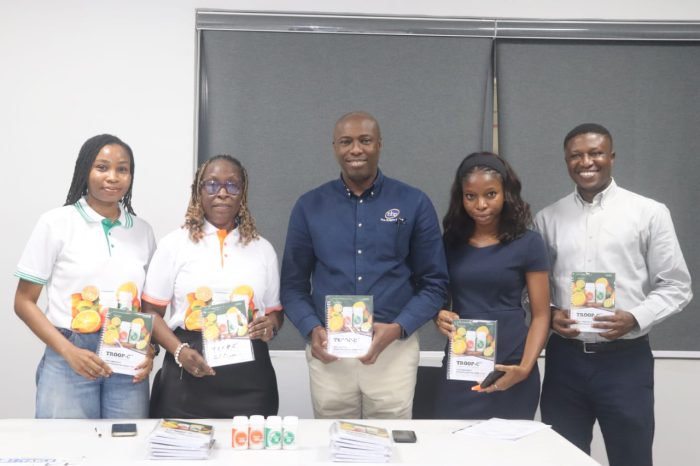
R-L: Pharm. Ogheneochuko Omaruaye and Prof. Pharm. (Mrs) Chizomam Emejem, sealing the partnership documents.
In a strategic effort to strengthen pharmaceutical distribution and expand access to quality medicines in Nigeria, Troop Pharmaceuticals has partnered with New Heights Pharma Ltd for the nationwide distribution of its flagship product, Troop-C™.
The agreement, formalised on 1 April, 2026, at the indoor hall of New Heights Pharma Ltd, appoints NHP Healthcare, a subsidiary of the company, as the exclusive distributor of Troop-C™ across the country.
Speaking at the event, the Managing Director/CEO of New Heights Pharma Ltd and Chairman of the Pharmaceutical Wholesalers and Distributors Association of Nigeria (PWDAN), Pharm. Ogheneochuko Omaruaye, described the partnership as a major boost for the availability of trusted, locally manufactured medicines.
He underscored the enduring relevance of Troop-C™, noting that its resilience over the years reflects strong consumer confidence and product quality.
“This is a product that has been available for over 20 years and has survived various economic downturns. That speaks to the strength of the product. With the distribution capacity we have built, we are confident of taking it to the nooks and crannies of the country,” he said.
New Heights Pharma team and Troop Pharmaceuticals team at the partnership sealing event.
Omaruaye further noted that the collaboration reflects a practical response to longstanding distribution challenges within Nigeria’s pharmaceutical sector.
“Distribution in Nigeria is capital intensive. Through collaboration, we are able to pool resources, reduce costs, and allow each party to focus on its core strengths. This ultimately benefits the end users,” he added.
On her part, the Managing Director of Troop Pharmaceuticals, Prof. (Pharm.) Chizomam Emeje, said the partnership aligns with efforts to promote a more structured and efficient drug distribution system in the country.
She raised concerns over the continued circulation of counterfeit medicines, stressing that stronger distribution frameworks remain critical to safeguarding public health.
Emeje expressed optimism that the collaboration would significantly widen access to Troop-C™, particularly in underserved areas, while maintaining high standards of quality and safety.
She added that Troop-C™ tablets, available in 100mg strength and packaged in 100-tablet packs, can be chewed or swallowed, offering flexibility and ease of use for consumers.
Also speaking, Mr Simon Emmanuel, emphasised the critical role of logistics in securing the pharmaceutical supply chain.
According to him, efficient logistics systems are essential to ensuring the seamless movement of medicines from manufacturers to end users, thereby improving access and preserving product integrity nationwide.
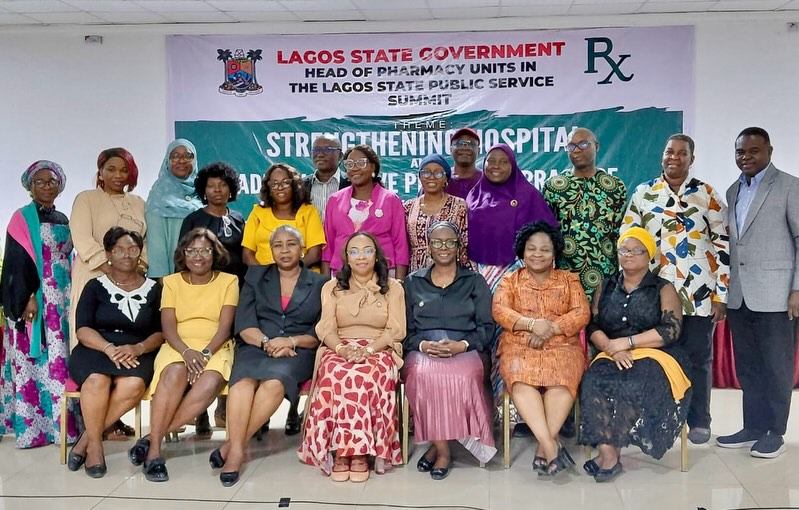
Stakeholders in the pharmaceutical sector have called for strengthened hospital and administrative pharmacy systems to improve efficient and safe drug delivery across public health facilities in Lagos State.
The call was made at a two-day summit for Heads of Pharmacy Units in the Lagos State Public Service held recently at Orchid Hotel, Lekki, with the theme, “Strengthening Hospital and Administrative Pharmacy Practice for Efficient Pharmaceutical Care Delivery in Lagos State.”
Adviser to the Governor on Health, Dr (Mrs) Kemi Ogunyemi, represented by the Senior Special Assistant to the Governor on Health, Dr Oluwatoni Adeyemi, described the gathering as timely amid growing demand for patient-centred healthcare.
Ogunyemi commended pharmacists across the state for their dedication, noting that pharmaceutical services remain central to achieving safe and efficient healthcare delivery.
She said, “This retreat comes at a critical time when the demand for safe, efficient and patient-centred healthcare continues to grow. The role of pharmacists remains central to achieving these goals.”
The Special Adviser emphasised that essential medicines constitute a key building block of any health system, adding that strengthening pharmaceutical services would enhance patient safety and improve health outcomes.
She further noted that Lagos health facilities cater not only to residents but also patients from across Nigeria and neighbouring countries, underscoring the far-reaching impact of pharmacists’ work.
Ogunyemi urged participants to leverage the summit for knowledge sharing, innovation and collaboration, encouraging them to co-create practical solutions to challenges facing pharmaceutical practice.
Also speaking, the Permanent Secretary, Lagos State Ministry of Health, Dr Dayo Lajide, charged participants to embrace excellence, continuous learning and self-development in their professional journey.
Lajide stressed the importance of diligence and professionalism, noting that civil servants must strive to give their best regardless of recognition or supervision.
She said, “Wherever you find yourself, put in your best. Do not be concerned about who is watching. Your diligence and excellence will speak for you.”
The Permanent Secretary also highlighted the need for capacity building, urging pharmacists to take advantage of digital learning platforms and evolving technologies such as artificial intelligence.
She further underscored the importance of mentoring younger professionals and documenting institutional processes to ensure continuity in the civil service.
On patient care, Lajide emphasised the critical role of pharmacists in counselling patients, particularly on proper medication use to combat issues such as antimicrobial resistance.
Delivering the keynote address, Professor Ayotunde Adebayo of the Faculty of Education, University of Lagos, described administrative pharmacy as a strategic driver of healthcare delivery beyond drug dispensing.
Adebayo explained that effective pharmacy administration rests on key pillars including human resources, finance, supply chain management and legal compliance.
He warned that poor administrative systems could lead to drug stockouts, increased costs, patient harm and regulatory sanctions, stressing the need for robust governance structures.
The keynote speaker advocated adoption of digital systems such as hospital information systems, e-prescribing and inventory management tools to improve efficiency and accountability.
He added that Lagos must prepare for future trends including artificial intelligence, blockchain and local drug manufacturing to meet the demands of its growing population.
In a goodwill message, Permanent Secretary, Lagos State Health Service Commission, Dr Cecilia Mabogunje, represented by the Director Pharmaceutical Services, Health Service Commission, Pharm. Modupe Bakare, said the summit was a deliberate intervention to strengthen pharmaceutical systems.
Mabogunje noted that the retreat provided an opportunity to identify gaps, align best practices and develop strategies for improved pharmaceutical care delivery across the state.
Similarly, the Permanent Secretary, Lagos State Primary Health Care Board, Dr Ibrahim Mustafa, represented by the Director Pharmaceutical Services, Pharm. Shakirat Adeosun, highlighted the importance of strong pharmaceutical systems in ensuring access to safe and affordable medicines at the grassroots.
Mustafa said initiatives such as the Drug Revolving Fund and strengthened supply chains have improved access to essential medicines, adding that pharmacists now play broader roles in policy, data management and digital health integration.
Also speaking, Permanent Secretary, Lagos Health District III, Dr Monsurat Adeleke, represented by the Director Pharmaceitical Services, Lagos Health District III, Pharm. Ololade Oloyede, described the summit as timely in addressing the evolving role of pharmacists in healthcare delivery.
Adeleke emphasised that strengthening administrative and hospital pharmacy practice would enhance service delivery, regulatory compliance and patient outcomes.
In his contribution, the Director, Lagos State Zonal Office of the Pharmacy Council of Nigeria, Dr Taiwo Filusi, represented by Pharm. Samuel Onoja, commended the Ministry of Health for organising the summit.
Filusi noted that such engagements promote professional development, harmonisation of best practices and improved pharmaceutical services across health institutions.
Earlier in her welcome address, Director of Pharmaceutical Services, Lagos State Ministry of Health, Pharm. (Mrs.) Olawale Poluyi, described the summit as a strategic engagement to reposition pharmaceutical practice.
Poluyi noted that pharmacists must assume stronger leadership roles in governance, patient safety, supply chain efficiency and rational medicine use to improve health outcomes.
She urged participants to maximise the opportunity for experience sharing and collaboration, stressing that outcomes from the summit should translate into measurable improvements in service delivery.
In her closing remarks, the Director Pharmaceutical Services, Lagos State Health Service Commission, Pharm. Modupe Bakare appreciated participants and organisers, noting that the summit provided practical insights that would impact service delivery.
She urged participants to remain interactive and committed to applying lessons learned at their various duty posts, expressing optimism that the outcomes would strengthen pharmaceutical care delivery in Lagos State.
Experts have called for greater investment in girl-child education to reduce gender disparities and improve access, retention, and completion rates for millions of Nigerian girls, stressing the need for systemic reforms.
The call was made on Tuesday in Abuja during a high-level policy dialogue organised by the Malala Fund on financing the future of Nigerian girls through gender-responsive education planning and budgeting.
Stakeholders at the dialogue highlighted financing, policy reforms, and accountability as critical measures to improve education outcomes across the country for girls.
The Chief Executive Officer of Malala Fund, Nabila Aguele, said the organisation worked toward a world where all girls could access at least 12 years of quality education.
Aguele said that the fund prioritised adolescent girls, particularly at the secondary school level, by supporting local organisations and advocating for policies that centred the needs and voices of girls.
She added that improving girls’ education required addressing systemic barriers alongside financing gaps, with quality spending and accountability mechanisms essential for sustainable results nationwide.
According to Aguele, educating girls improves future earnings, productivity, and economic development while reducing poverty, particularly in underserved and marginalised communities across Nigeria.Local enterprise promotion
She emphasised that federal investment in education remained below target and called on policymakers to align budgets with plans while ensuring accountability to achieve tangible results.
Aguele said that the Malala Fund supported local actors rather than directly implementing programmes, noting that community-based organisations were better positioned to drive sustainable change and influence policy reforms.
Leading the call, Bukky Shonibare, Executive Director of Invictus Africa, said Nigeria had about 9.5 million girls out of school, representing 28 per cent of the country’s female population.
She expressed concern that Nigeria allocated only seven per cent of its 2025 national budget to education, far below the UNESCO-recommended 15 to 20 per cent benchmark.
Shonibare said that beyond allocations, effective and targeted spending was critical, highlighting gaps between budget provisions and actual releases that undermined education outcomes in many states.
She called for deliberate investment to address barriers preventing girls from enrolling, staying, and completing school, urging integration of gender-responsive strategies into national development plans.
Shonibare highlighted structural barriers, including lack of facilities, early pregnancy, absence of female teachers, and unsafe learning environments that prevented many girls from attending school.
Representatives from Kano and Oyo states reiterated commitments to gender-responsive planning, increased enrolment, and improved accountability in the use of education budgets within their states.
The Permanent Secretary of Kano State Ministry of Education, Alhaji Bashir Mohammed, said the state had aligned its policies to ensure that vulnerable girls were visible in education funding decisions.
He added that Kano allocated more than 39 per cent of its budget to education to support those initiatives.
Mrs Olufunke Karunwi, Permanent Secretary of Oyo State Ministry of Education, said the state prioritised gender-responsive planning, including school feeding, free uniforms, and safe transport to improve girls’ enrolment, retention, and completion.
The UN Women Country Representative to Nigeria and ECOWAS, Beatrice Eyong, said investing in girls was a social and economic imperative, noting that targeted investments could yield returns exceeding 21 times the initial cost.
She added that embedding gender-responsive approaches into national planning and budgeting frameworks was critical to achieving Sustainable Development Goal Five, warning that inadequate investment could have long-term national consequences.
Stakeholders emphasised sustained investment, policy alignment, and community engagement to ensure every Nigerian girl accesses quality and equitable education.
She added that embedding gender-responsive approaches into national planning and budgeting frameworks was critical to achieving Sustainable Development Goal Five, warning that inadequate investment could have long-term national consequences.
Professor of Global Health Education and Research Leadership at the Medical Research Council (MRC), The Gambia, Prof. Assan Jaye, has called on African governments to prioritise funding for health research to ensure sustainability.
Jaye made the call in Abuja at a high-level workshop on Pan-African Health and Clinical Trials Data Sharing, adding that it would also maximise the continent’s vast data resources.
The workshop was organised by the Africa Centres for Disease Control and Prevention (Africa CDC), in collaboration with MRC Gambia at London School of Hygiene and Tropical Medicine (LSHTM).
The event was alongside the West African Network of Excellence for Tuberculosis, AIDS and Malaria (WANETAM).
He said that while Africa had generated substantial high-quality data on diseases such as tuberculosis, malaria and HIV, the continent still relied heavily on external funding for research and infrastructure development.
According to him, the dependence poses a threat to sustainability, especially as international funders increasingly expect greater domestic investment from African governments.
“African governments are still reticent in allocating resources for research, and this has been a long-standing issue.
“We must begin to prioritise research funding locally to sustain the infrastructure and capacity we have built over time,” he said.
Jaye explained that the workshop was convened to expand an existing regional data repository into a pan-African platform that would enable better data sharing, collaboration and innovation in health research.
He said the Health Data Research Platform for West Africa was initially developed in response to rising cases of multidrug-resistant tuberculosis and malaria drug resistance across the region.
He noted that the platform had since grown into a critical repository for diverse datasets, including HIV mutations and emerging disease patterns, which could inform policy and improve health outcomes.
“Data is now central to everything we do, including the use of emerging technologies such as Artificial Intelligence.
“However, for Africa to benefit, we must own, understand and control our data,” he said.
Jaye added that the platform would support secondary data analysis by researchers, enhance collaboration and ultimately translate research findings into improved healthcare delivery.
He also highlighted ongoing efforts to deploy innovative tools, including Artificial Intelligence for tuberculosis diagnosis using X-ray imaging, as well as language models for interpreting clinical data.
Also speaking, Prof. Toyin Togun of LSHTM, described Nigeria as central to any regional or continental health intervention due to its population size and disease burden.
Togun said Nigeria’s leadership role in tackling tuberculosis, malaria and other infectious diseases made it a strategic hub for advancing data-driven health research in West Africa.
“Nigeria is crucial to any intervention in Africa because of its population, diversity and the scale of its public health challenges.
“We must ensure that Nigeria is fully integrated into any pan-African data-sharing initiative,” he said.
He, however, identified poor data quality, inadequate standardisation, and weak infrastructure as major challenges to effective data collection, storage and dissemination.
According to him, ensuring high-quality, representative data and investing in secure storage systems and skilled personnel are essential for maximising the value of health data
Togun said participants at the workshop were working towards an “Abuja Declaration” that would outline commitments by researchers and institutions across more than 12 West African countries to strengthen data sharing and research collaboration.
Prof. Dorothy Yeboah-Manu, Director of the Noguchi Memorial Institute for Medical Research, University of Ghana, underscored the need for greater awareness among policymakers on the importance of data sharing.
She said effective cross-border collaboration depended on harmonised data governance policies and a shared understanding of the value of data in addressing common health challenges.
Drawing lessons from the COVID-19 pandemic and Ebola outbreaks, Yeboah-Manu said rapid data sharing had been critical to the development of vaccines, diagnostics and response strategies.
“We need to understand that diseases do not respect borders, and without data, we cannot strategise effectively to combat them,” she said.
She emphasised that although large volumes of health data existed across Africa, they were often fragmented and underutilised, limiting their impact on research and policy.
Yeboah-Manu also highlighted the critical role of women in health research, particularly in data collection and clinical trials, and called for increased investment in building the capacity of female scientists.
In her remarks, Michelle Nderu, an officer with the European and Developing Countries Clinical Trials Partnership (EDCTP), described the initiative as timely and essential for strengthening collaboration across institutions.
Nderu said consolidating fragmented datasets into a trusted and accessible platform would enhance research capacity and inform evidence-based health policies across the continent.
She emphasised that improved data sharing would not only foster trust among institutions but also accelerated progress in clinical research and healthcare delivery.
The workshop brought together researchers, policymakers and development partners to develop a roadmap for a unified African health data repository, with a focus on governance, accessibility and sustainability.
Participants expressed optimism that stronger collaboration and increased domestic investment would position Africa to better harness its data to improve health outcomes and scientific advancement. (NAN)
Pandemics are inevitable, and nations must be ready to respond swiftly, says Dr Iziaq Salako, the Minister of State for Health and Social Welfare.
Salako said this at the Public Health Symposium on “Lessons on Pandemic Preparedness and Response: Insights from China and Nigeria” on Monday in Abuja.
The minister warned:” The next pandemic is not a matter of if but when,” stressing the importance of coordinated, equitable, and innovative preparedness.
He noted that COVID-19, which claimed over seven million lives worldwide, exposed vulnerabilities in global health systems while demonstrating the value of collaboration and resilience.
He highlighted Nigeria’s progress in strengthening its health security landscape.
These, he said, included the digitalisation of infectious disease surveillance with SORMAS, training of health workers, and expanded diagnostic infrastructure with over 100 public health laboratories.
Others, he said, were the establishment of infectious disease centres and public health emergency operation centres in all states and the Federal Capital Territory.
These measures, he said, had helped improve Nigeria’s technical evaluation score from 39 per cent in 2017 to 54 per cent in 2023.
Africa’s media insights
He also noted China’s rapid and disciplined response to COVID-19, emphasising the importance of technology integration and community mobilisation.
“Mutual learning between Nigeria and China is critical to building resilient systems capable of safeguarding citizens and optimising global actions against future health emergencies,” he said.
Under President Bola Tinubu, he said that health security was prioritised as the fourth pillar of the Health Sector Renewal Investment Initiative.
“State-level preparedness is being strengthened through the 7-1-7 target and the SITAware Transition Project, while the One Health approach ensures coordinated attention to human, animal, and environmental health.
“Nigeria is also engaged in the WHO pandemic agreement negotiations, reflecting its commitment to multilateral cooperation,” he said.
He stressed that pandemic preparedness required a whole-of-society approach, involving governments, the private sector, communities, researchers, and international partners.
He urged stakeholders to focus on actionable policies, partnerships and innovations to ensure global readiness and equity.
“Let us work together across borders and sectors to ensure full readiness for the next pandemic, leaving no one behind,” he said.
The event marked a strategic shift toward a self-reliant, industrialised healthcare system in Nigeria through international partnerships, local production, and strengthened health security.
The Gombe State Primary Health Care Development Agency is leading efforts, with support from UNICEF, to increase immunisation coverage across the state.
The Executive Secretary of the agency, Dr Abdulrahama Shuaibu, disclosed this in an interview with newsmen on Monday, after an immunisation review meeting.
Shuaibu said that the agency had stepped up advocacy and community outreach, working with traditional rulers, religious leaders, and the media to encourage parents to take their children for vaccination.
According to him, vaccination teams, chosen from within the local communities, receive full training and daily refresher sessions to ensure high-quality service delivery.
On the issue of resistance, Shuaibu assured parents that the agency and development partnets would not leave any stone unturned in ensuring every child was fully immunised.
Dr Nuzhat Rafique, Chief of UNICEF Bauchi Field Office, said engagement and grassroots mobilisation had significantly improved awareness.
Rafique said traditional rulers and emirs were actively supporting the campaign by hosting launch events in their palaces.
“This involvement is important because it helps the campaign reach more people and work better,” she said.
According to her, UNICEF has provided more than 965,000 polio vaccine doses, which have been safely delivered and managed across all local government areas.
She noted that the campaign had strong support from all stakeholders
“The state government has ensured proper storage, handling, and delivery to field teams.
“The campaign is targeting over 700,000 children, with daily reports showing that more than 60 per cent of targets are being met, though final figures will only be confirmed after the campaign ends.
She, however, stated that the major focus was on the more than 50,000 zero-dose children who had never received any vaccination.
“Intensified efforts are underway to ensure none are left behind,” she added.
The UNICEF scribe expressed optimism that with the government and its partners, backed by strong leadership, community ownership, and sustained collaboration, Gombe State was on track to achieve significant results in the remaining three days of the five-day campaign.
The campaign is targeting more than 900,000 children between the ages of 0–59 months
Managing Director, May & Baker, Pharm. Patrick Ajah, presenting the award plaque to the winner of the Overall Best Distributor Award, the MD of Chuphil Pharmacy, Mr Chukwudi Diji.
As part of efforts to sustain growth and deepen its market presence, the foremost Nigerian pharmaceutical company, May & Baker PLC has set a revenue target of N42.3 billion for 2026.
The company disclosed at the 2026 Customer Forum held on Friday, 27 March, 2026, in Lagos, where the managing director, Pharm. Patrick Ajah also reaffirmed the firm’s commitment to the well-being of Nigerians through the provision of quality medicines.
Addressing distributors at the event, Pharm. Ajah acknowledged the difficult economic climate in Nigeria but commended partners for their continued support, which he said contributed to the company’s strong performance in the past year.
“We know how challenging the economic environment has been, but because of your partnership, May & Baker did well last year. Our success is from your success. If you succeed, we succeed” Pharm. Ajah told the distributors.
He noted that despite prevailing headwinds, the company remains focused on growth, stressing that rising targets reflect its ambition to expand operations and improve performance. He said, “The target is always going up because we believe we should keep progressing. I also believe that your business is going to be moving forward”.
Some management staff of May & Baker with some of the distributors at the customer forum
Speaking with journalists on the importance of the forum, Pharm. Ajah explained that the annual customer forum serves as a platform to reward top-performing distributors and obtain market feedback to guide business strategy.
“We invite our top-performing distributors to appreciate them and also get feedback. They are in the market; they have the ears of the people. That information helps us to restructure our strategy to reach Nigerians better”, Pharm. Ajah told journalists.
The company’s managing director specifically noted that May and Baker recorded a 32 per cent growth in the last financial year, attributing the performance to strong distributor networks and increased demand for its products. He said, “We grew by 32 per cent last year. We are one of the few companies growing in this kind of economy. It means our products are doing well and our distributors are also growing their businesses”, he said.
Reiterating the company’s values, he stressed that May & Baker prioritises not only its distributors but also the end-users of its products. He said, “We care about our distributors, our customers, and the people who use our products. We care a lot about Nigerians. Quality is what we focus on”.
He added that strengthening distributor networks across the country also helps combat the proliferation of counterfeit medicines, noting that the company relies on its partners to identify and report fake products.
On challenges, Ajah cited rising production costs driven by foreign exchange volatility, logistics constraints, and insecurity. He also raised concerns over the impact of global developments on raw material prices.
He specifically decried the impact of the ongoing Iran-Israel/US war, saying the price of paracetamol raw material has almost doubled within weeks from about $2.90 per kg to as high as $5.90 due to global disruptions.
Despite the challenges, he said the company is investing in logistics, including the acquisition of new trucks, and expanding its footprint, particularly in northern Nigeria, through targeted advertising campaigns.
Pharm. Ajah also stated the need for company owners, especially the distributors, to have succession plan initiatives to ensure business continuity and sustainability. “We want their businesses to succeed. Succession planning is very important. At some point, people will retire, and we want to ensure their businesses outlive them”, Pharm. Ajah enthused.
Earlier, the Head of Sales, Pharma Sales & Marketing, Pharm. Chigozie Maduneme said the company recorded N33.9 billion in revenue in 2025, representing a 32.48 per cent growth and 88.61 per cent achievement of its target.
Pharm. Maduneme also noted that the company plans to invest over N1.16 billion in marketing and promotional activities in 2026, to boost product visibility and sales nationwide.
In his remarks, the Brand Manager, Mr David Onipe, reiterated the company’s commitment to ensuring access to quality medicines, stating that efforts are ongoing to meet the healthcare needs of Nigerians.
While addressing the distributors at the forum, a resource person, Dr Sophia Abiri-Franklin, charged them to have a succession plan for their business. He stated that all company owners need to put proper structure and system in place to ensure that their business outlives them.
According to her, over 70 per cent of small and medium enterprises don’t have succession plans, and the majority of family businesses don’t survive the transition of the children.
The high point of the event was the presentation of awards to outstanding distributors for their performance in 2025, with Chuphil Pharmacy emerging as the overall best distributor.
The pharmaceutical industry remains one of the most commercially demanding sectors in Nigeria. Between increasing regulatory scrutiny, pricing pressures, extreme competition, and shifting healthcare financing structures, the commercial success of pharmaceutical organisations now depends heavily on frontline leadership quality.
Among all business functions—finance, supply chain, manufacturing, regulatory, and administration—sales remain the only function that directly converts organisational investment into revenue. Consequently, the sales manager occupies one of the most strategically sensitive roles within the pharmaceutical value chain.
The sales manager’s primary responsibility is straightforward in theory but complex in execution: ensuring that every member of the sales team consistently delivers results. However, in Nigeria’s current business environment, achieving this objective requires far more than supervision. It demands intentional talent development, credible leadership, structured performance management, and strong relationship capability.
Intentional talent development and coaching culture
Sales managers must accept one fundamental truth—results are delivered through people. Sustainable commercial growth in pharmaceutical sales is directly proportional to the competence and confidence of field representatives.
Many pharmaceutical organisations still rely heavily on periodic classroom training or product launch briefings. While useful, these alone rarely transform field performance. Real growth occurs through structured coaching embedded into daily field operations.
For instance, during joint hospital visits or pharmacy calls, an effective sales manager does not merely observe but conducts pre-call planning, accompanies the representative during detailing, and performs post-call review discussing strengths, missed opportunities, and alternative approaches. Over time, this strengthens selling discipline and customer engagement confidence.
Coaching in today’s Nigerian market must also cover territory business ownership. Representatives must understand how to prioritise customers, manage credit exposure, balance trade and institutional customers, and build long-term demand rather than focusing solely on immediate order generation.
In addition, coaching has become a critical retention strategy. The Nigerian pharmaceutical labour market is highly mobile, with aggressive competitor recruitment. Representatives are more likely to remain loyal to organisations where they experience measurable professional development.
Adaptive and credible leadership
Leadership credibility remains one of the most underestimated drivers of sales team performance. Representatives are more likely to stretch performance boundaries when they trust the competence and fairness of their manager.
Modern pharmaceutical sales managers must possess the ability to translate corporate sales targets into realistic and motivating field expectations. For example, if a company introduces an aggressive growth plan following a product relaunch or portfolio expansion, the sales manager must break down targets into achievable territory-level action plans rather than simply communicating numeric expectations.
Adaptive leadership has become particularly important in Nigeria due to economic instability and frequent supply chain disruptions. Consider a situation where delayed product importation creates stock shortages. Poor leadership may simply demand sales performance despite unavailability. Strong leadership, however, involves transparent communication, re-prioritising available products, strengthening customer relationships during supply gaps, and protecting team morale.
Leadership also involves managing multi-generational teams. Younger representatives often require more structured supervision and frequent feedback, while experienced representatives may require autonomy but strong accountability structures. The ability to balance these dynamics significantly influences team productivity.
Data-driven productivity and performance management
The Nigerian pharmaceutical industry has gradually embraced digital reporting tools, CRM platforms, and distributor analytics. However, many organisations still struggle with converting data into actionable performance insights.
Effective Sales Managers focus not only on activity quantity but also activity quality. For example, achieving ten daily calls may appear impressive, but if those calls do not target high-prescribing physicians or decision-making pharmacists, commercial impact remains limited.
Performance monitoring should therefore include indicators such as call effectiveness, customer coverage depth, prescription influence, collection performance, and quality of market intelligence reports.
Strong sales managers conduct routine structured performance reviews alongside unplanned field audits. For instance, random verification of hospital visits or pharmacy interactions helps maintain field discipline and reinforces accountability culture.
Importantly, underperformance must be addressed early. Many managers delay performance conversations, hoping performance will improve naturally. In reality, early coaching, retraining, or territory adjustment often prevents long-term productivity decline and protects team morale.
Strategic relationship and stakeholder management
Pharmaceutical selling in Nigeria remains strongly relationship-driven. However, relationship management has evolved beyond maintaining cordial interactions with healthcare professionals.
Sales managers must guide their teams in building professional relationships across multiple stakeholder categories including distributors, hospital procurement departments, HMOs, and regulatory representatives.
For example, strong distributor relationships can improve stock availability, accelerate collections, and enhance market intelligence flow. Similarly, structured engagement with hospital pharmacy procurement committees can significantly influence institutional tender opportunities.
Relationship effectiveness today requires emotional intelligence, listening ability, cultural sensitivity, and reliability. Sales Managers who consistently honour commitments, resolve distributor concerns promptly, and maintain transparent communication often enjoy stronger long-term commercial stability.
Conclusion
Pharmaceutical sales managers in Nigeria are no longer mere supervisors of field activity. They are talent developers, team motivators, performance strategists, and relationship architects. Organisations that prioritise leadership development at this level typically experience stronger field productivity, improved staff retention, and more stable market expansion.
The second part of this discussion will focus on the commercial, operational, and execution competencies required to translate leadership capability into measurable business growth.
The 2026 Ekini White Tulip Training Calendar is now available. You may request a copy by sending #Send 2026 Calendar# to 08029606103 (WhatsApp) or via ekiniwhitetuliptraining@gmail.com
Tunde Oyeniran, B Pharm. MBA, FSPMN, a sales/marketing strategist, selling/sales management trainer and personal sales coach is the lead consultant, Ekini White Tulip Consulting Limited (eWTC), Lagos. eWTC provides training, recruitment, online CME/medico-marketing and field force management solutions services. Feedback Channels: 080-2960-6103 (SMS/WhatsApp) /ekiniwhitetuliptraining@gmail.com or check out https://fb.me/EkiniWhiteTulipConsulting
Provost of Oasis College of Nursing Sciences, Kuje, Abuja, Mrs Mary Oritimehin, has urged government at all levels to improve nurses’ remuneration to motivate them to give their best to the profession.
Oritimehin, who made the call during the matriculation of 113 students of the college in Abuja, also called for an improved working environment for nurses to end brain drain in the health sector.
She noted that a high premium was being placed on Nigerian Nurses abroad due to the vigorous training they received.
She, however, complained that poor remuneration and working conditions in Nigeria were driving the nurses out to foreign countries in search of greener pastures.
“Huge resources are be “It doesn’t make sense that resources will be spent training them and they won’t stay back to develop the healthcare system.
“However, the challenge can be addressed by intentional policy aimed at making life easy for nurses. This will enable them to practice their profession in the country seamlessly,” she said.
The provost said that governments should make concerted efforts to retain the nurses that were being trained in the country by giving them a better life through improved remuneration, self-esteem and a conducive working environment.
“When there is an opportunity for them to enhance their standards of living here, moving abroad will become unattractive,” she said, spending on training nurses in the country without retaining them to develop the health systems.
She said that the current situation, in which two nurses attend to more than 40 patients, was not good for their mental health or the image of the nursing profession.
Oritimehin disclosed that about 113 matriculated students were admitted to study both basic and national diploma courses in nursing.
She said that the students would be trained to contribute towards the development of Nigeria’s health systems.
In his remarks, the Registrar of the College, Mr Chukwudi Odoh, said that the institution was working hard to contribute to the development of manpower for the country’s health sector.
Odoh said that different regulatory bodies, such as the Nursing Council of Nigeria, the National Board for Technical Education and the Joint Admission and Matriculation Board, have given necessary approvals for the admission.
One of the students, Michael Amarachi, expressed excitement about securing admission in the college to study basic nursing.
“I can’t stand seeing sick people without helping them. When my uncle died, I was in so much pain that I couldn’t help.
“So, I chose to study nursing to be able to contribute my quota in improving the health of the Nigerian population,” he said. (NAN)
The Nigerian Meteorological Agency has projected a mix of dust haze and sunshine across the country from Monday through Wednesday.
In its weather outlook released Sunday in Abuja, NiMet said northern states will experience moderate dust haze on Monday, particularly in Kebbi and Kano, with horizontal visibility expected to range between two and five kilometres. Other parts of the region are likely to see generally sunny and hazy conditions.
For the central region, including the Federal Capital Territory and Niger State, moderate dust haze is also anticipated, while the rest of the zone will remain largely sunny with hazy skies.
In the southern region, residents can expect sunny conditions with intermittent cloud cover. NiMet noted the likelihood of afternoon and evening thunderstorms accompanied by light rainfall in parts of Bayelsa, Lagos, Cross River, and Akwa Ibom.
On Tuesday, a slight dust haze is forecast to persist over Kano and Kebbi, while the broader northern region continues under sunny and hazy skies. The central states are expected to maintain similar conditions, with isolated thunderstorms possible in parts of Plateau State later in the day.=
Southern states, according to the agency, will see a continuation of sunny skies with cloud patches, alongside thunderstorms and light rains in areas including Ogun, Ondo, Edo, Bayelsa, Rivers, Lagos, Cross River, and Akwa Ibom.
By Wednesday, both northern and central regions are expected to remain predominantly sunny and hazy. In the South, however, cloud build-up may trigger afternoon or evening thunderstorms, with light rainfall likely in Oyo, Ogun, Ondo, Edo, Bayelsa, Rivers, Lagos, Delta, Cross River, and Akwa Ibom.
NiMet cautioned that dust particles will remain suspended in the atmosphere during the period, advising individuals—especially those with respiratory conditions such as asthma—to take necessary precautions. Motorists were also urged to drive carefully during rainfall, while airline operators were advised to obtain location-specific weather reports for safe flight planning.
The agency encouraged the public to stay updated through its official channels. (NAN)
Ageing is often described as a gentler phase of life, a period when earlier pressures begin to reduce and a sense of stability becomes possible. In reality, however, later life also comes with its own set of challenges. While the sources of stress may change, they rarely go away. Issues like financial concerns, health challenges, changing family roles, and the emotional impact of loss frequently affect the lives of older people.
Unlike the more visible and time-bound midlife stressors, such as deadlines, career demands, and raising children, stress in later years is often subtle and more persistent. It may not appear as a single crisis but as a steady flow of worries that gradually becomes part of daily life.
Nature of stress in later life
Stress in later years often develops gradually, driven by both practical and emotional realities. Health concerns become increasingly important, not only because of diagnosed conditions but also due to the uncertainty that accompanies physical ageing. Even routine medical visits can trigger anxiety, particularly in a healthcare system like Nigeria’s, where costs and access remain unpredictable.
Financial pressure is another common source of stress. For many Nigerians, retirement does not always guarantee economic security. Older adults frequently continue to support children and extended family members, sometimes at considerable personal cost. While these responsibilities are culturally valued, they can create ongoing psychological tension.
There are also less visible factors, which can be equally significant. Loneliness after children leave home, adjustment to retirement, and the emotional effects of bereavement often generate long-term stress. While these experiences may not always be recognised as clinical issues, they exert sustained psychological pressure. In many cases, stress becomes less about specific events and more about prolonged mental strain.
When stress becomes a health concern
Chronic stress is not simply an emotional experience; it has measurable effects on the body. Prolonged stress leads to continued elevation of hormones such as cortisol, which can gradually affect cardiovascular, metabolic, and immune function.
In older adults, whose physiological strength is already weakened, these effects can be more pronounced. Elevated blood pressure, poor sleep, declining immunity, and difficulties with concentration are commonly observed. Importantly, these symptoms are often attributed solely to ageing, without recognising the role of persistent stress.
Research increasingly shows that long-term stress contributes to the development and progression of chronic diseases. Cardiovascular conditions, metabolic disorders, inflammatory processes, and mood disturbances are all linked to sustained psychological strain. Stress, therefore, should be viewed not merely as a personal issue but as a factor with clear clinical implications.
Recognising subtle symptoms
One of the difficulties in addressing chronic stress among older adults lies in its presentation. Stress rarely produces dramatic warning signs. Instead, it often appears through nonspecific symptoms such as fatigue, irritability, sleep disturbances, reduced concentration, or vague physical complaints.
In clinical settings, these indicators may easily be overshadowed by more immediate medical concerns. Yet recognising the contribution of stress requires deliberate attention. For pharmacists and other healthcare professionals, this may involve expanding conversations beyond medication use to include questions about sleep quality, mood, coping patterns, and social engagement.
Such discussions are not secondary to care. They are essential to a more comprehensive understanding of health in later life.
Sustainable management strategies
Managing chronic stress does not usually require complex interventions. More often, it involves the development of stabilising routines and supportive habits that promote both psychological and physical balance.
Regular daily patterns, such as consistent sleep, moderate physical activity, and balanced nutrition, help regulate the body’s stress response. Exercise, in particular, remains one of the most accessible and effective strategies for reducing stress. Equally important are activities that encourage mental relaxation, including reflective practices, prayer, meditation, or other forms of deliberate rest.
Social connection also plays a vital protective role. Isolation tends to intensify psychological strain, whereas meaningful interaction helps buffer stress and supports emotional wellbeing. Engagement in community, professional, or faith-based networks often provides not only companionship but also renewed purpose.
For many people, spiritual beliefs offer additional psychological stability. Faith traditions frequently provide frameworks that encourage acceptance, reduce anxiety, and foster fortitude in the face of uncertainty.
Essentially, healthy ageing must extend beyond the management of physical illness to include the careful preservation of psychological wellbeing.
A cross-section of the Lagos ACPN members at the AGM
The Lagos State Branch of the Association of Community Pharmacists of Nigeria (ACPN) has urged the federal and Lagos state governments to take urgent action against the proliferation of fake, unwholesome, and substandard drugs in Nigeria’s healthcare system.
The call was made by the Chairman of ACPN Lagos, Pharm. Tolulope Ajayi, during the association’s Annual General Meeting (AGM), held at the 10 Degrees Events Centre, Oregun, Lagos.
Addressing the community pharmacists in the State, Ajayi expressed deep concern over the current state of drug distribution in Lagos and across the country. He highlighted that the Federal Task Force for counterfeit and substandard drugs, which has been approved by the Federal Ministry of Health, is yet to be inaugurated in Lagos State, despite many other states having activated the body.
“The time to act is now,” Ajayi emphasised. “This task force is critical to complement the efforts of NAFDAC and the Pharmacy Council of Nigeria (PCN) in ensuring that medicines circulating in our communities are genuine and safe. The integrity of our drug distribution system directly impacts the quality of healthcare outcomes and the nation’s progress toward Universal Health Coverage.”
Ajayi also stressed the urgent need for the establishment of a Drug Management Agency managed by pharmacists, noting that such an agency would provide oversight and professional management of Nigeria’s medicine supply chain.
A cross-section of the Lagos ACPN executive members at the AGM
He singled out the need for the Pharmacy Council of Nigeria (PCN) to expedite the construction of the Lagos Coordinated Wholesale Centre (CWC) within the set timelines, noting that it represents the best available alternative to the chaotic open drug markets where medicines are currently exposed to weather elements and handled unethically. “While construction is ongoing, it is imperative that the project be completed promptly to ensure safe and ethical pharmaceutical practice in Lagos,” he said.
The ACPN Lagos chairman further criticised what he described as preferential treatment of certain professionals within the health sector, calling instead for a patient-centred approach to healthcare delivery. He argued that a stronger focus on patient care, supported by adequate manpower and facilities at all levels of specialisation and critical care, is essential to achieving Universal Health Coverage and improving Nigeria’s global healthcare ranking.
Ajayi also used the AGM platform to highlight the achievements of ACPN Lagos under the current administration, including the acquisition of a permanent site at Ketu-Alapere, development of a robust digital platform for member engagement, and efforts to strengthen capacity building through continuing education, certifications, and mapping of all community pharmacy facilities in the state.
“Lagos ACPN is committed to driving change and supporting regulators and policymakers to sanitise our drug distribution system,” Ajayi concluded. “We are men of honor, and we will continue to advocate for safe, ethical, and professional pharmacy practice across Lagos and Nigeria.”
The AGM also re-elected the state executives, reaffirming their mandate to lead ACPN Lagos in achieving its objectives of growth, advocacy, and professional excellence.
A cross-section of the Lagos ACPN members at the AG
A cross-section of the Lagos ACPN executive members at the AGM
Pharm. Ismail Kola Sumonu is the managing director of Caratiyah Pharmacy. He is also a former zonal coordinator of the Ipaja, Dopemu, Egbeda and Akowonj (IDEA) Zone of the Association of Community Pharmacists of Nigeria (ACPN), a former treasurer of ACPN Lagos State, a former publicity secretary of PSN Lagos State, and the immediate past secretary of PSN Lagos State. With years spent on the frontline of community pharmacy, he combines leadership, mentorship and practical experience to strengthen healthcare delivery and professional development in Lagos. In this exclusive interview with Adebayo Oladejo, the pharmacy leader shares insights on the realities of community pharmacy in Lagos, lessons from his leadership journey, challenges facing pharmacists, and strategies for growth in a rapidly evolving healthcare landscape. Excerpts:
Having practised both in Nigeria and abroad, how has your international experience shaped the way you run Caratiyah Pharmacy?
I haven’t practised extensively outside Nigeria due to policy and language barriers, but I am familiar with pharmacy systems in Saudi Arabia and some Gulf countries. The standards there are commendable, and I have implemented several best practices locally. For instance, I shared insights on health insurance with the current ACPN Lagos State Chairman to explore how HMOs and community pharmacies in Nigeria can operate more efficiently.
As a former zonal coordinator, what lessons from that leadership role do you still apply in mentoring young pharmacists today?
Leadership taught me to guide young pharmacists to embrace mentorship, understand delayed gratification, and rise gradually through the ranks. Sudden leaps, whether in politics or professional practice, can backfire. Patience, structured guidance and learning from experienced professionals are key to sustainable growth.
What are the biggest challenges facing community pharmacists in Nigeria, and how can they be effectively addressed?
Many assume that access to capital is the main challenge, but lack of business knowledge and poor self-esteem are bigger obstacles. A young pharmacist could be given ₦10 million and still make poor decisions because professional expertise is not paired with strong business acumen or confidence. These skills are vital for negotiating favourable terms and engaging effectively with government policies.
Policies exist, but implementation is weak. For example, the Lagos State Health Management Authority often delays payments to pharmacies for weeks. There are no tax incentives, loans or social supports that recognise pharmacists’ contributions. Governments should explore initiatives such as engaging pharmacists in community outreach programmes or offering social incentives to strengthen professional morale and business sustainability.
What strategies keep you updated and competitive in a fast-changing industry?
Pharmacists must constantly learn, adopt global best practices and be willing to explore new areas beyond the four walls of a retail pharmacy. Knowledge, mentorship and patience are essential to thriving in a competitive and evolving sector.
Caratiyah Pharmacy serves diverse communities in Lagos. How would you describe the rewards of practice here?
Community pharmacies are healthcare at your doorstep, not just shops. Serving the community for nearly two decades has brought immense satisfaction. The appreciation from patients often outweighs financial rewards. I still envision a future where community pharmacists in Nigeria can operate sustainably, enjoy financial freedom and deliver essential care with confidence.
What advice would you give young pharmacists aiming to combine professional practice, entrepreneurship and leadership?
Patience is critical. Focus on learning, building skills and creating value before chasing money. Seek mentorship and stand on the shoulders of experienced professionals. With knowledge, patience and guidance, there are no limits to what you can achieve.
What is your final word on the future of community pharmacy in Nigeria?
Community pharmacists must be fully recognised and included in healthcare policy, medicine management and patient safety programmes. Bridging professional gaps, fostering collaboration and respecting all healthcare roles will strengthen the system, improve patient outcomes and elevate the profession across Nigeria.
The Kwara State Government has expressed displeasure at the lackadaisical attitude of some council chairmen to routine immunisation of children in their area.
The Deputy Governor, Mr Kayode Alabi, expressed the government’s displeasure at the First Quarterly Meeting of the Kwara State Taskforce on Immunisation, in Ilorin.
Alabi, who was reacting to report of poor support from the councils, said that the government would not tolerate such an attitude from any quarter.
He said that the state would continue to give routine immunisation and primary healthcare the highest priority it deserves.
The deputy governor commended the State Primary Healthcare Development Agency on its activities, particularly routine immunisation and boosting primary health care service at the grassroots.
Earlier, the Executive Secretary, Kwara Primary Healthcare Development Agency, Prof. Nusirat Elelu, said the state had made significant strides in routine immunisation, as over one million children were vaccinated in 2025.
Elelu said that in the response to polio outbreak in the state, over a million children were covered in the immunisation across the 16 local government areas (LGAs)
According to her, Moro LGA had the widest coverage of 91 per cent, adding that all the wards in the state were visited in spite of security challenges in some parts of the state.
She said that due to the insecurity in some communities including Kiama LGA, supplementary immunisation activities had to be carried out to quickly improve immunity of children.
Elelu said that the security challenges compromised the community with two confirmed cases of Circulating Variant of Polio Virus 2 (CvPv 2) in December 2025.
She raised concern over the increasing insecurity spreading to more communities.
Elelu also cited the none release of LGA counterpart funds in some LGAs, attributing this to lack of political will.
She appealed to the leadership of LGs in the state to provide more support for Primary Health Care (PHC) activities.
Elelu reiterated the resolve of the state government to ensure improved security architecture to protect communities and healthcare workers to enable comprehensive immunisation of children in Kwara.
She described the quarterly meetings as a statutory engagement of the agency with other stakeholders in high decision making.
“The National Immunisation Plus Days targeting zero to nine months will commence soon,” Elelu said.
Also, the Kwara Commissioner for Health, Dr Amina El-Imam, emphasised the critical role of vaccines in preventing diseases.
El-Imam, who was represented by the Permanent Secretary of the ministry, Dr Taoheed Abdullahi, said that progress had been made in protecting children from mortality through immunisation.
She, however, called for more efforts in ensuring no child is left behind.
“We will continue to focus on strengthening immunisation and enhancing engagement to do away with vaccine hesitancy,” the commissioner said.
Also speaking, Mr Seun Ogunniyi, Chairman House Committee on Health and Nutrition, Kwara House of Assembly, emphasised the importance of primary healthcare service in the state.
He reiterated that the legislative arm would continue to support activities of the agency in strengthening immunisation in the state.
Ogunniyi pointed out that the agency is doing well judging by the health indices in the state (NAN)
A Judge of the Federal Capital Territory High Court, Justice Angela Otaluka, has called for abolishing cultural and societal practices that enhance violence against women across Nigeria’s diverse communities nationwide.
Otaluka made the call in Abuja on Wednesday while delivering a keynote address at the commemoration of International Women’s Day 2026 organised by the United Nations Gender Theme Group Nigeria and partners.
The event had the theme “Equal Justice for Women and Girls in Nigeria: Strengthening Inclusive Gender-Responsive Justice Systems,” focusing on advancing fairness, inclusion, and accountability within Nigeria’s justice delivery institutions.
The News Agency of Nigeria (NAN) reports that International Women’s Day is commemorated globally every March 8 to celebrate women’s achievements and advocate for gender equality and inclusion worldwide.
Otaluka said closing the justice gap for women and girls, eliminating impunity for Gender-Based Violence, and building institutions anchored on fairness, dignity, and equality were essential priorities nationwide.
She emphasised that in spite of progress in law reform and institutional development, many women and girls in Nigeria still faced barriers in accessing justice and obtaining timely and effective legal remedies.
According to her, entrenched cultural norms discourage reporting of abuse, while economic dependence limits victims’ ability to pursue legal remedies and secure justice through formal systems effectively.
She added that delays within the justice system and inadequate gender sensitivity among justice sector actors further worsened the situation, discouraging survivors from seeking redress and undermining confidence in institutions nationwide.
“GBV remains a grave concern as it constitutes not only a violation of fundamental human rights, but also an assault on the dignity, security and equality of women and girls,” she said.
Otaluka, however, said the justice system was increasingly responding to protect vulnerable groups, stressing that a gender-responsive system must be deliberate, inclusive, and sensitive to the realities faced by survivors nationwide.
She described Nigeria’s transition to a gender-responsive justice system as ongoing, citing the Violence Against Persons (Prohibition) Act, 2015, as a key milestone, while noting persistent gaps in implementation nationwide.
While acknowledging existing legal frameworks, she said cultural and systemic barriers often hindered their effective application, limiting access to justice and weakening protection for women and girls effectively.
The judge advocated reforms to improve accessibility to justice, promote accountability, protect survivors, and strengthen legal safeguards against discrimination and abuse across institutions nationwide for sustainable impact.
She also called for practical institutional reforms, including capacity building for judges, prosecutors, and law enforcement officers, the establishment of specialised courts, deployment of technology, and the strengthening of legal aid services nationwide.
Otaluka emphasised the need for collaboration among government institutions, civil society organisations, development partners, as well as traditional and religious leaders to drive meaningful and sustained justice sector reforms.
Also speaking, Mrs Yewande Gbola-Awopetu, Head of the Sexual and Gender-Based Violence Unit at the Federal Ministry of Justice, said justice must not be selective or influenced by gender, vulnerability, or social status.
She said many women and girls still faced stigma, fear, lack of awareness, and institutional gaps when seeking justice, highlighting persistent challenges that hindered access to effective legal remedies nationwide.
“For many survivors, the journey to justice can be as difficult as the violation itself.
“A justice system that does not adequately protect women and girls cannot truly claim to be just,” she said.
Gbola-Awopetu reaffirmed the ministry’s commitment to improving access to justice, strengthening legal frameworks, and supporting prosecution of offenders through sustained collaboration with stakeholders across sectors nationwide.
She called for collective responsibility among law enforcement agencies, the judiciary, policymakers, community leaders, and citizens to build a responsive, inclusive justice system that serves all Nigerians fairly.
In his remarks, the United Nations Resident Coordinator, Mr Mohamed Fall, said the global theme for 2026 is “Rights. Justice. Action. For All Women and Girls.”
Fall was represented by the UN Women Representative to Nigeria and ECOWAS, Ms Beatrice Eyong,
He said the theme underscored the need for institutions and policymakers to take decisive steps to address gender inequality and strengthen systems that protect women and girls across societies worldwide.
Fall cited data from the 2024 Nigeria Demographic and Health Survey indicating that more than one in five women aged 15 to 49 had experienced physical or sexual violence nationwide.
He said many survivors did not seek help due to lack of confidence in existing systems, while most who did often turned to family members rather than formal.
According to him, harmful practices such as child marriage and female genital mutilation, alongside societal attitudes that justify domestic violence, continue to undermine justice efforts and protections for women nationwide.
He acknowledged Nigeria’s legal frameworks, including the Violence Against Persons Act, Child Rights Act, and Administration of Criminal Justice Act, but emphasised that effective implementation remained a major challenge.
He called for scaling up legal aid services, institutionalising gender-sensitivity training, and strengthening inter-agency coordination to ensure survivors received comprehensive support and timely access to justice.
Also, Ms Muriel Mafico, the United Nations Population Fund (UNFPA) Representative, said access to justice remained out of reach for many survivors despite the existence of relevant laws.
Mafico called for passage and full implementation of the revised Violence Against Persons Bill, describing it as critical to strengthening protection and advancing justice for women and girls.
She said the law provides comprehensive safeguards, including protection orders, prohibition of harmful practices, and compensation mechanisms for survivors seeking justice and redress through formal systems.
According to her, translating legal frameworks into practical outcomes requires sustained commitment, collaboration, and accountability among institutions and stakeholders working to advance gender equality and justice.
Mafico emphasised that ensuring justice for women and girls was not only a legal obligation but also a moral imperative necessary to uphold dignity, human rights, and equality across societies nationwide. (NAN)
Pharm. Tolu Ajayi, chairman, Lagos ACPN; Pharm. Seye Agboola, chief executive officer of Dortemag Ventures; Chairman of the occasion (middle), and other delegates at the conference.
Community pharmacists in Lagos State have been urged to embrace artificial intelligence, strengthen collaboration, and remain committed to continuous learning to stay relevant in the rapidly evolving healthcare and pharmaceutical environment.
The call was made on the second day of the 2026 Continuing Education Conference (CEC) of the Association of Community Pharmacists of Nigeria (ACPN), Lagos State branch, held at the 10 Degrees Events Centre, Oregun, Lagos, as participants continued discussions on the theme, “Advancing Community Pharmacy Practice through Technology, Collaboration and Expanded Services.”
Chairman of the day, Pharm. Seye Agboola, chief executive officer of Dortemag Ventures, said the growing influence of technology, particularly artificial intelligence, has made it necessary for community pharmacists to deliberately upgrade their knowledge and adapt to modern trends in healthcare delivery and pharmaceutical business.
According to him, digital innovation has become central to everyday operations, and pharmacists who fail to embrace technology risk becoming irrelevant in the near future.
“When you talk about technology today, artificial intelligence cannot be overstated. Everything is now technology-driven, and if community pharmacists refuse to embrace it, they will be left behind,” he said.
Agboola advised pharmacists to devote time to learning digital tools and understanding how artificial intelligence can be applied in their businesses to improve efficiency, service delivery, and patient care.
Pharm. Tolu Ajayi, chairman, Lagos ACPN
He also emphasised the importance of collaboration among pharmacists and other healthcare professionals, noting that collective effort would lead to better professional growth and improved healthcare outcomes.
“When you want to move fast, you work alone, but when you want to go far, you work together. When we pool our resources and workforce together, we can achieve better business growth and also serve our patients better,” he added.
He further stressed the need for continuous professional education, explaining that the increasing number of pharmaceutical products and constant changes in the healthcare space require pharmacists to keep updating their knowledge.
Speaking in an exclusive interview with Pharmanewsonline Chairman of ACPN Lagos State, Pharm. Tolulope Ajayi described the Continuing Education Conference as the flagship programme of the association aimed at improving the competence of community pharmacists and enhancing the quality of healthcare services delivered to the public.
He said the conference provides a platform for pharmacists to learn new skills, interact with other healthcare stakeholders, and explore ways of improving healthcare delivery in the country.
Speaking on the role of community pharmacists, he noted that pharmacy practice has gone beyond dispensing medicines, as pharmacists are now involved in counselling, consultation, immunisation, and other patient-centred services.
He added that community pharmacies must be properly integrated into the primary healthcare system through effective referral and feedback mechanisms between hospitals and pharmacies to ensure continuity of care.
Ajayi also stressed that technology remains a major tool in modern healthcare, noting that digital systems, data management, and artificial intelligence are now essential for efficient pharmacy practice.
“The world has gone digital, and healthcare cannot be an exception. Technology helps us solve problems faster, improve efficiency, and make better decisions. If we want the future to be better, we must prepare ourselves through innovation and continuous learning,” he said.
Highlights of the second day included Masterclass sessions three, four, and five, delivered by professionals and experts from different healthcare fields, focusing on technology adoption, business sustainability, and expanded pharmaceutical services.
Another major highlight was the ACPN Lagos engagement session with regulators, which featured representatives of the National Agency for Food and Drug Administration and Control (NAFDAC) and a panel discussion where participants discussed regulatory issues, professional practice, and the need for stronger collaboration within the healthcare sector.
Nigeria’s pharmaceutical and scientific community has received a significant boost as Professor Olobayo Olufunsho Kunle has been appointed to the Expert Group of the World Health Organisation on the International Herbal Pharmacopoeia (IHP), a critical global initiative aimed at standardising herbal medicines and strengthening their integration into modern healthcare systems.
Professor Kunle, a distinguished pharmaceutical scientist and Research Professor at the National Institute for Pharmaceutical Research and Development, brings over 35 years of experience in drug development, herbal medicine standardisation, pharmaceutical manufacturing, and health policy to the global body. His appointment underscores Nigeria’s growing relevance in international discussions on phytomedicine and pharmaceutical innovation.
An internationally recognised authority in pharmaceutical technology and raw materials development, Kunle has played a pioneering role in advancing indigenous drug research in Nigeria. He is best known as the Project Coordinator of NICOSAN, also known as NIPRISAN, Nigeria’s first fully developed and commercialised phytomedicine for the management of sickle cell disease. From laboratory research through clinical trials to commercial scale-up, he led the process that culminated in the drug’s successful licensing to a United States-based pharmaceutical company, marking a historic milestone in Nigeria’s pharmaceutical sector.
His expertise spans herbal medicine formulation, clinical trials, regulatory science, and pharmacopoeia development. Over the years, he has contributed extensively to the development and standardisation of herbal medicines, both nationally and regionally. He was a key contributor to the Nigerian Herbal Pharmacopoeia and has served as an expert on the West African Herbal Pharmacopoeia under the West African Health Organisation, positioning him as a natural fit for the WHO’s global initiative.
Beyond research, Professor Kunle has held several high-level leadership and policy roles. He previously served as Acting Director-General of NIPRD, where he oversaw institutional reforms and the accreditation of laboratories to international standards. He also served as Chief of Staff at the Standards Organisation of Nigeria, contributing to national quality infrastructure and laboratory accreditation efforts.
His experience in public sector leadership is complemented by his involvement in critical national and international committees. He has served on the Presidential Committee on the Pharmaceutical Sector, the National Pharmacovigilance Policy Committee, and the investigation panel on the Kano Trovan clinical trials, which informed global regulatory reforms. He has also been actively involved with the WHO, including serving as Rapporteur for the Regional Advisory Committee on Traditional Medicines.
Academically, Professor Kunle is a professor of Pharmaceutical Technology and Raw Materials Development and holds adjunct professorships at the University of Abuja and Veritas University. He began his academic career at Ahmadu Bello University, Zaria, where he obtained his Bachelor’s, Master’s, and Doctoral degrees in Pharmaceutics. His research, including early work on the use of indigenous starches as pharmaceutical raw materials, has contributed significantly to local content development in drug manufacturing.
With over 100 peer-reviewed scientific publications and numerous conference presentations, Kunle is widely respected in both academic and professional circles. He is a Fellow of the Pharmaceutical Society of Nigeria and has held several leadership positions within the body, including Chairman of its Abuja branch.
His appointment to the WHO Expert Group on the International Herbal Pharmacopoeia is expected to strengthen global efforts to ensure the quality, safety, and efficacy of herbal medicines. It also highlights the increasing recognition of African expertise in shaping international health standards.
For Nigeria, the development represents not only an individual achievement but also a strategic opportunity to deepen its contribution to global health policy, particularly in the area of traditional and herbal medicine, where the country holds significant untapped potential.
The Federal Government says it has committed 346 million dollars in co-financing in 2026 to support HIV, tuberculosis and malaria programmes.
The Coordinating Minister of Health and Social Welfare, Prof. Muhammad Pate, disclosed this at the national launch of Lenacapavir, a long-acting injectable for HIV prevention.
The launch was organised by the National AIDS, Viral Hepatitis and Sexually Transmitted Infections Control Programme (NASCP) on Tuesday in Abuja.
He said the funding, approved by President Bola Tinubu, would be captured in the 2026 national budget to strengthen critical health interventions.
“In the context of this major bilateral funder, the co-financing for 2026 is almost 346 million dollars additional.
“Mr President has already directed the Budget Office of the Federation to ensure that it is captured in the 2026 budget,” Pate said.
He explained that the funding would cover commodity costs, laboratory surveillance, reagents, primary healthcare expansion and financial protection for Nigerians.
“That means that some of the commodity costs, the laboratory surveillance costs, the reagents, primary health care, expansion of financial protection should be included,” he said.
Pate said the move reflected Nigeria’s shift toward stronger domestic financing amid declining global health funding and changing international priorities.
“The global space is changing right in front of our eyes. Financing has become limited globally and constrained in many countries, including Nigeria.
“While we have had tremendous success over the last 25 years thanks to global partnerships, the headwinds we are facing in terms of the changing global landscape force us to think differently,” he said.
Pate emphasised the need for innovation and efficiency, noting that new tools like Lenacapavir would help Nigeria consolidate gains made in HIV, tuberculosis and malaria control.
He said the government was adopting a sector-wide approach to improve efficiency, reduce fragmentation and maximise limited resources across all levels of the health system.
He added that Nigeria’s long-term goal was to reduce dependence on external funding and increase domestic ownership of health programmes.
“By 2030, Nigeria should be able to put its own domestic resources toward priority diseases instead of relying on external grants,” Pate said.
He said that more than 90 per cent of Nigeria’s health spending was already domestically financed, while external funding remained largely catalytic.
Pate also called on civil society and stakeholders to ensure that allocated funds were not only approved but released and effectively utilised.
The Minister of State for Health and Social Welfare, Dr Iziaq Salako, said Nigeria had made significant progress in HIV response indicators in recent years.
Salako said 93 per cent of people living with HIV now know their status, while 99 per cent of those diagnosed were on sustained antiretroviral therapy.
He added that 95 per cent of those on treatment had achieved viral suppression, while Prevention of Mother-To-Child Transmission coverage increased from 33 per cent in 2023 to nearly 70 per cent in 2025.
“As we progress toward epidemic control, the need to intensify prevention strategies remains critical,” Salako said.
He described Lenacapavir as a transformative innovation that offered high efficacy, convenience and discretion, particularly for individuals facing adherence challenges.
He, however, emphasised that behavioural prevention remained essential.
“Abstinence or avoiding risky behaviours, being mutually faithful and consistent condom use remained key for HIV prevention.
“If you know you are at risk for HIV, get tested.
“If your result shows you are positive, ensure immediate commencement of treatment in a health facility with Highly Active Antiretroviral Therapy.
“If you are negative, but at high risk, commence use of oral preventive medications or injections for PrEP such as Cabotegravir and the newly launched Lenacapavir under appropriate medical guidance,” he said.
The Permanent Secretary, Federal Ministry of Health and Social Welfare, Ms Daju Kachollom, said the introduction of the drug marked a major advancement in HIV prevention in Nigeria.
“This long-acting injectable offers new hope, particularly for populations at higher risk,” Kachollom said.
She said the innovation aligned with Nigeria’s strategy to expand prevention options, reduce new infections and accelerate progress toward epidemic control.
The News Agency of Nigeria (NAN) reports that Lenacapavir is a long-acting injectable antiretroviral administered twice yearly for HIV prevention among high-risk HIV-negative individuals.
Reports indicate that Anambra, Ebonyi, Gombe, Kwara, Akwa Ibom, Cross River, Benue and the Federal Capital Territory have been selected for the initial rollout of the injection.
One day in my younger years, an unpleasant smell filled our house and everyone wondered where it was coming from. After some searching, my aunt discovered that the source was a pair of socks left inside a shoe, soaked with sweat. Both the socks and the shoe had begun to smell badly.
Many people can relate to experiences like this because sock hygiene is often taken for granted. Sometimes you might finish washing other clothes, pour away the soapy water, and only then remember that the socks are still unwashed. If the detergent has finished, the washing is easily postponed until another day.
When we were in secondary school, there were moments when you suddenly realised (often late on a Sunday night) that the few pairs of socks you owned were all dirty. With school starting on Monday, you had no choice but to wash them quickly and try to dry them before morning. Some people would squeeze the socks inside thick clothes or towels to remove as much water as possible.
Sometimes this worked; other times it did not. If it rained during the night or there was no fan to help them dry, you might end up wearing damp socks to school to avoid punishment. Apart from the discomfort, wearing wet socks can also lead to skin irritation and infections.
Why sock hygiene?
Socks may appear small and insignificant but they serve several important purposes. They can be made from natural or synthetic fibres and are worn for protection, comfort and hygiene. Socks help protect the feet from cold, reduce friction inside shoes, absorb sweat, and prevent minor injuries. In some cases, they also serve medical or occupational purposes. For many people, they are also part of everyday fashion.
Despite these benefits, proper sock care is often neglected. Some people wear the same pair repeatedly without washing them. Over time, dust, sweat and dead skin cells accumulate in the fabric. Instead of washing the socks, some simply air or sun-dry them and continue wearing them.
Because socks remain in close contact with the skin and absorb sweat throughout the day, they require regular cleaning to maintain proper foot hygiene.
Choosing the right socks
Good sock hygiene begins with choosing the right material. Socks made from cotton blends or merino wool are often recommended because they are breathable, absorb moisture well and feel soft against the skin. These qualities help keep the feet dry and comfortable.
Some socks are designed specifically for health or safety purposes. Compression socks, for example, apply gentle pressure to improve blood circulation and reduce the risk of blood clots. Diabetic socks are designed to reduce pressure on the feet and protect sensitive skin from injury.
There are also copper-infused socks, moisture-wicking socks that help control odour, and antimicrobial socks designed to reduce fungal growth. Gripper or non-slip socks, often used by elderly people or patients with limited mobility, have rubber soles that help prevent slipping. Because these socks are designed for specific functions, proper cleaning is essential to maintain their effectiveness.
Basic practices for sock hygiene
Health experts emphasise the importance of wearing clean socks. According to the Centres for Disease Control and Prevention, socks should be changed at least once a day as part of good foot hygiene. Washing socks soon after use helps prevent the growth of bacteria and fungi. In most cases, socks should be washed after one or two uses.
The American Academy of Dermatology also advises wearing clean, dry socks to reduce moisture on the feet and lower the risk of fungal infections and skin irritation. People who sweat heavily or engage in physical activities may need to change their socks more frequently.
Heavily soiled or smelly socks can be soaked in hot water mixed with white vinegar for about 30 to 60 minutes before washing. Turning socks inside out during washing helps remove sweat and dead skin cells trapped in the fabric. Enzyme-based detergents are usually more effective than harsh chemicals.
Washing socks at a slightly higher temperature can also help eliminate bacteria and fungi. After washing, it is best to air-dry them whenever possible, as excessive heat can damage the fabric.
Clean socks, healthier feet
Good sock hygiene may appear simple, but it plays an important role in maintaining healthy feet. Wearing clean, dry socks helps prevent blisters, infections and unpleasant odour, while also prolonging the lifespan of the socks.
Children who have only one or two pairs of socks should be guided carefully. Wearing socks that are still wet because they were washed overnight can lead to discomfort and possible health problems. Parents and guardians should encourage proper washing and drying habits.
Learning to wash socks is often one of the first laundry tasks given to children. Though it seems like a small chore, the habit promotes cleanliness and responsibility. In the long run, proper care of socks not only preserves the fabric but also contributes to better health and overall wellbeing.
Pharm. Anthony Bola Oyawole, former PSN Presidential Aspirant (middle), presenting an award plaque to the chairman of the occasion, Pharm. (Sir) Ike Onyechi, CEO, Alpha Pharmacy, in the presence of Pharm. Tolu Ajayi, chairman, Lagos ACPN.
Community pharmacists in Lagos State have been urged to embrace digital innovation, strengthen collaboration, and expand professional services to remain competitive and relevant in Nigeria’s rapidly evolving healthcare system.
The call was made at the 2026 Continuing Education Conference (CEC) of the Association of Community Pharmacists of Nigeria (ACPN), Lagos State branch, held at the 10 Degrees Events Centre, Oregun, Lagos. The conference brought together pharmacists, regulators, and key stakeholders to discuss the future of community pharmacy practice and the need to adapt to emerging realities in healthcare delivery.
Speaking at the event with the theme “Advancing Community Pharmacy Practice through Technology, Collaboration and Expanded Services”, Chairman of the occasion, Pharm. (Sir) Ike Onyechi, chief executive officer of Alpha Pharmacy, urged community pharmacists to adopt technology in a gradual but deliberate manner, stressing that digital transformation is no longer optional in modern pharmacy practice.
He noted that proper documentation, digital record keeping, and efficient inventory management would not only improve service delivery but also strengthen the credibility of community pharmacies.
Pharm. Tanko Ayuba, president, Pharmaceutical Society of Nigeria (right), Pharm. Rosemary Nikoro; Pharm. Agboma Esom-Ibe, former ACPN Chairman, Rivers State and other participants at the event.
“Pharmacists who maintain accurate and verifiable records are better positioned to access funding opportunities, collaborate with other healthcare providers, and clearly demonstrate the value of their services within the healthcare system,” Onyechi said.
He further emphasised the importance of sourcing medicines strictly from approved and regulated channels, describing it as a critical step toward reducing the circulation of substandard and falsified medicines in the country.
Delivering the keynote address, Njide Ndili, Country Director of PharmAccess Nigeria and President of the Healthcare Federation of Nigeria, described community pharmacists as a vital but often under-recognised pillar of Nigeria’s healthcare system, noting that pharmacies are usually the first point of contact for many patients.
She encouraged pharmacists to integrate digital tools into their daily operations and to work more closely with other healthcare professionals, regulators, and institutions to improve patient outcomes.
“No single sector can solve healthcare challenges alone. Collaboration is essential if we want a stronger and more efficient health system,” Ndili said.
She added that as artificial intelligence and digital health solutions continue to reshape global healthcare, Nigeria must prioritise reliable local data generation through proper documentation, electronic records, and digitisation of healthcare processes.
In his welcome address, ACPN Lagos State Chairman, Pharm. Tolulope Ajayi, said the conference came at a critical time when healthcare delivery is increasingly driven by innovation, data management, and shared services.
He urged community pharmacists to deliberately scale up their practice through collaboration, adoption of technology, and expansion of pharmaceutical care services, while also taking advantage of professional development programmes and certifications to strengthen competence in clinical and public health roles.
Ajayi commended members of the association, partners, and the 2026 Conference Planning Committee, led by Pharm. (Dr) Evelyn Brambifa, for their commitment and hard work in organising the conference, noting that continuous education remains essential for pharmacists who intend to stay relevant in a fast-changing professional environment.
The highlight of the conference was the Masterclass sessions, during which participants agreed that the future of community pharmacy in Nigeria will largely depend on practitioners’ willingness to embrace modern technology, collaborate across professional boundaries, and position community pharmacies as key contributors to accessible, safe, and quality healthcare delivery.
Illustration of how tuberculosis is transmitted. Image source: CDC
Stakeholders in Lagos State have decried the level of undetected TB cases in the state, disclosing that out of an estimated 30,000 cases, only about 16,000 have been identified, leaving a significant number within the community capable of spreading the disease.
The stakeholders including the First Lady Dr (Mrs) Claudiana Ibijoke Sanwo-Olu; Commissioner for Health, Prof. Akin Abayomi; Special Adviser to the Governor on Health, Kemi Ogunyemi; and Permanent Secretary, Health Service Commission and Chairman of the TB Steering Committee, Abimbola Mabogunj, called for an intensified awareness campaign with the use of creative content and digital tools to accelerate efforts to end the disease.
They stressed that community-based officers and grassroots workers must serve as “foot soldiers” in the fight against TB, urging them to remain resilient despite field challenges, while amplifying accurate information to underserved populations.
They made the submission during the awareness walk organised by the Ministry of Health in collaboration with the Office of the First Lady’s TB Steering Committee, in commemoration of World Tuberculosis Day 2026, reaffirming the state’s commitment to ending the disease through collective action.
Dr Sanwo-Olu, who was the keynote speaker at the event, emphasised the need for intensified awareness and innovative strategies to combat tuberculosis, noting that the disease remains both preventable and curable.
Highlighting the importance of early education, the First Lady advocated deliberate engagement of students in TB advocacy, noting that early sensitisation through creative content and digital strategies would help disseminate accurate information within communities and reduce misinformation.
Sanwo-Olu further revealed that TB treatment typically lasts between four to six months, warning that failure to complete treatment could lead to drug-resistant TB, which may require up to 18 months of intensive care.
Speaking on financing, she called for sustainable funding models beyond donor support, urging innovative approaches such as trust funds and integration of TB services into health insurance schemes to ensure continuity of care.
Earlier in his opening remarks, the State Commissioner for Health, Akin Abayomi, described tuberculosis as a major public health concern in Lagos due to its contagious nature and the state’s dense population.
He explained that TB is transmitted through the air and often presents with symptoms such as persistent cough, fever, weight loss and night sweats, urging residents to seek medical evaluation promptly when such symptoms occur.
Prof. Abayomi disclosed that Lagos records about 24,000 TB cases annually, with approximately 16,000 identified, leaving a significant number undiagnosed and contributing to ongoing transmission within communities.
He warned against drug-resistant TB resulting from incomplete treatment, stressing adherence to Directly Observed Therapy (DOT), while also calling for an end to stigma, which discourages patients from seeking care.
In her contribution, the Special Adviser to the Governor on Health, Kemi Ogunyemi, described the commemoration as both symbolic and strategic, bringing together critical stakeholders to renew commitment to ending TB.
She noted that Lagos State has made strides through improved surveillance, expanded diagnostic capacity and increased access to treatment, while emphasising that tackling TB requires addressing social determinants such as poverty and overcrowding.
Dr Ogunyemi commended development partners, including international organisations and civil society groups, for their continued support and urged sustained investment, innovation, and community engagement.
The Permanent Secretary, Health Service Commission and Chairman of the TB Steering Committee, Abimbola Mabogunje, described TB as a persistent public health and socio-economic challenge requiring collective action.
She emphasised early detection, adherence to treatment and community support, urging Lagos residents to eliminate stigma and work towards a TB-free society.
Also speaking, the National Professional Officer of the World Health Organisation, Vivian Ibiezoko, commended Lagos State for expanding access to TB services, including rapid testing and community-based interventions.
She, however, called for increased financing, improved diagnostic access, enhanced surveillance systems and stronger social protection to sustain progress and ensure equitable healthcare delivery.
Other partners, including the Stop TB Partnership, Institute of Human Virology Nigeria, and Damien Foundation, reiterated their commitment to supporting Lagos State through collaborative efforts aimed at improving case detection, treatment and community awareness.
They noted that tuberculosis remains a major health challenge but affirmed that with sustained partnerships, innovation and public participation, the goal of ending TB is achievable.
In her closing remarks, the Permanent Secretary, Lagos State Ministry of Health, Dayo Lajide, commended the First Lady for her leadership as TB Ambassador, as well as healthcare workers and stakeholders for their dedication.
She also acknowledged the resilience of TB survivors and patients undergoing treatment, encouraging them to remain committed to completing their medication while assuring continued government support.
The 2026 World TB Day in Lagos State, themed “Yes! We Can End TB: Led by countries, Powered by people,” concluded with a renewed call for collective responsibility, as stakeholders pledged to intensify efforts towards eliminating tuberculosis across the state.
The state of your mind can influence the state of your health. Certain chemicals in the body, released by the brain, play a major role in determining your mood and how you feel. These chemicals – serotonin, dopamine, adrenaline and oxytocin – are known as neurotransmitters.
Understanding how these neurotransmitters work can help us see how they affect our well-being and how they can be naturally supported to improve overall health. The first of these chemicals to consider is serotonin.
Serotonin is a chemical released by the brain that helps regulate mood. It is responsible for feelings of happiness, well-being, and emotional stability. It also helps regulate the sleep cycle and other physiological processes, including appetite. In many ways, serotonin is an important “feel-good” chemical that contributes to a balanced emotional state.
When the body releases adequate amounts of serotonin, a person tends to feel emotionally stable, happy and calm. Energy levels and concentration may also improve. However, when serotonin levels are low, people may experience symptoms such as insomnia (difficulty sleeping), sadness, low self-esteem, reduced sexual desire, fatigue, memory problems and cravings for sweet foods. Low serotonin levels have also been linked to depression and anxiety.
Natural ways to boost serotonin
Psychologists and researchers suggest several natural ways to support the release of serotonin in the body, two of which are explained here.
Sunlight and vitamin D
Exposure to sunlight and adequate levels of vitamin D can help promote the release of serotonin. Spending time outdoors and surrounding yourself with nature can positively affect your state of mind, often creating a sense of calm and mental clarity.
A deficiency of vitamin D has been linked with depressive symptoms. Regular exposure to sunlight may therefore help reduce low mood and encourage the production of serotonin, often referred to as the body’s “happy hormone”. Psychologists also believe that sunlight can enhance positive emotions, improve alertness and increase energy levels.
Affectionate touch
Giving and receiving affectionate touch can also help increase serotonin levels. Psychologists note that simple physical contact, such as a warm handshake, a hug or other supportive gestures, can strengthen social bonds and promote emotional well-being.
Positive physical contact may help reduce stress and support the body’s immune system. Acts of kindness, building friendships and offering help to others can also contribute to improved emotional health and may stimulate the release of serotonin.
Natural ways to boost dopamine
Dopamine is a neurotransmitter responsible for feelings of satisfaction and pleasure. It acts as a mood booster, enhances motivation and improves attention and concentration.
Dopamine also helps regulate movement, supports learning and enables emotional responses. Low levels of dopamine have been associated with depression. When dopamine is released in large amounts, it produces feelings of reward and pleasure, encouraging people to repeat certain behaviours.
In contrast, low dopamine levels may lead to reduced motivation and diminished enthusiasm for activities that would normally be enjoyable. Dopamine levels are generally well-regulated within the nervous system, but certain lifestyle habits can influence them.
Both excessively low and excessively high levels of dopamine can create problems. Too little dopamine may contribute to some mental health conditions, while too much may lead to behaviours such as aggression, excessive competitiveness or poor impulse control. High dopamine levels have also been linked with addictive behaviours involving activities such as gambling, overeating, alcohol consumption or recreational drugs.
Maintaining a healthy balance of dopamine is therefore important.
Eat protein-rich foods
Proteins are made up of smaller units called amino acids. There are 23 amino acids, some produced by the body and others obtained from food.
One amino acid, tyrosine, plays a key role in the production of dopamine. Enzymes in the body convert tyrosine into dopamine, making adequate tyrosine intake important.
Tyrosine can also be produced from another amino acid called phenylalanine. Both tyrosine and phenylalanine are found naturally in protein-rich foods such as turkey, eggs, dairy products, soya and legumes.
Research suggests that increasing the intake of these amino acids may raise dopamine levels in the brain, which could support deeper thinking and improve memory. Conversely, when phenylalanine and tyrosine are removed from the diet, dopamine levels may decrease. However, scientists note that it remains unclear whether normal variations in protein intake significantly affect dopamine levels.
Consume velvet beans
Velvet beans, also known as Mucuna pruriens, naturally contain high levels of L-dopa, a precursor to dopamine. Studies indicate that consuming these beans may help increase dopamine levels, particularly in people with Parkinson’s disease, a movement disorder associated with low dopamine levels.
Research involving individuals with Parkinson’s disease has shown that consuming about 250 grams of cooked velvet beans can significantly raise dopamine levels and reduce symptoms within one to two hours after a meal.
Some studies also suggest that supplements derived from Mucuna pruriens may be more effective and longer-lasting than certain traditional Parkinson’s medications, with fewer side effects. However, velvet beans can be toxic in large quantities, so dosage recommendations should always be followed carefully. Anyone considering dietary changes or supplements should consult a medical professional first. (To be continued)
Segun Lufadeju is the author of three books focused on developing a healthy mind and discovering one’s true identity. He also conducts seminars based on his recent book, The New Identity, where he explores how identity shapes personal results and life outcomes. He is the host of Thirty-Five Plus, an outreach programme for people aged thirty-five and above. He can be reached for enquiries or book orders via: +234-703-2168-649 or by email at printstrats@gmail.com.
Chronic stress is one of the most pervasive health challenges of modern life. Persistent activation of the stress response system—particularly the hypothalamic-pituitary-adrenal (HPA) axis—can contribute to fatigue, poor sleep, weakened immunity, mood imbalance, and metabolic disturbances.
While pharmaceutical interventions may be appropriate in clinical conditions, many individuals experiencing everyday stress-related fatigue seek natural, organic nutritional approaches that support the body’s adaptive capacity rather than override physiological processes.
This article discusses the role of organic nutritional supplements—particularly plant-based and micronutrient-rich formulations—in promoting stress resilience and adrenal balance.
Understanding the adrenal stress response
The adrenal glands produce cortisol and adrenaline in response to stress. In acute situations, this response is protective. However, chronic stress may disrupt cortisol rhythms, leading to symptoms such as:
Persistent tiredness
Difficulty concentrating
Irritability
Sleep disturbances
Increased susceptibility to infections
Supporting adrenal balance through nutrition focuses on restoring micronutrient sufficiency, reducing oxidative stress, and modulating the stress response naturally.
The role of organic nutritional supplements
Unlike pharmaceutical agents that directly alter hormonal pathways, organic nutritional supplements work by supplying the body with essential nutrients and plant compounds that enhance natural regulation and resilience.
Aloe-based organic nutritional support
Organic aloe vera–derived supplements provide hydration, trace minerals, and phytonutrients that support nutrient absorption and gastrointestinal integrity. Since chronic stress often impairs digestion and reduces nutrient uptake, aloe-based nutritional support may indirectly improve adrenal resilience by enhancing bioavailability of essential micronutrients.
Additionally, aloe contains antioxidant compounds that help counteract oxidative stress associated with prolonged cortisol elevation.
Vitamin C–rich organic formulations
The adrenal glands contain some of the highest concentrations of vitamin C in the body. During stress, vitamin C is rapidly utilised. Organic vitamin C supplements, particularly those combined with plant bioflavonoids, support:
Cortisol synthesis balance
Immune defence
Reduction of oxidative damage
Unlike pharmaceutical stimulants, vitamin C supports adrenal function without artificially increasing stress hormone output.
B-complex and magnesium from natural sources
Organic B-complex supplements (including B5, B6, and B12) assist in energy metabolism and neurotransmitter synthesis. Vitamin B5 (pantothenic acid) is especially important for adrenal hormone production.
Magnesium—preferably sourced in bioavailable forms—supports nervous system regulation and relaxation by enhancing GABA activity. Chronic stress often depletes magnesium levels, contributing to muscle tension, anxiety, and sleep disruption.
Together, these micronutrients support energy production and nervous system stability in a physiological, non-pharmaceutical manner.
Adaptogenic botanical extracts
Adaptogens are plant-derived compounds that help normalise the stress response. Botanicals such as Withania somnifera (ashwagandha) and Rhodiola rosea have demonstrated the ability to modulate cortisol levels and improve perceived stress.
Organic adaptogenic supplements do not sedate or stimulate artificially. Instead, they enhance the body’s capacity to adapt to stress by regulating HPA-axis signalling and improving cellular resilience.
Why choose organic nutritional supplements?
Organic nutritional supplements differ from pharmaceutical drugs in several key ways:
They support natural physiological pathways rather than override them.
They provide nutrient replenishment rather than symptom suppression.
They are designed for long-term wellness and resilience.
They complement lifestyle interventions such as sleep hygiene, exercise, and stress management techniques.
For individuals experiencing lifestyle-related stress, nutrient depletion, or mild adrenal imbalance, organic supplementation may serve as a foundational support strategy.
Integrative lifestyle considerations
Nutritional supplementation is most effective when combined with:
Together, these interventions reinforce stress resilience at multiple physiological levels.
References
Panossian, A., & Wikman, G. (2010). Effects of adaptogens on the central nervous system and stress-related disorders. Pharmaceuticals.
Carr, A. C., & Maggini, S. (2017). Vitamin C and immune function. Nutrients.
de Baaij, J. H., Hoenderop, J. G., & Bindels, R. J. (2015). Magnesium in man: Implications for health and disease. Physiological Reviews.
Mrs Chima Ejimofor is the lead partner of infinite health consult, and is available for the purchase of Forever Living products, health talks and wellness seminars. She is based in Lagos, Nigeria. Telephone/WhatsApp: 07033179632, email: infinitehealthconsult@gmail.com
The Nigeria Federation of Business and Professional Women (BPW Nigeria) has demanded full prosecution of all perpetrators involved in the attack on women in Ozoro, Delta State, during a festival.
The National President, Ojobo Atuluku, made the federation’s position known in a statement on Saturday in Abuja.
Reports indicate that women were reportedly harassed and assaulted during the recent Ozoro Festival.
While condemning the attacks, Atuluku said what happened was not culture but criminality.
“It was gender-based violence in its most brazen form, inflicted on women who had every right to be safe in their own community.”
According to her, all the perpetrators including organisers, participants, and enablers should be prosecuted under all applicable laws, with independent oversight to prevent compromise.
She said that investigation and sanction of traditional authorities in the affected community should be carried out.
“Where culpability, negligence, or complicity is established, we call for the removal of all implicated office holders up to and including the relevant First Class Chief under applicable chieftaincy laws.
“We demand mandatory regulation of cultural festivals to ensure compliance with human rights and public safety standards before any event is permitted to proceed.”
While acknowledging the swift action of the Delta State Police Command in arresting the alleged organiser and other suspects, she said arrests alone was not justice.
“Justice requires thorough investigation, transparent prosecution, and consequences that leave no doubt that violence against women will not be tolerated in Nigeria under any circumstance, and certainly not under the cover of tradition.”
According to her, the acts violate the Constitution of the Federal Republic of Nigeria (Section 34, right to dignity), the Violence Against Persons (Prohibition) Act 2015, and the Criminal Code Act.
She said that they also breached Nigeria’s international obligations under CEDAW and the Maputo Protocol, which required the State to protect women from violence and harmful practices.
The federation also demanded comprehensive support for victims including medical care, psychosocial services, legal aid, and witness protection.
It called on the Federal Government and the state governments to enforce all relevant legal frameworks.
Atuluku also called on traditional rulers across Nigeria to recognise that leadership carried responsibility and that no cultural event should ever become a platform for abuse.
She urged civil society, professional bodies, and the media to sustain pressure until justice was fully achieved.
“This incident is not isolated. It is a stark reminder that too many Nigerian women still navigate spaces where their safety is not guaranteed.
“That must change, and it must change now.
“BPW Nigeria stands in unwavering solidarity with the victims, and we will continue to advocate, mobilise, and pursue all lawful measures, including strategic litigation, until every Nigerian woman’s dignity and safety are protected.
“An injury to one woman is an injury to all,” she added.
The Federal Government has ordered the arrest and prosecution of perpetrators of alleged sexual assault linked to a local festival in Ozoro community, Delta State.
Minister of Women Affairs and Social Development, Hajiya Imaan Sulaiman-Ibrahim, gave the directive in a statement signed by the ministry’s Head, Press and Public Relations, Ahmed Danbazau in Abuja.
This came after a video went viral on social media on Thursday alleging incidences of sexual assaults during the Alue-Do-Festival, regarded as “Festival of Fertility” in Ozoro Kingdom.
Sulaiman-Ibrahim expressed deep concern over reports that women were subjected to sexual assault and harassment during activities in Isoko North Local Government Area.
While commending the swift response of the Police Command in Delta, she called for “a transparent, thorough, and accelerated investigation to ensure that all persons implicated are identified and brought to justice without delay.”
She described the incidents as disturbing, unacceptable and contrary to human dignity, public safety and the rule of law, noting that the Constitution and the Violence Against Persons (Prohibition) Act (VAPP Act) provide clear protections against such offences.
“No cultural or traditional practice can justify or excuse sexual violence in any form.
“Sexual assault is a serious criminal offence, and all allegations must be thoroughly investigated, with perpetrators held fully accountable under the law,” she said.
According to the minister, sexual assault remains a serious criminal offence that must be thoroughly investigated, with all perpetrators brought to justice.
She, therefore, reaffirmed government commitment to prioritise the safety, dignity and protection of women and girls.
The minister said they would strengthen collaboration with the Delta State Ministry of Women Affairs to provide immediate support for victims, including psychosocial care, medical attention and legal assistance.
She added that efforts would be intensified to engage traditional leaders and community stakeholders to address harmful norms and prevent a recurrence.
The ministry further urged members of the public to cooperate with law enforcement authorities to ensure justice is served and future incidents are prevented from reoccurring
For decades, Africa’s healthcare conversation has centered on access: access to medicines, access to clinics, access to trained professionals. While access remains essential, it is no longer sufficient. The silent crisis undermining health outcomes across the continent today is not merely whether patients can obtain medicines—but whether they can adhere to them consistently, safely, and sustainably.
Chronic diseases such as hypertension, diabetes, asthma, HIV, hepatitis, and cancer are rising rapidly across Africa. Yet, medication non-adherence remains one of the most overlooked drivers of poor outcomes, avoidable complications, and unnecessary hospitalizations. Studies consistently show that a significant proportion of chronic patients stop treatment within months of initiation—not because medicines are unavailable, but because systems fail to support them beyond the point of dispensing.
The future of chronic care in Africa must therefore move from access to adherence—from episodic transactions to continuous, coordinated care. Digital transformation offers us the most powerful pathway to achieve this shift.
Why access alone fails chronic patients
Traditional pharmacy models were built around acute care: treat, dispense, move on. Chronic care, however, demands something fundamentally different—long-term engagement, behavioural support, monitoring, follow-ups, and trust. A hypertensive patient does not need a one-time refill; they need a system that ensures continuity of care over years.
In practice, many African patients face barriers that go beyond availability:
Forgetfulness and poor understanding of therapy
Medication fatigue over long treatment periods
Inconsistent refills due to mobility, work schedules, or cost
Fragmented care across multiple providers
Limited follow-up from healthcare professionals
The result is predictable: poor adherence, disease progression, complications, and rising healthcare costs. Without addressing adherence, access becomes a short-term victory with long-term failure.
The digital shift: From reactive to proactive care
Digital health is redefining how pharmacies can support chronic patients. The future model is proactive, personalised, and continuous—powered by data, AI, and human-centred design.
Telepharmacy, electronic prescriptions, smart refill systems, and digital reminders are no longer luxuries; they are becoming foundational infrastructure for modern pharmaceutical care. AI-powered platforms can now:
Predict refill cycles
Flag adherence risks before a patient defaults
Personalise reminders and education
Enable remote counselling and monitoring
Coordinate care across pharmacists, clinicians, and caregivers
This shift transforms the pharmacist’s role from a dispenser of products to a coordinator of care. Digital tools extend the pharmacist’s reach beyond the pharmacy counter into the daily lives of patients—where adherence decisions are actually made.
At HubPharm Africa, for example, we are building an integrated digital pharmacy model where AI works alongside a coordinated care team of pharmacists, lifestyle coaches, and mental health professionals to support chronic patients monthly. This hybrid model—technology plus human care—represents the future of pharmacy practice on the continent.
Human-centred technology: The missing link
Digital transformation in healthcare fails when technology replaces empathy instead of amplifying it. Chronic patients are not data points; they are people navigating fear, fatigue, stigma, and economic pressure. Technology must therefore be human-centred.
Effective digital chronic care platforms are built around:
Simple, culturally relevant interfaces
Multilingual communication
Respect for patient privacy and consent
Trust-building through consistent human touchpoints
Education that empowers, not overwhelms
When digital tools are designed with the patient at the centre, adherence improves not because patients are monitored, but because they feel supported.
Pharmacists as digital care leaders
The digital transformation of chronic care will not be driven by technology companies alone—it must be led by pharmacists. Pharmacists are the most accessible healthcare professionals in Africa. We are uniquely positioned to coordinate chronic care, translate digital insights into human interventions, and serve as the bridge between technology and patient outcomes.
To lead this transformation, pharmacists must:
Embrace telepharmacy and virtual care models
Develop digital communication skills
Use data to personalize patient support
Partner with digital health startups and platforms
Advocate for policies that enable remote pharmaceutical care
The pharmacy of the future is not just a physical location; it is a care network that travels with the patient—on their phone, in their home, and across every refill cycle.
Sesan Kareem is a licensed pharmacist, health systems strategist, and serial entrepreneur with over a decade of experience in pharmacy management, healthcare consulting, and organisational leadership. He previously served as regional sales manager at Pharmaplus and PA to the president of the Pharmaceutical Society of Nigeria. Sesan is the Founder of HubPharm Africa and HubCare Health.
Illustration of bacteria in the human system. image Source: Wikipedia
By Pharmacist Suzan Animashaun
Across Nigeria, infections that were once easily treatable are increasingly associated with prolonged illness, therapeutic failure, and mortality. This public health challenge is driven by antimicrobial resistance (AMR), which occurs when microorganisms, including bacteria, viruses, and fungi, no longer respond to standard antimicrobial therapies.
Community pharmacists, situated at the interface of human health, animal health, and environmental stewardship, play a pivotal role in mitigating antimicrobial misuse and resistance. As accessible healthcare providers, they frequently serve as the first point of contact for patients seeking treatment for infections, positioning them as key agents in promoting rational antimicrobial use. This responsibility aligns with the One Health framework, which emphasises the interconnectedness of human, animal, and environmental health. The emergence of AMR is closely associated with inappropriate antimicrobial use in healthcare, livestock management, and agricultural practices.
These roles support Nigeria’s National Action Plan on Antimicrobial Resistance, which prioritises antimicrobial stewardship, surveillance, infection prevention, and public awareness to control AMR across human, animal, and environmental domains.
The far-reaching consequences of AMR
AMR has profound implications for human, animal, and environmental health. In humans, resistance leads to increased morbidity and mortality, prolonged hospitalisation, elevated healthcare costs, and diminished trust in health services due to repeated treatment failures.
In animal populations, AMR compromises the management of infectious diseases in livestock and companion animals, leading to reduced productivity, increased animal morbidity, and threats to food security. The zoonotic transmission of resistant pathogens further amplifies public health risks.
The environmental burden of AMR is substantial. Resistant microorganisms and resistance genes persist in soil, water systems, and waste streams, creating reservoirs that facilitate the dissemination of resistance across ecosystems. These reservoirs contribute to the cyclical reintroduction of resistant pathogens into human and animal populations, complicating control efforts.
Roles of community pharmacists in combating AMR
Safeguarding human health
Community pharmacists safeguard human health by promoting appropriate antibiotic use through patient education on dosage, adherence, and timely referral to higher levels of care. For instance, studies in Akwa Ibom State demonstrated that pharmacists employing structured counselling and adherence protocols significantly reduced inappropriate antibiotic dispensing for self-limiting infections. Similarly, the Community Antimicrobial Stewardship (CAMS) pilot, integrating pharmacist training with quality improvement tools, yielded measurable improvements in rational dispensing practices and patient compliance.
Protecting animal health
Community pharmacists contribute to animal health by discouraging the misuse of antimicrobials in livestock and companion animals. They provide education to farmers and animal owners on the risks of inappropriate antimicrobial use, emphasise proper dosing and adherence, and explain withdrawal periods to prevent drug residues in food products.
Pharmacists also facilitate timely referral to veterinary services for accurate diagnosis and treatment. Evidence from Nigeria indicates that non-prescription antibiotics obtained from community outlets are often diverted for animal use; targeted training and awareness interventions have effectively reduced this practice and promoted responsible antimicrobial use in animals.
Preventing environmental contamination
Community pharmacists play a critical role in minimising environmental contamination by advocating for safe disposal of unused or expired medicines and reducing antimicrobial residues in ecosystems. Through medicine take-back programmes and patient counselling, they discourage improper disposal practices such as dumping antibiotics into household waste or water sources. They also report substandard or falsified medicines that may contribute to environmental pollution and the selection of resistant microorganisms.
Surveillance and data collection
Community pharmacists enhance AMR surveillance by providing dispensing data and identifying unusual trends in antimicrobial demand. The Integration of point-of-care diagnostic tools in community pharmacies supports rational antimicrobial use and generates valuable data for public health planning. Incorporating pharmacy-based data into national AMR surveillance systems strengthens early detection and response capabilities.
Leading public education
Community pharmacists are central to public education on AMR and responsible antimicrobial use. Through patient counselling, community outreach, school-based programs, and public health campaigns, pharmacists reduce unnecessary antimicrobial demand and correct misconceptions regarding their use. Community-based stewardship initiatives combining pharmacist training with public engagement have demonstrated significant improvements in patient behaviour and rational medicine use.
6.Promoting interprofessional collaboration
Community pharmacists foster interprofessional collaboration by engaging with physicians, veterinarians, environmental health officers, and public health authorities within the One Health framework. By establishing referral pathways, participating in multidisciplinary meetings, and contributing to AMR and One Health committees, pharmacists help harmonise stewardship efforts across human, animal, and environmental sectors. Such collaboration strengthens coordinated interventions and enhances the overall effectiveness of AMR control strategies.
Conclusion
Recognising and empowering community pharmacists is vital to Nigeria’s response to AMR. Strengthening pharmacist-led stewardship, integrating community pharmacy data into national surveillance, and supporting continuous professional development will enhance coordinated One Health action. The fight against superbugs is ongoing in Nigeria’s communities, with pharmacists at the forefront of protecting human, animal, and environmental health.
Suzan Animashaun is a pharmacist and public health advocate with interests in pharmaceutical outcomes research and health policy.
A drug with a high first-pass metabolism will have: A. Increased bioavailability B. Reduced oral bioavailability C. Prolonged half-life D. Increased renal clearance
The volume of distribution (Vd) is best described as: A. Amount of drug excreted B. Drug concentration in plasma C. Theoretical volume that relates drug amount to plasma concentration D. Rate of drug metabolism
Pharm. (Chief) Hamidu Adediran Oluyedun is a distinguished pharmacist, scholar, administrator and community leader whose career spans over four decades of dedicated service to pharmacy practice, regulation and humanitarian development. A former director of pharmaceutical services with the Oyo State Hospital Management Board, he retired in 2021 after serving in various stations across the state, leaving a legacy of professionalism and administrative excellence.
Born on 13 February 1961 in Babasale Compound, Foko, Ibadan, Oyo State, he rose through early life challenges with resilience and determination. He obtained his first degree in Pharmacy from the then University of Ife (now Obafemi Awolowo University) and later earned two master’s degrees in Human Nutrition and Sociology, as well as a PhD in Medical Sociology from the University of Ibadan.
Mogaji, as he is fondly called, has consistently pursued academic and professional growth. He is a Fellow of the West African Postgraduate College of Pharmacists (2012) and the Pharmaceutical Society of Nigeria (PSN), he
Since 2006, he has served as a pharmaceutical inspector with the Pharmacy Council of Nigeria, contributing to regulatory enforcement and standards nationwide. He is a guest lecturer in several tertiary institutions and has lectured at the West African Postgraduate College of Pharmacists since 2014. Following his retirement from public service, he became director of Harafat-GTB Pharmacy and Stores in 2021, while continuing to influence community pharmacy practice.
An accomplished academic with over 40 publications and abstract presentations at national and international levels, Oluyedun has participated in major professional forums, including four Geneva Health Forum outings. His recognitions include the Health Laureate in Africa Award, Bulgaria Embassy Award, and multiple scholarships and certifications.
He currently serves as national president of the Muslim Pharmacists Association of Nigeria and remains active in community leadership as treasurer of Ibadan South West. Through the Harafat Oluyedun Foundation and personal initiatives, he has championed scholarships for indigent students, construction of community health and social infrastructure, biennial health outreaches, youth football competitions, and sustained health check-up and referral programmes in Ibadan communities.
In recognition of his meritorious service, he has received several honours, including the Merit Award of the Pharmaceutical Society of Nigeria (Oyo State Chapter), Distinguished Service recognitions and the UNIFEMGA National Award.
Happily married to Olori Ganiyat Oluyedun and blessed with three children, Pharm. (Chief) Oluyedun embodies professional excellence, regulatory integrity and grassroots impact.
Pharm. (Sir) Anthony Akhimien, former president of the Pharmaceutical Society of Nigeria (PSN) and the African Pharmaceutical Forum (APF), has warned that the pharmacy profession in Nigeria is confronting an unprecedented threat not seen in over three decades.
Speaking during the recent ACPN IDEA Zone Annual General Meeting (AGM) at the HOB and HOC Event Centre, Shasha, Lagos, Akhimien alleged that certain government policies are indirectly empowering quacks, putting public safety at risk.
“The pharmacy emblem remains the only trusted symbol guiding the public to safe medicines,” he said, cautioning that failure to act decisively now could have lasting consequences for the profession and the healthcare system.
Akhimien stressed that Nigeria’s healthcare system must operate as a true multidisciplinary team, where pharmacists, laboratory scientists, nurses, and doctors all play critical roles.
“Healthcare delivery cannot succeed if policies favour only one group. Pharmacists make the medicines, laboratory scientists conduct tests, and nurses provide care, yet government structures often ignore these contributions,” he noted.
He also highlighted the growing control of pharmacy businesses by non-pharmacists, describing it as a direct threat to professional integrity and patient safety. He called on regulatory authorities to ensure fully constituted and transparent pharmacy council boards capable of enforcing inspections, sanctioning violators, and maintaining professional standards.
Illegal premises and weak monitoring remain persistent challenges. Akhimien urged swift government action to empower councils and professional associations to protect registered pharmacies and enforce compliance effectively.
Reflecting on decades of service, he advised young pharmacists to prioritise mentorship, professional discipline, and patient welfare over immediate financial gain. “The true legacy of a pharmacist is measured in lives saved and public trust, not just profit,” he said.
Akhimien also criticised the limited inclusion of pharmacists in critical government healthcare committees. Referring to a recent clinical investigation into medication errors, he noted that only one pharmacist was involved, while other essential stakeholders, including regulators and drug manufacturers, were absent. He emphasised that inclusive policymaking is vital for patient safety and effective healthcare delivery.
He however urged the policymakers to implement transparent, supportive policies for pharmacists nationwide, stressing that empowering the profession is essential for sustainable healthcare and public safety in Nigeria.