A child receiving measles vaccine in northern Nigeria. Photo: UNICEF
Cross River has recorded high acceptance of the measles–rubella (MR) vaccination campaign, driven by school sensitisation, community mobilisation, and coordinated efforts by health workers, government agencies, and development partners.
The campaign, part of Nigeria’s national effort to eliminate measles and rubella, is being implemented across all 18 local government areas of the state, targeting children aged nine months to 14 years.
Dr Vivien Mesembe-Otu, director-general of the Cross River State Primary Health Care Development Agency (CRSPHCDA), said this on Tuesday in Calabar.
“The success recorded so far was due to strong collaboration among stakeholders, including traditional and religious leaders, the media, and relevant government ministries”.
Mrs Mary Edet, a community health worker in Calabar Municipality, said frontline workers had worked closely with community structures to ensure no eligible child was missed.
“So far, we have not had any reports of side effects among the children,” she said.
She explained that mobilisation efforts were largely community-driven.
“We have a town announcer and mobilisers who go into the community to meet parents and guide them on where to bring their children for vaccination,” Edet said.
At Anointed Children International School, Head Teacher Mrs Teresa Kenneth said parental consent was largely obtained.
“Yes, we got consent from the parents. There was just one case where a mother said her child should not be vaccinated, but others accepted it,” she said.
Kenneth attributed the high acceptance to awareness efforts by the state and local governments.
“The acceptance was informed by the publicity carried out by the state and local governments. The health centre also brought an official letter to the school, which helped parents understand the importance of the exercise,” she added.
Mrs Arit Ewifon-Eso, focal person at Edim-Otop Ward 2, said: “The measles–rubella vaccine is an improved version of the routine measles vaccine and has contributed significantly to reducing measles cases in the state”.
A petty trader, Mrs Mary Etam, said she was committed to ensuring her child completed the full vaccination schedule.
“If my child doesn’t get the vaccine now, I will make sure they catch up with it later. We have to follow through,” she said.
Dr Hilary Ozoh, social behaviour specialist at UNICEF Field Office, praised the campaign: “People were coming out, actively seeking the service.
“In some cases, children even came on their own. Our work initially focused on schools, and there was virtually no rejection”,
On the supply side, he commended the readiness of health workers and availability of vaccines.
“This is a modern state in terms of vaccine acceptance, especially for campaigns like measles,” Ozoh said.
Authorities urged parents and caregivers to present eligible children at health facilities, schools, and outreach points before the end of the campaign to ensure full protection. (NAN)
The National Agency for Food and Drug Administration and Control (NAFDAC) says over 10 million doses of fake malaria drugs and cosmetics products worth N3 billion were confiscated at the Trade Fair Market in Lagos.
Dr Martins Iluyomade, NAFDAC Director of Investigation and Enforcement, who disclosed this to newsmen at the agency’s office in Apapa on Monday, said the agency acted on credible intelligence received on Feb. 3.
Iluyomade said the fake drugs discovered included anti malaria drugs and injections for cerebral malaria, antibiotics, postinor and anagin products that had been ban for almost 15 years in the country, among others.
He said eight truck loads of fake drugs and cosmetics products were evacuated from the three-storey building which purportedly served as warehouse for spare parts.
The director said four individuals were arrested while investigation was still ongoing in the operation he described as one of the major breakthroughs for the agency.
“What we saw in the warehouse is one of the major discovery by the agency of lately, they have perfected the act of hiding drugs in unconventional places that you don’t expect to find such products.
“These medicines were packed in alarming numbers inside this warehouse, different types, life-saving drugs that are very important and banned products that have been banned for years by NAFDAC.
” These drugs were clone and it’s was quite difficult for the authorised manufacturers to identify the original and fake drugs, which was quite disturbing.
“This is not a major breakthrough for NAFDAC alone but for Nigerians because what we seized from the warehouse can kill three million Nigerians if it enters the markets,” he said.
He said the Prof. Mojisola Adeyeye led NAFDAC team would not relent on its effort to rid the country of fake and unwholesome products to safeguard the health of the nation.
“We have zero tolerance for counterfeit and fake drugs; with the help of God and Nigerians, the agency will dismantle these organised syndicates that are killing Nigerians with their products,” he said.
Iluyomade urged major drug distributors to always buy from the agency’s accredited manufacturers, while urging Nigerians to be vigilant and report any suspicious activities to the nearest NAFDAC office nationwide. (NAN)
The National Agency for Food and Drug Administration and Control (NAFDAC) has strongly refuted claims circulating on social media alleging that it has secretly banned the sale and use of amoxicillin in Nigeria. The agency described the allegation as false, misleading, and entirely without factual basis.
In a press release signed by the Director-General of NAFDAC, Prof. Moji Adeyeye, she clarified that no ban either public or private has been placed on amoxicillin, a popular antibiotic in Nigeria. She emphasised that, as a responsible regulatory authority, NAFDAC communicates all regulatory actions transparently through its official and verified channels.
Prof. Adeyeye explained that Nigerians are consistently informed of regulatory decisions through public alerts, recalls, safety alerts, and blacklists, which are published on NAFDAC’s official website and other authorised platforms.
These notices clearly specify the affected product names, batch numbers, manufacturers, and the regulatory actions required to protect public health.
She further clarified that blacklisting is applied only to specific companies or products in cases of safety concerns, regulatory violations, or unethical practices, and does not constitute a blanket ban on a medicine’s active ingredient.
She noted that in recent months, the agency issued targeted safety alerts concerning certain brands and batches of amoxicillin. In August 2025, Public Alert No. 24/2025 announced the recall of Amoxivue (Amoxicillin) 500mg capsules due to low Active Pharmaceutical Ingredient (API) content.
This was followed in October 2025 by Public Alert No. 34/2025, which addressed substandard batches of Astamol and Astamentin suspensions. Similarly, Public Alert No. 35/2025 notified the public of substandard batches of Anmmox and Jawamox suspensions.
Prof. Adeyeye stressed that these regulatory actions were strictly limited to the identified products and batches and should not be misconstrued as a ban on amoxicillin as a medicine. She also reaffirmed the agency’s commitment to safeguarding public health through transparent, science driven and evidence based regulatory actions
She concluded by urging members of the public, healthcare professionals, and medicine vendors to disregard the misleading video and rely solely on verified information published on NAFDAC’s official website, particularly the Recalls and Safety Alerts portal.
Which of the following is verbal communication skill for effective patient counselling? a) Language. b) Proximity. c) Facial expression. d) Eye contact.
The most specific & sensitive method for assessment of compliance can be used to detect potent therapeutic agent in body fluids is a) Drug analysis. b) Interrogation. c) Urine marker. d) Residual Tablet counting.
A healthcare stakeholder, Mr Shem Adah, says recent industrial actions by health unions in the Federal Capital Territory (FCT) have created opportunities for healthcare system reforms.
Adah said on Sunday that repeated strikes by the Joint Health Sector Unions (JOHESU) and others affected healthcare services across the FCT.
He said the industrial actions added pressure to a system already facing challenges with funding, staffing and infrastructure.
He said the strike period highlighted the need for stronger contingency planning, sustainable workforce development and improved health financing to prevent service disruptions during industrial disputes.
Adah commended the FCT Health Services and Environment Secretariat (HSES) for implementing emergency measures to ensure continued access to healthcare during the industrial action.
He said the Secretariat’s leadership, under Dr Adedolapo Fasawe, working with the National Health Insurance Authority (NHIA), led by Dr Kelechi Ohiri, took timely steps to mitigate the strike’s impact.
According to him, inter-agency meetings and emergency interventions provided alternative referral points and financial access to healthcare, particularly for vulnerable residents.
Adah said the response underscored the importance of coordination between health authorities and regulatory agencies in managing crises within the healthcare system.
He stressed the need to institutionalise emergency response frameworks to reduce the impact of future industrial actions.
Adah called for an urgent manpower overhaul and increased investment in sustainable healthcare infrastructure across the FCT.
He said clear policy strategies should be developed to enable swift intervention whenever industrial disputes become unavoidable.
The stakeholder urged the FCT Administration to prioritise healthcare infrastructure, funding and manpower development within its governance agenda.
He said strengthening the FCT healthcare system would support the Federal Government’s Renewed Hope Agenda and improve access to quality care for residents and visitors.
Adah also called for stronger collaboration among public and private sector actors, alongside improved engagement with trade unions.
He said while unions are vital dialogue platforms, industrial disputes should not expose citizens to life-threatening healthcare disruptions.
NAN reports that JOHESU recently suspended its nationwide strike after 84 days of industrial action.
The strike was suspended following an expanded emergency meeting of its National Executive Council (NEC) held in Abuja on Friday.
NAN also reports that meeting is an intervention by NHIA and FCT Health Services and Environment to mitigate impact of industrial actions on health system in FCT.
It also includes an advocacy for increase funding Infrastructure development and manpower overhaul in the health system in FCT.
The meeting reviewed outcomes of a Federal Government–JOHESU conciliation meeting held at the Federal Ministry of Labour and Employment.
The leadership of the Joint Health Sector Unions (JOHESU) has called off its nationwide strike after 84 days of industrial action, an action that significantly disrupted healthcare services across the country. The decision followed a decisive vote by the union’s Expanded National Executive Council (E-NEC).
JOHESU began the indefinite strike on 15 November in protest against the Federal Government’s failure to implement the long-awaited adjustment of the Consolidated Health Salary Structure (CONHESS), along with other unresolved welfare issues. The union had repeatedly pointed out that while the Consolidated Medical Salary Structure (CONMESS) had been adjusted three times over the years, CONHESS had not received a single adjustment within the same period.
During an E-NEC meeting chaired by JOHESU Chairman, Kabiru Minjibir and its National Secretary, Martin Egbanubi, two motions were presented for voting: one to continue the strike and the other to suspend it. When the votes were counted, 84 members voted in favour of suspending the strike, while 13 supported its continuation.
In line with the majority decision, the leadership resolved to suspend the industrial action, pending the release of an official circular from the National Secretariat.
The decision came after members were fully briefed on the outcome of the latest conciliatory meeting between JOHESU and the Federal Government, which was facilitated by the Ministry of Labour and Employment. Contributions from delegates across the country highlighted the severe hardship the prolonged strike had caused both health workers and the general public, as well as the importance of securing firm and actionable commitments from the government.
JOHESU, working with the Nigeria Labour Congress (NLC) and the Trade Union Congress (TUC), confirmed that a Term of Settlement instead of a Memorandum of Understanding had been signed with the Federal Government. The agreement was formally acknowledged by the Minister of Labour, who acted as Chief Conciliator, alongside representatives from the Ministries of Health and Finance and the National Salaries, Incomes and Wages Commission (NSIWC).
According to the Minjibir, the settlement includes the government’s commitment to begin the process of adjusting CONHESS under the Collective Bargaining Agreement framework, with discussions to be held exclusively with JOHESU. The government also agreed to forward the adjustment proposal to the Presidential Committee on Salaries for approval within an agreed timeline, running from now until April.
On the debate of “no work, no pay” policy, the government reportedly agreed to withdraw the relevant circular and to immediately commence the payment of outstanding January salaries once the strike is officially called off. Assurances were also given that no JOHESU member would face victimisation for participating in the industrial action, in line with labour laws and established principles.
Cancer remains a leading cause of death in Nigeria, with 127,763 new cases and 79,542 deaths recorded in 2022, disproportionately affecting women.
As Nigeria marked World Cancer Day on 4 February and February as Cancer Prevention Month, Pharmanewsonline spoke with Pharm. Folasade Olufunke Lawal, MD/CEO of Victory Drugs, Lagos, about her journey from diagnosis to survival. The veteran community pharmacist with over three decades of practice highlights key challenges driving cancer deaths in Nigeria, including late diagnosis, unaffordable treatment, and weak insurance coverage.
She also shares practical survival tips and words of hope for patients still battling the disease. Read the full text of the interview below:
Take us back to the moment of your diagnosis. What went through your mind, and how did that moment change your understanding of life and health?
The first thought that came to me was, “So, I can get cancer.” It was followed by a deep silence and the quiet awareness that life is fragile. The idea of death crossed my mind, yet I remained calm until I got home. There, alone in my bathroom, I allowed myself a few tears.
Afterwards, I chose reflection over fear. As a Christian, I thanked God for the gift of time to examine my life, set my heart in order, and live more intentionally. We all must face death someday, often without warning, but in that moment, I didn’t assume cancer would be my end. Instead, the diagnosis reshaped my understanding of health and life, reminding me that our days are numbered and meant to be lived with purpose, faith, and readiness.
Cancer doesn’t just affect the body; it reshapes identity. In what ways did the illness challenge who you thought you were, and how did you rebuild yourself afterwards?
Cancer challenged my identity as someone with inner strength and always caring for others. Being forced into vulnerability, needing help, slowing down, and listening to my body was humbling. I had to confront the belief that control and productivity defined my worth.
Rebuilding meant anchoring my identity in faith rather than function. I learned that strength could emerge from weakness, though our body is mortal and therefore perishable. Life is a stewardship, not a guarantee.
Cancer did not erase who I was; it refined me, deepening humility, compassion, resilience and dependence on God.
What was the hardest part of your journey that people rarely talk about, something beyond the hospital visits and medical procedures?
The hardest part was not the hospital or the procedures but the quiet work of the mind. Those silent moments when I had to sit with the thought that my lifespan might be shorter, that the shadow of cancer doesn’t completely disappear.
People rarely talk about how knowledge can fuel fear (the awareness that survival sometimes comes with the fear of recurrence).
Appearing strong while privately negotiating faith and fear was its own battle. Rebuilding life meant redefining peace not as the absence of risk but as the grace, under God, to live fully despite it. It’s about the inner battle between fear and faith.
Support systems can make or break survival. Who or what sustained you through treatment, and how can society do better in supporting people living with cancer?
By God’s grace, my healthcare professionals, family, church community, and friends provided sustained emotional, spiritual, and financial support..
The fact that my surgeon continues to follow up speaks to the power of continuity of care in healing.
But many people living with cancer are not this fortunate.
From a public health perspective, survival should not depend on privilege or personal networks.
People living with cancer should be encouraged and supported to access evidence-based treatment and care, while receiving psychosocial support that restores hope, purpose, and the will to live
Access to care is a major issue, especially in low-resource settings. What barriers did you face, and what should policymakers urgently fix for other patients?
I did not face significant barriers to care. My cancer was diagnosed early, and treatment began promptly, largely because I could afford fee-paying services and obtain medications without delay. I am keenly aware that this experience reflects privilege, not the reality for many patients in low-resource settings.
Policymakers must urgently address risk factors, late diagnosis, unaffordable treatment, and weak insurance coverage that continue to cost lives. Cancer prevention and early detection need sustained public education, while treatment must be affordable, insured, and heavily subsidised. Equally critical is stronger regulation of environmental and lifestyle risk factors, such as cigarette smoke and pollution, that are silently driving the cancer burden.
As a survivor, how do you now relate to fear, hope, and uncertainty?
As a survivor, my relationship with fear, hope, and uncertainty has changed. I have learned to depend on God more deeply than ever before. That dependence has strengthened me to confront fear with faith, sustain hope, and worry less about what I cannot control. I may not know what tomorrow holds, but I trust the One who holds tomorrow and has the final say.
At the same time, faith has not replaced responsibility. I am more intentional about healthy lifestyle choices, cancer prevention strategies, and regular medical check-ups for early detection. My message to the public is simple: fear should not delay care, and hope must be matched with action. When individuals, communities, and systems prioritise prevention, early detection, and support, survival becomes not the exception but the expectation.
Has surviving cancer changed how you plan for the future?
Yes, it has. I am far more conscious of the reality of the end of life and have become more intentional about being at peace with God. I no longer assume ownership of the future; instead, I focus on making the most of the present and being faithful with each day I am given. This has led me to delegate more and invest deliberately in raising successors. I have also adjusted my daily routines to allow for more rest and sleep, recognising that about eight hours of good sleep gives the body time to restore and repair itself.
Surviving cancer has taught me that while we may not control tomorrow, we can choose to live wisely today, caring for our bodies, nurturing others, and embracing each day with gratitude and purpose.
What is your advice to patients still battling with cancer?
To someone just receiving a cancer diagnosis: take a moment to breathe, pray to God and remember, you are not alone.
A diagnosis is not the end of your story. Seek timely care, go with a trusted medical team, lean on your faith, and take each day as it comes. Cancer can be confronted and, in many cases, overcome.
To the public: living with cancer is more than a fight against a disease; it is a journey of strength, uncertainty, and hope. People with cancer need understanding, encouragement, and support, not pity or fear. With awareness, compassion, and early right action, we can help those living with cancer face their journey with dignity and resilience.
The Nigerian healthcare and pharmaceutical space has been thrown into mourning, following the passing of Sir Edwin Chukwudi Mmuoemenam, the acting chief executive officer of Clarion Medicals Limited.
Sir Mmuoemenam, a respected healthcare executive and administrator, died recently, leaving behind a legacy of commitment to quality healthcare delivery and corporate leadership.
His passing has drawn heartfelt tributes from colleagues, industry stakeholders, and associates who describe him as a man of vision, humility, and purpose.
A Service of Songs was held in his honour on 29 January 2026, at the Harbour Point, Victoria Island, as family members, friends, and well-wishers gathered to celebrate his life, legacy, and his enduring impact.
Top among the dignitaries that graced the occasion were the former Presidential Candidate of Labour Party, Mr Peter Obi; The CEO Embassy Pharma Ltd, Pharm.(Sir) Nnamdi Obi; Executive Director of Pharmanews, Dozie Ifeanyi Atueyi, ably represented by Mr Samuel Dike, and others.
A cross-section of guests at the Service of Songs.
The Funeral Service will hold on 7 February, 2026, at the St. Peter’s Anglican Church, Obiuno l, Igboukwu, Aguta LGA, Anambra State.
Sir Mmuoemenam, was known for his dedication to operational excellence, ethical business practices, and the strategic growth of the company. Under his leadership, the organisation continued to strengthen its presence in the medical supply and healthcare services space, contributing meaningfully to improved access to essential medical products.
Beyond his corporate role, Sir Mmuoemenam was widely regarded as a mentor and bridge-builder within the health sector, earning respect for his calm leadership style and unwavering professionalism.
His compassion for humanity found powerful expression through the Edwin Mmuoemenam Care Foundation, through which he touched countless lives.
His passing is considered a significant loss not only to Clarion Medicals Limited but also to the broader healthcare and humanitarian community.
Pharmanews extends its deepest condolences to the family of Sir Mmuoemenam, the management and staff of Clarion Medicals Limited, and all those affected by this loss. May his soul rest in peace, and may his contributions to healthcare leadership continue to inspire future generations.
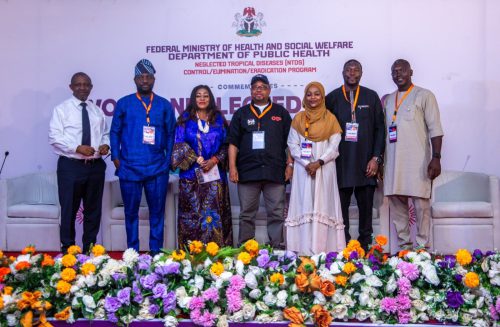
Participants at the World Neglected Tropical Diseases (NTDs) Day awareness walk in Abuja have warned that the diseases continue to spread because people underestimate them.
Speaking during the walk, they said many Nigerians still believe NTDs are insignificant because they are called “neglected,” adding that the term refers to the lack of attention, not to their severity.
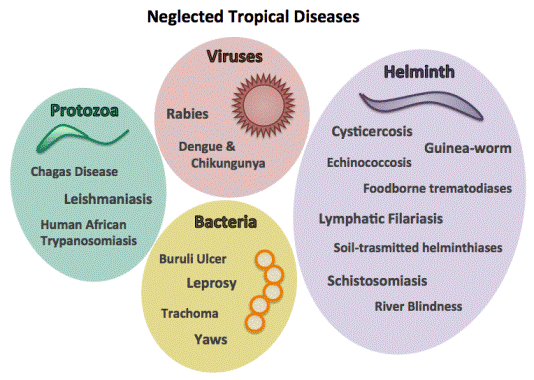
NTDs are a group of communicable diseases that thrive in tropical and subtropical regions, especially in communities with limited access to clean water, sanitation and healthcare.
They cause disability, disfigurement, social stigma and poverty.
The theme for the 2026 commemoration is “Unite, Act, Eliminate NTDs Towards the Achievement of Universal Health Coverage (UHC) and the Sustainable Development Goals (SDGs).
National Lymphatic Filariasis (LF) Programme Manager at the Ministry of Health and Social Welfare, Mrs Chinwe Okoye, said the biggest challenge remains poor awareness, even as Nigeria carries one of the heaviest burdens globally.
“The message we are giving out is to unite, to act and eliminate NTD. It is neglected and when people look at it as neglected, they don’t see it as important.
“This is something that can be inside your body for five to 10 years, destroying cells without you knowing. NTD is dangerous.”
Okoye explained that LF, commonly known as elephantiasis, is caused by Wuchereria bancrofti and transmitted by the bite of infected mosquitoes.
She said Nigeria accounts for 50 per cent of the global burden and 25 per cent of Africa’s cases.
According to her, symptoms often appear late, leaving people to wrongly attribute them to spiritual attacks.
“You see what we call elephantiasis—the legs swollen, the scrotum enlarging. Some say their village people caused it, but by then the lymph cells have already been damaged,” she said.
She stressed the importance of taking free annual ivermectin and albendazole treatments distributed in endemic communities.
Okoye warned that advanced symptoms lead to permanent disability, marital strain, loss of livelihood and severe emotional trauma.
Mr Gambo Yakubu, head of monitoring and evaluation for the NTDs Control Programme at the Ministry, said about 80 per cent of Nigerians are affected by at least one NTD.
He attributed the diseases’ prevalence to Nigeria’s tropical climate and large population.
He said 583 local governments are endemic for LF, 480 for onchocerciasis (river blindness), 583 for schistosomiasis, 424 for soil-transmitted helminths and 133 for trachoma.
“These are diseases silently killing people because they are not receiving the required attention,” he said.
Dr Sarah Pantuvo, liaison officer of The Carter Centre, said eliminating NTDs requires shared responsibility from partners, communities, health workers and government.
She said the theme of the event reflects the need for collective action backed by political will and sustained funding.
Pantuvo said The Carter Centre supports 10 states and has contributed to the elimination of onchocerciasis and LF in Plateau and Nasarawa states.
Also speaking, Mr Peter Iorkighir, president of Integration, Dignity and Economic Advancement (IDEA) Nigeria, and a person affected by leprosy, raised concerns over persistent drug shortages.
He said access to medications for leprosy has fluctuated over the last two years.
“They tell us the National Agency for Food and Drug Administration and Control regulations delay the drugs.
“This is giving us a setback. If people are not treated early, they develop disabilities that lead to stigma and discrimination,” he said.
He urged the Federal Government to work closely with partners to improve early case detection, ensure an uninterrupted supply of medicines and strengthen support at the grassroots.
Participants at the walk reiterated that NTDs remain a major public health and development challenge but can be eliminated with coordinated action, adequate funding and stronger health systems. (NAN)
Coordinating Minister of Health and Social Welfare, Professor Muhammad Pate
The Coordinating Minister of Health and Social Welfare, Prof. Muhammad Ali Pate, has announced a new partnership between the International Finance Corporation (IFC), the Nigeria Sovereign Investment Authority (NSIA), and MedServe (NSIA Advanced Medical Services Limited), a move expected to significantly boost specialised healthcare delivery in Nigeria.
Speaking during a media briefing, Prof. Pate stated the country has made notable progress in expanding access to specialised healthcare while strengthening its position in global health discussions. “Nigeria is steadily improving access to advanced medical care for its people, while also playing a more active role in shaping global health security conversations,” he said.
He explained that the initiative is backed by long-term international financing alongside strategic national investment and is designed to strengthen healthcare infrastructure and improve access to critical services nationwide. “This partnership will help us close long-standing gaps in specialised care by bringing essential diagnostic, cancer, and cardiac services closer to Nigerians,” Pate said.
The programme ensures that advanced diagnostic centres will be developed and equipped with modern laboratory and imaging technologies to support early disease detection and faster treatment. Cancer care services will also be expanded through the establishment of specialised oncology centres, while advanced cardiac services, including catheterisation laboratories, will be scaled across several locations nationwide.
According to Prof. Pate, decentralising these services will ensure that more Nigerians can access quality care without the need to travel long distances or seek treatment outside the country.
Also, Nigeria is stepping up national and international coordination ahead of the High-Level Ministerial Conference on Antimicrobial Resistance (AMR), scheduled to hold in Abuja in June 2026. As part of preparations, he has been engaging key stakeholders, including the Ministerial Global Envoy on AMR, Dr Ayoade Olatunbosun-Alakija, and the Minister of Environment, Balarabe Abbas Lawal, to strengthen collaboration across sectors.
He noted that discussions also focused on environmental factors driving AMR, including pharmaceutical and hospital waste, poor sanitation, agricultural runoff, water pollution and ensurinf the meeting produces clear commitments, practical action plans and accountability frameworks that accelerate the action at all strata.
The minister concluded by emphasising Nigeria’s commitment to building a stronger, more resilient health system while contributing meaningfully to global health solutions. From expanding access to specialised care to driving action on antimicrobial resistance, the country continues to take steady steps towards improved health outcomes at home and beyond.
L-R: PCN Registrar, Pharm. Ibrahim Babashehu Ahmed; PSN President, Pharm. Tanko Ayuba; Igwe of Ogidi, HRM (Pharm.) Alex Uzo Onyido (Ezechuamagha); Obi of Onitsha, HRM Igwe Nnaemeka Alfred Ugochukwu Achebe, CFR, mni; Emir of Kano, HRH Muhammadu Sanusi II; NAIP Chairman, Pharm. (Sir) Bankole Ezebuilo; Engr. Uzoamaka Ezebuilo; and Former Health Minister, Prince Julius Adelusi-Adeluyi, at the conference.
Nigeria’s leading traditional rulers, pharmaceutical industry leaders, regulators, and policymakers have called for urgent, coordinated action to rebuild the country’s pharmaceutical industry and reposition it as a pillar of national health security, economic resilience, and industrial sovereignty.
The call was made at the 2026 Economic Outlook and CEOs Forum of the Association of Industrial Pharmacists of Nigeria (NAIP) held in Lagos, where stakeholders converged under the theme, “Reimagining Nigeria’s Health Security: Local Production, Economic Sovereignty and Strategic Partnerships.”
The forum brought together an unusually broad coalition of authority and expertise, including the Emir of Kano, His Royal Highness Mallam Muhammadu Sanusi II (CON, PhD); the Obi of Onitsha, His Royal Majesty Igwe Nnaemeka Alfred Achebe; the Ezechuamugha and Igwe of Ogidi Kingdom, Pharm. Alex Onyido; and the former Minister of Health and Chairman of Our Lord Pharmaceuticals, Prince Julius Adelusi-Adeluyi. Also present were senior regulators, industry captains, past presidents of the Pharmaceutical Society of Nigeria (PSN), and chief executives across the pharmaceutical value chain.
Across-section of dignitaries at the conference
Delivering the keynote address, Emir Sanusi framed the pharmaceutical challenge as a structural one that goes beyond access to finance. He argued that poor coordination across policy, regulation, infrastructure, and production has left Nigeria’s pharmaceutical sector weak and excessively dependent on imports. He noted that about 70 per cent of medicines consumed in Nigeria are imported, with over 80 per cent of those imports coming from a single foreign source, a concentration he described as a serious vulnerability for a nation of more than 200 million people.
According to him, this dependence exposes Nigeria to supply disruptions, price shocks, and external policy decisions, while denying the economy jobs, skills, and value addition. Nigeria’s large domestic market, he argued, should be leveraged to attract manufacturing investment rather than sustain import-driven consumption. He identified inefficient port operations, overlapping regulatory agencies, high energy costs, fragile logistics networks, and prolonged clearance delays as key obstacles confronting manufacturers.
Sanusi also lamented weak collaboration between research institutions and industry, noting that innovations developed in universities and research centres rarely progress to commercial production because of regulatory and administrative barriers. He said Nigeria is yet to build meaningful capacity in active pharmaceutical ingredients, vaccines, diagnostics, and essential medical equipment, leaving the country overly dependent on external suppliers even for basic health needs. While acknowledging infrastructure constraints, he stressed that health security is inseparable from national security and requires deliberate political engagement.
Following the keynote address, the National Chairman of NAIP, Pharm. Bankole Aminu Ezebuilo (FPSN), anchored the core policy discussion of the forum. He said the theme of the event was not ceremonial but strategic, describing medicines, vaccines, and diagnostics as strategic national assets rather than ordinary commodities. Drawing lessons from the COVID-19 pandemic, supply chain disruptions, and currency volatility, Ezebuilo said no serious nation outsources its survival plan and warned that Nigeria must move decisively from consumption to production.
He called on the Federal Government to designate pharmaceutical and medical manufacturing as critical national infrastructure and to support the sector through targeted incentives, including tax relief, import-duty waivers on inputs, subsidised energy, and concessional financing. He also urged government to use public procurement strategically to guarantee demand for locally produced medicines, ensure prompt payment to suppliers, and integrate pharmaceutical manufacturing into national industrial and economic planning.
Addressing the challenge of financing, Ezebuilo said the sector requires patient capital, long-tenor funding, blended-finance structures, and credit-enhancement instruments capable of de-risking investments across the pharmaceutical value chain. He stressed that short-term working capital cannot build an industry and advocated backward integration into raw materials and packaging, stronger regulatory capacity, investment in biotechnology, and deliberate skills development to support sustainable growth.
In his remarks, the President of the Pharmaceutical Society of Nigeria (PSN), Pharm. Tanko Ayuba, commended NAIP for driving the industrial agenda and urged government and stakeholders to play their respective roles in strengthening the sector. He said the pharmaceutical industry has the potential to contribute far more to Nigeria’s gross domestic product if supported by stable policies, adequate infrastructure, and access to finance. According to him, collaboration among professional bodies, regulators, manufacturers, and investors is essential if Nigeria is to compete effectively within ECOWAS and under the African Continental Free Trade Area.
Earlier, the Father of the Day at the event, Prince Julius Adelusi-Adeluyi, challenged pharmacists to reposition themselves as central actors in healthcare delivery, industrial development, and public administration. He said the profession possesses a wide range of competencies but has not fully utilised them to influence policy and economic outcomes. Describing medicines as strategic economic assets, he urged pharmacists to embrace leadership, innovation, and governance roles across manufacturing, regulation, and public policy, warning that the profession was punching below its weight.
As Chairman of the forum, the Obi of Onitsha, Igwe Nnaemeka Alfred Achebe, said the theme of the event spoke directly to Nigeria’s present realities and future choices. He warned that excessive dependence on imported medicines, vaccines, and medical devices threatens not only public health but also economic sovereignty and national resilience. According to him, Nigeria has the talent, the market, and the entrepreneurial spirit to transform its health sector, but often lacks alignment of vision, policy consistency, and disciplined execution.
Echoing this position, the Ezechuamugha and Igwe of Ogidi Kingdom, Pharm. Alex Onyido, emphasised the importance of linking research to production. He cited recent initiatives connecting universities with industrial incubation centres and said sustainable pharmaceutical development requires long-term planning, institutional collaboration, and strict adherence to professional standards.
The forum enjoyed strong regulatory and legislative presence, including Hon. Uchenna Harris Okonkwo, Deputy Chairman of the House Committee on NAFDAC; the Registrar of the Pharmacy Council of Nigeria, Pharm. Ibrahim Baba Shehu; and the Director-General of NAFDAC, Prof. Mojisola Adeyeye,.Members of the College of Past Presidents of the Pharmaceutical Society of Nigeria were also present, including Pharm. Dr. U. N. O. Uwaga, Pharm. Anthony Akhimien, Pharm. Azubuike Okwor, Pharm. Olumide Akintayo, and Pharm. Mazi Sam Ohuabunwa.
Past chairmen of NAIP, including Pharm. Ade Popoola, Pharm. Sola Solarin, Pharm. Lolu Ojo, Pharm. Gbenga Folabi, Pharm. I. G. Anukwu, and Pharm. Ken Onuegbu, attended alongside leaders of other professional bodies and manufacturing executives. Industry participation was led by figures such as Dr. Okey Akpa, President of the Federation of Pharmaceutical Employers Associations of Nigeria, and chief executives from leading pharmaceutical companies across the country.
Closing the forum, Ezebuilo said Nigeria can no longer afford to be a spectator in its own health security. He announced that NAIP’s 2026 Annual National Conference will hold in Kwara State in May and urged stakeholders to move from dialogue to implementation. He said that with the backing of the country’s royal fathers, elders, regulators, and industry leaders, excuses had lost their credibility, adding that the time for local pharmaceutical production is not tomorrow, but now.
Branded beverages and snacks on display. Image Source ; NAN
Corporate Accountability and Public Participation Africa (CAPPA) has raised the alarm over what it describes as the aggressive promotion of sugary drinks and ultra-processed foods by food and beverage companies under the guise of corporate social responsibility (CSR), warning that the practice is worsening Nigeria’s growing burden of non-communicable diseases (NCDs).
The Executive Director of CAPPA, Mr Oluwafemi Akinbode, disclosed this on Tuesday at a news briefing where the organisation presented findings from its new report titled “Unhealthy Food Hijack of Festive Periods in Nigeria.”
Akinbode stressed that festive seasons should be periods that promote nourishment, wellbeing, and genuine social connection, not times that come with hidden health costs for households.
He, however, lamented that the food and beverage industry has increasingly turned festive periods into high-impact marketing windows, using them to push sugary drinks and ultra-processed foods to consumers.
According to him, this trend is particularly troubling as Nigeria is already grappling with a severe non-communicable disease crisis, with cases of hypertension, stroke, heart disease, and type 2 diabetes continuing to rise across the country.
He added that the situation is further compounded by limited and expensive access to diagnosis, treatment, and long-term care for affected Nigerians.
“As ultra-processed foods increasingly displace traditional diets, households are pushed into cycles of illness, out-of-pocket health spending, and poverty,” Akinbode said.
“An underfunded health system then absorbs the consequences of marketing decisions made in corporate boardrooms.”
Highlighting key findings from the report, Akinbode explained that although the study focused on the 2025 Christmas and 2026 New Year festive season, the practices observed were not new.
“They reflect a pattern repeated year after year, with increasing sophistication and reach,” he said.
“What we observed was not just seasonal celebration, but deliberate market expansion. Festive periods were treated as opportunities to intensify brand visibility, associate unhealthy products with social meaning, and drive consumption at scale.”
He noted that the campaigns were highly coordinated, involving heavy investments in outdoor branding, sponsored events, market activations, school and community donations, as well as targeted digital advertising.
“The common thread was not festive imagery itself, but the strategic use of cultural and religious moments to normalise frequent consumption of products high in sugar, salt, and unhealthy fats,” Akinbode said.
He added that marketing messages consistently linked such products to togetherness, generosity, celebration, and even moral virtue, especially within low-income communities.
The report further revealed that many companies were deploying CSR activities as marketing tools, a tactic Akinbode likened to strategies historically used by tobacco firms.
He said food and beverage companies were making donations to schools, churches, and communities, not as acts of genuine charity, but as a means of advertising unhealthy products and securing public goodwill.
According to him, the impact of these practices is uneven, with children, young people, and low-income households being the most exposed and least protected, yet bearing the highest health and financial costs when diet-related illnesses emerge.
Akinbode urged the government to introduce comprehensive and legally binding restrictions on the advertising, promotion, and sponsorship of unhealthy food and beverage products, particularly during festive periods.
“Industry self-regulation has failed. These mechanisms have largely functioned as public relations tools rather than meaningful safeguards,” he said.
He specifically recommended a ban on branded CSR activities by food and beverage companies in schools, religious institutions, markets, and other public or community spaces.
“Donations tied to brand visibility are not acts of charity. They are indirect advertising strategies that exploit trust, culture, and faith while promoting products that undermine public health,” he added.
The CAPPA executive also called for a strengthened sugar-sweetened beverage tax set at 50 per cent of the retail price of targeted drinks, with revenues transparently earmarked for non-communicable disease prevention, treatment, and health system strengthening.
He said mandatory front-of-pack warning labels and enforceable restrictions on marketing to children should complement this.
Akinbode further noted that regulatory agencies require more resources, stricter penalties, and tougher sanctions, including fines, licence suspensions, and public naming of erring companies, to effectively curb misconduct.
He emphasised that Nigeria must act decisively to regulate its food environment in the public interest.
Akinbode disclosed that CAPPA monitored marketing activities across physical spaces such as malls, parks, open markets, transport hubs, and places of worship, as well as across digital platforms, in producing the report. (NAN)
The Federal Government of Nigeria on Tuesday began the Zero Stigma Campaign and Sensitisation Against Discrimination of People Living with HIV (PLWHIV) in Ikeja Local Government Area of Lagos State.
The sensitisation, through the National Agency for the Control of AIDS (NACA) is in collaboration with GEDRITE Nigeria Ltd., the Lagos State AIDS Control Agency (LSACA) and Improved Sexual Health and Right Advocacy Initiative (ISHRAI).
The Zero Stigma Campaign reflects a coordinated effort by government and partners to create safer, more inclusive environments for people living with HIV and to support Nigeria’s commitment to ending AIDS as a public health threat.
Speaking during the opening session, the CEO of LSACA, Dr Folakemi Animashaun, highlighted the achievements recorded so far under the campaign.
She said that stigma and discrimination remain critical barriers to HIV testing, treatment uptake, and retention in care, noting that sustained advocacy and community engagement are essential to achieving epidemic control.
In her Keynote Address and Charge to Stakeholders, the Director-General of NACA, Dr Temitope Ilori, emphasised the national zero-stigma agenda and the importance of collective responsibility in eliminating discrimination against people living with HIV. Ilori was represented by Mr Raheem Mohammed.
The News Agency of Nigeria (NAN) reports that as part of Day One activities, a road walk and awareness rally were conducted from the Ikeja Secretariat to Ipodo Market, drawing public attention to the campaign’s zero-tolerance stance on stigma and discrimination.
This was followed by a sensitisation visit to Oregun Senior High School, where approximately 250 students were sensitised on basic HIV facts, prevention, and the importance of non-discrimination and respect for people living with HIV.
The Official Flag-Off of the campaign was marked by the symbolic cutting of the ribbon by the Executive Chairman of Ikeja LGA, Mr Akeem Daudu, the NEPWHAN Coordinator, Mr Patrick Akpan and Mr Kadiri Oluseyi, ASHWAN Coordinator, spoke.
NAN also reports that ahead of the commencement of activities, advocacy engagements were conducted last week to ensure that all relevant stakeholders were adequately informed and mobilised for the programme.
These advocacy visits covered key institutions and community structures including the National Union of Road Transport Workers (NURTW), Iya Oloja (market leadership), the Regent of Ikeja and other traditional leaders.
Also, the Network of people living with HIV/AIDS (NEPWHAN), Association of Women Living with HIV and AIDS in Nigeria (ASHWAN), the Christian Association of Nigeria (CAN), and the Council of Imams.
These engagements helped secure community entry, stakeholder buy-in, and collective ownership of the campaign.
The campaign was officially flagged off with a series of advocacy, awareness, and community engagement activities aimed at reducing HIV-related stigma, promoting accurate information, and strengthening access to HIV prevention and testing services. (NAN)
The World Health Organisation (WHO), in collaboration with the International Agency for Research on Cancer (IARC), has revealed that four out of every ten cancer cases globally could be prevented through effective public health interventions, including early detection, vaccination and improved access to care.
This disclosure comes as the world marks World Cancer Day, observed annually on 4 February, a day dedicated to raising awareness about cancer while promoting prevention, early detection and access to treatment. The theme for this year’s observance, “United by Unique,” emphasises the reality that while cancer affects millions of people worldwide, each person’s experience with the disease is shaped by individual circumstances, health systems and access to care.
Speaking via a press release, the WHO Regional Director for Africa, Dr Mohammed Janabi, described cancer as a developmental challenge that continues to place immense strain on health systems and economies across the continent. According to him, the disease does not only threaten lives but also slows social and economic progress. “Cancer is no longer just a health issue; it is a development issue that weakens health systems and undermines economic growth,” He said.
He noted that the burden of the disease falls disproportionately on people with limited access to early diagnosis, timely treatment and financial protection, leaving many families vulnerable to severe economic hardship.
Dr Janabi stated that the past year has demonstrated what is possible when cancer control becomes a national priority. He said several African countries have made notable progress by expanding HPV vaccination programmes, strengthening cervical cancer screening services, improving access to childhood cancer care, and integrating palliative care into routine health services. “These achievements show that with political will, investment and coordinated action, meaningful progress in cancer control is achievable,” he said.
Despite these gains, he acknowledged that significant gaps remain across the region. Delayed diagnosis continues to be common, service interruptions disrupt continuity of care, and there is a persistent shortage of specialised health workers. Access to radiotherapy, pathology services and essential cancer medicines also remains extremely limited in many settings, while the cost of treatment is still catastrophic for too many families.
He called for urgent action from the governments, development partners and donors, health workers, as well as people living with cancer and survivors, to strengthen collective efforts. “We must act decisively and together to close these gaps and ensure equitable access to cancer prevention, treatment and care for all,” he added.
A nationwide survey on underage drinking has revealed that a majority of minors and underage children in Nigeria can easily access alcoholic beverages, with many purchasing alcohol for themselves from retail outlets, social gatherings and even family sources.
The survey conducted bythe National Agency for Food and Drug Administration and Control (NAFDAC) in collaboration with other firms found that 54.3 per cent of minors and underage respondents obtained alcohol on their own, highlighting weak enforcement of age-restriction laws and gaps in alcohol control measures.
Conducted in partnership with Research and Data Solutions Ltd, Abuja, between June and August 2021, the research covered 1,788 respondents across six states representing Nigeria’s six geopolitical zones. It evaluated access to alcohol and frequency of consumption among minors, underage persons and adults.
Findings showed that nearly half of minors and underage respondents accessed alcohol through friends and relatives, while 45.9 per cent obtained alcohol at social gatherings. Alarmingly, about 21.7 per cent reported accessing alcohol from their parents’ homes.
Retail outlets selling alcohol in sachets and PET bottles emerged as the most common point of purchase, with 49.9 per cent of underage respondents patronising such vendors. Smaller proportions purchased alcohol from liquor stores, restaurants and supermarkets, suggesting that informal retail channels remain the primary gateway for underage access.
Among those who purchased alcohol themselves, sachets and PET bottles were the most commonly procured packaging types. About 47.2 per cent of minors and 48.8 per cent of underage respondents bought alcohol in sachets, while over 40 per cent procured drinks in PET bottles. More than a quarter of underage respondents also purchased alcohol in glass bottles.
State-level analysis showed higher procurement of alcohol in sachets and PET bottles in Rivers, Lagos and Kaduna states compared to other study locations. The survey further revealed gender and location disparities, with sachet alcohol consumption higher among males than females, and more prevalent in rural than urban communities.
On consumption patterns, the survey found that while 54 per cent of respondents were occasional drinkers, nearly one in four consumed alcohol daily. Among minors, 63.2 per cent drank alcohol occasionally, while 9.3 per cent reported daily consumption. For underage respondents, 54 per cent drank occasionally, but as many as 25.2 per cent consumed alcohol daily.
The findings raise serious public health concerns, particularly given the known risks of early alcohol exposure, including addiction, impaired brain development, risky behaviour and long-term health consequences.
In a conclusion accompanying the report, NAFDAC warned that the widespread availability of small, easily concealed alcohol pack sizes is fueling underage drinking across the country. The agency noted that limiting access to such pack sizes could significantly reduce alcohol consumption among minors.
The report recommended a ban on alcohol sachets and bottles smaller than 200 millilitres as a critical step towards curbing underage drinking. It also called on parents, teachers, religious leaders and community stakeholders to treat alcohol consumption among children as a red-flag issue requiring urgent intervention.
NAFDAC reaffirmed its commitment to safeguarding public health and strengthening regulatory oversight of alcohol production, packaging and distribution, stressing that protecting children from alcohol abuse remains a national responsibility.
The survey adds to growing evidence that underage drinking in Nigeria is driven less by demand alone and more by systemic regulatory lapses, social norms and easy access, underscoring the need for coordinated policy, enforcement and community action.
Governor Umar Namadi has commissioned an ultra-modern Pharmagrade Warehouse in Dutse, declaring that the facility will redefine pharmaceutical supply management and guarantee uninterrupted access to quality medicines for the people of Jigawa State.
The Central Medical Store, delivered through a partnership involving the Jigawa State Government, the Federal Ministry of Health, the Global Fund and UNICEF, was executed under the National Supply Chain Policy for Pharmaceuticals at a cost of about ₦1.4 billion. The project is considered one of the most ambitious state-led interventions in medicines logistics in Nigeria.
Performing the commissioning ceremony in Dutse, Jigawa State recently, Gov Namadi said the warehouse represents a decisive response to years of challenges that have weakened medicines availability, including poor storage infrastructure, fragmented coordination, frequent stock-outs and product expiries.
He noted that the new facility would introduce a harmonised and technology-driven system capable of protecting the integrity of medicines from procurement to last-mile delivery.
The governor directed the Ministry of Health to ensure immediate migration of all pharmaceuticals and health commodities managed by government programmes and development partners into the new store, stressing that a centralised system was critical to safeguarding potency, safety and accountability.
He expressed appreciation to the Federal Ministry of Health, Global Fund and UNICEF for their technical and financial support, describing the project as evidence of what strategic collaboration can achieve in the health sector.
Commissioner for Health, Dr Muhammad Abdullahi Kainuwa, said the warehouse is the first purpose-built Central Medical Store in Jigawa’s history and would end the era of dependence on rented private facilities. He explained that the complex has capacity for about 25,000 pallets and is equipped with multiple cold rooms, modern handling equipment, digital inventory platforms, fire-safety installations and dedicated cold-chain vehicles to support statewide distribution.
Kainuwa added that the infrastructure would drastically reduce losses associated with poor storage conditions and theft while improving transparency in medicines management across secondary and primary health facilities.
Giving operational insight, the General Manager of Jigawa Pharmaceutical Company Limited, JiPHARMA, Pharm. Nasiru Alhassan, said the warehouse would significantly expand the state’s ability to plan and manage essential medicines. He explained that JiPHARMA, the agency responsible for pharmaceutical supply coordination, would oversee day-to-day operations of the facility.
Alhassan stated that the expanded storage space and controlled environmental conditions would strengthen annual procurement planning and ensure that products are received and stored according to global standards.
According to him, the installation of modern security systems, including CCTV surveillance and trained control-room personnel, would help curb diversion and prevent expiries that often result from overcrowded stores.
He noted that the project aligns with Governor Namadi’s agenda of achieving drug security for the growing population of Jigawa State, adding that reliable availability of medicines is central to effective healthcare delivery and public confidence in government facilities.
Stakeholders at the event described the commissioning as a turning point for the state’s health system, observing that efficient supply chains remain the backbone of immunisation programmes, maternal and child health services and disease control interventions, expressing optimism that the warehouse would not only serve Jigawa but also support regional collaboration in the North-West.
His Excellency, Gov Umar Namadi, governor of Jigawa State, flanked by other dignitaries, at the commissioning of the newly built ultra-modern Pharmagrade Warehouse in Dutse.
The interior part of the newly commissioned ultra-modern Pharmagrade Warehouse in Dutse, Jigawa State.
The Coordinating Minister of Health and Social Welfare, Prof. Muhammad Ali Pate, has warned that global health gains remain fragile amid ”poly-crisis” of overlapping economic, political and technological shocks affecting countries worldwide.
Pate spoke on Monday in Abuja at the SPARK Translational Research Boot Camp and Conference 2026 organised by National Institute for Pharmaceutical Research and Development (NIPRD) and the Presidential Initiative for Unlocking the Health Care Value Chain.
SPARK means Stanford Programme in Applied Research for Knowledge.
According to him, science and the scientific method remain “the fundamental path” for societal progress.
The minister noted that scientific inquiry had improved life expectancy, disease control and medical breakthroughs, but warned that weak research systems could reverse those gains.
Reflecting on the Coronavirus disease (COVID-19) pandemic, he said its disruption continued to shape global politics, economies and supply chains, with persistent structural imbalances.
He said Nigeria and Africa were undergoing demographic, epidemiological, technological and economic transitions, with non-communicable diseases now accounting for most illnesses and deaths.
“These shifts are occurring alongside rapid advances in biological sciences, computing and artificial intelligence that are transforming how we live and work,” he said.
He warned that poorly governed technology could fuel misinformation and anti-science sentiments, urging researchers to communicate evidence more effectively.
He highlighted Africa’s paradox of a 1.4-billion population but minimal research investment, saying the continent must end its long history of extraction in people, resources and data.
The minister linked SPARK’s work to Nigeria’s Health Sector Renewal Investment Initiative focused on governance, service delivery, value-chain development and health security.
He said government was shifting from faith-based policymaking to evidence-based programmes, with renewed investment in national research and clinical trials infrastructure.
Pate added that President Bola Tinubu, patron of the National Academy of Science, remained committed to advancing science and innovation in Nigeria.
Dr Abdu Mukhtar, National Coordinator of PVAC, said translational research was critical to healthcare industrialisation in Africa.
Mukhtar said Africa accounted for only two per cent of global research and development spending and must convert discoveries into lifesaving products.
“Research must move from the bench to the bedside,” Mukhtar said.
He announced that Nigeria would soon launch Africa’s first healthcare manufacturing academy to support innovation and production.
He said the initiative was building an end-to-end ecosystem covering supply chains, micro-access systems and financial mechanisms they support innovation.
Co-Director of SPARK at Stanford University, Prof. Kevin Grimes, said the programme helped academics advance innovations beyond publication by pairing them with experienced industry advisers.
He said Africa must set its own research agenda, stressing that genetic diversity affects drug response and must guide product development.
Earlier, NIPRD Director-General, Dr Obi Adigwe, said science was facing renewed hostility globally through funding cuts, misinformation and threats to researchers.
Adigwe said translational research strengthened public trust by delivering tangible outcomes and commended national leadership for prioritising evidence-based policies.
A Senior Resident Doctor in the Department of Obstetrics and Gynaecology at the Bingham University Teaching Hospital (BHUTH), Jos, Dr Salome Oboyi, has reportedly died of Lassa fever, after contracting it from a patient.
Oboyi was said to have contracted the infection while treating a patient at the clinic. The tragic incident has brought to the fore questions about systemic breakdown in infection control and worker safety, lapses in workplace safety and the risks health workers face in the course of their duties.
It has also raised questions about whether adequate precautions were taken while she treated the patient.
According to a release via the official X handle of BHUTH doctors, it was disclosed that Oboyi was actively involved in clinical practice until her health began to deteriorate. However, concerns have emerged regarding early identification of the patient’s infectious status, the availability and use of appropriate personal protective equipment (PPE), and adherence to established infection prevention and control (IPC) protocols, particularly in a Lassa fever endemic region.
One of the sympathisers who reacted on the post said; “This is sad. The number of HCWs who have died from Lassa fever is becoming very alarming. It’s becoming too usual in Nigeria, and it’s unacceptable.”
Pharmanewsonline reports that Nigeria continues to experience recurring outbreaks of Lassa fever, which also affect healthcare workers. Despite the existence of national guidelines on IPC and occupational safety, implementation remains inconsistent in many healthcare facilities, largely due to resource constraints.
Dr Oboyi’s death represents the painful human cost of systemic failures within the healthcare system. Condolences continue to pour in under the post, with few referencing to how caring and dedicated she was to her profession and duties.
For many healthcare workers across the country, this tragedy reflects a shared fear, one that comes with showing up to work daily in environments where protective equipment may be inadequate, diagnostic suspicion delayed, and safety protocols inconsistently enforced. In such settings, the line between professional duty and personal risk becomes dangerously thin.
Colleagues and members of the medical community have continued to express grief and frustration, noting that deaths linked to occupational exposure are becoming disturbingly frequent. Many argue that while infectious diseases like Lassa fever are endemic, preventable exposure resulting from institutional lapses should not be normalised as part of the job.
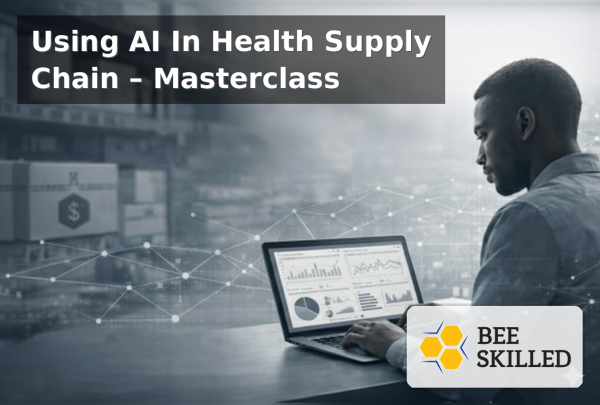
AI is no longer an emerging topic. It is now a mainstream approach, and health supply chain professionals are increasingly expected to use it effectively in daily work. Bee Skilled has opened registration for the “Using AI in Health Supply Chain – Masterclass,” a certified virtual masterclass designed to build practical AI capabilities without compromising human judgment, ethics, or data safety.
In a recent reflection blogpost that focused on this shift, health supply chain expert Mr Ogwuche Odo notes: “Major changes rarely arrive with fanfare. Instead, they appear quietly—through small, often unnoticed shifts.”
Health supply chain teams are under constant pressure to deliver faster results with limited time, variable data quality, and high operational risk. This masterclass responds to a growing need for practical guidance on where AI genuinely helps in day-to-day work, and how professionals can apply it responsibly to improve routine outputs such as reports, planning inputs, and procurement documentation.
“Health supply chains in emerging economies are always understaffed, and teams are under constant time pressure to produce usable outputs, often working with imperfect data and high operational risk,” said Sanjay Saha, CEO, Bee Skilled. “This masterclass is designed to show what is practical today, and how professionals can use AI responsibly without compromising data governance or ethics.”
Unlocking Practical AI Capability in Health Supply Chains
The masterclass provides a structured virtual learning pathway that builds core AI-readiness skills and practical application habits. Participants learn how to create clearer prompts, evaluate AI outputs critically, and apply AI in real supply chain workflows across planning, procurement, logistics, and data management.
Masterclass Highlights
1. Certified 12-hour virtual learning journey
Participants move through pre-work, two live workshops, and post-work application to build practical competence.
2. Hands-on, high-engagement delivery
Sessions include polls, chat prompts, guided practice, breakout activities, and facilitated discussion to support real learning, not passive viewing.
3. Practical AI use for daily outputs
Learn repeatable methods to draft, structure, analyse, and improve common work products such as reports, planning inputs, and procurement documentation using AI, while protecting accountability.
4. Responsible AI readiness framework
Participants practise core skills for safe use:
– Didactics (prompt clarity and structure)
– Discernment (when to trust, challenge, and verify AI output)
– Differentiation (choosing the right tool and separating supported information from AI-introduced claims)
5. Know the Expert
The masterclass is facilitated by Dr. Dieter Hartmann, who holds a doctorate in engineering and has worked in strategy consulting focused on innovation and organisational improvement. He currently serves as a technical lead in a family office supporting technical due diligence and innovation across diverse businesses, and he specialises in pharmaceutical supply chains with a focus on the developing world.
“AI has existed for decades, but what is new today is the scale, cost, and widespread penetration of AI products. In this masterclass, we will take these breakthroughs and apply them to practical work in supply chains.” — Dr. Dieter Hartmann
Secure Your Spot
Registration is open, with immediate access to the pre-work phase upon enrolment. Access to the two live workshops, post-work, and certification is unlocked through a fee of USD 60.
To register and start the pre-work, visit: https://hive.beeskilled.com/ai-in-health-supply-chain-masterclass/
The Federal Medical Centre (FMC), Abuja, has refuted allegations that the death of Ms Ifunanya Lucy Nwagene resulted from the failure to administer polyvalent snake anti-venom.
The Head of Clinical Services, Dr Bioku Muftau, in a signed press release, confirmed that Nwagene died from neurotoxic complications following a snakebite sustained while she was asleep on 31 January.
According to Dr Muftau, medical staff at the facility provided immediate and appropriate treatment, including resuscitation efforts, intravenous fluids, intranasal oxygen, and the administration of polyvalent snake antivenom.
Nwangene’s passing was announced by the Amemuso Choir in a statement on its Facebook page on Sunday afternoon.
The statement, signed by the choir’s music director, Sam Ezugwu, announced the circumstances of her passing.
“We regret to announce the sudden demise of our beloved soprano, Ifunanya Nwangene, who passed away yesterday, 31 January, 2026, at the Federal Medical Centre due to a snakebite,” the statement read.
The choir described her as a fast-rising talent within Abuja’s music community, noting that her death came at a critical stage of her artistic journey.
Dr Muftau, explained that the patient was brought to the hospital in a critical condition and was promptly attended to by the emergency medical team in line with established clinical protocols for snake envenomation.
He further stated that following initial stabilisation, Nwagene was admitted for close monitoring due to the neurotoxic nature of the venom, which is known to cause progressive respiratory and neurological complications in severe cases. Despite the timely administration of antivenom and supportive care, her condition reportedly deteriorated.
“Snakebite envenomation, particularly from neurotoxic species, can lead to rapid systemic failure even when appropriate treatment is instituted early,” He noted, adding that such outcomes, though unfortunate, are recognised complications in severe cases.
The FMC Abuja management strongly refuted allegations of negligence or lack of essential medicines, stressing that the facility maintains an adequate stock of polyvalent snake antivenom and that its clinical team acted in accordance with global best practices.
The hospital also urged members of the public to rely on verified information and avoid spreading unsubstantiated claims capable of undermining confidence in the healthcare system. It further extended condolences to the family of the deceased and reiterated its commitment to providing quality emergency and specialist care to patients.
Ms. Nwagene was a fast-rising singer in Abuja, popularly known as Nanyah, and was noted for her soprano voice with the Amemuso Choir.
The sudden seizure of funds to fight HIV/AIDS following the U.S. recent policy on foreign aid, will erode all achievements and put young Nigerians at risk, an expert has said.
Dr Nandul Durfa, managing director, Reach Care Foundation, an HIV/AIDS care-giver outfit, disclosed on Sunday in Abuja that the Federal Government must “fully fund” the services to avoid a relapse to the past gory days of the scourge.
Durfa was reacting to a letter from the Institute of Human Virology, Nigeria informing his outfit of the termination of the agreement to fund the services.
In the letter signed by Dr Patrick Dakum, its chief executive officer, the institute said that “due to prevailing funding constraints”, the organisation is “compelled to terminate all contracts currently in force” with all respective organisations.
It said that the termination shall take effect immediately.
Observation shows that many Non-Governmental Organisations and other corporate outfits engaged in HIV/AIDS activities have shut down following a new U.S. policy halting foreign aid.
The virology institute had been the beneficiary of U. S. foreign aid routed through the United States Agency for International Development (USAID), its foreign aid agency.
NAN further reports that there had been a severe threat to global health since the U. S. freezed overseas aid with the dismantling of USAID, which distributes tens of billions of dollars’ worth of overseas aid every year.
The U. S. also announced cuts to the agency’s workforce and the immediate suspension of almost all of its aid projects and programmes.
With the collapse of its funding base, the virology institute has, thus, stopped funding all HIV/AIDS services, a situation that has thrown the care-givers into confusion.
Durfa, while expressing regret that the USAID had been dismantled, recalled that the HIV/AIDS scourge was a major concern about 20 years ago.
“The scourge was deadly and claimed many lives.
“As the then Chief Medical Director of the University of Abuja Teaching Hospital, I recall we had more than 7,000 victims at one point.
“The U.S., through USAID and its programmes, helped us a lot. Nigeria was able to reduce the incidents to almost zero and we were mopping everything up.
“But, with the decision to stop the funding, the outcome is obvious – Nigeria will relapse to a worse epidemic later if no urgent measure is taken by the Federal Government.
“The government must step into this gap to avoid a resurgence of the disease.”
Durfa said that the young population shall be the most vulnerable group to be hit by such “deadly resurgence”.
“Young boys, those less than 20 years, never experienced the HIV/AIDS scourge, let alone take measures to minimise the epidemic.
“If you stopped the funding without killing the virus, the existing virus will develop resistance.
“Even if the funds come later, a lot of grounds would have been lost.”
Durfa said that the policy reversing the funding of the services would reverse achievements recorded from 2005 to date.
He said that the government must provide enough funds to procure the Anti-Retroviral Drugs, pointing out that any delay would be “very dangerous”.
“Nobody is talking about HIV/AIDS now because it has been subdued, but if there is a sudden halt in the funding, the resurgence will wash away the achievements. We shouldn’t allow that.”
Durfa, who praised former U.S. President George W. Bush for the massive support he gave to the fight against HIV/AIDS, urged young Nigerians to step up the campaign for effective funding of the fight against the scourge.
He also expressed the fear that the sudden halt in the provision of services to people living with the scourge could have “tremendous consequences”.
“As a Foundation, we have more than 500 people we are catering for; these people shall come and we have to tell them to go back as we are helpless.
“There are also most-at-risk populations that we offer services to. We go to the communities, test them, and start immediate treatment for those positive.
“We do this quickly so that they do not infect others.
“Those that are negative, we offer counselling, while negative partners of positive partners are offered medical support to avoid being infected.
“We also offer legal services to victims suffering any form of abuse at work or from their partners, while also supporting victims with genital warts, Tuberculosis and other opportunistic diseases.
“We also create awareness on prevention and treatments and encourage people to go and be tested.”
Durfa regretted that such crucial services would come to a sudden halt, saying that it could have some “heavy ripple effects.
“We may have to run because the scourge will build up. The victims could get violent out of frustration.
“There is also fear of suicide. Victims thrown into hopelessness will consider ending their lives.
“There is also the mother-to-child transmission that we have stopped with the right drugs. That drug will no longer be available and the consequences will be dire.
“The consequences will be much. There has to be massive funding. We need a permanent alternative funding otherwise we are sitting on a time bomb,” he said. (NAN)
Reinforcing its commitment to daily nourishment across Nigerian households, Golden Morn, one of the country’s most recognisable breakfast cereal brands, has launched a nationwide consumer promotion offering over ₦80 million in cash and prizes.
The promotion, which runs nationwide until 15 April, 2026, invites consumers to participate by purchasing Golden Morn 30g or 45g special promo packs from retail outlets across the country, as the brand deepens engagement with families at a time of rising food and living costs.
The Corporate Affairs Manager, Nestle Nigeria, Toju Egbebi, gave the hint to Pharmanewsonline, noting that prizes on offer include cash rewards of up to ₦5 million, laptops, televisions, mobile phones, washing machines and airtime, providing both life-changing and everyday support for winners throughout the campaign period.
The World Health Organisation (WHO) consistently emphasises the importance of balanced diets that include whole grains, noting that such foods provide energy, dietary fibre and key micronutrients that support healthy growth, metabolism and disease prevention when consumed as part of a varied diet.
Similarly, UNICEF has highlighted the role of locally produced and fortified foods in improving nutrition outcomes, particularly in low- and middle-income countries, stressing that strengthening local food systems can enhance access to affordable, nutritious meals while supporting farmers and rural livelihoods.
To participate, consumers are required to locate a unique code inside each promo pack, dial 8011#, and follow the on-screen prompts to submit their entry. Winners will emerge through bi-weekly draws, ensuring repeated chances to win during the promotion.
Speaking on the initiative, Omofasa Orhiunu, category manager for Healthy Cereals at Nestlé Nigeria, said the campaign reflects Golden Morn’s long-standing relationship with Nigerian families and its focus on everyday nutrition. She noted that the brand understands the role breakfast plays in setting the tone for the day, especially for growing children and working adults.
Orhiunu added that Golden Morn is designed not only to satisfy taste preferences but also to support nutrition needs, being made from locally sourced grains and fortified to contribute essential nutrients required for daily energy and wellbeing.
Golden Morn’s use of Nigerian grains aligns with these global recommendations, as the brand continues to source locally, thereby supporting agricultural communities and contributing to national food security while delivering accessible nutrition to households.
With an ₦80 million prize pool, the promotion is positioned not just as a marketing campaign but as a consumer-focused initiative designed to meet real needs, from essential household appliances to cash rewards that can ease financial pressures for families.
Consumers are encouraged to watch out for the special promo packs in stores nationwide and take advantage of the opportunity to win while enjoying their favourite cereal, as Golden Morn continues to blend nutrition, local impact and consumer appreciation.
Nestlé Nigeria, the producer of Golden Morn, is a leading food and beverage company committed to enhancing quality of life through nutrition, with a portfolio that includes trusted brands such as Nestlé Purelife, Milo, Maggi and Nescafé, serving millions of Nigerians daily.
The Minister of State for Health and Social Welfare, Dr Iziaq Salako, has urged states to mobilise domestic funding for the control and elimination of Neglected Tropical Diseases (NTDs) in Nigeria.
Salako, represented by Daju Kachollom, the ministry’s Permanent Secretary made the call at a media conference ahead of the 2026 NTDs day celebration in Abuja.
The theme for the 2025 celebration is ”Unite, Act and Eliminate NTDs towards achievements of Universal Health Coverage (UHC) and Sustainable Development Goal (SDG).”
Salako said that the control and elimination of NTDs remained an important element in Nigeria’s drive towards attaining UHC by 2030, achieving a disease-free SDG, and eradicating poverty.
He, therefore, urged states to create budget lines to mobilise the needed domestic funding.
” The control and elimination of NTDs in Nigeria remains an important element in our drive towards the attainment of the UHC by 2030, the achievement of SDG three, as well as the eradication of poverty.
” States should ensure the creation of budget lines to mobilise the needed domestic funding and also integrate NTDs elimination activities with other disease entities to leverage the economies of scale in their states,” he stressed.
He cautioned against allowing NTDs to translate into neglected people, emphasising the need for inclusion in efforts aimed at addressing the burden of NTDs.
“Let us not allow neglected tropical diseases to result in neglected people. There is nothing about us without us,” he said.
The minister noted that NTDs thrive in silence and neglect, calling for collective voice, action and determination to confront the challenge.
“As we commemorate this day, let us remember that NTDs thrive in silence and neglect.
“Our collective voice, our actions and determination can break that silence. Together, we can build a Nigeria and indeed, a world free from the burden of NTDs,” he said.
The minister noted that although Nigeria accounts for 25 per cent of NTDs burden across Africa, sustained commitment from stakeholders would lead to remarkable progress and total elimination by 2030.
Mr Fatai Oyediran, Director and National Coordinator NTDs Unit, Department of Public Health, said NTDs affects mostly the rural poor and few urban centres caused by poor hygiene, ventilation, water sources and lack of access to health facility care.
Oyediran explained that the federal government has implemented strategies, which has enabled the country record progress in eliminating NTDs.
“We have been able to remove about 59 million people from the onchosiarsis (river blindness) treatment in Nigeria, which has never been recorded in any country.
“We also removed 119.9 million Nigerians from the treatment of Lymphatic Filariasis (elephantiasis).
“We have also removed about 36 million people from trachoma treatment. We are only left with about four million people to battle with in terms of trachoma.
“So if you look at all these indices and figures, you will agree that Nigeria is on the right track to meet the 2030 NTDs elimination,” he said.
He however called for more support towards the elimination of Schistosomiasis (bilharzia); and other case management NTDs like snake bites, rabies, guinea worm.
He also encouraged citizens to improve Water, Sanitation and Hygiene (WASH) practices and create more sensitisation to reduce the menace of NTDs.
” It has also been proven in terms of publication and scientific proof that when you practice WASH, we are going to reduce the prevalence of diseases by 30 per cent.
“The implication is that when we practice WASH very well, we would have removed 30 per cent of the burden, then we would be facing 70 per cent in terms of clinical or preventive medicine,” he said. (NAN)
No fewer than 3,343 men have received free surgical treatment for hydrocele, a disease that causes scrotal swelling, helping to improve their health, restore dignity and reduce stigma.
According to the World Health Organization (WHO), about 110 million people in Nigeria remain at risk of lymphatic filariasis (LF), with an estimated 10 per cent to 15 per cent of affected individuals, mostly men, living with hydrocele.
LF is a neglected tropical disease caused by parasitic worms transmitted through mosquito bites, while Hydrocele is a painful or massive swelling of the scrotum in men.
Joy Tarbo, communications associate at Sightsavers Nigeria, through a statement issued on Thursday, ahead of Neglected Tropical Diseases (NTDs) Day, marked annually on 30 January, hinted on the free surgery for affected men
Tarbo said Sightsavers, in collaboration with the Federal Ministry of Health and with funding from the UK Foreign, Commonwealth and Development Office (FCDO), had been supporting underserved communities that lacked access to specialised medical care.
She explained that the interventions included community-wide drug administration campaigns to halt transmission of the disease, training health workers and patients in lymphedema management, capacity-building for surgeons on proper hydrocele surgery techniques, and the provision of free hydrocele surgeries.
“Since the programme began in 2024, 96 surgeons have been trained and 3,343 men have had the life-changing operation.
“The programme has also trained 1,737 patients and caregivers on lymphoedema management. For World NTD Day, Sightsavers is sharing just a few of their stories,” she said.
Dr Musa Abdullahi, coordinator of the intervention said the surgeries were conducted across selected states using standard medical procedures by trained specialists.
Abdullahi explained that scrotal-swelling disease, often neglected due to stigma and lack of awareness, could severely affect the quality of life of sufferers if left untreated.
“Many of the beneficiaries had lived with this condition for years because they could not afford surgery or did not know where to seek help.
“This programme is about restoring health, confidence and productivity,” he said.
He noted that beyond surgery, beneficiaries also received counselling, follow-up care and health education to prevent complications and encourage early medical consultation.
Meanwhile, one of the beneficiaries, Samaila Musa, a 55-year-old farmer, said he had lived with the pain and stigma of hydrocele for more than 20 years, forcing him to avoid public gatherings and withdraw from community life.
Musa added that he was compelled to seek help from a local, unqualified practitioner, whose so-called “surgery” left him with serious complications and put his life at risk.
“I didn’t care about the risks anymore, I just wanted this thing out of my life.
Sightsavers gave me hope and freedom. Now, I can live like everyone else again,” he said.
Similarly, Abdulrafiu Sani, 65 year-old from Kaduna state, who lived with bilateral (both sides) hydrocele, said he was constantly embarrassed, avoided social functions and his marriage became strained.
After successful surgery, he said he felt reborn. “Sightsavers gave me back my life. I can live like a normal man again”.
Mr Bem Bajah, a retired 65-year old lecturer from Benue, had recently developed hydrocele in both testes, said “It pains me, so I don’t make love often, even the size alone has made me very uncomfortable.”
Cynthia Rowe, Head of Development Cooperation at the British High Commission Abuja, said: “NTDs like lymphatic filariasis steal people’s health, dignity and livelihoods, yet they are preventable and treatable.
“Through our partnership with the Government of Nigeria and organisations such as Sightsavers, the UK is supporting the country’s efforts to deliver lifechanging care for thousands of people.
” On World NTDs Day, we recognise the men who have endured years of pain and stigma, and we celebrate the progress being made to restore their health, dignity and ability to provide for their families,” she said.
On her part, Prof. Joy Shuaibu, country director at Sightsavers, said, “these stories show why the fight against NTDs must remain a national and global priority.
“It’s not just physical suffering. These diseases take away people’s dignity, livelihoods, and opportunity.
“Through strong partnerships we are restoring health, rebuilding confidence, and giving people the chance to live full, productive lives. This is what progress against NTDs looks like.”
She, therefore, reaffirmed Sightsavers commitment to work closely with government institutions, international partners, and local communities to eliminate NTDs across the country.
Shuaibu added that through strengthening health systems and supporting safe surgical care, they would help improve access to quality treatment for affected communities.
She said that by integrating NTDs interventions into broader health programmes, they would contribute to a future where preventable and treatable diseases no longer trapped people in poverty and exclusion.
“There is something about losing a mother that is permanent and inexpressible — a wound that will never quite heal” — Susan Wiggs
Though she departed at the glorious age of 88, a fulfilled woman, if the Ezenna family of Owerre Akokwa in Ideato North Local Government Area of Imo State had the power of life and death, they would have certainly decreed extra more years on earth for their mother, grandmother, great-grandmother and matriarch, the late Mrs Comfort Mary Ezenna (Ada Jesus).
Indeed, to all those who had encountered Mrs Ezenna during her earthly life, an irreplaceable angel has departed to join the pantheon of angels in heaven. Many who tapped from Mrs Ezenna’s salutary, virtuous life are still in denial of her death. They are finding it difficult to come to terms with the grim reality of her departure.
And for those who have accepted the finality of her exit, Mrs Ezenna’s name is engraved in their hearts in capital letters. She will live in their hearts forever, thus underpinning Marcus Tullius Cicero’s assertion that “the life of the dead is placed in the memory of the living.”
A woman of faith and prayer, Mrs Ezenna exuded empathy and compassion. Till her death, her heart beat unceasingly for the poor and the vulnerable.
Mrs Ezenna was an Amazon, a disciplinarian, an entrepreneur, and a woman of uncommon courage and grace.
These qualities are evident in how she lived her life, testimonies of people who knew her, and the numerous milestones she made in life. Her exhilarating life and time have been a subject of discourse in Akokwa and beyond since November 8, 2025, when she died.
Like her son, Sir Tony Ezenna, Mrs Ezenna was a selfless giver, a lover of education, an unassuming philanthropist and a devout Catholic who gave out to the downtrodden ceaselessly. She was a great source of support and hope for indigent members of society, including establishing a tuition-free primary and nursery school where many pupils received free education. Her service to the poor and needy is legendary and will not be forgotten in a hurry by the numerous lives she touched.
Born on 1 August 1937, at Owerre Akokwa, she attended St Paul’s Anglican Church Primary School, Ogidi, in the present-day Anambra State, where her early life began. Sending the girl child to school at that time was not fashionable, but the young Comfort broke the barrier and got to Standard Two (equivalent of today’s Primary Two) before proceeding to St Peter’s Anglican Church School, Akokwa, where she continued to Standard Four in 1954. She could, however, not continue her education as her mother could no longer afford it, and the scholarship given to her had earlier been withdrawn, forcing her to opt for a career in dressmaking, known in those days as seamstress.
It was in the course of this trade that a dashing young man from the same village, Owerre Akokwa, Ernest Ezenna Ebiliekwe, met her, and thereafter they got married in 1955 in Port Harcourt, present-day capital of Rivers State. The marriage was blessed with nine children — five boys and four girls — including Sir Tony Ezenna (Ijele Akokwa), Chairman of the Orange Drugs Group. Sadly, however, the couple lost two of the children, reducing the number to seven.
A consummate entrepreneur, Mrs Ezenna honed her business and entrepreneurial skills at a tender age of 15 upon the completion of Standard Four. That was when she proceeded to a vocational institute to learn dressmaking.
Even after marriage, she continued acquiring entrepreneurial skills with her enrolment into the Home Management and Catering Institute in Port Harcourt, where she learnt everything about home management and catering services.
With the support of her loving husband, Mrs Ezenna, now a young wife and mother, established her own company called Mecon’s Industrial Sewing Centre in Port Harcourt.
Mrs Ezenna was a community leader; a resilient and enterprising woman who overcame vicissitudes and obstructions after her husband’s death to single-handedly train her children.
Having lost her husband, Sir Ernest Ukwandu Ebiliekwe Ezenna (who was Chairman, Eastern Industrial Chemist), at a young age almost 42 years ago — precisely in March 1985 — the late Comfort Ezenna became a young widow and stood like a rock for the family, stoically filling the void created by the painful demise of her dear husband.
The late matriarch of the Ezenna family was a devout Catholic, a crusader of Christ, lover of the things of God, a woman of valour and purpose, who, in her later years, lived a puritanical spiritual and Oblate life that led her son, Sir Tony Ezenna, to establish Pora Caeli Cistercian Monastery in Owerre Akokwa.
She was a dedicated Christian woman with absolute trust and belief in God, an avid member of the Catholic Charismatic Movement and a soldier of Christ who, as a fearless, firebrand Christian, single-handedly destroyed the idols in her family despite threats on her life and to the astonishment of the whole village.
She encouraged her children to embrace the work of God, and it was to her credit that one of her sons is a Catholic priest, now a monk, while her first son, Tony, built a Catholic monastery in Akokwa and did numerous other things for the propagation of the Catholic faith and growth of Christianity in Akokwa.
Imbued with uncanny entrepreneurial skills, it was to Mrs Ezenna’s dexterity, entrepreneurial spirit, sound moral and Christian impartation on her children that her first son, Sir Ezenna, built a thriving business conglomerate, the Orange Drugs Group, from the relics of the Eastern Industrial Chemist.
Of course, like every other family in Igboland that started life afresh from ground zero after the Nigerian-Biafran War in 1970, the Ezennas had to relocate to Onitsha, and there, the ever-resourceful Mrs Ezenna refused to be weighed down by the economic difficulties created by the war as she swiftly started a petty business of frying bean cake (akara balls) to support her family. This small akara business later blossomed and metamorphosed into a food canteen business which flourished to the amazement of people around her.
Having shown remarkable strength in her small business, her husband asked her to join him in his own line of business of drugs and cosmetics merchandise. As a dutiful, supportive and submissive wife, Mrs Ezenna wasted no time in acceding to her husband’s request. The couple jointly managed the business until the death of Mr Ezenna in 1984. With a wife like Comfort, business continuity was not a problem; thus, with the support of Tony, her first son, the family business continued uninterrupted and grew to an enviable position. However, Tony later branched out to establish his own company called Orange Drugs and Cosmetics, now known as the Orange Drugs Group. An offshoot of the Ezenna family business (The Eastern Industrial Chemist Ltd), Orange Group has since emerged as Nigeria’s leading indigenous business conglomerate.
As Ecclesiastes Chapter 3 Verse 2 says: “To everything there is a season, and a time for every purpose under heaven: a time to be born, and a time to die; a time to plant, and a time to uproot what is planted…”, after leading a quality, salutary and exemplary life on earth, impacting lives, serving God and humanity, Mrs Mary Comfort Ezenna peacefully transited to join the saints in the blaze of glory on Saturday, the 8th of November 2025.
Because Mrs Ezenna lived a fulfilled and impactful life, her glorious departure at 88 and her funeral ought to be a celebration of a life beautifully lived, but it is understandable that as mortals, those she left behind — children, grandchildren and great-grandchildren — are heartbroken. After all, never again will they be serenaded by their matriarch’s angelic presence, and as profoundly put by the iconic John Donne, “any man’s death diminishes me, because I am involved in mankind.”
Indeed, for the Ezennas, it is obvious that, as Mahatma Gandhi said, “there are no goodbyes for us. Wherever you are, you will always be in my heart.”
Ada Jesus’ memory is our keepsake with which we will never part. God has her in His keeping while we have her in our hearts!
Continue to nestle in the Lord’s bosom. Keep enjoying the angelic and ecclesiastical company of the angels, Ada Jesus! You are missed and loved.
Osigwe is the media adviser to Sir Tony Ezenna and MD of Full Page Communications Ltd, Lagos.
Quality is remembered long after the price is forgotten.
-Gucci Family Slogan.
The place of segmenting, targeting, and positioning (STP)
In determining the price of a product, you need to consider the STP framework: Segmenting, Targeting, and Positioning.
Segmenting divides a broad market into smaller groups according to preferences. Segmentation may be demographic (age, gender, income), geographic (location), psychographic (lifestyle, values), or behavioural (purchase history, brand loyalty).
Targeting focuses on the most viable audience rather than trying to appeal to everyone.
Positioning creates a particular perception in the minds of customers whenever they recall the product or service.
Apart from helping to identify and expand the market, STP is a strategic marketing approach that supports pricing decisions. Each segment of the market has its own pricing and offerings.
Marketing mix
Another factor in this discussion is the marketing mix. Marketing professionals explore the 4Ps for tangible products (Product, Price, Promotion, and Place) and the 7Ps for services, adding People, Process, and Physical Evidence. This helps in determining what happens in each market segment and in making informed pricing decisions.
Price vs total cost
You cannot discuss price without considering total cost. To determine total cost, consider the following from the point of view of a manufacturer or importer:
Psyche cost: The mental energy and research involved in developing the product concept.
Energy cost: The physical effort required to produce or import the product.
Time cost: Time invested in bringing the product to market.
Monetary cost: The actual financial investment in production or importation.
Total cost plus markup determines selling price.
Pricing: My experience
We operate strongly in the training and consulting industry, which is considered high-ticket because it delivers significant value. Intellectual work is not cheap. To deliver a good job in training and consulting, you must work with competent teams. If you want outstanding results, pay for excellence. Excellence comes at a price.
Benjamin Franklin said, ‘‘The only thing that is more expensive than education is ignorance.” I agree. If you think education is expensive, try ignorance. It costs far more. Don’t focus solely on the price of a good product or service; consider the benefits.
When I published my first book, The Selling Champion, 13 years ago, it sold for N2,000. Some felt the price was high, while others believed it was a bargain. Today it sells for N10,000 and has been revised three times, with another upward review underway.
The book has notable endorsements, including Brian Tracy, Dr Leo Stan Ekeh, Prof Vincent Onodugo, and Pharm Sir Emma Ilozor. Mazi Sam I. Ohuabunwa wrote the foreword and described it as a ‘‘well-cooked book.’’ I have since written ten impactful books covering business, family, and personal development.
Your duty as an entrepreneur or professional is to ensure your offerings are top-notch. When customers receive value, they will continue to buy. I define value as ‘‘When performance meets or exceeds expectation.’’ Always go the extra mile. This is how to build strong brand equity.
Remain strategic, innovative, and consistent in delivering great value. Follow the right path and determine your selling price. That is how to lead in the market.
Always remember the basic formula: Selling price = Total cost + Markup.
Black beans, botanically known as Vigna unguiculata (Family: Fabaceae or Leguminosae), are traditional Nigerian legumes widely consumed in Eastern Nigeria and valued both as food and as natural health-supporting substances. Akidi is a dark-coloured variety of cowpea that has been used for generations in indigenous diets and traditional health practices.
It is known as wake baki (black cowpea) in Hausa, akidi in Igbo, and ewa dudu (locally used) in Yoruba. Common English names include black cowpea and black beans (local variety).
Constituents
The major constituents of akidi include proteins, containing essential amino acids; complex carbohydrates; dietary fibre (both soluble and insoluble); polyphenols and flavonoids with antioxidant properties; minerals such as iron, magnesium, potassium, calcium, and zinc; and vitamins, particularly B-complex vitamins, especially folate.
Preparations
Akidi is traditionally prepared by soaking and thorough cooking to improve digestibility and reduce antinutritional factors such as phytates. It may be boiled whole and served alone or with maize (akidi na ọka); prepared as a porridge with vegetables and palm oil; or mashed or stewed and incorporated into soups.
In natural medicine practice, akidi is consumed as food rather than as crude extracts, ensuring safety and sustained nutrient delivery.
Pharmacological actions and medicinal uses
The haematinic effect of akidi is attributed to its iron and folate content, which help prevent nutritional anaemia. Due to its high fibre content and low glycaemic index, akidi contributes to improved blood glucose control and enhanced insulin sensitivity. Regular consumption helps lower low-density lipoprotein (LDL) cholesterol, supports blood pressure regulation, and promotes cardiovascular health.
The antioxidant properties of akidi are due to its polyphenols and flavonoids, which help reduce oxidative stress and inflammation, thereby lowering the risk of cancer and other chronic diseases. Akidi promotes digestive health through its high dietary fibre content, which supports bowel regularity, prevents constipation, and promotes a healthy gut microbiota.
The combined presence of protein and fibre enhances satiety and appetite control, making akidi beneficial for weight management. Its zinc, protein, and antioxidant content also support immune function. Traditionally, akidi meals are recommended during convalescence to restore strength and vitality.
Black beans are also reported to enhance fertility due to the presence of molybdenum, which recent studies suggest may be effective in reducing impotence and erectile dysfunction.
Adverse effects
Flatulence or bloating may occur, particularly when akidi is consumed in large quantities. Gastrointestinal discomfort may result if it is inadequately cooked. However, soaking and thorough cooking significantly reduce these effects.
Economic uses and potential
In the pharmaceutical industry, akidi starch may serve as a useful excipient in tablet and capsule formulations, functioning as a binder and disintegrant, and contributing to the development of novel drug delivery systems. Akidi has significant potential in the agricultural, pharmaceutical, and nutraceutical industries, providing food, employment, and financial security across the value chain.
Akidi currently costs approximately ₦28,000.00 per 2.4 kg (paint bucket).
Reference
Firdous, H. (2020). Benefits of black beans and their side effects. Retrieved 13 December 2025 from https://www.lybrate.com/topic/benefits-of-black-beans-and-its-side-effects
President Bola Ahmed Tinubu has forwarded 24 bills related to the health sector to the Senate for legislative approval. This is a significant milestone from the current administration to reform the health system in Nigeria.
The bills were read during plenary by the Senate President, Godswill Akpabio, and referred to the Senate Committee on Rules and Business for further legislative action.
The bills are the result of a review of the existing laws in the health sector, conducted by the Attorney General of the Federation and Minister of Justice in collaboration with the Minister of Health and Social Welfare, and approved by the Federal Executive Council (FEC).
President Tinubu further explained that the main goal of these bills are to rationalise the governance structures of the federal health institutions, especially with regard to the issue of over-bloated boards and councils.
The new reforms are expected to improve the effectiveness, transparency, and service delivery of the health sector, as well as bring the health governance system in Nigeria in line with the realities of the times.
The 24 bills cover a broad range of federal health institutions and specialty hospitals and regulatory agencies that deal with: Federal Medical Centres (FMCs), National Hospital for Women and Children, Abuja, National Specialty Hospitals Management Board, Orthopaedic Hospitals Management Board, National Eye Centre, National Ear Care Centre, Nursing and Midwifery Council of Nigeria, Medical Laboratory Science Council of Nigeria, National Agency for Food and Drug Administration and Control (NAFDAC), National Blood Service Agency.
The proposed amendments are mostly directed towards updating enabling legislation, redefining board composition, as well as clarifying administrative responsibilities.
In addition to these proposed amendments to existing legislation, there are also new legislative proposals, which includes the Records Officers Registration and Digital Health Bill, 2025, which seeks to enhance regulation as well as professionalism in the management of records in health, as well as support the digitalisation of health records and the Federal College of Complementary and Alternative Medicine Bill, 2025, which seeks to establish a federal framework in relation to complementary and alternative medicine.
President Tinubu also expressed his confidence that the Senate would give the bills careful and judicious consideration in the interest of strengthening Nigeria’s health sector.
The Federal Government says Nigeria is battling a largely preventable nutrition crisis, with 58 per cent of women of reproductive age living with anaemia.
Mrs Helen Achimugu, assistant director, Nutrition Department, Federal Ministry of Health and Social Welfare, disclosed this in Abuja.
She spoke at the Civil Society–Scaling Up Nutrition in Nigeria (CS-SUNN) capacity building for journalists on anaemia prevention with “Media as Catalysts for an Anaemia-Free Nigeria” as theme.
Citing the 2023 Nigeria Demographic and Health Survey (NDHS), Achimugu said more than half of Nigerian women were affected by a preventable and treatable condition.
She said the burden also affects children, noting that Nigeria ranks first in Africa and second globally in stunted children.
“We have about 35 million stunted children, 14 million wasted children and 24 million children who are anaemic.
“This is not just a health issue; it is a development emergency,” she said.
Achimugu said micronutrient deficiencies, known as “hidden hunger,” was widespread among children under five and women of reproductive age.
“They are called hidden hunger because the signs are not always visible, but the impact on health, learning and productivity is profound,” she said.
She attributed the trend to poor dietary diversity, food insecurity and socio-economic factors, with higher prevalence in northern Nigeria.
Achimugu identified iron, iodine, zinc, folate and vitamin A as essential micronutrients for growth and immunity.
“When these nutrients are lacking or taken in excess, the body cannot function properly,” she said.
She said malnutrition contributes to stunting, wasting, underweight and impaired cognitive development.
“In developing countries, malnutrition contributes to about 60 per cent of cases of pneumonia, diarrhoea, malaria and measles,” she said.
Achimugu described anaemia as low haemoglobin levels, often caused by iron deficiency, with serious maternal and child health consequences.
“It increases the risk of maternal death, low birth weight and poor child growth,” she said.
She, however, said the Federal Government had taken steps to reduce the burden of the disease with interventions such as food fortification, supplementation and dietary diversification, especially Multiple Micronutrient Supplements (MMS) for pregnant women.
“MMS contains 15 essential vitamins and minerals and should be taken daily by pregnant women,” she said.
Achimugu said MMS had been included in Nigeria’s Essential Medicines List and was provided free in public health facilities.
“One bottle lasts about six months and significantly reduces anaemia risk during and after pregnancy,” she said.
She stressed the role of the media in driving awareness and advocacy.
“If the media is not there, we cannot take this message to every household,” she said.
Earlier, CS-SUNN Executive Secretary, Mr Sunday Okoronkwo, described anaemia as a persistent but preventable public health challenge.
“The most affected are women and children, and they depend on the media to speak up for them,” he said.
Okoronkwo urged journalists to tell human-centred stories that could drive policy action.
“Prevention through adequate nutrition is more cost-effective than emergency interventions,” he said.
30 journalists from Nasarawa, Kano, Kaduna, Lagos, Niger, Bauchi and the Federal Capital Territory participated in the training.
The World Health Organisation (WHO) has urged countries to promote healthy eating in schools, saying access to nutritious food can help children develop healthy dietary habits for life.
The organisation made this known in a statement, announcing the release of a new global guideline on evidence-based policies and interventions for healthy school food environments.
According to WHO, the guideline, for the first time, advises countries to adopt a whole-school approach that ensures food and beverages provided and available within school environments are healthy and nutritious.
It said childhood overweight and obesity are rising globally, while undernutrition remains a persistent challenge, placing schools at the centre of what it described as a “double burden of malnutrition”.
“In 2025, about one in 10 school-aged children and adolescents, or 188 million, were living with obesity worldwide, surpassing for the first time the number of children who are underweight,” the organisation said.
The WHO Director-General, Dr Tedros Ghebreyesus, said the food children eat at school and the environments shaping their choices have a profound impact on learning and long-term health.
“Getting nutrition right at school is critical for preventing disease later in life and creating healthier adults,” Ghebreyesus said.
He added that healthy dietary practices begin early in life and that children spend a significant part of their day in school, making it a critical setting for shaping lifelong eating habits and reducing health and nutrition inequities.
Ghebreyesus said that as of Jan. 27, an estimated 466 million children worldwide receive school meals, yet there is limited information on the nutritional quality of the food served.
According to him, the guideline recommends improving school food provision to promote greater consumption of foods and beverages that support healthy diets.
He said the recommendations include setting standards to increase the availability and consumption of healthy foods and beverages while limiting unhealthy options, as well as implementing nudging interventions to encourage healthier food choices.
“Nudging interventions may include changes in the placement, presentation or pricing of food options available to children,” he said.
Ghebreyesus stressed that policies alone were insufficient, noting that monitoring and enforcement mechanisms were essential for effective and consistent implementation.
He said data from the WHO Global Database on the Implementation of Food and Nutrition Action showed that as of October 2025, 104 member states had policies on healthy school food.
According to him, nearly three-quarters of those policies include mandatory criteria guiding the composition of school food, but only 48 countries restrict the marketing of foods high in sugar, salt or unhealthy fats.
He said the guideline was developed by a multidisciplinary group of international experts through a rigorous, transparent and evidence-based process.
“This work is a cornerstone of WHO’s broader mission to create healthy food environments and is implemented under initiatives such as the WHO Acceleration Plan to Stop Obesity and the Nutrition-Friendly Schools Initiative,” Ghebreyesus said.
He added that the guideline supports action at national and subnational levels, recognising the role of state and city authorities in advancing school food initiatives.
Ghebreyesus said WHO would support member states through technical assistance, knowledge-sharing and collaboration to adapt and implement the guideline. (NAN)
Second-hand clothing, popularly known as okrika, raises several important questions whenever it is discussed. Is second-hand clothing safe and healthy? How about undies? Are there advantages to second-hand clothes over new ones? And should babies wear them at all?
The use of second-hand clothing cannot be totally discouraged. From an environmental perspective, reusing clothing supports sustainability and reduces waste. Disposing of garments after a single use, especially when they are still in good condition, is neither economical nor environmentally responsible. Many old clothes can be refurbished and remain useful to others.
Affordability is another major reason for the widespread use of second-hand clothing. For many people, especially those on low incomes, okrika is often the only viable option. However, while cost savings are important, health should never be compromised. Some people also believe these clothes are of better quality than newly manufactured garments. Whether true or not, taking health precautions is necessary before wearing any second-hand garment.
Valid concerns
Wearing second-hand clothing without adequate cleaning can expose users to health risks, some of which may not be immediately obvious. The strong odour associated with these clothes can trigger breathing difficulties in asthmatic individuals. Even trying on clothes at the point of purchase may cause itching or skin irritation due to contact with contaminants.
Human skin is naturally covered by millions of microorganisms known as the skin microbiome. Clothing comes into close contact with these microbes. Some of the organisms commonly found on the skin include Staphylococcus (responsible for staph infections), Streptococcus (which causes strep A), fungi such as Candida (a leading cause of thrush), and viruses like the human papillomavirus (HPV). When clothing is reused without proper disinfection, these microorganisms can be transferred to a new wearer.
Most second-hand clothes sold in Nigeria are imported from various countries, often compressed into large bales and transported by sea. Preservative chemicals are frequently applied to protect them from fungi, bacteria, insects, and moisture during long periods of storage and transportation. These chemicals can pose additional health risks if not thoroughly removed before use.
Prioritising safety
Safety is a key consideration that many buyers overlook when purchasing second-hand clothing, particularly because the history of the garment and its previous user is unknown. This concern becomes more serious when people wear second-hand underwear, which significantly increases the risk of infection.
Medical experts have warned that users of unwashed second-hand clothing may be exposed to infections such as candidiasis and hepatitis A, B, and C. These garments can transmit skin infections caused by fungi, bacteria, viruses, and parasites if hygiene measures are neglected.
Dermatologists and venereology specialists have also emphasised that skin infections can occur through direct contact between second-hand clothing and the skin. It is therefore alarming to see people purchase these clothes, try them on, and immediately wear them away from the market without washing or disinfecting them.
Some buyers rely on claims that the clothes are “first grade” and try to dilute the characteristic odour with perfumes. Unfortunately, this does nothing to eliminate germs or chemical residues. In fact, adding perfumes to contaminated clothing may further irritate the skin.
Children are especially at risk. Babies and young children have delicate skin and weaker immune systems. Bearing this in mind, second-hand clothes meant for children should always be washed thoroughly. Health experts recommend washing them at about 60 degrees Celsius with detergent, washing them separately, and ironing them after drying to help kill remaining germs.
Hidden hazards
Second-hand clothing can affect health without the wearer immediately realising it. Skin infections resulting from contaminated garments may be mistakenly attributed to changes in soap, weather, diet, or environment. As a result, the true cause may remain unidentified.
In some cases, even healthcare professionals may not immediately suspect unwashed second-hand clothing as the source of infection. Treatment may be prescribed without addressing the underlying cause, allowing the problem to persist.
Pregnant women and babies are particularly vulnerable due to their sensitive immune systems and delicate skin. While everyone is at risk, these groups face greater potential harm. Baby clothes, whether new or second-hand, must be handled with strict hygiene practices, as the consequences of neglect can be severe.
Healthcare providers also need continued awareness of this issue, as infections transmitted through clothing may not always be considered during diagnosis. Preventing the health risks associated with second-hand clothing requires education, responsibility, and vigilance.
Wearing unwashed second-hand clothing should be strongly discouraged. By practising proper hygiene and raising awareness, individuals can significantly reduce the negative health effects associated with okrika while still enjoying its economic and environmental benefits.
It is very African to warmly welcome you to this page. You may not know it, but this article represents a continuation of a conversation that began several years ago—one that has now matured into a regular engagement you will read every month in Pharmanews, West Africa’s biggest healthcare magazine (and, in my opinion, still the best).
This is 2026 of success
2025 is behind us, and attention has naturally shifted to 2026. For many pharmaceutical companies, there are still unresolved matters from 2025 that will spill into the new year: national conferences, “thank you” gifts and souvenirs, outstanding Q4 2025 trade and field force incentives, and the production of marketing and promotional materials for 2026, among others.
All of these are important. However, below is my proposed 2026 Dashboard of Success—a practical list of priorities that deserve focused attention.
Learn from 2025
Begin with a clear, honest understanding of what happened last year. What accounted for your successes or failures? What worked, and what did not? Data is critical here. Identify who and what delivered results. Which distributors, wholesalers, institutions, products/SKUs, representatives, managers, territories, regions, strategies, and investments accounted for, say, 80 per cent of your sales and collections? Without this clarity, direction in 2026 will be blurred. 2025 was tough, but luckily the business environment in Nigeria is becoming stable and much better than 2 years ago
Set targets and objectives
Targets drive action for most field forces. Ideally, this should have been concluded before the end of 2025. If it hasn’t, the next best time is now. Set and communicate clear targets by SKU, by month, and by quarter for every member of the field force. Importantly, do not ignore non-financial objectives such as coverage, call quality, and relationship development.
Time for collection
Cash is required for operations, payables, year-start expenses, and planned investments. January and Q1 are typically soft in terms of fresh sales, and outstanding debts only worsen the situation. Prioritise collections from 2025 sales using both conventional and unconventional approaches. Do not leave it unattended—actively manage it.
Manage your costs
Many employees, especially salespeople, operate as though companies have unlimited funds. Clear daily and periodic objectives must be set for all staff, with insistence on delivery. Develop KPIs and appraise performance regularly. Understand your cost structure, benchmark pricing, make suppliers compete, and negotiate commercial terms consistently. Cost discipline is not optional. Still, I must say companies should provide enough support and infrastructure to achieve their 2026 objectives.
Bore down on supervision
The era of blind trust is over. Declining work ethics—particularly among younger employees—make supervision non-negotiable. Demand reports and evidence: photographs, videos, names, phone numbers. Independently verify. Every assignment must have timelines, milestones, and deadlines. Walk the shop floor. Conduct random physical, voice, and video checks. Supervise the supervisors. It will be worth the effort.
Secure your assets
Your money, stock, and relationships are profit-generating assets and must be tracked rigorously. Confirm that stock is delivered to the right customers. It is alarming that some companies cannot account for up to 70 per cent of their stock or cash at any point in time—information known only to representatives. Why should a company supply ₦10 million, ₦5 million, or even ₦550,000 worth of stock to a customer it knows only through a piece of paper labelled “order”? Strengthen your ordering and debtor management processes. Implement KYC standards. Verify customer details for significant orders. Aim for at least 90% real-time assurance of where your money is. Do not wait for an exit to discover your funds have “travelled.”
Invest in training and capacity building
You want 200 per cent or 300 per cent growth—excellent. You’ve acquired vehicles, expanded facilities, and increased inventory. But you intend to deploy the same human capital without upgrading their skills? That deserves reconsideration. Of all growth drivers—capital, systems, processes, and people—human capital is the most critical. You cannot scale with an under-skilled field force. Training is not a luxury. Yes, people may leave after training—but what if they stay? Worse still, what if you do not train them and they stay? Evidence consistently shows people leave largely because of poor leadership or toxic environments.
Reward what is important
Most pharmaceutical companies desire sustainable brand growth, which requires consistent and deep demand-generation activities. Yet, what is often rewarded is short-term collection. This creates short-termism and discourages quality detailing. Trading has its place, but remember: people do what is rewarded. Balance sales, market development, and financial objectives within your reward system, and communicate expectations clearly—with numbers.
This list is not exhaustive, but it is sufficient for a strong start to 2026. In addition, deepen customer relationships, institutionalise SOPs, monitor the business environment, insist on continuous improvement, walk the talk, and keep your promises.
The 2026 WhiteTulip Training Calendar is now available. You may request a copy by sending #Send 2026 Calendar# to 08029606103 (WhatsApp) or via ekiniwhitetuliptraining@gmail.com.
The Nigeria Medical Association (NMA) has debunked claims circulated by the Trade union congress (TUC) and Nigeria Labour Congress that the Consolidated Medical Salary Structure (CONMESS) was upgraded in 2014.
In a press statement signed by the National Publicity Secretary, Dr Mannir Bature, it was clarified that what was described as an upgrade by TUC and NLC was, in fact, a corrective measure to rectify a long-standing distortion in the application of the salary framework.
He stated that the action taken in 2014 was intended to restore CONMESS to its rightful, previously approved position according to public service guidelines. “The attempt to portray this correction as preferential treatment is misleading and inaccurate,” “Such narratives risk creating unnecessary tension and fuelling avoidable inter-professional discord at a time when unity is critically needed to address systemic challenges in the health system.” He said.
He expressed concern over the adversarial tone and public ultimatums issued by the TUC and NLC. The medical body urged the leadership of the two labour union to exercise restraint and verify technical facts before making public pronouncements that could misinform workers and the general public.
The association further called on the Federal Government to remain committed to the Collective Bargaining Agreement (CBA) process. According to Bature, the CBA remains the only lawful and structured platform for addressing remuneration and welfare concerns within the healthcare sector.
Asides the salary dispute, he also highlighted the need for a strategic remodelling of the health workforce. He recommended that the government prioritize retention of frontline clinicians, Efficiency in service delivery, and outsourcing of support services.
Bature ended with a reaffirmation of the association’s commitment to inter-professional harmony and constructive dialogue. It warned that fragmented interventions or responses driven by pressure rather than due process would fail to deliver lasting industrial peace.
A compromised or weakened immune system has become increasingly common in recent years. Many people now spend significant sums on immune-boosting medicines and supplements. While using such products is not wrong, research has revealed a fascinating non-drug therapy (non-pharmacological or non-pharmaceutical intervention) hat can help strengthen the immune system: playing card games.
Studies have shown that card games, particularly bridge and spades, offer immense benefits. Beyond boosting the immune system, research also suggests that playing these games helps lower the risk of dementia and improves mental wellbeing.
Understanding bridge and spades
The card game family includes bridge and spades, both categorised as trick-taking games. Bridge is not just a pastime; it is an internationally recognised sport, acknowledged by the International Olympic Committee (IOC). The game’s global governing body, the World Bridge Federation (WBF), was established in August 1958 and is headquartered in Lausanne, Switzerland. The current president, Franck Riehm of France, was elected in May 2025 and will serve until the end of 2026, completing the term of the late Jan Kamras.
Bridge is played with a standard 52-card deck by four players in two competing partnerships, with partners seated opposite each other. The WBF describes bridge as “the ultimate trick-taking card game and the greatest source of enjoyment that four people can have with a pack of cards.” It can be played competitively, at clubs, or simply at home with friends—making it one of the world’s most enduring and inclusive games.
Similarly, spades is traditionally played by four players divided into two teams, with partners sitting opposite each other. Experts note that bridge and spades share many similarities, with one main difference: spades use a simpler bidding system without communication between partners, whereas bridge employs a complex series of cues to convey details about each player’s hand.
To the layperson in Nigeria, card games are commonly known as “card,” “joker,” or “whot,” with only slight variations in gameplay. Beyond entertainment, these games are proven to boost emotional and mental health, keep the mind active, and provide valuable social interaction. Studies have further shown that playing cards enhances memory, relieves stress, and improves mathematical, logical reasoning, critical thinking, and strategic planning skills.
Evidence from research
A 2008 study by Alfred Schademan titled “What Does Playing Cards Have to Do with Science? A Resource-Rich View of African American Young Men” (a PhD thesis at Rochester University) explored how playing spades helped African American young men develop scientific reasoning skills.
The qualitative study found that players used and refined abilities such as making observations, drawing inferences, and using empirical data to guide decisions. It identified eight key features of spades that make it a valuable context for developing analytical reasoning and problem-solving skills.
Another study, conducted in 2014 in India by Su T., Cheng M.T., and Lin S.H., investigated the effectiveness of an educational card game in teaching human immunology.
Titled “Investigating the Effectiveness of an Educational Card Game for Learning How Human Immunology Is Regulated”, the study involved nearly 170 senior high school students over two semesters. Results showed that students who learned through the card game significantly outperformed their peers in understanding immune system processes and the connections between different lines of defence.
Immune cell activity
In November 2000, Marian Cleeves Diamond, a neuroscientist at the University of California, Berkeley, conducted a groundbreaking study showing that playing bridge can enhance immune cell activity.
Diamond and her graduate student, Jean Weidner, recruited 12 elderly women from a Californian bridge club. After playing bridge for 90 minutes, participants’ blood samples were tested for immune cell levels. Results showed a notable increase in CD-4 positive T cells, which play a crucial role in regulating immune responses.
Diamond concluded that the mental stimulation involved in bridge – planning, sequencing, working memory, and strategy – activates the dorsolateral cortex, a brain region linked to immune regulation through the thymus gland, which produces white blood cells.
“Bridge was ideal for what we were after,” she said. “It is the closest activity to a challenging card-sorting task that also contains multiple factors stimulating the dorsolateral cortex.”
Numeracy skills
A 2020 study in Malaysia, titled “Card Game as a Pedagogical Tool for Numeracy Skills Development”, was conducted by Parmjit Singh, Teoh Sian Hoon, Akmal Md Nasir, Adlan Md Ramly, Syazwani Md Rasid, and Chew Cheng Meng at Universiti Teknologi MARA.
The researchers designed a game called Math Zap to assess its effectiveness in improving numeracy skills among 34 primary school students aged 12 to 13. Using a mixed-method approach, they found that the card game significantly improved students’ mathematical computation in fractions, percentages, and decimals. Students also responded positively to the experience, confirming that the game was an engaging and effective educational tool.
In light of these findings, playing card games stands out as a simple, enjoyable, and affordable way to enhance immune strength, improve mental health, and reduce the risk of dementia.
Fortunately, card games are not expensive. According to Pharmanews findings, a deck of cards in Nigeria costs between ₦4,500 and ₦12,000, depending on the type. Experts also note that most card games are easy to learn in minutes.
With such benefits within easy reach, there is little reason not to pick up a deck, and start reaping the health and cognitive rewards of card play.
The highest form of leadership is not authority—it is service. Leadership is not defined by the number of people who follow you, but by the number of lives that are better because you lived. Authentic leadership transcends titles and positions; it is a sacred calling to make a meaningful difference in the lives of others.
Genuine leaders rise by lifting others in a world increasingly driven by self-interest. They see service not as a burden but as a privilege. They understand that leadership is not about being in charge but caring for those in their charge. Great leaders, therefore, are servants at heart—men and women whose purpose is to serve humanity with humility, empathy, and integrity.
Service: The soul of leadership
Service is the heartbeat of leadership. It transforms power into purpose and authority into influence. The best leaders recognise that the essence of their role is not to command but to contribute, not to dominate but to make a difference.
History consistently rewards those who lead through service. Mahatma Gandhi led through sacrifice, Nelson Mandela led through forgiveness, and Mother Teresa led through compassion. Their legacies endure not because they sought fame but because they chose to serve.
Accurate service is not transactional—it is transformational. It changes both the giver and the receiver. It uplifts communities, restores dignity, and strengthens the moral fabric of society. Leadership grounded in service creates movements that outlast generations.
Vision: The compass of purpose
No leader can truly serve without vision. Vision is what gives direction to passion and meaning to mission. It is the ability to see beyond current realities into a preferred future and to inspire others to pursue it with conviction.
A leader without vision is like a traveller without a compass. Vision clarifies why we lead, where we are going, and what values will guide us. As Proverbs 29:18 reminds us, “Where there is no vision, the people perish.”
Visionary leaders do not merely describe the future—they create it. They paint pictures of possibility in the minds of their followers. They see opportunities where others see obstacles and cultivate hope even in seasons of uncertainty. Such leaders ignite belief, and belief ignites transformation.
Mission: Turning vision into impact
If vision is the compass which provides the direction, mission is the movement and means to the destination. Mission translates dreams into deeds and ideals into impact. It defines how a leader’s vision becomes reality.
Every effective leader is guided by a clear and actionable mission—to serve, build, inspire, or transform. The most impactful missions are those rooted in empathy, sustained by excellence, and expressed through enduring systems that outlive the leader.
Leadership that succeeds in mission-building focuses not merely on temporary acts of goodwill, but on sustainable transformation—creating structures, nurturing successors, and developing communities that thrive beyond one’s tenure.
Pillars of leadership success
Leadership success is not an accident but a product of disciplined choices and consistent values. Across history and across contexts, great leaders share certain enduring traits that sustain their success:
Purpose and vision: They lead from a deep sense of calling.
Character and integrity: Their word is their bond; their lives are their message.
Emotional intelligence: They listen deeply and connect genuinely.
Continuous learning: They remain students, not just instructors.
Strategic discipline: They turn vision into actionable results.
Servant leadership: They prioritise people over prestige.
Resilience: They stand firm in adversity and rise stronger from it.
Legacy mindset: They build institutions, not empires.
These qualities are not optional—they are essential. Leadership without integrity is manipulation. Leadership without learning becomes stagnation. Leadership without service is a mere occupation.
Servant leadership: Power under control
Servant leadership remains the highest form of leadership. It finds strength in humility and power in purpose. Servant leaders measure success not by how high they climb but by how many they lift on their way up.
Jesus Christ demonstrated this timeless truth when He said, “Whoever wants to become great among you must be your servant.” (Matthew 20:26). True greatness is rooted in the willingness to serve others selflessly.
Servant leaders build people, not empires. They mentor others, create opportunities, and multiply capacity. They leave behind not monuments of self-promotion, but movements of transformation.
Resilience and courage: Standing firm in the storm
Leadership is not for the faint-hearted. Every great leader faces storms—resistance, criticism, and uncertainty. What differentiates the ordinary from the extraordinary is resilience—the ability to persevere through pain and continue with purpose.
Resilient leaders understand that adversity is not the end but the forge of greatness. Courage allows them to act rightly even when it is unpopular, to speak truth when silence seems safer, and to persist when others have given up.
After 27 years of imprisonment, Nelson Mandela emerged not with bitterness but with a renewed determination to unify his nation. His resilience redefined leadership as endurance with grace.
Legacy: Building for generations
The actual test of leadership is not what happens during one’s tenure, but what endures after it. Success is personal; significance is generational. Great leaders think beyond their lifetime. They invest in people, principles, and institutions that will continue flourishing long after they are gone. They lead with a legacy mindset—seeing leadership not as possession, but as a trust to be stewarded.
As John C. Maxwell aptly said, “Success is about you, but significance is about others.” Legacy leaders build systems, nurture values, and cultivate successors.
The integration of heart, head, and hands
Leadership excellence emerges when the heart, head, and hands harmonise.
The heart gives compassion—the motivation to serve selflessly.
The head provides vision and strategy—the direction to lead effectively.
The hands translate both into action—the discipline to make things happen.
When leaders integrate these three dimensions, they achieve both success and significance. They inspire trust, shape culture, and leave footprints worthy of emulation.
Conclusion: A call to visionary service
In every generation, there arises a need for leaders who understand that service is not a stepping stone to greatness—it is greatness. The future belongs to those who serve it into existence.
As we reflect on the essence of authentic leadership, let us remember:
Lead with vision — see beyond what is.
Live with values — stand firm on what is right.
Serve with heart — give without expecting reward.
When leaders serve with sincerity, think with clarity, and act with integrity, they ignite a ripple effect of transformation that touches generations.
Leadership, in its purest form, is love expressed through responsibility. It is the art of turning purpose into progress and compassion into change. Let every act of service become a seed of hope for the world we wish to see.
Prof. Lere Baale is the president & chairman, Governing Council, Nigeria Academy of Pharmacy, and CEO, Business School Netherlands International (Nigeria).
Pharm. Judith Ngozi Udeh is the principal manager (Marketing) and founder/head of the Hospital and Institutional Business Unit at Geneith Pharmaceuticals Limited, Lagos. She is also the initiator and project liaison manager of the Geneith Health Competition, a youth-focused public health innovation platform. She equally founded the Empathy in Healthcare Dialogue Movement, which advocates compassionate, patient-centred care across health systems.
A native of Enugu State, Udeh obtained her Bachelor of Pharmacy degree from the University of Nigeria, Nsukka. Driven by a strong interest in population health and evidence-based decision-making, she further earned a Bachelor of Arts in Demography and Population Studies, as well as a Master of Science degree in Epidemiology and Biostatistics, from the University of the Witwatersrand, Johannesburg.
Udeh has further received specialised training in Applied Field Epidemiology and Project Management from the University of the Witwatersrand. She also holds an MBA in International Business Management. She is currently pursuing a Doctorate in Business Administration (DBA) in Project Management, with a focus on Supply Chain Management, at Lagos State University. In addition, she is a certified project manager (CPM).
With over 18 years of professional experience, Udeh has built a distinguished career, spanning pharmaceutical manufacturing, strategic marketing, hospital and institutional business development, regulatory affairs, clinical projects, and healthcare innovation. She has contributed her expertise to reputable organisations including Geneith Pharmaceuticals Limited, Nemel Pharmaceuticals Limited, RichyGold International, Nino Pharmaceuticals and Chemical Company Limited, among other notable industry players.
Throughout her career, she has led pharmaceutical product manufacturing and launches, designed and executed strategic marketing initiatives, coordinated hospital and institutional engagements, managed medical representative teams, ensured regulatory compliance, and overseen clinical and public health projects.
Beyond corporate practice, Udeh has made meaningful contributions to healthcare research, policy-relevant analysis, and capacity building. She has led and participated in studies across Sub-Saharan Africa on latent tuberculosis among youth, maternal health, risky sexual behaviour, and demographic trends influencing disease prevalence. She has also mentored postgraduate students in Biostatistics and Research Methodology.
Her leadership, professionalism, and societal impact have earned her several recognitions in 2025, including the Leadership Peace Award of Excellence, from the Coalition of Nigerian Women Forum for Peace and Good Governance; the Sir Ahmadu Bello Platinum Leadership Award from the Council of Northern Youth Advocate of Nigeria (CNYAN); the YOCEN Transformative Leadership Award from the Youth Coalition for Education in Nigeria; and the NAUS Platinum Iconic Woman of the Year Award from the National Association of University Students.
Pharm. Judith Ngozi Udeh continues to combine strategic pharmaceutical leadership with social purpose, translating expertise into impact.
Nutrition for hormonal and metabolic health. Image Source: WellaHealth
Metabolic health lies at the heart of long-term wellness. Balanced metabolism supports stable energy, optimal weight, cardiovascular strength, and healthy blood sugar regulation. However, sedentary habits, poor diets, and chronic stress have contributed to widespread metabolic disorders such as obesity, diabetes, and heart disease. Emerging research highlights the role of targeted nutrition—not only for symptom management, but for restoring metabolic balance at the cellular level.
Metabolic function and energy regulation
Metabolism encompasses the biochemical processes that convert nutrients into usable energy. The efficiency of these pathways depends on micronutrient availability. B vitamins serve as coenzymes in glucose and lipid metabolism, while magnesium supports over 300 enzymatic reactions, including those regulating ATP production. Deficiency in these nutrients can slow energy conversion and increase fatigue.
Protein intake also influences metabolism by promoting thermogenesis—the production of heat during digestion—which slightly increases daily energy expenditure. Balanced macronutrient distribution (adequate protein, healthy fats, and complex carbohydrates) helps maintain satiety and prevents overeating, supporting sustainable weight management.
Heart health and circulatory protection
The cardiovascular system benefits greatly from nutrient-dense, anti-inflammatory foods. Omega-3 fatty acids, found in flaxseed, chia, and cold-water fish, reduce triglycerides, stabilise heart rhythms, and improve vascular flexibility. Regular intake is associated with lower risks of hypertension and coronary artery disease.
Antioxidants such as vitamins C and E, along with flavonoids from fruits, teas, and vegetables, help prevent the oxidation of LDL cholesterol—a key factor in atherosclerosis. Magnesium also supports vascular relaxation, helping regulate blood pressure. Collectively, these nutrients reduce inflammation and oxidative stress, preserving the integrity of blood vessels and cardiac tissues.
Blood sugar balance and insulin sensitivity
Stable blood glucose is crucial for both energy and metabolic control. Diets rich in fibre and plant-based proteins improve insulin sensitivity by slowing carbohydrate absorption and enhancing glucose uptake in cells. Chromium, a trace mineral, plays a role in insulin signalling and has been shown to help maintain normal glucose tolerance.
Phytonutrients from plants such as aloe vera, cinnamon, and bitter melon exhibit insulin-mimetic effects, helping regulate blood sugar naturally. Omega-3 fatty acids and magnesium further enhance insulin efficiency and reduce systemic inflammation, both of which are beneficial in managing metabolic syndrome.
Conclusion
Sustaining metabolic health requires more than calorie control—it depends on nutrient quality and balance. B vitamins and magnesium support cellular energy metabolism; protein and fiber aid in appetite and weight regulation; omega-3 fatty acids and antioxidants protect cardiovascular function; and plant-derived bioactives enhance insulin sensitivity. By integrating these nutritional strategies into daily life, individuals can build a foundation of energy, metabolic balance, and long-term cardiovascular vitality.
References:
Calder, P. C. (2015). Marine omega-3 fatty acids and inflammatory processes: Effects, mechanisms and clinical relevance. Biochimica et Biophysica Acta, 1851(4), 469–484.
Schwingshackl, L., & Hoffmann, G. (2015). Mediterranean dietary pattern and cardiovascular disease: A systematic review and meta-analysis. Public Health Nutrition, 18(7), 1202–1209.
Rodriguez-Mañas, L., & Laosa, O. (2020). Nutrition and metabolic health: The role of micronutrients in aging and disease prevention. Nutrients, 12(8), 2356.
By Pharm. (Dr) Onyinye Bridget Chiekwe, PharmD, MScPH, ABMP
The First Lady of Lagos State, Dr Ibijoke Sanwo-Olu will on Tuesday, 27 January, 2026, flag off the Measles-Rubella (MR) and routine immunisation campaign across the state.
The week-long integrated campaign, scheduled to run until Wednesday, 5 February, 2026, will be implemented across all 20 Local Government Areas (LGAs) and 37 Local Council Development Areas (LCDAs) of Lagos State.
Dr Sanwo-Olu made this disclosure in a statement posted on the Lagos State Social Media handles on Sunday.
The exercise, which aligns with national and global immunisation targets, aims to protect children and adolescents from vaccine-preventable diseases, particularly measles and rubella. Measles remains a major cause of childhood illness and death, while rubella infection during pregnancy can result in congenital rubella syndrome, leading to severe birth defects such as congenital heart disease, cataracts, hearing loss, and developmental delays.
Speaking ahead of the campaign, the Permanent Secretary, Lagos State Primary Health Care Board, Dr Ibrahim Akinwunmi Mustafa, described routine immunisation as a proven and cost-effective public health intervention.
“Routine immunisation remains one of the most effective strategies for preventing vaccine-preventable diseases such as polio, tuberculosis, diphtheria, whooping cough, cervical cancer, and others,” Dr Mustafa said.
He noted that the integrated immunisation campaign represents a critical step in strengthening disease prevention efforts in the state.
“This campaign is designed to ensure that every eligible child and adolescent is reached, regardless of location or socioeconomic status. The vaccines are safe, effective, and provided at no cost to residents,” he added.
Dr Mustafa further emphasised that sustained immunisation efforts significantly reduce child morbidity and mortality, enhance school attendance, and contribute to long-term economic and social development.
“Immunisation is one of the most cost-effective public health investments available. We therefore call on parents, caregivers, community and religious leaders, as well as school authorities, to support this initiative by ensuring that eligible children are vaccinated,” he urged.
The campaign will be implemented with the support of key development partners, including the Federal Ministry of Health, the National Primary Health Care Development Agency (NPHCDA), the World Health Organisation (WHO), the United Nations Children’s Fund (UNICEF), and other immunisation partners.
These partnerships will enhance vaccine delivery, cold chain management, health worker capacity building, and community mobilisation across the state.
Vaccination services will be offered at primary health care centres, schools, religious institutions, and temporary vaccination posts to ensure coverage of hard-to-reach and underserved populations. All vaccines will be administered by trained health personnel in line with national and international safety standards.
Residents are encouraged to visit the nearest primary health care facility or designated vaccination post within their communities during the campaign period.
Lagos State reaffirmed its commitment to strengthening immunisation coverage and building a healthier, safer, and more resilient population.
Artificial Intelligence (AI) and Machine Learning (ML) are rapidly being deployed across Africa to address chronic healthcare infrastructure deficits, critical workforce shortages, and persistent supply chain integrity challenges. Faced with some of the world’s most acute health burdens, African innovators are turning directly to scalable digital solutions. These innovations are driving a continent-wide shift in diagnostic access, patient management, and preventive public health. The speed and adaptability of AI enable solutions that leapfrog the traditional, capital-intensive development of physical healthcare infrastructure, delivering impact to millions in real time.
Below are ten leading examples of AI innovation across the continent, grouped by their primary area of impact.
Disease diagnosis and screening
RADIFY (South Africa): A high-impact platform that uses deep learning to analyse chest X-rays. By processing images within minutes, it rapidly flags critical lung abnormalities associated with pneumonia, tuberculosis (TB), and COVID-19. This significantly improves diagnostic speed and throughput in rural clinics and overburdened urban settings where specialist radiologists are often unavailable.
PapsAI (Africa): An essential AI-powered diagnostic tool focused on reducing the high mortality rate from cervical cancer across the continent. It analyses digital images of cervical Pap smears to classify cancerous and pre-cancerous cells with high accuracy. This addresses the urgent shortage of pathology expertise in high-burden regions by decentralising screening capabilities.
T-sense (Africa): This innovation employs advanced AI algorithms to analyse lung sounds (auscultation data) captured through digital stethoscopes. It generates visual representations, such as spectrograms, to support non-specialist primary healthcare workers in the early diagnosis of respiratory diseases. The system provides a low-cost, non-invasive approach to early detection and disease differentiation.
Ubenwa (Africa): Using machine learning, Ubenwa diagnoses a critical, time-sensitive condition: birth asphyxia, caused by inadequate oxygen supply during or shortly after birth. By analysing the acoustic patterns of an infant’s cry, it delivers a rapid, objective assessment that enables prompt clinical intervention, helping to reduce long-term neurological and developmental complications.
Maternal and Child Health
HelpMum Africa (Nigeria): Through its Stratify AI tool, HelpMum supports community health workers at the grassroots level by analysing patient data to identify and stratify high-risk pregnancies. This allows potential complications to be managed proactively, directly contributing to reductions in maternal and neonatal mortality by prioritising care where it is most urgently needed.
Jacaranda Health (Kenya): Jacaranda Health operates an AI-enabled chatbot and SMS service known as PROMPTS. Available in multiple local languages, the system delivers timely, personalised maternal health information, appointment reminders, and follow-up care to expectant and new mothers via mobile phones, ensuring continuity of care beyond clinical settings.
III. Health Management and Access
HubPharm Afiya (Nigeria/Africa): HubPharm’s AI Health Companion is a pioneering multimodal, multilingual digital pharmacy platform that provides personalised health consultations, access to genuine medicines, and chronic disease management with adherence support through familiar platforms such as WhatsApp. Since its launch, the platform has expanded to 23 countries within three months, demonstrating strong scalability across diverse African markets. It integrates digital health support with a secure, quality-controlled pharmaceutical supply chain.
LifeBank (Africa): LifeBank combines AI with blockchain technology to optimise Africa’s fragmented and highly perishable blood supply chain. The AI system matches blood banks with hospitals requesting specific blood types in real time, reducing delivery times and minimising wastage of life-saving blood products.
Clafiya and AwaDoc (Nigeria): This collaboration delivers an AI-powered WhatsApp service that acts as a central access point for healthcare services. Users can connect with verified doctors for teleconsultations, order genuine medicines and laboratory tests, and receive initial mental health support and referrals—all through a trusted and widely used mobile platform.
SehaLink (Morocco): SehaLink offers comprehensive healthcare management software that digitises the entire patient journey within clinics and hospitals across North Africa. From appointment scheduling and electronic health records (EHRs) to billing and reporting, the platform improves operational efficiency, enhances data quality, and supports better patient outcomes.
The growing adoption of these innovations highlights Africa’s commitment not merely to adopting technology, but to tailoring it to local realities. These AI-driven solutions address the continent’s unique healthcare challenges, enabling countries to leapfrog structural barriers through strategic investment in accessible, intelligent, and highly scalable digital tools. Collectively, they are reshaping health equity and strengthening healthcare resilience across Africa.
Sesan Kareem is an AI healthcare leader and Founder of HubPharm Africa. He writes from Lagos, Nigeria.
Modern lifestyles demand sustained energy, sharp cognition, and resilience under stress. Yet many people rely on quick fixes such as caffeine or sugar, which provide temporary boosts but often lead to energy crashes and disrupted sleep. True vitality requires nutritional strategies that support cellular energy production, stabilise blood sugar, enhance brain performance, and buffer the effects of stress. This article reviews evidence-based nutrients and bioactive compounds that contribute to sustainable energy, productivity, and balance.
Cellular energy and metabolic catalysts
Energy at the cellular level depends on efficient mitochondrial function. B vitamins are essential cofactors in carbohydrate, fat, and protein metabolism, enabling the production of adenosine triphosphate (ATP). Inadequacy can result in fatigue, impaired concentration, and reduced stress tolerance. Coenzyme Q10, another critical factor in the mitochondrial electron transport chain, declines with age and illness, contributing to low energy. Supplementation has been shown to improve exercise capacity and reduce oxidative stress, highlighting its role in sustainable energy production.
Overcoming afternoon fatigue
Many individuals experience an afternoon slump marked by tiredness and loss of focus. Blood glucose fluctuations are a major contributor, particularly when high-glycaemic meals lead to spikes followed by rapid declines. Including protein and fibre at lunch helps stabilise blood sugar and extend satiety, reducing post-meal fatigue. Magnesium also supports energy metabolism and muscle relaxation; low levels are linked to tiredness, poor sleep, and reduced stress tolerance. Adequate hydration is equally important, as even mild dehydration can impair mood and cognitive performance.
Nutrition for mental clarity and productivity
Cognitive function depends on both structural and metabolic support. Omega-3 fatty acids, particularly docosahexaenoic acid (DHA), maintain neuronal membrane fluidity and optimise signalling. Supplementation has been linked to improvements in memory, attention, and mood regulation. Botanical extracts such as Ginkgo biloba enhance cerebral blood flow, supporting focus and executive function. Flavonoid-rich foods, including berries and cocoa, provide neuroprotection through antioxidant and anti-inflammatory pathways, further enhancing learning and memory. Together, these nutrients form a foundation for sharper cognition and workplace productivity.
Stress balance and resilience
Chronic stress activates the hypothalamic-pituitary-adrenal (HPA) axis, elevating cortisol and accelerating fatigue. Adaptogenic botanicals such as Rhodiola rosea and Withania somnifera (ashwagandha) help restore balance by moderating cortisol responses and improving resistance to stress-induced fatigue. Magnesium supplementation reduces stress and anxiety by regulating neurotransmitter activity. Omega-3 fatty acids also buffer the physiological impact of stress by reducing inflammation and supporting emotional regulation. These nutritional strategies contribute to greater resilience without the overstimulation seen with caffeine or sugar.
Conclusion
Long-term vitality requires more than stimulants—it depends on a nutritional foundation that optimises energy metabolism, stabilises blood sugar, supports brain health, and strengthens resilience to stress. B vitamins and coenzyme Q10 sustain mitochondrial function; protein, fibre, and magnesium reduce afternoon fatigue; omega-3 fatty acids, flavonoids, and Ginkgo biloba sharpen cognition; and adaptogens buffer the physiological toll of stress. Together, these nutrients highlight the central role of preventive nutrition in promoting sustained energy, productivity, and balance.
References
Kennedy, D. O. (2016). B vitamins and the brain: Mechanisms, dose and efficacy—A review. Nutrients, 8(2), 68.
Littarru, G. P., & Tiano, L. (2010). Clinical aspects of coenzyme Q10: An update. Nutrition, 26(3), 250–254.
Spencer, J. P. E. (2010). Flavonoids and brain health. Molecular Aspects of Medicine, 31(6), 478–490.
Panossian, A., & Wikman, G. (2010). Effects of adaptogens on the central nervous system and molecular mechanisms associated with stress protection. Pharmaceuticals, 3(1), 188–224.
Mrs Chima Ejimofor is the lead partner of Infinite Health Consult, and is available for the purchase of Forever Living Products, health talks and wellness seminars. She is based in Lagos, Nigeria. Telephone/WhatsApp: 07033179632,
Dr Anyanwu C. Okechukwu is the founder and chief executive officer of DCL Laboratory Products. From pioneering Nigeria’s first Total Laboratory Automation (TLA) system to spearheading the establishment of an indigenous in‑vitro diagnostics (IVD) manufacturing facility, Anyanwu has dedicated nearly two decades to advancing diagnostic standards across the subregion. In this exclusive interview with Samuel Dike, he discusses DCL’s evolution, the obstacles hindering diagnostic excellence in Nigeria, and the company’s strategic initiatives towards building a safer, more dependable healthcare ecosystem. Excerpts:
Can you give us a brief history of DCL Laboratory Products and how the company has evolved under your leadership?
DCL Laboratory Products was founded in 2005 and commenced full operations in 2006 from a small office in Port Harcourt with just five staff members. At the time, Nigeria’s laboratory ecosystem was flooded with low-grade equipment imported through informal channels and often operated by untrained personnel. This situation compromised diagnostic accuracy and posed serious risks to patient care.
DCL was established to address these gaps by introducing professionalism, quality assurance and sustainable diagnostic solutions into the healthcare system. Over the past two decades, we have grown into a major indigenous player in the in-vitro diagnostics market, employing over 248 professionals across Nigeria and the West African subregion, while serving a broad network of public and private healthcare institutions.
What inspired the founding principles of DCL Laboratory Products, and how have these principles shaped the company’s vision and operations over the years?
My exposure to laboratory practice in Germany, where advanced automation, precision diagnostics and strict quality control are standard, inspired the founding principles of DCL. Upon returning to Nigeria, I observed a significant gap between global best practices and local laboratory operations.
These observations informed the establishment of DCL on core principles centred on patient safety, professional excellence and innovation. Over the years, these principles have shaped our vision and daily operations, guiding our investments in quality management systems, staff training, after-sales support and long-term partnerships with globally recognised manufacturers.
What are some of the key challenges you’ve faced in Nigeria’s diagnostics and laboratory technology sector, and how has the company navigated them?
Nigeria’s diagnostics and laboratory technology sector continues to face several structural challenges, including weak regulatory enforcement, heavy reliance on imported diagnostic equipment, supply-chain disruptions, limited laboratory automation and skills gaps among professionals.
We have responded by strengthening our supply chain, building strategic partnerships with reputable international manufacturers and implementing an ISO 9001:2015-certified quality management system. DCL Laboratory Products has also invested heavily in capacity building through training programmes, workshops and technical support initiatives aimed at improving laboratory practices and ensuring consistent service delivery.
How does DCL Laboratory Products differentiate itself in the highly competitive diagnostics and laboratory solutions market in Nigeria and West Africa?
We differentiate ourselves by placing uncompromised quality, reliability and long-term value at the centre of everything we do. Our focus goes beyond supplying laboratory equipment to providing end-to-end diagnostic solutions, including proper installation, preventive and corrective maintenance, extended warranty support and a responsive technical service network that ensures consistent laboratory performance.
In addition, we maintain strong partnerships with world-class manufacturers, enabling us to deploy globally accepted diagnostic technologies adapted to the realities of the African healthcare environment. By combining international quality standards, robust after-sales support, innovation and a customer-centric approach, we have earned the trust of healthcare institutions across Nigeria and West Africa.
What role does innovation play in DCL’s strategy, and how do you stay ahead in a rapidly evolving diagnostic technology landscape?
Innovation is central to DCL’s growth strategy and market leadership. Over the years, we have introduced advanced diagnostic technologies previously unavailable in Nigeria and West Africa. These include functional apheresis systems, equipment that supported Nigeria’s first successful bone marrow transplant, and immunohistochemistry automation with FISH and ISH capabilities.
More recently, we have led the market with AI-enabled malaria diagnostic systems, AI-based stool microscopy and colon cancer screening technologies, as well as the deployment of West Africa’s first Total Laboratory Automation system. To stay ahead, we invest continuously in research partnerships, staff training and close collaboration with clinicians and laboratory professionals.
Can you discuss any recent strategic initiatives or partnerships that have strengthened DCL’s presence and impact in the healthcare ecosystem?
One of our most significant recent initiatives is the collaboration with strategic partners to establish an indigenous IVD manufacturing facility in Nigeria. This represents a major step towards reducing import dependency, improving affordability and strengthening diagnostic self-sufficiency.
We have also expanded our regional footprint with operational entities in Ghana, Liberia, Sierra Leone and The Gambia, enhancing our capacity to support healthcare institutions across West Africa with advanced diagnostic solutions, training and technical support.
DCL has received multiple industry awards. How significant are these recognitions for the company and for you as a leader?
DCL Laboratory Products has been recognised multiple times as the Nigeria Healthcare Excellence Award Laboratory Equipment Marketing Company of the Year, with recent honours extending to the West African level. These awards underscore our consistency in quality, innovation and service delivery.
My receipt of the AMLSN Diamond Award for Public Health Innovative Technologies further highlights the impact of our leadership in advancing laboratory medicine. We see these recognitions as validation of our long-term commitment rather than endpoints.
How do these awards reflect your company’s values and influence your future strategy?
The awards reflect our dedication to quality assurance, ethical business practices, patient safety and continuous innovation. They also reinforce our resolve to maintain high standards across all operations.
Looking ahead, these recognitions will influence our strategic focus on automation, local manufacturing, professional capacity building and regional integration, while strengthening stakeholder confidence in our brand.
What are your thoughts on the current state of the diagnostics and laboratory services industry in Nigeria, and what opportunities exist for growth?
The diagnostics and laboratory services industry in Nigeria is gradually evolving, with growing awareness of the importance of accurate diagnostics in clinical decision-making and disease management. However, gaps remain in infrastructure, automation, workforce training and local manufacturing capacity.
There are strong growth opportunities in AI-driven diagnostics, wider adoption of laboratory automation, structured professional capacity building and public–private partnerships that can strengthen healthcare delivery and disease surveillance.
What are your future plans for DCL Laboratory Products, and where do you see the company in the next five to ten years?
Over the next five to ten years, we plan to scale up indigenous IVD manufacturing, deepen the deployment of automation and artificial intelligence across laboratories, and further expand our footprint across Africa. These efforts aim to strengthen diagnostic self-sufficiency, improve access to quality testing and enhance healthcare outcomes.
We also intend to play a more prominent role in training and mentoring laboratory professionals, recognising that sustainable healthcare systems are built on both advanced technology and skilled human capacity. Guided by organic growth and long-term partnerships, we are positioning DCL as a trusted partner in building Africa’s diagnostic future.
“When the history of medicine in the post-colonial era in West Africa is written, the name of B. O. Osuntokun will figure large, as a man of great talent, of prodigious application, and as a tireless advocate of the study of neurology in the tropics.”
— The Independent, UK
The evolution of neurological science in Africa, and the global understanding of tropical neurological disorders, cannot be fully told without acknowledging the monumental legacy of Professor Benjamin Oluwakayode Osuntokun. At a time when tropical medicine was often treated as peripheral to mainstream scientific discourse, he demonstrated that African populations, diets and environments could illuminate fundamental truths about human health.
Osuntokun was among the first to rigorously study and explain how neurological diseases manifest and spread in tropical regions. Through his groundbreaking work in Nigeria and beyond, he established that neurological disease in resource-limited settings could not be properly understood without examining living conditions and broader socio-economic realities.
The impact of that insight continues to influence policies and approaches to neurology and public health across the world. Today, his work is cited not only in neurology textbooks but also in discussions on food security, preventive medicine and global health equity.
Strides in excellence
Osuntokun’s pioneering efforts produced five major, paradigm-shifting outcomes. First, they led to the discovery of the cause of tropical ataxic neuropathy (TAN), a debilitating neurological syndrome prevalent in the tropics. His observation that many affected communities in Nigeria subsisted on a monotonous diet of poorly processed cassava, combined with his careful definition of the disease’s diagnostic criteria, marked a major breakthrough in tropical medicine.
Second, his work compelled a fundamental rethinking of how neurological disease is defined and studied. Osuntokun effectively reframed neurology, expanding it beyond genetics and infection to include nutrition, environment and social context. Third, his research bridged African medical challenges with international science, ensuring that tropical neurological diseases received global attention. Fourth, it directly influenced dietary practices and public health policies in Nigeria and other tropical countries. Fifth, it placed Nigeria firmly on the global map of medical science.
So erudite and exceptional was Osuntokun that three giants of Nigeria’s postcolonial medical landscape – Professors Adeoye Lambo, Oladipo Akinkugbe and Kayode Oyediran – described him as the “Marco Polo of African neurology.”
Auspicious beginnings
Benjamin Oluwakayode Osuntokun was born in 1935 in Ilawe-Ekiti, in present-day Ekiti State. Family accounts describe his birth as precarious, surrounded by both physical and spiritual uncertainty. This was followed, however, by a childhood of remarkable intellectual sharpness, which quickly became evident at school.
He began his education at Holy Trinity School, Ilawe-Ekiti, before gaining admission to the prestigious Christ’s School, Ado-Ekiti. There, Osuntokun distinguished himself not only academically but also in sport, earning a reputation as a gifted all-rounder whose sharp intellect was matched by physical agility. He completed his secondary education with distinction.
In 1956, he entered University College, Ibadan, Nigeria’s first medical school and, at the time, a college of the University of London. The training was demanding and exacting, modelled closely on British standards. He graduated in 1961 with honours, emerging as part of a pioneering generation of Nigerian doctors tasked with shaping a national medical identity in the aftermath of colonial rule.
Path to prominence
Following his outstanding academic performance, Osuntokun was selected in 1963 to join Professor Harold Scarborough’s medical unit in Cardiff, United Kingdom. The experience exposed him to the best traditions of British clinical medicine and enabled him to cultivate professional relationships that later supported his international collaborations.
He subsequently trained in neurology at Newcastle upon Tyne, under the renowned Professor Henry Miller. This was followed by further specialist training at the National Hospital, Queen Square, London, arguably the most prestigious neurological institution in the world. At a time when few Africans were entering neurology, and even fewer were encouraged to pursue academic leadership, Osuntokun distinguished himself through clinical excellence and intellectual independence.
In 1966, just five years after graduating in medicine, he returned to Nigeria as a consultant neurologist at University College Hospital, Ibadan, where he rose rapidly. By 1970, he had been awarded a personal professorship, a rare academic honour reserved for scholars of exceptional distinction, making him one of the youngest professors of medicine in the country.
Redefining tropical neurology
Despite an increasingly demanding academic and clinical workload, Osuntokun insisted that medicine must engage directly with the lived realities of patients. Thus, rather than confining his work to lecture theatres and hospital wards, he ventured into rural communities, observing patterns of disease that had long been ignored or misunderstood.
This approach paved the way for his most influential work. In his observations of patients in parts of south-western Nigeria who presented with progressive gait instability, visual impairment, sensory loss and weakness, he noted that their condition did not fit neatly into known neurological categories. Instead of dismissing it as idiopathic or rare, Osuntokun investigated relentlessly.
He identified commonalities not only in symptoms but also in diet -specifically, chronic reliance on inadequately processed cassava. Through clinical examination, epidemiological surveys and biochemical analysis, he demonstrated that prolonged exposure to cyanogenic compounds from poorly processed cassava, a staple food in many households, could result in a distinctive form of neurological damage now recognised as tropical ataxic neuropathy.
That proved to be a watershed moment with far-reaching implications. His findings influenced food processing practices, public health education and neurological research worldwide. So distinctive were the clinical features he described that aspects of the condition entered medical literature as Osuntokun’s syndrome.
Over the course of his career, Osuntokun authored more than 300 scientific papers spanning neurology, nutrition, epidemiology and tropical medicine. He also made substantial contributions to the study of cerebrovascular disease, epilepsy, diabetic neuropathy, biological psychiatry, Alzheimer’s disease and medical education. As a former colleague once observed, he conducted detailed studies of “any clinical problem that he encountered, to a standard that has yet to be matched in Nigeria.
Teacher, administrator and builder of institutions
Despite widespread international recognition, Osuntokun chose to remain in Ibadan. While many of his contemporaries sought permanent positions abroad, he committed himself to building capacity at home. As a teacher, he trained generations of Nigerian and African doctors, many of whom later became consultants, professors and leaders in medicine.
In 1974, he was appointed dean of the Faculty of Medicine during a turbulent period, navigating the expansion of medical education under military rule. Later, in 1985, he became chief medical director and chief executive of University College Hospital, Ibadan, where he balanced clinical leadership with institutional reform.
But his influence extended well beyond Nigeria. He served on World Health Organisation expert committees, acted as a consultant to international bodies, and became a founding member of the Pan-African Association of Neurological Sciences, advocating for the recognition of tropical neurology as a vital and legitimate field of study.
Awards, recognitions and legacy
Professor Osuntokun’s contributions earned honours commensurate with his impact. In 1984, he received the Nigerian National Order of Merit, the country’s highest academic distinction, becoming only its second recipient after Professor Adeoye Lambo. He was also awarded the national honour of Officer of the Order of the Federal Republic (OFR).
Internationally, he broke new ground as the first African examiner for the Royal College of Physicians in the United Kingdom and the first African Visiting Professor at the Royal Postgraduate Medical School, Hammersmith Hospital. His scholarly output and professional standing placed him among the most respected neurologists of his generation.
Professor Benjamin Oluwakayode Osuntokun died in 1995 at the age of 60, leaving behind a body of work that many could not accomplish in a century. Even in death, his commitment to medical education lingers. He bequeathed a significant portion of his estate to the University of Ibadan to endow professorships in medicine and ophthalmology, honouring both himself and his wife, Professor Olabopo Osuntokun, a distinguished ophthalmologist. His personal library was also distributed among academic institutions, and medical prizes were established in his name.
Paediatricians under the umbrella of the Paediatric Association of Nigeria (PAN), have called for urgent action to prevent the country from missing Sustainable Development Goal 3 (SDG-3) targets.
They also condemned the Federal Government’s allocation of just 4.3 percent to the health sector in the 2026 budget, describing it as insufficient evidence of political commitment to child health, stating that the allocation falls far short of the 15 percent benchmark agreed under the 2001 Abuja Declaration and risks undermining progress towards achieving SDG-3 targets.
The PAN President, Dr Ekanem Ekure, made this remarks on behalf of her members at the 57th Annual General Meeting and Scientific Conference of PAN, held at the Emfelix Events and Conference Centre in Idi-Aba, Abeokuta, as she highlighted critical challenges threatening the survival and well-being of Nigerian children.
The conference themed, “Achieving SDG-3 and Child Healthcare through Innovative Funding Models and Technology-Driven Solutions” aims to tackle challenges facing the quality of children healthcare services.
Professor Ekure emphasised that the funding gap poses a major threat to ongoing efforts to eliminate preventable deaths among newborns and children under five. Citing Nigeria’s high neonatal mortality rate of over 41 deaths per 1,000 live births, and under-five mortality rate of more than 110 per 1,000 live births, attributing these to malnutrition, low immunisation coverage, and uneven access to quality healthcare.
“Although national policies and strategies align with SDG-3, Nigeria remains off track, which is both tragic and preventable,” she stated.
She also referenced environmental and social threats to child health, including the Ogijo lead poisoning incident in Ogun State, where children were exposed to toxic lead from illegal battery recycling operations. Professor Ekure commended the closure of the affected facilities and called for comprehensive remediation, treatment for affected children, and stricter enforcement of environmental regulations.
The paediatrician further expressed concern over rising cases of child abuse and abduction in parts of northern Nigeria, linking these to poverty, insecurity, climate change, conflict, and emerging public health risks.
To address these challenges, she urged governments, development partners, and the private sector to adopt innovative funding approaches such as public-private partnerships, blended financing, and outcome-based funding tied to measurable child health indicators.
She also highlighted the need for technology-driven solutions including digital immunization tracking, disease surveillance, and telemedicine to enhance service delivery and accessibility.
“Child health must be considered part of our broader national development agenda, not an isolated sectorial goal,” she stressed, calling for sustained investments and creative financing to reverse the country’s negative child health trends.
According to the Legal Angle posted earlier, give answers to the following:
Which of the following is a recognised defence available to hospitals and pharmacies in tariff disputes?
A. Professional seniority B. Economic impossibility of performance C. Lack of patient consent D. Media coverage
According to the legal analysis, healthcare providers are not legally bound to:
A. Offer emergency care B. Follow NHIA guidelines C. Operate at a loss under HMO contracts D. Maintain patient confidentiality
The central legal lesson from the article is that:
A. HMOs override professional discretion B. Patients can always sue providers C. Clear contracts and transparency protect providers D. Inflation automatically voids HMO agreements






 A healthcare stakeholder, Mr Shem Adah, says recent industrial actions by health unions in the Federal Capital Territory (FCT) have created opportunities for healthcare system reforms.