Home Blog Page 14

Which of the following drug is not needed to be TDM?

5

PANS QUIZ

Which of the following drug is not needed to be TDM?
a)Carbamazepine.
b)Penicillin.
c)Digoxin.
d)Gentamicin.

Patient counselling helps to
a) Know chemical structure of drug
b) Develop business relations with pharmacist
c) Motivate the patient to take medicine for improvement of his/her health status.
d) Pass time at old age

Nomination Opens for PANSite of the Year Award 2026

168

Nominations for the 8th Edition of the Pharmanews PANSite of the Year Award is now open to all. calling on eligible Pharmacy students across Nigerian universities. It is for those students  who have demonstrated exceptional commitment to public healthcare, health innovation and community development.

The Pharmanews PANSite of the Year Online Poll was introduced in 2019 and is designed to recognise and celebrate outstanding members of the Pharmaceutical Association of Nigerian Students (PANS) who have distinguished themselves through impactful public health enlightenment campaigns, healthcare innovation, drug research and meaningful social development initiatives within their communities.

Past winners of the prestigious award include: Yusuf Hassan Wada, a  Pharmacy student of Usmanu Danfodiyo University, Sokoto, emerged the winner of the first edition; Izukanne Emembolu, from Faculty of Pharmacy, Nnamdi Azikiwe University, Awka was the winner for the 2020 contest; Martin Nwofia, a 500 level Pharmacy student of Chukwuemeka Odumegwu Ojukwu University, Anambra State, clinched the trophy in 2021; Jennifer Ukamaka Ekuma, a 500 level Pharmacy student of the University of Uyo (UNIUYO), Akwa-Ibom State, won the 2022 competition.

Others are  Olasunkanmi Ajilaran, a 400 level Pharmacy student of UNILAG, emerged winner of the 2023 contest, Jumbo Nengi, a final-year student of University of Uyo, won the 2024 award, while Sobur Shinaola Muhammad, a final year Pharmacy student of the University of Ilorin (UNILORIN), was the winner of the 2025 contest.

To qualify for the 2026 edition, prospective nominees must:

  • Be a Pharmacy student in one of the Nigerian universities
    • Be actively involved in public health advocacy
    • Must have demonstrated innovation in healthcare delivery
    • Must have been engaged in drug research – especially towards combatting the raging diphtheria.
    • Must have personally undertaken other community development activities
    • Must not have won this award before.

We hereby call for nomination of Pharmacy students who meet the above criteria. Nominations should be submitted as a comment under this announcement post.

Following the nomination exercise, a screening panel will shortlist candidates with the highest number of nominations for an online poll. The candidate with the highest number of votes at the end of the voting period will emerge winner.

Please note that nomination ends by 19th March, 2026 at 12 noon.

ASOCLIP Appoints Pioneer Continental Executive Committee

0


The African Society of Clinical Pharmacists (ASOCLIP), a newly established international clinical pharmacy society domiciled in Africa, has appointed its 11 Pioneer Continental Executive Committee (CEC) to pilot the affairs of the organisation.

Established in 2025, ASOCLIP was created in response to the long-standing need for a unifying body for clinical pharmacists across Africa.

In an exclusive interview with Pharmanewsonline, President of ASOCLIP, Dr. Joseph Madu, explained the rationale behind the formation of the society. He said the group became necessary at a time when the continent is grappling with a heavy disease burden, medication-related harm, workforce shortages, and persistent healthcare disparities.

According to him, the role of clinical pharmacists has never been more critical.

He further stated that the society was also established to bridge gaps between Africa and other continents, while entrenching the collaborative and systemic changes required to improve patient outcomes across the continent and beyond.

“We are proud to introduce the Pioneer Continental Executive Committee (CEC) of the African Society of Clinical Pharmacists (ASOCLIP), a newly established international clinical pharmacy society domiciled in Africa, founded in 2025,” he said.

“Today, we unveil a distinguished team of trailblazers and changemakers representing different African sub-regions and areas of expertise — practitioners, educators, researchers, policy leaders, and globally respected professionals.”

Leading the new executives, Madu listed other members of the team including Dr Rahanatou Galy-Adam, (Republic of Niger), vice-president; Dr Thelma Alalbila Aku, (Ghana) secretary general; Pharm. Oluebube Susanna Idoko. (Nigeria) assistant secretary general; Dr Ifeoma Momah, (Nigeria) treasurer; Dr Ibrahim Bello, (Nigeria ) financial secretary.

Others are: Dr Palakiyem Alfa kpaikpai, (Togo) representing West African Sub-Region; Dr Abdulmuminu Isah, PhD, (Nigeria) technical adviser; Dr Shauna Georgia Arao, (Uganda) representing East African Sub-Region; Pharm Ngozi Ezeani (Nigeria) director of communications and publicity; and Dr Hellen Miibil Adok, (Ghana), editor-in -chief.

He added that many members of the CEC currently serve in high-level national and international leadership roles across Africa and in the African diaspora.

Dr Madu noted that the executive committee is committed to advancing clinical pharmacy practice, research, and education across the continent and beyond, including harmonising standards and training. He said the team is also focused on strengthening healthcare systems by optimising medication use and improving patient outcomes, while positioning ASOCLIP as the global voice of African clinical pharmacists.

He disclosed that ASOCLIP currently has participating pharmacists from about 20 African countries and is extending a hand of partnership to governments, policymakers, academic institutions, healthcare organisations, researchers, sister health professionals, and all stakeholders committed to improving healthcare delivery in Africa.

When asked about the difference between the Clinical Pharmacists Association of Nigeria (CPAN) and ASOCLIP, he explained that CPAN is a Nigerian professional body for clinical pharmacists within and outside the country, whereas ASOCLIP serves the entire African continent.

While CPAN brings together Nigerian clinical pharmacists practising at home and abroad, ASOCLIP unites clinical pharmacists across Africa and those in the African diaspora under a continental framework, he said.


Why You Should Wash New Clothes before Wearing Them

0

In my January article, I discussed the need to take precautions when wearing second-hand clothes. Those who do not wear second-hand clothes may feel exempt; however, this article also highlights the importance of taking precautions with the new clothes we wear. To some people, this may sound extreme in terms of cleanliness. For others, it is already a routine practice, while to some, it may seem unnecessary.

As we all know, new clothes are either produced locally or imported. They are cut and sewn by individual tailors or mass-produced, well packaged, and ready for sale or delivery to the owner. My industrial training (I.T.) in the textile industry and a printing firm was an eye-opener into how clothing is manufactured and how the supply chain works – that is, the journey from sourcing raw materials to the final product and its distribution. Anyone who has witnessed these processes will undoubtedly understand the need to observe proper hygiene before wearing new clothes.

Cocktail of chemicals

Clothing is mass-produced through various stages and processes, including scouring, bleaching, singeing, mercerisation, sizing, desizing, weaving, dyeing, and printing. Each of these stages leaves behind residues of chemical components. According to the American Academy of Dermatology (AAD), “New clothes may contain chemical residues from dyeing, finishing, and printing. These residues can cause skin irritation and allergic reactions, especially in sensitive individuals.”

The chemicals, dyes, and printing materials used during production are not always completely removed, which may pose health risks if adequate care is not taken by the final user. Many of these substances are harsh on the skin and can affect overall health, particularly for individuals with underlying conditions such as asthma. The Centres for Disease Control and Prevention (CDC) note that “Washing new clothes is a simple preventive step that can reduce exposure to irritants, especially for children, pregnant women, and people with asthma.”

This concern becomes even more critical when babies, pregnant women, and the elderly are involved. Washing new clothes before use should therefore not be trivialised.

Potential risks

Chemical residues can penetrate the pores of the skin, be gradually inhaled, and cause skin and eye irritation, as well as infections. Extra caution should be taken with traditional or locally made tie-and-dye fabrics. From my school experiences, I recall that even after production, these clothes continue to release colour during washing and require several washes before the excess dye reduces.

Have you noticed that some new clothes bleed when washed? Now imagine wearing such clothes without washing them first. When you sweat, the sweat can mix with dye or residual chemicals, potentially triggering skin reactions. In many cases, the wearer may not immediately identify the clothes as the cause and may suspect something else entirely.

Greater attention should also be paid to clothing made from synthetic fibres rather than natural materials such as cotton. Synthetic fabrics are more chemically processed and therefore more susceptible to retaining residues. In some tailoring factories where clothes are mass-produced, fabrics are sometimes handled carelessly; some are even used to wipe sweat or exposed to dust and dirt as they move from one department to another. Often, these clothes are not properly washed before ironing and packaging. The smooth finish, shine, and attractive appearance easily captivate buyers, who proceed to wear them without further thought.

Intentional vigilance

When sourcing materials for T-shirts and polo shirts, we conduct sample tests to determine whether the fabric bleeds before purchase. Materials that bleed are avoided, as the dyes used are often unsafe. My experience during industrial training in a textile manufacturing company exposed me to several shortcomings in production. In some cases, early processes are rushed or improperly completed. At other times, machines malfunction, and materials are removed hastily without thoroughly washing out the chemicals used.

I also recall how towels are manufactured. Towels I purchased months ago still bleed heavily every time they are washed, which raises many questions. Sometimes people are advised to add salt to reduce bleeding. In other cases, clothes fade after several washes, prompting some individuals to buy locally made dyes and re-dye them manually to extend their use.

We must become more intentional about proper hygiene when it comes to caring for our clothes from the moment we purchase them. The World Health Organisation (WHO) states that “Textile processing involves chemicals that may not be completely removed before packaging. Washing new garments helps reduce chemical residues and lowers the risk of skin problems.”

Health practitioners and counsellors should be aware that unwashed new clothes may contribute to certain skin and health issues.

FIDA Deepens Engagement with Traditional Leaders on GBV Prevention

0

The International Federation of Women Lawyers (FIDA), Ikeja Branch, on Thursday held its second annual dialogue with traditional rulers to deepen engagement on Gender-Based Violence (GBV) prevention.

The Country Vice- President of FIDA, Mrs Eliana Martins, in her welcome remark at the two-day dialogue in Lagos, said the organisation convened the second annual discussion with traditional leaders to strengthen community protection systems against GBV.

Martins said the engagement, supported by Ford Foundation, was themed: “Strengthening Community Protection Systems through Case Management Approaches in Combatting GBV by Traditional Institutions.”

She said the dialogue was to consolidate gains from the first engagement, deepen accountability and strengthen the capacity of traditional leaders to move from dialogue to action.

According to her, FIDA Nigeria convened the first traditional dialogue in 2025, which brought together selected traditional leaders to examine the intersection between harmful traditional practices and GBV.

She added that the dialogue fostered increased awareness among participants on the adverse impacts of practices such as forced marriage, widowhood rites, inheritance discrimination and informal dispute resolution processes that prioritise reconciliation over survivor safety and accountability.

Martins said “importantly, the first dialogue revealed growing willingness among traditional leaders to serve as allies and advocates for GBV prevention within their communities.

“However, in spite of positive shifts, post-dialogue engagements and monitoring revealed persistent gaps.

“These include limited translation of commitments into sustained community-level action across some communities, weak accountability mechanisms for tracking traditional leaders’ pledges and inconsistencies between customary dispute resolution practices and Nigeria’s statutory and international human rights obligations.

“In addition, some traditional leaders expressed the need for continued guidance on implementing community guidelines that support GBV prevention and survivor-centred responses.”

She further explained that the second dialogue provided structured platform to review progress, address implementation challenges, reinforce legal and human rights standards, promote case management approaches and improve traditional justice systems.

Martins added that the dialogue would support traditional leaders to operationalise context-specific guidelines, including bye-laws that promote GBV prevention and protection at the community level.

“This dialogue is a strategic opportunity to deepen the impact of ongoing engagements with traditional leaders under the Ford Foundation-supported project.

“By consolidating progress, strengthening accountability and supporting practical implementation of community-level actions, the dialogue will position traditional leaders as enduring partners in the prevention of GBV and promotion of women’s rights and dignity in Nigeria,” she said.

The Chairperson of FIDA Ikeja Branch, Mrs Nnenna Eze, said the mission of FIDA Nigeria is: “to promote, protect and preserve the rights, interests and wellbeing of women and children through the use of legal framework to ensure that they live free from all forms of discrimination, violence and abuse in the society.

“The vision of FIDA Nigeria is a just, peaceful and equitable Nigerian society where women’s rights, interests and welfare are protected, in which they have the freedom to choose and lead their own lives.”

According to her, the organisation promotes and preserves the rights, interests and welfare of indigent women and children, as well as other vulnerable persons, including those living with special needs or disabilities.

“The core values of FIDA include transparency, accountability, commitment to work, service and mutual respect.

“FIDA Nigeria provides legal support and access to justice in both civil and criminal matters and operates about 46 branches nationwide, including five in Lagos, to make access to justice easier for residents,” she said

Eze urged traditional rulers present at the dialogue to take drastic steps in preventing GBV in their various communities.

One of the participants, Chief Femi Alade, said the dialogue was an eye opener to tackling the vices of GBV.

Alade, the traditional ruler of Irede Community in Lagos, lauded FIDA’s effort in preventing GBV in the state.

Another participant, Mrs Fatimah Muhammed, said she has gained knowledge on how to handle domestic violence cases within the home and apply relevant laws.

Muhammed, a human rights activist on GBV cases, said she had learned “how to handle domestic violence cases from home, where and what are the laws that are needed to apply, type of laws needed to be involved, the communities that do not respond positively and where one can report to.”

She added that the dialogue also exposed participants to the kind of advice to give communities
to carry out effective justice for persons who have been raped, assaulted or affected by domestic violence.

She explained that FIDA tried by educating people on what domestic violence is and rendering free services, guiding victims on how and where to go when violated. (NAN)

Health Ministry: NAFDAC Holds Sole  Mandate to Enforce Sachet Alcohol Ban

0


The Federal Ministry of Health and Social Welfare has told the Federal High Court that the statutory authority to enforce the nationwide ban on sachet alcohol and other small-volume alcoholic beverages rests solely with the National Agency for Food and Drug Administration and Control (NAFDAC).

In a counter-affidavit filed on February 23, 2026, the ministry, through its counsel, Jumoke Motilayo Falaye, clarified that it does not supervise or direct NAFDAC’s enforcement operations. It emphasised that the ministry is not an enforcement arm of the Federal Government and lacks the legal competence to restrain or compel the agency in the discharge of its statutory responsibilities.

According to the affidavit, NAFDACestablished under the NAFDAC Act—is vested with clearly defined regulatory and enforcement powers over food, drugs and related products, including alcoholic beverages. The ministry maintained that enforcement decisions, including those concerning the prohibition of alcoholic drinks packaged in sachets, PET bottles and glass containers below 200 millilitres, fall squarely within the agency’s jurisdiction.

The ministry further stated that the Minister of Health and Social Welfare has not approved any additional extension of the moratorium on enforcement of the existing regulations, including the sachet alcohol ban. It described allegations of ministerial interference in NAFDAC’s enforcement processes as speculative and unsupported by evidence.

The suit, marked FHC/L/CS/2568/25, was instituted by the Socio-Economic Rights and Accountability Project (SERAP) against the Minister of Health and Social Welfare as first defendant and the Attorney-General of the Federation, representing the Federal Government and the Office of the Secretary to the Government of the Federation, as second defendant.

Filed through Mofesomo Tayo-Oyetibo (SAN) and other counsel from Tayo Oyetibo LP, SERAP is seeking judicial declarations affirming that the sachet alcohol ban constitutes a valid regulation under the NAFDAC Act and that the minister lacks the authority to grant or extend any moratorium on its enforcement.

The organisation is also asking the court to hold that federal authorities must not interfere with NAFDAC’s statutory mandate and should ensure nationwide implementation of the prohibition. Specifically, SERAP seeks an injunction restraining the defendants and their agents from extending any moratorium on the ban, as well as a perpetual injunction barring any directive capable of hindering NAFDAC from carrying out its enforcement duties.

In its originating summons dated December 15, 2025, SERAP argued that continued delays in enforcing the ban undermine existing health and regulatory laws, as well as prior commitments supporting a nationwide prohibition of sachet alcohol. The group contended that sachet alcohol products—typically inexpensive, high in alcohol content and easily accessible—have fuelled rising levels of alcohol abuse, particularly among young people and low-income populations.

Water Scarcity: Bago Calls for Unified Action in Minna

0


Residents Groan as Water Scarcity Hits Lokoja
Mairuwa water vendor

The Chairman of Chanchaga Local Government Area in Niger, Dr Mustapha Jibrin, said Gov. Umaru Bago, has directed the council and the state Ministry of Water Resources to tackle water scarcity in Minna metropolis.

He disclosed this during a meeting with officials of the Niger State Ministry for Water Resources in Minna on Wednesday, aimed at finding lasting solutions to the water challenges affecting residents of Minna.

Jibrin said that the collaboration was prompted by the residents’ complaint and the governor’s directive to find both immediate and permanent solutions.

“We are here because of the water challenges in Chanchaga LGA. The governor has been very concerned and mandated us to work with the ministry to resolve these issues,” he said.

Jibrin revealed that while repairs and expansion of water infrastructure were ongoing, additional measures were needed to ensure an uninterrupted water supply.

He disclosed that the council would release some funds to the ministry to use its water tankers for the distribution of water to areas most affected by the shortage.

He said the tankers would take water to strategic locations across the 11 wards of the LGA and ensure equitable distribution, especially during this fasting period, pending a lasting solution.

“The tankers will be deployed strategically, working with ward councillors to reach areas with the greatest need,” he added.

The chairman explained that residents were being informed about contacts for reporting water-deficient locations and gave the assurance that a permanent solution was underway.

He added that the council would rehabilitate solar-powered boreholes in most affected wards, while new boreholes would be sunk in critical areas such as Tudun Wada South and Nasarawa ‘C’ wards.

Jibrin said the released funds would facilitate water supply during the fasting period as well as support the temporary measures until permanent solutions were completed.

Responding, Commissioner for Water Resources, Faruk Audi, described water as “life itself” and highlighted the enormous challenges confronting Chanchaga LGA, urging other local governments to adopt similar proactive strategies.

Audi said the LGA relied on two main sources; the Chanchaga Water System and Bosso Treatment Plant, both of which require expansion to meet the growing demand in the metropolis.

He identified challenges, including erratic power supply, relocation of pipelines due to road construction, obsolete infrastructure, shortage of treatment chemicals, widespread leakages, illegal connections, and unpaid bills.

“The governor has directed the payment of electricity bills and continuous supply of chemicals,” he said.

Also speaking, Permanent Secretary of the Ministry, Alhaji Akilu Kuta, said plans were underway to drill industrial boreholes and construct reservoirs to regulate water supply and curb indiscriminate drilling.

He disclosed that the state was collaborating with Arab Contractors to desilt Twaguwai Dam to enhance storage capacity and ensure consistent water supply for Minna residents.

(NAN)


Kaduna Govt Strengthens Efforts to Curb Lymphatic Filariasis

0
Kaduna Govt Strengthens Efforts to Curb Lymphatic Filariasis
A patient with lymphatic filariasis. Image Source: ResearchGate

The Kaduna State Ministry of Health on Wednesday said it has intensified efforts to eliminate lymphatic filariasis and other neglected tropical diseases through improved morbidity management and expanded community-based healthcare interventions statewide.

Director of Public Health, Dr Abubakar Sadiq-Idris, disclosed this during a state review meeting on morbidity management and disability prevention supported by Sightsavers in Kaduna.

He said the meeting assessed programme performance in the last implementation cycle, reviewing progress against annual targets, key indicators and deliverables to identify gaps and evaluate the overall effectiveness of interventions.

The review also examined data quality and reporting systems, analysing completeness, accuracy and timeliness of reports from health facilities and local governments, while identifying systemic challenges affecting documentation and decision-making processes.

The discussions further focused on implementation challenges and best practices, including field-level barriers, resource constraints, training needs and supply chain issues, while documenting successful strategies that improved service delivery outcomes.

Sadiq-Idris described neglected tropical diseases as conditions that received inadequate attention in spite of affecting large populations, particularly the poor, often causing disabilities such as swollen limbs and other debilitating complications.

He cited elephantiasis and hydrocele as examples that severely limited mobility and productivity, noting that the ministry implemented targeted strategies to reduce the burden of such morbidities.

According to him, the state has provided more than 200 free hydrocele surgeries in public facilities in collaboration with Sightsavers, significantly improving the health and wellbeing of affected residents.

He added that supportive management was also offered to persons with lymphedema, including those with severely swollen limbs, alongside intensified sensitisation campaigns targeting rural communities to encourage access to services.

The ministry, he said, deployed integrated mobile outreach and clinics to remote communities, delivering maternal, child health, nutrition, immunisation, antenatal and neglected tropical disease services in underserved areas.

He said through community volunteers and engagement with traditional and religious leaders, the state had identified numerous cases and linked affected individuals to appropriate care and management services.

State Entity Coordinator, Zainab Haruna identified poor documentation as a major challenge, noting that although hydrocele surgeries were conducted, many cases were not properly reported for official records.

She urged all health facilities, including tertiary institutions, to report hydrocele and lymphedema cases to enable accurate tracking of achievements and quarterly performance within the state.

Haruna said the goal was to increase the number of beneficiaries accessing morbidity management services while strengthening reporting systems to demonstrate measurable progress in disease control.

She commended Sightsavers for training surgeons and expressed optimism that increased government funding would enable the training of additional specialists and expand service coverage.

Speaking, Tabitha Kane of the Kaduna State Entity Unit of the Neglected Tropical Disease Programme at Sightsavers said the meeting reviewed activities around morbidity management for lymphatic filariasis.

Kane noted that while hydrocelectomy surgeries occurred in public and private facilities, reporting remained weak, urging stronger government commitment to documentation to improve the chances of disease elimination certification.

She explained that proper documentation would support verification processes when assessors evaluated whether minimum requirements for certification as free of lymphatic filariasis had been met.

Kane said nine surgeons and a lead surgeon were trained on updated hydrocele surgery techniques, significantly reducing complications and improving patient recovery outcomes across the state.

She added that health workers were also being trained to manage lymphedema cases effectively, ensuring patients with swollen limbs or related conditions receive quality care.

Funding constraints remained a concern, she said, noting that hydrocele surgeries were costly and some patients required transportation support due to limited trained surgeons and facilities.

Kane urged the government to expand the training of surgeons to reduce travel distances for patients and ensure sustainability, stressing that partners could not remain indefinitely and that strong state ownership was essential.

The News Agency of Nigeria (NAN) reports that participants developed actionable recommendations and outlined next steps to strengthen morbidity management and disability prevention services across the state.

They agreed on priority actions, identified resource requirements and proposed operational adjustments to ensure alignment with national neglected tropical disease guidelines and partner expectations.

(NAN)

Nestlé Nigeria Launches Ramadan Gifting Campaign

0

As the call to prayer echoes at sunset and families gather to break their fast, the burden of Iftar has been lifted across many northern communities as Nestlé Nigeria launches a 30-day Ramadan gifting campaign.

Ramadan is regarded as the holiest month in the Islamic calendar, marking the period when Muslims commemorate the revelation of the Qur’an to Prophet Muhammad. It is observed worldwide as a season of fasting, prayer, reflection, and charity. In Nigeria, many families and mosques rely on donations to provide Iftar meals for worshippers and vulnerable members of society, particularly amid prevailing economic challenges that continue to strain household incomes.

In a release made available to Pharmanewsonline, the Corporate Affairs Manager of Nestle Nigeria, Tolu Egbebi, addressed that this initiative is designed to reflect the values of compassion, unity, and shared responsibility that define Ramadan.

In light of this, the campaign will involve the donation of over one million customised MILO cups, over one thousand cartons of MILO products, and essential Iftar items such as prayer mats, prayer kettles, and plastic buckets to those in need in several northern states through religious and community leaders.

Speaking at the launch, the Category Manager for Beverages at Nestlé, Gilbert Tweneboah-Koduah, said the initiative reflects the company’s dedication to building meaningful connections with consumers. “Executing this initiative during Ramadan reflects our commitment to deepening our connection with our consumers. By providing essential items for Iftar, we are supporting families and aligning our actions with the values of care and compassion,” he said.

The Chairman of the Kano State Hisbah Board, Sheikh Ibrahim Shehi Mai Hula, also commended the effort, noting that the intervention would strengthen outreach during the fasting period. “It’s great to see MILO, a brand we trust, go beyond commercial sales to support those in need during Ramadan. Their donation is helping us reach more people, and we are grateful for their generosity,” he said.

Beyond the Ramadan outreach, Nestlé Nigeria continues to invest in youth-focused and community-based initiatives such as MILO Building Champs, the MILO Building Champs Sports Fest, and the MILO Basketball Championship, reinforcing its long-term commitment to nutrition, wellness, and youth development across the country and the Ramadan gifting campaign is part of its broader vision to unlock the power of food to enhance quality of life for individuals and families nationwide.


Which of the following statements best describes a lead compound?

10

PANS QUIZ
Which of the following statements best describes a lead compound?
a) A compound that contains the element lead
b) A compound from the research laboratory that is chosen to go forward for preclinical and
clinical trials.
c) A molecule that shows some activity or property of interest and serves as the starting point
for the development of a drug.
d) The first compound of a structural class of compounds to reach the market.

GCP are seen in all of the following except
a) Phase I trial
b)Phase II trial
c)Placebo effect
d)Preclinical trials

Pigeon Peas: Food, Medicine and More

0

(Nigeria Natural Medicine Development Agency)

Email: ngozikaokoye@yahoo.com

Pigeon pea, botanically known as Cajanus cajan (Fam. Fabaceae), also called red gram, gandules, or congo pea, is a tropical/subtropical perennial legume valued globally as both food and traditional medicine. It is hardy, drought-tolerant, and widely cultivated for its edible seeds and young pods, making it a staple in many diets.

Constituents

Pigeon peas contain macronutrients such as protein, carbohydrates, and dietary fibre; vitamins including folate, B-complex (thiamine, riboflavin, pyridoxine), and ascorbic acid; and minerals such as potassium, iron, magnesium, manganese, zinc, and phosphorus. They also contain phytochemicals including flavonoids, phenolic acids, tannins, and saponins with antioxidant potential.

Preparations

Pigeon peas are available as dried grain, fresh aerial portions, and green pods. The grain may be boiled and used to prepare soup. Cooking enhances digestibility and bioavailability of nutrients while reducing antinutrients inherent in raw legumes.

Pharmacological actions and medicinal uses

The antioxidant and anti-inflammatory properties of pigeon pea are due to the presence of anthocyanins and other antioxidants that protect cells from oxidative damage and down-regulate inflammatory cytokines. The presence of dietary fibre and complex carbohydrates confers blood glucose-regulating properties.

Pigeon peas have a low glycaemic index, meaning they release sugar slowly into the bloodstream, helping to maintain stable blood sugar levels. This makes them useful in the management of diabetes and metabolic syndrome. The fibre also supports gut health. Their low cholesterol and high potassium levels contribute to blood pressure regulation and heart health. Micronutrients such as vitamin C and iron bolster immunity and blood health. The dietary fibre aids digestion, promotes regular bowel movements, and helps prevent constipation. It also promotes feelings of fullness and satiety, thereby supporting weight management.

In traditional medicine, pigeon pea leaves or seeds are used for managing wounds, dysentery, colic, measles, smallpox, chickenpox, sickle cell anaemia, fever, hepatitis, malaria, and respiratory complaints. Emerging research suggests further potential in antimicrobial, anticancer, antidiabetic, and neuroprotective applications due to its diverse phytochemicals.

Adverse effects

Pigeon peas are generally safe as a dietary pulse. However, allergic reactions can occur in sensitive individuals, especially those with legume allergies. Antinutrient content (e.g., phytates) in raw seeds may interfere with mineral absorption if not properly cooked. Gastrointestinal discomfort such as gas and bloating may be experienced with large intakes in some people. Caution is advised for individuals with known legume intolerances.

Economic uses and potentials

Pigeon pea enhances food security in drought-prone regions because of its resilience and low input needs. The crop improves soil fertility via nitrogen fixation, reducing the need for synthetic fertilisers and benefiting sustainable agriculture. As a functional food ingredient, pigeon pea flour and products (bread, noodles, snacks) offer gluten-free, high-protein alternatives, expanding market opportunities.

Pigeon pea also has potential in the pharmaceutical, cosmetics, and food industries. Pigeon peas sell for ₦3,950 per paint bucket (approximately 600 g), or ₦19,000 per bag.

References

Firdous H. (2020). Health benefits of pigeon peas (Arhar Dal) and its side effects.

Scabies: History, Prevention and Treatment

1

Scabies is a common skin disease that affects millions of people around the world every year. It causes intense itching, skin rashes and discomfort that can interfere with daily life and sleep. Although scabies is easily treated, many people delay seeking help because of shame or lack of correct information. In reality, scabies can affect anyone, regardless of age, lifestyle or social status.

Scabies is caused by a tiny parasite called Sarcoptes scabiei. This mite burrows into the top layer of the skin, where it lives and lays eggs. The body reacts to the presence of the mite, its eggs and waste, leading to itching and skin irritation. The mites are too small to be seen without a microscope, but their impact on the skin is clear and often distressing. The itching usually worsens at night, making it difficult for affected individuals to rest properly.

Scabies is not a new disease. It has been known for thousands of years. Ancient writings from Egypt, Greece and Rome describe skin conditions that closely resemble scabies. For a long time, people believed the disease was caused by poor hygiene, bad blood or supernatural forces. In the seventeenth century, scientists discovered that scabies was caused by a mite. This finding was important because it helped establish the idea that specific organisms cause some diseases and can be treated directly. This discovery improved medical understanding and led to more effective treatments.

Transmission and symptoms

The disease spreads mainly through close and prolonged skin-to-skin contact. This makes scabies common among people who live or spend a lot of time together, such as family members, sexual partners, schoolchildren and caregivers. It also spreads easily in crowded places like hostels, camps, prisons and care homes.

Scabies can sometimes spread through shared clothing, bedding or towels, especially when these items are used soon after an infected person. However, it is important to state clearly that scabies is not caused by dirt or poor personal hygiene. Clean people can get scabies just as easily as anyone else.

The main symptom of scabies is severe itching. The itching is often constant and becomes more intense at night. Small red bumps, rashes or thin lines may appear on the skin. Common areas affected include the spaces between the fingers, wrists, elbows, armpits, waist, buttocks and around the genitals.

In babies and young children, scabies may also affect the head, face, neck, palms and soles of the feet. Continuous scratching can break the skin and lead to open sores. These sores may become infected with bacteria, which can cause pain, swelling and other complications if left untreated.

Prevention and treatment

Preventing scabies depends on awareness and prompt action. Avoiding close skin contact with someone who has scabies until they complete treatment is essential. Clothing, bed sheets and towels used by an infected person should be washed in hot water and dried properly. Items that cannot be washed, such as shoes or soft toys, should be sealed in plastic bags for several days to ensure the mites die. In crowded environments, reducing overcrowding and improving access to clean water and laundry facilities can greatly reduce the spread of scabies.

Early diagnosis and treatment are very important. When one person in a household or group is diagnosed with scabies, all close contacts should be treated at the same time, even if they do not yet have symptoms. This approach prevents reinfection and helps stop the disease from spreading further. Treating only one person while others remain untreated often leads to repeated outbreaks.

Treatment for scabies is usually simple and effective when instructions are followed carefully. Doctors commonly prescribe medicated creams or lotions that kill the mites and their eggs. These medicines are applied to the entire body, usually from the neck down. In infants, elderly people or severe cases, the scalp and face may also need to be treated. In some situations, especially during large outbreaks, oral medication may be prescribed. It is important to apply the treatment exactly as directed and repeat it if advised by a healthcare professional.

After treatment, itching may continue for several weeks. This does not always mean that the mites are still present. The skin needs time to heal from the irritation caused by the infestation. Doctors may recommend soothing creams or medications to reduce itching during recovery. However, if symptoms persist or worsen, medical advice should be sought.

Invest in Traditional Medicine to Tackle Medicine Insecurity, WHO tells FG, Scientists

0


As Nigerians grapple with soaring medicine costs and frequent stock-outs of essential prescription drugs, the World Health Organisation (WHO) has urged the Federal Government to prioritise investment in traditional medicine as a sustainable pathway to medicine security.

The global health body says Nigeria can significantly reduce its dependence on imported medicines by deliberately investing in research and development (R&D) of natural medicines derived from the country’s abundant indigenous plants, rather than relying almost exclusively on synthetic drugs.

WHO also challenged Nigerian scientists and stakeholders in the pharmaceutical industry to deepen investment in the clinical research and development of natural medicines, describing the approach as a practical and inclusive strategy for achieving universal health coverage (UHC).

The newly appointed Co-Chair of the WHO Strategic and Technical Advisory Group (STAG) on Traditional, Complementary and Integrative Medicine (TCIM), Professor Martins Emeje, made this call in an exclusive interview with Pharmanews. He decried Nigeria’s heavy dependence on imported medicines, currently estimated at about 60 per cent, warning that it exposes the country to currency volatility, supply disruptions, limited access to raw materials and the loss of employment opportunities.

According to WHO, traditional medicine plays a critical role in medicine security by providing accessible and affordable healthcare for millions of people, particularly in the management of chronic and lifestyle-related diseases. The organisation reiterated its commitment to integrating evidence-based traditional, complementary and integrative medicine into national health systems, with a strong focus on safety, quality, efficacy and equitable access.

“I call on both the government of Nigeria and the private sector to undertake deliberate investment in traditional medicine research. It is the best strategy for achieving universal health coverage, and no amount of drug importation will suffice. The private sector, including philanthropists, should relax on profit-making for show-off and imitate their counterparts in other climes who are donating or endowing huge funds for R&D,” Emeje said.

A health reference platform, Johns Hopkins Medicine, defines natural medicines as herbal, botanical or phytomedicinal products derived from plant sources and intended for internal use. Many prescription and over-the-counter medicines are also plant-based. These products come in various forms, including dried, chopped or powdered preparations, capsules and liquids, and may be consumed as pills, teas or extracts, applied to the skin as creams or gels, or added to bath water.

Emeje stressed that Nigerian scientists must take ownership of research into indigenous plants, noting that no expatriate will do it for them, especially at a time when WHO is intensifying global efforts to integrate traditional medicine into health systems. This momentum, he said, was reinforced at the just-concluded TCIM conference held in December 2025.

He identified key grey areas within the TCIM ecosystem that require urgent attention, including gaps in research funding, quality of evidence, regulatory consistency and the sustainable use of traditional knowledge, which currently vary widely across countries.

Research published in the Nigerian Journal of Pharmacy has validated the potential of natural medicine in addressing the healthcare needs of a significant proportion of Nigerians. However, the researchers emphasised the need to improve R&D of active ingredients to enhance safety, efficacy and standardisation. They noted ongoing efforts to translate herbal use into standardised medicines to improve availability, affordability and reliability.

While affirming that his appointment places Nigeria in a strategic position within the global health space, potentially attracting increased funding for indigenous R&D, Emeje cautioned against unrealistic expectations.

“So, while confirming to you that the global attention on traditional medicine will necessarily lead to increased funding for research, it will not be by donation or development partner aid. Researchers should stop complaining and go back to the bench or field,” he said.

He further justified the need for increased government investment in indigenous plants by referencing Nigeria’s obligations under the WHO Global Traditional Medicine Strategy 2025–2034. As a member country, Nigeria is expected to fulfil the first commitment made at the Second Global Summit held in December 2025, which states:

“Participants commit to implement the WHO Traditional Medicine Research Priorities Global Roadmap. Recognising that less than 1% of global health research funding goes to traditional medicine, participants commit to expanding investments in traditional medicine research infrastructure, workforce, and scientifically robust, pluralistic and ethical research methods which incorporate whole-systems research, real-world evidence, and indigenous and community-based methodologies. Generating evidence will focus on public health priorities and rights-based research governance to safeguard biodiversity, cultural resources, data sovereignty and community rights, and the responsible use of digital technologies, artificial intelligence and scientific advances.”

Closely related to this, Emeje cited the second commitment of participants at the Delhi Conference, popularly known as the Delhi Declaration, published by WHO:

“Participants commit to strengthen coherent governance and regulatory systems for traditional medicine products, practices and practitioners to ensure safety, quality, effectiveness, accountability, accessibility and public trust, while respecting system diversity and biodiversity. They will advance regulatory science, risk-based approaches, strengthened pharmacovigilance and regulatory cooperation, and promote fair and equitable benefit-sharing aligned with Indigenous rights and international agreements.”

On how his new role would support Nigeria’s aspirations, Emeje described his appointment as both recognition and responsibility.

“It signals that Africa is now invited to sit at the table where global standards and policies on traditional medicine are shaped. But to do this effectively, we must be ready to do the right things. A good leader must lead by example.

“So, Nigeria and Africa will no longer be sitting on the sidelines of decision-making. The world expects us to lead by example. It also means that, although traditional medicine can no longer be dismissed by a vocal minority of elites, we too must embrace scientific investigation, validation and regulation.”

He concluded by inviting Nigerian scientists to partner with the Nigeria Natural Medicine Development Agency (NNMDA), in collaboration with NAFDAC, to conduct clinical trials on selected NAFDAC-listed herbal medicines. He said the outcome would strengthen the evidence base for traditional medicine, support equitable access to safe and effective products, enhance regulatory systems and ultimately facilitate the integration of validated traditional medicine into Nigeria’s health system.

Pharm. Babalola Taiwo is Our February Personality

0

Pharm. Babalola Osabiya Taiwo is the chairman of the Pharmaceutical Society of Nigeria (PSN), Ondo State Chapter, and chairman/CEO of BOT Pharmacy Ltd. Fondly known across professional circles as Pharm. BOT, he is a highly respected pharmacist, politician, administrator, and community leader whose career spans over four decades of dedicated service to pharmacy practice and public development.

Born on 15 March 1958, in Ipele, Owo Local Government Area of Ondo State, he laid his academic foundation at Imade College, Owo, where he obtained his West African School Certificate in 1976.

He proceeded to Obafemi Awolowo University, Ile-Ife, where he earned a Bachelor of Pharmacy degree in 1983, marking the beginning of a lifelong commitment to professional excellence. Over the years, Taiwo has distinguished himself through devoted service in both the public and private sectors, earning the admiration of colleagues and policymakers alike.

A seasoned professional leader, he served as chairman of the Nigerian Association of Government Pharmacists (NAGPP) from 1998 to 2000, an association that later evolved into the Association of Community Pharmacists of Nigeria (ACPN). In 2001, he was called upon to lead the ACPN in Ondo State on what many described as a “rescue mission”, a role he discharged with distinction until 2023. He currently serves as chairman of the Pharmaceutical Society of Nigeria (PSN), Ondo State Chapter, having contributed extensively to both ACPN and PSN committees for over four decades.

Beyond professional associations, Pharm. BOT’s influence extends into public governance. He was appointed to the Ondo State Hospitals Management Board in 1992, where he served until 2003. During this period, he made history as chairman of the Appointments and Promotions Committee by significantly increasing the quota of pharmacists in the state civil service. Notably, he also played a pivotal role in the creation of the Directorate of Pharmaceutical Services within the Board, an enduring milestone in pharmacy administration in the state.

His leadership versatility was further demonstrated during his tenure as chairman of the Ondo State Agricultural Inputs Supply Agency from 2009 to 2013. There, he championed innovative initiatives such as Mobile Farm Service Centres and the establishment of local silos, interventions that reduced post-harvest losses and endeared him to farming communities across the state.

Widely travelled and globally exposed, Pharm. BOT has participated in several international conferences of the International Pharmaceutical Federation (FIP), alongside numerous professional trainings, workshops, and capacity-building programmes. His contributions to pharmacy practice and professional leadership have earned him several honours, including the Merit Award, Distinguished Service Award (DSA), and DCPharm recognition.

Beyond pharmacy and politics, Pharm. Babalola Osabiya Taiwo is widely celebrated for his philanthropy, mentorship, and unwavering commitment to human capital development. A devoted Christian and family man, he is married to Mrs Olufunke Esther Taiwo, JP, and they are blessed with children and grandchildren.

When Community Pharmacists are Ignored, Patients Pay the Price – Okotie

0

Pharm. Jonah Okotie is a seasoned community pharmacist with over 25 years of hands-on practice at the grassroots of healthcare delivery. As managing director of Engraced Pharmacy, Alimosho, Lagos, and a former secretary and public relations officer of the Association of Community Pharmacists of Nigeria (ACPN), Lagos State, he has been deeply involved in professional advocacy, regulatory matters, and patient-centred care. In this exclusive interview with Adebayo Oladejo, Okotie reflects on his leadership journey, the realities of community pharmacy practice in densely populated Lagos communities, regulatory gaps, and why inclusive healthcare governance is critical to improving treatment outcomes in Nigeria. Excerpts:

Can you briefly take us through your leadership journey as it relates to community pharmacy practice? If you were to summarise it, how many years have you practised?

I have practised pharmacy for over 25 years, with the bulk of that time spent in community pharmacy. Along the way, I have served in several leadership roles within ACPN, Lagos State, including as secretary and public relations officer.

My leadership journey began at the grassroots, directly engaging with fellow pharmacists, regulators, and patients. Community pharmacy places you at the frontline of healthcare. Leadership in this space is not just about holding office; it involves advocacy, organiing fellow practitioners, documenting processes, and ensuring that the voices of community pharmacists are heard at the state and national levels. These experiences have shaped how I approach service and professionalism today.

What is your assessment of the current state of community pharmacy practice in Lagos, especially in high-density areas like Ejigbo, Ikotun, Dopemu, Egbeda, and similar areas?

Community pharmacy in high-density Lagos communities faces unique challenges. These areas have heavy population pressure, limited healthcare infrastructure, and economic constraints.

Pharmacists are often the most accessible healthcare providers in these neighbourhoods, but they contend with intense patient demand, regulatory requirements, and competition from unregulated medicine vendors. Despite this, community pharmacies remain critical touchpoints for healthcare delivery, providing essential medicines, patient counselling, and frontline health education.

Access to safe and affordable medicines remains a challenge. What obstacles do community pharmacies face at the grassroots?

Safe and affordable medicine access is a dual challenge—for both patients and pharmacists. Many patients cannot afford standard treatments, even for common illnesses such as malaria or hypertension.

For pharmacists, supply chain constraints, rising costs, and regulatory bottlenecks limit the variety and availability of medicines. Weak social support structures and limited health insurance coverage exacerbate the problem. These challenges hinder the ability of community pharmacies to provide reliable care consistently.

Awareness, professional care, and the patronage of charlatans continue to be issues. How does this affect practice?

Low awareness and the widespread patronage of unqualified medicine vendors undermine professional care. Many patients prioritise cost over quality, turning to quacks and alternative practitioners. This exposes them to unsafe treatments and erodes trust in legitimate healthcare providers.

Community pharmacists are trained to provide safe, evidence-based care, but when quackery thrives, patients suffer. This creates a constant uphill battle to educate the public and encourage responsible health-seeking behaviour.

How do justice system gaps and counterfeiting affect community pharmacy practice?

The justice system is crucial in medicine regulation. Judges, police officers, and enforcement agents need a strong understanding of drug laws and the responsibilities of healthcare professionals.

Unfortunately, harassment and intimidation of compliant pharmacists by some police officers continue. Such actions discourage professionalism and can drive practitioners away from community practice. For the health system to function effectively, law enforcement must be consistent, informed, and fair. Counterfeiters exploit weak enforcement because penalties are often minor or delayed. This makes counterfeiting a high-reward, low-risk venture, threatening public health.

What are the regulatory gaps and enforcement challenges facing pharmacists today?

Regulation must balance patient safety with the realities of practice. Currently, enforcement sometimes targets compliant practitioners while counterfeiters operate with relative impunity.

Regulators must be adequately empowered with personnel, resources, and intelligence-led systems to cover urban and rural areas effectively. When enforcement harasses ethical pharmacists, it discourages compliance and undermines collaboration between regulators and professionals.

How supportive are current federal and Lagos State government policies to community pharmacy practice, and where is there room for improvement?

Policies exist, but implementation remains weak. Governments must go beyond issuing statements and ensure tangible improvements in access, affordability, and patient safety.

Community pharmacists often lack recognition and adequate support. Policy initiatives should include training opportunities, capacity building, and structured engagement with frontline providers. Government must prioritize the practical realities of healthcare delivery and ensure professional inclusion in decision-making.

Professional hierarchies and workplace equity remain sensitive issues. What is your take?

Healthcare is a team effort. Excluding or undervaluing any cadre, be it pharmacists, nurses, or allied health professionals, disrupts patient care. Mutual respect and equity are essential for collaboration, better treatment outcomes, and patient trust.

How do you see technology shaping the future of community pharmacy?

Technology is transforming pharmacy practice, from digital record-keeping and prescription verification to AI-assisted drug interaction checks and patient education tools. While AI and apps can improve efficiency, they must complement professional training and ethical standards. Technology alone cannot replace the critical judgment and personalised care that pharmacists provide. Practitioners must continuously upskill to leverage technology effectively.

How can Nigeria unlock the full potential of community pharmacy?

Unlocking community pharmacy’s potential starts with recognition, appreciation, and inclusion. Pharmacists must be fully involved in healthcare policy, medicine management, and patient safety programs.

Bridging professional gaps, promoting collaboration, and respecting the roles of all healthcare professionals will strengthen the health system, improve patient outcomes, and enhance public trust.

You have raised concerns about the composition of government health task forces. What is the issue?

The Ministry of Health recently established a task force on clinical governance, but it is largely composed of doctors, with only one pharmacist present by virtue of office.

Pharmacists are central to medication management. Their exclusion limits the task force’s effectiveness and undermines the goal of improving treatment outcomes.

Drug administration and its effects occur across multiple levels of care. Any oversight body must reflect this reality, including representation from pharmacists, other healthcare professionals, and patient groups. Exclusion compromises effectiveness and patient safety.

What is your final call to government?

The government must reconstitute these committees urgently, including relevant professionals and patient representatives. Sincere, immediate action is required to ensure effective oversight, improve healthcare outcomes, and restore confidence in the system.

NIMET Predicts Dust Haze across the Country

0

The Nigerian Meteorological Agency (NiMet) has predicted slight to moderate dust haze across parts of Northern Nigeria, including Borno and Yobe States, with heavier concentrations of dust expected in the North compared to other regions of the country.

According to the agency’s latest weather outlook, visibility is likely to be reduced in affected northern states due to suspended dust particles. Residents are advised to exercise caution, particularly during the early morning and late evening hours when haze conditions may be more severe.

In the southern region, NiMet projected slim chances of morning thunderstorms over parts of Akwa Ibom and Cross River States, while thunderstorms accompanied by light rainfall are expected in parts of Ondo, Ogun, Lagos, Edo, Bayelsa, Cross River, Rivers, Delta, and Akwa Ibom States as the day progresses.

The agency further warned that the thunderstorms may be accompanied by gusty winds, which could pose risks such as falling tree branches, reduced visibility, and disruptions to outdoor activities. Residents are therefore urged to remain vigilant and take necessary safety precautions.

NiMet also advised individuals with respiratory conditions, including asthma, to take appropriate measures due to the dusty conditions in the northern region. Motorists are encouraged to drive cautiously, especially in areas experiencing reduced visibility or rainfall. Airline operators were equally advised to obtain airport-specific weather information from NiMet to ensure effective operational planning.

The agency emphasised the importance of staying updated with daily weather forecasts to better prepare for changing atmospheric conditions across the country.


Which of the following statements is true concerning epidemic diseases?

10

PANS QUIZ

Which of the following statements is true concerning epidemic diseases?

a) They are usually not very contagious.
b) At the end of an epidemic, a disease spreads at an increasing rate and then it abruptly disappears.
c) They usually appear and disappear seasonally.
d) It can be spread globally.

An epidemic that becomes unusually widespread and even global in its reach is referred to as

a) Pandemic.
b) Hyperendemic.
c) Spanish flu.
d) Endodermic.

Nutrition for Longevity, Resilient Health, and Vital Ageing

0

(Wellness coach and nutrition advocate)

Ejimofo
Dr Ejimofor

As global life expectancy increases, the focus of modern health science has shifted from simply adding years to life, toward adding life to years. Longevity depends not only on genetics but also on lifestyle factors such as nutrition, physical activity, sleep, and stress regulation. Central to this equation is nutrient density—the quality and bioavailability of vitamins, minerals, antioxidants, and bioactive compounds that protect the body from cellular aging and chronic inflammation.

Cellular ageing and oxidative stress

The process of ageing is strongly influenced by oxidative stress, a biochemical imbalance between free radicals and the body’s antioxidant defences. Over time, this imbalance damages DNA, proteins, and lipids, contributing to degenerative conditions such as arthritis, cardiovascular disease, and cognitive decline.

Antioxidants—particularly vitamins C and E, polyphenols, carotenoids, and plant flavonoids—neutralise reactive oxygen species and enhance endogenous defence systems like glutathione. Aloe-based nutritional blends rich in these compounds have been observed to promote cellular hydration, reduce oxidative load, and support natural repair mechanisms at the tissue level.

Hormonal balance and vitality

Healthy ageing is also dependent on hormonal equilibrium, especially in midlife when oestrogen, testosterone, and DHEA levels begin to decline. Phytonutrients such as lignans, plant sterols, and omega-3 fatty acids help modulate hormone metabolism and reduce inflammation associated with endocrine aging.

Specific botanical extracts from saw palmetto, Pygeum, and pomegranate have been studied for supporting prostate and reproductive health, while antioxidants from berries and aloe polysaccharides enhance circulation and tissue oxygenation. These mechanisms work synergistically to sustain vitality, libido, and cognitive performance during aging.

Musculoskeletal strength and mobility

Muscle and joint integrity are crucial for maintaining independence and resilience with age. Adequate protein intake—particularly sources rich in essential amino acids—supports muscle synthesis and recovery. Collagen peptides and hydrolysed protein complexes can further assist in maintaining connective tissue health.

Joint flexibility benefits from bioactive compounds such as curcumin, turmeric extract, and natural sulphur donors (MSM and glucosamine). Combined with anti-inflammatory nutrients like omega-3 fatty acids and aloe phytochemicals, these components reduce stiffness, improve mobility, and support overall musculoskeletal function.

Cardiovascular and cognitive longevity

The cardiovascular system plays a pivotal role in longevity. Nutrients that enhance vascular elasticity, lower LDL oxidation, and improve microcirculation are key to long-term heart health. Omega-3 fatty acids, plant sterols, and coenzyme Q10 all contribute to maintaining healthy lipid profiles and mitochondrial efficiency.

Equally, cognitive longevity is strongly associated with nutrition. Polyphenols, choline, and omega-3 DHA support neuroplasticity and memory retention, while antioxidants protect neural tissue from oxidative degeneration.

A nutrient-dense, anti-inflammatory diet thus forms a shared foundation for both heart and brain vitality.

Conclusion

Longevity is not the absence of disease but the sustained harmony of biological systems. Balanced nutrition—anchored on antioxidants, omega-3 fatty acids, bioactive botanicals, and high-quality proteins—strengthens cellular resilience and supports healthy hormonal, cardiovascular, and musculoskeletal functions.

By adopting a nutrient-dense lifestyle, supported by carefully formulated natural supplements, individuals can enhance vitality, preserve mobility, and experience a graceful, energetic aging process rooted in cellular wellness.

References

Calder, P. C. (2022). Nutrition and immunity: Lessons for optimal health and aging. Nutrients, 14(7), 1495.

Meydani, S. N., & Das, S. K. (2021). Aging, inflammation, and the role of nutrition in healthy aging. Annual Review of Nutrition, 41, 353–376.

López-Otín, C., Blasco, M. A., Partridge, L., Serrano, M., & Kroemer, G. (2013). The hallmarks of aging. Cell, 153(6), 1194–1217.

Mrs Chima Ejimofor is the lead partner of Infinite Health Consult, and is available for the purchase of Forever Living Products, health talks and wellness seminars. She is based in Lagos, Nigeria. Telephone/WhatsApp: 07033179632, email: infinitehealthconsult@gmail.com

The Future Pharmapreneur: Skills African Pharmacists Need in the Age of AI

0
HubCare’s Vision is to Democratise Healthcare for Africans- Kareem
Pharm. Sesan Kareem

Pharmacy practice is experiencing a profound shift—one that is as transformative as the dawn of clinical pharmacy itself. Artificial Intelligence (AI), automation, digital health platforms, and data-driven care models are reshaping how healthcare is delivered globally. In Africa, these changes present both a challenge and an extraordinary opportunity. The pharmacists who will thrive in this new era are not only those with strong scientific knowledge, but those who intentionally cultivate skills that position them as innovators, leaders, and problem-solvers in an increasingly digital world.

As pharmacists, we stand at the intersection of science, technology, and humanity. Our profession has always evolved—from compounding to counseling, from dispensing to clinical decision-support. Today, we are moving into a new frontier: AI-augmented pharmaceutical care. The future pharmapreneur—whether running a community pharmacy, leading a hospital department, or building a digital health platform—must develop competencies that go beyond traditional pharmacy training.

Here are the five critical skills African pharmacists must embrace to remain relevant, add more value, and lead healthcare innovation across the continent.

  1. AI and digital literacy

AI is not a distant future—it is here, shaping the pharmacy profession in real time. From automated dispensing to predictive analytics for chronic care, AI is transforming how we diagnose, monitor, and support patients. In Africa, AI has the power to close gaps created by workforce shortages, medicine quality challenges, and limited access to specialists.

Pharmacists must therefore understand:

What AI is and is not

How AI can support medication therapy management

How tools like natural language models, computer vision, and predictive analytics work

The ethical considerations around data and patient privacy

You do not need to code. But you need to understand AI well enough to make informed decisions, adopt the right tools, and avoid becoming obsolete in a digital-first health system.

At HubPharm Africa, for instance, we are leveraging AI to enhance medicine adherence, personalise patient support, and soon, detect counterfeit medicines on our Afiya platform. This is not science fiction—it is the next chapter of pharmaceutical care in Africa. Every pharmacist should become conversant with these innovations, because AI will not replace pharmacists; pharmacists using AI will replace those who don’t.

  1. Digital patient engagement

Today’s patient is mobile-first, convenience-driven, and increasingly empowered. They expect to access pharmacy services the same way they access banking, shopping, or transportation—through their smartphones. Pharmacists must evolve from face-to-face only interactions to omnichannel communication.

This includes skills such as:

Virtual counselling

Telepharmacy etiquette

Managing digital patient communities

Using chatbots and AI tools responsibly

Delivering personalised care through digital touchpoints

Digital patient engagement enables pharmacists to maintain continuity of care, especially for chronic disease patients who require consistent follow-up. It also allows pharmacies to scale beyond physical limitations.

The future belongs to pharmacists who can blend empathy with technology—those who can deliver human-centred care through digital channels without losing the warmth, trust, and professionalism that define our calling.

  1. Data analytics and evidence-based decision making

Data is the new currency of healthcare. Pharmacy practice generates enormous amounts of data—prescription patterns, medication adherence trends, drug interactions, stock movements, and patient outcomes. Yet, many pharmacies do not harness this data for strategic decision-making.

The future pharmapreneur must learn how to:

Collect and interpret patient and operational data

Use dashboards and analytics tools

Identify trends that improve patient outcomes

Make data-driven business decisions

Contribute to real-world evidence for research and policy

Data analytics is not only about business optimization; it is about delivering safer, more personalised, and more efficient care. Pharmacists who master data will drive the next generation of pharmaceutical services, from medication adherence programs to AI-enabled risk prediction models.

  1. Health entrepreneurship

Africa’s healthcare challenges are enormous—but so are the opportunities for innovative pharmacists. A new wave of health entrepreneurship is emerging across the continent, driven by young professionals using creativity, technology, and business acumen to solve local problems.

Pharmacists must learn fundamental entrepreneurship skills such as:

# Problem identification

# Solution design

# Business model development

# Fundraising and pitching

# Building and leading innovative teams

Customer-centric product development

The most impactful innovations in African healthcare will come from those who combine clinical knowledge with entrepreneurial thinking. Pharmapreneurship is not limited to opening a retail pharmacy; it includes building startups, offering specialised clinical services, developing digital platforms, and designing products that improve health outcomes at scale.

Sesan Kareem is a licensed pharmacist, health systems strategist, and serial entrepreneur with over a decade of experience in pharmacy management, healthcare consulting, and organisational leadership. He previously served as Regional Sales Manager at Pharmaplus and PA to the President of the Pharmaceutical Society of Nigeria, giving him deep insight into Nigeria’s pharmaceutical supply chain and regulatory landscape. Sesan is the Founder of HubPharm Africa and HubCare Health

Medical Negligence and the Cost of Practicing Medicine in Nigeria

0

Recent tragedies in Nigerian hospitals have once again revealed how fragile our healthcare system truly is. These are not isolated incidents. They are signals from a system stretched to its limits, where mistakes have become almost predictable, and where what is often described as “medical negligence” reflects deeper structural failings. The human cost of these failures is immense, yet the public discourse rarely goes beyond outrage and lamentation.

Nigeria responds to these crises with ritualised anger. Social media erupts. Panels are formed. Threats of sanctions are made. And then, slowly, the country moves on. What is rarely acknowledged is that many medical professionals operate under conditions that quietly make it almost impossible to practice with excellence. This is not an excuse for mistakes. It is a call for honesty and reflection.

From public hospitals to private clinics, doctors work under enormous pressure. Long shifts stretch into one another. Emergency calls interrupt rest. Administrative inefficiencies pile onto clinical demands. Medicine requires focus, patience, and careful attention to detail. Yet Nigerian doctors are routinely placed in situations that undermine all these qualities. The mental and emotional strain of such work is immense and often invisible to the public eye.

In such circumstances, preventable errors are easier to understand. Fatigue dulls attention. Anxiety over finances distracts. Overwork normalises shortcuts. These conditions do not excuse negligence, but they explain why it occurs. Medicine is precise work, but the environment in which Nigerian doctors operate is often anything but precise. Every misdiagnosis, every delayed intervention, is not simply a personal failure—it is the system revealing its fractures.

The strain on the healthcare system is visible everywhere. Clinics are overcrowded. Wards are full. Doctors are forced to make choices between speed and thoroughness. When mistakes happen, they are too often treated as personal failings, ignoring the exhaustion built into the system. The public and authorities tend to focus on individual blame, rarely confronting the structural rot that makes such mistakes predictable.

Industrial strikes by doctors are often condemned as selfish disruptions of care. Yet these strikes are signals from a profession on the brink of collapse. Unpaid salaries, lack of equipment, overcrowded wards, and unsafe working conditions are not abstract grievances. They are direct threats to patient safety. A society that ignores these warnings should not feign surprise when tragedy follows.

Economic pressure is an ever-present companion for medical professionals. Doctors live in the same economy as their patients. Rising costs, unstable incomes, and personal obligations weigh heavily on them. The image of a wealthy, indifferent Nigerian doctor is largely a myth. Many practitioners quietly struggle, balancing their own economic challenges with the emotional burden of patients’ suffering.

These pressures explain why many Nigerian doctors leave for other countries. Each departure adds strain on those who remain. Workloads increase. Fatigue intensifies. Supervision thins. In such an environment, errors are more likely. Medical negligence is not merely an individual failure; it is a collective consequence, a reflection of a system under chronic stress.

The burden does not end with doctors. Nigeria’s healthcare financing model places much of the cost on patients themselves. Families delay treatment, refuse recommended procedures, or negotiate fees in emergencies. Doctors are forced to make clinical decisions amid moral dilemmas that should not exist. Judgment becomes entangled with survival, for both patient and practitioner.

None of this removes the obligation of doctors to act responsibly. Negligence must be investigated. Protocols must be enforced. Lives must be protected. But accountability without systemic reform is hollow. It placates public anger without preventing future loss. A society that demands perfection from its healers while offering them dysfunction shares responsibility for the results.

Government interventions suggest some awareness of the crisis, but gestures alone are insufficient. Nigeria is a country rich in talent and resources. It should not accept a healthcare system that wears down its professionals and then expresses shock when mistakes happen. Real change requires structural investment, better support for healthcare workers, and a commitment to creating an environment where excellence is possible.

The question is not merely whether doctors make errors. It is why a nation with abundant human potential continues to tolerate conditions that make errors increasingly likely. A society that allows the steady erosion of professional capacity cannot truly mourn the consequences.

True justice for victims cannot come from headlines or social media outrage alone. It requires confronting the real cost of practising medicine in Nigeria. A country that expects excellence from its healers must first provide the conditions in which excellence can thrive. Until then, medical negligence will remain not simply the failure of individuals, but the failure of a nation that has looked away for far too long.

Which of the following reaction is called Augmented adverse drug reactions?

11

PANS QUIZ

Which of the following reaction is called Augmented adverse drug reactions?
a) Genetically determined effects.
b) Idiosyncracy.
c) Rebound effect on discontinuation
d) Allergic reactions & anaphylaxis.

Which one of these is a genetically determined adverse drug reactions?
a) Addication.
b) Teratogenecity.
c) Carcinogenicity.
d) Idiosyncracy.

Lagos Social Health Insurance will Boost Residents’ Longevity – LASHMA CEO

0


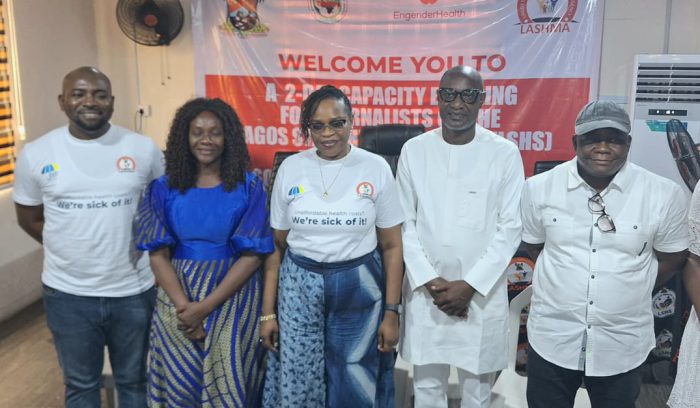
L-r: Dr Olugbenga Fadipe, head, Ilera Eko Medical; Vivian Ihechu, HEWAN president: Dr Emmanuella Zamba, LASHMA permanent secretary; Mr Solomon Dogo and Mr Boniface Khassan, ISMPH media consultants.

The Lagos State Government says it is working assiduously to curb the rising cases of sudden deaths linked to inaccessibility of healthcare through its social health insurance scheme, popularly known as Ilera Eko, operated by the Lagos State Health Management Agency (LASHMA).

The Permanent Secretary/CEO  of LASHMA, Dr Emmanuella Zamba, expressed the government’s concern over avoidable health complications and premature deaths in the state, stressing that the Ilera Eko Scheme is designed to guarantee access to effective, quality and equitable healthcare services, while also providing financial protection against the high cost of medical care for all residents of Lagos State.

Zamba disclosed this during a two-day capacity development programme for health journalists organised by LASHMA in collaboration with the International Society of Media in Public Health (ISMPH) and EngenderHealth, held at the agency’s conference room in Alausa, Ikeja.

She described the Ilera Eko social health insurance scheme as a strategic intervention instituted by the state government to improve quality of life, enhance healthcare access and ultimately boost longevity among residents.

“When you set aside this relatively affordable amount for the scheme, you are guaranteeing healthcare for your family. It also puts you in a better position to plan for other needs such as education and housing, thereby improving your overall quality of life,” she said.

“We have spread our services across Lagos State. There is hardly any part of Lagos where you will not find an accredited facility. Take advantage of this scheme so we can end the inability to access healthcare due to lack of funds. The process is easier now, as payments can be made in instalments.”

Scheme now mandatory

Given its critical role, the Permanent Secretary emphasised that enrollment in Ilera Eko is now mandatory for all residents. She noted that it will serve as a prerequisite for accessing healthcare and other services in state-owned facilities as part of ongoing enforcement measures.

According to her, enforcement will commence with staff of Ministries, Departments and Agencies (MDAs) from April. She urged residents yet to enroll to take advantage of the current window period.

Maternal and infant health focus

Zamba further explained that the scheme is structured to reduce maternal and infant mortality by providing comprehensive antenatal and postnatal care services.

“One of the requirements we have introduced is that pregnant women must have attended antenatal care for at least five months. This enables us to identify high-risk cases early and ensure better health outcomes for both mothers and babies,” she said.

She added that caesarean sections are heavily subsidised under the scheme.

“You can have your caesarean section virtually free. Normally, this costs between ₦500,000 and ₦1 million in many facilities, depending on where you go. Under the plan, these services are heavily subsidised once you are enrolled,” she stated.

Flexible packages and diaspora plans

Head of Ilera Eko Medical at LASHMA, Dr Olugbenga Fadipe, said the scheme was introduced to address rising healthcare costs and ensure inclusivity regardless of financial status.

“We have different packages under Ilera Eko, including the Standard Plan, Standard Jaara Plan and Standard Jaara Plus Plan,” he explained.

He added that specialised offerings such as diaspora plans have also been introduced. These include Ilera Eko Home Konnect, which allows Nigerians abroad to purchase health coverage for their loved ones in Lagos, and the Ilera Eko Waka-Well plan designed for visitors travelling into the state.

Financial inclusion for informal sector

Also speaking, Head of Business Development at LASHMA, Mr Olatunji Rotimi, emphasised the scheme’s inclusivity, particularly for those in the informal sector who may struggle with upfront premium payments.

He said a cooperative and multi-purpose society has been established to enable residents to pay premiums in instalments while enjoying additional benefits.

“The cooperative society is not about buying houses or land immediately. It is about ensuring that everyone who feels priced out of the compulsory scheme has the option to pay monthly through the cooperative structure,” he said.

Describing the initiative as a financial inclusion strategy, Rotimi noted that while premium deductions are relatively seamless for civil servants and private-sector employees, collection in the informal sector poses challenges due to the absence of structured income systems.


Given Right Support, Nigerian Health Professionals Can Exceed Global Standards – Okafor

0

Pharm. (Dr) Judith Okafor is an executive operations leader and a passionate business transformer, committed to driving operational excellence and cost optimisation. Based in the United States, she is an experienced community pharmacist with expertise in quality assurance, budgeting, outsourcing, and workforce development. In this special Diaspora edition, Okafor draws on her diverse experiences in the United States, South Africa, and Nigeria. She argues that Nigerian healthcare practitioners are capable of performing at, and even surpassing, global benchmarks -provided they are given the necessary infrastructure and a supportive working environment. Excerpts:

Please tell us about your professional journey as a pharmacist and how you transitioned into executive operations leadership within the healthcare and pharmacy space.

My career began in frontline pharmacy practice, where patient care, medication safety, and ethical dispensing were central to my daily work. Very early on, I became interested not only in individual patient outcomes but also in the systems behind them, how workflow design, leadership decisions, staffing models, and financial structures influence the quality of care delivered at scale.

That curiosity led me into progressive leadership roles, from store-level operations to district and regional oversight, and eventually into executive operations leadership. Along the way, I complemented my clinical training with formal business and management education and hands-on operational experience. This blend allowed me to operate at the intersection of clinical excellence, operational discipline, and strategic growth. My transition was not a departure from pharmacy practice, but an expansion of it, seeking to create environments where pharmacists and healthcare teams can consistently perform at their best.

As an executive operations leader with a strong focus on business transformation, how do you balance clinical responsibilities with operational efficiency and cost optimisation?

I do not see clinical quality and operational efficiency as competing priorities. In fact, well-designed operations often strengthen clinical care. My approach is to clearly define clinical “non-negotiables” like patient safety, ethical practice, regulatory compliance, and evidence-based care, then optimise everything around those principles.

Cost optimisation is achieved through process redesign, demand-based staffing, technology enablement, and elimination of inefficiencies, rather than through shortcuts that compromise care. When teams are supported by efficient systems, they are better able to focus on patients. Ultimately, sustainable healthcare systems are those that align financial stewardship with clinical excellence.

You have led data-driven initiatives to scale growth across organisations. Can you tell us how data analytics can transform service delivery or patient outcomes in your practice environment?

Data analytics enables healthcare leaders to move from reactive to proactive decision-making. In pharmacy practice, data can identify medication adherence gaps, high-risk patients, workflow bottlenecks, inventory inefficiencies, and emerging service opportunities.

By translating data into actionable insights, pharmacy teams can implement targeted interventions, such as adherence counselling, therapy optimisation, and preventive health services, that directly improve patient outcomes. On the operational side, data supports smarter resource allocation, performance benchmarking, and continuous improvement. When used responsibly, analytics becomes a clinical and operational tool, not just a financial one.

Monitoring quality care across multiple teams using a continuous improvement approach was one of your experiences. What frameworks or metrics do you consider most critical for sustaining quality and patient safety in pharmacy practice?

Sustaining quality across multiple teams requires consistency, transparency, and a culture of continuous improvement. I rely on structured frameworks that include standard operating procedures, regular audits, competency assessments, and feedback loops.

Key metrics include medication error rates, adherence outcomes, patient wait times, immunisation coverage, staff training completion, and patient satisfaction indicators. Equally important is fostering a culture where teams feel empowered to report issues, learn from errors, and participate in improvement initiatives without fear. Quality and safety are best sustained when accountability and psychological safety coexist.

You have provided regional operational support across more than 25 pharmacy locations. What were the most significant operational challenges in managing multi-site pharmacy services, and how did you address them?

Managing multi-site operations presents challenges around consistency, communication, and workforce engagement. Differences in local practices, staffing capabilities, and resource availability can quickly lead to performance variation if not managed intentionally.

My approach was to standardise core processes while allowing flexibility for local context. Strong site-level leadership development was essential, as was clear performance visibility through shared metrics. Regular communication, coaching, and cross-site knowledge sharing helped align teams around common goals and best practices. Sustained success depended on balancing central oversight with local ownership.

From your experience overseeing immunisations, health screenings, and safe drug dispensing, what best practices can be adopted to strengthen community pharmacy services in low- and middle-income countries?

Community pharmacies are among the most accessible healthcare points in low- and middle-income countries and are uniquely positioned to expand preventive care. Best practices include formal integration of immunisation services, basic health screenings, chronic disease support, and robust medication safety protocols.

Investment in pharmacist training, supply chain integrity, cold-chain management, and regulatory enforcement is critical. Collaboration with public health institutions and community stakeholders can further position pharmacies as trusted healthcare hubs rather than purely transactional retail outlets.

In your view, how important is patient and customer feedback in shaping modern pharmacy practice and healthcare delivery?

Patient and customer feedback is indispensable in modern healthcare. It provides insight into the lived experience of care, how services are accessed, understood, and perceived. Feedback helps identify gaps that data alone may not reveal, including communication barriers, cultural considerations, and unmet needs.

A patient-centred pharmacy practice actively listens, adapts, and evolves. When feedback is systematically collected and acted upon, it strengthens trust, improves service quality, and enhances overall healthcare outcomes.

You successfully increased patient conversion to a low-cost generic medicines programme while improving adherence and compliance. How can similar affordability-driven models be adapted to Nigeria’s healthcare system?

Affordability remains a major determinant of medication adherence. Generic medicines programmes can be adapted to Nigeria’s healthcare system through a combination of patient education, transparent pricing, pharmacist-led counselling, and strong quality assurance.

Patients must understand that generics are safe, effective, and regulated.  play a critical role in building this trust. With appropriate regulatory frameworks and supply chain oversight, affordability-driven models can significantly improve access to essential medicines while supporting sustainable pharmacy practice.

You have led cross-functional teams across the United States, Pharmacists South Africa, and Nigeria. What differences have you observed in workforce culture and healthcare delivery across these regions?

Each region reflects its healthcare ecosystem. In the United States, systems are highly regulated, data-driven, and process-oriented. South Africa demonstrates adaptability and resilience within constrained environments. Nigeria’s workforce is distinguished by ingenuity, entrepreneurial thinking, and deep community connection.

The primary differentiator is not talent, but system support. When Nigerian healthcare professionals are equipped with adequate infrastructure, training, and governance, their performance can meet or exceed global standards.

From your diaspora perspective, what are the most critical gaps in Nigeria’s pharmacy practice and healthcare delivery system today?

Nigeria’s healthcare system faces challenges including fragmented service delivery, limited integration of pharmacists into primary care, uneven regulatory enforcement, and underinvestment in workforce development and digital infrastructure.

However, these challenges also represent opportunity. With strategic leadership, policy reform, diaspora collaboration, and investment in systems rather than silos, Nigeria can build a pharmacy practice model that is preventive, patient-centred, and globally competitive.


The Inner Architecture of Leadership Series

0

You control only your thoughts and actions

Unlocking your transformative leadership potential
Prof. Lere Baale

“You have power over your mind — not outside events. Realise this, and you will find strength.”

— Marcus Aurelius

“For as he thinks in his heart, so is he.”

— Proverbs 23:7 (AMP)

In a world filled with constant noise, uncertainty, and forces far beyond personal control, the wisdom of Marcus Aurelius remains profoundly relevant. Leaders, professionals, and citizens alike often expend enormous emotional and mental energy attempting to influence what lies beyond their reach—other people’s opinions, unstable markets, political pressures, or public sentiment. The more energy invested in controlling the external, the less capacity remains for governing the internal.

Scripture affirms this insight with striking clarity. The Bible consistently teaches that genuine transformation does not begin with external dominance, but with inner governance. The most consequential leadership battles are fought in the mind long before they appear in public decisions or actions.

“We are destroying sophisticated arguments and every exalted and proud thing that sets itself up against the true knowledge of God, and we are taking every thought and purpose captive to the obedience of Christ.” — 2 Corinthians 10:5 (AMP)

The illusion of control

Much of human frustration is rooted in the illusion of control. People waste valuable years trying to bend reality to their preferences—fighting battles that cannot be won and managing outcomes that were never theirs to command. This misplaced effort breeds anxiety, resentment, and emotional fatigue.

Jesus addressed this tendency with piercing simplicity when He asked, “Which of you can add even a single hour to your life by worrying?” His words expose the futility of anxious striving and redirect attention to what truly matters: disciplined response rather than obsessive control. “And who of you by worrying can add one hour to the length of his life?” — Matthew 6:27 (AMP)

Wisdom begins where surrender to reality meets responsibility for response.

The power within: Mastering the inner domain

The only domain that truly belongs to you is your inner world—your thoughts, attitudes, and actions. Everything else is shared territory. Circumstances shift, people disappoint, and systems fluctuate, but the mind remains the one space where choice is always available.

The Apostle Paul reinforces this truth when he urges believers to reject passive conformity and pursue intentional renewal. “Do not be conformed to this world [any longer with its superficial values and customs], but be transformed and progressively changed [as you mature spiritually] by the renewing of your mind.”— Romans 12:2 (AMP)

Leadership maturity is revealed in this renewal—the capacity to pause rather than panic, to respond rather than react, and to choose character over chaos.

Leadership through inner discipline

Every great leader eventually learns this lesson: while outcomes may be uncertain, integrity, composure, and faithfulness are always within reach. Scripture elevates self-mastery above external conquest, reminding us that inner discipline is greater than outward dominance. “He who is slow to anger is better than the mighty, and he who rules his own spirit is better than he who captures a city.” — Proverbs 16:32 (AMP)

Leadership that lacks inner discipline may achieve visibility, but it rarely sustains credibility.

Conclusion: Strength through surrender

Marcus Aurelius was not advocating passivity; he was teaching the importance of strategic focus. Scripture calls this wisdom. When intention is aligned with humility and discipline, clarity follows, and strength emerges from surrender rather than struggle. “Commit your works to the Lord and submit your plans to Him, and your plans will succeed.” — Proverbs 16:3 (AMP)

When you release what you cannot control and deliberately steward what you can, you become resilient, centred, and unshakable.

Reflection question: What situation in your life today requires less control and a more disciplined response?

Action point: This week, intentionally release one outcome you cannot control and consciously discipline one recurring thought that shapes your reactions.

By Prof Lere Baale is the president & chairman of the Governing Council, Nigeria Academy of Pharmacy, and CEO, Business School Netherlands International, Nigeria

Atueyi Charges Young Pharmacists on Legacy, Presents Pharmanews Young Pharmacist Award to Haruna

1


L-R: Executive Director of Pharmanews Limited, Mr Dozie Ifeanyi Atueyi presenting the Pharmanews Young Pharmacist Award 2025 Plaque to the winner, Pharm. Abdullahi Tama Haruna, as Pharmanews Editor, Mr Patrick Iwelunmor cheers them..

The Executive Director of Pharmanews Limited, Mr Dozie Ifeanyi Atueyi, has challenged young pharmacists across Nigeria to build careers anchored on legacy, service, and meaningful societal impact.

Atueyi gave the charge at the award presentation ceremony of the Pharmanews Young Pharmacist of the Year 2025 Award, held on Thursday, February 19, 2026, at Pharmanews office, in Lagos.

The award was conferred on Pharm. Abdullahi Tama Haruna, who emerged winner following an online poll conducted in December 2025. The Pharmanews Young Pharmacist of the Year Award comes with a plaque and cash prize of ₦150,000.

In his remark at the ceremony, Mr Dozie Ifeanyi Atueyi urged young professionals to look beyond personal success and focus on creating lasting value that would outlive them, drawing inspiration from the legacy of his late father and Pharmanews founder, Pharm. (Sir) Ifeanyi Atueyi.

L-R: Pharmanews Business Development Manager, Mr Moses Dike; Pharmanews Editor, Mr Patrick Iwelunmor; Executive Director of Pharmanews Limited, Mr Dozie Ifeanyi Atueyi; the award winner, Pharm. Abdullahi Tama Haruna and Pharmanews Online editor, Temitope Obayendo.

He recounted a personal childhood experience dating back to 1979, when his family’s playing room was suddenly taken over by his father and a perceived group of visitors. He recounted that, as children, they were instructed to stop using the room without explanation; a development that left him curious for months until he later discovered that the space had been converted into a working hub where the first edition of Pharmanews was produced.

According to him, what began as a modest effort grew into a publication that has maintained uninterrupted monthly publication for 47 years without missing a single edition, a rare achievement among periodicals in Nigeria till date.

“At the time it started, even the person who conceived the idea may not have imagined how far it would go,” he said, noting that many prominent publications that existed in that era have since disappeared, while Pharmanews continues to thrive and expand its influence within the healthcare sector across West Africa.

L-R: Medical Rep. at Embassy Pharma, Mr. George Daniel; Pharmanews Business Development Manager, Mr Moses Dike; Pharmanews Editor, Mr Patrick Iwelunmor; Executive Director of Pharmanews Ltd, Mr Dozie Ifeanyi Atueyi; the award winner, Pharm. Abdullahi Tama Haruna; Pharmanews Online editor, Temitope Obayendo; Pharm.Jeremiah Omojuyigbe and Medical Rep at Embassy Pharma, Damilola Durojaye.

Reflecting on the founder’s legacy, Mr Dozie Ifeanyi Atueyi identified three enduring pillars he described as impact, dedication to the next generation, and continuity beyond an individual’s lifetime. He noted that numerous awards received by the founder over the years were testimonies to consistent service and excellence recognised by professional bodies and institutions.

He particularly highlighted the late publisher’s passion for mentoring young pharmacists and students, recalling his role as patron of the Pharmaceutical Association of Nigerian Students (PANS) and his active participation in student programmes nationwide. According to him, many leaders that are currently heading pharmaceutical companies first encountered Pharmanews as students.

According to Mr Dozie Ifeanyi Atueyi, the greatest legacy is not what happens while a person is alive, but what continues after the person is gone; adding that the continued growth of Pharmanews and initiatives such as the Young Pharmacist Award demonstrate the enduring strength of the founder’s vision.

Charging the award recipient and other young professionals, he said participation in the award makes them part of a larger mission of service. He said “you don’t have to start a publication or a business, but you must find where you can make a difference and impact lives”.

In her remark, the Online Editor of Pharmanews, Mrs Temitope Obayendo, described the Pharmanews Young Pharmacist of the Year Award, established in 2018, as one of the organisation’s flagship initiatives aimed at encouraging young pharmacists who are using their knowledge and talents to positively impact society.

She explained that the award recognises innovation in healthcare delivery, including initiatives that extend beyond traditional academic qualifications into creative and socially relevant interventions.

Other initiatives of Pharmanews, according to her, include the Sir Ifeanyi Atueyi Essay and Debating Competition, the PANSITE Award, the Pharmanews Interschool Debate Competition.

Obayendo said background assessments revealed that the 2025 awardee distinguished himself not only as a pharmacist but also as a social entrepreneur and founder of Hatmabrandtech.com, reflecting versatility and forward-thinking leadership. She added that integrity remains central to the selection process, noting that emergence as winner, through a public voting system reflects both credibility and public trust.

According to the company’s record, since its maiden edition, recipients of the Pharmanews Young Pharmacist of the Year Award have included Pharm. Isah Muhammad (2018), Pharm. Frank Eze (2019), Pharm. Daniel Eze (2020), Pharm. Ozioma Ezeofor (2022), Pharm. Uwem Ebong (2023), and Pharm. Hashidu Danjuma Aminu (2024).

In his acceptance remarks, Pharm. Haruna expressed appreciation to Pharmanews Ltd management, describing the recognition as both an honour and a call to greater responsibility. He praised the late founder of Pharmanews as an icon of the pharmacy profession whose work continues to inspire younger practitioners.

A graduate of Usmanu Danfodiyo University, Sokoto, in 2023, Haruna said his desire to create impact beyond conventional pharmacy practice led to the establishment of Hatma Brandtech Limited.

According to him, his professional focus centres on resolving drug therapy problems, adding that in 2025, he conducted more than 10 medical outreach programmes aimed at educating communities and parents on medication safety and health awareness. He also organised over 15 online webinars addressing poisoning prevention and emergency response.

He credited a previous award recipient, Pharm. Hashidu Danjuma Aminu, founder of Gateway Innovation, as a major source of inspiration. He said “this award is beyond recognition for me; it is an inspiration to do better and make greater impact”, even as he pledges to serve as a worthy ambassador of Pharmanews.

In his closing remark, Mr Dozie Ifeayi Atueyi commended the awardee’s commitment to medical missions, describing the number of outreach programmes undertaken as evidence of dedication to service. He emphasised that the award presentation represents a long-term partnership rather than a one-time recognition.

He said “this award is an induction into collaboration. We are partners for life”.

Also speaking, the Business Development Manager of Pharmanews, Mr Moses Dike advised the award recipient to remain grounded and surround himself with honest friends capable of offering sincere guidance, especially during moments of success, even as he charged him to be a worthy ambassador of Pharmanews.


Which is an example of Pharmacokinetic drug interaction.

7

PANS QUIZ

Which is an example of Pharmacokinetic drug interaction.
a) Gastric motility changes.
b) Alteration of electrolyte levels.
c) Drugs having antagonist’s effects.
d) Interactions at receptor site. A

What causes pharmacodynamic drug interaction.
a) Gastric motility changes.
b) Stimulation of metabolism.
c) Alteration of pH of GIT.
d)Interactions at receptor site.

NAFDAC Seals 18 Warehouses with Over ₦100m Expired Products in Niger

0


Some of the expired products on display

The National Agency for Food and Drug Administration and Control (NAFDAC) has sealed 18 warehouses in Bida, Niger State, after uncovering large quantities of expired food and beverage products valued at over ₦100 million.

The affected warehouses, located around Ndazabo White House along Minna Road and behind Bida Modern Market, were shut down following a raid by NAFDAC’s Investigation and Enforcement Directorate, which acted on credible intelligence.

Items recovered during the operation included expired non-alcoholic beverages, dairy milk, candies, bottled water and pasta, some of which had already been repackaged for distribution.

Resident Media Consultant to the agency, Sayo Akintola, disclosed that officials seized about 80,000 packets of expired non-alcoholic drinks, 5,000 packets of dairy milk, 16,000 packets of bottled water, 28 cartons of pasta and other assorted expired products.

Managers of the affected warehouses were arrested for questioning. Preliminary investigations linked the facilities to a company identified as BY Ventures, prompting NAFDAC to extend its operation to supermarkets owned by the company in Minna.

During the follow-up operation, additional expired products and suspected counterfeit Goya oil were allegedly discovered. The supermarkets were subsequently sealed.

The Managing Director of BY Ventures, Alhaji Yusuf Nadabo, was invited for further questioning and reportedly admitted ownership of the expired products during interrogation.

NAFDAC said investigations are ongoing and assured that appropriate regulatory sanctions would be imposed at the conclusion of the process to serve as a deterrent.

Snakebite, Antivenom, and the Failure of a System

0

The recent tragic death of 26-year-old Abuja-based singer, Ifunanya Nwangene (known to many as Nanyah) should disturb our national conscience as it exposes systemic dysfunction that extends far beyond snakebite management. On 31 January 2026, Ms Nwangene was bitten by a snake while asleep in her home in the Federal Capital Territory. Despite being rushed to more than one facility for urgent care, she died later that day from complications related to the bite, after frantic efforts to secure the second dose of necessary anti-venom proved futile. Reports from her friends and music colleagues describe a desperate last-minute search to procure medicines that should have been available in the hospital stock.

Beyond the widespread mourning and outcry over the loss of the young, talented life, it is more imperative to confront the deeper issues that such a death reveals. A snakebite is a medical emergency long understood, clinically manageable, and rarely fatal where functional systems exist. Yet in Nigeria’s Federal Capital Territory, a patient reportedly criss-crossed the uncertainty of treatment logistics, medicine access, and referral limitations under circumstances where minutes often determine survival. That reality is not merely unfortunate; it is structurally indefensible.

Globally, snakebites kill an estimated 100,000 people annually and leave hundreds of thousands with permanent disabilities. Nigeria bears a disproportionate share of this burden, particularly in agrarian communities. But what makes the Abuja incident especially troubling is not the epidemiology of snakebite but the geography. If essential antidotes cannot be reliably accessed within the nation’s capital, what confidence can rural Nigerians reasonably place in the emergency care architecture?

But even more disconcerting is that tragedies of this nature are not aberrations but symptoms of a system whose weaknesses are extensively documented yet rarely addressed. According to the latest World Health Organisation-derived estimates, maternal mortality stands at over 900 deaths per 100,000 live births, more than double the average for lower-middle-income African countries, while under-five and infant mortality remain alarmingly high. Malaria, a generally preventable and treatable disease, accounts for a disproportionate share of morbidity and mortality, with Nigeria responsible for a substantial proportion of global cases and deaths.

A major health ministerial briefing noted that Nigeria’s doctor-to-population ratio stands around 1:5,000, sharply below the WHO benchmark of 1:600, and that health spending hovers near 5 per cent of GDP, far below the 15 per cent Abuja Declaration commitment first agreed by African states in 2001.

What all these reveals is a health system ill-equipped to manage common, predictable health threats, much less time-sensitive emergencies like snakebite.  Curiously, this lack of readiness is not for want of policy rhetoric. Successive governments have spoken of health sector reforms, universal health coverage and local production of medicines, yet budgetary allocations remain abysmal (far below the 15 per cent stipulated by the Abuja Declaration), poorly targeted, and often consumed by recurrent expenditures rather than strategic capital investments in infrastructure and supply chains. The neglect of primary healthcare, the first point of contact for emergencies in every community, compounds the problem, leaving patients to seek care in shambolic facilities or face crippling costs in private hospitals.

It is essential, therefore, to channel the grief over Ms Nwangene’s death into concrete corrective action. Health budgets must be substantially increased with clear earmarks for emergency care readiness, essential medicines and health workforce development. Nigeria must move beyond token budget increases to funding that reflects the scale of its disease burden and population needs. Accountability frameworks must be strengthened so that allocations result in measurable improvements in service delivery rather than disappearing into administrative inefficiencies.

Crucially, emergency medicine protocols, including guaranteed stock levels of essential antidotes such as snake antivenom, insulin, and cardiac drugs, must be made part of licencing standards for all hospitals, backed by regular audits and enforcement. Strengthened surveillance and transparent reporting mechanisms will help map gaps and direct resources where they are most needed.

The nation’s pharmaceutical ecosystem must also be revolutionised. Heavy dependence on imported medicines and raw materials leaves the country vulnerable to global supply shocks and currency volatility. Strategic investment in local manufacturing, regulation, quality assurance and distribution is not optional; it is foundational to achieving medicine security and insulating the health system from avoidable shortages.

Ms Nwangene’s passing must be a turning point in Nigeria’s pursuit of a capable, responsive and equitable health system. The nation’s future is predominantly dependent on the restoration of a health system that works; a system where essential medicines are available, where healthcare workers are supported and where no one dies for want of basic care.

Ayo Adebiyi: Humanitarian Nurse Leader Saving the Lives of Mothers and Infants

0

Maternal and infant mortality remain among the most pressing public health challenges worldwide, driven by persistent inequities in access to care, health education and effective primary healthcare delivery. Nigeria bears a particularly worrisome burden of this crisis, with a woman’s lifetime risk of dying from pregnancy-related causes estimated at one in 22, compared with one in 4,900 in high-income countries. Neonatal and under-five mortality rates are similarly alarming, with the World Health Organisation estimating that one in five Nigerian children does not survive to their fifth birthday.

One of those working hard to reverse these grim realities is Nurse Ayomidamope Adebiyi. The family-focused nurse leader and occupational health specialist has emerged as a powerful professional voice, applying clinical expertise, institutional leadership and community-based interventions to improve outcomes for women and infants. She is the founder of Care for the Unreached, a non-profit initiative bringing life-saving care and health education to the most vulnerable women and children in Nigeria and sub-Saharan Africa.

Through sustained intervention, mentorship and advocacy, Adebiyi has helped in expanding antenatal care, boosting childhood immunisation, and providing immediate access to health screening for hundreds of mothers and infants who would otherwise have little or no access to healthcare. She also continues to help in empowering mothers, developing local healthcare systems, and initiating projects to positively impact indigent individuals and families.

Formative influences

Adebiyi’s path into nursing was neither conventional nor accidental. Born prematurely at 29 weeks as one of a set of triplets, at UCH Ibadan, she survived circumstances that claimed the lives of her two brothers. Their deaths, resulting from limited access to specialised neonatal care, would later propel her vision to combat health inequity.

Many years later, after moving to the United States and seeing the diverse life-saving possibilities of advanced healthcare, she began to reflect more deeply about those early circumstances. She became acutely aware of the contrast between neonatal outcomes in well-resourced health systems and those in settings where basic life-saving infrastructure remains absent. That awareness crystallised into determination. According to her, “Before and after I left Nigeria, ‘how do I give back and contribute?’ was one of the lingering questions and agenda in my heart I’m very passionate about Nigeria.”

Initially trained in mass communication at Moshood Abiola Polytechnic (2004-2006), Adebiyi took advantage of the US learning environment that supported academic transition and pursued nursing education. She attended Miami Dade College in Florida for her pre-nursing studies and nursing degree (from 2011 to 2017). Thereafter, she proceeded to the

University of California, Los Angeles (UCLA) for her MSc. in Nursing, specialising in family nurse practice and subspecialising in occupational and environmental health nursing. She also attended the Johns Hopkins School of Nursing for a post master’s programme in nursing education.  In all, she embraced her new trajectory with a strong sense of purpose, recognising it as a means through which she could address the same systemic failures that had once affected her own family. She is currently completing her Doctor of Nursing Practice (DNP) programme at Johns Hopkins University.

Clinical practice and global professional engagement

At present, Adebiyi primarily serves as an occupational health clinical and programme lead and nurse practitioner at the University of California, Merced. In this role, she provides clinical oversight for employee health, medical surveillance programmes and workplace safety initiatives, including frameworks supporting high-containment biomedical research facilities.

Her professional experience also includes service as an emergency and trauma registered nurse across teaching hospitals in Florida and California, where she gained first-hand exposure to acute care delivery in complex, high-pressure environments. These experiences reinforced her appreciation of healthcare systems as both clinical and social structures, shaped by policy, access and institutional priorities.

Beyond her formal employment, Adebiyi has remained actively engaged in global health volunteering within the United States, advocating for migrant and underserved populations, particularly within agricultural communities where healthcare access remains limited. She views herself as a global citizen, attentive to the realities of health inequity across borders, a perspective sharpened by the COVID-19 pandemic’s exposure of the interconnectedness of public health systems worldwide.

Care for the unreached

In 2018, Adebiyi founded Care for the Unreached to address gaps in maternal, newborn and child health services in rural Nigeria. The initiative operates through partnerships with local volunteers, primary healthcare centres and community leaders, ensuring that interventions are contextually appropriate and locally sustained.

Through Care for the Unreached, Adebiyi has overseen the establishment of multiple community outreach centres delivering free prenatal and antenatal clinics, newborn care kits, family planning services and education on breastfeeding and maternal health. The organisation has also facilitated access to childhood immunisations, enabling hundreds of children to receive vaccines protecting against preventable diseases.

Importantly, Adebiyi emphasises that the success of the initiative rests on collective effort rather than individual leadership. While she provides strategic direction, the day-to-day work is conducted by partners and volunteers on the ground. This decentralised approach has allowed the programme to operate effectively across geographical distance, using digital communication to coordinate activities while empowering local health workers.

Advocacy, mentorship and systems change

Beyond service delivery, Adebiyi’s work is sustained by a strong commitment to advocacy and mentorship. She regularly participates in community service-learning programmes, mentors nursing students transitioning into professional practice, and supports high school students exploring careers in healthcare. Through these engagements, she seeks to cultivate a generation of health professionals who recognise both the technical and ethical dimensions of care.

Her advocacy extends into national and international forums. As a Clinton Global Initiative University alumna and former regional alumni ambassador, she has contributed to discussions on leadership, civic engagement and health equity. She has also advocated for migrant workers’ health rights in the United States, highlighting parallels between marginalised communities across different contexts.

Central to Adebiyi’s  philosophy is the belief that governments alone cannot resolve entrenched health inequities. Instead, she argues for collaborative approaches that mobilise professionals, communities and institutions toward shared responsibility. In her view, strengthening primary healthcare systems is not merely a technical exercise, but a moral imperative that determines whether women and children are afforded the dignity of survival.

Awards and recognitions

Adebiyi’s contributions to nursing leadership, community health and advocacy have been recognised through several prestigious awards. In 2015 and 2017, she received the United States Presidential Volunteer Service Award, conferred by President Barack Obama, in recognition of her sustained community service locally and internationally.

In 2022, she was selected as a recipient of the Jeannine Rivet National Leadership Fellowship, a competitive award established by the American Nurses Foundation through support from the United Health Foundation. The fellowship honours emerging nurse leaders who integrate clinical expertise with civic and professional leadership, providing funding and development opportunities to expand their impact.

Nurse Adebiyi’s contributions and recognitions continue to position her as a nurse leader whose work transcends traditional clinical boundaries. They also affirm the growing visibility of nursing professionals as architects of health systems change, capable of transforming outcomes at both community and policy levels.

Overcrowding, Fast Urban Growth Worsening Infectious Disease Burden — UNILAG VC

0


The Vice-Chancellor (VC) of the University of Lagos (UNILAG), Prof. Folasade Ogunsola, says overcrowded communities in Nigeria, like those in other African countries, are accelerating the transmission of infectious diseases.

Ogunsola said this was due to limited access to clean water, sanitation, and proper waste disposal, particularly in urban centres.

She made the statement while delivering the 1st Distinguished Lecture of the Federal University of Health Sciences (FUHSI), Ila-Orangun, Osun State.

The lecture was themed, “Climate Change, Cities and Infections: The Triple Nexus Shaping Urban Health.”

Ogunsola said in many such settlements, families shared communal toilets, makeshift drainage systems, and polluted streams—conditions which turned minor infections into widespread public health threats.

“African cities are transitioning into hotspots for climate-driven infections due to the sheer speed of their expansion and the fragility of the systems meant to support them.

“As cities grow outward and upward, infrastructure such as sanitation, drainage, and healthcare services lag behind, creating environments where diseases can spread easily and rapidly.

“Our cities are expanding faster than the systems designed to protect the health of the people living in them.

“When entire communities share limited water, toilet facilities, and drainage systems, infections spread with remarkable speed,” she said.

She added that rising temperatures recorded across the continent had a direct effect on the behaviour and survival of disease-carrying vectors.

“Warmer climates allow mosquitoes, flies, and other vectors to breed faster, spread more widely, and live longer, enabling them to transmit diseases year-round rather than seasonally.

“Mosquitoes, flies, and other vectors are thriving in warmer, stagnant environments created by rapid urban growth,” the VC said.

Ogunsola also noted that air pollution had become one of the most dangerous and underestimated drivers of respiratory infections in African cities.

“With millions relying on diesel generators, firewood, and fossil fuels, exposure to polluted air weakens immunity and aggravates chronic illnesses, especially among children and the elderly,” she said.

She urged governments, institutions, and communities to collaborate and adopt proactive measures to safeguard the continent’s future.

Ogunsola emphasised the importance of climate adaptation policies, expanded research, technological innovation, and robust public health surveillance systems.

According to the VC, the way forward lies in informed planning, stronger climate policies, investment in research, and a united resolve to safeguard the health of African cities.

Earlier, the Vice-Chancellor of FUHSI, Prof. Akeem Lasisi, emphasised that the maiden lecture was not only timely, but essential for a continent currently grappling with environmental and public health instability.

Lasisi stressed that Nigeria, like many African nations, was already witnessing the consequences of shifting weather patterns, extreme heat, and overcrowding in emerging urban centres.

“This topic is not just academic; it is a lived experience already unfolding around us,” he said. (NAN)


FG Signs SLA with Medipool to Strengthen Medicine Procurement Governance

0


The Federal Ministry of Health and Social Welfare and Medipool Nigeria Limited have formalised a Service Level Agreement (SLA) aimed at strengthening coordination, transparency and governance within Nigeria’s medicine procurement and supply chain systems.

The agreement is part of ongoing efforts to improve efficiency and alignment in the sourcing and distribution of essential medicines nationwide.

Medipool Nigeria Limited, a federally approved group purchasing platform, was established to support Nigeria’s healthcare reform agenda by improving the availability, affordability and efficiency of essential medicine delivery. Through coordinated demand aggregation and transparent purchasing processes, the platform collaborates with public and private stakeholders to enhance supply reliability and promote equitable access to quality medicines.

Speaking at the signing ceremony, Executive Chairman of Medipool, Dr. Oluwaseun Abiola, described the agreement as a step toward stronger operational alignment.

“This engagement reflects a shared commitment to strengthening coordination and governance within the healthcare supply system. Medipool’s focus is on responsible, phased implementation, working collaboratively with existing institutions to improve transparency, trust, demand aggregation and supply reliability,” he said.

Abiola noted that Medipool’s mandate is to support structured purchasing processes and enhance coordination mechanisms while respecting existing institutional frameworks.

Also speaking, the Honourable Coordinating Minister of Health and Social Welfare, Muhammad Ali Pate, underscored the importance of transparent and coordinated approaches in strengthening healthcare systems.

“Strengthening coordination and transparency across healthcare delivery systems remains a priority for the Ministry. This engagement reflects our continued focus on practical, collaborative approaches that support efficiency and accountability in the supply of essential medicines,” the Minister said.

He added that structured demand coordination could, over time, improve predictability within the pharmaceutical market and support domestic manufacturing capacity.

The platform is expected to complement ongoing initiatives, including programmes linked to the Basic Healthcare Provision Fund, by strengthening procurement governance and coordination mechanisms.

Established as a public-private partnership, Medipool operates within approved healthcare reform frameworks and will implement activities in phases in line with agreed governance structures and stakeholder engagement processes.


HEWAN Mourns Veteran Health Journalist, Matthew Ukachunwa

0


Mr Matthew Ukachunwa, at one of his last assignments.


The Health Writers Association of Nigeria (HEWAN) has announced the passing of one of its most dedicated and exemplary members, Mr Matthew Ukachunwa of New Nigerian Newspapers Ltd.

Ukachunwa reportedly transitioned to eternal rest in the early hours of Monday, 16 February, 2026, a development that has cast a shadow over Nigeria’s health reporting community and the broader media landscape.

In a statement signed by HEWAN President, Vivian Ihechu, and Secretary, Temitope Obayendo, the association described the late journalist as a pioneer member, consummate professional, and pillar of the association.

According to the statement, Ukachunwa was widely respected for his soft-spoken nature, firm convictions, and meticulous approach to journalism. Colleagues recalled his unrivaled mastery of health reporting and his commitment to professional excellence, qualities that inspired many younger journalists within the beat.

“Matthew Ukachunwa was the definition of a stickler for time. His commitment to punctuality and professional ethics was legendary. He was a man who truly knew his work and delivered it with quiet excellence,” Ihechu said.

She added that Ukachunwa was consistently present at the association’s engagements, offering constructive counsel and unwavering support. “He was never found absent at any of the association’s activities and was always prompt,” she noted.

His passing has been described as particularly emotional for members of the association, coming just days after his active participation in a capacity-building workshop organised by the Lagos State Health Management Agency (LASHMA) for health writers in Lagos.

At the 13  February, workshop, Ukachunwa was honoured with an ‘Early Bird’ cash prize, having arrived among the first participants, a recognition many colleagues now regard as a fitting final testament to his lifelong discipline and dedication to duty.

HEWAN extended its condolences to the family of the late journalist, the management of New Nigerian Newspapers Ltd, and the entire journalism community, praying for the repose of his soul and strength for his loved ones during the period of mourning.

Ukachunwa’s death marks the end of an era for many within the health journalism space, but his legacy of professionalism, punctuality, and quiet excellence is expected to endure.


Keep Moving As You Age

0

A common challenge of older people is the tendency to treat exercise as optional, a luxury for athletes or the younger generation. Yet, research and experience  show that staying active in later life is not a hobby but a prescription for health and longevity.

Elderly people who visit pharmacists often complain about aching joints, fatigue, poor sleep, or rising blood pressure. While medicines have their place, physical activity is one of the most potent, least costly, and most accessible forms of therapy. Exercise, when done right, can restore balance, sharpen the mind, reduce pain, and extend both years and quality of life.

Why movement matters

As from age 50, the body changes noticeably. Muscle mass naturally declines, bones lose density, and metabolism slows down. However, this doesn’t mean decline is inevitable; it means maintenance must become intentional. Movement is the antidote.

Simple, consistent activities such as walking, swimming, or dancing strengthen the heart, regulate weight, and improve mood through the release of endorphins. Yet, the goal is not to train like a youth again; it is to keep the body functional, flexible, and resilient. A brisk thirty-minute walk five times a week, or a gentle stretching routine each morning, can make the difference between independence and dependency in later years.

Unfortunately, many older adults see exercise as punishment rather than pleasure. Some fear injury, others feel embarrassed about moving in public, and many underestimate what their bodies can still do. The key is to start small and build confidence. A pharmacist who spends long hours behind the counter can take short movement breaks. These could include shoulder rolls, deep breathing, or a five-minute walk around the building. These little acts add up, reawakening the body’s rhythm and improving circulation.

Tripod of healthy exercise

Three pillars define effective exercise from age 50: balance, strength and flexibility. One of the greatest fears of older adults is falling (and rightly so) as falls account for many injuries in old age. Gentle balance exercises, such as standing on one foot, heel-to-toe walking, or practising simple yoga poses, can dramatically reduce that risk.

Strength training doesn’t mean lifting heavy weights. Using resistance bands, carrying small dumbbells, or even doing bodyweight squats helps maintain lean muscle and prevent frailty. The stronger your muscles, the easier it becomes to climb stairs, lift groceries, or play with grandchildren without pain.

Flexibility is- the ability to move fluidly, bend, reach, and twist without pain. Stretching exercises (even those you can do while seated) help prevent stiffness in the back and shoulders. This is particularly important for pharmacists and other professionals who stand or sit for long hours. A five-minute stretch between consultations or while waiting for patients can ease the strain on the spine and neck.

The mind-body connection

What makes exercise so remarkable is that it heals not only the body but also the mind. Regular movement improves sleep, reduces anxiety, and lifts the spirit. It gives a sense of purpose, a reason to step out each morning and breathe in gratitude. Studies show that regular exercise lowers the risk of depression, dementia, and anxiety in older adults.

For health professionals, this connection is paramount. The demands of healthcare work often lead to burnout. Regular exercise can restore energy and mental clarity. Again, you don’t need a gym membership to achieve this. A 30-minute brisk walk five days a week, or even 15 minutes twice a day, is a game-changer. Add a few stretches before bedtime, or light weight-bearing exercises twice a week, and you’ll notice your energy return. What matters is consistency, not intensity.

Lagos Govt, VCDF Record 550 Pints of Blood Donations

0


A cross-section of the organising team

In a bid to strengthen voluntary blood donation and raise awareness across Lagos State, VCare for Development Foundation (VCDF), in partnership with the Lagos State Blood Transfusion Service (LSBTS) and the Nigerian Red Cross, mobilised 550 pints of blood during a two-day campaign held recently.

Supported by Sterling Oil Exploration and Energy Production Company Limited (SEEPCO), the drive saw 35 per cent of participants donating for the first time. Organisers described the turnout as a significant milestone in efforts to deepen public engagement in voluntary blood donation and reinforce the culture of lifesaving participation.

SEEPCO, through its corporate social responsibility (CSR) initiatives, emphasised the critical importance of community-focused health interventions. The company noted that supporting VCDF’s annual blood donation drives since 2022 has been central to its strategy to strengthen health systems, enhance emergency care readiness, and save lives across its host communities.

Lagos Govt, Institute, Others Record 550 Pints of Blood Donations
Voluntary donor participating in the Blood Donation Drive 2026

A representative of SEEPCO stated, “Our commitment is to partner with organisations that deliver measurable public health impact. Blood donation is not only life-saving but also empowers communities to participate actively in health promotion.”

The 2026 figures continue a steady growth trend in VCDF’s annual blood drives, rising from 98 donors in 2022 to 147 in 2023, 268 in 2024, and 341 in 2025. The organisation’s cumulative total now stands at 1,404 donors—a performance that previously earned VCDF the Blood Donation Champion Award from LSBTS. Organisers noted that SEEPCO’s volunteers were pivotal in mobilising donors and providing logistics support.

Programme coordinators attributed the rising participation to sustained awareness campaigns, community engagement activities, and targeted responses to myths and religious concerns surrounding blood donation. Behaviour change communication strategies were highlighted as key in reshaping public perception and encouraging informed, safe participation.

Donors shared personal experiences of the drive. Vivian, a repeat donor, said, “Although I had myths that discouraged me from donating earlier, these were corrected by awareness, confidence, and voluntary participation.” Noah noted, “I donated because my wife benefited from blood during childbirth. The guidance provided ensured safe donation.” Ismail, a first-time donor, described the process as fulfilling, praising the proper guidance and attentive care he received.

Beyond blood donation, SEEPCO has collaborated with VCDF and partner health organisations for over four years to deliver medical outreach programmes across its operational communities. These initiatives provide free consultations, medications, and basic laboratory tests addressing common health conditions across multiple local government areas.

Health stakeholders emphasised that Nigeria requires between 1.8 and 2 million units of blood annually but currently meets only 25 to 30 per cent of national demand. The shortfall continues to affect emergency care, maternal health, and treatment for sickle cell patients, where timely access to blood remains critical.

Organisers noted that the 2026 drive demonstrates the impact of sustained collaboration among government agencies, private-sector partners, and civil society organisations in building a reliable pool of voluntary blood donors and improving community health outcomes.

SEEPCO reaffirmed its dedication to leveraging its resources and network to advance positive public-health outcomes, describing the initiative as part of a broader commitment to sustainable, socially responsible business practices.

VCDF reaffirmed its commitment to expanding public-health interventions through continued partnership support to promote a healthier Nigeria.

Who Loses When Drugs Expire While Awaiting HMO or Insurance Reimbursement?

0


Question: Who is responsible for the financial loss when medications expire while awaiting HMO or insurance reimbursement? Can the cost be recovered from the HMO, or does it fall entirely on the healthcare provider?

Case scenario

A hospital pharmacy in Abuja procures high-cost medications for patients covered under an HMO plan. Due to administrative delays in HMO approvals and reimbursement, some drugs remain in storage and eventually expire. The pharmacy seeks reimbursement for the expired drugs from the HMO, but the HMO declines, arguing that reimbursement is only for dispensed and utilized medications.

The hospital considers passing the loss to patients but fears potential legal action. Who legally bears the financial loss in such circumstances?

Legal perspective

Under Nigerian law, the interaction between healthcare providers and HMOs is largely contractual. The question of financial responsibility for expired medications is determined by the terms of the HMO-provider agreement rather than clinical obligations. Key considerations include:

  1. Contractual terms on risk allocation – Does the agreement specify who bears the cost of expired stock or unutilised drugs?
  2. Timing and authorisation – Was the delay in reimbursement caused by the HMO, and are there clauses addressing delays?
  3. Ownership of drugs – Legally, the party that owns the drugs until dispensation may bear the risk of loss.
  4. Patient status – Patients are usually not parties to the contract; therefore, liability typically cannot be shifted to them without explicit consent.
  5. Regulatory framework – NHIA or state insurance guidelines may have provisions on drug wastage or reimbursement procedures.

Courts generally treat expired drugs awaiting reimbursement as a commercial risk unless the contract explicitly transfers this risk to the HMO.

Determining liability

When assessing liability, courts may consider:

Contract clauses: Whether the HMO agreement defines responsibility for stock losses or expired drugs.

Cause of delay: Whether the delay in reimbursement was due to administrative fault by the HMO or operational inefficiency of the provider.

Good faith communication: Whether the provider promptly informed the HMO of impending stock expiration and sought resolution.

Industry standards: Standard practices regarding inventory management and risk sharing between providers and insurers.

Liability is more likely to fall on the HMO where the contract stipulates reimbursement obligations regardless of stock expiry, or where the HMO caused unreasonable delays. Otherwise, the financial loss may be deemed a business risk of the provider.

Defences available to hospitals and pharmacies

  1. Contractual risk allocation: The provider assumes the risk of expired stock unless otherwise agreed.
  2. Prompt notification: Documentation showing the provider notified the HMO of pending expiry and sought timely approval.
  3. Non-emergency nature: The drugs were not required for immediate life-saving treatment.
  4. Regulatory compliance: The provider acted in accordance with NHIA and professional guidelines.

5.Commercial impracticability: The provider may claim economic impossibility of operating at a loss if HMO tariffs or reimbursement terms do not cover cost.

Practical advice

Ensure HMO agreements clearly define risk allocation for stock expiry and delayed reimbursements.

Implement inventory controls and review stock regularly to prevent unnecessary losses.

Maintain clear, written communication with HMOs regarding pending approvals and reimbursements.

Document all cases of expiry and steps taken to mitigate loss.

Consider insurance or risk-sharing arrangements for high-cost medications.

Closing insight

While healthcare providers are driven by patient care, Nigerian law recognises that commercial arrangements with HMOs carry financial risk. Clear contractual terms, proactive communication, and prudent stock management remain the most effective tools to minimise loss and avoid disputes.

Ezebuilo Demands Policy Shift to Protect Nigeria’s Pharma Industry

0

– Says medicines are strategic national assets

NAIP Chairman, Bankole Aminu Ezebuilo

The National Chairman of the Association of Industrial Pharmacists of Nigeria (NAIP), Pharm. (Sir) Bankole Aminu Ezebuilo, has called for urgent policy reforms to strengthen Nigeria’s pharmaceutical industry, warning that the country’s heavy dependence on imported medicines poses a serious threat to national health and economic security.

Speaking at the NAIP 2026 Economic Outlook and CEOs Forum held on 4 February, under the theme “Reimagining Nigeria’s Health Security: Local Production, Economic Sovereignty and Strategic Partnerships,” Ezebuilo said medicines, vaccines, diagnostics, surgical consumables and other healthcare inputs are no longer ordinary commodities, but strategic national assets that must be produced locally.

“Lessons from the COVID-19 pandemic, supply chain disruptions and currency volatility show that no serious nation outsources its survival plan,” Ezebuilo said. “Nigeria must urgently prioritise local production to secure its health system and economic sovereignty.”

The forum attracted an extraordinary convergence of traditional authority, professional leadership and regulatory power, underscoring the national importance of the issues under discussion. In attendance were revered royal fathers, including the Emir of Kano, Mallam Muhammadu Sanusi II; the Obi of Onitsha, Igwe Alfred Nnaemeka Achebe; and the Ezechuamugha and Igwe of Ogidi Kingdom, Pharm. Alex Onyido. Also present was a former Minister of Health and Chairman of Our Lord Pharmaceuticals, Prince Julius Adelusi-Adeluyi.

The gathering further brought together the College of Past Presidents of the Pharmaceutical Society of Nigeria (PSN); senior industry leaders, including Pharm. Sam Ohuabunwa, Pharm. Anthony Akhimien, Pharm. Azubuike Okwor, Pharm. Olumide Akintayo, Pharm. U. N. O. Uwaga; and the President of PSN, Pharm. Tanko Ayuba.

Regulators also were strongly represented, with the Director-General of NAFDAC, Prof. Mojisola Adeyeye, and the Registrar of the Pharmacy Council of Nigeria, Pharm. Ibrahim Baba Shehu, in attendance. Past chairmen of NAIP, including Pharm. Ade Popoola, Pharm. Sola Solarin, Pharm. Lolu Ojo, Pharm. Gbenga Folabi, Pharm. I. G. Anukwu and Pharm. Ken Onuegbu, alongside chief executives of pharmaceutical companies and development partners, were also present.

Ezebuilo emphasised that the presence of royal fathers lent credibility and moral authority to the call for reform, noting that in Nigeria, the backing of elders provides stability and continuity beyond political cycles. He remarked that once the Khalifa, the Agbogidi (Obi of Onitsha), the Ooni of Ife and the Ezechuamugha of Ogidi Kingdom confirmed their attendance, confidence in the success of the engagement was assured. According to him, when elders stand with an initiative, the journey does not only begin well, it ends well.

He urged the Federal Government to designate pharmaceutical and medical manufacturing as critical national infrastructure and to provide targeted incentives, including tax relief, import duty waivers on inputs, subsidised energy and concessional financing. He also called for the strategic use of government procurement to guarantee demand for locally produced medicines, stronger quality regulation, prompt payment to suppliers and the integration of health manufacturing into national industrial and economic plans.

Beyond government action, Ezebuilo appealed to commercial banks, development finance institutions, pension fund administrators and private equity firms to treat the pharmaceutical sector as a bankable, long-term industrial priority, stressing the need for patient capital and long-tenor financing to de-risk investments across the pharmaceutical value chain.

He further advocated backward integration into raw materials, packaging and research; increased investment in skills development, biotechnology and regulatory capacity; as well as expanded regional market access through ECOWAS and the African Continental Free Trade Area (AfCFTA). He stressed that partnerships must prioritise technology transfer, local manufacturing and workforce development if Nigeria is to compete sustainably.

Ezebuilo also highlighted NAIP’s efforts to strengthen industry capacity through its zonal structures and the NAIP Academy, a youth training initiative developed in partnership with regulatory and training institutions to equip the next generation of industrial pharmacists with technical and leadership skills.

He announced that NAIP’s 2026 Annual National Conference will hold in Kwara State in May under the theme “Collaboration and Innovation to Build Local Solutions for the Future of the Nigerian Pharma Industry.”

Ezebuilo expressed appreciation to stakeholders who honoured the forum with their presence, including the President of FEMPIA, Dr Okey Akpa, and the Chairman of the Board of Fellows, Pharm. Uche Apakama, noting that their leadership and institutional memory enriched the quality of deliberations. He also offered personal gratitude to his wife, whom he described as his friend, business partner and support system, acknowledging her role in sustaining both family and professional responsibilities.

Concluding, Ezebuilo said that while Nigeria does not lack talent, entrepreneurs, professionals, market demand or opportunity, stronger alignment of policy, investment, leadership and purpose is essential. “This forum must deliver decisions and implementation, not just speeches,” he said, warning that Nigeria’s health security and economic resilience depend on swift and decisive action.

FG Champions Africa’s Health Security at 39th AU Summit

0
Vice President of Nigeria, Kashim Shettima

In a move many stakeholders describe as proactive and timely, the Federal Government of Nigeria has taken a decisive stand on Africa’s medicine security and continental self-reliance at the 39th Ordinary Session of the Assembly of Heads of State and Government of the African Union in Addis Ababa, Ethiopia, on Friday, February 13, 2026.

At the high-level event themed “Building Africa’s Health Security Sovereignty,” Nigeria called on African leaders to rethink the continent’s approach to health. The message was simple but urgent: Africa must reduce its dependence on foreign aid and fragile global supply chains and build strong, local systems capable of protecting its people during crises. The discussion formed part of wider conversations at the AU Summit, where leaders examined how to deepen integration and strengthen Africa’s strategic independence.

Major deliberations at the summit hinted at the diminishing sovereignty of a continent with over one billion people, who have to always queue for vaccines, oxygen and basic medicines during global crises. It would be recalled that, for many Africans, the COVID-19 pandemic was not just a health emergency; it was a harsh reminder of vulnerability. Hospitals struggled for supplies. Families searched desperately for oxygen. Countries waited, pleaded and improvised while wealthier nations secured what they needed first.

Representing President Bola Ahmed Tinubu, Vice-President, Kashim Shettima described health security as both a moral responsibility and a strategic necessity. Africa, he said, cannot tie its healthcare future to the shifting interests of distant nations or the panic that often drives global responses in emergencies.

He argued that sovereignty must be tangible. It should be seen in functioning factories, accredited laboratories and trained frontline health workers. It should be evident in dismantled counterfeit drug networks and expanded health insurance for citizens. “When history reflects on this generation of African leadership,” Shettima said, “may it record that when confronted with vulnerability, we chose capacity; when confronted with dependence, we chose dignity; and when confronted with uncertainty, we chose cooperation.”

The Vice-President revisited the lessons of COVID-19. When countries closed borders and turned inward, Africa was exposed. Vaccines were rationed. Oxygen ran short. Global supply chains, once taken for granted, became instruments of inequality. While African countries demonstrated resilience, endurance alone cannot replace deliberate capacity building. “Health security is national security,” he said. “And in an interconnected continent, national security is continental security. A virus does not carry a passport. A counterfeit medicine does not respect a border. A pandemic does not wait for bureaucracy.”

Nigeria’s proposals are anchored on collaboration with the Africa Centres for Disease Control and Prevention (Africa CDC). The goal is to mobilise investment in the health workforce, strengthen community health systems and ensure sustainable immunisation programmes. The initiative aims to address structural weaknesses that have long made Africa vulnerable to outbreaks.

Shettima emphasised that Nigeria is not only speaking for the continent but also taking action domestically. Central to this effort is the Nigeria Health Sector Renewal Investment Initiative, launched in December 2023. The programme secured over $2.2 billion in commitments tied to measurable targets. Among its goals are the revitalisation of more than 17,000 primary healthcare centres nationwide, training 120,000 frontline health workers and expanding health insurance coverage within three years through reforms led by the National Health Insurance Authority. According to the Vice-President, sovereignty must rest not only on infrastructure but also on financial protection for citizens.

In addition to financing reforms, Nigeria is strengthening its epidemic intelligence and emergency response through the Nigeria Centre for Disease Control and Prevention (NCDC). Laboratory networks are being upgraded, genomic surveillance expanded and emergency operations centres reinforced to ensure rapid response to outbreaks. Regulatory oversight is also receiving renewed attention. Shettima said the National Agency for Food and Drug Administration and Control (NAFDAC) has stepped up enforcement against substandard and falsified medicines, upgraded quality-control laboratories and streamlined approval processes for compliant manufacturers. Sovereignty without standards, he warned, leaves citizens at risk.

Beyond public health infrastructure, the FG is looking to unlock the healthcare value chain. Through the Presidential Initiative to Unlock the Healthcare Value Chain, Nigeria hopes to remove obstacles facing domestic pharmaceutical manufacturers, medical device assemblers and biotechnology innovators. By encouraging investment in local drug production, diagnostics and biotechnology research, Nigeria aims to reduce import dependence and become a regional hub of excellence. Shettima noted that private sector participation is central to this agenda, as governments alone cannot sustain health sovereignty.

Earlier in the session, Coordinating Minister of Health and Social Welfare, Prof. Muhammad Ali Pate, thanked the Africa CDC and African Union Commission for their partnership. He said Nigeria is committed to leading by example, translating ambition into tangible results. Prof. Pate highlighted ongoing work to build a reliable health workforce database and strengthen workforce skills to handle emergencies. He acknowledged the longstanding gap between urban and rural health services and said efforts are underway to ensure that underserved communities are no longer left behind.

Setting the tone for broader continental engagement, the Director-General of Africa CDC, Dr Jean Kaseya, pointed to persistent shortages of skilled health workers across Africa and the fragility of many community health systems. While commending Nigeria’s reforms, he noted that investments across the continent remain fragmented and insufficient. Kaseya called for stronger coordination among African nations, stressing that pooled resources and shared strategies are essential to reversing negative trends and preparing effectively for future pandemics.

Health ministers from Senegal, Malawi and Ethiopia expressed support for Nigeria’s initiative, pledging to implement reforms in their own countries and strengthen workforce databases and community health systems. Representatives from the African Union Commission, GAVI and UNICEF also delivered messages of support, highlighting the need for sustained political commitment and coordinated investment in human resources for health.

At the end of the forum, a communiqué presented by Prof. Pate on behalf of AU Ministers of Health and Finance called on leaders and development partners to prioritise human resources and community health workers as central to primary healthcare, universal health coverage and pandemic preparedness. The communiqué urged faster progress toward the target of two million community health workers by 2030, increased domestic funding for workforce development and the implementation of national and continental health acceleration plans.

For Nigeria, the message was clear: Africa cannot continue outsourcing its survival. Medicine security must move from dependence to dignity and from promise to action. Whether the commitments made at the AU Summit will translate into real change across hospitals, laboratories and pharmaceutical factories remains to be seen. But by placing health sovereignty at the centre of the continental agenda, Nigeria has reinforced a vital truth: in the hierarchy of national priorities, protecting human life must always come first.


Reconstitute Clinical Governance Task Force Urgently, PSN, CPAN Urge FG

0
Reconstitute Clinical Governance Task Force Urgently, PSN, CPAN Urge FG
PSN President, Pharm.Tanko Ayuba and CPAN Chairman, Dr Maureen Nwafor

The Pharmaceutical Society of Nigeria (PSN) has called for the urgent reconstitution of the National Task Force on Clinical Governance, insisting that its current composition does not reflect the multidisciplinary nature of healthcare delivery and falls short of international best practice in clinical governance, patient safety, and quality outcomes.

The PSN President, Pharm. Tanko Ayuba, expressed concern that the task force is overwhelmingly physician-dominated, with 18 doctors, one pharmacist, two nurses and one administrator, a structure he said undermines equitable professional representation and risks weakening patient safety outcomes.

Pharmanews reports that the Federal Government recently inaugurated the National Task Force on Clinical Governance and Patient Safety alongside the launch of a National Patient Safety Implementation Framework aimed at improving healthcare quality, reducing avoidable patient harm, and strengthening accountability across Nigeria’s health system.

Chairman of the task force and Coordinating Minister of Health and Social Welfare, Professor Muhammadu Ali Pate, described the initiative as a deliberate, system-wide effort to improve clinical standards, patient safety and accountability across public and private health facilities. He said the task force is expected to provide leadership and coordination to embed quality and safety into everyday clinical practice nationwide.

In a related development, the Clinical Pharmacists Association of Nigeria (CPAN) has urged the Federal Government to urgently integrate clinical pharmacists into core patient-care teams across the healthcare system to reduce medication-related errors and enhance patient safety. CPAN Chairman, Dr Maureen Nwafor, noted that high-alert medicines such as sedatives and anaesthetic agents carry significant risks that demand robust checks and balances achievable only through collaborative, multidisciplinary oversight.

Dr Nwafor made the call in a letter addressed to the health minister, which was shared with Pharmanews, following recent cases of medical negligence and the inauguration of what CPAN described as a non-representative National Task Force on Clinical Governance and Patient Safety.

A former President of the PSN, Pharm. (Sir) Anthony Akhimien, also criticised the physician-centric structure of the task force, describing it as a recurring obstacle to progress in Nigeria’s health sector. In an exclusive interview with Pharmanews, he said the sector’s challenges are largely systemic and leadership-driven, noting that reforms often fail due to the dominance of a single profession in policy formulation and implementation.

He warned that the composition of the task force reinforces existing imbalances in the health system and sidelines other critical experts. According to him, healthcare delivery is inherently multidisciplinary, and excluding key professionals risks compromising patient safety. He further decried the absence of regulatory and industry stakeholders, particularly the National Agency for Food and Drug Administration and Control (NAFDAC) and pharmaceutical industry representatives involved in clinical trials.

Akhimien argued that excluding these stakeholders would continue to fuel professional rivalry and disharmony within the health sector, with negative consequences for national health indices.

In a separate letter to the minister, the PSN President described the task force’s composition as skewed, noting that it marginalises professionals whose roles are central to medication safety, clinical risk management, diagnostic accuracy and continuity of care. He warned that such imbalance could undermine sector-wide trust, ownership and collaboration, especially as the task force’s outputs are intended for national adoption and implementation.

Ayuba stressed that clinical governance and patient safety are inherently multidisciplinary, and called for the inclusion of key pharmacy regulatory bodies, professional associations and drug safety institutions in the task force. He also recommended the appointment of a co-chair from among senior pharmacy and regulatory leadership to ensure high-level technical collaboration.

He requests for the inclusion of registrar, Pharmacy Council of Nigeria (PCN); president, Pharmaceutical Society of Nigeria (PSN); director-general, NAFDAC; chairman, Association of Hospital & Administrative Pharmacists of Nigeria (AHAPN); chairman, Association of Community Pharmacists of Nigeria (ACPN); chairman, Association of Consultant Pharmacists in Nigeria (ACPN- Consult); and chairman, PSN–National Drug Information Centre (NDIC).

Citing World Health Organisation guidance and international best practice, the PSN President emphasised that sustainable patient safety systems require substantive input from pharmacy, nursing, medical laboratory science, health information management, health administration, quality improvement professionals, as well as patient and community representatives.

He noted that the objectives of the task force are closely linked to adverse event prevention, pharmacovigilance, antimicrobial stewardship, safety standards, capacity building and quality improvement systems, adding that a more inclusive task force would strengthen technical depth, policy legitimacy, implementation efficiency and national ownership.

Ayuba maintained that reconstituting the task force to reflect professional balance would improve the quality of its outputs, deepen cross-sectoral buy-in, strengthen safety culture, facilitate nationwide rollout and ultimately deliver measurable improvements in patient safety outcomes.

Using Time Wisely

0
Pharm.(Sir) Ifeanyi Atueyi (1939-2025)

As you begin each new day, one thing you share with every other person is the same allowance of time: 24 hours. The question, then, is how you choose to spend your own day. The way you use each day ultimately shapes the direction of your life.

Do you use, invest, or waste your time? The way you use time is governed by your priorities. As Stephen Covey observed, “The key is not in spending time, but in investing it.” How you invest your time reflects what truly matters to you.

The real value of your time is determined by the size of your goals and the level of commitment you bring to them. Psalm 90:12 (NIV) reminds us: “Teach us to number our days aright, that we may gain a heart of wisdom.” With the passing years, many people look back and reflect on how they used their daily 24 hours. Ecclesiastes 12:1 (NIV) urges us to remember our Creator in the days of our youth, before difficult seasons arrive and life loses its zest.

What goals have we set? Which have we achieved, and which have slipped through our fingers? Those without goals expect little by way of achievement, while those who have goals but fail to prioritise them often spend their time on urgent distractions, neglecting what is truly important.

Ideally, your day should be divided into productive time, rest time and discretionary time. Productive time is devoted to thinking, planning and working, usually as a means of earning income. This is the time that yields the greatest tangible rewards. One way to assess its value is to divide your total income by the number of hours you work.

To fully appreciate the worth of your time, it is helpful to assign it a realistic naira-per-hour value. Doing so sharpens decision-making about how you spend each hour. If an activity brings no meaningful return, it is worth asking why you continue to engage in it. Even if you are not paid strictly by the hour, your time still carries a financial value and should not be dissipated casually.

It is advisable to write down the important tasks you intend to accomplish each day. I do this the night before and reflect on them quietly. Early the next morning, I review and update the list, identifying the tasks that will move me closer to my major goals. This daily planning is critical. With a clear plan, the day tends to unfold more smoothly.

For me, the breakfast table is often the best place for this exercise, although circumstances differ. A typical worker in Lagos who leaves home by 6.30 a.m. and returns around 7.00 p.m. may not have the luxury of a relaxed morning routine. Regardless of timing, the discipline of writing down your plans and using a diary to track them reduces the risk of forgetting what truly matters.

Most people have certain periods when they are more alert and productive. It is wise to structure your day around these peak energy times, reserving them for mentally demanding tasks. Research suggests that energy levels fluctuate with changes in body temperature: when it drops, energy tends to peak; when it rises, energy often declines.
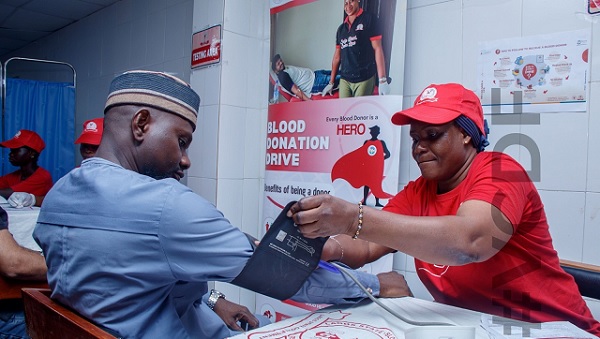
One enduring principle of productivity is to tackle your most important task first and stay with it until completion. If progress is stalled, move on to the next most important activity. Each day should begin with a fresh list, incorporating unfinished tasks from the previous day and ranking them in order of importance. Working consistently on your priorities fosters fulfilment, satisfaction and even better health.

Distractions should be managed firmly. Unscheduled visitors, constant phone calls, emails, messages and social media can consume large portions of productive time if left unchecked. As Carl Sandburg wisely noted, “Time is the most valuable coin in your life. You and you alone will determine how that coin will be spent. Be careful that you do not let other people spend it for you.”

Rest is equally essential. Adequate sleep improves health and performance, with most adults requiring between seven and nine hours each night. Short naps or siestas, often taken after lunch, have been shown to enhance productivity and wellbeing. In Spain, the tradition of siesta between 1.00 p.m. and 4.00 p.m. allows businesses to close temporarily so workers can rest. While this practice may not be practical in Nigeria, those whose schedules permit short naps understand their value.

Discretionary time, when you are neither working nor sleeping, plays a vital role in sustaining balance. This is the time spent in reflection, with family and friends, pursuing hobbies, recreation, volunteering or engaging in social and service activities. Though not directly material, discretionary time significantly enriches life and helps maintain emotional and mental wellbeing.

Pharmacodynamic drug interactions includes

9

PANS QUIZ

Pharmacodynamic drug interactions includes ___________
a) Changes in gastro-intestinal Ph
b) Induction or inhibition of drug transport proteins
c) Additive or synergistic interactions
d) Adsorption, chelation and other complexing mechanisms

____________ is the organization to manage the procurement, storage, preservation,
packaging, sterilization, compounding, preparation, dispensing or distribution of medicine.
a) Clinical Pharmacy.
b) Hospital Pharmacy.
c) Community Pharmacy.
d) Ambulatory Pharmacy.

Malnutrition: Group Tasks Adamawa on N9bn Counterpart Funding

0

The Civil Society–Scaling Up Nutrition in Nigeria has urged Adamawa Government to invest N9 billion as counterpart funding to address child malnutrition in the state.

Mr Sodangi Chindo, chairman, Steering Committee of CS-SUNN, made the call in a press statement titled “Investing in Nutrition Now”, on Saturday, in Yola.

Chindo said the state could leverage counterpart funding opportunities to access double the value of its investment, reducing required funding from N18 billion to N9 billion.

“The government should maximise the counterpart funding opportunities of getting double the value of investments made on child nutrition.

“In this regard, Adamawa state government will need to invest only N9 billion to address child malnutrition instead of the required N18 billion,” he said.

He described malnutrition as a critical public health challenge in Adamawa, with stunting at 48.6 per cent, wasting at seven per cent, and underweight at 32.5 per cent.

According to him, the situation threatens child survival, learning outcomes, workforce productivity and long-term economic growth in the state.

He noted that global evidence shows timely investments in maternal and child nutrition, especially within the first 1,000 days, yield high returns in health and productivity.

Chindo said CS-SUNN, with support from UNICEF, is implementing a project to scale up quality nutrition services in Adamawa.

He added that the initiative supports implementation of the Adamawa State Multisectoral Plan of Action for Food and Nutrition (ASMPFAN).

Chindo called for full operationalisation of ASMPFAN, strengthened monitoring mechanisms, and improved coordination down to Local Government Areas (LGAs).

The chairman also called for sustainable domestic financing, timely release of funds, and efficient utilisation of nutrition budgets across relevant sectors.

He urged government to extend paid maternity leave from three to six months to promote exclusive breastfeeding and improve child survival.

He appealed to the media to prioritise evidence-based reporting on nutrition and hold duty-bearers accountable for budget commitments and results.

He encouraged the private sector to invest in food fortification, affordable nutritious foods, and adopt breastfeeding-friendly workplace policies.

Chindo further urged civil society organisations to sustain advocacy, mobilise communities, and align interventions with state nutrition priorities.

He commended government, development partners, media and civil society for their support, stressing that investing in nutrition would save lives and secure Adamawa’s economic future. (NAN)

We are Hiring: Reporter/Advert Executive

0


A reputable media organisation based in Lagos requires the services of a print journalist to fill the vacant position of a reporter/advert executive.

The candidate for this position must possess the following:

• A degree or HND in Mass Communication or Journalism from a reputable institution.

• A minimum of 3 years of relevant work experience.

• A higher degree or relevant professional qualification is an added advantage.

• Strong news judgment and ability to generate exclusive stories.

• Ability to communicate effectively in writing and speech.

• A good knowledge of Lagos and its environs.

Interested and qualified candidates should forward their applications and detailed CV to:   globalbusinesslondon@gmail.com

Application Deadline: 25th February, 2026


Which of the following responsibility of community pharmacist is in dispensing area?

6

PANS QUIZ

Which of the following responsibility of community pharmacist is in dispensing area?

a) Reviews all doses missed, reschedule the doses as necessary & signs all drugs not
given notices.
b) Supervision of drug administration.
c) Ensures that establishes policies & procedures are followed.
d) Reviewing of each patient’s drug administration forms periodically to ensure all
doses have been administered.

____________ is the organization to manage the procurement, storage, preservation, packaging, sterilization, compounding, preparation, dispensing or distribution of medicine.

a) Clinical Pharmacy.
b) Hospital Pharmacy.
c) Community Pharmacy.
d) Ambulatory Pharmacy.

Patent Medicine Dealers not authorised to Sell, Prescribe Antibiotic, Diabetic Drugs – NDLEA

0
Image Credit: News Agency of Nigeria

The National Drug Law Enforcement Agency (NDLEA), Oyo State Command, on Thursday said patent medicine dealers are not authorised to sell or prescribe antibiotic and some other selected drugs.

The Commander, Oyo State NDLEA, Lawal Adetula, said this while sensitising the National Association of Patent and Proprietary Medicine Dealers (NAPPMED) in Igboora, Oyo State.

The News Agency of Nigeria (NAN) reports that the theme of the sensitisation was: “Consequence of Dispensing Drugs in Error to the Public.”

Adetula, represented by the NDLEA Deputy Commander of Narcotics (DCN), Toyin Ajanaku, listed other drugs not authorised for patent medicine dealers to dispense as including diabetic, blood thinners, strong painkillers, cardio-vascular and psychotic drugs.

The commander warned patent medicine dealers in the state against selling or prescribing all the six listed categories of drugs, saying they are controlled drugs which only licenced big pharmacies were authorised to dispense.

He said: “I want to use this opportunity to warn you against selling marijuana, cocaine and some illicit drugs which are harmful to the body and negatively affect the society.

“The NDLEA has the power to arrest and prosecute anyone caught selling or prescribing these drugs, and we will not hesitate to do so.”

He described patent medicine dealers as very important in the society but warned them not to categorise themselves as doctor.

“You don’t have the right or training to sell or prescribe controlled drugs,” he said.

In her lecture, the NDLEA Chief Superintendent of Narcotics, Mercy Godwin, called on patent medicine dealers to be careful in selling and dispensing drugs in order not to tarnish their reputation.

Godwin said that wrong prescription may worsen patient’s existing health condition or even lead to loss of life which could put them in trouble.

She said that the NDLEA had the right to monitor shops of patent medicine dealers to check for any prohibited drugs that are harmful for consumption and would continue to do so, to sanitise the society.

The NAPPMED Chairman, Ibarapa Zone, Mr Segun Adeniyi, commended the NDLEA for the sensitisation and promised that members would adhere to the rules and regulations on drug selling and prescription. (NAN)


Traditional, Religious Leaders Key to Nigeria’s Healthcare Delivery- Pate

0
Image Credit: News Agency of Nigeria

The Coordinating Minister of Health and Social Welfare, Prof. Muhammad Pate, says traditional and religious leaders remain vital to improving healthcare delivery and health outcomes across Nigerian communities.

Pate stated this on Wednesday in Abuja during a media conference ahead of the 2026 Nigerian Traditional and Religious Leaders Summit on Health.

He said the leaders’ influence, community presence and moral authority make them indispensable partners in healthcare reforms and service uptake nationwide.

“Traditional and religious leaders are so vital in our country that we also have to engage them for the roles they have played in immunisation and maternal health.”

Pate noted that the ministry’s ongoing reforms emphasise community trust, shared responsibility and stronger participation from all societal groups, including traditional rulers and faith leaders.

He explained that many health decisions begin at the household level, adding that trusted community figures help families understand the importance of antenatal care, immunisation and timely facility delivery.

The minister said leaders often provide early information on disease outbreaks because “if there is an outbreak, the traditional or religious leader may be the first to know.”

He stressed that engaging leaders would strengthen communication channels, improve accountability and help refine government health strategies based on community realities.

Pate said traditional institutions were central to Nigeria’s successful 2025 integrated vaccination campaign, noting they mobilised families and enabled the campaign to reach over 60 million children.

He added that their continued participation would boost efforts in Tuberculosis, HIV and malaria control, as well as support the national health security agenda.

Pate said the summit would also host the launch of the second cohort of the National Health Fellows Programme to deepen community-level engagement.

He explained that the fellows would work closely with traditional leaders to “take the message out” and support community-driven health improvements nationwide.

The minister also said the summit would feature discussions on the Nigeria-U.S. health partnership and the five-year MOU supporting HIV, TB and malaria programmes.

He emphasised that Nigeria must strengthen domestic health financing as the U.S. gradually winds down its support after the planned funding cycle.

“The health of Nigerians is the responsibility of Nigerians. We cannot depend on external actors forever for diseases that affect our people,” the minister said.

Pate said President Bola Tinubu approved the summit to foster collaboration, improve understanding of national health strategies and strengthen joint accountability across all tiers of government.

He said, “traditional and religious leaders are among the most influential voices in communities, and their role is essential to sustaining whatever we do.”

Co-chair of the Health Development Partners Group, Ms. Fatima Zanna, said development partners strongly support the government’s engagement with traditional and religious institutions.

Zanna said the approach provides “an in-road into what is happening in the community” and improves evidence-based decision-making for health programmes.

She described the upcoming summit as “a very welcome endeavour,” adding that partners looked forward to participating and supporting Nigeria’s efforts to improve community health ownership. (NAN)


Experts Warn of Widespread Under-Diagnosis of Haemophilia

0

Haematology experts have identified under-diagnosis and poor recognition of haemophilia as major challenges affecting management of the disorder in Nigeria.

They spoke on Wednesday in Abuja at the Nigeria Inherited Blood Disorders Leadership Forum.

The forum, with the theme ‘Strengthening Blood Disorder Care through Collaboration, Partnership and Sustainable Investment’, seeks concrete action to improve care for inherited blood disorders nationwide.

It was organised by the Nigeria Society for Haematology and Blood Transfusion, with support from the Novo Nordisk Haemophilia and Haemoglobinopathies Foundation and Novo Nordisk Foundation.

Haemophilia is an inherited bleeding disorder in which blood fails to clot properly due to clotting factor deficiency, causing prolonged bleeding after injuries, surgery or spontaneously.

Prof. Sulaimon Akanmu said that with Nigeria’s population exceeding 200 million, about 18,000 people were expected to be living with haemophilia.

Akanmu is of the Department of Haematology and Blood Transfusion, College of Medicine, University of Lagos.

He, however, noted that records showed only 941 identified patients, describing the figure as “grossly below the expected number”.

Prof. Titilope Adeyemo, Director, Lagos University Teaching Hospital Haemophilia Treatment Centre, said haemophilia’s impact extended beyond patients to families and communities.

She said only six per cent of estimated cases were diagnosed in Nigeria, compared with 81 per cent in developed countries.

Adeyemo said diagnostic capacity was limited, with few facilities offering factor assays and confirmatory tests, mostly in urban centres.

She added that diagnosis was costly and largely out-of-pocket, while clotting factor concentrates were unaffordable for minimum wage earners.

“The irregular supply of donated concentrates leaves many patients without consistent treatment,” she said.

Chairman of the forum, Prof. Wuraola Shokunbi, urged the Federal Government to commit dedicated funding to haemophilia care.

“Many countries have specific budgets for managing the disorder,” she said.

Shokunbi advocated home therapy and training for patients and caregivers to administer infusions safely.

She urged younger professionals to sustain advocacy, saying Nigeria still had “a long way to go”.

Dr Alayo Sopekan said haemophilia had been incorporated into the national non-communicable diseases policy and strategic action plan.

The News Agency of Nigeria (NAN) reports that Sopekan is the Director and National Coordinator, Non-Communicable Diseases (NCDs), Ministry of Health and Social Welfare.

“A national guideline has been developed to help healthcare workers identify and refer cases appropriately,” he said.

He said the guideline would be finalised in 2026, after which nationwide capacity building for primary healthcare workers would begin.

Sopekan said efforts were underway to ensure availability of factor concentrates and integrate treatment into the NHIA benefits package.

“Nigeria must reduce dependence on donated concentrates, as foreign support may not last indefinitely,” he warned.

He added that awareness remained low among the public and health workers, though community sensitisation had commenced.

On data, Sopekan said Nigeria lacked a national haemophilia registry.

“Existing figures reflect only cases seen by clinicians and do not represent the true national burden,” he said.

He said haemophilia would be included in the next national health survey to generate accurate data.

Sopekan advised parents to watch for prolonged umbilical bleeding, persistent bruising, or joint swelling in children.

He urged parents to report such symptoms promptly at the nearest primary healthcare centre. (NAN) (www.nannews.ng)


NAFDAC Denies FG Directive to Halt Sachet Alcohol Ban

0
NAFDAC LOGO

The National Agency for Food and Drug Administration and Control (NAFDAC) has denied reports claiming that the Federal Government directed it to stop enforcing the ban on sachet alcohol and alcoholic drinks packaged in 200ml PET bottles.

Earlier, NAFDAC had announced a ban on sachet alcohol and 200ml alcoholic drinks, explaining that these products pose serious health risks to the public. As part of the enforcement, the Agency also sealed factories and premises involved in producing and distributing the affected products.

In a statement signed by the Director-General of NAFDAC, Prof. Mojisola Adeyeye, she described the recent publication as false and misleading. She said the Agency has not received any official instruction from the Federal Government to suspend its enforcement activities.

The denial follows a report claiming that the Federal Government had ordered NAFDAC to halt all enforcement activities connected to the controversial ban. According to the report, the directive allegedly issued in Abuja and signed by the Special Adviser on Public Affairs to the Secretary to the Government of the Federation, Terrence Kuanum, instructed the Agency to stop sealing factories and warehouses.

The report further claimed that the decision was based on concerns that continued enforcement, pending full implementation of the National Alcohol Policy, could disrupt the economy and pose security risks.

Prof. Adeyeye explained that NAFDAC carries out its duties based on its legal mandate and follows only properly communicated government directives. She added that any major decision affecting regulatory actions would be officially announced through the appropriate government channels.

She assured the public that the Agency remains committed to protecting public health, ensuring compliance with regulations, and carrying out its work in a transparent and lawful manner.

She therefore urges the public, industry stakeholders, and the media to ignore the false report and rely only on information released through its official platforms and authorised government channels. It also warned against spreading unverified information that could cause unnecessary fear, confusion, or economic uncertainty.


IDEA Zone ACPN Decries Illegal Drug Trade, Weak Distribution, Threat to Public Health

0

– Unveils Acquired Landed Property, Elects New Officers at AGM

Pharm. Tolu Ajayi, chairman, Lagos ACPN, flanked by Pharm. Chinwe Emenike, zonal coordinator, ACPN, IDEA Zone; Pharm. Deji Osinoiki, former national chairman, ACPN; Pharm. Olateju Olakiigbe, managing director, Egbeda Pharmacy, and other prominent pharmacists at the 2026 Annual General Meeting of the ACPN, IDEA Zone, at the HOB and HOC Event Centre, Shasha, Lagos.

Community pharmacists under the umbrella of the Association of Community Pharmacists of Nigeria (ACPN), IDEA Zone, have raised alarm over the rising illegal drug trade and the absence of an organised medicines distribution system, warning that the trend poses a grave danger to public health and the future of pharmacy practice.

The concerns were expressed during the zone’s Annual General Meeting (AGM) held at the HOB and HOC Event Centre, Shasha, Lagos, where practitioners reviewed the state of the profession and charted strategies for the coming year.

Chairman of ACPN Lagos State, Pharm. Tolulope Ajayi, who was the guest of honour at the event, described poor drug distribution as the greatest threat to healthcare delivery in Nigeria. He noted that medicines are not ordinary commodities but potent products that must remain strictly in the hands of trained professionals.

According to him, the infiltration of charlatans into the drug supply chain has continued to endanger lives and weaken confidence in the health system. He urged government at all levels to sanitise the distribution architecture and strengthen regulatory agencies to ensure that only licensed pharmacists handle and dispense medicines.

Ajayi commended IDEA Zone for its vibrancy and recent acquisition of a parcel of land, describing it as evidence of visionary leadership and accountability. He, however, cautioned that such projects should not become a burden but must be utilised to advance professional development and generate sustainable revenue for the zone.

A cross-section of the Members of the IDEA Zone ACPN

He further disclosed that the state executive was considering administrative restructuring in line with local government and LCDA arrangements to bring leadership and regulation closer to the grassroots.

In her remarks, Zonal Coordinator of IDEA Zone, Pharm. Chinwe Emenike, said the large population and wide geographical spread of the zone had made it attractive to illegal operators who hide in obscure locations to sell prescription medicines.

She explained that the zone had created territorial leadership structures to monitor neighbourhoods and report unethical practices, adding that members must remain vigilant to protect the integrity of the profession.

Emenike appealed to Nigerians to patronise only registered pharmacies, stressing that buying medicines from roadside vendors and unlicensed outlets could lead to treatment failure and avoidable deaths.

Elder statesman, Pharm. Deji Osinoiki, called for the immediate reconstitution of a zonal monitoring team to check the proliferation of illegal premises. He said the responsibility of defending pharmacy practice rests on every member through prompt reporting of intruders.

Former Lagos ACPN officer, Pharm. Jonah Okotie, warned that artificial intelligence and online platforms were beginning to encourage self-medication, urging pharmacists to establish a hub for self-monitoring and professional assessment to remain relevant.

Also speaking, Pharm. Kola Sumonu lamented the increasing menace of drug hawking in Agege, Abule-Egba, and other parts of the state, where potent medicines are sold under the sun like ordinary goods. He urged ACPN to extend enforcement efforts beyond illegal premises to street vendors.

Veteran practitioner and former PSN President, Pharm. Anthony Akhimien, said pharmacy had never faced this level of threat in over three decades. He alleged that some government policies were indirectly empowering quacks, warning that failure to rescue the profession now would result in future regret. He emphasised that the pharmacy emblem remains the only trusted symbol guiding the public to safe medicines.

A former coordinator of the zone, Pharm. Mfon Nsese, decried a situation where some wholesalers retail directly to patients at cut-throat prices, turning community pharmacies into mere counselling centres. She advocated routine inspections and stronger grassroots engagement.

Stakeholders at the meeting, including Pharm. Isaac Olufunminiyi, financial secretary, Lagos ACPN, and Pharm. Imade Roy-Ekekwe, publicity secretary, Lagos ACPN, advised that the association should intensify collaboration with regulatory bodies, strengthen internal discipline, and deepen respect for elders whose experience remains critical to the survival of the profession.

However, the high point of the programme was the re-election of the new executive members of the zone for the next one year.


Which class of antibiotics inhibits bacterial protein synthesis?

8

PANS QUIZ

Which class of antibiotics inhibits bacterial protein synthesis?
A. Penicillins
B. Cephalosporins
C. Macrolides
D. Quinolones

What is a common side effect of aminoglycosides?
A. Constipation
B. Ototoxicity
C. Rash
D. Bronchospasm

Lassa fever: NARD Mandates Use of Personal Protective Equipment for Healthcare Workers

0
Multimammate rat

The Nigerian Association of Resident Doctors (NARD) has mandated the use of personal protective equipment (PPE) for healthcare workers following the recent surge in Lassa fever cases across endemic states.

Pharmanewsonline reports that multiple cases of Lassa fever have been reported in Plateau State early in the year, prompting concerns over protective measures for health workers, with the most recent death of a Senior Registrar in Obstetrics and Gynecology at Bingham University Teaching Hospital, Dr Salome Obihi, following exposure to an emergency patient.

In a press release signed by its President, Dr Mohammad Usman Suleiman, he described Lassa fever as a persistent viral haemorrhagic illness that poses significant danger, particularly to frontline health workers who often serve as first responders to suspected cases.

Dr Suleiman urged healthcare professionals to maintain a high index of suspicion when managing patients presenting with febrile illnesses, especially in endemic areas, noting that this approach enables early diagnosis and prompt treatment.

He emphasised that human-to-human transmission is a recognised mode of spread of Lassa fever, placing healthcare workers at high risk of infection when adequate PPE is not used. He therefore called for strict adherence to standard precautions and infection prevention and control (IPC) measures, including the appropriate and consistent use of PPE.

According to him, many of the exposures recorded during recent outbreaks are preventable. “No health worker should die in the line of duty due to preventable exposure,” the association stressed.

Suleiman also advised the early referral of suspected cases to designated treatment centres where necessary, warning that delayed referral increases the risk of contamination within hospital settings and may compromise both patient and staff safety. Prompt transfer to specialised centres, he noted, ensures appropriate management and improves patient outcomes.

He further called on hospital managements and relevant authorities to guarantee the availability of adequate PPE, functional IPC systems, efficient diagnostic and treatment pathways, and sufficient institutional support for frontline health workers.

He concluded by urging all stakeholders to protect themselves, protect others, and protect the health workforce, reminding the public that health is a shared responsibility.