Home Blog Page 7

WHO unveils drowning prevention strategy as 300,000 die annually worldwide

0


Drowning prevention tips. Image Source: WHO

The World Health Organisation (WHO) has launched a new technical package aimed at helping governments and communities implement seven evidence-based strategies to prevent drowning, ahead of World Drowning Prevention Day marked annually on 25 July.

The initiative, known by the acronym PROTECT, comes as nearly 300,000 people die from drowning every year globally, with more than 90 per cent of these deaths occurring in low- and middle-income countries. Drowning also remains one of the ten leading causes of death among children aged 5 to 14 years.

This year’s World Drowning Prevention Day is themed “Unite to Turn the Tide,” underscoring the need for coordinated action by governments, partners and communities to prevent drowning and save lives.

WHO warned that climate change is worsening drowning risks as floods, storms and heatwaves become more frequent. According to the agency, studies have shown that drowning deaths increase during periods of extreme heat.

Launching the package, WHO Director-General, Dr Tedros Adhanom Ghebreyesus, described every drowning as a preventable tragedy, stressing that the PROTECT framework offers practical, evidence-based measures to save lives.

“The seven PROTECT strategies give countries practical, evidence-based approaches to prevent these tragedies, including making water transport safer, teaching schoolchildren to swim, and preparing for floods,” he said.

The PROTECT package translates WHO’s Global Strategy for Drowning Prevention into actionable policies, focusing on seven priority areas: safe water infrastructure, rescue and resuscitation capacity, occupational water safety, safer water transport, swimming and water safety education, child-care and safeguarding systems, and preparedness for floods and other water-related emergencies.

WHO launched the framework in Ghana, citing the country’s growing commitment to drowning prevention. An estimated 1,100 people die from drowning annually in Ghana, with children and young adults accounting for the majority of fatalities

Dr Kelly Henning, who leads the public health programme at Bloomberg Philanthropies, said the framework would help governments strengthen efforts to reduce drowning deaths through proven interventions.

Bloomberg Philanthropies has partnered with WHO on drowning prevention since 2014, supporting the development of global guidance, including the newly launched PROTECT technical package.
.


Sustainable healthcare requires value creation, entrepreneurial thinking – Ohuabunwa

0


Mazi Sam Ohuabunwa

Former President of the Pharmaceutical Society of Nigeria (PSN), Mazi Sam Ohuabunwa, has said Nigeria’s healthcare sector can only achieve long-term sustainability if practitioners embrace value creation and an entrepreneurial mindset in service delivery.

Ohuabunwa asserted that the 2026 AfriHealth Expo, held recently in Lagos, had the theme: “Healthcare Entrepreneur and Mentorship: Guiding the Next Generation of Health Innovators.” He said he looked forward to seeing healthcare enterprises become profitable and sustainable.

He noted that the time had come for healthcare professionals to move beyond the traditional perception of healthcare as purely a social service, arguing that the sector’s sustainability now depends on innovation, business thinking, and value addition.

“I believe that the purpose of this exhibition, first, is to create awareness of our products and services. The second is to create buy-in and get people to decide to buy our products or services, either now or later,” he said.

According to him, one of the major challenges in the healthcare sector is practitioners’ failure to recognise the business dimension of their profession.

“One of the challenges we have in healthcare is that we do not see healthcare as a business. Very often, it is seen only as a service, and we are losing our professional skills,” he said.

Ohuabunwa noted that although healthcare had historically been treated as a social service, changing global realities have made entrepreneurship an essential component of professional practice.

“Healthcare, education and other services that were once regarded as social services have become businesses. Every profession now has a business component because that is what creates sustainability,” he stated.

He warned that dependence on unpredictable public funding systems weakens service delivery and constrains growth in the sector.

“Public service is dependent on unpredictable income. But businesses are supposed to be more predictable,” he said.

The former PSN president therefore advocated a shift from traditional professional practice to what he described as professional entrepreneurship, where healthcare providers combine expertise with business strategy to ensure continuity and improved service delivery.

He explained that entrepreneurship is fundamentally about identifying and solving problems, meeting needs and creating value.

“Entrepreneurship is simply a mindset that is constantly asking three questions: Is there a problem to be solved? Is there a need to be met? Is there value to be created?” he said.

Ohuabunwa added that once these questions are properly addressed, value exchange and economic returns naturally follow.

“If you solve a problem, are you likely to get a return for that effort? Yes. If somebody has a need and you can provide it, can there be an exchange of value? Yes,” he said.

He illustrated value creation with practical examples, noting that transforming raw materials into finished goods increases their worth and market value.

“When you sell a tree standing in the forest, it has little or no value. But when you cut it, process it and turn it into furniture, you have added value. That is entrepreneurship,” he explained.

Ohuabunwa further stressed that branding and competitiveness in healthcare should be driven by the ability to solve problems better than existing alternatives.

“Branding does not start with packaging. It starts with what you have and the value you bring. If your product solves a problem differently, that is what makes it a brand,” he said.

He encouraged healthcare entrepreneurs to think long-term and develop clear visions for their businesses, noting that sustainability requires deliberate planning.

“Your vision determines the effort you put behind it. If you want to be number one in 10 years, that vision determines what you do today,” he said.

Ohuabunwa also underscored the importance of planning, financial discipline and strategic partnerships in building sustainable ventures. He explained that proper business planning, including cash flow and profit-and-loss projections, helps attract investment and supports long-term growth.

“You need a business plan. You need to show cash flow and profit and loss. That is what you present to investors or banks to fund your business,” he said.

Highlighting the importance of collaboration, he noted that partnerships strengthen credibility and improve access to funding.

“If I come alone to ask for investment, it is different from coming with partners. Partnership builds trust,” he said.

Concluding his remarks, Ohuabunwa outlined what he described as the “five Ps of business success” as a framework for sustainable enterprise. According to him, the first is purpose, which defines the reason for the business; the second is planning; while the third is perspiration, which represents hard work and smart work.

“The fourth is principle, which is ethics and values. Any business without ethics will fail. And the fifth is profit, because sustainability requires that your business must make returns,” he said.

He urged participants, especially young innovators in the health sector, to embrace these principles and adopt entrepreneurship as a pathway to building a resilient and sustainable healthcare system in Nigeria.

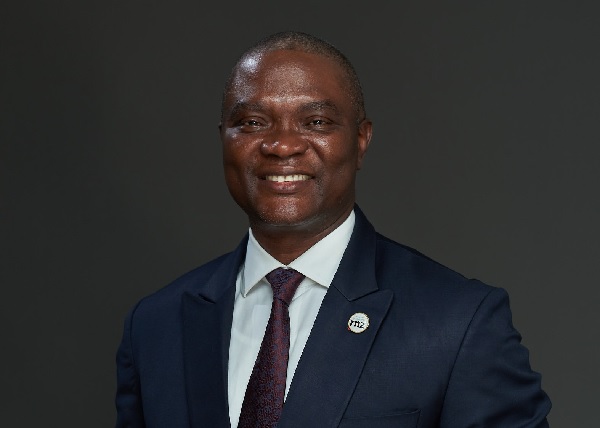
Meet Pharm Babatunde Olayiwola, our July personality

0


Pharm. Babatunde Abdulsalam Olayiwola, DCPharm, is the managing director and chief executive officer of Minarets Pharmacy Limited, a thriving community pharmacy enterprise with two branches in Ibadan, Oyo State.

The respected community pharmacist, entrepreneur and professional leader has distinguished himself through his commitment to quality pharmaceutical care, healthcare accessibility and the advancement of pharmacy practice.

Born in 1977 in Ibadan, Oyo State, he had his pharmacy degree at Obafemi Awolowo University, Ile-Ife, graduating in 2004. Driven by a desire to broaden his managerial competence, he later obtained a Master of Business Administration (MBA) from the same university in 2011.

Following his internship training with Pfizer Specialties Limited and national service in Mkar, Gboko, Benue State, Olayiwola began his professional career as a medical representative at Phamatex Nigeria Limited in November 2006. He later worked with Greenlife Pharmaceuticals Limited and Taylek Drugs Company Limited, where he spent four years between 2010 and 2014, gaining valuable experience in pharmaceutical marketing, business development and healthcare management.

While working with Taylek Drugs, he ventured into private community pharmacy practice with the establishment of Minarets Pharmacy in the Awotan-Apete area of Ibadan in 2012. What began as a vision to provide accessible and quality pharmaceutical services has since grown into a successful pharmacy business with two branches, serving the healthcare needs of numerous residents across the city.

His appointment as Chairman of the Asiwaju Adebowale Omotosho Pharmacy House Commissioning Committee stands as one of his most notable recent contributions to organised pharmacy. The successful execution of the project underscored his organisational skills, collaborative spirit and commitment to initiatives that promote the welfare and progress of pharmacists in Oyo State.

A proud indigene of Ibadan, Oyo State, and a devout Muslim, Olayiwola is known among colleagues and associates for his humility, diligence and unwavering commitment to excellence. He has remained passionate about improving access to quality healthcare, advancing community pharmacy practice and supporting initiatives that promote the growth of the profession.

A recipient of the Distinguished Community Pharmacist (DCPHARM) Award, Pharm. Olayiwola has built a career defined by professionalism, resilience and service. Through his community pharmacy practice and active involvement in professional associations, he has continued to contribute meaningfully to healthcare delivery while supporting initiatives that strengthen the pharmacy profession.

Beyond his professional accomplishments, he is a devoted family man who places great value on faith, family and service to humanity. He is happily married and blessed with children.

Choosing the right diaper for your baby’s skin and health

0


Gloria Obikili

Recently, I went to the market and stumbled upon reusable diapers. It made me pause for a moment. These were the norm before disposable diapers came along, yet here they were again, neatly packaged and looking modern. The question that immediately came to mind was: which of these is more hygienic for our babies?

It is worth noting that a baby uses between 5,000 and 7,000 diapers before being trained to use the potty. That is a huge number, and with babies’ delicate skin, parents must be thorough in their choices to keep them healthy and comfortable.

Why disposable diapers became popular

Diapers generally come in two types: disposable and reusable. Disposable diapers are designed for single use and are discarded after they become soiled. Reusable diapers, on the other hand, are washed and used repeatedly.

Although they differ in usage, both types are made from textile-based materials. Common materials include cotton, bamboo, hemp and nonwoven polypropylene fabrics. Advances in manufacturing have also improved the design and performance of both options, giving parents a wider range of choices than ever before.

Over the years, disposable diapers have become the preferred choice for many families. One major reason is convenience. Modern life is often fast-paced, and disposable diapers eliminate the need for washing, drying and storing used diapers.

Another advantage is their excellent absorbency. Disposable diapers are designed with moisture-locking layers that quickly absorb urine and keep wetness away from a baby’s skin. This helps reduce discomfort and allows babies to stay dry for longer periods.

Many hospitals also favour disposable diapers because they support infection-control practices. Their single-use nature reduces the possibility of contamination that may arise from improperly cleaned diapers.

For working parents, travellers and caregivers managing multiple responsibilities, disposable diapers offer a practical solution that saves time and effort.

Health and environmental concerns

Despite their advantages, disposable diapers are not without drawbacks. Environmental experts have long expressed concerns about the enormous amount of waste generated by disposable diaper use.

Because they are designed for one-time use, millions of diapers end up in landfills every day across the world. If not properly disposed of, they can contribute to environmental pollution and may eventually find their way into waterways and other ecosystems.

There are also concerns about certain chemicals, fragrances, dyes and adhesives used in some diaper brands. While most babies tolerate these materials without problems, some may develop skin irritation or allergic reactions. Parents should therefore monitor their babies for signs of redness, rashes or discomfort and seek medical advice if necessary.

Benefits of reusable diapers

Reusable diapers have made a comeback in recent years, especially among parents who care about the environment. Unlike traditional cloth nappies of the past, modern reusable diapers are designed to be stylish, comfortable and easy to use.

Most reusable diapers are made from natural fibres such as cotton, bamboo or hemp, materials that many parents prefer because they are gentle on sensitive skin. Since they can be washed and reused numerous times, they also reduce the volume of household waste generated by diapering.

Although the initial purchase cost may seem high, reusable diapers often prove economical in the long run. A set of quality reusable diapers can serve a child for several years and, in some cases, can even be used for younger siblings.

For families seeking to reduce expenses while limiting environmental impact, reusable diapers can be an attractive option.

Hygiene is the key

The safety of reusable diapers depends largely on proper hygiene practices. Unlike disposable diapers, they do not retain moisture for extended periods and therefore require more frequent changing.

Used diapers should be thoroughly washed with appropriate detergents and dried completely before reuse. Damp or poorly cleaned diapers can harbour bacteria and fungi, increasing the risk of skin irritation and infection.

Experts emphasise that cleanliness should never be compromised when using washable diapers. Proper washing routines are essential to ensure that reusable diapers remain safe and hygienic.

Finding the right balance

For many parents, the choice does not have to be one or the other. Increasingly, families are adopting a hybrid approach that combines the benefits of both options.

Disposable diapers may be used during travel, social events, overnight sleep or situations where convenience is essential. Reusable diapers, meanwhile, may be used at home where washing facilities are readily available.

This flexible approach allows families to enjoy the advantages of both, while minimising some of their disadvantages.

Sir Atueyi became an institution, his legacy still inspires pharmacists —Lolu Ojo

0


I look forward to settling at home on retirement – Atueyi
Pharm. (Sir) Ifeanyi Atueyi

The Managing Director of Merit Healthcare Limited, Pharm. (Dr) Lolu Ojo, has paid glowing tribute to the late founder of Pharmanews Limited, Sir Ifeanyi Atueyi, describing him as an institution whose influence continues to shape the pharmacy profession and healthcare industry one year after his passing.

Speaking with Pharmanews on the first anniversary of the death of the renowned publisher, Ojo said although Sir Atueyi’s physical absence remains painful, his impact continues to be felt through the countless lives he touched, the institutions he built and the enduring values he embodied.

“It is difficult to believe that it has been one year already. In many ways, it still feels as though Sir Ifeanyi is with us. His physical absence remains a painful reality, but his presence continues to be felt through the countless lives he touched, the institutions he built and the values he embodied,” Ojo said.

According to the Merit Healthcare boss, the late pharmacy icon was much more than a pharmacist, publisher or entrepreneur. He described him as a mentor, bridge-builder, courageous voice and father figure whose contributions transcended the profession.

“Time has helped us move from the shock of his passing to a deeper appreciation of the extraordinary legacy he left behind. We miss him greatly, but we are also grateful that we had the privilege of knowing him and learning from him,” he stated.

He noted that one year after the demise of the Pharmanews founder, the prevailing emotions remain a mixture of loss, gratitude, pride and responsibility.

“The responsibility is to ensure that the ideals he stood for do not die with him,” Ojo said.

Ojo further said the vacuum created by Sir Atueyi’s absence has highlighted the magnitude of his influence, particularly whenever issues concerning the pharmacy profession, healthcare communication, mentorship and professional unity arise.

He, however, pointed out that the period has also revealed the strength of the foundation laid by the late pharmacy leader.

“Through Pharmanews, through the many professionals he mentored, and through the culture of excellence and courage he championed, his voice continues to resonate. His life’s work has become a compass for many younger pharmacists and industry leaders,” Ojo said.

According to him, the past year has been one of remembrance, reflection and renewed commitment to preserving and advancing the legacy of a man who dedicated his life to the service of humanity and the advancement of the pharmacy profession.

The Merit Healthcare boss expressed gratitude to Sir Atueyi’s family for their sacrifices and support, which enabled him to make lasting contributions to the profession and the nation.

“To his family, I say thank you. Thank you for sharing Sir Ifeanyi with the profession, the healthcare sector and the nation. The sacrifices made by the family enabled him to make the impact for which he is celebrated today. While the pain of loss never completely disappears, I hope you find comfort in knowing that his life mattered and that his legacy continues to inspire thousands of people,” he said.

Ojo urged members of the pharmacy profession and the healthcare industry to immortalise the late icon by emulating the virtues he exemplified.

“I believe the greatest tribute we can pay Sir Atueyi is not merely to remember him, but to emulate him. He demonstrated that professional excellence, integrity, courage, innovation and service to humanity can coexist in one life. He showed that one individual can influence an entire profession through vision, persistence and selfless commitment,” he said.

Describing Sir Atueyi as one of those exceptional personalities whose relevance extends beyond their earthly existence, the Merit Healthcare MD said some people live and are remembered, while others become institutions.

“Sir Ifeanyi became an institution,” he declared.

“As we mark the first anniversary of his passing, let us move beyond mourning to stewardship. Let us preserve his values, build on his achievements and ensure that future generations of pharmacists know and appreciate the giant upon whose shoulders they stand. His journey on earth may have ended, but his legacy remains very much alive. May his gentle soul continue to rest in perfect peace,” Ojo stated.

LASHMA, partners launch free health insurance enrollment in Badagry

0


L- R (standing): The Permanent Secretary, Lagos State Health Management Agency (LASHMA), Dr Emmanuella Zamba with the Possu and Osewekan Bana 1 of Badagry Kingdom, Chief Sulaimon Sewanu Iroko, presenting the Policy Number to a beneficiary during the flag-off of EKO Social Health Alliance (EKOSHA) Community Storm, held at Posukoh, Badagry


To ensure equitable access to quality healthcare for vulnerable residents in Badagry, the Lagos State Health Management Agency (LASHMA) has partnered with Health District V and the DIDE Foundation to flag off a two-day Eko Social Health Alliance (EKOSHA) community storm in the Badagry Division.

The outreach, launched in the Posukoh Ward in Badagry, is designed to bring social health insurance directly to underserved communities and enrol vulnerable residents in the State’s health scheme, Ilera Eko, free of charge for one year.

Speaking at the event, the Permanent Secretary of LASHMA, Dr Emmanuella Zamba, emphasised that enrollment in Ilera Eko is now mandatory for all Lagos residents, regardless of socio-economic standing. She revealed that Governor Babajide Sanwo-Olu recently increased the State’s Equity Fund, derived from one per cent of the Consolidated Revenue Fund (CRF) dedicated to covering the vulnerable, from ₦1 Billion to ₦3 Billion.

“Benefits under the scheme include medical consultations, treatment for common and chronic conditions such as malaria, hypertension, and diabetes, maternal care including normal delivery and Caesarean sections, paediatric care, emergency services, surgical procedures, and essential medications,” Dr Zamba stated.

She encouraged newly enrolled beneficiaries to utilise accredited hospitals whenever they require medical care rather than resorting to self-medication. Dr Zamba also urged enrollees to report any service challenges through LASHMA’s 24/7 toll-free helplines or dedicated WhatsApp support lines.

Also addressing the gathering, the Permanent Secretary for Health District V, Dr Oladapo Asiyanbi, noted that the two-day outreach offered complementary medical services beyond registration, including child immunisation, vital checks, dental care, and free screenings for eye conditions and tuberculosis.

He urged residents to come out en masse, undergo the screening and take their drugs as prescribed because health is wealth.

To address geographic barriers in hard-to-reach areas, the Executive Chairman of Olorunda LCDA, Hon. Ajose Peter Kumayon, announced that a commuter boat was donated to transport residents from the riverine Ojogun community to healthcare facilities across the water, promising that two additional boats would soon be deployed.

In his remarks, the Possu of Badagry Kingdom, Chief Sulaimon Sewanu Iroko, commended the State Government for bringing the initiative to the division. Attesting to the programme’s credibility as a beneficiary himself, Chief Iroko noted that free coverage would significantly lighten the financial burden of healthcare for local families.

He said, “This is a good initiative by the State Government as going to the hospital is very expensive for a lot of people. With the free health insurance for the vulnerable, there is no doubt that the good health of the people will improve”.

So far, the EKOSHA enrollment drive has covered six of the 10 wards in Badagry—including Jegba Quarters, Posukoh, Ajara Topa, Ajido, Ikoga, and Togo Idale—with registrations set to continue in the remaining wards. As part of the outreach, co-organiser DIDE Foundation also distributed free West African Senior School Certificate Examination (WASSCE) forms to secondary school students in the communities visited.


Nutritional support for inflammation control, joint health, and mobility

0


Knee joint ache


Joint discomfort, stiffness, and reduced mobility are increasingly common—not only with ageing but also due to sedentary lifestyles, repetitive strain, and chronic inflammation.

Inflammation, while a natural defence mechanism, becomes harmful when persistent, contributing to joint degeneration, pain, and reduced quality of life.

Rather than relying solely on pharmaceutical anti-inflammatory agents, many individuals benefit from organic nutritional supplementation that supports the body’s natural repair, lubrication, and anti-inflammatory pathways.

Understanding inflammation and joint health

Healthy joints rely on cartilage integrity, synovial fluid lubrication, and balanced inflammatory signalling.

Chronic inflammation can lead to:

Cartilage breakdown

Joint stiffness and discomfort

Reduced range of motion

Slower recovery after activity

Nutritional support focuses on reducing inflammation, rebuilding connective tissue, and improving joint lubrication.

Key nutritional components for joint support

  1. Collagen, cartilage nutrients, and structural support

Joint integrity depends on compounds such as collagen, glycosaminoglycans, and chondroitin. These nutrients support cartilage repair and resilience.

Natural eggshell membrane–derived compounds provide a unique combination of collagen, hyaluronic acid, and structural proteins that help maintain joint flexibility and reduce stiffness.

  1. Anti-inflammatory botanicals

Plant-based compounds such as turmeric (curcumin) and ginger help regulate inflammatory pathways. These botanicals:

Reduce joint discomfort

Support recovery after exercise

Protect tissues from oxidative damage

Curcumin, in particular, has enhanced effectiveness when delivered in bioavailable forms.

  1. Joint lubrication and hydration

Hyaluronic acid plays a critical role in maintaining joint lubrication and shock absorption. Adequate levels support smooth movement and reduce friction within joints.

Supplementation with hyaluronic acid supports:

Improved flexibility

Reduced stiffness

Enhanced mobility

  1. Sulphur compounds and connective tissue health

Methylsulfonylmethane (MSM) provides bioavailable sulphur necessary for maintaining healthy connective tissue. It supports collagen formation and reduces inflammation in joints and muscles.

  1. Aloe-based nutritional support

Aloe-derived supplements enhance nutrient absorption and provide anti-inflammatory and antioxidant support. They also improve hydration and digestion, which are essential for tissue repair.

Aloe acts as a delivery system, helping the body better utilise joint-supporting nutrients.

Recovery, mobility, and active living

Nutritional support is especially important for:

Ageing individuals experiencing joint stiffness

Active individuals or athletes

People with physically demanding jobs

Those recovering from repetitive strain

Consistent nutritional support improves mobility, flexibility, and recovery time, allowing individuals to maintain an active lifestyle.

Conclusion

Joint health depends on a combination of structural nutrients, anti-inflammatory compounds, and proper hydration. Organic nutritional supplementation—featuring collagen-supporting compounds, hyaluronic acid, MSM, aloe, and plant-based antioxidants—provides a sustainable approach to mobility and long-term joint health.

By addressing inflammation at its root and supporting tissue repair, individuals can maintain flexibility, reduce discomfort, and stay active at every stage of life.

Are you experiencing joint stiffness, reduced mobility, or discomfort?

Our specially designed Active Life / Mobility Pack is created to support joint health, flexibility, and recovery—naturally.

Stay active, stay flexible, stay strong


References:

Henrotin, Y., et al. (2012). Nutraceuticals for joint health. Current Rheumatology Reports.

Panahi, Y., et al. (2014). Curcumin and inflammation. Clinical Interventions in Aging.

Kim, J., et al. (2015). Hyaluronic acid in joint health. Clinical Orthopaedics and Related Research.


Mrs Chima Ejimofor is the lead partner of Infinite Health Consult and is available for the purchase of Forever Living Products, health talks and wellness seminars. She is based in Lagos, Nigeria. Telephone/WhatsApp: 07033179632, email: infinitehealthconsult@gmail.com. Online Store: https://thealoeveraco.shop/a4irOWig

PCN inducts 85 foreign pharmacists, warns against misconduct

0


PCN inducts 85 foreign pharmacists, warns against misconduct
A cross-section of inductees at the ceremony.

The Pharmacy Council of Nigeria (PCN) has formally inducted 85 foreign-trained pharmacy graduates into the Nigerian healthcare system following their successful completion of the First Cycle 2026 Foreign Pharmacy Graduate Orientation Programme (FPGOP).

Speaking at the ceremony held on Monday, 20 July, 2026, at the National Universities Commission (NUC) Secretariat in Abuja, the PCN Registrar, Pharm. Ibrahim Babashehu Ahmed, explained that the FPGOP remains a mandatory regulatory requirement under the PCN (Establishment) Act, 2022.

He noted that the orientation is specifically structured to familiarise foreign-trained practitioners with tropical clinical realities, Nigerian pharmacy laws, jurisprudence, and local ethical standards. He added that the induction marked the official transition of the graduates into legal pharmaceutical practice in Nigeria after undergoing intensive evaluation.

Pharm. Ahmed congratulated the inductees and urged them to leverage their international exposure as a catalyst for innovation across various practice settings in the country. He emphasised that by taking the Pharmacist’s Oath, the new practitioners have bound themselves legally, ethically, and morally to serve the public with integrity, compassion, and the highest standards of professional responsibility.

Addressing post-induction requirements, the Registrar reminded the new pharmacists that statutory regulations mandate a compulsory one-year internship at PCN-accredited facilities under registered supervisors. He clarified, however, that inductees who present verifiable proof of prior registration and licensure in their respective countries of training are exempted from the internship programme.

To ensure continuous competency amid evolving healthcare demands, the PCN boss urged the inductees to actively participate in the Mandatory Continuing Professional Development (MCPD) programme. He noted that the MCPD, accessible both online and onsite, aligns with World Health Organisation (WHO) resolutions and Federal Ministry of Health directives aimed at keeping health professionals responsive to emerging global health challenges.

The Registrar also issued a stern warning against professional malpractice, reaffirming that the Council maintains a zero-tolerance policy for unethical behaviour. He outlined that allegations of misconduct are meticulously investigated by the PCN Investigating Panel, and that established infractions are referred to the Disciplinary Tribunal for appropriate legal sanctions to safeguard the public interest and professional integrity.

Also speaking at the event, the Chairman of the occasion, the Esu Karu, Pharm. (Dr) Luka Panya, congratulated the inductees for their successful performance after travelling from various parts of the world to acquire diverse knowledge and global best practices.

“As you take your oath today, remember that pharmacy is not just a profession; it is a calling anchored on integrity, precision, and humanity. You are the vital bridge between pharmaceutical science and patient care. Nigeria needs your global exposure, your expertise, and your dedication now more than ever,” he charged them.

Reinforcing the importance of ethics, the PCN Chairperson, Pharm. (Haj) Wosilat O. Giwa, reiterated that the profession maintains zero tolerance for misconduct, urging the inductees to uphold high ethical standards and discipline at all times.

She said, “We expect that the training, experiences, and exposure you acquired from your countries of training will be brought to bear in your professional practice. This should positively engender transformation in the development and advancement of pharmacy education and practice in the country.”

The event drew prominent health and traditional leaders, including Special Guest of Honour, Dr David Atuwo, Senior Special Assistant to the Honourable Minister of Health. Closing the event, Pharm. Ahmed expressed gratitude to the dignitaries, host institution NUC, PCN staff, and the proud parents whose support contributed to the successful outcome.


Olubadan, Akintayo, others call for policy reforms to boost local drug production

0

–As Oyo PSN unveils first five-storey secretariat building

The Olubadan of Ibadanland, Oba (Sen.) Rashidi Adewolu Ladoja (middle), flanked by Pharm. Babatunde Olayiwola, chairman of the Commissioning Committee; Pharm. Ayuba Tanko Ibrahim, president of the Pharmaceutical Society of Nigeria (PSN); and Pharm. (Chief) Adebowale Omotosho, group chairman of Bond Chemical Industries Limited, during the unveiling and commissioning of the PSN House in Ibadan.


The Olubadan of Ibadanland, Oba Rashidi Adewolu Ladoja; former President of the Pharmaceutical Society of Nigeria (PSN), Pharm. Olumide Akintayo; together with other pharmacy stakeholders, have called for deliberate policy reforms to strengthen local drug manufacturing and enhance medicine security in Nigeria.

The call was made during the commissioning of the Asiwaju Adebowale Omotosho Pharmacy House, a five-storey building unveiled by the Pharmaceutical Society of Nigeria (PSN), Oyo State Branch, in Ibadan.

Speaking at the event, the Olubadan urged pharmacists to explore collaboration with traditional medicine practitioners, noting that many indigenous remedies possess medicinal properties that could be harnessed through scientific research and standardisation.

“If you know that everything you have here is not enough, please have an open mind to embrace traditional medicine. There are useful elements that can be extracted and developed for the benefit of society,” the monarch said.

He stressed the need to properly document and protect indigenous medicinal knowledge, adding that collaboration between pharmacists and traditional medicine practitioners could lead to innovations in healthcare delivery.

Chairman of PSN Oyo State, Pharm. (Col.) Victor Segun Ajanaku (Rtd), described local pharmaceutical manufacturing as critical to national healthcare development but lamented that the operating environment remained difficult for manufacturers and importers.

According to him, government policies often fail at the implementation stage, while access to foreign exchange and other incentives remains a major challenge.

“Government may announce waivers and incentives, but implementation remains the issue. Many pharmaceutical operators are struggling because they cannot access foreign exchange and other critical support required for business survival,” he said.

Ajanaku noted that the society was willing to collaborate with researchers and relevant institutions to explore the potential of indigenous medicinal products through scientific investigation and validation.

Also speaking, former President of PSN, Pharm. Olumide Akintayo, said Nigeria would continue to face challenges in medicine access and affordability unless deliberate efforts were made to support local pharmaceutical production.

He identified poor infrastructure, inadequate industrial policies, high energy costs, expensive financing, and dependence on imported raw materials as some of the major obstacles confronting the sector.

“You cannot manufacture with diesel and remain competitive globally. Government must create the enabling environment through infrastructure, affordable financing, and policies that support local manufacturers,” he said.

Akintayo explained that countries such as India and China had become major pharmaceutical hubs because of sustained government support, adding that Nigeria must adopt similar strategies if it hopes to achieve medicine security.

The donor and namesake of the building, Pharm. (Asiwaju) Adebowale Omotosho, also emphasised the need for policies that encourage pharmaceutical manufacturing.

Drawing from his experience as an industrial pharmacist, Omotosho said manufacturing requires patience, long-term investment, and a supportive business environment.

“People want quick returns, but manufacturing does not work that way. Before products gain market acceptance takes time, and without the right policies, many investors will be discouraged,” he said.

Omotosho, who founded Bond Chemical Industries Limited after years in community pharmacy and pharmaceutical distribution, noted that his support for the project was his way of giving back to a profession that had contributed immensely to his success.

“Whatever I have achieved financially came from pharmacy. Supporting the profession is a responsibility I gladly embrace,” he added.

The commissioning of the five-storey Pharmacy House also drew commendations from stakeholders who described the project as a symbol of progress and institutional development within the profession.

The event attracted pharmacists, traditional rulers, industry stakeholders, eminent Nigerians, PSN stakeholders from Lagos, Osun, Kwara and across the country.

Sir Atueyi’s ideals: Baale calls for integrity, purposeful leadership in healthcare

0


Prof. Lere Baale


President of the Nigeria Academy of Pharmacy (NAPharm), Prof. Lere Baale, has charged healthcare professionals and leaders to embrace integrity, purposeful leadership and service as the foundation for creating lasting impact, drawing lessons from the life and enduring legacy of late pharmaceutical journalist and founder of Pharmanews, Sir Ifeanyi Atueyi.

Baale gave the charge while delivering the inaugural Sir Ifeanyi Atueyi Memorial Lecture, where he described the late pharmacist, publisher and author as a pioneer whose contributions to pharmaceutical communication, healthcare advocacy and professional development continue to influence generations.

Speaking on the theme of the memorial lecture, “Legacy Beyond Life: Leadership, Integrity and the Power of Enduring Impact,” Baale said Sir Atueyi’s life represented a powerful example of how individuals could create institutions and values that remain relevant long after their departure.

He described it as a great honour to deliver the maiden lecture in honour of Sir Atueyi, noting that the late publisher occupied several historic positions, including being the first Vice-President of the Nigeria Academy of Pharmacy, the first Fellow of the Academy to be honoured with a valedictory session and the first pharmacist to have a memorial lecture instituted in his honour.

Sir Atueyi’s ideals: Baale calls for integrity, purposeful leadership in healthcare
A cross-section of dignitaries and Lady Joan Atueyi at the programme.

According to him, Sir Atueyi richly deserved the recognition because of his remarkable contributions to pharmacy and healthcare communication in Nigeria.

Baale commended Atueyi’s family for establishing the memorial lecture, stressing that remembering Sir Ifeanyi was not enough without sustaining the vision and values he left behind.

Reflecting on the significance of the occasion, Baale said history was shaped by individuals who dared to dream beyond present limitations, adding that great men and women leave footprints that extend beyond their lifetime through the impact they create.

According to him, Sir Atueyi did not merely establish a publication but built an institution through Pharmanews, which became a respected platform for amplifying professional voices, advancing healthcare advocacy, promoting innovation and inspiring future leaders.

“Long before healthcare communication became fashionable, Sir Atueyi understood that information saves lives,” Baale said, adding that the late publisher recognised the need for the pharmacy profession to have a credible voice and created a platform that continues to serve that purpose.

He explained that what started as a publication eventually evolved into a trusted institution where healthcare innovations found expression, policies gained better understanding, achievements received recognition, and future professionals found inspiration.

Speaking on the difference between success and significance, Baale said society often celebrates success but fails to understand that success and legacy are not the same. According to him, success is measured by what individuals accumulate, while legacy is measured by what they contribute.

“Success asks, ‘How much did I achieve?’ Legacy asks, ‘How much did I give?’” he said, stressing that while success may fill a lifetime, legacy impacts generations.

He described Sir Atueyi as an example of a person who moved beyond success to significance because he changed lives, strengthened institutions and created opportunities for others.

According to him, Sir Atueyi’s life demonstrated that every individual must understand that their actions contribute to the legacy they eventually leave behind.

Drawing a comparison between Sir Atueyi and historical figures whose influence transcended generations, Baale recalled the contributions of Imhotep, whose ideas shaped medicine and engineering thousands of years ago.

He noted that while Imhotep built structures of stone, Sir Atueyi built structures of ideas by strengthening pharmaceutical communication, healthcare advocacy and professional development in Nigeria. “Imhotep influenced civilisation; Sir Atueyi strengthened professions and institutions,” he said.

On leadership, Baale stressed that leadership was not about occupying positions but about influencing progress and creating opportunities for others.

He noted that societies move from where they are to where they ought to be through committed leaders rather than merely charismatic individuals.

According to him, leaders who endure are those who remain faithful to a purpose greater than themselves and continue serving even after recognition and applause have faded. He identified integrity as the foundation of enduring influence, describing it as “the currency of leadership.”

Baale explained that talent could open doors, intelligence could create opportunities, and influence could attract followers, but only integrity could build lasting trust. He warned that visibility without credibility was fragile, influence without integrity was dangerous, and power without character could become destructive.

The NAPharm President challenged professionals to measure their lives not by titles, wealth or social status but by the impact they make.

He asked: “How many lives became better because you existed? How many opportunities did you create? How many dreams did you nurture? How many institutions became stronger because you passed through them?”

Baale also emphasised the importance of multiplication in leadership, saying the highest expression of leadership was not personal success but helping others to succeed.

He urged young professionals not merely to pursue careers but to pursue a calling, advising them to focus not only on climbing ladders but also on building platforms for others.

He challenged participants not only to celebrate Sir Ifeanyi Atueyi but to learn from his example by asking themselves what values, institutions and contributions would remain after their lifetime.

Concluding his lecture, Baale said life was a gift from God and that the best way to honour that gift was through purposeful living.

According to him, while individuals may not control how long they live, they can determine how well they live and the impact they leave behind.

He said Sir Ifeanyi Atueyi demonstrated that a life guided by purpose, integrity, service and excellence continues to speak long after the voice has fallen silent.

Healthcare providers need financial infrastructure, not just loans — Adebiyi

0


Healthcare providers need financial infrastructure, not just loans — Adebiyi
Adebamijo Adebiyi, founder and chief executive officer of Medikia Finance, in a meeting with healthcare stakeholders.


The Founder and Chief Executive Officer of Medikia Finance, Adebamijo Adebiyi, has urged stakeholders to prioritise healthcare-focused financial infrastructure over conventional lending, saying sustainable financing systems are critical to strengthening Nigeria’s healthcare delivery.

Speaking in an interview, Adebiyi said pharmacies, hospitals, clinics and medical laboratories across the country are grappling with persistent cash flow challenges arising from delayed insurance reimbursements, upfront procurement costs and rising operating expenses despite growing demand for healthcare services.

He explained that unlike many other businesses, healthcare providers often purchase medicines and medical supplies before receiving payments, a funding gap that can disrupt medicine availability, compromise service quality and ultimately limit patients’ access to care.

According to him, the financial products currently available to many healthcare providers are largely designed for general businesses and fail to reflect the unique revenue cycles and operational realities of the health sector.

He said the sector requires a robust financial ecosystem that integrates business banking, digital payments, payroll management, intelligent cash-flow solutions, invoice financing, and healthcare-specific credit assessment models.

“Financial infrastructure goes beyond lending. By bringing these services together into a single ecosystem, healthcare providers can spend less time navigating financial challenges and more time focusing on patient care,” he said.

By leveraging intelligent models designed specifically for the healthcare industry, he disclosed that Medikia Finance integrates business banking, digital payments, payroll management, and smart cash flow tools alongside invoice financing and advanced credit assessment models.

Adebiyi, a graduate of Pharmacy from the Obafemi Awolowo University, also underscored the role of artificial intelligence in expanding access to finance, noting that AI-driven credit assessment can evaluate healthcare businesses using operational performance, transaction history and financial behaviour rather than relying predominantly on collateral.

He said the approach could improve access to responsible financing while enhancing the long-term sustainability of healthcare enterprises.

With Nigeria’s healthcare sector expanding through increased private-sector participation and growing demand for quality services, Adebiyi said financial systems must evolve to support the industry’s changing needs.

He maintained that building healthcare-focused financial infrastructure would enable providers to improve operational efficiency, invest in expansion, strengthen resilience and deliver better health outcomes.

“The future of healthcare will depend not only on medical innovation but also on financial innovation that empowers healthcare businesses to thrive,” he added.


HCPAN demands NHFRA Bill withdrawal, rejects proposed health agency

0


Dr Austine Aipoh, HCPAN President

The Healthcare Providers’ Association of Nigeria (HCPAN) has urged the National Assembly to withdraw the proposed National Health Facility Regulatory Agency of Nigeria (NHFRA) Bill, warning that establishing another regulatory body could create unnecessary duplication, increase healthcare costs and complicate service delivery in the country.

HCPAN, the umbrella body representing private healthcare providers in Nigeria, made its position known during a press briefing in Lagos, following its presentation of a memorandum at the public hearing on the proposed legislation by the Senate Committee on Health.

The association stressed that its opposition to the Bill was not a rejection of healthcare regulation, but a call for a more coordinated and efficient regulatory framework that strengthens existing institutions rather than creating another layer of oversight.

A cross-section of HCPAN members and executives, flanked by the president, Dr Austine Aipoh, (middle), at the press briefing in Lagos

Speaking at the briefing, HCPAN President, Dr Austine Aipoh, said the proposed agency would overlap with the responsibilities of several existing regulatory bodies, including the Federal Ministry of Health and Social Welfare, State Ministries of Health, the National Health Insurance Authority (NHIA), and professional regulatory councils such as the Medical and Dental Council of Nigeria (MDCN), Pharmacy Council of Nigeria (PCN), Nursing and Midwifery Council of Nigeria (NMCN), and Medical Laboratory Science Council of Nigeria (MLSCN).

Aipoh noted that HCPAN supports improved healthcare quality, patient safety, accountability and uniform national standards, but expressed concern that the establishment of NHFRA in its current form could introduce another layer of bureaucracy without addressing the real challenges affecting healthcare regulation.

According to him, the Bill grants the proposed agency powers to inspect, accredit, certify, monitor, investigate, sanction and enforce compliance across healthcare facilities, responsibilities that substantially overlap with mandates already assigned to existing regulatory institutions.

He warned that if enacted in its current form, healthcare providers could be subjected to multiple inspections, repeated accreditation exercises, additional certification requirements and overlapping regulatory fees from different government agencies.

“Rather than simplifying healthcare regulation, the Bill risks creating an additional layer of bureaucracy that will increase compliance costs without necessarily improving patient outcomes,” he said.

The HCPAN President also raised concerns about possible conflicts between federal and state regulatory responsibilities, particularly in the areas of licensing, accreditation and enforcement.

He argued that resources earmarked for establishing a new regulatory agency could be better utilised in strengthening existing institutions, improving coordination among regulators, digitising regulatory processes, building inspection capacity and supporting quality improvement initiatives across public and private healthcare facilities.

HCPAN had earlier presented its memorandum at the National Assembly public hearing on the Bill, where it maintained that Nigeria already has a broad healthcare regulatory structure that requires improved coordination and stronger enforcement rather than the creation of another agency.

The association recommended the development of a National Healthcare Regulatory Coordination Framework to harmonise the activities of existing institutions, eliminate overlapping responsibilities and encourage joint inspections among regulators.

It also called for wider stakeholder consultations, assessment of the financial implications of new regulatory frameworks and greater enforcement of existing healthcare laws.

Other HCPAN members who spoke at the media briefing, including the Association of Community Pharmacists of Nigeria (ACPN), endorsed the association’s position and urged healthcare providers to remain united in engaging against the Bill in its current form.

They argued that the proposed legislation may not serve the wider interest of Nigerians, particularly patients, stressing that healthcare concerns affect everyone because every individual is either a patient or a potential patient at some point in life.

HCPAN, which has represented private hospitals, clinics, diagnostic centres, laboratories, pharmacies and other healthcare establishments since 2004, reaffirmed its commitment to working with the National Assembly, the Federal Ministry of Health and Social Welfare, state governments and other stakeholders to develop an efficient and sustainable healthcare regulatory system.

The association maintained that Nigeria needs stronger collaboration among existing regulators rather than the creation of another agency with overlapping responsibilities.

WAPCP-Nigeria urges expanded consultant pharmacist roles to improve patient safety

0

–Unveils newsletter at 8th Scientific Conference

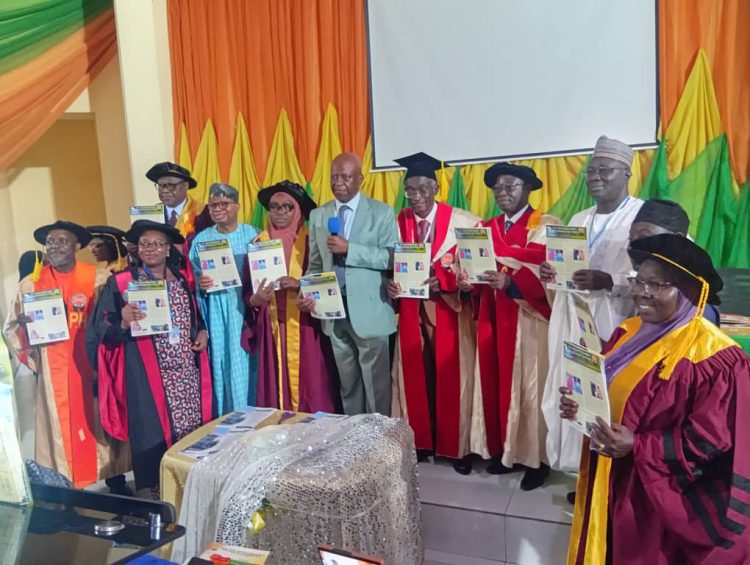
Unveiling of the newsletter at the conference

The Nigeria Chapter of the West African Postgraduate College of Pharmacists (WAPCP) has called for the expansion of consultant pharmacists’ clinical roles across Nigeria’s healthcare system, saying the move is critical to improving patient safety, reducing medication errors and strengthening the country’s health outcomes.

The call formed the central message of the College’s 8th Scientific Conference and Annual General Meeting held in Lagos from 12 to 14 July, 2026, where pharmacy leaders, regulators, academics and healthcare stakeholders agreed that consultant pharmacists should be integrated more effectively into multidisciplinary healthcare teams to optimise patient care and medication safety.

The conference had as its theme, “Expanding Consultant Pharmacists’ Clinical Roles in Nigeria to Optimise Patient Care and Medication Safety.”

Speaking at the opening ceremony, the Chairman of WAPCP Nigeria Chapter, Dr Hafusat Adesina, said consultant pharmacists have become indispensable to modern healthcare delivery because of their expertise in medication management, clinical decision-making and patient care. She urged governments at all levels to fully implement the consultant pharmacy cadre across federal and state health institutions, noting that doing so would improve medication safety, strengthen healthcare delivery and ultimately save lives.

Delivering the keynote address, Director of Pharmaceutical Services at the Osun State Hospitals Management Board, Dr Moteehat Olu-Lawal, described the expansion of consultant pharmacists’ clinical responsibilities as a healthcare imperative for Nigeria rather than an option.

She observed that Nigeria’s population of over 200 million is currently served by fewer than 20,000 registered pharmacists, resulting in a pharmacist-to-population ratio far below the World Health Organisation’s recommendation. She noted that globally, one in every 20 patients suffers harm from preventable medication-related events, while more than 50 per cent of adverse drug events can be prevented through pharmacist-led interventions. According to her, consultant pharmacists are uniquely positioned to bridge this gap by ensuring medicines are used safely, effectively and appropriately.

Prof. Lere Baale presenting award plaque to the immediate past Chairman of the WAPCP Nigeria Chapter Dr Margaret Obono (middle) supported by the chapter Chairman, Dr Hafusat Adesina


She, however, lamented that implementation of the consultant pharmacist cadre remains poor across the country. Citing survey findings presented during the conference, she disclosed that only eight of Nigeria’s 33 teaching hospitals, nine of 24 Federal Medical Centres, 11 of 22 specialist hospitals and five of the 36 states have fully implemented the cadre. She attributed the slow progress to inadequate institutional support, workforce shortages, poor recognition of consultant pharmacists, lack of structured career pathways and limited access to patients’ clinical records.

To reverse the trend, the keynote speaker advocated stronger inter-professional collaboration, expansion of residency and specialist training programmes, increased recruitment of pharmacists into hospital practice, greater investment in digital health technologies and dedicated funding for consultant pharmacy services. She also called on healthcare institutions to integrate consultant pharmacists into ward rounds, ethics committees,

multidisciplinary care teams and clinical governance structures while documenting their interventions to demonstrate value and improve advocacy.

Chairman of the occasion, Pharm. (Sir) Ike Onyechi, said consultant pharmacists should become indispensable members of healthcare teams in every government health institution. He urged pharmacists to continually improve the quality of care they provide while embracing emerging technologies, especially artificial intelligence, to strengthen pharmaceutical care and clinical decision-making.

According to him, patients are increasingly becoming more informed through digital platforms and artificial intelligence before consulting healthcare professionals, making it imperative for pharmacists to continuously update their knowledge and technological competence to remain relevant in modern healthcare practice.

Also speaking, President of the WAPCP, Prof. Hasipha Tarpeh, who was represented at the event, commended the Nigeria Chapter for sustaining efforts towards advancing consultant pharmacy practice in the country. She encouraged members of the College to remain committed to promoting excellence, professional development and patient-centred pharmaceutical care across West Africa.

The President and Chairman of the Governing Council of the Nigeria Academy of Pharmacy (NAPharm), Prof. Lere Baale, described consultant pharmacists as critical partners in healthcare delivery, noting that they ensure medicines achieve their intended therapeutic purposes safely, effectively and compassionately. He said the increasing burden of chronic diseases, polypharmacy and advances in precision medicine require consultant pharmacists to assume more strategic clinical roles in improving therapeutic outcomes and protecting patients from medication-related harm.

Secretary-General of WAPCP, Prof. Olufunsho Awodele, said the conference was carefully designed to build the capacity of consultant pharmacists while addressing emerging healthcare challenges. He reiterated the College’s commitment to continuous professional education and specialist training, stressing that strengthening pharmacists’ competencies remains essential to improving patient care and medication safety throughout West Africa.

Registrar of the Pharmacy Council of Nigeria (PCN), Pharm. Ibrahim Babashehu, challenged consultant pharmacists not to relent in providing optimal pharmaceutical care, urging them to continue supporting patients through evidence-based medication management and professional excellence.

One of the major highlights of the conference was a panel discussion on the first sub-theme, “Leveraging Health Technology and Data Systems to Improve Medication Safety, Medicine Quality and Therapeutic Outcomes in Nigeria.” Panelists at the session agreed that digital technologies, electronic medical records, artificial intelligence and clinical decision-support systems have become indispensable tools for reducing medication errors, improving prescribing practices and enhancing patient outcomes. They called for accelerated adoption of digital health solutions across hospitals while equipping pharmacists with the skills needed to maximise the benefits of emerging technologies.

A second panel session focused on “Strengthening Local Pharmaceutical Manufacturing in Nigeria for Medicine Security, Quality and Sustainable Patient Care.” Participants emphasised that increasing local pharmaceutical production would not only improve medicine security and reduce dependence on imported medicines but also strengthen quality assurance, enhance supply chain resilience and guarantee uninterrupted access to essential medicines. They urged the government to have the political will, provide policy incentives, infrastructure and financing to accelerate local pharmaceutical manufacturing as part of efforts to achieve national health security.

The high point of the three-day conference was the unveiling of the WAPCP Nigeria Chapter Newsletter, which the College said would serve as a platform for disseminating professional updates, research findings, policy developments and achievements of consultant pharmacists, while promoting collaboration and continuous professional development among members.


Sir Ifeanyi Atueyi’s legacy lives on as pharmacy leaders champion integrity, service

0


A cross-section of pharmacy leaders and family members at the memorial lecture

Nigeria’s healthcare and pharmaceutical community converged at the Old Great Hall of the College of Medicine, University of Lagos, Idi-Araba, Lagos, on Wednesday for the inaugural Sir Ifeanyi Atueyi Memorial Lecture, held with the theme, “Legacy Beyond Life: Leadership, Integrity and the Power of Enduring Impact,” as stakeholders celebrated the enduring contributions of the renowned pharmaceutical journalist, publisher and founder of Pharmanews.

The event brought together distinguished personalities from the healthcare, pharmaceutical, legal and academic communities, who paid glowing tributes to the late pharmacist and author, describing him as a visionary leader whose commitment to integrity, service, mentorship and professional excellence continues to influence pharmacy practice, healthcare communication and nation-building.

The memorial lecture, designed to preserve and advance the ideals of Sir Ifeanyi Atueyi, also provided a platform for reflection on the values that shaped his remarkable journey and the responsibility of professionals to build institutions and legacies that extend beyond their lifetime.

A cross-section of participants at the programme

Former Minister of Health and Chairman of the occasion, Prince Julius Adelusi-Adeluyi, described the establishment of the memorial lecture as a fitting tribute to a man whose contributions to pharmacy and healthcare journalism remain unmatched.

According to him, Sir Ifeanyi was not only a distinguished pharmacist but also a man of strong character whose dedication to excellence, diligence, discipline and integrity earned him the respect of professionals across different sectors.

Adelusi-Adeluyi commended the Atueyi’s family for sustaining the vision of the late publisher through Pharmanews and for creating platforms that would continue to promote the ideals he stood for, describing the memorial lecture as one of the greatest tributes children could offer a worthy father.

Executive Director of Pharmanews Limited, Dozie Ifeanyi Atueyi, said the memorial lecture was conceived not merely as an event to remember his father but as a platform to preserve, promote and advance the principles that defined his life.

He described his father as a visionary leader, mentor, publisher and bridge-builder whose lifelong commitment to healthcare communication, professional development and societal impact created an enduring legacy.

According to him, the values of integrity, excellence, humility and service which guided his father’s life remained relevant lessons for current and future generations.

Atueyi further disclosed that the Sir Ifeanyi Atueyi Memorial Trust was launched as part of efforts to sustain and expand his father’s legacy.

He explained that the Trust was established to preserve and advance Sir Ifeanyi Atueyi’s ideals by promoting and supporting initiatives in education, healthcare, leadership development, humanitarian services, community empowerment, research, entrepreneurship and the recognition of outstanding contributions to society.

He noted that through the Trust, the family hopes to continue the late publisher’s passion for developing people, strengthening institutions and contributing positively to national growth.

A major highlight of the event was a panel discussion moderated by Dr Lolu Ojo, founder and chief executive officer of Merit Healthcare Limited, which examined the practical dimensions of leadership, integrity and legacy, using Sir Ifeanyi Atueyi’s life as a model.

Opening the session, Ojo observed that legacy was not merely about what people leave behind after death but the impact they make through the lives they touch during their lifetime.

He noted that while physical structures and monuments may eventually fade, the positive influence one person has on another remains one of the greatest expressions of enduring legacy.

Former President of the Pharmaceutical Society of Nigeria (PSN) and Honorary Consul-General of Pakistan in Nigeria, Pharm. Ahmed Yakasai, urged professionals to distinguish between charisma and character, stressing that sustainable leadership must be anchored on integrity rather than popularity.

He described Sir Ifeanyi Atueyi as a man of humility, compassion, consistency and courage who accepted responsibilities for the advancement of the profession without seeking personal recognition.

Recalling their years of association, Yakasai said the late publisher played a significant role in mobilising elderly pharmacists to national conferences and remained committed to mentoring younger professionals and strengthening unity within the profession.

He maintained that leadership was not determined by positions or titles but by the ability to inspire trust, influence people positively and leave institutions stronger than they were found.

Managing Director of Rozec Pharmacy Limited and Founder of The Roses Ministry, Pharm. Regina Ngozi Ezenwa, described leadership as stewardship rather than rulership.

According to her, true leaders focus on serving others, empowering people and creating lasting value rather than using authority for personal benefit.

She observed that although the positions Sir Atueyi occupied during his lifetime had passed, the integrity, service and positive influence he demonstrated remained the foundation of his enduring legacy.

Founder and President of the West African Society for Parenteral and Enteral Nutrition (WASPEN), Dr Teresa Pounds, identified integrity and transparency as critical values needed to rebuild confidence in healthcare institutions.

She urged professionals to speak against unethical practices and support individuals who demonstrate honesty and accountability, noting that silence in the face of wrongdoing allows unhealthy systems to thrive.

Pounds, who described Sir Ifeanyi as a mentor, said his commitment to developing people and promoting excellence remained among the qualities that made his life worthy of celebration.

Founding President of the Christian Lawyers Fellowship of Nigeria, Barr. Wale Olufon, challenged participants to embrace integrity even when doing so comes with personal sacrifice.

Drawing lessons from the biblical examples of Joseph and Daniel, he said genuine integrity requires the courage to choose what is right even when compromise appears easier.

He added that while reputation could be damaged and rebuilt, public trust requires consistency, accountability and time to restore.

Concluding the panel discussion, Ojo challenged participants to reflect on the legacy they were building through their professional and personal lives.

The memorial lecture also featured the inaugural keynote lecture delivered by the President of the Nigerian Academy of Pharmacy (NAPHARM), Prof. Lere Baale, who urged professionals to embrace purposeful leadership rooted in integrity, service and meaningful impact.

Family members, professional colleagues, friends and associates described the late pharmacist as a prolific author, healthcare advocate, mentor and institution-builder whose contributions continue to inspire generations within and beyond the pharmacy profession.

The event ended with renewed commitments from stakeholders to sustain the ideals championed by Sir Ifeanyi Atueyi through mentorship, ethical leadership, healthcare advocacy and the continued development of institutions dedicated to professional excellence.

Sir Ifeanyi Atueyi, who passed away in 2025, is widely regarded as the Father of Pharmaceutical Journalism in Nigeria, having transformed Pharmanews into a respected platform for healthcare advocacy, professional education and industry development over several decades.

Nurses issue 15-day ultimatum to FG over alleged victimisation of members

0


Nigeria Nurses. Photo Credit – politicsnigeria.com

The National Association of Nigeria Nurses and Midwives (NANNM), Federal Health Institutions (FHI) Sector, has issued a 15-day ultimatum to the Federal Government, demanding urgent intervention over what it described as the victimisation, intimidation and unfair treatment of its members and elected union officials at the Federal Neuropsychiatric Hospital, Barnawa, Kaduna.

In a notice, dated 15 July,  2026, signed by the National Chairman of the NANNM-FHI Sector, Comrade Morakinyo Olajide Rilwan, the union gave the Federal Ministry of Health and Social Welfare until 29 July to address its grievances, warning that it would embark on a three-day nationwide warning strike if the issues remained unresolved after the expiration of the ultimatum.

The association alleged that the hospital management suspended its unit chairman for temporarily accommodating stranded nursing students on clinical posting at the union secretariat, insisting that the humanitarian gesture should have attracted commendation rather than disciplinary action.

NANNM also condemned what it described as the unjust demotion of the unit’s Public Relations Officer and two other members from CONHESS 13 to CONHESS 12, arguing that the action lacked any justifiable basis and had adversely affected the welfare and morale of the affected officers.

The union further accused the hospital’s Medical Director of failing to implement a Memorandum of Understanding (MoU) reached after a prolonged industrial dispute and signed in the presence of the Permanent Secretary of the Federal Ministry of Labour and Employment, describing the development as a breach of the collective bargaining process.

According to the association, the Medical Director’s leadership has continued to fuel industrial disharmony, victimisation of union officials and disregard for duly executed agreements, leading the union to lose confidence in her ability to maintain harmonious labour-management relations in the institution.

As part of its demands, NANNM called on the Federal Ministry of Health and Social Welfare to immediately lift the suspension of the unit chairman and restore all his rights and privileges, while reversing the demotion of the affected officers and reinstating them to their appropriate CONHESS grade levels with all attendant benefits.

The union also demanded the immediate implementation of all terms contained in the earlier Memorandum of Understanding, a thorough investigation into allegations of victimisation and anti-union practices at the hospital, and decisive administrative action to restore industrial harmony, including a review of the continued suitability of the current Medical Director to lead the institution.

While reaffirming its commitment to dialogue and peaceful resolution of disputes, NANNM warned that failure by the government to address the issues within the 15-day period would leave it with no alternative but to commence a three-day warning strike.

Peperomia pellucida: Shiny bush, healthy herb

0
Peperomia pellucida

Peperomia pellucida (Fam. Piperaceae) is an annual, shallow-rooted herb, usually growing to a height of about 15–45 cm (6–18 inches). It is characterised by succulent stems, shiny, heart-shaped fleshy leaves, and tiny, dot-like seeds attached to several fruiting spikes. It has a mustard-like odour when crushed. It is also known by common names such as pepper elder, shining bush plant, crab claw herb, man-to-man, crested pepper, clearweed, and silver bush. It is called markafi or daadaa by the Hausas; oku okpukpu nta, nla, or umu nla by the Igbos; and ewe rinrin by the Yorubas.

Constituents

  1. pellucida contains phytochemicals, including alkaloids, tannins, resins, flavonoids, steroids, and phenols. The plant is rich in crude protein, carbohydrates, and total ash. It also contains potassium, calcium, phosphorus, iron, beta-carotene, and ascorbic acid. Isolated flavonoids include acacetin, apigenin, isovitexin, and pellucidatin. Isolated phytosterols include campesterol and stigmasterol.

Preparations

The plant is available in the form of fresh or dried leaves, stems, and roots. The entire plant is edible, either raw or cooked. It may be boiled or used as an ingredient in soups and light meals.

Pharmacological actions and medicinal uses

The plant has been shown to possess antimicrobial, analgesic, anti-inflammatory, antipyretic, antihypertensive, anticancer, antidiabetic, cleansing, and antioxidant activities. This explains why it has traditionally been used to treat various medical conditions, including conjunctivitis, convulsions, fatigue, fever, headache, gout, rheumatic pain, and skin diseases such as dermatitis, acne, boils, and eczema, as well as breast cancer and diabetes.

Peperomia pellucida has demonstrated antibacterial activity against Staphylococcus aureus, Bacillus subtilis, Pseudomonas aeruginosa, and Escherichia coli, and antifungal activity against Trichophyton mentagrophytes in vitro.

The crushed leaf is applied topically to promote the healing of wounds, cuts, boils, acne, and other skin irritations. Ewe rinrin is used as an antipyretic for fever and what is commonly described as “internal body heat”. In various countries, it has been used for stomach discomfort, kidney cleansing, urinary tract health, detoxification, minor bleeding, headache, renal disorders, rheumatic pain, impotence, measles, mental disorders, smallpox, uric acid reduction, colic, insomnia, gout, and cholesterol reduction. It has also been used as a diuretic in the management of proteinuria, as a cough suppressant and emollient, and in the treatment of cardiac arrhythmias.

The analgesic properties of the plant appear to be related to its effect on prostaglandin synthesis.

Adverse effects

The plant may cause asthma-like symptoms in individuals with hypersensitivity to the species. Like many herbs, excessive consumption may place stress on the liver or kidneys. Topical application may cause irritation or sensitivity in some individuals. It may also interact with antihypertensive drugs, anticoagulants, or medications used in the management of kidney disease. Use during pregnancy and breastfeeding should be avoided.

Economic uses and potential

In Nigeria, P. pellucida is not routinely sold as a standard commercial commodity. Rather, it is gathered and traded locally as a fresh wild-harvested herb or leafy vegetable. Fresh leaves and bunches may be purchased in neighbourhood markets for as little as N200–N500 per bunch, depending on the seller and location. Dried leaves, herbal powders, and capsules typically sell for between N6,000 and N15,000, depending on the weight or volume. The plant has considerable potential for utilisation in the agricultural, food, and pharmaceutical industries.

Reference

Nordin, N. A., Pauzi, M. R., Ismail, S., Rahman, N. I. A., Suzima, E. A., & Sukri, A. (2025). A comprehensive review of Peperomia pellucida: Chemical composition, traditional and pharmacological uses, and potential in dermatitis management. Malaysian Journal of Applied Sciences, 10(1), 100–111.

By Pharm. Ngozika Okoye MSc, MPH, FPCPharm

(Nigeria Natural Medicine Development Agency

Email: ngozikaokoye@yahoo.com


ACPN seeks greater integration into NHIA, pry healthcare system

0

-As Unity 2026 Int’l Conference holds in Abuja

L-R: Pharm. Obiageri Ikwu, national financial secretary, ACPN; Pharm. Isaac Olufunminiyi, vice-chairman, Conference Planning Committee (CPC), Unity 2026 Conference; Pharm. Nwamaka Ezedinma, CPC secretary; Pharm. Ambrose Ezeh, national chairman, Association of Community Pharmacists of Nigeria (ACPN); Pharm. Chidi Dozie, chairman, CPC, Unity 2026 Conference; Pharm. (Mrs) Ashore Omokhafe, national secretary, ACPN; Elizabeth Etsu, ACPN intern pharmacist; and Pharm. Lawrence Ekhator, immediate past CPC chairman, during a press briefing ahead of the ACPN 2026 Annual International Scientific Conference in Lagos.

The Association of Community Pharmacists of Nigeria (ACPN) has called on the Federal Government to accelerate the integration of community pharmacists into the implementation of the National Health Insurance Authority (NHIA) and the country’s primary healthcare system to improve access to quality healthcare and advance universal health coverage.

The association made the call at a press briefing in Lagos ahead of its 45th Annual International Scientific Conference scheduled to hold from 27 July to 1 August, 2026, at the Bola Ahmed Tinubu International Conference Centre, Abuja.

Speaking during the briefing, ACPN National Chairman, Pharm. Ambrose Ezeh, said community pharmacists remain the most accessible healthcare professionals and should be fully integrated into healthcare financing and service delivery initiatives.

He noted that although the Federal Government had demonstrated commitment to expanding health insurance coverage, greater involvement of community pharmacists would significantly improve access to healthcare, especially at the grassroots.

According to him, about 70 per cent of Nigerians seeking healthcare first visit community pharmacies before presenting at hospitals, underscoring the critical role community pharmacists play in expanding access to quality healthcare and achieving universal health coverage.

L-R: Pharm. Ambrose Ezeh, national chairman, Association of Community Pharmacists of Nigeria (ACPN); Pharm. Chidi Dozie, chairman, Conference Planning Committee (CPC), Unity 2026 Conference; and Pharm. (Mrs) Ashore Omokhafe, national secretary, ACPN, during the press briefing ahead of the association’s 2026 Annual International Scientific Conference in Lagos.

The number one community pharmacist in the country explained that ACPN supports broader collaboration with the NHIA but advocated a reimbursement model that ensures equity among healthcare providers and aligns with the provisions of the NHIA Act.

The conference, themed “From Local Pharmacy Practice to Global Impact: Managing Complex Political Systems,” with the slogan “Unity 2026,” is expected to bring together policymakers, regulators, development partners, researchers, pharmaceutical manufacturers and community pharmacists from within and outside Nigeria.

According to him, the meeting will explore strategies for positioning Nigerian community pharmacy practice to contribute meaningfully to global health through innovation, digital transformation, research, advocacy and policy engagement.

He said the conference would also focus on strengthening leadership capacity, promoting healthcare policies that improve access to quality pharmaceutical care, enhancing collaboration among stakeholders, building medicine supply chain resilience and encouraging technology-driven pharmacy practice.

Responding to questions from journalists, the ACPN National Chairman said the association remained committed to promoting professionalism among its members through continuous education, Mandatory Continuing Professional Development (MCPD) programmes, research, innovation and capacity-building initiatives.

He noted that pharmacy practice had evolved beyond product-focused dispensing to patient-centred pharmaceutical care, where pharmacists play more active roles in disease prevention, medication management and public health interventions.

Chairman of the Conference Planning Committee (CPC), Pharm. Chidi Dozie, assured delegates and stakeholders that adequate arrangements had been made to deliver a successful conference. He said the planning committee had constituted various sub-committees covering logistics, security, protocol, hospitality, exhibitions and other critical areas, while lessons learnt from previous conferences had been incorporated into this year’s planning.

According to him, the conference will feature indoor exhibitions designed to meet international standards, while participants can expect improved organisation, quality scientific sessions and enhanced networking opportunities.

Dozie disclosed that several high-ranking government officials, policymakers, healthcare regulators and development partners had confirmed participation in the conference. They include President of the Senate, Sen. Dr Godswill Akpabio, GCON, as Special Guest of Honour; Speaker of the House of Representatives, Rt. Hon. Tajudeen Abbas, GCON, also as Special Guest of Honour; Executive Governor of Niger State, Farmer Mohammed Umaru Bago, who will chair the conference; Minister of the Federal Capital Territory, Barr. Nyesom Wike, CON; and the Coordinating Minister of Health and Social Welfare, Prof. Muhammad Ali Pate, CON, both as special guests of honour.

Also expected are the Honourable Minister of State for the Federal Capital Territory, Dr Mariya Mahmoud Bunkure, and the Honourable Minister of State for Health and Social Welfare, Dr Iziaq Adekunle Salako, as guests of honour. The keynote address will be delivered by Pharm. Adewale Oyenuga, managing director/chief executive officer of Evans Therapeutics Ltd., while the President of the Pharmaceutical Society of Nigeria (PSN), Pharm. Tanko Ayuba,  will serve as the chief host.

The organisers also announced plans for community health outreach programmes, including free health screening, hepatitis awareness campaigns and vaccination for residents of the Federal Capital Territory as part of ACPN’s commitment to preventive healthcare.

The press briefing was attended by members of the ACPN National Executive Council, the Conference Planning Committee and other officials of the association, including Pharm. (Mrs) Ashore Omokhafe, national secretary; Pharm. Obiageri Ikwu, national financial secretary; Pharm. Isaac Olufunminiyi, vice-chairman, Conference Planning Committee (CPC); Pharm. Nwamaka Ezedinma, CPC secretary; and Pharm. Lawrence Ekhator, immediate past CPC chairman.


In sales, no deal is better than a bad deal

0
In sales, no deal is better than a bad deal
George Emetuche


“No deal is better than a bad deal.” – Chris Voss

Mazi Sam Ohuabunwa, FPSN, MON, OFR, NPOM, the legendary pharmacist and business leader, said, “Negotiate everything.” I agree with this counsel because when you negotiate well, you get a good deal or you walk away from a bad one.

In this article, I will explore some thoughts on negotiation and how to be guided. Negotiation happens daily in our personal and professional lives.

An unrealistic deal

Let me tell you a true story that happened some years ago. Our company, The Selling Champion Consulting Ltd, is a leading, award-winning, Nigerian Council for Management Development-accredited training and consulting organisation. Our core services include recruitment, training and consulting. We carry out these functions for organisations to build productive teams.

One of the ways we get the job done is through retainership. We sign agreements that range from six months to one year and beyond in order to achieve the desired results. There was a prospect in the manufacturing and distribution sector that wanted us to achieve a positive turnaround for its sales team, taking sales performance from 30 per cent to 100 per cent within the period of the contract. The deal involved recruiting competent sales professionals, training them, and developing and implementing a brilliant go-to-market model that would deliver the right results.

Yes, we liked the deal. The professional fee was good. However, there was a problem. The company wanted us to achieve these results within 30 days. This was mission impossible. The recruitment process alone would take at least two weeks to secure competent sales professionals. Imagine the time required to achieve the other key performance indicators. Going ahead with the deal would have been a time bomb waiting to explode.

I motivate people and I am a positive person. But I am also a realist. I do not believe in empty motivation that lacks depth. I believe motivation must stand on a firm foundation of work and strategy.

Competence has never been an issue for us. As the lead consultant, I have 29 years of experience in the sales and marketing space and counting. I rose from the position of salesman to national sales manager before launching our business 14 years ago. I am hands-on. I understand the concepts of sales and marketing. I understand business strategy. I am a researcher who is constantly seeking new ways to do the job better.

Our team at The Selling Champion Consulting Ltd is top-notch. The major issue that made us walk away from the deal was the 30-day period allocated for execution. We tried to persuade the company to extend the timeline to 90 or 180 days, but they maintained that it had to be completed within 30 days.


Integrity comes at a price

Walking away from that deal was the best thing for us if we wanted to protect our reputation. A business should lose money and be seen as a reputable company that keeps its promises rather than make money and struggle to maintain a good name.

Again, I say, no deal is better than a bad deal.

Pay the price required to protect your reputation. I have been in the business world long enough to know what works and what does not. Experience, they say, is the best teacher.


Win-win is great

The best deal on the table is a win-win deal. Here, everyone wins. Lose-win or win-lose is not the way to go. When one party wins and the other loses, the outcome is usually a one-off deal, and one-off deals do not build businesses because they lead to one-off transactions.

Let all parties win. This is how to keep doing business with your customers and prospects. People buy and keep buying when they see that their interests are protected. They will continue to do business with you when they receive value.


Update

Register to be part of our annual Masterclass on Sales, Marketing, Strategy and Personal Effectiveness.


South-East/South-South

Venue: Toscana Hotels, Independence Layout, Enugu

Date: Saturday, 22 August 2026

Faculty:

Prof Vincent Onodugo, FCAI, FNIM, FIIA, Professor of Management and Entrepreneurship, University of Nigeria.

Prof Chuka Ifediora, FIAS, Professor of Marketing, University of Nigeria, and Senior Fellow, UNN Business School.

George O. Emetuche, Accredited Training Consultant and Managing Director, The Selling Champion Consulting Ltd.


Lagos/South-West

Date: 5 September 2026

Venue: Dover Hotels, Ikeja, Lagos

Faculty:

Chidi Okoro, Founder and Executive Consultant, Drugs & Medicaments Nig. Ltd., and Senior Fellow, Lagos Business School.

Charles Iloegbunam, FNIMN, Managing Director, Masters Energy Aviation, and veteran sales and marketing expert.

Prof Ayo Oniku, FNIMN, Professor of Marketing, University of Lagos, and Coordinator of the DBA Programme, Unilag Business School.

George O. Emetuche, Managing Director, The Selling Champion Consulting Ltd.

For enquiries, see the flyers, visit our website, www.thesellingchampionconsulting.com, or call 07060559429. Register your team today. The value is massive!

From rep to CEO: Success lessons from my journey

0


An address by Pharm. Lekan Asuni, FNAPharm, FPSN, chairman of the 2026 Induction Ceremony and Investiture of Fellows of the Society for Pharmaceutical Sales and Marketing of Nigeria (SPSMN).

As I reflect on more than three decades in the pharmaceutical and healthcare sectors across Africa, Asia and Europe, I am reminded that success is rarely a straight line. It is built one day, one relationship, and one challenge at a time.

Today, I share with you the lessons that have guided my journey—from medical representative to managing director of GlaxoSmithKline Pharmaceutical Nigeria and Anglophone West Africa, and now as founder and chief executive of Lefas Pharmaceuticals Group and Afriqvax Biopharmaceuticals.

Never underestimate the power of humble beginnings
One of the greatest misconceptions about success is that it happens overnight. It does not. When I began my career as a medical representative, carrying product literature from hospital to hospital, I learned discipline, accountability, and the importance of listening to customers. I learned that performance is a consequence of preparation. Those early lessons remained valuable at every stage of my career. No role is too small to teach you something that will become invaluable later in life.

Build competence before seeking recognition
In today’s world, many people prioritise visibility over capability. The reverse should be the case. The pharmaceutical industry is knowledge-intensive. Whether you work in sales, marketing, manufacturing, regulatory affairs, or business development, competence remains your greatest competitive advantage. Throughout my career, opportunities came not because I was seeking titles, but because I was preparing for greater responsibilities. Long before I became a marketing director or managing director, I was a student of business—learning, observing, asking questions, and building capabilities. I was privileged to benefit from world-class development programmes at GlaxoSmithKline that sharpened my technical, commercial and leadership capabilities. These included personal selling skills training, key account development programmes, marketing excellence initiatives, leadership development programmes, and market immersion assignments in South Africa, India, and the United Kingdom.

These programmes broadened my perspective, challenged my thinking, exposed me to global best practices, and prepared me for responsibilities I had not yet assumed. One lesson became very clear: learning should never stop when formal education ends. The most successful professionals are those who continuously invest in themselves.
The market rewards competence. Organisations reward competence. Leadership rewards competence. Your career growth will rarely exceed your personal growth. Invest in your competence today, and leadership opportunities will find you tomorrow.

Integrity is non-negotiable
Throughout my career, whether engaging with healthcare professionals, regulators, government institutions, investors, or multinational boards, I have found that trust remains the most valuable currency in leadership. You may achieve temporary success without integrity, but you cannot build a lasting legacy without it. Our industry exists to improve health outcomes. Therefore, ethics, compliance, transparency and professionalism must remain at the centre of everything we do. The reputation you build over decades can be destroyed in a moment. Protect it diligently.

Leadership is about developing people
Among the achievements I cherish most are not business growth figures or market share gains. Rather, it is seeing the people I mentored become leaders. While leading GSK across West Africa, I deliberately invested in talent development because I understood that sustainable growth is impossible without capable people. Many of those who worked with me went on to hold strategic leadership positions across the healthcare and pharmaceutical industry. Your success as a leader should not be measured only by what you achieve personally, but by how many others succeed because of your leadership.

Think beyond products—think ecosystems
The future of healthcare will belong to leaders who understand the interconnected nature of healthcare systems. Today, pharmaceutical sales and marketing professionals must understand not only brands and customers but also policy, regulation, manufacturing, technology, financing, public health and stakeholder partnerships. This broader perspective has shaped my current work across health-sector strategy, biopharmaceuticals development, local manufacturing, medical technology innovation and public-private partnerships.

Believe in Nigeria’s healthcare future
Throughout my career, I have observed healthcare systems across continents. This experience has strengthened my conviction that Nigeria can become a significant hub for pharmaceutical manufacturing and healthcare innovation in Africa. The establishment of local manufacturing capabilities, the strengthening of regulatory systems, increased investment in healthcare infrastructure, and the emergence of indigenous healthcare enterprises are all positive signs. The responsibility for accelerating this transformation rests with all of us, especially the young professionals being inducted today. You are not merely joining a profession. You are joining a movement that can contribute meaningfully to national development, economic growth and improved health outcomes for millions of people.

To the young professionals reading this
Today’s recognition brings responsibility. You are now custodians of professional standards, ethical conduct and excellence. I encourage you to remain curious, disciplined, resilient and committed to continuous improvement. Never stop learning. Never stop innovating. Never stop creating value. And never forget that the ultimate purpose of our industry is not merely commercial success—it is to improve and save lives.

As I conclude, allow me to leave you with a philosophy that has guided my career: Dream boldly. Learn continuously. Lead ethically. Build people. Create value. Leave a legacy. If you embrace these principles, there is no limit to what you can achieve.

Desire to sustain my husband’s legacy keeps me going – Lady Joan Atueyi

0


For the first time since the passing of her husband on 15 July 2025 at the age of 85, the Matriarch of Pharmanews Ltd, Lady Joan Atueyi, has publicly spoken about life without him, describing his death as a rude shock that still feels unreal. In this exclusive interview with Temitope Obayendo, she recalls missing him as her confidant, friend, gist partner, pillar of wisdom, and companion of 55 years. Yet, amid the pain, she expresses heartfelt gratitude to God and to the many people who have stood by her and the family over the past year. Excerpts:

It is a year since the passing of your husband, Sir Ifeanyi Atueyi. How have you and your family been coping with the loss, and what has helped you navigate this difficult journey?

Well, it hasn’t been easy, especially considering who he was, the impact he had on my life and the life we shared together. It still feels like a dream to me. But I thank God for His grace and for the wonderful friends He surrounded him with. They have been calling, checking on us and encouraging us, and that has helped me a lot.

Whenever I hear what people say about him, it inspires me to carry on, knowing that he would be happy to see that I am not helpless. The responsibility to sustain the legacy and the good works he left behind has given me the strength to move on, knowing that this is the best way to make him happy where he is.q

Looking back, what do you miss most about him, not just as the founder of Pharmanews, but as a husband, father and family man?

This was a man I lived with for 55 years. I miss him as my confidant, my best friend, my gist partner, my encyclopaedia of knowledge and our sweet companionship. I miss his wise counsel, his sense of humour, dedication to duty, fear of God and everything about him.

As for the children, people grieve differently, and his passing has affected each of them in different ways. But I know that by the grace of God, we will all heal.

We cannot shy away from the fact that we had a great man. We are very conscious of the life he lived and the name he built, and we want to preserve the legacy he left behind. We are trusting God for the wisdom to do just that.

Becoming the matriarch of Pharmanews after his passing must have been a huge responsibility. How did you overcome the initial challenges?

It has been by God’s grace and mercy because his passing came as a shock and was completely unexpected. It was God who helped me through the early challenges.

The staff members have also played, and continue to play, very important roles through their dedication and commitment. They have been wonderful to work with and have remained a strong pillar of support in sustaining the legacy. I thank God that my husband built a solid structure and assembled a dependable team. That is what is helping us forge ahead.

Sir Atueyi was widely respected for his contributions to healthcare journalism and advocacy. What aspects of his legacy are you most determined to preserve and strengthen?

By God’s grace, I’m determined to preserve everything for which my husband was respected in healthcare journalism and advocacy. Although I’m neither a journalist nor a pharmacist, I am committed to promoting healthcare journalism through Pharmanews by providing the support needed for our staff to continue pushing the frontiers of pharmaceutical and healthcare reporting.

I am also determined to sustain the values for which he was known in the industry: integrity, diligence, hard work, professionalism, godliness and his large heart for accommodating everyone who crossed his path.

With the support of the directors and staff of Pharmanews, we will continue to bridge communication gaps and avoid situations where people will say, “If he had been there, this would not have happened.”

How has the support of family members, colleagues, industry stakeholders and friends helped sustain both you personally and the organisation professionally?

Knowing that you have genuine friends around you, people who mean well and are happy to see you succeed, is a great source of motivation.

Whenever I reflect on how God has surrounded us with great pillars of support, I simply say, “Lord, thank You.” It motivates me to continue with the determination not to disappoint God and the good people He has placed around us.

God has also been faithful. Sometimes I ask, ‘”Lord, why?” and feel overwhelmed, but I find comfort in His Word. Deuteronomy 31:8 says: “And the Lord, He it is that doth go before thee; He will be with thee; He will not fail thee, neither forsake thee: fear not, neither be dismayed.” Those words continue to encourage and strengthen me.

What lessons did you learn from your husband about leadership, integrity and service that continue to guide your decisions today?

His humility, his love and his openness to advice and criticism. He could accommodate everyone, no matter how young or old, rich or poor. He related freely even with the youngest people.

He made himself available and made people feel valued. That helped him become who he was and achieve all that he did. He was loving and humble, never acting as though he was too important. He opened doors for everyone. No matter who came to see him, he welcomed them warmly. I really miss him.

His philosophy has shaped my personality. I have learnt to be more accommodating, tolerant and patient in dealing with people and situations.

Beyond sustaining his legacy, what personal vision do you have for Pharmanews?

My vision is for Pharmanews to become bigger than what he left behind, to grow in quality, content, distribution and staff strength. By God’s grace, we will achieve that and even surpass it.

What message would you like to share with the pharmaceutical and healthcare community that has stood by Pharmanews over the years?

I want them to continue believing in Pharmanews. The fact that the founder is no longer with us does not mean that Pharmanews is gone. Through their support, Pharmanews will become even better and greater than what my husband left behind.

Finally, when future generations speak about Sir Ifeanyi Atueyi, how would you like him to be remembered?

I would like younger generations to remember him as a man with a large heart who embraced everyone that came his way. He was a man of integrity and vision, a God-loving and hardworking man.

Whatever responsibility was entrusted to him, once he accepted it, he delivered beyond expectations. He was always willing to serve humanity and God. He was a friend of young people and a friend to everyone, regardless of status.

In conclusion, I want to express my sincere gratitude to God for sustaining me, my family, Pharmanews and the staff. I give Him all the glory for keeping us together and ensuring that what my husband started will not disappear. By His grace and mercy, it will continue to grow.


Floods, disease and accountability

0


Patrick Iwelunmor

Now that the rainy season is here, Nigerians, must rethink their environmental habits. The practice of dumping refuse into canals must stop, as it has been identified as one of the major causes of flooding, which in turn contributes to the spread of water-borne diseases. Whenever it rains, instead of disposing of waste properly, many residents throw bags of refuse and other waste materials into canals and drainage channels, causing blockages and obstructing the free flow of water.

There is an urgent need for government to punish perpetrators of such acts. While the Lagos State Government is doing its best to ensure that flooding is systematically addressed, residents should not become obstacles to the state’s environmental efforts. Environmental responsibility is a collective duty, and citizens must play their part in safeguarding their communities.

Beyond the spread of water-borne diseases, flooding also creates conditions that enable mosquitoes to thrive by providing suitable breeding grounds. We are all aware of the consequences of such a situation. When mosquito populations increase, malaria transmission rises accordingly. The result is greater suffering for families and higher out-of-pocket medical expenses for treatment. Moreover, with malaria parasites developing increasingly resistant strains, the cost of effective treatment is likely to continue rising.

Flooding can also displace dangerous animals from their natural habitats. This displacement may create additional risks for residents, as reptiles such as crocodiles and other dangerous creatures may seek refuge in human settlements. This may partly explain why snakes occasionally find their way into people’s homes during periods of heavy rainfall. One can only imagine the health implications of a snake bite and the emotional trauma that often accompanies such an experience. As William Shakespeare observed in Macbeth, “Unnatural deeds breed unnatural troubles.”

We must respect the sanctity of nature’s course. One cannot distort the natural order and expect nature not to respond. Nature is a powerful force that creates balance and order in creation. Often, flooding is one of nature’s responses to environmental abuse caused by indiscriminate human activities such as dumping refuse into canals, building houses on waterways, and destroying vegetation through bush-burning practices.

According to a 2025 ACT Alliance report chronicling the impact of flooding across several states in Nigeria, “In Lagos State, 57,951 people are affected, 3,680 are displaced, and 3,244 houses are damaged. In Taraba State, five persons have lost their lives, 26,722 persons are affected, while 3,080 are displaced and 88 are injured. In Imo State, 29,242 persons are affected, 15,607 are displaced, 81 were injured, and hundreds of homes and farms were destroyed. In Akwa Ibom State, 46,233 persons were affected, 40,140 displaced, with over 17,000 hectares of homes and farmlands damaged.”

There are practical ways to address the human actions that threaten environmental justice. State governments should prosecute individuals who violate environmental laws. Those who habitually dispose of refuse into canals and waterways should face legal consequences, while buildings erected on waterways should be demolished. This can be effectively achieved with the support of Local Council Development Areas (LCDAs), which are closer to residents and better positioned to monitor such activities.

Public education through the mass media also has an important role to play in curbing the persistent problem of blocked canals and drainage systems in cities such as Lagos. Environmental awareness campaigns should specifically target communities where such practices are common. Public enlightenment messages should be disseminated in English, Pidgin, and relevant local languages to ensure that everyone is reached, especially in an era when social media platforms provide unprecedented opportunities for public engagement.

Most importantly, state governments must put the ecological funds they receive from the Federal Government to good use. This is imperative not only because of the need for accountability but also because such funds can easily be misappropriated, given the enormous powers wielded by state governors. A former governor from Nigeria’s Middle Belt was imprisoned for misappropriating ecological funds to the tune of N1.8 billion. One can only imagine the environmental impact that such a substantial amount could have made if it had been used for its intended purpose.

WAPCP opens 8th Scientific Conference, urges nationwide consultant cadre implementation

0


L-R: Dr Okeroghene Aghogho Timipre, national publicity secretary, representing  national chairman, Clinical Pharmacists Association of Nigeria (CPAN);  Dr Abubakar Danraka, chairman, Conference Planning Committee; Dr Afusat Adesina  chairman, West African Postgraduate College of Pharmacists Nigeria Chapter; Dr. Solomon K. Nwafuru, publicity secretary, representing National Chairman Association of Consultant Pharmacists of Nigeria (AsCoP) and Dr Ebele Nwachuluba secretary, WAPCP Nigeria Chapter at the press conference on Monday.

The West African Postgraduate College of Pharmacists (WAPCP), Nigeria Chapter, on Monday commenced its 8th Scientific Conference and Annual General Meeting, where it calls on the Federal Government, state governments and public health institutions to fully implement the consultant pharmacist cadre across the country to improve patient care and medication safety.

Speaking during a press conference held at the Pharmacists Council of Nigeria (PCN) Auditorium, Yaba, Lagos, ahead of the formal opening of the College’s 8th Scientific Conference and Annual General Meeting scheduled for Tuesday 14 July, 2026, the Chapter Chairman, Dr Afusat Adesina, said expanding the roles of consultant pharmacists would significantly reduce medication errors, improve therapeutic outcomes and strengthen Nigeria’s healthcare system.

Dr Adesina noted that the conference, which runs from 12 to 14 July, features scientific paper presentations, keynote lectures, panel discussions, capacity-building sessions, the Annual General Meeting and the unveiling of the rebranded WAPCP Nigeria Chapter newsletter.

According to Dr Adesina, the conference, with the theme “Expanding Consultant Pharmacists’ Clinical Roles in Nigeria to Optimize Patient Care and Medication Safety,” is expected to be attended by over 200 consultant pharmacists, healthcare professionals, academics, policymakers, regulators, researchers, industry leaders and postgraduate trainees from within and outside Nigeria.

Adesina commended the Federal Ministry of Health for approving the consultant pharmacist cadre, describing it as a landmark achievement for the pharmacy profession and the nation’s healthcare system.

She also applauded states including Niger, Osun, Adamawa and Katsina, as well as several federal health institutions, for implementing the policy, but urged those yet to do so to accelerate its domestication.

According to her, institutions such as the Lagos University Teaching Hospital (LUTH), University of Abuja Teaching Hospital and Aminu Kano Teaching Hospital, alongside states including Lagos, Kaduna and Enugu, are yet to implement the consultant pharmacist cadre despite its approval by the Federal Government.

“We are not where we want to be, but we are certainly not where we started. The Federal Government has approved the consultant pharmacist cadre, and several institutions have implemented it. We are calling on all states and health institutions to domesticate the policy so that Nigerians can fully benefit from consultant pharmacy services,” she said.

Providing an update on implementation, Adesina disclosed that eight teaching hospitals, nine Federal Medical Centres, 11 state hospitals and two of the three armed forces medical facilities had so far implemented the consultant pharmacist cadre, while only five states had domesticated the policy.

She stressed that consultant pharmacists are critical members of multidisciplinary healthcare teams, providing specialist pharmaceutical care that helps prevent medication-related complications, improves treatment outcomes and enhances patient safety.

“Medication safety is a major issue. Lives are lost and enormous resources are wasted because medicines are used incorrectly. Consultant pharmacists have the expertise to prevent medication errors and ensure patients receive the safest and most effective therapies,” she stated.

The WAPCP chairman also expressed concern over the growing incidence of self-medication, irrational drug use and substance abuse, warning Nigerians against purchasing medicines from unregistered outlets.

She urged members of the public to obtain medicines only from licensed pharmacies and ensure prescription medicines are taken strictly under professional supervision.

“A registered pharmacist will not dispense prescription medicines without a valid prescription. Nigerians must avoid patronising unregistered medicine outlets because doing so exposes them to serious health risks, including kidney damage, liver disease, antimicrobial resistance, mental illness and even death,” she warned.

Chairman of the Conference Planning Committee, Dr Abubakar Daraka, said this year’s edition marked a significant milestone as the chapter upgraded its annual gathering into a full scientific conference designed to promote evidence-based pharmacy practice and professional development.

He disclosed that participants would present 21 scientific abstracts through oral and poster sessions, while capacity-building workshops would focus on the application of Artificial Intelligence in pharmacy practice and research, as well as strategies for strengthening antimicrobial stewardship to combat the growing challenge of antimicrobial resistance.

Daraka said the conference would also feature panel discussions on leveraging health technology and data systems to improve medication safety, medicine quality and therapeutic outcomes, as well as strengthening local pharmaceutical manufacturing to enhance medicine security and sustainable patient care.

Speaking on Nigeria’s pharmaceutical manufacturing capacity, he observed that although the country has over 160 pharmaceutical companies, virtually all Active Pharmaceutical Ingredients (APIs) used in local drug production are imported, making the nation heavily dependent on foreign sources for essential raw materials.

He, however, commended the Federal Government’s Presidential Initiative on Unlocking the Healthcare Value Chain, describing it as a strategic intervention capable of transforming the pharmaceutical manufacturing sector if sustained.

“If these interventions continue over the next five to ten years, Nigeria can achieve medicine security, significantly reduce dependence on imports and emerge as a leading pharmaceutical manufacturing hub in Africa,” he said.

Also speaking, a representative of the Association of Consultant Pharmacists of Nigeria (ASCOP), Dr Solomon Kelechi Mwafuru attributed the slow implementation of the consultant pharmacist cadre largely to institutional resistance and misconceptions about the role of consultant pharmacists within the healthcare system.

He maintained that consultant pharmacists are not competitors to physicians but complementary specialists whose expertise in clinical practice, research, leadership and education strengthens multidisciplinary patient care.

“In countries where consultant pharmacy practice has been fully implemented, patients enjoy better treatment outcomes, safer medication use and improved quality of care. Nigeria should not be left behind,” he said.

The representative of the National Chairman, Clinical Pharmacists Association of Nigeria (CPAN) Dr Oke Timipre, said “When it comes to clinical pharmacies, expanding clinical pharmacies role, CPAN has played a major role and will continue to do so.


Sir Ifeanyi Atueyi maiden memorial lecture holds July 16 (VIRTUAL LINK)

0


Click the link above to watch the Memorial Lecture lIve on Thursday, 16 July, @ 10am.


The maiden Sir Ifeanyi Atueyi Memorial Lecture is slated for Thursday, 16 July, at the Old Great Hall, College of Medicine, University of Lagos, Idi-Araba, Lagos.

The memorial lecture, themed “Legacy Beyond Life: Leadership, Integrity, and the Power of Enduring Impact,” is conceived as a platform to honour the enduring ideals, visionary leadership, and ethical contributions of the late Sir Ifeanyi Atueyi, whose life and work left a profound imprint on the pharmaceutical and healthcare landscape in Nigeria.

The event is expected to convene distinguished personalities from the healthcare, pharmaceutical, academic, business, and public sectors to reflect on the enduring values of purposeful leadership, integrity in public and professional life, and the importance of building legacies that transcend individual existence.

Foundations commit about ₦4m to nursing education

0

-As experts advocate professionalism and accountability in patient care

L-R: Pharm. (Chief) Hamidu Adediran Oluyedun, founder, Harafat Oluyedun Foundation; Dr Gbonjubola Owolabi, Provost, Oyo State College of Nursing and Midwifery, Eleyele, Ibadan; Professor David Oni, Founder, David Oni Foundation; alongside an award recipient and other guests during the 2026 Harafat Oluyedun Foundation and David Oni Foundation Scholarship and Bursary Awards in Ibadan, Oyo State.

The Harafat Oluyedun Foundation and the David Oni Foundation have reinforced their commitment to advancing nursing education and strengthening Nigeria’s healthcare workforce by disbursing scholarships and bursaries totalling about ₦4 million to indigent students at the Oyo State College of Nursing and Midwifery, Eleyele, Ibadan.

The intervention formed part of the 2026 edition of the foundation’s annual scholarship and bursary awards held on Friday at the college’s main hall. The event drew eminent personalities from various sectors across Nigeria and the diaspora, underscoring the growing support for educational advancement and healthcare capacity building.

In addition to providing financial assistance to indigent students, the foundations recognised exceptional students in different fields. They honoured distinguished personalities with awards and cash gifts for their outstanding contributions to society.

Speaking at the event, the founders of the foundations, Professor David Oni and Pharm. (Chief) Hamidu Adediran Oluyedun, said the initiative was established to positively transform lives, particularly those of underprivileged students, through sustained investment in education.


A cross-section of students, dignitaries and other guests during the 2026 Harafat Oluyedun Foundation and David Oni Foundation Scholarship and Bursary Awards held at the Oyo State College of Nursing and Midwifery, Eleyele, Ibadan.

Professor Oni encouraged the beneficiaries not to allow their present circumstances to define their future, urging them to remain focused, cultivate the right mindset and pursue excellence with determination.

Pharm. Oluyedun reiterated the foundation’s commitment to holistic youth empowerment, stressing that supporting students extends beyond financial assistance to nurturing responsible, resilient and purpose-driven future professionals.

He urged the beneficiaries to strive for academic excellence while maintaining balance in their mental and emotional wellbeing, noting that personal wellness is essential to professional success, particularly in the demanding healthcare environment.

Oluyedun, a fellow of the Pharmaceutical Society of Nigeria (PSN) expressed appreciation to partners, stakeholders and the David Oni Initiative for their continued collaboration and commitment to sustaining the vision of restoring hope to indigent students through educational support.

A major highlight of the programme was a lecture titled, “The Nurse You Choose to Be: Attitude, Confidentiality and the Cost of Negligence,” delivered by Dr Omolara Olaosebikan of Apex, CNO, AMTH, Ibadan, through her representative, Mrs Latifat Ajisafe.

The lecture emphasised that professionalism, ethical conduct and accountability remain indispensable to nursing practice, noting that quality healthcare depends not only on clinical competence but also on integrity, compassion and unwavering commitment to patients.

Describing nurses as the voice and advocates of their patients, the guest lecturer said healthcare professionals have a duty to protect confidential information entrusted to them and should never disclose patients’ private information to unauthorised persons without the consent of those concerned.

She identified compassion, responsibility, effective communication and integrity among the core attributes expected of every professional nurse, adding that proper documentation of patients’ medical history, treatment records and clinical interventions is fundamental to quality healthcare delivery, continuity of care and patient safety.

Chairman of the occasion, Dr Kayode Ogunkunle, advised the beneficiaries to make judicious use of the scholarships and bursaries by remaining committed to their studies, embracing integrity and striving for excellence throughout their academic and professional careers.

In her remarks, the Provost of the Oyo State College of Nursing and Midwifery, Eleyele, Dr Gbonjubola Owolabi, commended the Harafat Oluyedun Foundation and the David Oni Foundation for restoring hope to indigent students through sustained educational support.

She described the intervention as a significant relief to the institution, noting that it would ease the financial burden on many students and enable them to pursue their education with greater confidence.

Owolabi called on other alumni of the college and well-meaning Nigerians to emulate the foundation by supporting their alma mater and investing in the education and training of future healthcare professionals.

The programme also featured free eye screening services and the distribution of prescription eyeglasses to participants, reflecting the organisers’ commitment to promoting community health alongside educational development.

L-R: Pharm. (Chief) Hamidu Adediran Oluyedun, Founder, Harafat Oluyedun Foundation; Dr Gbonjubola Owolabi, Provost, Oyo State College of Nursing and Midwifery, Eleyele, Ibadan; Professor David Oni, Founder, David Oni Foundation; alongside an award recipient and other guests during the 2026 Harafat Oluyedun Foundation and David Oni Foundation Scholarship and Bursary Awards in Ibadan, Oyo State.

A cross-section of students, dignitaries and other guests during the 2026 Harafat Oluyedun Foundation and David Oni Foundation Scholarship and Bursary Awards held at the Oyo State College of Nursing and Midwifery, Eleyele, Ibadan.

Why we’re honouring Sir Atueyi with memorial lecture – Dozie Atueyi

0


Dozie Ifeanyi Atueyi

Ahead of the inaugural Sir Ifeanyi Atueyi Memorial Lecture, Mr Dozie Atueyi, executive director of Pharmanews Limited, speaks on the life, legacy and enduring impact of his father, the late Sir Ifeanyi Atueyi. In this exclusive interview, he shares the inspiration behind the memorial lecture, the values that defined Sir Atueyi’s life, and the vision for preserving and advancing a legacy that has shaped healthcare journalism and pharmacy practice in Nigeria and beyond. He also offers insights into the future of Pharmanews and the lessons the next generation can draw from a man whose commitment to integrity, service and knowledge-driven progress continues to inspire many. Excerpts:

As the first anniversary of your father’s passing approaches, what emotions and reflections come to mind as you prepare to host his inaugural memorial lecture?

This season is a very emotional moment for me, our family, and the entire Pharmanews community. It was just over a year ago that he fell ill, leading to a sequence of events that changed our lives forever. My father was not only the founder of Pharmanews; he was our boss, mentor and a strong influence in our lives. His absence is felt every day.

At the same time, there is a sense of gratitude. We are grateful for a life well lived, for the countless lives he impacted, and for the legacy he left behind. As we prepare for this inaugural memorial lecture, I find myself reflecting not only on what he accomplished but on who he was: a man who believed deeply in service, excellence and the transformative power of information.

This memorial lecture is therefore both a remembrance and a celebration. It is an opportunity to honour his contributions, while inspiring others to continue the work of building a stronger healthcare system and a more informed society.

Your father devoted nearly five decades to building Pharmanews into a respected voice in healthcare and Pharmacy. What do you consider his most enduring contribution to the profession?

I believe his most enduring contribution was creating a platform that consistently gave healthcare professionals a voice and connected stakeholders across the healthcare ecosystem.

At a time when healthcare journalism was not widely appreciated or prioritised, he understood that quality healthcare depended not only on medicines and hospitals but also on communication, advocacy and informed public discourse. Through Pharmanews, he elevated conversations around pharmacy practice, health policy, pharmaceutical manufacturing, regulation and patient care.

Beyond publishing news, he helped shape a culture of professional engagement and accountability. He created a trusted platform where ideas could be exchanged and where critical issues affecting healthcare could be discussed openly and constructively. That contribution continues to influence the profession today.

Why did the family and Pharmanews decide that a memorial lecture would be the most fitting way to honour his memory and legacy?

My father was, above all, a man of ideas. He believed in dialogue, learning and continuous improvement. He spent much of his life creating platforms for conversations that could advance healthcare and society.

For that reason, we felt that a memorial lecture would be far more meaningful than a purely ceremonial event. It allows us to continue the conversations that mattered to him. It creates a forum where leaders, professionals, policymakers, academics and students can come together to address important issues affecting healthcare and society at large.

In many ways, the memorial lecture reflects the essence of who he was: a bridge builder, a communicator, and a lifelong advocate for knowledge-driven progress.

Can you share the vision behind this maiden memorial lecture and what participants should expect from the event?

The vision is to establish a respected intellectual platform that contributes meaningfully to the advancement of healthcare, communication and leadership, nationally and globally.

Participants should expect thoughtful discussions, practical insights, and forward-looking perspectives from distinguished speakers and industry leaders. We want the event to challenge assumptions, stimulate new thinking, and encourage collaboration among stakeholders.

Most importantly, we want participants to leave inspired; not only by the memory of Sir Ifeanyi Atueyi but also by a renewed commitment to making a positive difference within their respective spheres of influence.

Many tributes have described Sir Ifeanyi Atueyi as a man of integrity, purpose, and service. Which of his personal values do you believe are most needed in Nigeria’s healthcare sector today?

If I had to identify one value, it would be integrity. My father believed that credibility was one’s most valuable asset. He understood that trust is the foundation upon which healthcare systems, institutions and professional relationships are built.

Alongside integrity, I would highlight courage and service. He was never afraid to ask difficult questions, challenge prevailing assumptions, or advocate for what he believed was right. At the same time, he viewed leadership as service rather than privilege.

In today’s healthcare environment, where we face complex challenges ranging from access and affordability to workforce retention and public trust, these values remain as relevant as ever.

As someone who has assumed leadership at Pharmanews, how has your father’s legacy influenced your approach to steering the organisation into its next chapter?

One of the greatest lessons I learned from my father is that institutions must evolve without losing their core purpose. While the media landscape is changing rapidly, the mission of Pharmanews remains the same: to inform, educate, connect, and advocate for a better healthcare system.

His legacy inspires me to preserve the values that made Pharmanews trusted while embracing innovation and new opportunities. We are expanding our reach, strengthening our digital presence, exploring new partnerships, and engaging younger audiences, but always with the same commitment to quality, professionalism, and credibility.

I often ask myself a simple question: “Would this decision strengthen the trust that people have placed in Pharmanews?” That mindset continues to guide my leadership.

What lessons from your father’s life and career would you like young pharmacists, healthcare professionals, and media practitioners to take away from this memorial lecture?

The first lesson is that impact takes time. My father’s achievements were not built overnight. They were the result of decades of consistency, discipline and perseverance.

The second lesson is that purpose matters. He was driven by a vision larger than personal success. He wanted to contribute to the advancement of healthcare and to create something that would outlive him. I have never met anyone that was more convinced of his purpose in life than my father.

The third lesson is that relationships matter. Throughout his life, he invested in people, built networks, mentored younger professionals, and treated others with respect. Many of the tributes we received after his passing reflected not only what he accomplished but how he made people feel.

I hope young professionals will understand that true success is measured not merely by titles or achievements but by the positive impact we have on others.

Looking beyond this year’s event, how do you hope the Sir Ifeanyi Atueyi Memorial Lecture will evolve in the coming years, and what impact do you want it to have on the pharmacy profession and healthcare communication in Africa?

Our aspiration is for the Sir Ifeanyi Atueyi Memorial Lecture to become one of Africa’s leading platforms for thought leadership in pharmacy, healthcare policy, communication and service.

We hope it will attract respected voices from across Africa and beyond, generate meaningful ideas, influence policy discussions, and inspire future generations of leaders and communicators.

Most importantly, we want it to embody the values that defined Sir Ifeanyi Atueyi’s life: integrity, excellence, service, innovation and a commitment to the public good.

If, in the years ahead, this lecture helps shape better healthcare outcomes, strengthens professional collaboration, and inspires young people to pursue lives of purpose and impact, then we would have honoured his memory in the most meaningful way possible.

Climate change straining Nigeria’s health system, NAS warns

0


L-R: Executive Secretary, Nigeria Academy of Science, Mr Doyin Odubanjo;  Distinguished Emeritus Professor of Chemistry and former Deputy Vice-Chancellor (Academics and Research), University of Lagos, Babajide Alo; and Me Wale Fatade, at the  media roundtable.


Climate change is fast evolving from an environmental concern into a major public health emergency, with devastating consequences for Nigeria’s already fragile healthcare system, the Nigeria Academy of Science (NAS) has warned.

The Academy said changing rainfall patterns, recurrent flooding, rising temperatures, environmental degradation and worsening air pollution are fueling disease outbreaks, food insecurity, cardiovascular illnesses, respiratory diseases and declining living standards across the country.

It therefore urged the Federal Government to prioritise locally led climate adaptation by empowering communities to drive climate resilience and protect public health

.
The warning was issued on Thursday during a media parley organised by NAS with the theme, “Climate Change, Health, and the Nigerian Reality.” The event brought together scientists and stakeholders to examine the growing health implications of climate change and chart a pathway towards a climate-resilient Nigeria.

Speaking on behalf of the President of NAS, Professor Abubakar Sambo, the Academy’s Public Affairs Secretary and Fellow, Professor Chinedum Babalola, said the theme could not have come at a more critical time.

According to her, Nigeria is already experiencing the harsh realities of climate change through flooding-induced cholera outbreaks, extreme heat worsening cardiovascular diseases, changing rainfall patterns affecting food production and nutrition, and increasing air pollution driving respiratory illnesses.

“The World Health Organization describes climate change as the single biggest health threat of the 21st century. For Nigeria, with our population size, infrastructure gaps and double burden of disease, the impacts are direct and immediate,” she said.

Delivering a presentation titled “Climate Change, Health, and the Nigerian Reality: Securing Our Climate Future for a Resilient Nigeria,” Distinguished Emeritus Professor of Chemistry and former Deputy Vice-Chancellor (Academics and Research), University of Lagos, Professor Babajide Alo, traced the origins of the climate crisis to the Industrial Revolution, noting that human activities—particularly the burning of fossil fuels such as coal, oil and gas—remain the primary drivers of global warming.

He described climate change as long-term alterations in temperature, rainfall and wind patterns caused largely by greenhouse gas emissions from human activities, including fossil fuel combustion and deforestation.

According to him, the consequences include rising sea levels, more frequent and severe natural disasters, disruption of ecosystems, declining agricultural productivity and increasing threats to human health.

He stressed that tackling climate change requires urgent efforts to reduce greenhouse gas emissions, transition to cleaner energy sources, strengthen mitigation strategies and implement adaptation measures capable of protecting vulnerable populations.

Professor Alo warned that climate change poses an existential threat not only to the world but also to Nigeria’s sustainable development, endangering lives, food security, public health, livelihoods, national security and economic stability..

He noted that rising temperatures, coastal erosion, flooding, desertification and other climate-related disasters continue to threaten communities across Nigeria’s six geopolitical zones, with the poorest populations, women, young people, farmers and fishing communities bearing the greatest burden.

Highlighting the public health implications, he said climate-related disasters disproportionately affect vulnerable groups, including older persons, people living with disabilities and the homeless..

He added that while about 100 million people worldwide are homeless, nearly 1.6 billion live in inadequate housing, making them less able to prepare for, respond to and recover from climate-related disasters.

To build a climate-resilient future, Professor Alo advocated a shift from top-down approaches to Locally Led Adaptation (LLA), where communities take the lead in identifying, designing and implementing climate solutions.

According to him, local communities experience the direct impacts of climate change and possess valuable indigenous knowledge that can strengthen resilience and ensure sustainable adaptation.

“We need to empower local populations to take ownership of climate solutions. By leveraging indigenous knowledge, investing in local capacity and promoting inclusive decision-making, communities can proactively mitigate climate risks and build long-term resilience,” he said..

He explained that community-led adaptation would produce more sustainable outcomes because locally owned solutions are better tailored to specific needs and are more likely to be maintained over time.

Professor Alo added that empowering grassroots communities would also promote social cohesion and peacebuilding, particularly in conflict-prone areas, as collaborative management of shared natural resources such as forests and water sources could strengthen trust while delivering greater environmental and economic benefits.

He, however, acknowledged challenges to implementing locally led adaptation, including inadequate funding, limited technical capacity and concerns about inclusivity.

He urged government and development partners to provide adequate financing, technical support and inclusive policies that place vulnerable populations at the centre of climate action.

Experts advocate community-based approach to tackling heart disease

0


Victory drugs conducting health screening for participants.

As Nigeria grapples with a rising burden of non-communicable diseases, healthcare professionals have stressed the need for stronger community-based interventions to promote early detection and prevention of conditions such as hypertension, diabetes and cardiovascular diseases.

The call was made during a comprehensive health fair organised by Victory Drugs Pharmacy in partnership with the Festac Town Muslim Community (FTMC) at the Oba Bi Olorun Kosi Jumat Centre in Festac Town, Lagos.

The outreach, which targeted about 500 young adults and elderly residents, brought together physicians, pharmacists, cardiologists, dentists, physiotherapists, dietitians, laboratory scientists and other healthcare professionals who provided free screenings, consultations and counselling services.

Speaking at the event, Managing Director and Chief Executive Officer of Victory Drugs Pharmacy, Pharm. Folasade Lawal, said the initiative was conceived to address the increasing prevalence of cardiovascular diseases and improve access to preventive healthcare. She explained that the programme evolved from a large-scale outreach organised in the past which later expanded after requests from Muslim community leaders who attended the earlier church-based intervention.

“We strongly believe in collaboration and a multidisciplinary approach to patient care,” she said.

Lawal noted that the outreach focused on cardiovascular health, with participants undergoing blood pressure, blood sugar and cholesterol screenings as well as cardiovascular risk assessments. According to her, hypertension remains one of the most common chronic health conditions among Nigerians, with many individuals unaware of their status until serious complications occur.

“There is hardly any outreach we have done where we do not find people with very high blood pressure who are knowing it for the first time,” she added.

Speaking further, Lawal said the success of the outreach was made possible through the support of several healthcare institutions and corporate partners. El-Lab offered cholesterol tests, Meridian Cardiac Clinic provided cardiology consultations, while Rabboni Dental Clinic, nutritionists and physiotherapists delivered specialist care.

She added: “Omron, represented by New Heights, conducted blood pressure checks; Emzor offered Hepatitis B screening; Vitabiotics carried out bone density tests; and Platos supplied body monitors for BMI and body fat assessments. Biofem donated retractable lancets, Roche (ISN) provided glucometers, Pharmacy Plus distributed supplements, while Swipha supported the programme with personnel and souvenirs.”

Speaking in the same vein, clinical coordinator of the programme, Dr Ilerioluwa Lawal, warned that hypertension continues to pose a major public health challenge due to its silent nature.

“A lot of people are walking around with blood pressure readings of 180, 190 and even above 200 without knowing it,” he said, stressing that conditions affecting the heart, kidneys and liver often remain undetected until advanced stages. He urged Nigerians to embrace routine medical checks and necessary lifestyle modifications, particularly where there is a family history of hypertension, diabetes, stroke, cancer or cardiovascular disease.

Also lending her voice to the conversation, Director of Medical Services and Disease Control, Lagos State Health District V, Dr Amina Ahmad Bello, described the outreach as a laudable initiative that aligns with efforts to improve healthcare access and reduce inequalities within society.

According to her, many Nigerians still struggle with out-of-pocket healthcare expenses, making community-based interventions an important avenue for reaching vulnerable populations. Bello identified hypertension and diabetes as two of the most neglected non-communicable diseases in the country, noting that many patients only seek care after complications have already developed.

Speaking on the importance of nutrition in preventing cardiovascular diseases, Mrs Jesutola Adegbite noted that unhealthy dietary habits remain one of the major contributors to heart disease and other chronic health conditions. Citing the famous words of Hippocrates, she urged Nigerians to embrace healthier food choices and understand the long-term impact of daily dietary decisions.

BOF-PSN urges Reps, associations to enrol constituents in health insurance

0

– Holds 2026 Mid-Year Meeting, Public Lecture July 15–16

BOF-PSN urges Reps, associations to enrol constituents in health insurance
L-R: Pharm.Izuka Damian, secretary, BOF-PSN; Pharm.(Dr) Margaret Obono, financial secretary BOF-PSN; Pharm. Ignatius Anukwu, chairman, Mid-Year Meeting Planning Committee; Pharm. Ngozi Onuorah, assistant secretary, BOF-PSN; and Pharm. Ernest Okafor, managing director, Nemitt Pharma Ltd, at the media briefing.

The Board of Fellows of the Pharmaceutical Society of Nigeria (BOF-PSN) has called on members of the House of Representatives to dedicate part of their constituency interventions to enrolling vulnerable residents in health insurance schemes as a strategy to reduce out-of-pocket healthcare spending and accelerate Nigeria’s journey towards Universal Health Coverage (UHC).

The Board also urged organised groups in the formal and informal sectors—including the Nigerian Union of Journalists (NUJ) National Union of Road Transport Workers (NURTW), market women associations, , plumbers, hairdressers and other trade associations—to facilitate health insurance enrolment for their members.

According to the Board, expanding insurance coverage through professional and community associations would improve access to quality healthcare, protect families from catastrophic medical expenses and ultimately enhance their standard of living.

Chairman of BOF-PSN, Pharm. Uchenna Apakama, made the appeal during a media briefing ahead of the Board’s 8th Annual Public Lecture and 2026 Mid-Year Meeting, themed: “Insurance-Based Healthcare Financing: Key to Achieving Universal Health Coverage in Nigeria.”

Apakama, who was represented by Chairman of the Planning Committee, Pharm. Ignatius Anukwu, expressed concern that Nigeria’s health insurance programme has recorded only marginal progress since its introduction over two decades ago.

He noted that although the scheme was established during the administration of former President Olusegun Obasanjo, with Dr Eyitayo Lambo serving as minister of health, its objective of providing affordable healthcare to all Nigerians remains largely unmet.

According to him, only about 5–8 per cent of Nigerians are currently covered by health insurance, leaving the overwhelming majority to finance healthcare through out-of-pocket payments.

To bridge the gap, Apakama urged lawmakers to use part of their constituency resources to sponsor health insurance premiums for vulnerable groups, including children, women of reproductive age and older persons.

“Each member of the House of Representatives may not be able to enrol everyone in their constituency, but they can start with specific vulnerable groups. If every lawmaker enrols about 10,000 people, it will significantly increase the number of Nigerians covered by health insurance,” he said.

He added that associations should also embrace group enrolment for their members. “Market women associations, NURTW, NUJ and other organised groups can pool their members and enrol them. Health insurance should not be left to government alone. Associations can drive awareness and increase enrolment.

“In the National Association of Industrial Pharmacists, members who require health insurance are already covered through our association. If more organisations adopt similar initiatives, Nigeria will record substantial progress.”

Apakama also encouraged philanthropists and charitable foundations to sponsor health insurance for vulnerable Nigerians as part of their corporate social responsibility and social investment programmes.

According to him, such interventions would rapidly expand coverage while reducing the financial hardship associated with out-of-pocket healthcare payments.

Speaking at the briefing, Managing Director of Nemitt Pharma Ltd, Pharm. Emmanuel Chukwuemeka, stressed that governments at both federal and state levels must take the lead in driving health insurance coverage, with active support from employers in both the public and private sectors.

He said the forthcoming public lecture would provide a platform for stakeholders to identify the obstacles limiting the growth of health insurance in Nigeria and develop practical recommendations for policymakers.

“The goal is to examine the challenges affecting health insurance enrolment, stimulate robust discussions and produce a communiqué containing actionable recommendations for governments and other stakeholders.

“We also hope to develop proposals that will encourage state governments and community-based organisations to enrol more citizens into health insurance schemes.”

The 8th Annual Public Lecture and 2026 Mid-Year Meeting of the BOF-PSN will hold on 15–16 July, 2026, at the Marriott Hotel, Ikeja, Lagos, and is expected to bring together policymakers, healthcare professionals, health economists and other stakeholders to deliberate on sustainable healthcare financing and strategies for achieving Universal Health Coverage in Nigeria.

LASG rescues vulnerable pregnant woman, hands mother, baby to Plateau Govt

0
L-R: The Principal Admin Officer, Plateau State Liaison Office, Lagos, Mrs Philomena Yakubu; Chief Medical Director, Lagos State University Teaching Hospital (LASUTH), Prof. Adetokunbo O. Fabamwo; Permanent Secretary, Lagos State Health Management Agency (LASHMA); Dr Emmanuella Zamba; Plateau State vulnerable rescued by LASHMA-AID, Kindness Tingni and Director, Clinical Services and Training, Prof. Adebowale O. Adekoya, at the handing over of Kindness Tingni and Baby to Plateau State Government held at the Conference Room, LASUTH.

The Lagos State Health Management Agency’s Assistance in Distress (LASHMA-AID) has rescued a 22-year-old pregnant woman found unconscious on the streets of Lagos, successfully managed her treatment and facilitated the safe handover of both mother and newborn baby to the Plateau State Government.

The beneficiary, Tingni Kindness, was formally handed over alongside her baby girl during a ceremony held at the Lagos State University Teaching Hospital (LASUTH), Ikeja.

Speaking at the event, the Permanent Secretary of LASHMA, Dr Emmanuella Zamba, said the agency received an emergency call at about 9 p.m. on 6 June, 2026, from the Lagos State Ambulance Service (LASAMBUS), which had picked up an unconscious pregnant woman at Allen, Ikeja.

According to her, LASHMA-AID immediately contacted LASUTH to confirm the availability of a bed space before the woman was transported to the hospital, where emergency treatment commenced without delay.

Zamba said Tingni remained under medical care until 21 June , when she safely delivered a healthy baby girl.

She noted that the intervention was made possible under LASHMA-AID, an initiative established through an Executive Order signed by Governor Babajide Sanwo-Olu to ensure that residents facing life-threatening emergencies receive prompt stabilisation and medical care regardless of their financial status.

The Permanent Secretary commended the Governor for creating the policy framework that enabled the intervention and praised the Chief Medical Director of LASUTH, Prof. Adetokunbo O.. Fabamwo, and the hospital’s management for their swift response and quality care.

“We are here today to commend LASUTH and draw the attention of everyone, both at home and abroad, to what the Lagos State Government is doing towards providing emergency services to ILERA EKO enrollees and vulnerable residents,” she said.

Zamba assured residents that the state government would continue to sustain the programme, stressing that both indigenes and non-indigenes facing life-threatening emergencies would continue to benefit from the initiative.

She urged residents to call the LASHMA-AID emergency line, 080-000-LASHMA-AID (080-000-527462-243), whenever they encounter medical emergencies requiring urgent intervention.

According to her, LASHMA-AID is financed through a percentage of the Lagos State Government’s Equity Fund for vulnerable residents as well as a portion of premiums paid by ILERA EKO enrollees.

She also appealed to the Plateau State Government to provide accommodation and economic empowerment for Kindness, noting that the young mother has no source of livelihood.

Earlier, the Chief Medical Director of LASUTH, Prof. Adetokunbo O. Fabamwo, said the patient was not in labour when she arrived at the hospital but required immediate emergency medical attention.

He explained that following successful stabilisation, the hospital was making arrangements for suitable accommodation because she had nowhere to stay when she unexpectedly went into labour and delivered her baby girl.

Fabamwo said LASUTH subsequently contacted the Plateau State Liaison Office in Lagos to facilitate the safe return of the mother and child to their home state.

Representing the Plateau State Commissioner for Women Affairs, Mrs Caroline Pamglang Dafur, the Principal Administrative Officer of the Plateau State Liaison Office in Lagos, Mrs Philomena Yakubu, thanked the Lagos State Government, LASHMA and LASUTH for saving the lives of one of the state’s indigenes and her baby.

She assured that both mother and child would receive adequate care and protection upon their return to Plateau State.

An emotional Tingni expressed gratitude to Governor Sanwo-Olu, the management of LASHMA, LASUTH and the hospital’s Social Welfare Department for saving her life and that of her baby.

Zamba disclosed that since LASHMA-AID commenced full operations in March 2026 following its launch in December 2025, the initiative has saved 34 lives, including eight ILERA EKO enrollees and 26 vulnerable residents across Lagos State.


Ayuba, Ohuabunwa, Lawal Task UNILAG Pharmacy students on borderless career opportunities

0

-As PANS holds annual symposium

PANS President, UNILAG, Rasheed Onabanjo, presenting an award plaque to Pharm. (Mrs.) Folashade Lawal, Mother of the Day, flanked by Prudentus Illo, immediate past PANS President, UNILAG, and Opeyemi Salami, former PANS President, UNILAG..

Pharmacy students at the University of Lagos have been challenged to look beyond the traditional boundaries of the profession and equip themselves with the skills, innovation and adaptability required to thrive in an increasingly dynamic healthcare ecosystem.

The charge was given at the 2026 Symposium of the Pharmaceutical Association of Nigerian Students (PANS), University of Lagos Chapter, held at the New Great Hall of the College of Medicine, Idi-Araba, Lagos, with the theme, “Pharmacy Without Borders: Diversifying Careers in a Changing Healthcare Ecosystem.”

Welcoming participants, PANS President, Rasheed Onabanjo, described the graduating class as a symbol of resilience, perseverance and determination, noting that the students had successfully navigated seven years marked by unprecedented challenges.

He said the symposium was designed not only to celebrate academic milestones but also to inspire future pharmacists as they prepare to explore new opportunities within and beyond the profession.

Dean of the Faculty of Pharmacy, University of Lagos, Prof. Sunday Adewale Adesegun, said the theme reflected the evolving realities of modern pharmacy practice, stressing that the profession now extends beyond traditional roles into areas such as research, pharmaceutical manufacturing, regulatory affairs, biotechnology, digital health, entrepreneurship, public health and artificial intelligence.

He urged students to develop innovation, adaptability, leadership skills, entrepreneurial capacity and a global mindset, noting that the future healthcare environment requires pharmacists who can respond effectively to emerging opportunities and challenges.

Representing the President of the Pharmaceutical Society of Nigeria (PSN), Pharm. (Alh.) Ibrahim Tanko Ayuba, the Society’s National Secretary, Pharm. Gafar Madehin, advised students to deliberately diversify their career paths while maintaining a strong professional foundation.

Madehin encouraged them to acquire complementary skills in management, technology and other relevant areas to enhance their chosen fields of practice. He also urged them to remain committed to the PSN and contribute actively to the growth and development of the profession.

A cross-section of PANS, UNILAG students at the symposium

Delivering the keynote address on behalf of the Chief Executive Officer of Drugstoc E-Hub, Dr Chibuzo Opara, the company’s Brand and Communications Manager, Pharm. Onyinye Chiekwe, said the future of Pharmacy belongs to professionals who can extend their expertise beyond conventional practice while maintaining strong foundations in pharmaceutical science.

She explained that “pharmacy without borders does not mean pharmacy without foundations,” adding that pharmacists must see their training as a platform for opportunities in technology, leadership, health innovation, communications, entrepreneurship and policy development.

She identified limited access to quality medicines, counterfeit medicines, digital transformation, skills gaps and health misinformation as some of the challenges requiring pharmacists to become innovators and solution providers.

During the panel session, former President of the Pharmaceutical Society of Nigeria, Mazi Sam Ohuabunwa, encouraged the students to pursue excellence and build competence that would position them for global relevance.

Sharing his professional journey from Pfizer to becoming a leading figure in Nigeria’s pharmaceutical industry, Ohuabunwa urged young pharmacists not to wait for opportunities but to develop the capacity to solve problems and create value.

Speaking as Mother of the Day, Pharm. (Mrs) Folashade Olufunke Lawal, chief executive officer of Victory Drugs Pharmacy, described Pharmacy as a profession of unlimited possibilities, likening a Pharmacy degree to “a multinational passport” capable of opening doors across different sectors and countries.

She urged students to see themselves beyond medicine dispensing, encouraging them to identify opportunities where preventive healthcare, medicines, knowledge and compassion are needed.

The symposium brought together Pharmacy leaders, academics, industry executives, alumni and students to discuss emerging career pathways and reinforce the need for pharmacists to embrace innovation, leadership and multidisciplinary competencies required to remain relevant in a rapidly changing global healthcare environment.

PANS President, UNILAG, Rasheed Onabanjo, presenting an award plaque to Pharm. (Mrs.) Folashade Lawal, Mother of the Day, flanked by Prudentus Illo, immediate past PANS President, UNILAG, and Opeyemi Salami, former PANS President, UNILA.

A cross-section of PANS, UNILAG students at the Symposiu

Integrity: Nigeria’s missing key to healthcare reform

1


young healthcare professionals

One year has passed since the death of Sir Ifeanyi Atueyi, founder and publisher of Pharmanews, yet his influence continues to reverberate across the country’s healthcare landscape. Beyond honouring a distinguished life, his legacy serves as a critical reminder of the transformations the sector urgently needs.

As has been repeatedly emphasised by all who knew him, Sir Atueyi embodied integrity, a principle fundamental to meaningful and lasting progress. At a time when Nigeria’s health system is buckling under the weight of corruption, chronic underfunding, weak infrastructure, workforce shortages and limited access to quality healthcare for millions of citizens, his example becomes not merely commemorative but prescriptive; a diagnostic framework for understanding why transformation has remained elusive in the sector.

The gap between Nigeria’s healthcare potential and its current reality is not fundamentally a problem of capacity, policies or strategies. Rather, it is a crisis of integrity. While financial constraints are often cited as the primary challenge, the deeper problem is frequently one of leadership, accountability and the failure to translate commitments into action.

Nigeria possesses immense human and material resources. It has one of the largest populations in Africa, a vibrant pharmaceutical workforce, world-class healthcare professionals and a growing private healthcare sector. Yet the country remains heavily dependent on imports for active pharmaceutical ingredients, excipients and many essential medicines. Successive governments have repeatedly pledged to strengthen local pharmaceutical manufacturing and reduce import dependence, but progress has remained painfully slow.

This is where the question of integrity becomes unavoidable. Integrity requires more than making promises; it demands honouring them. It requires policymakers to place the national interest above personal or political considerations. It demands consistency between rhetoric and action. Had healthcare development received the level of commitment repeatedly promised over the years, the country’s pharmaceutical manufacturing capacity would be significantly stronger today, reducing its vulnerability to global supply chain disruptions and foreign exchange volatility.

Another troubling manifestation of this failure of integrity is the continuing exodus of healthcare professionals. Thousands of doctors, pharmacists, nurses and other health workers leave the country annually in search of better working conditions, professional fulfilment and economic security. This migration is often discussed in terms of remuneration, but it also reflects a deeper crisis of confidence in the system itself.

Healthcare professionals are more likely to remain where merit is rewarded, resources are responsibly managed and institutional promises are fulfilled. When working environments deteriorate, infrastructure remains inadequate and commitments to welfare are repeatedly neglected, the inevitable result is frustration and attrition. The loss of highly trained professionals weakens healthcare delivery, places additional pressure on those who remain and undermines the nation’s long-term capacity to provide quality care.

At the service-delivery level, concerns about unethical practices continue to diminish public confidence. Reports of bribery, unofficial payments and administrative bottlenecks persist in some healthcare institutions. While many healthcare workers continue to serve with exceptional dedication and professionalism under difficult circumstances, systemic failures and ethical lapses tarnish the reputation of the broader sector.

The challenge extends beyond domestic resources. Over the years, Nigeria has received substantial support from international development partners for programmes targeting malaria, HIV/AIDS, tuberculosis, maternal health and other public health priorities. Yet the impact of some of these interventions has often fallen short of expectations. Questions surrounding transparency, accountability and the effective utilisation of funds continue to attract public scrutiny.

No healthcare system can achieve excellence where integrity is treated as optional. Similarly, healthcare sovereignty cannot flourish in an environment where accountability is weak. A nation that relies overwhelmingly on foreign countries for medicines, pharmaceutical ingredients, vaccines and critical medical supplies remains vulnerable to external shocks. Nigeria has the intellectual capital, entrepreneurial capacity and market potential to become a pharmaceutical manufacturing powerhouse on the African continent. What remains insufficient is the ethical discipline and political commitment required to transform aspiration into achievement.

Integrity in governance would ensure that healthcare budgets are utilised for their intended purposes. Integrity in regulation would strengthen confidence in medicines and healthcare products. Integrity in leadership would encourage merit, innovation and professionalism. Integrity in service delivery would restore public trust in healthcare institutions.

As we commemorate the life and legacy of Sir Ifeanyi Atueyi, it is important that we move beyond remembrance to action. His enduring contribution was not merely the founding of Pharmanews. It was the promotion of values capable of transforming individuals, institutions and societies.

Legacy beyond a lifetime: The law, succession and the preservation of vision

1
Dozie Ifeanyi Atueyi

Question:

What happens when a visionary founder passes on?

Ordinarily, this column addresses legal questions affecting healthcare professionals and institutions. However, as Pharmanews dedicates this special memorial edition to the memory of our late Publisher, Sir Ifeanyi  Atueyi, it is fitting to reflect on a legal issue that touches every professional, entrepreneur and institution builder: legacy.

The passing of a founder is often a defining moment in the life of an institution. Beyond the grief and emotional loss, difficult legal and governance questions inevitably arise. Who takes over? What becomes of the founder’s vision? How are assets, intellectual property and stakeholder interests protected? These questions underscore the importance of succession planning and institutional continuity.

The law and institutional continuity

In Nigeria, the law recognises that while individuals are mortal, institutions need not die with their founders. Through estate planning, corporate governance structures and statutory regulation, the law provides mechanisms for continuity. One of the most important legal tools is a valid Will. Where a founder dies intestate, disputes among family members and beneficiaries can arise, often resulting in prolonged litigation that threatens the future of a business or institution.

For incorporated entities, the Companies and Allied Matters Act (CAMA) provides additional safeguards. A registered company enjoys a legal personality separate from its founder. Consequently, the death of a shareholder, director or promoter does not automatically bring the company to an end. Properly constituted boards, shareholder agreements and succession arrangements can ensure uninterrupted operations.

When organisations depend on one person

Unfortunately, many organisations in Nigeria remain overly dependent on their founders’ personalities. Key relationships, decision-making authority and institutional knowledge are often concentrated in a single individual. When that individual passes on, uncertainty may follow. While the law provides a framework for continuity, succession ultimately requires foresight, planning and intentional leadership development.

Practical steps for protecting a legacy

The practical lessons are clear. Every healthcare entrepreneur, publisher, pharmacist, physician and business owner should have a valid Will, maintain proper corporate records, document critical processes and establish a clear succession plan. Leadership responsibilities should be delegated, institutional knowledge preserved and governance structures strengthened long before a transition becomes necessary. The true test of leadership is not merely building an institution, but ensuring that it can thrive in one’s absence.

The Sir Ifeanyi Atueyi Example

The life and legacy of Sir Ifeanyi Atueyi offer an instructive example. For decades, he devoted himself to building Pharmanews into a respected platform for healthcare journalism, professional advocacy and public enlightenment. More importantly, he understood that vision must be institutionalised if it is to endure. By creating structures, mentoring future leaders, documenting processes and nurturing a culture of excellence, he laid the foundation for continuity.

Closing insight: Building institutions that outlive their founders

His example reminds us that legacy is not measured solely by what one accomplishes during a lifetime, but by what continues to flourish after one’s departure. In that regard, the continuation of Pharmanews and its mission stands as a testament to a life devoted to service, vision and impact.

The legal lesson is therefore simple but profound: build, document, plan and prepare. Legacy should never be left to chance. The most enduring institutions are those whose founders understand that leadership is temporary, but purpose can be permanent. As we honour the memory of Sir Ifeanyi Atueyi, we are reminded that the greatest legacy a visionary can leave behind is not merely an institution, but an institution equipped to carry the vision forward.

Lagos PHCs record gains in key maternal, newborn health indicators

0

–Decry late antenatal registration

A cross-section of stakeholders with journalists at the media parley.

With sustained interventions and investments in grassroots healthcare, the Lagos State Primary Health Care Board (LSPHCB) says it has recorded significant improvements in key maternal and newborn health indicators across its Primary Healthcare Centres (PHCs).

The Board said the gains were recorded over the period of 2023 to 2025 in four major areas: immunisation, early initiation of breastfeeding within the first hour of birth, family planning uptake, and maternal protection against anaemia during pregnancy.

However, it expressed concern over the persistent trend of late antenatal care (ANC) registration, describing it as a major challenge undermining the state’s efforts to improve maternal health outcomes. According to the Board, many pregnant women still delay registration until after 20 weeks of pregnancy, exposing themselves and their babies to preventable complications before or during delivery. It stressed the need for stronger public awareness campaigns to encourage early antenatal attendance.

Dr Temitope Balogun-Alo, director, Health Planning Research and Statistics, LSPHCB, disclosed this at a Media Roundtable Dialogue on Evidence-Based Health Reporting and Public Discourse organised by the International Society of Media in Public Health (ISMPH) in partnership with EngenderHealth in Lagos.

She highlighted the critical role of PHCs in improving public health, noting that although primary healthcare facilities account for about 32 per cent of public healthcare services in the state, they provide approximately 92 per cent of immunisation services and care for millions of children, making them central to preventive healthcare and community health interventions.

According to her, “Maternal and newborn health indicators have shown continuous improvement over recent years. Findings from Reproductive, Maternal, Newborn, Child, Adolescent Health and Nutrition (RMNCAEH+N) assessment in Lagos show that there is very high performance in areas such as early initiation of breastfeeding within one hour after birth, rose from 82 per cent in 2023 to 96 per cent in 2025, while appropriate use of uterotonics during childbirth, and newborn resuscitation has risen to 99 per cent.”

Dr Alo revealed further that the correct use of partographs during labour has improved to 79 per cent, while family planning uptake has increased by 68 per cent.

According to her, more newborns are also benefiting from chlorhexidine cord care, a critical intervention aimed at reducing neonatal infections and improving survival.

Also speaking at the event, Head of Monitoring and Evaluation at the Board, Abioye Amodu, said more than 4,000 healthcare workers across PHCs in Lagos currently provide immunisation services to over three million children.

“Those 4,000 workers in Lagos PHCs that are looking after over three million children are doing 92 per cent of the vaccination in the state,” she said.

Amodu said that beyond immunisation, Lagos has recorded significant improvements in maternal and child healthcare through sustained investments, enhanced staff capacity and stronger community engagement.

She emphasised that the figures underscore the central role of PHCs in improving child survival and maternal health, while noting continued progress in key maternal and newborn health indicators.

Amodu also highlighted improvements in outpatient services, breastfeeding support, family planning and other essential services provided at PHCs. She, however, called for greater community participation, noting that many residents remain unaware of the improvements taking place across primary healthcare facilities.

Mrs Adetoro Tayo-Adetoro, Head, Planning, Monitoring & Evaluation, Lagos State Health Management Agency (LASHMA), urged Lagos residents to increase enrolment in the state’s health insurance scheme to cushion the impact of rising healthcare costs.

Highlighting the agency’s efforts to improve health outcomes and access to information, Tayo-Adetoro said LASHMA had introduced the Ilera Eko Spotlight platform and other social media channels through which residents and journalists could access credible health information.

Speaking on the significance of the media dialogue, Mr Solomon Dogo, CEO International Society for Media in Public Health (ISMPH), said one of the programme’s objectives was to equip journalists to produce high-quality, evidence-based reports, promote actionable journalism and strengthen collaboration among government, the media, civil society and development partners.

As Nigeria’s commercial capital and one of Africa’s largest and most dynamic cities, he said Lagos occupies a unique position where evidence-based health reporting can support planning and informed decision-making.

“I think it can have a broad impact on business, more commendable investments in primary healthcare, health insurance, research and innovation, and economic and charitable solutions. Yet, like every other country, opportunities remain to strengthen services to the nation, improve healthcare, and ensure that every resident has access to quality medical care.”

More importantly, he underscored the vision of ISMPH to champion evidence-informed public discourse.

“That public discourse drives accountability, and that accountability should authentically translate into improved health and well-being for the people of Nigeria.”


Olawale Sulaimon: Big-hearted neurosurgeon giving back goodwill that changed his life

0

Heroes of Healthcare

Olawale Sulaimon

There is a saying that no one truly succeeds alone. Behind every success story lies an act of kindness or an opportunity extended, and the truest expression of gratitude is to show similar kindness to others. This aptly captures the remarkable journey and philosophy of Professor Olawale Sulaimon, one of the most distinguished specialists in contemporary medicine.

Born into humble circumstances and sleeping on a mat in a cramped room well into his teenage years, Sulaimon benefited from an act of goodwill that redirected the course of his life. That gesture set in motion a trajectory that would eventually produce one of Africa’s most accomplished neurosurgeons and one of global medicine’s most committed humanitarians.

For nearly two decades, the internationally acclaimed physician executive, researcher, educator, healthcare entrepreneur and politician has made it his life’s mission to repay that debt of goodwill through extraordinary service and generosity. He is renowned for performing complex spinal and neurological surgeries, many of them free, for patients who would otherwise have no access to such expertise. He has also initiated diverse empowerment programmes, social investment schemes, mentorship initiatives and advisory engagements that have benefited individuals, professionals, institutions and governments alike.

He currently heads RNZ Global Ltd, one of the leading companies in hospital operations and management, healthcare innovation, value-based healthcare and patient safety. He is also the founder and president of the RNZ Foundation, a multi-sector non-profit organisation dedicated to promoting holistic and inclusive development in underserved communities.

Path to prominence

Born in Ajase-Ipo, Irepodun Local Government Area of Kwara State, to hardworking parents who later migrated to Lagos in search of better opportunities, Sulaimon was one of ten children raised in a polygamous family. Following his secondary education at St Gregory’s College, Lagos, his dream of studying medicine was threatened by financial constraints, as his parents could not afford university tuition.

Then came the turning point that changed his destiny. At the age of 19, the brilliant young student secured a scholarship through the Bureau for External Aid (Bilateral Education Agreement), a Federal Government programme designed to provide educational opportunities for exceptionally gifted students from disadvantaged backgrounds. He was awarded a place at the Medical University of Varna, Bulgaria, where he not only completed his medical degree but also obtained a Master’s degree.

Sulaimon’s academic excellence opened further doors. He won Canadian government scholarships for postgraduate training, completing a PhD in Neurosciences at the University of Alberta and a neurosurgery residency at the University of Manitoba, where he earned board certification from the Royal College of Physicians and Surgeons of Canada. Additional fellowship training in the United States in complex spine surgery and nerve reconstruction cemented his reputation as one of the few neurosurgeons with specialised expertise in minimally invasive spinal procedures and microsurgical nerve repair.

Distinguished career in medicine and research

Prof.   Sulaimon’s rise in medicine was both swift and remarkable. By his early forties, he had become internationally recognised as one of the world’s leading neurosurgeons and spine surgeons. He became professor of clinical neurosurgery at Tulane University, New Orleans, Louisiana, and later served as chairman of the Department of Neurosurgery, co-medical director of the Neuroscience Institute, and medical director, Ochsner Back and Spine Centre, within the Ochsner Health System, also in New Orleans.

At Ochsner, he built and managed one of the most comprehensive multidisciplinary spine centres in the United States. Under his leadership, Ochsner’s neuroscience service evolved from a two-person practice into one of the leading neuroscience programmes in the United States, according to U.S. News & World Report. The service eventually expanded to include more than 250 physicians and allied healthcare professionals across Louisiana, Mississippi, Alabama and parts of Florida.

An accomplished researcher, Sulaimon has authored numerous peer-reviewed scientific papers and book chapters on spinal cord injury, nerve regeneration and related fields. He has served as a reviewer for several neuroscience and neurosurgery journals and was appointed to the International Advisory Board of Neurosurgery, one of the world’s foremost journals in the specialty.

The decision to give back

In 2010, after reflecting on the goodwill and opportunity that had transformed his own life, Prof. Sulaiman began using his holidays to travel to Nigeria, where he undertook medical missions involving surgeries, professional training, medical education and the donation of medicines and equipment.

Eventually, periodic visits no longer seemed sufficient. Determined to deepen his involvement, he negotiated a 25 per cent reduction in his annual salary to create time for monthly trips to Nigeria.

Together with his wife, Patricia, a nurse and public health professional trained in leadership and management at Cornell University, he established RNZ Global, a Nigerian healthcare development and management company committed to improving standards of care. RNZ Global eventually won a competitive international bid to manage Shell Oil’s 65-bed hospital in Port Harcourt and has since become recognised as one of Nigeria’s leading healthcare companies.

Between 2010 and the present day, RNZ Global has directly treated hundreds of patients and extended preventive healthcare services to over 5,000 individuals across Nigeria and the United States.

Beyond the individual procedures, Sulaimon has remained committed to training Nigerian medical professionals. While at Ochsner, he facilitated scholarships for Nigerian doctors to train at the American hospital. He also arranged partnerships with major American healthcare companies, including Medtronic, Globus Medical and NuVasive, to provide hands-on training for Nigerian neurosurgeons, orthopaedic surgeons and resident doctors. These collaborations have extended the reach of his influence far beyond the patients he personally treats.

In 2019, he and his wife established the RNZ Foundation, a non-profit organisation dedicated to providing free care for patients with neurological disorders and implementing socio-economic programmes aimed at alleviating poverty. The foundation has sponsored scholarship schemes benefiting more than 700 students in Kwara State, empowered over 150 rural farmers with interest-free start-up support, and provided financial assistance to over 100 rural traders.

Beyond these interventions, the foundation has executed community projects, including boreholes with reticulation to twelve fetching points, the rehabilitation of water infrastructure and cyber-security training programmes for young people.

Meritorious public service

Prof. Sulaimon’s commitment to nation-building has extended beyond clinical practice, education and philanthropy. Former Governor Abdulfatah Ahmed of Kwara State appointed him chairman of the interim board established to reposition the Kwara State Medical Diagnostic Centre. The assignment was completed within three months, with recommendations presented for transforming the facility into a world-class centre.

His reputation subsequently attracted the attention of Governor AbdulRahman AbdulRazaq, who appointed him special adviser on health matters. During the COVID-19 pandemic, his contributions helped position Kwara State among the leading states in preparedness and response.

In recognition of his commitment to healthcare education, President Bola Ahmed Tinubu appointed him pro-chancellor and chairman of the Governing Council of the Federal University of Health Sciences, Ila-Orangun, in 2024.

Awards and recognitions

As should be expected, Professor Olawale Sulaimon’s professional achievements and humanitarian activities have attracted widespread recognition. He was conferred with the national honour of Commander of the Order of the Niger (CON) for his contributions to healthcare and national development.

He has been recognised among Nigeria’s most influential personalities and featured among the Nigerian in Diaspora Commission’s distinguished diaspora icons. International media attention came in 2019 when CNN highlighted his extraordinary decision to sacrifice part of his earnings to provide free surgeries and healthcare services in Nigeria.

Over the years, numerous professional bodies, community organisations and traditional institutions have honoured him for excellence, philanthropy and leadership. Yet, distinguished as these honours are, they merely formalise what thousands of lives across Nigeria and beyond already attest to: that here is a physician of international standing who has deliberately chosen to place his knowledge, influence and resources at the service of humanity.

Health Minister reaffirms commitment to quality healthcare

1

–As NHEA honours Nigeria’s finest

R-L : Minister of State for Health and Social Welfare, Dr Iziaq Adekunle Salako and Dr Anthony Omolola, at the event.


The Honourable Minister of State for Health and Social Welfare, Dr Iziaq Adekunle Salako, has reaffirmed the Federal Government’s commitment to building a stronger, more resilient and accessible healthcare system through ongoing reforms, strategic investments, partnerships and policies aimed at improving health outcomes for Nigerians.

He committed the 2026 edition of the Nigerian Healthcare Excellence Awards (NHEA) themed “Innovation, Local Manufacturing and Digital Transformation,” highlighting the growing importance of technology, indigenous capacity, research and collaboration in transforming healthcare delivery and strengthening Nigeria’s health system.

The colourful ceremony, held at Eko Hotel & Suites, Victoria Island, Lagos, brought together healthcare leaders, policymakers, regulators, development partners, healthcare professionals and industry stakeholders to honour excellence across the healthcare value chain, while also recognising distinguished personalities whose lifelong contributions have advanced healthcare delivery in Nigeria.

Speaking at the event, Dr Salako commended all nominees and award recipients for their commitment to strengthening Nigeria’s health system.

He described the nominees and winners as ambassadors of excellence whose dedication continues to inspire confidence in Nigeria’s healthcare sector, adding that recognising outstanding performance remains an important driver of quality improvement, innovation and accountability.

Chairman of the NHEA Advisory Board, Dr Anthony Omolola, congratulated all nominees, noting that making the final shortlist from over 120 nominations was itself a significant achievement. He reiterated that the awards continue to uphold a transparent, merit-based process driven by public nominations and voting, independent verification, industry research and rigorous assessment by the Independent Jury and Advisory Board.

The evening’s highest honours went to three distinguished healthcare icons who received the Lifetime Achievement Award. They are Dr Ladi Awosika, recognised for his pioneering contributions to healthcare financing and health system development; Sir Ike Onyechi, honoured for his exceptional leadership in pharmacy practice and healthcare entrepreneurship; and Emeritus Professor Samuel Chukwunonyerem Ohaegbulam, recognised for his outstanding contributions to neurosurgery, specialist healthcare and medical education.

Special Recognition Awards were presented to Professor Kingsley Ekwueme, who received the Diaspora Excellence Award for pioneering leadership in robotics and minimally invasive surgery, while Professor Mildred Edet John was honoured for her outstanding contributions to nursing leadership, education and professional development.

A total of 28 competitive awards were presented across healthcare delivery, pharmaceuticals, biomedical technology, health insurance, finance, laboratory medicine, innovation and healthcare media.

Among the major winners were FCMB, named Outstanding Healthcare Financial Institution of the Year; Lagos State Health Management Agency (LASHMA), which won the State Government Health Insurance of the Year award; University of Maiduguri Teaching Hospital, Public Tertiary Healthcare Facility of the Year; Iwosan Lagoon Hospitals, Private Tertiary Healthcare Facility of the Year; Leadway Health Limited, Health Maintenance Organisation of the Year; and Gabbi Health, Innovative Healthcare Service Provider of the Year.

In the media category, Pharmanews Limited received the Healthcare Media Excellence Award (Print), while Mainland FM 98.3 emerged winner of the Healthcare Media Excellence Award (Electronic).

Other notable winners included Ikorodu General Hospital, R-Jolad Hospital, Cerba Lancet Nigeria, Clinix Healthcare, The Bridge Clinic, Avon Dialysis Centre, Eye Foundation Hospital, Exclusive Smile Clinic, Medserve-LUTH Cancer Centre, Amazing Physiotherapy Abuja, Pantami PHCC, Gombe, AXA OneHealth Hospital, Mecure Healthcare Limited, Vitus Nnaemeka of Echolab Services Ltd., Crown Healthcare, JNC International Ltd., Edge Medical Solutions, Alpha Pharmacy & Stores Ltd., Fidson Healthcare Plc and Codix Pharma Limited.

Organisers said the awards, which have become Nigeria’s foremost platform for recognising excellence in healthcare, continue to promote higher standards of service delivery by celebrating innovation, leadership and measurable impact across the healthcare value chain.

The Nigerian Healthcare Excellence Awards is organised by Global Health Project and Resources in collaboration with the Anadach Group, USA, with PharmAccess Foundation and Digital Clinical Laboratory serving as title sponsors.

L-R, Dr Iziaq Adekunle Salako, Minister of State for Health and Social Welfare; Dr Wale Alabi, project director, NHEA, and Clare Omatseye, founder and managing director of JNC International Limited, at the NHEA 2026, held at Eko Hotel and Suites, VI, Lagos.

Dr Anthony Omolola, chairman of the Nigerian Healthcare Excellence Award, and Dr Iziaq Adekunle Salako, Minister of State for Health and Social Welfare, at the NHEA 2026, held at Eko Hotel and Suites, VI, Lagos.


Onyechi, Awosika, Ohaegbulam Bag NHEA 2026 Lifetime Achievement Awards

0

–As Alpha, Fidson, Codix, Mecure shine in other categories

A cross-section of awardees


The Nigerian Healthcare Excellence Awards (NHEA) 2026 celebrated some of the country’s most distinguished healthcare icons recently, conferring its prestigious Lifetime Achievement Award on renowned pharmacist and healthcare entrepreneur, Sir Ike Onyechi, alongside healthcare financing expert Dr Ladi Awosika and eminent Neurosurgeon Emeritus Professor Samuel Chukwunonyerem Ohaegbulam.

The trio received the coveted honour during the colourful awards ceremony held at Eko Hotel & Suites, Victoria Island, Lagos, in recognition of their exceptional leadership, enduring contributions and decades of service to Nigeria’s healthcare sector.

For Sir Ike Onyechi, founder, managing director and chief executive officer of Alpha Pharmacy & Stores Limited, the award marked another significant milestone in a remarkable professional journey spanning more than four decades of pharmacy practice, entrepreneurship and healthcare leadership.

Presenting the award, organisers described him as a pharmacist with over 45 years of distinguished professional experience whose contributions have helped shape community pharmacy practice and healthcare entrepreneurship in Nigeria.

An alumnus of the University of Nigeria, Nsukka, where he obtained his Bachelor of Pharmacy degree, and Enugu State University of Technology, where he earned an MBA, Onyechi also trained at the Lagos Business School and the West African Postgraduate College of Pharmacists.

A serial entrepreneur and respected industry leader, he is a member of the International Federation of Pharmacists and a certified coach with the John Maxwell Leadership Group, USA. He is also a Fellow of the Pharmaceutical Society of Nigeria, the Nigeria Academy of Pharmacy, the West African Postgraduate College of Pharmacists and the Nigerian Institute of Management.

Sir Ike Onyechi and wife lady Chinelo Onyechi

Over the years, Sir Onyechi has received numerous honours, including the May & Baker Award, Pfizer Award, the Pharmaceutical Society of Nigeria President’s Award and several other recognitions for his contributions to pharmacy practice and healthcare development.

In his brief acceptance speech, Onyechi expressed appreciation to the organisers, describing the recognition as the pinnacle of Alpha Pharmacy’s long-standing relationship with the Nigerian Healthcare Excellence Awards.

“I can only say a big thank you to the organisers of this prestigious award event. In Alpha Pharmacy, we have participated for so many years; we’ve won several, but this is the peak of it. Thank you so much,” he said.

The other recipients of the Lifetime Achievement Award were Dr Ladi Awosika, chairman of Leadway Health and Ultima Medicare as well as former Chief Executive Officer of Total Health Trust, who was honoured for his pioneering contributions to healthcare financing and health system development; and Emeritus Professor Samuel Chukwunonyerem Ohaegbulam, founder of Memfys Hospital for Neurosurgery, recognised for his outstanding contributions to Neurosurgery, specialist healthcare and medical education.

The awards ceremony also featured Special Recognition Awards for Professor Kingsley Ekwueme, who received the Diaspora Excellence Award for pioneering leadership in robotic and minimally invasive surgery, while Professor Mildred Edet John was honoured with Special Recognition Award for her outstanding contributions to nursing leadership, education and professional development.

Beyond the Lifetime Achievement honours, Alpha Pharmacy & Stores Ltd. added another feather to its cap by emerging Pharmaceutical Retail Outlet of the Year, reaffirming its reputation as one of Nigeria’s leading community pharmacy brands.

Other winners in the pharmaceutical category included Fidson Healthcare Plc, which won Pharmaceutical Manufacturing Company of the Year, and Codix Pharma Limited, named Technology-Driven Pharmaceutical Distributor of the Year.

In the Biomedical Technology category, Mecure Healthcare Limited received the DCL-NHEA Laboratory Innovation and Quality Improvement Award, while Vitus Nnaemeka of Echolab Services Ltd. emerged DCL-NHEA Laboratory Professional of the Year. Crown Healthcare won Laboratory Equipment Marketing Company of the Year, JNC International Ltd. was named Biomedical Engineering Service Company of the Year, while Edge Medical Solutions received the Hospital Equipment Marketing Company of the Year award.

Other major winners at the 2026 awards included FCMB as Outstanding Healthcare Financial Institution of the Year; Lagos State Health Management Agency (LASHMA), State Government Health Insurance of the Year; University of Maiduguri Teaching Hospital, Public Tertiary Healthcare Facility of the Year; Iwosan Lagoon Hospitals, Private Tertiary Healthcare Facility of the Year; Leadway Health Limited, Health Maintenance Organisation of the Year; and Gabbi Health, Innovative Healthcare Service Provider of the Year.

Additional recipients were Ikorodu General Hospital, R-Jolad Hospital, Cerba Lancet Nigeria, Clinix Healthcare, The Bridge Clinic, Avon Dialysis Centre, Eye Foundation Hospital, Exclusive Smile Clinic, Medserve-LUTH Cancer Centre, Amazing Physiotherapy Abuja, Pantami PHCC, Gombe, AXA OneHealth Hospital, Pharmanews Ltd., which won the Healthcare Media Excellence Award (Print), and Mainland FM 98.3, recipient of the Healthcare Media Excellence Award (Electronic).


How necessary are supplements?

0


Fish oil capsules
Capsules of fish oil supplement

In recent years, supplements have become a familiar part of daily life for many elderly people. They are advertised everywhere, from multivitamins to herbal mixtures and imported capsules. And the promise is often better health, more strength, and protection against illness.

For some, these products offer support, especially where diet may seem uncertain or incomplete. Yet the growing reliance on supplements raises an important question. Are they truly necessary, or are they being used to replace something more fundamental?

Food as primary nourishment

For most people, nutrition is best obtained from food. A balanced diet provides not only vitamins and minerals, but also fibre, protein, and other elements that work together in ways supplements cannot fully replicate.

Our local foods, when properly prepared, can meet many of the body’s needs. Whole grains, beans, vegetables, fruits and fish contribute to a diet that supports strength and overall health. Leafy soups, in particular, can provide valuable nutrients when prepared with a variety of ingredients.

As the body ages, it may require more careful attention to diet rather than less. Appetite may reduce, but nutritional needs often remain the same or even increase in certain areas. This makes the quality of food especially important.

When supplements may be useful

This is not to say that supplements have no place. In some situations, they can be helpful. A doctor may recommend them where there is a confirmed deficiency, or where certain health conditions affect the body’s ability to absorb nutrients.

For example, older adults who have limited sun exposure may require vitamin D. Those with specific medical conditions or dietary restrictions may also benefit from targeted supplementation. In such cases, supplements serve a clear and supportive purpose.

The concern arises when supplements are taken without proper guidance. Self-prescription is common, often influenced by advertising, word of mouth, or the belief that more is better. This can lead to unnecessary intake or, in some cases, harmful effects.

Risks of over-reliance

Taking supplements without medical advice can create problems. Some vitamins and minerals, when taken in excess, can affect the body negatively. Others may interact with prescribed medications, reducing their effectiveness or causing side effects.

There is also the risk of false reassurance. Relying on tablets or tonics may give the impression that nutritional needs are being met, while underlying dietary gaps remain unaddressed. Over time, this can weaken rather than support overall health.

In addition, not all products on the market meet reliable standards. Quality can vary, and in some cases, products may not contain what they claim. This makes careful selection and professional guidance even more important.

Finding the right balance

The aim should not be to choose between food and supplements, but to understand their proper roles. Food should remain the foundation of nutrition. Supplements, where necessary, should support rather than replace a balanced diet.

Simple dietary improvements can go a long way. Including a variety of foods, increasing intake of fruits and vegetables, and ensuring adequate protein can help meet most nutritional needs. Even modest changes, when maintained over time, can have lasting benefits.

For older adults, it is also helpful to have regular medical check-ups. These can identify any deficiencies early and guide appropriate treatment. Rather than relying on general supplements, care can then be tailored to individual needs.

In all, while supplements may seem convenient, they are not a substitute for good nutrition. The body responds best to what it has always relied on, which is real, balanced food.

Quality by design, Nigeria’s key to global pharma space – Onyewuenyi

1


Quality by design, Nigeria’s key to global pharma space - Onyewuenyi
Nonye Onyewuenyi, PhD


Nonye Onyewuenyi, PhD, is the CEO and Chief Scientific Officer of Noniks Analytics, USA. A pharmaceutical scientist and global programme management executive, her scientific expertise spans the full translational continuum of drug product development, from pre-formulation science, formulation design, and optimisation, to analytical chemistry. With over two decades of experience, she was a featured speaker at the recently concluded 29th Annual Conference of the Association of Industrial Pharmacists of Nigeria (NAIP), titled “Harmony Reloaded 2026,” held in Ilorin, Kwara State, Nigeria. Dr Onyewuenyi is a strong proponent of Quality-by-Design (QbD) as the essential translational bridge between pharmaceutical science and manufacturing reality

In this insightful interview with Temitope Obayendo, she simplifies the key messages from her two presentations at the conference, emphasising that local pharmaceutical manufacturers in Nigeria must embrace Quality by Design (QbD) as a prerequisite for competing globally. She laments the current state of local drug manufacturing, noting that despite having more than 120 registered manufacturers, the country still produces less than 30 per cent of its drug requirements, which she describes as a failure of formulation science and capability. She also discusses the role of artificial intelligence and machine learning in pharmaceutical manufacturing, as well as the challenge of financing facility upgrades required for WHO prequalification. Excerpts:

You delivered two presentations during the NAIP Harmony Reloaded 2026 conference. Could you summarise the main themes of the first presentation and what you hoped attendees would take away?

It was a privilege to be part of such a landmark gathering for the Nigerian pharmaceutical community. My first presentation, titled Principles of Drug Formulation and Design, was structured around one overarching conviction: that formulation science, strongly supported by Quality by Design (QbD) and Process Analytical Technology (PAT), is not a downstream activity; rather, it is the most critical strategic investment the Nigerian pharmaceutical industry can make right now.

The presentation opened with a deliberate overview of the Nigerian pharmaceutical landscape. With approximately 70 per cent of medicines imported, an annual pharmaceutical import bill exceeding $2 billion, and a population of more than 200 million people, the urgency is clear. Nigeria has over 120 registered manufacturers, yet local production satisfies less than 30 per cent of national demand. That gap is not primarily a policy failure; it is a failure of formulation science and capability.

From there, I took participants through the foundations of drug formulation, from pre-formulation science and active pharmaceutical ingredient (API) characterisation to excipient design, Biopharmaceutics Classification System (BCS) strategy, routes of administration, drug-release mechanisms and the five-stage formulation development process. A major theme throughout was the Quality by Design framework, as defined under ICH Q8(R2), together with Analytical Quality by Design (AQbD), because quality cannot simply be tested into a product; it must be designed into it from the beginning.

I also devoted considerable attention to artificial intelligence and machine learning in pharmaceutical manufacturing, explaining what they are, why they matter and how they can benefit Nigerian manufacturers. The average cost of drug development is about $2.6 billion, while 90 per cent of drug candidates fail in clinical trials. The session concluded with a discussion on locally sourced excipients. Nigeria’s rich agricultural resources, ranging from cassava starch to palm-derived lubricants, present a genuine competitive advantage that remains largely untapped.

The key message I wanted attendees to take away is that formulation excellence is not a luxury reserved for well-funded multinationals. It is the discipline that determines whether a Nigerian-manufactured medicine reaches patients and works effectively. Every regulatory submission, shelf-life decision and tablet-coating choice is fundamentally a formulation decision, and Nigerian scientists are fully capable of making world-class ones.

Moving to your second presentation, what were the key arguments or data points you shared, and how did they complement the first?

My second presentation was a dedicated deep dive into Quality by Design. While the first presentation established the “what” and “why” of formulation science, the second focused entirely on the “how”, specifically how to build pharmaceutical quality in a rigorous, defensible and internationally recognised manner.

The central argument was straightforward: QbD is no longer optional for manufacturers that aspire to compete beyond Nigeria’s borders. NAFDAC and international regulatory agencies, including WHO, the USFDA and the EMA, increasingly require QbD-style submissions. More importantly, QbD reduces costly product failures by an estimated 40 to 60 per cent, which is transformative for lean Nigerian manufacturers that cannot afford excessive waste.

I explained the QbD architecture, beginning with the Quality Target Product Profile (QTPP), identifying Critical Quality Attributes (CQAs), linking Critical Material Attributes (CMAs) and Critical Process Parameters (CPPs), establishing the design space and implementing a control strategy supported by PAT. I also discussed the parallel AQbD framework, which applies the same principles to analytical methods, ensuring that measurements remain accurate, validated and legally defensible throughout a product’s life cycle.

I linked QbD directly to the ICH Q8, Q9, Q10 and Q11 guidelines, demonstrating how these internationally harmonised standards form the scientific foundation of world-class pharmaceutical development programmes. I also shared case studies based on WHO prequalification rejections and NAFDAC dossier deficiencies to illustrate the consequences of poor QbD implementation.

The two presentations were designed to complement each other. The first built scientific understanding, while the second focused on operational capability and regulatory readiness.

The mini-workshop focused on WHO prequalification. Why is this topic crucial for local pharmaceutical manufacturers right now?

WHO prequalification is, in many respects, the ultimate quality benchmark for pharmaceutical products intended for public health markets. It provides access to United Nations agencies, global health initiatives and export opportunities across Africa and beyond. For Nigerian manufacturers, achieving WHO prequalification is not merely a badge of honour; it is a strategic and commercial necessity.

The timing is particularly important. West Africa’s pharmaceutical market is projected to exceed $4 billion by 2030, and Nigeria must position itself as a net supplier rather than a net importer. The African Continental Free Trade Area presents a tremendous opportunity for Nigerian-manufactured medicines to reach 54 countries, but this can only happen if quality standards are internationally recognised. Likewise, NAFDAC’s regulatory reforms and alignment with WHO standards increasingly favour manufacturers that build quality into their products from the outset.

The workshop centred on a frank assessment of where Nigerian manufacturers currently fall short. The major gaps are not scientific capability, but weaknesses in documentation, data integrity, dossier completeness and sustained quality systems. The ALCOA+ principles – Attributable, Legible, Contemporaneous, Original, Accurate, Complete, Consistent, Enduring and Available – are indispensable, yet failures in data integrity remain among the most common reasons for rejection.

I also highlighted the importance of credible laboratories as the foundation for AI-enabled and internationally recognised quality systems. Manufacturers cannot build credible regulatory dossiers on data generated from laboratories lacking Good Laboratory Practice accreditation or validated methods. The pathway I outlined was simple: build credible laboratories, ensure data integrity, digitise records, leverage artificial intelligence and machine learning, and then pursue WHO prequalification. All these begin with applying Quality by Design from the earliest stages of drug formulation.

Aside from knowledge gaps in documentation for WHO prequalification, a major challenge for most local manufacturers is funding. How can they bridge this gap?

This is perhaps the most practical and pressing question, and it deserves a frank answer. Funding is a genuine challenge, but it is not insurmountable. Sometimes, it is used as a reason to postpone actions that can be implemented immediately without significant capital.

There are two dimensions to the issue. The first involves activities that require little or no new investment. Documentation reform, data integrity, standard operating procedures, staff training in GMP and QbD principles, and digitisation of batch records are all achievable immediately. Yet these are precisely the areas in which WHO prequalification applications most often fail.

The second dimension involves capital-intensive requirements such as facility upgrades, analytical instrumentation, environmental controls and manufacturing equipment. Fortunately, several funding avenues exist. The Central Bank of Nigeria operates intervention funds to support pharmaceutical manufacturing. Manufacturers should prepare robust business cases and pursue these opportunities. WHO and UNIDO also support manufacturers in developing countries through technical assistance and, in some cases, infrastructure support. Institutions such as the African Development Bank and the Gates Foundation have substantial investments in pharmaceutical manufacturing across sub-Saharan Africa and could support well-structured, QbD-aligned proposals.

Another underutilised option is collaboration among industry, academia and government. Universities provide scientific expertise, manufacturers contribute facilities and production data, while government offers grants. Such models have succeeded in countries such as India, Brazil and South Africa, and there is no reason they cannot work in Nigeria.

Equipment leasing is another practical solution. Manufacturing and analytical equipment do not always have to be purchased outright. Leasing arrangements are becoming increasingly available in Nigeria, making advanced technology more accessible.

Ultimately, the real question is not whether manufacturers can afford to pursue WHO prequalification, but whether they can afford not to. Achieving WHO prequalification opens the door to United Nations procurement contracts, development agency tenders and export markets that far exceed the opportunities available in the domestic market. The return on investment is substantial and measurable.

HEWAN applauds creation of National Health Technology and Data Analytics Office

0

–Urges Adigwe to prioritise AMR surveillance, digital health reforms

Dr Obi Adigwe

The Health Writers Association of Nigeria (HEWAN) has commended the Federal Government’s creation of the National Health Technology and Data Analytics Office (NHTDAO), urging its pioneer National Coordinator, Dr Obi Peter Adigwe, to make antimicrobial resistance surveillance and other critical digital health interventions top priorities.

The association said establishing the new office presents a unique opportunity to strengthen Nigeria’s health system through technology, data-driven decision-making and integrated digital healthcare infrastructure.

In a statement issued on Saturday, HEWAN President, Vivian Ihechu congratulated Dr Adigwe on his appointment by President Bola Ahmed Tinubu, describing him as a visionary leader whose track record in scientific research, artificial intelligence, technology transfer and pharmaceutical innovation makes him well-suited to lead the country’s digital health transformation.

While commending the Federal Government for establishing the office, HEWAN called for the immediate development of a national antimicrobial resistance surveillance system, a real-time disease outbreak intelligence platform, maternal and child health dashboards, an integrated national digital health records system, and national standards for health data interoperability.

According to the association, these interventions would improve evidence-based policymaking, strengthen disease surveillance, enhance emergency preparedness, promote efficient allocation of healthcare resources and accelerate progress towards achieving national health goals.

HEWAN also pledged the support of health journalists for the new agency, saying it would promote the activities of the office through credible and impactful health reporting to improve public awareness and health outcomes.

The association highlighted Dr Adigwe’s accomplishments during his two-term tenure as Director-General of the National Institute for Pharmaceutical Research and Development (NIPRD), where he led reforms that elevated the institute’s global profile.

It noted that under his leadership, NIPRD secured an €18 million European Union grant for local vaccine research and development—the largest of its kind in Africa—alongside major funding for nanotechnology, active pharmaceutical ingredient development and drug discovery.
HEWAN also credited him with pioneering the deployment of artificial intelligence, bioinformatics, genome sequencing and nanotechnology in pharmaceutical research, as well as leading scientific investigations that challenged claims surrounding the Madagascar COVID-Organics preparation during the COVID-19 pandemic.

“Dr Adigwe has consistently demonstrated a deep commitment to transforming healthcare delivery in Nigeria through research and innovation. His achievements at NIPRD prove that he does not just manage institutions—he transforms them,” HEWAN said.

The association expressed confidence that his appointment would accelerate implementation of the National Digital Health Architecture and strengthen healthcare delivery through technology-driven solutions.

HEWAN also commended President Bola Ahmed Tinubu and the Coordinating Minister of Health and Social Welfare, Professor Muhammad Ali Pate, for initiating reforms aimed at modernising Nigeria’s health sector through digital innovation.


Lagos clarifies HIV data, says figures reflect diagnoses, not infections

0


Dr Folakemi Animashaun

The Lagos State Government has dismissed widespread reports claiming the state recorded the highest number of new HIV infections in Nigeria in 2025, describing the interpretation of the data as inaccurate and capable of fuelling unnecessary fear, stigma and discrimination.

Speaking at a press briefing in Alausa, Ikeja, on Thursday, the Chief Executive Officer of the Lagos State AIDS Control Agency (LSACA), Dr.Folakemi Animashaun, said the widely reported figure of 10,430 did not represent new HIV infections recorded within the year but rather newly diagnosed HIV-positive cases.

According to her, newly diagnosed cases include individuals who may have contracted the virus several years earlier but were only recently tested, as well as patients referred from other states or those who travelled to Lagos to access HIV testing and treatment services.

She stressed that new HIV infections and newly diagnosed HIV-positive cases are distinct epidemiological indicators and should not be used interchangeably.
“The number that has been widely circulated refers to newly diagnosed HIV-positive cases, not necessarily new HIV infections that occurred within the year,” she said.

Animashaun explained that misinterpreting public health data could generate unnecessary panic, increase stigma against people living with HIV, discourage voluntary testing and undermine ongoing HIV control efforts. She added that the state was engaging relevant stakeholders to better understand the methodology and reporting assumptions behind the published figures to ensure accurate public communication.

The LSACA chief noted that Lagos, being Nigeria’s commercial hub and one of the country’s largest healthcare referral centres, naturally records high volumes of HIV testing, diagnosis, treatment and referrals, making higher case detection expected rather than evidence of a worsening epidemic.

Providing programme statistics, she disclosed that Lagos conducted 504,800 HIV tests in 2025, identifying 11,940 HIV-positive cases with a positivity rate of 2.4 per cent. In the first quarter of 2026, the state carried out 179,229 HIV tests and identified 3,390 HIV-positive cases, while the positivity rate declined further to 1.9 per cent.

She described the declining positivity rate despite increased testing as a strong indication that HIV epidemic control in the state is improving.

Animashaun further revealed that 147,904 people were receiving antiretroviral therapy in Lagos as of 2025, with 97 per cent achieving viral suppression, while the state’s Early Infant Diagnosis positivity rate dropped significantly from 5.1 per cent in 2020 to 1.5 per cent in 2025.

She also announced that Lagos State would become the first sub-national government in Nigeria to independently procure antiretroviral medicines, with the first consignment of state-funded drugs expected to arrive by the end of August 2026.

According to her, the initiative is aimed at ensuring uninterrupted HIV treatment, reducing dependence on donor funding and strengthening the long-term sustainability of the state’s HIV response.

Animashaun assured residents that there was no cause for panic, urging them to know their HIV status, access available prevention and treatment services, rely on verified public health information and reject all forms of stigma and discrimination.

“HIV remains preventable and manageable. With early diagnosis and sustained treatment, people living with HIV can live long, healthy, productive and fulfilling lives,” she said.


Substance abuse and students’ mental health

0


Nigeria is standing at a dangerous crossroads. Across many tertiary institutions today, an invisible crisis is quietly spreading through lecture halls, hostels, student gatherings, and social spaces. What begins as experimentation, curiosity, stress relief, or social acceptance is increasingly evolving into dependency, addiction, mental instability, academic collapse, and, in some tragic cases, loss of life.

Drug and substance abuse among young people is no longer an isolated behavioural problem. It has become a public health emergency, a mental health challenge, a social instability factor, and ultimately, a national development concern. The future of every nation lies in the quality, stability, productivity, and mental soundness of its youth population. If the minds of young people are under chemical assault, then the future of the nation itself is under threat.

This is why the growing prevalence of drug and substance abuse in Nigerian tertiary institutions deserves urgent national attention.

Driving factors

One of the greatest misconceptions about addiction is the assumption that it affects only irresponsible or morally weak individuals. In reality, addiction often begins quietly and progressively. Many students do not begin substance use with the intention of becoming dependent. The process frequently starts with curiosity, emotional distress, peer influence, academic pressure, loneliness, anxiety, depression, low self-esteem, or the desire to belong socially.

For many young people, tertiary education represents their first prolonged exposure to independence away from parental supervision. Without adequate emotional support systems, some students become vulnerable to experimentation with psychoactive substances. According to the World Health Organisation (WHO), substance abuse among young people is strongly associated with stress, trauma, mental health disorders, and social pressure.

The disturbing reality is that experimentation rarely remains temporary. The brain gradually adapts to repeated exposure to psychoactive substances. What initially produces pleasure or relief eventually alters brain chemistry and behavior. The National Institute on Drug Abuse explains that addiction affects the brain’s reward system by overstimulating dopamine pathways responsible for motivation, pleasure, and reinforcement. Over time, users often require larger quantities to achieve the same effect, leading to tolerance, dependence, and compulsive use.

Thus, addiction is not merely a failure of discipline or moral character. It is increasingly understood as a neurobiological, psychological, and social condition requiring prevention, early intervention, and compassionate response.

Dimensions of rot

Drug abuse patterns within Nigerian tertiary institutions have evolved significantly over the past decade. The traditional assumption that only “hard drugs” constitute substance abuse is no longer sufficient. Campuses are now increasingly exposed to cannabis, tramadol, codeine mixtures, methamphetamine, synthetic cannabis products, sedatives, stimulants, and dangerous combinations of alcohol with prescription medications. In some environments, substance use has become socially normalised and even glamorized.

Social media has further complicated the situation by projecting intoxication as fashionable, liberating, entertaining, or socially desirable. Young people are continuously exposed to digital content that trivialises risky behaviours and minimises long-term consequences. Unfortunately, many students underestimate the dangers involved.

Studies conducted in Nigerian universities have linked substance abuse to poor academic performance, cultism, violence, risky sexual behavior, mental illness, depression, criminal activity, and school dropout. The consequences extend beyond the individual to families, institutions, communities, and national productivity.

The mental health angle

An important dimension often ignored in discussions about drug abuse is mental health. Many young people use substances not primarily for pleasure, but as a coping mechanism for emotional pain. Some students are battling unresolved childhood trauma, financial hardship, family instability, emotional neglect, fear of failure, relationship crises, unemployment anxiety, or chronic loneliness. Without proper counseling structures and emotional support systems, substance use becomes an unhealthy escape route.

The Lancet Commission on Global Mental Health has repeatedly emphasised the close relationship between mental health disorders and substance abuse among young populations. This means that anti-drug campaigns that focus only on punishment or morality without addressing emotional and psychological realities are unlikely to succeed. Young people must feel understood before they can be effectively guided.

Several structural realities also make Nigerian tertiary institutions particularly vulnerable to substance abuse escalation. Overcrowded hostels, inadequate counseling systems, cult-related pressures, unemployment fears, economic uncertainty, weak recreational alternatives, and poor mental health awareness all contribute to the problem. Additionally, the culture of silence surrounding emotional struggles often prevents students from seeking help early. Many fear stigmatisation, ridicule, disciplinary consequences, or social rejection. As a result, substance abuse continues underground until severe complications emerge.

The danger of addiction is not limited to physical health deterioration alone. The true cost includes destroyed academic potential, emotional instability, broken relationships, violent behavior, criminal involvement, loss of self-worth, and damaged futures. The greatest tragedy of addiction is not merely death. It is the gradual destruction of destiny. It is the slow collapse of ambition, talent, and purpose.

Curbing the crisis

Nigeria cannot afford to lose a generation of intelligent, energetic, and potentially productive young people to preventable addiction crises. The response to campus drug abuse must therefore move beyond slogans, ceremonial campaigns, and fear-based messaging. What is required is a comprehensive national youth protection strategy involving universities, professional bodies, government agencies, parents, religious organisations, mental health professionals, student unions, and civil society groups.

Universities must strengthen counselling and psychological support systems. Mental health services should not exist merely on paper. Institutions must provide accessible, confidential, and youth-friendly counseling structures capable of identifying vulnerable students early and providing timely intervention. Peer mentorship and resilience-building programmes should also be institutionalised because young people are often more influenced by peers than authority figures.

At the national level, anti-drug campaigns should avoid stigmatisation and moral condemnation. Addiction should not be approached solely from a punitive perspective. Prevention, early intervention, rehabilitation, and reintegration are equally important. A student struggling with substance dependence should not automatically be viewed as a criminal or social outcast. In many cases, such individuals are victims of emotional distress, social vulnerability, and poor coping mechanisms.

Roles of healthcare professionals and parents

Healthcare professionals, especially pharmacists, also have strategic responsibilities in confronting this growing crisis. As medication experts and among the most accessible healthcare professionals, pharmacists are uniquely positioned to lead public education, controlled substance monitoring, counseling, advocacy, and preventive interventions. The Pharmaceutical Society of Nigeria (PSN) and her affiliate bodies can play a transformative role in shaping national conversations around responsible medication use, youth mentorship, and drug abuse prevention.

Parents must also become more emotionally present in the lives of their children. Many young people suffer silently while appearing outwardly stable. Families must create environments where emotional struggles can be discussed openly without fear, ridicule, or dismissal. Society must learn to listen more carefully to its young people.

The future of Nigeria currently sits in classrooms, laboratories, lecture theatres, libraries, and hostels across the nation. Every student rescued from addiction is not merely an individual saved; it is a future preserved. Every young person redirected from substance abuse represents a stronger family, a healthier society, a safer campus, and a more productive nation.

Drug abuse prevention is therefore not merely a health intervention. It is an investment in national development. As a society, we must create environments where young people can dream, struggle, fail, recover, seek help, and grow without turning to destructive substances for escape. We must raise a generation that understands that temporary chemical relief can never replace purpose, resilience, emotional intelligence, and hope.

Nigeria’s young people deserve more than addiction. They deserve opportunity, mentorship, mental health support, purpose, and hope. Above all, they deserve a future.

By Pharm. (Dr)  Lolu Ojo, BPharm, MBA, PharmD, FPCPharm, FPSN, FNAPharm

Nigeria can’t fix healthcare without fixing the business behind it – Afrihealth Founder

0


Nigeria can’t fix healthcare without fixing the business behind it – Afrihealth Founder
Dr Chijioke Mbelu

At the recent 2026 AfriHealth Expo, held at the Welcome Centre, Lagos, founder of the Afrihealth Development Foundation, Dr Chijioke Mbelu, spoke with Patrick Iwelunmor on the state of Nigeria’s healthcare system, healthcare entrepreneurship, mentorship, medical brain drain, and the urgent need to rebuild trust within the sector. He also explains why strengthening the business side of healthcare is central to solving many of the country’s healthcare challenges. Excerpts:

Doctor, can you give us a brief overview of today’s event and its significance?

Today’s AfriHealth Expo in Lagos was very impactful. We had healthcare professionals, students, entrepreneurs, industry stakeholders, and policymakers all gathered together to discuss the future of healthcare in Nigeria. The keynote speaker, Professor Modupe Odunsi, spoke extensively on healthcare entrepreneurship and shared her personal journey, the challenges she faced, and how she succeeded despite the difficult terrain in Nigeria. Her story inspired many people here today.

Beyond that, we recognised the contributions of our speakers, panellists, and chairman with awards because these are people making sacrifices for healthcare delivery in Nigeria. The larger goal of this conference is to create conversations around the business of healthcare because without addressing that aspect, healthcare delivery itself cannot improve.

You often emphasise the “business of healthcare.” Why is that phrase so important to you?

Because healthcare is not sustained by passion alone. Passion is important, but systems, funding, management, accountability, and innovation are equally important. Many hospitals are struggling financially. Distributors are owed huge sums. Healthcare facilities are poorly managed. Some people import fake and substandard products into the country, and all these things weaken the sector.

If healthcare businesses are not healthy, then healthcare delivery itself cannot function properly. So, when we talk about improving healthcare in Nigeria, we must also discuss entrepreneurship, investment, regulation, management, and sustainability.

What role should the government play in strengthening the healthcare business environment in Nigeria?

The government has a very important role to play. There must be stronger regulations against fake and substandard products. Healthcare businesses should be supported through grants, incentives, and favourable policies. Hospitals and healthcare providers also need a more stable operating environment.

Another major issue is trust. If healthcare providers do not trust the system or the government, it becomes difficult for the sector to grow. Many Nigerians travel abroad for treatments that can actually be handled locally because they have lost confidence in the local system. Government must help restore that trust.

One of the major conversations around the Nigerian healthcare space today is the issue of brain drain. How is AfriHealth helping to address this challenge?

Mentorship is one of the key solutions. In the old days, healthcare knowledge was transferred through mentorship and apprenticeship before formal institutions became widespread. Young professionals need guidance from experienced practitioners who have gone through challenges and succeeded. That is why gatherings like this are important. When young people listen to experienced professionals share their stories, they become inspired and begin to see possibilities within Nigeria.

Many young healthcare professionals think success only exists abroad, but that is not entirely true. Some Nigerians abroad are even returning home to contribute to the healthcare sector. Some people who left Nigeria years ago are not even practising medicine overseas because of the stringent systems there.

So, my advice is for young professionals to look inward, identify opportunities within Nigeria, and build something meaningful here because there is no place like home.

What opportunities do you believe young healthcare professionals are overlooking in Nigeria?

There are many opportunities beyond conventional clinical practice. Some people can venture into digital health, telemedicine, healthcare technology, artificial intelligence in healthcare, health communication, medical logistics, healthcare consulting, and healthcare promotion.

I am a qualified medical doctor, but I have also moved into healthcare promotion because healthcare today is multidisciplinary. Young professionals need to understand that they are not limited to only one path.

Artificial intelligence is rapidly transforming healthcare globally. How prepared is Nigeria for that future?

Nigeria must prepare quickly because the world is changing very fast. AI can improve diagnostics, patient management, telemedicine, medical records, and healthcare access. However, for us to benefit fully, we must invest in infrastructure, training, and digital literacy. We also need policies that guide ethical usage. Technology should complement healthcare professionals, not replace human compassion and clinical judgement.

You mentioned fake and substandard products earlier. How serious is this problem within the Nigerian healthcare sector?

It is a very serious issue because fake products destroy businesses and also endanger lives. When people lose confidence in healthcare products, they begin to lose confidence in the entire healthcare system. This is why stronger regulation and enforcement are very important. Stakeholders across the healthcare value chain must work together to tackle the problem.

Beyond conferences like this, what practical impact does AfriHealth hope to achieve?

Our goal is not just to organise events. We want to build networks, encourage collaboration, mentor younger professionals, create awareness, and stimulate innovation within the healthcare sector. We also want to create an environment where healthcare professionals can openly discuss their fears, challenges, and ideas because solutions often emerge from dialogue and collaboration.

What feedback have you received from participants over the years?

The feedback has been encouraging. Many people say they leave our conferences feeling inspired and more informed. Some participants have gone on to start projects, businesses, or collaborations after attending AfriHealth events. In Port Harcourt especially, people already anticipate the next edition immediately after one ends. Lagos is still developing gradually, but we believe participation and awareness will continue to improve with time.

Running an initiative like AfriHealth for many years must come with challenges. What keeps you motivated?

What keeps me motivated is the impact. When you see young people inspired, when you see professionals collaborating, and when you see conversations leading to practical ideas, you feel encouraged to continue. Healthcare is a critical sector. If healthcare improves, many other aspects of society improve as well. So, despite the challenges, we remain committed.

What is your long-term vision for AfriHealth Development Foundation?
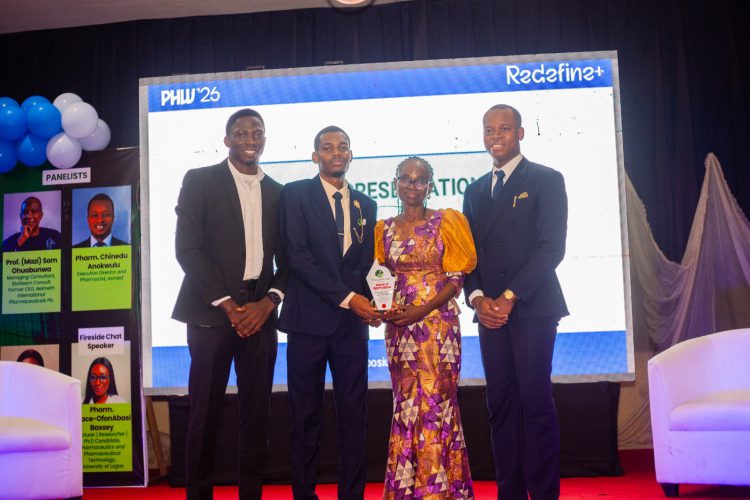
We want AfriHealth to become one of the leading platforms for healthcare dialogue, innovation, collaboration, and mentorship across Africa. We want to bridge gaps between healthcare professionals, entrepreneurs, policymakers, investors, and the public. Most importantly, we want to contribute to building a stronger healthcare system in Nigeria and across Africa.

Finally, what message would you like to leave for young Nigerians interested in healthcare?

I want them to remain hopeful, disciplined, and innovative. They should not allow the current challenges in Nigeria to discourage them. There are opportunities here if they are willing to learn, adapt, and persevere. They should also seek mentorship, continue improving themselves, and look beyond conventional career paths. Healthcare is evolving rapidly, and those who are prepared for change will succeed.


Pharmacy leaders raise concerns over ethical lapses, call for higher standards

0


A cross-section of leaders at the conference.

Pharmacy leaders, eminent professionals and other stakeholders in the pharmaceutical sector have called on pharmacists to strengthen ethical practice, deepen regulatory compliance and uphold professional standards in the discharge of their responsibilities.

The call was made at the 2026 Annual Summit of the Association of Community Pharmacists of Nigeria (ACPN), Oyo State Branch, a week-long programme that brought together national and state leaders of the profession, regulators and industry experts to examine evolving trends in community pharmacy practice, ethical challenges, innovation and sustainability within Nigeria’s healthcare system.

The summit, themed “Beyond the Counter: Balancing Professional Ethics, Innovation and Sustainable Growth in a Changing Healthcare Economy”, held at the Mauve 21 Event Hall, Ibadan, Oyo State, also served as a platform for professional capacity building and knowledge exchange aimed at repositioning community pharmacists for greater relevance in primary healthcare delivery.

Speaking at the event, Pharm. Olayinka Rilwan Subair, a distinguished pharmacist and pharmaceutical industry leader who served as keynote speaker, urged practitioners to strengthen ethical discipline and adopt higher professional standards in response to increasing economic pressures and regulatory scrutiny.

He emphasised that community pharmacy practice must go beyond medicine dispensing to include patient counselling, medication therapy management, screening services, vaccination support and continuous patient follow-up. He further stressed the importance of digital tools, structured documentation and collaborative practice models in improving efficiency and ensuring sustainability in community pharmacy operations.

Also speaking, the guest speaker, Pharm. Anthony Bola Oyawole, former chairman of the Pharmaceutical Society of Nigeria (PSN), Lagos State, and a former aspirant for the PSN national presidency, warned against rising ethical lapses in pharmacy practice, including improper drug sourcing, weak documentation systems and commercial pressures that compromise professional judgement.

Oyawole stressed that supply chain integrity, patient safety and accountability must remain central to pharmacy practice, noting that pharmacists must resist practices that undermine public trust. He also advocated the increased use of technology, inventory management systems and structured patient follow-up mechanisms as tools for improving service delivery and enhancing professional credibility.

The Chairman of the opening ceremony and immediate past National Chairman of ACPN, Pharm. Adewale Oladigbolu, highlighted the increasing regulatory pressures facing community pharmacists, noting that compliance requirements have become more stringent owing to evolving inspection frameworks and enforcement standards.

He warned that failure to adhere strictly to regulatory requirements could expose practitioners to sanctions and reputational damage, urging pharmacists to ensure full compliance with standard operating procedures, proper documentation and continuous professional development.

Speaking in the same vein, the National Chairman of ACPN, Pharm. Ambrose Ezeh, reaffirmed that ethics remains the foundation of pharmacy practice and stressed that pharmacists are entrusted with safeguarding public health through responsible dispensing and adherence to professional codes.

He expressed concern over the proliferation of unregulated drug outlets and unethical practices within the system, adding that the Pharmacy Council of Nigeria has intensified efforts to enforce compliance and sanitise pharmaceutical practice across the country. He called for stronger collaboration between regulators and practitioners to eliminate substandard practices and improve access to quality pharmaceutical services.

In his welcome address, the Oyo State Chairman of ACPN, Pharm. Adebayo Gbadamosi, said the association remains committed to promoting ethical practice, continuous professional development and stronger collaboration among community pharmacists in the state.

He noted that the summit was designed to reposition pharmacists for greater relevance within Nigeria’s healthcare system while strengthening adherence to global best practices.

A major highlight of the week-long summit was a masterclass on extemporaneous compounding delivered by Dr Olufunke Akin-Ajani of the University of Ibadan, who provided practical insights into pharmaceutical compounding techniques, quality assurance and the relevance of extemporaneous preparations in addressing specific patient needs.

The session, which also featured Dr Oladapo Adetunji of the Department of Pharmaceutics and Pharmaceutical Technology, Faculty of Pharmacy, University of Ibadan, attracted strong participation from pharmacists and was described as a key capacity-building component of the programme, reinforcing the technical and clinical competencies required in modern community pharmacy practice.

EWAH honours extraordinary women, pushes for health leadership equity

0

…As Jack-Rich, NAFDAC DG, Ndili, Adebakin, others win 2026 Awards


A cross-section of the award recipients, and board members at the EWAH Award 2026, held at Wheatbaker Hotel, Ikoyi, Lagos.

The 2026 edition of the Extraordinary Women Advancing Healthcare (EWAH) Awards has renewed calls for greater gender equity in healthcare leadership, with stakeholders lamenting that although women constitute more than two-thirds of the global health workforce, they remain grossly underrepresented in leadership and decision-making positions.

Held in Lagos, the third edition brought together policymakers, healthcare professionals, regulators, development partners and industry leaders to celebrate women transforming healthcare across Africa.

Organised by the LiveWell Initiative (LWI) and the Sustainability Centre of the Global Public Health University (GPHU) in collaboration with Innovara Inc., USA, and the EWAH Nigeria Board, the event also reinforced calls for greater female representation in healthcare leadership.

Delivering the opening address, the Regional Representative of EWAH Africa, Dr Bisi Bright, said the initiative was established not only to recognise exceptional women making measurable contributions to healthcare but also to spotlight the persistent leadership gap within the sector.

According to her, women account for more than 67.7 per cent of the global healthcare workforce but occupy only a fraction of leadership positions despite being the backbone of healthcare delivery.

She described the imbalance as a structural challenge requiring deliberate intervention, explaining that EWAH recognises women with what it describes as a “miles-to-go mindset”—leaders whose recognition marks the beginning of even greater service and impact.

She explained that the selection process is anchored on a four-layer assessment system involving international benchmarking, public opinion, stakeholder review and final board adjudication to ensure transparency and credibility. According to her, additional scrutiny is also applied to politically exposed persons and exceptionally qualified nominees to safeguard the integrity of the awards.

A cross-section of participants at the EWAH Award 2026, held at Wheatbaker Hotel, Ikoyi, Lagos.

In her welcome address, Chairman of the EWAH Advisory Board, Clare Omatseye, described the awards as a growing continental movement committed to strengthening healthcare systems through inclusive leadership.

She stressed that healthcare leadership must remain people-centred, noting that every policy and investment ultimately affects patients and communities.

Omatseye called for stronger collaboration between men and women in leadership, warning that excluding women from decision-making weakens health systems.

Goodwill messages were delivered on behalf of the EWAH Matron and Chairman of May & Baker Nigeria Plc, Senator Daisy Ehanire Danjuma, and EWAH Patron Stanley Evans, both of whom commended the organisers for sustaining a platform that recognises women’s contributions to strengthening healthcare systems.

The Global Matron and Founder Emeritus of EWAH, Prof. Barri M. Blauvelt, Founder and Chief Executive Officer of Innovara Inc., USA, also addressed participants, highlighting the importance of sustained investment in women-led healthcare leadership.

Representing the Chairman of the occasion, Senator Danjuma, the Managing Director of May & Baker Nigeria Plc, Pharm. Patrick Ajah, described women as indispensable to leadership excellence, institutional growth and national development. He said Senator Danjuma remains a model of visionary leadership, disciplined service and corporate governance.

The awards recognised outstanding women across healthcare leadership, innovation, regulation, media, philanthropy and community health systems strengthening.

Among the recipients was Dr Elizabeth Jack-Rich, Founder of Elin Group Limited, honoured for her healthcare, educational and humanitarian interventions through the Elizabeth Jack-Rich Aid Foundation (EJRIAF).

Dr Pamela Jackson-Ajayi, Founder of Pathcare/SYNLAB Nigeria and Chairman of The Bridge Clinic, was recognised for advancing diagnostic and fertility care, while NAFDAC Director-General, Prof. Mojisola Adeyeye, received honours for strengthening pharmaceutical regulation and medicine safety in Nigeria.

Dr Njide Ndili was recognised for advancing healthcare financing, digital health and universal health coverage, while Pharm. Abimbola Adebakin was honoured for leveraging technology to improve access to medicines and pharmaceutical distribution.

Other recipients included Osayi Alile for philanthropy and public health initiatives, Adenike Fasawe for innovative grassroots immunisation programmes in Ondo State, Angela Emuwa for media advocacy and expanding healthcare access to underserved communities, Dr Oluwatomi Kogo for preventive healthcare and lifestyle medicine, and Vivianne Ihekweazu for advancing health communication, public health security and maternal-child health advocacy.

Responding on behalf of the award recipients, Dr Amina Baloni-Mohammed expressed appreciation to the organisers, describing the recognition as both an honour and a renewed commitment to advancing healthcare across Africa.

Also speaking, Dr Njide Ndili dedicated the recognition to the teams behind the achievements, stressing that meaningful progress in healthcare is driven by collaboration rather than individual accomplishment.

Finding your true identity

1


Pharm.(Sir) Ifeanyi Atueyi (1939-2025)


Your identity is your unique personality and individuality. At certain times in life, people feel confused or unsettled because of pressure and uncertainty about who they are and their place in society. This is called an identity crisis, and it often happens during adolescence.

Identity theft is different. It happens when someone uses another person’s details, such as their name, bank account number, debit or credit card information, passport, driving licence, or voter’s card, for fraud. Many crimes are committed online when criminals hack into accounts and steal personal information. Some banks have reported large financial losses because of this.

Governments issue passports to identify their citizens. Although passports have security features, some have been forged. In the past, many Nigerian passports were faked, especially at Oluwole Market in Lagos. This market became known for producing fake documents of all kinds, including school certificates, university degrees, letters, receipts, and certificates of occupancy.

Many young people who wanted degrees without studying obtained fake certificates from this market. Even some “ghost workers” in government may have used such documents to secure jobs. Thankfully, law enforcement agencies are now making it harder for such activities to continue.

Natural identity, however, cannot be forged. God created every human being as unique. Our genetic makeup is different. The fingerprints of all 7.4 billion people in the world are not the same. From the time of Adam until now, no two fingerprints have been identical, and this will not change.

The iris of the eye is also unique to each person. Each voice is different, and no two faces are exactly the same.

Do you ever look at yourself in the mirror and say, like King David, “I praise you because I am fearfully and wonderfully made” (Psalm 139:14)? God created human beings with unique qualities and purposes to reflect His glory. We are made in God’s image, so our true identity should be found in Him.

Any identity that is separate from the Creator leads to confusion. When people focus only on themselves, they do not find lasting fulfilment. We discover our true identity as we grow closer to Jesus Christ. “To all who received Him, to those who believed in His name, He gave the right to become children of God” (John 1:12).

As a believer, you have been given the right to become a son or daughter of God. “He predestined us for adoption to sonship through Jesus Christ, in accordance with His pleasure and will” (Ephesians 1:5, NIV). This is not because of our good works but because of God’s will.

As God’s child, you are part of a chosen people, a royal priesthood, a holy nation, and God’s special possession (1 Peter 2:9). Your body is the temple of the Holy Spirit who lives in you. You are not your own, because you were bought at a price. Therefore, you should honour God with your body (1 Corinthians 6:19–20).

When you understand your identity in Christ, your way of life changes. You no longer follow sinful desires but seek to honour God in all you do. As the Bible says, “Do not love the world or anything in the world” (1 John 2:15).

Another important identity is being an ambassador of Christ. An ambassador is someone sent to represent a country in another place. As Christ’s ambassador, you are called to share His message of love and reconciliation with others.

Ambassadors are provided for by their governments. Their needs are taken care of, and they are protected. In the same way, God provides for and protects those who represent Him.

Most people may never become ambassadors of Nigeria because there are few positions and strict requirements. But the call to be Christ’s ambassador is open to everyone. Anyone who accepts Him as Lord and Saviour and lives accordingly is part of this mission.


By Sir Ifeanyi Atueyi (1939-2025)

Avoiding the coming deaths in 2027 elections

0


Avoiding the coming deaths in 2027 elections

By Michael Owhoko, PhD

Inevitable deaths are in the offing in 2027. Those familiar with Nigeria’s electoral mythology, history and patterns know that the 2027 general elections will be a harbinger of death, powered by electoral violence. It will take a miracle to escape what will unfold. People will die. Nigerians will perish. Hospitals will be overwhelmed. Nigerians must therefore brace themselves for the coming calamity, as the intensity and scale will make it a memorable year of regrettable carnage. All six geopolitical areas of the country will be affected.

The event will further damage the country’s troubling global perception and worsen its negative profile as the 5th most violent country in the world and 4th in the Global Terrorism Index 2026, ranking as the 6th deadliest and 7th most dangerous country for civilians in the world. Moreover, the elections will threaten democratic norms, political stability, and erode faith in public institutions due to brazen manipulation of the electoral process.

The coming calamity will largely be fuelled by electoral insecurity engendered by the desperation of political parties to outwit one another, particularly the ruling party, the All Progressives Congress (APC), and the main opposition parties, including the African Democratic Congress (ADC) and the Nigeria Democratic Congress (NDC).  While the APC will go all out and spare nothing to retain the incumbent government of President Bola Ahmed Tinubu for a second term in office, the ADC and the NDC will deploy every resource at their disposal to dislodge and replace the current APC government, causing public uproar.

Though other political parties will also show strength and contest fiercely, the election will be fiercely contested by the APC, NDC and ADC. The stakes are high, driven by illogical greed and lust for power to control political authority and economic resources, even though the resources are poorly appropriated and, most times, thoughtlessly deployed to protect pride, fund vanity, and maintain empires, rather than being judiciously applied to improve citizens’ living conditions.

Political parties are likely to deploy political thugs masked as party officials into the field to reinforce their internal strategic plans to achieve programmed goals. By their planned political conduct and indifference, the political parties will, unwittingly, diminish the value of human lives during the general elections. This is the picture of what the country will experience in next year’s general elections.

Alarming antecedents

Before you ask for proof, verify the antecedents of political parties and how their leaders ignited the political atmosphere to set the tone for violence and rigging through their utterances and body language, influenced by irrational desires to achieve electoral victory at all costs. Except for former President Goodluck Jonathan, all presidential candidates since 1999 to date are guilty of stoking the polity through their predilections and declarations.

For example, preceding the April 2007 Presidential election, the then President Olusegun Obasanjo alluded to the fact that the election would be a “do-or-die affair”. As simple as the statement was, it encouraged supporters of the People’s Democratic Party (PDP) to go the extra mile to push for victory at all costs without thought for probable consequences. Evidently, this resulted in violence and fatalities across the country.

Also, during the 2011 elections where former and late President Muhammadu Buhari, then candidate of the Congress for Progressive Change (CPC), lost to Goodluck Jonathan, his demeanour and post-election utterances undeniably provoked and encouraged electoral violence in parts of the country, particularly in the north-west.

According to Human Rights Watch, over 800 people were killed and more than 65,000 persons were displaced in that particular 2011 general election following widespread protests and riots by Buhari’s supporters in the northern states. The killings, which were worsened by sectarian colouration, occurred in Adamawa, Bauchi, Borno, Gombe, Jigawa, Kaduna, Kano, Katsina, Niger, Sokoto, Yobe and Zamfara.

Without showing empathy for the high number of Nigerians killed, including innocent National Youth Service Corps (NYSC) members, Buhari further threatened that if the next elections scheduled for 2015 were rigged like the 2011 elections, “the dog and the baboon would all be soaked in blood”, implying that violence and death would be inevitable. Clearly, Buhari’s comment was an indication of political desperation, intended to use the threat of force and violence to effect the outcome of political contest, as opposed to allowing the impartial verdict of the Independent National Electoral Commission (INEC).

Luckily for Nigeria, former President Goodluck Jonathan conceded defeat, preventing Buhari’s threat from coming to pass in 2015. Jonathan’s action not only defused tension, but it also averted widespread killings and bloodshed that would have accompanied the announcement of results in his favour, particularly in the northern part of the country. Jonathan’s position was obviously dictated by his philosophy that his ambition and that of anybody else was not worth the blood of any Nigerian, which he held as an article of faith throughout the period of the 2015 general elections, preferring a credible and peaceful election.

Grabbing and snatching

Also, the incumbent President, Bola Ahmed Tinubu, is not immune from utterances that have encouraged violence. While addressing party members in London in 2023, Tinubu said that political power was not served “à la carte”, but must be secured through intense efforts by “fighting for it, grabbing it, snatching it and running with it”. Whatever that means, this remark was not only unhelpful; it encouraged rigging and violence, as well as opening a new vista of political desperation and redefining the new premise for an unhealthy autochthonous political process.

A parallel can be drawn between Tinubu’s statement and an incident that occurred at a polling unit in the Lekki area of Lagos during the 2023 general elections. After queuing for hours in the sun to cast their votes, just when ballot papers were to be counted at the end of voting, some thugs emerged from nowhere, scared away voters, seized the ballot box and left with it, presumably to thumbprint fresh ballot papers. Surely, there is a correlation between their actions and the political philosophy of “fighting for it, grabbing it, snatching it and running with it”.

In a similar vein, the Secretary of the Board of Trustees of the New Nigeria People’s Party (NNPP), Alhaji Buba Galadima, recently advised Nigerians to defend their votes in the coming 2027 elections with “bottles and jerry cans of kerosene”. This is an obvious reference to violence and an invitation to anarchy. Indeed, it is a precursor, as a worse scenario marked by unhealthy electoral struggle will be thrown up in the 2027 general elections where the value of human lives will be degraded.

The culture of killings in every electoral cycle in Nigeria has become legendary. Among all African countries and indeed the world over where elections are conducted, Nigeria is reputed for election manipulation and violence, attracting undue global spotlight. As elections draw closer, scepticism, uncertainty, fear and apprehension permeate the atmosphere due to expected violence.

Prioritising personal safety

Though it is the responsibility of government to protect and guarantee the safety of lives during elections, past assurances by government to protect the lives of citizens did not translate into safety. When a few successes are discounted, you find that security agencies have proved incapable of handling high-level violence such as what happened in the 2011 elections, where over 800 people lost their lives.

From antecedents, politicians are careless about deaths and can sacrifice the blood of innocent Nigerians on the altar of electoral victory. Their interests and activities are driven more by the value of votes, as evident during post-election litigations where they seek legal redress for electoral malpractice rather than justice for the dead.

Sadly, the coming deaths will dwarf all previous politically related killings in the country, necessitating the need to prioritise personal safety. It is imperative to identify and avoid electoral blackspots that are notorious for violence. Political thugs are likely to trigger violence by creating an atmosphere of fear and intimidation at polling units aimed at electoral manipulation.

Citizens are therefore advised to devise safety nets that will shield and guarantee personal safety in the event of an obvious threat to life, even if it means avoiding polling booths. Recall that Nigerians who died during previous electoral cycles have since been forgotten and the country has moved on without them. Therefore, citizens need to protect themselves to avoid being counted among the dead in the pending catastrophe in 2027.


Dr Mike Owhoko, Lagos-based public policy analyst, author and journalist, can be reached at www.mikeowhoko.com and followed on X (formerly Twitter) @michaelowhoko.

Adebakin bags EWAH Award, vows to deepen healthcare innovation

0
Founder and Chief Executive Officer of Advantage Health Africa, (middle), receiving award plaque from Pharm. Bisi Bright, regional representative, EWAH Africa; Pharm. Clare Omatseye, chairman, EWAH Nigeria; and Pharm. Nkechi Ukaiwe, board member, EWAH Nigeria at the EWAH Award 2026, held at Wheatbaker Hotel, Ikoyi, Lagos.

Founder and Chief Executive Officer of Advantage Health Africa, Pharm. Abimbola Adebakin, has been honoured at the 2026 Extraordinary Women Advancing Healthcare (EWAH) Awards in recognition of her pioneering role in leveraging technology to expand access to medicines and strengthen healthcare delivery across Nigeria.

The annual awards celebrate exceptional women whose work is shaping the future of healthcare through leadership, innovation, regulation, media, philanthropy and community health systems strengthening.
Adebakin was recognised for championing digital innovation that is improving access to and distribution of medicines through technology-driven solutions, joining an impressive list of women whose contributions have transformed healthcare and national development.

Other honourees included Dr. Elizabeth Jack-Rich, founder of Elin Group Limited; Dr. Pamela Jackson-Ajayi, Founder of Pathcare/SYNLAB Nigeria; and Prof Moji Adeyeye, Director-General of NAFDAC, recognised for regulatory strengthening and pharmaceutical governance.
Others include Njide Ndili (health systems leadership), Osayi Alile (development leadership), Adenike Fasawe (community immunisation innovation), Angela Emuwa (media and inclusion advocacy), Dr. Oluwatomi Kogo (lifestyle medicine), and Vivianne Ihekweazu (health communication and advocacy).

Receiving the award, Adebakin described the recognition as both an honour and a reminder that much more remains to be done in improving access to quality healthcare.

L-R: Pharm. Abimbola Adebakin, founder and chief executive officer of Advantage Health Africa, displaying her award plaque with Pharm. Wale Oladigbolu, senior vice-president, Advantage Health Africa and former national chairman of the Association of Community Pharmacists of Nigeria (ACPN) at the EWAH Award 2026, held at Wheatbaker Hotel, Ikoyi, Lagos.

“It is great to be recognised from time to time for the work we have done at the last mile. My company, founded nine years ago, has dedicated itself—and my whole team—to making sure medicines get to the last mile. We have used multiple channels, including logistics and community health entrepreneurs, to ensure people have access to medicines they can trust.”

Reflecting on the event’s theme, Miles to Go, she said it underscored the need to sustain innovation in solving healthcare challenges.

“The theme means there is still room to do much more, and that’s exactly what we’re doing.”

Speaking on women in leadership, Adebakin encouraged young female professionals to remain committed to excellence irrespective of whether their efforts are immediately recognised.
“Be the professional you are truly called to be. Do your work whether you are seen or not seen, and take pride in Nigeria, in Africa and in our profession of pharmacy.”

She further stressed that Nigeria’s healthcare system requires more professionals willing to combine entrepreneurship with healthcare service.
“Healthcare requires so much, and the systems are largely in a state that requires a lot of help. I serve at the nexus of being an entrepreneur and being a professional, and I want to do more of this while encouraging more people to follow the same path.”

Reacting to the recognition, Senior Vice President of Advantage Health Africa and former National Chairman of the Association of Community Pharmacists of Nigeria (ACPN), Pharm. Adewale Oladigbolu, described the honour as a fitting acknowledgement of Adebakin’s enduring impact on healthcare innovation.

“This means a lot to us. It is a sign that the work she has been doing over the years has been noticed and appropriately recognised. She is one of the leading voices in Nigeria’s healthcare system and has developed innovative platforms that bring medicines, healthcare services and technology closer to millions of Nigerians.”

According to him, Adebakin possesses an uncommon blend of humility and bold leadership. “Her calmness betrays her boldness. She has the audacity to innovate on a national scale and to bring better healthcare to the people.”

He added that Advantage Health Africa would continue to push the boundaries of technology in pharmacy practice through artificial intelligence-driven solutions.
“We are integrating AI into inventory management, patient care and our accounting systems. We are building solutions that will make pharmacy practice easier while showcasing the excellence of community pharmacy practice in Nigeria.”
Before founding Advantage Health Africa,

Adebakin served as chief operations officer of the Tony Elumelu Foundation and public relations officer of the Healthcare Federation of Nigeria. She also serves on several boards, mentors entrepreneurs through WIMBIZ and Google for Startups, and leads the Pharmacists Leadership Stimulant Programme, which has mentored more than 700 pharmacists across Nigeria.

NAFDAC DG advocates for right to safe, wholesome food

0


Prof. Moji Adeyeye, DG, NAFDAC

 The Director General of the National Agency for Food and Drug Administration and Control (NAFDAC), Prof. Mojisola Adeyeye, has called on Nigerians to renew their commitment to ensuring safe and wholesome food access for every citizen.

Prof. Adeyeye made the call on Monday in Lagos during the agency’s commemoration of the 2026 World Food Safety Day, held under the theme, “From Burden to Solutions – Safe Food Everywhere.”

Represented by Mrs Eva Edwards, director of food safety and applied nutrition (FSAN), the DG asserted that access to safe food is a fundamental human right. She noted that NAFDAC is fully aligned with global efforts to build resilient food systems alongside the Federal Ministry of Health and Social Welfare and the National Food Safety Management Committee.

According to the agency, unsafe food remains a severe public health and economic challenge, causing over 200 different diseases globally.

“The theme challenges us to focus on practical and sustainable solutions that will ensure safe food for everyone, everywhere,” Adeyeye said. “This can be attained through science-based regulation, education, responsible practices, entrenching a food safety culture, innovation, and collaboration.”

The DG explained that food safety risks exist at every stage of the supply chain—spanning agricultural production, harvesting, storage, processing, distribution, and consumption. Consequently, she noted that securing the food supply requires intentional, best-practice compliance from all actors.

To mitigate these risks, NAFDAC urged industry operators to strictly adhere to Good Agricultural Practices (GAP), Good Hygiene Practices (GHP), and Good Manufacturing Practices (GMP). She also highlighted the necessity of implementing the Hazard Analysis and Critical Control Points (HACCP) system and driving public awareness around the WHO’s “Five Keys to Safer Foods.”

While reaffirming NAFDAC’s role in verifying that products meet national and international standards, Prof. Adeyeye emphasised that regulation alone cannot solve the problem, calling food safety a “shared responsibility” that requires multi-sectoral partnerships.

She concluded by urging consumers to remain vigilant, advising the public to boycott food products that lack proper labeling, traceable sources, or valid NAFDAC registration numbers.


Delta, VCDF partner to drive regular, voluntary blood donation

1

A cross-section of participants at the awareness campaign

Stakeholders in the Nigerian health sector have reiterated that regular, unpaid blood donation remains the only sustainable way to bridge the critical supply deficit in healthcare facilities and save lives.

This call follows the World Health Organisation’s (WHO) 2025 Global Status Report on Blood Safety and Availability, which revealed that voluntary, unpaid blood donation in most healthcare institutions remains dangerously below required levels.

To tackle this gap, the Vcare for Development Foundation (VCDF), backed by Sterling Oil Exploration and Energy Production Company Limited (SEEPCO), partnered with the Delta State Ministry of Health, the Nigerian Red Cross Society, and other key stakeholders to launch a month-long blood donation drive.

The initiative, organised to mark World Blood Donor Day 2026 under the theme “One Drop of Humanity: Give Blood, Save Lives,” commenced with simultaneous awareness campaigns across the three senatorial districts of Delta State.

Voluntary blood donation drives were successfully conducted at the State Secretariat Clinic and the Federal Medical Centre (FMC) in Asaba, as well as the Central Hospitals in Warri and Ughelli.

Speaking on the initiative, the Delta State Commissioner for Health, Dr Joseph Onojaeme, emphasised the critical role of voluntary donors in managing health crises.

“Voluntary blood donation is vital for public health emergencies and for saving lives during accidents and childbirth,” Onojaeme said. “We are deeply grateful to VCDF and partners for their commitment to promoting voluntary donation and supporting life-saving healthcare initiatives.”

The management and Blood Transfusion Committee of Central Hospital, Ughelli, also commended the Ministry of Health and its corporate partners for anchoring the intervention.

Organisers reported strong community turnout across the state, with numerous first-time donors pledging to become regular contributors after receiving education on the safety and health benefits of blood donation.

The campaign underscored the vital role of public-private partnerships in addressing fragile healthcare indices. VCDF reaffirmed its commitment to leveraging SEEPCO’s corporate social responsibility investments to sustain public health interventions across Nigeria.

LASHMA wins NHEA State Health Insurance Award for third consecutive year.

0


In recognition of its outstanding health insurance service delivery in Nigeria, the Lagos State Health Management Agency (LASHMA) has emerged winner of the Nigerian Healthcare Excellence Award (NHEA) Year 2026 State Government Health Insurance of the Year Award.

Pharmanewsonline reports that LASHMA won the award in 2023, shared with Katsina State in 2025 and won again in 2026.

Congratulating the nominees, for the highly competitive selection, the Chairman, Advisory Board, NHEA, Dr Anthony Omolola, at the 12th Nigerian Healthcare Excellence Award, held at the Eko Hotels & Suites, Victoria Island, at the weekend, said that being nominated for the various categories of the awards, has indicated an outstanding and excellent achievement and has also clearly demonstrated a performance worthy of national recognition.

The chairman reminded the nominees that their selection was not done by an individual but through research, public voting and rigorous evaluation among others, by the independent advisory board. He said, “Every nomination is based on credibility”.

Commenting on the theme for the year, Dr Omolola said that healthcare was not the way it used to be several years ago because it is now driven by ideas, partnership, artificial intelligence (AI), local production of devices and sustainable financing among others. These, according to him, are the resilient blocks driving healthcare services.

The chairman appealed to nominees who did not eventually win the award not to be discouraged; rather, they should be focused and intensify their efforts so that next year, when the 13th NHEA Award will be held, they could be among the winners.

Presenting the NHEA State Government Health Insurance of the Year Award to the Permanent Secretary, Lagos State Health Management Agency (LASHMA), Dr Emmanuella Zamba, the former and retired Permanent Secretary, Lagos State Ministry of Health, Dr Femi Olugbile, congratulated LASHMA for winning the award out of the five nominees selected for the award.

He said that with the award, LASHMA should intensify its efforts in ensuring that more innovations which could accelerate achieving Universal Health Coverage (UHC), which is the dream of the Lagos State Government, are developed.

Dr Olugbile reminded LASHMA that more work is required from the agency in ensuring that Lagos residents have unhindered access to affordable, quality and equitable healthcare services in the State.

The Permanent Secretary, LASHMA, Dr Emmanuella Zamba, in her response, appreciated NHEA for appreciating LASHMA’s efforts in the health insurance sector space and for deeming it fit to consider LASHMA as the winner of the award.

She applauded the Governor of Lagos State, Mr Babajide Olusola Sanwo-Olu, the Deputy Governor, Dr Kadri Obafemi Hamzat, honourable members of the Lagos State House of Assembly, Local Government Chairmen, partners, philanthropists, and other stakeholders for supporting LASHMA in achieving the feat.

Dr Zamba also thanked Lagos residents and everyone who voted for the agency.  She promised that LASHMA would do its best to ensure that residents in the State have access to affordable, quality and equitable healthcare services irrespective of their socio-economic status.