Home Blog Page 8

LASHMA wins NHEA State Health Insurance Award for third consecutive year.

0


In recognition of its outstanding health insurance service delivery in Nigeria, the Lagos State Health Management Agency (LASHMA) has emerged winner of the Nigerian Healthcare Excellence Award (NHEA) Year 2026 State Government Health Insurance of the Year Award.

Pharmanewsonline reports that LASHMA won the award in 2023, shared with Katsina State in 2025 and won again in 2026.

Congratulating the nominees, for the highly competitive selection, the Chairman, Advisory Board, NHEA, Dr Anthony Omolola, at the 12th Nigerian Healthcare Excellence Award, held at the Eko Hotels & Suites, Victoria Island, at the weekend, said that being nominated for the various categories of the awards, has indicated an outstanding and excellent achievement and has also clearly demonstrated a performance worthy of national recognition.

The chairman reminded the nominees that their selection was not done by an individual but through research, public voting and rigorous evaluation among others, by the independent advisory board. He said, “Every nomination is based on credibility”.

Commenting on the theme for the year, Dr Omolola said that healthcare was not the way it used to be several years ago because it is now driven by ideas, partnership, artificial intelligence (AI), local production of devices and sustainable financing among others. These, according to him, are the resilient blocks driving healthcare services.

The chairman appealed to nominees who did not eventually win the award not to be discouraged; rather, they should be focused and intensify their efforts so that next year, when the 13th NHEA Award will be held, they could be among the winners.

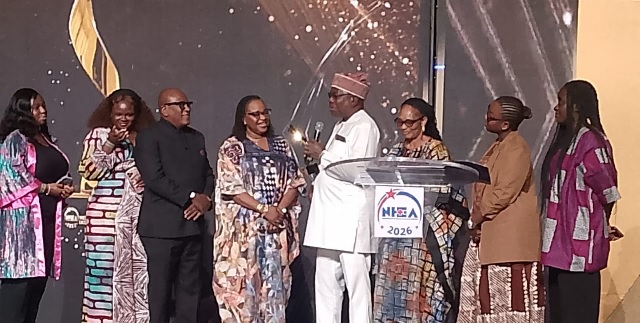
Presenting the NHEA State Government Health Insurance of the Year Award to the Permanent Secretary, Lagos State Health Management Agency (LASHMA), Dr Emmanuella Zamba, the former and retired Permanent Secretary, Lagos State Ministry of Health, Dr Femi Olugbile, congratulated LASHMA for winning the award out of the five nominees selected for the award.

He said that with the award, LASHMA should intensify its efforts in ensuring that more innovations which could accelerate achieving Universal Health Coverage (UHC), which is the dream of the Lagos State Government, are developed.

Dr Olugbile reminded LASHMA that more work is required from the agency in ensuring that Lagos residents have unhindered access to affordable, quality and equitable healthcare services in the State.

The Permanent Secretary, LASHMA, Dr Emmanuella Zamba, in her response, appreciated NHEA for appreciating LASHMA’s efforts in the health insurance sector space and for deeming it fit to consider LASHMA as the winner of the award.

She applauded the Governor of Lagos State, Mr Babajide Olusola Sanwo-Olu, the Deputy Governor, Dr Kadri Obafemi Hamzat, honourable members of the Lagos State House of Assembly, Local Government Chairmen, partners, philanthropists, and other stakeholders for supporting LASHMA in achieving the feat.

Dr Zamba also thanked Lagos residents and everyone who voted for the agency.  She promised that LASHMA would do its best to ensure that residents in the State have access to affordable, quality and equitable healthcare services irrespective of their socio-economic status.


Acquire administrative skills beyond clinical expertise, Baale charges hospital heads

0


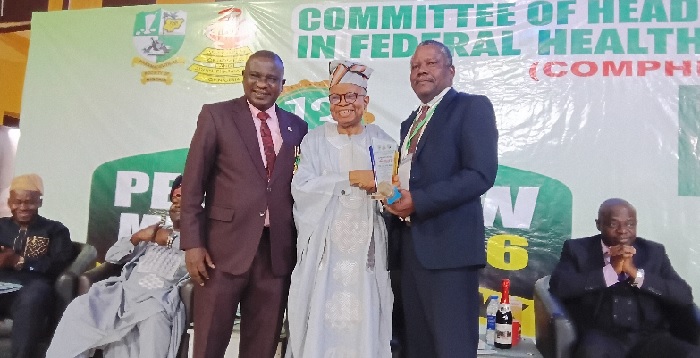
Immediate Past Chairman, COMPHFHI, Pharm. (Dr) Otakho Daniel Orumwense (right) presenting an Appreciation Award Plaque to the Keynote Speaker, Professor Lere Baale, in the company of the Chairman, COMPHFHI, Pharm. (Dr) Adeyinka Ishola.

Hospital leadership should be based on competence rather than professional background, Professor Lere Baale, president and chairman of the Governing Council of the Nigeria Academy of Pharmacy (NAPharm), has said, urging healthcare professionals aspiring to head state and federal hospitals to develop administrative and leadership competencies beyond their professional qualifications.

Baale, who spoke while delivering the keynote address at the 13th Annual Peer Review Meeting, organised by the Committee of Heads of Pharmacy in Federal Health Institutions (COMPHFHI), said the rapidly evolving healthcare ecosystem requires pharmacists and other healthcare professionals to embrace digital intelligence, human intelligence and predictive intelligence, while strengthening collaboration across professional boundaries to improve patient care and national development.

Speaking on the theme: “Pharmaceutical Excellence in Nigeria pharmacists must continually build their competencies and deliver quality pharmaceutical services that prevent medication errors, enhance patient safety and contribute to economic growth. He added that pharmacists also have a strategic role in strengthening medicine security by ensuring the availability of essential medicines, thereby reducing dependence on foreign supplies during emergencies such as the COVID-19 pandemic.

Acquire administrative skills beyond clinical expertise, Baale charges hospital heads
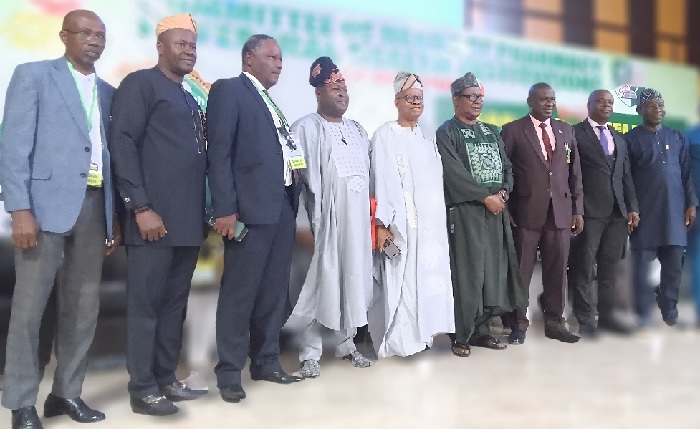
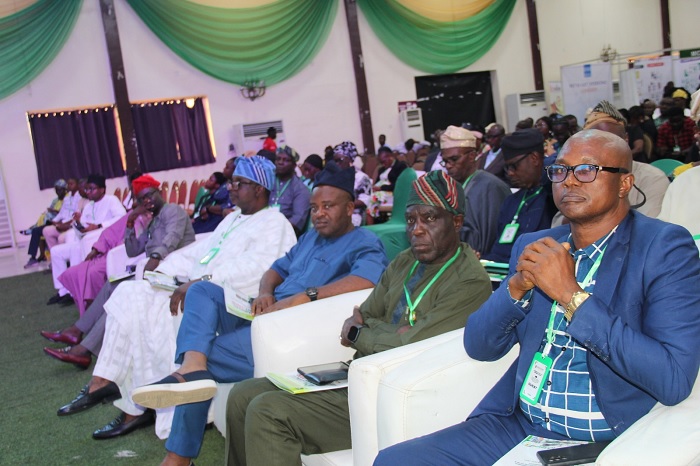
A cross-section of dignitaries at the conference

On the long-standing debate over hospital leadership, Baale maintained that the position of a hospital head should not be reserved for any particular profession. Rather, he argued that professionals interested in leading hospitals should complement their core qualifications with formal training in hospital administration, business administration or leadership.

“You do not inherit leadership based on your profession or your genes,” he said. “Leadership comes from the knowledge you have acquired and what you have been able to accomplish.” He noted that in many developed countries, hospitals are managed by trained administrators, while healthcare professionals focus on delivering specialised clinical services.

Addressing concerns about the alleged marginalisation of pharmacists within the healthcare system, Baale dismissed claims that any profession was deliberately suppressing another. Instead, he urged pharmacists to focus on demonstrating excellence, innovation and creativity in their practice, arguing that genuine leadership naturally emerges from outstanding performance rather than titles.

The keynote speaker concluded that every healthcare profession has a unique responsibility within the health system and should concentrate on fulfilling its mandate effectively. “A title doesn’t make somebody a leader,” he said. “When you do your job well, leadership will emerge.” He stressed that pharmacists’ advocacy is not about seeking superiority over other professionals but promoting a more competence-driven approach to leadership in Nigeria’s healthcare sector.

The President of the Pharmaceutical Society of Nigeria (PSN), Pharm. Ibrahim Tanko Ayuba, said detecting and preventing medication errors is a core responsibility of every pharmacist and forms an integral part of their professional training. He stressed that pharmacists do not require permission to carry out this role, as safeguarding patients from medication-related errors is fundamental to pharmacy practice.

Speaking on medication errors and their contribution to morbidity and mortality in hospitals, Ayuba emphasised that healthcare delivery is a collaborative effort involving pharmacists, medical doctors, nurses and laboratory scientists. He warned that conflicts arise when one profession attempts to dominate others, insisting that each healthcare professional should be allowed to perform their designated role while contributing their expertise towards improving patient outcomes.

Ayuba further explained that pharmacists have a duty to draw the attention of prescribing doctors to any medication or prescription errors they identify, but noted that such interventions should be handled professionally and respectfully. According to him, improved communication and mutual respect among healthcare professionals would reduce resistance, strengthen teamwork and ultimately enhance patient safety.

The Chairman COMPHFHI, Pharm. (Dr) Adeyinka Ishola, said the theme was chosen to promote innovation, transformation and collaboration in pharmacy practice, noting that no healthcare institution can function effectively in isolation. He stressed the need for pharmacists to embrace new technologies, including artificial intelligence, adapt to emerging trends and move away from outdated practices to remain relevant in an evolving healthcare landscape driven by research and innovation.

He explained that the conference, which brought together heads of pharmacy departments from healthcare institutions across Nigeria, was designed to provide a platform for knowledge sharing, problem-solving and collaboration. According to them, the ultimate goal is to strengthen pharmaceutical care in health facilities and improve patient outcomes, recognising that medicines and pharmacists remain indispensable to a healthy and productive nation.

Pharm. Ishola also highlighted the growing expertise within the profession, noting that many hospital pharmacists are now consultant pharmacists and specialists with advanced qualifications. Through continuous training and collaboration, they said pharmacists are better equipped to detect and prevent medication errors, manage drug interactions, provide patient-centred pharmaceutical care and deliver interventions that improve clinical outcomes while reducing healthcare costs.


NHEA hails late Atueyi as Father of Pharmaceutical Journalism in emotional tribute

0

— Celebrates legacy, recounts 2015 Lifetime Achievement honour

The Nigerian Healthcare Excellence Award (NHEA) has paid an emotional tribute to the late Founder of Pharmanews,  Pharm. (Sir) Ifeanyi Atueyi, describing him as the Father of Pharmaceutical Journalism in Nigeria and a towering figure whose influence helped shape healthcare communication and institutional excellence in the country.

The tribute formed a key highlight of activities at the 12th Nigerian Healthcare Excellence Award (NHEA 2026) held on Frida, 26 June, at the Eko Hotel and Suites, Victoria Island, Lagos, under the theme: “Innovation, Local Manufacturing and Digital Transformation in Healthcare.”

In its official tribute, the NHEA said Sir Atueyi represented a rare blend of professionalism, mentorship and institution-building, noting that his contributions extended far beyond journalism into the foundations and growth of the award platform itself.

The organisers described him as a pioneer who, through his brainchild Pharmanews, did not only report healthcare developments but actively shaped the narrative of medical and pharmaceutical practice across Africa.

According to the tribute, Sir Atueyi stood at the centre of pharmaceutical journalism for decades, with Pharmanews consistently dominating the NHEA Media Category and setting standards for healthcare reporting in Nigeria.

The NHEA noted that his influence went beyond editorial excellence, describing him as a key supporter of the Local Organising Committee (LOC), who contributed intellectually, morally and financially to the early development and sustainability of the awards.

It added that Sir Atueyi was a firm believer in the recognition of excellence, consistently advocating for deserving healthcare professionals and institutions through annual nominations and active engagement in the award process.

The tribute further reflected on his presence at NHEA events over the years, describing him as a steady and familiar figure whose commitment to the award never wavered during his lifetime.

In acknowledging his contributions, the organisers recalled that in 2015, Sir Atueyi was among distinguished recipients honoured with the Lifetime Achievement Award in recognition of his outstanding contributions to pharmaceutical practice and healthcare development in Nigeria, a milestone that cemented his place among the sector’s most respected figures.

The NHEA said the history of the award cannot be told without recognising individuals like Sir Atueyi, whose belief in excellence, structure and recognition helped strengthen its credibility and acceptance across Nigeria’s healthcare ecosystem.

It described him as a visionary whose impact transcended the printed page, adding that his legacy continues to live through Pharmanews and the many professionals he mentored and inspired.

The tribute noted that Sir Atueyi’s life embodied humility, service and dedication to professional excellence, adding that he consistently worked to uplift younger pharmacists and healthcare communicators.

The organisers concluded that his legacy remains deeply embedded in the identity of the NHEA, describing him as a foundational pillar whose contributions helped shape the award into one of Nigeria’s most respected healthcare recognition platforms.

Sir Ifeanyi Atueyi (1939–2025), founder of Pharmanews and pioneer of pharmaceutical journalism in Nigeria, is remembered as one of the most influential voices in healthcare communication, leaving behind a legacy that continues to define excellence in the sector.


Pharmanews outshines THISDAY, BusinessDay, Punch to clinch eighth NHEA title

2

—As Olugbile, Bright, Alaran hail landmark feat


Pharmanews has once again reaffirmed its leadership in healthcare journalism by winning the 2026 Nigerian Healthcare Excellence Award (NHEA) for Best Health Journal, marking its eighth historic triumph at Nigeria’s foremost healthcare awards. The victory saw Pharmanews edge out formidable contenders, including THISDAY, BusinessDay and The Punch, further consolidating its position as the country’s leading specialised healthcare publication.

The latest honour also completes a remarkable comeback after the publication narrowly missed out in 2024 before reclaiming the crown in 2025 and successfully defending it in 2026. The award was presented during the 12th Nigerian Healthcare Excellence Award held on Friday, 26 June, at the Eko Hotel & Suites, Victoria Island, Lagos. This year’s ceremony was themed: “Innovation, Local Manufacturing and Digital Transformation in Healthcare.”

Congratulating Pharmanews after presenting the award, Dr Femi Olugbile, former chief medical director of Lagos State University Teaching Hospital (LASUTH) and former permanent secretary, Lagos State Ministry of Health, described the victory as a fitting tribute to the enduring legacy of the late Pharm. (Sir) Ifeanyi Atueyi, founder of Pharmanews.
Olugbile said he was particularly delighted that the publication has continued to flourish despite the passing of its founder, noting that the award would be a great honour to his memory.

“This is an honour to the memory of Sir Ifeanyi Atueyi. Even from the grave, this recognition celebrates the legacy he built over decades. I am happy that those he left behind have refused to let the guard down and are sustaining the vision with excellence,” he said.

He recalled that he had attended virtually every NHEA ceremony over the years and noted that it was only the death of Sir Atueyi that prevented him from seeing him at subsequent editions.

“I always looked forward to seeing Sir Ifeanyi here because he hardly missed this event. His absence reminds us of the vacuum he left, but today’s award shows that his legacy remains very much alive.”

Also speaking, renowned public health pharmacist and Founder of LiveWell Initiative, Pharm. (Mrs) Bisi Bright, congratulated Pharmanews for sustaining editorial excellence in an increasingly competitive healthcare media landscape.

“Healthcare journalism continues to evolve, and the competition becomes stronger every year. For Pharmanews to emerge as the winner again against such respected publications speaks volumes about the quality of its work, its credibility and the confidence stakeholders continue to place in the brand. Congratulations to the entire team,” she said.

Dr Femi Olugbile, former chief medical director of Lagos State University Teaching Hospital (LASUTH), presenting the award plaque to Mr Patrick Iwelunmor, editor, Pharmanews and Mr Bayo Oladejo, senior reporter, Pharmanews, at the NHEA 2026, held at Eko Hotel and Suites, VI, Lagos.

Also lending his voice, Pharm. Folorunsho Alaran, general manager of Daily Needs Pharmaceutical Limited, described the award as well-deserved, saying Pharmanews has consistently remained a dependable platform for healthcare information and professional advocacy.

He urged the publication to sustain its high standards and continue serving as a reference point for quality healthcare journalism in Nigeria.

Responding on behalf of the Executive Director, Pharmanews Limited, Mr Dozie Atueyi, the Editor, Mr Patrick Iwelunmor, expressed appreciation to readers, advertisers, partners, friends and the healthcare community for their overwhelming support throughout the nomination and voting process.

He said the award belongs to everyone who has continued to believe in the vision of Pharmanews and pledged that the publication would remain committed to accurate, impactful and solution-driven healthcare journalism.

Earlier, Chairman of the Nigerian Healthcare Excellence Award, Dr Anthony Omolola, said the NHEA was established in 2014 by Global Health Project & Resources in collaboration with the Anadach Group, USA, to recognise individuals and organisations making outstanding contributions to Nigeria’s healthcare sector.

He explained that although the awards did not hold in 2020 due to the COVID-19 pandemic, the initiative has grown into one of the country’s most respected healthcare recognition platforms, attracting broad acceptance from stakeholders across the public and private sectors.


FG appoints Obi Adigwe pioneer coordinator of Health Technology, Data Analytics Office

0


Our Plan is to Partner Institutions, for Interventions- NIPRD
Dr Obi Peter Adigwe

President Bola Tinubu has approved the creation of the National Health Technology and Data Analytics Office (NHTDAO), a new body designed to drive the country’s digital health transformation, and appointed Dr Obi Adigwe as its pioneer National Coordinator.

The President’s Special Adviser on Information and Strategy, Bayo Onanuga, made the disclosure in a statement on Friday.

He said the office would operate under the Office of the Coordinating Minister of Health and Social Welfare.

According to the statement, the NHTDAO will function as a central coordinating platform for Nigeria’s digital health ecosystem, providing strategic oversight while complementing the statutory responsibilities of existing institutions rather than replacing them.

The office is expected to harmonise digital health initiatives across both the public and private sectors, establish common standards, and oversee the implementation of the National Digital Health Architecture approved by the National Council on Health in November 2025.

Onanuga described Adigwe, who currently serves as Director-General of the National Institute for Pharmaceutical Research and Development (NIPRD), as a scientist with extensive experience in advancing artificial intelligence, translational research and technology transfer.

He noted that Adigwe coordinated several landmark initiatives, including a ¥300 million nanotechnology grant and the AFREXIMBank-supported project for Africa’s first Active Pharmaceutical Ingredients (API) training facility.
He also led the development of the roadmap that secured an €18 million European Union grant, described as the largest on the continent for that thematic area.

During the COVID-19 pandemic, the statement added, Adigwe gained international recognition for leading what was described as the world’s first scientific analysis that debunked claims surrounding COVID-19 organic preparations.

The President also approved a multi-sectoral steering committee to guide the activities of the NHTDAO. The committee will be co-chaired by the Coordinating Minister of Health and Social Welfare, Professor Ali Pate, and the Chairman of the Nigerian Economic Summit Group (NESG), Olaniyi Yusuf.

Other members include the Minister of State for Health and Social Welfare, Dr Iziaq Adekunle Salako, who will serve as alternate co-chair; Permanent Secretary of the Federal Ministry of Health and Social Welfare, Kachollom Daju; Special Adviser to the President on Technology and Digital Economy, Idris Alubankudi Saliu; National Coordinator of the SWAp Coordination Office, Muntaqa Umar-Sadiq; National Coordinator of the Presidential Initiative to Unlock the Healthcare Value Chain, Abdu Mukhtar; Executive Director of the National Primary Health Care Development Agency (NPHCDA), Dr. Muyi Aina; and Director-General of the National Health Insurance Authority (NHIA), Dr. Kelechi Ohiri, among others.

The committee will also include six representatives of state commissioners for health, with one member drawn from each of the country’s six geopolitical zones.
According to Onanuga, President Tinubu expects the new office to accelerate Nigeria’s transition to a secure, interoperable and data-driven health system capable of improving health outcomes and advancing the healthcare objectives of the administration’s Renewed Hope Agenda.


Africa CDC: Ebola outbreak worsens, claims 89 lives in one week

0


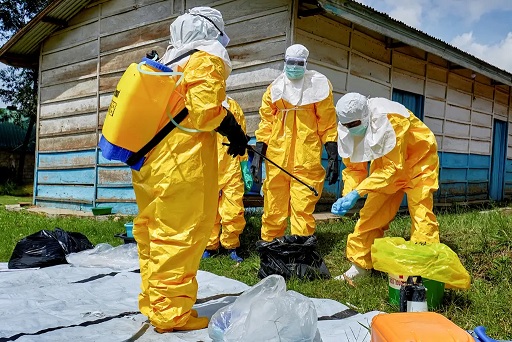
The Director-General of the Africa Centres for Disease Control and Prevention (Africa CDC), Dr Jean Kaseya, says the worsening Ebola outbreak recorded 89 deaths in one week.

He said the development had raised concerns over treatment capacity and the growing level of community transmission.
Kaseya spoke on Thursday during an online media briefing on Ebola, warning that treatment centres were already operating at 95 per cent bed occupancy.

He said the situation required a dual response involving expansion of treatment facilities and earlier detection of cases to reduce the number of patients requiring hospital admission.

“Authorities must build more treatment capacity while detecting cases sooner. Early detection prevents patients from needing hospital admission.
“Bunia, Gwampara, Mugwalu and Nyankunde remain the main hotspots.
Katwa, Benin and Butimbo in North Kivu are also active.

South Kivu has not recorded new confirmed cases recently. Officials are monitoring to confirm if the plateau holds,” he said.
According to him, five health zones in Ituri and one in North Kivu account for more than 85 per cent of reported cases, making targeted interventions critical to controlling the outbreak.

Kaseya said Uganda had recorded 19 cases in total, including one new case reported last week, while five infections involved local contacts of travellers from the Democratic Republic of Congo (DRC).

He said that Uganda previously monitored about 800 contacts linked to 19 cases and had gradually discharged most of them, leaving only nine active contacts under 100 per cent follow-up.

“Rural areas average 20 contacts per case, while urban areas average 40. That ratio will be updated with new data.

Current data shows 8,000 contacts listed, but 40,000 are expected based on averages. Only 77 per cent are monitored daily, below the 95 per cent target.
“Just 30 per cent of new confirmed cases come from known contacts. That means 70 per cent originate from community spread, a critical concern.

“Africa CDC is zooming in on contact tracing to stop community transmission. Strong surveillance is key to reaching and confirming the peak,” he said.

According to him, plans are underway to deploy 20,000 local youths as community response teams to help identify and trace missing contacts.

Kaseya warned that after 35 days, the outbreak had already grown 3.6 times larger than comparable outbreaks in Uganda and West Africa in 2014, and buld become the largest Ebola outbreak on record if left unchecked.

He said that a colleague who had worked in Turin tested positive for Ebola after returning to France without symptoms, adding that Africa CDC and European partners were intensifying technical and financial cooperation.

“The government decided people flying from Ituri to Kinshasa must avoid further travel for 21 days. The move aims to prevent cross-border spread.

“The approved response plan was 518 million dollars. Pledges reached 910 million dollars, but only 13 per cent has been released as actual funding.

“Sixty-nine camps in Ituri and North Kivu house about 1.15 million people, in addition to one million returnees. These camps remain difficult areas for case detection and contact tracing.

“With humanitarian needs added, the required budget rose to 1.4 billion dollars. Without it, the outbreak will expand and cost more in the long term,” e said.
Kaseya said the DRC had received an antiviral treatment, while MDP-134 was expected to arrive on Friday night.

He added that Obel-Dezivir for post-exposure prophylaxis was already in the country and clinical trials would begin next week in Bunia.

The Africa CDC chief said four candidate vaccines were under consideration, including MVA Ebola developed by Amina Pharma.

According to him, Phase 1 trials will commence shortly, with hopes of having at least one vaccine available before the end of the year.

Kaseya further stated that Africa CDC was leading the laboratory response pillar, having delivered 52 diagnostic machines and 130,000 testing cartridges.
“Plans include 100 more machines and tests for DRC, Uganda and other at-risk countries.

All platforms in Ituri will use DHIS2. Africa CDC deployed 150 Starlink units and is digitalising points of entry for cross-border data sharing.

“Officials will present weekly updates on cases, contacts and response indicators, while journalists will continue to receive briefings on therapeutics and vaccine development,” he said.

(NAN)

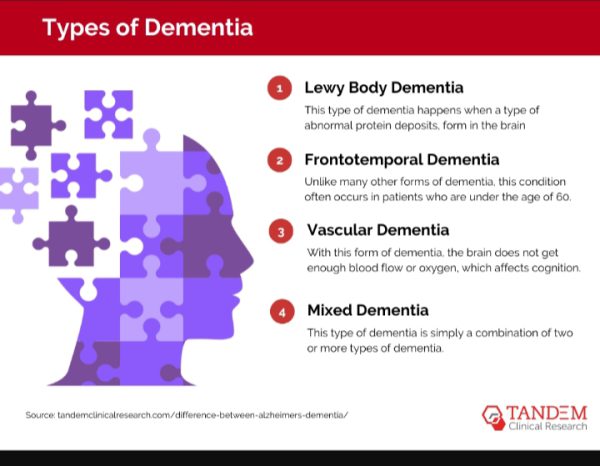
Dementia: Stakeholders seek community-led response

0


Some stakeholders have called for a community-led approach to addressing dementia in Nigeria, stressing the need for greater awareness, early detection, caregiver support and stronger primary healthcare capacity.

They made the call at a stakeholders’ engagement on dementia and brain health in Abuja.

Researchers, policymakers, health professionals and civil society groups discussed strategies for improving prevention, care and support for people living with dementia.

Speaking at the event, Dr Laz Eze, Africa FINGERS Co-Lead and Policy Advocacy and Strategic Communications (PASC) Coordinator, quoted findings from the Sensitise, Education and Evaluate Dementia (SEED) study.

According to him, the study revealed significant gaps in dementia knowledge among primary healthcare workers.
Eze said the study, conducted by the Institute for Neurological and Brain Health Research, David Umahi Federal University of Health Sciences(DUFUHS), involved 124 healthcare workers, including community health extension workers and nurses.

He said that many respondents believed dementia was a normal part of ageing, while only four per cent reported knowing how to conduct ognitive screening assessments.

“People can not seek help for a condition they do not understand. Communities need to know that dementia is not a normal aspect of ageing and that early intervention can improve quality of life,” he said.

He stressed the need for sustained community education campaigns to reduce stigma, improve dementia literacy and encourage families to seek medical attention when symptoms are identified.

He also called for increased support for caregivers, noting that many family members experience emotional, social and economic challenges while caring for relatives living with dementia.

Eze advocated greater investment in research, improved diagnostic services and the development of a National Dementia Plan to guide coordinated ction across the country.

Also speaking, Dr Chi Udeh-Momoh, Africa FINGERS Chief Investigator, said communities must be at the centre of efforts to promote brain health, build resilience and support healthy ageing.
According to Udeh-Momoh, government agencies, civil society organisations, healthcare providers, researchers and the media all have important roles to play in ensuring that evidence-based information on brain health reaches communities.

“We need to work with government, organisations and the media because the media can support advocacy and help us reach wider audiences with information on evidence-based factors that promote brain health and resilience.

“We must solve this problem together through collaboration, engagement and shared responsibility,” she said.
She said increased community awareness could help reduce stigma surrounding dementia, encourage early care-seeking behaviour and improve support for affected families.

Dr Tunde Ojo, national coordinator, National Mental Health Programme, Federal Ministry of Health and Social Welfare, said dementia and brain health issues were receiving increasing attention within ongoing mental health reforms.

Ojo said the Federal Government was implementing the National Mental Health Act and exploring opportunities to strengthen dementia care and community-based support services.

He said that effective responses would require collaboration among government institutions, healthcare providers, researchers, civil society organisations and local communities.

Nyitse said the National Assembly was willing to engage stakeholders and explore pathways for translating advocacy efforts into practical legislative and institutional actions.

He stressed the need to move beyond policy discussions to concrete measures that would strengthen research, service delivery and community-based support systems for people living with dementia and other mental health conditions.


Malaria Consortium, partners expand digital health solutions

1


Digitising Health Data, Crucial for Universal Healthcare — Group


Malaria Consortium and eGov Foundation are strengthening collaboration to expand digital solutions across Nigeria’s health sector, with a focus on improving data accuracy, supply chain tracking and community-level healthcare delivery.

Malaria Consortium’s West and Central Africa Programme Director, Dr Kolade Maxwell, said this on Wednesday when the Global Chief Executive Officer of eGov Foundation, Santhosh Nagaraj, led a delegation to his office.

Maxwell said the visit provided an opportunity to explore deeper collaboration on health service delivery across Nigeria and other African countries through innovative digital public infrastructure solutions.

According to him, discussions highlighted the growing role of digital platforms in improving the planning, implementation and monitoring of large-scale health interventions, particularly malaria prevention and child survival programmes.

He said the digital platform supported the delivery of health interventions to more than 20 million children across 14 Nigerian states during implementation activities conducted in 2025.

“The campaign is expanding further in 2026. Over the years, we have learned together, grown together and strengthened our collaboration.

“We are now looking at opportunities to expand this partnership beyond Nigeria into countries such as Côte d’Ivoire, Chad, Togo, Burkina Faso and Mozambique.”

Maxwell said governments were increasingly recognising the value of digital tools in addressing complex development challenges that cut across health, agriculture and other critical sectors of the economy.

He cited ongoing discussions with the Kebbi State Government on leveraging technology to support rice farmers while addressing increased malaria risks associated with expanding irrigation farming activities.

“As irrigation activities increase, mosquito breeding sites also increase, which can lead to higher malaria transmission.

“The government is interested in using technology to identify farmers, manage agricultural inputs, map breeding sites and deploy larvicides more efficiently.”

According to Maxwell, digitisation will improve programme management, reduce operational inefficiencies and provide governments with reliable data needed for timely and evidence-based decision-making across sectors.

He said the DIGIT platform offered capabilities including household registration, beneficiary tracking, commodity distribution management, supervision, monitoring and evaluation, as well as real-time reporting and accountability mechanisms.

Also speaking, Santhosh Nagaraj, Global Chief Executive Officer of eGov Foundation, said digital technology’s greatest advantage lied in creating transparency throughout the entire service delivery chain.

“When a bed net is delivered to a household, the platform can record exactly where it was delivered and who delivered it.

“That level of visibility strengthens accountability and ensures resources reach the intended beneficiaries.”

Nagaraj said the platform could scan and track individual commodities such as insecticide-treated bed nets, enabling programme managers to verify distribution records during independent monitoring and evaluation exercises.

“In countries such as Chad and Burundi, we have used this functionality to link every bed net to a specific household.

“It creates a verifiable record and increases confidence in programme implementation.”

He added that the platform could track beneficiaries over time, particularly during Seasonal Malaria Chemoprevention (SMC) campaigns where children were expected to receive multiple treatment doses.

“By maintaining a beneficiary registry separate from monthly transaction records, we can ensure that the same child receives all required doses.

“This improves programme effectiveness and contributes to better health outcomes.”

Nagaraj further noted that long-term use of a common digital platform could significantly reduce operational costs by lowering training requirements and improving efficiency as programmes expand.

“As health workers become familiar with the system, training requirements decrease.

“The tool becomes intuitive to use, which improves efficiency and allows programmes to scale more easily,” he said.

(NAN)


Nurses drive health awareness, free screenings at Bariga market

0


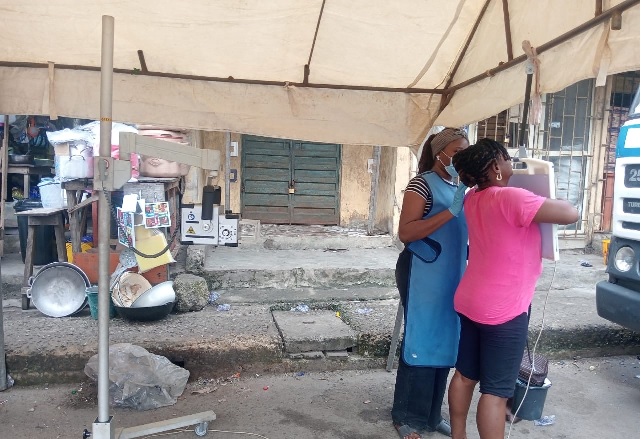
No fewer than 200 traders benefited from a free medical outreach organised by the Nursing Department of Gbagada General Hospital at Bariga Market in Lagos on Wednesday.

Mrs Temitayo Olotu, the hospital’s Apex Nurse, said the outreach was organised to commemorate Nursing Week and enable residents to experience the impact of nursing services beyond hospital walls.

Olotu said the programme was targeted at market women and men to enlighten them on the importance of regular check-ups and the need to prioritise their health.

The News Agency of Nigeria (NAN) reports that the beneficiaries underwent free blood pressure screening, blood sugar tests, malaria tests, chest X-rays, and received free drugs, among other services.

“We decided to come to Bariga Market to render free services and allow people to feel our impact as nurses.

“These people do not come to the hospital regularly, and that is why we are here—to educate them, check their blood pressure and sugar levels, conduct chest X-rays, and provide free drugs,” she said.

Olotu, who is also the Director of Nursing Services at the hospital, said the profession remained central to healthcare delivery, with nurses serving as caregivers, advocates, educators, and managers in the sector.

“Virtually everyone will encounter nurses at some point in life, and this reflects the indispensable role we play in promoting health and saving lives.

“We serve as advocates, managers, and teachers. We are the people who care. Nurses are the heartbeat of the nation,” she said.

She commended the efforts of the Lagos State Government in improving healthcare delivery, adding that more investment was needed in modern equipment and conducive working environments.

Also speaking, Mrs Mary Babatunde, acting chairperson of the National Association of Nigerian Nurses and Midwives (NANNM), Gbagada General Hospital chapter, said the programme was initiated to promote public health awareness.

Babatunde said another aim was to ensure that members of the community benefited directly from activities marking the annual celebration of the nursing profession.

According to her, many traders and residents rarely find time to visit healthcare facilities because of their busy schedules and work commitments.

Babatunde noted that some individuals assumed they were healthy simply because they did not feel sick, stressing that regular medical check-ups remained essential for the early detection of diseases.

“We have dedicated this week to celebrating nurses and also want people in the community to benefit from the programme through health education and free medical services,” she said.

The nurse, who commended the Lagos State Government’s efforts towards the welfare of nurses, called for more training to enhance the capacity of nurses in the state.

Some of the beneficiaries commended the nurses for their efforts in healthcare delivery and urged the government to support their work through better remuneration.

(NAN)


EWAH moves to bridge gender gap in healthcare leadership

0

-Set to honour 10 women transforming healthcare across Africa

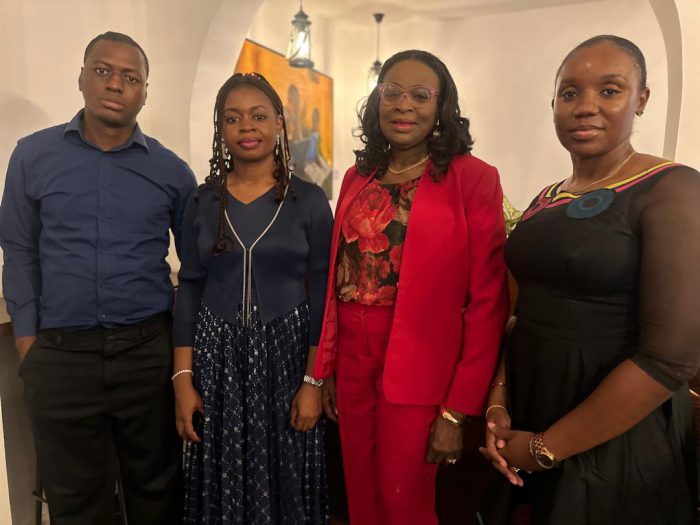
L-R: Mr Damiola Olanrewaju, project manager, EWAH Awards; Mercy Otalike, senior programme officer, LWI; Pharm. Bisi Bright, CEO, LWI, and regional representative, EWAH Awards; and Mrs Uju Nwabuzor, director, programme delivery at Bloom Public Health, at the press conference.

The Extraordinary Women Advancing Healthcare (EWAH) Awards has reiterated its commitment to promoting women’s leadership in healthcare, saying greater visibility and recognition are needed to address the persistent gender gap at the top levels of the sector.

Speaking at a press conference in Lagos ahead of the 2026 EWAH Awards, Chief Executive Officer of LiveWell Initiative (LWI) and Regional Representative of EWAH in Africa, Dr Bisi Bright, noted that although women constitute more than two-thirds of the global health workforce, they remain significantly underrepresented in leadership and decision-making positions.

According to her, EWAH was established to recognise and amplify the contributions of women making extraordinary impacts in healthcare while encouraging more women to aspire to leadership roles.

“We want to promote women who are doing exceptionally well and encourage them to continue making even greater impact,” she said.

Pharm. Bisi Bright, CEO, LWI, and regional representative, EWAH Awards

Bright explained that the awards are guided by the theme, “Extraordinary Women Advancing Healthcare with a Miles-to-Go Mindset,” celebrating women whose achievements represent the beginning of a continuing journey of service, innovation and leadership.

She noted that many previous honourees have gone on to attain higher positions in government, academia and public health after receiving the award, underscoring the programme’s role in spotlighting transformational leaders.

The EWAH Awards, she said, recognise women both within and outside the formal healthcare sector whose work has improved health outcomes and touched lives, particularly among underserved communities.

.
Awardees are selected through a rigorous process involving public recommendations, independent searches and final review by the EWAH Board, with emphasis on impact, innovation, inclusiveness and service.

Bright disclosed that this year’s honourees include women advancing healthcare through artificial intelligence, digital health solutions, improved access to medicines and community-based interventions.

Speaking on behalf of Bloom Public Health, a partner organisation under the LiveWell Bloom Joint Venture Partnership, Director of Programmes Delivery, Mrs Uju Nwabuzor, said the partnership reflects a shared commitment to celebrating individuals whose leadership and service are creating positive change across communities.

Also speaking, Project Manager of the EWAH Awards, Damilola Olanrewaju, described the initiative as a platform that not only recognises excellence but also inspires younger healthcare professionals to pursue innovation, leadership and service.

The organisers announced that 10 women from diverse professional backgrounds will be honoured at the 2026 EWAH Awards holding at the Wheatbaker Hotel, Ikoyi on 28 June, for their outstanding contributions to healthcare development and community impact across Africa.

Ensure strategic use of N10bn Ebola preparedness fund, expert urges

0


A public health expert has urged the Federal Government to ensure that the N10 billion approved for Ebola preparedness is directed at critical gaps in Nigeria’s disease response system.

The Senior Partnership Manager at Nigeria Health Watch, Emeka Oguanuo, said this in an interview with the News Agency of Nigeria (NAN) in Abuja while assessing Nigeria’s readiness for a possible Ebola outbreak.

Oguanuo said President Bola Tinubu’s approval of the intervention fund and establishment of a Presidential Task Force on Ebola Preparedness elevated health security to a national priority.

“President Tinubu’s approval of N10 billion and the creation of a Presidential Task Force on Ebola Preparedness are politically and operationally important.

“They elevate Nigeria’s readiness from a technical public health issue to a whole-of-government priority.

“As we saw during COVID-19, response moves faster when bureaucracies are reduced, especially in the most critical stages of response,” he said.

Oguanuo, however, said the true value of the intervention would depend on whether the resources translated into measurable outcomes.

He said funding should be directed toward the weakest links in the country’s preparedness chain rather than being distributed without regard to risk levels.

According to him, the Nigeria Centre for Disease Control and Prevention (NCDC) has already categorised states based on their risk exposure.

He said funding allocation should align with those risk assessments to maximise impact.

“The significance of these measures will depend entirely on whether they produce traceable and commensurate impact rather than headline comfort.

“Particularly if the resources reach the weakest links in Nigeria’s preparedness chain,” he said.

The health expert identified surveillance at points of entry as one of the immediate priorities requiring attention.

He also called for increased laboratory capacity and faster turnaround times for testing suspected cases.

Other priorities, he said, included strengthening health facilities for triage, isolation and referral services.

Oguanuo added that frontline health workers required adequate protection and training to effectively respond to any outbreak.

He further stressed the importance of risk communication and community engagement in preventing panic and misinformation.

According to him, public accountability mechanisms must accompany the intervention to ensure transparency.

He recommended time-bound deliverables and expenditure tracking systems that citizens could easily monitor.

Oguanuo said investments in preparedness should focus on building resilient systems capable of preventing, detecting and responding to public health emergencies.

He said that effective preparedness remained one of the most cost-effective approaches to protecting lives and safeguarding national health security.

Tinubu approved the establishment of the Presidential Task Force on Ebola Virus Disease Preparedness and Emerging Public Health Threats.

He also ordered the immediate release of N10 billion for emergency preparedness.

The fund is to strengthen the operational readiness of the NCDC and support critical national public health emergency response activities. (NAN)


What will increase the bulk of product?

10

PANS QUIZ


What will increase the bulk of product?

a) Processing aid

b) Diluent

c) Granulating Agent

d) organoleptic additive

According to IP 2007, oral powders are

a) Finely divided

b) Bulk powders

c) Effervescent powders

d)Douche powders

NHEA 2026 to honour healthcare icons, as Salako, Sanwo-Olu, others grace event

0


The Nigerian Healthcare Excellence Awards (NHEA), Nigeria’s most prestigious healthcare recognition platform, has announced the recipients of its 2026 Lifetime Achievement Awards and Special Recognition Awards ahead of the grand ceremony scheduled for Friday, 26 June, 2026, at Eko Hotel & Suites, Victoria Island, Lagos.

The event will bring together healthcare leaders, policymakers, regulators, investors, development partners, healthcare professionals, and key stakeholders from across the healthcare ecosystem to celebrate excellence, innovation, leadership, and outstanding contributions to healthcare development in Nigeria.

The Honourable Minister of State for Health and Social Welfare, Dr Iziaq Adekunle Salako, will attend the event as the Special Guest of Honour, while the Executive Governor of Lagos State, Mr Babajide Olusola Sanwo-Olu, will serve as the Chief Host.

This year’s Lifetime Achievement Awards will be conferred on distinguished healthcare icons whose contributions have left an enduring impact on healthcare delivery, medical education, specialist training, healthcare financing, and health system development in Nigeria and beyond.

The recipients are:

Emeritus Professor Samuel Chukwunonyerem Ohaegbulam, one of Africa’s most distinguished neurosurgeons and medical educators, recognised for his pioneering contributions to neurosurgery, specialist training, medical education, and healthcare leadership in Nigeria and across the continent.

Sir Ike Onyechi, an accomplished pharmacist, entrepreneur, and healthcare leader honoured for over four decades of exceptional service to pharmacy practice, healthcare entrepreneurship, professional development, and philanthropy.

Dr Ladi Awosika, a pioneer of healthcare financing and private healthcare development in Nigeria, recognised for his transformative contributions to health insurance, healthcare reform, and health system strengthening.

In addition, the NHEA 2026 Special Recognition Awards will honour outstanding leaders whose contributions continue to redefine excellence within their respective fields.

Professor Kingsley Ekwueme will receive the Diaspora Special Recognition Award for Pioneering Leadership in Robotic and Minimally Invasive Surgery for his groundbreaking work in advancing robotic surgery and modern surgical innovation in Nigeria, West Africa, and the United Kingdom.

Professor Mildred Edet John will receive the Special Recognition Award for Excellence in Nursing Leadership, Education and Professional Development in recognition of her remarkable contributions to nursing education, mentorship, professional development, and healthcare leadership across Nigeria and the West African sub-region.

Speaking ahead of the ceremony, Dr Wale Alabi, Project Director, NHEA, described the 2026 edition as a celebration of resilience, innovation, and excellence across Nigeria’s healthcare landscape.

” For over a decade, NHEA has remained committed to celebrating the institutions and professionals whose work continues to transform healthcare delivery in Nigeria. This year’s award recipients represent some of the finest examples of leadership, innovation, service, and commitment to improving health outcomes for Nigerians. We are particularly excited about the quality of nominees and the rigorous process that has produced this year’s finalists and winners.”

Also speaking ahead of the event, Moses Braimah, Director of Marketing, Communication and Strategy, NHEA, noted that the award has become one of the most respected healthcare recognition platforms on the continent.

” NHEA is more than an award ceremony; it is a movement that shines a spotlight on excellence and inspires higher standards across the healthcare industry. The credibility of our process—anchored on public participation, independent verification, research, and jury review—continues to strengthen stakeholder confidence and reinforces the value of recognition as a catalyst for progress.”

Braimah added that the 2026 ceremony promises to be one of the most memorable editions in the history of the awards.

” From the quality of nominees to the calibre of dignitaries, award recipients, partners, and healthcare leaders expected to be in attendance, this year’s event will be a celebration of achievement, innovation, and the future of healthcare in Nigeria.”

The organisers disclosed that the NHEA 2026 awards process has now been successfully completed following months of nominations, public voting, independent verification exercises, auditing, stakeholder reviews, and extensive research conducted by the Advisory Board, Independent Jury, and technical assessment teams.

From a highly competitive field of more than 120 nominees spanning hospitals, healthcare professionals, diagnostic centres, health insurance organisations, pharmaceutical companies, health technology providers, public institutions, and other healthcare stakeholders, approximately 26 winners will be unveiled during the awards ceremony.

The organisers emphasized that NHEA’s credibility continuously anchors on a rigorous and transparent evaluation process designed to reward merit, excellence, innovation, impact, and measurable contributions to healthcare development.

Now in its twelfth year, NHEA remains the benchmark platform for recognizing individuals and organizations whose work is advancing healthcare delivery and improving health outcomes across Nigeria.

The 2026 edition is themed” Innovation, Local Manufacturing and Digital Transformation,” highlighting the critical role of technology, local capacity development, and innovative solutions in strengthening Nigeria’s healthcare system and driving sustainable progress.

The Nigerian Healthcare Excellence Award (NHEA) is organised by Global Health Project and Resources in collaboration with Anadach Group, USA, and is proudly supported by PharmAccess and Digital Clinical Laboratory (DCL) as Title Sponsors. Over the years, the awards have emerged as Nigeria’s foremost platform for recognising and celebrating excellence, innovation, leadership, professionalism, and outstanding contributions across the healthcare value chain.

Pharm.(Mrs) Regina Chichi-Agir is our personality for June

0


Pharm. (Mrs) Regina Mngohol Chichi-Agir


Pharm. (Mrs) Regina Mngohol Chichi-Agir is the director of pharmaceutical services at the Benue State Ministry of Health and Human Services. She is also the national treasurer of the Association of Lady Pharmacists (ALPs). A distinguished public health administrator and pharmacist, she is widely recognised for her leadership in pharmaceutical governance, regulatory affairs, and health policy administration in Nigeria.

Over the years, she has contributed significantly to strengthening pharmaceutical systems, improving medicine quality assurance, and expanding access to essential healthcare services. Her work continues to advance the integration of pharmacy practice into broader public health and policy frameworks.

Born in the 1960s, Chichi-Agir attended the prestigious Queen of the Rosary Secondary School before proceeding to the University of Lagos College of Medicine, Idi-Araba, where she obtained a Bachelor of Pharmacy (B.Pharm.) degree.

She began her career in public health service at the Benue State Ministry of Health as the Logistics Officer in charge of Tuberculosis, Leprosy and Buruli Ulcer programmes. In that capacity, she ensured the consistent availability of medicines and medical commodities across DOTS centres in Benue State, thereby strengthening treatment delivery and disease-control efforts.

Through diligence, competence and commitment to service, Chichi-Agir steadily rose through the ranks, assuming several senior administrative and technical responsibilities within the public health system. Her professional work has focused on pharmaceutical regulation, rational drug use, medicine availability, and compliance with internationally accepted safety and quality standards.

Her advocacy has consistently emphasised the vital role of pharmacists in disease prevention, public health delivery and community health resilience. She has also championed policies to more effectively integrate pharmacists into strategic health planning and healthcare administration.

In recognition of her expertise and leadership, she served on the boards of the Federal Medical Centre, Makurdi, and the Benue State University Teaching Hospital (BSUTH). At FMC Makurdi, she leveraged her experience and influence to facilitate career advancement opportunities for pharmacists, including the promotion of officers who had previously been overlooked, as well as the employment of additional pharmaceutical personnel within the ministry.

Similarly, during her tenure as a board member of BSUTH, she strongly advocated staff welfare and professional recognition, particularly for hardworking pharmacists whose promotions had long been delayed.

A Fellow of the West African Postgraduate College of Pharmacists, specialising in public health pharmacy, Pharm. (Mrs) Regina Mngohol Chichi-Agir is happily married and blessed with children.

Sickle Cell Warriors demand inclusion of treatment in health insurance

0


Sickle Cell warriors and medical professionals at the weekend called for more support from government and inclusion of sickle cell treatment in health insurance packages,

The warriors and medical personnel made the call at a programme organised by the Haematology and Blood Transfusion Department of the Federal Medical Centre, Ebute Meta to commemorate the 2026 Sickle Cell Day.

They said inclusion of sickle cell treatment in health insurance packages would make a huge difference and enhance the quality of life of people living with the condition.

The programme was in partnership with Fidson Healthcare PLC, a Pharmaceutical Company.

The theme for the 2026 Sickle Cell Day was , “Closing the Survival Gap: Equity in Sickle Cell Disease (SCD)” with a focus on healthcare disparities, demanding equal access to early diagnosis and modern treatments for patients.

Chidinma Oyinbo, a 39-year-old warrior, who works in an insurance company, told the NAN at the programme that her experience had been a lifelong journey marked by physical, emotional, and financial challenges.

Oyinbo described the burden of living with SCD as enormous, and also accompanied with pain, stigma, financial strain and inadequate access to care.

“It has not been easy. Managing the condition, buying medications, and taking care of myself requires a lot of resources.

“Sometimes, getting the necessary drugs is difficult and that is what prompted me to start working, so I can cater for my health needs.

“There are many people who cannot even afford their drugs. Government’s support and inclusion of sickle cell treatment in health insurance packages would make a huge difference,” she said.

Oyinbo stressed the importance of genotype testing before marriage, noting that many Nigerians remain unaware of their genotype status until it became too late.

“People need to know their genotype. It is very important. This disease is for life, and many of the challenges people face can be prevented through proper awareness and testing,” she said.

Also, Samuel Akande, a 14 years old, told NAN that the disease had impacted on his education negatively, due to frequent crisis that kept him away from school.

Akande told NAN that he does not blame his parents for his condition, as they were not aware of genotype compatibility testing when they got married.

“I do not blame my parents because they were not aware of genotype testing before my mother became pregnant.

“The level of awareness is much better now than it was in the past. I urge intending couples to undergo genotype compatibility test at accredited health facilities, to prevent the birth of children with the condition,” he said.

Speaking on the day, Dr Lucky Okpetu, Head, Haematology and Blood Transfusion, FMC, Ebute Meta, said that the day was set aside to raise awareness on the condition which occurred when a child inherited the sickle cell gene from both parents.

Okpetu said that the country had the highest burden of SCD, with thousands of babies born with the condition every year.

He attributed the high prevalence to inadequate awareness, poor access to reliable genotype testing and limited genetic counselling services.

“Sickle cell disease is largely preventable through genotype screening and counselling before marriage or childbirth.

“There must be sustained public education to reduce the burden of the disease and improve outcomes for people living with the condition,” Okpetu said.

A Medical Representative of Fidson Healthcare PLC at the programme, Mr Abiodun Akinnawo, said that the company’s partnership with the hospital was borne out of its commitment to supporting sickle cell warriors through healthcare interventions.

Akinnawo, a Pharmacist, highlighted the need for collective support for sickle cell warriors, stressing that awareness campaigns remained crucial in reducing stigma and improving care.

According to him, accurate genotype information is crucial for informed decisions, especially before marriage and childbirth.

“One of the key messages we promote is the importance of accurate genotype testing.

“It is not enough to simply undergo a test; people must ensure they receive correct and reliable results from accredited laboratories,” he said.

Akinnawo said that one of the company’s product – Astymin, was a formulation containing essential amino acids and multivitamins designed to support the body’s nutritional needs.

According to the pharmacist, SCD is associated with increased red blood cell breakdown which required proper nutritional support to help promote overall well-being.

(NAN)


Sexual violence: FG calls for urgent action

0


The Federal Government has called for a whole-of-society approach to ending conflict-related sexual violence, urging stakeholders to strengthen prevention, protection and accountability measures to safeguard vulnerable populations across affected communities nationwide.

Minister of Women Affairs and Social Development, Hajiya Imaan Sulaiman-Ibrahim, made the call in a statement marking the International Day for the Elimination of Sexual Violence in Conflict globally, on Saturday in Abuja.

She said conflict-related sexual violence remained one of the gravest consequences of insecurity, terrorism, violent extremism and armed conflict, with far-reaching implications for peace, stability and national development efforts.

According to her, the crimes inflict lasting physical, emotional and psychological harm on survivors, while weakening families, destabilising communities and creating obstacles to recovery, reconciliation and social cohesion.

Sulaiman-Ibrahim said women and girls bore the greatest burden of conflict-related sexual violence, although men and boys were also affected, often facing stigma and challenges in accessing support.

She described sexual violence in conflict as a threat to national security, social cohesion and sustainable development, stressing the need for coordinated interventions to address the growing menace effectively.

The minister called on security agencies, judicial institutions, schools, healthcare providers and social welfare services to strengthen collaboration and improve preventive and response mechanisms against the menace nationwide.

She also urged traditional and religious leaders to support efforts aimed at preventing violence, protecting vulnerable groups and promoting values that encouraged peace, dignity and mutual respect everywhere.

Sulaiman-Ibrahim called on community organisations and development partners to deepen awareness campaigns, strengthen prevention efforts and expand survivor-support initiatives aimed at addressing conflict-related sexual violence nationwide.

She appealed to parents and caregivers to promote values of respect, empathy and peaceful coexistence within families and communities, describing such efforts as essential to violence prevention.

According to her, strong families remain the first line of defence against violence, abuse, exploitation and radicalisation, helping to nurture responsible citizens and strengthen social stability nationwide.

The minister urged Nigerians to remain vigilant and report cases of abuse, trafficking, exploitation and other forms of violence, emphasising the importance of community participation in prevention efforts.

She also called on the creative industry to use its influence to challenge harmful norms, promote positive social values and encourage attitudes that rejected violence and discrimination.

Sulaiman-Ibrahim said filmmakers, musicians, broadcasters, content creators and social media influencers could help shape attitudes, raise awareness and inspire behavioural change across communities throughout the country.

She reaffirmed the Federal Government’s commitment to supporting survivors through access to justice, healthcare and psychosocial services aimed at promoting recovery, healing and restoration of dignity.

The minister also advocated increased investment in shelters, Sexual Assault Referral Centres, legal aid services, research initiatives and institutional coordination mechanisms to strengthen survivor protection nationwide.

She said preventing violence must remain central to national efforts to protect women, children and other vulnerable populations from abuse, exploitation and conflict-related harm across Nigeria.

Sulaiman-Ibrahim urged Nigerians to stand with survivors and work collectively to build safer communities free from violence and exploitation, while promoting peace, justice and inclusion for all.

Maggi engages stakeholders on food quality, safety standards

0


As part of activities commemorating World Food Safety Day, Maggi has engaged stakeholders across its value chain in a series of activities aimed at promoting greater understanding of food quality and safety standards.

The initiative brought together suppliers, distributors, consumers, journalists and digital content creators, providing participants with firsthand insights into the processes and partnerships involved in delivering MAGGI products to consumers.

According to the company, the engagements were designed to reinforce the shared responsibility required to maintain food quality and safety from sourcing to consumption.

During the programme, suppliers were taken through MAGGI’s quality requirements and manufacturing standards, while distributors received guidance on best practices in product handling, storage and warehousing to preserve product quality throughout the distribution chain. Consumers also interacted with experts to learn more about the ingredients, production processes and quality assurance measures behind MAGGI products.

A major highlight of the initiative was a guided tour of Nestlé Nigeria’s Agbara Factory, where journalists and digital content creators observed the production process of MAGGI seasoning cubes. Participants followed the journey of locally sourced soya beans from procurement through fermentation and processing to the finished product stage.

The factory tour also demonstrated how traditional African food preparation methods have influenced modern food manufacturing processes. Participants were introduced to fermentation techniques used in MAGGI production, which draw inspiration from traditional seasonings such as iru, dawadawa and ogiri.

Stakeholders were further exposed to the quality assurance and food safety systems integrated into every stage of production, including ingredient sourcing, testing, manufacturing, packaging and distribution.

Speaking during the event, Category Manager, Culinary, Nestlé Nigeria, Funmi Osineye, said quality and food safety remain collective responsibilities shared by all actors within the value chain.

“MAGGI reaches millions of consumers through a value chain that includes farmers, suppliers, distributors, retailers and consumers. We continuously engage stakeholders to strengthen collaboration, build understanding and provide greater visibility into the journey behind our products,” she said.

Osineye added that creating opportunities for dialogue and transparency helps stakeholders appreciate the expertise, ingredients and processes that contribute to the quality consumers expect from MAGGI products.

Also speaking, Factory Manager, Nestlé Nigeria Agbara Factory, Talla Fall, said quality and food safety are embedded in every stage of the company’s operations.

“From sourcing ingredients and testing raw materials to manufacturing and packaging, our teams work diligently every day to uphold the high standards consumers expect from MAGGI. These engagements allow us to demonstrate the rigorous processes behind every product,” he said.

The programme also featured an interactive cooking session during which participants explored the practical use of MAGGI products in meal preparation and discussed issues relating to taste, nutrition, quality and responsible product use.

Nestlé Nigeria said the initiative reflects its commitment to transparency, stakeholder engagement and the delivery of quality products that support consumers in preparing nutritious meals.

Reals Pharma clocks 30, unveils new therapy for acid-related disorders

0

– Reaffirms commitment to excellence

Reals Pharmaceutical Limited has reaffirmed its commitment to excellence, innovation and provision of affordable, quality medicines for the wellbeing of Nigerians and humanity.

The company restated the commitment recently when it celebrated 30 years of operations and excellence in the healthcare sector, even as it unveiled a new product, Dr Fizzo for the treatment of acid related disorder.

The event, themed “Three Decades of Excellence in Healthcare and Product Launch,” held in Ikeja, Lagos, attracted top players in the pharmaceutical industry, healthcare professionals, traditional rulers, family members and business associates.
While speaking at the event, the Group Managing Director of the company, Pharm. Ade Popoola, attributed the company’s growth and resilience to God’s faithfulness and the support of stakeholders, noting that despite periods of boom and scarcity, Reals Pharmaceutical had remained steadfast in its pursuit of excellence.

He stated that the company will continue to pursue excellence in the years to come and will continue to provide quality medicine to enhance the wellbeing of humanity.
“No doubt, it has not been a bed of roses, we have seen lots of ups and downs in the business. We have witnessed boom and scarcity, but in all the storms, God has never abandoned us. He had always made a way for the business to keep scaling…”, he said.

In his remarks, President of the Pharmaceutical Society of Nigeria (PSN), Pharm. Tanko Ayuba, commended Reals Pharmaceutical and its founder for their contributions to the growth of the pharmaceutical industry and healthcare sector, urging the company to sustain its high standards.

The Chairman of Reals Pharmaceutical, Dr Akinade Ogunbiyi, described the company’s journey as one of transformation from humble beginnings to becoming a major player in the industry, assuring customers and partners that the company would continue to make innovative, high-quality and affordable medicines available.
“We will never depart from our core values of integrity, innovation, passion and customer focus which have been our guiding principles and have guided us throughout this journey”, the company chairman said.

The General Overseer of New Testament Assembly, Pastor Samson Bamigbayan, during an exhortation charged participants to always build their lives and businesses on God, stressing that divine solutions always accompany challenges. “Reals Pharmaceutical Limited built on God. One thing I know for certain is, if you believe in God and challenges come your way, God has put a solution somewhere”, the clergy said..

Delivering the keynote address titled “Acid-Related Disorders: The Way Forward,” Consultant Family Physician at Lagos State University Teaching Hospital (LASUTH), Dr Taiwo Alege, raised concerns over the increasing burden of acid-related disorders and the indiscriminate use of medications without proper medical evaluation.
He explained that conditions such as dyspepsia, gastroesophageal reflux disease (GERD), gastritis and peptic ulcer disease are often aggravated by unhealthy lifestyle habits, prolonged fasting, stress, smoking, alcohol intake and excessive consumption of pain relievers such as ibuprofen and aspirin. He warned that prolonged use of proton pump inhibitors without medical review had become common and could pose long-term health risks.

The physician noted that symptoms including heartburn, bloating, chronic cough, nausea, vomiting, painful swallowing and abdominal discomfort should not be ignored, as untreated cases could lead to serious complications such as bleeding ulcers, perforation and gastric outlet obstruction. According to her, early diagnosis through appropriate investigations, including endoscopy, alongside lifestyle modifications such as weight control, regular meals, reduced alcohol intake and smoking cessation, remains critical to effective management.

He added that advances in treatment and products such as Dr Fizzo offer patients faster relief and improved outcomes when used appropriately under medical guidance

.
In his remark, the Chairman of the occasion, Prince Julius Adelusi-Adeluyi, congratulated Pharm. Popoola and the Reals Pharmaceutical team on the milestone, describing the company’s success as a testament to focus, humility and God’s grace. He urged the management to remain grateful and steadfast, noting that greater success comes with greater responsibility and the need for continuous dependence on God.

The highpoint of the celebration was the unveiling of Dr Fizzo, with Prince Adelusi-Adeluyi commending Reals Pharmaceutical for introducing what he described as a trusted solution for acid-related disorders.

The company also launched its Reals Small Scale Business Empowerment initiative, presenting grants of N150, 000 each to six small businesses around its corporate headquarters in Ikeja as part of its corporate social responsibility programme.
Long-service awards with cash rewards ranging from N250, 000 to N2 million were also presented to many employees who had spent 10 years and above with the company, with Mr Kule Adesoye, who joined the company at inception, receiving special recognition for his 30 years of dedicated service.


Among dignitaries at the event were the Oloye of Oye-Ekiti, HRM Oba (Sir) Michael Oluwole Ademolaju, Adugbole III, chief executives of pharmaceutical companies, chief medical directors of hospitals and other stakeholders in the health sector.


Healthcare has no religion, experts declare

0

:-As Victory Drugs, Muslim Community partner to improve healthcare access


Dignitaries at the health outreach

Health experts have reiterated that access to healthcare transcends religious and social boundaries, calling for deeper collaboration between stakeholders to improve early detection and prevention of non-communicable diseases in Nigeria.

The position was reinforced during a comprehensive health fair organised by Victory Drugs Pharmacy in partnership with the Festac Town Muslim Community (FTMC) at the Oba Bi Olorun Kosi Jumat Centre in Festac Town, Lagos.

The outreach, which targeted about 500 young adults and elderly residents, brought together physicians, pharmacists, cardiologists, dentists, physiotherapists, dietitians, laboratory scientists and other healthcare professionals who offered free screenings, consultations and counselling services.

Victory drugs conducting health screening for participants.

Speaking at the event, the Managing Director and Chief Executive Officer of Victory Drugs Pharmacy, Pharm. Folasade Lawal, said the initiative was designed to respond to the growing prevalence of cardiovascular diseases and expand access to preventive healthcare. She explained that the programme evolved from a large-scale outreach organised in the past and later expanded after requests from Muslim community leaders who attended the earlier church-based intervention.

“We strongly believe in collaboration and a multidisciplinary approach to patient care,” she said.

Lawal noted that the outreach placed strong emphasis on cardiovascular health, with participants undergoing blood pressure, blood sugar, cholesterol screenings and overall cardiovascular risk assessments. She added that hypertension remains one of the most common chronic conditions in Nigeria, often going undiagnosed until serious complications arise.

“There is hardly any outreach we have done where we do not find people with very high blood pressure who are knowing it for the first time,” she added.

Lawal said the success of the outreach was made possible through the support of several healthcare institutions and corporate partners. El-Lab offered cholesterol tests, Meridian Cardiac Clinic provided cardiology consultations, while Rabboni Dental Clinic, nutritionists and physiotherapists delivered specialist care. Omron, represented by New Heights, conducted blood pressure checks; Emzor offered Hepatitis B screening; Vitabiotics carried out bone density tests; and Platos supplied body monitors for BMI and body fat assessments. Biofem donated retractable lancets, Roche (ISN) provided glucometers, Pharmacy Plus distributed supplements, while Swipha supported the programme with personnel and souvenirs.

Speaking in the same vein, the Clinical Coordinator of the programme, Dr Ilerioluwa Lawal, warned that hypertension continues to pose a major public health challenge due to its silent progression.

“A lot of people are walking around with blood pressure readings of 180, 190 and even above 200 without knowing it,” he said, stressing that conditions affecting the heart, kidneys and liver often remain undetected until advanced stages. He urged Nigerians to adopt routine medical check-ups and necessary lifestyle changes, especially those with a family history of hypertension, diabetes, stroke, cancer or cardiovascular disease.

Also speaking, the Director of Medical Services and Disease Control, Lagos State Health District, Dr Amina Ahmad Belu, described the outreach as a commendable initiative aligned with efforts to improve healthcare access and reduce health inequalities.

She noted that many Nigerians still face out-of-pocket healthcare costs, making community-based interventions critical for reaching vulnerable populations. Belu identified hypertension and diabetes as among the most neglected non-communicable diseases, noting that many patients seek care only after complications develop.

On nutrition and heart health, Mrs Jesutola Adegbite highlighted unhealthy dietary habits as a major driver of cardiovascular diseases and other chronic conditions. Quoting Hippocrates, she urged Nigerians to make conscious dietary choices and understand the long-term impact of everyday eating habits.

For leaders of the Muslim community, the outreach went beyond healthcare delivery, symbolising the strength of collaboration in addressing societal challenges.

The Immediate Past President of the Festac Town Muslim Community, Alhaji Muftah Ayoade, said the initiative was inspired by the success of the earlier church-based outreach organised by Pharm. Lawal.

He stressed that both Islam and Christianity encourage adherents to prioritise health, noting that religion and healthcare should complement rather than oppose each other.

In her contribution, Pharm. Olusola Shajobi disclosed that the Festac Town Muslim Community warmly received the healthcare team.

Fidson boosts healthcare, donates theatre pharmacy  to FMC Asaba

0


Fidson Healthcare PLC, on Thursday, donated a multi-million naira Theatre Pharmacy to Federal Medical Centre (FMC), Asaba, Delta State.

At the inauguration of the pharmacy, the  Commercial Director, Mr Ola Ijimakin, said the company donated to the facility because of the great job being done there to save lives.

He said that the hospital has done so much in health care for people in the state, and deserved the support.

“FMC Asaba is an institution close to us, and it’s doing a great job in this part of the country; we felt we can support that work.

“In talking with them, they chose this project as dear and a priority among other projects listed. It is part of our Corporate Social Responsibility (CSR) and the project costs tens of naira.

“It is a pharmacy dedicated to the theatre with drugs, a rest place, offices and all the tools needed to run a theatre that is effective,” Ijimakin said.

He said the company would maintain contact to ensure the facility remained updated and to help out when and where necessary.

The FMC Medical Director, Dr Ekeneam Omo lauded Fidson for the execution.

He urged other partners of FMC to emulate Fidson’s CSR and to do more to save lives.

Omo said the project is a partnership that worked, adding that Fidson has opened more space for effective and functional theatre pharmacy at the centre.

He said the theatre pharmacy had existed but in a very small room, adding that the newly inaugurated one has a bigger space and would give better value to doctors and patients at the facility.

“I feel very excited and happy that we are commissioning a project that is a partnership between FMC Asaba and Fidson.

“I am happy that Fidson thought it wise to invest in the centre for the health of our patients and I look forward to many other corporate organisations coming to do the same here.

“It is a theatre pharmacy; it is next door to the theatre; the drugs and commodities going to be sold are drugs that will be used to redeem the theatre.

“It will serve the theatre and the environs. The advantage of having the pharmacy close to the theater is that doctors and patients can access drugs easily during emergencies.”

On his part, Dr Omonigho John-David, the FMC Director of Finance, lauded Fidson for the gesture while describing the project inauguration as a double celebration.

According to him, the inauguration of the newly reconstructed theatre pharmacy coincided with the medical director’s birthday.

“The project is a thing of joy, it will improve healthcare delivery at the hospital. I call it a double celebration because our managing director is also marking his birth anniversary on this date.”

(NAN)


Ezeh decries unethical pharmacy practices, warns against license trading

0


Pharm. Ambrose Ezeh, ACPN national chairman

The National Chairman of the Association of Community Pharmacists of Nigeria (ACPN), Pharm. Ambrose Ezeh, has decried rising unethical practices in the pharmaceutical sector, warning against licence trading, improper dispensing of medicines and the growing incidence of “register and go” operations in community pharmacy practice.

Ezeh, who spoke at the Oyo State ACPN 2026 Annual Summit, held at Mauve 21 Event Hall, Ibadan, Oyo State, said ethics remains the foundation of pharmacy practice and must be strictly upheld by all professionals, stressing that regulatory compliance and professional discipline are non-negotiable in safeguarding public health.

He warned that the proliferation of unregulated drug outlets and unqualified operators undermines the credibility of the profession, noting that many facilities operate on a “register and go” basis where licensed pharmacists are absent, leaving non-professionals to run pharmacy operations.

According to him, such practices constitute a serious breach of professional standards and expose patients to avoidable risks, especially in the handling and dispensing of prescription and controlled medicines.
Ezeh also condemned what he described as licensed lending or trading, where pharmacists allow their credentials to be used by others to operate pharmacies or medical outlets, describing the practice as unethical and dangerous to the integrity of the profession.

He further warned against improper dispensing of medicines and irrational antibiotic use, noting that such practices contribute to antimicrobial resistance, a growing global public health threat.
The ACPN national chairman stressed that pharmacists must ensure strict adherence to dispensing guidelines, proper counselling of patients and responsible handling of medicines, particularly antibiotics and controlled drugs.

He also highlighted the expanded role of community pharmacists beyond dispensing, including immunisation services, blood pressure checks, diabetes screening, hepatitis screening and participation in public health emergency response.

Ezeh reiterated that ethical pharmacy practice requires valid licensing, strict compliance with regulatory standards and proper facility management, including secure storage of controlled drugs under lock and key.

He urged members of the public to patronise only registered community pharmacies identifiable through approved regulatory emblems, which confirm legitimate practice under the Pharmacy Council of Nigeria.

The ACPN chairman maintained that stronger enforcement and collaboration between regulators and practitioners are necessary to eliminate unethical practices and restore public trust in the profession.
He reaffirmed that ethical compliance remains central to protecting patients and strengthening the pharmaceutical care system in Nigeria.

Oyo ACPN tasks members on ethics, compliance, professional standards

0


A cross-section of members at the summit.

It was a gathering meant for intellectual discourse and thought-provoking ideas, as the national leadership of the Association of Community Pharmacists of Nigeria (ACPN) and other major stakeholders in the pharmaceutical sector assembled at the Mauve 21 event hall, Ring Road, Ibadan, for a brainstorming session at the recently held 2026 Oyo ACPN Summit.

The summit, themed “Beyond the Counter: Balancing Professional Ethics, Innovation and Sustainable Growth in a Changing Healthcare Economy,” held at the Mauve 21 event hall, Ibadan, Oyo State, also served as a platform for professional capacity building and knowledge exchange aimed at repositioning community pharmacists for greater relevance in primary healthcare delivery.

Speaking at the event, Pharm. Olayinka Rilwan Subair, a distinguished pharmacist and pharmaceutical industry leader who served as keynote speaker, urged practitioners to strengthen ethical discipline and adopt higher professional standards in response to increasing economic pressure and regulatory scrutiny.

He emphasised that community pharmacy practice must go beyond medicine dispensing to include patient counselling, medication therapy management, screening services, vaccination support, and continuous patient follow-up. He further stressed the importance of digital tools, structured documentation, and collaborative practice models to improve efficiency and ensure sustainability in community pharmacy operations.


Pharm. Adebayo Gbadamosi, Oyo State ACPN chairman.

Also speaking, the guest speaker, Pharm. Anthony Bola Oyawole, former Chairman of the Pharmaceutical Society of Nigeria (PSN), Lagos State and one-time aspirant for PSN national presidency, warned against rising ethical lapses in pharmacy practice, including improper drug sourcing, weak documentation systems, and commercial pressure that compromises professional judgment.

Oyawole stressed that supply chain integrity, patient safety, and accountability must remain central to pharmacy practice, noting that pharmacists must resist practices that undermine public trust. He also advocated stronger use of technology, inventory management systems, and structured patient follow-up mechanisms as tools for improving service delivery and professional credibility.

The Chairman of the opening ceremony, who is also the immediate past National Chairman of ACPN, Pharm. Adewale Oladigbolu, in his remarks, highlighted the increasing regulatory pressure facing community pharmacists, noting that compliance expectations have become more stringent due to evolving inspection frameworks and enforcement standards.

He warned that failure to adhere strictly to regulatory requirements could expose practitioners to sanctions and reputational damage, urging pharmacists to ensure full compliance with standard operating procedures, proper documentation, and continuous professional development.

Speaking in the same vein, the National Chairman of ACPN, Pharm. Ambrose Ezeh, reaffirmed that ethics remains the foundation of pharmacy practice and stressed that pharmacists are entrusted with safeguarding public health through responsible dispensing and adherence to professional codes.

He expressed concern over the proliferation of unregulated drug outlets and unethical practices within the system, adding that the Pharmacy Council of Nigeria has intensified efforts to enforce compliance and sanitise pharmaceutical practice across the country. He called for stronger collaboration between regulators and practitioners to eliminate substandard practices and improve access to quality pharmaceutical services.

In his welcome address, the Oyo State Chairman of ACPN, Pharm. Adebayo Gbadamosi, said the association remains committed to promoting ethical practice, continuous professional development, and stronger collaboration among community pharmacists in the state.

He noted that the summit was designed to reposition pharmacists for greater relevance in Nigeria’s healthcare system while strengthening adherence to global best practices.

A major highlight of the week-long summit was a masterclass on extemporaneous compounding delivered by Dr Olufunke Akin-Ajani of the University of Ibadan, who provided practical insights into pharmaceutical compounding techniques, quality assurance, and the relevance of extemporaneous preparations in addressing specific patient needs.

The session, which also featured Dr Oladapo Adetunji of the Department of Pharmaceutics and Pharmaceutical Technology, Faculty of Pharmacy, University of Ibadan, drew strong participation from pharmacists and was described as a key capacity-building component of the programme, reinforcing the technical and clinical competence required in modern community pharmacy practice.

Across the various sessions and presentations, participants called for stronger ethical discipline, improved adoption of technology, enhanced supply chain integrity, and continuous professional training to ensure pharmacists remain relevant in Nigeria’s changing healthcare environment.

LASHMA plans policy changes to curb seasonal enrollment

0


In a decisive move to protect the financial integrity of the state’s healthcare delivery system, the Lagos State Health Management Agency (LSHMA) has announced upcoming policy changes effective 1 August, 2026, aimed at curbing “seasonal enrollment” loopholes where residents exploit the system.

The health agency has observed with concern that many citizens only register for the Lagos State Health Scheme (LSHS) a few months before they need to access specific, expensive medical procedures, which would otherwise cost them fortunes out-of-pocket. After enjoying these comprehensive ILERA EKO services, these individuals leave the scheme, only returning when they face another costly medical intervention.

Speaking at the Lagos State Health Scheme Quarter 2 Media Parley held at The Good Shepherd House in Alausa, Ikeja, the Permanent Secretary, LSHMA, Dr Emmanuella Zamba, warned that this intermittent attitude is highly unhealthy for the long-term sustainability of social health insurance. The upcoming policy revisions are specifically designed to address these opportunistic practices while safeguarding the vulnerable populations who genuinely cannot afford health insurance premiums or those utilising the flexible “Pay-Small-Small” financial option. The agency emphasised that achieving Universal Health Coverage (UHC) is a continuous journey that requires the collective responsibility of all stakeholders in Lagos.

Central to this quarter’s presentation was the unveiling of the comprehensive LSHMA Scorecard from inception, which serves as a transparent testament to the operationality, functionality, and real-world impact of the state’s health insurance mandate. Addressing the gathered media and dignitaries, the agency noted that accurate, accessible data is the primary key to the sustainability of any social health scheme. The published data explicitly demonstrates how the state has successfully provided affordable and qualitative healthcare to millions of residents while maintaining structural accountability.

The report also highlighted the massive success of the agency’s recently deployed emergency frameworks, which were set up to handle severe public health emergencies. “It will be recalled that on Thursday, 18 December, 2025, the agency officially launched the LSHMA Assistance in Distress (LASHMA-AID) initiative in strict compliance with the standing Executive Order. This was closely followed by the practical commencement of the Emergency Service Programme in March 2026, which targets the state’s most vulnerable populations and active ILERA EKO enrollees.

Dr Zamba joyfully informed the public that these emergency interventions have already yielded highly positive results, successfully saving eighteen lives within just a few months of active field operations. Detailed specifics of these life-saving achievements were shared with the press to prove the promptness of the medical response teams. Beyond emergency interventions, LSHMA has also systematically advanced its structural enforcement strategies across the entire civil service to ensure absolute compliance with the state’s legal mandates.

The formal enforcement of Mandatory Social Health Insurance officially commenced across all Ministries, Departments, and Agencies (MDAs) of the Lagos State Government on 1 February, 2026. She said this implementation followed the high-profile inauguration of the specialised Enforcement Team by the Lagos State Head of Service, Mr Olabode Agoro, on Wednesday, 21 January, 2026. While significant progress and high compliance rates have been recorded within the institutional MDAs, the agency has concurrently intensified its strategic pre-enforcement activities at the grassroots level.

This grassroots push represents the critical second leg of the state’s total enforcement strategy, which is specifically designed to target the massive informal sector within Lagos. Alongside these structural enforcement mechanisms, LSHMA is actively expanding its specialised healthcare infrastructure into underserved rural zones. In line with its core operational mantra, “ILERA EKO, Leaving No One Behind,” the agency recently launched the EKO Social Health Alliance (EKOSHA) Rural Health Scheme in Agboyi Ori-Omi, located under the Agboyi-Ketu LCDA.

This rural initiative ensures that citizens living in remote or underserved areas without functional Primary Health Centres can still access quality medical treatments through a mobile health van infrastructure. Furthermore, the agency announced that it has successfully brokered a new partnership within the expanding scope of the Rural Health Scheme. This new partnership is designed to specifically target and provide comprehensive medical cover to various riverine communities across Lagos State that face geographical barriers to conventional medical access.

In a strong demonstration of appreciation and corporate goodwill, LSHMA also highlighted its deep partnership with members of the Fourth Estate of the Realm. Following up directly on an intensive capacity-building training conducted earlier this year for health desk journalists, the agency has officially registered and enrolled a total of seventy-two individuals, comprising health writers, their spouses, and direct dependents. These media professionals were given full access to the scheme free of charge for one entire year to experience the healthcare delivery firsthand.

Stating that the taste of the pudding is in the eating, the agency encouraged the enrolled journalists to visit designated hospitals whenever they feel unwell and to fearlessly share their honest feedback. LSHMA reiterated that its word is its bond, remaining fully open to constructive criticism, public commendations, and structural suggestions to improve monitoring and overall service delivery. To further cement this media alliance, the agency announced its readiness to train a second batch of health writers who missed the first phase, scheduling the session to take place no later than 14 July, 2026.

To reduce pressure on physical hospitals, she urged residents to embrace digital options by utilising the 24/7 ILERA EKO Telemedicine Service. Enrollees can consult medical practitioners in Yoruba, English, Igbo, Hausa, or Pidgin through audio or video calls by dialling 080-000-EKO-VBT or using the official mobile application. This virtual service allows users to receive prescriptions, diagnostic test orders, and directions to community pharmacies for drug collection directly on their mobile phones at no extra cost, providing total peace of mind and reducing catastrophic out-of-pocket health expenditures.


Milo Basketball: St. Jude Girls, King Amakree Academy seal national final spots

0


A cross-section of the winning teams and coaches at the conference

The intense race to the 26th MILO Basketball Championship National Finals reached a thrilling crescendo at the Stephen Keshi Stadium in Asaba, Delta State, with the successful conclusion of the Atlantic Conference. The highly competitive regional tournament saw grassroots basketball talent at its finest, as teams battled fiercely for regional supremacy and a coveted spot at the upcoming national showpiece.

Emerging from a gruelling field of contenders, St. Jude Girls Secondary School of Amarata, Bayelsa State, and King Amakree Academy of Rivers State rose to the occasion to claim the conference crowns in the girls’ and boys’ categories, respectively. Their triumphs solidify their positions as the undisputed powerhouses of the Atlantic region.

For nearly three decades, Nestlé MILO has sustained an unwavering commitment to youth development through school sports across Nigeria. By utilising basketball as a foundational platform, the championship continues to inspire vital life skills—such as discipline, teamwork, resilience, and confidence—among thousands of young Nigerians nationwide.

The sheer scale and enduring relevance of the tournament were fully on display this season, with over 13,000 schools applying to participate across the federation. This massive turnout underscores the championship’s status as the premier grassroots basketball development pipeline in West Africa.

In the Atlantic Conference, nine elite school teams in each category competed with immense passion, knowing that only the ultimate regional champions would advance to the next stage. The format left absolutely no room for error, forcing coaches and players to bring their tactical best to the court from the very first whistle.

The girls’ final proved to be a masterclass in tactical dominance, as St. Jude Girls Secondary School completely outpaced their opponents, Urhobo College, with a commanding 46−25 victory. The Bayelsa-based team utilised a high-tempo transition game and airtight defence to stifle their rivals and coast to a comfortable win.

Conversely, the boys’ final kept fans on the edge of their seats in a nail-biting, end-to-end thriller that went down to the final seconds. King Amakree Academy ultimately showed superior composure under pressure, securing a hard-fought 47−44 victory over a resilient Urhobo College side to claim the boys’ title.

Individual brilliance was also spotlighted during the grand finale, with the tournament’s Most Valuable Players (MVPs) delivering tournament-defining performances. In the girls’ division, Anthonia Obokawe of St. Jude Girls, wearing jersey number 4 put on a clinical display, contributing a vital 12 points to secure her MVP honours.

The boys’ MVP award went to Edmund Hart of King Amakree Academy, who put the team on his back with an outstanding offensive performance. Hart proved unstoppable on the court, netting a staggering 22 points out of his team’s total of 47 to anchor their historic victory.

Addressing the stakeholders and press, Mr. Gilbert Tweneboah-Koduah, Category Manager for MILO, Nestlé Nigeria Plc, praised the exceptional grit displayed by the student-athletes. He emphasised that the championship’s ultimate goal extends far beyond winning trophies on the court, focusing instead on shaping future leaders.

“Every game played at this championship reminds us of the courage, determination, and promise that exist in our young people,” Tweneboah-Koduah stated. “These students are not only competing for medals; they are learning to believe in themselves, to work as a team, and to rise above challenges. At MILO, we are proud to continue supporting a platform that helps young people turn their passion into purpose.”

The colourful closing ceremony in Asaba attracted a distinguished audience, including top-tier dignitaries from the Delta State Ministry of Education. Also in attendance were key representatives from the Nigeria School Sports Federation (NSSF), the Nigeria Colleges of Education Sports Festival (NCSF), and the International Basketball Federation (FIBA), all affirming the tournament’s critical role in the sports ecosystem.

With the Atlantic Conference now wrapped up, the puzzle of the National Finals is nearly complete. The champions from Asaba join Savannah Conference winners (GSS Zing, Taraba for girls; FSP Secondary School, Katsina for boys) and Central Conference victors (GSS Gboko, Benue for girls; Father O’Connell Science College, Niger for boys). Attention now shifts to the Western Conference, the final regional stage, where the last remaining slots will be decided before the grand National Finals tip off on July 2, 2026, at the National Stadium in Surulere, Lagos.


The monophasic liquid dosage form is ……. Solutions.

6

PANS QUIZ

The monophasic liquid dosage form is ……. Solutions.

a) True

b) Course

c) Fine

d) Micro

The component present in solution in small quantity is known as…..

a) Solvent

b) Solution

c) Solute

d) Liquid

Child protection: UNICEF urges states to boost systems

0


The United Nations Children’s Fund (UNICEF) has urged state governments to strengthen child protection systems through increased funding, improved coordination and deployment of qualified social workers to safeguard vulnerable children nationwide.

Mona Aika, officer-in-charge, Child Protection, UNICEF Nigeria, made the call in Abuja at the National Policy Forum on Women, Children and Families attended by stakeholders nationwide.

The forum brought together commissioners of women affairs and social development, directors of child development and other stakeholders to discuss strategies for strengthening child protection systems across Nigeria.

Aika said child protection involved preventing and responding to violence, abuse, neglect, exploitation and harmful practices, including child marriage and female genital mutilation, affecting millions of children nationwide.

She emphasised the need to move beyond short-term interventions towards sustainable government-led systems capable of protecting children effectively and responding promptly to violations of their rights.

According to her, a functional child protection system requires strong legal and policy frameworks, effective governance, quality services, workforce development, community engagement, and reliable monitoring structures nationwide.

“Child protection cannot function in isolation. It requires collaboration among sectors such as health, education, nutrition, social protection and justice because children face multiple vulnerabilities,” she said.

Aika said UNICEF was supporting federal and state ministries responsible for social development to strengthen child protection systems, focusing on sustainability rather than implementing isolated, stand-alone interventions.

She emphasised the role of professional and auxiliary social workers, alongside community-based protection structures, in identifying child protection concerns and ensuring timely responses to reported violations.

According to her, sustainable child protection requires adequate financial and human resources, noting that long-term success depends on government commitment to funding and supporting essential services.

“Without a budget, it will be difficult to succeed. Development partners and civil society organisations can provide support, but sustainable child protection requires government ownership and financing,” she said.

Aika said stronger child protection systems were especially critical in humanitarian settings, including conflict-affected communities in the North-East, where children face heightened risks and vulnerabilities.

She said that Nigeria’s handover protocol for children affected by armed conflict, endorsed in 2022, required security agencies to transfer affected children to welfare authorities promptly.

According to her, children associated with armed groups should be treated primarily as victims and provided with rehabilitation, reintegration and family reunification support to aid recovery.

Aika said that about 4.9 million children would require humanitarian assistance in 2025, underscoring the urgent need for stronger state-led child protection systems across Nigeria.

She said UNICEF’s Child Protection Strategic Framework, running until 2027, sought to ensure all children had legal identity and protection from violence, abuse and exploitation.

The framework, she added, aimed to improve access to preventive and gender-responsive services while strengthening support systems for parents, caregivers and communities across the country.

Also speaking, Jane Mutua of Save the Children International in Nigeria commended the Federal Ministry of Women Affairs and Social Development for advancing reforms to improve child welfare.

She said that children across Nigeria still faced violence, abuse, poverty, displacement, climate-related shocks and online risks, in spite of progress made in promoting and protecting child rights.

While acknowledging improvements in child rights protection, Mutua said a significant gap remained between policy commitments and the realities experienced by many children nationwide.

She emphasised that state governments played a crucial role in translating national policies into meaningful outcomes and ensuring children benefited from effective protection and welfare programmes.

Mutua urged governments to prioritise children in policymaking, strengthen the social service workforce, promote family-based care and adopt evidence-driven approaches to child protection interventions nationwide.

She also called for coordinated responses to emerging threats such as online exploitation, climate-induced displacement and mental health challenges affecting children and families across communities.

Mutua advocated increased investment in child protection and social welfare services, emphasising that progress should be measured by improvements in children’s lives rather than policies alone.

Aika, in her closing remarks, urged governments at all levels to continue advocating for child rights and prioritising investments that ensured safe, supportive environments for children.

NAN


SPSMN urges professionalism, integrity at induction ceremony

0


R-L: President of SPSMN, Pharm. Tunde Oyeniran; Vice-Director of Membership, Mr Rabiu Bello; and Chairman, Body of Fellows, Dr David Ehikhuemen at the induction ceremony.

The Society for Pharmaceutical Sales and Marketing of Nigeria (SPSMN) has reaffirmed its commitment to advancing professionalism, ethical practice and capacity development within Nigeria’s pharmaceutical sales and marketing sector, as it inducted new members and invested fellows at its 2026 Induction Ceremony and Investiture of Fellows.

Speaking at the event, the President of SPSMN, Pharm. Tunde Oyeniran, said the society remains dedicated to providing identity, direction and professional standards for individuals working in pharmaceutical sales and marketing across the healthcare value chain. He noted that professionals in the field occupy a unique position within the healthcare ecosystem, requiring a blend of scientific knowledge, business acumen, strategic thinking and people-management skills.

According to Oyeniran, pharmaceutical sales and marketing is a distinct profession that goes beyond one’s academic background and demands a broader set of competencies. He explained that while practitioners may have been trained as pharmacists, microbiologists, biochemists or physiologists, success in the profession depends largely on practical competence, strategic thinking, ethical conduct and a commitment to continuous learning.

“Once you accept a role in pharmaceutical sales and marketing, your professional journey aligns with others in this unique and demanding space. Success in this field requires much more than academic qualifications; it demands practical competence, strategic thinking, ethical conduct and a commitment to excellence,” he said.

The SPSMN President explained that the society was established to serve as a professional home for individuals responsible for generating revenue, driving market access and supporting the commercial objectives of pharmaceutical organisations. Beyond providing a platform for networking and collaboration, he said the society seeks to establish professional standards, promote ethical conduct and strengthen the capacity of practitioners through training, mentorship and continuous professional development initiatives.

Oyeniran stressed that pharmaceutical selling differs significantly from the marketing of consumer goods because it involves products and services that directly impact human lives and public health outcomes. As such, he said practitioners must uphold the highest standards of professionalism, integrity and regulatory compliance.

“Pharmaceutical selling is a higher calling. It requires respect for science, patience, ethics and public trust. It demands a higher level of discipline, compliance with regulatory standards and a mastery of human behaviour and market dynamics,” he stated.

He further noted that SPSMN has continued to bridge gaps in knowledge, standards and professional practice by promoting minimum professional competencies and acceptable standards of conduct aimed at positioning pharmaceutical sales and marketing as a respected profession in Nigeria.

Congratulating the newly inducted members and fellows, Oyeniran described the current class as one of the most balanced in the society’s history, comprising emerging and mid-level professionals expected to make significant contributions to the future of the profession. He also paid tribute to the honorary fellows, describing them as exemplary leaders whose accomplishments, integrity and years of service have earned them a place among the industry’s most respected figures.

“We are counting on them to guide, mentor and represent the profession at levels where others may not yet be heard. They are torchbearers for the next generation of pharmaceutical sales and marketing professionals in Nigeria,” he said.

Addressing some of the challenges facing the profession, Oyeniran identified inadequate training, the absence of standardized professional development frameworks, ethical concerns and the entrenched culture of credit-driven transactions as major issues requiring collective attention. While acknowledging that selling on credit has become a common practice within the pharmaceutical industry, he urged stakeholders to explore sustainable alternatives capable of strengthening business performance and ensuring long-term industry growth.

The SPSMN President also called for greater recognition of pharmaceutical sales and marketing professionals, describing them as critical drivers of revenue generation and business sustainability within the healthcare industry.

“Without income, turnover and cash flow, businesses cannot survive. Sales and marketing professionals are central to the success and sustainability of pharmaceutical organisations,” he said.

Reaffirming the society’s vision, Oyeniran emphasized that SPSMN is neither a trade union nor a lobbying group, but a professional body committed to promoting growth, ethics, competence and excellence. He urged members to work collectively towards raising industry standards, strengthening professional integrity and building a lasting legacy for future generations of pharmaceutical sales and marketing practitioners in Nigeria.

In his remarks, the Chairman of the occasion, Pharm. Lekan Asuni, Group Managing Director and Chief Executive Officer of Lefas Pharmaceutical Limited, underscored the importance of hard work, resilience and continuous learning. Drawing from his personal journey from humble beginnings to leadership in the pharmaceutical industry, he encouraged the new inductees to remain focused on personal and professional development.

“Today is a celebration of achievement, but more importantly, it is a celebration of potential. The individuals being inducted and invested today represent the future of pharmaceutical sales, marketing, manufacturing, healthcare innovation and industry leadership in Nigeria and across our continent,” Asuni said.

Also speaking, the keynote speaker, Dr. Wale Adeagbo, Director, Security Risk Advisory, Consulting and Education at Halogen Group, challenged pharmaceutical sales and marketing professionals to embrace innovation and develop a mindset that goes beyond conventional selling. Delivering a presentation titled Beyond Sales: Building Trusted Pharma Professionals, he emphasized the need for strategic thinking, adaptability and excellence in professional practice.

Adeagbo urged members of SPSMN to remain conscious of the local implications of global developments and crises, stressing that healthcare professionals must be prepared to anticipate change, manage emerging risks and contribute meaningfully to strengthening the healthcare ecosystem.

The event brought together pharmaceutical industry leaders, healthcare professionals, corporate executives and emerging practitioners, providing a platform for professional recognition, knowledge sharing and renewed commitment to advancing excellence in pharmaceutical sales and marketing practice in Nigeria.


Faes Farma launches Deflazacort, Hidroferol with lesser adverse effects on patients

0


Medical experts and staff of Faes Farma, unveiling Deflazacort and Hidroferol at the weekend.

In response to practitioners’ search for corticosteroids with fewer adverse effects on patients and a vitamin D supplement with better bioavailability in the bloodstream, Faes Farma, a leading Spanish international pharmaceutical company, has launched two new products: Deflazacort, an oral corticosteroid, and Hidroferol, a fast-acting vitamin D supplement.

The unveiling of the innovative products, which brought together leading healthcare professionals from teaching hospitals, specialist centres, public hospitals, and private practices across Nigeria for a robust discussion on new developments in patient care, was held at the Radisson Blu Hotel, Ikeja, Lagos, at the weekend.

Corticosteroids, also called glucocorticoids or steroids, are prescription medications that reduce inflammation in the body. According to the Cleveland Clinic, they are synthetic drugs similar to the cortisol hormone. Corticosteroids have an anti-inflammatory effect throughout the body in a way that healthcare providers can adjust to suit individual patient needs.

The World Health Organisation (WHO) includes corticosteroids in its Model List of Essential Medicines for a wide range of endocrine and non-endocrine conditions, owing to their potent anti-inflammatory and immunosuppressive properties.

Speaking on the topic, “Emerging Uses of Deflazacort: Introducing Defal Drops,” the keynote speaker, Dr L. O. Ogunjimi, Consultant Neurologist at OOUTH and Associate Professor in the Department of Pharmacology and Therapeutics, highlighted the crucial role of the new molecule in the management of autoimmune diseases, inflammatory conditions, and even paediatric nephrotic syndrome. He disclosed that his patients have reported fewer adverse reactions and improved outcomes from the use of the drug over the last seven months.

“Deflazacort is used in the treatment of many conditions across different specialities, ranging from autoimmune diseases to inflammatory conditions, various allergic disorders, and even paediatric nephrotic syndrome. It has been found to be very effective in these conditions. For us in the field of neurology, it has helped suppress some inflammatory conditions associated with neurological diseases, and the response has been quite encouraging. Most importantly, the side effects are fewer and milder compared to other existing agents,” Dr. Ogunjimi asserted.

A cross-section of medical practitioners at the event.

The consultant neurologist traced the use of corticosteroids over the years but identified major challenges associated with the drugs, including metabolic issues, spikes in blood glucose levels, osteoporosis from long-term use, and weight gain, among others. However, he observed that these reactions appear to be less common with Deflazacort. “It seems to have fewer adverse effects, such as less elevation in blood sugar, reduced calcium depletion, less osteoporosis, and several other benefits.”

Dr Ogunjimi further remarked, based on his experience with patients, that Deflazacort has a better safety profile than other steroids, with fewer adverse effects. “From experience, patients have provided positive feedback. We are not saying it does not have its own side effects, but the side effects are fewer compared to the existing agents.”

He nonetheless cautioned all prescribers against dispensing steroids without a prescription. He advised that dosage and duration of use should follow medical recommendations, as non-compliance could expose patients to adverse reactions beyond manageable levels.

Also speaking on the topic, “Defal (Deflazacort): A Modern Corticosteroid for Multispecialty Clinical Use,” Dr Viola Adaeze Ikebudu, Consultant Dermatologist and Venereologist at the Federal Medical Centre, Ebute Metta, emphasised the importance of the newly launched drug across multiple specialities, including rheumatology, dermatology, respiratory medicine, and orthopaedics.

According to her, “Deflazacort has the same anti-inflammatory potency as traditional corticosteroids, but it offers a better metabolic safety profile. It is important to note that 6 mg of Defal is equivalent to 5 mg of Prednisolone. It causes fewer side effects, including less weight gain, reduced fluid retention, lower impact on blood sugar, and less bone loss.

“So, especially for paediatric patients, elderly patients, and those with comorbidities, it is very important. Patients appreciate it greatly; we simply need to make it available to them, and they can achieve very good outcomes.”

In his presentation titled “Role of Vitamin D in the Management of Rickets and Osteomalacia: Introducing Hidroferol as the Solution,” Dr Okanu Francis Onyebuchi, Consultant Orthopaedic Surgeon at LASUTH, described Hidroferol as a once-monthly vitamin D medication that offers advantages over conventional vitamin D preparations because it contains calcifediol, a form of vitamin D that has already undergone liver metabolism. This makes it more readily available in the bloodstream and potentially more effective.

Like all medications, however, it can cause side effects, with the major concern being vitamin D toxicity. Patients receiving Hidroferol should have their vitamin D levels monitored regularly, monthly or every three months—to ensure levels do not exceed toxic thresholds, which can lead to hypercalcaemia (excess calcium in the blood). Severe hypercalcaemia can cause serious complications, including cardiac problems.

Regarding dosing, he explained that the currently available Hidroferol formulation is intended for adults only, with one capsule a month, which is equivalent to 0.266mg of calcifediol. A paediatric formulation has not yet been introduced into the market; therefore, its use in children remains limited.

While Hidroferol may help address vitamin D deficiency-related conditions such as rickets and osteomalacia, data on the prevalence of these disorders in Nigeria were not immediately available. Nevertheless, he noted that such conditions are commonly encountered in orthopaedic clinics and are linked to nutritional deficiencies, environmental factors, and genetic influences.

On the main causes of rickets and osteomalacia, he highlighted inadequate intake of vitamin D- and calcium-rich foods, such as dairy products, fish, meat, and certain oils, often due to economic constraints. Reduced exposure to sunlight is another significant factor, he noted, as many children spend more time indoors than in the past.

To prevent these conditions, he urged parents to allow children regular outdoor play, particularly with exposure to morning sunlight, and to provide diets rich in calcium and vitamin D. Foods such as milk, fish, meat, and cod liver oil can help support healthy bone development and reduce the risk of vitamin D deficiency.

Speaking at the event with Pharm. Johnbull Ogbonna, country director, Faes Farma, introduced the company as a multinational pharmaceutical with a subsidiary in Nigeria, focusing primarily on their new steroid alternative, Deflazacort. Now available in 6 mg and 30 mg tablets, as well as a new, easily administered pediatric drop formulation (1 mg per drop), he corroborated experts’ review on Deflazacort, which offers a significant clinical advantage over traditional steroids due to its greatly reduced side effects, specifically minimising water retention and weight gain. While the tablets have already seen strong market success and high demand in northern Nigerian cities like Jos and Kano, he said Faes Farma is expanding its marketing workforce to drive awareness and launch the product across Lagos, the East, and other regions to benefit health practitioners and patients alike.

Additionally, he introduced Hidroferol as a unique vitamin D supplement packed in a five-tablet blister where a single dose provides a full month of efficacy. This formulation is positioned as an essential supplement for modern professionals who spend significant time indoors under air conditioning, depriving them of natural sunlight.


Beyond targets: A practical dashboard for sales management excellence

0
Pharm. Tunde Oyeniran

It is reasonable to assume that you want to succeed. Most sales managers in Nigeria’s pharmaceutical industry began their careers as medical or sales representatives—competitive, ambitious, and results-driven individuals. However, the transition from individual contributor to team leader introduces a different performance equation.

In competitive environments, the margin between average and exceptional performance is often very narrow. Yet, in today’s Nigerian business climate—characterised by economic pressure, rising operating costs, increasing competition, etc. —the expectations from sales managers have become significantly higher. Delivering routine results is no longer sufficient. The emphasis has shifted to consistent, scalable, and sustainable performance.

The question then becomes: What differentiates a high-performing Sales Manager from the rest? What constitutes a practical “sales management excellence dashboard” in today’s reality?

Below are five critical drivers.

  1. Leadership as influence, not position

A managerial title does not automatically confer leadership. Leadership is fundamentally about influence—the ability to align people, inspire action, and sustain performance towards defined business objectives.

In the Nigerian pharmaceutical environment, where field teams operate with a high degree of autonomy, influence becomes even more critical. A sales manager who cannot influence behaviour—call discipline, customer prioritisation, reporting accuracy, and ethical conduct—will struggle to deliver consistent results.

Effective leaders communicate clearly, reinforce expectations regularly, and connect daily activities to broader organisational goals. For example, rather than merely instructing representatives to “increase calls,” strong leaders explain why certain customer segments or therapy areas require deeper engagement, linking this directly to growth objectives.

Leadership also requires emotional intelligence. Understanding what motivates each team member—financial incentives, recognition, career growth—enables more targeted and effective management.

  1. People first: driving results through team effectiveness

The moment you become a sales manager, performance is no longer about you—it is about your team. Your success is directly proportional to the capability, discipline, and engagement of your representatives.

High-performing sales managers invest deliberately in removing operational barriers that hinder field productivity. In practical terms, this may involve resolving issues such as delayed expense reimbursements, vehicle maintenance challenges, stock availability concerns, or unclear territory allocations. These “small” issues, if ignored, often translate into significant productivity loss.

Equally important is continuous capability development. Managers must ensure that representatives are not just active, but effective—making quality calls, delivering compelling product messages, building relationships, and managing their territories as business units.

In Nigeria’s current environment, where targets are rising despite economic constraints, improving call quality and conversion efficiency often delivers more value than simply increasing activity volume.

  1. Strategic networking and cross-functional alignment

One of the least discussed but most impactful competencies of successful sales managers is their ability to build strong internal and external networks. Performance challenges in pharmaceutical sales are rarely isolated within the sales function. Delayed product supply, pricing inconsistencies, credit approvals, or promotional material shortages often originate from other departments. A sales manager who operates in isolation will frequently encounter avoidable setbacks.

Strong managers proactively build relationships with key stakeholders across logistics, finance, regulatory, HR, and marketing functions. For example, maintaining close alignment with supply chain teams can help anticipate stock shortages and manage customer expectations proactively rather than reactively.

Externally, relationship strength with distributors, key opinion leaders, and institutional customers also enhances market intelligence, improves product availability, and accelerates collections.

In practical terms, career progression and sustained performance in sales management depend significantly—often up to 70–80 per cent—on interpersonal effectiveness and communication capability.

  1. Balancing character and competence

Sustainable success in sales management requires a balance between character and competence.

Competence refers to your technical and managerial ability—understanding the market, managing performance, executing strategies, and delivering results. Character, on the other hand, reflects integrity, maturity, reliability, and professional conduct.

In Nigeria’s pharmaceutical sector, where credit transactions, distributor relationships, and ethical considerations are critical, character is not optional. A Sales Manager perceived as unreliable, inconsistent, or lacking integrity will struggle to build trust internally and externally, regardless of short-term results.

Conversely, a well-intentioned but underperforming manager who lacks commercial or leadership competence will also face limitations.

The most effective sales managers combine both—delivering results while maintaining credibility and trust. This balance strengthens long-term career growth and organisational impact.

  1. Ownership mindset and commercial judgment

One of the most powerful shifts a sales manager can make is to begin thinking and acting like a business owner. Every decision—whether related to pricing, customer selection, credit extension, or promotional investment—has financial implications.

In today’s Nigerian pharmaceutical market, where credit risk and cash flow management are major concerns, this mindset is particularly important. For example, pushing large product volumes to a distributor without assessing repayment capacity may help achieve short-term sales targets but could create long-term financial exposure.

An ownership mindset requires asking a simple but powerful question in decision-making moments: “What would I do if this were my business?”

This perspective improves judgment, encourages accountability, and aligns decisions with long-term organisational sustainability rather than short-term gains.

Managers who consistently demonstrate this mindset often earn the trust of senior leadership and position themselves for broader responsibilities.

Conclusion

Sales management excellence in today’s Nigerian pharmaceutical sector goes beyond achieving targets. It requires a combination of leadership influence, people development, cross-functional collaboration, integrity, and strong commercial thinking.

The operating environment will continue to evolve—economic pressures may persist, competition will intensify, and expectations will rise. However, Sales Managers who deliberately build these capabilities will not only deliver consistent results but also create resilient teams and sustainable business growth.

In my professional view, the difference between average and exceptional Sales Managers is not effort alone—it is clarity of focus on the few critical drivers that truly influence performance.

Tunde Oyeniran, B Pharm. MBA, FSPMN, a sales/marketing strategist, selling/sales management trainer and personal sales coach is the lead consultant, Ekini White Tulip Consulting Limited (eWTC), Lagos.  eWTC provides training, recruitment, online cme/medico-marketing and field force management solutions services. Feedback Channels: 080-2960-6103 (SMS/WhatsApp) /ekiniwhitetuliptraining@gmail.com or check out https://fb.me/EkiniWhiteTulipConsulting

Iron-rich traditional foods crucial for boosting blood donation -Nutritionists

0


iron-rich local foods. Image source; NAN

Nutrition acts as the foundational pillar for sustaining a healthy pool of voluntary, unpaid blood donors, nutritionists emphasise as Nigeria joins the world to mark World Blood Donor Day on Sunday.

World Blood Donor Day is marked annually on 14 June. The global campaign with the 2026 theme, “One Drop of Humanity. Give Blood. Save Lives.” highlights that humanity is at the heart of every blood donation.

According to the WHO, it reminds us that each donation is more than a medical act: it is a powerful expression of solidarity, compassion and collective responsibility

However, donor eligibility relies heavily on proper nutrition, which directly regulates crucial iron levels and haemoglobin production.

Medical stakeholders say that widespread nutrient deficiencies severely trigger donor deferrals.

As such, incorporating iron-rich foods into local diets is critical to ensuring donors can safely provide vital blood products.

While advancements have made transfusions safer, low-income settings continue to face acute blood shortages. Experts stress that pairing nutrition education with regular donor drives is essential to saving lives.

Mrs Ifeoma Onuoha, the C.E.O of MIC Food and Wellness Ltd, said blood donors should prioritise hydration, foods rich in iron, vegetables and vitamin C before and after blood donation.

The food and wellness therapist told the News Agency of Nigeria (NAN) in Lagos that there would be no healthy blood level without proper nutrition, noting that the body depended on good nutrition for its survival, boosting of immunity and disease prevention.

She said that to replenish blood after donation, individuals should depend fully on vegetables like fluted pumpkin, spinach and skinless poultry, lean beef, shrimps among others.

“Beyond the individual taking iron-rich foods, he or she must depend fully on foods rich in vitamin C, without Vitamin C, the body will not be able to absorb the iron-rich food”.

“Another thing is proper hydration, the blood is partly made of water. For a donor to have energy, the person must address the issue of proper hydration,” she said.

According to the nutritionist, vitamins B12 and B9 are key in blood formation, particularly the red blood cells and the hemoglobin.

She said that lean beef was the richest source of B12 and an essential nutrient in the formation of blood.

Onuoha noted that the majority of Nigerian foods were rich and suitable for people with low iron level.

She recommended fluted pumpkins – “ugu”, legumes and local soups like Edikang Ikong, Afang and Efo Riro for persons with iron deficiency.

“We also have the heme iron, which is protein gotten from chicken, liver, fish and egg yolk. These help to correct the low iron level”.

“Unripe plantain and grains like millet are good sources of iron; they are affordable Nigerian foods,” she said.

The wellness therapist emphasised the need to pay attention to the body in order to know when an individual was not getting enough blood-building nutrients and was in need of blood.

She said going to the hospital to determine the blood level and ensuring proper nutrition were highly important.

She advised donors to avoid alcohol, fatty foods, fried foods, and foods regarded as iron blockers, such as caffeinated foods and overprocessed foods, before and after blood donation.

Also, Prof. Wasiu Afolabi, a former President of the Nutrition Society of Nigeria (NSN), noted an increase in the consumption of foods high in salt, saturated fats, and trans fats.

He said this was not good for the body as they also contributed to the incidence of cardiovascular diseases.

He advised Nigerians to take charge of their health by adopting healthy eating habits.

(NAN)


FG launches healthcare electrification marketplace to attract private investment

0
Dr Iziaq Adekunle Salako

The Federal Government has launched a landmark healthcare electrification marketplace aimed at attracting private sector investment to provide sustainable electricity to healthcare facilities across the country under the Nigeria Power for Health Initiative (NPHI).

The initiative, unveiled at the National Healthcare Electrification Investors Matchmaking Forum in Lagos, is designed to address persistent energy challenges in the health sector through innovative financing and long-term partnerships with private energy providers.

Speaking at the event, the Minister of State for Health and Social Welfare, Dr Iziaq Adekunle Salako, described the programme as a major step towards transforming healthcare delivery by ensuring reliable electricity supply to hospitals and other health facilities nationwide.

According to him, the initiative represents a critical milestone in implementing resolutions reached at the National Stakeholders’ Dialogue on Power in the Health Sector and demonstrates the government’s commitment to tackling energy poverty within Nigeria’s healthcare system.

Dr Salako stressed that dependable electricity remains indispensable to quality healthcare delivery, noting that critical hospital services such as surgical operations, vaccine storage, diagnostic services, neonatal care, oxygen delivery systems, digital health technologies and emergency response mechanisms all rely heavily on a stable power supply.

“Electricity is not merely a utility in a healthcare facility; it powers life-saving services and technologies that healthcare delivery depends upon. When electricity fails, healthcare delivery stagnates,” he said.

The minister explained that the Nigeria Power for Health Initiative introduces a new Energy-as-a-Service (EaaS) model that shifts healthcare electrification away from the traditional dependence on government and donor-funded infrastructure projects.

Under the model, specialised energy service providers will finance, deploy, operate and maintain energy systems for healthcare facilities while guaranteeing reliable power supply. This, he said, would enable hospitals to concentrate on their primary responsibility of delivering quality healthcare services.

He disclosed that the initiative is anchored on three strategic pillars—blended financing, institutional readiness and national scalability. Through a combination of government support, development finance, climate funding and private sector investment, the framework seeks to drive large-scale deployment of sustainable energy solutions across the health sector.

While the current phase targets federal tertiary healthcare institutions, Dr. Salako noted that the long-term vision is to extend reliable and sustainable electricity access to primary, secondary and tertiary healthcare facilities across both public and private sectors nationwide.

To ensure effective implementation, the Federal Government has established a governance structure that includes an Inter-Ministerial Steering Committee, a 24-member Inter-Agency Technical Committee, Facility Energy Management Teams within participating institutions and a dedicated Project Secretariat domiciled in the Federal Ministry of Health and Social Welfare.

The minister also highlighted efforts to strengthen the sector’s investment readiness, revealing that Directors of Finance and Accounts in federal tertiary hospitals have undergone specialised training in energy economics, project finance, sustainable business models and investor engagement.

He commended the United Kingdom Partnership for Accelerating Climate Transitions (UK PACT) and Landell Mills International for supporting the development of the framework and advancing sustainable healthcare electrification efforts in Nigeria.

Calling on investors, development finance institutions, commercial banks, climate financiers and energy developers to seize the opportunities presented by the initiative, Dr Salako said the programme would create a platform where innovative ideas can be transformed into viable projects capable of delivering reliable electricity to healthcare facilities across the country.

“This is the beginning of a marketplace where ideas become projects, projects become investments, and investments become reliable electricity for healthcare facilities across Nigeria,” he stated.

The Federal Ministry of Health and Social Welfare reaffirmed its commitment to collaborating with public and private sector stakeholders to improve energy access in healthcare facilities and strengthen health outcomes for Nigerians.


Which of the following is a Eutectic substance

5

PANS QUIZ

Which of the following is a Eutectic substance

a) Menthol

b) Thymol

c) Camphor

d) All of these

A convenient method for mixing redox substance is

a) Spatulation

b)Tumbling

c) Sifing

d) Trituration


How gaming and gambling addictions are breaking mental health

0


Gaming and gambling addiction have placed a huge burden on mental health, with inadequate data and effective sanctions as major barriers to addressing the addiction, stakeholders say.

According to the World Health Organisation (WHO), gambling is risking money (or another item of value) on an event of uncertain outcome, with the possibility of gaining an increased return.

It noted that betting, lotteries, “Baba Ijebu”, slot machines, casino games, lotteries and bingo are all forms of gambling, physical and/or online.

In modern times, Electronic gambling machines (EGMs) and casino games have often been associated with risk and harm.

WHO also noted that the legal status of gambling varied within and between countries, saying that many jurisdictions had legalised gambling, as it was available online, accessible almost anywhere, at any time, even in places where gambling was prohibited.

However, it identified that gambling could lead to serious harms to health, including financial stress, relationship breakdown, family violence, mental illness and suicide.

For gaming, TechTarget described it as playing an electronic video game, often done on a dedicated gaming console, PC or Smartphone.

Dr Vladimir Poznyak, an expert from the WHO’s Department of Mental Health and Substance Abuse, explained that gaming disorder was a specific pattern of gaming behaviour, whether offline or online, particularly focusing on digital or video gaming.

According to him, this specific pattern of gaming behaviour impairs control, persisting despite negative consequences such as negative health outcomes like disrupted sleep patterns, low physical activity levels, and poor nutrition and mental health issues.

Dr Tolu Ajomale, Director of Special Projects and Mental Health at the Lagos State Ministry of Health, noted that gambling addiction was stigmatising, and individuals rarely sought gambling treatment directly.

Instead, he said, they overwhelmed health facilities presenting with severe secondary manifestations, including crippling anxiety, clinical depression, massive debt distress, and domestic violence.

He said that this masking of the true crisis left authorities in the dark regarding the actual scale of gambling-related psychological harm.

He noted that without accurate information, the government could not formulate evidence-based policies or deploy targeted psychiatric support for affected individuals.

He emphasised that a robust framework required operators to transparently share data with the government to design responsive mental health interventions.

Similarly, a panel session during the second edition of the Responsible Gaming Symposium organised by Gamble Alert Nigeria in Lagos also highlighted the hidden mental health crisis fueling the continent’s rapidly expanding gaming market

The symposium had the theme “Building Accountability: Strengthening Africa’s Model for Player Protection”.

The panel, “Selling Hope: The Effect of Gambling Advertisements on Player Behaviour highlighted that the “bait in gambling often led players wanting to play more, with some even risking away their earlier “wins’’.

They also warned that welcome bonuses could subtly distort player psychology by making betting appear safer and more rewarding than it really was, especially for new gamblers.

They argued that “welcome offers were deliberately structured to shape expectations and that such incentives could create a psychological effect on the players.

According to them, it gives them the illusion that “oh, I just need to follow up with this because there is an expectation that I’m going to win.”

Mr Chima Onwuka, chairman, Lotteries Operators Forum, recalled his first gambling as a teenager with his own money and losing.

He said that in his own case, that early, unprotected loss discouraged future addiction.

In contrast, he observed that a welcome bonus would offset losses, leaving players unaware of “the true impact of gambling”.

He suggested that regulators should consider the impact of welcome bonuses on player behaviour and consider stricter regulations to ensure responsible gambling practices.

Jeremiah Maangi, CEO of iGaming Afrika in Kenya, said regulators should adopt a “speed limit” model to checkmate welcome bonuses and curb excessive gambling.

Citing Kenya’s approach, Maangi said new enforcement measures took effect just a day earlier, noting that the system issues automatic penalties for violations, much like traffic fines.

“If you exceed the speed limit on the road, you’ll automatically get a bill to pay,” he said.

Maangi acknowledged operators would resist, but argued the industry needs enforceable compliance.

He said most countries have advertising guidelines, yet operators often flout them because penalties are vague, fines are low, and court cases take too long.

He emphasised that guidelines must be followed, and if flouted, sanctions must be enforced, urging regulators to create mechanisms that make compliance unavoidable.

He opined that clear guidelines and penalties for non-compliance were necessary to ensure operators adhere to regulations.

According to him, current penalties are often insufficient to deter operators from violating regulations, as the process of enforcement is lengthy and fines are minimal.

As such, he advocated for stricter penalties and clear guidelines to make operators more compliant with regulations, thereby creating a safer gambling environment.

In a keynote address, the chief executive officer of the Africa Gaming Alliance, Mr Peter Emolemo Kesitilwe, said there was a need to develop a player protection framework to suit African realities while aligning with international best practices.

The address was read by the Head of Legal and Chief Compliance Officer of PawaTech, Mrs Olabimpe Akingba.

Akingba, head of Responsible Gaming, pawaTech, said the continent’s gaming industry was growing exponentially, making accountability and consumer protection increasingly important.

She urged regulators, operators, researchers and civil society organisations to work together in creating a sustainable model for safer and responsible gaming.

The Chief Executive Officer of GambleAlert, Mr Fisayo Oke, highlighted some ways the organisation was helping to tackle associated mental health challenges in the industry.

According to him, such ways include integrating AI psychologists into its online platform, offering confidential support before human intervention is required.

“When users visit the website, they are first greeted by the AI psychologist, which initiates conversations, assesses needs, and generates confidential reports for trained professionals.

He noted that the AI was not in a position to make final decisions; instead, it would flag cases for human follow-up, preserving both privacy and clinical judgment.

“This model helps manage high demand efficiently while maintaining trust and safeguarding sensitive personal information.

Oke said that the symposium had transformed to an international gathering, following its debut in 2025, hosting regulators, operators and stakeholders across Africa.

He assured that future editions would place greater emphasis on preventive measures aimed at reducing gambling-related harm before addiction develops.

Mrs Adetoun Adeyemi, Head of Legal Services, Secretary and Lagos Adviser at the Lagos State Lotteries and Gaming Authority, also highlighted that there were addiction and other social challenges associated with gaming.

Nevertheless, she said the industry was relevant as it also contributed its own share to the economy of the nation.

Mr Bashir Are, CEO, Lagos State Lotteries and Gaming Authority (LSLGA), stressed the need for a robust framework to protect the industry and promote responsible gaming.

“We need to protect the industry so that our people will not be taken advantage of.”

He also warned that people should be aware that gambling and gaming could be addictive, just like alcohol, noting that gaming’s risks demanded stricter oversight, sustained awareness and collaboration. (NAN)




Democracy needs women: Why inclusion matters now more than ever

0


Members of the Association of Lady Pharmacists, Lagos Branch

Gatefield, a non-governmental organisation, has called for greater inclusion of women in politics, lamenting that gender diversification continues to receive inadequate attention across Nigeria’s political landscape.

The organisation, which focuses on advocacy and campaigns aimed at promoting positive social change and ending gender harassment, expressed concern over what it described as the alarmingly low representation of women.

To strengthen its advocacy efforts, Gatefield organised a Coustival, an event in Abuja titled: “We Decide What Changes”, to raise awareness about gender-based harassment and other challenges faced by women participating in the political arena.

The organisation also unveiled a documentary titled “Double Minority,” highlighting experiences of female political figures, their journeys into politics, challenges encountered, and personal reflections on gender-based harassment and discrimination.

The documentary featured notable personalities including Sen. Natasha Akpoti-Uduaghan, Khadijah Abdullahi, former 2023 governorship candidate in Niger State, and Dr Abiola Akiyode-Afolabi, founder of the Women Advocates Research and Documentation Centre.

Experiences of female political actors were further examined during a panel discussion moderated by Dorreen Nwoke, alongside broadcaster Nabila Usman, communications specialist Solakpe Sonuga, and gender transformation advocate Nimisire Emitomo.

Panelists acknowledged that while digital platforms provided opportunities for women to promote ideas, aspirations and civic engagement, such spaces were frequently exploited to attack, harass, and undermine women.

Nabila Usman affirmed that women disproportionately experience what men do in politics, but the experiences differ significantly.

“You can see where a strong political figure says his wife belongs only to his kitchen.”

According to her, such remarks demonstrate poor consideration for gender equality and reinforce harmful stereotypes that continue limiting women’s participation, acceptance, and advancement within political and leadership spaces.

Sonuga referenced a statement allegedly made by a lawmaker, saying: “I’m not against women’s inclusivity in politics; I would love women to participate, but they just shouldn’t take my space.”

The panel described such sentiments as evidence of a flawed mindset that continued hindering progress toward gender inclusion and equality, stressing the need for attitudinal change across society and institutions.

Nwoke also observed that certain forms of sexual and gender harassment were rooted in prevailing societal attitudes and cultural influences, which often shaped perceptions and treatment of women.

Sonuga said: “Initiatives like ‘Fix Politics’, talking to the majority on civic actions to support women, volunteer-ship from youths to hold government accountable, can also be a step toward gender diversification.

“I think voters should also be diverse when deciding who to vote for between genders, to balance the numbers in the political space,” she added.

Emitomo emphasised the importance of economic empowerment, saying: “When women have better access to finances, studies shows that it also developes the economical and financial growth of the society.”

She noted that sustainable funding remained essential for political participation and advised women to join political parties early, build strong structures, and actively contribute toward reshaping internal party systems.

“You must not be an aspirant or candidate before joining a party, build strong structures,” Emitomo said, urging women to position themselves strategically for future leadership and decision-making opportunities.

The event also featured an art exhibition showcasing talented young artists whose works conveyed social values, national realities, and personal experiences through compelling visual narratives and creative expression.

Artist Kelechi Chukwueke presented a piece titled “How Much,” which cautioned citizens against vote-selling and encouraged greater appreciation of the value and consequences of electoral choices.

Explaining the artwork, she said: “If u look at the naira notes, you can see images relating to thriving agriculture, infrastructure, resources which isn’t a true reality in the nation today.

“Creating the piece thought me a lot of patience and was actually a meditating experience for me. It takes patience and small steps in the right direction.”

Chukwueke encouraged young female artists to prioritise their passion for art above gender-based criticism, saying women should never be discouraged from exhibiting talents or pursuing creative excellence.

Another artist, Mustapha Musa, showcased a work titled “The Game We Play,” depicting a chessboard on an African map to illustrate socio-economic realities and power dynamics.

Musa said the artwork reflected how privilege and influence shaped national outcomes, stressing that ordinary citizens must not surrender opportunities to participate actively in governance and decision-making.

The News Agency of Nigeria (NAN) reports that the event featured entertainment, dance performances and recreational activities.


Community participation key to universal health coverage, expert says

0


Dr Terfa Kene

The President, Association of Public Health Physicians of Nigeria (APHPN), Dr Terfa Kene, has urged local government chairmen in Kogi State to prioritise community involvement to achieve Universal Health Coverage (UHC).

Kene made the call on Wednesday in Lokoja at a two-day Local Government Area (LGA) Dialogue themed, “The Role of Strategic Leadership in UHC: From Policy to Local Action.”

The dialogue was held as the World Bank-supported IMPACT project winds down in the state.

He described the end of the project as an opportunity for local authorities to take ownership of healthcare delivery and sustain gains recorded under donor-supported interventions.

According to him, the project’s conclusion marks “the beginning of the end for donor-driven inputs, but also the beginning of sustainable, homegrown solutions.”

Kene identified community participation, strengthening functional Ward Development Committees (WDCs) and decisive local government action as critical priorities for sustaining healthcare services and advancing universal health coverage.

He introduced the concept of “hybrid communities,” where residents, local fiscal actors and members of the diaspora contribute resources to support Primary Healthcare Centres (PHCs).

The APHPN president also called for the expansion of health insurance schemes to strengthen financial risk protection and improve access to essential healthcare services.

“Primary healthcare is about prevention and health promotion, not just buildings and equipment.

“WDCs must be strong because every community has resources,” he said.

Gov.Ahmed Ododo of Kogi, represented by Dr Folasade Ayoade, Secretary to the Kogi Government, charged local government chairmen to take ownership of PHCs in their areas.

According to the governor, universal health coverage cannot be achieved without functional grassroots health facilities supported through strong leadership, accountability and measurable health outcomes.

He identified ownership, accountability for resources and a focus on results such as reducing maternal mortality as key pillars for strengthening primary healthcare delivery.

Ododo also urged local government leaders to move beyond passive governance and take proactive steps toward improving healthcare services within their communities.

Kogi Commissioner for Health, Dr Abdulazeez Adeiza, reminded council chairmen that primary healthcare remained their statutory responsibility under the 1999 Constitution and the National Health Act 2014.

“The state will continue supervision via KSPHCDA and BHCPF, but LGs must fund, equip and monitor facilities to sustain gains and UHC,” he said.

Also speaking, Dr Musa Muazu, Executive Director of the Kogi State Primary Health Care Development Agency (KSPHCDA), said immunisation coverage expanded and maternal mortality declined under the IMPACT project.

Muazu, however, said that donor support would end in December 2026, making local ownership and sustainable funding essential for continued progress.

“By law, PHC is their duty. Chairmen must prioritise staff, equipment, maintenance and funding to ensure UHC beyond donor support,” he said.

Speaking on behalf of other local government chairmen, the Chairman of Lokoja LGA, Mr Adamu Abdullahi, commended the governor’s efforts in improving healthcare delivery across the state.

He assured stakeholders of the commitment of local government councils to sustaining the gains of the project through stronger ownership and support for primary healthcare services. (NAN)

 

Ebola Threat: Health writers seek inclusion in Presidential Task Force

0

–Commend N10bn emergency fund


Tinubu has no health challenge: Fani-Kayode
Asiwaju Bola Ahmed Tinubu

The Health Writers Association of Nigeria (HEWAN) has urged President Bola Ahmed Tinubu to include the association in the newly constituted Presidential Task Force on Ebola Virus Disease Preparedness, citing the critical role of specialised health journalists in combating misinformation and ensuring accurate dissemination of public health information.

The association also commended the President for approving an N10 billion emergency intervention fund and establishing a task force to strengthen Nigeria’s preparedness for a possible Ebola outbreak.

HEWAN’s call comes amid growing concerns over the ongoing Ebola outbreak in the Democratic Republic of the Congo (DRC) and Uganda. According to available reports, the outbreak has claimed 127 lives in the DRC, while Uganda has recorded two deaths and 19 confirmed cases as of June 11, 2026.

The World Health Organisation (WHO) has classified the outbreak as a Public Health Emergency of International Concern (PHEIC), heightening global vigilance against the spread of the disease.

In a statement signed by its President, Vivian Ihechu, HEWAN stressed that public health emergencies are fought not only in laboratories and isolation centres but also through effective communication and public engagement.

“As the Federal Government strengthens its multi-sectoral response to the Ebola threat, specialised health journalists should be integrated into the Presidential Task Force to ensure accurate, timely and evidence-based information reaches the public,” she said.

“Without a strategic media pipeline embedded within the highest decision-making body, the fight against a highly contagious disease faces an immediate deficit in public trust and communication effectiveness.”

Ihechu pointed to Nigeria’s successful containment of Ebola in 2014 as evidence of the indispensable role health journalists play during disease outbreaks.

She recalled that during the 2014 outbreak, trained health journalists worked closely with health authorities to translate complex epidemiological information into clear and actionable public guidance, helping to dispel myths and prevent panic.

“When misinformation threatened to undermine response efforts, health writers provided accurate reporting that countered dangerous falsehoods, including the widely circulated but harmful saltwater bath remedy,” she said.

“The 2014 success demonstrated that health journalists are not merely observers but vital public health partners who bridge the gap between scientific response efforts and public compliance.”

According to her, including HEWAN members in the Presidential Task Force would strengthen public awareness campaigns and ensure that critical health information is communicated effectively across Nigeria’s diverse communities.

She noted that health writers possess the expertise needed to simplify medical information, making it accessible to the general public while reducing fear and confusion.

Ihechu further argued that the inclusion of seasoned health journalists would help government authorities maintain control of the public narrative and proactively counter misinformation, conspiracy theories and vaccine hesitancy, particularly in the digital age.

“Direct involvement of HEWAN in the task force will provide access to grassroots communication networks, enabling health advisories and preventive guidelines to reach communities quickly and effectively,” she said.

She warned that excluding health journalists from the response framework could create communication gaps that may allow misinformation and panic to spread faster than official information.

“Public compliance cannot be taken for granted. Without expert health communicators, rumours and fear could undermine containment efforts,” she added.

Ihechu maintained that an effective public health response requires close coordination between clinical interventions and community engagement.

She said HEWAN represents a professional network of specialised journalists equipped to support government efforts by promoting public understanding and encouraging behavioural change.

“By giving health writers a seat at the table, President Tinubu will ensure that a robust and effective communication strategy complements the N10 billion emergency intervention fund,” she said.

“We must act collectively to keep Nigeria safe. Health security requires collaboration, and HEWAN stands ready to deploy its nationwide media network to support the success of this national intervention.”


What do you understand by Second-order pain?

7

Second-order pain is:

a) Sharp, well-localized pain

b) Dull, burning pain

c) Associated with fine myelinated A-delta fibers

d) Effectively reduced by non-narcotic analgesics

Menopause, women’s health to headline NAPPSA 2026 Annual Charity Ball

0


Menopause, women’s health to headline NAPPSA 2026 Annual Charity Ball


The Nigerian Association of Pharmacists and Pharmaceutical Scientists in the Americas (NAPPSA) has announced that menopause and women’s health will be the central focus of its 2026 Annual Charity Ball, scheduled for 11 July, 2026.

The flagship fundraising event is expected to bring together pharmacists, healthcare leaders, corporate sponsors, policymakers, and community advocates to support initiatives aimed at improving health outcomes for women in Nigeria and the United States.

The NAPPSA President, Dr  Kunle Tometi, in a statement shared with Pharmanewsonline, said the annual Charity Ball serves as both a celebration of the association’s achievements and a strategic platform for raising funds, increasing awareness, and showcasing the impact of pharmacist-led healthcare interventions in underserved communities. The event also provides an opportunity to strengthen partnerships and mobilize resources for sustainable health programmes,

“This year’s focus on menopause and women’s health reflects growing concerns about gaps in education, access to care, and continuity of treatment for women experiencing menopause and related health challenges. These include hormonal changes, cardiovascular risks, bone health issues, and medication management concerns that often go underdiagnosed and undertreated,” he stated.

Dr Tometi noted that more than 25 million Nigerian women are within the menopausal age group, yet many lack access to reliable information, appropriate healthcare services, and trained healthcare professionals equipped to address their needs.

To help bridge this gap, he disclosed that the association plans to launch a pharmacist-led initiative that will train 100 pharmacists across two cities during the first year of the program. The initiative is designed to strengthen frontline healthcare services, improve patient outcomes, and expand access to evidence-based menopause and women’s health education.

As part of the effort, Tometi said NAPPSA aims to raise at least $100,000 through the Charity Ball to support pharmacist training, community outreach, patient education, and other women’s health interventions.

Association leaders say the programme will empower women through pharmacist-led counselling, education, and community-based support services that promote symptom management, medication adherence, preventive care, and improved quality of life.

By prioritising menopause and women’s health, NAPPSA hopes to address a significant public health need while creating meaningful opportunities for healthcare partners, sponsors, and community stakeholders to contribute to lasting improvements in women’s healthcare.

He said the association is inviting individuals, organisations, and corporate partners to support the initiative and join its efforts to expand access to quality menopause and women’s healthcare services in both Nigeria and the United States


 MILO Basketball Champion: GSS Gboko, Father O’Connell emerge winners

0


 MILO Basketball Champion: GSS Gboko, Father O'Connell emerge winners
A cross-section of athletes at the championship

With the conclusion of the Central Conference regional finals at the 26th MILO Basketball Championship, Government Secondary School, Gboko, Benue State, and Father O’Connell Science College, Niger State, have emerged champions in the girls’ and boys’ categories, respectively.

At the Central Conference regional finals, seven schools competed for a place at the National Finals. Eventually, Government Secondary School, Gboko, won the girls’ category with a 63–31 victory over Nigeria Defence Academy Staff Secondary School, Kaduna State, while Father O’Connell Science College, Niger State, won the boys’ category after a hard-fought 56–53 win over Government Secondary School, Gwarinpa Life Camp, Abuja.

In her opening remarks at the conference, the MILO Sports Marketing Manager, Mrs Funmilola Oyewole, who spoke on behalf of the Category Manager, Mr Gilbert Tweneboah-Koduah, highlighted the role of the championship in inspiring young athletes to pursue excellence beyond the game.

“Every game played at this championship reminds us of the courage, determination, and promise that exist in our young people. These students are not only competing for medals; they are learning to believe in themselves, to work as a team, and to rise above challenges. At MILO, we are proud to continue supporting a platform that helps young people turn their passion into purpose,” he said.

For this year’s competition, she said over 13,000 schools applied to participate in the MILO Basketball Championship nationwide, reflecting the continued growth and relevance of the platform.

Friday Victoria Ada of Government Secondary School, Gboko, Benue State, was named the Most Valuable Player in the girls’ category. Wearing jersey number 13, she contributed 25 points out of her team’s 63 points, playing a key role in their victory.

In the boys’ category, Idris Mohamed of Father O’Connell College, Niger State, was named Most Valuable Player. Wearing jersey number 5, he delivered an impressive performance, contributing 20 points out of his team’s 56 points.

For 26 years, MILO has remained committed to youth development through school sports, using basketball as a platform to inspire discipline, teamwork, resilience and confidence among young people. Through the championship, MILO continues to create opportunities for students across Nigeria to discover their potential, build character and pursue excellence both on and off the court.

The Central Conference is the second of four regional conferences in the 26th MILO Basketball Championship. With the Savannah and Central Conferences now concluded, the championship will move to the Atlantic Conference, where nine schools each in the boys’ and girls’ categories will compete for a chance to join the race to the National Finals.

At the Savannah Conference, Government Secondary School, Zing, Taraba State, emerged champions in the girls’ category, while Family Support Programme School, Katsina State, won the boys’ category. Together with the Central Conference champions, they form part of the growing list of regional winners heading towards the grand finale.

The event was attended by dignitaries from FCT ministries, as well as representatives from NSSF, NCSF and FIBA.

According to Oyewole, the winning teams from the Central Conference will advance to the National Finals, scheduled to be held in Lagos on 2 July, 2026, where they will compete with other regional champions for the ultimate title.


Child labour, trafficking offenders risk jail terms, lawyers warn

0


Child labour, trafficking offenders risk jail terms, lawyers warn

Some legal practitioners have warned that individuals involved in child labour and trafficking risk prosecution, imprisonment and fines under Nigerian laws.

The lawyers spoke with newsmen on Tuesday in Lagos, calling for stronger enforcement of child protection laws to curb the exploitation of children across the country.

Child labour involves engaging children in work that deprives them of their childhood, interferes with their education, or exposes them to physical, mental, social or moral harm.

Common forms of child labour include street hawking and domestic service, while the worst forms include child trafficking, forced labour, forced begging, commercial sexual exploitation and recruitment by armed groups in conflict situations.

Although child labour is a global challenge, it remains prevalent in many low-income countries, including Nigeria.

Mrs Adeyinka Adeyefa, a legal practitioner with Hope Alive Educational Centre, attributed the persistence of child labour to poverty, economic hardship, and lack of awareness, conflict and internal displacement.

“Struggling families rely on children to contribute financially, especially with the rising cost of living in the country.

“Some parents and employers may also not fully understand that certain forms of child labour are harmful or illegal,” she said.

Adeyefa warned that trafficking children from rural communities into cities for hawking, domestic servitude or other forms of exploitation was punishable under the Lagos State Child Rights Law.

She commended law enforcement agencies for carrying out rescue operations involving children found in illegal factories, domestic servitude and trafficking networks.

However, she said more needed to be done to protect children from exploitation, noting that many were still engaged in hawking and domestic work instead of attending school.

Similarly, Mr Vincent Aminu, a legal practitioner, said that in spite of existing laws protecting children from exploitative labour practices, enforcement remained weak.

He attributed poor implementation of child labour laws to institutional challenges, including a shortage of labour inspectors, overstretched welfare systems and inadequate funding for child protection agencies.

“The effectiveness of child labour laws depends largely on proper enforcement, which remains weak due to inefficiencies within the police and other law enforcement institutions,” he said.

Mrs Nnenna Eze, chairperson of the International Federation of Women Lawyers (FIDA), Ikeja Branch, emphasised the need for collective action in tackling child labour.

According to her, the popular saying that “children are the hope of tomorrow” will remain a cliché unless society deliberately obeys and enforces child protection laws.

She urged citizens and communities to play active roles in identifying and reporting cases of child exploitation, noting that government agencies alone could not monitor every household, workplace, market or street.

Eze said community participation was critical to the early detection, reporting and prevention of child labour.

She advised members of the public to watch for children frequently absent from school, exposed to dangerous environments or showing signs of abuse, neglect, exhaustion or malnutrition.

She also urged communities to report suspected cases to child protection authorities, the police, school authorities, community leaders, social welfare officers and local government officials.

Eze further advocated awareness campaigns, monitoring of vulnerable children, economic support for poor families and an end to the employment of underage domestic workers. (NAN)

 

Talent is not enough

0


Brian Tracy- endorsed speaker and training consultant
George O. Emetuche

“Talent is never enough. With few exceptions, the best players are the hardest workers.” – Magic Johnson

Experts define talent as a natural aptitude or innate ability to perform certain activities with efficiency and ease, often described as a “gift” or superior ability. It represents a recurring pattern of thought or behaviour that, when combined with knowledge and skills, enables individuals to achieve excellence in specific fields. Talent is necessary – but the real question is this: is talent enough?

Talent is limited

Leadership expert John C. Maxwell titled one of his books Talent Is Never Enough. The message is simple: talent alone will not take you far. You must go the extra mile. You must learn how to get things done. You must move from good to better, and then to the best in what you do.

Talent is a means to an end, not an end in itself. You need to aspire. You need to define your vision and mission. You need to set goals, determine your strategy, and take action. Most importantly, you must convert your natural abilities into marketable skills and bring them to market.

Train your talent

I started selling in my mother’s restaurant in Asata, Enugu, at the age of 12. Selling came naturally to me. No one formally taught me, yet I served professionals, traders, businesspeople and other customers for several years.

But that was not enough. When I began my first job in the hospitality industry as a customer service staff member 29 years ago, I did not rely solely on that early experience. I underwent thorough training and retraining to function as a professional. Talent needed refinement. You need to sharpen the axe.

A talented footballer will remain average until he trains properly and takes the right actions that elevate him to a professional level. That is when international clubs begin to notice him. That is when he earns opportunities that can change his life.

Your talent may prepare you for greatness, but only preparation will take you there.

Keep sharpening the axe

I have a natural gift for writing. I can produce four thousand words in an hour. Yet this gift would become useless – adding no value to me or to society – if I failed to develop and sustain it.

The best way to write is to write. To elevate my writing, I took deliberate steps to improve. I write daily on our online platforms. I have written over 3,000 articles and have shared them consistently since 2012. That is how you sharpen the axe. If you do not tend your garden, weeds will grow.

As a sales professional – or in any profession – how do you sharpen your axe? How do you transform talent into advanced skill sets? Think about it, and act.

The fourth principle in Napoleon Hill’s 17 Principles of Success is the habit of going the extra mile: rendering more and better service than expected, with a positive mental attitude. Talent alone is not enough. The field rewards those who are prepared.

Be intentional

Success requires intention. High performers do not rely on talent alone; they do more. They stand out. The best sales professionals go beyond expectations because they aim higher. The best footballers train harder than their peers. Champions prepare more than everyone else.

“To whom much is given, much is expected.”

Consider this: with about 20.11 million barrels per day (roughly 20 per cent of global production) the United States remains the world’s leading oil producer, yet it is also one of the largest importers of oil. Why? Because production alone is not enough, just as talent alone is not enough. Strategic action sustains the future.

Consumerism leads to poverty. Wise people think about today and tomorrow -and even yesterday – to appreciate how far they have come.

Stay on the right path. Speed is no advantage in the wrong direction. The wrong path leads to the wrong destination. The right time to fix things is always now.

Keep digging because that is where the gold lies. The deeper you dig, the closer you get. Hard work never goes out of style. The harder you work, the luckier you become.

As Robert Kiyosaki puts it: “You get rich because you do things most people will not do. Success requires sacrifice.”

Take a decision today to go beyond your talent. Be strategic. Be intentional. Sharpen your skills. Move from good to better—and from better to the best.


Update: The Selling Champion Consulting Limited Annual Sales, Business and High-Performance Masterclass will hold in Enugu on Saturday, 22 August 2026, for South-East and South-South participants, and in Lagos on Saturday, 5 September 2026, for Lagos and South-West participants.

Enquiries: 07060559429

Visit: www.thesellingchampionconsulting.com

Hantavirus: History, causes and treatment

0


Illustration of Hantavirus infection: Image Source ScienceDirect

Hantavirus is a rare but dangerous disease caused by a group of viruses mainly carried by rodents such as rats and mice. Although it is not as common as some infectious diseases, hantavirus can lead to severe health complications and death if urgent medical attention is not received. The disease has become an important public health concern because of its strong connection to poor sanitation, environmental conditions, and human contact with infected rodents. Medical experts continue to study the virus because of its high fatality rate and the speed with which symptoms can worsen.

The history of hantavirus became widely known during the Korean War in the early 1950s, when many soldiers developed a mysterious illness marked by fever, internal bleeding, and kidney failure. Scientists later traced the disease to rodents living around the Hantan River in South Korea, from which the virus derived its name.

Decades later, hantavirus attracted global attention again during a major outbreak in the United States in 1993, particularly in the Four Corners region where Arizona, Colorado, New Mexico, and Utah meet. Several young and healthy people suddenly developed serious breathing difficulties and died within a short period. Investigations eventually linked the outbreak to deer mice carrying the virus.

Since then, different strains of hantavirus have been identified across Europe, Asia, and the Americas. In Europe and Asia, the virus often affects the kidneys and causes a condition known as Haemorrhagic Fever with Renal Syndrome, while in North and South America it mainly attacks the lungs and is called Hantavirus Pulmonary Syndrome.

Cause and transmission

The main cause of hantavirus infection is exposure to infected rodents or their waste products. Humans usually become infected when they inhale dust contaminated with rodent urine, saliva, or droppings. This commonly happens while cleaning abandoned houses, dusty storage areas, barns, or poorly ventilated spaces where rodents have lived for a long time.

Infection may also occur when a person touches contaminated surfaces and later touches the mouth or nose. In rare situations, rodent bites may spread the virus. Unlike diseases such as COVID-19, hantavirus generally does not spread easily from person to person, although a few rare strains in South America have shown limited human transmission. The disease is therefore mainly considered a zoonotic infection, meaning it passes from animals to humans.

Common symptoms

The symptoms of hantavirus often begin like ordinary flu, which makes early diagnosis difficult. Patients may experience fever, headache, muscle pain, chills, tiredness, nausea, vomiting, and abdominal discomfort. After a few days, the illness can suddenly become more severe as fluid begins to build up in the lungs, causing serious breathing problems. In some cases, the kidneys may also fail, while blood pressure can fall dangerously low.

Doctors sometimes struggle to identify the disease early because its symptoms resemble malaria, influenza, or other common infections. This delay can increase the risk of death, making early medical attention extremely important, especially for people who have recently been exposed to rodents or unsanitary environments.

Management and prevention

At present, there is no specific cure approved for hantavirus infection. Treatment mainly focuses on supportive medical care while the body fights the virus. Patients with severe breathing difficulties may require oxygen therapy or admission into intensive care units where doctors can closely monitor heart and lung function. In some cases, antiviral medicines such as Ribavirin have shown limited success, especially when administered early in certain forms of the disease. However, prevention remains the most effective weapon against hantavirus. Proper sanitation, rodent control, and environmental hygiene are essential in reducing the spread of the disease. Homes and workplaces should be kept clean, food properly stored, and rubbish disposed of safely. Holes and cracks that allow rodents into buildings should be sealed quickly.

People cleaning rodent-infested places should wear gloves and face masks to reduce exposure to contaminated dust. Health authorities also advise against sweeping dry rodent waste because this can release infected particles into the air. Instead, contaminated surfaces should first be sprayed with disinfectant before cleaning begins.

Hantavirus also highlights the close relationship between environmental conditions and public health. Flooding, poor waste management, overcrowded housing, and climate changes can increase rodent populations and raise the risk of outbreaks. Governments and health organisations therefore have an important responsibility to educate communities about prevention and environmental safety.

Unsafe food kills over 53,000 annually – FG

0


Children earing an exposed food. Image Source: Gazette


The Minister of State for Health and Social Welfare, Dr Iziaq Salako, says Nigeria records nearly 50 million foodborne illnesses every year, revealing that unsafe food causes more than 53,000 deaths annually in the country.

Salako said this in Abuja on Monday at a news conference in commemoration of the 2026 World Food Safety Day, themed “From Burden to Solutions – Safe Food Everywhere.”

According to him, this theme is a powerful reminder that food safety is not merely a technical issue; it is a national development priority that affects the health, productivity, and wellbeing of every Nigerian.

The minister said few days ago, the World Health Organisation (WHO) released the updated global estimates of the burden of foodborne diseases for the period 2000 to 2021.

He added that globally, the updated modelling showed that unsafe food now causes an estimated 866 million cases annually.

“The updated modelling also shows that 1.5 million lives are lost annually. Africa continues to carry the highest per‑capita burden, and children under five bear a disproportionate share of the impact.

“For Nigeria, the new estimates confirm the scale of the challenge. Our national data show that Nigeria records nearly 50 million foodborne illnesses every year, and unsafe food causes more than 53,000 deaths annually in our country.

“Together, these illnesses and deaths result in a staggering 4.26 million years of healthy life lost to illness, disability, or early death,” the minister said.

According to him, most of this burden falls heavily on children under five, who account for more than 80 per cent of all foodborne disease burden in Nigeria.

“In practical terms, this means the true cost of unsafe food in Nigeria is not only measured in sickness and death, but also in the lost cognitive, physical, and developmental potential of our children.

“As the Lancet analysis notes, in most African countries, including Nigeria, the burden is so heavily concentrated among children that greater emphasis must be placed on preventing longterm human capital loss rather than focusing solely on adult productivity.

“The majority of this burden is driven by diarrhoeal pathogens. Over 40 million diarrhoeal illnesses in Nigeria are linked to foodborne pathogens, including Salmonella, E. coli, Campylobacter, Shigella, and rotavirus.

“These infections continue to be a major cause of hospitalisation, malnutrition, and mortality among our youngest citizens,” Salako said.

According to him, food safety is not only about preventing infections; it is also about ensuring that the food we eat does not contribute to the growing burden of non-communicable diseases.

“Nigeria faces a rising epidemic of hypertension, stroke, heart disease, diabetes, and obesity, driven by unhealthy diets high in sodium, sugar, and trans fatty acids.

“We are responding decisively. Nigeria has developed the National Guidelines for Sodium Reduction aligned with WHO benchmarks.”

The minister said the National Agency for Food and Drug Administration and Control (NAFDAC) had finalised the draft Sodium Reduction Regulation, which would ensure sodium limits in processed foods.

According to him, Nigeria is implementing the transfat elimination regulation, making us one of the first African countries to adopt WHO-recommended limits for industrial trans fats.

“We are also working to strengthen the sugar-sweetened beverage tax, which is a proven tool for reducing sugar consumption – we appreciate the effort of the National Assembly on this,” he said.

The minister said the government was also developing front-of-pack labelling (FOPL) to help consumers make more informed food choices.

“These actions demonstrate our commitment to ensuring that food in Nigeria is not only safe, but also healthy. But to truly move from burden to solutions, every sector must play its part.

“We must ensure the full implementation of the foodborne disease surveillance and response system, enforce sodium and TFA regulations, and invest in safer traditional markets.”

Salako said the industry must reformulate products to reduce salt, sugar, and unhealthy fats, improve hygiene and traceability, and provide honest labelling.

He added that academia must generate evidence on emerging hazards and food consumption patterns.

In her remarks, the Director-General of NAFDAC, Prof. Mojisola Adeyeye, restated the agency’s commitment to reducing the burden of foodborne disease through science-based regulation, effective surveillance, strengthened food control system, and robust stakeholder engagement.

Adeyeye was represented by Mrs Era Edwards, the NAFDAC Director, Food Safety and Applied Nutrition Directorate.

The NAFDAC D-G said the agency’s efforts focused on ensuring that foods manufactured, imported, exported, distributed, advertised, sold and consumed in Nigeria met the acceptable standards of safety and quality.

“We reaffirm our commitment to working collaboratively with all stakeholders to strengthen Nigeria’s food safety system and ensure that safe, wholesome, nutritious, and quality food remains accessible to all.

“We recognise World Food Safety Day as an added opportunity to situate food safety as a significant issue of public health concern, especially in the light of safe, wholesome food being important for boosting immunity and improving the body’s natural defence in fighting diseases.

“Where food is unsafe, our nutritional goals cannot be achieved. The challenge before us is significant, but so too is our collective capacity to address it through evidence-based policies, effective regulation, responsible industry practices, and sustained public awareness.

“At NAFDAC, we remain resolute in our unwavering commitment to playing our role in strengthening the national food safety system, upholding standards and regulations, and promoting best practices within industry and across society to assure a safe food supply.”

Also speaking, Dr Paval Ursu, the Country Representative of WHO, Nigeria, commended the Federal Government for its ongoing efforts to strengthen food safety through policies, regulatory frameworks and partnerships.

Ursu, who was represented by Dr Pindar Wakawa, Technical Officer for Nutrition and Food Supply, WHO, said the 2026 World Food Safety Day themed “From Burden to Solutions – Safe Food Everywhere” called for urgent, coordinated and sustained action.

“This year’s theme, From Burden to Solution, Safe Food Everywhere, calls for a decisive shift from understanding the problem of unsafe food to implementing practical, sustainable solutions that protect human health.

“The theme reminds us that generating evidence is only the first step. We must move from data to action, from awareness to implementation, and from burden to solutions.

“Safe food is not a luxury. It is a fundamental human right and cornerstone of health, nutrition and economic productivity,” the WHO country representative said.

According to him, ensuring safe food everywhere is essential to achieving the Sustainable Development Goals and improving the well-being of all Nigerians.

“The encouraging message from the evidence released from the latest global estimates is that most food-borne diseases are preventable.

“This calls for urgent, coordinated and sustained action. The new estimates give Nigeria something we have not had before, clear, country-specific evidence.

“The opportunity now is to act decisively, especially to protect children, strengthen our food system and address emerging risks like chemical contamination.” (NAN)

 

The risen Christ, you and the nation

0


Pharm. (Dr) Lolu Ojo

Nigeria today is a nation of paradoxes – deeply spiritual yet structurally broken; richly endowed yet painfully deprived; hopeful in rhetoric yet burdened by reality. It is within this contradiction that the story of the death and resurrection of Jesus Christ must be revisited, not as a religious ritual, but as a framework for understanding failure, responsibility, sacrifice, and the possibility of renewal.

The story of Christ is not only about redemption from sin; it is about the consequences of betrayal, the cost of injustice, and the triumph of truth over systems that appear too powerful to challenge. It is, in many ways, a mirror held up to nations, and Nigeria must be left behind.


A nation under the weight of its own cross

The crucifixion of Christ was not just a spiritual event; it was also a failure of governance. An innocent man stood before a political authority that knew the truth but lacked the courage to uphold it. Power bowed to pressure. Justice was sacrificed for convenience. The system failed.

That same pattern is distressingly familiar in Nigeria today.

We are confronted with a nation where:

Public resources are routinely diverted or mismanaged

Institutions designed for accountability have been weakened

Leadership often prioritises survival over service

The consequences are not abstract; they are measurable. It is important to note here that this narrative is not about any Government alone; it is about the people called NIGERIANS. We have all sinned and fallen short of our responsibilities to build a great nation.

Nigeria’s public debt has risen dramatically from about N12.12 trillion in 2015 to over N149 trillion by 2025, reflecting a growing fiscal burden without corresponding development outcomes. Many of the projects financed by this debt – railways, power systems, and other infrastructures – are plagued by cost overruns, corruption, and weak oversight, limiting their impact on real economic growth.

At the same time, inefficiency and corruption continue to undermine government expenditure, leading to misallocation, inflated contracts, and poor implementation of public projects.

The result is a nation that is borrowing heavily but building slowly.


The economy of mismanagement

Consider the structure of Nigeria’s recent budgets. A significant portion – often around 65 per cent – is consumed by debt servicing, salaries, and overheads, leaving limited space for meaningful capital investment. In the proposed 2026 budget, N15.52 trillion is allocated to debt servicing alone, nearly rivalling total capital expenditure.

Even more troubling is how budgets are distorted in the process of implementation. In 2025 alone:

Over 11,122 projects worth N6.93 trillion were inserted into the budget, many lacking proper planning or oversight.

Unexecuted capital projects accumulated to over N17 trillion, reflecting systemic failure in translating plans into reality.

This is not merely inefficiency; it is a structural crisis.

Projects are conceived without the intention to complete them and decked with ulterior motives. Funds are allocated without accountability. Development becomes a façade.

The phenomenon of “ghost projects” – that is, projects that exist only on paper or remain perpetually abandoned – has become emblematic of governance failure, often driven by corruption, political expediency, and lack of continuity.


The human cost of systemic failure

Behind every statistic is a human story. Nigeria is currently facing severe socio-economic strain:

Up to 33 million Nigerians are projected to face severe hunger in 2026.

The healthcare system is stretched, with a doctor-to-patient ratio of about 1:9,000.

Health sector funding remains critically low at about 5.2 per cent of the national budget, far below the 15 per cent African Union benchmark.

At the same time, corruption continues to drain national resources.

Nigeria ranks 140th out of 180 countries on the Corruption Perceptions Index, reflecting deep institutional challenges (Wikipedia). Surveys indicate that:

Over 70 per cent of Nigerians believe public procurement processes are routinely compromised

A majority expect diversion of public funds by officials

These are not just governance issues; they are moral failures.


The cross and the cost of transformation

The cross represents cost. Christ’s suffering reminds us that true transformation is never convenient. It demands sacrifice, accountability, and courage. Nigeria’s challenge is not merely economic; it is ethical.

We desire:

Infrastructure without discipline

Growth without accountability

Leadership without sacrifice

But no nation rises without paying the price of:

Institutional integrity

Personal responsibility

Collective discipline

The tragedy is that we want the resurrection but resist the cross.


The resurrection: a national possibility

Yet, the story does not end at the cross.

The resurrection is a powerful declaration that:

Failure is not final

Decay is not irreversible

Systems, however broken, can be renewed

This is the message Nigeria must embrace.

Despite decades of mismanagement:

Reform initiatives such as digital financial systems and public financial management reforms are being introduced to improve transparency and reduce corruption.

Efforts in sectors like oil and gas are beginning to attract renewed investment, showing that recovery is possible when systems are corrected.

But systems do not reform themselves.

People reform systems.


The crisis of belief and the failure of character

Nigeria is not short of religion. But it is dangerously short of transformation.

We have:

Churches filled to capacity

Religious language in public discourse

Yet persistent corruption in private and public life

This disconnect is the central tragedy.

Because if the message of the resurrection is truly understood:

Integrity would not be negotiable

Public office would be a sacred trust

National resources would be treated as collective inheritance

Instead, what we see is a nation where faith is professed—but rarely practiced in governance.


The risen Christ, you and national rebirth

The resurrection is not merely an event to celebrate; it is a standard to live by.

It calls for:

A new kind of citizen

A new kind of leader

A new kind of nation

The question is no longer theological.

It is practical.

Have we risen above greed?

Have we risen above indifference?

Have we risen above the normalisation of dysfunction?

Nigeria’s future will not be determined by policies alone but by people who choose to live differently.


Conclusion: From symbol to responsibility

The empty tomb is not just a symbol of divine power; it is a call to human responsibility.

It challenges nations and individuals alike:

To confront truth

To embrace sacrifice

To pursue renewal

Nigeria does not merely need economic reform.

It needs moral resurrection. And moral resurrection does not begin in government.

It begins with you.

If the nation must rise, its people must rise. And if we must rise,

The question is simple: What will you do differently?

Pharm. (Dr)  Lolu OjoBy Pharm. (Dr)  Lolu Ojo, BPharm, MBA, PharmD, FPCPharm, FPSN, FNAPharm

Nigeria’s collapsing health infrastructure requires urgent action – ALPs

0


L-R: Pharm. (Dr) Titilayo Onedo, planning committee chairman, ALPs 17th Biennial National Conference, Coal City, 2026;  Pharm. (Mrs) Scholastica Lan, national chairman; Pharm. (Mrs) Ngozi Eboh, national financial secretary, and Pharm. (Mrs) Regina M. Chichi-Agir, national treasurer, at the pre-conference press briefing recently.

The leadership of the Association of Lady Pharmacists (ALPs) has called on the Federal Government and state governments to take immediate action to address the deteriorating state of Nigeria’s public healthcare infrastructure, warning that the system is on the verge of total collapse.

The call comes as the World Health Organisation (WHO) ranked Nigeria 187th out of 191 countries in its global assessment of health systems performance, with experts describing the rating as a reflection of the critical challenges facing the sector, including inadequate infrastructure, a shortage of healthcare professionals, and weak health systems that continue to hinder progress towards universal health coverage by 2030.

A particularly glaring gap is the vast number of non-functional healthcare centres, which leave citizens exposed to preventable and often ruinous out-of-pocket medical expenditure. Whilst the country has over 34,000 primary healthcare (PHC) centres, data from BMJ Global Health reveals that an estimated 80 per cent are non-operational, with only about 20 per cent functioning effectively to serve the public.

In separate interviews, three national leaders of the ALPs – Pharm. (Mrs) Scholastica Lan, national chairman; Pharm. (Mrs) Regina Chichi-Agir, director of pharmaceutical services, Benue State, and national treasurer of the ALPs; and Pharm. Titilayo Onedo, director of pharmaceutical services at the National Orthopaedic Hospital, Igbobi, lamented the dilapidated state of the country’s healthcare infrastructure and called on the Federal Government to urgently intensify its efforts to upgrade the system in the interest of improved patient outcomes.

Pharm. Lan cited a scenario all too common in public hospitals across the country, where practitioners are without even the most basic medical consumables -disposable gloves, cotton wool, syringes, drip stands – making it impossible to care for patients properly. She argued that without the requisite tools, healthcare workers cannot be expected to perform miracles. “You have the people to work for you, but they don’t have the tools to work with. There’s no miracle any healthcare personnel can perform when there is no equipment,” she stated.

She attributed the growing migration of healthcare workers to poor working conditions and inadequate infrastructure, describing the situation as having created a significant gap in the nation’s healthcare workforce. She urged the government to invest in improving healthcare facilities as a matter of urgency, both to ensure better patient outcomes and to stem the rising tide of the so-called “Japa” syndrome — the mass emigration of professionals in search of better opportunities abroad.

“Why are our professionals leaving Nigeria? America has just opened its doors to medical personnel, and I can tell you there will be serious migration. Why? Because there are proper systems and working conditions over there,” she explained.

The ALPs national chairman further underscored her point by highlighting the prevalence of medical tourism among government officials – a clear indication, she argued, of their lack of confidence in the country’s own healthcare delivery system, whilst ordinary Nigerians are left to make do with what little the system offers.

“Virtually none of our government officials patronise any government hospital in Nigeria. Why is that? It means that standards need to be raised considerably. If you look at private hospitals, why do patients recover more quickly? It is because there has been genuine investment in infrastructure. Such well-equipped private hospitals exist in different parts of the country. Our Vice President, during the late President Buhari’s tenure, had a knee surgery at one such facility and recovered without difficulty. The question is: how many ordinary citizens can afford that? The government needs to raise the standard of care in public hospitals,” she said.

Lan maintained that Nigeria possesses highly trained healthcare professionals – including oncology pharmacists, critical care pharmacists, and nephrology pharmacists, among other specialists – but lamented that many are unable to function to their full potential owing to poor infrastructure and an absence of adequate equipment.

Pharm. (Mrs) Chichi-Agir similarly described the state of the country’s healthcare system as dismally poor. Drawing on her observations in rural communities, she noted that many residents resort to various herbal concoctions in the absence of accessible orthodox healthcare, a trend she linked to the rising incidence of cancer in the country. She expressed deep concern about the absence of qualified healthcare practitioners, pharmacists included, in remote areas, noting that this creates fertile ground for drug abuse and misuse of all kinds.

The Benue State Director of Pharmaceutical Services disclosed that her inspection visits across the state had given her direct, first-hand exposure to the scale of the gaps in the system, with a chronic shortage of healthcare practitioners creating room for numerous irregular practices, even within hospital settings. She implored the government to act without delay.

“When we visit those remote villages, we see unqualified individuals selling all manner of drugs and doing whatever they please with their clients in the name of healthcare. It is only by providence that we are not in an even worse state. And I am not surprised that we are seeing so many different kinds of cancer, given some of what is going on,” she said.

“If I were to rate Nigerian healthcare services,” she added, “I would have to say they are poor.”

Pharm. Onedo acknowledged and commended the Federal Government for the modest investments it has made – citing, for instance, the approval of the consultant pharmacist cadre in some states – but urged the government to do considerably more in terms of infrastructural investment, expressing hope that this would bring about a marked improvement in the overall state of the healthcare system.

Onedo noted in particular that upgraded facilities would boost staff morale and motivate healthcare workers to deliver better services. She also argued that improved working conditions would go a long way towards discouraging the mass emigration of professionals, stressing that most of those who leave do not do so out of preference, but out of necessity.

“I want to say that not many people genuinely want to emigrate and become, in a sense, second-class citizens elsewhere. They want to stay here. But when you remain, and the things you reasonably expect do not materialise, it becomes deeply discouraging. The gaps are real, and the government must find urgent solutions to them,” she said.

May & Baker eyes aggressive expansion strategy at 75th AGM

0

-As shareholders applaud management

Board of Directors, May & Baker Nigeria PLC: from left: Mr Michael Odumodu; Mr Samuel Aboderin; Pharm. Patrick Ajah (MD/CEO); Chairman, Senator, Daisy Danjuma and Marina Nominee (Company Secretary’s representative), Mr Abiodun Oyebanjo.

May & Baker Nigeria PLC held its 75th Annual General Meeting (AGM) in Lagos at the weekend, where the company’s shareholders commended the company’s board and management for delivering strong financial and operational performance.

In an interview session with newsmen at the AGM, the management of the pharmaceutical giant unveiled expansion plans, increased production capacity and export growth. Some of the shareholders who could not hide their feelings commended the management of the company for a good job, saying the company is well run and going stronger.

The Chairman of May & Baker Nigeria Plc, Senator Daisy Danjuma, said despite the challenging business environment, particularly foreign exchange instability and rising operating costs, the company recorded impressive performance in 2025, enabling it to pay improved dividends and strengthen shareholder value.

She attributed the company’s sustained success to its commitment to quality, innovation and efficient management, noting that the company has remained a trusted healthcare brand since its establishment in 1944.

She described May & Baker as the first pharmaceutical company in West Africa and said generations of Nigerians have continued to rely on its products because of the company’s unwavering commitment to quality standards.

A cross-section of stakeholders at the AGM

“Our shareholders are happy, and the company has also performed strongly in the stock market. This growth is the result of the efforts of the board, management and staff, who have worked hard to sustain and expand the business,” she said.

The chairman noted that the company was introducing new products, investing in new machinery and expanding its operations to support future growth, and according to her, the expansion drive will not only increase production capacity but also create employment opportunities and contribute to economic development.

She stated that as the company grows, more people are employed and more opportunities are created, adding that May & Baker remains committed to improving healthcare delivery through the production of quality medicines trusted by Nigerians.

Senator Danjuma, however, called for stronger government support for local pharmaceutical manufacturers, citing inadequate power supply and infrastructure deficits as major constraints to industry growth.

She said manufacturers continue to spend enormous resources on generators, diesel and alternative energy sources to keep production lines running, stressing that stable electricity and improved infrastructure would significantly enhance the competitiveness of the sector.

Addressing also speaking, the Managing Director and Chief Executive Officer, Pharm. Patrick Ajah, said the company remained focused on long-term growth despite prevailing economic challenges.

Pharm. Ajah disclosed that the company benefited from improved foreign exchange stability over the past year, which enabled better planning and reduced the need for constant price adjustments. He specifically said May & Baker’s revenue grew from N28 billion to N38 billion during the period under review, driven by strong demand for its products.

According to him, management concentrated on expanding existing operations rather than embarking on entirely new projects, investing heavily in machinery to increase production capacity. He noted that demand for the company’s bottled water and paracetamol products continues to exceed supply despite the acquisition of additional equipment.

The CEO revealed that the company is planning major investments in new facilities between this year and next year as part of efforts to sustain growth and meet increasing market demand.

On regional expansion, Pharm. Ajah said the company was actively exploring opportunities under the African Continental Free Trade Area (AfCFTA) and pursuing product registrations in several African countries.

He disclosed that the government of the Benin Republic had invited May & Baker to establish a manufacturing facility within its free trade zone, adding that the proposal was currently being evaluated.

The CEO also explained that progress was being made on the company’s vaccine manufacturing project, although critical government support required for its commencement was still being awaited. He expressed optimism that shareholders would receive positive updates on the project before the end of the year.

Responding to concerns over the 50 kobo dividend payout, Ajah explained that the company had retained significant funds to support working capital requirements, machinery replacement and future expansion projects.

He noted that rising raw material prices, escalating energy costs and high commercial lending rates had increased pressure on operating cash flows. According to him, monthly electricity costs have risen from about N100 million to nearly N170 million, prompting the company to explore solar energy solutions to reduce costs.

Ajah also assured shareholders that management was developing a new three-to-five-year strategic plan to guide the company’s next phase of growth and expansion.

The AGM ended with shareholders expressing confidence in the board and management, while endorsing strategies aimed at strengthening local manufacturing, expanding exports and positioning the company for sustainable growth in Nigeria and across Africa.


The Pharmacy we knew is dying

0


HubCare’s Vision is to Democratise Healthcare for Africans- Kareem
Pharm. Sesan Kareem

Recently, a colleague who has run a community pharmacy in Lagos for 19 years told me he is shutting it down. His landlord doubled the rent. The supermarket two doors away now sells antimalarials. His best customer, a hypertensive widow in her 60s, switched to the PPMV down the street because her son said it was cheaper. He counted everything he had built, looked at the math, and decided to walk away.

He is not alone. I have heard versions of this story from pharmacists in Ibadan, Abuja, Port Harcourt and Enugu. Margins are squeezed. Rent is up. Online pharmacies are eating the easy prescriptions. Unregistered medicine sellers are eating the rest. The PCN keeps shutting them down. They keep reopening under new names.

If you are a community pharmacist reading this, you already know the numbers don’t work the way they used to. The retail model – buy at one price, mark up, sell, repeat – is dying. And I want to say something that will sound strange coming from a pharmacist: I think that is the best thing that has happened to our profession in a generation.

Here is why. For too long, we have measured ourselves by what we dispense. Boxes counted. Prescriptions filled. Sachets sold. But the patient walks out the door and disappears. We don’t know if she takes the medicine. We don’t know if it works. We don’t know if she lives or dies. We have built an entire profession around a single transaction, and that transaction is now a commodity. Anyone with a shelf and a willingness to break the law can do it. We cannot win that race. We should not try.

The real issue

The real work of Pharmacy was never in the dispensing. It was in the outcomes.

Think about the patients you serve. The man with type-2 diabetes who has been on metformin for eight years and still does not understand why his sugar swings. The young woman with sickle cell who shows up in crisis every three months because no one is managing her hydroxyurea between episodes. The mother whose child has been on the wrong antibiotic for ten days because the GP rushed the consultation. The hepatitis-C patient who finished her first cycle and disappeared because she did not know what cycle two was for.

These are not dispensing problems. They are coordination problems. And they are the problems patients are actually dying from.

At HubPharm, we serve over 5,100 patients with chronic conditions. When we measured what changed once a pharmacist was actively coordinating their care, not just dispensing but checking in, adjusting, escalating, educating, adherence improved by 42 per cent. Satisfaction climbed to 92 per cent. These are not marketing numbers. They are the difference between a patient who lives and a patient who quietly stops her therapy because no one called.

Facing the truth

What we are watching, in Nigeria and across the continent, is the slow death of the pharmacist as merchant and the slow birth of the pharmacist as clinician. This is not a threat. This is a homecoming. It is what we trained for. It is what the framers of our profession had in mind when they fought for the B.Pharm to be a six-year degree and for the pharmacy councils to set ethical standards. We were never meant to be shopkeepers in white coats.

I know this is uncomfortable. I know rent is due at the end of the month. I know the old model paid the school fees and built the house in the village. I am not asking anyone to romanticise this. I am saying that the model we are mourning was always a stopgap. The real model, pharmacist as care coordinator, pharmacy as clinical infrastructure, is what comes next. And the pharmacists who see it first will own the next decade.

In the next two parts of this series, I will walk through exactly what the coordinated care model looks like in practice, and how any pharmacist, community, hospital or entrepreneur can begin the shift. We will use real cases from sickle cell, hepatitis C and oncology programmes. We will look at the new revenue models that make this work economically. And we will talk frankly about what each of us must do differently.

The old Pharmacy is dying. Good. Let us build the one our patients actually need.

Sesan Kareem is the founder and president of HubPharm Africa, a speciality pharmacy and coordinated care platform based in Lagos. He writes on health access, health systems, and the business of chronic care.

Society seeks stronger support for cancer survivors

0


Society seeks stronger support for cancer survivors


The Nigerian Cancer Society (NCS) has called for the full implementation of a national cancer survivorship framework and stronger support systems to improve the lives of cancer survivors nationwide.

NCS President, Prof. Abidemi Omonisi, made the call in a statement issued on Sunday in Abuja to commemorate the 2026 National Cancer Survivors’ Day, emphasising that survivorship must become a central pillar of Nigeria’s cancer control efforts.

The NCS president spoke as the society joined millions worldwide to commemorate National Cancer Survivors’ Day, observed annually on the first Sunday of June to celebrate individuals living with and beyond cancer.

He said the Uyo 2026 Declaration represented a collective call for the implementation of a National Cancer Survivorship Framework and expansion of health insurance coverage for cancer care.

It also called for increased investment in oncology infrastructure, stronger psychosocial support services and improved financial protection for survivors and their families.

According to him, the declaration urged governments and stakeholders to expand health insurance coverage for cancer treatment and survivorship services, invest in oncology infrastructure, strengthen psychosocial support programmes and establish financial protection mechanisms for survivors and their families.

It also called for workplace policies protecting survivors from discrimination, expansion of treatment and follow-up facilities nationwide, increased funding for survivorship research. It sustained public awareness campaigns against cancer stigma and misinformation.

According to him, surviving cancer should not mark the end of support, but the beginning of a comprehensive system that enables survivors to live productive and fulfilling lives.

“Survivorship must be recognised as an integral component of cancer control and not merely an outcome of treatment,” he said.

Speaking about the commemoration of the day, the NCS president said that the day observed annually on the first Sunday of June is to celebrate individuals living with and beyond cancer.

Omonisi noted that although advances in diagnosis and treatment had improved survival outcomes globally, many Nigerian survivors continued to face challenges that remained largely unaddressed within the healthcare system.

He said cancer survivors frequently experienced severe financial hardship arising from high out-of-pocket healthcare expenses, inadequate insurance coverage and loss of income during and after treatment.

He added that survivors often contend with long-term physical complications, including chronic pain, fatigue, infertility, lymphedema, nutritional challenges and treatment-related side effects that affect their quality of life.

The NCS president said many also battle anxiety, depression, fear of recurrence and emotional exhaustion without access to adequate psychosocial support services.

He expressed concern that harmful misconceptions linking cancer to curses, witchcraft, punishment or hopelessness continued to fuel stigma, discrimination and social isolation in some communities.

“Survivors may experience rejection, diminished social support, and negative attitudes that affect their reintegration into society,” he said.

Omonisi further said employment and economic reintegration remained difficult for many survivors who lost jobs during treatment or encountered discrimination when attempting to return to work.

He noted that young survivors often face disruptions in education, while childhood cancer survivors may experience long-term developmental, psychosocial and educational challenges.

According to him, access to structured survivorship care remains limited across many parts of Nigeria due to inadequate rehabilitation services, shortages of specialist oncology personnel and uneven access to supportive care.

He said survivors in rural and underserved communities were particularly disadvantaged by long travel distances, transportation costs and limited availability of specialised cancer services.

The NCS president called on the Federal Government, state governments, healthcare institutions, development partners, private sector organisations and civil society groups to prioritise cancer survivorship within national health planning.

He said that the society had recently inaugurated the National Cancer Intervention Fund (NCIF) to mobilise five billion Naira to support cancer diagnosis and treatment for cancer survivors across Nigeria.

According to him, the fund is currently at the resource mobilisation stage with support from the World Health Organisation.

Omonisi also said the society supported the recently inaugurated Social Determinants of Health Fund of the Federal Ministry of Health and Social Welfare, aimed at addressing barriers limiting access to cancer care nationwide.

“As we commemorate National Cancer Survivors’ Day 2026, we reaffirm our commitment to ensuring that every cancer survivor in Nigeria has the opportunity not only to survive but to thrive,” he said.

He added that survivorship should be accompanied by dignity, quality healthcare, psychosocial well-being, economic security and social inclusion.

Omonisi said that the society remained committed to strengthening systems that supported survivors beyond treatment.

“With the theme, ‘Living beyond Cancer: Survivorship, Support and System Strengthening,’ we reaffirm our commitment to advancing a future where every cancer survivor in Nigeria can access quality care, live with dignity and realise their full potential.

“To every cancer survivor across Nigeria: your courage inspires us, your journey matters, and your voice must continue to shape the future of cancer care in our nation,” he said. (NAN)
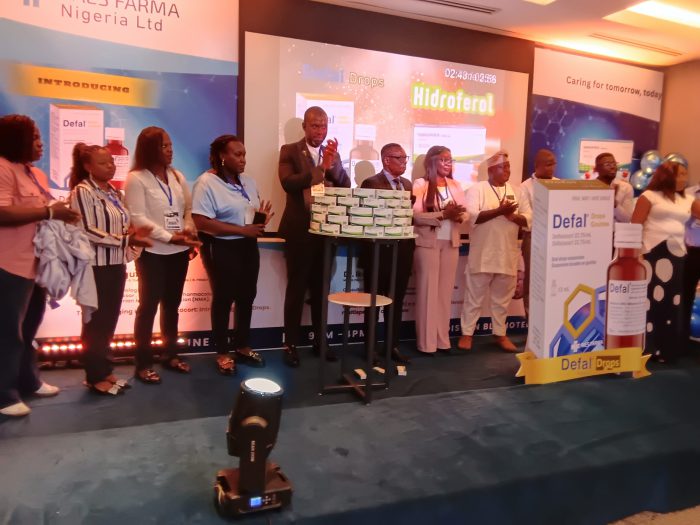
 

Ukpo, the medicinal food thickener

3


Mucuna flagellipes

Mucuna flagellipes is a tropical rainforest vine belonging to the legume family (Fabaceae), well known across Nigeria for its edible seeds, which are commonly processed into a traditional soup thickener. Its common names include ox-eye bean, hamburger seed, hamburger bean, sea bean, donkey eye, and velvet bean. Locally, it is called kararra or karangiwa by the Hausas, ukpo or agbara by the Igbos, and yerepe or agbarin by the Yorubas.

Constituents

Mucuna flagellipes contains complex carbohydrates, proteins, and fatty acids; phytochemicals such as alkaloids, flavonoids, saponins, terpenes and tannins; vitamins including thiamine, riboflavin and niacin; and minerals such as magnesium, calcium, potassium, sodium, phosphorus, zinc, copper and iron. Other constituents include oxalate, phenol, phytate, L-dopa, phenolics, haemagglutinins, trypsin and chymotrypsin inhibitors, cyanogenic compounds, and mucunain.

Preparations

The plant is available as raw or dried seeds, or in powdered form. The seeds can be roasted, fried, cooked, boiled, dehulled and ground. The leaves are used in decoctions.

Pharmacological actions and medicinal uses

Ukpo seeds possess antibacterial, anticancer, anti-constipation, anti-inflammatory, anti-cholesterol, blood sugar-lowering, immune-boosting and bone development properties. A study revealed that M. flagellipes inhibited alpha-amylase and pancreatic lipase activities due to the presence of two major compounds—hexadecanoic acid and 9,12-octadecadienoic acid.

The anti-obesity and antihyperlipidaemic properties of M. flagellipes have been demonstrated in in vivo studies, where the n-hexane fraction significantly reduced total triglycerides, total cholesterol and low-density lipoprotein cholesterol compared with hyperlipidaemic control rats. Another study suggested that Mucuna flagellipes possesses significant antihypertensive effects, although not as potent as amlodipine.

Reports indicate that decoctions of leafy twigs are used as a beverage or bath to treat children with rickets. It is also taken as an emmenagogue and for the treatment of diarrhoea. The powdered fruits are applied against lice. The hairs on the fruit, though intensely irritating to the skin, are used medicinally to expel tapeworms.

A study reported that Mucuna flagellipes, with a fair degree of accuracy, improves learning and memory and may be useful in the management and treatment of retrograde amnesia. Another study revealed that ice cream produced from M. flagellipes gum has strong potential in addressing protein and vitamin deficiencies prevalent in developing countries.

Adverse effects

Consuming raw or improperly processed Mucuna flagellipes can cause severe adverse effects, including dizziness, stomach discomfort, nausea, vomiting, diarrhoea, heartburn, involuntary muscle movements (dyskinesia), psychological disturbances and severe dermatitis. Contact of the fruit hairs with the eyes can cause severe conjunctivitis and, in extreme cases, blindness.

Economic uses and potential

A black or blue-black dye can be obtained from the stems and leaves of Mucuna flagellipes, often in combination with the fruits of Alchornea cordifolia. This dye is used for colouring vegetable fibres, cloth, leather, wooden objects and pottery. The stems, branches and flower stalks provide a coarse fibre used in rope-making, while the seeds are used in traditional games.

The gum present in the seeds functions as an emulsifying and suspending agent, making it useful in baking and in the manufacture of medicines. The raw or dried seeds cost approximately N5,000 to N8,000 per kilogram, depending on volume, while the powdered form costs about N7,000 to N9,000 per kilogram due to processing and milling.

Ukpo (Mucuna flagellipes) has significant potential in the food, cosmetics and pharmaceutical industries.
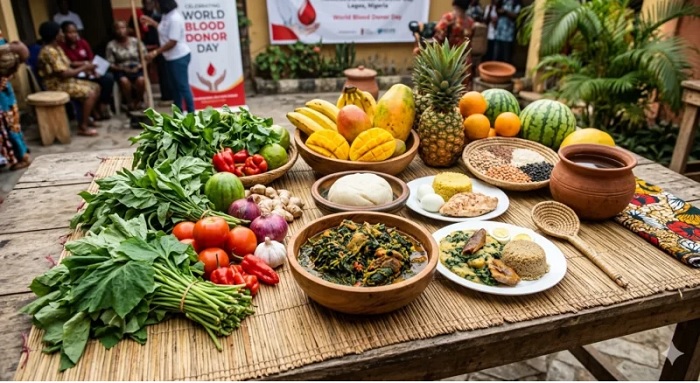
Reference

Fern, K. (2026). Tropical Plants Database, Ken Fern. Retrieved on 16 May 2026 from: tropical.theferns.info/viewtropical.php?id=Mucuna%20flagellipes

By Pharm. Ngozika Okoye MSc, MPH, FPCPharm

(Nigeria Natural Medicine Development Agency)

Email: ngozikaokoye@yahoo.com

The spatulation process is well suited for mixing of which of the following powder

5

PANS QUIZ
The spatulation process is well suited for mixing of which of the following powder

a) Hygroscopic

b) Volatile

c) Eutectic

d) Effervescent

Which of the following is a Eutectic substance

a) Menthol

b) Thymol

c) Camphor

d) All of these