Home Blog Page 6

Cancer Foundation targets men, boys in new HPV awareness drive

0


Cancer Foundation targets men, boys in new HPV awareness drive
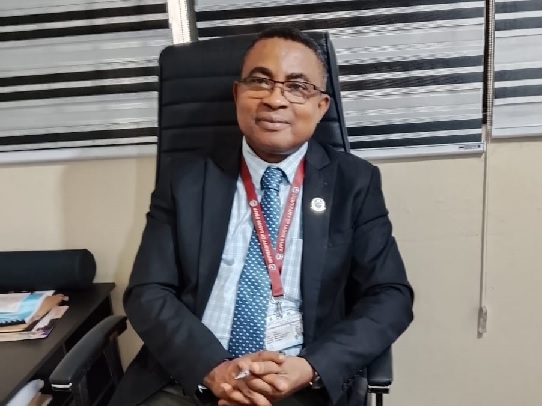
Amb. (Mrs) Franca Ajeborsi Eze

A Cancer Foundation, with the name My Body My Asset has expanded its cervical cancer prevention campaign beyond women to include men, adult boys and college students as part of efforts to increase public understanding of Human Papillomavirus (HPV) and curb the spread of cervical cancer in Nigeria.

The Founder and President of the Foundation, Amb. Dr (Mrs) Franca Ajeborsi Eze, disclosed this in an exclusive interview with Pharmanews, explaining that the decision was driven by the need to make HPV prevention a community-wide responsibility rather than treating cervical cancer as an exclusively female concern.

According to Eze, the foundation’s expanded campaign seeks to provide men and young people with basic information about HPV, including its mode of transmission, consequences and the importance of prevention. “We recently expanded our awareness efforts to include men, adult boys, and college students,” she said.

Eze, a Stage II cervical cancer survivor and healthcare professional, explained that increasing awareness among males was particularly important because HPV is not solely a women’s health issue. She said a better-informed population would be better positioned to prevent HPV infections and ultimately reduce the incidence of cervical cancer. “The more informed our society becomes, the greater our chances of reducing HPV infections and preventing cervical cancer,” she said.

The cancer advocate also disclosed that the foundation had provided free HPV vaccination to some university students, including the provision of three doses for some beneficiaries. She urged parents to take advantage of opportunities to vaccinate their daughters, stressing that vaccination, alongside routine screening and public education, offered one of the strongest opportunities to prevent cervical cancer. “Prevention will always be better, less expensive, and more effective than treatment,” she said.

Eze called for stronger collaboration among government, healthcare providers, schools, civil society organisations and the private sector to improve HPV vaccine acceptance and coverage in Nigeria. She said government should strengthen policies that make HPV vaccines accessible and available through public healthcare facilities, while healthcare professionals should provide parents, caregivers and eligible individuals with accurate information capable of addressing fears and misconceptions about vaccination.

Schools, she added, should incorporate HPV and reproductive health education into their health programmes and encourage parents to take advantage of vaccination opportunities. She also urged civil society organisations to intensify grassroots advocacy, particularly in communities where misinformation and limited access to health information remain major obstacles to preventive healthcare.

According to her, the foundation’s experience has shown that the language used in communicating health information can determine how effectively communities understand and respond to public health messages. She cited the foundation’s cervical cancer outreach in Oyi Local Government Area of Anambra State in January 2026, where she communicated directly with women in Igbo. “In some other communities, we relied on interpreters to ensure everyone understood the message,” she said, adding that health education should be delivered in languages people understand.

Eze identified ignorance, fear, stigma, poverty, misinformation and limited access to healthcare services as major barriers to cervical cancer prevention in Nigeria. She argued that prevention should receive greater attention because many women only seek healthcare when symptoms appear, despite the fact that cervical cancer can develop silently. She therefore called for sustained government support, mobile screening clinics, stronger primary healthcare systems, increased HPV vaccination awareness and health education targeted at rural and underserved communities.

The cancer survivor further urged corporate organisations to support HPV vaccination campaigns, cancer screening and community health education through sustained partnerships with organisations working at the grassroots. She maintained that eliminating cervical cancer would require coordinated action across society. “Cervical cancer prevention is not just a women’s issue—it is a community responsibility,” she said.


 

FG inaugurates Joint Task Team to safeguard health investments

0


A cross-section of stakeholders at the inauguration

The Federal Government has commissioned a Joint Task Team of the Federal Ministry of Health and Social Welfare and the Independent Corrupt Practices Commission and other related offences to improve preventive health  and safeguard Nigeria’s investments in the health sector.

The Joint Task Team was primarily set up to conduct assessments of each quarterly disbursement of the Basic Health Care Provision Fund (BHCPF) with the BHCPF secretariat serving as its secretariat.

The team is headed by the Director of Hospital Services, representing the ministry, and a Director of the ICPC, with membership drawn from relevant supervising offices and departments.

Speaking at the occasion, the Coordinating Minister of Health and Social Welfare, Prof. Muhammad Ali Pate, emphasised the mission of the team, which  seeks to make a change from responding to wrongdoing after it occurs to identifying vulnerabilities early, closing regulatory gaps and strengthening systems before public resources are lost.

He also explained the importance of the Joint Task Team, stating that its role is to identify institutional vulnerabilities, strengthening preventive controls and improving oversite across the health sector.

The minister further disclosed that  the Federal Government has deployed 774 performance and financial management officers across various local government areas to independently verify the receipt and utilization of funds.

The initiative is part of efforts to improve transparency and ensure that funds allocated to strengthen primary healthcare is utilized properly and properly accounted for, and used for its intended purpose.

According to Prof. Pate, “Every naira invested in our health system carries an obligation: to reach the facility, the health worker, and the Nigerian whose life depends on it. When those resources are diverted, the cost is not abstract. It is a medicine that never arrives, equipment that is unavailable when needed, or a service that falls short. In this sector, corruption can cost lives.

The ICPC Chairman, Dr Musa Adamu Aliyu, who was represented by the Executive Secretary of the commission, Mr Clifford Oparaodu, said the consequences of corruption in health sector extends beyond financial losses, as the misuse of resources may affect maternal or infant mortality, immunization rates, preventable diseases and access to affordable healthcare.

The Permanent Secretary of the Federal Ministry of Health and Social Welfare, Daju Kachollom, stated the importance of protecting health-sector, highlighting that it would save lives, reduce physical and financial pain of ill-health, and produce health for all Nigerians.

Prof. Pate restates government’s  commitment to ensuring that every investment in health is protected, properly utilised and translated into better health outcomes for Nigerians.


Prostate health in ageing men

0


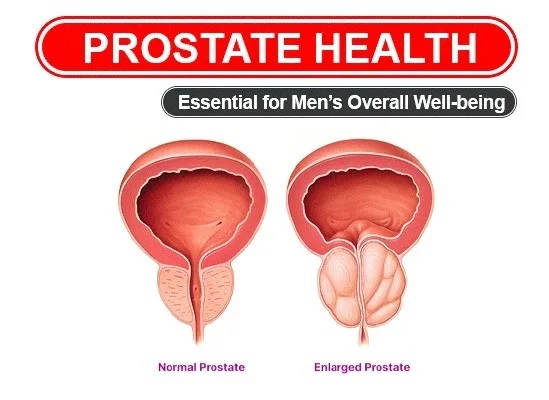
Prostate health illustration. Image source: Mukat Hospital


As men grow older, their bodies go through changes that are easy to notice, such as grey hair, stiff joints, and declining energy levels. But, perhaps the most common health concern of ageing men is prostate health.

Many men avoid talking about prostate health because of embarrassment, fear, or the belief that urinary problems are simply part of getting older. Unfortunately, these assumptions can delay medical attention until symptoms become more serious. The truth is that while prostate changes are common with age, they should never be ignored.

Understanding the prostate

The prostate is a small gland found only in men. Located just below the bladder, it surrounds part of the urethra, the tube through which urine leaves the body. Its primary role is to produce fluid that nourishes and transports sperm.

In younger men, the prostate is about the size of a walnut. As men age, however, it often becomes larger. This enlargement is not always a sign of cancer. In fact, many older men develop a condition known as benign prostatic hyperplasia (BPH), which is a non-cancerous enlargement of the prostate.

As the gland enlarges, it can press against the urethra, making it more difficult for urine to pass freely.

Identifying the warning signs

Many men dismiss the early symptoms of prostate problems because they develop gradually. Waking several times during the night to urinate, taking longer to empty the bladder, or experiencing a weak urine stream may be accepted as part of ageing.

Other warning signs include difficulty starting urination, a sudden urge to urinate, dribbling after urination, or the feeling that the bladder has not emptied.

These symptoms do not necessarily mean a man has prostate cancer. They may result from an enlarged prostate or another urinary condition. However, they do mean that medical evaluation is necessary.

Blood in the urine or semen, persistent pain in the lower back, hips, or pelvis, or unexplained weight loss should never be ignored, as these symptoms require prompt medical attention.

Prostate enlargement vs prostate cancer

One of the greatest sources of confusion is the belief that every prostate problem is cancer. This is not true.

Benign enlargement of the prostate becomes increasingly common with age and affects millions of men worldwide. While it can significantly affect quality of life, it is not cancer and does not automatically develop into cancer.

Prostate cancer, however, is one of the most common cancers affecting men. According to global cancer statistics, its risk increases significantly after the age of 50, although some men with a strong family history may be at risk earlier. The encouraging news is that when detected early, treatment is often more successful and outcomes are considerably better.

Importance of regular screening

One reason prostate cancer continues to claim lives is that it may produce no symptoms in its early stages. A man may feel completely healthy while the disease is developing silently.

This makes regular medical check-ups particularly important, especially for men over 50 and those with a father or brother who has had prostate cancer.

Doctors may recommend a prostate-specific antigen (PSA) blood test, a digital rectal examination, or both, depending on a person’s age, medical history, and level of risk. These tests do not provide all the answers on their own, but they help identify men who require further evaluation.

Screening should always involve a discussion between a man and his healthcare provider so that decisions are based on individual risk and overall health.

Habits that enhance prostate health

While age and family history cannot be changed, some lifestyle habits may help support prostate and overall health.

A balanced diet rich in fruits, vegetables, legumes, and whole grains contributes to general well-being. Foods high in saturated fats and heavily processed meats should be eaten in moderation. Maintaining a healthy weight and engaging in regular physical activity also reduce the risk of many chronic diseases, including some cancers.

Good control of conditions such as diabetes and hypertension is equally important, as these illnesses often occur alongside prostate problems in older adults.

Perhaps most importantly, men should not ignore changes in their urinary habits. Seeking medical advice early can prevent unnecessary complications and improve quality of life.

NDLEA destroys N301bn cocaine, heroin, opioids, others in Lagos

0
Illicit drugs destroyed by NDLEA: Image source: NDLEA


The National Drug Law Enforcement Agency (NDLEA) has publicly destroyed 329,865.585 kilograms of assorted illicit drugs with an estimated street value of N301.058 billion in Lagos.

The illicit drugs, including cocaine, heroin, methamphetamine, cannabis of different strains such as Canadian Loud and skunk, ephedrine, tramadol, codeine syrup and other opioids, as well as khat leaf, were destroyed on Monday.

The exercise, says the agency’s Director, Media and Advocacy, Mr Femi Babafemi, was in line with the directive of the Federal High Court, Lagos Judicial Division, to dispose of uncontested concluded cases and abandoned seizures.

Of the total consignment, he said 246,864.535 kilograms were seized by the Lagos Strategic Command of the Agency between April 2025 and May 2026, while 83,001.05 kilograms came from the Murtala Muhammed International Airport (MMIA), Tincan and Apapa Strategic Commands, as well as the Marine Command and a Special Operations Unit, all operating within Lagos.

Speaking at the destruction site, in Navy Town, Ojo area of Lagos, the Chairman/Chief Executive Officer of NDLEA, Brig. Gen. Mohamed Buba Marwa (Rtd) described the exercise as a bold demonstration of Nigeria’s resolve to protect its people and deny criminal enterprises the resources they need to thrive. He noted that behind every kilogram of narcotics destroyed lies a story of a young life at risk, a family torn apart by addiction, and communities endangered by drug-related crime and impaired driving.

Marwa said the destroyed consignment represented more than the elimination of contraband, stressing that illicit drugs weaken the labour force, raise healthcare costs, discourage investment and drain public resources that should go into education, healthcare and infrastructure. He added that every consignment intercepted by the Agency saves the country billions of naira in potential losses linked to addiction, crime and social dislocation.

The NDLEA boss also linked the trade in illicit drugs to Nigeria’s broader security challenges, noting that drug trafficking helps fund organised crime, terrorism and violent extremism globally, and that by seizing and destroying such substances, the Agency is strengthening the country’s national security architecture.

He commended the support of President Bola Ahmed Tinubu, and his administration’s strategic backing for the Agency’s mandate, as well as the partnership of the Judiciary, the Lagos State Government, the military, sister security agencies, international partners, civil society, traditional institutions, the media and members of the public.

Marwa paid tribute to NDLEA personnel across the country, particularly those serving in Lagos, while acknowledging the risks and sacrifices they make in the course of their duty.

Issuing a stern warning to drug barons, traffickers, financiers, distributors and dealers, the NDLEA Chairman declared that their days of operating with impunity are over. “Wherever you hide, whoever sponsors you and however sophisticated your network may be, the long arm of the law will reach you,” he said, vowing that the Agency remains resolute, relentless and uncompromising in pursuing and dismantling every criminal network and its financial spine.

He called on all Nigerians, parents, schools, religious and traditional leaders, and the media to become active stakeholders in the war against illicit drugs, stressing that the battle cannot be won by the NDLEA alone.

The Lagos State Governor Babajide Sanwo-Olu, while speaking at the event, said, “The scale of what has been destroyed today, about 300 tons of narcotics and psychotropic substances, is a huge and sobering reminder of the enormity of the threat that illicit drugs pose to our communities, our young people, and our collective future. It is also, in equal measure, a powerful testament to what becomes possible when law enforcement, the judiciary, and the government work hand in hand, not merely to enforce the law, but to uphold justice, protect society, and secure a better future for our people. It reminds us that when institutions unite around a shared purpose, the law becomes more than an instrument of enforcement.”

Represented by the Secretary to the State Government, Mrs Bimbola Salu-Hundeyin, the governor assured that “Lagos State is unwavering in its resolve to confront drug abuse and trafficking, and we will not relent in our efforts to do this.”

In his goodwill message, the Comptroller General of Customs Bashir Adewale Adeniyi noted that the “NDLEA deserves all the accolades they have received from local and international partners”, adding that “It is not just about the size of what we are seeing but about the scope of what has been taken from operations conducted in our seaports, at our airports, at our land borders. This therefore represents a very strong message to drug dealers that they are no longer welcome in Nigeria.”

He noted that there’s a nexus between drug dealers and violent non-state actors because drugs continue to provide the oxygen for their crime. “Bandits, kidnappers, armed robbers, insurgents, terrorists, this is their oxygen and so the destruction that we are going to witness today is symbolic of two things: drug dealers are going to be losing investments worth billions of naira and we are going to be denying non-state violent actors the necessary oxygen that they need for their heinous crime and as we hope that we suffocate them, deny them access to this kind of thing, we believe that this will continue to be their lot. They will continue to invest, and they will continue to lose their investments. I want to commend the chairman of NDLEA and, in fact, all our officers and men and operatives throughout our commands who are responsible for this”, he added.


UNIUYO’s researcher, Awofisayo emerges chairman, ASOCLIP Continental Committee

0


Professor Jide Awofisayo

The global research profile of the University of Uyo has received yet another major boost as one of its finest academics and foremost pharmaceutical researchers, Professor Jide Awofisayo, has been appointed chairman of the Continental Research Committee (CRC) of the African Society of Clinical Pharmacists (ASOCLIP).

The appointment, which takes immediate effect, places Professor Awofisayo at the forefront of driving collaborative clinical pharmacy research across Africa. It is a recognition of decades of scholarly excellence, academic leadership, and unwavering commitment to advancing evidence-based pharmaceutical practice on the continent.

As a Professor of Clinical Pharmacy and Biopharmacy at the University of Uyo, Professor Awofisayo has distinguished himself as an accomplished researcher whose work spans clinical pharmacy, pharmacokinetics, drug information services, pharmaceutical care, drug quality evaluation, and medicine safety. His research portfolio includes dozens of scientific publications with significant citations, reflecting his contributions to improving healthcare outcomes through research and innovation.

Beyond the classroom and laboratory, Professor Awofisayo has become synonymous with research development through BIOSCIRD (Bioscientifics Research and Development Ltd/Gte), where he has championed scientific publishing, mentorship, capacity building, and innovation. Through BIOSCIRD, he has helped nurture young researchers, promoted quality scientific journals, organized research training, and expanded opportunities for knowledge dissemination across Nigeria and beyond. He also serves as Editor of BIOSCIRD’s clinical pharmacy journals, further strengthening research visibility in pharmaceutical sciences.

His leadership has consistently inspired students, early-career researchers, and professionals to embrace impactful research that addresses Africa’s healthcare challenges. From drug quality assessment and pharmacokinetic studies to clinical outcomes research and pharmaceutical innovation, Professor Awofisayo has remained committed to translating research into practical healthcare solutions.

The newly inaugurated ASOCLIP Continental Research Committee also features Dr Sarah Ali (Sudan) as Secretary and Professor Weah Jah Cisco (Liberia) as Adviser, while the Society simultaneously expanded its Continental Executive Committee with new representatives from Cameroon and Egypt.

His emergence as chairman is not merely a personal achievement; it is a proud moment for the University of Uyo, the Nigerian pharmacy profession, and the wider African scientific community. It reflects the growing influence of Nigerian scholars in shaping continental research policies, strengthening multicentre collaborations, and advancing evidence-based clinical pharmacy practice across Africa.

His appointment further reinforces the University of Uyo’s reputation as a hub for academic excellence and impactful pharmaceutical research, while showcasing the institution’s ability to produce scholars whose influence transcends national boundaries.

Congratulations to Professor Jide Awofisayo on this landmark continental appointment. As Africa looks toward stronger research collaboration and innovation in healthcare, there is little doubt that his experience, vision, and passion for scientific excellence will leave a lasting imprint on clinical pharmacy research across the continent.

Poor pay, brain drain threaten Nigeria’s physiotherapy workforce — ACAPN

0


Professor U.A.C. Okafor

Poor remuneration, inadequate opportunities for continuing professional development and the migration of practitioners are threatening the capacity of Nigeria’s physiotherapy workforce to meet the country’s growing healthcare needs, the President of the Association of Clinical and Academic Physiotherapists of Nigeria (ACAPN), Professor U.A.C. Okafor, has warned.

Okafor, a professor of Ergonomics and Musculoskeletal Physiotherapy at the University of Lagos, said Nigerian physiotherapists were not adequately compensated despite the physically demanding and hazardous nature of their work.

Speaking in an exclusive interview with Pharmanewsonline, he said physiotherapists routinely work in close physical contact with patients, including those recovering from stroke, obesity, neurological disorders and severe musculoskeletal conditions, exposing them to considerable physical and occupational risks. According to him, the welfare packages and hazard allowances available to many physiotherapists do not adequately reflect the demands and risks associated with their profession.

He identified the migration of physiotherapists to countries offering better remuneration, working conditions and career opportunities as another major challenge confronting the profession. “As more professionals leave, those who remain face heavier workloads, placing additional strain on the healthcare system,” he said.

Okafor also expressed concern over limited access to continuing professional development, particularly among physiotherapists working in government institutions. He said many practitioners lacked institutional sponsorship to attend conferences, workshops and specialised training programmes, making it difficult for them to keep pace with developments in their profession. He said ACAPN was responding through advocacy, public awareness and initiatives designed to strengthen research, mentorship and professional development.

The ACAPN president, however, said the profession had recorded important progress, including the approval of the Doctor of Physiotherapy (DPT) programme by the National Universities Commission in 2018. According to him, the development has raised the profile of physiotherapy, encouraged more universities to establish training programmes and gradually expanded the country’s physiotherapy workforce.

Okafor argued that strengthening physiotherapy was particularly important as Nigeria grapples with an increasing burden of non-communicable diseases, musculoskeletal disorders and neurological conditions. He said physiotherapists were central to the prevention, treatment and rehabilitation of patients suffering from these conditions, adding that their contribution extended beyond the traditional perception of physiotherapy as treatment for back pain and sports injuries.

He identified poor posture associated with the widespread use of smartphones, laptops and tablets as an emerging public health concern. According to him, prolonged use of digital devices in awkward positions is contributing to neck pain, back pain, shoulder discomfort and joint problems, while excessive smartphone use is increasingly associated with repetitive strain injuries such as “texting thumb”.

He urged Nigerians to pay greater attention to workplace and digital ergonomics, including appropriate seating, desk height, computer-screen positioning and driving posture, saying simple adjustments could prevent years of pain and disability. Okafor also stressed the need for greater integration of physiotherapy into multidisciplinary healthcare.

He noted that physiotherapists work alongside doctors, pharmacists, nurses and other healthcare professionals in managing patients, particularly those requiring rehabilitation after stroke, neurological disorders, respiratory illnesses and developmental conditions. He said the COVID-19 pandemic helped to broaden public understanding of the profession, particularly its role in respiratory rehabilitation.

The pandemic, he explained, also accelerated the profession’s adoption of technology. ACAPN moved its conferences and professional engagements online during the period, while physiotherapists increasingly adopted tele-rehabilitation to monitor patients remotely, supervise home exercise programmes and provide virtual guidance. Although physiotherapy remained fundamentally a hands-on profession, he said technology could complement conventional treatment by improving access and continuity of care.

Okafor called for stronger government policies to support physiotherapy education, research and professional practice. He advocated increased investment in training, research funding, continuing professional development and better remuneration for practitioners. He also called for sustained public awareness campaigns to help Nigerians understand the breadth of physiotherapy practice, noting that the profession now covers areas including cardiopulmonary, neurological, paediatric, women’s health, orthopaedic, sports and ergonomics physiotherapy.

He said greater recognition of physiotherapy would improve access to rehabilitation services and contribute to a healthier and more resilient healthcare system. “Ultimately, investing in physiotherapy is an investment in healthier communities, improved quality of life and a more resilient healthcare system,” he said.


What selling is, and what it is not

0


What selling is, and what it is not
George Emetuche

“Sales is the lifeblood of business.” — The Selling Champion

It is no longer news that sales is the lifeblood of business. Robert Kiyosaki once said, “If you don’t know how to sell, don’t think of doing business.” I totally agree with the author of Rich Dad Poor Dad.
Drawing from my experience in sales and marketing, I have developed what I call what selling is, and what it is not. Many salespeople make mistakes in the way they sell because they do not fully understand the essence of selling.
Let us look at what selling is.

1. Transfer of feeling and emotion
Your duty as a sales professional is to make the buyer feel the way you feel about your products and services. You achieve this through your sales presentation and by convincing the buyer to choose your products or services. You are expected to show the customer or prospect why they should buy from you. A sales presentation is a demonstration of what your product or service can do for the buyer.

2. Transfer of value
Simply put, selling value means ensuring that your offering meets or exceeds the buyer’s expectations. You must communicate the value in your products and services. Buyers purchase the solutions your product provides because they perceive them as valuable.

3. Providing a solution to a need
As mentioned above, people buy solutions, not merely products. Before deciding what to sell, you must first discover what your target market needs. This is where data collection and information gathering become winning sales strategies.

4. Mutual benefit
Sales is a mutually beneficial transaction. The art of selling should not be one-sided; it is relational. It is a win-win situation. In advanced selling strategies, everyone wins.

5. Exchange of products or services for value
Yes, every sale involves a product or service and a selling price. A salesperson is not Father Christmas, giving away products free of charge. Selling is about delivering value through your offering and receiving value in return through payment. Nothing more, nothing less.

What selling is not
Now let us consider what selling is not.
1. It is not desperation
You cannot afford to be desperate to make a sale. People often take advantage of desperation. Selling is about moving the customer or prospect from where they are to where you want them to be. It is about demonstrating that you have a solution and genuinely want to help the buyer. This cannot be achieved through desperation. It is accomplished by presenting your value professionally and confidently.

2. It is not a one-off transaction
Selling is about encouraging repeat purchases. You make the sale, then inspire the customer to buy again. The next stage is to earn referrals by motivating satisfied customers to recommend your products or services to others. Until you reach this stage, you have not fully mastered selling.

3. It is not one-sided
Selling is based on exchange. You give value to receive value. Every party contributes something and receives something in return. No one comes to the table empty-handed.

4. It is not taking advantage of the buyer
Successful businesspeople think not only about today but also about the future of their businesses. Successful entrepreneurs and sales professionals do not take advantage of their customers; instead, they focus on building relationships that last a lifetime.

5. It is not just about closing a deal
Some salespeople simply want to issue invoices. Their only objective is to close sales, even if the prospect or customer is not fully satisfied. The danger of making closing the sale your sole focus is that you will neglect the enduring principles of relationship building and value delivery in favour of quick fixes. That approach is short-sighted. As Patricia Fripp wisely said, “You don’t close a sale; you open a relationship.” You cannot go wrong if you follow this principle.

UPDATE
Join Prof. Vincent Onodugo, FCAI, FNIM, FIIA; Prof. Chuka Ifediora, FIAS, of the UNN Business School; and George O. Emetuche, CES, Managing Director of The Selling Champion Consulting Ltd, at Toscana Hotels, Enugu, on 22 August 2026 for the South East/South South Sales, Marketing, Strategy and Performance Efficiency Annual Masterclass.

Also join us at Dover Hotels, Ikeja, Lagos, on 5 September 2026 for the Lagos/South West Edition of the Annual Masterclass, where Chidi Okoro, Founder of Drugs & Medicaments and Senior Fellow at LBS; Prof. Ayodele Oniku, FNIMN, Coordinator, UNILAG Business School; Charles Iloegbunam, FNIMN, Managing Director, Masters Energy Aviation; and George O. Emetuche will deliver insightful presentations.
The value is immense!
Enquiries: www.thesellingchampionconsulting.com | 07060559429

Nestlé Nigeria empowers 50 Zaria women retailers

0

– Marks five years of rural Initiative

Nestlé Nigeria has empowered 50 women retailers in Zaria, Kaduna State, through business training and grants in the form of Nestlé products valued at three times their existing stock.

This was part of Nestle’s Nigeria activities in marking its fifth anniversary and 10th edition of its Empowering Rural Women Initiative.

The intervention, which aims to strengthen the capacity and sustainability of women-owned businesses, also ushered in a three-month mentorship programme for the beneficiaries.

The Corporate Affairs Manager, Nestlé Nigeria PLC, Toju Egbebi, disclosed that the mentorship is designed to help participants apply the knowledge gained during the training, manage their expanded inventory and build more sustainable businesses.

Launched in 2021, she said, the Empowering Rural Women Initiative targets women retailers who have demonstrated the determination to grow their businesses but face limited access to business training, mentorship and resources needed for expansion.

Prior to the Zaria edition, Egbebi noted that the initiative had supported 432 women entrepreneurs across different communities in Nigeria. With the addition of the 50 Zaria beneficiaries, the total number of women reached by the programme has risen to 482.

She said monitoring of previous cohorts showed that more than 80 per cent of participants had sustained and grown their businesses beyond the initial stock support provided through the initiative. Many of the beneficiaries now operate at a higher level, with increased inventories, turnover and customer bases, as well as improved financial and business management practices.

Speaking at the event, Commercial Manager, Nestlé Nigeria, Boladale Odunlami, said women play a significant role in the company’s retail network and contribute substantially to its connection with consumers and communities.

According to him, women account for approximately 60 per cent of retailers in Nestlé Nigeria’s retail network, making their contribution critical to the company’s operations and growth. He added that the initiative reflects Nestlé’s commitment to ensuring that women who contribute to its growth also have opportunities to grow their businesses and earning potential.

The Zaria beneficiaries received training in key areas including bookkeeping, merchandising, stock management, financial management and customer service. The training is expected to equip them with practical skills to manage their businesses more effectively and make better use of the additional stock provided.

During the three-month mentorship period, Egbebi hinted that the women will receive practical guidance as they manage their increased inventory, apply the skills acquired and reinvest profits into their businesses. They were also encouraged to learn from one another and develop relationships that could provide continued support after the formal mentorship period.

Reflecting on the five-year journey of the initiative, Corporate Communications, Public Affairs and Sustainability Lead, Nestlé Nigeria, Victoria Uwadoka, said the programme’s success should be measured by what beneficiaries are able to build after receiving support.

Uwadoka explained that the continued growth of participating women demonstrates the value of the initiative, noting that stronger businesses and improved livelihoods among beneficiaries also contribute to strengthening the retail network connecting Nestlé products with communities across Nigeria.

The Zaria edition was implemented with the support of Nestlé Nigeria’s implementation partners and local distributors, whose continued engagement is expected to complement the mentorship programme and help the beneficiaries work towards stronger and more profitable businesses.

As the initiative enters its next chapter, Nestlé Nigeria said it remains committed to expanding opportunities for more women to build sustainable enterprises and improve their livelihoods.

NAFDAC 5+5 Policy driving pharma manufacturing investment – PMG-MAN

0

.

Pharm. Frank Mounemeh

The National Agency for Food and Drug Administration and Control (NAFDAC) 5+5 policy is driving increased investment in local pharmaceutical manufacturing, with companies that previously relied heavily on imported medicines now establishing production facilities or exploring contract manufacturing arrangements in Nigeria.

The Executive Secretary of the Pharmaceutical Manufacturing Group of the Manufacturers Association of Nigeria (PMG-MAN), Pharm. Frank Mounemeh, disclosed this in an exclusive interview with Pharmanewsonline, ahead of the Nigeria Pharma Manufacturers Expo.

He said the policy had demonstrated the transformative power of well-designed government intervention in strengthening local pharmaceutical manufacturing, while commending the Director-General of NAFDAC for maintaining a firm position on its implementation.

He stressed that developing a policy was only one part of the process, while faithful implementation was equally important.

The 5+5 policy requires companies holding market authorisations for products that can be manufactured locally to either establish manufacturing capacity in Nigeria or demonstrate arrangements for contract manufacturing within the country.

The policy, he said, had begun to change the behaviour of companies operating in the Nigerian pharmaceutical market, with firms that had held market authorisations for many years now establishing manufacturing facilities locally. Existing manufacturers are also positioning their facilities to undertake contract manufacturing for companies that hold market authorisations but can no longer simply rely on importing the products.

Describing the development as a practical demonstration of how effective government policy could stimulate investment in local pharmaceutical manufacturing, Muonemeh said, “When people ask me what government should prioritise, whether it is access to finance or policy, I always say that with the right policy, everything will fall into place.”

He added that the 5+5 policy had created an environment in which companies were compelled to align their business strategies with the government’s objective of increasing local production. “With the right policy, people are not even asking about funding. They have no choice but to align, look for the funds and get it done,” he said.

The pharmaceutical industry, he noted, was undergoing a transition towards greater self-sufficiency, with local manufacturers increasingly producing medicines and pharmaceutical products that were previously imported. He cited the growth in local production of beta-lactam medicines as an example, saying Nigeria now has close to 10 beta-lactam manufacturing facilities.

The development, he explained, was partly linked to gaps created by the exit of some multinational pharmaceutical companies from the Nigerian market. Although their departure created challenges, it also opened opportunities for local manufacturers to produce medicines previously supplied by the companies.

“With the exit, companies now started focusing on that gap,” he said, adding that the development had encouraged local manufacturers to produce essential medicines that might otherwise have remained dependent on imports.

The industry is also beginning to explore more sophisticated areas of production, including molecules that local manufacturers would not have considered producing a decade ago, as well as opportunities in biosimilar products. However, the broader success of local pharmaceutical manufacturing, he stressed, would depend on consistency in government policies and effective implementation.

He cited the presidential executive order introduced to support local pharmaceutical manufacturing as another potentially impactful policy whose benefits could be weakened by implementation challenges.

Manufacturers, he explained, have experienced difficulties arising from inconsistencies in customs and trade platforms, sometimes resulting in companies paying charges they were not supposed to pay.

“These are all things that add to the cost of production,” he said. Port congestion, delays in clearing pharmaceutical inputs and high energy costs were also identified as significant challenges confronting manufacturers.

He disclosed that energy,  accounts for as much as 40 per cent of production costs, compared with significantly lower costs in countries such as India and China. “All these costs add up to the product that comes out of a factory because, trust me, who is going to pay for that cost is the patient,” he added.

He therefore called for greater policy consistency and faithful implementation of government interventions aimed at supporting local pharmaceutical production. “A policy can be well thought out, well written in black and white, but then execution is flawed,” he said, arguing that effective implementation was critical to translating government policies into tangible benefits for manufacturers and patients.

He also called for the extension of the presidential executive order by another two years to allow the relevant policies and implementation mechanisms to stabilise, saying a predictable policy environment would give manufacturers greater confidence to invest in production facilities and expand local capacity.

The PMG-MAN executive secretary said the industry was also looking beyond Nigeria, with regional manufacturing and pharmaceutical sovereignty becoming increasingly important. Strengthening local manufacturing, he explained, was the foundation for expanding Nigeria’s pharmaceutical manufacturing footprint across West Africa and the wider African market.

The forthcoming Nigeria Pharma Manufacturers Expo, he added, would provide a platform for manufacturers, regulators, investors and other stakeholders to examine opportunities for strengthening local and regional pharmaceutical production, while showcasing technologies and inputs required for local manufacturing.

He stressed that Nigeria’s long-term objective should be to move beyond importing finished pharmaceutical products and take greater ownership of the entire pharmaceutical value chain. Effective government policies, increased local investment and stronger manufacturing capacity, he maintained, would be critical to achieving medicine security and improving access to safe, quality and affordable medicines in Nigeria.


DRC Ebola epidemic: Second largest on record, says WHO

0


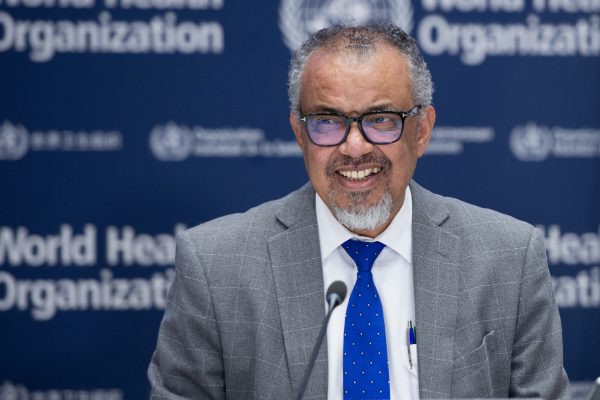
Dr Tedros Adhanom Ghebreyesus

The World Health Organisation (WHO) has described the Ebola outbreak in the Democratic Republic of the Congo (DRC) as the second-biggest ever recorded and is spreading faster than any previous outbreak.

The outbreak is currently on track to surpass the West African Ebola epidemic of 2014 to 2016, which remains the largest Ebola outbreak on record, the apex health agency disclosed.

Official figures show that the country has confirmed 4,449 Ebola cases with 2,061 deaths recorded across five provinces and 53 health zones.

The WHO Director-General Dr Tedros Adhanom Ghebreyesus, made the disclosure in a hybrid press conference, held on Wednesday.

He said about 90 per cent of all cases and 80 per cent of deaths are concentrated in Ituri province, where sustained transmission is being reported in Bunia, Rwampara, Nizi and Lita.

Dr Ghebreyesus expressed concern over the high proportion of deaths occurring in communities rather than treatment units, particularly among people who were not on known contact lists.

He said the pattern suggested that there are still unidentified chains of transmission, stressing that the outbreak cannot be stopped until all transmission chains are identified and broken.

According to him, most transmission occurs when patients develop late-stage disease without receiving treatment or when bodies are handled after death. It therefore identified early clinical care and safe and dignified burials as critical measures for interrupting transmission.

The WHO DG also stressed that the success of these measures depends heavily on the trust and cooperation of affected communities. It called for stronger community engagement and ownership as essential components of the response.

Under the leadership of the DRC government, the response is being scaled up, with interruption of transmission identified as the primary objective. Surveillance remains the major operational challenge, with efforts underway to strengthen community-based surveillance and improve contact tracing.

The WHO DG said it was working with partners to mobilise resources to bring suspected cases into care and achieve the 95 per cent contact-tracing target required to interrupt transmission. Current contact tracing coverage stands at about 80 per cent.

The apex global health agency is also tripling treatment capacity, with a target of establishing 3,000 beds within 12 weeks. In addition, it said three health workers would need to be recruited and trained for every patient, requiring thousands of additional healthcare workers.

Despite the challenges, Dr Ghebreyesus said progress had been made, including the training of more than 21,000 community health workers. Treatment centres, safe burial teams, laboratories and community engagement structures are also operating across affected provinces, while 886 patients have recovered. The organisation further disclosed that vaccine and treatment research is advancing, with two vaccines specifically targeting Bundibugyo virus entering Phase I safety trials in humans.

The new pharmacist series (3)

0

-How to begin: A playbook for the pharmacist who wants more

HubCare’s Vision is to Democratise Healthcare for Africans- Kareem
Pharm. Sesan Kareem

Two months ago, I argued that traditional pharmacy is dying and that the future belongs to the pharmacist who owns patient outcomes, not patient transactions. Last month, I walked through what coordinated care looks like in our sickle cell, hepatitis C and oncology programmes. This month, I owe you the practical part. The how.

I won’t pretend it is easy. But it is doable, from wherever you are starting. Here is the playbook.


Begin with one diseaseDo not try to convert your whole practice at once. Pick one chronic condition you already see often. For most community pharmacists, that is hypertension or type-2 diabetes. For hospital pharmacists, it might be HIV, TB or cancer support. For specialty practitioners, sickle cell or fertility. Go deep on one. Learn what coordinated care really requires. Then expand.            For that one disease, build three things. A patient register, a simple spreadsheet or notebook with name, contact, condition, medications, prescriber, and last refill date. A follow-up cadence, weekly for the first month, biweekly for months two and three, monthly thereafter. And a relationship with at least one prescriber who will take your call. That is the minimum viable coordinated care practice. You can run it from one counter with one phone.


Build the technology around the work, not the other way around

I have watched pharmacists spend three million naira on practice management software they never used. The software did not fail. The practice failed. Start with WhatsApp. Start with Excel. Start with the patient education sheets you already have. When the workflow is real and the patients are real, then layer in tools. At HubPharm, our care companion Afiya now serves over 15,000 users in 50 languages, but she was a WhatsApp number with a human behind her for the first 18 months. The technology grew into the work.


Partner with people who already have patients

You will not build a coordinated care practice by waiting for patients to walk in. They are already somewhere, in a hospital, in an HMO panel, in an NGO programme, in a faith-based clinic. Go to them. Approach the consultant who runs the diabetes clinic at your nearest teaching hospital and offer to take over post-clinic medication management for fifty of his patients, free, for 90 days. Approach an HMO and ask which chronic condition is driving their losses; offer to be their pharmacy of record for it. Approach a fertility clinic, an oncology centre, a sickle cell foundation. Most of them are desperate for a pharmacist who will actually follow patients between visits. Make yourself that pharmacist.

Get paid for the right things

The hardest shift for many pharmacists is accepting that the new economics are not about dispensing margins. They are about retainer fees from clinics, capitation arrangements with HMOs, programme fees from donors, and per-patient management fees from insurers. These models exist in Nigeria today. They are not theoretical. We have signed agreements with HMOs and clinical institutions on this basis. Once your outcomes are documented, the conversations become easy. “We improved adherence by 42 per cent in your sickle cell cohort. Here is what it would cost to do the same across your enrolled lives.” That sentence opens doors that “we sell cheap drugs” never will.

Document everything

If you take nothing else from this series, take this. The pharmacist who measures and documents her outcomes becomes the pharmacist whom funders, HMOs and partners trust with bigger work. Track adherence rates. Track hospital admissions. Track patient satisfaction. Track refill consistency. Do not wait until your data is perfect. It never will be. Start ugly and improve. The pharmacist with three hundred messy patient records and real numbers will beat the pharmacist with five thousand patients and no records every single time.

And finally, accept that this is a longer game. You will not flip your practice in a quarter. You may not see the full economic benefit for two years. The first year is investment. The second is proof. The third is when the practice becomes something your old retail self would not recognise. I have walked this road. So have the founders of every serious coordinated care practice on this continent. The pharmacists who started five years ago are now the ones being courted by hospitals, HMOs, donors and investors.

The profession we trained for is finally coming. Build for it.

If we get this right, across Nigeria, across the continent, no patient should die because no one was coordinating her care. That is the work. Begin now, where you are, with one patient, one disease.

NPC to establish 8,000 digital birth registration centres

0

NPC to establish 8,000 digital birth registration centres

The National Population Commission (NPC) says it has extended digital civil registration services to about 4,000 of Nigeria’s 8,809 wards, with plans to establish 8,000 registration centres nationwide.

The Chairman of the Commission, Dr Aminu Yusuf, disclosed this in Abuja at a media conference to commemorate the 2026 Africa Civil Registration and Vital Statistics (CRVS) Day.

The theme is “New CRVS Decade (2026–2036): Consolidating the Gains of Africa Programme on Accelerated Improvement (APAI-CRVS) and Securing the Future of Civil Registration and Vital Statistics in Africa through Integration, Decentralisation and Digitalisation”.

Yusuf said the expansion was aimed at decentralising civil registration and making birth and death registration more accessible, especially at the community level.

He said the commission had established more than 4,000 functional registration centres across the 774 Local Government Areas.

“Combined with the nationwide deployment of the VitalReg platform, this expansion will bring registration services much closer to communities,” Yusuf said.

He said Nigeria inaugurated its nationwide fully digital CRVS system on the VitalReg platform on July 1, ending the manual registration system.

“Digitalisation enables the timely production and dissemination of vital statistics,” he said.

Yusuf said more than five million children were born annually in Nigeria, while significant gaps remained in the registration of births and deaths.

He said the commission was collaborating with the Association of Local Governments of Nigeria (ALGON), National Identity Management Commission (NIMC), UNICEF and Bankforte Technologies Ltd. to address the gaps.

He added that the commission was working with the National Primary Health Care Development Agency, state governments and health institutions to integrate birth registration into routine health services.

Mrs Adaku Obodo, head, Birth and Death Registration at NPC, said integration with NIMC was helping to prevent duplication of identities.

She said once a child was registered, a unique number was generated and linked with the mother’s identity before a National Identification Number (NIN) was issued.

Obodo said the system would detect existing records and prevent multiple registration of a child.

She said birth registration had also been integrated into routine immunisation services in government hospitals, with trained nurses assisting with the process.

At the community level, she said ward registrars were working with traditional rulers, opinion leaders and other local structures to identify and document vital events.

Obodo said the commission had trained about 4,000 ALGON registrars to conduct birth registration, with efforts continuing to cover remaining areas.

She said the commission was developing a community birth alert system with support from UNICEF to enable community structures to notify registrars whenever a birth occurred outside a health facility.

“This is to ensure that as we progress with digital registration, all aspects are covered, both at the health facility and community level,” she said.

The Chief of Child Protection, UNICEF Nigeria, Ms Natalie McCauley, described birth registration as a fundamental right and a child’s first legal recognition by the state.

“A birth certificate offers proof of identity and lays the foundation for accessing essential services such as healthcare, education, social protection and child protection,” she said.
McCauley said Nigeria had made progress through the leadership of NPC and collaboration with NIMC, ALGON, development partners and communities.

She, however, said many children remained at risk of growing up without proof of legal identity, especially in remote and underserved communities.

McCauley urged continued investment in the integration, decentralisation and digitalisation of civil registration systems to ensure services were available where families lived.

“Every registered birth strengthens child protection. Every registered child becomes more visible to the systems designed to serve and protect them,” she said.
She reaffirmed UNICEF’s commitment to supporting Nigeria and its partners to strengthen birth registration and ensure that no child was left behind.

(NAN)


Bring power closer to the people

0
Dr Lolu Ojo

Every enduring civilisation eventually discovers one fundamental truth about governance: power works best when it is exercised closest to the people. Communities understand their own realities better than distant bureaucracies. They know their peculiar challenges, appreciate their comparative advantages and respond more quickly to emerging problems. Consequently, government becomes more responsive, more innovative and more accountable when decisions are taken near the citizens whose lives they affect.

The opposite is equally true. The farther authority is removed from the people, the slower government becomes. Bureaucracy expands. Decisions take longer. Innovation gives way to procedure. Accountability becomes diffused. Citizens gradually lose confidence in institutions that appear distant from their everyday realities. This is not merely a political observation. It is one of the enduring lessons of public administration.


The science of governance has long recognised what constitutional scholars describe as the principle of subsidiarity: no higher level of government should perform responsibilities that can be effectively discharged by a lower one. National governments should concern themselves with national priorities, while matters that are inherently local should be entrusted to institutions closest to the communities they serve.

It is a simple principle. Yet it explains why some federations consistently outperform others. Countries as diverse as Germany, Canada, Switzerland, Australia, India and the United States differ in culture, history and political evolution, but they share one important characteristic. They distribute public authority in ways that allow local institutions to solve local problems while preserving a strong national government to address issues of common interest. Their experience demonstrates that decentralisation is not the enemy of national unity; wisely designed, it is one of its strongest foundations.

Nigeria now finds itself at a point where this lesson deserves renewed attention. For decades, national conversations have centred on insecurity, unemployment, poor infrastructure, weak public services, declining productivity, constitutional reform and economic competitiveness. These are often treated as separate challenges requiring separate solutions. Yet beneath many of them lies a common structural question that deserves greater consideration.

Have we concentrated too much responsibility too far from the people?

A federation of well over 200 million citizens, spread across diverse cultures, ecological zones and economic realities, cannot reasonably expect one central authority to possess sufficient knowledge, flexibility and speed to respond effectively to every local challenge. Governance, like medicine, succeeds when diagnosis precedes prescription.

Nigeria’s constitutional evolution explains how we arrived here. The regional structure of the First Republic allowed substantial authority over education, agriculture, economic planning and internal development. The Western Region pioneered free primary education and television broadcasting. The Northern Region transformed agricultural production through groundnut and cotton cultivation. The Eastern Region expanded industrial and commercial enterprise around palm produce. Regional competition stimulated innovation, while citizens knew clearly which level of government deserved commendation, or criticism.

Military intervention fundamentally altered that trajectory. In pursuit of national cohesion during periods of instability, powers that once resided within the regions steadily migrated to the centre. Many of those decisions were understandable within the historical circumstances of the time. Yet constitutional arrangements should evolve with changing realities.

Today’s Nigeria is larger, more urban, more educated, more economically complex and far more interconnected than the Nigeria that inherited those structures. The institutions of governance must evolve accordingly.

Across several sectors, the consequences of excessive centralisation have become increasingly evident. Electricity development often struggles because local governments have historically possessed limited authority to pursue integrated solutions tailored to their economic realities. Agricultural priorities differ significantly between Kebbi, Cross River, Ekiti and Borno, yet policy frequently follows nationally uniform templates. Healthcare delivery is most effective when it reflects local disease patterns and demographic needs. Urban transportation challenges in Lagos differ fundamentally from those in Jos or Yenagoa. Environmental management requires different responses in the Niger Delta, the Sahel and the rainforest belt. The underlying issue is not simply administrative efficiency. It is institutional proximity.

Distance is the hidden tax on governance

The farther decisions travel, the slower they become. The slower they become, the more expensive implementation becomes. The more expensive implementation becomes, the weaker accountability grows. The economic implications are equally significant.

Investment follows predictability. Innovation flourishes where institutions possess the authority to respond quickly to emerging opportunities. Regions that can plan, execute and compete responsibly tend to attract greater enterprise and create stronger incentives for productivity. Decentralisation is therefore not merely a constitutional aspiration. It is an economic strategy.

The ongoing national conversation on State Police illustrates this broader principle. Supporters rightly argue that locally recruited officers understand their communities better, appreciate local languages and terrain, respond more rapidly to emergencies and build stronger relationships with citizens. Critics, equally rightly, caution against political interference, uneven funding, abuse of authority and local bias. These concerns deserve careful attention, not dismissal.

Yet the existence of risks is not an argument against decentralisation itself. Every governance arrangement carries risks. Nigeria’s highly centralised policing structure has not eliminated abuse, corruption or insecurity. The more productive question is how constitutional safeguards, independent oversight, professional recruitment, transparent funding and judicial accountability can minimise abuse while preserving the considerable benefits of locally accountable security institutions. Indeed, policing should not dominate the larger conversation. The more important question is this: At what level should each public responsibility be exercised to achieve maximum efficiency, accountability and responsiveness?

Once that question is asked, the conversation extends naturally beyond policing. Education should increasingly reflect regional economic priorities while maintaining national standards. Agricultural development should leverage ecological diversity rather than impose administrative uniformity. Healthcare systems should possess greater flexibility to address local realities. Infrastructure planning should empower states and local communities to solve local challenges while the Federal Government concentrates on those responsibilities that genuinely require national coordination.

Accountability as a major dividend

Effective federalism is not about weakening the centre. It is about enabling every level of government to perform the functions for which it is best suited.

Perhaps the greatest dividend of decentralisation is accountability. One of the unintended consequences of excessive concentration of power is the diffusion of responsibility. Citizens blame Abuja. Governors blame the Federal Government. Local governments blame the states. Responsibility circulates endlessly while solutions remain elusive.

A more balanced federation aligns authority with responsibility. When citizens know precisely who is responsible for education, healthcare, transportation, security or infrastructure within their communities, democratic accountability becomes stronger because political responsibility becomes unmistakably clear.

This is not an argument for fragmentation. It is an argument for functionality.

Strong federations are not held together by administrative uniformity. They are sustained by mutual confidence, constitutional clarity and shared national purpose. Unity flourishes when citizens believe that government understands their circumstances and possesses the authority to respond to them effectively.

Nigeria’s greatest challenge, therefore, may not simply be insecurity, unemployment or inadequate infrastructure. It may be the widening distance between public authority and the people whose welfare that authority exists to promote.

Our national conversation should move beyond asking whether one institution or another should be decentralised. The larger question is whether the architecture of governance itself still reflects the realities of twenty-first-century Nigeria.

History offers a consistent answer.

Governments become stronger when they trust their people. Federations become more resilient when responsibility is intelligently distributed. Nations become more prosperous when decisions are made where knowledge is deepest, action is fastest and accountability is clearest.

The future of Nigeria will not be secured by concentrating more authority at the centre. Neither will it be secured by merely redistributing power for its own sake. It will be secured by building institutions that place responsibility where competence is greatest and accountability is most immediate.

That is the enduring promise of federalism.

That is the pathway to more responsive governance.

And that is why the next chapter of Nigeria’s constitutional journey should begin with one simple but transformative principle: Bring power closer to the people.


(Why Nigeria must decentralise governance for efficiency, accountability and national renewal)

By Pharm. (Dr)  Lolu Ojo, BPharm, MBA, PharmD, FPCPharm, FPSN, FNAPharm

Poke root: The healing herb

0
Poke root


Poke root, botanically known as Phytolacca americana (family Phytolaccaceae), is a perennial flowering shrub with reddish-pink stems and blackish-purple berries. It is native to the south-western and eastern regions of the United States but is also found in parts of South America, Europe and Asia. Poke root is referred to as gurbata in Hausa, nkwu or nku in Igbo, and pokoi in Yoruba. Common names include pokeweed, pokeberry, inkberry, American nightshade, American scoke, pigeonberry, red plant, and pocan.

Constituents

Poke root contains alkaloids (phytolaccin and phytolaccanin), saponins (including phytolaccagenin), lectins, polysaccharides, phytolaccic acid, resins, tannins, mucilage, proteins, histamine and gamma-aminobutyric acid (GABA).

Preparations

Poke root is sometimes cultivated for culinary or ornamental purposes. However, it must be prepared carefully to reduce its toxicity and extract its beneficial constituents. It is available in various forms, including salves, oils, tinctures, creams, ointments, liniments, dried powder and infusions.

Pharmacological actions and medicinal uses

Poke root has been reported to possess muscle-relaxant, anti-rheumatic, emetic, purgative, antifungal, antiparasitic, antiviral, antibacterial, analgesic, anti-inflammatory, immunostimulant, antitumour, expectorant and diuretic properties. It has also been reported to reduce inflammation within the lymphatic system and promote lymphatic drainage, thereby improving inflammatory conditions affecting the upper respiratory tract.

In traditional medicine, poke root has been used to stimulate lymphatic drainage, reduce swollen glands (lymphadenopathy), and treat skin conditions such as boils and acne. It has also been applied in the management of mastitis and chronic infections. Traditionally, it has been used for swollen glands, tonsillitis, mumps, streptococcal throat infections, rheumatism and various cancers, particularly breast cancer. The dried powder may be infused with castor oil to enhance absorption when applied topically for joint pain. Likewise, topical creams or infused oils (for example, poke root blended with castor oil) are sometimes gently massaged over swollen lymph nodes.

Some authors have suggested that Esculentoside A, a compound found in poke root, may inhibit the growth of breast cancer cells, while Esculentoside H may reduce the migration of certain human cancer cells. Earlier studies have also suggested that compounds isolated from pokeweed seeds, namely americanin A and isoamericanol A, may possess anticancer activity against colon and breast cancer cells. However, these findings are based largely on laboratory and preclinical studies, and further clinical research is needed to establish their safety and effectiveness in humans.

Adverse effects/Contraindications

Poke root products are considered unsafe for children, pregnant or breastfeeding women, and individuals with autoimmune diseases or kidney disorders. Whether taken orally or applied topically, pokeweed may cause nausea, vomiting, abdominal cramps, diarrhoea, weakness, hypotension and tachycardia. In rare cases, severe poisoning from high doses of poke root may be fatal.

Economic uses and potential

Historically, poke root has been used as food, in traditional herbal medicine, and as a natural dye for fabrics and wine. The dried plant sells for approximately N6,000 per 50 g. Oil-infused dried poke root powder costs between N22,000 and N44,000, while a pack of fifty 100 mg capsules costs approximately N17,000. Plain poke root powder sells for about N4,800 per 50 g.


Reference

Healthline (2024). The Potential Benefits and Side Effects of Poke Root. Retrieved 11 July 2026 from https://www.healthline.com/health/poke-root.


By Pharm. Ngozika Okoye MSc, MPH, FPCPharm

(Nigeria Natural Medicine Development Agency)

Email: ngozikaokoye@yahoo.com

Miraflash repositions for growth with new board of experts

0


 R-L: Mr Bode Ayenibiowo, marketing manager; Mrs Yemi Akinwande, quality assurance manager; Pharm Yinka Subair, director; Mrs Alaba Fagun, director; Dr Tope Smart, board chairman; Pharm Moses Oluwalade, managing director; Mrs Taiwo Oyetola, admin manager and Mr Taiwo Afinju, director, Miraflash Nigeria Limited.

Indigenous pharmaceutical manufacturer, Miraflash Nigeria Limited, has inaugurated a new board of directors comprising distinguished pharmaceutical industry experts and seasoned technocrats as part of a strategic move to strengthen corporate governance and accelerate the company’s next phase of growth.

The Managing Director and Chief Executive Officer of the company, Pharm. (Dr) Moses Olurotimi Oluwalade, said the board was carefully constituted to provide strategic direction, deepen innovation and position Miraflash as one of Nigeria’s leading pharmaceutical manufacturers capable of competing effectively in both local and international markets.

Sitting as the chairman of the Miraflash board is a former managing director and current chairman of NEM Insurance, Dr Tope Smart. Other members of the board are a former managing director of Pfizer products, Pharm. Yinka Subair; the group managing director of Berger Paints Nigeria PLC, Mrs Alaba Fagun; Mr Afinju Taiwo, FCA; a former medical director, Chevron Clinic, Dr Peter Ajayi; and Mr Murtala Gbadamosi, FCA.

According to Dr Oluwalade, the inauguration of the board marks a significant milestone in the evolution of the company, reflecting its determination to build a resilient institution driven by professionalism, innovation and sustainable growth.

“The objective is to move the company to the next level. We are bringing together experienced professionals with proven records in pharmaceutical manufacturing, corporate governance and business management to strengthen our capacity and position Miraflash for greater impact in Nigeria’s healthcare sector,” he said.

Founded in 2005, Miraflash Nigeria Limited has grown into one of Nigeria’s foremost indigenous pharmaceutical manufacturers, with its production facility located in Magboro, Ogun State. The company received regulatory approvals from the National Agency for Food and Drug Administration and Control (NAFDAC) and the Pharmacy Council of Nigeria (PCN) before commencing commercial production and has since established itself as a trusted manufacturer of quality medicines.

Initially focused on dry powder antibiotic suspensions, the company has steadily expanded its manufacturing capacity to include capsules.  Today, Miraflash is widely recognised as a specialist in the production of beta-lactam cephalosporin antibiotics with more than 20 pharmaceutical products in its portfolio.

Its product range includes Miraxim (cefuroxime) capsules and suspension, Mospodox (cefpodoxime) capsules and oral suspension, Mirafix (cefixime) capsules and suspension,  Fladinir capsules, Cephaflash suspension,  Miradroxil, Cephaflash, Tridermix-G cream, and Mirapain cream, among other prescription medicines used in the treatment of bacterial infections and dermatological conditions. All of these products are registered with NAFDAC and continue to serve healthcare providers and patients across the country.

Oluwalade noted that quality assurance remains one of the defining pillars of the company, saying every stage of its manufacturing process, from sourcing raw materials to production, quality control and packaging, is guided by current Good Manufacturing Practice (cGMP).

The company’s vision is “to improve and raise the bar of the length and quality of life by delivering compelling customer care and ensuring high-quality product availability”, and on a mission “to produce and provide affordable and consistently high-quality pharmaceutical products and medicare for a healthy life for those it’s serving.”

According to the MD/CEO, with an experienced board, expanding product portfolio and renewed commitment to quality, innovation and affordability, Miraflash Nigeria Limited is set to consolidate its position in Nigeria’s pharmaceutical industry while contributing significantly to improved access to quality healthcare and supporting the Federal Government’s drive for self-sufficiency in medicine production.

Nigeria ranks 11th globally in mango production, says NAMPPMAN

0


Mango,King of Fruits
Mangoes on display

​The National President, National Association of Mango Producers, Processors and Marketers of Nigeria (NAMPPMAN), Dr Garba Kangiwa, says Nigeria ranks 11th globally in mango production, yielding roughly one million metric tons annually.

​ ​He said that despite the country’s high production volume, Nigeria trailed far behind global leaders such as India (26 million metric tons annually), China, Indonesia, Mexico, and Egypt.

​He, however, said that with targeted reforms, government backing, and modernised farming practices, the country had the capacity to break into the top three global mango-producing nations.

Kangiwa made this disclosure on Monday in an interview with newsmen in Abuja.

​To achieve the desired height, the NAMPPMAN president called on federal and state governments to actively support the mango subsector to unlock its full economic potential.

​”The first thing we are looking for is cooperation from government at all levels.

“We need the government to understand that mango is a natural gold mine.

​”Every part of the mango is useful, and boosting this sector will directly increase food security, nutrition, and employ millions of youth and women across the value chain,” he said.

​Kangiwa outlined specific areas where government intervention was urgently required, including land allocation, financial support, and the provision of high-yield seedlings.

​He said that NAMPPMAN had set an initial target to plant at least 50 million high-quality, internationally acceptable mango trees, such as the Kent variety, across the country over the next few years.

​He said the plan was to use modern tissue culture techniques instead of the outdated traditional grafting method.

​”The government should incorporate mango cultivation into its national tree-planting programmes, provide land, and coordinate with agricultural institutions to propagate fast-growing, high-yield varieties.

“These will transform the production capacity of Nigeria’s mango industry within four years,” he said.

​Kangiwa also urged government agencies to help remove bureaucratic bottlenecks currently preventing smallholder farmers and processors from accessing critical agricultural loans and development funds.

​Highlighting economic losses in the subsector, Kangiwa said that Nigerian mango farmers currently suffered 40 per cent to 50 per cent post-harvest losses due to poor storage, transport deficits, and lack of processing infrastructure.

​He said that while a single exporter in Nigeria currently generated over N10 billion annually from mango exports, the lack of a centralised exporter database and limited processing capacity restricted broader national gains.

​To address domestic demand and discourage importation of foreign mango products, Kangiwa proposed the establishment of 12 to 14 processing plants across the six geopolitical zones and the Federal Capital Territory (FCT).

​”We have the market, but our processing capacity is low.

​”If we can establish at least two processing factories per geopolitical zone, we will saturate the domestic market with natural Nigerian mango products and then expand aggressively into international markets,” he said.

​He said that value addition in the subsector extended beyond fresh fruit and juice, pointing out that mango waste could be converted into organic fertiliser, while seeds could be processed into industrial oil and body cosmetics.

​Kangiwa, an Associate Professor of Haematology and Blood Transfusion with a passion for agriculture, pledged to overhaul NAMPPMAN’s structure during his four-year tenure.

​”My key priorities include digitising farmer registration, mapping orchard locations and capacities across all states, conducting a national needs assessment survey, and strengthening market linkages for producers, processors, and exporters,” he said.

​He called on members, private investors, and development partners to collaborate with the new executive council to reposition Nigeria’s mango subsector into a major driver of foreign exchange, job creation, and economic prosperity.

(NAN)


SGBV: NAPTIP rescues 3000 victims, secures 20 convictions

0


The National Agency for the Prohibition of Trafficking in Persons (NAPTIP) says it has secured more than 20 convictions for Sexual and Gender-Based Violence (SGBV) offences and rescued over 3,000 victims in 2026.

Mr Vincent Adekoye, Head of Press and Public Relations Unit, NAPTIP, disclosed this in an interview with the News Agency of Nigeria (NAN) on Monday in Abuja.

Adekoye said three of the convictions resulted in life imprisonment, adding that most of the cases involved rape.

“From January 2026 to now, we have rescued over 3,000 people from critical situations. We have also arrested a whole lot and are prosecuting a whole lot of them,” he said.

He said NAPTIP had expanded its response to SGBV by strengthening collaboration with the police, Nigeria Security and Civil Defence Corps and relevant ministries, departments and agencies.

Adekoye said the agency was also engaging communities and training frontline responders to strengthen prevention, reporting and response to SGBV.

He urged perpetrators to desist from the crime, saying offenders could be prosecuted under laws including the Violence Against Persons (Prohibition) Act and Cybercrimes (Prohibition, Prevention, etc.) Amendment Act.

He also cited the Convention on the Elimination of All Forms of Discrimination Against Women (CEDAW), Universal Declaration of Human Rights and Maputo Protocol as relevant instruments for protecting victims’ rights.

Adekoye said NAPTIP’s recent inauguration of an SGBV media corps was aimed at securing stronger media support in the fight against the crime.

He urged journalists to go beyond reporting individual cases and investigate the factors driving different forms of SGBV.

“We want the media to ask why cases are rising and examine the roles of critical institutions, customs, norms, behaviours and habits in addressing the problem,” he said.

Adekoye also urged journalists to adopt victim-centred reporting that protects survivors’ dignity, privacy and safety.

“We must protect the victims, ensure their dignity and privacy are protected, and help them regain trust in society,” he said.

NAN reports that the Sexual and Gender-Based Violence Media Corps Workshop was organised by NAPTIP.

It supported by the European Union Support to End Sexual and Gender-Based Violence (ESGBV) Programme, implemented by International IDEA.

(NAN)


Oncologist blames misinformation, late detection for poor cancer outcomes

0


Dr Lateef Salako


A medical expert, Dr Lateef Salako, has attributed misinformation and late detection as some of the factors responsible for the high mortality rate associated with cases of cancer in Nigeria.

Salako, a consultant oncologist at Federal Medical Centre, Abeokuta, stated this during the 2025/2026 Recognition Day, Walimah and graduation ceremony of MIMBAR Schools in Ibadan, on Sunday.

The oncologist, who delivered a lecture at the programme, said there was a great deal of misinformation circulating, including tales that have no basis when it comes to cancer.

He said that many patients, as a result of the false information, come late to the hospital for diagnosis and treatment.

According to Salako, early detection and treatment remained the best chance to cure cancer.

The consultant oncologist said that cancer could be treated at stage I and stage II, but the chances of surviving it could not be guaranteed when it has reached stages III and IV.

“If treatment is delayed, the disease continues to progress and this often happens because they (patients) have been misinformed.

“Some people advise them against chemotherapy, surgery, or other evidence-based treatments. As a result, they seek help elsewhere, losing valuable time,” Salako said.

The consultant said that anyone could be diagnosed with cancer, including unborn babies.

In his welcome address, the Director of MIMBAR Schools, Mr Akinwale Akinlabi, said that the school would continue to instill strong moral and ethical values based on Islamic principles in the students.

“What makes us unique is our ability to seamlessly combine academic excellence with Islamic values to nurture the total child,” he said.

The director commended parents for supporting the school, adding that the school has continued to increase in population in spite of some challenges.

Akinlabi said that the school was able to overcome some of its challenges due to the support received from parents of students in the school.

The director said that the school would continue to build on the successes recorded in the outgoing session and uphold its vision.

Also speaking, the Chairman of the occasion, Mr Akinkunmi Ajisafe, called on parents not to only focus on their children’s academic performance but also on the moral aspect of their lives.

Ajisafe said most parents nowadays pay more attention to their children’s academic performance while neglecting the moral aspects, which was most important to having a better society.

Ajisafe attributed decadence in Nigeria to neglect of moral upbringing.

“Academics is good but must be combined with moral upbringing for us to have a better society,” he said.

The special guest of the occasion, Alhaji Cyril Idemudia, who said his children joined the school two years ago, expressed appreciation to the school for impacting both Islamic and western education on the students.

Idemudia said that he has witnessed a significant improvement in both western and Islamic education of his children within the two years of enrolling them in the school.

Speaking on behalf of the graduates, Miss Ameerah Erale, who is also the best graduating student, attributed her successes to God, constant reading and support of parents and teachers.

Highlights of the programme included the unveiling of the school yearbook, drama, presentation of certificates, and award presentation, among others.

(NAN)


WHO raises alarm as unsafe food kills 1.5 million people yearly

0

– Says young children worst affected

The World Health Organisation (WHO) has warned that unsafe food causes an estimated 866 million illnesses and 1.5 million deaths every year, with children under the age of five bearing a disproportionately high share of the burden.

According to new WHO estimates, young children are nearly three times more likely to fall ill from unsafe food than older children and adults. Although they make up only nine per cent of the world’s population, they account for almost one-third of all foodborne disease cases, particularly diarrhoeal diseases, which remain a leading cause of illness and death among this vulnerable group.

The organisation also warned that exposure to chemical contaminants such as methylmercury and lead through food can damage the developing brain, leading to lifelong neurological and developmental disorders in children.

WHO said many of the illnesses and deaths linked to contaminated food could be prevented through improved access to safe water, sanitation and hygiene, better food safety practices including pasteurisation, and stronger healthcare services for vulnerable populations.

Although the global burden of foodborne diseases has declined since 2000, significant disparities remain. The greatest burden continues to fall on countries in Africa and South-East Asia.

The report found that biological hazards, including bacteria, viruses and parasites, were responsible for the overwhelming majority of foodborne illnesses, causing about 860 million cases in 2021. However, chemical contaminants accounted for a disproportionately high number of deaths.

In 2021, chemical hazards were responsible for seventy-three per cent of deaths associated with contaminated food. Most of these deaths were linked to inorganic arsenic, which accounted for forty-two per cent, and lead, responsible for thirty-one per cent, largely because prolonged exposure increases the risk of cardiovascular disease and cancer.

Beyond its impact on health, unsafe food also carries a heavy economic cost. WHO estimated that foodborne diseases resulted in productivity losses of approximately US$310 billion in 2021 through time lost from work due to illness. When adjusted for differences in the cost of living across countries, the estimated productivity loss rose to US$647 billion.

WHO Director-General, Dr Tedros Adhanom Ghebreyesus, described the findings as providing the clearest picture yet of the global consequences of unsafe food.

“Food safety is not an abstract issue. It touches every meal, every family, every day. Unsafe food has always been a major public health concern, but until now we lacked the bigger picture of its staggering human and economic toll. These new estimates change that.

“For the first time, countries have their own data to see where the burden is highest. With that knowledge, governments can prioritise the actions needed to protect people’s health,” he said.

The new assessment expands WHO’s evidence base by examining forty-two major foodborne hazards, including bacteria, viruses, parasites and chemicals, across 194 countries between 2000 and 2021. It also incorporates hazards not previously included in global estimates, such as metals, rotavirus and Trypanosoma cruzi, the parasite responsible for Chagas disease.

WHO noted that foods may become contaminated with chemicals including inorganic arsenic, lead and methylmercury through both natural processes and human activities. Once these contaminants enter the food chain, they are often difficult or impossible to eliminate.

The organisation therefore called on governments to prevent contamination at its source through improved agricultural practices, stricter industrial controls and stronger environmental regulations.

Although concentrations of some metals in food have declined over time, the report provides the first comprehensive estimates of the burden of cardiovascular disease, cancer and intellectual disability resulting from long-term dietary exposure to these substances.

WHO estimated that inorganic arsenic and lead together are linked to more than one million deaths annually, while methylmercury continues to pose a serious threat to children’s brain development.

The report also highlights persistent inequalities in exposure to unsafe food. Changing diets, environmental pressures, globalisation and weaknesses within food systems continue to influence who is most at risk.

Children and people living in low-resource settings, particularly in low- and middle-income countries, experience the greatest health burden. Together, Africa and South-East Asia account for almost three-quarters of all foodborne illnesses and about sixty per cent of global deaths.

Senior author of the study and WHO Technical Officer for Food Safety, Yuki Minato, described the report as both a warning and a guide for action.

“The data show that foodborne diseases are not only persistent but are being made worse by climate change, which increases contamination risks, and by antimicrobial resistance, which makes infections harder to treat. We cannot tackle these threats alone.

“A One Health approach, integrating human, animal, plant and environmental health, is essential. Countries must act urgently by using these estimates to target interventions, invest in surveillance and strengthen collaboration across the health, agriculture and environmental sectors. Delay costs lives,” Minato said.

Stricter enforcement, ethical practice key to improved antimicrobial stewardship — Orisile

0


Dr George Orisile

Antimicrobial resistance is one of the most pressing public health challenges of our time, with inappropriate use of antibiotics continuing to fuel the emergence of drug-resistant infections. According to Dr George Orisile, a UK-trained pharmacist and PhD researcher specialising in antimicrobial stewardship, reversing the trend will require more than professional awareness; it will demand stronger regulation, better governance and stricter enforcement of existing standards. In this interview with Temitope Obayendo, he examines the systemic issues affecting antimicrobial stewardship in Nigeria, the importance of robust pharmaceutical governance and the opportunities for responsible healthcare investment. Excerpts:

As a pharmacist and researcher specialising in antimicrobial stewardship, how has your academic work shaped your approach to healthcare systems in Nigeria?

My PhD research has made me look beyond individual practice and focus more on the systems that shape professional practice. In Nigeria, many healthcare professionals understand what good practice should look like, but they often operate within weak enforcement systems, fragmented supply chains, patient pressure and commercial realities.

My approach has therefore become more systems-focused. I see antimicrobial stewardship not simply as telling pharmacists not to dispense antibiotics without appropriate checks, but as creating an environment where professional practice, regulation, public education and access to medicines work together.

Your work combines regulation, supply chain integrity and investment. Why do you believe governance should be the starting point rather than an afterthought in Nigeria’s pharmaceutical sector?

Because in healthcare, demand is rarely the problem. Nigeria has a large population, high demand for medicines and enormous market potential. The real issue is governance.

Without sound governance, investment can quickly become risky. You may have products, capital and customers, but if regulation, documentation, quality assurance and accountability are weak, the entire business model becomes vulnerable.

For me, governance is not merely paperwork. It is the foundation that protects patients, safeguards investors and preserves the long-term credibility of the pharmaceutical sector.

Through AGORIS Consulting Nigeria, you focus on building regulated pharmaceutical importation and distribution platforms. What are the most critical compliance risks investors often underestimate when entering this space?

Many investors focus on sales projections and profit margins but underestimate regulatory exposure.

The major risks include product registration requirements, NAFDAC compliance, sourcing from properly audited Good Manufacturing Practice (GMP)-certified manufacturers, documentation gaps, cold-chain or storage failures, labelling issues, import permits, pharmacovigilance obligations and traceability throughout the distribution chain. This is where AGORIS Consulting Nigeria intends to make its greatest impact.

Another common misconception is the assumption that because a product is available abroad, it can simply be imported and sold in Nigeria. Healthcare products must be treated differently from ordinary consumer goods.

Antimicrobial resistance remains a growing global concern. Based on your research, what are the key drivers of inappropriate antimicrobial use in community pharmacy settings in low- and middle-income countries?

From my research and broader professional experience, the drivers are both social and structural.

Patients often seek quick relief and may request antibiotics based on previous experience, advice from family members or what worked for them in the past. Cost is also a major factor, particularly where people avoid hospital consultations because of affordability or access barriers.

At the practice level, pharmacists may face commercial pressure, competition from informal medicine vendors, weak enforcement of prescription regulations and limited integration into national antimicrobial stewardship programmes.

Inappropriate antibiotic use is therefore not simply a knowledge problem. It is also driven by access, affordability, public behaviour, regulation and market forces.

How can stronger regulatory enforcement and professional practice standards realistically improve antimicrobial stewardship at the retail pharmacy level in Nigeria?

Stronger enforcement can establish clearer boundaries around acceptable professional practice. When regulations are applied consistently, pharmacists are better supported in declining inappropriate requests for antibiotics.

However, enforcement alone is insufficient. It must be complemented by practical professional standards, public education, better referral pathways and greater recognition of community pharmacists as integral members of the wider antimicrobial stewardship system.

Retail pharmacies are often the first point of contact for many patients. With the right support, they can become important centres for patient education, early triage, responsible medicine use and appropriate referral.

You work closely with UK and diaspora investors. What distinguishes a well-structured, sustainable healthcare investment from a speculative one in emerging markets such as Nigeria?

A sustainable healthcare investment is built on compliance, patient safety, quality assurance, sound operations and long-term value.

A speculative investment, on the other hand, is driven primarily by market size, quick returns and assumptions about demand.

Nigeria presents enormous opportunities, but healthcare investments must be properly structured. Investors need clear regulatory pathways, audited suppliers, sound governance structures, accountable management, financial discipline and business models that address genuine healthcare needs. The best healthcare investments are not only profitable but also trusted.

Nigeria’s pharmaceutical supply chain has long faced challenges relating to quality assurance and distribution inefficiencies. What structural reforms do you believe are most urgent to restore trust and system integrity?

The most urgent reforms include stronger quality assurance, improved product traceability, better regulation of distribution channels and stricter control of the informal medicine market.

Nigeria also needs stronger collaboration among regulators, manufacturers, importers, wholesalers, pharmacists and healthcare institutions. Digital tracking systems, more robust inspections, stricter enforcement of storage standards and transparent licensing processes would all help restore confidence.

Ultimately, the public must be assured that the medicines they purchase are genuine, safe, effective and properly handled throughout the supply chain, from manufacturer to patient.

Looking ahead, what role do you see pharmacist-led enterprises like AGORIS playing in strengthening healthcare systems and improving access to safe, high-quality medicines?

Pharmacist-led enterprises can bridge the gap between commercial investment and professional healthcare responsibility.

AGORIS Consulting Nigeria is built on that principle: developing pharmaceutical business models that are investment-ready and regulation-ready, patient-centred and quality-driven.

I believe pharmacists should not only work within healthcare systems but should also help design better systems and contribute to national policy frameworks centred on patient safety.

Enterprises such as AGORIS Consulting Nigeria can support safer access to medicines, responsible importation, stronger distribution governance, greater investor confidence and improved public health outcomes.

For me, the future of pharmacy in Nigeria must extend beyond dispensing medicines in retail pharmacies. It should encompass leadership in healthcare systems, regulation, investment and medicine safety.

Health Writers, LASG educate Ikorodu mothers on better breastfeeding

0


L-R: Community Health Educator, Mrs Olajumoke Adegbola;  Apex Nurse, Ikorodu West LCDA, Mrs Olufunmilayo Bickersteth; Medical Officer of Health, Ikorodu West LCDA, Dr Opeyemi Osunyomi; HEWAN President, Vivian Ihechu; Chief Nursing Officer, Majidun PHC, Mrs Janet Otah, and HEWAN Secretary, Temitope Obayendo  during the outreach.

As part of activities commemorating the 2026 World Breastfeeding Week, the Health Writers Association of Nigeria (HEWAN), in collaboration with the Lagos State Health District II, took the breastfeeding campaign to nursing mothers and pregnant women at Majidun Primary Healthcare Centre, Ikorodu West LCDA, on Thursday, August 6, 2026.

The advocacy programme, themed “Breastfeeding for a Sustainable Start in Life: Strengthens What Already Works”, was designed to enlighten nursing mothers in Ikorodu on best practices in breastfeeding, including adequate maternal nutrition to promote lactation, proper positioning for mother and child’s comfort, mother-child bonding, among others.

Speaking on the topic, “Optimising Maternal Nutrition for Adequate Lactation,” the Medical Officer of Health, Ikorodu West LCDA, Dr Opeyemi Osunyomi, described breastfeeding as one of the greatest gifts a mother can give her child.

She explained that breast milk is the ideal source of nutrition for infants and highlighted the historical practice of wet nursing, where breastfeeding mothers nursed babies whose mothers could not breastfeed. According to her, this tradition underscores the importance of breast milk in ensuring that every child receives the best possible start in life.

She stressed that colostrum, the first breast milk produced after childbirth, serves as a baby’s first natural vaccine. Rich in antibodies and essential nutrients, colostrum protects newborns against infections and diseases. She discouraged the harmful cultural practice of discarding colostrum, describing it as the most nutritious and protective form of breast milk.

Dr Osunyomi explained that breastfeeding promotes a strong emotional bond between a mother and her child. “Through close physical contact, eye contact, and the familiar sound of the mother’s voice, babies develop feelings of security and attachment,” she said.

While emphasising the unique mother-child bond, she also encouraged fathers to become actively involved in caring for their children from infancy to build lasting emotional relationships with them.

A cross-section of nursing mothers at the sensitisation programme.

She also emphasised that a mother’s nutritional status can affect her ability to breastfeed effectively. She encouraged mothers to maintain balanced diets using affordable, locally available foods rather than feeling pressured to buy expensive meals. She noted that fish, eggs, vegetables, fruits, carbohydrates and other locally sourced foods can provide the nutrients required for healthy breastfeeding when consumed in the right proportions.

The Co-Founder of SheArises Foundation, Mrs Ifeoma Ibe, during an interactive session with the mothers, highlighted breastfeeding as more than a means of nourishing a baby, describing it as a powerful avenue for building emotional, physical and psychological bonds between mother and child.

She explained that bonding begins during pregnancy and encouraged mothers to maintain a positive emotional environment. She stressed the importance of initiating breastfeeding immediately after birth and making each breastfeeding session an opportunity for closeness through skin-to-skin contact, eye contact, gentle touch, talking, prayer and expressions of affection.

She also reiterated the recommendation for exclusive breastfeeding for the first six months, noting that breast milk provides the baby with the necessary nutrients and hydration.

Drawing from her personal experience, Ibe encouraged mothers to maintain a healthy, balanced diet using affordable, locally available nutritious foods to support their wellbeing and breastfeeding journey. She urged mothers not to suffer in silence when faced with breastfeeding or health challenges, but to seek support from experienced mothers, family members and healthcare professionals.

In her presentation, titled “Importance of Exclusive Breastfeeding and Why It Should Continue Until Two Years,” the Chief Nursing Officer, Majidun PHC, Nurse Janet Otah, reiterated the importance of exclusive breastfeeding for the first six months and why breastfeeding should continue until two years and beyond.

She outlined several benefits of exclusive breastfeeding for both mother and child. According to her, breastfeeding helps the mother’s uterus contract after delivery, allowing it to return to its normal size while reducing postpartum bleeding. It also lowers the risk of breast and ovarian cancers and, when practised correctly under recommended conditions, can serve as a natural method of family planning.

For infants, she explained that breast milk strengthens the immune system, protects against infections and illnesses, promotes healthy growth, enhances brain and cognitive development, and fosters emotional bonding between mother and child. She added that healthy breastfed babies require fewer hospital visits, helping families reduce healthcare expenses.

The Chief Nurse also urged mothers to combine breastfeeding with complete routine immunisation, describing both as essential foundations for raising healthy, intelligent and thriving children.

Addressing the mothers in her keynote address, HEWAN President, Vivian Ihechu, explained the essence of the World Breastfeeding Week, which informed the association’s decision to organise the sensitisation programme for mothers.
She explained that breastfeeding lowers long-term risks of breast and ovarian cancers, type 2 diabetes and high blood pressure, while fostering a deep emotional bond through skin-to-skin contact.

“This is precisely why governments, international bodies and NGOs constantly champion breastfeeding. It is a powerful public health strategy that reduces infant mortality, cuts family medical bills, and builds a healthier, stronger nation,” she stated.

Leading a practical session to demonstrate proper positioning during breastfeeding, the Apex Nurse, Ikorodu West LCDA, Mrs Olufunmilayo Bickersteth, underscored the importance of proper positioning and latching for the comfort of both babies and mothers.

She explained that an infant may bite the mother’s nipple due to poor positioning while sucking, as this could be the only way of expressing discomfort.

According to the Apex Nurse, positioning in breastfeeding refers to how a mother and her baby’s bodies are arranged during a feed. It plays a huge role in ensuring safe and comfortable breastfeeding for both mother and baby.

Good positioning, she said, helps prevent sore or cracked nipples caused by a shallow latch, poor milk transfer, gassiness or colic from swallowing too much air, and aspiration resulting from poor head and neck support.

“Good positioning also ensures good airway so that baby’s nose and mouth are free to breathe easily. It prevents choking since the head is raised slightly higher than the body to help milk flow down safely,” she asserted.

The high point of the advocacy outreach was the distribution of baby items, including Smuthex, a diaper rash cream donated by Reals Pharmaceuticals in support of the programme.


Beware of fake diabetes medicines in circulation, NAFDAC warns Nigerians

0


The National Agency for Food and Drug Administration and Control (NAFDAC) has alerted Nigerians to the circulation of suspected counterfeit diabetes medicines being passed off as Forxiga (dapagliflozin), warning that their use could pose serious health risks.

The alert followed the discovery of the fake products during post-market surveillance by pharmaceutical company AstraZeneca, which notified NAFDAC after identifying medicines with names and packaging designed to mimic its genuine Forxiga brand.

The warning was contained in Public Alert No. 036/2026, released by the agency on its official X handle.

According to NAFDAC, genuine Forxiga (dapagliflozin) is prescribed for the management of Type 2 diabetes and is also indicated to reduce the risk of cardiovascular death and hospitalisation in patients with heart failure, as well as slow the progression of chronic kidney disease.

The agency warned that counterfeit medicines may contain incorrect ingredients, the wrong dosage, harmful substances, or no active pharmaceutical ingredient at all, making them potentially life-threatening.

“Use of counterfeit medicines can result in treatment failure, worsening of existing medical conditions, and other severe health complications,” the agency cautioned.
NAFDAC disclosed that the suspected counterfeit products were detected in parts of Eastern Nigeria.

One of the fake products, branded Forzigar, bears batch number ATE-262, with a manufacturing date of March 2025 and an expiry date of February 2028. It falsely lists Alliaance Biotech as the manufacturer.The second counterfeit product, labelled Foziga, carries batch number GIB405-, with a manufacturing date of June 2024 and an expiry date of May 2027, while Medico Remedies Ltd is listed as the manufacturer.

The agency clarified that the authentic product is marketed only as Forxiga (dapagliflozin), a film-coated tablet manufactured by AstraZeneca.

NAFDAC said investigations are ongoing to identify the source of the counterfeit medicines and dismantle their distribution network. It added that all zonal directors and state coordinators have been directed to intensify market surveillance and conduct mop-up operations to remove the fake products from circulation.

The agency urged consumers and healthcare professionals to purchase medicines only from licensed pharmacies and authorised distributors, and to carefully examine product labels and packaging before use.

It also encouraged the public to promptly report any suspected counterfeit or substandard medicines to the nearest NAFDAC office or through the agency’s dedicated telephone lines, email channels, and online adverse drug reporting platforms.

Expand consultant pharmacists’ roles to boost patient safety, WAPCP tells FG

0


Unveiling of the WAPCP Nigeria Chapter newsletter, at the 8th scientific conference and AGM, recently.

The Nigeria Chapter of the West African Postgraduate College of Pharmacists (WAPCP) has called for the expansion of consultant pharmacists’ clinical roles across the country’s healthcare system, saying the move is critical to improving patient safety, reducing medication errors and strengthening health outcomes.

The call was the central message of the College’s 8th Scientific Conference and Annual General Meeting, held in Lagos from 12 to 14 July, where pharmacy leaders, regulators, academics and other healthcare stakeholders agreed that consultant nsultant pharmacists should be more effectively integrated. into multidisciplinary healthcare teams to optimise patient care and medication safety.

Speaking at the opening ceremony of the conference, Ac themed “Expanding Consultant Pharmacists’ sts’ Clinical Clinical Role Roles in Nigeria ria to Optimise Patient Care and Medication Safety”, the Chairman of the WAPCP Nigeria.

Dr Hafusat Adesina, said consultants are indispensable to modem healthcare delivery because of the their expertise in medication management, clinical decision-making and patient care.


Prof. Lere Baale, presenting an award plaque to the immediate past Chairman of WAPCP Nigeria Chapter, Margaret Obono (middle) supported by the chapter Chairman, Dr Hafusat Adesina.

She urged governments. all levels to to fully implement the consultant pharmacist cadre across federal and state health institutions, noting that doing so would improve medication safety, strengthen healthcare delivery and ultimately save lives.

Delivering the keynote address, the Director of Pharmaceutical Services at the Osun State Hospitals Management Board, Dr Board, Dr Moteehat Olu-Lawal, described the expansion of consultant pharmacists’ clinical responsibilities a healthcare imperative for Nigeria rather than an option

She observed that Nigeria’s population of more than 200 million is  currently served by fewer than 20,000 registered pharmacists, resulting a pharmacist-to-population ratio that falls far below the World Health Organisation’s recommendation. She noted that, globally, one in every 20 patients suffers harm from preventable. medication-related events, while more than 50 per cent of adverse drug  events can be prevented through pharmacist-led interventions. According to her, consultant pharmacists are uniquely positioned to bridge this gap by ensuring medicines are used safely, effectively and appropriately.

She further lamented the poor implementation of the consultant pharmacist cadre across the country. Citing survey findings presented during the conference, she disclosed that only eight of Nigeria’s 33 teaching hospitals, nine of the 24 Federal Medical Centres, 11 of the 22 specialist hospitals and five of the country’s 36 states have fully implemented ave fully implemented cadre. She attributed the slow progress to inadequate institutional support, workforce shortages, poor recognition of consultant pharmacists, the lack of structured career pathways and limited access to patients’ clinical records.

To address these challenges, the keynote speaker advocated collaboration, stronger inter-professional residency and specialist training nes, increased recruitment of pharmacists into hospital practice, greater investment in digital health for consultant pharmacy services, he also called on healthcare institutions to integrate consultant pharmacists into ward rounds, ethics committees, multidisciplinary care teams and clinical governance structures, while documenting their interventions to demonstrate value and strengthen advocacy.

Chairman of the occasion, Sir Ike Onyechi, said  consultant pharmacists should become indispensable members of healthcare teams in every government health institution. He urged pharmacists to continually improve the quality of care they provide while embracing emerging technologies, especially artificial intelligence  to  strengthen pharmaceutical care and clinical decision-making. According to him, patients are increasingly seeking health information through digital platforms and artificial intelligence before consulting healthcare professionals, making it imperative for pharmacists to continually update their knowledge and technological competence to remain relevant in modern healthcare practice.

The WAPCP, Prof. Hasipha Tarpeh, who was represented at the event, commended the Nigeria Chapter’s sustained efforts in consultant pharmacy practice in the country. She encouraged members of the College to remain committed to promoting excellence, professional development and patient-centred pharmaceutical care across West Africa.

The President and Chairman of the Governing Council of the Nigeria  Academy of Pharm. demy of Pharmacy (NAPharm), Prof. Lere Baale, described consultant pharmacists as critical partners in healthcare delivery, noting that they help ensure medicines achieve their intended therapeutic purposes safely. effectively and compassionately. He the increasing chronic diseases, polypharmacy and advances in precision medicine require consultant pharmacists to assume more strategic clinical roles in improving therapeutic outcomes and protecting patients from medication-related harm.

The Secretary-General of WAPCP, Prof. Olufunsho Awodele, said the conference was carefully designed to build the capacity of consultant pharmacists while addressing emerging challenges. He reiterated the College’s commitment to continuous professional education and specialist stressing that strengthening pharmacists competencies remains essential to improving patient care and medication safety across West Africa.

The Registrar of the Pharmacy Council of Nigeria (PCN), Pharm. Ibrahim Babashehu, challenged consultant pharmacists not to relent in providing optimal pharmaceutical care, urging them to continue supporting patients through evidence-based medication management and professional excellence.

A major highlight of the conference was a panel discussion on the first sub-theme, “Leveraging Health Technology and Data Systems nology and Data Systems to Improve Medication Safety. Medicine Quality and Therapeutic Outcomes in Nigeria.’

Panellists agreed that digital technologies electronic medical records, artificial intelligence intelligence and clinical decisions and support systems have become indispensable tools for reducing medication errors, improving prescribing practice: and  enhancing patient outcomes. They called fo the accelerated adoption of digital health solutions across hospitals while equipping pharmacists with the skills needed to maximise the benefits of emerging technologies.

A second panel session focused on “Strengthening Local Pharmaceutical Manufacturing in Nigeria for Medicine Security,  Quality and Sustainable Patient Care”. Participants emphasised that production would not only improve medicine security and reduce dependence on imported medicines but also strengthen supply and supply chain resilience a ensure uninterrupted access to essential medicines.

They urged the government to demonstrate the political will by providing policy incentives, infrastructure and financing to accelerate local pharmaceutical manufacturing as part of efforts to achieve national health security.

The conference culminated in  the unveiling of the WAPCP Nigeria Chapter Newsletter, which the College said would serve as a platform for disseminating professional updates, research findings, policy developments and achievements in consultant and achieve practice, while promoting collaboration professorial development among members.


.


.


Chikungunya: History, causes and management

0


A patient with the disease. Image Source: Dr Vaid Ji

Chikungunya is a viral disease transmitted primarily through the bite of infected mosquitoes. It is characterised by sudden fever, severe joint pain, headache, muscle pain, rash, and fatigue. Although rarely fatal, the disease can cause significant discomfort and disability, especially due to persistent joint pain that may last for months or even years. Chikungunya has emerged as a major public health concern in many tropical and subtropical regions of the world. It spreads exclusively through the bites of infected Aedes mosquitoes, the same mosquitoes that transmit dengue and Zika.

The term “chikungunya” originates from the Kimakonde language spoken in parts of Tanzania and Mozambique. It means “to become contorted” or “that which bends up,” describing the stooped posture adopted by sufferers because of intense joint pain. The disease was first officially identified during an outbreak in southern Tanzania in 1952. Researchers isolated the causative virus and named it the Chikungunya virus. Following its discovery, outbreaks were reported across Africa and Asia, where the virus became endemic in several countries.

For many decades, Chikungunya remained largely confined to Africa and Asia. However, globalisation, increased international travel, urbanisation, and the widespread distribution of mosquito vectors facilitated its spread to new regions. Major outbreaks occurred in the Indian Ocean islands between 2004 and 2006, affecting millions of people. Subsequently, cases were reported in Europe and the Americas. In 2013, local transmission was confirmed in the Caribbean, marking the virus’s significant expansion into the Western Hemisphere. Today, Chikungunya continues to pose a health challenge in many countries.

Cause and transmission

The disease is caused by the Chikungunya virus (CHIKV), an RNA virus belonging to the genus Alphavirus in the family Togaviridae. The virus is transmitted mainly through the bites of infected female Aedes aegypti and Aedes albopictus mosquitoes. These mosquitoes are also responsible for transmitting other viral diseases such as dengue fever and Zika virus infection. When a mosquito bites an infected person, it acquires the virus and can subsequently transmit it to healthy individuals through later bites.

Several factors contribute to the spread of Chikungunya. Environmental conditions such as heavy rainfall, poor drainage systems, and stagnant water provide ideal breeding sites for mosquitoes. Rapid urbanisation, overcrowded settlements, inadequate sanitation, and climate change have also enhanced mosquito proliferation. Increased global travel allows infected individuals to carry the virus across borders, facilitating outbreaks in new regions where competent mosquito vectors exist.

Symptoms and diagnosis

The symptoms of Chikungunya usually appear between three and seven days after an infected mosquito bite. The most common symptom is a sudden high fever accompanied by severe joint pain, particularly in the hands, wrists, ankles, and feet. Other symptoms include headache, muscle pain, nausea, fatigue, and skin rash. While most patients recover within a week, some experience chronic joint pain that may persist for months or years, significantly affecting their quality of life. Infants, older adults, and individuals with underlying medical conditions may experience more severe complications.

Diagnosis of Chikungunya is often based on clinical symptoms and a history of exposure to mosquito-infested areas. Laboratory tests such as reverse transcription polymerase chain reaction (RT-PCR), viral culture, and serological tests are used to confirm infection. Because its symptoms resemble those of dengue and Zika infections, accurate laboratory diagnosis is essential for proper management and surveillance.

Treatment and prevention

Currently, there is no specific antiviral treatment for Chikungunya. Management focuses on relieving symptoms and supporting recovery. Patients are advised to rest, drink plenty of fluids, and use medications such as paracetamol to reduce fever and pain. Non-steroidal anti-inflammatory drugs (NSAIDs) may be prescribed after dengue has been ruled out. In cases of prolonged joint pain, physiotherapy and rehabilitation may help improve mobility and reduce discomfort.

Prevention remains the most effective strategy for controlling Chikungunya. Efforts focus on reducing mosquito populations and minimising human exposure to mosquito bites. Individuals can protect themselves by using insect repellents, wearing long-sleeved clothing, sleeping under mosquito nets, and installing window screens. Communities can eliminate mosquito breeding sites by removing stagnant water from containers, tires, flower pots, and gutters. Public health campaigns and vector control programs play a crucial role in preventing outbreaks.

In conclusion, Chikungunya is a mosquito-borne viral disease with a history spanning more than seven decades. Although it is rarely fatal, its debilitating symptoms, particularly persistent joint pain, can significantly affect individuals and communities. Understanding its causes, transmission patterns, and preventive measures is essential for effective control. As global environmental and social changes continue to influence disease spread, strengthened surveillance, public awareness, and mosquito control efforts remain vital in reducing the burden of Chikungunya worldwide.

ACPN renews call for greater role for community pharmacists in NHIA, primary healthcare

0


L-R: Pharm. Obiageri Ikwu, national financial secretary, ACPN; Pharm. Isaac Olufunminiyi, vice-chairman, Conference Planning Committee (CPC), Unity 2026 Conference; Pharm. Nwamaka Ezedinma, CPC secretary; Pharm. Ambrose Ezeh Igwekanmma, national chairman, Association of Community Pharmacists of Nigeria (ACPN); Pharm. Chidi Dozie, chairman, CPC, Unity 2026 Conference; Pharm. (Mrs) Ashore Omokhafe, national secretary, ACPN; Elizabeth Etsu, ACPN intern pharmacist; and Pharm. Lawrence Ekhator, immediate past CPC chairman, during a press briefing ahead of the ACPN 2026 Annual International Scientific Conference in Lagos.

The Association of Community Pharmacists of Nigeria (ACPN) has renewed its call on the Federal Government to fully integrate community pharmacists into the implementation of the National Health Insurance Authority (NHIA) and the country’s primary healthcare system, saying the move would improve access to quality healthcare and accelerate the attainment of universal health coverage.

The association made the call during a press briefing in Lagos, where it highlighted the critical role of community pharmacists in healthcare delivery and advocated policies that would enable them to contribute more effectively to healthcare financing and primary healthcare services across the country.

Speaking at the briefing, ACPN National Chairman, Pharm. Ezeh Ambrose Igwekamma, emphasised that community pharmacists, being the most accessible healthcare professionals in Nigeria, should occupy a more strategic position in healthcare financing and service delivery.

According to him, although the Federal Government has made significant efforts to expand health insurance coverage through the National Health Insurance Authority (NHIA), integrating community pharmacists more effectively into the scheme would improve access to essential healthcare services, particularly at the grassroots where community pharmacies remain the first point of contact for many Nigerians.

He disclosed that an estimated 70 per cent of Nigerians seeking healthcare first visit community pharmacies before presenting at hospitals, a development he said demonstrates the indispensable role community pharmacists already play in improving access to medicines, pharmaceutical care and other essential health services.

While reaffirming ACPN’s support for broader collaboration with the NHIA, Igwekamma advocated a reimbursement model that guarantees fairness and equity for all healthcare providers in line with the provisions of the NHIA Act. He argued that an equitable reimbursement system would encourage greater participation by community pharmacists in health insurance programmes while ensuring sustainability in service delivery.

The ACPN national chairman also reiterated the association’s commitment to promoting professionalism among its members through Mandatory Continuing Professional Development (MCPD), research, innovation and capacity-building initiatives designed to equip community pharmacists with the knowledge and skills required to meet evolving healthcare needs.

He observed that pharmacy practice has moved beyond the traditional role of dispensing medicines, with community pharmacists now playing increasingly important roles in disease prevention, medication therapy management, patient counselling, public health education and other preventive healthcare interventions.

According to him, strengthening community pharmacy practice is essential to improving access to quality healthcare, particularly in underserved communities where community pharmacies often serve as the most readily available healthcare facilities.

Igwekamma further stressed the need for stronger collaboration among healthcare professionals, regulators, policymakers and development partners to build a more resilient healthcare system capable of responding effectively to the country’s growing healthcare needs.

He noted that such collaboration would also strengthen medicine supply chains, promote technology-driven pharmacy practice, encourage innovation and enhance the overall quality of pharmaceutical care available to Nigerians.

As part of its broader commitment to public health, ACPN also reaffirmed its support for preventive healthcare initiatives, including health education, disease screening, vaccination advocacy and community-based interventions aimed at reducing the burden of preventable diseases across the country.

The association maintained that community pharmacists remain uniquely positioned to complement government efforts in expanding access to healthcare because of their widespread presence in both urban and rural communities.

ACPN reaffirmed its commitment to working closely with the Federal Government, the National Health Insurance Authority, the Federal Ministry of Health and Social Welfare and other stakeholders to strengthen community pharmacy practice and improve healthcare delivery nationwide.

The association maintained that giving community pharmacists greater responsibility within the NHIA and the primary healthcare system would not only improve access to pharmaceutical care but also support the Federal Government’s drive towards universal health coverage by bringing quality healthcare services closer to the people.

Breastfeeding is good – but why are we so bad at it?

0


The inspiration for this title came from an insightful paper titled “Breastfeeding is a Public Health Priority: Why Are we So Badat If? “The question is thought-provoking. Medical science, global regulatory bodies, and intuitive maternal. instincts universally agree that breast milk is the absolute gold standard of infant nutrition. Yet many countries, including Nigeria, struggle with optimal breastfeeding practices; a glaring disparity exists between theory and practice.

If we know breastfeeding. is good, why are we still bad at supporting it? The issue is not whether mothers know breastfeeding is important (research has shown that they do), but whether our health systems, workplaces, families and communities make optimal breastfeeding possible.

Breast milk: A super food Breastfeeding is a global health priority and a public health Intervention. The World Health Organisation (WHO) recommends exclusive breastfeeding for the first six months of life, followed by continued breastfeeding alongside complementary foods until two years or beyond. Yet fewer than half of infants younger than six months worldwide are exclusively breastfed.

This matters because breastfeeding is one of the most effective ways to reduce child mortality. Often referred to as a baby’s “first vaccine,” breast milk provide complete nutrition while delivering antibodies and immune factors that protect infants against diarrhoeal diseases, respiratory infections and many other childhood illnesses.

Its benefits extend beyond infancy. Research consistently shows that children who are breastfed are less likely to become overweight, develop diabetes or suffer from several chronic diseases later in life. They also tend to perform better on intelligence and cognitive assessments. Mothers benefit too, with reduced risks of breast cancer, ovarian cancer, cardiovascular disease and type 2 diabetes. Breastfeeding is not just about feeding babies but building healthier populations.

Breastfeeding goes above and beyond mother and child

The impact of breastfeeding extends beyond the benefit for mother and child. Families save money by reducing expenditure on infant formula, feeding equipment and healthcare costs associated with childhood illnesses. Children who fall sick less frequently mean fewer hospital visits, fewer missed workdays for parents and less financial strain.

At the national level. breastfeeding contributes to stronger economies. Global estimatessuggest that inadequate breastfeeding results ng results in approximately US$300 billion in economic losses every year through increased healthcare costs, reduced productivity and poorer cognitive outcomes. Conversely, health economics show that every $1 invested in promoting and protecting breastfeeding generates an impressive $35 economic return.

If breastfeeding is this good, why are we so bad at it in Nigeria?

A 2025 article by UNICEF Nigeria reported that despite these enormous benefits, breastfeeding in Nigeria is largely under supported. While over 90p 90 percent of mothers breastfeed, data from the National Demographic and Health Survey (NDHS 2023-24) reveals a downward trend when it comes to optimal breastfeeding. Early breastfeeding initiation has declined from 42 per cent in 2018 to 36 per cent in 2023, while rates of exclusive breastfeeding rates have stagnated at 29 per cent, Additionally, only 23 percent of babies are breastfed up to the recommended two years of age. Only 12 of the 36+1 states have paid maternity leave for up to six months.

Successful breastfeeding is majorly shaped by society, but responsibility is placed solely on mothers while the surrounding systems remain unsupportive. A mother may leave hospital with good intentions but need to return to work after only a few weeks, without access to paid maternity leave, breastfeeding breaks or a private space to expressmilk.She

may receive conflicting advice from family members, lack access to trained lactation support when difficulties arise or encounter aggressive marketing of breast milk substitutes.

Cultural attitudes can become barriers. In many communities, breastfeeding in public is stigmatised and myth surrounding breast milk, maternal diet or milk insufficiency discourage exclusive breastfeeding. Mothers are expected to succeed in environments that make success difficult.

What successful countries are doing differently

To understand how to reverse these suboptimal trends, we must evaluate nations that have successfully engineered high breastfeeding rates. Countries with higher breastfeeding rates rarely achieve success by simply telling mothers that “breast milk is best.”; they invest in systems.

The stark contrast between the United Kingdom and Scandinavian. nations offers valuable structural insights. In the UK, historical data highlighted that only 17 pe cent of infants were exclusively breastfed at three months of age. This underperformance stands in sharp contrast to nations like Norway, where approximately 70 percent of infants are exclusively breastfed at three months, and Sweden, which maintains a 60 per cent EBF rate at four months of age.

Thus, it is not surprising that Norway and Sweden consistently report some of the highest breastfeeding rates globally. Their success reflects comprehensive maternity protection, generous parental leat leave policies, skilled postnatal care and strong community support. Nation with exemplary breastfeeding metrics achieve them by institutionalising comprehensive public health policies.

Many countries have implemented the WHO/UNICEF Baby-Friendly Hospital Initiative, ensuring mothers receive immediate skin-to-skin contact after delivery, early breastfeeding support and protection from unnecessary formula promotion,

Canada, New Zealand and several European countries also invest in community based lactation consultants, breastfeeding peer-support groups and public education. campaigns that normalise breastfeeding. One lesson emerging from global evidence is the importance of continuity of care. Support should begin during pregnancy, continue throughout childbirth and extend well into the months after delivery. it should follow her home. Healthcare workers should educate mothers on practical skills such as positioning, latching. recognising adequate milk intake and managing common. breastfeeding challenges. Support cannot end when the mother leaves the maternity ward;

What Nigeria must do better In Nigeria, the public health stakes are higher due to the burden of childhood malnutrition. and infant mortality. Nigeria has taken structured steps in the past. with the Baby-Friendly Hospital Initiative (BFHI) in 1992, the National Breastfeeding Policy in 1998, and relevant policies. However, these are not enough. We need a multi-sectoral strategy.

  1. Domestication and enforcement of maternity protections: The Federal Ministry of Health and social partners must aggressively advocate for all 36 states to implement the recommended six months of fully paid maternity leave. Workplaces must be legally mandated to provide clean, private lactation spaces and flexible hours for returning mothers.
  2. Revitalising primary healthcare (PHC) and community networks: Lactation support must be decentralised. Training and deploying community health extension. workers (CHEWs) and peer support groups can provide mothers with practical, hands-on guidance to overcome fears of pain and inadequate milk supply.
  3. 3. Strict enforcement of the international code of marketing of breast-milk substitutes: The National Agency for Food and Drug Administration and Control (NAFDAC) must tighten regulatory oversight on the inappropriate marketing of commercial formulas that mislead mothers and undermine breastfeeding duration.
  4. Cultural realignment and mindset shifts: Public health campaigns must engage religious leaders, community elders, and employers to dismantle cultural myths and misinformation. Normalizing breastfeeding across all social spaces is vital to ensuring that every child receives the healthiest start in life

Pharmacists, who are among the most accessible healthcare providers, can play an even greater role in counselling mothers, dispelling myths and identifying breastfeeding problems early.

Are we willing to build societies that make breastfeeding possible? If we believe every child deserves the healthiest possible start in life, then supporting breastfeeding cannot remain the responsibility. of mothers alone but must become the responsibility of all of us.

By Pharm Onyinye Chiekwe PharmD, MSc PH


Nigeria moves closer to universal health coverage, NHIA says

0


Image Source: IFSBH


The National Health Insurance Authority (NHIA) says the number of Nigerians enrolled in health insurance has risen to 22.03 million, reflecting significant progress in the country’s quest to achieve Universal Health Coverage (UHC).

Director General of the NHIA, Dr Kelechi Ohiri, disclosed this during the Annual General Meeting of the Nigerian Association of Insurance and Pension Editors in Lagos, attributing the 35 per cent year-on-year increase in enrolment to the implementation of Nigeria’s mandatory health insurance policy and growing public confidence in the scheme.

According to Ohiri, the NHIA has moved beyond policy development to delivering practical reforms that are expanding access to affordable healthcare across the country in line with the Federal Government’s health sector transformation agenda.

He said the country’s legal and policy frameworks for health insurance are already in place, stressing that the priority is now consistent implementation that translates government commitments into improved healthcare access for Nigerians.

Ohiri noted that collaboration among the Federal Government, state governments, healthcare providers, Health Maintenance Organisations (HMOs), employers and development partners has played a critical role in driving the expansion of health insurance coverage.

He explained that the transition from the former National Health Insurance Scheme (NHIS) to the National Health Insurance Authority has strengthened regulation, improved consumer protection and enhanced compliance through a more robust legal framework.

The NHIA, he said, achieved the recent growth in enrolment by working closely with State Social Health Insurance Agencies, federal Ministries, Departments and Agencies, organised labour and private sector employers.

The agency has also intensified efforts to protect enrollees, recording an 87 per cent resolution rate for complaints. According to Ohiri, the NHIA resolved 3,878 complaints, concluded 95 per cent of cases within stipulated timelines, refunded more than N14.2 million to affected beneficiaries and sanctioned healthcare facilities that failed to meet required standards.

To improve service delivery, the authority has introduced new standards requiring healthcare providers to begin treatment for emergency cases involving insured patients within one hour of presentation.

Ohiri further revealed that the NHIA has increased financial support to healthcare providers, approving a 93 per cent increase in capitation payments and a 378 per cent increase in fee for service reimbursements to strengthen healthcare delivery and ensure providers receive adequate compensation for specialised treatments.

He added that 7,592 healthcare facilities have been assessed under the SafeCare quality improvement framework as part of efforts to improve service standards and healthcare infrastructure nationwide.

The NHIA has also expanded programmes targeted at vulnerable populations, including maternal and newborn healthcare services that have benefited more than 48,500 pregnant women. The agency is equally strengthening support for pensioners, retirees and other vulnerable groups through dedicated funding mechanisms.

Ohiri said the reforms are aligned with President Bola Tinubu’s Renewed Hope Agenda and the health sector reform programme being coordinated by the Coordinating Minister of Health and Social Welfare, Professor Muhammad Ali Pate, expressing confidence that the ongoing initiatives will accelerate Nigeria’s journey towards universal health coverage.

Breaking down hepatitis begins with political will

0


On 28 July, Nigeria joined the global community in marking World Hepatitis Day, an annual event dedicated to raising awareness about one of the most persistent public health challenges of our time. The theme for this year, “Hepatitis – Let’s Break It Down,” highlighted the urgency of dismantling barriers to prevention, diagnosis, and treatment. Across the world, country-specific activities were held, ranging from free screenings to treatment programmes. In Nigeria, however, the day was marked by mixed feelings among stakeholders, who questioned the nation’s preparedness to confront the scale of the hepatitis crisis.

According to the World Health Organisation, Nigeria carries the third highest hepatitis burden worldwide, with more than 20 million chronic hepatitis B and C infections. Data from the Federal Ministry of Health and Social Welfare reveal that 18.2 million Nigerians live with hepatitis B, while 2.5 million live with hepatitis C. These figures highlight the enormity of the challenge and the need for urgent, coordinated action.

In 2025, the Federal Ministry of Health and Social Welfare launched Project 365, a nationwide hepatitis elimination campaign aimed at achieving eradication by 2030. While the initiative is commendable, structural gaps remain. Chief among these is inadequate investment in the health sector. Despite the Abuja Declaration of 2001, which required African countries to allocate 15 per cent of their national budgets to health, Nigeria has yet to meet this target. The shortfall in funding has made it increasingly difficult to contain infectious diseases such as hepatitis, tuberculosis, and HIV.

Ahead of this year’s World Hepatitis Day, WHO Regional Director for Africa, Mohamed Janabi, noted that viral hepatitis remains a major public health challenge across the continent. Although new hepatitis B infections declined by 25 per cent between 2015 and 2024, the disease continues to devastate populations. His remarks emphasised the need to address structural weaknesses that hinder elimination efforts.

Similarly, Dr Teresa Kasaeva, Director of the WHO Department for HIV, TB, Hepatitis and STIs, stressed the importance of stronger political commitment and greater investment. She urged governments to accelerate the implementation of proven policies and interventions, reminding stakeholders that effective vaccines, reliable diagnostics, curative treatments for hepatitis C, and lifelong therapy for hepatitis B already exist. The challenge lies not in the absence of tools but in the lack of political will and resources to deploy them effectively.

Kasaeva outlined five areas requiring urgent attention. The first is turning evidence into action by using existing tools to change the course of hepatitis. The second is putting people and communities at the centre of the response by engaging those with lived experience and civil society organisations in policy and service delivery. The third is closing the gap in access to services, ensuring prevention, testing, and treatment reach all populations regardless of location or resources. The fourth is integrating hepatitis services into primary healthcare and universal health coverage frameworks. The fifth is investing in innovation to develop new solutions that complement existing tools and sustain progress.

As Africa’s most populous nation, Nigeria has a responsibility to set the pace for others. The Federal Ministry of Health and Social Welfare must prioritise making diagnosis, early treatment, and prevention services accessible to all citizens. Collaboration with international donor agencies will be crucial in mobilising funds for the procurement of vaccines, diagnostics, and medicines. By strengthening partnerships and scaling up interventions, Nigeria can demonstrate leadership in the continental fight against hepatitis.

Ultimately, the elimination of hepatitis in Nigeria depends on political will. Increased budgetary allocation to health, in line with the Abuja Declaration, would provide the resources needed to expand services and sustain elimination efforts. More importantly, it would signal the government’s determination to protect the health of its citizens. Without such commitment, the goal of eliminating hepatitis by 2030 will remain elusive.

World Hepatitis Day 2026 has once again highlighted the scale of Nigeria’s hepatitis burden and the urgent need for decisive action. While initiatives such as Project 365 are laudable, they must be backed by adequate funding, strong political will, and meaningful community engagement. Nigeria has the tools to break down hepatitis, but success will depend on whether the government and stakeholders can muster the resolve to act. That is where breaking down hepatitis truly begins.

Keyamo commends community pharmacists’ role in healthcare delivery

0

–As Oby Ikwu wins ACPN Secretary Poll, Akwa Ibom tops state dynamics


L-R: Barrister Arinze Solomon Egbo, representative of the Minister of Aviation and Aerospace Development, Mr Festus Keyamo, swearing in the new set of executive members at the closing ceremony of the 45th Annual ACPN International Conference, tagged Unity 2026 in Abuja.


The Minister of Aviation and Aerospace Development, Mr Festus Keyamo, has commended community pharmacists for their contributions to healthcare delivery and national development, urging them to remain diligent and professional in the discharge of their responsibilities.

Keyamo, who was represented by Barrister Arinze Solomon Egbo, at the closing banquet of the 48th Annual International Scientific Conference of the Association of Community Pharmacists of Nigeria (ACPN) in Abuja, described pharmacists as critical stakeholders in Nigeria’s healthcare system.

Speaking at the event, which marked the end of the conference themed, “From Local Pharmacy Practice to Global Impact: Managing Complex Political Systems,” the minister said pharmacists play a vital role in improving the effectiveness and efficiency of healthcare delivery across the country.

A cross-section of delegates at the conference

He applauded the profession’s commitment to quality healthcare and assured the association of the Federal Government’s support in advancing pharmaceutical practice in Nigeria.

Egbo, who conveyed Keyamo’s apologies for his inability to attend the event, noted that the minister holds the pharmacy profession in high esteem and appreciates its contributions to national development.

The banquet also featured the announcement of the results of the ACPN State Dynamics assessment, with Akwa Ibom State emerging overall winner. Lagos State came second, while Rivers and Edo states finished third and fourth, respectively.

Speaking on the initiative, ACPN National Chairman, Pharm. Ezeh Igwekanma Ambrose, said the assessment was designed to encourage state branches to align their activities with the association’s national objectives and deepen community engagement.

He commended the participating states for their efforts and urged them to sustain programmes that promote the growth of community pharmacy practice at the grassroots.

The climax of the conference, however, was the keenly contested election for the office of National Secretary.

In a tension-soaked contest, Pharm. Oby Ikwu secured 302 votes to defeat Pharm. Mosunmola Ajayi, who polled 117 votes.

Other positions were returned unopposed.

The week-long conference attracted community pharmacists, regulators, policymakers and industry stakeholders from across the country to deliberate on issues bordering on healthcare delivery, digital transformation, local pharmaceutical manufacturing and the future of community pharmacy practice in Nigeria.

Stronger health systems key to optimal breastfeeding — WHO, FG

0


The World Health Organisation (WHO) has underscored the need for sustained investments in strengthening health systems globally, saying resilient healthcare systems are critical to achieving optimal breastfeeding and improving the health of mothers and newborns.

According to the apex health agency, stronger health systems will significantly improve breastfeeding practices by ensuring mothers have uninterrupted access to quality maternal and child health services, skilled counselling and breastfeeding support.

Highlighting progress made over the past decade, WHO noted that the global rate of exclusive breastfeeding among infants under six months increased from 37 per cent in 2012 to 47 per cent today, while continued breastfeeding up to two years rose from 38 per cent to 50 per cent. Although the gains are encouraging, the agency stressed that they remain below global targets and called on governments to strengthen health systems to accelerate progress.

WHO further stated that scaling up breastfeeding could prevent nearly 400,000 child deaths and about 140,000 maternal deaths annually.

“Every US$1 invested in breastfeeding promotion generates an estimated US$59 in economic returns through lower healthcare costs, improved cognitive development, higher educational attainment and increased lifetime earnings,” the organisation said.

Similarly, the Federal Government has launched a new initiative aimed at improving maternal and infant nutrition by promoting optimal breastfeeding and appropriate infant and young child feeding practices throughout the first 1,000 days of life, from conception until a child’s second birthday.

The initiative, tagged the 1,000 Days of Life Social and Behaviour Change (SBC) Campaign, was unveiled on Monday in Abuja as part of activities marking the 2026 World Breastfeeding Week, themed “Breastfeeding for a Sustainable Start in Life: Strengthen What Works.”

The campaign reinforces the Federal Government’s commitment to improving child survival, reducing malnutrition and ensuring every Nigerian child has the healthiest possible start to life.

Speaking at the launch, the Permanent Secretary of the Federal Ministry of Health and Social Welfare, Daju Kachollom S., described breastfeeding as one of the most effective, life-saving and cost-effective interventions for child survival and development.

“Every child deserves the healthiest possible start to life. Protecting the first 1,000 days is one of the smartest investments we can make for Nigeria’s future, and breastfeeding remains one of the most powerful tools to achieve that,” she said.
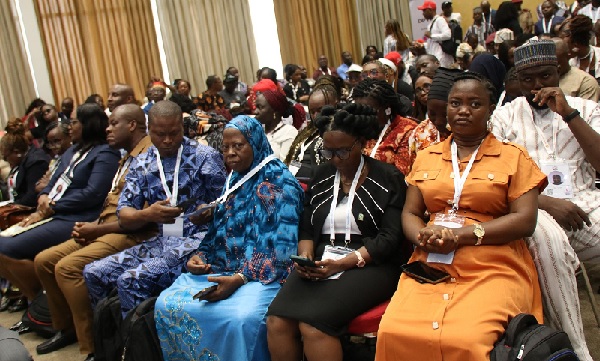
Citing findings from the 2023–2024 Nigeria Demographic and Health Survey (NDHS), Kachollom noted that although about 95 per cent of Nigerian mothers breastfeed, only 36 per cent initiate breastfeeding within the first hour after birth, just 29 per cent exclusively breastfeed for the first six months, while only 23 per cent continue breastfeeding up to two years—figures that fall below global recommendations.

She said the statistics underscore the urgent need to strengthen interventions during the first 1,000 days of life.

According to her, delayed initiation of breastfeeding, harmful cultural beliefs, inadequate counselling, limited workplace support and the aggressive marketing of breastmilk substitutes remain major barriers to optimal breastfeeding in Nigeria.

She said government efforts to address these challenges include strengthening the National Maternal, Infant and Young Child Nutrition Strategy, expanding the Baby-Friendly Hospital and Community Initiatives, enforcing the International Code of Marketing of Breastmilk Substitutes, building the capacity of healthcare workers and promoting breastfeeding-friendly workplaces.

Kachollom explained that the new campaign would mobilise families, communities and health workers to promote improved maternal nutrition, early initiation of breastfeeding, exclusive breastfeeding for the first six months, appropriate complementary feeding, and continued breastfeeding up to two years and beyond. It will also encourage greater utilisation of Primary Health Care Centres for maternal and child health services.

Also speaking, the Director of Nutrition at the Federal Ministry of Health and Social Welfare, Olufunmilola Adegbite, described the initiative as a strategic investment in Nigeria’s human capital, noting that improved nutrition during the first 1,000 days lays the foundation for healthier lives and national development.

Development partners, including UNICEF, reaffirmed their commitment to supporting the Federal Government through technical assistance, advocacy and community-based social and behaviour change interventions.

The Federal Ministry of Health and Social Welfare reaffirmed its commitment to working with state governments, development partners, healthcare workers, employers, communities and families to strengthen breastfeeding support systems, improve maternal and child nutrition, and ensure every Nigerian child receives the healthiest possible start during the first 1,000


Ayuba, Ezeh push for policy influence, healthcare transformation

0


Pharm. Ezeh Igwekanma Ambrose

The President of the Pharmaceutical Society of Nigeria (PSN), Pharm. Ibrahim Tanko Ayuba, and the National Chairman of the Association of Community Pharmacists of Nigeria (ACPN), Pharm. Ezeh Igwekanma Ambrose, have called on pharmacists to take a more active role in shaping health policies and driving healthcare transformation in the country.

The duo made the call at the opening ceremony of the 2026 Annual International Scientific Conference of the ACPN, tagged “Unity 2026,” held at the Bola Ahmed Tinubu International Conference Centre, Abuja.

Speaking on the conference theme, “From Local Pharmacy Practice to Global Impact: Managing Complex Political Systems,” Ayuba, described the topic as both bold and timely, stressing that pharmacists must move beyond professional excellence and actively engage in the policy, governance and political processes that shape healthcare delivery.

A cross-section of participants at the conference.

According to him, healthcare does not exist in isolation but is influenced by public policy, regulation, economics and leadership, making it imperative for pharmacists to participate in decisions that affect the profession and the health of Nigerians.

“The theme of this year’s conference underscores the need for pharmacists to move beyond excellence in practice and actively engage the policy, governance and political processes that shape healthcare delivery. As a profession, we must not only respond to policy but also help define it,” he said.
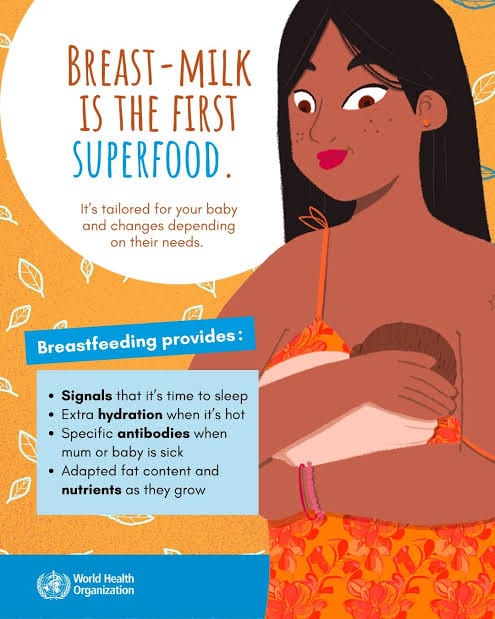
The PSN president commended ACPN for its unwavering commitment to advancing community pharmacy practice and strengthening pharmaceutical care across the country, noting that community pharmacists remain the most accessible healthcare professionals, providing quality care, promoting the responsible use of medicines and improving health outcomes in communities nationwide.

Ayuba, also highlighted the society’s recent collaboration with the National Drug Law Enforcement Agency (NDLEA), which culminated in the establishment of a six-member joint committee comprising representatives of both organisations to strengthen professional relationships and provide coordinated solutions to national challenges.

He assured the association of the continued support of the PSN in positioning Nigerian pharmacy practice for greater national relevance and global impact.

Earlier in his welcome address, ACPN National Chairman, Pharm. Ambrose, welcomed delegates from across Nigeria and beyond, describing the conference as a historic gathering aimed at advancing community pharmacy practice and strengthening healthcare delivery.

He noted that community pharmacists, who serve millions of Nigerians daily, must transform local innovations and patient-centred care into solutions capable of influencing national policies and contributing to global health outcomes.

“Across the world, pharmacists are assuming greater responsibilities in primary healthcare, disease prevention, vaccination, public health surveillance, digital healthcare and medicines optimization Nigeria must not be left behind,” he said.

According to him, community pharmacists possess the expertise, accessibility and commitment required to drive universal health coverage, strengthen medicine security, combat substandard and falsified medicines, improve antimicrobial stewardship and expand access to quality pharmaceutical care.

The ACPN chairman, however, stressed that achieving these aspirations would require visionary leadership, evidence-based advocacy and strategic engagement with governments and other stakeholders within the healthcare ecosystem.

He reaffirmed the association’s commitment to its strategic priorities of advocacy, capacity building, member welfare and digital transformation, noting that these pillars remain critical to building a stronger, more innovative and globally competitive community pharmacy sector.

He called on pharmacists to exchange ideas, build partnerships, challenge conventional thinking and develop practical solutions that will shape the future of community pharmacy practice in Nigeria and beyond.

Ndidiamaka Okpareke: Champion of modern pharmaceutical compounding

0


Dr Ndidiamaka Okpareke


The practice of pharmacy has always been about more than dispensing medicines; it is about tailoring care to individual patients’ needs and finding innovative ways to improve health outcomes. Thus, even in this era of mass-produced medicines and automated dispensing, a select group of visionary pharmacists continues to champion pharmaceutical compounding, recognising that no single manufactured medicine can meet every patient’s needs. More importantly, they understand that the future of pharmacy lies not only in medicines produced by large pharmaceutical manufacturers but also in specialised laboratories where customised treatments are developed to address individual therapeutic needs.

One of the leading figures in this ongoing renaissance is Dr Ndidiamaka Okpareke, a Nigerian-American pharmacist, entrepreneur and educator whose career has become synonymous with innovation, leadership and excellence in personalised pharmaceutical care. As founder and president of Olive Tree Compounding Pharmacy in Rio Rancho, New Mexico, USA, she has built an outstanding career around one of pharmacy’s most specialised disciplines. In doing so, she became the first African American woman pharmacist in New Mexico’s history to own and operate a compounding-only pharmacy, while establishing herself as an influential voice in pharmacy entrepreneurship, professional education, mentorship and community service.

A passion for personalised medicine

Unlike conventional pharmacies that primarily dispense commercially manufactured medicines, compounding pharmacies prepare customised medications tailored to individual patients’ needs. These may include altering dosages, removing allergens, combining ingredients into a single preparation or creating formulations unavailable through mass production. And while pharmaceutical compounding may evoke images of an era when pharmacists stood behind wooden counters carefully measuring powders and mixing medicines with mortar and pestle, the modern practice is actually a sophisticated, science-driven specialty that combines advanced pharmaceutical technology, clinical expertise and scientific precision

Dr Okpareke began her professional career after graduating with honours from the University of New Mexico College of Pharmacy with a Doctor of Pharmacy (PharmD) degree in 2008. Following extensive practice in hospital and community pharmacy, where she specialised in paediatric, neonatal, surgical and geriatric pharmaceutical care, she embarked on her long-held ambition of becoming a serial healthcare entrepreneur in January 2016.

Realising the growing need for personalised pharmaceutical care, she established Olive Tree Compounding Pharmacy in 2017 with an exclusive focus on pharmaceutical compounding. The pharmacy provides specialised preparations for patients requiring hormone replacement therapy, pain management, dermatological treatments, paediatric formulations, veterinary medicines and other personalised therapies. By concentrating exclusively on compounded prescriptions, the pharmacy quickly became a trusted resource for physicians and patients seeking solutions where conventional medicines could not adequately meet individual therapeutic needs.

Seven years later, the pharmacy relocated to larger premises in Rio Rancho to accommodate its growing clientele. Beyond New Mexico, Olive Tree Compounding Pharmacy is now licensed to serve patients in Texas, Indiana and Minnesota.

In addition to delivering specialised pharmaceutical services, the pharmacy also offers personalised wellness programmes, medically supervised weight management services and a pharmaceutical-grade skincare line, OliveTree.Skin, further demonstrating Dr Okpareke’s commitment to holistic patient care.

Investing in the next generation

As a firm believer in the principle that knowledge should be shared rather than hoarded, Dr Okpareke has devoted considerable effort to developing future pharmacy leaders. In 2022, she established My Olive Tree School, through which she trains pharmacists seeking to establish or strengthen compounding practices while sharing practical lessons drawn from years of experience in pharmaceutical science, business management and entrepreneurship. Her educational programmes – led by its flagship course, 795 Compounding for Cash – emphasise not only technical competence but also sustainable business development, regulatory compliance and professional leadership.

Explaining the motivation behind the initiative, she said: “My ultimate goal for Olive Tree is to build a brand and a business that long outlives me. When you don’t share the knowledge and skills you have, the next generation loses out on so much. That’s why I’m so passionate about training young Black women to become pharmacists, because I know when I retire, my work will continue to impact the community.”

Her commitment to nurturing future professionals extends beyond mentorship. She established a US$25,000 scholarship endowment at the University of New Mexico College of Pharmacy to support international pharmacy students, helping to reduce financial barriers for aspiring pharmacists pursuing advanced education in the United States. The initiative reflects her conviction that the advancement of pharmacy depends on creating opportunities for talented professionals, regardless of where they begin their journey.

Testimonials of accomplishments

Dr Okpareke’s investment in education and mentorship is already yielding substantial, transgenerational fruit, judging by the testimonials of her past and present mentees and clients.

Clinical pharmacist, Stella Nwegbo, described Dr Okpareke’s training programme as “a game changer” for her practice. She said: “I took Dr Ndidi’s compounding class and it was a game changer for my practice! Her demeanour, availability, knowledge and style of teaching were exceptional. Her continuous coaching and leadership have helped me build confidence and think outside the box. I recommend Dr Ndidi’s class to pharmacists looking to venture into compounding.”

Paediatric clinical pharmacist and healthcare innovator, Chimmy Ohiri, also credits Dr Okpareke’s mentorship with giving her the confidence to pursue entrepreneurship. She revealed: “On my path to discovery, I came across Ndidi’s page and her content as an entrepreneur in compounding pharmacy. I was fascinated by her story and how she has remained successful in the business since 2017. Her top-notch materials on ‘795 Compounding for Cash’ and her expertise in running her pharmacy gave me the confidence I needed to leave institutional pharmacy and become my own boss.”

For Cindy Amakwe, pharmacist and co-founder of AGErite Pharmacy & Wellness Centre, Dr Okpareke’s support proved invaluable during the challenging process of establishing an independent pharmacy. “I highly recommend Dr Didi to anyone trying to take that leap of faith into pharmacy entrepreneurship,” she gushed. “She has been a huge help in Glenn’s and my journey to establishing AGErite Pharmacy. She is exceptionally knowledgeable and provides invaluable resources needed to succeed as a pharmacy owner. Her passion for helping other pharmacists, coupled with the significant support she provides, makes her an outstanding mentor.”

Similarly, Dr Ndidi Ihim, founder of Covalin Health, described Dr Okpareke as both an accomplished professional and a selfless mentor. “She is an amazing mentor; selfless, kind and genuinely invested in your success. She is the go-to person for all things relating to compounding pharmacy, having mastered the discipline over many years. She is always available to answer questions, offer reassurance and help you avoid costly mistakes. If you’re considering working with or collaborating with her, I would wholeheartedly recommend it.”

Building on her growing influence and passion for social transformation, Dr Okpareke has in recent years sought to extend her service into public life. Drawing on her experience as a healthcare provider, entrepreneur and community leader, she has pursued political office with a platform centred on expanding healthcare access, strengthening local economies and creating greater opportunities for underserved communities.

Awards and recognitions

Dr Okpareke’s contributions have earned recognition from professional organisations, academic institutions and the wider healthcare community.

In 2019, she received the Excellence in Innovation Award from the New Mexico Pharmacists Association in recognition of her contributions to advancing pharmacy practice through innovation and entrepreneurship. Her alma mater, the University of New Mexico College of Pharmacy, also recognised her as one of its distinguished 75 Gems Honourees, celebrating graduates whose professional accomplishments have significantly advanced the pharmacy profession.

Her impact has also been acknowledged through invitations to speak on pharmaceutical entrepreneurship, compounding practice and leadership, where she continues to inspire pharmacists to broaden their vision of what the profession can achieve.

Interestingly, for Dr Okpareke, what gives her the most fulfilment is not the honours she has received but in the legacy she is building. According to her, “The most rewarding aspects of my career include creating a noble and trustworthy entity in my community that is highly sought after for medication and health guidance by healthcare providers and patients. I have built a career that stands on credibility and amazing rapport.”

Akume tasks community pharmacists on drug access, health security

0


Senator George Akume


Secretary to the Government of the Federation (SGF), Senator George Akume, has challenged community pharmacists to play a more strategic role in improving access to quality medicines, combating counterfeit drugs, strengthening primary healthcare and advancing Nigeria’s quest for Universal Health Coverage (UHC).

Akume gave the charge at the opening ceremony of the 45th Annual International Scientific Conference of the Association of Community Pharmacists of Nigeria (ACPN), tagged Unity 2026, held at the Bola Ahmed Tinubu International Conference Centre, Abuja.

Addressing hundreds of delegates, the SGF described community pharmacists as one of the most critical stakeholders in Nigeria’s healthcare delivery system, noting that they remain the first point of healthcare contact for millions of Nigerians.

He said pharmacists occupy a unique position in ensuring that safe, effective and quality medicines are available to the public, stressing that improving access to essential medicines requires deliberate efforts to address affordability, availability and accessibility across the country.

While acknowledging the remarkable progress made by the pharmaceutical sector in advancing science and healthcare delivery, Akume observed that many Nigerians, particularly those in rural communities, still face enormous challenges in accessing quality medicines and pharmaceutical services.

According to him, government and healthcare stakeholders must work together to strengthen medicine distribution networks, eliminate supply chain disruptions and develop sustainable strategies that will guarantee uninterrupted access to medicines in underserved communities.

The SGF urged pharmacists to intensify patient education, promote health literacy and disease prevention campaigns, and continue providing evidence-based guidance to patients, healthcare professionals and policymakers on cost-effective treatment options.

He also called for stronger collaboration among government, healthcare professionals, development partners and the pharmaceutical industry to promote research, innovation and local production of medicines capable of addressing Nigeria’s healthcare challenges.

Highlighting recent policy interventions by the Federal Government, Akume recalled President Bola Ahmed Tinubu’s Executive Order suspending import duties, taxes and Value Added Tax (VAT) on pharmaceutical raw materials, active pharmaceutical ingredients, medical equipment and other essential healthcare inputs.

He explained that the policy was designed to reduce production costs, encourage local pharmaceutical manufacturing, improve the competitiveness of the pharmaceutical industry, create employment opportunities and ultimately make medicines more affordable and accessible to Nigerians.

The SGF further charged community pharmacists to strengthen the fight against counterfeit and substandard medicines, support national efforts to curb drug abuse and substance misuse, participate actively in disease surveillance and emergency preparedness, and contribute meaningfully to Nigeria’s public health response system.

He urged delegates to use the conference to deepen their clinical expertise, strengthen partnerships and develop practical solutions capable of improving healthcare delivery and reducing the burden of disease across the country.

Akume’s remarks reinforced an earlier appeal he made during a courtesy visit by the leadership of the ACPN to his office in Abuja ahead of the conference.

Receiving the delegation led by the ACPN National Chairman, Pharm. Ambrose Ezeh Igwekamma, the SGF had called on community pharmacists to deepen collaboration with the National Agency for Food and Drug Administration and Control (NAFDAC) in tackling the growing menace of counterfeit and substandard medicines.

He described fake medicines as one of the greatest threats to Nigeria’s healthcare system, stressing that eliminating the menace requires coordinated action by government agencies, professional bodies, manufacturers and the public.

The SGF commended community pharmacists for their invaluable contributions to healthcare delivery, describing them as frontline professionals whose work is essential to safeguarding public health through improved access to quality medicines.

He reaffirmed the Federal Government’s commitment to improving healthcare under President Bola Tinubu’s Renewed Hope Agenda, noting that the administration is investing in specialised health facilities while expanding admission opportunities for students studying medicine, pharmacy and other health-related disciplines to address manpower shortages in the sector.

Akume also assured the association of the Federal Government’s continued support for initiatives that promote pharmaceutical excellence, healthcare innovation and improved patient outcomes.

Earlier during the courtesy visit, ACPN National Chairman, Pharm. Ambrose Ezeh Igwekamma, said the association was at the SGF’s office to formally invite him to serve as the Special Guest of Honour at the 45th Annual International Scientific Conference of the association.

Ezeh noted that community pharmacists have evolved beyond their traditional dispensing role to become indispensable partners in strengthening primary healthcare, expanding access to quality medicines, promoting universal health coverage and supporting national development.

PCN seals 505 premises in Cross River

0

The Pharmacy Council of Nigeria (PCN) has sealed 505 illegal and non-compliant premises in Cross River State, following a four-day enforcement exercise aimed at sanitising the pharmaceutical sector and protecting public health.

The operation, which covered 10 Local Government Areas, involved the inspection of 602 pharmaceutical premises. Findings revealed that nearly half (48.3 per cent) of the facilities were operating in violation of the provisions of the Pharmacy Council of Nigeria (Establishment) Act 2022 and other regulatory standards.

Speaking during a press briefing in Calabar on behalf of the Registrar of the PCN, Pharm. Ibrahim Babashehu Ahmed, Dr Suleiman S. Chiroma disclosed that the enforcement exercise resulted in the sealing of 505 premises comprising of 291 illegal medicine outlets, 54 pharmacies and 160 patent medicine stores for various regulatory infractions. In addition, 13 compliance directives were issued to operators to enable them rectify identified deficiencies.

According to the Council, only 42.5 per cent of the registered pharmacies inspected were fully compliant with regulatory requirements, while just 26.8 per cent of patent medicine vendors met the expected standards. The violations identified included operating without valid licences, poor storage conditions, unauthorised handling of controlled medicines and the unsupervised training of apprentices.

Chiroma warned that many of the affected premises were being operated by unqualified and unregistered persons, describing such practices as a serious threat to public health.

He also referenced the recent conviction of Mrs Ezea Isidora Kamchekwube, who operated two unlicensed medicine shops in Calabar and was sentenced to eight years’ imprisonment by the Federal High Court, noting that the judgment underscores the legal consequences of operating outside the regulatory framework.

The PCN urged members of the public to obtain medicines only from outlets displaying valid PCN licences, stressing that medicines dispensed by unqualified persons could result in treatment failure, antimicrobial resistance and other avoidable health complications.

The Council reaffirmed that its enforcement activities form part of ongoing efforts to support the Federal Government’s Universal Health Coverage agenda by ensuring Nigerians have access to safe, effective and quality-assured medicines.

Our sufficiency is in God

0


Pharm.(Sir) Ifeanyi Atueyi (1939-2025)

God does not have a resource problem. He owns the earth and everything in it: humanity, animals, plants, the seas, the air, light, gold and every other created thing. They are all His handiwork and remain under His sovereign control. Therefore, whenever God purposes to accomplish something, He never lacks the resources to do so. As Psalm 24:1 (NLT) declares, “The earth is the Lord’s, and everything in it. The world and all its people belong to him.”

God supplies from His limitless storehouse to meet every need associated with His purposes. He gives us the grace and ability to access the spiritual, physical, emotional and material resources required to fulfil the destiny He has prepared for us. Consequently, as we obey Him, serve Him faithfully and walk in fellowship with Him, we need not live in perpetual lack. This does not mean life will be free of challenges, but our journey should not be characterised by constant struggle as we pursue His calling.

At times, we fail to distinguish between our wants and our genuine needs. God has not promised to satisfy every desire, but He has promised to provide all our needs. Those needs may take many forms: a fresh idea, rest, financial provision, trustworthy colleagues, good health, patience, wisdom, faith or divine favour. Some are tangible, while others are not. As 2 Corinthians 9:8 (NLT) reminds us, “And God will generously provide all you need. Then you will always have everything you need and plenty left over to share with others.” This promise is given particularly to those who are willing to share generously with others.

When you are living out God’s purpose for your life, you draw upon the resources of heaven. That is why it is important to embark only on the assignments God has given you, because every divine assignment carries divine backing. When you are engaged in the business, profession or ministry to which God has called you, you can depend on Him to supply what you need. However, if you pursue your own agenda apart from His will, you may find yourself labouring without His provision.

Consider the example of ambassadors. They are not sustained by the resources of the countries in which they serve but by the governments that sent them. Their welfare does not depend on the economic fortunes of their host nation. Even during times of recession, their home country remains responsible for their upkeep.

Likewise, as ambassadors of Christ, our ultimate source is not the world’s economy but God’s inexhaustible provision. As we remain faithful to Him and fulfil His purpose for our lives, we can trust Him to supply every resource required. He is faithful to His promises and will not fail those who rely upon Him.

In business, money and people are often regarded as the greatest resources. Experience, however, has taught me that the God-factor must come first. The most important question is not, “Do I have enough money?” or “Do I have the right people?” but rather, “Am I working with God?” This is the foundational question.

Scripture answers it clearly. First Corinthians 3:9 (NKJV) declares, “For we are God’s fellow workers.” Likewise, Ephesians 2:10 (NKJV) states, “For we are His workmanship, created in Christ Jesus for good works, which God prepared beforehand that we should walk in them.”

Anyone who works with God can confidently expect His provision because God supplies whatever is necessary to accomplish His purposes. Indeed, our prosperity brings Him pleasure. Psalm 35:27 (NKJV) says, “…Let the Lord be magnified, who has pleasure in the prosperity of His servant.”

God’s work never suffers from a shortage of resources, nor does it ultimately fail. By contrast, ventures pursued independently of Him are often burdened with uncertainty and problems that human wisdom alone cannot resolve. Jesus said in John 15:5 (NKJV), “I am the vine, you are the branches. He who abides in Me, and I in him, bears much fruit; for without Me you can do nothing.” As God’s fellow workers, we are called to trust in Him with all our hearts, not to lean on our own understanding, but to acknowledge Him in all our ways, knowing that He will direct our paths.

God delights in surrounding His children with His blessing, guidance and provision. The One who knows the number of hairs on your head, clothes the lilies of the field and causes the grass to grow will certainly provide everything you truly need.

Breaking barriers to optimal breastfeeding in Nigeria

0
A mother breasting her baby. Image Source: WHO

Six weeks after giving birth, Tolu Adekoya’s phone rang during an executive meeting. It was her mother, telling her that the breast milk she had left for her baby had run out. She became distraught and confused, uncertain whether to dash back home or remain at work, where she had been saddled with an urgent task carrying a two-day deadline.

“Is this how I will continue for the next six months?” Adekoya muttered in frustration.

Her employer had given her the option of resuming work six weeks after delivery or forfeiting her salary to an assistant who would replace her for however long she wished to stay home and nurse her baby. Being a new mother whose wedding had taken place barely a year earlier, she needed the financial support to assist her husband. She therefore decided to express her breast milk into a clean container to be stored for her baby while she was at work. But before midday, the milk had been exhausted, leaving both mother and baby distressed.

Sadly, Adekoya is not alone in this quagmire. About 70 per cent of Nigerian mothers cannot breastfeed their babies exclusively for the first six months, according to the 2023-24 Nigeria Demographic and Health Survey.

Reports show, however, that these mothers genuinely want to breastfeed optimally, but the barriers along their way are bigger than their determination. This raises a fundamental question: why is optimal breastfeeding still so difficult for many Nigerian mothers, despite decades of awareness campaigns?

Optimal breastfeeding: More than just exclusive breastfeeding

Optimal breastfeeding is the complete, WHO-recommended strategy that begins with initiating breastfeeding within 1 hour of birth, continues with exclusive breastfeeding for the first 6 months, and is followed by continued breastfeeding alongside appropriate complementary feeding until at least 2 years of age. Exclusive breastfeeding is therefore one key component of optimal breastfeeding, not the entire practice.

To breastfeed exclusively for the first six months of life means that the infant receives only breast milk, with no other foods or liquids, not even water, except for oral rehydration solution, vitamins, minerals or medicines when medically indicated.

Experts have repeatedly highlighted the impact of optimal breastfeeding on both infants and mothers. It fortifies the child’s immunity, reduces mortality, provides complete nutrition, boosts brain development, and supports healthy growth. For mothers, they say it reduces the risk of postpartum haemorrhage, lowers the risk of cancer, diabetes and cardiovascular disease, aids mother-infant bonding, and serves as a natural family planning mechanism.

On the wider economic front, the impact of optimal breastfeeding cannot be overemphasised. Data show that it boosts national GDP, reduces the burden of disease and improves children’s educational attainment. It helps tackle child malnutrition, stunting and wasting, reduces the financial burden of treating preventable childhood illnesses, improves children’s future earning potential, and strengthens the country’s human capital and economic development.

The barriers: Why many Nigerian mothers struggle

Call it exclusive or optimal breastfeeding, the practice is not unfamiliar to mothers in rural and urban areas alike, said Lactation Consultant Titilayo Medunonye in an exclusive interview with Pharmanews. Many mothers, however, encounter challenges beyond their control that push them towards alternatives to optimal breastfeeding. She identified the principal barriers as poor breastfeeding knowledge and prevailing myths, inadequate support from healthcare providers, workplace challenges and short maternity leave, family and cultural pressures, aggressive formula marketing and social media misinformation, and maternal physical and mental health challenges, among others.

Medunonye, who is Nigeria’s first indigenous International Board Certified Lactation Consultant and the founder of the country’s first breastfeeding company, Milky Express Ltd, emphasised the need for policymakers and stakeholders to deliberate on policies that promote optimal breastfeeding across the board, dispel the myths that stigmatise the practice, mobilise health workers to provide adequate care and counselling to lactating mothers, and mandate employers to comply with six months of maternity leave.

“It is also pertinent to impose higher tariffs on the importation of baby formula as a way of discouraging patronage, while husbands and relatives must be held accountable for the wellbeing of nursing mothers, in order to provide optimal care for both infants and mothers,” she stated.

A retired Deputy Director of Nursing at the Lagos State Primary Health Care Board, Nurse Patience Omoluwa, also condemned the idea of placing the entire burden of optimal breastfeeding on mothers alone, arguing that this is a critical public health issue requiring urgent attention. The nursing expert, who spent much of her active service at primary health centres caring for infants and nursing mothers, shared the difficult conditions faced by some mothers:

“There were times I saw mothers struggling to breastfeed because they themselves were malnourished. They looked pale, anaemic and weak. When you asked about their husbands, they would say he had been away for days without making adequate provision for the family.”

Breaking the barriers: What works

The commemoration of World Breastfeeding Week 2026, with the theme “Breastfeeding for a Sustainable Start in Life: Strengthen What Works,” should not be another jamboree, particularly in Nigeria, where an estimated two to three million children suffer from severe acute malnutrition, with only a fraction receiving adequate treatment, according to 2026 UNICEF data. Such an occasion ought to be used to critically examine the barriers to optimal breastfeeding and address them directly, so that sustainable change can be achieved. Given the difficult realities described above by experts, it is high time the government reviewed the implementation of existing policies and formulated new ones to strengthen maternal health.

The Innocenti Declaration (1990/2005), established by the World Health Organisation and UNICEF, calls on all governments to create a national breastfeeding culture by establishing multi-sectoral national breastfeeding committees, passing protective labour laws, and integrating breastfeeding support into health infrastructure. There is no better time than now for the Nigerian government to review and fully implement this policy, so that meaningful progress can be recorded in infant and maternal health.

Medunonye also emphasised the need for enforcement of the International Code of Marketing of Breast-milk Substitutes, commonly known as the WHO Code, which mandates food agencies to curb aggressive marketing of milk formula and prohibits direct-to-consumer advertising, free formula samples in maternity wards, and financial incentives offered to healthcare providers by formula manufacturers.

She further underscored the need for the legislative arm of government to rise to the occasion by reviewing the implementation of legislation that promotes optimal breastfeeding, with a view to formulating punitive measures for non-compliant agencies or institutions. “Lawmakers must formulate laws on mandatory paid maternity leave, workplace accommodations that allow for lactation breaks and private expression spaces, and legal protections for nursing in public spaces,” she said.

As the theme for this year’s World Breastfeeding Week aptly reminds us, achieving sustainable optimal breastfeeding requires every stakeholder to play a role. It is not solely a mother’s responsibility; it is a shared responsibility of families, employers, healthcare providers, policymakers and society at large.

Customs foils major health threat, seizes N53.4bn fake, expired medicines at Apapa port

0


The Nigeria Customs Service (NCS) recently averted a major public health threat after intercepting fake, expired and unregistered pharmaceutical products worth over N53.39 billion at the Apapa Port in Lagos.

The seizure, which also included illicit narcotics, codeine-containing cough syrup and other prohibited substances, prevented potentially dangerous medicines from entering the Nigerian market and reaching unsuspecting patients.

The intercepted products were formally handed over to the National Agency for Food and Drug Administration and Control (NAFDAC) and the National Drug Law Enforcement Agency (NDLEA) at the Apapa Area Command of the Customs Service for regulatory action, investigation and prosecution.

The Comptroller-General of Customs, Bashir Adewale Adeniyi, who disclosed the development, described the operation as a major breakthrough in the fight against the circulation of unsafe medicines, counterfeit pharmaceutical products and illicit drugs in the country.

He said the seizure followed months of intelligence gathering, coordinated surveillance, non-intrusive inspection, physical examination and collaboration with relevant security and regulatory agencies.

According to him, the operation led to the interception of nine containers containing a combination of expired pharmaceuticals, unregistered medicines, counterfeit products and narcotic substances with a combined Duty Paid Value (DPV) of N53,391,140,029.

Among the pharmaceutical products seized were expired Tramadol, Oxytocin injections, Carbamazepine tablets, Cloxacillin capsules, Vitamin B12 injections and B-Complex injections.

The interception of the expired medicines raises fresh concerns about the activities of criminal networks attempting to introduce substandard and unsafe medical products into the healthcare supply chain, where they could expose patients to treatment failure, complications and avoidable health risks.

Of particular concern to health authorities is the seizure of expired Oxytocin injections, a critical medicine used in maternal healthcare, especially in the prevention and management of postpartum haemorrhage, one of the leading causes of maternal deaths globally.

Customs officers also uncovered counterfeit and unregistered medicines, including 1,100 packages of CHAPCOLD Chlorpheniramine Maleate Capsules bearing fake NAFDAC registration numbers and falsified import documents.

Adeniyi disclosed that investigations confirmed that the products were never registered by NAFDAC, indicating an organised attempt to smuggle unapproved medicines into the Nigerian pharmaceutical market.

The Customs boss warned that the impact of such illegal activities goes beyond financial losses, noting that fake and expired medicines endanger lives, undermine confidence in the healthcare system and pose serious risks to public health.

“These seizures represent far more than monetary value. They represent lives protected, families preserved, communities secured and countless young Nigerians shielded from the devastating consequences of drug abuse and unsafe medicines,” he stated.

The operation also uncovered two containers containing 339,800 bottles of Codeine Syrup concealed inside cartons of insulated casserole dishes.

The seizure comes amid ongoing efforts by health and security agencies to tackle the abuse of codeine-based medicines, which has contributed to the growing challenge of substance abuse among young Nigerians.

In another major discovery, Customs intercepted two 40-foot containers containing 6.77 metric tonnes of Cannabis Sativa, popularly known as Canadian Loud.

The illicit drugs were concealed inside imported vehicles, household items and automobile spare parts in an attempt to evade detection by security officials.

Adeniyi said all narcotic substances recovered during the operation would be transferred to the NDLEA for further investigation and prosecution, while expired, fake and unregistered pharmaceutical products would be handed over to NAFDAC for regulatory action and destruction.

He explained that the successful operation reflects Nigeria’s growing commitment to strengthening medicine security, protecting citizens from harmful products and preventing criminal networks from exploiting the country’s pharmaceutical supply chain.

The Customs boss also disclosed that the operation was carried out shortly after the 2026 International Day Against Drug Abuse and Illicit Trafficking and aligned with global efforts to combat cross-border organised crime.

Earlier, the Customs Area Controller, Apapa Command, Comptroller E.O.A. Oshoba, condemned the activities of smugglers, describing fake medicines, expired pharmaceuticals and illicit drugs as threats to both national security and public health. He assured that Apapa Port would not become a safe haven for criminal networks seeking to introduce harmful products into Nigeria.

Also speaking, Chairman and Chief Executive Officer of the NDLEA, Brig.-Gen. Mohamed Buba Marwa (Rtd.), represented by the Assistant Controller-General of Narcotics, Archie Abia Ibinabo, described the seizure as a major victory against transnational organised crime.

Marwa revealed that investigations leading to the interception lasted more than four months and involved the NDLEA Special Investigation Unit and Marine Intelligence Unit in collaboration with the Royal Canadian Mounted Police (RCMP) and other international partners.

He explained that one of the cannabis consignments departed Toronto, Canada, on 16 April, passing through Montreal and Morocco before arriving in Nigeria, while another shipment left Montreal on 1 May and moved through several trans-shipment points before it was intercepted at Apapa and Tin Can Island ports.

According to him, removing more than six metric tonnes of cannabis from circulation has significantly disrupted the activities of drug trafficking organisations targeting Nigerian communities.

He assured that investigations would continue to identify those behind the shipments, prosecute offenders and confiscate assets linked to the criminal operations.

Meanwhile, the Director-General of NAFDAC, Prof. Mojisola Adeyeye, represented by a director at the agency, Dr Kunle Olaniran, said the collaboration among NAFDAC, Customs, NDLEA and other relevant agencies has remained critical in preventing fake, expired and unregistered medicines from reaching Nigerians.

She urged Nigerians to always verify the NAFDAC registration number on medicine packs before purchase and report suspicious products to the agency. “Always watch out before you buy medicine. Look out for the NAFDAC number. If you see something, say something. Don’t keep quiet”, Dr Olaniran said.

Pharmacy leaders urge owners to build systems, not shops

0


L-R: Pharm. Ambrose Igwekanma Ezeh, national chairman, ACPN; Pharm. Ifeanyi Obidike, MD/CEO, Bakan Gizo Pharmacy; Pharm. Josephine Ehimen, MD/CEO, Nett Pharmacy; Pharm. U.N.O. Uwaga, former PSN President; Pharm. Victor Afolabi, MD/CEO, Wellness Pharmacy; Pharm. Taofik Odukoya, MD/CEO, Vanguard Pharmacy, and Pharm. Mrs Nwamaka Ezedinma, at the plenary session.

Pharmacy leaders have challenged community pharmacy owners to move beyond operating individual outlets and begin building structured, scalable organisations capable of attracting and retaining skilled professionals.

The call was made during the first plenary session of the 45th Annual International Scientific Conference of the Association of Community Pharmacists of Nigeria (ACPN), tagged Unity 2026, with the theme: “Effective Workforce Management and Talent Retention Strategies in Community Pharmacy Practice.”

The session, chaired by former President of the Pharmaceutical Society of Nigeria (PSN), Pharm. U.N.O. Uwaga, featured Pharm. Victor Afolabi, MD/CEO, Wellness Pharmacy, as lead speaker, alongside Pharm. Ifeanyi Obidike, MD/CEO, Bakan Gizo Pharmacy; Pharm. Josephine Ehimen, MD/CEO, Nett Pharmacy; and Pharm. Taofik Odukoya, MD/CEO, Vanguard Pharmacy.

The experts stressed that the future of community pharmacy depends on creating workplace systems that allow employees to grow, rather than building businesses that rely solely on the personality and presence of the owner.

A cross-section of dignitaries and delegates during the plenary session.

Speaking during the session, Afolabi said being a pharmacist does not automatically translate into possessing the skills required to build and manage a successful pharmacy organisation.

According to him, many pharmacists remain focused on the technical aspects of the profession while neglecting management, leadership and entrepreneurial skills needed to scale their businesses.

“A shop, with all due respect, is not a test of your business acumen. A shop will not be enough for the pharmacist of the future,” he said, urging pharmacists to acquire additional skills that would enable them to build sustainable organisations.

He noted that other healthcare professionals had expanded their roles beyond clinical practice by developing management capabilities, stressing that pharmacists must embrace the same approach.

Odukoya, who shared insights from Vanguard Pharmacy’s growth from a single outlet into an organisation employing over 500 people, said pharmacy owners must stop blaming young professionals for workforce challenges and instead examine the systems they have created.

According to him, organisations must provide environments where employees can thrive through transparency, proper structures and clear responsibilities.

“Workforce management is not about working on the employee. It is about creating a system that allows people to thrive,” he said.

Odukoya explained that Vanguard Pharmacy’s transformation came after the company shifted from building the business around individuals to creating systems, processes and leadership structures.

On her part, Ehimen emphasized that continuous professional development, mentorship and visible career progression are not optional but essential components of employee retention.

She said pharmacists want workplaces where they can learn, grow and see a clear future for themselves.

According to her, Nett Pharmacy has made staff development a priority, with employees undergoing regular training covering clinical knowledge, leadership, management, communication and entrepreneurship.

“Do not look at staff development as an expense because you are afraid that people will leave. If you don’t train them and they stay, what happens?” she asked.

Ehimen added that employers must identify employees with leadership potential by assessing qualities such as integrity, willingness to learn and the ability to convert knowledge into value for the organisation.

Obidike, while speaking on balancing empathy with accountability, said pharmacy owners must combine compassion with clearly defined systems and standards.

He advised business owners to establish proper human resource structures, explaining that coaching and training should have timelines, after which performance expectations must be reviewed.

“After training, if the person still fails to meet expectations, that is where discipline begins,” he said.

The panelists also encouraged pharmacy owners to delegate responsibilities, engage employees regularly, create reward systems and maintain transparency in business operations.

Concluding the session, Pharm. Uwaga noted that the concerns raised about workforce development and young pharmacists had been observed for years, stressing the need for stronger mentorship and interaction between experienced pharmacists and the younger generation.

He recalled that previous generations learnt through close mentorship and practical experience, urging pharmacy leaders to create platforms that would help groom future professionals.


Unsafe drug distribution threatens Nigerians’ lives: Omaruaye, Igwe warn

0


Pharm. Ukagha Igwe, national vice chairman, PWDAN; and Pharm. Ogheneochuko Omaruaye, national chairman, PWDAN

The National Chairman of the Pharmaceutical Wholesalers and Distributors Association of Nigeria (PWDAN), Pharm. Ogheneochuko Omaruaye, has warned that Nigeria’s weak and largely unregulated drug distribution system continues to expose millions of Nigerians to unsafe medicines, urging stronger collaboration among regulators, government and pharmaceutical stakeholders to protect public health.

Omaruaye gave the warning in an interview with Pharmanewsonline on the sidelines of the 45th Annual International Scientific Conference of the Association of Community Pharmacists of Nigeria (ACPN), tagged Unity 2026, following a presentation by PWDAN National Vice-Chairman, Pharm. Ukagha Igwe, on the need to strengthen Nigeria’s pharmaceutical supply chain.

According to Omaruaye, the presentation was aimed at drawing attention to a challenge that has existed for decades but continues to receive insufficient attention.
“We all know about these challenges, but we often gloss over them. Many health conditions that should be successfully treated become worse because medicines are not properly stored or do not pass through a supply chain with integrity,” he said.


He stressed that healthcare investments must go beyond hospitals and infrastructure to include a secure pharmaceutical distribution system.
“Government and the private sector are investing heavily in healthcare facilities, but equal attention must be given to medicine security. PWDAN members operate under government regulation and international standards, and we are calling for stronger collaboration to improve compliance across the sector.”

In his presentation, Igwe described Nigeria’s drug distribution system as operating on two parallel channels — a regulated system and an unregulated one that allows falsified, expired and substandard medicines to circulate.

He explained that while the regulated supply chain involves licensed manufacturers, importers, wholesalers and distributors who follow Good Distribution Practice standards before medicines reach pharmacies and patients, the unregulated channel exposes Nigerians to medicines whose quality, safety and effectiveness cannot be guaranteed.

Igwe linked the challenge to Nigeria’s poor health outcomes, noting that all stakeholders must take responsibility for improving the system.

“To be the economic powerhouse of Africa and still have one of the lowest life expectancies should concern all of us. We must take responsibility within our various areas of influence,” he said.

He disclosed that during regulatory enforcement operations in 2025, medicines worth over ₦1 trillion were seized from major open drug markets across the country, adding that many warehouses inspected failed to meet basic Good Distribution Practice requirements.

According to him, several facilities lacked proper ventilation, temperature control, shelving, humidity monitoring and pest control, conditions that could compromise medicine quality before expiry dates.
Igwe also warned that medicines are generally expected to be stored within ambient temperatures of 18°C to 25°C, stressing that prolonged exposure to higher temperatures can accelerate degradation and reduce therapeutic effectiveness.

“The patient may not know that the medicine has deteriorated. The body is often the first indication that the medicine is no longer working as expected,” he said.
Both PWDAN leaders urged community pharmacists and healthcare providers to patronise regulated wholesalers and distributors who comply with approved standards.

Omaruaye noted that although recent enforcement activities by regulatory agencies were commendable, sustained monitoring was necessary to prevent illegal operators from returning to the market.
“Enforcement must be continuous. If you want to engage in pharmaceutical wholesaling and distribution, you must do it properly. The standards are clear, and those who comply should be supported.”

He further disclosed that PWDAN would host a continental pharmaceutical wholesale and distribution forum in Lagos later this year, attracting stakeholders from across Africa to discuss medicine security and strengthen collaboration.

According to him, Nigeria’s role as a pharmaceutical hub for West and Central Africa makes reforms in its drug distribution system important beyond its borders.

“If Nigeria gets this right, Africa becomes safer. But if we fail, the consequences will affect the continent. We must build a pharmaceutical supply chain based on integrity, compliance and patient safety,” he said.


Healthcare leadership gap persists despite women’s significant role in workforce – EWAH

0


Despite their significant contribution to healthcare delivery globally, women remain underrepresented in leadership and decision-making positions within the health sector, stakeholders have said, calling for deliberate efforts to close the gap and promote more inclusive healthcare systems.

The concern was raised at the 2026 edition of the Extraordinary Women Advancing Healthcare (EWAH) Awards held in Lagos, where healthcare professionals, policymakers, regulators, industry leaders and development partners gathered to celebrate women driving innovation, access and transformation across Africa’s healthcare landscape.

The third edition of the awards, organised by the LiveWell Initiative (LWI) and the Sustainability Centre of the Global Public Health University (GPHU), in collaboration with Innovara Inc., USA, and the EWAH Nigeria Board, also renewed advocacy for stronger female representation in healthcare leadership.

Delivering the opening address, Regional Representative of EWAH Africa, Dr Bisi Bright, said the initiative was established not only to recognise exceptional women making measurable contributions to healthcare but also to spotlight the persistent leadership imbalance affecting the sector.

Bright noted that women account for more than 67 per cent of the global healthcare workforce but continue to occupy a limited number of leadership positions despite being central to healthcare delivery.

She described the disparity as a structural challenge requiring intentional interventions, stressing that healthcare systems cannot achieve their full potential when a significant part of the workforce remains inadequately represented in decision-making spaces.

According to her, EWAH recognises women with what she described as a “miles-to-go mindset”, leaders whose achievements represent a foundation for greater service, innovation and impact.

Chairman of the EWAH Advisory Board, Clare Omatseye, described the awards as a growing continental movement committed to strengthening healthcare systems through inclusive leadership.

She stressed that healthcare leadership must remain people-centred, noting that every policy decision and investment ultimately affects patients, families and communities.

Omatseye called for stronger collaboration between men and women in leadership, warning that excluding women from decision-making weakens health systems and limits opportunities for innovation and improved outcomes.

The Global Matron and Founder Emeritus of EWAH, Prof. Barri M. Blauvelt, founder and chief executive officer of Innovara Inc., USA, also emphasised the need for sustained investment in women-led healthcare leadership.

Representing Senator Danjuma, Managing Director of May & Baker Nigeria Plc, and Matron of EWAH, Pharm. Patrick Ajah, described women as indispensable to leadership excellence, institutional growth and national development.

He said Senator Danjuma remains an example of visionary leadership, disciplined service and corporate governance, adding that women continue to play critical roles in shaping healthcare institutions.

The 2026 EWAH Awards recognised outstanding women across healthcare leadership, innovation, regulation, media, philanthropy and community health systems strengthening.

Among the recipients was Dr Elizabeth Jack-Rich, founder of Elin Group Limited, honoured for her healthcare, educational and humanitarian interventions through the Elizabeth Jack-Rich Aid Foundation.

Director-General of the National Agency for Food and Drug Administration and Control (NAFDAC), Prof. Mojisola Adeyeye, was recognised for strengthening pharmaceutical regulation and medicine safety in Nigeria.

Dr Pamela Jackson-Ajayi, founder of Pathcare/SYNLAB Nigeria and chairman of The Bridge Clinic, was honoured for advancing diagnostic and fertility care, while Dr Njide Ndili received recognition for her contributions to healthcare financing, digital health and universal health coverage.

Pharm. Abimbola Adebakin was recognised for leveraging technology to improve access to medicines and pharmaceutical distribution, while other recipients included Osayi Alile for philanthropy and public health initiatives, Adenike Fasawe for grassroots immunisation programmes, Angela Emuwa for media advocacy and healthcare access, Dr Oluwatomi Kogo for preventive healthcare and lifestyle medicine, and Vivianne Ihekweazu for health communication, public health security and maternal-child health advocacy.

Stop blaming young pharmacists, fix workplaces to retain talent- Odukoya

0
Pharm. Taofik Odukoya, MD/CEO, Vanguard Pharmacy

Founder and Chief Executive Officer of Vanguard Pharmacy Limited, Pharm. Taofik Odukoya, has urged community pharmacy owners to stop blaming young pharmacists for the industry’s growing workforce challenges and instead create workplaces that attract, develop and retain talent.

Odukoya made the call in an interview with Pharmanewsonline, after participating as a panellist at the first plenary session of the 45th Annual International Scientific Conference of the Association of Community Pharmacists of Nigeria (ACPN), tagged Unity 2026. The plenary session focused on “Effective Workforce Management and Talent Retention Strategies in Community Pharmacy Practice.”

According to him, the dynamics of the pharmacy workforce have changed significantly, with pharmacists now having a wider range of career opportunities beyond traditional practice, making competition for skilled professionals much more intense.
“For me, the greatest workforce reality is that the landscape has changed and the talent competition has completely changed. I don’t think many of our colleagues are seeing it that way,” he said.

He explained that unlike in the past, when pharmacists had relatively few career options after graduation, today’s professionals can build careers in health technology, fintech, e-commerce, digital media and several other sectors.
“A lot of them are doing content creation online and earning good incomes. Many industries are now competing for the same pharmacists community pharmacies want to recruit,” he noted.

Odukoya said this reality demands a change in how pharmacy owners approach workforce management, stressing that human capital decisions should no longer be left exclusively to human resources departments.

“The whole idea of understanding this bigger picture is to shape our thinking. Workforce management should no longer sit only within the human resources department. It should be discussed at the highest strategic level of the company so that decisions capable of truly impacting people can be made.”

He cautioned against the common tendency to blame younger pharmacists for changing jobs frequently, arguing that employers should instead examine their own workplace culture and management practices.

“The younger generation is not the problem. The same people we complain about go into fintech and other industries and perform exceptionally well. Those organisations also find ways to retain them. So the real question is: What are we not doing right as community pharmacy employers?”
Odukoya also described employee development as the foundation of sustainable workforce management, revealing that Vanguard Pharmacy has consistently invested in staff training for more than a decade.

“For over ten years, training and retraining have been treated as a fixed annual cost in our organisation. It doesn’t matter whether someone stays for one year or ten years—we invest in developing them.”

He explained that the company deliberately rejects the fear that investing in employees is wasted if they eventually resign.
“Our philosophy is simple: If we don’t train people because we think they might leave, what happens if they stay? We would rather continue to train and retrain because when people leave, they become ambassadors of our brand wherever they go.”

On the growing migration of healthcare professionals, Odukoya acknowledged that no organisation can realistically retain every employee, particularly with changing career expectations among younger professionals.

“There is no organisation in the world that can retain one hundred per cent of its employees. Today’s workforce is different. Many young professionals are unlikely to spend 25 or 30 years with one employer as previous generations did.”

He advised employers to maximise the contributions of employees while they remain with the organisation and maintain positive relationships even after they leave.

“When they eventually move on, they should become lifelong ambassadors of your organisation. That should be the goal.”
Offering advice to young pharmacist-entrepreneurs, Odukoya encouraged business owners to build organisations founded on openness, fairness and a clearly communicated long-term vision.

“It’s not just about money. People want to know where the business is going and whether they have an opportunity to grow with it. Share your vision with them. Let them understand your five-year or ten-year plan.”

He added that although some employees would inevitably leave, many would remain committed if they could clearly see opportunities for personal and professional growth.

“Not everyone will stay forever, but if people believe in your vision and see a future for themselves within your organisation, many will choose to stay and help build that future with you,” he said.

Gov Bago, SGF, others seek greater role for pharmacists in healthcare delivery

0

-As ACPN holds 45th Annual International Scientific Conference in Abuja

Dr Murtala Muhammad Bagana, Niger State commissioner for health.

Governor of Niger State, Rt. Hon. Mohammed Umaru Bago, Secretary to the Government of the Federation (SGF), Senator George Akume, and other stakeholders have called for a greater role for community pharmacists in strengthening Nigeria’s healthcare system through improved access to quality medicines, primary healthcare delivery, policy reforms and local pharmaceutical manufacturing.

The call was made at the opening ceremony of the 45th Annual International Scientific Conference of the Association of Community Pharmacists of Nigeria (ACPN), held at the Bola Ahmed Tinubu International Conference Centre, Abuja.

The conference, themed “From Local Pharmacy Practice to Global Impact: Managing Complex Political Systems,” brought together government officials, healthcare regulators, policymakers, pharmaceutical industry leaders and community pharmacists to deliberate on strategies for advancing pharmacy practice and improving healthcare delivery in Nigeria.

Represented by the Niger State Commissioner for Health, Dr Murtala Muhammad Bagana, Governor Bago said healthcare transformation in today’s world depends not only on scientific breakthroughs but also on visionary leadership, sound governance, resilient institutions, strategic partnerships and effective public policies.

Former PSN President, Pharm. Azubike Okwor, (second from right) presenting a plaque to the representative of the Niger State Governor, Farmer Mohammed Umaru Bago, Dr Murtala Muhammad Bagana, Niger State Commissioner for Health, at the 45th Annual ACPN International Conference, tagged Unity 2026 in Abuja.

He described community pharmacies as indispensable components of the healthcare system, noting that they remain the first point of healthcare access for many Nigerians and play critical roles in disease prevention, health promotion, medicine safety and pharmaceutical care.

The governor highlighted ongoing health sector reforms in Niger State, including investments in primary healthcare infrastructure, digital health systems and disease surveillance, while urging delegates to develop practical policy recommendations capable of strengthening community pharmacy practice and improving healthcare outcomes nationwide.

In his address, Senator George Akume described community pharmacists as critical stakeholders in Nigeria’s healthcare delivery system and urged them to intensify efforts toward improving the availability, accessibility and affordability of quality medicines across the country.

He encouraged pharmacists to strengthen public health education, promote disease prevention, support local pharmaceutical manufacturing and collaborate with government agencies in combating counterfeit medicines, substandard drugs and substance abuse.

The SGF also reaffirmed the Federal Government’s commitment to policies aimed at reducing pharmaceutical production costs, encouraging local manufacturing and expanding access to essential medicines for Nigerians.

Representing the Speaker of the House of Representatives, Rt. Hon. Tajudeen Abbas, Chairman of the House Committee on Health, Hon. Dr Amos Gwamna Magaji, described community pharmacies as the healthcare facilities closest to the people and advocated their greater integration into the National Health Insurance Authority (NHIA).

He called for prompt reimbursement of services rendered by community pharmacists under the health insurance scheme, greater transparency in healthcare delivery, increased support for local pharmaceutical manufacturing and wider adoption of digital health technologies, including electronic prescriptions, to position Nigeria’s pharmacy profession for global competitiveness.

Delivering the keynote address titled “Raising Community Pharmacy Practice in Nigeria to Global Standard: Navigating the Complex Nigerian Political System,” the Managing Director of Evans Therapeutics Limited, Pharm. Adewale Oyenuga, urged community pharmacists to look beyond traditional practice by embracing innovation, strengthening policy engagement and building strategic partnerships that would reposition the profession for greater national and global relevance.

He noted that community pharmacists must become active participants in shaping healthcare policies while leveraging technology, leadership and collaboration to respond effectively to Nigeria’s evolving healthcare and political landscape.

In his goodwill message, the President of the Pharmaceutical Society of Nigeria (PSN), Pharm. Ayuba Tanko Ibrahim, congratulated ACPN for sustaining one of the profession’s foremost scientific conferences and reaffirmed the Society’s commitment to supporting community pharmacy practice through constructive policy engagement, inter-professional collaboration and strategic partnerships, including ongoing efforts to tackle drug abuse and strengthen pharmaceutical care.

Chairman of the PSN Board of Fellows, Pharm. Uchenna Akpakama, commended ACPN for its contributions to healthcare delivery and called for greater recognition of community pharmacists as frontline primary healthcare providers. He advocated stronger policy support, expanded NHIA coverage, improved leadership development and sustained advocacy against drug abuse.

Similarly, the Chairman of the College of Past Presidents, Pharm. Yaro Budah, urged pharmacists to remain united in advancing the profession, encouraging younger practitioners to embrace mentorship, institutional continuity and collaborative leadership while building on the achievements of senior colleagues.

Earlier, the National Chairman of ACPN, Pharm. Ambrose Ezeh Igwekamma, welcomed delegates from across Nigeria and beyond, describing the conference as a strategic platform for examining the complex political, economic and professional issues shaping contemporary community pharmacy practice.

He expressed optimism that the deliberations would generate innovative ideas and practical policy recommendations capable of repositioning community pharmacy practice, strengthening healthcare delivery and enhancing the profession’s contribution to national development.

Former PSN President, Pharm. Azubike Okwor, (second from right) presenting a plaque to the representative of the Niger State Governor, Farmer Mohammed Umaru Bago, Dr Murtala Muhammad Bagana, Niger State Commissioner for Health, at the 45th Annual ACPN International Conference, tagged Unity 2026 in Abuja.


Minister unveils 7 indigenous medicinal products at NNMDA

0

– Says products are set for commercialisation by industry partners

Minister of Innovation, Science and Technology, Dr Kingsley Udeh (second from right) Director-General of the Nigeria Natural Medicine Development Agency, Prof. Martins Emeje, (third from right); Consul General of India in Lagos, Shri Kannan,(right) and other stakeholders during the unveiling of herbal medicines developed by the NNMDA at the agency’s office in Lagos

In a renewed bid to harness the nation’s natural resources to boost healthcare access and grow the country’s Gross Domestic Product (GDP), the Minister of Innovation, Science and Technology, Dr Kingsley Tochukwu Udeh, officially launched seven indigenous healthcare products developed by the Nigeria Natural Medicine Development Agency (NNMDA) on Tuesday, 28 July, 2026.

The unveiling of the natural products, which are indicated for the treatment and prevention of cancers, ulcers, hepatitis B, hypertension, among other health conditions, was held at the NNMDA headquarters in Lagos. The event also featured a strategic meeting between the Minister and pharmaceutical industry partners, who committed to large-scale production and commercialisation of the products to improve healthcare delivery for millions of Nigerians.

Minister of Innovation, Science and Technology, Dr Kingsley Tochukwu Udeh, (right) and the Director General, NNMDA, Prof. Martins Emeje.

Speaking at the launch, the Minister reaffirmed the Federal Government’s commitment to supporting the agency beyond budgetary allocations. Although the 2026 budget had already been concluded, he pledged to advocate for increased funding in the 2027 budget while also leveraging partnerships with private sector leaders. He noted that discussions with captains of industry had yielded encouraging commitments to support research, commercialisation, and infrastructure development within the agency.

“Today, we had a very fruitful engagement with the captains of industry. Some of the things that you wouldn’t see in the report or the memo were discussed and communicated clearly. For example, one of the major industry players, having seen the passion of the leadership of this agency for advancing natural medicine, took the initiative, without asking many questions, to establish a herbal medicine factory within its organisation, worth millions of naira. Even though the factory is yet to attain full utilisation, it is already contributing to health equity in Nigeria because it is manufacturing herbal products,“ he said.

The Minister commended the agency for its significant contribution to improving health equity in Nigeria through research, innovation, and the development of indigenous medicinal products. He praised its research facilities, herbal farms across different states, and ongoing efforts to harness Nigeria’s natural resources for medicinal purposes. He also acknowledged the need to strengthen research infrastructure through improved facilities and equipment, assuring the agency of government support.

He, however, stressed that research should not end with scientific discoveries but should progress to commercialisation. He therefore appreciated the readiness of industry players to support the marketing and large-scale production of the agency’s products, recognising that private companies possess the expertise and capacity needed to manufacture, distribute, and commercialise innovations.

“This collaboration is expected to improve healthcare access, create jobs, increase company revenues, and generate income for both the agency and the nation,” he said.

To ensure accountability, the Minister directed that all agreements reached during the meeting with industry stakeholders be formally documented, including clear timelines and implementation strategies. He explained that institutionalising these commitments would ensure continuity regardless of future changes in government leadership or agency management.

Unveiling the products, the Director-General of NNMDA, Prof. Martins Emeje, listed the products and their indications as Namdacid for ulcers, Namdarol for high cholesterol, Namdavir for hepatitis B, Namdagor for erectile dysfunction, Turmejol for cancers, Zae Granules for hypertension, and Zae Herbal Tea for hypertension.

He emphasised that the efficacy of traditional, complementary and integrative medicine should not be judged solely by the standards applied to conventional (allopathic) medicine, arguing that many medicinal plants have been used successfully for thousands of years through observation and practical experience.

Prof. Emeje, who is also Co-Chair of the Strategic and Technical Advisory Group on Traditional, Complementary and Integrative Medicine (STAG-TM) of the World Health Organization (WHO), disclosed that the WHO is developing innovative approaches, including reverse pharmacology, to document and validate the effectiveness of traditional medicine. He maintained that while scientific validation is necessary for lesser-known medicinal plants, commonly consumed medicinal plants with long histories of safe use already have established evidence of their benefits.

Speaking on cancer research, the DG identified Turmejol as one of the products being developed for colorectal, ovarian and prostate cancers. He stated that scientific data had been presented privately to industry stakeholders demonstrating its effects on cancer cells but declined to disclose detailed findings publicly ahead of commercialisation. He also distinguished between products intended to prevent diseases and those designed to treat them, stressing that dosage and professional application determine their appropriate use.

The DG further stated that Nigeria’s cultivation of medicinal plants forms the foundation for producing Active Pharmaceutical Ingredients (APIs), which are essential components in drug manufacturing. He explained that standardisation begins at the farm level through Good Agricultural and Collection Practices (GACP), including proper cultivation, harvesting and processing of medicinal plants. According to him, the Minister’s visit demonstrates the Federal Government’s commitment to developing Nigeria’s pharmaceutical value chain.

He stressed that Nigeria currently depends heavily on imported medicines and argued that the country’s long-term goal should be to produce and eventually export pharmaceutical products derived from indigenous medicinal plants. He described the launch of the seven herbal products as the beginning of a transformation that could reduce import dependence, strengthen local manufacturing, and create significant employment opportunities.

The DG highlighted the economic potential of medicinal plant development, claiming that a fully developed value chain for a single medicinal plant could generate approximately 3.8 million jobs. He said the commercialisation of the seven newly launched products could therefore have a significant impact on employment, industrial growth and Nigeria’s economy.

He explained that the products would reach the market through partnerships with private-sector manufacturers rather than through the research agency itself. According to him, the meeting convened by the Minister with captains of industry was intended to accelerate commercialisation by connecting scientific researchers with companies that have the capacity to manufacture, market and distribute the products nationwide.


NAFDAC, FIP charge community pharmacists on medicine safety, global best practices

0


Dr Rametu Momodu, director, Narcotic and Controlled Substances, NAFDAC

The National Agency for Food and Drug Administration and Control (NAFDAC) and the International Pharmaceutical Federation (FIP) have challenged community pharmacists in Nigeria to strengthen medicine safety, embrace global best practices and deepen their contributions to primary healthcare, patient safety and universal health coverage.

The charge was delivered at the 45th Annual International Scientific Conference of the Association of Community Pharmacists of Nigeria (ACPN) held at the Bola Ahmed Tinubu International Conference Centre, Abuja.

Speaking on behalf of the Director-General of NAFDAC, Prof. Mojisola Christianah Adeyeye, the Agency’s Director of Narcotics and Controlled Substances, Dr Rametu Momodu, director, Narcotic and Controlled Substances, NAFDAC, described community pharmacists as frontline healthcare providers whose professional decisions have direct implications for patient safety and public health.

A cross section of dignitaries and delegates at the 45th Annual ACPN International Conference, tagged Unity 2026 in Abuja..

She said the conference theme, “From Local Pharmacy Practice to Global Impact: Managing Complex Political Systems,” reflects the expanding role of pharmacists beyond dispensing medicines to promoting safer healthcare systems through pharmacovigilance, patient counselling and the fight against counterfeit medicines.

Momodu noted that community pharmacists are often the first point of healthcare contact for millions of Nigerians, particularly in underserved communities, where they improve medicine adherence, support chronic disease management and promote the rational use of medicines.

She explained that community pharmacies are critical surveillance points within Nigeria’s pharmaceutical supply chain and urged pharmacists to source medicines only from licensed suppliers, reject unregistered products and utilise NAFDAC’s digital tools, including the Green Book, Med Safety App and Scan-to-Verify platform, to strengthen medicine authentication, adverse drug reaction reporting and supply chain transparency.

In his virtual goodwill message, President of the International Pharmaceutical Federation (FIP), Mr Paul Sinclair, congratulated ACPN for sustaining one of Africa’s leading pharmacy conferences and reaffirmed the Federation’s support for community pharmacy practice in Nigeria.

He noted that FIP represents more than 460 national organisations and over 5.5 million pharmacists, pharmaceutical scientists and pharmacy educators worldwide, describing ACPN as a valued member of the global pharmacy family.
Sinclair observed that healthcare systems are becoming increasingly complex due to changing policies, technological advances and evolving patient needs, but stressed that community pharmacists remain among the most accessible healthcare professionals, providing preventive care, supporting chronic disease management and expanding access to quality healthcare.

He said FIP’s Health and Pharmacy Campaign advocates for pharmacists to be recognised and empowered as essential partners in strengthening health systems, adding that the conference slogan, “Unity 2026,” underscores the need for stronger collaboration among pharmacists, governments, regulators and other healthcare stakeholders.

He encouraged delegates to use the conference to exchange knowledge, share innovative ideas and develop practical solutions that would advance community pharmacy practice in Nigeria and contribute to global healthcare improvement.

The goodwill messages from NAFDAC and FIP underscored the growing importance of community pharmacists in safeguarding medicine quality, strengthening pharmaceutical regulation and advancing resilient, patient-centred healthcare systems through innovation, collaboration and professional excellence.

The new pharmacist series (2)

0


HubCare’s Vision is to Democratise Healthcare for Africans- Kareem
Pharm. Sesan Kareem


What coordinated care actually looks like

Last month, I sat across from a 31-old man in our consulting room. He has sickle cell disease. Two years ago, he was in crisis every six to eight weeks. Emergency room visits. Missed work. A wife who had begun to dread Sunday nights because she could hear his breathing change. When we met, he had not had a major crisis in seven months. He was back at his job. His wife had stopped crying on Sundays.

I want to be very clear about what changed for him. He did not get a new drug. The molecule he is on, hydroxyurea, has been around for decades. What changed was the system around the molecule.

This is what coordinated care actually means, and it is what last month’s column promised to unpack. Not a buzzword. A specific operating model.

Let me put it plainly. Coordinated care is what happens when somebody owns the patient’s outcome, not just the prescription. In our model, when a patient enters one of our chronic programmes, a clinical pharmacist is assigned to them. That pharmacist is responsible for adherence, education, dose adjustments in consultation with the physician, refill timing, side-effect management, lab follow-up, and crisis escalation. Everything that happens between the prescription pad and the patient’s bloodstream becomes somebody’s job. In the old model, that space was a void. Patients fell into it. Many never climbed out.

Three programmes have taught me how this works in practice.

In our sickle cell programme, the bottleneck was never the medicine. It was hydroxyurea titration, hydration discipline, infection vigilance, and the psychology of a young person told they must take a tablet every day for the rest of their life. We built a model around weekly check-ins for the first month, then biweekly, then monthly. A WhatsApp line that gets answered. Lab reminders. A clinical pharmacist who knows the patient by name and by trigger. Crisis frequency among our SCD patients has dropped by more than half. Hospital admissions have dropped further.

In our hepatitis C programme, the challenge was different. The disease is curable. The drugs are expensive but available. The real barrier is the twelve-week regimen and the fact that most patients feel fine three weeks in and stop taking the medicine. Coordinated care means we know on day eighty when a patient has fallen off. We know because we are counting. Cure rates in our programme run at over 90 per cent, comparable to American specialty pharmacy outcomes, in a Lagos clinic.

In our oncology programme, coordination is everything. Patients are managing four to seven concomitant medications. They are missing appointments because of fatigue. They are skipping doses because the side effects scare them. Without a coordinator, they fall apart. With one, they finish protocols.

Across all 5,100 patients in our care, adherence has improved by 42 per cent and satisfaction sits at 92 per cent. These two numbers tell the whole story. When somebody owns the outcome, outcomes change.

Now, this is the part I want every pharmacist reading this to sit with. None of what I have described requires HubPharm. None of it requires venture capital, a fancy app, or an AI companion (though those help). What it requires is a decision: that you, the pharmacist, will own the patient’s outcome past the counter. That the relationship begins, not ends, at dispensing.

A community pharmacist in Surulere can do this. A hospital pharmacist in UCH can do this. A locum in Kano can do this. The tools are simple. A patient register. A follow-up cadence. A WhatsApp line. A relationship with the prescribing physician. A discipline of asking, every time, “Has this medicine worked the way it was supposed to?”

What changes is not the qualification. What changes is the posture.

This is also where the economics start to make sense again. Patients who feel cared for refill at your pharmacy. Their family members come to you. HMOs pay more for documented adherence outcomes. Donors fund programmes that measure impact, not transactions. The coordinated care pharmacist is not poorer than the dispensing pharmacist, she is paid for a different kind of work. Better work. Work that matches what we trained for.

Next month, in the final part of this series, I will give you the practical playbook for moving any pharmacy, any practice, any career from dispensing to coordination. We will talk about structures, technologies, partnerships and revenue models. We will be specific.

For now, hold this in your mind: the patient does not need another bottle. The patient needs somebody to call her on Tuesday to ask if she took the dose on Monday. Be that somebody.


Sesan Kareem is the founder and president of HubPharm Africa, a speciality pharmacy and coordinated care platform based in Lagos. He writes on health access, health systems, and the business of chronic care.

ACPN opens Unity 2026 Conference with health insurance walk

0


A cross-section of community pharmacists at the rally.

Abuja came alive on Monday as the Association of Community Pharmacists of Nigeria (ACPN) formally commenced its 45th Annual International Scientific Conference with a health insurance awareness walk, rallying Nigerians to embrace health insurance as a pathway to quality, affordable and accessible healthcare.

The conference, holding at the Bola Ahmed Tinubu International Conference Centre (BATICC) from 27 July to 1 August, is themed “From Local Pharmacy Practice to Global Impact: Managing Complex Political Systems.”

Tagged “Walk for Health Insurance,” the advocacy campaign was led by the Director-General and Chief Executive Officer of the National Health Insurance Authority (NHIA), Dr Kelechi Ohiri, under the theme “Health Insurance for All: Leaving No One Behind.” The walk began at the conference venue, traversed Area 10, the Force Headquarters and parts of Garki before returning to the centre.

Participants carried banners and placards bearing messages such as “Insure Today, Assure Tomorrow,” “Healthcare is a Necessity, Not a Luxury,” “Protect Your Family, Protect Your Future,” and “Health Insurance for All: Leaving No One Behind,” while urging Nigerians to embrace health insurance as a means of reducing the financial burden associated with healthcare.

Addressing journalists after the exercise, National Chairman of ACPN, Pharm. Ambrose Ezeh Igwekamma, said the association deliberately dedicated this year’s awareness walk to health insurance because of the increasing burden of out-of-pocket healthcare spending on Nigerians.

Other participants at the health insurance walk.

According to him, while previous editions focused largely on campaigns against drug abuse, ACPN considered it imperative to support the Federal Government’s drive towards universal health coverage by encouraging every Nigerian to enrol in health insurance.

He noted that many Nigerians still struggle to access healthcare because of financial constraints, adding that health insurance remains one of the most effective ways of ensuring that citizens receive needed care without suffering economic hardship.

Ezeh described community pharmacists as indispensable stakeholders in healthcare delivery, citing studies that show a significant percentage of Nigerians first seek healthcare advice from pharmacists because of their accessibility within communities.

He stressed that despite challenges confronting community pharmacy practice, pharmacists would continue to support initiatives that improve public health and expand access to healthcare services.

According to him, community pharmacists contribute significantly to disease prevention and health promotion through medication counselling, health education, blood pressure monitoring, diabetes care, immunisation, vaccination and other primary healthcare interventions.

The ACPN chairman further urged Nigerians to cultivate the habit of seeking medical attention early instead of waiting until illnesses become severe, noting that timely intervention remains one of the most effective ways of preventing avoidable complications and deaths.

Also speaking, National Secretary of the Pharmaceutical Society of Nigeria (PSN), Pharm. Gafar T. Medehin, described health insurance as the most sustainable framework for achieving universal health coverage and quality healthcare delivery in Nigeria.

He lamented that more than two decades after the introduction of health insurance in the country, coverage remains below 10 per cent, a situation he said continues to limit access to quality healthcare for millions of Nigerians.

According to Medehin, countries with advanced healthcare systems have successfully leveraged health insurance to build infrastructure, strengthen service delivery and provide quality healthcare for their citizens.

He therefore called on government, healthcare professionals and citizens to work together to expand enrolment in health insurance schemes, stressing that every Nigerian, irrespective of social or economic status, should have access to healthcare coverage.

The PSN National Secretary maintained that the National Health Insurance Authority Act provides opportunities for all healthcare professionals to contribute meaningfully to healthcare delivery, emphasising that effective implementation and adherence to professional boundaries are essential for the system to function optimally.

He noted that healthcare delivery thrives when every professional operates within their area of competence while collaborating with others as members of a multidisciplinary healthcare team.

Medehin further urged the government to strengthen confidence in the health insurance system by ensuring transparency, fairness and adequate funding, particularly for vulnerable groups such as pregnant women, children, students and the elderly.

According to him, expanding health insurance coverage to 70 or 80 per cent of the population would significantly increase resources available for healthcare delivery and improve access to quality services across the country.

He emphasised that health insurance remains the most viable mechanism for mobilising the resources required to build a resilient healthcare system capable of meeting the needs of all Nigerians.

The health insurance walk marked the opening activity of the ACPN’s flagship annual conference, which is expected to attract community pharmacists, policymakers, regulators, academics, industry leaders and other stakeholders from across Nigeria and beyond.

Over the next few days, participants will engage in scientific sessions, policy dialogues, exhibitions and strategic discussions aimed at strengthening community pharmacy practice and enhancing its contribution to healthcare delivery, in line with the conference theme of moving “From Local Pharmacy Practice to Global Impact: Managing Complex Political Systems.”

The discipline of inner stillness

0


Unlocking your transformative leadership potential
Prof. Lere Baale

“Nowhere can a man find a quieter or more untroubled retreat than in his own soul.” — Marcus Aurelius

“In quietness and confident trust shall be your strength.” — Isaiah 30:15 (AMP)

Modern life is saturated with noise—constant information, endless opinions, and relentless urgency. Many leaders mistake activity for effectiveness and busyness for importance. Yet noise does not sharpen judgment; it dulls it. Marcus Aurelius recognised that clarity is not found by escaping the world, but by cultivating stillness within it.

Scripture affirms this wisdom by linking strength to quietness and confidence rather than agitation. When the inner life is restless, decision-making becomes reactive and shallow. When the inner life is still, discernment deepens.

Stillness as a learned discipline

Inner stillness does not come naturally in a world designed to provoke reaction. It is a discipline—practised deliberately and guarded intentionally. Stillness is not passivity; it is control over attention. Leaders who lack this discipline are easily pulled into emotional currents that distort priorities.

Scripture repeatedly calls for intentional quietness before God, not as withdrawal from responsibility, but as preparation for it.

“Be still and know that I am God.” — Psalm 46:10 (AMP)

Stillness restores perspective. It allows leaders to distinguish between what is urgent and what is essential.

Clarity emerges in silence

Noise crowds out reflection. Silence creates space for insight. Leaders who cultivate inner stillness gain the ability to pause before responding, to listen before deciding, and to reflect before acting. This pause is not weakness; it is wisdom.

Jesus Himself modelled this rhythm, withdrawing regularly to quiet places before making critical decisions. Scripture presents stillness as a posture of trust rather than control.

The discipline of inner stillness

“Nowhere can a man find a quieter or more untroubled retreat than in his own soul.” — Marcus Aurelius

“In quietness and confident trust shall be your strength.” — Isaiah 30:15 (AMP)

Modern life is saturated with noise—constant information, endless opinions, and relentless urgency. Many leaders mistake activity for effectiveness and busyness for importance. Yet noise does not sharpen judgment; it dulls it. Marcus Aurelius recognised that clarity is not found by escaping the world, but by cultivating stillness within it.

Scripture affirms this wisdom by linking strength to quietness and confidence rather than agitation. When the inner life is restless, decision-making becomes reactive and shallow. When the inner life is still, discernment deepens.

Stillness as a learned discipline

Inner stillness does not come naturally in a world designed to provoke reaction. It is a discipline—practised deliberately and guarded intentionally. Stillness is not passivity; it is control over attention. Leaders who lack this discipline are easily pulled into emotional currents that distort priorities.

Scripture repeatedly calls for intentional quietness before God, not as withdrawal from responsibility, but as preparation for it.

“Be still and know that I am God.” — Psalm 46:10 (AMP)

Stillness restores perspective. It allows leaders to distinguish between what is urgent and what is essential.

Clarity emerges in silence

Noise crowds out reflection. Silence creates space for insight. Leaders who cultivate inner stillness gain the ability to pause before responding, to listen before deciding, and to reflect before acting. This pause is not weakness; it is wisdom.

Jesus Himself modelled this rhythm, withdrawing regularly to quiet places before making critical decisions. Scripture presents stillness as a posture of trust rather than control.

Silence is a form of strength

“Silence is a lesson learned through life’s many sufferings.” — Seneca

“He who guards his mouth preserves his life.” — Proverbs 13:3 (AMP)

In a world that rewards noise, speed, and constant opinion, silence is often mistaken for weakness. Those who speak the loudest are assumed to be the strongest; those who pause are judged as uncertain. Yet true strength is rarely noisy. It is composed, deliberate, and restrained.

Seneca recognised that silence is not the absence of thought, but the presence of control. Scripture affirms this wisdom by linking restraint of speech to preservation of life and authority. Words spoken carelessly often create damage that silence would have prevented.

Silence as emotional mastery

Silence is not suppression; it is mastery. It reflects the ability to regulate emotion rather than be ruled by it. Leaders who speak impulsively often reveal insecurity rather than conviction. Those who choose silence at the right moment demonstrate confidence and discernment.

Scripture consistently warns against hurried speech, reminding us that restraint is evidence of understanding.

“He who restrains his words has knowledge.” — Proverbs 17:27 (AMP)

Silence creates space for listening, reflection, and wisdom.

When silence protects authority

Not every provocation deserves a response. Not every criticism requires explanation. Leaders who respond to everything dilute their authority. Silence, when chosen wisely, communicates boundaries, strength, and self-control.

Jesus Himself remained silent before His accusers—not out of fear, but out of authority. Scripture presents silence as a strategic posture, not a passive one.

Conclusion: Strength that speaks without words

Seneca taught that silence is forged through maturity. Scripture affirms that restraint preserves life, influence, and peace. Silence does not mean disengagement; it means discernment.

Those who master silence often speak with greater weight when they finally choose to say.

Reflection questions

What noise—internal or external—is currently disrupting your clarity and peace?

What noise—internal or external—is currently disrupting your clarity and peace?

Where might silence serve you better than explanation or reaction?

Action points

This month, deliberately create a short daily space of silence for reflection before engaging with decisions or demands.

This month, deliberately create a short daily space of silence for reflection before engaging with decisions or demands.

This month, deliberately choose silence in one situation where you would usually feel pressured to respond.

Nigerian pharmacist becomes first African chair of British Academy of Management

0


Prof. Christian Harrison

A Nigerian pharmacist and management scholar, Professor Christian Harrison, has made history after being elected Chair of the British Academy of Management (BAM), becoming the first African and the first Black person to occupy the position since the Academy was established.

The British Academy of Management is the United Kingdom’s leading learned society for management and business scholarship, bringing together academics, practitioners, policymakers and business leaders to advance management research, education and practice. Describing the development as a profound honour, the newly elected Chair said the appointment represents both a significant personal milestone and a major achievement for Africa.

Speaking in an exclusive interview with Pharmanewsonline, Prof. Harrison explained that, as Chair, he will provide strategic leadership for the Academy, working closely with its Executive Committee, Fellows, Special Interest Groups and national and international partners to shape the organisation’s future direction and strengthen its impact.

According to him, the position also entails supporting members of the Academy while ensuring that management research continues to make meaningful contributions to organisations, public policy and society. He added that he is committed to enhancing the Academy’s influence both within the UK and globally.

The Nigerian academic, and an old boy of King’s College Lagos, who bagged a First-Class degree in Pharmacy from the University of Lagos, disclosed that his emergence followed a competitive election in which members of the Academy voted for their preferred candidate. Expressing gratitude for the confidence reposed in him by colleagues across the UK and internationally, he described the mandate as a privilege that comes with enormous responsibility.

Reflecting on his professional journey, Prof. Harrison, who hails from Abia State, credited his background in pharmacy for laying the foundation for his leadership philosophy. According to him, pharmacy instilled discipline, analytical thinking, professionalism, ethical judgement and evidence-based decision-making, qualities that have guided him throughout his career. He expressed hope that his historic appointment would inspire young pharmacists and other healthcare professionals to recognise that the skills acquired in their professions can open doors to leadership opportunities well beyond traditional career paths.

On what qualified him for the role, he attributed his election to years of dedicated service, leadership and commitment to the Academy and the wider management community. He highlighted his previous role as Co-Vice Chair of Communities, where he worked to strengthen member engagement, expand Special Interest Groups and foster stronger collaboration across academia, industry and society.

Beyond his leadership within the Academy, he pointed to an academic career centred on leadership, leadership development, entrepreneurship and organisational transformation. He said his contributions include extensive scholarly publications, editing major international handbooks, supervising doctoral researchers and working with universities, governments and businesses across several countries.

He stressed that leadership, in his view, is fundamentally about service. Throughout his career, he said he has focused on building communities, creating opportunities for others, mentoring early-career researchers and promoting inclusive excellence, qualities he believes earned him the trust of Academy members.

Outlining his vision for the Academy, the new Chair said he intends to strengthen BAM’s position as one of the world’s foremost management academies while making it more inclusive, internationally connected and influential. He argued that management research should extend beyond universities to help organisations address practical challenges and contribute to economic and social development.

He also pledged to deepen the Academy’s engagement with businesses, governments, healthcare organisations, charities and policymakers so that research findings can better inform decision-making and improve organisational performance. Supporting doctoral researchers, early-career academics and interdisciplinary collaboration, he added, will remain central to his administration.

The Nigerian scholar further emphasised the importance of expanding the Academy’s global partnerships, noting that challenges such as artificial intelligence, sustainability, leadership, healthcare, entrepreneurship and organisational resilience require collaborative international responses.

NAFDAC to enforce mandatory pharma products traceability compliance from 2027

0


Why We Didn’t Approve Herbal Medicine for COVID-19 Treatment —NAFDAC

The National Agency for Food and Drug Administration and Control (NAFDAC) says there is no going back on its plan to commence enforcement of the Pharmaceutical Products (Traceability) Regulations, 2024, from 1 January, 2027, declaring that compliance will become a mandatory requirement for the grant and renewal of marketing authorisations for pharmaceutical companies.

The directive, contained in a regulatory circular, approved by the Director General of NAFDAC, Prof. Mojisola Christianah Adeyeye, outlines a phased enforcement framework that will ultimately cover all finished pharmaceutical products by 1 January, 2029. The agency said the regulations have been in full legal force since they were gazetted on 30 October, 2024, and are binding on all stakeholders across the pharmaceutical supply chain.

According to NAFDAC, implementation of the traceability regulations has already progressed in phases, beginning with narcotics and controlled substances in 2024, followed by Maternal, Newborn and Child Health (MNCH) commodities, antibiotics and antimalarial medicines in 2025. The agency said the implementation process has been supported through stakeholder engagements, issuance of guidance documents and the onboarding of regulated entities onto the NAFDAC Traceability Information System (NTIS).

The new directive applies to a broad range of stakeholders, including marketing authorisation holders, manufacturers, importers, local representatives, distributors, wholesalers, hospital and community pharmacies, healthcare institutions, procurement agencies, and both public and private healthcare facilities.

Under the directive, NAFDAC said compliance with the Pharmaceutical Products (Traceability) Regulations, 2024, will henceforth constitute a compulsory condition for obtaining new marketing authorisations as well as renewing existing ones. The agency warned that any product that fails to meet the traceability requirements within the stipulated timelines will not be eligible for regulatory approval.

To comply with the regulations, every pharmaceutical product must carry a GS1-compliant two-dimensional Data Matrix barcode containing key information, including the Global Trade Item Number (GTIN), batch or lot number, expiry date and serial number. The agency noted that these requirements are in line with Regulations 5 and 6 of the Traceability Regulations.

NAFDAC also directed that every facility involved in the manufacture, distribution or dispensing of pharmaceutical products must obtain and maintain a valid Global Location Number (GLN), with responsibility for securing and maintaining the identifier resting with the facility owner, in accordance with Regulation 11.

In addition, regulated entities are required to transmit traceability event data—including product commissioning, shipping, receiving, dispensing and other prescribed supply chain events- to the NAFDAC Traceability Information System (NTIS), as stipulated under Regulation 12. The agency said this will enable end-to-end visibility of pharmaceutical products throughout the supply chain.

The enforcement schedule provides that, from 1 January, 2027, NAFDAC will neither grant nor renew marketing authorisation for finished products containing narcotics or controlled substances unless they comply with the traceability regulations. The requirement will be extended to all finished MNCH products, antibiotics and antimalarials from 1 January, 2028, before becoming applicable to all finished pharmaceutical products from 1 January, 2029.

NAFDAC further stressed that refusal to grant or renew marketing authorisation under the directive will be without prejudice to the offences, penalties and forfeiture provisions contained in Part III of the Pharmaceutical Products (Traceability) Regulations, 2024. It added that the agency’s enforcement powers under Regulation 18 remain fully applicable to any contravention of the regulations, regardless of the implementation timelines.

As part of measures to facilitate compliance, the agency advised regulated entities to engage any NAFDAC-approved GS1-accredited traceability solution provider to support product serialisation, acquisition of Global Location Numbers and integration with the NTIS. It also disclosed that pharmacies and other dispensing points can utilise the NAFDAC Scan2Verify Mobile Application, available free on Android and iOS platforms, for product verification and dispensing-level reporting.


Rising online scams linked to human trafficking, NAPTIP warns

0


The National Agency for the Prohibition of Trafficking in Persons (NAPTIP) has raised concerns over the growing use of digital platforms, fake job offers and online scams to recruit and exploit trafficking victims.

Director-General of NAPTIP, Hajiya Binta Adamu-Bello, said this on Wednesday in Abuja during a news conference ahead of the 2026 World Day Against Trafficking in Persons.

The global event, observed annually on July 30, has the theme: “Trapped Behind the Scam,” highlighting the increasing use of cyber-enabled fraud nd online deception to facilitate human trafficking.

Adamu-Bello said traffickers were increasingly exploiting social media platforms, encrypted communication channels and fraudulent overseas employment opportunities to lure vulnerable individuals.

According to her, NAPTIP rescued more than 300 victims linked to cyber-enabled trafficking from neighbouring countries, including Ghana and Côte d’Ivoire, in 2025.
She added that another 156 victims were rescued between January and July 2026 through operations carried out in collaboration with local and international partners.

The NAPTIP boss said the agency had also dismantled suspected trafficking-linked scam centres and secured 839 onvictions since its establishment, including 47 convictions recorded in 2026.

She explained that the agency’s interventions were anchored on prevention, protection, policy, partnership and prosecution, supported by public awareness campaigns and rehabilitation services for survivors.

Adamu-Bello urged Nigerians to verify overseas job offers, avoid unofficial recruitment channels and promptly report suspicious activities to relevant authorities.

Also speaking, the International Centre for Migration Policy Development (ICMPD) in Nigeria, Isabelle Wolfgruber, said criminal networks were becoming more sophisticated in exploiting digital platforms and vulnerable communities.

Wolfgruber said the Prevention of Trafficking in Persons (PITOP) Strategy and Action Plan would strengthen NAPTIP’s interventions and improve state-level responses to trafficking..

She emphasised the need to expand safe and regular migration pathways while strengthening preventive measures and protection mechanisms for victims and migrants.

Siebesma said the Netherlands continued to support programmes in Nigeria focused on victim protection, prosecution capacity, awareness = reation and safe migration through partnerships with NAPTIP and development organisations.

He highlighted the Trafficking in Persons and Violence Against Persons (TIPVAP) project, implemented by ICMPD, as one of the initiatives supporting victim care, referral systems and awareness campaigns.

According to him, the Netherlands also supports migration governance, victim reintegration and anti-trafficking programmes through partnerships with the International nisation for Migration (IOM), C and other agencies.