Home Blog Page 74

Participation in Pandemic Treaty will Strengthen Nigeria’s Healthcare System -Minister

0
Dr Osagie Ehanire

The Minister of Health, Dr Osagie Ehanire said that Nigeria’s participation in the Pandemic Treaty would strengthen her healthcare system as well as build resistance against pandemics.

Ehanire made this known at a High-Level Meeting on Nigeria’s Engagement on the Pandemic Treaty and IHR Amendment on Tuesday in Abuja.

The minister said  the rapid spread of COVID-19 had shown that global health threats cannot be contained by one country alone and that international cooperation was essential to prevent and respond to pandemics.

Ehanire said: “The pandemic treaty is an ongoing effort to improve preparedness and response to future pandemics by promoting international cooperation and coordination .

“This treaty also aims to ensure that all countries are better equipped to deal with the next pandemic reducing the impact on health systems economies and societies.

“As a country with a large population and a vital role in West Africa, Nigeria must play a significant role in the pandemic treaty process.

“Nigerian government must engage in these negotiations to ensure that citizens are adequately protected from future pandemics and that the country can contribute to global health security. ”

Ehanire said that Nigeria’s pandemic treaty participation had many benefits, adding that the country can adapt the treaty’s provision to suit her needs as well as protect the citizens against pandemics .

He added that Nigeria could ensure  access to vaccinations and medicines by engaging in treaty discussions. .

“Nigeria can improve global health by negotiating the pact; the deal should strengthen the global health system and pandemic response,”he added.

According to Ehanire, the country has not yet been able to advance a robust contribution to the development of the draft document.

The minister added: “We also as well understand the implications to the sectors of the country, particularly the health security, national security and economy.”

Ehanire said that the objective of the high-level meeting was to articulate and develop a position in collaboration with all the relevant sectors that will be represented at the future INB meetings.

Dr Ifedayo Adetifa, Director-General of the Nigeria Centre for Disease Control (NCDC), who spoke on the International Health Regulations (IHR ) (2005) Amendment: Overview said that ,Nigeria’s role in the pandemic treaty negotiations would strengthen international relationships.

Adetifa said that by working together on global health issues, countries would build trust and cooperation, which would have positive effects on other areas of international relations.

He said that Nigeria was working out modal to have a comprehensive document so as to enhance disease control in the nation.

Dr Emmanuel Agogo, Country Director, Resolve to Save Lives, said the  meeting was to discuss about  global governance infrastructure for health security after the COVID-19 .

Agogo said that globally, there were systems in place like the IHR 2005 ,helping countries prepare ,detect and respond to pandemic outbreaks.

He said that the WHO and global actors decided that they would strengthen the IHR and develop a global treaty to address pandemics

Agogo said’: “So, what this meeting is to get Nigeria to think about these two documents, the global governance infrastructure.

“We will also have a clear direction based on the experience of COVID-19 on how the country should engage with this global architecture.

“So, what the NCDC highlighted here are some of the changes that are being proposed, so the country still needs to look at these proposed changes .

“The question is that, does the country agree with these ?And if it doesn’t, how do you intend to change it?

“The bottom line is that these documents are zero drafts which all other countries are expected to sit down and look at and see how to negotiate to benefit their people,”(NAN)(www.nannews.ng)

Study Confirms Link between Sickle Cell Disease, Higher Mortality in  Pregnancy

0
Pregnant woman – Image file: MedlinePlus

Researchers from Johns Hopkins University School of Medicine,  have found a link between having the genetic blood illness sickle cell disease (SCD) and a noticeably greater risk of maternal morbidity and mortality .

The findings, published recently in JAMA Network Open, highlight a need for increased disease-specific interventions for pregnant women  with Sickle Cell Disease (SCD), as well as health disparities long known to affect people with the disorder.

The maternal death rate was 26 times higher than the national norm, according to their investigation, which used a sizable national administrative database containing records for pregnant individuals with SCD. Since this population’s last assessment, this number has not changed, they said.

“People with sickle cell disease are already lacking profoundly needed research and clinical care. Pregnant people with sickle cell disease are at an even greater disadvantage,” says Lydia Pecker, M.D., assistant professor of medicine specialising in haematology at the Johns Hopkins University School of Medicine.

In the study, researchers used the National Inpatient Sample, a nationally representative sample of hospital admissions in the United States, to apply the Severe Maternal Morbidity (SMM) index from the U.S. Centers for Disease Control and Prevention. They examined data gathered from 2012 to 2018 that contained 5,401,899 deliveries.

3,901 births among pregnant women with SCD and 742,164 deliveries among black persons were included in this total. Pregnant black women with sickle cell illness made up 84 percent of those who delivered.

Maternal mortality, which is defined as dying during pregnancy, giving birth, or shortly afterward, was greatest in SCD patients over the research period, at 13.3 per 10,000, compared to 1.2 per 10,000 in pregnant black persons without SCD and 0.5 per 10,000 in non-black, non-SCD patients.

“Pregnancy can bring out negative side effects of any pre-existing condition, and sickle cell disease is no exception,” says Ahizechukwu Eke, associate professor of gynaecology and obstetrics at the Johns Hopkins University School of Medicine. “Sickle cell patients require more interventions, including increased blood transfusions and more frequent ultrasounds to assess the condition of the fetus.”

The researchers noted that despite improvements in the care of people with SCD and improvements in the care of high-risk pregnancies, maternal mortality and morbidity rates of people with SCD have not improved. These findings suggest that advancements in SCD and high-risk OB care are not reaching enough pregnant women with SCD, the researchers say.


Randle General Hospital Unveils a Modernised A&E Ward 

0

The Randle General Hospital in Lagos State has unveiled a state-of-the-art Accident and Emergency (A&E) Ward with assistance from the Speaker of the Federal House of Representatives, Rt. Hon. Femi Gbajabiamila.

The unveiling, which took place on Monday, according to the hospital management, was to improve the delivery of high-quality healthcare services within Surulere and vicinity.

The Speaker, who commissioned and toured the facility, commended the hospital’s administration for her readiness to provide high-quality healthcare and for rising to the challenge.

Gbajabiamila stated that the people of Surulere deserve better and higher-quality medical care and that the hospital’s A&E ward’s renovation into an ultramodern facility is a blatant example of the government’s commitment to delivering such services.

Speaking at the event, Dr Olumide Sojinrin, Medical Director of Randle General Hospital, praised the Federal House of Representatives Speaker for bringing democracy’s benefits to his Surulere district. He noted that Nigeria would be a better nation if like-minded people decided to give back in some ways to their district to help the weak and vulnerable masses.

He said: “Let me commend first and foremost the Speaker for facilitating the new ward. You all would agree with me that Nigeria will be better if everyone emulates Dr  Gbajabiamila’s gesture and help his/her community in one way or the other.

UK Health Workers Stage Biggest Service Strikes

0

Nurses and ambulance staff on Monday staged Britain’s biggest round yet of health service strikes, stepping up their demands for better pay to combat a cost-of-living crisis.

The stoppages – part of a wave of industrial action across the UK economy – saw nurses and paramedics go on strike on the same day for the first time.

Striking staff outside St Thomas’ Hospital in central London waved placards and chanted “Safer staffing saves lives” and “Claps don’t pay the bills” – a reference to the daily national applause they received from the public during the coronavirus pandemic.

The healthcare workers say their wages have failed to keep up with inflation over the past decade, leaving them unable to pay their bills amid spiralling fuel, food and housing costs.

They warn that qualified nurses are quitting in droves due to financial pressures, resulting in understaffing that endangers patient care.

“We’re run off our feet 24/7, breaking our backs doing the jobs of three people,” said trainee nursing associate Victoria Busk, who works in a trauma ward at the Queen Elizabeth Hospital in Birmingham, central England.

“We’re already on our knees. It’s only going to get worse because more and more people will leave the profession,” she said.

Last week, half a million people including teachers, transport workers, and Border Force staff at UK air and seaports also walked out over pay.

The Royal College of Nursing union has said Monday’s strike affects nurses in around a third of hospital trusts in England and most of Wales.

– ‘Work for peanuts’ –

The ambulance staff strikes only affect England, however, after paramedics in Wales called off their planned action following an improved pay offer.

“Every time you go on a shift, it’s dangerous due to low staffing,” said Angela Unufe on a picket line outside the Queen’s Medical Centre in Nottingham, also in central England.

The former nurse with the state-funded National Health Service now works as a ward manager at a private mental health clinic.

“We need to create an atmosphere where nurses are supported. We are not supported right now.

“It’s got to a situation where as managers we have to fill in for nurses who are not on shift, because we can’t get the nurses because there are no nurses there, as no one wants to work for peanuts,” she said.

Prime Minister Rishi Sunak has called for pay rises to be “reasonable” and “affordable”, warning that big pay awards will jeopardise attempts to tame inflation.

Health Secretary Steve Barclay had urged unions to call off Monday’s action.

He cautioned that the Bank of England had warned that if we “try to beat inflation with high pay rises, it will only get worse and people would not be better off”.

Speaking on a visit to a hospital in southwest London, Barclay said the strikes had led to the cancellation Monday of about 80,000 appointments and 11,000 in-patient operations, “so there is an impact on patients”.

But opposition Labour leader Keir Starmer said the onus lay on the government to negotiate a way out.

“The widespread strikes today are a badge of shame for the government,” he said.

(AFP)

Breast Cancer: WHO Unveils Roadmap to Save 2.5m Lives

0

The World Health Organisation has unveiled a Global Breast Cancer Initiative Framework today providing a roadmap to attain the targets to save 2.5 million lives from breast cancer by 2040.

The unveiling is coming as the world observed world cancer day, celebrated every year on February 4 to promote awareness of cancer as a public health issue and to strengthen actions towards improving access to quality care, screening, …

The framework, the WHO said, recommends to countries implement the three pillars of health promotion for early detection, timely diagnosis, and comprehensive management of breast cancer to reach the targets.

There are more than 2.3 million cases of breast cancer that occur each year, which make it the most common cancer among adults.

Dr. Tedros Adhanom Ghebreyesus, Director-General of WHO, said in 95 per cent of countries, breast cancer is the first or second leading cause of female cancer deaths.

”Yet, survival from breast cancer is widely inequitable between and within countries; nearly 80 per cent of deaths from breast and cervical cancer occur in low- and middle-income countries.

“Countries with weaker health systems are least able to manage the increasing burden of breast cancer.

”It places a tremendous strain on individuals, families, communities, health systems, and economies, so it must be a priority for ministries of health and governments everywhere.

“We have the tools and the know-how to prevent breast cancer and save lives. WHO is supporting more than 70 countries, particularly low- and middle-income countries, to detect breast cancer earlier, diagnosed faster, treat it better and give everyone with breast cancer the hope of a cancer-free future,” he said.

The WHO director-general said cancer in women, including breast cancer, leaves a devastating impact.

He said that a 2020 study by the International Agency for Research on Cancer suggests that with an estimated 4.4 million women dying of cancer in 2020, nearly one million children were orphaned by cancer, 25 per cent of which were due to breast cancer.

Ghebreyesus said that children who lost their mothers to cancer experience health and educational disadvantages throughout their lives, triggering generational, chronic social disruption and financial harm in many cases.

Also, Dr. Bente Mikkelsen, WHO Director for Noncommunicable Diseases said that

Countries need to ensure that the framework engages and integrates into primary health care.

“This effort would not only support health promotion but also empower women to seek and receive health care throughout the life cycle,” says Dr. Bente Mikkelsen, WHO Director for Noncommunicable Diseases.

“With effective and sustainable primary health care, we can really see a pathway to universal health coverage,” Mikkelsen said.

She said that the newly published framework leverages proven strategies to design country-specific, resource-appropriate, health systems for the delivery of breast-cancer care in low- and middle-income settings.

According to her, it outlines three pillars of action with specific key performance indicators.

“Recommending countries to focus on breast cancer early-detection programmes so that at least 60 per cent of the breast cancers are diagnosed and treated as early-stage disease.

“Diagnosing breast cancer within 60 days of initial presentation can improve breast cancer outcomes Treatment should start within three months of the first presentation.

“Managing breast cancer so that at least 80 per cent of patients complete their recommended treatment.

“Accelerating the implementation of WHO’s Global Breast Cancer Initiative has the potential to avert not only millions of avoidable female cancer deaths but also the associated, intergenerational consequences of these deaths,” Mikkelsen said.

She said that in 2017, the World Health Assembly passed the Resolution of Cancer prevention and control in the context of an integrated approach.

Mikkelsen said  2018, WHO developed integrated initiatives in women’s and children’s cancers, calling also for the elimination of cervical cancer and a doubling of childhood cancer survival.

“Taken together, these initiatives can revert the generational harm from cancers and save more than a million lives in the next ten years,” she said.

(NAN)

Group Reiterates Calls to Eliminate FGM

0

Save Our Heritage Initiative (SOHI) Archives » BROAD NEWS — WITHIN NIGERIA

Save Our Heritage Initiative (SOHI), an Abuja-based NGO, has reiterated calls for the elimination of Female Genital Mutilation (FGM) in Nigeria.

Ms May Ikokwu, Chief Executive Officer (CEO) of the group, made the call in an interview with the News Agency of Nigeria (NAN) in Abuja on Monday.

NAN reports that Feb. 6 has been set aside every year for the commemoration of International Day for the Elimination of Female Genital Mutilation (FGM).

Ikokwu, who spoke on the 2023 theme; “Partnership with Men and Boys to transform Social and gender Norms to End FGM”, advocated a synergy of all genders to end the practice.

According to her, the practice is a total downgrading and disfiguring of the female gender.

“Female Genital Mutilation has no medical benefits and is recognise internationally as a violation of the human rights, the health and the integrity of girls and women.

“Medical experts say that girls who undergo female genital mutilation face short-term complications such as severe pain, shock, excessive bleeding and infections, and difficulty in passing urine as well as long-term consequences for their sexual and reproductive and mental health,” she said.

Ikokwu, who called for sustainable effort in ending the practice, said “according to ‘United Nations Population Fund (UNFPA), 25 per cent of women and girls, aged 15 to 49 years of age, have undergone some form of FGM in Nigeria.”

She affirmed the decline in the prevalence of the practice globally in the last 25 years.

Ikokwu said: “Today, a girl is one-third less likely to undergo FGM than 30 years ago.”

The culture advocate, however, expressed optimism in sustaining the progress made, which is aimed at achieving gender equality and the elimination of FGM by 2030.

She called for coordinated effort of communities to promote elimination of FGM focusing on human rights, gender equality, sexual education and attention to the needs of women and girls. (NAN)(www.nannews.ng)

NAFDAC Issues Allergy Alert on Peanut Products

0

The National Agency for Food and Drug Administration and Control (NAFDAC) has alerted the public to four suspected peanut butter hot chocolate products, that may contain undeclared peanut.

The agency made this announcement through a statement on its website, adding that people who have allergies to peanuts run the risk of serious or life-threatening allergic reaction if they consume the products.

The products, produced by Corim Industries, USA of Brick, New Jersey, are being voluntarily recalled, following the public alert that peanut butter hot chocolate products may contain undeclared peanut.

Being four in number, the suspected products are Cocoa de Aroma; Smart Sips; Jersey Charm and Colonial Coffee.

While all four products have June 2023 as expiry date, they also share same size, which is 12 ct single serve coffee.

The recall began as a result of the discovery that a substitute flavouring ingredient from a different supplier may include trace amounts of peanut that were not disclosed to downstream partners on the label of the final product or the bulk label.

Corim’s tests, however, revealed that the amounts could be below the threshold for detection. The fundamental reason was later determined by the company’s research team to be a brief malfunction in the supplier documentation procedure. The procedure has been changed, and the business has implemented extra safety checks and remedial measures, which includes ceasing to utilize this flavouring component.

“Despite the fact that the items are not included in the NAFDAC database, importers, distributors, retailers, and consumers are urged to be vigilant throughout the supply chain to prevent the importation, distribution, sale, and use of the recalled peanut butter hot chocolate. It is important to thoroughly inspect the items’ physical integrity and legitimacy,” the agency stated.

Customers who have bought the concerned items but have a peanut allergy are advised not to consume them and instead to send their stock to the nearest NAFDAC office.

No illnesses or deaths have been reported to date in connection with this problem.


LASHMA Offers Free Healthcare Access to Vulnerables

0

Beginning from Monday, 6 February, 2023, the Lagos State Health Management Agency (LASHMA) has begun enrolling vulnerable citizens of the state who cannot afford to pay their ILERA EKO health insurance payments as well as other Lagos residents who can.

According to a statement made by Dr Emmanuella Zamba, general manager of LASHMA, the registration and enrollment of the vulnerable in all 57 Local Government and Local Council Development Areas in the state is done to ensure that everyone has access to high-quality healthcare and that no one is left behind in the grand scheme of things.

The agency, said Dr Zamba, would start off its Year 2023 EKO Social Health Alliance (EKOSHA) recruitment of the vulnerable and poor in Ijede LCDA on Monday, 6 February, 2023; at Kosofe LGA on Tuesday,  and at Odi-Olowo LGA on Wednesday, 8 February, 2023.

“Other Local Governments and Local Council Development Areas that both the vulnerable and those who can pay their health insurance premiums will register in the month of February 2023 are Apapa LGA (16 February, 2023), Ojodu LCDA (21  February, 2023), Coker-Aguda LCDA (22  February, 2023) and Oriade LCDA (23 February, 2023)”, she stated.

The General Manager consequently advised everyone who has not yet joined the programme  to take advantage of Governor Babajide Sanwo-Olu’s invitation to enroll in order to avoid paying for medical expenses out of pocket and to have peace of mind.

She emphasised that the ILERA EKO premium for the Standard Plan (Individual) is N8,500 per year and that the premium for the family plan, which includes the father, mother, and four children under the age of 23, is N40,000 per year.

Dr Zamba noted that after paying the first N3,000 cost in full, individuals who are unable to pay the premium all at once can choose to pay in installments and get care for N1,000 per month for the individual plan.

“Enrollees for the family plan, can access care with N3,500 monthly after the payment of N10,500 at the first instance”, she said.

The General Manager stated that seniors can enroll in ILERA EKO for N34,000 annually, while the couple plan costs N65,000 annually. She also said that residents will receive free medical screenings and eyeglasses, and that LASHMA will hold raffle draws at each event where participants can win various prizes.


‘HIV-Positive Women More at Risk of Cervical Cancer’

0

Why Nigeria must include parents in plans to protect girls from cervical cancer

The Society for Family Health, an NGO says women living with HIV and AIDS are six times more likely to develop cervical cancer.

Dr. David Oyedeji, Deputy Chief of Party, Key Population Community HIV Care Services for Action Response (KP-CARE 2), made the assertion when he spoke with the News Agency of Nigeria on Sunday in Abuja.

According to him, these women face a myriad of challenges that limit their access to cervical cancer screening services ranging from socio-economic, cultural, psychological, and educational.

He described cervical cancer screening as an intervention that helps in the early detection of lesions and identification of pre-cancerous lesions in the cervix before treatment.

The methods include Human Papilloma Virus (HPV) screening, PAP smear and Visual Inspection with Acetic acid (VIA).

“Of the three, the VIA is the most accessible and cost-effective hence its use in resource-limited settings.

“In the VIA method, on inspection of the cervix stained with acetic acid, lesions are classified as VIA +ve or VIA -ve based on the colour seen. VIA +ve lesions are treated with cryotherapy or thermal ablation.”

Oyedeji said that cervical cancer is the fourth most common cancer in the world with more than 600,000 new cases and 340,000 deaths recorded in 2020.

He added that it is the most prevalent gynaecological cancer in Nigeria with more than 60 million women estimated to be at risk.

“Nigeria ranks among the first five countries that represent over half of the global deaths from cervical cancer despite this cancer being largely preventable through screening and vaccination.

“SFH, through the USAID-funded KP CARE 2 project provides cervical cancer screening services for women among key population groups living with HIV and AIDS in Sokoto, Kebbi, Zamfara, Borno, Bauchi, Kebbi and Adamawa,’’ he said.

According to him, the components of the service delivery include community-based education and sensitisation on cervical cancer and facility and community-level screening services.

Other components are immediate treatment services for pre-cancerous lesions identified using cryotherapy or thermablation and partnerships with tertiary health facilities for referral of clients with suspected cancerous lesions for further evaluation and treatment.

Oyedeji said that since the beginning of the KP-CARE 2 project, about 2,000 women had been screened and 30 VIA positive lesions identified and treated.

Fifteen pre-cancer lesions were also referred for further evaluation and treatment.

He said that studies in Nigeria had linked the low uptake of cervical cancer screening services to the lack of adequate information among the populace about cervical cancer.

“SFH is closing this knowledge gap by implementing peer-led information dissemination and education strategies in communities serviced by its projects.

“SFH will continue to expand its reach, bringing cervical cancer screening services into communities where access is limited or unavailable thus, closing the gap in access to cervical cancer screening and treatment services,’’ he said.

NAN reports that World Cancer Day is commemorated on Feb. 4 and the 2023 theme is: “Close The Care Gap”.

The three-year theme which began in 2022 would run up to 2024.

The aim is to call on all stakeholders to collectively and individually commit to strengthening actions aimed to improve access to quality care, including screening, early detection, treatment, and palliative care. 

(NAN)

Minister Inaugurates Integrated Medical Outreach for Women in FCT

0

Patients get free treatment in Adamawa medical outreach - P.M. News

The FCT Minister of State, Dr Ramatu Aliyu, on Sunday in Abuja inaugurated an Integrated Medical Outreach, in Karshi to be conducted across all the 62 political wards in the territory.

The News Agency of Nigeria (NAN) reports that the free medical outreach powered by Nigerians Unite for Tinubu/Shettima Mandate was targeted at the vulnerables in the hard-to-reach communities.

The minister stated that the gesture was to provide to the indigent residents, particularly women and children, good quality, high impact Primary Health Care (PHC) services including immunisation and nutrition.

Aliyu said that the routine immunisation coverage and PHC services uptake across the area councils had been sub-optimal, partly due to the challenges of the COVID-19 pandemic that had further weakened the health system.

She said: “Access to basic healthcare services has been poor due to the presence of hard-to-reach communities, coupled with the rising cases of insecurity and sub-optimal performance of the public health system.

” In this line, the inauguration of the medical outreach for the integration of PHC service delivery and Immunisation in a mobile /outreach strategy is crucial.

“It is expected to, among others, strengthen immunisation and PHC service outputs through integration, particularly in the underserved, low performing wards of the FCT.”

She, however, affirmed that the medical outreach would serve as an avenue for the FCTA to provide the most needed interventions to community members.

Aliyu further said that they include health education and promotion of treatment of common illnesses; vaccination of under-five children and pregnant women.

She also said that the outreach would facilitate the distribution of long-lasting treated nets and family planning commodities and screening for non-communicable diseases.

They include; hypertension, diabetes, routine eye screening and screening for malnutrition; as well as linkages/referral services; among others.

Aliyu assured that the FCT Administration would continue to support all programmes and activities geared towards improving the quality of lives and health outcomes of all residents of the Territory particularly women and children.

She said, “our relevant Secretariats, Departments and Agencies had been re-positioned and given necessary supports to perform for better results.

“Working with Development Partners, access would be sustained to the underserved communities with optimal services uptake and utilisation through the activities of community managerial system for PHC in FCT.”

The minister appealed to religious and traditional leaders, stakeholders and other well-meaning Nigerians in the FCT to continue to support the Administration to provide better services.

In his remarks, the acting Executive Secretary, FCT PHC Board, Dr Isah Vatsa, lauded the group for the partnership with the Administration in providing quality healthcare services.

He said that the outreach would cover immunisation, consultation by medical personnel in three points, and laboratory screening for diabetes and malaria.

Other services include; provision of free drugs, eye screening with free glasses for those that need them, blood pressure screening, weight and temperature check. (NAN) (www.nannews.ng)

Turbo-Charging your Career in 2023

0
Pharmaceutical Marketing: Basic Concepts and Principles (2)
Pharm. Tunde Oyeniran

Let me welcome you to a sparkling new AD 2023. Like most people, you have hopes and expectations for the year. This is in order. May all your dreams come true and all your prayers be answered.

If you are in employment, it is safe to say your hopes for this year have significant aspects that have to do with your job and career. It is natural that you want to grow and make progress. Now, whether your dreams come to pass or not is to a very large extent in your hands; after the prayers, you need to roll up your sleeves to do some strategic analysis and take some decisions and actions.

The reality is that the corporate world is a very competitive place; so it can take some time to climb the corporate ladder and gain recognition for your hard work. You need to have patience and trust that your hard work will eventually pay off. However, note that:

1. Hard work is not enough

2. This doesn’t mean there aren’t things you can do to accelerate the growth of your career. It doesn’t mean “passive waiting” or “doing nothing”.

As a matter of fact, what you must realise and accept, ab initio, is that no one owes you a career. Therefore, you should be in the driver’s seat as far as managing and running your career are concerned, period.

First things first. What do you want out of your career? When and how do you want it? You need a career development plan. This is a personalised strategy that takes you from where you are today to what you envision as your career’s ideal peak.

By the way, it is important to remind you that career growth is a marathon, not a sprint. Accepting this fact as early as possible will make it easier for you to accept the bumps along the road to a successful career.

There are three elements of a basic career development plan:

Let’s take a look at each.

1. Where you are today: This includes, but not limited to, stating where or what you are now. It is not enough to say “I am a medicals sales representative”. Doing this is just only one piece of the full puzzle. Except you’ve reached the pinnacle of your career, obviously there’s a gap between where you are today and where you want to be in the future. For starters, you need to understand how wide that gap is—a process called “gap analysis”—which begins with more detail about where you are today, in terms of skills, capabilities, experience, and achievements.

2. The future state: this is where you want to be, as well as when you want to get there. It’s the unique way you define career success, whether that’s a specific role, working for a specific company, attaining a specific salary, or something else that’s important to you.

3. The journey: How you’re going to get there: This stage requires you to identify the skills, knowledge, education and experience for the ideal peak of your career. If, for instance, you aspire to become the national sales manager for a first tier pharmaceutical company within eight to ten years, you should ask:

What skills are required to be a national sales manager?

  • How much relevant experience should a national sales manager have?
  • What achievements should a national sales manager have?

Find answers to these questions. Look at job postings for the positions you want. What skills, certifications, technical abilities, or demonstrated career achievements are employers looking for? Talk to current holders of such position that you know.

Your career development plan is a roadmap for your next 10-plus years; so be detailed and cut everything into manageable chunks. If you want to become an NSM in the next eight to ten years, you’ll need to begin your mid-level management position in the next three to five years to stay on track. In fact, your next milestone shouldn’t be four years in the future; instead, make it three to six months. Thus, in setting your goals, you need to be asking:

What work project will add to my list of achievements?

What skill can I learn over the next three to six months to advance my career and close the gap?

What networks do I need to develop? What relationships do I need to invest in?

Don’t forget that effective goals must be SMART – Specific, Measurable, Achievable, Relevant and Time-bound.

As you proceed with your career journey to the top, here is a list of strategies and tactics you can employ:

• Know yourself;

• Keep a record of your achievements;

• Build your personal career capacity and competence;

• Adopt a continuous self-development and improvement philosophy;

• Create a personal brand of value;

• Understand that work is a daily competition;

• Develop industry and workplace networks;

• Be visible, online and offline;

• Don’t be afraid to job-hop;

• Watch your personal habits and presentation;

• See the big picture;

• Seek for feedback.

Tunde Oyeniran, B Pharm. MBA, a sales/marketing strategist, selling/sales management trainer and personal sales coach is the lead consultant, Ekini White Tulip Consulting Limited, Lagos. We deliver Training, recruitment and field force management solutions.

Feedback Channels: 080-2960-6103 (SMS/WhatsApp)/ekiniwhitetuliptraining@gmail.com or check out https://fb.me/EkiniWhiteTulipConsulting


Medsaf Partners Nasarawa Govt, Deploys Technology to Strengthen Pharma Supplies

0
L-R: Sterling Bank team members (first two from left); Managing Director, Medbury Medical Services, Dr Itunu Akinware; Commissioner for Health, Nasarawa State, Pharm. Ahmed Baba Yahaya; Founder/CEO, Medsaf, Vivian Nwakah; General Manager, Nasarawa State Drugs and Supply Management Agency, Pharm. Haruna Wakili, at the event.

Towards improving pharmaceutical supplies through the use of technology, the Nassarawa State Government has signed a Memorandum of Understanding (MOU) with Medsaf, an end-to-end pharmaceutical platform, for the distribution of quality medications in the country.

The historic event, which took place at a breakfast meeting organised by ARC_ESM, was attended by key stakeholders from the Pharmaceutical Manufacturers Group of Manufacturers Association of Nigeria (PMG-MAN), seven states commissioners for health, supply chain experts, as well as industry experts, who brainstormed on the various levels of partnership needed in order to achieve Universal Health Coverage in Nigeria.

Some of the dignitaries that graced the high-powered meeting were Commissioner for Health, Niger State, Dr Makusidi Muhammad; Commissioner for Health, Kaduna State, Dr Amina Mohammed Baloni; Commissioner for Health, Yobe State, Dr Muhammad Lawan Gana; Commissioner for Health, Nasarawa State, Pharm. Ahmed Baba Yahaya; Commissioner for Health, Sokoto State, Dr Muhammad Ali Inname; Commissioner for Health, Ekiti State and Chairperson, Nigeria Health Commissioners Forum, Dr Oyebanji Filani; Commissioner for Health, Gombe State, Dr Habu Dahiru; Acting Director General, National Agency for Food and Drug Administration and Control (NAFDAC), Dr Monica Eimunjeze; CEO/MD, Fidson Healthcare Plc and Chairman PMG-MAN, Dr Fidelis Ayebae and Founder/CEO, Medsaf, Vivian Nwakah.

Shortly after signing the three-year MoU, the Commissioner for Health, Nasarawa State, Pharm. Yahaya, described the partnership as a marriage that will be sustainable for many years to come. He assured Medsaf that the state government will provide the company with available database and support to guarantee the success of the agreement.

“We have our gap needs, and we see that Medsaf has quite several coverages that will close the gaps. The more satisfactory our demands are met, the better for the state. With Medsaf’s direction, we believe we have gotten to near satisfactory point of our needs, as we look up to getting saturated in Nasarawa with consumables and drugs coverage, which will in turn bring optimal service delivery,” Yahaya said.

Speaking on Medsaf’s application of technology in pharmaceutical distribution, the commissioner applauded the vision of the company to revolutionise pharmaceutical supply chain in Nigeria.

He also confirmed that Nasarawa State is open to deploying technology to add value to what it presently has. “We need to employ ICT into every aspect of our healthcare system in order to monitor and ensure all our activities are tracked, to enable us maximise the service delivery of healthcare in Nasarawa State”, he declared.

Fielding questions from newsmen at the event, the Founder/CEO, Medsaf, Vivian Nwakah, expressed deep appreciation for the recognition accorded the company as the only pharmaceutical technology platform that is aggregating all pharmaceutical products from local manufacturers to ensure clients satisfaction.

“Being here today not only affirms how Medsaf is perfectly aligned to be great for Nasarawa State, but we can actually scale this across to other states that might also need to digitalise their entire pharmaceutical supply chain” Nwakah explained.

According to her, the partnership with Nasarawa State government has proven that everything Medsaf has done in the private sector can also support the public sector to improve capacity for providing better patient care at statewide level.

“More importantly, we need to have the right financing partners to ensure that we can not only meet the credit needs of our various stakeholders, but also that we have support to invest in the medications relevant to the country. I believe that all these things are possible, but we need a mindset change around how we use technology within our pharmaceutical procurement and that is the key in other to reach better patients’ outcome”, she pleaded.

Providing Inspiring Leadership Across Generations (3)

0
Habits of Highly Productive Transformation Leaders
Prof. Lere Baale

Here are some ways to address the generation gap in the workplace, help leaders look past the stereotypes, and effectively provide inspiring Leadership across generations.

  1. Let each generation learn from the other

Older workers often have great assets of significant experiences that cannot be learnt in school, and younger team members usually appreciate it when that wisdom is shared. However, being told that something needs to be done a particular way just because it is “how things are done around here” will open the door to pushback.

Those who have been in the workforce for a long time should recognise that just because that is how things have been done in the past does not mean it is the best way for the future.

There is a stereotype that younger workers think they should be exempted from tedious work. Older team members may remember “paying their dues” earlier in their careers and have no sympathy. However, what if, working together, you could devise alternatives to doing repetitive work or at least find ways to reduce it considerably?

Younger employees, many of them digital natives, may have ideas or technology options that have not been explored, and more experienced employees have the knowledge and expertise to make new processes work.

This is why some organisations, recognising the need to bridge the generation gap in the workplace, are beginning to pair their older and younger team members in formal or informal reverse mentoring arrangements, and equipping everyone to work together on virtual teams effectively.

  1. Flex the hours

Want to keep your organisation competitive in retaining employees of all generations? Take steps to promote work-life balance. Workers of all generations report that they are more likely to stay with their organisations if flexible schedules are allowed and telecommuting is supported.

Moreover, employees of all ages are willing to work long hours but want a life outside work. Whether raising families, preparing for retirement, caring for elderly parents or pursuing personal interests, employees often feel that their organisations forget that they have lives outside work.

Leading across generations involves helping everyone on the team manage the work-life juggle, balance priorities, and fight burnout. Teams that feel overburdened can work together to find a solution so that everyone is not working all the time.

Perhaps one team member would be happy to start work early, while another wants to work late. Alternatively, you could balance out off-hours coverage so that not everyone has to be responsive 24/7.

  1. Share values and show respect

We often hear that younger people disrespect older employees and people in authority. We also hear that more senior people show no respect for younger talents and ideas.

Many people think that older and younger people value vastly different things. However, research has proven that different generations have pretty similar values. For example, “family” is the value chosen most frequently by people of all ages. Other shared values include the following:

  • Integrity
  • Achievement
  • Love
  • Competence
  • Happiness
  • Self-respect
  • Wisdom
  • Balance
  • Responsibility

The reality is that everyone wants the same thing, which is for their organisations to cultivate a culture of respect – they do not define it the same way. Some would argue that this is the secret to teamwork and leading across generations.

Get practical advice for managing, leading, and working with millennials to improve teamwork, increase productivity, strengthen organisational culture, and build a robust talent pipeline.

  1. Be a trustworthy leader

By and large, people of all generations and at all levels trust the people they work with directly — such as bosses, peers, and direct reports — more than they trust their organisations. Moreover, people trust their organisation more than they trust upper management.

What do different generations expect from their leaders? Conventional wisdom says older generations want a command-and-control type of leader and that younger generations want leaders who include them more in decision-making. However, our research says effective leadership is less about style and substance. People of all ages wish for credible and trustworthy leaders above all else.

  1. Address office politics

Office politics are an issue, regardless of age. Everyone is concerned about the effects of organisational politics on their careers. Employees know that political skills are crucial to being able to move up and be effective at higher levels of management. Recognise your team for their work and ensure they have access to the resources they need to do their jobs well.

  1. Communicate change

The stereotype is that older people hate change, and younger generations thrive off of it, but these are inaccurate assumptions. People from all eras are generally uncomfortable with change and can experience change fatigue. Resistance to change has nothing to do with age; it is all about how much someone has to gain or lose with the change.

Communicating is the best way to manage change and be a successful change leader. Send out memos, host meetings, or implement an open-door policy that embraces communication. Make your team feel comfortable with asking questions or voicing concerns.

  1. Understand the context of loyalty

Loyalty depends on the context, not on the generation. Studies show that younger generations are no more likely to job-hop than older generations. The perception that older people are more loyal is associated with context, not age.

For example, people closer to retirement are more likely to stay with the same organisation for the rest of their working life, and people higher in an organisation work more hours than those lower.

  1. Do the right things to retain talent

It is as easy to retain a young person, as to maintain an older one — if you do the right things. Just about everyone feels overworked and underpaid. People of all generations have the same ideas about what their organisation can do to retain them. Employees want the room to advance; respect and recognition; a better quality of life; and fair compensation.

  1. Create a learning environment

Everyone wants to learn — more than just about anything else. Learning and development were among the issues most frequently mentioned by study participants of all the generations surveyed.

Everyone wants to have the training to do their current job well. Create a working environment that enables team members to understand and get interested in what they need to learn to advance to the next level. Build the core leadership skills required for every role and career stage to boost employee motivation.

  1. Build coaching skills

Almost everyone wants a coach. We have heard that younger people constantly ask for feedback and cannot get enough of it. We have also heard that older people do not want feedback.

According to our research, everyone wants to know how they are doing and learn how to do better. Feedback can come in many forms, and people of all generations appreciate receiving it. Equipping everyone to hold coaching conversations can help create a more robust organisational culture for workers of all generations.

In summary, our research shows that people want the same things, no matter what generation they represent. The so-called generation gap in the workplace is primarily the result of miscommunication and misunderstanding, fueled by common insecurities and the desire for clout.

Successfully leading across generations is pretty straightforward. So, let go of your assumptions about generational differences at work and spend more time developing your leaders of all generations.


References

The Centre for Creative Leadership

Leading across generations – Steve Covey

Expert Advocates Lifestyle Modification, Healthy Nutrition for Disease Prevention

0

• As ACPN-Ikeja visits Carib Wellness Hospital

A cross-section of members of ACPN, Ikeja Zone, in a group photograph with Dr Patrick Ijewere, during their courtesy visit to the Carib Wellness Hospital, Ikoyi, recently.

With the increasing rate of non-communicable diseases in the country, a medical expert, Dr Patrick Ijewere, has called on Nigerians to abstain from lifestyles that predispose them to health challenges, adding that most of the medical problems currently affecting the citizenry are linked to lifestyle, nutrition, mindset, environment and lack of spirituality.

Ijewere gave the charge during the recent courtesy visit of the Association of Community Pharmacists of Nigeria (ACPN), Ikeja Zone, to Carib Wellness Hospital, of which he is the co-founder and chief executive officer.

Noting that wellness is a divine gift that must be properly maintained, the health specialist disclosed that when illness occurs, people must ask themselves what they have done to drift away from the divine gift.

He added that little wellness steps, such as losing a small amount of weight, engaging in physical exercise, quitting smoking, as well as eating more nuts, fruits and vegetables are capable of keeping diseases at bay.

In his words: “As humans, we need a perfectly working system, but in cases where we see the system not working perfectly, we have to look at the five killers of wellness, which are lack of spirituality, mindset, nutrition, lifestyle and the environment. The essence of this presentation is to look at wellness as our birthright. When ailment shows up, we need to look at where we have deviated from the norm; it could be wrong food, bad environment, malnutrition, negative mindset, poor lifestyle and others.

“There is always a price to pay for health and wellness; either you pay it upfront, with healthier choices and wellness behaviour or pay it later, when the disease shows up or it worsens. Guess which costs a lot more? Also, the further one strays away from Mother Nature, the sooner she says, ‘return to the sender’.”

In her speech, Pharm. (Mrs) Vivian Ibeh, zonal coordinator, Ikeja Zone of ACPN, thanked the management team of Carib Wellness Hospital, for honouring the request to pay a courtesy call on the hospital and for the very warm reception accorded the delegation.

She explained that the team visited the facility, the only nutritional hospital in Nigeria, so as to tap from the wealth of knowledge of Ijewere on some alternative routes to managing the human body and ensuring consistent wellness.

Ibeh said: “We have been exposed to wellness and how we can support our health through nutrition and other mechanisms that were used by our forefathers to attain wellness. We have been exposed to some health tips, and essentially we understand better what it means to embrace nature and wellness. We, community pharmacists, should be at the forefront of information, knowledge and trends.

“As members of the healthcare team, we have been exposed to how we could take advantage of wellness through nutrition and other means of detoxifying the body. Going back to nature helps us to understand why it was possible for our forefathers to live so long, without all these medicines and illnesses. They didn’t need medicines; they were not even ill and they lived longer and stronger, well into old age. We needed to explore this option of treatments or option of wellbeing.”


How Much Exercise is Too Much?

0
Can working out too much kill you? - ABC News
Photo credit – ABC News

Regular exercise is important for overall health, but how much is too much?

This is a question that is often asked by people who are trying to stay healthy and fit. There is no simple answer to this question, as it depends on a number of factors, including your age, health, and fitness level.

If you are young and healthy, you can probably handle a high level of exercise without any problems. However, if you are older or have health issues, you may need to take it easy on the exercise. There is no need to exercise to the point of exhaustion. In fact, this can actually be detrimental to your health.

It is important to find a balance that works for you. If you enjoy working out and feel good after doing so, then keep at it. However, if you start to dread your workouts or feel like they are taking over your life; it may be time to back off.

There is also no magic number of hours or minutes that you should exercise each week. Just be sure to listen to your body and do what feels right for you.

The Dangers of Over Exercising

When it comes to exercise, more is not always better. In fact, over exercising can lead to a number of health problems, both physical and mental. That’s according to a recent article in the American Journal of Physiotherapy.

The article, written by American Physiotherapist Karen Joubert, outlines the dangers of over-exercising, including injuries, burnout, and even depression.

Joubert says that people who over-exercise are usually “Type A” personalities who are perfectionists driven. They tend to be workaholics and find it hard to relax. They push themselves to the limit and often don’t listen to their bodies when they need to rest.

According to her, people would definitely endanger themselves with injuries when they over exercise. This is because over exercising puts our bodies under a lot of stress and strain, which can lead to injuries. The most common injuries that occur from over exercising are muscle strains and tears, tendonitis, and shin splints.

One of the best ways to avoid injuries from over exercising is to warm up properly before working out. A good warm-up will help to increase your heart rate and get your muscles ready for exercise. It’s also important to cool down after your workout by doing some light stretching. This will help your muscles to recover and will reduce the risk of injuries.

If you do start to feel pain while working out, it’s important to stop and rest. Continuing to exercise when you’re in pain can only make the pain worse and can lead to further injuries. If you’re having persistent pain or discomfort, it’s important to see a doctor to rule out any serious underlying conditions.

She also noted that over exercising can also lead to fatigue, both mentally and physically. If you’re not giving your body enough time to recover between workouts, you’ll start to feel rundown and exhausted. This can lead to a decrease in performance as well as an increased risk of injuries.

Sleep problems are another common side effect of over-exercising. People who exercise too much often have trouble falling asleep and staying asleep. This can lead to fatigue and further reduce performance.

Mood swings are another danger of over-exercising. People who over-train often experience irritability, anxiety, and depression. This can impact their work, relationships, and overall quality of life.

She further added that muscular imbalance can also be dangerous when you over-exercise. It creates muscular imbalances in the body. This happens because you are using certain muscles more than others, and they become stronger while the other muscles remain weak. This can lead to injuries and pain.

Cardiovascular problems: Too much exercise can put a strain on your heart and lungs, and this can lead to problems such as high blood pressure, arrhythmias, and even heart attacks.

Dehydration: When you exercise, you lose fluids through sweating. If you don’t replace these fluids, you can become dehydrated, which can lead to a number of problems, including fatigue, cramping, and headaches.

The human body is not designed to be in a state of constant stress, she writes. People should exercise in moderation, and focus on quality over quantity. She also suggests listening to your body, and taking rest days when needed.

If you think you may be over-exercising, Joubert recommends speaking to a doctor or physiotherapist. They can help you assess your activity level and make sure you’re doing enough to stay healthy without putting your body at risk.

How to Make Sure you are Getting the Right Amount of Exercise

The Department of Health and Human Services recommends that adults get at least 150 minutes of moderate aerobic activity or 75 minutes of vigorous aerobic activity a week (or a combination of moderate and vigorous activity). But how do you make sure you’re getting the right amount of exercise?

Nigerian fitness expert Mr Maje Ayida offers some useful guidelines on his website Edenlife Nigeria that can help you make sure you are getting enough exercise to stay healthy and fit.

Firstly, he suggests that you assess your current level of fitness. This will help you to determine how much exercise you need to be getting. If you are not very fit, you will need to exercise more than someone who is already fit.

Secondly, Ayida recommends that you set some goals for your fitness. These goals should be realistic and achievable. Once you have set your goals, you can devise a plan to help you reach them. This plan should include both aerobic and strength-training exercises.

Thirdly, he advises that you exercise for at least 30 minutes every day. This doesn’t have to be all at once – you can break it up into three 10-minute sessions if that is more convenient. However, it is important to make sure that you are physically active for at least 30 minutes every day.

Fourthly, he suggests that you vary your exercises. This means doing a mix of different types of exercise, such as cardio, strength training, and flexibility training. This will help to keep your body fit and healthy, and prevent you from becoming bored with your workout routine.

Ayida further advises that you focus on quality over quantity. This means that it is better to do a few exercises that are really challenging and enjoyable, rather than a large number of exercises that you find tedious and boring.

Finally, Mr Ayida stresses the importance of listening to your body. Exercise should never feel like a chore – if it does, then you are probably doing too much. Pay attention to how your body feels during and after exercise, and adjust your workout accordingly.

By following these guidelines, you can be sure that you are getting the right amount of exercise for your individual needs.


Australia to Legalise Magic Mushrooms for Medical Use

0

Psilocybin mushroom - Wikipedia

Australia’s drugs watchdog on Friday announced that psychedelic substances MDMA and psilocybin — more commonly known as ecstasy and magic mushrooms — will soon be used in the treatment of depression and post-traumatic stress.

Psychiatrists will be able to prescribe the two substances from July, the Therapeutic Goods Administration said after finding “sufficient evidence for potential benefits in certain patients”.

The two drugs are currently “prohibited substances” and can only be used in closely controlled clinical trials.

The administration said they had been found to be “relatively safe” when administered in a medical setting and provided an “altered state of consciousness” that could help patients.

Mike Musker, a mental health and suicide prevention researcher at the University of South Australia, welcomed the move as “long-awaited”.

“There are many people in the community experiencing PTSD (post-traumatic stress disorder) and depression, particularly army veterans and people who have worked in emergency services, where standard psychiatric drugs have not worked and offer no relief,” he said.

Musker said the two drugs “reduce inhibitions” and could help people process difficult images and memories.

For now the use of MDMA and psilocybin will be limited to the treatment of depression and post-traumatic stress.

But advocates hope to one day use them for alcohol dependence, obsessive compulsive disorder and eating disorders.

Psychedelics have been used by indigenous peoples for millennia, but Western researchers only started seriously looking into their potential uses in the middle of the last century.

The drugs became symbols of the counter-culture movement of the 1960s and were banned.

Authorities in Canada and the United States are among those who have already permitted the medical use of MDMA and psilocybin.

(AFP)

Tattooing of Eyebrows Can Cause Infections, Keloid, Dermatologist Says

0

9 Things You Need To Know Before Getting Your Eyebrows Tattooed On | HuffPost Life

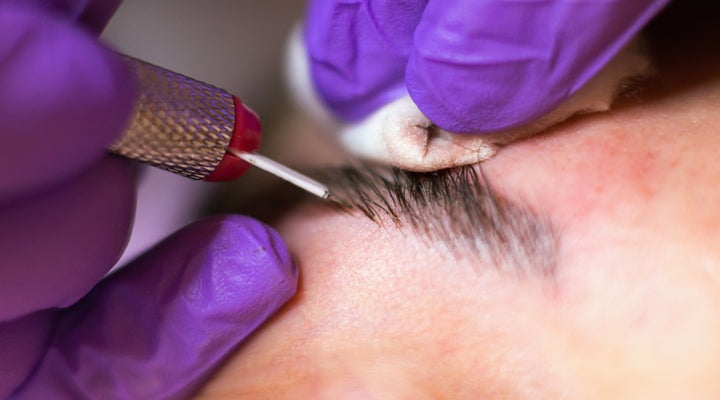
A Consultant Dermatologist, Dr Folakemi Cole-Adeife, says the cosmetic tattooing of eyebrows known as Microblading, done by an untrained aesthetician can cause infections, keloid, toxicity and allergic reactions.

Cole-Adeife who works at the Lagos State University Teaching Hospital, Ikeja, spoke with the News Agency of Nigeria (NAN) on Wednesday.

She described microblading as cosmetic tattooing of eyebrows, usually to make them appear fuller and to have a desirable shape, reducing the need for frequent shaping or shaving.

According to her, microblading can enhance cosmetic beauty but it is not without possible risks both long and short term, especially when it is not done by a trained professional.

“Herpes virus, Hepatitis B or C and human immunodeficiency virus (HIV), can occur from the use of unsterilised equipment or materials and poor aseptic techniques.

“Also poor aftercare of tattooing of eyebrows in the few days after the procedure can also result in infection.

“One should avoid the use of heavy makeup or make up brushes owned by others like make up artistes for at least one week after microblading to reduce the risk of post-procedure infection.

“The infections can be bacterial, fungal or even viral and can lead to long term complications if not properly treated when they occur,” she said.

Cole-Adeife urged persons with a history of excessive scarring or keloids, to avoid micro blading as keloids could develop from the procedure in such people.

“Scar or keloid formation, is one of the long-term complications that could occur from micro blading, particularly in dark-skinned people who have an increased risk of keloids.

“Another long-term risk could be from the microblading dye itself being absorbed into the skin or blood stream and causing toxicity but this is quite rare,” she said.

The dermatologist said there could be allergic reactions to the microblading dye as some people might react to the dye used resulting in itching and swelling of the affected areas.

She advised that the dye be applied to a small test area a few days before the procedure to determine whether the person is allergic to the microblading dye or not.

“If anyone experiences any of these side effects, they should see a dermatologist for appropriate care to avoid further complications,” she said.

Cole-Adeife said that the microblading procedure should be done by an experienced aesthetician to avoid poor outcome.

“Microblading by unskilled aesthetician can leave the client with undesirable semipermanent eyebrows that can only be removed via another laser tattoo removal, which is quite expensive,” she said. (NAN) (www.nannews.ng)

Over 4.7m Anambra Residents Treated for NTDs in 2022 – Commissioner

0

Ignorance worsening burden of tropical diseases in Nigeria - Experts - Businessday NG

The Anambra Government, in partnership with the Carter Centre, said it treated over 4.7 million persons of the four major Neglected Tropical Diseases in the state in 2022.

The state Commissioner for Health, Dr. Afam Obidike, gave the statistics at a news conference on NTDs interventions to mark the 2023 World NTDs Day, in Awka, on Thursday.

This year’s commemoration with the theme: “Act Now, Act Together, Invest in Elimination of Neglected Tropical Diseases.’’

The News Agency of Nigeria reports that World NTDs Day is marked every Jan. 30 to re-energise the drive to end the suffering from NTDs.

NTDs are caused by a variety of pathogens, including viruses, bacteria, parasites, fungi, and toxins.

Obidike identified Onchocerciasis, known as River Blindness, Lymphatic Filariasis, also known as Elephantiasis, Schistosomiasis, and Soil-Transmitted Helminthiasis, as the NTDs endemic in the state.

He described NTDs as preventable communicable diseases prevalent in areas with poor sanitation, inadequate safe water supply, and sub-standard housing conditions.

According to him, the diseases are considered neglected because they enjoy little funding, are almost absent from the global health agenda and are associated with stigma and social exclusion.

“Over six million individuals in the state are at risk of being infected with one or more types of NTDs and 80 per cent are targeted annually to receive preventive chemotherapy against the diseases.

“In 2020, 1.2 million persons were treated, 3.1 million persons were treated in 2021 and a total of 4,768,342 persons were treated in 2022.

“In partnership with the Carter Centre, 2,867 health workers were trained in 2022, on the detection, treatment, management, and prevention of NTDs.

“Today, every prevailing NTDs in the state is currently receiving public health attention,’’ he said.

The Commissioner said that Gov. Chukwuma Soludo’s administration invested in NTDs programmes to scale up sensitisation in endemic communities.

He, however, urged residents to support the government’s efforts by sleeping under a treated mosquito net, reporting cases of Elephantiasis to the nearest health centre, and assisting in searching fast-flowing rivers for Blackfly control.

Speaking, the Anambra Programme Officer, Carter Centre, Mrs. Egeonu Attamah-Isiani, said the centre had been partnering with the state since 1995 to control and eliminate NTDs.

“We have been providing technical and financial supporting to the state, facilitating capacity building, drugs provision, and distribution to interrupt NTDs transmission,” she said.

In his remarks, Prof. Dennis Aribodor of the Parasitology and Public Health Society of Nigeria urged the state government to invest and partner with the society in the area of research and data gathering on NTDs.

(NAN)

Preterm Delivery Exposes Mothers to Ischemic Heart Disease, Study Finds

0
11 Skin-Care Products Safe for Pregnant & Nursing Moms | Allure
Pregnant Women | Photo Credit – Allure

Women who suffer any of the major pregnancy complications—including preterm birth or pre-eclampsia, have an elevated chance of developing ischemic heart disease, even after 46 years of giving birth, a Sweden study has found.

The study published in The British Medical Journal (BMJ) was to investigate the links between a mother’s long-term risk of developing ischemic heart disease and five significant unfavourable pregnancy outcomes.

Ischemic heart disease is a serious condition where the blood vessels supplying the heart are narrowed or blocked and is the leading cause of death among women worldwide.

The researchers located 2,195,266 Swedish women who gave birth to a single live child between 1973 and 2015, with an average age of 27 and no history of heart disease. Then, from the moment of delivery until December 2018, they followed ischemic heart disease patients using national medical records (average follow-up time 25 years, up to a maximum of 46 years).

Preterm delivery (less than 37 weeks gestation), small for gestational age at birth, pre-eclampsia, other perinatal blood pressure abnormalities, and gestational diabetes were the five main unfavorable pregnancy outcomes of interest.

Overall, 83,881 (3.8%) women with an average age of 58 years were diagnosed with ischemic heart disease. The findings indicate a higher chance of developing ischemic heart disease in women who suffered any of five significant negative pregnancy outcomes.

Women who had many unfavourable pregnancy outcomes had higher risks overall. In the ten years following delivery, rates of ischemic heart disease with one, two, or three negative pregnancy outcomes increased by 1.3, 1.8, and 2.3 times, respectively (20, 34, and 58 instances per 100,000 person years).

Even 30-46 years after delivery, the majority of relative rates continued to be considerably elevated (1.1- to 1.5-fold) and were only partially explained by shared genetic or environmental variables within families.

The researchers cannot rule out the possibility that ischemic heart disease was underreported or that unreported maternal smoking, obesity, or other risk factors during pregnancy may have had an impact on their findings because this is an observational study, which makes it impossible to determine cause.

However, the large sample size based on highly complete nationwide birth and medical registry data and long-term follow up prompt the researchers to say that all major adverse pregnancy outcomes should be recognized as lifelong risk factors for ischemic heart disease.

“Women with adverse pregnancy outcomes should be considered for early preventive evaluation and long term risk reduction to help prevent the development of ischemic heart disease,” they concluded.

Top Nigerian Diets for an Acne-Free Skin

1
Acne-Prone Skin | Skincare Advice | CeraVe Canada
Acne-Prone Skin | Photo credit – CeraVe Canada

What is Acne?

The word acne generally refers to a skin condition caused by the over-production of sebum, resulting in plugged pores and the formation of pimples. It typically affects the face, chest, and back. Although it is most commonly associated with adolescence, acne can occur at any age.

According to the World Health Organisation, acne is the eighth most common disease in the world, affecting over 650 million people. It is most prevalent among teenagers, although it can affect people of any age.

There are a number of factors that can contribute to the development of acne, including genetics, diet, stress, and hormone levels. While there is no cure for acne, there are a number of treatments that can help to control it.

If you are suffering from acne, it is important to see a dermatologist or other healthcare providers to discuss your treatment options.

Nigerian Diets for an Acne Free Skin

Should my teen go on a diet?

When it comes to the best Nigerian foods for an acne free skin, a professional nutritionist would say that there are many options available. However, certain foods may be better for some people than others. For example, someone with oily skin may want to avoid foods that are high in oil or fat. Conversely, someone with dry skin may want to consume more foods that are hydrating.

While there is no one magic bullet to prevent or cure acne, maintaining a healthy lifestyle and eating the right foods can go a long way in keeping your skin clear and blemish-free.

In an article published in the Nigerian Food Journal, Dr Folu Olatona, a nutritionist who works at the Lagos Executive Cardiovascular Clinic, lists some of the top Nigerian foods that can help keep your skin clear and free from acne.

They are as follows:

1. Plantain: Plantains are rich in vitamins A and C, which are both essential for healthy skin. They also contain potassium, which helps to regulate oil production and prevent clogged pores.

2. Sweet potatoes: Sweet potatoes are another great source of vitamins A and C, as well as beta-carotene, an antioxidant that can help reduce inflammation.

3. Tomatoes: Tomatoes are a great source of lycopene, an antioxidant that has been shown to reduce the size and severity of pimples.

  1. Fish: Fish such as salmon, mackerel, and sardines are rich in omega-3 fatty acids, which have anti-inflammatory properties and can help to reduce the redness and swelling of pimples.
  2.  Nuts: Nuts such as almonds and walnuts are a good source of zinc, a mineral that plays a role in wound healing and can help to reduce the inflammation and redness of acne lesions.

    Following a healthy diet that includes these and other nutrient-rich foods can help you to achieve and maintain clear, blemish-free skin.

Nigerian Foods that can Trigger Acne Breakouts

Having considered foods that make you acne free, it is also important to let you know certain foods that predispose you to the development of acne.

Numerous scientific studies have shown that certain foods can trigger acne breakouts. A study published in the Journal of Dermatology found that foods high in glycemic index are associated with an increased risk of acne.

The foods are:

  1. Fried foods

Fried foods are high in oil and can clog your pores, leading to breakouts. They also tend to be high in sugar, which can trigger inflammation and increase the production of sebum, the oily substance that leads to acne.

2. Processed foods

Processed foods are often high in sugar and unhealthy fats, both of which can trigger acne breakouts. They can also contain artificial ingredients and preservatives, which can further irritate your skin.

3. Dairy products

Dairy products are a common trigger of acne, especially cow’s milk. Milk contains hormones that can trigger the production of sebum, which can lead to breakouts. Dairy products can also contain unhealthy fats and additives, which can further irritate your skin.

4. Refined carbohydrates

Refined carbohydrates are a major trigger of acne. These include foods like white bread, pasta, and pastries. Refined carbs are quickly broken down into sugar, which can trigger inflammation and increase the production of sebum.

5. Chocolate

Chocolate is often blamed for causing acne, but there is no scientific evidence to support this claim. However, chocolate does contain sugar and unhealthy fats, both of which can trigger breakouts.

So, if you are suffering from acne, it is best to avoid consuming foods that are high in glycemic index or dairy products. Instead, focus on eating foods that are low in glycemic index, such as vegetables, fruits and whole grains. These foods will help to keep your blood sugar levels stable, which in turn can help to reduce the risk of acne.


Kwara PSN Awards Grants to 6 Beneficiaries

0
Pharm. Juwon Otelaja, chairman Kwara State PSN, (middle) in a group photograph with the beneficiaries of the scheme and the executives.

In its quest to enhance professional growth and development of its members, the Pharmaceutical Society of Nigeria (PSN), Kwara State Chapter, has recently awarded Four Hundred thousand naira, (N400, 000) in grants to six beneficiaries of its Educational Grant Scheme. The scheme was instituted to empower pharmacists in the state who are currently enrolled in Masters, PhDs and Fellowship programmes.

In a press release made available to Pharmanewsonline by the Secretary, Pharm. Munirat Kikelomo Bello, recipients of the Third Edition of the Educational Grant Scheme were presented with their cheques recently during the PSN monthly meeting held at the secretariat.

Chairman, Kwara State PSN, Pharm. Juwon Otelaja, speaking at the event noted that the scheme was instituted by his administration, to support Kwara pharmacists that are currently enrolled in different Masters programmes and the Fellowship of the West African Postgraduate College of Pharmacists (WAPCP), as a way of encouraging them to aspire to build their capacities and to take up more professional challenges.

Speaking further, he said the successful candidates were selected after a thorough screening process by a committee headed by Dr (Mrs) Rashidat Ayanniyi, a past Dean of the Faculty of Pharmaceutical Sciences, University of Ilorin and other seasoned academics and fellows of WAPCP.

While presenting the cheques to the beneficiaries, Otelaja noted the presentation was the third edition under his administration, adding that adequate funding was necessary for continuous growth as well as stability of the healthcare sector.

“In this third edition of the scheme, four candidates at WAPCP received N75, 000 while two masters’ students received N50, 000,” he said.

Speaking in an interview with Pharmanewsonline, Dr Ayanniyi, chairman of the Screening Committee, said that the selection process was open and transparent, adding that the six recipients were the best and were considered.

According to her, the innovation of supporting practitioners in the state in the form of scholarship grants was important and innovative; adding that it will go a long way in encouraging members to do well in their practices, adding that the primary aim is to enhance their professional growth and development in form of improving their professional competence.

“Talking about the criteria for picking the awardees, members of the committee which were drawn from all arms of PSN sat and specified some criteria to be considered before an individual is considered a winner. We put in place the mechanism to detect if any of the awardees is under any other form of funding.

“We also assessed their contributions to Kwara State PSN, as well as the technical groups they belong to and points were awarded for that. So, we gathered all the points, and those with the highest points were selected. So, it was very strict and we ensure that all the selected  members  satisfied the minimum requirement”, she said.

One of the beneficiaries, Pharm. Busayomi Abolarin, responding on behalf of the beneficiaries, said that the grant was well appreciated and that it will spur them to do more for the practice, work hard to achieve the desired results and continue to contribute meaningfully to the development of pharmacy practice in the state and Nigeria as a whole.

NEMA Presents Medications to Five Health Facilities in Zamfara

0

The National Emergency Management Agency (NEMA) on Wednesday presented assorted drugs and medicaments to five health facilities in Zamfara State.

The News Agency of Nigeria reports that the items were donated by MAP International, an international charity organization for medical support.

The benefiting health facilities are Federal Medical Centre Gusau, Yariman Bakura Specialist Hospital Gusau, General Hospitals in Talata-Mafara, Gummi and Kaura Namoda.

Presenting the items, the Coordinator, Sokoto NEMA’s Operations’ Office, Alhaji Aliyu Shehu-Kafindangi, said the gesture was to complement the Federal Government’s efforts in providing quality healthcare services to victims of flood, banditry, kidnapping, and social vices.

Shehu-Kafindangi, represented by the Head of Planning, Research and Forecasting, NEMA Sokoto Operations Office, Mr. Tukur Abubakar, urged the management of the hospitals to ensure judicious utilisation of the items.

Responding on behalf of the state government, the Deputy Speaker, Zamfara House of Assembly, Alhaji Musa Bawa-Musa, said the gesture was a timely and welcomed development.

Bawa-Musa said the gesture was good support from the NEMA and Map International for boosting healthcare services and delivery.

He appealed to other stakeholders to emulate NEMA, adding that healthcare delivery required collective responsibility.

“Both the state government and the House of Assembly, we extend our appreciation to NEMA.”

“We will continue to be committed towards partnership with NEMA and other development partners for the progress of the state and our people,’’ he said.

The Executive Secretary, State Emergency Management Agency (SEMA), Alhaji Mustafa Ahmad, commended NEMA for the gesture.

Ahmad noted that the support for the health sector would help and reduce the burden of various health challenges due to financial difficulties faced by vulnerable groups in society.

“I once again appreciate NEMA for always considering Zamfara on emergency issues,’’ he added.

In their separate remarks, the Medical Directors, Federal Medical Centre Gusau and Yariman Bakura Specialist Hospital Gusau, Dr. Bello Kwatarkwashi, and Dr. Usman Shanawa, promised judicious use of the items by the hospitals. 

(NAN)

African Nations Commit to Ending AIDS in Children by 2030

0
HIVinfo

Twelve African countries on Wednesday spelt out plans for ending AIDS in children by 2030 through an array of HIV testing, treatment, and prevention programmes.

The 2030 goal, which was announced by UNAIDS last year, was unanimously backed by representatives from the 12 nations gathered in Tanzania’s Dar es Salaam.

“All of us in our capacities must have a role to play to end AIDS in children,” Tanzanian Vice President Philip Mpango told the conference.

“We must not remain complacent. 2030 is at our doorstep,” he added.

The Dar es Salaam Declaration was announced at the first ministerial meeting of the Global Alliance to end AIDS in Children, which brings together the 12 countries with UNAIDS and other health agencies.

The 12 nations are Angola, Cameroon, Ivory Coast, DR Congo, Kenya, Mozambique, Nigeria, South Africa, Tanzania, Uganda, Zambia, and Zimbabwe.

UNAIDS said in a statement that a child dies from AIDS-related causes every five minutes.

Just half of the children living with HIV worldwide are receiving antiretroviral treatments which can stave off AIDS, compared to three-quarters of adults with HIV, it added.

The new plan includes early testing for children, increasing treatment for pregnant women with HIV, preventing infections among breastfeeding women, and addressing rights and gender barriers that hinder access to services.

UNAIDS Executive Director Winnie Byanyima told the meeting “it feels me with hope that all of us in this room have committed” to the 2030 goal.

“It’s a winnable fight. It’s a fight for our children,” she added.

World Health Organisation chief, Tedros Adhanom Ghebreyesus told the ministers “your leadership is crucial”.

“We have all the tools needed to make this a reality, but we need your commitment and action,” he said.

(AFP)

SFH Retreat: Participants Make Case for Improved Healthcare System

0
Society For Family Health Logo

Participants at the Society For Family Health (SFH) Retreat in Lagos said there was need to improve health outcomes in the country to attain Universal Health Coverage (UHC) targets.

According to them, this will include improving the country’s Primary Health Centres (PHCs) and  creating a more sustainable healthcare financing system.

The retreat had its theme as “Beginning with the End in Mind”.

The retreat marked the commencement of the 40th Anniversary and 2023 Leadership Retreat of SFH.

Dr Oyebanji Filani,  Commissioner for Health and Human Services, Ekiti, spoke on issues around Basic Health Care Provision Fund (BHCPF), National Health Act (NHAct) and National Health Insurance Authority (NHIA) in closing the social contract gap and improving outcome in sub national level.

Filani, Chairperson, Health Commissioners Forum, Nigeria, said that commissioners of health in the country  resolved that states should put in place relevant institutions to support and drive reforms around healthcare services.

Dr Olumide Okunola, Senior Health Specialist, World Bank Group, emphasised that regardless of policy and government instruments, public financing was key to realising the goals of NHIA Act and UHC.

One of his recommendations was for the future of health financing in Nigeria to be output-based financing budget.

He urged SFH to help through technical assistance, domestic resource mobilisation, among others.

Dr Ebere Anyachukwu, Senior Health Specialist, Foreign, Commonwealth and Development Office (FCDO) recommended some shifts to accelerate Universal Health Coverage (UHC) in Nigeria.

Some of the suggestions included country focused political priorities, in-country coordination approach, pragmatic delivery approach that is scalable.

Others are capacity building alongside developing and strengthening local networks, domestic financing mobilisation, private and government partnership supported service delivery among others.

Explaining UHC, he said: “It means that all people have access to the full range of quality health services they need as well as when and where they need them”.

Dr Murphy Akpu, Deputy Coordinator, PEPFAR Nigeria, also made a presentation.

Prof. Akin Abayomi, the Lagos State Commissioner for Health, urged Lagos residents to enroll in the state’s health insurance scheme “Ilera Eko” to enjoy quality and affordable healthcare delivery.

Abayomi was represented by Dr Olamide Okulaja,  Health Economist and Technical Adviser to the Commissioner.

Okulaja, who spoke on UHC, said the state initiated Ilera Eko in a bid to ensure that all residents in the state, irrespective of their status, got access to healthcare services.

“Part of the aims of the blueprint is health facilities upgrade, outsource some Primary Health Centres to private sector and improve patronage for health insurance.

“The best approach towards implementing a sustainable healthcare system is by building all encompassing facilities for all, for the benefit of both the rich and the poor in the society,” he said.

Speaking earlier, Prof. Ekanem Braide, the President of SFH Board, reiterated the board’s resolution to keep the Foundation’s vision alive.

“This retreat, therefore, is to pause, learn, unlearn and reignite our collective purpose to finish the job we have started working with our partners.

“We have structured the agenda with activities ranging from lessons learnt in health policy and governance private sector-led advocacy, expanded regional reform, to truly reposition us for our aspiration of achieving Health for All,” she said.

Dr Omokhudu Idogho, the Managing Director of SFH, in his welcome address, evaluated the impact of SFH since inception.

“Our internal metrics suggest that as an organisation, we have contributed to a quarter of Nigeria’s Couple-Years of Protection (CYP) progress.

“A third of ITN distributed in Nigeria about 60 million reaching 25 million households.

“Provided health services to more than three million children, averted close to 180,000 HIV infections and generated more than 10.2 million DALYS in the last 40 years.

“This contribution has seen population level impact with maternal mortality down from 1,000 to 512/100,000 live births and infant mortality coming down from 132 to 54 per 1,000 live births.

“The next strategy calls us to leverage our 40 years experience to rewrite the construct of Africa health system, with a clear focus on stronger partnerships, forward thinking science and an untiring commitment to transform health outcomes for all,” Idogho said.  (NAN) www.nannews.ng

Eyedrops Brand Possibly Linked with Bacterial Infections, CDC Warns

1
Woman using eye drop, treat dry eye – Photo credit: iStock Images

An over-the-counter brand of eyedrops has been linked to permanent vision loss due to a bacterial infection as reported by Centres for Disease Control and Prevention.

The majority of people afflicted said they used EzriCare Artificial Tears without preservatives before getting sick.

Eleven people had eye infections, and three of them at least lost vision in one eye. Others suffered from urinary tract infections or respiratory illnesses. When the bacteria got into the patient’s circulation, one individual died.

California, Colorado, Connecticut, Florida, New Jersey, New Mexico, New York, Nevada, Texas, Utah, and Washington were the states where cases were documented.

Unknown underlying eye diseases, such as glaucoma or cataracts, which would have rendered the afflicted individuals more vulnerable, may have also existed in the patients. Pain, swelling, discharge, redness, fuzzy vision, sensitivity to light, and the sensation that something foreign is lodged in the eye are all signs of an eye infection.

While the infections have not been definitively traced to the eye drops, the CDC recommended that “patients immediately discontinue the use of EzriCare Artificial Tears until the epidemiological investigation and laboratory analyses are complete.”

The eyedrops under investigation are advertised as being preservative-free. This means that nothing in the product may possibly hinder the growth of microorganisms. When a person who had the germs on their skin opened the container or during the production process, the product may have become contaminated.

The CDC discovered the bacteria in the eyedrops bottles and is conducting tests to see whether this bacteria matches the type discovered in patients.

Pseudomonas aeruginosa, a kind of bacteria that is resistant to the majority of medicines, has also been found in at least 50 patients in 11 states so far, according to the CDC team.

Pseudomonas aeruginosa bacteria are commonly found in water and soil and even on the hands of otherwise healthy people. Infections usually occur in hospital settings among people with weakened immune systems.

This type of bacterium is often resistant to standard antibiotics.

“That’s what’s so concerning. Our standard treatments are no longer available to treat this infection,” said Dr Jill Weatherhead, an assistant professor of tropical medicine and infectious diseases at the Baylor College of Medicine in Houston.

As of Tuesday, EzriCare Artificial Tears had not been recalled. They have been sold on Amazon and at stores such as Walmart.


NCDC Confirms 137 New cases of Lassa Fever in One Week

1
Lassa Fever
Photo credit – BBC

The Nigeria Centre for Disease Control NCDC has confirmed that the nation recorded 137 new cases of Lassa fever within one week, from 16 January – 22 January 2023, through its latest epidemiological report.

According to the report, the number of new confirmed cases increased from 77 in week 2 2023 to 137 cases. These were reported from Ondo (51), Edo (48), Taraba (8), Benue (5), Nasarawa (5), Bauchi (5), Ebonyi (3), Plateau (3), Kogi (3), Anambra (2), Delta (1), FCT (1), Adamawa (1), and Enugu (1) States.

Statistically, the NCDC’s report showed that Seventy-nine (79%) of all confirmed Lassa fever cases were reported from these three states (Ondo, Edo and Bauchi) while 21% were reported from 13 states with confirmed Lassa fever cases. Of the 79% of confirmed cases, Ondo reported 37%, Edo 36%, and Bauchi 5%.

The predominant age group affected according to the agency’s report is 21-30 years (Range: 1 to 79 years, Median Age: 30 years). The male-to-female ratio for confirmed cases is 1:0.9.

The statement also revealed that number of suspected cases increased compared to that reported for the same period in 2022, adding that two new healthcare workers were affected in the reporting week 3.

Cumulatively from week 1 to week 3, 2023, 37 deaths have been reported with a case fatality rate (CFR) of 15.1% which is lower than the CFR for the same period in 2022 (18.8%)

In total for 2023, 16 States have recorded at least one confirmed case across 50 Local Government Areas.

Pharmanewsonline reports that Lassa fever is an acute viral haemorrhagic illness caused by the Lassa virus. People usually become infected with the Lassa virus through exposure to food or household items contaminated with urine or faeces of infected rats – present in several West African countries where the disease is endemic.

National Lassa fever multi-partner, multi-sectoral Technical Working Group (TWG) continues to coordinate the response activities at all levels.

US Govt Says COVID-19 Emergency Status to End May 11

0

The White House said Monday that the national and public health emergencies declared just as the Covid-19 pandemic took grip three years ago will officially end on May 11.

The end to both federal emergency declarations, which took effect in January 2020 under then-president Donald Trump, will see funds used to subsidize Covid medicines, medical insurance and other types of government aid related to the pandemic come to an end.

In practice, part of these government assistance programs has already dried up due to opposition from Congress.

The remaining debate is largely political, with Republicans who control the House of Representatives preparing bills that would seek to end the national emergency on March 1 and the public health emergency on April 11.

In a statement, the White House said that such abrupt cancelations of the two emergencies would have “highly significant impacts on our nation’s health system and government operations.”

This would include “chaos and uncertainty throughout the health care system.”

“Hospitals and nursing homes that have relied on flexibilities enabled by the emergency declarations will be plunged into chaos without adequate time to retrain staff and establish new billing processes,” the statement said.

Another reason for a 60-day notice period through to May is to give the government time to prepare for the impact of lifting the emergencies on immigration at the troubled US-Mexican border, the statement said.

A rule known as Title 42, currently in place to allow swift expulsion of undocumented migrants, is legal only because of the health emergency. Ending the emergency “precipitously” will “result in a substantial additional inflow of migrants.”

The White House says it wants to end Title 42 and replace it with a different legal mechanism for controlling the flow of would-be immigrants, but that it needs time to do this.

(AFP)

11-Hour Ambulance Delay as UK Healthcare Hits Crisis

0

Last July, 78-year-old Jacqueline Hulbert suffered a fall at home and was left lying on the floor for 11 hours waiting for an ambulance.

Her son Mathew Hulbert witnessed her “undignified” ordeal and has gone public to highlight the crisis within the overstretched state-funded health service.

Jacqueline, known as Jackie, died from sepsis two days after her admission to hospital.

While there may be no direct link between her death and her long wait for an ambulance, Mathew has spoken out on the family’s experiences with the crisis-hit NHS public health provider.

Hulbert spoke to AFP in Barwell, a small town 100 miles (160 kilometres) north of London where he is a local councillor.

The 42-year-old has repeated his story numerous times but he still gets emotional as he remembers his mother’s suffering last summer.

Early on July 10, he was woken up at 4:30 am by a call from the local council, saying his mother had fallen overnight and activated the emergency alarm she wore.

A friend drove him over and they called for an ambulance at 05:01 am.

“A paramedic in a car finally arrived at 4:00 pm, 11 hours later, and then she further called for an ambulance which arrived about half an hour after that,” he said.

“My mum was then taken to a hospital where it was found that she got an infection that turned to sepsis and she died two days later.”

– Grim choices –

Mathew stayed by his mother’s side during the wait, when she could not be moved because she was complaining of pain in her ribs and her son feared making her injuries worse.

He gave her food and drink and kept ringing the emergency number 999, to ask when an ambulance would arrive.

“It was totally undignified,” he said. “I just felt very isolated at that time because you want to help your parents. You don’t want to see them suffering… And there was very little I could do.”

As her life was not seen as at risk, his mother’s case was not considered a priority by the overloaded ambulance service.

Charlotte Walker, head of operations for Leicestershire at the East Midlands Ambulance Service, told AFP in a statement that “we are deeply sorry that we were unable to get to the patient sooner”.

She said the delay was being investigated but the service was experiencing “a sustained level of life-threatening and serious emergency calls” and worked “to prioritise the sickest and most severely injured patients”.

Such stories regularly appear in UK media, testifying to the deep crisis in the NHS, caused by austerity measures and the consequences of the pandemic.

At the end of last year, patients for ambulance calls classified as category 2, which includes heart attacks and strokes, were waiting an average of 90 minutes for help to arrive.

Due to problems arranging further care, many patients are then staying in hospital longer than necessary, taking up beds needed for new arrivals.

In England, almost one ambulance in five waits more than half an hour at the hospital door to drop off the patient.

That was the case with Jackie, according to the regional ambulance service, whose vehicles were stuck at the Leicester Royal Infirmary, nearly 20 miles (30 kilometres) away.

– ‘Not acceptable –

“Since what happened to Mum, I’m now seeing it every day on social media,” Mathew said.

“As we are sat here now, people will be in desperate situations, waiting for an ambulance and having to wait countless hours… and it’s just not acceptable.”

Nurses and ambulance staff have held several walkouts to protest against these conditions and demand better pay, with a joint strike called on February 6.

Prime Minister Rishi Sunak has presented a new plan to ease the pressure, announcing that the NHS will get 800 new ambulances and 5,000 new hospital beds.

Mathew, who said he does not want to think about whether his mother might still be alive if she had been treated sooner, has urged politicians to tackle the problem head-on.

“We need cross-party talks to sort the issue out,” he said.

“These are people’s real lives. People are really suffering, families being destroyed, by what is happening.”

(AFP)

NGO Targets 40 Schools on Reproductive Realth for Girl Child

1

The Executive Secretary, Youth Empowerment Foundation (YEF), an NGO, Mrs Iwalola Akin-Jimoh, has said that the organisation is set to target 40 schools across the country to equip the girl child on life skills and reproductive health.

Akin-Jimoh, who was represented by the YEF Programme Assistant, Miss Mofeoluwa Ojotu, disclosed this at a Goal Stakeholders Meeting in Abuja on Tuesday.

She said that the Goal project was meant to build the self confidence of the girl child so that they could stand up for themselves.

She said that for the 2023 activities, the organisation’s Goal project was aimed at reaching a target audience of 11,080 across sites.

“One of the things the project is aimed at achieving is actually to build self confidence and boldness in girls.

“A lot of these girls actually have low self esteem and with this the influence of peer pressure can set it and make them do things they are not meant to do.

“We have Goal handbooks we use in facilitating life skills in schools so that a lot of issues affecting the girl child can be addressed.

“In one of the particular module, we talk about communication, peer pressure, refusal skills, labelling and having a high self esteem and saying positive things to yourself. That alone instills boldness in them,” she said.

She added that one of the Goals taught in 2022 was largely on quiz competition which helped the girls show what they’ve learnt over the years while also expressing themselves in various other skills.

She, therefore, said that the platform was geared towards pooling students across board and developing their talents in various forms.

“We do refresher training so that the girls will be properly impacted and we also showcase the various celebrations and international days, and road walk with the children so as to build their self confidence in other fields,” she said. (NAN) (www.nannews.ng)

Over 350,000 Children Receive Treatment for Schistosomiasis – Abayomi

1

May be an image of 9 people, people standing, outdoors and text that says 'Wel NTD Jolk TDs Lagos State Ministry Of Health Conjunction With Mission To Save The ielpless (MITOSATH) Colebrates 2023 WORLD NEGLECTED TROPICAL DISEASES(NTDs) DAY Therne # Act Now #Act Together #Invest In Elimination of NTDs MONDAY, 30TH JANUARY, 2023'

The Lagos State Commissioner for Health, Prof. Akin Abayomi, on Wednesday, revealed that as part of the Lagos State Government’s involvement and efforts to control and eradicate neglected tropical diseases NTDs, more than 350,000 School-Age Children (SAC) have successfully received treatment for Schistosomiasis disease.

Abayomi made the disclosure following a walk to raise awareness for the 2023 World NTD Day in Lagos State, which was organised by the State Ministry of Health and the nonprofit Mission to Save the Helpless (MITOSATH).

“Lagos has won several awards amongst which, was the award of an outstanding performance for being the first state to implement Schistosomiasis ward-level treatment in line with the new WHO guideline,” he said.

He also noted that in 2022, the state government, through the Ministry of Health, successfully concluded treatment to prevent Schistosomiasis in nine endemic LGAs of Lagos.

The commissioner further states that as part of ongoing efforts to treat and eradicate the diseases in Lagos, the Lagos State Government has finalised plans to conduct an assessment of the prevalence of some neglected tropical diseases (NTDs), such as Lymphatic Filariasis and Onchocerciasis, in 20 Local Government areas of the state.

He explained that the assessment which is scheduled to commence in February will lead to targeted treatments of NTDs where necessary in line with World Health Organisation’s NTD elimination road map.

“In view of the Year 2023 World Neglected Tropical Diseases Day theme, ‘Act Now, Act Together, Invest in Elimination of Neglected Tropical Diseases’, Lagos State would like to assess the prevalence of other NTDs including Lymphatic Filariasis and Onchocerciasis, which is set to commence in early February in 14 LGAs for Onchocerciasis and six LGAs for Lymphatic Filariasis,” he said.

Abayomi, who was represented by the Director of Epidemiology, Biosecurity, and Global Health, Dr Ismail Abdus-Salam, stated that due to the impact of NTDs and the rising concern over its burden of risk on national and global economies over the past few decades, WHO recognised January 30 of each year as World NTD Day.

The commissioner stated that while Nigeria contributes 25 per cent of Africa’s NTD burden, millions of people globally are afflicted and more at risk of NTDs because of pervasive societal neglect and a lack of essential utilities including water, sanitation, hygiene, and healthcare waste management facilities.

His words, “Neglected Tropical Diseases are a group of conditions affecting more than a billion people who mostly live in marginalised, rural, poor urban areas and conflict zones. Although they are preventable and treatable, these diseases and their intricate interrelationships with poverty and ecological systems continue to cause devastating health, social and economic consequences”.

“True to the name, Neglected Tropical Diseases (NTDs) seldom receive the attention they warrant. In order to end this neglect, the 74th World Health Assembly declared January 30th as ‘World Neglected Tropical Diseases (NTD) Day”, Abayomi stated.

In the same vein, Dr Francesca Olamiju, executive director of MITOSATH, stated that MITOSATH would continue to engage with the Lagos State Government and other relevant governmental and non-governmental organizations to achieve the goal of NTD control and elimination.

Olamiju, who was represented by Ms. Chimdinma Okoronkwo, MITOSTAH’s assistant monitoring and evaluation officer, explained that MITOSATH collaborated with the Federal Ministry of Health, the Lagos State Ministry of Health, and the World Health Organisation to implement the first ward-level strategy of Mass Administration of Medicines against Schistosomiasis, and that MITOSATH has also hosted dissemination workshops to give stakeholders and partners the opportunity to share knowledge, best practices and lessons from the implementation of NTD prevention, control and elimination exercise in Lagos State.

She noted that MITOSATH is also ready to collaborate with the NTD Programme Unit of the Lagos State Ministry of Health, the Federal Ministry of Health and WHO to assess the prevalence of Lymphatic Filariasis and Onchocerciasis in 20 LGAs of Lagos State.

Appealing for private sector engagement for the elimination of NTDs, the Executive Director stated that all hands must be on deck to eliminate NTDs in Lagos and Nigeria.

“Together we can eliminate NTDs in Lagos and Nigeria at large”, she said.


Lab Scientists Harp on Early Diagnosis to Curb Diseases Burden

0

– As ACPN Ikeja organizes business seminar

Mr Maurice Etuk-Udoh, managing director, Healthronics Medicare, delivering his lecture at the first monthly meeting of ACPN, Ikeja Zone.

Medical laboratory experts have emphasised the need for accurate and prompt diagnosis to reduce the rate of chronic diseases, which they said is fast rising, adding that there is a need to conduct proper diagnosis and tests before any drug can be administered to patients  to avoid wrong medication.

They also called for adherence to best practices in the delivery of healthcare services to enable citizens seek quality healthcare and enhance treatment outcomes.

The medical laboratory scientists made the call at the first monthly meeting of the Association of Community Pharmacists of Nigeria (ACPN), Ikeja Zone, held at the ACPN National Secretariat, Ikeja, Lagos.

Mr Maurice Etuk-Udoh, managing director, Healthronics Medicare, noted that diagnostic service is at the forefront of any medical care, adding that before a medication is administered for any illness, the first consideration should be laboratory and diagnostic services to unravel the reason for the health challenge.

According to him, when a patient is brought for healthcare service, it is best to know what happened, and it is through diagnostic service that this can be unraveled. However, in a situation where the medical laboratory experts fail to do their job well or do it at all, the doctors, pharmacists, nurses and others won’t be able to achieve a good result.

Etuk-Udoh also pointed out that early diagnosis is key to reducing the high rate of chronic disease among Nigerians, stressing the need to encourage people for regular medical checkups.

“Early diagnosis ensures that diseases are treatable and well controlled. But when you discover a disease when it has already damaged body organs, then the prognosis at that point is poor. For instance, when a patient present late, even the least medical condition around won’t be easily treated, and that’s why I am here to talk to my colleagues in the healthcare family who are pharmacists so that they can encourage people to check themselves out early enough as they are closest to the people.

L-R: Pharm. Sidi Rufai, financial secretary; Pharm. (Mrs) Vivian Ibeh, zonal coordinator and Pharm. Imade Roy-Ekekwe, secretary, ACPN, Ikeja Zone, at the event.

“Routine medical investigation is key. Such that diseases are picked out early and addressed quickly so the individual can have a good quality of life rather than allow complications,” he said.

Also speaking, Damilola Makinlolo from the Assurance Diagnostic Service Limited, noted that a medical laboratory or clinical laboratory is a laboratory where tests are carried out on specimens from the body which includes fluids tissues and byproducts to obtain information about the health of a patient to help in diagnosis, treatment and prevention of diseases.

She further noted that medical laboratory scientists perform complex tests on patient samples using sophisticated equipment like microscopes, haematology analysers, spectrometers, Elisa, and others, adding that medical laboratory sectors include, chemical pathology, haematology, medical microbiology, immunology or endocrinology, and histopathology.

While emphasising the importance of diagnosis, Makinlolo said: “Without a diagnosis, medicine is blind; without a diagnosis, the capacity and opportunity we have to deal with diseases will be difficult because we will be misrepresenting facts and the patients will not be getting the right kind of attention.

In her speech, Pharm. (Mrs) Vivian Ibeh, zonal coordinator, Ikeja Zone of ACPN, explained that the lectures by the experts were apt, adding that laboratory diagnosis is very important as pharmacists, especially those at the community level need to start developing interest in it. “As pharmacists, we need to keep ourselves abreast of the development in the world of healthcare, and also we need to catch up with the rest of the professionals in the healthcare sector, hence the reason for the lectures.

“Ikeja is the capital of Lagos State, so the zone being the most systemic and most strategic zone of the Lagos ACPN seeks to blaze a leadership trail for community pharmacy practice. When it comes to Drug information and Drug language, the patient-care role of a Pharmacist is unique and cannot be replaced by any allied healthcare practitioner”, she stated.

Meanwhile, one of the highlights of the event was the celebration of some outstanding members for their commitment and dedication to the association and as well as their contribution to the upliftment of the practice. To cap the celebration of the outstanding members, letters of commendation were read to their hearing and were given to them.

Mr Maurice Etuk-Udoh, managing director, Healthronics Medicare, delivering his lecture at the first monthly meeting of ACPN, Ikeja Zone.

A cross-section of Ikeja ACPN members at the first monthly meeting in 2023.

Dr Patrick Ijewere is our Personality for January

1
DR PATRICK IJEWERE

Dr Patrick Abhulime Ijewere is the chief executive officer/founder, The Nutrition Hospital & Wellness Centre, Ikoyi, Lagos. The centre specialises in the prevention and reversal of chronic degenerative diseases, such as diabetes, hypertension, asthma, allergies, arthritis, depression, dementia, liver disease, cancer, and autoimmune disorders, using a nutritional, natural, wellness model.

A team player, with the vision to transform healthcare in Africa, Ijewere also co-founded Carib Health Centre, which focuses on wellness, based on the use of herbs, nutrition, conventional medicine and unconventional healing.

Ijewere is a product of St. Gregory’s College, Obalende, Lagos. His journey through tertiary education began at age 15, at Case Western Reserve University, Cleveland, Ohio, USA. He earned a bachelor’s degree in Chemistry from George Washington University in 1986; followed by a bachelor’s degree in Pharmacy (honours) from Howard University, in 1989.

He proceeded to medical college, at Howard University, where he graduated in 2003, with an MD degree (honours). He had specialty training in Internal Medicine at Johns Hopkins University, Baltimore, Maryland, finishing in 1996. He also obtained an Executive MBA at the University of South Florida, Tampa in 2003.

Ijewere had professional exposure in Florida for 15 years – as an internist, a hospitalist, emergency room (ER) physician, and a ringside sports physician for Florida State. He pioneered St Patrick Medical P.A., which had five clinics in Central Florida, amongst other clients, and served the Florida State Department of Health, and the U.S. Department of Homeland Security.

Upon return to Nigeria, he impacted healthcare in several ways. He was the pioneer medical director of Salus Trust, the Catholic Church’s HMO, with over 320 catholic hospitals and clinics nationwide, spread within 52 dioceses. He also met with providers nationwide to understand challenges with healthcare delivery in Nigeria.

Ijewere has created awareness on staying healthy (wellness) and preventing illness by giving health talks on preventive health, proper use of medications, and nutrition. His impact has been felt in nearly all the states across the federation.

He has been featured on several TV and radio programmes to discuss wellness, agriculture, environment, and other issues. He currently hosts a weekly radio programme, “Wellness Half-Hour” on Inspiration FM, 92.3 FM, Sundays, at 1 pm.

Ijewere’s hobbies include dancing, reading, walking, tennis, travelling, and watching comedy. He is married to Mrs Sherese Ijewere, a Jamaican, who is a professional consultant in the field of nutrition, certified and clinically trained with 18 years plus experience and practices Medical Nutrition Therapies. She is a co-founder of Carib Health Centre.

Shalina Lauds Young Talents, Celebrate Winners from Music Contest

0
L-R:  Mr Ashish Pateker, marketing manager, Shalina Healthcare Limited, Consumer Business, India; Mr Vievek Jain, head, Consumer Global  Marketing, Dubai; Pharm Emeka Adimoha, head, Regulatory; Mr Suresh Karuppiahsamy, head, consumer business, West Africa; Magdaline Mangohol Anthony, 3rd prize winner; Zadok Aghalengbe, brand ambassador, Shaltoux; Terver Freeman Terzungweh, the overall winner; Mr Arun Raj, chief commercial officer, West Africa, and Mrs Busayo Idowu, brand manager, Shaltoux, at the Shaltoux My Voice My Identity Online Music Contest prize presentation in Lagos recently.

Shalina Healthcare Nigeria Limited, a leading pharmaceutical company, and makers of Shaltoux Lozenges has commended Nigerian youths for being creative, enthusiastic and exceptional despite the challenges facing the country, adding that talent discovery is one of the key elements to secure the future of the country.

Speaking at the prize presentation programme for the winners of the online music contest, the Shaltoux Lozenges’ ‘My Voice, My Identity’ Season 2  recently held at the corporate head office of the company, the Chief Commercial Officer, Pharma Business West Africa, Arun Raj, noted that the contest was the company’s way of giving out to the society.

According to him, the company is proud of the product and also proud to connect the product with its consumers in a very creative way, adding that the company is giving back to society. We are very grateful for the opportunity to give hope to the young ones through the contest saying the company is employing different ways to touch the lives of the people.

Also speaking, Sandeep Sahu, head, brand marketing of the company said the company is positioned to “provide quality medicine that is affordable and available all over Africa, adding that it is in over 15 countries in Africa, has over 350 products in 12 therapeutic categories, which Shaltoux Lozenges is one of them.

In his own speech, Suresh Karuppiahsamy, head of consumer Business West Africa, said the Shaltoux online contest was initiated to communicate with people and get feedback on the effectiveness of Shaltoux, adding that Shalina is only fulfilled when everybody in Africa gets access to affordable and quality care through its numerous products.

“We put this programme together to know what people feel about Shaltoux which is a natural throat reliever, and we will continue to engage and empower the youths through our numerous programmes and we urge them to take advantage of it,” he said.

Speaking on the concept behind the online vocal challenge, the company’s consumer brand manager, Oluwabusayo Idowu said; Shaltoux My Voice, My Identity” is an online contest with the hashtag #FreeMyVoice Challenge, adding that contestants sing or rap to a rhythm created by Zadok Terzang, the brand ambassador of shaltoux.

While speaking, Shaltoux’s Brand Ambassador, Zadox Terzang, a Nigerian entertainer, music producer, songwriter, and the 1st runner-up in the Nigerian Idol season 7, commended the company for the opportunity given to youth to showcase their talents through the challenge.

His words, I want to commend Shalina for this contest and I am happy to be part of the success story of the programme as it has touched the lives of many youths positively. “Some people are brand ambassadors for products they don’t use but for me, Shaltoux is a different case,” he said.

The winners were: Benue State-born Terver Freeman Terzungweh, a 22 years old undergraduate from the Ahmadu Bello University, Zaria, Kaduna State, who received N1million, while Confidence Egonu, with the stage name ‘Dcapable Twins, and Magdaline Mangohol Anthony received N500,000 and N300,000 respectively as the first and second runner up.

The top ten finalists were also given cash prizes, making the total cash prize for the competition N2.8 million.


Bauchi Govt Inaugurates Snake Bite Treatment Center

0
Image source – Health Jade

The Bauchi State Government said it would soon commence treatment for victims of snake bite at Duguri treatment center in Alkaleri Local Government Area of the state.

The Executive Secretary,  Bauchi State Primary Healthcare Development Agency (BASPHCDA), Dr Rilwanu Mohammed, stated this while briefing newsmen on the 2023 World Neglected Tropical Disease (NTDs), on Monday in Bauchi.

He said that the state government has procured drugs worth N1 million for the treatment of patients.

According to him, six staff were trained on management and treatment of patients in the facility.

“We have renovated the facility and six staff were trained in Kaltungo to manage and treat patients coming with snake bites.

“The agency also has to procure the anti-venom which will be handed over to ward development committee (WDC) as revolving drugs.

“The present administration is concerned over the burden of snake bites, especially in Duguri community,” he added.

Speaking on some other neglected diseases, he said that the state has five NTDs that includes; Onchocerciasis (River blindness), Lymphatic Filariasis Schistosomiasis (Blood in urine) and Trachoma.

“The endemicity situation in the state is as follows; – Onchocerciasis (River blindness) is in 12 Local Government Areas (LGAs), Lymphatic Filariasis (Swelling of limbs) in 11 LGAs, Schistosomiasis (Blood in urine) in 19 LGAs.

“Trachoma (Eyelashes rubbing on eyeball) is also in two 2LGAs.

“All these diseases have a devastating effect and direct link to the economy and wellbeing of humanity,” he said.

The Chairman said that in 2022, the state conducted some activities on NTDs elimination.

He said that the Federal  Ministry of Health has procured 3,170,000 doses of Albendazole Tablets among others.

The Chairman said that surgery was conducted for 405 people with hydrocele in Toro, Misau and Itas-Gadau LGAs while 950 people benefited from Trachomatous Trichiasis surgery in 13 LGAs in the state.

He appreciated Mitosath and other development partners for their continued support in eliminating NTDs. (NAN) (www.nannews.ng)

NMA Seeks Collaboration to Eliminate Leprosy

0
Photo credit – Everyday Health

The Nigerian Medical Association (NMA) has called for pragmatic collaboration among stakeholders toward eliminating leprosy in 120 countries by 2030, in synchrony with the Sustainable Development Goals (SDGs) target.

The NMA President, Dr Uche Ojinmah, made the call in a statement by Dr Sebastine Oiwoh, the Chairman, National Committee on Neglected Tropical Diseases (NTD) of NMA, on Sunday in Ibadan.

The News Agency of Nigeria (NAN) reports that the NMA had issued the statement in commemoration of the World Leprosy Day 2023, an annual event celebrated every Jan. 29.

Ojinmah had joined medical doctors in reiterating the need to “ACT NOW and END LEPROSY” on the occasion of the 2023 World Leprosy Day.

The NMA president said that through pragmatic collaboration among stakeholders, it was possible to eliminate leprosy.

According to him, we have the power and tools to stop transmission and defeat this disease.

He said that the timely prevention or early diagnosis from the time patient had the painless skin discoloration would help prevent the disability which later occurs.

Ojinmah commended the effort made at controlling and eliminating leprosy, calling for more concerted efforts to meet the target of zero leprosy in 120 countries by 2030, in synchrony with the Sustainable Development Goals (SDGs) target.

“Through pragmatic collaboration among stakeholders, it is possible to eliminate leprosy, but the time to start is NOW as we have the power and tools to stop transmission and defeat this disease.

“Timely prevention or early diagnosis from the time patient has that painless skin discoloration will help prevent the disability that later occurs,” he said.

The NMA president said that there was need to prioritise leprosy, using the needed resources, commitment and the political will so that the unreachable could be reached.

He also stressed the need for sustained funding from the States and Federal Government to ensure adequate manpower as well as the availability of drugs at all times.

Ojinmah described leprosy as an ancient, stigmatising and infectious neglected tropical disease of man caused by Mycobacterium leprae.

He also described it as one of the oldest diseases of mankind that, in spite of the previous successes, had recently seen a downward global trend of diagnosis following the simultaneous COVID-19 pandemic.

“This caused a 30 per cent drop below the 200,000 people annually diagnosed with leprosy before COVID-19, according to the World Health Organisation (WHO).

“This disabling disease has plagued mankind for at least 4000 years through respiratory droplet infection as well as by prolonged contact.

“Depending on the burden of infection, it affects the lining of the upper respiratory tract, the skin, the peripheral nerves and the eyes, among others,’’ Ojinmah said.

According to him, it is not spread through casual contact like shaking hands or hugging, sharing meals, or, sitting next to a person with leprosy.

“However, it is curable and preventable, if adequate health education, early presentation to the hospital with prompt diagnosis followed by timely treatment initiation and adequate and sustained surveillance are ensured.’’(NAN)

WHO Urges Investment in Fight Against Neglected Tropical Diseases

1
Photo credit – Medscape

The World Health Organisation on Monday called for greater investment in combating neglected tropical diseases, which left more than 1.6 billion people, often in least-developed countries, requiring treatment in 2021.

NTDs are a diverse group of conditions, found mainly in tropical regions, that include dengue, leprosy and rabies.

They are deemed neglected diseases because they are largely overlooked and benefit from only limited funding.

The WHO said NTDs disproportionately affect the poorest, primarily in areas where water safety, sanitation and access to health care are inadequate.

Soce Fall, director of the WHO’s NTDs department, said they had been neglected precisely because they did not affect developed countries.

By comparison, he cited the funding plunged into Mpox last year once it began spreading outside Africa.

“The level of investment needed — we are far from reaching it,” he told a press briefing.

“We need to protect people wherever they are, and whatever their social condition.”

– Millions ‘liberated’ –

In 2021, around 1.65 billion people were estimated to require treatment for at least one NTD, of which 857 million were in southeast Asia and 584 million in Africa.

The figure was down by 80 million from 2020 and has fallen consistently from 2.19 billion in 2010, the WHO said in a progress report released on World NTD Day.

But 16 countries account for 80 percent of the global NTD burden. They include the Democratic Republic of Congo, Egypt, Ethiopia, India, Nigeria, Pakistan, the Philippines, and Tanzania.

As of December, 47 countries had eradicated at least one NTD, with eight certified as having eliminated one in 2022 alone.

“Around the world, millions of people have been liberated from the burden of neglected tropical diseases,” said WHO director-general Tedros Adhanom Ghebreyesus.

“We still have a lot of work to do. The good news is, we have the tools and the know-how not just to save lives and prevent suffering, but to free entire communities and countries of these diseases.”

– Guinea worm almost eradicated –

NTDs are caused by a variety of pathogens including viruses, bacteria, parasites, fungi and toxins.

They include bilharzia, Chagas disease, dengue, Guinea worm, sleeping sickness, leishmaniasis, leprosy, river blindness, rabies, scabies, snakebite envenoming and trachoma.

“These diseases cause devastating health, social and economic consequences, and when they aren’t deadly, they very often cause life-long social stigma and consequent economic hardship,” the WHO said.

Fall said leprosy persisted in 139 countries and dengue in 129, “so we are far from elimination”.

Formerly endemic, Guinea worm is poised to become the second human disease in history to be eradicated, following smallpox, and the first without a medicine or vaccine.

About 3.5 million human cases occurred in 1986 — but just 13 were recorded in 2022.

Ghanaian President Nana Akufo-Addo said the west African country had eliminated trachoma and Guinea worm and was on the brink of doing likewise with sleeping sickness and leprosy.

“Investing in NTD elimination programmes creates a ripple effect in society. It leads to better education, health and employment outcomes. It transforms lives and our communities,” he said in a statement.

“An Africa free from NTDs is possible.”

(AFP)

Dense Breast Increases Breast Cancer Risk, Study Finds

0
Self-Breast-Examination – Photo credit: Bon Secours Blog

Women with extremely dense breasts, which are characterised by minimal fatty tissue, face a risk of breast cancer four times higher than women with lowest breast densities, according to a recent study.

The study which was published in the journal JAMA Network Open found that of nearly 1,900 women who participated, the majority saw breast density as a less consequential risk factor than family history.

Majority of women are aware that having a family history of the condition raises their chance of developing it, but a lesser percentage  are aware that having exceptionally thick breasts might enhance their risk.

The investigation found that women who have thick breast tissue, but not to an excessive degree (approximately 40% of those who have mammograms), had a 20 per cent greater risk of breast cancer than those who have ordinary breast density.

Dr Phoebe Freer, chief of breast imaging at the University of Utah Department of Radiology and Imaging Sciences, who wasn’t engaged in the survey, claims that this is somewhat lower than the risk connected with having a glass of wine each night.

“Everybody has a different amount of fibroglandular tissue and a different pattern. It’s almost like a patient’s fingerprint,” Freer said.

The only way to tell if you have dense breasts is via a mammogram, which doctors generally recommend every one or two years for women starting in their 40s or 50s, she stated.

According to Christine Gunn, a researcher at the Dartmouth Institute for Health Policy and Clinical Practice, who performed the JAMA study, clinicians may unintentionally minimise the dangers since thick breasts are frequent.

“There are a lot of conversations with primary care doctors where they say, ‘This is normal.’ For some women, it translates to, ‘Oh, I don’t have to worry about that,'” Gunn said.

In individual interviews as part of Gunn’s survey, six out of 61 women said dense breasts contributed to breast cancer risk.

According to the study, there are two reasons dense breasts are linked to a higher risk of breast cancer.

First, the composition of the breast might predispose people to cancer. The reasons for that aren’t clear, but scientists suspect that cancer is more likely to develop in fibroglandular tissue, which is unique to the breast, as opposed to fatty tissue, which is found throughout the body.

Second, because women with extremely dense breasts have almost all fibroglandular tissue, it’s harder to detect cancerous masses or calcium deposits on a mammogram. That makes it easier for cancer to grow or spread undetected rather than being spotted and treated early.

Checking for cancer in a patient with dense breasts is like searching for a white spot on a white wall, according to Dr Melissa Durand, an associate professor at the Yale School of Medicine Department of Radiology and Biomedical Imaging.

Durand explained that both fibroglandular tissue and cancer show up white on a mammogram, whereas fatty tissue shows up black.

“In a completely fatty breast — so lots and lots of black on the mammogram — we can be as accurate as 98 per cent,” she said. “But our sensitivity can drop really low — in some studies, even as low as 30 per cent— if you have an extremely, extremely dense breast.”

To lower one’s risk of breast cancer overall, doctors recommend limiting alcohol intake, exercising regularly and maintaining a healthy diet. The Breast Cancer Surveillance Consortium offers an online tool to help people gauge their breast cancer risk based on multiple factors, including breast density.


NAFDAC Set to Intensify War against Fake, Substandard Medicines

1
NAFDAC Director General, Prof. Moji Adeyeye

Sequel to the preponderance of substandard and falsified medicines in the country, the National Agency for Food and Drug Administration and Control, NAFDAC has vowed to confront the menace headlong with the implementation of pharmaceutical traceability strategy, with a view to safeguarding the health of the Nigerian populace.

Acknowledging the dire consequences of the circulation of substandard and fake medicines to the health of the citizens, NAFDAC Director General, Prof. Moji Adeyeye, emphasised that the falsification and diversion of health commodities carry very serious health and economic implications.

The World Health Organisation, WHO has also  identified the issue of substandard and falsified medicines as one of the urgent health challenges for the next decade, given that more than one in ten medicines in low- and middle-income countries are estimated to be substandard or falsified.

In its recent report titled “Substandard and falsified medical products”  the apex health agency stated that no country remains untouched from this issue, and WHO has received reports of substandard or falsified medical medicines, vaccines and in vitro diagnostics from all regions of the world. Both generic and innovator medicines can be falsified, ranging from very expensive products for cancer to very inexpensive products for treatment of pain.

The document revealed that WHO Member States have agreed on a comprehensive global strategy focused on prevention, detection and response to move towards achieving increased access to quality, safe, effective and quality medical products.

Prof. Adeyeye noted that the onerous task of safeguarding the health of the nation is daunting in the face of the chaotic drug distribution system currently existing in Nigeria.

The NAFDAC DG, who dropped the hint at the Traceability Workshop in Port Harcourt, Rivers State, said the training was aimed at finalizing the draft traceability of pharmaceutical products regulations in the country.

In a statement by NAFDAC Resident Media Consultant in Lagos on Sunday, Sayo Akintola, the NAFDAC boss opined that the consideration of these consequences vis-à-vis the mandate of the agency to regulate and control among other things, the distribution of drugs and other regulated products is sufficient motivation to implement pharmaceutical traceability to complement the fight against the menace of substandard and falsified medicines and improve the regulatory control of the medicines supply chain in Nigeria.

She further explained that NAFDAC was committed to the implementation of pharmaceutical traceability in Nigeria as part of the regulatory strengthening and underscoring of its mandate.

She reiterated that agency had developed a 5-Year Traceability Implementation plan in line with the objectives of the Nigeria Pharmaceutical Traceability Strategy to achieve supply chain visibility and strengthen interventions against the scourge of substandard and falsified medicines by the end of her second term.

Prof. Adeyeye however, stated that the development, gazetting and dissemination of the Traceability of Pharmaceutical Products Regulations is essential for the adoption and enforcement of the provisions of the Nigeria Pharmaceutical Traceability Strategy.

She said that the regulation, accompanied by guidelines and compliance requirements would provide a legal framework to support advocacy for all stakeholders to implement traceability in distribution of pharmaceuticals or supply chain.

She noted that the participation of relevant stakeholders during the drafting of the Traceability Regulation is important to ensure there is understanding among stakeholders of the provisions of the Regulation, and to welcome feedback, with the goal of improving compliance.


Domestic Violence: DSVA Tasks Religious Leaders on Pre-Marital Counselling

0

With the aim of driving systemic changes, normative and cultural shifts while promoting healthy relationships, the Lagos State Government, through the Domestic and Sexual Violence Agency (DSVA) has tasked religious leaders on the need to give proper pre-marital counseling to intending couples by providing them with relevant information before enforcing the marriage contract.

This is towards enhancing coordinated response to domestic and sexual violence in Lagos and Nigeria at large, as the Executive Secretary of DSVA, Titilola Vivour-Adeniyi, in a one-day meeting with religious leaders in the state, said she hoped the roundtable would result in deliverables critical for landing the introduction and adoption of a curriculum on domestic violence prevention, tagged “The Lagos State Mandatory Preparatory Pre-Marital Counselling in Religious Institutions.”

She bemoaned the rising prevalence of domestic violence among legally wed couples in Lagos State, highlighting how the unwholesome trend has grown concerns.

She claimed that the DSVA 2022 report showed that at least 60 per cent of domestic violence survivors who had married under the Matrimonial Causes Act were aware of their intended spouses’ propensity for abuse but still went through with the marriage despite having little to no knowledge of the resources or coping strategies that would have helped them deal with the obvious warning signs.

“The data also revealed that financial dependency, third-party interference, lack of communication, lack of sexual satisfaction, unrealistic expectation and infidelity, were identified as triggers contributing to domestic violence and intimate partner violence. Furthermore, about 70 per cent of survivors that reported to DSVA disclosed that they had previously reported to their pastors or imams before coming to report to the DSVA”, she added.

Vivour-Adeniyi emphasised that in light of the rising concern, the agency recognised the crucial roles that religious institutions play in the formation of marriages and the sustainability of families. As a result, the agency found it expedient to consult with religious leaders about the strategic position of religious institutions in premarital counseling for intending couples from a preventive perspective before taking the big step into marriage.

The Executive Secretary stated that the involvement of religious leaders and stakeholders would enable an in-depth discussion on the obvious rise in domestic violence cases in the state. Statistics have shown that holy matrimony solemnisation is the preferred method of solemnisation, which the Executive Secretary drew on to emphasise the significance of faith-based organisations in this process.

She averred that, in order to introduce this project, it has been deemed expedient to organise this roundtable discussion with religious leaders and stakeholders drawn from religious institutions within the Ikeja Division of Lagos State.

Her words, “With training like this, there would be an improved capacity of religious leaders to provide relevant information to intending couples during pre-marriage counselling”.

“An improved knowledge of religious leaders to be able to guide intending couples in effective communication skills, coping mechanisms, which is critical for marriage and an enhanced knowledge of faith-based organisations on referrals to responder agencies upon receipt of complaints”, Vivour-Adeniyi.

Also at the meeting, the Director of Religious Matters, Mr Olawale Adams, who represented the Permanent Secretary of Home Affairs, Mrs  Ololade Aina, informed the religious institutions’ representatives in attendance that solving the menace of SGBV requires a holistic approach.

Therefore, he called for a change in engrained societal stereotypes, stressing the need to protect women’s fragility while promoting peace, love, self-respect and civility.

SFH Retreat Will Rewrite Constructs of Africa Health System

1
Society for Family Health (SFH)

The Society for Family Health (SFH) , an NGO, says its international retreat on Monday will among other issues rewrite the constructs of the Africa health system.

This is with a clear focus on stronger partnership, forward thinking science and an untiring commitment to transforming health outcomes for all.

The Managing Director of SFH, Dr Omokhudu Idogho,  the retreat marks the end of the operation of the SFH strategic plan, Facilitating People-Centred Healthcare (FPCH)

“The retreat marks the end of the operation of the SFH strategic plan, Facilitating People-Centred Healthcare (FPCH), and heralds the development of a new strategy for the next generation.

“This will be the basis of the operations of the organisation.

“This next strategy calls us to leverage our 40 years of experience to rewrite the constructs of the Africa health system.

“This is with a clear focus on stronger partnership, forward thinking science and an untiring commitment to transform health outcomes for all,” he said in a statement on Sunday.

The News Agency of Nigeria (NAN) reports that the retreat is scheduled to start on Monday, Jan. 30.

It is to map out work strategy and celebrate the 40th Anniversary of Society for Family Health (SFH).

The Chief Executive Officer of Nigeria Primary Health Care Development Agency, Dr Faisal Shuaib; Lagos and Ekiti states Health Commissioners, Prof. Akin Abayomi and Dr Oyebanji Filani, and other eminent technocrats and government officials will be in attendance.

“The retreat, which is to be held in the Lagos  is also a precursor event to the year-long 40th anniversary celebration of SFH.

“During which the organisation will take stock of its achievements in the last 40 years and look to a future of more successes in the healthcare space.

“This anniversary is a unique opportunity to tell our stories and to celebrate the people we serve – our donors, and our governments.

“This retreat, therefore, is an opportunity for us to pause, reflect, unlearn, learn and re-ignite our collective purpose to finish the job we have started, working with our partners,’’ said Prof Ekanem Ikpi Braide, President of the Board of SFH.

SFH prides itself for contributing substantially to Nigeria’s health sector achievements in the last 40 years.

This is including the reduction of maternal mortality from 1,000 per 100,000 live births in 1985 to 512/100,000 live births in 2021, and infant mortality rate coming down from 132 per 1,000 in 1985, to 54 per 1,000 live births in 2022.

It has also been a leader in family planning, HIV/AIDS, malaria, tuberculosis, nutrition, hypertension, diabetes, and COVID among others.

Leaders from SFH branches in the four Anglophone West African nations—Sierra Leone, Liberia, Ghana, and Nigeria will be attending the two-day retreat. (NAN) www.nannews.ng

UATH Tasks Nigerians on Regular Diabetics Test

0
Diabetics test – Healthline

The University of Abuja, Gwagwalada, FCT, has advised Nigerians to go for regular diabetics test to ensure early detection of the disease for healthy living in the country.

A diabetes specialist in the hospital, Dr Yakubu Lawal, gave the advice in an interview with the News Agency of Nigeria (NAN) in Gwagwalada on Sunday.

He said that many diseases can be prevented or their consequences minimised through regular test and early detection or change to a healthy lifestyle.

According to him, complications from diabetes can cause cardiovascular disease, kidney, eye damage, hearing impairment and depression to an individual if not properly managed.

“Diabetes mellitus is a global pandemic while the prevalence is increasing at geometric rate because of the poor awareness among the populace.

“Some people don’t know when to go for a medical check-up in the hospital to know whether they are diabetic or not, or to associate with diabetic patients.

“The awareness is very poor and that is why the prevalence has increased in our society today because of the paucity of the enlightenment.

“There are people when you tell them their sugar level is high and they should come to the hospital for check-up, they tell you there is nothing wrong with them.”

He added that the need to encourage people to promote and adopt a healthy lifestyle was very important to help reduce the prevalence in the society.

Lawal revealed that there are three major types of diabetes namely; type 1, type 2, and gestational diabetes, adding that people with type I diabetes are insulin-dependent, which means they must take artificial insulin daily.

He further explained that people with pre-diabetes are, however, at risk of developing type 2 diabetes, although they do not usually experience the symptoms of full diabetes.

“Changing your lifestyle could be a big step towards diabetes prevention — and it’s never too late to start.

“Regular check-up and healthy lifestyle goes a long way in preventing type 2 diabetes mellitus,” he said. (NAN) (www.nannews.ng)

Mental Health Bill assent: A Landmark Intervention

1
President Buhari Signs Harmonised Mental Health Bill into Law
Mental Health Bill – Image file: Wassupnow

The recent signing into law of the Mental Health Bill by President Mohammadu Buhari is a step in the right direction, bearing in mind the advances that mental health management has witnessed in developed countries of the world. With this timely intervention, mental health patients can henceforth enjoy dignifying treatment options and live normal lives thereafter, without fear of stigma arising from their medical history.

It is worthy of note that the passing of the bill which was harmonised by the upper and lower chambers of the National Assembly in 2021, remains the first legislative reform adopted in the field since Nigeria’s independence and will replace the Lunacy Act of 1958. More importantly, Nigerians with mental health issues will now enjoy a new and more liberal lease of life, with the desired changes in mental health management in the country which the bill brings, compared to the somewhat obnoxious provisions of the outdated Lunacy Act of 1958.

Sponsor of the bill and Chairman, Senate Committee on Health, Mr Ibrahim Oloriegbe, had noted that the intention was to protect persons with mental health needs, with the establishment of the National Agency for Mental and Substance Abuse Services for effective management of mental health in Nigeria.  Similarly, President of the National Association of Clinical Psychologists, Gboyega Akosile, had pointed out that the previous legislation which was based on the Lunacy Act of 1958, was outdated and inhumane.

Specifically, the new regulation ensures that people with mental health conditions are not discriminated against in terms of housing, employment, medical, and other social services. Moreover, it gives those receiving treatments the right to participate in deciding their treatment plans, without being unhealthily subjected to forced treatment, seclusion, or other methods of restraint. By these provisions, patients can make choices as to the nature of treatment they receive, with assurances of safety and the protection of their fundamental human rights.

Other significant provisions of the regulation include establishing a new Mental Health Fund, a Mental Health Department in the Federal Ministry of Health, and a Mental Health Assessment Committee to protect stakeholders. We consider this a turning point in the perception and management of mental disorder in the country. Accordingly, as we commend President Muhammadu Buhari for signing the bill into law, we urge the National Assembly to provide gazetted copies of the bill to citizens so that they can fully understand their new legal rights.

It is equally essential for the government to heed the calls by mental health experts to formulate other critical reforms that will enable mental health patients seek help. These include the decriminalisation of attempted suicide, which is a punishable felony. This is even as studies have indicated that criminalisation discourages the help-seeking behaviour of patients and consequently threatens the effective dispensation of the Mental Health law.

We also call on the Federal Ministry of Health, the Nigerian Mental Health Foundation, the Association of Psychiatrists in Nigeria and other associated groups   to start putting mechanisms in place towards effective implementation and compliance with the stipulations of the new regulation. Additionally, efforts must be made by the government and stakeholders at all levels to sensitise the citizens on their mental health rights.

Very importantly also, citizens must be increasingly encouraged to desist from substance abuse which has become the major factor predisposing Nigerians to psychosocial ailments. They must be educated that the signing of the Mental Health Bill is not a licence for the continued misuse of illicit drugs, the consequences of which may be too dire for the provisions of the new law to mitigate.

NAUTH Doctors Suspend Warning Strike Over Assault of Member

1
Doctors

The Association of Resident Doctors, Nnamdi Azikiwe University Teaching Hospital, Nnewi, Anambra, has called off its five-day warning strike over the assault of its member allegedly by patients’ families.

This is contained in a statement signed by the group’s President, Dr. Chinwe Ndukwe, and General Secretary, Dr. Egbue Obiora, and made available to newsmen in Awka on Saturday.

NAN recalls that the doctors embarked on a five-day warning strike on Wednesday, to express displeasure over the assault allegedly meted out to one of its members by a deceased patient’s relatives.

It stated that the body resolved to suspend the strike following the hospital management’s commitment to fulfil all the demands outlined by the association.

The association resumed emergency services by 8 am on Saturday and routine clinic services and activities by Monday, Jan. 30, it said.

“After an emergency meeting held on Friday, the association observed that the hospital management has shown commitment by ensuring the arrest of the culprits and promised to follow the matter to a logical conclusion.

“The management has begun the enforcement of compliance to visiting hours in the wards and has put measures in to ensure that patient’s relatives are not found inside the wards at odd hours.

“The hospital management has also reiterated their commitment to fulfil other demands outlined by the group and the executives would continue to engage the hospital management until other demands are met,” it said.

The statement commended the hospital’s management for the swift response and called for the institution of a rapid response team to quickly tackle such menace on the spot in the event of any re-occurrence.

It said “that any other form of assault on any doctor will be met with stringent measures.” 

(NAN)

Curbing Anaemia in Nigerian Women Through Multiple Micronutrients Supplements

0

“I am married to a farmer, so I do not rest. We work,  all day on the farm and walk long distances.

“I worry about a few things about my pregnancy now. The first is my health. And second is fulfilling everything that is needed for the baby.

“When food is served, I am happy if my family eats before me. If I am hungry, I keep it to myself, because I run the house,” said six-month pregnant Aisha from Kano State.

Like Aisha, many pregnant women in low-income countries, including Nigeria, are poorly fed and work under harsh weather conditions, which usually predispose them to anaemia. They believe in the primitive saying that “the woman can eat the leftovers. If there are no leftovers, she can survive that too.”

The World Health Organisation (WHO) Global Anaemia Report for 2021 shows that 29.9 per cent of women of child-bearing age (15 to 49) were anaemic in 2019, while 38.8 per cent of children aged 6 to 59 months suffered anaemia, with 60.2 per cent prevalence among children aged 6 to 59 months  in the African region.

Anaemia remains a major public health concern, particularly, in sub-Saharan Africa (SSA), where it is one of the causes of maternal death. The most common cause of maternal anaemia is iron deficiency or malnutrition. According to the 2018 Nigerian Demographic Health Survey, the prevalence of anaemia was high among pregnant women. It was pegged at 61.8 per cent, with 62.6 per cent underweight women; whereas, the risk of anaemia was found to be 2 per cent less likely among women who took minimum adequate diet, compared to those who did not.

It has also been established by experts that inadequate nutrition can lead to critical health risks to the infant, such as low birth weight, pre-term delivery, being born small for gestational age. Poor nutrition can also lead to serious maternal health outcomes and even to the death of the mother or her baby.

Analysing the impacts of malnutrition on mothers and infants, UNICEF recently affirmed that poor diets and poor care services aggravate women’s risk of illness, death and poor pregnancy outcomes. The agency added that poor diets also put babies at risk of undernutrition in early childhood (including wasting, stunting and micronutrient deficiencies) with long-term negative consequences for school readiness, enrolment and learning performance


MMS as benchmark

Experts have emphasised the importance of micronutrients for pregnant women and infants, in order to curb the incidence of malnutrition and iron folic acid (IFA) deficiency. Accordingly, due to the increased need for various vitamins and minerals during pregnancy, WHO has stated that IFA formulations may also include other vitamins and minerals in Multiple Micronutrients Supplements (MMS). This has since established MMS as the gold standard for micronutrient supplements, although compliance rate is still very low.

Multiple Micronutrient Supplement (MMS) is a formulation of multivitamins designed to help pregnant women to enjoy better nutrition that will benefit them and their babies. Micronutrients, often referred to as vitamins and minerals, are vital to healthy development, disease prevention, and wellbeing, especially of pregnant women and their babies. According to WHO, there is evidence suggesting that, with MMS, there may be a decreased risk of low birth weight and small-for-gestational-age in comparison to IFA supplementation alone.

Also, in an exclusive chat with a Consultant Public Health Physician, Dr Francis Ohanyido, he rated the benefits of MMS over IFA. According to him, beyond the fact that MMS contains 15 micronutrients in comparison to the mere two in IFA, evidence-based findings have shown that it can adequately nourish pregnant women and drastically reduce mortality from postpartum haemorrhage. Essentially, it sufficiently beefs up women’s nutritional needs in pregnancy.


Matchless benefits

Ohanyido mentioned some of the advantages of MMS over IFA to include reduction of stillbirth and reduction of small for gestational age, as well as other advantages for the child in terms of good health, for the first 1000 days of life.

According to him, “MMS helps reduce the issues around infection because if the mother is doing well, it also passes to the child, in terms of quality outcomes of the child. MMS also helps give supplementation in terms of the nutrient level for the mother that has gone through pregnancy.

“It has been observed that a lot of women going through pregnancy in Nigeria, especially in sub-communities, are malnourished. So it’s very important that we introduce MMS and pull it out in a way that is accessible to pregnant woman in any community in Nigeria.”

Ohanyido, who is also the country director of Vitamin Angels, an NGO involved in micronutrients advocacy, in partnership with states and federal governments, emphasised the need for government to prioritise the health of its citizens by investing in the procurement of MMS. He noted that MMS has been proven to have better outcomes on maternal and infants health, particularly decreasing mortality rate, compared to the existing IFA in most antenatal and post natal facilities.

He also commended the Federal Ministry of Health for launching the MMS policy in 2021, along with that of the micronutrient powder. He, however, lamented the slow implementation of the policy, which he described as hanging between the decision of stakeholders and government.

Ohanyido said, “The first part of the intervention is that there is a policy; now, what is left is for stakeholders and government to begin to chart a common course in terms of making sure the MMS is available. MMS will gradually replace IFA, but the speed will be dependent on how much government is willing, how much partners are willing to put into that to make sure that it’s accessible to pregnant women in Nigeria. It’s something that is a no-brainer; that is the direction we should be going – although we are not saying ‘stop giving IFA’  because it is a lifesaver.”


Successful implementation

Expressing optimism over the timely and gradual implementation of MMS in Nigeria, Ohanyido remarked that countries like Indonesia and Haiti are already enjoying the dividends of the intervention. He urged stakeholders and governments to urgently tap into the invaluable resources of MMS for the huge health benefits it promises for the populace. He also noted that its production cost is at parity with IFA, stressing that the nation will procure at a larger scale, which makes it an economical intervention,

“Transition from IFA to MMS shouldn’t be something that we should break sweat over, because it’s something that can be done. I know that resources are lean, but I think, as a country, we need to prioritise where we put our money. The lives of women and children should be top priority. And if we’re going to achieve the demographic dividend, it is those places we should be putting the money because those are the future of the country.

“Our primary healthcare, for example, is almost comatose. Our health system is making people pay everything from out of pocket. If anybody is challenged health-wise, most Nigerians use money from their pockets and if the money they are asking is so high, the only thing left is for the person to go and die. This shows why most Nigerians are looking for solutions because they know they cannot afford hospital bills”, he said.

Why You Need Nutritional Supplements (4)

0
Nutritional supplements – Photo credit: Everyday Health

When you understand the tremendous damage that oxidative stress inflicts during normal daily life on the human body, you will realise how important it is to optimise your own natural defence system and the importance of cellular nutrition. Your health and life depends on it. Have you wondered why, in the last five years, some people who used to be so vibrant, suddenly seemed to age overnight once they attained the age of 50 or 60?

Using nutritional supplements is not even alternative medicine, it is actually complementary medicine. To truly practise preventive medicine, the use of nutritional supplements is not about eradicating disease, it is about promoting vibrant health. Cellular nutrition enables the body to do what God intended. This is to grow and heal itself.

In the early 1900s, people primarily died of infectious diseases. These were pneumonia, tuberculosis, diphtheria and influenza. The discovery of antibiotics led to a decline in deaths due to infectious diseases.

As we move deeper into the twenty-first century, we now find people suffering and dying from chronic degenerative diseases. These include coronary artery disease, cancer, stroke, diabetes, arthritis, macular degeneration, cataracts, Alzheimer’s dementia, Parkinson’s disease, multiple sclerosis, rheumatoid arthritis – the list goes on and on.

In years gone before, people lived to over 100 years. Today no one seems to die of old age anymore. Cardiovascular disease (disease of the heart and blood vessels) is still the leading cause of death. This is closely followed by cancer, which has been steadily increasing in the last 30 years etc. Sudden death gives no warning signs.

Today, people have accepted that part of life is developing a chronic degenerative disease.  We insist that prevention is better than even early detection. Traditional preventive medicine encourages people to have routine physicals in order to maintain their health. This only detects diseases earlier, NOT educating people on healthy lifestyles that help avoid developing degenerative diseases in the first place.

True preventive medicine involves encouraging and supporting patients to take a threefold approach:

  1. Eat healthy
  2. Practise a consistent exercise programme
  3. Embrace consuming high quality nutritional supplements.

Therefore, empowering people to avoid getting any major diseases in the first place is true prevention.


Essentials of a healthy lifestyle

  1. Exercise

Aerobic exercise became more accepted in the early 1970s. At the forefront of this move was Dr. Kenneth Cooper. In 1980, the surgeon-general of the United States issued a statement listing all the major health benefits of a modest exercise programme.

These include:

  • Weight loss
  • Lower blood pressure
  • Stronger bones and a decreased risk of osteoporosis
  • Elevated levels of “good” HDL cholesterol
  • Decreased levels of “bad” LDL cholesterol
  • Decreased levels of triglycerides (fats)
  • Increased strength and coordination, which leads to a decrease in the risk of falls.
  • Improved sensitivity to insulin
  • Enhancement of the immune system
  • Overall increase in one’s sense of well-being

From this list, you must be convinced about the importance of modest exercise for avoiding the development of many diseases.

Healthy diet

Eat a low-fat diet, which includes at least seven servings of fruits and vegetables daily. The benefits include: Weight loss

Nutritional supplements

The health benefits in taking high quality nutritional supplements, even if you are in excellent health, are:

  • An enhanced immune system
  • An enhanced antioxidant defence system
  • A decreased risk of coronary artery disease.
  • A decreased risk of stroke
  • A decreased risk of cancer.
  • A decreased risk of arthritis, macular degeneration, and cataracts.

The potential for a decreased risk of Alzheimer’s dementia, Parkinson’s disease, asthma, obstructive lung disease, and many other Chronic degenerative diseases.

The potential for improving the clinical course of several chronic degenerative diseases.

From the above, rather than start by prescribing drugs, we advocate a change in lifestyle. The use of drugs should be the last resort, not the first.

Thankfully, the narrative is gradually changing. Many doctors are getting better informed about the health benefits of taking high quality nutritional supplements, in addition to a healthy diet and a good exercise programme. This is the absolute best way to protect our health. It is also the best way to regain your health, after you have lost it.


Mrs. Chima Ejimofor is the lead partner of Infinite Health Consult, and is available for the purchase of nutritional supplements, health talks and wellness seminars. She is based in Lagos, Nigeria. Telephone/WhatsApp: 07033179632, email: infinitehealthconsult@gmail.com

COVID-19 Vaccine: 57 % Completely, 10% Partially Vaccinated, Says NPHCDA

0
Dr Faisal Shuaib, Executive Director NPHCDA

The National Primary Health Care Development Agency (NPHCDA) has confirmed that 57 per cent of eligible population has been fully vaccinated for COVID-19, while 10 per cent of the same population has been partially vaccinated.

The health agency made this disclosure from its COVID-19 vaccination update as of 25 January, 2023, via its official Twitter handle.

The report revealed that 11,780,959 of total eligible population targeted for COVID-19 vaccination were partially vaccinated, while 65,679,094 were fully vaccinated.

According to the statement, 36 states of the Federation and the FCT were reached with the first dose of the vaccination, with leading states having highest vaccinated population including Kano (3,018,547), Jigawa (1,016,005), Sokoto (464,029), Kastina (449,076), Kebbi (331,076), and Niger (234,970).

While the following states had the lowest population vaccinated with the first dose: Kaduna (33,123), Bayelsa (38,566), Abia (65,676), Ebonyi (94,841), and Adamawa (101,954).

For the dose 2nd, states with the highest population vaccinated according to the report were: Kano (7,948,408), Kaduna (6,728,143), Jigawa (5,029,312), Osun (3,467,808), Adamawa (2,493,489), and Kebbi (1,979,949).

The lowest populations with the 2nd dose of vaccination according to states were: Ebonyi (268,343), Bayelsa (224,056), Kogi (368,065), and Delta (594,342).

Meanwhile, states with the highest population fully vaccinated with the booster dose according to the report were: Kano (1,531,668), Osun (959,686), Kaduna (912,208), Oyo (766,016), and Plateau (606,160).

While the following states had the lowest population vaccinated with the booster dose: Sokoto (804), Ebonyi (3,763), Kogi (13,624), Bayelsa (33,798) and Edo (44,063).

The COVID-19 vaccines are substances that produce immunity from a disease. It may contain an antigen such as measles, yellow fever & polio vaccines, or a combination of antigens, which could be pentavalent vaccine. An antigen is a biological agent that induces immune response in the human body.

Everyone aged 5 and over can get a 1st and 2nd dose of the COVID-19 vaccine. While adolescents aged 16 and over, and children aged 12 to 15, can also get a booster dose.

People aged 5 and over who had a severely weakened immune system when they had their first and 2nd doses, will be offered a 3rd dose before any booster doses.

People aged 75 and over, people who live in care homes for older people, and people aged 12 and over who have a weakened immune system, will be offered a spring booster.


DSVA  Empowers 104 High-Risk Gender-Based Violence Survivors

1

In keeping with the Lagos State Government’s commitment to offering a comprehensive response to survivors of sexual and gender-based violence, the Lagos State Domestic and Sexual Violence Agency (DSVA) has equipped 104 high-risk survivors to start their own businesses.

In her keynote speech at the recent ceremony held in Ikeja, Solicitor-General and Permanent Secretary, Ministry of Justice, Mrs Titilayo Shitta-Bey, urged the recipients to be vanguards for social impacts while guaranteeing prosperity in their diverse enterprises.

Shitta-Bey stated that training the beneficiaries would further encourage other survivors to speak out and receive the necessary assistance that the agency and its partners could provide in the effort to address incidents of sexual and gender-based violence in the state. She was represented by Adetutu Oshinusi, Director of Citizens Rights, Lagos State Ministry of Justice.

She continued by saying that the empowerment programme  was designed as a method for survivors to start again and to restore their self-esteem while they travel the road to recovery.

In her speech, Executive Secretary of the Domestic and Sexual Violence Agency (DSVA), Titilola Vivour-Adeniyi, reaffirmed that the programme  was another admirable effort by the state government, which had taken concrete steps to establish a support system for victims of domestic and sexual violence in the state.

She emphasised that research has shown that financial dependency on an abuser is one of the key reasons why survivors stay in abusive relationships. This makes giving financial support the most convincing option.

According to Vivour-Adeniyi, the initiative, done in collaboration with SME 100 Africa, aims to provide survivors of domestic abuse the tools they need to become financially independent and contribute to the growth of their communities and the country as a whole.

While praising Governor Babajide Sanwo-Olu for his tenacious commitment to guaranteeing survivors access to comprehensive support, the Executive Secretary informed the attendees that the SME 100 Africa will enroll the recipients in a four-week intensive training on how to launch and run a business.

Her words, “The training will focus on the development of micro, small and medium enterprises. It aimed to support business growth development in startups as well as expanding businesses which will avail the beneficiaries the skills to sustain a business and reduce the rate of unemployment in the state and violence in homes”.

“By having survivors go through this training, and thereafter receive financial support for their businesses is one of the ways we at the DSVA are ensuring survivors get the much needed support on their journey to healing”, Vivour-Adeniyi enthused.


Experts Differ on Proposed Lagos General Hospitals Upgrade

0
General Hospitals
General Hospital, Lagos

Health experts have expressed mixed reactions over the proposed plan by the Lagos State Assembly to upgrade five general hospitals to the tertiary level, saying the plan is a misplaced priority.

The experts expressed their views in separate interviews with the News Agency of Nigeria on Thursday in Lagos.

The National President, Association of Nigerian Private Medical Practitioners, Dr. Kayode Adesola, said the plan was a waste of scarce resources considering prevailing challenges in the health sector.

Adesola stated that upgrading general hospitals to tertiary hospitals was futile without the necessary medical personnel.

According to him, many hospitals are struggling to recruit and retain healthcare workers.

“The building and equipment will not do the work.

“The lawmakers should legislate on policies that will attract and retain health care workers, to stem the tide of brain drain in the state,” he said.

Adesola called for the strengthening of the Primary Health Care Centres across the state, to decongest and reduce pressure on the secondary and tertiary hospitals.

“The PHCs should be the goal, once you strengthen it, you’ve taken care of 80 per cent of health cases.

“Let’s concentrate on what will help everybody, not just giving out contracts and building structures,” he said.

Similarly, Mr. Babajide Aderibigbe, a health economist, said that the utmost priority of tertiary hospitals should be in the areas of advanced medical care.

Aderibigbe, however, observed that despite the laudable strides of LASUTH, the hospital was not judiciously utilised for its core health service delivery.

He said that reports from the hospital showed that 80 per cent of cases brought to the teaching hospital could be handled by the PHCs and general hospitals.

“LASUTH keeps expending human and material resources on primary health care cases rather than treating specialised cases, which are its competence.

“This is a major issue that the lawmakers should legislate on resolving because the challenge would be replicated in the upgraded general hospitals.

“Even if there would be an upgrade of general hospitals to tertiary level, five is much for now, and the aim shouldn’t be based on sentiments,” he said.

However, Dr. Benjamin Olowojebutu, the Chairman, Nigerian Medical Association, Lagos Zone, said the proposed upgrade was necessary, to meet the increasing population of the state and reduce the strain on health care resources.

Olowojebutu said that the new addition would increase residency training for doctors and specialised care for the citizens.

He stated that PHCs are the bedrock of health care globally.

Olowojebutu stressed the need for increased sensitisation on the use of PHCs for primary health care cases and a robust referral system for specialised cases.

NAN reports that the Lagos State House of Assembly on January 23 adopted recommendations of its Committee on Health Services for the proposed upgrade of five general hospitals to tertiary health institutions.

The general hospitals situated in the state’s five divisions are in Badagry, Alimosho, Ikorodu, Epe and Lagos Island. 

(NAN)

Experts Reveal Symptoms of Parkinson’s Disease

1
Parkinson’s Disease – Image file – Healthline

A first warning sign of Parkinson’s disease may not be the tell-tale muscle stiffness, tremors and balance problems, experts claim, DailyMail reports.

Instead, altered speech may strike before these other hallmark symptoms, say researchers in Lithuania.

More than ten million people worldwide are thought to have the condition, including Michael J. Fox, Billy Connolly and Jeremy Paxman.

Parkinson’s is caused by a loss of nerve cells in an area of the brain responsible for producing dopamine, which helps coordinate body movement.

It gets worse over time as more cells die, with sufferers eventually left struggling to complete day-to-day tasks.

But as motor activity decreases, so does the function of the vocal cords, diaphragm, and lungs, experts now say.

A data scientist at Kaunas University of Technology, Rytis Maskeliūnas, said, “Changes in speech often occur even earlier than motor function disorders.”

He added that this is “why the altered speech might be the first sign of the disease.”

Professor Virgilijus Ulozas, involved in the same study, said patients with early-stage Parkinson’s might speak in a quieter manner.

He said this can also be monotonous, less expressive, slower, and more fragmented, and can be very difficult to notice by ear.

Charities estimate approximately 145,000 people in the UK and 500,000 in the US have Parkinson’s.

Symptoms, such as muscle stiffness, often only appear when about 80 per cent of the nerve cells have been lost.

No tests can conclusively show someone has Parkinson’s, however.

But catching it early can lead to controlling the disease quicker, according to leading neurologists.

The Lithuanian team are now working to find a way of spotting Parkinson’s earlier, potentially through a mobile app.

Professor Maskeliūnas said the link between Parkinson’s and speech abnormalities has been clear since the 1960s, but technological advances have made this easier to analyse.

The researchers used AI to study speech samples of 61 patients with Parkinson’s and 43 healthy volunteers.

In a soundproof booth, a microphone was used to record the speech of both groups.

An AI algorithm was used to process the recordings and analyse any differences.

“We are not creating a substitute for a routine examination of the patient – our method is designed to facilitate early diagnosis of the disease and to track the effectiveness of treatment,” the professor said.

They plan to expand the study to find out whether this could be the best way of diagnosing Parkinson’s early.

Anambra Records 15 Suspected Lassa Fever Cases, One Death

0
Illustration for Lassa Fever

The Anambra State Government confirmed 15 suspected cases of Lassa fever and one death on Thursday in Awka.

“In Anambra, we have recorded 15 suspected cases of Lassa fever and one death since the year began,’’ Commissioner for Health, Dr. Afam Obidike, told the News Agency of Nigeria.

Obidike said that the state’s emergency team was already responding to the suspected cases and had put in place relevant surveillance measures to curtail the further spread.

He said the government had constituted contact-tracing teams to follow up on identified cases.

“The Ministry of Health is following the national guidelines in managing cases of Lassa fever in Anambra.

“We have started contact tracing to manage the situation and prevent further spread,’’ he told NAN.

The commissioner urged residents to reduce the risk of Lassa fever by keeping their environment clean always.

“Block all holes in your house to prevent rats from entering. Cover your dustbins and dispose of refuse properly.

“Practice good personal and hand hygiene by frequently washing hands with soap under running water,’’ he charged residents.

Obidike also advised residents to visit the nearest health facility if they noticed signs or symptoms of Lassa fever, which include fever, weakness, headaches, vomiting, and muscle pains.

Lassa fever, also known as Lassa Haemorrhagic Fever, is a viral illness caused by contact with food or household items contaminated with rodents’ urine or faeces, which bear the Lassa virus.

As of Jan. 22, the Nigeria Centre for Disease Control and Prevention said 84 per cent of all confirmed Lassa fever cases were reported from Ondo, Edo and Bauchi states.

On the outbreak of Diphtheria, Obidike said Anambra had not recorded any case and that the health ministry had taken proactive measures to guard against the spread of the disease.

NCDC also confirmed 123 cases of Diphtheria and 38 deaths in four states as of January 22. 

(NAN)