

Recombinant Human Erythropoietin is Indicated for?
A. Megaloblastic Anaemia
B. Haemolytic Anaemia
C. Anaemia in Patients of Thalassemia
D. Anaemia in Chronic Renal Failure Patients

Recombinant Human Erythropoietin is Indicated for?
A. Megaloblastic Anaemia
B. Haemolytic Anaemia
C. Anaemia in Patients of Thalassemia
D. Anaemia in Chronic Renal Failure Patients
Ginger, botanically known as Zingiber officinale from the family Zingiberaceae is a herbaceous perennial flowering plant whose rhizome, ginger root, or ginger, is widely used as a spice and folk medicine. The unique fragrance and flavor of ginger come from its natural oils, the most important of which is gingerol.

It is a natural spice that has been in use for thousands of years as a flavoring agent as well as a natural remedy for the treatment of various conditions, like the common cold, pain, nausea, and others.
Ginger is technically an herb, its root is the most commonly eaten part of the plant. The root can be ground into powder or sliced, and it can be used dry, pickled, or fresh. Regardless of how your ginger is prepared, ginger water can offer some useful health benefits.
Research increasingly points to the value of ginger as a natural diarrhea remedy. Herbal practitioners have long used ginger to prevent muscle spasms. This property of ginger can reduce the frequency of urges to have a bowel movement, and can ease the pain of diarrhea.
Nutritionally, ginger is an important part of traditional Indian and Chinese cuisine and has spread throughout the world as a spice for sweet and savory foods.
Many people add ginger to water and tea to add spice and nutrients to their drinks. Ginger water has also commonly been included in folk remedies for conditions like bloating and upset stomachs.
The ginger rhizome contains volatile oil and nonvolatile compounds such as oleoresin. The chemical constituents of ginger are very complex, and so far over 400 compounds have been identified.
Health Benefits of Ginger
Contains gingerol
Ginger has a very long history of use in various forms of traditional and alternative medicine. It’s been used to aid digestion, reduce nausea, and help fight the flu and common cold, to name a few of its purposes.
Treats many forms of nausea, especially morning sickness
Ginger appears to be highly effective against nausea as it may help relieve nausea and vomiting for people undergoing certain types of surgery. Ginger may also help chemotherapy-related nausea, but larger human studies are needed.
May reduce pains
Ginger water may help decrease some types of pain. In a study that involved 60 adults with migraine pain, researchers found using ginger as an add-on therapy was better than taking painkillers alone.
May aid weight loss
In another study, researchers divided 10 men into two groups. One group drank hot ginger water after eating breakfast. The other group did not. The men who drank the ginger water reported greater feelings of fullness.
Although the study was small, and additional studies are necessary, it suggests that ginger water might have a role in weight management. Supplements containing ginger prevented high cholesterol in the bloodstream.
However, more research is needed to determine if ginger would have the same effects on cholesterol levels in humans.
May help reduce chronic indigestion
Chronic indigestion is characterized by recurrent pain and discomfort in the upper part of the stomach.
It’s believed that delayed emptying of the stomach is a major driver of indigestion. Interestingly, ginger has been shown to speed up the emptying of the stomach.
May significantly reduce menstrual pain
Dysmenorrhea refers to pain felt during the menstrual cycle. One of the traditional uses of ginger is for pain relief, including menstrual pain.
In a 2009 study, 150 women were instructed to take either ginger or a nonsteroidal anti-inflammatory drug (NSAID) for the first 3 days of their menstrual period. The three groups received four daily doses of either ginger powder (250 mg), mefenamic acid (250 mg), or ibuprofen (400 mg). Ginger managed to reduce pain as effectively as the two NSAIDs.

The Democratic Republic of Congo has confirmed a new case of Ebola virus in the country’s eastern province of North Kivu.
Congo’s health authorities revealed this on Tuesday following the death of a 46-year-old woman who died of the disease on the 15 August, 2022 in Beni, a town located in Kivu.
The late unidentified woman received care at the Beni Referral Hospital, initially for other ailments, but subsequently exhibited symptoms consistent with Ebola virus disease.
Both the Beni and Goma branches of the country’s National Institute of Biomedical Research (INRB) confirmed Ebola virus in samples taken from the patient.
Also, analyses showed that the case was genetically linked to the 2018-2020 Ebola outbreak in North Kivu and Ituri Provinces – the country’s longest and largest.
Reports have it that WHO staff and health authorities in the Democratic Republic of Congo are working to stem the spread of the disease, having identified 160 contacts whose health is being closely monitored. Investigations are ongoing to determine the vaccination status of the confirmed case.
Speaking on the resurgence, the World Health Organisation (WHO) Regional Director for Africa, Dr. Matshidiso Moeti, said “Ebola resurgences are occurring with greater frequency in the Democratic Republic of the Congo. However, health authorities in North Kivu have
successfully stopped several Ebola flare-ups and building on this expertise will no doubt bring this one under control quickly.”
He noted that there are 1000 doses of the Rvsv-ZEBOV Ebola vaccines available in the country’s stockpile, 200 of which will be sent to Beni this week. Ring-vaccination – where contact and contacts of contacts are vaccinated to curb the spread of the virus and protect lives – is expected to begin shortly.
The last flare-up in North Kivu’s Beni health zone was brought under control in about two months, ending on 16 December 2021. There were 11 cases (eight confirmed, three probable), including six deaths.
Select the Opioid antagonist that is preferred for long-term opioid blockade therapy of post-addicts:
A: Nalorpine
B: Naloxone
C: Naltrexone
D: Nalbuphine
The Minister of State for Health, Joseph Ekumankama, on Monday, reiterated the effort of the Federal Government to address the brain drain in the country.

Ekumankama who spoke with newsmen while inaugurating various projects at the Federal Medical Centre, Ebute Meta, Lagos, identified brain drain as the major challenge affecting the health sector currently.
The News Agency of Nigeria (NAN) reports that projects inaugurated by the minister included the Orthopedic and Trauma Centre, Molecular Building Complex, and Oxygen gas plant.
Others are the Clinical Training Centre, Power House, and Ultra-Modern Theatre.
He said: “The greatest challenge facing the sector presently is the doctors and nurses leaving the country but I want to rather encourage them to stay back seeing the effort the government is putting.
“We can attest to it that the government in the last three years has released 100 percent of the budget for the health sector.
“As a sacrifice, I want to encourage them to stay back and help us revitalize the health sector and we have witnessed that today with what is on the ground in this hospital.
The minister commended Dr. Adedamola Dada, the Medical Director of the hospital, for judiciously using the resources available to further provide infrastructures and services rendered to patients.
“If you don’t go around this hospital, you won’t know that they have such facilities and this is because they have been able to utilize the available resources from the government judiciously.
“If people are aware of the infrastructures here and the quality hands, there won’t be a need to travel abroad for medical tourism.
“I score them 100 percent with what have seen so far. And the reward for hard work is more hard work, so I expect more them,” he said.
Speaking also, Dada said the hospital would continue to do its best to improve the health status of Nigerians.
“The motivation behind all these projects is because we don’t have any other alternative than to do our best to improve a lot of Nigerians.
“We have some challenges which have to do with bed spaces.
“There is already a plan in place to build a four-flour block that will increase our beds by 75, increase our theatres to nine and also increase our out-patients rooms,” he said. (NAN)

UNICEF has declared Nigeria as one of the few countries that will now have Rota Vaccines free of charge in public hospitals.
Eduardo Celades, a representative of UNICEF Nigeria revealed this today during the Flag-Off of African Vaccination Week 2022 and introduction of Rotavirus Vaccination into Nigerian Routine Immunisation Schedule.
The Rota Vaccine introduction was held at the Family Health Clinic in Garki, Abuja with the tag #AVW2022.
Speaking at the programme, Chairman Nigeria Immunisation Technical Advisory Group (NG-TAG), Prof. Ibrahim Abdul Aguye said, “The introduction of ROTA Vaccine today, even though it came late, is commendable, and we congratulate the Federal Government of Nigeria, the NPHCDA and partners for this milestone.”

He said introduction of Rotavirus Vaccine is a big investment due to its substantial economic impact and number of lives that the country is going to save from the programme. It is also an opportunity to reduce the number of children dying every day from diarrhea diseases caused by Rotavirus.
Also speaking at the event, the USCDC representative in Nigeria, Prof. Becky Tagbo said, “The US government aligns with the Nigerian government in the ongoing efforts to reduce and eventually eliminate vaccine preventable diseases. We are also committed to ensuring that the Rota Vaccine is available to all eligible children in Nigeria.”

It is projected that while reducing the associated morbidity & mortality from the Rotavirus infections, the rotavirus vaccine launch has the potential to avert over 110,000 deaths over a 10-year period.
Representative of the Minister of State, FCT, Dr Abubakar Tafida said: “The Federal Government with support from Gavi, has spent huge amount of money to procure the Rota Vaccines because the health and well-being of our children is a priority of this administration.”
“The FCTA has complemented efforts of NPHCDA with adequate cold chain capacity for the
Rota Vaccine and community engagement activities are still ongoing to address vaccine
hesitancy.”
The African Vaccination Week provides the opportunity to showcase the importance of
vaccines in all our lives, and how they protect us, young and old, against more than 25 vaccine-preventable diseases.
A. Being broad-spectrum antibiotics they are dependable for empirical treatment of life-threatening infections.
B. Currently, they are not the first choice antibiotic for any specific infection
C. They reduce stool volume and duration of diarrhea in cholera
D. They are preferred for the treatment of anaerobic bacterial infections
President Muhammadu Buhari, in the course of the week, inaugurated a 16-member Nigeria End Malaria Council (NEMC), with Alhaji Aliko Dangote as Chairman.

The president believed that the successful implementation of the Council’s agenda and savings from the estimated economic burden of the disease would save Nigeria about N687 billion in 2022 and N2 trillion by 2030.
Buhari said beyond improving the quality of life, health, and well-being of Nigerians, the concerted strategy to tackle malaria had both public health as well as socio-economic benefits for Nigeria.
Also on Aug. 16, the Nigerian leader also sent best wishes to the former military president, Ibrahim Babangida on his 81st birthday Aug. 17, 2022.
Buhari joined family, friends, and associates of the former leader in celebrating another year, heralded by God’s benevolence and mercies.
The president noted the historical role of the former military president in shaping the political and economic development of the country and his counsels to upcoming political leaders.
Buhari prayed for longer life, good health, and strength for the octogenarian.
President Buhari had also sworn-in new Chairman for Revenue Mobilization Allocation and Fiscal Commission (RMAFC), Mohammed Shehu,
The News Agency of Nigeria (NAN) reports that the swearing-in of the Chairman was held shortly before the commencement of the weekly virtual meeting of the Federal Executive Council (FEC) on Wednesday at the Council Chambers of the Presidential Villa, Abuja.
NAN reports that Bello’s appointment followed the resignation of the immediate past Chairman, Elias Mbam, who contested for the All Progressives Congress (APC) gubernatorial primary election in Abia.
The Council approved N2.7 billion as augmentation for building of houses for the resettlement of communities affected by the construction of Zungeru Hydro Electric Power Project in Niger.
It also approved N765 million as an additional fee for the forensic audit of the activities of the Niger Delta Development Commission (NDDC).
The president attended World Humanitarian Day 2022 in Maiduguri on Thursday, where he directed the Ministry of Humanitarian Affairs, Disaster Management, and Social Development and its agencies to address urgent threats posed by explosive remnants in the North East region.
He affirmed the government’s commitment to reducing the effect of disasters, climate change, insurgency, and challenges of Internally Displaced Persons (IDPs).
He also directed the ministry and its agencies to pay particular attention to emerging issues amid the return and rehabilitation of Nigerians displaced in the 13-year conflict and insurgency in the region.
The president, on Friday, hosted a Special Envoy from the Transitional President of Chad, Gen. Mahamat Idris Derby in the State House, Abuja.
According to him, the stability of Chad Republic and all neighboring countries is in Nigeria’s interest.
The Nigerian leader, who spoke on the virtues of good neighborliness, said “common sense makes it extremely important that we are interested in the stability of Chad Republic, as it is in our own interest”.
President Buhari concluded the week when he received the Central Working Committee of the Association of Senior Civil Servants of Nigeria (ASCSN) at the State House, Abuja, on Friday.
At the meeting with the ASCSN leadership, the president assured us that the Orosanye White Paper Report would be implemented, after review.
According to him, the public service remains the engine room of government and should attract the “best and brightest’’ that will fuel policies with fresh ideas. (NAN)
Pawpaw, scientifically known as carica papaya, is a succulent fruit of a large plant of the Caricaceae family. Pawpaws are oblong green fruits that have tiny, black, lima-bean-shaped seeds and are prized for their irresistible flavor, which is described as a tropical blend of mango, banana, berries, and pineapple.

It is locally known in Nigeria as Ibẹpẹ among the Yorubas, mbukpa in Igbo, okwuru-ezi in Effik, and gwanda in Hausa.
Ripe pawpaw is usually creamy and custard-like in texture. It is embodied with diverse nutritional constituents such as enzymes (papain), chymopapain, carpasemire, vitamin C, vitamin A, beta-carotene, benzylserenol (seeds), and sugar (fruit), moisture, protein, fat, minerals, fiber, carbohydrates, to mention a few.
A recent study conducted by scientists from the College of Public Health and Medical Sciences, Jimma University, titled “Papaya: A gifted nutraceutical plant – a critical review of recent human health research”, observed the nutritional potential of the fruits noting that each part like root, stem, leaf, flower, fruit, seed, rinds, and latex has its own nutraceutical properties.
The research led by Karunamoorthi Kaliyaperumal, stated that the pawpaw serves as food, cooking aid, and ethnomedicine to prevent and treat a wide range of diseases and disorders. It has also been traditionally used as an appetite enhancer, meat tenderizer, purgative, medicinal acne, abortifacient, and vermifuge.
The study further explained that a series of scientific attempts were made to authenticate the nutraceutical properties of papaya. These studies validated that the papaya has antiplasmodial, antitrichochramal, antitrichomonal, anti-dengue, and anti-cancer activities. They have also exhibited that papaya possesses antiseptic, antiparasitic, anti-inflammatory, antidiabetic, and contraceptive features. It helps in the management of sickle-cell anemia, HIV, heart diseases, and digestional disorders too.
Eating pawpaw seeds is toxic
Ripe pawpaws will be fully soft and speckled with black. The easiest way to eat one is to cut the ripe fruit in half across the middle, squeeze the flesh from the skin into your mouth, then spit out the seeds. Don’t eat the skin or roots, which contain toxins.
The pawpaw fruit’s skin and seeds can be toxic, both have proven toxic to humans. In fact, according to a Purdue University fact sheet on the fruit, the seeds contain vomit-inducing alkaloids in the endosperm. And if the seeds are chewed, a poison is released and they can wreak havoc on your digestive system.
Medicinal effects of pawpaw leaves
Papaya leaf is often consumed as an extract, tea, or juice and has been found to treat symptoms related to dengue fever. Other common uses include reducing inflammation, improving blood sugar control, supporting skin and hair health, and preventing cancer.
Side effects of pawpaw
Visit your doctor or any closest physician immediately if any of these unlikely but serious side effects occur: severe stomach/abdominal pain, nausea/vomiting, slow heartbeat, severe drowsiness, and inability to move. When papaya is taken in large doses, it may infrequently cause serious irritation and ulcers in the esophagus.
Eating the fruit might cause hives, nausea, vomiting, headache, or faintness in some people
Pawpaw and stomach upset
While papaya is a source of fiber and is good for digestive health, eating too many may have a laxative effect, causing diarrhea and an upset stomach.
Pawpaw in pregnancy
Most health experts advise pregnant women to avoid eating papaya as the papaya seeds, roots, and infusion of the leaves can harm the fetus. Unripe papaya fruit has a high concentration of latex that can cause uterine contractions.
The State Primary Health Care Development Agency (SPHCDA) seeks partnership of the Nigerian Solidarity Support Fund (NSSF) to continue and expand its support of the COVID-19 vaccination.

SPHCDA said the partnership was important as the country launches SCALES 3.0 through the National Primary Healthcare Development Agency (NPHCDA).
This was contained in a communiqué issued by NSSF at the end of its meeting with representatives of SPHCDA’s Forum of Chief Executive Officers (CEOs) in Lagos.
The communiqué, signed by Dr Fejiro Chinye-Nwoko, General Manager/CEO, NSSF, was made available to the News Agency of Nigeria (NAN) on Saturday in Lagos.
SCALES is an acronym for ‘Service delivery, Communication, Accountability, Logistics, Electronic reporting and Supportive supervision’ for the ongoing COVID-19 vaccination.
SCALES was introduced to rapidly ramp up COVID-19 vaccine coverage and reinvigorate routine immunisation uptake by expanding access to COVID-19 vaccines outside the health facility.
Dr Mohammed Adis, Executive Secretary, Nasarawa State PHCDA, expressed gratitude to NSSF for its previous and ongoing support toward the implementation of the COVID-19 vaccination programme in six states.
The states include Adamawa, Edo, Imo, Katsina, Ogun and Nasarawa.
Adis, who is also the Chairman, forum of executive secretaries of SPHCDA in Nigeria, said that with the aid of the funds received from NSSF, Nasarawa state moved from 32nd place at the last evaluation before \December, 2021 to first position in June, 2022.
He said that NPHCDA had kick off a SCALES 3.0 strategy in August to close the gaps identified during the implementation of SCALES 2.0, which NSSF was a part of.
According to him, the agency is soliciting additional support from NSSF to make this a success as well.
He said: “In addition to the six previously supported states, six more states were nominated to be considered for inclusion.
“They are Taraba, Kaduna, Plateau, Cross River, Enugu and Ondo State.”
The communiqué said that both partners agreed that with the benefit of key lessons from the implementation of SCALES 2.0, some gaps were identified during its implementations.
“Some logistics issues, but not limited to transportation, data entry in EMID platform and security were identified during the implementation of SCALES 2.0.
“And these need to be addressed with new strategies that has been put in place for SCALES 3.0.
“The new phase also intends to address last-line visibility and would ensure that gaps at all levels, down to the PHCs, can be identified at the national level and attended to immediately.
“Additionally, the database used for COVID-19 vaccinations has been improved to capture performance; the performance of the teams involved, against their targets, to promote accountability,” the communiqué said.
On how NPHCDA was addressing the challenges posed by the pandemic, the agency said that all the states were making efforts to solve the problems with health service delivery and are at various stages of implementation.
The forum further said they had recognised that technology was versatile and important.
“We are making efforts to integrate it into the already existing systems.
“However, limited funding and supply of human resources for health remain their major blockers.”
On the presence of donor agencies and credible fund utilisation, SPHCDA said that each state had an accountability framework that was developed by the World Bank along with NPHCDA.
It, however, stated that a software was being developed to enable all stakeholders to track and monitor expenditure.
“There is an Open Governance partnership in place that is funded and monitored by the Department for International Development (DFID), Bill & Melinda Gates Foundation (BMGF) and UNICEF.
“This gives all stakeholders access to all activities and programme areas and allows transparency.”
On grassroots engagement to bridge existing gaps, the forum said that stakeholder meetings were held regularly.
It said that the meetings involved community-based organisations (CBOs) and traditional rulers, adding that. grassroots involvement was an integral part of the work that SPHCDA does.
The meeting considered several opportunities for expansion of NSSF’s interventions, especially in areas that do not necessarily relate to vaccination.
It was suggested that NSSF could consider looking into other issues like flooding and displacement or find a way to key into the insecurity situation and come up with interventions that will offset some of the effects.
Other areas of support such as research, programme design, and development of scientific papers were also highlighted for consideration.
NAN reports that NPHCDA is the agency that is concerned with the management and coordination of Primary Health Care (PHC) services in Nigeria.
To scale up COVID-19 vaccination efforts across the country, the NSSF signed an MOU with the NPHCDA in December. 2021.
The programme is currently ongoing in six states across the country.
The states include Nasarawa, Imo, Edo, Katsina,, Adamawa and Ogun. (NAN)

The Environmental Health Officers Registration Council of Nigeria (EHORECON) and Pest Control Association of Nigeria (PECAN) have agreed to collaborate in tackling the scourge of Malaria in the country.
The organisations made the commitment on Saturday in Abuja during the commemoration of the 2022 World Malaria Day.
They said collaboration was key to raising awareness on Malaria and the need to maintain clean and healthy environment to prevent the breeding of mosquitoes.
Dr Baba Yakubu, EHORECON Registrar, said remained a major disease of mankind and the environmental health workers would support the ongoing campaign to eliminate it.
Yakubu said they would work with other stakeholders to eliminate the malaria scourge in the country.
According to him, the elimination of malaria would reduce economic burden on citizens estimated at about N2 trillion.
He expressed confidence that the elimination of the Malaria scourge was achievable with strong collaboration.
The registrar said that collaboration between the Ministries of Environment, Health and Agriculture, as well as other relevant stakeholders would enhance the fight against the menace.
“You cannot achieve malaria elimination without significant contribution from relevant stakeholders, it cannot be a one show event.
“The council is coming out to tell Nigerians that malaria is a public health challenge and those of us that are responsible for controlling it will work together, because if there is no mosquitoes there will be no malaria.
“So, the EHORECON under the ministry of environment decided in collaboration with PECAN to show and indicate our wiliness, support and readiness.
“We are also ready to deploy our expertise, skills and new technology to actualise the elimination of malaria.
“It is in line with the President’s directive that all the tripartite ministries should work in the spirit of collaboration,’’ he said.
Yakubu said according to the World Health Organisation (WHO) about 51 million Nigerians suffer from malaria, and it accounted for highest number of deaths in the country.
He said that recently President Muhammadu Buhari inaugurated Malaria Elimination Council, adding that the effort would put the country on a pathway to ending malaria for good.
“We know the economic hardship Nigerians are facing, if malaria is reduced, it will improve on the nation’s economy,” he added.
The FCT Chairman of PECAN, Mr Terungwa Abari, said creating strong awareness on the impact of mosquito to the health and economy of Nigerians would help to eliminate the malaria scourge.
“We must create strong awareness to ensure that everybody comes together to fight mosquitoes. We need to mobilise ourselves and make sure that we achieve the fight in the country.
“It is affecting us seriously. It has to be a collaborative approach for us to get rid of the mosquito.
“The involvement of the private sectors is also important, we will channel all our resources including our knowledge and work assiduously towards the fight,” he said.
Abari urged Nigerians to ensure that their environment was clean and healthy, adding that this was key to the elimination of mosquitoes and Malaria. (NAN)

AIDS Healthcare Foundation (AHF) has trained some youths from Angwan Jukun Community in Makurdi, Benue State on Age Appropriate Sex Education.
Speaking at the close of the two-day training on Saturday in Makurdi, Mr Steve Aborishade, the Advocacy and Marketing Manager of the foundation in Nigeria, said that the training was aimed at addressing sexually transmitted diseases in community.
Aborishade said that the exercise was in collaboration with Education as a Vaccine (EVA).
“Comprehensive Sexuality Education (CSE) can contribute to reducing HIV, STIs, and pregnancies among adolescents and young people.
”This sex education training will empower them with the information and skills to make meaningful and informed choices that can protect them from abuse, exploitation, and infections.”he said.
Aborishade said the exercise would also address rising incidences of unintended pregnancies and abortion among young girls and its attendant consequences.
He attributed promiscuity by young people to the high poverty level of most parents, which makes the children vulnerable as they try to make ends meet.
“Most of these girls date older men for the money, whereas these men have other sexual partners which makes them prone to infections from unprotected sex.
“This intervention can empower adolescents and young persons to negotiate safe sex or abstain from sex,” Steve said.
He explained that the trained youth would serve as champions of Age Appropriate Comprehensive Sex Education in the community.
He also said that AHF and its partners would work with the participants individually toward achieving the desired goals.
Aborishade also said that each participant was expected to train 12 persons in a group and work with them to cascade the knowledge down to other young people in the community.
One of the participants, Miss Catherine Sunday, 27, thanked the foundation for impacting them with the appropriate knowledge on sexuality.
She said that the training had improved her self confidence to talk about issues concerning sexuality to her friends.
She noted the high rate of abortion, unplanned pregnancy, sexual abuse and rape in the community, and expressed confidence that the training would help to change the narrativesl.
Another participant, Miss Salamatu Abdullahi, 16, said that the training had exposed her to what with her parents or teachers couldn’t teach at home or in school.
Abdullahi, who said her friend dropped put of school owing to unwanted pregnancy, promised to cascade the knowledge she acquired from the training to other young people in the community.
She thanked AHF for putting up such a programme and promised to keep her own part of the bargain by educating her peers about sex and sexuality.
The News Agency of Nigeria (NAN) recalls that the foundation alongside its partners, recently inaugurated a Community Committee on Comprehensive Age Appropriate Sexuality Education in the community.(NAN) (www.nannews.ng)

A Nutrition Manager with the UN Children’s Fund, Kano Field Office, Elhaji Diop, says maternal breast feeding decreases the risk of breast cancer.
Diop disclosed this at the launching of ‘Stronger with Breast Milk Only” Campaign as part of the celebration of 2022 World Breastfeeding Week held in Mashi Local Government Area of Katsina State.
According to him, it also decreases the risk of ovarian cancer, postpartum depression, hypertension, cardiovascular disease, and type-2 diabetes mellitus.
He explained that infants who were breastfed had a decreased risk of atopic dermatitis and gastroenteritis and possessed a higher IQ later in life.
“Breastfeeding as we know plays an important role in managing malnutrition.”
He said It provided food security and reduced inequality, and It was the single most powerful means to fight poverty and disease.
“Despite the compelling evidence that breastfeeding contributes substantially to improving child survival and development, key messages have not reached communities.
“And the overall nutritional status of children in Katsina State has only slightly improved over the last decade.”
The UN nutritionist said the state was still among the country’s highest child mortality rates, stunting prevalence as well as some of the lowest rates of many recommended infant and Young Child Feeding practices.
“For instance, according to the recently launched 2021 MICS survey, the exclusive breastfeeding rate in the state is 21.3 per cent, far below the national rate of 34 per cent.
“This means that only two out of 10 babies are exclusively breastfed in Katsina State.” Diop disclosed.
He added that breastfeeding benefitted the state by helping lower health care costs, increase educational attainment and ultimately boost productivity.
“There is evidence today that every N1,000 invested in supporting optimal breastfeeding can generate an estimated N35,000 in economic returns for Nigeria.
“There is no doubt that breastfeeding is essential to the attainment of the SDGs in the country, and the Nigerian children hold the great future of this country.”
He said the best legacy for a Katsina State of our dreams was to invest in interventions that promoted, protected, and acted for the 3Es of breastfeeding.
Diop said to ensure that the efforts were stepped up, UNICEF was calling upon governments and other stakeholders in the health and allied sectors to step up and support breastfeeding.
(NAN)
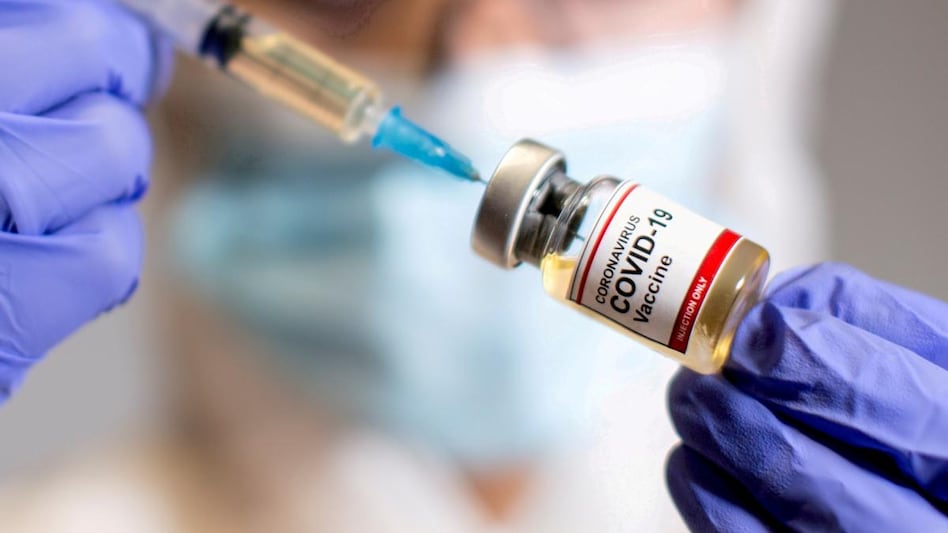
The Children’s Health Defense, which has been a critic of COVID-19 vaccines, immediately accused Meta of stifling its free speech rights.
“Facebook is acting here as a surrogate for the federal government’s crusade to silence all criticism of draconian government policies,” CHD founder Robert Kennedy Jr., nephew of late president John F. Kennedy, said in a press release.
Meta spokesperson Aaron Simpson told AFP that the group’s accounts on Facebook and Instagram were shuttered on Wednesday. The ban came after repeated violations of Meta’s misinformation rules.
CHD said its social media accounts were followed by hundreds of thousands of people and claimed the action by Meta came as a surprise.
In a release, the group shared a screen capture showing messages stating the accounts were suspended for violating Meta policies regarding “misinformation that could lead to real-world harm.”
CHD contended that the ban could be related to a lawsuit it filed against Meta accusing the tech giant of infringing free speech rights by relying on the US Centers for Disease Control regarding what COVID-19 information is scientifically backed.
The anti-vaccine group has appealed a lower court ruling against it in the litigation, according to legal filings.
(AFP)

The World Health Organisation (WHO) says Monkeypox infections continue to rise globally, with more than 35,000 cases across 92 countries and territories, and 12 deaths.
WHO Director General, Dr Adhanom Ghebreyesus, disclosed this while speaking at a news conference from WHO headquarters in Geneva on Wednesday.
“Almost 7,500 cases were reported last week, a 20 per cent increase over the previous week, which was also 20 per cent more than the week before,” he said.
According to him, the majority of cases are being reported from Europe and the Americas, and mostly among men who have sex with men.
Ghebreyesus said that the primary focus for all countries must be to ensure they are ready for Monkey Pox, and to stop transmission.
He said countries should focus on stopping Monkeypox transmission by using effective public health tools, including enhanced disease surveillance, careful contact tracing, tailored risk communication and community engagement, and risk reduction measures.
Currently, global supplies of Monkeypox vaccines are limited, as is data about their effectiveness, noting that WHO is in contact with manufacturers, and with countries and organisations willing to share vaccine doses.
“We remain concerned that the inequitable access to vaccines we saw during the COVID-19 pandemic will be repeated, and that the poorest will continue to be left behind,” he said.
Speaking on COVID-19, the WHO chief said COVID-19 deaths had also increased over the last four weeks, rising by 35 per cent, with 15,000 lives lost in the past week alone.
“Fifteen thousand deaths a week is completely unacceptable, when we have all the tools to prevent infections and save lives.
“Although everyone might be tired of COVID-19 but virus is not tired of us,” he said.
Omicron remains the dominant variant, with the BA.5 sub-variant accounting for more than 90 per cent of genome sequences shared in the last month.
Ghebreyesus reported that it is becoming harder to understand how the virus might be changing.
The number of sequences shared per week has fallen by 90 per cent since the beginning of the year, and the number of countries sharing sequences has also dropped by 75 per cent.
He warned that with colder weather approaching in the northern hemisphere, and people spending more time indoors, the risk for more intense transmissions will only increase.
“But none of us is helpless – please get vaccinated if you are not, and if you need a booster, get one,” he advised.
In addition, he said measures such as wearing a mask and avoiding crowds, especially indoors should be embraced.
“There is a lot of talk about learning to live with this virus. But we cannot live with 15,000 deaths a week”.
The WHO chief also highlighted the ongoing crisis in the Horn of Africa, where millions are facing starvation and disease due to drought, conflict, climate change and rising prices for food, fuel and fertiliser.
WHO has provided more than $16 million from an emergency fund to meet the needs, but more support is required.
The agency is appealing for $123.7 million which will be used to prevent and control outbreaks, treat malnutrition, and provide essential health services as well as medicines.
Ghebreyesus said the drought was compounding the “man-made catastrophe” in the Tigray region of northern Ethiopian, where war has raged for nearly two years.
Some six million people are under siege by Ethiopian and Eritrean forces, he said, “sealed off from the outside world, with no telecommunications, no banking services and very limited electricity and fuel.”
According to him, as a result, they are facing multiple outbreaks of malaria, anthrax, cholera, diarrhea and more.
“This unimaginable cruelty must end. The only solution is peace.’’
He, however, appealed for greater global attention to the situation in Tigray.
“I can tell you that the humanitarian crisis in Tigray is more than in Ukraine, without any exaggeration. And I said it many months ago, maybe the reason is the colour of the skin of the people in Tigray”. (NAN) (www.nannews.ng)

The Association of Catholic Medical Practitioners of Nigeria has urged the Federal Government to deploy technology to strengthen the war against insecurity in the country.
Th group made the call in a statement on Thursday by Dr Emmanuel Pius-Ngatida, Public Relations Officer of the association, after its 16th National Scientific Conference and Annual General Meeting held in Abuja.
The event has the theme: “Strategies for improving Health Worker Status in a Changing World.”
The conference condemned the state of insecurity nationwide, including attacks on worship places, and recent kidnap and murder of some Catholic priests.
It therefore urged government at all levels to live up to its primary responsibility of securing lives and property of Nigerians.
The conference suggested the “deployment of modern technology, CCTV, and aerial drones for surveillance as practical strategies to boost national security.”
It advised Catholic healthcare workers to always serve as volunteer first aid groups and provide ambulance services for emergency care to victims of attacks on worship centres and other places.
The conference called for an amendment to the National Health Act 2014, to protect Nigerians from traffickers of human organs and forestall abuse of the law.
“The provisions for human organ transplantation contained in the National Health Act 2014 in sections 48, 51 and 53 were also discussed.
“Concerns relating to donor consent, poaching of human organs and financial reward for human organ transplantation were raised.
“The Federal Government should take urgent measures to prevent the exploitation of citizens and the operations of international criminal cartel in human organ and ovarian egg trafficking.”
The association further urged government to quickly address the growing unemployment and lingering crisis in the education sector.
They advised members of the association not to ignore their health while serving humanity, adding that they should go for regular medical checks, exercise regularly, maintain healthy lifestyles and enrol for health insurance.
The catholic medical doctors were also encouraged to work with other health workers in their parishes to provide care for the physically challenged and vulnerable persons, such as the aged, women and children.
It disagreed with conducting abortion, euthanasia and organ trafficking, saying they contradict the culture of the Catholic Church.
The hybrid conference drew participants from within and outside the country, including the President, Federation of International Catholic Medical Associations, Prof. Bernard Ars, and participants from Liberia.
There were messages from the association’s National President, Dr Matthew Ashikeni, Chairman of the Board of Trustees, Prof Michael Asuzu, and the Archbishop of Abuja, His Grace, Ignatius Kaigama.(NAN)(www.nannews.ng)

The Federal Government in collaboration with other stakeholders has launched a project on women’s empowerment to improve access to procurement opportunities for women entrepreneurs.
The Minister of Women Affairs, Mrs. Pauline Tallen, at the project launch, ”Women’s Empowerment through Affirmative Procurement Reform in Nigeria” in Abuja, advocated policy reforms in relation to Affirmative Public Procurement.
Tallen, represented by Mr. Idris Mohammed, Director overseeing office of the Permanent Secretary, said the project was supported by the African Development Bank, UN Women and funded by Women’s Entrepreneurs Finance Initiative (We-Fi).
She said the project would promote women inclusion, gender equality and empowerment, inclusive economic growth and national development through enhanced access to public procurement opportunities for women entrepreneurs.
”The launch of this project resonates with our advocacy on advancing economic empowerment for women entrepreneurs through enhanced access to public and private procurement opportunities,” she said.
She, however, noted challenges that limited access to procurement opportunities for women entrepreneurs to include limited information around the drafting of bids.
According to her, others are lack of technical capacities to execute contract, access to information and networks to respond to procurement calls, long delays in payment from government procuring entities.
“Investing in capacity strengthening for women entrepreneurs to benefit from public procurement alone, would not guarantee their economic empowerment.
” We must first address existing structural barriers that women entrepreneurs face and accelerate action to promote gender-responsiveness across procurement processes, practices and institutions, so that change can happen within a reasonable time frame,” she said.
Ms Beatrice Eyong, UN Women Country Representative to Nigeria and ECOWAS, said the project would aide in empowering women and achieving the Sustainable Development Goals (SDGs).
“The project launch focuses on inculcating gender responsive procurement processes, as a panacea for advancing economic empowerment to women entrepreneurs,” she said.
She explained further that the project supports reform and institutional strengthening to improve women led businesses access to public procurement and the development of gender responsive procurement initiatives.
Also, Mr Lansana Wonneh, Deputy Country Representative, UN Women Nigeria said the project seeks to support reform and institutional strengthening to improve women led businesses access to public procurement.
Wonneh, represented by Dr Chukwuomeka Onyimadu, a National Economist with the UNwomen, said they would also support development of gender-responsive procurement as part of COVID-19 response strategies.
According to him, Lagos and Kaduna states are the pilot states to execute the three-year project.
Mr. Sanusi Yero, Director General, Kaduna State Public Procurement Authority, said findings revealed that Women-Led businesses were not actively involved in Public Procurement opportunities.
Yero attributed it to negative public perception, lack of technical capacity, financial capacity and their inability to secure loan, awareness/knowledge gap and fear of sexual abuse, all among others.
” The existing policies and practices at the states and Federal levels are not gender responsive in their entirety.
” Today, we are here to change that negative trends and practice through Affirmative Procurement.
“The selection of Kaduna and Lagos States as the pilot state and members of the National Steering Committee (NSC) is not by chance but considering the commitments to procurement reforms and sustainability.
” We, therefore, understand the burden and expectations and with the support of the National Steering Committee and the other stakeholders, I assure you success is ours,” he said.
Similarly, the Director-General, Lagos state Public Procurement Agency, Mr Onafowote Fatai-Idowu, reiterated their commitment towards women empowerment and strengthening their capacities. (NAN) (www.nannews.ng)
Methotrexate Has the Following Attributes Except?
A. It is Cell Specific and Kills Cells in the S Phase
B. Its toxicity primarily affects bone marrow and epithelial Structures
C. Folic Acid Reverses its Toxic Effects
D. It’s the Drug of Choice for Choriocarcinoma

Lagos State Commissioner for Health, Professor Akin Abayomi, has stated that the
Ojo General Hospital will provide healthcare services for over two million citizens
within its catchment area in tandem with the state government’s efforts to
achieve universal health coverage.
Prof. Akin Abayomi noted that the State Governor, Mr Babajide Sanwo-Olu is committed to
the prompt delivery of the Ojo General Hospital in record time in order to
improve access to quality and efficient healthcare services in Ojo local
government and neighboring communities.
He added that facilities in the hospital have been carefully designed with special
attention to low carbon footprint as well as the functionality flow for patients and
health workers within the facility.
He said: “Today the Ministry of Health is inspecting one of our major medical
health projects; the Ojo General Hospital in Ojo LGA, which is part of Mr
Governor’s medical transformation agenda. With this project, we have paid
special attention to design, functionality, carbon footprint and long term low
carbon maintenance.
“So what we have also done with this project, is that right at the point of design,
we have paid attention to the functionality; the flow of the patients and staff, and
we have made sure that the construction is low carbon and when the project is
completed, the design features will keep the building naturally as cool as possible.”
Expressing satisfaction at the level of work done so far, the Commissioner
disclosed that the hospital when delivered will be providing medical services in
multiple specialties including Surgery, Medicine, Neurology, and Infectious
Diseases amongst others.
He added that four units of medical staff quarters consisting of eight flats each
are also being constructed for critical medical staff who will man the facility
noting that this is furtherance of efforts to provide prompt and efficient health
service delivery.
Prof. Akin Abayomi noted that the inclusion of staff quarters in projects; to provide decent
and comfortable accommodation for staff of the hospital speaks to the
commitment of Governor Sanwo-Olu to the welfare and job satisfaction of health
workers in Lagos State.
“The staff apartment will create an opportunity for us to keep our staff on ground.
This is important for efficient service delivery and job satisfaction of our medical
personnel”, He said.
Speaking on the choice of location for the facility, the commissioner explained
that the hospital has been strategically located in Ojo bordering critical public
institutions like the Lagos State University Campus and the Ojo military
cantonment.
He noted that the hospital will cover a wide area and bridge the gap for health
service demand between the catchment area of Alimosho General Hospital and
Badagry General Hospital with other catchment areas into the lagoon
communities covering the Snake and Tin Can Islands.
“In the direction along the Badagry express road the nearest general hospital is
Badagry, and by the north along Iba road, the nearest is Alimosho General
Hospital, and if you go back into Lagos, the nearest is Amowo-Odofin MCC. So the
Ojo General Hospital fills a big gap and will provide health care services to the
teeming population of Ojo and communities around it.
“We have estimated that in another eight to nine months, we will be able to
complete the project, and that is very good for us because there is a lot of demand
in the community. We are also fortunate to be surrounded by the Ojo Army
Cantonment which will improve security; you know how easy it is for flash events
to happen but we are very happy that we have the Army surrounding us.”, He
said.
Abayomi was accompanied on the facility inspection tour by the Director Health
Care Planning Research and Statistics, Ministry of Health, Dr. Dayo Lajide and staff
of the Project Inspection Unit of the Ministry of Health.
In Parkinsonian Patients Levodopa Exerts the Following Except?
A. Reduces Skeletal Muscle Contractility
B. Decreases Muscles Tone
C. Increases Locomotor Activity
D. Inhibits Muscle Tremor
The President, Major General Muhammadu Buhari (retd.), has approved the establishment of three more orthopedic hospitals across the country.
Minister of Health, Osagie Ehanire, disclosed this on Wednesday at the official inauguration of the Primary Health Care Leadership Challenge at the State House Banquet Hall, Abuja.

The event was organised by the Nigeria Governors’ Forum in partnership with development partners.
“The president has approved three more national orthopedic hospitals; one per geo-political zone.
“North-East has one; the North-Central has one and the South-South has one; in Benin, Jos and Jalingo respectively,’’ he said.
On his part, Country Director, Bill and Belinda Gates Foundation, Jeremie Zoungrana, said that the PHC Challenge fund represented a unique opportunity to motivate and publicly recognize ownership and leadership at the subnational level.
He said that the PHC health indicators would be tracked to support the NGF build Governor-level accountability, improve performance management, and enhancing investments in critical areas of PHC.
“The challenge fund will also leverage other BMGF investments that focus on improving state-level data ownership, analysis, quality, and use,” he said.
The Minister of Finance, Hajia Zainab Ahmed, also spoke at the event.
She disclosed that a total sum of N471.9 billion had so far been disbursed by the Federal government as a grant to states under the 1.5 billion dollars World Bank-Assisted States Fiscal Transparency Accountability and Sustainability (SFTAS) Programme.
Ahmed said that it was gratifying to note that beyond benefitting from the grants, all the 36 states in the Federation had fully domesticated the fiscal reforms in their public financial management system.
In his speech, NGF’s Chairman, Governor Kayode Fayemi, said the event buttressed the commitment as governors to building a resilient Primary Health Care System.
He said that the Primary Health Care(PHC) Leadership Challenge aimed to address the bottlenecks in the system as it strove to build a robust public health care system.
“As part of our enduring partnership with the Bill and Melinda Gates and Aliko Dangote Foundations, we convened a roundtable on Nov. 12 and Nov. 13 in Seattle, USA, to reflect on the states’ government development agenda for immunization, PHC, and human capital development.
“This culminated in the Seattle Declaration which restates the commitments of the NGF to strengthen leadership and accountability for the PHC system at the state level.”
According to him, evidence has shown that PHC has the potential to expand the attainment of Universal Health Coverage to as much as 80 percent of the population.
“On our part, then agenda most forum representing the 36 states of the Federation has taken up the challenge we have done In the past with polio eradication and we’re ready to do it again for primary health care system strengthening, especially given our recent experience with the COVID-19 pandemic.”
Fayemi thanked the Bill and Melinda Gates Foundation, Aliko Dangote Foundation, UNICEF, the Nigerian National Primary Health Care Development Agency, and the NGF Secretariat for putting together the challenge.
In the statement of declaration, Fayemi said that following the induction to the Seattle Declaration by 36 governors of Nigeria in November 2019, the NGF affirmed its commitment to strengthening the primary health care system in the country.
“We, therefore, adopt and confirm our commitment in line with the Seattle Declaration as outlined below.
“Improving the governance of the primary healthcare system at a sub-national level by fully implementing the primary health care under one roof policy, and providing active leadership for primary health care through regular engagement with relevant PHC stakeholders, and quarterly PHC performance review at the State Executive Council meetings
“To promote a progressive increase in primary health care funding by ensuring efficient budgeting that is aligned to annual operational plans, promptly releasing approved budget to the state primary health care board, and primary health care facilities and ensuring that there is a mechanism in place for basic health care provision, fund implementation, and oversight at the state and facility levels.
“Recruit requisite health workforce to ensure that all primary health care facilities have the minimum staffing requirements appropriate for their level in line with the state’s minimum service package.
“Institute a culture of use of evidence for decision making, by ensuring that the data quality across all primary health care facilities is progressively improved.
“Develop a state-led and state on local government area levels, PHC Leadership Challenge for local government area chairmen, for sustainability and strengthening the commitment of the local government area chairmen to primary health,” he said.
(NAN)

Operatives of the National Drug Law Enforcement Agency have arrested the Managing Director and Chief Executive Officer of Marvelrock Pharmaceuticals and Stores Limited, Mr. Celestine Orakwe, for allegedly selling illicit and controlled drugs on a popular e-commerce platform, jiji.ng.
Orakwe, a graduate of Business Administration, University of Abuja, registered the pharmaceutical company on December 16, 2014, with the certificate and support of an unnamed licensed pharmacist, who opted out of the deal in 2017.
The suspect, however, allegedly continued running the business and enrolled it on jiji.ng in 2019.
A statement by the NDLEA’s spokesperson, Femi Babafemi, stated that he came under the agency’s radar in October 2021 after advertising many pharmaceutical products such as tramadol, ketamine hydrochloride injection, hypnox flunitrazepam tablets, among others, on the online platform.
The statement read in part, “Between October 26, 2021, and August 8, 2022, the NDLEA team assigned to investigate Orakwe’s drug business activities was able to establish that he was selling tramadol 225mg and other illicit and/or controlled drugs through the e-commerce platform.
“He was arrested with some quantities of tramadol and Swiphnol brand of rohypnol on Monday, August 8, at a drink joint in the Jabi area of Abuja, where he had gone to make some supplies of orders made through his online channel on jiji.ng.”
Copyright PUNCH

We have always heard that drinking hot water has a number of health benefits. Of course, it does! The fact is true to quite an extent. Most people who drink hot water as a holistic health benefit do so first thing in the morning or right before they go to sleep, for optimal health benefit.
It is essential to know that the temperature of hot water should not be too high to scald your taste buds. However, there are also some side effects of drinking too much warm water.
Let’s take a look at some of the side effects as well as benefits of drinking hot water:
The risks of drinking hot water include tissue damage, reduced thirst signals that can cause you to not drink as much as you should, and increased sweating that may require more hydration than normal when exercising.
The optimal drinking temperature for hot fluids is 58°C (136 °F) as per a 2008 study conducted by the Department of Mechanical Engineering at The University of Texas. This temperature is optimal for reducing scald burn hazards and improving consumer satisfaction.
The study goes on to note that 71°C / 160°F is the maximum for serving hot beverages including hot water. This diagram shows key water temperatures relevant to drinking hot water.
1. Puts pressure on the kidney
The kidney has a strong capillary system that flushes excess water and toxins out of the body. Drinking too much hot water will put pressure on the kidneys by increasing the pace at which it functions.
Since drinking hot water causes dehydration, the kidney is at risk. It would also increase the workload of the kidney, thereby leading to the overworking of this organ. This will eventually affect your kidneys.
2. May Have More Contaminants
There is little research on this aspect. But hot tap water might contain contaminants. Hot water systems like boilers or tanks have metallic parts. These can corrode and contaminate the water they contain. Hot water can dissolve these contaminants faster than cold water.
Though using hot water from a water filter could be a safer option, there is risk involved. Hot water dissolves the internal material much faster than cold water. This can cause problems in the long run.
Drinking hot water can cause unexpected harm – all of which is physical. If you have the habit of drinking hot water, you must take proper care.
3. Drink When You Feel Thirsty
Studies have shown that if you drink too much hot water when you are not thirsty, chances are that it could affect your concentration levels. Drink only when you have the urge. Too much water can cause brain cells to swell leading to further complications.

1. Hot Water Promotes Better Digestion
A 2003 study found that switching from cold water to hot water promotes digestion. It was entitled Water-Induced Thermogenesis and carried out by Michal Boschmann et al. from the Humboldt University in Germany.
The study followed 14 healthy men and women and found that drinking 500 ml of water before a meal can increase metabolism by 30%. The researchers concluded that the increase occurs within 10 minutes, and lasts for 30-40 minutes after hot water consumption, with the optimum time being the beginning of the day.
Drinking hot water helps break down food faster than drinking cold or warm water. Drinking cold water can harden the oil in foods and create a fat deposit in the intestine, unlike when you drink hot water. The opposite happens when you drink hot water. Hot water also dilates blood vessels in the gut which acts as a catalyst and aids digestion.
2. Body detoxification
Natural health advocates argue that hot water might help the body detoxify. When water is hot enough to raise a person’s body temperature, it can cause sweating. Sweating expels toxins and can help clean the pores.
3. Helps with weight loss
On its own, consuming hot water won’t make you lose weight, but it can increase your feelings of satiety, helping you feel more full so you eat less, Dr. Mehdizadeh says. In addition, the body has to use extra energy to cool down hot liquids or warm up cold ones, helping you burn a few extra calories, he says.
Hot water—maybe squeeze some lemon in your water—can also be a good weight-loss tool if you’re using it to replace a caloric hot morning beverage, like coffee with sugar or tea with cream, Dr. Li-Sauerwine adds.
4. Clears sinuses
Everyone’s looking for home remedies for a stuffy nose—so give a drink of hot water a try. “The body produces liters of mucous every day and dry nasal secretions can make you feel congested,” Dr. Mehdizadeh says.
The steam from hot water can also help loosen up congestion and unclog sinuses, Dr. Li-Sauerwine says. To get the maximum effect, try inhaling the steam before drinking it.
Drinking hot water will not cure any diseases but, as long as the water is not scalding, the risks are minimal. So people who already enjoy hot water or who want to try a simple method for improving their health should feel assured that they are benefitting from it.
…As NAPA holds 20th scientific conference

Pharmacists practicing in the academic environment have been charged to revisit the basics of their core area of specialization in Pharmacy while discharging their duties in order to chart a new course for the noble profession and catch up with the current global modern realities.
This was the focal point of discussion at the ongoing 20th Annual Scientific Conference of the Nigeria Association of Pharmacists in Academia (NAPA). The theme of the conference which started on Monday 15 August, 2022 at the Obafemi Awolowo University, Ile Ife is “Pharmacy Education, Research and Practice: Revisiting the Basics”.
The National Chairman of NAPA, Dr Ezekiel Olugbenga Akinkunmi, in his opening remarks, explained that the theme of the conference was selected with the aims of addressing the core duties of the academics which are teaching, research and community services.

“It is in view of the present realities of our time that we have chosen the theme of this conference. We feel that despite the increasing complexities of our world, the solution to our increasing challenges can only come through simplicity and a return to the basics”, Akinkunmi said.
While speaking at the opening ceremony of the event on Tuesday, the Vice-Chancellor of Chrisland University, who was the keynote speaker, Professor Chinedum Peace Babalola, pointed out that there is need not just to revisit the basics but to also cause a Disruptive Dynamics (DD) from the basics, saying that is the only way to go if the profession must move forward.
According to the keynote speaker, disruptive innovation of basics preliminary courses that will include case studies and use of visual aids such as virtual laboratories, anatomage, short videos among others is vital.
She explained that sustainable development of a discipline such as the Pharmacy at the postgraduate level remains in the relevant education, pointing that the focus of postgraduate pharmacy education in advanced societies has shifted to paying more attention to scientific research and problem solving, program management, self-education and disciplinary integration.
The Chrisland University VC noted that Postgraduate pharmacy education in other part of the world is currently attending more to medical or investigational cases, which are critical to advanced training, skills and learning experiences suitable to tackle emerging challenges in a fast-changing world, hence Nigeria cannot be an exception.
Babalola averred that adequate funding is required to meet emerging trends in pharmacy education, adding that development of academic staff and infrastructure are among the key areas of investment required to advance pharmacy education in Nigeria.
She pointed out that there is already a paradigm shift in pharmaceutical research, noting that the slogan in research has now changed from publish or perish to publish, societal impact or perish. “Emphasis is no longer only on number of publications but more on impact of publication, strength of journal. Research must be relevant to trending health challenge”, the keynote speaker said, adding that students must also be encouraged to participate in research and innovation endeavours.
According to Babalola, one of the ways to revisiting the basics and causing dynamics disruption in pharmacy practice is to allow drug information apps to rapidly replace the sight of official books in pharmaceutical premises. “Electronic medical records of patients should be accessible in hospitals, community pharmacies and personally to patients via seamless connection”, she said.
The keynote speaker said “Now is an opportunity to disrupt learning, research and practice. We have to be proactive. Ideas for strategy is required on our part as academic pharmacists; there is a great need to collaborate with each other and other professionals and scientists in our job. New knowledge, new skills, new approaches are needed to teach both basic and practice-based courses. With the help of God and a positive mind-set, all things are achievable”.
Earlier in his remarks, Vice-Chancellor, OAU, Professor A. S. Bamire, pointed out that the role of pharmacists in Academia cannot be over emphasised, adding that there is need to revisit the basics so as to move the profession forward.
Also, the President of Pharmaceutical Society of Nigeria, (PSN), Professor Cyril Usifoh noted that pharmacists in academia are the engine room of the pharmacy profession, noting that the academic pharmacists are the producer of men of honour. He therefore stated the commitment of PSN to working with NAPA for a better Pharmacy profession.
“I look forward as your president to working with NAPA in achieving our collective goal of defending the course of pharmacy to be able to perform her leadership roles in ensuring medicine security for the health of our nation”, the PSN president said.
The Registrar, Pharmacists Council of Nigeria, Pharm. Ibrahim Babashehu Ahmed stated that the council is interacting with NAPA and the interaction will be fruitful and beneficial to Pharmacy profession and Nigeria as a country.
The Dean, Faculty of Pharmacy, Obafemi Awolowo University, Professor M.O. Afolabi noted that if the Pharmacy profession must move forward, then there is urgent need to revisit the basics.
The event which was chaired by Emeritus Professor Festus Ogunbona, was attended by various professors of Pharmacy and academicians across the country.

The Nigerian Centre for Disease Control (NCDC) has confirmed 101 new cases of COVID-19 from Lagos State within the period of three days.
Lagos recorded 101 new confirmed cases of Coronavirus out of a total of 144 confirmed cases from 9 states for the period 13 to 15 August, 2022.
NCDC disclosed this through its bi-weekly epidemiological COVID-19 situation report.
It states that in the last 10 weeks, the test positivity ratio has continued to increase with the highest increase being in this reporting week. Majority of cases were reported from Lagos, FCT, Rivers and Kano States.
According to the report, the number of samples tested in 36 states and FCT decreased to
24,411 from 35,063, while confirmed cases reported in 11 states and FCT increased to 1,417 (5.8%) from 1,265 (3.6%) and discharged cases increased to 2,657 from 133.
The agency also revealed that the number of inbound international travellers tested were 803 of which 29 (3.6%) were positive compared to previous record of 28 (3.3%) out of 858 tested.
The outbound international travellers tested were 593 of which 116 (7.1%) were positive
compared to the previous statistics of 133 (3.0%) out of 4,447 tested.
Cumulatively, since the outbreak began in year 2020, 259,377 cases and 3,146 deaths have been reported giving a case fatality rate (CFR) of 1.2%.
Across the globe, there have been 561,156,416 confirmed COVID-19 cases with 6,365,510
deaths giving a case fatality rate of 1.2%.
In response to these new confirmed cases, the Emergency Operations Centres (EOC) has begun gradual integration of COVID-19 response activities into routine public health interventions such as surveillance, risk communication, testing, etc.
They have also reached out to non-reporting states to ensure increased testing and continue follow up with states for reports, initial samples, contact tracing and challenges.
Ongoing media monitoring for COVID-19 misinformation, surge testing at the borders in Akwa Ibom, Kebbi and Sokoto states, COVID-19 Laboratory quality performance audit for existing labs in the network and development of IEC materials for RDT testing have all been added to their response activities.

Nasarawa State has recorded the highest number of eligible population vaccinated in the
ongoing COVID-19 mass vaccination campaign.
NPHCDA reports that the top five performing states are – Nasarawa, Jigawa, Kano, Kaduna and Ogun.
The health agency made this disclosure from its COVID-19 Vaccination update on Monday, 15 August, 2022, via its official Twitter handle.
According to the report, 36 states of the Federation have been either fully vaccinated or
partially vaccinated.
The percentages of eligible population in states that have been fully vaccinated are: Nasarawa (107%), Jigawa (97%), Kano (68%), Kaduna (55%), Osun (43%), Kwara (38%), Adamawa (38%), Plateau (30%), Gombe (29%), FCT (29%), Ogun (28%), Zamfara (26%), Ekiti (23%), Lagos (20%), Oyo (19%), Enugu (17%), Katsina (15%), Yobe (14%), Abia (14%), Sokoto (14%), Benue (14%), Delta (14%), Kebbi (13%), Cross River (13%), Taraba (13%), Borno (12%), Anambra (12%), Niger (11%), Imo (11%), Ondo (10%), Bauchi (10%), Rivers (8%), Akwa Ibom (7%), Kogi (6%), Edo (6%), Ebonyi (5%), and Bayelsa (3%)
The percentages of eligible population in states that have been partially vaccinated are:
Nasarawa (22%), Jigawa (30%), Kano (39%), Kaduna (14%), Osun (13%), Kwara (9%), Adamawa (6%), Plateau (5%), Gombe (7%), FCT (12%), Ogun (10%), Zamfara (18%), Ekiti (13%), Lagos (6%), Oyo (9%), Enugu (6%), Katsina (9%), Abia (3%), Benue (7%), Delta (6%), Cross River (7%), Taraba (8%), Borno (5%), Anambra (4%), Niger (7%), Imo (3%), Ondo (6%), Bauchi (6%)
The agency made it known that the percentage of target population vaccinated may exceed
100% due to the use of population estimates.
In addition, the report also revealed that Gombe is currently vaccinating 65% of its daily
expected number of eligible persons and Adamawa is the leading state in North-East Zone
based on second dose performance – 7 th position in the world.
Overall, 25% of eligible persons in Nigeria are fully vaccinated against COVID-19.
The NSAIDs Aggravate The Following Diseases Except?
A. Hypertension
B. Congestive Heart Failure
C. Peptic Ulcer
D. Chronic Gout
 Gov. Mai Mala Buni of Yobe has sponsored the enrollment of 100 poor and vulnerable people under the ‘Expanded Healthcare Services Scheme’ in the state.
The Commissioner for Health, Dr Lawan Gana disclosed this at the inauguration of the exercise on Monday in Damaturu.
He said the governor inaugurated the Yobe State Expanded Healthcare Services Scheme in the past two weeks.
He said the governor made a personal commitment to support the enrollment of 100 poor and vulnerable persons.
“Today, in fulfilment of that pledge, we are kick-starting Buni’s personal sponsorship,” the Commissioner said.
He said that the scheme targeted all vulnerabilities such as disability, poverty, pregnant women, children older than five, and sickle cell disease patients.
The commissioner said, ”in order to achieve universal health coverage, the government could not do that alone.
“There is a need for the affluent, philanthropists and organisations to support the government by emulating Buni’s gesture,” he said.
According to Gana, the state government is targeting 80 per cent of the population to be covered under the scheme.
Also speaking, Dr Babagana Tijjani, the Executive Secretary, of Yobe State Contributory Healthcare Management Agency (YOCHMA), said the agency was determined to ensure that programmes under the agency commence soon.
“We have the formal sector programme, which civil servants of state and local government are currently benefiting from.
“While other parts of the population benefit from the informal part of the programme,” he said
Tijjani added that the ‘Equity and Basic Healthcare Programmes’ were meant for the vulnerable members of society.
He urged indigenes of the state to join the programme to achieve universal healthcare coverage.
A visually impaired beneficiary, Malam Ali Bukar, lauded the gesture, especially to the vulnerable population of the state. (NAN)

The Nigeria Centre for Disease Control (NCDC), has confirmed 13 additional new cases of Lassa fever in seven days from five states, which are; Ondo, Edo, Kogi, Ebonyi and Imo.
The NCDC in its epidemiological report made available to the News Agency of Nigeria(NAN) on Monday, said that since the beginning of 2022, 70 per cent of infections had come from three states: Ondo (31 per cent), Edo (26 per cent) and Bauchi (13 per cent).
NAN reports that Lassa fever is an acute viral haemorrhagic illness caused by the Lassa virus. People usually become infected with the Lassa virus through exposure to food or household items contaminated with urine or faeces of infected rats – present in several West African countries where the disease is endemic.
The virus could also be spread through infected bodily fluids.
The public health agency said that the country had recorded 165 deaths in 17 states.
The agency said,” In week 31 (Aug. 1 to 7), the number of new confirmed cases increased from 10 in week 30, 2022 to 13 cases. These were reported from Ondo, Edo, Kogi, Ebonyi and Imo.
“Cumulatively from week 1 to week 31, 2022, 165 deaths have been reported with a case fatality rate (CFR) of 18.8 per cent which is lower than the CFR for the same period in 2021 (23.1 per cent).
“In total for 2022, 25 States have recorded at least one confirmed case across 100 Local Government Areas.
“Of all confirmed cases, 70 per cent are from Ondo (31 per cent), Edo (26 per cent), and Bauchi (13 per cent) States,”.
The NCDC stated that the predominant age group affected were 21-30 years (Range. zero to 90 years, Median Age: 30 years.
It said that the male-to-female ratio for confirmed cases was 1:0.8.
“The number of suspected cases has increased compared to that reported for the same period in 2021.
“No new Healthcare worker affected in the reporting week 31,” it said.
The NCDC, however, said that the National Lassa fever multi-partner, multi-sectoral Technical Working Group (TWG) had continued to coordinate the response activities at all levels.
NAN recalled that the number of suspected cases had increased compared to that reported for the same period in 2021.
Meanwhile, the agency did not state if there were any new Healthcare workers affected in reporting week 31.
Lassa fever was first discovered in Nigeria when two missionary nurses became ill with the virus in 1969. Its name is derived from the village of Lassa, where it was first documented.
Lassa fever is a viral infection carried by the multimammate rat Mastomys natalensis (M. natalensis).
This is one of the most common rodents in equatorial Africa, found across much of sub-Saharan Africa.
Lassa fever mainly occurs in Sierra Leone, Liberia, Guinea, and Nigeria. However, the Mastomys rat is common in neighbouring countries, so these areas are also at risk.
Once a Mastomys rat is infected with the virus, it can excrete trusted sources of the virus in its faeces and urine, potentially for the rest of its life.
As a result, the virus can spread easily, especially as the rats breed rapidly and can inhabit human homes.
The most common method of transmission is by consuming or inhaling rat urine or faeces. It can also be spread through cuts and open sores.
The rats live in and around human habitation, and they often come into contact with foodstuffs. Sometimes people eat the rats, and the disease can be spread during their preparation.
Person-to-person contact is possible via blood, tissue, secretions or excretions, but not through touch. Sharing needles may spread the virus, and there are some reports of sexual transmission.
Lassa fever can also be passed between patients and staff at poorly equipped hospitals where sterilisation and protective clothing are not standard.
Meanwhile, a new vaccine shows promise to fight the Lassa virus.
Researchers at the University of Texas Medical Branch have achieved success with a new vaccine developed to fight Lassa Virus, a pathogen that causes Lassa fever.
Lassa fever is lethal in humans and nonhuman primates with a mortality rate as high as 70 per cent in hospitalized cases.
As many as 500,000 people are infected each year in West Africa. Lassa fever may also induce serious long-lasting effects in survivors.
As many as one-third of those infected suffer hearing loss or other neurological complications.
The study, “A recombinant VSV-vectored vaccine rapidly protects nonhuman primates against heterologous lethal Lassa fever,” was published July 19 in Cell Reports. (NAN) www.nannews.ng

The Nigerian Centre for Disease Control (NCDC) has confirmed 15 new cases of Monkeypox from 1 to 7 August 2022.
The health agency made the disclosure from its update for the Epi Week 31, 2022 report, from ten states.
It also discovered 60 suspected cases of the monkeypox infection from 19 states.
The fifteen (15) new confirmed cases were recorded from – Imo (3), FCT (2), Ondo (2), Rivers (2), Abia (1), Anambra (1), Ebonyi (1), Edo (1), Ogun (1) and Nasarawa (1).
According to the report, the 60 suspected cases were detected from 19 states including – Ebonyi (8), Abia (5), Adamawa (5), Ondo (5), Taraba (5), FCT (4), Imo (4), Lagos (4), Ogun (4) , Edo (3), Anambra (2), Gombe (2), Kwara (2), Rivers (2), Cross River (1), Oyo (1), Kano (1), Nasarawa (1) and Niger (1).
The agency stated that from 1 January to 7 August 2022, there have now been 473 suspected cases with 172 confirmed cases (115 male, 57 female) from twenty-seven (27) states – Lagos (20), Ondo (16), Adamawa (13), Rivers (13), Delta (12), Bayelsa (12), Edo (9), Nasarawa (9), Anambra (7), FCT (7), Imo (7), Plateau (6), Taraba (5), Kwara (5), Kano (5), Abia (4), Cross River (3), Borno (3), Oyo (3), Gombe (3), Katsina (2), Kogi (2), Ogun (2), Niger (1), Bauchi (1), Akwa Ibom (1) and Ebonyi (1).
In response to the monkeypox outbreak, the multi-agency MPX Emergency Operation Centre has begun coordination of Monkeypox activities at NCDC.
The risk communication pillar has responded with activities of daily tracking, monitoring and response to rumours and misinformation of Monkeypox in Nigeria. The pillar has also collaborated with partners to develop Monkeypox – specific awareness content to be available to the masses.
In terms of surveillance, the agency is providing off-site support to states, data harmonization and analysis for development of weekly sitrep and updating and validating data in SORMAS.
The agency has also made it known that there are ongoing efforts to strengthen surveillance at national and subnational levels, to increase awareness, and to promptly detect and respond to the outbreak.
Overall, since the re-emergence of Monkeypox in September 2017, 985 suspected cases have been reported from 35 states in the country.

The Nigeria Centre for Disease Control (NCDC) says there is currently no outbreak of the Marburg Virus Disease (MVD) in the country.
The health agency revealed this on Sunday, 14 August, 2022, via its official Twitter handle.
Meanwhile, it was rumoured through social media posts that there was an outbreak of the
infection in an Abuja University hospital, cautioning patients and staff to be at alert.
However, the Public Relations Officer of the hospital, Sani Suleiman, has refuted the claims, saying the memo was misinterpreted, as it was only meant for the hospital community to be conscious of the deadly disease.
The memo titled ‘Outbreak of Marburg disease and COVID-19 virus infection’, an Abuja
University Teaching Hospital revealed that there was an outbreak of the Marburg disease.
It reads: “The management of the Abuja University Teaching Hospital wishes to notify the entire hospital community of an outbreak of Marburg disease and an upsurge in COVID-19 infection.
“Consequently, the attention of all Heads of Departments, and members of staff is hereby
drawn to ensure adequate surveillance and hygiene by observing all protocols of prevention.
“More details will be sent on our various social media platforms on the outbreaks in due
course.”
Reacting to the post, Suleiman said, “Unfortunately, that memo was misconstrued, it’s meant to be an internal memo within the hospital community for our staff to be conscious in case there is an outbreak or in case patients are coming to the hospital for treatment.
“They didn’t post the precautionary measures; rather they just posted the memo. “We are just sensitising them to be conscious. So it’s not like there’s an outbreak. We haven’t recorded any case of Marburg.
“People should disregard it and we are going to follow up with a correction.”
Marburg virus disease is a highly virulent disease that causes haemorrhagic fever, with a fatality ratio of up to 88%. It is in the same family as the virus that causes Ebola virus disease.
Early supportive care with rehydration and symptomatic treatment improves survival. There is as yet no licensed treatment proven to neutralize the virus, but a range of blood products, immune therapies and drug therapies are currently under development.
Despite its report stating that there is “NO” Marburg Virus Disease in the country, the NCDC has assured that measures such as heightened surveillance, diagnosis & rapid response teams are already in place to prevent and mitigate the outbreak.

The Youth of St. Mulumba, Abuja Sub-Council, a faith- based organisation and other stakeholders have called for intensified efforts in preventing the menace of drug abuse and illicit substance abuse in the country.
The President, Youth of St. Mulumba (YSM) Abuja Sub-Council, Mr Ebube Nwaegbu, made the call at the organisation’s one year anniversary and stakeholders symposium, in Abuja on Saturday.
Nwaegbu said there was urgent need for effective measures to address and prevent drug abuse and illicit substance abuse, especially among youths in Nigeria.
The theme of the symposium was : “Fight Against Drug and Illicit Substance Abuse: the Role of Faith Based Youth Organisation.”
He said that any society that wanted to develop must address some of the challenges affecting the youth.
He advised youths to run away from drug abuse which had rigorous effects on their body, personality and future.
“I want to admonish Nigeria youths to please run away from drug abuse and make yourself responsible and relevant to the society, as leaders of not just tomorrow but also today,” Nwaegbu said.
He said that the programme and its theme were organised to sensitise Nigerians, especially the youth, to the danger of abusing drugs.
The National Project Officer of United Nations Office on Drugs and Crime (UNODC), Dr Akanidomo Ibanga, who was a guess speaker at the event, also urged faith based organisations to accelerate preventive measures against drug abuse and illicit substance in the country.
Ibanga said that preventive measures were important as rehabilitation centres currently available in the country were insufficient to cater for numbers of those who needed rehabilitation.
He said that currently there were 87 treatment centres with about 2,000 beds, while survey showed that not less than 3,000 persons needed treatment from drugs and substance abuse related issues.
“We are calling on the faith based organisations to do their part, basically to continue to invest in evidence based prevention, care and invest in rehabilitation and reintegration of people who are involved in drugs and substance abuse back to the society,” he said.
He also called for establishment of dropping centres, where people could easily approach to drop those involved in drug abuse for care, treatment and rehabilitation.
Ibanga also called for inclusive care and rehabilitation, especially for women involved in drug abuse.
Another Guest Speaker, Mrs Oluchi Nweke, urged the youth to reject drug abuse no matter the influence.
Nweke, who is an Assistant Commander of Narcotics (CAN) PSO Treatment and Rehabilitation at the National Drug Law Enforcement Agency (NDLEA), said that the increasing rate of hard drugs consumption among youths was worrisome.
Nweke said that substance abuse possessed great danger that threatened stability, unity and development of any nation.
She said that drug abuse did not only destroy major organs of the body including brain, heart, liver and kidney, it also affected the well-being of people addicted to it, thereby affecting their contributions to national development and security.
“It is increasingly recognised that there is a strong relationship between drugs/substance abuse and national security.”
“One major element of national security is human security ( Protection of Iives and Property); drug dependency brings about damage of the Central nervous system and other organs of the body.
“The dependent individual will not be able to function optimally and as such, lack the ability to contribute to the development of the nation,” she said.
Nweke urged government to ensure that territory institutions did not go on strike for students to graduate on time, as well create job for the teeming youths.
She also advised faith based organisations to join the NDLEA in the efforts to get the nation rid of drug and substance abuse.
“Prevention of drug abuse and trafficking is everybody’s business.Together we can make it and together we can achieve a drug-free society.”
The Chaplain in charge of The Knights of Saint Mulumba, Abuja Council, Rev. Fr. Innocent Joji, described drug abuse as a menace that had destroyed many potential leaders.
He said that the menace must be jointly fought by every stakeholder, including faith-based organisation, government and family.
“Also parents must watch their wards and if they see any changes in their wards they should quickly send them to rehabilitation centres because the earlier the better,” he said. (NAN)(www.nannews.ng)

The National Commission for Refugees, Migrants and Internally Displaced Persons (NCFRMI) on Friday took a medical outreach to persons of concern at Waru IDPs camp as part of its social responsibility.
The Federal Commissioner, NCFRMI, Hajia Imaan Sulaiman-Ibrahim, at the event on Friday said the commission targeted no fewer than 275 persons of concern to benefit from the programme.
Sulaiman-Ibrahim said that the idea was to ensure total health inclusion of the persons of concern in the country.
“I’m so excited about the new medical insurance bill that made it mandatory for free medical care for the vulnerable and this includes persons of concern.
“So, once that becomes publicly implemented and the trust fund activated, we will make the right assessment ready to deploy and migrate persons of concern to the National Health Scheme.”
According to her, health is wealth, life and everything, hence the need for the inclusion of everyone when it comes to affordability and accessibility of healthcare.
She said the exercise, which is called ‘Total Health’ and a pilot phase would be extended to other states with time.
“We check every aspect of their health, the eyes and the general health and also through this we will be able to strengthen the health facilities in the host communities.”
The commissioner also advised the beneficiaries to utilise the opportunity for their total health being, while encouraging them to invite others to participate in the exercise to maximise value.
She, therefore, appreciated the medical team for their service to humanity.
Prof. Kabir Oladigbolu, an Ophthalmologist at ABU Teaching Hospital, Zaria said that the exercise would help to address the health issues of IDPs in the country.
Oladigbolu said that the one-week programme was set to bring relief to people who had been displaced from their original homes due to insurgency and terrorism.
“We are here to examine their eyes, vision, eye pressures and those that require glasses will be given as well as treatments,” he said.
According to him, surgery will equally be carried out for who require minor surgery on their eyes and all are free.
Dr Abdullahi Kazaure, a General Physician at Maitama District Hospital said that the programme was in line with the Sustainable Development Goals to include all peoples of venerability into free healthcare scheme by year 2030.
Kazaure commended the commissioner for creating the opportunity for persons of concern to have free health care. (NAN)(www.nannews.ng)

In outbound selling, the salesperson goes out to sell his products and services. He does not wait for the customer or prospect to come to him; he goes out to create the sale. Since the salesperson has developed a cordial relationship with the prospect, the next stage is to identify his needs. This is what makes the sales to happen.
The more you identify the needs or wants of the prospect, the more you sell. Note that his needs are the things the prospects cannot do without, while his wants are things that are not so essential to him. He may want them, but he can also do without them. A prospect that is hungry will need food and want ice cream. A prospect that is thirsty will need water and want a soft drink. Knowing the distinction between needs and wants helps the salesperson in knowing how to navigate his sales activities. It helps to know the right questions to ask and the way to ask them.
Identifying the needs of the prospects is a function of knowing the prospects and knowing your products. You need to research the prospect to know his needs and the products that will bring the expected solutions. This is what I explained in Sales Intelligence where the salesperson uses data and information gathering to know more about the customer and how to sell to him.
The more you have information about the customer, the more you know how to sell to him. This is where questioning and listening – to discover the needs of the prospects is important. When you ask the prospect or customer the right questions, you will get the right answers that will help you to close the deal.
A prospect who has the intention to expand his business will likely be interested in the sales conversation when a sales professional from a bank asks questions about how the prospect would want his bank to help in expanding his business. Asking the right questions helps the salesperson to understand the prospect’s needs.
Without knowing what is driving the prospect, the salesperson cannot tell their story or effectively explain their product’s value. This is vital in the art of selling. Understanding what the prospect really needs helps in closing the sale.
When you ask the prospect questions, you should also listen to get the right feedback. Listening is a great skill in selling. When you listen effectively, you discover unknown things. Pay attention to the questions the prospect is asking. His questions are where his needs are hidden.
The next stage in the sales process is to make your presentation. When you discover his needs, the next thing to do is to tell the prospect how your product or service will bring solutions to the identified needs. You communicate these solutions in your sales presentation.
The sales presentation is a demonstration of solutions. It is telling your stories. It is about demonstrating how your products will bring much-needed solutions to the prospect. It is about showing how and why your offering is the best deal for the prospect.
In a sales presentation, the element that closes the sale is the ability to show the prospect ‘‘What Is in It for Him” (WIIIFM). This means the benefit of the product. The benefit is the value the prospect sees in your products and services.
In selling, we say, “features tell, benefits sell”. The element that makes people to buy is the benefits in the offering. The more you show the benefits of the products, the more you sell. The prospect must understand the benefit, and the benefit must resonate with the buyer.
In the FAB (features, advantages and benefits) analysis, features are the things that make up the product; they are characteristics that a product or service has. Features are the attributes of the products. The advantage tells what the feature does, and how it helps. These are based on facts and are expressive but do not yet make a connection as to how they will make the prospect’s life better. For example: ‘‘By design, it keeps only the clearest picture of a similar set, and deletes the ones that are not needed. Your photo storage is reduced on average by 60 percent.’’
The benefit of the product is the result of that advantage, and it is why a prospect would eventually buy or use a product. The benefit provides an emotional hook point that you can leverage in helping the user or prospect visualize the positive experiences felt by using your product.
Remember what I explained in the fishing metaphor of selling where I likened the salesman to the fisherman? I said that just as the fisherman, the salesman needs the line, the hook, and the bait. The line represents the salesman’s selling skills, the hook represents his selling strategy, and the bait represents the benefits or attraction of the products or services. The bait is the benefit of the product that makes people buy. I posited in the fishing metaphor of selling that for a sale to happen, the three elements of the metaphor must be present in the sales presentation.
Using our previous example to express the benefit, we will have something like this: “If you don’t waste your time editing and can store more of your best photos, you will keep happier memories for a longer time.” Making reference to the case to communicate FAB statement in your presentation, it will go thus:
“We deploy an automated photo storage app that edits, selects and stores photos. By keeping only the clearest picture of a similar set and deleting the unwanted ones, your photo storage space is reduced on average by 60 percent. If you don’t waste your time editing and can store more of your best photos, you will keep happier memories for a longer time!”
The bait or benefit in this offering is ‘‘you will keep happier memories for a longer time.’’ This benefit becomes the selling point in your sales presentation. The salesperson must communicate this benefit professionally and believably.
George O. Emetuche, CES,
The Selling Champion Consulting Ltd presents 2022 Annual Masterclass.
Theme: Attaining Sales Excellence in a VUCA Economy.
Location, Sheraton Hotel, Ikeja Lagos, September 10,2022.
Toscana Hotel, Enugu, August 26,2022.
For more information please call, 07060559429, 08186083133, or visit, www.thesellingchampionconsulting.com.

The National Primary Health Care Development Agency (NPHCDA) has confirmed that 25.2 per cent of eligible population has been inoculated for COVID-19.
The health agency made this disclosure from its COVID-19 vaccines update as of 10 August, 2022, via its official Twitter handle.
The report revealed that 28,120,290 of total eligible population targeted for COVID-19 vaccination were reached with 2nd dose.
According to the statement, 36 states of the Federation were reached with the 2nd dose of the vaccination, while states with highest vaccinated population were: Kano (4,990,802), Jigawa (3,216,472) Kaduna (2,551,500), Lagos (1,591,453), Nasarawa (1,568,901), and Osun (1,091,906).
States with the lowest population vaccinated with the 2nd dose were: Bayelsa (34,846), Ebonyi (86,311), Kogi (155,470), Taraba (228,355) and Sokoto (393,736).
In addition to the report, the agency also made it known that 11,848,002 of total eligible persons targeted for 1st dose of the COVID-19 vaccination were partially vaccinated.
States with the highest population vaccinated with the 1st dose according to the report were: Kano (2,874,568), Jigawa (997,289), Kaduna (679,363), Zamfara (455,194), Lagos (448,605), and Kastina (384,463).
The lowest population with the 1st dose of vaccination was: Bayelsa (35,779), Ebonyi (65,019), Abia (70,787), Imo (83,566), Edo (110,505), and Akwa-Ibom (127,957).
The COVID-19 vaccines are substances that produce immunity from a disease. It may contain an antigen such as measles, yellow fever & polio vaccines, or a combination of antigens, which could be pentavalent vaccine. An antigen is a biological agent that induces immune response in the human body.
Everyone aged 5 and over can get a 1st and 2nd dose of the COVID-19 vaccine. While adolescents aged 16 and over, and some children aged 12 to 15, can also get a booster dose.
People aged 5 and over who had a severely weakened immune system when they had their first 2 doses, will be offered a 3rd dose before any booster doses.
People aged 75 and over, people who live in care homes for older people, and people aged 12 and over who have a weakened immune system, will be offered a spring booster.
Sore throat scientifically known as pharyngitis is among the most common health conditions, especially during the winter. They are typically caused by infections like the common cold, flu and strep throat.
Sore throat symptoms could be very unpleasant to bear sometimes. Your saliva goes down like sandpaper, every cough makes you wince, and the only thing you can think about is making that lump in the back of your throat go away.
According to a study titled: Incidence, causes, severity and treatment of throat discomfort, a four-region online questionnaire survey published on National Library of Medicine, it was discovered that acute sore throat is commonly associated with viral infections. Patients typically rely on over-the-counter treatments and other remedies to treat symptoms.
The aim of this study conducted by Dilys Addey, was to investigate perceptions of throat discomfort and how these influence attitudes and patients’ behaviour with regard to treatment.
1. Honey
From its warm, amber colour to its thick, syrupy consistency and mild sweet taste, honey is nature’s sore throat remedy. Honey boasts of a range of anti-inflammatory, antimicrobial, and antioxidant properties.

If you’re suffering from a bad cough in addition to your sore throat, honey may also act as an effective cough suppressant. Mix two tablespoons of honey with a warm glass of water or tea and stir it well. Drink several times a day as needed.
It’s important to note that honey should not be given to infants under the age of one.
2. Toss your toothbrush
Believe it or not, your toothbrush may be perpetuating—or even causing—your sore throat. Bacteria collect on the bristles, and any injury to the gums during brushing injects these germs into your system.

As soon as you start feeling ill, throw away your toothbrush. Often that’s enough to stop the illness in its tracks. Changing your toothbrush is often recommended for patients with bacterial throat infections to eliminate the spread of infection.
If you do get sick, replace your brush again when you start to feel better and when you feel completely well. That keeps you from re-infecting yourself.
3. Humidifier to open the sinuses

If you’ve noticed an increase in the number of sore throats you’ve had this season, then it may be time to invest in a humidifier. Dry air, especially during the harsh, cold days of winter, may be the cause of your sore throat.
A humidifier will keep the air moist and open your sinuses. Add in a tablespoon or two of vapour rub or hydrogen peroxide solution to provide additional relief.
4. Whiskey

Whiskey (a small amount; too much can dehydrate you) breaks up and thins mucus. Whiskey also dilates your blood vessels on the surface of your throat, so immune cells in your blood can multiply and fight the infection.
5. Rest
Put your head on your pillow at a decent hour and close your eyes. Repeat as necessary. Don’t underestimate physically resting your body and voice.

But beware: Lying flat can sometimes cause swelling due to an increase in pressure at the back of your throat. Instead, try elevating the bed or sitting propped up or in a chair to alleviate the pain and discomfort.
6. Saltwater gargle

Gargling with warm saltwater can help soothe a sore throat and break down secretions. It’s also known to help kill bacteria in the throat. Make a saltwater solution by adding a half-teaspoon of salt to a full glass of warm water. Gargle with it to help reduce swelling and keep the throat clear.
According to the American Osteopathic Association, people with a sore throat should perform a saltwater gargle at least once an hour.
In spite of the state government’s warning against drinking water from Osun river during the grand finale of the Osun festival due to contamination, many devotees and visitors were sighted on Friday defying the warning. Correspondents of the News Agency of Nigeria (NAN) at the grove reports that some of the worshippers, who fetched the water in different sizes of Jerry Cans, were seen drinking the water on their way out of the grove.
Devotees and visitors at the Osun festival, who had trooped out to the river side in their white attires and beads, were seen singing traditional songs and dancing.
One of the worshippers, Abidoye Osungbenro, told NAN that she has a strong faith that nothing would happen to her in spite of the fact that the water is contaminated .
Osungbenro said the deity would protect her and others from any ailment as a result of drinking contaminated water.
She said the state government’s warning against drinking the water would not be beneficial to those who believe in the efficacy of the water.
Another devotee, Adeoye Ifadayo , who also spoke with NAN, described the Osun river as divine, adding that it could heal and protect.
Ifadayo said goverment warning would not stop them from drinking the water even if contaminated.
Also speaking, Sadiq Adeoso, another devotee, said with the divine power in the river, nothing would happen to those who drink the water because of its sacred powers.
NAN reports that those selling the Jerry cans made brisk business at the entrance of the grove.
Prices of the Jerry cans ranged from N150 to N350, depending on size.
During the Osun festival, tourists, visitors and devotees usually drink from the Osun River for its perceived divine healing properties while some take the water home to bathe with.
NAN reports that government on Thursday had advised tourists and devotees to the grand finale of the festival to refrain from drinking the water because of contamination.
The Commissioner for Health, Dr Rafiu Isamotu, gave the advice in an interview with NAN.
He said government embarked on sensitisation to discourage people from drinking the water during the festival as it had been contaminated by the activities of artisanal miners.
Isamotu said public health officials would be at the grove during the Osun festival to further sensitise people on the dangers of drinking the water.
According to the Curator and Site Manager of Osun Osogbo Grove, Mr Adekunle Fatai, no fewer than 60,000 devotees and tourists are expected at the grand finale.
The river is said to have been heavily contaminated with mercury, lead, cyanide and other injurious elements that are poisonous to human health.
A Geographical Information Analysis and Laboratory Tests carried out by a Non-governmental Organisation, Urban Alert, also affirmed the presence of heavy elements in the water.
Meanwhile, traditionalists and Osun goddess devotees continued to troop to the river in their numbers as early as 7 a.m. to celebrate the grand finale of the festival.
Traditional entertainers and cultural troops were also seen entertaining guests and visitors at the grove.
The Osun-Osogbo festival, whose history dates back to many centuries, is usually celebrated in an ancient grove believed to be among the last of the sacred forests among Yoruba cities.
In recognition of its global significance and cultural value, the Sacred Grove was inscribed as a UNESCO World Heritage Site in 2005.
NAN further reports that for the people of Osogbo land, the festival symbolises the traditional cleansing of the town and cultural reunion of the people with their ancestors and founders of Osogbo kingdom. (NAN)

The UNESCO has embarked on sensitisation and advocacy visits to some LGAs in Ebonyi to promote school health education for girls.
Ms. Ngozi Amanze, UNESCO’s National Programme Officer on Education in a statement, said a multi-sectoral team visited Abakaliki to garner support for a two-year project on school health education.
Amanze said the two-year project was a collaborative effort between UNESCO and Peking University (PKU), China to promote school health education for girls in Africa in the COVID-19 era.
According to her, the project aim at promoting education, health, and well-being of girls in Abakakili, Ebonyi and Izzi local government areas of Ebonyi state.
” Under the current circumstances of the COVID-19 pandemic, it has become imperative now more than ever to promote health education for girls with a view to improving their health literacy.
” Also, improve knowledge and developing life skills which are conducive to individual and community health.
She further explained that strengthening the capacity of girls through education and training is the most effective way of lifting them out of poverty.
Amanze, therefore, appealed to stakeholders to eradicate cultural norms that prevented girls from achieving their full potential in life and improve Parent-Child communication.
She said representatives from Federal Ministries of Education, Health, Women Affairs and UNESCO visited Abakiliki Local government to garner their support.
The statement also revealed that they met with stakeholders ranging from the Council Chairman, Traditional/ Religious Leaders, Women / youth groups and officials of the Local education authority.
It also quoted, Mrs Ucha Kalu, representing Federal Ministry of Women Affairs stressing the need to break the silence, amplify voices against Gender Based Violence (GBV) and school related violence.
Also, Mrs Uche Udoji, representative of the Minister of Education urged stakeholders to support the project for a full realisation of the objectives therein.
The statement also quoted Mr Offor Reuben, the Education Supervisory councillor, Abakaliki LGA assuring the team of their support toward reaching the project’s goal.
” The local government will give an enabling environment for the project from inception to closeout,” he said.
Similarly, Mrs Odikwe Christiana, the Women Leader was elated with the inclusion of Abakiliki as one of the pilot LGAs for the project and assured the team of the unflinching support of women to the project.
Christiana, expressed joy over the inclusion of Menstrual hygiene management as part of the project focus, which would improve school attendance.
” Anytime you see a school girl in the community at home you will quickly know she is menstruating,” she said.
On his part, Chief Eze Ukpa of Amagu Okpuitumo community, Abakaliki LGA, Head of the traditional council, pledged their support and assured of their resolve to eliminate sociocultural norms preventing enrollment, retention and completion of education for girls. (NAN) www.nannews.ng
Chloramphenicol is More Active Than Tetracyclines Against?
A. Betaroids Fragilis
B. Treponema Pallidum
C. Streptococci
D. Staphylococci

To avert a looming strike action in the healthcare sector, health workers under the aegis of Senior Staff Association Of Universities, Teaching Hospitals, Research Institutes And Associated Institutions (SSAUTHRIAI) Lagos State Council, have called on the Federal Government of Nigeria to urgently implement its agreement with them over their unpaid allowances.
The health workers who staged a peaceful protest at the press conference held at the Federal Neuro-Psychiatric Hospital, Yaba, Lagos, on Wednesday, displayed different placards with inscription of their demands such as implementation of new hazard allowance, COVID-19 inducement allowance and CONHESS adjustment.
This is even as resident doctors have issued a two-week ultimatum to the Federal Government over their unimplemented increased hazard allowance. Although it appears peaceful dialogue is ongoing between the government and the doctors, other health workers are yet to be attended to by the government.
In the same vein, Pharmanewsonline garners that nurses and pharmacists are gearing up for their official statement on the development as they are also affected by the unpaid hazard allowance.
Addressing pressmen at the protest, Comrade Olalekan Omoniyi, chairman, SSAUTHRIAI,Lagos State Council, disclosed the association’s displeasure towards Federal Government’s lackadaisical attitude and failure to fulfil the agreement it signed with health workers over payment of various allowances to its members.
He said contrary to government’s agreement with their members to implement an increase in their hazard allowance in 2021 from N5000 to N16000 for CONHESS Junior Staff and N32000 for CONHESS Senior Staff, with effect from December 2021, but till date, there has been no implementation.
According to him: “Agitation for the review of hazard allowance from the paltry sum of N5,000.00 which has been on for some time. The Federal Government took our agitation serious at the height of COVID-19 pandemic in 2020. By October 2021, an agreement was reached on the exert sum to paid and as detailed below: CONHESS Junior Staff N16,000.00 naira /CONHESS Senior Staff N32,000.00
“However, a circular was released to that effect though with little difference by the National Salaries Incomes and Wages Commission (NSIWC) in December 2021, that the implementation will take effect from that same month-December 2021.
“Since the release of that circular in December 2021 till now, the Federal Government is yet to implement the new Hazard Allowance. We want to advice the Federal Government to desist from anything that will create industrial unrest”, he stated.
The SSAUTHRIAI Chairman, further listed other unpaid allowances the government need to address including COVID-19 inducement allowance and CONHESS adjustment, saying an agreement was signed with the government in April 2020 for the payment of COVID-19 inducement allowance.
He explained that government agreed to pay health workers in teaching hospitals 50 per cent of their basic salary, while 40 per cent be paid to those in specialist hospitals as Covid-19 inducement allowance, which is yet to be fully paid.
He noted that the allowance payment was expected to cover for three months- April, May and June 2020.
“But when it was time for payment, the government came up with its magic by categorising some of our members as non- essential workers and 10 per cent was paid to them.
“Series of meetings with the Federal Government was held where the Minister of Labour agreed that the 10 per cent was paid in error and agreed to pay the remaining balance of 30 per cent.
“The 30 per cent was paid for just one month and up till now – it is more than a year now, and nothing has been done”, he explained.
On CONHESS adjust, he said a seven man committee was set up in October 2021 to fine-tune the CONHESS adjustment and submit their report within 2weeks, but they haven’t heard anything on it till date.
In a telephone interview with the former Chairman, Committee of Heads of Pharmacy in Federal Health Institutions, COMPHFHI, Pharm. (Dr) Daniel Orumwense, he acknowledged the same thing applies to pharmacists in the hospitals as everyone in the hospital is exposed to one hazard or the other.
He said “ In fact, the resurgence in COVID-19 cases and outbreak of Monkeypox gives credence to the upscaling of hazard allowance and quick implementation of payment”.
Although the Pharmaceutical Society of Nigeria (PSN) is yet to join others in the protest, but he expressed optimism that they will soon react to the development.
Also speaking with the Vice-President, National Association of Nigerian Nurses and Midwives (NANNM) Mrs Blessing Isreal, she revealed that nurses are not finding it easy at all with the unpaid hazard allowance, as they are being exposed on a daily basis without commensurate allowance.
 Date fruit, botanically known as phoenix dactylifera, comes from a perennial palm fruit tree wildly cultured around the globe, for its high source of energy due to the presence of readily digested and absorbed carbohydrates, mainly glucose and fructose.
Date fruit has a soft honey-like taste, which provides unique functional and nutritious health benefits rooted in its rich flavonoids and phenolic, which have strong antioxidant properties. It is commonly found in dry and semiarid regions, especially in West Asia, and North Africa, with the extremely hot and dry season.
A recent study from the Food Bioscience Journal titled “Nutritional and biological characteristics of the date palm fruit (Phoenix dactylifera L.) – A review” has revealed that date fruit is an inexpensive source of nutrients including carbohydrates, proteins, amino acids and dietary minerals (selenium, potassium, calcium, magnesium, manganese, iron, dietary fiber, vitamins, carotenoids and fatty acids).
The study conducted by M. Iftikhar Hussain as the lead author alongside his colleagues emphasized the anti-bacteria and anti-fungi properties present in a date. It is also a strong source of anti-tumor, immune-modulating, anti-diabetic, anti-inflammatory, and cholesterol-lowering potential and it encourages the growth of beneficial gut microflora.
Another finding published in the Scientific Journal of King Faisal University titled “Nutritional Security of Date Palm Fruit: An Empirical Analysis for Al-Ahsa Region in Saudi Arabia” stated that date palm fruit is distinguished by its high nutritious value which gives it special consideration as a contributor to nutrition security. The major chemical constituents of dates are the simple carbohydrates in the form of glucose and fructose, making them an excellent source of instant energy.
The study further showed the importance of dates as a source of non-starch polysaccharides (NSPs) as well as frequent consumption of dates which is associated with gaining weight and some chronic diseases. It is a fact that dates are the main source of readily absorbable sugar such as glucose and fructose but are also rich in non-starch polysaccharides (NSP).
As earlier indicated, the importance of dates as a source of NSPs, it has been stated that NSPs in dates play an important role in increasing satiety, which has shown to be associated with decreasing body weight.
Although many people believe that date is associated with some chronic diseases due to its high simple carbohydrate contents, further research, particularly long-term studies, may be required to determine the association between date consumption and some hereditary diseases like diabetes and blood pressure.
Other health benefits of date fruit are as follows:
Dates have an excellent nutrition profile, since they’re dried, their calorie content is higher than most fresh fruit. The calorie content of dates is similar to that of other dried fruits, such as raisins and figs.
Getting enough fiber is important for your overall health. Fiber gives you digestive health by preventing constipation. It promotes regular bowel movements by contributing to the formation of stool. In one study, 21 people who consumed 7 dates per day for 21 days experienced improvements in stool frequency and had a significant increase in bowel movements compared to when they did not eat dates.
Dates provide various antioxidants that have a number of health benefits to offer, including a reduced risk of several diseases. Antioxidants protect your cells from free radicals, which are unstable molecules that may cause harmful reactions in your body and lead to disease.
Eating dates may help improve brain function. Laboratory studies have found dates to be helpful for lowering inflammatory markers, such as interleukin 6 (IL-6), in the brain. High levels of IL-6 are associated with a higher risk of neurodegenerative diseases like Alzheimer’s.
Dates have been studied for their potential to promote and ease late-term labour in pregnant women. Eating these fruits throughout the last few weeks of pregnancy may promote cervical dilation and lower the need for induced labour. They may also be helpful for reducing labour time.
Dates are a source of fructose, which is a natural type of sugar found in fruit. For this reason, dates are very sweet and also have a subtle caramel-like taste. They make a great healthy substitute for white sugar in recipes due to the nutrients, fiber, and antioxidants that they provide.
Dates contain several minerals, including phosphorus, potassium, calcium, and magnesium. All of these have been studied for their potential to prevent bone-related conditions like osteoporosis.
Dates have the potential to help with blood sugar regulation due to their low glycemic index, fiber, and antioxidants. Thus, eating them may benefit diabetes management.

The Lagos State Government has begun the construction of doctors’ quarters in new medical facilities to improve the condition of service for doctors and other healthcare professionals.
Lagos Governor, Babajide Sanwo-Olu, disclosed this on Wednesday, during his inspection tour of ongoing medical infrastructure projects in the state. He was accompanied by the
Commissioner for Health, Prof. Akin Abayomi and other prominent health professionals in the state.
Sanwo-Olu reiterated the essence of the provision for doctors’ quarters, saying it is a deliberate effort of the state government to improve healthcare service delivery in the state as well as the working condition of medical personnel in the state.
“In the new hospitals we are building, we have included the construction of doctors’ quarters just as we have in Lagos Island General Hospital. We are currently building quarters for doctors in Gbagada General Hospital and another one on General Hospital, Isolo. This is to improve the condition of service for our doctors and other health professionals supporting them,” he said.
The governor inspected the ongoing construction at Adeniji Adele Road and extensive phase rehabilitation and renovation of outdated facilities at the General Hospital, Odan, Lagos.
He said: “Today, we inspected the construction of the new Massey Children Hospital, where we noticed the two buildings that are supposed to be coming up on the site. The nine-storey car park, which is currently at the third floor and the 10-storey children’s hospital. All the 547 piling caps required to fully raise structure on the hospital site have been completed. The contractor has been working double hard on the terms of the project.”
At the General Hospital Odan, Lagos, the Governor inspected the first, second and third phases of the rehabilitation and refurbishment work done at the facility which included the redesigned and upgraded hospital’s Accident and Emergency section, Surgical Emergency wards, and Training rooms. Others are the Pharmacy department, Catering section, Eye Clinic, Administrative Building, Ambulance Bay, Relative Waiting Area and Children’s Surgical Wards.
The final phase, Sanwo-Olu said, will ensure a full upgrade of the Pathology Department and construction of new wards to accommodate more patients on referral.

A team of researchers from China, Australia, and Singapore, have discovered an outbreak of a new virus called Langya from shrews, which has already affected about 35 persons in Eastern China.
The scientists gave the symptoms of the Langya henipavirus (LayV) to be acute fever, fatigue, cough, and loss of appetite. While some patients also had body aches, nausea, vomiting, and headaches.
According to the letter published in the New England Journal of Medicine, where the scientists revealed their findings, it was stated that several patients also reported impaired liver function.
This comes with the prevalence of COVID-19 resurgence across the globe, along with the outbreak of multinational Monkeypox, with the latest figures from the World Health Organisation showing over 12 million confirmed cases of COVID-19 on the African continent, with more than 11 million recoveries & 256,000 deaths cumulatively. In comparison, Nigeria has recorded a total of 156 confirmed cases of Monkeypox from 1 January to 31 July 2022.
Findings from Asian scientists show that LayV is a zoonotic infection likely transmitted to humans from animals in eastern China.
According to the statement, Lay was first identified in a 53-year-old woman in December 2018 during surveillance of patients with an acute fever and a recent history of animal exposure.
Further investigation on the origin of the viral infection revealed Langya RNA was most predominant in shrews, small mammals with long snouts and tiny eyes.
The survey result shows that 27 percent of shrews tested positive for the virus, indicating that the animals may be “a natural reservoir of LayV”.
A further breakdown of the survey findings revealed that 5 percent of dogs and 2 percent of goats also tested positive.
Although the outbreak of LayV is limited to Eastern China, for now, it is an indication for other countries to be surveillance ready to prevent the spread of the infection to nations.
Speaking on the development, a professor at Singapore’s Duke-NUS Medical School, Wang Linfa, who was involved in the study, said the cases of LayV infection had not been fatal or very serious. Thus allaying panic from the people.

First, kindly accept my apologies for skipping a few editions of this column. No explanation or excuse will be enough. For those who called or reached out to enquire, I am grateful.
The communication view of the selling process is a much richer and comprehensive view of salesmanship. Personal selling is an oral presentation in conversation (by the salesperson) with one or more prospects for the purpose of making sales.
Hence, we have the interpersonal communication of the interaction between the buyer and the seller. Both are active participants in the direct face-to-face communication. Both function as sender and receiver of messages. Both try to influence each other. However, the burden of effective and successful communication lies on the pharma salesperson. This is primarily because his major responsibility is to persuade the doctor, pharmacist, nurse or other healthcare professional to prescribe, recommend or adopt his product or brand.
It is worth noting that the personal selling process is underpinned by some theoretical considerations:
AIDAS theory: The theory, says that a successful sales presentation, like adverts used in mass communication, takes the prospect through five mental stages, namely: (1) attention, (2) interest, (3) desire, (4) action, and (5) satisfaction of the buyer. AIDAS theory of selling was a very popular basis for many sales and advertising tests in FMCG radio and TV ads. So your professional presentation to HCPs and the trade must be structured to achieve these movements.
Buying formula theory: The thrust of this theory is that the role of the pharmaceutical sales representative is to help the buyer to find solutions to his problems. It gives emphasis to the HCPs’ needs and the HCPs’ problems to be solved. You asked questions to understand the buyer’s situation and uncover his needs. This problem-solving approach recognises that a sale is made in the mind of the buyer. The buying formula theory of selling is the modern approach.
The sales presentation or interview may adopt the AIDAS formula (attention, interest, desire, action and satisfaction). Objections raised by the prospect are handled during the interest and desire stages. The climax of sales presentation is the securing of action, i.e., purchase, commitment to buy or recommend or adopt your product/brand. Following up is necessary after securing purchase. It will help to determine what help is needed, buyer’s satisfaction and reduce his problems, if any.
Step 1: Pre-sale preparations
Anticipating the sale means getting ready. The salesman must identify a customer’s problem, solve that problem and prescribe a solution to the customer according. To do these things, a salesman must be familiar with the product, the market and the organisations and the techniques of selling. He must know his customers, their situation, unsatisfied needs and problems. He must know buying motives and buying behaviour of the customers or prospects, to whom he has to sell his products.
He must know himself, his company and competition.
Step 2: Prospecting
A prospect means any potential prescriber, recommender or buyer – the one who brings prospects to the seller’s business. A prospect is one who has or may have an unsatisfied need, ability to buy (purchasing power) and willingness to buy (motivation).
Prospecting relates to locating of prospects. They can be located through present customers, other salesmen, lists, conferences, associations/groups, or by direct cold canvassing (calling on strangers and developing contacts by scouting out leads).
Located potential customers have to be qualified, i.e., they must have need, purchasing power, inclination to buy and buying authority or power. These qualified prospects must, of course, be accessible to the salesman. Prospecting is practically the “seeking function” of the total marketing activities.
Step 3: Pre-approach
Once a prospect is located and qualified, the salesman should find out his needs, problems to be solved, his preferences, personal habits, nature, behaviour, etc. On the basis of adequate information of the customer wants and desires, the salesman can prepare his plan of sales presentation or interview. The product presentation has to be tailored to the specific requirements of the customer.
Step 4: Approach
This is the stage where the salesman comes face-to-face with the prospect. The approach consists of the two major parts: Obtaining an interview, and the first contact. The salesman may use various means of obtaining an interview or face-to-face interaction. He may use the telephone, obtain an introduction or reference from a customer, or use his business card.
What is more important is the first contact. And at the first contact, the sales representative must be able to attract the prospect’s attention and get him interested in the product. This is crucial to avoid being dismissed before he can present his product. Securing attention is the first step. Attention is attracted through proper approach.
Gaining interest is the second step. Many devices are used to stimulate and increase interest in the product. Product or sample can be shown. Visual aids can be used in sales demonstration. Sales presentation should be clear, concise, to the point and positive.
Step 4: Detailing (Sales presentation)
Once the salesman has sought and found a potential customer and has matched their wants with his product (in terms of features and benefits), he is ready to formally present that product to the customer. The sales presentation should be closely related to the buying process of customers. It should be in the language the prospect understands – MOA, onset of action, side-effect profile, segment, etc.
The sales interview should generally go according to AIDAS theory. The product characteristics and expected benefits, the salesman should find out the customer’s reactions and objections. The prospect must be convinced about the benefits, expected performance and services of the product. The ability to face and meet a buyer’s objections is acquired with time and experience.
(i) be complete; that means, it must cover every point which is likely to influence the prospect.
(ii) be clear, and should leave no misunderstanding or vagueness in the prospect’s mind.
(iii) remove competition by providing that the salesman’s product is definitely superior and is the only product that will satisfy the prospect’s want.
(iv) win confidence of prospect that the salesman’s statements are true and that the salesman is honestly trying to help the prospect.
Tunde Oyeniran B Pharm, MBA, a Sales/Marketing Strategist, Selling/Sales Management Trainer and Personal Sales Coach is the Lead Consultant, Ekini White Tulip Consulting Limited, Lagos. We deliver Training, Recruitment and Field Force Management Solutions .Feedback- Channels: 080-2960-6103 (SMS/WhatsApp) /ekiniwhitetuliptraining@gmail.com or check out https://fb.me/EkiniWhiteTulipConsulting.
Empiric Therapy With Chloramphenicol is Valid in the Following Conditions Except?
A. Urinary Tract Infection
B. Pelvic Abscess
C. Endophthalmitis
D. Meningitis in a 4-year-old child

The World Health Organisation (WHO) has identified neurological disorders as the leading cause of disability and the second leading cause of death across the globe. It also estimated that 1 in 3 people will develop a neurological disorder at some point in their life.
WHO gave this hint on Tuesday 9 August, 2022 during the launch of its new position paper on brain health, which presents a framework for understanding brain health and the importance of brain health optimisation for all.
Brain health can be defined as the state of brain functioning across cognitive, sensory, social-emotional, behavioral and motor domains, allowing a person to realize their full potential over their life course, irrespective of the presence or absence of disorders.
According to the apex health institution, 43 per cent of children under the age of five in low- and middle-income countries are believed to miss their developmental potential due to extreme poverty and growth stunting, leading to financial losses and projected 26 per cent, lower annual earnings in adulthood.
It stated that optimising brain health not only reduces the prevalence and burden of neurological disorders, but also improve mental and physical health overall and create positive social and economic impacts, all of which contribute to greater well-being and help advance society, irrespective of the presence or absence of disorders.
The WHO’s statement on optimising brain health across the life course is a technical complement to the recently-adopted intersectoral global action plan on epilepsy and other neurological disorders 2022–2031.
It emphasises that there are many determinants responsible for impacting brain health and continuous interactions between these determinants plus an individual’s context lead to lifelong adaptation of brain structure and functioning.
These clusters of determinants are: physical health, healthy environments, safety and security, learning and social connection, and access to quality services.
The new position paper further demonstrates the relevance of optimizing brain health within the broader context of public health and society and offers practical policy solutions and future directions for the field including specific actions for addressing brain health determinants, ongoing priorities in brain health research, and operationalizing and measuring brain health.
Brain health is an evolving concept, attracting increasing attention not only from the health sector but also from wider society, stimulating rich debate.
The brain and central nervous system are the command centre of the human body, controlling both conscious and unconscious body functions and thereby influencing every aspect of life.
If our brains are challenged by disease or other factors, this poses significant risks not only to an individual’s overall health and well-being, but also to global development and productivity.
Recombinant Human Erythopoietin is indicated for?
A. Megaloblastic Anaemia
B. Haemolytic Anaemia
c. Anemia in Patients of Thalassemia
D. Anaemia in Chronic Renal Failure Patients

Mr Chijioke Okoli, Country Director, Agriculture and Construction Equipment Division (John Deere Brand) TATA Africa Services (Nigeria) Limited says the country needs 13 trillion naira to solve its mechanisation problem.
Okoli said this in Abuja at a micro documentary screening organised by Alluvial Agriculture Nigeria Limited, a private organisation working to enable smallholder farmers contribute their quota in ensuring the country attained food security.
The title of the programme is “aiding women’s access in farm mechanisation”.
He said that the 13 trillion naira would be channeled more into the acquisition of tractors.
“If we want to set it right in mechanisation, we need to look at India. India absorbed 903,000 tractors in one year, while Nigeria absorbed 200 tractors,” he said.
According to Okoli, Nigeria has about 34 million arable hectares and will need about 377,000 tractors if it must complete the task of land preparation of that size of land within one month.
“As we speak today, we don’t even have 7000 functional tractors in the whole country.
“One can easily say that India’s landmass is 156 million hectares of arable land, while Nigeria has 34 million hectares.
“We should be talking about 100,000 tractors to think of mechanising agriculture in the country; but here we are with about 200 tractors successfully pushed into the market.
“A year before this, India absorbed more than 800,000 tractors. So, in the space of two years, India absorbed 1.7million brand new tractors,” Okoli said.
Mr Dimieari Kemedi, founder and Managing Director of Arila Group, noted that the key to agriculture was mechanisation.
Kemedi who is one of the panelists at the programme, said that any serious government must consolidate on its agriculture for it to develop.
“As long as agriculture is not sufficiently financed, the results will not be right. We have to be more deliberate.”
He regretted that most donors and financial institutions in the country prefer to give loans to smallholder farmers to cultivate just one hectare of land because they assume that the farmers were going to cultivate by hand.
Kemedi also explained that the financial institutions expected the farmers to make an equity contribution, and that many farmers cannot make the equity contribution even for one hectare.
Ms Naona Usoroh, the Environmental, Social and Governance Lead at Alluvial Agriculture Nigeria Limited said the organisation had successfully trained 50 women in tractor operations.
Usoroh said the essence of the programme was to highlight how the training impacted one of the trainees, Mariam Danjuma.
“This shows the possibilities that are there for women, not just to operate tractors but also to own tractor businesses.
“We had modules on personal development and a couple of them have shown capacity in doing so many things and Alluvial in conjunction with their partners to design tractors and programmes for these women,” Usoroh said.
Another panellist, Mrs Tolulope Babajide, Gender Network Manager at FSD Africa, said women who are among smallholder farmers find it difficult to get finance.
Babajide noted that smallholder farmers who were mainly women are based in the rural areas and as such needed to be assisted to achieve their desire. (NAN)

The Minister of State for Health, Mr Ekunmankama Nkama, has hinted at special funding for the National Postgraduate Medical College of Nigeria, to assist in training specialists.
He said that the level of brain drain in the medical field was also worrisome, and efforts were on to reverse the trend.
Nkama said these at the 16th Annual Scientific Conference and Fellows’ Congress, organised by Post Graduate Medical College Fellows’ Association, in Lagos on Tuesday.
The minister was represented by Dr Adedamola Dada, the Medical Director, Federal Medical Center, Ebute-Meta.
The News Agency of Nigeria reports that the conference tagged “Ekoakete 2022”, is to end on August 12 and has the theme “Strengthening The Health System in The Midst of a Pandemic”.
Nkama said that special funding for the college would help to accelerate the training of specialists in Nigeria.
He said that the Federal Ministry of Health sought to collaborate with the college to rapidly deploy simulation equipment and support the proposed regional training centres to strengthen residency training.
“The brain drain phenomenon in the health sector in Nigeria has been noted by the Federal Government and efforts are already in place to find a lasting solution to the problem.
“The loss of many highly skilled and educated people from the country to the UK, Canada and Australia has become more worrisome to health authorities.
“Scarcity of healthcare workers is the primary challenge in the health sector today,” he said.
Nkama, however, said that some of the possible solutions to reverse the brain drain and increase the retention of medical doctors and dentists included increasing wages.
Others, he said, are; improvement in welfare packages, payment of a rural allowance for doctors, equipping health facilities, improvement in public infrastructure, and increase in retirement age for doctors and other health professionals.
In response to the COVID-19 pandemic, the minister said that the government through the Federal Ministry of Health embarked on building and equipping molecular laboratories in all federal tertiary hospitals.
He noted that the infrastructure would help to enhance the capacity to diagnose diseases.
The minister said that other interventions carried out by the government include the installation of oxygen plants, the building of isolation centres and other infrastructural facilities in the tertiary hospitals.
He said that the government also increased budgetary allocations to health institutions and embarked on training frontline health workers responsible for the management of COVID-19 cases.
Prof. Akin Osibogun, President of the National Postgraduate Medical College of Nigeria, said that the theme of the conference was an important issue worthy of deliberations.
Osibogun said that this would enable participants to make appropriate recommendations to further strengthen the health care delivery system.
(NAN)

In the pharmaceutical corridors of Port Harcourt, the riverine communities of Bayelsa, the urban sprawl of Uyo, and the winding roads of Kogi, a quiet transformation is underway—one that is changing how Nigerians, especially in underserved communities, access the medications they need to live healthier lives.
At the centre of this revolution is Samuel Ajibola Dada, a visionary pharmacist and the co-founder of Alltymz Pharmacy Limited. In just a few years, Dada has built a reputation not merely as a pharmacist, but as an architect of healthcare access systems that are delivering real, measurable impact in regions long neglected by mainstream pharmaceutical networks.
“We didn’t set out to build just another pharmacy,” says Dada. “We set out to solve a national problem—starting with the communities that had been forgotten first.”
Founded with a mission to democratize access to quality medications, Alltymz Pharmacy has grown into a multi-branch, tech-integrated, community-driven network that now spans several states in Nigeria. What distinguishes it is not scale for its own sake, but strategic placement in medically underserved areas, particularly in the South-South and North-Central regions.
Under Dada’s strategic leadership, Alltymz has launched and operationalized outlets and service points in Port Harcourt, Rivers State, Yenagoa in Bayelsa State, Uyo in Akwa Ibom State, and Lokoja in Kogi State—areas where access to safe, affordable medicines has historically been constrained by poor infrastructure, fragmented distribution, and unreliable pharmaceutical supply chains.
In Port Harcourt, Dada led the establishment of a flagship Alltymz outlet that has quickly become the go-to destination for chronic disease medications and patient counseling services. Unlike the typical drug shops scattered across the city, the Alltymz facility is fully digitised, enabling real-time inventory monitoring, prescription authentication, and equipped for remote consultations for patients in satellite communities. It also serves as a procurement and distribution hub for Alltymz partners in the region, including private clinics and NGO-run health centres.
“We’ve seen a 60 per cent increase in returning patients within the first 12 months,” Dada shares. “That tells us we’re not just selling medicines—we’re building trust.”
In Bayelsa, a state with unique geographic challenges due to its riverine terrain, Dada introduced a floating delivery system in partnership with local health volunteers. Leveraging a fleet of motorcycles and boats, Alltymz now delivers essential drugs to over a dozen communities that were previously cut off from regular pharmaceutical supply. The result? A great improvement in on-time medication access for hypertensive and diabetic patients across four local government areas.
In neighbouring Akwa Ibom, the Alltymz Uyo branch has become a model of digital-first community pharmacy, offering e-consultation services for patients who lack proximity to a licensed pharmacist. According to state-level surveys, this intervention has reduced prescription errors by nearly 40 per cent in participating private clinics who now refer patients directly to Alltymz for medication fulfillment.
“It’s not enough to place drugs on a shelf,” Dada insists. “You have to ensure they’re reaching the patient, being used correctly, and improving lives.”
In Kogi State, Alltymz introduced a subscription-based medication access model—one of the first of its kind in the region. Under this plan, patients with chronic conditions such as diabetes and hypertension pay a small monthly fee to receive regular refills delivered to their doorstep or picked up at designated community health partners. This innovation has been a lifesaver for rural patients who previously faced monthly trips to Abuja or Ilorin just to access medication.
The model has also helped stabilise local drug pricing, reducing exploitative markups and building confidence in community-level pharmaceutical care. Stakeholders within Kogi’s Ministry of Health have begun exploring partnerships with Alltymz to scale the programme through state clinics, with talks currently underway.
What makes this success story particularly compelling is Samuel Dada himself. With a background that includes high-impact roles at CHI Pharmaceuticals—where he spearheaded vaccine access and chronic disease programs in challenging territories—Dada brought a unique lens to pharmaceutical entrepreneurship.
He combined strategic policy knowledge, field operations experience, and data-driven logistics expertise to reimagine what a pharmacy network could be. Today, Alltymz doesn’t just dispense medicines—it integrates care, builds data, and enables equity. Dada’s efforts have not only improved lives but have set a new industry standard for what pharmaceutical access should look like in the Global South.
A model for Africa and beyond
With plans to expand into more riverine and rural regions, and exploratory talks already initiated in Ghana and Liberia, Samuel Dada and Alltymz Pharmacy are proving that African-led solutions can—and do—solve African problems. Their work is also being closely watched by development agencies, health innovation hubs, and public sector stakeholders eager to replicate success in similar geographies.
“We’re just getting started,” Dada says. “There’s a generation of patients across Africa waiting for a new kind of pharmaceutical care. Our job is to reach them.”
In a world searching for scalable, sustainable, and community-based healthcare solutions, Samuel Ajibola Dada stands out not just as a pharmacist—but as a builder of hope, access, and equity.
From Port Harcourt to Kogi, Bayelsa to Akwa Ibom, the Alltymz story is not just about business growth—it’s about rewriting the script of what is possible when one man decides that no one should be too far, too poor, or too forgotten to access the medicines they need.

Pharmanews Limited is a health care publishing, training and consultancy firm, positioned to ensure consistent improvements in the quality of pharmaceutical and health care services through publishing and training.
© 2025 Pharmanews Limited. All rights reserved.