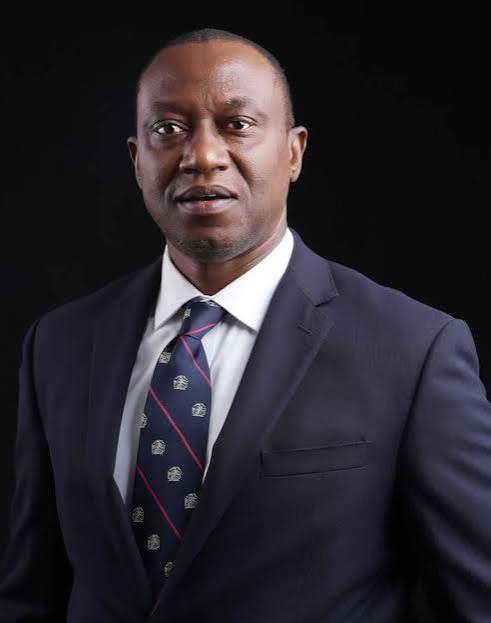
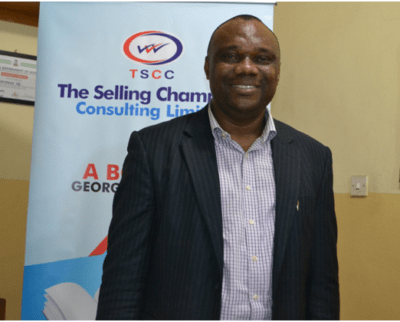
Nestlé Nigeria has announced the appointment of Toritseju Egbebi as corporate communications and sustainability manager, effective 1 November 2026, following Victoria Uwadoka’s retirement after ten years with the company.
Egbebi, currently corporate affairs manager, brings 18 years of experience in public relations and corporate communications across the technology, financial services and consumer goods sectors.
Since joining Nestlé Nigeria, she has played a key role in strengthening the company’s corporate reputation, public affairs and stakeholder engagement. Through the Nestlé for Good platform, she has helped deepen visibility and understanding of Nestlé’s investments in healthier nutrition, thriving communities and environmental sustainability, while strengthening strategic media and stakeholder partnerships.
Uwadoka, for her decade of experience with Nestle Nigeria, played a central role in strengthening the company’s reputation, stakeholder relationships and Creating Shared Value agenda. Her leadership advanced communications and sustainability priorities across nutrition, youth empowerment, agriculture, water stewardship, environmental responsibility and community development.
She also championed stronger employee engagement and helped translate complex corporate and sustainability priorities into clear, credible narratives that built understanding and trust.
Beyond Nestlé, Uwadoka has contributed to the development of Nigeria’s communications profession through industry leadership, advocacy and mentorship, championing strategic communications as a driver of business and societal progress.
Commenting on the transition, Wassim Elhusseini, managing director and CEO of Nestlé Nigeria, said: “Victoria has made an important contribution to Nestlé Nigeria over the past decade, and we are deeply grateful for the leadership, professionalism and commitment she has brought to our business and the communications profession. We wish her every success in this next chapter.
Nestlé’s boss expressed confidence in Egbebi’s ability and judgement in sustaining strong communication with partners and stakeholder engagement, which are fundamental to building trust and advancing the company’s purpose.
He reiterated his trust in her ability to continue strengthening old relationships while helping the company demonstrate the positive impact of the business in Nigeria.
The Lagos State Government has given residents, employers and workers until 31 December, 2026, to enrol in health insurance ahead of the enforcement of mandatory coverage on 1 January, 2027.
Governor Babajide Sanwo-Olu announced this on Tuesday during the launch of the Lagos Private Health Plan (LPHP) Partnership at the Lagos Continental Hotel, Victoria Island. The event also featured the unveiling of 21 participating Health Maintenance Organisations (HMOs).
Sanwo-Olu said the initiative would expand health insurance coverage and reduce the financial burden of healthcare on residents. He explained that the plan would complement the existing Ilera Eko scheme, which primarily supports vulnerable residents and informal-sector workers, by providing structured insurance options for salaried workers and corporate organisations.
The governor said the LPHP was developed using an analysis of about two million claims and enrolment records. He added that the initiative was part of the state’s efforts to build a healthcare financing system that allows residents to access medical services without relying solely on their ability to pay when they fall ill.
According to him, the state has established an implementation steering committee and an enforcement task force to oversee the programme. Relevant authorities are also expected to provide guidelines and support to help residents and employers complete their enrolment before the deadline.
Sanwo-Olu urged employers and workers to use the grace period to select suitable insurance plans and register, stressing that the government wanted compliance rather than confrontation.
He further explained that the initiative would make payments to healthcare providers more predictable, improve service delivery and reduce pressure on public hospitals. Part of the contributions would also support the Lagos State Health Equity Fund and public healthcare infrastructure to extend coverage to residents who cannot afford insurance.
The governor assured residents that the state would monitor participating HMOs to ensure timely payment of healthcare providers, proper claims settlement and access to appropriate medical care.
Question: Can a pharmacy based in Lagos legally receive an online order from a customer in Abuja, Kano, Rivers or another Nigerian state and deliver the medicines to that customer? Does a pharmacy need a separate licence in every state in which its customers are located?
Case scenario
A registered pharmacy in Lagos launches an online platform through which customers across Nigeria can order medicines. A customer in Enugu uploads a prescription, pays electronically and receives the medicines through a courier company.
The pharmacy argues that it is operating one federally regulated online pharmacy and that the delivery destination being in another state does not create a separate pharmacy establishment.
A regulatory officer, however, questions whether the pharmacy can sell or distribute medicines outside the state in which its physical premises are registered. Is the pharmacy’s interstate delivery service lawful?
Legal perspective
Yes, interstate online delivery of medicines is generally permissible in Nigeria, provided the pharmacy and its electronic operations comply with the applicable federal regulatory framework.
The position became considerably clearer with the Electronic Pharmacy Regulations 2026, issued by the Pharmacy Council of Nigeria (PCN). The Regulations apply to electronic pharmacy services and operations in Nigeria and establish a national framework for registration, licensing, prescription management, medicine supply, delivery, data protection and consumer protection.
Importantly, the Regulations prohibit cross-border online sales of medicines, but “cross-border” in this context refers to transactions involving Nigeria and another country; not movement of medicines between Nigerian states. The Regulations therefore do not create a general prohibition against a Lagos-based licensed e-pharmacy delivering a lawful order to a customer in Enugu or Kano.
However, the fact that an order is placed online does not remove the requirement for regulatory compliance. An electronic pharmaceutical service provider must be registered and licensed by PCN, operate under a designated superintendent pharmacist, and have either registered pharmaceutical premises or an appropriate partnership with a licensed physical pharmacy, wholesaler or distributor.
The 2026 Regulations also establish the National Electronic Pharmacy Platform (NEPP). Online drug orders must be processed through the Platform, with independent e-pharmacy and aggregator platforms legally and technically linked to it.
Delivery itself is regulated. Medicines must be appropriately stored and transported under conditions that preserve their quality, including suitable temperature control where necessary. Where third-party courier or logistics companies are used, the e-pharmacy remains responsible for ensuring compliance with applicable Good Distribution Practices.
Prescription-only medicines require particular care. The online pharmacy must authenticate prescriptions, verify the prescriber’s credentials and dispense only against valid prescriptions. A pharmacist must also be available to provide online counselling.
Determining liability
The key questions are:
Is the e-pharmacy licensed by PCN? Is there a registered pharmaceutical premises or compliant partnership? Is a superintendent pharmacist responsible for operations? Are orders processed through the NEPP? Are prescription requirements satisfied? Are medicines properly stored, transported and delivered?
The destination being in another Nigerian state, by itself, does not appear to make the transaction illegal.
Practical advice
Pharmacies intending to serve customers nationwide should obtain the appropriate PCN e-pharmacy licence, maintain a compliant pharmaceutical supply chain, use properly controlled delivery arrangements, authenticate prescriptions and maintain required transaction records.
They should also distinguish interstate delivery within Nigeria from international cross-border sales, which are expressly restricted under the 2026 Regulations.
Closing insight
The internet may cross state boundaries, but pharmaceutical regulation does not disappear at the click of “Order.”
Nigeria’s 2026 e-pharmacy framework makes nationwide digital access to medicines increasingly possible, but the right to deliver across state lines comes with significant obligations relating to licensing, professional supervision, prescription control, medicine quality, traceability and patient safety.
The Federal Government has challenged pharmaceutical manufacturers and researchers to intensify efforts to harness Nigeria’s rich plant resources for the development of new medicines, saying indigenous phytomedicinal resources could play a greater role in addressing the country’s health challenges and strengthening its pharmaceutical industry.
The Minister of State for Health and Social Welfare, Dr Iziaq Adekunle Salako, gave the charge recently at the opening ceremony of the 8th Nigeria Pharma Manufacturers Expo (NPME), held at Harbour Point Event Centre, Victoria Island, Lagos. Salako said research and development must occupy a central position in Nigeria’s pharmaceutical transformation, particularly through the systematic exploration of the country’s biological resources and their conversion into safe, effective and commercially viable health products.
He noted that plants had contributed to the development of several important medicines, including antimalarial drugs, opioid analgesics and cancer chemotherapeutics, stressing that Nigeria should pay greater attention to its own biological resources as potential sources of healthcare solutions. “Africa is home to about 25 per cent of the world plant genetic resources. This is the time for Nigeria to pay more attention to them as potential healthcare resources,” he said.
The minister urged major pharmaceutical companies to collaborate with government and research institutions to develop Nigeria’s phytomedicinal resources and translate scientific discoveries into products that could be made available to healthcare practitioners and patients.
“I invite our pharmaceutical giants to collaborate with us in developing our phytomedicine resources and put them on our shelves for use by our medical practitioners,” he said, positioning greater industry involvement in research as an important step towards converting Nigeria’s biological wealth into practical healthcare solutions.
Salako said the need to strengthen indigenous pharmaceutical research has become more urgent following the disruption of global medicine supply chains during the COVID-19 pandemic, when pharmaceutical nationalism threatened access to essential medicines in many countries. He argued that Nigeria’s pharmaceutical ambitions must therefore extend beyond the importation of active pharmaceutical ingredients, excipients, packaging materials and technologies for final assembly, to the development of domestic capabilities across the entire value chain, from research and raw materials to formulation, manufacturing, quality assurance and distribution.
“Localisation cannot simply mean importing active pharmaceutical ingredients, packaging materials and technologies, assembling the final product in Africa,” Salako said, stressing that the country must progressively develop capacity in research and development, upstream sourcing of APIs, excipients and other raw materials, commercial formulation, manufacturing, quality assurance and distribution.
According to him, the same approach must eventually extend to vaccines, biologics, diagnostics and other critical health technologies. He said the National Institute for Pharmaceutical Research and Development (NIPRD) is already contributing to this effort through its API Capacity Building and Concept Production Centre, which he described as West Africa’s first dedicated API training and development hub, established with support from the African Export-Import Bank (Afreximbank).
Salako disclosed that the NIPRD centre is now fully operational and has helped catalyse the development of what he described as sub-Saharan Africa’s first commercial active pharmaceutical ingredient production plant in Ogun State. He also said NIPRD is working with the European Union and other partners to develop a roadmap aimed at strengthening medicines security and reducing the risk of Africa being marginalised during future global health emergencies.
The minister further highlighted the €18 million Manufacturing and Access to Vaccines, Medicines and Health Technologies (MAV+) project, describing it as a major initiative for strengthening research, development and local manufacturing capacity in vaccines, biologics, diagnostics and medical devices. He said the project is expected to strengthen the capacity of relevant stakeholders, including local manufacturers, to improve access to critical health technologies.
Beyond research and development, Salako said Nigeria must create the market conditions necessary for pharmaceutical manufacturers to invest confidently in domestic production. He cited the Federal Executive Council’s approval in May 2025 of Medipool, Nigeria’s first national Group Purchasing Organisation for essential medicines and medical commodities, as an intervention designed to aggregate the purchasing needs of healthcare facilities, negotiate bulk purchases with manufacturers and suppliers, and coordinate procurement and distribution. He said Medipool is expected to reduce costs, improve supply-chain efficiency and provide more predictable demand for domestic pharmaceutical manufacturers, thereby strengthening the link between local production, procurement and healthcare delivery.
Salako also urged manufacturers to look beyond Nigeria’s domestic market and take advantage of regional integration to achieve the scale required for competitive pharmaceutical production. Rather than treating countries such as Ghana, Kenya, Rwanda and Côte d’Ivoire as isolated markets, he said manufacturers should leverage the African Continental Free Trade Area to access a wider market. “This is the economic logic of regional manufacturing which is not merely manufacturing for Africa, but making Africa a competitive manufacturing base for the world,” he said.
Salako said Nigeria’s pharmaceutical future should ultimately be defined by its ability to convert its scientific knowledge, natural resources and manufacturing capacity into products capable of meeting the health needs of its people and other African populations. “Let us therefore move from dependency to capability, from fragmented markets to regional scale, and from localization to genuine African pharmaceutical sovereignty,” he said.
He called for stronger collaboration among government, pharmaceutical manufacturers, universities, research institutions, investors and development partners, stressing that “our health as a country and as a continent will not be secured only in hospitals and laboratories. It will also be secured in our factories, universities, research centres, supply chains and investment decisions.”
The Founder and Chief Executive Officer of Emzor Pharmaceutical Industries Limited, Dr Stella Okoli, has called for medicine security to become a national priority, urging Nigeria to strengthen its capacity to meet its pharmaceutical needs. She warned that Nigeria cannot continue to depend excessively on foreign sources for essential medicines and pharmaceutical raw materials, given the lessons of past experiences.
Speaking at the World Pharmacists Day celebration organised by the Ogun State Zone of the Association of Industrial Pharmacists of Nigeria (NAIP), Okoli called for stronger local pharmaceutical manufacturing, increased investment in research and development, and greater collaboration among industry, government, academia and regulatory institutions.
Her address was delivered by Emzor’s Regulatory Affairs Manager, Pharm. Colette Okwuchi, who represented her as chairman of the occasion. Okoli said industrial pharmacists and other stakeholders in pharmaceutical manufacturing have a special responsibility to help build a more self-reliant pharmaceutical industry.
She said Nigeria’s continued dependence on foreign sources for essential medical commodities and pharmaceutical raw materials is unsustainable, stressing that medicine security must become a national priority.
“As industrial pharmacists and stakeholders in the pharmaceutical manufacturing sector, we also have a special responsibility to Nigeria. We cannot continue to have a nation that depends excessively on the outside world for essential medical commodities or pharmaceutical raw materials. Medicine security must become a national priority,” she said.
According to Okoli, achieving medicine security would require Nigeria to strengthen its local manufacturing capacity while investing significantly in research and development, human capital, technology and infrastructure.
“We must strengthen local manufacturing, we must invest in research and development, we must develop our human capital, we must improve technology and infrastructure,” she said.
She also stressed the need for deeper collaboration among pharmaceutical companies, government, academic institutions and regulatory bodies. Such partnerships, she said, are necessary to create an environment in which Nigerian pharmaceutical companies can grow, compete and produce medicines that met globally accepted standards.
“And most importantly, we must create an environment where Nigerian pharmaceutical industries can grow, compete and produce to globally acceptable standards,” she added.
The Emzor founder noted that the future of Nigeria’s pharmaceutical industry should not be measured simply by the volume of medicines produced, but also by its ability to manufacture quality and effective medicines in sufficient quantities to meet the needs of the Nigerian population.
She said initiatives aimed at strengthening pharmaceutical manufacturing, including the development of active pharmaceutical ingredients, should be regarded as important components of Nigeria’s medicine security and healthcare independence.
“The future of Nigeria’s pharmaceutical industry cannot simply be about producing more medicines. It must be about producing better and effective medicines in the right quantities and quality, sufficient to meet the needs of the Nigerian public,” she said.
Okoli also urged younger pharmacists to play an active role in shaping the future of the profession and the pharmaceutical industry. She encouraged them to combine professional excellence with integrity, innovation, responsibility and service.
Describing the younger generation as an important part of both the present and future of pharmacy, she urged young pharmacists to explore new ideas without compromising their professional values.
Beyond local production, she called for a united approach to addressing the challenges facing Nigeria’s pharmaceutical sector, stressing that no individual, company, association or institution could transform the industry alone.
“The industry needs the government. The government needs the industry. The industry needs the regulators,” she said, adding that academia also needs industry collaboration, while young professionals need mentorship.
Dr Okoli urged stakeholders to build stronger partnerships and share knowledge, saying collaboration would help advance Nigeria’s pharmaceutical industry.
“Let us therefore continue to build bridges rather than build walls. We must share knowledge with one another rather than guard it unnecessarily, and create partnerships that will move the pharmaceutical industry forward,” she said.
She expressed optimism that, with unity of purpose and a commitment to excellence, Nigeria could build a pharmaceutical sector capable of meeting the country’s needs and earning greater recognition across Africa and the world.
She also commended NAIP Ogun Zone for organising the World Pharmacists Day celebration and providing a platform to recognise excellence within the profession.
The event also featured the distribution of free medicines to residents of Sango-Ota and sensitisation on the dangers of drug abuse as part of activities marking the celebration.
The Founder of Art for Health Initiative, Chidera Aneke, says art can raise awareness of Antimicrobial Resistance (AMR) and inspire collective action to preserve the effectiveness of life-saving medicines.
Aneke, a health advocate, said this in a statement ahead of the second edition of ‘Microbe Madness 2.0’, scheduled for 18 November in Lagos. According to her, protecting the future of medicine requires collective effort and public participation.
“Everyone has a role to play, and our contribution is to make health information accessible through art, creativity and innovative storytelling.
“Art has a way of carrying messages across generations. We want people to enjoy the experience, connect with the stories and leave with one action they can take to protect our shared future.”
She said the event, supported by DRASA, the Yemisi Shyllon Museum of Art (YSMA) and BNL Healthcare, would feature about 15 artists exploring the theme, “One Action for Our Future”.
Aneke said the event would encourage participants to recognise their role in preserving the effectiveness of medicines for future generations.
She explained that AMR occurred when bacteria, viruses, fungi and parasites no longer respond to medicines used to treat them, making infections harder or sometimes impossible to treat.
She said AMR threatened the effectiveness of life-saving medicines and increased the risks associated with medical procedures, including surgery.
Aneke said Microbe Madness 2.0 would use creative experiences to improve public understanding of AMR, infection prevention and responsible medicine use.
“Visitors will experience an art exhibition, animation, drama, music and interactive games designed to spark conversations about AMR, infection prevention and responsible medicine use.
“A dedicated mental health corner will also exhibit artworks from the organisation’s ‘What We Carry’ workshop, creating space for reflection on emotional wellbeing alongside the event’s AMR focus,” she said.
Aneke said the Lagos edition would build on the inaugural event held in Enugu in 2024, continuing efforts to connect public health information with everyday experiences through art and storytelling.
According to her, the event coincides with the opening day of World AMR Awareness Week, observed from 18 to 24 November
She said it would also precede the fifth Global High-Level Ministerial Conference on AMR, scheduled to hold in Abuja from 6 Dec. 6 to 8 December. NAN
Coordinating Minister of Health and Social Welfare, Professor Muhammad Pate
Nigeria has evacuated its first imported Ebola virus disease (EVD) patient to Switzerland following an improvement in her clinical condition, the Coordinating Minister of Health and Social Welfare, Prof. Muhammad Ali Pate, has confirmed.
Pate disclosed this on Monday, October 26, stating that the patient departed Abuja earlier in the day with his approval, accompanied by her husband, who has remained without symptoms.
According to the minister, the patient was stable, conscious and able to communicate, while her laboratory results were approaching baseline levels.
He, however, cautioned that the improvement did not necessarily mean she was no longer infectious, noting that strict public health protocols were observed during the evacuation.
Pate commended the clinical team responsible for the patient’s care and the public health personnel who ensured that the transfer complied with established safety measures.
He added that the government would continue implementing public health measures to contain the infection and prevent further transmission.
The minister also urged Nigerians to remain vigilant and obtain information about the outbreak from credible sources.
Meanwhile, the Nigeria Centre for Disease Control and Prevention (NCDC) reported that 53 contacts linked to the confirmed case had been identified and were being monitored.
The contacts include healthcare workers, domestic staff and the patient’s husband. Health authorities are conducting follow-ups to identify any possible signs of infection and reduce the risk of further spread.
The case involves a 42-year-old woman who travelled to Nigeria from Uganda through Addis Ababa on October 3. The infection was confirmed on October 20 following laboratory testing.
The evacuation comes as Nigerian health authorities continue surveillance and contact-tracing activities in collaboration with relevant agencies and partners.
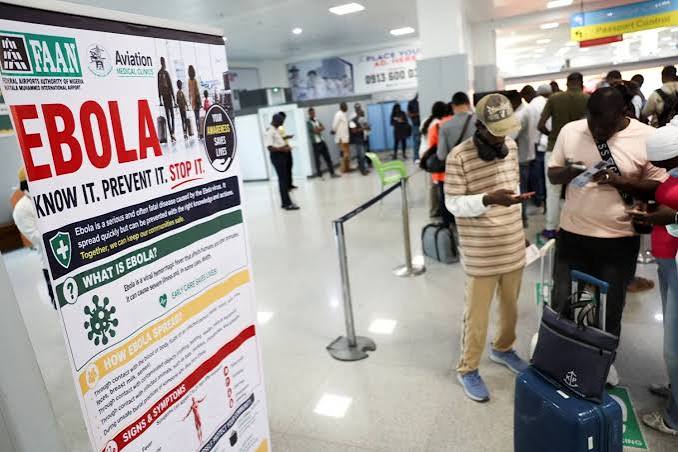
The Federal Government has called for stricter enforcement of Ebola Virus Disease (EVD) entry protocols across Nigeria’s designated points of entry following reports of non-compliance with approved measures.
The Federal Ministry of Health and Social Welfare made the call in a circular dated 22 October, 2026, signed by the ministry’s Permanent Secretary, Daju Kachollum S., on behalf of the Coordinating Minister of Health and Social Welfare, Professor Muhammad Ali Pate.
According to the ministry, the directive followed concerns raised by the Office of the National Security Adviser (ONSA) over reported breaches of the government-approved Ebola entry protocols.
The ministry urged ministries, departments and agencies (MDAs), health institutions and other relevant stakeholders to ensure that the measures are consistently enforced to prevent the possible spread of the disease across borders and protect public health and national security.
It directed relevant institutions to comply with established screening procedures, health declaration requirements and surveillance measures at designated entry points.
The ministry also stressed the need for better coordination, communication and information-sharing among stakeholders to support early detection and a prompt response to potential public health threats.
It further called on concerned institutions to document and report any actual or attempted breach of the protocols through established channels. Institutions were also asked to support enforcement officers and establish monitoring and accountability mechanisms to ensure sustained compliance.
The ministry warned against interference with personnel responsible for enforcing the measures, stressing that they should be allowed to carry out their duties professionally.
It directed all relevant MDAs to circulate the advisory immediately to their departments, field offices and personnel, address identified lapses and give the directive the highest priority.
The ministry said sustained compliance with the approved protocols was necessary to safeguard public health and national security.
According to the Biopharmaceutics Classification System (BCS), which class describes a drug substance with High Solubility and Low Permeability, and what volume of aqueous medium is used to determine if the highest dosage strength is “highly soluble”?
A) Class I; 100 mL
B) Class II; 500 mL
C) Class III; 250 mL
D) Class IV; 250 mL
During the compression stage of tablet manufacturing, what is the specific physical defect defined as the complete or partial separation of a tablet into two or more distinct horizontal layers, and which formulation component is most commonly added as a glidant to improve powder flow and prevent die-wall binding?
A) Capping; Magnesium stearate
B) Lamination; Colloidal silicon dioxide (Aerosil)
The Nigeria Centre for Disease Control and Prevention (NCDC) says it is strengthening states’ capacity to respond to Ebola through continuous healthcare worker training and improved infection prevention and control measures nationwide.
The NCDC Director-General, Dr Jide Idris, said this at the agency’s Sunday news conference, where he outlined ongoing efforts to strengthen preparedness and improve the country’s response to potential Ebola threats.
Idris said the agency was conducting training and providing practical guidance to healthcare workers to improve preparedness and reduce infection risks in health facilities across the country.
He said preparedness capabilities at the subnational level varied, making continuous capacity-building essential to equip healthcare workers with the knowledge and skills required to respond effectively to Ebola.
Idris explained that NCDC teams were visiting health facilities to assess existing infection prevention and control systems, identify gaps and provide necessary guidance to improve safety practices.
The director-general added that members of the Federal Capital Territory response team had received training on the proper use of protective equipment to strengthen ongoing Ebola response efforts.
He said training programmes would evolve as new evidence emerged, noting that regular updates were necessary to maintain healthcare workers’ competence and improve Nigeria’s readiness to manage infectious disease outbreaks.
On laboratory capacity, Idris said Nigeria had specialised facilities capable of testing for Ebola, including the National Reference Laboratory in Abuja and the Central Public Health Laboratory in Lagos.
He explained that the laboratories possessed genomic sequencing capabilities and appropriate biosafety infrastructure, while authorities continued strengthening laboratory systems to improve preparedness for Ebola and other infectious disease threats nationwide.
The NCDC director-general said not every laboratory could safely test for Ebola, emphasising that testing must occur in facilities with appropriate biosafety standards, equipment and trained personnel.
He added that Nigeria was expanding laboratory capacity through training, equipment optimisation and collaboration with teaching hospitals and partner institutions, while strengthening genomic surveillance to support faster outbreak detection.
Idris said laboratory equipment required proper calibration and skilled personnel to ensure accurate results, adding that technical capacity and professional collaboration were essential for reliable disease diagnosis and surveillance.
Addressing healthcare worker preparedness, he said training was ongoing through online programmes and visits to health facilities, with curricula regularly updated to reflect emerging evidence and operational requirements.
He cautioned against politicising the Ebola response, insisting that public health authorities would continue providing information as investigations progressed and that unrelated government decisions should not be linked to the outbreak.
Idris said NCDC had requested funds to support states’ preparedness activities, explaining that the proposed arrangement would enable resources to reach states for necessary public health interventions.
He acknowledged concerns raised by quarantined individuals separated from their families, saying authorities were working to address their welfare needs while maintaining restrictions necessary to prevent possible disease transmission.
On airport surveillance, Idris said health declaration forms were required for travellers, while NCDC was engaging aviation authorities to address operational challenges affecting public health activities at points of entry.
He explained that the patient had reportedly arrived in Nigeria without symptoms, making immediate identification difficult, while subsequent medical consultations and reviews of her history helped authorities identify possible exposure points.
Idris said investigators were reviewing passports, travel records and other available information to establish the patient’s movements and identify potential surveillance gaps, describing the process as detailed and ongoing.
He added that authorities were working with security agencies to support investigations, noting that some travellers might conceal symptoms or use medication to suppress fever, complicating screening and case detection.
The director-general urged journalists to counter misinformation and report verified updates responsibly, assuring them that NCDC would publish information on its website and provide further updates as the situation evolved. (NAN)
“Leadership is not about being in charge. It is about taking care of those in your charge.” — Simon Sinek
Leadership is not primarily a position, title or privilege. It is the responsibility to influence people towards a worthwhile purpose while helping them become more capable, confident and committed in the process.
Positions may confer authority, but they do not automatically produce leadership. A person may occupy the highest office in an organisation and still fail to provide direction, inspire confidence or build a cohesive team. Conversely, someone without a formal title may demonstrate leadership by taking responsibility, solving problems, supporting colleagues and influencing others through character and competence.
Leadership is therefore not defined by where we sit, but by the difference we make.
From compliance to commitment
A manager may control tasks, but a leader creates commitment. A boss may demand compliance, but a leader awakens contribution. Authority can compel people to report to us; only authentic leadership can make them believe in what we represent.
Compliance produces the minimum required effort. Commitment releases creativity, energy and discretionary contribution. People who merely comply ask, “What must I do?” People who are genuinely committed ask, “What more can I contribute?”
This is why effective leadership cannot depend solely on instructions, policies and performance targets. Leaders must connect organisational goals with human meaning. People need to understand not only what they are expected to do, but why it matters, whom it serves and how their contribution advances the collective mission.
When purpose becomes clear and personally meaningful, work is transformed from obligation into ownership.
Leadership begins with direction
Leadership begins by providing direction. People cannot move confidently when the destination is unclear. The leader must articulate a compelling vision of the future and translate that vision into priorities that people can understand and pursue.
However, vision alone is insufficient. Inspirational words without practical action eventually create disappointment. Leadership must therefore move from direction to alignment.
Alignment ensures that resources, roles, structures, systems, incentives and behaviours support the declared purpose. It is contradictory for an organisation to proclaim innovation while punishing experimentation, promote teamwork while rewarding only individual performance, or speak about customer service while ignoring customer feedback.
Effective leaders close the gap between what the organisation says and what it consistently does.
Transforming individual effort into collective achievement
Leadership converts scattered abilities into coordinated strength. Individuals may possess impressive talents, but collective achievement requires shared direction, mutual trust and disciplined collaboration.
The leader’s responsibility is not to become the most visible or indispensable person in the organisation. It is to create an environment in which people can combine their strengths, challenge one another constructively and achieve results that none of them could accomplish alone.
Great leadership therefore requires the humility to recognise that no leader possesses all the answers. Wise leaders listen to people closest to the problems, welcome diverse perspectives and create psychological safety for honest dialogue. They do not interpret disagreement as disloyalty or surround themselves only with people who confirm their assumptions.
When people are respected, heard and empowered, they are more willing to share ideas, identify risks and take responsibility for results.
Courage guided by compassion
The strongest leaders combine courage with compassion. Courage enables leaders to make difficult decisions, confront uncomfortable realities and defend institutional values. It empowers them to challenge underperformance, resist unethical pressure and act decisively during uncertainty.
Compassion helps leaders understand the human consequences of their decisions. It reminds them that organisations are not merely systems, structures and financial statements; they are communities of people with aspirations, families, fears and responsibilities.
Courage without compassion may become cruelty. Compassion without courage may become avoidance. Transformational leadership requires both: the strength to do what is necessary and the humanity to do it with fairness, dignity and sensitivity.
Compassionate leadership does not mean lowering standards. It means maintaining high expectations while providing people with the clarity, support, resources and opportunity required to succeed.
Leadership and accountability
Accountability is one of the clearest tests of leadership character. A leader cannot claim the applause for success while distributing the blame for failure.
True leaders accept responsibility for the outcomes produced under their stewardship. They do not hide mistakes, manipulate information or sacrifice subordinates to protect their reputation. Instead, they examine what happened, acknowledge their contribution to the problem and lead the process of correction.
Accountability is not about creating fear. It is about establishing clarity regarding expectations, responsibilities, consequences and learning. When accountability is fair and consistent, it strengthens trust. When it is selective or politically manipulated, it weakens morale and encourages mediocrity.
Mature leaders understand that mistakes can become valuable sources of organisational learning. They ask:
What happened?
Why did it happen?
What must we learn?
What should we change?
How can we prevent recurrence?
Leadership turns failure into insight and insight into institutional improvement.
Developing other leaders
One of the highest responsibilities of leadership is developing other leaders. An insecure leader gathers followers who remain dependent. Such a leader withholds information, centralises decisions and perceives talented colleagues as threats. The organisation may appear stable while that individual remains in office, but weakness becomes evident immediately after departure.
A transformational leader takes a different path. Transformational leaders multiply competence, share authority, delegate meaningful responsibility and prepare others to lead. They understand that empowerment is not the abandonment of responsibility; it is the deliberate transfer of capability, confidence and accountability.
Leadership development happens when people are given challenging assignments, constructive feedback, mentoring, exposure and room to exercise judgement. It also requires leaders to permit others to receive recognition and sometimes surpass them.
The success of a leader is not measured by the number of followers accumulated, but by the number of competent, ethical and courageous leaders produced.
Character is the foundation of influence
Leadership influence is sustained by character. Competence may attract attention, but integrity earns trust. People observe whether a leader’s private conduct is consistent with public declarations, whether promises are honoured and whether values are upheld when doing so becomes costly.
Trust grows when words and actions align. It declines when leaders demand sacrifices they are unwilling to make or standards they refuse to observe.
Authentic leaders lead by example. They demonstrate the discipline, respect, humility, excellence and accountability they expect from others. Their lives give credibility to their message.
Measuring leadership by outcomes and legacy
Leadership must ultimately be measured by outcomes and legacy, not by activity, popularity or personal visibility.
The essential questions are:
Did people grow?
Did the institution become stronger?
Were values protected?
Were meaningful problems solved?
Was sustainable value created?
Were future leaders developed?
Was a foundation established for progress beyond the leader’s tenure?
A leader who achieves short-term results by exhausting people, compromising values or weakening institutional systems has not achieved sustainable success. Genuine leadership creates results while strengthening the organisation’s capacity to continue producing results.
The true test of leadership is not how powerful we appear while occupying a position, but how much positive capacity remains after we leave it.
Titles eventually expire. Offices change hands. Public applause fades. What remains is the quality of the people developed, the values institutionalised, the problems solved and the possibilities created.
Leadership reaches its highest purpose when influence becomes shared commitment, individual effort becomes collective achievement and present success becomes a foundation for future generations.
That is leadership beyond position.
That is influence transformed into impact.
That is leadership that leaves a legacy.
By Prof. ‘Lere Baale, FPSN, FPCPharm, FNAPharm, FNIM
A call for peaceful elections, responsible citizenship and leadership that delivers
(Continued from last edition)
The commonwealth is a sacred trust
The word commonwealth contains a philosophy: the wealth held in common. Nigeria’s oil, gas, minerals, taxes, public lands, institutions and collective opportunities do not belong to the government of the day. They belong to present and future generations. Leaders are managers of a trust whose beneficiaries include citizens not yet born. To waste public resources is therefore more than financial carelessness; it is an injustice against both the living and the unborn.
Good governance begins with this moral understanding of stewardship. Public money must be budgeted transparently, spent prudently and accounted for rigorously. Procurement must deliver value rather than political reward. Borrowing must finance productive assets and human development, not vanity or recurrent extravagance. Leakages that appear as numbers in audit reports translate into medicines not purchased, classrooms not repaired, roads not completed, jobs not created and lives not protected.
Nigeria does not suffer only from scarcity. It also suffers from choices—what we prioritise, what we tolerate and what we fail to measure. Even abundant resources become insufficient when waste is institutionalised. Conversely, disciplined leadership can multiply limited resources through sound planning, competent execution and public trust. The difference between nations is often not what they possess beneath the ground, but what their institutions and leaders build above it.
Those seeking office should therefore tell Nigerians how they will manage the commonwealth. Manifestos must move beyond attractive aspirations to priorities, costs, timelines, responsible institutions and indicators of success. Citizens should be able to ask, after one hundred days, one year and four years: what was promised, what was funded, what was completed, what changed and why? Accountability becomes meaningful when promises can be measured.
Democratic dividends must be visible in ordinary lives
Democracy cannot live permanently on the glory of elections. Its legitimacy is renewed daily through service. The dividend of democracy is not the number of political appointments made, convoys purchased or ceremonies conducted. It is the practical improvement that citizens experience: safer streets, reliable electricity, passable roads, functional schools, accessible healthcare, clean water, dignified employment, fair taxation and justice that does not depend on status.
The constitutional declaration that the security and welfare of the people shall be the primary purpose of government provides a simple but demanding standard. Government exists for the governed. Economic growth that never reaches households is incomplete. Infrastructure that is announced but not completed is not a dividend. Policies may require sacrifice, but leaders who ask citizens to endure hardship must demonstrate competence, fairness and personal restraint. Sacrifice loses legitimacy when it is demanded from the many while privilege expands for the few.
Nigeria needs governments that understand implementation. Our shelves are crowded with policies and development plans; the deficit is often continuity, coordination and execution. Vision without implementation is an elegant dream. Activity without direction is expensive motion. Effective leadership joins purpose to priorities, priorities to budgets, budgets to capable people and capable people to measurable results.
The dividends of democracy must also reach beyond capital cities. A country is not transformed when islands of privilege are surrounded by oceans of neglect. Local government matters because citizens encounter the state most directly through primary schools, health centres, sanitation, rural roads, markets, water systems and community security. Bringing accountable power and resources closer to the people can make democracy tangible, provided local institutions are transparent and citizens remain watchful.
The leadership Nigeria requires
Election seasons encourage leaders to speak about what people want to hear. Nation-building requires leaders who can also explain what people need to understand. Visionary leadership sees beyond the next election to the next generation. It anticipates threats, recognises opportunities and mobilises citizens around a future larger than partisan survival.
But vision alone is insufficient. Nigeria needs effective leadership: leadership that selects competent people, sets clear goals, coordinates institutions, makes evidence-based decisions, communicates honestly and corrects mistakes quickly. It needs ethical leadership that recognises limits, avoids conflicts of interest and treats public power as responsibility rather than entitlement. It needs compassionate leadership that sees statistics as human beings and understands that every policy has consequences at the kitchen table.
We also need leaders who unite. Unity does not require uniformity; it requires fairness, belonging and confidence that no group must diminish for another to rise. Appointments should reflect inclusion without sacrificing merit. Development should be balanced without being wastefully duplicated. National language should calm rather than inflame. A president or governor is not the leader only of those who voted for him or her. Victory transfers a candidate from the camp of a party to the service of the whole polity.
Those who lose also have a patriotic role. They should pursue legitimate complaints firmly but peacefully, congratulate fairly when the process is credible, and provide a vigilant, constructive opposition thereafter. Democracy is weakened when winners attempt to silence all criticism, but it is equally weakened when losers seek to make the country ungovernable. Opposition should expose failure, propose alternatives and defend institutions—not merely wait for misfortune that can be converted into political advantage.
The responsibilities do not end when voting closes
Too often, Nigerian citizenship becomes intense during campaigns and retreats after inauguration. Yet democracy is not a four-year festival; it is a continuous relationship of delegated power and public scrutiny. After the votes are counted, citizens must track budgets, attend community meetings, demand reports, use freedom-of-information mechanisms, support credible civil society and insist that legislators represent rather than merely visit their constituencies.
Professional associations, universities, businesses, trade unions, religious bodies and the media should establish nonpartisan platforms for monitoring campaign commitments. Governance should be discussed with facts, not only with sentiment. Where governments perform, society should acknowledge progress; where they fail, criticism should be specific, evidence-based and persistent. Accountability is strongest when it is fair enough to command moral authority.
The private sector and professional class must reject the habit of condemning corruption publicly while facilitating it privately. Contractors who inflate invoices, professionals who certify defective work, businesses that evade lawful obligations and citizens who offer bribes all feed the same system they blame. National renewal cannot be outsourced entirely to elected officials. Leadership sets the tone, but society supplies many of the habits from which government is formed.
Let Nigeria be the ultimate winner
As the campaigns gather momentum, candidates will promise rescue, renewal, restoration and hope. Nigerians should listen, question, compare and decide. But we must remember that no politician is a messiah and no party has a monopoly on patriotism. Institutions are more enduring than personalities; national interest is larger than any ambition; and peace is the ground upon which every other achievement must stand.
Let candidates campaign as competitors, not conquerors. Let supporters argue without hatred. Let election officials act with competence and courage. Let security agencies protect without prejudice. Let judges decide without fear or favour. Let the media inform without inflaming. Let citizens vote according to conscience rather than coercion, inducement or inherited prejudice.
And when winners emerge, let them understand that celebration must quickly give way to service. The true certificate of return is not merely the document issued after collation; it is the trust conferred by millions of people. The true victory parade is a child returning safely from a good school, a patient receiving competent care, a farmer reaching the market, a graduate finding productive work, a business operating with power, and a family living without fear of hunger or violence.
Elections determine who holds office. Governance determines whether that choice becomes a blessing. History will not be impressed by the noise of our campaigns if the silence of abandoned hopes follows. The coming polls must therefore mark more than another transfer or renewal of authority. They should become a covenant: that political competition will not destroy national community; that public wealth will be managed for the public good; that leadership will be judged by results; and that democracy will finally be felt in the dignity of ordinary lives.
Parties will win and lose. Candidates will rise and fall. Power will pass, as all power eventually does. Nigeria must remain. Nigeria must heal. Nigeria must work. Above every slogan, ambition and affiliation, let this be our common declaration: in the election ahead, let peace prevail, let the people’s will count, let good governance follow—and let Nigeria be the ultimate win
1. A drug has a half-life of 6 hours and follows first-order elimination. Approximately what percentage of the drug remains in the body after 18 hours, assuming no additional doses? A. 25% B. 50% C. 6.25% D. 12.5%
2. A competitive antagonist is added to a tissue preparation receiving an agonist. Which change is generally expected on the agonist concentration–response curve when the antagonist concentration increases? A. A reduced maximum response that cannot be restored by more agonist B. No change in the concentration–response curve C. A leftward shift with increased maximum response D. A rightward shift with unchanged maximum response
The Federal Government has reported a decline in malaria prevalence among children aged six to 59 months, from 22 per cent in 2021 to 15.2 per cent in 2025, while setting a target to halve malaria prevalence and deaths by 2030.
The Coordinating Minister of Health and Social Welfare, Prof. Muhammad Ali Pate, disclosed this on Thursday in Abuja during the launch of the 2025 Nigeria Malaria Indicator Survey (NMIS) Report and the National Malaria Strategic Plan 2026–2030. He was represented by the ministry’s Permanent Secretary, Daju Kachollom Si.
Pate described the decline of 6.8 percentage points as progress in the country’s fight against malaria but warned that the improvement did not mean the disease had been eliminated.
He cited Kebbi State as an example of progress, noting that malaria prevalence in the state dropped from 49 per cent in 2021 to 18 per cent in 2025.
The minister also highlighted the need to improve the use of insecticide-treated mosquito nets, stating that among households that owned the nets, 72.3 per cent of children and 80.6 per cent of pregnant women slept under one.
According to him, the National Malaria Strategic Plan 2026–2030 is aligned with the Nigeria Health Sector Renewal Investment Initiative and will focus on directing interventions to areas with the highest malaria burden through its sub-national tailoring approach.
He explained that the strategy would use local epidemiological evidence to guide interventions and ensure resources reach communities most affected by the disease.
Also speaking, the Director-General of the National Population Commission, Dr Abuh Muhammed, said the survey reflected the importance of collaboration between the National Malaria Elimination Programme and the commission in gathering reliable data to guide malaria control efforts.
He reaffirmed the commission’s commitment to supporting evidence-based planning and called on policymakers and development partners to use the survey findings to determine where resources are most urgently needed.
Pate urged state governments to take responsibility for the findings in their respective states, align malaria control plans and budgets with identified needs, and ensure the timely release of funds.
He also called on development partners to align their financial and technical support with Nigeria’s malaria control priorities.
The minister commended the National Malaria Elimination Programme, the National Population Commission and other partners involved in the survey, reiterating the Federal Government’s commitment to strengthening domestic funding, improving disease surveillance and coordinating efforts to reduce malaria cases and deaths across the country.
Medical laboratory expert Stephen Oricha has warned that healthcare workers face increased exposure to Ebola without adequate protective equipment and strict infection prevention measures in health facilities.
Oricha, deputy director, Medical Laboratory, University of Abuja Teaching Hospital (UATH), gave the warning in an interview with the News Agency of Nigeria (NAN) on Thursday in Abuja.Buy Maps
Nigeria confirmed an imported case of Ebola Bundibugyo virus disease in Abuja on 20 Oct., involving a woman who recently travelled from Uganda.
Oricha said infected healthcare workers could expose other patients to the virus, emphasising that protecting medical personnel was critical to containing the disease and preventing further transmission across communities.
He urged the government to ensure adequate supplies of Personal Protective Equipment (PPE), including hand gloves and sanitisers, in health facilities nationwide, particularly at the grassroots level where resources were limited.
“As a healthcare worker we must exercise caution when attending to patients, we must ensure that preventive measures are taken.
“We must be careful how we treat every patient right now, we treat everyone as a suspect but we do not result in stigmatisation,” he said.
Oricha explained that such precautions were necessary to minimise exposure while healthcare workers attended to patients whose infection status might not yet be known during routine clinical assessments.
He emphasised that protective equipment should not be restricted to major government hospitals, noting that healthcare workers in local facilities also required adequate protection against possible infection.
According to him, hand gloves should be readily available in all health facilities to protect medical personnel and patients during routine examinations, procedures and other healthcare delivery activities.Nigerian news analysis
Oricha urged Nigerians to remain calm, practise good personal hygiene and seek medical attention promptly when experiencing symptoms that could indicate an infection, while avoiding panic and misinformation.
He explained that Ebola spread through contact with the blood or other body fluids of an infected person, urging the public to avoid direct contact with such fluids.
The expert said early reporting of suspected cases was essential for timely medical intervention, effective contact tracing and the prevention of further transmission within communities and healthcare facilities.
He called for adequate health sector funding to strengthen preparedness, arguing that emergency response systems should be established before outbreaks rather than activated only when diseases threatened public health.
“Preparation is not when there is an outbreak. It is something you do before an outbreak.
“In June the government released some amount of money, they need to account for the funds reportedly released to strengthen preparedness.
“As a people we should call the government to demonstrate how the resources had improved the capacity of health facilities to respond to emergencies,” he said.
Oricha urged policymakers to prioritise healthcare funding and ensure budgetary allocations translated into improved services, functional emergency response systems and adequate protection for healthcare workers nationwide.
He described healthcare as fundamental to national productivity, warning that inadequate investment could undermine Nigeria’s ability to protect its population and maintain essential services during public health emergencies.
He said that a sick nation could never be productive, emphasising the importance of a functional healthcare system in supporting national development and safeguarding citizens during infectious disease outbreaks.
The medical laboratory expert expressed concern that Nigeria might not have fully applied lessons from the COVID-19 pandemic, in spite of gaining considerable experience in managing infectious disease outbreaks and emergencies.
He said that some isolation centres and laboratories established or strengthened during the pandemic remained in existence, but questioned their current functionality and readiness to respond effectively to Ebola.
“Nigeria certainly gained experience during COVID-19, but I do not know if it learned from the lessons and prepared against futures occurrence.
“The presence of buildings and equipment alone do not guarantee preparedness, many of the isolation and testing laboratory facilities need to be activated, become functional and ready for immediate use.
“The government should urgently assess existing facilities, reactivate suitable laboratories and ensure that testing capacity is available in strategic locations across the country,” he said.
Oricha called for stronger emergency response capacity around international airports and other strategic locations to support early detection, prompt intervention and containment of the Ebola virus.
He said the government, healthcare institutions; workers and individuals all had responsibilities in preventing the spread of infectious diseases through vigilance, adherence to safety measures and timely reporting.
Oricha urged Nigerians to draw on the country’s experience in managing previous outbreaks without allowing fear or misinformation to undermine public health efforts and disease prevention measures.(NAN)
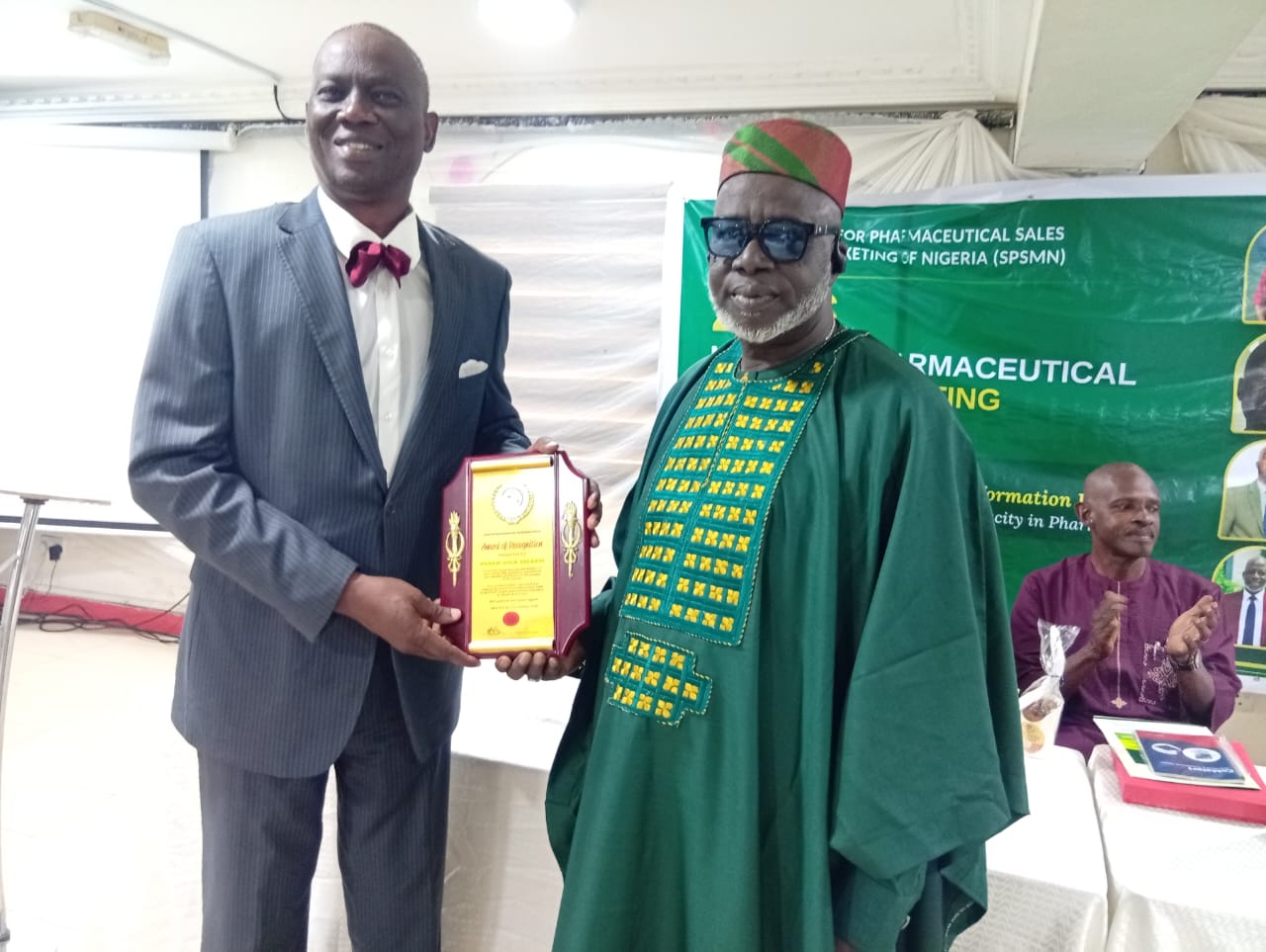
SPSMN president, Pharm. Tunde Oyeniran (right) presenting an award plaque to the keynote speaker, Pharm. Sola Solarin
…As SPSMN holds national conference
Experts have urged pharmaceutical sales representatives to prioritise patients’ safety, uphold ethical marketing practices and improve their professional competence to strengthen public confidence in medicines and Nigeria’s pharmaceutical industry.
The experts made the call at ithe 2026 National Pharmaceutical Sales and Marketing Conference of the Society for Pharmaceutical Sales and Marketing of Nigeria (SPSMN) held on Wednesday, 21 October, at the Lagos Chamber of Commerce and Industry building, Ikeja, Lagos.
The conference, themed “From Sales Rep to Trusted Transformation Leader: Raising Professional Standards and Capacity in Pharma,” brought together pharmaceutical sales and marketing professionals to examine their changing responsibilities in an industry facing growing concerns over counterfeit and substandard medicines, rising operational costs and declining public trust.
Delivering the keynote address, a former National Chairman of the Association of Industrial Pharmacists of Nigeria (NAIP), Pharm. Sola Solarin, said pharmaceutical sales representatives must move beyond conventional product promotion and become trusted partners in healthcare delivery.
Pharm. Solarin said the traditional approach of memorising product details, distributing samples and pursuing sales targets is no longer sufficient in an environment where doctors, pharmacists and patients had greater access to medical information.
He stressed that sales representatives must demonstrate scientific knowledge, professional integrity and a clear understanding of the medicines they promote. “You cannot outtalk an informed customer. You can only outvalue them”, he said.
The former NAIP chairman urged representatives to become clinical educators who provide healthcare professionals with accurate and relevant information about medicines, their efficacy, side effects and appropriate use.
Pharm. Solarin also called on the SPSMN to develop a continuous professional certification programme to improve the competence of its members, noting that pharmaceutical sales representatives needed to understand disease conditions and treatment guidelines rather than focus exclusively on the products they marketed.
He further urged pharmaceutical companies to evaluate sales representatives beyond sales volume by considering their contributions to healthcare workers’ training, pharmacovigilance reporting and patient education.
According to him, pharmaceutical sales representatives could contribute to improving treatment adherence, preventing medicine stock-outs and expanding access to healthcare by helping address problems across the pharmaceutical supply chain.
Solarin also condemned unethical marketing practices, including inducements for prescriptions and the promotion of medicines for conditions for which the product are not indicated. He called on pharmaceutical companies to establish realistic sales targets that would not compel representatives to compromise professional standards. “If your target forces your team to lie, your target is the problem,” he said.
He encouraged pharmaceutical companies to explore opportunities in export markets, arguing that expanding beyond Nigeria could help businesses grow and reduce some of the risks associated with domestic market operations.
The guest of honour, Pharm. Ope Oyinola, managing director and chief executive officer of Charterhouse Pharmaceutical Limited, described sales and marketing professionals as essential to the survival and growth of pharmaceutical businesses.
Prince Oyinola said sales reps’ responsibilities extended beyond revenue generation to advancing public health, strengthening the economy and saving lives. He urged industry stakeholders to invest more in local pharmaceutical manufacturing, embrace digital transformation and strengthen collaboration across the pharmaceutical value chain.
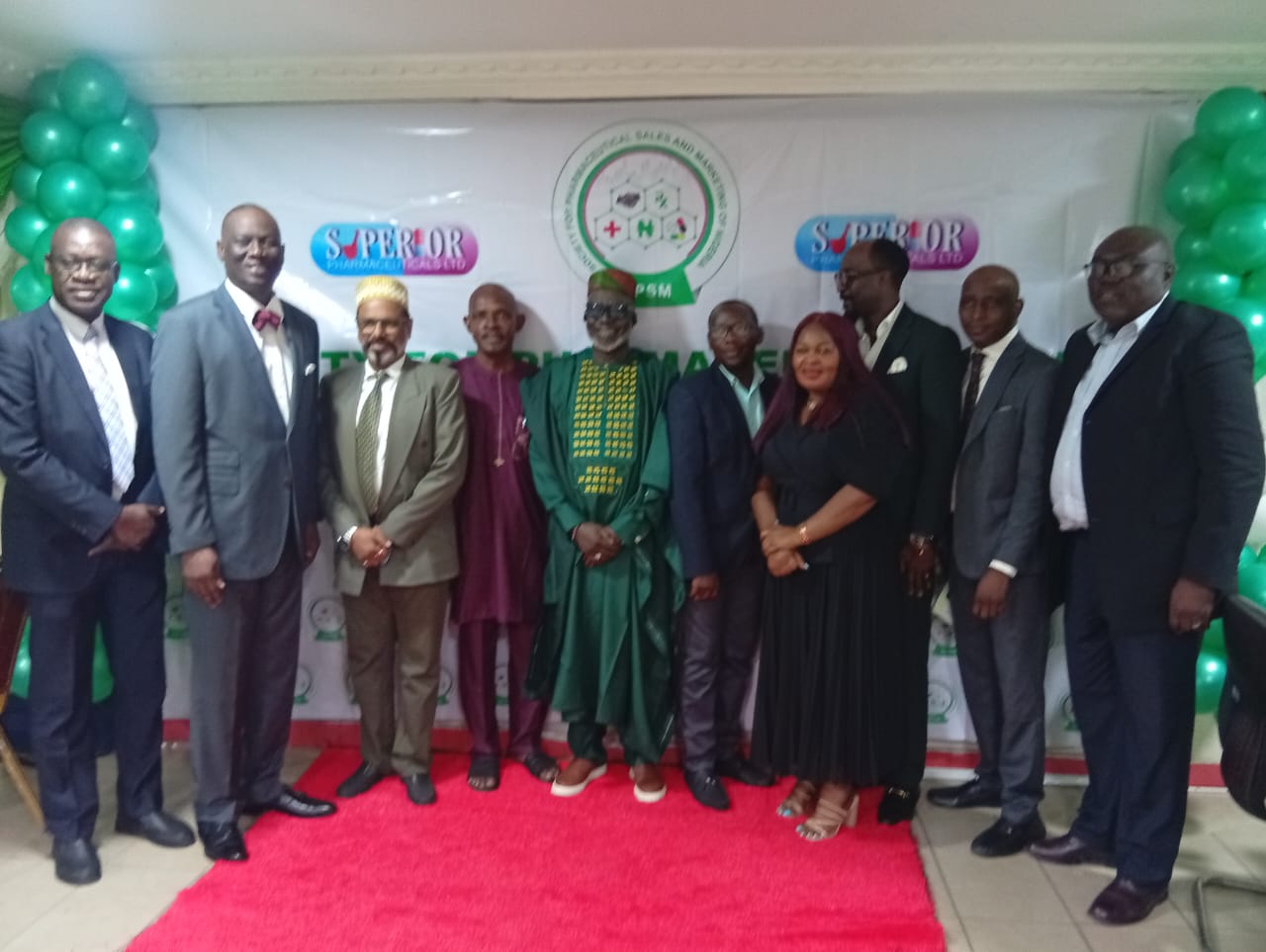
Dignitaries at the national conference of the SPSMN in Lagos
According to him, artificial intelligence and other digital technologies should be deployed to improve efficiency, medicine traceability, inventory management and quality verification. He, however, emphasised that technology should support, rather than replacing human decision-making.
Prince Oyinola called on pharmaceutical sales and marketing professionals to put patients first in their business decisions, stressing that the quality, safety and effectiveness of medicines must remain central to the industry’s activities.
Speaking on the growing problem of fake medicines, SPSMN President, Pharm. Tunde Oyeniran, said trust depended largely on the accuracy of the claims pharmaceutical representatives made about the products they promoted.
He warned that exaggerated promises and misinformation could undermine confidence in both individual products and the wider pharmaceutical industry. “For us, it’s about knowing your product, knowing your market, and saying exactly what you can do, not one more word”, Oyeniran said.
He called for increased government investment in regulatory agencies, including the National Agency for Food and Drug Administration and Control, to strengthen efforts against counterfeit medicines.
Pharm. Oyeniran said the increasing frequency of drug counterfeiting, the growing number of people involved and the spread of the illegal trade across more locations required stronger regulatory capacity, better technology and additional personnel.
He also highlighted the role of professional associations in bridging training gaps in the pharmaceutical industry through mentorship, regular professional engagements and the enforcement of ethical standards.
According to him, the SPSMN organises activities to help members discuss industry challenges and develop practical solutions, while providing training for newly recruited pharmaceutical sales representatives.
He explained that the society is working to improve members’ competence and integrity through its code of conduct, adding that professionals must take responsibility for their continuous development. Pharm. Oyeniran urged sales representatives to embrace professional training, adopt ethical practices and ensure that patient safety remained their priority.
He also encouraged industry professionals to use artificial intelligence to improve medicine traceability, inventory management and safety.
For eight years, Nigerian technology company Chekkit has been fighting a battle that affects consumers, manufacturers and regulators alike: how to tell the genuine from the fake. In markets across Lagos and beyond, counterfeit products often bear identical packaging, colours and familiar brand logos, leaving unsuspecting consumers struggling to distinguish authentic goods from dangerous imitations. Chekkit is tackling this challenge with technology that allows consumers to verify products in seconds, while helping brands and regulators trace supply chains and identify where counterfeits enter the market. Its solutions include MAS, a scratch-and-scan consumer verification system; ChekTrace, for end-to-end supply-chain traceability; and ChekIntel, which uses artificial intelligence to power consumer intelligence and loyalty.
Now, the company is bringing the conversation to the centre stage. On October 24, Chekkit will host The Trust Summit at The Zone, Gbagada, Lagos, to mark its eighth anniversary and unite industry leaders, manufacturers, regulators and global standards bodies under the theme, “From Compliance to Competitive Advantage.” The summit will spotlight a growing business imperative:, that trust is no longer just about meeting regulatory requirements; it can be a powerful competitive advantage. In a market threatened by counterfeiting, businesses that can demonstrate product authenticity stand to strengthen consumer confidence, build loyalty and reinforce their relationships with regulators.
The summit will feature representatives of leading companies across pharmaceuticals, fast-moving consumer goods, food and manufacturing, including Reckitt, Emzor, Phamatex, May & Baker, Dana Pharma, Chris Ejik Pharmaceuticals, ARC_ESM, Flour Mills of Nigeria, Olam Agri, NASCO, LG, Scanfrost, FrieslandCampina WAMCO and Nestlé. The Director-General of the National Agency for Food and Drug Administration and Control (NAFDAC) is scheduled to deliver the keynote address, underscoring the importance of collaboration in tackling counterfeiting and strengthening product integrity. As Chekkit celebrates eight years of building tools to distinguish genuine products from fakes, the summit will challenge industry players to move beyond compliance and make trust a defining advantage in the marketplace.
Attendance is FREE: Click the link below to register and reserve your seat at the conference.
Professor Margaret Ilomuanya is the principal investigator of the MEDAFRICA GMP Laboratory and a professor of pharmaceutics and pharmaceutical technology at the University of Lagos, Nigeria. She has built a distinguished career in research, teaching, mentorship, translational science, and academic leadership.
Her expertise spans novel drug delivery systems and the development of topical dosage forms, including creams, hydrogels, organogels, and electrospun fibres. Her research sits at the intersection of drug delivery, biomaterials, and global health, with a strong focus on developing innovative solutions to critical healthcare challenges, particularly in low- and middle-income countries.
Ilomuanya obtained her Bachelor of Pharmacy (B.Pharm) degree and PhD in Pharmaceutics and Pharmaceutical Technology from the University of Lagos. Her quest for knowledge took her beyond Nigeria, where she undertook a predoctoral research fellowship at the University of Nottingham in 2011 and a research fellowship at the University of Pennsylvania in 2012.
An innovative scholar, Ilomuanya has made significant contributions to drug delivery research, particularly in HIV microbicide development, non-hormonal contraception, cosmeceuticals, and wound-healing applications. She also integrates artificial intelligence tools into drug formulation and development to optimise research processes and outcomes.
Beyond laboratory research, she is deeply committed to public health engagement. She provides health information to healthcare workers and participates in medical outreach programmes serving underserved communities across Africa. Her career therefore reflects a balance of scientific innovation, translational research, community engagement, and academic leadership.
Ilomuanya has authored and co-authored more than 140 scholarly publications in peer-reviewed international journals, books, and conference proceedings. Her research has attracted support from reputable international funders, including the Science for Africa Foundation and the Bill & Melinda Gates Foundation, highlighting the relevance of her work to global health priorities. She has also collaborated with leading institutions worldwide.
She was a JEIVEN Fellow at the Centre for Biomedical Research, Population Council, New York, in 2020. She is also a Fellow of the Pharmaceutical Society of Nigeria, among other professional distinctions, and has received both national and international research grants.
Beyond her academic and research accomplishments, Prof. Ilomuanya is deeply committed to mentorship, capacity building, and community development. She is widely regarded as a bridge between academia and industry, research and practice, and local healthcare challenges and global solutions. Through pharmaceutical innovation, collaboration, mentorship, and translational science, she continues to contribute to improved health outcomes and sustainable impact in Nigeria and beyond.
The Federal Government says an estimated 80 million children in Nigeria are exposed to lead poisoning, calling for stronger measures to address the public health and environmental threat.
The Minister of State for Health and Social Welfare, Dr Iziaq Salako, said this on Wednesday in Abuja at the commemoration of the 2026 International Lead Poisoning Prevention Week, themed “From Detection to Prevention.”
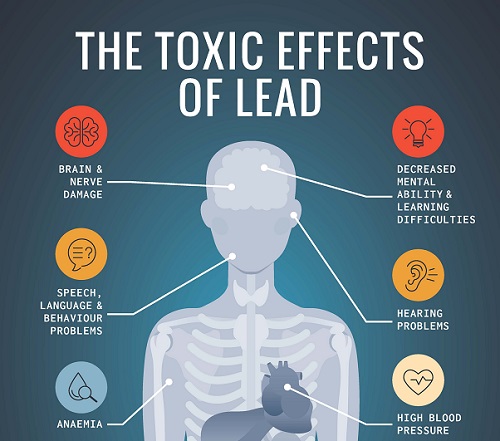
Salako said children, women of childbearing age and pregnant women were particularly vulnerable to lead exposure, which could cause serious and lasting health consequences.
“It is a toxic substance capable of affecting multiple body systems, with children, women of childbearing age and pregnant women being particularly vulnerable.
“Exposure can have serious and lasting consequences, while individuals may be exposed without immediate obvious symptoms. This makes prevention, early identification and timely action essential components of any national response,” he added.
The minister said the government had established an Inter-Agency Working Group on Lead Poisoning Prevention and Elimination to coordinate efforts involving relevant Ministries, Departments and Agencies, development partners and other stakeholders.
Salako said experiences in Lagos, Ogun, Sokoto and Zamfara had highlighted different sources of exposure and the need for state-specific interventions.
He cited environmental investigations in Lagos and lead exposure concerns associated with battery recycling in Ogijo, Ogun, as evidence of the need for stronger environmental and occupational controls.
“We cannot treat our way out of lead poisoning; we must prevent exposure wherever possible,” the minister said.
While inaugurating the Five-Year Strategic Plan on Lead Poisoning Elimination in Nigeria (2026–2030), Salako added that a costed three-year national roadmap was being developed to translate the plan’s priorities into time-bou
The plan is aimed at guiding stakeholders on coordinated efforts to prevent exposure, strengthen surveillance and address environmental and occupational sources.
The minister identified stronger monitoring of soil, dust, water, industrial emissions and consumer products, alongside improved regulation, enforcement and laboratory capacity, as priorities.
He urged states, particularly Lagos, Ogun, Zamfara and Sokoto, to develop prevention and control action plans, and called for community involvement in identifying exposure risks.
He called on all stakeholders to eliminate exposure sources like lead-based paint dust, contaminated soil, unsafe work practices and unsafe water pipes.
He also cautioned against lead-glazed pottery, toys, cosmetics including traditional eyeliners (tiro) and some traditional remedies.
The minister listed preventive measures to include wearing protective clothing when handling items containing lead during construction, painting and recycling.
He said others included daily preventive habits like handwashing, washing children’s toys, and wet-wiping floors and play areas instead of dry sweeping.
“Keeping children and pregnant women away from areas where lead may be released, such as battery recycling, repair or painting areas.
“Eating nutrient-dense foods high in calcium, iron and Vitamin C, which block the body from absorbing lead,” he said.
Dr Sarah Ango, a UNICEF consultant, described lead poisoning as a preventable but often invisible threat to children’s health and development.
She said UNICEF was committed to ending childhood lead poisoning by 2040 and was supporting government efforts to strengthen surveillance, laboratory capacity, risk communication and policy implementation.
Ango emphasised that there was no safe level of lead exposure for children.
“This year’s commemoration, under the theme From Detection to Prevention, provides an opportunity to move beyond identifying the problem to accelerating practical solutions that address the root causes of lead exposure,” she said.
The Principal Adviser, Resolve to Save Lives, Mrs Okeoma Obasi, said the organisation had supported surveillance systems, laboratory testing capacity, evidence generation and public awareness.
She described prevention as the most effective and cost-effective strategy for protecting children from lead poisoning.
TheNews Agency of Nigeria (NAN) reports that the International Lead Poisoning Prevention Week, observed from Oct. 18 to Oct. 24, is aimed at raising awareness on lead exposure and promoting measures to eliminate it. (NAN)
DR Congo to Launch Second Ebola Vaccine in November
The Nigeria Centre for Disease Control and Prevention (NCDC) on Wednesday convened its first Incident Management Meeting following Nigeria’s official declaration of an Ebola outbreak to coordinate response efforts.
The agency said this in a post on its official X handle on Wednesday, noting that key leaders and partners attended the meeting to align response activities.
The NCDC said the Incident Action Plan was being finalised to guide coordinated interventions and strengthen the country’s response to the outbreak.
It said its teams were already on the ground conducting case management and other response activities, with emphasis on enhanced surveillance, contact tracing and infection prevention and control.
The agency added that coordinated risk communication remained a priority, alongside other evidence-based interventions aimed at containing the outbreak and protecting public health.
The NCDC reaffirmed its commitment to a timely, coordinated and evidence-based response to safeguard the health of Nigerians.
According to the United Nations Children’s Fund (UNICEF), Ebola is spread through direct physical contact with body fluids of an infected person.
UNICEF noted that a person infected with Ebola becomes contagious once symptoms appear, adding that the virus is also transmitted through infected bushmeat such as bats and monkeys.
It warned that people become infected when the virus enters the body and, as it multiplies, it poses a serious risk to families and communities. (NAN)
The Healthcare Providers’ Association of Nigeria (HCPAN), Lagos State Chapter, has called for improved health insurance coverage for Nigerians in the informal sector, urging stronger community-based insurance schemes and wider participation of healthcare professionals to advance universal health coverage.
The call was made at the chapter’s 2026 Scientific Conference and Annual General Meeting, held at the Lagos Chamber of Commerce and Industry, Alausa, Ikeja, Lagos, with the theme, “Expanding Health Insurance Coverage in Nigeria: Improving Community-Based Insurance Schemes in the Informal Sector.”
In her welcome address, the outgoing chairman of HCPAN Lagos, Pharm. (Mrs) Biola Paul-Ozieh, said health insurance coverage in Nigeria remained inadequate despite about 22 years of practice, with high out-of-pocket expenditure and limited coverage of the informal sector posing major challenges to universal health coverage.
She identified the exclusion of some healthcare professionals from health insurance programmes, delayed payments to providers, inadequate tariffs and challenges involving enrollees’ attitudes as concerns undermining participation in the scheme.
Paul-Ozieh said the conference was organised to examine these challenges and explore practical ways to expand coverage, particularly through sustainable community-based insurance schemes that reflect the needs of informal-sector workers.
The Lagos State Commissioner for Health, Prof Akin Abayomi, reaffirmed the state government’s commitment to expanding health insurance coverage, particularly among informal-sector workers. He was represented at the event by Dr Tolu Babatope, deputy director, Research Unit, Lagos State Ministry of Health.
The commissioner’s address highlighted the role of the Lagos State Health Management Agency (LASHMA) in promoting grassroots enrolment and the need for stronger collaboration among government, healthcare providers, insurers and professional associations.
It also emphasised the importance of integrating community pharmacies and diagnostic centres into health insurance networks, supported by effective referral systems and improved digital infrastructure.
In the keynote address, Dr Chibuzo Opara, chief executive officer of DrugStoc Limited, called for health insurance models that respond to the economic realities of informal-sector workers, whose irregular earnings can make conventional contribution arrangements difficult to sustain. Opara was represented by Dr Damilare Ojo.
The keynote address stressed that progress should not be measured solely by enrolment figures but also by beneficiaries’ ability to access quality healthcare and prescribed medicines without suffering financial hardship. It further highlighted the potential role of community pharmacies in connecting more Nigerians to insured healthcare services.
Speaking on the conference sub-theme, “Opportunities and Challenges of Participation of Diverse Healthcare Professionals in the Upscaling of Health Insurance in Nigeria,” Pharm. Olufemi Adeoye, Lagos Zonal Coordinator of NHIA, addressed the opportunities and challenges associated with involving different healthcare professional groups in expanding insurance coverage.
The discussions underscored the need for improved collaboration among healthcare providers, effective referral systems, timely reimbursement and insurance packages that are both affordable to enrollees and sustainable for service providers.
Another highlight of the conference was the presentation of award plaques to dignitaries and invited speakers in recognition of their participation and contributions to the event.
Those in attendance included Dr Anthony Omolola, former president of the Association of General and Private Medical Practitioners of Nigeria (AGPMPN) and HCPAN; Dr Austin Aipoh, national president of HCPAN; Prof. Daniel Odebiyi, deputy provost of the College of Medicine, University of Lagos, Idi-Araba, who chaired the occasion; and Dr Victoria Egunjobi, executive secretary of the Health Facilities Monitoring and Accreditation Agency (HEFAMAA), who was represented by Dr Iboma Godswill. Pharm. Tolu Ajayi, chairman of the Association of Community Pharmacists of Nigeria (ACPN), Lagos State, among others.
A cross -section of healthcare providers at the programme.
The conference also witnessed a change of leadership in HCPAN Lagos, with Medical Laboratory Scientist Abimbola Julius Adekoya unanimously elected as the new chairman, succeeding Paul-Ozieh, whose administration covered 2022 to 2026.
Adekoya, who previously served as the chapter’s vice-chairman representing medical laboratory scientists, pledged an inclusive administration focused on stronger advocacy, improved visibility, financial independence and members’ welfare.
He said his administration would engage LASHMA, HEFAMAA, HMOs and other stakeholders to address challenges affecting healthcare providers, adding that the association would move from complaints to practical solutions.
Adekoya also assured the association’s component professional groups that their interests would be represented, while pledging cooperation with the government to improve health insurance delivery.
Other newly elected officers are Dr Akinlade Benedict Adedayo, deputy chairman; Pharm. Ajalo Abraham O., general secretary; Dr Joy Onukwu, assistant general secretary; MLS Ameh Ojoma Salamatu, financial secretary; Rad Olagunju-Moshood Tawakalt, treasurer; Nrs. Jimoh Ayuba, publicity secretary; and Pharm. Charles Okhe, internal auditor, as well as Pharm. Mrs Paul-Ozieh, as ex-officio.
A cross-section of the lady pharmacists and students at the programme.
Advocacy against child marriage and investment in girls’ rights took centre stage at the Lagos African Church Grammar School, Ifako, on Tuesday, 20 October, as members of the Association of Lady Pharmacists (ALPs), Lagos State Chapter, gathered at the school hall to educate students and teachers on the dangers of child marriage and the need to invest in girls’ education and health.
The outreach was organised to commemorate the International Day of the Girl Child, observed annually on 11 October.
The keynote speaker, Pharm. (Pastor) Foluke Akinniranye, who spoke on the 2026 campaign theme, “End Child Marriage and Invest in Girls’ Rights,” highlighted the need to protect girls from child marriage, gender-based violence, discrimination and barriers to education.
Globally, about one in five girls marries before the age of 18, while 133 million girls remain out of school. In Nigeria, teenage pregnancy, insecurity, poverty and inconsistent enforcement of child protection laws remain major concerns.
Lagos State ALPs leaders, show casing the donated materials by Goonite Hygiene at the programme.
Educating the students on the dangers of child marriage, Akinniranye noted that the practice violates girls’ rights and exposes them to serious consequences, including interrupted education, early pregnancy, health complications, sexual and gender-based violence, psychological distress and poverty.
She added that girls married before the age of 18 might struggle to make decisions about their bodies, education and future. The practice also perpetuates intergenerational poverty by limiting girls’ opportunities for employment, financial independence and meaningful participation in society.
The retired pharmacist identified poverty, cultural and social pressure, gender inequality, fear of premarital pregnancy, insecurity and weak protection systems as major factors contributing to child marriage. She called for increased investment in girls’ education, economic empowerment, healthcare, protection services, leadership development and participation in decision-making.
“Parents, schools, religious and traditional leaders, government officials, civil society organisations and community members all have roles to play in challenging harmful practices and supporting vulnerable families,” she maintained.
The keynote speaker also urged Nigerians to move beyond discussions to practical action by supporting girls’ education, reporting children at risk, strengthening child protection laws and creating safe environments where girls could thrive. She emphasised that ending child marriage required collective responsibility, community engagement, accountability and adequate support for vulnerable families. She insisted that every girl deserved a safe childhood, quality education, protection and the opportunity to fulfil her potential.
Also addressing the students, the Director of Pharmaceutical Services, Lagos State Health District I, Pharm. Nafeesah Akindele, reinforced the need to protect girls’ childhood, stressing that it must not be exchanged for adult responsibilities under any circumstances. She noted that once lost, childhood could never be regained.
Akindele, who was represented by the Deputy Director of Pharmaceutical Services, Lagos State Health District I, Pharm. Morayo Oshineye, emphasised the girls’ rights, stating that being female did not deprive them of equal opportunities with their male counterparts. She urged them to recognise their potential and see themselves as equally deserving of opportunities to succeed.
She encouraged the students to make productive use of their childhood by focusing on their studies, developing ambitious goals, learning new skills, understanding and caring for their health, becoming enterprising and obtaining appropriate sex education, among other things.
Akindele urged them to understand their self-worth, adding that marriage was not the only criterion for measuring success in life.
Speaking earlier, the Chairman of the state chapter, Pharm. Yewande Olorunsola, appreciated the school management and students for welcoming the association. She introduced the association and highlighted its activities, including participation in ALPs Day during the Pharmaceutical Society of Nigeria (PSN) Scientific Week, cancer awareness outreaches, drug abuse and school morality campaigns, school outreaches, health awareness campaigns, Project 91, the Girl-Child Sponsorship Scheme, support for the antiretroviral (ARV) adolescent refill club and capacity-building programmes for members, among others.
She particularly highlighted the association’s campaign against drug abuse, warning the students about its dangers. She urged them to avoid peers involved in drug abuse and report such cases to the appropriate authorities to discourage the practice.
For the General Manager of Uno Healthcare Nigeria, Pharm. (Mrs) Modupe Okeneye, the visit provided an opportunity to reaffirm the students’ career aspirations. She encouraged them to write down their dreams and paste them on a dream wall as a reminder that their aspirations were valid and achievable.
She also presented them with a printed declaration that read: “I am a girl with a dream. I know my rights. I will stay strong and speak up. I will help my friends, too. My dream is not for sale.”
Pharm. (Mrs) Olufunmilayo Agbeniyi, chairman planning committee, International Day of the Girl Child, in a chat with Pharmanewsonline noted that the observance of the Day is a global opportunity to celebrate girls everywhere amplifying their voices, actions and leadership. It belongs to everyone who cares about the girls and their rights.
Agbeniyi observed that this year’s theme is a call for urgent action to end child marriage and invest in girls’ rights because every girl deserves a childhood that has quality and value. Every girl is a potential future leader and nation builder.”
The high point of the programme was a playlet performed by Senior Secondary School Two (SS2) students on the importance of education, alongside a dancing competition that produced three winners.
The event was supported by Goonite Hygiene, producers of Besence sanitary pads, which distributed a sachet of the product to each of the girls.
1. A pharmacist receives a prescription for a modified-release tablet. A patient complains that the tablet is too large to swallow and asks whether it can be crushed. Which property of the formulation is the most important consideration before deciding?
A. The colour coating used to identify the drug
B. Whether crushing could disrupt the drug-release mechanism
C. Whether the tablet contains a sweetening agent
D. Whether the tablet was manufactured using direct compression
2. A patient taking erythromycin begins taking another medicine that is extensively metabolised by CYP3A4. Which pharmacokinetic interaction is most likely to occur?
A. Increased metabolism of the second medicine, lowering its plasma concentration
B. Reduced absorption of the second medicine due to gastric acid neutralisation
C. Inhibition of CYP3A4, potentially increasing the second medicine’s plasma concentration
D. Increased renal excretion of the second medicine through tubular secretion
The Health Writers Association of Nigeria (HEWAN) has congratulated Olatunbosun Ogunbanwo, director of Public Affairs at the Lagos State Ministry of Health, on his appointment as a permanent secretary in the Lagos State Public Service.
The appointment took effect on 13 October, 2026, according to a statement issued by the association, and signed by the President, Vivian Ihechu.
HEWAN described the appointment as recognition of Ogunbanwo’s nearly three decades of public service, particularly his contributions to strategic communication, public relations and information management.
Before his elevation, Ogunbanwo served as director of Public Affairs at the Lagos State Ministry of Health and previously held the same position at the Ministry of Agriculture.
The association highlighted his contributions to health communication, particularly during public health emergencies, including the Ebola outbreak, COVID-19 pandemic, Lassa fever and diphtheria outbreaks.
It noted that effective communication plays an important role in public health emergency response by ensuring that accurate and timely information reaches the public, helping people understand health risks and make informed decisions.
HEWAN also stressed the importance of strategic communication in building public confidence in government health interventions, countering misinformation and ensuring that health messages reach diverse communities.
The association expressed confidence that Ogunbanwo would bring his experience in public affairs and information management to bear on his new responsibilities, particularly in strengthening communication and supporting effective policy implementation across the state’s public service.
It urged him to uphold professionalism, integrity and accountability, while maintaining effective communication between government institutions and the public.
Newly Discovered Ebola Virus May Not Cause Severe Disease in Humans
The Nigerian government has confirmed a case of Ebola virus in the Federal Capital Territory, Abuja.
The government has also commenced contact tracing, with 44 close contacts identified as part of efforts to prevent further transmission.
This development was disclosed by the Minister of Health and Social Welfare, Prof. Muhammad Ali Pate, through a statement on Tuesday, 20 October.
He said a woman who just returned from Uganda through an international flight introduced the virus into the country.
“A woman who recently arrived in Nigeria on an international flight from Uganda, was admitted to a private hospital in the FCT, where she received treatment for several days before the diagnosis was confirmed,” he said.
According to the minister, the woman is currently in isolation and receiving medical care.
Meanwhile, Pate has urged Nigerians to remain calm as the healthcare teams have swung into action in tracing the 44 identified contacts and were working to identify and monitor others who might have been exposed, including healthcare workers, patients, caregivers and travel contacts.
He also hinted that surveillance has also been intensified, while the hospital where the patient was treated is receiving immediate support to strengthen infection prevention and control measures
The World Health Organisation (WHO) has called for stronger international partnerships to support Nigeria’s health sector reforms, emergency preparedness and efforts to tackle antimicrobial resistance.
The call was made at the second Health Diplomacy Dialogue convened by WHO in Nigeria, which brought together more than 60 representatives from 35 diplomatic missions, United Nations agencies, development partners and media organisations in Abuja on October 20.
The dialogue examined ways to align Nigeria’s health priorities with regional and global decision-making, strengthen sustainable health financing and improve cooperation on public health challenges.
Speaking at the meeting, WHO Representative in Nigeria, Dr Pavel Ursu, said health diplomacy should translate discussions into practical actions that improve health outcomes.
He noted that diplomatic missions could help mobilise resources, strengthen partnerships and ensure Nigeria’s health priorities receive greater attention in international discussions.
The meeting also highlighted Nigeria’s efforts to strengthen its health system through the Nigeria Health Sector Renewal Investment Initiative and the Sector-Wide Approach, which aim to improve coordination and align investments with national priorities.
According to WHO, the organisation has supported Nigeria’s disease surveillance, outbreak preparedness, immunisation programmes, laboratory systems and emergency response over the past 12 months. It is also providing technical assistance to national authorities as part of Ebola virus disease preparedness, with personal protective equipment and laboratory reagents expected to arrive in the country.
Diplomatic representatives stressed the need for sustained investment in resilient health systems. Maricel Romero, honorary consul of Colombia to Nigeria, said the COVID-19 pandemic demonstrated the importance of countries working together to address shared health threats.
Similarly, Massimo De Luca, head of cooperation at the European Union Delegation to Nigeria, called for continued investment in immunisation, water and sanitation, and health system strengthening.
Antimicrobial resistance (AMR) was also a major focus of the dialogue. Estimates cited at the meeting indicate that AMR is associated with more than one million deaths annually in Africa, while global projections suggest it could contribute to as many as 39 million deaths between 2025 and 2050 without effective action.
Nigeria is scheduled to host the fifth High-Level Ministerial Conference on Antimicrobial Resistance in Abuja from December 6 to 8, 2026. The conference is expected to bring together political leaders, researchers, development partners and other stakeholders to advance global action against the threat.
Participants at the dialogue called for stronger political and financial support ahead of the conference, including backing for the proposed Abuja Compact.
WHO said it would continue to use the Health Diplomacy Dialogue to strengthen cooperation between Nigeria’s health sector and international partners, ensuring that global support aligns with national priorities and contributes to better health outcomes
“I never knew that the MILO sachets we throw away could be turned into school bags and pencil cases,” exclaimed Treasure John, an eight-year-old recycling champion.
For the Basic 5 pupil of Local Government Primary School in Lagos State, the discovery changed how she viewed the empty sachets her family discarded after drinking MILO. Instead of seeing them as rubbish, she began collecting them and comparing her contributions with those of her friends.
“If I could make something else from the sachets, I would make raincoats! They would be useful when it rains and could help keep me, my family and my friends dry,” she said enthusiastically.
Young John is one of more than 60,000 pupils who participated in the MILO Elevate Recycling Initiative, which reached 100 schools in Lagos State. The children collected 1,036,650 empty MILO sachets, which were transformed into 1,013 school items, including school bags, lunch bags and pencil cases. The initiative aims to inculcate responsible waste management habits among children.
Nigeria’s growing waste management burden
The World Bank’s What a Waste 3.0 report puts Nigeria’s annual municipal solid waste generation at between 32 million and 42 million tonnes. Globally, waste volumes are projected to increase by 50 per cent by 2050 if current trends persist, underscoring the need for more effective waste management systems.
The National Environmental Standards and Regulations Enforcement Agency (NESREA) has reportedly estimated that only 20 to 30 per cent of Nigeria’s municipal solid waste is formally collected, while recent Lagos State waste audits indicate daily generation of between 15,000 and 17,000 metric tonnes.
These figures highlight the need for coordinated action involving government, manufacturers, communities, schools and individuals. Beyond improving waste collection and disposal infrastructure, public education, recycling, and behavioural change are key to addressing the problem.
For children such as John, the lesson begins with something as simple as keeping an empty sachet off the floor. If reinforced consistently, such habits could influence how they manage waste at home and in their communities.
Hidden health cost of waste mismanagement
Improper waste disposal contributes to air, water and soil pollution, creates breeding grounds for disease vectors and exposes people to potentially hazardous substances. The World Health Organisation (WHO) warns that unsafe waste treatment practices, including open burning, can harm waste workers and neighbouring communities. Poor waste collection can also contribute to environmental pollution, while blocked drains can worsen flooding and create conditions favourable to the spread of certain diseases.
In an interview with Pharmanews, Philip Jakpor, executive director of Renevlyn Development Initiative (RDI), highlighted the challenges associated with multi-layer packaging (MLP), a category that includes some flexible plastic wrappers.
He explained that such packaging combines materials such as plastics, aluminium foil and chemical adhesives, making it difficult to separate and recycle through conventional processes. When improperly discarded, the wrappers can persist in the environment; burning them can also release harmful emissions.
According to Jakpor, “The environmental consequences of inadequate waste collection and disposal are the hazardous discharge and foul air that translates to respiratory illnesses where the dumps are or where burning of waste occurs, water-borne infections around dump sites where leaching occurs and occupational hazards that the informal waste pickers are exposed to.”
Regarding multi-layer packaging, he added, “They usually end up in landfills or water bodies because they are hard to recycle. Since they are mostly non-biodegradable, they constitute long-term waste problems in the environment.”
His observations underline why responsible disposal and effective recovery systems are important, particularly for packaging that is difficult to recycle.
From discarded sachets to school essentials
Nestlé Nigeria introduced the MILO Elevate Recycling Initiative as part of its World Environment Day 2026 activities to sensitise schoolchildren to responsible waste management.
In an interview with Pharmanews, Gilbert Tweneboah-Koduah, category manager, MILO, Nestlé Nigeria Plc, said the programme exposed children to sustainability goals, including responsible consumption and production, climate action, and the protection of life below water and on land. It also encouraged them to understand that being a champion extends beyond the sports field to taking responsibility for the environment.
Explaining the collection process, Tweneboah-Koduah said the initiative began on 1 April 2026, with collection boxes placed in the 100 participating schools. Pupils deposited their used MILO sachets in the boxes, while teachers documented and tracked submissions to verify contributions. The three pupils with the highest verified submissions were recognised and rewarded.
At the end of the collection period, the wrappers were retrieved, sorted and counted against the recorded submissions before being passed on for transformation.
Through a partnership with Rotaract, the collected sachets were converted into school bags, lunch bags and pencil cases. Tweneboah-Koduah explained that transforming flexible packaging into durable products required specialised handling and technical expertise.
Nestlé’s role, he said, was to establish an effective collection and accountability process while working with a partner equipped to manage the transformation.
“The result was 1,036,650 wrappers collected by more than 60,000 pupils and transformed into 1,013 useful school items,” he said, adding that the achievement gave discarded wrappers a second life as useful products.
For little John, seeing the transformation made her happy because the materials she collected could contribute to something useful. Her experience illustrates how practical activities can make environmental education more meaningful by allowing children to see the results of their efforts.
However, the initiative’s longer-term environmental value will depend not only on the number of wrappers collected but also on effective material recovery, the continued use of the finished products and whether pupils maintain responsible disposal habits.
Turning recycling competition into enduring habit
Sustaining the lessons beyond the competition remains an important consideration. Asked how Nestlé intends to encourage lasting habits, Tweneboah-Koduah said the initiative was part of the company’s broader efforts to promote hygiene, safety and responsible waste disposal.
“For us at Nestlé Nigeria, sustainability cannot be limited to a competition or a single World Environment Day celebration. The MILO Recycling Initiative is part of our broader effort to encourage lasting habits around hygiene, safety and responsible waste disposal among children,” he said.
He identified MILO Building Champ (MBC), which runs for much of the year, as another programme supporting this effort. Through sporting and everyday activities, the programme encourages children to stay active while reinforcing lessons about hygiene, safety and responsible behaviour. During sampling activities, for instance, pupils are encouraged to dispose of their cups properly.
Tweneboah-Koduah added that distributing the recycled school items helped demonstrate the practical benefits of repurposing waste. The company had also received feedback from pupils who said they were encouraging parents, friends and relatives to dispose of sachets and other waste properly.
Such accounts suggest that the lessons may be reaching beyond the classroom, although follow-up with pupils, parents and teachers would be needed to establish whether these changes persist over time.
Regarding expansion beyond Lagos, Tweneboah-Koduah said the initiative had established a foundation from which the company could learn and build. Its focus, he explained, was to strengthen the model and explore opportunities to reach more schools and communities while ensuring meaningful engagement and impact.
For recycling champion John, the lesson is already taking shape. She now sees possibilities in discarded sachets and wants her family and friends to dispose of waste responsibly. “I tell them not to throw rubbish on the floor because it can block the drains and cause flooding. I also show them my pencil case made from recycled MILO sachets and tell them that sachets can be turned into useful things instead of just being thrown away,” she said.
Nigeria loses two billion dollars annually to medical tourism, Dr Charles Ugwuanyi, the chief executive officer of Wellington Hospital for Neurology and Neurosurgery, Abuja, has said.
The chief executive officer, therefore, called on the government to strengthen local specialist healthcare to improve access to advanced treatment and address the situation.
He said the capital flight could be curbed if government incentivises private specialist hospitals, improves power supply and expands health insurance to cover advanced neurological and surgical procedures.
Ugwuanyi said this on Monday in Abuja, at a news conference to mark the hospital’s 15 years of providing neurological and neurosurgical services in the country.
According to him, building trust in local healthcare requires retaining medical experts, continuous training and public enlightenment to encourage Nigerians to seek quality treatment locally rather than travelling abroad for care.
“Sustained investment in modern medical equipment, specialist training and reliable electricity supply is essential to strengthening local capacity and reducing the need for Nigerians to seek treatment abroad,” he said.
Ugwuanyi said the hospital had attended to 9,457 patients and performed 4,657 operations in the past 15 years, covering brain, spine and peripheral nerve conditions.
He said the operations comprised 2,150 brain surgeries and 2,307 spine surgeries, reflecting the hospital’s focus on specialised care.
He said the hospital had installed advanced diagnostic equipment, six operating suites, intensive care facilities and seven dialysis machines to support patients with complex medical conditions.
Ugwuanyi added that the hospital had adopted solar power to ensure uninterrupted electricity for its specialised equipment and reduce the operational costs associated with power outages.
He called for stronger collaboration among healthcare providers, saying partnerships and referrals to competent facilities would improve patient safety and access to specialised services.
On kidney disease, Ugwuanyi expressed concern over the burden of kidney failure in Nigeria, identifying hypertension, diabetes and the misuse of medications as major contributors to kidney damage.
He said many young Nigerians lived with undiagnosed hypertension and diabetes, while some failed to adhere to prescribed treatment because of the cost of medication.
He warned against the indiscriminate use of painkillers, including ibuprofen, indomethacin and naproxen, noting that their misuse could damage the kidneys.
Ugwuanyi urged Nigerians to undergo regular medical checks, monitor their blood pressure and blood sugar levels, and seek medical attention for persistent headaches and other unusual symptoms.
He also advised the public to reduce excessive alcohol consumption, avoid self-medication and adopt healthier lifestyles to prevent illnesses that could lead to serious complications.
The neurosurgeon said the hospital’s services extended beyond neurology and neurosurgery through collaborations with specialists in cardiology, endocrinology, psychiatry, general medicine and other fields.
He explained that such collaborations enabled the hospital to provide comprehensive care, recognising that brain and spine conditions could require the expertise of other medical specialists.
Ugwuanyi said the hospital remained committed to improving access to advanced neurological and neurosurgical services in Nigeria through modern facilities, specialist expertise and collaboration. (NAN)
“It is better to fail in originality than to succeed in imitation.”– Herman Melville
Take 100 per cent ownership of your mental work From experience, I know that taking 100 per cent ownership of a presentation you did not prepare yourself can be a tall order. This is why I do not ask AI to write my books or articles for me, or to prepare my training presentations, as explained in the previous article.Some people may see my approach as old-school, but my reason is simple: I want to own my work 100 per cent. I want to ensure originality in everything I produce. I want to pour my experience and know-how into my work. I want to tell real-life stories when I teach. When I use information from other authorities, I acknowledge the source.
There are things I do not delegate. I do not delegate my writing. I do not delegate the preparation of my training slides. I do them myself, and this approach gets the right results. As a serially published bestselling author, I fully understand the meaning of originality and plagiarism. I would not be comfortable using training slides prepared entirely by software. Note this: the more original you are, the more exceptional you become. I can use AI for research purposes and to gain additional insights, but I do not ask it to do my mental work for me. I cannot simply suspend my brain because of AI! I usually rely on four sources of knowledge, which I will share below. An ideal approach to this conversation is to find a healthy balance between human intelligence and artificial intelligence.
Human intelligence and artificial intelligence: What experts say Experts define human intelligence as the intellectual capacity to learn from experience, adapt to new situations and understand abstract concepts. Psychologists explain that it involves the use of reason, logic and emotion to solve problems. It encompasses perception, memory, creativity and self-awareness. Cognitive theories of learning explain how the brain processes, organises and retrieves information. Experts argue that when the brain is not adequately used or mentally stimulated, neural pathways can weaken, making cognitive processes less efficient. A recent study by Harvard in March 2026 and another by MIT in June 2025 reportedly suggest that over-reliance on AI can lead to “cognitive atrophy”, a phenomenon described as “brain fry”, or severe mental fatigue, and automation bias, in which humans unquestioningly accept AI outputs even when they are incorrect. The studies further suggest that outsourcing thinking may reduce neural activity, hindering memory retention, critical thinking and independent problem-solving. I am a professional and researcher who needs a great deal of information. As earlier explained, I go the extra mile to ensure that I remain original and creative in my work. The human brain can accomplish a great deal if we are willing to work with it. The truth is that many people are simply mentally lazy. As we say in our setting, “They don’t want stress!” This is part of the problem and one reason some people find it difficult to establish a healthy balance between human and artificial intelligence. Human and artificial intelligence can work together effectively if we are willing to go the extra mile to find that balance. It can be dangerous to outsource our thinking. I agree with the concerns raised by the Harvard and MIT studies.
Sources of knowledge In my latest book, How to Write and Publish Books, I listed four sources of knowledge for writers. These sources can also be applied to other fields, not just writing. From practical experience, any professional who explores these sources of knowledge can become reasonably original in their work. Such a professional will not have to rely entirely on artificial intelligence to develop their mental work. These sources can help us find a healthy balance between human and artificial intelligence. I developed these sources of knowledge after writing professionally and consistently for 14 years. I have also argued that all knowledge comes from a source. No knowledge stands without a source. This is why I believe professionals should take time to identify and deploy the right sources of knowledge for whatever they want to achieve.
1. Inspiration I rate inspiration as the highest source of knowledge because it comes from above, from a source greater than the person writing. You must be alert to “catch” inspiration; otherwise, you may lose it. A writer who draws from inspiration can produce original work because the source is beyond ordinary explanation.
2. Continuous learning and personal development This is the process of unlearning, relearning and continuing to learn. This type of learning never ends. You learn more when you read books, learn from a mentor or coach, attend training programmes and expose yourself to new ideas. The knowledge gained from this source can then be deployed when needed.
3. Experience You have heard the saying, “Experience is the best teacher.” Experience is what you know and what you do. Experience is doing what you know and knowing what you do. Let me explain what I mean. Many people call me “The Selling Champion”, which means that I am a champion in the art of selling. I have paid my dues in the industry. I have 29 years of hands-on experience in sales, marketing and business strategy. I started my career as a salesman and later rose to the position of national sales manager in a pharmaceutical company before launching our business. I have worked in the hospitality, agro-allied, oil and gas, FMCG and pharmaceutical industries. I have gained considerable experience in these areas, and I draw on that experience when writing books and articles or training professionals.
4. Academic knowledge This is the knowledge acquired in the classroom. It is also where research comes in. Academic knowledge helps to expand our know-how. Knowledge is power. What you learn within the four walls of an institution of higher learning is important because you can deploy that knowledge when necessary. Academic knowledge has helped me greatly in my career. These sources of knowledge can be deployed in other fields, not just writing. Try them; they work.
– Holds 99th National Conference from November 2–7
The Pharmaceutical Society of Nigeria (PSN) has proposed a fine of ₦25 million and 20 years’ imprisonment for anyone convicted of circulating fake drugs in the country.
The Society also advocated the forfeiture of any assets traceable to the offender or found in the offender’s apartment.
PSN President, Pharm. Tanko Ayuba, disclosed this to journalists on Monday while presenting the Society’s position to the Senate at a public hearing on the Counterfeit and Fake Drugs and Unwholesome Processed Foods (Miscellaneous Provisions) Act (Amendment) Bill 2026, also known as SB-951.
He called for stiffer penalties under Section 3 of the proposed amendment, recommending that anyone convicted under Section 2(1) should pay a fine of not less than ₦25 million, serve a prison term of not less than 15 years and not more than 20 years or both.
The PSN president made the disclosure while fielding questions from journalists at a pre-conference press briefing ahead of the Society’s 99th Annual National Conference, themed “One Health, One Pharmacy: Bridging Knowledge, Practice and Policy for National Impact”.
Tagged “Ijele 2026”, the conference will be held from 2 to 7 November at the International Conference Centre, Awka, Anambra State. The Governor of Anambra State, Prof. Charles Soludo, will attend as the special guest of honour, while the Minister of Humanitarian Affairs and Poverty Reduction, Pharm. (Dr) Bernard M. Doro, will deliver the keynote address.
Ayuba also called on the Federal and State Governments to fully implement the National Drug Distribution Guidelines (NDDG), citing the renewed influx of counterfeit and substandard drugs, fake foods and other regulated products into Nigeria.
He noted that the Federal Ministry of Health (FMoH) approved the NDDG in 2015 as part of efforts to relocate open drug markets (ODMs) to coordinated wholesale centres (CWCs).
According to him, the ministry began the first phase of the process with four major open drug markets: Idumota in Lagos State; Headbridge in Onitsha, Anambra State; Sabongeri in Kano State; and Ariaria in Aba, Abia State.
He commended the Kano State Government for its crucial role in establishing Nigeria’s first CWC, which was commissioned with a holding company responsible for overseeing the operations of stakeholders at the centre.
With CWC projects still underway in Lagos, Anambra and Abia states, Ayuba urged the FMoH to collaborate with the respective state governments to remove barriers to the timely completion and delivery of the projects.
He said: “In Lagos, the CWC project continues to make impressive progress even though it is solely a private-sector initiative. From all indications, the CWC in Lagos State should be delivered in the second quarter of 2027, based on the progress of work and assurances from the project drivers.
“In Anambra State, the Anambra State Government continues to give assurances of its total support for the CWC initiative in Oba. In Abia State, Governor Alex Otti has promised to assist the CWC to take off in response to statutory dictates and public needs.”
Speaking on other activities lined up for the conference, the Chairman of the Conference Planning Committee, Pharm. Derrick Osondu, highlighted several distinguished speakers expected to participate, including the Executive Chairman of United Nigeria Airlines, Prof. Obiora Okonkwo.
He also disclosed that the Ijele masquerade would feature at the conference for the first time in a long while, describing it as a rare opportunity for pharmacists to witness the cultural display.
Other attractions will include Anambra State’s local cuisine and the hospitality of its people.
A patient taking clopidogrel experiences reduced antiplatelet activity after being prescribed another medication. Which of the following drugs is most likely responsible for this interaction by inhibiting the enzyme needed to activate clopidogrel?
A. Omeprazole
A drug has a narrow therapeutic index, meaning that the difference between its effective dose and toxic dose is small. Which pharmacokinetic change is most likely to increase its toxicity risk even if the prescribed dose remains unchanged?
The World Health Organisation (WHO) has deployed an artificial intelligence-powered preparedness platform in the Democratic Republic of the Congo (DRC) to strengthen early detection of health threats as the country responds to Ebola.
The Preparedness Data Exchange (PDX) platform, deployed by the WHO Regional Office for Africa, brings together health and risk information to help authorities identify potential outbreaks early and improve preparedness for public health emergencies.
The platform connects the DRC to a regional intelligence system serving all 47 member states in the WHO African Region, allowing national health teams to access timely information and better understand emerging health risks.
According to Dr Dick Chamla, programme area manager of the WHO Regional Emergency Hub in Nairobi, the deployment will improve access to critical information needed to guide health emergency decisions.
He said linking national and regional intelligence was particularly important as the country responds to Ebola amid significant cross-border movement, adding that early warnings could help authorities detect risks sooner and take appropriate action.
The deployment comes amid the DRC’s complex public health situation, characterised by population movement and cross-border health risks. Timely access to epidemic intelligence is expected to support situational awareness and help health authorities identify emerging threats.
In a related development, Dure Technologies, in collaboration with WHO, has installed Voyage Santé, a digital points-of-entry system, at key locations, including N’djili International Airport and the Nord Bangui border post.
The system is designed to strengthen screening and early detection at points of entry, enabling health authorities to identify potential threats and take appropriate public health measures.
WHO said combining digital screening systems with preparedness intelligence could improve the link between early warning, disease surveillance and emergency response.
The DRC is the first country to deploy the PDX platform, as WHO works to strengthen preparedness intelligence across the African Region. Further deployments are planned in other countries to improve early detection and inform public health preparedness.
Nominations have opened for the 8th edition of the Pharmanews Young Pharmacist of the Year Award, which recognises young pharmacists making notable contributions to public healthcare and community health services.
The award celebrates emerging pharmacy professionals whose innovative initiatives and commitment to public health are making a difference in their communities.
Established in 2018 by Pharmanews Limited, the award seeks to promote innovation and encourage young pharmacists to participate actively in public healthcare delivery and community health outreach. The organisation also presents the Dean of the Year Award, Outstanding Pharmacist of the Year Award and PANSite of the Year Award.
Over the years, the Young Pharmacist of the Year Award has recognised professionals advancing healthcare through advocacy, research and community engagement. Previous recipients include Pharm. Isa Muhammad (2018), Pharm. Frank Eze (2019), Pharm. Dan Eze (2020), Pharm. Ozioma Onyedikachukwu Ezeofor (2022), Pharm. Uwem O. Ebong (2023), Pharm. Hashidu Danjuma Aminu (2024) and Pharm. Abdullahi Haruna (2025).
To qualify for nomination, candidates must be registered pharmacists in Nigeria and must not be older than 35 years. They must also demonstrate active involvement in public health advocacy, innovation in healthcare delivery, drug research and development—particularly in combating infectious diseases—and personal commitment to other community development initiatives.
Interested individuals can nominate eligible candidates by commenting under the official award announcement. Following the nomination exercise, a screening panel will conduct background checks on the most-nominated candidates. Those who meet the requirements will be shortlisted for an online voting exercise, with the candidate who secures the highest number of votes declared the winner of the 2026 edition.
Previous winners are not eligible for nomination.
Nominations close at 12 noon on Tuesday, 10 November 2026.
Pharmanews invites the public to nominate deserving young pharmacists whose innovation, service and leadership are contributing to improved healthcare and stronger communities.
Cardiology experts have donated a public access defibrillator to the University of Abuja and intensified calls for nationwide Cardiopulmonary Resuscitation (CPR) training to reduce sudden cardiac deaths in Nigeria.
They made the donation during the World Restart a Heart Day celebration organised by the University of Abuja Medical Centre and the Society for Public Health and Social Development (SPHSD) on Saturday in Abuja.
The immediate past President of the Nigerian Cardiac Society (NCS), Prof. Augustine Odili, said increasing reports of people collapsing and dying suddenly prompted the society’s intervention.
“The reports of incessant people dropping dead on the streets and everywhere was a major concern to us.
“So we developed the “Bring Back to Life” programme to train people everywhere in this country that every individual should be able to know how to resuscitate somebody who has collapsed,” he said.
He said the society developed a curriculum and accredited hospitals, centres and non-governmental organisations to sustain nationwide basic life support training.
According to him, SPHSD is among the accredited centres providing the life-saving training.
Odili said CPR training alone was insufficient without teaching people how to use public access defibrillators during cardiac emergencies.
“Anywhere you have a lot of people gather, you have these instruments that can be used to resuscitate somebody even before health workers arrive,” he said.
He handed over a donated public access defibrillator to the university, noting that SPHSD would coordinate training on its use.
Executive Director of SPHSD, Dr Doris Maduka, emphasised the importance of basic life-saving support skill in reducing incidences of deaths emanating from heart related problems.
She said the organisation returned to fulfil its promise of training members of the university community on emergency response techniques.
“We want our children, our mothers, our fathers to know the importance of being able to save a life,” Maduka said.
She stressed that prompt CPR could keep a victim alive before professional medical assistance arrives.
“If you do not press that heart, if you do not do that CPR, you declare the person dead even before the person dies,” she said.
Maduka said the organisation would extend the campaign to churches, mosques and other institutions across the country.
Mr Chukwuemeka Eze, representative of Quest Villa Solutions Limited and donor of the defibrillator, said the gesture reflected the organisation’s commitment to supporting medical research and reducing deaths linked to heart-related conditions.
Eze said the company remained open to partnerships with the university and other institutions in areas such as medical research and data generation to strengthen health systems and improve healthcare outcomes in Nigeria.
Prof. Hakeem Fawehinmi, vice-chancellor of the University of Abuja, described the initiative as a major contribution to reducing deaths from sudden cardiac emergencies.
“Sudden cardiac emergencies has contributed significantly to the statistics of world morbidity today.
“What you are doing is a very huge support for humanity. You are training people, going as crusaders to train people that could save lives that otherwise would not have been saved,” he said.
Fawehinmi appreciated the organisations for supporting efforts to reduce deaths from sudden cardiac emergencies through CPR training and the donation of a public access defibrillator. (NAN)
Princ Julius Adelusi-Adeluyi, accompanied by NAPharm Fellows, presenting a portrait of late Prof.. Udeala to his first son, Chinasa Udeala at the Valedictory Service..
It was a harvest of tributes for the late Professor of Physical Pharmaceutics and former Vice-Chancellor of the University of Nigeria, Nsukka (UNN), Professor Oleka Kelechi Udeala, at a valedictory service organised by the Nigeria Academy of Pharmacy (NAPharm) in his honour. Leaders in the pharmaceutical community gathered at the Old Great Hall of the Lagos University Teaching Hospital (LUTH) to pay their last respects to the distinguished scholar.
Pharmanews reports that Professor Udeala died on 7 June , 2026, at the age of 85, reportedly passing away peacefully in his sleep.
The Founding President of NAPharm, Prince Julius Adelusi-Adeluyi, who disclosed that he had known the late professor for 48 years, described him as a man of great character and humility who did his best to leave the world a better place.
According to him, Professor Udeala was a disciplinarian par excellence and a gentleman to the core, who left remarkable footprints in the sands of time. He never scrambled for positions or power that had not been given to him but remained guided by simple yet profound philosophies of life, including, “God’s time is the best” and “It’s a free world; you don’t have to kill yourself for any position.”
Also addressing the gathering, NAPharm President, Professor Lere Baale, acknowledged the void the late scholar’s passing had created in the Academy and the pharmaceutical community at large. He, however, noted that Udeala’s work, the students he taught, and the lives he touched were enduring reminders that his legacy lives on.
A cross-section of founding and incumbent executives of NAPharm at the Valedictory Service.
“He was one of the greatest people who influenced my life and paved my way. He told me not to build a house because the best house to build is a university. My friend taught me that if you want your work to last, you should teach so that your impact extends beyond your lifetime. What you teach will remain in people’s hearts and be passed down to future generations,” Baale said.
Professor Udeala was born the youngest of five children. He earned his Bachelor of Science degree in Pharmacy from Brooklyn College of Pharmacy in 1965 before obtaining a master’s degree in Radiation Microbiology and a doctorate in Physical Pharmaceutics from the Victoria University of Manchester.
He made history as the first alumnus of the University of Nigeria, Nsukka, to serve as its Vice-Chancellor, holding the position from 1992 to 1995. In 2004, he went on to establish the Faculty of Pharmaceutical Sciences at the University of Port Harcourt (UNIPORT), where he also served as its pioneer head and dean.
He was also the founder of the IDQ Test Kit, developed in 1990 to detect counterfeit drugs, further underscoring his commitment to medicine quality assurance and public health.
Paying tribute to the late professor’s dedication to advancing pharmaceutical science and knowledge, the President of the Pharmaceutical Society of Nigeria (PSN), Pharm. Tanko Ayuba, observed that Udeala did not rest on his laurels after becoming a vice-chancellor. Instead, he continued to work tirelessly to establish the Faculty of Pharmaceutical Sciences at the University of Port Harcourt.
According to Ayuba, this demonstrated that the late scholar understood that true success in life lies in knowledge and learning rather than material possessions.
For Distinguished Professor Cecilia igwilo, the late Professor Udeala was an eminent pharmacist, distinguished academic, institutional builder, and mentor par excellence. She noted that he did more than transfer knowledge: he inspired minds, developed character, challenged limitations, and prepared others to carry the torch forward.
“Professor Udeala exemplified this enduring responsibility of the academic profession. The pharmacists he taught and mentored, and the generations they will subsequently influence, constitute a living testimony to the far-reaching impact of his work.
“His legacy, therefore, cannot be measured solely by the offices he occupied or the honours he received. It must also be measured by the people he prepared, the opportunities he helped create, and the professional standards he helped advance,” she said.
Reading the Academy’s communiqué on Professor Udeala, NAPharm Vice-President, Pharm. Ahmed Yakasai, chronicled the life and achievements of the late pharmacist, describing him as an eminent pharmaceutical scientist, distinguished academic, innovator, university administrator, mentor, and institution builder whose contributions significantly advanced pharmacy education, research, and professional development in Nigeria.
“From his early interest in medicinal plants to his distinguished academic career, he demonstrated a lifelong commitment to scientific excellence, medicine quality assurance, and patient safety. His leadership in university administration and pioneering role in establishing pharmaceutical education programmes helped strengthen institutions and create opportunities for generations of pharmacists and pharmaceutical scientists.
“Beyond his scientific achievements, Professor Udeala served the pharmaceutical profession through his contributions to professional organisations, academic committees, postgraduate supervision, and the mentorship of younger scholars. His numerous recognitions reflected his dedication to research, innovation, and public service, while his integrity, discipline, and commitment to institutional development distinguished him as an exemplary leader.
“Even after retirement, he continued to contribute to the advancement of pharmacy education, demonstrating that a true legacy extends beyond formal appointments and personal achievements,” the communiqué stated.
The Founding Secretary of NAPharm, Professor Fola Tayo, echoed the sentiments expressed by other speakers, describing the late Professor Udeala as a man of deep Christian faith, humility, integrity, and an unwavering commitment to righteousness.
“A principled gentleman, pragmatic optimist, and dedicated educationist, he distinguished himself as an accomplished pharmacist, exemplary administrator, trailblazer, and mentor whose contributions to pharmacy education and professional development in Nigeria were invaluable. His dedication to service, purposeful leadership, and commitment to God and humanity earned him the respect and admiration of colleagues and younger generations,” Tayo said.
The Director-General and Chief Executive Officer of the Nigeria Natural Medicine Development Agency (NNMDA), Professor Martins Emeje, also paid tribute to the late scholar, whom he identified as his academic great-grand-supervisor.
Emeje particularly highlighted Udeala’s achievements in pharmacognosy, noting his work on developing a natural drug from ogbolon, as well as his contributions to improving Nigerian cement through the use of natural raw materials. He proposed that NAPharm immortalise the late professor by dedicating three medicinal plant projects in his name.
Speaking on behalf of the Nigeria Association of Pharmacists in Academia (NAPA), its National Chairperson, Professor Catherine Nonyelum Stanley, honoured the late educationist, describing him as a pioneering scholar, dedicated teacher and mentor, courageous administrator, and institution builder whose contributions helped shape the foundations of academic pharmacy in Nigeria.
Similarly, the Dean of the Faculty of Pharmacy at the University of Lagos, Professor Segun [surname not provided], highlighted the virtues of the late academic icon.
“Professor Udeala’s life exemplified intellectual excellence, visionary leadership, institutional development, and service to humanity. His enduring legacy will continue to inspire generations of pharmacists and academics to pursue scientific innovation, uphold professional integrity, strengthen educational institutions, and advance public health,” he said.
In an exclusive interview with Pharmanews, Professor Udeala’s first son, Mr Chinasa Udeala, expressed gratitude to the Academy for honouring his late father. He also recalled fond memories of his father and the wise counsel he offered to his biological and non-biological children.
“He was known as somebody who stood by his word, and those are the principles we live by today,” Chinasa said.
Recalling the night he learnt of his father’s passing, he said one of his father’s familiar words of encouragement immediately came to mind.
“I remember when I was moving from the UK to Kenya and my mum was asking, ‘What are you doing there?’ When I eventually moved there, my dad encouraged me and said, ‘Okay, fine, you live your life, you live your life.’
“Even when I was going through tough times, something he used to tell me as a child always rang in my head throughout that period and even now. He told me, ‘Tough times never last, but tough people do,’” he recalled.
The high point of the occasion was the presentation of some of Professor Udeala’s personal effects to the Academy, alongside a portrait in his honour, in recognition of his enduring contributions to pharmacy education, scientific research, and the development of the pharmaceutical profession in Nigeria.
As Nigerians join the rest of the global community to mark World Food Day on 16 October, an estimated 36.3 million Nigerians faced acute food insecurity during the June to August 2026 lean season, the Food and Agriculture Organisation of the United Nations (FAO) data shows.
The 2026 World Food Day, themed “Innovate today. Nourish tomorrow,” attention to the importance of innovation in building food systems that can better meet the nutritional needs of growing populations.
According to the FAO, the reported food insecurity figure reflects the challenges many Nigerians face in accessing sufficient food, particularly during periods of heightened vulnerability.
The National Bureau of Statistics( NBS) also showed that Nigeria’s annual food inflation rate stood at 19.59 per cent in September 2026, compared with 20.16 per cent in September 2025, indicating that food prices continued to put pressure on household spending despite a decline in the annual inflation rate.
Food insecurity is not limited to hunger. When households cannot afford balanced meals, they may depend on less nutritious alternatives, reduce their food intake or skip meals, increasing the risk of malnutrition and other diet-related health problems.
Food safety is another important part of the conversation. The presence of counterfeit, adulterated or unregistered food products can expose consumers to potential health risks and undermine confidence in the food supply.
In March 2026, the National Agency for Food and Drug Administration and Control (NAFDAC) issued a public alert concerning suspected counterfeit and unregistered Cerelac Mixed Fruits and Wheat products reportedly found on sale in Lagos.
The alert highlighted the importance of regulatory monitoring and consumer vigilance in protecting the public from potentially unsafe food products.
These concerns underline the need to ensure that food is not only available and affordable but also safe and nutritious. Strengthening food inspection, supporting farmers, improving food distribution and raising public awareness are among the measures that can contribute to healthier food systems.
As World Food Day is observed, the challenge for Nigeria remains ensuring that more people can access sufficient, safe and nutritious food, while strengthening the systems responsible for producing, distributing and regulating what reaches their plates.
1. Which vitamin is essential for the normal absorption of calcium and the maintenance of strong bones? A. Vitamin C B. Vitamin B12 C. Vitamin D D. Vitamin K
2. Which blood component is primarily responsible for transporting oxygen from the lungs to body tissues? A. Plasma B. Red blood cells C. White blood cells D. Platelets
The Legal Aid Council of Nigeria (LACoN) and the European Union Support to End Sexual and Gender-Based Violence (ESGBV) Programme in Nigeria, implemented by International IDEA on Tuesday convened a stakeholder validation workshop in Abuja.Nigerian news
A statement by Lynn Agwuncha, Communications Officer, ESGBV Programme, said the workshop was to review and validate newly developed tools for identifying and responding to sexual and gender-based violence (SGBV) within legal aid service delivery.
The one-day workshop brought together legal aid practitioners, civil society organisations, government officials, and gender justice advocates.
The stakeholders assessed SGBV identification guidelines, revised legal aid intake forms, and structured referral pathways developed under the ESGBV Programme in Nigeria.
Speaking at the workshop, the Director-General of LACoN, Aliyu Abubakar, said existing legal aid intake processes could overlook signs of abuse when survivors approached the Council for assistance with seemingly unrelated legal matters.
“If our case intake and interview processes are not specifically designed to identify the indices of these vulnerabilities, we will be failing the few survivors who come to us,” Abubakar said.
The revised intake forms and identification guidelines are designed to help legal aid practitioners recognise indicators of SGBV, document cases sensitively, and connect survivors to appropriate legal, medical, psychosocial, and other support services.
In a goodwill message, Chief Lateef Fagbemi, Attorney-General of the Federation and Minister of Justice, emphasised the importance of effective identification at the first point of contact.
“The intake interview is therefore a decisive moment. It is where a survivor’s experience is either recognised, documented and acted upon, or overlooked and lost,” the representative of Fagbemi said.
The ESGBV Programme, implemented by International IDEA and funded by the European Union, supports institutional and system-level measures to improve prevention, protection, and response to SGBV across Nigeria.
LACoN is a statutory body established under the Legal Aid Act 2011 to provide free legal assistance to indigent Nigerians.
The Council operates through state offices across the federation and manages a significant caseload that includes matters involving violence against women and girls.
The validation workshop forms part of a wider technical review process that included expert working group consultations before the final stakeholder session.
On formal adoption, the validated guidelines and intake tools are expected to be rolled out across LACoN’s operational offices.
International IDEA said it would provide a full summary of outcomes and next steps following the conclusion of the workshop.(NAN)News subscription service
Recently, I have observed pregnant women and the types of clothing they wear. For some, the main concern is comfort, while others focus on both comfort and appearance.
During my pregnancy, I found that some types of clothing and footwear became increasingly uncomfortable as the pregnancy progressed. Knowing the right materials, styles and footwear to choose during pregnancy can contribute significantly to comfort and overall wellbeing without taking away the desire to remain fashionable.
Choosing the right clothing and footwear
Some clothes are designed specifically for pregnant women and are commonly referred to as maternity wear. They are made with the changing shape and needs of the pregnant woman in mind, with comfort being a major consideration.
Pregnancy can come with considerable physical discomfort, so clothing should not add to the burden. Instead, it should allow the woman to move freely and remain comfortable throughout the day.
Healthcare professionals generally advise pregnant women to choose comfortable, loose-fitting clothing that accommodates the growing abdomen. The choice of fabric is also important. Soft, breathable materials such as cotton can help improve comfort, particularly in warm weather.
During antenatal visits, I observed some women wearing tight jeans, fitted gowns and other restrictive clothing. They often had to adjust and readjust their clothes in an attempt to become more comfortable. This made me realise how much easier pregnancy could be when the right clothing is chosen from the outset.
Pregnant women may also want to avoid clothing that is excessively tight or restrictive, particularly if it causes discomfort, overheating or difficulty moving freely.
Footwear also deserves attention. Pregnant women may experience changes in balance and body posture as the pregnancy progresses. For this reason, high heels and shoes that are unstable or uncomfortable may increase the risk of losing balance or falling.
Comfortable, supportive and well-fitting footwear, such as flat shoes, supportive trainers or other cushioned footwear, may be more suitable for everyday activities and outings.
Why the right clothing and footwear matter
Choosing appropriate clothing during pregnancy can improve comfort, support freedom of movement and help the expectant mother cope better with the physical changes associated with pregnancy.
Imagine a pregnant woman wearing restrictive clothing to an event or on an outing and becoming increasingly uncomfortable as the day progresses. Clothing that allows adequate room for the growing abdomen and freedom of movement may help prevent unnecessary discomfort.
Fabric choice is also important. Natural fibres such as cotton are generally soft, breathable and capable of absorbing moisture. These qualities can make them comfortable choices for pregnant women, particularly in hot and humid environments.
However, synthetic fabrics such as polyester and nylon are not necessarily unsuitable for pregnancy. Their comfort depends on the fabric, garment design, weather conditions and individual preference. Some synthetic fabrics can retain heat or feel less breathable, while others are specifically designed to wick moisture away from the skin. The priority should therefore be choosing clothing that is breathable, comfortable and appropriate for the prevailing conditions.
The right footwear can also support comfortable movement as the body changes during pregnancy. Changes in body weight and centre of gravity may affect balance, while hormonal changes can loosen ligaments and contribute to changes in the feet. Supportive and properly fitting footwear can therefore make movement more comfortable and may help reduce the risk of falls.
Benefits of comfortable maternity wear
Choosing comfortable clothing and footwear during pregnancy can help to:
improve overall comfort;
allow easier movement;
reduce overheating and excessive sweating;
support better mobility during daily activities;
accommodate the growing abdomen;
reduce discomfort caused by restrictive clothing; and
provide greater stability and support while walking.
Fashion and comfort can coexist
Pregnancy does not have to take away a woman’s sense of style. Rather, it can be an opportunity to explore clothing that combines comfort, practicality and fashion.
The choice of fabric, fit, style and footwear can make a significant difference to how a pregnant woman feels throughout the day. Instead of sacrificing comfort for fashion, expectant mothers can choose outfits that allow them to look good while also accommodating the physical changes that come with pregnancy.
After all, pregnancy is a special period of life, and dressing comfortably does not mean giving up one’s fashion sense. With the right clothing, footwear and styling choices, an expectant mother can remain both comfortable and fashionable.
NAIP, Ogun State Zonal delegates with the Controller of Ibara Maximum Correctional Centre (middle) Ogun State, DC Ojo Kolawole during the association’s visit and donations to the centre recently
As part of its corporate social responsibility, the Association of Industrial Pharmacists of Nigeria (NAIP), Ogun State Zone, recently donated medicines and food to the inmates at Ibara Maximum Correctional Centre, Ogun State.
The items were handed over to the controller of the centre when the Zonal Chairman, Pharm. Mrs SarahPearl Kolade led other executive members of the zone to the centre, where they also counsel the inmates to shun drug abuse.
Speaking during the visit, Pharm. Kolade said the donation is part of the association’s effort to give back to the society. She urged the inmates to say no to drug abuse to avoid landing in trouble, even as she prayed for God’s intervention in their situation.
While counselling the inmates, one of the association’s delegates to the centre, Pharm. Oluwatosin Johnson noted that any drug taken outside doctors or pharmacists’ prescription is drug abuse, while medicinal drug is the one prescribed by doctor or pharmacist.
Pharm. Johnson decried the spate of drug abuse in Nigeria and globally, saying several people in the millions are drug addicts and many are also currently in the hospital due to drug-related problems.
He pointed out that some of the drugs that are being abused, such as cannabis, tramadol, Colorado among others often affect brain, lung, liver, heart, kill body immune system, and sometimes lead to death.
According to him, drug abuse brings shame to the victims and also makes relatives run away from the victim. He urged the inmates to shun drug abuse. He, however, noted that there is a way out of drug abuse and addiction. He urged every drug addict to seek help.
“Help can come if you allow it. Talk to welfare officers for counselling; when you are out of drug addiction, don’t go back it”, Pharm. Johnson said, even as he encouraged the inmates at the centre to be positive that one day they will be out of prison.
The controller of the centre, Deputy Controller of Correction, DCC Ojo Kolawole, expressed profound gratitude to the association for the donations. He, however, urged them to make the kind gesture a regular endeavour.
He also called on other associations, foundations and other well-meaning Nigerians to show love to the inmates across all correctional centres.
The National Agency for Food and Drug Administration and Control (NAFDAC) has uncovered a suspected counterfeit drinks operation at the Lagos International Trade Fair Complex, Ojo, Lagos State, with products valued at over ₦2 billion seized.
The agency’s Investigation and Enforcement Directorate carried out the raid on Tuesday, October 13, following intelligence about illegal activities at Zamfara Plaza, BBA Trade Fair Complex, along the Badagry Expressway.
According to NAFDAC, more than 20 illegal stores concealed within makeshift parking spaces were discovered during the operation. The facilities were allegedly used to counterfeit popular alcoholic beverage brands, revalidate expired drinks for resale and store banned imported products.
Footage released by the agency showed stacks of energy drinks, empty alcoholic beverage bottles, bottle caps, labels and packaging materials scattered around the facility.
The video also captured chemicals and equipment suspected to have been used to alter product labels and repackage beverages, raising concerns about the safety of drinks that could reach unsuspecting consumers.
NAFDAC said two suspects were arrested during the operation. The identities of the suspects were not disclosed in the agency’s initial statement.
An operative seen in the footage explained that expired products were allegedly being processed to make them appear fit for sale. The video also showed Bullet energy drinks and bottles bearing the labels of popular alcoholic beverage brands.
The agency alleged that the operators blended counterfeit drinks, changed labels on expired products and prepared them for distribution. Such activities could expose consumers to products whose ingredients, quality and safety have not been verified.
During the inspection, an operative also alleged that the products were supplied to bars and nightclubs through arrangements with some bar managers.
NAFDAC warned Nigerians to remain vigilant and report suspicious manufacturing, relabelling or sales of regulated products. The agency said members of the public could submit complaints through its official toll-free line, 0800-1-NAFDAC (0800-1-623322).
The latest discovery comes amid continuing enforcement efforts against counterfeit and prohibited beverages in Lagos. Earlier in October, the agency seized alcoholic drinks valued at an estimated ₦300 million during operations targeting products packaged in sachets and plastic bottles below 200 millilitres.
NAFDAC reiterated its commitment to removing unsafe and counterfeit products from the market, warning those involved in their production and distribution to desist from the practice.
The agency’s investigation is expected to establish the sources of the products and the extent of the suspected operation, while the arrested suspects may face further action under the law.
Dr Ridwan Kekere-Ekun, deputy medical director, General Hospital, Apapa, says high costs of dental materials, equipment and hospital operations limit Nigerians’ access to timely dental care.
Kekere-Ekun, chief dental officer at the hospital, made this known in an interview with the News Agency of Nigeria on Monday.
Kekere-Ekun identified imported dental equipment and materials, whose prices were affected by the naira’s depreciation, as major factors driving up treatment costs.
He added that high energy costs, including petrol and diesel for generators, increased hospitals’ operational expenses, which were transferred to patients through higher bills.News subscription service
The dentist also attributed the problem to inadequate government funding of hospitals and limited public trust in health insurance schemes.
He said poor insurance coverage forced many Nigerians to pay out-of-pocket for consultations, X-rays, prescriptions and dental treatments.
According to him, financial constraints often prevent patients from completing investigations and recommended procedures, forcing some to abandon treatment or select only one of several planned interventions.
“Simply put, the consequences are predictable dental complications, unplanned hospital admissions, extended stays in the hospital, extended treatment time, requests for newer or more investigations,” he said.
Kekere-Ekun added that delayed treatment could necessitate referrals and specialist reviews, while increasing morbidity and mortality risks.
He said the problem was common among patients visiting his hospital, noting that feedback from patients regularly highlighted the financial difficulties they encountered.
The dentist said some patients moved between dental facilities in search of cheaper and more affordable treatment.
He urged the government to increase funding for dental units and reduce import duties on dental equipment to make services more affordable.
Kekere-Ekun also called for mandatory enrolment in health insurance schemes, supported by adequate public sensitisation, to reduce patients’ out-of-pocket expenditure.
He recommended greater investment in preventive dental care through public education, community outreach, free scaling and polishing, and public-private partnerships.
The dentist further urged the government to expand dental services and reduce hospitals’ energy costs through electricity and diesel subsidies, generator support and solar installations.(NAN)
The Association of General Private Nursing Practitioners (AGPNP) is set to hold its 16th Annual General Meeting (AGM) and Scientific Conference from 26 to 30 October, 2026, at Conference Hotel Limited, Oke Mosan Abeokuta, Ogun State.
The conference, themed “Nursing Education and Practice in Nigeria: Progress, Gaps and the way Forward,” will bring together nursing practitioners and other stakeholders to discuss developments, challenges and opportunities in nursing education and professional practice in Nigeria.
Professor Foluso Ojewole of the Department of Nursing Sciences, Babcock University, Ilishan-Remo, Ogun State, will deliver the keynote address at the conference.
The event is expected to provide a platform for participants to exchange knowledge, share professional experiences and explore ways to improve nursing education and practice in the country.
Participants will have opportunities to engage with experts, gain updated knowledge and network with other professionals in the nursing sector.
The entrance gate of the Federal Medical Centre (FMC), Idi-Aba, Abeokuta, Ogun State. PHOTO: [Wikimedia]The Federal Government has called for the immediate arrest and prosecution of the suspect behind the stabbing of a medical laboratory scientist at the Federal Medical Centre (FMC), Idi-Aba, Abeokuta, Ogun State.
The Minister of State for Health, Dr Iziaq Adekunle Salako, condemned the attack on Mr Lawal Toheeb Olasunkanmi, describing it as barbaric and unacceptable.
In a statement issued on Monday, 12 October , 2026, the Federal Ministry of Health and Social Welfare said no level of frustration or dissatisfaction with healthcare services justified violence against health workers.
Salako urged the Nigeria Police Force to ensure the swift arrest of the alleged attacker, adding that the ministry would follow the case to ensure justice is served.
He said the incident highlighted the need to strengthen security measures in federal tertiary health institutions, as directed by the ministry on 5 August, 2026.
The measures include improved security arrangements, violence-prevention teams, incident reporting systems, collaboration with law enforcement agencies and better procedures for handling complaints.
The minister stressed that these measures must provide effective protection for health workers across the country’s health facilities.
He also appealed to health workers who had embarked on industrial action at FMC Abeokuta to return to work in the interest of patients and the public, while allowing security agencies to investigate the incident.
Salako urged the hospital’s management to ensure that the injured staff member received appropriate medical care and support, while strengthening security in line with the Federal Government’s directives.
The minister also extended the government’s condolences to the family of the deceased patient, acknowledging the pain associated with losing a loved one.
He advised patients and their relatives who were dissatisfied with the care received at health facilities to use formal complaint channels to seek redress rather than resort to violence.
The ministry reiterated that protecting health workers was essential to safe and uninterrupted healthcare delivery, stressing that hospitals must remain safe environments for both healthcare professionals and patients.
The Federal Government has described antimicrobial resistance (AMR) as a “hidden pandemic”, urging coordinated action across health, agriculture, livestock and environmental sectors to protect food systems and strengthen national resilience. The Coordinating Minister of Health and Social Welfare, Prof. Muhammad Pate, said this in Abuja at a media conference announcing the fifth Global High-Level Ministerial Conference on AMR, scheduled for Dec. 6–8, 2026. Pate said the conference, the first to be hosted on African soil, would focus on translating global commitments into practical actions with the theme, “One Health: Advancing Global AMR Commitment through Local Action”. He said AMR could cause prolonged illness, complications and deaths when infections failed to respond to available medicines, particularly where appropriate treatment and diagnostic services were unavailable or inadequate. “Folks go to hospitals, get treated for pneumonias, typhoid or whatever infectious disease. “In some places, without proper knowledge of the sensitivity to the antimicrobial being used, individuals may suffer much longer than they should and some may have complications or lose their lives,” he said. He said inappropriate or excessive antimicrobial use could undermine disease control, reduce agricultural productivity, compromise food safety, disrupt trade and threaten farmers’ livelihoods, making coordinated prevention and responsible medicine use essential nationwide. “Addressing AMR is therefore essential to safeguarding our food system and strengthening national resilience,” he said. Pate said Nigeria was pursuing a multisectoral response involving responsible antimicrobial use, infection prevention and control, stronger laboratory services and improved medicine regulation to address resistance across human, animal and environmental health sectors. He said the Federal Ministry of Health and Social Welfare had operated an antimicrobial stewardship programme for about two and a half years to promote appropriate antibiotic use in federal hospitals. He added that the government was strengthening medicine regulation through the National Agency for Food and Drug Administration and Control (NAFDAC) and other regulatory bodies to curb counterfeit and substandard medicines and indiscriminate antibiotic sales. Pate said Nigeria was also working to expand access to quality antimicrobials while preventing resistance, particularly in communities where many people still lacked access to essential medicines and appropriate treatment. He acknowledged gaps in AMR surveillance but said the government was improving laboratory capacity, training health workers and promoting infection prevention measures to strengthen detection, response and control nationwide. On the Ebola outbreak in the Democratic Republic of the Congo, Pate said the Federal Government had introduced public health measures to safeguard Nigeria and strengthen preparedness ahead of the conference. He said the Nigeria Centre for Disease Control and Prevention (NCDC) and Port Health Services were working with the World Health Organization and other partners to monitor developments and strengthen border surveillance. In his remarks, the Minister of State for Health and Social Welfare, Dr Iziaq Salako, said bacterial AMR was directly responsible for an estimated 1.27 million deaths globally in 2019, while about 64,500 deaths in Nigeria were attributable to it. Citing the 2022 Global Research on Antimicrobial Resistance study, Salako said that without effective action, more than 39 million deaths could be directly attributable to AMR worldwide between 2025 and 2050. He said the Abuja conference would review progress, accelerate interventions and strengthen global AMR governance, with participants expected to adopt the Abuja Compact on Antimicrobial Resistance as a framework for coordinated action. Salako urged Nigerians to avoid indiscriminate antibiotic use and follow medical prescriptions, warning against treating illnesses with antibiotics without professional assessment or confirmation that such medicines were necessary. “It is not every cough that needs antibiotics. It is not every catarrh that needs antibiotics. Please consult a doctor,” he said. He identified vaccination, handwashing, infection prevention and control, improved laboratory services and responsible prescribing as key measures for reducing infections and limiting the need for antimicrobials. The Minister of Environment, Alhaji Balarabe Lawal, said AMR could spread through water, soil and ecosystems, making environmental hygiene crucial to prevention and underscoring the importance of improved sanitation. “Let’s start from prevention first. Let’s tackle the number of diseases that force you to go and take these antibiotics,” he said, citing typhoid and cholera as examples of diseases preventable through improved sanitation and hygiene. Lawal said the four ministries would work through a joint One Health coordination mechanism and publicly report progress on implementing the Abuja Compact to strengthen accountability and sustained action. The Minister of Livestock Development, Alhaji Idi Maiha, said antibiotic use was widespread in poultry and livestock production, requiring stronger oversight, farmer education and responsible practices to reduce antimicrobial resistance. Represented by the Director of Contagious Bovine Pleuropneumonia, Dr Abdulkareem Durosinlorun, Maiha said the ministry was educating farmers on responsible antibiotic use and promoting vaccination, hygiene and biosecurity to reduce dependence on the drugs. “So, the essence is to educate farmers on responsible use of antibiotics. If they have to use antibiotics, you have to use it based on prescription. “They must follow the routine and they must also make sure that the withdrawal period is observed before the birds or animals are released into the market for use,” he said. Similarly, the Minister of State for Agriculture and Food Security, Dr Aliyu Abdullahi, said the ministry would promote responsible antimicrobial and agrochemical use to protect agricultural productivity and food safety. Represented by the Director of Plant Health and Pest Control Services, Mrs Iwendi Odunola, he said the ministry would strengthen food safety systems, expand agricultural extension services and educate farmers on good agricultural practices, biosecurity and integrated pest management. Abdullahi said Nigeria had an opportunity to demonstrate African leadership by translating global commitments into practical action across farms, communities and institutions, strengthening collaboration and addressing AMR through coordinated implementation nationwide. (NAN)
People living with mental health conditions and those recovering from substance addiction have shared their experiences with stigma, treatment and recovery during a World Mental Health Day event organised by The Retreat Healthcare Facility in Ikorodu, Lagos.
The event organised with this year’s theme, “Lived Experiences Heard: Real Voices, Real Change,” brought together inpatients, outpatients, caregivers and healthcare workers, aimed to encourage people to speak about their recovery journeys and challenge negative attitudes towards mental health conditions.
One of the participants, a civil servant living with a mental health condition, recounted how discrimination from colleagues after her initial treatment led her to stop taking her medication for six months.
She subsequently experienced a relapse that required another month of admission. She said she has since remained consistent with her outpatient appointments and changed her work environment.
She encouraged others receiving treatment to adhere to their prescribed medication and attend follow-up appointments, while commending the facility for providing supportive and non-judgmental care.
Another participant, who began rehabilitation in September 2024, spoke about how substance addiction affected his finances and personal wellbeing before he committed to recovery.
Now pursuing his life goals abroad, he attributed his progress to taking recovery one day at a time and remaining committed to the process.
A mental health professional who also has a history of substance use shared how childhood trauma and a difficult family environment contributed to his early exposure to drugs.
He said he had remained sober since 2022 and now uses his experience to support patients who struggle to accept treatment. He added that deciding to seek help is an important step towards recovery.
A young adult who has experienced several admissions while managing bipolar disorder also highlighted the role of structure, self-awareness and consistency in maintaining recovery.
He noted that cannabis use had contributed to a relapse following an earlier discharge and urged young people to avoid comparing their lives with others on social media.
The participants’ accounts were followed by a facilitated discussion involving patients and members of the clinical team, who reflected on the lessons from the stories and the importance of creating supportive environments for people living with mental health conditions.
The programme was convened under the leadership of the facility’s Chief Executive Officer, Dr Olufemi Oluwatayo, and Executive Medical Director, Dr Olawale Lagundoye, alongside other members of the clinical and non-clinical team.
It was organised in partnership with the Horse’s Mouth Support Group, whose circle coordinator facilitated the peer-led storytelling session.
The facility said the event reinforced the importance of listening to people with lived experience and making their perspectives part of mental health care.
The programme ended with a collective commitment to reducing stigma, encouraging recovery and promoting more supportive attitudes towards people living with mental health conditions.
Which of the following antibiotics inhibits bacterial protein synthesis by binding to the 50S ribosomal subunit and is also known for its ability to inhibit hepatic drug-metabolising enzymes?
A. Azithromycin
B. Erythromycin
C. Amikacin
D. Doxycycline
2. In pharmaceutical formulation, which of the following excipients is primarily used as a super disintegrant to promote the rapid breakup of tablets after administration?
The World Health Organisation (WHO) has set a target for every country to detect and understand emerging health threats within 24 hours by 2030, under a new five-year strategy for its Hub for Pandemic and Epidemic Intelligence.
The strategy, launched on October 12, 2026, aims to strengthen countries’ ability to identify outbreaks early and prevent them from escalating into epidemics or pandemics.
Speaking at the opening of the World Health Summit in Berlin, Germany, WHO Director-General, Dr Tedros Adhanom Ghebreyesus, said the Hub had become an important part of the global health security system since its establishment five years ago.
He said the new strategy would bring governments and partners together to ensure countries can respond to health threats before they develop into major crises.
Established in 2021 with support from the German Government, the Hub was created following gaps in global preparedness exposed by the COVID-19 pandemic.
Since then, it has worked with 160 WHO Member States and 190 partner organisations, alongside thousands of scientists and policymakers, to identify emerging epidemic threats and support timely responses.
The new strategy will focus on five major initiatives to improve disease surveillance and outbreak detection worldwide.
One of the initiatives, Epidemic Intelligence from Open Sources (EIOS), uses artificial intelligence to scan thousands of publicly available sources daily for signs of potential health threats. The system is used by more than 125 Member States and 30 regional and international organisations.
Another initiative, the International Pathogen Surveillance Network, supports genomic sequencing and bioinformatics to help scientists identify emerging pathogens and accelerate the development of diagnostic tests, treatments and vaccines.
The Hub will also strengthen collaboration among more than 2,000 modelling and data science experts through its collaboratory, enabling specialists to be mobilised when new health threats emerge.
Meanwhile, its Collaborative Surveillance Initiative, implemented in more than 83 countries, supports national institutions and health workers in detecting threats through a One Health approach, which recognises the connection between human, animal and environmental health.
The fifth initiative, Digital Enablers for Public Health Intelligence, will develop secure digital systems to help countries share and analyse health data while promoting the responsible use of artificial intelligence.
According to WHO, achieving the 2030 target will require sustained investment, trusted partnerships and cooperation across countries and sector.
The organisation said strengthening early detection would help countries take action before outbreaks spread, reducing the risk of major public health emergencies.
L-R: Dr Yolande Djomo, APDA vice-president for the Central Region; Pharm. Ogheneochuko Omaruaye, chairman, PWDAN; Prof Moji Adeyeye, DG, NAFDAC and Guest of Honour; Dr Clare Omatseye, chairman of the occasion; Dr Remi Adeseun, keynote speaker; and Dr Njide Ndili, president, HFN, at the 4thThematic General Assembly of the APDA, hosted by the PWDAN in Lagos.
-As APDA, PWDAN seek secure, traceable supply chains across continent
African pharmaceutical stakeholders have called for coordinated continental action to combat falsified medicines, strengthen regulatory cooperation and secure supply chains, warning that fragmented distribution systems continue to expose patients to unsafe and ineffective products.
The call was made at the main conference of the fourth Thematic General Assembly of the African Pharmaceutical Distributors Association (APDA), hosted by the Pharmaceutical Wholesalers and Distributors Association of Nigeria (PWDAN) in Lagos on Thursday, October 8, with delegates from English- and French-speaking African countries in attendance.
The gathering brought together pharmaceutical distribution leaders, professional association executives and other prominent figures from Nigeria’s pharmaceutical sector and across Africa to discuss practical ways of strengthening medicine supply chains and protecting patients from falsified and substandard products.
Speaking at the event, APDA Vice-President for the Central Region, Dr Yolande Djomo, who represented the association’s President, Dr Lahcen Senhaji, said African countries faced similar challenges in pharmaceutical distribution and needed stronger cooperation to address them.
She said the assembly provided an opportunity for stakeholders to exchange experiences, develop practical solutions and improve the security and resilience of medicine supply chains across the continent.
Djomo said APDA, established in October 2019, had continued to bring together pharmaceutical distribution stakeholders to promote dialogue, shared learning and improvements in the distribution of quality medicines.
She recalled that previous thematic assemblies in Dakar, Senegal, in 2022; Kigali, Rwanda, in 2023; and Douala, Cameroon, in 2024, had addressed medicine availability, accessibility, quality and supply-chain challenges, adding that the Lagos meeting would build on those discussions.
In his welcome address, PWDAN Chairman, Pharm. Ogheneochuko Omaruaye, said falsified medicines and the criminal networks responsible for their circulation exploited weaknesses in pharmaceutical supply chains, with consequences for treatment outcomes, public confidence and healthcare costs.
He said distributors occupied a critical position between manufacturers and patients and therefore had a responsibility to preserve medicine quality and integrity throughout storage, transportation and delivery.
Omaruaye called for supply chains that were visible, traceable and accountable, supported by technology, effective regulation and stronger collaboration among manufacturers, distributors, regulators and governments. He stressed that the objective must go beyond discussions to practical solutions capable of making it more difficult for falsified medicines to enter distribution channels and reach patients.
The keynote address was delivered by Pharm. Remi Adeseun of Advisory Inc on the theme, “Advancing Pharmaceutical Distribution in Africa: Building Secure Supply Chains Against Falsified Medicines.”
The address examined the challenge of strengthening pharmaceutical supply-chain security while ensuring that quality-assured medicines reached patients through reliable distribution systems.
Chairman of the Occasion, Dr Claire Omatseye, founder and managing director of JNC International Limited and founder of Vaccipharm Limited, said medicine distribution should be regarded as a patient-safety system rather than simply the movement of products from one point to another.
She said every time a medicine changed hands, stakeholders had an opportunity to preserve its quality and prevent it from being compromised, stressing that falsified medicines constituted a global threat requiring collective responsibility.
Omatseye called for stronger collaboration involving manufacturers, distributors, regulators, customs officials, security agencies and governments, arguing that the challenge could not be resolved by pharmaceutical professionals or regulatory authorities acting alone.
The President of the Pharmaceutical Society of Nigeria (PSN), Pharm. Ayuba Tanko, represented by the Society’s National Secretary, Pharm. Gafar Olanrewaju Madehin, reinforced the importance of professional accountability, effective regulation and collaboration between pharmaceutical distributors, pharmacists and other stakeholders in safeguarding medicine quality.
A cross-section of the delegates at the 4th Thematic General Assembly of the APDA, hosted by the PWDAN in Lagos.
Similarly, the National Chairman of the Association of Community Pharmacists of Nigeria (ACPN), Pharm. Ambrose Ezeh, highlighted the importance of secure medicine distribution to community pharmacy practice and patient protection.
The Director-General of the National Agency for Food and Drug Administration and Control (NAFDAC), Prof. Mojisola Adeyeye, who was the guest of honour, also highlighted the importance of regulatory enforcement and collaboration with industry stakeholders in protecting medicine quality.
In her speech, Dr Njide Ndili, Country Director of PharmAccess Nigeria and President of the Healthcare Federation of Nigeria (HFN), called for stronger coordination among private-sector associations, improved quality practices and better access to financing, urging stakeholders to translate conference discussions into actionable outcomes.
The conference also featured a thought-provoking panel session that examined issues surrounding the security and reliability of pharmaceutical distribution in Africa. Discussions focused on the need for stronger collaboration among industry players, regulators and governments, while highlighting practical measures to close supply-chain gaps exploited by purveyors of falsified medicines.
The three-day assembly, which began with capacity-building activities and industry engagements before culminating in the main conference and closing programme on Thursday, provided a platform for pharmaceutical distribution leaders and other stakeholders to share experiences, raise questions and examine ways to strengthen supply-chain integrity.