The Helpline Social Support Initiative (HSSI) has issued an urgent call to action, demanding an end to child marriage and urging stronger protection for girls’ fundamental rights.
HSSI President, Dr Jumai Ahmadu, made the call in a statement issued in Abuja on Sunday to mark the 2026 International Day of the Girl Child.
Speaking on the 2026 theme, “End Child Marriage and Invest in Girls’ Rights!”, Ahmadu stressed that meaningful investment goes beyond protection — it requires empowering girls through quality education, self-confidence and leadership platforms.
She highlighted initiatives like the Voice of the Girls Parliament, which provides a platform for young girls to speak out and assert their rights.
“Every girl deserves to grow up knowing that her voice matters, her safety matters and her dreams are valid.
“Through the Voice of the Girls Parliament, we encourage girls to understand their rights, speak with confidence and engage respectfully with those responsible for their welfare,” she said.
The president stressed that advocating respectfully does not mean staying silent when faced with abuse or injustice.
According to her, girls should be able to raise concerns, seek help and report threats without fear, intimidation or blame.
“The responsibility for protecting them rests with adults and institutions and it must never be placed on girls alone,” she noted.
Highlighting the devastating impact of early marriage on a girl’s health, education and long-term prospects, Ahmadu outlined five priority demands for governments, traditional and religious leaders, parents, educators and civil society partners.
She called on the government and stakeholders to strengthen legal frameworks to prevent early marriage, abuse and exploitation.
She also called for guaranteed accessible, safe and inclusive schooling, with tailored support for at-risk girls.
The president also called for the establishment of reporting channels through the creation of safe and confidential mechanisms for girls to report abuse and receive immediate assistance.
“Stakeholders must also invest in girl-led platforms, mentorship programmes and skills development.
“We must also actively listen to young girls and include their opinions in policy and programme creation,” she said.
Ahmadu further urged stakeholders to back up their promises with meaningful, measurable progress.
“As we celebrate girls today, we must match our words with action. Let us listen when they speak, protect them when they seek help and create opportunities for them to thrive.
“Their rights are an entitlement, and safeguarding those rights is our shared responsibility,” she said. (NAN)
Ageing is one of the few experiences shared by every human being. Yet, despite its familiarity, scientists are still trying to understand why the body gradually loses some of its ability to repair and maintain itself.
The answer is not a single biological process. Ageing results from many changes taking place in our cells and tissues over time. For instance, damage accumulates, repair systems become less efficient, some cells stop dividing properly, and the body’s ability to maintain its internal balance gradually changes.
Understanding these processes is becoming increasingly important as researchers search for ways to extend not just lifespan, but the years people can live in good health.
The body repair system
The human body is very good at repairing itself. Cells are continually replaced, damaged proteins are removed and tissues are repaired after injury. But this repair system is not perfect. Normal activities within cells can produce damage, while infections, pollution, ultraviolet radiation, poor nutrition and other environmental stresses can add to the burden.
As people grow older, some of the body’s repair mechanisms become less effective. Damage can therefore accumulate in DNA, proteins and other parts of cells. Scientists studying ageing have identified several interconnected biological processes involved in this gradual failure. These include genomic instability, changes in mitochondria, cellular senescence, declining ability to recycle damaged cell components and changes in communication between cells.
The important point is that these processes do not occur separately. A change in one can influence several others.
Cellular senescence
One of the most interesting areas of ageing research involves cellular senescence. Cells can become senescent when they have suffered damage or have reached the end of their ability to divide. This can be protective because it prevents damaged cells from continuing to multiply.
The difficulty arises when these cells remain in the body. Research shows that senescent cells can accumulate with age and release substances that promote inflammation and affect surrounding tissues. Scientists are investigating whether targeting these cells could eventually help improve healthy ageing.
This is still an area of research, rather than an established anti-ageing treatment. But it shows how scientists are moving beyond the idea that ageing is simply the gradual wearing out of the body.
Ageing and inflammation
Inflammation is essential when the body is fighting an infection or repairing an injury. Problem however arises when there is persistent inflammation that continues without any immediate threat.
Researchers use the term “inflammageing” to describe the chronic, low-level inflammation associated with advancing age. It has been linked with several conditions that become more common later in life, including cardiovascular disease and some neurodegenerative and metabolic disorders.
The immune system also changes with age. Its ability to respond to some infections and other challenges can weaken, which is one reason protecting older adults from preventable infections becomes increasingly important.
So, can we slow ageing?
The science of ageing has moved far beyond the search for a single “anti-ageing” treatment. Researchers are examining many possibilities, from senescent cells and mitochondrial function to inflammation and the body’s ability to repair damaged DNA.
But perhaps the most important fact is that ageing is a lifelong process. WHO defines healthy ageing as developing and maintaining the functional ability that enables wellbeing in older age. Importantly, the organisation notes that being free from disease is not a requirement for healthy ageing. A person can live with a health condition and still maintain a good level of wellbeing when that condition is properly managed.
This means that the ultimate goal is not simply to make people live longer at any cost. It is to delay avoidable decline, prevent disease where possible and preserve the ability to move, think, relate to others and participate in society.
Community pharmacies have a critical role to play in Nigeria’s quest for Universal Health Coverage (UHC), particularly as the country faces healthcare workforce shortages and increasing demand for accessible primary care.
Speaking in an interview with Adebayo Oladejo, Pharm. (Dr) Samuel Oluwaoromipin Adekola, FpsN, a Fellow of the Nigeria Academy of Pharmacy and former national chairman of the Association of Community Pharmacists of Nigeria (ACPN), discusses the evolution of community pharmacy practice, his leadership experience and the need to integrate community pharmacies more fully into primary healthcare.
How would you describe the evolution of community pharmacy practice in Nigeria?
The evolution has been positive and progressive. Community pharmacy is now more visible, respected and recognised as an important component of healthcare delivery, including at the national level. During my tenure as national chairman of ACPN, we worked to improve the visibility of community pharmacists, strengthen the institution and secure greater recognition for community pharmacies as primary healthcare providers.
What would you regard as one major achievement of your administration?
One major achievement was positioning community pharmacies as primary care providers. In the final year of my administration, the National Primary Health Care Development Agency (NPHCDA) recognised community pharmacies and allowed trained and certified community pharmacists to participate in COVID-19 vaccination. This demonstrated that community pharmacies could support government in delivering essential public health services beyond medicine dispensing.
What impact did community pharmacists make during COVID-19 vaccination?
The impact was significant because community pharmacies are accessible, convenient and trusted by members of the public. In Oyo State, community pharmacies administered more COVID-19 vaccines than government institutions combined. It showed that, with the right framework, pharmacies can deliver public health interventions effectively. Pharmacists therefore have a role beyond dispensing medicines, including disease prevention, health promotion, vaccination and primary care.
How important are community pharmacies to achieving universal health coverage?
Nigeria cannot achieve universal health coverage without community pharmacies. They are close to the people and can reduce pressure on other levels of the healthcare system through health promotion, advocacy, vaccination, task-sharing, maternal and child health services, and management of minor ailments such as malaria and diarrhoea. Government needs to recognise these capabilities and integrate them into the healthcare system.
What prevents community pharmacies from playing a bigger role in primary healthcare?
A major challenge is that government has not fully recognised the extent of the contribution community pharmacies can make. There is also a need for stronger coordination among the Pharmacy Council of Nigeria, Pharmaceutical Society of Nigeria, ACPN and other stakeholders. It is a shared responsibility to create the regulatory and policy environment that will allow community pharmacies to participate effectively in structured primary healthcare delivery.
Nigeria has a healthcare professional shortage due to migration. How is this affecting community pharmacy?
It is a serious challenge. Pharmacists and other pharmacy professionals are leaving the country or moving from community practice to public institutions in search of better remuneration and working conditions. Community pharmacy owners invest in training their staff only to lose experienced personnel. The solution requires collective action by PCN, PSN, ACPN and other stakeholders to improve working conditions, strengthen retention and make community practice more attractive.
What should the profession do to prepare for the future?
Collaboration is very important. We must stop working in isolation and embrace technology because artificial intelligence and other emerging technologies are already changing healthcare delivery. The profession must evolve rapidly and understand how technology can improve pharmacy operations, patient care and service delivery.
What is your advice to young pharmacists entering community practice?
They should collaborate, continue learning and remain open to technology. The future belongs to adaptable pharmacists. Pharmacy is much broader than dispensing medicines, with opportunities in patient care, public health, technology, research and entrepreneurship. Young pharmacists should understand their environment, identify gaps and develop solutions to real healthcare needs.
You have continued to contribute to the profession after your tenure as ACPN national chairman. What keeps you involved?
Leadership does not end when one leaves office. I have continued to contribute through policy guidance, advocacy and professional engagements, including international platforms such as the International Pharmaceutical Federation (FIP). The ACPF Foundation also supported the training of more than 700 community pharmacies for vaccination, including pro bono training. These are areas where we can continue strengthening the profession and healthcare delivery.
Would you consider returning to leadership position if the opportunity arises?
If there is an opportunity and the profession needs me, I will be willing to contribute. My interest has always been the advancement of the profession and improvement of healthcare delivery. There is still much to be done, particularly in integrating community pharmacies more effectively into primary healthcare and achieving Universal Health Coverage.
The World Health Organisation (WHO) has called on countries to move away from long-term psychiatric hospital care towards community-based mental health services that protect patients’ rights, dignity and freedom.
In a news release issued on 9 October 2026, ahead of World Mental Health Day, the organisation introduced a new guide to help countries make the transition and support people with mental health conditions to live fulfilling lives within their communities.
The approach, known as deinstitutionalisation, involves helping people who have spent six months or more in psychiatric hospitals return to community life with access to appropriate care and support.
According to WHO, many people with mental health conditions remain in large psychiatric hospitals and social care institutions for months, years or even decades. Nearly half are reportedly held in these facilities against their will.
WHO Director-General, Dr Tedros Adhanom Ghebreyesus, said people should not have to sacrifice their freedom, dignity or place in society to receive ongoing mental health support.
He urged governments to redirect investments from long-term institutional care towards rights-based services within communities.
The new guide outlines practical steps for psychiatric hospital leaders, including reducing unnecessary admissions and prolonged stays, improving institutional practices to protect patients’ rights, and supporting people as they return to their communities.
However, WHO stressed that hospitals alone cannot achieve the transition. It said access to housing, healthcare, education, employment, social support and assistance for families would be essential to helping people live independently and participate in society.
Progress towards community-based mental healthcare remains uneven across countries. Findings from WHO’s Mental Health Atlas showed that only 9 per cent of reporting countries had fully transitioned to community-based mental health care, while 53 per cent were still at an early stage of reform.
The report also found that more than one in four people admitted to psychiatric hospitals stayed for longer than six months.
The guide further emphasises the need to involve people with lived experience of mental health conditions in decisions about the services and policies that affect them.
Grace Gatera, an independent lived experience consultant and advocate, said the transition must be carried out with people who understand institutional care through personal experience, rather than having decisions made for them.
She noted that their knowledge is important in developing services that promote choice, recovery and participation in community life.
Developed with experts from different parts of the world, including people with lived experience, the guide provides practical approaches that countries can adapt to their local circumstances.
As World Mental Health Day approaches, WHO is urging governments and health services to accelerate the shift towards community-based care and ensure that people with lived experience help shape mental health systems.
The Chairman of the Pharmaceutical Society of Nigeria (PSN), Kwara Chapter, Mrs Munirat Bello, has advised veteran journalists to adopt a nutritious diet for healthy ageing.
Bello gave the advice in Ilorin, while speaking at a one-day sensitisation on healthy living organised by the Kwara Chapter of the National League of Veteran Journalists (NALVEJ).
The programme aims to promote wellness and prevent age-related ailments among veteran journalists.
Bello, who spoke on the topic: “Nutrition, Diet and Healthy Ageing”, said good nutrition is key to preventing and managing geriatric illnesses such as arthritis, hypertension, diabetes, osteoporosis and cardiovascular diseases.
She explained the food pyramid to the participants, stressing the need for balanced diets and dangers associated with excessive cholesterol, saturated fats, sugar and salt.
According to her, geriatrics should prioritise foods that are rich in fibre, vitamins, calcium, protein and antioxidants.
She listed foods beneficial to the elderly to include white meat such as fish and chicken, eggs, low-fat milk and dairy products, whole grains like brown rice, oats and whole wheat bread.
Others, she said, include vegetables such as spinach, ugwu, broccoli, carrots and cabbage; fruits like oranges, watermelon, banana, pineapple, pawpaw and berries, as well as legumes, beans and nuts.
Bello advised participants to increase water intake, eat more fruits and vegetables daily, reduce consumption of red meat, fried foods, processed foods and sugary drinks.
She also emphasised the importance of relaxation, adequate sleep, regular physical activity, lifestyle adjustment and use of supplements as prescribed by health professionals.
The PSN boss urged the veterans to go for regular medical checkups and avoid self medication.
Earlier in his remarks, the Chairman of NALVEJ, Kwara Chapter, Alhaji Tunde Akanbi, described the lecture as timely and insightful.
Akanbi said the league organised the sensitisation as part of its welfare package to keep members fit and informed about health issues associated with ageing.
He commended the PSN Chairman for honouring the invitation and pledged that the league would sustain health programmes for its members.
Similarly, NALVEJ member and former Director of Digital Media at Voice of Nigeria, Hajia Hadiza Sanni, lamented that the healthcare sector needs modules for diagnosis rather than conjecture. Media giant insights
For his part, former Editor-in-Chief of NAN, Mr Muftau Ojo, reminded members to prioritise their health, observing that ignorance kills.(NAN)
A pharmacist counsels a patient taking levothyroxine who regularly consumes calcium supplements at breakfast. Which intervention is most appropriate to reduce the risk of impaired levothyroxine absorption? A. Take both medicines together with food B. Separate calcium and levothyroxine by at least four hours C. Replace calcium with an iron supplement D. Double the levothyroxine dose on calcium days
A patient taking warfarin is prescribed metronidazole. Which clinically important effect should the pharmacist anticipate and monitor for? A. Reduced INR due to increased vitamin K production B. No meaningful interaction requiring monitoring C. Reduced INR due to faster warfarin clearance D. Increased INR and bleeding risk
A patient with myasthenia gravis is prescribed gentamicin for a serious bacterial infection. Which pharmacological concern makes this prescription particularly important to review? A. It directly stimulates nicotinic receptors B. It may worsen neuromuscular transmission C. It blocks acetylcholine breakdown D. It increases acetylcholine release at the neuromuscular junction
A patient taking long-term phenytoin develops swollen gums despite maintaining good oral hygiene. Which adverse drug effect best explains this finding? A. Acute necrotising ulcerative gingivitis B. Oral candidiasis C. Drug-induced gingival overgrowth D. Salivary gland obstruction
L-R: Professor Martins Emeje, CEO/director general, Nigeria Natural Medicine Development Agency (NNMDA) and Professor Andrew E. Uloko, Department of Medicine, Faculty of Clinical Sciences, College of Health Sciences, Bayero University Kano, at the African Traditional Medicine Day programme.
Achieving Universal Health Coverage (UHC) across much of Africa, including Nigeria, may remain difficult without stronger collaboration between scientists and traditional medicine practitioners to standardise, validate and document traditional medicines, a professor of medicine and endocrinology at Bayero University Kano, Andrew Uloko, has said.
Prof. Uloko, of the Faculty of Clinical Sciences, College of Health Sciences, Bayero University Kano, said traditional medicine is already an important part of healthcare in Africa, with a substantial proportion of the population relying on it for their healthcare needs. However, he noted that its potential contribution to UHC remains largely underdeveloped.
He identified research and development as the bridge between traditional knowledge and evidence-based healthcare, stressing the need for government to invest in capacity building in pharmacognosy, toxicology and clinical research, while strengthening institutions responsible for traditional medicine development.
Speaking in an exclusive interview with Pharmanews shortly after his presentation at the commemoration of African Traditional Medicine Day 2026, organised by the Nigeria Natural Medicine Development Agency (NNMDA) in Lagos, the erudite endocrinologist said Africa cannot not fully harness the potential of natural medicine without stronger collaboration between physicians and traditional medicine practitioners.
He, however, stressed that such integration must be guided by scientific evidence, with safety, efficacy, quality and standardisation established before traditional medicines are incorporated more widely into mainstream healthcare.
“Well, if we say that traditional medicines are totally not useful, we may not be helping the situation because whether we like it or not, our population used traditional medicines several decades before the orthodox medicines came and they had results. We are not denying those results. I guess the main concern for practitioners, clinicians, is the fact that traditional medicines are used unregulated in a manner that there is no form of guidance,” he stated.
“The era of working in silos and living in denials is over,” he said. “We agree that we can complement each other, but what we preach is that the rigorous processes of refinement to be sure that those traditional medicines are safe, they are efficacious, and they are cost-effective, and they are affordable to our people are the main areas that I think will help.”
Uloko identified medicinal plants as rich sources of compounds that could be explored for therapeutic purposes, noting that, when properly studied and harnessed, they could offer useful therapeutic properties. He added that such plants provide structural diversity and are often culturally acceptable to the communities that used them.
He cited neem and other medicinal plants that had been used traditionally for generations, while noting that ginger and lemon also remained familiar traditional remedies for conditions such as colds and coughs.
Uloko further stressed the need to standardise traditional medicines, noting that while their traditional use could provide valuable knowledge, it did not by itself establish their safety or efficacy.
He said concerns among physicians centred on the safety and efficacy of traditional medicine products and the potential harm they could cause when used without adequate evidence or oversight.
According to him, “There is an opportunity for Africa to move from simply preserving its traditional medical heritage to transforming that knowledge into health innovation. To achieve this, several steps are necessary: documentation of traditional knowledge, scientific research, evidence generation, product development, regulation and improved access.”
He maintained that research serves as the bridge between traditional knowledge and modern healthcare, stressing that clinicians, researchers, traditional medicine practitioners and communities must work together rather than operate in isolation.
Also speaking on the theme of the celebration, “Reflection on Research and Development of Traditional Medicine Towards Achieving Universal Health Coverage”, the Director-General of NNMDA, Prof. Martins Emeje, underscored the importance of research and development in traditional medicine.
He said countries that fail to prioritise research and development of their natural resources for local medicines risk medicine insecurity.
Emeje also highlighted an important distinction between conventional medicine and natural medicine, noting that food could serve as a raw material or building block for medicines.
“Therefore, developing natural medicine can contribute to both food security and medicine security. However, this can only be achieved through sustained research and development.”
The NNMDA Director-General further highlighted differences between conventional research and development and research into natural medicines, noting that research does not necessarily have to take place entirely in laboratories.
“Research does not necessarily mean that everything must be taken to a laboratory. Different forms of research can be conducted within communities.”
He explained that researchers could engage traditional medicine practitioners, ask questions, gather information, document their practices and curate the knowledge they possess.
He therefore called for policies that would bring such knowledge into the formal research and healthcare system, noting that traditional medicine has a role to play in achieving UHC by contributing to access to quality, affordable and appropriate healthcare and medicines.
Emeje, however, cautioned against expecting Nigeria to achieve in a few years what countries such as China and India had developed over centuries. He said greater private-sector investment and sustained commitment would be necessary to advance Nigeria’s traditional medicine heritage.
“The private sector must become more interested in the development of traditional medicine. At present, there is limited private-sector investment because the returns are not immediate. In other parts of the world, individuals, families, foundations and private industries invest their resources and a percentage of their profits in natural-product research. When these products are eventually developed, countries such as Nigeria import them.”
He added that the ecosystem around traditional medicine has become more active over the past three years and that the momentum needed to be sustained over the next 25 years.
“Countries such as China and India have spent thousands of years developing their traditional medicine systems. We cannot expect to achieve the same level of development in three years.”
Also speaking at the event, the WHO Head of Traditional Medicine Unit, Dr Kim Sunchol, urged the Federal Government to invest in the proper documentation and regulation of traditional medicine as a means of harnessing the country’s natural heritage towards achieving UHC.
Acknowledging the place of herbal medicines in healthcare, Sunchol said traditional medicine is widely used across WHO member states, including Nigeria, with a significant proportion of the population relying on it.
He noted that the WHO Global Traditional Medicine Strategy 2025–2034 provides a framework for strengthening evidence, improving regulatory mechanisms and integrating safe and effective traditional medicine into national health systems where appropriate.
Sunchol, who joined the conference virtually, emphasised the role of government in providing clear policy guidance and establishing appropriate regulatory mechanisms for traditional medicine practitioners and products.
He called for the strengthening of national authorities and regulatory structures to ensure appropriate licensing and oversight of practitioners and products.
The winner, Tope kareem (middle) flanked by the first and second runners-up, with ECOWAS representatives.
Nigeria’s Hubpharm Africa and Services has emerged as the winner of the second edition of the Economic Community of West African States (ECOWAS) Startup Award, defeating other emerging businesses across the sub-region to claim the $30,000 top prize.
Hubpharm, led by its Co-founder and Chief Executive Officer, Pharm. Tope Kareem, emerged ahead of Senegal’s Gaynako and Côte d’Ivoire’s myOpinion in the competition, which seeks to identify and support innovative businesses capable of contributing to economic development across West Africa.
Gaynako, led by Pape Natango Mbaye, emerged first runner-up and received $20,000, while myOpinion, founded and led by Steve Bah Blesson, emerged second runner-up and received $15,000.
Speaking at the event, ECOWAS Commissioner for Economic Affairs and Agriculture, Dehpue Yenpea Zuo, said the Commission was seeking approval to increase the first prize from $30,000 to $50,000 to make the competition more attractive and competitive.
“As a priority, I am going to management to actually get the permission to now increase the award amount, from $30,000 to $50,000, so that it will become more attractive and competitive,” Zuo said.
He also announced that the Startup Awards would become an annual event, institutionalising a platform that began in 2021 to recognise and support promising entrepreneurs across the region.
The Commission also unveiled a Private Sector Academy aimed at equipping entrepreneurs with business knowledge, practical training and other skills needed to establish, manage and expand sustainable businesses.
According to Zuo, the initiative would complement the financial incentives provided through the Startup Awards by addressing some of the capacity gaps faced by emerging businesses.
He challenged participating entrepreneurs to look beyond the financial rewards of the competition and see themselves as leaders capable of creating impact within their communities and across national borders.
The Commissioner urged the entrepreneurs to draw inspiration from African business leaders who started small and built enterprises with regional and global footprints, citing Nigerian industrialist, Aliko Dangote, as an example.
He said entrepreneurs should not see themselves merely as business innovators but as individuals who had chosen to create change and make a wider impact.
The development comes amid growing efforts across Africa to harness the continent’s youthful population and entrepreneurial potential to drive job creation, innovation and economic diversification.
For ECOWAS, however, supporting startups goes beyond identifying innovative businesses, as entrepreneurs also need access to finance, skills, markets and an enabling environment to scale their operations across the region.
The establishment of the Private Sector Academy alongside the Startup Awards is therefore expected to strengthen the bloc’s support for emerging businesses by combining financial incentives with capacity development.
Hubpharm’s victory gives Nigeria a strong presence in the regional startup ecosystem, while the proposed increase of the top prize to $50,000 is expected to raise the stakes for future editions of the competition.
With the Startup Awards now set to become an annual event, ECOWAS is seeking to build a sustained platform for identifying, supporting and developing businesses capable of contributing to the economic transformation of West Africa.
The Minister of State for Health and Social Welfare, Dr Iziaq Salako, has called for greater involvement of oncology nurses in health policy and cancer care.
Salako made the call during the opening ceremony of the first National Scientific Conference of the Oncology Nurses Association of Nigeria (ONAN)
The conference has the theme: “Advancing Excellence in Oncology Nursing Practice across the Cancer Care Continuum.”
Salako, who was represented by Dr Uchechukwu Nwokwu, the National Coordinator, National Cancer Control and Nuclear Medicine Programme, said cancer was complex and required coordinated efforts by different health professionals, with nurses playing important roles across the healthcare system.
“The policy space is for every one of us. It is not owned by the Minister of Health.
“Nurses should be part and parcel of the policy development and implementation process,” he said.
Salako said nurses were present across primary, secondary and tertiary healthcare levels and had important roles in cancer care.
“In cancer care, they have a very important role to play.
“Particularly at the primary healthcare level, in early detection, screening and prompt diagnosis.”
The minister said cancer’s complexity made multidisciplinary collaboration essential to effective treatment and patient care.
He assured oncology nurses of the ministry’s commitment to strengthening their skills and ensuring their rightful place within the health system.
“We are open to ensuring that nurses get their rightful place in terms of skills, in terms of position.
“Also in terms of the relationship with other professionals within the health system.”
The ONAN President, Siraju Marafa, an oncology nurse at Usmanu Danfodiyo University Teaching Hospital, Sokoto, said the conference marked an important beginning for oncology nurses seeking to strengthen their practice and improve cancer care.
Represented by the Vice President of the association, Joyce Asufi, Marafa said oncology nurses remained closely involved with patients throughout their cancer journey, providing care during some of treatment’s most difficult stages.
“We sit with patients through long infusions. We explain difficult diagnoses to frightened patients and their families.
“We manage pain and side effects, and we stay close when treatment ends and care turns to comfort.”
Marafa said many oncology nurses had learned in isolation, making the conference an opportunity to exchange knowledge and strengthen the profession.
He said the conference addressed the full continuum of cancer care, from prevention and early detection to treatment, survivorship, palliative and end-of-life care.
Marafa identified specialist training, early detection, access to treatment and workplace safety as key challenges facing oncology nursing practice.
He, however, called for better protection for nurses who prepare and administer cytotoxic drugs and work around radiation.
“Too many of us do this without adequate protective equipment, safe handling systems, or regular monitoring.
“We are asking government to partner with us to make our workplaces safer,” he said.
He also called for more opportunities for oncology nurses to receive specialist training at home and abroad.
Marafa also called for incentives to encourage more nurses to specialise in oncology nursing.
The President of the Nigerian Cancer Society (NCS), Prof. Abidemi Omonisi, said the shortage of qualified oncology nurses remained a concern in the country.
Omonisi said many hospitals lacked qualified oncology nurses, with some facilities relying on interested nurses or those seconded to cancer units.
“There are some staff who show interest or are seconded, but the oncology nurse is a component of the multidisciplinary team structure.
“Where there is no qualified oncology nurse, that position is vacant.”
He urged more nurses, particularly nursing students, to consider oncology as a specialised field and take advantage of training and mentorship opportunities.
Omonisi also stressed the importance of collaboration among health professionals, saying no single professional group could address cancer patients’ complex needs alone.
Yemisi Daodu, a 25-year-old colon cancer survivor, said encouragement from an oncology nurse gave her confidence to continue treatment.
“She gave me all the confidence that I should not worry; it will be better, it will be okay.
“It’s important to start the treatment and to end it. Early detection, early treatment saves lives.”
Daodu urged people to seek medical attention when they noticed concerning symptoms rather than allowing fear of cancer to prevent them from getting tested.
The conference brought together oncology nurses, cancer specialists, policymakers, survivors and other stakeholders to discuss ways of strengthening cancer care in Nigeria. (NAN)
Some Lagos residents have raised the alarm over the increasing occurrence of discoloured yam, popularly known as “chocolate yam”, questioning the quality of the produce.
The residents lamented the quality of yams currently being sold in separate interviews on Sunday in Lagos.
They noted that the discolouration of the yams, which is discovered only after cutting them open, “causes us financial losses as the produce becomes inedible.”
Ms Divine-Favour Johnson, a resident of the Festac area of the state, expressed her dissatisfaction after discovering that she had purchased discoloured yams.
Johnson said she only discovered the problem after making the purchase, particularly after saving money to buy the product.
“You don’t understand the pain that comes with chocolate yam. Consumers suffer financial losses and lose their appetite.
“Imagine buying yam with your own money after you have saved to buy it. You then cut the yam open and discover that it is chocolate inside, like a spoilt yam.
“I don’t really know what causes it. Maybe the yam has stayed in the warehouse too long or something like that. It could be from either the people who sell them or the farmers,” Johnson said.
She also urged consumers to buy fresh yam when it was brought to the market, while urging sellers to reduce the use of substances for preserving the tubers.
On his part, Mr Samuel Arowojolu, a diesel operator in Oshodi, said he had experienced yam discolouration several times, adding that the problem appeared to be becoming more common.
He said consumers could hardly identify affected yams before purchasing them because they could not cut the tubers open at the point of purchase, adding that he usually discovered the discolouration only after slicing the yams.
“If you should go to a market where they sell yam, out of five different places you might try to purchase from, you might get two that will bring out discolouration”, he said.
Arowojolu said the development could result in financial losses for consumers who might have purchased another yam after discovering that the one bought was affected.
On the possible cause, Arowojolu said he believed the problem could be associated with different yam varieties and the use of fertilisers, although he could not establish the exact cause.
He suggested that farmers should consider using natural manure rather than relying on fertilisers to speed up the growth of yams.
Arowojolu, however, said he continued to consume the affected yams, noting that he had not experienced any health problems that he could attribute to eating them.
In some yam markets across the state, traders displayed different sizes and varieties of yams, while some consumers inspected the tubers carefully before making their purchases.
A trader and supplier of the produce at Okerube Bus Stop, Ikotun, Mrs Aminat Omotolani, said consumers who were not familiar with yam varieties might find it difficult to distinguish between them.
Omotolani, who has been in the yam business for Fifteen years, said she sourced yam from different states across Nigeria in search of good quality tubers.
She mentioned such places to include Abuja, Oyo, Ilorin, Edo, Kwara, and supplied it mainly to people in the community who were unable to travel to these locations themselves.
Omotolani said the increasing prevalence of discoloured yam could be linked to its relatively lower price compared with the non-discoloured variety.
She also noted the non-discoloured yam, which she identified as “efuru yam”, was usually more expensive, making the coloured variety a cheaper option for some consumers.
Omotolani said the taste of the coloured yam was different from that of the other varieties.
She also said, based on her understanding, the coloured yam was not harmful to the body.
Also, a yam trader at Ilogbo Mosque, Oyingbo, Iya Islamiat, said she did not sell discoloured yam, adding that she dealt mainly in white yam.
Islamiat, who said she had been in the yam business for 25 years, said some hawkers, whom she referred to as “mallams”, were mostly responsible for selling the coloured yam.
The trader said she sourced her yam directly from Ado-Ekiti and Kwara, describing the sources as reliable.
Islamiat said the prices of yam at her stall ranged from between N1,500 and N2,000 depending on the size.
When someone opens up about feeling suicidal, our instinctive response is often to fix the problem immediately or offer comforting reassurances. However, well-intentioned words can inadvertently dismiss their pain, deepen their shame, or push them further into isolation. There are ten things to avoid saying to them. The first five were covered in the previous edition, with recommended substitute expressions. Here are the remaining five:
“Suicide is selfish.”
Moral judgement can increase shame and make people less likely to seek help.
Try instead: “You don’t have to face this alone.”
“You’re stronger than this.”
This can unintentionally suggest that suicidal distress is evidence of weakness.
Try instead: “You don’t have to handle this by yourself.”
“You’re only saying this for attention.”
Even when a person is seeking attention, the need for attention may itself signal distress. Treat the disclosure seriously.
Try instead: “Something is hurting you deeply. Let’s get you some support.”
“Promise me you won’t do anything.”
A promise is not a safety plan, and it can place an impossible responsibility on someone in crisis.
Try instead: “Let’s work together to get you somewhere safe and connected to professional help.”
“I know exactly how you feel.”
Even if you have experienced something similar, no two experiences are identical.
Try instead: “I may not completely understand what this feels like for you, but I’m willing to listen.”
The goal is not to become a therapist in the moment, but to listen, take the person seriously, stay with them when possible, help reduce immediate access to potentially harmful means, and connect them with appropriate professional or emergency support.
The role of pharmacists and other healthcare providers
Healthcare professionals may encounter people at moments when others do not. For pharmacists in particular, the community pharmacy can be an important point of contact. In Nigeria, community pharmacists are often highly accessible healthcare professionals and may be among the first, and sometimes only, healthcare providers a person encounters. Research has highlighted their potential role in suicide prevention through medication management, patient communication, identification of people at risk and referral to appropriate services.
Pharmacists and healthcare providers are vital front-line gatekeepers in suicide prevention. Because they frequently interact with vulnerable individuals and manage psychoactive drugs, they are uniquely positioned to spot warning signs, limit access to means, and connect people to emergency mental health care.
Managing access to medicines: As primary custodians of medicines, pharmacists can implement lethal medicines counselling. This includes limiting dispensing quantities, monitoring early refills, recommending blister packaging over loose bottles, and preventing the accumulation of excessive medication quantities at home.
Early Detection: Pharmacists are often among the most accessible healthcare personnel. Noticing subtle behavioural changes, withdrawal, or visible distress in patients picking up recurring mental health or pain prescriptions provides a critical window for intervention.
Direct communication: Pharmacists can offer a quiet, safe, and private space within the community setting to listen without judgment. Asking clear, compassionate, direct questions about suicide risk does not plant the idea in a patient’s head; rather, it permits them to speak about their hidden pain.
Safe referral: Pharmacists and other healthcare professionals should know when to move beyond a supportive conversation and connect a person with a mental health professional, crisis service, emergency department or other appropriate support.
WHO identifies early identification and management of mental and substance-use disorders, responsible communication, restricting access to lethal means and appropriate follow-up as important components of suicide prevention.
Changing the narrative on suicide
The theme for World Suicide Prevention Day from 2024 to 2026 is “Changing the Narrative on Suicide” It is a call to move away from silence, stigma and harmful misconceptions towards openness, understanding and support. Suicide is preventable, but prevention requires that we are willing to talk about it responsibly. Changing the narrative also begins with changing what we say.
While we should not assume every expression of distress means someone is suicidal, we should also resist the temptation to dismiss it. Sometimes prevention begins with something as simple as asking, “Are you okay?” and being prepared to stay long enough to hear the real answer.
Resources
World Health Organisation. World Suicide Prevention Day: Changing the Narrative on Suicide. 2025. (World Health Organization)
World Health Organisation. World Suicide Prevention Day. (World Health Organization)
Centers for Disease Control and Prevention. Risk and Protective Factors for Suicide. 2026. (CDC)
Centres for Disease Control and Prevention. Preventing Suicide. (CDC)
Cleveland Clinic. Suicidal Ideation: What It Is, Causes, Treatment & Types. (Cleveland Clinic)
Chike-Obuekwe, S. et al. Suicide Prevention in Nigeria: Can Community Pharmacists Have a Role? 2022. (PubMed Central (PMC))
Professor Margaret Ilomuanya of the Department of Pharmaceutics and Pharmaceutical Technology, University of Lagos, has called for stronger collaboration among universities, industry, government and development agencies to ensure that promising health innovations developed by Nigerian researchers are translated into affordable products capable of improving health outcomes across Africa. She made this call in an exclusive interview withPharmanewsonline.
Ilomuanya, whose research interests include pharmaceutical formulation and drug delivery systems, said her team was making progress towards translating innovations in wound healing and non-hormonal contraception into products that could eventually become accessible to patients. She, however, noted that the journey from successful laboratory research to commercially available health products remained long and uncertain, particularly because of the persistent funding and infrastructure challenges confronting translational research in Nigeria.
“We are actually close to translating some of our innovations for both wound healing and non-hormonal contraception into affordable products,” she said, adding, however, that the meaning of “close” in scientific innovation was relative. According to her, successful proof-of-concept studies have already established the scientific basis for the innovations, while preclinical studies are underway.
The professor explained that the next stages of development would require sustained and strategic investment to prevent promising scientific discoveries from falling into what is often described as the “innovation valley of death”, the difficult gap between early-stage research and the successful development, commercialisation and adoption of a product.
She said many potentially transformative discoveries emerging from African universities and research institutions struggle to progress beyond the laboratory because researchers often lack the funding, industrial partnerships, regulatory support and manufacturing capacity required to take an innovation through preclinical and clinical development to the market.
Ilomuanya expressed optimism that stronger partnerships among universities, pharmaceutical manufacturers, government institutions and development agencies could help overcome these barriers and accelerate the translation of locally generated knowledge into practical health solutions.
“With stronger partnerships between universities, industry, government and development agencies, some of these innovations could reach clinical adoption within the foreseeable future and contribute meaningfully to improving health outcomes across the continent,” she said.
Beyond the development of individual products, she argued that Nigeria must create a stronger policy and industrial environment capable of supporting pharmaceutical innovation from the research stage to commercial production. According to her, the government has a critical responsibility to provide targeted incentives for pharmaceutical manufacturing, strengthen intellectual property protection and expand funding mechanisms specifically designed to support translational research and technology transfer.
She also called on universities to deepen their engagement with industry and develop entrepreneurial programmes that would enable researchers to better understand the commercial dimensions of innovation. Such programmes, she said, could help academics and scientists think beyond publication and laboratory success towards product development, manufacturing, market access and long-term sustainability.
Ilomuanya identified facilities such as the MED-AFRICA Good Manufacturing Practice laboratory as important interventions in efforts to close the gap between academic research and industrial production. She said such facilities provide researchers with opportunities to move promising discoveries closer to the standards and processes required for pharmaceutical manufacturing.
If Nigeria succeeds in aligning its research priorities with the needs of industry, investing in manufacturing infrastructure and creating an enabling policy environment, Ilomuanya believes the country could substantially reduce its dependence on imported medicines and health technologies.
Such a strategy, she added, would not only strengthen Nigeria’s pharmaceutical self-reliance but could also position the country to build a globally competitive pharmaceutical sector driven by local research, innovation and manufacturing capacity.
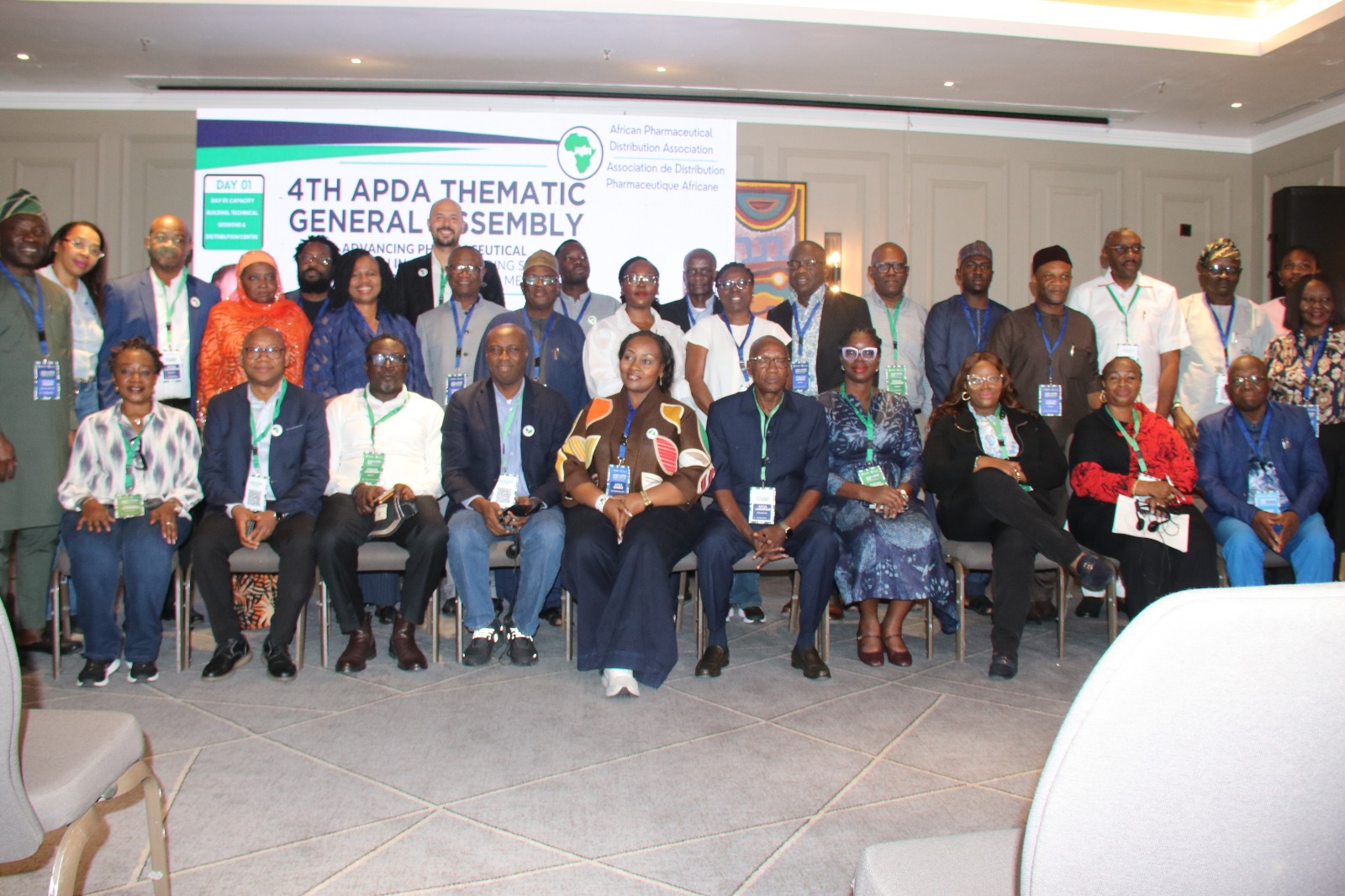
L-R: Pharm. Ogheneochuko Omaruaye, chairman, PWDAN; Mr Naveen Pala, MD, Worldwide Healthcare; and Pharm. Bayo Afon, chairman, Conference Planning Committee, at the 4th Thematic General Assembly of the African Pharmaceutical Distribution Association (APDA), during a courtesy visit to the World Wide Commercial Ventures (WWCV) in Lagos.
–As 4th APDA Assembly holds in Lagos
Pharmaceutical distributors across Africa have called for stronger collaboration among countries, regulators and other stakeholders to secure the continent’s medicine supply chains and curb the circulation of falsified and substandard medicines.
They made the call at the ongoing 4th Thematic General Assembly of the African Pharmaceutical Distribution Association (APDA), hosted by the Pharmaceutical Wholesalers and Distributors Association of Nigeria (PWDAN) in Lagos.
The three-day assembly, which began on 6 October at Lagos Marriott Hotel, Ikeja, is themed, “Advancing Pharmaceutical Distribution in Africa: Building Secure Supply Chains Against Falsified Medicines.”
Speaking at the programme, PWDAN Chairman, Pharm. Ogheneochuko Omaruaye, said the fight against falsified medicines could no longer be addressed by individual countries in isolation, stressing the need for coordinated action across Africa.
Omaruaye said the movement of pharmaceutical products across national borders made collaboration among African countries particularly important, as weaknesses in one country’s distribution system could create opportunities for falsified medicines to enter other markets.
He said the objective should be to ensure that medicines maintained their integrity from the point of manufacture through the distribution chain until they reached the final user, calling for stronger regulatory oversight and support for legitimate distributors.
Also speaking, immediate past PWDAN Chairman, Pharm. Ernest Okafor, stressed the importance of stronger regulatory collaboration among African countries in tackling common challenges in pharmaceutical distribution.
Okafor said the continent needed a more unified approach to regulation, noting that fragmented regulatory systems could make it difficult to effectively tackle the movement of falsified and substandard medicines across borders.
Representing APDA President, Dr Lahcen Senhaji, APDA vice president for Central Africa, Dr Yolande Djomo, said the challenges confronting pharmaceutical distribution were largely shared across African countries.
Djomo said the assembly provided an opportunity for stakeholders from different countries to exchange experiences and develop practical solutions, particularly in dealing with informal medicine markets, falsified products and weaknesses in supply-chain security.
She also highlighted the potential of technology, including artificial intelligence, to improve efficiency, traceability and monitoring within the pharmaceutical supply chain.
Chairman of the Conference Planning Committee, Pharm. Bayo Afon, said the assembly was designed to provide a platform for pharmaceutical distributors across Africa to share experiences and develop stronger partnerships in addressing challenges confronting the sector.
Afon said the gathering had attracted stakeholders from different parts of Africa, providing an opportunity for participants to learn from one another and explore ways of strengthening pharmaceutical distribution across national borders.
He noted that the APDA assembly had previously been hosted by other African countries before Nigeria secured the opportunity to host the fourth edition, describing the event as an important platform for advancing the interests of pharmaceutical distribution on the continent.
A major highlight of the ongoing assembly was a facility visit by PWDAN and APDA delegates to World Wide Commercial Ventures (WWCV) in Lagos, where participants expressed admiration for the company’s facilities, organisation and operational standards.
A cross-section of APDA and PWDAN delegates at the conference
Managing Director of World Wide Healthcare, Mr Naveen Pala, who received the delegates, expressed delight at the visit and briefed them on the company’s improvements, development and continuing efforts to maintain high standards.
The visit provided the delegates with a practical demonstration of modern pharmaceutical distribution and the importance of appropriate infrastructure, storage conditions and professional handling in maintaining the integrity of medicines throughout the supply chain.
The conference continues today with further technical sessions and discussions aimed at strengthening pharmaceutical distribution and securing medicine supply chains across Africa.
On 31 August 2026, World Traditional Medicine Day was commemorated in Nigeria by the Nigeria Natural Medicine Development Agency (NNMDA) with a health walk and conference tagged “Reflection on Research and Development Efforts of Traditional Medicine Towards Achieving Universal Health Coverage in the African Region.” The event further underscores the crucial role of African traditional medicine in the quest for universal health coverage within the African healthcare ecosystem.
With the call from the Director-General of NNMDA, Professor Martins Emeje, for increased research and regulation to reposition African traditional medicine for global competitiveness, it is imperative to critically interrogate the factors that have continually undermined its contributions to global healthcare. For too long, global medical epistemology has privileged Western canons while marginalising innovations from the Global South. This epistemic injustice is what decolonial thinkers such as Aníbal Quijano, Walter Mignolo and Catherine Walsh have continued to challenge.
These thinkers contend that colonialism did not end with the independence of former colonies but continues to endure through structures that shape how the colonised perceive themselves and how the Western world continues to project itself onto other regions as the embodiment of superiority and the centre of modernity. As Catherine Walsh argues, coloniality must not merely be understood as a theory; it must be confronted through conscious and strategic efforts that challenge the presumed superiority of Western epistemologies while advocating for what Walter Mignolo calls pluriversality, a concept that recognises the coexistence of multiple epistemologies without allowing any one of them to claim absolute superiority.
This is where African traditional medicine offers considerable hope. Africa, with its rich reservoir of medicinal flora and fauna, should not occupy the margins of global healthcare politics. African traditional medicine practitioners should see themselves as decolonial crusaders, advancing and preserving the rich indigenous medical heritage handed down through generations. The setting of standards for medical innovation exclusively through Western biomedical paradigms does not promote epistemic justice. This is because, even before the advent of the colonial masters, African traditional medicine had evolved systems of healing that served generations of African populations. These were societies that, tragically, were later subjected to the brutality of slavery and the transatlantic slave trade.
African traditional medicine is rich and effective in its own right and, as such, deserves the level of recognition and prestige accorded to Western biomedical knowledge systems. The task of appropriating, strengthening and elevating African traditional medicine onto the global stage requires the concerted efforts of relevant stakeholders across the continent. If the World Health Organisation recognises African traditional medicine as a legitimate component of global healthcare discussions, then a significant part of the journey has already been undertaken. What remains is for African governments to provide the political will and institutional support required to move traditional medicine from the margins to a more central position in the global healthcare conversation.
Until African traditional medicine practitioners embrace this task of decolonisation with exceptional intentionality, the practice will continue to operate from the margins, a sad paradox of a rich medical heritage whose potential has been profoundly disrupted by the legacies of slavery and colonialism.
Africa can reclaim its indigenous medical heritage, which has suffered centuries of marginalisation under so-called dominant Western epistemologies. To achieve this, Africans, particularly traditional medicine practitioners, must first decolonise the mind, as Ngũgĩ wa Thiong’o famously frames it. They must shake off the psychological shackles of colonialism and believe in their capacity to compete with the best anywhere in the world. Recent developments in African traditional medicine have continued to demonstrate its potential in the management of various ailments and health conditions.
In an age of increasing paternity disputes, African traditional medicine offers another intriguing dimension of indigenous knowledge. In May 2024, foremost Yoruba traditionalist and Ifa Priest, Ifayemi Elebuibon, called for the adoption of a Yoruba traditional DNA system in the resolution of paternity disputes. That call points to the possibility that within African traditional knowledge systems are innovations and concepts that can engage, complement and coexist with their Western counterparts.
It is against this backdrop that it becomes even more expedient for the World Health Organisation to consider the systematic incorporation of African traditional medicine into relevant global health curricula and frameworks, allowing it to coexist with established Western biomedical models. After all, Indian and Chinese medical traditions have earned significant global recognition and respect.
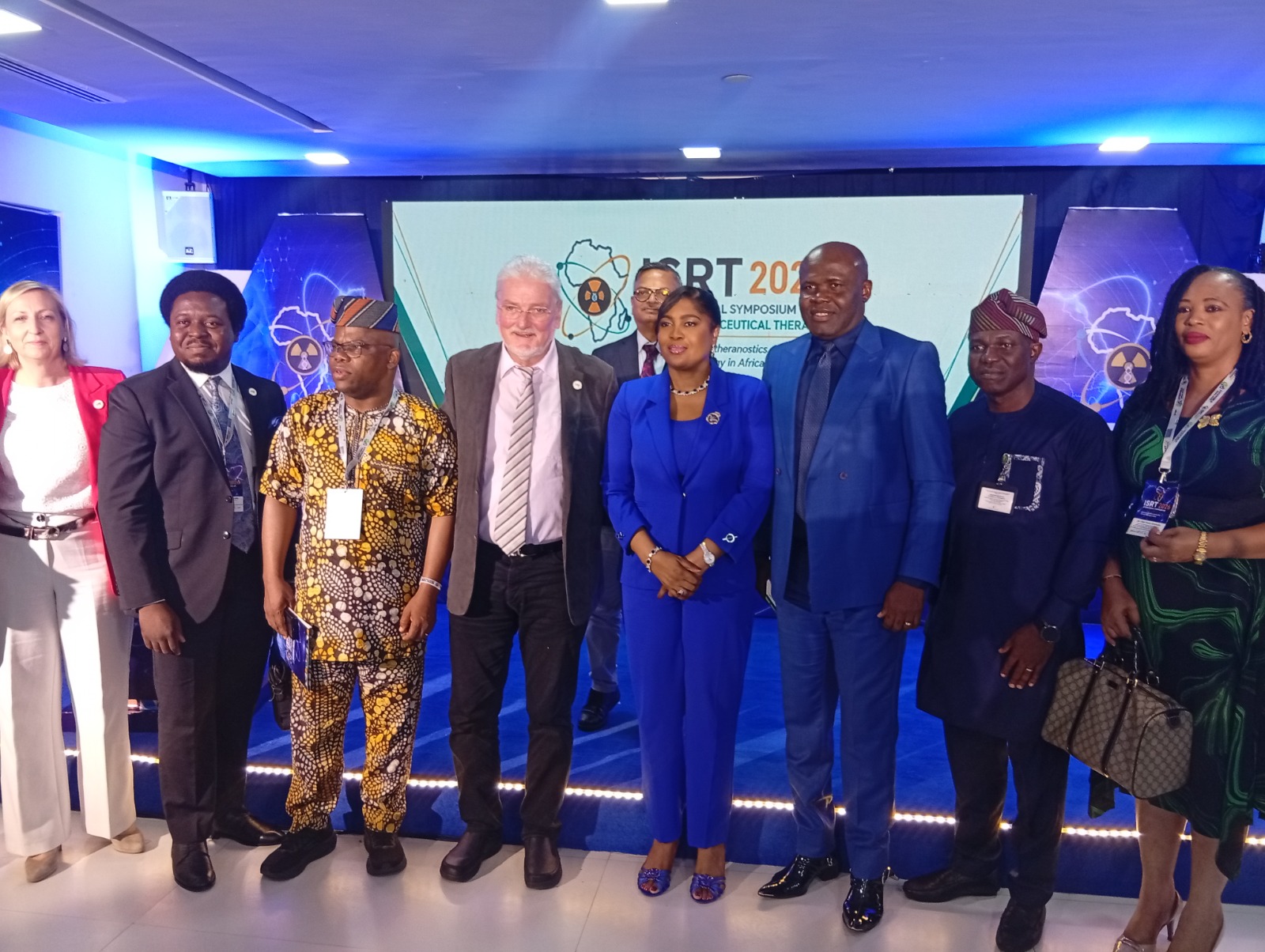
: L-R: Director of Research at the Nigerian Institute of Medical Research, Dr David Oladele; the Director of the Chris Oyakhilome Foundation International (COFI), Pastor Arinze Emmanuels and the Chairman of the Board of Loveworld Medical Centre and Executive Minister, Ministry of Healing, Health and Social Services, Dr Deola Phillips at the International Symposium on Radiopharmaceutical Therapy (ISRT) 2026.
A new frontier in cancer treatment is emerging in Nigeria as the Federal Government and international nuclear medicine experts call for the adoption of radiopharmaceutical therapy and precision oncology to improve cancer outcomes and reduce some of the limitations associated with conventional treatment.
The call was made in Lagos at the International Symposium on Radiopharmaceutical Therapy (ISRT) 2026, themed “Advancing Radiotheranostics and Precision Oncology in Africa”. The symposium brought together health experts, researchers, clinicians and policymakers to explore ways of expanding access to targeted cancer diagnosis and treatment in Nigeria and across Africa.
Speaking at the opening ceremony, the Minister of State for Health and Social Welfare, Dr Iziaq Salako, represented by the Director of Research at the Nigerian Institute of Medical Research, Dr David Oladele, described radiopharmaceutical therapy as an important frontier in modern medicine, saying it could provide more targeted and effective cancer treatment.
He said the growing cancer burden in Nigeria requires the country to move beyond conventional cancer services and embrace innovation, research, skilled manpower and the infrastructure needed to deliver advanced therapies safely and sustainably.
“Radiopharmaceutical therapy represents an important frontier in modern medicine. By combining advances in nuclear medicine, molecular imaging, pharmaceutical sciences, oncology, and medicinal medicine, it offers opportunities for more targeted and effective treatment for cancer while potentially reducing some of the limitations that are associated with conventional therapies,” he said.
Salako said Nigeria needs to develop the capacity to make the emerging technology accessible to patients, stressing that the Federal Ministry of Health and Social Welfare remain committed to strengthening the health system through research-driven solutions, partnerships and an enabling environment for translating scientific discoveries into healthcare services.
He urged participants at the symposium to deepen collaboration between Nigerian and international institutions, facilitate technology transfer and develop local capacity to move radiopharmaceutical therapy “from the realm of scientific promise to something that is accessible to all Nigerians”.
The symposium also showcased the growing capacity of Loveworld Medical Centre, Lagos, to provide advanced nuclear medicine services. Organisers announced that Actinium-225 and Lutetium-177 tandem treatment would be performed during the event in what they described as a historic first for Africa.
Chairman of the Board of Loveworld Medical Centre and Executive Minister, Ministry of Healing, Health and Social Services, Dr Deola Phillips, said the objective of the technology goes beyond treating cancer to helping patients maintain their quality of life.
“At the heart of the ISRT is theragnostics, that is, bringing diagnosis and targeted treatment together to deliver a more precise and personalised care,” Phillips said.
She added that the approach focused on “preserving the quality of life, reducing unnecessary toxicity and the burden of side effects associated with conventional treatments, enabling patients to live well for as long as possible irrespective of the stage of their disease”.
Phillips disclosed that a patient with breast cancer had received free nuclear medicine treatment at the centre and experienced significant improvement after two cycles.
Also speaking at the event, the Chief Medical Director of Loveworld Medical Centre, Pastor Dr Emeka Eze, described radiopharmaceutical therapy as a major alternative to conventional cancer treatment because of its targeted approach.
“This is the future of cancer therapy. The more it’s adopted, the more affordable it will be and the beautiful thing about precision oncology is the fact that what we are dealing with is targeted care,” Eze said.
He explained that, unlike conventional chemotherapy, which can affect both cancerous and healthy rapidly dividing cells, radionuclide-based treatment is designed to target diseased cells.
“These radionuclide materials only target diseased cells. They don’t go after all rapidly dividing cells. So the side effect profile is almost zero and that’s a huge difference,” he said.
Eze, however, acknowledged that radiotheranostics remains expensive, but said foundations and other partners were helping to make treatment available to patients who could not afford it.
“There’s hope. Nigerians should know that they don’t have to go through the hell of conventional chemotherapy. They can seek an alternative and it’s not just an unproven alternative. This is medically, professionally, scientifically, should I say calibrated medical intervention but with a new set of pharmaceuticals called radiopharmaceuticals,” he said.
The Head of Nuclear Medicine and Director of Operations at Loveworld Medical Centre, Dr Marsha Maharaj, explained that theragnostics combines diagnosis and treatment by identifying a disease pathway and subsequently targeting the same pathway therapeutically.
“What we see, we can treat. That’s a beautiful link,” Maharaj said.
She explained that while chemotherapy could affect normal cells alongside cancer cells, theragnostics works by binding to receptors expressed by a tumour and targeting the cancer cells, thereby minimising damage to surrounding healthy tissue.
According to her, the approach had already produced encouraging outcomes in patients with advanced cancers.
“From stage four, we were able to bring patients into a curative state, and that’s published,” she said, adding that the treatment had also improved patients’ quality of life.
Maharaj disclosed that Loveworld Medical Centre had treated patients with several forms of cancer using the technology, including breast, colorectal, sarcoma, prostate and lung cancers, while treatment capability for pancreatic cancer was also being developed.
She said the symposium was partly designed to equip more doctors with knowledge about the technology and help them understand when patients should or should not be selected for such treatment.
“Our symposium is meant to also train doctors. More importantly, we want every doctor to know how to handle a patient, how to manage, when to select, when not to select,” she said.
Also speaking at the event, the Director of the Chris Oyakhilome Foundation International (COFI), Pastor Arinze Emmanuels, said the organisation was supporting the development of the radiotheranostic ecosystem through infrastructure, partnerships, research, professional training and patient access.
He said COFI’s intervention would cover professional training, infrastructure, research, access to radiopharmaceuticals, patient advocacy and partnerships among healthcare institutions, governments and researchers.
Emmanuels said Africa needed to move from being primarily a recipient of medical solutions to developing the capacity to create and sustain its own healthcare innovations.
The President of the World Federation of Nuclear Medicine and Molecular Biology, Dr Savas Frangos, in a goodwill message, described the symposium as an important example of international collaboration to strengthen nuclear medicine in Africa.
He said the World Federation, in collaboration with the International Atomic Energy Agency, the African Association of Nuclear Medicine and the World Association of Radiopharmaceutical and Molecular Therapy, was working towards identifying Africa’s strengths and challenges in nuclear medicine, with a view to developing sustainable strategies for its growth.
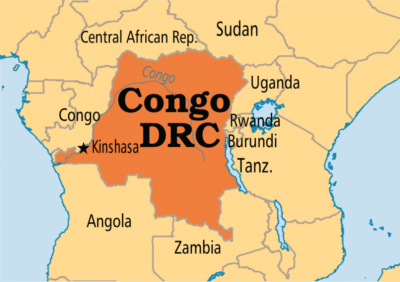
The Nigeria Centre for Disease Control and Prevention (NCDC) has heightened vigilance following Kenya’s confirmation of an imported Bundibugyo Virus Disease (BVD) case linked to the ongoing outbreak in the Democratic Republic of the Congo (DRC).
The Director-General of NCDC, Dr Jide Idris, said in a statement in Abuja, that the development underscored the risk of international disease importation through travel and population movement, including the possibility of transmission into Nigeria.
According to him , Kenya’s Ministry of Health confirmed that the case involved a Kenyan citizen living in the DRC, who travelled by road to Kampala, Uganda, before flying to Nairobi, where he was isolated and tested positive.
He said that the patient subsequently died, while Kenyan health authorities commenced contact tracing and other response measures to identify exposed persons and prevent further transmission of the virus within the country.
Idris said that as of 6 October, there was no confirmed case of Ebola disease in Nigeria, while NCDC continued monitoring developments in Kenya, the DRC and other affected countries.
He said NCDC was reviewing Nigeria’s risk assessment and existing preparedness measures following the Kenyan case, with plans to strengthen interventions according to the evolving regional situation. “Since the outbreak was reported in the DRC, NCDC, Ministry of Health and Social Welfare, Port Health Services, State Governments and partners have strengthened national Ebola preparedness measures.
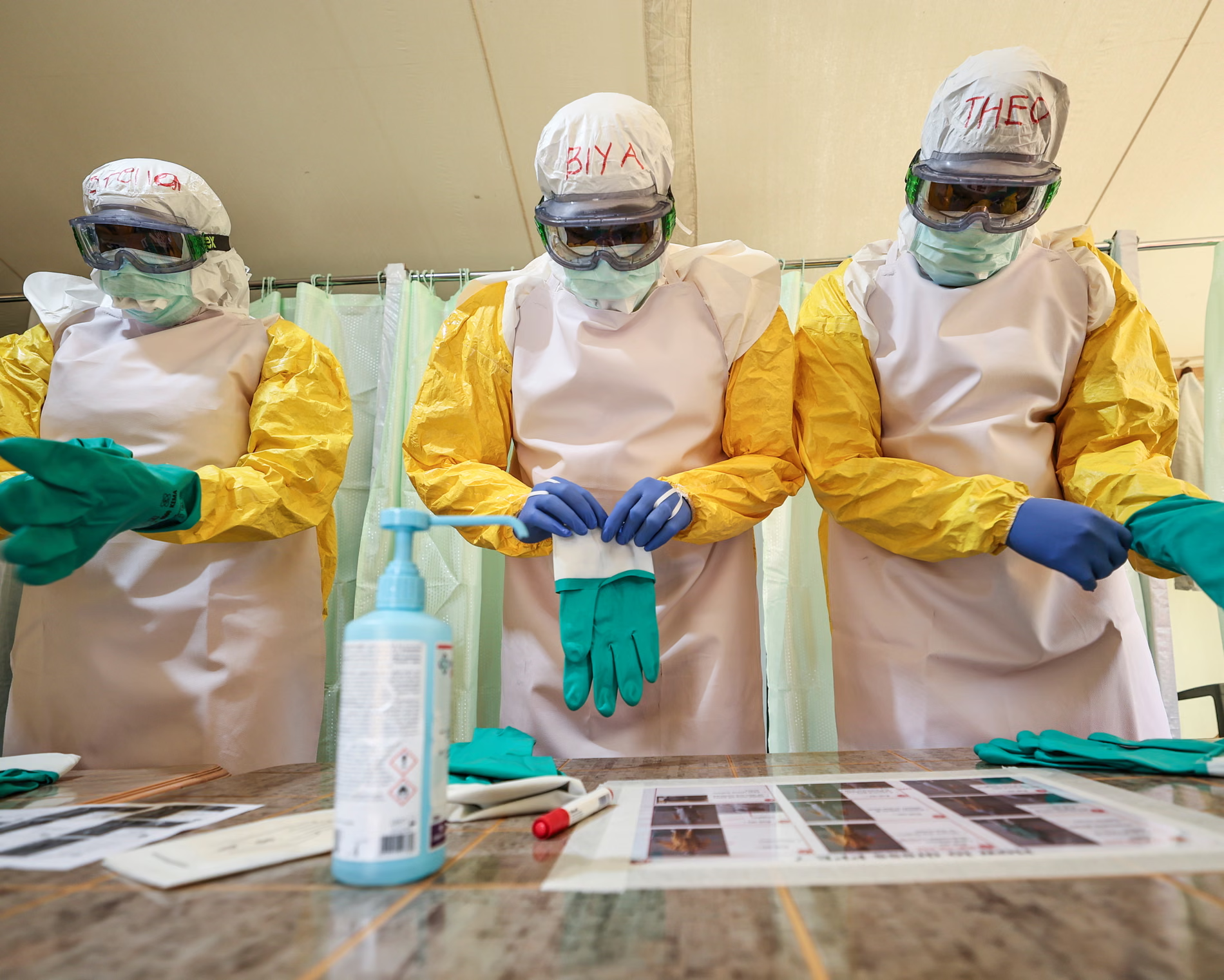
“These measures include early detection, isolation and referral, laboratory diagnosis, infection prevention and control, contact tracing, risk communication and protection of healthcare workers across the country.
“NCDC also conducted a National Ebola Preparedness Tabletop Simulation exercise to test existing response arrangements, assess readiness and identify gaps requiring further attention by relevant authorities and partners,” he said.
Idris urged Nigerians to remain calm but vigilant, practise regular hand hygiene, and avoid direct contact with blood or body fluids of anyone suspected of having Ebola disease.
He also advised the public to avoid contact with bodies of people who died from unknown illnesses, as well as sick or dead wild animals and raw or improperly prepared bushmeat.
The director-general urged anyone who becomes unwell, particularly after travelling to an affected area or contacting a suspected case, to promptly seek care at a recognised health facility.
He also advised Nigerians to provide healthcare workers with accurate travel and exposure histories and rely on information from NCDC, the Federal Ministry of Health and other official sources. Nigeria news updates
“Healthcare workers are advised to maintain a high index of suspicion among patients with compatible symptoms and relevant travel or exposure histories within the preceding 21 days.”
He reminded healthcare workers that early Ebola symptoms may resemble common febrile illnesses and urged them not to wait for bleeding before considering the disease.
Idris also directed healthcare workers managing suspected cases to immediately isolate patients, apply appropriate precautions and personal protective equipment, and notify public health authorities through established surveillance channels.
“Travellers from affected areas are advised to remain vigilant, monitor their health for 21 days after leaving an affected area, and promptly report symptoms or possible exposure,” he said.
Bayelsa State Governor, Senator Douye Diri, has approved the appointment of Dr (Mrs) Boboye Kenesuomene Ifie-Ombeh as the pioneer Chief Medical Director (CMD) of the Bayelsa Medical University Teaching Hospital (BMUTH) for a single five-year tenure.
Other members of the pioneer management team appointed alongside Ifie-Ombeh are Dr Riemann Biowe, chairman, Medical Advisory Committee; Dr Marie Teibowei, director of Administration; and Mr Selekowei Seipulou, director of Finance and Accounts.
Ifie-Ombeh, a consultant paediatrician, was director of Medical and Dental Services at the Bayelsa State Hospitals Management Board before her appointment as the pioneer CMD of BMUTH.
Reacting to the appointments, the Vice-Chancellor of Bayelsa Medical University (BMU), Prof. Dimie Ogoina, congratulated the newly inaugurated management team, describing the development as a significant milestone in the state’s healthcare and medical education aspirations.
In his goodwill message at the inauguration of the team, Ogoina also congratulated the Commissioner for Health, Hon. Seiyefa Brisibe, and the Bayelsa State Government on the establishment and inauguration of the pioneer management team.
He described the development as an important step towards strengthening the state’s healthcare system and advancing its medical education agenda.
The Vice-Chancellor expressed confidence in the potential of the teaching hospital to attain national and global recognition, particularly through its strategic relationship with BMU.
He emphasised the need for a strong partnership between BMUTH and the university, urging the management team to work closely with BMU to advance the healthcare and development vision of the state government.
The management team members of BMUTH with the Commissioner for Health, Hon. Seiyefa Brisibe and well wishers
According to him, the success of the teaching hospital would depend largely on collaboration between the two institutions, particularly in medical education, clinical training, research, innovation and healthcare delivery.
Ogoina also congratulated Teibowei, one of the university’s ASPIRE champions, on her appointment as Director of Administration at BMUTH.
He described her appointment as a recognition of her commitment and contribution to the university’s vision, expressing confidence that she would bring her wealth of experience to bear in her new role.
The Vice-Chancellor charged the pioneer management team to embrace collaboration, excellence and innovation as it begins the task of building a teaching hospital capable of supporting the university’s growing academic and clinical needs.
He reiterated BMU’s commitment to working with the teaching hospital to achieve the shared goal of positioning Bayelsa State as a destination for quality medical education, research and healthcare delivery.
Ogoina said the partnership would also contribute to the state’s quest for greater national and global recognition and impact in healthcare and medical education.
Ifie-Ombeh is an experienced medical practitioner with many years of experience in general medicine and paediatric care. She is a Fellow of the West African College of Physicians.
She previously served as a consultant at Bayelsa Specialist Hospital, where she demonstrated leadership skills and strong professional ethics.
She has also served in various capacities in professional and alumni associations, including the University of Ibadan Alumni Association (UIAA).
In addition to her clinical and administrative experience, Ifie-Ombeh is involved in teaching and mentoring undergraduate and postgraduate students, reflecting her commitment to medical education and academic excellence.
Kenya has confirmed its first case of Ebola after a patient who travelled from the Democratic Republic of Congo (DRC) died in Nairobi.
The confirmation was announced on Tuesday by Kenya’s Cabinet Secretary for Health, Aden Duale, who said the patient tested positive for the Ebola Bundibugyo virus disease (BDBV).
According to Duale, the patient, a Kenyan citizen who had lived in the DRC for about seven years, became ill while in the country and received treatment at several health facilities before travelling to Uganda.
He later travelled by road from the DRC to Kampala, Uganda, before flying to Nairobi on 3 October, on Jambojet flight 8523.
Duale disclosed that the patient underwent routine public health screening upon arrival at the Jomo Kenyatta International Airport but was later taken to Nairobi Hospital by a relative and a friend after his condition worsened.
The patient reportedly presented with symptoms including fever, severe fatigue, weakness, muscle pain, painful swallowing, sore throat and bleeding under the skin around an injection site.
Health workers suspected a viral haemorrhagic fever and collected samples from the patient for laboratory testing.
“The doctors considered his case as that of a viral haemorrhagic fever and collected samples which turned positive for Ebola,” Duale said.
The patient was subsequently isolated and placed on supportive treatment but died at about 11:30 p.m. on Monday.
Following the confirmation, Kenyan health authorities began contact tracing and other response measures to prevent further transmission of the disease.
Duale said 28 contacts had so far been identified, while health officials were also tracing 23 passengers and four crew members who were on the flight with the patient.
The government also said it would conduct a safe and dignified burial in line with public health protocols for Ebola cases.
The confirmation comes as health authorities in the region continue to monitor the Ebola situation in the DRC, where the patient had reportedly spent several years before returning to Kenya.
Kenyan authorities have urged members of the public to remain calm and cooperate with health officials as surveillance and contact-tracing activities continue.
Question: Can a doctor, nurse, pharmacist, laboratory scientist or other healthcare worker be dismissed for posting hospital incidents, workplace complaints or patient-related matters on WhatsApp, Facebook, Instagram, TikTok or other social-media platforms? Does freedom of expression protect such posts, particularly where the worker believes they expose poor working conditions, unsafe practices or negligence?
Case scenario
A nurse posts on Facebook that patients are sometimes left unattended because of staff shortages. Although the hospital is not named, details of particular incidents are provided.
A doctor posts a video alleging poor conditions in an emergency department. Although patients’ names are not mentioned, some may be identifiable from the images.
The hospital suspends or dismisses the workers for breach of confidentiality, violation of hospital policy or bringing the institution into disrepute. The workers argue that their posts were made in the public interest and are protected by freedom of expression.
Can the hospital lawfully dismiss them?
Legal perspective
Yes, a healthcare worker may be disciplined or dismissed for social-media activity, but criticism of a hospital does not automatically justify dismissal.
The relevant considerations include the content of the post, confidentiality, accuracy of the allegations, employment contracts and workplace policies, the circumstances of publication and whether proper disciplinary procedures were followed.
Section 39 of the Constitution guarantees freedom of expression, but this right is not absolute and may be subject to lawful restrictions protecting the rights, reputation and privacy of others.
In Anietie Etim Asukwo v. Prudential Guards Limited & Anor, decided by the National Industrial Court of Nigeria on 25 June 2026, an employee was terminated after posting a workplace grievance on WhatsApp. The Court found that the post did not disrupt the employer’s operations and that the alleged misconduct had not been established. The termination was therefore held unjustified and unlawful. The case demonstrates that not every workplace complaint made online constitutes gross misconduct.
Healthcare workers, however, have additional professional obligations. The Medical and Dental Council of Nigeria’s Guidance on Social Media and Responsible Online Conduct states that professional standards applicable offline also apply online. Practitioners should not disclose identifiable patient information, including clinical images, voice notes or unique case details, without appropriate consent. Constructive, factual and evidence-based professional advocacy is recognised.
The Nigeria Data Protection Act 2023 also provides safeguards for personal and health information. Publishing a patient’s medical condition, photograph, laboratory result, diagnosis or treatment history may therefore expose a healthcare worker to employment, professional, civil and potentially data-protection consequences.
Determining liability
The key questions are: What was posted? Was confidential information disclosed? Could a patient be identified? Were the allegations true and substantiated? Was the post genuinely in the public interest? What workplace rule was breached? And did the employer follow the proper disciplinary procedure?
Practical advice
Healthcare workers should assume that anything posted online can become public, even in private WhatsApp groups. They should protect patient confidentiality, distinguish facts from opinions, substantiate allegations, avoid defamatory or inflammatory language, understand their workplace social-media policies and use appropriate internal, professional or regulatory channels for serious complaints.
Hospitals should also avoid treating every criticism as misconduct. They should investigate complaints, identify the specific rule allegedly breached, give the employee an opportunity to respond and follow the applicable disciplinary procedure.
Closing insight
Social media is not a hospital corridor, and professional obligations do not disappear when a post is made online.
Healthcare workers have a right to raise legitimate concerns and advocate for better patient care, but that right must be balanced against patient confidentiality, data protection, professional ethics, contractual duties and the rights and reputation of others.
X: L-R: Dr Adaorah Enyi, chief operating officer, Oncopadi Technologies; Prof. Sharafadeen Kehinde Okunade, chairman, Nigerian Medical Association, Lagos State branch; Dr Omolola Salako, founder, Sebeccly Cancer Care; Prof. Ademola Ayodele Oremosu, provost, College of Medicine, University of Lagos, and another physician, at the onboarding of the second cohort of Naija Cancer Watch Fellows recently
As the country grapples with a growing disease burden driven largely by infectious diseases, the Provost of the College of Medicine, University of Lagos (CMUL), Professor Ademola Ayodele Oremosu, has urged the Federal Government to adopt the One Health approach to improve public health and environmental wellbeing.
He described One Health as a three-dimensional approach that could improve the lives of Nigerians, promote environmental cleanliness and strengthen public health, stressing that it is indispensable if the country is serious about addressing the challenges in the healthcare ecosystem.
This is coming as the Nigeria Centre for Disease Control and Prevention (NCDC) disclosed that Nigeria’s public health disease burden remains heavily driven by infectious illnesses, with significant regional concentrations. The major disease burdens include Lassa fever, malaria, cholera and diphtheria, while non-communicable diseases (NCDs), including hypertension, diabetes and cancer, are rising sharply among adults.
Oremosu, who spoke with Pharmanews in an exclusive interview on the sidelines of the POWER Conference, organised by Sebeccly Cancer Care at the College of Medicine, UNILAG, described One Health as an integrated, unifying approach that recognises the close connection between human health, animal health and the shared environment.
Rather than treating human medicine, veterinary medicine and environmental science as separate fields, he said, One Health brings experts from these areas together to tackle health threats at their source.
He stressed the need for the government to deploy the approach, saying it would enable the country to trace the sources of diseases and address them more effectively.
He cited the reduction of emissions from vehicles and other sources as an example, noting that this would help protect environmental health, while reducing pollutants entering water bodies would also protect the environment and have a direct impact on public health.
“This will definitely improve the lives of the people, environmental cleanliness, as well as public health. And when it comes to non-communicable diseases such as cancer, hypertension, and diabetes, government will need to provide palliatives and other forms of support to ensure that patients can bear the cost of treatment and do not abandon care,” he said.
Speaking on the persistent brain drain in the healthcare sector, the provost advised the government to look inward to identify the factors driving young professionals out of the country and address them accordingly.
While acknowledging the need to double the production of medical doctors as a means of bridging the personnel gap and improving access to healthcare, he said this would not be sufficient if the factors driving practitioners abroad were not adequately addressed.
He argued that although working abroad might not be without its challenges, the government must undertake a holistic review of practitioners’ remuneration and provide a more conducive working environment to encourage them to remain in the country.
He also called for incentives for practitioners willing to work in remote areas, where a significant proportion of the population resides.
According to him, “one of those factors is remuneration. When we look at Africa, in terms of per capita income and the salaries paid to medical personnel, Nigeria still ranks very low. It is something the government needs to address. We also need to incentivise people who are willing to work outside the major cities. The majority of our population still lives in rural areas, about 70 per cent or thereabouts. So, you have to provide incentives.
“If they cannot have all the facilities available in the big cities, at least give them good accommodation and access to the internet so that they can remain abreast of developments around the world. Such policies will help to stem the brain drain, as we normally call it.”
On how the College is preparing students and consultants to use technology and telemedicine without compromising patient safety, the professor of anatomy disclosed that it is adopting a model known as the Diaspora Bridge.
He acknowledged that telemedicine has existed before now but said the College is seeking to build a more formal structure around it through the initiative.
According to him, the Diaspora Bridge is a new initiative that connects experts abroad, particularly those of Nigerian descent, with students, consultants and physicians in Nigeria who require additional training and information on patient diagnosis and management through digital technology.
Attributing the initiative to the Minister of Education, Dr Tunji Alausa, he said its implementation was still facing some challenges.
“However, there are also some challenges,” he stated. “Our internet services are still sometimes epileptic. There are also time differences. For example, someone in the Global North, such as Canada, may be five or six hours behind Nigeria. So, some of them may just be waking up at the time when we need that information.
“These are some of the challenges that, over time, we will continue to look at and find ways to address. Of course, artificial intelligence is also helping. Sometimes, when you cannot speak to someone in real time, artificial intelligence can interface with those who need the information at that particular point in time,” he maintained.
When asked how to address the disconnect between medical schools and the healthcare system, particularly the shortage and uneven distribution of doctors, the provost identified the challenge as a disparity between the number of doctors being produced and the resources required to train them.
He said the cost of training doctors is substantial, noting that between 400 and 600 academic staff across various cadres, including professors, associate professors, senior lecturers and lecturers, are required to train medical students.
The CMUL head further explained that medical schools operate under stringent accreditation requirements and are regulated by the Medical and Dental Council of Nigeria, which ensures that prescribed standards are maintained.
“We are therefore appealing that, when political candidates want to establish a medical school in every village, it may be better to strengthen existing institutions so that they can have greater capacity. More importantly, when doctors are produced, they must be properly oriented and encouraged to remain committed to their country,” he stated.
He cited the example of Dr Omolola Salako, CEO of Sebeccly Cancer Care, who he said has remained committed to improving oncology services in the country and had devoted her life to ensuring that people living with cancer received reprieve and relief.
Oremosu acknowledged that government alone might not be able to resolve the country’s healthcare challenges, charging practitioners to take greater responsibility and consider how their commitment could contribute to producing more doctors and ensuring a more equitable distribution of healthcare professionals across the country.
A patient asks for a drug that will make them sleep for 12 hours because they have an exam tomorrow. What is the biggest problem with this request? A. They may wake up after the exam B. The drug may cause excessive sedation and impair functioning C. Sleeping 12 hours always causes dehydration D. Pharmacists are not allowed to discuss sleep
A patient taking metronidazole for an infection asks, “Can I still take alcohol since my medication is not an antibiotic?” What is the best response?
A. Yes, alcohol has no interaction with metronidazole
B. Yes, but only if taken 2 hours after the drug
C. No, alcohol should be avoided because it can cause a disulfiram-like reaction D. Yes, provided the alcohol content is below 10%
NAS unveils mentorship programme for young Nigerian scientists
The Nigerian Academy of Science (NAS) has inaugurated the Research Leaders Mentorship (ReLM) Programme, to strengthen the capacity of young Nigerian scientists, through structured mentorship, to conduct quality research, and to effectively pursue professional development and collaboration.
The programme, which commenced at the orientation workshop on 7 September, 2026, will connect 25 early-career researchers with 25 established Nigerian scientists, including NAS Fellows and other senior researchers, for a six-month mentorship engagement. This engagement is aimed at strengthening the next generation of scientific leaders.
President, the Nigerian Academy of Science (NAS), Professor Abubakar Sambo, in a press statement made available to Pharmanewsonline, said the initiative responds to persistent challenges faced by early-career researchers, including limited access to experienced mentors, professional guidance, research networks, and opportunities for collaboration.
Through structured engagement with established researchers, Professor Sambo said the academy seeks to provide young scientists with the knowledge, guidance, and networks needed to advance their careers and contribute effectively to Nigeria’s research and innovation ecosystem.
He explained further that under the programme, Nigerian postgraduate students and post-doctoral researchers, within the space of seven years of completing their terminal degree, will be paired with established researchers based on their research interests, career goals, and disciplinary alignment.
“Mentees will have the opportunity to discuss research progress, career development, challenges, and professional goals with their mentors. In addition to individual mentorship, interactive capacity-building sessions will be organised to provide mentees with practical guidance on navigating research careers, developing competitive proposals, communicating scientific findings, and building professional networks” he disclosed.
Through the NAS Research Leaders Mentorship Programme, the Academy, he said, is positioning mentorship as a strategic tool for strengthening Nigeria’s scientific community, improving research capacity, and supporting the development of a new generation of researchers capable of producing impactful, society-relevant research, and building meaningful collaborations.
Pharmanewsonline reports that the Nigerian Academy of Science is the foremost independent scientific body in Nigeria. The NAS is uniquely positioned to bring scientific knowledge to bear on the policies/strategic direction of the country and is also dedicated to the development and advancement of science, technology, and innovation (STI) in Nigeria.
NAFDAC DG, Prof. Mojisola Adeyeye, discussing with the Managing Director, SKG, Dr Okey Akpa; PMG-MAN Chairman, Mr Oluwatosin Jolayemi, and other executive at the expo.
The Director General, National Agency for Food and Drug Administration and Control (NAFDAC), Prof. Mojisola Adeyeye, has sought support from international bodies to provide vaccine manufacturing facilities in Nigeria.
This was announced at the 8TH Nigeria Pharma Manufacturers Expo in collaboration with the Pharmaceutical Manufacturing Group of the Manufacturers Association of Nigeria (PMG-MAN) and PGE Expo PVT Limited.
She underlined local vaccine manufacturing as Nigeria’s major constraint to attaining WHO Maturity Level vaccine lot release. According to her, NAFDAC has met the required standards in eight of the nine areas needed for the agency to be fully recognised for regulating medicines and vaccines. The only remaining requirement is vaccine lot release.
She urged international organisations and development partners that have supported NAFDAC over the years to contribute to the establishment of a fill-and-finish modular vaccine manufacturing facility in the country.
“We want to call on our international partners who have been of tremendous help. Without them, we wouldn’t have been here. I want to challenge them to contribute, to fill and finish Modular Vaccine manufacturing so that we can get our Vaccine Lot Release,” Adeyeye said
She added that Nigeria had the capacity to attain the WHO Maturity Level 4 status, noting that the major gap was the absence of local vaccine manufacturing.
Adeyeye said NAFDAC had already estimated the cost of establishing the required facility and would share the details with potential partners.
“It’s not going to cost too much. We will share that with you. Because we cannot afford to go back to where we used to be,” she said.
The NAFDAC boss also recalled that the country previously had vaccine manufacturing capacity, saying Nigeria needed to return to local production.
“It’s high time we went back to vaccine manufacturing,” she said.
Adeyeye also highlighted improvements in Nigeria’s pharmaceutical manufacturing sector, attributing part of the progress to efforts by NAFDAC to strengthen Good Manufacturing Practice (GMP) compliance.
She said NAFDAC inspectors conducted GMP compliance audits of more than 165 pharmaceutical companies over eight months under the agency’s GMP Roadmap initiative, funded by the United States Agency for International Development (USAID) and implemented by the United States Pharmacopoeia.
She said the initiative aimed to ensure local manufacturers focused not only on producing medicines but also on meeting quality standards.
According to Adeyeye, data from 2021 to 2025 showed that imports of products under the “5 plus 5” and Ceiling Initiative declined by 70 per cent as local manufacturers increased their capacity to produce medicines.
She attributed the progress to improved competence among NAFDAC staff and stronger regulatory systems. “You cannot give what you don’t have,” she said.
Adeyeye noted that the agency had also gained international recognition, including becoming a member of the International Medical Device Regulators Forum in 2023, while NAFDAC’s laboratory in Yaba became WHO prequalified in September 2023.
She explained that WHO Maturity Level 3 was not a permanent status, as the global health body periodically reassesses regulatory agencies to ensure they maintain the required standards.
According to her, NAFDAC became the first regulatory agency in sub-Saharan Africa to successfully undergo the first re-benchmarking process after achieving Maturity Level 3.
She credited the progress to the efforts of local manufacturers, NAFDAC staff and other stakeholders in the pharmaceutical sector.
Speaking at the event, the Chairman of PMG-MAN, Mr Oluwatosin Jolayemi, described the expo as a major platform for pharmaceutical manufacturers, regulators, investors and development partners to showcase industry capabilities and build partnerships.
Jolayemi, who is also the managing director and chief executive officer of Daily Need Limited, commended Adeyeye for her efforts toward improving quality and GMP compliance within the pharmaceutical industry.
He said NAFDAC’s policies were beginning to transform the pharmaceutical manufacturing ecosystem but stressed that the gains needed to be sustained.
Jolayemi also called for the extension of the Federal Government’s Executive Order on pharmaceutical manufacturing incentives for another two years when it expires in March 2027.
He said achieving medicine security and pharmaceutical sovereignty would require consistent policies, investment, development of local capabilities and a predictable business environment.
The two-day expo attracted 132 participating companies from countries including Nigeria, the United States, China, Argentina, Egypt, India, Rwanda, Austria, the United Arab Emirates, France, Germany and Indonesia.
The Managing Director of Evans Therapeutics Limited, Pharm. Adewale Oyenuga, has challenged Nigerian pharmacists to move beyond reactive professional advocacy and take a more active role in shaping healthcare policies, stressing that professional competence alone would not transform pharmacy practice.
Oyenuga, who delivered the keynote address titled “Raising Community Pharmacy Practice in Nigeria to Global Standard: Navigating the Complex Nigerian Political System,” at the opening ceremony of the 45th Annual International Scientific Conference of the Association of Community Pharmacists of Nigeria (ACPN), held at the Bola Ahmed Tinubu International Conference Centre, Abuja, said pharmacists must deliberately engage policymakers, generate credible evidence, build strategic alliances and participate in political processes where healthcare decisions are made.
He described community pharmacy as the “heartbeat of pharmacy practice in Nigeria”, noting that thousands of Nigerians visit pharmacies daily before many hospitals commence outpatient consultations or primary healthcare centres open. Despite this accessibility, he said community pharmacists remained insufficiently integrated into the national healthcare system.
According to him, community pharmacies in Europe, North America, Australia and some African countries have moved beyond medicine dispensing to medication management, preventive care, chronic disease support, screening, immunisation and patient education. Nigerian pharmacy practice, he argued, must similarly be measured by health outcomes rather than the volume of medicines dispensed.
“That must change,” he declared, stressing that professional excellence must be matched with strategic leadership, credible evidence, effective advocacy and purposeful policy engagement. He said global standards were increasingly defined by patient outcomes, quality assurance, ethical practice, continuous professional development, digital integration and meaningful participation in healthcare.
“Healthcare progress depends as much on policy as on science,” he said, citing immunisation, medication therapy management and reimbursement for clinical services as examples of pharmacy expansions enabled by supportive policies. He therefore urged pharmacists to understand how healthcare decisions are made and develop the capacity to work strategically with government.
Drawing lessons from Rwanda, Ghana, Kenya and South Africa, Oyenuga highlighted their investments in digital health and UHC, regulatory reforms, continuous professional development, electronic prescribing, mobile health, telehealth and structured professional systems. He said Nigeria need not copy other countries wholesale but should combine international best practices with its disease burden, financing constraints and governance realities.
He urged ACPN to position community pharmacy as a solution to poor healthcare access, antimicrobial resistance, UHC and the growing burden of chronic diseases. Evidence, he said, must become the foundation of advocacy because interventions that are not documented cannot effectively influence policy.
Oyenuga identified six critical gaps that must be addressed to bring Nigerian community pharmacy practice to global standards: the patient-centred care gap, policy and political gap, evidence and data transformation gap, quality and continuous improvement gap, collaboration gap, and healthcare financing gap.
On patient-centred care, he called for more structured, consistent and measurable services. On policy, he said pharmacists needed stronger representation at decision-making tables, stressing, “Without quality representation at decision-making tables, the profession will continue reacting instead of shaping its future.”
He urged pharmacists to extend their ambitions beyond managing pharmacies and participate directly in shaping healthcare policy and politics. “We must participate in politics. We must make impactful influence for our profession,” he declared.
On quality improvement, Oyenuga observed that service standards varied across community pharmacies because of differences in infrastructure, staffing, technology and service delivery. He therefore advocated national quality assurance standards, standard operating procedures, performance indicators, accreditation and continuous quality improvement.
He also proposed a nationally recognised voluntary accreditation system to differentiate pharmacies by quality, performance and service capabilities and eventually facilitate their integration into national primary healthcare programmes.
Digital transformation, he said, should become a priority, urging ACPN, PCN and relevant government agencies to establish minimum digital practice standards and a unified data-reporting platform. Such systems, he noted, would improve patient safety and continuity of care while generating evidence to influence policy and attract investment.
He further called for the formal integration of community pharmacies into Nigeria’s primary healthcare system, urging ACPN and PSN to engage the National Primary Health Care Development Agency and demonstrate how pharmacies can complement government services.
On healthcare financing, Oyenuga called for pharmacists to become more active participants in the National Health Insurance system. He advocated a review of the National Health Insurance Authority Act 2022 to secure accreditation for community pharmacies as community-based healthcare service providers.
He also proposed collaboration between ACPN and healthcare financing stakeholders to develop a robust pharmacare model and integrate community pharmacists into NHIA digital platforms for service documentation, health data collection and claims processing.
To provide coordinated direction for the profession, Oyenuga proposed five strategic pillars: One Profession, One Vision; Quality That Inspires Trust; Digital First and Data-Driven; From Medicine Suppliers to Primary Care Partners; and Working with Healthcare Insurers.
Under the first pillar, he called for the updating of the PSN’s Vision 2050 document into a strategic framework capable of surviving leadership changes and transcending sectoral interests. He also proposed a structured policy and advocacy group involving past presidents, influential retired and serving public servants, private-sector pharmacists and politically connected professionals to drive legislative engagement and sustained lobbying.
He stressed that such advocacy would require sustainable funding and called for deliberate development of future pharmacy leaders with expertise in public policy, health economics, digital health, research, leadership and strategic management.
Oyenuga concluded that Nigerian community pharmacy is not a profession in decline but one in transition, with opportunities presented by UHC, digital health, demographic changes and the growing burden of chronic diseases.
“The question is no longer whether Nigerian community pharmacy practice can reach global standards, but whether we have the resolve to make it happen,” he said.
He urged pharmacists to move beyond “annual jamborees and talk shows” and become active participants in the boardrooms and committee chambers where healthcare policies are formulated
World Suicide Prevention Day 2026 was marked in Nigeria on 10 September, with the Federal and State Governments, alongside a range of stakeholders, committing to a more holistic response to a crisis that has long been treated with silence or censure. The commemoration, anchored on the theme “Changing the Narrative on Suicide” and reinforced by the national campaign “Start the Conversation, Every Connection Counts”, was a necessary reminder that suicide remains one of the most under-addressed public health emergencies confronting the country.
The scale of the problem is not in serious dispute, even where the precise figures are. Institutional estimates and independent experts place Nigeria among the six countries with the highest suicide rates in the world, while older World Health Organisation data ranked the country fifteenth globally. These figures should not be read as competing claims to be reconciled, but as converging evidence of a genuine national emergency. With a population exceeding 200 million, Nigeria cannot continue to lose citizens to suicide while treating the matter as a private tragedy rather than a public health failure with consequences for families, communities and the economy at large.
It is against this backdrop that the Federal Executive Council’s approval of the decriminalisation of attempted suicide, now before the National Assembly as pending legislation, deserves recognition as a genuine advance. For too long, Nigerian law has compounded the suffering of those in crisis by treating attempted suicide as a criminal act rather than a medical emergency. Experts, including psychiatrists under the aegis of the Association of Psychiatrists in Nigeria, have rightly called for the repeal of Sections 327 and 231 of the Criminal Code Act, insisting that legal reform must be matched by a deliberate, affordable expansion of mental health services to address the acute shortage of qualified professionals across the country.
Decriminalisation, however, is a beginning and not an end. It signals a more compassionate posture towards those experiencing suicidal distress, but it does nothing on its own to address the conditions that drive people to that point. The Federal Ministry of Health and Social Welfare must therefore be held to account for translating this legislative shift into tangible improvements in care: mental health diagnosis and treatment must become genuinely accessible and affordable, not merely available in principle. At the same time, the socio-economic pressures that so often underlie suicidal ideation, such as poverty, unemployment and social dislocation, require urgent and sustained attention in their own right.
There is also a harder question that the government cannot avoid. Although it has spoken of integrating mental health care into the primary healthcare system, that system itself remains beset by chronic underfunding, understaffing and inconsistent delivery in much of the country. Nigeria’s commitment to suicide prevention will be measured not by policy statements but by whether primary healthcare facilities, particularly in rural and underserved areas, can actually deliver the mental health support that decriminalisation now makes possible.
No single institution can carry this burden alone. Government must work in genuine partnership with non-governmental organisations, civil society and international donor agencies, several of which have already demonstrated what is possible. The Nigerian Red Cross Society, for instance, led mental health and psychosocial support interventions, awareness sessions and community dialogues in Borno and Adamawa, among other regions. The Nigeria Police Force likewise used World Suicide Prevention Day to call for empathy rather than suspicion towards people in distress, stating publicly that “a person who is struggling may not always show it” and urging citizens to listen, check in and encourage others towards appropriate help. Such institutional voices matter, but they must be matched by change at the level of ordinary communities, where vigilance, openness and compassion, rather than stigma, can make the difference between intervention and tragedy.
The family remains the first and most consequential line of defense. A household built on love, honest communication and mutual care is best placed to notice early warning signs and to create the safety in which a struggling member feels able to speak rather than suffer in silence.
Changing the narrative on suicide cannot be an annual observance. It must become sustained national practice. Nigeria must now demonstrate, through consistent action rather than declaration, that it regards suicide as the public health and social welfare challenge it has always been, one demanding prevention, early intervention and sustained care.
Pharm. Frank Mounemeh is the executive secretary of the Pharmaceutical Manufacturing Group of the Manufacturers Association of Nigeria (PMG-MAN). In this interview with Patrick Iwelunmor, he speaks on the forthcoming Nigeria Pharma Manufacturers Expo, medicine security, Nigeria’s emerging role as a regional manufacturing hub and other pertinent issues affecting the pharmaceutical industry.
The Nigeria Pharma Manufacturers Expo promises to be a major event this year. What should stakeholders expect from the expo, and what makes this edition particularly important?
At the core of the PMG-MAN Manufacturers Expo is the drive for medicine security and national development. We want to draw the attention of policymakers and other stakeholders to the importance of local pharmaceutical manufacturing in achieving medicine security. This year’s Expo is particularly important because the industry is transitioning towards greater self-sufficiency in the production of medicines and pharmaceutical products.
We expect close to 200 companies and between 3,000 and 4,000 participants and visitors. Exhibitors will come from Asia, India, China, Europe and neighbouring African countries, with international exhibitors primarily bringing machinery, active pharmaceutical ingredients, packaging materials, clean rooms, HVAC systems and laboratory equipment that support local manufacturing.
What opportunities does the expo offer young Nigerians and pharmacists who may want to enter pharmaceutical manufacturing?
Many young people are not sufficiently focused on pharmaceutical manufacturing, while some traders see it as an investment beyond their reach. We want the expo to demonstrate that Nigeria is an important destination for pharmaceutical investment.
Established founders and CEOs will share their experiences and journeys with the next generation of entrepreneurs. There will also be technical sessions for pharmacists and other professionals covering supply chain management, quality assurance, quality control, regulatory affairs, market access, production management and engineering.
As a pharmacist, I believe pharmacists should play a much greater role in pharmaceutical manufacturing. The expo will help professionals understand the opportunities available to them and acquire skills that are transferable across the industry. There will also be discussions on emerging areas such as contract research organisations and bioequivalence studies.
You have repeatedly emphasised medicine security. What exactly does medicine security mean and why is local manufacturing so important to achieving it?
Medicine security means Nigeria taking ownership of how the medicines and life science products it consumes are produced. That means being in the driver’s seat in research and development, supply chain management, last-mile delivery, regulation and, most importantly, end-to-end production, from active pharmaceutical ingredients to finished products.
Until we contribute sufficiently to the entire value chain, access to safe, quality and affordable medicines will remain difficult. Universal health coverage will also remain rhetoric because access to medicines is critical to achieving it. If Nigerians are still paying between 70 and 76 per cent of their healthcare expenses out of pocket, particularly for medicines, health equity becomes difficult, especially when more than 130 million Nigerians are living in multidimensional poverty.
Nigeria is increasingly being described as an important pharmaceutical manufacturing hub in Africa. How do you assess Nigeria’s position in the regional pharmaceutical manufacturing landscape?
Nigeria is becoming a strong player in regional manufacturing. There is significant investment in the pharmaceutical sector; the industry is recording annual growth, and Nigeria contributes a significant proportion of pharmaceutical products consumed across West and Central Africa.
Excluding North Africa, Nigeria is the next major hub for regional manufacturing. That has guided our expo theme, which focuses on regional manufacturing and advancing Africa’s pharmaceutical and life sciences sovereignty through localisation. You cannot achieve regional manufacturing without strengthening local manufacturing. We want to play local but become stronger at the regional and African levels and help close the medicine access gap.
How does the African Continental Free Trade Area fit into this vision of regional pharmaceutical manufacturing?
The African Continental Free Trade Area is an important part of this conversation. The opportunity is enormous. We are looking at how Nigeria can strengthen its manufacturing capacity and use that capacity to serve other African markets.
It is not simply about producing for Nigeria. We are looking at building a stronger African pharmaceutical manufacturing ecosystem while contributing to skills development, capacity building, investment and regional economic development.
Some multinational pharmaceutical companies have exited Nigeria in recent years. Has their departure been entirely negative, or has it created opportunities for local manufacturers?
Some multinationals left with products they previously manufactured here, but the local industry turned that window into an opportunity. Local companies began focusing on gaps created in the market and manufacturing essential products that were previously supplied by those companies.
Today, we have close to 10 beta-lactam facilities manufacturing products in that category. Nigerian manufacturers are also producing molecules that, 10 years ago, we would not have considered manufacturing locally. We are even looking at opportunities such as biosimilar products.
NAFDAC’s 5+5 policy has been widely discussed within the pharmaceutical industry. What impact would you say the policy has had on local manufacturing?
The NAFDAC 5+5 policy is very significant, and I commend the director-general of NAFDAC for faithfully implementing it. Where there is evidence of the capability and capacity to manufacture a product locally, companies with market authorisation must either demonstrate plans to manufacture locally or provide evidence of contract manufacturing in Nigeria.
The policy has transformed the system. Companies that have held market authorisations for years are now establishing manufacturing facilities, while existing local manufacturers are positioning themselves for contract manufacturing.
When people ask whether government should prioritise finance or policy, I say policy is fundamental. With the right policy, companies are compelled to align with the direction of government, seek financing and get the job done.
Apart from the 5+5 policy, the Federal Government has introduced a presidential executive order to support local pharmaceutical manufacturing. What impact is this having on manufacturers?
The presidential executive order has been supportive, particularly in encouraging members to repurpose facilities and contribute more to local manufacturing. However, implementation has presented challenges.
The executive order provides a 7.5 per cent incentive, which we appreciate, but implementation has not always been aligned with the original intention. It took almost another month after the order was declared for the technical working group to develop the implementation framework. The intention was to support machinery and pharmaceutical ingredients, but the machinery component did not succeed as initially intended. Implementation was largely limited to APIs and certain packaging materials, with several policy adjustments along the way.
What specific problems have manufacturers encountered in the implementation of these policies?
One challenge has been inconsistencies in the platforms used for trade and customs processes. Manufacturers experienced difficulties with the B’Odogwu platform and had to engage government over charges they believed they should not have been paying.
The platform was later replaced by the National Single Window, but members are still reporting inconsistencies and additional charges. These problems increase production costs.
Manufacturers also face congestion at the ports, where delays in clearing pharmaceutical inputs can disrupt production cycles. Containers may be diverted to other ports or tracking systems may not accurately reflect their physical location. All these delays create additional costs, which ultimately affect the price paid by patients.
Energy costs have also been identified as a major burden on manufacturers. How serious is the situation?
It is a very serious issue. Manufacturers can spend as much as 40 per cent of their production costs on energy, compared with countries such as India and China, where energy costs are significantly lower. In China, the figure is almost less than five per cent.
These costs eventually become part of the price of the product leaving the factory. Ultimately, the patient bears the cost. So, when we discuss medicine prices, we must understand the entire production ecosystem and the numerous costs manufacturers face.
Finally, if you were to identify the single biggest challenge facing pharmaceutical manufacturing in Nigeria today, what would it be, and what should government do differently?
Policy. When you ask what government should prioritise, the conversation usually comes down to policy and finance. If I have to choose, I will say policy. The NAFDAC 5+5 policy is a clear example of what the right policy can achieve.
The biggest challenge is policy consistency and faithful implementation. A policy can be well thought out and beautifully written in black and white, but if its execution is flawed, the desired outcome will not be achieved. I always say that we are taught at Harvard that policy design is 10 per cent, while execution is 90 per cent. Our major problem is in that 90 per cent: execution.
Everything is connected. Logistics challenges and energy costs significantly affect manufacturers, while access to finance remains another major issue.
We welcome the presidential executive order, but we are asking for its extension for another two years to give the policies sufficient time to stabilise and produce their intended impact. What we need is consistency. Policy can be excellent on paper, but its success depends on faithful and effective implementation. That is how we can strengthen local pharmaceutical manufacturing, improve medicine security and ensure that Nigerians have better access to safe, quality and affordable medicines.
1. Which mechanism best explains why proton-pump inhibitors are generally more effective than H2-receptor antagonists at maintaining a higher gastric pH in peptic ulcer disease?
A. They permanently neutralise gastric acid in the stomach
B. They increase bicarbonate secretion by the pancreas
C. They block histamine release from mast cells
D. They irreversibly inhibit the gastric H+/K+-ATPase
2. A patient with confirmed Helicobacter pylori-associated peptic ulcer disease receives eradication therapy. Which outcome most directly indicates successful eradication rather than simply temporary symptom relief?
A. Absence of nausea immediately after the final dose
B. Normalisation of gastric acid secretion during treatment
C. Complete disappearance of epigastric pain within 24 hours
D. A negative test for active H. pylori infection after treatment
-Agreement supports responsible use of emerging technology as pharmacy practice and services continue to evolve digitally
L-R: Head of Partnership Sproxil, Dr Nurudeen Dahiru Abubakar, Founder and CEO of Sproxil, Dr Ashifi Gogo; Director Inspection, Monitoring and Quality Assurance, Pharmacy Council of Nigeria, Amina Omar Shekarau; and Chief Technology Officer, Pharmacy Council of Nigeria, Mr Musbahu Abdullahi.
The Pharmacy Council of Nigeria (PCN) and Sproxil have signed a Memorandum of Collaboration focused on agentic AI systems for pharmacists and e-pharmacies in Nigeria.
The agreement was formalised on 29 September 2026 in Kigali, Rwanda, during the Investing in Innovation Africa (i3) Access to Markets event, held alongside the Africa HealthTech Summit.
The collaboration comes at a time when Nigeria is strengthening the framework for electronic pharmacy practice. The Electronic Pharmacy Regulations 2026 establish national requirements for digital pharmacy operations and reinforce the importance of professional standards, patient safety, data protection and consumer trust.
Keeping pharmacists at the centre of digital progress
The Sproxil-PCN collaboration will focus on the responsible application of agentic AI for pharmacists and e-pharmacies. The approach recognises that emerging technology in pharmacy must complement professional judgement and operate within the regulatory framework governing pharmacy practice in Nigeria.
PCN retains its statutory regulatory authority. Sproxil brings experience in real-world data, digital systems and practical AI designed for high-impact environments.
Building trust as pharmacy becomes more digital
For Sproxil, the partnership builds on a long-standing focus on trust in healthcare and the use of technology to turn real-world interactions into useful intelligence. As pharmacy services evolve, that same principle remains central: technology should strengthen trust and support better-informed action.
The signing marks the beginning of the collaboration. Further information will be shared as jointly approved initiatives under the partnership progress.
About Sproxil
Sproxil is a technology company that combines verified real-world data, AI and software to help organisations build trust, turn data into actionable intelligence and improve real-world outcomes. For more than 15 years, Sproxil has built and deployed technology across healthcare, supply chains and other high-impact environments in Africa and emerging markets.
About the Pharmacy Council of Nigeria
The Pharmacy Council of Nigeria (PCN) is the federal agency established by the Pharmacy Council of Nigeria Act 2022 to regulate and control pharmacy education, training and practice in Nigeria.
A staff member of Médecins Sans Frontières (MSF) working on the Ebola response in the Democratic Republic of Congo (DRC) has tested positive for Bundibugyo virus disease.
MSF disclosed this in a statement on Thursday, saying the staff member is being safely evacuated to the Netherlands under a strict medical protocol.
The organisation said the evacuation is being carried out in coordination with relevant health authorities in the DRC and the Netherlands, where the patient will be received at a designated hospital.
MSF said it would not disclose specific details about the staff member or the medical evacuation, citing medical confidentiality and the need to protect the individual’s privacy.
The development comes as the DRC continues to battle a major Ebola outbreak, which MSF described as the largest Ebola disease outbreak ever recorded in the country.
According to the organisation, more than 8,000 confirmed cases and 4,000 deaths have been reported since the outbreak began in May.
MSF, however, noted that the actual number of infections and deaths could be higher due to gaps in surveillance and the detection of cases.
Healthcare workers have remained among those at greatest risk as they continue to provide care and support during the outbreak. MSF said its staff receive training and protective measures, but the risk of exposure to the virus cannot be completely eliminated.
The organisation said it is currently supporting the Ebola response across Ituri, North Kivu, Tshopo and Haut-Uélé provinces.
MSF added that it would continue working with Congolese health authorities and affected communities to contain the outbreak and reduce its impact on the population.
The Minister of State for Health and Social Welfare, Dr Iziaq Salako, says African countries must build intelligent digital health infrastructure before fully harnessing Artificial Intelligence (AI).
Salako said this while delivering the opening address at the Fifth Africa Healthtech Summit in Kigali, Rwanda.
The summit has the theme: “From Digital Ambition to Country Transformation: Building Sustainable and Intelligent Health Systems in Africa.”
He said Africa had demonstrated its capacity to innovate through digital applications, electronic medical records, telemedicine platforms, surveillance systems and AI tools.
“The question is no longer whether Africa can innovate. The question is whether we can connect these innovations into sustainable national systems that improve the lives of our people,” he said.
Salako said Nigeria was making the transition through the Nigeria Health Sector Renewal Investment Initiative, implemented through a Sector-Wide Approach.Africans & Diaspora
He said digital transformation was being treated as a cross-cutting enabler of health-system transformation, supporting service delivery, governance, financing and health outcomes.
According to him, previous investments in digital health produced valuable solutions, but many were programme-specific and unable to communicate with one another.
Salako said the experience demonstrated that digitising a fragmented health system did not automatically create integration needed for efficiency, optimisation and value for money.
“So, rather than beginning with another application, Nigeria decided to begin with the architecture,” he said.
He said Nigeria had developed the National Digital Health Architecture (NDHA) through the Nigeria Digital in Health Initiative, with endorsement through the National Council on Health.
According to him, the architecture provides a national blueprint and rules for the evolution of the country’s digital health ecosystem.
“National Digital Health Architecture is replacing fragmented, siloed projects with a unified, secure, and interoperable ecosystem,” he said.
Salako said Nigeria was also developing foundational infrastructure, including a Health Information Exchange with a Shared Health Record and national registries for clients, health facilities and healthcare workers.
“The principle is simple: one patient, one health record,” he said.
He said the goal was to ensure that health information could securely follow patients across facilities, programmes and levels of care.
Salako, however, said technology and architecture alone could not deliver the desired transformation without standards, governance and accountability.
He said advancing interoperability standards and addressing fragmentation in electronic medical record systems had therefore become an imperative in Nigeria’s digital transformation journey.
According to him, the National Health Technology and Data Analytics Office was recently established by President Bola Tinubu to strengthen governance, standardisation and coordinated implementation.Politics
He said the office would coordinate Nigeria’s digital health agenda, harmonise public and private institutions and supervise the operationalisation of the NDHA.
Salako said a strong digital foundation was essential for Africa to benefit from the next frontier of health technology which is AI.
“AI cannot compensate for fragmented data, weak standards or systems that cannot communicate.
“If Africa wants to benefit fully from AI, we must invest first in interoperable architecture, trustworthy data, cybersecurity, governance and the people capable of managing these systems,” he said.
He urged African countries not to become merely consumers of health technology, but to help define standards, govern data and develop local capabilities.Africans & Diaspora
The minister also called for stronger collaboration among governments, development partners and the private sector to promote innovation, investment and partnerships.
He added that investments should leave behind stronger institutions, local capacity and infrastructure that governments could sustain beyond individual projects or grants.
“Digital ambition should not ultimately be about technology. It should be about the pregnant woman who should receive safer care because the right information reaches the right health worker at the right time,” he said.
He said the same transformation should ensure that children’s vaccination histories remained available when families moved, while reducing the administrative burden on health workers.
According to him, policymakers should also be able to identify emerging diseases, medicine shortages, resource needs and interventions that were producing results.
He said Africa’s ambition should therefore move beyond digitising healthcare to building systems that could “learn, connect, anticipate and respond.”
Salako said that as AI augmented medical practice, robotics transformed surgery and health data increasingly drove policy, equity must remain central to digital health transformation.
“Technology must serve people, digital tools must close gaps, not widen them, and our innovations must be sustainable, secure, and accessible to all,” he said.
He said affordability, context specificity, ethical guardrails and respect for national data sovereignty must remain central to discussions on AI and other technological innovations.
The minister, however, reaffirmed Nigeria’s commitment to learning from and sharing experiences with other African countries in advancing digital health transformation.(NAN)
The Federal Government is set to convene health leaders and key stakeholders to address the persistent gap between health policy formulation and implementation in Nigeria, with a strong emphasis on care coordination, accountability and collaboration across the healthcare system. The issue will take centre stage at the 2026 National Health Equity Conference, scheduled to hold from 13 to 15 October, at the Nigeria National Merit Award House, Maitama, Abuja. The conference, organised by One Barrow International Limited, is themed, “From Policy to Impact: Care Coordination as the Core Engine of Health Equity.”
The Minister of Health and Social Welfare, Prof. Muhammad Ali Pate, will serve as Chief Host, while the Chairman, House Committee on Health Services, Hon. Amos Gwamna Magaji, and the Minister of Education, Dr Tunji Alausa, are expected to attend as Special Guests of Honour. The three-day conference is expected to attract policymakers, legislators, healthcare regulators, development partners, professional bodies, healthcare practitioners, private-sector leaders, civil society organisations, patient and community groups, and academic institutions to deliberate on practical approaches to improving access, quality, coordination and continuity of care.
Speaking ahead of the event, the Chief Executive Officer of OneBarrow International Limited, Yemi Ajao, said Nigeria’s healthcare challenge was increasingly shifting from the absence of policies to the difficulty of translating existing policies and frameworks into coordinated action and measurable outcomes at the point of care. “Nigeria has developed important health policies and frameworks, but the real test is what happens when those policies reach the people and communities they are designed to serve,” Ajao said.
He said the conference is designed to help close the implementation gap by bringing stakeholders together to focus on coordination, execution and accountability, noting that effective healthcare delivery required different professionals, institutions and levels of government to work together around the needs of patients rather than operate in isolation. According to him, the conference will examine how national health policies can be translated into practical implementation strategies across the federal, state and local government levels, while strengthening collaboration among doctors, nurses, pharmacists, laboratory scientists, health administrators and other healthcare professionals.
Ajao said better coordination could reduce fragmentation in healthcare delivery, strengthen referral pathways, improve communication among providers and enhance continuity of care, particularly for patients who move between different facilities and levels of the health system. “Every healthcare cadre has a unique and complementary role to play. The patient experiences the health system as one system, regardless of how many professionals or institutions are involved in their care. We therefore need systems that support collaboration rather than fragmentation, while strengthening referral pathways, communication and accountability,” he said.
The organisers said the conference will also examine the relationship between care coordination and health equity, particularly how better-integrated healthcare systems could help reduce disparities in access to quality care among underserved populations and communities facing barriers to navigating the health system. Technology, data and citizen participation are also expected to feature prominently in the discussions, with participants examining how digital feedback mechanisms, transparency, access to information and greater awareness of patients’ rights can strengthen accountability and improve the quality of healthcare delivery.
Ajao stressed the importance of empowering citizens to play a more active role in discussions around healthcare quality and accountability, arguing that patients should have meaningful channels through which to provide feedback and demand better services. “Citizens must understand their rights, have meaningful channels to provide feedback and be empowered to participate in conversations about the quality of care they receive,” he said.
He added that a health system capable of listening to citizens would be better positioned to identify service gaps, respond to emerging needs and continuously improve, stressing that demand-side accountability should form an integral part of the broader health equity agenda. The conference is expected to culminate in a formal post-conference communiqué and practical implementation roadmap containing actionable recommendations, commitments and mechanisms for tracking progress, supporting policy implementation and deepening cross-sector collaboration.
The organisers said the objective was to move beyond identifying the challenges confronting Nigeria’s health system to securing practical commitments that can be implemented across different levels of healthcare delivery. OneBarrow maintained that meaningful health reform required more than the development of sound policies, stressing that coordinated implementation, accountability and sustained collaboration were critical to translating government reforms into improved health outcomes. The organisation expressed the expectation that participants would emerge from the conference with clearer priorities, stronger partnerships and practical commitments towards building a more inclusive, resilient, coordinated and accountable healthcare system.
Investors in Nigeria’s pharmaceutical manufacturing sector must remain committed to their businesses despite the financial and regulatory challenges confronting the industry, Managing Director of Jawa Pharmaceuticals, Chief Varkey Verghese, has said.
Verghese made the call during a panel discussion titled “Inspiring the Next Generation of CEOs and Founders in Pharmaceutical Manufacturing in Nigeria” at the 8th Nigeria Pharma Manufacturers’ Expo organised by the Pharmaceutical Manufacturers Group of the Manufacturers Association of Nigeria (PMGMAN) at Harbour Point, Lagos.
Speaking on the theme, Verghese shared his experience of navigating the difficulties involved in building a pharmaceutical manufacturing business, urging existing and prospective industry leaders to remain resilient in the face of challenges rather than abandon their investments.
Recounting his experience, Verghese said he borrowed N20 million when he started his business but faced significant challenges, particularly regulatory requirements, which contributed to mounting financial pressures. Within four years, he said, his accumulated debt had risen to about N80 million.
“I borrowed 20 million when I started and experienced a lot of challenges,” Verghese said, explaining that the difficulties did not force him to abandon the business.
Despite the financial burden, he said the company continued to persevere until the challenges eventually became part of its history. “Despite the challenges, we continued to persevere and today, that experience has become history,” he said.
Verghese also advised prospective investors to carefully consider the pharmaceutical segments they enter, urging them to focus on high-value products rather than areas already characterised by intense competition. He described the painkiller market as highly saturated and warned that competing in such segments could become a difficult race for manufacturers.
“The painkiller segment is highly saturated. It is a rat race. Investors should invest in high-value products,” he said.
The Jawa Pharmaceuticals chief further said the NAFDAC 5+5 policy was helping to improve the environment for local pharmaceutical manufacturing, pointing to the importance of policies that support domestic production and provide manufacturers with greater opportunities to build sustainable businesses.
Meanwhile, Chief Executive Officer of Emzor Pharmaceuticals, Dr Stella Okoli, called for greater government attention to the pharmaceutical manufacturing sector, particularly as local manufacturers continue to contend with challenges affecting the sustainability of domestic production. Okoli commended PMGMAN for bringing industry players together to examine the challenges confronting the sector and identify practical measures for strengthening local pharmaceutical manufacturing.
The panel discussion was part of activities at the 8th Nigeria Pharma Manufacturers’ Expo and provided an opportunity for established industry leaders to share their experiences with the next generation of pharmaceutical entrepreneurs, particularly on investment, resilience, regulation and building sustainable manufacturing businesses in Nigeria.
The word “worship” often brings to mind religious activities performed in church on Sundays. But the Bible presents a much broader picture. Worship is not limited to singing, praying or listening to a sermon. It is also expressed in the way we work, serve others and use the gifts God has given us.
The Hebrew word avodah, often translated as “work”, can also convey the ideas of service and worship. This connection points to an important biblical truth: our work and our worship should not be separated. What we do with our hands, minds and abilities can bring glory to God.
This perspective of work begins in Genesis 2:15, where God “took the man and put him in the Garden to work it.” Work was therefore part of God’s purpose for humanity from the beginning. It was not introduced as a curse. The curse came after the Fall, when work became characterised by toil and hardship.
Paul highlights this principle in Colossians 3:23-24: “Whatever you do, work at it with all your heart, as working for the Lord, not for human masters, since you know that you will receive an inheritance from the Lord as a reward. It is the Lord Christ you are serving” (NIV).
This means that our ultimate employer is not merely the person or organisation that pays our salary. Whatever legitimate work we do, we should approach it as service to God. The quality of our work, our integrity, our attitude and the way we treat others are all part of our worship.
The next verse carries a grave warning: “Anyone who does wrong will be repaid for their wrongs, and there is no favouritism” (Colossians 3:25, NIV). God is not partial and has no favourites. Therefore, our work and service must be acceptable to Him if we are to receive His reward.
Your work can also become a means through which your abilities are recognised. Proverbs 22:29 says, “Do you see someone skilled in their work? They will serve before kings; they will not serve before obscure men” (NIV). Excellence has a way of opening doors.
People are often remembered by what they accomplished. The work we do can outlive us, influencing people and shaping communities long after we are gone. Gustave Flaubert wrote, “Be steady and well-ordered in your life so that you can be fierce and original in your work.” Originality and excellence can distinguish what we do and give our work lasting influence.
Life becomes empty when we refuse to contribute meaningfully to it. Laziness deprives us not only of productivity but also of the satisfaction that comes from developing our abilities and making a difference. Romans 12:11 says, “Never be lacking in zeal, but keep your spiritual fervour, serving the Lord” (NIV).
Our business, profession, trade or vocation can therefore become an expression of our service to God. A teacher can serve through teaching. A pharmacist can serve through responsible professional practice. A lawyer can contribute through justice and integrity. An engineer can create solutions that improve lives. A farmer can provide food, while a doctor or nurse can bring care and healing to others. Whatever our occupation, our work should be done to the glory of God.
Adam was created with a responsibility. God placed him in the Garden of Eden to work it and take care of it. Humanity was given the mandate to exercise responsible dominion over creation. Before Adam was given a title or position, he was given an assignment.
Our work, therefore, is more than a means of earning money. It is an opportunity to develop our abilities, solve problems, serve others and contribute to society. Work may not always be enjoyable, and many people face difficult or frustrating circumstances in their occupations. Yet, wherever we find ourselves, we can strive for excellence, integrity and usefulness.
Jesus also connected service to others with service to God. In Matthew 25:40, He said, “Truly I tell you, whatever you did for one of the least of these brothers and sisters of mine, you did for me” (NIV). When we use our abilities to help, encourage, teach, heal, build, create or provide for others, our service can become an offering to God.
God has given each of us something to offer. The challenge is to discover our purpose, develop our gifts and use them faithfully. That, too, is worship.
Pharm. Tanko Ayuba, president, PSN, assisted by Pharm. Ambrose Ezeh, national chairman, ACPN, and other dignitaries, performing the official groundbreaking of the Lagos ACPN Commercial Hub and Secretariat.
The Association of Community Pharmacists of Nigeria (ACPN), Lagos State Chapter, has broken ground for the construction of a multimillion-naira ultra-modern commercial hub and permanent secretariat at 3 Ogunbanwo Street, Ketu-Alapere, Lagos, with the project expected to generate sustainable revenue for the association.
The project is being developed under the theme, “Building for Enduring Legacy.”
Speaking at the groundbreaking ceremony, Chairman of ACPN Lagos, Pharm. Tolu Ajayi, said about ₦150 million had already been expended on the acquisition of the property, documentation and other processes, while the construction component was estimated at about ₦650 million.
Ajayi said the total investment could rise towards ₦1 billion as construction progresses and variations arise, explaining that the project was conceived not merely as an administrative secretariat but as a commercial facility that would continuously generate income for the association.
He said the revenue generated from the facility would help reduce the association’s dependence on members’ dues and provide additional resources for its programmes and activities.
Ajayi said the project was the product of teamwork and contributions from successive administrations of ACPN Lagos, while acknowledging the roles played by past chairmen.
He said the acquisition of the property was completed during the first year of his administration, government approvals were obtained in the second year, while construction commenced in the third year.
He said the project was expected to be completed within three years, although completion would likely involve the next administration because of the scale of the development.
“Governance is a continuum,” Ajayi said, explaining that successive leaderships of the association are obliged to key into the project so as to preserve this legacy.
Earlier, National Chairman of ACPN, Pharm. Ambrose Ezeh, described the groundbreaking as more than the commencement of a construction project, saying it represented the laying of a foundation for the future of community pharmacy in Lagos State.
Ezeh said the proposed secretariat would represent the identity, unity, institutional development and institutional memory of ACPN Lagos, while providing a permanent home for professional activities.
He commended the Lagos chapter for the initiative, saying the project demonstrated what could be achieved through united leadership and a shared commitment to building an institution that would outlive individual leaders and generations.
The ACPN national chairman urged the branch to develop the facility into a centre for professional development, member engagement, innovation, advocacy and service to Lagos and Nigeria.
Also speaking, President of the Pharmaceutical Society of Nigeria (PSN), Pharm. Tanko Ayuba, congratulated ACPN Lagos on the milestone and commended the branch for embarking on the building project.
Ayuba noted that several branches of PSN and ACPN were establishing their own facilities, describing the development as a step in the right direction. He also commended Ajayi for his commitment to the development of ACPN Lagos and prayed for the successful completion of the project.
Chairman of PSN Lagos State Branch, Pharm. (Chief) Olaitan Ogunlade, pledged the support of PSN Lagos to the project, recalling that the society had been part of the ACPN Lagos journey, including during the acquisition of the property.
Giving details of the proposed building, Chairman of the Building Committee, Pharm. Isaac Olufuminiyi, said the structure would comprise a ground floor and three additional floors.
He said the ground floor would provide parking space and accommodate facilities including drainage and a water treatment system, while the building would also have an elevator and two staircases for emergency situations.
Olufuminiyi said the first floor would be multipurpose, the second floor would contain offices, while the third floor would accommodate a boardroom, seminar room and additional offices.
He called on professionals with relevant building and technical expertise to support the project as construction progresses.
The groundbreaking ceremony marked the commencement of construction of the proposed facility, which ACPN Lagos intends to serve as both a permanent secretariat and a sustainable source of revenue for the association.
The World Health Organisation (WHO) has called on governments and event organisers to strengthen measures against heat-related illnesses at mass gatherings, warning that extreme heat is becoming an increasing threat to public health and safety.
It stated that more than 90 per cent of patients can be treated at event venues when adequate medical systems are available, reducing pressure on nearby hospitals and ambulance services. The call was made on Wednesday, 30 September, 2026, following the release of a new WHO evidence review on the prevention and management of heat-related illness at mass gatherings.
The review examined studies published between 1980 and 2025 and recorded nearly 500,000 medical encounters at mass gatherings, including more than 22,000 cases of heat-related illness.
Dr Chikwe Ihekweazu, executive director of the WHO Health Emergencies Programme, said extreme heat should be treated as both a health and operational concern during large events.
“Extreme heat is an increasing threat to health, safety and operational continuity in mass gatherings,” Ihekweazu said.
He added that relying only on individuals to protect themselves from heat would not be enough, stressing the need for proper risk assessment, preparedness and response by event organisers and authorities.
WHO noted that mass gatherings can increase exposure to heat through prolonged outdoor activities, crowded spaces, limited access to drinking water, travel-related stress and pressure on local health services.
The organisation also cited estimates showing that heat-related deaths have increased by 63 per cent since the 1990s, with an average of 546,000 deaths recorded annually between 2012 and 2021.
To reduce the risks, WHO recommended that event organisers provide safe drinking water and toilets, cooling facilities, adjustments to event schedules, proper crowd-flow management and protection for workers.
It also highlighted the need for public communication, real-time monitoring of heat-related risks and well-prepared medical services at event venues.
The new guidance is designed for spectators, attendees, volunteers and workers and covers the planning, operation and response stages of mass gatherings.
WHO urged governments, event organisers and other partners to make heat-risk management part of their health and emergency preparedness plans as extreme heat continues to intensify in many parts of the world.
Chairman of Fidson Healthcare, Dr Fidelis Ayebae, has linked the growth of Nigeria’s economy to the country’s ability to strengthen local manufacturing, particularly in the pharmaceutical sector, saying nations that cannot produce what they consume remain dependent on external sources.
Ayebae made the submission during a panel discussion at the 8th Nigeria Pharma Manufacturers’ Expo organised by the Pharmaceutical Manufacturers Group of the Manufacturers Association of Nigeria (PMGMAN) at Harbour Point, Lagos, where he described domestic pharmaceutical production as an important pathway to economic development and national self-reliance.
“Any country that does not manufacture what it consumes is not making progress,” Ayebae said, stressing that “local manufacturing is the way to go.” He argued that expanding Nigeria’s manufacturing base would not only reduce dependence on imported medicines but also create opportunities for investment, production and participation in the wider African market.
Ayebae identified Nigeria and the wider continent as significant opportunities for pharmaceutical investment, urging international manufacturers to establish production facilities in Africa rather than focus primarily on exporting finished products to the continent. “Africa led by Nigeria is the place to pitch your tent,” he said, specifically inviting Indian pharmaceutical companies to establish manufacturing plants in Nigeria.
“I invite our Indian friends to come and set up plants in Nigeria rather than bring in imported products,” he said, arguing that greater foreign investment in domestic production would strengthen Nigeria’s pharmaceutical manufacturing capacity while positioning the country to serve the wider African market.
The Fidson chairman also called for closer cooperation between pharmaceutical manufacturers and regulators to protect legitimate local producers from counterfeit medicines, warning that the activities of criminal operators could undermine investment and damage the manufacturing base. “We must protect the pharmaceutical manufacturing industry by cooperating with the regulators. We should not fold our arms and watch criminals destroy our industry by faking products,” he said.
According to Ayebae, protecting legitimate manufacturers and creating an environment that encourages investment are necessary to ensure that local pharmaceutical production can contribute more significantly to Nigeria’s economic development. He therefore urged stakeholders to sustain efforts to strengthen the domestic industry rather than allow the country’s dependence on imported medicines to persist.
His comments came as pharmaceutical manufacturers and other industry stakeholders gathered at the expo to examine investment, regulation, local production and the future of Nigeria’s pharmaceutical industry, with participants highlighting the need for stronger domestic manufacturing capacity and greater collaboration across the sector.
Business School Netherlands (BSN) Nigeria has celebrated the graduation of 82 Nigerian professionals who obtained its Action Learning Master of Business Administration (MBA) at the school’s global convocation held in Amsterdam, the Netherlands.
The graduation ceremony, held on Saturday, 26 September, 2026, brought together graduates, faculty members, family members and other stakeholders to mark the completion of the professionals’ management education journey.
With the latest graduating class, the number of Nigerians who have obtained BSN’s Action Learning MBA has risen to approximately 1,156, while the broader BSN Nigeria community has grown to more than 2,343 members.
The Action Learning MBA programme combines management education with practical application, enabling participants to address real organisational challenges through critical reflection, collaboration, research and problem-solving.
Speaking at the ceremony, Chief Executive of BSN Nigeria, Prof. Lere Baale, congratulated the graduates on their dedication and resilience, urging them to apply their knowledge to strengthen organisations and contribute meaningfully to society.
Baale noted that the value of an MBA should go beyond the acquisition of a qualification, stressing that it should be reflected in the quality of graduates’ decisions, their ability to develop others and their capacity to deliver sustainable improvements.
He said the growing community of Nigerian Action Learning MBA holders provides opportunities for continued learning, mentorship, collaboration and the exchange of professional experiences.
The ceremony featured an address by Nigeria’s Ambassador to the Netherlands, His Excellency, Ambassador Dr Mohammed Idris Haidara, who added significance to the celebration of Nigerian professionals within BSN’s international learning community.
Also speaking, a director of Business School Netherlands Nigeria, Dr Olumide Ajayi, challenged the graduates to remain competitive and continue transforming their organisations.
Ajayi urged the new MBA holders to translate their learning into practical results, declaring: “Nigeria no dey carry last.”
The valedictorian, Dr Olubunmi Fatungase, also addressed the gathering, while BSN Nigeria acknowledged the contributions of its faculty, lecturers, examiners, Action Learning Coaches and Set Advisors to the graduates’ development.
The institution also recognised the support provided by families, employers and colleagues, noting that such support enabled the graduates to combine their academic commitments with professional and personal responsibilities.
BSN Nigeria said the latest milestone reinforces its commitment to management education that links personal development with organisational progress.
It encouraged the new graduates to remain active learners, support one another and use their skills to address challenges confronting businesses, institutions and communities in Nigeria and beyond.
OjalumoPIX: L-R: Deputy Director, NAFDAC, Pharm. (Mrs) Ijeoma Ezeka; Chairperson LOC, Dr Aminat Oyawaluja; Dean, Faculty of Pharmacy,UNILAG, Prof. Sunday Adesegun; Chief Dr (Mrs) S.O.A Olagbende-Dada; and Acting HOD, Pharmacognosy, UNILAG, Dr Ifeoma Orabueze, at the symposium.
Experts at the University of Lagos (UNILAG) and the National Agency for Food and Drug Administration and Control (NAFDAC) have called for greater scientific evidence, quality assurance and stronger regulation of herbal medicines.
They also warned Nigerians against the assumption that products derived from natural sources are automatically safe, saying natural does not mean safe.
The experts spoke at the 2026 African Traditional Medicine Day symposium, organised by the Model Herbal Clinic, Department of Pharmacognosy, Faculty of Pharmacy, University of Lagos, and held on 3 September at the Old Great Hall, College of Medicine, Idi-Araba. The theme of the symposium was “Safe, Effective and Regulated: The Future of Herbal Medicine”.
The first speaker at the event, Chief Dr (Mrs) Stella Olagbende-Dada, a former lecturer in the Department of Pharmacognosy, UNILAG, said the future of African traditional medicine depended largely on the ability of researchers and practitioners to demonstrate that herbal products were safe, effective and of good quality.
According to her, African Traditional Medicine Day, established by the World Health Organisation (WHO), is observed annually to promote the integration of safe, efficacious and accessible traditional medicine into national healthcare systems across Africa.
“The position of the WHO on herbal medicine is to use what is proven to be safe, effective and of good quality,” she said.
Olagbende-Dada noted that although many medicinal plants had been used for generations, traditional use alone could not be regarded as conclusive evidence of therapeutic effectiveness. She said many herbal preparations were considered effective simply because users reported feeling better after taking them, without the products having undergone the scientific procedures required to establish their actual efficacy.
“Some of our medicinal plants are traditionally used. Because we have used them and feel well, we believe that they are effective, but they are not actually proven to be effective,” she said.
The former UNILAG lecturer therefore called for more scientific investigations, particularly randomised controlled trials (RCTs), to establish the safety and effectiveness of medicinal plants.
According to her, RCTs are important because they help move herbal medicine from subjective claims to scientifically demonstrated therapeutic benefits.
“WHO usually insists that the RCT, that is, the Random Control Trial, is carried out to establish and confirm that these plants or whatever we are using is effective,” she said.
The pharmacy expert added that traditional medicines that have undergone proper scientific validation could make an important contribution to healthcare delivery, particularly in rural areas where access to conventional medicines and healthcare facilities remained limited.
“Traditional medicines of proven quality, safety and efficacy contribute to the goal of ensuring that all people have access to healthcare,” she said.
Also speaking at the event, the second speaker, a Deputy Director, Herbal and Nutraceutical Division, Drug Evaluation and Research Directorate, NAFDAC, Pharm (Mrs) Ijeoma Ezeaka, warned that natural origin should never be used as a substitute for safety assessment, saying, “natural does not equal to risk-free”.
She explained that herbal medicines could be exposed to several safety risks from the point of cultivation and harvesting through processing, manufacturing and storage. According to her, contamination, wrong identification of plants, variations in chemical composition, inaccurate dosage and concentration, toxicity, and interactions with conventional medicines were among the issues that required attention.
She stressed that safety should be determined through scientific evidence and effective controls rather than assumptions about the natural origin of a product. She therefore urged manufacturers to conduct safety studies before applying for registration.
“Before you submit your application for registration, make sure that you carry out a safety test or a safety study on your product,” Ezeaka said.
Another concern raised by the NAFDAC official was the possibility of herb-drug interactions, particularly as some patients combine herbal products with conventional medicines.
“These are things that one needs to be aware of. People might be on herbal medicine and other medicine at the same time. And there can be interactions,” she said.
Ezeaka also identified clinical investigation as a major gap in the development of herbal medicines in Nigeria, stressing that perceived effectiveness was different from demonstrable clinical effectiveness.
She said, “Clinical investigation is very important. That is the area where we are actually lacking in herbal manufacturing.”
She explained that NAFDAC’s regulatory process is designed to ensure that herbal medicines reaching the market meet appropriate standards, noting that manufacturers are expected to undergo documentation, evaluation, manufacturing controls, laboratory controls, facility inspection, marketing authorisation and post-market surveillance.
The NAFDAC official also emphasised the importance of hygienic production and compliance with Good Manufacturing Practice, stressing that manufacturers who could not afford to establish their own facilities should use compliant contract manufacturing arrangements rather than produce herbal medicines in unsuitable environments.
Earlier in his welcome address, the Dean, Faculty of Pharmacy, UNILAG, Prof. Sunday Adesegun, said the theme of the symposium was consistent with the WHO’s emphasis on research and development and the contribution of traditional medicine to universal health coverage in Africa.
Adesegun said the fact that herbal medicine has been part of African healthcare for generations did not remove the need for scientific validation.
He said, “While herbal medicine has been an integral part of African healthcare for generations, its future must be driven by scientific validation, quality assurance, standardisation and effective regulation.”
The Acting Head, Department of Pharmacognosy, UNILAG, Dr Ifeoma Orabueze, said the department is strategically positioned to connect Africa’s traditional medicinal knowledge with modern pharmaceutical science.
Orabueze said the department is committed to research, training and partnerships aimed at transforming indigenous medicinal knowledge into standardised products supported by scientific evidence.
“We are committed to research, training and partnership that will transform raw herbal knowledge into standardised, evidence-based herbal medicine that the world can show,” she said.
She also called on traditional medicine practitioners, researchers and other stakeholders to work together to document, validate and protect indigenous medicinal knowledge.
She urged regulatory agencies and policymakers to develop frameworks that would protect consumers while allowing innovation in the sector to flourish.
“Let us build a framework that protects the customer without creating a limitation,” Orabueze said.
The call for evidence-based herbal medicine reflects the philosophy behind the Model Herbal Clinic, which was established in 2011 through the initiative of Prof. Olukemi Odukoya, with support from other members of the Department of Pharmacognosy.
According to the chairperson of the clinic, Dr Aminat Oyawaluja, the clinic was conceived as a pioneering initiative to bridge African traditional medicine and modern scientific research, with a vision of moving medicinal-plant discoveries from “Bench to Market”.
Over the years, the clinic has developed and demonstrated herbal products in convenient dosage forms, including herbal teas and capsules, while serving as a platform for pharmaceutical education, research, innovation and public engagement.
Early recognition, appropriate treatment and support are crucial to helping mothers manage postpartum depression, protect their well-being and strengthen mother-child relationships.
A 50-year-old woman, Nneoma Dike, was deported back to Nigeria following a postpartum depression that affected her ability to care for herself and her baby.
Her younger sister, Nkechi Amadi, said the development affected Nneoma’s marriage and job, adding, “All because of a condition that was not properly managed”.
Postpartum depression is a serious mental health condition that can occur during pregnancy or after childbirth, affecting a mother’s emotional wellbeing and ability to care for herself and her newborn.
Unlike the temporary mood changes commonly experienced as “baby blues,” postpartum depression can persist and interfere with daily functioning, maternal-infant bonding and the wider family environment.
According to the World Health Organisation, globally 10 per cent of pregnant women and 13 per cent of women who have just given birth experience a mental disorder, primarily depression.
In developing countries, this is even higher: 15.6 per cent during pregnancy and 19.8 per cent after childbirth.
In an interview with the News Agency of Nigeria, Dr Mosunmola Adebayo, head, Obstetrics and Gynaecology, Apapa General Hospital, urged early recognition and treatment of the condition among new mothers.
Adebayo, also director, Clinical Services and Training, said postpartum depression was a major depressive episode occurring during pregnancy or after childbirth, potentially extending throughout the first year.
She said early detection enabled healthcare providers to offer counselling, psychotherapy or medication, while helping mothers recover and establish positive bonds with their babies.
“Postpartum depression disrupts the entire family dynamic through stress, relationship tension and altered developmental environments,” she said.
Adebayo urged husbands, relatives and healthcare workers to support affected mothers, while professionals should provide screening, diagnosis and evidence-based treatment.
She advised mothers to seek professional help when sadness, anxiety or feeling overwhelmed lasted beyond two weeks, worsened or interfered with daily functioning.
The specialist recommended psychotherapy, support groups and appropriate antidepressants.
According to her, symptoms of postpartum depression included persistent sadness, extreme fatigue, anxiety and difficulty caring for the newborn.
She identified previous depression or postpartum depression, family history of mood disorders, financial worries, abusive partners and inadequate social support as risk factors.
Adebayo said postpartum depression could begin during pregnancy or after delivery, stressing that untreated symptoms could persist for a prolonged period and severely affect the mother.
She encouraged mothers experiencing symptoms to speak up, stressing that postpartum depression was real, treatable and not their fault.
Similarly, Prof. Taiwo Obindo, Professor of Psychiatry, said postpartum mental health disorders include maternal or baby blues, affecting about 50 per cent of women.
Obindo, also Chairman, Faculty of Psychiatry, West Africa College of Physicians (Nigeria Chapter), said maternal or baby blues do not require treatment but need support, attention and help with house chores. Nigeria news updates
He said Africa had a low prevalence partly because of support provided by mothers-in-law and mothers of new mothers, commending the Lagos State Government for enacting a law granting new fathers two weeks’ leave.
He said the leave would help fathers support their wives and adjust to their new status, while signs to watch include weepiness, unnecessary clinging to the baby and suspicion.
Obindo said other signs include speech suggesting that the world was not worth living, social withdrawal, low energy and lack of interest in things, adding that some women may have difficulty sleeping or eating.
“Some women may start hearing voices or seeing things others around them cannot see; the earlier such signs were identified, the better,” he said.
He said hormonal changes after delivery, emotional abuse, neglect, poverty, lack of hope and family history of mental illness could contribute to postpartum mental health disorders.
Obindo said untreated postpartum depression could affect the mother’s ability to bond with her baby and respond to the child’s cues, laying the foundation for emotional issues in the child’s future development.
He urged people not to stigmatise women with mental health conditions, saying those showing concerning signs should see psychiatrists, while current treatment allows mothers and babies to stay together. (NAN)
1. A breastfeeding mother develops heavy vaginal bleeding several hours after delivery. Her uterus is enlarged and boggy on examination. Which medication is commonly used as a first-line uterotonic to manage uterine atony, provided there is no contraindication? A. Nifedipine B. Magnesium sulfate C. Oxytocin D. Terbutaline
2. Which postpartum contraceptive option is generally considered compatible with breastfeeding and can be initiated immediately after delivery in appropriate patients? A. Combined estrogen-progestin pill within the first 24 hours B. High-dose estrogen therapy C. Progestin-only contraceptive D. Danazol
Rotavirus is one of the leading causes of severe diarrhoea among infants and young children worldwide. Before the introduction of vaccines, millions of children became seriously ill every year, with many requiring hospital treatment. Although improvements in vaccination and healthcare have reduced the number of deaths, rotavirus remains a major public health concern, particularly in low and middle-income countries where access to clean water, sanitation and healthcare is limited. Understanding the history, causes and management of rotavirus is important in preventing infections and protecting children from severe illness.
The history of rotavirus dates back to 1973, when Australian researcher Ruth Bishop and her colleagues identified the virus in the intestinal tissues of children with severe diarrhoea. The virus was named “rotavirus” because, under an electron microscope, it resembles a wheel. The Latin word rota means wheel. Following its discovery, scientists around the world conducted extensive studies to understand how the virus spreads, the illnesses it causes and the best ways to prevent infection. Over the years, vaccines were developed and introduced into routine childhood immunisation programmes in many countries. These vaccines have greatly reduced hospital admissions and deaths associated with rotavirus infection.
Rotavirus is caused by a highly contagious virus that attacks the lining of the small intestine. It belongs to the Reoviridae family of viruses. Several types of rotavirus exist, but Group A is responsible for most infections in humans. The virus damages the cells lining the intestine, reducing the body’s ability to absorb water and nutrients. As a result, infected children develop diarrhoea, vomiting and dehydration, which can become life threatening if not treated promptly.
The virus spreads mainly through the faecal oral route. This means that tiny amounts of infected stool can contaminate hands, food, water, toys, household surfaces or other objects. When another person touches these contaminated items and then puts their hands in their mouth, the virus enters the body. Children under the age of five are at the highest risk of infection, especially those between six months and two years. Babies who have not yet received the rotavirus vaccine are more likely to develop severe illness. Poor sanitation, overcrowded living conditions and inadequate hand washing also increase the risk of infection. Adults can become infected as well, although their symptoms are usually milder because of previous exposure to the virus.
The symptoms of rotavirus usually appear within two days after infection. The illness often begins suddenly with fever and vomiting, followed by frequent watery diarrhoea. Many children also experience stomach pain, poor appetite and tiredness. The greatest danger is dehydration, which occurs when the body loses more fluids than it takes in. Signs of dehydration include dry mouth, sunken eyes, little or no urination, unusual sleepiness and crying without tears. Severe dehydration requires urgent medical attention because it can lead to shock and even death if left untreated.
There is no specific medicine that kills rotavirus. Management focuses on preventing and treating dehydration. Oral Rehydration Solution is the most important treatment for mild and moderate dehydration because it replaces the water and essential salts lost through diarrhoea and vomiting. Children should continue breastfeeding or receive their normal feeds where possible, as proper nutrition supports recovery. Zinc supplements are also recommended for young children with diarrhoea because they help reduce the severity and duration of the illness while supporting the immune system.
Children with severe dehydration may require hospital admission for intravenous fluids. Healthcare professionals closely monitor these patients to restore fluid balance and prevent complications. Antibiotics are not effective because rotavirus is caused by a virus rather than bacteria. Parents should also avoid giving anti diarrhoeal medicines to young children unless prescribed by a qualified healthcare professional.
Communities and governments also have important responsibilities in preventing rotavirus. Strengthening routine immunisation programmes, improving sanitation facilities, providing clean water and educating parents about proper hygiene can greatly reduce the burden of the disease. Healthcare workers should encourage caregivers to recognise the early signs of dehydration and seek medical care without delay.
In conclusion, rotavirus is a serious but preventable viral infection that mainly affects infants and young children. Since its discovery in 1973, major advances in research have led to effective vaccines that have saved countless lives. Although the virus continues to pose challenges in many parts of the world, prompt treatment with oral rehydration therapy, proper nutrition and early medical attention can prevent severe complications. Combined with vaccination, improved hygiene and public health education, these measures remain the best defence against rotavirus and its devastating effects on children.
Building 11 pharmaceutical plants is real progress, and the government deserves credit for it. But let us be honest about what manufacturing does and does not solve.
Making a medicine in Lagos instead of importing it from Mumbai fixes the supply side. It does nothing for the patient in Ikorodu or Owerri who cannot afford the full course, forgets the second refill, or never gets diagnosed in the first place. Africa importing 70 per cent of its medicines and 99 per cent of its vaccines is a security problem. Africans not taking the medicines they already have is a mortality problem, and it is the bigger one.
At HubPharm Africa, the gap we see every day is not factory output. It is the last mile: adherence, affordability, and coordination. We have moved 400,000+ medicine packs across 32 states in Nigeria and improved adherence by 42 per cent for chronic patients. None of that depended on where the drug was made.
The access equation nobody talks about
Access is not one problem. It is four stacked problems.
Availability asks whether the medicine exists in-country. Affordability asks whether the patient can pay. Accessibility asks whether the patient can physically reach it. Adherence asks whether the patient actually takes it correctly for the full course.
The 11 new plants primarily address availability. They may modestly help affordability by cutting FX exposure and import duties. They do very little for accessibility, and nothing at all for adherence.
Here is what that looks like in practice. Nigerian studies consistently place chronic disease medication adherence between 30 and 40 per cent. Fewer than one in three hypertensive patients achieve blood pressure control. Fewer than one in ten diabetics reach glycaemic targets. The medicines already exist. The system to deliver them consistently, over years, to millions of people, does not.
That is the infrastructure gap. And unlike a factory, it cannot be commissioned in a single ceremony.
What technology actually delivers
Technology solves the access problem in ways brick-and-mortar cannot scale to. First, it collapses distance. A patient in Yola no longer needs a specialist pharmacy within walking distance. They need a WhatsApp thread, a delivery network, and a pharmacist on the other end. Afiya, our AI health companion, now serves over 15,000 users across 31 countries in more than 50 languages. That reach is impossible with physical infrastructure alone.
Second, it enables continuity. Chronic care is not a transaction. It is a relationship measured in years. Digital platforms are the only affordable way to maintain that relationship at population scale, with refill reminders, symptom check-ins, laboratory coordination, and prescriber loops that would otherwise require a clinical team no Nigerian system can afford to hire.
Third, it creates data. Every dispense, every missed dose, every side effect logged becomes intelligence that improves the next intervention. That is how we know our patients achieved 42 per cent adherence improvement. Without the data layer, the manufacturing story remains anecdotal.
Fourth, it unlocks financing. HMOs, employers, and international donors will only pay for outcomes they can measure. Technology is what turns pharmacy from a cost centre into an outcomes contract.
The missing infrastructure
If Nigeria is serious about access, the next set of commissioning ceremonies should not be for buildings. They should be for systems.
We need a national medicine adherence infrastructure that combines specialty pharmacy, coordinated care teams, and AI-enabled patient engagement. We need reimbursement frameworks that pay pharmacists for outcomes, not just for dispensing. We need interoperable digital health records that follow the patient from clinic to pharmacy to home. We need public-private partnerships where innovators like ours are treated as national assets, not competition to be regulated into irrelevance.
The good news is that this infrastructure is significantly cheaper than 11 factories, moves faster, and has a shorter path to measurable population health impact.
Both, not either
Local manufacturing and access infrastructure are not competing priorities. We need both. Manufacturing gives Nigeria pharmaceutical sovereignty. Access infrastructure gives Nigerians pharmaceutical outcomes. One without the other is incomplete. A country that produces its own antihypertensives but cannot get them into patients’ bloodstreams consistently has traded one form of dependency for another.
For pharmacists, this is our moment. The profession that steps up to build the last-mile infrastructure, the adherence systems, the coordinated care models, the digital patient relationships, will define the next decade of Nigerian healthcare. The profession that waits for someone else to solve it will spend the next decade counting tablets in a shop.
We should celebrate the 11 plants. And then we should get back to the harder work. Let us not declare victory at the factory gate
Sesan Kareem is the founder and president of HubPharm Africa, a tech-enabled specialty pharmacy and coordinated care platform. He is a 2024 Tony Elumelu Entrepreneur and a member of the Pharma West Africa Leaders Club.
Nigeria must build local capacity to produce active pharmaceutical ingredients (APIs) to reduce dependence on imported medicines, conserve foreign exchange, and strengthen the country’s pharmaceutical manufacturing base, Paresh Jurmarwala, founder and chief executive officer of GPE Expo Limited, said.
Jurmarwala, who has been involved in pharmaceutical exhibitions and industry development across several countries, said Nigeria could learn from countries such as India and Bangladesh, where pharmaceutical manufacturing has progressively moved beyond finished products to producing raw materials and other high-value inputs. Speaking in an exclusive interview with Pharmanews at the opening of the 2026 Nigeria Pharma Manufacturers’ Expo in Lagos, he said Nigeria should pursue what he described as “backward integration”, under which local manufacturers gradually move from producing finished medicines into APIs and other stages of the pharmaceutical value chain. “I will give you another example to make it easy to understand. It was the same situation in India a few years ago, when India was not manufacturing much API,” he said.
According to Jurmarwala, India initially concentrated on finished pharmaceutical products while China developed a strong position in API production, but the country subsequently began building its own local API manufacturing capacity. “So, Nigeria should pursue backward integration,” he said, citing Bangladesh as another example of how government intervention can support the development of pharmaceutical raw materials. “After developing more than 350 pharmaceutical companies, the country took another step. The government created an API park, and 45 API manufacturers have established their operations there,” he said.
Jurmarwala said the expansion of local pharmaceutical manufacturing would ultimately depend on the size and purchasing power of the domestic market, arguing that growing demand would make local production of pharmaceutical ingredients increasingly commercially viable. “When people have greater purchasing capacity, the market grows,” he said, illustrating the point with paracetamol. According to him, a market requiring five tonnes of an ingredient could eventually expand to 50 tonnes, creating sufficient demand to justify domestic production. “When the requirement reaches 50 tonnes, people will begin manufacturing locally. This is how the whole process works,” he said.
He said Nigeria’s pharmaceutical industry could therefore evolve progressively from finished medicine production into APIs, clinical research and newer areas such as biosimilars, provided the foundations for manufacturing were strengthened. “Initially, we have to start manufacturing. Then we move into APIs, clinical research organisations and, subsequently, newer areas such as biosimilars. Then we can begin undertaking all kinds of innovation,” he said.
Jurmarwala also identified domestic consumption as one of Africa’s major advantages in developing pharmaceutical manufacturing, arguing that a large local market could support production while reducing pressure on foreign exchange and creating employment. “The biggest advantage is local consumption,” he said. “If you start manufacturing locally, you will definitely save foreign exchange. When you manufacture locally, the government also benefits.” He added that Africa’s large population and healthcare needs presented opportunities not only for pharmaceutical manufacturing but also for wider healthcare investment, including hospital partnerships, technology transfer and other forms of industrial collaboration. “Africa is a huge market, and people have now started thinking very seriously about this, not only in the pharmaceutical industry but also in the wider healthcare sector,” he said.
Jurmarwala, who said GPE Expo has organised pharmaceutical exhibitions in more than 11 countries, also defended the role of industry exhibitions in supporting local manufacturing, saying the company’s activities extend beyond bringing exhibitors into Nigeria. “We are not a company that simply comes here, organises an exhibition and goes back,” he said, noting that this was his 16th year in Nigeria. According to him, the company provides pharmaceutical manufacturers with information about technologies, production processes, new drugs and molecules, as well as international manufacturing standards, helping them understand how to improve their operations and compete in the global market. “We always provide pharmaceutical industries with information and knowledge about what is available in the world market, how they can start production, and how they can work with new drugs and molecules so that they can compete in the global market,” he said.
He added that manufacturers were also exposed to WHO GMP and EU GMP requirements to help them improve production standards and prepare for export markets. Jurmarwala said Nigeria’s pharmaceutical manufacturing sector continued to face challenges, particularly unstable electricity supply, but maintained that such obstacles could be addressed if manufacturers developed appropriate alternatives without undermining the cost competitiveness of locally produced medicines.
He also linked affordable medicines to government procurement and quality standards, arguing that stronger government purchasing of locally manufactured products could encourage companies to invest in internationally recognised production standards. “When the government starts implementing WHO GMP standards, it means quality products. The government will buy quality products, and once it starts buying locally manufactured quality products, local manufacturers will invest in WHO GMP and other compliance requirements,” he said. He added that greater competition among manufacturers, alongside appropriate pricing policies, could help improve affordability and public confidence in locally produced medicines, while increased public awareness through social media and other platforms was helping consumers understand quality standards such as WHO GMP requirements.
Jurmarwala further said Nigerian manufacturers were showing growing interest in expanding their operations, investing in compliance and exploring export opportunities in neighbouring countries. “They have plans to export to neighbouring countries. This means that the people have a lot of interest, while the government is also supporting them, directly or indirectly, and encouraging them to manufacture and expand their operations,” he said.
He urged African countries to invest in pharmaceutical technology and human capacity, particularly by enabling doctors, pharmacists and other professionals to acquire specialised knowledge abroad and transfer those skills back to the continent. “Nowadays, a lot of technology is available. African countries can acquire the technology, while doctors, pharmacists and other professionals can travel abroad to learn how the technology works,” he said. Jurmarwala said such investments, combined with Africa’s growing domestic market, could support the gradual development of a more integrated pharmaceutical manufacturing ecosystem on the continent.
–A call for peaceful elections, responsible citizenship and leadership that delivers
Dr Lolu Ojo
Nigeria is once again entering that familiar season when the air becomes thick with promises, posters and predictions; when old alliances are rearranged, new movements are born, and political language grows louder than the everyday anxieties of the people. Elections are approaching, and the country is preparing to choose those who will exercise public authority in its name. Yet beneath the rallies, slogans and calculations, lies a question more consequential than which party wins: will Nigeria itself emerge victorious?
That question must trouble every candidate, institution and citizen. An election may produce winners without producing progress. It may satisfy the timetable of democracy while leaving its substance unfulfilled. Ballot papers can be counted correctly, yet the people can remain unheard. Offices can change occupants while hunger, insecurity, unemployment, failing infrastructure and public distrust retain their permanent seats. Therefore, the coming election must be approached not merely as a contest for power, but as a national examination of our character, maturity and collective purpose.
Democracy is founded on disagreement, but it cannot survive the destruction of community. Political opponents are not enemy armies; they are fellow citizens offering competing answers to common problems. No ambition, however legitimate, is worth a human life. No office is so valuable that a neighbourhood should burn for it. No candidate who truly loves Nigeria should need intimidation, ethnic suspicion, religious hostility or violence to obtain the people’s mandate. The leader who climbs to office over broken bodies and broken communities arrives morally diminished, even if declared legally victorious.
The ballot must not become a bullet
The first responsibility of this election season is peace. Peace does not mean silence in the face of injustice, nor does it demand passive acceptance of electoral misconduct. It means that grievances must be expressed through lawful, disciplined and constructive channels. It means campaigning vigorously without dehumanising opponents, voting courageously without attacking neighbours, and challenging disputed outcomes through institutions rather than through destruction.
Electoral violence is especially irrational because its victims are rarely the politicians whose ambitions provoke it. The prominent travel with protection; their families are often far from the danger. It is the ordinary citizen—the trader, artisan, student, driver and small-business owner—who bears the cost when streets become unsafe, markets close, transport is disrupted and property is destroyed. Those recruited as political foot soldiers are too often abandoned after the contest, while the architects of division reconcile in comfort. Young Nigerians must refuse to become expendable instruments in another person’s journey to power.
Political leaders must sign peace accords not simply as ceremonial photographs, but as solemn commitments binding their speech and conduct. They should restrain supporters, reject hate speech and publicly condemn intimidation even when it appears to favour them. Traditional and religious leaders must resist the temptation to convert moral influence into partisan weapons. Security agencies must remain professional, proportionate and politically neutral. Their duty is to protect citizens and the process, not to confer advantage on any contestant.
The media also carries grave responsibility. In an age when an inflammatory falsehood can cross the country before truth has found its shoes, verification is an act of patriotism. Journalists, broadcasters, influencers and administrators of online platforms must distinguish legitimate criticism from incitement. Citizens, too, should pause before forwarding provocative messages. Every phone has become a small broadcasting station; with that power comes an obligation not to manufacture fear or spread hatred.
A credible election is the foundation of peaceful legitimacy
Peace cannot be sustained by sermons alone; it also requires justice and institutional credibility. People are more likely to accept defeat when they believe that the rules were clear, the referee was impartial and every lawful vote was treated with equal respect. Electoral institutions must therefore understand that transparency is not a public-relations favour. It is the oxygen of legitimacy.
Nigeria’s Constitution declares that sovereignty belongs to the people, from whom government derives its authority. That principle is not decorative language. It means the electorate is the employer and public officeholders are temporary trustees. Election administrators must prepare competently; logistics must be reliable; results must be handled transparently; security personnel must act impartially; and the judiciary must determine disputes with courage, consistency and fidelity to law. When institutions appear selective, delay becomes suspicious, procedure loses authority and rumours occupy the space abandoned by official credibility.
Political parties must also improve their internal democracy. A nation cannot expect democratic governance from organisations that select candidates through coercion, imposition or opaque bargains. The quality of a general election is affected long before election day—during party membership, congresses, primaries, candidate selection and campaign financing. If internal processes reward only wealth, patronage and proximity to powerful godfathers, the electorate is eventually asked to choose among products of a defective factory.
Citizens must play their part by registering, collecting their voter cards, studying candidates and voting peacefully. Cynicism may feel sophisticated, but withdrawal leaves the field to those whose choices we may later condemn. Participation is more potent than resignation. The vote is not a perfect instrument, yet in a democracy it remains the citizen’s most equal unit of political power: the ballot of the wealthy counts once, and so does that of the poor.
Vote beyond tribe, tongue and immediate inducement
Nigeria’s diversity should be a treasury of perspectives, not an arsenal for political manipulation. Ethnicity and religion are important parts of identity, but they are dangerously inadequate qualifications for leadership. A leader from one’s community can still mismanage the commonwealth. A candidate who worships as we do can still govern without wisdom, compassion or competence. Shared ancestry is not a substitute for shared prosperity.
The tragedy of identity politics is that it often persuades citizens to defend leaders who are failing them, provided those leaders carry familiar names, accents or affiliations. Meanwhile, poverty does not ask for a person’s ethnic group before entering the home. Inflation does not discriminate between religions. Bad roads damage vehicles owned by supporters and opponents alike. Insecurity does not recognise party cards. When governance fails, suffering forms a broad coalition.
Vote-buying is another assault on citizenship. The small gift offered before an election is not generosity; it is an advance payment for years of unaccountable government. A politician who purchases consent will naturally regard public office as an investment to be recovered. The voter who sells a vote cheaply may spend the following years paying dearly through poor schools, unsafe communities, inadequate hospitals, unemployment and neglected infrastructure. Hunger is real and must not be mocked, but exploiting hunger to purchase political loyalty is among the most cynical forms of corruption.
The proper questions are therefore larger: Does the candidate understand the economy? What record of competence, integrity and empathy does the person possess? Can the candidate build an effective team? Is there a credible plan for security, jobs, education, healthcare, infrastructure and social protection? Can promises be financed? Does the candidate respect institutions, tolerate criticism and explain difficult choices honestly? Elections should be contests of character, capacity, programmes and measurable commitments, not festivals of insult and empty spectacle. (Continues next edition).
-A dietitian’s perspective on why milk still deserves a place at the table
Glasses of milk
By Tito Ipinmoye
If you grew up in Nigeria in the 90s or early 2000s, chances are you didn’t learn about milk from a science class. You learnt about it from television.
Back then, adverts were part of our childhood. We didn’t reach for a remote every time the commercials came on. We sang the jingles, quoted the catchphrases and years later, many of us can still remember them word for word.
For me, one advert stands above the rest. It followed a young Kanu Nwankwo as he dribbled a football through the dusty streets of Owerri on an errand for his mother.
He left home with nothing but a football at his feet, dribbling all the way to the market. Just as a tin of milk slipped from the market woman’s hands, he flicked it back into the air with effortless skill.
She smiled and said, “Papilo, I know say one day you go make us proud.”
As children, we believed her.
Not because we understood marketing, but because those adverts made us believe that greatness could begin anywhere. They told us that a boy from Owerri, Nigeria could become one of Africa’s greatest footballers. They told us that ordinary children with big dreams could grow into extraordinary adults.
And somewhere between that advert and my mum pouring milk into my breakfast cereal every morning before school, I came to believe two things.
The first was that milk helped build strong bones and teeth. The second was that maybe, just maybe, I could become whoever I dreamed of becoming.
Years later, after becoming a dietitian, I realised that my childhood understanding wasn’t wrong, it was simply incomplete.
Today, conversations about milk have become surprisingly complicated. Social media is filled with conflicting opinions. Some people insist milk is only for children. Others believe it causes weight gain. Some assume all milk is the same, while others believe dairy milk and non- dairy offer identical nutrition.
As nutrition professionals, we know that the truth is rarely found in headlines or viral videos. It is found in evidence.
So, let’s separate what we know about milk from what we only think we know.
What exactly is milk?
From a scientific perspective, milk is the natural nutrient-rich fluid produced by mammals to nourish their young during the earliest stages of life. For humans, cow’s milk is the most widely consumed form of dairy milk and has been part of diets around the world for generations.
But from a nutrition perspective, milk is much more than its definition.
It is a naturally nutrient-dense food that provides a unique combination of high-quality protein, calcium, phosphorus, vitamin B12, riboflavin and other essential nutrients that work together to support growth, bone health, muscle function, energy production and overall wellbeing throughout life.
Unlike many foods that contribute just one or two key nutrients, milk delivers several essential nutrients in one convenient food. This is one of the reasons it has remained a staple in many cultures and continues to play an important role in healthy eating patterns across different stages of life.
Yet despite these nutritional benefits, milk remains one of the most misunderstood foods on our tables.
Over the years, I’ve heard people say that milk is only for children, that it causes weight gain or that all milk products are the same. Social media has only amplified these conversations, making it increasingly difficult to separate evidence from opinion.
So, let’s look at some of the most common myths about milk and what science tells us.
Why milk matters
One of the things I have learned after years of working as a dietitian is that conversations about milk often focus on just one nutrient: calcium.
Yes, milk is well known for supporting strong bones and healthy teeth, but that’s only one part of the story.
Milk provides a unique combination of nutrients that work together to support the body in different ways. Rather than contributing just one benefit, it supplies several essential nutrients in a single food, each playing its own role in maintaining good health.
High-quality protein helps build and repair muscles, organs and other body tissues. It’s essential for growth in children and helps adults maintain muscle mass throughout life.
Calcium and phosphorus work together to support strong bones and healthy teeth. These nutrients are especially important during childhood and adolescence, when bones are developing rapidly, but they also remain important throughout adulthood to help maintain bone health.
Vitamin B12 plays an essential role in the production of healthy red blood cells and supports the normal functioning of the nervous system. Riboflavin (vitamin B2) helps the body convert the food we eat into the energy we need for everyday activities.
Many milk products are also fortified with vitamins A and D. Vitamin A supports healthy vision and the normal functioning of the immune system, while vitamin D helps the body absorb calcium effectively, making it an important partner in maintaining strong bones.
What makes milk unique isn’t that it contains one remarkable nutrient. It’s that it brings many important nutrients together in one food.
That combination is one of the reasons milk has remained part of healthy dietary patterns across different cultures and generations.
A glass of milk doesn’t provide just one nutrient.
It provides a package of nutrients working together to support growth, development and overall wellbeing.
Myth 1: “Milk is only for children”
One of the most common misconceptions I hear is that milk is something we eventually outgrow, that once we become adults, it no longer has a place in our diet. I understand where that idea comes from.
Many of us first encountered milk as children. It was stirred into our morning pap, added to cereal before school or mixed into a warm cup of tea on rainy days. Over time, it’s easy to begin thinking of milk as a “children’s food.” But our bodies tell a different story.
While our nutritional needs change throughout life, they never stop. In fact, the nutrients milk provides continue to support us in different ways as we grow older.
For children, milk contributes high-quality protein, calcium and other essential nutrients that support healthy growth and the development of strong bones and teeth. During the teenage years, when growth accelerates and nutritional demands increase, these nutrients remain just as important.
As adults, the focus shifts. Growth may slow, but maintaining muscle mass, preserving bone health and meeting our daily nutrient needs become priorities. The high-quality protein, calcium and other vitamins and minerals found in milk continue to contribute to those goals as part of a balanced diet.
For older adults, maintaining muscle strength and bone health becomes increasingly important. Adequate protein helps preserve muscle as we age, while calcium and vitamin D, where milk is fortified with vitamin D, continue to support healthy bones.
In other words, milk doesn’t stop being relevant because we grow older; its role simply changes. The nutrients remain valuable. What changes is how our bodies use them at different stages of life. Perhaps that’s a better way to think about it.
Milk grows with us, not because every person must drink milk every day, but because the nutrients it provides continue to support health from childhood through older adulthood as part of a healthy, balanced diet.
Myth 2: “Milk causes weight gain”
If you’ve spent any time on social media, you’ve probably come across someone confidently declaring that milk is “too fattening” or should be avoided if you’re trying to manage your weight. It’s a message that’s repeated so often that many people now accept it as fact. The reality, however, is much less dramatic.
No single food causes weight gain on its own. Weight gain occurs when, over time, we consistently consume more energy than our bodies use. Overall dietary patterns, portion sizes, physical activity, sleep and other lifestyle factors all play a role.
This is why it’s important to understand the different dairy milk options available rather than assuming they all have the same nutritional profile.
Full Cream Milk naturally contains milk fat and provides high-quality protein, calcium and a range of essential vitamins and minerals. It can be enjoyed as part of a healthy, balanced diet by individuals and families whose nutritional needs and preferences align with this type of dairy milk.
Filled Milk, on the other hand, is a dairy milk product in which part or all of the natural milk fat has been replaced with vegetable oils. While its fat composition differs from that of Full Cream Milk, it continues to provide important nutrients such as protein and calcium, giving consumers another dairy milk option to suit different nutritional needs and preferences.
The important question, therefore, isn’t whether milk is “good” or “bad.” It’s whether the product you choose fits your overall dietary pattern, lifestyle and nutritional needs. Nutrition is rarely about eliminating one food; it is about building balanced eating habits over time.
Myth 3: “All Milk Is the Same”
At first glance, it’s easy to see why many people believe all milk is the same. Walk into any supermarket and you’ll find shelves lined with products that look similar, often displayed side by side. But while they may all be found in the same aisle, they are not all the same.
One of the biggest misconceptions I encounter is the belief that every white powder added to tea, coffee or cereal is simply “milk.” These products are designed for different purposes, and understanding those differences is an important part of making informed nutrition decisions.
Broadly speaking, consumers will come across three main categories:
Dairy milk, such as Full Cream Milk and Filled Milk, which provide high-quality protein, calcium and other essential nutrients.
Creamers, which are designed primarily to add creaminess, texture and flavour to beverages such as tea and coffee. They serve a different purpose from dairy milk and do not provide the same nutritional profile.
Ultimately, the best choice begins with understanding what each product is intended to do. When we know the difference between dairy milk and creamers, we can choose the product that best fits our nutritional needs instead of assuming they are all nutritionally equivalent.
Final Thoughts
Whenever I think about milk, I don’t think first about football. I think about the words of a mother to a young boy: “Papilo, I know say one day you go make us proud.”
As children, we saw a story about dreams. Looking back, I realise that the advert gave us more than nostalgia. It sparked a conversation about nutrition that many of us are still having today.
The difference is that, as adults and for me, as a dietitian, we now have the opportunity to replace assumptions with evidence. We can look beyond the stories we grew up with and make informed choices based on nutrition science.
The stories that shaped our childhood sparked our curiosity. Science helps us make informed choices. And that’s something worth passing on to the next generation.
Tito Ipinmoye is a Clinical Dietitian and the founder of The Nutrition Network Africa. She wrote from Lagos, Nigeria.
–Says reward for excellence must translate to greater service
L-R: Pharm. Bukola Ayinde; Pharm. Adekunle Dada; , Pharm. (Col.) Victor Segun Ajanaku (rtd), chairman, PSN; Pharm. Adebayo Gbadamosi, chairman, ACPN; Pharm. Adedayo Akala, secretary, Oyo State PSN; and Pharm. Adegboyega Oguntoye, national vice-chairman, ACPN, at the Oyo State PSN World Pharmacists Day Awards Ceremony in Ibadan, Oyo State.
The Pharmaceutical Society of Nigeria (PSN), Oyo State Chapter, has charged more than 100 pharmacists and supporters of the profession honoured for excellence to translate the recognition into greater service to pharmacy and healthcare delivery.
The PSN Chairman, Oyo State, Pharm. (Col.) Victor Segun Ajanaku (rtd.), gave the charge at the chapter’s World Pharmacists Day 2026 Award Ceremony held at Mauve 21 Event Centre, Ring Road, Ibadan, at the weekend.
Ajanaku, himself among the award recipients, said recognition for professional excellence should motivate practitioners to contribute more meaningfully to the advancement of pharmacy and the health system.
He said the theme of this year’s World Pharmacists Day, “Empowering Pharmacists for Healthier Futures,” underscored the need for deliberate efforts to strengthen pharmacists’ capacity through supportive policies, digital integration, continuing professional development, and access to appropriate tools for practice.
According to him, pharmacists have critical roles to play in community health, disease prevention and patient advocacy, adding that PSN Oyo would continue to support initiatives aimed at bridging healthcare gaps, combating fake and substandard medicines and strengthening patient counselling.
The award ceremony, which formed part of activities marking the 2026 World Pharmacists Day in the state, recognised individuals across seven categories for their contributions to pharmacy and healthcare development.
A cross-section of dignitaries and guests at the Oyo State PSN World Pharmacists Day Awards Ceremony in Ibadan, Oyo State.
Also speaking at the ceremony, the Chairman, Association of Community Pharmacists of Nigeria (ACPN), Oyo State Chapter, Pharm. Adebayo Gbadamosi, said the awards were intended to recognise individuals who had contributed to the growth of PSN and the pharmacy profession over the preceding three years.
Gbadamosi said the recognition should not be seen merely as an honour but as a call to greater responsibility, stressing that recipients were expected to build on their achievements.
“The reward for more work is more work,” he said, urging the awardees to remain committed to advancing the profession.
He explained that the large number of awardees was because the awards covered an accumulated three-year period.
Among the 111 recipients were 12 professionals honoured with the Lifetime Achievement Award. They included Olubukola Abiola Peller; Rasaq A. Adeyanju; Lukman B. Akinwande; Abiodun Gbadamosi; Obajimi Jaiyesimi; Taofik O. Odukoya; Adegboyega Oguntoye; Hamidu Adediran Oluyedun; Taiwo Onasile; Oluyemisi Moradeke Oyewo; Titilope Sopeju; and Aderemi Olayinka Omotosho.
Oluyedun, who spoke after receiving his award, described the recognition as meaningful to him and his family, as he called for stronger collaboration between the profession and government on policies affecting pharmacy, stressing the need to make the profession attractive to younger generations.
The Merit Award category had 52 recipients: Tijani Ademola Abu; Omobolanle Fausat Adekoya; Dada A. Adekule; Mose A. Adewole; Adefoyeke B. Adewumi; Olayinka O. Adeyemi; Samuel O. Adeyemi; Adedolapo D. Adeyemo; Olubunmi A. Agbaje; Olubunmi A. Ajagunna; Moses Olatubosun Ajayi; Adedayo A. Akala; Babatunde A. Akindiji; Akinn̄iyi Akinbiyi Aje; Samuel Olufade Aluko; Hamidat Atere-Akeukereke; Olubukola O. Ayinde; John O. Ayorinde; Akeem O. Azeez; Kamoru Olakan Bakare; Johnson Sunday Bamibe; Morenike Eunice Coker; Olajide Egbeyemi Elemide; Mopelola A. Fadayomi; Abayomi Olugbenga Falodun; and Saheed Olawale Fatai.
Others were Olufemi O. Femi Adeyoe; Adebayo O. Gbadamosi; Olajumoke O. Idowu; Muhammed Isa Abubakar C; Oluwatosin John Ishola; Iyiola M. James; Olurotimi Ololade Joel; Amudalat Olabisi Ogunjimi; Adenike Mercy Ogunlola; Kayode Odunayo Ogunsesan; Isioma E. Ogunwale; Joseph Olabisi Ojo; Oladipo Joshua Ojo; Adenike A. Okunlola; Bolanle S. Oladokun; Olayemi O. Ola Elujoba; Micheal Adisa Olasode; Babatunde AbdulSalam Olayiwola; Victor Kaiobari Ollornwi; Adekunle Vincent Omole; Adebunmi O. Onobumhe; Elizabeth A. Oriade; Omosolape Dupe Oshin; Oyefemi Moses Oyedokun; Monsurat O. Quadri; and Oyetola M. Salawu.
The Distinguished Service to Pharmacy Award went to Ololade D. Adeleye; Mercy Titilope Adenusi; Adedotun T. Ajayi; Ifeoluwa S. Adedeji; Chiedu N. Ajufo; Olaniyi A. Akindoyin; Sikiru O. Amoo; Elizabeth Oluwatoyin Amoo; Taoheed A. Arogundade; Oluwafemi Joseph Dada; Omowunmi Oluwakemi Ekundayo; Hanny Esiorho; Oluwaseun E. Filani; Florence I. Ogunfowora; Morzooq Morohunkeji Hameed; Rapheal Omoniyi Mafo; Adebanke Oladimeji; Olalekan Orokotan; Joseph G. Oshin; Aderemi S. Owoade; Veronica O. Akintayo; Abdulazeez B. Salahudeen; and Barakat O. Oyeleye.
Recipients of the Icon of Pharmacy Award were Mopelola O. Adetoro; Dauda Aderemi Ajuwon; Jokotade Ajike Araromi; Raphael I. Ogunye; Emeritus Prof. Kolawole Timothy Jaiyeoba; Mojisola Osonubi; Olalekan Fashesin; Olaniran Amoo Sofela; and Rahamon Amidu Oyewole.
The Exemplary Leadership Award went to Faderemi I. Adekunle; Adesola O. Adeboye; Victor Segun Ajanaku; Omobolanle A. Ajao; Abiodun Ajibade; Olukemi Clara Akinbami; Abideen A. Ganiyu; Olubukola O. Olumide; Olusola O. Porter; and Samuel O. Taiwo.
The four Pillar of Support recipients were A. Ajanaku; Abiola Adekunle; Babatunde Dawodu Olamide; and Olumide B. Akintayo, while Dr Oluwaserimi Adewumi Ajetunmobi received the Friend of Pharmacy Award.
Another recipient, Pharm. Orokotan, who bagged the Distinguished Service to Pharmacy Award, described the recognition as exciting and encouraging, pledging to continue contributing to ethical pharmacy practice and improved healthcare delivery.
The ceremony brought the curtain down on a week-long programme of activities to mark World Pharmacists Day in Oyo State, including professional engagements and a medical outreach.
Minister of State for Health, Dr Iziaq Adekunle Salako (2nd from Right) flanked by other dignitaries as he cuts the tape to declare the expo open.
The Federal Government has challenged pharmaceutical manufacturers and researchers to intensify efforts to harness Nigeria’s rich plant resources for the development of new medicines, saying indigenous phytomedicinal resources could play a greater role in addressing the country’s health challenges and strengthening its pharmaceutical industry.
The Minister of State for Health and Social Welfare, Dr Iziaq Adekunle Salako, gave the charge on Monday at the opening ceremony of the 8th Nigeria Pharma Manufacturers Expo (NPME), held at Harbour Point Event Centre, Victoria Island, Lagos. Salako said research and development must occupy a central position in Nigeria’s pharmaceutical transformation, particularly through the systematic exploration of the country’s biological resources and their conversion into safe, effective and commercially viable health products.
He noted that plants had contributed to the development of several important medicines, including antimalarial drugs, opioid analgesics and cancer chemotherapeutics, stressing that Nigeria should pay greater attention to its own biological resources as potential sources of healthcare solutions. “Africa is home to about 25 per cent of the world’s plant genetic resources. This is the time for Nigeria to pay more attention to them as potential healthcare resources,” he said.
The minister urged major pharmaceutical companies to collaborate with government and research institutions to develop Nigeria’s phytomedicinal resources and translate scientific discoveries into products that could be made available to healthcare practitioners and patients. “I invite our pharmaceutical giants to collaborate with us in developing our phytomedicine resources and put them on our shelves for use by our medical practitioners,” he said, positioning greater industry involvement in research as an important step towards converting Nigeria’s biological wealth into practical healthcare solutions.
Salako said the need to strengthen indigenous pharmaceutical research had become more urgent following the disruption of global medicine supply chains during the COVID-19 pandemic, when pharmaceutical nationalism threatened access to essential medicines in many countries. He argued that Nigeria’s pharmaceutical ambitions must therefore extend beyond the importation of active pharmaceutical ingredients, excipients, packaging materials and technologies for final assembly, to the development of domestic capabilities across the entire value chain, from research and raw materials to formulation, manufacturing, quality assurance and distribution.
“Localisation cannot simply mean importing active pharmaceutical ingredients, packaging materials and technologies, assembling the final product in Africa,” Salako said, stressing that the country must progressively develop capacity in research and development, upstream sourcing of APIs, excipients and other raw materials, commercial formulation, manufacturing, quality assurance and distribution.
According to him, the same approach must eventually extend to vaccines, biologics, diagnostics and other critical health technologies. He said the National Institute for Pharmaceutical Research and Development (NIPRD) was already contributing to this effort through its API Capacity Building and Concept Production Centre, which he described as West Africa’s first dedicated API training and development hub, established with support from the African Export-Import Bank (Afreximbank).
Salako disclosed that the NIPRD centre is now fully operational and had helped catalyse the development of what he described as sub-Saharan Africa’s first commercial active pharmaceutical ingredient production plant in Ogun State. He also said NIPRD was working with the European Union and other partners to develop a roadmap aimed at strengthening medicines security and reducing the risk of Africa being marginalised during future global health emergencies.
The minister further highlighted the €18 million Manufacturing and Access to Vaccines, Medicines and Health Technologies (MAV+) project, describing it as a major initiative for strengthening research, development and local manufacturing capacity in vaccines, biologics, diagnostics and medical devices. He said the project was expected to strengthen the capacity of relevant stakeholders, including local manufacturers, to improve access to critical health technologies.
Beyond research and development, Salako said Nigeria must create the market conditions necessary for pharmaceutical manufacturers to invest confidently in domestic production. He cited the Federal Executive Council’s approval in May 2025 of Medipool, Nigeria’s first national Group Purchasing Organisation for essential medicines and medical commodities, as an intervention designed to aggregate the purchasing needs of healthcare facilities, negotiate bulk purchases with manufacturers and suppliers, and coordinate procurement and distribution. He said Medipool was expected to reduce costs, improve supply-chain efficiency and provide more predictable demand for domestic pharmaceutical manufacturers, thereby strengthening the link between local production, procurement and healthcare delivery.
Salako also urged manufacturers to look beyond Nigeria’s domestic market and take advantage of regional integration to achieve the scale required for competitive pharmaceutical production. Rather than treating countries such as Ghana, Kenya, Rwanda and Côte d’Ivoire as isolated markets, he said manufacturers should leverage the African Continental Free Trade Area to access a wider market. “This is the economic logic of regional manufacturing which is not merely manufacturing for Africa, but making Africa a competitive manufacturing base for the world,” he said.
He said Nigeria’s pharmaceutical future should ultimately be defined by its ability to convert its scientific knowledge, natural resources and manufacturing capacity into products capable of meeting the health needs of its people and other African populations. “Let us therefore move from dependency to capability, from fragmented markets to regional scale, and from localisation to genuine African pharmaceutical sovereignty,” he said.
The minister called for stronger collaboration among government, pharmaceutical manufacturers, universities, research institutions, investors and development partners, stressing that “our health as a country and as a continent will not be secured only in hospitals and laboratories. It will also be secured in our factories, universities, research centres, supply chains and investment decisions.”
It was a triple celebration at the weekend with a loud ovation for Pharm. (Mrs) Olufunmilayo Agbeniyi, deputy director of Pharmaceutical Services, Agege LGA, District I, Lagos State Primary Healthcare Board, who clocked 60, and retired after dedicated years of public service, as pharmacists across the globe celebrated World Pharmacists Day on same Friday, 25 September, 2026.
The occasion, graced by leading members of the Pharmaceutical Society of Nigeria (PSN), Lagos State Chapter, as they took turns to commend Agbeniyi’s contributions to healthcare delivery and the pharmacy profession. They described her as a committed and dependable pharmacist who consistently pursued excellence in her work.
Among the early callers was the Director of Pharmaceutical Services, Lagos State Primary Health Care Board, Pharm. Shakirat Adeosun, who described Agbeniyi as a woman of honour, integrity and compassion.
Adeosun, who said she had worked with Agbeniyi for 13 years, praised her diligence, honesty, support for colleagues and commitment to the communities she served.
L-R: Medical Officer of Health (MOH) Agege LGA, Dr Olubunmi Ayegbusi; Executive Chairman Agege LGA, Hon. Abdulganiyu Vinod Obasa, who was also chairman of the ceremony; the Celebrant, Pharm. (Mrs) Olufunmilayo Agbeniyi; Director of Pharmaceutical Services, Lagos State Primary Heath Care Board; Pharm. (Dr) Shakirat Adeosun, at the event.
“She goes all out to ensure that pharmaceutical services are delivered. She is trustworthy, hardworking, the voice of the voiceless, diligent and truthful. She is supportive and caring. If you have a problem and want it solved, call Pharmacist Funmilayo,” Adeosun said.
She added that Agbeniyi often went beyond the call of duty, working late and serving in several local government areas to meet the needs of residents.
“Staying longer than usual and closing late is difficult, but because of the community she serves, this woman worked not only as a caregiver, but also in several other LGAs. At one point, she worked at the primary healthcare level as my assistant,” Adeosun said.
The director also recalled that the Permanent Secretary of the Primary Health Care Board had initially questioned Agbeniyi’s age because of her continued diligence and commitment to work.
“He repeatedly asked whether she was actually 60 years old. ‘Are you sure she is 60?’ was the question posed by the permanent secretary,” Adeosun said.
Similarly, the Director of Pharmaceutical Services, Lagos Health District III, Pharm. Ololade Oloyede, described Agbeniyi as a passionate and goal-oriented professional who excelled in every assignment.
Oloyede, who said she had known Agbeniyi since their university days at Obafemi Awolowo University and later in Barbados, said they eventually reunited at the Lagos State Primary Health Care Board.
She recalled Agbeniyi’s effectiveness as Social and Welfare Secretary at the board, saying she ensured that colleagues’ birthdays and other celebrations were properly organised.
“As our Social and Welfare Secretary at the Lagos State Primary Health Care Board, she made sure she organised everything well. If anyone is celebrating a birthday, she will not let you rest. She will ask for your picture, ask what you want and post on all the social platforms. So, we are going to miss her greatly,” Oloyede said.
The Chairman of the Lagos Chapter of the Health Care Providers Association of Nigeria, Pharm. Abiola Paul-Ozieh, described Agbeniyi as a dependable civil servant who had earned a joyful retirement through meritorious service.
Paul-Ozieh urged the retiree to embrace the opportunities that come with life after government service, noting that retirement should not be seen as the end of her contribution to humanity.
“For a person like Pharmacist Agbeniyi, although she is retiring, she is not tired. There are several opportunities for her to impact more lives through her own initiatives and service to humanity,” she said.
She added, “There is still more for her, more in her future and more for her to offer to humanity. I wish her goodness and new opportunities as she retires at 60.”
The Medical Officer of Health, Agege Local Government Area, Dr Olubunmi Aiyegbesi, described Agbeniyi as a loyal and committed team member who was always willing to go the extra mile to deliver excellent service.
Aiyegbesi commended her for finishing her career strongly and prayed that her retirement would bring peace, fulfilment, joy and happiness.
“This new chapter that you are about to embark on, I pray that God may grant you peace of mind, fulfilment, joy and happiness. Happy retirement and congratulations,” she said.
The Director of Pharmaceutical Services, Health District I, Pharmacist Nafeesah Akindele, also thanked Agbeniyi for her invaluable contributions over the years.
Akindele said the retiree had worked with different bodies, interacted with diverse personalities and contributed significantly to the development of the health sector. She added that Agbeniyi’s experience, professional insight and unwavering support had positively influenced the department and her colleagues.
“Retirement, therefore, is not the end of your journey, but the beginning of another fulfilling phase of life; a time to reflect on the satisfaction of a career well spent, the lives you have touched and the invaluable contributions you have made,” Akindele said.
She urged Agbeniyi to use her retirement to spend more time with her family, pursue personal interests and enjoy the fruits of her labour.
On behalf of the Department of Pharmacy, Akindele expressed appreciation to Agbeniyi for her years of dedicated service, selfless sacrifices and contributions to the department and the healthcare system.
Other dignitaries at the ocassion included Executive Chairman Of Agege LGA, Hon.Abdulganiyu Vinod Obasa; former PSN Presidential Aspirant, Pharm. Anthony Oyawole; Commissioner III, Lagos Health Service Commission, Pharm. (Dr) Moyosore Adejunmo; former Chairman of the Lagos PSN, Pharmacist Bolanle Adeniran; Pharm. Fakolojo; Director of Pharmacy, Lagos State University Teaching Hospital, Pharmacist (Dr) Modupe Oyawole; Chairman of Lagos ALPs, Yewande Olorunsola; Director of Pharmaceutical Service, Lagos Health Service Commission, Pharm. (Mrs) Modupe Bakare; Mrs Taiwo Oyasanya, and Pharm. (Mrs) Oluranti Adedeji ( Rtd DPS LUTH).
1. Which pharmacokinetic parameter is most directly used to estimate the loading dose of a drug when rapid achievement of a target plasma concentration is required? A. Bioavailability B. Volume of distribution C. Clearance D. Half-life
2. A patient taking a medicine with a narrow therapeutic index develops toxicity after another drug is added. Which pharmacokinetic change would most directly explain toxicity caused by reduced elimination of the original medicine? A. Reduced gastrointestinal absorption B. Reduced hepatic clearance C. Increased volume of distribution D. Increased renal clearance
PIX:-Professor Akin Abayomi, commissioner for health, Lagos State, receiving an appreciation plaque of the Pharmaceutical Society of Nigeria, (PSN) Lagos State Chapter, from Pharm. Olumide Akintayo, while Pharm.(Chief) Olaitan Ogunlade, chairman, Lagos PSN, and Pharm Adetutu Afolabi, look in admiration.
The Lagos State Commissioner for Health, Professor Akin Abayomi, has appealed to pharmacists to collaborate with the state government in combating antimicrobial resistance (AMR), which he described as a growing threat to public health.
Abayomi, who decried the indiscriminate use of antibiotics in the state, attributed the situation partly to the ease with which restricted medicines could be obtained from pharmacies and medicine vendors. He disclosed that the government is set to address the anomaly by engaging as many pharmacists as possible as gatekeepers and supervisors to sanitise the system.
The commissioner also expressed concern over the paucity of drug data in the state, saying effective collaboration with pharmacists, as custodians of medicines, is essential to compiling comprehensive data on drugs in circulation. He therefore appealed to pharmacists to help make this a reality.
“An antibiotic or an antimicrobial is a very dangerous chemical,” he said. “It should not be used lightly because we don’t understand the downstream effects of indiscriminate use of these restricted pharmaceutical drugs.
“As I said, every time you give an antibiotic, you are destroying millions of beneficial microbes. And it takes months to recover,” he warned.
Abayomi, who spoke at the recent Lagos State Pharmacy Week, frowned at the prevailing situation in which people could walk into pharmacies and obtain restricted medicines without adequate checks or controls. He urged pharmacists to renew their ethical vigilance and play their role in curbing inappropriate access to prescription medicines.
The commissioner also raised concerns about the misuse of antimalarial medicines, saying doctors and pharmacists should not prescribe antimalarials without an established diagnosis through a point-of-care or laboratory test.
He said a recent study conducted by the state had revealed a drastic reduction in malaria prevalence in Lagos, underscoring the need for healthcare practitioners to exercise greater caution in patient care and promote rational medicine use.
“We need you, please, as volunteers,” he appealed. “We want to make thousands and thousands of healthcare professionals, pharmacists as instructors. Now, in the regulatory function of diseases, we are fully regulating the space.”
Abayomi added that while there might be an economic dimension to the issue, financial considerations should not take precedence over good medical practice.
“And I know there is an economic angle to this. But the economic angle can be suppressed if we practise good medicine. Because it requires investigations, it requires going to a doctor, coming back to you, going back, monitoring, rather than just sledgehammer treatment, which is detrimental to the patient.”
Speaking on the task-shifting and task-sharing policy at the national level, Abayomi disclosed that Lagos State was developing a sub-national policy that would define the roles of different healthcare professionals and establish areas of collaboration among them.
He emphasised the importance of effective collaboration between pharmacists and medical doctors, noting that this was essential for ensuring appropriate patient care.
“And we’re reaching out to you for partnership because our people, whether we like it or not, they come to you and patent medicine vendors.
“We cannot allow an environment where there’s a disconnect between patients and practitioners.”
Abayomi assured pharmacists that stronger collaboration among healthcare professionals would facilitate appropriate referrals. According to him, once a solid partnership was established, doctors would refer patients to pharmacists after diagnosis and the provision of appropriate prescriptions.
He, however, noted that pharmacists, drawing on their professional expertise and the use of point-of-care testing kits, could identify conditions such as hypertension, obesity, malaria and hepatitis and make immediate referrals where a test produced a positive result.