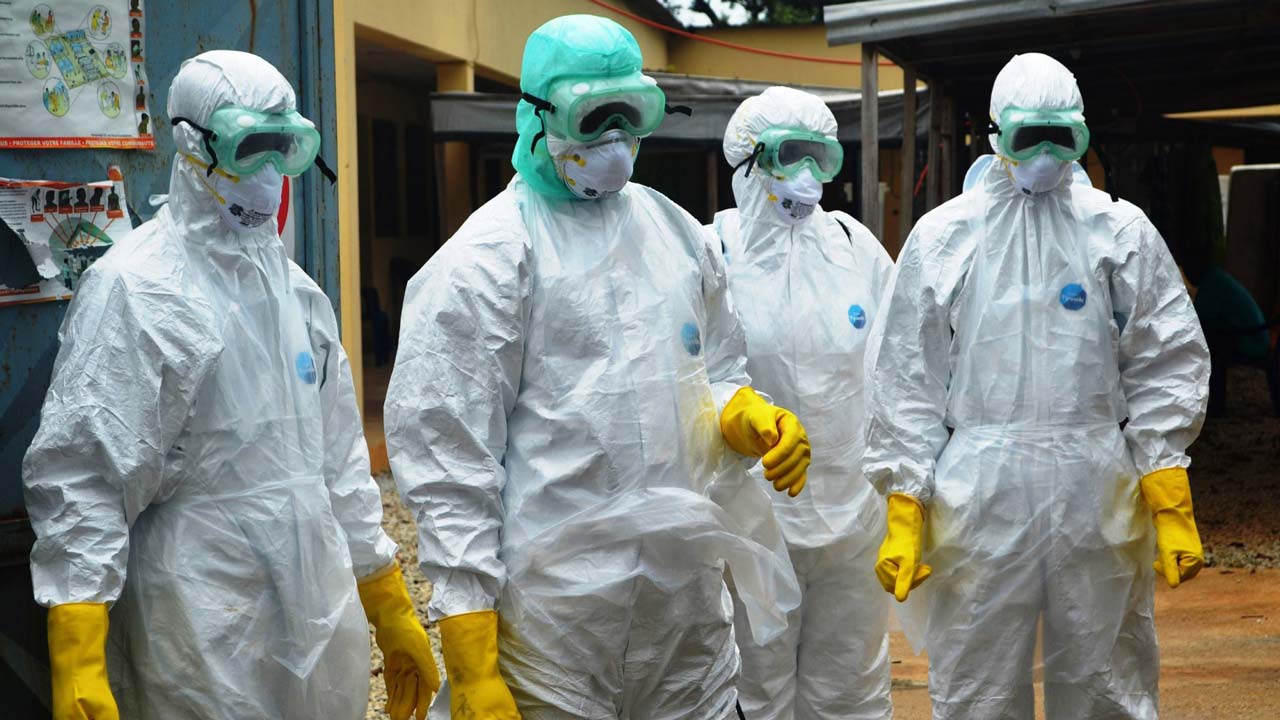
A public health consultant, Dr Francis Ohanyido, says there need for pregnant women to access and use Multiple Micronutrient Supplements (MMS) because of the dire consequences on the mother and child.
According to him, deficiency in important micronutrients and malnutrition still remains a major challenge in Nigeria.
Ohanyido, Country Director of Vitamin Angels, Nigeria, made the assertion at a two-day media engagement and capacity-building workshop on MMS in pregnancy in Lagos.
The News Agency of Nigeria (NAN) reports that according to the World Health Organisation, micronutrients are vitamins and minerals needed by the body in very small amounts.
However, their impact on a body’s health are critical, and deficiency in any of them can cause severe and even life-threatening conditions.
They include iron, vitamin B6, vitamin C, vitamin E, magnesium, zinc, iodine among others.
According to Ohanyido, in Nigeria, the most common micronutrient deficiencies include iron, folate, iodine, vitamin A, and zinc.
“Pregnant women in low- and middle-income countries (LMICs), including Nigeria are at increased risk of being deficient in multiple, critically important, micronutrients.
“However, poor maternal nutrition has dire consequences for women and children.”
“Micronutrient deficiencies can have lifelong impacts on a child’s physical, mental, and emotional development.’’
Ohanyido said: “One of the things done in public health which is important is giving supplements to vulnerable groups who need certain micronutrients.
“A lot of children are vulnerable to infections like measles. As a sort of preventative measure in public health, micronutrients are given to prevent chances of deficiencies.
“Because a mother is carrying a foetus, the demand on her body’s nutrients increases which needs proper supplements to help the immune system response.
“Multiple micronutrient supplements (MMS), commonly referred to as prenatal multivitamins, are one of the most impactful nutrition interventions that significantly improve maternal health and birth outcomes.
“MMMS contains 15 essential vitamins and minerals for pregnant and nursing women and meets micronutrient requirements that poor diets cannot meet.
“It has significant benefits compared to Iron and Folic Acid (IFA) which contains just 2 essential vitamins and minerals.”
According to Ohanyido, MMS is a part of an inclusive strategy by the Federal Government to reduce the prevalence of malnutrition in Nigeria.
“Vitamin Angels’ programme seeks increased improvement of maternal malnutrition and accessibility of MMS across the country as well as more funding from every level of government to achieve desired goals,’’ he said.
On some of the ways to address the situation, he said it was important for the Federal Government to prioritise the national guidelines for the prevention and control of micronutrient deficiency diseases in the country.
According to him, improving knowledge and awareness of micronutrient deficiency control as well as effective implementation are important areas of public-private sector collaboration.
The delivery of evidence-based and effective micronutrient interventions, strengthened research, monitoring and evaluation of Micronutrient Deficiency Control (MNDC) programmes are also essential.
He called for collaboration among NGOs and public-private actors to boost access and integration of nutrition within health systems.
Mr Christian Ugbo, Pharmaceutical Logistic Specialist, Vitamin Angels, said: “Before now, MMS was not widely known in Nigeria.
“But with this project, I can say the technical services that we provide, strengthening of the health system by building the capacity of health workers and community volunteers have increased their knowledge about evidence-based nutrition interventions.
“Ordinarily, knowledge transfer helps raise awareness and increase nutrition interventions acceptability.
“Our programme efforts have made significant progress over the last year despite COVID-19. We convened the first community of practice for nutrition with the Federal Ministry of Health,” he said. (NAN)(www.nannews.ng)
The management and staff of Pharmanews Limited wish to express our profound gratitude to you all for your maximum support all year round. Despite the harsh economic outlook on businesses in the outgoing year, we survived through your patronage.
We are most grateful to you all – readers, advertisers, subscribers, families and friends, for your patronage, as our success in business depends on your partnership with us.
With divine benevolence and your amazing support, we are assuring you of improved services next year. Wishing you a MerryXmas and a prosperous New Year in advance.
Football legend Pele‘s cancer has advanced and now requires treatment for heart and kidney trouble, according to a medical report released on Wednesday.
The 82-year-old is under “elevated care” and will now spend Christmas at the Hospital Israelita Albert Einstein, his daughter Kely Nascimento later confirmed in an Instagram post.
“Our Christmas at home has been suspended,” she wrote. “We decided with the doctors that, for various reasons, it would be better for us to stay here with all the care that this new family at Einstein gives us.”
“We decided with the doctors that, for various reasons, it would be better for us to stay here,” she said, posting from Albert Einstein Israelite Hospital in Sao Paulo.
She added, “We, as always, thank you for all the love you show here in Brazil as well as around the world! Your love for him, your stories, and your prayers are a HUGE comfort because we know we are not alone.”
Pele has been fighting colon cancer since his diagnosis in September 2021 and was hospitalised three weeks ago after Covid aggravated a respiratory infection.
A cross-section of NAFDAC and ACPN teams in a group photograph with the Acting DG, NAFDAC, Dr Monica Eimunjeze, and the National Chairman, ACPN, Pharm. Wale Oladigbolu
The leadership of the Association of Community Pharmacists of Nigeria (ACPN) has commended the appointment of the Acting Director General, National Agency for Food and Drug Administration and Control (NAFDAC) Dr Monica Eimunjeze, describing it as putting a round peg in a round hole; as it prayed the Federal Government to confirm her as the substantive DG.
The National Chairman, ACPN, Pharm. Adewale Oladigbolu, made this remarks during the courtesy visit of the association to the acting DG. He led a team of NEC members, including the National Secretary, Pharm. Eze Ambrose; National Treasurer, Pharm. (Mrs) Omokhafe Ashore; Chairman, ACPN, Lagos State, Pharm. Lawrence Ekhator, and Pharm. Jonah Okotie, to visit the newly appointed Ag NAFDAC boss.
Oladigbolu, while commending the newly appointed NAFDAC boss for the warm reception, noted that her responses to the requests of the association were fantastic, adding that she knows what the problems are and that the Federal Government has put a round peg in a round hole by appointing her as the acting DG, as she knows where the problems are and has the capability to solve them.
“So, we only pray to the FG to confirm her appointment as the substantive Director General, NAFDAC”, he said.
The visit, which happened to be the first official visit, made by the ACPN delegation to the NAFDAC Acting DG, since her resumption in office, was well appreciated by the NAFDAC team and utilised for cogent discussion on how to move the agency as well as the pharmacy practice forward.
Presenting the needs of the Association to the DG, Pharm. Oladigbolu pledged the unalloyed support of ACPN to NAFDAC, wishing her an uncommon success story as she steps into the office for the good of the Nigerians, to achieve the safety margin in the regulation of the food and drug sector of the economy.
The ACPN boss while expressing gratitude to NAFDAC for its relentless effort towards ensuring safe and efficacious medicines, technologies and vaccines over the years, however, called for more support and collaboration on sanitizing drug distribution system in Nigeria, and endorsement of technology-enabled supply chain coordination platform.
Speaking further, he said there was a need to redress the challenges associated with the disposal of expired drugs as well as develop a sustainable framework for the handling of service drugs, adding that there is a need for an intensive collaboration with NAFDAC to protect the health of the public.
According to him, there is also a need for collaboration with relevant stakeholders for the review of NDDG, adding that the association wants a closure of open drug markets in Nigeria, saying it’s an aberration that in this century, Nigeria still has open drug distribution system where drugs are exposed to untoward supply chain where drugs are not properly stored, and where drug policy is not respected.
“We should as a matter of urgency close down the open drug system and then we will have less burden of drug issues in our communities and the federal government will spend less money in our hospitals just by simply closing down the open drug markets. I would also like to state that closing down the open drug markets is a public health emergency”, he said.
The ACPN national chairman also said that unbridled distribution of drugs using online platforms is totally condemnable, adding that some of those medicines are outright fake, some have exaggerated claims, while some have not been adequately sourced and well distributed.
He added that buying such medicines online exposes members of the community to a whole lot of dangers, not only are they wasting their resources, but it may also delay them from seeking professional care from pharmacists and hospitals.” So, that is why we have come to say that NAFDAC should put its feet on the ground to ensure that there is controlled medicine distribution through an online platform.
“On drug labelling and classification, there should be ‘Consult Your Pharmacist’ on the primary container of every drug, as well as Pharmacists Initiated Medicines (PIMs), as one of the goals of the National Drug Policy 2022. Regulation of herbal medicine advertisement and the need to make progress on verification of claims, and clinical trials, genomic variations and the need to make progress on verification of claims,” he said
Also speaking, the duo of Pharm. Ezeh and Pharm. Ekhator, noted that the visit was not only necessary but timely, adding that the visit will benefit both the profession and the populace. “We know there is a change of guard in NAFDAC, so we have come to reiterate our requests and we are hopeful that they would be answered”.
In her response, Dr Eimunjeze, acting DG, NAFDAC, while appreciating the ACPN for the visit noted that sanitizing the drug distribution system is one of the key objectives of the agency, adding that on the issue of the NDDG, the agency needs to engage the Federal Ministry of Health to find out the level of implementation and what can be done. “Other issues raised here today shall be discussed at the National Executive Council Meeting and necessary actions shall be taken”, she said.
Recall that following the expiration of the tenure of Prof. Moji Adeyeye, who was appointed in 2017 as the Director General of NAFDAC, she exited the office and an acting head in the person of Dr Monica Eimunjeze, who had previously served as the Technical Assistant to the Director General of NAFDAC and as the Director, Drug Evaluation and Research was appointed for the organisation.
L-R: Executive Director Finance, Mr Ayodeji Aboderin; Executive Director, Pharma Sales & Marketing, Mr Valentine Okelu; MD/CEO May & Baker Nig. Plc, Pharm. Patrick Ajah: Head Internal Control and Compliance, Mr Godwin Obiakor and Head Pharma Plant Operations, Mr Silver Ajalaye, at the event.
Despite the abysmal macro-economic indices that have headlined businesses in Nigeria, especially in the pharmaceutical industry, May & Baker Nig. Plc, has rekindled hopes for the much- anticipated economic revival of the country, as it presented its operational scorecard for the outgoing year, 2022.
During the End of Year Media Parley with journalists in Lagos, on Wednesday, 21 December, 2022, the foremost Nigerian pharmaceutical company reiterated its commitment towards sustaining its core nationalist values with projects and programmes, aimed at promoting the culture of medicine security as well as creating employment opportunities for Nigerians.
Despite the gloomy outlook of the nation’s economy, May & Baker has continued to grow its business while keeping faith with its commitment to quality through adherence to regulatory compliance, manufacturing excellence, strong supply chain capabilities coupled with the unflinching support of its Board of Directors.
According to the company’s Managing Director, Pharm. Patrick Ajah, “Our people and our business have delivered strong results spanning January 2022 to September 2022.” And while many Nigerian companies, especially are laying off staff due to the gloomy outlook of the nation’s economy, May & Baker is employing more hands as it has somehow succeeded in expanding its product lines and operational capacity.
Pharm. Ajah, further disclosed that May & Baker’s total revenue grew from N8.1B from January-September 2021, to N10.3B in January-September 2022, representing a growth of about 27 per cent. More so, the company’s Profit Before Tax grew from N1.3B (January-September, 2021) to N1.7B (January-September, 2022), representing about 31 per cent growth with a working capital improvement from N5.3B from (January-September, 2021) to N6.5B in (January-September, 2022), representing a growth of about 23 per cent.
Despite the operational odds militating against the pharmaceutical industry in Nigeria, Pharm. Ajah added that May & Baker has remained committed to the provision of quality medicines in the West African sub-region with its huge investments in the marketing and promotion of key brands such as the famous M&B Paracetamol. This is in addition to the launch of new products such as the anti-malarial Artelum Combo and two nature care products for male fertility and pain, respectively – D-man and Boslan.
On the company’s top priorities for 2023, Ajah noted that more investments will be made towards solidifying operations and market performance. “In the course of 2022, we have made some investments in capacity expansion in the factory to take care of our volume growth and increasing demands for contract manufacturing from local and international companies
“We will also be making significant investments in new machines for our paracetamol plant and the pharmacentre to ensure we are able to meet our growing demands both for new and existing products,” he said.
For the commencement of the long-awaited local vaccine manufacturing, Pharm. Ajah disclosed that the groundbreaking ceremony would happen in the second quarter of 2023, as the Federal Executive Council has approved the first part of the MOU of Biovaccines with the Federal Ministry of Health for the supply of routine immunisation vaccines.
“This is the first/major step towards vaccine production in Nigeria, as this allows Biovaccines to commence the engagement with the chosen technology transfer partners and subsequently initiate the design and construction of the Greenfield project. We are optimistic that the groundbreaking ceremony for the vaccine production facility will happen before Q2 to Q3 of 2023,” Ajah noted.
On the company’s Corporate Social Responsibility efforts, he disclosed that May & Baker has contributed immensely by donating life-saving medicines to several NGOs for community health programmes and medical outreaches.
“We have supported and donated various items to the less privileged, including the school for the blind and orphanages, while also rendering our steadfast support to various associations and meaningful causes such as gender-based violence, support for medical outreaches, especially to victims of the recent flood disasters.
“Our partnership with the Lagos State Ministry of Environment is ongoing and our Nature Care division, with its natural products, has also supported Sickle Cell patients through donations and medical support for Non-Governmental Organisations that manage such conditions,” he said.
The Nigerian Medical Association, Ogun Chapter has warned against attacking its medical personnel.
The NMA Chairman, Dr. Kunle Ashimi who gave the warning during a news conference on Wednesday in Abeokuta, urged patients and their relations to channel their complaints to appropriate quarters.
He said that the patient or relative should express their grievances to appropriate quarters and avoid attacking doctors.
The News Agency of Nigeriareports that Dr. Pelumi Somorin and a nurse at the Federal Medical Center, Abeokuta were attacked on Tuesday by relatives of a patient who died in the hospital.
Ashimi described the attack as unacceptable, adding that his member had faced numerous attacks by patients or their relatives in the course of discharging their duties.
Recounting the incident, Ashimi said: ”around 4 am, I received a distress call from the Federal Medical Centre Abeokuta concerning an event that occurred there.
“A 53 year old woman with a severe form of heart failure which in itself after all the investigations, including the one she brought from the centre showed that it will take more than a miracle for this woman to survive.
“This was explained to the relatives when they brought in the patient and we feel that we will do our best and see what happens.
“Unfortunately this particular patient gave up the ghost just around 2 am and the next thing that the husband and her son did was attack the doctor that have been taking care of this patient.
“When the news of her death was broken to them, the doctor received a slap each from these two individuals and subsequently they attacked her but she was only saved by people around.
“In spite of the presence of the police, the young son of the late woman went ahead to assault a nurse.
“He was eventually taken to Kemta Police Station with his father where statements where taken from them as well as the assaulted doctor and the witnesses around,” he said.
Ashimi said the association was willing to take the culprits to court, to serve as a deterrent to others in the habit of bearing their frustration on medical personnel.
“We have decided that this will be the last one; we will not stop at pleadings. We have decided to take this case to the court, and we shall be in the court tomorrow, “he said.
He appealed to all hospital users and the public to desist from attacking medical personnel.
“We’ll go to any length to prosecute such persons and we will not accept the pleading of anybody no matter highly placed,” he said.
The Federal Neuro-Psychiatric Hospital Yaba, in Lagos State, says it has attended to 77,071 psychiatric patients at various outpatient pharmaceutical service points in the hospital.
The Medical Director of the hospital, Dr. Olugbenga Owoeye, disclosed this during the hospital’s presentation of the 2022 Annual Report (A Day with the Medical Director) on Wednesday.
Owoeye said that a total of N601.63 million was expended on the purchase of medications, which had been robust and purchased through a competitive tender process within the period under review.
He said the hospital catered for some indigent patients on admission as a total of 24 indigent patients were catered for and medications worth N1.35 million were dispensed to them.
According to him, the hospital lost three out of the 24 indigent patients within the year under review, noting that these were patients who had been with the hospital for decades.
The medical director noted that the hospital witnessed tremendous physical and infrastructural changes in the last year, which were made possible with funds from the government through the Federal Ministry of Health.
He explained that major developmental projects were facilitated at different stages and times both in the Yaba and Oshodi annex of the hospital, which had greatly improved the pictorial state and aesthetic value of the hospital as well as health service delivery compared to what it was in the time past.
He listed some of these projects to include the completion of the Administrative building, upgrading of the psychology/psychotherapy building, rehabilitation of hospital wards, construction and remodeling of the Out-Patient clinic, and construction of the psychiatric Tele-Psychiatric Centre, among others.
He said 210 members of staff were sponsored for local training, while one was sponsored for an international training programme, saying that the sponsorship covered all the departments in the hospital and they were all targeted at capacity building and better performance on the job.
“The continuous supply of medications to indigent patients without payment/reimbursement is a great burden to the Drug Revolving Fund.
“However, within the year under review, the hospital witnessed tremendous improvement in Human Capacity Building, physical and infrastructural development.
“Staff promotion and appointment of essential workers were carried out as and when due, capital projects were approved and executed with adherence to due process, issues of industrial relations and complaints were treated with dispatch through a redress mechanism and improvements in funding and finances were pursued with renewed vigour.
“These were made possible basically by the synergy between the Board, Management, and staff and are evident in the remarkable and monumental growth the hospital witnessed in the year,” Owoeye said.
On the lookout for 2023, Owoeye listed staff welfare, infrastructural development, and electronic medical record as the key areas of concentration.
He noted that inadequate manpower and inadequate overhead releases to the hospital were some of the challenges encountered by the hospital during the period under review.
“I wish to assure you that with prudent management of the available resources, every effort will be made to attend to the welfare of staff. It will be on the front burner of management in 2023.
“By 2023, the hospital electronic medical record will have become fully operational; this will enhance the quality of our services to our patients and also block all possible forms of leakages in the system,” he said.
A staff from the pharmacy department of the hospital, Dr. Christopher Ugwu lauded the medical director for the numerous achievements recorded within the period under review and expressed optimism that 2023 would be better.
Ugwu, however, suggested that the hospital should consider recognition of the impacts and achievements made by the various unions existing in the hospital going forward, as that would motivate the morals of the unions.
The News Agency of Nigeria reports that the event featured the presentation of awards to no fewer than 18 outstanding staff of the hospital.
Holiday weight gain – Photo credit: SBM – Society of Behavioral Medicine
As the holiday season approaches, many of us start to worry about gaining weight. We overeat at holiday parties, indulge in rich foods and sweets, and drink more alcohol than usual. And, all of this can lead to weight gain.
Putting on a few extra pounds during the holiday season is common, but it doesn’t have to be inevitable. With a little planning and some simple lifestyle changes, you can avoid holiday weight gain and stay on track with your health goals.
A study published in the New England Journal of Medicine, found that weight gain happens gradually over the course of the season. The researchers believe that weight gain is due to the increased consumption of calories during the holidays.
The study’s Lead Author, Dr Elissa Epel, says that holiday weight gain is a cause for concern. The problem is that this one pound tends to stay on, and then the next year, people gain another pound, and so on, she said. It’s part of a slow, gradual weight creep that happens over the years.
So how can you avoid holiday weight gain?
Medical expert Dr Leslie Cho, Director of Preventive Cardiology & Rehabilitation at Cleveland Clinic and a medical expert on the Dr Oz Show provides some advice on how to avoid holiday weight gain.
Here are some of the tips below:
1. Don’t Starve Yourself Depriving yourself of food will only make you more likely to overeat when you do finally indulge. Instead of skipping meals, eat smaller portions throughout the day so you’re not as ravenous come holiday feast time. This will help you avoid overeating and help keep your weight in check.
In addition to watching your portion sizes, it is also important to choose healthier holiday season foods. There are often plenty of healthier options available, such as fruits and vegetables. By filling up on these healthier choices, you’ll be less likely to indulge in the less healthy foods.
2. Be mindful of what you eat When you do sit down to enjoy a holiday meal, take the time to savor each bite, says Dr Cho. Savor the flavours and textures of the food, and pay attention to when you start to feel full. Eating mindfully will help you enjoy your food more and prevent you from overeating.
If you are worried about overeating at holiday parties, Cho recommends eating a light snack before you go. That way, you won’t be as tempted to indulge in high-calorie foods.
3. Avoid processed foods
Processed foods are often loaded with sugar, fat, and calories. Indulging in these foods can quickly add up, leading to weight gain. When possible, opt for whole, unprocessed foods. This includes fruits, vegetables, lean protein, and whole grains.
According to Cho, Director of Preventative Cardiology and Wellness at the Cleveland Clinic, the average person gains 1-2 pounds during the holiday season. With all of the temptations around, it can be hard to resist indulging in our favourite holiday foods.
4. Don’t drink your calories
People don’t realise how many calories they’re consuming when they drink these high-calorie beverages, Cho said. A single serving of eggnog can have over 500 calories and when you factor in multiple servings or add alcohol, the calorie count goes up quickly.
Holiday weight gain is a common problem, and one that can be avoided by making smart choices about what you drink. If you’re watching your weight, stick to calorie-free drinks like water or unsweetened tea. And if you do indulge in a festive beverage, make sure to balance it out with healthy food choices and plenty of physical activity.
5. Get moving
Exercise is always important, but it’s especially crucial during the holidays when you’re more likely to be sedentary. Make time for a 30-minute walk every day, and try to get in some other form of activity as well. Exercise will help to boost your metabolism and burn calories, making it easier to avoid weight gain.
By following these tips, you can avoid holiday weight gain and stay on track with your health goals. With a little planning and some simple lifestyle changes, you can enjoy the holidays without putting on extra weight.
The United States on Tuesday offered to share vaccines with China to stem soaring Covid cases, saying containing the outbreak was in the interest of the world.
It is unlikely that China would accept the offer from the United States, its frequent adversary after Beijing invested heavily in Covid diplomacy that included shipping its homegrown vaccines around the world.
“It’s important that all countries focus on getting people vaccinated and making testing and treatment easily available,” State Department spokesman Ned Price told reporters.
“The US is the largest donor of Covid-19 vaccines around the world. We’re prepared to continue to support people around the world, including in China, with this and other Covid-related health support,” Price said.
“This is profoundly in the interests of the rest of the world. Our Covid-19 vaccines are safe and effective, and we have provided them to countries around the world, regardless or in spite of any political disagreements.”
Price said that the caseload in China, the world’s second-largest economy, had both human and economic costs.
“It’s important not only for the PRC but also for the continued economic recovery of the international community that the PRC is in a position to get this outbreak under control,” he said, referring to the People’s Republic of China.
China, where Covid-19 was first detected three years ago until recently attempted a policy of zero cases that included stringent lockdowns.
The communist leadership abruptly reversed course after rare public protests but much of the population remains unvaccinated, especially the elderly.
Crematorium workers in China told AFP that they are struggling to keep up with a surge in deaths.
China’s homegrown Sinopharm vaccine has an efficacy rate of 79 percent against symptoms and hospitalization after two doses, the World Health Organization said in June, compared with around 95 percent for US-made Moderna and Pfizer.
Polio vaccine given to a child – Photo credit: WHO/AFRO
Mrs. Olanike Awoyefa, the Ward Supervisor, Ifelodun Health Centre, Ife East Local Government Area of Osun, said the council has vaccinated 10,500 children against Polio.
Awoyefa disclosed this in an interview with the News Agency of Nigeria on Wednesday, in Ile-Ife.
She said that the Oral Polio vaccine, the second phase this year, was administered to children under five years to prevent them from the disease.
According to her, the government will continue to put in place measures to prevent the virus.
Awoyefa explained that the exercise commenced from December 16 to 19, covering Akogun, Apata 11, 111, Asiko-laye, Ajidara, Owoeye, Oyebanji, Ifedebi, Safejo, Alajobi, Lakaye areas.
She, however, commended mothers for supporting the exercise and allowing their children to be vaccinated.
She equally lauded the state government’s commitment to the elimination of polio in the state.
Health officials in China – Photo credit: The New York Times
China on Monday reported its first deaths from COVID-19 since loosening its hardline containment policy, as hospitals and crematoriums struggle with an outbreak authorities say is impossible to track.
The country is pressing ahead with unwinding years of its zero-Covid policy, with people in one megacity now even told they can go to work if they are visibly ill.
Official case numbers are widely considered unreliable following the end of mandatory mass testing, while fears are mounting of a wave of infections in poor rural areas during the upcoming Lunar New Year holidays.
Authorities on Monday reported two deaths from the virus in the capital Beijing, where fear of Covid has emptied streets and stripped pharmacies of medications.
Millions of unvaccinated elderly Chinese remain vulnerable to the disease. Accounts from strained hospitals and crematoriums suggest the true toll of the outbreak has gone unreported.
“Numbers don’t tell the full story,” Hoe Nam Leong, a Singapore-based infectious diseases expert, told AFP, saying he expected the real number of deaths was higher.
A lack of testing likely meant many infections were going unnoticed, he added.
Some hospitals were too full to admit patients, while health workers may be downplaying Covid as a cause of death, Leong said.
“Individuals may die of a heart attack from the stress of infection. The main cause of death would be a heart attack, but the underlying cause is Covid.”
– Back to work –
Authorities are nevertheless determined to press ahead, with the southern city of Chongqing — home to around 32 million people — becoming one of the first parts of China to let people attend work even with visible symptoms.
The Chongqing Daily newspaper reported Monday, citing a notice from municipal authorities, that “mildly symptomatic” state employees “can work as normal”.
In Beijing, authorities urged residents to “resume normal life and production as soon as possible”, saying recovered patients would not need a test to enter public spaces. Officials also encouraged the resumption of conferences and weddings.
It marks a dramatic reversal in a country where previously a single infection could send thousands of people into lockdown.
The Chongqing notice, issued Sunday, also urged residents not to take tests “unnecessarily” or require people to show a negative result, with exceptions for facilities such as care homes, schools and prisons.
Local governments across China have generally encouraged people to isolate at home while recovering — a major shift from the previous policy of forcing people into state quarantine facilities.
On Sunday, the eastern province of Zhejiang — a major economic hub home to more than 60 million people — said those with mild symptoms could “continue to work, if need be, on the prerequisite of taking personal protections”.
While many people appear to be riding out the current wave at home, others are determined to get out and about — with around 1,500 fans cramming into a sports bar in Shanghai for Sunday’s World Cup Final.
Diehard Lionel Messi fan Vicky Gong told AFP she was there to savour the “electrifying” atmosphere around the Argentina-France clash despite recently catching the virus herself.
Businesses have been struggling with large numbers of staff off sick, but an optimistic Rene-Pol Bouldoires — who jointly runs the bar — hailed Shanghai’s “first big night” since curbs were lifted.
“People are going nuts,” he told AFP. “They’re really going to have fun.”
– ‘Three waves’ –
Visits to hospitals and clinics surged in the days following China’s lifting of restrictions, though the World Health Organization said the virus was already spreading widely as “control measures… were not stopping the disease”.
One of the country’s top epidemiologists warned China was facing “the first of three waves” expected over the winter, according to comments carried Sunday by financial news outlet Caijing.
Wu Zunyou said the current surge would last until mid-January and mainly affect cities, before widespread travel over the Lunar New Year holiday triggers a second wave through the middle of February.
The third peak would hit from late February to mid-March as those infected over the holiday return to their places of work, he added.
United Kingdom nurses on Tuesday staged a second unprecedented strike amid an increasingly acrimonious fight with the government for better wages and warnings that patient safety could be jeopardised.
Up to 100,000 members of the Royal College of Nursing in England, Wales and Northern Ireland are holding the latest one-day stoppage after walking out last Thursday for the first time in the union’s 106-year history.
They are demanding an inflation-busting pay increase to make up for years of real-terms salary cuts, but the government insists recession-hit Britain cannot afford anything above a roughly 4-5 percent rise.
The striking nurses are just one of numerous UK public and private sector workers taking industrial action over pay and working conditions, as they grapple with a cost-of-living crisis worsened by decades-high inflation.
The UK consumer prices index is currently running at nearly 11 percent.
Ambulance workers, including paramedics and call handlers, are set to strike on Wednesday.
A second such walkout is scheduled for December 28, while others, including postal, railway and Border Force staff are staging stoppages over the Christmas period.
– ‘Entrenched’ –
The RCN has criticised Prime Minister Rishi Sunak’s government for refusing to discuss pay as part of stalled negotiations to end the dispute, and warned the strikes could be repeated in the coming months.
“The only reason we’re entrenched is because we’ve got no one to talk to about what the issue is,” the union’s director in England, Patricia Marquis, told Times Radio on Monday.
“Sadly, if there is no resolution, then our members have taken a vote to take strike action and the mandate that lasts for six months.”
The union has also accused Health Secretary Steve Barclay of adopting a “macho” negotiating style during brief meetings held recently.
“The RCN’s demands are unaffordable during these challenging times and would take money away from frontline services while they are still recovering from the impact of the pandemic,” Barclay said Monday.
He and other ministers have reiterated that they can only accept the recommendations of an independent pay review body.
The government-appointed body, comprised of economists and human resources experts, urged hiking healthcare sector pay at least £1,400 ($1,740) on top of a 3.0 percent increase last year.
But critics argue it is constrained by government-imposed budget limits and that its assessment, published in July, predates current higher inflation rates.
– ‘Fair and reasonable’ –
Sunak is set to be quizzed by a cross-party watchdog panel of lawmakers on Tuesday, with the issue of strikes likely to feature.
On the eve of the nurses’ latest strike, he insisted the government has adopted a “responsible and fair approach” to public sector pay.
“When it comes to pay it’s because these things are difficult that we have an independent process,” he said while on a visit to Latvia.
Ministers from various departments held their latest contingency meeting Monday as they bid to mitigate the fallout from the growing number of public sector strikes.
They plan to draft in 750 military personnel to drive ambulances and perform logistics roles.
A further 625 soldiers will be involved in “contingency planning” to replace Border Force staff striking over numerous days from Friday through to New Year’s Eve.
Despite the government’s dogged insistence it will not negotiate over pay, polls indicate the majority of people support the nurses’ stance, and to a lesser extent other workers walking out.
YouGov polling during December reported by The Sunday Times showed nearly two-thirds back the nurses, while half are supportive of ambulance staff stoppages.
However, after a year of strikes on the railways, only 37 percent backed its workers amid their ongoing dispute over pay and conditions.
The National Agency for Food and Drug Administration and Control (NAFDAC) has warned Nigerians against the purchase and usage of falsified Daonil 5mg tablets.
The agency raised the alert on the circulation of the product, stating that it was discovered in Idumota, Lagos State recently, adding that the sale and use of the counterfeit Daonil 5mg tablets poses a risk to patients’ health and safety.
Daonil 5 mg tablet is an anti-diabetic medicine containing glibenclamide as its active ingredient. It is used to treat type 2 diabetes mellitus.
The manufacturer of the product, Sanofi Pharmaceuticals, said its anti-counterfeit lab in France, conducted a laboratory study of the product DAO-NI 0016 and discovered that it had been faked.
NAFDAC presented details of the counterfe DAO-NI 0016 is as follows: Product Name: Daonil 5mg; Batch No.: OPA6D; Expiry date: August 2023 (08/2023).
It stated that the genuine item (DAO-NI 0016) has a batch code of OPA6D and an expiration date of August 2022. While the fake product’s packaging and blisters have an expiration date of August 2023. An examination found that packaging from real expired products was being reused and/or rebranded with an updated expiration date of 08/2023.
NAFDAC therefore advised wholesalers, distributors, pharmacies, and customers to make sure that products are purchased from reputable and legitimate sources.
“To prevent the distribution of fake Daonil 5mg pills and the administration of the drug to unknowing patients by healthcare professionals, increased monitoring within the supply chain is now advised. Carefully examine the items’ physical integrity and genuineness.
“Anyone in possession of the fake product should stop selling or using it and stock should be turned in to the NAFDAC office that is closest to them,” the agency said.
Health workers in protective gown – Photo credit: Nigeria Governors’ Forum
Poised to curb the surge in the prevalence of emerging and re-emerging infectious diseases in Nigeria, prominent healthcare practitioners including Lagos State Commissioner for Health, Prof. Akin Abayomi; Dr Japhet Olugbogi, medical officer, Lagos State Ministry of Health; Dr Monica Hemben Eimunjeze, acting NAFDAC DG; Dr Jimmy Arigbabuwo, national president, Healthcare Providers Association of Nigeria and Lagos State Coordinator, National Health Insurance Authority, Dr Aisha Abubakar Haruna, will be converging at the NECA House, Alausa, Ikeja, on Tuesday, 20 December, 2022, to brainstorm with health writers on the development.
The medical experts will meet at the 12th Annual symposium of the Health Writers’ Association of Nigeria (HEWAN) to do justice to the theme of the progromme, which is : ‘Emerging and Re-emerging Infectious Diseases: Implications and Solutions”.
HEWAN, in a statement heralding the symposium, made available to Pharmanewsonline, noted that sequel to a review of the available evidence, Lassa fever, Monkey Pox, Ebola Virus Disease, Yellow Fever, and Poliomyelitis are some of the top emerging and re-emerging infectious diseases outbreaks Nigeria has battled.
It affirmed that the rising cases of emerging and re-emerging infectious diseases threaten all countries in the world by affecting both human lives and economic capital of the nation.
“The situation has raised some questions: Why are so many infectious diseases coming up so suddenly? Should Nigerians be concerned? What are the implications? What must the government, the media and individuals do to keep safe and preserve humanity?”, the group asked.
While Dr Olugbogi, will be the lead speaker, the sub-theme of the symposium titled: “Achieving Universal Health Coverage through Mandatory Health Insurance: Role of NHIA”, will be delivered by Dr Haruna.
Olugbogi is a public health specialist with a strong passion for humanitarian activities, social criticism, good governance, public health, community and social development.
Speaking on the essence of the conference, Mrs Chioma Obinna, president, HEWAN, said the symposium would help in shaping the skills and knowledge of health reporters who are critical stakeholders in the progress of the health sector as well as major players in the quest for Universal Health Coverage.
She said: “We have made extensive arrangement for a hitch-free event, everything has been put in place, and we are hopeful of an impactful lecture”.
Former Ogun State Governor, Gbenga Daniel (right) leading the process for cutting of the cake during the Emzor 18th Annual Thanksgiving Dinner at Muson Centre, in Lagos on Sunday.
As part of efforts to make unlimited wellness available to all and affordable by all, leading manufacturer and distributor of pharmaceutical products, Emzor Pharmaceutical Industries Limited, on Sunday unveiled six new products in addition to its products portfolio.
The newly unveiled products are Para 1000, Mutil Stop, Emzorphage 500, Azithromycin 500, Emzor Fluconazole, and Emzor Hydrochlorothiazide Tablet.
The products were unveiled at the company’s 18th Annual Thanksgiving Dinner held at the Muson Centre, Onikan, and Lagos on Sunday. The theme of the 2022 event was “Enter His Gate with Thanksgiving and His Court with Praise”.
In his remarks, the Chairman of the event, Mazi Sam Ohuabunwa, commended Emzor Group for the role the it is playing in the pharmaceutical industry, while urging every individual to learn an act of gratitude to God from the Okoli’s family.
“It has become a culture for Emzor to give thanks to God. Learn from the Okoli’s family. They gather people two to three times every year to thank God. They have the heart of gratitude and nobody can do that without having close relationship with God. Let us all have the heart of gratitude to God, even as a country, we need to be showing gratitude to God. Let us be hoping that the next year election will take Nigeria to its manifest destiny, as we continue to thank God”, Ohuabunwa said.
A cross-section of dignitaries at the Emzor Thanksgiving Dinner, with the Managing Director Emzor, Dr Stella Okoli (middle).
While speaking at the event, the Managing Director, Emzor Group, Dr Stella Okoli, revealed the secret of the company’s big feat in the industry, saying the organisation has been doing well not because she or the board has two heads or smarter but because the company is sold out for God.
She pointed out that the company already has five manufacturing plants and still counting. According to her, the organisation is the first company in Nigeria to have Active Pharmaceutical Ingredient (API) plant, adding that the company now has over 200 over-the- counter products (OTC) and about 248 products in all.
“The reason we are doing well is not because we are smarter than others, it is because we are completely sold out for God. We will continue to thank God. God destined that there should be Emzor and that is why there is Emzor. This is why we are entering His gate with thanksgiving and His court with praise”, Dr Okoli said.
The wife of the Ogun State Governor, Mrs Bamidele Abiodun, commended the company for its continuous impact in the pharmaceutical industry. While urging every individual to cultivate the habit of giving thanks to God, Mrs Abiodun also charged every individual to always remember the less privileged around them.
In his ministration, the guest minister, who is the Continental Overseer of the Redeemed Christian Church of God, Continental 1 (South- East Regions, South-South Regions, Lagos Regions 2, 37 Shomolu & North Africa 1), Pastor Kalu Ndukwe Kalu noted that Emzor has every reason to thank God.
According to him, one of the reasons to praise God is because thanksgiving is the only key to reach God. He said it is a good thing to thank God, adding that thanksgiving is a command given by God Himself in the book of second Thessalonian 5: 18. He therefore challenged everyone to always obey God by giving thanks always.
The organisation also used the occasion to shower long service award and recognition on some of its staff who have served the company meritoriously for 10, 15, 20 and 25 years, contributing immensely to enable the company accomplish its mission of making quality healthcare available and affordable to all.
The Executive Director, General Duties, Human Resources and Finance of the organisation, Mrs Uzoma Ezeoke; said the company gave the staff the award because they have added invaluable values to the organisation over the years. He urged them not to relent in their efforts to enable the company accomplish its goal.
Other guests present at the event are the former Ogun State Governor, Otunba Gbenga Daniel; wife of the deputy Governor of Lagos State, Mrs Oluremi Hamzat; Acting Director General, National Agency for Food and Drug Administration and Control (NAFDAC), Dr Monica Eimunjeze, among others.
L-R: Brand Manager Cardiovascular Portfolio, Olugbenga Obaparusi; Head, Regulatory and Quality Assurance, Pharm. Theophilus Emeka Adimoha; Head of Consumer Business West Africa, Suresh Karuppiahsamy; First Prize Winner, Moses Oladimeji Olaosebikan; Ibucap Brand Ambassador, Kafayat Shafau aka Kaffy; Chief Operating Officer, West Africa (Pharma) Business Operations, Arun Raj and the Brand Manager Analgesics and Antimalarial Portfolio, Shalina Healthcare, Chiuba Nwaosu during the prize presentation ceremony in Lagos.
A 23-year-old student of the University of Ibadan, Moses Oladimeji Olaosebikan with the stage name, @directr_m has emerged as the winner of the Ibucap “Super Me” Challenge; an initiative of Shalina Healthcare Nigeria, makers of Ibucap. He won a grand prize of one million naira.
Other winners of the competition include @tabrenation and @ejiyk, the first and second runners-up winning cash prizes of five hundred thousand naira and two hundred thousand naira respectively.
According to Chiuba Nwaosu, brand manager, Analgesics and Antimalarial Portfolio, Shalina Healthcare “Ibucap “Super Me” challenge, is an online contest which had participants making their own videos in different professions emphasising that in whatever you do, whatever your career, IBUCAP is always with you in your pains”.
Speaking on how the winners emerged, Nwaosu said: “there were 250 contestants in all and both the online followers and a team of selected judges did the voting. In the four weeks exercise, ten winners emerged weekly, winning prizes of 20,000 naira each, resulting in a total of forty winners. These forty were later screened into ten and out of these, three contestants eventually emerged as overall winners.
Presenting the prizes, Ibucap brand ambassador, a Nigerian dancer and choreographer, Kafayat Shafau popularly known as Kaffy, expressed her satisfaction with the process and appreciated the company saying; “Shalina is not just genuine to its course in making quality healthcare products available and affordable, but also provide opportunities for an average Nigerian to be successful.”
In their respective remarks, the company’s Chief Operating Officer, West Africa (Pharma) Business Operations, Arun Raj and Head of Consumer Business West Africa, Suresh Karuppiahsamy, acknowledged that the initiative was born out of the company’s determination to provide quality healthcare in Nigeria.
A tuberculosis patient – Photo credit: Premium times
The discovery of Mycobacterium Tuberculosis, the bacteria that causes tuberculosis, was announced on 24 March, 1882, by Dr Robert Koch. The announcement came at a time when tuberculosis was killing one out of every seven people living in Europe and the United States. Today, Koch’s discovery is seen as the most significant step taken towards the control and elimination of the deadly disease.
A hundred years after Koch’s discovery, 24 March of every year was designated “World Tuberculosis Day” for the education and enlightenment of the public on the impact of tuberculosis around the globe.
The term, “tuberculosis”, was coined by John Schonlein in 1834, even though it was believed that Mycobacterium Tuberculosis might have existed for as long as three million years before then. In ancient Greece, TB was known as “phthisis”, just as it was known as “tabes” in ancient Rome; while the ancient Hebrews knew it as “schachepheth”.
In the 1700s, it was called “the white plague”, largely because of the pale colouration of patients. In the 1800s after Schonlein named it, TB was popularly known as “consumption” or “Captain of all these men of death.”
A disease that affects both animals and humans, TB has been reportedly found in the bones of ancient bison by archaeologists in Wyoming, USA. The bison were said to have lived for 17,000 years. Still found in many animals in the United States, including cattle and deer, Bovine TB (Mycobacterium Bovis) can also be transmitted from animals to humans. Every year, nearly one million cattle are tested for the disease. Cattle which come in contact with wildlife that carry TB are most likely to be infected.
Human history
The human history of TB dates back to 9000 years ago in Atlit Yam, a city now under the Mediterranean Sea, off the coast of Israel. According to archaeologists, TB was found in the remains of mother and child buried together. However, the earliest written mentions of TB were in India (3,300 years) and China (2,300 years).
While TB was responsible for 25 per cent of all deaths throughout the 1600s and 1800s, the same scenario played out in the United States. The first published report on TB was in New York in 1893. This development was the result of the efforts put in by Dr Hermann Biggs, who convinced the New York City Department of Health and Hygiene that doctors should report TB cases to the health department.
When a TB outbreak occurred in the 1800s in New England, there were speculations that the first family member who died of the disease usually came back as a vampire to infect other members of the family. These “vampire panics” forced families who lost members to dig up the suspected vampire and perform a special ritual to ward off further infection.
On 24 March, 1882, Robert Koch announced his discovery that TB was caused by a bacteria in his presentation, “Die Aetiologie der Tuberculose”, at the Berlin Physiological Society conference. The discovery of the bacteria proved that TB was an infectious disease, not hereditary. In 1905, Koch would go on to win the Nobel Prize for Medicine and Physiology.
Transmission and symptoms
Today, TB is globally known as an airborne infectious disease, transmitted when a person with the disease coughs, speaks, or sings. When a person is diagnosed with TB disease, a contact investigation is done to find and test people (like family members) who may have been exposed to the infection. People diagnosed with TB disease or latent TB infection are then treated.
All over the world, TB is the 13th leading cause of death and the second leading infectious killer, after COVID-19 (above HIV/AIDS). In 2021, an estimated 10.6 million people fell ill with tuberculosis worldwide (6 million men, 3.4 million women and 1.2 million children).
TB is present in all countries and age groups. Nigeria is ranked as one of the high-burden TB countries in the world and contributed 4 per cent of all TB cases in 2017, placing her in the 6th position globally, in terms of percentage contribution.
The TB bacteria can live in the human body without causing illness or symptoms. This is when the person’s body is able to fight the bacteria, making it incapable of causing damage to the body system. This is known as latent TB infection.
Many people who have latent TB infection never develop TB disease. In these people, the bacteria remain inactive for a lifetime, without causing disease; whereas in a person whose immune system is weak or compromised, the bacteria becomes potent enough to cause sickness. This is the reason most people with HIV/AIDS suffer from tuberculosis disease.
The World Health Organisation (WHO) says it plans to transform the future of public health by targeting three billion people by 2023.
Dr Mie Okamura of the Emergency Preparedness and Response, WHO, said this in Abuja on Saturday during the “Walk The Talk’’ peace awareness exercise.
Okamura said the WHO Walk The Talk was part of awareness creation on Non-Communicable Disease (NCDs) and to promote exercise.
According to her, NCDs include heart disease, cancer, chronic respiratory disease and diabetes.
“This is what we call walk the talk, which is being done every week to sensitise the population and communities to have a healthier life.
“This is a way to show people that we need to exercise and to be active, which is very important and necessary to achieve good healthy living.
“WHO has three targets which are Universal Health Coverage (UHC), we want one billion people to have access to universal health coverage without having financial hardship.
“The second target is health emergencies protection, which means one billion more people will have better protection from health emergencies.
“The third is healthier populations, which means that one billion more people will enjoy better health and well-being.”
Okamura advised that people should cultivate the habit of exercising as it is the only way to keep healthy.
She called on Nigerians to exercise and eat healthy foods as festive season approaches.
Dr Mary Stephen, the WHO Regional Officer for Africa, said the organisation had trained its staff to respond to health emergencies.
Stephen said Nigeria is prone to many emergencies and so to address such the organisation built the capacity and strengthened its staff to be ready for any emergencies.
According to her, some experts are drawn from ministries and agencies to be trained to handle cases of health emergencies. (NAN)(www.nannews.ng)
Uganda on Saturday lifted a two-month lockdown on two districts at the epicentre of the country’s Ebola epidemic, amid cautious hope that the outbreak could end soon.
Since authorities declared an Ebola outbreak on September 20, the East African nation has registered 142 confirmed cases and 56 deaths, with the disease spreading to the capital Kampala.
The two central districts at the heart of the outbreak, Mubende and Kassanda, were placed under lockdown by President Yoweri Museveni on October 15.
But on Saturday, Vice President Jessica Alupo announced that the government was “lifting all movement restrictions and curfew in Mubende and Kassanda districts with immediate effect”.
The two hotspots were under a dusk-to-dawn curfew, with markets, bars and churches closed as well as personal travel banned.
“The lifting of the restrictions is based on the fact that currently there is currently no transmission, no contact under follow-up, no patients in the isolation facilities, and we are progressing well”, Alupo said in a televised address delivered on behalf of Museveni.
Ugandan authorities said last month that new cases were falling, and the last confirmed patient with the disease was discharged from hospital on November 30.
Alupa warned however that the government remained on “high alert” for any resurgence in cases.
– Trial vaccine –
The announcement came after local leaders in the two districts appealed last month for the lockdown to be lifted and implored the central government to provide aid to citizens hit hard by the curbs on business.
The outbreak has been caused by the Sudan strain of the virus, for which there is currently no vaccine.
Uganda earlier this month received its first shipment of trial vaccines against the Sudan strain, with more doses expected in the coming weeks.
They will be used in a so-called ring vaccination trial, where all contacts of confirmed Ebola patients, and contacts of contacts, are jabbed along with frontline and health workers.
However, the absence of active Ebola cases in recent days has held up the vaccine trials, according to international health experts working in Uganda.
According to the World Health Organization, an outbreak of the disease ends when there are no new cases for 42 consecutive days — twice the incubation period of Ebola.
Ebola spreads through bodily fluids. Common symptoms are fever, vomiting, bleeding and diarrhoea.
Outbreaks are difficult to contain, especially in urban environments.
China’s nursing homes are fighting an uphill battle to keep their elderly residents safe as a wave of COVID-19 infections sweeps the country following a relaxation of the government’s zero-tolerance virus policy.
Facilities are locking themselves off from the outside world with staff sleeping on site, while struggling to get their hands on drugs.
Authorities have warned of rapidly growing caseloads, and industry ministry official Zhou Jian said on Wednesday that the country was “making all-out efforts to ramp up the production of key medicines”.
Experts fear the country is ill-equipped to manage the “exit wave” of infections as it presses ahead with reopening, with millions of vulnerable elderly people still not fully vaccinated.
And eldercare facilities have now been left to fend for themselves as society reopens, the manager of one privately run Beijing home said.
“We are fully sealed off,” the manager, who asked to remain anonymous, told AFP.
Only food and supplies are allowed in — no one is allowed to enter or leave.
He said the home had ordered medical supplies “at a high price”, but they had not arrived yet after a week, with the city’s logistics network battered by infections among delivery workers.
He warned it would be impossible to keep the virus out forever.
“Couriers and delivery personnel are almost all Covid positive,” he said. “Even if you disinfect or throw away all the outer packaging, plus the plastic packaging, you can’t spray disinfectant on all the food that comes in.”
Many Chinese eldercare facilities have already been locked down for weeks following local government directives, with Yuecheng Senior Home in Beijing saying last week it had already been sealed off for nearly 60 days.
In Shanghai, the Xiangfu Nursing Home said this week it would continue “closed management”, forcing all employees to sleep on site and giving staff nucleic acid tests every day.
“As society optimises prevention and control policies, our home should in particular maintain high vigilance,” the home said in its statement.
– Hospitals under pressure –
Visits to hospital fever clinics surged in the days following China’s lifting of restrictions last week, though the World Health Organization said the virus was already spreading widely in the country as “the control measures in themselves were not stopping the disease”.
The toll of the abrupt shift away from zero-Covid is still unfolding, with multiple funeral homes in the capital telling AFP they experienced a recent surge in demand.
Health authorities have reported no deaths from COVID-19 in the past week, but have admitted that official figures no longer capture the full picture of domestic infections now that mass testing requirements have been dropped.
“We’ve had hundreds of patients, with a number of patients coming from nursing homes and in their 90s,” though there appeared to be few severe cases, one nurse at a Beijing hospital, who asked to remain anonymous, told AFP.
The nurse, who had recently caught Covid himself and returned to work after just three days, said more than half of his colleagues had been infected over the past few days.
“We can only force ourselves to work to keep the hospital running,” he said. “Those who have no fever and only mild symptoms are returning to work.”
A tuberculosis patient – Photo credit: Premium Times
The discovery of Mycobacterium Tuberculosis, the bacteria that causes tuberculosis, was announced on 24 March, 1882, by Dr Robert Koch. The announcement came at a time when tuberculosis was killing one out of every seven people living in Europe and the United States. Today, Koch’s discovery is seen as the most significant step taken towards the control and elimination of the deadly disease.
A hundred years after Koch’s discovery, 24 March of every year was designated “World Tuberculosis Day” for the education and enlightenment of the public on the impact of tuberculosis around the globe.
The term, “tuberculosis”, was coined by John Schonlein in 1834, even though it was believed that Mycobacterium Tuberculosis might have existed for as long as three million years before then. In ancient Greece, TB was known as “phthisis”, just as it was known as “tabes” in ancient Rome; while the ancient Hebrews knew it as “schachepheth”.
In the 1700s, it was called “the white plague”, largely because of the pale colouration of patients. In the 1800s after Schonlein named it, TB was popularly known as “consumption” or “Captain of all these men of death.”
A disease that affects both animals and humans, TB has been reportedly found in the bones of ancient bison by archaeologists in Wyoming, USA. The bison were said to have lived for 17,000 years. Still found in many animals in the United States, including cattle and deer, Bovine TB (Mycobacterium Bovis) can also be transmitted from animals to humans. Every year, nearly one million cattle are tested for the disease. Cattle which come in contact with wildlife that carry TB are most likely to be infected.
Human history
The human history of TB dates back to 9000 years ago in Atlit Yam, a city now under the Mediterranean Sea, off the coast of Israel. According to archaeologists, TB was found in the remains of mother and child buried together. However, the earliest written mentions of TB were in India (3,300 years) and China (2,300 years).
While TB was responsible for 25 per cent of all deaths throughout the 1600s and 1800s, the same scenario played out in the United States. The first published report on TB was in New York in 1893. This development was the result of the efforts put in by Dr Hermann Biggs, who convinced the New York City Department of Health and Hygiene that doctors should report TB cases to the health department.
When a TB outbreak occurred in the 1800s in New England, there were speculations that the first family member who died of the disease usually came back as a vampire to infect other members of the family. These “vampire panics” forced families who lost members to dig up the suspected vampire and perform a special ritual to ward off further infection.
On 24 March, 1882, Robert Koch announced his discovery that TB was caused by a bacteria in his presentation, “Die Aetiologie der Tuberculose”, at the Berlin Physiological Society conference. The discovery of the bacteria proved that TB was an infectious disease, not hereditary. In 1905, Koch would go on to win the Nobel Prize for Medicine and Physiology.
Transmission and symptoms
Today, TB is globally known as an airborne infectious disease, transmitted when a person with the disease coughs, speaks, or sings. When a person is diagnosed with TB disease, a contact investigation is done to find and test people (like family members) who may have been exposed to the infection. People diagnosed with TB disease or latent TB infection are then treated.
All over the world, TB is the 13th leading cause of death and the second leading infectious killer, after COVID-19 (above HIV/AIDS). In 2021, an estimated 10.6 million people fell ill with tuberculosis worldwide (6 million men, 3.4 million women and 1.2 million children).
TB is present in all countries and age groups. Nigeria is ranked as one of the high-burden TB countries in the world and contributed 4 per cent of all TB cases in 2017, placing her in the 6th position globally, in terms of percentage contribution.
The TB bacteria can live in the human body without causing illness or symptoms. This is when the person’s body is able to fight the bacteria, making it incapable of causing damage to the body system. This is known as latent TB infection.
Many people who have latent TB infection never develop TB disease. In these people, the bacteria remain inactive for a lifetime, without causing disease; whereas in a person whose immune system is weak or compromised, the bacteria becomes potent enough to cause sickness. This is the reason most people with HIV/AIDS suffer from tuberculosis disease.
In the previous edition, we identified the four minimum management functions as planning, organising, leading and controlling. We posited that planning is key and the place to start. As in other industries, planning is essential for pharmaceutical managers; and In fact, this is the season of planning for sales and marketing leaders.
Planning is the function that determines in advance what should be done. Planning is formally defined as the act of determining the organisation’s goals and the means of achieving them. A plan is a blueprint for action that specifies:
What is to be done – in numbers preferably, and SMART resources and resource allocations actions necessary for attaining goals schedules.
Budgeting
A sales budget is a financial plan that estimates a company’s total revenue in a specific time period. It focuses on two things—the number of products sold and the price at which they are sold—to predict how the company will perform. Typically, organisations state this on a monthly, quarterly or yearly basis.
Sales budgets are important tools to help businesses estimate their overall performance and how much revenue they may make from a certain product. It helps companies forecast sales and maximise the utilisation of their resources. A sales budget also serves as a planning tool for organisations to use in setting specific standards for achievements.
The figure below is the overview of budget and budgeting.
The first thing you need to be aware of is that the sales budget drives many parts of the organisation: production/importation schedule, overheads, cash-flow, expenditures, including Cap Ex, profitability, etc. It is thus a serious business!
Sales budgeting therefore involves estimating future levels of revenue from sales, selling expenses, and profit contributions of the sales function. From the foregoing, there are three dimensions of a sales budget:
Sales budget – projection of revenue computed from forecast unit sales and average prices.
Selling expenses budget – the amount that the department may spend to obtain the revenues projected in the sales budget.
Profit budget – merged sales budget and the selling expense budget to determine gross profit. This, I have found from experience, is usually ignored by most sales managers. Yet, how will the company survive and grow if it is ignored by chief revenue officer?
Sales forecasting
Sales forecasting is an estimate of a company’s sale for a specified future period. Sales forecasting provides the starting point for assumptions used in various planning activities. It is also used for short-term financial control systems. The financial budget is dependent upon the sales forecast for the projected revenue figures. There are five levels of concern in sales forecasting: market potential, sales potential, actual sales forecasts, sales quotas, sales budgets. Let’s break them further down:
Market potential – it is the highest possible expected industry sales of a good or service in. a specified market segment, for a given time period. For instance, the market potential for the sales of computer in Lagos state might be two units annually. This is based on buyers’ ability to buy and willingness to buy.
Sales potential – refers to an individual firm’s market share of the market potential, where market share is defined as the percentage of market controlled by a particular company or product. It is the maximum sales a firm can hope to obtain.
Sales forecasts – the sales estimate the company actually expects to obtain, based on the market conditions, company resources, and the firm’s marketing plan. The sales forecast is less than the sales potential, since it is based on realistic set of circumstances.
Sales quota/target – is a sales goal assigned to a sales person, region or a team. They are usually derived from the sales forecasts. Sales goals and objectives sought by management.
Sales budget – a management plan for the expenditures to accomplish sales goals. Derived from sales target, but like a more realistic target. Most sales managers are assessed based on budget, while lower-level sales managers are assessed based on target. The difference is usually between 10 per cent and 20 per cent
Sales budgeting process
Below is a summary of the process to develop a useful sales budget:
Situational analysis – sales managers have to look at the magnitude of past differences between budgeted and actual figures and the reasons for these differences.
Identification of problems and opportunities – The actual potential threat and challenges have to be assessed and addressed to determine the probabilities of occurrence and potential impact.
Development of sales forecast – The manager is equipped to forecast sales, using one of the various methods. Projections are made about the anticipated levels of sales by territory, product or type of account. It is expressed both in units and dollars.
Formulation of sales objectives – once the forecast has been developed, the sales force has to be told what sales target to strive for and what objectives to pursue.
Determination of sales tasks – the sales manager and the entire sales force have to carry a broad array of sales activities, ranging from recruitment to evaluation, and from prospecting to after sales service.
Specification of resource requirement – that is, the resources that will be required to implement the specified activities and achieve the objectives.
Completion of projections – here, all the inputs and requests from the various units of the sales function are assembled and tied into a comprehensive package.
Presentation and review – presentation and defending of the sales budget proposal before the management.
Modification and revision – sales managers have to engage in a series of compromise sessions. Here, the sales targets and budgets might be adjusted by the higher management, reflecting both the needs of the company and the true potential of the marketplace.
Budget approval – final levels are eventually approved and authorised for both the sales and the selling expense budgets. Here onwards, budgets are reviewed periodically, by looking at the ongoing market conditions and other external forces.
Finally, you must know that the sales budget and the sales target are not exactly the same, though sometimes used interchangeably. Needless to say that there is a very direct relationship between them and that the sales target is necessarily higher than the sales budget
Tunde Oyeniran, a sales/marketing strategist, selling/sales management trainer and personal sales coach is the lead consultant, Ekini White Tulip Consulting Limited, Lagos. We deliver training, recruitment and field force management solutions. Feedback Channels: 080-2960-6103 (SMS/WhatsApp) /ekiniwhitetuliptraining@gmail.com or check out https://fb.me/EkiniWhiteTulipConsulting
President of the International Pharmaceutical Federation (FIP), Mr Dominique Jordan, has urged pharmacists across the globe to strive to make impressive contributions in the healthcare space by making huge impact in primary healthcare.
Jordan made this disclosure to Pharmanews in an exclusive interview on the outcome of the recently concluded 80th FIP World Congress of Pharmacy and Pharmaceutical Sciences, held in Serville, Spain. He added that, towards the realisation of this goal, the Federation has been building on three key areas of work, which are non-communicable diseases, prevention and patient safety.
Emphasising the crucial roles of primary healthcare in any healthcare delivery system, Jordan noted that no healthcare sector can survive without a solid channel in reaching the grassroots.
He said this is the reason the federation has been specifically committed to primary healthcare for the past four years, stressing that activities are in top gear towards celebrating the fourth anniversary of this commitment with a Global Summit.
Speaking on other roles pharmacists can play in primary healthcare, aside from vaccination, he mentioned screening of people for increased risk of cardiovascular disease, as done in Australia; Prevention of HIV infections by prescribing antiretrovirals for pre- and post-exposure prophylaxis, as done in Brazil; improving tuberculosis patients’ health and helping stop the spread of the disease, as done in India; management of diabetes patients, as done in Lebanon; and detection of people at risk of colorectal cancer and screening, as done by Switzerland community pharmacists, among others.
Below is the full text of the interview:
Congratulations on the successful conclusion of the 80th FIP World Congress of Pharmacy and Pharmaceutical Sciences, held in Servile, Spain. Can you mention some of the takeaways for pharmacists from this year’s congress?
After a long wait for this FIP World Congress in Seville to become a reality, finally, we were able to gather. The congress was not only a sign that we are emerging from the COVID pandemic, but was yet another strong demonstration of pharmacists’ dedication to healthcare everywhere.
During the congress, colleagues from 104 countries discussed learnings for future preparedness. We shared the evidence supporting the response to COVID-19 and heard from experts on a range of topics, including new medicines, improving communication and addressing misinformation, as well as strategies to support whole-person healthcare.
We shared our ethical challenges and explored solutions to health inequities, medicines shortages, choices and affordability, sustainability, and technological advances, among other subjects. New knowledge in these areas was taken home by our participants to put to use to benefit our societies.
We are very proud of the success of this congress and the even stronger relationships we have built. I am confident that our collaboration will remain strong as together we advance our profession. The congress also reminded us of the importance of meeting face to face, and of the engagement this facilitates.
Now, it is time to look forward to our next congress and beyond the topic of healthcare recovery. Our 81st World Congress of Pharmacy and Pharmaceutical Sciences will take place 24-28 September 2023 in Brisbane, Australia, under the theme of building a sustainable future for healthcare. Our actions, our services, our rightful place in healthcare systems must be sustainable and I urge all colleagues to join us in our work to make this happen.
In line with the theme of 2022 World Pharmacists Day, what is FIP’s mandate to pharmacists across the globe?
World Pharmacists Day 2022 was the 12th global celebration of our profession, led by FIP. The theme was “Pharmacy United in Action for a Healthier World” and, without a doubt, our profession showed its unity on that day, with this message being carried in at least 140 countries through numerous and varied activities.
Our profession came together to make sure everyone knows how committed pharmacists, pharmaceutical scientists and pharmacy educators are to making our world a healthier place. Colleagues from every sector — including community, hospital, industry, science, education, research and clinical trials, government, regulation and non-governmental organisations — showed their pride in our profession and celebrated our contributions to the targets of Sustainable Development Goal 3, health and well-being for all.
We saw the value of pharmacy talked about in national newspapers and on the radio. We heard #WPD2022 messages from health ministers and health systems recognising our profession’s contribution. Pharmaceutical companies, wholesalers, other corporates in the health sector and even financial institutions also took the opportunity to thank pharmacists for their efforts to make medicines expertise and healthcare accessible to all.
We have successfully shown how our profession is united for a healthier world, regardless of and overcoming conflict, different politics and cultures, and economic disparity. I would personally like to thank all our member organisations and individuals who have supported the campaign this year. I feel so proud to be a pharmacist and to be the president of FIP.
I encourage everyone to take part in the campaign next year, on 25 September, to promote our great profession even further. The theme for WPD2023 will be announced at the end of March and I invite colleagues to keep an eye on FIP social media for news.
At the congress, much was said about expanding pharmaceutical services to vaccination centres, and point-of-care centres. How can this be achieved without pharmaceutical premises being seen as a rival to a hospital?
The COVID-19 pandemic has clearly demonstrated that there is both room and need for vaccination and testing in pharmacies, and that this is essential if we are to be able to offer access to health to as many people as possible. When, during the pandemic, access to many healthcare facilities were restricted, pharmacies remained open to provide care. Prevention is better than cure and vaccination is the second most effective public health intervention after clean water.
As the global leader of Pharmacy, we have continued to advocate for expansion of vaccination by pharmacists. We are pleased that the number of countries with pharmacists as vaccinators has increased. According to our data, as of August 2022, pharmacy-based vaccination is now available in at least 40 countries and territories — 20 more than in 2016.
Throughout the pandemic, FIP has been gathering evidence of actions and outcomes and we now have good evidence to share, reflect on, and use to transform Pharmacy globally, so that we are fully equipped to contribute to the present and future challenges of our health systems.
We should not be looking upon other types of healthcare facility as rivals. The wording of FIP’s vision is clear: A world where everyone benefits from access to safe, effective, quality and affordable medicines and health technologies, as well as from pharmaceutical care services provided by pharmacists, in collaboration with other healthcare professionals. There is a role for everyone to play in the service of our societies. I think the pandemic has opened up many doors for pharmacy and helped others to view our contributions positively.
How would you address the challenge of inadequate funding and facilities in the production of medicines in some parts of the world, especially the developing countries?
Inadequate funding and facilities are indeed a complex challenge that we must overcome. It is not right that we have some parts of the world with good facilities but others not, and this is what the concept of universal health care aims to correct. It has helped, to some extent, that the COVID pandemic has made our vulnerabilities in terms of access to medicines, for example, clear and it has been encouraging to see developments such as the push for Africa to make its own medicines.
FIP and its partners, under the World Health Professions Alliance, have been advocating for more investment in healthcare and will continue to do so. Where possible, FIP also advocates improvements in related areas. Earlier this year, for example, we met with energy suppliers to raise awareness and discuss solutions to energy supply challenges across Africa, in order to help prevent the devastating outcomes of outages on the provision of healthcare.
But more developments are needed in this area and this requires political will, as well as investment. We believe that our health ministers’ summit next year will provide an opportunity to garner more support.
Regarding the migration of pharmacists to other professions, what is FIP admonition to other pharmacists?
It would not be right for me to tell colleagues in which direction to steer their careers. What I can say is that Pharmacy is a great profession that allows you to help others with the most valuable commodity that we have — health. A qualification in Pharmacy will serve you well in many sectors and can take you to many new places, but the world definitely needs pharmacists now more than ever. Let me add that I have been a pharmacist for over 34 years and remain so. I am proud to be a pharmacist and I hope others are equally proud to be pharmacists!
Nutritional supplements – Photo credit: National Institute on Aging – NIH
Hybrid grains, vegetables and fruits have increased in popularity. These hybrid seeds boast big, luscious products that are more resistant to diseases. The nutrient content of hybrids, however, is significantly less than that of their natural counterparts.
Farmers nowadays are more interested in quantity than quality. The driving force is now profit! The food industry is not left out. Special transportation and storage techniques makes it possible to have a wide variety of fruits and vegetables available in the shops and markets nationwide. The practice of “green harvesting” means picking fruits and vegetables before they are mature.
Shipping food over long distances requires cold storage and other preservation measures which allow for the depletion of vital nutrients. A lot of our foods are highly processed. For example, the refinement process of our flour from wheat to create white bread and pastries, removes more than 23 essential nutrients, magnesium being one of the most important.
Did you know?
Fresh cut vegetables, salads and fruits lose more than 40 to 50 percent of their value, if they sit for more than three hours.
The processing of our meats removes 50 to 70 per cent of Vitamin B6.
Cold storage removes up to 50 per cent of vitamin C from tangerines and oranges.
Storage of vegetables like asparagus for just one week can deplete 90 per cent of its Vitamin C.
The second level of how we prepare our foods is even more critical. Overcooking, delay in preparing fresh foods, freezing and refreezing foods are some of the reasons our foods lose nutritional value.
In Nigeria, our love for frying chicken, meats and fish, especially for party cooking, is legendary. Our love for heavy carbohydrates meals with very little or no vegetables and fruits is also very significant.
Recommended Daily Allowances (RDA) vs optimal levels
RDAs started in the early 1920s and 1930s as minimum requirements of ten essential nutrients that could help avoid acute deficiency diseases. Diseases like scurvy (deficiency of Vitamin C), rickets (deficiency of Vitamin D), and pellagra (deficiency of niacin). The occurrences of these diseases have effectively been eradicated!
RDAs have, since the early 1950s, been expanded to include the amounts of nutrients needed for normal growth and development.
Chronic degenerative diseases
Physicians are disease-oriented. They study disease. They look for disease and are medically trained to treat disease.
Physicians know about drugs and do not hesitate to prescribe them. It would make better sense however to maintain good health, rather than to try to regain it after it has been lost.
This is why awareness is being created for all to learn about how to prevent disease rather than pushing for “early detection” and cure. Emphasis should now be helping people understand the lifestyle changes that are necessary to actually protect their health.
Sadly, so many physicians still do not know or believe in nutritional supplements.
What causes degenerative diseases?
While physicians simply wait until patients develop diseases and then begin to treat with drugs developed by the pharmaceutical companies, it is instructive to note that God has equipped our bodies with the best defence against developing chronic degenerative diseases.
Because of the respect people have for doctors, they erroneously assume they are experts on all health-related issues, including nutrition and vitamins. The harsh reality is that many people, physicians included, are currently suffering from chronic degenerative diseases!
Dr Kenneth Cooper, through his book, The Antioxidant Revolution (Thomas Nelson, 1994), explains a process called “oxidative stress”. He indicates that this is the underlying cause of chronic degenerative diseases – the health problems plaguing humanity today!
While oxygen is essential for life itself, oxygen is also inherently dangerous to our existence. This is called the oxygen paradox. Scientific research has established, beyond any shadow of doubt, that oxidative stress, or cell damage by free radicals, is the root cause of more than 70 chronic degenerative diseases.
The same process that causes iron to rust or a cut apple or tuber of yam to turn brown is the underlying initiator of diseases like coronary artery disease, cancer, strokes, arthritis, multiple sclerosis, Alzheimer’s, dementia and macular degeneration.
Oxidative stress is behind the ageing process, in addition to an army of pollutants in our air, food and water.
Our stress-filled lifestyles also take a heavy toll, resulting in cell deterioration and, ultimately, disease.
In the concluding part of this article, we will examine and learn how the taking of high quality antioxidants, also called nutritional supplements, may help to combat and control the above-mentioned diseases, and others.
When you understand the tremendous damage that oxidative stress inflicts during normal daily life on the human body, you will realise how important it is to optimise your own natural defence systems!
Nutritional supplements do not treat diseases; they simply help to supply nutrients to the body at optimal levels that ensure excellent health.
This approach is called cellular nutrition.
(Continues next edition).
Mrs Chima Ejimofor is the lead partner of Infinite Health Consult, and is available for the purchase of Forever Living Nutritional Supplements, Health Talks and Wellness Seminars. She is based in Lagos, Nigeria. Telephone/WhatsApp: 07033179632, email: infinitehealthconsult@gmail.com
References:
Medically reviewed by Miho Hatanaka, RDN, L.D. — By Jenna Fletcher on August 22, 2019
(Medical News Today)
What your Doctor doesn’t know about nutritional medicine may be killing you – Ray D. Strand MD.
Photo credit – Centers for Disease Control and Prevention
The Nigeria Centre for Disease Control (NCDC) has issued a public health advisory to elderly Nigerians and anyone at high risk of severe COVID-19, including hospitalisation, to continue to follow safety precautions, including the use of a facemask. This was following the approval for the relaxation of all COVID-19 safety measures and travel advisories by the Presidential Steering Committee on COVID-19 (PSC-COVID-19)
The health agency disclosed this in an official statement on Thursday, 15 December, 2022, as it also announced it’s switching from publishing weekly case update for COVID-19 to biweekly status updates.
“If you have never received a vaccination, go to the closest government health centre to acquire one. Booster shots should be received if you have only received a portion of the recommended vaccinations.
“Persons in the high-risk category for severe COVID-19 including hospitalisation e.g., the elderly, those with conditions or on treatments that affect their immune systems, and those with hypertension, diabetes and other significant chronic illness are advised to continue to use their facemask in crowded places”, the agency advised.
In addition, the centre stated: “Wash your hands with soap under running water frequently or use an alcohol-based sanitiser. Cough or sneeze into your bent elbow or a disposable tissue,” the agency advised.
The agency further urged Nigerians to get tested for COVID-19 if they noticed COVID-19-associated symptoms, and to self-isolate if they test positive for COVID-19 until they recover.
“Fill out the simplified Health Declaration Form (not exclusive to COVID-19) on the Nigeria International Travel Portal (NITP) before or on arrival in the country. Although no longer a pre-requisite for travellers, we recommend filling out this simple health declaration form prior to travel to Nigeria to avoid any additional delays on arrival at our airports,” the agency stated.
NCDC will continue to maintain surveillance (including genomic surveillance [sequencing]) to monitor the COVID-19 trends locally and monitor the global situation to inform public health measures to protect the health of Nigerians.
The National Agency for Food and Drug Administration and Control (NAFDAC) has alerted healthcare professionals and the general public on a batch of counterfeit Meronem discovered in Nigeria.
The agency made the disclosure recently, adding that the administration of the counterfeit antibiotics will pose a particular high risk to patients.
According to Pfizer, laboratory investigation of the Meronem vial content revealed no meropenem trihydrate but amoxicillin and saccharine.
Meropenem injection belongs to the category of drugs known as antibiotics. It functions by eradicating the infection-causing germs.
Meningitis, an infection of the membranes around the brain and spinal cord and skin and abdominal infections brought on by bacteria are treated with genuine Meronem (meropenem trihydrate injection) in adults and children older than 3 months.
The agency gave details of the counterfeit Meronem as follows: Meronem 1g IV injection, manufactured by Pfizer, with batch number – 4A19G161, and manufacturing and expiry dates being 07/2020 and 06/2024 respectively. The active ingredient of the product is meropenem trihydrate.
Additionally, it was noted that the fake Meronem vial had an unusually coloured cap, without serial number at the vial’s neck, and foamed when the contents were reconstituted.
The genuine manufacturer of Meronem, stated that a check in their database indicated that the batch 4A19G161 is a legitimate batch for the Egyptian market but was manufactured on 03/2018 and bearing an expiry date of 02/2022.
“Anyone in possession of the fake goods should throw them away and turn them into the nearby NAFDAC office.
“Healthcare professionals and individuals are reminded to only buy medical supplies from licensed and approved vendors. Before purchasing and using the items, they should be thoroughly examined for authenticity and physical condition.
“All importers, distributors, and retailers are urged to maintain supply chain vigilance and refrain from bringing in, selling, or otherwise dealing with fake Meronem IV injection and/or other fake and subpar pharmaceuticals,” the agency stated.
In addition, the agency advised the populace to seek immediate medical advice from a qualified healthcare professional if they have ever used the product, or you suffered an adverse reaction/event having used the product.
Hospital team members wearing safety gear as they work in the Coronavirus ward
The death of a young medical student in China ignited concern on Thursday over the strain on the country’s healthcare system as staff battle a nationwide surge in coronavirus cases.
Covid-19 is spreading rapidly across China after three years of strict containment measures ended last week, with health authorities now saying the true scale of the outbreak is “impossible” to track.
The wave of infections poses the biggest challenge to the underfunded medical system since early 2020 when hospitals were overwhelmed with patients in critical condition and many staff fell ill.
On Thursday a top medical college in the southwestern city of Chengdu said a 23-year-old graduate student had died from a heart attack a day earlier when he reported feeling unwell after a shift.
The West China School of Medicine did not link his death to Covid-19 or any underlying health issues.
But a hashtag related to the incident on the Twitter-like social media platform Weibo was read more than 390 million times, with internet users demanding to know what caused the death.
Many asked whether the student, surnamed Chen, had been working while infected with Covid.
The tragedy tapped into anger over working conditions for doctors in China and fears that the medical system will buckle under the weight of millions of unvaccinated elderly patients.
Students are increasingly being dispatched to frontline clinical positions due to staff shortages as the outbreak grows.
Earlier this week, hundreds of students at medical colleges in Sichuan and Jiangxi provinces protested over pay and what they called inadequate protections against the virus.
On Thursday, a National Health Commission official suggested local medical facilities could rehire doctors who had retired within the last five years to alleviate staff shortages.
– Working with Covid –
An anonymous doctor at a hospital in a rural county in Sichuan province told AFP that “more than half” of her colleagues had Covid but many hospitals were not conducting regular PCR tests anymore.
“Doctors and nurses are under pressure because the hospital is understaffed,” she said.
The number of patients at her facility had doubled since restrictions were lifted, she added.
An unverified screenshot of a group chat among medical students that was circulating on social media Thursday showed some of Chen’s classmates saying they had to work clinical shifts with a fever.
“Graduate students only earn a few hundred yuan per month (working clinical shifts), while their school fees are tens of thousands of yuan,” read one comment that drew hundreds of likes.
State media and top medical experts have urged patients to stay at home and self-medicate if they have mild symptoms but fever medication has become all but impossible to find in cities.
People have complained of empty shelves and long lines at pharmacies, while Chinese internet giant Baidu said searches for ibuprofen had risen 430 percent in the past week.
A number of elderly care homes and factories across China have issued statements in recent days saying they will continue with “closed-loop management” — essentially under lockdown with staff sleeping on the premises — as the Covid wave gains pace.
Many enterprises previously resorted to the system when China was operating a zero-Covid policy so they could prevent disruption to their businesses if snap lockdowns were imposed by authorities.
Oba Adeyeye Ogunwusi, the Ooni of Ife, has urged government at all levels to encourage and support private driven investment into the health sector.
Ogunwusi said this at the inauguration of a two-storey laboratory building named “Omics Diagnostics Ltd.,” at Yaba, Lagos.
He said there was the need for government to start to promote and propagate medical tourism into the country.
Ogunwusi also stressed the need for repositioning of the health sector to meetup with its responsibilities.
“For me, this is a challenge even to the three tiers of government; they need to encourage a lot of private sector driven investment into the health sector.
“We need to start to promote and propagate medical tourism into our dear country.
“We need to do a lot of repositioning of the health sector.“This centre is at the heart of Yaba, we all know Yaba is the best designed environment in the history of country.
“It is located not far from some teaching hospitals, they can easily access, so this is a challenge to government to continue to support and promote a private sector learning,” he said.
He said that the establishment of Omics Diagostics centre was another refinement and another game-changer in the health sector in the country.
“I went there, I checked every unit, the state of the art equipment for different levels of test and also a very strong and dedicated home-grown diagnostics centre that is critical.
“One beauty of this home-grown centre is by localising each and every section after role models around the founder and the owner.
“This centre is obviously another level in the health sector because a lot of Nigerians travel out of the country to other countries to undergo ordinary test.
“They think diagnostic centres in Nigeria are not reliable, they cannot rely on outcome of the results.
‘This is a game-changer; a complete game-changer. It is driven by a private sector led Princess Adepeju, in whom I am well pleased,” he said.
The traditional ruler commended the founder for her doggedness and zeal to excel.
Princess Adepeju Ogunleye, Founder/CEO, Omics Diagnostics Ltd., Lagos, described the laboratory as a dream come true.
Ogunleye said that the centre would provide support for researchers and research works.
She added that through the laboratory, researches that would inform and transform government policies would be conducted.
“We learnt a lot during COVID-19 pandemic, Ebola gave us the signal but COVID shut down the world.
“The essence of this centre is that government cannot do it alone, so private sector need to come in and assist the government.
“We should not wait until there is a pandemic before we act. The essence of this research laboratory is to help researchers carry out studies ahead of time.
“The African also need to start planning ahead so that when we have cases like this, we are also prepared and not caught unaware and stranded.
“This is to allow researchers come in and use our world-class equipment, some have been installed, some about to be cleared, while others are been shipped into the country,” she said.
Earlier, in her welcome address, Mrs Oyindamola Ige, the Proprietress, Nest Montessori Pre-school and Bridge International School, Ibadan, described the laboratory as a world-class and asset to Lagos State and Nigeria in general.
Ige commended the founder for her insight and vision to set-up the facility that would be of great benefit to humanity.
The News Agency of Nigeria (NAN) reports that the centre was founded by Princess Adepeju Ogunleye, a sister to the Ooni of Ife, from the Giesi ruling house of Ile-Ife.
The centre offers medical research, medical diagnostics, laboratory services and medical consultancy.
Its services include hematology, genomics, biomaker analysis, flow cytometry, laboratory work, sample testing, equipment validation, kit testing, crime analysis, project research, toxic analysis and COVID-19 test, among others. (NAN)
L-R: Mrs Vivian Iwuamadi, admin-secretary, BOF-PSN; Pharm. (Dr) Joel E. B. Adagadzu, chaiman, BOF-PSN; Pharm.(Sir) Ifeanyi Atueyi, managing director, Pharmanews Ltd., and Pharm. (Chief) Lanre Familusi, secretary, BOF-PSN, during the visit.
Chairman, Board of Fellows of the Pharmaceutical Society of Nigeria (BOF-PSN), Pharm. (Dr) Joel E.B. Adagadzu, paid a courtesy visit to Pharm. (Sir) Ifeanyi Atueyi, managing director, Pharmanews Ltd, on Wednesday, 14, December, 2022. The visit, he said, was to appreciate the continuous support and significant contributions of the publisher of Pharmanews to the Pharmacy profession over the years.
The visit, which took place at the company’s corporate office in Lagos, had in attendance Dr Adagadzu; Pharm. (Chief) Lanre Familusi, secretary, BOF-PSN; and Mrs Vivian Iwuamadi, admin-secretary, BOF-PSN.
Filled with gratitude, the BOF-PSN Chairman explained that the visit was imperative in order to appreciate Sir Atueyi, for his life of dedication not just to the profession but to humanity as a whole and also to seek his blessings.
“Thanks for the monthly publication of Pharmanews, the profession owes you a great debt for bringing it to public attention. Due to your dedication, professionalism, and position as a mentor to many, you have won the hearts and minds of many of us. Every day, even without your knowledge, we pick up so much from you.
“When I became BOF-PSN Chairman, one of the goals my team and I set for ourselves was to ensure that we connected more with those who were senior to us. You were one of those I decided not just to visit, but to pay my respect, appreciate and seek your blessings.
“We also wish to thank you for spending so much time reporting on the BOF-PSN activities, as Pharmanews is one of the most effective media allies to us. Since you are everything to us, it is quite challenging to sum up who you are. I pray that God will continue to bless you with wellness and all-round blessings,” Adagadzu prayed.
In his response, the Pharmanews boss thanked the Chairman for coming over to visit him, as he congratulated him on his first successful year in office.
“I appreciate the visit because we are considered elders in the profession, so people like us should be visited by the younger ones; it makes us happy. I want to also use this opportunity to sympathise with you and the BOF-PSN for the loss of Pharm. Ngozi Obikili, the former treasurer of BOF-PSN. It was a terrible loss,” he said.
Speaking further, Atueyi urged the Chairman to make a difference during his time in office, so that he will be remembered for what he has done, adding that the end is always more important than the beginning.
He said: “You have two more years left to perform, which will require sacrifice. You have to give in your time, money, talent, and everything at this time since you won’t be returning to your position as chairman.
“My prayer is that God will help you to have a successful tenure in office and give you the wisdom and health you require for service.”
Quoting from the Holy Bible in Colossians 3:23, Atueyi admonished the Chairman to serve the Board as though he is serving God, because it is only God that rewards service.
Giving the vote of thanks, Mr Patrick Iwelumor, editor Pharmanews, joined his Publisher in wishing the BOF-PSN Chairman a wonderful tenure in office, adding that his name has always rung a bell which connotes he will achieve great heights.
“We join our Managing Director to wish you, by the grace of God, that by the time you’ll be leaving office, it shall be said that the BOF-PSN and indeed the Pharmacy profession has never had it so wonderful under your tenure in Jesus’ name,” he prayed.
Pharmacists under the aegis of Association of Community Pharmacists of Nigeria (ACPN) have vaccinated a total of 1240 Nigerians from five states with the COVID-19 shots in the month of November, 2022.
In a report titled “Community Pharmacy COVID-19 Vaccination Data for November 2022”, made available to Pharmanewsonline, the association revealed the states where vaccination took place and number of facilities supported for the exercise.
The report was released on Wednesday, 14 December, 2022, by the Research and Development Unit of the association.
The six states used as centres for vaccination as stated in the report were: Oyo, Akwa-Ibom, Cross-rivers, Kaduna, FCT, and Rivers.
Recall that the Federal Government unveiled COVID-19 vaccination at community pharmacies during in June this year to boost Nigeria’s efforts at attaining the national target of 70 per cent coverage in deference to attainment of herd immunity.
Also as part of efforts aimed at breaching the gap in human resources in the health sector, the ACPN in collaboration with the National Primary Health care Development Agency successfully trained no fewer than 200 community pharmacists on COVID-19 vaccination and routine immunisation.
According to the update, out of the 1,240 people vaccinated from the five states, Oyo had (671), Akwa-Ibom (99), Cross-rivers (400), Kaduna (52), and FCT (18)
A total of 116 supported facilities were used from the reported six states. These are Oyo (23), Akwa-Ibom (14), Cross-rivers (13), Kaduna (26), FCT (22), and Rivers (18).
In a recently held press conference to herald the 41st Annual Scientific Conference of the Association tagged “AJUMOSE EKO 2022,” the National Chairman of the Association, Pharm. Adewale Aderemi Oladigbolu, expressed that the country needs more health resources, and community pharmacists to close that gap in COVID-19 vaccination exercise.
Some of the banned tomato paste brands displayed at the NAFDAC Office, Isolo, during the press briefing
Operatives of the National Agency for Food and Drug, Administration and Control (NAFDAC) have clampdown on warehouses with unregistered tomato pastes, food seasonings and sardines worth millions of naira, in Lagos.
The Acting Director General, NAFDAC, Dr Monica Eimunjeze, who led the enforcement team for the sting operation, said despite the ban on importation of tomato pastes in the country, they were astonished to see heavy loads of unregistered tomato pastes, seasonings and sardines stockpiled in warehouses located in Lagos.
Briefing pressmen on the development at the NAFDAC Office, Isolo, Lagos on Wednesday, Eimunjeze said although investigation is ongoing on the goods, but it was necessary to alert the public on the discovery to prevent the consumption of such unregistered products.
Among the list of the unregistered tomato pastes brands displayed at the NAFDAC’s office were Lena, Mummy’s Joy, St Anne, 1st Choice, Famrite, Estus and others.
According to her “We uncovered some banned tomato pastes products, which have not been evaluated by this agency, stockpiled in warehouses in Lagos. The products question the existence of local manufacturers who are in the line of production of these products.
”As I said earlier, investigation is ongoing, but suffice it to say that the quantities are remarkable enough to warrant attention, and we can’t speak to the quality of these products”.
She particularly appreciated Head of Enforcement of the agency, for his vigilance and alertness in spotting warehouses where these illegal products are kept. She also expressed displeasure over the development, as she narrated that the operation was a tough one, and if nothing is done to stem the tide, it could get worse.
“I want to specially appreciate the works of our investigation and enforcement director, Mr Martins and his team, ably supported by our officers, who joined us on this operation. It was not easy, I wouldn’t say more than that, and we know it could get worse, if such crack operations are not carried out”, she explained.
Recall that in 2019, the Federal Government of Nigeria banned the importation of canned/tinned tomato paste, powder, or concentrate and its tariffs were increased from five per cent to 50 per cent in a bid to ensure that they are properly certified by NAFDAC to ascertain their wholesomeness.
However, it is shocking to see different brands of these products still being display in markets and stores across the country.
With the recent move of the Ag NAFDAC DG and her team in enforcing the ban action, local manufacturers of tomato pastes may begin to rejoice.
Registrar, Environmental Health Council of Nigeria (EHCN), Dr Yakubu Baba
The Federal Government says it is set to convert all the waste from slaughtered animals in abattoir to wealth in in the country.
The Registrar, Environmental Health Council of Nigeria (EHCN), Dr Yakubu Baba, made the commitment in an interview with the News Agency of Nigeria (NAN) on Tuesday in Abuja.
Baba said that the efforts would not only improve the cleanliness and healthier environment in the abattoir markets but would as well provide manure to farmers in the country.
According to him, the council is coming up with public health solution, whereby all the wastes in the abattoir will be converted into wealth by providing manure to our farmers.
“The council wants to ensure that wastes that come out of any slaughtered animal will no longer be wasteful, rather such wastes will be converted into manure and the manure will be sold to our farmers.
“The solid that will come out from the biogas digester is a manure that can be packaged and sold to farmers.
“The liquid content also will be bottled as a liquid fertiliser and sold to the farmers as well.
“The environmental health officials are working towards going into the market introducing the system to the people. So, it’s a win win situation,” he said.
Baba explained that the biogas is an environmentally-friendly, renewable energy source, adding that it’s produced as organic matter, such as food or animal waste.
He said that the liquid and the solid wastes from the slaughtered animals were being converted into a biogas digester, which would eventually, digest the wastes into a byproduct.
According to him, by-product is something which is produced during the manufacture or processing of another product.
He said that the biogas is part of the modern system of building the abattoir markets into global standard, by ensuring that the markets are environmentally friendly.
He said that butchers operating in the abattoir are using tires to smoke the slaughtered animals, thereby causing increase in air pollution and climate change in the areas.
He said that the introduction of biogas system would help to mitigate the effect of climate change and provide solution to gas flaring at the abattoirs.
“The council have noticed that there is a lot of air pollution because the butchers are using tires to smoke the slaughtered animals.
“Now, we decided to conduct our research in various abattoirs and discovered that tires are carcinogenic and after using them to smoke the animals, they have residual effects on the meat.
“This carcinogen is a substance, organism or agent capable of causing cancer, it may occur naturally in the environment.
“This means that the residues will remain in the meat which could possibly leads to increase in cancer in our body system.
“So, the council is putting every effort to ensure that all these system that are not healthy and safe stop and we make sure the modern abattoir we are constructing is environmental friendly to everyone and even to the animals,” he said.
The Registrar said that the council will ensure that the issue of sanitation in abattoirs and even in other markets improved in the country.
He said that the Federal Government had provided strategies and preventive measures to ensure that environmental programmes and policies are implemented effectively.
He urged the state and local governments to embrace the strategies and programmes provided by ensuring that abattoir markets and the environments are healthy and safe.
“It is the responsibility of the state and local governments to buy or key into our ideas and programmes by ensuring that such ideas are implemented at their levels.” (NAN)(wwww.nannews.ng)
Towards strengthening the capacity of National Drug Law Enforcement Agency, NDLEA officials through training, Nigeria and India have agreed to share essential knowledge on the actions of drug trafficking organisations using vulnerable narcotics routes between the two nations.
This was among the recommendations and agreements made at the end of a two-day bilateral meeting held in New Delhi, India between a delegation from the NDLEA, and a delegation from its Indian counterpart, the Narcotics Control Bureau, NCB.
In a statement released by the NDLEA spokesperson, Mr Femi Babafemi, he disclosed that NDLEA team was led by its Chairman/Chief Executive, Brig. Gen. Mohamed Buba Marwa (Retd), while the NCB delegation was led by its Director General, Mr Satya Narayan Pradhan.
The agencies also agreed to host a follow-up bilateral meeting in Nigeria in 2023 to discuss best practices for lowering drug demand, as well as to share real-time information on both nations’ citizens’ involvement in drug trafficking.
He said the collaboration between the NDLEA and NCB on means to regulate the importation of tramadol dosages more than 100 mg as well as certain kinds of precursors into Nigeria was another important goal of the India conference.
Marwa revealed the significance of the conference was to discover new means to combat drug trafficking given the historical backgrounds of both nations, their shared linguistic and legal systems, population, and established and strong commercial ties.
He emphasised the necessity for increased cooperation between the two organisations in the battle against the manufacturing, trafficking, and cultivation of illegal drugs. He noted Nigeria’s problems with drug usage and trafficking while also pointing out the country’s enhanced attempts to implement a balanced strategy for reducing drug supply and demand.
He added that Nigeria has a “National Drug Control Master Plan as the veritable tool for drug control and enforcement, which has facilitated effective coordination at federal and state levels and is being encouraged at the local government level”.
He expressed the expectation that a Memorandum of Understanding, that would specify the relationship between the two agencies with regard to intelligence sharing, asset tracing, and forfeiture of assets determined to be related to, and/or revenues of, drug trafficking would be finalised shortly.
In his remarks, Mr Satya Narayan Pradhan of NCB, the chairman of the Indian delegation, welcomed the delegates of the two nations to the conference and drew attention to several challenges, most notably the heroin and amphetamine-type stimulant (ATS) trafficking that occurs there. He claimed that both nations face difficulties with the trafficking of drugs via the sea and the air.
He focused on patterns demonstrating the rise of illegal drug trafficking via couriers, dark-net markets, and social media platforms and made a commitment to disseminate knowledge of the most recent tools and technology for countering new dangers.
Those on the NDLEA delegation include: Mrs Eucharia Ngozi Eze, minister, counsellor, High Commission of Nigeria, New Delhi; Mr Joseph Nbona Sunday, director prosecution and legal services of the agency; Mr Ahmad Tijani and Mr Hamza Umar, Commandant, NDLEA Academy. The NCB team led by its DG had nine other officers of the Bureau at the meeting.
Every person living with arthritis, irrespective of their age, experiences pains in joints, waist, shoulder, wrists, leg and knees.
The excruciating pains associated with health condition like arthritis, is a serious health crisis and it is affecting more than 350 million people globally.
Also, it is a leading cause of disability with the physical, emotional and economic impacts.
According to the Centre for Disease Control and Prevention, Arthritis is the inflammation or swelling of one or more joints.
“It can cause pain, stiffness and inflammation, making it difficult to move or stay active. It describes more than 100 conditions that affect the joints, tissues around the joint and other connective tissues.
“Arthritis is most common in the feet, hands, hips, knees and lower back areas of the body.
The various arthritis include: Osteoarthritis, Rheumatoid Arthritis, Gouty Arthritis, Ankylosing Spondylitis, Juvenile Idiopathic Arthritis, Vertebral Spondylosis, and Psoriatic Arthritis, among others.”
The Global Rheumatoid Arthritis Network says, “Arthritis affects people of all ages, races, both genders – but more women develop it than men – and from babies to older people.”
Moreover, the global burden of arthritis is expected to have significant consequences in terms of healthcare costs and loss of productivity by patients today and over the next 30 years.
Contrary to popular belief, arthritis is not a disease of the elderly, as more than three in five people diagnosed with arthritis, are under the age of 65.
Data from the Nigerian Orthopaedic Association shows that more than 1.5 million Nigerians suffer from arthritis annually.
Confirming this, the President of the association, Dr Kunle Olawepo, says arthritis is a global phenomenon with debilitating complications, saying prevention is the watchword.
Olawepo identifies the risk factors to developing arthritis as family history, age, gender, previous injury to the joint, smoking, overweight and obesity.
According to him, raising awareness about the importance of adopting a healthy lifestyle, encouraging early detection of arthritis, lifestyle modification by individuals and government’s intervention, through the provision of medical aid to support treatment, will assist in proper management of the disease.
To diagnose arthritis, physicians conduct series of physical examination to detect symptoms, run blood tests to determine the type of arthritis and X-rays can diagnose osteoarthritis and check for abnormalities like bone spurs.
A new study found that the number of osteoarthritis cases has doubled in 29 years and is now a global public health concern.
Osteoarthritis is a chronic joint disease that causes pain, disability and loss of function.
The study “Prevalence Trends of Site-Specific Osteoarthritis From 1990 to 2019: Findings From the Global Burden of Disease Study 2019” published in Arthritis & Rheumatology report discovered that the number of osteoarthritis cases increased from 247.51 million in 1990 to 527.81 million in 2019.
“This is more than double the number of cases,” the Report said, emphasising that the burden of osteoarthritis needs urgent attention and prevention measures to be put in place.
Similarly, a study on “Juvenile Idiopathic Arthritis in a New Rheumatology Clinic in Nigeria” published in the Journal of Advanced Rheumatology Science, showed that scarcity of Paediatric Rheumatologists in Africa was a challenge for the early detection and appropriate management of childhood-onset rheumatic diseases.
The study describes Juvenile Idiopathic Arthritis as the most common type of arthritis in children under the age of 16. “It can cause persistent joint pain, swelling and stiffness; and can affect one joint or many.
It noted that there are no Paediatric Rheumatologists in Nigeria, as suspected and confirmed cases of paediatric rheumatic diseases are managed by other paediatricians and adult-patient rheumatologists.
The study added that the awareness and indices of suspicion for paediatric rheumatic diseases was very low among Nigerian clinicians.
“It is unknown, how large the annual number of missed paediatric rheumatic diseases is and what burden this might be contributing to the morbidity and mortality due to childhood non-communicable diseases,” it said.
Recently, Pfizer Biopharmaceutical hosted a Rheumatology Media Roundtable highlighting rheumatology disease burden in Nigeria and the importance of raising awareness, as well as enlightening the public about the management of rheumatoid arthritis to prevent disease progression.
According to the World Health Organisation (WHO), globally, about 14 million people have rheumatoid arthritis.
“Rheumatoid arthritis is a systemic autoimmune disease characterised by chronic inflammation of the joints.”
A Rheumatologist, Dr Uyiekpan Ima-Edomwonyi of Lagos University Teaching Hospital (LUTH), Idi-Araba, said an increase in rheumatoid arthritis occurrence could stress medical services that are already struggling with a high burden of acute infectious diseases.
He said that they might be unable to cope with the fast changing patterns of disease distribution seen in Africa.
Ima-Edomwonyi says healthcare professionals, general physicians and rheumatologists need to identify rheumatoid arthritis early and begin appropriate therapy as soon as possible.
To, Dr Kodjo Soroh, the Country Medical Director, Pfizer East and West Africa, rheumatoid arthritis remains one of the most common rheumatic and musculoskeletal diseases (RMDs) in the region.
Soroh, however, raises hope as Pfizer aims to continue raising awareness around the treatments available, saying that the company was working closely with the healthcare community to ensure early diagnosis, increased patients’ access and medication adherence.
“There is Project Afya, a patient assistance programme, aimed at improving access to life-saving medications and boosting cancer care and autoimmune disease management.
“In partnership with IQVIA, the platform is helping to reduce therapy costs for eligible patients as rheumatologists identify patients for enrolment into the programme,” he said.
IQVIA, an American company, is a global provider of advanced analytics, technology solutions, and contract research services to the life science industry dedicated to creating intelligent connections that deliver unique innovations and actionable insights.
Another Rheumatologist, Dr Hakeem Olaosebikan, who works at the Lagos State University Teaching Hospital (LASUTH), Ikeja, said adequate treatment was critical to prevent or lessen the severity of comorbidities, particularly cardiovascular disease, which was still a major cause of mortality in rheumatoid arthritis patients.
Olaosebikan, who claimed that there is no known cure for arthritis, however, said that advances in science were assisting in identifying ways to improve diagnosis and treatment.
According to him, diets have huge role to play in the management of arthritis.
On what could be done, he said: “An increase intake of fruits, vegetables and fibres, reduce or stop salt, seasoning, sugar, alcohol and smoking, increase water, tumeric and Omega H3 intake can lower arthritis pain.
“Painkillers are not arthritis drugs, but are used to temporarily relieve pain; they are not for treating specific causes of arthritis.”
Olaosebikan warned the public to avoid indiscriminate use of painkillers.
He, also suggested regular exercise to help keep muscles strong and joints limber as part of the measures to lower an individual’s risk of arthritis, adding that maintaining healthy body weight, stretching regularly and getting routine checkups could help to ensure joints are staying healthy.
Olaosebikan said that late presentation to the hospital leading to delayed diagnosis, self medications, seeking alternative medical or traditional medicine, rather than rheumatologist, were some of the challenges confronting arthritis management in Nigeria.
He added that some arthritis tests and drugs were not readily accessible and affordable, saying most patients could not afford the treatment and investigations due to lack of universal health insurance coverage.
The expert called for provision of adequate health insurance to ameliorate the high cost of medical investigations and treatment.
Pharm(Sir) Ifeanyi Atueyi, managing director, Pharmanews Ltd and Dr Dere Awosika, Chairman, Access Bank Management Board, at the 2022 ALPs Forum.
For the practice of Pharmacy to remain relevant in the healthcare system, pharmacists, especially lady pharmacists have been urged to uphold professionalism, while bridging the gap, between young and elderly pharmacists, through effective leadership and mentoring programme.
Prominent elders in the profession, including Dr Dere Awosika, honorary consul, Czech Republic and Chairman, Access Bank Management Board; Pharm. Ifeanyi Atueyi, publisher, Pharmanews; Pharm. Deji Osinoiki; Pharm. Ebenezer Adeleke, and others gave this charge at the 2022 Forum of the Association of Lady Pharmacists (ALPs) Lagos State Chapter, held at the Lagos PSN Secretariat recently.
Across section of lady pharmacists in a group photograph at the programme
Addressing the lady pharmacists at the programme, Dr Awosika, who was the chairman of the occasion, pointed out reasons why the ladies must uphold ethics of the profession wherever they find themselves, as she cited different instances from her years of practice, how she demonstrated courage in speaking truth to people at the corridors of power, even at the detriment of her position and job.
She reiterated it to the pharmacists that God has equipped them with everything they need to be trusted caregivers in the healthcare system to patients, irrespective of patients’ status whether high or low. Having being assigned this huge responsibility, she asked them what they are doing with their licences as pharmacists, whether they are engage in saving lives or killing others.
“What are you doing with your licences, saving lives or killing patients? The goal is precision in Pharmacy; there is no room for uncertainty because we are dealing with people’s lives, hence we must always ensure precision and accuracy in all our services.
“Don’t tolerate idleness in disguise for God’s grace, let your work speak for you”, she quipped.
A versatile professional and visionary leader laid it bare to the Lagos Alpians that they must strive to occupy leadership positions in their various fields as it won’t come on a platter of gold but their efficiency at work and determination to succeed will make it happen.
“Nobody will give you any opportunity, you have to take it. And while in position, always remember that speaking truth to powers and not politics is one of your obligations”, she stated.
In his remarks, Sir Atueyi, spoke on the importance of blending the old with the new, as he encouraged executives of the association to create the opportunity to visit older colleagues who have played significant roles in the formation of the association decades ago, saying this will be a source of motivation for the elder ones.
The octogenarian cited an example of his recent visits to two senior pharmacists who are Pharm. E.S.C. Nwabunike, 92 years, owner of Fontana Chemist and Pharm. Joseph Okonmah, 94 years. He said the visits were rejuvenating moments for the nonagenarians, as they reminisced together on their roles in practice.
The Pharmanews boss also congratulated Lagos ALPs for their successful 2022 Forum and their philanthropic works towards the education of girl child.
The keynote speaker, Pharm. (Dr) Oluwatoyin Ojo, spoke on the theme of the programme “Bridging the gap: The place of leadership and mentoring”. She differentiated between the two, stating that leadership is what you do, how you take responsibility, your degree of selflessness, how passionate you are about a cause. While mentoring is as much about counseling as it is transferring knowledge and leadership skills.
She further pointed out the differences in the two roles to avoid any confusion, saying a leader is someone who inspires passion and motivation in followers with a vision and the path to realising their goals.
On the other hand, she explained that a mentor sometimes see “diamond in the mud” and gives opportunity.
“Mentoring is a process to perpetuate ideas, innovations, systems, knowledge or practice beyond ourselves and usually in our lifetime.
“The most fulfilled and successful professionals are often the beneficiaries of both leadership and mentoring influences. For continuity of best practice across generations we must create an environment in which both thrives”, she urged.
The National Agency for Food and Drug Administration and Control (NAFDAC) has alerted Nigerians and stakeholders in the healthcare industry on the detection of potassium bromate currently in circulation within the country.
The agency made this announcement via its official Twitter handle, sensitising the public on the recommended healthy flour improvers it approved.
Potassium bromate is a banned flour improver as it is a known cancer causing agent. It can also cause kidney failure among other ailments.
Enforcement team of NAFDAC during a warehouse search on 7 December, 2022, discovered cartons of potassium bromate pills in the Apongbon neighborhood of Lagos Island, Lagos State. The street price of the pills is twenty-eight million seven hundred and fifty thousand naira.
Additionally, they discovered in the warehouse a fake NAFDAC Registration Number 01-4242 on packets of counterfeit EDC Bread Improver worth 300,000 naira (N300,000). The operation resulted in the arrest of one Joseph Rapoluchukwu.
“As you are aware, potassium bromate popularly known as tablets in the black economy is always attractive to merchants of death who want to make outrageous profit at the expense of citizens’ wellbeing. This is because apart from improving the texture of a loaf, it also increases its volume and it is relatively cheap. For example, the seized tablets could be used with three hundred thousand (300,000) bags of 50kg flour to produce about thirty (30) million family-size loaves of bread.
“Henceforth, any flour product containing potassium bromate will be confiscated and the producer will be made to face the wrath of the law,” NAFDAC stated.
The agency also detained Obinna Michael Owerekwe, a 46-year-old “man” from 12 Boundry Street in Aba, Abia State, for importing a bogus product called “DELICIEUR cooking margarine” with various batch numbers and a fraudulent NAFDAC number A1 2508.
At the time of his arrest, more than 400 cartons (400 x 60 sachets) of the goods described above were discovered on him. He stated that he cleared at Onne Port in Port Harcourt after importing the goods via groupage from Dubai.
He admitted selling the products to different markets across the country. The estimated street value of the above mentioned products is eight million naira (N8,000,000). It is pertinent to note that the volume of the products imported is 250g by 24,000 units which could have reached over 24,000 homes had they not been intercepted.
“The public is hereby enjoined to watch out for these injurious products anywhere in the country and report same or any suspected fake/counterfeit as well as unwholesome products to the nearest NAFDAC office,” the agency stated.
In furtherance of its commitment towards providing excellent and world-class oncological diagnostics, Me Cure Healthcare has unveiled the first ever cyclotron and PET-CT scan in West Africa. The event, which took place at the company’s Oncology Centre in Lagos, on Monday, 12 December, 2022, had in attendance captains of industry, banking executives and distinguished stakeholders in the health sector, including pharmacists, doctors and lab scientists.
The unveiling was officially done by the Acting Director-General of the National Agency for Food and Drug Administration and Control (NAFDAC), Pharm. (Dr) Monica Eimunjeze, who eulogised the management of Me cure Healthcare for working assiduously over the years to provide innovative diagnostic solutions that had been difficult to access before now.
A release made available to Pharmanewsonline by Me Cure’s media department reads: “Cyclotron is a device that produces PET-CT tracers and other radiopharmaceutical reagents that are used to detect the physiological activities of cancer cells in the body which is different from the conventional CT scan that detect only anatomical structure with less accuracy.
“This uncommon medical device is located in the beautiful six-floor Me Cure Cancer Centre located in Nigeria and it is expected to be the first most comprehensive world class cancer centre in West Africa.
“The arrival of the cyclotron will reverse medical tourism and reduce the stress and cost of cancer care in Nigeria. Hence, it is good news for the entire Oncology patients, Nigeria and West Africa. The power behind all this set-up is Sir Samir Udani, who is the chairman of Me Cure Industries.
“The services are expected to be provided by Certified and experienced professionals and managed by Dr Adeoluwa Adeniji, who is the chief medical director and consultant radiation/clinical oncologist and Mr Daniel Kassegbama, who is the chief operating officer with many years of experience in management processes.”
Beyond making history, the unveiling of the first ever cyclotron and PET-CT scan in West Africa attests to Me Cure’s philosophy of excellence and problem solving in the diagnostic industry where competition is rife. It also underscores the company’s leadership in the oncological services niche in Nigeria and the whole of West Africa.
Brazilian football legend Pele’s health continues improving, but no date has been set for his release from the hospital, where he was admitted nearly two weeks ago, doctors said Monday.
Pele, 82, considered by many the greatest footballer of all time, was hospitalized in Sao Paulo on November 29 for what his medical team called a re-evaluation of his chemotherapy treatments, which he has been receiving since having surgery to remove a colon tumor in September 2021.
Doctors also diagnosed him with a respiratory infection.
“There is no date set for his release, (but) the patient’s clinical condition continues improving, especially the respiratory infection,” the hospital said in a statement.
“He remains in a standard room, conscious and with stable vital signs.”
Pele’s daughters Kely Nascimento and Flavia Arantes have sought to reassure his fans on his health, denying reports that he has been placed in end-of-life care.
Nascimento, who lives in the United States, posted a pair of pictures from the hospital on Instagram Monday, including one of her hand holding her father’s, with the message: “I arrived.”
Pele — whose real name is Edson Arantes do Nascimento — scored more than 1,000 goals in one of the most storied careers in sport. He is the only player in history to win three World Cups (1958, 1962 and 1970).
“The King” has been in fragile health in recent years, and his public appearances have grown rare. But he remains active on social media.
He has posted regularly online during the World Cup, including a message of support to current Brazil star Neymar after the “Selecao” crashed out of the tournament in Qatar in a quarter-final loss to Croatia Friday.
“Keep inspiring us,” Pele told the 30-year-old Paris Saint-Germain striker, who equalled his record of 77 goals for Brazil during the match.
Good digestion is an important step in the process of healthy living. It’s essential for the body to properly extract nutrients from the food we eat.
Digestion starts in the mouth with chewing and saliva. Saliva contains enzymes that help break down carbohydrates and proteins, while chewing helps grind food into smaller pieces.
The stomach breaks down most of what we eat, but it can’t digest everything, so it sends some of its contents to the small intestine. The small intestine absorbs nutrients like vitamins and minerals into your bloodstream before passing along any leftover material to your large intestine for elimination as stool.
There is no denying the fact that Nigerian foods are delicious. However, they are also notoriously high in calories, which can lead to weight gain and other health problems. For this reason, many Nigerians are now looking for low calorie foods as a way to improve their digestion and lose weight.
Evidences abound on how low calorie foods can help to improve digestion. For example, a study published in the Journal of Gastroenterology and Hepatology found that a low calorie diet improved bowel function in obese patients. Another study, published in the same journal, found that a low calorie diet resulted in less gas and bloating in healthy adults.
Medical Practitioner and member of the Nigerian Medical Association and American Society of Internal Medicine, Dr Oluwadamilola Faleye, who presently works at Mayo Clinic, gave a few reasons why low calorie foods can actually aid digestion. According to his post on the popular Nigerian online forum Nairaland, he said there are many benefits to eating low calorie foods.
“Low calorie foods help to improve digestion by helping the body to break down food more effectively. Low calorie foods also help to regulate blood sugar levels, which can be helpful for those with diabetes. In addition, low calorie foods can help to reduce the risk of developing obesity and other chronic health conditions,” he said.
Here are top 5 low calorie foods for improved digestion
It is no secret that many people struggle with their weight. In fact, according to the World Health Organisation, more than 1.9 billion adults worldwide are overweight. And, of those adults, 650 million are obese.
So, what are the best low calorie foods for improved digestion?
Ayesha Lawal Sani, a Nigerian-American author, registered dietitian, and certified personal trainer, recently conducted research on “The Best Low-Calorie Foods for Better Digestion” and published it on her nutrition and wellness website, Nourish by Ayesha suggests eating the following foods:
1. Fruits and vegetables:
Fruits and vegetables are high in fiber, which helps to keep the digestive system running smoothly. They also contain essential vitamins and minerals that can help keep the digestive system healthy.
There are a variety of fruits and vegetables that are great for improving digestion. Some of the best choices include apples, bananas, Kiwis, oranges, papayas, strawberries, and watermelons. These fruits are all high in fiber and water content, both of which are essential for proper digestion. Additionally, they are low in calories and fat, making them an ideal choice for those who are trying to lose weight or maintain a healthy weight.
2. Lean protein:
Protein is essential for a healthy digestive system. It helps repair and build tissue, and it also helps the body to absorb nutrients. Lean protein is a great source of energy and it helps to keep the digestive system working properly.
There are many different types of lean protein, such as chicken, fish, tofu, and beans. Each has its own unique benefits, so it is important to choose the right one for your needs. For example, chicken is a good source of niacin, which is important for the health of the digestive system. Fish is a good source of omega-3 fatty acids, which can help to reduce inflammation.
Tofu and beans are both excellent sources of fiber, which is essential for a healthy digestive system. Fiber helps to keep the bowels moving and it also helps to absorb nutrients.
3. Whole grains:
Whole grains are packed with fiber, which can help to keep things moving along the digestive tract and prevent constipation. They also contain nutrients that are essential for good gut health, including prebiotics and probiotics.
Whole grains can be enjoyed in a variety of ways. One option is to add them to soups or stews. Another is to use them as a base for a salad. You can also simply enjoy them as a side dish. Make sure to choose whole grain options that are minimally processed and free of any added sugar or other unhealthy ingredients.
Including whole grains as part of a healthy diet can help to improve digestion and overall gut health. Be sure to select minimally processed options and enjoy them in a variety of ways for the best results.
4. Yoghurt:
Yoghurt is a fermented food, which means that it contains beneficial bacteria that can help to regulate the digestive system.
Yoghurt can be taken alone or added to other dishes. Some people find that eating yoghurt with fruit or granola is a satisfying and healthy breakfast or snack. Others enjoy adding yoghurt to soups or stews to add creaminess and flavour. However you enjoy it, taking yoghurt regularly can help improve your digestion.
5. Water:
When it comes to improving digestion, water is often overlooked as a key player. However, water is essential for many aspects of digestion, from ensuring that food moves smoothly through the digestive tract to preventing constipation.
In fact, water can help to flush out the digestive system and reduce water retention. Additionally, water can help to keep the intestines hydrated, which is important for proper bowel function.
It is recommended that adults consume 8-10 cups of water per day. If you are having trouble meeting this goal, try incorporating water-rich foods into your diet, such as fruits and vegetables. You can also try adding a squeeze of lemon to your water for an added boost of digestive power.
By following Sani’s recommendations, you can help improve your digestion and make it easier for your body to absorb the nutrients you need.
It is important to note that these recommendations are general and may not be appropriate for everyone. If you have any concerns about your digestion, it is best to speak with a healthcare professional.
…As Expert Advocates Lifestyle Modification for Disease Prevention
A cross-section of members of ACPN, Ikeja Zone in a group photograph with Dr Patrick Ijewere, during their courtesy visit to the Carib Wellness Hospital, Ikoyi, recently
The Association of Community Pharmacists of Nigeria (ACPN), Ikeja Zone, led by the coordinator, Pharm. (Mrs) Vivian Ibeh, recently paid a courtesy call to the Carib Wellness Hospital, Ikoyi, a hospital which focuses on wellness based on the use of herbs, nutrition, conventional medicine and unconventional healing.
In her speech, Pharm. Ibeh, thanked the management team of Carib Wellness Hospital, for honouring the request to pay a courtesy call to the hospital and for the very warm reception accorded the delegation, saying that knowledge is power, and the more one seeks after it, the better.
He further noted that the team was very mindful of the busy nature of the Chief Executive Officer of the facility, Dr Patrick Ijewere, and accordingly considered the honour of the visit to be a clear and unambiguous manifestation of the high esteem he has for the team and his recognition of the important role of the pharmacists as healthcare providers that are closest to the people and custodians of information.
Ibeh explained the team’s mission to the facility, the only nutritional hospital in Nigeria, which was to tap from the wealth of knowledge of Dr Ijewere, as well as learn some alternative routes of managing the human body and how to support wellness through alternative treatments.
“We have been exposed to wellness and how we can support our health through nutrition and other mechanisms that were used by our forefathers to attain wellness. We have been exposed to some health tips, and essentially we understand better what it means to embrace nature and wellness. We, community pharmacists, should be at the forefront of disseminating this information to people around us.
“As members of the healthcare team, we have been exposed to how we could take advantage of wellness through nutrition and other means of detoxifying the body, as going back to nature helps us to understand why it was possible for our forefathers to live so long without all these medicines and illnesses. They didn’t need medicines, they were not even ill and they lived longer and stronger, well into old age. We need to explore this option of treatments or option of wellbeing,” she said
Shortly before embarking on tour of the facility, Dr Ijewere, updated the delegation on the operation of the Wellness Home since its inception.
“I am the Co-founder of Carib Wellness Hospital alongside my wife. We were incorporated officially in 2009 but we began full operation in 2011, it was quite difficult coming back to Nigeria to start something of this nature, but we began Carib Wellness Hospital with a very clear focus. We were very clear that most of our medical problems today in Nigeria are linked to our lifestyle, nutrition, mindset, environment and spirituality or lack of spirituality”, he said
Speaking further, the expert called on Nigerians to maintain adequate nutritional diets, and abstain from lifestyles that predispose them to health issues, adding that most of our medical problems today in Nigeria are linked to our lifestyle, nutrition, mindset, environment and spirituality or lack of spirituality, saying wellness is a gift from God to each one of us.
According to him, when illness occurs, we must ask ourselves what we have done to drift away from our gift of wellness, adding that steps such as losing a small amount of weight, engaging in physical exercise, quitting smoking, eating more nuts, fruits and vegetables to stay healthy are capable of keeping the doctor away.
“As humans, we need a perfectly working system, but in cases where we see the system not working perfectly, we have to look at the five killers of wellness, which are spirituality, mindset, nutrition, lifestyle and the environment, so the essence of this presentation is to look at wellness as our birthright. So, when ailment shows up, we need to look at where we have deviated from the norms, it could be wrong food, bad environment, malnutrition, negative mindset, poor lifestyle and others”, he said.
He continued, “There is always a price to pay for health and wellness, either you pay it upfront with healthier choices and wellness behaviour or pay it later when the disease shows up or it worsens, so guess which costs a lot more. Also, the further one strays away from mother nature, the sooner he says, return to the sender”.
The National Health Insurance Authority (NHIA), says youths that have clocked 18 years will be automatically captured in the Tertiary Institutions Social Health Insurance Programme (TISHIP).
The Director-General of NHIA, Prof. Mohammed Sambo, represented by Mr Emmanuel Ononokpono, Manager of Public Affairs of the Authority, said this at the 6th annual conference of Association of Nigeria Health Journalists (ANHEJ) in Akwanga.
The News Agency of Nigeria (NAN) reports that the three-day conference was organised by ANHEJ in collaboration with the World Health Organisation (WHO).
The theme of the conference is “Health Security UHC and National Health: How can Nigeria get it right- The Role of the Media in Perspective”, ith sub-theme “FP 2030 targets: Is Nigeria on Track?”.
NAN also reports that TISHIP is a social security system where the health care of students in tertiary institutions is paid for from funds pooled through the contributions of students with a view to creating conducive learning environment.
The programme is designed to provide easy access to healthcare for all tertiary institution students, and the purpose is to cater for health needs of Nigerian students in tertiary institutions who due to their studentship cannot benefit from other Health Insurance Programme.
“Due to the peculiar nature of Nigeria, youths in the world are excepted to have left their parents home.
“Ordinarily, at 18 years, youths are supposed to be working, and excepted to be on their own.
“In Nigeria, the case is not the same, so the Federal Government will continue to pay for the children’s health services until they get to the age of 18.
“At the age of 18 years, we except they will be in the university to automatically be covered under the ‘TISHIP,” he said.
The authority boss said that with sure arrangements, it meant they are not left our of the pool completely.
According to him, if the pool continues to expand, the government might decide to continue the health service until end of their lives.
Earlier, the President of ANHEJ, Malam Hassan Zaggi, called on the authority to work hard to present to Nigerians, different affordable models that would enable them enroll in health insurance.
Zaggi said that the association had concluded plans to launch a health insurance for its members in 2023.
He said that the Africa Health Budget Network (AHBN) had committed to support the Association to achieve this.
“For the first phase, we are considering enrolling up to 50 health journalists. The selection process will be very stringent with performance as one of the criteria for enrollment,” he said. (NAN)(www.nannews.ng)
The World Health Organisation (WHO), has said that the number of people estimated to have died as a result of living or working in an unhealthy environment is now 12.6 million.
Dr Edwin-Isotu Edeh, WHO National Consultant, Public Health and Environment, said this at the 6th annual conference of the Association of Nigeria of Health Journalists (ANHEJ) in Akwanga.
The News Agency of Nigeria (NAN) reports that the three-day conference, which began on Friday, was organised by ANHEJ in collaboration with the WHO.
The theme of the conference is “Health Security UHC and National Health: How can Nigeria get it right- The Role of the Media in Perspective”, with the sub-theme “FP 2030 targets: Is Nigeria on Track?”.
Edeh said that the number represented one in four of all deaths globally.
According to him, this underscores the devastating impact of the chemicals and waste that pollutes the air, water and earth since the end of World War II.
He said the deaths were due to non-communicable diseases (NCDs) which included heart disease, cancer and were related to exposure to pollution which now made up 8.2 million or nearly two-thirds of the total deaths.
He said; “deaths from infectious diseases such as malaria and diarrhea due to unsafe water and lack of sanitation represent one-third and are on the decline.
“Low- and middle-income countries seem to bear the greatest burden of environment-related diseases and injuries.
“These include NCDs like cardiovascular diseases and cancers, while the highest number of deaths per capita attributable to the environment occurs in sub-Saharan Africa, primarily from infectious diseases,” Edeh said.
According to him, protecting and creating healthy environments is a critical component of the Sustainable Development Goals (SDGs).
“Environmental health can be addressed by improving environmental quality for the poorest populations with the greatest burden of environmental diseases by reducing exposures to air pollution in homes and villages from biomass burning, and providing clean water and sanitation.
“Others are identifying efforts to address environmental problems that can also provide health benefits.
“We recognise that some policies, practices and technologies designed to promote sustainability and economic development may have unintended adverse environmental health effects, and attempting to prevent or mitigate these before they are implemented,” he said.(NAN)
Dr Ibrahim Wada, Founder, Nisa Medical Group has urged presidential candidates in the 2023 elections and other politicians to use home grown social media applications for campaigns.
He said this in Abuja, while unveiling a social media application called Ayema.
Wada, who was the Chairman of the occasion, said it was important to encourage homegrown talents like Ayema to enable it compete globally.
He also appealed to ministers and other well meaning Nigerians to encourage local content like Ayema, which he said was capable of tackling the unemployment problem.
“I appeal to all presidential candidates to communicate with the Nigerian social media platforms,especially Ayema.
“I also appeal to ministers to join Ayema, especially, the Minister of Communication because it is our own.
“This is what makes countries proud in international communities and Nigeria must not be left out.
“So let us all encourage this young talent by downloading the app, which can deliver as much as the well known social media applications.
“Let this discovery from this part of the world be known around the world through our patronage,” he said.
Wada, who also represented former Kogi State Governor, Idris Wada at the event, encouraged youths to pursue their dreams.
He described the founder of Ayema as a dedicated youth, who did not allow the circumstance of his birth to deter him.
He said, “there are lessons from the founder’s life apart from inaugurating Ayema which is a global brand.
“He started from a humble background but did not allow that to limit him.
“So, I enjoin all Nigerians with vision to pursue them because we are all given vision.
“What is important is for us not to be distracted from our visions,” he said.
While citing several instances of great men and women, who overcame their fears to become icons, the chairman, said, there were alot of talents in Nigeria that could be nourished.
“Yusuf Shuaib, the founder of Ayema, used the rod in his hands to strike the waters and today a new chapter has been inaugurated in his life.
“This social media app stands where other global brands stand and this shows that there is so much energy in us to cover the world,” he said.
Wada expressed optimism that Ayema would be as popular as other known brands in the world.
Mr Yusuf Shuaib, founder of Ayema, said one of the unique selling points of the application was that it could be used to generate reports from business transactions.
The Ayema founder said the application was user friendly, could be used to advertise products and services, lifestreaming and had the capacity to connect the world.
He further said that the application was registered with the Corporate Affairs Commission(CAC) and trade marked by the relevant authority.
“This dream that is being unveiled today started five years ago and I am happy that Nigeria is once more launching into the world.
“The application, which can be downloaded on Google Play Store promotes local content.
“It is an indigenous firm that understands our specifications as Nigerians.
“It is a local content and it is original,” he said.
The News Agency of Nigeria(NAN) reports that the National Productivity Centre, which was represented at the event, announced that it had adopted Ayema as its official social media platform.
NAN also reports that the event was graced by former governors, lawmakers and other dignitaries, who promised to use their networks to encourage the use of Ayema. (NAN)(www.nannews.ng)
One of the first things I learnt in pharmacy school, particularly in Pharmaceutical Microbiology, was that “microorganisms are ubiquitous.” I learnt this under the topic, The Ubiquity of Microorganisms. It was also the first time I ever heard the word “ubiquitous”. That microorganisms are ubiquitous simply means that microorganisms are everywhere.
Why such a big word for a simple definition, I thought. The definition may be simple, but the issue of antibiotic resistance is not. Antimicrobial resistance is rising dangerously, globally. This may not be unconnected to the fact that microorganisms are ubiquitous and can adapt to or survive the harshest conditions.
Antibiotic Resistance and Antimicrobial Stewardship
Before the discovery of antibiotics, infectious diseases were responsible for high morbidity and mortality rates globally; the average life expectancy was 47 years. However, there came Alexander Fleming, who thankfully saved the day with his Penicillin discovery.
Now, decades after the first clinical use of antibiotics, we seem to be going back in time; infections have once more become a threat, no thanks to the rise of resistant bacteria. So terrible are the consequences of resistant bacteria that health experts report that we are heading for a post-antibiotics era, where infections will be harder to treat. Worse is the decline in the rate of developing and approving novel antibiotics.
These devastating trends contribute to the World Health Organisation declaring antimicrobial resistance as one of the top 10 global public health threats humans face. It is also why it became crucial to have people responsible for conserving antibiotics and upholding their judicious use. Thus, the concept of antimicrobial stewardship started.
Antimicrobial stewardship is a set of coordinated activities designed to guarantee the optimal choice of therapy for patients that achieves the best clinical outcome, while reducing toxicity. It aims to prevent the overuse, abuse and inappropriate use of antibiotics and to reduce the development of resistance at patient and community levels.
It is tempting to associate antibiotic resistance with the proverbial hungry goat owned by an entire village which starves to death because it has no specified owner. However, unlike the goat, the issue of antibiotic resistance has a designated steward.
A steward looks after something entrusted in his care with a responsibility to manage it. By default, all healthcare professionals are antimicrobial stewards. However, pharmacists are responsible for setting up antimicrobial stewardship programmes in their respective healthcare facilities and ensuring the success of such.
Specific Roles of Pharmacists
Antimicrobial stewardship (AMS) optimises antibiotic use across every healthcare setting. As pharmacists, we are core AMS team members and play a vital role in achieving AMS goals throughout the continuum of care, whether in-patient, out-patient or long-term care sectors. We are drug custodians, who are well-placed to lead campaigns and ensure that health facilities meet regulatory requirements that facilitate antimicrobial stewardship.
Pharmacists are in a great position to initiate a structured antimicrobial stewardship programme in healthcare facilities (where there is none). All AMS programmes involve a multidisciplinary team of pharmacists, doctors, nurses, infectious disease specialists, etc., and a concrete programme. Pharmacists can spearhead this initiative.
Pharmacists are advocates and influencers who improve public knowledge and attitude towards antibiotics. For example, community pharmacists are the first point of contact for the healthcare-seeking community because of the ease of accessibility. So, they are in a great place to alter public perception about antibiotic use.
Pharmacists are intervention experts who optimise prescriptions wherever they are. Whether in the hospital or community, pharmacists review prescriptions and intervene where necessary.
In hospitals, it is a good idea to combine restrictive interventions (interventions that set a limit on prescribing antibiotics) with persuasive interventions (interventions that advise physicians on prescribing or give feedback about a prescription based on the restrictive limits set).
In healthcare facilities, pharmacists promote strict adherence to medication guidelines (an example is the provision of guidelines on antibiotic dosing regimens). They monitor antibiotic use (dosage adjustment in a case of organ dysfunction or in cases of super drug resistance, where higher doses of antibiotics may be required). Pharmacists should also spearhead an annual or quarterly antibiotics review in health facilities.
Pharmacists are teachers and educators who provide education and information to other healthcare professionals. They put together clinical conferences and training, newsletters and articles. Topics range from antimicrobial stewardship to antimicrobial use and resistance.
They also educate patients, caregivers and members of the public who come in contact with the healthcare system.
The role of pharmacists as antimicrobial stewards is as ubiquitous as the microorganisms we try to control. Everywhere a pharmacist is, there is a role to play in pushing back against these resistant microorganisms that threaten the efficacy of antimicrobials.
Special Note: Christmas and Antibiotic Use
It has been observed by yours truly that there is a positive association between festive seasons and increased consumption of antibiotics. There are more clients or patients who want one antibiotic or the other to flush their system or stop their stooling. So, be on your guard and have the right response when they come knocking.
The matures or traditionalists’ characteristics were shaped in their formative years by economic depression, WWII, rationing, few divorces, and gender roles. They have strong nuclear families, and parenting is associated with discipline.
Traditionalists like the command-and-control style, influenced by strong military associations. They enjoy writing letters and memos and prefer one-on-one meetings. Their career attitudes are informed by their job-for-life loyalty to one employer, and work being seen as a privilege.
The baby boomers have characteristics shaped by events like the cold war, the moon landing, the Civil Rights movement, the war in Vietnam and the high-profile assassinations of political figures and social movement leaders. Baby boomers tend to be more optimistic about authority, hierarchy and tradition. They’re also optimistic, driven and team-oriented. This combination means that some baby boomers are willing to respect authority, as long as they know their opinion or contribution is being considered in decision-making processes.
From a leadership standpoint, participative leadership styles and techniques can be effective. Approaching boomers with respect for their achievements, challenging them to contribute to a team to solve organisational problems and involving them in corporate change initiatives are techniques that can work. Doing this could motivate them to work harder to contribute more.
Where baby boomers are more team-oriented, Gen Xers tend to be more individually motivated and self-reliant. Often described as cautious, sceptical or unimpressed with authority, Generation X tends to be fair, competent, straightforward and brutally honest. Generation X admires competence and honesty. They do not value achievement as highly as other generations.
Due to their straightforward nature and need for honesty, Gen Xers are often the most difficult to manage and may not fit into one traditional leadership style. To gain their trust, tell them the truth, offer learning opportunities and respect the experiences that shaped their values, beliefs and ways of thinking. For some organisations, Gen Xers have become a significant focus for managers, due to the retirement of baby boomers. Generation X prefers leadership styles that are comparatively more autocratic, directive, task-oriented and transactional.
Like generations before them, millennials were shaped by events. In their case, 9/11, the rise of global terrorism, PlayStation, social media, reality TV, and the Great Recession have influenced their beliefs and way of life. Many millennials believe that they do not live to work but, instead, focus on their life outside of work. They often prefer fast and immediate processing, as well as working in teams. They also prefer to work in a more relaxed environment than a hierarchical structure and tend to be assertive with strong views because of their unlimited access to information.
Many millennials prefer to receive continuous and instant feedback from their managers. They like to know that what they do matters and want to be praised publicly for their accomplishments. Even though they prefer to be rewarded, it is best to tell them the truth about their work. If they are told they are underperforming, they will likely increase their productivity in an attempt to reach a reward. Millennials prefer leadership styles that are democratic, participative, relationship-oriented and transformational.
Generation Zers were significantly shaped by economic downtown, mobile devices, global warming, environmental issues, and Wiki-leaks. Grandparents and caregivers raised them because both parents work. They are constantly exposed to media. They enjoy fast promotions, quick responses and stimulation. They prefer the Internet as the authority. They have a preference for coaching leadership style.
Transactional solution for multiple generations
With each generation having a preferred leadership style comes the question of how best to lead teams that include members of each generation. A manager may not want to treat one employee different from another, simply to avoid the appearance of discrimination, based on age.
The best option for inflexible leaders may be to use a transactional leadership style. While this is not the preferred style for any generation, it includes aspects of each of the preferred leadership styles and is easiest to relate across generations.
Transactional leaders value structure and operate according to clear rules and regulations. They focus on results and recognise and reward employees practically, such as with money or perks. Along with identifying and rewarding employees, based on pre-established rules, regulations or goals set by a company, transactional leadership also favours structured policies and procedures. Employees can either work independently or in a tightly organised hierarchical structure. This balance of flexibility and design makes transactional leadership appealing to each generation.
Maintaining one consistent leadership style when communicating with different generations ensures the message is received by all and does not appear discriminatory or biased toward one generation.
While transactional leadership can be a good fit when dealing with multiple generations, it does have advantages and disadvantages. Benefits include clearly-defined rewards and penalties, the ability to achieve short-term goals quickly and a clear structure. On the flip side, creativity is limited because goals and objectives are already set, and it may not be the best fit for organisations where initiative is encouraged.
Situational leadership style for all generations
Many types of leaders are working hard in today’s world. We can see leaders directing people, as tasks are completed or goals are formed, by being specific with their instructions. Some leaders coach others towards success by encouraging independent skill development, while offering teaching moments.
Some leaders prefer to roll up their sleeves and get to work with everyone, coaching as they work to promote equality within their team. Some leaders take more of a hands-off approach, delegating work to others or observing their development from afar, then stepping in to provide advice only when it becomes necessary. Then there is a fifth type of leader: the situational leader.
Situational leaders are versatile; they evaluate the situation, the circumstances, and the competence and commitment of the individuals involved in their approach. Then they choose the most appropriate type of leadership style to use for that given circumstance. Instead of being locked into one general leadership style, all of them are incorporated into their approach. Since situational leaders are constantly adjusting their leadership style to suit the current situation, they must be flexible and adapt regularly.
If you build it, they will come
It is ultimately up to managers to determine the best way to lead and develop the people under their supervision, using a style that builds trust in the process. Each generation has a preferred way to be led, shaped by their life experiences and the values instilled within them. However, it is critical to avoid discrimination in communication and remember that what works for one person of a particular generation may not work for another person from the same generation.
When managers know their employees and establish trust with them, they learn about the life experiences that have shaped them and can figure out the best way to communicate with them. This analysis is just a stepping stone to help managers get on the right track to communicating with employees in a way that is most beneficial for the employee rather than the manager. Performance and results should rise by building trust and opening communication channels.
The ultimate secret to managing multigenerational teams
Since almost every team in our workplaces today is filled with employees from different generations, providing these employees with exemplary inspiring leadership to keep them motivated and get the best from them could be very challenging for a leader who is not flexible.
Do you feel a little out of sync with colleagues of other generations as you work on projects and in teams? Some people call this “the generation gap” in the workplace. However, here is a secret — regardless of age, they are probably much more like you than you might expect.
For example, Millennials want to be part of a team, not just because it enables the work and their goals, but also because of the social interactions it provides. Working on teams — with people they trust and care about — is how Millennials feel connected to the organisation. Interestingly, this is true for employees of all generations.
Is it possible to effectively work with and inspiringly lead people across generations without pulling your hair out? Absolutely. Creating a team dynamic that works for everyone is essential — and it can be done. Analysts sometimes have analysis paralysis when they make an impression that the generations do not share anything in common. The goals are similar for the different generations at work.
The pathways to the plans may not be the same for different ages, but there are still some similarities in their perspectives and approaches to addressing issues.
The recently commemorated World Diabetes Day (WDD) 2022 has again presented governments, policymakers and other stakeholders in the Nigerian healthcare sector with compelling reasons to scale up efforts in reducing the burden of diabetes in the country. Established in 1991 by the International Diabetes Federation (IDF) in collaboration with the World Health (WHO), WDD is an annual event marked every 14 November to raise awareness about the escalating health threat posed by diabetes.
With the theme of this year’s edition being “Access to Diabetes Education”, there is need for deliberate and strategic actions towards preventing the escalation of the silent-killer, through knowledge sharing and information dissemination by stakeholders. This has become even more imperative, as the IDF has disclosed that three in four adults in low- and middle-income countries are living with diabetes. Worse still, one in two adults living with the condition is undiagnosed, while the condition accounts for 6.7 million deaths worldwide.
Even more disturbing is that children are not spared from the onslaught of diabetes. Globally, an estimated 1.2 million children and adolescents (0-19 years) are living with Type 1 diabetes, while one in six live births is affected by diabetes during pregnancy.
The situation in Nigeria is particularly worrisome. While joining in this year’s WDD commemoration, the Endocrinology and Metabolism Society of Nigeria (EMSON) declared that over 10 million Nigerians are living with the disease, adding that the number is expected to double by 2030, if nothing is done urgently. President of the Society and Consultant Endocrinologist/Physician at Lagos University Teaching Hospital (LUTH), Idi-Araba, Prof. Olufemi Fasanmade, affirmed that there is an escalation in the rate of diabetes mellitus in Nigeria, warning that the condition kills more than “COVID-19, tuberculosis, HIV/AIDS and cancer put together”.
According to Fasanmade: “In the 1960s to 1970s, diabetes was found in only 0.5-1 per cent of adults in Nigeria. In the 1980s to1990s, the figures rose to 1.4-2.2 per cent of adults. Currently, there is about 5.7 per cent of adults affected with diabetes and 10 to 15 per cent with pre-diabetes. In urban towns and cities in Nigeria, one in 10 adults has diabetes and we have just 90 to 100 million adults in Nigeria.”
Interestingly, most of the factors fuelling this surge in diabetes cases in the country are manmade and therefore preventable. Experts have identified unhealthy lifestyle and diet, as well as smoking and drinking as the culprits. This justifies the call for more public enlightenment on the disease – especially its causes, symptoms, preventive measures and lifestyle choices that can mitigate its destructive consequences on the human health. This is particularly necessary, considering the level of ignorance pervading many low and middle income countries where charlatans, especially traditional medicine practitioners, continue to sell all sorts of unverified products purporting to cure or manage diabetes.
Again, with diabetes being a major cause of blindness, kidney failure, heart attacks, stroke and lower limb amputation, the dearth of endocrinologists in the country calls for serious concern. According to EMSON, there are just about 150 practising endocrinologists in Nigeria, which is appalling for a population of over 200 million people. Additionally, the global economic recession, resulting in the highest inflation rate in the country, is a major challenge for diabetics to meet their regular medication needs. The rising costs of test strips and drugs are increasingly becoming unaffordable to many.
In line with the clarion call by the IDF and WHO for better access to diabetes education, we urge government at all levels, as well as other stakeholders in healthcare, to intensify diabetes advocacy efforts, especially in the grassroots. Nigerians must be promptly and adequately enlightened on the causes of diabetes and the need for preventative lifestyle modifications. And for those already living with the condition, government can lessen their burden by subsidising their daily medical needs. Other stakeholders and charity organisations also can see this as an avenue to support the less-privileged.
Additionally, since diabetes is not a death sentence, it is imperative for government to strategise on closing the gap in the shortage of endocrinologists in the country. We believe that better remuneration and an improved working environment will not only stop the ongoing massive brain drain in the health sector but also attract more professionals.
Most importantly, to win the war against diabetes, prevention is better than cure. Therefore, individuals must be ready to play their roles in ensuring that they avoid the risk factors, especially wrong lifestyle choices.
Humans are very complex beings. There will never come a time when the need to explore a bit more into the complexities of mankind will not be a topic at the front burner in some climes around the world. Let’s face it, there is always a desire by man to know more about his uniqueness.
When you look at different bodies of knowledge such as Psychology, Sociology, Philosophy, Personology, etc., one thing seems to be a common denominator – they all are trying to unravel the mystery behind human behaviour. The good thing is that Graphology also finds relevance here. It’s all about understanding humans the ‘write’ way.
For those who are regular readers of this column, I am quite sure by now that the word graphology is no longer strange to you. Globally, graphology is still about the fastest way to evaluate someone’s personality, provided access to the handwriting sample can be guaranteed.
For most parents, the personal growth and development of their children is of utmost priority, but many of these parents tend to prioritise the academic performance of the children over their mental health. A lot of times, many of these children, given their background or family upbringing, do not feel confident speaking out without fears of being shut down the way their mum or dad has always done it. So they simply have grown up, not really knowing what good looks like.
Some of the crises and youthful delinquencies we see around us both locally and globally began with what looked like character flaws which were ignored. Better still, some of these flaws were not even recognised as flaws because of a fundamental knowledge gap of the kind of red flags to look out for.
What if we had a toolkit or skill set that could enable caregivers, teachers or parents to profile a child’s personality or character traits or certain behavioural propensities well ahead of time? What if we could understand our children by leveraging other tools that are not the regular types used in this clime?
Are you aware that the scribbles, drawings or writings of a child or teenager can reveal so much about the child to the caregiver, teacher or parent without them saying a word?
The year 2022 means different things to different people but I am sure that no one desires to remain at the same spot as 2023 beckons. There are things we need to do better and one of such is how to parent the “write” way.
Don’t miss the next couple of editions where I shall be discussing secrets on how to parent the “write” way with us. May I also seize this opportunity to wish you a Merry Christmas and a glorious 2023.
Till I come your way next time, always remember, “If you must get it right, you must do it the WRITE way.”
Prince Julius Adelusi-Adeluyi with Rotarians and associates at the ceremony.
It was a gracious gathering of well-wishers and distinguished Rotarians in what can be described as one of the most auspicious and iconic honours ever bestowed on one of their own, as District 9110, comprising of all the Rotary Club districts in Lagos and Ogun States, celebrated the invaluable contributions of foremost pharmacist, lawyer and pilot, Prince Julius Adelusi-Adeluyi to the organisation by naming the Lagos District Secretariat after him.
Prince Julius Adelusi-Adeluyi with wife, Julia, standing beside the portrait statue made after him.
The well-attended event, which took place at the Rotary House, Ladoke Akintola Street, GRA, Ikeja, on Friday, 9 December, 2022, witnessed the presence of distinguished Nigerians, captains of Industry and fellow pharmacists, among whom were Pharm.(Sir) Ike Onyechi, MD of Alpha Pharmacy & Stores; Prof. Lere Baale, CEO, Business School Netherlands (BSN) as well as Pharm. Calixthus Okoruwa, award-winning Public Relations guru and MD of XLR8.
Prince Julius Adelusi-Adeluyi (middle) flanked by Pharm.(Sir) Ike Onyechi, MD of Alpha Pharmacy & Stores (left): Prof. Lere Baale, CEO, Business School Netherlands(left); Calixthus Okoruwa, MD of XLR8 (right) and another associate (left) at the event.
Unveiling the building, amidst pomp and pageantry, Prince Adelusi-Adeluyi, thanked God for the honour while appreciating all Rotarians, especially the Lagos District 9110 for finding him worthy of the honour and recognition.
Speaking to Pharmanewsonline, the former Minister of Health said: “I must give gratitude to God. This honour fills me with a sense of humility. Rotarians are a special class of people who are very objective, who stand for service. It is a service-oriented organisation which tries to help the community in very many ways, spending millions without counting the cost. They have this National Secretariat here. For it to be named after me, what shall I say? I thank God first and the leaders of Rotary Club who found me deserving”.
Prince Julius Adelusi-Adeluyi, unveiling the Rotary Secretariat named after him.
In a congratulatory message also made available to Pharmanewsonline, one of Prince Adelusi-Adeluyi’s associates and bosom friend, Pharm. (Sir) Ifeanyi Atueyi, publisher, Pharmanews, extolled the octogenarian’s leadership virtues while praying God to imbue him with more wisdom and strength, as he continues to mentor emerging leaders, while also fulfilling his divine assignment.
“The unveiling of the JULIUS ADELUSI-ADELUYI HOUSE at the Rotary Centre today, in GRA Ikeja, Lagos, marks the climax of Prince Julius Adelusi-Adeluyi’s recognition and honour for his lifetime contributions to Rotary Club. As the first District Governor, District 9110 in the eighties, he has consistently maintained his leadership role. He has mentored hundreds of influential Rotarians and built his life on the Rotary 4-Wat Test.
“This honour of today has permanently placed his name in the annals of history of Rotary Club in and outside Nigeria. I pray that God will continue to sustain him with His wisdom and strength to fulfil his divine assignments. I also sincerely appreciate his wife, Julia for remaining firmly beside him,” said Atueyi.
The event also witnessed a scintillating Christmas Carols session, as rotarians radiated the spirit of the forthcoming commemoration of Jesus Christ’s birthday.
R-L: Registrar, Pharmacy Council of Nigeria (PCN), Pharm. Babashehu Ahmed; Senator Sodiq Umar; President, Pharmaceutical Society of Nigeria, (PSN), Prof. Cyril Usifoh; NAPharm President, Prince Julius Adelusi-Adeluyi; NAPharm Vice – President and Publisher of Pharmanews, Pharm. (Sir) Ifeanyi Atueyi; Pharm. (Hon.) Gboluga Dele Ikengbolu and Professor Lere Baale at the NAPharm investiture programme on Thursday in Lagos.
The Nigeria Academy of Pharmacy (NAPharm), on Thursday bestowed Honorary Fellowship Award on the Proprietor, Afe Babalola University, Aare Afe Babalola (SAN), for his contribution towards the advancement of Pharmacy education in Nigeria.
Afe Babalola University is the first university in Nigeria that established College of Pharmacy with Prof. Mbang Femi-Oyewo, as its provost. The honorary award was conferred on the legal luminary at the academy’s investiture programme held in Lagos on Thursday. Aare Babalola therefore became the second recipient of the academy’s honorary award after the former Head of State, General Yakubu Gowon received it in 2015.
While justifying the conferment of the award on Aare Babalola, the Napharm President, Prince Julius Adelusi-Adeluyi said “I will like to specially congratulate Aare Afe babalola, who is not only a Senior Advocate of Nigeria but also the proprietor of the high- flying Afe Babalola University.
“Anyone who has been to the College of Pharmacy of that University will appreciate why the Aare has been unanimously chosen by this academy as the second ever honorary recipient of a fellowship of the Nigeria Academy of Pharmacy after General Yakubu Gowon. In one word, that College of Pharmacy is world-class. We have no doubt that its products will be no less”,
Also at the investiture programme, NAPharm inducted 20 new fellows into its fold. The new fellows are Pharm. Olugbenga Olubowale; Pharm. (Mrs) Joke Bakare; Pharm. Olakunle Oyelana; Pharm. Olayinka Subair; Pharm. Christopher Ehimen; Pharm. Babashehu Ahmed; Pharm. (Mrs) Christiana Akpa; Pharm. (Mrs) Olubunmi Aribeana; Pharm. Adekunle Tometi and Pharm. (Sen.) Sadiq Umar.
Others are Pharm. (Hon.) Gboluga Ikengboju; Pharm. (Prof.) Ray Ozolua; Pharm. (Mrs) Talatu Ebune; Pharm. (Mrs) Abiola Paul-Ozieh; Pharm. (Sir) Valentine Ezeiru; Pharm. (Dr) Kingsley Amibor; Pharm. (Prof.) Gbenga Alebiowu; Pharm. (Prof.) Ene Ette; Pharm. (Dr) Daniel Orunmwense and Pharm. (Mrs) Abolade Sotubo.
While presenting the new fellows to the president of the academy, the Chairman, Membership Committee, Pharm. Paul Enebeli, explained that the new fellows went through rigorous screening. According to him, there were about 63 nominees from different interest groups in the industry.
“After the committee has received 63 nominees, we put criterial in place and the committee screened all the nominees based on the criteria and at the end of the screening, 20 were selected out of the 63”, the chairman said.
Prince Adelusi-Adeluyi charged the new fellows to start bringing in their unique contributions to enable the academy achieve its objectives.
While examining the development in the pharma world, Prince Adelusi-Adeluyi stated that COVID-19 pandemic has taught Nigeria a big lesson, which is the imperative of medicines security, particularly as it relates to local drug manufacturing, saying Nigeria, as a nation, needs to be committed to production of Active Pharmaceutical Ingredients (APIs) rather than relying on importation of the materials.
He also charged pharmacists, pharmaceutical scientists and medical professionals in the field of research in Nigeria to tap into the world of big data, artificial intelligence and machine learning, saying the three areas are the drivers of what many analysts have referred to as the fourth industrial revolution.
In his remarks, the President, Pharmaceutical Society of Nigeria, (PSN), Prof. Cyril Usifoh, expressed satisfaction that pharmacists are beginning to move from stage of complaining to taking possession of what belongs to them.
“One of the slogans during my campaign was that pharmacists must be made relevant in the sphere of activities, especially in the political arena. When we are relevant in the society, we can make impact and when we make impact, people will know who pharmacists are and when they know whom pharmacists are, it will increase your economic base and make things better for you whether in academia or any area you find yourself”, he said.
Usifoh commended the NAPharm president for the role the academy is playing to take the Pharmacy profession to greater height, while promising that PSN will continue to work with the academy for the good of the profession.
In his remarks, the Registrar, Pharmacy Council of Nigeria (PCN), Pharm. Babashehu Ahmed, commended the academy for the good works it’s doing for the profession. He promised that the council will openly and wholeheartedly work with Napharm to ensure that pharmacy regulation gets to the highest level in the country.
While speaking on behalf of other new fellows, Senator Sodiq Umar, said he’s aware that their induction into the academy as Fellows is a responsibility and they will truly rise up to the responsibility, not just for the academy but to the Pharmacy profession. He urged the academy to continue to reposition pharmacy practice in the country.
An Apple Women’s Health Study has established a link between obesity and abnormal uterine bleeding patterns (AUB), noting that those with higher body mass index would experience a higher prevalence of extended menstruation than those who are not.
The findings, which were published in the American Journal of Obstetrics and Gynecology, collected self-reported cycle-tracking data from 18,875 participants’ from November 2019 through July 2021.
The participants’ average age was 33 and their average BMI was 29.3.
Abnormal uterine bleeding is bleeding between monthly periods, prolonged bleeding or an extremely heavy period. Possible causes include fibroids, polyps, hormone changes and — in rare cases — cancer.
Respondents to the poll attested to the correctness of the data from the prior months, which were then used to certify monthly monitoring.
Participants reported irregular menstruation in 2.9% of cases, infrequent menstruation in 8.4% of cases, protracted menstruation in 2.3% of cases, and irregular intermenstrual bleeding in 6.1% of cases (spotting).
Respondents who reported having polycystic ovarian syndrome, endometriosis, hyperthyroidism, or hypothyroidism were more likely to report having abnormal uttering bleeding than those who did not.
In comparison to white, non-Hispanic individuals, black participants had a 33% higher prevalence of irregular menses and were more likely to report having abnormal uterine bleeding. More Asian individuals experienced irregular periods.
Compared to people of a healthy weight, the results of the study showed that those who are obese (with a BMI over 40) are 94% more likely to have extended periods, and 18% more likely to have abnormal uterine bleeding.
“Overall, these findings provide the rate of AUB in a large, digital dataset of confirmed menstrual tracking. In addition to expanding our understanding of AUB across a diverse population, our findings confirm existing literature on the associations between AUB and medical conditions,” the researchers wrote.
The analysis’ shortcomings were highlighted by the researchers. Using an iPhone as a study platform might prevent results from generalising to a bigger population. Additionally, they discovered that research participants were more likely to have a college degree and that the study’s ethnic demographics did not accurately reflect the greater U.S. population.
However, the study’s authors said that the findings broadened understanding of abnormal bleeding among a vast and varied group without being constrained by reproductive objectives, medical backgrounds, or specific clinical settings.
“This study builds on previous cohort data by adding diversity and extends modern datasets derived from menstrual tracking apps by collecting contextual information related to demographics and medical histories,” researchers wrote.