A healthcare practitioner, Osagie Omokaro, has raised awareness of the dangers of diabetes to the human system, describing it as a slow poison, which can totally wreak its patient, if adequate care is not taken.
Omokaro, the founder of SignalADoc, a telehealth platform that provides patients with virtual access to certified healthcare professionals, decried the statistics of diabetes patients in Africa, saying in Africa, more than 19 million people are living with diabetes and this number is expected to grow to 47 million by 2025.
He, therefore, seized the opportunity of the global commemoration of World Diabetes Day 2022 to sensitize people on the dangers of the condition, as he sought the collaboration of all stakeholders to reduce the prevalence of the condition in Africa.
The practitioner, via his verified Twitter handle, called for concerted efforts to curb the development of the condition.
He said:” Diabetes is like a slow poison that is killing so many people. Beware of the threats of diabetes. Together we can fight the battle against diabetes.
“The theme for this year is “Education to protect tomorrow”. In Africa, more than 19 million people are living with diabetes and this number is expected to grow to 47 million by 2025.
“It is extremely important to be aware of diabetes. Taking diabetes lightly is the biggest mistake we are doing. Let us make this world free of diabetes by creating more awareness”.
World Diabetes Day is celebrated annually on 14 November and was established by the International Diabetes Federation (IDF) in 1991 in partnership with the World Health Organisation in response to growing concerns about the escalating hazards posed by diabetes.
Diabetes is a chronic endocrine condition that interferes with body homeostasis and causes an imbalance in blood sugar levels. It develops as a result of a variation in the production and utilization of the hormones glucagon and insulin.
It can also be said to be a deviation from normal body physiology that affects the metabolism and absorption of food nutrients that serve as precursors for glucose in the body. It eventually leads to a chronic condition marked by high levels of glucose circulating in the blood.
A recent research study has shown that over 19 million people are living with diabetes in Africa and by 2025, this number is projected to increase to 47 million.
Diabetes can result in heart attack, stroke, renal failure, lower limb amputation, vision impairment, blindness, and nerve damage, including erectile dysfunction if it is not effectively managed clinically and by lifestyle changes.
The known risk factors for diabetes include family history, age, being overweight, having a sedentary lifestyle, unhealthy diet, or use of alcohol or tobacco.
Pharm. Ahmed Yakassai, managing director, Pharmaplus Nigeria Limited and former president, PSN (Middle), flanked by Pharm. (Sir) Bankole Aminu Ezebuilo, managing director, Kayhelt Pharma, and Prof. Edith Okeke, a foremost gastroenterologist, during the unveiling at at the Elliel Event Centre, Jos, Plateau State.
Born out of the desire to offer the right products, at the right quality and affordable rates to the end users, Kayhelt Pharma, an indigenous pharmaceutical firm has unveiled KVIT PLUS Capsules and a range of anti-hepatitis into the Nigerian pharma market.
The colorful ceremony, which took place at The Elliel Event Centre, Gold & Base, Jos, Plateau State, recently, had eminent pharmacists, nurses, doctors, and other dignitaries in attendance.
The unveiled products included, KVIT PLUS, a combination of multivitamin and antioxidant capsules; Velso, a fixed-dose combination of sofosbuvir, velpatasvir, which comes in 100mg and 400mg; Sofos, which contains the active substance sofosbuvir which is given to treat hepatitis C virus infection in adults of 18 years and older; Wymly, a tablet containing tenofovir alafenamide for oral administration; Gentovir, a prescription medicine used to treat chronic (long-lasting) hepatitis B virus (HBV) in people 12 years of age and older, and Dasvir, daclatasvir, an inhibitor of HCV nonstructural protein, which is indicated for use with sofosbuvir, with or without ribavirin, for the treatment of patients with chronic hepatitis C virus (HCV) genotype 1 or genotype 3 infection.
L-R: Pharm. (Sir) Bankole Aminu Ezebuilo, managing director, Kayhelt Pharma; Pharm. (Mazi) Sam Ohuabunwa, immediate past president, PSN; Dr Kenneth Egwuda, consultant gynaecologist and IVF specialist, ALPS Specialist and Diagnostic Centre, Jos, and Dr Charles Anyaka, consultant gynaecologist and obstetrician, Jos University Teaching Hospital (JUTH), at the unveiling of KVIT PLUS, at the Elliel Event Centre, Jos, Plateau State.
In his welcome remarks at the event, the Managing Director, Kayhelt Pharma, Pharm. (Sir) Bankole Aminu Ezebuilo, popularly known as Banky, explained that the launch was in line with the company’s vision and mission, adding that the company had come to fill that gap that is missing in the pharma sector.
He added, the company has shown tremendous growth over a concise time, adding that the company has a track record of offering top-quality products over the years and he has no doubt that the launched products will do well,” he said.
While unveiling the anti-hepatitis range, Pharm. Ahmed Yakassai, managing director, of Pharmaplus Nigeria Limited and former president, of PSN, explained that, as a past president of the Pharmaceutical Society of Nigeria (PSN), he understands the importance of quality drugs for the sake of humanity, adding that Pharm. Ezebuilo has the love of humanity at heart.
“These products are meant to help hepatitis patients. As we all know, we have about 296 million people with hepatitis infection, out of which we have 1.5 million infections every year, and almost 900,000 deaths. So, this gentleman felt there should be a solution in order to help humanity, so in partnership with Genix, he brought these products to the country,” he said.
Yakasai, a Fellow of PSN, who unveiled the products with Prof. Edith Okeke, a foremost gastroenterologist, disclosed that pharmacists are not in the Pharmacy profession to make money, but to serve humanity, adding that the drugs are meant to benefit humanity.
Also speaking while unveiling KVIT PLUS, Pharm. (Mazi) Sam Ohuabunwa, immediate past president, PSN, noted that deficiencies in some vitamins and minerals early in pregnancy can result in permanent damage to the foetus.
According to Ohuabunwa, who was assisted in the unveiling by Dr Kenneth Egwuda, consultant gynecologist and IVF specialist, ALPS Specialist and Diagnostic Centre, Jos; Dr Charles Anyaka, consultant gynecologist and obstetrician, Jos University Teaching Hospital (JUTH), noted that throughout his career in Pfizer Nigeria as a sales rep, and in the topmost executive position, he has launched so many products but has never seen anyone that was openly and boldly endorsed by experts like KVIT PLUS, adding that he has a feeling that the product is uniquely different from others.
“I am proud as a pharmacist to be here tonight and to be part of this great event of launching this product which has proven to be efficacious in all aspects of its usefulness. I want to recommend the product to all as its useful to all”, he stressed.
While also speaking at the event, Dr Egwuda, said he had been involved in managing ante-natal women for a long time and one of the drugs he has found interesting was KVIT PLUS, adding that it has been his first option in an antenatal multivitamin in the hospital and diagnostics for the past 4 to 5 years.
We have seen that it has encouraged and supported the healthy development of fetuses and also achieve the birth of healthy babies. It has also supported mothers going through a lot of antenatal challenges. “It has all the essentials micronutrients that a pregnant mother needs and it comfortably rival and if not surpasses lots of the pregnancy multivitamins that are foreign to our lands, so I encourage all to add it to their pregnancy multivitamins and I am sure they won’t regret it”, he said.
The high point of the event was the presentation of award plaques to some outstanding customers, as well as staff, which included, Pharm. Kayode Falana, Lamed Pharmacy; Jigawa Pharm Limited; Nnamdi Azikiwe University Teaching Hospital, Enugu; Kaduna State Health Supplies Management Agency; Lagos State Central Medical Store; Plateau State Hospital Management Board; Mr Ameh Samuel; Miss Onwukeme Chigozie; and Mrs Esther Ochepa.
Other notable guests at the event included President, PSN, Prof. Cyril Usifoh and his wife, head of the department of clinical pharmacy, UNIBEN, Dr Stella Usifoh; Sir Ike Onyechi, CEO, of Alpha Pharmacy & Stores; Former PSN president, Pharm. Azubuike Okwor; Pharm. Anthony Akhimien; Pharm. Olumide Akintayo; Publisher, Pharmanews, Sir Ifeanyi Atueyi; Former chairman, BOF, Prof. Femi Mbang-Oyewo; Chairman, BOF, Pharm. Joel Adagazu; CEO of Neimeth, Mathew Azoji; Dr Arinola Joda; Dr Theresa Pounds; Dr Monica Ehimunjese; Dr Ukamaka Okafor; Pharm. Muhammed Yaro Budah, among others.
Cross-section of panelists and dignitaries at the Lagos AfriHealth Expo held at the Lagos Airport Hotel
A Consultant Gynecologist, Dr Ibrahim Wada, has drawn the roadmap to quality healthcare in Nigeria, which will accommodate most Nigerians at very affordable rates, without any hitches. Wada, who is the CEO, Nisa Medical Group and President, Association of Fertility and Reproductive Health (AFRH), made the submission at the Lagos AfriHealth Expo, a 3-day healthcare exhibition, held at the Lagos Airport Hotel, Ikeja, recently.
He maintained that for the Nigerian healthcare system to deliver effective coverage to all citizens, urgent steps must be taken to revamp and reposition the PHCs, appropriate distribution of basic health funds accordingly, and implementation of the national emergency call centre.
Wada, the keynote speaker at the exhibition, also recommended the creation of working partnerships between private and public practitioners, as well as effective combination of short, medium and long terms for an improved healthcare delivery sector to emerge.
The best ways to improve access to quality healthcare in the country according to him are as follows: “Revamping and repositioning the PHCs, effective application of the basic health funds, implementation of the National Emergency Call Centre, address shortages in the Nigerian health workforce, telehealth and remote patient monitoring, expansion of the NHIS to UHC, and public private partnerships (PPP).
“Short term, medium and long term measures must all work together to delivery health care quality and to improve health indices for Nigeria.”
Speaking on the theme of the event, “Quality Healthcare Accessibility in Nigeria”, Wada described quality healthcare accessibility in Nigeria as an enormous task ahead.
In his presentation titled: “Overview of policies and regulation for healthcare investment, finance, and insurance in Nigeria”, Barrister Toyosi Odunmbaku, emphasised the need to bridge the gap of out-of-pocket financing, as he urged practitioners to employ the use of government-backed health insurance schemes that captures both the private sector and the informal sector.
Odunmbaku, a senior member of the Jackson, Etti & Edu’s health and pharmaceuticals sector team, asserted that the National Health Insurance Act’s coverage has only been limited to the Federal Government workers and a few states; hence, there is need for more micro insurance policies within the law.
He maintained that the purpose of health financing is to make funding available, as well as to set the right financial incentives in place for providers, to ensure that all individual have access to effective public health and personal healthcare.
Speaking on healthcare finance challenges, he said, “Out of pocket expenditure in Nigeria stands at 77.2 per cent as at 2017 and ranks in the top 5 globally.
“More healthcare providers need to start seeing healthcare as a business. It will assist in the ability to attract private capital and also in dealings with foreign investment. Healthcare providers with foreign capital need to put in place good corporate governance structure.
“Financial investors usually have a short-medium term investment horizon in the Nigerian healthcare sector. However, a long-term investment horizon and impact investing approach will be more suitable for healthcare Nigeria and many developing markets.
Odunmbaku further described opportunities in healthcare finance in Nigeria as achievable only through the combination of capital from risk adverse institutional/private investors and NGOs/government institutions/international organisation. As a result of this, he said low risk deals can be structured to entice the private sector into health sector investment.
“While primary healthcare might be lacking in viable finance opportunities, field such as biotech, telemedicine and health technology have been providing value for investors in recent times.
“The advent of Covid-19 has created certain opportunities that weren’t present in the past. For instance, due to the import duty suspension mentioned earlier, pharmaceutical companies would now enjoy higher profit margins on their product. This would invariably invite new players into the field,” he said.
Earlier, the organiser, Lagos AfriHealth Exhibition, Dr C.J Mbelu, appreciated all participants at the programme, saying AfriHealth is an annual event that has been in existence since 2016, in Port Harcourt, but this is the Lagos maiden edition.
He explained the motive behind the healthcare exhibition, as it was born out of the deteriorating healthcare delivery in Nigeria as evidenced by the growing medical needs of patients and the frustrations of healthcare professionals.
According to him “The programme delivers to participants the trio of latest innovations, managerial and entrepreneurial skills in healthcare, aimed at improving healthcare business, the well-being of healthcare professionals and ultimately patient care”.
The Bauchi State Government says it has recorded 16 Lassa fever deaths and 130 confirmed infections in the state.
The state Commissioner for Health, Mr. Sabi’u Gwalabe disclosed this while briefing newsmen at the end of the State Executive Council meeting on Friday in Bauchi.
He said the state recorded deaths and infections since the disease outbreak from January to date, adding that the cases were higher than the previous ones.
“We have some outbreaks, especially since we discussed the Lassa fever outbreak during the council meeting.
“This year, we had a higher number of Lassa fever suspected cases, 16 deaths, and 130 confirmed cases.
“The mortality rate is 12.4 percent but even though it’s dropping, there are some parts of the state which are affected more than others,” he said.
He listed the areas worst hit by the disease: Alkaleri, Kirfi, Bauchi andTafawa Balewa.
The Commissioner said the council also reviewed some of the achievements recorded in the health sector under Bala Mohammed’s administration.
He said the government had rehabilitated and equipped 14 general hospitals and primary healthcare facilities across the state.
According to Gwalabe, the governor will soon inaugurate two modern primary healthcare facilities at Fadamamada and Gida-Dubu in the Bauchi metropolis.
The government, he said, contributed N100 million counterpart fund to the Basic Healthcare Provision Fund, and engaged 200 midwives on a contract basis under the National Primary Healthcare Gateway to address manpower gaps in the sector.
Also speaking, Alhaji Yahuza Adamu, the state Head of Service, said the governor had approved N500 million for payment of gratuities to retirees.
He said the state government had adopted effective modalities to upset the backlog of gratuities and improved the welfare of pensioners and those still in service.
“It is a known fact that if there is any issue that bedeviled this government and the government before, it is that of gratuity arrears.
“In an effort to ensure that this ugly trend has not continued, a lasting solution has been sought and implemented.
“The N500 million is for gratuity only and for the record purposes, the Bauchi state government has been paying pension and salaries as and when due,” he said.
The Society for Pharmaceutical Sales and Marketing of Nigeria (SPSMN) was founded to enhance the capacity and professionalism of pharmaceutical sales and marketing professionals. Its activities and goals are novel and aim at identifying and actualising the concept of best practice in the pharma marketing space. In this exclusive interview with PATRICK IWELUNMOR, President of the society, Pharm. Tunde Oyeniran, shares his views on the strategic and important roles his group plays in the Nigerian pharmaceutical landscape and how it is shaping excellence in the practice of pharma sales and marketing in Nigeria. Excerpts:
What impact has the Society for Pharmaceutical Sales and Marketing of Nigeria made in the Nigerian pharmaceutical industry so far?
We are a nascent organisation, focused on the professional needs and well-being of our members and the sustained growth of the Nigerian pharma industry. For once, we have an organisation that has given a voice and presence to pharma sales and marketing professionals, irrespective of their background. This had never happened in this space before.
We are developing a direction of practice, identifying and actualising best practices, minimum competences and code of conduct for practitioners. Members are happy about these and the industry has been very receptive.
At a time when pharmaceutical companies are experiencing dwindling revenue, what is your organisation doing to help them boost sales?
We are striving to benchmark and establish best practices for use and adoption by our members who are their employees. As professionals, we advise our companies on the right size of products and product-mix, therapeutic areas of strength/opportunity, the right strategies to acquire sizable market share, the right commercial policies for our distribution/channel partners to remain faithful and committed, as well as strategies to block all business leakages and engage/retain the right people, etc.
Training and retraining are strongly advised, though ignored by many. We emphasise and insist with our members on the necessity of absolute integrity and transparency in dealing with employers and customers. No single factor will assure success; rather, it is a mix of many things to get right most of the times. We are saying to them, “work within the basic business principles.”
Do you share the notion that your Society is underutilised by the pharmaceutical industry, going by its strategic importance to the industry’s business operations?
It is rather hasty to arrive at that conclusion. No doubt, if money is the life or blood of every for-profit concern, then the company personnel responsible for bringing the money are the most important to such organisations. In fact, the sales and marketing constitute the only management function that generates money for the organisation.
However, what to be done for each company cannot be discussed or decided at the global or national level. Companies are at different stages of their growth and development, with differing resources. So, matters of strategic pathway to growth for individual firms can only be decided on case-by-case basis. But SPSMN has a role to establish best practices, improve overall ability and competence of members, code of conduct, provide a lead and direction to the industry in terms of what is right, what is working and what cannot work. We are doing that already and will start to further expand the scope in the next few months.
What efforts are you making to make your Society’s presence felt in other states of the federation, especially in places like Abuja, Enugu, Ibadan, Kaduna and Port Harcourt?
Many thanks for that question. Our super-structure is already designed to cover the nation. We have six regions, headed by a deputy president (Lagos, South West, South-South, South East, North 1 (Abuja) and North 2 (Kano). Each of the regions has zones and states as sub-units. So we are already structured to be present in every part of Nigeria. The units are taking shape and being populated as we speak.
Don’t you think it is time for your Society to unveil weekly or monthly training programmes for sales and marketing?
You are right on this spot. One of our core objectives is standardisation of professional knowledge for pharmaceutical sales and marketing professionals: salesmen, medical/pharmaceutical representatives, brand/product managers, sales managers, business development managers, national sales/marketing managers and what have you. We also plan to establish best practices in terms of processes, contents and behaviour. Of course we will do this with the active cooperation and collaboration with significant stakeholders of the Nigeria pharma sector, including our regulators.
In this regards, we have started a monthly online programme, tagged SPSM Monthly Roundtable Discussion, where we examine and take an in-depth look at issues affecting selling, sales management, marketing and business matters. We also have our first induction shortly.
Of course, part of the induction is a training workshop to provide prospective members with basic knowledge and skills, depending on their cadre. In the medium term, membership will be based on experience and examination.
The examinations will model along IPMN or ICAN. Maybe I should add that, in our case, fellowship by dissertation is available. So, to be a Fellow of the Society for Pharmaceutical Sales and marketing, there is a direct/shouter route. You do not need to have practice for donkey years.
With the forex and energy crises in Nigeria, most pharmaceutical companies say business has not been profitable, adding that they are keeping faith basically for patriotic reasons. From the sales and marketing point of view, what do you think this portends for business in the long-term?
The pharmaceutical industry, though having its own peculiarities, still operates within a macro-economic environment. A pharmaceutical business is primarily a business. So, if any company, including a pharmaceutical company, cannot operate and survive within the business principles, it is bound to fail.
There are no exceptions. Patriotism will not keep a business alive and surviving forever. Being able to sell at a profit will. Excellent commercial policies will. Integrity and transparency with all stakeholders can. Recruiting and keeping good employees can. Creating positive relationship with HCPs, customers and suppliers will. Having solid brands with significant market share will.
Most of these require investment, patience, well-thought out strategies and the right attitude. In the long-run, good companies from business-principles point of view with not only survive, but thrive.
The Minister of Health, Dr Osagie Ehanire, says the lack of access to healthcare is the main factor contributing to high maternal, infant and under-five mortality in the country.
He said this during the News Agency of Nigeria ministerial forum in Abuja.
NAN reports that the latest United Nations Children’s Fund report titled “Situation of Women and Children in Nigeria” states that the country records 576 maternal mortality per 100,000 live births, while approximately 262,000 babies die at birth every year.
Also, infant mortality currently stands at 69 per 1,000 live births, while under-five deaths are 128 per 1,000 live births, with more than 64 per cent of the deaths due to pneumonia, malaria and diarrhoea.
Ehanire, who said that the figure is embarrassing, added that the Federal Government is working toward extending healthcare to areas that lack services.
He added that “it is embarrassing when you go to conferences and see that your country has some of the worst indices and that’s one of the reasons why this administration is looking at extending healthcare to areas where we have problems.
“The areas where you see this maternal mortality mostly in the rural areas where they have zero access to healthcare and where you will see that in spite of preaching inclusion, many people are actually excluded from the health service delivery.
“That’s why we are pressing for expanded primary healthcare. If you examine the causes of this high maternal mortality and also the infant mortality and under-five mortality, you find that most of it is due to a lack of access.
“There is no hospital there. Most of the women who deliver do so without skilled birth attendants, but once you have skilled birth attendants, maternal mortality reduces drastically.”
News Agency of Nigeria crew on ministerial
interview with Minister of Health, Osagie Ehanire
According to him, once Primary Healthcare Centres are functional with one in every ward, they should also be manned by experienced midwives.
He also said that the Federal Government was working with state governments to ensure staff complement every PHC because the states and local governments are responsible for all the personnel at the PHCs as they were the custodians of PHCs.
“If you have enough nurses and midwives, you can offer service at all times. We are now pressing for PHCs that are open round the clock not only by day time, the dispensary can open by day but the PHCs will now be open round the clock.
“The new model that we have set up will have staff quarters, solar power independent of grid electricity, water supply and be able to offer community service day or night so anybody who is ready to deliver will not have a long way to go.
“So, that is a very important part of reducing maternal and infant mortality.
“The other part of it is financial access. There is no point when they get there they don’t have money and then they are ignored.
“So, that’s where health insurance comes in and then the Basic Health Care Provision Fund assures that even somebody who goes to the PHC in an emergency without any money in his pocket will still receive attention because the provider will be confirmed of payment.
“So, you have physical access, and then you also have financial access. Now, it is just to improve the quality of healthcare.
“We have enough nurses and enough supply chain of medicines and digital technology that allows a nurse in a rural PHC to contact the doctor at the local government headquarters or a specialist at the teaching hospital to advise on what to do if they have complications.”
Ehanire explained that such intervention would ensure access to an experienced doctor at all times, as currently, it may not be possible to have a doctor in every PHC.
On emergencies, the minister said there were people who even though they delivered safely at home, suffer complications.
He said some may bleed severely, while some others may have obstructed labour and cannot deliver and wait till the next day to get to a capable treatment centre, which would be dangerous.
He, however, added that the National Emergency Medical Service and Ambulance Services was created to address such emergencies.
“You will just dial 112 and the ambulance with paramedics will come to wherever the patient lives, administer first aid and move to the nearest capable treatment centre where the problem will be solved.
“These are the measures that will reduce maternal mortality and under-five mortality.
“As far as the under-five mortality is concerned, the three main killers for children are diarrhoea, malaria and pneumonia.
“If a child has acute pneumonia or acute diarrhoea and you don’t take care of that child quickly, there is high risk so we can’t wait for two days or three days.
“So if they get to a medical centre or a PHC early enough, an experienced nurse can take care of that problem”, Ehanire said.
The Minister of Health, Dr Osagie Ehanire, says Federal Government is working toward improving the condition of service of Nigerian doctors to check migration of the medical personnel.
The minister disclosed this when he featured on the News Agency of Nigeria (NAN) ministerial forum in Abuja.
He also said that the Federal Government had been working toward engaging experienced Nigerian doctors living abroad so they could offer healthcare services to Nigerians virtually.He said “at a very senior level of those who have had post graduate training, we are doing everything we can to improve the conditions of service.
“The health reform committee set up by the president is working and looking at that; we have been talking with the Ministry of Labour on how to do that.
“We are also talking about engaging those who have spent many years abroad who are specialists who are highly specialised who know a lot of high tech medicine to engage them to work with us even if it is virtually so they can do virtual consultations.
“They can come here every three months or six months for a few weeks and do some work hands on so that we can gain something from their experience and knowledge.
“This is so that we can harvest the knowledge and skills that they developed after working for many years in highly developed countries.”
Ehanire, who described the issue of migration of health workers especially doctors and nurses as a global phenomenon and not peculiar to Nigeria, added that people in those professions were becoming very mobile professional group.
He said “I have spoken with health authorities in the UK and they have told me that their doctors are also leaving for Canada, New Zealand and other countries where the pay is better.
“So, the movement of doctors is not peculiar to Nigeria, Ghana has the same experience. I spoke to the Minister of Health of Egypt; they have the same experience in mobility of doctors and even in Europe, European doctors move to where the salaries are better.
“As far as we are concerned, it is the very experienced ones who leave we have issues with.”
Ehanire explained that Nigeria produces about 3000 doctors every year and the number that are leaving is just about 1000, “so, there is indeed a surplus of doctors.”
He added that many doctors were still in search of where they could do their internship or to serve their residency, saying that “once they undergo some training, the younger ones could easily be replaced quickly.”
According to the minister, the Federal Government is also working on civil service rules to make the replacement prompt so that once a doctor leaves, he or she can be replaced within a week.”The apparent gaps we see is because rules have to be obeyed and this makes it difficult for those who exit the public hospitals to be immediately replaced.
“So, once that is possible, it will be done, but at a very senior level of those who have post graduate training, we are doing everything we can to improve the condition of service”, he added.
NAN reports that migration of doctors and other health personnel from Nigeria to other countries of the world has increased astronomically, and the story
is that there are better working conditions and renumeration abroad.
Following such reports, many stakeholders in the health sector including the Nigerian Medical Association (NMA) and the Nigerian Association of Resident Doctors (NARD) have lent their voices to the issue of brain drain.
They said that unless drastic measures were deployed by governments to stem the tide of brain drain, national health indices may spiral out of control, leaving Nigeria at the bottom rung among comity of nations. (NAN)(www.nannews.ng)
Pharm. Michael Oyebanji Paul is one of Nigeria’s foremost pharmaceutical industrialists and managing director of Mopson Pharmaceuticals Limited, based in Lagos. Fondly called, M.O. Paul by friends and associates, the Mopson boss, who marked his 74th birthday in April this year, spoke with MOSES DIKE, about his love for drug compounding, early childhood, education, career choice, pastimes and a host of other subjects. Excerpts:
It is our pleasure to have you in our Senior Citizen’s column. Kindly tell us about yourself, especially your early years, education and the events that have helped to shape your adult personality.
I was born on 4 April, 1948. Although I am from Ijebu, my early life was spent in Ile-Ife. My parents were trading in Ile-Ife, so my family was living there then. My life was tailored to the Ife people and I speak the dialect very well. In fact, many people may not know that I am Ijebu because I grew up outside my domain.
Ile-Ife, in those days, was a bubbling town. Although the university was not there during my early childhood days, its coming, after my secondary school, ushered in a sort of new life in the town. I am a Catholic and I attended Catholic schools. I had my primary education at SS Peter and Paul Primary School in Ile-Ife, and my secondary school was at St John’s Grammar School, Ile-Ife.
I started my primary school in 1953 and finished in 1959. We were the pioneer students of St. John’s Grammar School in 1962. It was a new catholic school then. While in the secondary school, I discovered myself to be very good in the science subjects. So, I knew my life was gearing towards a scientific career.
In school, I was one of the best science students. But when I left the school in 1966, I realised that my science subjects were not complete because it was a new school. So I went to Federal School of Science, Lagos. From there, I picked up the sciences – Chemistry, Physics and Biology. Later, I left the school and went to teach, while waiting for my results because, at that time, the results were not released on time.
I can tell you that one of the best things I enjoyed in my life was teaching. When you teach, you learn better. I went to the University of Ife, after my A-Level in Lagos. I studied Pharmacy at Ife. While in school, I enjoyed my courses very much. For us then, we wanted to pass our exams but we were more after knowledge than the certificates. We formed the habit of reading the subjects before going to any class so that by the time the lecturer was talking, we would be able to participate in the class, ask questions and get your knowledge better.
How did you come about your choice of Pharmacy as a course of study? Did you have any role models who guided you to make the choice? If you were not a pharmacist, what else would you have loved to become?
Yes, we had retailers, but there were also some manufacturers then like Toki Pharmacy and Paul & Paul Chemists. We knew Gbomoro Pharmacy, Alabukun etc. We knew these people. They were in the market. Also, there was a chemist in Ile-Ife that time and we used to buy drugs there. So my father would tell me, “Go and study Pharmacy, so that you can be dispensing, selling and he would assure me that I would make money from there.”
However, it was never a good thing to tell me that there was money in something; I would lose interest in that thing. But if you told there was knowledge, I would be interested. So, I wasn’t so much thinking about the money but my interest was to acquire the knowledge that would help me render useful service to people.
I had a family friend then, who was the principal of a school. He was the one who actually advised me to study Pharmacy because my interest then was in Biotechnology. The man called me and analysed to me that, by studying Pharmacy, I would be dealing with human beings and impacting positively on them by giving them drugs to make them better. He encouraged me to study Pharmacy and assured me that I would enjoy pharmacy practice.
Apart from him, somebody else in the neighbourhood wanted me to study Medicine but I never liked the idea because I can’t stand the sight of blood and lacerated surfaces or to see skeletons. So, I settled for Pharmacy because I knew it would afford me the opportunity of talking to people and profferring solution to their health needs. So my purpose of going for Pharmacy was to be able to help people. I thank the family of Chief Omowowora for making me to study Pharmacy.
How did you start Mopson Pharmaceutical Limited, one the pioneer indigenous pharmaceutical manufacturers?
The story of Mopson started this way. I did my National Youth Service in Port Harcourt and I love compounding. My assignment was mainly compounding. Many pharmacists then didn’t actually like compounding because you would be forced to wear an apron and your clothes got stained and you knew less people because you were always inside. But I loved it and I was always in the compounding room. It made me to know so many preparations that the doctors needed.
I was compounding most often and so I knew how to make many preparations by heart. I know what to take and the quantity needed to give me my desired outcome. So, from there I began to envisage that whenever I would leave, I would have to be making these preparations for doctors; so that doctors in practice would always approach me and I would love a situation where I would go to the compounding room and mix preparations for them.
There are some preparations which you can only make fresh for the doctors. They are called extemporaneous preparations and I excelled in that. So when I got back to Lagos, I got a shop at Ojuelegba and I was compounding there. The name on the shop was Mopson Pharmaceutical Compounding Chemist. There, I was making Mist Mag, Mist Kaolin and before you know, I got many customers whose demands I was struggling to meet.
At my shop then, I was dispensing to patients and attending to their prescriptions. So, you can say that the idea to set up Mopson actually started at the compounding room in Ojuelegba. So I always thank the Rivers State Government, especially Mrs Green. She was the foundation of my being a compounding pharmacist.
You settled for industrial pharmacy at a very early stage when the local pharmaceutical manufacturing was quite untested. What motivated you to delve into this and did you ever feel like giving it up at some point?
Fortunately, later in my life, I got a job with Vitabiotics. I had worked with some other companies like May & Baker, where I got the selling skills. I also worked with J.L. Morrison, SK & F and others. After these experiences, my old idea was still with me. I wanted to be compounding.
What motivated me at that early stage was that Vitabiotics started production. Even though, I didn’t want paid employment but because they were manufacturing, I wanted to get the experience. So, I got employed by Vitabiotics.
Also, Vitabiotics wanted an experienced pharmacist in Tagamet product and so they were attracted by my experience. So I thought, “Yes, I can still work with them and come back in the evening and do my stuff.” So Vitabiotics actually exposed me.
Also, I worked with Dr. Lalvani of Therapeutics Laboratories Limited, as a superintendent pharmacist. I wish to thank him for the exposure he gave me. So, I would say that the industrial aspect of me was carved at Vitabiotics.
What would you consider as the most memorable events of your career?
My most memorable experience was the fact that I was producing products whose spread, circulation and acceptance went beyond Lagos and Nigeria. My products went as far as Ghana. They went as far as the north and were accepted and used everywhere. In fact, they became so popular, because I was competing with Dr Lalvani and at some point I was also competing with Vitabiotics; and I enjoyed it because I travelled a lot to see my customers.
The selling skills I picked up at May & Baker and SK & F actually helped me a lot and that is what I applied in selling of my products. At a very early stage, I was already in business. I built the current structure housing Mopson Pharmaceutical Headquarters in Lagos at the age of 36.
What are your thoughts about the current state of pharmaceutical manufacturing in Nigeria and what areas do you think require urgent attention or intervention?
In our days, every shop must have a compounding room where you were doing extemporaneous preparation. It was an integral part of pharmacy practice but because of the registration that is forced on pharmacies before you can sell anything out, that aspect of pharmacy, involving extemporaneous preparation and dispensing, is really affected. So, many shops are only selling products.
I would like us to revive that rudimentary practice and categorise pharmaceutical products into three levels and register them accordingly. That is, giving separate registrations to extemporaneous preparations, and those so licenced should be able to sell their preparations in their locality.
Why should a pharmacist not be able to pack methylated spirit and sell it, without going through the hurdles of registration, which many of them find exorbitant? The fact that you have to register everything has killed the core idea of drugs compounding in Pharmacy. In those days, you did Mist Kaolin, Mist Aspirin and doctors were coming to buy them. Some of the extemporaneous preparations are very effective and drugs compounding underscores real pharmacy practice. There is nothing special in selling an already packed product.
In those days, we were going around hospitals to buy Winchester bottle until I introduced the 2-litre plastic bottles. I was the first to introduce this and it has helped many upcoming ones to dispense in 2-litre bottles. This has reduced the risk of contamination.
The second thing I want them to do is to encourage local production more vigorously. Pharmacists can produce simple things like chloroquine syrup in 2 litres, cough mixtures etc., and sell them within an approved locality. The requirements for this should not be too stringent or discouraging. The third level is exportation, which will require WHO GMP Certification and it’s very expensive.
In Nigeria, our local drug manufacturers are doing quite a lot, with little support from government and I know that most of our products can succeed anywhere in the world. For example, my product, Neofylin, has never been exported to Britain but I found it there. Same in Cote d’Ivoire and Ghana and it was well accepted.
In essence, I will recommend that there should be three registration standards. One is registration of extemporaneous preparation in pharmacy shops, so that pharmacists can practise what they studied in school. That is simple pharmacy practice, with purified water. And this doesn’t require RO water or DL water or magnetic water, as it is in the British Pharmacopeia (BP). It is purified water.
There is need for refresher courses. Those days, they called it “recertification courses”. If they can start it again, it will be very good, so that pharmacists can get a fresher knowledge of these things. I think it was organised then by the Federal Ministry of Health. They started by classifying the registrations into various groups. We had industrial registration, retail registration, import registration etc., and they were given different certificates. It’s still there till today, and they should continue with that.
I will recommend that people in practice or in the industry should regularly come for the refresher courses. If they start it today, I would like to come.
How do you relax? Tell us about some of the pastime activities and lifestyle modifications you have adopted to stay fit and active.
I love table tennis and I play it. I have my clubs. Most of my activities are in the church. We do a lot of activities in the Catholic Church. We have different societies but I love playing table tennis. I love jogging. I love reading anything relating to pharmacy practice. I love watching nature. I love watching documentaries on animal planets or documentaries on nature. I love dancing and, going to parties, going for tourism. In fact, there is a lot to tour about in Nigeria. If you go to Mambila or Yankari games reserve Bauchi, you will not believe that you are in Nigeria. But people are afraid of going to tours in Nigeria now because of the current state of insecurity ravaging the land.
Tell us about your family. Did any of your children take after you to study Pharmacy or other health-related professions?
Well, these days, you cannot force anybody against his or her own interest. Many of the children these days love IT or technology. This is so serious that when you sit down at home these days with your family, you see the children all on their phones, Ipads and tablets and sometimes even your wife too. More of the children these days are into IT.
What advice would you give to the younger generation of pharmacists on how to make the best use of their calling as healthcare professionals to impact humanity positively?
I have seen pharmacists go into banking, I have seen some into building and construction and some into electronics and they are very proficient. If you want pharmacists in their profession, you should give them the opportunity to explore Pharmacy.
As I was telling you, why is it that a pharmacy graduate cannot produce Mist Mag, which only requires purified water, even if only for use in his location? The era of compounding preparations must be restored and given a special licence for pharmacist to be able to do local production.
Pharmacists can pack methylated spirits; they can pack liquid paraffin and a lot of others. In doing so, the community benefits and the pharmacist enjoys some level of professional satisfaction. You don’t have to be an industrialist to pack liquid paraffin. As pharmacists who know how to mix and pack these things in a condition of safety, they should be encouraged with some level of support at the level of compounding pharmaceutics. They should be allowed and encouraged because that was how we started.
LUTH (Lagos University Teaching Hospital) was very good at this in the past. At a point, LUTH was producing most of all the things they were using in those days. Then they were making Mist Aspirin, Mist Alba and host lot of others.
Pharmacy should not be over regulated. We should not regulate Pharmacy to the point that pharmacists are unable to do their core business, which is compounding and extemporaneous dispensing.
Low fat diet – Photo credit: LoveToKnow Health & Wellness
A low fat diet is a diet that requires you to limit your fat intake. This type of diet is often recommended for people who are trying to lose weight, or who have certain health conditions such as heart disease.
It is important to note that a low fat diet is not the same as a no-fat diet. When you are on a low fat diet, you will still need to consume some fats. However, you will want to limit the amount of fats you eat each day. You should also focus on eating healthy fats, such as those found in nuts and seeds.
Whatever approach you take, it is important to make sure that you are still getting the nutrients that you need. A low fat diet should not be overly restrictive, and you should still be able to eat a variety of healthy foods.
A study has found that a low fat diet may be the key to a longer life. The study, which was conducted by researchers at Harvard University, looked at the diets of over 100,000 people over a period of 20 years.
The findings, which were published in the journal Lancet, found that those who ate a low fat diet were 20 per cent less likely to die during the course of the study than those who ate a high fat diet. This was even after taking into account other factors such as age, smoking status, and exercise habits.
The study’s lead author, Dr. Walter Willett, said that the findings support the idea that reduction of dietary fat intake should be a major focus of public health efforts to improve the health of populations.
Another study has also found that a low fat diet can actually be good for your health. The study, which was published in the journal PLOS ONE, found that a low fat diet can help to reduce the risk of heart disease, stroke, and other cardiovascular diseases.
The research, conducted by a team of researchers from the United States and Canada, looked at the data from over 27,000 adults who were followed for an average of 12 years. The participants were divided into two groups, with one group following a low fat diet and the other group following a usual diet.
The scientists showed that the group following the low fat diet had a significantly lower risk of developing cardiovascular disease than the group following the usual diet. In addition, the low fat group also had a lower risk of death from any cause.
These findings suggest that a low fat diet can be beneficial for your health, and that it may be worth considering if you are at risk of developing cardiovascular disease.
Benefits of a Low Fat Diet
It helps you to lose weight
The National Institute of Health says low fat diets help people lose weight. It explains that these types of eating plans “decrease calories and promote feelings of fullness, which may lead to weight loss”.
A study published in the Journal of the American Medical Association found that people who followed a low fat diet for a year lost more weight than those who didn’t change their eating habits.
Another study, published in the New England Journal of Medicine, found that a low fat diet was more effective than a low carb diet in promoting weight loss.
So, if you’re looking to lose weight, a low fat diet may be a good option for you. Be sure to talk to your doctor or a registered dietitian to create a plan that’s right for you.
Lowers your cholesterol levels.
A low fat diet can also help to improve your cholesterol level by increasing the amount of fiber and omega-3 fatty acids that you eat. Fiber can help to reduce the amount of cholesterol that your body absorbs. Omega-3 fatty acids can help to improve the balance of HDL and LDL cholesterol in your body.
A recent study has shown that a low fat diet helps to lower your cholesterol levels. This is good news for those who are at risk for heart disease and stroke. The study was conducted by researchers at the University of California, San Francisco.
The study looked at the effects of a low fat diet on cholesterol levels in people who were at high risk for heart disease. The participants were divided into two groups. One group was given a low fat diet and the other group was given a regular diet. The researchers found that the group who followed the low fat diet had lower cholesterol levels than the group who followed the regular diet.
This is important because high cholesterol levels can lead to heart disease and stroke. If you are at risk for heart disease, it is important to talk to your doctor about a healthy diet that can help to lower your cholesterol levels.
Improves your heart health
A low fat diet can help improve your heart health by reducing your cholesterol levels and blood pressure, and by helping to keep your arteries clear.
Cholesterol is a fatty substance that can build up in your arteries, making them narrower and restricting the flow of blood. This can lead to a heart attack or stroke.
Blood pressure is the force of blood against your artery walls. If it is too high, it can damage your arteries and lead to heart disease.
Improves blood sugar levels.
A low fat diet can help improve your blood sugar levels by decreasing the amount of sugar that is absorbed into your bloodstream. When you eat foods that are high in fat, your body releases a hormone called insulin. Insulin helps to transport sugar from your bloodstream into your cells, where it is used for energy. If you eat a lot of fat, your body produces more insulin, and this can cause your blood sugar levels to become too high.
Reduces risk of developing cancer.
There is a growing body of evidence that suggests that a low fat diet may help to reduce the risk of developing cancer. A number of studies have shown that a diet low in fat and high in fiber may help to protect against the development of certain types of cancer, such as colon cancer.
In one study, conducted over a period of eight years, researchers found that people who ate a diet high in fiber and low in fat had a significantly lower risk of developing colon cancer than those who ate a typical western diet. This suggests that a low fat diet may help to protect against the development of this type of cancer.
In another research, conducted over a period of 12 years, scientists found that women who ate a low fat diet had a significantly lower risk of developing breast cancer than those who ate a typical western diet. This suggests that a low fat diet may help to protect against the development of this type of cancer.
There is also some evidence that a low fat diet may help to protect against the development of other types of cancer, such as ovarian cancer. In a study, women who ate a low fat diet had a significantly lower risk of developing ovarian cancer than those who ate a typical western diet.
These studies suggest that a low fat diet may help to reduce the risk of developing cancer. However, it is important to remember that these studies are observational and cannot prove that a low fat diet causes a reduction in cancer risk. Nevertheless, the evidence from these studies is promising and suggests that a low fat diet may be beneficial for cancer prevention.
A low fat diet can also help to improve your skin health.
A low fat diet can help improve skin health in several ways. First, it can help to reduce inflammation in the body, which can lead to reduced redness and swelling in the skin. Second, a low fat diet can help to improve circulation, which can help to improve the appearance of the skin. Third, a low fat diet can help to increase the production of collagen, which can help to improve the elasticity and firmness of the skin. Finally, a low fat diet can help to improve the levels of antioxidants in the body, which can help to protect the skin from damage caused by free radicals.
It reduces the risk of developing type 2 diabetes.
A low fat diet can help reduce the risk of type 2 diabetes by improving insulin sensitivity. Insulin is a hormone that helps the body to use glucose for energy. When insulin is not working properly, the body cannot use glucose effectively, which can lead to type 2 diabetes.
Best foods to eat for a low fat diet
There are a variety of foods that you can eat on a low fat diet, and some of the best choices are listed below.
Whole grains: Whole grains are an excellent source of fiber and complex carbohydrates, and they can be very filling. Some great options include oatmeal, brown rice, and quinoa.
Vegetables: Vegetables are low in calories and fat, and they are a great source of vitamins and minerals. Try to include a variety of vegetables in your diet, such as kale, broccoli, and carrots.
Fruit: Fruit is also low in calories and fat, and it provides natural sugars, vitamins, and minerals. Choose fresh or frozen fruit over canned or processed options, and try to include a variety of colors in your diet.
Lean protein: Lean protein is an important part of a low fat diet, as it provides the body with essential amino acids. Good sources of lean protein include chicken, fish, tofu, and legumes.
Dairy: Dairy products are a good source of calcium and protein, and they can be included in a low fat diet. Choose low fat or nonfat dairy products, such as milk, yogurt, and cheese.
Beans: Beans are low in fat and calories, and they are a good source of fiber and protein. Include beans in your diet several times a week
Nuts and seeds: Nuts and seeds are a good source of protein and healthy fats. Eat them in small amounts.
Cooking methods: When cooking, use healthier cooking methods such as baking, grilling, and stir-frying. Avoid high-fat methods such as frying.
By incorporating these key foods into your diet, you can successfully reduce the amount of fat you consume on a daily basis.
Pharmanews Publisher, Sir Ifeanyi Atueyi, presenting the award plaque, to the Online Editor, Temitope Obayendo.
In recognition of her dogged commitment to healthcare reportage in Nigeria and beyond, Pharmanews Online Editor, Temitope Obayendo, has been declared winner of the 2022 Ben Ukwuoma Memorial Award for Best Health Correspondent Editor. She was consequently named “Journalist of the Year 2022”, by the Pharmaceutical Society of Nigeria (PSN).
Obayendo was announced winner of the prestigious award at the closing banquet of the 95th Annual National Conference of the PSN, held at Crispan Suites and Event Centre, Jos, Plateau State, recently.
The Ben Ukwuoma Health Awards was inaugurated by the PSN in 2015, in honour of the late Mr Benjamin Chima Ukwuoma, who was until his death, the acting news editor and health editor of The Guardian newspapers.
The annual award is usually given to the best health correspondent in the country, who is determined by a panel of assessors set up by the Society.
Speaking at the award presentation, the PSN President, Prof. Cyril Usifoh, told Obayendo, “We have seen your dedication to healthcare reportage over the years, especially your contributions to advancing the course of pharmacy practice in the country.
“We appreciate your efforts and our doors are always open for more discussion on quality healthcare delivery in the country.”
In a chat with Pharm. Olumide Akintayo, the former PSN president, in whose tenure the award was instituted, he described the late Ukwuoma as a “big blessing to journalism”, adding that the deceased editor added value to numerous programmes of the Pharmaceutical Society of Nigeria and its appendages.
He mentioned the winner of the maiden edition of the award to be Health Editor of Daily Independent Newspaper, Mrs Chioma Umeha. Receiving the award, Obayendo, expressed gratitude to the PSN for the recognition, pledging to do more in advancing healthcare reportage for the benefit of mankind.
Prof. Ray Ozolua, Pharm. (Dr) Dorcas Omeire, receiving her award plaque from former PSN President, Sir Anthony Akhmien, while the PSN President, Prof. Cyril Usifoh looks in admiration
University Don, the Deputy Vice-Chancellor (Academic), University of Benin, Prof. Ray Ozolua, has won the competitive and highly coveted May & Baker Professional Excellence Service Award in Pharmacy for 2022. He was presented with the award plaque, certificate, and a dummy cheque of N500,000.
In the same vein, the Pfizer Award of Excellence was bagged by five notable pharmacists including Pharm. (Dr) Charles Ronari Owaba; Pharm. (Dr) Moteehat Olubukola Olu-Lawal; Pharm. (Mrs) Clara Yemi Adesola; Pharm. (Dr) Dorcas Nyalas Omeire and Pharm. (Dr) Ekaette Paul Orebiyi.
Prof. Ozolua and the Pfizer Award winners were announced at the closing banquet of the 95th PSN Conference held at Crispan Suites and Event Centre, Jos, Plateau State recently.
A pharmacist, pharmacologist and toxicologist with over twenty years of teaching and research experience, the 2022 May &Baker Award winner started his academic career as a graduate assistant in the Department of Pharmacology & Toxicology, University of Benin, in April 1993. He rose through the ranks to become a Professor in October 2011.
He has served as a consultant to the Federal Ministry of Health, Pharmacists Council of Nigeria, and Partnership for Transforming Health Systems 2 (PATHS-2), Medical Sciences for Health (MSH), and United States Agency for International Development (USAID), among others.
Ozolua is a Fellow of the West African Society for Pharmacology (FWASP), and a Fellow of the Pharmaceutical Society of Nigeria. He actively participates in developing the national policy on Pharmacovigilance, Standard Treatment Guidelines, and Essential Medicine.
Pharm. (Dr) Dorcas Omeire, one of the winners of the Pfizer Award is head of Pharmacy Unit at the University of Lagos Medical Centre.
An ordained Pastor, Omeire was born to a Christian Missionary couple (Rev. Bartholomew Nyalas and Madam Keturah Nyalas) in Adamawa State, Nigeria. She is a seasoned consultant clinical and public health pharmacist, with additional expertise in Substance Use Disorder (SUD) counselling.
She is passionate about impacting and mentoring young people as well as developing capacity and positively touching lives, especially in the evangelical, health and academic sectors.
Dorcas has built a strong network of positive associates and she is blessed with highly supportive mentors, colleagues, friends, family, spouse and children.
Over the years, the May & Baker Professional Service Award in Pharmacy has become a flagship professional award in the pharmaceutical landscape in Nigeria, as it aims to reward excellence and innovation in the practice of Pharmacy in Nigeria.
To qualify for the award, applicants would include relevant evidence of whatever claims they may have concerning their achievements for verification and appear before the award selection committee to clarify some of the claims.
Among other things, the committee scrutinized the credentials for elements of integrity, leadership positions held in pharmacy, academic and professional qualifications, innovations in the area of practice, professional/academic performance, philanthropic activities, and service to humanity outside pharmacy.
Also in recognition of their excellent contributions to the pharmacy profession in Nigeria, the likes of Pharm. Ibrahim Kolawole Bello won Biogeneric Integrity Award; Pharm. Simisola Temidayo Oloye, won BASF Young Female Pharmacist Award; while Mr Santosh Kumar, senior vice-president, West Africa Integrated Commercial Solutions (WWCVL), and Chief Oluwole Awotuyi, managing director and chief executive officer, Tuyil Pharmaceutical Industries Limited, Kwara State, won Friend of Pharmacy Awards.
Ebisoudei Simon and two of her children – Photo credit: UNICEF Nigeria
Heavy rains and river overflows in Bayelsa have put women’s and children’s lives at risk and made it difficult for them to acquire food, healthcare, and other essentials, leaving them defenseless.
The floods have affected 257,000 individuals, and 219,400 people have been displaced as a result of having to leave their houses. The majority of the riverbank communities—roughly 77 per cent —have been totally or partially submerged.
The United Nations International Children’s Emergency Fund (UNICEF) disclosed this via its website, noting that heavy rains and river overflows have damaged the water infrastructure, sanitation systems, and public health facilities, increasing the risk of waterborne diseases like cholera, diarrhea, malaria as well as the likelihood of an epidemic and an increase in childhood killer diseases.
The statement narrated the conditions of some of the women and their children, for instance, Ebisoudei Simon, 40, who is unemployed and a mother of 4 young children, says that coping has become more difficult as life has become so hard. “The price of everything has changed, things are so expensive. My husband is a fisherman. He is unable to go fishing because of the rising water. Where we are now, we sleep on the floor without any kind of protection or a mosquito net,” he said.
For women and children who are being exposed to the elements and outbreaks of waterborne diseases like diarrhea, the agency stated that supplying shelter, hygiene kits, and other essential supplies to vulnerable areas remains a priority.
Another survivor of the flood, Tarilayoun Apeli, 38, a modest trader and a mother of eight children, said she had sent two of her children to live with her sister due to the cramped conditions they were in, in the incomplete structure they were all sharing; now faces a new obstacle.
“My children and I are maintaining this unfinished building and have just received an eviction notice from the landlord. Who would be willing to help me now? I started selling little amounts of food, but nobody is buying, and the people are in need. How will I get by if I don’t sell? My youngest child, who is two years old, is unable to receive his final dose of vaccination since the clinic is flooded,” she said.
Through the delivery of cholera kits and government-led mobile health teams, UNICEF disclosed it is assisting the State Ministry of Health in supplying necessary medications and conducting medical outreach in IDP camps. With more funding, UNICEF is expanding its efforts in Bayelsa to deliver life-saving medical supplies and necessary medications, chlorinated water, sanitation materials, and support for the prevention and treatment of sexual and gender-based violence.
The Nigerian Army on Thursday provided free medical services to the people of Eika-Ohizenyi communities in Okehi Local Government Area of Kogi.
TheNews Agency of Nigeria reports that the Nigerian Army provided the free medical services as part of its Civil-Military Cooperation activities.
Speaking at the event, the Chief of Army Staff, Lt. Gen. Farouk Yahaya, said the medical outreach was carefully planned to cater to the identified common health challenges of the indigenes in the communities.
He said this would enhance the existing cordial relationship and boost the support the Nigerian Army had enjoyed from the people.
The COAS, who was represented by the Commander, Headquarters Command Army Records, Major General Sunday Igbinomwanhia, said the free medical outreach was in continuation of exercise Enduring Peace II, recently inaugurated by the Nigerian Army.
The COAS said it was in line with his vision of a professional Nigerian Army, ready to accomplish assigned missions within a joint environment in defence of Nigeria.
Yahaya explained that in pursuance of his vision, he had ensured that the Nigerian Army formations and units paid adequate attention to the non-kinetic aspect of the military operations.
“Let it foster the desired peace, progress and prosperity in these communities and the entire Kogi,“ h said.
The COAS assured the people that the Nigerian Army, in conjunction with other sister security agencies, was working assiduously to rid the country of criminal activities and all forms of insecurity.
He thanked Governor Yahaya Bello for his support in making the apparatus of the Kogi State Government available for military operations.
In his remarks, Bello commended the COAS for the medical outreach and for ensuring adequate security in the state.
Bello, who was represented by the State Security Adviser, Commander Jerry Omodara, advised the people to be well informed and to use the opportunity to give credible information to the security agencies to rid the state of criminal elements.
The Chairman of Okehi Local Government Area, Mr. Abdulraheem Ohiare, praised the COAS for the gesture and for restoring peace to the area.
According to Ohiare, the area had been a den of criminals, noting that Eika Police Station was burnt down twice and many people killed.
“We thank the Nigerian Army and other security agencies for restoring peace to our communities,” he said.
Some of the beneficiaries of the outreach, Mrs. Sabiat Abdulkadiri, Mrs. Hajara Salihu and Hajia Habibat Sadiq, all praised the COAS for the free medical treatment and free drugs.
The Zamfara Government has pledged to initiate more people-friendly services in the Primary Health Care sector.
The state’s Deputy Governor, Sen. Hassan Gusau disclosed this to the News Agency of Nigeria on the sidelines of a Health System Review meeting, held on Thursday in Abuja.
The Health System Review meeting was for Zamfara, Kebbi, Katsina, Jigawa, Gombe, Taraba, Niger and Bayelsa states.
The review meeting tagged: ”The Second Bi-annual Health System Review meeting and review of Memorandum of Understanding (MoU)”, was organised by Global Vaccine Alliance and Nigeria Governors Forum.
Gusau expressed the state government’s commitment to more people-friendly primary health care services.
“When we came on board, three and half years ago, the Governor met a lot of issues which were critical.
“Now that the governor is being courageous, he has made a lot of sacrifices, a lot of changes in which he gave all the security agencies all their needs, and this has made the state to be safe.
“A lot of miners are now applying to come to Zamfara to see that they mine in the state, based on the abundant resources which God has given the state.
“On the issue of the state PHC, a lot of achievements had been made in spite of the security situation, there is nothing that has been abandoned in terms of health.
“Health is part of wealth, you can’t perform other logistics if you don’t have it, once health has been taken care of, you are good to go,” he said.
Gusau said that a committee that he headed, comprising of police, army, emirs, repentant bandits and other officers were inaugurated to fight social vices in the state.
The deputy governor said that the committee had been able to restore peace to an appreciable extent in the state.
Gusau said that the state government would continue to initiate more people-friendly services in the area of primary health care.
”By the end of the first tenure of the governor, the people will judge for themselves if the governor will come back in 2023 going by the projects the government has done,” he said.
Prof. Isaac Adewole. former health minister, cutting the tape to commission the new biobank building of NIMR, flanked by NIMR DG Prof. Babatunde Salako, and other dignitaries at the conference.
For research in the Nigerian healthcare sector to be strengthened and beneficial in improving citizens’ wellbeing, there is need for strong collaboration among stakeholders, Professor Isaac Adewole, former Minister of Health, has said.
He maintained that sustainable investment and resources are required to upscale the current research efforts in the country, which can be obtained through genuine partnership among healthcare providers.
Adewole, who was the Chairman at the 2022 Annual International Conference on Health Advances, Innovation and Research (ICHAIR), organised by the Nigerian Institute of Medical Research (NIMR), made the remarks on Tuesday in Lagos, urging scientists in the country to come together and work in teams for the progress of healthcare delivery.
While appreciating Nigerian researchers for their efforts in combating the dreaded COVID-19 pandemic, he called for more dedication on their part, as he decried the meagre number of Africans vaccinated as at October ending, saying less than 20 per cent of the African population has been vaccinated. He thus urged them to transform their research ideas into innovative medicines such as local vaccines for the benefit of the man on the street.
According to him: “One of my core messages today is the need to transcend present efforts, to adding value and high quality homegrown research innovation to address our national health needs.
A cross-section of participants at the international conference.
“Nigerians and Africans are known for their resilient, creativity and determination to succeed when given an enabling environment to thrive. I’m optimistic that the government, private sector, research community and the health industry will provide sustainable resources to advanced health innovation in the country and Africa.
The former minister also commissioned the new Biobank Building constructed by the institute, as he assured them of government’s assistance in equipping the facility.
In his address at the international conference, the Lagos State Commissioner for Health, Prof. Akin Abayomi, rallied government support for NIMR, which will enable the institution conceptualise and translate research ideas into innovations that would help advance health delivery.
Describing NIMR as a quaternary institution, which is equivalent to the National Institute of Health in the U.S, he said the apex research institute in the country is endowed with both physical and human resources needed to carry out its mandate. He also harped on the need for the institute to generate local funding, as foreign grants may hamper its concentration on indigenous research.
He said: “NIMR is the quaternary institute and this is equivalent to the National Institute of Health in the U.S and I hope the federal and state governments will recognise NIMR for what it is. Government must do more to support NIMR in the areas of research that will proffer solutions to our health problem as a nation.
“Up till now, the institute relies heavily on external funding, which must be in relation to foreign research. Most of the grants attracted to the institute are foreign grants and there are string attached to these grants, but if they are internally generated, it will focus more on our problem.
“Government must provide opportunities for local research to be conducted in the country”.
Abayomi also commended NIMR on the commissioning of the new biobank facility, as he mentioned the importance of the building to citizens. He said biobank is a key element in research process, which explains why Lagos was able to over the COVID-19 pandemic.
Delivering the keynote address, National Task Team on Antiretroviral Therapy (ART), Prof. Alani Akanmu, who spoke on the topic “The Future of HIV”, traced the emergence of HIV/AIDS in stages since 1983, with lots of advances made in the management of the condition, but arrived at a cheering conclusion that there is a ray of hope for HIV, as cure is possible with ARV.
Akanmu also said that advances were made through research to reduce the viral load of HIV over the years globally.
Speaking earlier, the Director General of NIMR, Prof. Babatunde Salako, said the conference which was initiated in 2011 and reposition in 2021 had become a meeting for bio-medical professionals and stakeholders within the country and beyond.
Salako said the institute had made good progress in developing diagnostic kits which include COVID-19 and rapid molecular test kits, yellow fever and monkeypox test kits among others.
“This year ICHAIR marks our expansion in reach and scope and content, despite the advances, innovations and public health outlook made in the containment of COVID-19 there have been other health concerns globally.
“One key expectations before the end of this conference is to identify pocket of excellence in the country and deliberate on how research innovations and output can enhance health.
“We hope the government will initiate policies that can catalyse the market uptake of homegrown innovations,” he said.
The DG commended the Federal Government for improved funding to the institute, while appealing to the government for more funding through the Basic Health Care Provision Fund.
Prof. Cyril Usifoh, president, PSN (middle), in the company of his wife, Dr Stella Usifoh, and Pharm. NAE Mohammed, immediate past registrar, PCN, and other dignitaries at the Kayhelt Gala Night, held at Elliel Event Centre, Jos, Plateau State.
The story of the 95th Annual National Conference of the Pharmaceutical Society of Nigeria tagged “Tin City 2022”, held in Jos, Plateau State, will be uncompleted without the mention of the historic dinner, tagged “Kayhelt Gala Night”, sponsored by Kayhelt Pharma, at Eliel Event Centre, Gold/Base, Jos, Plateau State, as hundreds of pharmacists trooped to the venue and were treated to a grand entertainment.
The event, graced by over 1000 delegates, as the hall was filled to the brim witnessed an avalanche of encomium and applause over the excellent strides of Pharm. (Sir) Bankole Ezebuilo, the managing director, Kayhelt Pharma, first as a notable pharmacist who has contributed immensely to the Pharmacy profession and as an entrepreneur and employer of labour, whose contributions to both the Pharmacy profession and socio-economic spaces remain phenomenal.
Speaking at the event, the Chairman of the occasion, and former president of PSN, Pharm. (Alh) Yaro Budah, extolled the virtues and exemplary leadership qualities of Ezebuilo, adding that apart from Sir Ifeanyi Atueyi, who has attended 49 PSN conferences, since his first conference in 1973, he has never witnessed a gala night of that quality and magnificent.
Budah recalled how Kayhelt boss, Ezebuilo, as the Conference Planning Committee (CPC), chairman for Kaduna 2019, national conference, organised one of the best PSN conferences in the history of the 95-year-old body, adding that his trait of exceptional leadership quality was put to bear and he discharged his responsibility to the fullest.
Pharm. (Sir) Bankole Ezebuilo, managing director, Kayhelt Pharma, and other guests at the Kayhelt Gala Night, held at Elliel Event Centre, Jos, Plateau State.
He added, “While the CPC and LOC committees were doing their planning towards a successful conference this year as well, the MD of Kayhelt Pharma, on his part was doing his homework too to give us a befitting gala night, and tonight, he has proven again to be a fantastic planner and great executor. Jos has been a fantastic town with lovely weather, and Kayhelt has given us a wonderful gala night that will linger in our memory,” he said.
In his speech, the President of PSN, Prof. Cyril Usifoh, appreciated Kayhelt’s boss for his thoughtfulness in organising the event, as he was not expecting such a huge event, never seen in the history of the PSN, adding that he has made the sacrifice for humanity and the profession.
Expressing his profound gratitude on behalf of PSN to the management of Kayhelt, the number one pharmacist in the country noted that aside from the opening ceremony which was well attended and adjudged as arguably the best so far, the Gala Night was also a night like never before. I want to thank the management of Kayhelt, and specifically the MD, for his large and accommodating heart and on behalf of Plateau State PSN, and PSN, national, we are grateful.
While responding, Ezebuilo expressed his profound gratitude to the leadership of PSN, and all the pharmacists present, saying he never saw commendation and the attendant coming, as it was a well-attended event.
I feel good doing this, and apart from doing it for humanity’s sake and for the love of the profession, Jos, Plateau State is also the first home of Kayhelt Pharmaceuticals, and I also schooled here, so I feel happy and fulfilled doing it. I am happy with the array of great personalities here tonight, especially all the past presidents present, as well as the oldest pharmacist at this year’s conference, Sir Ifeanyi Atueyi, publisher of Pharmanews, and other captains of industry.
“At Kayhelt Pharma, whatever we do, we do it well. This is one of our core values, as we believe that whatever is worth doing is worth doing well. I want to say that we are happy and fulfilled for giving back to the pharmacy profession,” he said
The high point of the event was the presentation by the Dantala Cultural Dance Group, Empire Kids Hip-Hop Dance Group; Royal DC Dance Drama Group; Drama Presentation, Comedians and other entertainers.
Other dignitaries who graced the event included former PSN presidents, Pharm. Azubuike Okwor; Pharm. Anthony Akhimien; Pharm. Olumide Akintayo; Pharm. Ahmed Yakasai; Pharm. Mazi Sam Ohuabunwa; Publisher, Pharmanews, Sir Ifeanyi Atueyi; Sir Ike Onyechi, chief executive officer, Alpha Pharmacy & Stores; Former chairman, BOF, Prof Femi Mbang-Oyewo; Chairman, BOF, Pharm. Joel Adagazu; Director of Registration and Regulation, NAFDAC, Dr Monica Eimunjeze; Director of Pharmacovigilance, NAFDAC, Dr Ramatu Momodu; Managing Director, Neimeth Int’l Plc, Pharm. Mathew Azoji, among others.
The Deputy Governor, Plateau State, Prof. Sonni Gwanle Tyoden, receiving a plaque of recognition from the President, PSN, Prof.Cyril Usifoh, at the opening ceremony of the 95th Annual National Conference of the PSN, held at Crispan Suites & Event Centre, Jos, Plateau State.
Towards ensuring the safety and security of medicines in Nigeria, the Governor of Plateau State, Rt. Hon. Simon Bako Lalong and Minister for Health, Dr Osagie Ehanire, have tasked pharmacists nationwide to rise to the challenge of ensuring sustainable access to safe, high quality and affordable healthcare through local production of medicines.
They gave the charge to pharmacists at the opening ceremony of the recently concluded 95th Annual National Conference of the Pharmaceutical Society of Nigeria (PSN), tagged Tin City 2022, with the theme: “Medicine Security in an Unstable Economy”, held at Crispan Suites & Events Centre, Jos, Plateau State.
Governor Lalong, who was represented by the Deputy Governor, Prof. Sonni Gwanle Tyoden, noted that the theme is in line with the three policy thrusts of the state government in achieving universal health coverage for the people of the state, adding that his administration has established the Plateau State Contributory Healthcare Management Agency (PLASCHEMA), which is currently providing health insurance to citizens of the state.
“We have also approved the employment of healthcare providers into the services of the state health institutions because we believe this will go a long way in addressing the challenges in the health facilities due to shortage of manpower. We are also on the verge of completing the General Hospital and Trauma Centre, Riyom, General Hospital, Kwali, Kanke and Mabudi in Langtang South”, he said.
A cross -section of dignitaries at the conference.
In his speech, the Minister of Health, Dr Osagie Ehanire, commended pharmacists for their role during and after the pandemic, adding that it will be foolhardy to forget how the Covid-19 viruses threatened human existence and force them to adopt a new normal until God used the ‘scientists’, to bail humans out through the development of the vaccines.
He added, “This virus still lives with us and its devastating effects continue to remind us of things we need to do in order to avert being victims of the ‘medicine and vaccines nationalism’ that greeted our country in the wake of the global pandemic. Let’s be clear, pharmacists tried collectively and they made us proud as a country”, he said.
Speaking further, Ehanire, who was represented by Dr Pokop W. Bupwatda, chief medical director (CMD), University of Jos Teaching Hospital (JUTH), while acknowledging the immeasurable contribution of pharmacists to the healthcare sector and nation-building at large, however, noted that the challenge of medicine security lies squarely on their heads, urging them to brace up and rise to the occasion.
His words, “Your job is well cut out for you, so you must in collaboration with all other scientists put on your thinking caps to ensure that Nigeria joins the League of Nations that not only manufacture safe, effective, efficacious and affordable pharmaceutical products but also manufacture active pharmaceutical ingredients (APIs). You have a responsibility to transform this country from a vaccine-consumer nation to vaccine manufacturing for local use and export purposes. We must leverage the African Continental Free-Trade Africa (AfCFTA), as a new frontier of international trade capable of stabilising our economy.
He added, “Let me assure you that I am fully aware of the numerous challenges the sector is facing, which include the application of tariff on some imported pharmaceutical raw materials, lack of foreign exchange (forex) to do business. I am aware that some pharmacists in some hospitals have not been paid their long withheld April and May 2018 salaries, despite budgeted funds for this purpose, salary structure adjustment as was done for CONMESS, the payment of reviewed hazard allowance and the implementation of the Consultant Cadre for Pharmacists in the public service. We do not take these issues lightly and be assured that utmost attention is being paid to all.
In his keynote address, titled “Medicines’ Security: Consolidating Health Access Gains & Catalysing National Development in the New Year”, Dr Obi Adigwe, director general of the National Institute for Pharmaceutical Research and Development (NIPRD), noted that medicine security is a concept and argued that unless a people exert sufficient control over how the medicine is produced, sustainable access to relevant, affordable, high-quality products cannot be guaranteed in that setting.
According to him, some contextual strategic objectives embedded in the medicine security concept include sustainable access to affordable high-quality medicine, ensuring GMP and stimulating backward integration, job creation and economic development, technology transfer and intellectual property, promoting contextual research, developing local capacity, revenue generation and conservation of forex, as well as widening of all relevant tax bases.
He added, that Nigerian Pharmaceutical Industry is one of the biggest in Africa, with close to 200 local manufacturing facilities, a market size estimated at 2 billion USD, adjusted gross revenue (AGR) at 13 per cent, predicted to double in size by 2026, while it accounts for over 60 per cent of the pharma manufacturing capacity of ECOWAS.
He continued, saying to get the job done, there must be political will, prioritisation of the 2021 presidential speech, a general system approach, command and control. Talking about the timelines, SMART objectives, which encompass a strong extra government component, sustainability plan, and transition plan should be adopted.
Earlier in his speech, the PSN president, Prof. Cyril Usifoh, who thanked President Buhari for his assent to the Pharmacy Bill, however, urged him to consolidate the gains of the Pharmacy Act 2022 as he critically evaluates the PSN proposals in that regard, adding that the Pharmacy Bill will curb inappropriate drug distribution channels which have made Nigeria famous for the fake drug syndrome.
“I find it imperative to call on the presidency and other appropriate arms of government that the Pharmacy Bill has the propensities to restore normalcy to our indecorous drug distribution channels which have made Nigeria famous for the fake drug syndrome. This oddity is surmountable through proactive action of adequate funding of the PCN and other agencies that regulate the drug distribution channels, especially NAFDAC and NDLEA”, he stated.
Usifoh, however expressed worries that over 5000 pharmacists have left the shores of Nigeria in search of the proverbial greener pasture, adding that the trend cuts across the entire healthcare sector and beyond.
He added that Pharmacy can contribute immensely to the growth of the Nigerian economy through increased local production to ensure medicine safety and save much-needed forex, adding that pharmacists can provide quality leadership in all sectors including banking, telecoms, and ICT, among others.
In the views of the DG, NAFDAC, Prof. Moji Adeyeye, and Pharm. Muhammed Yaro Buda, former president, of PSN, the theme was topical and forward-thinking as the nation is just recovering from the impact of COVID-19 on the economy and the health sector, adding that medicine security implies that every healthcare facility, healthcare provider, and patients all over the country have reliable, reputable access to medicine supply that they need at all times.
The conference had in attendance several other personalities from the healthcare sector and other walks of life, including His Majesty, Dr Jacob Gyang Buba, chairman, Plateau State Council of Chiefs: Pharm. Babashehu Ahmed, registrar, PCN; Prof. Cecilia Igwilo, president, WAPCP, represented by Dr Margret Obono, chairman, WAPCP, Nigeria; Prince Julius Adelusi-Adeluyi, president, NAPHARM, represented by Sir Ifeanyi Atueyi, vice-president; Dr Theresa Pounds, president, NAPPSA; Col. Stella Ibeh, managing director, NADMACO; Dr Olubunmi Stella Aribeana, director, Food and Drugs, FMOH; Oba Julius Ademola Ajibola, Olusin of Ijara-Isin, Kwara State; Dr Stella Usifoh, head of the department of clinical pharmacy, UNIBEN; Prof. Tanko Ishaya, vice-chancellor, UNIJOS; Dr Didier Mouliom, secretary, AFP.
Others were Pharm. Anthony Akhimien, former president, PSN; Pharm. Azubuike Okwor, former president, PSN; Pharm. Olumide Akintayo, former president, PSN; Pharm. Mazi Sam Ohuabunwa, immediate past president, PSN; Dr Nimkong Ndam, commissioner for health, Plateau State; Prof. Femi-Mbang Oyewo, immediate past chairman, BOF; Dr (Mrs) Stella Ochepe, former minister of water resources; Gen. Buba Marwa, director general, NDLEA, represented by Haruna Usman, secretary; and Dr Ejiro Foyibo, deputy president, South, among others.
Britain’s medicines regulator has approved Novavax’s Nuvaxovid vaccine as a COVID-19 booster for adults 18 and older, the U.S-based biotech company said on Wednesday.
Novavax Inc said that the Medicines and Healthcare Products Regulatory Agency has expanded the conditional marketing authorization for Nuvaxovid as a booster dose following a primary series of shots.
Nuvaxovid is also available for use as a booster in adults aged 18 and older in the US, European Union, Japan, Australia, New Zealand, Switzerland, and Israel.
The MHRA previously granted conditional marketing authorization for Nuvaxovid as a primary series in adults aged 18 and older in February 2022, and in adolescents aged 12 through 17 in August 2022.
GSK’s blood cancer drug Blenrep, has failed to meet the main goal of a late-stage study designed to show it was superior to an existing treatment on the market.
The multinational pharmaceutical companyrevealed this in a statement on Monday, 7 October, 2022, while stating that additional trials of Blenrep will proceed as planned.
In the trial, dexamethasone and pomalidomide were combined, and Blenrep was put up against them. Pomalidomide was created by Celgene, a company that is now a part of Bristol-Myers Squibb, and it was authorised as a therapy for multiple myeloma in 2013.
According to a note by J.P. Morgan analysts, “Results from the so-called superiority study known as DREAMM-3 may call into doubt Blenrep’s current clearance. Other regulatory options include regulators revoking existing licenses or delaying decisions until more data is available.”
To supplement GSK’s Blenrep and obtain access to its primary investigational therapy for a rare blood cancer, Sierra Oncology, a U.S. pharmaceutical business, was acquired by the corporation in April.
It was recommended as a therapy for patients with relapsed or refractory multiple myeloma who have had at least four previous regimens. The medication was awarded an expedited approval by U.S. regulators in 2020.
Sequel to its remarks, which prompted worries that Blenrep’s regulatory license may be revoked, its shares dropped to 3 per cent.
Overall, this data raises concerns about Blenrep’s approval in the current environment and the likelihood of success with earlier treatment lines. As a result, we anticipate that the market will price in a risk that Blenrep authorization may be revoked,” J.P. Morgan analysts said.
GSK said data from the trial will be shared with health authorities and discussions are currently ongoing.
The National Drug Law Enforcement Agency, NDLEA, says it has discovered plots by certain dishonest individuals to bring in a deadly synthetic opioid, fentanyl, which is 100 times stronger than tramadol, into the Nigerian market.
NDLEA in a statement on Tuesday, 8 November, 2022, signed by the Director of Media & Advocacy, Femi Babafemi, warned that the illicitly manufactured drug is capable of causing mass casualty among the youth population being targeted by the cartels.
According to the anti-narcotics agency, due to the drug’s lethality and prevalence of drug abuse in Nigeria which is 14.4 per cent, all reasonable measures must be taken to prevent its circulation in Nigeria. It is currently responsible for over 70 per cent of deaths due to overdose and a significant contributor to both fatal and nonfatal overdoses in the US.
“We are not unaware of desperate efforts by some drug cartels to introduce to the Nigerian market, fentanyl, which according to the CDC, is 80 times as potent as morphine and 100 times more potent than heroin. This, they plan to do either in liquid or powder form and/or with misleading labels to target our youth population. This they may also mix with other prescription drugs. The illegally manufactured fentanyl in its liquid form can come in nasal sprays, eye drops, or small candies.
“As a result, parents and other stakeholders are advised to be vigilant, alert and warn their young ones against attempting experimenting with this illicit substance. Symptoms for fentanyl exposure and/or overdose include pinpoint pupils, falling asleep or losing consciousness, slow and shallow breathing, choking or gurgling sounds, limp body, and pale, blue, or cold skin”, the NDLEA stated.
In order to foil the cartels’ illegal scheme and force them to face the wrath of the law, the agency wants to reassure the public that all necessary resources have been deployed to monitor the cartels implicated in this most recent threat to public health.
China reported its highest daily COVID-19 caseload in six months Monday, despite grinding lockdowns that have heavily disrupted manufacturing, education, and day-to-day life.
Beijing over the weekend quashed hopes that its strict zero-Covid policy – in which spot lockdowns, quarantines, and mass testing are employed to quash outbreaks – might be relaxed anytime soon.
But a torrent of lockdown-related scandals where residents have complained of inadequate conditions, food shortages, and delayed emergency medical care have chipped away at public confidence.
The country logged more than 5,600 new COVID-19 cases Monday — almost half in Guangdong province, a southern manufacturing hub home to major ports.
In Beijing, almost 60 new infections were discovered, causing school closures in the populous downtown district of Chaoyang. Some companies also asked their staff to work from home temporarily.
This was despite city authorities saying Monday that recent “successive outbreaks” had “basically been effectively controlled” after daily new cases reached dozens in the past week.
And in central China, a grueling lockdown at the world’s biggest iPhone factory in Zhengzhou led Apple Sunday to warn that production had been “temporarily impacted” and that customers would experience delays in receiving their orders.
“The facility is currently operating at significantly reduced capacity,” the California-based tech titan said in a statement.
Taiwanese electronics giant Foxconn – Apple’s principal subcontractor which runs the plant – revised its quarterly earnings forecast Monday due to the lockdown.
China’s National Health Commission vowed Saturday to “unswervingly” stick to zero-Covid, dashing a major stock market rally last week on the back of unsubstantiated rumors that Beijing would imminently loosen its strict virus policy.
But a number of high-profile incidents have chipped away at the Chinese public’s support for the approach.
The death by suicide of a 55-year-old woman in the locked-down city of Hohhot, Inner Mongolia, sparked a widespread outcry over the weekend after authorities admitted that lockdown protocols delayed their emergency response.
The region has been in the grip of a major outbreak since late September when a new Omicron variant was first detected.
Shortly before the woman jumped from a window, relatives had reported to community workers that she suffered from an anxiety disorder and had shown suicidal intent.
Audio of the woman’s daughter begging community workers to unseal her door that had been welded shut went viral on Chinese social media, drawing attention to mental health crises exacerbated by weeks-long lockdowns.
“Who has the right to weld building gates shut? Who has the right to restrict others’ freedom to live? What if there is an earthquake or fire, who is responsible afterward?” read one comment on the Twitter-like Weibo platform.
Local officials have vowed to punish community workers who forcibly seal household doors and building gates with locks, despite it being widespread practice in locked-down areas.
The incident came days after a toddler in the locked-down northwest city of Lanzhou, in neighboring Gansu province, died of carbon monoxide poisoning after the slow response of emergency medical services delayed hospital treatment.
The United Nations Children’s Fund is to provide psychosocial support to the 21 rescued children in Katsina State.
This is contained in a statement issued by the UNICEF Communication Specialist, Mr. Samuel Kalu, on Tuesday in Katsina.
Kalu said that the therapy would help the children handle the trauma and also be reintegrated into society.
The News Agency of Nigeria reports that the children, mostly between 16 and 21 years, were kidnapped on October 30, while harvesting crops at a farm in Mairuwa, Faskari local government area of Katsina state.
The victims, comprised of 17 girls and four boys, were rescued from captivity after six days by the police in the state.
“UNICEF welcomes with relief, news of the release of 21 children abducted at a farm in Faskari Local Government Area of Katsina State, Northwest Nigeria.
“We commend the authorities for the action taken to release the kidnapped children who were rescued last Saturday.
“The release of all the abducted 21 children is pleasant news to us all parents, caregivers, community leaders, and everyone.
“These children shouldn’t have been kidnapped in the first place because no one, especially children, should be a target for abduction or violence of any kind.
“UNICEF will support the Katsina State Ministry of Women Affairs and Social Development to provide psychosocial support to the rescued children.
“To help them recover from the trauma and reintegrate into society,” he said.
The National Drug Law Enforcement Agency, NDLEA, has detained two Pakistani businessmen at the Muritala Muhammed International Airport, in Lagos with eight kilograms of cocaine hidden in a public address system.
The two suspected drug barons, Asif Muhammed, 45, and Hussain Naveed, 57, were arrested while attempting to board a Qatar Airways flight to Lahore, Pakistan via Doha, said the agency’s spokesperson, Mr Femi Babafemi.
According to Babafemi, “They were apprehended on Saturday, 5 November 2022, at the Lagos airport, just about a week after they arrived in Nigeria, which was on Sunday, 30 October.
Additionally, he disclosed that agents on patrol on the Malumfashi-Zaria Road in Katsina State detained a 52-year-old blind Nigerien, Bukar Haruna, and his 30-year-old son, Saka Haruna for drug trafficking.
He said the suspects were detained as they were en route to the Niger Republic with 20.5 kg of Indian hemp and 10 g of Exol-5. Officials at the airport’s SAHCO import shed also seized 13 cartons of Tramadol 225mg and 200mg that were brought in from Karachi, Pakistan, on Friday, 4 November.
The shipment contains 642,800 pills of the pharmaceutical opioid and weighs a total of 465,10kg.
For faculties of pharmacy in many universities in Nigeria, this may not be the best of times and the future does not appear very bright, as dearth of qualified lecturers continues to pose a major challenge. Information obtained from reliable sources in some faculties also shows that the situation has become so worrisome that some faculty deans are scrambling for a solution. This development, according to analysts and observers, is posing a serious threat to the future of the pharmacy profession.
Those who spoke to Pharmanews lamented that many lecturers are retiring and resigning from the faculties without replacement. There are also cases of lecturers dying, without being replaced. It is even said that government has actually placed an embargo on employment of lecturers. Then, there are also lecturers, who are said to be serving in adjunct capacities in as many as three other universities to augment their income.
According to a document of the National Universities Commission (NUC), titled, Benchmark Minimum Academic Standards for Undergraduate Programmes in Pharmacy in Nigerian Universities, “academic staff for pharmacy programme must be holders of PhD, degrees provided that staff with lower qualification can be accommodated under the staff development programme. However, staff with Ph.D. should not be less than 70 per cent of total staff on ground.”
The document continues: “Staff assignments and expectations should provide for a balance of teaching, service, research and administrative responsibility. Based on students’ enrolment, the minimum academic staff-students ratio should be 1:15. However, there should be a minimum of six full-time equivalent of staff in each department.
“There is need to have a reasonable number of staff with higher degrees as well as sufficient professional experience. With a minimum load of 18 Units per semester for students and a minimum of six fulltime equivalent of staff in each programme, staff should have a maximum of 15 contact hours per week for lectures, tutorials, practicals and supervision of projects.”
However, reliable sources confirmed that the current situation in many faculties is far from the laid down rules contained in the document. Expressing concerns over the development, Chairman of the Nigeria Association of Pharmacists in Academia (NAPA), Dr Ezekiel Olugbenga Akinkunmi, noted that the future of the pharmacy profession is under serious threat and there is need for urgent intervention.
“When you have optimum and minimum for a particular system and you discover that instead of the people in the system to be driving towards optimum, they are driving towards minimum, if care is not taken, things will go below minimum and then problem will start. This is the fear I was expressing early this year, and I am still expressing the fear now, because things are getting worse,” the NAPA chairman said.
Shortage of pharmacist personnel
Akinkunmi specifically lamented that there are not enough pharmacist lecturers in many faculties in Nigerian universities. According to him, “The Pharmacy Council of Nigeria (PCN)’s regulation has a minimum pharmacists to non-pharmacists ratio of lecturers that must be in each department and faculty as whole, but some schools are already going below the minimum and nobody seems to care. Although it is likely that PCN cares about the situation, but I don’t want to speak for them. But the situation is currently terrible.”
Continuing, he said: “I have found out that in some institutions, the minimum has even been compromised. I know of a department in which out of the five lecturers in the department, only one is a pharmacist; that is already below the minimum but they balance up with lecturers from other departments to pass accreditation. The case in the faculty is that certain departments may have a bit more lecturers than others; so, by the time they add all the lecturers together, they will pass accreditation in the faculty. Meanwhile, if you look at it technically, you will obviously know that the faculty did not pass accreditation.
“Yes! They may likely be strong in one department but very weak in another; whereas, all departments are important. If one area is not doing well, you can’t say you are doing well because if you have problem in your hand, let’s even say one of your fingers, it will affect the whole body. That is the trend in many faculties now.”
Poor working conditions
The NAPA helmsman further lamented that there is an alarming brain drain in faculties of pharmacy, fuelled by an unwelcoming working environment.
In his words: “For the few lecturers that show interest, when they come in and see the condition, they are leaving. The level of inter and intra brain drain is alarming. I believe that if the welfare of pharmacist lecturers is good, they will stay. Everybody wants a good life. Even if you have the passion for a particular place, by the time you find out that the place is not conducive, the passion will fade away. That is the situation currently, and the passion of pharmacist lecturers is fading away.
“As a matter of fact, I can go on and on. Imagine a particular department in which about three or four core lecturers left the department in a year and there is no replacement. The last time lecturers were employed in federal universities was 2018 and that was about four years ago and people have been retiring since that time till date but no replacement. There is embargo on employment now.
“It is a serious threat to the future of pharmacy profession and that is why we need to iron out many things. It is not even about the future of Pharmacy alone but also the future of the country. The pharmacists are supposed to serve the nation but the nation is losing a lot because when the professionals are not available, quackery will be the order of the day. The result of quackery is drug abuse and fake drugs among others.”
Concerning the way forward, Akinkunmi said that the intervention of the PCN had been sought. “We are working with PCN,” he said. “They need information from us and we have provided them with the necessary information, but the Council also has its own challenges. Government should take care of the pharmacists in the academia. The pharmacists in academia should be recognised as professionals and be well remunerated like every other professional.
“The problem of university funding is also there as a general problem; but the lecturers in the faculty of pharmacy are yet to be recognised and well paid for the important assignment they are carrying out. There is paucity of pharmacists out there; so if the few ones in academia feel they are not well paid, they can decide to go into the industry or community. Some may even decide to travel out of the country, whereas, we need more hands. The earlier, the government acts on the problem the better for the country.”
Retrogressive embargo
The immediate past dean, Faculty of Pharmacy, University of Port Harcourt, who is also the chairman of the deans of faculties of pharmacy in the country, Professor Ogbonna Okorie, also corroborated the NAPA chairman’s claims.
Okorie said, “Shortage of hands is very apparent in the faculties of pharmacy, especially in the newer faculties. If you go to some older schools, you may meet the right quota of personnel that are academic pharmacists, but for the new schools, staffing is an issue. Universities are not hiring. Each time we make a request for engagement of quality hands, they keep telling us there is an embargo on employment.
“The government has placed an embargo on employment. Unfortunately, the quality ones are leaving and that is the worst part of it. I have seen a lot of my staff migrating. In Clinical Pharmacy alone, we lost more than six good hands; they will go and not come back.
“The few ones that are there are depleting and the university is not doing anything about it. In my department for instance, we lost some people to death; some retired because of age, and nothing was done to replace them. So, staffing is an issue, not just in my school but in many other universities.
“The same few lecturers in one school are the ones doing adjunct in another school and the way adjunct is being done in two or three places is not the same. What most of the adjunct lecturers are doing is to go to those places and take (money) and not to give (quality lectures). I don’t want to mention names, but I know some schools where 30 to 40 percent of the lecturers are adjunct. This is really a serious issue.”
Speaking further, Prof. Okorie said, “the development is a threat especially now that we are talking about repositioning the pharmacy profession, talking about expertise and technology and many other things that can help us to reposition the profession in Nigeria to what it should be.
“The major cause is that people are no longer willing to come into academia simply because of what is happening. Secondly, the federal government is not employing. Like I said earlier, in my school, we lost some people to death; some migrated or resigned, but no replacement. So embargo on employment is the major issue. Then getting appropriate people to come and teach is another.”
In Bayero University, Kano (BUK), the situation is not different. The dean of the Faculty of Pharmacy of the university, Dr Malami Sani told Pharmanews, “With the advent of PharmD programme, there is additional curriculum to cover. We really need people to manage the curriculum. Of course, Pharmacy consists of three components, which are the teaching, the laboratory and the clinical components.
“The remuneration of lecturers is not really encouraging. Currently, there is paucity of manpower in terms of the number of lecturers and also the qualifications. It is a serious concern that really needs to be addressed. It is not just a serious concern but a threat. There is crisis in terms of lecturers to handle the courses in each department.
“The coming up of more faculties of pharmacy both in public and private universities is also adding to the problem of paucity of lecturers. It is a crisis now, but if nothing is done about it, it will have future negative effects that will put the country in serious danger.” He called on the government to intervene by giving schools of pharmacy concessions to employ qualified lecturers to fill necessary gaps.
Coping strategies
While confirming the parlous situation in pharmacy faculties generally and in her school, in particular, Dean of the Faculty of Pharmacy, Obafemi Awolowo University (OAU), Prof (Mrs) Margret Olubunmi Afolabi, said the faculty is deploying strategies to mitigate the problem so as to sustain the glory of the nation’s pioneer Faculty of Pharmacy.
She said: “The situation is a threat, not only to the future of Pharmacy in Nigeria but also to the future of all other professions in the country because we read or hear in the media every day of many of our doctors that are also going away to developed countries, such as Canada, US, UK, among others. Those countries have the means and ways of attracting them. It is really a danger that is facing every stratus of the country and there is no way we can exclude Pharmacy from what is happening in the country. So it is a great threat but we are brainstorming on ways and manners to address it within our faculty.
“For example, part of the strategies we are adopting now is to see how we can attract some of our products that graduated from the faculty to come back and share their knowledge with the students. But then, we don’t have sufficient funds to encourage and reward them when they come. So we tell them the situation on ground and honestly, some of them do assist us free of charge.”
Afolabi also lamented that the embargo on employment is a challenge for her faculty.
According to her, “It is my duty as the dean of the faculty to let them know that, to teach this course, we need certain number of resource persons. We make this request to the university management periodically and it is ultimately passed across to the federal government. What we keep hearing is that there is an embargo on employment. But people are retiring and their positions are not filled; people are resigning but there is no replacement. And we keep transmitting these vacant positions to them.
“In each faculty, there are agreed established positions that must be filled. In other words, those positions have already been woven into the university management system – that, for Pharmacy, this is the number of positions for each of these subject areas in each of these departments and we follow it up closely. But by the time some of the people on ground retire, resign or relocate and we inform the management, the reply we get is that there is an embargo on employment. Incidentally, there is nothing a private individual can do because the university is owned by the federal government.”
Different Strokes
However, it is not all gloom and doom, as the case of the Faculty of Pharmacy, Nnamdi Azikwe University (UNIZIK), shows. According to the Dean, Professor Festus Okoye, his faculty is somewhat fortunate because the Vice-Chancellor of the university, Prof. Charles Esimone, who is a pharmacist, ensures that only good hands are recruited into not just the Faculty of Pharmacy but other faculties in the university.
He said, “There is a problem of quality hands in the Faculty of Pharmacy of many universities. One factor responsible for this is that if you allow the university management to recruit for the department, they may end up recruiting their own brothers and sisters that have no business or interest to be in the academics. But in the case of our university, we are lucky because the current VC was the pioneer dean of the faculty and so he brought qualified people in from the onset.
“There are some lecturers that don’t have business in the academics but are there. These are those that just go to the internet, download something and pass it to the students to go and read. They don’t spend time to teach or do research; they are only waiting for their salary. It is a problem and we used to also have few people like that in our faculty. But now, we ask some of our graduates that we already know their capability to come and give back to the faculty and this has really been helping us.”
PCN intervention
When contacted, the leadership of the PCN said it is aware of the problem and doing its best to address it. Registrar of the Council, Pharm. Babasheu Ahmed, in a chat with Pharmanews, said, “We are not unmindful of the development. We have interacted with the leadership of NAPA and we know where the problem lies. Fundamentally, one of the problems is that of remuneration. The lecturers don’t have attractive remuneration that stands them out like other professionals.
“There are other problems like the problem of infrastructural deficiency. But I can assure you that we are already taking steps. We have had engagements with the people that have the responsibility to correct these problems and they have given us assurance. We are waiting and we are hoping to converge very soon to put in place strategies that will take us out of these problems. When that is achieved, we are confident that it will promote job satisfaction.
“I want to give the pharmacists in academia the assurance that the problem will be addressed. We feel their concern and pains. We are with them in this struggle and we are confident that we shall get to the end of it.”
High Blood Sugar Levels – Photo credit: eMedicineHealth
High blood sugar level is a condition in which the body has too much sugar in the blood. Sugar is a type of carbohydrate that the body uses for energy. It is found in many foods, including fruit, milk, and sweets. The body breaks down sugar into glucose, which is then used for energy.
High blood sugar is a very common problem, and it’s one that is often overlooked. Many people don’t even know that they have it. And even if they do, they may not realise the seriousness of the condition.
It is a serious medical condition that can lead to a variety of health problems if left untreated. Some of the complications of high blood sugar level include heart disease, stroke, kidney disease, blindness, and amputation.
A new scientific study has found that high blood sugar levels can have a negative impact on your health. The study, which was conducted by researchers at the University of California, San Francisco, found that high blood sugar levels can lead to a number of health problems, including heart disease, stroke, and diabetes.
The study’s findings are based on data from more than 3,000 people who were followed for a period of 15 years. The participants were divided into two groups: those with high blood sugar levels, and those with normal blood sugar levels. The researchers found that the participants with high blood sugar levels were more likely to develop health problems than those with normal blood sugar levels.
According to Prof. Olufemi Fasamade, consultant physician and endocrinologist at the Lagos University Teaching Hospital, LUTH, said: “Diabetes kills more people than the trio of tuberculosis, HIV and malaria. From my experience with patients that have ailments like stroke, heart attack, blindness, kidney problem, and limb amputation, they all have links to diabetes”.
The study’s findings suggest that if you have high blood sugar levels, you should take steps to lower them. This may include making changes to your diet, exercising more, and taking medication.
Symptoms of High Blood Sugar Level
If you’re experiencing any of the following symptoms, your blood sugar may be too high:
– Excessive thirst
Excessive thirst is one of the most common symptoms of high blood sugar. When blood sugar levels rise, the body attempts to get rid of the excess sugar by urinating more frequently. This increased urination can lead to dehydration, which in turn can cause thirst.
– Fatigue
Fatigue is one of the most common symptoms of high blood sugar. When your blood sugar is high, your body has to work harder to maintain a normal blood sugar level. This can lead to fatigue and tiredness. Fatigue can also be a symptom of other health conditions, such as anemia or sleep apnea. If you are feeling fatigue, it is important to see your doctor to rule out these other conditions.
– Blurred vision
Blurred vision is one of the most common symptoms of high blood sugar. When blood sugar levels rise, the lenses of the eyes become swollen and change shape. This alters the way light enters the eyes, resulting in blurred or fuzzy vision. In severe cases, high blood sugar can cause permanent damage to the eyesight.
– Headaches
High blood sugar levels can cause a number of different symptoms, including headaches. When blood sugar levels are high, the body is unable to properly utilise glucose for energy. This can lead to a build-up of sugar in the blood, which can in turn cause headaches.
Headaches caused by high blood sugar levels are typically throbbing or pulsing in nature and can be accompanied by other symptoms such as nausea, vomiting, and sensitivity to light. If you are experiencing these symptoms, it is important to check your blood sugar levels and seek medical treatment if necessary.
– Slow healing cuts or wounds
When your blood sugar is high, your body will be unable to heal properly. This is because the high blood sugar prevents your body from producing the necessary collagen to build new tissue and repair existing damage. In addition, high blood sugar also interferes with your body’s ability to fight infection. This means that even a small cut or wound can take longer to heal if your blood sugar is high.
– Frequent infections
High blood sugar level can lead to a number of different health problems, one of which is frequent infections. When blood sugar levels are high, it can weaken the immune system and make it more difficult for the body to fight off infections. This can lead to a person getting sick more often, as well as developing more serious infections that are more difficult to treat. Therefore, if you are experiencing frequent infections, it is important to get your blood sugar levels checked to see if they are the cause.
– Fluctuations in mood
There are a few reasons why high blood sugar can cause mood swings. First, when blood sugar levels are high, the body produces more of the stress hormone cortisol. This hormone can cause feelings of anxiety and irritability. Additionally, high blood sugar can cause inflammation throughout the body. This inflammation can lead to a decrease in the production of serotonin, a chemical that helps regulate mood. If you’re experiencing any of the aforementioned, your best bet is to see a doctor and get it under control. Don’t wait until it’s too late.
Causes of High Blood Sugar Level
If you’re like most people, you probably think of high blood sugar as something that only affects people with diabetes. But the truth is, high blood sugar can affect anyone at any time. There are many causes of high blood sugar, and most of them are completely within our control.
One of the most common causes of high blood sugar is eating too much sugar. Sugar is found in lots of foods that we eat every day, and it’s easy to consume more sugar than we realise. When we eat too much sugar, our body’s insulin levels can’t keep up, and our blood sugar levels rise.
Other common causes of high blood sugar include eating too many refined carbohydrates, not getting enough exercise, and stress. Refined carbohydrates are found in foods like white bread, pasta, and pastries. They’re also found in many processed foods. When we eat refined carbs, our body breaks them down into sugar very quickly, which can cause our blood sugar levels to spike.
Getting enough exercise is important for keeping our blood sugar levels in check. Exercise helps to increase our insulin sensitivity, which means that our body is better able to process sugar. Stress can also cause our blood sugar levels to rise. When we’re stressed, our body releases hormones that can raise our blood sugar levels. So, if you’re struggling with high blood sugar, take a look at your lifestyle and see if there are any changes you can make. Eating a healthy diet, getting enough exercise, and managing stress can all help to keep your blood sugar levels in a healthy range.
How is High Blood Sugar Treated?
If you have high blood sugar, treatment is important to keep your blood sugar levels under control and prevent serious health problems. There are a number of different treatment options available, and the right option for you will depend on your individual circumstances.
If you have high blood sugar, it is important to work with your healthcare team to develop a treatment plan that is right for you. There are a number of different treatment options available, and the right option for you will depend on your individual circumstances. Treatment options include healthy diet, medication, and surgery.
Healthy diet:
Making changes to your diet is one of the most important things you can do to manage your diabetes and improve your blood sugar levels. Even small changes can make a big difference. Cutting back on sugary foods and drinks, eating more fiber-rich foods, and choosing healthy fats can help keep your blood sugar levels in check. Adding in some physical activity can also help.
If you’re not sure where to start, talk to your doctor or a registered dietitian. They can help you create a diabetes-friendly eating plan that meets your needs and preferences.
Exercise:
Exercise is one of the most effective ways to maintain healthy blood sugar levels. When you exercise, your body becomes more sensitive to insulin. Insulin is a hormone that helps your body absorb and use glucose, or blood sugar. When your body is more sensitive to insulin, it can more efficiently use blood sugar for energy, which can help keep your blood sugar levels in a healthy range.
In addition to increasing your body’s sensitivity to insulin, exercise also helps your body use more glucose for energy. When you exercise, your muscles need more energy, so they require more glucose. This can help to lower your blood sugar levels.
Finally, exercise can also help you lose weight. When you lose weight, your body becomes more efficient at using insulin and blood sugar. This can help to lower your blood sugar levels and reduce your risk of complications from diabetes.
Taking medications
There are different types of medications used to treat high blood sugar, and your doctor will decide which one is right for you. Some of the most common medications are:
• Metformin. This is usually the first medication prescribed for type 2 diabetes. It works by helping your body use insulin better.
• Sulfonylureas. These medications help your pancreas make more insulin.
• Meglitinides. These medications work like sulfonylureas, but they work more quickly.
• Insulin. If your body can’t make enough insulin, or if your body isn’t using insulin properly, you may need to take insulin injections.
If you have high blood sugar, it is important to get treatment to keep your blood sugar levels under control. There are a number of different treatment options available, and the right option for you will depend on your individual circumstances.
The All Progressives Congress (APC) Presidential Campaign Council (PCC) says Asiwaju Bola Tinubu, the party’s presidential candidate, has no major health challenge, as speculated in the media.
Mr Femi Fani-Kayode, Director of Special Media Projects and New Media of the Council said this in a statement on Sunday in Abuja.
Fani-Kayode said that Tinubu was more mentally, physically, and spiritually alert than other presidential candidates.
“Tinubu is as fit as a fiddle and has nothing to hide because there are no skeletons in his cupboard.
“He is more mentally, physically, and spiritually alert compared to other presidential candidates irrespective of what is being said about him in the media.
“Tinubu does not visit dark places, he is pure in body, spirit, and soul, no matter what is being said about Tinubu, he has never betrayed those that helped him to power, he is loyal to his own to a fault.
“As each day passes, the collective ignorance, pettiness, and weaknesses of the opposition is becoming more and more manifest,” he said.
Fani-Kayode added:” The PDP and its presidential candidate, Atiku Abubakar know that Tinubu will win the 2023 presidential election hands down, this is getting clearer as each day passes.
“This is why they are so jittery, that is why they resort to nothing but falsehood, insults and abuse.
“That is why the only thing they talk about is Tinubu’s health and age.”
He said that while the APC PCC wanted an issue-based campaign, the opposition party does not even know the meaning of the word.
He added that the APC PCC would not be distracted by negative comments and criticisms by the opposition, saying that the party would remain focused.
“For us, the issue is our beloved country Nigeria and the only person in the race that we can trust with the destiny of 200 million Nigerians is Asiwaju Bola Tinubu,” he said.
He said that Nigerians deserved a better president come 2023.
The Parties on Climate Change conference, popularly known as COP 27, began on Sunday in Sharm El Sheikh, Egypt, with a call on everyone to work toward averting further climate crisis.
The News Agency of Nigeria reports that no fewer than 50,000 delegates have so far registered for the annual global climate summit.
The annual event, being held on the African continent for a second time, after 2001 in Marrakech, Morrocco, will end on November 18.
“Everybody, every single day, everywhere in the world, needs to do everything they possibly can to avert the climate crisis,” said UN Climate Change Executive Secretary Simon Stiell.
Stiell said COP27 set out a new direction for a new era of implementation, where outcomes from the formal and informal process truly begin to come together to drive more excellent climate progress.
The UN Climate Change executive secretary urged governments to focus on three critical areas at COP27.
The first area, he said was a transformational shift to implementation of the Paris Agreement and putting negotiations into concrete actions.
“The second is cementing progress on the critical workstreams of mitigation, adaptation, finance, and loss and damage while stepping up finance notably to tackle the impacts of climate change.
“The third is enhancing the delivery of the principles of transparency and accountability throughout the UN Climate Change process,” he said.
NAN reports that the summit is coming up weeks after more than 600 lives were killed and millions of people rendered homeless in Nigeria due to flooding, which many experts blamed on the effects of climate change.
COP27 Presidency vision is based on human needs, says Egypt
The Egyptian COP27 Presidency has set out an ambitious vision for the conference, one that will put human needs at the heart of our global efforts to address climate change.
Sameh Shoukry, Egyptian Minister of Foreign Affairs, said the presidency intended to focus the world’s attention on key elements that address some of the most fundamental needs of people everywhere, including water security, food security, health, and energy security.
Shoukry, who is also the COP27 President, said: “We’re gathering this year at a time when global climate action is at a watershed moment.
“Multilateralism is being challenged by geopolitics, spiraling prices, and growing financial crises.
“While several countries battered by the pandemic have barely recovered, and severe and depleting climate change-induced disasters are becoming more frequent.
“The COP27 creates a unique opportunity in 2022 for the world to unite, to make multilateralism work by restoring trust and coming together at the highest levels to increase our ambition and action in fighting climate change.
“COP27 must be remembered as the ‘Implementation COP’ – the one where we restore the grand bargain that is at the center of the Paris Agreement”.
There are four generally accepted minimum functions of management: planning, organising, leading and controlling. These functions work together in the creation, execution and realisation of organisational goals. The four functions of management can be considered a process in which each function builds on the previous function. But planning is a key function for management actions and success.
The pharmaceutical industry is not different. In fact, this is the season of planning for sales and marketing leaders, especially if your company runs a January-to-December calendar like most. If you are such a national sales manager, you should be putting finishing touches to your 2023 sales plans.
If you have not started, you are almost late. But the good news is that you might find this piece useful in crafting a robust and practical plan for the next year. If your financial year cycle gives you more time, then you are in luck.
What is planning?
Planning is inevitable for things we are well aware will happen in the future. This is encapsulated in the saying, “By failing to plan, you are planning to fail”. This means that failure to plan is also a plan!
Another feature of planning is that it happens before the execution and result, as exemplified in the saying, “It wasn’t raining when Noah built the ark.”
What then is the formal definition of planning? I will describe it as “deciding in advance what to do, how to do it, when to do it and who to do it.” It involves anticipating the future and consciously choosing a future course of action.
According to Haimann, “Planning is the function that determines in advance what should be done”. While a goal is a desired future state that an organisation attempts to realise, planning is the act of determining the organisation’s goals and the means for achieving them.
A plan is a blueprint of action that specifies:
What is to be done, in numbers preferably, and SMART resource and resource allocations actions necessary for attaining goals schedules. Note that planning is goal-oriented, a continuous process forward-looking involves choice directed towards efficiency.
Benefits of planning
The question is, “Why should we plan?” Here is a short-list of benefits:
Focuses attention on objectives and result
To determine new opportunities
Guides decision-making
To anticipate and avoid future problems
To develop effective courses of action (strategies and tactics)
To comprehend and provide for the uncertainties and risks with various options.
To set standards
Challenges of planning
We must however be aware of the obstacles on the way of proper planning and successful implementation
Lack of accurate information and data. Everyone who has had to plan in Nigeria will easily come against this obstacle. It is even more so in the pharma industry for lack of openness and data gathering cooperation
It costs time and money to do a plan. Both are usually in short supply for sales managers.
Resistance to change by those will run and implement it, as well as those who will be affected by it, as it often requires doing things differently
Lack of ability to plan. Leaders know that effective planning requires knowledge and skills which are not automatically possessed by those whose responsibility it is to plan.
False sense of security – from figures generated and assumptions that have to be made
Environmental constraints, especially from issues outside the control of the planners (remember COVID-19) and policy somersault by governments!
What to plan
Planning is multi-dimensional, certainly with many of the items interlinked and interconnected. It is even important to point out that the sales figures achieved and collections are consequences of the selling process and execution of activities. Sales do not just happen. So, such activities must be planned to guarantee the desired outcome.
Below are items to plan:
Sales: what products, SKUs, categories? What quantities do you want to sell? When? Specific period performance, say per quarter. Better to focus on volume than value/naira. Volume plans are more useful, realistic, accurate and easy to track.
Activities:
Number of calls per day (doctors, specialists, pharmacists, nurses, hospitals, institutions, wholesalers, key accounts, wholesalers, distributors, etc.)
Types of calls (Healthcare professionals, specialists/consultants, trade, retail, administrators, primary/secondary/tertiary hospitals, public/private, etc.
Events and meetings
Coverage. Would you need to cover new territories? If you want quantum growth, you need to plan to significantly increase your geographical, professional coverage, etc. What new market/target indication do you have in mind? What new products are you putting in the market? Would you need to reduce your product list to a manageable proportion?
Head-count: How many more (or less) reps would you need to achieve your plan/objectives? Do they need training? How many managers would you need to effectively supervise them?
Prospecting and lead generations. To grow (which is compulsory) you need to expand your customer base and get new customers. You need to plan how, how many and where these will come from
Other business-development activities and promotions
Tunde Oyeniran, a sales/marketing strategist, selling/sales management trainer and personal sales coach is the lead consultant, Ekini White Tulip Consulting Limited, Lagos.
We deliver training, recruitment, online CME/medical marketing and field force management solutions.
Feedback Channels: 080-2960-6103 (SMS/WhatsApp) /ekiniwhitetuliptraining@gmail.com or check out https://fb.me/EkiniWhiteTulipConsulting
The recently concluded 6th edition of the Nigeria Pharma Manufacturers’ Expo, which witnessed the participation of major stakeholders within and outside the pharmaceutical manufacturing sector, was a landmark event, the lessons and benefits of which must not be handled with levity. The two-day event, having over 80 indigenous and foreign exhibitors showcasing their products and services, was held at The Haven, in Ikeja, Lagos.
With the theme: “Advancing the Frontiers of Medicine Security in Nigeria, Expanding Local Manufacturing in the era of AfCFTA,” the expo provided a platform for experts, regulators and policy makers to chart progress path for local manufacturing in the country, especially towards the attainment of universal health coverage and medicine security.
Almost all the speakers at the event agreed that government must do more to provide the enabling environment for local manufacturers to flourish and remain globally competitive. Indeed, with Nigeria’s growing population and abundant natural resources, the country remains a major hub for pharmaceutical manufacturing on the continent. Sadly, unfavourable policies from the government have consistently thwarted this expectation.
The foreign exchange crisis, which has made it very difficult for most manufacturers to import raw materials from India and China remains embarrassingly dominant in the list of factors militating against local manufacturing in the country. The fact that the Central Bank of Nigeria continues to portray this persistent problem as intractable casts a dark shadow on the prospects and potentials of the entire pharmaceutical landscape in the country.
As observed by the President of the Pharmaceutical Society of Nigeria (PSN), Prof. Cyril Usifoh, in his remarks at the opening ceremony of the exhibition, most of pharmaceutical manufacturers groan under the burden of high import duties, aside from the scarcity of forex. These factors will undoubtedly continue to threaten the accessibility of quality medicines to citizens unless government revisits its policies on import duty and forex.
Another major drawback to medicine security in the country, as affirmed by the Chairman of the expo, Pharm. Patrick Ajah, is the astronomical cost of gas and diesel. This continues to put much pressure on manufacturers, making them unable to grow and expand as they should. Indeed, as Ajah rightly observed, most local pharma manufacturers are only being patriotic rather than making profit with the prevailing circumstances in the country.
Essentially, Nigeria’s quest for self-sufficiency in local drug manufacturing may turn out to be a mirage, unless government listens to stakeholders and implements policies that will stimulate growth, innovation and competitiveness among local manufacturers.
With huge endowments in herbal and phytomedicine, it is incumbent on government to find ways of harnessing these resources to boost local drug production. One way to do this is to facilitate platforms, such as the pharma expo, that encourage knowledge sharing and capacity/technology transfer.
Moreover, there should be an urgent national policy that will reduce the local pharma industry’s dependence on India and China for APIs. This can be achieved if government pays stricter attention to the resuscitation of the country’s ailing extractive and petrochemical industries, in addition to supporting pharmaceutical farming and bio-manufacturing and ultimately, solving the power problem that is becoming a national failure.
More importantly, government must address the ongoing massive brain drain in the health sector by creating better working conditions for healthcare professionals. A situation in which the best brains among the nation’s doctors, nurses and pharmacists are leaving the country in droves, leaves nothing to be desired.
According to Prof. Usifoh, over 5000 pharmacists left Nigeria to Canada and UK within the last five years. He added that while less than 20,000 pharmacists are working in the country, out of the 50,000 produced so far. If this ugly trend persists, Nigeria may soon be left with a major manpower crisis in its healthcare sector.
While we commend the National Agency for Food and Drug Administration and Control (NAFDAC) for ensuring quality control through diligent regulation, we also wish to call on the Federal Government to make more investments in the research and development segment of the pharmaceutical industry, especially now that the clamour for home-grown vaccine is at its peak. It is worrisome that many years after its establishment, Biovaccines, a joint venture between the Federal Government and May and Baker, has not been able to roll out its first vaccine, even though the DG of NAFDAC had said this would happen much earlier.
It is also imperative for the Central Bank of Nigeria to resolve the bottleneck around availability of forex for local manufacturers, as well as to reduce the high import duties on pharmaceutical raw materials. These will significantly lessen the burden on local pharmaceutical manufacturers.
The President of the World Medical Association (WMA), Dr Osahon Enabulele, has called for support and empowerment of junior doctors in the medical profession.
Enabulele stated this while delivering an address at the 1st International Junior Doctors Network Conference held in Kuala Lumpur, Malaysia, on Saturday, 5 November, 2022.
Recounting the challenges faced by junior doctors, the WMA President expressed worry over the increasing cases of bullying, harassment, and overwork of junior doctors with consequent increase in cases of physical and mental burn out.
He disclosed that the declining level of mentorship in the medical profession has left most of the junior doctors disillusioned with some exiting the medical profession or seeking alternative career pathways; a situation that has impacted negatively on healthcare delivery and health outcomes
While reminding physicians of the need to commit themselves to the Physician’s pledge and the revised International Code of Medical ethics, Dr. Enabulele assured Junior doctors of WMA’s commitment to the well-being and career development of junior doctors. He further assured of WMA’s commitment to address the unfortunate rise in violence against physicians in their workplaces.
While wishing the conference organisers and participants a productive and impactful conference, the WMA President called for the revitalisation and strengthening of mentorship platforms in the medical profession, the creation of conducive working conditions and improved condition of service, career development, continuous professional development and effective communication pathways for junior doctors and other cadres of doctors.
In this exclusive interview, the immediate past National President of the Pharmaceutical Association of Nigeria Students (PANS), Christian Oluchukwu Ughagwu, delves into some burning issues affecting PANS activities and pharmacy education in Nigeria. Excerpts:
Would you say vying and serving as PANS national president was a good decision for you?
I strongly believe that it was a good decision; it gave me opportunities to perceive life from different perspectives. I must add, though, that it was not an easy task. PANS harbours over 20,000 students in Nigeria and it is not a simple task to lead an enormous number of persons while maintaining the balance between leadership and my educational pursuit.
The position of PANS national president assisted in developing my mindset and understanding that leadership is not about you; it is about the people. This position exposed me to numerous opportunities, and I term it a significant landmark in my life. It wholly changed my viewpoint about various issues and consequently assisted me in becoming a better person.
Amongst a plethora of things, it gave me an in-depth knowledge of the importance of leadership. It aided my overall growth and development. It was, indeed, an extraordinary and insightful decision.
Do you think PANS is living up to expectations as the nationwide umbrella body of pharmacy students?
The standard that PANS has set is completely remarkable; her activities and businesses are taken very seriously. She commands extraordinary relevance and is well respected by professional bodies within and outside the country, such as the Pharmaceutical Society of Nigeria, the International Pharmaceutical Students Federation and many more. During national events organised by PANS, a lot of pharmacy students put in their best. In these aspects, I acknowledge that we are doing excellently.
However, in consideration of the number of students that participate in the activities of PANS, I do not believe we are living up to expectations. This is because there is a wide range of restrictions from school authorities on the students; thus preventing them from participating in the activities of PANS.
In the aspect of student programme planning, authorities are often hesitant to give approvals. Sometimes I wonder if students in leadership positions are being considered. Ban on unionism is becoming the norm in universities. This ban precludes students from exercising their democratic rights or grooming their democratic orientation. Practising and participating in unionism are important factors that help to groom students into becoming better future leaders. Students should rather be encouraged to participate in activities, rather than be directly or indirectly discouraged.
What do you think led to your emergence as PANS national president in the last administration?
I strongly believe I was elected because the students saw the sincerity I portrayed; they saw someone with an unquantifiable drive for the growth of PANS.
My antecedent actions toward the growth of PANS also paved way for my election. When I was PANS-IUO (Igbinedion University, Okada) PRO, I worked so hard. I revamped the office and I surmise that this also tilled the soil for me in respect of being elected as PANS national president. I suppose that the students saw the immeasurable zeal in me, the unending hard work and the earnestness I possess.
They saw a person who would transform and carry the association along. They saw a person who would augment the standard of the association way above where it was and for these reasons, I was elected.
You had some objectives set for yourself when you were elected. How many were you able to achieve?
My first objective was to transform the Pharmacoposium. Previously, the Pharmacoposium was set to be a one-day event and various students travelled from far distances to make it to the event. Some students considered attendance to the programme cumbersome because it lasted for a day, and they deeply wanted a change in the modus operandi.
To address this issue, I mapped out strategies to extend it from a one-day event to a three-day event. With God’s aid and the outstanding efforts of my team, we were able to rebrand the event from “Pharmacoposium” to “Global Health Summit” and this, I must state, was a tedious task. The Global Health Summit consists of Pharmacopsium, PharmaFest, picnic and excursion, thus making it a three-day event.
Another objective I had was to relaunch the PANS national website which had been down for about five to seven years before my administration. This was the first project I finalised immediately after I assumed office. The PANS national website can be found at www.pansnational.org.
Thirdly, PANS owed the International Pharmaceutical Students Federation some debt since 2018. I set a goal and made it of vital importance to repay the debt, and this was accomplished. It is noteworthy to state that this would have been nearly impossible without the help of the PSN.
In addition, I had a very significant objective of adding more value to the office of the PANS president. To me, being the national president is not all about organising conventions; it is way beyond that. It entails using the office to improve the standard of the association.
I succeeded in accomplishing this, and in fulfilment of this objective, PANS has established relationships with two former state governors and a royal house. My team and I were able to reach out to these persons to inform them about PANS and create a relationship with them. This has, of course, given the association more relevance.
With the help of my teammates, we made created a platform where pharmacy students can learn a skill for themselves. This is the Pharma Masterclass Innovative. We have also been able to establish a relationship with the Edo State Ministry of Health. It was one of my objectives to collaborate with the government and I am delighted to mention that we achieved this.
Having completed your one year in office as national president, how would you describe your experience combining PANS activities with your studies?
I paid enormous attention to both my studies and PANS activities. It was an exceptionally arduous undertaking; although, there was a delicate balance. Finding this balance was challenging. Words fail to depict the profusion of time and energy I expended in making sure that I kept these aspects of my life afloat at all times. My gratitude totally goes to God; everything would have been impossible without Him.
What are those things you think the government could do to improve the standard of pharmacy education in Nigeria?
The government plays an enormous role in improving the quality of pharmacy education in Nigeria. The government can put a stop to the incessant strikes. The commencement and shutdown of educational institutions at the discretion of groups of persons give the impression that the government does not care enough about the decline of the standard of education in Nigeria.
Students deserve a smooth running of their university education. It is undeniable that strikes put students off-balance. Learning a trade is a brilliant choice but for how long should students who genuinely want to study be forced to stay out of school on different occasions? With chronic strikes, the chances of students losing their initial interest in their course of study heighten.
Putting an end to strikes is one factor but providing these institutions with equipment and facilities is another factor. Universities must be equipped with good facilities; conducive learning is paramount. A school with poor facilities could affect students’ engagements and dedication to put in maximum effort. Government should endeavour to provide amenities necessary for education in pharmacy and non-pharmacy schools
What is your advice to students willing to study Pharmacy?
Sincerely the whole process is not easy. Good things rarely come easy. As an aspiring pharmacy student, you have to be prepared to enjoy the process. Pharmacy is an amazing course that will definitely stress you, but in the end, it would be worth every sweat. Enjoy the process, the ups and downs, be focused and do the right thing at the right time.
What message do you have for the incoming PANS National President as you leave office?
The reality is that one year is not enough to do so much for PANS as an association. Time is of great essence and should be extensively utilised. Within this one year, he should do as many things as possible; though, what is more, important is that he does them well.
Cucumeropsis mannii Naudin (Fam. Cucurbitaceae) is called agushi in Hausa, egwusi in Igbo and Egusi in Yoruba. In English, it is known as Mann’s cucumeropsis, African melon and white-seed melon, while egusi is the common or generic name.
Constituents
Cucumeropsis mannii contains fibre, carbohydrates, in form of starch and soluble sugars; protein; essential amino acids like histidine, isoleucine, leucine, lysine, methionine, phenylalanine, threonine, tryptophan, valine; as well as fatty acids in form of linoleic, oleic, palmitic and stearic acids. Also present are minerals like calcium, iron, zinc, potassium, phosphorus, magnesium, copper, and selenium, and vitamins E, A, C, B1, B2 and niacin.
Preparations
Egusi seeds can be pressed for oil, ground, soaked, fried, roasted, baked, fermented, and sauteed. They can be used to thicken soups, season food, or prepared snacks and smoothies.
The rich antioxidant content of egusi is beneficial in preventing metabolic diseases like cancer, diabetes, and heart disease. The potassium and omega 6 fatty acids found in high amounts in egusi may help to prevent heart attacks, lower high blood pressure and lower levels of bad (LDL) cholesterol.
Eating a diet rich in egusi seeds will help to prevent osteoporosis, promote bone growth, improve muscle function, and prevent demineralisation of bone cells because of its rich content of calcium, magnesium, and phosphorus. A diet rich in egusi and other plant proteins will help prevent anaemia and boost healthy growth.
In some cultures, egusi juice serves as supplementary food for babies, when breast milk is unavailable. In Ghana, the fruit juice, mixed with other ingredients is applied to the navel of newborn babies to accelerate the healing process until the cord relics drop off. Macerated leaves are used in Gabon for purging constipated suckling babies.
The egusi seed oil contains antioxidants like vitamin E that help to moisturize the skin, reduce dullness, and fight signs of early ageing. Hair growth is boosted by the protein and magnesium content of egusi.
It is proposed that the erectogenic potentials and the erectile-promoting benefit of egusi seeds could be a function of the phytochemical constituents. Several studies have shown that egusi can help in reducing blood sugar as a result of its insulinogenic properties.
Adverse effects
Excessive intake of the white melon seed can cause diarrhoea, vomiting, other GI problems, dangerous lowering of blood sugar (if taken with insulin) liver damage and predisposition to anaemia in those with G6PD deficiency.
Economic uses and potentials
The global melon seeds market was valued at US$ 695.3 million in 2018. It was sold for $20 per kg in the International market, though it could be obtained for less than $3 per kg in local markets, here in Nigeria. One paint bucket of egusi (machine peel) costs about N3,600-N4,500.00, while a hand peel costs about N5,000-N6,000; a milk cup costs about N150.00.
There is so much that individuals, communities, companies, investors and governments at local and international levels can benefit from egusi in cultivation, distribution, sales, food, pharmaceutical and cosmetics industries.
L-R: Prof. Chimezie Anyakora, CEO Bloom Public Health, Dr. Mike Egbo, former Country Director Chemonics, Dr. Idogho MD society for family health Dr. Francis Ohanyido, DG West African Institute of Public Health, Dr.Jennifer Asante Deputy MD Society for Family Health at the award ceremony.
For their invaluable contributions towards ensuring better outcomes for public health in West Africa through innovation and universal best practice, outstanding public health professionals, including Prof. Chimezie Anyakora, Chief Executive Officer, Bloom Public Health; Dr Omokhudu Idogho, managing director, Society for Family Health Nigeria; Deacon Mike Egboh, former country director, Chemonics International; and Dr Amina Aminu Dorayi, country director, Pathfinder International, amongst others, have been honoured with Fellowship Awards by the Academy of Public Health (APH) of the West African Institute of Public Health (WAIPH).
The awards were conferred on them during an induction ceremony which took place on Thursday, 3 November, 2022, in Abuja, Nigeria. While giving the welcome address, Dr Francis Ohanyido, DG of the West African Institute of Public Health (WAIPH) and President of the Academy of Public Health (APH) stated that the induction ceremony themed “Financing Pandemic Preparedness and Response is not an Option” was an opportunity to acknowledge the tremendous contributions and efforts of committed public health professionals to the advancement of public health in Nigeria and across West Africa.
The event which was well-attended paraded top-level government representatives from the Federal Ministry of Health Nigeria, public health professionals, and representatives of prominent international organisations, including USAID, UK FCDO, Jhpiego, HSRC and GH Raisoni University.
Prof. Chimezie Anyakora.
Speaking at the event, Professor Anyakora emphasised the commitment of Bloom Public Health towards bridging the gap in Africa’s public health sector through strategic partnerships. Amongst other transformational projects, he added that Bloom Public Health and the National Institute for Pharmaceutical Research and Development (NIPRD) are partnering to commence support for selected Nigerian pharmaceutical manufacturing companies who produce malaria medications towards the attainment of Good Manufacturing Practice (GMP) and also support them through the process of WHO Prequalification (WHO PQ) in a World Bank-funded project.
He also observed that the attainment of WHO PQ by the pharmaceutical manufacturers will undoubtedly establish their capability to produce medicines that consistently meet stringent standards of quality in line with WHO specifications and global standards.
According to Anyakora, “This intervention will radically transform the pharmaceutical sector in Nigeria, putting it on a global pedestal.”
He further reiterated the commitment of Bloom Public Health to the development of public health professionals and pharmacists across the continent who can effectively tackle the existing challenges in Africa’s public health sector as stakeholders.
“Bloom Public Health is in advanced discussions with global organisations for the establishment of an African Pharmaceutical Academy which will provide training tailored to the needs of the pharmaceutical industry, aiming to impact needed skills and expertise to address the paucity of workforce with expertise in regulatory science and quality assurance of medicines”, he said, adding that “this continent-wide intervention is being championed by the Bloom Public Health office in Rwanda towards providing a competent and sustainable workforce for the pharmaceutical industry in Africa.”
The WAIPH, which is the leading regional non-state health development organisation working to enhance enabling environment, professional development, research, standards, consulting and advisory services, as well as programme implementation, is the Keeper of the Regional Charter of Public Health in West Africa. The Academy of Public Health (APH) is the faculty of the Institute, which is a membership-based body that focuses on building a strong network of highly skilled and competent public health practitioners in the region and beyond.
L-R: Representative of Labour Party Candidate, Mr Peter Obi; Social Democratic Party Candidate, Barr Adewole Adebayo and African Action Congress Candidate, Mr Omoyele Sowore, while addressing pharmacists at the conference.
The presidential candidate of the All Progressive Congress (APC), Bola Ahmed Tinubu, and his counterpart from the People’s Democratic Party (PDP), were conspicuously missing as presidential candidates from the Labour Party, Mr Peter Obi; African Action Congress (AAC), Mr Omoyele Sowore; Social Democratic Party (SDP), Barr Adewole Adebayo, and that of New Nigeria People’s Party (NNPP), Dr Rabiu Kwankwaso, responded to the invitation by the Pharmaceutical Society of Nigeria (PSN), which requested their agenda for Pharmacy profession and healthcare in general.
Speaking on Thursday at the Plenary Session which was part of the events for the 95th Annual National Conference of the PSN, tagged TinCity 2022, held at Crispan Hotel and Suites, Jos, Plateau State, the presidential candidate of the AAC, Sowore, described how shameful and terrible the situation of things at the level of the healthcare sector is in the country. He said the president who should build the sector is out of the country and is always on medical tourism abroad.
“We are at a critical period in the life of this country because as we are here discussing healthcare, the president of the country has run away from the country for this same reason, but as for me, I promise you that any illness I cannot treat here in Nigeria should rather kill me.
“Some of the presidential candidates who should be here too are not here for the reason best known to them, especially a particular one that needs healthcare the most. Although we all need healthcare, some needs it more, but they are not here. So, I commend your commitment and dedication to being the most trusted healthcare providers and I promise to work with you to take this country to an enviable height,” he said.
He went on to add that Nigeria has failed all of us adding that over 5000 pharmacists, about 8000 doctors, and thousands of nurses as well as other healthcare workers have left the country in search of greener pastures, adding that we should celebrate the ones that are left.
On his part, Obi noted that the country is riddled with leadership and systemic failure but this can be corrected next year by “giving way to competent leadership, adding that the party can affect the necessary changes to make Nigeria great again.
Obi, who was represented by the party campaign director in the state, Mr Bako Nanzing, further noted that the ruling party in the country is a failure, incompetent, a colossal choice; docile and inactive, saying the 7 points agenda of Peter Obi for Nigeria is sacrosanct.
He said: “We are ready to move Nigeria from a consuming country to a producing country. Pharmacy and pharmaceutical products are essential and with your vote when we get there, we shall place priority on the pharmaceutical sector and the healthcare sector in general, he said
In his speech, the presidential candidate of SDP, Barr Adewole Adebayo assured the pharmacists that his administration if emerged would be friendly to them, adding that the pharma sector right now is a replica of what Nigeria looks like.
Adebayo noted that Nigeria’s situation at the moment can best be described as a doctor’s handwriting, nobody understands it. He said if the problem of insecurity and poverty can be handled properly, half of the challenge of the nation is solved.
“If elected, the first thing I guarantee is stability and security as you would be saved, and you would be saved as well. No unrest, no banditry, no kidnapping so that you will be able to set up your pharma business without fear or any challenge, and we will not subject the profession to the tyranny of the politicians.
While speaking, the President, PSN, Prof. Cyril Usifoh, said the session was necessary to hear what the candidates have in store for Pharmacy and healthcare as they have been lied to and subjugated for too long in the scheme of things.
The presidential candidate of the People’s Democratic Party (PDP), Alhaji Atiku Abubakar, was absent. Also absent was the presidential candidate of the All Progressives Congress (APC), Asiwaju Bola Tinubu, although he was represented by the gubernatorial candidate for APC in the state, Dr Nentawe Yilwatda, but he only spoke on his gubernatorial ambition, while the gubernatorial candidate of NNPP in the state, Dr Alfred Dabwan, also represented Dr Rabiu Kwankwaso.
Chair of the session, Pharm. Azubuike Okwor, former president, PSN and current president, PSN, Prof Usifoh, presented the Charter of demands to all the candidates, vowing to hold them accountable to their promises after the elections next year.
Lump under armpit – Photo credit: Baby Center Australia
The human body is a complex machine, and sometimes even medical professionals can’t agree on everything. For example, you may have a pain in your armpit and not know whether it’s a lump or just a muscle knot. So, what are armpit lumps?
First, let’s start with the basics. Your armpits (also called axillary regions) are the spaces on either side of your body where your upper arms meet your torso. They’re typically dark and moist, which makes them ideal breeding grounds for bacteria. In fact, the sweat and hair in your armpits can trap bacteria and create an unpleasant odour.
Now, onto lumps. A lump is simply a small, raised area of flesh. They can be hard or soft, and they can vary in size. Lumps can form anywhere on the body, but they’re most commonly found in the armpits.
A scientific study, which was published in the journal PLOS ONE, looked at the prevalence of armpit lumps in a sample of 1,000 people. The results showed that women were more than twice as likely as men to have an armpit lump.
The study’s lead author, Dr Sarah Gray, said the findings suggest that armpit lumps are more common in women than previously thought. She said the findings could have implications for the diagnosis and treatment of armpit lumps.
Dr Gray said the study’s findings highlight need for more research on the causes of armpit lumps. The findings, she said could also help to raise awareness of the condition among both patients and doctors.
Causes of Armpit Lumps
When you feel a lump in your armpit, it’s natural to be concerned. After all, lumps can be a sign of serious health conditions like cancer. But don’t despair – in most cases, armpit lumps are benign (non-cancerous).
Causes of Armpit Lumps – Photo credit: Women Working
There are a number of reasons why you might develop a lump in your armpit. A new study has found that armpit lumps are a common occurrence and can be caused by a variety of factors. The research, which was conducted by a team of doctors at the University of Manchester, looked at a sample of patients who had been diagnosed with armpit lumps.
The study found that the most common cause of armpit lumps was a benign growth, accounting for around two-thirds of cases. However, a significant minority of patients were found to have a more serious condition, with malignant tumors accounting for around a quarter of cases.
The study also found that a number of other factors can cause armpit lumps, including infection, inflammation, and even trauma. However, the vast majority of cases are benign and do not require treatment.
Another study revealed that armpit lumps could be caused by a number of different factors. The research, which was conducted by a team of doctors and scientists, looked at a number of different case studies in order to come to its conclusions.
One of the most surprising findings of the study was that armpit lumps can be caused by something as innocuous as shaving. In fact, the research found that shaving could actually be the primary cause of armpit lumps in some people. This is because shaving can irritate the skin and cause ingrown hairs. These ingrown hairs can then become infected, leading to the formation of a lump.
Of course, there are other potential causes of armpit lumps as well. The study also looked at the role of genetics in the formation of these lumps. In some cases, armpit lumps can be the result of a genetic predisposition. This means that if you have a family history of armpit lumps, you may be more likely to develop them yourself.
Finally, the study also looked at the role of hormones in the development of armpit lumps. It’s thought that hormonal changes can cause the skin to become more susceptible to the formation of ingrown hairs. This, in turn, can lead to the development of armpit lumps.
So, if you’re concerned about the possibility of developing armpit lumps, it’s important to be aware of all of the potential causes. Shaving, genetics, and hormones can all play a role in the formation of these lumps. Be sure to talk to your doctor if you have any concerns.
How to Get Rid of Armpit Lumps
If you have noticed lumpy growths under your arms, you may be wondering how to get rid of them. While these growths are usually harmless, they can be unsightly and uncomfortable.
There are a few different ways that you can get rid of armpit lumps:
The first step is to thoroughly clean the area. Use a mild soap and warm water to remove any dirt, oil, or sweat from the skin. Be sure to rinse all of the soap off so that it does not irritate the skin. Once the area is clean, use a cotton swab to apply a small amount of tea tree oil to the lump. Tea tree oil has natural antibacterial and anti-inflammatory properties that can help to heal the skin.
If you are a woman and you are using a deodorant or antiperspirant that contains aluminum that could be the culprit. Aluminum can build up in the lymph nodes and cause lumps. If you think this may be the case, switch to a natural deodorant that does not contain aluminum.
Another option is to simply ignore them. This is often the best course of action, as the lumps will usually go away on their own after a few weeks.
There are also a few home remedies that you can try. One popular remedy is to apply a warm compress to the area for several minutes each day. This can help to reduce the size of the lumps.
You can also try massaging the area with a mixture of baking soda and water. This can help to break down the lumps and make them easier to remove.
If you are looking for a more natural option, you can try rubbing lemon juice or apple cider vinegar into the area. These acidic substances can help to kill off the bacteria that may be causing the lumps.
If the lump is particularly large or painful, you may need to see a doctor. They can prescribe a course of antibiotics to clear up the infection. In some cases, surgery may be necessary to remove the lump. However, this is usually only necessary if the lump is cancerous or otherwise harmful.
Whatever course of action you choose, it is important to remember that armpit lumps are usually harmless. They will often go away on their own, so there is no need to worry.
The National Agency for Food and Drug Administration and Control (NAFDAC) has urged the public to buy medicine from only reputable outlets to avoid fake and substandard drugs.
In an interview with the News Agency of Nigeria (NAN) on Thursday in Abuja, NAFDAC Director-General Mojisola Adeyeye, also cautioned Nigerians against patronizing drugs hawkers.
She said that drugs on the street have a high probability of being substandard falsified medicines.
“What I will tell the public is that do not buy medicine except in the pharmacy were you can get receipt. Does that means that all pharmacy do not have substandard falsified medicine?
“Sometimes they do because they mix everything up, but at least you will know the pharmacy not like a hawker. Anybody that buy medicine from a hawker very likely he will be buying substandard falsified medicine.
”Even if the medicine is right at the beginning by the time they take it round town three to four times under the sun, it will break it down.
“I will encourage our people please buy drugs from pharmacy were you can get receipt, were you can go back and say this medicine doesn’t work, I will report to NAFDAC,” she said.
Adeyeye expressed delight that the agency has reduced the percentage of substandard falsified medicine from 17 per cent to 12 per cent.
“I believe we are decreasing substandard falsified medicine. We did a survey towards the end of 2021 and early this year, we went round on our own to sample from different market and antimalarial. What we got from our laboratory results is about 12 to 13 per cent substandard falsified medicine.
“It used to be 17 when I came and we have decreased it to 12 to 13 per cent which is significant.
“The point is that we are doing survey to ensure that using risk based Sampling to ensure that we have a handle on the prevalence of substance falsified medicine.”
The D-G disclosed that the agency needs enhanced manpower to be able to discharge it responsibilities effectively, especially for post marketing surveillance.
“We need a lot of staff. We need twice the number of staff we have right now especially for post marketing. Nigeria is very peculiar surrounded by five countries that are not as strong in their regulatory activities as us.
“And we have to also help the younger ones so that they have a strong regulatory system because if one is weak all is weak.
“So we are doing a lot of interaction among ourselves. We formed a forum of Heads of agencies in West Africa we meet every other month to discuss our challenges and help each other so that everybody will become stronger with time.” (NAN)
The Nigerian Red Cross Society (NRCS) is soliciting support from well-meaning Nigerians to raise 13 million Swiss Francs emergency fund to address flooding in Nigeria.
Mr Abubakar Kende, Secretary-General, NRCS made the call in Abuja on Thursday at a news briefing.
Kende, represented by Mr Benson Agbro, the Director of Disaster Management of the society, said that the flooding had resulted in more than 600 fatalities and left 2,400 people with injuries across the country.
“Barely 10 days ago, the NRCS inaugurated an emergency appeal in order to raise 13 million Swiss Francs which will be used to support up to 500,000 people.
“Also, to focus on the provision of healthcare, water, sanitation, hygiene promotion, search and rescue.
“Rapid NEEDS assessments, deploy emergency first aid teams and many more,” he said.
According to him, when the funds are gotten, NRCS will use it to scale up these activities across the 37 branches of our organisation.
He said that the society had mobilised more than 10,000 volunteers and 514 staff who were actively supporting State Emergency Management Agencies in evacuation, camp management, and relief activities.
Kende said that the society had gotten a few promises of assistance, saying that the task before them were huge and needed the help to achieve its goals.
He said that the floods had triggered a cholera outbreak in Borno, Adamawa, and Yobe according to the UN Office for the Coordination of Humanitarian Affairs.
Kende said that according to the National Emergency Management Agency (NEMA), an unusually heavy rainfall in 29 of Nigeria’s 36 states had resulted in massive flooding.
According to him, the report showed that the flood has displaced more than 1.4 million people and affected more than 2.5 million people.
Kende said that the floods are damaging homes, infrastructure, farmlands and displacing people from their communities.
According to him, it has also caused the lack of access to proper sanitation, hygiene facilities and the contamination of water are likely to further increase the spread of cholera and other waterborne diseases.
He said that the latest reports confirmed that at least 2.8 million people had been affected, 612 lives lost, and more than 2,500 people had been injured.
The secretary -general revealed that two million people had fled or were evacuated from high-risk areas, carrying only the belongings they could take with them.
According to him, the society is managing several IDP camps, providing displaced persons with practical and actionable instructions that they can use to seek better health outcomes and mitigate the effects of the flooding.
“We are also carrying out awareness creation in all our 37 branches, we have carried out Relief activities including evacuation of affected persons to safer grounds, awareness activities on water, sanitation and hygiene practices.
“We have activated emergency first aid teams which have been deployed in Cross River, Jigawa and Kebbi states and so many,” he said.
“We will like to appeal to the general public and private sector to kindly donate resources in order to aid the society address flood disaster effort and alleviate the massive human suffering,” he said. (NAN)(www.nanews.ng)
One of the most alarming public health concerns facing humanity in recent years is antimicrobial resistance (AMR), which occurs when bacteria and other pathogens evolve to become resistant to drugs and medicines. This makes infections harder to treat and consequently increases the risk of disease spread, severe illness and death. A major factor driving this scourge is the inappropriate or excessive use of antimicrobials, which include antibiotics, antivirals, antifungals and antiparasitics.
As the World Health Organisation has noted, even more, disturbing is the rapid global spread of resistant bacteria (also known as “superbugs”) that cause infections that are not treatable with existing antimicrobial medicines, such as antibiotics. As can be imagined, such infections can have very devastating, if not tragic, consequences. And, indeed, it was one of such tragic cases – the case of Addison Rerecich – that spurred Professor (Pharm.) Diane Ashiru-Oredope to rise to the challenge of becoming a global bulwark against the misuse of antimicrobials.
Her campaign
In September 2014, while working with the UK Health Security Agency, Ashiru-Oredope developed the concept of “Antibiotic Guardian”, a campaign to raise awareness about the risks of antimicrobial resistance and to change behaviours around antibiotic use. The campaign encouraged healthcare professionals and members of the public to make a pledge to improve how antibiotics are prescribed by clinicians and used by patients. By selecting a pledge on the dedicated website, students, educators, farmers, families, and organisations, as well as veterinary, medical, nursing and pharmacy practitioners were encouraged to sign up as Antibiotic Guardians.
Within three months, over 10,000 people within the UK had pledged to take at least one concrete personal action that can lead to better use of antibiotics. Eight years down the line, the campaign, which has gone global, has attracted nearly 200,000 people who have pledged to help save antibiotics from becoming obsolete.
To strengthen the effectiveness of the campaign, already adopted by the UK government and WHO Europe, additional sections were developed and added to the website. One of these is the Antibiotic Guardian Award, held annually to honour the efforts of healthcare professionals around the UK and the world in combating antimicrobial resistance.
According to Ashiru-Oredope, “Stopping resistance starts with reducing inappropriate prescribing. Antimicrobial medicines should only be taken when a doctor has made a prescription. Everyone should avoid asking their doctor, nurse, dentist or pharmacist to prescribe antibiotics. And when a health professional prescribes antibiotics, it is important that you always take them as directed; never save them for later and never share them with others.
“Healthcare professionals in general practice can also contribute by involving patients in shared decisions about treatments of illnesses, such as delaying prescriptions or offering back-up prescriptions, if symptoms do not improve.”
Her profile
Prof. Diane Ashiru-Oredope is the lead pharmacist for the Antimicrobial Resistance (AMR) and Healthcare-Associated Infections, UK Health Security Agency (UKHSA) and the Global AMR lead for the Commonwealth Pharmacists Association. An antimicrobial pharmacist by background, she has led and continues to lead several national, and international antimicrobial stewardship projects. At UKHSA, she chairs the English Surveillance Programme for Antimicrobial Utilisation Resistance (ESPAUR). She also leads in developing and evaluating national antimicrobial stewardship interventions to tackle AMR. She is co-lead for the HCAI and AMR division’s health equity programme of work and is leading a UK-wide evidence review on Pharmaceutical Public Health, commissioned by the four UK Chief Pharmaceutical Officers.
Over the years, Ashiru-Oredope has helped to shape policies in tackling antimicrobial resistance. Aside from creating the global Antibiotic Guardian campaign in 2014, she was also a member of the WHO team that developed and published the WHO policy guidance on integrated antimicrobial stewardship activities in 2021. She also served as an adviser, then Global AMR leads for the Commonwealth Pharmacists Association from 2016 until March 2022.
Her journey
Born to Nigerian parents in 1982, Ashiru-Oredope, obtained her first degree in Pharmacy from the University of Bradford, UK, in 2003. She obtained a diploma in Clinical Pharmacy from the University of Cardiff in 2005, before proceeding to the School of Pharmacy, University of London, where she obtained her PhD in Clinical Pharmaceutics in 2009.
She started her career as a resident pharmacist at Oxford Radcliffe Hospitals (2003 – 2005). After that, she worked as a staff pharmacist (part-time) at The London Clinic (2006 – 2008). In 2009, she was employed as the lead antimicrobial pharmacist at Mid Essex Hospital. Six months after, she was asked to provide maternity cover for the antimicrobial pharmacist role. She performed excellently well in the role, such that, two years later, she was moved to the Health Protection Agency (HPA) as an antimicrobial pharmacist to support the Department of Health Expert Advisory Committee on AMR and HCI. She also had another part-time role in a hospital as a specialist antimicrobial pharmacist.
Test tubes labelled “Monkeypox virus positive” – Photo credit: Reuters
A research team from the UK Health Security Agency has found that monkeypox transmission can happen even before its symptoms appear.
The study titled “Transmission dynamics of monkeypox in the United Kingdom,” published in the British Medical Journal, provided the first evidence indicating the virus can be transmitted this way.
The researchers, including Thomas Ward, Rachel Christie, and Robert Paton disclosed this on Wednesday, 2 November, 2022.
The purpose of the study was to learn more about monkeypox transmission in Britain, they said. This allows for the utilisation of routine monitoring and contact tracing information for 2,746 individuals in Britain who tested positive between May and August.
The patients reported being 95% homosexual, bisexual, or males who had intercourse with men, and their average age was 38.
Scientist examined the “serial interval,” or the gap between the development of symptoms in one instance and those in related cases, as well as the incubation period, or the average delay between introduction to the virus and the beginning of symptoms.
The median serial interval was discovered to be shorter than the median incubation duration using two statistical models. According to the researchers’ report, this demonstrates that “significant” transmission occurred prior to the occurrence or identification of symptoms.
The team reported that up to 53% of transmission may have occurred before symptoms started, and that the longest interval before symptoms started during which transmission was observed was four days.
The study raises concerns about how monkeypox is being treated globally, including if advising individuals to isolate when symptoms arise is sufficient to stop the virus from spreading.
To stop the spread, several wealthy nations have immunised high-risk people, but there aren’t any vaccines accessible in Africa.
If confirmed by more research, independent experts suggested the results might have significant ramifications for the world’s infection control.
“These are urgent questions that need answers,” said Boghuma Kabisen Titanji, assistant professor of medicine at Emory University, Atlanta.
Other scientists said the work was robust but needed clinical data before it could be labeled definitive or applied globally.
“It’s an important part of the transmission jigsaw,” said Jake Dunning, senior fellow at the Pandemic Sciences Institute at Oxford University, “but personally I want to see it joined up with other pieces.”
Another opportunity is here for a dynamic and innovative young pharmacist to emerge the Pharmanews Young Pharmacist of the Year 2022.
Being the fourth edition of the Online Poll introduced in 2018 by Pharmanews Ltd, to recognise innovation and active involvement of young pharmacists in public healthcare, community health/social development, research and development; the management of Pharmanews is excited to continue with the initiative to honour whoever emerges the winner.
Sequel to the nomination exercise, the panel -in -charge of the exercise shortlisted five (5) nominees with highest nominations for the Online Poll, and the candidate with the highest votes becomes the winner.
While the winner goes home with a cheque and a plaque, the 11st and 2nd runner ups will also receive consolation prizes.
It will be recalled that Pharm.Isa Muhammad, former national chairman, PSN-YPG emerged winner of the maiden edition of the contest in 2018, while Pharm.Frank Eze won the second edition in 2019 and Pharm.Daniel Eze was the winner of the 2020 edition. The 4th edition is here, who would you vote?
Voting Rules
Please note that VOTING STARTS on 3 November, 2022 and closes on 24 November,2022 at 12 noon.
You can only vote once. The system will prevent you from voting if you have voted or visited the page before.
Votes with fake emails will be prevented or disqualified.
Your comments are highly welcome. However, comments do not count as vote cast.
To vote, please register to view the ballot page.
After registration, check your email click on the link sent from Pharmanews to confirm your account, login and cast your vote.
A cross-section of pharmacists at the breakfast meeting
Christian Pharmacists Fellowship of Nigeria (CPFN), a non-denominational fellowship comprising pharmacists across the country and in the Diaspora, has tasked members across the country and beyond on rededication and commitment to God and to the profession.
The President, Pharm. Maxwell Obeka, made this statement during a breakfast meeting of the CPFN, at the 95th Annual National Conference of the PSN, tagged TinCity 2022, held at Crispan Hotel and Suites, Jos, Plateau State.
He further charged the large gathering of Christians who turned up for the event not to get entangled by worldly things, but to rededicate their lives to God, who is the author and finisher of their faith, adding that some pharmacists are good examples of commitment.
In his message to other Christian pharmacists who were not part of the gathering, he said a life of a Christian pharmacist is a life of service, adding that prayer, fasting, and exemplary living are the hallmark of a Christian.
He testified of the answered prayers of the Christian body concerning the conference, saying with the commendations that have started pouring in, ranking the conference the best in the history of the PSN is a testimony of an answered prayer.
He added “CPFN is a nondenominational Christian ministry for pharmacists in Nigeria. It provides a platform and opportunity to discover and develop the spiritual gifts of pharmacists so that they can achieve their full potential as individuals and collectively as an industry.
Earlier in his testimony, Pharm. Mathew Azoji noted that he has been through thick and thin before becoming who he is today.
Reading from the Book of 2nd Chronicles, 16-9, he noted that despite his catholic background, he couldn’t know the Lord on time, as his life was full of crises and chaos, adding that a life without Christ will be full of crisis.
“Early in my school life, secondary and primary, I began to get involved in chaos and crisis and each time I found myself doing it, I do feel bad and vowed never to do it again, but I still find myself in it, as it continues unabated”, he narrated.
The pharmacist stated that despite his lifestyle, he still scored 323 in JAMB, gained admission to OAU to study Pharmacy, got a university scholarship till he graduated, and graduated with a good grade.
According to him, Prof Wilson Erhun developed the habit of sending him Christian tracts by post after graduation, adding he eventually gave his life to Christ while serving as area manager, North, for May&Baker, in Kano State, having been invited by his friend, and the current managing director of SKG, Pharm. Okey Akpa, to one of the Full Gospel Business Men Fellowships, in Kano.
Azoji recalled that he got married to his wife, Barr Joyce Azoji, after giving his life to Christ and his life changed for the better afterward, adding that in terms of career, he had enjoyed numerous promotions and the goodness of God everywhere he worked right from May & Baker, to others and up to Neimeth.
“When I got an offer from Neimeth, I went to Pastor E A Adeboye of the RCCG to pray for me, and luckily, he did, and since then, Neimeth which has had consistent losses in the past to the glory of God has started recording a profit. Although it may not be at the level everyone expects, but not where it was.
He continued, “After 10 years of non-dividend payment, the company has paid dividends for 2 years, and the company share price which was 40 kobo before is now hovering between 1naira and 2naira to the glory of God, and because of these, that company has received a lot of recognitions.
“I received the top 25 CEOs award in 2019 from the Nigeria Stock Exchange and Business Day; Neimeth received the Investors Value award for the best performing stock in 2021; I received the NPOM award from the presidency: I was made a fellow of PSN; fellow of WAPCP; fellow of NAPHARM; and recently, a fellow of NIM. So, I want to urge others who were like me to also give their lives to Jesus and dedicate their lives to Him,” he said.
In attendance at the fellowship were: Prof. Cyril Usifoh, President, PSN; Sir Ifeanyi Atueyi, publisher, Pharmanews; Sir Ike Onyechi, immediate past president, CPFN; Pharm. NAE Mohammed, immediate past Registrar, PCN; among many others.
The Lagos State Government has assured that the state-owned health facilities would be redesigned and positioned for proper healthcare delivery as well as to boost medical tourism.
Prof. Akin Abayomi, Lagos state Commissioner for Health, made the disclosure during the 18th AKWAABA Africa Travel and Tourism Market held in Lagos.
Abayomi who spoke on the theme: “Medical Tourism and Lagos: How Lagos is Positioning for Medical Tourism” said that the redesigning process of the health facilities would be done within five years.
“Our buildings are not properly designed for quality healthcare delivery. Our hospitals look like small waiting rooms and we all know we are in the age of climate change.
“Good medical facilities are designed to reduce the spread of infectious diseases, so all our designs now will have significant low carbon footprint, at least 50 per cent.
“We are redesigning our facilities such that it is keeping up with the climate change agenda to reduce our dependence on fossil fuels and to rely more on designs to cool down the building and increase light into the building.
“This is so that we don’t need so much electricity and to reduce the cabon utility by 50 per cent.
“And this is in keeping with the state and Federal target of reducing our carbon emissions. All medical facilities in Lagos now are going to be designed and built with 50 per cent deeper carbon footprint.
“This redesigning process will boost medical tourism.
“At the long run, people will also be attracted to visit Nigeria for medical tourism purposes. Also, our medical personnel who are leaving will eventually come back when they observe some level of improvement in the sector,” he said.
Abayomi noted that the General Hospital at Ojo and the new Massey Children’s Hospital at Adeniji Adele, Lagos Island, would be completed from 12 to 18 months.
According to him, the Lagos Cardio-Renal Centre at Gbagada is one of the facilities to be redesigned as it will become the hub for the treatment of cardio and renal related diseases, like kidney and heart transplant.
” Also, we learnt from our experience during COVID-19 pandemic that we need medical facilities that can be quickly repositioned for alternative functions, to be quickly converted into isolation facilities
” Our new design will see lots of perforations on the wall to give the rooms enough ventilation.
“The roof will have solar panels, the waiting rooms will be situated outside but covered so that there would be very little chance for one patient infecting the other,” he said.
According to him, the Lagos state government had also made plans to address the problem of brain drain and accelerate brain gain through the establishment of the psychiatric hospital and rehabilitation centre in Ketu, Ejirin.
” We have acquired a 15 hectares of land to build a 500-bed psychiatric hospital and 100-bed rehabilitation facility and the construction has commenced,” he said.
The commissioner noted that, to further position the state health care centres for medical tourism, the state was also installing high speed fiber optic cables throughout the state, targeted at strategic infrastructures for hospitals and clinics.
He noted that the major health challenges that allow people to travel out of the country for medical treatment was seen in Orthopedics, Cardiology and Urology.
” Lagos state is trying to address the reason Nigerians travel abroad for medical treatment, we have designed a strategy to reverse this through “Ship” platform.
” Ship means Smart Health Iinnovation Platform,” he said.
Also, Mr Isa Usman, Director, Turkish Healthcare Travel Council, Abuja Network, said to boost medical tourism in Africa, a sustainable intra-bound and inn-bound medical tourism must be developed across African.
Usman said that African governments must also thrive to create enabling environment for healthcare service providers.
“As Africans, we need to take seriously, the issue of medical negligence, malpractices, medication error and healthcare fraud,” he said. (NAN) (www.nannews.ng)
Executive Director, NPHCDA, Dr Faisal Shuaib getting vaccinated – Photo credit: Health Reporters
The National Primary Health Care Development Agency (NPHCDA) has again appealed to Nigerians who are yet to be vaccinated to get the COVID -19 vaccines.
The Executive Secretary of the agency, Dr Faisal Shuaib made the call at a one-day evaluation meeting for COVID-19 vaccination exercise.
The News Agency of Nigeria (NAN) reports that the meeting was organised by the Nigeria Solidarity Support Fund (NSSF), an independent partner, assisting the Agency to drive the campaign for vaccination against COVID -19.
NSSF entered into agreement with NPHCDA in September 2021, to support COVID-19 vaccination campaign across the country, but kick-started the project with six states, including Edo, Ogun, Nasarawa, Adamawa, Katsina and Imo.
The goal, of the agreement is to vaccinate one million eligible Nigerians in the states.
Shuaib, represented by Dr Bassey Okposen, Director of Disease Control and immunisation/Programme Manager, COVID-19 vaccination war room, NPHCDA, said: ”The virus was still very much in the circulation.
”COVID-19 is still very active and there is need for Nigerians to get vaccinated and stay safe.
”People are still dying globally, there are countries that are still having new outbreaks, it is good we take the vaccine and kick COVID out of our country.
“We are not only doing COVID-19 vaccination at the moment, we are also doing integrated vaccination, along with routine immunisation, maternal services and other care at the primary healthcare level.
“As a nation, we have not achieved credibility on this, we need to get vaccinated so that we can still be safe as a country,” he said.
He said till date, 55.6 per cent of Nigerians have taken only the first dose while 44.6 per cent of Nigerians are fully vaccinated.
“The current drive under the leadership of the Minister of Health, with the support from the President and the entire presidential steering committee on COVID-19, has made us move the figure from 13 per cent.
“Our target is to ensure 70 per cent of the population get vaccinated before December 2022, we are working hard on this”.
Also speaking, Dr Fejiro Chinye-Nwoko, General Manager/CEO, NSSF, said the organisation, conceptualised the meeting to get brief on the improvement of the vaccination on states the partner was already supporting.
She said with the coming of the independent partner, NSSF, the vaccination figure had risen from over four million Nigerians, where it was met, and had been able to increase the vaccination figure tremendously.
“In September 2021, NPHCDA approached us for support to increase the vaccination coverage, as at that time, the coverage was just over four million Nigerians who had vaccinated for COVID.
“We supported NPHCDA by donating N300 million for the vaccination in six states, and with that support, we were able to vaccinate over two million Nigerians.
“Apart from the direct support vaccination that we got from the six states, we were able to accelerate the vaccination all over Nigeria, which also led to the current number of 40 million Nigerians who have vaccinated.
“We have gotten the partnership and we will remain partners, we are working with them, advocating for more support, for more coverage, for more mobilisation to reduce vaccine hesitancy in Nigeria,’’ she said.
She added that availability of the vaccine was not a challenge, but the hesitancy is the major challenge, stressing that, NSSF was also working with NPHCDA to increase mobilisation and reduce vaccine hesitancy in other states.
According to her, in no disttant time, the NSSF will get the 70 per cent coverage which is the country’s target.
Also contributing, Mr Adis Mohammed, Executive Secretary, Nasarawa State Primary Healthcare Development Agency, appreciated the NSSF, for the funds.
Mohammed said the fund and with the support of the state government, the state healthcare agency was able to get the people to access the vaccine.
”When the fund came the state government and other partners like UNICEF, the state healthcare was able to mobilise the people easily.
“We were able to penetrate some communities, mobilise the people, as well as use the money for other activities like, jingles, buying T-shirts, handbills and posters to drive the campaign for people to get vaccinated.
“Our success story is also driven by Gov. Abdullahi Sule who gave us the enabling environment, no matter the strategy, if you don’t have the support of the government, the right environment will not be able to implement your plan.
“We have a government that gave us all the needed support for us to go out and mobilised the citizens of Nasarawa State to access this vaccine, this also included our strong vaccination team within the state, all what we carried out was team work,’’ Mohammad said. (NAN) (www.nannews.ng)
Homemade bleaching cream – Photo credit: New York Post
The world is filled with a vast array of skin tones, from the lightest ivory to the deepest ebony. And while there is beauty in every shade, many people still desire to achieve a lighter complexion. One way to do this is by using bleaching creams.
Bleaching creams are cosmetic products that contain agents that lighten the skin. These agents can include hydroquinone, kojic acid, and azelaic acid. While there are many commercially-available bleaching creams on the market, some people opt to make their own at home.
There are a few reasons why someone might want to make their own bleaching cream. For one, it can be more affordable than buying a bleaching cream from the store. Additionally, you may be able to customize the bleaching cream to better suit your needs.
Homemade bleaching creams are a type of bleaching cream that is made at home using natural ingredients. These creams are often used to lighten the skin, get rid of dark spots, and even out the skin tone. While bleaching creams can be effective at lightening the skin, it’s important to use them carefully.
A scientific study, conducted by researchers from the University of Manchester, looked at the effects of homemade bleaching creams on a group of women in Nigeria. The results were alarming: almost all of the women in the study had severe skin damage, and one even died as a result of using a homemade bleaching cream.
The study’s lead author, Dr Virginia Murray, said that the dangers of these creams are very real and very serious. She warned that people should not use them, especially if they don’t know what’s in them.
“These creams can contain a cocktail of dangerous chemicals, including mercury, hydroquinone, and steroids. They can cause skin irritation, inflammation, and even burns. In some cases, they can lead to kidney failure, brain damage, and death,” she said.
While the risks of using bleaching creams are well-known, the new study highlights the dangers of using homemade versions. Dr Murray warned that people should be particularly careful of any bleaching creams that are sold on the streets or in markets.
“These creams are often made in makeshift laboratories with no regard for safety or quality, they can contain extremely high levels of dangerous chemicals, which can lead to serious health problems,” she said.
What are the ingredients used in preparation of homemade bleaching creams?
Homemade bleaching creams – Photo credit: Medical Express
There are a variety of ingredients that can be used in homemade bleaching creams, depending on what type of results you are hoping to achieve. For example, if you are looking for a bleaching cream that will lighten your skin tone, you might want to use ingredients like lemon juice, honey, and yoghurt.
However, if you are looking for a bleaching cream that will help to fade dark spots or pigmentation; you might want to use ingredients like turmeric, potato juice, or aloe vera gel.
Some common ingredients that are often used in homemade bleaching creams include:
–Lemon juice: Lemon juice is a natural bleaching agent due to its high acidity. It can help to lighten your skin tone and is also a good source of vitamin C.
–Honey: Honey has antibacterial and antioxidant properties, which can help to fade dark spots and pigmentation. It also helps to moisturize your skin.
–Yoghurt: Yoghurt contains lactic acid, which can help to exfoliate your skin and fade dark spots. It also helps to moisturize your skin.
–Turmeric: Turmeric is a natural bleaching agent that can also help to fade dark spots and pigmentation. It contains antioxidants that can help to protect your skin from damage.
–Potato juice: Potato juice can help to lighten your skin tone and fade dark spots. It also contains a type of starch that can help to absorb excess oil from your skin.
–Aloe vera gel: Aloe vera gel is a natural bleaching agent that can also help to fade dark spots and pigmentation. It contains antioxidants and has anti-inflammatory properties that can help to soothe your skin.
Dangers of homemade bleaching creams
The first thing to consider when using any kind of bleaching cream is the potential risks involved. Though there are many store-bought options available, some people prefer to make their own homemade bleaching creams. However, there are dangers involved in using these homemade versions.
Irritation:
Bleach is a powerful chemical, and when it is not diluted properly, it can cause serious irritation and even burns. When used on the face, it can damage the delicate skin there, leading to redness, swelling, and peeling. In extreme cases, it can even cause permanent scarring.
Allergic reaction:
Another risk to consider is the possibility of an allergic reaction. Because homemade bleaching creams often contain different ingredients than store-bought options, there is a greater chance that someone could have an allergic reaction to one of the ingredients. This can cause a variety of symptoms, including hives, difficulty breathing, and swelling of the face, lips, and tongue. If not treated immediately, an allergic reaction can be life-threatening.
Hyperpigmentation:
Another risk is that of hyperpigmentation, or the darkening of the skin. This can occur when the bleaching cream contains an ingredient called hydroquinone, which can be harmful to the skin. Hydroquinone can cause the skin to become thin and sensitive to sunlight, and it can also lead to permanent darkening of the skin.
They are not regulated:
Homemade bleaching creams are not regulated by any government agency, so there is no way to know what ingredients are actually in them. This makes it very difficult to determine if a cream is safe to use. In addition, these products are often sold by unregulated businesses, which mean that they may not have been properly tested.
Sun damage:
Using these homemade bleaching creams can make your skin more sensitive to the sun. This means that you’ll need to be extra careful about using sunscreen and avoiding sun exposure.
Causes cancer:
Using bleaching creams of any kind, whether homemade or not, can increase your risk of developing skin cancer. So, if you’re considering using a bleaching cream, be sure to talk to your doctor first and weigh the risks and benefits before making a decision. They can help you determine if a product is safe for you to use and will be able to provide you with the best options available.
Wrapping up
All in all, it is always best to consult with a professional before using any type of bleaching cream, whether it is homemade or not. Professionals have the experience and expertise to ensure that you are using a safe and effective bleaching cream and that you are applying it correctly. Furthermore, they can provide you with guidance on how to maintain your newly bleached skin so that it remains healthy and glowing.
The National Drug Law Enforcement Agency, NDLEA, has declared wanted a Lagos socialite and owner of Adekaz Hotels, Alhaji Afolabi Kazeem Ademola, over offences bordering on drug trafficking and has also blocked his bank account with a cash balance of Two Hundred and Seventeen Million Naira (N217,000,000.00).
The anti-narcotics agency discovered that the sought after drug kingpin was chief sponsor of some traffickers it had just arrested as they attempted to transport cocaine to Dubai, the United Arab Emirates and other locations outside Nigeria.
In a statement by the agency sighted by Pharmanewsonline, it was revealed that NDLEA petitioned a Federal High Court in Lagos with three requests, all of which were granted to seize and seal the suspects’ identified properties in Lagos and Ibadan; after he had refused all invitations sent by the agency.
Six properties of Ademola on Lagos Island were sealed by NDLEA agents on Wednesday, 26 October, 2022. They are located on: 105 Tokunbo Street, off Broad Street, Lagos Island; 1 Abibu Oki Street, off Marina; 3 Abibu Oki Street, off Marina; 54 Palm Church Street, Lagos Island; 26 Agarawu Street, Lagos Island and 41 Foresythe Street. An additional property can be found on 1 Irepodun Zone, Adepoju busstop, Ajoda Ayedun, Ibadan, Oyo State.
In a related development, the agency also arrested another drug baron, Obunike William Udemezue at the Nnamdi Azikiwe International Airport Abuja on his return from Brazil. His arrest with the support of the Nigeria Immigration Service followed the earlier arrest of some drug couriers linked to him as their sponsor. They include two mules: Messrs Adolphus Anayochukwu Okeke and Michael Nnanna Anayo.
Okeke, a 52-year-old father of four children, who claimed to be a businessman was arrested at the Abuja Airport by NDLEA operatives with 20.75 kilograms of black liquid cocaine recently upon his arrival onboard Qatar Airways flight from Sao Paulo, Brazil through Doha, Qatar to Abuja. The liquid was discovered upon search of his luggage stuffed with six smaller bags containing 32 makeup mascara, which tested positive to cocaine.
On the other hand, a Brazilian returnee Anayo, was arrested at the Port Harcourt International Airport, PHIA, during the inward screening of passengers on board Qatar Airline flight QR1433 from Sao Paulo, Brazil via Doha to Port. Anayo was arrested with 73 sachets of cocaine, weighing 8.15 kilograms, which is the largest seizure of such at the airport, since it began international flight operations years ago.
Further investigations of the two traffickers by NDLEA operatives revealed Udemezue as the drug baron behind the cocaine cartel. As a result, he was watch-listed and arrested upon his return from Brazil on Friday 28 October, 2022.
In his reaction, Chairman/Chief Executive of NDLEA, Brig. Gen. Mohamed Buba Marwa (Retd), CON, OFR, commended the officers and men of the agency involved in the clinical investigation that led to the unmasking of the two barons. He said gone are the days when drug kingpins can hide behind traffickers and remain faceless, warning that the new NDLEA will continue to unravel them one after the other if they fail to back out of the criminal trade.






 The Minister of


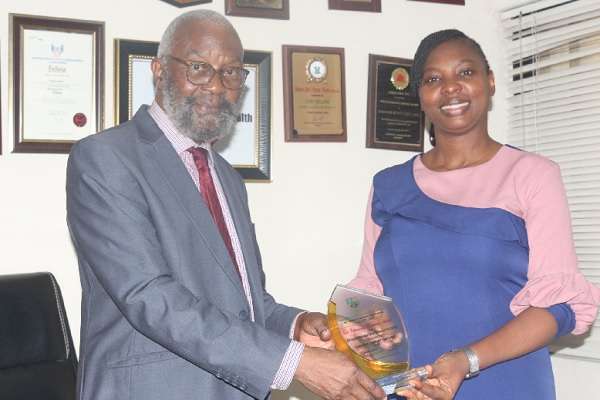


 Britain’s medicines regulator has approved Novavax’s Nuvaxovid vaccine as a


 China reported its highest daily

 The National Drug Law Enforcement Agency,


 Cucumeropsis mannii Naudin (Fam. Cucurbitaceae) is called agushi in Hausa, egwusi in Igbo and Egusi in Yoruba. In English, it is known as Mann’s cucumeropsis, African melon and white-seed melon, while egusi is the common or generic name.