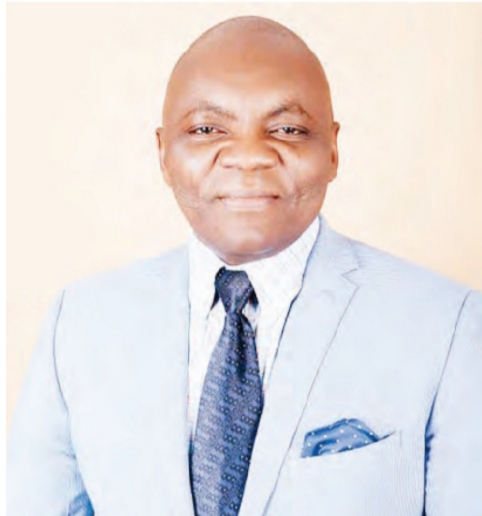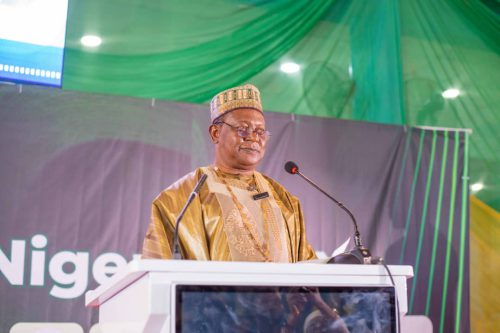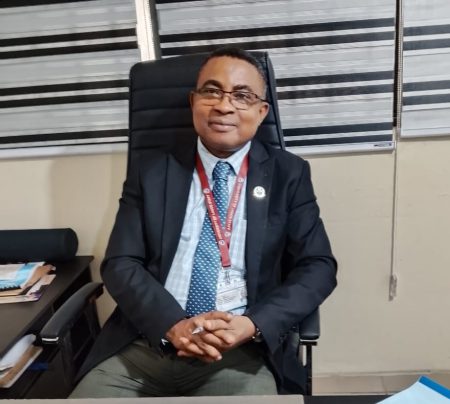
The President of the Association of Clinical Academic Physiotherapists of Nigeria (ACAPN), Professor U.A.C. Okafor, has called for urgent reforms to improve the welfare, recognition and professional development of physiotherapists, warning that poor remuneration, inadequate policy support and the migration of skilled professionals are undermining Nigeria’s healthcare system.
Speaking in an exclusive interview with Pharmanews, Okafor said physiotherapists remain indispensable to healthcare delivery but continue to receive insufficient recognition despite their vital role in rehabilitation, disease prevention and patient recovery. He described poor remuneration as one of the most pressing challenges confronting physiotherapists in Nigeria, noting that practitioners are significantly better rewarded in countries such as the United States, the United Kingdom, Canada and several Middle Eastern nations.
According to him, physiotherapy is physically demanding and exposes practitioners to considerable occupational risks because they work in close contact with patients recovering from stroke, respiratory illnesses, neurological disorders and other debilitating conditions. “Physiotherapists expend enormous physical effort in helping patients regain mobility and independence, yet their welfare does not reflect the nature of the services they provide,” he said.
Okafor also lamented the limited opportunities available for continuing professional development, observing that many physiotherapists receive little or no sponsorship to attend conferences, specialised training programmes and other capacity-building initiatives. He warned that the combination of poor welfare and limited career development has fuelled the migration of physiotherapists abroad, leaving Nigeria with an insufficient workforce and increasing the burden on those who remain. “The few professionals left in the country are carrying heavier workloads because many of their colleagues have relocated in search of better opportunities,” he said.
Despite these challenges, the ACAPN president expressed optimism about the future of the profession, citing growing public awareness and the introduction of the Doctor of Physiotherapy (DPT) programme as major milestones that are strengthening physiotherapy education in Nigeria. Okafor said physiotherapists are playing an increasingly important role in addressing the country’s growing burden of non-communicable diseases, neurological disorders and musculoskeletal conditions, many of which are linked to modern lifestyles and poor workplace ergonomics.
He observed that prolonged use of smartphones, laptops and other digital devices has contributed to rising cases of neck pain, back pain and repetitive strain injuries. “Many people depend on painkillers without realising that simple ergonomic adjustments and proper posture can prevent many of these conditions,” he said, adding that physiotherapists are intensifying public education on healthy posture, workplace ergonomics and preventive healthcare.
On research and innovation, Okafor said ACAPN continues to strengthen collaboration with international professional organisations while encouraging scientific research through mentorship programmes and annual conferences that promote evidence-based practice. He stressed that research remains the foundation of quality physiotherapy, enabling practitioners to integrate emerging scientific evidence into patient care and improve clinical outcomes.
The ACAPN president further noted that the COVID-19 pandemic accelerated the profession’s adoption of digital technologies, including virtual conferences and tele-rehabilitation. He disclosed that the association produced an internationally recognised publication on physiotherapy’s role in managing cardiopulmonary complications associated with COVID-19, underscoring the profession’s growing contribution to global healthcare research.
Highlighting the importance of multidisciplinary healthcare, Okafor said physiotherapists now work more closely with doctors, pharmacists, nurses and other healthcare professionals in managing complex medical conditions. He explained that while medicines remain essential, rehabilitation often determines whether patients recovering from stroke, neurological disorders, respiratory illnesses and developmental disabilities regain functional independence.
He also noted that increasing awareness has helped dispel the misconception that physiotherapy is limited to massage or orthopaedic care, with more healthcare providers now recognising its critical role in respiratory rehabilitation, paediatric care, neurological recovery, women’s health and sports medicine. Calling for stronger government intervention, Okafor urged policymakers to prioritise physiotherapy within Nigeria’s health sector by improving remuneration, expanding investment in education and research, strengthening continuing professional development and increasing public awareness of the profession.
He maintained that greater recognition of physiotherapy would not only improve practitioners’ welfare but also enhance rehabilitation services, reduce disability and strengthen healthcare delivery nationwide. “Investing in physiotherapy is ultimately an investment in healthier communities, improved quality of life and a more resilient healthcare system,” he said.