Home Blog Page 68

WHO Warns of ‘Extremely Dangerous’ Situation as Sudan Fighters Occupy Biological Lab

0


A scientist working in the lab

Fighters have occupied a national public laboratory in Sudan holding samples of diseases including polio and measles, thus, creating an “extremely dangerous” situation, the World Health Organisation warned.

According to WHO’s representative in Sudan, Nima Saeed Abid, the fighters “kicked out all the technicians from the laboratory, which is completely under the control of one of the fighting parties as a military base.

He, however, did not say which of the fighting parties had taken over the laboratory.

Abid said he had received a call from the head of the national lab in Khartoum on Monday, a day before a US-brokered 72-hour ceasefire between Sudan’s warring generals officially came into effect after 10 days of urban combat.

“There is a huge biological risk associated with the occupation of the central public health lab,” Abid warned.

He pointed out that the lab held so-called isolates, or samples, of a range of deadly diseases, including measles, polio and cholera.

The UN health agency also said there had been 14 attacks on healthcare facilities or personnel during the fighting, leaving eight healthcare workers dead and two injured.

And it warned that “depleting stocks of blood bags risk spoiling due to lack of power.”

“In addition to chemical hazards, bio-risk hazards are also very high due to lack of functioning generators,” Abid said.

The Sudanese Health Ministry has put the number of deaths so far at 459, with a further 4,072 wounded, while the WHO said Tuesday that it had not been able to verify that number.

Meanwhile, the United Nations High Commissioner for Refugees disclosed that thousands had already fled the violence and that it was bracing for up to 270,000 people to flee Sudan into neighbouring Chad and South Sudan.

The agency said it does not yet have estimates for the numbers headed to other surrounding countries.

Laura Lo Castro, the agency’s representative in Chad, said some 20,000 refugees had arrived there since the fighting began 10 days ago.

Speaking to reporters in Geneva via video link, she said the UNHCR expected up to 100,000 “in the worst-case scenario”.

Her colleague in South Sudan, Marie-Helene Verney, said that around 4,000 of the more than 800,000 South Sudanese refugees living in Sudan had returned home since the fighting began.

Looking forward, she told reporters that “the most likely scenario is 125,000 returns of South Sudanese refugees into South Sudan”.

Up to 45,000 Sudanese might also flee as refugees into South Sudan, she said.

Jens Laerke, the spokesman for the UN humanitarian agency, said the fighting had led to “acute shortages of food, water, medicines and fuel, and limited communications and electricity.”

“The people of Sudan, already deeply affected by humanitarian needs, are staring into the abyss.”

Some 15.8 million people in Sudan — a third of the population — already needed humanitarian aid before the latest violence erupted.

But humanitarian operations have also been heavily affected by the fighting, Laerke warned, highlighting among other things reports of looting of humanitarian supplies and warehouses.

AFP

Malaria: Pharma Coy Urges Free Management as Part of Fuel Subsidy Palliative

0

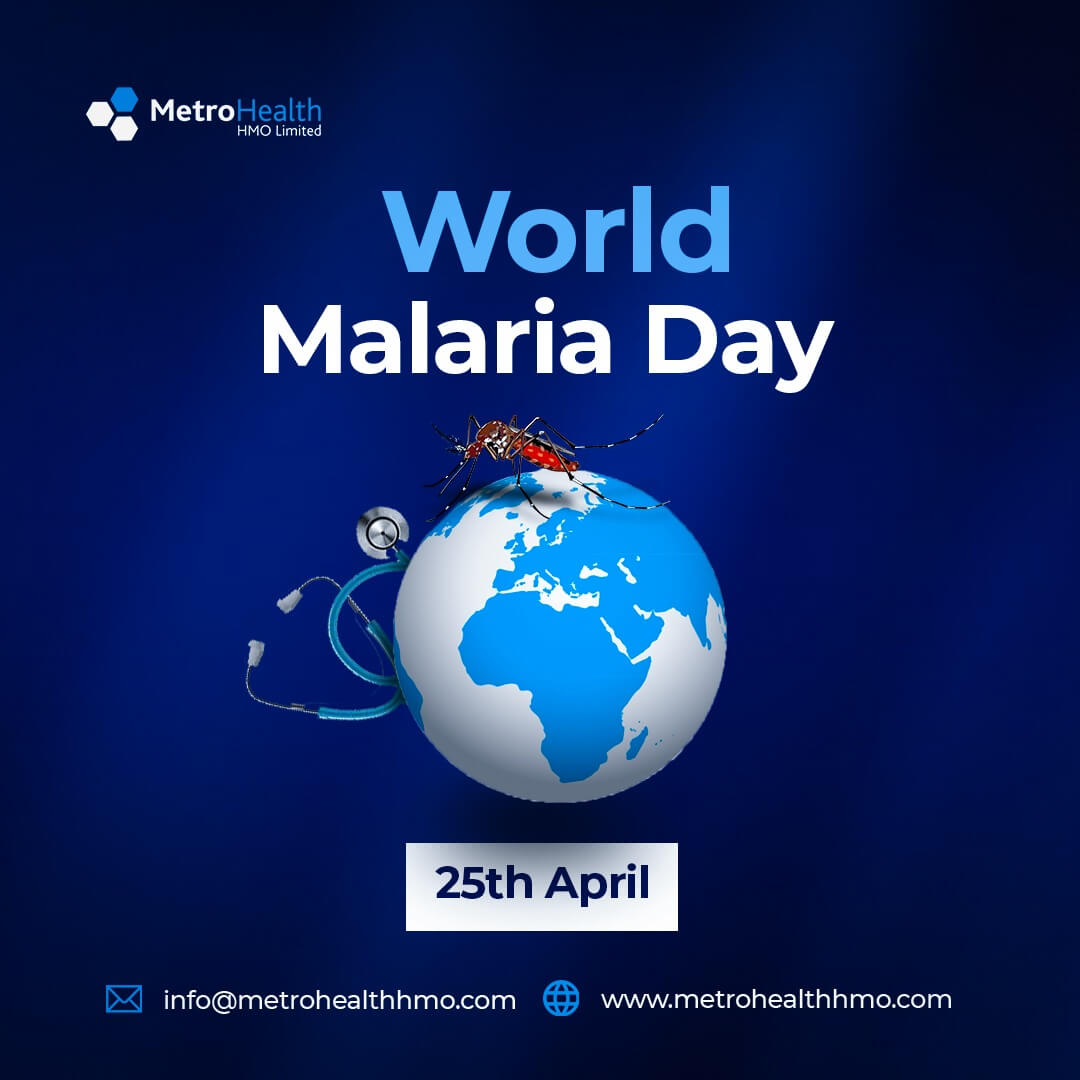
WORLD MALARIA DAY | MetroHealth HMO

A leading pharmaceutical company, ST.RACHEAL’S Pharma, has called on the incoming administration led by President-elect Bola Tinubu to institute a Free Malaria Management Programme under the proposed fuel subsidy palliative project.

The call comes as Nigeria joins the rest of the world to mark the World Malaria Day on Tuesday.

The News Agency of Nigeria (NAN) reports that World Malaria Day is an occasion to highlight the need for continued investment and sustained political commitment for malaria prevention and control.

It was instituted by WHO Member States during the World Health Assembly of 2007

The theme for 2023 World Malaria Day is: “Time to deliver zero malaria: invest, innovate, implement”.

According to the World Health Organisation (WHO) , within this theme, the focus will be on the third “i” – implement-  and notably the critical importance of reaching marginalised populations with the tools and strategies that are available today.

ST.RACHEAL’S Pharma produces, distributes, markets and sells  ST.RACHEAL’S Brands of Antibiotics including ST.RACHEAL’S Artemether 80mg+Lumefantrine 480mg Tablets 1×6 for the treatment of malaria.

The Chairman of ST.RACHEAL’S Pharma, Akinjide Adeosun, in a press statement, described the suggested malaria management initiative as the least but urgent step the government could take to address the huge burden of malaria in the country.

Citing statistics by the World Health Organisation (WHO), the company said malaria, being the most prevalent disease in the country, deserved a priority attention by the new government using the window of opportunity offered by the proposed fuel subsidy palliative programme.

“While we are supporting cash distribution to indigent Nigerians, initiating a free programme that will offer free malaria management to everyone in all parts of the country will not only impact positively on the people’s health.

“But will also drastically reduce unnecessary death being recorded every year from the disease thereby improving life expectancy in Nigeria.

“According to the 2021 World Malaria Report, Nigeria had the highest number (27 per cent) of global malaria cases and the highest number of deaths (32 per cent) of global malaria deaths.

“The country is also reported to account for 55.2 per cent of malaria cases in West Africa.

“Unfortunately, the nation’s responses so far, have not shown a remarkable progress and the required political will to achieve a malaria-free Nigeria.

“And the goal of reducing its morbidity to less than 10 per cent parasite prevalence and mortality of less than 50 deaths per 1000 as  enunciated in the 2021-2025 National Malaria Strategic Plan (NMSP).’’

According to St. Racheal’s Pharma, it is  a corporate entity with a mandate to promote  good health in Nigeria and the African continent through information, education, manufacture, distribution, marketing and supply of quality pharmaceutical brands.

“ St. Racheal’s Pharma is  in resonance  with the call by the World Health Organisation (WHO) on countries to build more resilient programmes to address the menace of malaria.

“Considering Nigeria’s huge burden of the disease, the theme for this year’s World Malaria Day `Time to deliver zero malaria, invest, innovate, implement’ cannot be ignored.

“This is why we urge the new government of President Bola Ahmed Tinubu to act swiftly and adopt a more radical approach by instituting and implementing a compulsory FREE malaria management initiative, to achieve the nation’s strategic plan,” the statement said.

The company further urged children and adults to remain alert and take their health more seriously especially in the prevention and management of malaria.

“Please don’t underrate malaria.

“ It remains a killer and a major cause of ill health in our country. Report symptoms to health practitioners, be tested and treated on time to avoid complications and unnecessary deaths,” it further urged.

(NAN)

Secret to Graceful Ageing (3)

0

10 Simple Lifestyle Changes That Promote Healthy And Graceful Ageing

Exposure to secondary smoke affects non-smokers negatively, for example – through choking, coughing and feelings of nausea. On a daily basis, it will have a major impact on your health.

Pollution of our food and water

People are exposed to contaminated public water through heavy metals, such as lead, cadmium and aluminum in treatment plants. Refuse dumps and other unregulated chemical dumps mix up with public water supply across the nation.

People have resorted to drinking bottled, filtered and distilled water in unprecedented amounts today. In addition, herbicides, pesticides and fungicides are used in the production of most of our foods. Medical research shows that all these chemicals create increased oxidative stress when consumed. The question is now quantity versus quality and cost to human health.

Ultraviolet sunlight

Before your 20th birthday, you would have received two-thirds of your lifetime sunlight exposure to your skin. The sun’s ultraviolet rays produce increased free radicals in the human skin. This in turn has proven to cause damage to the DNA in the cells of our skin, which leads to skin cancer.

UVA and UVB light increase free radical production and thus oxidative stress in the skin. The use of sunscreen is highly recommended for protection from UV rays. Go for products with SPF rating above 60 or greater.

Everyone is encouraged to keep a watchful eye on their skin for any unusual growths or changes in pigmented moles.

Pollution from medications and radiation

Every medication causes increased oxidative stress in our bodies. Patients on chemotherapeutic drugs and radiation therapy always find such drugs so hard to tolerate. They do not just kill the cancer cells, they cause collateral damage to normal cells.

Drugs put a demand on all metabolic pathways in the liver and body as a whole and great effort must go into metabolising and eliminating same.

A lot of people in the 21st century have become so dependent on medications. Drugs have specific benefits and each carries an inherent risk or side effect. Serious adverse drug reactions are now the third leading cause of death in the world.  A medical doctor friend recently reported that his aged father never suffered from any illness until they began giving him “blood tonic”.

More than 70 chronic degenerative diseases are the direct result of the “toxic” effects of oxygen. We have, in so many ways, established the fact that oxidative stress is the root cause of the degeneration of the body and can be likened to how rust corrodes even the strongest metal, if left exposed and unprotected.

The great news is that not only do our bodies possess a tremendous antioxidant defence system, they also possess a remarkable repair system.

God is our true healer

Balance is key when it comes to oxidative stress. Our body makes some antioxidants, but they are simply not enough. Our food, especially fruits and vegetables, used to provide all the extra antioxidants our bodies needed. A generation or two ago, people ate more whole, fresh foods that contained significantly more antioxidants than today’s diet does.

We therefore need to add high quality nutritional supplements to the balance in order to provide the level of antioxidants our bodies need.

A healthy diet, exercising moderately and taking high quality nutritional supplements will help everyone improve our antioxidant defence system.

The effects of many chronic degenerative diseases can be reversed. We will conclude in our next article by exploring a whole new approach of preventive medicine: cellular nutrition.


References 

What your Doctor doesn’t know about Nutritional Medicine may be killing you – Ray D. Strand, M. D.

Google


Mrs Chima Ejimofor is the lead partner of Infinite Health Consult, and is available for the purchase of high quality nutritional supplements, health talks and wellness seminars.  She is based in Lagos, Nigeria. Telephone/WhatsApp: 07033179632, email: infinitehealthconsult@gmail.com

Top Nigerian Foods that Lower Cardiovascular Diseases

1

10 Amazing Heart-Healthy Foods In Nigeria - Health Guide NG

Cardiovascular disease (CVD) is a common yet serious health issue that is often caused by a build-up of fatty deposits in the arteries, as well as an increased risk of blood clots.

The World Health Organisation (WHO), defines cardiovascular disease (CVD) as a term used to describe conditions that affect the heart and/or circulation. It identifies CVDs as a major public health problem because it increases the risk of premature death and disability due to heart attack, stroke, and other related conditions.

It is important for Nigerians to understand the risk factors for CVD and how to prevent it.

The four risk factors recognised by the global health body are: high blood pressure, high cholesterol, smoking, and physical inactivity. These risk factors can be managed through lifestyle modifications, such as reducing the amount of salt and fatty and sugary food consumed, being physically active, and avoiding smoking.

In addition to making lifestyle modifications, the WHO also recommends that Nigerians receive regular health check-ups and screenings for cardiovascular disease. This helps to identify risk factors and other symptoms early, enabling early diagnosis and treatment.

Best Nigerian Foods for Lowering Cardiovascular Diseases

When it comes to keeping our hearts healthy, we all understand the importance of maintaining a good diet. For the people of Nigeria, traditional Nigerian foods are the most effective way of preserving their cardiovascular health.

In a telephone interview with Mrs Oluwatoyin Adele, a dietician at the Gbagada General Hospital Lagos, she disclosed that there are some Nigerian foods that have been identified as particularly beneficial for lowering the risk of cardiovascular diseases. These are:

  • Yam

She identified yam as  one of the best Nigerian foods for lowering cardiovascular diseases, as It is high in fiber, which helps to lower cholesterol levels and reduce the risk of associated diseases, such as heart attack and stroke. Fibers also contain antioxidants that help to protect the heart from oxidative damage caused by free radicals. She noted that the high levels of potassium in yams also help to lower blood pressure and reduce the risk of stroke.

  • Plantains

Another dietary staple of Nigerians which she highlighted for reducing the risk of cardiovascular diseases is plantain. She averred that plantains are rich in vitamins and minerals, such as potassium, vitamin C and E, magnesium, and folate. These nutrients help to reduce inflammation, which has been associated with a higher risk of cardiovascular diseases. Plantains are also high in fiber, which has been shown to reduce levels of bad cholesterol.

  • Fish

This is another Nigerian food that can help to decrease the risk of cardiovascular diseases. She said fish is rich in omega-3 fatty acids, which are known to reduce inflammation and to protect the heart from damage. Eating fish regularly can also lower levels of harmful LDL cholesterol and increase levels of beneficial HDL cholesterol. Additionally, fish such as tilapia, salmon and sardines are rich in vitamin D, which is important for healthy heart functioning.

  • Moi-Moi

A traditional dish that helps to mitigate cardiovascular risk is Moi-Moi. This dish is made from beans, which are naturally low in cholesterol and fat. Adele stated that Moi-Moi  has a high amount of protein, vitamins, and minerals that contribute to the overall health of the cardiovascular system. Additionally, Moi-Moi can be prepared in different ways, such as steaming, boiling, and baking, so it is versatile for people of different cooking styles and preferences.

  • Egusi Soup

Furthermore, Egusi Soup is also a healthy Nigerian food that helps to maintain cardiovascular health. It is prepared with melon seeds that are rich in unsaturated fatty acids which have positive effects on the health of the heart. These fatty acids, according to the dietician can help to reduce inflammation, cholesterol levels, and even blood pressure. Since Egusi Soup is also a high-energy food, it can help to maintain a healthy weight, which is another factor in reducing the risk of heart-related diseases.

  • Garri

Garri is a staple food made from cassava. It is high in fiber, antioxidants, and minerals, making it a great choice for promoting heart health. The fiber content, she noted, helps to maintain a healthy cholesterol level, and the antioxidants help to ward off cellular damage caused by oxidative stress. Furthermore, the minerals in garri, such as zinc and magnesium, aid in reducing the risk of hypertension and stroke.


World Malaria Day 2023: Greenlife Harps on Effective Use of Antimalarial

0

World Malaria Day 2023: Celebration, Timeline, Importance and FAQs

As Nigeria joins the rest of the world to mark World Malaria Day 2023, Greenlife Pharmaceuticals Limited, a leading pharmaceutical company in Nigeria, has urged Nigerians to take proactive action to curb the spread of malaria, by not only the usual control and preventive measures but by treating confirmed cases of malaria with effective antimalarial drugs.

The pharmaceutical company made the call on Tuesday, 25 April, which is a day recognised by the United Nations (UN), to raise awareness of malaria at the national and international levels, through a press release made available to the journalists and signed by its Marketing Manager, Pharm. (Dr) Wilfred Uche Okolie.

Okolie, speaking on the theme for this year’s celebration “Time to deliver zero malaria: invest, innovate, implement”, noted that the theme was used to highlight the burden of the disease on the world, adding that in order to deliver zero malaria, the world will need to employ combinations of strategies, look at the problem from many different angles and be innovative.

While stressing that malaria has continued to be a major public health concern globally, particularly in sub-Saharan Africa, he disclosed that with collective effort, the complete elimination of malaria is possible, and a world with zero malaria is also possible.

Quoting the WHO’s report on 2022 WMD, Okolie said about 95 per cent of the estimated 228 million cases in 2021 occurred in Africa, along with 602,020 reported deaths. It further stated that six African countries, worst impacted by malaria, are reported to have accounted for up to 55 per cent of cases globally and for 50 per cent of these deaths, saying this is a reduction from the 241 million cases in 2020 and estimated deaths at 627,000.

“According to the latest World Malaria Report, “four African countries accounted for just over half of all malaria deaths worldwide: Nigeria (31.9 per cent), the Democratic Republic of the Congo (13.2 per cent), the United Republic of Tanzania (4.1 per cent), and Mozambique (3.8 per cent). In 2019, there were 303 cases per 1,000 population at risk of malaria”.

“Nigeria accounts for about 31.9 per cent of the global malaria deaths; this is approximately 200,000 deaths in 2021. Over 60 million people are infected yearly and an estimated US$1.1 billion is lost yearly due to malaria-related absenteeism and productivity losses”, he stated.

Okolie, however said that individuals must take personal responsibility to eliminate malaria in the country, adding that beyond the usual control and preventive measures, they must treat confirmed cases of malaria with P-Alaxin and avail themselves of the benefit of complete cure and post-treatment protection which the drug offers especially for patients leaving in areas of high endemicity.

According to him, P-Alaxin is a clinically proven, safe and efficacious drug that contains dihydroartemisinin and piperaquine phosphate. It is recommended by the World Health Organisation (WHO) as an effective and preferred treatment option against malaria, as it offers a sure solution against resistant and recurrent malaria.

“For over 20 years, Greenlife Pharmaceuticals Limited has been leading the fight against drug counterfeiting and working towards a malaria-free environment. We are the marketers of P-Alaxin Tablets in Nigeria and for over 14 years of marketing this product, we have remained committed to sustaining its quality and that of all our brands”.


Pharmacists Lament Exclusion from 40% Pay Rise for Workers

4

– Task FG on pharmacists inclusion in the scheme


Pharmacists across the country have decried their exclusion from the implementation of the recent increase in the pay of federal civil servants, describing it as discriminatory and unacceptable. They argued that despite several attempts made to secure the Federal Government’s attention on salary increment, no pharmacist has benefited from pay rise in the last thirteen years.

The Minister of Labour and Employment, Chris Ngige, had earlier disclosed that the Federal Government approved an increased pay for civil servants in the country to take effect from 1 January, 2023, but noted that only the 144,766 federal civil servants under the Consolidated Public Service Salary Structure will benefit from the new 40 per cent peculiar allowance.

The implementation of the new peculiar allowance from the payment of April salaries has excluded pharmacists and other health workers from enjoying the 40 per cent pay rise.

Whereas the peculiar allowance for civil servants was necessitated by the current economic reality to help government workers to cushion the effects of rising inflation, rising cost of living, hikes in transportation fare, housing and electricity tariffs.

Speaking with Pharmanewsonline on the development, the National Chairman, Association of Hospital and Administrative Pharmacists Of Nigeria (AHAPN), Pharm. Olabode Ogunjemiyo, queried the exclusion of pharmacists from the salary increment, when in actual fact every worker is affected by the volatile economic situation in the country, as he called for an urgent amendment to include pharmacists in the implementation of the allowance.

Ogunjemiyo, who spoke on behalf of his members said “It is on record that pharmacists across the nation are yet to experience any increase in pay since 2010, despite their efforts and other health workers to seek for salary increment over the years with collective bargaining agreements reached in most cases.

“It is worthy of note that all civil servants are subjected to the same economic realities of our time. We go to the same market, buy the same PMS and diesel, pay same school fees for our children etc. it is therefore discriminatory to exclude pharmacists from the 40% pay rise.

“The pharmacists in the nation are saddened with this development, especially now that there is mass exodus of her members to other nations for greener pastures”.

To stem the tide in brain drain among pharmacists in the nation, he charged the Federal Government to include pharmacists without further delay in the 40 per cent pay rise and the arrears be paid with immediate effect.

The number-one hospital and administrative pharmacist in Nigeria also urged the government to urgently implement the pharmacists Consultancy Cadre to relevant consultants in the country, as well as payment of relativity arrears for pharmacists outstanding since 2014.

He further tasked the Federal Government on the adjustment of Consolidated Health Salary Structure (CONHESS) to meet up with current realities, implementation of Pharm. D entry point for Doctor of Pharmacists holders, as well as implementation of the increased call duty allowance from 2-4% for Pharm. D holders.

Ogunjemiyo averred that if these pending issues are addressed forthwith by the Federal Government, the recurrent brain drain among pharmacists would be drastically reduced.


ACPN-Ikeja Aiming to Become Most Outstanding Zone – Ibeh

0

May be an image of text that says 'ACPN PN R PHARMACY ASSOCIATION OF COMMUNITY PHARMACISTS OF NIGERIA'

Pharm. (Mrs) Vivian Obiageli Ibeh, a Fellow of the West African Postgraduate College of Pharmacists (WAPCP), with research interests in diabetes and internal medicine, is the zonal coordinator of the Association of Community Pharmacists of Nigeria (ACPN) Ikeja. In this interview with ADEBAYO OLADEJO, she highlights the peculiarities and challenges facing pharmacy practice in the zone. Ibeh, who is the executive director of Medshop Healthcare Limited, Opebi, Lagos, and current secretary of the Community Pharmacy Department of WAPCP, also outlines her goals and achievements as ACPN zonal coordinator.

Excerpts:

Tell us about your pharmacy, its philosophy and growth projections

Medshop Pharmacy started operations in 2010, with the vision to change the dynamics of pharmacy practice, by adopting a holistic approach to pharmaceutical care as a driving impetus in our practice philosophy, while at the same time implementing a collaborative approach to healthcare delivery within our community.

This philosophical principle has endeared the practice to the community and in the process made Medshop Pharmacy a veritable stakeholder in the community. At the same time, it has created a platform for various healthcare practitioners in the community to continue to engage as a team.

For us, at Medshop Pharmacy, we intend to disrupt the industry with technology while at the same time remaining as a practice platform at the cutting edge of pharmaceutical care, by adopting new strategies of pharmacy informatics in providing solutions to our teeming patients within the community and around the city.

What is your relationship with the community and what is the most common health conditions that bring them to the pharmacy?

The prevalence of minor ailments in Lagos and Ikeja in particular will continue to be referenced as common health conditions defining the community pharmacy space. Our practice is not in isolation in Opebi. However, we have developed practice capacity and experience in managing these minor health conditions and proffer solutions to our customers and patience.

How lucrative is community pharmacy in Ikeja Zone?

Community Pharmacy Practice is a business where you have to get your pricing dynamics right. The era of blanket margins is over in the industry. Today, margins should be determined by feasible realities within the community of operations. The beauty of Ikeja Zone is the fact that it is stratified into affluent, middle class and base of the pyramid market segments.

A community pharmacy will have to properly define its market space to be profitable in the short, medium and long term. Yes, pharmacy practice is lucrative in Ikeja but every professional practitioner has to properly segment their market of operation and adopt appropriate pricing mechanisms to remain competitive and relevant for a sustained period of time.

At what point did you decide to be actively involved in ACPN and pharmacy activities generally and what prompted that decision?

During my internship programme at the Neuropsychiatric Hospital, in Yaba, I did locum with about four community pharmacies in Ikeja and Ikoyi. In the process, I reckoned what needed to be done in the industry and how I could be relevant in the needed transformations in community pharmacy practice.

Subsequently, during my time at Pfizer and Eli Lilly, as I engaged with community pharmacies across Lagos State, placed side-by-side with my experience of what pharmacy practice is supposed to be in various engagements outside the country, I realised that there’s a need to actively sensitise, inspire and impact these pharmacies to achieve a quantum leap in their operations, margins and capacity within their sphere of operation.

This was my driving impetus to be part of ACPN and to undertake activities within and amongst my colleagues professionally and help in catalysing that quantum leap in the way and manner pharmacy practice is viewed in Lagos and Nigeria as a whole.

As zonal coordinator, ACPN, Ikeja Zone, and teacher with WAPCP, how would you describe your experience so far?

Before emerging as the ACPN coordinator for Ikeja, I had spent over 10 years within ACPN in the zone, first as assistant secretary, assistant coordinator and now the substantive coordinator. It has been a journey of focused collaboration, collegiate commitment, hard work and strategic patience.

The goal of ACPN Ikeja is to make the zone the most strategic, relevant and vibrant, in ACPN Lagos. Our programmes have been epoch-making and our interventions have raised the bar. The World Pharmacy Day programme in 2021 comes to mind easily, as Ikeja Zone placed pharmacy issues in the front burner in Nigeria for a couple of days in the traditional and online media.

The experience has been exciting and I greatly appreciate the unique set of individuals who make up the executives and all the active members of the zone for their impact and commitment to achieving everything we set out to achieve.

As a Fellow of WAPCP, and a lifelong researcher, my interest in the development of knowledge in Pharmacy and the promotion of correct ethical standards in the profession has not waned.  My assignment in WAPCP is to raise the next generation of pharmacists, imbued with the capacity and competence to drive change in their respective communities and areas of practice and to be a shining light in the country.

I’m thankful to God Almighty for the grace to combine all these roles and be a catalyst in the industry in my own little way.

What would you say are the peculiar challenges facing community pharmacy practice in Ikeja Zone?

Every zone has its peculiar challenges and Ikeja Zone is not exempt from the challenges besetting pharmacy practice in Nigeria. However, in Ikeja, the challenge of space constraints, rental costs, location adaptation and the long-existing patent medicine vendors in the pharma market inevitably create a price war that ordinarily shouldn’t exist.

As an association, we are constantly rethinking our approach and processes to enable us to support our members to surmount challenges in our respective practices.


You had some goals set for yourself at the inception of your administration. How many of these goals have you been able to achieve and what are the rest?

As I said earlier, the goal of ACPN Ikeja was to make Ikeja Zone the most strategic, most relevant and most vibrant zone in ACPN Lagos State.  I decided to make sure that our programmes create the needed impact in the community, the excitement amongst colleagues and drive changes in the community pharmacy space in Ikeja.

So far, we have impacted the community positively and The World Pharmacy Day programmes in 2021 and 2022 come easily to mind. Beyond the awards, we received during my administration, our reach towards colleagues and the creation of learning platforms are goals we intended from the beginning.

We aren’t relenting; and as a group, we are still focused on becoming the ACPN zone of choice not only in Lagos but in Nigeria. I am excited that I work with the best team and their commitment to achieving this goal is never in doubt.

Selecting a Career the “Write” Way

0
celebrities
MacJob O.E

Who should get the teaching Job?

Attached are the handwriting samples of the two shortlisted candidates for the post of a primary school teacher. Of the two, which would you recommend for the job, assuming the vacancy is specifically for the role as a pre-nursery teacher?

As wonderful and important as education within the four walls of any citadel of learning is, there is one big lacuna I have discovered that most schools have in common. This is the fact that they not really admit students based on their core talents. You are simply given admission to study a particular course if you meet or exceed the cut off point. No consideration is particularly given to the intrinsic talent and wiring of the new intake – that is, whether or not the course he or she wants to study is in sync with his or her personality traits.

The pressure from parents does not help matters, either. The resounding admonition on career path in the mind of the average young man or lady, even while asleep, is to choose a profession such as Law, Medicine or Engineering. In those days, this seemed to be the ticket out of poverty but the scenario has changed a bit right now.

Many continue to struggle in various institutions of higher learning because they are studying courses that have no bearing whatsoever with their gifting. Some have had to drop out of school because they could no longer cope with the pressure. For some who barely make it to the final year, they get results that cannot positively get the attention of any organisation regarding employment.

One important advantage of graphology (personality assessment of an individual through the handwriting) is its relevance as a tool in career or vocational guidance. If guidance counselors, parents or tutors really have some understanding of the power of the handwriting, they can assist or guide these youngsters in choosing the “write” way.

One reason why there are many frustrated workers out there in the marketplace is that majority found themselves doing jobs that they had to take out of necessity, survival instinct or desperation. Moreover if key stakeholders in Nigeria had adopted this tool early enough, we just might have lowered crime rate in the country ultimately, either directly or indirectly because many more would found some kind of fulfillment in their jobs than staying idle. Of course, this would not completely solve crime problem in the country.

Without coming across as insensitive, I am not unaware that many found themselves in this life situation against their wish. Notwithstanding, life has a way of navigating us back to our real calling, provided we don’t ‘throw in the towel’.

In our next edition, we shall dive into this topic a bit more. Keep your fingers crossed till you find out the answer in the next edition. Until then, always remember that “if you must get it right, you must do it the ‘write’ way.

Instagram (@dipomacjob) (07062456737 Text message)

HIV: US CDC Reviews PEPFAR Programme’s 6-Month Performance

1

Questions or Comments? Click Here. — PEPFAR Solutions Platform

The US Centers for Disease Control and Prevention (US CDC) has reviewed the  President’s Emergency Plan for AIDS Relief (PEPFAR) programme  performance over the last six months.

It also evaluated the plan for government-led programme sustainability going forward.

The two-day meeting  hosted Federal and state ministries of health, Government of Nigeria health agency leadership, and HIV programme implementing partners, a statement from the mission said.

The meeting was a follow up to an event in October 2022, where the group developed a roadmap for HIV programmes in US CDC-supported states to help Nigeria reach epidemic control.

In her opening remarks, US CDC Country Director, Mary Boyd, commended states and partners for their work over the last six months and highlighted recent US CDC-supported activities like the Nigeria Sustainability and HIV Impact Programme.

She reiterated the US CDC’s commitment to working with the Government of Nigeria, states, partners, and communities to increase the number of people with HIV who know their status and receive life-saving treatment.

“The meeting served as a review of accomplishments, challenges, and best practices from the last six months.

“It also focused on aligning national and state programme activities with each other
and the strategic pillars of PEPFAR’s new five-year strategy to ensure long-term programme
sustainability.”

In a presentation given by the National AIDS and STDs Control Programme, the importance of strengthened collaboration between national, state levels, and local levels, as well and with key partners, was emphasised.

Also highlighted was the recently issued government-to-government award which directly reengaged government institutions to strengthen national and state HIV program ownership.

A third programme performance review and planning meeting will be held in six months to ensure Nigeria stays on track to end HIV/AIDS as a public health threat.

Stakeholders Advocate Increased Spending for Health Sector

0

FG Earmarks N711.3bn For Health Sector In 2022 Budget | Business Post Nigeria

Some stakeholders in the health sector have urged governments to close the gaps in the health sector through monetary and non-monetary reforms incentives to encourage qualified health workers to work in rural areas.

The call was made by participants at a webinar on Human Resources for Health Challenges and Universal Health Coverage in Nigeria in organised by ACIOE Foundation monitored in Abuja on Friday.

The webinar was aimed at providing health stakeholders the opportunity to share their expertise and data-driven recommendations on the biggest challenges of human resources for health.

It explored how training, recruitment, retention, remuneration and government strategies/commitment, and how task-shifting and task-sharing policy can be leveraged to achieve Universal Health Coverage for all by 2030 in Nigeria were discussed.

Experts also discussed the current situation of medical personnel emigrating to other countries and provided best practices on how the government and non-governmental organisations (NGOs) could reduce migration of healthcare providers.

In his presentation, Dr Stanley Ukpai, Director of Projects, Development Research and Project Center, said Nigeria, with over 206 million people, has only 3 per cent of the world’s health workforce, while facing 24 per cent of the global disease burden.

“Also, the highest allocation of the Nigerian government to health care as a percentage of the budget was 6.19% in 2015, which is against the recommended 15 per cent in the Abuja Declaration of 2001.

“As a result, there are N2.38 trillion in deficits.

“The allocation of such an amount to the sector would have had a greater impact on personnel, which would have helped achieve minimum thresholds for skilled health workers,” he said.

He noted that production has not translated into adequacy in Nigeria’s tertiary, secondary, and primary healthcare centres.

He also said the difference between the number of professionals produced and those employed in the health sector could be attributed to brain drain, with low-capacity utilisation and an unfavorable working environment playing a part.

Dr Ngozi Azodoh, a public health physician, called for more advocacy to the government and labour employers on remuneration, career progression, job satisfaction, migration policy review, and production of healthcare workers, amongst others.

She said that if Nigeria gets the human resources sector right, achieving Universal Health Coverage by 2030 would be easier.

While acknowledging that healthcare funding has increased in different countries, including Nigeria both at national and sub-national levels, the forum said that Nigeria was yet to achieve the Abuja Declaration of allocating 15 per cent of national budget to health.

Asides from funding, the forum called on relevant authorities to address discrimination against women in the healthcare workforce as well as a revision of self-care guidelines to accommodate emerging issues.

It also advocated the encouragement of migration of medical graduates to enhance their skills and knowledge, which eventually would flow back to benefit the source community and its healthcare system.

Experts at the webinar agreed that investments in skilled health workers from the public and private sectors should align with population health needs and health system demands. (NAN) (www.nannews.ng)

Secret to Graceful Ageing (3)

0
The Ingredients for Aging Gracefully - Next Day Access
Photo credit: Next Day Access

Exposure to secondary smoke affects non-smokers negatively, for example – through choking, coughing, and feelings of nausea. On a daily basis, it will have a major impact on your health.

Pollution of our food and water

People are exposed to contaminated public water through heavy metals, such as lead, cadmium and aluminum in treatment plants. Refuse dumps and other unregulated chemical dumps mix up with public water supply across the nation.

People have resorted to drinking bottled, filtered and distilled water in unprecedented amounts today. In addition, herbicides, pesticides and fungicides are used in the production of most of our foods. Medical research shows that all these chemicals create increased oxidative stress when consumed. The question is now quantity versus quality and cost to human health.

Ultraviolet sunlight

Before your 20th birthday, you would have received two-thirds of your lifetime sunlight exposure to your skin. The sun’s ultraviolet rays produce increased free radicals in the human skin. This in turn has proven to cause damage to the DNA in the cells of our skin, which leads to skin cancer.

UVA and UVB light increase free radical production and thus oxidative stress in the skin. The use of sunscreen is highly recommended for protection from UV rays. Go for products with SPF rating above 60 or greater.

Everyone is encouraged to keep a watchful eye on their skin for any unusual growths or changes in pigmented moles.

Pollution from medications and radiation

Every medication causes increased oxidative stress in our bodies. Patients on chemotherapeutic drugs and radiation therapy always find such drugs so hard to tolerate. They do not just kill the cancer cells, they cause collateral damage to normal cells.

Drugs put a demand on all metabolic pathways in the liver and body as a whole and great effort must go into metabolising and eliminating same.

A lot of people in the 21st century have become so dependent on medications. Drugs have specific benefits and each carries an inherent risk or side effect. Serious adverse drug reactions are now the third leading cause of death in the world.  A medical doctor friend recently reported that his aged father never suffered from any illness until they began giving him “blood tonic”.

More than 70 chronic degenerative diseases are the direct result of the “toxic” effects of oxygen. We have, in so many ways, established the fact that oxidative stress is the root cause of the degeneration of the body and can be likened to how rust corrodes even the strongest metal, if left exposed and unprotected.

The great news is that not only do our bodies possess a tremendous antioxidant defence system, they also possess a remarkable repair system.

God is our true healer.

Balance is key when it comes to oxidative stress. Our body makes some antioxidants, but they are simply not enough. Our food, especially fruits and vegetables, used to provide all the extra antioxidants our bodies needed. A generation or two ago, people ate more whole, fresh foods that contained significantly more antioxidants than today’s diet does.

We therefore need to add high quality nutritional supplements to the balance in order to provide the level of antioxidants our bodies need.

A healthy diet, exercising moderately and taking high quality nutritional supplements will help everyone improve our antioxidant defence system.

The effects of many chronic degenerative diseases can be reversed. We will conclude in our next article by exploring a whole new approach of preventive medicine: cellular nutrition.


References 

  • What your Doctor doesn’t know about Nutritional Medicine may be killing you – Ray D. Strand, M. D.
  • Google


Mrs Chima Ejimofor is the lead partner of Infinite Health Consult, and is available for the purchase of high quality nutritional supplements, health talks and wellness seminars.  She is based in Lagos, Nigeria. Telephone/WhatsApp: 07033179632, email: infinitehealthconsult@gmail.com

ACPN, PCN, Others Lament Exodus of Young Pharmacists

0

– Task FG on health professionals’ welfare

L-R: Pharm. Deji Osinoiki, chairman, Board of Trustees, ACPN (middle), presenting a commendation plaque to a former Chairman of the Association, Pharm. Jimi Agbaje, while the current Chairman, Pharm. Lawrence Ekhator (right), and Chairman of the event, Pharm. Iyke Ugwu(left) looks in admiration.

The Lagos State Chapter of the Association of Community Pharmacists of Nigeria (ACPN) has called on the federal and state governments to invest more in the welfare and security of health professionals, saying such investments will go a long way in addressing the massive brain drain being experienced in the health sector, especially the increasing exodus of young pharmacists.

Speaking at the recent 2023 Community Pharmacists Educational Conference, held at the Citadel Conference & Events Centre, Oregun, Lagos, Chairman of the association, Pharm. Lawrence Ekhator, disclosed that many young pharmacists are not interested in staying back in the country, due to lack of basic welfare and adequate security.

“We are currently experiencing a shortage of young pharmacists to employ. Those trained with the view of supporting our operations are leaving for greener pastures. It’s tough to blame them because all our appeals to the government are not yielding positive responses. This brain drain, by implication, will continue to worsen the country’s health indices.”

Ekhator insisted that if the government can fulfil its own constitutional role of providing security and basic welfare, many Nigerians who are migrating will definitely stay back and contribute to the country’s development.

While commending pharmacists who continue to contribute to the nation’s progress, despite obvious challenges, the ACPN helmsman said government must do more to encourage such.

“A lot of pharmacists are putting measures in place to thrive, but the more they do so, the more government introduces different policies to make things difficult. For instance, the drama surrounding the naira redesign and the implication of it on the economy is massive,” he said.

Ekhator, however, encouraged community pharmacists to keep leveraging the benefits of e-commerce, while dutifully playing their role of primary healthcare service providers, as well as transforming the healthcare industry and protecting the lives of the public.

According to the ACPN boss, the Continuing Education Conference, with the theme, “Overcoming brain drain challenges in community pharmacy”, was designed to promote professional skills, business strategy skills, and practice skills of community pharmacists, saying it would help community pharmacists to better understand current economic realities, move with the trend, and be better equipped for the coming year.

He added that the programme  was conceived to constantly update members on current developments in the profession, adding that eagerness for a more robust engagement and more impactful result necessitated the need to change it to a two-day event.

Also speaking at the event, the Registrar, Pharmacy Council of Nigeria (PCN), Pharm. Babashehu Ahmed said that the pharmacy profession has experienced massive loss of human resources in the last few years due to brain drain.

Babashehu, who was represented by Dr Ukamaka Okafor, director, PCN, noted that a total of 1,255 letters of good standing were issued to pharmacists who travelled out of the country in just 2021 and 2022, adding that “this figure does not include those who have travelled but are yet to apply for letters of good standing.”

The keynote speaker at the two-day conference, Chief Operating Officer, Pan-Atlantic University, Dr Peter Bamkole, urged ACPN members to encourage students from an early stage to develop interest in studying Pharmacy.

Bamkole said, “I agree that the country is experiencing brain drain across different sectors, but I believe we can do our best by getting more people to take science-related courses.

“As an association, we need to encourage more people to study science-related courses, especially Pharmacy, by enlightening them at the early stages of JSS 1 and JSS2.”

Bamkole, who was represented by the Director and Head of Gender at the Enterprise Development Centre, Pan-Atlantic University, Mrs Nneka Okekearu, also cautioned pharmacists seeking greener pasture to do their findings well before migrating.

“Do not relocate with your family. Don’t resign from your job. Take leave of absence and find a way to get an internship in a company abroad. Work there for two to three months and see their way of life.

“There are certain things you enjoy here that are unavailable aboard. After weighing the two options, you can now decide.”

Bamkole also urged the Nigerian government to take another look at the current pharmacy school curriculum to make it reflect the new trends and realities of today’s world.

“Our curriculum needs to be modified to reflect the current trend; we need to have things like leadership, personal management, financial literacy, and value creation, so that by the time a pharmacist is graduating, he or she is not just coming out as a pharmacist, but coming out with a more holistic view of the world.”

Also speaking, the Chairman of the event, Pharm. Iyke Ugwu, managing director, Pharmacare Support Services, noted that the choice of the theme for the programme was very much in consonance with the reality on ground for Pharmacy, adding that the negative effect of brain drain on the pharmacy profession outweighs its positive effect.

The high point of the event was the presentation of commendation plaques to all the past chairmen of the association from 1990 under the leadership of Pharm. Jimi Agbaje, to 2021 under Pharm. Olabanji Obideyi.

Other dignitaries at the event include Pharm. Joel Adagadzu, chairman, PSN-BOF, who was represented by Chief (Mrs) Yetunde Morohundiya, vice-chairman, PSN-BOF; Pharm. (Dr) Afusat Adesina, chairman, ALPs, Lagos State; Pharm. Deji Osinoiki, chairman, Board of Trustees, ACPN; Pharm. Ike Onyechi, chief executive officer, Alpha Pharmacy Limited; Pharm. (Mrs) Biola Paul-Ozieh, chairman, HCPAN, Lagos; Pharm. Babayemi Oyekunle, chairman, PSN, Lagos State; Dr Arinola Joda, chairman, NAPA, Lagos State; Pharm. Ernest Okafor, chairman, PWDAN; Pharm. Olabanji Obideyi, immediate past chairman, Lagos ACPN; Pharm. Madehin Gafar Olanrewaju, national treasurer, PSN; Pharm. Tony Oyawole, among others.

Substance Abuse and Reproductive Health

0


Pranksters and cardiovascular health
Patrick Iwelunmor

Substance abuse is on the rise in Nigeria, especially among youths who have devised dubious ways of advancing the devolution of clinical drugs into narcotics. What makes substance abuse more alarming than ever is the dynamism that has been created around it by young people. For instance, they can easily, from the comfort of their homes, create intoxicating recipes from almost nothing.

Stuff like lizard excreta, premium motor spirit, methylated spirit, Evo-stik gum, papaya leaves, codeine and tramadol are being abused, even in the face of the dire consequences that result from such.

Before now, drugs like tramadol were purely prescription drugs. Unfortunately, they have been turned to narcotics largely because of their capacity to alter the human mood through sedation. The National Drug Law Enforcement Agency (NDLEA) has since listed tramadol as one of the prohibited substances in Nigeria. This prohibition has led to the arrest of many traffickers of the drug.

One of the major concerns raised by substance abuse all over world is the fact that it interferes with sexual and reproductive health in many ways. It can lead to the destruction of sex cells, like the male sperm and the female ovum. It can also hamper the quality of sex hormones, thereby leading to the inability of both males and females to produce fertile sperms and ova, respectively.

In men, the use of cocaine and marijuana can lead to reduction in the number and quality of sperm, just as over-consumption of alcohol can lead to low testosterone, which in turn leads to low sex drive and erection problems.

Generally speaking, the abuse of drugs or alcohol can lead to carelessness and lack of attention to one’s overall wellbeing and as such, one could become vulnerable to infections such as STIs (sexually transmitted infections) which may, in turn, damage the reproductive organs.

For women who abuse drugs, poor personal hygiene can easily expose them to the aforementioned infections and because they are not in absolute control of their senses and emotions, they can become victims of sexual abuse and exploitation, either by ordinary individuals or by their fellow drug users. In such drug users, the drugs reduce the power of inhibitions, thereby making them easily prone to sexual manipulation.

In Nigeria, the incidences of mentally challenged women getting pregnant and giving birth by the roadside should have a connection with the foregoing reality.

Moreover, there are ample examples of teenage girls, young women and even older women who have been put to the family way as a result of illicit drug use. Most of these people end up jeopardising their educational, marital and career aspirations.

It is also important to note that substance abuse is also a gateway to many crimes and irresponsible behaviours, including armed robbery, kidnapping, human trafficking, organ harvesting and prostitution.


Reckless Plastic Disposal Raises Cancer, Developmental Disorder Risks – UNDP Warns

0

Plastic wastes disposed recklessly

The United Nations Development Programme has urged those living in Abuja and adjoining communities to curtail the reckless disposal of plastic in the city.0

The UNDP in partnership with Pearls Learning Hub, a capacity development initiative, warned that if plastic waste is not curbed, it may derail the sustainable development goals as a whole.

The Chief Executive Officer of the hub, Ibukun Odusote, said this during the project opening event sponsored by the UNDP, and noted that the careless disposal of plastics is causing great harm to the environment, food sources and to health.

She said, “Plastic is piling up in landfills and entering the food chain. Microplastics have now been found in human blood, raising the risks of cancer and developmental disorders. We are poisoning ourselves and the planet.

“In 2015, plastics released 1.7 gigatons of carbon dioxide. That is set to more than triple by 2050 to about 6.6 gigatons – 15 per cent of the global carbon budget to keep within safe limits ‘.

These concerns, the sponsors revealed, expedited the need to engage about 400 youths over seven months in its ‘Global Environment Facility Small Grants Programme’ meant to cut down on the amount of plastic waste in Abuja and the neighbouring states.

They noted that the project by the UNDP is taking place under its Global Environment Facility Small Grants Program with a project grant to Digital Peers International and a partnership with Pearls Learning Hub, and will be phased into different stages till October when the best teams would have emerged.

According to Ibukun, the IT-engaged youths will bring to bear their problem-solving skills, creativity and innovative ideas to tackle the problem in Abuja and its environs, after which three teams with the best solution will be massively rewarded.

She explained that the GEF small grants programme is providing a platform to ensure that participants are taken through lectures and interactions to help FCT and environs develop initiatives that will tackle plastic both at source and post-consumption.

The programme, she said, will feature ideas around “minimizing the use of disposable cutlery or plastic straws, bringing reusable bags for shopping and carrying a reusable water bottle.”

Also speaking, the National Coordinator, UNDP GEF SGP, Ibironke Olubamise, said the organisation has a special interest in the youths as they are focused on “raising climate champions”.

She said at the end, it is hoped that participants will become advocates for effective plastic use and waste management, beginning with simple habits such as cutting down on the existing plastic print.

NYSC Inaugurates Health Initiative for Rural Dwellers in Abia

0


Members of the National Youth Service Corps in a parade.

The National Youth Service Corps (NYSC) on Thursday inaugurated its 2023 first-quarter Health Initiative For Rural Dwellers (HIRD) in Abia.

The State Coordinator, NYSC, Mrs Ufuoma Dick-Iruenabere, while speaking at the inauguration in Aba, urged the residents to avail themselves the opportunity and access free healthcare services provided by the scheme.

She said that the scheme was fully prepared to use skilled human resources at its disposal to improve the quality of life of the people.

Dick-Iruenabere said that HIRD had a core responsibility of mobilising corps medical personnel to provide health interventions such as diagnosis, treatment, referral and preventive mechanisms.

She thanked the state government and the sponsors of the programme for the support.

“I, therefore, appeal to all well-meaning Nigerians to support this initiative of NYSC geared toward imparting positively on the health needs of our rural dwellers,” she said.

The NYSC Zonal Inspector in Aba North, Mr Chinedu Ubagu, expressed happiness over the success of the exercise, noting that the aged and the young were attended to.

Ubagu further said that the corps used the traditional ruler of the community, radio announcement and town crier to inform the people which led to the large turnout.

“Yes, we had a rally, moved round the community to sensitise the people about the benefits of the exercise and I’m glad they responded very well,” he said.

Also, the Chairman of Aba North Local Government, Mr Stanley Ogbonna, thanked NYSC for choosing the area for the exercise.

Ogbonna, represented by his Deputy, Mr Isidore Egejuru, commended the initiative, and urged NYSC to continue with the programme.

“We are happy about this and that is why we supported it with logistics and others things.

“It is our desire that this programme is holding once in a while in our community so that people will benefit and feel the impact of governance,” he said.

A beneficiary, identified simply as Mrs Nnabuife said she was grateful to NYSC and impressed with the service rendered to her.

“This programme is the first of its kind in this community and I say thank you to NYSC,” she said.

The News Agency of Nigeria(NAN) reports that the medical outreach held at Eziama High School, Aba, Abia North, witnessed a large turnout of residents of the community.

NAN also reports that the medical outreach featured health talk, free medical consultation, laboratory test, drugs and treatment.

(NAN)


2.2 Million Children not Immunised in Nigeria – UNICEF

0


Immunisation of the African child

The United Nations Children’s Fund has revealed that at about 2.2 million children in Nigeria were not immunised between 2019 and 2021.

It also noted that globally, 67 million children missed out on routine immunisation between 2019 and 2022, as 48 million of them did not receive a single routine vaccine.

UNICEF Chief of Health in Nigeria, Dr Eduardo Celades, made the disclosures in Abuja on Thursday.

He said, “A total of 67 million children missed out on vaccinations between 2019 and 2021 with vaccination coverage levels decreasing in 112 countries.

“Children born just before or during the COVID-19 pandemic are now moving past the age when they would normally be vaccinated.

“This underscores the need for urgent action to catch up on those who were missed to prevent deadly disease outbreaks.”

He told journalists that Nigeria trailed behind India in the number of children not immunised during the period.

He noted that the number of Nigerian children that were not immunised remained high in spite of efforts made by the country.

Celades also noted that the number of measles cases recorded in Nigeria in 2022 was more than double the total recorded in 2021.

“As at the end of 2021, India and Nigeria (countries with very large birth cohorts) had the largest numbers of unimmunised children, with Nigeria having two million children unimmunised,’’ he said.

He stressed that Nigeria is currently nowhere near the global vaccination goal because of challenges encountered in immunisation programmes.

“Challenges such as distrust in government, poor cold-chain management, and poor communication during the onset of vaccination programmes all contributed to the inability to attain set goals.

“The major causes of low immunisation rates are fear of side reactions, lack of knowledge or information, service delivery issues, mistrust or fears, and distance to immunisation sites, among others,’’ Celades said.

He stressed that the benefits of immunisation could only be fully realised when children received all recommended doses of vaccines promptly.

Celades noted that even in states with well-performing immunisation programmes; there were pockets of unreached or hard-to-reach populations for whom special efforts were needed.

He pointed out that strengthening routine immunisation and services was critical to achieving high coverage and reaching national and community disease-eliminating targets in Nigeria.

To be fully immunised, children under five years of age are expected to receive BCG, a vaccine against tuberculosis; Oral Polio vaccine and DPT vaccine – a combination of vaccines against diphtheria, pertussis, and tetanus.

They are also expected to receive Hepatitis A and B vaccines; Measles vaccine; Yellow fever vaccine and supplemental vitamin A.

The BCG vaccine is given at birth or as soon as possible after birth. The Oral Polio Vaccine is also given at birth and at six, 10, and 14 weeks of age, respectively.

The DPT vaccine is given at six weeks, 10, and 14 weeks of age; that of Hepatitis B vaccine is given at birth, six weeks and 14 weeks of age, while the Measles vaccine is given at nine months of age.

(NAN)


Adeboye Osunkoya: The Consummate Authority on Pathology

0
Adeboye Osunkoya: The Consummate Authority on Pathology
Prof. Adeboye Oluwaseyi Osunkoya

One of the most brilliant luminaries in the field of Medicine, Professor Adeboye Oluwaseyi Osunkoya is a globally recognised expert in urological and genitourinary pathology. He has a special interest in the diagnosis of bladder, kidney, testicular, and prostate cancers. He currently serves as professor of Pathology and Urology at Emory University School of Medicine, Georgia, USA, where he directs the urologic pathology service and the surgical pathology fellowship programme of the institute. He also serves as senior staff pathologist at the Atlanta Veterans Affairs Medical Centre, also in Georgia.

As a testament to his exceptional expertise and erudition, Osunkoya recently emerged president of the United States and Canadian Academy of Pathology (USCAP). Founded in 1906, to create “better pathologists”, USCAP is the largest North American organisation of pathologists. It provides advanced continuing medical education and translational research to improve practices and patient outcomes globally.

Osunkoya is the first African to attain such a level of prominence in the history of the 117-year-old prestigious academy. The erstwhile president, Prof. John Hart, while presenting the crystal gavel of the academy to the man he considered a worthy successor on 12 March, 2023, said of Osunkoya: “His exemplary career as a diagnostician, educator and researcher has led to this honour.”

Career milestones

Prior to his current engagements, Osunkoya had served in several international leadership roles. He previously served as chairman of the Prize and Awards Committee and member of Council of the Arthur Purdy Stout Society (2019-2023). He was elected first African member of the Board of Directors of the USCAP (2017-2020). He was also director of Urologic Pathology at the USCAP Interactive Microscopy Centre (2018-2020).

Osunkoya equally served as chairman of the Excellence in Urological Pathology Resident/Fellow Research Award Committee of the International Society of Urological Pathology (2013-2018). He was the chairman of the Stephen Vogel Award Committee of the USCAP (2014-2016). He was also a member of the Education Committee of the USCAP (2012-2016), member of the Stowell-Orbison Award Committee, member of the Abstract Review Committee, in addition to being USCAP ambassador.

The renowned pathologist currently serves on the Editorial Board of prominent journals. These include Archives of Pathology and Laboratory Medicine (Section Editor: Urologic Pathology), Human Pathology, International Journal of Clinical and Experimental Pathology and USCAP’s Open Mind.

He has presented several lectures at conferences and seminars in several parts of the world, including the International Academy of Pathology, Asia Pacific International Academy of Pathology, and European Congress of Pathology/European Society of Pathology meetings. He has also been a visiting professor/grand rounds speaker at Massachusetts General Hospital/Harvard Medical School and Stanford University School of Medicine.

In addition, he has directed and presented at several Interactive Microscopy Courses in Palm Springs and Short Courses and Interactive Microscopy Courses at the annual meetings of the USCAP. He has also been an invited speaker at the USCAP Long Course and Practical Pathology Seminars.

Osunkoya has been published over 200 times in a variety of academic journals, including Modern Pathology, Human Pathology, American Journal of Surgical Pathology, Pathology, and Urology. He has also authored or co-authored 25 book chapters and has a plethora of other publications, including contributions to the 4th and 5th editions of the WHO Classification of Tumours of the Urinary System and Male Genital Organs.

He has recently been named in the MilliPub Club, which recognises current Emory University School of Medicine staff who have published one or more individual papers throughout their careers that have garnered more than 1,000 citations.

Background to prominence

Prof. Adeboye Osunkoya is a son of Prof. B.O. Osunkoya, the celebrated professor of Immunology and Pathology at the University of Ibadan, who made significant contributions to the literature on Burkitt’s lymphoma. The younger Osunkoya graduated from the University Of Ibadan College of Medicine in 1998.

Following his internship and NYSC programme, he started his pathology residency training at the University College Hospital (UCH), Ibadan in 2000. He later emigrated from Nigeria to the United States and completed his pathology residency at the University of Oklahoma Health Sciences Centre, where he served as chief resident from 2004 to 2006.

Osunkoya proceeded to The Johns Hopkins Hospital for his Urologic Pathology Fellowship. He subsequently joined the distinguished Faculty of the Department of Pathology at Emory University in 2007 as an assistant professor and was promoted to professor of Pathology and Urology in 2016.

Awards and recognitions

In recognition of his mammoth contributions to the field of pathology, Osunkoya has won numerous institutional, national and international awards. These include the Golden Apple Award for Excellence in Resident Education, from the Department of Pathology of Emory University School of Medicine; the Young Investigator Award for Excellence in Clinical Research, from the Department of Pathology of The Johns Hopkins Hospital (2007);, the Perry Lambird Award for Outstanding Resident in Clinical Pathology, from the University of Oklahoma Health Sciences Centre; the Parker-Heartland Award for Outstanding Resident in Anatomic Pathology; the Nancy K. Hall Award for Most Outstanding First Year Resident, from the Department of Pathology; and the very prestigious Benjamin Castleman Award for the best paper published in Human Pathology (2010).

In 2015, Osunkoya won the Arthur Purdy Stout Prize, one of the top honours in surgical pathology in North America. The international award recognises significant career achievements in surgical pathology by a surgical pathologist (less than 45 years old) whose publications have had a major impact on diagnostic pathology.


Anambra has Highest Burden of Childhood, Drug Resistance TB Cases- Official

1


The Programme Manager, Anambra State Tuberculosis, Leprosy and Buruli Ulcer Management, Dr Ugochukwu Chukwulobelu, has revealed that the state ranks highest in childhood and drug resistance Tuberculosis in Nigeria.

He made this known at the ongoing stakeholders’ engagement organised by the Federal Ministry of Health, in partnership with the KNCV Tuberculosis Foundation and Breakthrough Action Nigeria, on Thursday in Awka.

He described TB as an airborne disease caused by a bacteria called ‘Mycobacterium tuberculosis’ which usually attacks the lungs and could also damage other parts of the body.

The programme manager said the disease spreads through the air when a person with tuberculosis of the lungs or throat coughs, sneezes or talks.

He said, “According to statistics on TB burden, Nigeria ranks number six in the world and number one in Africa, with every local government having TB cases.

“Anambra has the highest burden of TB drug resistance cases and childhood TB contribution in the South-East and Nigeria. This is not a good thing for the state.

“To reduce the high burden of TB, the state government, in collaboration with the National Tuberculosis and Leprosy Control Programme and other partners, set up 14 laboratories with gene Xpert machines for diagnoses.

“We have about 800 Directly Observed Treatments Centres for TB, but the major problem is lack of awareness among residents about TB, its diagnosis and treatment,” he said.

Dr. Chukwulobelu urged the media to intensify reportage on the burden and symptoms of the disease, as well as how and where patients could get medical help.

“Persistent cough for two weeks or more, fever, unexplainable weight loss and drenching night sweats are signs used to screen patients.

“Residents should report suspected cases of TB within their communities.

“TB patients should also adhere to their treatments to prevent drug resistance TB cases which are even more dangerous.

“Everyone has a role to play to reduce the burden of the disease,” the programme manager said.

Also, Dr. Chijioke Oke of KNCV-Nigeria, said children living with adults that have TB, and children who are HIV positive and malnourished are at risk of contracting TB.

Dr. Oke identified low childhood TB awareness, stigma, low funding for childhood TB and low index suspicion for childhood TB by healthcare providers, as some of the challenges with the control of the disease in the state.

He said that children’s stool was required to test children for TB, because they do not know how to spit out sputum after coughing, but rather swallow it.

“Our major challenge with Childhood TB control in the state is that parents are scared and do not allow doctors to take their children’s stool for test.

“Some of them think the medical personnel want to use their children’s stool for ‘juju’. It shows the level of ignorance and lack of awareness among residents,” Dr. Oke said.

(NAN)


CCMAS: Pharmacy Faculties Mull Implementation Modalities

0

– As deans say curriculum requires further review

CCMAS: Pharmacy Faculties Mull Implementation Modalities
Prof. Olubunmi Afolabi

Deans of accredited faculties/schools of Pharmacy in the country say they have started discussing modalities for implementing the Core Curriculum and Minimum Academic Standard (CCMAS) document.

The new curriculum dispensation was recently introduced across the nation’s universities by the National Universities Commission (NUC), to “reflect 21st-century realities”.

Speaking at the unveiling in Abuja, in December 2022, the Executive Secretary, NUC, Professor Abubakar Rasheed, said the development of the CCMAS was part of the commission’s efforts to fulfil its mandate of making university education in Nigeria more responsive to the needs of society.

Rasheed added that the process leading to the new document had begun in 2018, with the overhauling of the Benchmark Minimum Academic Standards (BMAS). This, he said, involved reexamination of existing disciplines and programmes in the Nigerian university system and introducing new ones.

The CCMAS document is structured to provide for 70 per cent of core courses for each programme, while allowing individual institutions to utilise the remaining 30 per cent for other innovative courses in their particular areas of interest.

The NUC has mandated all faculties in all the universities across the country to comply with the new curriculum.

Speaking with Pharmanewsonline on the new curriculum, the Chairman, Committee of Deans of accredited schools/faculties of Pharmacy, Professor Olubunmi Afolabi said the committee is already in touch with the NUC regarding the modalities for implementing the stipulations of the CCMAS.

According Afolabi, going by the CCMAS, the NUC has given 70 per cent content, totalling 198 units, for the B.Pharm. programme, which will run for five years. This is an increase from the previous 150 units.

She also explained that for PharmD, a six-year-programme that the Pharmacy Council of Nigeria (PCN) has mandated all accredited schools/faculties of pharmacy to run, the 70 per cent content that the NUC provided stands at 232 units, an increase from the previous 180.

According to Afolabi, “The NUC has also said we cannot remove anything from what they have given us because it is the minimum. The problem we now have and what we are saying is that the 198 units for B.Pharm. and 232 units for PharmD are already an overload for the students. To now add 30 per cent to it again will be something else.”

On the way forward, the committee chairman said, “At our last meeting, my committee deliberated extensively on the curriculum and wrote out our positions. On PharmD, we are asking the NUC to make what they have given us to be the 100 per cent of what we should be teaching the students and not 70 per cent as they are recommending. Because if what they have given us is made to be 70 per cent, it means our students will be carrying a heavy load of about 331 units, which will be too heavy for a six-year programme.

“It means the students will be carrying about 26 units per semester; whereas, the pharmacy programme is already loaded for now. We have written a letter and sent it to NUC. The new curriculum is more of an imbroglio now, not just in pharmacy courses, but also in other courses and we are currently held up.”

Afolabi however said the NUC had not responded to the committee’s letter, as of the time of writing this report.

She said, “They have not responded as of today but we have started pulling strings, because like I said earlier, Pharmacy is not the only course affected; it also affects Engineering, Medicine, among others.

“NUC are saying what they have given us is sacrosanct; we on the other hand are saying, if what you are giving us is sacrosanct, then don’t ask us to add anything. So we did not just send the letter to the NUC, but we asked all deans of schools/faculties of pharmacy to take the letter to the vice-chancellor of their various universities and tell them that the letter contains our position as the deans; so each university is also meeting

Afolabi however stressed that the committee is not in any way working against the NUC on the new curriculum.


Real-Time Data Key in Healthcare Services, Management – Abayomi

0


The Lagos State Commissioner for Health, Professor Akin Abayomi, says real-time data is very key in decision-making and health management.

He made this known during the opening ceremony of a three-day seminar organised by Cranium Integrated Solution Ltd, which had the theme, “Transforming Health Management in Africa, The Power of Technology”.

Prof. Abayomi said that real-time data helps to divert resources to where it is needed.

He said that Lagos State had learned that it was imperative to apply the concept to the entire spectrum of healthcare management.

“Healthcare data is considered to be sensitive personal data. And therefore, you need to go through a process of being certified compliant by the national agencies and authorities that regulate data collection such that we are managing data in a safe way.

“And people who are not authorised to access that data, don’t have access to them. It requires a lot of understanding of data protection infrastructure to make sure that data is safe, he said.

“When we have your data as a patient in Lagos state, it means that you trust us to be able to hold on to that data, to make it only accessible to people that need it, when they need it, for your care and nothing else other than care and research.

“To be in a system where you are collecting patient data, you have to be able to have those things in place where data is safe, the right regulatory and governance environment.

“And then, the technology that moves that data around so that our healthcare providers have access to your data.

“When you are sitting in front of a healthcare provider, that he has access to your digital data in a protected way such that it improves patient care delivery, reduces waste and loss, and generates income,” he said.

The Convener and Co-Founder of the seminar, Engr. Kunle Adesida of Cranium Integrated Solution Ltd, said that Cranium saw that there was a need to engage the entire world beyond Nigeria.

According to him, there is a need to let people see the reason why they need to go digital when it comes to the healthcare delivery system, adding that it is the new normal anywhere in the world.

Adesida said that the advent of COVID-19 awakened the consciousness to see the need to go digital in the way by which care is given to patients, especially in very remote locations and areas.

He said, “What Cranium has actually done was to bridge the gap between people in remote locations and healthcare.

“That is why it is now a non-negotiable order that every health care stakeholder must go digital because it will help their patients to have direct access to clinicians, and apart from that, it will also help clinicians reduce their burden when it comes to artificial intelligence.

“And then, if they need immediate care in any primary assessment, they can move there physically, or if drugs or any healthcare professional needs to meet them wherever they have digital systems, it will bridge that gap.”

A speaker, who is a member of the National Health Record, Mrs. Amuda Abubakar, said that confidentiality of patient information was very important.

She said that if a patient does not have confidence in a healthcare provider, the patient would not come back again because a patient’s information has been cut right from the source.

She urged hospitals to keep and give information adequately and promptly, stressing that it boosts patients’ confidence.


(NAN)


How to Make your Money Work for You

0
HubCare’s Vision is to Democratise Healthcare for Africans- Kareem
Pharm. Sesan Kareem

Developing financial management know-how, skills and discipline will certainly affect the quality of life we enjoy. It determines the quality of education and care we give our spouses and children, as well as how well we can care for our parents, in-laws, and others around us. It also influences how well we can give help or support good causes in our community.

Below are practical steps to make, manage and multiply money.

1. Multiple sources of income: The first step towards wealth creation is to have multiple sources of income. This requires developing different skills, and the capacity to solve problems and create value. I have found out that highly successful individuals, organisations, and nations often have multiple sources of income – earned, passive, and portfolio incomes.

Passive income can come from rentals, dividends, royalties, or capital gains. We must keep asking the questions, how can I increase my income? What skills do I need to possess to improve my income? What capacity must I gain to earn more? The advantage of having many taps where money flows into your account is numerous. But the obvious one is that in case life happens to your major source of income, your other sources of income can help you survive with your family. Our expenses are multifaceted, as we grow older, family responsibility keeps growing. Having a multiple sources of income mindset and taking practical steps on this idea can help your income increase as your expenses increase.

2. Saving for investment: Based on personal experience, it seems immediately our income increases, our expenses find a way to increase. So, we must be intentional in saving for investment. It is easy to improve our taste, standard and lifestyle as we make more money, and difficult to save more to invest in long-term returns, rather than focusing on instant gratification. But developing the habit of saving for investment is a must, if we want to achieve financial freedom and create enduring wealth. The discipline must be implemented, regardless of our income.

I always tell young people to pay themselves first every month before they pay others. It is a must for us to pay others for transportation, housing, healthcare, food, communication, entertainment, and other necessities. However, we must learn to pay ourselves first. You can also make it automatic saving through various arrangements that suit you.

3. Invest in your future: The guaranteed way to multiply money and make your money work for you is to invest it in assets. If I want to use one word to represent financial freedom, that word will be “ownership”. Wealthy people and families own assets that take care of their expenses and pay for their lifestyles. To achieve financial success, we must invest in real estate, businesses, commodities, or paper. We must develop a portfolio that has different forms of assets.

Buy lands, build flats for rent, flip houses, start a successful business, and invest in a promising start-up. Buy shares, and government bonds, and invest in gold or oil. It is also important to invest in yourself regularly. Read voraciously, learn practically, and act fearlessly. Your personal development will influence your financial decisions that will shape your financial success.

4. Lead a simple lifestyle: I strongly believe we can all live within our means. Our noble prophet Mohammed led a simple lifestyle. Islam frowns at wastage, exuberance, and show-off, but it promotes probity, discipline, and moderation. The essence of wealth creation is the freedom that comes from having the means to live a life based on our terms and our ability to support a worthy cause.

One of the most common financial mistakes many people make is to waste resources to impress people who do not really care about them and their families. I believe the essence of wealth creation is to give, grow and show gratitude to people who have supported us in the journey of life.

Building and sustaining wealth is not a day job, it is a long-term effort. It is also not easy; otherwise, everyone would have achieved financial freedom. It requires financial insights, planning, and discipline. It calls for short-term sacrifices, long-term thinking, and grit to desire fervently, believe correctly, and expect consistently. It is first an inner job of mental shift, followed by hard work and commitment.

ACTION PLAN: Have multiple sources of income. Save for investment. Invest for the future and lead a simple lifestyle.

AFFIRMATION: Every day, in every way, I am getting better and better. I am blessed and highly favoured.

Sesan Kareem is the founder of HubCare Health, www.hubcarehealth.com, and the principal consultant of SK Institute, www.sesankareem.com.ng


Provide Policies, Infrastructure to Boost Pharma Industry, Experts Charge FG

0
Pharm. Akinjide Adeosun, chairman St. Racheal’s Pharma (4th from left); ; Prof. Placid Njoku, deputy governor, Imo State (4th from right);  Pharm.(Mrs) Olubamiwo Adeosun, secretary to the State Government (SSG),Oyo State,(3rd from right); with other speakers at the event, cutting the 5th Anniversary Cake of St. Racheal’s Pharma, recently.

Without favourable government policies and the enabling environment for local drug manufacturers, achieving medicines security in the country will remain a mirage, experts in the pharmaceutical industry have said.

Speaking at the recent fifth anniversary celebration of St Racheal’s Pharma and launch of its brand of Azithromycin in Lagos, the thought leaders lamented that despite having a large pharmaceutical subsector that boasts over 100 manufacturing  companies, Nigeria still depends on importation for 70 per cent of its drug needs. This, according to them, has continued to expose the country to various fake and substandard medicines.

Also at the event, which had the theme, “Manufacturing renaissance: A must for prosperity in Nigeria”, the public and private sector professionals described the state of local manufacturing in the country as appalling, as manufacturers continue to grapple with myriads of challenges.

Some of these challenges, according to them, include poor power and water supply, huge interest rates, harsh regulations, lack of infrastructures, extortion of pharma companies by government agencies, as well as multiple taxations.

They added that except government urgently intervenes to address the issues, there may not be much improvement in local drug production in the nearest future.

While berating the whopping N800 billion spent on the importation of malaria drugs, antibiotics and vaccines annually, the experts noted that aside from the needless spending, the gross dependence also put the country’s over 200 million population at the mercy of any disease outbreak.

The keynote speaker, Pharm. Patrick Ajah, managing director/chief executive officer of May & Baker Nigeria, further highlighted the challenges of local manufacturing in the country, by citing his company as an example. He disclosed that May & Baker spends over 250 million monthly on power generation alone, aside from other mandatory expenses. He wondered how manufacturers can make profits in such a situation, without fixing exorbitant prices on their drugs.

“About 80 to 90 per cent of APIs are imported, and these are things we shouldn’t really be doing. But if you were to compare with India, there are about 3000 registered pharma companies in India and over 10,500 manufacturing sites. In fact, if you visit some of the companies where some of us are buying things from, you will be ashamed for this country, because there are at least four Nigerian pharma companies with WHO prequalification, which places them in a higher position than some foreign pharma companies; but they lack the conducive environment to thrive.

“Policy sometimes is what is going to drive this manufacturing renaissance. The five plus five of NAFDAC is one of those policies, and I think it is going to encourage most pharma companies. The government also has a cardinal policy to take care of about 70 per cent of the drug needs. If they can make good on that, it  is going to encourage many other companies to flourish,” he stated.

Ajah also harped on the need for Nigeria to actively participate in the global economy, especially as the country has signed the Africa Continental Free Trade Agreement (AfCFTA). He noted that a vibrant local pharma manufacturing will help the vulnerable population gain access to quality medicines at affordable rates.

The May & Baker boss further charged government to channel the huge funds spent on importation of vaccines annually into the development of a local vaccine production facility, saying this will go a long way in improving the nation’s pharmaceutical sector.

“The money we spend on the vaccines we import every year is enough to build the state-of-the-art manufacturing facility. So why are we not doing it?” he queried.

Also speaking at the event, the Deputy Governor of Imo State, Prof. Placid Njokwu, acknowledged the rich natural resources of Nigeria, noting that, while the nation has a fertile environment for drug manufacturing, it must seek to surmount the challenges making the goal difficult to achieve. He also called for backward integration of medicinal plants to boost the drug needs of Nigerians.

According to Njokwu, “We cannot continue to afford being dependent on other countries for our pharmaceutical needs. There is a need for Nigeria to start something internally.  Nigeria has a fertile environment for drug manufacturing.”

On his part, frontline pharmacist and former gubernatorial candidate of the Peoples’ Democratic Party (PDP), Pharm. Jimi Agbaje, noted that government must ensure the provision of favourable policies and facilities, not only for pharmaceutical sector but also for the other sectors of the economy to thrive and prosper.

He recalled his foray into micro-scale manufacturing of cough syrups over four decades ago, said that the harsh regulatory policies of NAFDAC would eventually push him out of Lagos to secure a large facility in Ogun State before he could continue in business.

Agbaje, who regretted ever venturing into the business, narrated how prolonged power outage for over a year eventually crippled the manufacturing outfit, as he lacked funds to continuously power the manufacturing plant with diesel.

He concurred that it is very difficult for manufacturers of any products in Nigeria to make profit, identifying poor electricity supply as one of the huge problems.

SFH, PCN, Others Set to Improve Access to Family Planning

0

The Society for Family Health, in partnership with the Federal Ministry of Health, Pharmaceutical Council of Nigeria, and Sokoto State Government, have inaugurated the IntegratE 2.0 project, to empower community pharmacists and Patent Proprietary Medicine Vendors (PPMVs) on the provision of improved family planning services.

The health institutions and the state government held an inception meeting organised by the Society for Family Health, at the Grand New Shukura Hotel in Sokoto, with the aim of accelerating the progress of IntegratE 1.0- a pilot study of the project.

In his speech, the Commissioner for Health, Sokoto State, Hon. Lema Abubakar Tambuwal, praised the Society for Family Health for putting the project into action in Sokoto.

“I am tasking all relevant stakeholders in the health sector to collectively contribute to the success and effective implementation of the integrated 2.0 Project,” he said.

The Royal Father of the day, Alh. Sani Umar Jabbi, and the representative of the Sultanate Council, Sarkin Yakin Gagi, spoke on the essence of the project for retail pharmacies in boosting access to improved family planning services in the communities.

They praised Rt. Hon. Aminu Waziri Tambuwal and the Sokoto State Government for creating the favourable conditions that led to Sokoto being selected as a project beneficiary by the donors’ organisation.

In the integrated 1.0 test project, the organisation taught 840 community pharmacists, 200 Tier (Non-Health PPMVs), and 2,690 Tier 2 and 3 Health-trained PPMVs.

Earlier on, Dr Sani Mustapha, permanent secretary of the Ministry of Health in Sokoto, appreciated all participants and noted the swift action taken in the regulation of patent proprietary medicine vendors in local areas.

He told the attendees that it was their duty as a group to help the project succeed.

Representatives of the Bill and Melinda Gates Foundation (BMGF), which is one of the project’s funding partners, said that the Foundation will continue to support the health sector in Sokoto State. They also said that safe birth, maternal and child care are among the foundation’s main areas of focus.


Medical Negligence: Lagos Judiciary Commendable for Orji’s Conviction – Odefa-Wachuku

0

Lagos Judiciary introduces E-Payment for filing of cases - P.M. News

Following the conviction of Dr Ejike Orji for criminal negligence,  Ms Adanma Odefa-Wachuku, a Lawyer and Public Health Advocate, says accolades must be showered upon the Lagos State Criminal Justice system for setting this novel precedence.
According to her, the conviction of Orji for criminal negligence arising from his reckless and dangerous practice of medicine is arguably the first time a registered medical practitioner would be so convicted in Nigeria.
Odefa-Wachuku, who spoke with the News Agency of Nigeria (NAN) on Tuesday, said the judgement was a watershed in medical jurisprudence in Nigeria.
“It hopefully opens the floodgate for many more successful prosecutions of reckless and negligent doctors who had hitherto carried on with impunity.
“Orji was to be arraigned and tried before the Disciplinary Tribunal in 2021, for the negligent and poor handling of Somtochukwu Ezi-Ashi, his patient.
“However, three attempts were stalled by his absence on a claim of ill health.
“He further stalled the case by filing an enforcement of fundamental right suit against the Tribunal at the High Court of the Federal Capital Territory.’’
While the professional case stalled at the Medical and Dental Practitioners’ Disciplinary Tribunal, the DPP Lagos State continued with the prosecution of the criminal charge against Orji at the Lagos State High Court.
He was re-arraigned in February 2022, on one count of causing grievous bodily harm to Ezi-Ashi, two counts of endangering human life through reckless and negligent acts and three counts of breach of duty of person doing dangerous acts and endangering human life through reckless and dangerous acts in violation of sections 245, 251(1)(e), 209, 211 and 251(1)(e) respectively of the Criminal Law of Lagos State Cap C17 Laws of Lagos State 2015.
On Jan. 20, 2023, the court entered a verdict and convicted Orji on four of the six counts, and he was sentenced to one year in prison on each of the four counts.
Odefa-Wachuku, who wrote an article on the landmark case , “ The Enforceability of A Doctor’s Duty of Care In Nigeria: The Landmark Case of Dr. Ferdinand Ejike Orji’’, chronicles the genesis of the case.
She said the case emanated from a criminal complaint in 2018 against Orji by the parents of one  Somtochukwu Ezi-Ashi, 16-year-old boy, who was a high school student in the United States of America at the time.
“He was on holiday at the time. On the 26th of July 2018, while playing basketball, he fell and sustained injury to his left leg, leading to what was later discovered to be a fracture of one of the bones in his left knee joint.
“He was rushed to Excel C Medical Centre in Ikoyi, Lagos, where Dr Ejike Orji, the Medical Director, sedated him.
“He had a police orderly and a basketball coach who accompanied him to pull the limb in opposite directions before he applied fiberglass on the left leg from the thigh to the toe.
“ He did not bother to get the consent of the child’s mother or x-rayed the leg to determine the nature of the fracture before manipulating the limb and applying the cast.
“Rather, the doctor only sent the patient for x-ray at another facility in Surulere, Lagos, after he had applied the cast.’’
She said: “As the effect of the sedative wore off, the patient started complaining of pain and tightness on the leg where the cast was applied.
“His mother called Dr Orji, who had left the hospital before she returned from the X-ray facility with the patient, to complain of her son’s experience but the doctor told her that the pain would stop within two days.
 “On the strength of this assurance, the woman went home with the patient only to return to the hospital the next morning with the patient because he could not sleep during the night due to the pain.
“She requested that the cast be removed but Orji only cut open a square hole in the back of the knee and asked them to go home.
“At home the patient’s mother noticed fluid oozing out from the opened space. So, she took him back to the hospital the following day- July 28, 2018.
“The patient was admitted for one day at the hospital and Orji removed part of the cast.
“Yet, there was no improvement as the limb remained swollen. By this time, the patient had lost sensation in the limb.’’
In her article, Odefa-Wachuku said the father of the victim contacted two orthopaedic surgeons to seek their opinion on what to do for the patient.
 It turned out that Ezi-Ashi had developed compartment syndrome precipitated by occlusion of blood supply to the limb for more than 48 hours by the tight cast.
“Six surgical interventions had to be carried out on Somtochukwu Ezi-Ashi at Reddington Hospital, Lagos, before he was flown out to the U.S. where he had several other operations to save the limb.
“The limb was saved but he developed foot drop – difficulty lifting the front part of the foot.
“The Police conducted an investigation and submitted to the Lagos State Director of Public Prosecution (DPP) who filed charges against Dr Ejike Orji in the Lagos State High Court.’’
Odefa-Wachuku went further to explain that aside from the criminal complaint to the police, the patient’s mother also lodged a complaint with the Medical and Dental Practitioners’ Investigation Panel in March 2019 against Orji.
According to her, she alleges the conduct of  Orji in the management of her son’s condition is that of negligence.
 “The panel conducted an investigation of the complaint from March 2019 through November 2020.
“The investigation involved four other doctors at Excel C Medical Centre, including Dr Ifeyinwa Grace – the paediatrician who had hitherto attended to the patient from his childhood.
“And five doctors at Reddington Hospital who attended to the patient, including Dr Ike Nwachukwu who performed the six surgical operations on him at Reddington Hospital.’’
The complainant and the respondents appeared before the panel where they had the opportunity to clarify affidavit depositions and other documentary evidence including the patient’s case notes they had submitted to the panel.
“The record of proceedings of the investigation obtained by the complainant from the panel shows that members of the panel questioned the doctors extensively on the propriety of their actions in the treatment of the patient.
Odefa-Wachuku in her article said the  Panel determined that there was evidence of misconduct in a professional respect against   Orji and  Nwachukwu and referred each of them to the Disciplinary Tribunal for adjudication.
At the Disciplinary Tribunal, the Panel preferred five counts charge against Orji  and on Jan. 20, 2023,  the court entered a verdict and convicted   Orji on four of the six counts.
He was sentenced to one year in prison on each of the four counts.
Orji appealed at The Appeal Court, Lagos Division, challenging the judgment of a Lagos High Court that sentenced him to one year imprisonment.
Odefa-Wachuku said the judgement showed that the prosecution made copious use of the records of the case they were able to obtain by subpoena from the Medical and Dental Practitioners Investigation Panel in marshalling the medical evidence against the defendant.
“They were able to call as witnesses orthopaedic surgeons who participated in the treatment of the victim after he had developed the complication of compartment syndrome.’’
Relating the commitment and dedication of the medical profession to  Ezi-Ashi’s case, Odefa-Wachuku, explained in details the demands of the medical profession in her article.
Quoting The Oxford Textbook of Medicine, she said: “Medicine is described as the science and practice of caring for patients, managing the diagnosis, prognosis, prevention, treatment, palliation of their injury or disease, and promoting their health.
“ Medicine encompasses a variety of practices intended to maintain and restore health by prevention and treatment of diseases.’’
According to her, medicine is an essential part of the human experience.
“This is so because the doctor or one of his several professional aides is usually present at some point in the life of a person from the womb to the deathbed.
“ The profession of medicine evolves as humankind evolves and advances.
“ Advances in the biological and physical sciences have been applied to medicine, leading to great improvements in the longevity and quality of life of people on Earth.
“In the course of providing care to their patients, doctors carry out delicate and dangerous procedures that could very easily go awry.
“ They prescribe medication that could produce a plethora of potentially dangerous side effects.
 “Mistakes could cause death and life changing consequences.
“Unqualified practitioners, commonly referred to as quacks, cause great harm to hapless persons who access their service.
 “They maim, dispossess and even cause death of these unsuspecting members of the public.’’
Odefa-Wachuku said that medicine had been subject of some forms of regulation or the other from antiquity.
“The Hippocratic Oath of antiquity, Avicenna’s Canon of Medicine of the medieval period, and Thomas Parcival’s Medical Ethics of 1803 are attempts at the regulation of the medical profession.
“These were more or less professional mores enforced by professional societies and medical schools.
“ Developments in the modern era have made it necessary for society to make statutory provisions to tightly regulate the profession of medicine to ensure public safety without impinging on doctors’ ability to practice and advance the profession for the benefit of the society.
“The Apothecaries Act passed by the Parliament of the United Kingdom in 1815 exemplifies this.
“The State makes laws, rules and regulations to control the education and training of persons who seek to become doctors, determine the minimum qualification for registration and a strict code of conduct for practitioners of the profession.
“ Aside from the purely professional provisions, the State also makes laws to deal with persons who practice medicine illegally or in a manner that is careless, reckless and causes harm to members of the public.’’
According to Odefa-Wachuku, in Nigeria, the Medical and Dental Practitioners’ Act (MDPA) is the main piece of legislation for the regulation of medicine. The Federal Parliament first enacted it in 1963.
She explained it was repealed and re-enacted in 1988, and amended in 1992.
“The MDPA established the Medical and Dental Council of Nigeria (MDCN) and vested it with the authority to regulate medical education, registration and licensing of medical doctors and promulgation of a code of conduct for the practice of the profession in Nigeria.
“The MDPA also criminalises the practice of medicine in Nigeria by persons who are not registered as medical practitioners.
“The MDPA also established two other professional bodies for the purposes of disciplining persons registered to practice medicine in Nigeria. They are the Medical and Dental Practitioners’ Investigation Panel and the Medical and Dental Practitioners’ Disciplinary Tribunal.
“The Investigation Panel is vested with the mandate of conducting an interim investigation into any case where it is alleged that a doctor misbehaved in a professional respect.
“If for any other reason, the doctor would be subject of proceedings before the Medical and Dental Practitioners’ Disciplinary Tribunal.
“They review allegations of misconduct against doctors that are not criminal in nature with a view to determining if the evidence suggests that the doctor in question actually acted in a manner that violates the code of conduct for doctors.’’
She said if they made the determination that there was such evidence against a doctor, the doctor would be referred to the Disciplinary Tribunal for trial.
“The panel may make an order of interim suspension of a doctor they have investigated if they are convinced that allowing such a doctor to continue practising poses danger to the public.
 “ Where the Disciplinary Tribunal gives a guilty verdict, it could mete out three possible sanctions: admonishment, suspension from the profession and outright erasure from the Medical Register.’’
She, however, said that the verdicts of the Disciplinary Tribunal were subject to appeal before the Court of Appeal and ultimately the Supreme Court.
She cited instances where doctors who had been sanctioned by the Disciplinary Tribunal had severally taken advantage of the right of appeal.
“From as early as 1959 when Dr Alakija had the order of the Disciplinary Tribunal for the erasure of his name from the Medical Register upturned by the Supreme Court to 2001 when Dr Okonkwo had a similar order against him upturned.
“These cases and several other similar ones have helped to expand jurisprudence in professional discipline in Nigeria.
“However, the quests for justice by persons who are aggrieved by doctors’ malpractice have remained mostly unfulfilled especially in criminal justice.’’
Odefa-Wachuku noted that the Laws of the Federation of Nigeria have had the Criminal Code Act since 1916 and the Penal Code Act since 1960.
She said that both statutes had provisions against the careless and reckless practice of medicine in the sections dealing with criminal negligence.
“Nigeria’s socio-political history has advanced significantly from what it was in the colonial and early post-independence days and Nigeria is now a federation of 36 states and a federal capital territory.
“ In pursuance of the provisions of the Constitution of the Federal Republic of Nigeria 1999, the state houses of assembly have passed versions of the Criminal Code Act or Penal Code Act as state laws.
“Very prominent among these is the Criminal Law of Lagos State 2015.’’
On the background of all the foregoing, it is very difficult to find any record of a successful conviction of a registered medical practitioner in Nigeria for a criminal offence arising from their practise of the profession.
She said that one of the reasons for this was the fact that medicine is a very highly technical profession which is extremely difficult for non-doctors to comprehend to the extent of being opaque.
“This necessarily makes it a largely self-regulated profession in most parts of the world.
“ It also means that the determination of wrongdoing against a doctor depends on the professional evidence of his peers.
“ This was amply demonstrated in the trial of Michael Jackson’s doctor, Dr Conrad Murray.
“ In June 2009 Dr Conrad Murray, a cardiologist, administered an anaesthetic agent, propofol, as a drip to Jackson at his home to help him sleep and left him without proper monitoring.
“ Propofol is supposed to be administered by anaesthesiologists and critical care specialists.
“ Murray’s specialty, cardiology, did not confer such specialist skills on him. He was charged with involuntary manslaughter. ‘’
She said: “To convict him, the prosecution had to bring doctors who are specialists in anaesthesiology and critical care medicine to testify in court on what the accepted practice was in the United States.
“After a drawn out trial Dr Conrad Murray was convicted and sentenced to four years in jail.
“ His license to practice medicine was revoked by the Texas Medical Board.
“It had been quite difficult to get such evidence in Nigeria until recently in the case of Lagos State vs Dr. Ferdinand Ejike Orji,’’ she said.
Odefa-Wachuku recalled that Orji was asked several questions like what informed his decision to manipulate the limb without first x-raying it to determine the nature of the fracture but his answers were not satisfactory.
She said that copy of the report of the investigation obtained by the complainant showed that
Orji  was a general and paediatric surgeon and  not an orthopaedic surgeon.
“ Orji applied fiberglass cast on the patient at Excel C Medical Centre before he was sent for X-Ray elsewhere.
“There is no evidence that appropriate consent was sought and obtained from the patient or his parents by Dr Ejike Orji.
“The patient developed swelling and pain on the left leg after the application of the fiberglass cast and when   Orji was informed he only made a square opening in the popliteal area to relieve the pain.
“He ultimately converted the cast to back slab after the father of the patient requested him to remove the cast.
“The patient was discharged from Excel C Medical Centre in a worse condition before his parents took him to other hospitals for treatment.’’
Nwachukwu attended to the patient as an orthopaedic surgeon at Reddington Hospital and made a diagnosis of compartment syndrome.
He treated the patient until he was airlifted for further treatment in the US.
Consequently, Odefa-Wachuku urged other states to borrow a leaf from Lagos and stand in the gap for hapless patients who suffered untold physical pain and mental trauma as a result of reckless negligence in the hands of healthcare practitioners.(NAN) (www.nannews.ng)


6 Sleep Habits to help You Live Longer

0
Why is sleep important? 9 reasons for getting a good night's rest
Photo credit – Medical News Today

Feeling fatigued and drowsy during the day?

You’re not alone! Sleep deprivation affects millions of people and can hamper your overall health and quality of life. But did you know that getting a goodnight’s sleep can help you live longer?

With the rapid advancement of science and technology, numerous scientific studies are constantly being conducted to determine the impacts of lifestyle habits on peoples’ health. One of such studies was recently presented at the ACC.23/WCC joint conference in March 2023 by researchers which suggested that people with healthier sleeping habits are less likely to die earlier.

The study was based on data collected from 172,321 people with an average age of 50, out of which 54 per cent were women. It found that having the correct sleeping habits could generally add almost five years to a man’s life expectancy and 2.5 years to a woman’s life expectancy. Furthermore, two-thirds of the participants reported being white, 14.5 per cent Latino, 12.6 per cent Black and 5.5 per cent Asian.

The participants were followed for about 4.3 years, during which 8,681 people died. Out of these deaths, 30 per cent were due to cardiovascular diseases, 24 per cent were because of cancer and the remaining 46 per cent were of other causes.

Incorporating certain sleep habits into your daily routine can have lasting health benefits, so if you’re looking to extend your lifespan, take a look at some of the habits that have been proven to help you get a better night sleep and potentially add years to your life.

6 Factors for Healthy Sleeping

Based on an assessment of five different factors in quality sleep, Dr  Michael Breus, a clinical psychologist with a specialty in sleep disorders, has identified five easy habits that can robustly improve the length and quality of our sleep which he outlined in his best-selling book “Sleep Smarter: The Science and Art of Falling Asleep and Staying Asleep”.

  • Set a consistent sleep schedule

How to Keep a Consistent Sleep Schedule

Sleep is essential to both our mental and physical health, yet many people fail to get enough. According to him, sleep deprivation can result in symptoms including mood changes, irritability and fatigue that negatively impact overall wellness.

He said: “One of the effective way to guarantee yourself sufficient rest is to set a consistent sleep schedule – that means going to bed and rising at the same time each day.

“By sticking to your regular sleep schedule no matter what is going on in your life – whether working early mornings or having doctor’s appointments during the day – you will ensure that your internal clock remains on schedule and feel rested when it comes time for bedtime.

“If your sleep schedule starts slipping away from you, make small, incremental adjustments that will get it back on track without leaving you feeling overwhelmed or discouraged”, he counselled.

  • Avoid alcohol before bed

How does alcohol affect your sleep?

Breus alleges that drinking too much before bed can disrupt your sleeping patterns and leave you more tired the following day. He also said it may increase your risk of obstructive sleep apnea – an illness in which airways collapse repeatedly while you sleep – increasing its severity and leading to additional symptoms during restless nights.

“Alcohol can cause frequent awakenings and hangovers, making sleep even harder to come by. It also interferes with your natural circadian rhythm – responsible for managing sleeping patterns and helping you wake up feeling refreshed – which should regulate and optimize sleep quality.

“Alcohol may disturb your REM sleep cycle, which is the stage during the night when dreaming occurs. For optimal restfulness in the morning, we need an adequate amount of REM sleep each night,” he said.

Before bed, it is wise to consume only small amounts of alcohol to give your body time to process and metabolise it properly. This will ensure a better night’s rest without fearing a hangover the following morning, he added.

  • Get out of bed if you can’t sleep

The Best Ways to Sit and Sleep If You Have a Herniated Disc - New York Bone & Joint Specialists

According to Brues, engaging in some form of activity when you can’t sleep is a crucial component of successful sleeping and can speed up the process of falling asleep more quickly.

Examples may include walking around, reading a book, or engaging in low-impact games such as Sudoku.

“Use an activity that will promote restful sleep, such as knitting or musical instrument playing, as a hobby to relax you before bedtime and help ease you to drowsiness without straining your eyes,” he said.

“Finding an activity that’s both low impact and enjoyable is key to relaxing effectively, without being overwhelming. Some may prefer music or games over others; you might need to experiment before discovering one that suits you”, he advised.

As it’s also important to keep you awake longer, distractions must also be eliminated from your environment. Watching TV, using cell phones or playing computer games all have the ability to put you into an alert state, making it harder for you to sleep later on.

  • Reduce or eliminate caffeine

How long does caffeine stay in your system? Metabolism and more

Caffeine is a stimulant and can disrupt sleep, so Brues advised to limit or even eliminate your caffeine intake if possible. In particular, he said, try to avoid consuming it in the evening or late afternoon, as it can stay in your system longer than you think.

  • Create a comfortable environment

8 Healthy Sleep Habits That Help You Sleep Better - ShutEye

Start by ensuring your bedroom is dark, quiet, and free from any TVs or technology. Light is known to interfere with a good night’s sleep, so investing in blackout curtains, shades, or an eye mask can help block out any disruptive light sources.

To block out sound, you can use soundproofing materials such as earplugs, white noise machines, or heavier curtains to block out any unwanted noise. In addition, technology can be a major distraction when trying to go to sleep, so try to turn off any TVs or keep the TVs out of your bedroom.

  • Get the recommended duration of sleep daily

Everyone needs to get an adequate amount of sleep to feel energized and remain healthy. But how much sleep do we need per night? According to Stephanie Romiszewski, a sleep expert who works at NHS Clinical Sleep Disorder Centre in the UK, the recommended duration of sleep for every human is 7 to 9 hours per night.

Her research suggests that sleeping fewer than 7 hours each night increases the risk of health concerns,  including obesity, type 2 diabetes, heart disease and stroke. On the other hand, sleeping more than 9 hours each night is also associated with health risks, such as depression and anxiety.

Romiszewski also suggests that there are certain times during the day when it is best to get rest. For instance, younger adults tend to sleep best at night when the body is at its most relaxed. Older adults tend to do best with a nap during the day, as well as a full night’s sleep. It is also recommended that people avoid sleeping  late, as the body’s natural internal clock is disrupted.

Pharm. (Dr) Michael Oyebanjo Paul is our Personality for April

0

Pharm. (Dr) Michael Oyebanjo Paul is the founder and chief executive officer of Mopson Pharmaceutical Limited, a leading manufacturer of quality pharmaceutical products, with headquarters in Lagos.

Born on 4 April, 1948, Pharm. M.O Paul, as he is fondly called, is a native of Ijebu in Ogun State but grew up in the ancient city of Ile-Ife, in Osun State, southwest, Nigeria.

A staunch Christian of the Catholic faith, he had his primary education at SS Peter and Paul Primary School, Ile-Ife, from 1953 to 1959. He had his secondary education at St John’s Grammar School, also in Ile-Ife, where he was one of the pioneer students of the school. He was also one of the best science students in his set. He further attended Federal School of Science, Lagos, from where he proceeded to teach briefly, while waiting for university admission.

After his A Levels in Lagos, he proceeded to the University of Ife, now Obafemi Awolowo University (OAU), Ile-Ife, where he studied Pharmacy and graduated at the age of 25.

Pharm. Paul is very passionate about pharmaceutical compounding, a passion that deepened during his National Youth Service programme in Port Harcourt, Rivers State, and culminated in his foray into core pharmaceutical manufacturing. Thus, he continues to record giant strides at Mopson Pharmaceutical Limited.

Prior to the establishment of Mopson, the renowned pharmaceutical industrialist and astute administrator, worked with world class pharmaceutical manufacturers, such as Vitabiotics, May and Baker, J L Morrison, SK and F, amongst others.

A senior advocate of improved business environment for local pharmaceutical manufacturers, M. O. Paul believes that improved infrastructures, affordable and available foreign exchange and policy stability are the bedrock for a vibrant pharmaceutical industry in Nigeria. He was part of the Federal Government delegation sent to India and China to study the development and integration of herbal medicine into pharmaceutical production.

A Fellow of the Pharmaceutical Society of Nigeria (PSN) and many other professional and technical groups, Pharm. Paul, who recently celebrated his 75th birthday, is happily married with children.

The entire Pharmanews team joins his numerous admirers, friends and associates in wishing him a very happy birthday and many more years of happiness and service to the pharmaceutical industry and humanity.

Brain Drain Bill: A Farcical Pursuit of Shadows

0

Senator faults anti-brain drain bill, says it may aggravate doctors | TheCable

The recent brain drain bill sponsored  by Hon. Ganiyu Abiodun Johnson, proposing a mandatory five years of work in Nigeria by Nigerian-trained medical practitioners before being given a full practising licence, is, at best, a farce and at worst, a counterproductive misadventure.

According to the sponsor of the bill, which has curiously passed the second reading in the House of Representatives, its purpose is to curb the alarming exodus of health practitioners from Nigeria to other countries in search of better working conditions and facilities.

The proponent particularly hinges his argument on the claim that the training fees paid by medical students are “highly subsided” by the government and therefore the beneficiaries must be compelled to give back to the same society that helped to subsidise their education.

There is no denying that the recent wave of brain drain, especially in the country’s health sector, is a major source of concern that requires urgent attention. Indeed stakeholders in the sector have continued to bemoan the situation.

For instance, the Pharmacy Council of Nigeria (PCN), at a recent conference organised by the Association of Community Pharmacists of Nigeria (ACPN), Lagos State Chapter, noted that a total of 1,255 letters of good standing were issued to pharmacists who travelled out of the country in just 2021 and 2022, adding that the figure did not include those who had travelled but were yet to apply for letters of good standing.

However, what the so-called “anti-brain-drain” bill proposes is a knee-jerk reaction that reeks of ostrichism.  Even the most passive observer of the country’s health system would readily aver that the solution to the brain drain problem goes deeper and requires a more thoughtful and systemic approach than mere threats and forced retention.

It is thus not surprising that the bill has continued to attract opprobrium across the country, especially as it violates the “freedom of movement” and “the right to freedom from discrimination” as enshrined in the country’s Constitution.

The Nigerian Association of Resident Doctors (NARD), in its reaction, expressed “shock and disappointment at the infuriating attempts by Ganiyu Abiodun Johnson and the House of Representatives to enslave Nigerian-trained medical doctors.”

Similarly, Nigerian foreign-based medical practitioners, operating under the aegis of Diaspora Medical Association, sent a letter to the Nigerian Senate, stating that the bill “will be counterproductive and will not achieve its intended goal.”

President of the World Medical Association (WMA) Dr Osahon Enabulele, also observed that the bill was ill-advised, badly researched, outlandish, and totally retrogressive. This is especially  so, as the bill says nothing of doctors who were not trained in public universites, and thus not beneficiaries of the exaggerated “education subsidy”.

We agree with these and other well-meaning stakeholders that the cause of brain drain in the country’s health sector – as with other sectors of the economy – is not unwillingness of the professionals to serve their country but the fact that the environment of work is not only unconducive but also incapacitating. This, as has been consistently noted, is due to a poorly funded health system that stifles professionalism, growth, innovation and work satisfaction.

With health workers constantly grappling with inadequate facilities and equipment, paltry welfare packages, high level of insecurity, limited opportunities for employment, as well as other socio-political, economic and professional challenges, it is only natural and fundamental for them to seek a better life and better work environment.

Forcing them to stay and work in a state of dissatisfaction and demotivation will neither produce satisfactory outcomes for the patients they are meant to care for, nor for the health system they are being compelled to sustain.

What the lawmakers and, indeed, government at all levels, should be doing is to holistically address the drivers of brain drain, by ensuring improved welfare and security for health professionals, as well as  an improved work environment, where they can thrive professionally, without feeling stunted or frustrated.

The fact that the bill focuses only on medical professionals is, as has been noted, not only discriminatory but also shows the gross ignorance of supposed policy makers about how the health system works. All members of the healthcare team – doctors, pharmacists, nurses, lab scientists and the rest – are critical to successful healthcare delivery and building a vibrant healthcare system. Therefore, restricting medical practitioners, while overlooking other members of the healthcare team, is an exercise in absurdity.

We insist that if the government is sincere about retaining healthcare professionals in the country, the solution is not coercion but a conscious and consistent commitment towards making the health system functional, conducive, progressive and generally attractive.

Cloud Clinic Unveils Tech-Enabled Healthcare Platform in Lagos

0

CloudClinic, a health-tech platform , launches in Lagos

A digital healthcare service company, Cloud Clinic Ltd. (CCL), has unveiled its cloud-based healthcare solution to ease virtual consultation between patients and licensed medical practitioners.

Mr Ifeanyi Aneke, Founder, Cloud Clinic Ltd., at the unveiling on Monday in Lagos, said CloudClinic was motivated by a desire to bring quality and affordable healthcare to the ‘doorstep’ of every Nigerian.

According to him, the platform makes it possible for anyone to access affordable healthcare from the comfort of their homes, offices or on the go with the aid of their internet-enabled devices.

“We are delighted to introduce CloudClinic, a suite of mobile platform, web and API services specially designed to seamlessly connect healthcare seekers in Nigeria to licensed healthcare service providers such as doctors, hospitals, pharmacies and medical laboratories.

“We believe that healthcare should be convenient and accessible to every Nigerian. This belief birthed the development of our cloud-based healthcare platform,” he said.

Aneke said the platform has partnered over one thousand licensed medical laboratories, pharmacies, and hospitals across the country in its effort to improve access to timely and convenient healthcare services.

He said that Cloud Clinic was also liberalising access to healthcare through its native language feature, which matches patients with doctors, based on their preferred native languages to ensure effective communication.

Aneke said that the platform would ensure strict adherence to optimal and global healthcare standards for patients.

“Cloud Clinic offers an extensive feature that gives patients a wide range of diagnostic, pharmaceutical, and hospital options, relying on our partnership with licensed and recognised medical laboratories and pharmacies while ensuring the confidentiality of all medical records,” Aneke said.

Also, Dr Amy Ojiakor, Clinical Director, Cloud Clinic Ltd., said that Nigeria has a one to 10,000 doctor-to-patient ratio.

Ojiakor noted that an average Nigerian must drive long hours to get to a hospital and queue for hours to see a doctor.

She said that due to this limitation, hospitals were plagued with many incidents of late presentation, which leads to a high mortality rate.

“Through Cloud Clinic, a doctor can request an investigation or prescribe a drug for the patient.

“The solution also makes it possible for a patient to quickly locate a medical laboratory, pharmacy and hospital nearest to him or her,” she said.

According to her, CloudClinic also makes it possible for patients to have their samples collected in their homes and their drugs delivered to them when the patient cannot go out.

Similarly, Flourish Nnamdi, Product Manager, Cloud Clinic Ltd., said that the product was user-friendly and backed by 24-hour, seven days a week support.

Nnamdi appealed to stakeholders in the health sector to register on CloudClinic as a patient or doctor by downloading the app from the Apple Store, Google Play Store or by visiting the website. (NAN) (nannews.ng)

FCT: Centre Offers Free Medical Care to 700 Indigent Women, Children

0

Abia Plans Free Healthcare Services For Senior Citizens | Business Post Nigeria

The International Centre for Islamic Culture and Education (ICICE) has offered free medical treatment to over 700 indigent women, children and the elderly in Karmo, Abuja.

The News Agency of Nigeria (NAN) reports that the centre is the custodian of Al-Noor Mosque, Abuja.

Addressing newsman during the exercise, Dr Mohammed Ibrahim, Chairman of the Medical Outreach Committee, said most of the beneficiaries have illnesses that are easily treatable, but lack access to healthcare.

“We have been doing this free medical outreach regularly until the time when we had the outbreak of COVID-19 pandemic and we had to slow down.

“During this month of ramadan this is our second outing. This is a community which deserves medical care, a lot of them have illnesses that are easily treatable, but unfortunately they have no access to healthcare.

“We are here to help where we can and people have come out in large numbers and our volunteer doctors, nurses and others are ready to help.

“We are going to be here until we see everyone who has a complain,” he added.

Ibrahim, who is also a member of the Advisory Board of ICICE, said those with serious medical challenges would be referred to appropriate health facilities under the sponsorship of the centre.

“It is very important for communities and organisations like ours to go out to help people in need, to complement government efforts,” he added.

The centre’s Director-General, Dr Kabir Kabo-Usman, said the over 700 people who turned up included persons with disabilities.

He explained that Karmo was chosen based on need assessment earlier conducted by the centre, in line with its mandate of offering assistance in the areas of poverty reduction and healthcare.

“These people don’t have adequate drinking water, they don’t have good roads and they don’t have good schools.

“We are doing our best to give them all the necessary medical assessment, diagnosis, treatment and relevant medication and medicaments that they require.

“Not only that, we also make sure that they are referred to general hospitals, and those that are tremendously urgent, the centre takes care of that; that is part of our responsibility,” Kabo-Usman added.

Head of the Medical Team, Dr Amina Kumaliya, said most of those attended to were hypertensive and diabetic, while some have malaria, peptic ulcer, respiratory tract infection and diarrhea.

“We saw one patient that has hernia. So we intend to help the patient to do follow up and if there is any need of surgery.

“We also saw one that has breast tumor which we will also inform the management of the ICICE so that we can follow up the patient to a tertiary hospital to take care of it,” she said.

The Head of Hausa community in Karmo, Malam Bashir Musa, expressed gratitude to the ICICE for the gesture.

“The free medical assistance to the community is the first of its kind, we have never received this kind of medical assistance, that is why you see the large turn out of people,” Musa said. (NAN)

Nigeria Records 1,146 Cases of Oral Cancers Annually – Ehanire

1
Ehanire seeks private sector partnership for sustainable healthcare — Nigeria — The Guardian Nigeria News – Nigeria and World News
Osagie Ehanire

The Minister of Health, Osagie Ehanire, says there are 1,146 new cases of oral cancers documented in Nigeria annually.

He made the statement on Sunday in Abuja during a training programme on oral cancer organised by Comprehensive Fundamentals for the Development of Vocational Training (CFDF).

Represented by the Head of Dentistry Division of the Ministry, Dr Gloria Uzoigwe, he said mouth cancers, also known as oral cancers, claims 764 lives in Nigeria every year.

According to him: “Oral cancers continued to be one of the top causes of cancer-related deaths in Nigeria, mainly due to delayed reporting to hospitals, as well as healthcare professionals’ failure to identify and treat lesions early”.

The minister said the government would launch a new oral health policy in November.

Chief Executive Officer (CEO) of the CFDF,  Seidu Belo, said, “Artificial intelligence plays a key role in detecting oral cancers and other oral malignant disorders early.

“It could be used to predict with more than 90 percent accuracy that someone could develop cancer in another 10 years”.

He said the use of artificial intelligence for oral health was currently close to zero level in Nigeria.

Nigerian Dental Association (NDA) President, Tope Adeyemi, represented by NDA Secretary-General, Ukachi Nauthuihe, called for full inclusion of oral health into the country’s primary health care services to facilitate access to oral healthcare.

The risk factors for oral cancer in Nigeria include tobacco and alcohol consumption, oral sex and heavy consumption of foods cooked over naked flames like suya, continuous infection in the mouth, according to a study by Prof. Bukola Folashade Adeyemi of the University College Hospital, Ibadan.


God’s Perfect Plans

0
April Pharmanews is hereh
Pharm.(Sir) Ifeanyi Atueyi

Be assured that God is always with His children, taking care of them, guiding and directing them. He promises in Hebrews 13:5b (NKJV), “I will never leave you nor forsake you”. “Never” means under no circumstances. This is a type of promise no human being can make to another person. Even Apostle Peter who was a firebrand for Jesus Christ had to deny Him when things became tough.

God made this assertion because He had already concluded His good plans for us. He says, in Jeremiah 29:11 (NKJV), “For I know the thoughts that I think toward, says the LORD, thoughts of peace and not of evil, to give you a future and a hope.” God’s heart is full of good thoughts for us. Can you imagine continuously thinking of the welfare of your child or loved one? Of course, you can do that but you cannot always make your thoughts or plans come through. But God is omniscient and omnipotent and can make His plans to come through.

As long as God, who knows the future, provides our plans, He goes with us to fulfil His purpose.  This does not mean that we will be spared pain, suffering or hardship but God will see us through. Sometimes when we experience challenges, it appears that God’s own perfect plan is no longer working out.  Do not be discouraged or disappointed because God has His own strategies to execute His good plans for your life.

It does not matter whether some people have conspired to betray you, or how many times you have tried and failed in an endeavor, or even if Satan is against you, my friend, you must overcome and laugh last. If your competitors have devised a means of frustrating you, it will never come to pass because God has a good plan for you. His plans have already taken into consideration all those forces that will militate against you.  Hebrews 13:6 (NKJV) says, “So we may boldly say: “The LORD is my helper; I will not fear. What can man do to me?

Do not allow Satan to put fear into you. God has not given us the spirit of fear. Your doubts, anxieties and hopelessness are all the works of the evil one. At all times rest your faith and confidence on the One who is able to do all things according to His own plans, which no one can change.

I love what Job says in Job 23:13-14 “But He is unchangeable, and who can turn Him? And what He wants to do, that He does. For He performs that which He planned for me, and many of such matters He is mindful.”  God knows and He determines the end from the beginning.

Sometimes, I recall how God works out His plans for me. During my Higher School Certificate (HSC) course (1959-1960), my uncle/guardian had planned that I would take Physics, Chemistry and Zoology to study Medicine and become the first medical doctor in my town. Even though I had no flair for Medicine, I worked hard to pass my subjects well.

However, when applying for university admission in 1961, I avoided my uncle and entered for Chemistry at the then University College Ibadan (UCI) and Zoology at University of Nigeria Nsukka (UNN). When I heard that the University of Ife was starting B.Pharm degree that year, I also applied. Of course, I was admitted in all the universities. When my uncle realised what I did, he engaged me in serious counselling to choose Medicine for obvious advantages. Eventually, I reluctantly agreed and decided to resume teaching and wait till the next session.

I wrote politely to the Head of Department of Pharmacy, University of Ife, thanking him for the offer of admission but to fill up my place because I did not have enough money to take it up.  He replied immediately that Pfizer Products Ltd had offered me a very generous scholarship. Based on this scholarship I had another series of discussions with my uncle. I persuaded him that even though I did not want to practise Medicine or   Pharmacy, my ambition was to be one of the first pharmacy   graduates in the country. I had no idea   what to do with the degree.  Eventually, he prayed for me and got me ready for Ibadan Campus of the University of Ife in October.

In 1961 I did not know God’s plans for my life. However, from that time He has been taking me through various paths to the direction He had planned for me.

Plateau Govt Reduces Out-of-Pocket Expenditure Burden for Students

0

How to get cheap healthcare and dentistry - Save the Student

The Plateau State Contributory Healthcare Management Agency says it has commenced the enrollment of students in tertiary institutions into the agency’s Tertiary Institutions Students Health Insurance Programme.

The enrollment, it noted, will eliminate out-of-pocket expenditures for students, parents and the institutions.

Director-General of PLASCHEMA, Dr. Fabong Jemchang, said this in Jos, during a meeting with the leadership of Plateau State tertiary institutions.

He said the essence of the meeting was to intimate the leadership of the various state tertiary institutions with the modalities and operational guidelines of the scheme.

According to him, the Tship premium package which cost N12,000 has been subsided by the state government to N4,000 per annum (per school session) due to the high premium it placed on the students.

Dr. Jemcheng explained that the students would be enrolled at the beginning of each session using the enrollment form that would be made available at their medical centres.

He added that the students can use their ID cards to access health care for the session and the premium would be renewed every session.

He pointed out that the plan covered minor surgeries, fractures, High Blood Pressure, antenatal, malaria and urinary tract infection treatment, among other illnesses.

Dr. Jemcheng said that the Tship scheme would increase the health insurance uptake and safety social net cover for students.

He described the state health agency as the biggest social safety net provided by the government to eliminate out-of-pocket expenditure and to improve the health indices of the people.

He called on the public, especially those who are yet to enrol into the scheme, to do so, noting that it also serves as a means of financial protection for the enrollees.

The Student Union president, College of Nursing and Midwifery, Vom, Mr. Christopher Bamka, described the scheme as a laudable one and urged students of the state tertiary institutions to get enrolled.

The Student Union President, College of Agriculture, Gakawa, Ms. Endurance Levi, commended the agency for the initiative, and called on students to key into the scheme, as it would reduce to the barest minimum out-of-pocket expenditure.

(NAN)

Nigerian Glory Eniola, Emerges Best Freshman Nursing Student in US

0

Nigerian Glory Eniola emerges best freshman Nursing student in US varsity | Pulse Nigeria

An 18-year-old Nigerian, Eniola Glory, has emerged as the best student in nursing for the freshman category at the Southern Illinois University, Carbondale, USA.

The inscription on the award presented to her read, ‘ACADEMIC HONORS are hereby awarded to GLORY AYOBAMI ENIOLA for superior academic achievement as a member of the freshman class of Southern Illinois University Carbondale’.

Eniola, who is a twin and an indigene of Ijebu-Jesha in Osun State, in a telephone interview with the News Agency of Nigeria, was grateful to God and her parents for the feat.

She promised to sustain the tempo and improve on her performance with a view to win the overall award upon completion of her course.

NAN recalls that Eniola and her twin sister, Grace, were admitted to the Southern Illinois University Carbondale, USA, during the 2022/2023 academic year to study nursing and they have since maintained unprecedented grades.

Eniola was given the award before the institution’s management team during a ceremony held for the session.

She dedicated the award to her father, Obayomi Eniola, whom she said instilled the Nigerian culture in them.

Eniola said she has always been passionate about helping people, especially in the area of health, and that she saw nursing as a career that would help her to achieve her vision.

The awardee noted that despite numerous challenges, she was determined to become the best in the nursing school of the institution.

She said, “I was surprised when I heard my name. I could not believe it and tears streamed down my face as I walked up to the podium to receive the certificate.

“I am proud of my parents, I realised that hard work and dedication is the goal in anything we strive to achieve. I felt satisfied and accomplished.”

The young lady said she was aware that her parents had worked so hard to support her education and knew for sure that they would be beaming with joy at her success.

She, however, noted that the payments of fees and tuition have always been an ordeal for them and appealed to the Osun State Governor, Ademola Adeleke for financial support.

(NAN)

Experts Decry Lack of Empathy among Healthcare Workers

0

The Signs & Symptoms of Nigeria's Medical Brain Drain — TC HEALTH

A Medical Practitioner, Dr. Femi Ogunremi, has expressed worry over lack of empathy among healthcare providers in the country.

The Chief Executive Officer, Monitor Healthcare Ltd., a medical communication technology company, raised the concern via a zoom meeting held on Saturday in Lagos, stressing that healthcare workers should embody empathy in the discharge of their duties.

Dr. Ogunremi said the issue became pronounced in his mind when he went to care for his sick uncle.

“The way I was attended to, people not knowing that I am a doctor, even when they got to know, the way they acted and reacted was quite frightening.

“I feel that attitude also hinges on the quality of care that they will be delivering,” he said.

The medical practitioner said one of the ways to deal with the problem was for health workers to make conscious efforts to be aware that empathy has a significant role to play in service outcomes.

He said that awareness campaigns would go a long way to enlighten healthcare providers on requisite skills to improve service delivery.

“We can improve quality if more health personnel understand how empathy can impact the results that we get. It will go a long way. Also, a lot of soft skill training; taking the skills to workplaces, and enlightening other workers would help.

“Again, we need to do a lot of advocacy so that the caregivers can understand where empathy is positioned amid the care that we are offering,” Dr. Ogunremi said.

Also, speaking, Dr. Ibrahim Yusuf, said healthcare workers need to be deliberate and self-motivated to get to a higher level of connection with patients.

The medical practitioner, who is the health manager at Shell Nigeria, said, “The ability for those workers to be able to put empathy as part of what they do is where the issue is. Hospital workers are also Nigerians. Every one of us is confronted with the same social issue.

“I am at work now and I am attending to people who are unfortunate to have been afflicted with illnesses. And then, I need to be deliberate about showing empathy here so that they can get well.”

(NAN)

FG Commitment to Better Reposition, Provide Affordable Healthcare Service for Citizens – Says Minister

0

Everything You Need To Know About The Singapore Healthcare System - Moovaz

The Federal Government says it is still committed to providing quality, affordable and accessible healthcare services to Nigerians.

The Minister of State for Health, Mr. Joseph Ekumankama, made this known on Friday, at the presentation of certificate of ISO 17025:2017, to the National Laboratory Equipment Calibration Centre.

Ekumankama, who commended the centre for receiving an accreditation from the Kenya Accreditation Services, said Nigeria was a signatory to several global initiatives and committed to the health and development of her citizens.

He said the reforms implemented by the Medical Laboratory Science Council of Nigeria on the health sector were in line with the efforts of the federal government to better reposition the health centre.

”This action will enable the federal government to meet the yearnings of the citizens for quality, affordable and accessible healthcare.

“It is indeed remarkable as the council has recorded such a milestone within a short period of existence.

”I am happy with the number of activities for quality service delivery, and you are trying for excellence.

“The council is always attempting to break new frontiers albeit; they don’t allow the ministry any breathing space. The milestones of course can only be achieved by hard work, creativity and foresight,’’ Ekumankama said.

The Registrar of MLSCN, Dr. Tosan Erhabor, said that the council would continue to create enabling platforms to support the facilities in accessing these services.

He said that the structures would support effective medical laboratory regulation for quality laboratory care, also known as the MLSCN Quality Tripods, which have been put in place.

The facilities, he said, are first in West Africa and have also attained International accreditation.

“The quality tripods are the National External Quality Assessment Laboratory (NEQAL) in Saye, Zaria. It achieved ISO 17043 accreditation as a proficiency testing provider by inter-laboratory comparison and will be going for re-accreditation this year.

“The second is the Public Health In-vitro Diagnostics Laboratory in Yaba, Lagos, for the regulation of production, importation, sales and stocking of diagnostic reagents.

“The laboratory equipment is also ISO 17025 accredited and had just completed a re-accreditation assessment. This facility conducts validation checks on all in-vitro diagnostics produced locally or imported into Nigeria.

“The last is the National Laboratory Equipment Calibration Centre in Abuja. The centre is equipped with funding from the U.S., Centre for Disease Control, Nigeria, and technical support from the Institute of Human Virology Nigeria,’’ he said.

According to the registrar, the facility is set to calibrate ancillary equipment and ensure the delivery of the correct volumes of samples or analyses.

He explained that the equipment is optimum and has attained international accreditation as a calibration laboratory upon satisfying the requirements of KENAS.

“This is actually the reason why we are gathered today to present the certificate of Accreditation to the minister and also to commission the NaLECC to full operations as an internationally accredited Centre,” Dr. Erhabor said.

Country Director, U.S. CDC, Dr. Mary Boyd, said that the U.S., Sub-Saharan Africa strategy was released with the intention to pursue four objectives, one of which is on health.

She said, “The strategy has outlined the plan to build core capacities to prevent, detect and respond to infectious diseases globally, including addressing challenges related to diagnostics and service delivery that would enhance health security.

“This accreditation is the first of its kind in Nigeria and a major step towards our mission of public health excellence for healthy Nigerians.

“It is to positively impact on the region as it allows international accredited laboratories across West Africa to have their equipment calibrated right here in the region,’’ she said.

(NAN)

Ngwodo Advocates Stakeholders Collaboration to Tackle Substance Abuse

0

The Director-General, Office for Strategic Preparedness and Resilience (OSPRE), Mr Chris Ngwodo, has urged stakeholders to collaborate in addressing challenges of substance abuse before it becomes a full-blown crisis.

Ngwodo made this call during a roundtable policy dialogue and technical workshop organised by OSPRE in collaboration with At-Risk-Children’s Project (Arc-P), Police Reform and Transformation Office (PORTO) and Milestones Foundation.

The News Agency of Nigeria (NAN) reports that the workshop’s theme was: “The Breaking Bad Summit: Hybrid Strategies for the Multi-Dimensional Challenges of Substance Abuse in Nigeria”.

“Substance abuse is a clear and present danger to the well-being, development and peace of this country.

“It has a corollary impact on crime, violence, insecurity and conflict.

“We are all aware of individuals or communities dealing with this challenge,” Ngwodo said.

He stated that the purpose of the event was to forge a coalition of key actors to advance collective strategies for tackling substance abuse in the country.

The Lead presenter, Dr Jude Oboh, briefed on the transnational dimensions of the substance abuse challenge, highlighting the activities of organised crime rings dealing in the international drugs trade.

A Senior Project Officer of United Nations Office on Drugs and Crime (UNODC), Dr Akanidomo Ibanga, in his presentation, highlighted the need for more substance abuse treatment centres to cater for the huge demand.

The Executive Director of the Milestones Foundation, Dr William Ebiti, commended the National Drugs Law Enforcement Agency (NDLEA) for its impressive successes in securing the convictions of drug traffickers.

He said there was need for stakeholders to deepen their collaboration, especially in the sharing of information.

The stakeholders present also resolved to share data on their activities in the areas of drug demand and supply reduction, enjoining OSPRE to serve as a hub to facilitate this exchange.

NAN reports that OSPRE, also known as the National Centre for the Coordination of Early Warning and Response Mechanisms, was established in June 2022 with the signing of Executive Order 12 by President Muhammadu Buhari.

It was created in pursuant to Article 58 of the treaty of the Economic Community of West African States (ECOWAS).

Also, it was formed on the basis of Article 16 of the 1999 Protocol on the Mechanism relating to conflict prevention, management, resolution, peacekeeping and security.

The centre is mandated to address threats to human security and to build the preparedness and resilience of institutions and communities.(NAN) (www.nannews.ng)

Tips for Maintaining Good Eyesight and Preventing Vision Loss 

0

6 Ways to Protect Your Eyesight | Men's Health

“Ray… you’re going blind. The doctors say nothing they can do, so we gotta do it ourselves.” Movie watchers may recognise that line from the movie Ray, and until two years ago, it was nothing more than a movie line to me.

What happened two years ago was this: A close friend went for a random eye check and learned that she had hyperopia and elevated intraocular pressure, not ruling out glaucoma.

You cannot imagine how this revelation dramatically impacted her life, forcing her to start using glasses and modifying her entire lifestyle. She realised that for her, eye care is no longer a means to maintain good eyesight but to prevent possible vision loss.

The eyes are perhaps one of the least-rated organs. We take them for granted because they are ever so present; the action of seeing is so assured that it feels ordinary.

However, there is nothing ordinary about your vision. Now, more than ever, it is necessary to religiously observe good eye health.

Eye care tips for computer users

Computers (including phones) have become widely used in almost every aspect of life, including entertainment, work, and communication, so there is no question of their excessive use. Since computer use has become sewn into the seams of human functioning and considered indispensable, so too, activities relating to eye care have become indispensable to normal eye functioning.

These tips will help you take better care of your eyes

  1. Blink once, blink twice. Blink again: Focusing on work can reduce your frequency of blinking. This is bad for your eyes, especially when you are in front of a computer screen. Not blinking can lead to dry eyes. Blinking moistens and refreshes the eyes by producing tears. Make it a conscious habit to blink more frequently when in front of a computer.
  2. Choose to look away: You have probably heard of the 20/20/20 rule. After every 20 minutes, look away from the screen and focus on an object 20 feet away (or more) for 20 seconds. It helps relieve digital eye strain and relax your eyes. It is easy to get carried away, so it is a good idea to set reminders.
  3. Indulge your eyes: Your eyes deserve proper treatment. So why not indulge your eyes in an eye check every one or two years, and more frequently if you have an eye problem? Optometrists advise that individuals between 20-39 years of age check at least every two years.
  4. Work with light: Ensure that your computer is not the only light source in the room. Place a table lamp on the side of your computer to reduce the impact of the computer screen on your eyes and reduce eye strain.
  5. Reduce glare: Glare is an excessive contrast between dark and bright or simply an exposure to a light source. It could cause visual discomfort or worsen eye strain. Tips to reduce glare include
  • Do not place your computer directly below overhead lighting.
  • Do not place your computer in front of a window. Instead, sit at right angles to windows.
  • Shade windows during peak sunrise. Use blinds over windows.
  • Adjust monitor brightness. Monitor brightness should equal that of the area behind it.
  • Turn off any light behind your computer.
  • Avoid highly reflective work surfaces, glossy paints, and excessive paper on your desk.
  • Using an anti-glare screen and eyewear

Other eye care tips

Know your family’s eye health history: Many eye conditions are hereditary. Thus it is necessary to know if any member of your family has been diagnosed with an eye problem or has suffered partial or total vision loss. It will help you to identify your risk of developing an eye condition.

Eat a balanced diet always:  Not just carrots, but a healthy diet rich in fruits and green leafy vegetables help to maintain good eyesight.

Wear shades: It is not only cool to wear shades, but also beneficial. Shades protect your eyes from ultraviolet rays from the sun.

Wash hands regularly to prevent infection: This is especially important if you wear contact lenses. Wash your hands thoroughly before putting in or taking out your contact lens.

It is easy to read the above tips and quickly forget them. However, you will agree that it is supremely better when the goal is maintaining good eyesight than preventing possible vision loss.

Health for All, Unrealistic without Pharmacists’ Recognition- AHAPN

0


Health for All: Unrealistic without Pharmacists' Recognition- AHAPN
A cross-section of Lagos AHAPN executives at the screening exercise.

Until the place and roles of pharmacists in Nigeria are recognised, the actualisation of ‘Health for All’ in the country may not be achievable, members of the Association of Hospital and Administrative Pharmacists of Nigeria (AHAPN), Lagos State Chapter, have said. They made this submission at the commemoration of the World Health Day 2023, held at the Sango Primary Health Centre, in Agege Local Government Area of Lagos State recently.

The hospital pharmacists who conducted free medical screening for over 300 residents of the area, also counselled them on the importance of diseases prevention and why they should avoid self-medication and drug abuse, as they have long lasting adverse effects.

Speaking in an exclusive interview with Pharmanewsonline, Chairman, Pharmaceutical Society of Nigeria (PSN) Lagos State Chapter, Pharm. Babayemi Oyewole, appreciated AHAPN members for their strides towards achieving ‘Health for All’, which was the theme of the World Health Day 2023, but sadly observed that all Nigerians may not have access to quality healthcare, until government recognise the roles of pharmacists and accord them necessary attention.

He decried the negligence of citizens’ healthcare in the country, as majority of the populace are not enjoying pharmaceutical care, which is the basic approach for all to have access to health as it is practiced in advanced nations of the world. Until every Nigerian starts accessing free medical screening and treatment, that health for All can be achievable, he said.

“Well, there is nothing really impossible in life, that is the truth, but the way we have been paying lip service to health here in Nigeria, leaves much to be desired. So definitely, we can’t achieve the goal if things continue like this.

Health for All: Unrealistic without Pharmacists' Recognition- AHAPN
Members of Lagos AHAPN checking the blood pressure of some of the participants.

“Unfortunately, the pharmacists that would have contributed a lot to achieving this goal are not recognised. The government seems not to know the roles of pharmacists, because if they have known the importance of pharmacists in the healthcare delivery system, they will accord us much more respect and much more positions that they are doing right now.

“Presently the society is at a loss for not enjoying pharmaceutical care their counterparts are enjoying in other countries of the world. When a society begins to enjoy pharmaceutical care like it is done in other climes, then health for all will really be achievable”, he stated.

Chairman, Lagos Stste AHAPN, Pharm.(Dr) Modupe Oyawole, also emphasised the need for people to get their medications from registered pharmacy outlets, because there are several illegal stores that circulate adulterated medicines which has been the bane of diseases prevalence in the country.

She noted that government must assist the poor and underserved to access treatment, as they have observed at different times during their outreaches that a large number of Nigerians can’t afford their medical needs due to financial challenges, especially with the high inflation rate, which has made most ethical drugs gone beyond the reach of the poor.

According to her: “We have been known to always to give back to the society, though we are an association, but an association with a difference, because we always like to inform, educate and ensure that we counsel the society on how to take care of their health. So we saw this as a good opportunity, being the World Health Day with the theme “Health for All”.

“So we thought how do we achieve health for all? Then we decided to screen the people freely, so that at least, we can move close to achieving health for all. Prevention, they have always say is better than cure, so we brought about awareness on prevention of chronic diseases to the people to embrace prevention than cure. The tests we conducted were blood pressure, BMI, blood glucose, cholesterol, and counselling”.

Appreciating the pharmacists for their good gestures towards the community, Chairman, Agege LGA, Alhaji Ganiyu Kola Egunjobi, acknowledged that it was the first time pharmacists will be coming over to the health centre to screen people freely.

The Chairman, who was ably represented by Mr Gbolahan Owolabi Dada, supervisor for health, Agege, LGA, noted the timeliness of the activity as he has recorded several cases of high blood pressure at the centre, whom he has referred to general hospital for further assessment and treatment.

“The last time we had this kind of free screening exercise was last year, and it was arranged by LASUTH’s management. Pharmacists have not been here before, this is the first time pharmacists are coming to organise this in this centre. It is well appreciated and we want them to come in the next three or four months” he stated.


Proposed Bill on Compulsory 5-Year Service for Doctors has Good Intent — Ehanire

0

The Minister of Health, Dr. Osagie Ehanire, says the bill for compulsory five-year service for graduates in medical and dental fields before being granted full licence was legislated with good intention.

He made his position known in an interview with the News Agency of Nigeria in Abuja.

The amendment bill, sponsored by a House of Representatives member, Ganiyu Johnson, states: “A Bill for an Act to Amend the Medical and Dental Practitioners Act, Cap. M379, Laws of the Federation of Nigeria, 2004.

“It is to mandate any Nigeria-trained Medical or Dental Practitioner to Practice in Nigeria for a minimum of five years before being granted full licence by the Medical and Dental Council of Nigeria (MDCN).

“It is to make quality health services available to Nigeria; and for Related Matters (HB.2130).”

The bill passed for second reading on April 6, and it has since attracted widespread reactions.

According to Dr. Ehanire, the intention is good because it is talking about curbing brain drain.

He said, “If I can read the mind of Johnson properly, he wants to be able to keep those who have studied here a bit longer for some time before they can be free to go.

“If you look at the fees we pay at our universities, definitely they don’t make up for the cost of training.

“If you want to know what it costs to train a doctor, go to a private university and know what they pay for school fees.

“That is a benchmark of what it costs but in our public universities, we don’t pay anything near that.

“So, actually, it means that it is subsidised with taxpayers’ money, because if the government allows you to get the training for about one-tenth or one-twentieth of the cost of the private university, then it means it is subsidised.

“Therefore, I am sure Ganiyu was thinking about those in that category, who should also give back to the country, having received classy education that is respected outside.

“This is because even the cost of training here is very small compared to school fees paid in foreign countries to become a doctor. I think this is the angle the representative was looking at the issue from.”

Dr. Ehanire further said that it may not necessarily have to be by law because the moral understanding is also to make it clear if one has received quality education and then give back to the sponsor.

“So, I think maybe, the same moral issue people have to look at is whether the bill goes through or not, but this remains a moral issue”, he added.

Meanwhile, some Diaspora Medical Associations also added their voices to the issue.

In a letter to the Speaker of the House of Representatives, Rep. Femi Gbajabiamila, they noted that the bill, which purportedly seeks a way to address the adverse effects of brain drain, may not be the most effective intervention to resolve the situation.

The letter was titled, “Re: A Position Statement From Diaspora Medical Associations- Bill Seeking to Restrict Newly Qualified Medical Doctors and Dentists from Leaving Nigeria.”

It was signed by the President, Nigerian Doctors’ Forum, South Africa, Dr. Emeka Ugwu; the President, Association of Nigerian Physicians in the Americas, Dr. Chinyere Anyaogu and the President, Medical Association of Nigerians Across Great Britain, Dr. Chris Agbo.

Dr. Nnamdi Ndubuka, the President, Canadian Association of Nigerian Physicians and Dentists and Dr. Al Amin Dahiru, the President, Nigerian Medical Association-Germany, also signed the letter.

The letter stated that the bill will be counterproductive and will not achieve its intended goal.

It read, “We recognise the problems posed by the exodus of Nigerian medical professionals from our health system, including, but not limited to decreased access to healthcare services and lack of quality of care.

“Care delivery deserts the inability to adequately enact healthcare and public health policy due to lack of manpower and leadership resources.

“The medical or dental practitioner is the glue that keeps the team functional and the leading force for effective healthcare delivery system.”

The group also said that diaspora healthcare workers would be willing to return to Nigeria if an enabling environment exists, and would help to reverse the trend, as well as help to solve the problem.

(NAN)

Health, Education Ministries to Harmonise Accreditation of Teaching Hospitals

0

The Federal Government says the Ministry of Health is to collaborate with the Ministry of Education to harmonise modalities and guidelines for the accreditation of teaching hospitals in Nigerian universities.

The Minister of Health, Dr. Osagie Ehanire, during a meeting with the Minister of Education, Malam Adamu Adamu, on Thursday in Abuja, said that it was extremely important for both ministries to work together.

Dr. Ehanire said health and education are the cornerstones of human capital development, adding that through education, doctors, nurses and all other staff of the health ministry are trained.

He said that the essence of the meeting was to discuss the possibility of bringing in more hospitals – private, state, military, local government-owned or even denominational hospitals.

“This is to determine standards that are going to be used for accrediting them and for them to take interns and to carry out housemanship. There are many people who have graduated and are waiting to be taken as interns but are yet to. This meeting will help us to expand the positions available for interns,” Ehanire said.

The health minister also said that on the question of residency training, two ministries are looking at the curriculum to see what is required to be added to the medical studies curriculum.

He said the possibility of harnessing the knowledge and skills of Nigerian experts and professors abroad to teach Nigerian doctors virtually or as adjunct professors, was also being considered.

“With universities for health sciences growing, we need more lecturers and professors. If we don’t have them in the land, we can through virtual technology, get professors outside the country.

“This will help to improve the quality of training to expand the scope of what we learn, and bring in modern cutting edge knowledge and technology into the health sector.”

Deputy Registrar, Medical and Dental Council of Nigeria, Dr. Nnaemeka Nwankanma, said that over the years, there had been areas of misunderstanding as to how both ministries should contribute to the training of medical doctors in Nigeria.

“So what we have done here is to fine-tune and probably harmonise protocols that will allow for seamless training of doctors in Nigeria.

“This is so that both parties will understand that we are equal stakeholders and we owe our nation the responsibility to ensure that the training of doctors is done along international best practices.

“We are looking at better training of doctors in Nigeria to make them world-class,” he added.

Dr. Nwankanma said that though both ministries had, in the past, been in partnership over the issue of harmonisation , it is the first time they coming together on the issue.

This, he said, showed the political willingness to get things done right.

He noted that it was necessary to set the minimum criteria required for hospitals to qualify to become teaching hospitals.

The Executive Secretary, National Universities Commission, Prof. Abubakar Rasheed, urged the two ministries to work closely together to improve medical education.

He said that NUC, while interacting with the medical educators, had been debating on the issue of internship in the last few years.

He also disclosed that in the past five years, all the relevant bodies had been working on the new medicine and dentistry curriculum.

Rasheed said that the curriculum would cover basic medical sciences and allied health sciences.

“All these we have not started implementing but they have been conceived in the spirit of the best global practice, also looking into our unique Nigerian situation,” he said.

(NAN)

Study Shows Increased Investment in HIV Response will Save Millions

0

A study conducted by Economist Impact in thirteen African countries has revealed that providing full funding for the Human Immunodeficiency Virus (HIV) response could save millions of lives and generate considerable health, social, and financial benefits.

The report titled ‘A Triple Dividend: The health, social and economic gains from financing the HIV response in Africa’, stated that financing African HIV response would help end the infections disease by 2030.

Winnie Byanyima, executive director of the United Nations Programme on HIV/AIDS (UNAIDS), declared that the report would enable African nations to create more robust healthcare systems and be better equipped to confront upcoming pandemics.

It further revealed that investing in HIV management could lead to a decrease in the number of new HIV infections from 40 to 90 percent, depending on the country. Additionally, the study suggested that this could improve educational results for young women and girls, reduce gender inequality, and stimulate economic growth.

Byanyima commented that the report was very timely, and the evidence it provided should be used to encourage political decisions that would guarantee full HIV funding, which would result in substantial social and economic benefits.

The report reads: “If the targets for full financing of HIV response are met in South Africa, for example, women aged 15 to 19 years would account for almost 15 per cent of the reduction in new HIV infections by 2030, despite making up less than five per cent of the total population.

“In addition, increased HIV investment today will contribute to wider and sustained economic gains by 2030, and ultimately free up scarce resources, going forward, to address other critical health priorities. The report projects that South Africa’s Gross Domestic Product (GDP) could be 2.8 per cent higher and Kenya could see its GDP rise by 1.1 per cent by 2030, if HIV funding targets are met.”

Commenting on the report, United States Global AIDS Coordinator and Special Representative for Global Health Diplomacy, Dr. John Nkengasong, observed that ending AIDS as a public health threat requires political, programmatic and financial leadership, adding: “All government sectors, including finance ministries, play a key role in increasing domestic financing to ensure that vulnerable populations are reached equitably and receive the prevention, care and treatment services they need.”

U.S. government expressed pride in joining with other United Nations member states in making bold new commitments for AIDS financing by 2025, according to Nkengasong.


Ebola Virus Disease: History, Transmission and Treatment

0

The Ebola virus disease is a severe disease, caused by Ebola virus, a member of the filovirus family that usually infects humans and primates. It was first detected in 1976, during outbreaks in the Democratic Republic of Congo and Sudan (South Sudan).

No cases of the virus were reported between 1979 and 1994. However, there have been outbreaks since 1994 and these outbreaks have been increasing in frequency. Before 2014, EVD outbreaks were mostly reported in remote villages close to tropical rain forests in West and Central Africa, with most confirmed cases in DRC, Gabon, the Republic of the Congo, Sudan and Uganda. The first West Africa outbreak was reported in 2014 in Guinea, Liberia and Sierra Leone.

During the outbreak between 2014 and 2016, there was widespread transmission in urban areas, leading to over 28,000 reported cases. This outbreak also led to the report of cases in multiple countries, including Italy, Mali, Nigeria, Senegal, Spain, the United Kingdom and the United States.

There are six species of Ebola virus, four of which are known to cause disease in humans. Those that cause disease in humans include Zaire Ebolavirus (EBOV), Sudan Ebola virus (SUDV), Tai Forest Ebola virus (TAFV), formerly known as Ebola Ivory Coast, and Bundibugyo Ebola virus (BDBV). The two species that affect primates are Reston Ebola virus (RESTV), and the Bombali Ebola virus, which was discovered in bats in Sierra Leone in 2018.

Transmission

Ebola virus infects the human population through contact with the blood, organs or bodily fluids of an infected animal. It is believed that the first human EVD case in West Africa (2014 to 2016) happened through exposure to bats. There are also documentations of EVD cases which happened in people who handled infected primates, like chimpanzees and gorillas, as well as forest antelopes, whether dead or alive, in Cote d’Ivoire, the Republic of Congo and Gabon.

Person-to-person transmission of Ebola virus can happen through direct contact with the blood, organs or other bodily fluids of an infected person. Infection can also happen through contact with objects like needles or soiled clothing that have been contaminated with infectious secretions. Burial practices that involve direct contact with the corpse of an infected person may also contribute to transmission. There are some parts of the human body where the virus can persist, even after acute illness and these include the testes, interior of the eye, the placenta and the central nervous system.

Transmission through sexual contact with a convalescent case survivor has been documented, largely owing to the fact that the virus can remain present in semen, many months after recovery. In areas with insufficient infection-control measures or barrier nursing precautions, health workers are usually at risk of infection, through close contact with EVD patients. For now, there is no record of infection through coughing or sneezing or through skin contact.

Symptoms and diagnosis

The incubation period for the Ebola virus disease ranges from two days to three weeks, with an average of eight to 10 days. The onset of the illness usually sets in suddenly, accompanied by symptoms like fever, headache, fatigue, muscle pain and sore throat. Other symptoms, which usually follow after a few days, include gastrointestinal problems, such as nausea, diarrhoea and vomiting. In some patients, symptoms like rashes, cough, shortness of breath, red eyes, hiccups, impaired kidney and liver function and internal and external bleeding may be present. 25 to 90 percent of all clinically ill cases are usually fatal and this depends on the virus species, patients’ age and other factors.

Clinical diagnosis of Ebola virus disease is usually difficult in the early stages of infection. This is because early symptoms are non-specific and similar to those of other infections, such as malaria, typhoid and meningitis. Laboratory diagnosis remains compulsory and this must be done under high-level biological containment conditions.

Diagnosis of acute infection is by reverse-transcriptase polymerase chain reaction (PCR) for viral RNA. The virus can also be isolated in tissue culture, but this is only used for research purposes. Serological tests may also be available for research use.

Treatment

The treatment course required for Ebola virus disease patients involves intensive supportive therapy, including intravenous fluids or oral rehydration with solutions including electrolytes and maintenance of oxygen status and blood pressure. Two monoclonal antibodies, REGN-EB3 (Inmazeb) and mAb114 (Ebanga) are available for the treatment of Ebola virus disease caused by Zaire Ebola virus.

The World Health Organisation’s Therapeutics for Ebola virus disease guidance recommends the use of REGN-EB3 and mAb114 for patients with laboratory confirmed Ebola virus disease infection and for neonates seven days old or younger with unconfirmed Ebola virus disease status, who are born to mothers with confirmed Ebola virus disease. As of today, there are no licensed therapeutics for the treatment of Ebola virus disease caused by Sudan Ebola virus. Monoclonal antibody therapeutics may be used within clinical trials.

Great care needs to be taken when nursing patients in order to avoid person-to-person infection. Patients should be isolated, with the adoption of strict barrier nursing techniques such as the waring of masks, gloves and gowns. This can also be complemented with other strict infection control measures.


LASEMA Reports No Fatalities in Banana Island Building Collapse

0

The Lagos State Emergency Management Agency (LASEMA), with the help of a high-precision 3-D Laser Imagery System, scanned the recently collapsed seven-storey banana island building and found no evidence of anyone trapped in the rubble.

The Commissioner for Information and Strategy, Lagos State, Mr Gbenga Omotosho disclosed this on Thursday in a press statement .

He said the investigation into the collapsed multi-storey building was launched as a result of a directive issued by Governor Babajide Sanwo-Olu.

Additionally, he noted that twenty-five people were rescued from the site and supervisors at the site conducted a roll call and confirmed that all persons were accounted for.

Of the 25 persons rescued by LASEMA, Omotosho said 16 with moderate injuries were admitted at General Hospital, Odan, Lagos Island and Police Hospital Falomo for treatment and care. Nine others with minor injuries, such as bruises, were treated and discharged at the site by Lagos State Ambulance Services (LASAMBUS).

Again out of the 16 persons on admission, 11 were taken to Police Hospital Falomo. Eight of the 11 persons have been treated and discharged. Some are required to come for daily follow-up and management. Three with various injuries, including blunt traumatic chest injury, knee injuries, deep lacerations and others, are on admission.

At the General Hospital Odan, Lagos Island, there are five patients with more serious injuries.

Omotosho revealed that LASEMA has kept going with the digging at the site, following the plans for the building. The area has also been split into four sections for a meticulous search and rescue mission.

“At the moment, search operations in quadrants 2 and 3 have been completed and the area has been leveled to the ground. Quadrants 1 and 4 are still in progress.

“Prof. Akin Abayomi, the commissioner for health, toured the location and medical centres where those affected by the incident were taken for care”, he said.


Vote for Pharmanews PANSite of the Year 2023

255

The time for the fifth edition of the Pharmanews PANSite of the year award, an online poll created to recognise Pharmacy students, who have distinguished themselves in public healthcare activities as well as community/social development, is here.

Winners from the four previous editions are Yusuf Hassan Wada, a 21-year– old Pharmacy student of Usmanu Danfodiyo University, Sokoto; Izukanne Emembolu, from Nnamdi Azikwe University; Martin Chukwunonso Nwofia, student of Chukwuemeka Odumegbu Ojukwu University (COOU) and Jennifer Ekuma, a final year student from University of Uyo (UNIUYO).

Sequel to the nomination exercise, the panel -in -charge of the exercise shortlisted five (5) nominees with highest nominations for the online poll, and the candidate with the highest votes becomes the winner.

While the winner goes home with a cheque and a plaque, the 1st and 2nd runner ups will also receive consolation prizes.

Register Login

Voting Rules

Please note that VOTING STARTS on 14 April, 2023 and CLOSES on 4 May, 2023 at 12 noon.

You can only vote once. The system will prevent you from voting if you have voted or visited the page before.

Votes with fake emails will be prevented or disqualified.

Your comments are highly welcome. However, comments do not count as votes.

To vote, please register to view the ballot page.

After registration, check your email and follow the link sent to your mail to verify your account.

Register Login

R-Jolad Hospital Unveils Premium Facility

0
  • Harps on Quality and Affordability

Dr Olayemi Ogundokun, representative of the managing director explaining a point.

Multi-specialist and foremost hospital, R-Jolad has unveiled its premium medical facility named R-Jolad Plus in the Gbagada area of Lagos. Founded 41 years ago, the hospital has been in the forefront of providing quality healthcare services to Nigerians at affordable rates.

Speaking during a press conference heralding a facility tour by the hospital’s management and media professionals, Dr Olayemi Ogundokun, who represented the Managing Director of the hospital, Dr Funsho Oladipo, stated that the vision of the hospital remains the same since inception in 1982 and that is to make quality healthcare available to Nigerians, irrespective of their status at affordable rates.

“We remain very passionate about all our hospitals and patients. Through this new facility, we now give our patients the power of choice to make decisions on the type of healthcare services they desire.

I want to assure all stakeholders of our commitment to the communities we serve. We will continue to be innovative, up to date on new approved healthcare protocols, and use advanced technology and digital healthcare systems to provide a best-in-class patient experience,” he said.

One of the state-of-the-art wards at R-Jolad Plus

Also speaking via a press release made available to pharmanewsonline, the Chief Medical Director, Dr Abiola Fasina, highlighted the benefits the new facility will bring to bear on the operations of the hospital in terms of service delivery and expertise. “The services that we will be rendering will be state of the art. We created R-Jolad Plus Wellness Clinic through which we hope to propagate our gospel of preventive medicine.

“At R-Jolad Plus Hospital, we want to provide a holistic healthcare service that takes care of both the physical body and the minds of our customers; hence, our wellness centre is designed to provide our customers a safe place to recuperate physically, mentally, and emotionally,” he said.

R-Jolad Hospital was founded in Lagos by Dr Oladipo in 1982 to provide quality and affordable healthcare services. Over the last four decades, the facility has sustained a culture of continuous access to affordable healthcare services, expanding from less than 10 beds to 215 beds across all locations (Gbagada, Agege, Bariga, and Isolo).

The hospital combines a passion for care with affordable service models in comfortable surroundings designed to promote healing.


Ondo Govt Commends NYSC’s Free Healthcare Services to Rural Dwellers

0

Rapid antigen tests exhibit high accuracy for COVID-19 screening in children

The Ondo State Government has commended the National Youth Service Corps (NYSC) for providing free and qualitative healthcare services to rural communities.

The Acting Governor, Lucky Aiyedatiwa, gave the commendation while inaugurating the first quarter Health Initiative for Rural Dwellers Programme organised by the NYSC at Ipogun community in Ifedore Local Government Area, on Thursday.

Aiyedatiwa, who was represented by the Permanent Secretary, Ministry of Youth and Sports Development, Mrs. Foluke Tunde-Daramola, appreciated the gesture and thanked NYSC for going beyond its primary mandate of uniting the country.

He described the programme as an extension of the state government policy of healthcare for all and sundry.

He said, “Our belief is that the NYSC scheme is reaching beyond her primary mandate of integrating our great nation into one indivisible entity and to promote unity and oneness, to improve the wellbeing of citizens in rural communities.

“The state government is highly thankful to the NYSC management for supporting the sunshine state through the provision of free healthcare services for the good people of the state over the years.

“This is another step towards a more holistic contribution to the continued good health and productivity of the people of the state.”

The acting governor pledged to strengthen the partnership with NYSC and seek ways to expand its reach to enable more residents to benefit from the provision of qualitative healthcare services in the hinterlands.

In her welcome address, the NYSC State Coordinator, Mrs. Victoria Ani, said that the scheme decided to bring out the HIRD programme as a means to reach out to the rural dwellers, who under normal circumstances would be unable to access medical attention.

Ani disclosed that the programme, which began in 2014, was primarily aimed at mobilising volunteer corps medical personnel to rural settings to complement governments at all levels to give free and qualitative healthcare services.

The state coordinator, who was represented by the Assistant Director/Head, Skill Acquisition and Entrepreneurship Development Programme, Mr. Olugbenga Adefehinti, said the programme was strictly for rural dwellers.

She explained that the NYSC director-general, commenced the programme as part of his aspirations to reposition the scheme, adding “and be in the vanguard to address the numerous hazards occasioned by health challenges and inadequacies”.

Ani also said corps medical personnel nationwide were massively mobilised to participate in the state HIRD exercise.

“I also want to encourage you to feel free to discuss any of your confidential health-related challenges with the corps medical personnel that will be attending to you in the course of the exercise.

“I want to assure you that the success of this programme rests on the level of cooperation from you all,” she said.

In his goodwill message, the Adapogun Oripogun of Ipogunland, Oba Raphael Ojo, enjoined his people to take advantage of the free medical services provided by the NYSC to improve on their health conditions.

The monarch reminded everyone that “going by the declaration of the World Health Organisation, no human is perfectly free of ailments”.

(NAN)

UNICEF Dispatches Health, Nutrition Supplies to Southern Somalia Flood Victims

0

Kebbi Emir calls for more aids from EU, UNICEF in community

The United Nations Children’s Fund said it has dispatched the first 12 metric tons of health and nutrition supplies to flood victims in southern Somalia.

The UN agency said the supplies will help displaced families who now live in makeshift shelters on higher ground, and are contending with overcrowding, lack of clean water and limited access to sanitation facilities.

According to UNICEF in a statement, “These supplies will be used to support lifesaving health services in Bardhere and other affected areas.”

The UN agency noted that flash floods caused by heavy rains have since March, killed more than 20 people, displaced over 100,000 more, and destroyed property, including healthcare facilities.

Lives were reported lost in the worst affected Bardhere District in Gedo Region, which had experienced the heaviest rainfall in recent days.

“While flooding is a yearly occurrence in this region, this year’s rains arrived earlier than expected, catching residents off guard,’’ UNICEF stated.

The UN agency said a total of 23 metric tons are in queue for the response.

“These supplies will go toward supporting families that have been displaced due to the flash floods, especially children and women who were already contending with the drought crisis,’’ said Aisha Hummeida, UNICEF chief of emergency.

The UNICEF said while some health facilities in the area and nearby towns were no longer functioning due to continued drought and the recent floods, others that have remained open are lacking basic medicines, equipment, manpower, and other essential supplies.

UNICEF noted that with the support of partners, it hopes to continue delivering more supplies in order to scale up the response.

The heavy rains and flooding have come following five seasons of drought that has displaced more than 1.4 million Somalis and killed 3.8 million livestock since mid-2021, the UN agency said.

(Xinhua/NAN)

Ehanire Inaugurates Policy Documents to Enhance National Healthcare Delivery

0

Sanusi, Ehanire, Others For Health Summit

The Minister of Health, Dr. Osagie Ehanire, on Wednesday in Abuja inaugurated five policy documents aimed at improving healthcare delivery in Nigeria.

Speaking at the inauguration of the policy, Dr. Ehanire said that the documents would provide policy direction on reproductive, maternal, newborn, child, adolescent health and nutrition.

He said that the federal government was working relentlessly to ensure availability of functional Primary Healthcare Centres with skilled birth attendants.

The minister said efforts were being made to ensure essential reproductive and maternal health commodities for the provision of voluntary family planning services, quality antenatal care, safe delivery and postnatal care.

According to him, the federal government is committed to providing comprehensive and integrated sexual and reproductive health services to all persons, especially adolescents and women.

Dr. Ehanire said that the passage of the National Health Act was one of government’s landmark achievements to ensure equitable and inclusive access to healthcare services in Nigeria.

He said, “It is in furtherance of making progress in the scale-up of on-going interventions that we are gathered here today, to launch five key documents that I believe will contribute much to achieving our targets:

“They are, the Task Shifting/Task Sharing Policy (April 2022), Task Shifting/Task Sharing Standard Operating Procedures (April 2022) and Training Manual for Post Abortion Care (PAC) in Nigeria.

“The On-the-Job Training Manual on Post Abortion Care (PAC) for Healthcare Providers in Nigeria and the Demand Generation (DG) Strategy on Self-Care for Sexual Reproductive and Maternal Health (SRMH) in Nigeria,” he said.

The minister explained that the Task-Shifting and Task-Sharing Policy was one of the strategies meant to enhance achievement of the Sustainable Development Goal 3, approved by the 57th National Council on Health.

According to him, it focuses on key priority areas such as family and reproductive health, reproductive, maternal and child health, as well as HIV/AIDS, TB, Malaria, and other communicable and non-communicable diseases.

“This document aligns with Nigeria’s commitment to achieve Universal Health Coverage and ensure best quality and skill sets of Human Resource for Health (HRH) at each facility.

“It is also aimed at addressing mal distribution of healthcare workers through appropriate policies, including strategies for staff retention in underserved areas,” he said.

The minister appreciated all stakeholders particularly the Pharmaceutical Society of Nigeria Foundation and international organisations for their financial and technical support.

(NAN)

AfriHealth Expo 2023 to Hold in Port-Harcourt, May 18 to 20

0

AfriHealth is inviting healthcare providers and entrepreneurs to its Expo which is scheduled to hold in Port-Harcourt, from 18 to 20 May, 2023, at Hotel Presidential Port-Harcourt.

The AfriHealth Expo has been hosted in Port-Harcourt for nine years, and the 9th edition promises to be an exciting one. Participants can look forward to interesting masterclasses, panelist discussions, award presentations, free training workshops on ultrasound scan use and basic life support, free cancer screenings, free medical checks, and 10 free CPDs.

At the expo, attendees can: network with top healthcare providers, wellness experts and entrepreneurs; learn from panel discussions and masterclasses about heart diseases, food supplementation, diabetes, cancers, and kidney diseases; participate in free training workshops on ultrasound scan use and cardio pulmonary resuscitation (BLS training); discover world-class hospitals and latest healthcare products and innovations in Nigeria; purchase original pharmaceutical products, medical and laboratory equipment from known distributors and manufacturers; receive 10 CPD points for healthcare providers; partake in free cancer, medical, and surgical screenings for fibroids, hernias, breast lumps, and lipomas; get free eye screenings with top eye clinics in Nigeria; and participating hospitals and diagnostic centers get free exhibition booths to tell Nigerians about their services.

Exhibitions at this event will include those from hospitals and diagnostic centers, pharmaceutical, medical, and laboratory equipment companies, as well as wellness and alternative medicine enterprises, HMOs, NGOs, healthcare, and financial institutions.

The exhibition themed: “Showcasing Excellent Healthcare Products and Services to Improve Healthcare Delivery in Nigeria”, will allow individual participants free entrance, while companies and corporate organisations can pay affordable amount for exhibition.

The 3-day event is sure to be both stimulating and beneficial. The morning session will feature a healthcare panel and lectures on pertinent healthcare topics, while the afternoon session is reserved for healthcare professionals, with product launches and presentations available. Additionally, there will be exhibitions, trainings, and meetings.

For partnership, sponsorship and exhibition details, please call 08033392202

Court Intervenes to Preserve Access to Abortion Pill

0

Can You Buy the Abortion Pill Online? | First Care Pregnancy Center

The  U.S. Circuit Court of Appeals in New Orleans on Wednesday denied a request to suspend the authorisation of the abortion pill, mifepristone, as it kept in place the limitations that forbid it from being posted to patients.

The decision by the court  partially blocked a Trump-appointed judge’s rule created significant uncertainty about medicine availability. The case is expected to be heard by the Supreme Court soon.

The court allowed the Justice Department’s urgent plea to temporarily suspend a portion of the ruling given last week by U.S. District Judge Matthew Kacsmaryk.

The ruling of the court puts the wide access to the medication on restriction as it mandated people needing it to go to doctor’s office in person.

In 2016, the regulations were altered, resulting in the need for patients to visit doctors in person only once and giving women the ability to get prescribed medication up to 10 weeks into their pregnancy instead of only up to 7 weeks.

The appeals court announced that it would quickly review the case in its entirety.

The Justice Department has the option to go to the Supreme Court in order to overturn Kacsmaryk’s ruling. To be successful, they would require the backing of five out of the nine justices, as the court currently has a 6-3 conservative majority.

The appeals court panel was split 2-1, with Judges Kurt Engelhardt and Andrew Oldham, both appointed by President Donald Trump, making up the majority. Judge Catharina Haynes, an appointee of President George W. Bush, indicated that she would have temporarily prevented the ruling from taking effect.

The appeals court concluded that the challengers had waited too long to challenge the 2000 approval in court. But, the court found, the claims against the 2016 revisions and later decisions could be pursued because the government and drug maker Danco Laboratories “have not shown that plaintiffs are unlikely to succeed on the merits of their timely challenges.”

The court also found that a hitherto obscure 19th century law called the Comstock Act, which prohibits the mailing of any drug or medicine that can be used for abortion, factors into its analysis of the 2021 decision to allow mifepristone to be distributed by mail.

“To the extent the Comstock Act introduces uncertainty into the ultimate merits of the case, that uncertainty favours the plaintiffs,” the court said.

The Biden administration and the manufacturer of Mifeprex (a branded version of mifepristone) have both asked to suspend the decision of Kacsmaryk.

Kacsmaryk’s ruling totally changed the situation that had been in place for a long time, stopping the FDA from giving their approval to mifepristone and denying individuals the chance to use this secure and effective treatment, which was based on the court’s own incorrect evaluation of the drug’s safety, the lawyers from the Justice Department noted in their legal documents.