Home Blog Page 13

University Don Charges Pharmacists to Drive Nigeria’s Digital Health, Future Innovation

0
University Don Charges Pharmacists to Drive Nigeria's Digital Health, Future Innovation
Professor Ogbonna Okorie

A university don, Professor Ogbonna Okorie, has stated that pharmacists across Nigeria must urgently reposition themselves as leaders in digital health transformation and pharmaceutical innovation if the country is to overcome widening healthcare gaps and meet emerging medical challenges.

Okorie, a professor of Pharmaceutical Technology and Industrial Pharmacy, gave the charge, while delivering a keynote address titled “ Pharmacy: Leading the Charge in Digital Health and Pharmaceutical Innovation” at the 17th oath-taking and induction ceremony of pharmacy graduands at Madonna University, Elele, Rivers State.

According to him, healthcare globally is undergoing rapid transformation, driven by technology, and Pharmacy must take a central leadership role in shaping how medicines are developed, delivered and monitored.

The former dean of the faculty of Pharmacy, University of Port Harcourt noted that the evolving healthcare landscape presents an opportunity for pharmacists to move beyond traditional dispensing roles into clinical decision-making, research, public health advocacy and digital health leadership.

“Healthcare is changing faster than ever before. This is not a challenge, it is an opportunity,” Okorie said, stressing that Nigeria’s healthcare gaps demand innovative and technology-driven pharmaceutical practice.

He identified digital health as a major force reshaping pharmacy practice, highlighting innovations such as electronic health records, electronic prescribing, telepharmacy services and mobile health applications that improve medication safety, patient monitoring and continuity of care.

The keynote speaker explained that clinical support systems now help pharmacists detect drug interactions, contraindications and appropriate dosing adjustments, thereby reducing medication errors and improving therapeutic outcomes.

According to the don, artificial intelligence is increasingly supporting prescription safety, analysing patient data, predicting adverse drug reactions and accelerating drug discovery, while wearable health technologies allow real-time monitoring of vital signs, including heart rate and blood glucose levels.

Other emerging tools transforming pharmaceutical services, according to him, include digital therapeutics, pharmacovigilance databases, health information exchange platforms, blockchain technology for securing drug supply chains and combating counterfeit medicines, as well as big data analytics for tracking disease trends and guiding health policy decisions.

The professor also highlighted advances that are redefining pharmaceutical innovation globally, including biotechnology-derived medicines, mRNA vaccine technology, pharmacogenomics, nanotechnology-based drug delivery systems and targeted cancer therapies.

He said precision medicine is now enabling treatments tailored to patients’ genetic and molecular profiles, underscoring the need for pharmacists to develop competencies that align with scientific and technological progress.

Drawing attention to Nigeria’s pharmaceutical workforce deficit, Okorie noted that a population exceeding 220 million people is served by fewer than 30,000 registered pharmacists.

He disclosed that the current ratio is approximately one pharmacist to between 7,000 and 8,000 people. He lamented that this current ratio falls far below recommended standards, leaving many rural and semi-urban communities without adequate pharmaceutical care.

“These statistics tell us clearly that Nigeria needs innovative pharmacists, not just dispensers of medicines,” he stated.

The don emphasised that modern pharmacists must function as clinical experts, innovators and healthcare collaborators capable of ensuring safe, rational and cost-effective medicine use amid rising healthcare costs and complex disease burdens.

He explained that electronic prescribing systems help reduce medication errors, telepharmacy expands access to underserved populations, and mobile health technologies strengthen adherence monitoring and pharmacovigilance efforts, adding that artificial intelligence and big data analytics are increasingly supporting drug utilisation reviews and evidence-based practice across healthcare systems.

While calling for a shift in mindset across the profession, Okorie urged pharmacists to embrace innovation with responsibility while maintaining compassion and patient-centred care.

“Be a pharmacist who leads, who innovates and who serves with excellence. If this is not done, others will take your position and lead,” Okorie warned.

He emphasised that the future of healthcare will be digital, collaborative and innovation-driven, stressing that pharmacy must remain at the forefront of that transformation.

The Inner Architecture of Leadership Series (2)

0

–Your time is limited — Stop living for tomorrow

Unlocking your transformative leadership potential
Prof. Lere Baale

“It is not death that a man should fear, but he should fear never beginning to live.”

— Marcus Aurelius

“So teach us to number our days, that we may cultivate and bring to You a heart of wisdom.”

— Psalm 90:12 (AMP)

One of life’s quiet tragedies is not that people die, but that many never truly live. Purpose, joy, courage, and meaningful relationships are often postponed—reserved for a future season that may never arrive. Life is treated as a rehearsal rather than a responsibility, as if meaning will automatically unfold at a later, more convenient time.

Marcus Aurelius understood that procrastination is not neutral; it is costly. Every day delayed is a day never recovered. Scripture reinforces this reality by presenting time not as an endless supply, but as a sacred trust that demands intentional use.

The Illusion of “later”

“Later” is one of the most dangerous words in leadership and life. It disguises fear as patience and avoidance as wisdom. Many decisions that shape destiny are delayed not because clarity is lacking, but because courage is postponed.

Scripture issues a sober warning against this illusion: “Do not boast about tomorrow, for you do not know what a day may bring forth.” — Proverbs 27:1 (AMP) Leadership failure often begins quietly—with deferred conversations, postponed reforms, and delayed obedience.

Mortality as a leadership lens

Marcus Aurelius lived with an acute awareness of mortality, not to inspire despair, but to sharpen purpose. Scripture echoes this urgency by reminding us that the present moment carries moral weight. Time is not merely passing; it is accountable. “Now is the acceptable time; behold, now is the day of salvation.”— 2 Corinthians 6:2 (AMP)

Leaders who acknowledge the finiteness of time make decisions with greater clarity. They prioritise what matters, release what distracts, and invest where impact endures.

The discipline of presence

Living fully does not mean reckless urgency; it means intentional presence. Scripture encourages thoughtful engagement with each moment, urging leaders to recognise opportunity when it appears rather than waiting for ideal conditions that rarely come. “Make the most of your time [on earth], recognising and taking advantage of each opportunity.” — Ephesians 5:16 (AMP)

Presence transforms ordinary moments into meaningful ones and prevents life from slipping away unnoticed.

Your perception creates your reality

Life is experienced twice: first as an event, and then as an interpretation. What ultimately shapes peace, anxiety, confidence, or despair is not merely what happens to us, but the meaning we assign to what happens. Marcus Aurelius recognised that emotional disturbance rarely originates in events themselves, but in the judgments we form about them.

Scripture affirms this truth with profound psychological clarity. Inner unrest often precedes external breakdown. When the mind is unsettled, even minor challenges feel overwhelming; when the mind is disciplined, even serious adversity becomes manageable. “Why are you in despair, O my soul? And why have you become restless and disturbed within me?”

— Psalm 42:11 (AMP)

Reality is neutral—meaning is chosen

Two people may encounter the same setback; one grows bitter, the other wiser. The difference lies not in circumstance, but in perception. Events are largely neutral until interpretation gives them emotional weight.

Scripture consistently teaches that faith reshapes perception. Believers are called to walk by trust rather than by immediate appearances, anchoring interpretation in truth rather than fear. “For we walk by faith, not by sight [living our lives in a manner consistent with our confident belief in God’s promises].”— 2 Corinthians 5:7 (AMP)

When perception is governed by fear, reality feels hostile. When perception is governed by faith, reality becomes navigable.

Leadership through cognitive mastery

Leadership stability is rooted in mental discipline. Leaders who lack control over perception are easily shaken by criticism, uncertainty, or resistance. Those who master perception remain steady under pressure, offering clarity when others panic.

Scripture links inner stability directly to disciplined thinking, promising peace not to the unchallenged, but to the focused. “You will keep in perfect and constant peace the one whose mind is steadfast, because he trusts and takes refuge in You.” — Isaiah 26:3 (AMP)

Such leaders do not deny difficulty; they refuse to be defined by it.

Conclusion: Master the lens

Marcus Aurelius taught that suffering is often amplified by misinterpretation. Scripture calls for renewal of the mind as the pathway to transformation. Change the lens through which you view a situation, and the landscape changes.

When perception is disciplined, peace becomes possible even in uncertainty, and leadership gains depth, steadiness, and resilience.

Reflection question: What interpretation are you currently giving to a challenging situation in your life?

Action point: This month, consciously reframe one negative interpretation into a constructive, faith-aligned perspective before responding.

By Prof.  ‘Lere Baale, FPSN, FPCPharm, FNAPharm, FNIM

(Business School Netherlands International)

The primary pharmacological action of Aspirin in low doses is:

10

The primary pharmacological action of Aspirin in low doses is:
A. Analgesic effect
B. Anti-inflammatory effect
C. Antiplatelet effect
D. Antipyretic effect

Which pharmacokinetic parameter is most affected by renal impairment?
A. Absorption
B. Distribution
C. Metabolism
D. Elimination

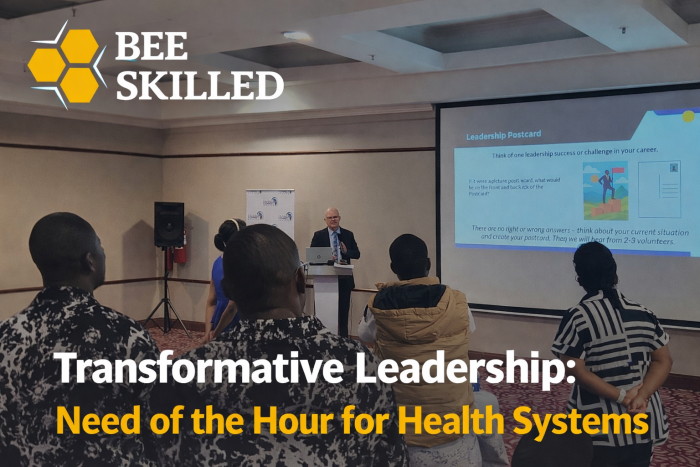
Strengthen Health System Leadership: Registration Opens for Bee Skilled’s CPD-Certified Leadership Masterclass

0

Health and pharmaceutical professionals across Sub-Saharan Africa are increasingly expected to lead teams, manage complex programmes, manage technology transfer initiatives for new pharmaceutical products and guide organisational change within health systems. To support this growing leadership responsibility, Bee Skilled has opened registrations for the next cohort of its CPD-certified Leadership Masterclass for Health Systems, designed specifically for mid-career professionals working in the health and pharmaceutical sectors.

Register here: https://hive.beeskilled.com/leadership-masterclass-with-dr-andrew-brown/

Leadership capacity becoming critical for health systems

Health systems across Africa are entering a period of transition. For many years, national programmes and supply chains relied heavily on international donor funding. As this support gradually shifts, countries are increasingly required to strengthen domestic capacity, develop sustainable strategies, and manage health systems locally.

In this environment, healthcare professionals must move beyond technical expertise. Pharmacists, clinicians, programme managers, and pharmaceutical professionals are increasingly expected to guide teams, navigate uncertainty, and support organisational transformation. Strengthening leadership capability within the health workforce has therefore become a critical priority for building resilient health systems.

In a recent blog post, Noxolo Magubane focuses on transformational leadership, calling it a need of the hour in health systems in this changing landscape.

Read the full blogpost here: https://hive.beeskilled.com/transformative-leadership-need-of-the-hour-for-health-systems/

Leadership masterclass designed for health and pharmaceutical professionals

The Bee Skilled Leadership Masterclass is a structured learning programme created to help professionals strengthen practical leadership capabilities relevant to real health system environments.

The masterclass follows a hybrid learning format that includes:

  • Self-paced pre-workshop learning, available free of cost on the Bee Skilled Hive learning platform
    • Two live virtual workshops led by a global leadership expert
    • Post-workshop reflection and practical leadership application

Participants will explore practical leadership approaches, including how to apply different leadership styles, motivate teams, guide organisational change, and strengthen collaboration within health systems.

Facilitated by global health leadership expert

The programme will be facilitated by Dr. Andrew Brown, a pharmacist himself and an internationally recognised specialist in leadership development and organisational change within complex health systems.

Dr Brown has worked extensively with global health organisations, pharmaceutical sector and public health programmes, supporting leadership capability and system strengthening across multiple regions. His sessions focus on practical leadership insights that professionals can apply directly within their daily work environments.

Workshops scheduled for April 2026

The upcoming cohort of the Bee Skilled Leadership Masterclass will include two live virtual workshops scheduled for 13 and 20 April 2026, at 9 AM GMT / Local Nigeria time.

Participation in the pre-workshop learning phase is open to all registered participants, while the live workshops and CPD certification are available for a programme fee of USD 60.

Health professionals interested in strengthening their leadership capabilities can register through the Bee Skilled learning platform.

Register here: https://hive.beeskilled.com/leadership-masterclass-with-dr-andrew-brown/

Media Contact 

Vinita Garg 

Email: info@beeskilled.com 

Phone: +91 7982641340 


The Molecules Nigeria Does not Make – And Why it Matters

0
Dr Lolu Ojo

When the naira weakens, medicine prices rise. Not because Nigerian pharmacists are inefficient. Not because local manufacturers lack commitment.

But because Nigeria imports nearly every molecule that makes its medicines work.

At the heart of every tablet, capsule, injection, suppository, cream and infusion lies the Active Pharmaceutical Ingredient (API), the chemical substance responsible for therapeutic effect. Without APIs, formulation plants are merely packaging centres.

And today, Nigeria imports almost all of them. This is not just a pharmaceutical issue. It is an industrial, economic, and national security question.

A $250 billion global industry concentrated elsewhere

The global API market was valued at roughly $220–250 billion in 2023 and is projected to exceed $350 billion by 2030. Demand is driven by chronic diseases, expanding generic medicines, oncology treatments, and biologics.

Yet production is heavily concentrated. India supplies around one-fifth of global generic APIs and dominates finished generic exports. China provides approximately 40–50 per cent of the world’s key starting materials and chemical intermediates, the building blocks of APIs.

The United States and Europe retain high-value regulated production, but even they rely substantially on Asian chemical supply chains. This architecture is efficient, but fragile. During COVID-19, export restrictions in Asia triggered supply disruptions across Africa. What appeared to be a diversified global pharmaceutical system revealed itself as highly concentrated upstream.

For countries without domestic API capacity, vulnerability is structural.

Nigeria: Scale without backward integration

Nigeria is West Africa’s largest pharmaceutical market, with over 220 million people and an estimated industry value of $2–2.5 billion. Yet:

70–75 per cent of medicines are imported (NAFDAC’s current figure is 60 per cent).

Nearly 100 per cent of APIs are imported.

Local manufacturers operate largely at formulation and packaging level.

In effect, Nigeria assembles medicines whose core components are sourced abroad.

The implications are significant:

Every foreign exchange crisis transmits directly into drug pricing.

Every global shipping disruption threatens availability.

Every geopolitical tension introduces risk into national health supply.

When the naira depreciates, drug prices rise, not as a policy choice, but as a structural inevitability.

Why has Nigeria not entered API manufacturing?

Because API manufacturing is not simply another factory. It is capital-intensive, energy-intensive, environmentally regulated, and ecosystem-dependent.

A modest small-molecule API facility can require $50–150 million in capital investment. It demands:

Continuous, stable power supply

Advanced chemical synthesis capability

Industrial-scale wastewater treatment

Strict Good Manufacturing Practice (GMP) compliance

Nigeria’s electricity grid currently generates roughly 4,000–5,000 megawatts for over 220 million people. By comparison, India’s total installed power capacity exceeds 400,000 megawatts. Energy costs in Nigeria can be two to three times higher than in India, a decisive disadvantage in chemical manufacturing.

Furthermore, India’s API success did not happen overnight. It evolved from decades of petrochemical development, process chemistry training, state-backed incentives, and regulatory maturation.

API production is not an isolated investment decision. It is an ecosystem outcome.

Africa’s wider vulnerability

Africa accounts for less than three per cent of global pharmaceutical manufacturing output. Across Sub-Saharan Africa, between 70 and 90 per cent of medicines are imported. The continent captures minimal value in the global pharmaceutical supply chain.

The African Continental Free Trade Area (AfCFTA) offers an opportunity for regional integration. But integration without industrial production merely enlarges a trading bloc; it does not create pharmaceutical sovereignty. The real opportunity lies in pooled demand.

Nigeria alone may struggle to achieve sufficient scale for many APIs. But ECOWAS collectively represents a far larger and more viable demand base. Regional procurement coordination could create the volume threshold required for competitiveness. This is not diplomatic idealism. It is industrial mathematics.

The strategic choice: Ambition or discipline?

Total pharmaceutical self-sufficiency is unrealistic. No modern economy is entirely self-sufficient. But strategic vulnerability is a choice.

Nigeria does not need to manufacture every API. That would be economically irrational. However, selective backward integration into a small number of high-volume, essential molecules is achievable, if approached with discipline. Such a strategy would require:

Government-backed demand guarantees

Concessional industrial financing

Dedicated pharmaceutical industrial zones with guaranteed power

Regulatory harmonisation across ECOWAS

Without coordinated policy, private investors will not assume the scale of risk involved.

Why this matters beyond pharmacists

This conversation is not only for industry stakeholders. It affects:

Inflation

Foreign exchange stability

Industrial diversification

Job creation

National resilience

Oil built yesterday’s Nigeria. But the next global disruption may not respect oil wealth. It will test supply chain depth. Nations that cannot produce the molecules that sustain life do not control their health destiny.

The questions before policymakers

Should APIs be designated a strategic industrial sector?

Should the Bank of Industry establish a targeted API financing window?

Should ECOWAS create a pooled procurement and production framework?

Should sovereign investment funds support pharmaceutical backward integration?

These are not technical questions. They are economic strategy questions.

A moment for deliberate design

Formulation capacity was Nigeria’s first pharmaceutical chapter. Backward integration, selective, disciplined, and regionally coordinated, could be the second. If we continue to treat APIs as an invisible import line in trade statistics, the next global shock will again expose our fragility. The molecules Nigeria does not make may yet define the limits of its industrial sovereignty.

The choice is deliberate or default. And the default is dependency.

Dr Lolu Ojo is a consultant pharmacist in Lagos.

Health Insurance as Lifeline for Pregnant Women amid Rising Antenatal Costs

0
Mrs Blessing Taiwo, carrying her baby and Dr Emmanuella Zamba, LASHMA permanent secretary.

Blessing Taiwo is a first-time mother who has never experienced pregnancy before. Like many women, she had heard several frightening stories of mothers who died after childbirth due to complications and inadequate care. Determined not to become part of such statistics, she began making enquiries about the cost of antenatal care in her neighbourhood a few months after her marriage.

The first hospital she visited presented her with a bill of ₦200,000 for five to seven antenatal visits. The second facility, located close to the first, quoted an even higher amount of ₦250,000.

“It is unimaginable that the cost of antenatal care could be this high,” Taiwo said to herself as she took the bills home for discussion with her husband.

Essence of antenatal care

The United Nations Children’s Fund (UNICEF) describes antenatal care as a form of preventive care in which pregnant women receive social, emotional and psychological support at this critical period in their lives.

Yet, access remains uneven. Sub-Saharan Africa continues to record low levels of antenatal coverage, with many women unable to complete the minimum recommended visits, while a significant proportion receive no care at all.

Antenatal care affords pregnant women access to micronutrient supplementation and treatment for hypertension to prevent eclampsia, as well as immunisation against tetanus. It also helps prevent mother-to-child transmission of HIV through the provision of HIV testing and medication.

In malaria-endemic areas, health personnel can provide pregnant women with medications and insecticide-treated mosquito nets to help prevent this debilitating and sometimes deadly disease.

Maternal deaths and limited access

Inaccessible antenatal care has been attributed to the increase in maternal deaths in Sub-Saharan Africa, as records show that many pregnant women die as a result of complications during and after pregnancy and childbirth.

The World Health Organisation (WHO), in a recent update, stated that over 90 per cent of all maternal deaths occurred in low- and lower-middle-income countries in 2023, a category in which Nigeria falls, with most of the complications both preventable and treatable.

Some of the issues linked to maternal mortality, according to the WHO, include severe postpartum haemorrhage, infections – usually after childbirth – pre-eclampsia and eclampsia, complications during delivery, and unsafe abortion, among others.

The apex health agency’s statistics indicate that a maternal death occurred almost every two minutes in 2023, while over 700 women died daily from preventable causes related to pregnancy and childbirth.

Affordable care through Ilera Eko

However, to reduce the high burden of maternal and child mortality, the WHO some years ago adopted the focused antenatal care model, which recommends a minimum of four antenatal visits during pregnancy. For many women, however, meeting this requirement remains difficult due to financial constraints.

While her husband was still contemplating which hospital to settle for, a neighbour fortunately introduced Taiwo to the idea of health insurance, explaining the benefits she could derive as a newly married woman. She then began searching for health insurance schemes available in her vicinity and came across the Lagos State Social Health Insurance Scheme, popularly known as Ilera Eko.

After obtaining detailed information about the provisions of the scheme, her family decided to subscribe to the Standard Jaara plan, which offers five antenatal visits along with other medical services for just ₦ 55,000, instead of the ₦250,000 she had initially been quoted by the private hospital.

“Although it was my first pregnancy, the information and care I received from the clinics each time I visited made the journey easier for me, as it gave me access to doctors and midwives for consultation and guidance on issues I was not clear about during the period,” Taiwo narrated.

She eventually had a safe and successful delivery, giving birth to a healthy baby boy without any complications.

Benefits for mothers and newborns

The Permanent Secretary of the Lagos State Health Management Agency (LASHMA), Dr Emmanuella Zamba, in an exclusive interview with Pharmanews, further highlighted the benefits of the Lagos State Health Insurance Scheme for mothers and their babies.

She noted that the scheme prioritises the health of mothers and babies through a robust package.

“So, you can even have your caesarean section free, which we know normally costs up to ₦500,000 or ₦1 million, depending on the facility. These services are heavily subsidised by the plan. Once you subscribe, it definitely helps families,” she said.

“One of the things we have also introduced is that a woman must have attended antenatal care for at least five months. This helps us identify high-risk mothers early and allows doctors to monitor them properly. In the end, it improves health outcomes in terms of having healthy babies and healthy mothers.”

The LASHMA chief urged Lagos residents to take advantage of the scheme to better protect their families.

“This will allow you to send your children to better schools, build a house, buy a car, and improve your quality of life. If you leave your family’s health to chance, it can impoverish your household overnight,” she warned.

Reflecting on her experience, Taiwo concluded: “I will confidently recommend the health insurance scheme to every pregnant woman. I am a bona fide enrollee who has experienced the quality antenatal care needed to reduce maternal and child mortality in the country.”

Shalom Ijeoma Lloyd: Award-Winning Pharmacist, Innovator and Multipreneur

0
Professor Shalom Ijeoma Lloyd

One of the significant events in the United Kingdom in 2024 was the publication of the King’s New Year Honours list, an annual tradition that recognises individuals across the country for outstanding achievement and distinguished service to society. Among those recognised was Nigerian-born Professor Shalom Ijeoma Lloyd, who was appointed a Member of the Order of the British Empire (MBE) for her contributions to international trade and to the advancement of women in business.

Lloyd is an accomplished pharmaceutical leader and entrepreneur with more than three decades of experience spanning healthcare, innovation, access to medicines and impact-driven enterprise. She is the founder of Naturally Tiwa Skincare, a brand known for its pure, high-quality and ethically sourced products formulated to support individuals living with conditions such as eczema, psoriasis, rosacea, keratosis pilaris, dermatitis and severe dry skin.

She is also the founder of eMQT, a pharmaceutical manufacturing and research company established to advance Africa’s readiness for clinical research. The company works to expand access to local expertise, patient populations, regulatory knowledge and clinical trial training, while creating opportunities for innovative technologies and more diverse clinical trial data.

In addition, Lloyd leads The Body Shop Nigeria, where she advances the brand’s long-standing commitment to ethical beauty, environmental responsibility and social advocacy. Under her leadership, the company is not merely expanding its retail presence but also reinforcing the principles on which the global brand was founded, including cruelty-free products, responsible sourcing and community empowerment.

Across these diverse ventures and other engagements, Lloyd maintains a consistent commitment to building enterprises that create opportunity, strengthen communities and position Africa as an active contributor to global innovation and excellence. According to her: “In every role I play, as a mother, scientist, entrepreneur and leader, my mission remains the same: to use business as a force for good, to empower others, to enforce my ‘Trade, Not Aid’ mantra, and to prove that Africa’s time is now.”

Solid foundations

Born in Nigeria in the 1970s, Lloyd had her primary and secondary education in the country before gaining a scholarship to study Pharmacy in Ukraine (then under the Soviet Union). Initially unable to speak the language, she faced the daunting task of navigating a new culture while undertaking rigorous scientific training. The experience would ultimately help to lay the foundation for her characteristic resourcefulness and doggedness. Six years later, she graduated with both a bachelor’s and master’s degree in Pharmacy from the Ukrainian Academy of Pharmacy.

Lloyd’s professional career later took root in the United Kingdom, where she subsequently obtained an MBA from the University of Liverpool. She spent nearly three decades in the global pharmaceutical industry. During this period, she worked across several markets, contributing to clinical research, commercial strategy and the development of medicines aimed at improving health outcomes around the world.

The exposure gave her what she describes as a “front-row seat” to both the remarkable advances in medical science and the persistent inequalities in access to treatment. Medicines were being developed at an extraordinary pace, yet many populations, particularly in Africa, remained largely absent from the research that produced them. That realisation eventually inspired one of her most significant ventures.

Innovation from maternal resilience

Interestingly, despite her long career in pharmaceuticals, Lloyd’s entry into the skincare industry was not the result of market research or business planning. It emerged from a deeply personal challenge.

After four cycles of IVF treatment, she gave birth to twins in 2014. Soon after, her son, Joshua, developed severe eczema, a condition that left his skin inflamed and painfully irritated. As a pharmacist, Lloyd first turned to established treatments, testing a range of creams and medications. None seemed to provide lasting relief.

Frustrated but determined, she looked beyond conventional solutions and turned to traditional African remedies. Drawing on recipes and ingredients that had been used for generations in African communities, she began experimenting with raw, unrefined shea butter and coconut oil sourced from Nigeria. Working in her kitchen, she combined these ingredients carefully, guided both by scientific understanding and ancestral knowledge.

The results were remarkable. Within three days, Joshua’s skin began to heal.

“That moment changed everything,” she recalled. “Naturally Tiwa Skincare was born, not just as a company, but as a calling to blend science, innovation and African tradition.”

Lloyd recognised that the natural ingredients used for centuries across Africa possessed enormous potential if combined with modern scientific rigour and ethical sourcing. From that experience emerged Naturally Tribal Skincare Ltd, whose products are now marketed under the brand Naturally Tiwa Skincare.

Grassroots partnership

Lloyd’s ambition for the Naturally Tiwa Skincare brand extended far beyond skincare products. She saw it as a platform to showcase Africa’s botanical wealth and support communities involved in producing raw materials.

Her search for consistent, high-quality ingredients eventually led her back to Nigeria, where she established partnerships with producers in the Kingdom of Essan in Niger State and with processors such as JE Oils in Abuja. Through these collaborations, rural women involved in shea production and other agricultural activities gain access to stable markets and fairer trade opportunities.

For Lloyd, the business represents a meeting point between heritage and modern innovation.

“Africa has always been rich in natural remedies,” she has often noted. “The challenge is ensuring that this knowledge is preserved, respected and developed in ways that benefit the communities that hold it.”

Showcasing Africa’s potential through eMQT

While building Naturally Tiwa Skincare, Lloyd continued to pursue another concern that had grown during her years in the pharmaceutical sector: the limited participation of African populations in clinical research.

Globally, people of African descent remain significantly underrepresented in clinical trials, despite the continent’s large and rapidly growing population. This imbalance has long raised concerns among health experts, as medicines developed without adequate population diversity may not fully reflect genetic or environmental differences that influence treatment outcomes.

To address this gap, Lloyd founded Emerging Markets Quality Trials (eMQT), an organisation dedicated to strengthening Africa’s participation in global clinical research. The company works to connect pharmaceutical firms with African researchers, patients and regulatory institutions, helping to build the infrastructure and expertise required for large-scale clinical trials across the continent.

Its broader mission is to ensure that Africa moves from the margins of medical research to a central role in shaping it. By expanding training, strengthening partnerships and encouraging investment in research facilities, initiatives such as eMQT aim to generate more representative clinical data while improving access to innovative therapies.

Her work also extends into agricultural processing through JE Oils Nigeria, a company involved in the production of high-quality plant-derived oils. The enterprise seeks to elevate Nigeria’s position within the global shea industry by promoting local processing and ensuring that more of the economic value remains within the country.

The Body Shop inspiration

As earlier hinted, Lloyd played a pivotal role in bringing the internationally recognised ethical cosmetics brand, The Body Shop, into Nigeria, where she currently leads its operations.

When asked what inspired her to take the step in March 2025, she explained:

“It felt like a natural alignment, almost a perfect fit. As a British-Nigerian who’s spent nearly a decade building a skincare brand rooted in sustainability and ethical sourcing, The Body Shop felt like home.

“As a UK Export Champion, I saw an opportunity to bring a truly authentic, purpose-driven British brand to the Nigerian market, one that prioritises efficacy, trust and ethics.”

Further recognitions and ongoing exploits

The scale and influence of Shalom Lloyd’s work have continued to earn her recognition across several professional and civic platforms. Aside from her MBE appointment, she also holds several distinguished roles. She serves as an Honorary Professor of Professional Practice at the University of Buckingham and has been recognised as a UK Department for Business and Trade Export Champion, a role through which she supports small and medium-sized enterprises seeking to expand into international markets.

Lloyd is also a TEDx speaker and an advocate for inclusive economic growth, particularly in emerging markets where women remain underrepresented in leadership positions. In the course of her career, she has served on boards and advisory groups, including positions within chambers of commerce and educational institutions, where she contributes to mentoring young professionals and encouraging entrepreneurship.

Treat Health Spending as Economic Investment, Not Social Cost – Expert

0


Dr Ebere Okereke

An Independent Global Health Expert, Dr Ebere Okereke has urged African Governments to treat health spending as a strategic economic investment rather than a social cost or burden.

Okereke, also an associate Fellow of Chatham House, told newsmen on Sunday that governments must rethink how health financing was presented during national budgets and policy discussions.

According to her, health is often framed primarily in humanitarian or social terms, making it more vulnerable to cuts when governments face competing fiscal pressures.

“Governments need to change how they make the case for health in budget and policy discussions.

“Instead of presenting health mainly in terms of need, they should present it in terms of economic return, labour productivity, resilience and the cost of inaction.”

She said underinvestment in primary care, prevention and health system preparedness often led to greater long-term costs through disease outbreaks, loss of workforce productivity, household impoverishment and expensive emergency responses.

She noted that reframing health financing as part of economic policy could make it easier for governments to prioritise the sector even during periods of fiscal constraint.

The expert also stressed that health financing discussions must extend beyond ministries of health.

“Health financing should not remain only a Ministry of Health issue,” she said.

She explained that ministries of finance, planning, labour and heads of government must recognise the strong link between health systems and national economic performance.

“When health is linked to workforce participation, human capital, fiscal risk and social stability, it becomes easier to defend in tight budgets and harder to treat as a discretionary social cost,” she said.

In spite of decades of commitments to strengthen health systems across Africa, Okereke said the core challenge often lies not in resource availability but in governance and implementation.

“The first reform is to move from allocation to execution.

“In many countries, money is approved for health but is not spent well, or sometimes not spent at all,” she said.

She said improving budget execution, strengthening procurement transparency and reinforcing public financial management systems were essential for translating allocations into real improvements in health services.

According to her, accountability mechanisms must also involve institutions beyond the executive arm of government.

“This is not only a technical problem; it is also a political one.

“The issue is often not knowledge, but weak incentives and limited accountability and that is why parliaments, audit institutions, civil society and the private sector also matter.”

With global development assistance for health becoming increasingly uncertain, she said African governments should prioritise domestic financing mechanisms that are already known and feasible.

She identified health levies, excise taxes on tobacco, alcohol and sugary drinks, as well as insurance pooling arrangements, as potential sources of sustainable funding for health systems.

“Health levies, excise taxes, insurance pooling arrangements and other ring-fenced instruments can all play a role,” she said.

She added that debt-for-health swaps could also be useful in certain contexts, although their complexity makes them less likely to serve as a broad financing solution across the continent.

“The issue is not a lack of financing ideas.

“Proven mechanisms already exist, but they are unevenly governed, inconsistently scaled and insufficiently embedded in national systems,” she said.

She emphasised that strong governance structures were essential for these financing instruments to succeed.

“These instruments work only when they have a clear legal basis, transparent reporting, independent oversight and protection against diversion and inflation erosion,” she said.

She further noted that improving the use of funds already approved in national budgets could provide one of the fastest ways to strengthen health financing.

“In the current context of tight fiscal space, high debt servicing and declining external assistance, improving budget execution may be one of the fastest and most practical ways to strengthen health financing,” she said.

On the role of data in policy decisions, Okereke said governments must ensure that evidence is not only generated but also used effectively in budgeting and planning processes.

“Governments need to make evidence usable, not just available,” she said.

She recommended that countries begin by realistically costing a defined package of essential health services and using that information to guide budget decisions.

She also called for stronger integration between routine health data, National Health Accounts, private-sector service data and fiscal planning.

“Reforms become more credible when they are based on country-owned evidence, realistic assumptions and clear priorities rather than aspirational plans or external preferences,” she said.

(NAN)


BBL Death Sparks Lagos Action on Cosmetic Safety Policy

0


Brazilian Butt Lift illustration. Image Source: Medicover Hospitals.

The Lagos State Government has taken a significant step toward strengthening the regulation of cosmetic products and procedures with the presentation of the National Policy on Cosmetics Safety and Health and its Implementation Plan to the Special Adviser to the Governor on Health, Kemi Ogunyemi.

The move follows the reported death of Nigerian socialite and influencer Elena Jessica after complications from a Brazilian Butt Lift (BBL) procedure at a private hospital in Lagos. The tragic incident was announced in a viral social media post by the deceased’s family.

Pharmanewsonline reports that a Brazilian Butt Lift is a cosmetic surgical procedure designed to enhance the size and shape of the buttocks using a patient’s own body fat. The process involves removing fat from areas such as the abdomen, waist, back, or thighs through liposuction. The extracted fat is then purified and injected into the buttocks to achieve a fuller, rounder, and more lifted appearance.

Records show that several women worldwide have died during or after undergoing the procedure due to complications arising from the surgery.

The policy was formally presented during the Exit Meeting of the Lagos State Engagement on the National Policy on Cosmetics Safety and Health, held at the Conference Room of the Lagos State Ministry of Health on Friday. The meeting marked the conclusion of a four-day stakeholder engagement that began on Tuesday, 10 March 2026.

Speaking at the meeting, Ogunyemi said the engagement could not have come at a more critical time, citing the recent cosmetic surgery-related death in Lagos currently under investigation by the Health Facilities Monitoring and Accreditation Agency (HEFAMAA).

“This engagement could not have come at a better time. Only this week, we had an unfortunate incident where a well-known lady died in Lagos following cosmetic surgery,” she said.

Ogunyemi added that relevant authorities are investigating the circumstances surrounding the incident, including the drugs used and their sources.

She stressed that patient safety remains a top priority for the Lagos State Government, noting that the regulation of cosmetic products and procedures is critical to protecting citizens.

“When even one person dies, it means something has gone wrong, and we certainly do not want such incidents to happen again,” she said.

The Special Adviser further assured stakeholders that the state government would ensure effective implementation of the policy across the entire cosmetics value chain, including manufacturers, suppliers, training institutions, and health facilities. She added that Lagos would continue to set the pace for other states in implementing the policy.

Director of Cosmetics Safety in the Food and Drug Services Department of the Federal Ministry of Health and Social Welfare, Paul Okhakhu, said the policy was developed to address the increasing cases of adverse health effects linked to unsafe cosmetic products.

According to him, the policy validated in Lagos will guide regulatory actions and support the development of state-specific action plans to tackle cosmetic safety challenges.

In her closing remarks, the Director of Pharmaceutical Services at the Lagos State Ministry of Health, Olawale Poluyi, described the engagement as an important milestone in the implementation journey of the policy in the state.

The four-day engagement brought together 49 participants from federal and state government agencies, regulatory bodies, academia, industry associations, cosmetology practitioners, civil society organisations, and the media to assess the cosmetics safety landscape in Lagos and develop a State Cosmetics Safety Action Plan aimed at protecting public health.


Afrofuturism and the Future of African Pharmacy

0


Guided by a vision for the future, Africa, endowed with enormous medicinal flora and fauna, should not be considered a marginal player in global pharmacy practice. This is even more evident given that African ethnobotany has consistently proven to be among the most efficacious in drug discovery and disease treatment. Hence, there is an urgent need to rethink pharmacy practice through an Afrofuturist lens.


Grappling with the reality that African countries import between 70 and 90 per cent of their medicines represents a structural deficiency demanding urgent and innovative solutions. The truth remains: Africa consumes what it could invent, dispenses what it could discover, and regulates what it did not formulate.

Afrofuturism, often popularised in cultural discourse through works like Black Panther, does not end with aesthetics or speculative fiction. It is a philosophical repositioning that resists epistemic violence, particularly the marginalisation of African knowledge systems. It probes the future of the world when African people, knowledge, and institutions become central rather than peripheral to global civilisation.

Applied to pharmacy practice, it calls for a transition from survivalist models to pace-setting, innovative approaches. It inspires the development of pharmaceutical systems rooted in African agency, scientific originality, and technological ambition.

Pharmacy practice in Africa has largely operated within colonial structures. Curricula mirror imported templates. Regulatory frameworks are fashioned after global benchmarks. Drug supply chains depend heavily on external manufacturing ecosystems. The COVID-19 pandemic exposed the continent’s fragility when vaccine inequity left many African countries stranded at the crossroads of urgent need. While harmonisation is invaluable in a globalised world, dependency stifles innovation.

Afrofuturism, therefore, challenges African pharmacists to imagine a novel architecture of practice, where African laboratories no longer play secondary roles but endure as primary sites of innovation. Already, several African biotech startups and research centres, including those in Nigeria, South Africa, and Kenya, are demonstrating that vaccine development, clinical trials, and novel drug discovery can thrive locally when supported by infrastructure and investment. Scaling such initiatives across the continent is central to the Afrofuturist vision.

In terms of ethnobotany, Africa is home to tens of thousands of medicinal plants with documented therapeutic and prophylactic properties. The United Nations Environment Programme confirms that indigenous communities across the continent have long developed sophisticated knowledge based on plant chemistry, dosage patterns, and ecological rhythms. Yet this knowledge is often dismissed as informal and relegated to the margins of modern healthcare, even though modern pharmacology itself is rooted in plant isolation and molecular refinement.

An Afrofuturist lens does not merely romanticise African ethnobotany, nor does it ignore its inherent value. Instead, it seeks to integrate this insight with rigorous pharmacognosy, clinical trials, and quality assurance. It asks: why should the next global revolution in phytopharmaceutical innovation not emanate from an African research institute, patented and produced on African soil? By fostering collaborations between traditional healers, chemists, and pharmacists, African pharmaceutical systems could pioneer therapies for diseases that disproportionately affect the continent, while also contributing to global health solutions.

This question transcends sentimentality, given the statistics that highlight Sub-Saharan Africa’s disproportionate share of the global burden of infectious diseases, including the majority of malaria deaths, according to the World Health Organisation. Meanwhile, the rapid rise of non-communicable diseases strains already insufficient health infrastructure. Pharmaceutical sovereignty, therefore, is imperative. How can Africa respond when public health systems buckle under institutional decay? Afrofuturism in pharmacy imagines resilient manufacturing hubs, AI-driven distribution networks tailored to rural geographies, and regulatory bodies that are both globally compliant and locally assertive.

For decades, the narrative surrounding African healthcare has been grim. The continent has often been portrayed as a site of intervention rather than a hub of invention. Afrofuturism seeks to obliterate this perception and reimagine Africa as a centre of healthcare innovation and efficiency. Global media frequently highlights epidemic-ravaged African towns in need of international aid, even amid endemic corruption affecting political elites. Decisions such as U.S. President Donald Trump’s withdrawal of certain medical funding through agencies like USAID underscore Africa’s vulnerability.

Yet, viewed through an Afrofuturist lens, such moments serve as wake-up calls for African leaders to prioritise domestic investment in health. Strengthening local research, manufacturing, and regulatory capacity is no longer optional; it is a necessity if Africa is to claim its rightful place in shaping the future of global pharmacy.

Costus afer, the Health Cane

1


Costus afer (family Costaceae) is widely known across Nigeria’s major ethnic groups because of its extensive medicinal use. The plant is a tall, perennial, herbaceous shrub. It is known as Kakizawa in Hausa, Okpete or Okpoto in Igbo, and Tẹtẹ-egun, Ìrẹkẹ ọmọde or Ìrẹkẹ ogun in Yoruba. Common English names include ginger lily, spiral ginger, bush cane and monkey sugar.

Constituents

Proximate analysis of the stems of Costus afer shows the presence of moisture, crude fat, ash, crude protein, crude fibre and carbohydrates. Phytochemical analyses have revealed alkaloids (papaverine and narcotine), flavonoids (myricetin, quercetin and kaempferol), saponins (sapogenin, saponine and diosgenin), glycosides (costugenin, digitoxin, digoxin and salicin), and fatty acids (linolenic, linoleic, palmitic, oleic and stearic acids).

Preparations

Costus afer is commonly available in markets as fresh stems. It is also sold in processed forms, including powdered preparations and herbal teas.

Pharmacological actions and medicinal uses

Research has shown that Costus afer possesses antidiabetic, anti-inflammatory and antioxidant properties, supporting its use in the management of diabetes, arthritis and oxidative stress. Other studies have demonstrated hepatoprotective, cardioprotective, nephroprotective, diuretic, testicular-protective, central nervous system-depressant, analgesic, and antibacterial activities.

In tropical Africa, infusions of the plant are taken to treat tachycardia, hypertension and gastrointestinal complaints, and are also used as stimulants and aphrodisiacs. Stem decoctions, mashed or chewed stems, or pounded fruits -sometimes mixed with sugarcane juice – are used to treat cough, respiratory problems and sore throat. Smoke from dried stems is inhaled to relieve cough. Leaf sap is applied as eye drops for eye disorders and as nasal drops for headaches associated with vertigo, and is also used to treat oedema and fever. Leaf sap or rhizome decoctions are taken in the treatment of malaria.

The stem sap is used in the management of urethral discharge, venereal diseases and jaundice, and is also believed to help prevent miscarriage. Owing to its rubefacient properties, stem sap is applied to treat various skin conditions. The plant is additionally used in the management of rheumatoid arthritis, intestinal worms, haemorrhoids, nausea, thirst, epileptic seizures, abscesses, ulcers, toothache, diarrhoea, amoebic dysentery, leprosy, venereal diseases and colic.

Adverse effects

Costus afer may cause allergic reactions in some individuals. It may also contain contaminants such as aristolochic acid, which has been associated with carcinogenicity and kidney damage.

Economic uses and potential

The stem bark of Costus afer is sometimes used in the production of table mats, baskets and paper, while the stems may be utilised in house construction. The sap can be used to coagulate latex and is incorporated into skin-nourishing creams. The plant also serves as fodder for small ruminants and poultry. Certain constituents are useful as raw materials in the synthesis of pharmaceuticals such as steroids and in the production of nutritional supplements for humans and animals. The leaves are commonly used for wrapping food items. Processed Costus afer root powder typically sells for between N4,000 and N8,000 for quantities ranging from 100 g to 200 g.

Reference

Okari, K. A., & Anacletus, F. C. (2017). Proximate and phytochemistry of Costus afer plant from Niger Delta State and its effect on haematological parameters. International Journal of Life Sciences Research, 5(4), 84–97.

(Nigeria Natural Medicine Development Agency)

Email: ngozikaokoye@yahoo.com

Read More to Know More and Do More (2)

0
Brian Tracy- endorsed speaker and training consultant
George O. Emetuche

“Keep mining the mind to discover the real you.” – The Selling Champion

Let me share what I discovered in my quest to appraise reading habits. I found that some authors are part of the problem. Some of us simply write for writing’s sake, without keeping our readers in mind. I often encourage authors to make their books engaging. A book must be rich and appealing in content, style, packaging, and pricing.

I recently unveiled my book on writing, How to Write and Publish Books. I promised readers that I would write the book, and it is now available. Get yourself a copy and become the next author. My goal is to cultivate more readers and writers. Our world will undoubtedly be better if more people pour invaluable knowledge into books.

I once conducted a study on reading culture and found that interest and commitment are the foremost attributes required to become a good reader. Both qualities must work together. You need the interest to begin reading a book and the commitment to continue until you complete it.

During our strategy and goal-setting breakfast session in Lagos on 10 January 2023, one of the participants shared her struggle with reading. She found it difficult to finish books. She could read several pages or a few chapters, but completing the book remained a challenge.

I advised her on how to overcome this difficulty. Read on – you may find solutions here if you face the same challenge.

You lose nothing when you read

The truth is simple: you lose nothing when you read. You gain everything. You acquire knowledge. You add the author’s experience to your own and become a better version of yourself. Imagine reading a book written by someone with 40 years of professional or business experience. In essence, you are gaining 40 years of expert insight. That is a remarkably smart way to learn.

When you read, you mine the mind. You dig deep to uncover the real you. That authentic self is already within; reading simply nourishes the mind and calls it forth. When you do not read, you starve the mind.

It is puzzling that some people find reading difficult. Did you know that some individuals have never bought a book in their entire lives? It may sound unbelievable, but it is true.

You lose far more when you choose not to read. Fortunately, our world offers many alternatives. We can read online or offline. We can read digital copies or paperbacks. We can also listen to audiobooks. Simply pick up a book today and begin your reading journey.

Readers are leaders

A reader is a potential leader. As John C. Maxwell wisely said, “If you want to lead, you must learn. If you want to continue to lead, you must continue to learn.” This remains one of my favourite insights. Everyone desires leadership, yet not everyone is willing to learn. That is the heart of the matter.

How can anyone acquire new knowledge without reading or seeking relevant information? Expanding your knowledge is a truly intelligent way to live.

I often recommend starting with books you genuinely enjoy. Explore memoirs, autobiographies, and professional works. Fiction also has its place. I also encourage readers to explore the Pharmanews monthly journal, which has delivered invaluable knowledge since 1979.

Capability must be built before capacity can be expanded. No one becomes outstanding in any field without preparation, and seeking knowledge remains one of the best forms of preparation.

Reading profoundly changed my life. When I finished reading Psychology of Selling by Brian Tracy, I was inspired to write my first sales book, The Selling Champion. That book provided the momentum I needed, and I acted on it. I later shared this story with Brian Tracy himself. Books and continuous learning drew me closer to my mentor. You can never go wrong with great books.

Books change lives

Books have shaped the lives of many individuals we celebrate today. Abraham Lincoln famously borrowed books in his youth. He taught himself law through relentless reading, often walking miles just to obtain the books. The pursuit of knowledge is always worthwhile.

My schoolmate, Osita Onuma, became a remarkable scholar largely through reading. He devoted up to fifteen hours a day to study while in school. He earned an outstanding First-Class degree at the University of Nigeria, later distinguishing himself at Imperial College London and MIT. Today, he is a leading IT expert in the United States.

My esteemed friend, the CEO of NEROS Pharma Group, Prof. Poly Emenike, MON, a successful industrialist and academic, once shared how Think and Grow Rich transformed his life after he read it in 1978 and 1980. He later received approval from the Napoleon Hill Foundation to publish Think and Grow Rich – African Perspectives.

In November 2025, Prof Emenike unveiled seven remarkable books on his 70th birthday. Today, he has written twenty books and continues counting.

Such is the enduring power of reading!

The purpose of preclinical testing is?

7

PANS QUIZ

The purpose of preclinical testing is?

a. To verify that a drug is sufficiently safe and effective to be tested in humans.

b. To undergo preliminary testing in healthy humans to monitor the effects of the drug.

c. To create a basic outline for the larger scale future tests on a widespread population.

d. To develop method of drug analysis


What are Good Clinical Practices?

a. Regulations set in place by Government that how clinical trials are supposed to be managed.

b. Clinical practices that adhere to the best standards of care.

c. Widely accepted standards of practice during clinical trials

d. The FDA’s requirements for how trials are conducted and documented

SPSMN to Examine Nigeria’s New Fiscal Landscape for Pharma Professionals

0


Pharm. Tunde Oyeniran

Professionals in Nigeria’s pharmaceutical sales and marketing sector will gather for an industry-focused webinar aimed at examining how the country’s evolving fiscal and economic policies are shaping business performance within the sector.

The event, organised by the Society for Pharmaceutical Sales and Marketing of Nigeria (SPSMN), is titled “Tax, Profit and Performance: Navigating Nigeria’s New Fiscal Landscape for Pharma Sales and Marketing Professionals.” It is scheduled to hold on Wednesday, 18 March, 2026, at 11:00 a.m, with the link to join here.

According to the organisers, the webinar forms part of SPSMN’s 2026 Economic and Business Environment Review, an initiative designed to help professionals in the pharmaceutical industry better understand economic trends and policy developments affecting their work.

The session is expected to bring together pharmaceutical executives, tax experts, business leaders and industry stakeholders to discuss the implications of Nigeria’s changing fiscal policies for pharmaceutical business operations, sales performance and profitability.

Industry analysts note that the pharmaceutical sector operates within a complex regulatory and economic environment where fiscal decisions can significantly influence drug pricing, distribution margins, marketing strategies and sales force incentives. Recent economic adjustments and tax policy considerations, observers say, are increasingly shaping how pharmaceutical companies plan their commercial strategies.

The webinar will feature Mr Peter Nwofia, partner and regulatory services lead at a leading tax advisory firm, who will deliver expert insights on the implications of Nigeria’s evolving tax framework for pharmaceutical companies and professionals working in sales and marketing.

Other notable participants include Sir Johnny Ojeaga, FCA, executive partner at Angeluscapital Partners, who will attend as Guest of Honour, and Mr Ade Adebanjo, executive officer of Leotetra Healthcare Limited, who will serve as Special Guest of Honour.

Chairing the session will be HRH Bamidele Obaitan, the Okuodu III and Oloso of Ososo Kingdom in Edo State, who also serves as a United Nations Eminent Peace Ambassador.

Speaking ahead of the webinar, the President of SPSMN, Pharm. Tunde Oyeniran, emphasised the importance of equipping pharmaceutical sales and marketing professionals with the knowledge required to navigate Nigeria’s changing economic environment.

According to him, understanding fiscal policy is increasingly becoming a strategic competency for professionals responsible for driving business growth in the pharmaceutical industry.

The webinar is expected to attract pharmaceutical sales representatives, marketing managers, business executives, healthcare entrepreneurs and other stakeholders interested in understanding the relationship between fiscal policy and pharmaceutical business performance.

Participants are expected to gain insights into how Nigeria’s fiscal policies influence pharmaceutical sales strategies, the relationship between taxation, pricing and product profitability, as well as the implications of economic policy changes for sales incentives and business performance.

The Society for Pharmaceutical Sales and Marketing of Nigeria has remained committed to advancing professional excellence in pharmaceutical sales and marketing practice in Nigeria, providing a platform for professional development, industry dialogue and the promotion of ethical and effective marketing practices within the sector.


PCN Inducts 117 Madonna University Pharmacy Graduands

0

– As Stephanie Nnajiofor emerges overall best graduating student

A cross-section of graduands at the induction cerem0ny

The Pharmacy Council of Nigeria (PCN) has inducted 117 pharmacy graduands of Madonna University, Elele, Rivers State, formally admitting them into the pharmacy profession and urging them to uphold the highest standards of ethical conduct.

At the university’s 17th oath-taking and induction ceremony for the 2024/2025 graduating class, the Council charged the new pharmacists to embrace continuous professional development, demonstrate integrity in practice and prepare for expanding roles within Nigeria’s evolving healthcare system.

The Registrar of the PCN, Pharm. Ibrahim Babashehu Ahmed, described the induction ceremony as the completion of only the first phase of professional training. He explained that newly inducted pharmacists must undertake a compulsory one-year internship and subsequently pass the Pre-Registration Examination for Pharmacists (PEP) before they can be fully licensed to practise.

“As you take the oath today and become inducted members of the pharmacy profession, I urge you to maintain high ethical standards and leadership qualities, and to endeavour to be worthy professionals committed to excellence in the provision of quality pharmaceutical services,” Ahmed said.

He stressed that the internship year is primarily a structured training period designed to prepare graduates for professional responsibilities, cautioning that missed learning opportunities during this phase may not be recoverable.

“It is instructive to note that the internship period is primarily a training period and a time of preparation for future opportunities,” the registrar added.

Ahmed urged the graduands to comply strictly with the Code of Professional Ethics, noting that pharmacists owe professional and moral responsibilities not only to patients, but also to colleagues, employers and the wider public.

He warned that the Council would not tolerate misconduct, stating that investigative panels and disciplinary tribunals established under the PCN Act are empowered to address professional infractions.

“The Council frowns at professional misconduct in its entirety. Kindly note that the PCN Act provides for the establishment of an Investigative Panel as well as a Disciplinary Tribunal as mechanisms for handling issues of professional misconduct,” he said.

He specifically cautioned the graduands against what he termed the “register-and-go syndrome”, describing it as a practice capable of bringing the profession into disrepute. He further advised them to avoid dishonesty throughout their careers and to uphold integrity as frontline healthcare professionals.

Noting that healthcare practice is undergoing rapid transformation, the registrar urged the graduands to continually update their knowledge through lifelong learning and active participation in the Council’s Continuing Professional Development (CPD) programme.

According to him, continuous education strengthens critical thinking, leadership capacity, decision-making and inter-professional collaboration, while ensuring that pharmacists remain relevant amid technological advancement, rising disease burdens, adverse drug reactions and antimicrobial resistance.

He added that the CPD programme aligns with global best practices and international health directives aimed at strengthening healthcare delivery.

Ahmed also encouraged the graduands to position themselves for broader responsibilities, particularly in vaccine storage and administration, research, and public health emergency response.

He observed that pharmacists play crucial roles during outbreaks and health crises such as COVID-19 and other epidemics, stressing that their professional interventions significantly support national emergency response efforts.

The registrar further urged the graduates to explore diverse career opportunities within Pharmacy, including industry, community practice, hospitals, academia, administration, information technology, journalism and governance.

In his address, the Dean of the Faculty of Pharmacy, Prof. Arnold Chukwudum Igboasoiyi, said the 117 graduands had been adequately trained to meet global standards and to contribute meaningfully to healthcare delivery.

He described the induction as a significant professional milestone, noting that graduates cannot advance in their careers without formal admission into the profession and entry into the provisional register of pharmacists.

Igboasoiyi added that the faculty remains committed to producing patient-centred pharmacists while expanding postgraduate training across several pharmaceutical disciplines.

In his keynote address, the former Dean of the Faculty of Pharmacy, University of Port Harcourt,Professor Ogbonna Okorie, challenged the graduands, stating that the future of healthcare depends largely on their vision, competence and ethical grounding.

Speaking on the theme, “Pharmacy: Leading the Charge in Digital Health and Pharmaceutical Innovation,” he described the present era as a defining moment for healthcare, noting that technology is rapidly reshaping how medicines are developed, delivered and monitored.

Addressing the inductees directly, the keynote speaker described their admission into the profession as a declaration of purpose rather than merely an academic milestone. He urged them to approach digital health with intellectual curiosity while sustaining compassion and professional responsibility in practice.

The ceremony also featured the presentation of awards to Stephanie Nmasichukwu Nnajiofor, who recorded a cumulative grade point average (CGPA) of 4.55 to emerge as overall best graduating student, alongside other outstanding members of the graduating class.

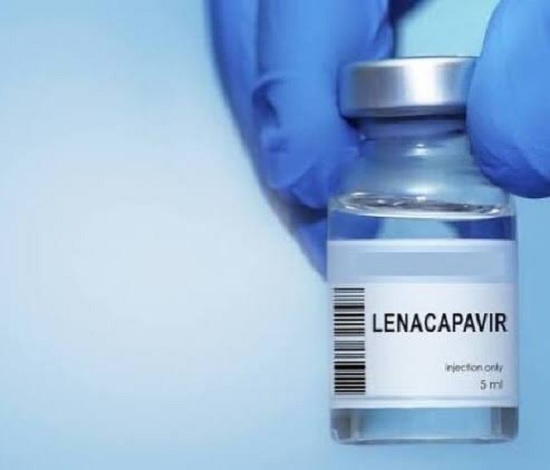
Lenacapavir Arrival Signals Breakthrough in Nigeria’s HIV Prevention

0


The Federal Government says Nigeria has received Long-Acting Injectable Lenacapavir for HIV prevention, marking a significant advancement in the country’s efforts to curb new infections.

Dr Adebobola Bashorun, director and national coordinator, National AIDS, Viral Hepatitis and STIs Control Programme (NASCP) of the Federal Ministry of Health and Social Welfare disclosed this in a statement in Abuja.

Bashorun said the injectable drug, known as Lenacapavir (LEN), arrived in the country on Tuesday for use as Pre-Exposure Prophylaxis (PrEP).

He said the development was approved by the Coordinating Minister of Health and Social Welfare, Prof. Muhammad Pate and supported through funding from the Global Fund.

According to Bashorun, the introduction of Lenacapavir expands the range of HIV prevention options available to individuals at risk of infection.

He explained that the long-acting injectable option could improve adherence to prevention services compared with daily oral PrEP.

“The introduction of Lenacapavir for PrEP marks a significant step toward broadening the range of prevention choices available to individuals at risk of HIV infection.

“As a long-acting injectable option, LEN PrEP has the potential to improve adherence and expand access to effective HIV prevention services for populations that may face challenges with daily oral prevention options,” he said.

The NASCP coordinator said the arrival of the drug reflected Nigeria’s commitment to adopting innovative and evidence-based interventions to control the HIV epidemic.

“The arrival of LEN PrEP reflects Nigeria’s continued dedication to leveraging innovation and evidence-based interventions to accelerate progress toward epidemic control.

“By expanding prevention options and strengthening service delivery, the country is taking decisive steps to reduce new HIV infections and improve health outcomes for communities across Nigeria,” he stated.

Bashorun said NASCP would work with partners and stakeholders to ensure the safe introduction, strategic deployment and effective integration of Lenacapavir into the national HIV prevention options.

He added that the rollout would strengthen ongoing efforts to increase access to prevention services.


“The rollout will support ongoing efforts to increase access to prevention services while reinforcing Nigeria’s broader HIV response.

“The arrival of Long-Acting Injectable Lenacapavir is a clear demonstration of Nigeria’s resolve to scale up innovative solutions and strengthen the fight against HIV,” Bashorun said.

He reaffirmed NASCP’s commitment to ensuring equitable access to HIV prevention. The News Agency of Nigeria (NAN) reports that Nigeria ranks fourth globally in HIV burden, with about 1.9 million people living with the virus.

However, experts say expanding access to prevention tools such as PrEP is critical to reducing new infections and achieving epidemic control. (NAN), testing, treatment and care services across Nigeria.


Centralising Health Sector Control under Physicians will Jeopardise Nigerians’ Health – PSN, AMLSN Warn Tinubu

0

Health workers under the aegis of the Joint Health Sector Unions (JOHESU) have condemned the proposed amendment bills transmitted to the National Assembly by President Bola Ahmed Tinubu for review and passage into law, describing the move as an attempt that could endanger the lives of health-seeking Nigerians and patients nationwide.

They argued that passing the proposed amendments, particularly those concerning the control and regulation of other healthcare team members, would further weaken Nigeria’s healthcare delivery structure at the expense of patients.

Pharmanews reports that President Tinubu recently forwarded 24 health sector bills to the Senate for legislative consideration, with the stated aim of streamlining governance structures across health institutions by reducing what he described as bloated board memberships. According to the president, the objective is to improve efficiency, effectiveness and service delivery across the sector.

Some of the amendment bills transmitted to the Senate concern the review of professional regulatory councils, hospital boards and agencies, including the Pharmacy Council of Nigeria, the Medical Laboratory Science Council of Nigeria, the Nursing and Midwifery Council of Nigeria, the National Hospital for Women and Children, Federal Medical Centres, National Specialty Hospitals Management Board and Orthopaedic Hospitals Management Board.

Others include the National Agency for Food and Drug Administration and Control, the National Eye Centre, the National Ear Care Centre, and the National Blood Service Agency. The president also transmitted additional legislative proposals, including the Records Officers Registration and Digital Health Bill 2025.

In separate interviews with the President of the Pharmaceutical Society of Nigeria (PSN), Pharm. Tanko Ayuba, and the President, Association of Medical Laboratory Scientists of Nigeria (AMLSN), Dr Ifeanyi Casmir, the 24 executive bills were described as alarming and a grand design capable of destroying the health system. They warned the president to recall the bills from the Senate before it is too late.

“It is clear that there is an ulterior intent to put the lives of patients and health-seeking members of the public in jeopardy. It is not about our profession, because you cannot, by any stretch of imagination, diminish a profession,” they said.

They argued that the proposed dissolution of professional regulatory councils — to be reconstituted with a vast majority of medical doctors — is tantamount to neutralising the multidisciplinary nature of the healthcare team, thereby placing patients’ lives at risk. According to them, the move undermines the professionalism of other healthcare workers and could spell doom for the nation’s health sector.

“What you are about to do by tinkering with the professional charter is maligning care, access to care, quality care and ultimately putting the lives of health-seeking members of the public in jeopardy. That is our concern. Our concern is that if the executive bill goes through, I can authoritatively tell any Nigerian not to access healthcare in Nigeria again,” Casmir stated.

The AMLSN president alleged that the amendment bills are the brainchild of the Minister of Health and Social Welfare, Prof. Muhammad Ali Pate, in collaboration with other officers at the ministry, adding that the president may have been wrongly briefed. He described the proposition as a catastrophe and a danger waiting to happen to Nigerians.

He noted that Nigeria has consistently ranked between 180 and 190 out of 192 countries globally on health performance indices, and between 48 and 50 out of 54 African countries, citing Bloomberg health rankings.

The PSN President, Pharm. Ayuba, also faulted the move to review extant laws granting independent authority to the Pharmacy Council of Nigeria (PCN) to regulate education, training, licensing, inspection and discipline across the pharmaceutical value chain. He warned that weakening the Council’s autonomy could undermine drug safety and public health.

He insisted that the governing board of the PCN must reflect professional expertise rather than what he described as “community interest” representation.

Ayuba further cited several legal precedents, including a 2007 Federal High Court ruling in Lagos which affirmed the powers of the PCN to regulate pharmacy practice in both public and private sectors.

He explained that physicians had, in the past, resisted inspectorate teams of the PCN, MLSCN and RRBN from performing their statutory functions, but “the courts have always validated the right and authority of other healthcare professions to regulate their practice in the best interest of society and patients.”

In a related development, JOHESU, in a statement signed by its National Chairman, Kabiru Ado Minjibir, and General Secretary, Martin Egbanubi, described the exercise as “an attempt to foist an apartheid regime in the Nigerian health sector by imposing medical and dental practitioners on the professional regulatory control of other healthcare professions that are distinct and separate from medicine and dentistry.”

The union argued that such amendments would undermine the multidisciplinary nature of healthcare, which relies on collaboration among diverse professional groups, each with legally defined areas of competence.

It further contended that the interdependence and teamwork of all professions in the sector exist for the greatest benefit of society, as “each profession in the sector has its body of knowledge, skill set, regulatory and practice framework as prescribed by law and other statutory instruments of government to ensure the protection of society through adherence to practice standards and ethical conduct.”

Dr Casmir urged President Tinubu to suspend action on the executive bills if he remains committed to his renewed health agenda, which they have publicly lauded on several platforms. He stressed that if the president is genuinely interested in strengthening the health system, he should stand down the proposed amendments.

Nigeria’s Health Insurance Push Expands Breast Cancer Care – Roche Africa

0

Continued engagement with Nigeria’s National Health Insurance Authority (NHIA) and other state institutions is beginning to expand access to cancer care, says Maturin Tchoumi, a Senior Roche Executive.

However, according to him, late diagnosis and low breast cancer awareness are still costing lives.

Tchoumi, who leads Roche’s pharmaceutical business in Africa, spoke to the News Agency of Nigeria (NAN) on Friday, on the sidelines of the Africa Press Day 2026 in Nairobi, Kenya, with the theme “Health is Wealth’’.

He noted that closer collaboration with the Federal Ministry of Health and Social Welfare and NHIA was already translating into more women receiving breast cancer treatment under public schemes.

“This is so that breast cancer is detected earlier, because when breast cancer is detected earlier, the outcome of treatment is better.

“Unfortunately, that’s not the case today, in Africa as a whole, seven out of 10 women show up when it’s too late.

“In Europe, for example, if actually eight women show up early, the survival after five years is nine women in 10 who are still alive.

“In Africa, because seven out of 10 women show up too late, only five out of 10 are still alive five years after that.

“So for me, there is a call to action. Breast Cancer Awareness doesn’t stop on the 30th of Oct., Breast Cancer Awareness should be every day, each woman should every month, be checking her breast status,’’ he told NAN.

In Nigeria, he highlighted that through the Cancer Fund, over 300 women have been treated.

“Today, with the Cancer Fund and shift to national health insurance, we’re treating almost 800 women. To me, that’s real impact.”

Using that sample alone, he said, the partnership with the government had “more than double the number of women who have received the appropriate treatment in breast cancer.”

Speaking further on NHIA engagement and new investments, he noted that the policy direction was clear.

“Today, in Nigeria, the Minister of Health is working very closely with the NHIA to make sure that the government covers most Nigerians for cancer treatment.

“I can and have been part of this conversation to make sure it’s happened,” he said.

He pointed to a deal involving international financiers as part of efforts to extend services beyond the main cities.

“You can already see that earlier this year, the IFC signed an agreement with the sovereign fund to build a Cancer Centre in areas that are not Lagos or Abuja.

“This is in line with the strategy to ensure that cancer coverage is accessible and free for most Nigerians.

“How do we make sure that even those who can afford it but who are travelling to India get it in Nigeria?

“And today, we have everything in Nigeria to give the same care that people are getting in India or Turkey.

“We have a centre in LUTH, which is called Med Serve, and other ones.

“What we need to do more of is to help patients know that those centres exist. We need to help more patients go for their early detection, navigate them through those centres”.

He stressed the importance of ongoing breast cancer awareness and early detection, noting that in spite of increased coverage, outcomes in Africa are worse than in Europe because most women are diagnosed at an advanced stage.

NAN reports that the company along with its partners has been dedicated to rewriting the story of breast cancer in Nigeria through the Africa Breast Cancer Ambition (ABCA).

It estimated that the direct and indirect costs of breast cancer across 10 African countries, including Nigeria, were approximately $33 billion from 2017 to 2032.

ABCA seeks to boost women’s survival chances by improving breast cancer care, targeting a jump from 30 or 40 per cent early diagnoses to 60 per cent. (NAN)


What is the common and dose related side effect of salbutamol?

8

PANS QUIZ

What is the common and dose related side effect of salbutamol?
a) Decrease in blood pressure
b) Muscle tremor
c) Central nervous system stimulation
d) Hyperglycaemia

According to Rawlins–Thompson classification Type D ADR includes?
a) Carcinogenesis
b) Bradycardia associated with beta blockers
c) Anaphylaxis associated with penicillin
d) Opiate withdrawal syndrome

Stakeholders Demand Higher, Well-Utilised National Health Budget

0

– As Baale, Ojo, Oyawole insist health must be treated as national investment

Leading pharmaceutical and healthcare stakeholders have expressed concern over the Federal Government’s proposed ₦2.48 trillion allocation to the health sector in the 2026 national budget, warning that although the figure appears substantial in nominal terms, it remains insufficient when weighed against the country’s population size, disease burden and development aspirations.

President Tinubu presented the 2026 national budget of ₦58.47 trillion to a joint session of the National Assembly on 19 December 2025. Of the total proposal, ₦2.48 trillion – approximately 4.2 per cent – was allocated to the health sector. Findings by Pharmanews indicate that this allocation falls significantly short of the 15 per cent benchmark agreed upon by African leaders more than two decades ago under the Abuja Declaration.

Speaking separately with Pharmanews, the President and Chairman of the Governing Council of the Nigeria Academy of Pharmacy, Prof. Lere Baale; the Managing Director and Chief Executive Officer of Merit Healthcare Limited, Dr Lolu Ojo; and a Fellow of the Pharmaceutical Society of Nigeria, Pharm. Anthony Oyawole, described the allocation as one that warrants deeper national reflection.

They cautioned that inadequate and poorly utilised funding may continue to constrain meaningful transformation of the healthcare system unless implemented strategically across all tiers of government.

Prof. Baale emphasised that health expenditure should not be regarded as consumption spending but as productivity infrastructure essential to economic growth, human capital development and national security. He stressed that Nigeria’s allocation remains well below the 15 per cent target contained in the Abuja Declaration of 2001, to which the country is a signatory.

“Health is not consumption expenditure; it is productivity infrastructure. Any nation that underinvests in health ultimately underinvests in its economic growth, human capital and national security,” he said.

“At roughly 4 per cent, Nigeria’s federal health allocation remains significantly below the 15 per cent benchmark articulated in the Abuja Declaration of 2001. While fiscal realities differ today from 2001, the strategic principle remains valid: a country of over 200 million people cannot sustainably allocate single-digit percentages to health and expect optimal outcomes.”

According to him, the critical question is not whether ₦2.48 trillion appears large, but whether it is sufficient when measured against rapid population growth, rising epidemiological pressures, inflation in global medical supply chains, worsening workforce attrition driven by brain drain, deteriorating infrastructure and heavy reliance on imported pharmaceuticals.

The NAPharm president noted that percentage allocation alone does not tell the full story. He warned that if most funding is absorbed by salaries and overheads without significant capital investment in infrastructure, diagnostics, digital health systems and pharmaceutical manufacturing, the sector will achieve only limited multiplier effects.

He further argued that Nigeria’s heavy reliance on imported finished medicines and near-total dependence on imported active pharmaceutical ingredients (APIs) constitute a strategic vulnerability in an increasingly unstable global supply environment, insisting that medical security must be treated as national security.

Baale therefore called for deliberate investment in local pharmaceutical manufacturing, incentives for domestic API production, expansion of health insurance coverage, stronger drug regulatory enforcement, coordinated wholesale centres and structured medicine supply chains. He added that strengthening primary healthcare and preventive services remains the most sustainable pathway to building a resilient health system.

He noted that functional primary healthcare centres, rural service delivery, workforce retention, maternal and child health programmes and efficient vaccination logistics would reduce pressure on tertiary institutions and lower long-term healthcare costs.

“The foundation of a resilient health system is primary healthcare. Investment must prioritise functional primary healthcare centres, rural healthcare delivery, workforce retention strategies, maternal and child health, as well as vaccination logistics. If we strengthen primary care, we reduce tertiary overload and long-term costs,” he said.

Linking health directly to economic performance, Baale stated that a healthy population increases productivity, reduces absenteeism, lowers catastrophic household expenditure and enhances investor confidence. He argued that health spending should be viewed as human capital investment, an economic stabilisation policy and a poverty-reduction mechanism.

“The 4 per cent allocation reflects fiscal constraints, but it does not yet reflect strategic ambition. Nigeria must progressively increase health allocation over the next three to five years towards a higher threshold, while ensuring transparent tracking of expenditure, performance-based funding, strong procurement governance, public–private partnerships and outcome measurement. Increasing allocation without improving efficiency will not solve the problem. But maintaining low allocation while expecting global-standard outcomes is unrealistic,” he said.

As part of the way forward, the NAPharm helmsman recommended a phased roadmap to increase health spending as a percentage of the total budget; ring-fenced funding for pharmaceutical manufacturing and medicine security; a dedicated capital investment window for health infrastructure modernisation; stronger digital health integration for accountability; and incentives for diaspora medical professionals to return or collaborate remotely.

“₦2.48 trillion is significant in nominal terms, but 4 per cent of the national budget falls short of the scale of Nigeria’s health challenges and development aspirations. If Nigeria is serious about human capital development, healthcare must move from the margins of the budget to the centre of national strategy. A nation’s health determines its wealth,” he said.

Similarly, Dr Ojo described the allocation as one that calls for careful and dispassionate reflection, noting that sound budget evaluation should focus on proportion, priority and impact rather than absolute figures.

“Nigeria, with a population exceeding 200 million, faces a dual burden of communicable and non-communicable diseases, rising healthcare costs, persistent medical brain drain, fragile primary healthcare systems and growing dependence on imported pharmaceuticals. In this context, a 4 per cent allocation raises an important policy question: is health being treated as a strategic investment in national development or merely as a recurrent social obligation?” he asked.

He warned that persistent underfunding pushes households into catastrophic out-of-pocket expenditure, fuels preventable diseases, weakens workforce productivity, increases medical tourism and accelerates migration of skilled professionals. Conversely, adequate and strategically managed financing could strengthen preventive care, expand insurance coverage, stimulate local pharmaceutical manufacturing, create employment across the healthcare value chain and improve national preparedness.

Ojo stressed, however, that allocation size alone does not determine outcomes, identifying governance and utilisation as immediate challenges. He cited delayed budget releases, low capital implementation rates, procurement inefficiencies, fragmentation across agencies, weak monitoring systems and abandoned projects as factors that have historically diluted the impact of health spending.

“Allocation sets the ceiling of possibility; utilisation determines the reality of impact. Nigeria must improve both. However, improving utilisation is the fastest pathway to restoring public confidence while building a credible case for progressive increases in health-sector funding. The 2026 allocation should not end the conversation. It should begin a deliberate national dialogue on positioning health as a central pillar of economic growth, industrial development and human capital advancement,” he said.

Also commenting on the 2026 health budget, Pharm. Oyawole said the 4 per cent allocation falls short of what is required, given Nigeria’s population of over 200 million, high infant mortality rates, weak purchasing power and limited insurance coverage that leaves most citizens paying for healthcare out of pocket.

While acknowledging competing national priorities such as security and education, he maintained that the government must improve its commitment to health financing.

He noted that responsibility for health funding does not rest solely with the Federal Government, as health falls under the concurrent legislative list and therefore requires stronger commitment from states and local governments.

“States should commit between 10 and 15 per cent of their budgets to health, while local governments, which bear primary responsibility for primary healthcare services, should allocate between 20 and 25 per cent to the sector,” he said.

He stressed that budgeting alone is insufficient unless funds are released and utilised for their intended purposes, urging authorities at all levels to ensure that allocations translate into tangible services. He also called on health managers across primary, secondary and tertiary levels to maximise available resources so that measurable improvements can justify higher investments in subsequent years.

Oyawole added that health outcomes are closely linked to education, particularly in the training and retention of healthcare professionals.

Can a Pharmacist Substitute a Branded Drug with a Generic for Cost Reasons without the Doctor’s Written Approval?

0

Question: Is it lawful for a pharmacist to legally substitute a prescribed branded medication with a cheaper generic equivalent purely to reduce cost, without first obtaining the prescribing doctor’s written approval? Does such substitution expose the pharmacist or hospital to legal liability?

Case Scenario

A patient in Lagos presents a prescription specifying a branded antihypertensive medication. The hospital pharmacy does not have the brand in stock but has an approved generic equivalent at a significantly lower price. To save cost and avoid delaying treatment, the pharmacist dispenses the generic drug without contacting the prescribing doctor.

The patient later complains that the substitution was unauthorised and threatens legal action, alleging deviation from the doctor’s prescription. The hospital argues that the generic drug is therapeutically equivalent and approved by regulators.

Legal perspective

Under Nigerian healthcare law and professional regulation, the pharmacist’s primary duty is to dispense medications safely, accurately, and in accordance with both the prescription and accepted professional standards. The legality of substitution depends on several factors:

Prescription authority – A prescription represents a clinical judgment. Altering it without authorisation may be deemed to exceed professional boundaries unless substitution is permitted by regulation or consent.

Therapeutic equivalence – Generic medicines approved by regulatory authorities are deemed bioequivalent to branded versions. Substitution for cost reasons is not inherently unlawful when safety and efficacy are preserved.

Professional guidelines – Pharmacists are guided by ethical and professional standards encouraging patient-centred care, transparency, and collaboration with prescribers.

Patient consent – Substitution without informing the patient may raise issues of autonomy and informed consent.

Regulatory oversight – Drug regulation frameworks recognise generics as lawful alternatives, but substitution practices should not undermine prescriber authority or patient safety.

Courts would generally examine whether the substitution was reasonable, professionally justified, and transparently handled.

Determining liability

When disputes arise, liability is assessed by examining:

  • Clinical justification: Whether the generic was therapeutically equivalent and appropriate.
  • Communication: Whether the pharmacist informed the patient and attempted to notify the prescriber.
  • Documentation: Records showing rationale for substitution.
  • Professional standards: Compliance with accepted pharmacy practice.
  • Patient outcome: Whether harm or adverse reaction occurred.

A pharmacist acting in good faith, within professional standards, and without causing harm is less likely to face liability. Conversely, silent substitution that disregards clinical instruction may be considered professional misconduct.

Defences available to pharmacists and healthcare providers

Therapeutic equivalence: The substituted drug met regulatory approval and safety standards.

Good faith practice: The action aimed to ensure continuity of treatment and affordability.

Patient benefit: Substitution prevented delay or financial hardship.

Professional judgment: The decision aligned with pharmacy practice norms.

Absence of harm: No injury resulted from the substitution.

Practical advice

  • Establish clear institutional policies on drug substitution.
  • Inform patients whenever a substitution is made.
  • Where feasible, notify or consult the prescribing doctor.
  • Maintain detailed documentation of substitution decisions.
  • Educate patients on the safety and equivalence of generics.

Closing insight

Generic substitution can improve affordability and access to care, but it must be balanced with professional accountability and patient trust. Nigerian law does not prohibit therapeutic substitution outright; however, pharmacists must act transparently, document their decisions, and respect prescriber intent. Sound communication and adherence to professional standards remain the strongest safeguards against legal disputes.

Crisis Looms In Nigeria’s Pharmacy Education, NAPA Warns

0

The Nigeria Association of Pharmacists in Academia (NAPA) has warned of a looming crisis in pharmacy education in Nigeria, citing infrastructure deficits, manpower shortages and challenging working conditions as major threats to the sustainability of the profession.

Speaking in an exclusive interview with Pharmanews recently, the National Chairperson of the association, Professor Catherine Stanley, described academic pharmacists as the foundation upon which the entire pharmacy profession is built, noting that their core responsibilities include teaching, conducting research and training the next generation of pharmacists.

According to her, every practising pharmacist is first shaped within the academic system, making the health of pharmacy education critical to the survival and advancement of the profession. She cautioned that weakening academia would inevitably affect all other sectors of pharmacy practice.

The NAPA leader noted that many faculties of pharmacy across the country operate under significant constraints, including limited research funding and inadequate laboratory facilities.

She observed that in some institutions, available infrastructure does not sufficiently support advanced research or provide students with exposure to modern equipment and digital tools required in contemporary pharmaceutical practice.

Despite these challenges, she maintained that Nigerian pharmacy graduates continue to excel internationally. She pointed out that many former students now practising in countries such as Canada, the United Kingdom and Australia are performing exceptionally well, attributing their success to the dedication and resilience of academic pharmacists at home.

On collaboration between academia and industry, she stressed the need for stronger engagement to ensure that training aligns with evolving professional demands. She said improved communication between universities and industry stakeholders would help bridge gaps between classroom instruction and practical expectations in the workplace.

Stanley also expressed concern over staffing shortages in several pharmacy faculties, noting that in many departments senior academics are nearing retirement without adequate recruitment of younger lecturers to replace them. She warned that failure to address succession planning could create significant gaps in teaching capacity and research continuity.

While acknowledging the commitment of many academic pharmacists who remain devoted to mentorship and professional development, she emphasised the need for sustained investment in infrastructure, research support and improved working conditions to attract and retain young pharmacists in academia.

She maintained that strengthening pharmacy education is essential not only for the profession but also for national healthcare development, urging stakeholders to prioritise policies that will secure the future of academic pharmacy in Nigeria.

Resolving the Sachet Alcohol Imbroglio

0

Nigeria’s long-running controversy over the sale of alcohol in sachets and small plastic bottles resurfaced sharply in February when aggrieved protesters stormed the Lagos and Abuja offices of the National Agency for Food and Drug Administration and Control (NAFDAC). The demonstrations followed the agency’s announcement on 21 January that it would begin enforcing the ban on the production and sale of alcoholic beverages packaged in sachets and PET bottles below 200ml. The protesters, largely workers from affected manufacturing companies, carried placards bearing messages such as “Don’t Kill Nigeria’s Economy” and “NAFDAC Is After Our Livelihoods.”

The renewed tensions reinforce the deeper national challenge of balancing legitimate economic interests with the compelling obligation to protect public health. At the centre of the controversy is NAFDAC’s determination to reduce the widespread availability of cheap, highly portable alcoholic drinks, particularly among young people. For several years, the agency has warned that alcohol sold in small sachets and miniature plastic bottles makes it easier for minors to purchase, conceal and consume alcoholic beverages.

Underage drinking aside, excessive and poorly regulated alcohol consumption has been linked to a range of social and health problems, including road traffic accidents, domestic violence, substance abuse and other forms of risky behaviour. In many urban and semi-urban settings, the easy availability of inexpensive alcohol packaged in small units encourages impulsive consumption, often with little regard for long-term consequences.

From a public health standpoint, such risks justify careful regulatory scrutiny. The concerns raised by NAFDAC also resonate with global strategies aimed at reducing harmful alcohol use. The World Health Organisation has repeatedly urged governments to adopt policies that limit the availability and marketing of alcohol, particularly where vulnerable populations are involved. Measures such as regulating packaging sizes, controlling distribution channels and strengthening public education campaigns are widely recognised as part of the broader toolkit for reducing alcohol-related harm.

Nevertheless, the backlash from organised labour and industry groups reflects genuine economic anxieties. Trade unions including the National Union of Food, Beverage and Tobacco Employees and the Food, Beverage and Tobacco Senior Staff Association have argued that the enforcement of the ban could threaten thousands of jobs across production plants, packaging lines and distribution networks. Workers fear that abrupt regulatory action could destabilise a sector that supports many Nigerian households.

Industry associations have voiced similar concerns. The Distillers and Blenders Association of Nigeria has warned that the ban could disrupt a value chain that sustains millions of livelihoods. Meanwhile, the Manufacturers Association of Nigeria and the Nigeria Employers’ Consultative Association have cautioned that investments estimated at over ₦400 billion could be placed at risk if sachet alcohol products are suddenly removed from the market. According to industry figures, the broader wines and spirits sector generated more than ₦2 trillion in revenue in 2024 and contributes significantly to excise duties and tax receipts.

These concerns deserve careful consideration. Public policy rarely operates in a vacuum. Measures designed to address legitimate health concerns can produce unintended economic consequences if they are introduced abruptly or without sufficient consultation with affected sectors. In a country like Nigeria, where informal distribution networks dominate large segments of the economy, sudden bans can also create the conditions for illicit markets to flourish, potentially exposing consumers to unregulated and more dangerous products.

Addressing the sachet alcohol problem therefore requires more than a single regulatory action. Regulation alone cannot resolve the deeper social drivers of alcohol misuse without sustained public education, responsible industry practices and effective enforcement of existing laws. This is where the National Orientation Agency can play a crucial role. Beyond supporting regulatory efforts, the agency should intensify nationwide awareness campaigns highlighting the dangers of harmful alcohol consumption and the risks associated with early exposure to alcohol.

Parents, guardians, retailers and community leaders all have roles to play in ensuring that alcohol is not misused or easily accessible to minors. Retailers must be reminded that selling alcoholic beverages to underage persons is unlawful, and enforcement of such restrictions should be visible and consistent. Public understanding of the health and social consequences of alcohol abuse  must also improve if regulatory measures are to achieve lasting impact.

At the same time, constructive dialogue between regulators and industry stakeholders remains essential. Engagement involving the Federal Ministry of Health, the National Agency for Food and Drug Administration and Control and industry bodies such as the Distillers and Blenders Association of Nigeria could help shape a transition framework that protects public health while allowing businesses time to adapt.

Such discussions might explore phased implementation timelines, alternative packaging standards and support mechanisms for workers affected by the transition. It is our belief that, if approached with openness and foresight, these conversations could transform a contentious policy dispute into a collaborative effort to promote responsible alcohol regulation.

FG Orders Equipment Audit in Hospitals Nationwide

0

The Federal Ministry of Health and Social Welfare has urged healthcare institutions nationwide to institutionalise routine audits and maintenance of medical equipment, describing the move as essential to improving service delivery and safeguarding patient outcomes.

The charge was delivered at the opening of a five-day Capacity Building Workshop for Biomedical Engineers at the National Hospital Abuja on 17 February. The programme was convened by Healthy Living Communications Limited and the College of Biomedical Engineering and Technology in collaboration with the Hospital Services Department of the Ministry.

Representing the Honourable Minister of State for Health and Social Welfare, Dr Iziaq Adekunle Salako, his Special Assistant, Dr Babatunde Akinyemi, emphasised even the most sophisticated medical devices are only as effective as the professionals who maintain them. Biomedical engineers, he noted, remain the quiet custodians of the nation’s expanding health assets. Without them, advanced equipment risks becoming ornamental rather than operational.

According to the minister, the workshop was designed to rekindle professional consciousness, refresh technical expertise and reposition biomedical engineers as frontline defenders of public health infrastructure. It was a recognition that sustainability, not mere acquisition, defines progress.

He pointed to ongoing reforms by the ministry, including the upgrading of teaching facilities in federal institutions that host Schools of Biomedical Engineering such as the University of Benin Teaching Hospital, Lagos University Teaching Hospital, Ahmadu Bello University Teaching Hospital, University of Nigeria Teaching Hospital and the University of Maiduguri Teaching Hospital.

He added that beyond infrastructure upgrades, the ministry had commenced a National Biomedical Equipment Audit and was developing a National Biomedical Equipment Maintenance Framework aimed at embedding preventive maintenance culture across federal tertiary hospitals and medical centres.

Earlier in his welcome address, Chief Emmanuel Oriakhi, project director of Healthy Living Communications Limited, observed that many hospitals possess valuable equipment that lies idle or poorly maintained. He commended the health ministry’s renewed attention to biomedical engineering practice, describing the workshop as both a technical intervention and a cultural reset. For him, building human capacity is the surest way to protect investments in hospital infrastructure and ensure that development translates into measurable outcomes.

The message resonated with Dame Francisca Okafor, director of Regulatory and Professional Schools division, who represented the Director of Hospital Services. She described the workshop as a strategic step toward ensuring that public spending in the health sector yields sustainable dividends for Nigerians.

Dr Kennedy Ejeta, registrar of the College of Biomedical Engineering and Technology, framed the training as future-facing. He stressed that equipping engineers with cutting edge skills is indispensable in an era of rapid technological advancement, adding that collaboration and innovation must define the next phase of Nigeria’s healthcare evolution.

The Chief Medical Director of the National Hospital Abuja, Professor Mohammed Mahmood, alongside Chief Trainer, Engineer Dr Awafung Emmanuel Adie and managing directors of medical equipment companies, lent further weight to the event. Their presence reflected a growing understanding that effective healthcare delivery requires synergy between policymakers, practitioners and industry players.

Delivering goodwill on behalf of the Country Director of FHI 360, Engineer Eberechi Ndukwe Bello highlighted a persistent gap in the system: the distance between acquiring equipment and deploying it effectively. She applauded the training for exposing engineers to critical safety and operational modules, including the management of liquid oxygen tanks and oxygen analysers, devices that often determine life or loss in emergency care.

Trusting God in Uncertainty

0
Pharm.(Sir) Ifeanyi Atueyi (1939-2025)

Once in a while, you experience moments of uncertainty and confusion when you do not know which way to go. You are at a crossroads and do not know whether to turn left or right. You do not hear clearly from God, and you do not know where to turn. You feel dejected, depressed, and disillusioned.

Even great servants of God have experienced such moments. Prophet Jeremiah was frustrated after proclaiming God’s will to the people of Israel. His people rejected and punished him. Even priests and fellow prophets became his enemies. Jeremiah had to curse the day he was born (Jeremiah 20:14).

After the exploits of Prophet Elijah at Mount Carmel, Jezebel, the wife of King Ahab, swore to kill him because he had killed the prophets of Baal. Elijah became so afraid, discouraged, and frustrated that he prayed to God to take his life. He said, “I have had enough, Lord. Take my life, for I am no better than my ancestors who have already died” (1 Kings 19:4).

Perhaps you, too, have experienced such a season in your life. In 2000, I faced a serious threat to the business of Pharmanews Ltd. It was a period when the pharmaceutical industry was severely depressed as a result of fake drugs flooding the market. Most foreign companies left the country. Many indigenous ones closed down, while the surviving ones struggled to remain profitable and consequently downsized. Pharmanews and other health periodicals that depended on the industry for adverts suffered significant losses. Some periodicals actually folded.

Pharmanews lost staff and drastically reduced its pagination as a survival strategy. However, a time came when it became extremely difficult to continue. I became despondent and began to consider alternative options, believing that the end of Pharmanews had come. At 61 years of age, applying for jobs when many of my colleagues were already retiring was hardly a comforting prospect.

So, on 22 October 2000, I boarded a night bus to Abuja to see the then Minister of Health, Dr Tim Menakaya, an old boy of my secondary school, DMGS Onitsha. Dr Dere Awosika was also serving as the national coordinator of the National Programme on Immunisation and was engaging some pharmacists.

While waiting at the premises of the Federal Ministry of Health to see the minister, I brought out my jotter and pen and began prayerfully writing down my thoughts. Here is an extract from my jottings:

“…Father, you have led me so far on this journey. Make it a success. Strengthen my faith in you. Grant me your courage. Remove fear from me. Let me walk with you at all times, especially at this critical moment, so that I may live and work according to your will. Holy Spirit, lead and direct me. Put the right words in my mouth. Please go with me to meet the minister… I have put 20 years into Pharmanews, and you have blessed me. I have devoted my life to Pharmanews and made significant contributions to the world of pharmacy… Now, God, do you want me to try something else? Things are not moving in the right direction, and I reject this trend, in Jesus’ name. I want to give a testimony of how you led me to where you have destined for me…”

Later that day, my meeting with the minister was not fruitful. However, Dr Awosika made every effort to assist me. She introduced me to USAID in Lagos to be considered for engagement as a training consultant. I submitted my application and followed up with a few visits but received no feedback.

As I continued searching for employment, more staff left Pharmanews because salaries could no longer be paid. I managed only to pay the printer. Interestingly, despite my prayers, God did not provide an alternative to Pharmanews, and I had no option but to hold on. Remarkably, throughout that difficult season, not a single edition of Pharmanews was missed.

I later realised that God had a better plan when the economic storm began to calm in 2002. God proved Himself faithful and ever dependable. Pharmanews began to flourish again, and previous losses were gradually recovered.

In moments of uncertainty, God remains unchanging. Put your trust in Him, and all will turn out well. As He says in Jeremiah 33:3, “Call to Me, and I will answer you, and show you great and mighty things, which you do not know.”

Scholar Urges Nigeria to Improve Maternal Health Indicators

0

A health communication scholar, Faridah Abraham of Kansas State University, has urged Nigeria to prioritise women’s access to accurate, culturally relevant maternal health information to reduce persistently high maternal deaths nationwide.

Abraham made the call in Abuja, marking International Women’s Day 2026, warning that Nigeria loses about 82,000 women each year to pregnancy- and childbirth-related complications nationwide.

She said the figure among the highest globally showed need to expand maternal health investments beyond hospitals and equipment to ensure women families received timely reliable information before complications become fatal.

According to her major causes of maternal deaths including haemorrhage, hypertensive disorders, infections and obstructed labour are largely preventable when women recognise warning signs early and seek prompt medical care quickly.

“National evidence shows that fewer than half of Nigerian women can identify at least three danger signs during pregnancy indicating a gap between available medical solutions and public awareness,” she said.

Abraham said closing the information gap was central to achieving the 2026 International Women’s Day theme Invest in Women Accelerate Progress and improving maternal survival nationwide through informed families and communities.

She highlighted a research based model called Faridah’s Norms Ecology Framework which examined how social norms, community beliefs and misperceptions shape decisions about seeking maternal healthcare in many communities across Nigeria.

According to Abraham the framework integrates descriptive injunctive and collective norms alongside normative misperceptions to explain how families interpret community expectations and decide whether when and where to seek maternal care.

She explained that in parts of Northern Nigeria, decisions about seeking care are often influenced by perceptions of others’ behaviors, religious expectations, and long-standing community beliefs regarding pregnancy and childbirth outcomes.

“These perceptions may not always reflect reality yet they strongly influence decisions sometimes leading families to dangerous delays in seeking lifesaving medical care during pregnancy or childbirth emergencies across many communities.

“When women survive pregnancy and childbirth labour participation increases, families remain stable and communities become more productive economically households strengthen children thrive and local economies grow faster.

“Ultimately no health facility can save a woman who does not know she is in danger and clinician can intervene if families delay seeking help because of misperceived norms,” she said.

(NAN)


Which of the following best describes the professional orientation of the PharmD programme highlighted during the ceremony?

8

PANS QUIZ

According to the Post on Pharmanews website, answer the following;

Which of the following best describes the professional orientation of the PharmD programme highlighted during the ceremony?

A. Research-intensive laboratory pharmacy
B. Pharmaceutical manufacturing specialization
C. Patient-centred clinical pharmacy practice
D. Regulatory pharmaceutical administration

Which of the following best reflects a key message from Taiwo Oni’s valedictory speech?

A. Intelligence alone determines academic excellence
B. Consistent effort and discipline underpin long-term success
C. Academic competition is the most important factor in success
D. University education is primarily about examination performance

Taiwo Oni: From Classroom Prodigy to UI’s First PharmD Best Graduate

0
Miss Taiwo Ireoluwamide Oni, overall best graduating student 2024/2025 PharmD Set

Taiwo Ireoluwamide Oni has etched her name in history as the overall best graduating student of the University of Ibadan’s inaugural Doctor of Pharmacy (PharmD) class, earning an exceptional Cumulative Grade Point Average of 3.93 out of 4.00.

The pioneer cohort of 88 graduands of the Faculty of Pharmaceutical Sciences celebrated their induction into the pharmacy profession in a ceremony that blended academic rigor, tradition, and inspiring personal stories.

A product of Bodija International School and Bodija International College, Oni’s brilliance has been a constant throughout her life. “She has always excelled, from primary to secondary school, and now at the university level,” said her father, Prof Omobowale Ayoola Oni of UI’s Department of Agricultural Economics.

He continued, “She consistently strives to achieve her best wherever she finds herself. My wife and I are very proud of her.” Oni is a twin, and her sister is set to be inducted into Veterinary Medicine later this month, highlighting a family culture of excellence.

In her valedictory speech, Oni reflected on a journey defined by perseverance, discipline, and faith. She recalled starting as 89 students and graduating as 88 after navigating personal challenges, school transfers, and a global pandemic. “Excellence has been a foundation in my life. University success was built on years of consistent effort,” she said.

(R-L) Pharm. Ibrahim Babashehu Ahmed, registrar of the Pharmacy Council of Nigeria (PCN), presenting prizes to Miss Taiwo Ireoluwamide Oni, overall best graduating student 2024/2025 PharmD Set, while her father, Professor Omobowale Ayoola Oni and her twins sister, Miss Kehinde Oni, watches in admiration.

Oni attributed her achievement to faith in God, the guidance of mentors and lecturers, and the support of her family and friends. She emphasised making excellence a habit in all aspects of life, from studies to daily routines, and maintaining consistent reading and preparation throughout the semester.

The ceremony also celebrated 25 other students who graduated with distinction and were inducted into the Dean’s Honour List. Among them were Grace Emenike (3.84), Olabimpe Oke (3.83), Onikepo Ojo (3.76), Chisom Okolie (3.74), Dolapo Atoyebi (3.73), Idris Adeniran (3.71), Ebunoluwa Oluwayomi (3.71), Ibukun Olasinde (3.70), Abel Atayi (3.68), Oluwapelumi Oyewusi (3.63), Victoria Adeniji (3.61), Ayomide Onilude (3.59), Zainab Salawudeen (3.59), Precious Iroko (3.58), Tofunmi Temitope (3.58), Flourish Ohia (3.57), Assumpta Nwakile (3.57), Deborah Obatoke (3.57), Majeed Adebayo (3.55), Fiyinfoluwa Ogundipe (3.55), Aunuoluwapo Afolabi (3.54), Ebunoluwa Tunde-Oguntade (3.54), Tolulope Ayoade (3.53), Hanifat Ande (3.51), and Azeez Adiatu (3.50).

Registrar of the Pharmacy Council of Nigeria, Pharm. Ibrahim Babashehu Ahmed, congratulated Oni and her peers, stressing the importance of ethical practice, discipline, and completion of the one-year internship in accredited centres.

Professor Michael Odeniyi, dean of the Faculty, hailed the graduates as trailblazers equipped for patient-centred care, as the keynote speaker Prof. Olufunsho Awodele, Secretary General of the West African Postgraduate College of Pharmacists, highlighted the need for pharmacists to embrace collaboration and technological innovation in modern healthcare.

Distinguished academics, including Professor Abel Idowu Olayinka, former vice-chancellor of UI under whose administration the PharmD programme commenced, Professor Chinedum Babalola, immediate past vice-chancellor of Chrisland University, and former deans Prof Oluwatoyin Odeku and Prof Titi Fakeye, were present to witness this historic moment.


IWD: Firm Urges Stronger Health Protection for Women

0

Int Women's Day: Seagreen Tasks Women on Regular Health Check

The Nigerian Solidarity Support Fund (NSSF) has urged intensified efforts to protect women’s health, through equitable access to healthcare services and health insurance coverage.

The NSSF made the call in a statement by Dr Fejiro Chinye- Nwoko, the managing director, of the group, made available to the News Agency of Nigeria (NAN) on Sunday in Lagos to commemorate the 2026 International Women’s Day (IWD).

Chinye-Nwoko said the day is to celebrate the achievements and contributions of women globally.

She added that the IWD also presents an opportunity to reflect on actions needed to improve the wellbeing and health security of women, especially those in underserved and informal sector communities.

She noted that women had continued to play critical roles in shaping families, communities and economies, yet many still faced significant barriers to accessing quality healthcare and financial protection, during health emergencies.

She noted that limited awareness, financial constraints and systemic gaps in healthcare access, left many women vulnerable at times when care was most needed.

She added that celebrating women must also include protecting their health and wellbeing.

“Ensuring that women have access to health insurance and quality healthcare is essential, not just for their wellbeing, but for the strength and resilience of our communities,” Chinye-Nwoko said.

She said through its advocacy and community engagement initiatives, the group had continued to promote health equity, by encouraging greater awareness and adoption of health insurance, particularly among underserved populations.

Chinye-Nwoko explained that as part of activities marking the 2026 IWD, the NSSF had launched a digital campaign to promote stronger health protection for women.

She explained that the campaign invited individuals and communities to participate by sharing photos and messages advocating improved access to healthcare and health insurance for women.

According to her, protecting women’s health is critical to building healthier families and stronger societies.

“When women have access to the healthcare and financial protection they need, the benefits extend beyond individuals, to entire communities,” she said.

The managing director reaffirmed the organisation’s commitment to advancing policies and initiatives that promote health equity and ensured women across Nigeria could access the care and protection they deserved.

NSSF is focused on addressing critical health challenges in Nigeria through advocacy, research and community-driven initiatives.

The organisation works to advance health equity by strengthening healthcare financing systems, promoting health insurance awareness and uptake, as well as supporting evidence-based policy conversations, to improve access to quality healthcare for the underserved populations. (NAN)


IWD: BoA Champions Women’s Empowerment through Agricultural Transformation

0
Image Credit: News Agency of Nigeria

The Bank of Agriculture says it is championing women’s economic empowerment declaring that the path to Nigeria’s economic renewal is paved by the hands of its women.

The Bank’s Managing Director, Ayo Sotinrin, said this in a statement signed by the Team Lead, Corporate Communication Department, Ruth Didam, in Abuja on Saturday, to commemorate 2026 International Women’s Day.

Sotinrin said that the bank stands at the forefront of the movement, under the dual banners of the global campaign theme “Give to Gain” and the United Nations call for rights, justice and action for all women and girls.

He reinforced the bank’s commitment to building an inclusive and prosperous nation, where women play a central role in agricultural transformation and economic development.

According to him, true national development cannot be achieved in half-measures; it requires the full and active participation of Nigerian women.

“Aligning with this year’s themes, BOA is calling on stakeholders from government institutions to private sector leaders, to move beyond rhetoric and embrace deliberate and impactful action.

“Empowering a woman is not merely a philanthropic act; it is one of the most strategic investments we can make in Nigeria’s economy.

“When we give our resources, mentorship, and trust to women, we gain a multiplier effect of productivity that uplifts households, strengthens communities, and advances national food security.

“At the Bank of Agriculture, we are committed to leading this transformation.”

He said that the Bank’s commitment aligned strongly with the Renewed Hope agenda of President Bola Tinubu, whose administration had placed agriculture, food security, and inclusive economic growth at the centre of national development.

Sotinrin added that through its programmes and financing initiatives, the bank would continue to support this vision by expanding opportunities for farmers, particularly women.

He disclosed that the Bank had so far disbursed more than N8 billion to women across the country, under its accessible financial windows, which included Grow and Earn More, the Micro Agric Loan, and the Micro Non-Agric Loan.

This, he said, was deliberately supporting both individual female entrepreneurs and organised women groups engaged in agriculture and agribusiness.

He added that the facilities provide critical financing that enables women to expand production, grow businesses, diversify livelihoods, and strengthen household incomes nationwide.

The managing director said that the Bank’s impact was visible in communities across the country, such as the Unity Farmers Group 7 Project (maize production) and Araokanmi Farmers Group (garri processing) in the South West.

“There is also the Uyanwanne MPCS Onitsha (cassava production) and Chianyinadindu Women Group (vegetable farming – bitter leaf) in the South East; and Divine Favour Cooperative and King-Size Cooperative engaged in poultry production in the South South.

“Others are Akpajeshi Women Enterprise Groups involved in gari processing and groundnut cake production in the North Central; and Women in Business Forum and the Borno Agricultural Village Women Wing in Maiduguri, supporting poultry and livestock fattening in the North East.

“There is equally the Badna Women MPCS and Gbagyi Women MPCS, both engaged in farming activities in the North West, among others across the country.

“These initiatives have continued to empower women to expand their enterprises, improve productivity, and build sustainable livelihoods for their families and communities,” he said.

He disclosed that the Bank had recently facilitated the handover of subsidised tractors acquired by Women Mechanisation Service Providers across the country.

He described the gesture as a “significant step” toward expanding mechanised agriculture and closing the gender gap in access to modern farming equipment.

“This initiative ensures that women are not only active participants in the agricultural value chain but are increasingly positioned as drivers of mechanised farming services within their communities, improving productivity and strengthening national food security,” he said.

As the world commemorates the 2026 International Women’s Day, Sotinrin called on all stakeholders’ government, private sector, and civil society, to ‘Give to Gain’.

He stressed the need to invest in women, mechanise their farms, fund their dreams, and nurture the next generation of female leaders.

“Together with initiatives such as the national nutrition and welfare programmes championed by First Lady Oluremi Tinubu, these collective efforts will help ensure a healthier, more prosperous Nigeria for all.

“When women thrive, Nigeria thrives,” he said. (NAN)


Iran Crisis Threatens Health System across the Region, Says WHO

0
Image Credit: Twitter

The ongoing conflict in Iran has sparked reactions from governments and international organisations across several continents, with growing concern over its humanitarian and public health implications.

Notable among the warnings is that of the World Health Organisation (WHO), which says the escalation is already affecting health systems in the region.

According to the WHO, at least 13 attacks on healthcare infrastructure in Iran have been confirmed since the conflict intensified. The violence has also resulted in multiple injuries and deaths, further straining medical services and emergency response efforts.

The Director-General of WHO, Dr  Tedros Adhanom Ghebreyesus, in a press conference, expressed concern about the expansion of the conflict and its possible impact on public health across the Middle East.

He warned that continued hostilities could endanger health systems and the lives of civilians both within the region and beyond.

“The conflict is also causing significant displacement. So far, an estimated 100,000 people have left Tehran, and in Lebanon more than 60,000 people have been displaced. At least one million people may be on the move following evacuation orders in the south,” he said.

Image Credit: Twitter

He added that WHO is working closely with their offices in the affected countries to monitor the impact on the delivery of health services, and provide support when needed and requested, but the impact still has a strain as Operations at WHO’s Logistics Hub for Global Health Emergencies in Dubai are currently on hold due to insecurity

The WHO Regional Director for the Eastern Mediterranean, Dr Hanan Balkhy, also highlighted the growing strain on health systems and medical supply chains in the region. “The situation across the Eastern Mediterranean is escalating rapidly, with serious consequences for civilians and health systems,” she said.

She emphasised that attacks on healthcare facilities remain a major concern. According to her, evacuation orders and ongoing violence have forced the closure of 43 primary healthcare centres and two hospitals, while first responders and paramedics have also been killed or injured in the line of duty.

Balkhy stated that the WHO has begun pre-positioning trauma supplies and essential medicines across the region and is supporting countries in maintaining critical public health functions. However, emergency operations continue to face a funding gap of nearly 70 per cent. She also added that without urgent financial support essential services could be disrupted, worsening humanitarian conditions and increasing preventable suffering.

She ended by saying WHO will continue to monitor the situation for mass casualty needs, disruptions to essential public health services, and the health needs for people who have been displaced, and work with countries and health partners to minimize these as quickly as possible, as lives depend on it.


UI Makes History as PCN Inducts 88 First Set of PharmD Graduates

0
Pharm. Ibrahim Babashehu Ahmed, registrar of the Pharmacy Council of Nigeria (PCN), and Prof Michael Odeniyi, dean of the Faculty of Pharmaceutical Sciences, UI (middle), flanked by other dignitaries at the Induction ceremony.

The Pharmacy Council of Nigeria (PCN) has inducted the first set of Doctor of Pharmacy (PharmD) graduates from the University of Ibadan, marking a historic milestone in the evolution of pharmacy education at the institution.

A total of 88 graduands of the Faculty of Pharmaceutical Sciences were formally admitted into the pharmacy profession during the oath-taking and induction ceremony for the 2024/2025 set, held recently at the Alumni Hall of the University of Ibadan.

The ceremony celebrated the successful completion of the PharmD programme by the pioneer class and attracted dignitaries from academia, regulatory bodies and the pharmaceutical profession, highlighting the growing emphasis on patient-centred pharmaceutical care in modern healthcare delivery.

Speaking shortly before administering the oath, the Registrar of the Pharmacy Council of Nigeria (PCN), Pharm. Ibrahim Babashehu Ahmed, congratulated the graduates for completing the rigorous academic and professional training required for the PharmD programme.

He described the induction ceremony as a statutory requirement before registration as pharmacists in Nigeria and reminded the graduates that the one-year internship programme remains compulsory and must be undertaken in PCN-accredited centres before full registration as pharmacists.

A cross-section of the graduands during the oath taking session.

Ahmed urged the new pharmacists to uphold high ethical standards, maintain professional discipline and commit themselves to continuous professional development in order to remain relevant in the rapidly evolving healthcare system.

Representing the Vice-Chancellor of the University of Ibadan, Professor A.O. Omobowale, director of studies, described the induction as a historic moment for both the institution and the Faculty of Pharmaceutical Sciences.

He noted that the transition from the Bachelor of Pharmacy (B.Pharm) degree to the Doctor of Pharmacy (PharmD) programme aligns the university with global best practices in pharmacy education and better prepares graduates for expanded roles in healthcare delivery.

Omobowale urged the inductees to remain worthy ambassadors of the university by demonstrating integrity, competence and dedication to improving patient outcomes wherever they practise.

In his remarks, the Dean of the Faculty of Pharmaceutical Sciences, Prof. Michael Odeniyi, described the induction of the pioneer PharmD class as the culmination of years of planning, curriculum development and commitment to strengthening pharmacy education at the university.

He explained that the PharmD programme was designed to equip pharmacists with stronger clinical competencies and better prepare them for direct patient care in hospitals, community pharmacies and other healthcare settings.

The dean therefore charged the graduates to uphold the values of professionalism, ethical conduct and lifelong learning as they begin their professional careers.

Delivering the keynote address, Professor Olufunsho Awodele, secretary general of the West African Postgraduate College of Pharmacists, described the PharmD programme as a global development aimed at producing pharmacists who are better trained to meet the complex demands of modern healthcare systems.

According to him, increasing disease burden, rising expectations for improved patient outcomes and the growing demand for accountability within healthcare systems have made advanced pharmacy training necessary.

He also emphasised the importance of collaboration within the healthcare team, urging the new pharmacists to work harmoniously with other professionals in order to improve patient outcomes.

Highlight of the ceremony was the recognition of outstanding students for their academic achievements, as Taiwo Ireoluwamide Oni emerged as the overall best graduating student, graduating with a Cumulative Grade Point Average (CGPA) of 3.93 out of a possible 4.00.

In addition, 26 students graduated with distinction and were inducted into the Dean’s Honour List in recognition of their outstanding academic performance.

Several distinguished academics and leaders in the profession were also present at the historic ceremony.

Among them were Professor Abel Idowu Olayinka, former vice-chancellor of the University of Ibadan, under whose administration the PharmD programme commenced; Professor Chinedum Babalola, immediate past vice-chancellor of Chrisland University; Professor Oluwatoyin Odeku, former Dean of the Faculty of Pharmaceutical Sciences; and Professor Titi Fakeye, also a former Dean of the faculty..

Others included Col. Victor Segun Ajanaku, chairman of the Pharmaceutical Society of Nigeria (PSN), Oyo State, and Pharm. Babatunde Adetoba, president of the University of Ibadan Pharmacy Alumni Association, among other dignitaries.

The ceremony concluded with the formal administration of the pharmacist’s oath and the induction of the graduands into the pharmacy profession.


Bloom Public Health Opens Geneva Office

0
  • To Strengthen African Voice in Global Health
L-R: Lem Lem Girmatsion, Institute of Global Health, University of Geneva; Professor Chimezie Anyakora, chief executive officer, Bloom Public Health; Jessica Briggs Nkpaji, International Labour Organization, Geneva; and Marta Fernandez Suarez, executive director, Concept Foundation at the unveiling of Bloom Public Health’s office in Geneva, Switzerland.

Bloom Public Health on  5 March 2026, officially launched its Geneva presence at the Global Health Campus, bringing together partners, policymakers and global health leaders to discuss the evolving role of African-led institutions in shaping the future of global health.

The event gathered representatives from leading global health organisations, industry associations, diplomatic missions and academic institutions, highlighting the growing recognition of Africa’s role in global health governance and policy dialogue. The launch event was hosted by the Stop TB Partnership and moderated by Arinze Awiligwe, who welcomed participants and guided discussions throughout the evening.

Attendees included representatives from several global health organisations such as the Medicines Patent Pool, FIND, Concept Foundation, the International Federation of Pharmaceutical Manufacturers & Associations, the World Health Organisation, the Global Surgery Foundation, Empower School of Health and the Institute of Global Health at the University of Geneva. Diplomatic representatives from the Democratic Republic of Congo and Zambia were also present, alongside other partners from the broader global health ecosystem.

In her welcome remarks, Dr  Lucica Ditiu welcomed guests to the Global Health Campus and expressed appreciation for the opportunity to host the launch. Reflecting on the global fight against tuberculosis, she noted that Africa continues to bear a disproportionate share of the global TB burden.

She stressed the need for stronger collaboration, innovation and locally grounded leadership to address persistent health challenges across the continent. According to her, organisations rooted in regions most affected by global health threats have an important role to play in advancing sustainable solutions.

Dr Ditiu also emphasised that empowering locally driven institutions and leveraging African expertise could accelerate progress toward equitable health outcomes while strengthening the global response to infectious diseases. Her remarks set the tone for the evening’s discussions, which centred on partnership, ownership and sustainable impact in global health initiatives.

Bloom Public Health’s Group Chief Executive Officer, Professor Chimezie Anyakora, who outlined the organisation’s strategic vision and its expanding role within the global health landscape, delivered the keynote presentation of the evening. Professor Anyakora highlighted Bloom Public Health’s mission to strengthen public health systems across Africa through research, policy engagement, capacity development and innovative programme implementation.

He noted that the organisation currently operates across eight African countries, where it supports initiatives in health systems strengthening, pharmaceutical systems development and public health workforce capacity building.

Drawing from several past initiatives, Professor Anyakora explained how Bloom Public Health has contributed to strengthening regulatory systems, improving access to quality medicines and supporting evidence-based health policies across different African settings. He said the decision to establish a presence in Geneva reflects the organisation’s strategic commitment to deepen collaboration with global health institutions headquartered in the city.

According to him, Geneva’s concentration of multilateral organisations and international health partnerships provides a unique platform for connecting field-based implementation experience with global policy discussions. He added that Bloom Public Health intends to ensure that African expertise and perspectives play a stronger role in shaping global health priorities and solutions.

Following the presentation, participants engaged in a dialogue session that allowed attendees to reflect on the organisation’s vision and the broader implications of African-led initiatives in global health. The exchange was described as lively and constructive, with participants sharing insights on the importance of strengthening collaboration between local implementers and international partners.

Several contributors noted that sustainable progress in global health increasingly depends on partnerships that integrate local knowledge with global policy and research expertise. Participants also highlighted the importance of organisations like Bloom Public Health that serve as bridges between on-the-ground programme implementation and international policy dialogue. The discussions reinforced the view that new models of partnership will be necessary to address complex health challenges and translate innovation into measurable impact for communities.

Closing the event, Anthony Pilorget thanked participants for their engagement and encouraged partners across Geneva’s global health community to explore opportunities for collaboration with Bloom Public Health. He emphasised that the organisation remains open to joint initiatives, research partnerships and programme collaborations with institutions and stakeholders working to improve global health outcomes.

The launch of Bloom Public Health’s Geneva presence is seen as an important step toward strengthening connections between African public health expertise and the global institutions shaping health policy and innovation. Observers at the event noted that as global health challenges become increasingly complex, partnerships that bridge regions, institutions and disciplines will be essential for delivering sustainable solutions.

Bloom Public Health’s presence in Geneva is expected to contribute to this collaborative effort while ensuring that policy discussions remain informed by the realities and priorities of communities across Africa. The evening concluded with informal networking over cocktails, allowing participants to continue discussions, exchange ideas and explore opportunities for future collaboration.


According to the principles of ICH GCP, what is the most important consideration when conducting a clinical trial?

12

PANS QUIZ

According to the principles of ICH GCP, what is the most important consideration when conducting a clinical trial?

A. Data accuracy

B. Protection of trial subjects

C. Process adherence

D. Statistical quality checks

What is informed consent in a clinical trial?

A. The subjects do not know which study treatment they receive

B. Patients injected with placebo and active doses

C. Fake treatment

D. Signed document of the recruited patient for the clinical trial procedures

HPV: Tinubu’s Aide Pledges Awareness Support

0

The Special Adviser to President Bola Tinubu on Health, Dr Salma Anas, has pledged her support to the International Papillomavirus Society (IPVS) in its efforts to raise awareness and combat cancer in Nigeria.

Anas made the commitment at the 2026 International HPV Awareness Day (IHAD) on Wednesday in Abuja.

The event, organised by the IPVS Nigeria Chapter, had the theme, “Transdisciplinary Papillomavirus Research in Nigeria: Setting up an Agenda”.

Represented at the event by Dr Ahmed Baba, Anas said the occasion was one close to her heart.

“Health is strategic. It is now a human development sector. So we can’t be talking about health away from national development. And so because of that, the commemoration of this day becomes very important,” she said.

She also highlighted the global theme of the event, “One Less Worry,” emphasising its collaborative approach.

“It is everybody’s problem. It is no more about interdisciplinary or myself, it has to be transdisciplinary. And so from the office, we’re supporting this and we’re going to be partners with this,” Anas declared.

Also speaking at the event, Dr Zainab Shinkafi-Bagudu, president-elect of the Union for International Cancer Control, stressed the public health burden of HPV.

“HPV causes different types of cancers. It is an infectious disease that can affect both male and female individuals and can lead to cervical, penile, or anal cancer,” she said.

Shinkafi-Bagudu, who is also the founder of the Medicaid Cancer Foundation, underscored the importance of vaccination as a preventive measure.

“There is a vaccine against this virus, and by using it at the right time, it is possible to prevent the infection from developing further,” she said.

Shinkafi-Bagudu noted that although Nigeria recently introduced the HPV vaccine, reaching 16 million girls, more work remains to cover the country’s population of over 60 million girls.

“We have to look at other ways to educate the community. Religious leaders are among the main groups working with the National Primary Health Care Development Agency, which is primarily responsible for rolling out vaccines,” she said.

Highlighting challenges beyond funding, she noted the need for education and training: “We still have a lot of misinformation, even from health workers.

“There’s a need for more training, awareness programmes, sensitisation, and capacity building to ensure the message reaches grassroots communities and those who doubt the vaccine’s effectiveness”.

She also referenced successful cervical cancer elimination in other countries through timely vaccination, adding that while funding is important, awareness is paramount.

“Education is a more critical factor. We need to recognise that, despite putting money into our health system, it remains weak and fragmented because even the people in charge are not adequately trained or do not understand the systems,” Shinkafi-Bagudu explained.

Recalling her experience as First Lady of Kebbi, she said, “Sometimes things as little as a ball can kick off a machine in the lab.

“That is not about money. It’s just a little ball or a UPS failure that will make the whole machine stop. So we must step up as Nigerians. Funding is being provided, but can we do more? Yes”. (NAN)


Peak 456 Unveils New Pack, Reinforces DHA Advantage for Nigerian Children

0

FrieslandCampina WAMCO Nigeria Plc, makers of the leading Growing Up Milk brand in Nigeria, today announced a refreshed new pack design for Peak 456 Growing Up Milk. Specially formulated for children aged 4 to 6 years, the new packaging is designed to help Peak 456 stand out as a specialized milk product while maintaining all the trusted nutritional benefits, anchored by the brand’s powerful DHA Advantage, that Nigerian mums have come to rely on.

The refreshed pack introduces a striking new look that includes a Descriptor ribbon clearly identifying the product as “Growing Up Milk,” the iconic Peak Island visual element, and a reaffirmed Reason to Believe (RTB) logo that underscores the brand’s DHA fortification credentials. Importantly, the product’s content, quality, and taste remain entirely unchanged.

Senior Brand Manager, Peak Milk, Moronke A-Abayomi, stated that, “Peak 456 has always been more than just milk, it is a trusted companion for Nigerian mums on their journey to raise strong, smart children. This new pack represents our continued commitment to innovation and authenticity. We are elevating how the brand looks on shelves, while ensuring that our love for mums and children remains at the heart of every pack’’.

As the undisputed number one first mover brand in Nigeria’s Growing Up Milk (GUM) segment, Peak 456 is designed to serve the ambitions of Nigerian mums who are determined to see their children get the right nourishment appropriate for their age every day. The product’s unique proposition is built on three core pillars: Brain Development, supported by an optimal blend of DHA, Iron, Choline, Taurine, and Selenium; Physical Growth, driven by quality Proteins, Essential Amino Acids, Calcium, Phosphorus, and Vitamin D; and Strengthened Immunity, backed by Vitamins A, C, D, and E alongside Zinc, Copper, and Selenium.

The pack redesign is accompanied by an integrated communication campaign and store activations aimed at educating consumers on the new look, showcasing its distinctive features, and reassuring shoppers that only the packaging has been updated, not the premium quality and nutritional content they trust. The campaign will also help consumers confidently recognise and identify the authentic new pack in-store.

“We understand that Nigerian mums are cautious about change when it comes to what they feed their children. That is exactly why our messaging centres on reassurance. The new-look Peak 456 is the same trusted milk their families have always loved, just with a fresher, more distinctive look that stands proudly on shelves. Our DHA Advantage remains our number one promise to every Nigerian child and their mother.

The new-look Peak 456 packs are now available at retail outlets nationwide. Consumers are encouraged to look out for the refreshed packaging and can find out more by following Peak Milk’s official social media pages.


Reps’ Productivity and Performance: Improvement Blueprint for Nigerian Pharma Sales Leaders

0

A company’s survival in Nigeria’s pharmaceutical sector still depends on one thing: the productivity of its field force. But the game has changed. Between economic pressures, doctors with less time, and the digital wave, our old management playbooks need a serious update. To build a team that doesn’t just survive but thrives in 2026, here are ten non-negotiable principles.

First, set objectives with strategic precision. A rep without a clear target is already lost. Move beyond just “sell more.” Set SMART goals for volume, key products, quality daily calls, and activities like clinical meetings. Define what “coverage” really means for your territory. Most importantly, spell out the rewards and sanctions from day one. Ambiguity kills performance.

Second, insist on a strategic itinerary. This is your main planning tool. Scrutinize it. Does the route make sense? Does it balance high-value accounts with new ones? In cities like Lagos and Abuja, a bad plan guarantees a failed week. Challenge it. Adjust it. Master planning.

Third, read their reports with a detective’s eye. This is a vital but often neglected duty. Does the report show a real day’s work? Look for specifics: names, discussions, commitments. In 2026, asking for a photo of your product on a shelf or a quick audio recap isn’t micromanagement—it’s smart validation. If you don’t read reports properly, your team will notice and take it as permission to slack off. You will pay for that in missed targets.

Fourth, integrate digital tools for smarter intelligence. While reports are key, technology now lets you see the real picture. Use simple Field Force apps or structured WhatsApp workflows for real-time visit data and geotagged photos. This isn’t spying; it’s gathering honest market intelligence to spot trends and make evidence-based decisions. It turns you from an auditor into a strategist.

Fifth, make a scapegoat when necessary. Accountability needs teeth. Deal with minor issues privately. But for persistent poor performance or widespread bad behaviour, a public sanction is needed. A careful team email that reaffirms the rules without humiliation proves standards matter to everyone. Silence is consent.

Sixth, be firm, be fair, be consistent. You cannot be a leader who changes the rules. Don’t favour your “best guy” or come down harder on your “problem child.” Your team watches everything. Consistency is your credibility. Fairness is the strict, equal application of rules to every single person, every single time.

Seventh, champion hybrid engagement and micro-learning. The world has changed. Physical calls are still king, but digital touchpoints are now essential for efficiency. Coach reps on a hybrid plan—use WhatsApp to schedule a visit, then follow up with a short educational video. Also, move beyond yearly workshops. Foster micro-learning. Share a “Tip of the Week” in your team’s WhatsApp group. This keeps skills sharp in a fast-paced market.

Eighth, master strategic coaching, not just supervision. The old rule stands: spend most of your time in the field. But change your purpose. Move from asking “Are you working?” to coaching “How can you work smarter?” Before a joint call, pick one skill to develop. After, debrief properly. This builds their capability and your reputation as a mentor, not just a boss.

Ninth, conduct surprise visits. You can’t be everywhere, so use uncertainty wisely. Random checks, combined with a strict itinerary policy, keep everyone honest. Insist that any itinerary change needs your advance approval. This practice proves your other systems are real.

Tenth, and finally, reward results, not just activity. This is the golden rule. Track activity, but reward outcomes: sales, collections, market share. This aligns your team’s hustle with the company’s bottom line. There’s little room for sentiment—you’re judged on these same hard numbers.


Conclusion: The 2026 manager as architect

  • The core of management—direction, inspection, accountability—is timeless. But the 2026 manager must also be an architect. You’re building a system that blends street-smart grit with digital insight, enforces discipline while coaching growth, and uses both the surprise visit and the data dashboard. By mastering these ten principles, you won’t just improve performance; you’ll build a team equipped to win in Nigeria’s complex and rewarding healthcare arena.


What does IRB Stand for?

13

PANS QUIZ

What does IRB Stand for?

a) Investigational Review Board
b) International Review Board
c) Institutional Review Board
d) Inter institute review board

GCP provides public assurance that

a) Rights and safety of participants are protected
b) The rights, safety and wellbeing of research participants are protected and that research data are reliable.
c) Results are reliable
d) Safety of participant is observed and results are reliable

Two Jailed 40 Years for Manufacturing, Selling Counterfeit Alcohol

0
Image credit: Freepik Images

Two men have been sentenced to a combined 40 years imprisonment by the Federal High Court of Nigeria for producing and selling counterfeit alcoholic beverages in Lagos State.

The convicts, Otuorimuno Nelson Aziakpono, 58, and Ikegwuonu Davidson Ikechukwu, 28, were convicted for offences linked to the production, possession, sale and distribution of adulterated and unregistered alcoholic drinks.

Justice Allagoa J., who presided over the matter, found the duo guilty after reviewing the evidence presented before the court.

The conviction stemmed from an enforcement operation carried out on December 3, 2025, at Kojo Street, Ijanikin, and Vespa Market in Lagos, where the illegal activities were uncovered.

During the operation, regulatory officials discovered and confiscated large quantities of counterfeit and unregistered alcoholic beverages intended for public consumption.

Among the products recovered were fake versions of well-known brands, including Hennessy V.S.O.P and Very Special, Jameson Irish Whiskey, William Lawson’s Blended Scotch Whisky, and Gordon’s Dry Gin.

Investigations revealed that the products were counterfeit, unwholesome, unregistered, and misleadingly packaged in violation of extant regulatory provisions.

Following their arrest, the defendants were arraigned on an eight-count charge bordering on possession of unwholesome products, manufacture of counterfeit alcoholic beverages, and distribution and sale of fake drinks.

The prosecution was handled by the National Agency for Food and Drug Administration and Control (NAFDAC), which reiterated its commitment to protecting public health and sanitising the market of falsified products.

The agency warned that adulterated alcoholic beverages pose serious health risks to consumers, including poisoning, organ damage and other life-threatening complications.

NAFDAC further assured that it would continue to intensify enforcement actions nationwide and urged members of the public to remain vigilant and report suspicious products or activities to the nearest NAFDAC office, stressing that public cooperation is crucial in combating counterfeit and harmful goods,


Red Cross, ECOWAS Strengthen Civilian Protection Policy

0

The International Committee of the Red Cross (ICRC), an impartial, neutral, and independent humanitarian organisation, has dedicated itself to protecting the lives and dignity of people affected by armed conflicts and other forms of violence worldwide.

Mr James Matthews, deputy head of Delegation at ICRC, said this on Tuesday in Abuja at the Protection of Civilians (PoC) workshop, organised jointly with the Economic Community of West African States (ECOWAS)

According to him, the workshop is aimed at creating a platform for dialogue and strengthening regional frameworks for civilian protection across West Africa.

It was designed to offer practical recommendations to inform ECOWAS’s protection of civilians’ policy during peace support operations.

“This is an ECOWAS brainstorming session on developing a protection of civilians’ policy for peace support operations, ensuring practical and implementable strategies that safeguard vulnerable populations in conflict-affected areas,” Matthews said.

He explained that ICRC’s mission included preventing suffering by promoting and strengthening International Humanitarian Law (IHL) and universal humanitarian principles across states and international organisations to ensure accountability and compliance.

Matthews added that ICRC collaborated with governments and international bodies to develop doctrines, policies, and operational standards that translated legal obligations into practical guidance for conflict and post-conflict humanitarian operations.

He noted that ICRC had partnered with the African Union and multiple states to promote protection of civilians’ policies, ensuring adherence to IHL while minimising harm during peacekeeping and humanitarian interventions in crisis regions.

“Civilians bear the brunt of armed conflict and violence, and it is essential to minimise the negative impact on them while respecting human rights and international humanitarian obligations,” Matthews emphasised.

He commended ECOWAS for its engagement in developing a protection of civilians’ policy, noting that ICRC had supported the organisation for more than two decades in IHL and human rights implementation.

Also speaking, Dr Cyriaque Agnekethom, director of ECOWAS Peacekeeping and Regional Security, said the workshop aimed to develop policies that strengthened regional capacity to prevent harm to civilians across West Africa during crises.

Represented by Mr Joseph Ahoba, head of ECOWAS Small Arms Division, Agnekethom expressed appreciation to ICRC for its technical expertise and steadfast partnership in advancing humanitarian principles while respecting ECOWAS’s sovereignty.

He added that the cooperation reflected a shared commitment to upholding human dignity even in challenging environments, while peace-support cooperation remained among the most visible instruments of the ECOWAS Regional Peace and Security Act.

Agnekethom added that ECOWAS had demonstrated leadership in responding to crises across West Africa, but evolving conflict dynamics, including terrorism and violent threats, had significantly affected operational planning, deployment, and execution of peace operations.

(NAN)


Medical Council Suspends Three Senior Doctors over Adichie’s Son Death

0

The Medical and Dental Council of Nigeria (MDCN) has suspended three senior medical practitioners following an investigation into the death of 21-month-old Nkanu Adichie-Esege.

Nkanu died 7 January, following a referral from Atlantis Paediatric Hospital to Euracare Multi-specialist Hospital for pre-travel diagnostic and preparatory procedures ahead of a planned emergency medical evacuation to a specialist facility abroad.

The preparatory procedures included an MRI scan, lumbar puncture, echocardiogram, and insertion of a central line. According to the family, Nkanu was sedated with Propofol and allegedly, was not properly monitored. This led to complications including seizures and cardiac arrest and finally his death.

A formal complaint was lodged with the MDCN on 16 January leading to an investigation by the Medical and Dental Practitioners Investigation Panel (MDPIP). The 25th session held 17 and 18 February established a prima facie of medical negligence and professional misconduct against three practitioners involved in the case.

The medical council has issued interim suspension orders on Dr Tunde Majekodunmi (Medical Director, Euracare Multi-specialist Hospital), Dr. Titus Ogundare (Anatheistologist, Euracare Multi-specialist Hospital), Dr Atinuke Uwajeh (Chief Medical Officer, Atlantis Paediatric Hospital) banning them from practising in Nigeria until the final disciplinary proceedings.

The council also found a prima facie evidence of professional misconduct against ten other doctors at Atlantis Paediatric Hospital while eight others were cleared of wrongdoings after review of complaints, counter- affidavits and oral testimonies.

A coroner’s inquest into Nkanu’s death has been scheduled to begin on 14 April 2026 at a Lagos Magistrates’ Court, the inquest is expected to unravel the medical and forensic circumstances of the child’s death.


Nestlé Nigeria Brings Coffee Experience to Ojo Bus Terminal

0

If making everyday life easier and more comfortable for the masses were a person, it would definitely be the Nestle brand. For years, the company has positioned itself at the heart of Nigerian homes and communities, delivering products that fit seamlessly into the rhythm of daily living.

This commitment to comfort has taken a new dimension with the launch of a NESCAFÉ Kiosk at Ojo Bus Terminal in Ibadan. Located within one of the city’s busiest transport hubs, the kiosk brings quick, quality coffee directly to commuters, drivers and traders who begin their journeys long before sunrise.

The Professional Channels Manager for Nestlé Nigeria, Ibraheem Awelenje, via a press release emphasised that NESCAFÉ has always been about empowering strong starts, and this activation strengthens that connection in a meaningful and accessible way. “For us at Nestlé Professional, this initiative reflects our continued commitment to delivering quality beverage solutions to Nigerians wherever they are, even on the go,” he said.

Also, the manager at the bus terminal, Adisa Olumide commended this initiative that it fits perfectly into the environment. “Passengers can now access quality coffee just steps away from their departure points, without leaving the park. The feedback has been positive, especially around the rich taste and the prompt service, which fits perfectly into the fast pace of this environment,” he said.

The kiosk currently offers the NESCAFÉ 3-in-1 Original and NESCAFÉ Classic, with plans to inculcate MILO and other options in the nearest future, broadening choices for customers within the terminal community.

The launch is a reflection of Nestle Nigeria’s dedication to entrepreneurship and job creation. The kiosk operates under the company’s My Own Business (MYOWBU) scheme, which is a platform that enables local entrepreneurs to be trained and given business opportunities. The kiosk has created employment opportunities for the operators within the terminal while ensuring that it adheres to set standards in food safety and hygiene.

This initiative also has sustainability considerations in place as waste products will be effectively recycled and consumers also educated on the importance of abiding by these practices.


Dental Practitioners Warn against Oral Health Misinformation

0

The Nigerian Dental Association (NDA) has urged greater responsibility in the use of social media, cautioning the public against relying on oral health information circulated by unauthorised individuals.

The President of the NDA, Dr Emedom Elias, issued the call in a statement co-signed by the association’s Secretary-General, Dr Franklin Abhulimen, and the Chairman of its Ethics and Disciplinary Committee, Dr Victor Nwabudike, on Tuesday in Abuja.

According to the association, the warning became necessary following recurring cases of unverified claims, outright falsehoods and misleading oral health information circulated online by self-acclaimed dental practitioners.

“Just recently, someone who identified himself as ‘DOCTOR’, with no proof of his certification or registration with the Council, misled the public on the design of toothpaste tubes,” the statement read.

The NDA stated unequivocally that the information being circulated was “false, misleading and not supported by any clinical, scientific or regulatory evidence”.

It clarified that the small square or rectangular marks at the sealed end of toothpaste tubes, commonly referenced in viral posts, are known in manufacturing as “Eye Marks” or “Colour Registration”.

“These are used by automated packaging machines to detect where the tubes should be cut and sealed during production,” it explained.

“The marks also ensure proper alignment during packaging and guide sensors in high-speed production lines.”

The association stressed that the coloured marks have nothing to do with the ingredients or constituents of the toothpaste and do not determine product safety.

“They are not a yardstick to establish whether a product is chemical or natural,” it added.

The NDA also addressed recurring misconceptions regarding fluoride in toothpaste, noting that some individuals had previously claimed, without evidence, that fluoride could cause cancer.

It stated that fluoride and other constituents of toothpaste are meticulously regulated to ensure compliance with recommended concentrations and must meet safety standards set by relevant health authorities before approval for public use.

According to the association, its products committee regularly conducts biochemical analyses and clinical trials on dental products available in Nigeria.

It noted that this exercise is without prejudice to the regulatory oversight provided by relevant government agencies responsible for evaluating such products for safety, quality and efficacy prior to approval and registration.

The NDA urged the public to disregard social media posts by unauthorised persons and instead verify claims through proper regulatory channels.

“Look out for NDA endorsements or logo and, above all, seek professional advice from registered oral health practitioners who are bona fide members of the Nigerian Dental Association,” it advised.

The association reaffirmed its commitment to promoting responsible use of social media, particularly in relation to oral health information.

“This is to ensure the protection of the public, registered practitioners and the integrity of the dental profession, while promoting credible, verifiable and evidence-based communication in the digital space,” it stated.

The NDA further cautioned purveyors of false dental health information to desist from spreading unverified claims or be prepared to face legal consequences.

It added that the association would continue to collaborate with relevant agencies, especially law enforcement authorities.

The aim, it said, is to ensure that those responsible for disseminating false oral health information are investigated and prosecuted in accordance with the laws of the Federal Republic of Nigeria. (NAN)

Niger Targets Medical Tourism Reduction, Unveils Modern Facilities

0

Gov. Umaru Bago of Niger has inaugurated modern health facilities aimed at ending medical tourism and strengthening specialised healthcare delivery in the state.

The facilities, located at the IBB Specialist Hospital, include newly constructed cabin wards for male and female patients.

The inaugurated facilities include newly constructed male and female cabin wards, a protacabin wing, a fully equipped Accident and Emergency Unit and a state-of-the-art radio diagnostics suite.

Bago said the hospital now boasts of a renal dialysis centre, Electrocardiogram (ECG) services, mammogram, X-ray, CT Scan and a modern surgical theatre, which he adjudged as one of the best in sub-Saharan Africa.

According to him, the facilities underscore his administration’s resolve to prioritise healthcare and position the state as a hub for advanced medical services in Nigeria and beyond.

“In Niger, we have continued to lead in the provision of primary healthcare delivery.

“We have completed 20 Type 2 Primary Healthcare Centres and we are going for another 110,” he said.

He disclosed that the state was also working on revitalising its 22 general hospitals and had recruited 1,500 health workers to strengthen service delivery across the facilities.

He attributed the strides in the health sector to the Renewed Hope Agenda of President Bola Tinubu, noting that increased resources to subnationals has enabled states to execute impactful projects.

He reiterated his administration’s vision to build a “New Niger” where citizens would enjoy dividends of democracy, especially in accessible and affordable healthcare.

The governor said that complex surgeries such as brain and spinal cord operations, knee replacements and other major procedures were now being conducted at the hospital.

He revealed that the government had signed agreements with medical partners in Egypt and Russia to enhance service delivery, including a pact that would see between 20 and 50 Egyptian doctors visit the state monthly for specialised services and training.

Bago added that 250 telemedicine machines would be deployed across 25 Local government areas to reduce the burden of travelling from rural communities to urban centres for medical consultations.

To ensure uninterrupted power supply, he said, the hospital would be taken off the national grid with the installation of a two-megawatt solar power system to guarantee efficient operations.

The governor further announced the creation of an employment portal aimed at scaling up the medical workforce from 500 to 5,000 personnel, offering competitive remuneration, doctors’ quarters, accommodation and transportation to attract professionals.

Earlier, the Chief Medical Director of IBB Hospital, Dr Bala Waziri, said the institution, which received a renewed mandate in 2012 as a specialist hospital, had witnessed rapid expansion to meet increasing demand for advanced medical care.

He noted that the new protacabin wing would increase admission capacity, while the inauguration of a functional ICU marked a historic milestone, as the state previously lacked such critical care infrastructure.

Waziri thanked the governor for approving the engagement of 29 visiting consultants which had enabled the hospital to provide full surgical services.

Also speaking, the Commissioner for Health, Dr Murtala Bagana, said the state was upgrading primary healthcare centres from Level One to Level Two and had recruited over 2,000 health personnel since 2024.

Bagana said the upgraded facility would serve as a centre for specialised interventions and emergency care.(NAN)


Akire of Ikire, Oba Pharm. Olatunde Falabi, Passes at 91

0
Oba (Pharm)  Olatunde Falabi

The Akire of Ikire Land in Irewole Local Government Area of Osun State, Oba (Pharm)  Olatunde Falabi, has passed on to join his ancestors.

His son, Prince (Pharm.) Olugbenga Falabi, the immediate past national secretary of the Pharmaceutical Society of Nigeria (PSN), confirmed his passing to Pharmanewsonline on Monday.

The monarch joined his ancestors on Saturday, 28 February, 2026.

The circumstances surrounding his death are yet to be made public.

Oba Falabi celebrated his 91st birthday in January 2026.

The monarch is survived by his children and grandchildren.

Details later.

Revamp PHCs to Deliver Basic Healthcare, Akhimien Uges FG

0


Pharm. Anthony Akhimien

A former President of the Pharmaceutical Society of Nigeria (PSN), Pharm. (Sir) Anthony Akhimien, has called on the Federal Government to urgently revamp and resuscitate Primary Health Centres (PHCs) across the country to deliver accessible, community-owned basic healthcare services, describing strong primary care as the foundation of an effective health system.

He said PHCs must be repositioned to address the basic health needs of communities before referring patients to secondary health facilities, stressing that the continued neglect of primary healthcare has overburdened higher-level hospitals and worsened health outcomes, particularly in rural areas.

According to Akhimien, who spoke with Pharmanews in an exclusive interview, “Government must revamp and resuscitate our Primary Health Centres across the country. They must be accessible, owned by the community and adequately equipped to address basic healthcare needs before referral.”

Available data from the National Primary Health Care Development Agency (NPHCDA) indicate that there are between 30,000 and 34,000 primary healthcare centres nationwide. However, health sector analyses suggest that only about 10 to 20 per cent of these facilities are truly functional.

The World Health Organisation (WHO) defines primary healthcare not merely as a network of facilities, but as a comprehensive, people-centred approach to health. It focuses on meeting individuals’ health needs as early as possible and as close as possible to where they live and work, encompassing health promotion and disease prevention, treatment, rehabilitation and palliative care. The approach also emphasises equity, community participation and the broader social and economic determinants of health, supported by integrated health services, multisectoral action and empowered communities.

Akhimien also advocated a credible job evaluation framework for all health workers, noting that fair and transparent assessment of roles and responsibilities should form the basis for negotiating wages and fringe benefits in the sector.

He explained that addressing long-standing disparities in remuneration would help rebuild trust within the health workforce. “A credible job evaluation will restore harmony and confidence among healthcare workers and ultimately improve service delivery,” he said.

On immunisation, Akhimien urged government to scale up coverage by permitting community pharmacists to administer vaccines, particularly in rural and underserved areas where access to health facilities remains limited.

He further emphasised the importance of task shifting, noting that it must be implemented credibly and within clear regulatory frameworks to enable Nigeria to meet its universal health coverage (UHC) goals. “Task shifting, when properly regulated, is critical to closing human resource gaps and expanding access to care,” he stated.

Speaking on health sector reforms, the healthcare advocate said reform efforts should focus on systems that are clearly underperforming, while lamenting the poor implementation of reform outcomes in Nigeria. He said his priority would be to engage with a recent bill aimed at establishing a comprehensive framework for delivering quality primary healthcare to over 200 million Nigerians.

“This must be followed by increased budgetary allocation to the health sector across all tiers of government,” he added, while also calling for sustained investment in digital health transformation to integrate digital systems nationwide and build capacity across the health workforce.

Akhimien also expressed concern over the migration of skilled health workers, describing it as an unfortunate trend that has left large segments of the population underserved due to manpower shortages.

To reverse the situation, he said government must address discriminatory wage structures and provide incentives for health workers across the board. He added that long-term solutions include legislating policies that protect the health workforce through measures such as research scholarships, bonding beneficiaries to serve locally, and equipping hospitals with modern facilities to discourage medical tourism.

On medicine safety, Akhimien referenced the national drug policy, which stipulates that any facility dispensing medicines must be supervised by a licensed pharmacist, warning that failure to integrate pharmacists’ expertise has contributed to avoidable medication errors. “Diagnosis without the right medication endangers a credible healthcare system,” he said, stressing that pharmacists play a pivotal role in medicine procurement, storage, dosing, pharmacovigilance and medication error analysis.

He also called for a transparent and accountable drug revolving system to address frequent drug shortages in health facilities, while urging government to support local pharmaceutical manufacturing to reduce Nigeria’s heavy reliance on imported medicines.

According to him, strengthening local production, ensuring clear audit trails in the drug supply chain and supporting regulatory agencies would help sanitise drug distribution and guarantee consistent access to safe and affordable medicines nationwide.

Multipro Warns against Misuse of Hypo amidst Social Media Trends

0

Following a disturbing trend on social media in which influencers have been seen threatening or allegedly attempting self-harm using Hypo bleach, Multipro Enterprise Limited has issued a strong warning that Hypo is not a drink and must never be consumed.

This development is in the wake of a heated online argument between influencers King Mitchy and VeryDarkMan. The argument was displayed publicly across social media platforms, and within few hours gathered attention over the social media space. The content of the viral videos shows both personalities allegedly ingesting the product during an exchange over claims of defamation.

The trend has sparked widespread concern, particularly as it follows an earlier reported incident in which a man allegedly consumed Hypo after a relationship breakup, resulting in his death.

Reacting to these trends, the Marketing Manager of Hypo, Adebayo Adeyemo, clarified that the product is strictly a household disinfectant designed for cleaning purposes.

“Hypo is formulated to remove stains, whiten fabrics, deodorise surfaces and eliminate 99.9 per cent of germs. It is not a drink. It is not something to consume for the sake of trends,” he emphasised.

Adeyemo expressed deep concern over what it described as the dangerous misuse of its product in viral videos, warning that ingesting bleach poses severe health risks and can be fatal.

He stressed that the audience of content creators, influencers, and bloggers are real and it is their responsibility to ensure that they do not endanger the health of their audience with false contents.

He further stressed that the trend shouldn’t pressurise anyone into thinking they have anything to prove. The contents of Hypo are detrimental and shouldn’t be ingested either online or offline.

He also urged everyone to prioritise their mental health, evaluate the quality of their conversations with people, seek professional help if required as depression is real and should be treated with utmost concern.


What’s the MOA of methocarbamol in managing this patient’s condition?

5

PANS QUIZ

A 35year old man presents with back pain and muscle spasms after lifting heavy boxes. He’s prescribed methocarbamol. What’s the MOA of methocarbamol in managing this patient’s condition?

  1. Block pain receptors
  2. Reduce inflammation
  3. Skeletal muscle relaxation
  4. Induce analgesia

Minister Commends Ekele’s Contributions to Medical Profession

0
Image Credit: News Agency of Nigeria

The Minister of State for Humanitarian Affairs and Poverty Reduction, Yusuf Sununu, has commended the former Chief Medical Director (CMD), University of Abuja Teaching Hospital (UATH), Prof. Bissallah Ekele, for his exemplary mentorship and enduring contributions to Nigeria’s medical profession.

Sununu gave the commendation in Abuja during a send-off dinner in honour of Ekele, who was the former CMD of UATH.

He described the outgone CMD as a humble and dedicated leader who had been impactful over the years.

“I am here to celebrate success; to celebrate the epitome of mentorship; and also to share joy as a member of the community.

“Over the years, I have learned so much about him, he is humble, dedicated, hardworking and always ready to inspire the younger ones,” he said.

He expressed gratitude to Ekele and his family for their support and influence, adding that he had imbibed the golden attributes of mentorship demonstrated by the medical expert.

He said that Ekele remained active in the medical field and was currently on sabbatical with the National Universities Commission (NUC).

He expressed optimism that Ekele’s engagement with NUC would result in reforms in medical curriculum tailored to meet Nigeria’s present and future healthcare needs.

The minister, while addressing issues in the health sector, including recurring industrial actions by medical professionals, said that the present administration had adopted a more deliberate approach in negotiating agreements with health unions.

According to him, previous Memoranda of Understanding (MoUs) were sometimes signed without adequate consideration of government’s financial capacity, leading to implementation failures and subsequent strikes.

“The health sector has been so much surrounded by a lot of issues. One of the major core issues is the fact that MoUs are signed by the government representative without considering the financial capability or capacity of the government.

“At times, the agreements end up not being implemented and being the reason for strike on and off.

“This time around, the government took its time to study what is needed and what needs to be done to make it better and that can also be implemented by government,” he said.

The minister said that a lot of funding, both domestic, grant and from foreign donors, had been channelled into the health sector to strengthen infrastructure and service delivery.

He highlighted ongoing collaboration between the Ministry of Education and the Medical and Dental Council of Nigeria to reform medical education curriculum with emphasis on integrating technology into medical practice.

The minister wished Ekele good health, prosperity and long life, while praying that his children and trainees would surpass his achievements.

Similarly, the Acting CMD, UATH, Prof. Bob Ukonu, commended the former CMD for his examplary leadership, dedication to excellence in the healthcare practice, administration and a champion of innovation to many laudable projects in the hospital.

Ukonu said that Ekele’s tenure witnessed the acquisition of the Right of Occupancy for UATH, the construction and renovation of several wards through direct labour and collaboration with spirited individuals and organisations.

He said that 10 landmark projects were also commissioned on behalf of President Bola Tinubu by the Coordinating Minister of Health, Prof. Ali Pate, adding that the projects would stand the test of time.

“The facility also witnessed accreditation and re-accreditation of various departments, too numerous to mention. Training and retraining of staff and interns within and outside the country.

“Most of whom are professors today, indeed, his tenure had impacted positively and reduced patients’ mortality rates, especially during the COVID-19 pandemic, when the hospital was designated as a major centre attending to patients.

“The man, Prof. Ekele, led with compassion as a man of vision and inspiration who strived for greatness,” he said.

Ukonu noted that the strategic insight of the former CMD during his eight-year tenure brought advanced critical reformation, strengthening synergy among key stakeholders, such as West African College of Surgeons and Physicians and many unions within the hospital.

He said that the outgone CMD championed policies that promoted sustainable growth, institutional harmony and improved service delivery, describing effective public service as “a noble calling” shown by Ekele’s leadership style.

The acting CMD, on behalf of staff of the hospital, thanked his predecessor for his leadership, mentorship, inspiration, and service to motherland.

On his part, the Chairman, Board of Management, UATH, Dr Ikechukwu Odikpo, said that Ekele, all through his tenure as the CMD, had shown very great capacity in administration, management and in the profession.

Odikpo expressed appreciation to the former CMD for laying a solid foundation in the hospital, adding that he has set a very good standard that must be sustained.

He wished him well as he continues in the profession.

Dr Comfort Ekele, wife of the former CMD, expressed joy and satisfaction for all the efforts her husband had put in service to humanity.

She thanked the staff of UATH for making her husband’s tenure in the hospital memorable.

The former Chief Medical Director, Prof. Bissallah Ekele, expressed joy and appreciation to the hospital management for the warm send-off dinner in his honour.

Ekele attributed all his eight years achievements while in UATH to teamwork, adding that he could not have achieved it all alone.

He said that as a leader whose aim was to succeed, there was need to carry people along.

“It is good to carry people along no matter what your vision is. If you want it to be successfully implemented.

“The team members were loyal, they were supportive, they were prayerful and that is why we were able to achieve all what we achieved,” he said.

The former CMD said for a better and improved health sector, there was need for more funds and resources, noting that nothing in the sector was cheap.

“The equipment, the machines, the reagents, none is cheap and if our budget to health is not increased significantly, we will still have a lot of challenges.

“We need to improve the insurance coverage for patients,” he said.

Ekele said that there was need to improve the incentives of health workers in order to discourage them from leaving the country in search of a better pay in other countries after being trained.

“Something has to be done incentive-wise for the health workers to keep them on ground. Otherwise, we train them they go. Why? because they have alternatives. Since they have alternative, something has to be done to keep them.

“Even if we do not give exactly what they are giving them in Saudi Arabia, in the UK or US, give them something that can make them function well,” he said.

He said that if all these were put in place, it would help to improve the health sector significantly.

The News Agency of Nigeria (NAN) reports that the highlight of the dinner was a presentation of gift by the hospital management to the former CMD. (NAN)


Read More to Know More and Do More

0
Brian Tracy- endorsed speaker and training consultant
George O. Emetuche

“Keep mining the mind to discover the real you.” – The Selling Champion

The year is still fresh. We are in the second month, and I wish you a successful and fulfilling 2026. May you excel. Amen.

In this edition, I will explore a topic that is important to everyone, one that has the power to expand capacity. Saturday, 24 January, was the International Day of Education. The day was set aside by the United Nations to highlight the importance of education in promoting peace and development.

The theme of this year’s celebration is “AI and Education: Preserving Human Agency in a World of Automation.” This theme underscores the need to balance technological innovation with the human touch. It is particularly relevant in today’s world, where humans and machines appear to be almost competing.

Education remains a proven path to success. No nation can move forward without it. If you truly want to invest in people and develop society, education must come first. Simply put, invest in education.

In my continued effort to promote the importance of education, I will focus this month on the world of reading, because reading is a vital aspect of education. Reading educates the mind. As a professional or entrepreneur, I strongly recommend that you improve your reading habit this year, because knowledge is power. The more relevant knowledge you acquire, the more you excel in your endeavours. Professionals who read books or seek valuable information will readily agree with this position.

Treasures are hidden in books

Many people miss out on the treasures hidden in books because of a poor reading culture. This article seeks to offer solutions to weak reading habits. One area we must deliberately improve in 2026 is reading. Reading is smart living. Reading is about seeking to know. The more you read quality books, the better you become.

Read relevant books in your business, profession or vocation. Read self-help books, autobiographies, professional books and magazines. Read both hard copies and digital versions. Read materials that add value. Listen to audiobooks. Explore the treasures hidden in books. Reading is a powerful way to enhance knowledge; through reading, we feed the mind.

Jim Rohn once said, “Reading is essential for those who seek to rise above the ordinary.” I agree. In 2012 (fourteen years ago) I launched my reading initiative, Read a Page (RAP). The campaign encourages individuals to open a book daily and read at least one page. The initiative is based on the belief that anyone struggling with poor reading habits can improve by starting with just one page. Often, one page leads to several pages, and eventually to chapters, especially when the book is interesting. As the saying goes, the taste of the pudding is in the eating. Get a book today and start with a page.

I have been promoting reading culture for over a decade, taking the campaign to NYSC camps, schools, churches and business organisations.

You are what you read

The truth is that people cannot rise beyond the level of knowledge available to them. If you want to do more, you must be prepared to know more. Make a conscious decision to read more this year. A reader is a mine of information.

Read books and discover insights that can transform your world. I speak from experience. Poor reading culture remains a challenge in Africa, and Nigeria in particular.

It has often been said that if you want to hide something from Africans (especially Nigerians) you hide it in a book. While this statement may be true to some extent, I have challenged it in many forums. Some people read, and others do not. That is the reality, and it often comes down to personal choice.

I believe that individuals who truly value reading will go to great lengths to obtain books or materials of their choice. I also believe that those who are disinclined to read may not do so even when books are given to them freely.

You are, in many ways, what you read. What you eventually become is a function of the information you have gathered over time. As a professional who desires excellence, it is wise to read important and relevant materials whenever the opportunity arises. Relevant information is the new wealth.

The Selling Champion News Corner

Be part of our goal-setting and strategy sessions this first quarter of the year. Contact us for training programmes for your sales team and other professionals. Register for our One-on-One Sales Certification Programme. Purchase books by George O. Emetuche.

Enquiries: 07060559429 Website: www.thesellingchampionconsulting.com