Yobe government says it has established four specialists and eight general hospitals to enhance the delivery of quality healthcare services at the grassroots.
The Commissioner for Health and Human Services, Dr Lawan Gana stated this at a news conference on Tuesday in Damaturu.
He said four general hospitals had been upgraded to specialist facilities in Buni Yadi, Postiskum, Gashua, and Geidam while Machina, Yusufari, and Jaji Maji healthcare centres were upgraded to general hospitals.
Others were Babbangida, Bara, Buni-Gari, Yunusari and Asibitin Malam Baba, Nguru.
Gana disclosed that a Special Baby Care unit had been set up at Specialist Hospital, Gashua, while 20-bed capacity isolation centres were established at Potiskum, Gashua, and Yunusari Specialist Hospitals.
The commissioner said the state government also upgraded the Emergency Paediatric Unit and Trauma Centre at Specialist Hospital, Damaturu as well as provided modern equipment at general hospitals in Damagum, Buni Yadi, Gashua, and Potiskum, among others.
He commended Governor Mai Mala Buni for his commitment to transforming healthcare services in the state.
R-L: Chairman, Lagos State ALPs, Pharm.(Dr) Afusat Adesina; Prof. Gloria Ajayi, keynote speaker; Dr Arinola Joda, Lagos NAPA representative; Pharm (Dr) Selina Oga, former chairman, ALPs, Lagos State; Baale of Bariga, Chief W.O. Agiri, and another community leader at the programme.
Pharmacists under the aegis of Association of Lady Pharmacists (ALPs) have raised safety concerns on the usage of herbal remedies, which are the common go to for over 80 per cent Nigerians for the treatment of popular ailments like malaria, typhoid, and dysentery. While they agreed on herbal medicines therapeutic potentials, they warned against its preparation by quacks.
They maintained that herbal remedies prepared by roadside hawkers may be injurious to the health of unsuspecting citizens, due to the degree of toxicity and methods of preparation of the herbs. Thus, to maintain the microbial safety of herbal medicines as well as to prevent adverse drug reactions, they recommended the usage of natural preservatives in herbal remedies, which will boost their shelf life through antioxidant and antimicrobial activity.
The lady pharmacists made this submission during the ALPs Day celebration of the Pharmaceutical Society of Nigeria (PSN) Lagos State Scientific Week, held Monday, at the Bariga LCDA, Shomolu, Lagos.
The programme, which was graced by topnotch pharmacists, traditional medicine practitioners, traditional birth attendants, and community leaders, featured different sections like free health screening of Bariga residents, health awareness campaign, panel discussion and sentisitation on the professional roles of pharmacists.
Delivering the keynote address, Prof. Glory Ajayi, former dean, Faculty of Pharmacy, UNILAG, did justice to the theme of the programme: “Safe Use of Local Remedies and Safe Preservation of Herbs”, as she appraised the potentials of herbal products in maintaining wellness in Africa, much more as it is recognised by the World Health Organisation (WHO) as the most popular form of traditional medicine.
Prof. Ajayi, who represented Prof. Olukemi Odukoya, cited WHO’s definition of traditional medicine, as the sum total of the knowledge, skills, and practices based on the theories, beliefs, and experiences indigenous to different cultures, whether explicable or not, used in the maintenance of health as well as in the prevention, diagnosis, improvement, or treatment of physical and mental illness.
She explained that when herbal medicines are used appropriately as dietary supplements, food supplements or medicines, they are generally regarded as safe; but when these products are used out of proportion or misidentified, they pose safety concerns to regulators and masses.
Lagos ALPs members and executives singing the Pharmacy Anthem at the programme.
According to Prof. Ajayi : “The safety of herbal medicines has become a major concern to both regulatory authority, government and the general public.
“As stated by Paracelsus that, “All substances are poisons; there is none, which is not a poison. The right dose differentiates a poison and a remedy’. This is to say that the toxicity of any substance, including medicinal plants and even food, is largely dependent on the amount or dose used. A non-toxic substance can be toxic at a high dose, and a very toxic substance can be considered safe if the dose is low. Over-dosage in the course of treatment is bound to pose safety problems.
“Adverse events may also arise from the misidentification of medicinal plants, errors in the use of herbal medicines both by herbal medicine practitioners and consumers, as well as misuse and use over long periods even at tolerable dose.
“Interactions between herbs (herbal medicines) and drugs (pharmaceuticals) may increase or decrease the pharmacological or toxicological effects of either component”.
Speaking earlier, Chairman, Lagos State ALPs, Pharm.(Dr) Afusat Adesina, expressed her delight in seeing the day come to pass, after several planning’s and invitations have been sent out to dignitaries and residents of Bariga for participation. She stated the essence of the programme, which was to mark ALPs Day in the PSN Scientific Week 2022.
Adesina, remarked further on how the Day has benefited residents of different localities they have used in the past, as it is their custom to conduct free health screening, health awareness advocacy and even donation of healthcare equipment in schools and communities. She didn’t forget to appreciate the community leaders, in persons of Baale of Bariga, Chief W.O. Agiri; Alhaja Olawunmi Osiata, CDC, Bariga; and others who attended the programme.
Chairman of the occasion, Pharm. (Mrs) Rosemary Nikoro, ranked the health benefits of medicinal plants to man very high, as she cited her personal experience in the usage of natural spices like turmeric, ginger, garlic and lemon as early morning tea on a daily basis, which has benefited her health immensely. Being an experienced pharmacist, she stated that the place of herbal remedies in human man as very essential.
She narrated how this has motivated her to cultivate a garden of herbal plants for personal use, where she planted vegetables and fruits like pineapple, ugwu, scent leave, bitter leaf, and others, as she urged other lady pharmacists to explore the rich natural heritage in Africa, Nigeria, for their wellbeing.
Also speaking at the ALPs Day event, Chairman, Lagos, PSN, Pharm. Gbolagade Iyiola, appreciated all invited guests to the programme, as he embarked on detailed introduction of who a pharmacist is and his roles to the participants. He made them realized the purpose of the event, which was in connection with the World Pharmacists Day, established by the FIP, to celebrate pharmacists and their roles across the world.
The number pharmacist in Lagos also enlightened the people on how to recognise the premises of a registered community pharmacist in the state, as he warned them against patronizing quacks and unregistered medicine outlets in the state.
Speaking with some of the beneficiaries of the free health screening, Mrs Esther Williams, said “It is a very good gesture they have given to us in conducting free health screening, in order for us to know our health status, and anyone that has any ailment will be sent to the nearby primary health centre for consultation and treatment”.
Another beneficiary, Mrs Salisu Kola, appreciated the association for coming down to the local government area for the programme, saying, she wouldn’t have known that her blood pressure was very high, until they checked her, and have referred her to the nearby health centre”.
Anorexia, also known as anorexia nervosa, is a medical term for loss of appetite and fear of shape loss. Its manifestations may be harmless but can also indicate a serious clinical condition or pose a significant risk.
Anorexia often results from emotional trauma, depression, or anxiety. Some people, however, may view extreme dieting or weight loss as a way to regain control of their lives.
Bulimia (bulimia nervosa) is an advanced stage of anorexia, in which patients develop an unhealthy relationship with food over time. Anorexic patients tend to get caught up in damaging cycles of binge eating and then panic about the calories they’ve consumed. This may lead to extreme behaviours to prevent weight gains such as self-instigated purging and extreme exercises.
Anorexia and bulimia are classified as eating disorders and can be complex, and multifactorial, and determined by individual body reactions. They tend to require psychological and pharmacological treatments.
Although anorexia and bulimia are not specific to age or gender, they have been known to be commonly found among women. According to the National Association of Anorexia Nervosa and Associated Disorders (ANAD), about 10 percent of global women will develop anorexia, and 11 percent will develop bulimia.
Women are naturally known to be smaller in physique, compared to men, who are bigger and broader. Many women tend to suffer a lot from the fear of running out of shape due to pregnancy, eating habits, contraceptives, medicines and supplements.
Genetics. Anorexia might be hereditary if a member of a family is affected and is not corrected and passed on. This may be because of a genetic predisposition to traits associated with eating disorders, such as perfectionism. Although more research is needed to determine whether there’s truly a genetic link.
Emotional well-being. People who have experienced trauma or have mental health conditions, such as anxiety or depression, may be more likely to develop an eating disorder. Feelings of stress and low self-esteem may also contribute to these behaviors.
Societal pressures. The current Western ideal of body image, self-worth, and success equated with thinness can perpetuate the desire to achieve this body type. This may be emphasized further by pressure from the media and peers.
TREATMENTS OF ANOREXIA and BULIMIA
There’s no quick cure for anorexia and bulimia, but there are a number of treatments available to treat both. These include:
MEDICATION: Medication has shown little efficacy for the treatment of anorexia, while medicinal options for bulimia appear to be a little more promising.
THERAPY: In this process, it may involve addressing past trauma, which could have caused a need for control or low self-esteem. It may involve patients questioning their motivations for extreme weight loss. A therapist can also help in developing practical, healthy ways to deal with triggers.
OUTPATIENT AND INPATIENT TREATMENTS: Anorexia and Bulimia are treated in both outpatient and inpatient settings.
Outpatient treatment is often the preferred approach by many. This is because it helps them to see their doctor, therapist, and nutritionist regularly, and still resume their daily life.
However, inpatient treatment is sometimes required. In this case, the patient will be hospitalized or placed in a live-in treatment program designed to help them overcome their disorder.
L-R: Mrs Chika Udeozor, manager, Juhel Nigeria Ltd; Pharm. Patrick Ajah, MD/CEO, May & Baker Nig. PLC; Pharm. Frank Muoneme, executive secretary, PMG-MAN and Pharm. Friday Enaholo, head of marketing, Fidson Healthcare PLC, during a press conference on the forthcoming Nigeria Pharma Manufacturers’ Expo, at PMG-MAN office in Lagos.
The forthcoming Nigeria Pharma Manufacturers Expo will undoubtedly strengthen the fortunes of the local pharmaceutical manufacturing industry in Nigeria as it brings together over 50 participating companies from outside the country and offers opportunities for business partnerships and technology transfer. This was the submission of the Executive Secretary of the Pharmaceutical Manufacturing Group of the Manufacturers Association of Nigeria (PMG-MAN), Pharm. Frank Muoneme, during a press conference to herald the expo, which will hold at the The Haven, Ikeja, Lagos, from 18 to 19 October, 2022.
Addressing journalists at the Lagos office of PMG-MAN, on Tuesday, September 27, 2022, Pharm. Muoneme said the pharmaceutical manufacturing group has been advocating for medicine security concept in Nigeria and beyond for the past 39 years, adding that the aspirations of PMG-MAN are not only centered on medicine security alone but also on national development. He also said the group is working round the clock to reverse the trend that has seen the nation’s pharmaceutical industry depend on foreign supplies, especially raw materials like APIs for their survival.
According to Muoneme, for Nigeria to attain self-sufficiency in drug production, forums like the forthcoming pharma manufacturers’ expo are needed to unlock the real potentials of Nigeria which contributes about 60 percent of the pharmaceutical manufacturing output of the entire West Africa.
Expatiating on the international significance of the forthcoming expo, Managing Director of May & Baker and Chairman of the 6th Nigeria Pharma Manufacturers’ Expo, Pharm. Patrick Ajah, noted that Nigeria was chosen for the event this year because of the need to bring something big to West Africa, adding that but for COVID, the expo would have been held in 2020 and 2021.
Fielding questions from journalists, Pharm. Ajah reiterated PMG-MAN’s unalloyed commitment to strengthening the pharmaceutical manufacturing sector in the country. He observed that, in spite of the harsh economic realities in Nigeria rearing their ugly heads in the forms of energy and forex crises, Nigerian pharma manufacturers have continued to be patriotic rather than pursue profitability. He added that a number of Nigerian pharmaceutical manufacturers, including May & Baker are also making commendable progress in the area of local vaccine production.
While calling on government to create the enabling environment for local pharma manufacturers to be at their best, Head of Marketing, Fidson Pharmaceuticals, Friday Enaholo, said Nigerian pharmaceutical companies are bearing the brunt of the increase in the price of energy generation which has slowed the pace of their growth and expansion. He added that pharmaceutical manufacturers cannot afford to pass the brunt to consumers; as such a move would make the market uncompetitive while easily paving the way for foreign companies to snatch the local market.
Tagged: “Advancing the Frontiers of Medicine Security in Nigeria, Expanding Local Pharma Manufacturing in the Era of AfCFTA”, The 6th Nigeria Pharma Manufacturers Expo is expected to be attended by all actors in the pharma manufacturing ecosystem, as it offers a rare opportunity for productive networking and B2B engagement amongst all actors, regulators, policy makers, professionals, ancillary companies, academia, students, development partners, bilateral organisations, researchers and NGOs.
Successful business owners think big, learn continuously and attract great talents to achieve their organisation’s mission and objectives.
These traits were comprehensively discussed in the last edition of this column. However, successful entrepreneurs and managers have four other traits.
These includes:
4. Team playing: Highly successful business leaders understand that team wins the championship, not individual talent. They develop and maintain an organisational culture where everyone in the team is carried along, and no one is left behind.
Everyone in the team has a sense of belonging and responsibility to contribute their quota to the growth of the organisation. They believe “each of us needs all of us and all of us need each of us”. Their philosophy is “everyone is important”. So they treat everyone with dignity and respect.
Be a great team builder. Develop a culture of mutual respect and accountability. Give room for constructive criticism at all levels of the organisation. Operate an open-door policy. Let everyone in your team know that their voice matters and they are appreciated. Be a leader, not a boss.
5. Systems and processes: Successful business leaders believe in efficiency of the system and effectiveness of the people. Therefore, they build necessary processes and system to get things done quicker, better and cheaper. They don’t just build system and processes, they also document them so that anyone can plug into the system, know what to do and achieve required results.
Simplify your business procedure. Document your processes. Have Standard Operating Procedures for each unit. Build a culture where everyone in your team belief in system and processes.
6. Discipline: Being an incredibly successful business leader requires a high dose of personal discipline. Great entrepreneurs and business executives have developed the discipline to concentrate at work, be highly result-oriented, meet timeline and deadlines. They are known for honesty, probity and high standard.
They have developed the discipline not to give excuses but focus on results. They complain less and work more. They constantly look out for opportunities to grow, improve and innovate. They major the major and minor the minor. They don’t waste their time on frivolities. They are disciplined enough to keep striving until they achieve their set goals.
Create time on a daily basis to learn, stay fit and relevant in your field of endeavour. Be known for taking your business and career serious. Be disciplined with your time. Work while you work. Avoid productivity killers and time wasters. Be known for excellence and getting results.
7. Hunger for more success: Incredibly successful business owners and chief executives are hungry for more success out of life. They are hungry to solve more problems to more people, create more solutions to societal needs, build new products and services, break into new markets and new industries, and acquire new companies.
When Mark Zuckerberg started Facebook, it was a simple social media platform to connect people across the world in its early days. Gradually, Mark and his team started building new tools, new solutions and new business models that enhance the user experience of the platform and made Facebook a very successful company in the 21st century.
Mark has acquired Instagram and WhatsApp to consolidate his market share and leadership in the social media platform.
Jeff Bezos started by selling only books on Amazon. Today, Jeff and his team sell almost everything on Amazon. They have built different solutions and companies. Jeff acquired companies like Zapoo, Alexa and Washington Post.
Aliko Dangote keeps expanding his business empire across sub-Saharan Africa on a yearly basis because he is hungry for more success.
Out of the seven habits of incredibly successful business leaders, this habit of hunger for more success is the master key to achieving massive success in business and career.
Be hungry to learn more, create more, build more, achieve more, contribute more and live more because there is more out of life for you. Be contented with your life but never be satisfied with who you can become and what you can build because the room for improvements and massive success is never filled.
If you are in business, you are a gladiator. You must always be on top of your game because we are in a volatile, unpredictable, chaotic and ambiguous business world, where things change with a speed of light and what works yesterday may not necessary get us results today.
Therefore, the choke cord to your business is you. Your ability to develop the skill sets, mindset and the habits that will help you succeed remarkably depends on you. Sincerely, I don’t know what the future holds for businesses in the world – the new technology that will surface and change the game or the new policy or industry that will emerge and put everyone on their toes; but this is what I know, you can become an incredibly successful business leader, if you develop and master the seven habits elucidated above.
ACTION PLAN: Identify one of the above habits you can master that will give you a special advantage as a business leader. Take action to start developing this capacity.
AFFIRMATION: I am open to developing the habits of successful business leaders. I am blessed and highly favoured.
Sesan Kareem is the founder/CEO of HubCare Health, www.hubcarehealth.com, and the principal consultant of Sesan Kareem Institute, www.sesankareem.com.ng
Hubcare mobile app is now available on Google Play. Kindly download it and inform your patients to do the same.
Supplemental Knowledge | Photo credit Dr John La Puma
Food is any nutritious substance that people or animals eat or drink or that plants absorb in order to maintain life and growth. Nutrition, on the other hand, has been defined as the biochemical and physiological process by which an organism uses food to support its life. It provides organisms with nutrients, which can be metabolized to create energy and chemical structures. Failure to obtain sufficient nutrients causes malnutrition.
Nutrition is also the study of nutrients in food, how the body uses them, and the relationship between diet, health, and disease. It also focuses on how people can use dietary choices to reduce the risk of disease, what happens if a person has too much or too little of a nutrient, and how allergies work.
Nutrients provide nourishment. Proteins, carbohydrates, fat, vitamins, minerals, fibre, and water are all nutrients. If people do not have the right balance of nutrients in their diet, their risk of developing certain health conditions increases.
Macronutrients
Macronutrients are nutrients that people need in relatively large quantities.
Carbohydrates
Sugar, starch, and fibre are types of carbohydrates.
Sugars are simple carbs. The body quickly breaks down and absorbs sugars and processed starch. They can provide rapid energy, but they do not leave a person feeling full. They can also cause a spike in blood sugar levels. Frequent sugar spikes increase the risk of type 2 diabetes and its complications.
Fibre is also a carbohydrate. The body breaks down some types of fibre and uses them for energy; others are metabolised by gut bacteria, while other types pass through the body.
Fibre and unprocessed starch are complex carbs. It takes the body some time to break down and absorb complex carbs. After eating fibre, a person will feel full for longer. Fibre may also reduce the risk of diabetes, cardiovascular disease, and colorectal cancer. Complex carbs are a more healthful choice than sugars and refined carbs.
Proteins
Proteins consist of amino acids, which are organic compounds that occur naturally.
There are 20 amino acids. Some of these are essential, which means people need to obtain them from food. The body can make the others.
Some foods provide complete protein, which means they contain all the essential amino acids the body needs. Other foods contain various combinations of amino acids.
Most plant-based foods do not contain complete protein, so a person who follows a vegan diet needs to eat a range of foods throughout the day that provides the essential amino acids.
Fats
Fats are essential for: lubricating joints, helping organs produce hormones, enabling the body to absorb certain vitamins, reducing inflammation, preserving brain health.
Too much fat can lead to obesity, high cholesterol, liver disease, and other health problems. However, the type of fat a person eats makes a difference. Unsaturated fats, such as olive oil, are more healthful than saturated fats, which tend to come from animals.
Water
The adult human body is up to 60 per cent water, and it needs water for many processes. Water contains no calories, and it does not provide energy.
Many people recommend consuming two litres, or eight glasses, of water a day, but it can also come from dietary sources, such as fruits and vegetables. Requirements will also depend on an individual’s body size and age, environmental factors, activity levels, health status, and so on.
Micronutrients
Micronutrients are essential in small amounts. They include vitamins and minerals. Manufacturers sometimes add these to foods. Examples include fortified cereals and rice.
Minerals
The body needs carbon, hydrogen, oxygen, and nitrogen. It also needs dietary minerals, such as iron, potassium, and so on.
In most cases, a varied and balanced diet will provide the minerals a person needs. If a deficiency occurs, a doctor may recommend supplements.
Here are some of the minerals the body needs to function well:
Potassium
Potassium is an electrolyte. It enables the kidneys, the heart, the muscles, and the nerves to work properly. The 2015–2020 Dietary Guidelines for Americans recommend that adults consume 4,700 milligrams (mg) of potassium each day.
Too little can lead to high blood pressure, stroke, and kidney stones.
Too much may be harmful to people with kidney disease.
Avocados, coconut water, bananas, dried fruit, squash, beans, and lentils are good sources.
In a perfect world, the human body would indeed get all the nutrients it needs from food.
However, processed foods have been stripped of much of their nutrients content. (Continues next edition).
References:
Google, Don Colbert, MD: 7 Pillars of Health, Wikipedia
Mrs Chima Ejimofor is the Lead Partner of Infinite Health Consult, and is available for the purchase of Forever Living Nutritional Supplements, Health Talks and Wellness Seminars. She is based in Lagos, Nigeria. Telephone/WhatsApp: 07033179632, email: infinitehealthconsult@gmail.comS
The Permanent Secretary, Delta State Primary Health Care Development Agency, Dr. Jude Winful-Orieke, disclosed this in Asaba on Monday at an event to mark the 2022 World Contraception Day.
“Between January and June 2022, 65,737 people of reproductive age accessed contraceptives in Delta.
“Out of this number, 36,237 were new acceptors, while 29,500 persons came for revisits,’’ he said.
The WHO set aside September 26 of every year the World Contraception Day to improve awareness of all contraceptive methods available.
It is to enable young people to make informed choices on their sexual and reproductive health.
Dr. Winful-Orieke said the Day had earlier been established by the United Nations Population Fund (UNFPA) in 2007 and adopted by governments of nations that of Nigeria as an annual event.
He stressed that access to contraceptives would reduce the number of unplanned pregnancies, and stave off HIV and AIDs and other sexually transmitted in young women.
He said the 2022 Day centered on improving awareness of the importance of contraceptive use by people of reproductive age.
“The goal is that every pregnancy is intentional, desirable, and safe. Contraception allows people of reproductive age to plan childbearing
“It helps in the prevention of unplanned pregnancies among teenage girls and helps girls to stay in school, work, and gain social and economic empowerment.
“It ensures sustainable progress in the fight against HIV/AIDS and other sexually transmitted diseases,’’ he said.
The permanent secretary said that marking the day helped in the promotion of informed decision-making by women and girls about their sexual and reproductive health.
“It is worthy of note to emphasize that women and girls deserve access to quality and accurate information on safe, effective, affordable, and acceptable contraception of choice.
“Delta government is committed to a further reduction of its maternal mortality ratio from 576 per 100,000 live births in the year 2022 to less than 70 per 100,000 live births by 2030,’’ he said.
Winful-Orieke was represented by the Director, of Community Health Services, Dr. Paul Yinkore.
At a first glance, the title “public health pharmacist” may sound like a contradiction. This is due to the misconception that public health involves preventing diseases, while Pharmacy involves simply providing medications to treat or manage diseases. Another argument is that public health focuses on communities and populations (right), while Pharmacy only involves individual patients (wrong).
However, public health is more than just preventing diseases, and Pharmacy is more than disease management or treatment. According to the World Health Organisation (WHO), “Public health refers to all organized measures (whether public or private) to prevent disease, promote health, and prolong life among the population as a whole.” A broad definition of a pharmacist is one who “is trained to formulate, dispense, and provide clinical information on drugs or medications to health professionals and patients.”
The theme for this year’s World Pharmacists Day, celebrated on 25 September, is Pharmacy united in action for a healthier world, and it aims to highlight how the various aspects of Pharmacy work to promote healthcare globally. Public health pharmacy is one area that remains blurry, regardless of the active and invaluable role pharmacists play in public health.
There are four levels of prevention in public health – primordial, primary, secondary, and tertiary. Primordial involves preventing risk factors for disease, illness, or the development of poor health outcomes. Primary deals with preventing diseases, injury, and occurrence of poor health outcomes. Secondary focuses on reducing the impact of diseases, illnesses, injuries, or poor health outcomes. Tertiary focuses on reducing the long-term impact of disease, illness, injury, or poor health outcomes.
The role of pharmacists spreads across the different levels of prevention, particularly secondary and tertiary prevention. Some examples of secondary prevention to reduce impact of diseases are the treatment of smoking-related illness, individual nutrition counselling, monitoring opioid use, etc.; while examples of tertiary prevention are disease management, health monitoring, medication-assisted therapy, etc. The pharmacist’s role in these prevention activities is a crucial one.
In the community, pharmacists provide accessibility that is rare among other healthcare providers. With a unique position in the community and sound medical/health knowledge, the pharmacist is suited to carry out public health activities and act as an information resource on lifestyle changes that can influence health outcomes.
Apart from these, the role of a public health pharmacist spans several aspects including:
Drug development/clinical trials: Pharmacists in public health supervise the safety of clinical trials and provide pharmacovigilance services to detect potential adverse effects
Antimicrobial stewardship and infection control: Pharmacists are referred to as antimicrobial stewards and help to safeguard antibiotics by promoting and encouraging practices that tackle antimicrobial resistance.
Promoting disease prevention and control programmes: These include health screening activities, health/medical outreach, vaccination, etc. Pharmacists can screen the population for important health problems like diabetes, hypertension, obesity, etc.
Health information and education: Pharmacists develop health education policies and programmes that address the needs of patients and other healthcare professionals within their institution. Pharmacists also participate in health-related awareness campaigns and patient education programmes on issues like nutrition and healthy behaviour.
Research and training: Engaging in public health-related research and education programmes, starting or promoting campaigns to spread new knowledge, providing training programmes.
Medication safety: Every practising pharmacist, by default, is involved in medication safety. Public health pharmacists can specialise full-time in medication safety activities to prevent medication-related harm.
Chronic/geriatric care: Pharmacists are also vital in managing chronic diseases or conditions, thanks to accessibility. As the most visited healthcare provider, the pharmacist has good opportunities to monitor chronic diseases and work with patients and their doctors in effective management. Pharmacists also play an essential role in geriatric management.
Pharmacists play a critical role in the provision of public health. Pharmacists are now gradually recognised as professionals in the public health workforce. We now have public health pharmacists, just like public health nutritionists, physicians, etc. However, their roles need to be defined and standardised, with commensurate reimbursement.G
There is no outbreak of measles in Kogi, the Commissioner for Health, Dr Zakari Usman, has declared.
He told newsmen in Lokoja that media reports of an outbreak some three days past were outright misinformation.
“The misinformation must have arisen from a measles sensitisation programme held the previous week by the state’s Primary Health Care Development Agency.
“During the programme, the agency gave statistics of measles cases reported in the state since January.
“It was a cumulative record of cases reported within the period of nine months – January to September.
“As we speak, there is no active case of measles in the state,’’ Usman said.
The commissioner implored residents of Kogi to disregard media reports of a purported outbreak of measles affecting 52 persons in the state.
Usman assured that the ministry would continue to collaborate and interface with the media to keep the public properly informed about health issues in the state.
Bloom Public Health has been in the forefront of championing innovative collaborations aimed at improving quality service delivery within and outside the Nigerian health sector. A reputable technical partner to numerous national and international health-related projects, it is steadily expanding its operations across the African continent. In this exclusive interview with PATRICK IWELUNMOR, the Chief Executive Officer of the company, Professor Chimezie Anyakora, analyses the impact the organisation has made so far, while examining other pertinent issues affecting the Nigerian pharmaceutical industry. Excerpts:
Bloom Public Health has been involved in many health-related projects within and outside Nigeria, as a technical partner. Can you shed more light on some of these projects and the roles you played?
Bloom Public Health is a public health think-tank that is building its reputation as one of the most credible technical partners to health-related innovations within and outside Nigeria. Our projects span majorly four key areas: public health supply chain, pharmaceutical quality systems, laboratory strengthening and diagnostics, and policy for public health.
In the area of laboratory strengthening and diagnostics, Bloom has been in the forefront, strengthening and building capacity in both analytical and diagnostic laboratories across Africa, by forming strategic partnerships and collaborations with internationally reputable organisations with similar goals. We have supported and will continue to support both government and private labs across Africa on their journey to ISO 17025 accreditation.
Bloom Public Health has also excelled in the diagnostic space within Nigeria. A recent achievement is the establishment of Delta Plus Diagnostics, a world-class, fully equipped, and Nigeria Centre for Disease Control (NCDC) recognised molecular laboratory complex in Ogunu, Delta State.
With our technical support, we achieved the establishment of this laboratory and its journey to NCDC optimisation. We currently run a partnership with the Medical Lab Science Council and Nigeria National Accreditation Services to strengthen medical labs across the country.
Bloom Public Health’s interventions extend beyond the analytical and diagnostic space. We are also actively involved in the fight against falsified and substandard medicines in Africa and in ensuring sustainable availability and access to safe, quality, and affordable medicines on the continent. In Nigeria, we have partnered with the University of Michigan in a USAID funded project to carry out a nationwide medicine quality study and also evaluating screening technologies for combating counterfeit drugs.
To achieve our goal of advancing Universal Health Coverage in Nigeria, we recently signed a Memorandum of Agreement (MoA) with the Ebonyi State government, along with our strategic partners (Zipline, Sterling Bank and Healthspaces), to establish a Drug Revolving Fund (DRF) scheme in Ebonyi State. We are establishing an innovative healthcare supply chain system in Ebonyi State that will leverage cutting edge technology to centrally procure, store, manage, and provide last mile distribution of pharmaceutical and other medical products to healthcare facilities across the State. This intervention is already being scaled up in other states.
We have also partnered with Nigeria’s National Institute for Pharmaceutical Research and Development (NIPRD) in a World Bank-funded programme to support selected Nigerian pharmaceutical manufacturers through the process of WHO Prequalification. This will be the biggest pharmaceutical intervention in the country and will be a great model for other African countries. This intervention is unique because for the first time, it will be country-led with a huge patriotic mindset.
A couple of years ago, we instituted an Africa-wide PIC/S Initiative (AwPI) with the aim of introducing African regulators to the Pharmaceutical Inspection Cooperation Scheme (PIC/S). This process is the fastest route for medicine authorities in Africa to ascend to a stringent regulatory authority status. About twenty five regulators participated and a few of these regulators are currently in an advance stage of PIC/S membership.
You have been an advocate of Nigeria’s self-sufficiency in drug production and distribution. When do you think this tall dream will come to fruition with our overdependence on India and China for APIs?
There is no other path; Africa needs to be self-sufficient in medicine supply. That is the only way to attain medicine security. The recent COVID-19 pandemic has shown how urgent this is. We need to secure our medicine supply chain.
To do this, we need to have the commitment of every stakeholder, including the government, investors, regulators and even the general public because each stakeholder plays a role in actualising this. I must say that we are advancing this discussion and a lot has been happening here.
In Nigeria, there is a possibility of having locally made API soon and many manufacturers are gearing up to increasing their manufacturing capacity. NAFDAC’s 5 + 5 policy will also advance this cause. In other countries, similar decisions are being taken. All in all, I think we are already in the path of a significant progress in self-sufficiency and I hope we continue on this path.
With the recent establishment of the African Pharmaceutical Technology Foundation, an innovative institution that will strengthen Africa’s access to the technologies that support the manufacturing of medicines, vaccines, and other pharmaceutical products, we are very hopeful that self-sufficiency in medicine manufacturing will be greatly advanced.
The APTF, apart from providing funding, will serve as a transparent intermediator, advancing and brokering the interests of Africa’s pharma sector with global pharmaceutical companies to share IP-protected technologies, know-how, and patented processes. This provides a huge opportunity for Nigerian manufacturers. Bloom Public Health hopes to be in the forefront of educating and enlightening Nigerian pharmaceutical manufacturers on the great opportunity this provides.
It is estimated that the global pharma contract manufacturing market will hit 130 billion dollars by 2026. What does this portend for the Nigerian pharma manufacturing industry?
This will put more pressure on Nigeria to continue depending on imported medicines. The bigger the contract manufacturing market the more competitive it is and the more the pressure it puts on local manufacturing because of economy of scale.
But we can also see it as an opportunity because we can play in that market, making Nigeria a contract manufacturing hub to support the rest of Africa. This requires a well thought out, sustained plan to achieve. Already, a few companies are doing contract manufacturing in Nigeria but we need a strong legal framework that will make it work. There is a lot of intellectual property issues that should be protected to make it a win-win for everyone on both sides of the contract.
What is the state of the Pharma City Project that you collaborated to flag off with NAIP and the Ebonyi State Government?
This is one project that will cause a renaissance in the pharmaceutical sector in Nigeria. It is still going on as scheduled and we are making progress at the right pace. We focused in the last several months on making sure the land is legally secured and all the stakeholders are aligned with us. This required a lot of negotiation and meetings. This is very necessary because we want people’s investment to be secured. Right now, we are set to start some construction of the infrastructure. In the coming months, there will be a lot of awareness creation on the project.
Pharmacity, as the park is called, will be a compact modern-day pharmaceutical industrial estate that brings together pharmaceutical companies of various sizes, service providers, and companies providing support services to co-locate and share infrastructure.
We hope to fully accomplish this in a couple of years, as it is Nigeria’s premier pharmaceutical manufacturing park. Bloom Public Health has continued to champion this project because we believe this will tackle the existing challenges in Nigeria’s pharmaceutical manufacturing sector and revolutionise indigenous drug manufacturing.
Many Nigerian pharma manufacturers are finding it difficult to break even, owing to issues like scarcity of forex and lack of electricity. Would you say pharma manufacturing in Nigeria is living up to its expectation of providing quality medicines to the populace?
Nigeria, as a country, is going through some economic challenges. The situation is affecting all the sectors of the economy, including the pharma sector. But I must commend the patriotism of the major players in the industry who work day and night to ensure that medicines are available to the population.
While the pharma manufacturing industry in Nigeria has made progress over the last decade, despite the numerous challenges confronting the manufacturing landscape in Nigeria, a lot more work still needs to be done to ensure sustainable availability of quality medicines for the populace.
For me, the most critical challenge is manpower. We need to address this urgently. Bloom Public Health is actively working to engage relevant stakeholders and deploy strategic partnerships to address this manpower deficit. Another major challenge is the pharmaceutical support ecosystem. The sector cannot thrive, if the supporting service industry and infrastructure are lacking. Currently, we are depending heavily on support from Asia. We are very committed to contributing our quota in reversing this trend.
What should we be expecting from Bloom Public Health in the nearest future?
So far, Bloom Public Health is fully established in three countries in Africa: Nigeria, Cameroon and Rwanda. In the coming twelve to eighteen months, we hope to have presence in three more countries in Africa to enable us cover effectively the whole of the continent. Bloom Public Health remains committed to creating Africa-driven solutions to solve African public health issues, especially in the pharmaceutical sector.
The past years have been remarkable. The coming years promise to be even more productive for Bloom Public Health, as we take on ground-breaking and significantly impactful projects across Africa. We have recently expanded our reach in Africa with the establishment of our office in Rwanda and we hope to expand our presence and reach in many other African countries by replicating and scaling up the projects that have shown success in the countries we are currently working in.
Ultimately, at Bloom Public Health, we are different simply because we believe talented Africans need to be on the driver’s seat to solve Africa’s public health challenges. We will scale up success stories of impact across different African countries.
Bloom Public Health will continue to focus on four pillars, with some flexibility: public health supply chain, pharmaceutical quality systems, laboratory strengthening and diagnostics, and policy for public health.
One big continent-wide intervention we are embarking on now is the African Pharmaceutical Academy. This is going to be the third strong continental pharmaceutical support system in Rwanda. Already, African Medicine Agency is established in Rwanda. AfDB also just established African Pharmaceutical Technology Foundation in Rwanda. Our African Pharmaceutical Academy will complement these two.
We are partnering with great institutions across the world to institute a massive workforce development for the continent through this initiative. So far, it is creating a huge excitement and we are expanding our partnership in birthing this great continent wide initiative.
What is your advice to the Nigerian government on how to create the enabling environment for the availability of pharmaceutical raw materials in the country?
I have one advice for the government. The government needs to understand the importance of medicine security. Nigeria needs to think strategically in developing the sector. There is a need for a strong political will. Currently, we have a lot of talk but no action. They should see the sector not just as private sector businesses but also as a national security investment and see where to support.
The good thing is that Bloom Public Health is working intensely with the government to affect a paradigm shift. Results are still slow in coming but we all need to sustain this push because there is no other way of securing our medicine supply without a strong government support.
There is a company working on the manufacture of API right now and the government should rally support to make it a huge success so that it will encourage other investors.
– As Babalola calls for disruptive dynamics in Pharmacy
President of the Pharmaceutical Society of Nigeria (PSN), Professor Cyril Usifoh, and other notables in the pharmaceutical sector have called on pharmacists in academia and other practice areas to revisit the basics of pharmacy training and practice, saying this will help to chart a new course for the profession in Nigeria.
Usifoh made the call at the recent 20th Annual Scientific Conference of the Nigeria Association of Pharmacists in Academia (NAPA), held at Obafemi Awolowo University, (OAU) Ile-Ife. Tagged “Ife 2022”, the theme of the conference was “Pharmacy Education, Research and Practice: Revisiting the Basics”.
In his remarks at the conference, the PSN president stressed that academic pharmacists are the engine room of the pharmacy profession, noting that they are the producers of men of honor that make up the profession. He reiterated PSN’s commitment to working with NAPA for a better pharmacy profession.
In his words, “I look forward as your president to working with NAPA in achieving our collective goal of defending the course of Pharmacy to be able to perform her leadership roles in ensuring medicine security for the health of our nation.
“It is certain that if we will be able to play our roles properly, we must have a good grasp of the basics of the profession in all ramifications. Those of us in academia must be leading from the front. We must be seen to be ahead. We are the teachers, the researchers, and the developers of policies. Our calling and industry exist to serve Pharmacy and produce pharmacy professionals that are able, capable, and trustworthy.”
Usifoh also stated the need for academic pharmacists to collaborate with other stakeholders in the sector, so as to achieve the ultimate goals of producing quality pharmacists and ensuring medicine security for the country.
Earlier in his remarks, Vice-Chancellor, OAU, Professor A. S. Bamire, stated that the roles of academic pharmacists cannot be overemphasized, adding that there is a need to revisit the basics, so as to move the profession forward.
Also speaking, a former Board Chairman of the Pharmacists Council of Nigeria (PCN), Emeritus Professor Festus Adio Ogunbona, who was the chairman of the occasion, said, “Pharmacists in academia need to revisit the basics so that they can continue to produce men of honor.”
Current Registrar of the PCN, Pharm. Ibrahim Babashehu Ahmed revealed that the Council was having strategic interactions with NAPA, assuring that the interactions will be fruitful and beneficial to the pharmacy profession and Nigeria, as a whole.
According to Ahmed, “It’s a known fact that members of NAPA are critical stakeholders in the healthcare sector. This is so because they take time to train, educate, develop and assess pharmacy students, pharmacists, and other healthcare professionals and conduct research through their expertise. This has positioned members of NAPA as a gateway for competencies and skill development, as well as exploring research and development for the progress and development of our country Nigeria.
“The theme of this conference is apt. We really need to revisit the basics. Over time, pharmacy research and practice have traveled on divergent paths, and current events in the healthcare space demand that these divergent paths should be collapsed into one path so that the outcomes of research feed the practice components of the profession.
“We, at PCN, will always look forward to evidence-based innovations that will guide the formulation of policies and regulations. We are also open to collaborative research, especially in those areas that are directly linked with the PCN mandate.”
The National Chairman of NAPA, Dr. Ezekiel Olugbenga Akinkunmi, in his opening address, explained that the theme of the conference was selected with the aim of re-examining the core duties of academics, which are teaching, research, and community services.
Akinkunmi said, “It is in view of the present realities of our time that we have chosen the theme of this conference. We feel that despite the increasing complexities of our world, the solution to our increasing challenges can only come through simplicity and a return to the basics. As pharmacists in academia, our roles are well-defined. First, we are pharmacists, the noblest of all known professions and the live-wire of the healthcare system. Secondly, we are academics, the intellectual department, and think-thank of all progressive economies.
“As an association, our members are responsible for the training of pharmacists. As it were, the viability of future pharmacists depends largely on the vitality of the association. The fact remains that if we fail, the whole profession fails. God forbid, but the present reality of decay in our society attests convincingly to this assertion. There is a need for all to rise and assist the academia and our educational system.”
While presenting the keynote address, the Vice-Chancellor, Chrisland University, Abeokuta, Professor Chinedum Peace Babalola, noted that it is imperative not just to revisit the basics but to actually trigger disruptive dynamics (DD) from the basics, saying this is the only way to go if the profession must move forward.
According to Babalola, disruptive innovation of basic preliminary courses that will include case studies and the use of visual aids, such as virtual laboratories, anatomic, and short videos, among others, is vital for pharmacists in academia to move the profession forward.
She noted that, in the past, the pharmacist was only a basic scientist, contented with just choosing any area of practice, whereas the training received was rigorous enough to make him or she fit into whatever other areas of endeavor desired.
“The scope of pharmacy practice is rapidly changing and the enablers for this to occur will be system changes that unlock the potential of pharmacists to practice to their full scope,” Babalola said.
She further explained that sustainable development of a discipline such as Pharmacy at the postgraduate level remains in the relevance of education received, noting that the focus of postgraduate pharmacy education in advanced societies has shifted to paying more attention to scientific research, problem-solving, program management, self-education, and disciplinary integration.
The Chrisland University VC however admitted that adequate funding is required to meet emerging trends in pharmacy education, adding that the development of academic staff and infrastructure is among the key areas of investment required to advance pharmacy education in Nigeria.
She further emphasized that there is already a paradigm shift in pharmaceutical research, noting that the slogan in research has changed from “publish or perish” to “publish, societal impact or perish”.
“Emphasis is no longer only on the number of publications but more on the impact of publications and strength of journal,” the keynote speaker said, adding that research must be relevant to trending health challenges and students must also be encouraged to participate in research and innovation endeavor.
According to Babalola, one of the ways to revisit the basics and cause disruptive dynamics in pharmacy practice is to allow drug information apps to rapidly replace official books in pharmaceutical premises.
“Electronic medical records of patients should be accessible in hospitals, community pharmacies, and personally to patients via a seamless connection. In microbial studies, bioinformatics is used to establish intra and inter-relationship between microorganisms. Hence, there is a need to set up a bioinformatics curriculum.
“This curriculum should cover aspects, such as biology and bioinformatics, biologic sequencing alignment, DNA sequencing technique, motif research, protein folding method, repetitive patterns of biological sequences, detecting DNA coding regions, gene evolution, bioinformatics platform, and docking,” Babalola said.
The keynote speaker averred that now is the best time to disrupt learning, research, and practice in the pharmacy profession.
“We have to be proactive,” she urged. “Ideas for strategy are required on our part as academic pharmacists. There is a great need to collaborate with one another and other professionals and scientists in our job. New knowledge, new skills, and new approaches are needed to teach both basic and practice-based courses. With the help of God and a positive mindset, all things are achievable.”
Ethan Moore of Mississippi, USA, in defining success, said: “That person is successful who finds what God intended for him to do with his life, prepares himself to do it, and does it daily to the best of his ability.” Success is doing the things you know you should do. Success is not limited to any one area of your life. It encompasses all facets of your relationships – as a spouse, parent, friend, neighbor, and worker.
Consider the major seven areas of life – physical, mental, spiritual, family, finances, social and career. There is a need for balance in these areas of life in order to enjoy a successful life. Each aspect of your life must be continually examined. Socrates said, “The unexamined life is not worth living.” You must dream about the person you want to be in each of these categories and not let circumstances interfere with your dreams.
Analyze your needs and wants in each of these areas. Remember that your needs could be God’s way of telling you He has something good waiting for you in that area. What would you like to see changed? Romans 4:17(NKJV) says, “…God who gives life to the dead and calls those things which do not exist as though they did.”
As God gave Abraham the visions and dreams of becoming the father of many nations, he staggered not at the promise of God through unbelief (or circumstances, as he was already 99 years old); but he was strong in faith, giving glory to God. Abraham’s area of need was for a legitimate heir, a son. What is your own area of need? Do not look at the present circumstances and allow them to dictate your level of faith and hope.
Success is discovering your best talents, skills, and abilities and applying them where they will make the most effective contribution to your fellow men and women. It is doing what you do well and doing well whatever you do.
Success is also not confined to any one part of your personality but is related to the development of all parts: spirit, soul, and body. It is making the most of your total self. God wants to impart wisdom to your life. He wants you to live according to His own wisdom and is waiting for you to ask. With God’s wisdom, your mind will be filled to overflowing with ideas and insights for your personal life, family, business, and other areas of your life.
You can know the will of God. Many of us believe that God has a will for our lives. We believe He has a divine purpose, plan, and desire for every human life; but we are unsure how to discover His will. Having God’s wisdom makes you know His will. It knows what God desires you to do about every situation or circumstance, as it arises. As you know and act on what you know to be God’s wisdom, the will of God, His plans, purposes, directions, and desires for you will unfold. Proverbs 10: 24(NKJV) says, “…And the desire of the righteous shall be granted.”
Wisdom is the ability to discern what’s right from what’s wrong. It is the gift that gives us the capacity to make the right choice or decision. If knowledge is power, then wisdom is using that power the right way.
1 Corinthians 1:24(NKJV) says,”…but to those who are called, both Jews and Greeks, Christ the power of God and the wisdom of God.” Christ is the power, the only way we can be saved. Knowing Christ personally is the greatest wisdom anyone could have.
You must admit that you don’t know and then humbly ask God. The Bible says we are to come to God as children. Children do not hesitate to say they don’t know. They are not ashamed of saying so. Don’t be arrogant and pretend that you know.
In 2 Chronicles 20, Jehoshaphat, the king of Judah, woke up one morning in Jerusalem to find that he was completely surrounded by his enemies – the people of Moab, Ammon, and Mount Seir. He prayed, concluding: “We have no power against this great multitude that is coming against us; nor do we know what to do, but our eyes are upon You” (2 Chronicles. 20:12).
The leader and most powerful person, the king himself, humbled himself, confessed his ignorance, and declared his weakness and total dependence on God. And God miraculously answered his prayers.
The Nigerian Association of Pharmacists and Pharmaceutical Scientists in the Americas (NAPPSA) has thrown its weight behind addressing issues of gender inequities and inclusion in Pharmacy and Pharmaceutical Sciences Education, noting them as some of the focal points of the group in 2023.
The association also highlighted improvement of visibility, expansion of collaboration with relevant stakeholders, expansion in revenue generation efforts, establishment of a chapter structure for NAPPSA in the Americas, and Improving the quality of pharmaceutical development and manufacturing, as other objectives of the group in the coming year.
NAPPSA President, Dr Teresa Pounds, revealed this in her address at the just concluded 16th Annual Scientific Conference of the association, held at the Renaissance Tampa International Plaza Hotel, Tampa, Florida, USA.
She explained how the association launched the Diaspora Professional Health Care Initiative (DPHI) in conjunction with the Federal Ministry of Health’s Nigeria Diaspora Strategic Capacity Building and Knowledge Transfer Programme.
She said DPHI is a collaborative partnership between NAPPSA, NANNNA and ANPA with the first phase, already in progress, is a series of interdisciplinary lectures to prepare members of NAPPSA, NANNNA, and ANPA to train doctors, nurses, and pharmacists in topics such as digital health, inpatient and outpatient services, value-based healthcare delivery models, nutrition assessment, nutrition support in paediatric and adult populations, and COVID-19 therapeutics.
“The second phase will involve hands-on knowledge transfer to doctors, nurses, and pharmacists at three hospitals in Nigeria: National Hospital, Abuja, University of Nigeria Teaching Hospital, Enugu, and the University of Benin Teaching Hospital. This phase is scheduled to begin in Fall 2022 and enhance patient care in Nigeria while demonstrating the value of interdisciplinary cooperation”, she stated.
Also speaking at the conference, the Nigerian First Lady, (Dr) Aisha Muhammadu Buhari, appreciated the giant stride of NAPPSA in advancing the course of healthcare in Nigeria, noting that the association shares a similar feature with her Foundation “Future Assured”, which is promotion of healthcare in Nigeria.
She expressed her delight in the theme of the conference “Drug Discovery, Development and Equitable Healthcare Delivery in a Changing Global Environment”, which is hinged on healthcare delivery in Nigeria, as she revealed her desire to contribute to improving healthcare domain and availability of medicines to all Nigerians.
She said: “As the First Lady, I recently initiated the Conference on Traditional, Complementary and Alternative Medicine (TCAM), themed, “Nigerian Indigenous Medicinal Plants – Health Benefits and Economic Potentials”. It recognizes and encourages the use of our local medicinal plants of which we have over 10,000 species with less than 20% utilized.
“During the visit of Dr Pounds, we discussed my Foundation, the ‘Future Assured’ initiative, which is to advance the health and well-being of women and children through community mobilization and health promotion.
“Incidentally the ‘Future Assured Initiative and NAPPSA’s 2022 Theme for the conference all seem to be pointing at the same thing – promotion of healthcare in Nigeria. This will reduce medical tourism”.
The conference was graced by prominent Nigerian pharmacists including: Hon. Bamidele Obaitan, commissioner for arts, culture and tourism and diaspora affairs, Edo State; President, Pharmaceutical Society of Nigeria, Prof. Cyril Usifoh; Chairman, Pharmacists Council of Nigeria, Pharm. Ahmed T. Mora; Managing Director, Pharmanews Ltd., Pharm. (Sir) Ifeanyi Atueyi, and others.
PSN-YPG State Coordinator for Lagos State, Pharm. (Miss) Bukunola Ogundele
The PSN-YPG State Coordinator for Lagos State, Pharm. (Miss) Bukunola Ogundele, has identified some unfavourable government policies, inadequate funding, as clog in the wheel of progress of the state chapter of the group.
Speaking on the association’s activities towards the commemoration of World Pharmacists Day (WPD)2022, which is usually celebrated on every 25 September, she noted major challenges facing young pharmacists in the state to include: government policies that negatively affect pharmacists’ remuneration, internship or job opportunities, and ease of integration into pharmacy practice post-graduation.
Ogundele, in an exclusive interview with Pharmanewsonline, gave an insight into the plans, innovations and future advancement of the association in line with the #WPD2022.
She said the theme for this year’s WPD is – “Pharmacy united in action for a healthier world”, showcases pharmacy’s positive impact on health around the world and to further strengthen solidarity among the profession.
On government policies, she stated that “Many young pharmacists are willing to explore new grounds in the profession, innovate and bring out better ways we can properly advance the health outcomes of patients but money is a basic tool in all of these processes as well as some policies that won’t let some ideas fly.
“Some of these policies affecting us are: remuneration and salary, internship or job opportunities and ease of integration into the labor/professional practice post-graduation”.
In line with the theme of the WPD 2022, Ogundele said the association held a Twitter Space Chat on the 24 September in collaboration with Emzor Pharmaceuticals.
When asked about the unity of the association in order to advance the course of the profession, she said, “As an association, we have constantly made our members to see how every arm of the profession matters and how everyone will need to pay attention to their own part to ensure that other arms of the body are not affected. Hence, attention to professional development for specific areas/career paths in the profession has been a constant, so we have solid skillsets to collaborate and advance the profession.
The association’s chairperson also listed community outreaches (market, rural areas), social media awareness campaigns and post-school trainings on disease management as some of the innovations on board to better the lot of the patients.
She further revealed that “Trainings on disease management in collaboration with companies like Sanofi, Emzor, Fidson, Pharmysmbiosis and so on, will be initiated in order to further equip young pharmacists with skills to manage patients in community settings.
“This will be done through multimedia campaign and awareness on TV, radio and even newspapers. We have a lot coming this October – TVC, Rave TV, Vida Stream, NTA.”
The purpose of WPD which was brought to life at the FIP Council 2009 in Istanbul, is to encourage activities that promote and advocate for the role of the pharmacists in improving health in every corner of the world.
Stakeholders on Saturday urged the Federal Government to include cancer treatment under the National Health Insurance Authority (NHIA) to reduce death rates of victims of the disease.
They also called for special consideration for childhood cancer care under the service.
They made the call during a 5km sensitisation walk organised by an NGO, Okapi Children Cancer Foundation, to raise awareness for children fighting cancer.
Ms Kemi Adekanye, the Chief Volunteer of the foundation, said diagnosis and treatment of cancer was expensive and not easily affordable for some, especially those in rural areas.
She added that incorporating childhood cancer treatment and care into the NHIA would reduce the burden and support parents and caregivers.
“We would like to see a situation whereby children with cancer are being considered in all the healthcare schemes, they are being supported psychologically and in all other means as well,” she said.
According to her, the foundation has over the years organised annual walk, donated money for treatment and supported children and families of those with cancer at the National Hospital and University of Abuja Teaching Hospital.
Dr Adamu Alhassan, the President, Nigerian Cancer Society, said cancer treatment in children was highly neglected and underestimated in Nigeria despite the high rate of death which could be treated and prevented, if detected early.
“You find out that most cancers are not detected early and but at the advance stage, thereby recording high mortality rate among children.
“Unlike other forms cancers, we don’t have early screening services for children’s cancers and that is the reason why there is need for early detection,” he said.
Also, Dr Uduak Effiong, a Paediatric Consultant at the University of Abuja Teaching Hospital, Gwagwalada, listed the various types of cancers in children, stressing the need for early detection, treatment and follow-up.
“The most common used to Burkitt lymphoma, it was the most common in the malaria zone because it is associated with the presence of malaria.
“But now in my own centre it is kidney cancer and in other centres they have cancer of the eyes, which is becoming more rampant in my centre too.
“Leukaemia is also a common type of cancer in Nigeria,” she said.
On his part, Mr Izuyon Tobi, father of an 11-year-old cancer survivor, said his daughter would have died of the disease, if not for the timely intervention and support of the foundation.
Tobi commended the foundation for its support to his primary five daughter, who is now cancer free and undergoing regular checkup to forestall any reoccurrence.
Dr Shuaibu Belgore, the Permanent Secretary, Ministry of Interior, said they partnered with the organisers to show support to the children and create more awareness on the disease.
Other highlights of the event, themed “Make Childhood Cancer a National Priority”, featured aerobics and a 5km walk along Jabi-Utako axis of the FCT.
The President, Pharmaceutical Society of Nigeria (PSN) Prof. Cyril Usifoh, has called the attention of the Federal Government to the massive brain drain occurring in the health sector, saying the pharmaceutical industry has witnessed the emigration of well over 5000 pharmacists to Canada and UK within the last five years in search of greener pastures.
Usifoh, made a further disclosure of recent development among his members, noting that out of the 50,000 pharmacists produced in Nigeria, less than 20,000 practice in the country, which implies over 50 per cent of Nigerian pharmacists practice abroad.
He blamed national leadership for prioritising on harnessing resources beneath the ground at the detriment of abundant human capital above the ground, which the nation is blessed with, as Nigerian professionals continue to power all sectors of endeavours at home and abroad.
Stating the worth of global Pharmaceutical Industry pegged around 1.42 trillion dollars, while same industry in other climes worth more than the Nigerian Annual Budget, he said the Nigerian pharmacist is equipped with abundant potentials, which can be harnessed to transform the ailing Nigerian economy and help set the country on a recovery path.
“We observed that in the last five years, almost 5,000 pharmacists have emigrated to Canada and the UK for greener pastures just like all other healthcare workers and indeed new generations of Nigerians.
“Of the about 50,000 pharmacists produced in Nigeria, less than 20,000 practice in the country, meaning that well over 50% of Nigerian pharmacists practice abroad
“The global Pharmaceutical industry is worth about 1.42 trillion dollars and the same industry in some countries is worth more than the Nigerian Annual Budget. It, therefore, goes without saying that if Nigeria’s Pharmaceutical sector is well nurtured and adequately catered for, it will be repositioned to do exploits”, he stated.
Prof. Usifoh, in his address to the nation and pharmacists on the occasion of World Pharmacists Day 2022, usually commemorated on every 25 September, he emphasised the need for a Pharmacoeconomic colloquium, which will be geared towards developing a national master plan for a pharmacy sector revolution to generate exponential revenue by harnessing the abundant potentials of the sector.
He expansiated on the colloquium, stating that it will be an economic forum comprising leaders of Pharmacy in the private and government levels on the one hand, and on the other, all government ministries, departments and agencies involved in economic planning, forecasting and implementation.
The number-one pharmacist in the country, seized the opportunity to exposed some anomalies he and other health workers have observed at the Federal Ministry of Health, describing most responses from the ministry as frustrating for pharmacy leaders and indeed leaders of other health bodies to either advance their profession their professionals or both.
The PSN President, also hinted on the activities held by the Society in marking the WPD 2022, such as health outreaches, rallies or walks, radio and TV programmes, symposia or seminars etc. “The idea is to continue to educate and sensitize the public on health issues, create awareness of the duties and functions of pharmacists, encourage the populace to take advantage of and get more from their pharmacists, and show leaders of government agencies how pharmacists can help improve the country’s health indices and hopefully drive policy changes, etc”.
He also listed the programmes organised by the different state chapters of the PSN in commemorating the Pharmacy Week across the country including: Abia, Bayelsa, Osun, Cross River, Borno, Ebonyi, Akwa Ibom, Kwara, Nasarawa, Plateau, Ekiti, Yobe, Edo, and Abuja. Some of the programmes were health outreaches, health walk, awareness campaign, career talks, technical groups presentations, social media campaigns, foundation laying/ground breaking, symposium, among others.
The Chairman, National Diabetes Association, Nasarawa State chapter, Mr. Umar Sadiq, has blamed the high cost of drugs for the poor management of diabetes by members.
Sadiq said this in an interview with the News Agency of Nigeria in Keffi Local Government Area of the state on Friday.
He decried the high cost of drugs, saying that it had adversely affected the well-being of diabetes patients in the state.
Sadiq said that diabetes patients were finding it difficult to buy the drugs.
He said that some of the association members who were adversely affected by the “continuous hike in goods and services were retirees who live in the grassroots and are managing to afford what to eat.
“Aside from that, getting the drugs is also another challenge and honestly these challenges are not helpful for our wellbeing.
“A philanthropist overseas used to assist us with the drugs but since the advent of the Coronavirus pandemic, he stopped and since then no one has been supporting us”.
He said that the lack of support had hindered the association from holding meetings, and enlightenment workshops for members.
“We have not had meetings in recent times because no support has been forthcoming for members in the area of transporting themselves to the venue.
“They were coming and we were having meetings regularly when the philanthropist was still supporting us with drugs but since the support stopped and no one else came forward, it’s not been easy,’’ he said.
Sadiq noted that the association had made efforts at ensuring that Governor Abdullahi Sule would address the plights of the diabetics.
“The association has more than 300 members spread across the state,” he said.
A non-profit organisation, eHealth Africa, has called for full installation and acceptance of solar energy system in public and private healthcare facilities to improve healthcare delivery in the country.
The project manager, eHealth Africa, Mr Mohammed Bello, made call during the organisation’s session at the ongoing Nigeria Energy Exhibition and Conference on Thursday in Lagos.
The News Agency of Nigeria (NAN) reports that the session was on the topic: “Sustainable Energy for Improved Healthcare Delivery in Nigeria”.
Bello said that the epileptic nature of energy/power supply in the country was a setback and major challenge obstructing operations of the nation’s health system.
He identified solar energy system as the solution to the situation and the reliable source of sustainable energy supply needed for the effective operations of the health sector.
According to him, eHealth Africa is working with the health Institutions, Federal Government and stakeholders in the health sector to ensure health facilities across the country have access to reliable power supply of the solar energy system.
He added that organisation was working with the energy sector and integration consulting firms, which were critical players on issues concerning energy.
“Energy supply plays a vital role in the operations of the health facilities; it boosts efficiency of service delivery, enhances performance and ensures accountability.
“There is virtually no medical operation that doesn’t require light/power supply. So, the motive is to ensure that every health facility whether in the rural or urban areas have access to reliable energy supply for enhanced health service delivery.
He said, “Presently, we have gotten the data of some of the health facilities that need the renewable energy systems/solutions.
“So far, we have collected the data of three states in the country namely Osun state, Kano and Nasarawa state.
“And as soon as we are done with the data collection.
“The next line of action will be to carry out an energy audit of the health facilities to know their energy profile and the total energy capacity they needed, so as to be able to deploy the appropriate energy supply.
“Once we are done with that, the next step will be to start deploying/installing the solar energy system for the health facilities; and they will begin to have 24 hours uninterrupted power supply for their operations”.
Speaking, the Executive Director, eHealth Africa, Mrs Juliet Odogwu, identified funding and maintenance as key to management and effective performance of the solar energy systems.
Odogwu said that funding for deployment and adequate maintainance of the solar systems/solutions had been a great challenge.
She noted that eHealth Africa have worked with countries like Gambia, Uganda and some other African countries, where they have deployed the solar energy systems; which were effectively functioning at present.
According to her, there is need for the governments and donor agencies to make funding available for the deployment of the solar energy solutions to address the bedevilling epileptic power supply situation in the health sector.
“For our sustainability plan; we have selected some staff of the identified health facilities who will work with our team to how to manage and maintain the solar energy systems.
“Another thing is that solar energy solution is a long lasting solution, it takes a lot of years before it can develop faults, and the sun is there to renew the energy.
“So, we are ready to deploy the solar energy solutions to Nigeria and all parts of African once we get the needed support and funding,” Odogwu said.
The country manager, WeCare Solar, Dr Julie Yemi-Jonathan, decried the rate of medical emergency casualties and child mortality in Nigeria, which she attributed some of the causative factors to lack of reliable energy supply.
Yemi-Jonathan said that many mothers and babies had lost their lives due to lack of power supply and adequate facilities in the nation’s health system.
“A lot of our health facilities do not have access to reliable power supply. We have seen cases where surgeries are turned down due to lack of power.
“There are instances where surgical operations are suddenly interrupted, leading to death of the patient in some cases due to power failure.
“To effectively handle medical emergency situations and avert infant mortality particularly during child birth, there is need for reliable power supply at all times in the health facilities,” she said. (NAN) (www.nannews.ng)
Scientists from the United Kingdom have made a new discovery about the health benefits of Black Tea, saying a regular consumption of a particular quantity reduces the risk of death.
They made the findings from a study led by Dr. Maki Inoue-Choi of NIH’s National Cancer Institute (NCI) of the United Kingdom, which found a 9-13 per cent lower risk of death among people who drank at least 2 cups of black tea per day than non-tea drinkers.
The team used data on nearly half a million people, ages 40-69, who enrolled in the UK Biobank study and followed participants for a 14-year study period, until early 2020. The results appeared in the September 2022 issue of Annals of Internal Medicine.
The participants completed questionnaires covering demographic, lifestyle, and health-related information. This included the number of cups of tea they drank each day.
Genetic data were available for most participants, allowing the researchers to assess whether the associations they found varied with genetic variants that affect how fast people metabolize caffeine. They found that these variants did not affect the associations, nor did drinking coffee. Adding milk or sugar to the tea didn’t change the associations, either.
Dr. Erikka Loftfield, senior author of NCI says, “The results reinforce that tea, including black tea, can be part of a healthy diet.”
However, the researchers caution that the study is observational and cannot prove that tea drinking lowered the risk of death directly. They also did not assess some aspects of tea drinking, such as cup size and tea strength, which may be important. Further study will be needed to determine if and how tea reduces the risk of death.
“People shouldn’t change their tea drinking habits based on this study alone,” Inoue-Choi says. “But if you drink tea already, you may be getting benefits from it”.
Gombe State Government has declared an outbreak of cholera with no fewer than ten deaths already recorded across the state.
The Gombe Commissioner for Health, Dr. Habu Dahiru, stated this on Thursday in Gombe while addressing newsmen on the outbreak of the disease in the state.
Dahiru, who was represented by the Executive Secretary of the Gombe State Primary Health Care Development Agency, Dr Abdulrahman Shuaibu, said as at Sept. 20, the number of cases increased to 236.
He said in 2021, the state recorded a total of 2, 373 cases of the disease in three outbreaks within the year.
“This year, from June, we had sporadic cases of cholera in Balanga Local Government Area and because of the preparedness and prompt response; it has been largely subdued without escalation.
“We are witnessing an increased downpour of rain and flooding in many parts of the state and this has resulted in cholera outbreaks.
“These outbreaks are recorded in eight wards across Balanga, Yamaltu-Deba, Nafada, Funakaye and Gombe Local Government Areas of the state.
“The State Ministry of health has promptly initiated public health actions for prevention and control of the disease.
“As at Sept. 20, there was an increase in the number of cases in Gombe State as 236 cases have been listed so far,” he said.
The commissioner said the ministry of health had activated an incident management system for control of cholera at the Primary Health Emergency Centre in the state.
He added that the Ministry had established 13 cholera treatment units across the five affected local government areas for management of the cases free of charge.
Dahiru also stated that decontamination of wells and boreholes in affected communities would be carried out.
He added that sensitisation and distribution of water treatment tablets in all affected communities would be conducted.
He advised residents of the state to use clean water as well as prioritise the consumption of hygienically prepared meals.
“Personal and environmental hygiene are proven preventive measures against the disease, so let’s prioritise hygiene in that regard,” said Dahiru. (NAN) (www.nannews)
Help stop Child marriage – Photo credit: Change.org
The Coalition of Civil Society of Nigeria on Ending Child marriage has attributed poor policies framework and non implementation as challenges to ending child marriage in the country.
The Co-chair of the Coalition, Mrs. Carolyn Seaman, said this at a two-day road planning workshop for UNICEF/ GTA project in Abuja.
According to her, the current statistics says 44 per cent of girls are married before they turn 18 years of age and 18 per cent before they turn 15 years of age.
She said the statistics was alarming, saying the coalition major aim was to promote gender- transformationative action to address child marriage and advance girls’ right in the country.
” Apart from the big treaties and international instruments who signed to ending child marriage, domesticating the laws has been a problem.
” Ending child marriage should be approached differently depending on the geo-political zones.
” We are mindful of the different perceptions and fears of the different zones and that is why our approach and messages will be different” Seaman said.
She said the Coalition was going to leverage on the project of government on ending child marriage in which was the core mandates of the Ministry of Women Affairs.
The Steering Committee member of the Coalition, Mrs Comfort Ikpeme, said child marriage limited a child’s development, violates children’s rights and places them at high risk of violence, exploitation, and abuse.
She said that child marriage affectedboth girls and boys, but it affects girls disproportionately.
“Child marriage ends childhood. It negatively influences children’s rights to education, health and protection.
” These consequences impact not just the girl directly, but also her family and community, “Ikpeme said.
She also said child marriage was an harmful practice that should be stopped, saying the barbaric act should not continue and not be seen as a normal thing.
” We might not be able to end child marriage now but it is our hope that in the nearest future, the practice will end with strategies and activities in place we hope it will end.
” Ending child marriage was achievable in Nigeria it all depends on our attitudes and behaviour if our leaders are ready to listen to us,” Ikpeme said.
She,however, said government should put systems and structures in place to end child marriage, adding that services should put in place for child marriage survivor.
Ikpeme said services should be rendered for survivor who drop out school and can access scholarships to continue in their education.
The Co-chair of the Coalition, Mr Kola Olatosimi said at the end working the group hope to come up with a 12 month work plan in community that was more prevalence.
He said that ending child marriage was a collective effort and its achievable in the country through gender transformative approach. (NAN)
A cross section of participants at the inter-phase meeting organised by Abiodun Essiet Initiative for Girls, on Thursday in Abuja
The Abiodun Essiet Initiative for Girls (AEIG) has collaborated with community leaders, women and youths of Bwari Area Council, in the Federal Capital Territory (FCT), to end sexual and gender-based violence.
Mrs. Abiodun Essiet, the Executive Director, AEIG, made the commitment during an inter-phase meeting with the members of the community on Thursday, in Abuja.
She said that the meeting was aimed at enlightening the community and drafting an action plan on how to address the menace.
According to her, the meeting was important to strengthen traditional justice system on how to handle such cases, as community leaders were mostly the first point of call once there is a case.
“We want to eradicate this menace in the FCT and as we are in the right step in the right direction.
“That is why we gathered members and key stakeholders of the community to provide them with more knowledge on sexual and gender-based violence and how to address it.
“So far, we have realised that some of them do not know much about it, some things that are categorised as sexual and gender-based violence are not regarded as such because of their cultural and religious background.
“So we are here to create awareness on how cases as such can be handled and how they can refer cases to appropriate agencies,” she said.
Mr. Timothy Dakcoye, Acting District Head, who represented the Esu Palace, Bwari Area Council, appreciated the organisation for the sensitisation and the partnership.
He added that the knowledge gained would be shared among other community members to effectively mitigate the menace.(NAN)(www.nannews.ng)
To ascertain the effectiveness of the Basic Health Care Provision Fund (BHCPF), a Federal Government intervention fund for primary health care in the country, OLADEJO ADEBAYO went undercover in some local government areas in Ogun State, being one of the states benefiting from BHCPF. In this report, he uncovered how shortage of health personnel, poor infrastructure, lack of awareness and government insincerity, among others, affect the provision of basic healthcare and midwives services to the people of the state.
The smell of drugs, and the noise from the diesel-powered generator being used by the Nigerian Police Post, Kuto, filled the waiting room/reception of the Kuto Primary Health Centre (PHC) Abeokuta which occupies the ground floor of the storey building. Beside the door that leads into the drug room, a middle-aged woman sat on a plastic chair, head buried in the exercise book on the table in front of her.
Sitting opposite her was an unkempt-looking young woman, anger and frustration written on her face. Beside her on the left-hand side, a frail-looking old woman identified as Mrs Abibat Bello, possibly in her 80s, sat on a chair in anticipation of being summoned to receive medical attention. Somewhere at the corner of the room, sat two young ladies who accompanied the old woman.
“Mama, what do you want, and how exactly are you feeling?” the middle-aged woman, Mrs Temitope Musediq, a health worker by qualification who has been busy with the exercise book in front of her, queried. Thereafter, she ordered another young lady in casual clothes, who had no hand gloves, nor any PPEs, to examine the old woman.
After the examination which took barely three minutes, she was diagnosed with high blood pressure and some other conditions like high blood sugar and increased stress levels. She was thereafter counselled and under two minutes, a bill of N5,000 was handed over to her child who accompanied her to the health centre. The lady in turn put a call through to another family member, requesting N7,000 to pay her medical, to the amazement of the health personnel at the centre.
Asked by this reporter why the poor old woman had to cough out such an amount for accessing healthcare despite the implementation of the Basic Health Care Provision Fund (BHCPF), a Federal Government intervention fund for primary health care in the country, Mrs Musediq said the centre only has access to the basic healthcare drugs, but none of the residents of the community, young and old, vulnerable or not, is enrolled into the state health insurance scheme, denying thousands of the residents’ opportunity to enjoy what other residents of the state do.
In an emotion-laden voice, the old woman said, “I am hearing about the basic healthcare scheme for the first time. I have been coming to this centre for some time now, and I have never enjoyed any extra benefit as I pay for the services as everyone else does.”
The Kuto PHC is not in good shape despite its enlistment as a recipient of the Federal Government’s Basic Healthcare Provision Funds (BHCPF) scheme. Six months after Ogun State began the implementation of the fund; there is no visible impact of the scheme at the centre.
According to the Officer –In- Charge of the Centre, Mrs Awojobi Balikis Temitayo healthcare is only subsidised in the facility not free.
“We don’t have enrollees for the Insurance Scheme here, but what we do here is that people can only come to the centre, access healthcare and buy drugs at a subsidized rate as we have no access to free healthcare.
The Primary Health Centre forms an integral part of the country’s health system and it is the first level of contact for individuals, the family, and the community with the Nigerian health system. Being the grass-root health facility, most patients are closer to them than the secondary health facilities.
The status of the PHCs in Ogun State
Kuto PHC, Abeokuta South LGA, Ogun State
A visit by this reporter to some of the health centres in some local government areas, including Ijebu North/East; Odogbolu; Obafemi-Owode; Abeokuta South and Ewekoro revealed that the majority of the PHCs, especially in rural areas, are inadequately prepared to care for the health needs of the inhabitants. Some of the health facilities have their facility heads such as ward attendants often acting as nurses and Community Health Extension Workers (CHEW). Few of the facilities have qualified matrons, while many are understaffed.
It was observed that these ward attendants administered treatments based on the knowledge they have gained from professional health workers over time. Findings revealed that scores of the facilities, mostly located in the cities are averagely equipped, while others lack basic equipment and instruments needed in a standard PHC.
The reporter observed that health workers in the PHCs visited were not adequately dressed in uniform, as the majority of them were in casual wears. In some PHCs, staff attend to patients without PPEs or any means of protection.
During interviews with some of the health workers, most of them shared their concerns over the preparedness of their centres for serious health challenges. They also admit that they feel fatigued and worn-out as a result of understaffing, while many feel discouraged by the working condition as well as poor remuneration.
Patients and their fate
Most times, patients are delayed due to inadequate manpower in the facilities. Ideally, a facility should have a doctor, nurse, Community Health Extension Workers (CHEW) and ward attendants. It was, however, observed that most health facilities have either one or two domestic workers to oversee a facility with only one health worker. Patients, therefore, resort to patronizing patent medicine stores available in their areas.
Residents’ reactions
Our reporter spoke with some of the residents in the local governments on the activities of the PHCs, and the implementation of the BHCPF. Most people claimed that the health facilities are not well equipped. In contrast, many argued that the ongoing health insurance scheme initiated by the state government under the Ogun State Health Insurance Agency (OGSHIA), and the BHCPF are not properly distributed.
Reactions from health workers
Confiding in the reporter, a health officer in one of the PHCs said: “They now have low patronage in the facility reason being that majority are not aware of the basic healthcare scheme of the Federal Government as well as the intervention of the state government, adding that majority patronises drug vendors as well as alternative healthcare practitioners.
“We now have low patronage reason is that most rural dwellers who patronise our health facility have stopped coming due to lack of awareness. Most residents end up opting for treatments in private clinics comparing their efficiency based on the service rendered.
“It is important for the Ogun State Government to rise and address the dilapidated state of the PHCs in the state. The health of a large member of society depends on it. The facilities need more manpower and health equipment. Again, as it is done in the advanced world, the government should endeavour to provide necessary tools that are needed for the protection of health workers in the PHCs.”
What government has done so far
A water tank at Mokoloki PHC
The Ogun State Government some months ago launched a Health Insurance Scheme for the informal sector of the state economy, as the government said it has paid up a total sum of N200 million grant to the Basic Health Care Provision Fund as part of its resolve to take advantage of the health scheme in the state.
The state governor, Mr Dapo Abiodun, during the formal take-off of the health insurance scheme said it was another step towards capturing the all-important sector in social health safety.
Abiodun said: “While our administration will continue to ensure that affordable and sustainable health care delivery system is provided in Ogun State, it is also imperative that we make it easily accessible to all our people.
“It is for this reason that we are gathered here today to launch the BHCPF as an effective gateway to the Universal Health Coverage (UHC) and the formal take-off of Informal Sector Health Insurance Scheme towards improving the wellbeing, wellness and welfare of the people of Ogun State.
“The BHCPF is a social health intervention fund that is targeted at providing basic health care services to the vulnerable crop of people – such as pregnant women and children under-5, as well as the indigent people in the society.
“Let me assure you that with the formal launch of BHCPF, the basic health care services will be provided to these categories of people that have been registered by the Ogun State Health Insurance Agency at no cost.”
He explained that basic healthcare services without exposure to financial hardships by the vulnerable in society necessitated the informal sector health insurance scheme.
He expressed hope that the scheme would serve as a cushion against any financial burden occasioned by high out-of-pocket expenses on health care services.
Uninhabitable PHCs in Ogun State
It was gathered that the building project meant for a new health centre for the people of the Ala community has reached the foundation stage, but the site was not revealed to this reporter. Meanwhile, the present location of the health centre is used is a portion of the community hall and it has been like that for years.
While inspecting the makeshift health centre, one could see cracked walls, damaged hospital beds, cabinets, littered floors, rotten windows, a stuffy and uninhabitable general ward, as well as frames dented due to severe weather conditions. Aside from these, there were also very dirty latrine, dirty single bathrooms, and hospital equipment completely covered with clouds of dust among others. The two staff available appeared weak and unbothered and the matron was casually dressed. The PHC is openly accessible without any form of security in place.
The experience of residents in the Ala community was pathetic, as the aspirations and expectations of these underprivileged rural dwellers seemed dashed as there are no indications that people consider the health centre fit enough for their healthcare needs. Donated items from Hon. Kolapo Osunsanya, a member of the House of Representatives representing Ijebu Ode/Dongola/Ijebu North East constituency in the 9th National Assembly, including tables, fans among others are wasting away in a poorly arranged waiting hall already damaged by dust and moist.
All efforts to reach the House of Reps member did not yield any result and phone calls to him were not answered, but it was gathered that he donated health care materials to all the Primary Healthcare Centres in the constituency, out of which many are poorly managed.
Officer In Charge of the Ala PHC, Mrs Ajimot Ajoke Ayodele, said they had to manage the facility and still take delivery of pregnant women in one of the dim-lighted and poorly ventilated small rooms at the centre. The general ward is so small that it could hardly take a handful of people at a time.
“Pregnant women from the neighbouring villages come around and we often make use of the small rooms in the centre, sizeable enough to be a kitchen store for child delivery,” she said.
The OIC was on casual cloth and had no PPEs to indicate that she is a health worker, while the other two staff were in a room set aside for patients as there were none around at the time this reporter visited the centre.
During a phone call with this reporter, the WDC chairman, Alh. Ganiyu Bello noted that the community has suffered a lot in the aspect of healthcare adding that effort is ongoing to ensure that the only health centre serving the community wears a new look as the new centre is presently under construction.
Residents lament over the unfriendly attitude of healthcare workers
Residents of Owode, under Obafemi/Owode Local Government Area and surrounding communities, who could not cope with the attitude of the healthcare workers towards patients are forced to patronize charlatans, traditional ‘doctors’ and ‘mid-wives’ whose ‘professionalism’ is well advertised in the communities. And when it results in deaths and sickness, as it most often does, it is attributed to some ill fortune or divine destiny.
Mujibat Abdulrasaq, a 35-year-old mother suffering from malaria, told Pharmanews that she made several visits to the Centre at Owode, only to hear the same words each time – “Come back another time, the drugs are not available now”.
“They either tell you to come back tomorrow or next week to get the drug, even with your basic card, and there is no assurance that if you come back the next day, you will be lucky to get the drug,” she said.
Pharmanews checks show that some of the cards for the enrollees are still at the centre, yet to be picked up. An enrollee, four-year-old Aliyah Abiodun, has been taken to the centre several times only to be told the same thing ‘no drug’. The major worry of Aliyah’s mum, Mrs Mujibat Abiodun, is that her several attempts to meet with the matron and explain her ordeal have been unsuccessful.
Mrs Abiodun further narrated that many residents have lost interest in going to the PHC because their attempts in the past have yielded no fruit.
“When they brought the card, the procedure to collect it was tedious, but since we received the card, we have not benefited anything from it. We have resorted to self-help, either by patronizing the local herb seller or a drug vendor at lower cost”.
Govt blames corruption on overzealousness on the part of PHCs
The list that contains the type of drugs supplied at Kuto PHC
Reacting to some of our findings, Dr Ogunsola Ayowole Elijah, executive secretary of Ogun State Primary Health Care Board (PCB) attributed the issue of alleged corruption regarding the sale of drugs meant for basic healthcare schemes at prices above the rate approved by the agency as an act overzealousness on the part of the PHCs officials concerned. According to him, the agency is on the lookout for such PHCs.
Speaking on the measures the agency has put into place to ensure accountability and transparency, he said “We have a monitoring team and our monitoring team are in two folds. We have programmatic monitors and the financial monitors and our auditors and accountants were in four local governments, Ewekoro, Abeokuta South, Abeokuta North, and Odeda Local Government Areas and they are going to others soon”, he said.
The National Health Act made provisions for the Basic Health Care Provision Fund (BHCPF) as a Federal Government intervention fund for primary health care. It is an intervention fund because, according to the Constitution of the Federal Republic of Nigeria, local and state governments are responsible for the management, administration, and day-to-day operations of primary health care. Therefore, anything the Federal Government does about primary healthcare is an intervention to assist the states in providing high-quality healthcare at the basic level.
The Act stipulates that one per cent of the Government’s Consolidated Revenue Fund (CRF) will be dedicated to the Basic Health Care Provision Fund (BHCPF). It also outlines the administrative and accountability frameworks to ensure that the fund is properly managed by the three gateways and adequately utilized by primary healthcare facilities.
In an interview with this reporter, the Commissioner for Health, Ogun State, Dr Tomi Coker, noted that the Governor Dapo Abiodun – led administration remains focused on the well-being of the citizenry, saying despite the myriad of challenges and liabilities the government inherited, one of the areas where proactive measures and painstaking efforts have been made to turn around the fortunes of the state for better is the health sector.
She said the administration has zero tolerance for poor health care experience and services, adding that the state government had provided a monthly running cost for the health facilities across the 236 wards.
According to her, the Health Insurance Scheme was launched to further strengthen the health care system for the vulnerable groups across the 20 LGAs of the state.
She said the Ogun State Health Insurance Agency has accredited 236 primary health care facilities using the National Health Insurance Scheme (NHIS) guidelines, while funds have been disbursed into the State Treasury Single Account (TSA) at the Central Bank of Nigeria. She added that a total number of 26,440 beneficiaries have also been enrolled on the programme across the 20 local government areas of Ogun State.
She noted that the state has 196 PHCs that are under the Basic health care provision scheme at the moment but intend to make them 236 soon. “We have some of them that have not met the criteria to register patients for insurance when we went round registering the PHCs across the state. The people on insurance get free drugs without paying kobo, the enrollees include the aged, the vulnerable and the indigents. They are not meant to pay a dime, but we have some PHCs that offer only basic but no insurance, what it means is that they sell drugs at a highly subsidized rate.
“All the PHCs are available to the general public, but the ones that are not under state insurance are not free, as people can go there, access healthcare, buy drugs as the case may be and pay for the drug. However, those drugs must be cheaper than what is obtainable outside because we provided them at a highly reduced rate. So the charge is not from the mainstream, we provided them at a very reduced rate. So If there is any centre that is selling the drugs above the approved subsidized rate, I will be ready to visit them and make a scapegoat of them, because this government won’t tolerate any act of corruption,” she added.
Worn out bed and beddings at so many PHCs
Even other items as basic as beds, insecticide-treated nets and couches are in very short supply at some of the visited centres. It was almost not surprising that there was no adequate storage for the drugs at the Centres. The PHCs also lack well-equipped laboratories, suction machines for new babies and other equipment needed in standard health facilities.
It is generally believed that the prevailing lack of critical requirements in health facilities in the primary health centres results in steady grave consequences for the people. However, there are scores of health centres, especially those that have undergone renovation by the government as well as a few that are situated in the cities, or close to the seat of government that look averagely befitting and have some medical equipment.
However, out of about 25 PHCs visited across five local Government Areas of the state, only about eight including Elere, Oke-Ilewo, Erunbe, Mobalufon, Ofada, Ososa, Saraki/Adigbe, and Odogbolu, have a befitting building expected of a primary healthcare centre.
At Itamarun PHC, the general ward has only two good beds, about three worn-out beds and some abandoned mattresses, while the net on the windows is either torn or has been completely removed. “We don’t have an emergency vehicle and we are exposed to so many security risks,” top health personnel at the health centre told this reporter. The situation was the same at other PHCs like Odoregbe, Ibido, Ala, Ajegunle, Kuto and many others visited in the course of this investigation.
Scarcity of water plagues the majority of the primary health centres
Most of the Primary health care facilities under this investigation in Abeokuta South, Ewekoro, Odogbolu, Obafemi/Owode, and Ijebu North East Local Government Area are facing water supply problems due to the malfunction of their generator, epileptic power supply and which impacted patients’ experience, particularly the staff of the facilities and the expectant mothers.
A local well at Odoregbe Community in Ijebu NorthEast LGA
Investigations reveal that a 5,000 litres capacity water tanker, now sells for between N10, 000 and N`15, 000 depending on the location of the buyer. The worse hit is the primary health centres in the aforementioned local governments as many of them lack functional borehole facilities and public water systems.
A visit to primary health care centres in Odogbolu, Ewekoro, and even Abeokuta South revealed that health workers at the facilities are saddled with the responsibility to fetch water from a nearby well, in the case where the water tanker fails to deliver.
One of the affected healthcare workers, Idayat, surname withheld, who spoke on the condition of anonymity lamented the stress patients, health workers and family members of patients go through to get potable water.
Baale of Odoregbe, Ijebu North/East Local Government, Chief Nasiru Rufai complained that the local well that was sunk at the centre of the town is a major source of getting water in the community, adding that the only alternative to it is the borehole in his compound which also serve the community as well as the health centre whenever he pumped the water for them.
He said the government pipe-borne water that passes through the community is not reliable as it doesn’t flow well or sometimes doesn’t flow at all. Corroborating him, the Matron of the health centre, Mrs Temilade Adeyinka Adetimirin, noted that the centre spends close to 15, 000 monthly to buy water from the tankers, adding that the centre cannot operate without drinkable and hygienic water.
The situation was the same at centres like Kuto, Saraki/Adigbe, Ajegunle, Elere, Ibido, Idowa, Ala, and many other PHCs
Demoralized workforce
Some personnel at Ajegunle PHC, Ewekoro Local Govt
In the health, facilities visited, while patients voiced their frustration about the lack of awareness about the basic healthcare provision of the government, staff, especially those employed for the BHCPF, complained of doing more than they are paid. One personnel explained, “the high number of patients looking for the attention of few workers who are stretched and overworked is a major problem”
The standard practice at most health centres that the ad-hoc staff who may or may not have a background in health have to join in offering healthcare services is highly unprofessional and dangerous. For instance, the two ad-hoc staff, which include a desk officer and another health worker as provided by the basic healthcare scheme mostly make up for the shortage in many health centres, and they are mostly forced to do other work, not originally meant for them, including the night shift.
“This is discouraging and tiresome, having to work as all in all in the health centre, an officer in charge, the matron, a midwife, the ward vocal person, and when immunization comes, you still have to participate. This increases the challenge of wrong diagnosis and absenteeism as the case may be,” a midwife in one of the health centres under the Ijebu-Ode North East lamented.
Another health worker, who also doubled as the desk officer for the Basic Healthcare Scheme at a health centre in Abeokuta South confided in the ICIR that “the remuneration is 15, 000 monthly, and it’s not enough for our transport fare, yet the situation is very pathetic, too much workload on us sometimes force us to make blunders which have adverse effects on patients or even feigned sickness and stay away for days.”
An OIC in one of the health centres in Odogbolu Local Government corroborated the assertion, saying, “When you sleep after work hours, you don’t want to wake up the following day because you were mentally drenched the previous day as a result of too much work.”
She recalled how some men from the neighbouring community mobilized and besieged the health centre, with the plan to burn it down because the matron was not around at midnight when they brought a pregnant woman with complications which forced them to rush the woman to a private hospital in Ijebu Ode at that odd hour.
This reporter interviewed about 30 healthcare staff across the five local governments of the State; all of whom narrated how too many workloads, inadequate equipment, and lack of basic consumables at hospitals sometimes put them at loggerheads with patients; just as tendencies to misdiagnose continue to increase.
The lack of necessary drugs and medical equipment also undermines the PHCs
PHCs in the LGAs visited not only grapple with inadequate staffing but also a dearth of critical medication. A nurse (names withheld for fear of victimisation) who serves under Odogbolu LGA, noted most of the drugs the PHCs were mandated to pay 120,000 to the Ministry of Health, Abeokuta usually ends up wasted as the drugs are not the basic drugs that the community need.
“Rather than asking us to demand the drugs based on the peculiar need of our people, we were mandated to take the delivery of uniform drugs from the ministry, which may end up wasted,” she said.
Corroborating the statement, Alhaji (Chief) Alimi Majowogbe, Baale of Ibido, noted that most of the aged in his community are benefiting little or nothing from the drugs supplied to the centre under the Basic Healthcare Scheme, adding that he as a person uses only prescribed medicine, which cannot be found at the centre, therefore he has to travel to the city or use a private hospital to access healthcare”
Lack of awareness, non-pick up of cards and mix-ups on Enrollees’ lists stall BHCPF implementation in many facilities
For instance, at Papalanto PHC, over 300 names meant for the enrollees were seen in the file, while their owners are nowhere to be found, and while few ones that showed up have not been regular since February 2022 when it was shared in the community.
OGSHIA/BHCPF Cards that are yet to be claimed at Owode PHC.
Mrs Aderonke Abodunrin, the In-Charge of the PHC, told our correspondent that she has sacrificed her money, time and effort to look for the enrolees while she has engaged the WDC leadership countless times to help in that regard.
Owode Local Government’s case is similar to that of Papalanto PHC in Ewekoro LGA, but in Owode PHC, cards were not picked, while the ones that were picked are not brought to the centre to access healthcare.
Mrs Victoria Ogundele, a Junior-CHEW, and second in command to the In-Charge of the facility, said she placed calls to so many owners of the yet-to-be picked cards, adding that she has even traced some of the addresses.
“There were phone numbers in the list they gave us. It makes tracking of the enrolees very easy. The effort is paying the leftover cards are not many like it used to be,” She says.
This report is supported by the International Budget Partnership IBP and the International Centre for Investigative Reporting (ICIR)
Scientists from thirty-six U.S. study centres have found that insulin ‘glargine’ and ‘liraglutide’ performed best out of four medications to maintain blood glucose levels in the recommended range.
In a large clinical trial designed to compare four major medications approved by the Food and Drug Administration (FDA), the researchers evaluated all four medications, and added them to treatment with metformin, which is the first-line drug to treat Type II diabetes.
While there is general agreement among healthcare professionals that metformin combined with diet and exercise is the best early approach in diabetes care, there is no consensus on what to do next to best keep high blood glucose in check.
Dr. Henry Burch, NIDDK’s project scientist for GRADE said: “This study was designed to provide healthcare providers with important information on how to guide the long-term management of Type II diabetes.
“This is an integral step toward precision medicine for diabetes care, as these results can now be used in the decision-making process for each individual patient in light of their levels of glucose control, how well the medications are tolerated, and the person’s other health considerations.”
The study enrolled 5,047 people with Type II diabetes from diverse racial and ethnic groups who were already taking metformin. Participants were randomly placed into one of four treatment groups. Three groups took metformin plus a medicine that increased insulin levels, sitagliptin, liraglutide, or glimepiride. The fourth group took metformin and insulin glargine U-100, long-acting insulin.
The results of the study found that participants taking metformin plus liraglutide or insulin glargine achieved and maintained their target blood levels for the longest time compared to sitagliptin or glimepiride. This translated into approximately six months time with blood glucose levels in the target range compared with sitagliptin, which was the least effective in maintaining target levels.
Treatment effects did not differ based on age, sex, race, or ethnicity.
Trial was funded by the National Institute of Diabetes and Digestive and Kidney Diseases (NIDDK), part of the National Institutes of Health.
An elderly woman helping herself out in the kitchen
Growing older may come with different challenges, as some elderlies often come up with complaints associated with cognitive functions and physical weakness but scientists have shown that some healthy diets can slow down the aging process and risks involved.
It has been observed that many do not know the value of life and good health, and this made researchers embark on the survey to know the healthiest countries with the less or lesser mortality ratio and it was concluded that the few countries with such records are Monaco, Japan, and Singapore.
A new study published in the journal of Frontiers in Human Neuroscience revealed that elderlies, especially those with reduced food intake, heavy drinkers, frequent aspirin users, smokers, and individuals with immune problems may benefit significantly from taking daily antioxidant supplements to enjoy longevity and health.
The researchers also identified diets high in carotenoids may help lower the risk of breast cancer. They said vitamin C had been shown to prevent the formation of N-nitroso compounds (cancer-causing substances from nitrates found in some foods).
Below is the list of healthy foods to fight age as compiled by experts from the SAL Institute of Pharmacy:
Vegetables
Eating vegetables for anti-aging may not seem like interesting advice, but the impact of eating enough vegetables in your life comes with a lot of expectancies. Vegetables are a great source of nutrients and antioxidants that not only help you lose weight but also supply the body with Iron.
Vegetables and Fruits
Carrots
Carrot is famously recommended for its high content of beta-carotene, a pigment, and carotenoid that gives the widespread version of this root vegetable its color.
Moreover, research has shown that foods rich in carotenoids and, of course, carrots are prime examples here- can carrots protect against age-related macular degeneration, the vision damage caused by old age.
Carrots
Salmon
Salmon is packed with protein, and also contains plenty of omega-3 fatty acids, which are said to be beneficial for sight. Moreover, omega-3 fatty acids have been associated with brain health, and research suggests that they can stave off cognitive decline associated with aging.
Additionally, this type of fish is rich in the mineral selenium, which contributes to the health of the thyroid gland. The thyroid gland helps to regulate normal activity and is involved in metabolic processes.
Water
Drinking plenty of water is a good thing, even if it is only because you are not drinking other sugary beverages. There are many claims that water can be healthy and even “detox” your body. However, most of these claims are not fully backed by scientific research.
Drinking water to a certain gage, every day helps to keep your body functioning well.
image of Potable water
Chocolates
The fact that chocolate has anti-aging properties is still a surprising observation. Chocolate has been one of the world’s favorite foods and recent research has shown that eating moderate amounts of dark chocolate also brings health benefits to your heart.
The antioxidant properties in chocolate have been proven to protect one’s heart against aging, damage, and heart disease.
Water Melon
Melons are a great source of a wide range of vitamins. Eat a different kind of melon every week for excellent health benefits.
Watermelons and cantaloupe are one of the most easy-to-find and affordable fruits that serve as sources of great anti-aging foods.
Beans
Beans are one of the best homely found around that is filled with healthy, fat-free protein, and other anti-aging properties of beans. Beans are known as one of the foods best for anti-aging and longevity food.
Beans and other grains on display.
Researchers have concluded that eating fruits and veggies is the safest and healthiest way to combat dull complexions and fine lines.
The Nigeria Center for Disease Control (NCDC) has given directives on how to curb the spread of recent cholera outbreaks across the country, especially with the continuous downpour of rain.
The health agency tweeted on its verified Twitter account, bringing to the notice of the masses, how vulnerable one can be to the infection, this rainy season saying “Cases of cholera are recorded mostly during the raining season.”
The guidelines released by the agency on how to avoid the spread of cholera stated thus: “To prevent the spread of cholera to you and your loved ones:
“Do not defecate in open areas, only drink water from safe sources, dispose of refuse and water in waste disposal sites, and ensure proper clearing of sewage”.
NCDC narrates the story of cholera in an animated video by the Global Health Media Project, revealing some specks of dirt around the vicinity and how kids and adults go around throwing up and defecating in open spaces such as bush paths, narrow ways, rivers, gorge, and gutters.
The video further shows how these viruses that are been exposed are transmitted from one place to another and from one person to another. The likes of bacteria that are released into the river are more dangerous as, much return back to that same river for several purposes without cleansing or sterilizing the water.
The agency depicts how flies and other perching insects move around, serving as major carriers of this harmful bacteria to human health. These carriers perch on so many things without one’s knowledge such as foods, drinks, the skin, and other touchable objects and surfaces.
Worried about the vulnerability of the masses to the bacteria, the agency warned that they should desist from gulping or chewing things indiscriminately without cleaning or washing the items.
Lagos govt providing hearing aid to a pupil – Photo credit: Lagos state ministry of health
Worried by the consequences of hearing impairment amongst school children, particularly its impacts on their academic performance, the Lagos State Government in collaboration with a non-governmental organisation, Hearmax Initiative, has provided hearing aids, an electronic device designed to improve hearing, to nine primary school pupils.
This was done after a pilot study on hearing impairment was commissioned based on the request of the Lagos State Governor, Mr Babajide Sanwo-Olu. During this study, more than 1,000 school children in selected primary schools were screened by the Lagos State Ministry of Health.
The nine pupils were presented with hearing aids after confirmatory tests for varying degrees of hearing loss.
Speaking during the presentation ceremony, the Commissioner for Health, Prof. Akin Abayomi said: “Hearing impairment amongst children most often continues undetected and eventually leads to perennial or permanent negative impacts on their academic performance. It is in recognition of the consequences of hearing impairment that the Lagos State Government through the Ministry of Health is collaborating with the Hearmax initiative to provide nine primary school pupils with hearing aids.”
The commissioner explained that the pilot study involved the screening of 1,131 pupils, adding that the screening provides an evaluation of the sensitivity of their sense of hearing.
“Out of the 1,131 pupils that were screened, 676 pupils had ear wax with foreign impaction while 14 pupils passed the confirmatory tests for varying degrees of hearing loss, and nine of them were suitable for hearing aids. So we are here presenting the hearing aids to the affected pupils following relevant tests and confirmation of suitability”, Abayomi said.
While noting that good eyesight and hearing are essential for the child to achieve full academic potential, Abayomi said it is important for hearing and sight impediments to be diagnosed and corrected early to forestall the negative impact that it may have on the lives of the children.
Speaking in the same vein, the Permanent Secretary, Ministry of Health, Dr Olusegun Ogboye, noted that the Lagos State Government is poised to reduce the incidences and negative impact of hearing loss amongst citizens by promoting advocacy on ear and hearing care access.
Ogboye, who presented the hearing aids to the affected pupils alongside the commissioner, congratulated the beneficiaries and their parents, advising that they take good care of the device.
The Executive Director, Hearmax Initiative, Dr Ibraheem Salako said his organisation is happy to collaborate with the Lagos State Government to provide succor to the nine pupils, adding that the collaboration aligns with the vision of his organisation to “improve lives, one ear at a time”.
The World Bank has supported no fewer than 1,097,048 women and children with nutrition and adolescent health packages in Kaduna State.
The intervention was recorded during the first year of implementing the bank’s Accelerating Nutrition Result in Nigeria (ANRIN).
Mr. Murtala Ibrahim, the Project Coordinator, Society for Family Health (SFH), Kaduna State, and ANRIN project implementing partner, disclosed this during a courtesy visit to the Emir of Zazzau, Malam Ahmed Bamalli, on Wednesday in Zaria.
Ibrahim said in May 2021 the emir graciously granted its request to lead the advocacy and that the visit was to update the first-class traditional ruler as the ANRIN ambassador with achievements of the project.
He said SFH was implementing the ANRIN project on behalf of Kaduna state because of its expertise and SFH has achieved good results on the implementation.
The project coordinator said in the first year of the project implementation, it provided nine different interventions to women and children around nutrition and adolescent health.
“SFH provides counseling on exclusive breastfeeding to pregnant and breastfeeding mothers to enable them to support their babies, 150,000 women were reached in that category.
“Iron, folic acid, and Malaria prevention drugs were also provided to over 80,000 pregnant women for a healthy pregnancy and additional 40,000 women were reached with child spacing commodities to enable them to offer good care for their babies.
“We have also de-wormed over 200,000 children and provided vitamin supplements to over 240,000 children aged five years and below,’’ he said.
He added that they provided ORS and Zinc to prevent diarrhea among children and over 100,000 households were reached with such services, adding that an additional 86,000 infants received micronutrient powder to prevent malnutrition.
“ In all, over 1,097,048 women and children were reached in the first year of the implementation of the program; this also shows that the project had reached 115 percent of its target,’’ he said.
Ibrahim said the project attributed its success to the immense support from the emirate council and urged the royal father to sustain the advocacy for more adolescents to be in school.
He also appealed to the emir for more support in the area of funding to scale up the nutrition and adolescent health component of the project.
Earlier, Hajia Mairo Tahir, the Communications Officer, ANRIN, said the project’s objectives were aimed at increasing quality and cost-effective nutrition services for pregnant and lactating women, adolescent girls, and children under five years in the state.
She added that the project was also aimed at reducing chronic malnutrition and maternal mortality rate which were also high in the state and the project has recorded tremendous success in reversing the ugly indices since its commencement.
According to her, the World Bank supported ANRIN Project and the Kaduna state Project Implementing Unit (PIU) has secured 2.7 million dollars (about N1.9bn) for the treatment of malnourished children in the state.
The fund was used for the purchase of Ready to use Thereauphatic Food (RUTF) and food provided significant improvement in the life of these children affected by malnutrition in the state.
She, therefore, appealed to the emir to assist in tracking the implementation of the supply of commodities in the emirate.
Responding, Bamalli commended the program for its outstanding performance and encouraged people coming with new projects meant for the community to pass through the emirate council for optimal results.
He reiterated the commitment of the emirate council to sustain the support for the project. (NAN)
The Federal Ministry of Health has warned against the diversion of drugs meant for deworming of school children to curtail the spread of schistosomiasis in the FCT.
Dr Obiageli Nebe, Director and Programme Manager, National Deworming Programme, issued the warning during the FCT 2022 Annual School Deworming Exercise on Tuesday in Abuja.
Nebe said the drugs were for the treatment of schistosomiasis, a disease caused by parasitic worms that live in freshwater.
She added that the disease was endemic in the FCT, with Gwagwalada Area Council having the highest burden.
The Programme Manager, therefore, stressed the need for traditional, religious and School Based Management committees (SBMC) to encourage children to receive the drugs and monitor the dispensing against diversion.
”They have a huge role to play apart from mobilising and sensitising their respective communities, they equally have the role of monitoring to ensure the deworming tablets are given to the children that are being targeted.
”They should monitor that these drugs are brought to their various schools and communities, that we don’t lose any of these drugs to people that may like to you sell them,” she said.
According to her, they are working with the police and judiciary to ensure any person caught selling the drugs or diverting is arrested and prosecuted according to the law.
“There is a penalty and sanction for any leakage of these donated medicines, we will take it up by involving the police and the culprits will be arrested and taken to court,” she said.
She also tasked the stakeholders to ensure they monitor the national school feeding projects and ensure the vendors deliver quality and good food for the children.
On his part, Dr Johnson Onyemah, Consultant on School Feeding, Federal Ministry of Humanitarian Affairs, Disaster Management and Social Development, said over 54,000 schools nationwide were participating in the programme.
Onyemah added that over nine million school children between primary one to three were benefitting from the school feeding programme.
He said the school feeding programme is aimed at reducing malnutrition, encouraging school enrollment, creating employment opportunities and diversifying agricultural activities in local communities.
Dr Sadiq Abdrahman, Director, Public Health Department, said the meeting was to solicit support, collaboration and active participation of stakeholders to ensure the success of the exercise.
Abdrahman, represented by Dr Eunice Ogundipe, Head of Neglected Tropical Diseases (NTDs) Unit in the department, therefore encouraged participants to ensure the drugs get to the targeted persons.
”We solicit stakeholders to support, cooperation, collaboration and active participation in ensuring the success of the forthcoming school deworming exercise through timely and adequate dissemination of information to FCT residents,” he said.
Also speaking, Dr Ibrahim Yusuf, Chairman of SBMC in the FCT, stressed the need for collaboration with traditional leaders to ensure the success of the exercise.
The Republic of Uganda has declared an outbreak of Ebola virus after health authorities confirmed a case of the relatively rare Sudan strain in a 24-year-old man, who stayed in the country’s central Mubende district and later died, becoming the country’s first recorded death since 2019.
Diana Atwine, the health ministry’s permanent secretary, revealed this in a news conference yesterday.
She said, “We want to inform the country that we have an outbreak of Ebola which we confirmed yesterday”.
Atwine said the patient with the confirmed case had high fever, diarrhoea and abdominal pains and was vomiting blood. He had initially been treated for malaria.
In addition to this, the World Health Organisation (WHO) said there had been seven previous outbreaks of the Ebola Sudan strain, four in Uganda and three in Sudan.
With eight suspected cases receiving care in a health facility, WHO Africa Region, in a statement said, it was helping Uganda’s health authorities with their investigation and deploying staff to the affected area.
“Uganda is no stranger to effective Ebola control. Thanks to its expertise, action has been taken to quickly detect the virus and we can bank on this knowledge to halt the spread of infections,” Matshidiso Moeti, WHO Africa’s regional director, said.
Speaking on vaccination, the WHO said ring vaccination of high-risk people with the Ervebo vaccine had been highly effective in controlling the spread of Ebola in recent outbreaks in the Democratic Republic of the Congo and elsewhere but that this vaccine had only been approved to protect against the Zaire strain.
Uganda last reported an outbreak of Ebola Sudan strain in 2012 and an outbreak of the Ebola Zaire strain in 2019.
As millions of Nigerian primary and secondary students returned to school on Monday after a long vacation, the Nigeria Centre for Disease Control (NCDC) has urged school owners and directors to take drastic measures in complying with the laid down COVID- 19 safety protocols in order to avoid the resurgence of COVID- 19 in the country.
NCDC gave the directive to school owners, staff, and parents regarding its safety guidelines on how to protect students from COVID -19 and other infectious or communicable diseases, as they return to school and carelessly play around as well as interact with one another.
In a tweet on its verified Twitter handle, the agency mandated all schools to develop a communication plan to inform parents, in the event of a COVID-19 confirmed case.
It tweet stated that all schools must ensure that there is access to running water, soap, hand sanitizers, and other hand washing facilities.
“School authorities should ensure easy access to soap and running water or hand sanitizers for hand hygiene. Encourage your children to wash their hands frequently and report when feeling sick”, it tweet stated.
NCDC also advise parents to always endeavor to inform school and staff about the health conditions of their children such as fever above 100.4°, coughing, chills, muscle pain/body ache, headache, fatigue, sore throat, the new loss of the sense of taste or smell, congestion/runny nose, nausea or vomiting, diarrhea, and emotional concerns of the children.
The agency also laid more emphasis on the safety precautions for everyone aside from students, even though the symptoms of COVID -19 seem to have subsided.
It stated thus: “Ensure to wear a well-fitting mask, if you are at high risk of getting very sick, consider avoiding non-essential indoor activities in public where you could be exposed.
“Maintain good personal hygiene by washing hands often with soap and water for at least 20 seconds or using a hand sanitizer with at least 60% alcohol and avoid close contact with people.
“Avoid touching your eyes, nose, and mouth frequently, clean and disinfect frequently touched objects and surfaces”.
The Federal Government said that strategies had been put in place for the reduction of severe preventable medication-related harm by 50 percent in the next five years.
Dr. Osagie Ehanire, Minister of Health, said this in Abuja on Monday at a news conference to commemorate the 2022 World Patient Safety Day.
Ehanire, represented by Mrs. Adebimpe Adebiyi, Director of Hospital Services, Ministry of Health, said the day was marked annually on Sept. 17.
“Every one of us at some point has used medicines for the treatment of illnesses.
“The benefits of drugs and medications cannot be over-emphasized. However, medications can sometimes cause serious harm if not used correctly either as a result of miscommunication between the patient or healthcare giver.
“Other issues are error in prescriptions, poor monitoring of a patient on medication, misuse of antibiotics which can result in antimicrobial resistance, confusion in dispensing look alike and sound alike drugs,’’ he said.
Ehanire said that the reduction would be by making improvements at each stage of the medication process, including prescribing, dispensing, administering, monitoring and use.
According to him, underreporting medication errors is also an issue.
“A study conducted by Ogunleye et al on medication errors amongst health care professionals in 10 tertiary hospitals across the country shows 35.5 percent of 2386 professionals that participated in this study reported medication error.
“While 33.4 percent did not think reporting was necessary,” he said.
Ehanire said that the high incidence of major medication errors related to the prescription of incorrect antiretroviral therapy (ART), protocols, and potential drug-drug interaction in Nigeria’s HIV treatment Programme have been reported in the past.
He said that the incidence of medication errors was somewhat high, and the majority of identified errors were related to the prescription of incorrect ART regimens and potential drug-drug interactions.
He said the prescriber was contacted and the errors were resolved in the majority of cases.
“Active screening for medication errors is feasible in resource-limited settings following adequate capacity building,” he said.
Ehanire said that errors were not limited to medical or surgical services alone, some errors had also been recorded in some laboratories.
He said that Nigeria was already working to develop its National Policy and Strategy on Patient Safety and Quality of care.
The minister says “We are hoping it will be completed and launched this year so that it can be deployed for use in all our health facilities at all levels of care.”
He said the policy focused on improving medication safety, surgical safety, and safety of all medical procedures among others.
“Sensitisation and capacity are ongoing in our Federal Tertiary Health Institutions in the form of training on medication safety, infection prevention control, and other aspects of patient safety,” Ehanire said.
The World Health Organisation (WHO), Country Representative to Nigeria, Dr. Walter Mulombo said medication errors occurred most commonly due to weaknesses in medication systems, and are aggravated by shortages of well-trained health staff.
Mulombo said that other issues were poor working and environmental conditions for the delivery of quality health care.
Represented by WHO Deputy Country Representative, Dr. Alex Chimbaru, he said patients’ rights to medication without prejudice could be compromised through inappropriate prescribing, transcribing, dispensing, administration, and monitoring practices.
“Global estimates show that medication errors contribute to over three million deaths every year, a situation which has been exacerbated by overwhelmed health systems during the COVID-19 pandemic.
“About one in every four cases of preventable medication harm is clinically severe, or life-threatening.
“While there is limited data for the African continent, it is generally acknowledged that there is a high magnitude of unsafe medication practices.
“Among low and middle-income countries, the African Region has the highest prevalence of substandard and counterfeit medicines 18.7 percent,” he said.
Mulombo said that weak medication systems and human factors were the major contributory factors to unsafe practices, with many countries lacking the capacity to detect, evaluate and prevent medicine safety issues.
He said other contributory factors included fatigue, inadequate knowledge and training, staff shortages, workplace distractions, and high workload, and limited resources.
Mulombo said that Nigeria had consistently updated the Essential Medicine Lists and currently work was ongoing on the integration of WHO Aware Classification of antibiotics.
He said the National Drug Policy 2005 was revised in 2021. The policy contained policy direction regarding prescription and dispensing of medicines and pharmacovigilance.
“To take the policy directive further, the country needed to develop at least a guideline on prescription and dispensing of medicines and medical products.
He said this would support the safety and audit of the professional practice.
He said WHO partnered with NAFDAC to conduct Country Insight Studies on Substandard and Falsified (SF) medical products which was a prioritized activity of the WHO Member State Mechanism.
Mulombo said it was aimed at strengthening the SF risk communications via valuable insights into the attitudes and behaviors towards accessing medicines.
Drug dealers arrested in Ikorodu – Photo credit: NDLEA
The National Drug Law Enforcement Agency (NDLEA) has arrested four Nigerian drug barons and a Jamaican in a well-coordinated and intelligence-led operation that lasted two days across different locations in Lagos, where 1.8tons (1,855 kilograms) of illicit drugs worth over $278,250,000, an equivalent of about N194.7bn in street value were seized.
The agency made this announcement on Monday, 19 September, 2022, after they busted a major warehouse located at 6, Olukuola Crescent inside Solebo Estate in Ikorodu, Lagos.
The barons were picked by the NDLEA from hotels and their hideouts in different parts of Lagos between Sunday night and Monday.
In what appears to be the highest cocaine seizure in Nigeria’s history, the NDLEA’s Director of Media and Advocacy, Femi Babafemi, in a statement, said, “They are all members of an international drug syndicate that the agency has been trailing since 2018.
According to Babafemi “Preliminary investigation reveals the class A drugs were warehoused in the residential estate from where the cartel was trying to sell them to buyers in Europe, Asia, and other parts of the world. They were stored in 10 travel bags and 13 drums.”
Kingpins of the cocaine cartel now in custody include Messrs Soji Jibril, 69, an indigene of Ibadan, Oyo state, Emmanuel Chukwu, 65, who hails from Ekwulobia, Anambra state, Wasiu Akinade, 53, from Ibadan, Oyo state, Sunday Oguntelure, 53, from Okitipupa, Ondo state, and Kelvin Smith, 42, a native of Kingston, Jamaica.
Dr. Roberto Frontini, a hospital pharmacist has been conferred with the highest honour of the International Pharmaceutical Federation (FIP) for pharmacy practitioners- the André Bédat Award.
The award presentation took place at the ongoing 80th World Congress of Pharmacy and Pharmaceutical Sciences holding in Serville, Spain. The Congress also saw conferment of global awards on eleven other pharmacists.
The André Bédat Award is one of FIP‘s highest honours and is awarded every two years.
On receiving the award, Dr Frontini said: “I am honoured to receive this André Bédat Award from FIP but the honour is not only for me but even more for the teams who supported me in my pharmacist’s life. Especially, I have to thank the EAHP board and staff, who had a crucial role in creating the 2014 European Statements on Hospital Pharmacy.”
Dr Frontini, a German, began his career in Pharmacy in 1988. He currently represents healthcare professionals on the European Medicines Agency Pharmacovigilance Risk Assessment Committee but he also holds posts as director or head of pharmacy at a number of German hospitals and lectures in Pharmacoepidemiology at the University of Leipzig.
In a statement made available to Pharmanewsonline, he is credited with laying the groundwork for a number of policies and professional frameworks that are coming to fruition today in the advancement of hospital pharmaceutical care. These include: establishing an European common training framework to harmonise hospital practice education and training in view of freedom of movement of pharmacists within the European Union; bringing together patient groups, medicine, nursing and pharmacy in order to create the European Statement of Hospital Pharmacy; and creation of a European Cooperation in Science and Technology Action to solve medicines shortages.
He served the European Association of Hospital Pharmacies (EAHP) as its president from 2009 to 2015.
Frontini also delivered the André Bédat Lecture, entitled “No borderline — Barriers in pharmaceutical care”, on Monday, 19 September, 2022, at the Congress in Seville, Spain.
The eleven other pharmacy professionals who bagged global awards from the Congress are from eight countries. The award categories and recipients are as follows: FIP Distinguished Pharmaceutical Science Award (mid-career) went to Prof. Yahya Choonara (South Africa); while FIP Pharmaceutical Education Recognition Award (early career) was received by Dr Betty Exintaris (Australia).
Other pharmacists who received FIP Fellowships are: Dr Naoko Arakawa (UK); Dr Andreia Bruno-Tomé (Portugal); Dr Ryan Forrey (USA); Dr John B. Hertig (USA); Dr Michael D. Hogue (USA); Prof. Pierre Moreau (Canada/Kuwait); Ms Leonila Ocampo (Philippines); Dr Carl R. Schneider (Australia) and Dr Jenelle L. Sobotka (USA).
FIP Distinguished Pharmaceutical Science Award (mid-career) recognises an outstanding research-active scientist, who has made significant contributions to the diverse field of pharmaceutical sciences and is given every three years.
Pharmanewsonline reports that the FIP Pharmaceutical Education Recognition Award (early career) is an award that recognises an outstanding early career individual, who has made important contributions to their field of pharmaceutical education at a national level, and who is emerging internationally. The award is given every three years.
While FIP Fellowship goes to individual members of FIP, who have exhibited strong leadership internationally, who have distinguished themselves in pharmacy practice or the pharmaceutical sciences, who have contributed to the advancement of the practice of pharmacy or pharmaceutical sciences, and who have served FIP.
Director General, NCDC, Dr. Ifedayo Adetifa, made this remark in a televised interview on Sunday, where he revealed the agency’s plans in resolving the issues surrounding complaints about the accessibility of such immunization in the nation.
Adetifa noted that Nigeria is working on improving hitherto low immunization rates for various antibody-preventable illnesses, through enlightenment programs to sensitize the populace on the essence of inoculation.
He further stated that illnesses, such as yellow fever, meningitis, and cholera, reduce the natural well-being of Nigerians due to the fact that the energy channeled for immunization has been hindered by the appearance of the coronavirus pandemic.
Dr. Adetifa said: “We have had verifiable difficulties with inoculation inclusion similarly as the nation is by all accounts picking up some speed with simultaneous endeavors to reinforce routine vaccinations and afterward direct mass missions because of regions to which we realized are undercover.
“Obviously with coronavirus, individuals feared going to the clinic. There were interruptions to vaccination – both everyday practice and arranged crusades.
“Presently, we are seeing that we are currently taking care of the holes that happened then. What we are keeping our eyes on at the NCDC isn’t what the titles reflect”.
Regarding the outbreak of cholera in Nigeria, Adetifa disclosed that the organization is “expecting an optic as the downpours become laid out”.
Getting Rid Of Cold Season | Photo source: The Guardian Nigeria
As the weather gets colder and winter approaches, so does cold and flu season. For many people, this time of the year is dreaded because it means dealing with the uncomfortable symptoms of various types of infections. However, this time there is an added concern – the possibility of contracting COVID-19.
Fever, cough, sore throat, difficulty breathing, fatigue, muscle aches, and loss of appetite are all symptoms of both COVID and cold/flu. But with COVID-19, these symptoms can be much more severe and can often lead to hospitalization or even death.
However, experts have established a minimal link with these conditions and COVID-19, saying that though not all cold and flu infections are COVID- related this season, as the weather has a great role to play in the prevalence of cold and flu presently, but the possibility of a COVID-19 infection can also not be wished away. Ultimately, they recommended vaccination and proper laboratory test for any flu-like infection, as a means of getting patients best outcome.
Are there Similarities between Covid, Cold, and Flu Symptoms?
Photo source – Prevention.com
With the outbreak of COVID-19, many people are wondering what the difference is between cold and flu symptoms. In order to understand the similarities and differences between covid, cold and flu symptoms, it is important to know what they are.
Here is a breakdown of all three:
– Covid symptoms include: fever, chills, body aches, headache, sore throat, new loss of taste or smell
As you can see, there are some similarities between cold and flu symptoms, but there are also some key differences. For example, Covid-19 can cause a new loss of taste or smell, while colds and flu generally do not. Additionally, colds are more likely to cause a runny nose and congestion, while flu symptoms are more likely to include a fever and chills.
Experts also say that there is only a minimal link between the two Covid, Flu and Cold. They attribute the rise in cases to other factors such as weather changes and increased travel. They advise people to take precautions against all three illnesses by they say that the best way to protect you against all three is to get vaccinated.
However, they say that the best way to protect yourself against all three is to get vaccinated.
According to Kehinde Adekola, a nursing officer from Lagos University Teaching Hospital, she said, “We know definitely well that COVID is still in the air and even though a lot of people don’t use face mask anymore and lots of countries have lifted their ban on travelling. There are still Covid rules and guidelines everywhere regardless. But for this month of September, the weather is usually very cold, and even now, the rate at which people come down with cold and flu is alarming.
“It is not just having the symptoms of Covid, the thing is that, we have all in one way or the other been exposed to the virus. So, because the virus is air borne, symptoms like flu and cold would be aggravated in that sense. So, it is just mere speculation and not founded upon research. People should not conclude.”
Also speaking with a pharmacist from Medix Pharmaceutical Stores, Pharm. Abideen Salami, he disclosed that most pharmacies experience more sales in cold and flu medications during this season, which is an indication that flu is a natural phenomenon during this time of the year.
He said “I feel it is just cold and flu that is in the air and not COVID at all. Knowing full well that this August and September period is meant for lesser rain. The season is known for more cold and flu infections as most community pharmacists tend to sell more of cold and flu drugs.
“By the time a patient lists out the symptoms, though we do not have a lab here but we have partnership with other labs. We send them to those labs and get tested and you know visibly that it has every bit of cold and flu.
“So far, for the past three months there have been so many symptoms of cold and flu”.
Different treatments available for Covid, Cold, and Flu
There is no specific treatment for Covid-19. Treatment focuses on relieving symptoms and supporting the respiratory system.
If you have cold, flu, fever, shortness of breath, or other severe symptoms, you should see a doctor right away. If your symptoms last more than a week, you should also see a doctor. If you have underlying health conditions, you may need to be hospitalized.
When asked about what type of drugs suitable for patients having cold and flu, Pharm. Salami said – “It depends on the patients’ body chemistry and the normal thing is to send the patient to run some tests after which we then know what to do and what drugs to prescribe for them.
“For malaria and flu, we prescribe Augumentin, Lonart, and Amartem. But for cold we prescribe Artifed.
“The major cause of cold is allergy. Everyone immune system is quite different from each other. So we can be in the same place and our bodies give different reactions because my own immune system can be stronger than yours.
“So, we recommend vitamin C always to help boost the immune system and we give anti-allergy drugs like artifed, procold and all. Between two days, depending on the immune system of the person, they are fine.”
How to avoid the spread: 4 steps to successful prevention
As it is that time of the year when cold and flu is in full swing, you might be wondering how to avoid getting the infection. The best way to avoid it is to avoid contact with people who have them. But, since that is not always possible, there are other ways you can reduce your risk of infection.
These are four steps to successful prevention:
1) Clean hands:
Wash your hands often with soap and water, especially after touching your face, nose, or eyes, after coughing or sneezing, and before preparing food for others. Alcohol-based hand sanitizers are also effective at killing germs on hands.
2) Cover Your Mouth:
Cover your mouth when you cough or sneezes to avoid spreading germs from your mouth onto anything you touch (or anyone else). Cough into a tissue instead of your hand if possible. Throw the tissue away.
3) Avoid touching your eyes, nose or mouth to avoid cold and flu:
The cold and flu season is in full swing, but you can avoid getting sick if you put your hands away from your face. It’s a hard habit to break, but it is well worth it because we are all exposed to germs at the end of the day.
According to a study published in the journal Microbiome, those who touch their face and nose 20 times or more are three times more likely to get sick with the flu or cold than those who don’t touch their nose and face.
4) Avoid touching objects:
When you touch something, use a clean cloth or paper towel to avoid spreading germs from your hands onto the object. Cleaning surfaces that are touched often like door handles and the kitchen sink is important to avoid the spreading of germs. Using a disinfectant like bleach will help kill any germs that have been left behind by touching hands.
Boost your immune system with these natural remedies
A strong immune system is the key to a healthy lifestyle. When the body’s defense system is in good working order, it can fight off invading germs and keep us healthy. But when we’re feeling under the weather, it can be hard to know which remedies are best for our symptoms.
In this section, we will take a look at some of the most popular natural remedies for boosting your immune system and how they work.
Vitamin C
As mentioned earlier, vitamin C is a water-soluble antioxidant that offers protection against free radicals. You can get it from fruits like oranges, lemons, and strawberries. It can also be found in green vegetables like kale and spinach or in supplements.
Turmeric/Curcumin
Curcumin is the active compound in turmeric. It is a potent anti-inflammatory agent, which may help to reduce the risk of heart disease and cancer. It can be found in supplements, but you can also find it in food sources like pumpkin or squash as well as ginger root.
Garlic
Garlic is one of the most well-known medicinal plants for its wide range of uses. It has been shown to help fight cardiovascular disease, viral infections, and even cancer by acting as an antioxidant and antibacterial agent.
It can be found in a supplement form like Garlic Proteins or you can use garlic as a food source like garlic cloves, which have a more potent effect on the body. Some people like to use garlic in their diet, as it contains several health benefits, including blood pressure and cholesterol regulating properties.
Get Rid of Belly Fat – Photo source: The Indian Express
If you’re looking to get rid of belly fat, you may be surprised to learn that some fruits can actually help you achieve your goal.
According to Dr Dana Ellis Hunnes, a senior dietitian at UCLA Medical Centre and author of the new book Recipe for Survival, “Fresh, whole fruits help reduce belly fat and help with weight loss because they are naturally low in calories, high in volume because of the naturally occurring water in them, and are anti-inflammatory in nature, which can help in fat loss”.
Rich in fiber, they’ll help you stay full and satisfied after eating. Plus, they contain compounds that help boost metabolism and burn fat. Best of all, they’re low in calories and sugar, making them a great choice for those watching their weight.
So, what are these three magical fruits?
Apple
When it comes to trying to get rid of belly fat, one simple change you can make is to start eating apples. Apples are a great source of fiber, antioxidants, and polyphenols, all of which can help to get rid of belly fat. Eating an apple with the skin on is best to get the most of its fiber, which in turn will help prevent constipation and reduce the risk of obesity and diabetes.
According to research published in the Journal of Oleo Science, one thing that may help reduce the belly fat is an apple drink. The researchers investigated the effects of polyphenols found in apples on subjects with different weights. These plant goodies are known for their disease-fighting mechanisms as well as their ability to cut the risk of heart disease and diabetes, according to the National Library of Medicine.
The antioxidants in apple sauce or apple juice will also help to boost your metabolism, regulate digestion, protect your cells from damage and reduce inflammation.
Eating an apple with breakfast is a great way to start your day off right and help you lose weight. Apples are also a healthy addition to lunch or dinner as a side dish. And if you’re looking to control your hunger and cravings throughout the day, then eating an apple as a snack is a great way to do that.
All of these factors combined can help you to finally start seeing a reduction in your belly fat.
Grapefruit
In a study published in the Journal of Obesity, it was found that black grapes consist of high doses of resveratrol which help produce good fats, rather than obesity-triggering fats in the body. Apart from that, another study conducted at the Oregon State University, found elegiac acid in red grapes which targets the fat cells in the body and prevents them from growing.
The grapefruit is a hybrid fruit, and was first bred in the 18th century. It is a citrus fruit that is usually eaten as a breakfast or a snack. The flesh of the grapefruit is pink or red, and the fruit is about the size of an orange.
It is a good source of vitamins C and A which also contains fiber, potassium, and other nutrients. Grapefruits are also a healthy and delicious snack option that can help you lose weight and burn belly fat.
Here’s how:
Grapefruit is rich in fiber, which helps to keep you full and satisfied. This prevents you from overeating and helps you lose weight.
Grapefruit is low in calories and high in water content, both of which help with weight loss. The water content helps to keep you hydrated, while the low calorie content helps you to reduce your overall calorie intake.
Grapefruit contains a compound called naringin, which has been shown to boost metabolism and burn fat. Naringin helps to break down fat cells and convert them into energy, which helps you to lose weight.
So, if you’re looking to lose weight and burn belly fat, eating grapefruit is another great way to do it.
Bananas
Last but not least is the humble banana. Bananas are a great fruit to eat if you’re looking to reduce belly fat. Bananas are packed with nutrients and fiber that help you feel full, so you’ll be less likely to overeat later in the day.
The mineral in it helps to regulate fluid levels in the body, which helps to reduce bloating. Plus, the natural sugars in bananas give you a boost of energy to help you power through your workout.
According to FoodData Central, one medium banana has 105 calories, 27 grams of carbs, 3 grams of satiating fiber, and 14 grams of naturally occurring sugar—not to mention a host of healthy flat belly nutrients.
But beware: Compared to other fruits, bananas are slightly higher in calories and carbs, so no monkey business: stick to one five-inch portion a day. This ensures you’ll reap all the fruit’s benefits—without expanding your waistline.
– Calls for Acceleration in Provision of Healthcare by Pharmacists
Mr Dominique Jordan
The President, International Pharmaceutical Federation (FIP) Dr Dominique Jordan has released a cheering news to pharmacists across the globe, saying 40 countries of the world currently have pharmacists as vaccinators as pharmacy-based vaccination is now globally accepted.
He also argued that if the universal health coverage will become a reality, then growth in the provision and use of essential health services through pharmacy must accelerate further.
Mr Jordan said that the global health emergency of COVID-19 has proved that “pharmacists and pharmacies are integral to a well-functioning healthcare system” and that the profession has advanced at an “unprecedented rate”, expanding its scope of activities to provide more services.
“For example, according to FIP data as of August 2022, pharmacy-based vaccination is now available in at least 40 countries and territories — 20 more than in 2016”, he stated.
The number-one pharmacist in the world gave this hint in his address on Sunday, at the opening ceremony of the 80th World Congress of Pharmacy and Pharmaceutical Sciences in Serville, Spain.
Also joining Jordan in the address, the FIP Vice-President, Prof. Ashok Soni, noted that pharmacists now have good evidence to share, reflect on and use to transform pharmacy globally, so that the pharmacy profession is fully equipped to contribute to present and future challenges facing health systems.
On behalf of the FIP President, Prof. Soni urged the Pharmacy sector to “create more comprehensive plans to better manage health crises that may be on the horizon, not only future pandemics, but also urgencies resulting from global problems such as undiagnosed hypertension, obesity, antimicrobial resistance and poor access to immunisations”.
Soni said that as the global leader of pharmacy, FIP has continued to advocate the expansion of vaccination by pharmacists as part of its strategy to advance the profession, before going on to outline other strategic actions FIP has taken during the pandemic, including:
Implementing a new membership engagement programme delivered through a variety of events designed to identify the priorities of nations and regions in the years ahead to 2030;
Continuing to develop the FIP Global Pharmaceutical Observatory as the most comprehensive and respected source of pharmacy data and intelligence;
Leading the profession with a wide range of resources to facilitate role and service expansion, including standards, FIP tools and FIP-approved training through the FIP Provision and Partnerships Programme and the awarding of the FIP Seal; and
Tackling inequity and inequality, both within the pharmacy workforce and in healthcare access, through FIP’s EquityRx programme.
The World Health Organisation (WHO) in Abuja on Saturday organised an awareness campaign walk to raise consciousness on medication-related errors and unsafe practices.
Mrs Ade-bimpe Adebiyi, Director of Hospital Services, Ministry of Health, who represented the Minister of Health, Dr Osagie Ehanire, said that the walk was organised to sensitise the public on the dangers of medication errors and unsafe practices.
Ehanire cautioned Nigerians against self-medications, adding, ”such acts can cause incorrect self-diagnosis and delays in seeking medical advice when needed.
”In the same vein, there are usually severe adverse reactions as well as dangerous drug interactions, among other effects.
Ehanire said that the country has regulatory bodies that handle issues of malpractice on health matters.
According to him, any case that was reported to the agencies would be sanctioned according to the law.
“We are using this walk to sensitise the entire populace, that it is not enough for one to have headache and go to buy paracetamol from the pharmacy.
“The person needs to visit the hospital to see a qualified doctor that will examine him and prescribe the right drugs,” he said.
Mr Edi Idem, Patients’ Safety Ambassador, Patient Safety Movement Foundation said that the it was currently drafting the policy on patients’ safety for Nigeria and worldwide.
Idem said that the issue of medication error had taken centre stage, particularly as the year focused on medication.
According to him, in a country like Nigeria where people can buy over the counter drugs, such obnoxious habit must be discouraged.
“We need to educate Nigerians on the dangers inherent in this kind of practice.
“You need to know the drugs you are consuming, the consequences of these drugs.
“We need to empower patients, individual families, so that they can ask the right questions.
“So, today WHO wants to raise awareness globally, not only in our country, but across the world,” Idem said.
According to him, the Bill of Rights for question was one thing, but a policy was needed to drive the action of regulators, government, individuals and stakeholders.
Idem said, ”WHO would participate to ensure that for every medication that one takes, anywhere in this country, there are rules or regulations guiding it.
“The bill emphasises on the role of the various stakeholders, government, individuals and families.
“We empower them in terms of increasing their knowledge and also empower them in terms of funding for certain aspects of mutations.”
The News Agency of Nigeria (NAN) reports that according to WHO, medication errors contribute to more than 3million deaths globally every year.
The International Pharmaceutical Federation (FIP), has elected a new President in the person of Mr Paul Sinclair. The election conducted by the FIP Council on Saturday, 17 September, 2022, saw Sinclair as the first Australian pharmacist to be elected president of the global body of pharmacists.
FIP’s Head of Corporate Communications & Advocacy, Ms Lin-Nam Wang, made the disclosure to Pharmanewsonline, stating that Mr Sinclair takes office as president elect from 23 September, 2022, while his four-year term as FIP President will begin in September 2023.
Mr Sinclair, a community pharmacist and former community pharmacy proprietor, has served FIP for a number of years, including as president of its Community Pharmacy Section (2014–18) and chair of FIP’s Board of Pharmaceutical Practice since 2018.
Wang further revealed that Sinclair’s election is historic, being the first pharmacist from Australia to be elected president in the federation’s 110-year history.
Appreciating the good gesture of the FIP Council in electing him as the president, Sinclair said: “I am both excited and humbled to be elected president of FIP and to be the first Australian president reinforces the global reach and importance of our federation. “I look forward to continuing the strong tradition of service to our profession that has defined previous FIP presidents”.
Acknowledging the challenges of COVID-19 in his election statement, Mr Sinclair said that he had taken an active leadership role in adapting and developing FIP’s business and practice models to help the federation both survive and prosper during the pandemic. “I see the challenge ahead as building on our successes over the past two years to make FIP an even stronger and a more member-facing organisation,” he said.
His vision includes that FIP’s membership model has a high value proposition that supports all categories of member and that FIP benefits from diversified income streams that deliver improved financial security, which will enable greater support for members.
He promised that as FIP president, he will advocate for the pharmacy profession “in all its forms”, further advancing pharmacy worldwide and leaving no one behind. “Our smallest member organisation will always be an important cog in the wheel that drives FIP forward,” he stated.
He has also held several officer positions at the Pharmacy Council of New South Wales, the Australian Association of Consultant Pharmacists and the Pharmacy Guild of Australia, as well as board positions in not-for-profit organisations such as Asthma Australia. The newly elected FIP President has had extensive experience in local government, serving as both a councillor and mayor of Campbelltown City Council. In 2019, Sinclair was awarded a Member of the Order of Australia for his services to pharmacy, the community and local government.
The WHO says medication errors contribute to more than three million deaths globally every year.
Its Regional Director for Africa, Dr. Matshidiso Moeti, made the declaration in her message to mark the 2022 World Patient Safety Day.
The Day is observed annually on Sept. 17 to raise global awareness about patient safety and to call for solidarity and united action by all countries and international partners to reduce harm to patients.
Moeti said the Days aims to raise awareness of the importance of people-centred care and prevent patient harm.
She noted that overwhelmed health systems exacerbated medication errors during the COVID-19 pandemic.
According to her, about one in every four cases of preventable medication harm is clinically severe, or life-threatening.
“While there is limited data for the African continent, it is generally acknowledged that there is a high magnitude of unsafe medication practices,’’ she noted.
Moeti said that the Day was specifically designed to draw attention to the need to improve systems to support safe medication and address unsafe practices.
According to her, it focuses on three primary areas – high-risk situations, transitions of care, and “polypharmacy’’, which is the use of multiple medicines at once.
“Poly pharmacies are particularly common amongst older people with chronic health diseases.
“Medication errors occur because of weaknesses in medication systems and are aggravated by shortages of well-trained health staff and poor working and environmental conditions for delivery of quality healthcare.
“Among low and medium-income countries, the African region has the highest prevalence of substandard and counterfeit medicines of about 18.7 per cent,’’ she said.
She decried the administration of surplus medication at home; the purchase of medication from pharmacies on the advice of friends and relatives rather than on prescription by trained professionals.
Moeti stressed that the use of old prescriptions to buy medication to treat current ailments is a common practice that should be stopped.
11One study done in 2021 showed that as many as one in every three respondents admitted to self-medication to prevent COVID-19.
“This is unacceptably high because such unguided practices lead to dangerous consequences as a result of drug interactions.
“It also leads to incorrect administration, dosage or choice of treatment. Consequences include delays in treating diseases, dependence and abuse, disability, and even death,’’ she lamented.
Moeti noted that medication systems and human factors were major contributory factors to unsafe practices.
She noted also that many countries could not detect, evaluate and prevent medicine safety issues.
She said illiteracy, language difficulties, as well as socio-cultural and religious beliefs, also played roles in exacerbating medication errors.
“Based on current estimates, 42 billion dollars of total health expenditure worldwide could be averted if medication errors are addressed.
“Medication without harm aims to reduce severe avoidable medication-related harm by 50 per cent globally in the next five years,
“This will be done through focused activities and interventions targeting three areas – patients and the public; health care professionals and medicines and systems and medication practices,’’ she added.
Moeti said that WHO was working with member states to implement the Global Patient Safety Action Plan 2021 – 2030.
“A regional patient safety strategy and road map are currently being developed to guide its implementation.
“Some notable highlights include support to establish and strengthen National Medicine Regulatory Authorities, by building regulatory capacity and promoting regulatory harmonisation.
“Strengthened regulatory systems serve to eliminate barriers which impede access to safe, effective and quality-assured medical products.
“WHO already developed tools to assist member states in benchmarking NRAs to identify strengths and implement plans to address weaknesses.
“Ghana, Nigeria, and Tanzania have already attained Maturity Level 3, indicating their regulatory systems are functioning well, and integrating the requisite elements to guarantee stable performance.
“This reduces their vulnerability to substandard and falsified medical products,’’ she stressed.
Moeti said that 39 WHO member states had developed essential medicines lists linked to standard treatment guidelines.
According to her, 25 member states have also developed national medicine formularies that guide the selection of medicines for procurement, prescription, and dispensing practices.
Moeti encouraged healthcare to take a more active role in ensuring safer medication practices, and medication-use processes.
National Association of Resident Doctors, NARD logo
The National Association of Resident Doctors say it has shelved its planned strike and will continue its negotiations with the Federal Government and other stakeholders to drive home its demands.
The association’s president, Dr. Dare Ishaya, gave the assurance on Thursday in a telephone interview with the News Agency of Nigeria.
According to Ishaya, the decision was taken on Wednesday during the association’s extraordinary National Executive Council meeting.
“When we examined those issues yesterday, we discovered that the 2022 Medical Residency Training Fund had been released and the payment was effected on Tuesday.
“Most of our members have already gotten their alert, about the issue of the implementation of the new hazard allowance, we also found out that the Ministry of Finance has approved the release of funds for the payment.
“Having critically examined the situation, the NEC resolved that we should step down the ultimatum that was issued to the government and also reaffirm our commitment to continue to deliver adequate and quality health services to the Nigerian populace.”
Ishaya, however, said that the association’s NEC would continue the ongoing negotiations with all relevant authorities to ensure that the other unresolved issues were sorted out amicably.
“We do not want to plunge the Nigerian masses into unnecessary hardship because the hardship in the country is already enough for them so we felt that we should not add to the inflictions that the Nigerian masses are passing through.
“So the resolution of the emergency NEC meeting is that we should suspend our ultimatum and continue negotiations with the Federal Government until the other contentious issues are conclusively resolved.”
He added that a communique to that effect would soon be released.
NAN reports that the association had issued several ultimatums to the Federal Government to implement the payment of the new Hazard Allowance and arrears it stipulated as of December 22, 2021.
The said allowance is contained in the circular issued by National Salaries, Income and Wages Commission (NSIWC) dated Dec. 22, 2021, with reference number SWC/S/04/S.218/11/406.
Other issues include the payment of the skipping arrears for 2014, 2015, and 2016 to deserving members and consequential adjustment of the minimum wage to members who were deprived since it was implemented.
Also, the immediate review of the Consolidated Medical Salary Structure (CONMESS) and other related allowances is in line with the agreed terms from the previous Collective Bargaining Agreement (CBA).
In July 2022 NARD had given the Federal Government a two-week ultimatum to commence payment of the newly-reviewed Medical Residency Training Fund and hazard allowance, among other demands.
The association threatened an indefinite strike if their demands were not met at the end of the two weeks.
However, the ultimatum was extended by another two weeks on Aug. 21, which elapsed on Sept. 5.
In 2021, they embarked on strike over the unavailability of medical equipment in public tertiary hospitals and staff welfare for two months, ignoring an order from Industrial Court to call it off.
Commissioner of Health, Prof. Akin Abayomi with new NMA executives – Photo source: Lagos state ministry of health
Chairman, Nigerian Medical Association, Lagos zone, Dr. Benjamin Olowojebutu, recently presented newly elected executives of the association to the state Commissioner of Health, Prof. Akin Abayomi, together with a three-point agenda, which he says will guide the association towards better healthcare delivery in the state.
In his remarks during the courtesy visit, Olowojebutu explained that the tripod agenda for the new executives will focus on Lagos doctors, the Lagos healthcare system and Lagosians.
The chairman assured the commissioner of the support and commitment of Lagos NMA to the provision of qualitative and efficient health service delivery to the Lagos populace. Responding, Prof. Abayomi congratulated the new executives, assuring them of a cordial relationship that will result in a win-win situation for the government and the association.
He urged the executives to join hands with the government in the task of achieving universal health coverage and maintaining the security and economic livelihood of citizens.
The commissioner said, The solidarity we have amongst ourselves and the respective Medical Allied Professionals, significant stakeholders and custodians of the policies and components of the medical fraternity should work together in promoting adequate healthcare for Lagosians and its environs.
The executives, joined by the Second Vice President, NMA National, Dr. Adetunji Adenekan; President, Medical Womens Association of Nigeria, Lagos Branch, Dr. Ibironke Sodeinde, and Chairman, Association, of Nigerian Private Medical Practitioners (ANPMP), Dr. Makinde Akinlemibola, were received by the Permanent Secretary, Health Service Commission, Dr. Muyiwa Eniayewun, and Director Medical Administration, Training and Programmes, Dr. Funmilayo Shokunbi.
The high point of the event was the presentation of the executives’ three-point agenda and a portrait painting of the Commissioner to him by Dr. Olowojebutu.
World Health Organisation (WHO) on Wednesday released six short policy briefs that outline key actions that all governments must take to end COVID-19 pandemic.
WHO Director General, Tedros Ghebreyesus, announced this at a news conference at the UN health agency’s headquarters in Geneva.
He said the policy briefs are based on evidence and experiences of the last 32 months, outlining what works best to save lives, protect health systems, and avoid social and economic disruption.
He added that the briefs will serve as urgent call for governments to take a hard look at their policies and strengthen them for COVID-19 and future pathogens with pandemic potential.
He explained that the documents, which are available online, include recommendations regarding vaccination of most at-risk groups, continued testing and sequencing of the SARS-CoV-2 virus, and integrating effective treatment for COVID-19 into primary healthcare systems.
He, therefore, urged authorities to have plans for future surges, including securing supplies, equipment, and extra health workers.
The briefs also contain communications advice, including training health workers to identify and address misinformation, as well as creating high-quality informative materials, he added.
He said WHO had been working since New Year’s Eve 2019 to fight against the spread of COVID-19 “and will continue to do so until the pandemic is truly over.
“We can end this pandemic together, but only if all countries, manufacturers, communities and individuals step up and seize this opportunity.”
According to him, as the number of weekly reported deaths from COVID-19 plunged to its lowest since March 2020, the end of the pandemic is now in sight.
He said “we have never been in a better position to end the pandemic.
“However, the world is not there yet.
“A marathon runner does not stop when the finish line comes into view. She runs harder, with all the energy she has left. So must we.
“We can see the finish line. We’re in a winning position. But now is the worst time to stop running.
“The policy briefs outline the key actions that all governments must take now to finish the race.” (NAN)(www.nannews.ng)
Stakeholders on Wednesday called for eye screening of children before school enrollment to reduce the risk of visual impairment and blindness.
They made the call during the closing of the Kogi State Inclusive Eye Health (IEH) Programme, organised by Sightsavers Nigeria, in Abuja.
Mr Jake Ekpele, President of the Albino Foundation, said introducing a policy by the government to ensure children were screened before school enrollment would reduce the number of Persons with Disabilities (PWDs).
“We need a policy that will make it mandatory for all children in the country to be tested and screened before they are enrolled in school.
“If some of these illnesses are treated early, it will reduce the risk of total blindness,” he said.
Similarly, Mr Stanley Onyebuchi, Chairman Joint National Association of Persons with Disabilities, said several visual impairments could be easily rectified if they were noticed early and treated.
Onyebuchi, therefore, called on the government and other stakeholders to extend some of its laudable projects to every part of the country to ensure inclusiveness in the healthcare system for PWDs.
On his part, Mr James Lalu, Executive Secretary, National Commission for Persons with Disabilities, stressed the need for accessible quality healthcare system in the country.
Lalu, represented by Mr Adewale Olajuji, said accessible inclusive healthcare would reduce the number of PWDs and blindness.
Dr Sunday Isiaku, Country Director, Sightsavers Nigeria, said the two-year IEH programme in Kogi was part of its Disability Inclusive Development (DID), funded by the UKAid.
Ishaku added that the just concluded project aimed at improving the livelihood and well-being of PWDs and provide blueprint that could be replicated in every state to scale up the health sector. (NAN) wwww.nannews.ng


 Yobe government says it has established four specialists and eight general hospitals to enhance the delivery of quality healthcare services at the grassroots.






 President of the Pharmaceutical Society of Nigeria (PSN), Professor Cyril Usifoh, and other notables in the pharmaceutical sector have called on pharmacists in academia and other practice areas to


 Stakeholders on Saturday urged the Federal Government to include cancer treatment under the

 The Chairman,


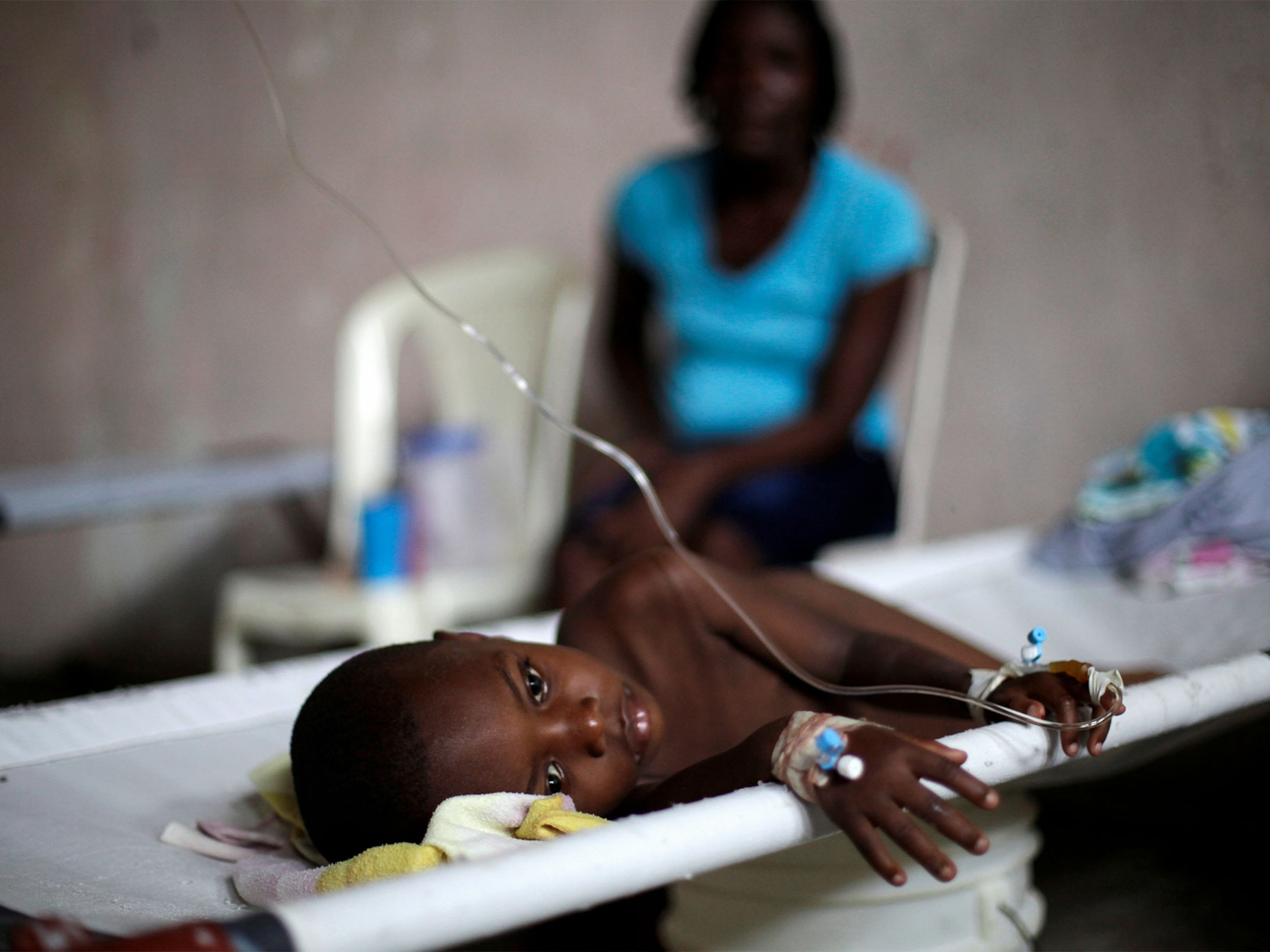


 The Nigeria Center for Disease Control (NCDC) has given directives on how to curb the spread of recent cholera