The National Emergency Management Agency (NEMA), and the Disaster Response Unit (DRU) of the Military has commenced Aerial view operation to ascertain persons displaced or trapped by the rising floods in Anambra.
Mr Thickman Tanimu, Zonal Coordinator of NEMA, South-East, told the News Agency of Nigeria on Monday in Awka, that it would aid the airlifting of trapped persons in the affected communities.
“Search and Rescue (SAR Operations) has commenced today.
The Military DRU have engaged and have started ‘Air Recce’ or Aerial view to collect imagery intelligence of the affected communities.
“This will help to ascertain displaced and trapped persons who need to be evacuated to pave the way for air lifting,” he said.
Tanimu said that the Presidency and the Director-General NEMA, Mustapha Ahmed-Habib, while commiserating with the state government and flood victims including the bereaved, approved the relief materials.
He said that the relief materials would be presented directly to flood victims on Tuesday.
“The delay in arrival of the relief materials is due to the flood disaster that cut off Abuja – Lokoja road and also the security situation due to the Monday sit-at-home in the South East.
“The relief material will hopefully arrive on Tuesday and be ready for delivery directly to victims.
“These items are meant to complement the efforts of Anambra State Government in providing immediate succour to victims and aid their speedy rehabilitation,” he said.
– Holds 23rd Annual National Scientific Conference in Nasarawa
AHAPN logo
To avert the unpleasant experiences of healthcare workers including pharmacists during the COVID-19 pandemic, which exposed the deplorable conditions of most health institutions in the country, pharmacists under the umbrella of Association of Hospital and Administrative Pharmacists of Nigeria (AHAPN) National, have called on government at all levels to urgently resolve issues of inadequate healthcare equipment, poor funding, lack of staff training and non-prioritisation of research and development in healthcare institutions.
The association has also identified major interventions and initiatives to be explored by health system pharmacists in the post COVID-19 era to include creation of satellite pharmacies within hospitals in wards to promote improved patient care, decentralization of unitary pharmacy department structure into pharmaceutical services directorate with independent departments that handle distinct functions, introduction of drug dispensing and distribution systems automation with relevant ICT gadgets and customised pharmacy software, increase in strategic targeted uptake of leadership roles by hospital pharmacists, expansion of pharmaceutical care rounds and rotations for interns, residents, among others.
In a communique issued to Pharmanewsonline at the end of its 23rd Annual National Scientific Conference, held recently At the First Crown Luxury Hotel, Lafia, Nasarawa State, and jointly signed by the National Chairman, AHAPN and National Secretary, AHAPN, Pharm. Olabode Ogunjemiyo and Pharm. Oladele Obikoya, the association pointed out why governments intervention is paramount in healthcare systems in repositioning the hitherto negatively affected national emergency preparedness and response to disease outbreaks.
The conference, themed: “COVID-19 Experience: Expanding the Role of the Health System Pharmacists” with keynote speaker, as Dr Obi Peter Adigwe, DG, Nigerian Institute of Pharmaceutical Research and Development (NIPRD). also examined three subthemes which are “The Role of Pharmacy Regulatory Authority in Strengthening Pharmaceutical Service Delivery in Nigeria; Health System Pharmacists and Telepharmacy options in Accessing Medicines and The Role of Pharmacists in Assuring Quality of Medicines for Public Consumption.
Ogunjemiyo highlighted requirements to attain medicines security in any country to include research and development, interventions and initiatives, advocacy and foresight, noting that these will bring about access to affordable high quality medicines, ensuring good manufacturing practice and stimulating backward integration, promoting contextual research and developing local capacity.
He further identified telepharmacy as an integral part of the wider phenomenon of telemedicine implemented in the field of Pharmacy, which involves the delivery of pharmaceutical care via telecommunications to patients in locations where they may not have direct contact with a pharmacist.
He mentioned benefits of telepharmacy to patients and pharmacists to include lessening the burden of work for the pharmacist and freeing the time for him to be able to fill prescription more accurately to patients as well as providing best possible care and service to patients, reduction of readmission rates by improving patient adherence, improving financial performance and creating a better patient experience while expanding the pharmacist’s geographic footprint.
According to the AHAPN Chairman, “Conference acknowledged that opportunities abound for health system pharmacists in the post COVID 19 era in the areas of research and development amongst other areas which included pharmacokinetic dosing in critical care management, serum drug monitoring, total parenteral nutrition preparation, mini production of sanitizers and methylated spirit, quality assurance services for medicines and medical commodities in use in the hospital. Conference therefore solicited the cooperation of health authorities to institutionalise these models of practice.
“Conference advocated strong collaboration between AHAPN and the Nigerian Institute of Pharmaceutical Research and Development (NIPRD) as a prerequisite for ensuring that capacities and competencies of health system Pharmacists are expanded in line with international best practices and harnessed in a manner that would ultimately promote access to better health and well-being of Nigerians.
“Conference reaffirmed the indispensability of the pharmacist as that health professional well trained with the knowledge and skills for guaranteeing access to quality medicines beginning from drug product manufacturing through the distribution chain to the final end users, the patients.
“Conference identified the principles and standards for continuous quality management to include customer focus, engagement of people, leadership, process approach, evidence-based, relationship management and improvement”.
While acknowledging the existence of avalanche instruments for strengthening pharmaceutical practice in Nigeria ranging from laws, regulations, policies, circulars, conventions and host of others, Ogunjemiyo said the conference called on governments to demonstrate political will in implementing and enforcing regulatory standards.
He added that the summit charged the Pharmacy Council of Nigeria and the Federal Ministry of Health with the responsibility of creating the enabling environment for strengthening pharmaceutical practice especially in the public health sector, which will enhance continual advocacy and promotion of unit dose dispensing, institutionalisation of clinical ward round/rotation by pharmacy departments and operation of satellite pharmacy services during hospital inspection exercises.
The number one hospital pharmacist in the country also stated that the association has resolved to open up the borders of restriction for her members to freely identify and belong to any other association or trade unions of their choice in furtherance of their rights to freely associate as granted by the 1999 constitution (as amended).
Some of the dignitaries that graced the opening ceremony of the conference were: Executive Governor of Nasarawa State represented by the Commissioner for Health, Hon. (Pharm) Ahmed Baba Yahaya; Senior Special Assistant to the Executive Governor on Primary Healthcare, Princess Margaret Elayo; Emir of Lafia, His Royal Highness, Justice Sidi Muhammed Bage III (JSC rtd), who was the Royal Father of the day. Other royal fathers present were HRH Alhaji Abdullahi Amegwa Agbo III, Osana of Keana and HRH Alhaji Saidu Muhammed, Sangarin Deddere.
Other dignitaries in attendance were: President, Pharmaceutical Society of Nigeria (PSN), Prof. Cyril O. Usifoh; Registrar, Pharmacy Council of Nigeria (PCN), Pharm. Ibrahim Babashehu; Director General of National Agency for Food and Drug Administration and Control (NAFDAC), Prof. Moji Adeyeye ably represented by Pharm. (Dr) Monica Hemben Eimunjeze, director Drug Registration and Regulatory Affairs; Director of Food and Drug Services, Federal Ministry of Health, Pharm. (Mrs.) Olubumi Stella Arebiana represented by Pharm. Ande Kifasi; National Chairman, Association of Lady Pharmacists (ALPS), Pharm. Scholastica Lan, among others.
As part of activities to improve patients access to quality healthcare, a leading multinational pharmaceutical company, Pfizer, has reinstated its commitment to include patients perspectives into the development of all its products, to enhance patients best outcomes.
The biopharmaceutical company made this remarks during its second annual commemoration of Patients in Focus Week, a global event dedicated to accelerate patients’ place in healthcare, as well as recognise patients advocacy efforts .
Speaking during a virtual summit organised by Pfizer to celebrate the global event, West Africa Country Manager, Pfizer, Pharm. Olayinka Subair, revealed the global pharmaceutical company’s goal of holding the week-long programme, which was to learn more about incorporating patients’ voices into their daily operations, towards striving to become the most patient-centric organisation.
According to him: “Pfizer’s #PatientsInFocus, a global, week-long activation of our focus on patient centricity. This summit is helping us to learn from our patient advocacy partners to understand how we can better incorporate patient voices into our work every day. Pfizer could not realize its purpose without the pivotal role played by patients, caregivers, and advocates — whether engaging in our Research & Development efforts, offering consult on our clinical trial design, or partnering with us to develop tools, resources, and easy-to-understand materials for our patients.
“This time and focus will support our work as we continue to strive to be the most patient-centric company, understanding and embedding the patient perspective in all we do. Further, Pfizer will be able to develop more innovative medicines and breakthroughs when we engage with patients and patient advocacy groups to understand the needs of all patients.
“Patients in Focus spurs inspiration, energy, and innovation by showcasing examples of new ways to include patients at every step of Pfizer’s work and is an opportunity for us to collectively envision how we can continue to best serve the evolving needs of patients in the years to come”.
The summit also featured an interactive panel discussion with patient advocates in Oncology, Rare Diseases and Immunisation, where they deliberated on the topic: ‘Promoting Health Equity As a Patient Advocate’; as they took turn to speak about impacts of their interventions on patients.
In her contribution, Chief Corporate Affairs Officer at Pfizer, Sally Susman, emphasised the essence of collaborating with patients, caregivers and advocates, which is to develop breakthroughs that change patients’ lives. She added that Patients in Focus week will continue to build empathy and show colleagues how to focus on patient advocacy year-round and in everything they do.
Still on the positive impacts of the week on patients, Vice-President, Global Access Financing Michelle Akande said “Patients in Focus allows us to highlight examples of successful patient engagement and partnerships and learn from them, demonstrating not only how Pfizer has made a difference in patients’ lives but how patient groups provide insights that guide our work. By sharing real patient and caregiver experiences, Patients in Focus will build empathy for and allow colleagues to better understand patient journeys and how we can work with patients to address unmet needs.
“ Patients in Focus allows us to showcase bi-directional advocacy relationships and partnerships that build trust and increase awareness of the value and benefit of partnering with patients across all functions”.
For the Executive Director, Rare Disease Ghana Initiative, Samuel Wiafe, his organisation’s partnership with Pfizer has helped a great deal in addressing gaps in the management of rare disease from increased knowledge and awareness to early diagnosis and prevention to the best-to-best practice treatment, care to community engagement to access to best treatments and comprehensive research.
Speaking in the same vein, Medical Director, Leah Foundation,Dr Gregory Oyinloye, noted how his collaboration with Pfizer has assisted him and his team in closing the care gap with cancer treatment, as they were able to offer consultation and assessment, counselling, awareness and sensitisations campaign through road walks, radio jingles in the North Central axis of Nigeria.
The Programmes Lead, Vaccine Network for Disease Control, Chika Nwankwo, also added her voice to the discussion, narrating how Pfizer has worked with her company in developing friendly vaccine awareness content towards building communities acceptance for vaccines.
She said “Vaccine Network for Disease Control and Pfizer have a long standing relationship of collaborating to address pertinent issues in sensitizing communities through edutainment. This approach of community awareness drive has since been adopted by many health outreaches and has achieved positive results in transforming community behaviors to vaccines and other health services in Nigeria.”
The National Drug Law Enforcement Agency has uncovered 15 parcels of cannabis and 600 grams of tramadol concealed in a sack of crayfish for export to Dubai, United Arab Emirates.
This is contained in a statement by the Director, Media and Advocacy, NDLEA, Mr. Femi Babafemi, on Sunday in Abuja.
Babafemi said the attempt which was equally thwarted by operatives who seized the consignment, subsequently arrested a freight agent, Osahor Ekwueme, who presented it for export.
In the same vein, Babafemi said that the agency had also arrested a drug trafficker, Ifeanyi Egbuwaohia, in the Igando area of Lagos State.
He said the arrest came weeks after the NDLEA operatives intercepted 5.20kgs of cannabis concealed in kegs of palm oil en route to Dubai at the Nigerian Aviation Handling Company Plc.
Babafemi said that Egbuwaohia who was arrested at the NAHCO export shed of the MMIA, Lagos, was the brain behind the seized consignments.
“Though Ifeanyi works as a technician at Computer Village, Ikeja but beneath his known business, he also works with a drug network in Dubai, where he sends illicit drugs for distribution.
“Few hours after his arrest, another consignment of 2.60kgs of the same substance sent by him for export to Dubai was also intercepted by operatives at the airport.
“Another consignment of 1.30kgs of cannabis concealed in reconstructed engine blocks going to Dubai have also been seized.
“It was intercepted at the Skyway Aviation Handling Company Plc export shed while two persons: Olatunji Temiola and Osemojoye Sunday have been arrested in connection to the bid,” he said.
World Health Organisation (WHO) Regional Director for Africa, Dr Matshidiso Moeti, says significant investment needs to be made to tackle Africa’s growing burden of chronic diseases and non-infectious conditions such as mental disorders that can lead to suicide.
Dr Moeti said this during the social media campaign launched by the WHO ahead of World Mental Health Day which aims to reach 10 million people across the region.
World Mental Health Day is commemorated every 10 October, with this year’s theme being “Make Mental Health and Well-Being for All a Global Priority”, to draw attention to the importance of mental health care and the need for better access to health services.
The campaign’s goal is to raise public awareness and galvanize the support of governments and policymakers to increase focus and funding for mental health programmes, including suicide prevention efforts.
“Suicide is a major public health problem and every death by suicide is a tragedy. Unfortunately, suicide prevention is rarely a priority in national health programmes, as significant investment must be made to tackle Africa’s growing burden of chronic diseases and non-infectious conditions such as mental disorders that can contribute to suicide,” Dr Moeti said.
In Africa, underinvestment by governments is the greatest challenge to adequate mental health service provision. On the average, governments allocate less than 50 US cents per capita to mental health. Although it is an improvement from 10 US cents in 2017, it is still well below the recommended US $2 per capita for low-income countries. Additionally, mental health care is generally not included in national health insurance schemes.
Due to the low investment in mental health services, the African region has one psychiatrist for every 500 000 inhabitants, which is 100 times less than WHO recommendation. Additionally, mental health workers are mostly in urban areas, with primary and community health facilities having very few if any.
WHO is supporting countries to step up mental health services in the region. Primary healthcare workers in Zimbabwe are being trained under a WHO initiative to boost quality and access to mental health services. The health agency is also supporting Cabo Verde and Cote d’Ivoire to carry out national suicide situation analysis as a first step towards developing effective response measures.
“Mental health is integral to wholesome health and well-being yet far too many people in our region who need help for mental health conditions do not receive it. It’s time for radical change,” Moeti said. “Ongoing efforts by countries should be reinforced and broadened to make mental health care a public health priority in the African region.”
The African region is home to six of the 10 countries with the highest suicide rates worldwide. The common means of suicide in the region are hanging, pesticide self-poisoning and to a lesser extent drowning, use of a firearm, jumping from a height or medication overdose. Studies show that in Africa for each completed suicide, there are an estimated 20 attempted ones.
Inspiration is as old as the hills and as needed today as ever to meet the challenges we face in today’s world. We can learn a lot by looking back at history, finding our inspirational role models, and reflecting on what made them inspirational.
I challenge you to think about becoming an inspirational leader and how you can be different and bold.
Developing inspirational leadership in your organisation
It is essential to have a “growth mindset” when organisations seek to develop the inspirational leadership skills of their leaders. This is a mindset that says, we can grow, we can change, we can be different, and we can be better at what we do. All we need is access to some good development opportunities!
It is also essential that any development programme seeking to engage the hearts and minds of delegates is inspirational in its content and the environment it is delivered in. Below, you will find six recommendations derived from lessons learnt from our practical experience in delivering such programmes.
I would recommend starting with the individual skills of the leaders and, then, through a process of coaching and mentoring, working with these leaders to establish a psychologically safe environment where inspiration thrives. Then, focusing on the collective mindset of your teams, develop “teaming skills” and combine psychometrics with learning and development programmes on thinking skills to open minds.
Creative and problem-solving skills are essential to help the leader deliver new, creative, and innovative solutions to business challenges. Encourage diversity, respect, and trust, and develop frameworks to understand how to monitor performance and progress.
In our experience, there are six key things to think about when developing an inspirational leadership programme:
1. The environment. This should be inspiring in itself. Suppose an organisation wants to stimulate creativity and reflection on personal inspirational skills. In that case, it is recommended that any face-to-face event takes place in an interactive, multi-sensory and inspiring environment.
2. Blended learning programmes. Programmes should be designed using various tools and delivery methods to stimulate thinking. Pre-course arrangement could include research and preparation of a presentation on personal role models who inspire participants; completion of psychometrics; identification of inspirational environments participants have worked in before, and what is it about that environment that inspired them. Post-course work could be 1:1 coaching, action learning sets, follow-up webcasts and videos/eLearning.
3. Face-to-face events. These should include an opportunity to reflect on personal role models and why they inspire individuals. Explaining to participants how to model excellence is another excellent tool. This can then be applied in the inspirational environment to encourage the participants to observe, listen, describe and model inspirational leaders. Inspirational toolkits providing a range of practical hints, tips and techniques to practice back in the workplace are also helpful. This should be presented in a dynamic, interactive and memorable way to engage participants and demonstrate how inspiration creates flow and learning.
4. A range of core topics could be explored via workshops, such as:
a. Trust
b. Accountability
c. Leadership styles
d. Neuroscience and communication
e. Modelling excellence
f. Thinking skills
g. Teaming
h. Psychological safety
i. Inspirational leadership models
j. Reflection on the inspirational leadership behaviours/skills/values
k. Exploration of values such as courage, discipline, respect, integrity, authenticity, diversity, loyalty, selfless commitment
l. Inspirational culture/climate: Innovation, creativity, risk-taking, empowerment, learning
m. Inspirational psychology and emotional intelligence.
5. Support. Introducing a coaching and mentoring framework to an organisation will enable participants to find coaches and mentors to support their development. This ensures that the decision to begin to develop inspirational leadership skills is sustained and nurtured to obtain favourable results for the organisation.
6. Speakers. Inspirational leaders could also appear and give a speech during the event or at an organised evening event designed to inspire attendees.
So, what does all this mean for you?
Inspiration is a hot topic and a topic every leader involved in talent management, learning and development and leadership should reflect upon. People today are weary from constant change and feeling the pressure of having to do more with less. We are asking many of our leaders: It is time to get smarter, understand how to inspire others to action, and start talking about leading people through an increasingly volatile, uncertain, complex, and ambiguous business world.
The business world needs inspirational leaders, but inspirational leaders do not just miraculously appear to lead us to outstanding achievements. It is essential to recognise that any programme developing leadership skills should include a core component that enables reflection on the essence of inspiration. Leaders need to be allowed time to think about, discuss, explore and reflect on what inspiration means to them and how they can develop their inspirational leadership skills.
We can learn by reflecting on great leaders and role models for inspiration. Learning how to reflect and model excellence is an important skill which will enable leaders to continue the journey of reflection and discover and develop their styles.
Development programmes in inspirational environments, combined with expert facilitation, is a great way to start this journey of self-reflection. When combined with the introduction of leadership toolkits (methods, techniques and models to understand leadership) and inspiring talks from role models, inspiration begins to flow. Once leaders start to understand the essence of inspiration, it is good to follow up with theories, such as inspiration and neuroscience, psychological safety, teaming and leadership styles, and the value of diversity and trust.
The leaders should then act as role models within the organisation and create a climate that allows inspiration to flow and galvanises people to action. The importance of coaching should also not be underestimated. Good executive coaching will embed behaviours and is integral in delivering accountability and change.
Inspirational leadership should always be placed on its impact on organisational performance and the level of maturity the organisation wishes to reach. All of this, combined with a reflection on what we can learn from history and inspirational role models, will stimulate our talented employees to reflect on how to inspire others. By finding their source of inspiration, they will be moved to action and uncover a desire to grow their inspirational leadership capability.
Finally, we can never underestimate the importance of education in the development of our leaders. Inspirational leadership should be developed just like any other form of leadership, but the learning event should be inspiring, engaging, motivating, and memorable in its very nature.
We recommend that the content of this article is reflected on, and any development programme includes the elements described above.
Let Nelson Mandela round off our article with his famous quote about education:
“Education is the most powerful weapon you can use to change the world.”
Now, take this challenge:
• What will you do today, tomorrow and next week to educate your talented employees, develop their inspirational leadership capability and engage their hearts to inspire those around them?
• How will you start to develop your inspirational capability?
• What would an inspirational leadership culture and an inspirational climate look like for you or your company?
I hope this article has been helpful and stimulated your thinking. I would be happy to hear your views; after all, inspiration is useless if it does not create flow and connection. If you feel inspired by an idea, feel free to inspire others by sharing it.
A cross-section of dignitaries at the maiden edition of NAIP’s Biennial Lecture Series, held in Lagos on Thursday
Following the continuous dwindling of the Nigerian economy, with its many resultant effects, industrial pharmacists recently assembled in Lagos to find lasting strategies that can be adopted to ensure that the nation’s pharmaceutical industry survives.
The gathering was the maiden edition of the Biennial Lecture Series of the Association of Industrial Pharmacists of Nigeria (NAIP) and the theme of the maiden lecture series is “Dwindling Economy: What’s next for the Pharmaceutical Industry in Nigeria”.
While speaking at the event, the former Minister of Health, Prince Julius Adelusi-Adeluyi, who was the chairman of the occasion noted that the question of what is next for pharmaceutical industry in Nigeria has been on the front burner for a long time and the current topic is a refresher of the subject. He said he has been making efforts to ensure that Pharmacy succeeds, not just at the industrial level but also at the retail level, adding that he has confidence that Pharmacy will succeed in Nigeria.
Prince Adelusi-Adeluyi, pointed out that Nigeria’s economy is currently facing challenge, but anything that has beginning must have an end. The former health minister noted that there is hope for the industry and every pharmacist in the country has reason to be happy, noting that the signing of the Pharmacy Bill into law calls for happy moment for the industry.“With the signing of the Bill into law, there must be a breakthrough for the profession”, he said.
According to him, there have been promises by ministers and the government towards the advancement of the industry over the years, but why the industry has not worked as expected is because of many challenges bedeviling it. He however pointed out that only pharmacists themselves can make the industry work.
He therefore called for concerted effort by stakeholders in the industry to redefine the strategy for local manufacturing and also reformulate the way to execute the appropriate measures that will enhance the industry to thrive in the face of the dwindling economy.
Prince Adelusi-Adeluyi said “there is more to Pharmacy than pharmacists, just as there is more to banking than bankers; there is also more to law than lawyers; there is equally more to medicine than doctors; so we would no longer work in silos as a professional group, we should network with the kind of Act we now have and make sure we do every necessary thing that we need to do to actualize our vision through networking.
“I also want to say to all pharmacists in Nigeria, that we must all have positive mindset towards the practice of this profession. To be a millionaire, you must think like a millionaire, to be a successful pharmacist, you begin to think like one. When you are looking for something you will get it. If you want to sing, you can always get a song to sing. Whatever that needs to be done should be done”.
On his part, the President, Pharmaceutical Society of Nigeria (PSN), Prof. Cyril Usifoh, said various industries are currently passing through a lot of difficulties including the pharmaceutical industry. He called for an urgent support for local drug manufacturers to ensure that quality locally made drugs are available for Nigerians affordable rates. He also reiterated the need for thorough networking to get the industry to the peak.
The Chairman of the association, Pharm. Ken Onuegbu, on his part said the essence of the lecture is to enable stakeholders discuss and fashion out realistic ways to deal with contemporary issues facing industrial pharmacists and the nation generally. He noted that though the Nigerian economy is facing a difficult time, the economic challenges are not peculiar to Nigeria, adding that there is always a solution to every challenge.
Onuegbu averred that the present time is the time players in the industry should go back home and think properly to see how cost of operation can be reduced and then scale up the effectiveness of the operation team. He called on players in the industry to adopt a surviving strategy to scale through the nation’s current economic turbulent. He also expressed optimism that the current economic challenges will definitely go down in no distant time.
The keynote speaker at the event, who is the Managing Director, Access Bank PLC, Mr Roosevelt Ogbonna, ably represented by the Deputy Managing Director, Mrs Chizoma Okoli, stated that there are always opportunities in calamity, insisting that there are opportunities in the current Nigerian dwindling economy.
He called on stakeholders in the industry to leverage on the opportunities at this period to enable the industry thrive. He recommended that pharmaceutical companies should consider merging, stressing that acquisition and collaboration are some of the major strategies that will help the pharma industry to thrive and overcome the current economic crunch.
He said “merger and acquisition is a key strategy to consider to achieve the aspiration of the industry. Merger and acquisition do work. Various companies should consolidate in order to be able to compete more at the global level. I admit that the government needs to support the industry with provision of policy and availability of forex but the industry needs to play its part. Stakeholders should always have it in mind that 10% of 1000 is better than 100% of 10”.
Another vital move that will help the pharmaceutical industry thrive in the current dwindling economy, according to the speaker, is to ensure an increase in the numbers of manufacturing companies and the volume of production. He also called on all the stakeholders in the industry not just to have aspiration but to also pursue it.
“What is your aspiration for the industry? You need to have global aspiration while still playing at the local level. Stakeholders in the industry also need to collaborate and I believe all these will be a game changer for the pharmaceutical industry in the face of the current dwindling economic”, Ogbonna said.
NAIP also used the occasion to inaugurate members of its board of trustee with Prof. Lere Baale as its chairman. The association also recognised some personalities in the industry with various awards. The Chairman/Founder, Juhel Pharma Nigeria Limited, Pharm. (Dr) Ifeanyi Okoye, bagged the association’s Icon of Pharmacy Award, 2022; while Pharm. Igwe Alexander Uzo Onyido and the Senior Vice-President for West Africa and Integrated Commercial Solution Worldwide Healthcare Limited, Mr Santosh Kumar M, received NAIP’s Outstanding Leadership Award 2022.
Also, the Managing Director, Embassy Pharmaceuticals Limited, Pharm. Nnamdi Obi and the immediate past Chairman of NAIP, Pharm. Ignatius Anukwu were honoured with Distinguished Service Award 2022. In the same vein, the Managing Director, Miraflash Nigeria Limited, Pharm. Moses Olurotimi Oluwalade and the Managing Director, Megachem Nigeria Limited, Pharm. Sam Ubachukwu bagged the NAIP Eminent Person Award 22.
The National Agency for Food and Drugs Administration and Control (NAFDAC) has notified Nigerians and healthcare providers of four substandard paediatric cough syrups which has led to the death of 66 children in the Gambia, as reported by WHO.
The four products are Promethazine Oral Solution, Kofexmalin Baby Cough Syrup, Makoff Baby Cough Syrup and Magrip N Cold Syrup, manufactured by Maiden Pharmaceuticals Limited (Haryana, India).
NAFDAC in a statement signed by the Resident Media Consultant, Sayo Akintola, said laboratory analysis of samples of the four products confirms that they contain unacceptable amounts of diethylene glycol and ethylene glycol as contaminants. Diethylene glycol and ethylene glycol are toxic to humans when consumed and can prove fatal.
The agency highlighted effects of the syrups to include abdominal pain, vomiting, diarrhoea, inability to pass urine, headache, altered mental state, and acute kidney injury which may lead to death.
“ To date, the stated manufacturer has not provided guarantees to WHO on the safety and quality of these products.
“All batches of these products listed above should be considered unsafe. The substandard products in this alert are unsafe and their use, especially in children, may result in serious injury or death. The products are not registered by NAFDAC, therefore should not be in circulation.
“To date, these four products have been identified in The Gambia, but may have been distributed, through informal markets, to other countries or regions”, NAFDAC stated.
The agency thus implored importers, distributors, retailers and consumers to exercise caution and vigilance within the supply chain to avoid the importation, distribution, sale and use of the substandard cough syrups. All medical products must be obtained from authorised/licensed suppliers.
The products’ authenticity and physical condition should be carefully checked. Members of the public in possession of the above listed products are advised to discontinue sale or use and submit stock to the nearest NAFDAC office. If you have these substandard products, please DO NOT use them. If you, or someone you know, have used these products or suffered any adverse reaction/event after use, you are advised to seek immediate medical advice from a qualified healthcare professional.
Healthcare professionals and consumers are encouraged to report any suspicion of adverse drug reaction and substandard and falsified medicines to NAFDAC.
Dean of the Faculty of Pharmacy, Obafemi Awolowo University (OAU), Ile-Ife, Osun State, Prof. (Mrs) Margret Olubunmi Afolabi, has stated that the faculty has not lost its reputed glory, despite the several challenges that have besieged it over the years.
Afolabi said this during a recent interview with Pharmanews, against the backdrop of inadequate funding in many federal universities in the country, which she said has led to infrastructural decay for years
She added that this was one of the frustrations that led to the on-going protracted strike by the Academic Staff Union of Universities (ASUU).
First established as a Department in the former Nigerian College of Arts, Science and Technology, Ibadan Branch, in 1957, OAU pharmacy faculty is the first of such in the country, with an enviable record of having produced many notable pharmacists over the years.
Afolabi maintained that despite infrastructural challenges that have affected the learning environment, compared to the early days of the faculty, the faculty still retains its tradition of excellence, stressing that this is a top priority for the management.
According to her, “The major bane now, which is the main reason for the ASUU tussle with the Federal Government, is the problem of resources to work with in an academic environment. I have been in the Faculty of Pharmacy in OAU for decades now. People of my calibre witnessed the heydays of research in an academic environment. But for you to now see the way the equipment and facilities are degenerating, without replacement or repair is a great cause for concern.
“When you hire an employee and the instrument is not there for him to work, then the employee will not be motivated to work. This is the situation in public universities in Nigeria now and my faculty is not an exception; but in spite of the challenges, we are still moving on.”
The dean who reiterated that the faculty remains “the great Ife Pharmacy”, further said: “The faculty has been producing great Pharmacy graduates for about 60 years now. Most of the pharmacists you see in some of the schools of pharmacy in the country today graduated from this faculty. Most of the products of the faculty are in various works of life, doing exploits in the industry, in the hospital; some are into community practice, and media, among others.”
She however applauded the efforts of some alumni members for coming to the aid of the faculty with the provision of certain infrastructure.
She said: “I must say that this faculty is very lucky. As I said earlier, many of our graduates are captains of industry. They are seasoned professionals, politicians. Some of them have diversified into media, some into telecommunications and they are breaking grounds in such environments. So, some of them decided to assist us with certain infrastructure. They come as individuals; they also come as a class set.
“The people we have trained in this faculty are really giving back with legacy projects. For instance, two class sets donated two different boreholes to the faculty. So we now have two different boreholes for uninterrupted water supply in the faculty. Another set came up and donated a high power generator for the faculty, so that we don’t depend on the national grid. Because if work is going on in the laboratory and in the course of an experiment, there is power outage, it could disrupt what one has been doing for hours. So, these are some of the areas that our alumni are coming to support us to sustain the status and integrity of the faculty that trained them.”
Afolabi added: “The government gave us a building through Tetfund but it was an empty building and for a very long time, we couldn’t make judicious use of the building. But our alumni have started coming back to furnish the building for us. A class set donated a boardroom and furnished it for us. Another set also furnished one of the lecture theatres, which is currently in use by the students.
“Then another set decided to provide Wi-Fi and a projector for us. Again, another set donated solar inverter for energy generation, so that we will not be distracted by power outage while lecture is going on and they also ensured that there is power point projector for lecturers to project their lectures. This is how we have been managing in the faculty.”
The dean however challenged the government to take urgent measures to save the public university system in the country from total collapse, noting that it is not normal for a federal university to rely solely on its alumni for provision of infrastructures.
According to her, “Some of our old students are also equipping our laboratories but we can’t continue to depend on them 100 per cent. Government intervention is still very crucial and this is the reason ASUU is crying out with a unified force. We are only hoping that the narrative will change anytime soon. The time for the government to act is now.”
In the same vein, Afolabi, who is a professor of Pharmacy Administration, called on all pharmacy graduates from the faculty to use the quality training they have received to create a niche for themselves.
She said, “Pharmacy is a noble profession and it is a lucrative one. What you make out of your training depends on you. What you make out of the tools you have been given depends on you. The curriculum of pharmacy is very broad. In which case, we take our students through various aspects of life and disciplines. There is Chemistry in Pharmacy, there is Pharmacology, there is Microbiology, and there is Business Management, as well as Public Health.
“There is also Pharmacognosy, which focuses on anything about herbs or natural products. All these we try to impart to the students within five years of their training. But after the training, a wise one needs to sit down and think about the area to explore. This is the only thing that will make you, as a pharmacy graduate, to stand out, by creating a niche for yourself.
“Like I mentioned, there are some of our graduates that are into agriculture. Some are into robotics and some are computer gurus. Some are in the industry. So, for you to make it, it depends on how best you make use of these tools and training you have been subjected to.”
Pharm. Ayodele Veronica Achi is the managing director of Confirm Pharmacy Limited, Iba, Lagos State. In this interview with ADEBAYO OLADEJO, the young and vibrant entrepreneur bares her mind on her reasons for choosing for community pharmacy, the peculiar challenges facing the practice in the state and other issues. Excerpts:
Briefly give us a glimpse into your pharmacy journey.
Pharmacy is indeed a journey and trying to make the journey an honourable one, makes it even more challenging. I gained admission into Madonna University, Elele, Rivers State, to study Pharmacy in the 2005, and graduated in 2011. I started practising as a community pharmacist in 2012; so the journey for the past 10 years has been exciting and quite adventurous.
The first five years post-graduation was dedicated to looking for better-paying jobs, more money, and a lot of childish things. The next five years became real, as I started seeking valuable knowledge, self-development and improvement, moving and working with people with vision, and trying to solve human problems. My value for humans became higher than searching for money, and others.
Tell us about your pharmacy – the philosophy behind the enterprise and the challenges encountered at the initial stage.
After my graduation in 2011, I started practising as a community pharmacist in 2012, and I have worked for different community pharmacies. These include Teo Pharmacy, Egbeda; Bernados Pharmacy, Ojuelegba and Idi-Araba, Lagos; and many others.
All the knowledge and experience gathered gave birth to my own pharmacy called Confirm Pharmacy Limited, Iba, Lagos State, in 2021. Although we are still at the teething stage – as we are just planning to open a second branch – we are not doing badly either.
The challenges however are not exhaustive, because getting a good location for business was very difficult. Rents for a good location were also very expensive, and money to stock up the pharmacy was also another challenge. However, we thank God for the ACPN collaboration with Polaris Bank which is giving us good loan offers.
How has it been combining your duties as a community pharmacist with your responsibilities as a wife?
Family and pharmacy practice are two very key aspects of my life. My family comes first before pharmacy but the two are very dear to me. The Association of Lady Pharmacists (ALPs) has taught me a lot on how to manage both without any issue. We were taught that we can employ a helping hand to support at the pharmacy so that one can close on time to attend to the home. If not, one may lose both.
The business should not be located too far from the home, so that one can have both activities taken care of. However, no matter the situation, the family must supersede because, in all decisions and considerations, the training of the children and care for one’s spouse should not be relegated because of the profession or left in the hands of strangers to handle.
As a young pharmacist, faced with a lot of options and opportunities, how did you arrive at the decision to practice at the community level?
My decision to practice at the community level was tough, as it took a lot of sleepless nights to find out what I wanted to do and the platform to fulfil my dreams. After much personal and senior colleague’s consultations, as well as teachings and mentoring from seminars and lectures, I finally knew that to impact the world, you must start from the home, the community, and then the world. I have no regret taking the decision.
Some people, especially the charlatans, see community pharmacy practice as mere buying and selling. As a trained pharmacist, what can you say about this?
Yes, they are called charlatans in practice because they have little or no knowledge; so I don’t blame their short-sightedness. It is a belief system and vision that differentiates a charlatan from a professional. A professional has a trained mind, and the right belief system that does not operate with making profit alone but solving real-life problems; so community pharmacy practice is much more than buying and selling.
Tell us about your relationship with the people of this community and the most common health conditions that bring them to your pharmacy.
I have a good relationship with the people of this community because I care for other aspects of their lives – their career, business, family, academics – and not just their health. This gives them an open mind to tell me anything bothering them. The majority of them relate to me as if I were a member of their family.
The most familiar health problem that brings them to the pharmacy is pain, which is the mother and the first symptom of most disease conditions.
What is your assessment of community pharmacy practice in Lagos State?
Community pharmacy practice in Lagos state is thriving well, compared to other neighbouring states but can do better, especially as it is in the developed countries. Lagos is the commercial hub of the country, so the state should do better than it is doing presently.
If you were not a pharmacist, what other profession would you have opted for?
If not for Pharmacy, I would have opted for journalism. Just like Pharmacy, journalism also deals with humanity, and you can express yourself, and solve problems anywhere in the world. No matter what happens, man must communicate. Without communication, the world cannot exist.
Rowan Sebastian Atkinson, popularly called “Mr Bean”, was born 6 January, 1955. An English actor, comedian and writer, Mr Bean, in my opinion, is a brand that is somewhat the flagship of non-verbal intelligence. For many of those who have watched his contents over the years, especially the “Mr Bean” series, you will quite agree with me that he hardly ever speaks, let alone converse with anyone; yet, viewers never fail to fully understand the message he communicates with his comical gestures.
Without mincing words, Mr Bean’s craft is legendary. However, are there secrets we can find out about his true personality, judging from his signature? Are there personality traits from his signature that tally with his character on stage? That is my focus in this edition.
It is now a statement of fact that personality traits and, by extension, human behavioural tendencies can be projected from the way and manner in which someone writes. That is because handwriting analysis is a body of knowledge that has been proven over decades that there is a correlation between how you write and who you are.
As I often say in this column, the basis for which handwriting analysis or graphology finds relevance in personality profiling is because no two people will write the same way. Based on this, graphology has helped provide solutions to human challenges in the areas of recruitment, education, criminal justice system, psychotherapy, vocational guidance etc. One major egde graphological assessment has over all other profiling tools is that it still remains the fastest personality profiling tool globally as at today. Strangely, many do not know this.
For some months now, we have been doing a series on celebrities’ signatures, discovering the secrets and those little details about each celebrity, which many out there aren’t aware of, using the perspective of graphology.
Judging from the character of Mr Bean and perhaps from a number of his media interviews, Rowan Atkinson comes across as a rather conservative fellow. You may assume that he is not given to too many words and prefers to be backstage, making things happen, especially because of his evasive character in Mr Bean. Alas! Mr Bean is not a conservative person in real life. His signature reveals clearly that he loves to express himself, to be seen, to be heard. So, Mr Bean is not as quite as he looks. He actually has a persona when he is before the audience, which is different from his true self.
One other thing which we would be looking at in his signature is a trait in graphology referred to as “too many irons in the fire”. This refers to someone who does a lot of things at the same time. At times, it could be a result of the giftedness of the person in question; hence, they find it difficult to juggle tasks effectively at times. This could cause the individuals involved to miss out on essential details.
The way to easily see this trait is when there is some sort of collision between the upper and lower letters or words within a write up. That can be indicative of the trait. Such people always have a lot on their plate and sometimes find it difficult to set their priorities right.
I am sure you now know something new about Mr Bean even if he doesn’t say a word to you privately? Do not miss the next edition, we shall examine another celebrity and see the connection between their handwriting and their true personality.
Always remember, “if you must get it right, you must do it the WRITE way”
The opportunity is here again to nominate young pharmacists who have distinguished themselves in the provision of innovative public healthcare services to their immediate communities.
Pharmanews Limited, organisers of Dean of the Year Award, Outstanding Pharmacist of the Year Award and PANSite of the Year award, birthed the Young Pharmacist of the Year Award in 2018 to encourage innovation and active involvement of young pharmacists in public healthcare and community health outreaches.
The maiden edition of the Online Poll saw Pharm. Isa Muhammad, as the winner, while Pharm.Frank Eze won the second edition in 2019 and the 2020 contest was won by Pharm. Dan Eze.
To qualify for this prestigious award, the prospective candidate must meet the following criteria:
Must be a registered pharmacist in Nigeria
Must be a young pharmacist not older than 35 years of age
Must be actively involved in public health advocacy
Must have demonstrated innovation in healthcare delivery
Must have been engaged in drug research and development – especially towards combatting the raging COVID-19 pandemic.
Must have personally undertaken other community development activities.
We hereby urge you for to nominate young pharmacists who meet the above requirements.
Please mention your nominee as a comment to the post.
Sequel to the nomination exercise, a specially constituted selection panel will conduct background checks on nominees with the highest nominations. Thereafter, qualified candidates will be shortlisted for the Online Poll. The candidate with the highest votes becomes the winner of the coveted award.
Please note that nomination closes on Friday, 28 October 2022 at 12 noon.
N/B: Previous winners are not qualified for nomination again.
Health workers die from Ebola virus – Photo credit: Hajarah Nalwadda / AP
Four health workers have been identified to be among the 30 people that have died from the Ebola outbreak in Central Uganda.
Acting Director of Centre for Disease Control and Prevention (Africa CDC) Ahmed Ogwell, told journalists that the exposure of health workers was at the beginning of the outbreak when they did not know what they were dealing with.
He also dismissed the suggestion that the infection signaled the outbreak was getting out of hand.
Ogwell further updated the public that more than 860 active contacts have been listed and at least 78 per cent of them are being monitored, a situation that has almost doubled from a week ago.
The outbreak in Uganda has a 69 per cent case fatality rate, which Ogwell called “very high,” and there have been 43 confirmed cases already of which none so far have been in the capital, Kampala.
The Africa CDC says Uganda next week will host a ministerial meeting on the outbreak of the Sudan strain of the Ebola virus which has no proven vaccine and has caused alarm in the East Africa region.
“The three countries that suffered the devastating West Africa outbreak of Ebola in 2014 to 2016 were Sierra Leone, Guinea and Liberia.
“We have procured 20,000 test kits that should arrive early next week for the region, and it will ship stockpiles of personal protective equipment next week” Ogwell said.
Ebola can be difficult to detect at first because fever is also a symptom of malaria. Ebola, which manifests as a viral hemorrhagic fever, is spread through contact with bodily fluids of an infected person or contaminated materials. Symptoms include fever, vomiting, diarrhea, muscle pain and at times internal and external bleeding.
Uganda has had multiple Ebola outbreaks, including one in 2,000 that killed more than 200 people.
– Set to Commence Infrastructural Development of Pharmacity
L-R: His Royal Majesty, Prince Oliver Igwe, regent of Ntezi community; His Excellency, Engr. David Umahi, executive governor of Ebonyi State; Mazi Sam Ohuabunwa, former PSN president and Professor Chimezie Anyakora, CEO, Bloom Public Health, at the signing of the MoU for the infrastructural development of Pharmacity in Ebonyi State.
In preparation for the commencement of the physical construction of the much anticipated premier pharmaceutical manufacturing park in Nigeria (Pharmacity), Salt City Pharma Park Development Company Ltd., a special purpose vehicle (SPV) comprising Bloom Public Health; Association of Industrial Pharmacists of Nigeria (NAIP) and the Ebonyi State Government, has signed an MOU with the Agaga and Eyokpa villages of Ntezi Community, in Ishielu Local Government Area of Ebonyi State.
The historic event which took place on Thursday, 6 October, 2022, had in attendance dignitaries, including the Governor of Ebonyi State, Engineer David Nweze Umahi; board members of Salt City Pharma Park, including the CEO of Bloom Public Health, Professor Chimezie Anyakora; former President, Pharmaceutical Society of Nigeria (PSN), Mazi Sam Ohuabunwa; former Chairman, Association of Industrial Pharmacists of Nigeria (NAIP), Pharm. Ignatius Anukwu; Legal Adviser to Salt City, Obasi Nwabueze and Ntezi Community leaders, including Elders Ezekiel Enyi; Peter Chukwu and other government officials.
In a press release made available to Pharmanewsonline, it was stated that the signing of the MoU will allow and hasten the commencement of infrastructural development on the 100 hectares of land donated by the Ebonyi State Government for the Pharmacity Project, which is a strategic pharmaceutical intervention that strives to tackle Nigeria’s unmet needs for both demand and supply of medicines. This will be achieved by increasing Nigeria’s medicine and health products manufacturing capacity and enabling her to reach her full potential, while maintaining strict adherence to international standards.
Conceived and championed by Bloom Public Health, the Pharmacity project refers to compact modern-day pharmaceutical industrial estates that bring together pharmaceutical companies of various sizes, service providers and companies providing support services to co-locate and share infrastructure.
Speaking at the event, CEO of Bloom Public Health, Prof. Anyakora, stated that the Pharmacity Project was necessitated by the urgent need to tackle the existing challenges in Nigeria’s pharmaceutical manufacturing sector while also revolutionising indigenous drug manufacturing and repositioning Nigeria to benefit from freer trade on the continent with increasing exports.
According to Anyakora, the concept of Pharmacity is to have multiple pharmaceutical manufacturing hubs in different locations within Nigeria, with a vision of creating a sustainable environment to make quality medicines available and affordable. This, he said, will be achieved by establishing a synergy between all stakeholders, mobilising resources, advocating for the creation of policies and providing a support system for the development of state-of-the-art pharmaceutical industrial parks across Nigeria.
“In Nigeria, the pharmaceutical sector cannot meet the enormous demand for medicines because of its poor local manufacturing capacity. The high cost of pharmaceutical manufacturing, lack of supportive infrastructure for the regulatory compliance of pharmaceutical manufacturing companies, poor regulatory policies, and limited access to affordable and reasonable funding are among the many factors responsible for the poor local pharmaceutical manufacturing capacity in Nigeria”, he added.
It is for the reason above that the Pharmacity Project is a right and urgent step in the right direction. It is for the same reason Bloom Public Health, a public health think tank that is building its reputation as one of the most credible technical partners to health-related innovations within and outside Nigeria, is working tirelessly towards ensuring that the Nigerian health space experiences the best possible outcomes through innovation and universal best practice.
Former PSN President, Pharm. Ahmed Yakasai and Niyi Yusuf, Managing Partner, Verraki
Poised to resolve issues around poor accessibility and affordability of quality healthcare in Nigeria, Hubcare Health has introduced a mobile application to facilitate the provision of affordable, high-quality medical care to millions of Nigerians and Africans.
The App, according to the company is a digital platform that connects integrative primary care directly to good health for middle class people in Sub-saharan Africa.
The unveiling, which was graced by crème de la crème in the pharmaceutical sector, had in attendance National Chairman, Association of Community Pharmacists of Nigeria (ACPN), Pharm. Wale Oladigbolu; Managing Director, Evans Baroque, Onyeka Onyeibor; CEO of Business School Netherlands, Prof. Lere Baale; CEO of Biogenerics Limited, Osak Uwubanmwen; MD Paxo Health and Beauty, Jumoke Olukoya; MD of Prime Signs Ltd, Bashir Mustapha; MD New Heights Pharma, Pharm. Ogheneochuko Omaruaye; WAPCP Secretary, Prof. Ibrahim Oreagba; CEO Digitalent Hub, Abiola Kabirundeen and others.
Speaking during the launch of the app, the Founder and CEO, Hubcare Health, Pharm. Sesan Kareem said: “Healthcare in Africa is in a state of emergency, leading to lack of access to affordable quality healthcare for millions of our citizens.
“Lack of access to care can be traced to inadequate modern healthcare facility, lack of affordability and lack of transparency and quality.
“We’re launching Hubcare App now because of the rapid growth of smartphone penetration in Africa, which presently is surpassing 50% of the population, scarcity of clinics and hospitals near homes with fewer than 50% of Africans having access to modern health facilities, and changes in lifestyle and a growing middle class are making non-communicable diseases like cardiovascular disease, cancer, and diabetes big issues among populations.
“Overall, we intend to use Hubcare to make a greater social impact, and impact 10 times more through on-demand teleconsultation, 24/7 online pharmacy, prescription and wellness products, holistic preventative care plan and a HubCare experience centre.
On his part, the keynote speaker and Managing Partner at Verraki, Olaniyi Yusuf, gave more insight into what the ideal healthcare experience should be like. He said: “The healthcare experience goes beyond the receipt of healthcare itself but extends to all interactions associated with seeking and receiving care.
“For a patient, a positive healthcare experience comes from obtaining good value for resources i.e., net positive psychological and physical outcomes derived from the sum of all costs associated with seeking and receiving healthcare.
“From a patient’s perspective, the burden of illness is not limited to disease status; it is also important to receive care that is respectful of and responsive to their preferences, needs, and values.
For Africa’s specific challenges, he said the use of telemedicine can improve the healthcare experience in many ways which will aid continuous monitoring and management of patient’s health, and improve long term health of populations.
He said: “Many community-based pharmacies have extended their services online to make it easier to get refills and to provide prescription-filling access to patients who might have trouble getting to a pharmacy.
“AI and Robotics are already working in several healthcare establishments to carry out tasks such as genetic testing, robotic surgery, cancer research, data collection, etc. The ubiquitous growth of these two technologies has the potential to transform numerous aspects of healthcare.
“There are an increasing number of opportunities for digital technology to support great healthcare experiences in Africa by making healthcare easier, more convenient and better accessible for patients. However, the outcome may be negative if resources are not integrated, and value destruction can occur if technology is difficult to use, is not fit for purpose, or does not function properly.
“Patient experiences of care can be improved with technology and may also provide a useful evaluation tool for new healthcare technologies. African countries must embrace technology to close the health care gap.”
In his closing remarks, the Chairman of the occasion and former PSN President, Pharm. Ahmed Yakasai, said: “I am proud to see that Hubcare Health App has come at this trying time when so many other African countries have been doing a lot as far as technology is concerned.
“As I can see from the app being presented, definitely it will have the right health-based information that will be helpful. This will help save a lot of cost on medicare and empower Nigerians to have access to good quality source because of counterfeit products and information.
“I would also like to assure you that when the government goes on to implement the national plan for digital economy, you will have our full support.”
Contrary to the widespread notion that regular consumption of groundnut causes pimples or acne, a recent study published in the Journal of Alternative and Complementary Medicine has found that having pimples or acne has nothing to do with eating groundnuts.
Pimples are inflamed or raised spots on the surface of the skin, usually filled with pus. They are small pustules or papules. The research states that pimples naturally develop when the sebaceous glands become clogged or infected, causing them to swell and fill with pus.
The study, conducted by Parker J. Magin and colleagues, further affirms that pimples can only be gotten when the human body produces an excess amount of oil and dead skin cells, the two can build up in the base of the hair and create an environment where bacteria can grow.
Groundnut, scientifically known as Arachis hypogaea, which is also otherwise known as peanuts, earthnuts, monkey nuts, pinders, and the like is actually a legume plant that grows from the soil.
It is known to be a common sight during the rainy season, as it is openly displayed in every nook and cranny of the streets in different forms, being boiled or roasted.
Groundnuts along with peas and beans are among the best sources of protein in the plant kingdom and they are also super high in polyphenols; the chief of the antioxidant group.
Although peanuts are high in fat, like avocados, they are high in the “good” kind of fat – monounsaturated fat. They also contain magnesium, folate, vitamin E, copper, arginine, and fiber – all of which are known to lessen the risk of cardiovascular disease. The nuts are really rich in significant, beneficial nutrients that are essential for optimum health.
On groundnut, groundnut paste, groundnut oil, or groundnut soup, there is no specific ingredient that will cause pimples or acne except if one is allergic to groundnut, experts maintained.
On diets generally, there are no specific foods that are backed up with research that causes pimples but one’s body could react to any food if one is allergic to them and could show as pimples or rash.
Overproduction of oil, shedding of dead skin cells, and build of bacteria are a major factor that drives the wheel of the roughness of the skin or the face. Hormonal changes among teenagers, adolescents, and pregnant women can make pimples or acne worse. Some contraceptives, specifically oral contraceptives could make pimples worsen in women.
Below are proven ways by experts to prevent pimples
7 Easy Ways to Prevent Pimples
Reduce sun exposure
Avoid stress
Don’t sleep without washing make-up
Drink enough water
Wash your face regularly and properly
Don’t touch your face
Use tea tree oil to take care of your face.
If you have pimples, endeavor not to pick or scratch them in order to avoid the spread of infection and scarring. If discovered that the pimples remain adamant even after taking the right precautions, it is advised to see a dermatologist.
Federal Medical Centre, Ido-Ekiti, Ekiti State Logo
Governor of Ekiti State, Dr. Kayode Fayemi, says Primary Health Care is a key component of all high-performing health systems.
Fayemi said this in Abuja on Wednesday at the State Health Leadership Collaborative forum with the theme“ Financing Primary Healthcare in Nigeria.”
He said that PHC was also a prerequisite for achieving Sustainable Development Goal three and Universal Health Coverage.
Fayemi, who is also the Chairman of, the Nigeria Governors Forum, said that the theme touched on an issue that was critical to the foundation of sustainable development and the future of health in Nigeria.
“Health financing is a critical building block of the health system that directly affects the functionality of the overall system.
“Until we address the issue of poor funding for health and the fragmentation of the health financing arrangements in Nigeria, Nigeria will make little headway in our pursuit for Universal Health Coverage,” Fayemi said.
According to him, it is a fact that the right to health is a fundamental human right.
He said that, however, the ability of the country to guarantee the right of all Nigerians has been slow, largely due to how the health system is financed and delivered.
“This has been further exacerbated by the COVID-19 pandemic which has exposed significant weaknesses in our health sector, especially in primary healthcare.
“As we now know, countries with strengthened primary health care systems are better equipped to respond,’’ Fayemi said.
He said that to solve the problem of financing for PHC care and meet the demands for a responsive and high-performing health system, Nigeria must approach PHC financing.
According to him, the country needed four key focuses for proper service delivery in the country.
He mentioned the four as the utilization of the Basic Healthcare Provision Fund to finance essential health services, especially for the vulnerable, and to improve the country’s capacity to address public health emergencies.
Fayemi said others are to consolidate funding to address primary care and essential public health functions and increase budgetary allocations for healthcare both at the national and State levels.
“The last is the exploration of innovative ways to pool funds for non-contributory healthcare coverage,’’ he said.
The Ekiti State Governor-Elect, Mr. Biodun Oyebanji, said that the country could not achieve its goals without the support from the development partners to complement the existing in-country financing mechanisms.
Oyebanji said that the country would also need technical support to strengthen the systems and tools needed to deliver a resilient PHC system.
According to him, Ekiti State having fulfilled the pre-requisites to access the Basic Health Care Provision Fund has so far drawn down the sum of N282,625,016 from the fund.
He said the fund was channeled through the State Primary Healthcare Development Agency, the Ekiti State Health Insurance Scheme, and the Ekiti State Ambulance Service.
Oyebanji said the state had utilized the fund to boost the PHC. The Commissioner of Health and Human Services Yobe State, Dr. Muhammad Gana, said that was one of the three activities under a state leadership collaborative of the Nigeria Health Commissioners.
Gana said that the activities were designed to share, showcase, highlight state-level performance and accountability and examine the problems of PHC financing.
According to him, the forum will help interrogate how Nigeria can fund PHC services, especially for her poorest and most vulnerable populations.
He said that the COVID-19 pandemic has brought out the need for standard and functional PHC at the sub-national levels into the spotlight.
“PHC is the most promising platform for providing basic essential preventive and promotive health interventions among others,’’ Gana said.
Aloe Vera is a short-stemmed succulent leaf that is arranged in a rosette. Although they have sharp, teeth-like pinkish spines sideways, they are harmless and loaded with healthy colorless gel, which has shown great health benefits to man.
Commonly called medicinal aloe or the super plant, studies have shown the health importance of aloe vera as a supplement in human daily routine as it is often listed as one of the ingredients in different commodities such as cosmetics, facial cleansers, dermatological products, toothpaste, to mention a few.
In a study published in Hindawi Journal Advancing, the scientist found that aloe vera helps to lower blood sugar levels, eliminates ulcers, cures nausea, reduces oxidative stress, prevents diabetes, heals side effects of radiotherapy treatments, inhibits cancerous growth, promotes hair growth and soothe acid reflux symptoms.
The research published by Vasoontara Yiengprugsawan from the University of Colombo, Clinical and Nutrition Department, further states that aloe vera improves cardiovascular functions, lower cholesterol, and triglycerides, cures gum diseases, enhances the lifespan, and alleviates joint and muscle pain.
Other studies have affirmed that aloe vera gel is also used nutritionally as an ingredient in yogurts, beverages, and some desserts. They however warned on the dosage, saying ingesting aloe latex or whole leaf extract can be in high dosage can be toxic.
Other health benefits of Aloe Vera are as follows:
Hydrates the body
Aloe Vera plant is said to be rich in water which helps to treat as well as prevent dehydration. Hydration assists in the detoxification of the body which provides a way to flush out and purge impurities. It is loaded with a rich amount of nutrients that upgrade the body’s organ output. It is essential because the liver and kidneys are responsible for the detoxification of the blood and producing urine. So it should be healthy.
Helps treat diseases
Studies have shown that the safe dose level and mechanism of actions of aloe vera help to prevent and treat disease. Further studies in detail are required to know the therapeutic safety, potentiality, and mechanism of action of aloe vera for managing diseases.
Oral mucosal diseases
Aloe vera is popular for its medicinal properties which treat various diseases with its application. Though the treatment of oral lesions has not been documented in the literature, systematic reviews have been made earlier on aloe Vera and its extracts on oral diseases.
Speeds up the healing process
Aloe Vera is used as a topical medication that is rubbed onto the skin rather than consumed. It has been used to treat burns and sores. It is effective when used as a topical treatment for first and second-degree burns. Since thousands of years ago, it has been used as a natural healer. Its external use is an effective option for dressing wounds. The juice seals the wound stopping the flow of blood to the wound. It enhances the wound-healing process.
Prevents digestive problems
Aloe Vera has adaptogenic properties which are helpful to maintain digestive health. It promotes better absorption of nutrients and eradicates toxic elements through smooth excretion. A healthy digestive process promotes overall health and affects actions as well as thoughts. It manages irritable bowel syndrome, piles, constipation, and other gastrointestinal conditions that damage the system. Aloe Vera contains polysaccharides that help to cure ulcers and digestive problems. Ulcers are the prominent result of digestive problems that could be cured with the use of this plant extract.
Boosts immune system
The beverages prepared from Aloe Vera juice contain detoxifying properties that help to cleanse the circulatory system and digestive systems. When the absorption level of nutrients increases, it results in better circulation of blood and improves health. When the blood is rich in oxygen, it transports nutrients to cells efficiently. The healthy cells promote the ability of the body to counteract infections by strengthening the immune system.
Improves skin health
Aloe Vera is used to treating skin problems since ancient times. The gel extracted from aloe Vera leaf is a natural aid for skin abrasions and helps to lower symptoms of aging skin conditions. Aloe extract is included in cosmetics, toiletries, personal care products, and skincare products. Apply the gel in raw form on the face and is more effective in comparison to many expensive skin creams on the market. Drink its juice to enhance skin health. It also cures stings, acne, rashes, and psoriasis.
Helps treat nausea
Nausea occurs due to the consumption of contaminated food, due to chemotherapy treatments, and flu or virus. Though there are man-made medicines to treat nausea, even doctors are prescribing natural options for treatment. Nausea might also occur due to disorders in the stomach or digestive tract. The juice prepared from Aloe Vera is helpful for a sick stomach and makes feel better by providing a calm feeling in the body which indirectly assists in alleviating the feelings of nausea.
Group of healthcare workers wearing protective face masks.
The Senior Staff Association of Universities, Teaching Hospitals, Research Institutes, and Associated Institutions, has appealed to the Federal Government to implement the circular on Hazard Allowance for health workers.
The Teaching Hospital Sector Chairman of SSAUTHRIAI, Mr. Mustapher Kabir, made the call during a peaceful protest/news conference organized by the association on Wednesday in Lagos.
The News Agency of Nigeria reports that the union members carried out peaceful protests to express their feelings over the release of the circular for payment and urged FG to expedite efforts toward its quick implementation.
NAN reports that the health workers in August 2022 held a peaceful protest in to demand the implementation of the new hazard allowance, COVID-19 inducement allowance, and Consolidated Health Salary Structure (CONHESS) adjustment.
They displayed different placards expressing their demands from the government which included the implementation of the circular on payment of the new hazard allowance and other allowances/arrears accrued to them.
Kabir also appreciated the Federal Government for authorizing the release of N43 billion, through the circular, for the implementation of the health workers’ hazard allowance, which was approved in December 2021.
He said, “Signing and releasing authority to incur the expenditure is a welcome development, but actual payment of the allowance is paramount and would be more appreciated by the union.
“We appreciate FG on the recent authority to incur expenditure that released the sum of N43 billion through Authority to Incur Expenditure to the office of Accountant-General of the Federation for the implementation of the long awaiting health workers hazard allowance.
“It is money that was approved in December 2021; we are surprised that it took too long.
“But, through efforts of SSAUTHRIAI, we are able to go into negotiation and consultation with the Federal Government/Federal Ministry of Finance. And today, we are happy that the circular for its implementation is out; but that is not a hub.
“We appeal office of the Accountant General of the Federation to expedite efforts to send a mandate to the Director of IPPIS to immediately begin the payment.”
Kabir, however, expressed dissatisfaction with the way the circular to incur the expenses was released, which he said: “generated a lot of heat in the health sector yesterday”.
“When you know you are budgeting for all health workers; why use the clause “NARD(National Association of Resident Doctors) Hazard Allowance”, it caused a lot of problems and we have to calm our members down,” he said.
He, therefore, urged the federal government “to take recognizance of using all health workers and not using the doctors” in an event where the such authority to incur expenditure is to be released.
Speaking, the Vice-President, of SSAUTHRIAI, Mr. Fidelis Ogoboi, urged the government to intensify efforts to provide the fund to enable it paid within the shortest possible time.
Ogoboi said that the economic hardship and inflation in the country were really affecting the health workers, as they had limited cash to carter for their needs.
“Releasing the circular is like giving the health workers an ordinary paper, which will have no positive impact on their lives.
“Let the government do everything possible to make available the fund to and let it be paid to the targeted recipients,” he said.
Also, a member of SSAUTHRIAI, Mrs. Margret Osho, urged the government to intensify efforts to pay all other allowances and arrears accrued to health workers, which include COVID-19 inducement allowance, promotion allowances, and CONHESS adjustment.
Osho, also the Assistant Director of Procurement, at Federal Neuro-psychiatric Hospital, Yaba, lamented that the morale of the health workers was low due to loads of unpaid allowances
She called for improved wages, incentives, and motivational packages for health workers, adding that “a hungry worker cannot provide quality health services”.
Sunny Ohia is a professor of Pharmacology at the Texas Southern University, United States. With over three decades’ wealth of experience in the field of pharmacology and pharmaceutical research, he has served in various capacities in academia in the US, the UK and Canada. Some of the previous posts he held were: dean, College of Pharmacy, University of Houston; dean, College of Pharmacy, Creighton University; associate dean for administration, School of Pharmacy and Health Professionals; chair, Department of Pharmaceutical and Administrative Science, School of Pharmacy and Health Professionals. In this exclusive interview, with Temitope Obayendo, he advocates the training of pharmacologists and pharmaceutical scientists to be patterned according to what obtains in the developed world, saying this will enhance capacity development in the Nigerian healthcare delivery system. He also pinpoints lack of funds as a real time challenge to infrastructural development in research and development. Excerpts:
Could you share with us what informed your interest in Pharmacology?
As a child, I was always curious about life and nature and wondered why and how things worked. In secondary school, my favourite subjects were Physics, Chemistry and Biology, and knowledge of these disciplines led to my focus on science and research as a way of understanding how human life was created and what happens in the disease state.
My interest in scientific research was further enhanced during my undergraduate days as a student in the Faculty of Science, University of Ibadan (UI). I enjoyed classes in Chemistry and Biology and my interest in understanding how chemicals interacted with biological systems led me to choose Pharmacology as a major for my first degree programme. In those days, UI offered a Bachelor of Science degree in Pharmacology.
After my stint in the National Youth Service Corps, the late Professor David Okpako of the Department of Pharmacology and Therapeutics, UI, gave me an opportunity to pursue graduate studies with him as my supervisor. Other former students who knew Prof. Okpako, they will agree with me that his passion for research was infectious, and it is not a surprise that I caught the “bug” and decided on a career as a researcher in Pharmacology.
After completing the master’s degree with Prof. Okpako, I enrolled in the PhD programme in Pharmacology at the University of Glasgow, Scotland, United Kingdom. On completion of the doctoral degree, I was offered an opportunity to pursue postdoctoral studies in Neuropharmacology by Professor Chris Triggle of the Memorial University of Newfoundland, Canada.
At that point in my life, it became obvious to me that a career as a scientist with interest in Pharmacology was exciting and that I could carve out a niche by researching on drugs and processes that will introduce new therapeutic entities for the treatment of diseases.
From Pharmacology, you advanced to Ophthalmic Pharmacology. How easy was it for you to add ophthalmic knowledge to Pharmacology?
After my first postdoctoral fellowship in Neuropharmacology, I had the opportunity to continue a second postdoctoral training in Ophthalmology and visual sciences from the Kentucky Lions Eye Research Centre, at the University of Louisville School of Medicine, in Louisville, Kentucky, USA. I learnt a lot about the eye at this centre and was able to apply my knowledge of Pharmacology to eye diseases.
Consequently, I have been able to develop viable research programmes in Ophthalmic Pharmacology that have received funding from the National Institutes of Health, the pharmaceutical industry, and foundations until today. On reflection, I am glad that I specialised in Ophthalmic Pharmacology research – there are few scientists in this discipline worldwide – from which I am still making contributions to knowledge in the twilight years of my career.
Yes, it was easy to focus on researching on new drugs for eye diseases after my training in Louisville.
It appears that only few Nigerian clinical pharmacists are specialised in different areas of pharmacy practice. What is your view on this?
The evolution of clinically-oriented Doctor of Pharmacy (PharmD) degree in the US occurred in the late 1990s during my tenure as chair of the Department of Pharmaceutical Sciences at Creighton University School of Pharmacy and Health Professions. Prior to this period, PharmD degree was awarded as a post-baccalaureate graduate degree. As it is obvious, the development of specialised clinical training for PharmD graduates via residency programmes and fellowships is still evolving in many US pharmacy programmes over the past two decades.
With collaboration from the Nigerian Association of Pharmacists and Pharmaceutical Scientists (NAPPSA), Nigerian pharmacy programmes recently adopted the PharmD degree as entry-level training for new practitioners. Consequently, it is premature to expect many Nigerian clinical pharmacists to be specialised in different areas of pharmacy practice.
I believe that the current effort, led by NAPPSA President, Teresa Pounds, to establish residency and fellowship programmes in Nigeria, will make a significant difference in the training and specialisation of clinical pharmacists in future.
Having made massive impacts in the educational system as regards Pharmacology, in the United States and Canada, what are the grey areas in the study of Pharmacology in Nigeria that should be addressed?
In the US, Canada and UK, the study of Pharmacology as a pharmaceutical science discipline is still ongoing but in a limited capacity because most graduates of this programme are expected to become researchers in academia, industry, or government. In the US, some pharmacy schools offer a pharmaceutical sciences degree in programmes that include Pharmacology and other pharmaceutical sciences disciplines; while the UK universities still offer Pharmacology as a distinct undergraduate discipline.
I agree with the current trend in the training of pharmacologists/pharmaceutical scientists in the developed countries since the primary emphasis should be placed on the training of pharmacists for healthcare systems and not scientists. I expect the training of pharmacologists/pharmaceutical scientists in Nigeria to follow the same trend as what is happening in the developed world.
As an astute researcher, how would you compare research and development in Nigeria to what obtains in the US and Canada?
There is no real basis for comparing pharmaceutical research and development in Nigeria to what is obtainable in the US, Canada or the other countries of the developed world because of the lack of adequate funding of infrastructure for these activities at home. For instance, as an academic researcher, I applied for and received funding from the pharmaceutical industry to assist them in developing new processes and testing new drug entities in my laboratory.
Basically, I utilised existing pharmacological protocols in my laboratory to test masked and unmasked compounds for these companies. Interestingly, some of the masked compounds I tested for one of the major manufacturers of ophthalmic drugs are currently in the market for treating eye diseases. Using this scenario, the pharmaceutical companies expected a better, more efficient, and unbiased testing of their compounds from academic researchers than from contract research companies. Incidentally, the pipeline for the discovery of new classes of drugs in the US has decreased significantly and the trend now is more of repurposing existing drugs for other uses or introduction of new formulations of existing drugs for better pharmacokinetic profiles. Clearly, due to the exorbitant costs of researching and developing new drug entities, the pharmaceutical industry in the US is facing its own challenges today.
As a basic pharmaceutical scientist, I am saddened by the relatively lack of new drug entities for research and development from the pharmaceutical industry in the developed world.
Being an academic who has led in various capacities in learning institutions, what are your thoughts on the Nigerian university leadership, and how can it be improved upon?
Yes, I had the unique opportunity to serve at most levels of academic leadership – department chair, associate dean, dean of a pharmacy programme and university vice president for academic affairs and provost – at three universities in the US. To the best of my knowledge, the academic leadership system in Nigerian universities is derived from the British system and consequently cannot be compared to my experiences in the US system. I defer to my fellow academic leaders in the Nigerian universities to provide ideas as to how its system can be improved upon.
What is your message for for Nigerian students who are aspiring to be like you?
In my role as a mentor to junior academic colleagues and students, I have had to answer this question several times! My typical answer to these colleagues is that firstly, they must develop interest and have passion/vision for what types of careers they hope to pursue in future. Secondly, they must set lofty goals and work assiduously to accomplish them. Thirdly, they should not perceive any barriers in their quest to attain their vision.
Perhaps, the most important advice for students, junior academic colleagues and practitioners is for them to enjoy whatever careers or professions that they have selected as part of their contribution to the society. In my experience, money should not be an initial driving force because with significant accomplishments in their careers/professions, the wealth factor eventually becomes a secondary goal!
Trash containers overflow with garbage at Health Park Medical Center – Photo credit: NBC News
Nurses and patients at the Health Park Medical Center in Fort Myers Florida have been forced to defecate in plastic bags, and then store the waste in overflowing biohazard bins due to lack of running water in the facility.
Staff members of the Florida hospital who revealed this to news men said, if water service isn’t back soon, they fear disease outbreaks and infections may spring up in the wake of the storm.
They also complained that they can’t properly sanitize medical instruments for reuse, and some patients went for more than a dozen hours without drinking any water.
Details of the water outage and its consequences were confirmed by four staff members, who all asked not to be identified by name for fear of jeopardizing their employment, as well as three patients.
“Without water, we can’t flush our toilets,” said an operative assistant. “We can’t wash our hands. It’s kind of disgusting, but we have to do what we have to do.”
Patients and staff alike have been forced to urinate in containers that are then dumped down the drain, the assistant said.
“If we have to poop, we’re pooping in a bag and putting it in our biohazard bins,” the assistant said. “If on accident someone puts toilet paper or gets poop in the toilet, our poor housekeepers have to come and scoop it out so that they can dump a bucket of water down to try to get it to flush.”
Lee Health, the hospital’s parent network, said recently that its facilities and staff have faced numerous challenges while operating since Ian made landfall.
“The precautions we took were necessary due to the lack of running water in our community. We assure our patients and our staff that the actions we have taken today address these challenges, which were a result of a disaster and infrastructure failure of this magnitude. Lee Health is committed to its patients, staff and community, and will do everything necessary to ensure safe and quality care for our patients and our teams,” Mary Briggs, a spokesperson for Lee Health, said in a statement.
Some staff members said that they didn’t blame Lee Health for the situation, saying the facility had already been stretched thin due to Covid. Adding a hurricane, which knocked out the water supply to the entire county, to the mix pushed the hospital’s infrastructure and resources to a breaking point.
Ian made landfall on Wednesday, 29 September, 2022, just east of Fort Myers, as a Category 4 hurricane with sustained winds up to 150 mph. It has caused widespread power and sanitary outages. At least 23 people have died in Florida due to the storm, officials confirmed Friday night.
Pharm. Ahmed Yakasai, flanked by the Emir of Kano, Alh Aminu Ado Bayero, during the Islamic funeral rite for the late Hajiya Asma’u Yakasai
The former President, Pharmaceutical Society of Nigeria (PSN) and Consul-General of Pakistan in Nigeria, Pharm. Ahmed Yakasai, has buried his late mother, Hajiya Asma’u Yakasai, at the Kano Farm Centre Graveyard, Kano State.
Amidst wailing family members and well-wishers at the funeral prayers held at the premises of Kano Emirate Palace, hundreds of sympathizers including the Emir of Kano, Alh Aminu Ado Bayero, and other high-ranking traditional chiefs were attendance.
Also, at the funeral, obsequies were retired and serving top public servants, ulamas, friends, close associates, and a cross-section of the business community.
According to a release by the family, Hajiya Asma’u Yakasai died at the age of 98 on Tuesday 4, September 2022, at her residence abode after a protracted illness and she is survived by five children, grandchildren, and many relatives.
Islamic funeral rite for the late mother of Pharm. Ahmed Yakasai
Among her surviving chichild are Alh. Sani Ibrahim; Alh. Kabiru Ibrahim; Alh. Mustapha Ibrahim; Alh. Ahmed Ibrahim and Hajiya Binta Ibrahim.
Meanwhile, people from all walks of life shortly after burial started trooping to the family residence of the deceased at Babbar Kofar-Gyanawa, Yakasai Qtrs, near Jalli Mosque, Kano Municipality to express their condolences to the bereaved families.
This is to invite your participation/nomination in the training workshop themed: “Recent Developments in Non-Communicable Diseases” for Pharmacy Technicians slated for 25 to 27 October, 2022, in Lagos, Nigeria.
Registration: ₦85,000 per participant on or before October 15, 2022.
Cancellation: 90% of the course fee will be refunded, if cancelled at least seven (7) days to the workshop and we are notified by SMS/WhatsApp (08029606103) or email (ekiniwhitetuliptraining@gmail.com). There will be no refund if cancelled thereafter.
Method of Payment:
Participants should pay into Ekini White Tulip Consulting Limited Zenith Bank plc Acc No 1217113592 and send their full names and scanned copy of bank deposit slip/Transfer details or notification via SMS/WhatsApp (08029606103) or email, using: ekiniwhitetuliptraining@gmail.com
Ebola Virus Disease has now spread across five farming districts in Central Uganda, raising fears of more unknown cases.
This comes just two weeks after Ugandan authorities first announced that a 24-year-old man had died of the relatively rare Sudan strain of Ebola.
The centre of the outbreak lies along a major highway connecting Uganda’s capital, Kampala, with the Democratic Republic of Congo. Just within 20 miles from Kibale National Park, popular with foreign tourists coming to see Uganda’s chimpanzees.
Reports revealed that new tools that have transformed the fight against Ebola in recent years have proven not to work against the Sudan strain of the virus. Rapid tests that have also been used to quickly diagnose patients showing Ebola symptoms also can’t pick up the Sudan strain, which means samples need to be shipped 110 miles to the only laboratory in the country equipped to detect the strain through polymerase chain reaction.
Kartik Chandran, a virologist at the New York City-based Albert Einstein College of Medicine, who has spent years researching treatment strategies for Ebola said, “This is another wake-up call for the international community, we have to keep working on vaccines and therapeutics that work on multiple strains, not just a single strain, ready for the next outbreak.”
The World Health Organisation and the Africa Centres for Disease Control and Prevention have pointed to Uganda’s record of quickly containing Ebola outbreaks, including before vaccines were approved.
But Ugandan doctors and some health officials say they worry that the coronavirus pandemic and budget cuts have weakened the country’s health system. Many village health teams that are usually on the lookout for Ebola and other contagious diseases have stopped working after the government said it lacked the funds to raise members’ monthly salaries of around $2.50 to $25 as promised three years ago.
Trainee doctors at the main Ebola treatment centre have gone on strike, saying they haven’t been given adequate protective gear. Uganda’s Health Minister, Jane Aceng, told health workers at the centre that the government couldn’t afford to pay them special Ebola allowances until donors have provided at least $18 million in funding to respond to the outbreak over the next three months. A doctor and a midwife have already died from the virus and at least five other healthcare workers have been infected.
“You cannot compare the allowances you’re asking for with a life,” Dr. Aceng said over the weekend. “Let us save lives, money will come later.”
So far, there are now 43 confirmed cases, including nine deaths. Nineteen other people who either lived in or had visited the late 24-year-old man’s village are also believed to have died from the virus as far back as early August, but were never tested.
The quality and accessibility of healthcare services in Nigeria have always raised many questions in the minds of patients, healthcare experts, and the general public. Many people believe that Nigeria is seriously lagging behind in terms of the delivery of quality healthcare services to its teeming population, most of who are financially handicapped due to the precarious economic situation of the country.
While healthcare in Nigeria is supposed to be the concurrent responsibility of government at all levels, there seems to be an imbroglio in the sense that the government has not done enough to safeguard the lives of its citizens who now patronize charlatans, parading themselves as traditional and alternative medicine practitioners.
According to the World Bank, Nigeria spends about 3.89 percent of its GDP on healthcare; yet there is nothing significant to show for it, in terms of improvement in the general health indices of the populace. If the World Bank figure is true, then it means there is something amiss in government quarters because that figure is quite significant enough to spur some level of improvement in the health sector of the country.
Unfortunately, there has been a perennial issue of corruption in Nigeria’s public health sector. Despite the creation of the Anti-Corruption and Transparency Unit (ACTU) in the Federal Ministry of Health, sharp practices still take place with the connivance of senior officials and their cohorts in the several agencies and parastatals.
In January 2021, the Socio-Economic Rights and Accountability Project (SERAP) raised the alarm concerning the disappearance of the sum of N3.8 billion meant for teaching hospitals, medical centers, and the National Agency for Food and Drug Administration and Control (NAFDAC). In a letter dated 2 January 2021, signed by SERAP’s Deputy Director, Kolawole Oluwadare, the organization observed that: “Corruption in the health sector can cause serious harm to individuals and society, especially the most vulnerable sectors of the population. These missing funds could have been used to provide access to quality healthcare for Nigerians, and meet the requirements of the National Health Act, especially at a time of COVID-19 pandemic.”
Some of the examples of corrupt practices that have continued to undermine the delivery of quality healthcare services to the Nigerian populace include employment racketeering, bribery, diversion of funds, and conversion of medical cases to private practice. These realities are not only prevalent in Nigeria but also in many other low and middle-income African countries.
According to Transparency International, these factors thrive largely “because competence and integrity are undermined by poor working conditions and a weak system.” In spite of all the reforms and monetary allocations in the Ministry of Health, Nigeria’s national health access remains at 43.3 percent, leaving the remaining 57 percent to seek self-help measures. This accounts for the embarrassing rate of patronage accorded quacks and charlatans, especially those in traditional and alternative medicine practice.
Another issue that should bother Nigerians is the fact that of the 30,000 primary healthcare centers spread across the 774 local government councils in the country, less than 6,000 can actually provide basic health services. It has also been discovered that 70 percent of primary healthcare centers lack drugs and personnel.
The malfunctioning of primary healthcare centers in Nigeria has led to more spending in trying to cure diseases that are largely preventable. This aberration will continue until the primary healthcare centers begin to adequately play their preventive roles through education on lifestyle choices, frequent health checks, enlightenment, awareness, campaigns, screenings, sex education, distribution of mosquito-treated nets, distribution of contraceptives to women, as well as education on hygienic practices, safe water, and clean environment.
The Nigerian Association of Resident Doctors (NARD) and its parent body the Nigerian Medical Association (NMA) have for so many years been engulfed in a series of industrial disputes that have led to the collapse of activities in public hospitals in the country, thereby forcing patients to seek alternative solutions in private hospitals. Such scenarios had led to the death of many patients and had forced many of our best brains to seek better working conditions abroad.
Even most of the private hospitals themselves are not well-equipped to offer excellent services. Some of them are actually death centers. The few private hospitals that are doing well in Nigeria are those owned by religious missions like the Roman Catholic Church, the Anglican Communion, the Ahmadiyya, and the Seventh Day Adventist – just to mention a few. Stakeholders have argued that the fortunes of the Nigerian health sector will continue to dwindle with the unending brain drain, caused by the very abysmal working environment in the country.
During the commemoration of World Family Doctors’ Day (WFDD) 2022, the Society of Family Physicians of Nigeria (SOFPON) said urgent steps must be taken to address the lack of funding for the nation’s healthcare sector. They also called on stakeholders to intervene in reversing the alarming increase in the prevalence of non-communicable diseases in the country. Briefing journalists in Jos in May 2022, the physicians declared that family doctors are taking the lead in providing for the health needs of families all over the country.
Addressing the media, SOFPON President, Prof. Musa Dankyau said, “Nigerian family doctors are always there to care. The theme highlights important issues for SOFPON members, as we join our colleagues all over the world. Family doctors are present at all times because continuity of care is a fundamental feature of our practice. We continuously provide care from cradle to grave through our first contact practice and coordination with other specialists and health professionals.
“This creates a special challenge for Family doctors today to adopt and constantly refine new strategies and technologies including telemedicine which will enable us to always be there. Family doctors are there, wherever and whenever that may be. We are at the frontline, delivering service in a variety of health institutions from one-man to large Tertiary Hospitals. This also comes with significant risks for SOFPON members working at the frontline of disease outbreaks and insecure locations throughout Nigeria. “
Dankyau also urged his colleagues to be steadfast in championing the cause of good governance which has positive outcomes for the health sector in particular. “We must therefore remember to be advocates for good governance as a basis for providing solutions to insecurity and health governance as a bedrock of a robust health system which can respond effectively to disease outbreaks,” he said.
Dr. Christian Okeke of St. Agnes Hospital, Maryland, Lagos, also believes that government should make the working environment more rewarding for Nigerian doctors. Aside from the increment of their salaries, he recommends the provision of adequate security for them and their families.
According to him, St. Agnes is one of the few hospitals that provide both primary and secondary health care services to patients. Originally a Catholic hospital, St. Agnes’ door is open to all Nigerians and foreigners, irrespective of tribe, race or religion. The hospital has both in-house and visiting consultants who also handle referrals.
Realistically, government alone cannot provide adequate healthcare services to the Nigerian populace. It has to work in tandem with the private sector to achieve excellent universal health coverage in the country. Though Nigeria has adopted social health insurance and has aligned itself with the global clamour for universal access to affordable health care, the government and all stakeholders must work together to ensure that policies and projects are pursued and implemented with nationalistic zeal.
The Nigerian Centre for Disease Control (NCDC) has confirmed 74 new cases of COVID-19 from six states, being recorded cases from 1 to 3 October, 2022.
The health agency made the disclosure from its update for the Epi Week 35 – 36 Bi-weekly epidemiological report 10.
The seventy-four (74) newly confirmed cases were recorded from – Imo (23), Lagos (23), FCT (18), Bauchi (4), Delta (4), and Kaduna (4)
According to the report, in weeks 35 & 36, the number of samples tested decreased to 17,472 from 20,643 reported in the previous weeks 33 & 34. These were reported from 36 states and FCT.
It also states that the number of confirmed cases increased to 1024 (5.8%) from 860 (4.2%) reported in weeks 33 & 34. These were reported from 15 states and FCT based on RDT & PCR testing. Also, discharged cases decreased to 472 from 531 in weeks 33 & 34.
According to the report, the number of inbound international travellers tested was 1,403 of which 26 (1.9%) were positive compared to 38 (2.3%) (out of 1,675 tested) in weeks 33 & 34.
The number of outbound international travellers tested was 3,310 of which 210 (6.3%) were positive compared to 416 (7.7%) (out of 5,435 tested) in weeks 33 & 34.
The agency also revealed that seven deaths, from Adamawa (6) and Edo (1) state were reported in the last two weeks.
Cumulatively, since the outbreak began on Week 9, 2020, 264,495 cases and 3,155 deaths have been reported giving a case fatality rate (CFR) of 1.2%.
Worldwide, there have been 607,745,726 confirmed COVID-19 cases with 6,498,747 deaths giving a case fatality rate of 1.1%.
In response to these new cases, a multi-sectoral Emergency Operations Centre EOC was activated at Level 3 which is the highest emergency level in Nigeria. This is led by the NCDC in close coordination with the State Public Health Emergency Operations Centres and through the deployment of 62 Rapid Response Teams to states.
They have also continued engagement with states on weekly sitrep reporting as well as continue to monitor global trends on COVID-19.
NCDC further disclosed ongoing preparations for enhanced risk communication and surge testing activities at the points of entry and communities as yuletide approaches, integration of COVID-19 response activities into routine public health interventions such as surveillance, risk communication, testing and so on.
In this exclusive interview, the President of the Pharmaceutical Association of Nigeria Students (PANS), Bayero University, Kano (BUK), Abdullahi Haroun Saleh, bares his mind on issues affecting pharmacy education in Nigeria. He also speaks on his foray into Pharmacy, PANS politics, as well as the achievements and plans of his administration. Excerpts:
How did you become a student of Pharmacy? Was it your dream course while in secondary school?
To be honest, even as at when I was in SS3, I had no idea what Pharmacy was. I only wanted to become a medical doctor. I got to learn that I was admitted to study Pharmacy at BUK, a course I did not choose.
As fate would have it, the same year we wrote JAMB was the year Bayero University started offering Pharm. D as an undergraduate course. We were fortunate to be chosen among thousands of students, to study one of the best courses in the world.
I was sad at first, but after we got exposed to what Pharmacy is all about, I fell in love with it. I knew we were meant for each other. And honestly, if I were to go back in time, I would choose Pharmacy over all other courses.
Amidst a tight academic calendar, what were your reasons for vying for the presidency of PANS-BUK?
Well, I had the opportunity to head the committee responsible for creating PANS-BUK, as well as the constitution. Being the pioneers, we were tasked with that and we spent three years in office, after which we stepped down.
After a year, I was approached by a group of students we tag the “Faculty Elders”. They wanted me to officially contest for the office of the president in our first-ever PANS election.
It was a difficult decision to make because there were school activities, side hustles, and personal struggles. But after looking at how we left the association and its current state as of then, I had no choice but to contest.
There was a need for an experienced person to take the association back to its glory days and that motivated me to contest; and luckily, I won.
Are there challenges associated with studying Pharmacy in the north, compared to other parts of the country?
I have been to the south only once and I have interacted with many pharmacy students from the south. There are no challenges in studying pharmacy in the north, compared to the south – or none that I know of, except the general challenges affecting all universities and courses across the country.
What achievements have you recorded and what challenges have you encountered so far?
We’ve achieved quite a lot as a team, looking at the time we’ve spent in the office. Under my leadership, we have achieved the annual free online registration for all pharmacy students. We also established the first office for PANS-BUK, published and launched the first PANS-BUK magazine, and established the PANS-BUK shop. These are just a few of the numerous achievements we have recorded.
It can be tough combining studies with active involvement in other activities. How have you been coping?
It’s honestly difficult combining studies with being actively involved in other activities. But I have had the discipline of doing that since my secondary school days so that makes it easier for me. There were challenges at the beginning and I struggled. My grades started dropping and I was losing focus. Over time, I got used to it, by devising a strategy of studying at any free time I get rather than fixing a specific time for studying. That way, I get to compensate for the time I spend attending PANS activities, which consume most of my time.
If you had the honor of changing some things about pharmacy education in BUK, what would they be?
Without being biased, I believe pharmacy education in BUK is one of the best out there. The faculty management makes sure they give their best and, that way, things tend to run smoothly.
I would only change one thing if given the honor to do so. I would make sure that all test results and scripts are given back to the students before exams. That will, to some extent, reduce the failure rate in all courses.
ASUU is currently on strike. What, in your view, are the measures that university lecturers can take to resolve issues rather than embarking on strikes?
I am on ASUU’s side on this. They have no choice but to go on strike. The party that needs to cooperate is the Federal Government. If they are really concerned about the future of the next generation, then they need to meet ASUU’s demands and bring an end to the strike.
Where do you see PANS-BUK by the time you will be leaving office?
I have the dream of making PANS the best students’ association in the whole university. I know it will be a difficult task, but we have done it before and we can do it again. And by the time I leave office as the president, PANS will be the best students’ association in BUK.
The Anambra State Government on Tuesday began healthcare intervention services for displaced flood victims staying in holding centres to ease their sufferings.
The state’s Commissioner for Health, Dr Afam Obidike, who visited the holding centres at Crowther Memorial Primary School, Onitsha and Unity Hall, Umueri, said the medical intervention was necessary to avert an outbreak of diseases in the area.
Addressing the victims, Obidike said that the state government was concerned about their health needs and had mapped out plans to offer diagnoses, provide drugs, and other healthcare services to them.
“Governor Chukwuma Soludo has mandated the ministry to carry out regular on-the-spot assessment of the holding centres, to ascertain your health needs and challenges for immediate intervention.
“We are here with some team of medical personnel to make sure that everything is being taken care of medically as well as ascertain the hygiene and sanitation of the centres, which is very essential.
“More health personnel will be sent to the holding centres to ensure that flood victims are adequately taken care of medically,” he said.
In his response, Mr Felix Ikechi, Transition Committee Chairman of Anambra West Local Area, commended the state government for the prompt response to the plight of the victims.
One of the flood victims, Mr Emmanuel Onwuadi, said virtually all the communities in Anambra West were submerged, noting that more people would be joining the camp soonest.
“We thank the state government for coming to our rescue. During the 2012 flood disaster, we did not receive the kind of attention we are getting today, medically, from the state government.
“But we are still appealing for more government assistance in the area of mattresses as well as finding lasting solutions to the problem of flood in Anambra West, “he said.
The News Agency of Nigeria reports that some cartons of drugs and mosquito-treated nets were distributed to the victims.
The Two-Dose Jynneos Monkeypox Vaccine has proven to be effective in preventing the spread of monkeypox cases, as preliminary data from 32 jurisdictions in the U.S. show improvement in infection rates.
Data published by the U.S. Centers for Disease Control and Prevention (CDC) recently show significant progress in the management of the infection with Jynneos Vaccine.
In comparing the vaccination rates and those not vaccinated, researchers were able to preliminarily quantify how effective the vaccine is, CDC director Dr Rochelle Walensky said during a briefing.
People who had received the first dose of the two-dose Jynneos vaccine were 14 times less likely to get infected with monkeypox at least two weeks later than those who were unvaccinated.
Walensky said “the results provide a level of cautious optimism that the vaccine is working as intended. I urge people to receive the second dose as recommended—28 days after the first—in order to benefit from the strongest, most durable protection against infection.”
The findings also prompted the CDC to expand the group of people who are eligible for Jynneos to include those who might be at high risk of exposure to the virus; they can now use the vaccine as a way to protect themselves proactively. These include partners of people who might be at high risk of exposure, as well as commercial sex workers. Known as pre-exposure prophylaxis, this practice represents a shift in the U.S. government’s strategy in controlling the outbreak.
Dr DemetreDaskalakis, White House monkeypox response deputy coordinator, during the briefing said “Expanding eligibility will be critical to making sure we keep getting vaccines into arms for both the first and second doses. It means more people at present or future risk of monkeypox now qualify for the vaccine.”
While cases of monkeypox continue to decline—the U.S. currently has about 200 a week, compared to a peak of about 1,000 weekly cases in August—that’s largely due to increased education about the disease and risk factors, as well as the countrywide vaccination program, officials said.
Jynneos was approved in the U.S. to control smallpox and monkeypox in 2019. The monkeypox approval was based on data from animals’ studies, since cases of the disease were not widespread in the U.S. at the time. The animal data provided a proxy for how well the shot would work in people, which now seems to be supported by real-world data.
The Benue Chairman of the Nigerian Medical Association, Dr. Ushakuma Anenga has cautioned youths against drug abuse and engaging in electoral violence.
He said in an interview with the News Agency of Nigeria in Makurdi that the actions, including vote buying and selling, have long-term adverse effects on individuals and society.
According to him, drug abuse is a huge issue in Nigeria and globally, stunting the youths’ future.
He said about 275 million people in the world are abusing drugs, out of which Nigeria has more than 14.3 million people associated with drug abuse.
“I had cause to go and look at how many votes our President, Muhammadu Buhari got in the last election.
“It is about 15 million votes. That is like the entire youth that can change the country abusing drugs, and that is huge.
“The causes are numerous; peer pressure, people trying to cope with stress, parental influence, there are many causes,” he added.
The medical practitioner said it was important for the country to hold seminars and conferences to conscientise the youths on the dangers of these issues.
“There are other organizations whose primary activity is trying to curb this menace, for us it is just to engage in advocacy and to be supportive,” he added.
On electoral violence, the NMA chairman advised the youths to build their capacity and make better choices.
“Lack of capacity will reduce one’s ability to say no to electoral violence; knowledge is very important to resist that and in making informed choices during the election and all other aspects of life,” Anenga said.
Walgreens Turns to Prescription – Photo credit: WSJ
America’s second-largest pharmacy chain store, Walgreens, has introduced prescription-filling robots to free up pharmacists at drugstores as it grapples with a nationwide shortage of pharmacists and pharmacist technicians.
Walgreens says automated drug-filling centres cut pharmacists workloads by 25%, and would ease pressure on understaffed stores, which will save Walgreens more than $1 billion a year.
The ultimate goal is to give pharmacists more time to provide medical services such as vaccinations, patient outreach and prescribing of some medications. Those services are relatively new and growing revenue stream for drugstores, which are increasingly able to bill insurers for some clinical services.
Rina Shah, a group vice-president overseeing pharmacy strategy at Walgreens said, “We looked at our system and said, ‘Why are we filling prescriptions the way we did in 1995?’
“This new development frees up the capacity of our most skilled professionals.”
COVID-19 increased the demands on pharmacies as they expanded into testing and vaccinations, putting pressure on staff and creating a shortfall of pharmacists that many drug stores have struggled to fill. Walgreens has reduced pharmacy hours at a third of its nearly 9,000 U.S. stores, and in some markets is offering signing bonuses of up to $75,000 to fill pharmacist jobs.
Ms. Shah said that in some cases, automated filling allows time for pharmacists to complete basic tasks that they couldn’t get done before.
For locations with healthier staffing levels, she said, pharmacists are able to provide an array of medical services that bring in revenue and improve patient health, namely encouraging customers with chronic conditions to better comply with their medical regimens. The company aims to eventually fill 40% to 50% of all prescriptions at centralized sites.
Prescriptions that are time-sensitive or controlled substances are still filled by pharmacists in stores. Those filled at the automated centres are delivered to stores by AmerisourceBergen Corp.’s wholesale distribution unit alongside shipments of medications that are sorted and filled in stores.
Pharmacist Adolf Makia, who works at a Walgreens in North Richland Hills, Texas, said “the setup has cut my workload by about 40%. I spend the newly open time calling patients who are starting new medical regimens and helping connect patients with physicians working in a VillageMD medical office that adjoins the pharmacy.”
More drugstores, including smaller chains and independent pharmacies, are now looking to automate and centralize drug fulfillment, said Alecia Lashier, Chief Automation Officer at iA, a provider of pharmacy automation software and technology.
Distinguished Professor Herbert Afamefuna Babington Coker is an erudite scholar and researcher of great repute. A devout Christian and retired professor of pharmaceutical chemistry, Coker is especially acclaimed for his contributions in the area of sickle cell disease (SCD), among numerous other accomplishments. The University of Port Harcourt, where he has lectured for the past 12 years, on a largely pro bono basis.
Fondly called “Rabbi” within the precincts of the College of Medicine, University of Lagos because of his very friendly disposition to colleagues and students, the revered don jocularly refers to himself as “Rabbi and the Lord Bishop of the Lost Tribe (slave returnees) of Nigeria.” In this exclusive interview with MOSES DIKE, Professor Coker lets us into the interesting world of his upbringing, education, career, and retirement. Excerpts (Contd from the last edition):
Having attained the compulsory retirement age of 70, you exited active service in August 2021 from the Faculty of Pharmacy, University of Lagos. Can you share with us some of the highlights of your 37-year career on the faculty? What would you consider as your biggest legacy there?
I joined the academic staff of the School of Pharmacy, at the University of Lagos in 1984. I was very privileged and lucky to serve under mentors, such as Prof. Etienne Essien and Prof. Duma-Badu who took me through the labyrinths of information dissemination and the art of good teaching. I was a fresh Ph.D. graduate from Glasgow with all the knowledge of Synthetic Pharmaceutical Chemistry and Spectroscopy, but the very fine techniques of engaging youngsters and making them appreciate knowledge-based Medicinal Chemistry and the application of the subject matter to everyday practice by the professional is a different ball game.
My very senior colleagues, Essien and Duma-Badu, were to take me through the nitty-gritty, right from 200 levels to the MSc classes. As a matter of fact, Prof. Duma-Badu would go through my lecture notes and put his red pen on every paragraph of my entire lesson notes. I humbled myself and subjected myself to these various learning curves. The multiplier effect of this method of teaching ensured that, by the second semester, I had become a champion of the trade with time. I started noticing that I was being endeared to the students. I doubled up on that with some industry and self-application.
With time, my publication prowess improved a great deal. Professor Essien would pass by my door and say “Dr. Coker, we are owing the press some papers.” I got to know later that Prof. Essien expected that the ideas we shared together the previous day were meant to be implemented on the bench and the results arising therefrom developed for publication purposes. Put summarily, these gentlemen were my academic fathers in Israel.
At a point in time, there was a professional exodus in Nigeria; the academic staff was leaving for overseas countries, especially Saudi Arabia. I got an invitation to an assistant chief pharmacist, in Riyadh, Saudi Arabia. As I was preparing to leave for Saudi, my mother passed on. Obviously and sensibly, her burial and last funeral rites commanded the pride of place in my chequered agenda.
I was a little bit dejected and disappointed. I braced up for another interview that came up with a slot for Oman. No sooner had I got the letter of an invitation than my father passed on, on 4 December 1991, and was laid to rest on December 20, 1991. Then I shelved the idea of traveling altogether.
When all was past and done with, Prof. Essien wrote to me and encouraged me to get myself together and settle for serious work. He said he wanted me to sit on that chair before my colleagues returned from the diaspora. On my visits to Uyo, we spoke at length in the presence of Prof. Etim Moses Essien, the renowned hematologist.
The post of professor of Pharmaceutical Chemistry was advertised in the newspapers about one or two years later. I was then a senior lecturer. We all went for the interview and at the end of the day, it pleased the good Lord Almighty to lift Prof. Coker on to the chair of Pharmaceutical Chemistry, at the University of Lagos. I must sincerely commend Professor Etim Moses Essien, who has been my mentor in the area of Haematology and Internal Medicine.
Essien had listened to my delivery on Xenobiotics and sickling in sickle cell diseases (SCD). He was present at the Federal Palace Hotel with other hematologists, such as Prof. Akinsete, Prof. Akinyanju, and many other medical doctors. There was this Imbroglio between pharmaceutical scientists and hematologists. The hematologists were completely averse to some of the claims of pharmaceutical scientists and traditionalists. The Nigerian Association of hematologists released a communique at the end of the exercise at that Federal Palace Hotel, dispelling any beneficial effect of any natural product not approved by the association in the management of sickle cell disease.
Prof. Essien called me later to his room at the Federal Palace Hotel. During our discussion, he bared his mind on SCD and opened my inner eyes to the physiology and pathology of sickle cell and sickling. We perused his post-doctoral work at Macmaster University. At 1:00 am in morning, I was still with Prof. Essien, listening to this narrative, just like a father talking to his son who is also a participant on the bench. Unfortunately, we lost Prof. Essien; he passed on some two to three years ago. I paid homage and rendered my tribute to the family.
The recently discovered medication, Adulhem (Aducunamab) reminds me of Professor Essien’s post-doctoral work at Macmaster University, where he was looking at the myriads of enzymes connected with the sickling phenomenon. The mechanism of action of Adulmem, we are told, is based on the inhibition of certain proteinous enzymes connected with sickling; and this was what Prof. Essien was highlighting to me so many years ago.
In effect, Prof. Essien opened my thoughts to the fact that beyond medicinal chemistry, a target-oriented approach to discovering new molecules can bring about anti-sickling, a fundamental phenomenon in Drug Discovery. I should say our own Prof. Etim Essien should share in this glory of the discovery of Adulhem.
My circumstance and physical health notwithstanding, our struggle in the area of sickle cell disease continues. Even in retirement, my junior colleagues and young Ph.D. holders are up to the task and by the grace of God, we will make our pointed contributions.
At what point in your career were you elevated to the position of distinguished professor? What were the factors or achievements that qualified you for this elevation?
Well, I sincerely appreciate the University of Lagos for considering me appointable as a distinguished professor of Pharmacy and Pharmaceutical Chemistry. It is an honorable post and the university has a Senate Committee that looks into all applications and recommendations by the different faculties and relevant departments. The eligibility of any candidate is solely the responsibility of the Senate Committee, in line with the laid down criteria.
It makes me happy that my contributions, both academic and non-academic, are worth the while in the institution; but then I must let you know at any point in time that there are many other colleagues in the university who are just as good as any nominee but have not shown any interest. Some university professors and researchers are just contented with carrying on with their daily chores. My humble belief is that we are all contributing towards a common goal.
At the valedictory service held in your honor by the Faculty of Pharmacy, UNILAG, we learned you were popularly called “Rabbi” by the staff of the College of Medicine because of your supportive and friendly disposition towards staff and students some of whom have also become professors. How have you maintained your relationship with this group and what lessons do you have for younger lecturers?
If there are any benefits and joy in a teacher’s life, the event of 24 August captured it all. Even in the midst of the coronavirus pandemic and all the associated protocols, you could see how the entire alumni of the Faculty of Pharmacy turned out, either physically or by virtual representation.
With a strong element of humility, the university environment is never a bed of roses. There is always a rancor within the establishment, within the faculty, the departments, and within the various units. Every professor or academic personnel lives to tell his own stories if they so wish. Today it is “hosanna”, tomorrow it is “crucify him”. You might be entirely surprised that the youngsters you carried on your back, five to six years – sacrificing every effort and time that all may be well at the end of the day and even going further to provide and facilitate employment for him or her – may very well be the first person to hack you in the back when conditions become convenient.
If, at an auspicious time, an event like the send-forth comes around and you have a mammoth crowd of alumni come around to say, “Master, thank you very much and God bless you”, to me it simply shows appreciation. Leave the rest to God, Almighty.
My send-forth was a resounding testimony to the appreciation of a good teacher and mentor who has touched the lives of fellow mortals. The entire alumni came out and surreptitiously gave back to me what I equally gave to my teachers and mentors. It was all a gamut of interviews – a series of zoom interactions with the different 37 sets of grandaunts – all culminating in the event of 24 August. They all zoomed in on that day from various walks of life across Nigeria, and Britain, South Africa, Australia, the US, and Canada.
The physically present were not left out, they took turns to climb the podium and rendered their hearts, some read poems, and some made eulogies. Spiritually speaking, it was not me. It was God who came down on the 24th. I have so carried aback that I said to myself, “So this is the way God does His thing?”
Any day, anytime good mentorship holds the ace, a good teacher is a good teacher, especially when geared to the benefit of mankind and to the glory of God. In due time, your mentees will so honor you.
I was appointed Rabbi in Jerusalem on a trip with the Lagos State Government pilgrims on a visit to Israel. When I returned to Nigeria I announced myself as Rabbi and the Lord Bishop of the lost tribe (slave returnees) of Nigeria. We are the jurisdictional owners of Yaba South, Lagos. “Yaba, my Yaba, where the sun rises and never sets.”
How would you describe life in retirement and how has this affected your perspective of life generally?
I am retired now. Despite my circumstantial ill-health, I still engage in a lot of reading. I keep abreast of newer contributions in the areas of Pharmacy, Medicinal Chemistry, Bio pharmacy, Chemistry, Natural Product Chemistry, Clinical Pharmacology, and Therapeutics. My research activities in the areas of Alzheimer’s, sickle cell disease, and drug discovery, in general, are very much ongoing.
I still go to the College of Medicine three times a week. I have a small cubicle office given to me where I consult with my younger colleagues in the faculty and other related areas. I also entertain zoom sessions with my colleagues and professors who interact with me often.
How do you relax? Tell us about some of the pastime activities and lifestyle modifications you have adopted to stay fit and active.
During my heydays, I exercised a lot. I played soccer every weekend. I walked and engaged in a lot of horticulture activities. I must confess that my ill health really brought me down. But, then, I equally thank God Almighty for giving me the opportunity of bouncing back in life.
I thank my immediate family for all their support. I thank my very close friends, especially my consultants and physiotherapists who have stood by me and encouraged me to take up some physical challenges. During our morning workout, professor Ezike will say to me, “HAB, please go the extra mile”, and then we will walk and walk. We started with short distances and now we walk round the entire field two times.
Ezike makes me carry the weight and he makes me do the press up some 30 to 40 times. These are rather challenging and demanding physical exercises that help to bring out the best in me. I still plant flowers around about my dear and loving faculty and also my church, the Chapel of the Healing Cross, where I worship every Sunday morning.
Patients sitting on the floor in an unorganised primary healthcare centre in Nigeria.
Health commissioners from across the country have concluded plans to hold a forum on the role of states in Primary Health Care financing.
Chairperson, Nigeria Health Commissioners Forum, Dr. Oyebanji Filani, disclosed this in a statement issued on Monday, stating that the forum will hold in Abuja from October 5 to 6.
Filani, who is also the Ekiti State Commissioner for Health, observed that Nigeria had witnessed a marked improvement in primary health care delivery.
He said primary health care worldwide required adequate financing and service delivery to achieve Universal Health Coverage by 2030.
“High-performing health systems recognize the importance of effective primary health care service as a key driver towards achieving universal health coverage.
“Also, strengthening universal health coverage relies strongly on the primary health care structures across Nigeria being able to deliver individual-based care and essential public health to all,’’ he said.
He added that the forum would take stock of approaches to finance primary health care in states and identify common challenges and policy responses.
According to him, the forum will also develop a shared understanding of the way forward for financing primary health care comprehensively and sustainably.
“The event looks promising, showing the ecosystem’s importance in this type of activity.
“We are grateful to all our partners and everyone that has registered,’’ Filani said.
The Ekiti state health commissioner said the forum would attract participants from both the public and private sectors, among which would be development partners, academics, Civil Society Organisations, and the media.
He urged interested persons to visit www.nhcf.org.ng to join the event virtually.
A wearable device – iLet Bionic Pancreas has shown signs of helping people with Type 1 diabetes reduce average blood-sugar level more effectively than other treatment methods including similar devices.
This was revealed in a study published recently in the New England Journal of Medicine where over 200 adults and children with Type 1 diabetes used the iLet for about three months.
The results after being compared with about 100 people in the same condition using other insulin-delivery methods, showed a decrease in average blood-sugar level among iLet users. The other group showed no change in average blood sugar levels.
Beta Bionics Co-founder, Ed Damiano said the iLet, whose name is a nod to the pancreatic islets of Langerhans containing cells that make insulin, would have a similar price and requires less input from users and healthcare providers than other devices.
Without insulin, glucose buildups can cause complications including heart and kidney disease. Too much insulin can also lead to a low blood-sugar level that can be dangerous.
Laurel Messer, a co-author of the iLet study and researcher at the Barbara Davis Center for Childhood Diabetes at the University of Colorado said, “People with Type 1 diabetes need the right amount of insulin at the right time to avoid such complications. That has long involved multiple fingerstick blood tests and insulin injections a day.”
Other automated insulin-delivery systems prompt patients or healthcare providers to estimate a ratio of insulin to carbohydrates. They prompt users to indicate how much insulin to administer or how many carbohydrates they plan to consume before each meal. Larger doses of insulin need to be administered right before meals to help regulate the excess glucose consumed through carbohydrates.
Automated insulin-delivery systems aim to make the process simpler. They measure glucose levels every few minutes and send insulin into the bloodstream as needed.
Users of iLet input their body weight when the device is first set up, Dr Damiano said, and indicate before each meal whether it is smaller, typical or larger than usual for them without having to count the carbohydrates in the meal. iLet users can stop insulin from being administered but not manually adjust doses.
Damiano compared the iLet to a driverless car. “Some people really need to hold the wheel and it would make them really nervous, but we hope to lift the anxiety in many people who would benefit from it.
“The iLet should be charged for a few minutes every day. As with other automated insulin-delivery systems, it can hold about two to three days worth of insulin at a time.”
Almost 2 million people in the U.S. have Type 1 diabetes, a potentially fatal condition, according to the American Diabetes Association. The disease arises when the pancreas makes insufficient amounts of insulin, a hormone that regulates the sugar glucose in the blood.
-As Pharmacists Embark on Sensitisation Walk in Lagos
Pharm. Lawrence Ekhator, chairman, ACPN, Lagos State, flanked by the former president, PSN, Pharm. Anthony Akhimien, and Pharm. Isaac Olufunminiyi, coordinator, ACPN IDEA Zone, during the Sensitisation Walk
Members of the Association of Community Pharmacists of Nigeria (ACPN) have called on the Federal Government to speedily ensure proper implementation of the National Drug Distribution Guidelines, saying it would reposition confidence in the pharmaceutical sector and also reduce the incidence of fake drugs.
Speaking at the Dopemu area where the IDEA Zone had their sensitization walk, in commemoration of World Pharmacists Day, the State chairman, Pharm. Lawrence Ekhator, stated that safe and effective medicines are indispensable for all because, just as it is impossible to do without food, so also it is impossible for humans to do without quality drugs.
On the circulation of fake and substandard drugs in society, the ACPN boss urged people to ensure that they get their medicines from the right and authentic sources, to prevent falling victims to fake drugs, adding that they should source their drug from reputable outlets no matter the cost, and ensure they confirm it’s a registered premise.
He explained that the walk against fake drugs by the community pharmacists was to bring to the notice of the people and to ring a resounding bell of warning on the adverse effects of fake drugs and their detrimental effects even on the economy of the country.
The sensitisation walk, organised throughout the state by zonal chapters of the association, saw pharmacists from the different zones participating in the walk, displaying different placards on the roles of pharmacists in the community and distributing flyers.
According to Ekhator “Community pharmacists, today are walking against the menace of fake drugs. Fake drugs as you know, are a menace to our society. It kills and its adverse effects are far-reaching. It affects the economy, it affects purchasing power, livelihood and the living of our populace. So, fake drug is not just something we decided to walk against, it has been on the increase as we speak.
“So we have decided as community pharmacists and as gatekeepers with respect to drug usage in Nigeria and Lagos in particular, to sensitize the public against the menace of fake drugs, how to identify fake drugs, what to do to the effect of a fake drug been used and ways to stop the usage of drugs in the society”.
For the former President, PSN, Pharm. Anthony Akhimien, the day is about celebrating pharmacists, bringing into the public domain, what they do, what they preach and practice. ”A lot of people do not know how to celebrate pharmacists, they just see them as one that dispense drugs. But beyond that, we are the custodians of drugs, manufacturers of drugs and distributors of drugs. We undertake the processing from manufacturing till the patient gets the drug, and we also ensure safe handling, safe delivery and safe taking of the drug”, he noted.
He continued, “The walk is to create awareness on the role of pharmacists and to bring the message closer to them that as pharmacists, we are not just to dispense the drugs but also give advice on how to use it. We need to synchronize and ensure that the standard that has been set is well observed. Every health standard around the world should also be replicated in Nigeria. If a drug is manufactured in china and is used, it’s the same way it should be used in Nigeria as well.
“The FIP being our global body is telling us to transmit these standards to all parts of the world and we are the custodians of the drug, therefore, they rely on us the community pharmacists to carry this message to the grassroots and that is why this thing became very apt, particularly with is celebrating the world pharmacists Day”
“The major role of a community pharmacist is to source for the good and credible drug. I do not believe a registered pharmacist who went to the university would buy fake drugs and sell them. Business people can do that, but if you go to a registered pharmacy which is identified with the emblem, you should be assured that you are getting the right thing. So, we advise that people should desist from buying drugs from the roadside or market, but go to a pharmacy where the emblem is displayed. This also helps us to give assurance to people to trust us as they have entrusted this in us.”
Speaking in the same vein, the Coordinator, ACPN, IDEA Zone, Pharm. Isaac Olufunminiyi noted that drug distribution in Nigeria is so bad that drugs are sold in buses, shops, malls, roadside, open markets, etc without control by health authorities, adding that the ‘Awareness Walk’ was not meant to only expose people to counterfeit medicines, but to encourage them to purchase drugs from registered pharmacies with the emblem of the “RX” sign as is the case in most developed nations.
“The country’s pharmaceutical industry is today battling with the ills of counterfeit medicines which had done incalculable damage to the health of Nigerians and the nation’s economy. Therefore, pharmacists in Nigeria are saying no to fake drugs. We are using this medium to tell the Federal Ministry of Health, NAFDAC, PCN, and others that fake drugs can only be eradicated in Nigeria if there’s no market where drugs are sold in Nigeria.
“The drug is not a commodity to be found in marketplaces. It is only in a registered pharmacy that you can get excellent pharmaceutical care. We are saying that the drug distribution channel in Nigeria must be re-visited. The drug distribution in Nigeria is currently in a state of comatose. Our drug distribution is sick, our drug distribution channel is bad, all hands should be on deck so as to endure that the distribution channel is re-visited and different acts and laws that have been made far back as 2012 are implemented”.
He added, “All drug markets in Nigeria must be closed down. There is no way this menace can be curbed if we do not dump the traditional way of doing things and go for the conventional method that has been adopted all over the world. When distributing drugs in Nigeria, we must ensure that a drug doesn’t end up with the wrong user.
Beyond the usual itchiness, soreness and an unusual vaginal discharge, vaginitis (known as vaginal infection) could have terrible effects on women’s reproductive health. Worse still, such effects could last a lifetime, if not diagnosed and treated early.
Such was the case of 45-year-old Titilayo Alabi (not her real name) who married in late twenties but has had difficulty in conceiving due to the several vaginal infections she contracted. Mrs Alabi, who confided in our correspondent, during a chat, said she had undergone several treatments, all to no avail. According to her, she did not realise early what the problem was, until she was able to convince her husband to accompany her for a medical examination. It was then that diagnoses came up with genital tract infections.
Vaginitis refers to different conditions that can cause infection or inflammation of the vagina. While vaginal infections can be contracted without having penetrative sex, or any other type of sex, there are other sexually transmitted infections that enter the women system through the vagina.
Alabi further revealed that although some of the medications she was given were effective, infidelity on the part of her husband worsened her case. She accused him of re-infecting her after every episode of his extramarital affairs. Notwithstanding, she is still very optimistic of carrying her own bundle of joy, as she keeps attending her regular gynaecology clinic.
Types of vaginitis
Dr Modupe O. Adedeji, a consultant obstetrician and gynaecologist at Lagos State University Teaching Hospital (LASUTH), expatiated on the types of vaginal infections and how women can easily get rid of them before they dive deep into their reproductive system and causing irreparable damage or infertility.
Speaking in an exclusive chat with Pharmanews, Adedeji identified common types of vaginitis as bacterial infections, yeast infections, trichomoniasis, and atrophic vaginitis. The ones that pose the most risk, she said, are those that are sexually transmitted. She added that the commonest of these are chlamydia trachomatis and neisseria gonorrhoea, which have a predilection for the fallopian tubes in women, and the testes – where sperm production occurs – in men.
According to her, “Being in the fallopian tubes, they destroy the cilia. Cilia are the hair-like structures that assist the movement of follicles (eggs) towards the direction of the endometrial cavity – that is, towards the sperm when present. In men, STIs destroy the testes; hence the sperm production is defeated.”
Adetoro O.O. and Ebomoyi E.W. in their work, “The prevalence of infertility in a rural Nigerian community” corroborated the views of the consultant gynaecologist by identifying genital infections as major factors in the prevalence of infertility in Nigeria.
Their findings, published in African Journal of Medicine and Medical Sciences, state that primary infertility is rare after the age of 30 years but acquired causes of infertility are responsible for the high prevalence rate.
Smelly discharge
Also speaking with our correspondent, another woman, simply known as Chika, who is yet to have any issue due to vaginitis, revealed that several medications have been prescribed for her, which helped her to experience partial relief. According to her, while the vaginal discharge she was having stopped, she has not been able to conceive after 15 years of marriage.
“I cannot really say where and how I came about the infection. All I just discovered was that after my marriage, conception was supposed to take place after having sexual intercourse with my husband, but nothing happened. Years started counting, and instead of becoming pregnant, I observed I was having strange discharge with awful odour. Initially I thought it was the normal discharge; but when it persisted with pains, I had to seek medical attention.
“In fact, my husband was also invited and both of us were treated. But till now, though the discharge ceased, we are still expectant, as conception is yet to happen”, Chika narrated.
Symptoms of vaginitis
Adedeji’s description of some vaginal infections actually matched the experiences of the two patients interacted with, as she pinpointed their modes of operation in the woman’s reproductive tract. She said bacterial vaginosis (BV) causes a thin greyish-white, greenish, or yellow discharge, with a fish-like odour that tends to become stronger after penetrative vaginal sex. “You may not notice much itching,” she said.
She added that yeast infections and trichomoniasis commonly involve vaginal and vulval itching, soreness, and burning. “With yeast infections, you might also notice swelling in the labia, or the folds of skin on the outside of your vagina. While trichomoniasis also comes with a fish-like odour, along a greenish-yellow, frothy discharge, which may attract swelling, irritation, and inflammation in the vagina and vulva,” she explained.
The obstetric gynaecologist further mentioned atrophic vaginitis, which she said is not an infection but can increase chances of developing vaginal infections and UTIs. According to her, “With atrophic vaginitis, you might notice signs that resemble symptoms of other infections, like vaginal itching, burning, dryness, and changes in discharge.”
Prevention tips for vaginitis and STIs
To prevent vaginitis or STIs and their effects on reproductive health, Adedeji urged women to report any abnormality detected in their genitals to their healthcare provider as early as possible because further delay may worsen their condition.
She said: “Early presentation to appropriate clinic for precise diagnosis and management is required. Patients should avoid self-medicating; they should not visit chemist, nurses or pharmacy, which is a regular practice in our society. They must endeavour to present to their doctor early.
“Patients must always ensure to adhere to the prescribed medications and non-adherence to prescription as aggravated many women’s conditions.
“Lifestyle modification is crucial, infidelity in marriage can expose spouses to chronic infections.
“Couples should understand and not ignore the implications of multiple sexual partners and the repercussions. Most common of this is infertility, of which its management may warrant IVF, which also maybe unsuccessful due to these same organisms. Adoption is a treatment option which we still find it difficult to accept in our environment.”
For the single ladies, she urged them to embrace abstinence as the best option, which implies avoidance of sexual intercourse until when fully ready or married, stressing that as illicit sex with multiple sexual partners has been traced as one of the major cause of vaginal infections.
She also mentioned use of condom, which she describes as a dual protector, from unwanted pregnancy and STIs.
Ogbono, botanically known as Irvingia garbonensis (Fam. Irvingiaceae) can be found in farmlands, forests or bushes in the dry and wet tropical zones, such as Nigeria, Angola and Southeast Asia. It is also called wild mango, bush mango, dika, African mango, dika nut and ogbono nut. It is called goronor by Hausa people, ugiri or ogbono by the Igbo people and apon or aapon by the Yorubas.
Constituents
Scientists have proved that ogbono seeds contain calories, dietary fibres, fat, carbohydrates, protein, amino acids (like tryptophan), water, minerals, such as calcium, iron, potassium, zinc, sodium, magnesium and phosphorus, fatty acids (myristic acid, lauric acid, oleic acid, palmitic acid and stearic acid), antioxidants, and vitamins B and C. Preliminary phytochemical screening of the aqueous leaf extract of Irvingia gabonensis shows that it contains phlobatanins, saponins, phenols and tannins.
Preparations
Ogbono is available as fruits, nuts, seeds, and bark. The fruits and seeds may be used fresh or dried. The sweet pulp on the fruit can be juiced or used for making smoothie, jelly, jam and wine – used fresh or as dry powder packaged in the form of capsules. The bark can be prepared as a decoction alone or combined with palm oil. The seeds can be pressed for vegetable oil or margarine. The dried ogbono seeds can be ground and used for preparing different dishes.
Pharmacological actions and medicinal uses
Studies have shown that ogbono aids digestion and prevents digestive disorders, including constipation, by adding bulk to the stool and improving bowel functioning. Studies also showed that African mango extracts inhibits ulcer formation in rats by increasing mucus production in the stomach. The dietary fibre in ogbono helps in reducing “bad” low-density lipoprotein – LDL cholesterols, simply by binding to bile acids located in the intestine.
Multiple studies have shown that the presence of catechins make ogbono seed very effective in regulating insulin levels and lowering blood sugar levels, which in turn lowers the risk of diabetes and assures safety in obesity. Several studies have, respectively, supported the assertion that ogbono is good for weight loss because it blocks the action of amylase, causing the body to absorb less sugar; inhibits glycerol-3-phosphate dehydrogenase, preventing the conversion of blood sugar into fat; and helps in increasing the levels of the hormone adiponectin and leptin, both of which reduce appetite and promote weight loss. The fibre content of ogbono also promotes weight loss by suppressing appetite.
Eating this fruit can also help control anxiety, stress, depression, and other factors that may affect the overall mood because of the presence of tryptophan, which enhances the production of the neurotransmitter (serotonin) associated with the promotion of good mood, libido, concentration, and sleep quality.
Studies also reveal that the water extract of the bark can help reduce pain caused by both heat and pressure. Thus, the leaves of this tree are used, mainly by Igbos, to prepare a concoction that is used in treating fevers.
Studies support that the methanolic extract of Irvingia gabonensis can be used for treating bacterial and fungal infections. The powdered kernels can be used as astringent applied to the skin to soothe burns and also to reduce bleeding from minor abrasions. The stems of the tree can be used as chewing sticks for cleaning teeth.
Adverse effects
No serious adverse effects have been associated with ogbono soup. However, ogbono soup can produce flatulence, vomiting (due to insufficient pepper) in certain people.
Economic uses and potentials
One paint bucket of ogbono costs about N9,000.00; one milk cup costs about N600.00. There are prospects for ogbono cultivation in sales, distribution, pharmaceuticals, construction, dye, cosmetics, fodders, shade, prevention and control of erosion, and also for ornamental and beautification purposes.
References
Nwokolo C (2020). Seven amazing health benefits of Ogbono (Irvingia gabonensis). HealthGuide.ng. Available at: https://healthguide.ng/health-benefits-ogbono/. Accessed: August 29, 2022.
L-R; Pharm (Mrs) Uzoma Ezeoke, executive director, Emzor Group; Pharm (Mrs) Bolanle Adeniran; Pharm. Ahmed Babashehu, PCN registrar and Pharm. Gbolagade Iyiola, chairman, Lagos State PSN, at programme.
As Nigerians celebrate 62nd independence anniversary, the Pharmaceutical Society of Nigeria (PSN) has raised concerns on the safety of the nation, saying the giant of Africa is not safe at 62, if a larger percentage of its medicines are still being imported .
The Chairman, Lagos State Chapter of PSN, Pharm. Gbolagade Iyiola, made this remarks in an exclusive interview with Pharmanewsonline, at the 2022 Scientific Week of the state chapter, held at the Sheraton Hotel& Towers, Ikeja, Lagos, on Thursday. With 70 per cent of medicines imported into the country, he said the system predisposes the nation to attacks from other countries, as toxic substances could be mixed with any of the imported medicines as a weapon of mass destruction .
He thus urged the Federal Government to work towards reversing this ugly trend in he health sector, through the provision of adequate funds for the sector, which in turn could transform the nation’s economy, through the development of local drugs raw materials and production local medicines.
Members of the newly constituted Past Chairmen Forum of Lagos PSN.
“At 62 for a country called giant of Africa, we are not safe, if we are importing our medicines, because we know that if you want to kill millions, just put toxic substances into what they will use to heal diseases, ameliorate disease conditions. So we are not safe, if we are importing about 70 per cent medicines.
“Again at 62, with the resources we have put into having a viable pharmaceutical industry, with the papers that are lying fallow, we should be able to have at least 70 per cent sufficiency of our medicines made locally”, he quipped.
Iyiola, also used the opportunity to call governments attention to the need to be fair to all health workers, as he condemned preferential treatment for any set of health workers. He said a situation where government has formed the habit of appointing physicians as health minister is wrong, because if a madman is given a hoe, he will how to himself.
Speaking on the theme of the programme, “Innovative Approach Towards Ensuring Medicine Security: The Place of Local Production of Active Pharmaceutical Ingredients in Nigeria”, the keynote speaker, Pharm. Kunle Oyelana, did an x-ray of the present condition of the pharma industry, which has 70 per cent importation, 30 per cent local manufacturing, poor healthcare coverage, 30 per cent access to medicines, insignificant contribution to the GDP, among others.
Oyelana, who is also managing director, GSK, posited that to achieve local production of APIs in the country, stakeholders must commence from the foundation, which is the reconstitution of Pharmacy schools curriculum, as he charged committee of deans to rework the curriculum in tandem with recent development in the industry.
He noted that once this is done, it will enhance rapid growth in the Research and Development area, which will invariably facilitate the development of raw local pharmaceutical materials.
Citing an example of China, which made more profits from APIs, than Nigeria made from crude oil, Oyelana expressed optimism in Nigerian pharmaceutical sector attaining such height, if the necessary tools for the industry are readily available. He highlighted the prerequisites for APIs manufacturing in the country to include: “a viable petrochemical industry, economies of scale, infrastructure and human capital”.
Appreciating the Lagos PSN, as the leading chapter in the country, the PSN President, Prof. Cyril Usifoh, described the theme of their scientific week as very apt, which is in tandem with the theme of the forthcoming national conference, “Medicine Security in an Unstable Economy”. He urged the pharmacists to be in attendance at the conference which will hold in Jos.
Usifoh, who was represented by Pharm. Gafar Madehin, PSN national treasurer, expressed gratitude to the Federal Government for the signing of the Pharmacy Bill into law, stating that with the new Bill with a new registrar on board portends a bright future for pharmacists in the country.
The scientific week also saw the establishment of Past Chairmen Forum of the association, with Pharm. Jimi Agbaje, as the leader of the group, as they were duly decorated and saddled with the responsibility of being think tank of the association.
Other dignitaries in attendance at the event were: Registrar, PCN, Pharm. Ahmed Babashehu; GMD, Emzor Group, Dr (Mrs) Stella Okoli, ably represented by Pharm (Mrs) Uzoma Ezeoke; Managing Director, May & Baker, Pharm. Patrick Ajah; Commissioner Police, Lagos State; and past chairmen of the state chapter.
Meningitis is an infection of the meninges, the protective membranes that surround the brain and spinal cord.
It can affect anyone but is known to be most common in babies, young children, teenagers and young adults. Meningitis can pose very fatal consequences, if not treated quickly.
A seriously debilitating disease that requires immediate medical help, meningitis is caused by some bacteria (bacterial meningitis). In the United States, the most common ones are: Streptococcus pneumoniae (pneumococcus), Neisseria meningitidis (meningococcus) and Listeria monocytogenes (in older people, pregnant women, or those with immune system problems).
In Nigeria, cerebrospinal meningitis (CSM) is a major epidemic disease which has cases reported every year. The highest cases and burden are reported in the Meningitis Belt, a part of Sub-Saharan Africa. The belt in Nigeria, includes all the 19 northern states and the Federal Capital Territory (FCT). Though the Nigerian government has assured that meningitis vaccine is free, there are insinuations that some teaching hospitals in the country charge money for it.
The first meningitis outbreak was recorded in Geneva, Switzerland, in 1805. Descriptions of the disease were given separately by Gaspard Vieusseux (1746-1814) and Andre Matthey (1778-1842) in Geneva and Elisa North (1771-1843) in Massachusetts. Since then, several outbreaks of the disease have been reported in Europe and the United States.
Viral and bacterial infections have been understood to be the most common causes of meningitis. Other causes may include cancer, fungi and drug-induced reactions. Some of the meningitis cases caused by fungi and bacteria are contagious and can be transmitted by coughing, sneezing or through close contact.
Africa recorded its first outbreak in 1840. Subsequent epidemics in the continent became much more common in the 20th century. Nigeria and Ghana reported the first major epidemics between 1905 and 1908. A large number of people were reported to have died from the disease in those outbreaks.
Austrian bacteriologist, Anton Vaykselbaum, who described meningococcal bacteria in 1887, wrote the first evidence that linked meningitis to bacterial infection. While Heinrich Quincke (1842-1922) made use of a new technique of lumbar puncture (1891) to provide an early analysis of cerebrospinal fluid (CSF), William Mestrezat (1883-1929) and H. Houston Merritt (1902-1979) compiled large series of CSF profiles in meningitis.
More symptoms of meningitis were described by the end of the 19th century. The symptoms of the disease were described in 1884 by Russian physician, Vladimir Kernig (1840-1917) in 1899 and by Polish physician, Jozef Brudzinski (1874-1917). The symptoms were then called Kernig’s sign and Brudzinski sign in 1882 and 1909 respectively.
By the second half of the 20th century, the influenza viruses A and B adenovirus were found to be connected to meningitis as well. A.A. Smorodintsev proved in 1968 that there are more than 200 different viruses and their serotypes that may cause meningeal infections. Armstrong and Lilly in 1934 isolated the virus from the cerebrospinal fluid of patients.
The following are types of meningitis:
Bacterial meningitis
Bacterial meningitis can be caused by Streptococcus pneumoniae (pneumococcus), Neisseria meningitidis (meningococcus) and Listeria monocytogenes. Haemophilus influenzae type b (Hib) was a common cause of meningitis in babies and young children until the Hib vaccine became available for infants.
The onset of bacterial meningitis is often indicated when bacteria get into the bloodstream from the sinuses, ears or throat. The bacteria moves to the brain through the bloodstream.
Viral meningitis
Viral meningitis is more common than the bacterial form and usually not less serious. Several viruses can cause the disease, including some that can cause diarrhoea.
Fungal meningitis
Less common, compared to bacterial and viral meningitis, fungal meningitis is rarely contracted by people who are healthy. The disease is more likely to affect people who have a compromised immune system and those suffering from HIV/AIDS.
Parasitic meningitis
Parasitic meningitis is rare and caused by animal parasites. Eating animals like snails, slugs, snakes, fish, or poultry that are infected by parasites or their eggs can predispose one to the disease. There is a higher risk with raw or uncooked foods. This type of meningitis is not contagious.
Amoebic meningitis
A rare and fatal infection caused by a single-celled bug called Naegleria fowleri, which lives in soil or warm, fresh water amoebic meningitis is common with people who swim in areas where the amoeba lives. It is also not contagious.
Non-infectious meningitis
Non-infectious meningitis is caused by diseases like lupus or cancer. It is also reported in people who have had a head injury, brain surgery or those who have taken certain medications. It is not contagious.
Chronic meningitis
Chronic meningitis develops over the course of weeks. It is the result of infections with a fungus or the mycobacteria that cause tuberculosis. As these organisms get into the tissue and fluid surrounding the brain, they cause meningitis.
On 1 October this year, Pharm. (Sir) Ifeanyi Atueyi, the founder and publisher of Pharmanews will be marking his 83rd birthday. In this exciting interview with MOSES DIKE, the multiple-award winning veteran pharmacist and pharmaceutical journalist speaks on his 83rd birthday, his retirement plans, as well as the lifestyle modifications that have helped him to stay healthy and active in old age.
Excerpts:
You recently marked 43 years of uninterrupted monthly publication of Pharmanews. How have you been able to navigate the vicissitudes of pharmaceutical journalism, which was a largely uncharted territory in Nigeria as at when you started in 1979?
I do not do many things but the few I do, I try to do them well. In order to do them well, I must love and enjoy doing those things. What you don’t love to do, you cannot enjoy doing it and you cannot shine or excel in that area.
Your natural gifts or talents are relevant in whatever you find yourself doing. If what you are doing is in line with what God had planned for you, you will find satisfaction and joy in it. Many a time, people are in the wrong jobs or careers and they never enjoy or succeed in those areas.
I learnt my own lesson from my personal experience. I found myself in Pharmacy because I had no interest in Medicine which I was best qualified to study. Eventually, when I graduated in Pharmacy in 1964, my greatest problem was knowing what to do.
As a young man, I worked, at different times, as a medical representative, community pharmacist, hospital pharmacist, manufacturing pharmacist, and sales and marketing pharmacist. During the Nigeria-Biafra war, I was the officer in-charge of the pharmacy department of a military hospital. In all these, I did not find fulfillment and I was wondering how my working life would end.
It was only when, by divine revelation, I discovered my prospective future in pharmaceutical journalism in 1979 that I settled down and focused on my business. When you are in the assignment God has planned for you, you don’t envy anybody or compare yourself with another person because your calling is unique to you.
On 1 October, you will be marking your 83rd birthday. How has old age affected your participation in pharmaceutical and other social activities?
Growing old makes me to gradually cut down my spheres of activities, although I have never been a person of many interests. I have slowed down in attending some physical meetings; however, I have continued to attend our national conferences. I have a record of attending our national pharmaceutical conferences every year for 48 years.
Also, I am still the vice president of the Nigeria Academy of Pharmacy (NAPharm) and therefore very actively participating. I am a foundation member and Life Fellow of the Academy.
From 1977, I was a regular face at FIP conferences which were held mainly in European countries but since 2007, my interest gravitated towards the Nigerian Association of Pharmacists and Pharmaceutical Scientists in the Americas (NAPPSA) where I am a foundation member and also foundation Fellow. Attending these international conferences offers me the opportunity of travelling and resting.
My interest in church activities and the Full Gospel Business Men’s Fellowship International (FGBMFI) continues to grow with age. In the FGBMFI, I have reached the level of Life Member and National Director Emeritus. Spiritual life demands steady and continuous development. You continue to grow to maturity. It has no end until life itself ends.
I love to read and write inspirational books. I have asked God to enable me produce one inspirational book every year, since 2004. Hitherto, I have written 21 books.
My responsibilities in the affairs of my town, Okija, in Anambra State, continue to grow. Today, I am the eldest, “Okpala”, in my immediate community. This involves providing leadership, counselling and guidance from the wisdom and experience of my age. I should be visiting home more often but for the current insecurity in the country. Thank God for modern communication systems.
At 83, you have been able to manage your physical and mental health quite commendably to the point that you still do a lot of things. Can you tell us some of the lifestyle modifications and habits you have formed to help you stay active and healthy?
I value my health because there is not much I can achieve without good health. Concerning food, my wife is very much concerned about what I eat. I am a diabetic and she keeps away from me high glycaemic foods and drinks. I have not been known for heavy eating. Now, the quantity I consume is drastically reduced but the nutritional value is improving.
I concentrate on fruits and vegetables. I do not eat junk foods which destroy the body. I load myself with essential vitamins and minerals in form of supplements. I like to drink Lasena Water because of its alkalinity. Since I work from home, I rarely eat food outside, where I cannot control what I eat or drink.
I cherish my daily siesta. If you love me, you will not disturb me between 2.00 and 4.00 pm. It is my lunch and rest period.
I have never been a lover of exercises but for health reasons, I walk around within our compound and occasionally along the streets. In the office, I don’t sit down for long. I stand, stretch and walk around.
However, despite these measures to maintain good health, it is the grace of God that I enjoy.
What are your thoughts on retirement? Have you fixed any time for retirement?
I do not know of any fixed age to retire from serving God. If you are not serving God, then you are serving Satan. But you cannot serve two masters.
It is important to know whether what you are doing is of man or of God. If man has engaged you for work, there must be definite terms of agreement. The conditions of service are clearly defined. But if God sends you on a mission or gives you an assignment, you can only take instructions from Him. He will also make the necessary provisions for you to succeed. There is no room for negotiation of conditions of service.
This is why it is difficult for me to determine when to stop working. If He asks me to stop working this month, that’s it. I must obey Him.
Actually, I try to make my own plans as a human being. Of course, God wants us to make plans but such plans must be submitted to Him for consideration and approval, according to Proverbs 16:3. It is only the plan of God that will come to pass. Proverbs 19:21 (NKJV) says, “There are many plans in a man’s heart, nevertheless the Lord’s counsel – that will stand.”
Prof. Martins Emeje, a seasoned teacher, scientist and pharmacist has been appointed the pioneer Vice-Chancellor of the European University of Nigeria, Abuja.
In a statement made available to Pharmanewsonline on Friday, it was noted that his appointment takes effect from 20 September, 2022.
Emeje is a distinguished professor of Drug Delivery and Nanomedicine, at the National Institute for Pharmaceutical Research & Development (NIPRD). A holder of Bachelor of Pharmacy with distinction from ABU Zaria, Master of Pharmacy and PhD from the University of Nigeria, where he received the best PhD award, and was enlisted in UNN “Faces of Research Vi”.
He started his teaching at the primary school level about 30 years ago and his professional research career about 20 years ago, when he was hired as a Junior Research Fellow in the department of Pharmaceutical Technology and Raw Materials Development, National Institute for Pharmaceutical Research & Development (NIPRD) where he rose to the rank of Research Professor within 10 years; following a unanimous recommendation by external professors in accordance with international best practices for the assessment of professorial candidates and subsequent council approval for accelerated promotion for outstanding performance.
For over 15 years, Emeje focused on creating an understanding of the molecular behavior of polymeric materials and the compaction properties of pharmaceutical powders, excipients and active pharmaceutical ingredients including the physico-mechanical properties of drug formulations using these substances.
Having conducted several research projects in herbal pharmacotherapy, herbal formulation, compaction characteristics of pharmaceutical powders, and excipient characterization, his expertise focuses on the development of solid oral dose formulations for immediate- and sustained- release applications and the physical properties of polymer-polymer and polymer-drug interactions.
The outcome of his research made him discover wide array of naturally occurring raw materials that could be harnessed as excipients suitable as carriers in drug delivery and the outcome further generated his interest in pharmaceutical nanotechnology and nanomedicine. In this respect, he undertook an extensive molecular solid-state characterization and application of natural polymers in nanomedicine for the targeted delivery of challenging conventional drugs and insoluble bioactive agents. He has the patent for the first starch-engineered nanodrug delivery system in Nigeria.
Prof. Emeje is a recipient of many fellowships, awards and grants all over the world including the prestigious Raman Fellowship; Research Scholar, Jawaharlal Nehru Centre for Advanced Scientific Research (JNCASR), Bangalore and the Centre for Co-operation in Science & Technology among Developing Societies (CCSTDS); International Scholar, Poona College of Pharmacy and other.
He is a member of many national/international organizations such as the British Society for Antimicrobial Chemotherapy (BSAC), American Chemical Society (ACS), American Society for Tropical Medicine and Hygiene (ASTMH), Society of Ethnobiology (SoE), West African Health Research Network (WANNPRESS) among others.
Emeje had specialized post-doctoral training in molecular and cell biology and nanoscience at Tezpur University and National Chemical Laboratory respectively, in India. He is also a graduate of project management from Walden University, USA, and had earlier obtained a professional teaching qualification from ABU Zaria, where he equally graduated as the overall best graduating student with nine (9) prices and an automatic scholarship. He has been cited more than 1000 times by colleagues across the globe and has over 150 publications including media mentions, patents, and trademarks. He is an external examiner to universities in Nigeria, Ghana and India.
Prof. Emeje’s 30 years teaching experience which started at the Local Government Education Authority Primary School, Agaliga, Kogi State has seen him teach at all the three tiers of education in Nigeria. i.e. Primary, Secondary and University. He taught Biology, Chemistry Physics and Agriculture at GSS Olowa and Okpo for full two years and on part-time basis while studying pharmacy.
During internship at the National Institute for Pharmaceutical Research and Development (NIPRD), he continued teaching by combining his internship research with teaching Physics, Chemistry and Biology to final year secondary school students at the CBN quarters in Abuja; all the students he taught at these levels made excellent results at SSCE and are now doctors, pharmacists, engineers etc and widely distributed across the globe.
His teaching career at the university level started in 2009 when University of Uyo appointed him as an adjunct lecturer 1. At Uyo and as an adjunct staff for nine (9) years, he rose through the rank of adjunct lecturer I, Senior lecturer and Professor. One year before he disengaged from University of Uyo, he took up appointment as a postgraduate Professor/Supervisor at the Nnamdi Azikiwe University (2017).
Prof. Emeje is currently a professor/faculty at the African Centre of Excellence for Mycotoxin and Food Safety, Federal University of Technology, Minna, where he teaches postgraduate (Masters and Ph.D.) courses in nanotechnology, intellectual property, and food safety PROBONO. He is also a professor/international postgraduate supervisor at De Montfort University, UK as well as a visiting professor and consultant to Gregory University, where he offered to facilitate PROBONO the establishment of a cGMP drug manufacturing facility.
He has taught and mentored many undergraduate and postgraduate students. He has trained over 100 Pharmacist-interns, and facilitated international postgraduate scholarships for more than 10 to advanced laboratories in United States of America, United Kingdom, India and China. He has also supervised several Masters and PhD student projects. Prof. Emeje is a professorial assessor in Nigeria, Ghana and India. He was the head of NIPRD’s spin-off during which the first indigenous phytomedicine currently marketed as NICLOVIX™ was licensed to an indigenous pharmaceutical company, May & Baker Nig. Plc.
Prof. Emeje is the principal investigator of a foreign grant ($11.6M) for the development of antimalaria, diabetes and tuberculosis drugs from Nigerian medicinal plants and the establishment of the first nanomedicine centre in Nigeria. His work on phytomedicines has so far resulted in three major products listed by NAFDAC and available in the market. Also, his work in the application of nanotechnology in drug delivery won World Health Organization (WHO) innovation award in Addis Ababa.
He was one of the eight (8) finalists and the only Nigerian whose innovation for the advancement in health was selected by Emory University – facilitated consortium. He is part of an international team of scientists from 23 countries who won a European grant on developing natural products for use in combating antimicrobial resistance. Prof. Emeje’s team also won a WHO grant for developing a novel product from Nigeria’s natural resources for the management of sickle cell disease.Emeje is a contributor in the book, Making Medicines in Africa: The Political Economy of Industrializing for Local Health.
The erudite researcher also developed NiprimunePlus™ listed by NAFDAC for the management of COVID-19 symptoms just seven months following the outbreak. In April 2021, Martins was appointed by WHO as a member of the world health body’s Expert Committee for development of Target Product Profiles (TPP). He won the highest M&B-sponsored professional award in Pharmacy in November 2021.
He is enlisted in the World Who’s Who and the International Biographic Congress, London. He is listed among the 2000 outstanding scientists of the 21st century. Prof. Emeje a Board member of the first private medical university; Institute of Medical Sciences Africa; a medical university devoted to the postgraduate training of medical and health professionals. He is a fellow of the Institute of Corporate Administration of Nigeria.
Emeje is a past National Chairman of the Nigeria Association of Pharmacists in Academia (NAPA); the umbrella professional association of all pharmacists who undertake teaching and research in Nigerian universities and academic research institutes; at this time, he midwifed the discovery, development and launch of the first herbal cough syrup in Nigeria.
He is also a past president of the Federal Ministry of Science and Technology Cooperative, Thrift and Credit Society; over 2000-member association spanning about ten government agencies. During his tenure, he initiated a skills acquisition program that saw about 800 Civil Servants trained and given interest free “loans” to establish businesses. He won the academic pharmacist of the year award and Industrial Pharmacists of Nigeria’s distinguished Service Award back to back. He is a Fellow of the Pharmaceutical Society of Nigeria, and the current head of Research and Development, National Institute for Pharmaceutical Research and Development, Nigeria.
Currently, Prof. Emeje is applying knowledge-based science to inform health policy and decisions, with key interest in regulatory issues as well as developing pharmaceutical products with better efficacy. In the last half a decade, he has actively carried out several national studies of public health importance, including tracking antibiotic use in animals and man, use of herbal medicines in the vulnerable such as pregnant women and the pediatric population, in addition to and developing standards for food safety.
He recently completed a one-year sabbatical leave with the National Agency for Food and Drugs Administration and Control (NAFDAC), where working with the DG-NAFDAC, he coordinated a team of Nigerian scientists and regulators to investigate the connection between antimicrobial resistance and use of antibiotics in livestock, as well as grantsmanship culminating in winning a TETFund grant; it was the first time NAFDAC would win a TETFUND grant.
Prof. Emeje who’s google scholar h-index value is 25 is one of the outstanding academics in Nigeria. H-index, or Hirsch index is the international measure of the impact of every scientist. In fact, the h-index is one of the measures funding agencies or the university’s hiring committees calculate when you apply for a grant or a position. The higher your h-index, the more respected you are on the international academic Eco-space.
L-R: Dr Nwamaka Igbokwe, treasurer; Dr Mutiat Ibrahim, financial secretary; Prof. Glory Ajayi, immediate past chairman; Dr Arinola Joda, chairman; Dr Margaret Ilomuanya, secretary and editor-in-chief, PSN; and Dr Roseline Aderemi-Williams, welfare secretary.
The Chairman, Lagos State Chapter of the Pharmaceutical Society of Nigeria (PSN), Pharm. Gbolagade Iyiola, has called on members of the Nigeria Association of Pharmacists in Academia (NAPA) to go further from what they are doing with the industry and start playing active roles in local production of pharmaceutical raw materials.
Iyiola made the call on Tuesday at a programme organised by the Lagos State Chapter of NAPA to mark “NAPA Day” within the 2022 PSN Scientific Week. The event also served as an opportunity for the academic pharmacists and researchers in Lagos to come together to awaken their roles in assuring medicines supply and medicines security in the country. The theme of the event is “The Role of Academia in Local Pharmaceutical Raw Materials Production for Medicines Security”.
Pharm. Iyiola commended members of the association, saying they are important to PSN, adding that the leadership of PSN will continue to work with NAPA to take the pharmacy profession to greater heights.
Also speaking at the programme, the Dean, Faculty of Pharmacy, University of Lagos; Prof. Aderonke Adepoju-Bello, noted that pharmacists in academia have vital roles to play in local pharmaceutical raw materials production in the country. She therefore charged all members of NAPA in the state to come out of their shell and sell themselves to the industry by embarking on research works that will enhance local pharmaceutical raw materials production.
“It is time we start strengthening our collaboration with other technical groups of PSN, especially the industry. It is time we come out of our shell and sell ourselves. We have a vital role to play in local pharmaceutical raw materials production. Our herbs in Nigeria are very good and we have many of them that we should begin to exploit. Let us begin to produce things that will benefit humanity, not just teaching”, Prof. Adepoju- Bello said.
In the same vein, the Chairman, Lagos State Chapter of NAPA, Dr, Arinola Joda, pointed out that there is need for pharmacists in academia to focus their research on meeting national needs. “As academic pharmacists, we need to focus our research on meeting national needs. Our research needs to be addressing burning issues around local production of raw materials from available local sources and self-sufficiency in the medicines supply chain. Collaboration with the pharma industry is germane to ensuring a quick and seamless assimilation of products of research to the bedside”, Joda said.
The keynote speaker, Dr Chukwuemeka Paul Azubuike, in his address at the event, pointed out that despite the several challenges before pharmacists in academia in the country, they still have vital roles to play in the development of pharmaceutical raw materials with desirable properties from natural sources.
According to Dr Azubuike, who was a visiting research associate at QUILL School of Chemistry and Chemical Engineering, the Queen’s University of Belfast, Northern Ireland, pharmaceutical raw materials (PRM) are the materials used to manufacture medicines. He explained PRMs can be active pharmaceutical ingredients (API), excipients or packaging raw materials. He also pointed out that PRMs can be synthetic, semi-synthetic or natural materials, noting that accuracy and precision are two major aspects that are essential in pharmaceutical raw materials production.
While also classifying the level of production by the pharma industry, Azubuike noted that it could be primary, secondary or tertiary production. He however stated that national medicines security can only be achieved when all the levels of production are in place and functional in a country and able to meet the medicines needs of the country.
According to Dr Azubuike, PRMs can be from natural or synthetic sources, as well as from renewable or non-renewable sources. The major sources are from minerals, plants and animals. Although Nigeria’s biggest export is crude oil, which represents over 75% of its total exported goods by value; Azubuike lamented that up till now, much attention has not been placed on the manufacturing of PRMs from the black gold.
The keynote speaker specifically pointed out that plant materials are a renewable source of energy for PRMs. He said “apart from containing some polysaccharides, different plant parts are rich in bioactive medicinal properties. There are at least 120 distinct chemical substances (active pharmaceutical ingredients) derived from plants that are considered important drugs currently in use. Carbohydrates are the major component of plant materials; hence, they can serve as a good source for carbohydrate-based polymers such as starch, gums and cellulose”; adding that also different PRMs and vaccines are animal-derived.
Dr Azubuike asserted that processing of PRMs requires new generations of technologies, which in turn require an improved understanding of each step in the unit processes, however, the major challenge is to ensure that the quality of the desired materials is kept within the required specifications.
He identified some factors militating against local production of raw materials, among which are poor leadership, bad policies; over-dependence on imported materials, devaluation of currency, inadequate funding of research and development projects, inadequate collaboration among researchers from different fields of expertise as well as inadequate collaboration between researchers and pharma industries, amongst others.
Azubuike posited that development of a product begins in the laboratory; hence academia plays a vital role in local production of pharmaceutical raw materials. He therefore called for collaboration among researchers from different areas of expertise, adding that academia should develop a stronger partnership with the regulatory bodies. He insisted that partnership with pharmaceutical industries is essential for commercialisation of the products of research.
“For the local pharmaceutical raw materials production to expand, it is critical for the government to be actively involved in addressing policies that need to be put in place to improve the access to finance, technology, and the market. However, academia has a vital role to play in the development of PRMs with desirable properties from natural sources. This can be achieved by proper collaboration among researchers in different fields of expertise, between academia and regulatory authorities, and also between academia and different stakeholders in pharma industries. This will lead to the generation of cost-effective raw materials for the manufacture of affordable and quality medicines, thereby ensuring medicines security”, Dr Azubuike said.
Meanwhile, the Deputy Director, Research Management Office of the University of Lagos, Dr Olusunmbo Olusanya called on NAPA members in Lagos State to look to establishing research centres that will enable them to carry out research projects effectively.
According to her, researchers in the university can establish a research centre and the four key considerations to do so are staffing; funding and sustainability; programme and administration. She said any group that intends to establish a research centre can send a proposal to the Research Management Office and provide answers to the four considerations to initiate the process.
– Conducts free health screening for over 300 residents
A cross-section of participants at the free health screening
As part of activities organised in commemorating the 2022 World Pharmacists Day, Greenlife Pharmaceuticals Limited, recently conducted free health screening and enlightenment campaign for residents of Ilupeju, Obanikoro, Oshodi, and its environs.
World Pharmacists Day is an annual global event, celebrated on September 25, to create awareness about the profession and to strengthen solidarity among pharmacists.
Speaking with Pharmanews at the health campaign, held in front of the pharmaceutical company, in the heart of the Ilupeju community, Pharm. Derick Osondu, general manager, Greenlife Pharma, said: “We decided to organise the health campaign and free screening exercise to give back to our community and to promote healthy living among Nigerians.”
According to him, regular health screening is good as it involves checking patients’ current health status and risks, adding that “if any problems are found, the healthcare provider will provide information on treatment plans and ways that you can prevent health issues in the future, as well as refer the person to the Greenlife Hospital close by”.
The free health screening featured free health consultation and counseling, fasting blood sugar test, BMI, blood pressure check, hepatitis, malaria parasite test, and free drug administration, among others.
Also speaking at the event, Head, Human Resources and Public Relations, Kema Ezeasor, explained that the free health screening, awareness campaign, and free drug administration were organised as part of the company’s contribution to improving public healthcare and as well identifying with pharmacists all over the world as they celebrate this year’s ‘World Pharmacists Day’, adding that Greenlife as a responsible company recognises their immense contribution to the healthcare sector in the country.
Speaking further, Ezeasor, who was also part of the screening team, noted that regular health screening and awareness can help detect health problems before they become complicated and sometimes untreatable, adding that by getting the right health services, screenings, and treatments, people are taking steps that will help them live longer and have a healthier life.
She noted that people need to consider their health first in everything they do, adding that looking healthy is not always an indication that one is free from diseases.
Aside from health screening, consultation, and free drug administration, the Greenlife team also gave health talks and educated the populace on what to do to prevent diseases and better manage their health.
While calling on people to inculcate the habit of going for a regular health check, and as well maintain good health at all times, Mr Wasiu Ayelodun, national sales manager, Seagreen Pharmaceuticals, expressed concerns that many patients do not give importance to keeping appointments with their health personnel, adding that many are dying in silence.
“The message we are passing across as the country today is to let the public know that at Greenlife Pharmaceuticals and her sister company, Seagreen Pharma, it is not all about profit making, but to also affect the lives of the people around us. We are always ready to give back to society. Also, we are using the opportunity to tell the public to be conscious of their health and take diagnostic tests seriously as it’s the only way to know the status of their health. We are also using this opportunity to promote our brands as their efficacy is second to none,” he said.
A tricycle rider, who was one of the beneficiaries, Mr Monday Ujah, enjoined other healthcare providers and organisations in the country to take a cue from what Greenlife Pharma has done and reach out to assist people in enjoying better health as a way of giving back to the society
Other beneficiaries including an octogenarian Mr Harry Joseph, who came a bit late and still benefited from the free health screening and Mr Rashidi Omotara, who resided in Oshodi but heard about the programme through a phone call from a friend appreciated the company and called for more support to enable poor Nigerians live a meaningful life.
Another beneficiary, Mrs Toyin Adewole, thanked the organisers of the programme for giving her the opportunity to know her health status and the need for her to remain healthy, adding that her job as LAWMA personnel is not allowing her to have time for medical checkups.
The Lancet Oncology Commission report says Nigeria lost about 5.9 billion dollars to cancer deaths and other cancer-related factors in 2019.
The Chairman, Lancet Oncology Commission for Sub-Saharan Africa, Prof. Wil Ngwa, said this on Wednesday in Abuja at the public presentation of the report titled: “Lancet Oncology Commission: Cancer in Sub-Saharan Africa”.
While presenting the highlights of the report, he said that cancer was greatly impacting economies in the region with Algeria losing 2.6 billion dollars, Angola 1.2 billion dollars, Benin 209.2 million dollars, Botswana 500.6 million dollars and Burkina Faso 270.6 million dollars to the disease.
Ngwa said that cancer killed more than COVID-19 in 2021 in Africa and had caused more than 28,000 children’s death in the region in 2020.
He added that as a result of COVID-19, it was estimated that there would be one million deaths per year by 2030 due to cancer in Africa.
Ngwa also said that the continent must address cancer with equal urgency, as it did with COVID-19.
He also said that the challenge of cancer now faced by Sub-Saharan Africa (SSA) was enormous and likely to worsen rapidly if adequate measures were not taken including international collaboration.
Ngwa, however, said that cancer in Africa was characterised by late stage at presentation, delayed diagnosis, limited access to treatment, and poor outcomes relative to other geographic regions
Former Minister of Health, Prof. Isaac Adewole, said that there were various interventions by the Federal Government to reduce the burden of the disease in Nigeria.
He, however, said that what was most important was political action and not just political will.
“The National Health Insurance Authority (NHIA) provides health insurance to all Nigerians and cancer screening is one of the key deliverables in that document.
“So, Nigeria is likely to become one of the first countries in Africa to have cancer screening covered by health insurance.
“What we now need to do moving forward is to go on with the idea of revitalising the eight cancer centres in Nigeria.
“Things are moving up but we need to scale them up because we have more than 200 million people, so we need to improve on access, care and funding.
He added that the Cancer Health Fund was a unique innovation where people with cancer were now supported financially.
As for the region, he said that actionable plans that should be explored includes precision cancer control improving, improvement of data acquisition and cancer registration, designing health-care systems that promote equity of access and increase of cure and care improvement.
Others are effective palliation as an integral and key part of cancer care, building and maintains ace of workforce, innovation and research and identification of barriers to implement and test strategies.
This is for the adoption and scale-up of recommended approaches that can substantially increase access to cancer prevention and treatment and increase survival.
The Editor-In-Chief, Lancet Oncology Commission, Prof. David Collingridge, said that the constant long suffering and mortality driven by infectious diseases, malnutrition and poor maternal and child health in Africa was now being affected by the growing incidence of cancer and other Non-Communicable Diseases (NCDs).
Collingridge said that the double burden of disease was a consequence of lifestyle and behavioural changes and a shift in the patient population demographics to an ageing population.
“The health of the people in this part of the world where fragile health systems are under financed, under resourced and understaffed needs to be a global concern and needs to change,” he said.
He, however, said that the report advocates skin cancer research and increase in the use of telemedicine and other new technologies.
According to him, the report emphasises the importance of implementation research in clinical care pathways and enhanced service delivery.
Collingridge said, “In terms of financing, the commissioners suggests that financing should be initially prioritised for the most cost-effective measures.
“Cost-effective measures such as vaccines for prevention of preventable cancers, more affordable treatments that affect the greatest clinical cost benefit ratios.
“The recommend that transparent and dedicated revenue stream should be established with the input from international collaborators as needed to finance these specific measures.”
Collingridge said that each nation across Africa would need to adapt the recommendations to suit their specific situation, adding that with political determination and a coordinated approach across the region and the world, improved cancer care was achievable.
The News Agency of Nigeria (NAN) reports that the commission was created to inquire into, describe and analyse the state of cancer in Sub-Saharan Africa and recommend key actions to address the growing challenge.
It brought together experts on all aspects of cancer control from Africa and around the world. (NAN)(www.nannews.ng)
The Pharmaceutical Society of Nigeria (PSN), Kwara State Chapter has pledged to support the State Hospital Management Bureau in repositioning the healthcare system across the 16 local government areas of the state.
Pharmacists in the state made the promise to the newly appointed Executive Secretary of the Board, Dr Abdulraheem Malik, during their courtesy visit to him, as they described him as a hard-working pharmacist, who is dedicated and passionate about the health of Kwara citizens.
Pharm. Adejuwon Otelaja, the chairman, of Kwara State PSN, who was represented by his deputy, Pharm. Mohammed Papa-Malik, noted that the actions of the Executive Secretary in returning to his root from the diaspora to contribute his quota in the health sector are commendable.
Also speaking, Pharm. Mojeed Ojerinde, the former chairman, of PSN, asserted that the PSN will give the maximum support to the Board in ensuring that the administration of Governor Abdulrahaman Abdulrazak, achieved the set objectives in revamping the health sector across the state.
He advised the Executive Secretary to be a worthy ambassador of the Pharmacy profession and reposition the healthcare system in the state.
In his reaction, the Executive Secretary commended the PSN for the goodwill, adding that he needs all the support he can get from his constituent.
He explained that the state government is passionate about repositioning the health sector, adding that through communal efforts, much progress will be achieved in the provision of healthcare.
Malik pledged that the Board will also ensure necessary changes that will be beneficial to the progress of hospitals and will be executed for maximum efficiency.
In her goodwill message, Hajia Aduke Kuranga, the former commissioner of Health in Kwara expressed joy and optimism that Malik will bring his expertise on board and make a difference in the health system of the state.
She recalled that Kwara was used as a case study by another state especially in the area of the Essential Drug Programme, adding that various states came to understudy the programme.
Kuranga expressed hope that such initiatives as the Quality Control Laboratory for analysis of drugs should be revived.
Also speaking, Dr Sa’ad Abdullahi, the acting dean of the Faculty of Pharmaceutical Sciences of the University of Ilorin, appealed to the Executive Secretary for students of the university internship programmes, to be included at the general hospital.
He explained that currently, the university is offering PharmD programme, adding that from the 500 level to 600 levels, students of Pharmacy will be expected to undertake their clinical.
The German Government has contributed more than 200 million euros in the last 20 years in the fight against polio eradication, an official said on Wednesday in Abuja.
Mr Vincent El-Haidag, KfW Portfolio Manager for the German Government Credit Institute for Reconstruction Mission, stated this when they visited the Family Health Clinic at Garki in Abuja.
He said there has been a partnership between the governments of Germany and Nigeria in the fight against polio eradication.
“We are responsible for the financial cooperation between the government of Germany and government of Nigeria in the fight against polio.
“Germany has been contributing over 200 million euros for the last 20 years, and KfW is facilitating this programme and also giving recommendations to the government of Germany,” he said.
El-Haidag disclosed that the team was in Nigeria to monitor and assess progress made so far in the eradication of polio in the country.
The News Agency of Nigeria (NAN) reports that Kreditanstalt für Wiederaufbau (KfW) is an international organisation that works together with its partners in developing countries.
“This is in order to identify projects/programmes which promote sustainable development.
“We were able to see very good examples in ranges of services that addresses basic health needs of children and women.”
He said the example they saw in the Family Health Clinic needed to be duplicated in all the primary health care centres in the country.
El-Haidag advised the government to also duplicate same efforts done in polio eradication in the fight against other disease in the country.
While speaking, Dr. Vatsa Isa-Yahaya, the Acting Director, FCT Primary Health Care Development Board, acknowledged that the team was a mission from Germany and had been supporting Nigeria in polio eradication.
Isa-Yahaya noted that Germany was one of the countries which had been providing the resources which has been supporting in polio eradication.
He said the team members were taken round the facility to see for themselves how the country has made progress with the fund given to Nigeria.
Isa-Yahaya said that from the look of things, they are very happy with what they saw at the Family Health Clinic.
“They (the team) are happy with the progress made in the centre, especially in the areas of immunisation, family planning, antenatal services and COVID-19 vaccination,” he said.
Isa-Yahaya called on Nigerians to take the COVID-19 vaccination as the virus was still in the country
“The vaccination is free and safe, so people should endeavor to take the vaccine,” he said.
The Acting Director said the Federal Government was doing a lot in the fight against diseases in the country, and not just waiting for assistance from donors. (NAN)(www.nannews.ng)
A cross section of trainers and participants at the training programme
To expand COVID-19 vaccination centres as well as empower pharmacists on vaccines administration, Pharmalliance Consulting Ltd, in partnership with Pfizer Pharmaceuticals, has trained about 120 pharmacists on COVID-19 vaccination.
The training, which recently held at the Radisson Blu Hotel, GRA, Ikeja, was facilitated in conjunction with the Faculty of Pharmacy, University of Lagos, UNILAG.
Speaking in an exclusive interview, dean of the faculty, Prof. Bello Adepoju, emphasised the need for more pharmacists to be trained on vaccination, due to the degree of acceptability and accessibility of pharmacists in the communities, in comparison with hospitals and health centres.
According to Adepoju, “The percentage of people that are vaccinated in Nigeria against COVID-19 is very low, compared to the population and the government too discovered that, which explains the rationale behind the approval of pharmacies as vaccination centres.
“Pharmacists are accessible and the people believe in pharmacists. There is a kind of belief and trust that the people have in pharmacists. There are so many pharmacy stores around and they are very accessible; so people can easily go there and get vaccinated against any pandemic situation that we have. It is just like in preparation for any unforeseen pandemic that may come upon the nation in the future.
“Even now as we speak, it is not everybody that is vaccinated. Some people don’t even believe in it but by the time that they come into the pharmacy, and the pharmacist is now taking them through a kind of discussion and enlightenment on vaccination, they will have proper knowledge about it.”
Participants at the programme were trained by lecturers from UNILAG’s pharmacy faculty, who had previously undergone a Training of Trainers programme, facilitated by Taneja College of Pharmacy, University of South Florida.
In ensuring effective training of the participants, Pharmalliance supplied the imported injection models and other vaccination equipment used at the programme. Project Catalyst for Pharmalliance, Adeshina Opanubi, said this was done to ensure that the training would not end with the participants, but rather spread to as many pharmacists in Nigeria as possible.
Also speaking at the programme, Grace Ikani, founder/CEO, Cutting Edge Pharmacy and chairman of the Pharmalliance Management team, said the current state of pharmacy practice in Nigeria shows that the future of community pharmacy lies in the rendition of value added services.
“For us in Pharmalliance, we have identified about five of such services we want to build our competency in and vaccination is one of them. Coupled with the recent approval given by NPCHDA for pharmacists to be approved as vaccinators and pharmaceutical premises as vaccination sites, we believe it is most expedient for colleagues to quickly scale up to take advantage of these positive developments so that we can better serve the Nigerian populace,” Ikani said.
Opanubi specially appreciated Pfizer and lecturers from UNILAG who made the training a possibility. “The quality of the content delivered was truly world class as attested to by the participants. Our unreserved appreciation also goes to Pfizer Pharmaceuticals for supporting this laudable initiative. We are very positive about the future of community pharmacy in Nigeria and look forward to playing a part in making this dream a reality.”
Ayorinde Akanbi, country brand lead, Pfizer, also thanked Pharmalliance for the opportunity of the partnership.
“We are pleased to associate with Pharmalliance once again. We have worked actively together with them in the recent past to raise clinical competence in selected disease areas and look forward to doing more with them in the future”, he stated.
Pharmalliance is a network of retail pharmacy businesses with a vision to help its members raise the bar of practice through capacity building programmes and provision of support services such as insurance, accounting and auditing.
Pharmalliance member businesses are located all over the country including states like Lagos, Ogun, Oyo, Rivers, Edo, Benue, Cross Rivers, Akwa Ibom among others.
L-R: Pharm. Kingsley Ekwunife, vice-chairman, AHAPN, Lagos Chapter; Pharm.(Mrs) Olabisi Opanuga, former director of Pharmacy, LUTH; Pharm. Oyetunde Ajayi, director of Pharmacy, Federal Neuro-Psychiatric Hospital, Yaba; Pharm. Gbolagade Iyiola, chairman, Lagos PSN; Pharm(Dr) Modupe Oyawole, chairman, AHAPN, Lagos and Pharm.Chris Ugwu, secretary, AHAPN, Lagos, at the AHAPN Day within the Lagos PSN Scientific Week
Members of the Association of Hospital and Administrative Pharmacists of Nigeria (AHAPN) have been tasked on the creation of more compounding units in hospitals and other health institutions, as a means of bridging the gaps in medicines availability and boosting local drugs manufacturing.
Pharm. (Dr) ) Titilayo Onedo, assistant director of Pharmacy, National Orthopaedic Hospital, Igbobi, and Coordinator, AHAPN Day of the Lagos State PSN Scientific Week 2022, gave the charge to her colleagues during the programme, held Tuesday, at the Lagos PSN Secretariat, Ogudu, Lagos.
The AHAPN Day was themed: “Innovative approach towards ensuring Medicine Security: the place of local production of Active Pharmaceutical Ingredients in Nigeria.”
In her opening remarks, Onedo explained the essence of the programme, which was to sensitise hospital pharmacists on their responsibilities and mobilise them to rise to their professional expectations in order to remain relevant in the scheme of things.
She said It is believe that pharmacists have the capacity to produce APIs (Active Pharmaceutical Ingredients) which will go along way in catering for our local needs in case of another pandemic.
“I believe pharmacists are making their impacts felt now by going beyond what we used to do in the past. Listening to the robust discussion generated at this event, it is indeed a very good job.
“Every pharmacy must as a matter of urgency start having compounding units which will actually distinguish us from the others”, she quipped.
She further mentioned that pharmacists can actually make local drugs for our own local consumption and become self-sufficient, which can eventually lead to exportation in the long-run. She stressed the need for pharmacists to start tapping into the opportunities that are available.
Speaking with Pharmanews in an exclusive interview during the programme, Chairman, Lagos AHAPN , Pharm. (Dr) Dupe Oyawole, said the event is meant to bring pharmacists together to practically showcase what they do.
“So, what we hope to achieve is to make more hospitals and institutions to start doing compounding, because some don’t and that’s one of the reasons why we brought in experts to talk to us in form of practical demonstrations.
“In a nutshell, we intend to use this event to inspire more hospitals and institutions to be doing more of this, to ensure medicines security in for our patients, especially patients that need formulations that we can’t readily get. This helps us play our role more in the hospital setting” she said.
The chairman further used the opportunity to beckon on government to give more recognition to pharmacists in all sectors (most especially in the hospital setting) and treat them as group of professionals that are unique and special in terms of drug production.
In her presentation, Pharm. (Mrs) Oyinlade Kehinde, assistant director of Pharmacy, Child and Adolescents Unit, Federal Neuro-Psychiatric Hospital Yaba, Lagos, sensitized the pharmacists on the abuse and misuse of prescribed medications by patients.
She described the abuse and misuse of “Prescription Only Medicines” also known as P.O.M as a growing problem outpouring. Firstly, because these drugs are only prescribed legally for medical conditions and secondly because they’re generally accessible and available compared to the illicit drugs.
“We do not know the magnitude of the problem today, because of lack of data for the abuse and misuse of these medications, even globally. Also, the existence of many gaps in monitoring these medications from the manufacturers to the end users is also a big issue.
“Opportunities and the huge demand for these medications can lead to diversion and counterfeiting. This can actually affect those that need it for their conditions” she said.
In what she feels would be the solution to this, she said “Pharmacists need to go for continuous trainings in order to detect patients that have been misusing drugs, how to prevent and manage it. They should screen patients when there are signs of abuse and misuse of drugs.
“Commitment to anti-microbial stewardship is another way in which abuse can be curbed. As pharmacists, it is our duty to educate patients about safeguarding their medications because it is not meant to be shared. We should also identify patients with repeated loss of medicated descriptions.
“We should also make it a habit of collecting data for research purposes and future prevention methods and policies.”
The high point of the event was the practical demonstrations of drug compounding by different pharmacists from different hospitals in the state.
The first demonstration was on compounding methysalicylate ointment by National Orthopaedic Hospital, Igbobi, pharmacists, while pharmacists from LASUTH, demonstrated the production of alcoholics solution of Iodine chloroxylemol solution, and the third demonstration was the presentation of single syrup B.P sweetner by LUTH pharmacists.
Hubcare Health, a digital healthcare platform is set to launch its mobile app on 3 October, 2022. The unveiling, which will hold virtually, will feature Pharm. Ahmed I.Yakasi, former President, Pharmaceutical Society of Nigeria, as special guest.
Organisers of the virtual launch said the goal of Hubcare Health in releasing the product is to empower Nigerians to live healthier lives and save costs on medical care.
“The mobile app holds a lot of benefits for people who need ongoing care (chronic care, mental health, sexual health, paediatric care) have access to affordable, high-quality medical consultations, medicines, medical records, and health information.
“It also has different communities for users and asks free question feature to empower users”, the digital organisation stated.
Other notable personalities to grace the occasion are Managing Partners, Verraki Partners, Niyi Yusuf- keynote speaker and Ayodimeji Badejoko (Ayospecie) as event host.





 The National Drug Law Enforcement Agency has uncovered 15 parcels of cannabis and 600 grams of tramadol concealed in a sack of crayfish for export to Dubai, United Arab Emirates.


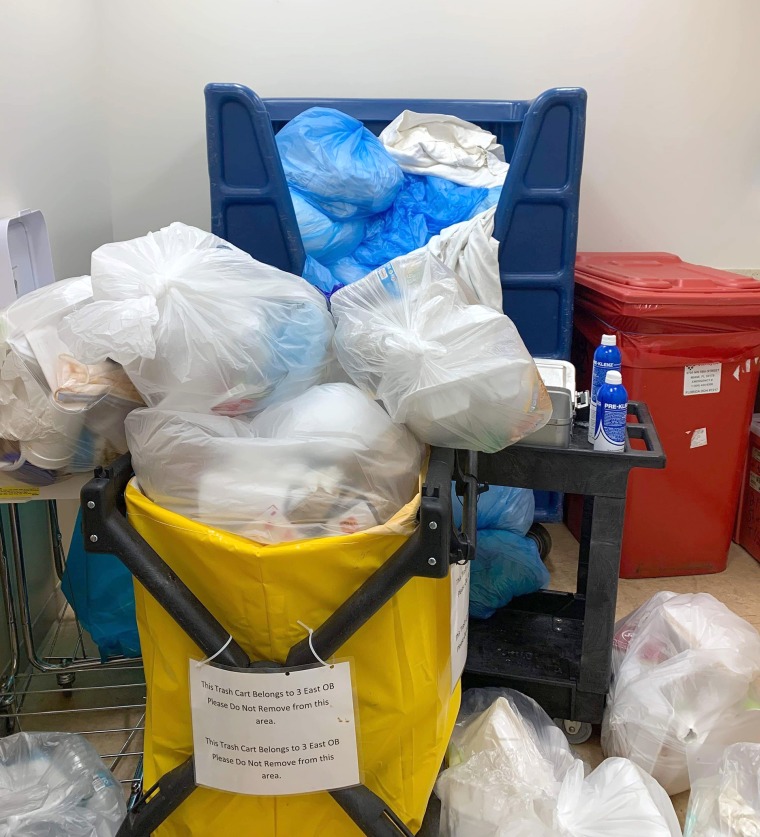


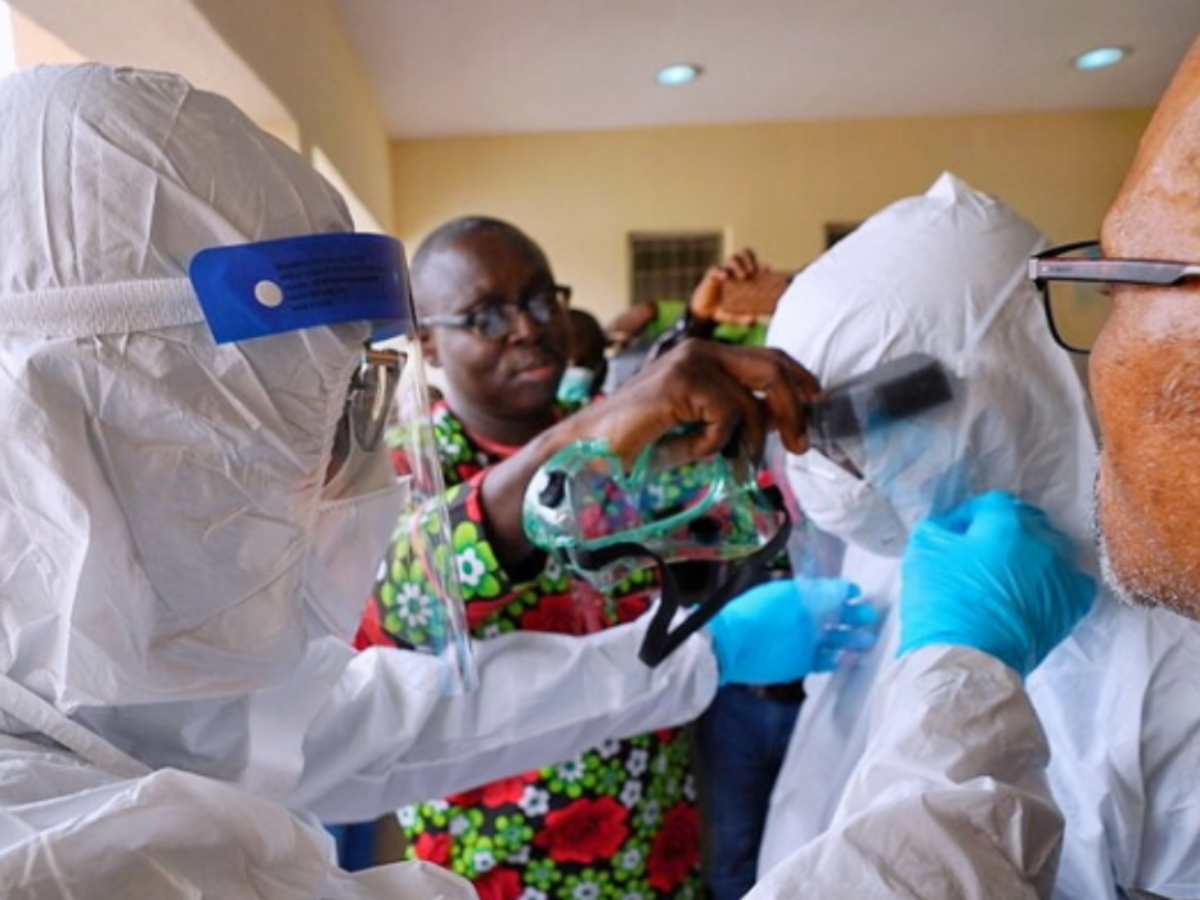

 The