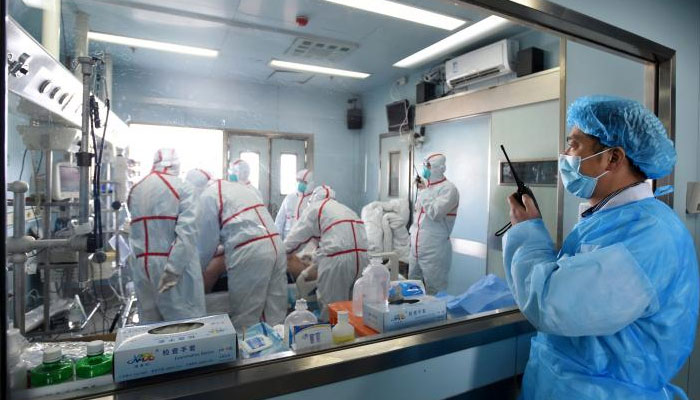
COVID-19 cases and deaths continue to decline but omicron sub-variants are driving an increase in the Americas and Africa.
Director General of the World Health Organisation (WHO), Tedros Ghebreyesus, told journalists at the weekly briefing in Geneva on Wednesday that despite weekly fatalities being at their lowest since March 2020, they don’t tell the full story.
He said “The South African scientists who identified Omicron late last year have now reported two more Omicron sub-variants, BA.4 and BA.5, as the reason for a spike in cases in South Africa.
“It’s too soon to know whether these new sub-variants can cause more severe disease than other Omicron sub-variants, but early data suggest vaccination remains protective against severe the disease and death.
“The best way to protect people remains vaccination, alongside tried and tested public health and social measures.
“This is another sign that the pandemic is not done with us, and there are some clear takeaways,’’ he said.
The WHO chief reiterated that the best way to save lives, protect health systems and minimise cases of “long COVID” is by vaccinating at least 70 per cent of every country’s population – and 100 per cent of most at-risk groups.
He said although more jabs had become available, a lack of political commitment, operational capacity problems, financial constraints, misinformation, and disinformation, had been limiting vaccine demand.
“We urge all countries to address these bottlenecks to provide protection to their populations,” the top WHO official said.
According to him, testing and sequencing remain critical, noting that both sub-variants were identified because South Africa is still doing the vital genetic sequencing that many other countries have stopped.
Ghebreyesus cautioned that many countries were blind to how the virus is mutating – not knowing what lies ahead.
“Scant availability and high prices of effective antivirals continue to render them inaccessible to low- and middle-income countries.
“Coupled with low investment in early diagnosis, it is simply not acceptable that in the worst pandemic in a century, innovative treatments that can save lives are not reaching those that need them,” he said.
WHO supports fair reward for innovation and while ACT Accelerator partners are negotiating lower costs and increased availability, “we cannot accept prices that make life-saving treatments available to the rich and out of reach for the poor.”
He informed the journalists that he would be traveling to Poland on Thursday, for the International Donors’ Conference for Ukraine.
“The health challenges in Ukraine are worsening by the day, especially in the country’s east,” the official said, noting that WHO has now verified 186 attacks on healthcare in the country.
The WHO chief highlighted the importance of humanitarian corridors by pointing out that WHO and its partners were able to receive and provide healthcare to scores of civilians fleeing Mariupol.
He urged Russia to allow all remaining civilians to leave the shattered port city, and all other areas where they are “at great risk”.
Turning to the Horn of Africa and the Sahel, Ghebreyesus spelled out that the climate crisis, spiking food prices and food shortages are threatening to cause famine and further insecurity.
According to him, 15 million people are estimated to be severely food insecure in Ethiopia, Kenya and Somalia, noting that the region is experiencing its worst droughts in 40 years.
He said repeated attacks on scarce water resources in Burkina Faso are depriving citizens of access to the minimum amount of water they need just to survive.
Meanwhile, in the Democratic Republic of the Congo, WHO is supporting vaccinations for an Ebola outbreak.
“WHO is responding to a huge range of challenges around the world – to say nothing of our work outside of emergencies to strengthen health systems and promote the conditions in which people can live healthy lives,” he said. (NAN)
L-R: Michael Nwoseh, growth marketing manager, Industry Ecosystem; Olawale Akanbi, group marketing and corporate communication, Interswitch; Tolulope Adesokan, group head, growth marketing merchants and ecosystem, Interswitch; and Olufemi Olapegba, lead, product development, Interswitch eClat, at the eClinic launch held in Lagos recently.
With the complexity surrounding Nigeria’s healthcare system today, keeping medical records in a safe and secured place where it can be easily accessed remains a top priority.
Whether one is using a digitalised record-keeping system, or old-fashioned files, the safety of one’s medical history is very important.
Regardless, digitalised systems for medical records have many advantages over a manual filing system. Digital systems ensure that incidences such as exposure of a patient’s medical record to third parties are brought to a minimum. This enhances the doctor-patient trust, driving efficiency in the medical field in the country.
Patients and healthcare practitioners can seamlessly access medical records from a single source. This comes with a lot of rewards, especially in a case of emergency, a patient’s life can be saved if the medical record is within reach. Amazingly, this is what eClinic provides. Among other things, the beauty of this eClinic is that it is a centralized database helping healthcare providers to deliver their services swiftly.
eClinic is a specially designed patient-focused healthcare digital platform that transforms the familiar analog system of record-keeping into a digital process, where patients’ records are secured and easily accessible.
With eClinic, all the records of patients are centralised, and their data are within the reach of health workers, which in turn guarantees efficiency, quick diagnosis and treatment of patients.
Talking about the merits of eClinic, Dr Wallace Ogufere, the chief executive officer (CEO) of eClat Healthcare Limited, an innovative healthcare tech solutions provider, stated that the risks of accessibility, logistics, and confidentiality that patients are exposed to have been significantly reduced.
According to him: “Unarguably, revolving technology and record-keeping have ushered in an innovative way in healthcare, which not only improves patients’ access to their health information but also fast-tracks their treatment and medical consultancy exercises”.
He noted that the introduction of eClinic has been able to eradicate a lot of challenges limiting patients access to quality healthcare services. The challenges include -logistics, accessibility, and confidentiality. Therefore, users of this healthcare product are guaranteed an increment in safety, monitoring, and tracking of treatments, fast healthcare services, documentation of results of treatment, and tracking of patients’ progress, amongst others.
The Nigerian Healthcare Excellence Award (NHEA 2022) has called for nominations from the public on the newly introduced award category, the Most OutstandingOncology Centre of the Year. Oncology is a branch of medicine that deals with the prevention, diagnosis, and treatment of cancer.
The call includes categories under the Special Recognition and Special Awards such as: Most Responsive COVID-19 Testing Company of the Year, Most Outstanding COVID -19 Consumables Manufacturer of the Year (Indigenous), State with the Highest Percentage of COVID–19 Vaccinated Persons, Most Outstanding Genomic Laboratory of the Year, and State Government Health Insurance Scheme of the Year.
Speaking on this, Dr Shola Alabi, NHEA Project Coordinator says “the dynamics of activities in the health sector in the last two to three years has made the new introduction possible this year following careful review and suggestions.”
This is even as the management of Pharmanews Ltd., is also using this medium to seek nominations from her loyal readers and advertisers for the category of “Healthcare Media Excellence Award-Print”.
The theme for NHEA 2022 is Innovative Healthcare in the Era of Change.
For information regarding the entry criteria required for nomination, Vivian Alkali, NHEA executive secretary encourages interested persons to visit the award site. She, however, highlighted some of the criteria.
On Oncology facilities should; be established and providing services for more than 12 months; accredited by relevant federal and state health authorities; providing two of either Medical, Radiological or Surgical oncology services to the public; high patient volume above 100 patients per month; externally assessed quality of patient delivery; facility possesses an international certification of clinical quality; and have an established and functioning palliative care and end of life care system.
While for State Government Health Insurance Scheme; this is open to State Governments and the Federal Capital Territory of the Federal Republic of Nigeria that operate a program seen to be committed to the triad of Universal health; and coverage that reduces the amount of out-of-pocket spending. In addition, the number of new enrollees or percentage increase of new enrollees annually; new health financing packages and models; geographic spread of enrollees within the state; and the percentage number of citizens registered with the state health insurance program; etc.
The event which comes up on June 24, 2022 at Eko Hotel and Suites in Lagos is supported by organizations such as; the Federal Ministry of Health, Nigeria Medical Association, Association of General Private Medical Practitioners of Nigeria, Healthcare Federation of Nigeria, and PharmAccess Foundation.
NHEA is organised by Global Health Project and Resources (GHPR) in collaboration with Anadach Group, USA.
Rats have been seen as filthy disease-spreaders since at least the time of the plague, but new research shows that rodents and other city-dwelling animals are less likely to cause the next pandemic than previously thought.
Researchers at Georgetown University in Washington DC studied data on about nearly 3,000 mammals, expecting to find that those living in urban environments hosted more viruses that could be caught by humans because they were in such close contact.
They found that urban animals did in fact carry 10 times as many kinds of disease – but also that more than 100 times as many studies had been published about them.
When the researchers corrected for this massive bias — a long-standing scientific preference to study animals scuttling under our feet rather than hiding in rainforests — they were surprised to find that rats were no more likely to be the source of a new human disease than other animals
However, “it’s still not a good idea to get too close and friendly to urban wildlife,” said Greg Albery, a disease ecologist who led the study published in the Nature Ecology and Evolution journal on Monday.
“These urban animals are unlikely to be the source of the next ‘Disease X’, but they’re still often a source of well-known important diseases,” he told AFP, giving the example of leptospirosis, a bacterial disease commonly spread by rats.
The threat from another common target of city disdain — the pigeon – was “almost certainly” also exaggerated due to research bias, he said.
Because we have been studying animals living in cities for so long, “we know so much about their parasites that there are relatively few unknowns there; rural wildlife is much more uncertain and more likely to provide us with the next ‘Big Threat’.”
Jonathan Richardson, a professor of urban ecology at the University of Richmond, said it was an important study because the authors “rightfully highlight the over-representation of data coming from urban mammal research”.
But he told AFP that it is still fair to describe rats as “disease sponges” because humans are in such regular contact with them.
Richardson said his research has found that urban rats harbour more than 200 pathogens and parasites that could jump over to humans, while nearly 80 percent of rats in some cities carry leptospirosis.
– ‘Important pathway into humans’ –
Albery and his study co-author Colin Carlson published research last week showing climate change could increase the risk of new epidemics.
They found that as animals like bats flee to cooler areas, they will mingle with other species for the first time and create new opportunities for diseases that could later infect humans.
Albery said urban mammals could play a role in that process.
“If a bat meets a rat and gives it a novel disease, and then if that rat has greater access to human areas, that provides an important pathway into humans,” he said.
His global warming research also showed that new opportunities for viruses to jump between animals would now take place closer to populated areas, rather in forests.
“The host-pathogen network is about to change substantially, so what we know now about urban parasites is likely to become outdated quickly,” Albery said.
“We need improved surveillance both in urban and wild animals so that we can identify when a pathogen has jumped from one species to another – and if the receiving host is urban or in close proximity to humans, we should get particularly concerned.”
We are hurting our planet and it is hurting us back. This informed the World Health Day theme: “Our Planet, Our Health”. The environmental pollutants we release through different human activities are coming to haunt us.
Environmental pollution is a single or combination of toxic chemical, biological, or physical agents in the environment resulting from human activities that negatively impact the health of exposed subjects. Noise pollution is one of the environmental pollutions affecting humans. When air molecules surrounding our ears vibrate, parts inside the ear sense the changes in pressure. These parts amplify the vibrations and ultimately cause tiny hairs in the inner ear to bend. Bending those hairs creates nerve impulses that the brain perceives as sound.
The hairs can deform and return to their original position. However, if the vibrations are too strong, or if they last for an extended period, the hairs can be permanently damaged causing hearing loss. Not all noise is pollution; if it does not happen regularly, it may simply be termed as “nuisance”. Generally, any unwanted sound that our ears have not been built to filter can cause problems.
Impact of noise pollution on health
Mental and psychological effects
Noise leads to emotional and behavioural stress, as well as lack of concentration and mental fatigue ultimately leading to reduced productivity. Loud noise hampers sleeping patterns, causing irritation and discomfort. Exposure to intense levels of noise can cause personality changes and violent reactions. Other psychological effects of noise are irritability, depression and anxiety. Also, auditory stimuli may serve as psychological triggers for individuals with post-traumatic stress disorder (PTSD).
Physical/physiological effects
Cardiovascular effect: Noise increases the chances of illnesses like headache, blood pressure, heart failure, etc, occurring. Studies suggest that high intensity noise raises blood pressure and increases heartbeat rate because it disrupts the normal blood flow. Noise levels of 50 dB(A) at night may also increase the risk of myocardial infarction by chronically elevating cortisol production.
Hearing loss/disorders: A sudden loud noise can cause severe damage to the eardrum. Almost everyone has had one experience of being temporarily “deafened” by loud noise. This “deafness” is not permanent though. However, exposure to loud noises, either in a single traumatic experience or over time can damage the auditory system, resulting in hearing loss. Inadequate hearing protection or prolonged exposure to noise can result in either temporary or permanent hearing loss.
Noise induced hearing loss is sometimes unilateral and typically causes patients to lose hearing around the frequency of the triggering sound trauma. Hearing loss does not usually occur below 80 dBA (eight-hour exposure levels are best kept below 85 dBA), but most people repeatedly exposed to more than 105 dBA will have permanent hearing loss to some extent. Generally, hearing loss begins at 80- 90 dbA. Individuals who have hearing loss, including noise-induced hearing loss, may have their symptoms alleviated with the use of hearing aids.
Tinnitus: Tinnitus is an auditory disorder characterised by the perception of a sound (ringing, chirping, buzzing, etc.) in the ear in the absence of an external sound source. There are two types of tinnitus: subjective and objective. Subjective is the most common and can only be heard “in the head” by the person affected. Objective tinnitus can be heard from those around the affected person.
Social/psychosocial effects
Noise Interferes with normal auditory communication: High decibel noise may not allow two people to communicate freely. Also, it may mask auditory warning signals, hence increase the rate of accidents. Being in a noisy area constantly or often could also cause one to develop the habit of talking too loudly.
Annoyance: Excessive noise can provoke annoyance response. Sudden, impulse noises are typically perceived as more bothersome than noise from traffic of equal volume. Annoyance effects of noise are minimally affected by demographics, but fear of the noise source and sensitivity to noise both strongly affect the ‘annoyance’ of a noise.
Poor development in children: Noise poses a serious threat to a child’s physical and psychological health, and may negatively interfere with a child’s learning and behaviour. Evidence has shown that when children learn in noisier classrooms, they have more difficulties understanding speech than those who learn in quieter settings.
High noise levels have also been known to damage the physical health of small children. Children from noisy residences often have a heart rate that is significantly higher (by 2 beats/min on average) than those of children from quieter homes.
Noise pollution is not taken as seriously as other forms of pollution and this should change fast.
Mortein insecticide has identified prevention as one of the major cost-effective ways against the spread of malaria in Nigeria. In line with this year’s world malaria day theme, “Advance Equity. Build Resilience. End Malaria”, Mortein partnered with the Federal Ministry of Health through National Malaria Elimination Programme (NMEP) and other stakeholders to upscale awareness, action, and sustain the commitment for the elimination of malaria in Nigeria.
World Malaria Day is an international annual event commemorated by Mortein and the Reckitt team in the quest to eradicate malaria from Nigeria, and Africa.
Speaking at the press briefing in Abuja to commemorate the 2022 World Malaria Day, Marketing Director, Reckitt Sub-Saharan Africa, Mr. Tanzim Rezwan, said community engagement and collaborations are part of numerous consumer engagement activities by the company to stem the prevalence of malaria scourge in Nigeria with the Mortein’s Fight to End Malaria campaign. He said the partnership with the Federal Government, which has been ongoing for years, demonstrates the company’s commitment to malaria prevention in the country toward a healthier Nigeria.
According to him, “The fight against malaria over the years has recorded many casualties with the 2021 World Malaria Report stating that 1 of 4 global malaria cases occur in Nigeria, almost 65 million malaria cases occur in Nigeria annually, and an estimated 23 persons die from malaria-related issues every hour in Nigeria.”
With Mortein, our message is on prevention, seeing as the economic implication of prevention is better than treatment, especially for the high number of low-income citizens in the country. We have over the years partnered with Federal and State governments, as well as key opinion leaders and healthcare officials in a bid to drive awareness and sensitize the public on various ways to eliminate the malaria vector. We do this through several platforms: on-ground community engagement activities, mass media education through TV adverts, and education on digital media platforms.” He said.
Tanzim continued, “This among others is the motivation behind Mortein, a brand from the stables of Reckitt Nigeria, who is also championing the fight against malaria. At Reckitt, we are driven by our purpose to protect, heal and nurture in the relentless pursuit of a cleaner and healthier world. Mortein, as a leading global insecticide brand, initiated its “Fight to End Malaria” campaign to empower our consumers with knowledge and provide access to expert solutions to rid themselves of vector-causing malaria, the mosquito.”
In his address at the event, the Minister of Health, Dr. Osagie Ehanire, reinforced the need for increased investments in malaria programmes by governments, the private sector, and individuals towards achieving full coverage of malaria services that ensures that all in need have access to malaria preventive and treatment services towards achieving a malaria-free country. He said, “for a malaria-free Nigeria let each of us play our parts because every effort counts.”
Earlier in the year, Mortein unveiled top Nollywood Celebrity Kate Henshaw as its Brand Ambassador to drive the conversation on malaria prevention amongst Nigerians.
More Pictures from Mortein community/market sensitization:
A cross-section of PSN-YPG delegates attending to beneficiaries at the free healthcare screening programme.
As part of its activities to mark this year ‘World Malaria Day’ 2022, the Young Pharmacists Group of the Pharmaceutical Society of Nigeria (PSN-YPG), Oyo State Chapter, in partnership with Emzor Pharmaceutical Plc, has offered free medical and health services to over 200 residents of Eruwa, a town in Oyo State, and its adjoining towns.
Explaining the motive behind the initiative, the Coordinator, PSN-YPG Oyo State, Pharm. Oyelude Firin Oyetunde, noted that YPG is an interest group of the PSN, with membership open to all pharmacists licensed by the Pharmacists Council of Nigeria, who are not more than 35 years of age .
Speaking further at the programme. which was held at Ankoo Primary Healthcare Centre, Eruwa, Oyo State, Oyetunde, explained that the initiative was aimed at supporting the health of the residents and as well celebrate the ‘World Malaria Day 2022’.
She explained that the gesture was part of their social responsibilities adding that PSN-YPG Oyo as a responsible body would continue to do this as a means of contributing their quota to the development of healthcare in the state, saying the programme would help the beneficiaries learn more about their health, especially about malaria.
Speaking on the theme of the programme “Harness innovation to reduce the malaria disease burden and save lives”, she stressed the need for investments and innovation that bring new vector control approaches, diagnostics, antimalarial medicines and other tools to speed the pace of progress against malaria
“We had a free medical screening for all of the people who came here to present themselves to the officials, as we registered them, took their vitals, while they go to our personnel for interpretation and consultation. Then, some personnel attended to them and gave them drugs to help manage and treat the condition.
Oyetunde, however noted that Malaria remains a significant public health and development challenge, advising the people to desist from consulting quacks just as she educated them on the adverse effects of taking drugs that are not being prescribed by the pharmacists.
She added, “We have pharmaceutical companies, corporate organisations, and other individuals such as Emzor Pharmaceutical Plc, who happened to be our major sponsor as they practically partnered with us by donating money, several cartons of drugs and souvenirs to us. While we also have others like Bond Chemicals Industry Limited; May & Baker Pharmaceutical Limited, and Afrab Chem Nigeria Limited”.
While speaking, the Treasurer of PSN-YPG, Oyo State, Pharm. Yemisi Oyetunde said they came to Eruwa with the mindset that few people would come out, but they were surprised by the number of people that were on the ground when they arrived and the crowd that came in later, adding that the exercise was a worthy one.
He further explained that the free healthcare outreach featured point of care testing, free consultation and pharmaceutical care, free medications, health awareness, as well as free malaria test, blood pressure check, sugar levels, BMI test, height and weight check, as well as a rapid diagnostic test.
While speaking, the Matron-in-charge, Ankoo Primary Healthcare Centre, Dorcas Ojediran, commended the members of PSN-YPG in the state for organising such a laudable programme for the resident of the town, adding that the gesture would go a long way in ensuring that every resident of the town has access to good healthcare.
Appreciating the pharmacists for the good gesture, one of the beneficiaries, Mrs Oluwakemi Adetoro, said she was quite happy with the act, adding that the free screening exercise and awareness were a big boost to them as residents of the town and would linger in the memory of the residents.
Other beneficiaries, an octogenarian. Mr Sunday Olayeri and Mrs Sarah Adeleke enjoined other healthcare providers and organisations in the country to take a cue from what the pharmacists have done and reach out to assist people in enjoying better health as a way of giving back to the society.
In the battle against cardiovascular disease, one of the leading causes of premature death in Nigeria, few individuals have left as deep an imprint as Pharm. Oluwaseyi Alli. With a career defined by innovation, advocacy, and measurable results, Alli has emerged as a pioneering force in redefining the prevention, treatment, and management of heart failure. His mission is clear: to ensure that patients living with this chronic and life-threatening condition have access not only to advanced therapies but also to comprehensive pharmaceutical care that improves survival and quality of life.
“Heart failure is not just a diagnosis, it’s a daily struggle that affects the patient, their family, and the community. My work has always been about breaking down the barriers that keep patients from living full, healthy lives, and pharmaceutical care is the bridge that makes modern treatment truly effective.” Oluwaseyi Alli
Addressing a persistent public health crisis
Cardiovascular disease accounts for a significant portion of Nigeria’s healthcare burden, with heart failure representing a large share of admissions to medical wards. According to the World Health Organisation (WHO), non-communicable diseases, including heart disease, are responsible for 29 per cent of all deaths in Nigeria, and the trend is rising. Heart failure, often the end stage of various cardiac conditions, is particularly challenging due to late diagnoses, inadequate treatment options, and high rates of hospital readmission. For decades, treatment protocols in Nigeria relied heavily on older medications that, while stabilising symptoms, failed to reduce mortality or prevent rapid disease progression. Hospital records show that up to 50 per cent of heart failure patients were readmitted within six months, with many dying within a year of diagnosis. These outcomes painted a grim picture, until leaders like Alli began to change the narrative.
Pioneering a new era in heart failure management
Recognising that drug availability alone was not enough, Alli championed a systems-wide transformation. He oversaw the introduction and integration of modern, evidence-based therapies such as sacubitril/valsartan, clinically proven to reduce cardiovascular death by 20 percent and hospitalisations by 21 percent in landmark trials, such as the “Angiotensin–Neprilysin Inhibition versus Enalapril in Heart Failure”, into Nigeria’s treatment landscape. But more importantly, he framed these therapies within a holistic model of pharmaceutical care, ensuring patients received continuous clinical support, medication counseling, and long-term management plans.
“Medicines save lives, but only when they are understood, taken correctly, and supported by the right systems. Pharmaceutical care turns treatment into sustained improvement, it’s the difference between surviving and truly living.”
A strategic overhaul of heart failure care
Alli’s approach bridged the gap between science, clinical practice, and patient-centered care. His national strategy focused on three interconnected priorities: engaging clinicians through targeted continuing medical education programmes, expanding access to advanced cardiovascular care beyond urban hubs into rural and underserved communities, and eliminating cost barriers through affordability initiatives developed in partnership with insurers, hospitals, and public health agencies.
A leader of exceptional professional standing
Pharm. Alli is a distinguished pharmaceutical executive and healthcare strategist with a proven record of driving large-scale, high-impact public health interventions. Over the course of his career, he has led the development and execution of innovative access programmes in cardiology, oncology, and ophthalmology, positioning himself as a trusted partner to governments, regulatory bodies, medical associations, and global health organisations. His ability to align clinical priorities with commercial execution has not only expanded patient access to life-saving therapies but has also advanced Nigeria’s reputation as a leader in healthcare innovation across Africa. Known for his strategic vision, scientific acumen, and unwavering focus on patient outcomes, Alli represents a new generation of healthcare leaders committed to bridging the gap between modern medicine and those who need it most.
Measurable results and patient transformation
The outcomes of Alli’s work are evident in both quantitative data and lived patient experiences. In facilities implementing his programmes, readmission rates for heart failure patients have dropped by as much as 30 percent. Mortality rates have declined, and patients report substantial improvements in functional capacity and day-to-day well-being. The integration of pharmacist-led counseling and medication monitoring has further improved adherence, enabling therapies to deliver their full clinical benefit.
“I measure impact not in drug sales, but in fewer emergency visits, fewer funerals, and more patients telling me they can play with their grandchildrenPharmaceutical care as a cornerstone again. That is the real metric of success in heart failure treatment,” Alli.
Pharmaceutical care as a cornerstone of prevention
While much of Alli’s work has centered on treatment, he is equally committed to prevention and early intervention. He has championed the expansion of pharmacists’ roles in screening for hypertension and diabetes, two leading precursors to heart failure, and in educating communities on lifestyle changes that reduce cardiovascular risk. By advocating for pharmacists to serve as frontline partners in chronic disease prevention, he is redefining the profession’s role in public health.
Extending impact beyond Nigeria
Alli’s framework for integrating advanced therapies with pharmaceutical care is gaining attention across Africa. His work has been cited in regional healthcare forums and is being adapted in countries seeking to replicate Nigeria’s improvements in heart failure outcomes.
“If it works in Nigeria, with all our complexity and diversity, it can work anywhere. The challenge is getting more pharmacists to see themselves as front-line warriors in the fight against heart failure,” Oluwaseyi Alli
A call to action for the profession
For Alli, the future of heart failure management lies in mobilising the pharmaceutical profession. He urges pharmacists to move beyond dispensing roles into proactive patient management, medication optimization, and adherence tracking. His vision is for a healthcare system in which pharmacists are indispensable members of the multidisciplinary team, ensuring that patients not only start on the right therapy but stay on it to achieve the best possible outcomes.
“We cannot treat heart failure in isolation, it takes a coordinated, multi-professional effort. But pharmacists are uniquely positioned to be the constant in a patient’s journey, from diagnosis to long-term management. Our profession must embrace that responsibility fully,” Allied asserted.
By reshaping both the clinical and pharmaceutical dimensions of heart failure treatment, Pharm. Oluwaseyi Alli has set a new benchmark for cardiovascular care in Nigeria and across Africa. His leadership proves that when scientific innovation is matched with strategic execution and patient-centered pharmaceutical care, the result is not just longer lives but better lives, offering hope to thousands who once faced an uncertain future.
The family of Mr Abidemi Kabiru Olajide, a 49-years -old father of four, who has been battling a deteriorating cancer of the thyroid and lung, have called to the members of the public for urgent financial assistance.
A very sad Olajide, who is a tricycle driver, while narrating the extent of his challenge said he has been unable to walk unaided, unable to take care of himself and his family. He thus pleaded for help saying he needs all the financial aid that he can get to survive his deteriorating health condition.
In an SOS message sent by his family to public, it was stated that Olajide is being managed for cancer of the thyroid which has spread to the lungs, adding that he needs urgent surgeries, as the situation is very critical, and beyond the capability of the family, residing in a one-room apartment at 9 Joseph Olawole street, Oke Aro, off Matogun Road, Ogun State .
According to his wife, Mrs Olajide, in a telephone interview with our correspondent, “LASUTH said we should raise about 500 thousand naira, first for the thyroid surgery which is the first stage before they will handle the cancer in the lungs, which we don’t know how much it will cost, coupled with other daily expenses”.
Making a passionate appeal in an emotion-laden voice, Mrs Olajide said, “It is with utmost humility and respect that I, on behalf of my husband and children, four boys plead for your kind intervention and assistance in raising money to facilitate the surgeries, adding that cheques and monies are payable to her account with the following details: 0158648832, GTB, Olajide Victoria.
She said the husband Mr Olajide and herself can be reached through his mobile telephone numbers: 08123657914 and 09031481592, adding that they are willing to accept visitors to confirm the genuineness of the case.
Stakeholders in the public and private health sectors have advocated stiffer penalties for manufacturers and distributors of poor-quality maternal medicines in the country.
The stakeholders made the call in Abuja at a programme on leveraging Public-Private Partnerships to Improve Access to Quality Maternal Medicines, organised by the Nigeria Health Watch.
Dr Kayode Afolabi, Director/ Head of Reproductive Health Division, Federal Ministry of Health, said that the National Agency for Food and Drug Administration and Control (NAFDAC), should continue its work as the main regulatory agency.
He said, “We are all familiar with the work of NAFDAC as the regulatory agency in this regard and what we should do is to further strengthen NAFDAC.
“This will enable NAFDAC ensure such sub-standard products are not allowed into the country and then we need to look at Supply Chain Process.
“Particularly those maternal health products that need to be stored with certain condition of temperature.
“Can we maintain cold chain and if there are gaps, how do we address the gap should be our priority,’’ he said.
Dr Kay Adesola, President, Association of Nigerian Private Medical Practitioners (ANPMP), said good regulatory mechanisms with penalties should be put in place to curb the circulation of substandard medicines.
“We all must take the issue of access to quality medicines as our businesses since no one is excepted from health concerns.
‘Good mechanisms in form of regulatory policies with effective implementations.
“These measures must, however, not be seen taking the place of appropriate penalties to deter the die-hards importing these substandard drugs just for monetary gain.
“In some climes, some similar culprits are made to face stiff penalties such as death sentence or life jail.
“Apply penalties and see the mileage we will achieve in making maternal medicines safer and more lives saved,“ he said.
On his part, Prof. Chimezie Anyakora, CEO, Bloom Public Health, in a panel discussion gave insight into the critical role of supply chain management in ensuring the quality of maternal medicines in the country.
He said it was also worth noting that maternal medicine quality is determined by factors including manufacturing, supply, storage and distribution of these medicines.
Anyakora stated that concerted efforts and strategic partnership among stakeholders were essential to build capacity in supply chain management in ensuring quality of medicines for the end users.
He also highlighted the role Bloom Public Health and its partners, including DrugStoc, were playing in ensuring proper management of the supply chain from manufacturers to end users.
He added that the distributions were through various projects like: the Drug Revolving Fund project in Ebonyi to ensure sustainable availability and access to safe and quality drugs.
In her presentation, Dr Chioma Ejekam, Consultant, Public Health Physician, said that all women needed access to high quality care in pregnancy and during childbirth.
She explained that most maternal deaths were preventable as the health care solutions to prevent or manage complications were well-known.
Ejekam, however, said the issue of quality around these maternal medicines had become a global concern as substandard or falsified (SF) medical products had long been acknowledged as a threat to individual and public health.
She further advised penalties be melted on those manufacturers and distributors of such falsified or substandard maternal products.
Similarly, Mr Frank Muonemeh, Executive Secretary/CEO, Pharmaceutical Manufacturing Group of Manufacturers Association of Nigeria (PMG-MAN), said everyone must be involved in the fight against substandard medicines.
According to him, unless the people in a country are in the drivers seat from production to last distribution point, substandard medicines will continue to be in circulation.
He, therefore, called for penalties against producers and manufacturers of falsified medicines.
Dr Chibuzo Opara, CEO DrugStoc, said some of the key things his organisation was trying to solve was the problem related to supply chain financing and health care commodities security.
He said that the country needed to improve its cold chain infrastructure for better health services. He advised that good investment, power supply and transportation could enhance quality cold chain.
On her part, Mrs Vivianne Ihekweazu, the Managing Director of Nigeria Health Watch, said there should be stronger accountability to reinforce sanctions for substandard medicines.
She advised that policy makers, stakeholders and health workers needed to work together to improve pharmacovigilance since it impacts on the quality of care they deliver.
“There is need for a stronger reporting system and cross collaboration to detect falsified medicines and prevent them from getting to the bedside of a mother,” she said.
Ms Azuka Okeke, CEO, Africa Resource Centre for Excellence in Supply Chain Management, said the country needed to leverage the PMG-MAN) for better medicines.
She said this was necessary as they provide an organised structure for local manufacturers and ensure the production of quality and affordable medicines.
“You cannot guarantee the quality of products if you don’t know the source.
“To achieve Universal Health Coverage (UHC), we must engage local manufacturers and association as a way to guarantee quality and accountability,” she said. (NAN)
The Edo State Primary Health Care Development Agency says it will commence the second round of oral polio vaccination for children between ages 0-59 months from May 7.
The Health Education Officer of ESPHCDA, Mrs Irene Uabor, disclosed this in a statement on Thursday in Benin.
“This is to inform the general public that there will be a second round of oral polio vaccination for children between the age groups of 0-59 months, that is, less than five years of age.
“The exercise will hold from May 7 to May 10 in all 18 LGAs in the state.
“As usual, health workers will be at health centres, temporary posts and move from house to house, churches, mosques, markets to administer two drops of oral polio vaccine in the mouths of all eligible children, ” she said.
She appealed to parents to allow the health workers immunise their children in order for all eligible children in the communities, institutions, groups and associations to be reached.
Uabor noted that “Immunisation is a sure way of preventing childhood diseases.”
Greg Emuze, co-founder and chief product officer, WeFill Africa
In furtherance of its dedication to ensuring the availability and affordability of quality healthcare products and services to its teeming customers and Nigerians, Wella Fulfillment Service, formerly a product of Wella Health, is set to be re-launched as a new and separate entity, called WeFill Africa.
Disclosing this in a press release made available to news men and signed by the Co-founder and Chief Product Officer, WeFill Africa, Mr Greg Emuze, the relaunching of WeFill as a company on its own is historical as it’s a dream come true for the healthcare sector in Africa.
He said the relaunch is going to transform prescription fulfilment by empowering PBMs, driving down costs for insurers and inspiring better health with enrollees by providing a simple, technology-powered experience that integrates in real-time with benefit systems and plan providers.
According to him, to get the much-needed medications across, health service providers and HMOs would typically have to manage lots of spreadsheets and make hundreds of calls to pharmacies and enrollees each month.
He however noted that this system is inefficient and cannot be scaled up, adding that many enrollees end up dissatisfied, and cancellations of plans are common. “In most cases, PBMs would resort to enrollees picking up their medications at hospitals as a last resort. This is always more expensive and disrupts the enrollee’s day, route, or routine”.
“Being one of the fastest-growing healthcare services in the country because of its commitment to innovation, technology, and service, WeFill’s mission is to change the face and costs of pharmacy benefits in Africa. It delivers data-driven insights and implementable strategies that reduce costs while improving patient outcomes with a robust platform approach. Constantly evolving, it implements strategies that continuously create more opportunities for partners” he said.
Emuze further noted that with WeFill, PBMs can say goodbye to the dreaded days, put their spreadsheets away, and spend their time talking to enrollees in more meaningful ways, as it provides unrivalled access to medications in all 36 states and FCT of Nigeria at any time, leveraging on a network of over 1,600 community pharmacies and chains for deliveries or pickups.
Speaking on its benefits, he explained that beyond a simple vendor relationship, it provides many long-term opportunities to enhance business as a partner, adding that with WeFill, Pharmacy Benefit Managers get the peace of mind they deserve to focus on their enrollees through more comprehensive patient support programmes. “Whether you have a few hundred enrollees or millions, WeFill automates CDRs and provides pharmacy selection in Telemedicine applications. Use could be either via a portal or an API integration directly with your systems. It has an open API architecture that allows it to integrate systems and vendors seamlessly. Its independence, transparency, and flexibility assure clients that it is committed to acting in their best interests and has the freedom to do so”, he said.
He further noted that by partnering, WeFill will help them to reach their customers everywhere in the country speedily and with ease, saying all they have to do is plug into a WeFill integration and experience the magic. “The platform also reduces the possibility of human error with data inputs and flows that are automated by a system smart enough to let you request a refill in a single click”, he said.
“To become a partner, health service providers and health maintenance organisations could simply sign up for an account and immediately gain access to the portal or integrate through API and it takes 24-48 hours to start enjoying 20-minute turnaround times.
While narrating the testimony of one of their partners, Emuze noted that they are very impressed with the work WeFill is doing for them, quoting Mr Oche, head of partnership, Hygeia HMO, as saying that WeFill was a major contributor in helping them close some major deals.
Researchers at the University of Queensland, and the German Centre for Neurodegenerative Diseases said natural compounds found in apples and other fruits may help to stimulate the production of new brain cells, which could boost brain health.
The team, headed by Tara Louise Walker, Ph.D, at the University of Queensland, and Gerd Kempermann, at the German Centre for Neurodegenerative diseases said apples are rich in antioxidants and an apple a day keeps the doctor away just as the old wives’ tale goes.
Researchers Find Apples Boost Brain Health
“The antioxidant in apple peel is called flavonoids, 3,5-dihydroxybenzoic acid and they are linked to increased nerve cell survival in the vital organ when injected into a mouse’s abdomen and not only do they activate precursor cell proliferation but also promote cell cycle exit, cellular survival, and neuronal differentiation,” Kempermann said.
Apart from being a source of energy, food is known to influence an individual’s overall fitness, the researchers noted. “A growing number of studies have demonstrated the health benefits of phytochemicals, the chemical substances found in plants. Other compounds in the flesh of an apple were also associated with the formation of new nerve cells in the brain”.
Given that apples are one of the most widely consumed fruits in the world, Walker, Kempermann and colleagues were interested to find out whether this fruit contains substances that might sustain or promote adult hippocampal neurogenesis. They first looked at quercetin, the most abundant flavonoid in apple peel, and then broadened the investigation to identify other pro-neurogenic factors in apples.
The researchers, in a findings published on yahoo.com injected the antioxidant quercetin, which is highly abundant in apple peel, into the abdomen of adult mice.
The team then focused on the rodents’ hippocampus, an area of the brain involved in learning and memory.
Results suggest the quercetin injection promoted the survival and differentiation of nerve cells, known as neurones, in the animals’ hippocampus.
Differentiation occurs when a cell changes its function as it divides, usually to become more specialised.
The scientists then administered the compound 3,5-dihydroxybenzoic acid, found in apple flesh. Neurogenesis describes how new neurones are formed in the brain.
Feeding the mice apple juice had no effect, however. This may have been due to the antioxidant levels being too low in the popular drink.
Further research is needed to know if these antioxidants have a similarly promising effect in other animals, including humans, according to the scientists.
Excessive Exposure to Social Media Risk Factor For Depression, Suicide — Neuropsychiatrist
The Training Coordinator of Suicide Research Prevention Initiative, Ms. Titilayo Tade, says attempted suicide should be decriminalised to enable significant success in curbing the act in the country.
Tade told the News Agency of Nigeria in Lagos on Wednesday that criminalisation of attempted suicide or drug abuse had not discouraged the victims from attempting it.
According to her, it has rather worsened the trend.
The coordinator said that research had shown a strong link between suicide and mental illness.
She said that people who attempted suicide do not need punishment but require treatment, help as well as untainted access to care and support.
She said that the thoughts of suicide and involvement in drug abuse were often necessitated by some factors which included biological, economical, medical, social, genetic and psychological.
“When these occur, attention should be given to the families of the bereaved as well as identify and address the factor responsible for the suicide,’’ she said.
Tade pointed out that many years ago, attempted suicide was criminalised in Nigeria.
“Unfortunately, the available records reveal that criminalisation of attempted suicide has neither discouraged the victims from attempting it nor stopped the eventual commission of the act.
“The focus should be on how to address the causative factors that leads to the act and tackle the underlying mental health conditions.
“Attempted suicide is a serious problem requiring mental health interventions and it should be treated as such,” she said.
The SURPIN coordinator said that about 90 per cent of those who attempted to take their lives were known to have psychiatric problems.
“But out of the figure, 80 per cent are as a result of drug abuse, depression and other socio-economic conditions in the country,’’ she said.
The mental health advocate noted that other factors that contributed to suicide attempts included financial imbalance, life challenges, failing business, loss of loved ones and hardships.
She, therefore, urged government at all levels to be more proactive in addressing the nation’s economic challenges and also provide the basic things that made people discontented with life.
She called on the media to provide information that would keep hope alive for whoever that was passing through any challenge to curb suicide incidents.
She further identified education as a tool to curb the rising tides of suicide in Nigeria, noting that the World Health Organisation’s statistics showed that one million people died of suicide annually.
She lamented that suicide was highly underreported in Nigeria as many cases were being covered up and overlooked due to the stigmatisation attached to it in the society, particularly the criminalisation of the act.
NAN reports that SURPIN was founded by the Lagos University Teaching Hospital in 2017, for the purpose of suicide prevention through research, crisis intervention, health education and early treatment of depression and drug abuse, which are major risk factors for suicide.
National Health Insurance Scheme (NHIS) says it had developed a ten- year strategic plan 2020 to 2030 to serve as a roadmap for achieving the scheme’s mandate.
Prof. Mohammed Sambo, Executive Secretary of the scheme, disclosed this at a press conference in Abuja, on Tuesday.
`The scheme has developed a ten-year strategic plan from 2020 to 2230 which serves as a road map for achieving its mandate.
“The implementation of the plan has commenced with efforts aimed at the attainment of Universal Health Coverage (UHC) in Nigeria, with a clear focus and milestones that could easily and accurately be tracked,” he said.
According to him, the country had been spared of stories of financial breaches in the scheme.
Sambo said that when he resumed office in July 2019, he unfolded a three point rebranding agenda to enable him transformed and reoriented the scheme towards realizing its core mandate.
He said that part of the transformations was in restoring a valve system that would transform the scheme into a credible and result-oriented organization.
Others, he said, were engendering transparency and accountability in the entire operation of the scheme.
Sambo said that in an effort to address lingering issues in the scheme, it recruited relevant medical staff that were grossly in short supply, especially in the state offices.
He said that the scheme also did aggressive and strategic capacity building for staff.
Sambo added that the scheme also now had a strong financial management system.
According to him, the scheme had addressed many identified operational lapses, including delays in payment of health maintenance organization (HMOs), providers and denial of service to enrollees.
He said others lapses addressed were delays in accreditation and re-accreditation of HMOs and HealthCare Partners (HCP) and limited knowledge of enrollees’ rights and obligations.
“We also addressed the delays in issuance of referral codes by HMOs and poor treatment of enrollees by HCPs,” he said.
Sambo said that the scheme went further to develop a comprehensive digital technology infrastructure called the e-NHIS.
He said the infrastructure developed by NigComSat and its partners would automate health insurance business processes in the country.
Sambo said that the scheme also developed and launched a new innovation programme known as the Group Individual and Family Social Health Insurance Programme (GIFSHIP).
“The programme was designed to bring the informal sector into health insurance, individuals, families, groups, associations and many others.
“Nigerians in the diaspora can also contribute to the programme,” he said.
He said that the scheme had established an innovation platform known as Insurance Under One Roof (HIUOR).
Sambo said the platform would aggregate the efforts of all health insurance stakeholders, leveraging the e-NHIS and a common monitoring and evaluation framework to achieve universal health coverage.
He said that the scheme had disbursed N14.29 billion to benefitting states under the Basic Healthcare Provision Fund (BHCPF) and also developed the NHIS medicine supply initiative.
Sambo said that the NHIS-Roche cost sharing initiative had been unveiled in seven tertiary hospitals around the country, including the National Hospital Abuja, University College Hospital, Ibadan, among others. (NAN)(www.nannews.ng)
Chinese scientists in the laboratory. Image source : AFP
China has confirmed the first known human case of the H3N8 strain of avian flu, but health authorities say there is a low risk of widespread transmission among people.
H3N8 is known to have been circulating since 2002 after first emerging in North American waterfowl. It is known to infect horses, dogs and seals, but has not previously been detected in humans.
China’s National Health Commission on Tuesday said a four-year-old boy living in central Henan province tested positive for the strain after being hospitalised earlier this month with a fever and other symptoms.
The boy’s family raised chickens at home and lived in an area populated by wild ducks, the NHC said in a statement.
The boy was infected directly by birds and the strain was not found to have “the ability to effectively infect humans”, the commission said.
It added that tests of the boy’s close human contacts found “no abnormalities”.
The NHC said the boy’s case was a “one-off cross-species transmission, and the risk of large-scale transmission is low”.
It warned the public to nevertheless stay away from dead or sick birds and seek immediate treatment for fever or respiratory symptoms.
Avian influenza occurs mainly in wild birds and poultry. Cases of transmission between humans are extremely rare.
The H5N1 and H7N9 strains of bird flu, detected in 1997 and 2013, respectively, have been responsible for most cases of human illness from avian influenza, according to the US Centers for Disease Control.
Human infections of zoonotic, or animal-borne, influenzas are “primarily acquired through direct contact with infected animals or contaminated environments, but do not result in efficient transmission of these viruses between people”, according to the World Health Organisation.
In 2012, H3N8 was blamed for the deaths of more than 160 seals off the northeastern coast of the United States after it caused deadly pneumonia in the animals.
As vaccine makers rush to stamp out new COVID-19 variants, some scientists have set their sights higher, aiming for a universal coronavirus vaccine that could tackle any future strains and possibly even stave off another pandemic.
Since the race for the first COVID-19 jab supercharged a new generation of vaccine technology, there have been numerous efforts to develop pan-coronavirus immunisation.
Drew Weissman of the University of Pennsylvania, who was a pioneer of the mRNA technology used in Pfizer’s Covid vaccine, is leading one such project.
He said the problem with updating current vaccines to target all existing strains – a plan announced by Pfizer earlier this month – is that “new variants are going to appear every three or six months”.
After more than two years of simply trying to infect more people, he said, the virus is now starting to mutate specifically to get around the immunity gained from vaccines – much as influenza’s constant changing requires an updated shot every year.
“That makes it a little bit trickier because now you’re fighting head-to-head with the virus,” Weissman told AFP.
So his team is working on a pan-coronavirus vaccine, which he said has tested well so far.
They are trying to find “highly conserved epitope sequences” – more integral parts of the virus that cannot mutate readily because it would die without them.
But it’s not going to be easy.
“We may have a universal vaccine in two or three years, but we’re going to have to keep working on it and changing it over time to keep ahead of the virus,” Weissman said.
– Expanding ambitions –
COVID-19 was not the first coronavirus to jump from animals to humans this century: its older relative SARS killed nearly 800 people from 2002-2004, and the Middle East Respiratory Syndrome (MERS) followed in 2012.
When US-based biotech firm VBI Vaccines announced its pan-coronavirus project in the early days of the pandemic in March 2020, it targeted all three.
Francisco Diaz-Mitoma, VBI’s chief medical officer, explained the premise by likening each antigen of their proposed vaccine to one of the three primary colours.
The firm hopes to provide antibodies not just for these three – but also for “the various shades of orange, green, and purple found in-between”.
“In other words, we are trying to teach the immune system to expand upon the variations of virus it is capable of ‘seeing’ from the start,” he told AFP.
He said VBI’s vaccine had shown promising results so far – including in bats and pangolins — with clinical studies hoped to start in the coming months ahead of results in early 2023.
The ferritin nanoparticle vaccine effort led by Barton Haynes, director of Duke University’s Human Vaccine Institute, has received funding from the US National Institute of Allergies and Infectious Diseases (NIAID).
He told AFP this vaccine, which targets SARS-like viruses but not a broader range of coronaviruses like MERS, had been shown to work well against Omicron.
– ‘Leaping one step ahead’ –
Pamela Bjorkman of the California Institute of Technology said a true pan-coronavirus vaccine was probably not realistic because there are so many lineages – some of which include common colds.
Her project uses a mosaic nanoparticle approach to target the B lineage of betacoronaviruses, which includes the original SARS-CoV and SARS-CoV-2, the virus that causes the disease COVID-19.
Bjorkman told AFP that even the “quest” for this specific lineage was comparable to the “many years of effort to make a universal influenza vaccine.”
Like Haynes, she said the wide availability of a vaccine depended on how quickly they could begin human trials.
Even if none of the current pan-coronavirus vaccine projects are likely to be rolled out in the next year, their eventual arrival could change the world’s relationship with COVID-19.
“If a pan-coronavirus vaccine is successfully able to establish a broader foundational immunity against coronaviruses, it would allow us, as a global society, to go from being one step behind, to leaping one step ahead of the pandemic,” Diaz-Mitoma said.
The broadening horizons of vaccine research could also be one way Covid has forced the world to better prepare for the threat of even worse pandemics ahead.
The US-based Coalition for Epidemic Preparedness Innovations (CEPI) has earmarked $200 million (185 million euros) for pan-coronavirus research.
But it also has a $3.5 billion (3.2 billion euro) plan it hopes will help develop a vaccine targeting “the next Disease X” within 100 days of it emerging – regardless of whether it is a coronavirus.
L-R: Chairman, WAPCP, Nigeria Chapter, Pharm.(Dr) Margaret Obono; Chairman, WAPCP Building Committee, Pharm. (Sir) Anthony Akhimien; Publisher, Pharmanews, Pharm. (Sir) Ifeanyi Atueyi, presenting a gift to the President, WAPCP, Distinguished Professor Cecelia Igwilo, and Secretary General, WAPCP, Prof. Ibrahim Oreagba, during the visit.
As part of efforts to ensure smooth operations and elevation of the Pharmacy profession in the West African Region, the West Africa Postgraduate College of Pharmacists (WAPCP) has commenced plans to build a four-storeyed secretariat in Lagos, Nigeria.
The President of the College, Distinguished Professor Cecelia Igwilo disclosed this on Tuesday during a visit to Pharmanews corporate head office in Lagos, with other leaders of the college. She said the leadership of the college decided to visit Pharmanews Ltd, to officially notify the Publisher, Pharm. (Sir) Ifeanyi Atueyi of the building project.
The project, according to the leadership of the college, which will be on three plots of land in Jibowu Street, Yaba Area of Lagos State, is estimated to gulp N1.2 billion and the land for the building project has already been acquired.
Speaking about the building project, the Chairman of building committee of the College, Pharm. (Sir.) Anthony Akhimien, said the building is scheduled to be completed within 24 months. He therefore called for support and donations toward the successful completion of the project.
He said it has become necessary for the college (WAPCP) to have its own permanent secretariat. He noted that other similar bodies in the health profession are moving into their permanent secretariat, so the college felt that there is need for a permanent and befitting building that will house the college; hence the project committee was constituted with at least a member from all the countries including : Gambia, Sierra Leone, Liberia, Ghana and Nigeria. He disclosed that the committee, through the support of all members of the college searched and acquired three plots of land at Jibowu Street.
The overall aim of the project, according to the chairman, is to have a building that will befit the college in the West Africa Region. He said “We have come up with a four-storeyed building; the ground floor will be parking space, the other floors will be for utilities, as hall for conference, meeting rooms and also for some lodging apartment. It’s going to be an all embracing and comprehensive befitting building. We need about N1.2 billion to put the structure in place”.
Speaking further, the building committee chairman said “The time to start the building is about now, as we speak now, our application is already at Alausa to get approval for the drawing. So we are in Pharmanews to intimate one of our foundation members. We are ready to start the building. We are hoping to do the ceremonial foundation laying of the building In May during Annual General Meeting that will take place in Lagos, Nigeria, and we are hoping to complete the project within 24 months”.
Atueyi commended the leadership of the college for the good work they are doing. He urged them to keep documents of the activities of the college, saying “The college must keep document because sometimes, one can forget things but when it is documented, it can be passed to generation to come. We need documentation because the college has achieved a lot”.
He also praised the committee for initiating such huge project for the college, saying with much dedication and trust in God, it will be accomplished. “When you talk of four storeyed building, I begin to imagine it. But when you set your mind on it, it will be achieved. God will make the resources available. However, the dummy should be displayed at the college office so that everybody can see it every day”.
The Nigeria Chapter Chairman of the College, Pharm. (Dr) Margaret Obono, appreciated the Pharmanews publisher for his selfless effort and service towards the advancement of the pharmaceutical industry, saying the college will always covet his advice. On the forthcoming AGM of the College, Obono noted that the Chairman of Access bank, Dr Dere Awosika will be the chairman of the conference while Pharm. (Dr) Okey Akpa, will be the keynote speaker.
The event comes up from 16 to 18 May, 2022, at Welcome Centre Hotel, Lagos, Nigeria. The theme of the symposium is “Medicine Security in the West Africa Region: Matter Arising”.
-As ALPs 15th National Biennial Conference holds in June.
Dr (Mrs) Stella Okoli, GMD, Emzor Group (5th from right), Executive Director, Emzor Group, Mrs Uzoma Ezeoke (middle); National Chairman, ALPs, Pharm. (Mrs) Victoria Ukwu(4th from right); Chairman, Conference Planning Committee, Dr Monica Eimunjeze (5th from left); Pharm (Mrs) Afusat Adesina, LOC/chairman Lagos ALPs (3rd from left) and some Lagos State ALPs executives, in a group photograph during the visit to Emzor Group.
Ahead of its 15th National Biennial Conference holding in Lagos from 5 to 11 June, 2022, the leadership of the Association of Lady Pharmacists (ALPs) National, has paid courtesy visits to patron and matrons of the interest group of Pharmaceutical Society of Nigeria (PSN) in Lagos. The Pharmacy icons visited are : Prince Julius Adelusi-Adeluyi, president, Nigeria Academy of Pharmacy and chairman Juli Plc; Dr (Mrs) Stella Okoli, GMD, Emzor Group; and Dr (Mrs) Dere Awosika, MFR, chairman, Access bank.
The ALPs executives used the visits to glean from the wealth of experiences of these elders, as well as sought their counsels on their forthcoming ALPs National Biennial Conference, tagged “EKO 2022”. The leaders in return made different invaluable commitments towards the programme in terms of financial and physical supports.
The National Chairman, ALPs, Pharm. (Mrs) Victoria Ukwu, who led other executives on the different visits intimated their hosts on the activities of the group and progress made under her watch, such as the Project 91, which deals on medicinal plant research; ALPs School project; Sponsorship of girl child education, and others.
Speaking on the 15th Biennial National Conference billed for 5 to 11 June, 2022, the Chairman, Conference Planning Committee, Dr Monica Eimunjeze, said the venue of the conference is Radisson Blu Hotel, and the theme is “Pharmaceutical value chain, for optimal utilisation- where are we? While the keynote speaker will be Pharm. (Mrs) Clare Omatseye, managing director – JNC International Limited.
Prince Julius Adelusi-Adeluyi, president, Nigeria Academy of Pharmacy and chairman Juli Plc (2nd from right); ALPs National Chairman, Pharm.(Mrs) Victoria Ukwu (2nd from left); Dr (Mrs) Modupe Ologunagba, ALPs National Vice-chairman South -West (left) and Pharm (Mrs) Foluke Akinniranye (right), during the visit to Prince Adelusi-Adeluyi
Receiving the lady pharmacists in his office, Prince Adelusi-Adeluyi walked them down memory lane, recalling his great roles towards the establishment of the association. He reminisced on how ALPs was birthed on his table with the founding mothers, how he chose the name ALPs among several alternatives, as he expressed his delight in the sustenance of such efforts.
While he pledged his presence at the conference, he disclosed his desire to see the executives again after the conference, as a means of reviewing resolutions reached at the programme, saying it is imperative for them to follow up on decisions made at such conference.
As a father figure, he counselled them on how to endear themselves to the parent Pharmacy body, through deliberate efforts in donating tangible amount of money to PSN.
Also receiving the Alpians, the Emzor Group boss appreciated them for coming specially to her office, as she pledged to support the programme with a notable financial support.
Dr Okoli recalled her previous contributions to the association’s project, saying she is not relenting, as they are ready to do more in partnering with ALPs for the betterment of more women and girls in the society.
The Executive Director, Emzor Group, Mrs Uzoma Ezeoke, particularly referred to ALPs project of girl child sponsorship, as she urged them to do more in that area assuring them of Emzor Group’s willingness to assist in that aspect. She also emphasised the need for more lady pharmacists to take up leadership roles in the profession, as it is obvious that there are more female pharmacists than males, but just a few of them in leadership in the profession.
For Dr Awosika, she expressed her profound gratitude towards the visit, saying she is encouraged to do more with ALPs, despite her several engagements in the corporate world. It was on this note she willingly accepted the chairmanship position of the coming conference.
Ms May Ikokwu, Chief Executive Officer (CEO), Save Our Heritage Initiative (SOHI), on Monday advocated priority attention for older persons in the nation’s malaria prevention and treatment policy.
Ikokwu made the advocacy in an interview with the News Agency of Nigeria (NAN) on the occasion of World Malaria Day in Abuja
She expressed concern over the high rate of cases of non-communicable diseases such as malaria among older persons.
“Like many serious diseases malaria has a more severe presentation in older adults compared to younger patients.
“Older persons with malaria can expect to have higher death rates, higher levels of presence of malaria parasites in their blood, more complications and protracted illness,’’ she said.
Ikokwu, who called on government and relevant stakeholders to include older persons in the preventive and curative interventions, said that malaria was one of the deadliest tropical diseases.
According to her, older persons due to their susceptibility to diseases need to be provided with insecticides, treated mosquito nets and also quality malaria prevention care.
She described older persons as national heritage that should be protected from avoidable deaths including death from malaria.
Ikokwu commended the Federal Government for the inauguration and implementation of the Global Fund 2021-2023 Malaria grant which was aimed at eliminating the disease across the country.
According to World Health Organisation (WHO), in 2020, there were an estimated 241 million cases of malaria worldwide.
The estimated number of deaths from malaria stood at 627, 000 in 2020.The WHO African Region carries a disproportionately high share of the global malaria burden.
According to the WHO African Region in 2020, the region was home to 95 per cent of global malaria cases and 96 per cent of deaths from malaria.
According to the report, children under 5 accounted for about 80 per cent of all malaria deaths in the region.
NAN reports that World Malaria Day is observed annually on April 25.
The aim is to bring global attention to the efforts being made to end malaria and encourage action to reduce suffering and death from the disease.
Malaria is an acute febrile illness caused by Plasmodium parasites which are spread to people through the bites of infected female Anopheles mosquitoes.
There are 5 parasite species that cause malaria in humans and 2 of these species – P. falciparum and P. vivax – pose the greatest threat.
Falciparum is the deadliest malaria parasite and the most prevalent on the African continent P. vivax is the dominant malaria parasite in most countries outside of sub-Saharan Africa.
As Nigeria today joins the global community to mark the 2022 World Malaria Day, the Association of Community Pharmacists of Nigeria (ACPN), has called for concerted and prompt actions as well as collaboration with governments and communities to end the malaria scourge in the country.
The association made the call on Monday, through a press release made available to the journalists and signed by its national chairman, Pharm. Adewale Oladigbolu.
Oladigbolu, speaking on the theme for this year’s celebration “Harness innovation to reduce the malaria disease burden and save lives”, stressed the need for investments and innovation that bring new vector control approaches, diagnostics, antimalarial medicines and other tools to speed the pace of progress against malaria.
Quoting the Message from WHO Regional Director for Africa, Dr Matshidiso Moeti on the commemoration of this year’s World Malaria Day, he said the past year has seen significant breakthroughs in malaria prevention and control, despite the COVID-19 pandemic.
According to WHO, “Landmark recommendations on the use of the first vaccine against malaria – RTS, S – were released by the World Health Organization late last year. This vaccine will be used to prevent malaria among children aged six months to five years, who live in moderate- to high-transmission settings.
“While this is a groundbreaking advance in the development of new tools to fight this disease, with the potential to save millions of lives, supplies are currently limited. As such, it is important to ensure that the available doses are utilized for maximum impact while ensuring the continued availability of other preventive measures to those most at risk.
The number one community pharmacist in the country noted that Malaria remains a significant public health and development challenges.
Quoting the WHO report on 2022 WMD, “the global health body added that In the last year, about 95 per cent of the estimated 228 million cases occurred in the WHO/AFRO Region, along with 602,020 reported deaths. Six countries, the worst impacted by malaria in the Africa Region, are reported to have accounted for up to 55 per cent of cases globally, and 50 per cent of these deaths.
Oladigbolu however disclosed that In Lagos State, one of Nigeria’s densely populated states, malaria accounts for more than 70 per cent of outpatient in the public health facilities. “More than 700,000 malaria cases are reported annually. 657,154 patients with malaria were seen in both private and public health facilities in 2020. Malaria is prevalent in the vulnerable groups – children under 5 years and pregnant women where the infection can be profoundly more severe.
“It is, therefore, germane that we need to take action. By taking action, we would be curbing the spread of the disease. We must prevent inside Long–Lasting Insecticidal Nets (LLINs). This is particularly important for the vulnerable groups –pregnant women and children under 5 years old. Pregnant women are also encouraged to take Sulphadoxine Pyimethamine to prevent malaria in pregnancy from the 2nd trimester.”
Before using Artemisinin-based Combination Therapy (ACTs) for the treatment of fever, diagnosis either using a malaria Rapid Diagnostic Test (mRDT) kit or a microscope must be done. This is because not all fevers are caused by malaria. Diagnosis of patients with fever using microscopy or an MDT kit before treatment of the disease improves the overall management of patients with fever.
Thus, testing for malaria is essential as it helps to reduce the unnecessary use of antimalarial drugs thereby preventing the emergence and spread of drug resistance and ensuring that antimalarial drugs are reserved for those suffering from the disease. It is also imperative that all malaria cases diagnosed are recorded in the appropriate data tools to ensure that all cases of malaria in the State are duly reported.
Emphasis on collective action is also placed on environmental management which includes effective refuse disposal and waste management, covering of water storage containers, clearing of gutters, and dredging of canals and channels among others. Unkempt and dirty environments serve as breeding sites for mosquitoes; hence proper maintenance and management of the environment would prevent mosquitoes from breeding.
However, as an association and as healthcare providers closest to the people, we remain fully committed to the fight against malaria, and we believe we can overcome the challenge if we collaborate closely with governments, partners and communities.
Also, we at ACPN are reiterating that the important place and responsibility of the community pharmacists cannot be overemphasised, given the pivotal role they play in health care delivery services in the country, as medicines are very essential to life, whether or not the individual is well.
Medicines are crucial to human existence; so, if not properly handled and advice and counselling are not properly given, strictly followed or adhered to, medicines can become very dangerous, if not lethal, when handled by the wrong people or in the wrong way. Lives have been terminated through the wrong use of drugs, while medical conditions can also be made worse through the inappropriate use of medicines. And this is where the community pharmacist comes in.
ACPN has been at the vanguard of advocacy aimed at controlling the spread of malaria for quite some time. Over the years, the Association has marked World Malaria Day with pomp and pageantry.
Fresh eggs from farm. Image source: The News International
Salmonella, fears over which sparked a cautionary recall of Kinder chocolate eggs in several European countries on Tuesday, is one of the most common causes of food-borne outbreaks.
Named after the American veterinarian who helped discover the bacteria, Daniel Elmer Salmon, salmonella often causes mild illness, but can be life-threatening in extreme cases.
Transmission –
It is most often transmitted to humans who eat food contaminated with the faeces of an infected animal, according to the US Centers for Disease Control (CDC).
This often happens when people consume raw or undercooked food like meat and eggs, or when people handling food fail to wash their hands.
Less often, unwashed fruits and vegetables can become infected.
Whether or not a person contracts salmonellosis, the infection caused by salmonella, depends on the type of bacteria and the quantity consumed.
While an estimated 94 percent of salmonellosis is transmitted by food, contact with chicks and pet turtles can be a source of infection, the CDC said.
If contaminated foods are distributed widely across borders, it can infected vast numbers of people.
Around 224,000 people were made sick by infected ice cream in the United States in 1994.
A decade earlier in France, at least 25,000 were infected by a food source that was never identified, according to the Pasteur Institute.
– Symptoms –
Symptoms usually show up around three days after infection and often include diarrhoea, vomiting, fever and stomach cramps.
A healthy adult normally recovers within a few days but in some cases, an infection can be dangerous or even fatal.
Babies, young children, the elderly, pregnant women or immunocompromised people are the most at risk.
People with severe diarrhoea may need rehydration, the CDC said.
“Antibiotics are not recommended for uncomplicated cases and are only used if the infection spreads or is highly likely to spread from the intestines to the bloodstream and other organs,” it added.
– How to avoid? –
To avoid salmonella, everyone should wash their hands before cooking, keep raw foods separated from others, and regularly clean areas where food is handled.
Thoroughly cooking meat is also highly recommended.
Avoiding eating raw eggs, in foods such as cookie dough and homemade ice cream, is also recommended, according to the Mayo Clinic in the United States.
Washing hands after using the toilet or changing a baby will also help limit transmission.
Most industries have strict rules in place to avoid contamination.
Some parents in Kubwa, a suburb of the Federal Capital Territory, has called on parents to promote cycling among children to enhance their mental and physical well-being.
They gave the advice at a maiden edition of a 10-kilometre cycling competition organised for children below 16 years of age, in Abuja.
The parents who spoke with the News Agency of Nigeria (NAN) in separate interviews said that cycling gives children freedom and independence to move around.
Mrs Izin Adaghe, a parent and one of the the organisers of the competition, said that the initiative was to enhance the wellbeing of the children.
She added that it was good for them to start young as children who start engage in cycling have better mental attitude and are relieved of stress.
“Though some of these kids know how to ride but do not have self-confidence, but with this event self confidence have been built in them.
“Bicycle is also a means of transportation and once they can ride well, they can take their bicycle and go on errands and it is also a means for them to exercise,” she said.
Another parent and organiser of the competition, Mrs Marian Oluwapidan, added that the competition is meant to encourage children to take themselves to school using their bicycle.
“These days we have a lot parents running around doing school runs, even when the school is behind their houses.
“But with this competition, children will have confidence in themselves and will be able to take themselves to school, which in turn will reduce the burden on their parents,” she added.
Master Raji Clinton, a 13-year old who emerged over all winner of the competition appreciated the group for coming up with the competition.
“It was a good experience, though scaring, but I thank God and I am grateful for coming out victorious,” he said.
The News Agency of Nigeria (NAN) reports that at the end of the competition, prizes were given to the winners and runner up participants in each category.(NAN)
As the world marks the 2022 World Malaria Day (WMD), there is the need to take a look at the state of the global pandemic that is threatening the lives of millions of people, especially in sub-Saharan Africa.
World Malaria Day is annually observed on April 25 around the globe to raise awareness about the pandemic that has continued to claim lives and send millions to hospital. It is a day marked by all member states of the World Health Organisation (WHO) to underscore the collective energy and commitments of the global malaria community in uniting around the common goal of a world free of malaria.
The world body says that the global observance, which has “Harness Innovation to Reduce the Malaria Disease Burden and Save Lives” as its 2022 theme, is a call for investments and innovation that will bring new vector control approaches, diagnostics, antimalarial medicines and other tools to speed the pace of progress against malaria, adding that “no single tool that is available today will solve the problem of malaria.”
It says the 2022 theme aligns with the call for urgent scale up of innovation and the deployment of new tools in the fight against malaria and for equitable access to malaria prevention and treatment.
Malaria is a disease caused by a plasmodium parasite, transmitted by the bite of infected female mosquitoes of tge genus Anopheles, with varied severity based on the species of the plasmodium.
The symptoms are chills, fever and sweating, usually occurring a few weeks after being bitten and treatment includes antimalarial drugs.
WHO says Malaria is a preventable and treatable disease that has, however, continued to have devastating impacts on the health and livelihoods of people around the world.
The world body said in 2020 that there was an estimated 241 million new cases and 627,000 deaths in 85 countries, with more than two thirds of deaths among children under the age of five years living in the WHO African Region.
It states that in spite of steady advances in lowering the global burden of malaria between 2000 and 2015, progress has stalled in recent years, particularly in high burden countries in sub-Saharan Africa and called for urgent actions to set the world back on a trajectory toward achieving the 2030 target of malaria-free world.
The Global Fund says the fight against malaria is one of humanity’s biggest public health successes, with the annual death rate from the disease dropping by nearly half over the last two decades.
It, however, adds that after years of steady progress, malaria cases and deaths are on the rise “and today, a child dies of malaria every minute.”
The Fund says “funding has plateaued, drug and insecticide resistance is increasing, and COVID-19 has knocked us even further off track, risking a resurgence of the disease and a loss of hard-won gains.
“We cannot let this decline continue. This year, the world has an opportunity to fight for what counts, and invest more to protect hard-won gains and get back on track to reducing malaria cases and deaths.”
It suggested ways to reduce chances of getting infected to include the application of mosquito repellent with DEET (diethyltoluamide) to exposed skin, drape mosquito netting over beds, and putting screens on windows and doors.
Other ways are to treat clothing, mosquito nets, tents, sleeping bags and other fabrics with an insect repellent called permethrin.
On its part, the RBM Partnership to End Malaria, says the 2022 WMD celebration is an opportunity for the global community to raise voices in unison to keep malaria high on the global agenda, adding that “we must raise a sense of urgency and communicate the optimism for what we can achieve together if we act now.”
The Partnership, which is the largest global platform for coordinated action towards a world free of malaria comprising more than 500 members, says its top advocacy goal for 2022 is to activate the global community to support a fully replenished Global Fund of at least 18 billion dollars for programmes between 2024 and 2026.
It adds that “achieving this goal will ensure that the majority of global malaria programmes are fully financed and we can reduce malaria cases by 66 per cent and malaria deaths by 62 per cent between 2020 and 2026.
It says the effort will also increase coverage of insecticide-treated nets in Africa by 19 per cent by 2026, ensure all eligible pregnant women receive at least three doses of preventive malaria treatment by 2025, treat 500 million malaria cases through public sector systems between 2021 and 2026 and eliminate malaria from an additional six countries.
Meanwhile, the 2020 World Malaria Report indicated that Nigeria had the highest number of global malaria cases (27 per cent of global malaria cases) in 2019 and accounted for the highest number of deaths (23 per cent of global malaria deaths).
It stated that “malaria is transmitted all over Nigeria; 76 per cent of the population live in high transmission areas, while 24 per cent live in low transmission areas. The transmission season can last all year round in the south and about three months or less in the northern part of the country.
“The primary vector across most of the country is the Anopheles mosquitoes.” The report stated that prevention programmes focus on promotion of mosquito bed nets called Long Lasting Insecticide Treated Nets (LLITN), along with education for families and healthcare providers on the importance of the nets to prevent mosquito bites.
The Minister of State for Health, Dr Olorunnimbe Mamora, recently said “malaria has killed and continues to kill more in Africa than HIV and COVID-19.
He made the remark when a team from Godrej Nigeria Limited, makers of GoodKnight Power Shots Insecticide paid him a courtesy visit in Abuja.
He commended the team for donating 10,000 units of the insecticide toward the malaria fight in the country, saying it would go a long way in the crusade.
Malaria deaths are usually related to one or more serious complications, including cerebral malaria. This is because if parasite-filled blood cells block small blood vessels to the brain, swelling of the brain or brain damage may occur. Celebral malaria may also cause seizures and coma.
The first malaria vaccine to be approved was RTS,S (brand name Mosquirix), developed by GlaxoSmithKline and which gained approval in 2015 in Europe, enabling WHO to formulate recommendations for its use in Africa.
RTS,S was approved specifically for use in infants and young children aged six weeks to 17 months.
In a study involving nearly 16,000 young children in Africa, the vaccine successfully prevented malarial infection in about 46 per cent of young children aged five to 17 months and 27 per cent of infants aged six to 12 weeks.
RTS,S, a recombinant vaccine engineered to express P. falciparum proteins is capable of stimulating antibody production against the parasite.
In conclusion, therefore, the call by WHO for investments and innovation to bring new vector control approaches, diagnostics, antimalarial medicines and other tools to speed the pace of progress against malaria is germane.
This is because the world body has realised that “no single tool that is available today will solve the problem of malaria.” (NANFeatures)
As the B.Pharm programme is being gradually phased out for the more patient-centred PharmD in the country, President of the Pharmaceutical Association of Nigeria Students (PANS), Kaduna State University (KASU), Bashir Salisu Bawa, has expressed worries over the delay in the commencement of the programme in most schools in the northern part of the country, adding his voice to those calling for a unified PharmD programme for all pharmacy schools in the country. Bawa, who is currently in his fifth year, also speaks on his foray into Pharmacy and PANS politics, the challenges of his administration and other pertinent issues. Excerpts:
Why did you opt for Pharmacy as a course of study?
Frankly speaking, Pharmacy was not my initial choice. I actually applied for Medicine. Unfortunately that year (2016), no medical student was admitted, due to some technicalities and logistics issues from the school management. I thought I had lost it all. My world felt like it was crashing.
I had no idea what Pharmacy was all about and what I could do with the degree. I had to start researching about the profession and all it promised. Eventually, after a series of researches and consultations, I learnt that I was on the right path. Besides, there is not much difference between being a medical doctor and a pharmacist. They both aim to achieve excellent healthcare delivery through prophylactic, curative and diagnostic measures.
It must be tough combining studying with active involvement in PANS activities. How have you been juggling these?
Indeed it has not been easy for me right from when I began active participation in unionism, from both within and outside our faculty. I started my political career when I was elected as the assistant editor-in-chief during my second year, under Pharmacist Mahmud Ahmed Kubau as the then pioneer PANS president.
The subsequent year, I was elected the financial secretary of PANS and served in that capacity under my predecessor, in the person of Ibrahim Aliyu. But as PANS president now, the most challenging aspect of it is the difficulty in time management. The idea is that there is a need for me to establish a balance between the leadership responsibility on my shoulders and my academic affairs. The fact that both are important has made me endure the stress and, in turn, through experience, I was able to figure out how to handle the two.
Can you tell us some of your achievements and challenges so far?
Well, many achievements have been recorded so far. Few of them will be mentioned for sake of time. There is the complete securing of PANS secretariat from the faculty management. The giant move had started with my predecessor.
Subsequent achievement was completing the requirements and making the association duly registered with the Student Affairs division of the university, which means PANS now has the legal right to execute its activities within the university without question.
Another success is making PANS more recognised within the faculty and the university as a whole. Under my administration, we also had a representative who participated in the last 46th PANS Annual National Convention, in Uyo, Akwa- Ibom State.
My biggest challenges as PANS president are in relation to my strong desire of seeing that PANS-KASU in no distant time moves forward to an become one of the best chapters we have in this country. As such, I have a mission under my administration to see that, at least, a business centre is established for PANS, so as to ease the association’s ways of sourcing for funds and to also see that the production of our annual magazine for the second time is achievable.
These are my main challenges because they require money. These days whatever plan is in place, things can never work through without adequate financial resources or sponsorship. However, we are committed and still making necessary solicitations; and we are hopeful that eventually, we shall be able to get them done.
To cut it short, financial constraint and lack of sponsorship have been the major reasons why I face challenges in executing certain activities under my administration.
What would you say are the advantages and disadvantages of studying Pharmacy here in the north, compared to those studying in other regions of the country?
Let me start by defining Pharmacy as a profession. It is a clinical health science that links medical science with chemistry and it is charged with the discovery, production, disposal, safe and effective use, and control of medications and drugs.
Right here, Pharmacy in the north is one of the most trusted and respected professions, and an individual with a pharmacy degree is respected by the people. The advantage of studying Pharmacy in the north is that there are many opportunities for fresh pharmacy graduates, whether in government or private organisations.
Internship placement for our fresh graduates tends to be easier to gain because there are few accredited pharmacy schools here, as compared with the southern part of the country. Only one university from the south may graduate and successfully induct 300 pharmacists per annum, which actually leads to increased competition in securing internship placement and there is more competition too in getting public jobs there.
The disadvantage of studying Pharmacy here in the north, from my point of view, is that we are lacking pharmaceutical industries. Only few are partially operating, which in turn is seriously affecting those that have the intention of practising in an industrial setting.
Another disadvantage is the delay in commencement of the new version of pharmacy degree, the PharmD, by our universities here, in order to meet up with the modern global standard of pharmacy education and practice. We only have Bayero University Kano (BUK) in the north as the pioneer but their faculty of pharmacy is not yet accredited by the PCN.
What do you think is wrong with the way pharmacy education is being run in Nigeria?
So far so good there are developmental changes, most especially the ongoing change from product-oriented to patient-oriented programmes. I am personally happy that there is PharmD programme now in Nigeria, but its difference from the B.Pharm. degree is not very clear.
How I wish the pharmacy curriculum could be reviewed in such a way that once a PharmD student reaches around 400 level, the student will move to a clinical setting to be trained in ward round participation, how to involve in decision-making with regard to drug therapy-related problems, the practical application of pharmacotherapeutics and how to interact directly with patients through patient counselling and rendering of appropriate pharmaceutical care.
I think this will go a long way and will make fresh graduates of Pharmacy ready to address challenges and by so doing, will enhance the recognition of pharmacy practice and its relevance to patients and other health workers.
The National Universities Commission (NUC) gave full accreditation to the Faculty of Pharmacy, KASU in 2019, with an interim accreditation status by the Pharmacists Council of Nigeria (PCN). How has it been since then?
Well, following the NUC and PCN interim accreditation, the faculty began induction of its pharmacy graduates. The pioneer inductees were 27 in number. And the faculty, ever since after PCN interim accreditation, has been undergoing restructuring – the appointment of new lecturers, laboratory technologists and equipment of various laboratories – in preparation for the next accreditation visit by the Council in other to meet up with the standard requirements.
If you had the opportunity of changing some things about pharmacy education in Nigeria, what would they be?
If I had the opportunity, I will definitely change the system to a more practical approach, where pharmacy students would have a longer hospital stay. This would definitely make the students have the minimum required skills that would make them capable of facing the realities while in practice, in order to discharge their obligations diligently.
More hospital stays would also reduce the way and manner pharmacists are being sidelined in clinical decision making and also boost inter-professional relationships with other health workers. As a result, I would also make sure that inter-professional education is in place, where the pharmacy and medical students would be attending lectures together on courses they have in common like Physiology, Anatomy, Biochemistry and Pharmacology. This will go a long way in uniting and bringing the two together at the students’ level.
A diagnostic procedure. Image credit: Arth Diagnostics
A former President of Liberia, Mrs Ellen Johnson-Sirleaf, says African countries must work to build research expertise in diseases affecting Africans and create better diagnostics, drugs, vaccines and medical devices in Africa.
Johnson-Sirleaf said this on Thursday during the CelebrateLAB West Africa Conference in Accra, Ghana, and monitored virtually by the News Agency of Nigeria (NAN).
CelebrateLAB Conference is an annual meeting of medical laboratory and research professionals, regulators, policy makers, academia and medical product manufacturers and suppliers.
The conference seeks to proffer solutions to enhance laboratory capacity in the area of human resources, clinical research, vaccines and other medical products manufacturing in West Africa.
The theme of the conference is, “Ensuring Diagnostic Capability and Vaccine Sufficiency as Panacea to Combating Infectious Diseases in West Africa”.
Johnson-Sirleaf noted that enhancing expertise in laboratory science and infrastructure development would assist in building robust health systems.
According to her, West Africa for a while has been battling with one infectious disease after the other, and the region has faced Marburg Virus, Lassa Fever and Dengue Fever.
“We have experienced the devastating effects of the Ebola Virus Disease that destroyed lives and livelihoods in Guinea, Sierra Leone and in my own country, Liberia.
“As President of Liberia, I witnessed at first hand the devastating effects of the infectious disease on the lives of our people and their livelihoods when the Ebola crisis hit our subregion in 2014.
“We saw how the gaps in our healthcare systems are directly linked to our economies. We saw how inadequate medical laboratories and professional expertise dictated our response to the crisis.
“We knew that if we had adequate surveillance mechanisms, the expertise and knowledge in the analysis of emerging infectious disease agents in the subregion and the technology and the capacity to diagnose Ebola cases faster, we could have provided timely treatment and perhaps, saved a lot more lives than we did,” she said.
Johnson-Sirleaf said that it took huge determination to beat Ebola in Liberia and other parts of the subregion and to begin to build resilience for the future.
She noted that currently, the subregion was experiencing the impact of COVID-19 pandemic that had further worsened the plight of economies and brought hardship to the people.
According to her, gaps experienced in the subregion during the Ebola crisis continued to exist when the initial cases of COVID-19 were recorded on the continent.
She listed the gaps faced at the onset of the pandemic to include lack of personal protection equipment, testing kits, medical devices, modern diagnostic infrastructure and limited expertise.
Johnson-Sirleaf noted that this resulted in the region battling in ramping testing and controlling the spread of the virus, leading to deaths of thousands of lives and devastating effects on African economies.
”The World Bank estimates that up to 40 million people have been pushed into extreme poverty on the continent as a result of the COVID-19 pandemic,” she said.
She, however, said that in spite of the challenges, the subregion, and indeed, Africa, through determination and resilience had done well managing the current pandemic.
Johnson-Sirleaf recognised and celebrated the role played by African medical laboratory scientists in diagnosing and surveillance that assisted in combating COVID-19 disease.
“In the era of evidence based medicine, the medical laboratory scientist’s role in an effective healthcare delivery system cannot be overlooked,” she said.
The former president called on all managers of healthcare systems and health ministries across West Africa to recognise and respect the important contribution of medical laboratory and research professionals in their quest to ensure a healthier continent.
She stressed the need to improve diagnostic capacity of diseases, especially infectious disease and strengthening laboratory environment by applying the lessons learnt from the COVID-19 pandemic and previous outbreaks
Johnson-Sirleaf called for collaboration to enhance the capacity of medical laboratory professionals to meet global standards and be equipped with the necessary logistics and resources to aid them in their work.
She advised strengthening health and collaborative research in the region to ensure that citizens have equitable access to healthcare, and a health system ready to put Africa in front of the line when the next pandemic comes.
Also, Mr Kwaku Agyemang-Manu, Minister of Health, Ghana, said Africa and the West Africa subregion must work toward attaining vaccine sufficiency through production.
Agyemang-Manu said that the current system in which securing access to vaccines was based on advance purchase agreements, incentives of intellectual property, production capacity and competition was not sustainable.
He said that in addressing those challenges, the Ghanaian government had established a Vaccine Production Committee and gotten approval of the Cabinet to establish a Vaccine Institute.
The minister said that the country partnered with Senegal and Rwanda in its vaccine sufficiency agenda.
“With 25 million dollars from the Government of Ghana as seed money, funding support of five million euros from the German Development Cooperation and support from other Development Partners has been secured to take the process forward,” he said.
He said that the private sector-led consortium plant was expected to be fully operational by January 2024 to produce the country’s first COVID-19 vaccines.
Agyemang-Manu noted that it was part of a 10-year roadmap to make Ghana self-sufficient in vaccine production, not only COVID-19 vaccines, and to meet national and regional needs.
Pharm. Ike Okeke is the managing director, Superior Pharmaceuticals Ltd, one of the leading pharmaceutical companies in Nigeria. A top pharmacist, based in Tampa, Florida, USA, he is passionate about impacting patients’ lives through the provision of qualitative pharmaceuticals at affordable rates. Following his graduation from the University of Nigeria, Nsukka, in 1988, Okeke joined Bristol Myers Squibb as a medical sales rep, which enabled him to travel worldwide and exposed him to pharmaceutical practices in Nigeria and overseas. He relocated to the US in 1991 to pursue his dream in the pharmaceutical sector.
Having been at the centre of pharmaceutical and medical care in the United States for the past 20 years, Okeke decided to bring his expertise and experience back to Nigeria in 2011, by establishing Superior Pharmaceuticals. In this interview with Temitope Obayendo, he examined some burning issues in the Nigerian healthcare sector and recommends strategies for overall improvement and better patient outcomes. Excerpts:
Tell us a little about yourself
My name is Ike Okeke. I am a pharmacist. I graduated from the University of Nigeria, Nsukka in 1988, before relocating to US in 1991. I decided to return to the country in 2011 to set up Superior Pharmaceuticals in order to provide employment, reduce the prevalence of fake and substandard drugs and provide affordable and quality generic drugs to our citizens. I am married to a pharmacist, Yvonne Okeke, who runs her own pharmaceutical business in the US. Together, we are blessed with four kids.
As an importer of pharmaceutical products, how would you assess the drug distribution system in Nigeria?
Our drug distribution system is still in its infancy. It could be better. I know a lot of smart and intelligent people are working on it and government has approved regulation on drug distribution in the country. However, we still lack the political will and adequate infrastructure to enforce it.
The end users still bear the full cost of drugs in the country. When the penetration of the health insurance scheme is high enough, and the barrier to entry is raised, the open drugs markets will wither and diminish. It will open the way for professionals to come in and modernise the system.
Having been in the business for a decade, what do you see as the greatest challenge of pharmaceutical importation in the country?
Pharmaceutical importation continues to evolve. It is highly dependent on regulations promulgated and enforced by NAFDAC. The GMP fee issue is forcing small players out of the sector, with attendant job losses. Access to capital is a serious issue. High interest rates on loan and no access to forex is a major handicap.
How can these issues be resolved?
Dependence on importation of pharmaceuticals is not in the best interest of the country. We continue to export jobs which are desperately needed by our youths. I applaud the decision of NAFDAC to ban or refuse to renew license for importation of certain basic drugs in the country. This decision will stimulate local production which can only increase with time.
For local production to take hold, various stakeholders – including state governments or investors – must establish industrial clusters, with good roads, water and electricity. All an investor needs to do is rent space, bring in machinery and start production.
Government policies and government agencies should do all in their power to assist these investors to succeed and not cripple them with unnecessary demands and shakedowns.
NAFDAC is doing a great job by fast tracking licensing for local manufacturing. This is a big morale boost and will keep our factories busy and happy.
Is there any similarity between the Nigerian pharma market and that of the United States?
There are some similarities and also major differences. Both have prescription only medications that can be purchased through prescription from the doctors. Both countries allow doctors to purchase and dispense medications like pharmacies but the difference is that those doctors purchasing and dispensing drugs are subject to inspection by the state board of pharmacy to ensure compliance with pharmacy laws.
Also, both countries use drug distributors and authenticated systems to deliver drugs from manufacturers to distributors and to pharmacies or hospitals. The Nigerian system is still evolving and not well developed. patent medicine vendors are non-existent in the US and there are serious consequences for violating pharmacy laws. Dispensing ampicillin, for example, without a prescription could lead to revocation of your pharmacy permit and license.
What are the lessons the Nigerian government and other stakeholders in the health sector can learn from what obtains in the US pharma market?
The take-home lesson is to be guided by what is in the best interest of the patient, not the doctor or the pharmacist or other stakeholders. The entire healthcare infrastructure exists for the sole benefit of the patient and no one else. Without any sick patients, the entire system would collapse.
With this in mind, it becomes very easy to put in regulations and policies and strike down behaviours, attitudes and habits that are injurious to the patient and do not maximise patient outcomes.
Adulteration and faking are major problems in pharma importation. How can the situation be changed?
I don’t believe that adulteration is a major problem but it is nonetheless significant problem and very concerning. You have to understand that NAFDAC licenses pharmaceutical companies to import pharmaceuticals and each drug imported into the country is tested by NAFDAC before it is released to the company for sale to the distribution system.
The problem of fake or substandard drugs must be from criminal elements in the society that are not licensed or regulated by NAFDAC. The fake drugs are smuggled through our porous borders and made in clandestine locations nationwide.
To control this menace, citizens must co-operate with NAFDAC and the police. Report all suspicious activity to NAFDAC. No government agency can succeed without the support of the citizens. The government agencies must earn the trust of the public and the public will reward the agency with useful tips to apprehend these criminal elements.
NAFDAC should use its investigative arm to gather intelligence and make it too costly for this criminal to operate. Our courts must pass judgement that will serve as deterrent. The level of corruption in our society must also go down for these ills to whither.
Education and enforcement are the two basic tools to use in tackling this menace.
The United Nations Children’s Fund (UNICEF) says good nutrition is beneficial to and achievable for all Nigerians.
Nkiruka Enwelum, Nutrition Officer, UNICEF, made the assertion on Thursday in Enugu at a two-day media dialogue on “Sustainable Development Goals (SDGs) as Child Rights,” while presenting a paper on “Child Malnutrition Situation in Nigeria: An Overview”.
According to Enwelum, some benefits of good nutrition include increase in school participation by one year, raise in adult wages by five to 50 per cent among others.
She said that the consequences of malnutrition include impaired brain development and lower Intelligence Quotient (IQ), low birth weight, weakened immune system leading to increase in infectious diseases and premature death.
She said that about 45 per cent of child deaths were linked to poor nutrition which mostly occur in low- and middle-income countries.
Enwelum said that forms of malnutrition in children included wasting, stunting and underweight, while underweight and overweight were visible forms in adults.
She said that malnutrition should be avoided at all costs through provision and eating of all classes of foods.
She added that failure to prevent and treat malnutrition could result in long term cognitive and growth impacts and loss of income for households and up to 15 percent Gross Domestic Product (GDP) loss for Nigeria.
In his presentation on ‘The SDGs as Child Rights’, Dr Chidi Ezinwa of the Department of Mass Communication, Enugu State University of Science and Technology, said that Nigeria was ranked 160th on the 2020 world’s SDG index from 159th in 2019.
According to him, SDGs cannot be realised without fulfilling the rights of children.
“SDGs are therefore rights to be fulfilled.
“The SDGs index above shows that many rights of children are yet to be fulfilled in Nigeria. Hence, Nigeria is far from realising the SDGs, ” he said.
He said that embedded in the SDGs included several rights of children to be fulfilled without which progress would not be made in achieving them.
He added that children were not just objects who belonged to their parents and for whom decisions were made or adults in training.
He said rather, they were human beings and individuals with their own rights.
Also, Dr Uche Anune, Training Coordinator, News Agency of Nigeria (NAN), said that the media had a great role to play in ensuring the achievement of the goals, especially as they relate to children.
He charged media practitioners to write on relevant topics in a refreshing manner as possible.
“Fortunately, the Child’s Rights Act provides us with a wide range of topics and virtually immortal; girl child education, sanitation, health, access to clean water, and environment, among others.
“These are issues that confront us daily and news stories from these sectors will remain alive as long as these challenges persist.
“It is incumbent on us, journalists, to use our professional skills and tools to advance the rights of the child by stimulating relevant stakeholders to take action to safeguard those rights,” he said.
NAN reports that the Child’s Rights Act in Nigeria was adopted in 2003, giving legal consent to the United Nations Convention on the Rights of the Child and the African Charter on the Rights and Welfare of the Child.
The law guarantees the rights of all children in Nigeria.
The Child’s Right Act (2003) defines children as persons under the age of 18.
The 17 SDGs focus on poverty, industrial innovation and infrastructure, zero hunger, good health and wellbeing, quality education, gender equality and clean water.
Others include sanitation, responsible production and consumption, peace and justice, strong institutions, climate action, affordable and clean energy, decent work and economic growth, and reduced inequality, among others. (NAN)
L-R: Pharm. Lawrence Ekhator, ACPN chairman, Lagos State; Dr Peter Obadere, co-founder, Digital Encode Limited; Pharm. Adetutu Afolabi, MD/CEO Wellness Healthcare Group and Founder, Pharmacentre; Prof. Cyril Usifoh, president, Pharmaceutical Society of Nigeria (PSN); Pharm. Victor Gbenga Afolabi ,CEO Hazon Holdings; Dr (Mrs) Ukamaka Okafor, director, Pharmacists Council of Nigeria (PCN) Lagos State Zonal office and Pharm.Gbolagade Iyiola, chairman, PSN, Lagos State Chapter.
As part of its efforts to rid pharmaceutical stakeholders the burden of drug distribution chain in the country, Wellness Medical Distribution has launched Pharmacentre– a virtual pharma marketplace for wholesalers, retailers and end users of pharmaceutical products and services. The official unveiling of the pharma e-commerce took place on Wednesday, at the Sheraton Hotel, Ikeja, Lagos.
The occasion, which was graced by crème de la crème in the pharmaceutical sector, had in attendance, the National President, Pharmaceutical Society of Nigeria (PSN) Prof. Cyril Usifoh; Registrar, Pharmacists Council of Nigeria (PCN) Dr. N.A.E. Mohammed, ably represented by the Director, Lagos Zonal Office, Dr (Mrs) Ukamaka Okafor; Chairman, Lagos State PSN, Pharm. Gbolagade Iyiola; Chairman, Pharmaceutical Wholesalers, and Distributors Association of Nigeria (PWDAN) Pharm. Ernest Okafor; and other representatives from PSN, PCN and ACPN.
Speaking during the launch of the platform, Pharm. (Mrs) Adetutu Afolabi, MD/CEO of Wellness Healthcare Group and founder Pharmacentre, says: “Today’s world is filled with uncertainty, broken infrastructure, and numerous supply chain challenges. As affordability and accessibility to pharmaceutical supplies has become a strong pain point, having a value-driven platform like Pharmacentre that enhances collaboration amongst pharmacists and other healthcare providers will improve the well-being of our people.
“Nobody should be left stranded because he or she does not have a pharmacist in his or her network.
“It is a controlled platform because pharmacists will be on the ground for telemedicine consultation. The need for traceability is also captured because all vendors on the platform must be registered. We can close any store that may be found wanting at any point in time. The beauty of it all is for pharmacists to be able to stock their stores without any hassle”.
Commending the vision of Wellness Medical Distribution Ltd in initiating the newly launched pharma e-commerce, Prof. Usifoh, said it is the right step in the right direction, as technology is redesigning everything about human existence. He asserted that anyone that fails to embrace technology presently will be overtaken by technology, as it holds the key to the future.
“I think this is a great thing for pharmacists to have a one-stop-shop to access all their needs. The good thing about it is that pharmacists will always be on the ground to assist operations on the platform, so ethical consideration is taken care of.
“In addition, it will avail pharmacists the opportunity of procuring genuine drugs without having issues of substandard products; even when there are issues concerning any drug, you can trace them to the supplier. The platform is also beneficial to patients, as pharmacists will be on the ground to provide necessary services. The platform will restrict unregistered pharmacists from selling ethical drugs”.
The PCN Registrar, Dr Mohammed, also lauded the introduction of the virtual pharma marketplace, describing it as a timely innovation to bridge the gap in the pharmaceutical digital space for most young pharmacists, who lack the financial capacity to invest in technological infrastructure to operate an online pharmacy.
He also assured the pharma ecosystem of proper regulation of the platform, saying the PCN as the regulator will ensure all stakeholders play the rules and regulations of the Council, as any pharmacist who is not registered with the Council, will not be allowed to operate on the platform.
According to Mohammed:” The launch of the Pharmacentre is very timely, and it has solved a lot of challenges of community pharmacists. Recently, we launched online pharmacy regulations; and we found out that some young pharmacists in community practice can’t afford the huge infrastructure of IT. So what Wellness has done is a very good concept, because they have helped all community pharmacists that want to do online pharmacy to invest in IT infrastructure, so all they need to do is to come under their platform.
“We at PCN are the regulators and will ensure that all operators abide by the regulations. Any pharmacist that will come under Pharmacentre must be registered by the PCN, and they have a lot of channels- wholesale to retailers, and retailers to end-users. In that last mile distribution, it is expected that patients interphase with pharmacists before having access to the platform. So patients are not supposed to have access without interplaying with the pharmacists”.
Pharmacentre is an online platform that enables licensed medical professionals to sell quality medical products to businesses and consumers alike. As an integrative marketplace, Pharmacentre integrates consumer-facing (business to consumer selling) and provider-facing (business to business selling) models.
Through its interactive and easy-to-use platform, Pharmacentre will leverage the huge stock of pharmaceutical products from different licensed pharma merchants to supply to online consumers/businesses via e-orders, as well as serve as a link between consumers and existing physical pharmacies. Pharmacentre stands to be the one-stop-shop for quality and accessible medical supplies.
In line with its mission to build a healthy African community by increasing access to quality drugs for all patients at reduced costs, mPharma, Africa’s fast-rising technology-driven healthcare company, has announced its partnership with TytoCare, the global healthcare industry’s first all-in-one modular device and examination solution.
In a press statement made available to the press by the two organisations, the CEO and Co-Founder of mPharma, Gregory Rockson disclosed that the integration of the TytoCare solution into mPharma’s telehealth offerings enables pharmacies to provide patients with enhanced remote care through in-depth, physical examinations, adding that since the rollout of the partnership in June 2021, over 8,000 people have been examined and treated by mPharma using TytoCare’s platform, spanning 35 pharmacies across Ghana, Kenya, Uganda, Zambia, and Nigeria.
According to the mPharma boss, through the partnership with TytoCare, mPharma is reimagining community pharmacy practice as more than just a place where patients fill prescriptions, but rather a virtual doctor’s office, where they can conduct remote appointments with doctors and specialists they normally wouldn’t be able to access.
He added that TytoCare brings the vision one step further by enabling remote physical exams of the heart, skin, ears, throat, abdomen, and lungs, and measurement of heart rate and body temperature, allowing the doctors and specialists to gain the vital clinical data they require to monitor, diagnose, and treat patients remotely.
“mPharma is using TytoCare’s TytoPro system, a turnkey telehealth solution that enables providers to transform remote locations such as pharmacies, schools, nursing homes, home care facilities, clinics, employee worksites, and urgent care facilities into connected care sites. Our TytoCare partnership allows us to leverage modern technology to offer life-saving care to hard-to-reach areas and people who need it most”.
“As a continent with a deficit of 2.4 million nurses and doctors, digital health solutions remain key in solving Africa’s primary healthcare challenges. Our partnership with TytoCare helps us bridge the gap in the primary healthcare space in Africa. We have seamlessly implemented our virtual doctor consultation programme, mutti doctor, recording over 8,000 consultations across our partner mutti pharmacies since we launched last year. mPharma’s vision is to make affordable healthcare accessible to every African, with our primary care strategy focused on ensuring that community pharmacies become primary healthcare providers,” said Rockson.
“By using TytoCare, mPharma’s mutti pharmacy network has been able to reduce costs, improve community members’ access to doctors and specialists, and save patients the long wait times that are common in hospitals and clinics. On average patients can wait two to three hours to see a doctor at public hospitals and one hour in private hospitals, but a recent mPharma survey revealed that over 90 percent of patients who visit the company’s mutti doctor locations have a virtual consultation with a doctor within 10 minutes. Meanwhile, in the coming months, mPharma plans to expand its mutti doctor locations, powered by TytoCare, across Africa”, he stated.
Speaking in the same vein, the CEO and Co-Founder of TytoCare, Dedi Gilad, said the company has already seen great success in her partnership with mPharma, offering patients a robust, accessible, and affordable primary care experience through local pharmacies.
According to Gilad, mPharma is reshaping healthcare in Africa and we’re proud to be their partner on this journey, enabling them to up the level of remote care they’re providing with comprehensive physical examinations during virtual visits. We look forward to our continued joint success and seeing more TytoPro systems in pharmacies across Africa.
He added, “TytoCare is a telehealth company using AI to transform primary care by putting health in the hands of consumers. TytoCare seamlessly connects people to clinicians to provide the best virtual home examination and diagnosis solutions. Its solutions are designed to enable a comprehensive medical exam from any location and include a hand-held, all-in-one tool for examining the heart, lungs, skin, ears, throat, abdomen, and body temperature; a complete telehealth platform for sharing exam data, conducting live video exams, and scheduling visits; a cloud-based data repository with analytics; and built-in guidance technology and machine learning algorithms to ensure accuracy and ease of use for patients and insights for healthcare providers”.
A Consultant Neuro-psychiatrist, Dr Maymunah Kadiri, has called for the creation of a mentally healthy school environment in both private and public schools across the country.
This followed alleged sexual acts in a viral video involving pupils of Chrisland School.
Kadiri, who is the Medical Director and Psychiatrist-in-Chief, Pinnacle Medical Services, Lagos, Dr Maymunah Kadiri, made the call in an interview with the News Agency of Nigeria on Wednesday in Lagos. She noted that a healthy mental environment entails creating spaces or platforms where students could freely express their feelings.
NAN reports that a sex tape involving some minors from the upscale school, including a 10-year-old female student, had gone viral, sparking outrage and condemnation.
The alleged sexual act took place when the pupils travelled to Dubai in March 2022, to take part in the World School Games, a four-day annual competition with schools from all over the world.
The incident became public when Ubi Franklin, a Talent Manager, on his Twitter handle accused the school of complicity in the sexual violation involving the 10-year-old girl.
Reacting to the incident, Kadiri blamed the alleged sexual violation on lack of platforms for free self-expression and interaction with professional therapists or psychologists in school environment and in the society.
The neuro-psychiatrist said there was need for the provision of phone lines or platforms where students could easily connect with therapists or psychologists to freely express themselves when facing challenges.
Dr Kadiri said that schools should go beyond having the normal school guidance and counsellor, to engaging a professional therapist, who interacts with the students on regular basis.
She said, “Let schools create spaces and platforms where students can freely connect with psychologists and therapists to discuss their experiences and feelings.
“Schools should engage therapists and psychologists that come to the school like twice a term to have a one-on-one talk with the students.
“When professional therapists interact with the students, he or she can easily understand where the problems are coming from and apply measures to prevent ugly incidents of this kind.
“Let Nigeria normalise talking to therapists. We must not wait until sometime happens before we start looking for solutions. Let’s learn to prevent ugly incidents from happening by taking appropriate preventive measures.”
Dr Kadiri emphasised on the need for the Chrisland school pupils, teachers and the entire management to undergo psychological debriefing.
She said this became necessary to enable the school members to recount their experiences, ordeals and observations during, after and even before the incident.
According to her, the school should upscale its efforts in teaching and inculcating good morals and values in the lives of the students.
She said: “The school as a whole needs to undergo psychological debriefing to enable them to outpour their minds and experiences concerning the incident, which will go a long way to help in reshaping the school.
“Yes, it is true that parents have a key role to play in supporting their offspring. But, the truth is that children spend more time in school.
“So, the school has a huge role to play in ensuring that the children are safe, consistent and well-grounded in morals and values.”
To the parents, Dr. Kadiri advised that they should learn to listen to their children non-judgmentally, and create free atmosphere for them to freely interact and express themselves.
According to her, the best way for parents to help their children’s mental health is to give them words to express and describe their feelings.
She identified discipline, effective communication and personal morals as things parents should pay attention to when raising their wards.
“By giving children words to their tongue, you are actually giving them permission to speak their mind.
“This victim (girl), for one month didn’t tell her mother, why?
“So, there’s that gap there. They must not go to the extent of beating her before she can express herself. Parents should create that mutual relationship with their children.
“As a parent, you have to learn to listen to your children non-judgmentally; don’t listen to respond, but listen to understand,” she advised.
Dr. Kadiri noted that the girl involved and her parents should go for individual counseling and therapy to be able to understand how to cope, manage and overcome the situation, as well as the traumas associated with it.
She noted that the girl would have already formed opinions and ideas that only special care can change.
“The girl in question and her parents need to go for individual counselling and therapy to understand how to better handle the situation, and is a must for them,” she added.
Administered properly, medications can alleviate agonising symptoms that compromise physical and psychological well-being, help prevent the onset of many acute and chronic illnesses, and improve patient health outcomes. Too often, however, medications are not used appropriately. In the United States in 2001, adverse drug events led to an estimated 4.3 million ambulatory visits. To boot problems involving adverse drug events, many patients do not receive optimal pharmaceutical prescriptions. Even when optimal therapy is prescribed, patient inability to adhere closely to medication regimens may lead to poor health outcomes.
Medication therapy management (MTM) services are intended to address issues of polypharmacy, preventable adverse drug events, medication adherence, and medication misuse. MTM is the current term that represents a suite of healthcare services provided by pharmacists – the medication experts on the healthcare team – that have evolved out of the philosophy and processes described in the early 1990s as “pharmaceutical care.”
In 2008, a subset of national pharmacy organisations established five core elements for an MTM service model. These elements include a medication therapy review, a personal medication record, a medication action plan, intervention and/or referral, documentation and follow-up. Every core element is integral to the provision of MTM. However, the sequence and delivery of the core elements may be modified to meet an individual patient’s needs. Pharmacists provide medication therapy management to help patients get the best benefits from their medications by actively managing drug therapy and by identifying, preventing and resolving medication-related problems.
MTM provided by pharmacists, the medication therapy experts, results in: a review of all medications prescribed by all prescribers providing care to the patient, and any over-the-counter and herbal products the patient may be taking to identify and address medication problems (problems may include medications not being used correctly, duplication of medications, unnecessary medications, and the need for medication(s) for an untreated or inappropriately managed condition); in-depth medication-related education, consultation, and advice provided to patients, family and/or caregivers to ensure proper use of medications; collaboration with the patient, physician, and other healthcare providers to develop and achieve optimal goals of medication therapy.
An example of pharmacist-provided services that include medication management is medication therapy review, a systematic process of collecting patient-specific information, assessing medication therapies to identify medication-related problems, developing a prioritised list of medication-related problems, and creating a plan to resolve them.
Conversely, pharmacotherapy consults, another example, refers to services provided by pharmacists on referrals from other healthcare providers or other pharmacists. These consult services are typically reserved for more complicated patient cases – specifically for patients who have complex medical conditions and who have either already experienced medication-related problems or who have a high potential to develop them. A pharmacotherapy consult incorporates the pharmacist’s expertise into achieving desired therapeutic goals for patients by promoting safe, appropriate, and cost-effective use of medications. Patients requiring pharmacotherapy consults may have a single or multiple complex medical conditions that require medication therapy to effectively manage.
Furthermore, pharmacogenomics application is a new and emerging medication therapy management service provided by pharmacists. Here, pharmacists play a role in the interpretation and application of a patient’s genetic information to optimise a patient’s response to medication therapy. In various patient care settings from hospitals to community pharmacies pharmacists are comparing patient-specific treatments based on genetic markers, predicting patients’ response to therapy, dosing medications based on genetic test results, predicting which patients will experience adverse reaction to selected therapies, and making informed recommendations to prescribers on the best treatments for that individual patient that maximise effectiveness while minimising risk. Pharmacogenomics has also been referred to as “personalised medicine.”
As pharmacist-provided medication therapy management services continue to evolve, pharmacists roles continues to expand into new and emerging areas. These diverse clinical services all focus on optimising medication outcomes for the individual patient. Examples of other clinical services in medication therapy management include employee health services & screening, travel medicine, nuclear pharmacy, veterinary pharmacy, nutrition and many others.
Predominantly, MTM focuses on ongoing management of the patient’s entire medication regimen, with a concentration on optimising therapeutic effectiveness, preventing adverse events and achieving optimal medication therapy goals. Active involvement of patients is critical, empowering them to be a full participant in their own care through better understanding and use of their medications.
By Pharm.Patience Scholastica Godwin & Pharm. Ekpeyong Nsidibe
By an accident of fate, Singapore, like the United States, was blessed with good founding fathers, such as Lee Kuan Yew, S. Rajaratnam, and Goh Keng Swee. These were three amazing individuals. They were intellectually brilliant. They were totally dedicated to improving the lives of Singaporeans. They were also good learners. For example, Goh Keng Swee learnt from the Meiji reformers in Japan. Hence, they formulated policies which benefited Singaporeans. Nigeria is blessed far better than Singapore. It has also been blessed with good founding fathers, such as Chief Obafemi Awolowo, Nnamdi Azikiwe, Tafawa Balewa, Ahmadu Bello, Anthony Enahoro etc. With the right intellectuals and professional leadership in place, countries and indeed NIGERIA can succeed and achieve the goals of the NDP.
Meritocracy
The founding leaders of Singapore selected other good professionals to lead the country and laid down meritocracy as the cornerstone of public service appointments. As Lee Kuan Yew himself said, “A strong political leadership needs a neutral, efficient, honest civil service. Officers must be recruited and promoted completely on merit. They have to share the same nation-building philosophy and development goals of the political leaders. They must be adequately paid so that temptations would not be difficult to resist. An impartial, capable Public Service Commission has to be shrewd at assessing character. Appointments, awards of scholarships must be made to the best candidates.” This is something that Nigeria can do as well. Meritocracy ensures that the best talent in the country is attracted to public service and also serves to create a fair society.
Willingness to learn from other countries
As Dr Goh Keng Swee once said, “No matter what problem we encounter, somebody, somewhere has found the solution. Let us find that solution and adapt it intelligently to Singapore.” Singapore is the most pragmatic country in the world and it has copied solutions from all other countries. This is also why Dr Goh studied the Meiji Restoration very carefully. Japan succeeded in becoming the first Asian country to modernise because the young Meiji reformers of that time had no hesitation to study, copy and adapt best practices into Japan from all around the world. Dr Goh tried to inculcate the same spirit of pragmatic learning in Singapore. Few would doubt that he succeeded in this goal.
This is something Nigeria can do as well. In fact, the Lee Kuan Yew School’s Graduate Education and Executive Education programmes are dedicated to disseminating best practices from Singapore to developing cities across the world. We have professionals in Nigeria who have attended Singapore’s programmes and have learnt more about adapting best practices to suit Nigeria’s needs.
Pragmatic foreign policy
Despite being a small country, Singapore was also pragmatic in its foreign policy. For example, during the Cold War, Singapore was friendly with the United States – but it did not shun the Soviet Union. In 1976, Mr S. Rajaratnam, the legendary foreign minister of Singapore, said that Soviet ships would also be welcome to Singaporean waters. Small states like Singapore cannot afford to make enemies. As S. Rajaratnam said in his 1965 speech at the United Nations on Singapore’s foreign policy, “We want to live in peace with all our neighbours simply because we have a great deal to lose by being at war with them. All we therefore ask is to be left alone to reshape and build our country the way our people want it. We have no wish to interfere in the affairs of other countries or tell them how they should order their life. In return we ask other countries to be friendly with us, even if they do not like the way we do things in our own country. This is why Singapore has chosen the path of non-alignment.” Pragmatism in foreign policy is something which Nigeria can do as well.
Focusing on small wins
An incremental approach to policy reforms is advised by many leading academics and scholars of public policy today. But even before these things became common knowledge, the leaders of Singapore recognised the need to make small improvements in order to achieve big changes. Lee Chiong Giam once said that in the early days, if they could just get a standing pipe in a village to provide water, the governing party would get the villagers’ votes. This would in turn lead to the provision of public housing and schools.
Development cannot be achieved through big sweeping reforms alone. Small steps that have a huge impact on the everyday lives of people are necessary to ensure that progress happens in a meaningful way. This is something NIGERIA can do as well.
No reliance on foreign aids
If a large-scale objective study were done of Western foreign aid, it would demonstrate that the primary intention is to enhance the national interests of the donors and not to help the interest of the recipients. Furthermore, a large chunk (about 80 percent) of Western aid goes back to the donor country in the form of administration expenses, consultancy fees and contracts for donor country corporations. In short, there is very little actual transfer of aid to the developing countries.
Singapore has always distrusted foreign aid. Instead, Singapore believed in trade and investment: Singapore believed that trade, not aid, was the way forward. When others shunned investment, Singapore welcomed it. In this regard, the Economic Development Board of Singapore is particularly worth studying. The EDB was set up in 1961 to create economic opportunities and jobs for the people of Singapore, and to help shape Singapore’s economic future. The EDB has been instrumental in Singapore’s success by bringing in FDI, and has been a driving force behind Singapore’s transformation into a financial hub that is at the forefront of several service industries in Asia. This is something which Nigeria can do as well. By setting up a one-stop specialised agency that focuses on foreign direct investment, Nigeria will also signal to the rest of the world that it means business when it comes to attracting FDI.
Inclusive policy on ethnic groups
Singapore’s main ethnic groups are Chinese, Malay, Indian, and others. So Singapore has four official languages: English, Mandarin, Malay, and Tamil. This way, everyone feels included.
Singapore’s founding father, S. Rajaratnam, said: “In a multi-racial society, one soon learns that no one people have a monopoly of wisdom and that one’s own culture is not without flaws. This breeds not only tolerance for different viewpoints but also a readiness to learn and borrow from the accumulated wisdom of other people.”
It is remarkable that among the five small multi-racial states that the British decoloniSed all over the world (namely Guyana, Cyprus, Sri Lanka, Singapore, and Fiji), Singapore was the only one to avoid ethnic strife. Appointments into critical roles at LGA, state and national levels must combine the need to choose the very best professionals (meritocracy) with an inclusive policy on ethnicity and religion.
Thinking long term
Singapore’s leaders, like Lee Kuan Yew and Goh Keng Swee, believed in thinking long-term. For example, though Singapore had signed a 100-year water agreement with Malaysia in 1961, Singapore knew that Malaysia could threaten the country by cutting our water supply. Thus, Singapore invested in ways to get own sources of water. Singapore built reservoirs, desalination plants and water reclamation facilities. In March 2013, Dr Vivian Balakrishnan, Minister for the Environment and Water Resources, said: “We will certainly be water independent well before the expiry of the last agreement with Malaysia.”
Nigeria can also think long-term. For example, unlike Singapore, Nigeria has abundant oil and gas resources. But these oil and gas reserves will not last forever. So Nigeria can now think ahead about how to solve the problems which it could face when that day comes. Norway, for example, has invested its oil and gas money in a big sovereign wealth fund. Only 4 percent of the surplus from the fund is spent on public projects. We are glad that we have created The Sovereign Wealth Fund, but are we following the inspiring model of Norway in this area?
Avoidance of populist measures
Singapore has always been opposed to the welfare state. Former Prime Minister, Lee Kuan Yew said, “Watching the ever-increasing costs of the welfare system in Britain and Sweden, we decided to avoid this debilitating system. We noted by the 1970s that when governments undertook primary responsibility for the basic duties of the head of the family, the drive in people weakened. Welfare undermined self-reliance. People did not have to work for their families’ well-being. The handout became a way of life… They became dependent on the state for their basic needs.”
The welfare state is too expensive for developing countries. It also undermines productivity. However, even though Singapore did not become a welfare state, it cared deeply about the welfare of its people. Singapore found other ways to make sure that its people would be well provided for. It invested in the welfare of its people through universal education, quality healthcare, affordable public housing and public transportation. In addition, it set up the Central Provident Fund, a compulsory savings fund. Singaporeans and their employers automatically contribute some money to this fund when they receive their salaries every month, and the money can be used to buy a house, for medical expenses, and, primarily, as a retirement fund.
Similarly, Nigeria can avoid the costs of welfare state spending by finding its own innovative methods of cooperating with employers and workers to make sure that employees can earn a fair wage to support themselves, and to make sure that every employee is able to save enough to provide for their own health care, housing, and retirement.
Honesty
The first generation of Singaporean leaders were brutally honest. In 1975, a minister of state was invited by a businessman friend to go on holiday. He said no, because he didn’t have the money, but the businessman offered to pay. So he went, and he was arrested when he came back.
When there is honesty, the people and the investors will trust that government policies are meant to benefit the country, not to benefit the politicians. Only then will they feel confident in the leadership. This also creates a more stable political system, which gives investors peace of mind. Thus, a remarkable degree of honesty in a country’s leadership will lead to success.
Although some may be difficult to replicate, these ten reasons are all things that other countries can do. But it is important to “glocalise” – to adapt these global principles to the local context.
When many people visit Singapore today and see a modern city-state, they tend to assume that Singapore was always like that. Actually, Singapore was one of the poorest and most unlucky countries when it achieved independence. It had no natural resources. This is why it is useful to study Singapore’s experience. If Singapore can succeed against the odds, other countries can do so also.
Jennifer Ekuma, a final year Pharmacy student, from the University of Uyo (UNIUYO) has emerged winner of the Pharmanews PANSite of the Year Online Poll 2022.
Ekuma gallantly won the very competitive digital contest with a total of 39.57 per cent votes, to defeat other contestants of Akpus Adigizi (UNIJOS) with 28.17 per cent votes; Macdonald C. Ikaraoha (UNIZIK) with 27.38 percent votes; Bethel I. Okeke (UNN) 2.7 per cent votes; David E. Effiong, (UNICAL) 1.64 per cent votes and Ureh D. Okoroafor (UNIPORT) with 0. 56 per cent votes.
The fourth edition of the Online Poll, which commenced on 29 March 2022 ended on 18 April 2022, with Ekuma, emerging the lucky winner.
Congratulating the winner for her success at the poll and other contestants for their efforts, the Publisher of Pharmanews, Sir Ifeanyi Atueyi will be presenting the award plaque and cheque to Ekuma on a date to be announced later.
The Pharmanews boss also encouraged other candidates who could not make it this time to continue advancing the course of public health in their various domains, with the hope to emerge winners in the future.
Recall Pharmanewonline.com commenced the Online Poll for Pharmacy students in April 2019, which saw Yusuf Hassan Wada, a student of Usmanu Danfodiyo University as the winner.
Other contestants who participated in the maiden edition of the poll were: Kenneth B. David; Christy Alagbe; Adebisi Yusuff Adebayo; Melody Okereke; and Jesujoba Ojelabi.
The second edition of the contest, held in June 2020 was won by Izukanne Emembolu, a female student of Nnamdi Azikiwe University, Akwa, in Anambra State, with other candidates as Victor Osundele, Yusuf Babatunde, Joan Kuyet Solomon and Aminu Muhammed Bello.
While the third edition had Martin Chukwunonso Nwofia, student of Chukwuemeka Odumegbu Ojukwu University (COOU) as winner, with other contestants as Emelda Ezugwu (UNIZIK); Gaji Abubakar (UNIMAID); Akpus Adigizi Ilya (UNIJOS); Azeez Yusuff Olanrewaju (UI) and Jeremiah Tyokosu (UNIJOS).
Dr Napoleon Onyechi, speaking during the programme.
The Irsbaccom University, Parakou Benin Republic has awarded a Nigerian Pharmacist, Dr Napoleon Onyechi, with an honorary doctorate degree in public health management.
Onyechi who is the Chief Executive Officer (CEO) and President of West Lake Pharmacy Inc, Florida, U.S.A, received the award in a ceremony organised in Abuja on Monday.
Chief Registrar of Irsbaccom University, Dr Tasie Daniels, said that the institution conferred the degree on Onyechi following his achievements in public health.
Daniels also said that Onyechi had impacted on many lives especially in his home town Abagana in Anambra State.
He said that Onyechi’s nomination was thoroughly verified and authenticated and was found to have deserved the award.
Onyechi who spoke after receiving the award, expressed gratitude to Irsbaccom University for recognising his contributions to his community and attributed his success to God.
“It is interesting that you have assessed my contributions in service to my community and humanity, and found it worthy of this award and recognition.
“It is indeed interesting that I am honoured in an area where I got into by divine providence, and so, I hereby pledge that you will never regret this honour done to me,” Onyechi said.
Earlier Dr Muntari Malumfashi, Chairman/CEO of a security consulting firm, described Onyechi as a philanthropist and a man bereft of religious and tribal sentiments.
He listed Onyechi’s philanthropic gestures to include provisions of borehole water to many parts of his town and community in Abagana, in Anambra
According to him, Onyechi has also provided portable drinking water in the community’s police station, St. Peter’s Anglican Church and Obiagu village square.
“He also recently furnished the Abagana Secretariat,” Malumfashi said.
Malumfashi further said that the philanthropist had assisted many Nigerians in starting businesses, paid tuition fees for numerous people and donated generously towards many charity events.
“I am very glad that I nominated him for this award quietly and strictly confidential, until the university gave the approval”. (NAN)(www.nannews.ng)
L-R: Dr Funsho Oloruntoba, GM (Sales) Gets Pharma; Professor Olufemi Fasanmade, consultant endocrinologist, LUTH; Professor Amam Chinyere Mbakwem, consultant cardiologist, LUTH; Dr Ebun Bamgboye, consultant nephrologist &clinical director’ St Nicholas Hospital; Mr Syed Khiarat Haider, general manager marketing; Dr Ramon Moronkola, consultant cardiologist, LASUTH; during the Getz Pharma Empiget launch, held at Radisson Blu Hotel, Ikeja, G.R.A, Lagos.
Medical experts, drawn from cardiology, endocrinology and other fields relevant to the management of diabetes, have applauded Getz Pharma Nigeria Limited, a fast-growing pharmaceutical company in Nigeria, over the launch of Empiget, a brand of Empagliflozin molecule.
The experts, which included Prof. Olufemi Fasanmade, a consultant endocrinologist and professor of medicine at the Lagos University Teaching Hospital (LUTH); Prof. Amam Mbakwem, a consultant cardiologist and professor of medicine; and Dr Ebun Bamgboye, a consultant nephrologist and clinical director at St Nicholas Hospital, Lagos, described the drug as a “game changer” in diabetes management.
Welcoming guests to the launch, which took place in Lagos recently, the General Manager (Marketing) of Getz Pharma, Mr Syed Khairat Haider, said the company, with presence in over 27 countries around the world, is committed to improving the healthcare of Nigerians through qualitative and innovative products.
He added that Empiget, which also comes as a combination therapy with Metformin, is formulated to achieve quality outcomes in patient care, stressing that Getz is committed to making it affordable and available throughout the country.
Also speaking, Prof. Fatiu Arogundade, a consultant nephrologist and professor of medicine, who chaired the event, commended Getz for bringing Empiget to Nigeria, saying this will not only help to improve patients management but will assist medical practitioners to attain better glycaemic control and achieve better renal outcomes in patients with diabetic kidney conditions.
He commended Getz Pharma for making the drugs available in Nigeria within a few months of its launch on the international scene.
In his presentation, titled “Empagliforzin: New Era in the Management of Diabetes Mellitus”, Prof. Fasanmade described diabetes as a complex disease with multi-systemic effects on many organs of the body and often requiring the patient to see different specialists.
He disclosed that the prevalence of diabetes in sub-Saharan Africa is about 24 million, out of which Nigeria accounts for 4.5 million, with one in every 10 adult in Nigeria affected. This, he said, makes diabetes a serious health threat.
He commended Getz Pharma for its efforts in making available a robust product which, he said, will enhance the management of diabetic cases in Nigeria.
Fasanmade, a former president of the Endocrine Society of Nigeria, described the drug as a wonder medication which will help to lower cardiovascular risk, glycaemic as well as renal risks in patients.
In her paper titled “Role of Empagliforzin in Reducing Cardiovascular Risks in Patients with or without Diabetes”, Prof. Mbakwem commended the coming of the product to Nigeria, stressing that Empagliforzin will help in better management of cardiovascular conditions as it helps to enhance the cardiac energy pool by increasing cardiac energy production from glucose and fatty acid oxidation.
She also commended the cardio protective qualities of the product, while pleading with the company to make the product even more affordable.
Speaking on the topic, “Role of Empagliforzin in Improving Renal Outcomes in Patients with Diabetic Kidney Disease” Dr Bambgoye said one-third of the world’s population is at risk of diabetes, noting that the condition is a significant cause of cardiovascular and renal disease. He added that use of the drug will, among other benefits, lower the risk of hypoglycaemia in the treatment of patients with diabetes.
In his remarks at the event, Pharm. Kehinde Bankole, product manager at Getz Pharma noted that the company was the first to bring in the full range of Empagliforzin medication into the country. Similarly, the General Manager (Sales), Dr Funsho Oloruntoba while leading guests and dignitaries to unveil the product, reiterated the company’s commitment to quality healthcare for Nigerians.
He assured that Empiget will be made available and affordable across the country using the company’s wide distribution network.
There is no way the story of pharmacy practice in Nigeria will be told without mentioning the name of Prof. (Mrs) Mbang Femi-Oyewo, MFR. She stands tall among other women in the profession, with a distinguished profile and historic first positions. Widely known for her professional excellence, she has held several strategic leadership positions within and outside Pharmacy. In many of such instances, she was the first woman pharmacist to ever function in such capacities, with proven evidences of impactful leadership.
Femi-Oyewo was the first female Nigerian-trained pharmacist to bag a PhD (1982). Even more exceptional was that she completed the doctoral programme in record-breaking time – within the space of 18 months. She also became the first female dean in a Nigerian University, when she was made the pioneer dean of the Pharmacy Faculty¸ Olabisi Onabanjo University (OOU).
The woman of many firsts was also the first female deputy vice-chancellor in OOU and the pharmacy profession. Her other leading positions were, the first female director of academic planning (DAP) in OOU and acting provost, PG School, OOU; first female pharmacist professor to give an inaugural lecture (13th) in OOU and the pharmacy profession (1999) and first woman to emerge chairman, Board of Fellows of the Pharmaceutical Society Of Nigeria (PSN-BOF).
Distinctive achievements
An academic enigma in the annals of OOU, previous and new generations of pharmacy students and staff of the institution will never forget the giant strides of Femi-Oyewo, as she went against all odds to ensure full accreditation of the pharmacy faculty by both the National Universities Commission (NUC) and the Pharmacists Council of Nigeria (PCN) in 2000. This made OOU the only state university with accredited pharmacy programme (B. Pharm) for over a decade.
The achievement was all the more outstanding, as there were just nine institutions with full NUC and PCN accreditation then – eight federal universities and OOU. The feat marked her out as a distinguished professor in the establishment of pharmacy schools in Nigeria. Consequently, the NUC and the PCN began to request her presence in the accreditation exercise of other pharmacy schools.
Femi-Oyewo also impressively justified her role as the first female deputy vice-chancellor OOU. For instance, on assumption of office, she effectively cleared all backlogs of results at the Senate to facilitate the convocation of five sessions. She was also instrumental in the construction of the faculty buildings – the first, through the Sagamu Community provision; while the second main building, a large two–storey building with quadrangle, was constructed by the faculty to the lintel level before the university council completed it.
A staunch advocate of public-private partnership in education, Femi-oyewo rallied support for the procurement of some essential equipment and items for the pharmacy faculty in OOU, worth over 15 million naira as at then.
Determination to study Pharmacy
The unparalleled lady pharmacist had gained admission into the University of Ife (now Obafemi Awolowo University) with her A-Levels through the Direct Entry provision. She was offered Biological Sciences but was determined to change to Pharmacy. She would later attribute this decision to study Pharmacy to her father’s prodding, as well as the admiration she had for her father’s friend who was a pharmacist and often dressed in his sparkly white lab coat.
She narrated: “My father had a friend who was a pharmacist in Lagos, always in immaculate white overalls in his community pharmacy. I just fell in love with his job, the setup, his service to the community, paying attention to each patient; he was like a friend to all. My dad also wanted me to study Pharmacy. I was his favourite. To the glory of God, I was among the very few with good results allowed to transfer to Pharmacy.”
The professor of Pharmaceutics & Pharmaceutical Technology also recalled her journey outside Nigeria for her doctorate. She said: “I got my Doctor of Philosophy (PhD) from The Victoria University of Manchester in 1982 and in 18 months to the glory of God. It was by dint of hard work. I had no choice but to work hard. I had just about one year for my research before the arrival of my family in Manchester, England, and made the best of the time. So, I was able to complete my PhD in record time. It was a two-year programme.”
Disciplinarian par excellence
To most of her students, Femi-Oyewo was a no-nonsense professor, who never neglected the training of students and staff during her days in active service. Her motherly nature got her engrossed in different aspects of her students’ training, such as etiquette, attitude, grooming, building self-confidence and self-esteem/self-worthiness, in addition to excellent academics.
Little wonder, when asked her most memorable days at OOU, she enthused: “The first induction ceremony for our first graduating set in Year 2000. And personally, the day l took over as the deputy vice – chancellor of the university on 1 August, 2010.”
The erudite scholar’s grooming and grilling of the youngsters in her faculty later paid off as they not only excelled, but most of them usually returned to appreciate her for the all-round training she instilled in them.
According to her, “Our young pharmacists came out intelligent, hardworking, industrious, disciplined, bold, confident, respectful, corporate, and well-groomed with the right attitude and ethics, and therefore ‘well sought after’. This was branding – producing a brand for OOU that l was proud of. I put everything l had to produce the brand.
“Staff were also developed to take charge and enforce discipline and continue with the branding.”
Decisive leadership as PSN-BOF chairman
A woman of many parts, Femi-Oyewo’s tenure as the PSN-BOF chairman saw tremendous changes, which accelerated the progress of the Board in no mean measure. She was resolute, from assumption of office to end her tenure not only with a success story but one with splendour. Her desires were ultimately fulfilled, as her feats clearly proved.
Tagged “A Tenure of PEARLS”, which stands for P-Prestige, E-Excellence, A-Achievements/Activities, R- Relevance/Respect, L- Leadership and S- Services, the BOF leader worked assiduously to ensure that not even the ravaging COVID-19 pandemic then could stop the actualisation of her vision.
The list of her remarkable accomplishments in this position include: obtaining of N10M debenture in PSN Pharmacy Tower project; purchase of Innoson- 15-seater new bus for the BOF campaign against drug abuse; Fellows insurance scheme was initiated; acquisition of A three-bedroom apartment (Block A, Flat A2, in Queens Court Estate, 1/2 Alara Street, Yaba, Lagos) for the Board; introduction of BOF Public Lectures, 2019 -2021 instead of during Dinner; developed communiques of the Mid-Year Meetings (MYM)- 2019 – 2021 (3 Years); Publications – (2019 Fellows Directory, Magazine Volumes 2 & 3 on Dinner & Public Lectures respectively , 2021); constructed a functional website to increase BOF visibility; BOF Research Grant Award – Award increased to N1million; Donation of drugs, consumables and food items worth N1M. to Rehabilitation Centre in Lagos State, among others.
Discipling women on extraordinary leadership
Passing the leadership baton to younger women, the beautiful and brainy septuagenarian urges them to go the extra mile in attaining their goals. Her orientation differs from those who excuse women from responsibilities on gender grounds, as she calls for more diligence on the part of women to meet the demands of leadership.
In her words: “It does not matter if you are a man or a woman, a leadership position is a leadership position, with the same expectation of excellent outcomes and deliverables. In fact, as a woman l will advise you go the extra mile, put your best foot forward, and give your best. Be your best at all times and try to be the best they ever had in that position.
“Yes, you can. For getting to that position in the first place, you have what it takes to be there. Maintain your poise by balancing your work and your home front; none should suffer. A supportive husband will be of great help here. There will be some challenges; resistance from one or two males; resentment from one or two females. Never mind. They make you perform better and they will be finally won over or leave.
“Therefore be prayerful, strive for excellence , be focused, principled, considerate, wise, hardworking, constantly developing yourself and current in your field, leading by example and transformational leadership that will transform your team and bring out the best in them to achieve excellence and your deliverables. God will prosper the work of your hands.”
Towards advancing its commitment to the availability and affordability of quality medical products and services to Nigerians, Wellness Healthcare Group, a leading Nigerian healthcare service provider, is ready to launch Pharmacentre, a Business to Business (B2B) and Business to Customer (B2C) online pharma marketplace.
A pharma ecommerce, Pharmacentre is created by Wellness Medical Distribution to leverage technology in the distribution of medical supplies, pharmaceutical products, laboratory test kits, and reagents to hospitals, pharmacies, laboratories, patent medicine stores, and individuals at competitive prices, to make healthcare accessible and affordable for all.
In a press statement made available to Pharmanewsonline by the organisation, the Managing Director, Wellness Medical Distribution Limited, Pharm.(Mrs) Adetutu Afolabi, disclosed that the launching of Pharmacentre will be an epoch making event, as it’s the first online marketplace for pharma and medical supplies.
She said the official launch of Pharmacentre is billed to hold on Wednesday, 20 April 2022, at Sheraton Hotels, Ikeja, Lagos.
Speaking further on the software, she said it is a multi-vendor, integrative pharma ecommerce platform for pharmaceutical logistics, uniting pharmacies, distributors, wholesalers, retailers, and end-users, with a mission to ease the supply chain bottlenecks that typify access to pharma products.
Afolabi noted that the introduction of the Pharmacentre is a follow-up to the unveiled ‘Wellness Plus’ App two months ago by the organisation, which has continued to receive tremendous commendations for its features, as many have also hailed the company for its innovation in healthcare service delivery in Nigeria.
She attributed the efforts of the organisation in bringing innovative healthcare digital products for the Nigerian populace to its passion in improving healthcare delivery in the country.
According to her: “We are passionate about delivering quality healthcare and improving healthcare delivery, and we do this through affordable and seamless services. And this impacts the promotion of general wellbeing in Africa.
“For over a decade, the organisation has risen to the task of becoming Africa’s leading provider of healthcare and wellness products and services.
“Wellness Medical Distribution is calling on all pharma merchants to come together and collaborate with her to create a new experience with pharma ecommerce”.
Small leaves, botanically known as Phyllanthus amarus Schum and Thonn. (Fam: Euphorbiaceae), is a small, erect, annual herb that grows up to 30-40cm in height. The plants of the genus Phyllanthus are widely distributed in most tropical and subtropical countries. The common names in English include “carry me seed”, “stonebreaker”, “gale of the wind”, “seed-under-leaf, and “egg woman”. Locally, it is called geeron-tsuntsaayee (bird’s millet) in Hausa; enyikwonwa or ngwu in Igbo and iyin olobe in Yoruba.
Constituents
The phytochemical analysis of the P. amarus extract confirmed the presence of tannins, saponins, flavonoids, steroids, terpenes, benzenoids, alkaloids and lipids, and also plant-based polyphenol, called phyllanthin.
Preparations
amarus is available as capsules, powder and dried herbs. Its leaves, stems, and roots can be used to make teas, tinctures, and extracts. Poultices can be made with fresh shoots and leaves for topical application.
Pharmacological actions and medicinal uses
amarus has antimicrobial, diuretic, antiviral, anti-diabetic, hypotensive, analgesic, anti-inflammatory and antipyretic properties. Thus its use in the treatment of infections of the bladder, urinary tract and skin, gonorrhoea, hepatitis B, jaundice, diarrhoea and dysentery. It is also effective in the management of wound, ulcers and urogenital diseases, including heavy menstrual bleeding.
amarus is generally employed to treat chronic liver disease to reduce pain, expel intestinal gas, to stimulate and promote digestion, as anti-helminthic to expel intestinal worms and as a mild laxative.
The traditional uses of P. amarus for kidney stones and gall bladder stones have been validated by clinical research, where P. amarus extract was found to inhibit calcium oxalate crystal formation. Scientists have found that certain species of Phyllanthus may help prevent liver inflammation and damage.
Studies show that Phyllanthus amarus demonstrated in vitro and ex vivo HIV-1 inhibition of reverse transcriptase, receptors, and proteases, suggesting that Phyllanthus can eradicate the hepatitis B virus (HBV), thereby effecting cure for chronic infections.
Animal test-tube experiments by scientists have shown that an extract of Phyllanthus slowed tumour growth by inducing apoptosis in a wide range of cancer cells.
The nephroprotective properties of Phyllanthus against gentamicin and acetaminophen, which has been evaluated and demonstrated, is reported to be due to the inherent antioxidant and free radical scavenging constituent of the plant extract.
Adverse effects
Side effects tend to be mild and may include upset stomach and diarrhoea. It may further reduce uric acid levels and increase the risk of liver damage in people with Wilson’s disease.
Due to inadequate research, Phyllanthus should not be taken by children, pregnant women, and nursing mothers.
Use of Phyllanthus comes with the risk of drug interactions. Research has shown that concomitant use of Phyllanthus with blood thinners like aspirin can keep blood from clotting, leading to bleeding and easy bruising.
By potentiation, Phyllanthus can also potentially enhance the effects of antidiabetics and antihypertensives, causing a serious drop in blood sugar (hypoglycaemia) blood pressure (hypotension), respectively.
Economic uses and potentials
A pack of 500g dry powder costs about N17,500.00; a bottle of 30ml costs between N10,500 to N14,000. A pack of capsules costs about N12,500 to N25,000.
There are potentials for small leaves, Phyllanthus amarus, in research, pharmaceutical and cosmetics industries, and also in cultivation, processing, packaging, distribution and sales.
By Pharm. Ngozika Okoye
Pharm., MSc (Clinical Pharmacy), MPH, FPCPharm (Nigeria Natural Medicine Development Agency)
“Be focused on process, not outcome.” – Seth Klarman
If you fix process, you fix results.
I started this write-up at exactly 3am because I will be on another assignment afterward. If I had failed to start at that time, I would not be able to meet up with my goals for the day. Each article takes two to three hours to complete. Therefore, starting at 3am makes a lot of “process sense”.
If you follow process, you make progress
The law of process is extremely important in our endeavours.
The law of process guides us in knowing what to do at any given time. Adhering to this law has helped me to achieve a lot within record time.
If you want to understand the law of process, try to watch a chef when he is preparing a special dish. The expert chef arranges several ingredients and uses them at the right times. He puts ingredients at their right times and in the right proportions. At the end, a delicious meal is served. This is how process works.
Process is about doing it right
Process is about sequence. It is about doing the right things at the right time.
Another good example of process is the art of book writing. Book writing is likened to a tailor who sews clothes. The tailor cuts clothes to sizes and applies skills in using the needle and thread to get the design he desires. He directs the thread accordingly to get what his client wants. This is how a writer navigates his writing from introduction to conclusion. Every segment of the writing must be in order because the writer approaches it sequentially. This is what happens when you follow process.
Understanding the law of process has helped me as a creative mind. The knowledge industry in which our company – The Selling Champion Consulting Limited – plays, requires almost perfection to excel. Clients expect us to be near perfect. As consultants, clients don’t expect us to make mistakes. This is where knowing the law of process helps.
Process is paramount in executing any task because it deals with series of actions or steps to be taken in order to execute a particular project or assignment. As a sales professional, you must understand the sales process and how to apply it. This is how to excel as a professional. If you understand process, there is no task you can’t execute.
In execution, everything rises and falls on process
Process is embedded in your vision, mission, goals and objectives. It takes process to know what to do at any given time. You can’t achieve your vision without working on your mission. You can’t make a headway in your mission without being effective and efficient in pursuing your goals. You can’t achieve your goals without working on your objectives. You can’t achieve your purpose without designing a smart strategy. These constructs are interwoven, and process as a concept connects them all.
I didn’t learn the law of process in any school. I got it from experience and inspirational knowledge. I have written seven books to date, and presently concluding the 8th. I wrote two of my books – ‘‘Everything is Possible’’ and ‘‘Be Inspired’’ in two weeks, respectively. I have also written over 3000 articles online and offline in 10 years. I still run our business where I design business strategies and training modules. I see to the strategic decisions of our company, including how to position our business better in the tough marketplace. We are able to do all these tasks because we fully understand the law of process.
Nothing great happens on nothing, just as the law of cause and effect says: “For every action, there is a corresponding reaction. Every action begets a reaction.” Make 2022 a year you will be intentional about process. Get better in the law of process
Try these recommended steps to get better in the law of process.
Be equipped. Be prepared. Know yourself, know your industry and be brilliant on the basics.
Know what is required for a task, project or assignment before you commence.
Set goals for yourself. Setting goals will give you direction in the project. Remember, your goals must be SMART-compliant, that is: Specific, Measurable, Achievable, Realistic, and Time Bound.
Assemble what you need to get things done: human, tools, and other resources.
Design a step by step approach on how to achieve set goals as in number three above.
Take action. Do the work aspect of the process. Without the action or work part, nothing will be achieved.
Be innovative. Periodically review your process to get better.
Explore the law of process and get better in 2022.
There is ample evidence to show that human cardiovascular health receives a huge boost from any activity that lifts the mood, such as humour and laughter derived from comedy and pranks. As an expert recently explained, “Laughter eliminates many of the negative symptoms associated with stress. When you laugh, your body releases hormones called endorphins. These hormones make you feel good and block out those negative emotions. No wonder you feel better after laughing!”
In Nigeria, many youths have found employment platforms for themselves by turning YouTube into a goldmine with their comedy skits and pranks. While these youngsters should be commended for their creativity and ingenuity, it is pertinent to also note that there are grave dangers in what some of them have come to embrace as a passion. Thus, besides the money-spinning advertisement and endorsement opportunities that these skits provide, there have also been concerns about the potential hazards that some of the pranks pose to the producers and their laughingstocks.
Observations have shown that there are some humorous situations that trigger laughter but also end up putting the lives of people in jeopardy. This is particularly true of comic shows or pranks that trigger fear or panic. In fact, they do exactly the opposite of what laughter and humour do to the heart, and this is where the biggest concern is. Many victims of scary pranks have had cardiovascular scares while some have run into physical danger. According to www.health.clevelandclinic.org, “Intense emotion can actually trigger a heart attack in susceptible individuals (especially those suffering from other heart conditions). But even people without an underlying heart problem can literally be scared (almost) to death.”
When discussing how scary pranks (which actually entertain people) can cause health problems, one Nigerian prankster comes to mind. Ubani Zion Chibuike, popularly known as Zfancy is one of the most humorous skit makers in Nigeria. In one of his prank skits titled “African Marriage Prank Gone Wrong”, the mother of his accomplice actually fainted and had to be resuscitated by a medical doctor after her son introduced Zfancy as his fiancée. The poor woman could not come to terms with the thinking that her son was a homosexual.
As funny as that skit might have seemed, it could have led to more serious consequences for the woman. What if she was hypertensive or battling any other cardiovascular disease? The probability of her suffering a heart attack would have been very high.
In another YouTube skit titled “Iboji”, which was shot in the historical city of Abeokuta, it took luck for some of Zfancy’s victims not to physically injure themselves due to the scary nature of that very prank. Acting as a ghost who was tired of wandering around the physical world and desirous of a return to the grave (iboji in Yoruba language), Zfancy made all his victims take to their heels in panic when it dawned on them that they were talking to a “real ghost”. In fact, one of the scared women nearly ran across the highway and could have been knocked down by a moving vehicle.
It must also be said here that apart from cardiovascular issues, some of these pranks can trigger the kind of panic that may cause physical harm. Imagine what could have happened if the said woman had crossed the highway in a bid to escape from a ‘ghost’.
Another notorious prankster is Abdullahi Maruff Adia (I am trinity guy) famed for removing wigs and attachments from women’s heads. In fact, he is the most physically assaulted pranksters in Nigeria and this does not augur well for his wellbeing. On many occasions, he has received serious beating from both men and women. While his pranks are considered humorous, they are often taken to the extreme. In one of them, he presented himself to an old man as an armed robber who was desirous of a change of attitude and while the old man sympathised with him, he attempted to rob him. Out of panic, the old man ran for his life, leaving his slippers behind. Considering that people of the old man’s age bracket are more susceptible to high blood pressure and cardiovascular disorders, playing that prank on him was an expensive joke that could have backfired.
I believe that skit platforms, such as YouTube, need to strengthen their Community Guidelines and ensure that they cover issues bordering on health and wellbeing. This can be done better by engaging all content creators from time to time. The rules and regulations should be unequivocally spelt out in a way that guarantees clarity for both existing and potential content creators, especially skit makers.
The recent certification of the National Agency for Food and Drug Administration and Control (NAFDAC) as Maturity Level 3 regulatory agency by the World Health Organisation (WHO) came as a huge boost to the efforts of all stakeholders in the health sector towards bolstering the healthcare delivery system in Nigeria.
The development is an attestation to the fact that Nigeria can break new grounds with regards to health innovations, if the right steps are taken. According to NAFDAC, the attainment of 868 recommendations came with the approval to produce vaccines locally and many other positives for the Nigerian healthcare space.
It is interesting to know that the feat has placed Nigeria on a higher pedestal among nations eligible for inclusion in WHO’s list of prequalified regulatory authorities to be accorded global recognition for meeting international standards in drug manufacturing. Also, on the African continent, Nigeria can now stand with the three countries of Ghana, Tanzania and Egypt, as the few effective regulatory systems in the region.
Announcing the cheering news to journalists at a press conference in Abuja, the visibly elated Director General of NAFDAC, Professor Mojisola Adeyeye, attributed the landmark achievement to years of assiduous efforts and collaboration among stakeholders within the health sector. She specially recognised the role of the Pharmacists Council of Nigeria (PCN), saying the feat would not have been aactualised without PCN’s unwavering commitment to regulation of pharmacists and pharmaceuticals in the country. This again underscores the importance of collaboration among stakeholders in the healthcare sector. It is the only way to birth more transformative solutions to the myriads of challenges hampering effective healthcare delivery in the country.
It is also noteworthy that the NAFDAC boss further explained that WHO certification is an indication that Nigeria has improved in clinical trials, international standard guidelines and procedures, regulatory inspection, laboratory listings, market control, and other regulatory operations. It is our belief that if these positive indices are sustained and consolidated, Nigeria will soon be able to produce medicines and vaccines that will not only serve the needs of the populace but will also thrive in the international market.
It would be recalled that the country was almost overwhelmed by the outbreak of contagious diseases, starting with the Ebola virus and culminating in the COVID-19 pandemic. It is certainly true, as many analysts have observed, that if the country had been properly harnessing its human and natural resources in the medical and pharmaceutical fields, finding a solution to the outbreaks would not have been so difficult. Nevertheless, this feat by NAFDAC comes with a massive ray of hope that serves as a pointer to imminent brighter days for the country’s health sector.
This notable achievement is also a major boost for the image of Nigeria, in general, and NAFDAC, in particular. Henceforth, any food or drug product endorsed by the agency has a better chance of commanding global recognition. Moreover, the development has further broadened the vaccine production capacity of the African continent, which currently boasts of less than ten vaccine manufacturing countries and relies on UNICEF for supplies to the tune of 1.5 billion doses.
As we applaud the NAFDAC DG and her team for their hard work and tenacity in achieving the Maturity Level 3 status and striving to meet the Level 4, we urge the agency not to rest on its oars in the pursuit of operational excellence. Additionally, this elevated status also places a greater burden on NAFDAC to be more scrupulous in its screening, approval and inspection processes, so that the greater confidence reposed in it will not be jeopardised by dishonest and opportunistic individuals. To whom much is given, much is also expected.
We also call on the federal government and all other stakeholders in the health sector to, as a matter of urgency, offer greater support to NAFDAC to enable the agency to attain the highest possible capacity in its regulatory activities, as well as in drugs and vaccines manufacturing certification level. This will undoubtedly position Nigeria as a major hub in health-related concerns.
It was Matshona Dhliwayo, the Zimbabwean-born philosopher and entrepreneur who once said, “If records refuse to be broken, shatter them.” This perhaps is the best way to describe the unprecedented achievement recently recorded by Prof. Toyin Tofade at The Albany College of Pharmacy and Health Sciences (ACPHS) in the United States of America.
For good 141 years since the prestigious pharmacy college was established, no black woman had ever emerged its president. It was not that the school’s Board of Trustees or any of the search committees over the years had chosen to be biased – at least not apparently so; but there always seemed to be a factor or two that made the potential female candidates fall short of the requirements to pilot the affairs of the top-ranking institution.
Thus, like an unbreakable megalith, the narrative of the school’s leadership history had consistently followed the same predictable pattern, until it met its match in the formidable brilliance and unbeatable track record of Prof. Tofade. Following the announcement last year by the outgoing president of the college, Dr Greg Dewey, that he was retiring, a rigorous and comprehensive nationwide search was launched for a competent replacement.
The task was handled by a Presidential Search Committee, which consisted of members of the school management, staff, students, and alumni. In addition, the services of Greenwood/Asher and Associates, an executive search and recruitment firm, were enlisted, to ensure that the college attracted significant interest from a diverse group of qualified candidates.
Working with the search firm, the search committee, which was chaired by Christopher Di Lascia, held several listening sessions and conducted surveys with key campus stakeholder groups to identify the major strengths and qualities expected of the college’s next president. Feedback received showed that the stakeholders were keen on sustaining the reputation of excellence that the school had built for over a century. Consequently, very high standards were set regarding the ideal characteristics and requirements of the potential incoming president.
At the end of the painstaking search and interviews, the search committee found that none could match the sterling records of Tofade as a pharmacy leader of the national, state and local levels. She stood out as a colossus in academic excellence, superior leadership expertise, as well as sustained international contributions to the advancement of pharmacy practice. Whether or not the search committee considered the historical disruption that would arise from her appointment, one thing was clear: Tofade’s credentials were simply too remarkable and her records of achievements were far too profound to be denied or resisted. She was simply unstoppable.
Accordingly, on 16 March 2022, Tofade was announced as the 10th president of ACPHS, with her tenure beginning from 1 July. And so, in one fell swoop – the impact of which reverberated across the nooks and crannies of the college and indeed throughout the United States and back home in Nigeria – Tofade shattered a record that had refused to be broken for over a century.
Announcing the phenomenal feat, Di Lascia said, “Prof. Tofade possesses all the qualities desired, including her deep commitment to academic quality, scholarship, and service, as well as a proven track record of successful management and resource development. Her unique management style engages the full community around a shared entrepreneurial vision. As an experienced and successful leader, Prof. Tofade has great potential for creating opportunities that will enrich the entire ACPHS community.”
Extraordinary track record
A glimpse into Tofade’s record of accomplishments will reveal why the search committee found her credentials and personality perfectly suited for the headship of ACPHS. For instance, since 2016, she has been dean of Howard University College of Pharmacy. Information provided by the school revealed that her tenure has brought tremendous growth and development to the school on all fronts. During her tenure at Howard University, the college nearly doubled enrolment; doubled the number of student internships; as well as expanding clinical, industrial and international partnerships.
Also, under her leadership, the college diversified its faculty composition and expertise; revised the curriculum, which has led to improved educational outcomes; and developed partnerships with the pharmaceutical industry, yielding postdoctoral fellowship opportunities for Howard graduates. Moreover, under her watch, alumni giving increased by over 70 percent and the student residency match rate increased from 36 percent to more than 50 percent.
Reflecting on these achievements and more, Dr Anthony Wutoh, provost and chief academic officer of Howard University could not but describe her imminent departure with mixed feelings. According to him, “Dean Tofade has been an integral part of the Howard University community for the past six years, and has represented the College of Pharmacy well as a respected leader. While her departure is certainly a loss to Howard University, we are nonetheless thrilled for her that she will expand her leadership responsibilities as the president of Albany College of Pharmacy and Health Sciences. We wish her well in this exciting new role.”
Tofade has, aside from her role at Howard, held several other pivotal positions in global professional pharmacy organisations. In 2020, she was appointed as chair-elect of the council of deans for the American Association of Colleges of Pharmacy. That same year, she was made president-elect of the International Pharmacy Federation (FIP) academic pharmacy section. Earlier in 2018, she became the first black woman to be named an FIP Fellow, which recognises those who have exhibited strong leadership internationally, distinguished themselves in pharmaceutical sciences and/or practice of pharmacy, contributed to advancement of pharmaceutical sciences and/or practice of pharmacy, and have served FIP.
Tofade has also served in multiple roles at the University of Maryland School of Pharmacy (UMSOP) in Baltimore, including associate professor in the Department of Pharmacy Practice and Science, associate director, and assistant dean of the Experiential Learning Programme. She was also employed at University of North Carolina (UNC) hospitals for several years as a pharmacist, as a clinical specialist on the general medicine service, and as director of Pharmacotherapy Services at the Wake Area Health Education Centre (AHEC).
Background and education
The apple, indeed, does not fall too far from the tree. Prof. Tofade is the daughter of the late distinguished pharmacist, scholar and researcher, Prof. Abayomi Sofowora, former Chairman of WHO Regional Expert Committee on Traditional Medicine. The erudite pharmacist had lectured Pharmacognosy for over 45 years, spending 40 of those years in the Department of Pharmacognosy, Faculty of Pharmacy, Obafemi Awolowo University, Ile-Ife (October 1967–December 2007).
It was within this period of her father’s active years, especially while working on the Fagara (Xanthoxylum Xanthoxylloides) that Tofade developed a passion for Pharmacy. She proceeded to receive a B.Pharm. from OAU, before travelling to the US, where she obtained a master’s degree in Pharmacy Practice and a Doctor of Pharmacy (Pharm.D.) degree from the University of North Carolina (UNC) at Chapel Hill. She completed a residency with emphasis on clinical pharmacokinetics from UNC Chapel Hill, and an American Society of Health-System Pharmacy-accredited residency at UNC hospitals. She is also a certified coactive coach and completed the Academic Leadership Academy from the Academic Leadership Institute at Penn State University, the Management Development Programme from the Harvard Graduate School of Education, and the Crises Leadership in Higher Education from the Harvard Kennedy School.
Awards and recognitions
Tofade has received numerous awards, including the American Society of Health System Pharmacists (ASHP) Donald E. Francke Medal, which honours pharmacists who have made significant international contributions to advance pharmacy practice. In 2021, the University of North Carolina (UNC) Eshelman School of Pharmacy, honoured her with the Pharmacy Alumni Association Distinguished Service Award. In 2020, she received the A. Richard Bliss Jr. Grand Council Citation of Appreciation Award given by Kappa Psi Pharmaceutical Fraternity, Inc.
In 2019, Tofade received the Fred M. Eckel Pharmacy Leadership Award by the University of North Carolina (UNC) Eshelman School of Pharmacy and UNC Hospitals. She was the first black person to win the award. In 2018, she received a Distinguished Service Award in appreciation for leadership in Pharmacy Education and presentation at the Nigerian Association of Pharmacists and Pharmaceutical Scientists in the Americans, Inc. (NAPPSA) Scientific Conference.
Pharm. Kayode Ayegbajeje, Human Resource manager and Regulatory Affairs Officer and Pharm. Adebayo Afon, managing director, SAFCO Mega Solutions at the event
The Vice-Chairman, Pharmaceutical Wholesalers and Distributors Association of Nigeria (PWDAN), Pharm. Ogeneochuko Omaruaye, has said that holistic sanitisation of the pharmaceutical supply chain as well as proper regulation, are the major steps toward ensuring a consistent flow of quality and affordable medicines across the country.
Omaruaye, who is also the managing director, New Height Pharmaceuticals Limited, noted that the growth of the wholesale distribution sector of the pharmaceutical supply chain is hampered by poor infrastructure, lopsided regulation from the regulators, lack of political will on the part of the government, as well as unprofessional conducts on the part of the practitioners.
He made the submission at the 6th anniversary of Safco Mega Solutions, a pharmaceutical and healthcare wholesale distribution pharmacy, located in Ajah, Eti-Osa Area of Lagos. The event, held virtually and physically, was attended by dignitaries and staff members.
Omaruaye, added that an unending chaotic drug distribution that has promoted the circulation of fake, adulterated products, and treatment failures among others is a challenge of the mind, as against the general belief that chaotic drug distribution is being fueled by the open markets only.
A cross-section of the staff of SAFCO Mega Solutions at the event
He continued, :“If I am pouring clean water into a drum and someone is pouring dirty water into the same drum, no matter how clean my water is, the whole water will become unclean, so if they regulate the wholesalers to the point where they are trying to pour clean water into the system, but they leave others in the same system to be pouring dirty water, the whole water won’t be clean and it would be very difficult to differentiate between the clean water and the dirty one that has been poured together”.
Speaking on the 6th anniversary of SAFCO, Omaruaye congratulated the company and commended the leadership style of the chief executive officer, Pharm. Bayo Afon, for sustaining the company despite the challenges it had encountered, especially at this critical period.
The respected pharmacists while applauding the SAFCO boss for conceiving such a big vision, said he was highly impressed with the level of discipline and tenacity of purpose displayed so far by the management team and staff in the last six years.
“As a person, he has proved himself to be credible and dependable, so it is my sincere prayer that the business will grow and become a model for others nationwide to emulate. We can only wish him years of success. Six is just the beginning, so we hope he celebrates more as much as 50 by the grace of God”, he said.
Speaking in the same vein, Pharm. Kayode Ayegbajeje, HR manager and Regulatory Affairs Officer, SAFCO, congratulated Pharm. Afon, and described him as an exceptional and dedicated professional who has weathered the storm to stay afloat. He also extolled the virtues of hard work and dedication which has seen the company become a force to reckon with in the pharmaceutical wholesale space in the country.
Speaking further, Ayegbajeje noted that the company has changed from what it was when it started, as there had been a great improvement, adding that he was impressed with the way and manner the company operates and the dedication of the staff which he said has contributed to what company has become. “The improvement is tremendous and it’s in conformity with the modern practices as people now book, order and make payment online, without having to come here physically, and our drivers, as well as our riders, are also on alert as they ensure that every order gets to its destination under 28 hours.
On the peculiar challenges facing the business, he noted that the environment is chaotic, adding that the charlatans are smiling to the bank, while the professionals are at the receiving end.
As a company, despite the price of diesel, we have to be on generator a greater number of hours daily, the air conditioners must be working perfectly, the required temperature of the drug area must be maintained, and yet someone somewhere doesn’t do all of these, especially those in Idumota Market, they sell drugs as if they are selling shoes, and still make more money than those of us who are doing it rightly, it’s worrisome.
Speaking at the event, Pharm. Adebayo Afon, managing director, Safco Mega Solution, who traced the genesis of the company to his desire to make a difference in wholesale pharmaceutical service and community practice thanked all those who have supported his vision, noting that even though it was not easy, he has remained undaunted in his resolve that things can be done right and professionally.
Afon, who was a former vice-chairman of the Association of Community Pharmacists of Nigeria (ACPN), Eti-Osa Zone, noted that he had been concerned about the challenge of an ineffective supply chain system, which he had traced to a monopolistic pricing system, delay in delivery, products hoarding, insufficient products and stiff market conditions imposed on pharmaceutical retailers in Nigeria, saying this had prompted the need start a wholesale line of business and, thus, SAFCO Mega Solutions was birthed.
“As a company, we are committed to the profitability and viability of independent pharmacies, as well as providing support to maintain their positions in the industry. Our competitive edge cuts across efficient customers’ inventory and management, telephone-email-walk-in and door-to-door order systems. SAFCO has been able to bring in some positive changes into the wholesale business and if it comes to rating, we are not doing badly as we have become a force to reckon with in the industry and our turnover has increased tremendously”, he said
A Gynaecologist, Dr Femi Olawore, has advised pregnant women to initiate early antenatal care to reduce complications and maternal mortality.
He gave the advice in Ibadan, Oyo State, on Wednesday during an interview with the News Agency of Nigeria.
According to him, early initiation of antenatal care is very important as it allows early detection, management and prevention of problems that may occur during pregnancy and childbirth.
He said, “Pregnancy and childbirth are leading causes of death among Nigerian women. Antenatal care serves as a key entry point for pregnant women to receive adequate professional healthcare services for themselves and their unborn babies.
“Antenatal care is the medical attention provided to improve the health of the mother and unborn baby. The World Health Organisation recommends that antenatal care should start in the first trimester or 12 weeks of gestation.”
Dr. Olawore, however, said many pregnant women in Nigeria place low value on antenatal care and have limited access to maternal care, noting that this makes many of them to deliver their babies in places that are not healthcare facilities.
“WHO data shows that Nigeria’s maternal mortality rate is 814 per 100,000 live births,” he added.
Pharm. Mofolorunso Abdul Afeez Alaran is the regional marketing manager, West Africa, Shalina Healthcare. He is a seasoned sales and marketing professional and business manager, with added experience in channel and human resources management.
An indigene of Ikereku in Abeokuta, Ogun State, he had his elementary education at the Trinity Home Nursery and Primary School, Ojoo, Ibadan, Oyo State. Thereafter, he proceeded to Abadina College, also in Oyo State, where he obtained his Senior Secondary School Certificate in 1991. He later gained admission into the University of Ibadan and graduated with a Bachelor of Pharmacy degree in 1998. He further obtained an MBA degree in Marketing from the ESUT Business School, in 2011.
Alaran got his first exposure to the corporate world in 1999 when he commenced his internship at CPL Industries Limited. Two months into the training, he was taken by the Lagos Hospital Management Board for internship placement. There, he garnered rich experience serving under reputable pharmacists in the hospital setting. He also had a stint in the petroleum industry, courtesy of the compulsory National Youth Service programme, which he had at the Nigerian National Petroleum Corporation (NNPC) Medical Services, Port Harcourt, Rivers State, in 2000.
His career journey started on 1 October 2001 with Ranbaxy as a medical sales representative, in Asaba, Delta State. There, he won the award of “Performer” for product sales, in December 2001. He got transferred seven months later to manage the bigger PHC territory in 2002 which he did successfully till he became the regional manager for the east in 2005, winning many accolades and awards in the process.
Alaran joined AstraZeneca sub-Sahara Africa, in 2009, as a pioneer member of the Nigeria country team. He established the AZ businesses in the east and played pivotal roles in the launch of many of the innovator brands of the company. He ultimately won the best regional manager of the year award in 2011.
Alaran received a boost in his career as he assumed the role of national sales manager at Emzor Pharmaceutical Industries, in 2013. He later became head of Sales and Marketing, and then head of Marketing Strategies and Business Development. While at Emzor he streamlined and transformed the sales and marketing operations. He also created a harmonious interdepartmental workflow among the various operations, which impacted the growth of the business.
Alaran joined Shalina Healthcare in December 2017 as regional marketing manager, West Africa. Since then, he has facilitated many partnerships and sponsorships of many professional bodies and organisations for capacity development and training activities that have impacted many stakeholders and colleagues in learning and business development. He is the anchor and lead in the Shalina Young Talents Awards, a national level competition for final year pharmacy scholars, which has run for three seasons. He also leads Shalina Rising Star Awards, a unique platform for resident doctors to showcase their clinical talents amongst many other value-added initiatives that have impacted pharmacy and medical practices in Nigeria.
Alaran is an active member of the Pharmaceutical Society of Nigeria. He is happily married with children.
British pharmaceuticals producer GlaxoSmithKline has agreed to buy late-stage biopharmaceutical company Sierra Oncology.
GlaxoSmithKline said on Wednesday that it would pay 55 dollars per share of common stock in cash, representing an approximate total equity value of 1.9 billion dollars.
The acquisition is to be carried out through a one-step merger in which the outstanding shares of Sierra Oncology will be cancelled and converted into the right to receive 55 dollars per share in cash.
Further, GlaxoSmithKline will account for the transaction as a business combination and expects it to be accretive to adjusted earnings per share in 2024, the expected first full year of the sales of the drug momelotinib for myelofibrosis patients.
In addition, new GlaxoSmithKline reaffirmed its full-year 2022 guidance and long-term sales targets.
As at Dec. 31, 2021, the value of the gross assets of Sierra Oncology to be acquired is109 million dollars.
However, the net losses of the business were 95 million dollars for the 12 months ending on the same date.
Sierra Oncology’s differentiated momelotinib has the potential to address critical unmet medical needs of myelofibrosis patients with anemia, the statement said.
Momelotinib complements GlaxoSmithKline’s Blenrep, building on its commercial and medical expertise in haematology, with Sierra Oncology anticipating U.S. regulatory submission in the second quarter of the year and an EU submission in the second half of 2022.
The company noted that the proposed acquisition aligns with GlaxoSmithKline’s strategy of building a strong portfolio of new specialty medicines and vaccines.
If the transaction is completed and momelotinib is approved by regulatory authorities, GlaxoSmithKline said it expects momelotinib to contribute to its growing specialty medicines business.
According to GlaxoSmithKline, sales are expected to begin in 2023, with significant growth potential and a positive benefit to the group’s adjusted operating margin in the medium term.
Beauty is a combination of qualities, such as shape, colour, or form, that pleases the aesthetic senses, especially the sight. Beauty indeed is in the eye of the beholder! Many people hide behind lots of makeup every day. Many now tuck their fat bellies in girdles and instant body shapers! Many look so beautiful externally, since almost everything can be bought – hair, nails, lashes etc.; yet the environment they come out from may be so dirty and filthy.
Wellness, on the other hand, involves practicing healthy habits on a daily basis to attain better physical and mental health outcomes, so that instead of just surviving, you’re thriving. Total wellness is a combination of our daily habits. There’s a direct connection between weight and health. Weight is an indication of unwellness. It indicates the presence of a health challenge. The more weight you have, the more diseases you attract!
It’s one thing to be alive; it’s another to have the quality of life that makes life worth living and totally fulfilling.
Stress
Stress is simply the difference between where you are now and where you want to be. Consequently, there is good stress and there is bad stress. We all need healthy levels of stress in order to grow and keep improving in various life endeavours. Students, for example, go through stress in order to pass examinations.
Stress is an unhealthy level of cortisol. Adrenaline is needed for emergency situations -fight or flight. However, on an abnormal level, cortisol floods our systems. It is a very high form of energy, necessary for emergency situations like seeing a snake and running for your life!
Nowadays, right from our homes, traffic and workplaces, we are surrounded by stressful situations. People are literally secreting cortisol in traffic, especially in a city like Lagos in Nigeria. If you come home every day and all you do is shout and complain about all the things your children have not done – you notice every pin out of place; you’re always finding faults, watch it – you are stressed out. Stress makes your bedroom affairs impossible because you are never in a relaxed mood. You keep reading meanings into every comment made by your spouse. You are stressed out!
When the body releases all that cortisol, after 30 minutes and realises that there is no emergency situation, that energy is converted to fat around your vital organs – heart, liver, kidneys etc. This develops into chronic disease conditions.
Do you know that belly fat is a result of abnormal levels of cortisol in our systems? This fat doesn’t respond to diets or exercise!
Do you know people who say, they do not eat much, yet they are so fat? The more you do not eat, the more you are stressed out. And the more the cortisol, the fatter you get.
How do you know you are hungry? The brain and not the tummy tells us when we are hungry. Eating unhealthy food starves the body of vital nutrients. What you feed your body is what it craves! For instance, after eating a bowl of puff-puff, you are hungry soon after. Cravings are as a result of what you are feeding your body!
Vital nutrients feed you on a cellular level. Real foods contain amino acids which your body needs. The more junk you eat, the more cravings you have. Many people get away with putting junk food in their earlier years. Today, childhood obesity is a growing pandemic! What are you eating? The quality of your food is so important. Rice, bread, sugars etc. are the biggest culprits.
Stress causes autoimmune diseases. Anxiety, fear and worry are stress triggers. So also are workplace and home environment issues; even family relationships can be stressing. Having younger and older children can create stress for parents. Many parents want to live the lives of their children. It’s so easy to get stressed out.
Sleep is nature’s way of restoration, healing and rejuvenation. There is also the luxury of having a proper bath, soaked with bath salts and followed up with massages at least twice a week. Massages are good, as you need accupressure to release all the stress. Exercise is also helpful.
References:
Google
Health Talk By Mrs Olamide Balogun shared via Zoom.
About the Author:
Mrs. Chima Ejimofor is the Lead Partner of Infinite Health Consult, and is available for the purchase of these Nutritional Supplements, Health Talks and Wellness Seminars. She is based in Lagos, Nigeria. Telephone/WhatsApp: 07033179632, email: infinitehealthconsult@gmail.com
One of the major health concerns raised by the Russian-Ukraine war is the fear of a spike in the cases of COVID-19, especially in that region. Some experts believe that shifting attention to war, rather than to social development could spell doom for a country like Ukraine which is the underdog in the ongoing battle.
This fear notwithstanding, the global report card on the pandemic shows that the virus is waning in its spread. This is particularly evident in the relaxing of restrictions by many countries who had before now observed very strict guidelines, such as travel bans.
In Europe, there have been very positive official developments in response to the fall in cases of COVID-19. Sweden has finally removed the entry ban on non-essential travel from third countries, starting from 1 April. Latvia has said it will abolish entry rules that apply to travellers from the EU/Schengen Area and the UK from 1 April,while the Canary Islands has also lifted all remaining local COVID-19 restrictions, since March.
While The Netherlands has abolished entry rules for all travellers since 23 March, the UK has also abolished all remaining COVID-19 travel restrictions for arrivals from other countries since 18 March. In France, COVID passport requirement for access to most venues and events has been lifted since 14 March. The same applies to Romania, where all travel restrictions related to COVID-19 have been lifted since March. Ireland has since also abolished all COVID-19 entry restrictions starting from 6 March.
Although it is unfounded to say that the pandemic in itself is a man-made phenomenon aimed at stampeding the world into unnecessary emergency precautions and trepidation, it can also be safely argued that the commencement of hostilities in the eastern-European region only coincided with the drop in covid-19 cases worldwide.
The foregoing can be supported with the fact that ever after the emergence of the Omicron variant, there has not been any other disturbing trend in the spread of the virus, signalling the idea that the pandemic has reached its peak and is now regressing.
In spite of these promising signs, it would amount to a disaster if the world assumes with a tone of finality that the dreaded virus has finally been nailed to its coffin. Those who are raising the alarm over the possibility of the Russia-Ukraine war triggering more COVID-related crises should not be seen as irrational or pessimists. Instead, they should be commended for putting the world on medical alert, bearing in mind the fact that viruses can resurge spontaneously without giving anyone a notice.
Some experts have noted that there are possibilities that COVID-19 cases in Ukraine could rise, largely due to the poorly vaccinated population in the country. It has been established that only 35 percent of the Ukrainian population has received two doses of a coronavirus vaccine, while the country has reported 112, 000 deaths from the virus.
Richard Horton, editor of the medical journal, The Lancet, believes that with the concentration of global attention on Russia, especially the imposition of sanctions by some nations, the needs of Ukrainians are neglected. “Amid the talk of punitive sanctions against Russia, the basic needs of the Ukrainian people are being overlooked,” he said.
The World Health Organisation has also raised concerns that the war and its handling may impact negatively on public health and the spread of COVID-19 in Ukraine. Speaking during a recent media briefing, WHO Director-General, Tedros Adhanom Ghebreyesus, said: “There is likely to be significant undetected transmission, coupled with low vaccination coverage that increases the risk of large numbers of people developing severe disease.”
A senior Fellow in the Carnegie Endowment for International Peace’s Russia and Eurasia programme, Paul Stronski, believes that the alarming number of people gathering in basements or on trains in Ukraine makes COVID-19 a major concern. “There was a war between Armenia and Azerbaijan in the first year of the pandemic, and we saw huge Covid-19 spikes in both countries afterwards,” he said. He also expressed serious reservations concerning “the humanitarian complications of COVID-19 in the cases of mass migration and sheltering underground in tight conditions.”
A child being vaccinated. Photo credit: Al Arabiya
At the beginning of the year, precisely in the last week of January, the Executive Secretary of the National Primary Health Care Development Agency (NPHCDA) Dr Faisal Shuaib, came up with the cheering news of integrating childhood immunisation into the COVID-19 mass vaccination exercise going on at the time, but he was silent about the availability of COVID-19 vaccines for children in the country.
Meanwhile the World Health Organisation (WHO) and the United Nations Children’s Fund (UNICEF) have thrown their weights behind COVID-19 vaccination for children, to reduce morbidity and mortality, particularly among children and adolescents who are at high risk of severe forms of the disease.
According to the WHO’s Strategic Advisory Group of Experts (SAGE) two COVID-19 vaccines – Pfizer and Moderna – are safe to be used for children, aged five and above, as well as adolescents aged 12 and above. A smaller dosage is required for children than for adults.
In fact, reports have it that UNICEF was partnering federal government on the availability of COVID-19 vaccines for Nigerian children about a year ago, but not much has been heard about the partnership since then. Reasons cited for delay in receiving the vaccines include procedural screening to ensure that the vaccines are safe for the children.
In a telephone interview with Geoffrey Njoku, communication specialist, UNICEF Nigeria, he confirmed that childhood COVID-19 vaccination is yet to commence in Nigeria.
“No child has received COVID-19 vaccination in Nigeria,” he said.
Also speaking with the Apex Chief Nursing Officer of Agbowa Primary Healthcare Centre, Ikorodu, Mrs Mary Omolua, she also affirmed that childhood COVID-19 vaccination is yet to take off across centres in Lagos.
She said, “COVID-19 vaccination has not started for children in the state”.
Different strokes
However, while most practitioners are concerned about the delay, especially as many countries of the world, such as the USA, Italy, Spain, Ireland and France, have commenced childhood COVID-19 vaccination, Nigerian parents are indifferent to the exercise. This may not come as a surprise as many of them have actually declined taking the adult doses.
In a chat with some mothers in Lagos State on the issue, there was obvious nonchalance in their disposition, with a good number of them saying that it is even better that the children’s vaccine is not available.
Mrs Toluwani Ajayi from Shomolu revealed her concerns about the safety of the vaccines for children. “How safe is this vaccine for children? The same way they told us the adult COVID-19 vaccines are safe and we have heard a lot of negative stories about them? Even if the children vaccine is available, I’m not sure I will allow my children to take it for now” she stated.
Mr Chukwudi Kanu expressed same reservations, saying himself had not taken the vaccine as an adult, much less allow his children, given the adverse effects on his friends that got the jab.
He avowed, “If the vaccines eventually arrive for children, I will not allow my children to take it because I can’t give to my children what I cannot eat.”
“As for me,” said Mrs Kemi Ajala, another parent, “if I am given full assurance that the Pfizer and Moderna vaccines are very safe for my children, I will allow them take, because I was opportune to get the Moderna shot, and it was very mild on me, compared to the horrible experiences of my colleagues who got the Astra Zeneca jab.”
She added: “One thing I want the government to do is to ensure that these vaccines are not expired and they are well tolerable in children’s system”.
Experts’ assurance
Allaying the fears pf parents on childhood COVID-19 vaccination, practitioners have stated that vaccinating children can reduce the risk of COVID-19 infection for children and those around them.
They averred that one dose of the COVID-19 vaccine gives good protection against children getting seriously ill with the infection, adding that two doses give a stronger and longer-lasting protection against future COVID-19 variants.
While it is recommended that children can get a first dose of the vaccine from the day they turn five, most children can get a second dose from 12 weeks after the first.
However, if a child has a condition that makes him or her at high risk from COVID-19 or lives with someone who has a weakened immune system, such can get a second dose from eight weeks after the first