Everyone desires good health. And God has promised good health to His children. Nothing pleases God as seeing His people prosper and be in health. The blood of our Lord Jesus Christ has provided healing of diseases for those who believe. But the soul must be prospering. A soul that prospers is controlled by the Spirit of God.
Dr Seyi Oyesola – Saving lives with the “Magic Box”
“The struggle to make life easier and better for the less privileged and the inaccessible still continues.” – Dr Seyi Oyesola
Access to qualitative and affordable healthcare is a major challenge to many people living in Africa. Especially for those in the rural areas, where poverty and lack of basic amenities are endemic, inadequate access to basic medical care, much less surgical interventions, is a major challenge and a cause of many preventable deaths.
It is for these reasons that concerned individuals and well-meaning organisations are devising innovative solutions to meet the specific needs of these disadvantaged populace. One of such transformative innovations is the CompactOR (Compact Operating Room) commonly referred to as “hospital-in-a-box”, developed by the Nigerian Dr Seyi Oyesola and the British Alexander Bushell.
CompactOR is a solar-powered portable operating theatre, fully fitted with all the tools necessary for emergency healthcare delivery, including defibrillators, EKG monitoring machine, an anaesthetic machine, and surgical lighting. It serves as a life-saving operating room which can be quickly transported and deployed within minutes to remote areas, lacking access to surgical facilities.
Dr Oyesola’s invention of the CompactOR was born out of the desire to improve the challenging work conditions of African medical professionals. Designed specifically to address the challenges of inadequate surgical equipment and electricity in the African healthcare system, the portability and versatility of CompactOR makes its carriage and usage in critical situations second to none. It can be powered through standard means, but also by a solar panel, a car’s 12 volt plug, or a foot pedal.
Moreover, CompactOR can be customised for oral surgeries, such as the removal of wisdom teeth or used for routine operations to remove cataracts, gall bladders, or appendices. It has been used successfully for hysterectomies and even heart surgeries. The maintenance cost of the hospital-in-a-box is very affordable, compared to other standard set surgical equipment in the market. Also, some of its maintenance does not require the service of skilled technicians, as it can be repaired by the doctors using it themselves. The award-winning invention was launched in 2007 and is now in use in many rural areas in Africa.
Education and career
Dr Seyi Oyesola was born in Nigeria, but spent much of his childhood growing up in Ohio, USA. After graduating from high school in Cleveland, Ohio, in 1975, he returned to Nigeria and obtained his Bachelors of Science Degree and, in 1986, his Medical Degree from the University of Lagos. He practised briefly in Nigeria, before moving to the United Kingdom for his specialised training in anesthesiology and critical care.
Dr Oyesola’s experience while working as an intern in Nigeria after graduating from medical school marked a turning point in his career as he soon discovered the limitations and challenges doctors like himself go through in their quest to save lives.
During his stay in the UK, Dr Oyesola was appointed consultant at Medway Maritime Hospital. He also taught at the Imperial College School of Medicine, in 2001. He is currently the chief medical director of Delta State University Teaching Hospital (DELSUTH) in Nigeria. Commissioned in 2010, DELSUTH is a world-class facility. Its medical staff made history when they performed the first successful kidney transplant at the facility in 2014.
Rewarding partnership
Dr Oyesola’s experiences in Nigeria were akin to Engineer Bushell’s experiences in rural Kenya: emergencies that could have been handled readily were not, due to a lack of access to basic equipment. Many people suffer and die from common ailments and injuries (such as burns, trauma and heart attacks) because the basic medical equipment were unavailable.
Dr. Oyesola’s desire to address the aforementioned challenges of the healthcare system in Africa inspired him to establish a company called Practice Ventures in 1996. Practice Ventures develops and supplies some of the best high-tech medical equipment and training to African hospitals.
To ensure that more low-income Nigerian families have access to affordable and quality medical care, Dr Oyesola embarked on hospital visitations in Nigeria’s rural areas to identify the challenges hospitals face in order to proffer solutions. He soon realised that many healthcare facilities lacked the basic equipment required for simple surgical procedures and, where available, they were either obsolete or non-functioning and non-repairable. He then set out to find a way surgical care could be quickly transported and assembled to these areas with emergency cases.
Dr Oyebola’s findings led him, in 2005, to team up with Alexander Bushell to develop the mobile operating room now known as CompactOR. According to Dr Oyebola, “In serving a cause greater than self, a team is able to produce results in a way that the whole is greater than the sum of the parts.”
In recognition of his brilliant Invention, Dr Oyesola was invited to give a TED Global talk in 2007. He used the platform to explain the challenging work conditions that African medical professionals face. He also noted that although basic medical care at hospitals is not as ‘popular’ with overseas donors as anti-malaria projects or HIV/AIDS interventions, there is much to be done in this area of healthcare in Africa.
Dr Oyesola is a member of the Association of Anesthetists of Great Britain and Ireland, Royal Society of medicine, Intensive Care Society UK, and Royal College of Surgeons (Anaesthesia) Ireland. He continues to be involved in medical education, simulation and medical device development. He is happily married with children.
Professor Chinedum Peace Babalola is our Personality of the Month
Professor (Mrs) Chinedum Peace Babalola (nee Anyabuike) is the incumbent vice chancellor of Chrisland University, Abeokuta, Ogun State.
Born over 50 years ago to the family of Sir (Dr) Isaac Ebere and late Lady Adeline Anyabuike from Imo State, the pharmacist is a distinguished Professor of Pharmaceutical Chemistry/Pharmacokinetics and the immediate past dean, Faculty of Pharmacy, University of Ibadan.
Babalola attended University of Ife (now Obafemi Awolowo University, OAU), where she obtained her Bachelor of Pharmacy degree (1983), her M.Sc. (1987) and her PhD (1997) in Pharmaceutical Chemistry (Pharmacokinetics option). Prior to her PhD degree, she had been to the University of British Columbia, Vancouver, Canada for a pre-doctoral fellowship between 1994 and 1995. She later obtained a diploma in Advanced Industrial Pharmacy Training (IPAT) jointly from Kilimanjaro School of Pharmacy, Tanzania and Purdue University, USA.
Babalola became a registered pharmacist in 1984 and, much later, a registered public analyst (MIPAN) in 2001. In 1985, the professor started her teaching and research career in the Department of Pharmaceutical Chemistry, Faculty of Pharmacy, OAU, Ile-Ife, as a Junior Trainee Fellow. She soon rose through the ranks to become a lecturer. Shortly after, she transferred her services to the University of Ibadan in 1998 as a senior lecturer.
Babalola became an associate professor in 2003 and a full professor in 2006. By this promotion, she became the first female pharmacist professor at the University of Ibadan and the first female professor to give inaugural lecture from the Faculty of Pharmacy in 2011.She was also the first female head of department of Pharmaceutical Chemistry twice (2003-2005 and 2012–2013), during which periods she lifted the infrastructure and standard of the department.
Between 2013 and 2017, Babalola served two tenures as the seventh dean of Faculty of Pharmacy, University of Ibadan. Again, she was the first female to occupy the distinguished position. She is a recipient of over 20 fellowships, awards and grants from all over the world, including World Bank/NUC scholarship at University of British Columbia, Vancouver, Canada and DAAD German Exchange Fellowship at University of Jena, Germany.
Babalola is the first pharmacist to be appointed as a specialist adviser and consultant in a Nigerian hospital – University College Hospital (UCH), Ibadan – where she contributes immensely to research, capacity building, and enhancement of pharmaceutical services.
Success Through Self-awareness
Success does not come accidentally or haphazardly. You must know your strengths, weaknesses and what works best for you. You must take what is special about you into account in your business and personal activities.
The way you work reflects your personality – your behavioural, temperamental, emotional and mental characteristics. Your personal appeal or charisma enables you to influence others. Adam Smith said, “The first thing you have to know is yourself. A man who knows himself can step outside himself and watch his own reactions like an observer.”
Become attuned to the regular high and low moments of your body’s energy. When are you most alert? When do you usually feel tired and unable to concentrate? You must be aware of such moments and plan your daily activities around your natural body rhythm.
No two persons have the same biological rhythm. For instance, your neighbour may feel all right with five hours of sleep a night, while you cannot do with less than eight hours of sleep. You must know how much sleep you really need.
Some people can get up in the early hours of the morning to study. As a student, I never kept awake after 12.00 midnight to read. I tried it a few times while in the university and experienced headache, tiredness and confusion the following morning. Having decided not to keep awake after midnight, I seized every opportunity to read in the day time. Right from that time, I started avoiding activities that stretch into midnight. However, some of my colleagues were good at studying in the night and still felt normal the following morning. Trying to be like them would have affected me adversely.
Some people experience a dip in energy level after lunch. This is referred to as postprandial dip. However, research has shown that it has nothing to do with lunch. Even without lunch, you could still experience it – just as it happens to me.
On a normal day, my energy is low, especially after lunch period, and I prefer to have siesta. My best day is the one that offers me lunch period and siesta between 2.30 and 4.00pm. During this period, I avoid serious discussions and meetings and even phone calls. Activities at this period are prone to errors. This is a time I am likely to take wrong decisions. Therefore, it is wise for me to suspend important issues at this period. On the other hand, some people find this period suitable for their meetings or mental exercises.
It is only by doing something that you know whether you can do it or not. If you want to be a footballer, you must devote adequate time to playing. If you want to be a singer you must practise singing. Natural gifts must be developed with practice. Theodore Roosevelt said, “Do what you can, with what you have, where you are.”
Sometimes you don’t know what you are capable of doing until you try. Fear of failure can prevent you from trying. Thomas Edison said, “If we did all things we are capable of doing, we would literally astound ourselves.” This implies that there are many things you could be doing today and indeed prospering. Instead of envying other people, look inwards and discover yourself. There is a goldmine inside of you, waiting for exploration and only you can do it.
Stop the habit of thinking that others are better than you are. As a man thinks in his heart, so is he. (Proverbs 23:7). You are created with some gifts to enable you make a difference. Continue to exploit your potential and work in the area of your gifts. When you make excellence your watchword, people will sooner or later notice your efforts. They will notice what only you can do best and they will approach you for your expertise. In this way, your services will be publicised and appreciated.
However, this cannot happen if you don’t know yourself or believe in yourself. Healthy self-esteem is important because some of us think too little of ourselves. On the other hand, some of us overestimate ourselves. The key to an honest and accurate evaluation is knowing the basis of our self-worth – our identity in Jesus Christ. Romans 12: 3-5 says, “For I say, through the grace given to me, to everyone who is among you, not to think of himself more highly than he ought to think, but to think soberly, as God has dealt to each one a measure of faith. For we have many members in one body, but all the members do not have the same function, so we being many, are one body in Christ, and individually members of one another.”
Outside of Jesus Christ, we are not capable of achieving much. But in Him we are valuable and capable of worthy service. Evaluating yourself by the worldly standards of success and achievement can cause you to think too much about your worth in the eyes of others and thus miss your true value in God’s eyes.
Good Pharmacy Practice (Quiz of the day)
Which of the options below best completes the statment.
Good pharmacy practice (GPP) guidelines:
A ❏ have been established by the International Pharmaceutical
Federation (FIP)
B ❏ comply with ISO 9000
C ❏ consist of an audit process
D ❏ relate to pharmaceutical marketing
E ❏ entail field observation studies
Mohammed Commends WWCVL World Class Facility
- As PCN pays courtesy visit to company’s head office
Pharm N.A.E Mohammed, registrar, Pharmacists Council of Nigeria (PCN) recently led a delegation on a courtesy visit to the leading distribution company World Wide Commercial Ventures.
The visit which took place at the head office of the multinational company in Matori area of Lagos, had three deputy directors of the council – Pharm. Taiwo Filusi, deputy director, Lagos PCN; Pharm. Peter Iliya, deputy director and Pharm. Yohanna Adamu, director in attendance.
Welcoming the team, Sherring Thekekkara, chief executive officer, Worldwide Healthcare appreciated what he described as the council’s painstaking efforts at registering and regulating both pharmacists and pharmaceutical companies.
In the same development, Santosh Kumar, WWCVL managing director expressed delight that the registrar indeed honoured his pledge to pay them a courtesy visit, less than three weeks after their visit to the council secretariat in Abuja.

In his presentation, Santosh described the journey of WWCVL since 2002 when the company had only two global brands – GSK and Pfizer to 2017 where several global and local brands are partnering their company for distribution.
“Today, we have 10 branches across the country – Matori, Ibadan,Abuja ,Kano, Kaduna, Onitsha, Enugu, Benin, Aba and Port Harcourt. We used to have a branch in Maiduguri and Jos until we had to shut them down due to insecurity” he added.
The visit reached its peak when Pharm. Lucky Ubokor, WWCVL superintendent pharmacist took the team on a facility tour of the numerous warehouses and cold rooms of its individual brand in Matori.
Reacting to the visit, Mohammed said that he was highly impressed with the world class warehouses, cold rooms and other facility he saw on display and hinted on a future mutually benefial collaboration between PCN and World Wide Commercial Ventures.
Other top officials of WWCVL at the event were Uduak Nwachukwu, regulatory officer; Daniel Uwandu, zonal manager (sales); Joseph Olukorede, marketing associate; Victor Adekanye, key accounts head; Morang Mrityunjay, general manager (supply chain manager) and Nkechi Ukaiwe, marketing associate.
WWCVL houses many great companies such as GSK Pharma , Pfizer , GSK Consumer, AstraZeneca, Novartis, Johnson & Johnson, Danone, Sanofi, Pfizer, Abbott , Merck , Neimeth, Drugfield , Gemini .Novo Nordisk, Boehringer Ingelheim, Janssen, Sandoz, Strides and Roche. Getz, Shalina Healthcare and Pharmadeko are the latest addition to the family.
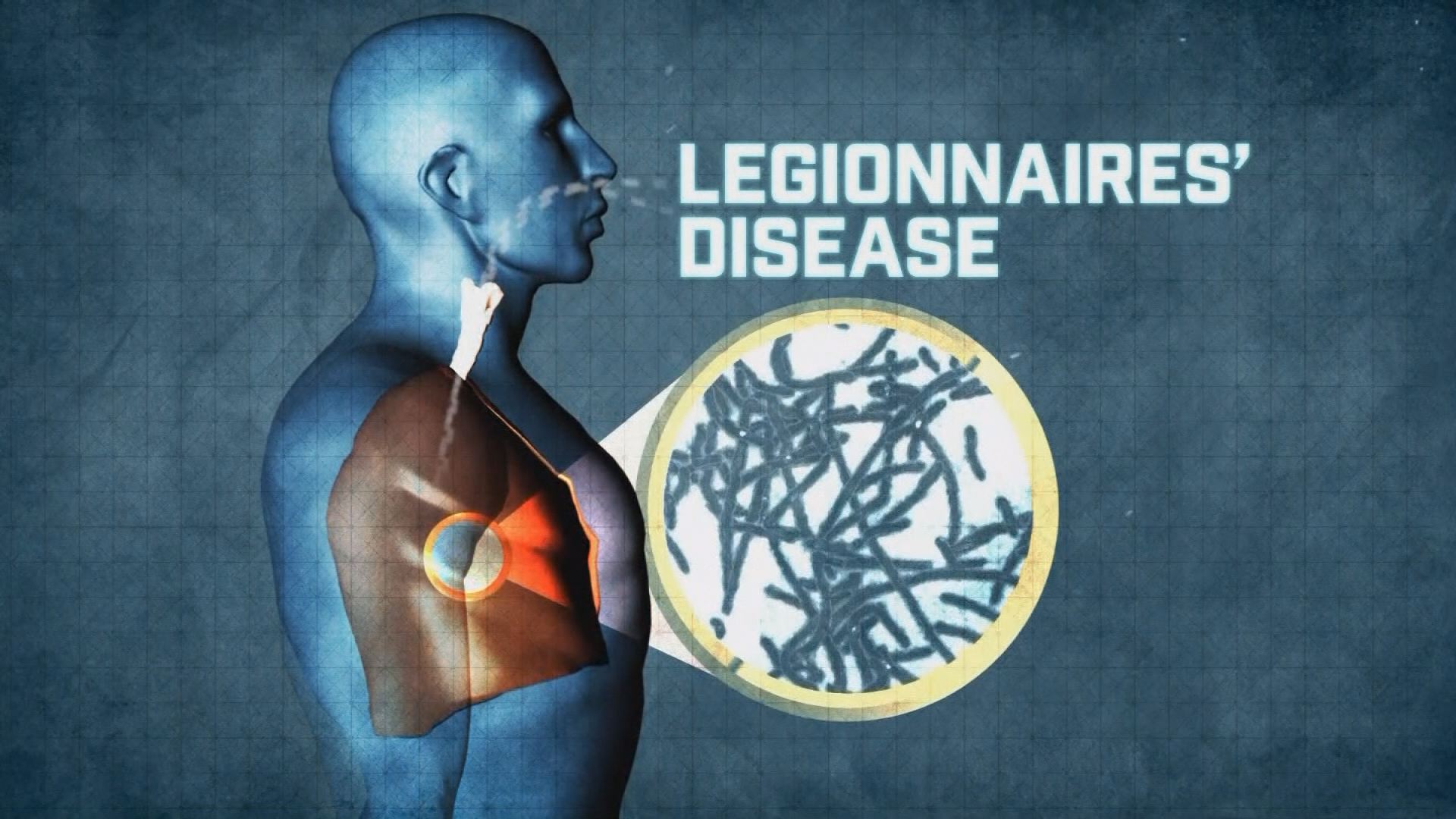
What do you know about Legionnaires’ disease (Quiz of the day)

Select the best answer for the statement below
Legionnaires’ disease:
A ❏ is caused by a Gram-positive coccus
B ❏ is a chronic infectious disease
C ❏ has an incubation period of 2 days to 3 years
D ❏ is characterised by the development of pneumonia
E ❏ may be prevented by vaccination
NOTE PLEASE:The winner will be rewarded with a gift card.Kindly drop your email/Whatsapp contact, after answering the question, in order to reach you, if you happen to be the winner for the day. Good luck to you.
Management of Glaucoma (Quiz of the day)
All the following products used in the treatment of glaucoma are applied
topically EXCEPT:
A ❏ Xalatan
B ❏ Diamox
C ❏ Trusopt
D ❏ Timoptol
E ❏ Betoptic
Write your answers in the comment section below:
NOTE PLS: The winner will be rewarded with a gift card.Kindly drop your email/Whatsapp contact, after answering the question, in order to reach you, if you happen to be the winner for the day. Good luck to you.
Nevin Urges Pharmacists to Embrace Blockchain Technology in Anti-counterfeiting War
If Nigerian pharmacists are seriously contemplating an effective means to curb the growing incidence of drug counterfeiting, they must embrace Blockchain technology.
This was the candid assertion of Andrew Nevin, chief economist, Price Water Corporation (PWC) Nigeria.
Addressing participants during the opening ceremony of the 90th Annual Pharmaceutical Society of Nigeria (PSN) Conference held at International Conference Centre, Umuahia, Abia State on November 7, 2017, Nevin charged pharmacists to wake up to their responsibility.

While harping on the theme, “Medicine Availability and National Security,” the keynote speaker noted that what he finds baffling is the fact that those behind drugs counterfeiting are educated brains who, in most cases, attended the best schools in the world.
“Sometimes I wonder how an educated person would conceive thoughts of creating counterfeit drugs knowing that it will kill a number of people. It is baffling! We need to work hard to eradicate it.
“Unfortunately, it has been established that 25 per cent death in Sub-Saharan Africa was as a result of counterfeiting. Pharmacists must guard against such development. This is why I proffer Blockchain technology,” he stressed.
Strolling around the Neighbourhood, Folding Clothes, others, Can Lengthen Your Years
There is no gainsaying the fact that physical exercise is good for our health, as various authorities have validated it times without number. Although most people tend to comply with this recommendation while younger, but observations have shown that majority of the elderly find physical activities stressful as they advance in age.
The good news is that, the elderly can still engage in physical activities to their own benefit, without hassle, as a new study has confirmed that senior women who consistently engage in household chores are more likely to live longer, healthier lives.
The study, recently published in the Journal of the American Geriatrics Society, and reported on Medical News Today stated that a reduced risk of chronic disease and premature mortality are only some of the health benefits of exercising.
According to the lead scientist, Prof. LaCroix and his colleagues, more than 6,300 women aged between 63 and 99 years, were recruited and followed them for a period of up to 4.5 years. It was reported that the women wore hip accelerometers that continuously tracked their physical activity for 7 days as the women engaged in their day-to-day tasks.
“Our study shows,” says Prof. LaCroix, “for the first time using device-measured light physical activity in older women, that there are health benefits at activity levels below the guideline recommendations.”
“A lot of what we do on a daily basis is improving our health, such as walking to the mail box, strolling around the neighbourhood, folding clothes, and straightening up the house. Activities like these account for more than 55 percent of how older individuals get their daily activity.”
In fact, the research revealed that for every 30 minutes of light physical activity each day, the risk of mortality fell by 12 percent. Additionally, every 30 minutes of moderate physical activity correlated with a 39 percent drop in mortality risk.
Experts Link Coffee Consumption to Reduction in Liver Disease
Coffee is one of the most popular drinks on the planet, and the good news is that a newly published report says it may reduce the risk of liver disease by 70 percent.
Mud, dirt, java, liquid energy, cupped lighting, jitter juice — whatever you call it, coffee has long been a favorite mug-filler for humans.
Rising from their roundtable conference, which was held at the Royal Society of Medicine in London in the United Kingdom and chaired by Prof. Graeme Alexander, a senior advisor to the British Liver Trust, from University College London, the experts validated the benefits of coffee to the liver.
Against this stark backdrop, the latest report brings some welcome relief: that cup of joe you’re holding might go some way toward saving the day. Prof. Alexander explains the importance of these talks.
A cup of coffee
He says, “Liver disease is on the rise across Europe, and it is important that we understand how coffee, one of the most popular drinks in the world, and diet affects the disease.”
“Research suggests that coffee,” Prof. Alexander notes, “may reduce the risk of liver diseases and it is important patients have access to dietary information and advice from healthcare professionals in a manner that is easy for them to understand and act upon.”
Coffee and the liver
Among the research papers discussed were a number of positive meta-analyses. The findings suggest that coffee drinking versus no coffee consumption is associated with a 40 percent reduction in liver cancer risk.
It is thought that liver cancer often develops from an existing problem with the liver. Therefore, this reduction in risk may be due to its protective effect on the liver overall.
Other studies discussed found a 25–70 percent reduction in liver cirrhosis risk. One of the papers concludes by comparing the risks and benefits of coffee. “If coffee increases coronary risk, this is balanced by an unexplained lower risk of other conditions, notably cirrhosis and suicide.”
Liver health may receive a boost from coffee.
To add to this ever-growing list of liver ailments eased by coffee, some studies looked at its effects on non-alcoholic fatty liver disease (NAFLD). Again, the findings were positive.
As one author says, “Our analysis shows that caffeine intake is independently associated with a lower risk for NAFLD suggesting a potential protective effect.”
Some of the studies focused on coffee consumption and chronic liver disease in general. Again, the coffee drinkers seemed to come up trumps with an average risk reduction of 25–30 percent in low coffee consumers and as much as 65 percent in avid coffee guzzlers.
It is possible that some of the positive results have been partially skewed. One author says, “[T]he metabolism of caffeine is impaired in fasting subjects with liver cirrhosis, and the association could be due to a reduction of coffee drinking in subjects with liver cirrhosis.”
However, the effect is so strong across numerous studies that this could not account for the entire association.
Because liver disease is increasing in the Western world, these findings are incredibly valuable.
“Liver disease is a silent killer as often there are no symptoms until it’s too late. Coffee is something that is easily accessible to everyone and regularly drinking it — filtered, instant, or espresso — may make a difference in preventing and, in some cases, slowing down the progression of liver disease — it is an easy lifestyle choice to make.”
Judi Rhys, chief executive of the British Liver Trust
How does coffee weave this hepatic magic?
The exact mechanisms behind coffee’s protective role are not understood, but there are some theories being bounced around. Caffeine, one of coffee’s major players, might be involved. In particular, paraxanthine — one of caffeine’s main metabolites — has come under the spotlight.
It suppresses the synthesis of connective tissue growth factor, which slows down connective tissue growth. This, in turn, may decelerate the development of liver fibrosis, alcoholic cirrhosis, and liver cancer.
One problem with this theory is that tea drinking does not seem to impart the same miraculous benefits to the liver, so perhaps this is not the entire story.
Other researchers have pointed their fingers at other constituents of coffee — namely, kahweol and cafestol. There is some evidence that these compounds might provide anti-cancer effects. It is a strong possibility that there is a range of compounds and mechanisms involved in these liver benefits.
Whatever the mechanism, as far as your liver is concerned, coffee can do no wrong. That being said, it’s important to chuck in a couple of important caveats: caffeine is not safe for everyone.
As Yella Hewings-Martin, Ph.D., explains in MNT‘s dive into coffee and health, “The groups most at risk of potential negative effects from caffeine consumption include […] expectant mothers and lactating women, children and teenagers, and possibly patients with underlying conditions.”
But, if you’re not in an at-risk group, having a few cups every day might be just what your liver wanted for Christmas.
Medical News Today
PSN Conference Abia 2017: Exhibitors’ Reactions (Video)
The 90th Annual Conference of the Pharmaceutical Society of Nigeria (PSN) held in Umuahia, Abia State, from November 6 -11, has come and gone, leaving different impressions in the minds of participants and exhibitors. While a very few number of participants said the conference organisation was fair, majority of the exhibitors rated it low, in logistics and sales.
Hear them out:
Vacancy For Programmes Officer
Pharmanews Ltd is accredited by the Centre for Management Development (CMD) and has focused on manpower development for the health care sector since in 1993. Pharmanews Limited offers world-class training programmes to the Pharmaceutical and health care institutions and professionals. To further improve its services and offering as well as optimize its market opportunities, Pharmanews URGENTLY requires the services of a PROGRAMMES OFFICER
Major Responsibilities
- Organise training programmes
- Liaise and follow up with facilitators and other external parties to ensure successful programmes
- Prospect, market programmes, develop proposals and follow up on clients
- Implement marketing and business development initiatives.
- Prepare and follow up proposals for in-house training programmes within and outside Lagos
Qualifications
- B Sc or equivalent. Business discipline will be an advantage
- 1-3 years experience in consultancy, training/ service outfit or similar organisations
- Age: 25- 35 years
- Computer literate
Remuneration: is attractive and commensurate with experience
Method of Application
Interested candidates should send their CVs and application letter to:
Application deadline: December 1, 2017.
For more enquires contact Omikunle Joel on 08023715536
Please, note: Only Shortlisted candidates will be contacted.
Management of Diabetes Mellitus
Diabetes mellitus is a prevalent condition today in Nigeria and the world as a whole.This explains the motive for the dedication of every 14 November, for awareness creation and enlightenment on the disease. It was first identified as a disease associated with “sweet urine,” and excessive muscle loss in the ancient world. Elevated levels of blood glucose (hyperglycaemia) lead to spillage of glucose into the urine, hence the term “sweet urine.”
In a recent keynote address, Dr Anthonia Ogbera, an associate professor of medicine, Lagos State University Teaching Hospital (LASUTH), declared that it may take years for complications of diabetes to show up. For instance, in Nigeria, these complications occur at the time of diagnosis of the disease in 25 per cent of cases.
Similarly, Babatope Kolawole, a consultant doctor at Obafemi Awolowo University, Ile-Ife, noted that “consuming nourishments that are unfit for human utilisation may increase the propensity of being diabetic. These days in our general public, particularly in the urban groups, most individuals rely on fast food. Most individuals work out their pancreas. They take dairy milk and consume a lot of greasy nourishment, which incline individuals to diabetes and other serious infections.
The theme of World Diabetes Day 2017 is Women and diabetes – our right to a healthy future.
Understanding the disease
As mentioned earlier, diabetes mellitus is a group of metabolic diseases characterised by high blood sugar (glucose) levels that result from defects in insulin secretion, or its action, or both.
Normally, blood glucose levels are tightly controlled by insulin, a hormone produced by the pancreas. Insulin lowers the blood glucose level. When the blood glucose elevates (for example, after eating food), insulin is released from the pancreas to normalise the glucose level. In patients with diabetes, the absence or insufficient production of insulin causes hyperglycaemia.
According to Prof. Alebiosu Olutayo, coordinator of Journalists Action against Diabetes (JAAD), no fewer than three million Nigerians are living with diabetes today, some of whom do not know they have the condition or its implication.
According to him: “Many people are living with the condition unaware of the seriousness of the disease and its consequences, as those diagnosed are often poorly managed due to lack of resources or because the healthcare professionals who care for them have poor knowledge about diabetes and how to provide good care.”
Olutayo warned that going by the rate at which diabetes is currently spreading, it might overtake tuberculosis, malaria, HIV/AIDS, and other terminal diseases by 2030, if adequate attention is not paid toward the provision of health education to the masses.
Diabetes is a chronic medical condition, meaning that although it can be controlled, it lasts a lifetime. Over time, diabetes can lead to blindness, kidney failure, and nerve damage. These types of damage are the result of damage to small vessels, referred to as microvascular disease.
Diabetes is also an important factor in accelerating the hardening and narrowing of the arteries (atherosclerosis), leading to strokes, coronary heart disease, and other large blood vessel diseases. This is referred to as macrovascular disease.
Causes of diabetes
Insufficient production of insulin (either absolutely or relative to the body’s needs), production of defective insulin (which is uncommon), or the inability of cells to use insulin properly and efficiently leads to hyperglycaemia and diabetes. This latter condition affects mostly the cells of muscle and fat tissues, and results in a condition known as insulin resistance. This is the primary problem in type 2 diabetes. The absolute lack of insulin, usually secondary to a destructive process affecting the insulin-producing beta cells in the pancreas, is the main disorder in type 1 diabetes. In type 2 diabetes, there also is a steady decline of beta cells that adds to the process of elevated blood sugars.
Essentially, if someone is resistant to insulin, the body can, to some degree, increase production of insulin and overcome the level of resistance. After time, if production decreases and insulin cannot be released as vigorously, hyperglycaemia develops.
Glucose is a simple sugar found in food. Glucose is an essential nutrient that provides energy for the proper functioning of the body cells. Carbohydrates are broken down in the small intestine and the glucose in digested food is then absorbed by the intestinal cells into the bloodstream, and is carried by the bloodstream to all the cells in the body where it is utilised. However, glucose cannot enter the cells alone and needs insulin to aid in its transport into the cells. Without insulin, the cells become starved of glucose energy, despite the presence of abundant glucose in the bloodstream.
In certain types of diabetes, the cells’ inability to utilize glucose gives rise to the ironic situation of “starvation in the midst of plenty”. The abundant, unutilised glucose is wastefully excreted in the urine.
Insulin is a hormone that is produced by specialised cells (beta cells) of the pancreas. (The pancreas is a deep-seated organ in the abdomen, located behind the stomach). In addition to helping glucose enter the cells, insulin is also important in tightly regulating the level of glucose in the blood. After a meal, the blood glucose level rises. In response to the increased glucose level, the pancreas normally releases more insulin into the bloodstream to help glucose enter the cells and lower blood glucose levels after a meal. When the blood glucose levels are lowered, the insulin release from the pancreas is turned down. It is important to note that even in the fasting state there is a low steady release of insulin than fluctuates a bit and helps to maintain a steady blood sugar level during fasting.
In normal individuals, such a regulatory system helps to keep blood glucose levels in a tightly controlled range. As outlined above, in patients with diabetes, the insulin is either absent, relatively insufficient for the body’s needs, or not used properly by the body. All of these factors cause elevated levels of blood glucose (hyperglycaemia).
Types of diabetes
There are two major types of diabetes – type 1 and type 2. Type 1 diabetes was also formerly called insulin-dependent diabetes mellitus (IDDM), or juvenile onset diabetes mellitus. In type 1 diabetes, the pancreas undergoes an autoimmune attack by the body itself, and is rendered incapable of making insulin. Abnormal antibodies have been found in the majority of patients with type 1 diabetes. Antibodies are proteins in the blood that are part of the body’s immune system. The patient with type 1 diabetes must rely on insulin medication for survival.
In autoimmune diseases, such as type 1 diabetes, the immune system mistakenly manufactures antibodies and inflammatory cells that are directed against and cause damage to patients’ own body tissues. In persons with type 1 diabetes, the beta cells of the pancreas, which are responsible for insulin production, are attacked by the misdirected immune system. It is believed that the tendency to develop abnormal antibodies in type 1 diabetes is, in part, genetically inherited, though the details are not fully understood.
Exposure to certain viral infections (mumps and Coxsackie viruses) or other environmental toxins may serve to trigger abnormal antibody responses that cause damage to the pancreas cells where insulin is made. Some of the antibodies seen in type 1 diabetes include anti-islet cell antibodies, anti-insulin antibodies and anti-glutamic decarboxylase antibodies. These antibodies can be detected in the majority of patients, and may help determine which individuals are at risk for developing type 1 diabetes.
At present, the American Diabetes Association does not recommend general screening of the population for type 1 diabetes, though screening of high risk individuals, such as those with a first degree relative (sibling or parent) with type 1 diabetes should be encouraged. Type 1 diabetes tends to occur in young, lean individuals, usually before 30 years of age, however, older patients do present with this form of diabetes on occasion. This subgroup is referred to as latent autoimmune diabetes in adults (LADA). LADA is a slow, progressive form of type 1 diabetes. Of all the people with diabetes, only approximately 10 per cent have type 1 diabetes and the remaining 90 per cent have type 2 diabetes.
Type 2 diabetes was also previously referred to as non-insulin dependent diabetes mellitus (NIDDM), or adult onset diabetes mellitus (AODM). In type 2 diabetes, patients can still produce insulin, but do so relatively inadequately for their body’s needs, particularly in the face of insulin resistance as discussed above. In many cases, this actually means the pancreas produces larger than normal quantities of insulin. A major feature of type 2 diabetes is a lack of sensitivity to insulin by the cells of the body (particularly fat and muscle cells).
Risk factors in diabetes
In addition to the problems with an increase in insulin resistance, the release of insulin by the pancreas may also be defective and suboptimal. In fact, there is a known steady decline in beta cell production of insulin in type 2 diabetes that contributes to worsening glucose control. (This is a major factor for many patients with type 2 diabetes who ultimately require insulin therapy.) Finally, the liver in these patients continues to produce glucose through a process called gluconeogenesis despite elevated glucose levels. The control of gluconeogenesis becomes compromised.
While it is said that type 2 diabetes occurs mostly in individuals over 30 years old and the incidence increases with age, there is an alarming number of patients with type 2 diabetes who are barely in their teen years. Most of these cases are a direct result of poor eating habits, higher body weight, and lack of exercise.
While there is a strong genetic component to developing this form of diabetes, there are other risk factors – the most significant of which is obesity. There is a direct relationship between the degree of obesity and the risk of developing type 2 diabetes, and this holds true in children as well as adults. It is estimated that the chance to develop diabetes doubles for every 20 per cent increase over desirable body weight.
Regarding age, data shows that for each decade after 40 years of age, regardless of weight, there is an increase in incidence of diabetes. The prevalence of diabetes in persons 65 years of age and older is around 27 per cent. Type 2 diabetes is also more common in certain ethnic groups. Compared with a 7 per cent prevalence in non-Hispanic Caucasians, the prevalence in Asian Americans is estimated to be 8 per cent, in Hispanics 12 per cent, in blacks around 13 per cent, and in certain Native American communities 20 per cent to 50 per cent. Finally, diabetes occurs much more frequently in women with a prior history of diabetes that develops during pregnancy (gestational diabetes).
Diabetes in pregnancy
Diabetes can occur temporarily during pregnancy, and reports suggest that it occurs in 2 per cent to 10 per cent of all pregnancies. Significant hormonal changes during pregnancy can lead to blood sugar elevation in genetically predisposed individuals.
Blood sugar elevation during pregnancy is called gestational diabetes. Gestational diabetes usually resolves once the baby is born. However, 35 per cent to 60 per cent of women with gestational diabetes will eventually develop type 2 diabetes over the next 10 to 20 years, especially in those who require insulin during pregnancy and those who remain overweight after their delivery.
Patients with gestational diabetes are usually asked to undergo an oral glucose tolerance test about six weeks after giving birth to determine if their diabetes has persisted beyond the pregnancy, or if any evidence (such as impaired glucose tolerance) is present that may be a clue to the patient’s future risk for developing diabetes.
“Secondary” diabetes refers to elevated blood sugar levels from another medical condition. Secondary diabetes may develop when the pancreatic tissue responsible for the production of insulin is destroyed by disease, such as chronic pancreatitis (inflammation of the pancreas by toxins like excessive alcohol), trauma, or surgical removal of the pancreas.
Diabetes can also result from other hormonal disturbances, such as excessive growth hormone production (acromegaly) and Cushing’s syndrome. In acromegaly, a pituitary gland tumour at the base of the brain causes excessive production of growth hormone, leading to hyperglycaemia. In Cushing’s syndrome, the adrenal glands produce an excess of cortisol, which promotes blood sugar elevation.
In addition, certain medications may worsen diabetes control, or “unmask” latent diabetes. This is seen most commonly when steroid medications (such as prednisone) are taken and also with medications used in the treatment of HIV infection (AIDS).
Symptoms of diabetes
The early symptoms of untreated diabetes are related to elevated blood sugar levels, and loss of glucose in the urine. High amounts of glucose in the urine can cause increased urine output and lead to dehydration. Dehydration causes increased thirst and water consumption.
The inability of insulin to perform normally has effects on protein, fat and carbohydrate metabolism. Insulin is an anabolic hormone, that is, one that encourages storage of fat and protein.
A relative or absolute insulin deficiency eventually leads to weight loss despite an increase in appetite. Some untreated diabetes patients also complain of fatigue, nausea and vomiting. Patients with diabetes are prone to developing infections of the bladder, skin, and vaginal areas. Fluctuations in blood glucose levels can lead to blurred vision. Extremely elevated glucose levels can lead to lethargy and coma.
Diagnosis of diabetes
The fasting blood glucose (sugar) test is the preferred way to diagnose diabetes. It is easy to perform and convenient. After the person has fasted overnight (at least eight hours), a single sample of blood is drawn and sent to the laboratory for analysis. This can also be done accurately in a doctor’s office using a glucose metre.
Normal fasting plasma glucose levels are less than 100 milligrams per decilitre (mg/dl).
Fasting plasma glucose levels of more than 126 mg/dl on two or more tests on different days indicate diabetes. A random blood glucose test can also be used to diagnose diabetes. A blood glucose level of 200 mg/dl or higher indicates diabetes. When fasting blood glucose stays above 100mg/dl, but in the range of 100-126mg/dl, this is known as impaired fasting glucose (IFG). While patients with IFG do not have the diagnosis of diabetes, this condition carries with it its own risks and concerns, and is addressed elsewhere.
Oral glucose tolerance test
Though not routinely used anymore, the oral glucose tolerance test (OGTT) is a gold standard for making the diagnosis of type 2 diabetes. It is still commonly used for diagnosing gestational diabetes and in conditions of pre-diabetes, such as polycystic ovary syndrome. With an oral glucose tolerance test, the person fasts overnight (at least eight but not more than 16 hours). Then first, the fasting plasma glucose is tested. After this test, the person receives 75 grams of glucose. There are several methods employed by obstetricians to do this test, but the one described here is standard. Usually, the glucose is in a sweet-tasting liquid that the person drinks. Blood samples are taken at specific intervals to measure the blood glucose.
For the test to give reliable results:
* The person must be in good health (not have any other illnesses, not even a cold)
* The person should be normally active (not lying down, for example, as an inpatient in a hospital), and
* The person should not be taking medicines that could affect the blood glucose.
* The morning of the test, the person should not smoke or drink coffee.
The classic oral glucose tolerance test measures blood glucose levels five times over a period of three hours. Some physicians simply get a baseline blood sample followed by a sample two hours after drinking the glucose solution. In a person without diabetes, the glucose levels rise and then fall quickly. In someone with diabetes, glucose levels rise higher than normal and fail to come back down as fast.
People with glucose levels between normal and diabetic have impaired glucose tolerance (IGT). People with impaired glucose tolerance do not have diabetes, but are at high risk for progressing to diabetes. Each year, 1 per cent to 5 per cent of people whose test results show impaired glucose tolerance actually eventually develop diabetes. Weight loss and exercise may help people with impaired glucose tolerance return their glucose levels to normal. In addition, some physicians advocate the use of medications, such as metformin (glucophage), to help prevent/delay the onset of overt diabetes.
Research has shown that impaired glucose tolerance itself may be a risk factor for the development of heart disease. In the medical community, most physicians are now understanding that impaired glucose tolerance is not simply a precursor of diabetes, but is its own clinical disease entity that requires treatment and monitoring.
Glucose tolerance tests may lead to one of the following diagnoses:
Normal response: A person is said to have a normal response when the 2-hour glucose level is less than 140 mg/dl, and all values between 0 and 2 hours are less than 200 mg/dl.
Impaired glucose tolerance: A person is said to have impaired glucose tolerance when the fasting plasma glucose is less than 126 mg/dl and the 2-hour glucose level is between 140 and 199 mg/dl.
Diabetes: A person has diabetes when two diagnostic tests done on different days show that the blood glucose level is high.
Gestational diabetes: A pregnant woman has gestational diabetes when she has any two of the following:, a fasting plasma glucose of 92 mg/dl or more, a 1-hour glucose level of 180 mg/dl or more, or a 2-hour glucose level of 153 mg/dl, or more.
Chronic complications of diabetes
These diabetes complications are related to blood vessel diseases and are generally classified into small vessel disease, such as those involving the eyes, kidneys and nerves (microvascular disease), and large vessel disease involving the heart and blood vessels (macrovascular disease). Diabetes accelerates hardening of the arteries (atherosclerosis) of the larger blood vessels, leading to coronary heart disease (angina or heart attack), strokes, and pain in the lower extremities because of lack of blood supply (claudication).
Eye Complications
The major eye complication of diabetes is called diabetic retinopathy. Diabetic retinopathy occurs in patients who have had diabetes for at least five years. Diseased small blood vessels in the back of the eye cause the leakage of protein and blood in the retina. Disease in these blood vessels also causes the formation of small aneurysms (microaneurysms), and new but brittle blood vessels (neovascularisation). Spontaneous bleeding from the new and brittle blood vessels can lead to retinal scarring and retinal detachment, thus impairing vision.
To treat diabetic retinopathy a laser is used to destroy and prevent the recurrence of the development of these small aneurysms and brittle blood vessels. Approximately 50% of patients with diabetes will develop some degree of diabetic retinopathy after 10 years of diabetes, and 80 per cent of diabetics have retinopathy after 15 years of the disease. Poor control of blood sugar and blood pressure further aggravates eye disease in diabetes.
Cataracts and glaucoma are also more common among diabetics. It is also important to note that since the lens of the eye lets water through, if blood sugar concentrations vary a lot, the lens of the eye will shrink and swell with fluid accordingly. As a result, blurry vision is very common in poorly controlled diabetes. Patients are usually discouraged from getting a new eyeglass prescription until their blood sugar is controlled. This allows for a more accurate assessment of what kind of glasses prescription is required.
Kidney damage
Kidney damage from diabetes is called diabetic nephropathy. The onset of kidney disease and its progression is extremely variable. Initially, diseased small blood vessels in the kidneys cause the leakage of protein in the urine. Later on, the kidneys lose their ability to cleanse and filter blood. The accumulation of toxic waste products in the blood leads to the need for dialysis. Dialysis involves using a machine that serves the function of the kidney by filtering and cleaning the blood. In patients who do not want to undergo chronic dialysis, kidney transplantation can be considered.
The progression of nephropathy in patients can be significantly slowed by controlling high blood pressure, and by aggressively treating high blood sugar levels. Angiotensin converting enzyme inhibitors (ACE inhibitors) or angiotensin receptor blockers (ARBs) used in treating high blood pressure may also benefit kidney disease in diabetic patients.
Nerve damage
Nerve damage from diabetes is called diabetic neuropathy and is also caused by disease of small blood vessels. In essence, the blood flow to the nerves is limited, leaving the nerves without blood flow, and they get damaged or die as a result (a term known as ischemia). Symptoms of diabetic nerve damage include numbness, burning, and aching of the feet and lower extremities.
When the nerve disease causes a complete loss of sensation in the feet, patients may not be aware of injuries to the feet, and fail to properly protect them. Shoes or other protection should be worn as much as possible. Seemingly minor skin injuries should be attended to promptly to avoid serious infections. Because of poor blood circulation, diabetic foot injuries may not heal. Sometimes, minor foot injuries can lead to serious infection, ulcers, and even gangrene, necessitating surgical amputation of toes, feet, and other infected parts.
Diabetic nerve damage can affect the nerves that are important for penile erection, causing erectile dysfunction (ED, impotence). Erectile dysfunction can also be caused by poor blood flow to the penis from diabetic blood vessel disease.
Diabetic neuropathy can also affect nerves to the stomach and intestines, causing nausea, weight loss, diarrhoea, and other symptoms of gastroparesis (delayed emptying of food contents from the stomach into the intestines, due to ineffective contraction of the stomach muscles).
The pain of diabetic nerve damage may respond to traditional treatments with certain medications such as gabapentin (Neurontin), henytoin (Dilantin), and arbamazepine (Tegretol) that are traditionally used in the treatment of seizure disorders. mitriptyline (Elavil, Endep) and desipramine (Norpraminine) are medications that are traditionally used for depression. While many of these medications are not indicated specifically for the treatment of diabetes related nerve pain, they are used by physicians commonly.
The pain of diabetic nerve damage may also improve with better blood sugar control, though unfortunately blood glucose control and the course of neuropathy do not always go hand in hand. Newer medications for nerve pain include Pregabalin (Lyrica) and duloxetine (Cymbalta).
Managing diabetes complications
Findings from the Diabetes Control and Complications Trial (DCCT) and the United Kingdom Prospective Diabetes Study (UKPDS) have clearly shown that aggressive and intensive control of elevated levels of blood sugar in patients with type 1 and type 2 diabetes decreases the complications of nephropathy, neuropathy, retinopathy, and may reduce the occurrence and severity of large blood vessel diseases.
Aggressive control with intensive therapy means achieving fasting glucose levels between 70-120 mg/dl; glucose levels of less than 160 mg/dl after meals; and a near normal hemoglobin A1c levels (see below).
Studies in type 1 patients have shown that in intensively treated patients, diabetic eye disease decreased by 76 per cent, kidney disease decreased by 54 per cent, and nerve disease decreased by 60 per cent. More recently the EDIC trial has shown that type 1 diabetes is also associated with increased heart disease, similar to type 2 diabetes. However, the price for aggressive blood sugar control is a two to three fold increase in the incidence of abnormally low blood sugar levels (caused by the diabetes medications). For this reason, tight control of diabetes to achieve glucose levels between 70 to120 mg/dl is not recommended for children under 13 years of age, patients with severe recurrent hypoglycaemia, patients unaware of their hypoglycaemia, and patients with far advanced diabetes complications.
To achieve optimal glucose control without an undue risk of abnormally lowering blood sugar levels, patients with type 1 diabetes must monitor their blood glucose at least four times a day and administer insulin at least three times per day. In patients with type 2 diabetes, aggressive blood sugar control has similar beneficial effects on the eyes, kidneys, nerves and blood vessels.
Treatment of diabetes
The major goal in treating diabetes is to minimise any elevation of blood sugar (glucose) without causing abnormally low levels of blood sugar. Type 1 diabetes is treated with insulin, exercise, and a diabetic diet. Type 2 diabetes is treated first with weight reduction, a diabetic diet, and exercise. When these measures fail to control the elevated blood sugars, oral medications are used. If oral medications are still insufficient, treatment with insulin is considered.
Adherence to a diabetic diet is an important aspect of controlling elevated blood sugar in patients with diabetes. The American Diabetes Association (ADA) has provided guidelines for a diabetic diet. The ADA diet is a balanced, nutritious diet that is low in fat, cholesterol, and simple sugars. The total daily calories are evenly divided into three meals. In the past two years, the ADA has lifted the absolute ban on simple sugars. Small amounts of simple sugars are allowed when consumed with a complex meal.
Weight reduction and exercise are important treatments for diabetes. Weight reduction and exercise increase the body’s sensitivity to insulin, thus helping to control blood sugar elevations.
Medications for type 2 diabetes
Note: All the information below applies to patients who are not pregnant or breastfeeding. At present the only recommended way of controlling diabetes in women who are pregnant or breastfeeding is by diet, exercise and insulin therapy.
Based on what is known, medications for type 2 diabetes are designed to:
* increase the insulin output by the pancreas,
* decrease the amount of glucose released from the liver,
* increase the sensitivity (response) of cells to insulin,
* decrease the absorption of carbohydrates from the intestine, and
* slow emptying of the stomach to delay the presentation of carbohydrates for digestion and absorption in the small intestine.
When selecting therapy for type 2 diabetes, consideration should be given to:
* the magnitude of change in blood sugar control that each medication will provide;
* other coexisting medical conditions (high blood pressure, high cholesterol, etc.);
* adverse effects of the therapy;
* contraindications to therapy;
* issues that may affect compliance (timing of medication, frequency of dosing); and
* cost to the patient and the healthcare system.
It is important to remember that if a drug can provide more than one benefit (lower blood sugar and have a beneficial effect on cholesterol, for example), it should be preferred. It’s also important to bear in mind that the cost of drug therapy is relatively small compared to the cost of managing the long-term complications associated with poorly controlled diabetes.
Varying combinations of medications also are used to correct abnormally elevated levels of blood glucose in diabetes. As the list of medications continues to expand, treatment options for type 2 diabetes can be better tailored to meet an individual’s needs. Not every patient with type 2 diabetes will benefit from every drug, and not every drug is suitable for each patient. Patients with type 2 diabetes should work closely with their physicians to achieve an approach that provides the greatest benefits while minimising risks.
Patients with diabetes should never forget the importance of diet and exercise. The control of diabetes starts with a healthy lifestyle regardless of what medications are being used.
Report compiled by Adebayo Folorunsho-Francis, with additional reports from medicinenet.com and American Diabetes Association
Why WHO Pre-qualified Companies Haven’t Attracted Foreign Tenders – Chukwumerije
Dr Onyenoha Chukwumerije, technical adviser to World Health Organisation (WHO) on pre-qualification and certification of pharmaceutical manufacturers, is the chief executive officer of California-based Onyexx Pharma LLC and Onyexx Nigeria Limited. In this interview with Adebayo Folorunsho-Francis, Chukwumerije bares his mind on pharma challenges and why Nigerian pharma manufacturers who are GMP-certified are yet to get tenders from foreign companies. Excerpts:
What does Onyexx Pharma do?
Onyexx Pharma is into manufacturing. Our job is to help companies to make high quality and efficacious drugs.
How long have you been in business?
It has been in existence for more than 10 years. I worked for a number of companies in the United States like Johnson & Johnson, Progenitor Cell Therapy and other notable ones. I rose to the position of vice president, quality assurance, at Progenitor Cell Therapy, LLC.
What are the objectives of Onyexx Pharma?
Having garnered enough experiences working for different companies in the United States, I said to myself, “Why don’t I go and make it for my country, Nigeria so that my people can enjoy access to these kinds of quality drugs?” This was during the era of Late Dora Akunyili. I kept telling myself “Why don’t I join in the campaign to fight against fake drugs?”
What has your experience been in Nigeria?
I am a consultant for the World Health Organisation (WHO). In fact, the organisation sent me here to assist in the areas of getting GMP pre-qualification certification. This was what I did with the first four companies that got the pre-qualification status. Even as we speak, I am also assisting three more companies which will also soon achieve such certification. The earlier four were Agary, May & Baker, Chi Pharmaceuticals and Swiss Pharma, while the ones in the pipeline are Juhel, Phamatex and Afrabchem.
What challenges have you faced in the last 10 years?
You know the economy is bad in Nigeria at the moment and to achieve GMP is a long process. GMP is relatively easy but to achieve it is a long-term process. The challenge is getting people committed to go the extra mile. It is long term and it costs money.
Having invested heavily in getting their WHO pre-qualification certification, the four companies you mentioned earlier still find it hard getting foreign tenders, unlike what happens with their foreign counterparts. Why is this so?
The tenders will come. I just finished working with Medecine Sans Frontieres (Doctors Without Borders). They are looking at some of our companies with a view to ordering drugs from them. The key thing they are looking for is GMP. I also know that two of those companies with certification have been approached by foreign companies to order drugs. Although it is taking a little time, eventually that will happen.
The federal government too has to help because I hear that there is a high tariff on importation of raw materials. Therefore to make drugs here is quite expensive. You have to use your own diesel and other logistics, unlike those other countries you mentioned. I have been to India several times; they don’t have most of those challenges. We need to compete in price when we are dealing with these companies. Here, we have no power, they (India and other countries) have; hence they sell cheaper.
And remember that pharmaceutical companies in India are practically integrated. This means that they make their raw materials and, at the same time, the finished work. It is only raw materials that I can say we have access to. Even the water to use for the raw materials has to be purified because there is no way we can use it like that. We know the state of water in the country. Until we pick up things and become competitive, we will continue to have challenges.
On a brighter side, some companies and charitable organisations are still looking at our GMP-certified companies to do business with them.
In the next 10 years, where do you see Onyexx Nigeria Limited in the pharmaceutical industry?
As I said earlier, if the federal government can help pharmaceutical companies in terms of tariff; it will go a long way in boosting activities in the sector. This is because we are similar to Bangladesh. I had a World Bank project to study Bangladesh. I think we are indeed similar in terms of size and being emerging economies. Do you know that, in Bangladesh, about 95 per cent of all they use is internally grown? They even export. But we still import drugs.
I don’t know why in Nigeria, foreign companies exhibiting drugs in the country are not encouraged to manufacture most of the medicines we use. For instance, I know that some of our companies, like May & Baker, have a lot of capacity to produce drugs. They should ban most of these drugs imported from India and China. We can make them here.
In addition to my work in Oyexx Nigeria, I used to teach in some universities like Nnamdi Azikiwe University (UNIZIK) and University of Port Harcourt (UNIPORT). We produced world class pharmacists and chemists. Today, we also have over 200 pharmaceutical companies in the country. So, if the government, in conjunction with NAFDAC, will allow us and ban some of these drugs being brought into the country, we can make them. Bangladesh still supplies 95 per cent of the drugs they use internally.
FG Appoints Prof. Adeyeye As New NAFDAC DG
Professor of Pharmaceutics, Moji Christianah Adeyeye has been appointed as the new NAFDAC DG by the Federal Government. She is the wife of Senator Olusola Adeyeye representing Osun Central constituency at the National Assembly.
Professor Mrs. Adeyeye who is the founder of Drugs for AIDS and HIV Patients, a nonprofit organization committed to prevention, education, care and treatment of HIV/AIDS children in Nigeria, takes over from Mr. Ademola Andrew Magbojuri who was appointed as the Acting Director-General of NAFDAC in September.
Magbojuri took over from Mrs. Yetunde Oni, who attained the retirement age of 60 years in September and also served in the acting capacity for 18 months following the sack of NAFDAC”s substantive DG, Dr. Paul Orhii.
The new NAFDAC Director-General, attended the University of Nigeria, obtaining a BSc in pharmacy in 1976, and went on to the University of Georgia where she obtained an M.S and a Ph.D. in pharmaceutics in 1985 and 1988.
Professor Mrs. Adeyeye is the Chief Executive Officer of Elim Pediatric Pharmaceuticals Inc.
Mrs. Adeyeye is a Professor of Pharmaceutics, Manufacturing Science and Drug Product Evaluation, College of Pharmacy, Roosevelt University, Schaumburg, IL and Chair, Department of Biopharmaceutical Sciences, College of Pharmacy, Roosevelt University, Schaumburg, IL.
Got Excess Belly Fat? Check Out Natural Remedy To It
Belly fat is more than just a superficial concern. It is also a significant risk factor for serious health sproblems such as diabetes and cardiovascular disease. Not all fat is the same subcutaneous belly fat is the most visible type of fat, located just under the skin. Everyone has some belly fat, but large quantities of this subcutaneous fat can signal a weight problem.
Pills, surgeries, miracle cures, and herbal remedies will not safely remove belly fat. It is, however, possible to get rid of belly fat naturally with a healthy combination of diet and exercise.
Fast facts on belly fat:
- Belly fat tends to increase with age, particularly for women.
- Having a high Body Mass Index (BMI) often correlates with more belly fat.
- Visceral belly fat is highly responsive to diet.
- Exercise is a key factor in eliminating belly fat.
What is visceral belly fat?
Combining exercise with a healthy diet may help to remove belly fat.
Visceral fat—sometimes called “active” fat because of its active role in producing various hormones—is the harmful type of belly fat.
It is less visible than subcutaneous fat because it lies within the abdominal wall. It surrounds organs, and releases hormones that can lead to diabetes, chronic inflammation, and other serious health problems.
Visceral fat is not visible, but a slowly expanding waistline is a good indication of visceral fat. As visceral fat grows, so too does the belly.
Some people find that visceral fat makes the stomach feel hard, while subcutaneous fat tends to feel soft and squishy.
Why belly fat is dangerous
A higher BMI can mean a greater risk for cardiovascular disease and metabolic syndromes, such as diabetes. For people who have active lifestyles and healthy body weights, subcutaneous fat—even if the belly protrudes a little—is not dangerous.
Some research even suggests that surgery to remove subcutaneous fat will not improve health, and may even be a risk factor for more visceral fat—particularly if surgery is not accompanied by healthful lifestyle changes.
Visceral fat, however, is very dangerous. It releases hormones that can cause diabetes and inflammation. Inflammation is a risk factor for a variety of health problems, including cardiovascular disease and diabetes. In women, visceral fat may increase the likelihood of needing gallbladder surgery. Visceral fat is also linked to breast cancer. Fiber from fruit and vegetables may help regulate blood sugar.
Anyone can develop belly fat at any age, but some groups are at a greater risk of developing visceral fat. Those groups include:
- white men
- African-American women
- Asian Indian men and women
- people who are overweight or obese
- People who drink lots of sugar.
Medical News Today
Great Discovery: Study Affirms Aging Reversal in Human
New research published in the journal BMC Cell Biology shows that old human cells can be rejuvenated using chemicals similar to resveratrol, a substance found in red wine and dark chocolate.
The new study was carried out by researchers at the Universities of Exeter and Brighton, both of which are located in the United Kingdom.
Lorna Harries, a professor of molecular genetics at the University of Exeter, led the researchers, and the first author of the paper is Dr. Eva Latorre, a research associate at the same institution.
The new study builds on previous research from the University of Exeter, which found that so-called splicing factors — which are a type of protein — tend to become inactive as we age.
In the new study, the researchers added “resveralogues,” or chemicals similar to resveratrol, to aging human cells and found that they reactivated these splicing factors. This, in turn, not only made the old cells appear younger, but they also started dividing again, as young cells would.
“When I saw some of the cells in the culture dish rejuvenating I couldn’t believe it,” says Dr. Latorre. “These old cells were looking like young cells. It was like magic,” she says.
“I repeated the experiments several times and in each case, the cells rejuvenated. I am very excited by the implications and potential for this research,” Dr. Latorre adds.
Resveratrol is a compound found in peanuts, grapes, red wine, dark chocolate, and some berries.
What are mRNA splicing factors?
For us to better understand the context of the new findings, Prof. Harries explained what mRNA splicing is.
“The information in our genes is carried [in] our DNA,” she said. “Every cell in the body carries the same genes, but not every gene is switched on in every cell. That’s one of the things that makes a kidney cell a kidney cell and heart cell a heart cell.”
“When a gene is needed,” she continued, “it is switched on and [makes] an initial message called an RNA, that contains the instructions for whatever the gene makes. The interesting thing is that most genes can make more than one message.”
Could this hormone rejuvenate memory?
The bone-produced hormone osteocalcin may reverse age-related memory decline.
Read now
“The initial message is made up of building blocks that can be kept in or left out to make different messages,” Prof. Harries added. “[This] inclusion or removal of the building blocks is done by a process called mRNA splicing, whereby the different blocks are joined together as necessary.”
“It’s a bit like a recipe book, where you can make either a vanilla sponge or a chocolate cake, depending on whether or not you add chocolate!” she said.
“We have previously found that the proteins that make the decision as to whether a block is left in our taken out (these are called splicing factors) are the ones that change most as we age.” Prof. Lorna Harries
Seniors citizens may live healthily ‘for their entire life’
“[The findings demonstrate] that when you treat old cells with molecules that restore the levels of the splicing factors, the cells regain some features of youth,” explains Prof. Harries.
“They are able to grow, and their telomeres — the caps on the ends of the chromosomes that shorten as we age — are now longer, as they are in young cells.”
“[We] were quite surprised by the magnitude of [the findings],” Prof. Harries told MNT. She also said that the rejuvenating effects lasted for weeks, which was also very exciting.
The discovery may soon improve the healthspan of seniors. “This is a first step in trying to make people live normal lifespans, but with health for their entire life,” explains Prof. Harries.
On the same note, study co-author Prof. Richard Faragher, of the University of Brighton, says:
“At a time when our capacity to translate new knowledge about the mechanisms of aging into medicines and lifestyle advice is limited only by a chronic shortage of funds, older people are ill-served by self-indulgent science fiction. They need practical action to restore their health and they need it yesterday.”
Prof. Harries also shared with us some of the researchers’ plans for their future investigations, saying, “We are now trying to see if we can find out how the changes in splicing factor levels [cause] cell rescue. We have more papers in preparation on this so watch this space!”
Medical News Today
Safco Becoming a Force in Wholesale Distribution Pharmacy –Afon
In this interview, Pharm. Adebayo Afon, managing director, Safco Mega Solutions and vice chairman, Association of Community Pharmacists of Nigeria (ACPN), Eti-Osa Zone, speaks on several pressing issues on wholesale distribution pharmacy, as well as his reasons for venturing into wholesale business in 2016, having been in community pharmacy practice since 2004. Afon, who is also the chief executive officer, Afonches Pharmacy, Lagos, which has about seven branches around Lekki and Ajah areas, also speaks on the challenges facing community pharmacists in Eti-Osa. Excerpts:
Tell us about Safco Mega Solutions?
Safco Mega Solutions is a pharmaceutical wholesale company that supplies branded generics and over-the-counter pharmaceuticals to a wide range of customers, including retail pharmacy chains, independent retail pharmacies and institutional providers, such as hospitals, health systems and other healthcare providers. The company was established last year June, so we are just few months over one year.
What prompted your decision to establish the company?
The establishment of Safco Mega Solutions was not an accident. It was deliberately masterminded by my late father, Pharm. Solomon Adegboyega Afon, who operated Safco Chemist Limited, Benin, in present day Edo State, when he was alive. So we only reignited the legacy he began in 1976.
However, Safco Chemist Limited was mainly involved in retail, wholesale and distribution of pharmaceuticals in the community it was located, and the company continued its operation after the death of my father in 1986 under my management. But, in 2004, Safco Chemist Limited was liquidated and Afonches Pharmacy was formed and it has now grown into seven branches.
However, I had always been concerned about the challenge of ineffective supply chain system, which I had traced to monopolistic pricing system, delay in delivery, product hoarding, insufficiency of products and stiff market conditions imposed on pharmaceutical retailers in Nigeria, especially those of us here on the Island. This prompted the need to expand into a wholesale line of business and, thus, Safco Mega Solutions was birthed.
Despite having been in business for just a year, there is no doubt that the company is doing well. What has been the driving philosophy of the enterprise?
We put God first in whatever we do and, most importantly, our philosophy has been fashioned towards sheer determination in whatever we do and ensuring that we make a headway, no matter the challenges. We think of how to expand our business every day and how to satisfy our customers better. We came in because we wanted to attend to people’s needs and we are doing it to the best of our knowledge and ability. Our vision is to breathe life into the pharmaceutical distribution system in Nigeria, and we are dedicated to developing long-term business solutions.
What is Safco doing differently in wholesale pharmacy?
As a company, we are committed to the profitability and viability of independent pharmacies, as well as providing support to maintain their positions in the industry. Our competitive edge cuts across efficient customers’ inventory and management, telephone-email-walk in and door-to-door order system.
We have strategically developed our portfolio of branded, generic and consumer products to suit our customers’ needs, and we also offer our customers inventory staples, new launches and hard-to-find generics. Orders made between 8.00 am and 4.00 pm (Monday to Friday) on the Island will be delivered same day within two hours while delivery of orders to mainland locations will take 24 hours.
We are just one year old, but despite that, Safco has been able to bring in some positive changes into the wholesale business and if it comes to rating, we are not doing badly as we have become a force to reckon with in the industry.
As the zonal vice-chairman of ACPN in Eti-Osa, how have you been combining ACPN activities with managing your personal business?
` To God be the glory, I have been able to comfortably combine the two, but one factor that has really helped is that we have a very hardworking chairman, in the person of Pharm. George Okon, in the zone. And with him at the helm of affairs, the zone is in safe hands. That aside, it is a thing of joy for me to serve my association in any capacity. So, whenever the opportunity presents itself, I discharge my duties diligently without it affecting my personal business. So, it’s been interesting combining the two.
What are the challenges facing community pharmacists on the Island and how can they be tackled?
Truly, there are a number of challenges facing us, and one of the most important is the challenge of quacks taking almost all the few customers we have here. The problem is that this area is not as congested as the mainland; so the activities of the quacks pose a serious threat to our business. We hope something positive can be done about it by the government as it’s killing us. Our parent body, the PSN, can also do something drastic about it, rather than waiting for the government.To solve the challenge of lack of finance, I think collaboration and partnership among pharmacists should be encouraged.
Where do you hope to see Safco Mega Solutions in the next 10 years?
By the grace of God, we hope that at the rate at which we are going, Safco will soon become the people’s first choice when it comes to wholesale distribution pharmacy in the country, and we also hope to go into manufacturing of pharmaceuticals in the near future.
Shalina Partners WWCVL on Products Distribution
In what may be described as a confluence of a mega brand and a mega distributor, Shalina Healthcare Nig. Limited, a market leader in the pharmaceutical industry in Nigeria and across Sub-Saharan Africa, has entered into a mutually-beneficial agreement with World Wide Commercial Ventures Limited (WWCVL).
Speaking with Pharmanews at the official launch of the partnership, held at WWCVL office in Matori area of Lagos on 13 October, 2017, Lucky Sigbenu, brand manager (EBD/Topicals), Shalina Healthcare Nig. Ltd, explained that the company was happy to partner with the logistics and distribution giant, whose track record had left no one in doubt of its capability.
With the reach that WWCVL has across Nigeria, we are confident that the depth of our megabrands, Epiderm, Betasol, Canderm and Leopard will penetrate even further, making them more accessible to consumers and healthcare professionals,’’ he said.
Still on the choice of WWCVL, Sigbenu remarked that the company has a focused and dedicated sales/distribution team, adding that he strongly believed the partnership would be a mutually-beneficial relationship in the long run.
He stated further that through the new partnership, more people in the country will get access to the quality and affordable products of Shalina.
“With the strong marketing and brand building capabilities brought to the table by Shalina Healthcare and the years of sales distribution experience of WWCVL, it is easy to see how this is a win-win for all,” he said.
The event also saw the marketing team from Shalina facilitating training for the WWCVL sales team, an activity described as a major component of the partnership between the two companies.
Representing Shalina at the launch was Pharm. Kenneth Mordi, brand manager, Nutraceuticals/Respiratory/Antimalarial; Pharm. Haastrup Roland, brand manager, Gastro & Anti-infectives; Pharm. Theophilus Emeka Adimoha, head, QA & Regulatory; Sigbenu Lucky, brand manager, EBD/Topicals; Chris Eyo, national sales manager; and Russell Wasdell, country manager.
WWCVL was represented by Santosh Kumar, managing director, WWCVL; Victor Okafor, national sales manager (Shalina portfolio); and Ananth Sigadapu, general manager.
World Wide Commercial Ventures Limited (WWCVL) is a licensed vendor to all major healthcare providers in Nigeria. It has also been described as a one-stop solution for warehousing, pharma marketing, supply chain, Sales& Marketing regulatory , port clearance, transportation logistics and inventory management.
WWCVL houses many great companies such as GSK, AstraZeneca, Bayer, Novartis, Johnson & Johnson, Danone, Sanofi, Pfizer, MSD, Novo Nordisk, Boehringer Ingelheim, Janssen, Allergan, and Roche. Shalina Healthcare is the latest addition to the family.
Shalina Healthcare, on the other hand, represents a truly African multinational, with over 35 years of leadership in the pharmaceutical industry in Africa
Unbreakable Laws of Sales-18th Law: Time is a Major Denominator

Yesterday is gone. Tomorrow has not yet come. We have only today. Let us begin. Mother Teresa
My son, Giovanni, who is in Basic Four, got me laughing during my conversation with him about the concept of Time recently. Our conversation went thus:
Giovanni: Daddy, Why is the clock always moving without stopping?
Me: Because Time moves towards its destination and waits for no one; it can’t stop.
Giovanni: Where is Time going to; why would Time not wait for any one?
Me: Because Time is designed to work that way. It moves to its destination. It waits for no one.
Giovanni: But Time should learn how to wait for people.
Me: No, Time can’t wait for anybody; people wait for Time.
Giovanni: I will make Time to wait for me.
Me: What will you do to achieve that?
Giovanni: I will remove the battery!
Me: Oh my God! (I couldn’t stop laughing).
We all know that no one can stop time, but Giovanni’s position is what some folks try to apply today when it comes to time. They want to stop time. They want time to wait for them. They come to business meetings late, even when crucial matters are expected to be discussed. These individuals start assignments late and get confused sometimes when they can’t meet up with deadlines. They also come to work late and want to go home early. No one cheats the clock! Think about this.
Efficiency leads to excellence
In business or in personal life, effective use of time is everything. Time determines what happens next. Greatness is measured by how you utilise your time.
Benjamin Franklin said, ‘‘You may delay, but time will not.’’ Time ticks steadily without pausing. Time is not interested in your programmes. Time follows its own design without thinking about anyone. You either organise yourself and fit into the ever moving time and get things done, or you ignore the importance of this vital factor and have yourself to blame.
The importance of time cannot be overemphasised. We are all appraised by our ability to utilise our time effectively and efficiently. Businesspeople want to achieve their targets easier and faster. They want to achieve a lot within the shortest possible time. Individuals desire to do more and get more in good time. They want to be effective and efficient as well. Salespeople wish their targets were met before the set time. They celebrate when they achieve their sales targets before the end of the appraisal period.
I once met Joy, a smart medical sales representative in the pharmaceutical industry. I met her in my friend’s pharmacy where she supplied her company’s products. When I got talking with her, she informed me that she had already met her sales target for the month. It was one week before the end of the month. I consider that a good performance because many salespeople struggle to reach their sales target at the end of the month. Such performance will naturally give her the opportunity to prepare for the subsequent month. She works at her pace without any form of anxiety; achieving results and making her employers happy. This is the environment successful sales folks create for themselves. You too can work this way.
Be strategic
In sales, time is everything. Attaining your goals is measured by your ability to utilise your time properly. Successful people utilise every second in their day properly. They do this because no one manufactures time. Time is scarce. Smart people utilise theirs properly because any wasted time is gone forever.
Your goals should be measured and broken down on monthly, weekly, hourly, per minute and even per second basis. You must know where your time goes. Every time you have must be assigned to something useful.
You should plan your time in a way that you apportion time for the least things. Plan your events properly and follow through with actions. Make out time to pray. Create time for work. Allocate time for resting, leisure and to socialise. Assign time for family, for health and fitness. Every time must be planned and used appropriately because no one produces time. You just have to use the time you have efficiently because time is expensive. Use it judiciously.
Stephen R. Covey said, ‘‘The key is not in spending time, but in investing it.’’ A lot of people are busy like the bee but the question is: what are they busy for? Are you busy chasing your targets or are you busy engaging in motion without movement? Your time must be put in valuable causes that will bring results.
Be alert to where your time goes. Be attentive to your activities. Be a good life manager because when you manage your life properly – doing the right things at the right time – the issue of time will be sorted out. Set a personal guide for yourself to know if what you are doing at any given time fits into your vision and mission. This is how to make time your ‘friend.’
Public Sector Doctors And Private Practice
In a move that many Nigerians must have considered long overdue, the Minister of Health, Prof. Isaac Adewole, recently hinted that the federal government may stop medical doctors in the public sector from engaging in private practice. While briefing newsmen in Abuja after a Federal Executive Council meeting last month, Adewole announced that the Council had set up a committee to investigate the issue in accordance with public service rules and the professional ethics of medical practitioners. According to him, “The law of the land does not allow any public officer to do anything other than farming.”
Quite remarkably, the health minister noted during his address that the issue is “of considerate interest to quite a number of Nigerians.” He could not have been more discerning. It has been an open secret, to which the minister himself must have been privy, that many doctors in government employment and working in public hospitals also have active private practice and there have been allegations that these doctors often refer patients from the public hospitals to their own private clinics for treatment in order to make more money for themselves. There have also been complaints that many of these doctors are hardly available at their duty posts in government work, leading to insinuations that they juggle their official working hours between their public employment and private practice.
However, in a rather defensive move, the Nigerian Medical Association (NMA) has declared that any move to ban doctors in public service from private practice would be illegal. The NMA President, Prof. Mike Ogirima, while speaking in Ilorin, Kwara State, during the 2017 Physician’s Week, asked the government to define what it meant by “working hours” and argued that doctors in public hospitals were already working more than the period required by law. He noted that while the NMA was opposed to members using their official working hours to attend to their private clinics/hospitals and was ready to work in tandem with government to discipline errant doctors, an outright ban on private practice would be unlawful.
Public sector doctors and private practice
Speaking in the same vein, Dr Olubunmi Omojowolo, chairman of NMA, Lagos State chapter, also asked the government to clearly define its moves, noting that while the law truly does not permit doctors in public hospital to own private hospitals, they could offer specialised services to private hospitals when required. He added that the standard practice all over the world is that specialists could be invited to either public or private institutions to help sort out medical issues.
We must emphasise that despite the plausibility of NMA’s arguments, the fundamental problem that the government is trying to solve with its investigations must not be obscured. All Nigerians, and medical practitioners, in particular, should be interested in ensuring that patients are properly attended to at our public hospitals. The government should indeed be commended for trying to ensure that the rules and ethics guiding medical practice are strictly enforced and that patients get the adequate attention they deserve from their physicians when they visit public hospitals, rather than being needlessly referred to private clinics for dubious reasons
We must also state that having a committee to explore how to handle this sensitive issue is appropriate and laudable. It is very important for the government and the NMA to arrive at a consensus on how the relevant laws will be enforced, since both parties agree that it is indeed anomalous, unethical and immoral for physicians paid to do government work to abdicate it because of commitments to their private practice. To this end, we urge the committee to be thorough in its assignment to ensure that whichever decision is eventually taken will be in the best interest of patients. It is time that the long-held view by many that public hospitals are only for the poor and desperate – who have no choice but to endure the haphazard attention they get – become a thing of the past.
When the committee eventually submits its report, the government must take prompt and expeditious action, while also ensuring that other germane issues affecting healthcare delivery in the country, such as of poor funding, dearth of needed essential equipment and refurbishing of decaying infrastructure are given adequate attention. Moreover, the important unresolved issue concerning the working conditions of medical doctors as raised by the NMA must equally be addressed while the government should also reconstitute the MDCN board to strengthen the procedure of sanctioning erring physicians for misconducts.
It is only when these crucial steps are taken that patients will trust doctors in public hospitals to give them the best care and the tendency of doctors to refer patients to private clinics would reduce. This will equally help reduce the number of Nigerians travelling abroad for medical tourism.
Five Super Remedies To Work Anxiety
Telling yourself to stop being anxious when you’re feeling anxious is a bit like telling yourself to fall asleep when you have insomnia — it doesn’t work. So what does? Here are five things to keep in mind when you’re going through a dark moment.
The conundrum of getting anxious over getting anxious can seem inescapable, especially when the things you’re obsessing about are work-related. During such dark times, the temptation to break this vicious circle by smothering your anxiety and shouting “at” your mind to just shut up! can be huge.
Next time you feel like your mind is your greatest enemy, try to remember these five things — and let us know in the comments below if they’ve made your life any easier.
- 1. What you feel is real
When I had my first anxiety attack at work, I waited until I got physically ill to ask to go home. I guess, to me, it didn’t feel like mental symptoms were as palpable, significant, or real as physical ones. Only physical symptoms could validate my troubles and make me feel less guilty and embarrassed about admitting that I needed some form of help.
Thinking that mental health problems are, in some way, not as real as physical ones is not uncommon. This year, millions of Internet users have asked Google if mental illness is real, and the Internet abounds with public awareness campaigns from the government and non-profit organizations answering with a resounding “Yes!”
“Anxiety disorders are real, serious medical conditions — just as real and serious as physical disorders such as heart disease or diabetes,” write the ADAA.
Not only that, but “Anxiety disorders are the most common and pervasive mental disorders in the United States.” In fact, the National Institutes of Health (NIH) report that as many as 1 in 5 Americans are affected by anxiety disorders.
When I had my anxiety attack, my main worry was that my employer would think I was trying to skive my duties. If you feel the same, the good news is you’re not alone. In fact, a recent survey on workplace stress and anxiety reports that 38 percent of those with an anxiety disorder do not tell their employers because they fear that “their boss would interpret it as lack of interest of unwillingness to do the activity.”
When you’re at work, a place where you’re expected to perform and be at your best, it can be difficult to admit to vulnerabilities and cut yourself some slack. But try to remember your anxiety is real, just as real as the most painful migraine or a really bad stomach ache — and you deserve to take care of yourself, just as you would if you had those physical conditions.
- Your employer won’t fire you
A major part of having an anxiety attack in the workplace can be the fear that you’ll get fired. The good news is — you probably won’t.
The fear of getting sacked is often part of the catastrophizing mechanism that is a hallmark of workplace anxiety. But should your worst “what if” scenario come true, the law is on your side.
The Americans with Disabilities Act (ADA) is designed to protect employees like you from job discrimination; so, if you tell your employer that you have a lasting “physical or mental impairment,” they are required, by law, to not only keep you on, but also provide you with “reasonable accommodation.”
As the ADAA explain, your employer cannot fire you, or refuse to hire you, if you’re qualified for the job and your disability stops you from performing tasks that are “not essential” to the job.
For a more detailed explanation of what that means, as well as what counts as “reasonable accommodation,” check out this useful page with information put together by the U.S. Equal Employment Opportunity Commission.
- Work with anxiety, not against it
Steven Hayes, professor of Clinical Psychology at the University of Nevada in Reno, a prominent figure in the field of mental health — and, more importantly, a man who is no stranger to panic attacks himself — advocates for a more self-compassionate and self-accepting way of dealing with anxiety.
In fact, Prof. Hayes is the founder of one of the newest and most innovative forms of cognitive behavioral therapy, called acceptance commitment therapy (ACT). This form of therapy starts with the acceptance and neutral, non-judgemental observation of negative thoughts, and moves toward bringing the client into the present moment and helping them lead a meaningful life.
In this video, he explains why seeing anxiety as your enemy is not helpful. If you see your feelings of anxiety as your enemy, he says, then you see your personal history as your enemy; if your physical sensations are your enemy, “then your body is your enemy” — and fighting your anxiety means fighting yourself.
This self-denial and self-avoidance are what ultimately leads to psychopathologies, Prof. Hayes notes. Instead, he suggests, try to hold your fear in a self-compassionate way. “Bring that frightened part of you close and treat it with some dignity.”
It’s perhaps worth mentioning that ACT has proven effective in the treatment of anxiety in a wide range of studies, and in some areas of mental health, it proved to be even more effective than the classical form of CBT.
- Make stress your friend
Along similar lines, health psychologist and world-renowned speaker Kelly McGonigal makes the case for a positive rethinking of stress. In this talk, she explains, it’s not so much the stress itself that is harmful, as the way in which we think about it.
Instead of seeing stress as your enemy, you can make it work for you. Stress and anxiety are nothing but a sign that you care about something, and this care can be molded into something that wildly improves your performance instead of inhibiting it.
But isn’t this just wishy-washy, “think positive,” smile-at-yourself-in-the-mirror-and-your-depression-will-go-away kind of pseudo-science?
Not really. McGonigal grounds her beliefs in pretty solid scientific evidence, ranging from observational studies to randomized trials, and her book “The Upside of Stress,” is studded with references to numerous studies which showed actual results.
One such study tested out a simple three-step process for dealing with stress and anxiety in the workplace, and yielded positive results. Here it is, as laid out by McGonigal:
“The first step is to acknowledge stress when you experience it. Simply allow yourself to notice the stress, including how it affects your body.”
“The second step is to welcome the stress by recognizing that it’s a response to something you care about. Can you connect to the positive motivation behind the stress? What is at stake here, and why does it matter to you?”
“The third step is to make use of the energy that stress gives you, instead of wasting that energy trying to manage your stress. What can you do right now that reflects your goals and values?”
Personally, I probably wouldn’t be so convinced if I hadn’t realized, while reading this, that I’ve already tried out these suggestions. I’ve done so intuitively, on a few occasions, and was very pleased with the outcome.
For instance, working in a fast-paced environment as part of a news team sometimes allows me to redirect my anxiety and channel it into writing high-quality news stories, which I deliver against the clock. When I used to work as a teacher, I’d channel my anxiety about speaking in public into creating upbeat, high-energy, engaging classes.
But don’t take my word for it — read the book, try it out, and see what you think.
- ‘Find what feels good’
Yoga has been shown to significantly reduce feelings of anxiety and stress, and this final thought is actually a quote from my favorite Yoga instructor.
In her “Yoga with Adriene” sessions — which are available online, for free — Adriene often says “Find what feels good,” and while most of the time she’s referring to physical yoga poses, I think this piece of advice suits us, “worriers,” beautifully when we’re trying to figure out ways to cope with the harshness of our inner voice.
Often, those of us who live with anxiety are also perfectionists, over-achievers, and generally people who (have been taught to) expect a lot from themselves. When you have anxiety, that makes things even worse, because not being at your best makes you angry at yourself, and treating yourself harshly is the last thing you need when you’re, in fact, at your most vulnerable.
But it’s worth remembering that no one is ever perfect, and we all need to take care of and nurture our flawed selves.
“Find what feels good” is a great adage because it replaces that harsh inner voice with a kinder, gentler one — a lot like the tone Adriene uses in her own videos — but also, just as importantly, it’s a good reminder that different strategies work for different people, and only you can find what works best for you.
That said, I will leave you with something that works for me: a self-loving video from Adriene, tailored specifically for anxiety.
MedicalNewsToday